1570 ,
PARACELSUS — ARCHIDOXA + ETLICHE TRACTETLEIN… + DREYZEHEN BÜCHER
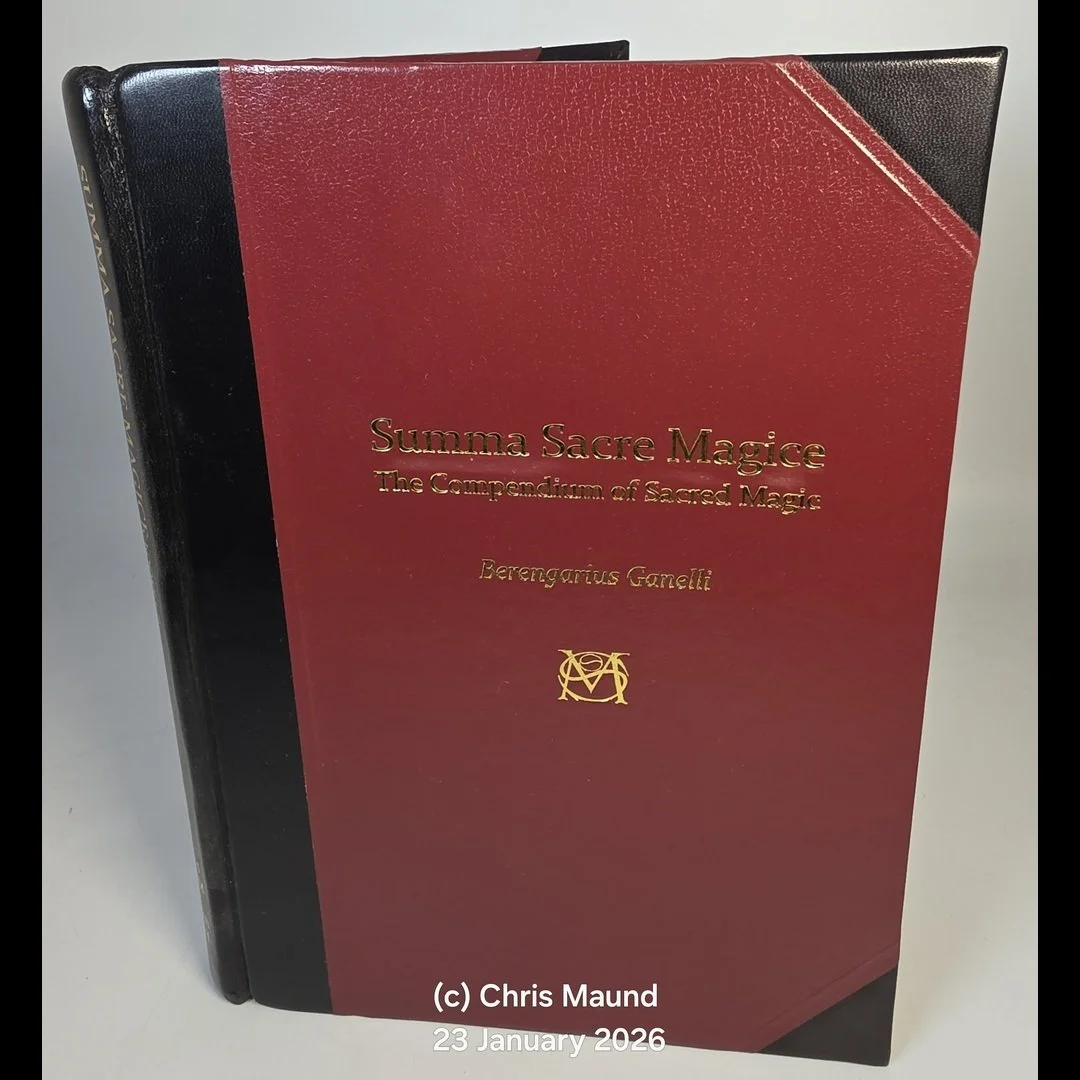
Three works bound together (with substantial early manuscript recipe additions).
By Philippus Aureolus Theophrastus Bombastus von Hohenheim (Paracelsus); Johannes Albertus Wimpinaeus (editor).
Paracelsus (Theophrastus von Hohenheim, c. 1493–1541) A Swiss–German physician, natural philosopher, and alchemical writer whose work helped shift Renaissance medicine toward chemical remedies and away from purely Galenic/humoral models. He championed observation and experience, promoted mineral-based medicines, and became a foundational figure for iatrochemistry (chemical medicine). His writings circulated widely after his death and were often printed in edited compilations—like the Archidoxa tradition—by later Paracelsians.
Johannes Albertus Wimpinaeus (Johannes Albertus Wimpina / Wimpinaeus, fl. mid–late 16th c.) A physician/philosopher and editor/compiler in the Paracelsian publishing world. He’s named on the 1570 Munich title page as the person who “ordered” and titled the material. In practice, figures like Wimpinaeus were crucial in turning Paracelsus’s often difficult, manuscript-circulating material into structured, printable books for working readers.
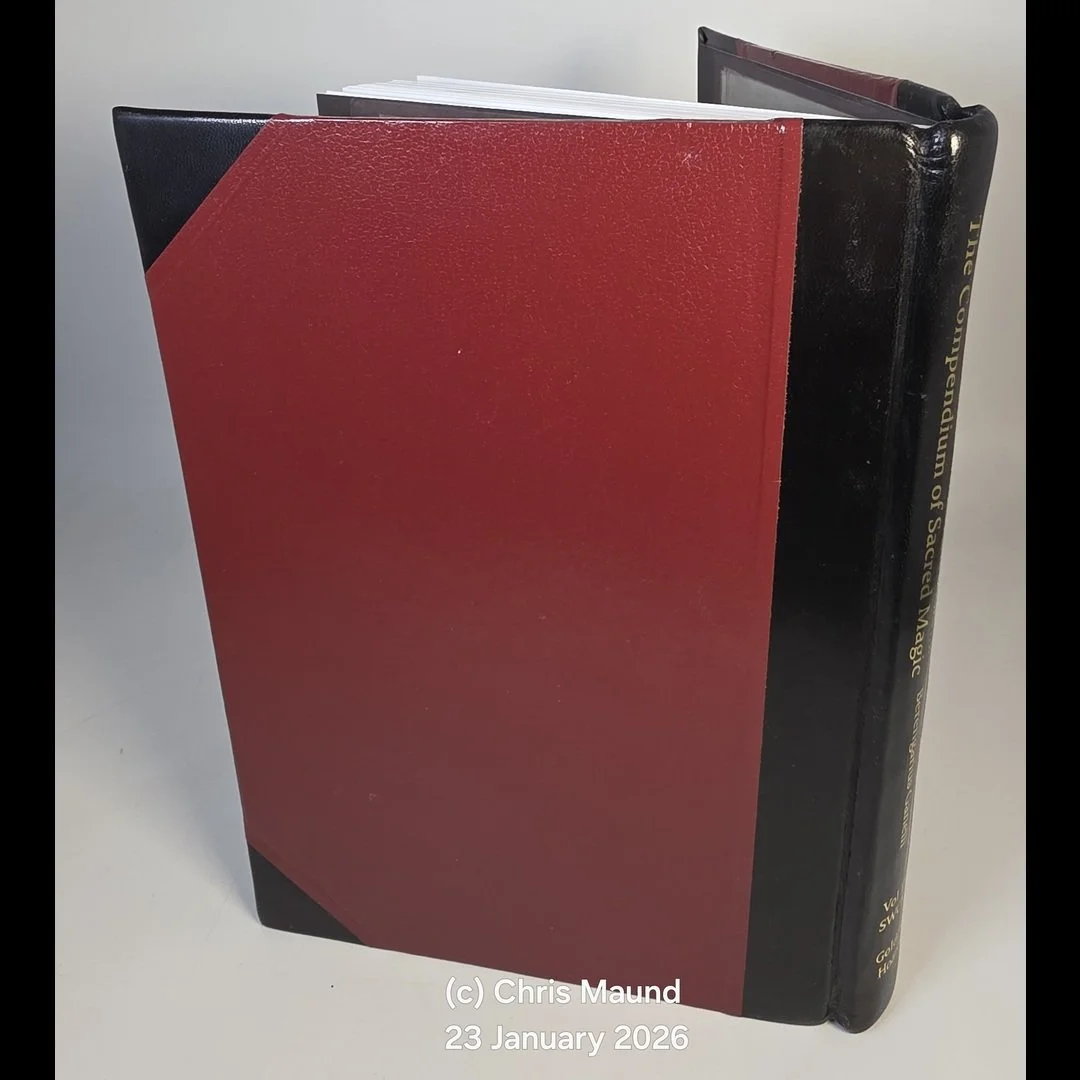
Format: Hardcover, octavo (8vo 6 × 9 152 × 229),Pages 428
Language: German & Latin
Dust Jacket: No Jacket, Dust Jacket Condition: No Jacket
Published By:
Munich: Adam Berg, 1570 (2 works).
Basel: Peter Perna, 1571 (1 work).
Overview:
A powerful Paracelsian sammelband bringing together three cornerstone sixteenth-century texts at the intersection of alchemy, medicine, and early chemical philosophy—and materially enhanced by two extensive early-modern manuscript recipe sequences that strongly suggest practical, working use.
At the heart of the volume is the Archidoxa, one of the most important early print vehicles for Paracelsus’s programme of separation, extraction, and quintessence: a practical blueprint for producing potent remedies from natural substances and for interpreting the body through a chemical lens. Paracelsus’s wider legacy is frequently characterised as establishing chemistry as integral to medicine, making compilations like this central to the history of iatrochemistry and Renaissance medical thought.
Bound in is the scarce first-edition supplement Etliche Tractetlein zur Archidoxa gehörig (Munich, 1570), treating (among other subjects) magnets in medicine, aspects of occult philosophy, the proper administration of medicines, and methods for dealing with venoms/poisons—a vivid witness to the applied, workshop-adjacent character of Paracelsian reading.
Completing the volume is Perna’s Basel Dreyzehen Bücher (1571), presenting Paracelsus’s “true cures” for difficult diseases and offering a key witness to the way Paracelsian medicine was packaged and disseminated in the later sixteenth century.
Editors & context
Paracelsus (c. 1493–1541) — Swiss-German physician and alchemical writer whose works helped shift Renaissance medicine toward chemical remedies and away from purely Galenic/humoral models, emphasising observation and experience.
Johannes Albertus Wimpinaeus (fl. mid–late 16th c.) — physician-philosopher and Paracelsian editor/compiler named on the Munich title page as the figure who ordered and titled the material, representative of the editorial labour that translated difficult, manuscript-circulating Paracelsian texts into structured printed form.
Manuscript additions (early modern; German/Latin)
Two substantial manuscript sequences on blank leaves/endpapers, closely aligned to the printed content and strongly suggestive of historical practical/medical use.
Manuscript notes (c. 12 pp.)
Contemporary/early manuscript notes in German and Latin comprising:
A short glossary of chymical operations and what each “separates” (distillation, dissolution, putrefaction, extraction, calcination, reverberation, sublimation, reduction, coagulation, etc.).
A note on degrees of heat in distillation (Balneum Mariae; ashes; sand; stronger furnace heats), with a classification of materials appropriate to each.
Several practical receipts, including “Preparatio flos ♄” (“Flowers of Saturn/lead”) by repeated sublimations, an “Arcanum Sulphuris,” and a Paracelsian plague remedy headed “Descriptio Xenecti Paracelsi, gegen Pesten,” with a brief Latin gloss discussing the meaning of Xenecton.
(As with many working chymical manuscripts, these notes employ period symbols and abbreviations; content treated here as historical evidence of use.)
SKU: BTETM0002697
Approximate Package Dimensions H: 12.5, L: 30, W: 25 (Units: cm), W: 2Kg
1570 ,
PARACELSUS — ARCHIDOXA + ETLICHE TRACTETLEIN… + DREYZEHEN BÜCHER
Three works bound together (with substantial early manuscript recipe additions).
By Philippus Aureolus Theophrastus Bombastus von Hohenheim (Paracelsus); Johannes Albertus Wimpinaeus (editor).
Paracelsus (Theophrastus von Hohenheim, c. 1493–1541) A Swiss–German physician, natural philosopher, and alchemical writer whose work helped shift Renaissance medicine toward chemical remedies and away from purely Galenic/humoral models. He championed observation and experience, promoted mineral-based medicines, and became a foundational figure for iatrochemistry (chemical medicine). His writings circulated widely after his death and were often printed in edited compilations—like the Archidoxa tradition—by later Paracelsians.
Johannes Albertus Wimpinaeus (Johannes Albertus Wimpina / Wimpinaeus, fl. mid–late 16th c.) A physician/philosopher and editor/compiler in the Paracelsian publishing world. He’s named on the 1570 Munich title page as the person who “ordered” and titled the material. In practice, figures like Wimpinaeus were crucial in turning Paracelsus’s often difficult, manuscript-circulating material into structured, printable books for working readers.
Format: Hardcover, octavo (8vo 6 × 9 152 × 229),Pages 428
Language: German & Latin
Dust Jacket: No Jacket, Dust Jacket Condition: No Jacket
Published By:
Munich: Adam Berg, 1570 (2 works).
Basel: Peter Perna, 1571 (1 work).
Overview:
A powerful Paracelsian sammelband bringing together three cornerstone sixteenth-century texts at the intersection of alchemy, medicine, and early chemical philosophy—and materially enhanced by two extensive early-modern manuscript recipe sequences that strongly suggest practical, working use.
At the heart of the volume is the Archidoxa, one of the most important early print vehicles for Paracelsus’s programme of separation, extraction, and quintessence: a practical blueprint for producing potent remedies from natural substances and for interpreting the body through a chemical lens. Paracelsus’s wider legacy is frequently characterised as establishing chemistry as integral to medicine, making compilations like this central to the history of iatrochemistry and Renaissance medical thought.
Bound in is the scarce first-edition supplement Etliche Tractetlein zur Archidoxa gehörig (Munich, 1570), treating (among other subjects) magnets in medicine, aspects of occult philosophy, the proper administration of medicines, and methods for dealing with venoms/poisons—a vivid witness to the applied, workshop-adjacent character of Paracelsian reading.
Completing the volume is Perna’s Basel Dreyzehen Bücher (1571), presenting Paracelsus’s “true cures” for difficult diseases and offering a key witness to the way Paracelsian medicine was packaged and disseminated in the later sixteenth century.
Editors & context
Paracelsus (c. 1493–1541) — Swiss-German physician and alchemical writer whose works helped shift Renaissance medicine toward chemical remedies and away from purely Galenic/humoral models, emphasising observation and experience.
Johannes Albertus Wimpinaeus (fl. mid–late 16th c.) — physician-philosopher and Paracelsian editor/compiler named on the Munich title page as the figure who ordered and titled the material, representative of the editorial labour that translated difficult, manuscript-circulating Paracelsian texts into structured printed form.
Manuscript additions (early modern; German/Latin)
Two substantial manuscript sequences on blank leaves/endpapers, closely aligned to the printed content and strongly suggestive of historical practical/medical use.
Manuscript notes (c. 12 pp.)
Contemporary/early manuscript notes in German and Latin comprising:
A short glossary of chymical operations and what each “separates” (distillation, dissolution, putrefaction, extraction, calcination, reverberation, sublimation, reduction, coagulation, etc.).
A note on degrees of heat in distillation (Balneum Mariae; ashes; sand; stronger furnace heats), with a classification of materials appropriate to each.
Several practical receipts, including “Preparatio flos ♄” (“Flowers of Saturn/lead”) by repeated sublimations, an “Arcanum Sulphuris,” and a Paracelsian plague remedy headed “Descriptio Xenecti Paracelsi, gegen Pesten,” with a brief Latin gloss discussing the meaning of Xenecton.
(As with many working chymical manuscripts, these notes employ period symbols and abbreviations; content treated here as historical evidence of use.)
SKU: BTETM0002697
Approximate Package Dimensions H: 12.5, L: 30, W: 25 (Units: cm), W: 2Kg

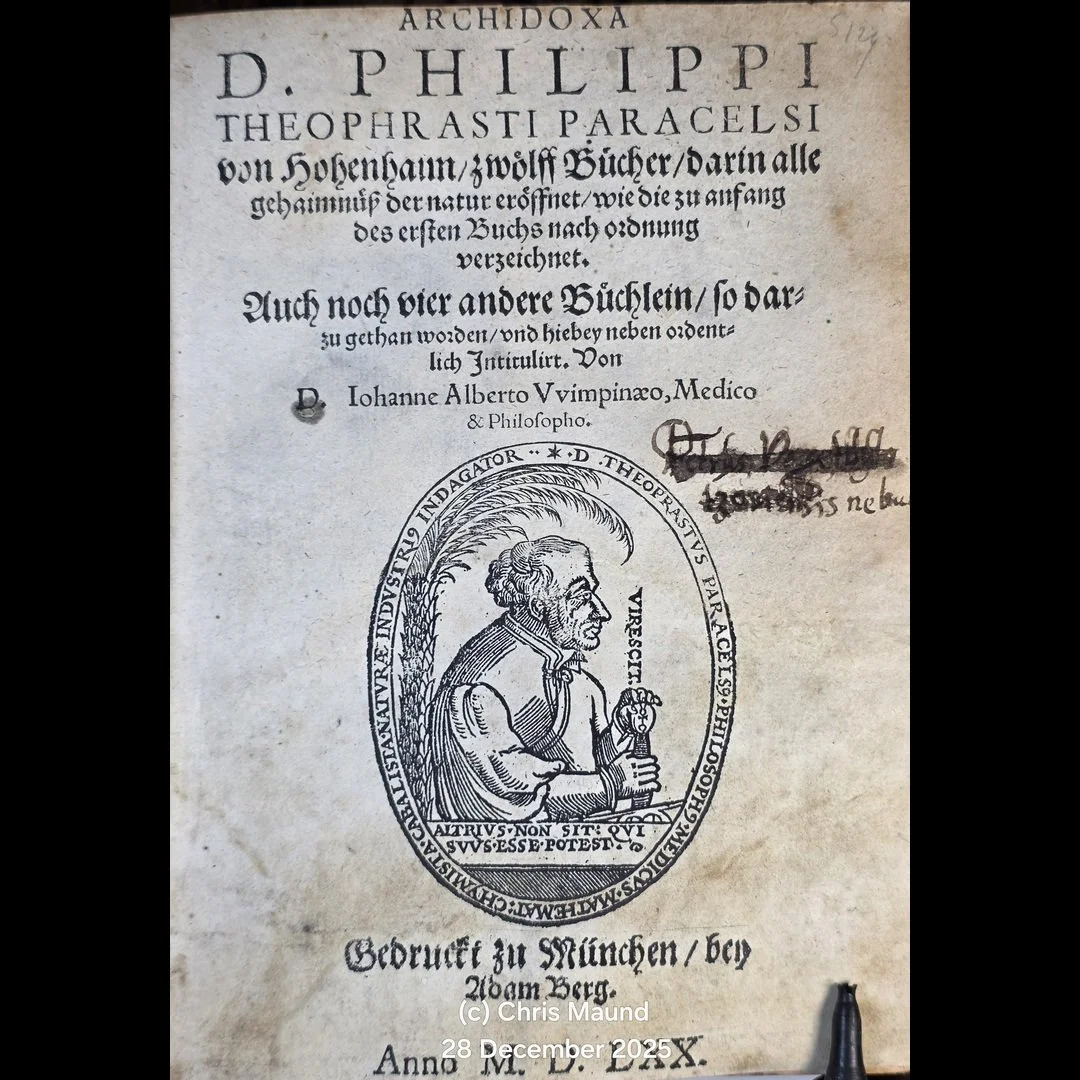 Image 1 of 51
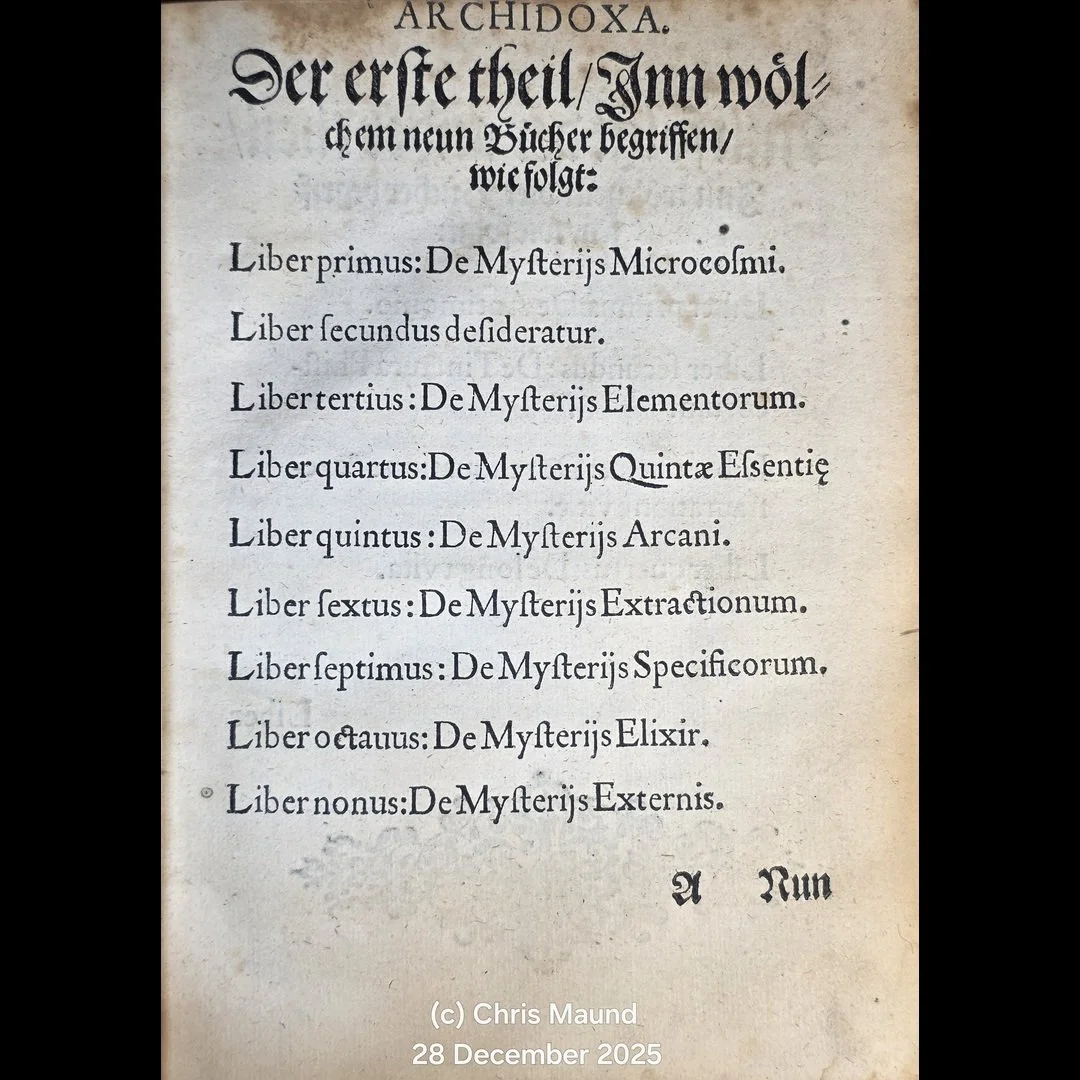 Image 2 of 51
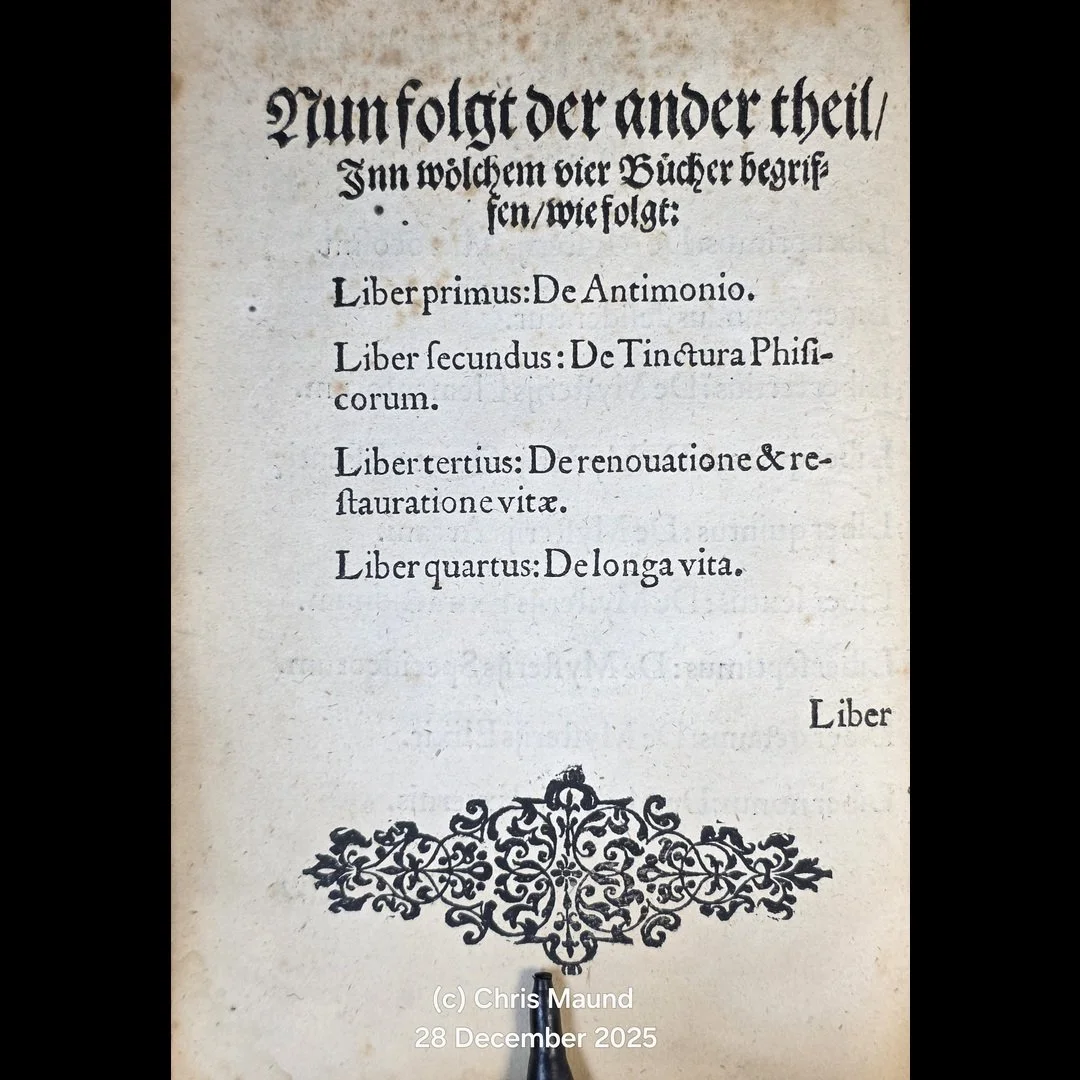 Image 3 of 51
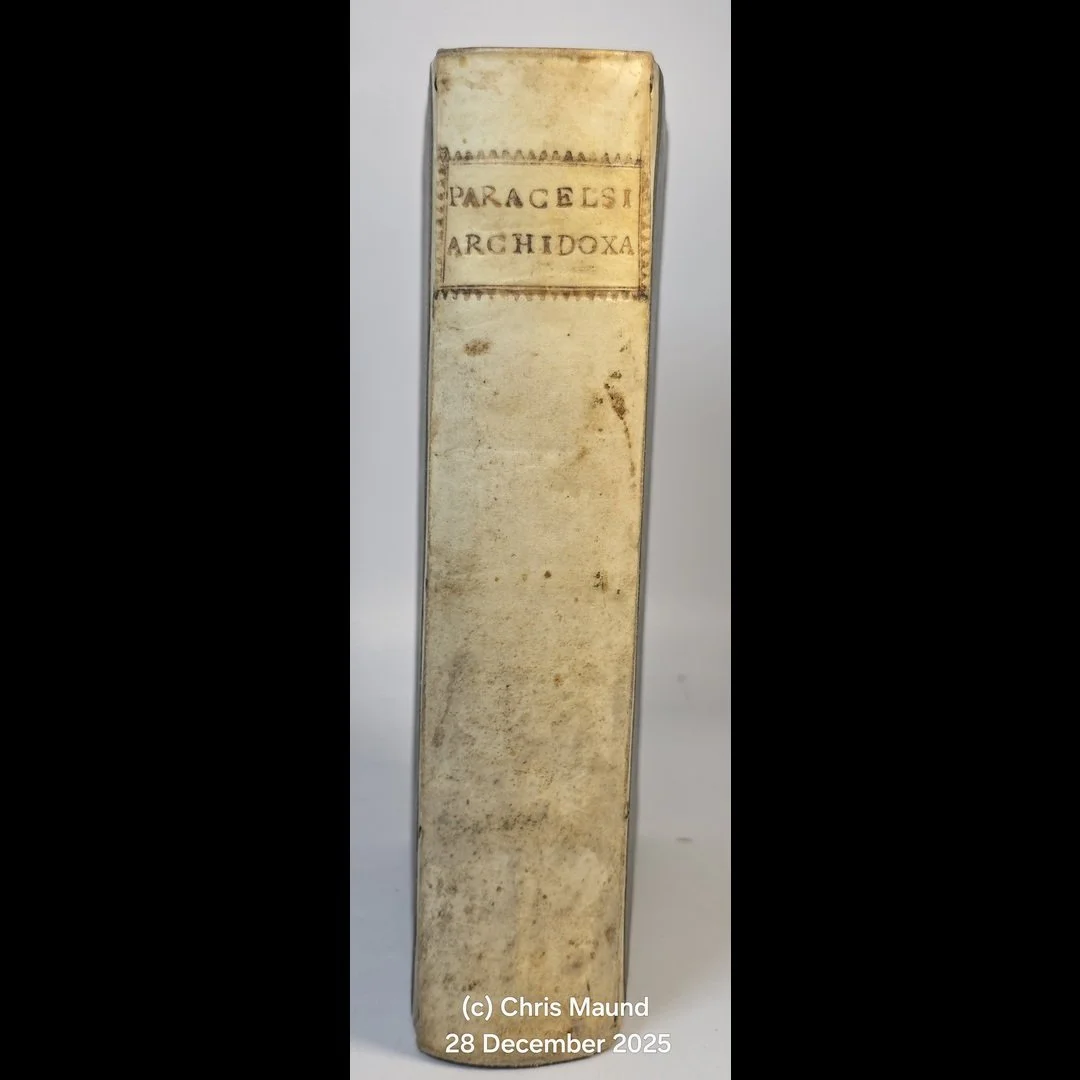 Image 4 of 51
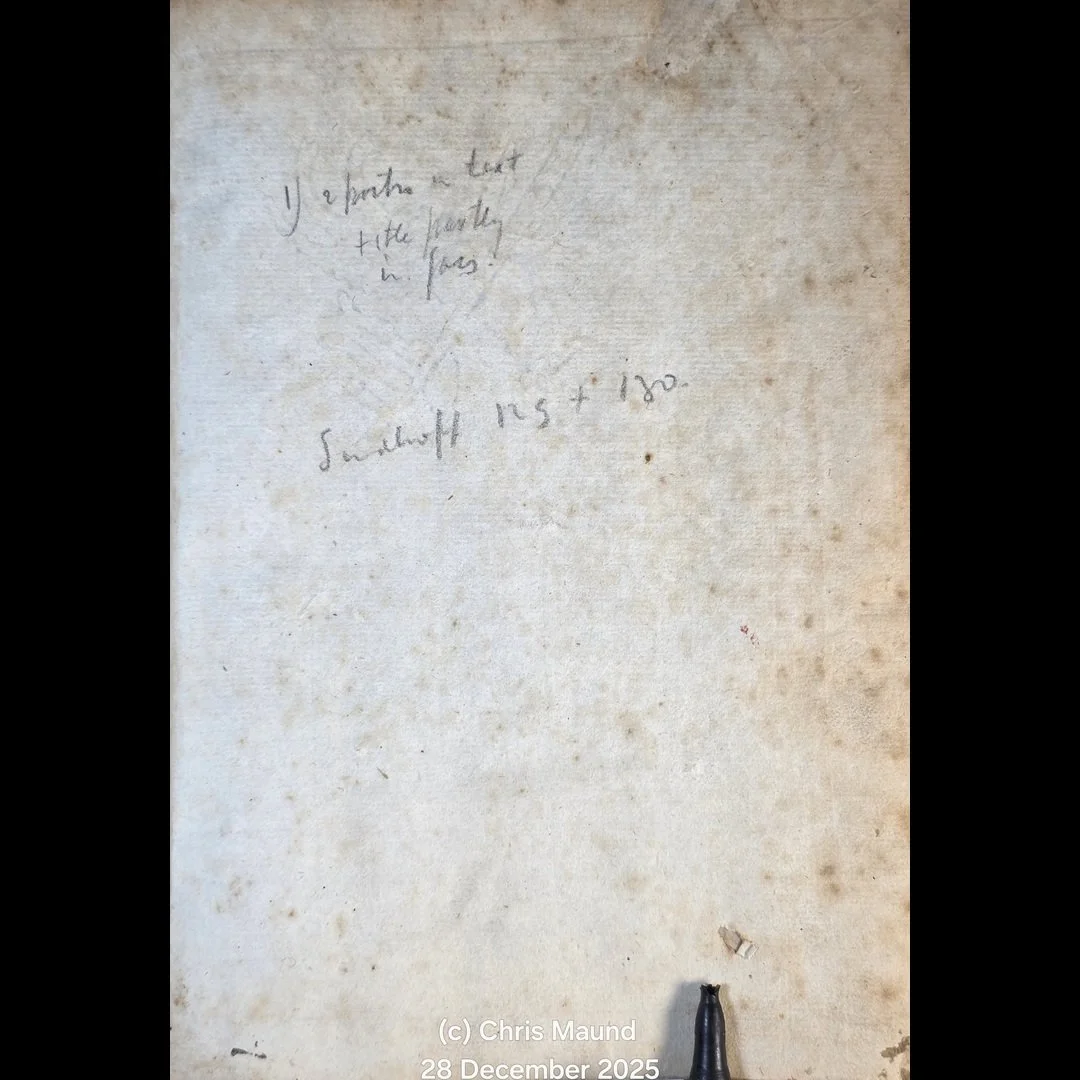 Image 5 of 51
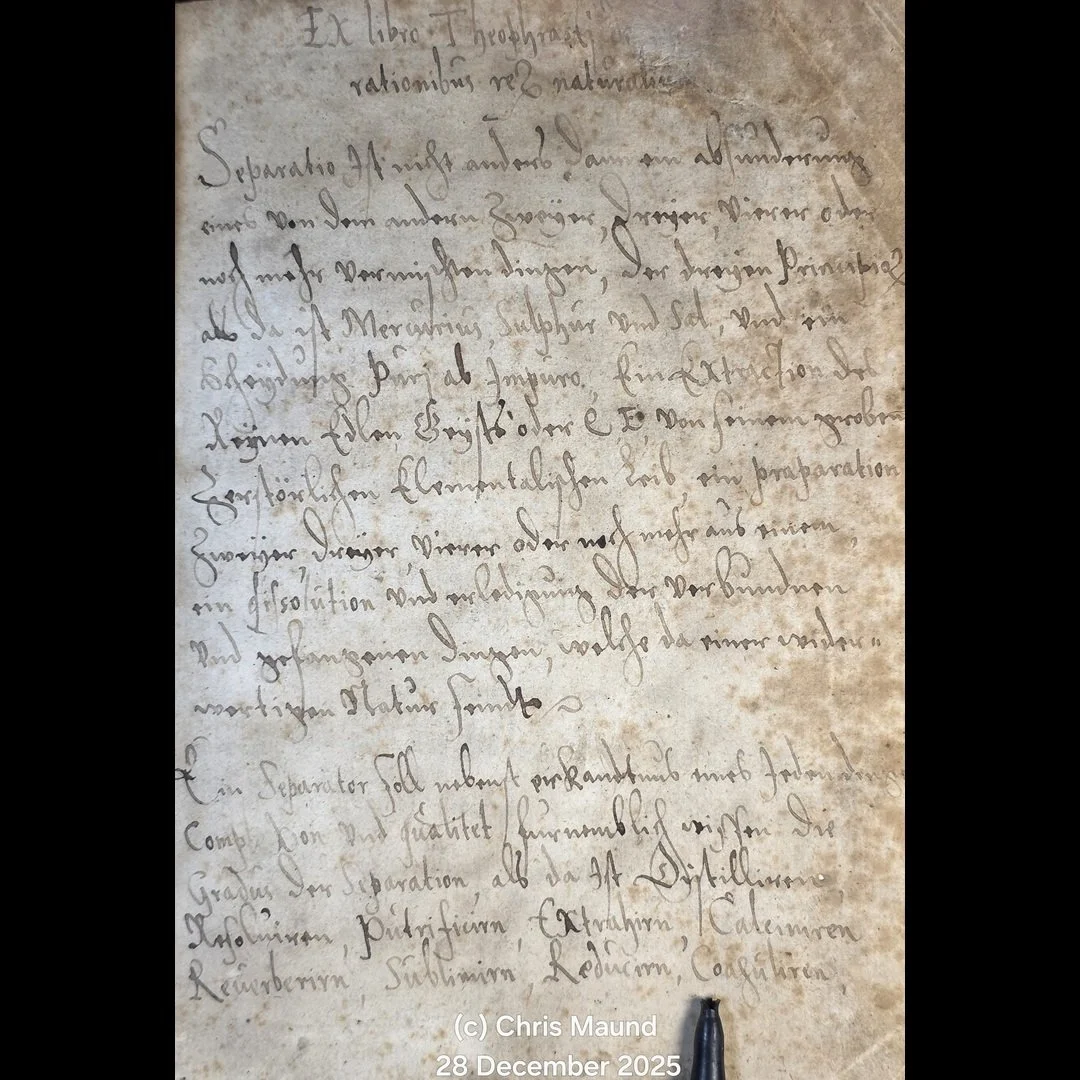 Image 6 of 51
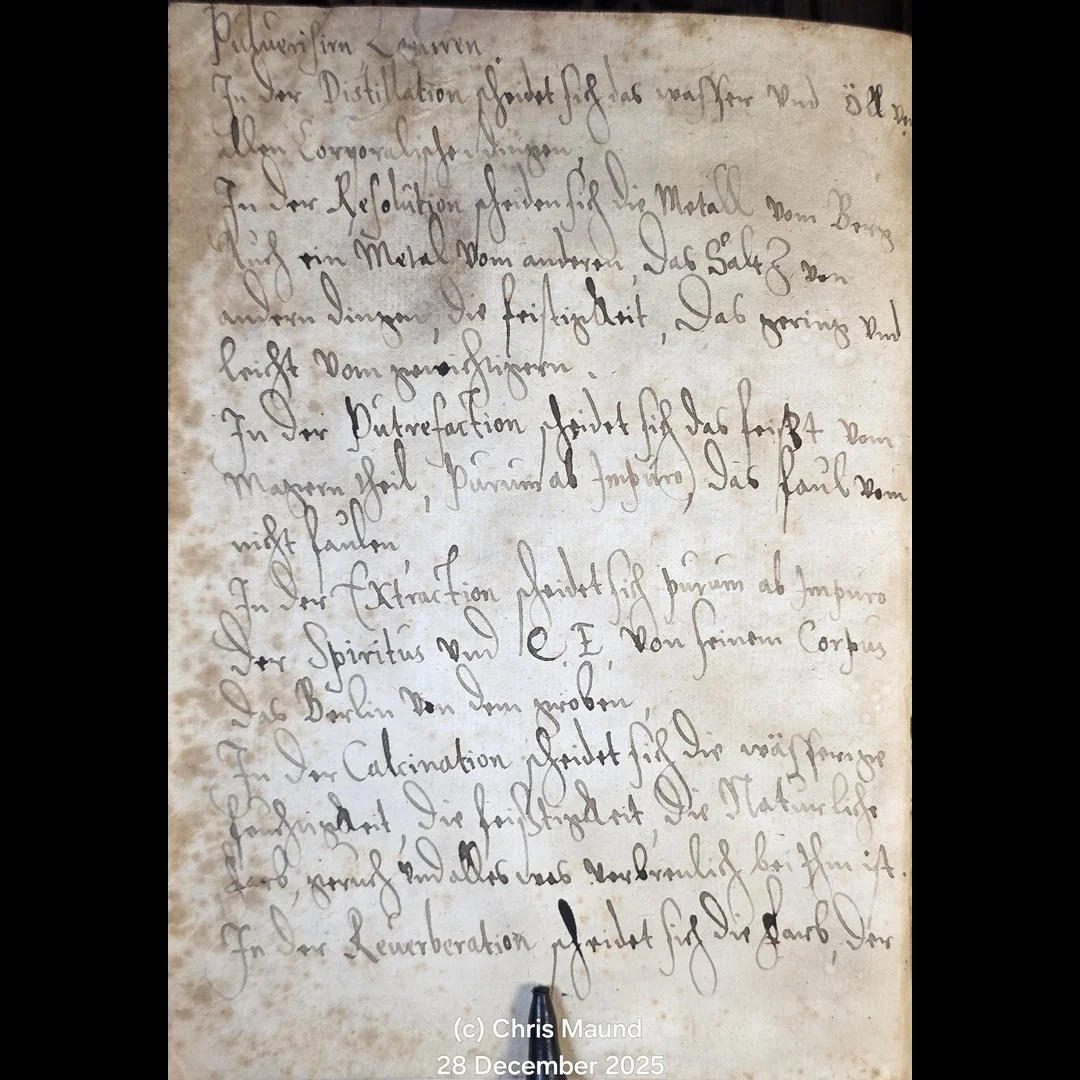 Image 7 of 51
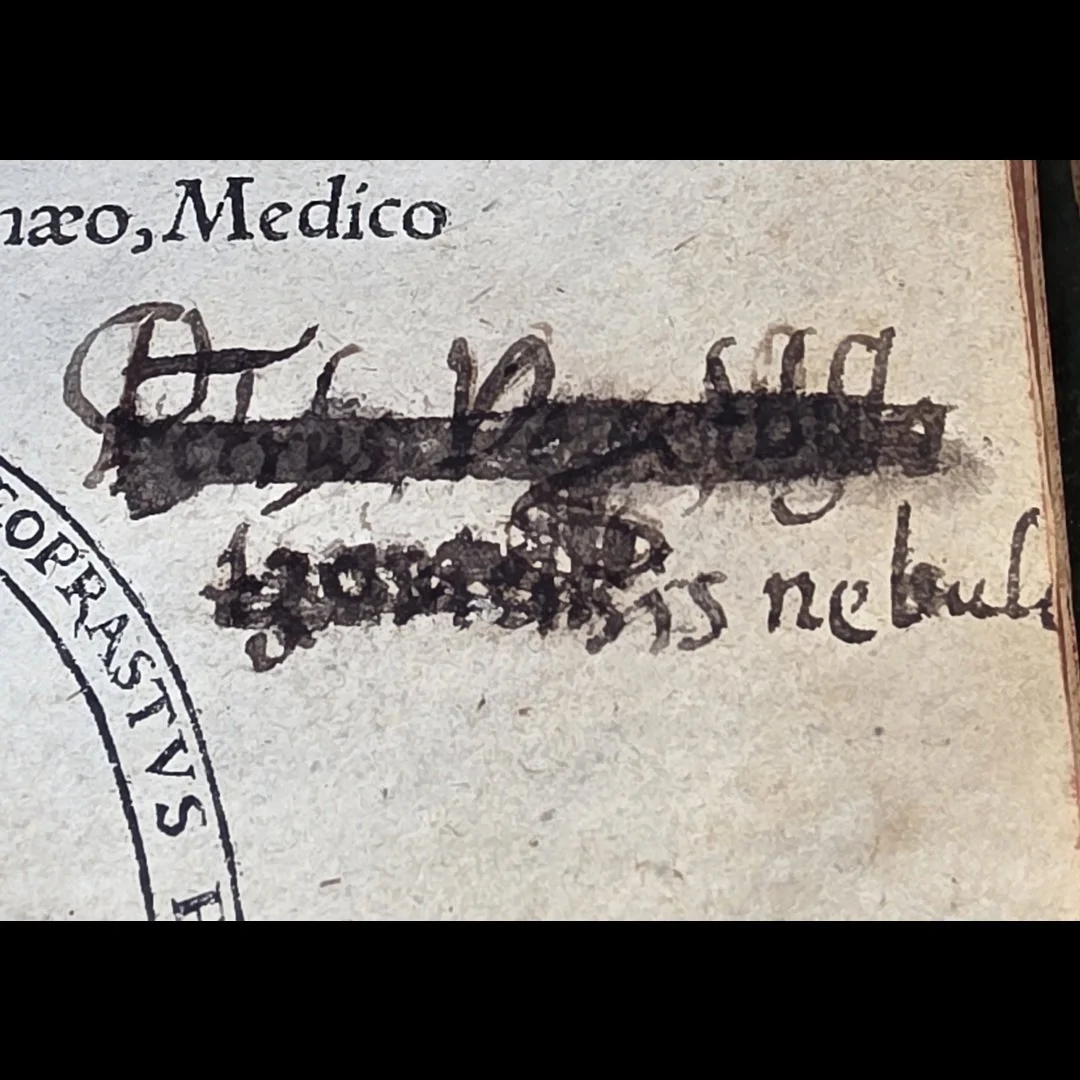 Image 8 of 51
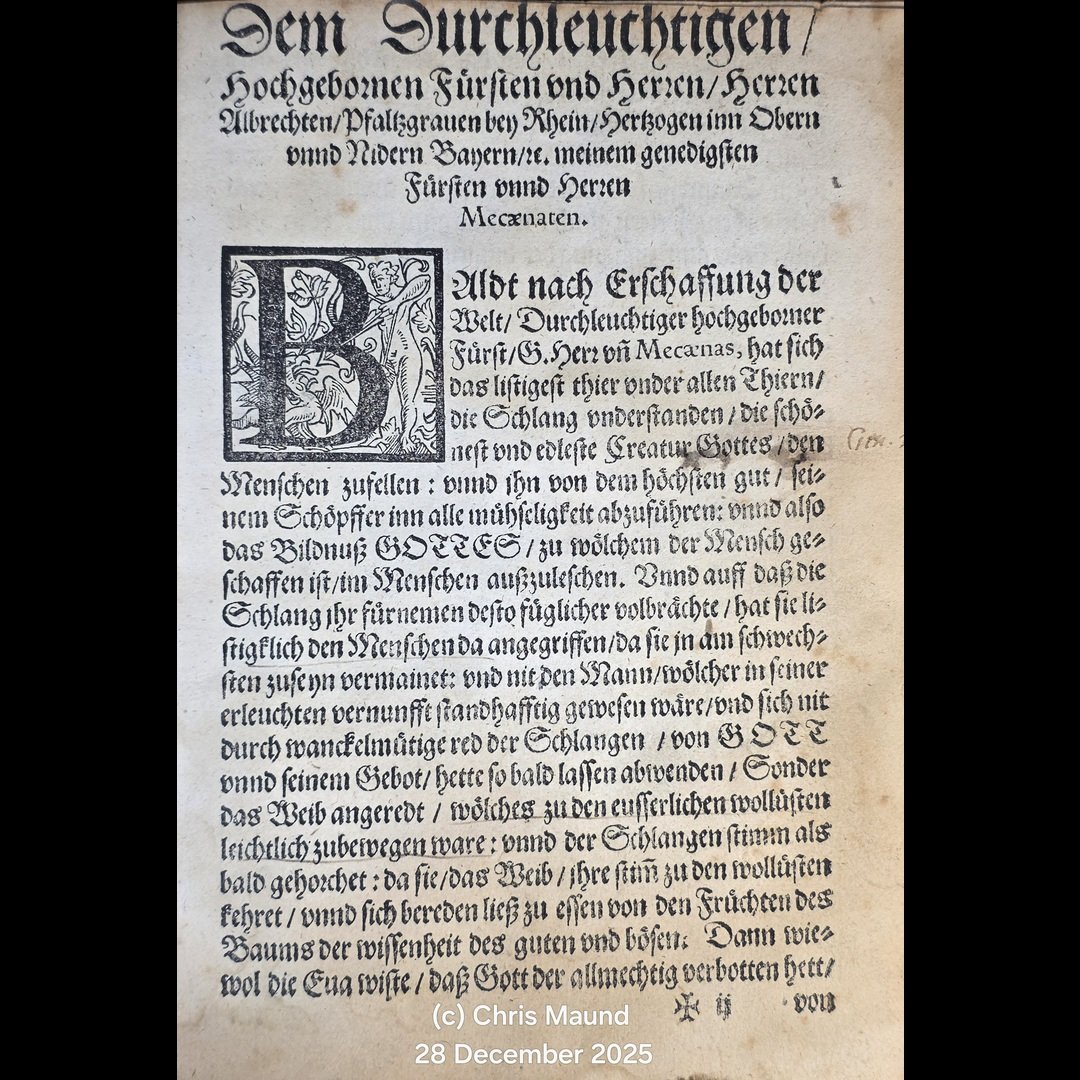 Image 9 of 51
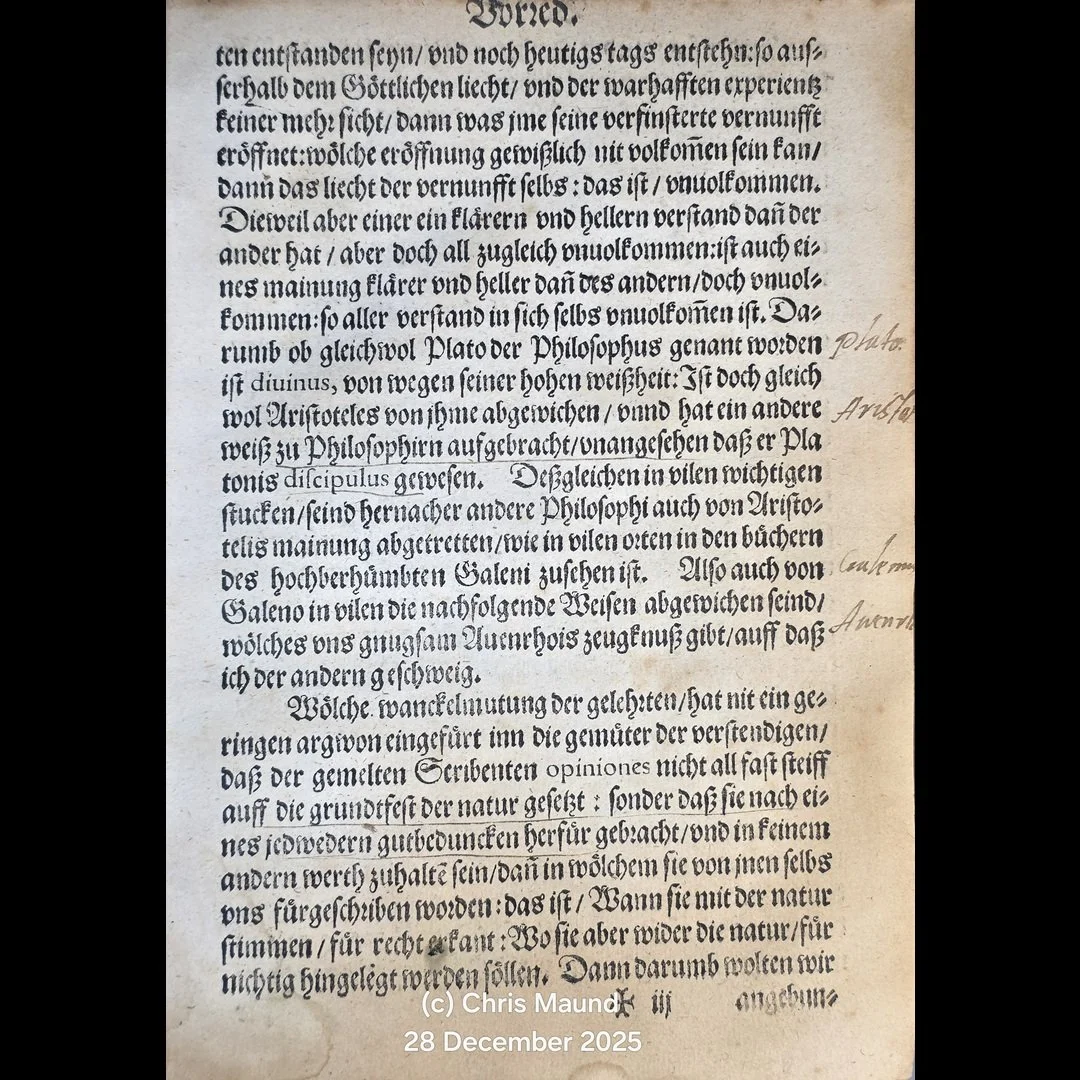 Image 10 of 51
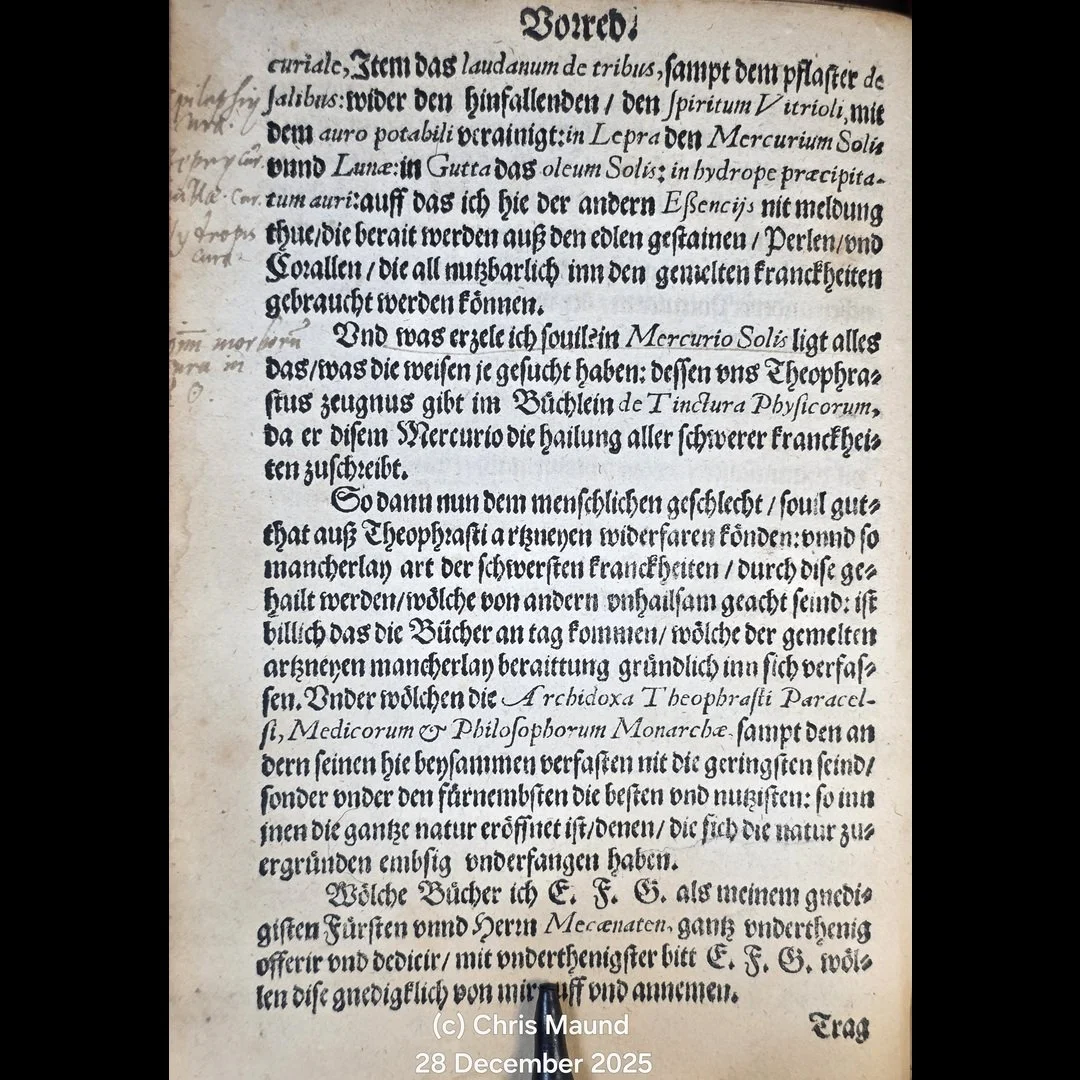 Image 11 of 51
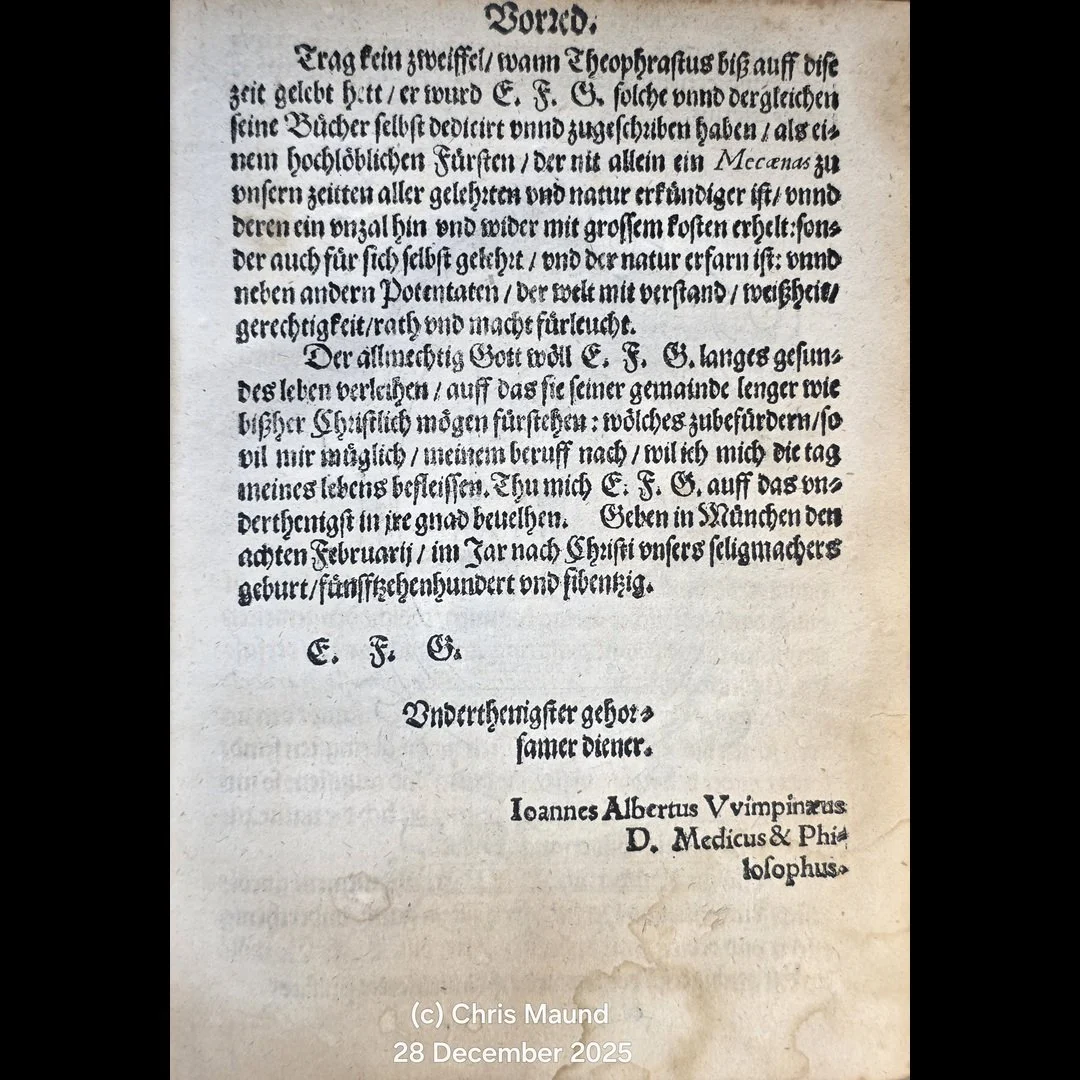 Image 12 of 51
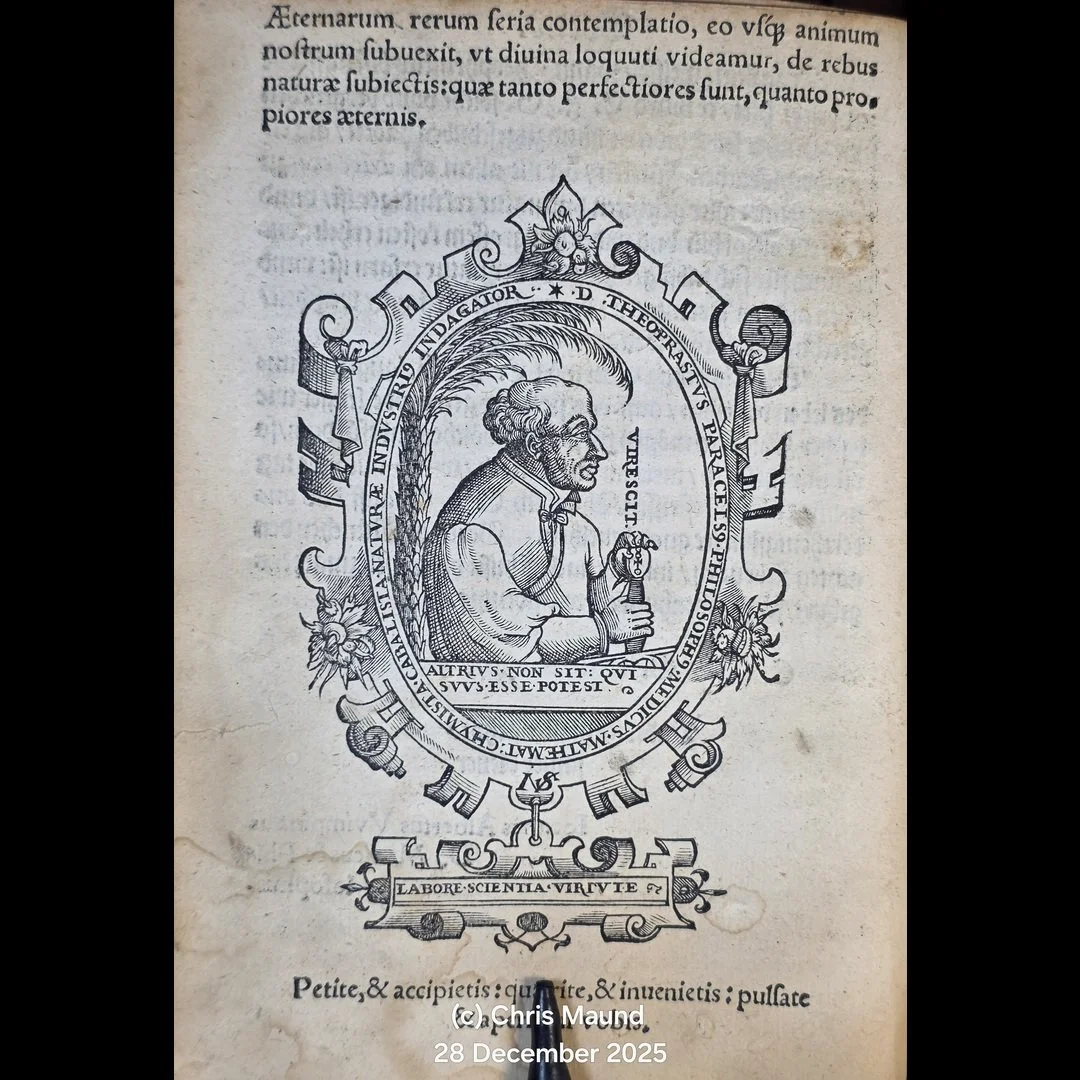 Image 13 of 51
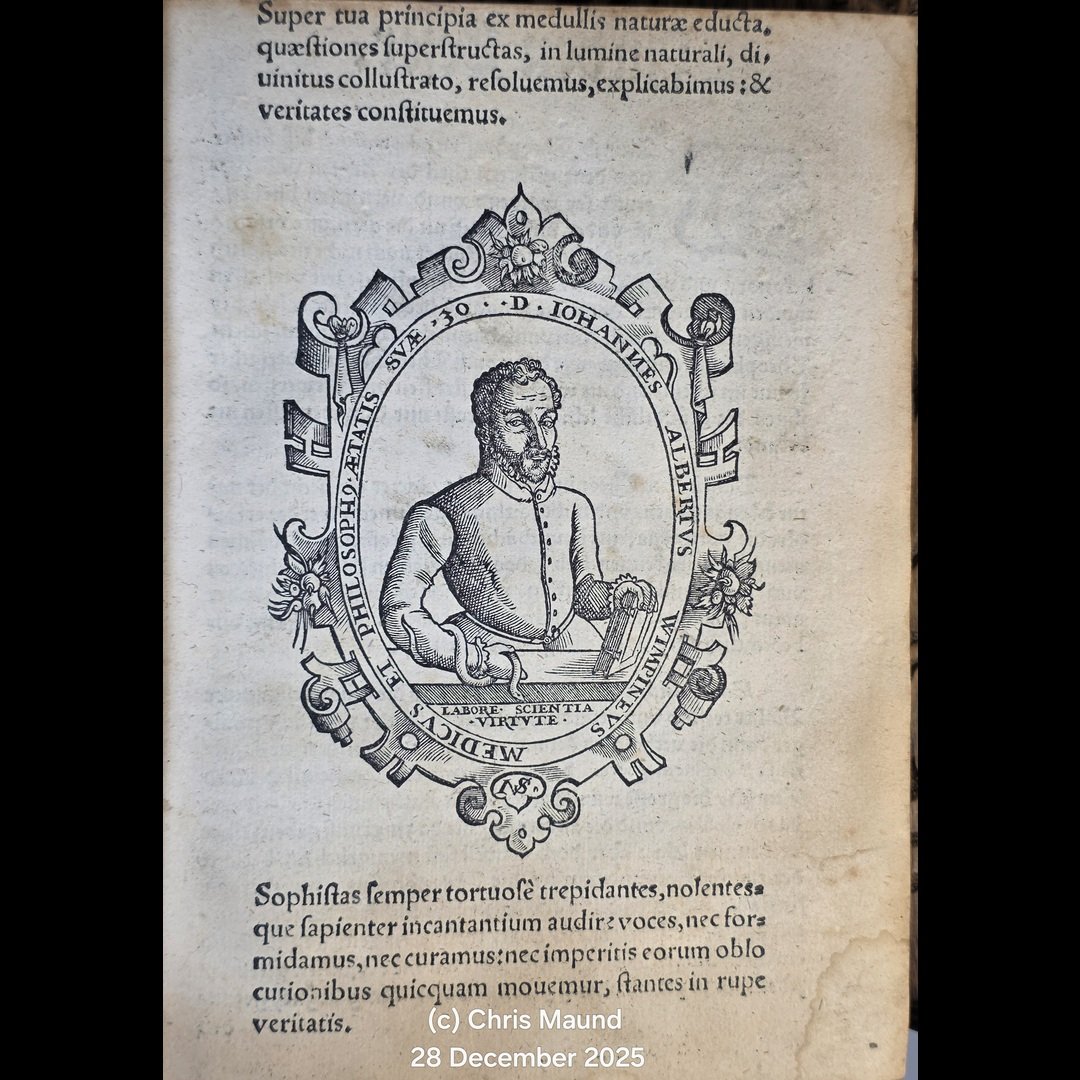 Image 14 of 51
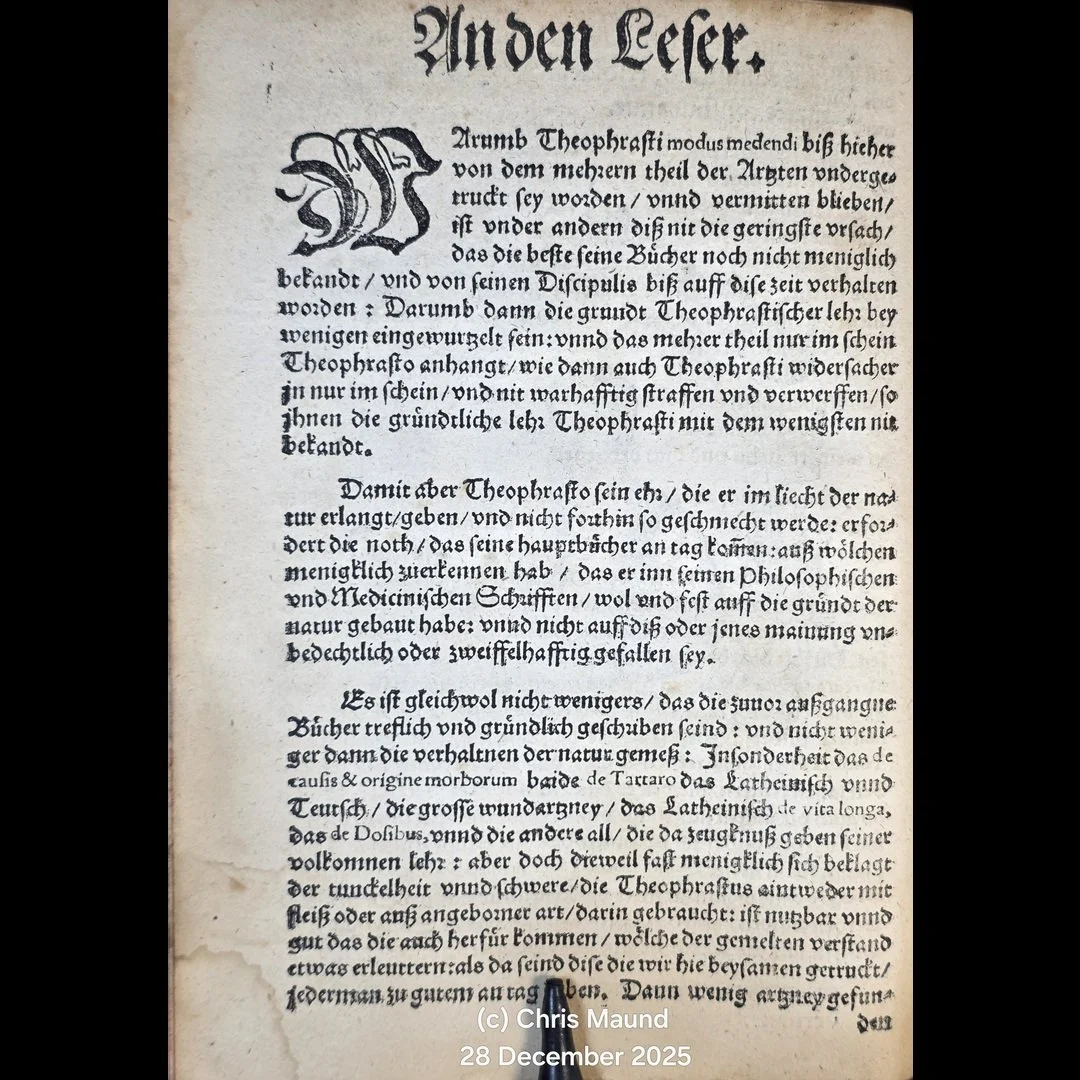 Image 15 of 51
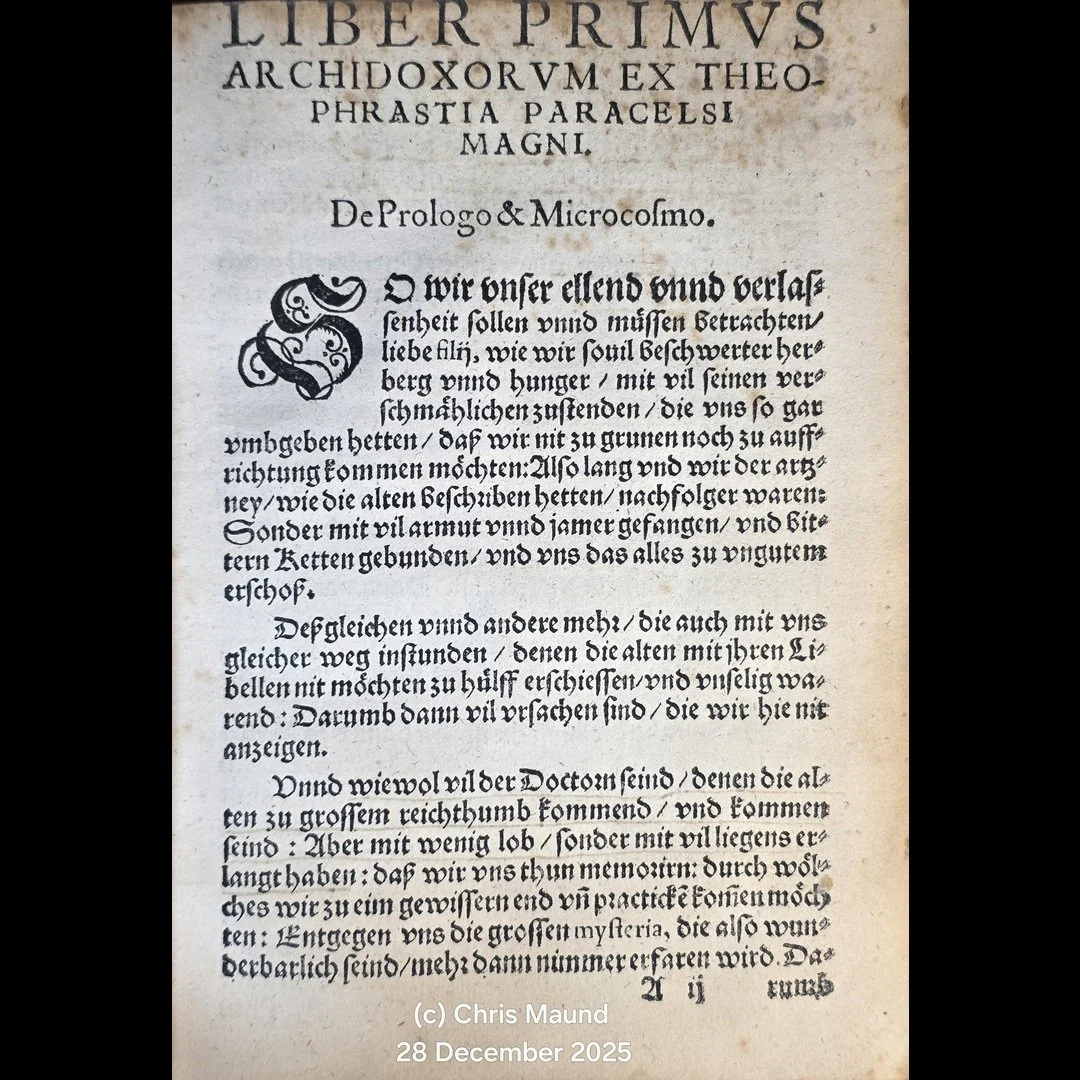 Image 16 of 51
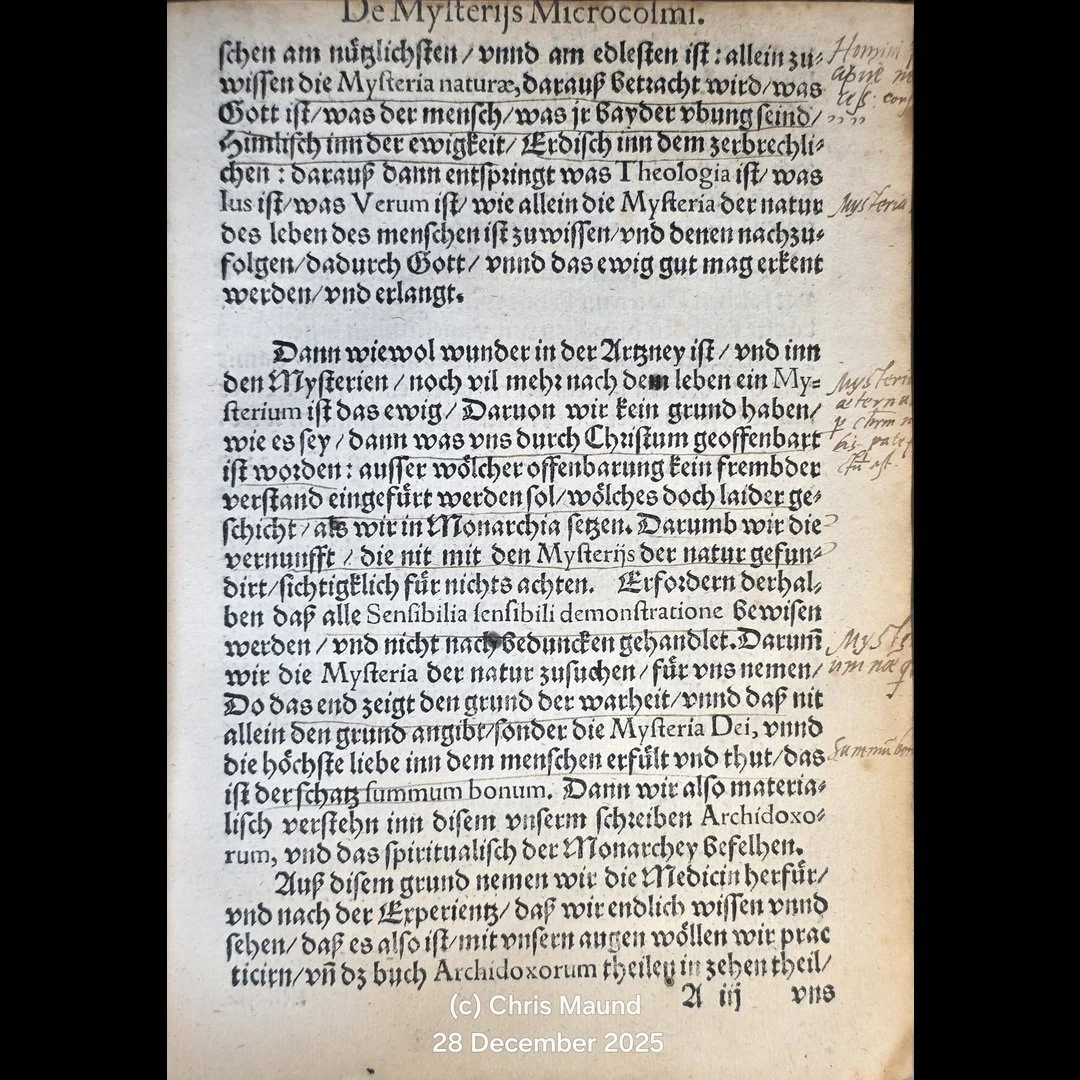 Image 17 of 51
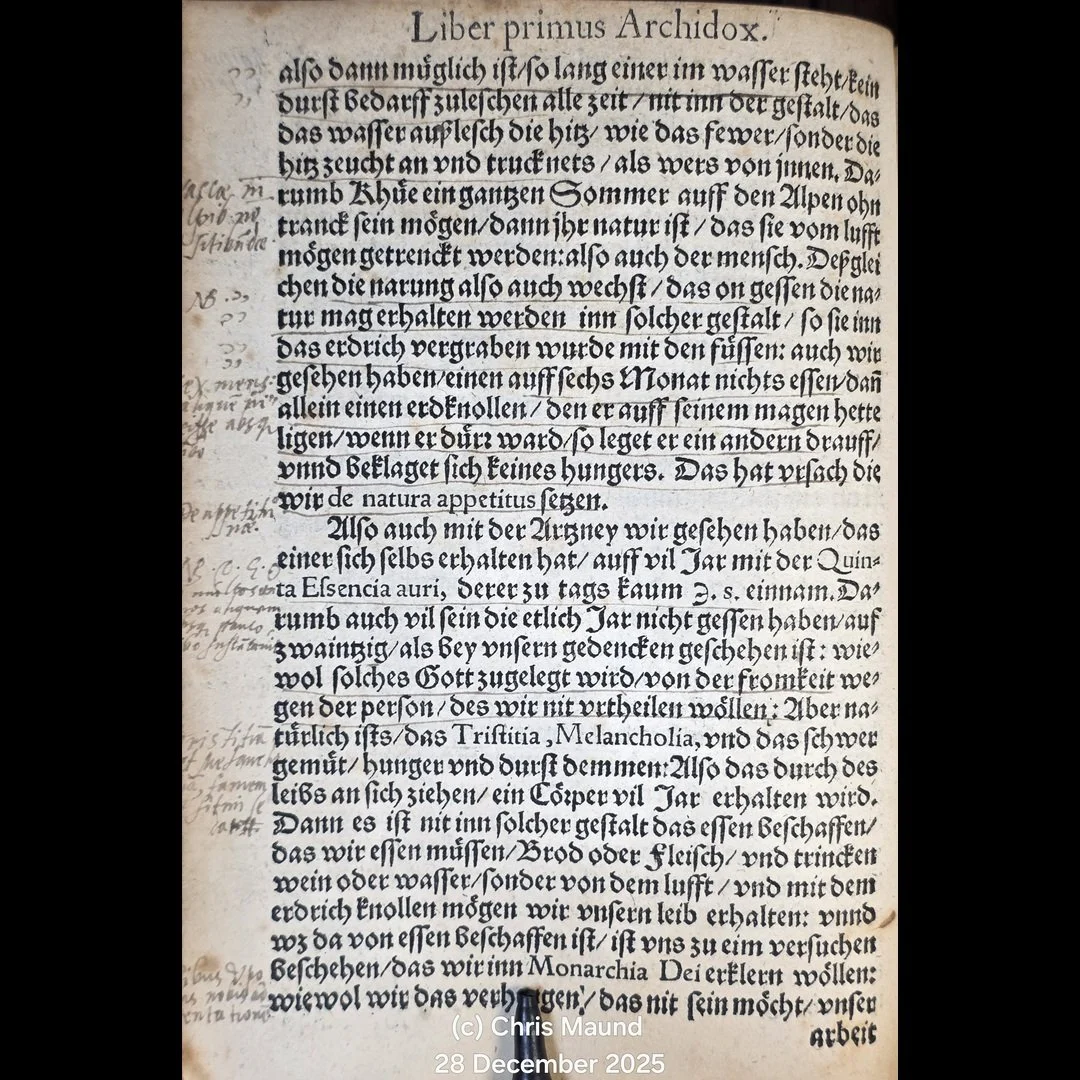 Image 18 of 51
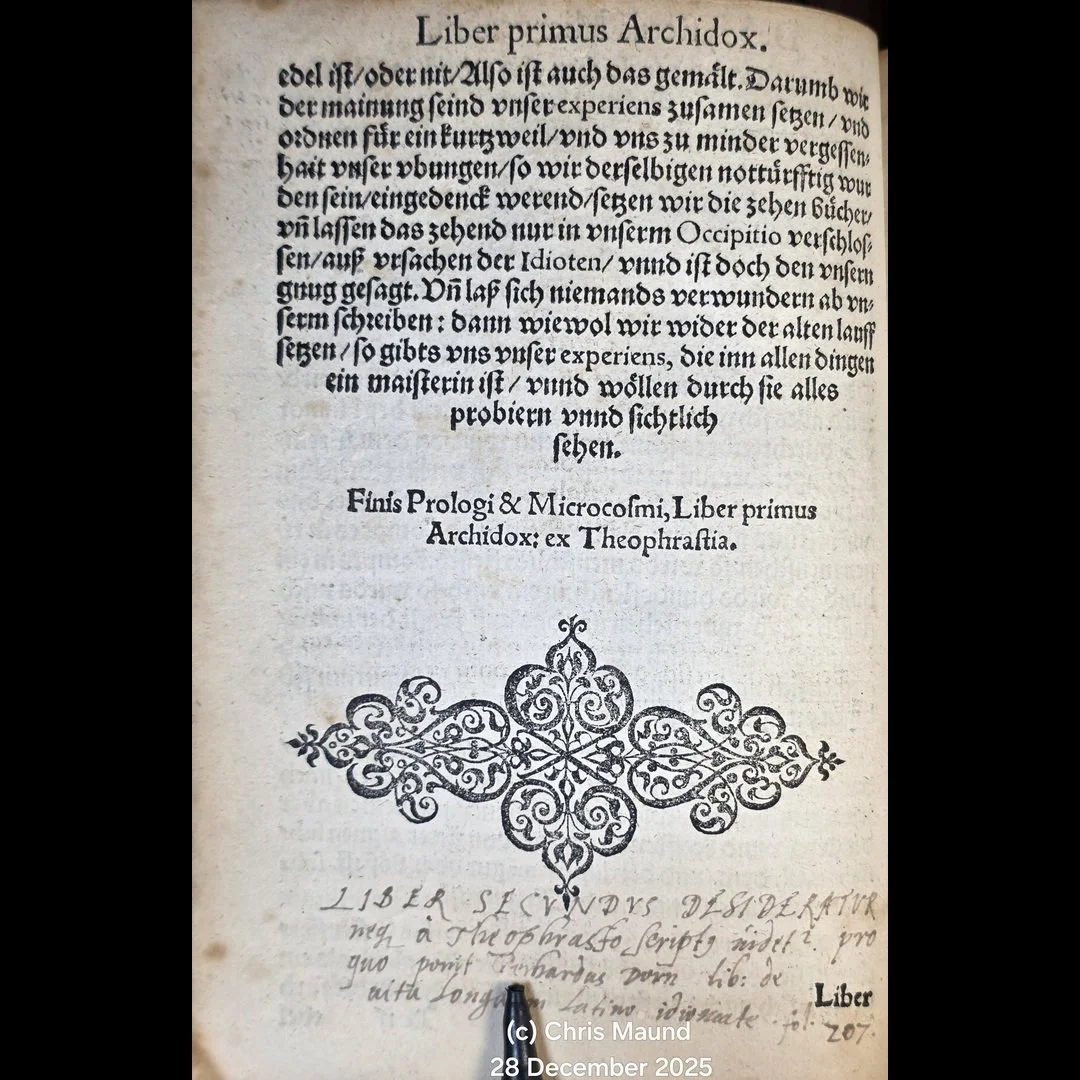 Image 19 of 51
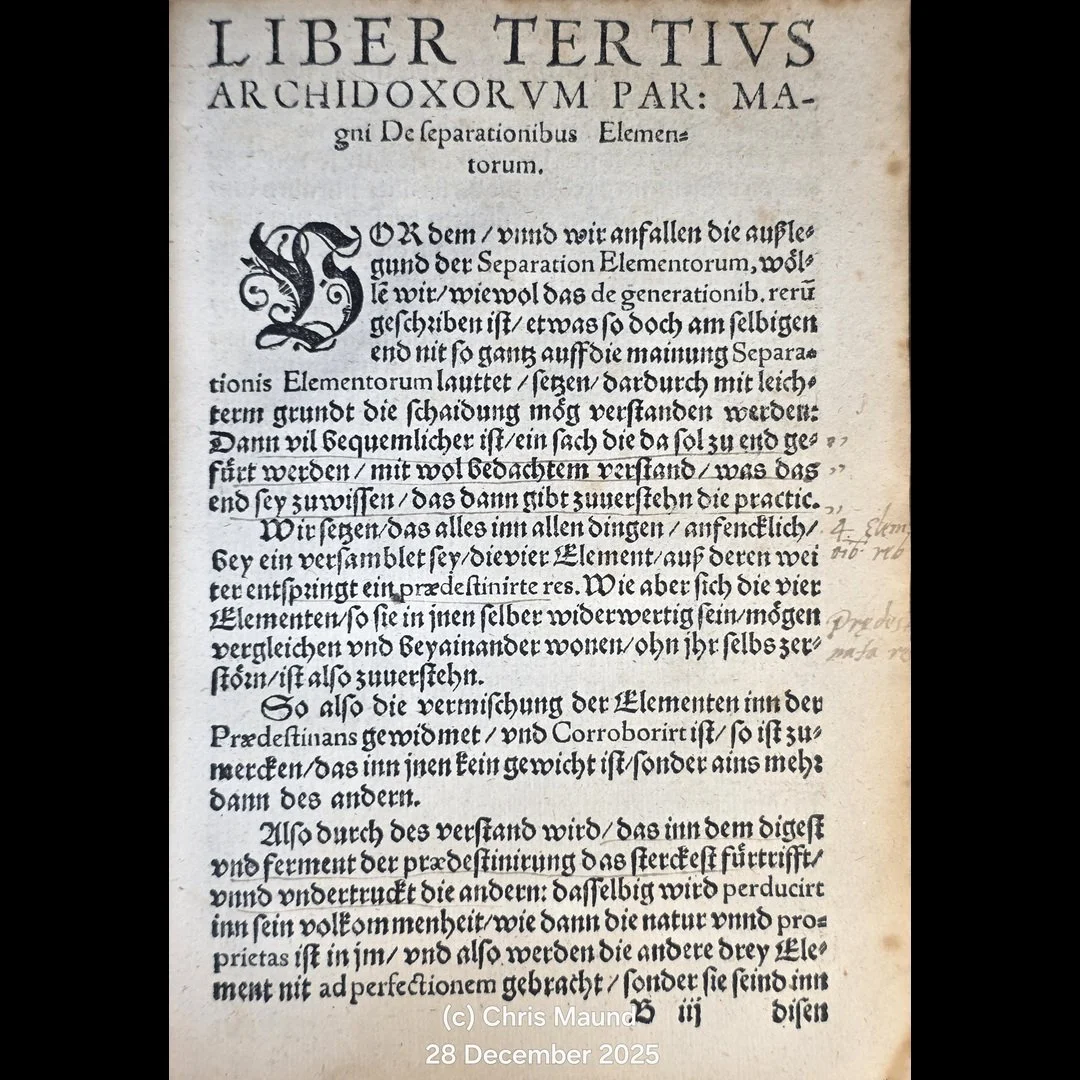 Image 20 of 51
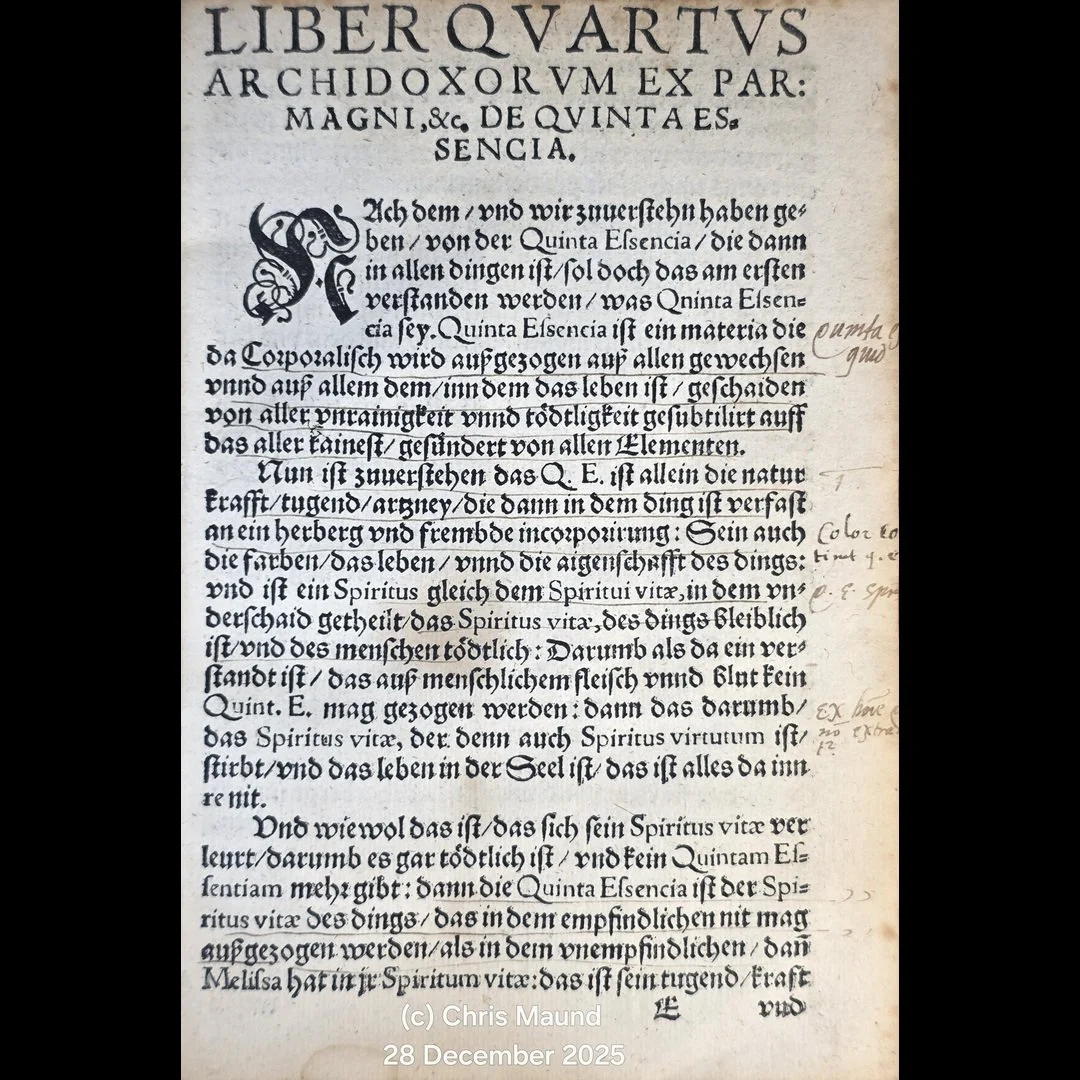 Image 21 of 51
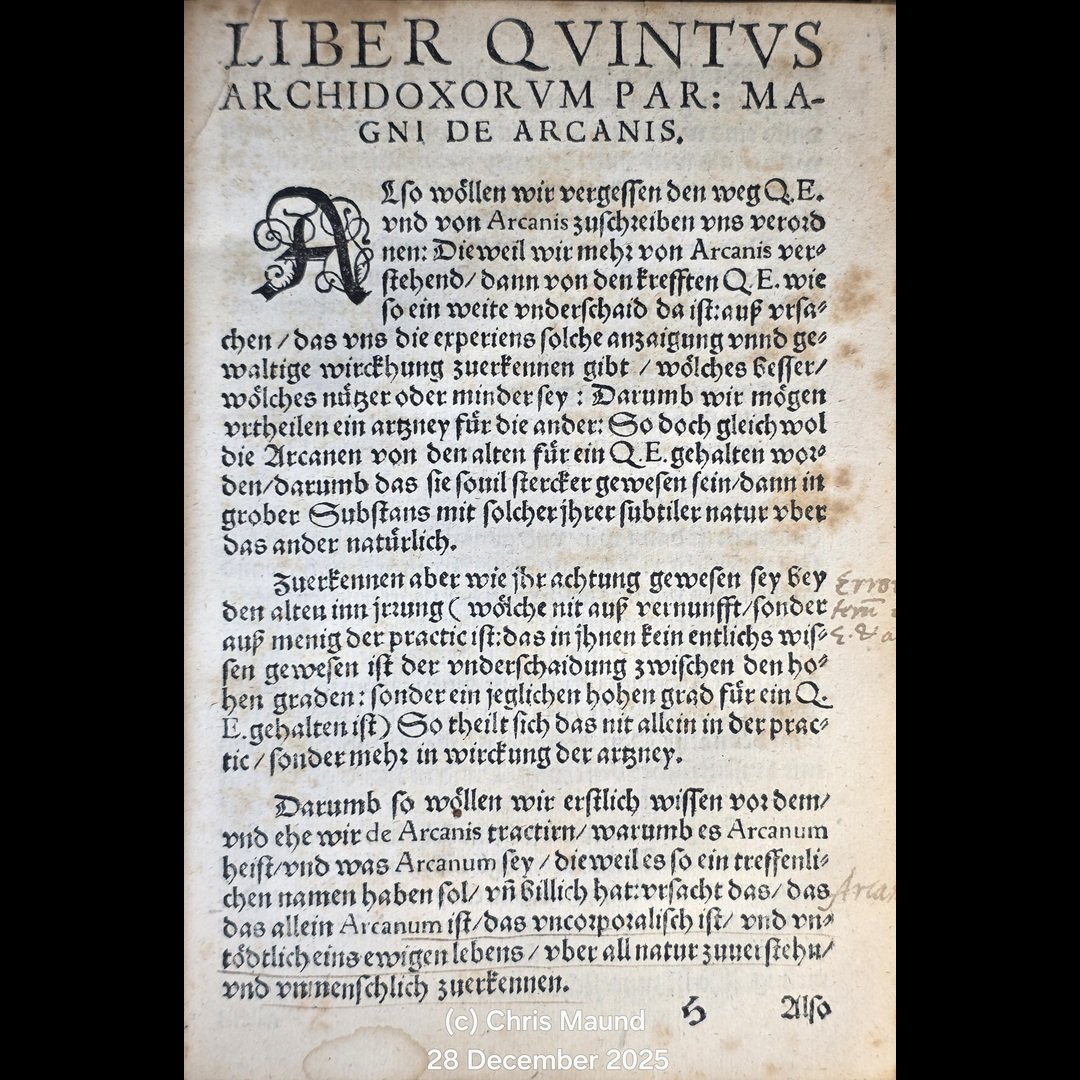 Image 22 of 51
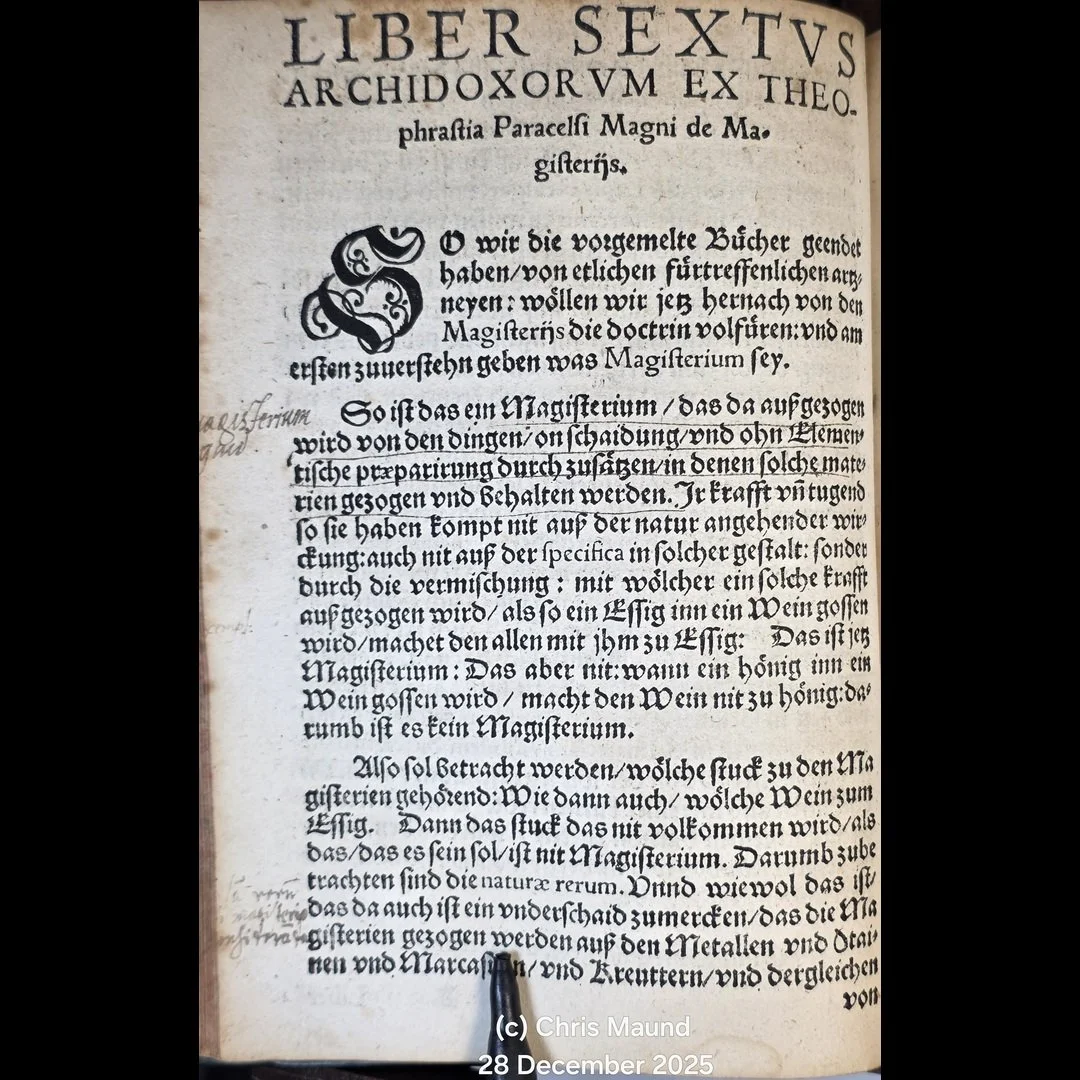 Image 23 of 51
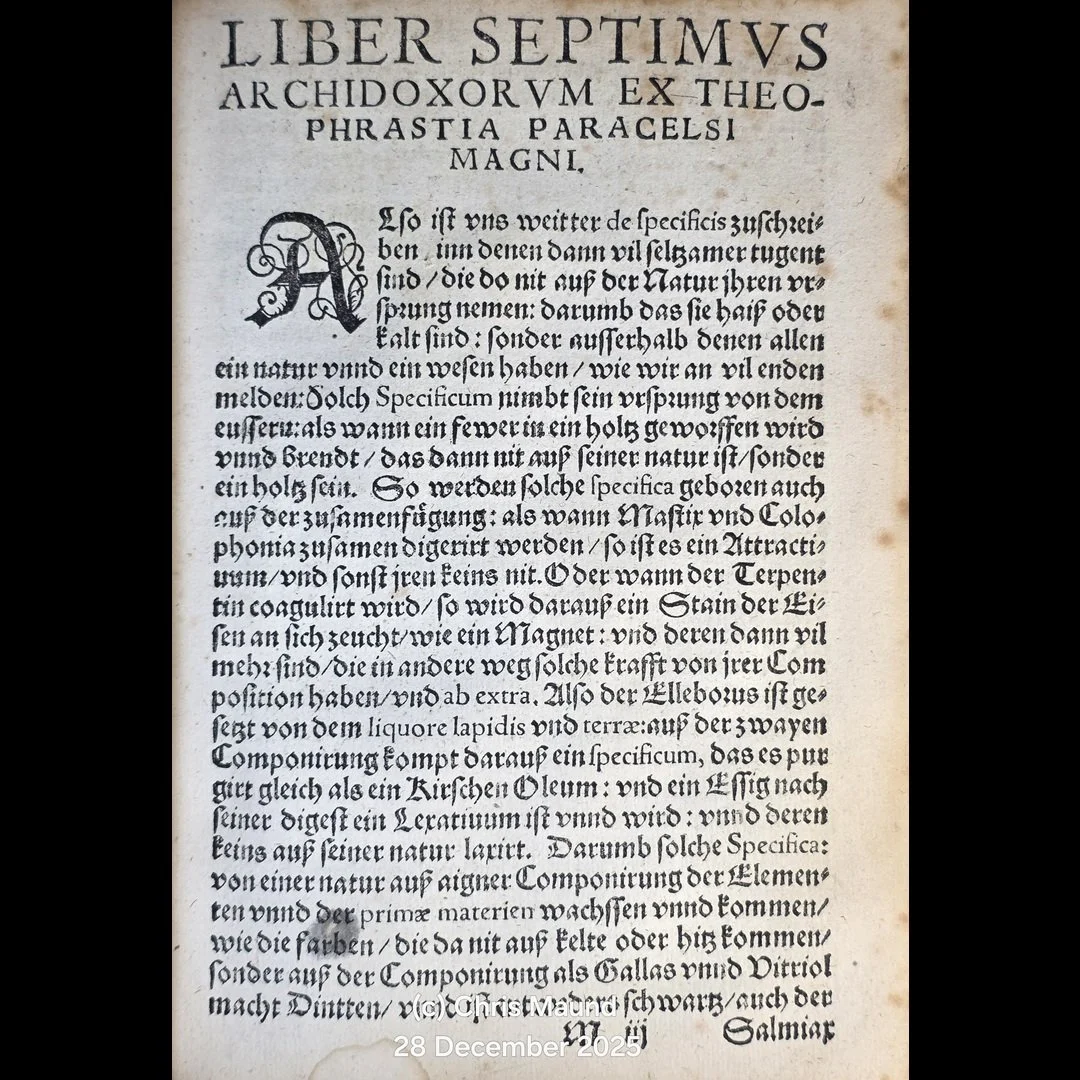 Image 24 of 51
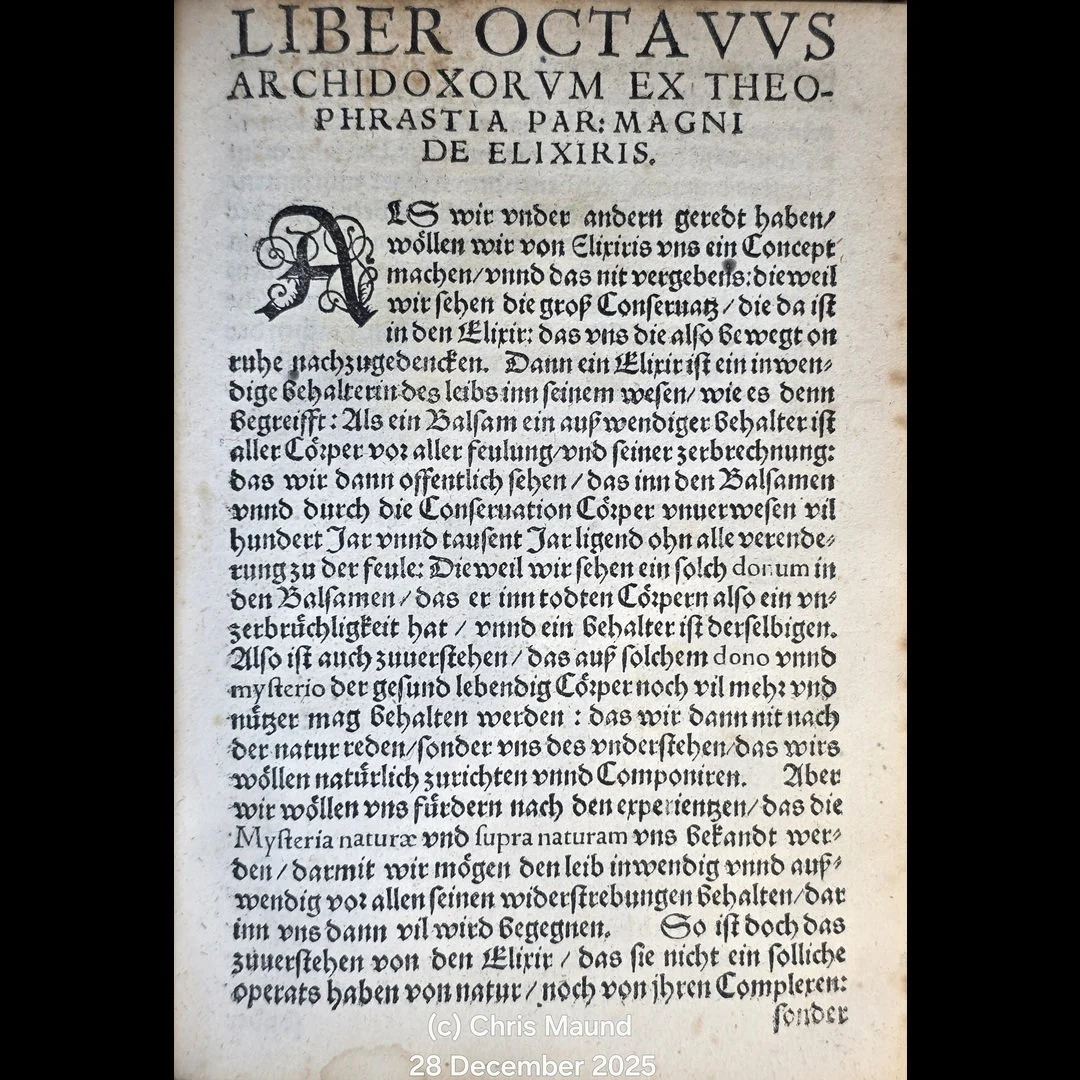 Image 25 of 51
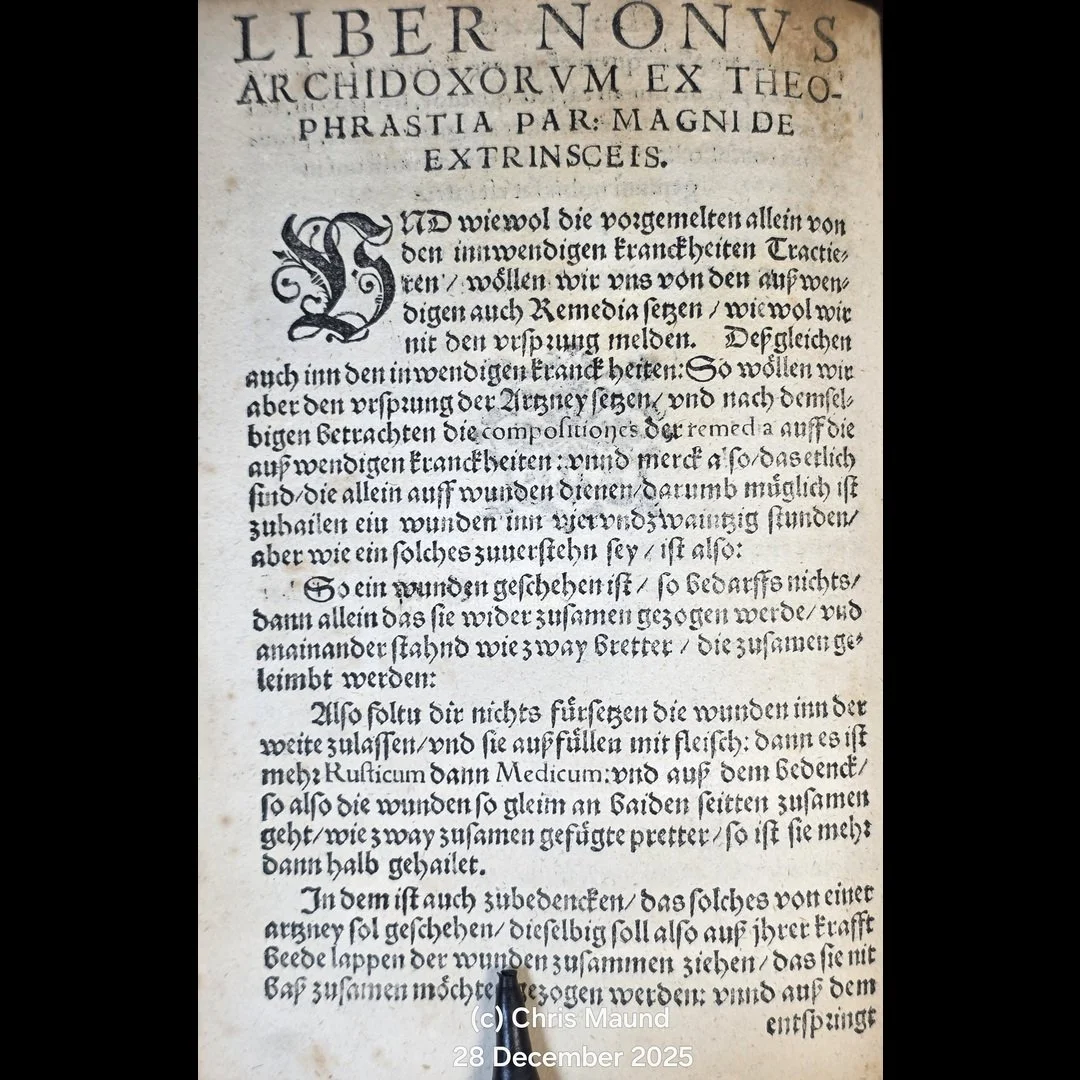 Image 26 of 51
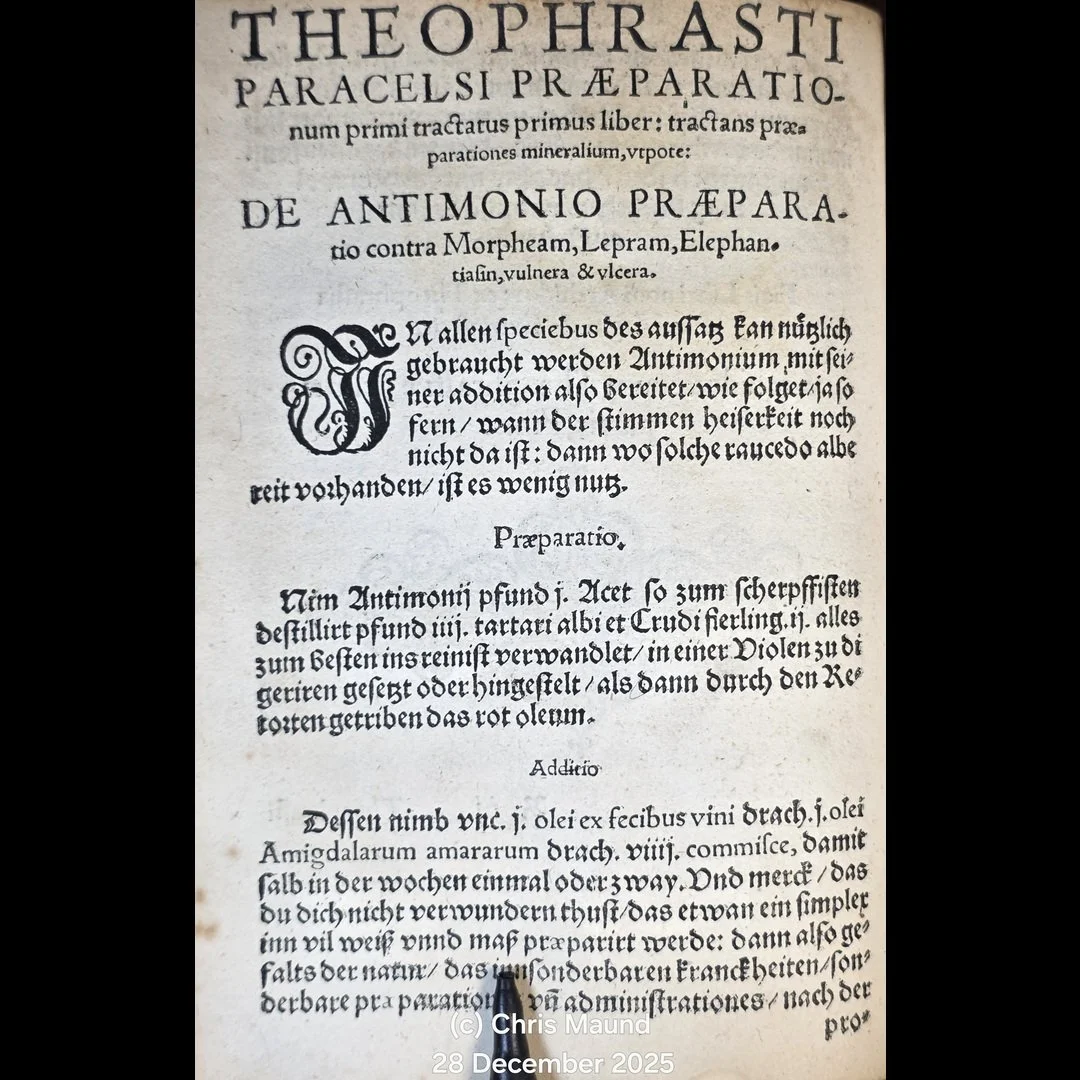 Image 27 of 51
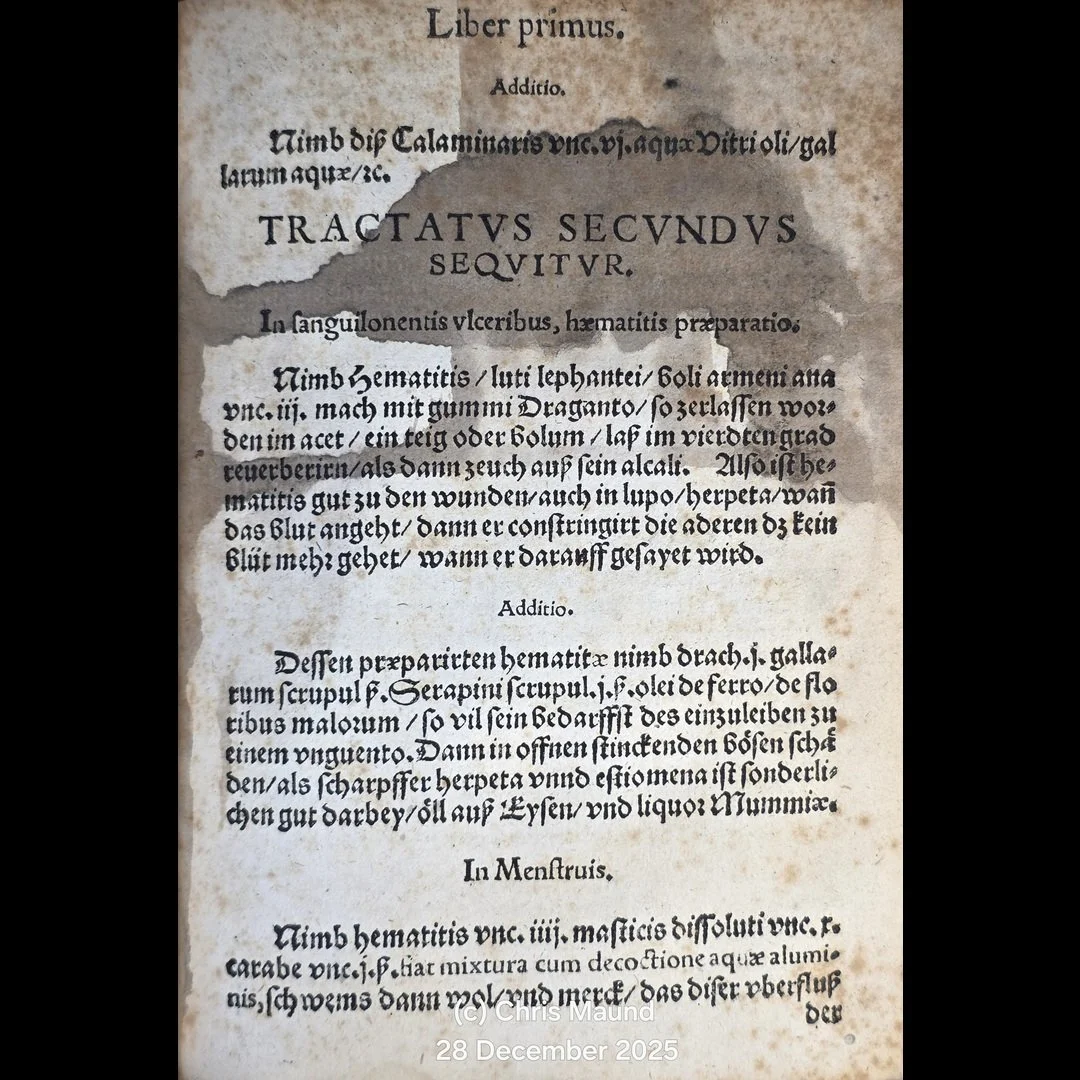 Image 28 of 51
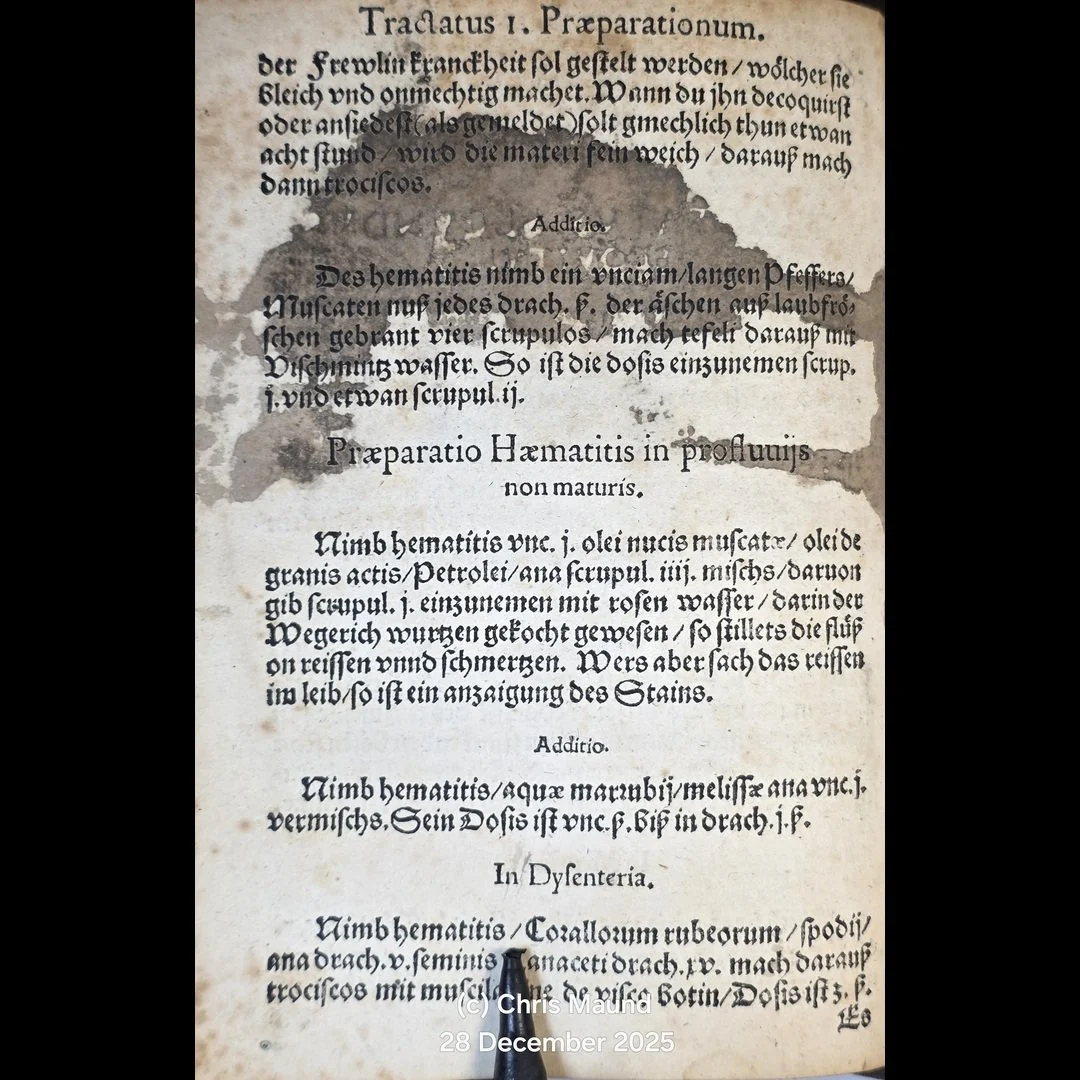 Image 29 of 51
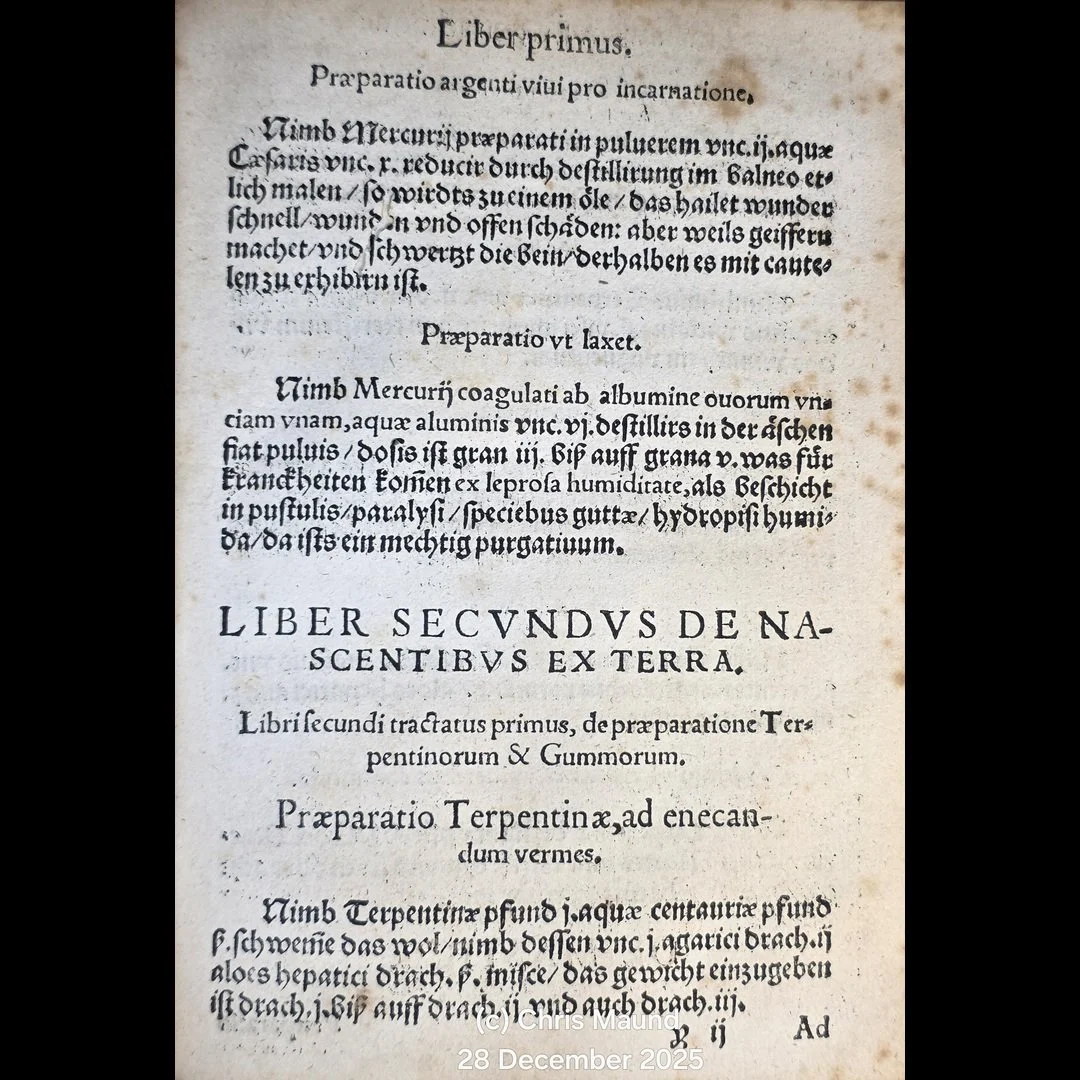 Image 30 of 51
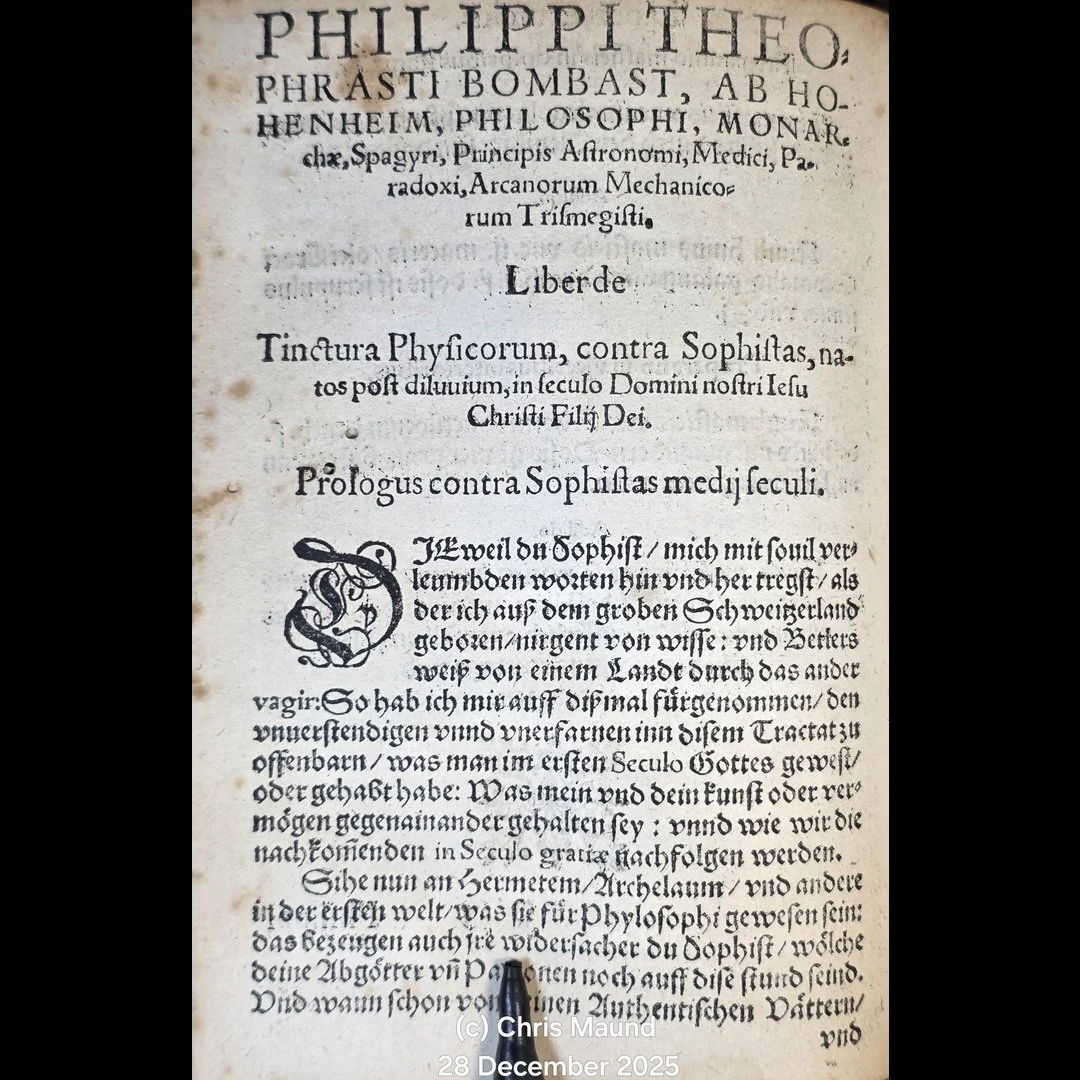 Image 31 of 51
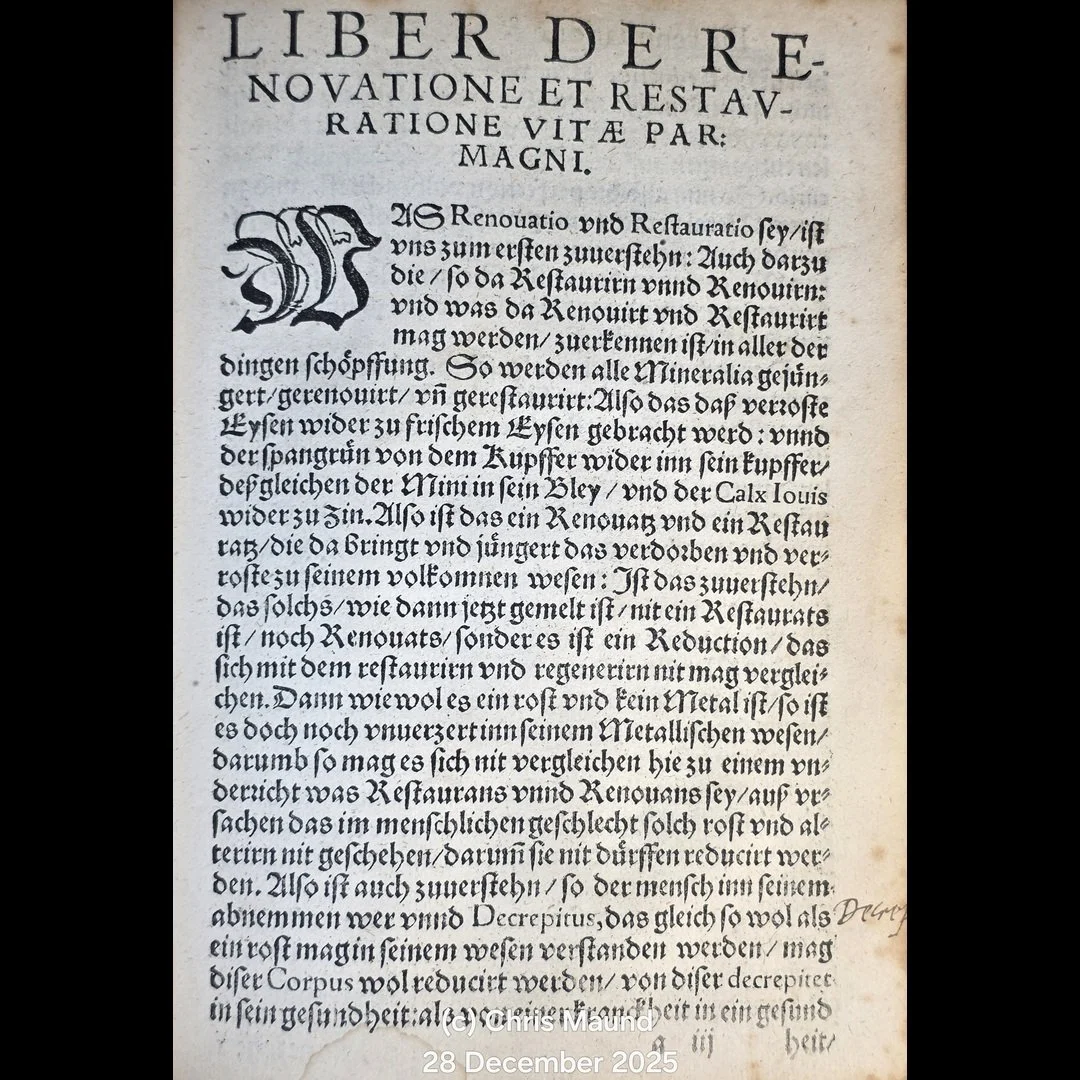 Image 32 of 51
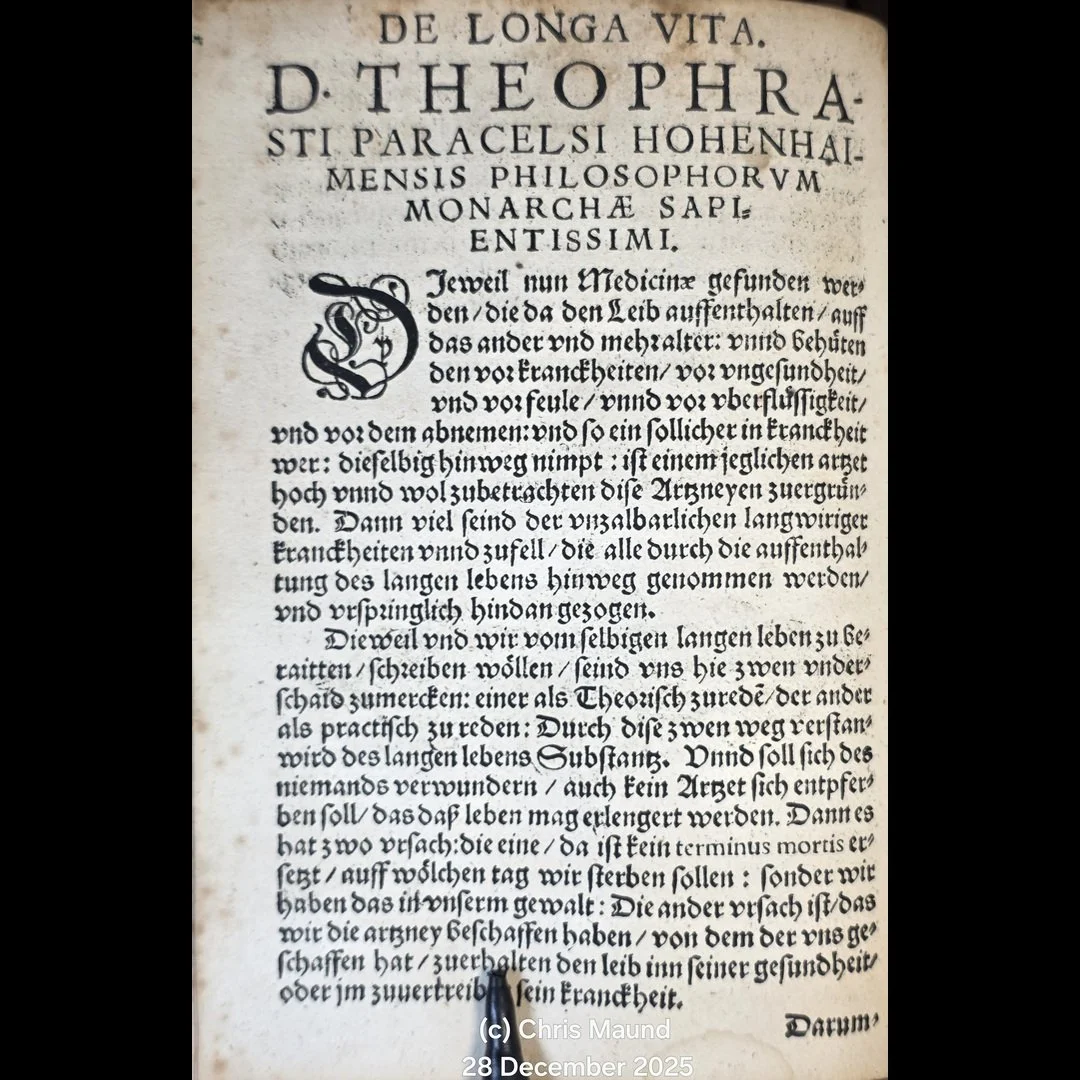 Image 33 of 51
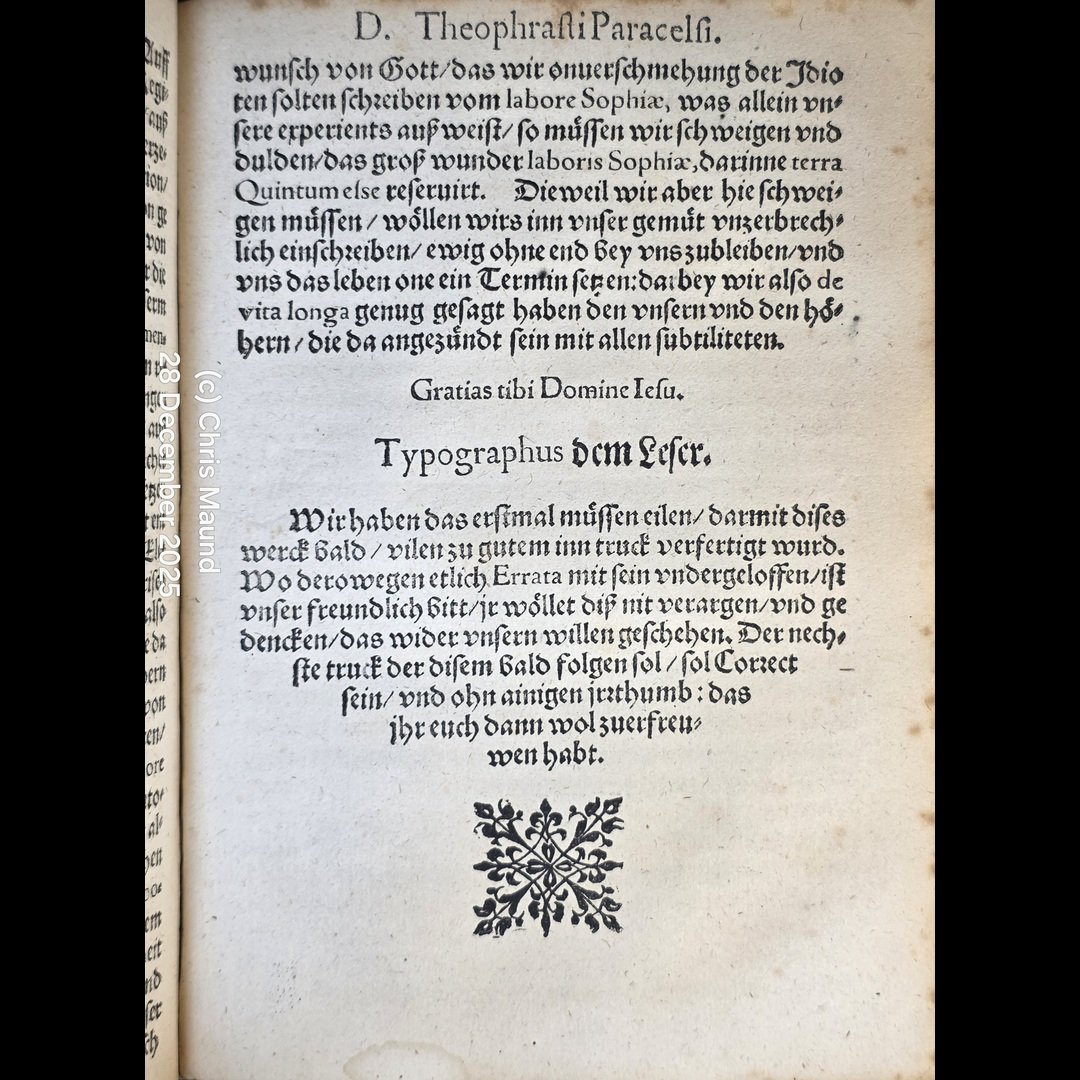 Image 34 of 51
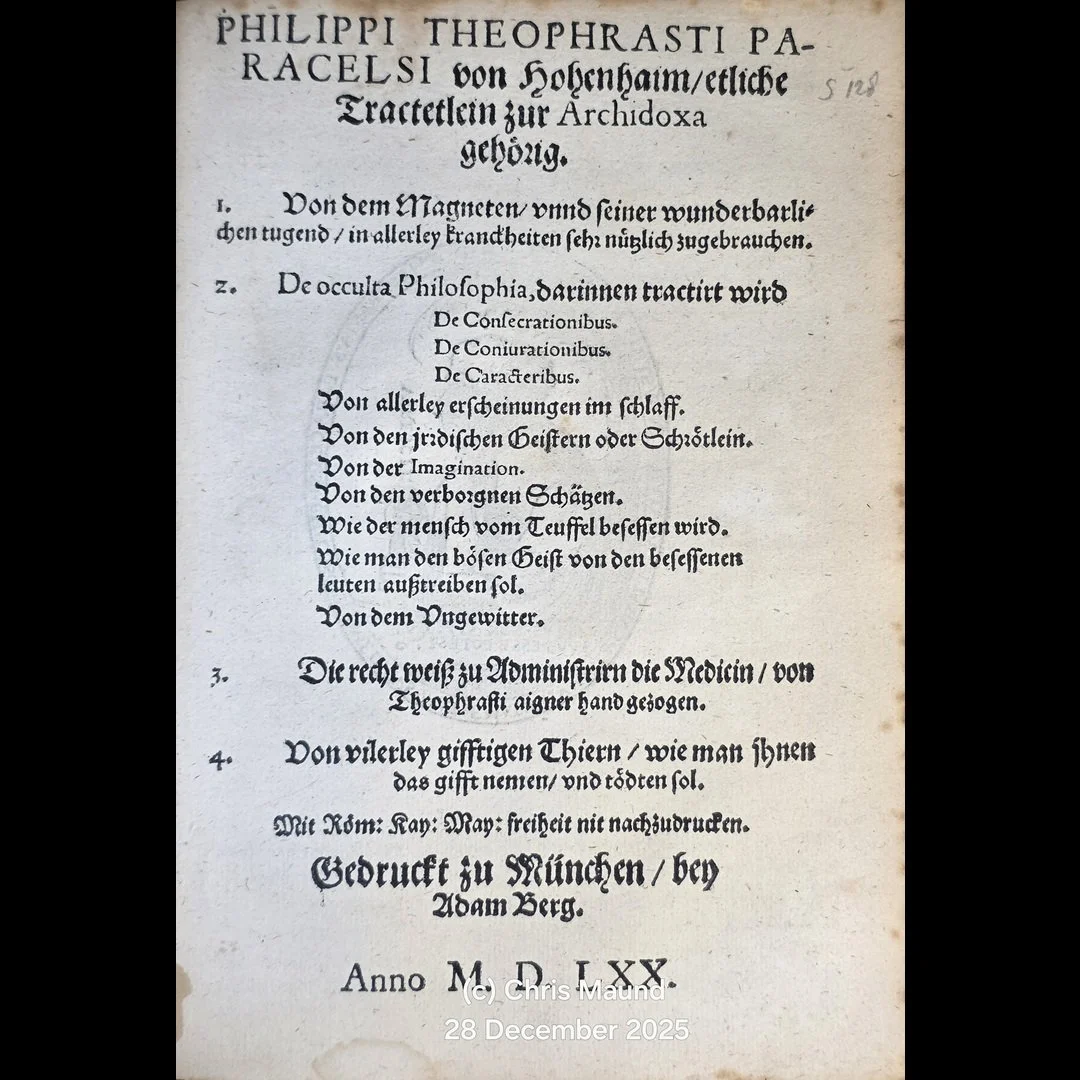 Image 35 of 51
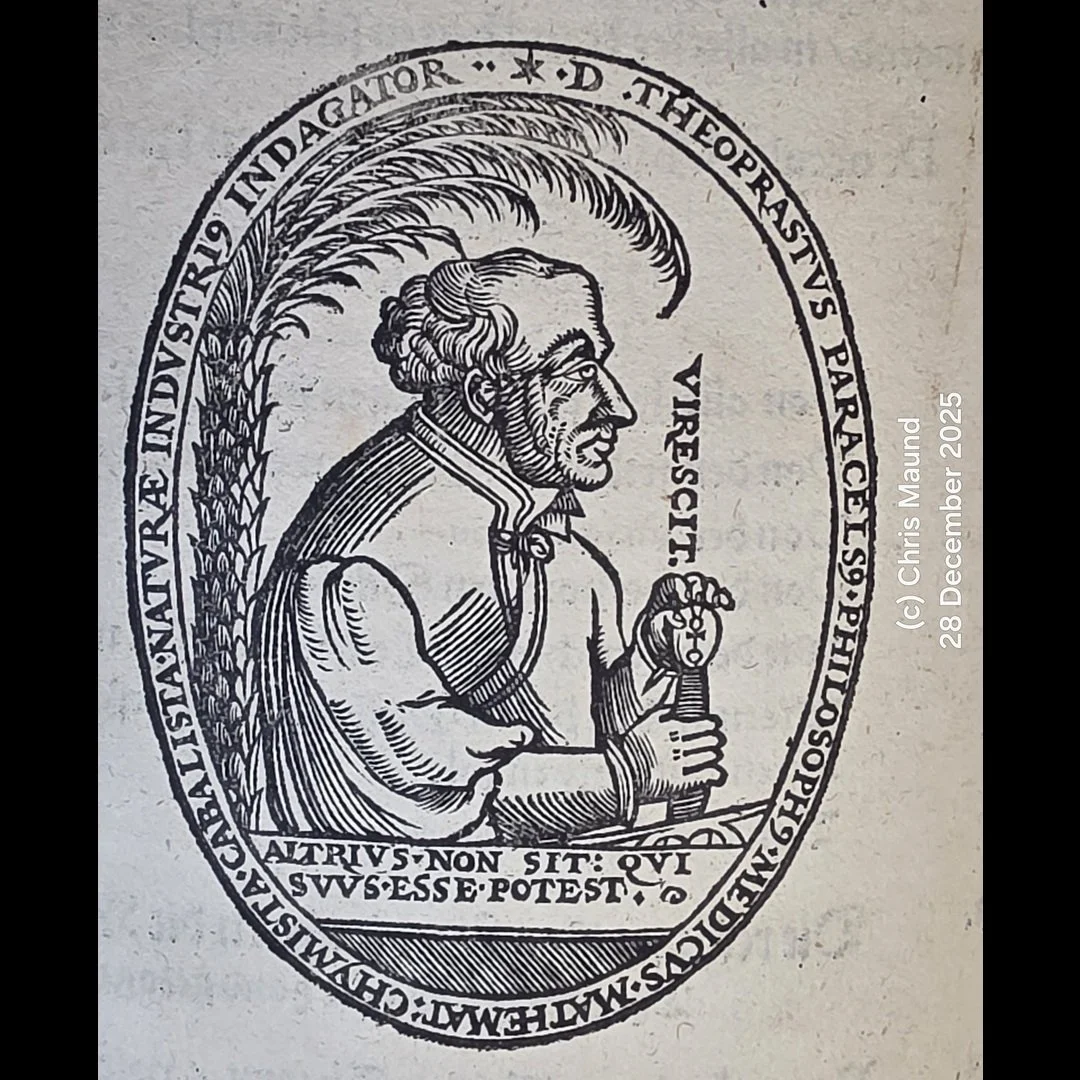 Image 36 of 51
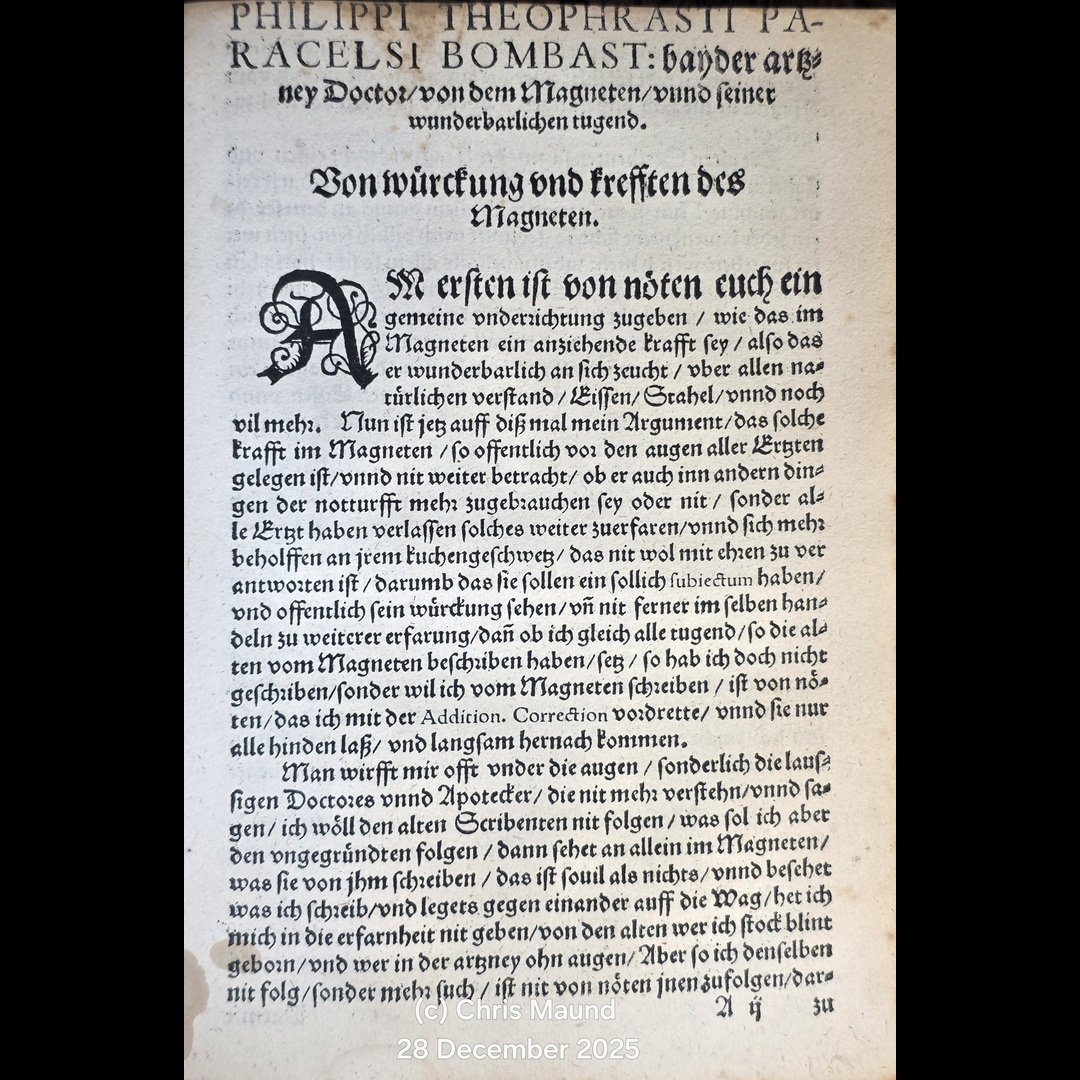 Image 37 of 51
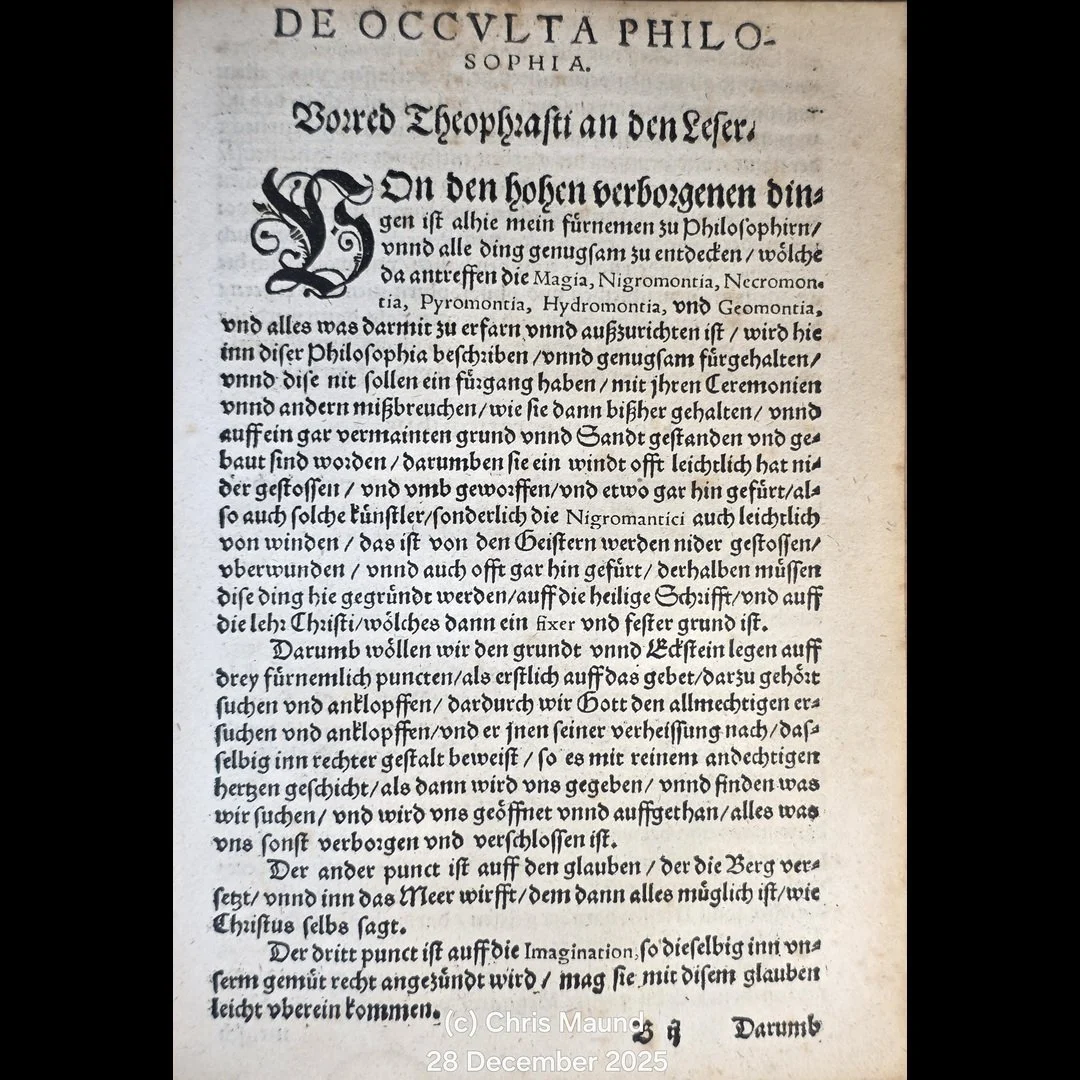 Image 38 of 51
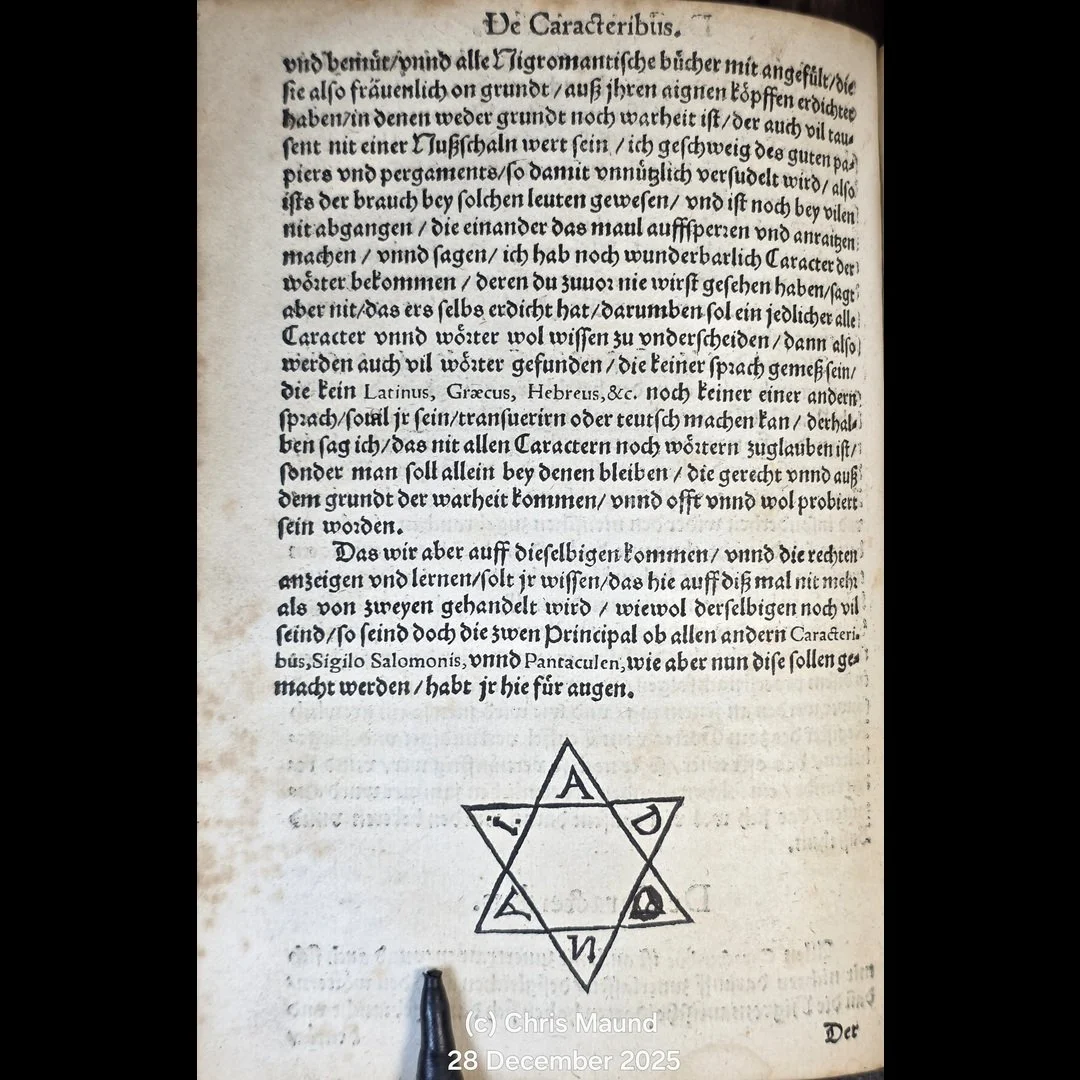 Image 39 of 51
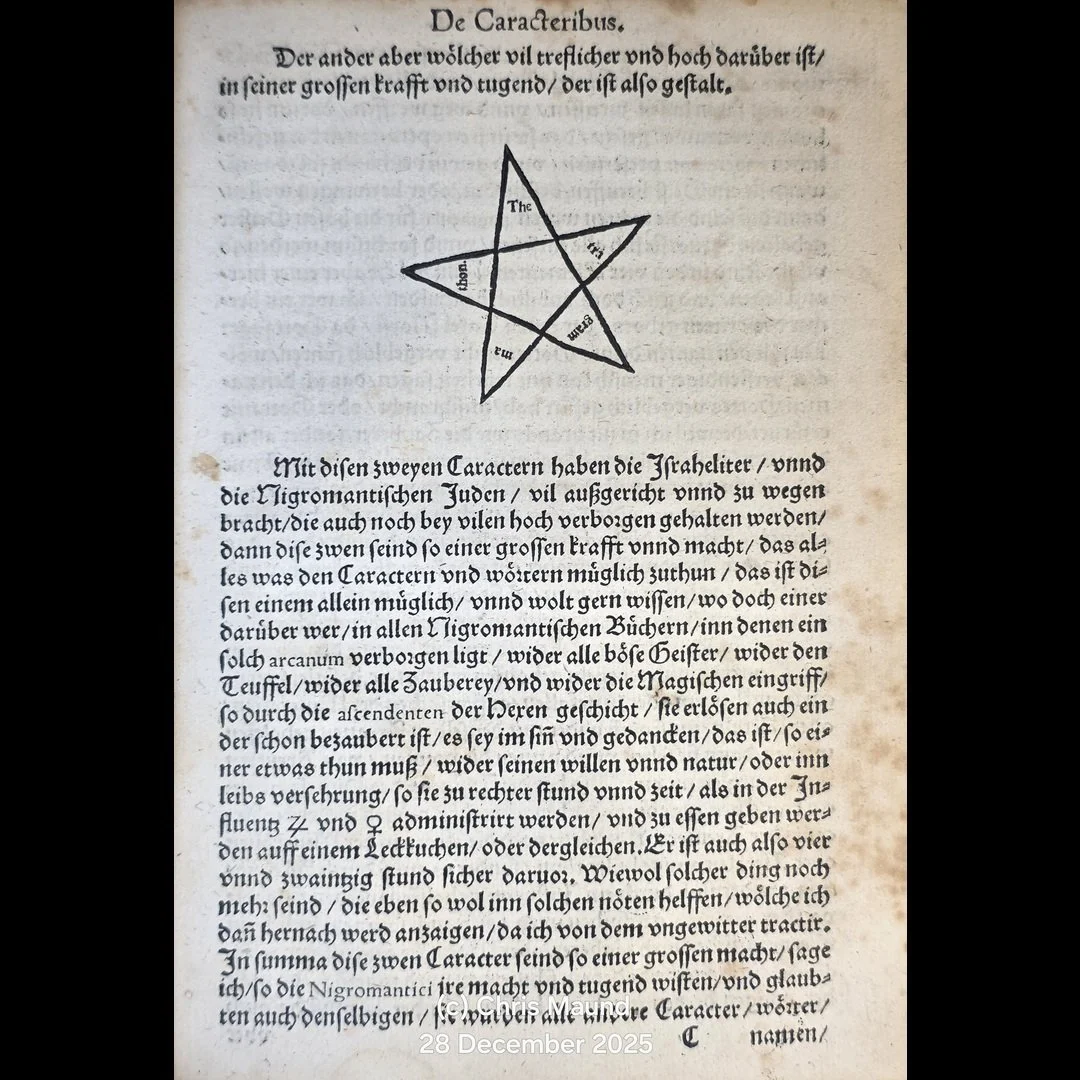 Image 40 of 51
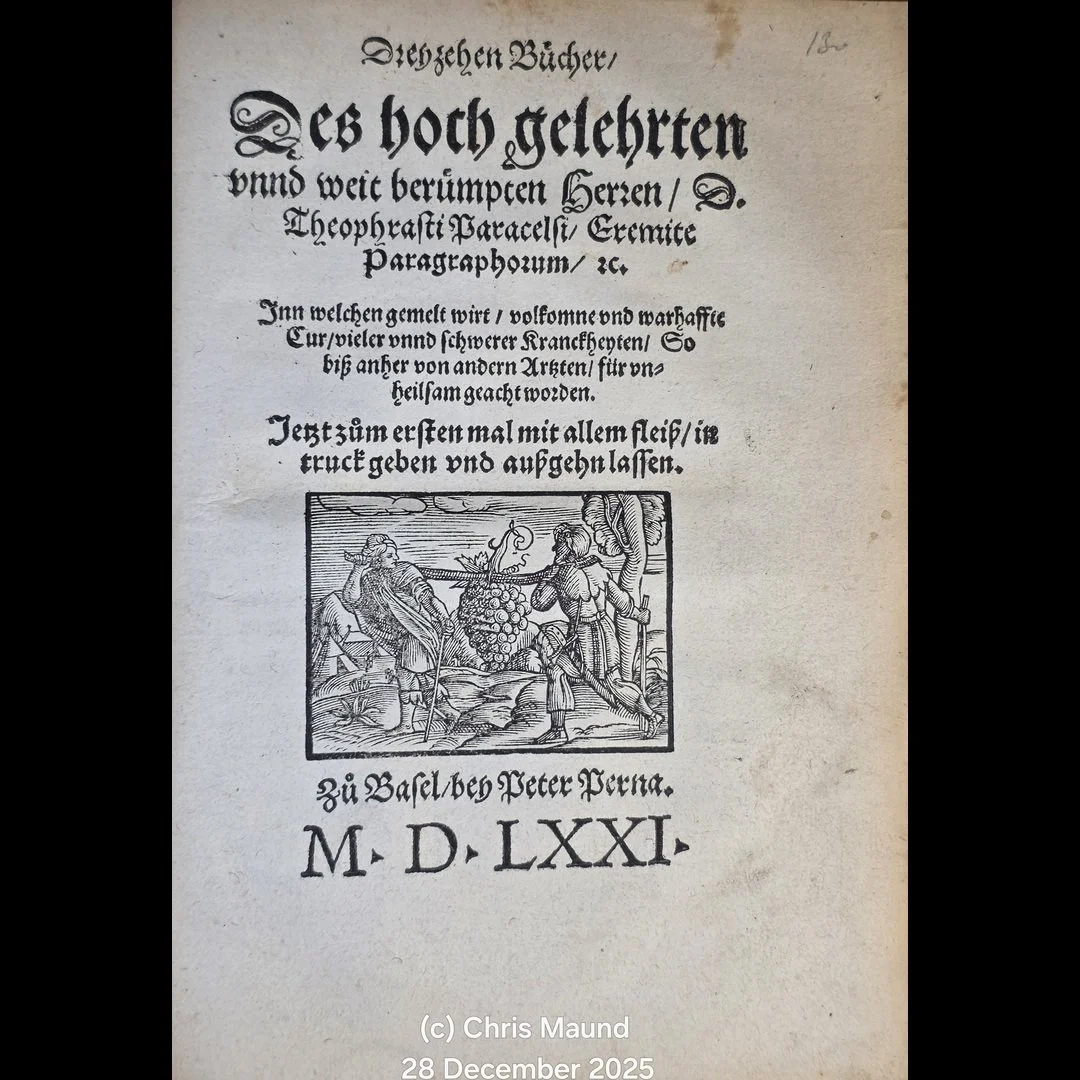 Image 41 of 51
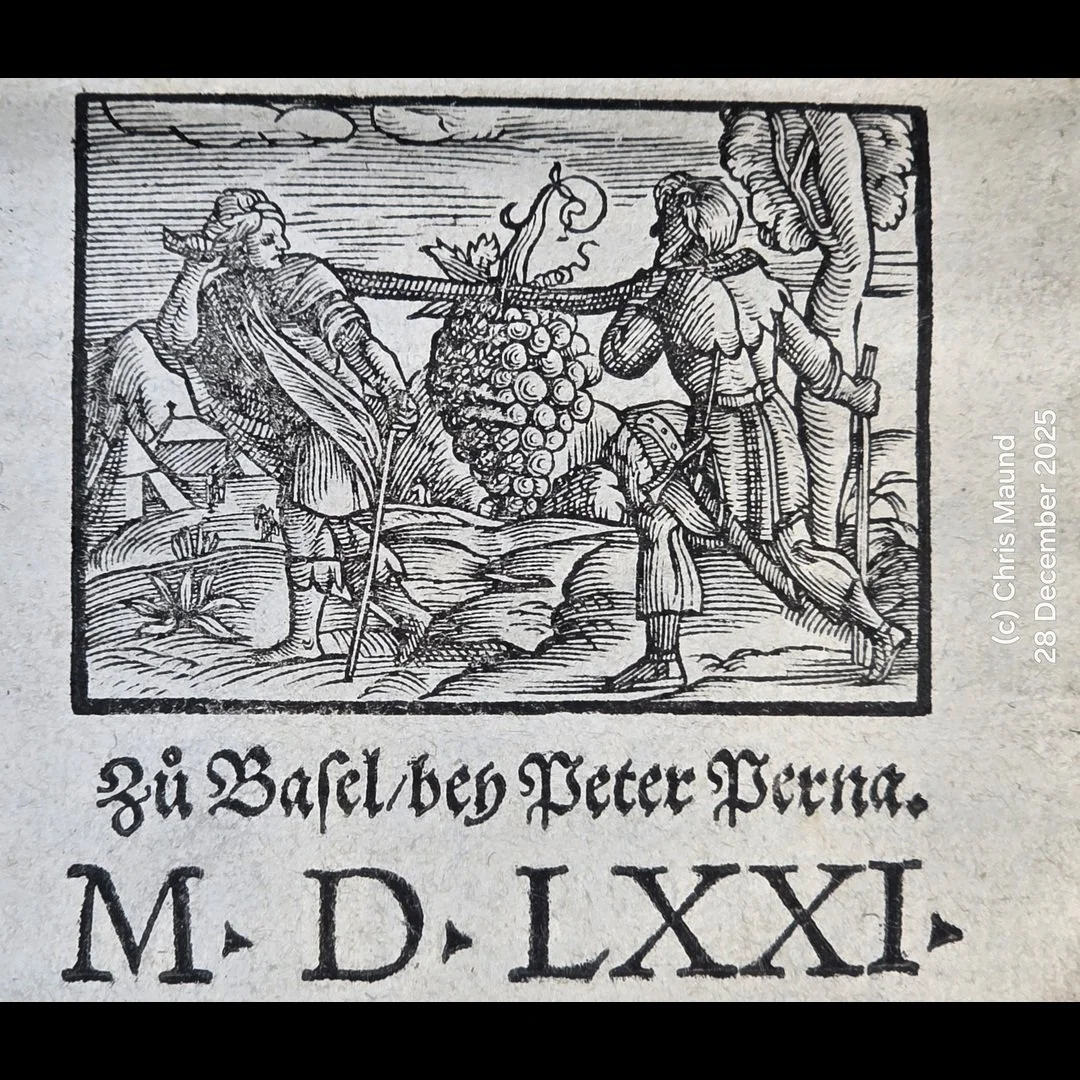 Image 42 of 51
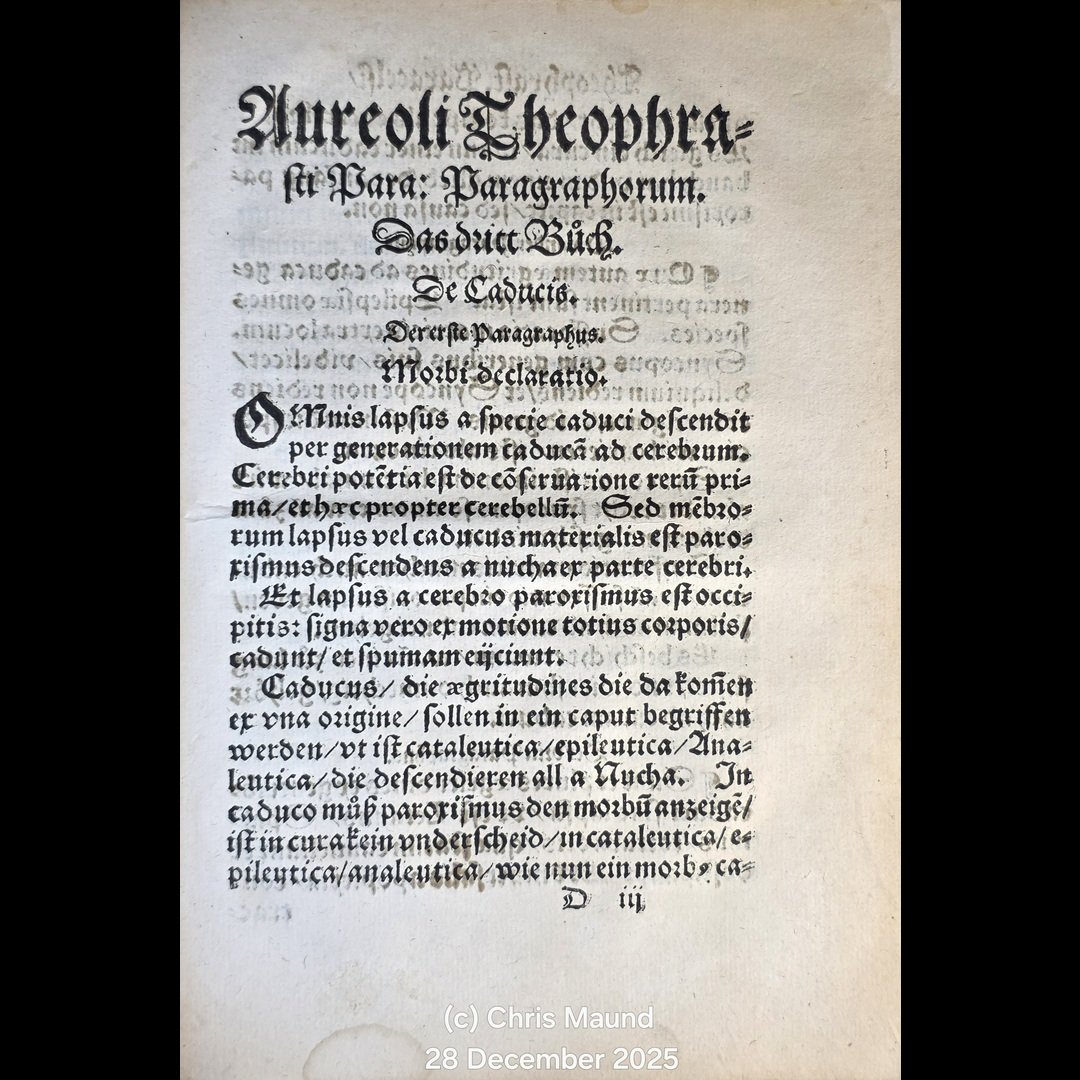 Image 43 of 51
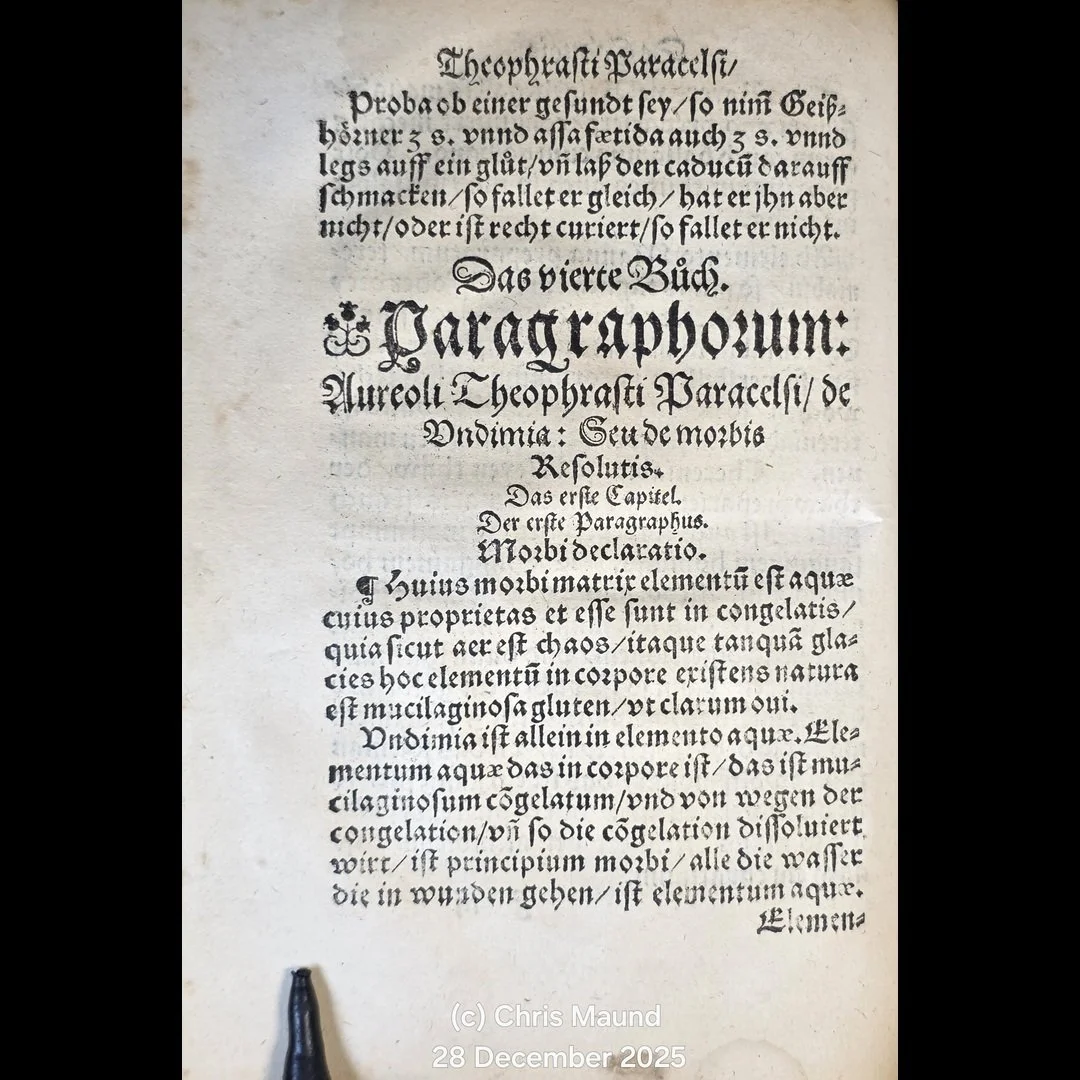 Image 44 of 51
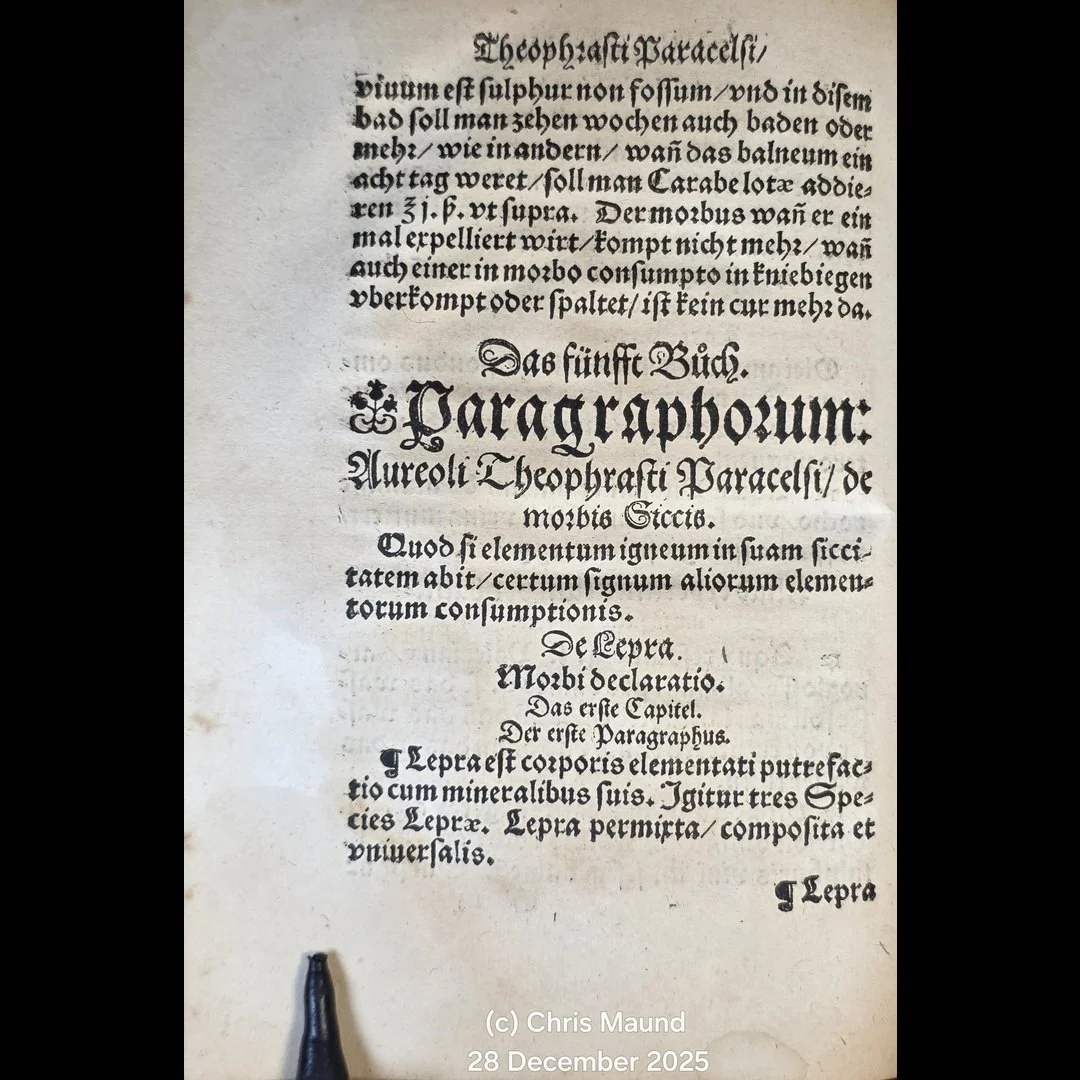 Image 45 of 51
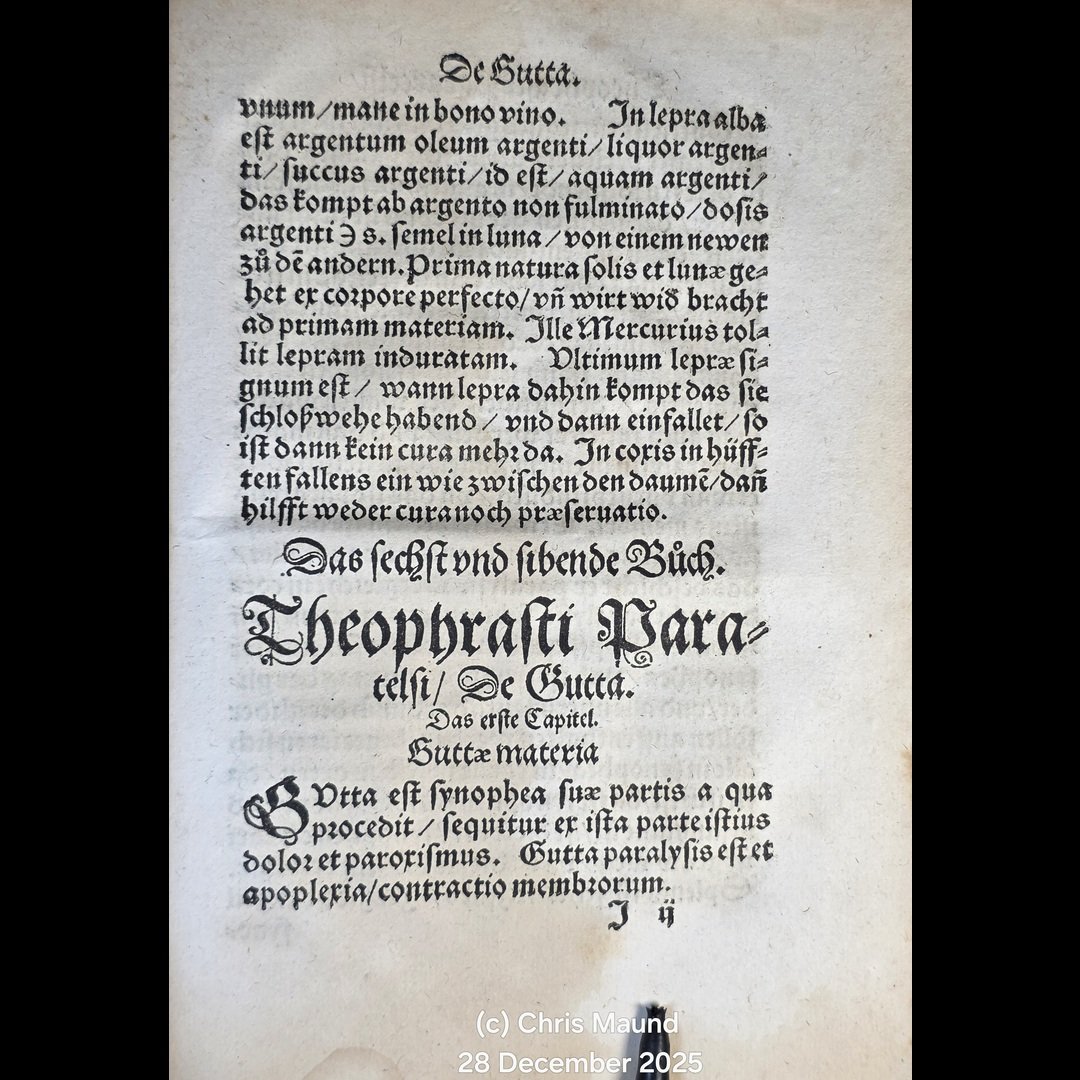 Image 46 of 51
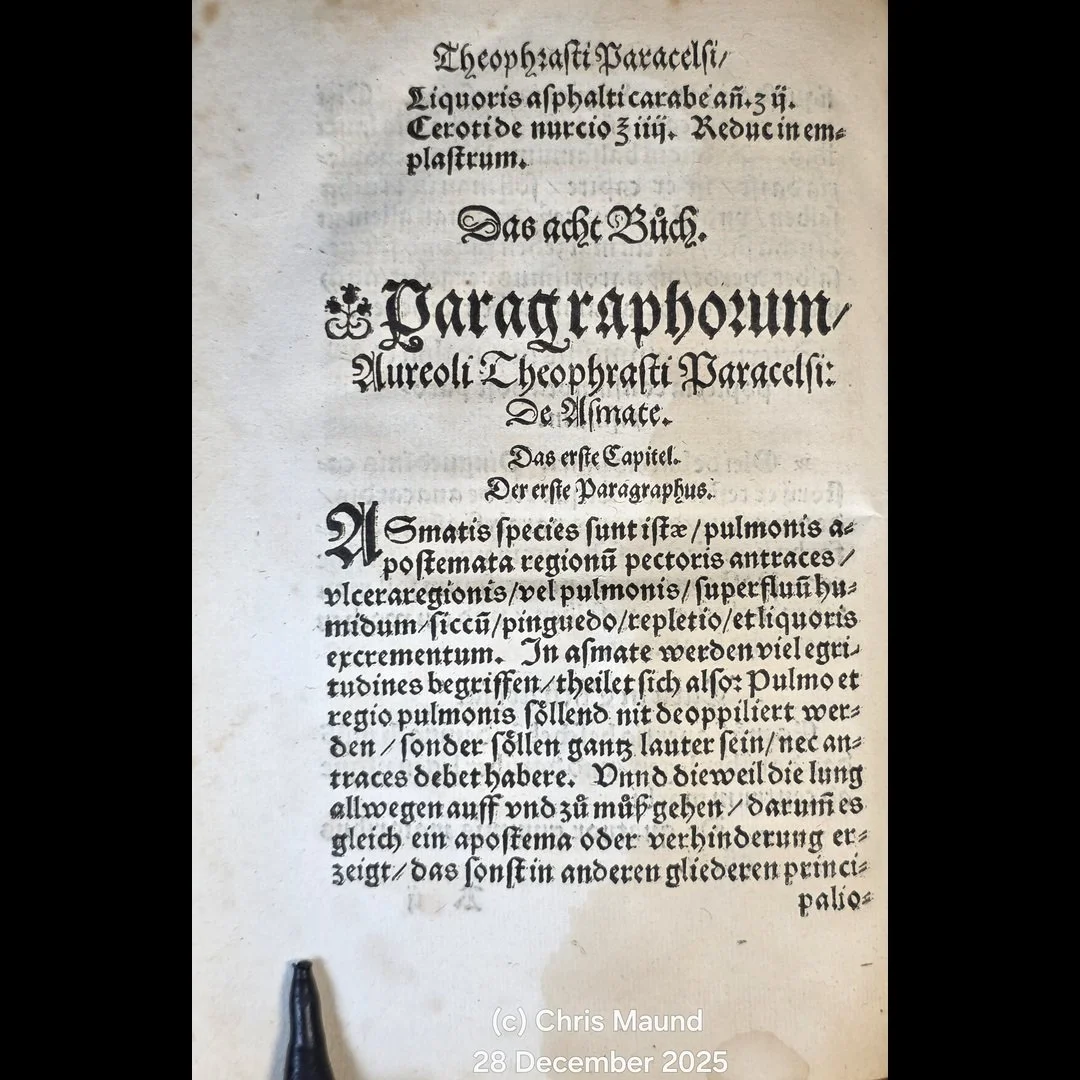 Image 47 of 51
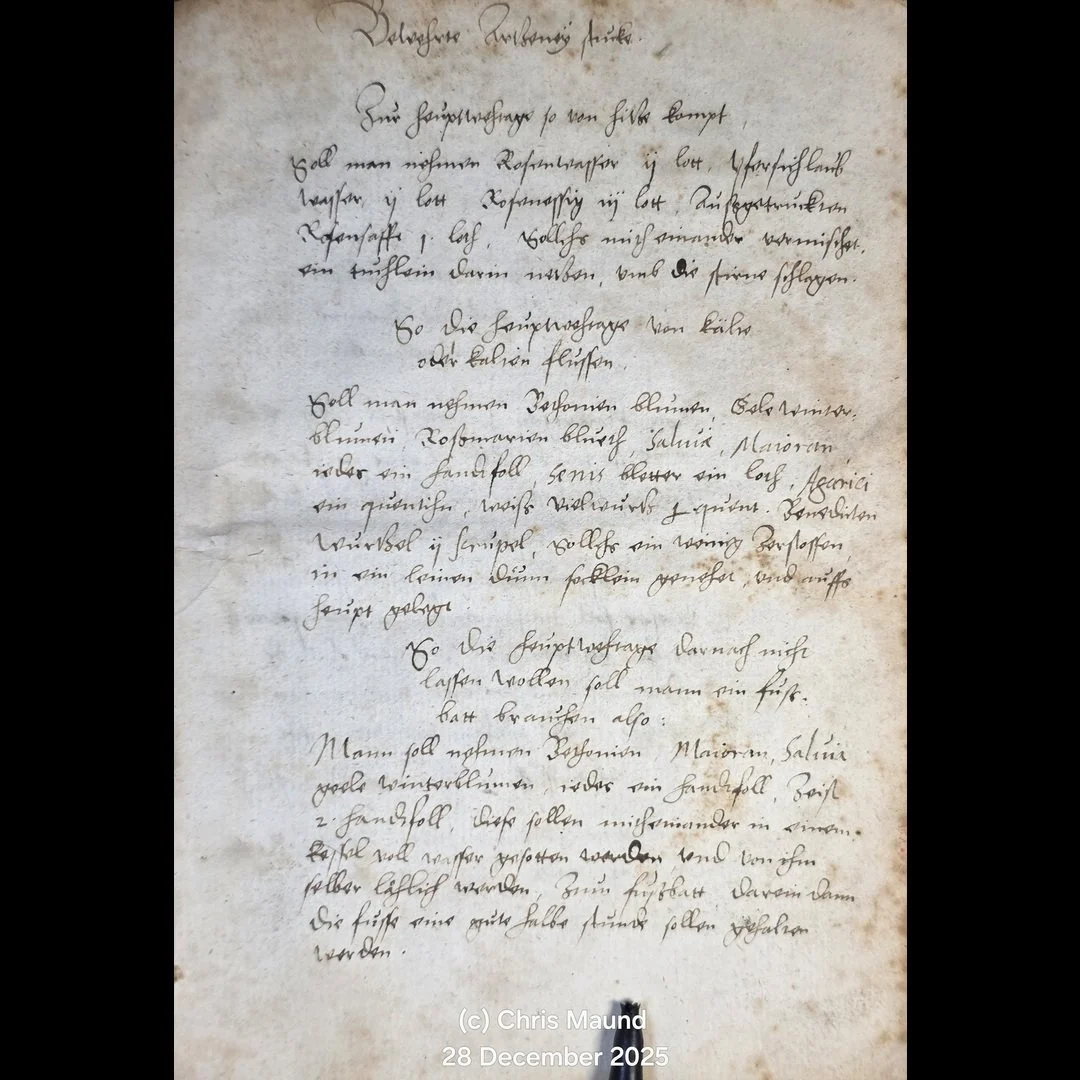 Image 48 of 51
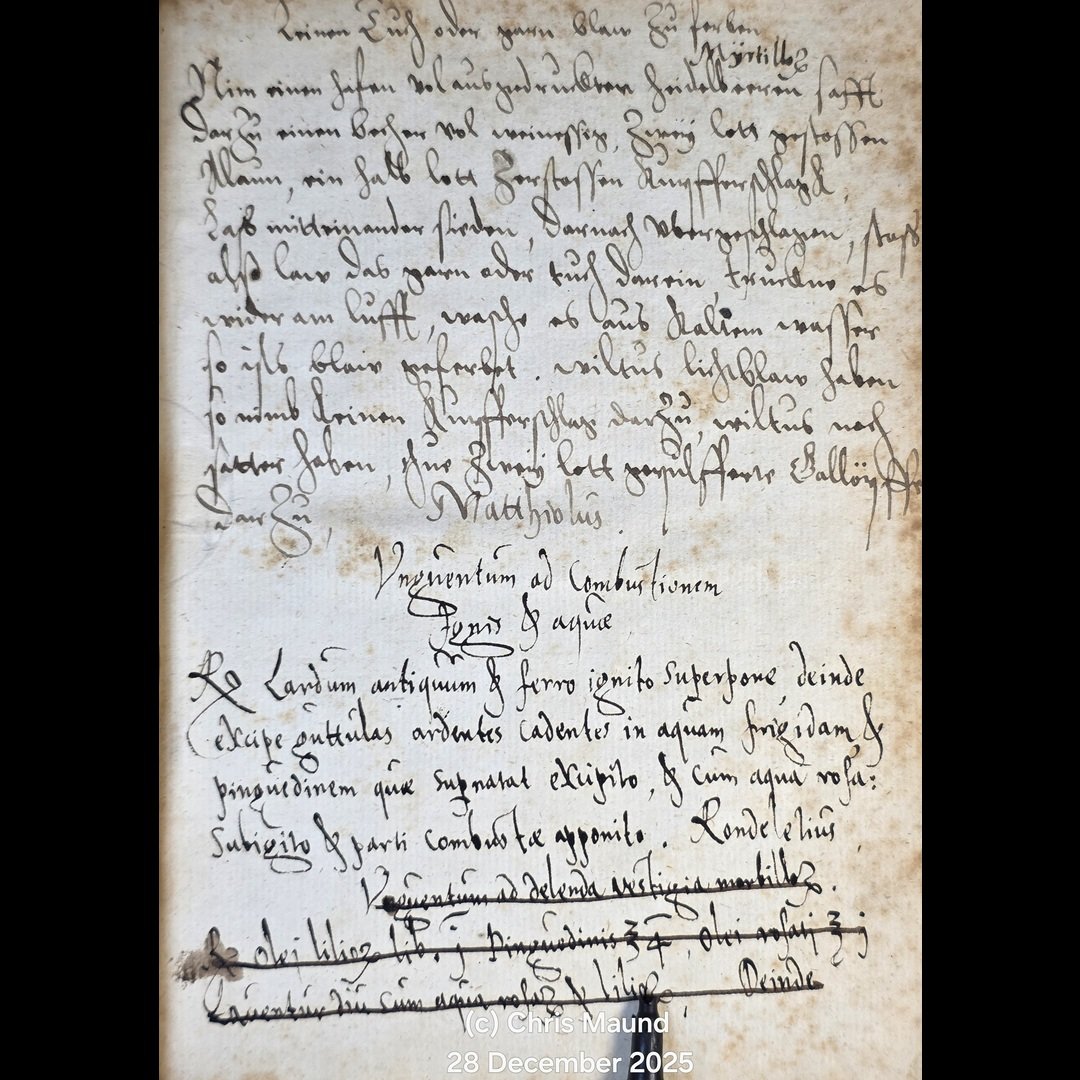 Image 49 of 51
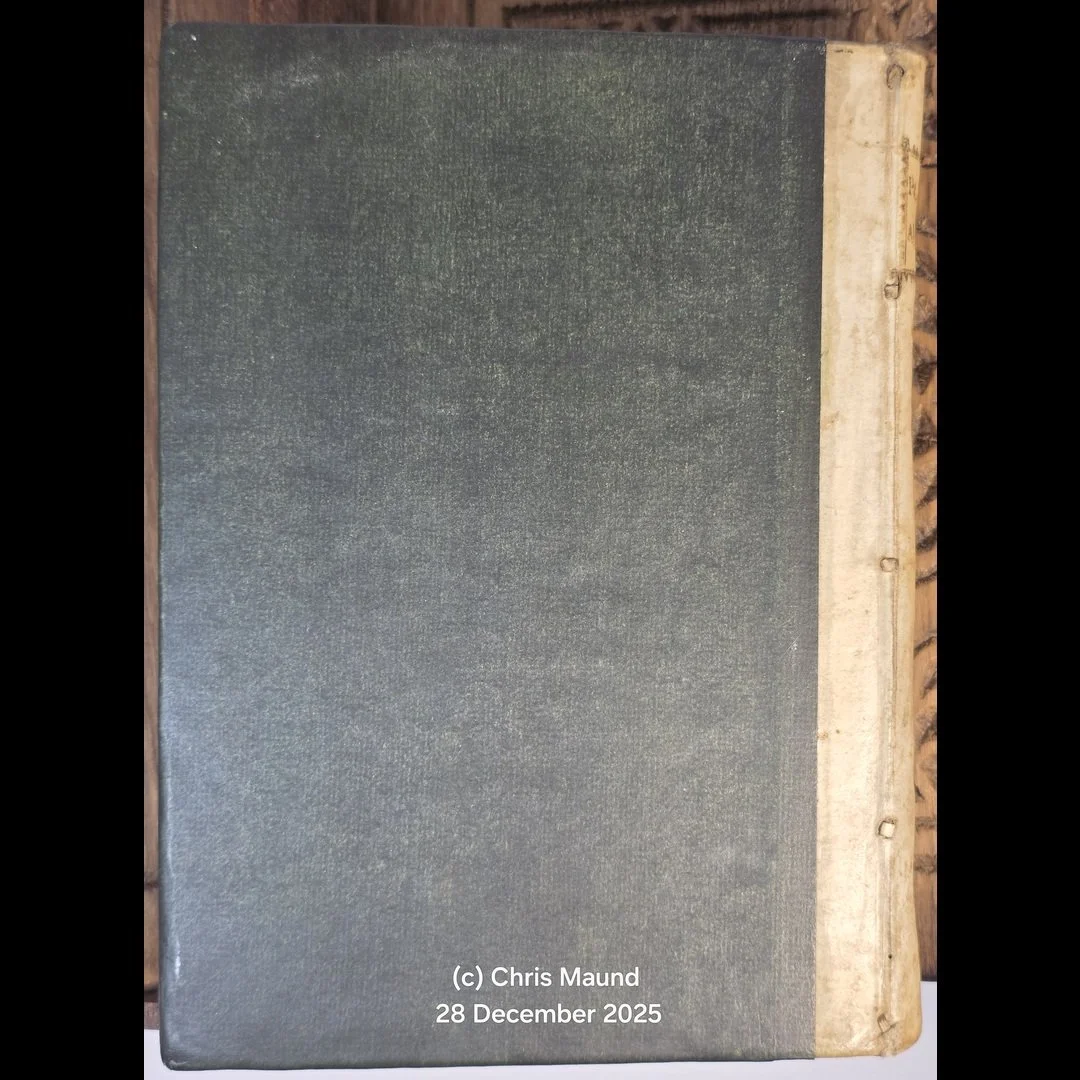 Image 50 of 51
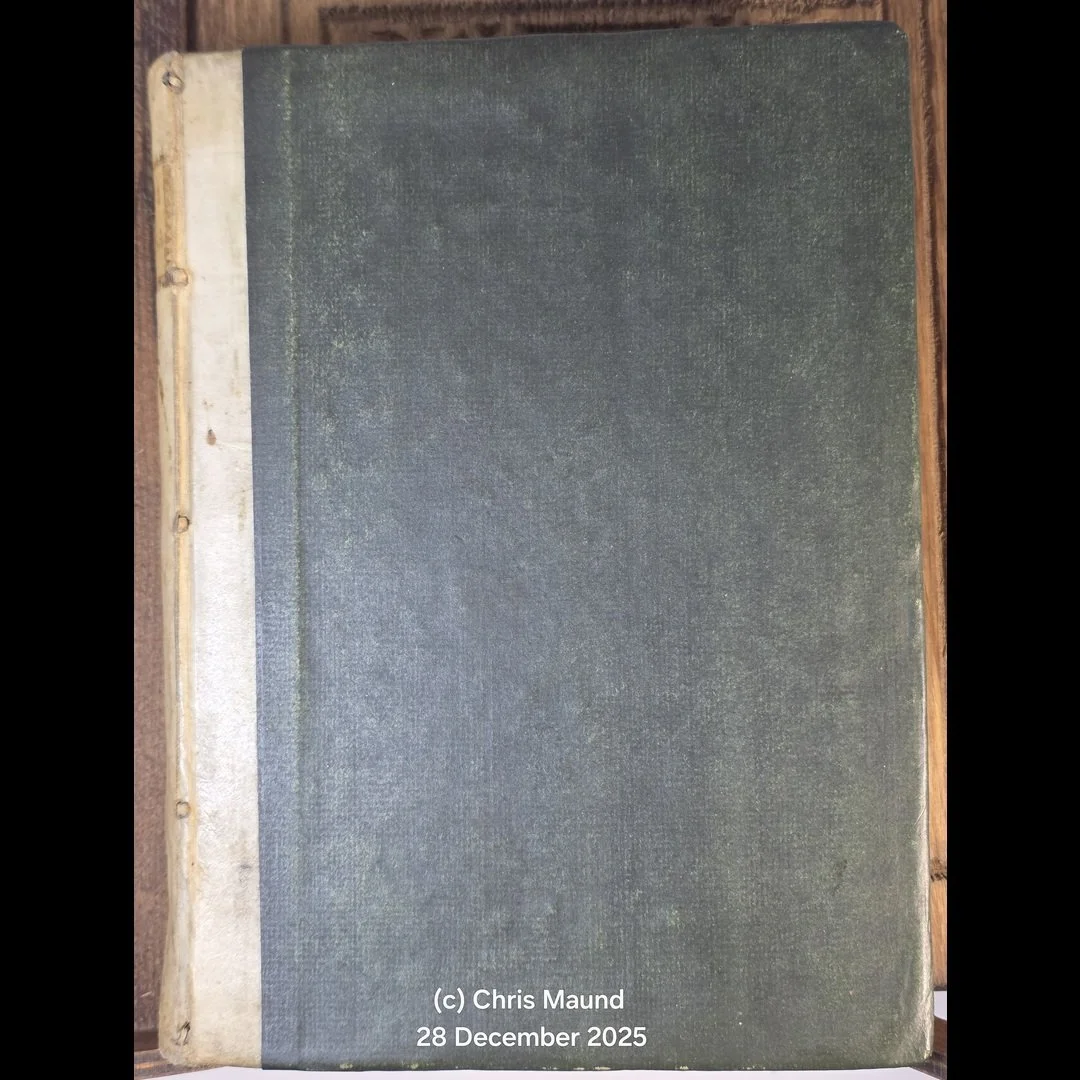 Image 51 of 51