1813 First Edition of Campbell's Translation With Provenance
THE APOLOGY FOR THE CHURCH OF ENGLAND
By John Jewel, Bishop of Salisbury
KEY DETAILS
Condition: Good
Format: Hardcover, 8vo; approx. 213 x 128 mm
Published By: , Pontefract, 1813
Printed By: B. Boothroyd
Language: English
Provenance: Raymond Ravenscroft
Collation: Preliminary matter, including dedication and memoir of Bishop Jewel; pp. 332; separately paginated sermon, pp. 36.
Dust Jacket: None, as issued
SKU: BTETM0002760
Shipping Info: Approximate Package Dimensions H: 15, L: 55, W: 40 (Units: cm), W: 2Kg
Tracked Shipping, Insurance Coverage as per Customer Request
DESCRIPTION
The Apology For The Church of England
An attractive 1813 edition of John Jewel's influential defence of the English Reformation, translated from the original Latin by the Rev. A. C. Campbell and printed in Pontefract by B. Boothroyd.
First published in 1562, Jewel's Apologia Ecclesiae Anglicanae became one of the foundational theological statements of the Elizabethan Church of England, establishing a systematic defence of its doctrines, practices and ecclesiastical authority.
This edition incorporates historical annotations, biographical material relating to Bishop Jewel, and his celebrated sermon preached at Paul's Cross in 1560, providing valuable insight into the theological controversies surrounding the English Reformation.
The present copy is distinguished by its attractive gilt-decorated leather binding and a handwritten presentation inscription to Raymond Ravenscroft, potentially connecting it with two twentieth-century Anglican clergymen whose careers overlapped in southern Africa.
PROVENANCE
Raymond Ravenscroft
Of particular interest is a handwritten presentation inscription: “To Raymond Ravenscroft, With best wishes, A. Luman.”
The recipient may be identifiable as the Venerable Raymond Lockwood Ravenscroft (1931–2020), an Anglican clergyman who served in southern Africa before returning to England and eventually becoming Archdeacon of Cornwall.
The signatory may be the Rev. Arthur Rowe Luman, recorded as Rector of St James the Great, Worcester, South Africa, between 1959 and 1961.
Notably, Ravenscroft served as Rector of Francistown, Bechuanaland, from 1959 to 1962, placing both clergymen in southern Africa during the same period.
These overlapping ecclesiastical careers provide an intriguing geographical and chronological context for the presentation inscription.
Although the circumstances are suggestive, the identification of the recipient and signatory with these particular clergymen has not been conclusively established, and no direct documentary evidence of their personal acquaintance has been located.
Nevertheless, the inscription offers an interesting potential association with the twentieth-century Anglican clergy, particularly appropriate to the subject of Jewel's theological defence of the Church of England.
CONDITION, COLLATION & COPY NOTES
COLLATION
Preliminary matter, including dedication and memoir of Bishop Jewel; pp. 332; separately paginated sermon, pp. 36.
Good.
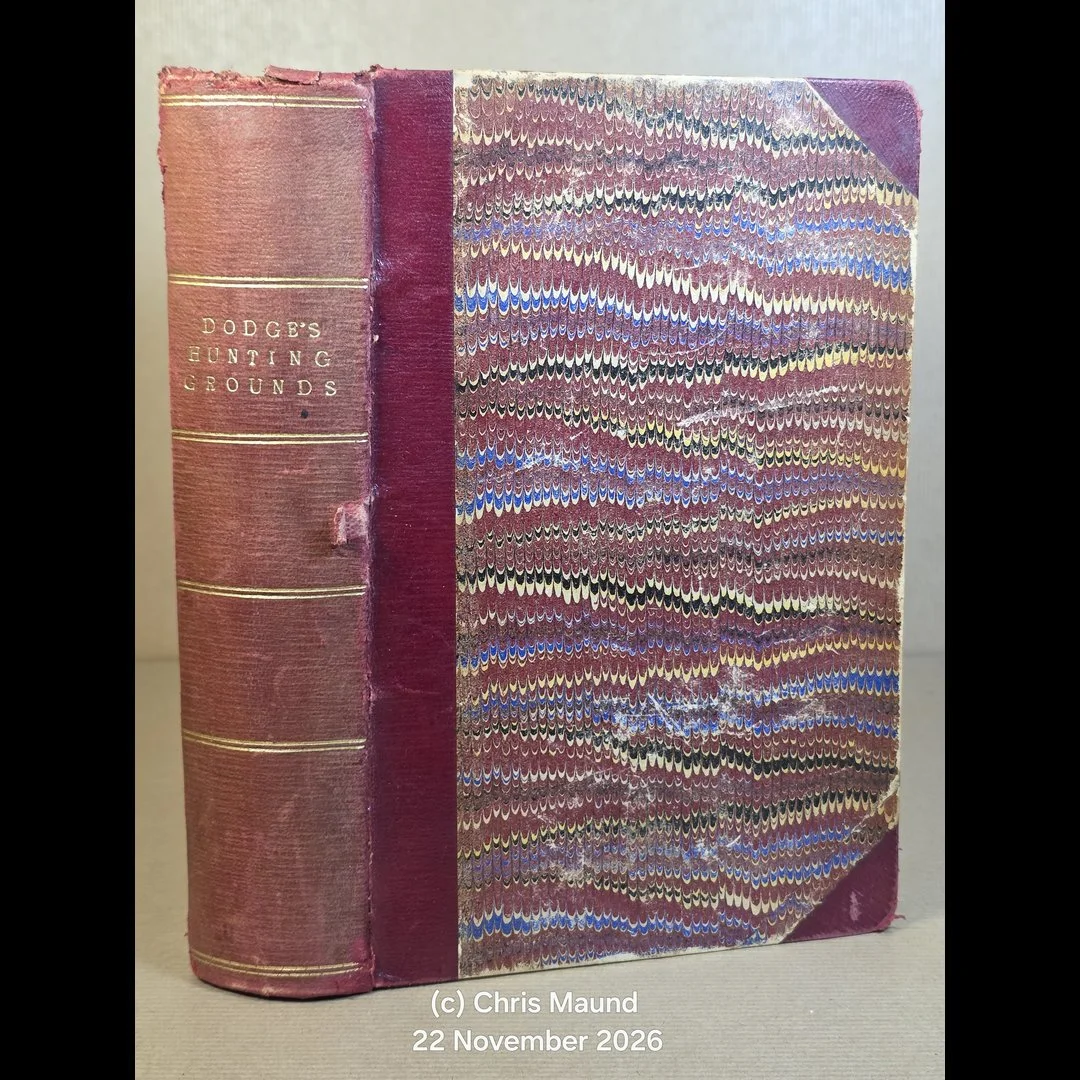
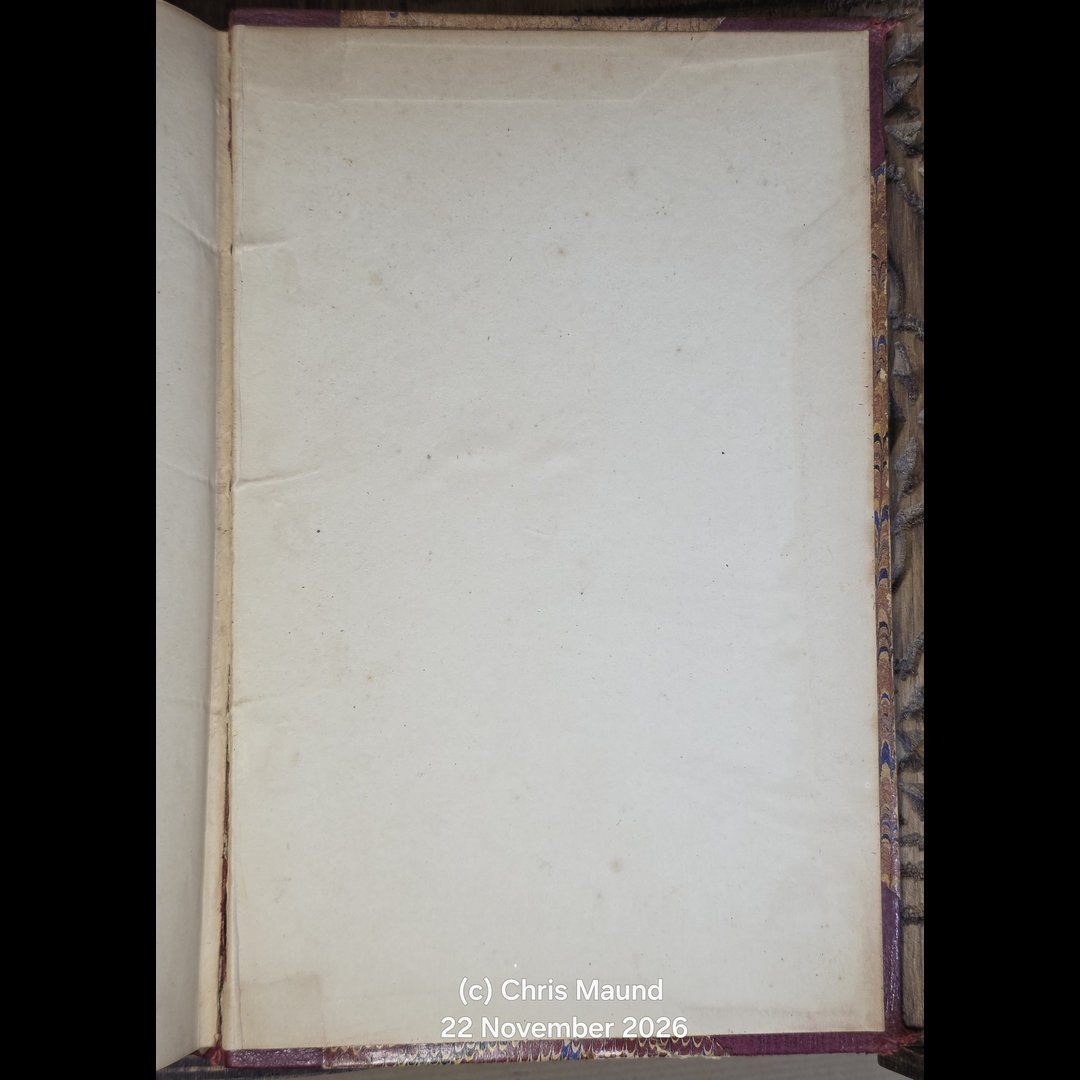
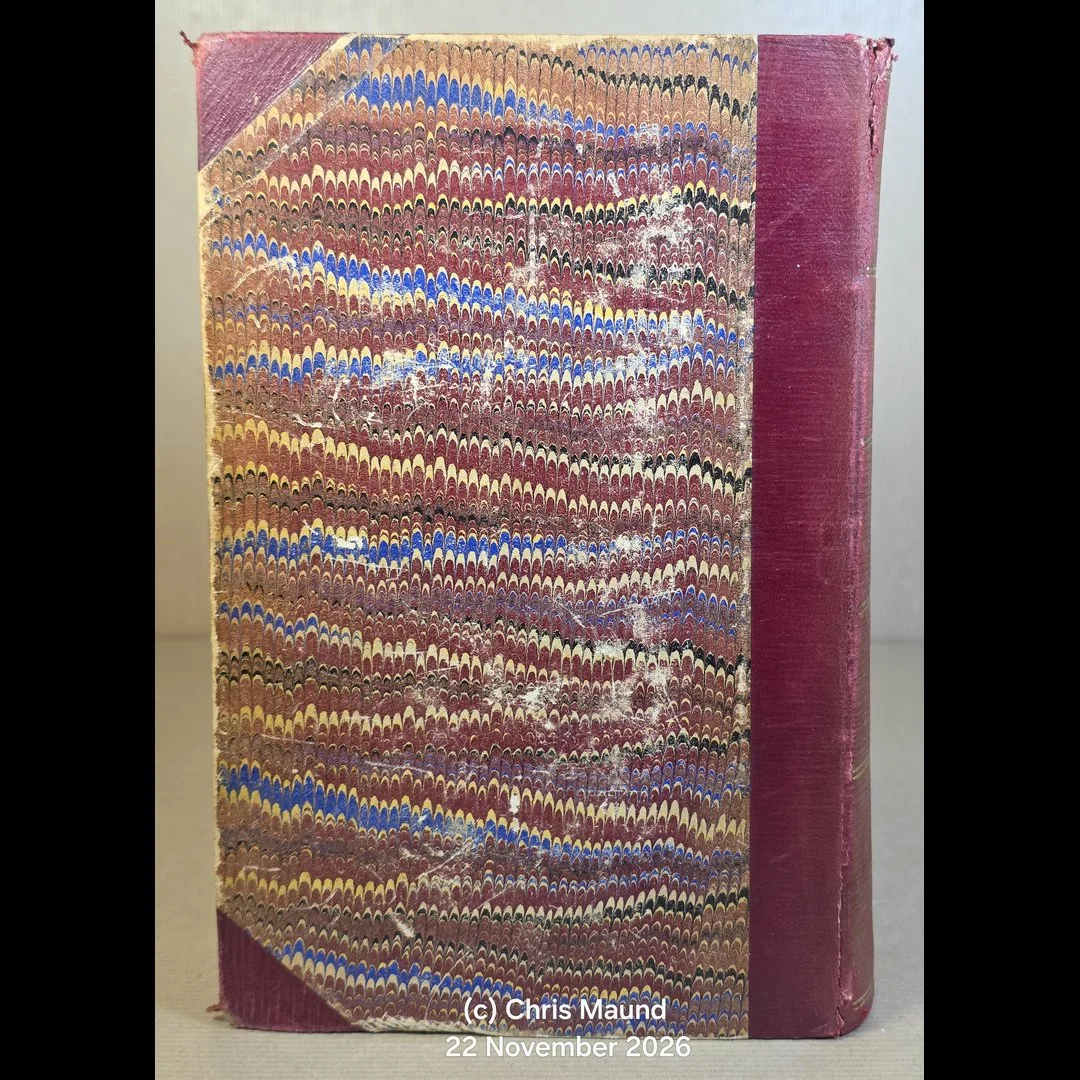
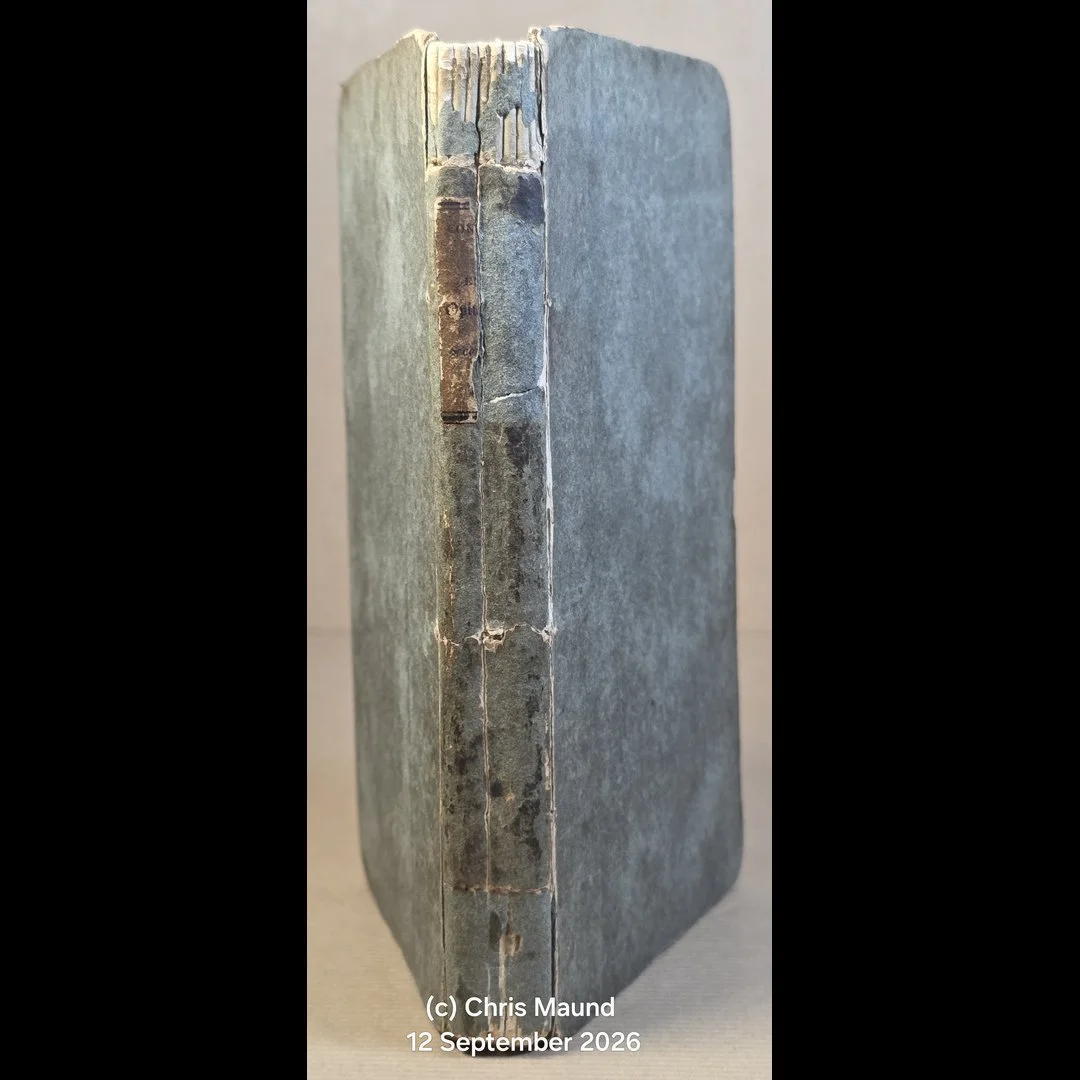
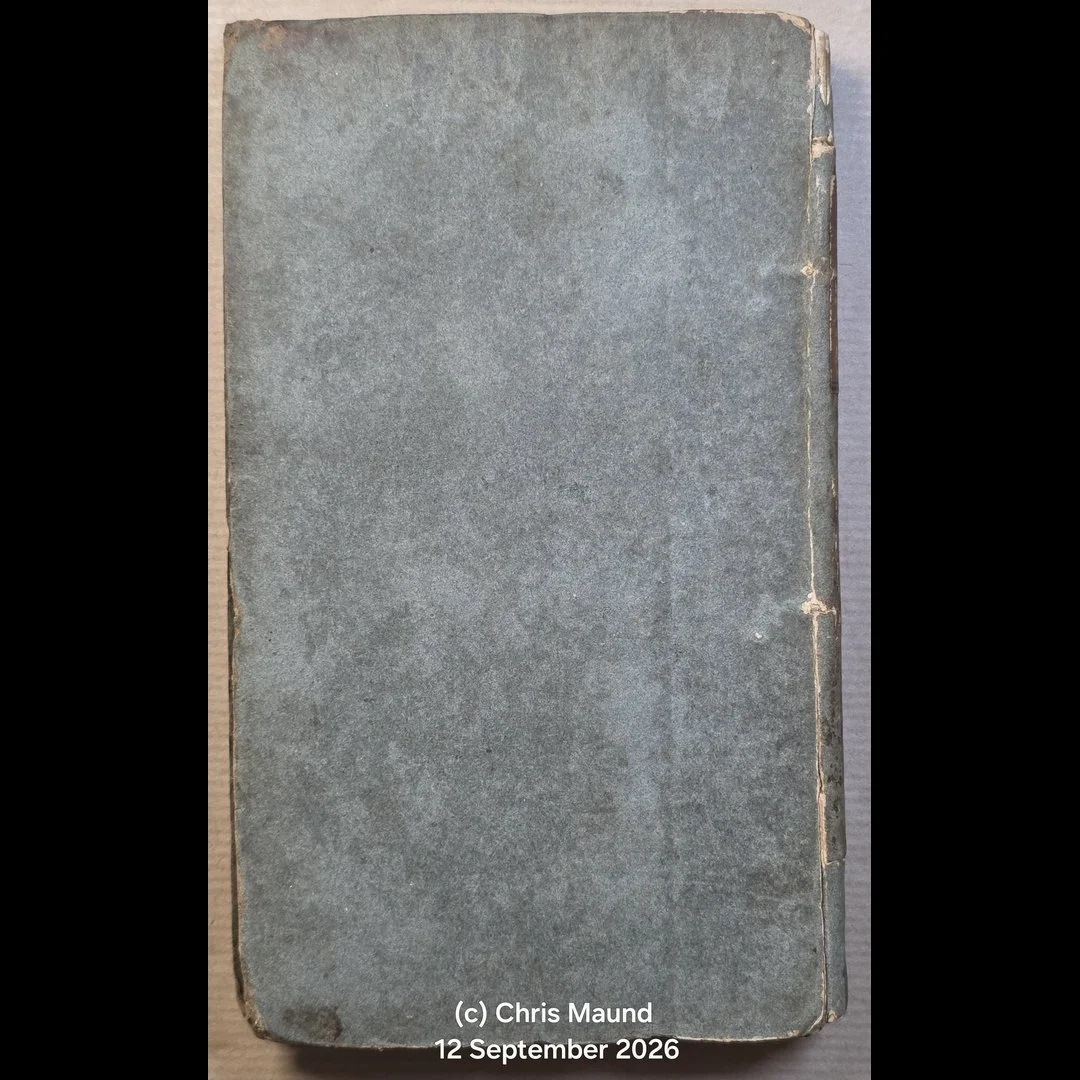
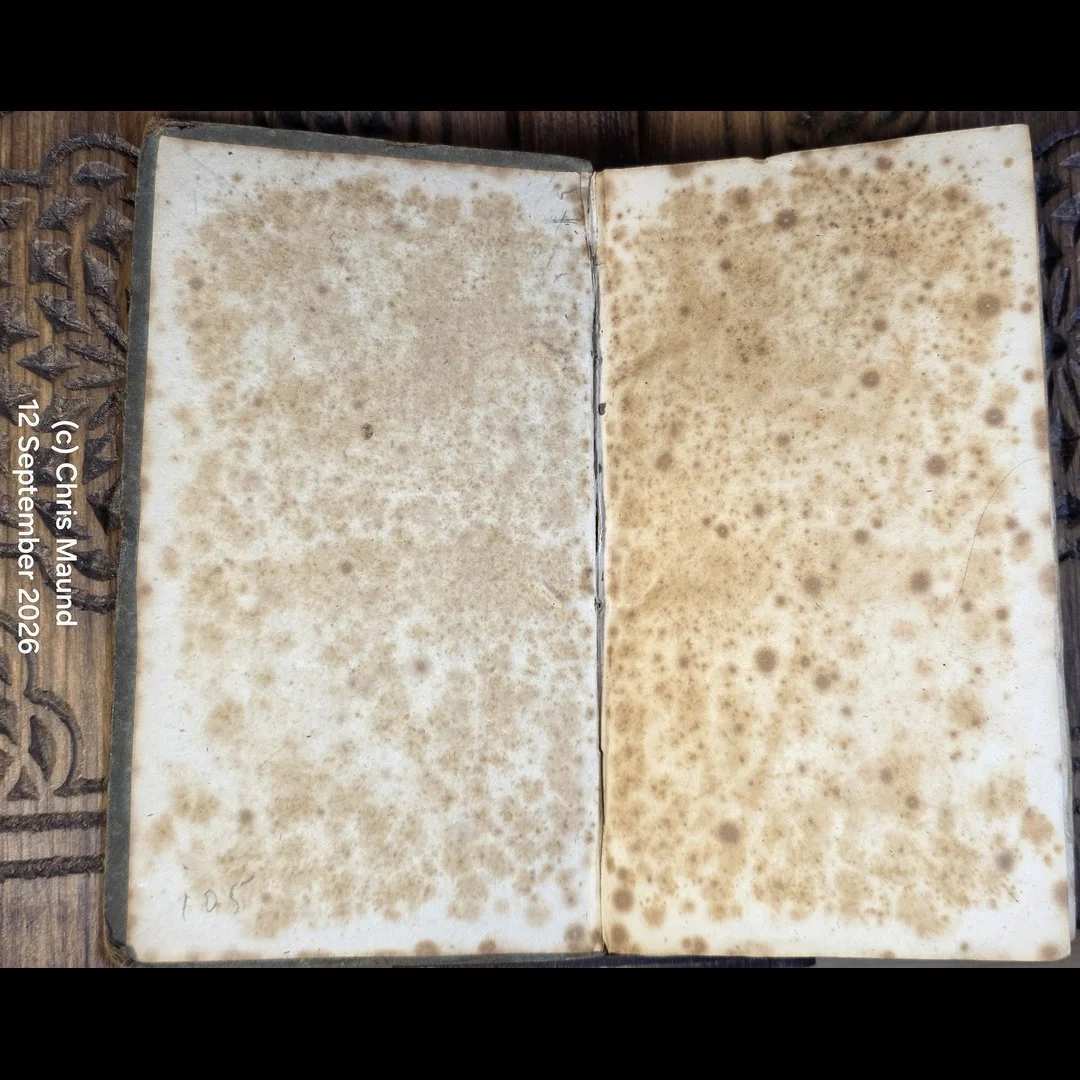
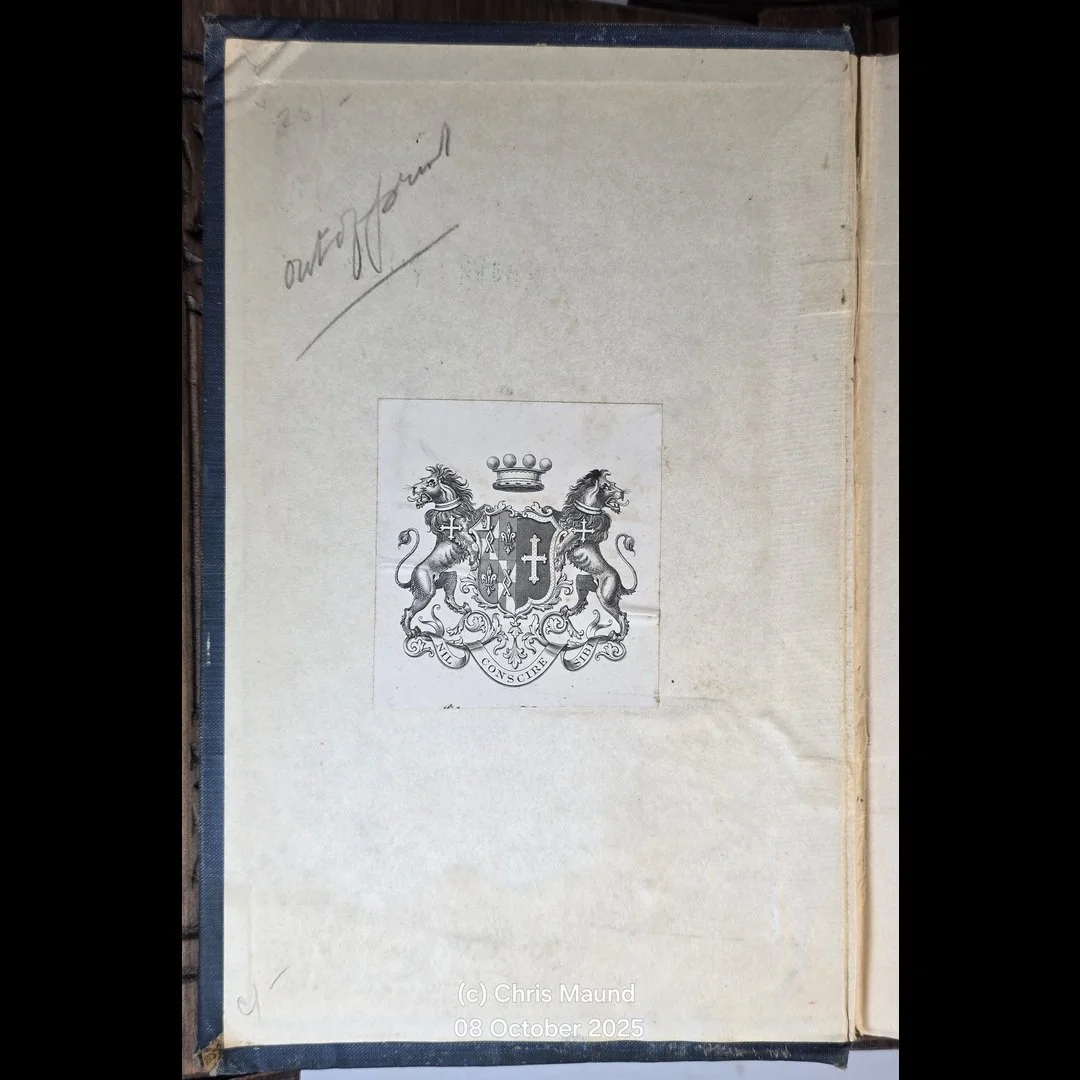
An attractive period dark-blue leather binding with gilt decoration to the spine and borders, complemented by decorative marbled endpapers.
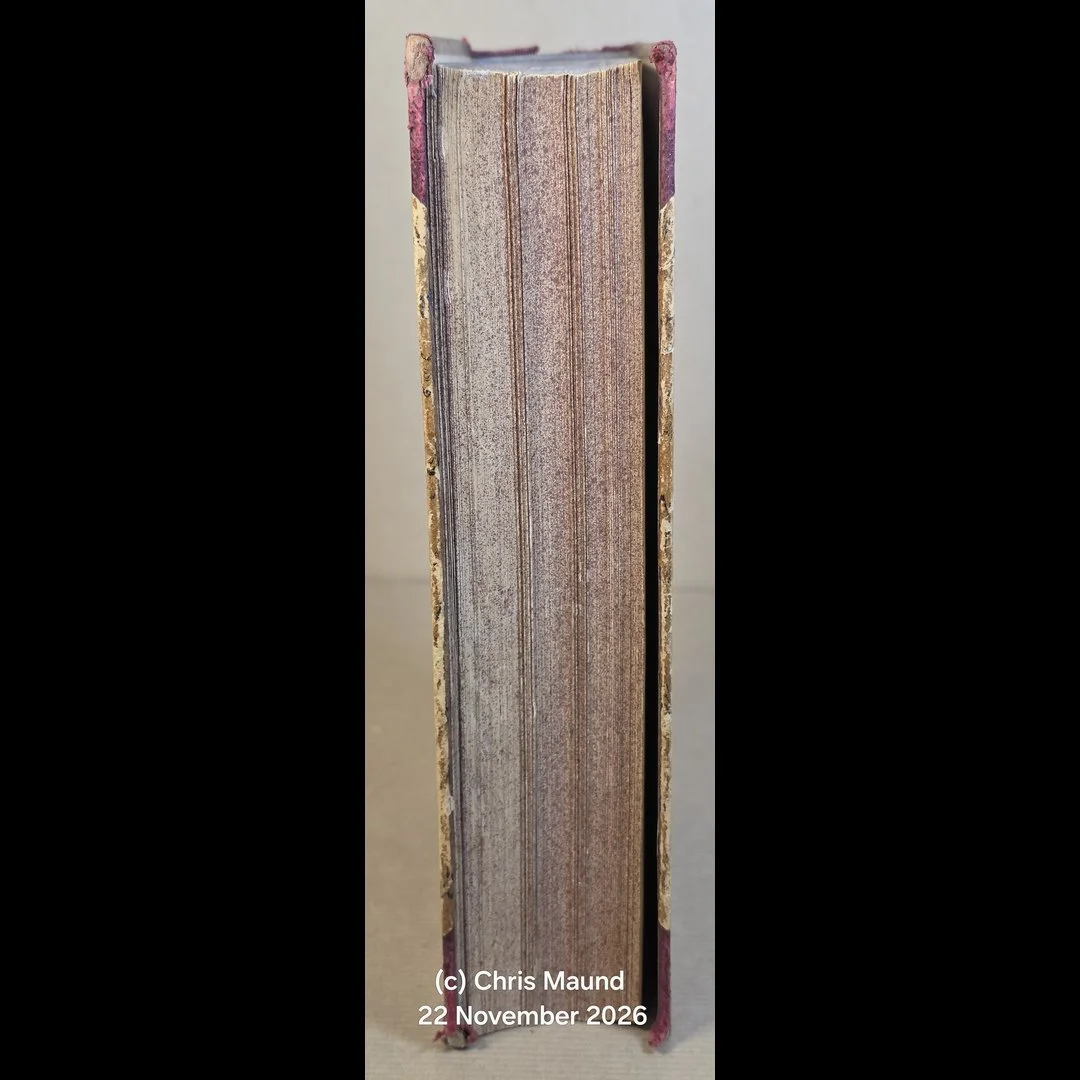
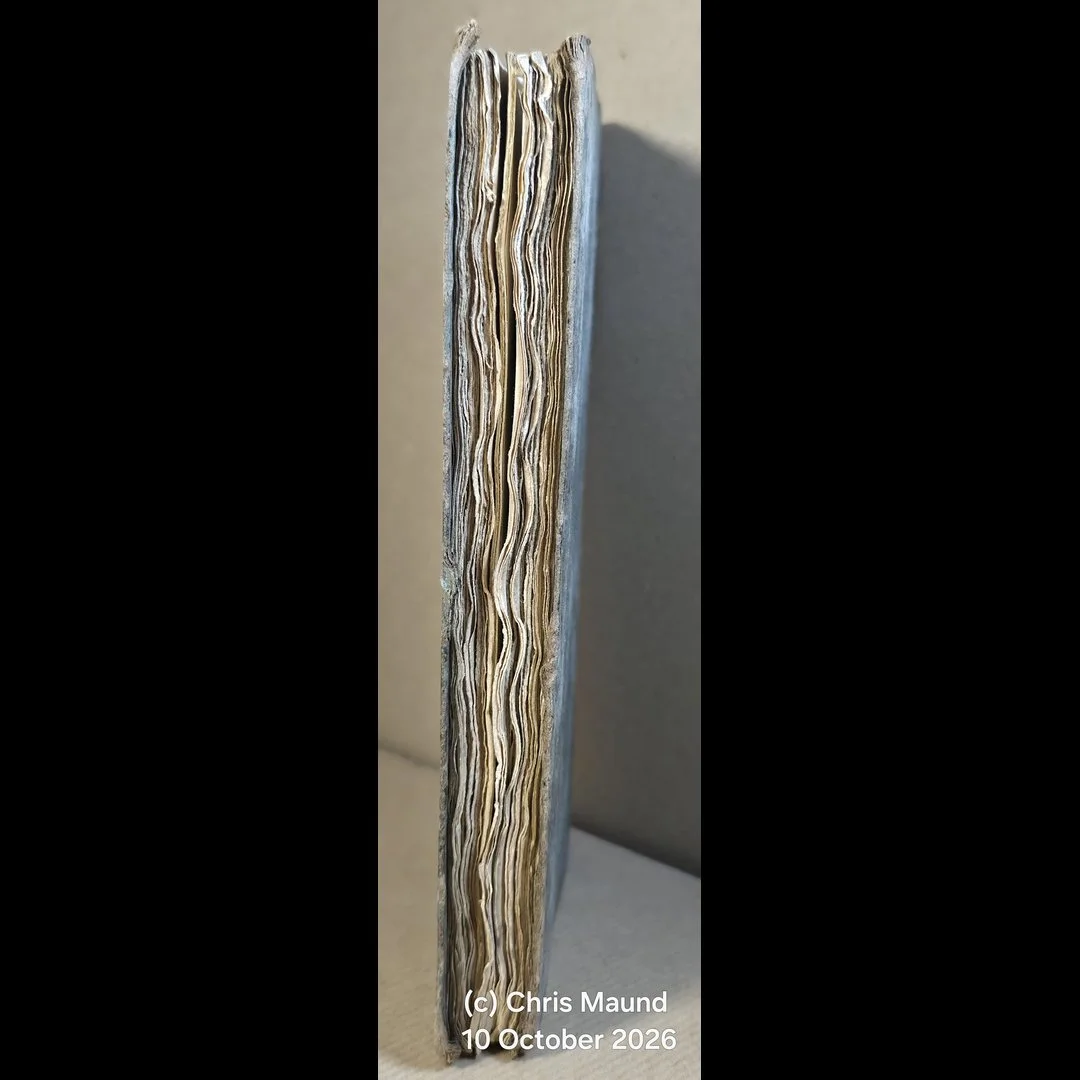
The boards display surface rubbing, scuffing and general wear consistent with age. Further wear is visible to the corners, board edges, joints and spine extremities, with some loss of finish.
Importantly, both boards remain firmly attached and the inner hinges are structurally sound, without splitting.
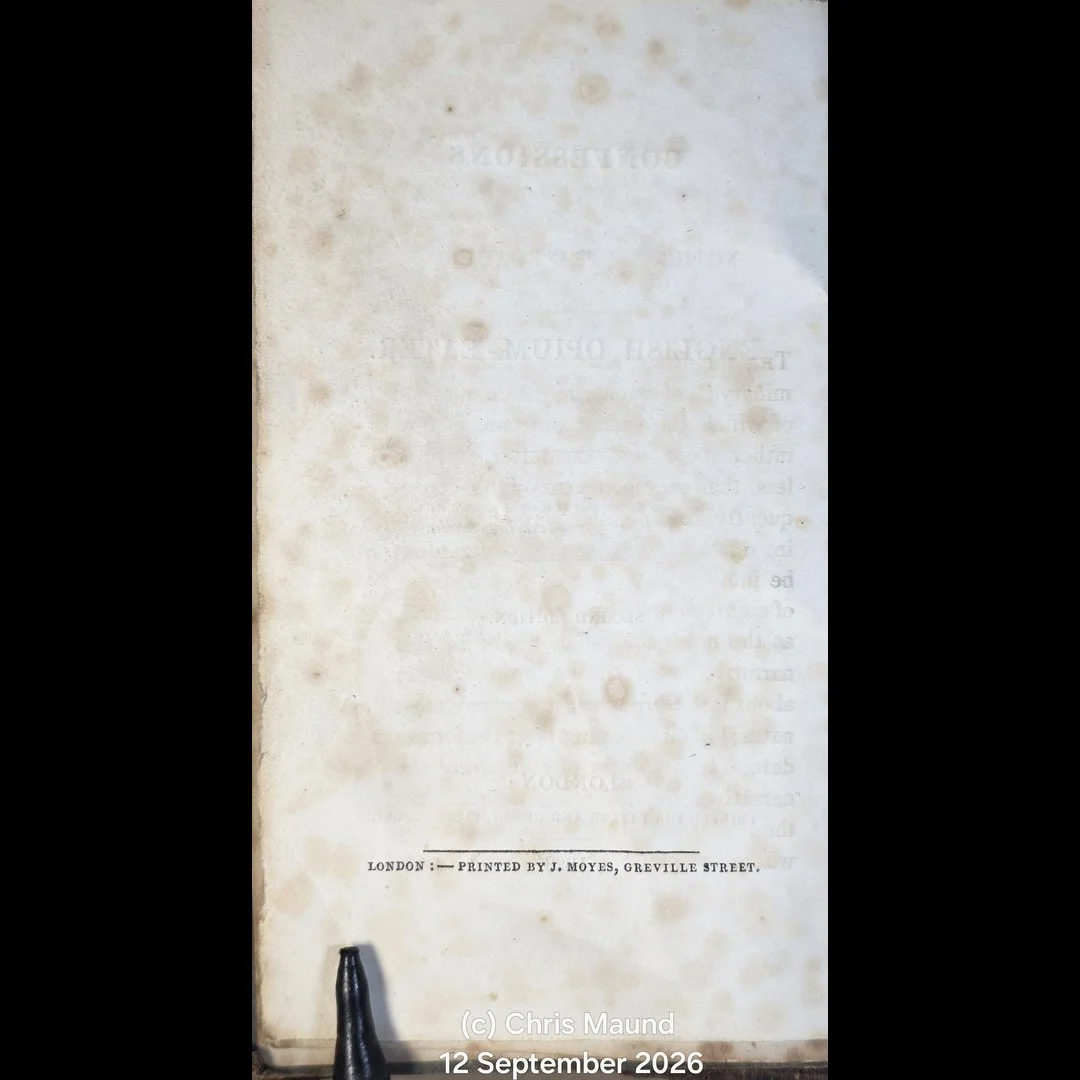
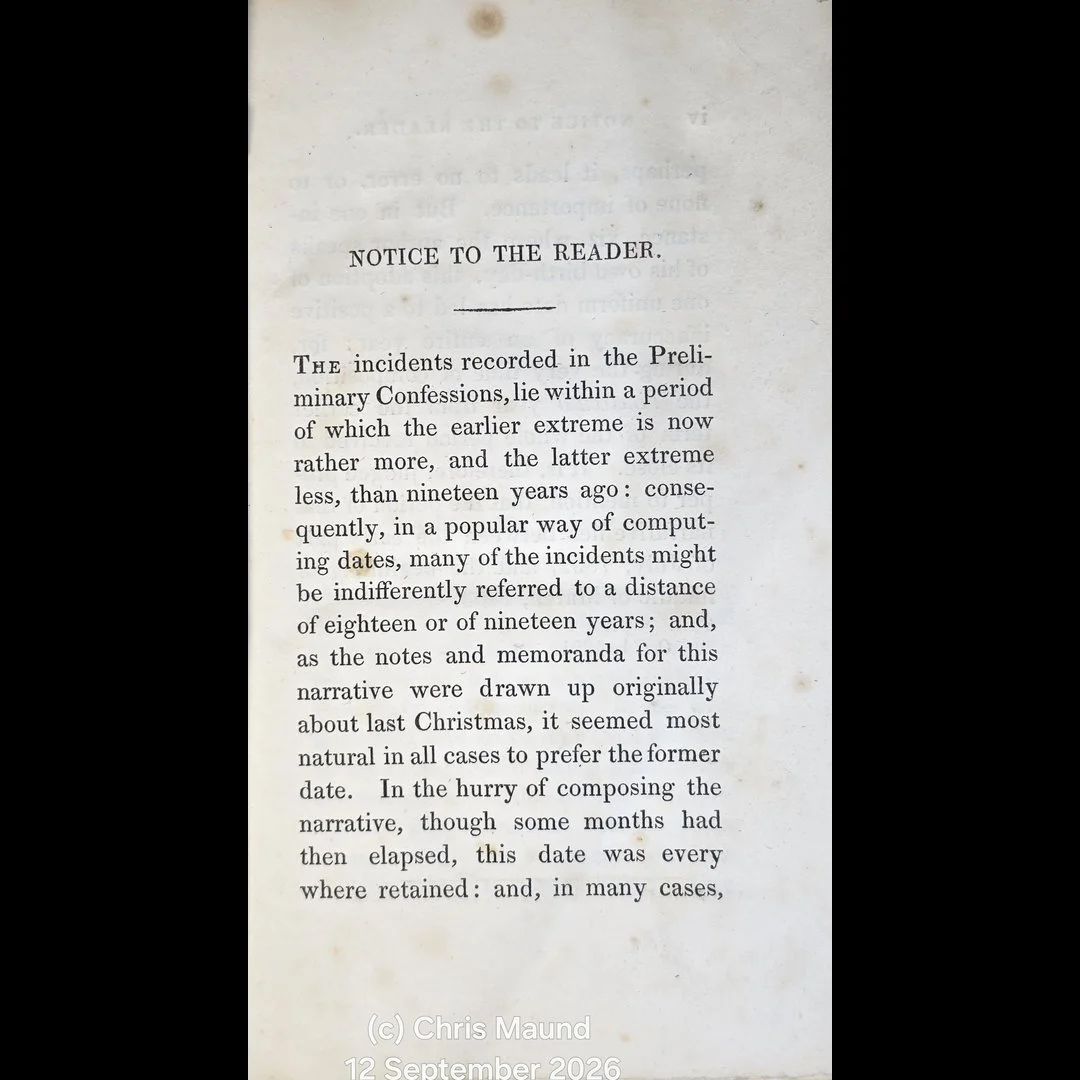
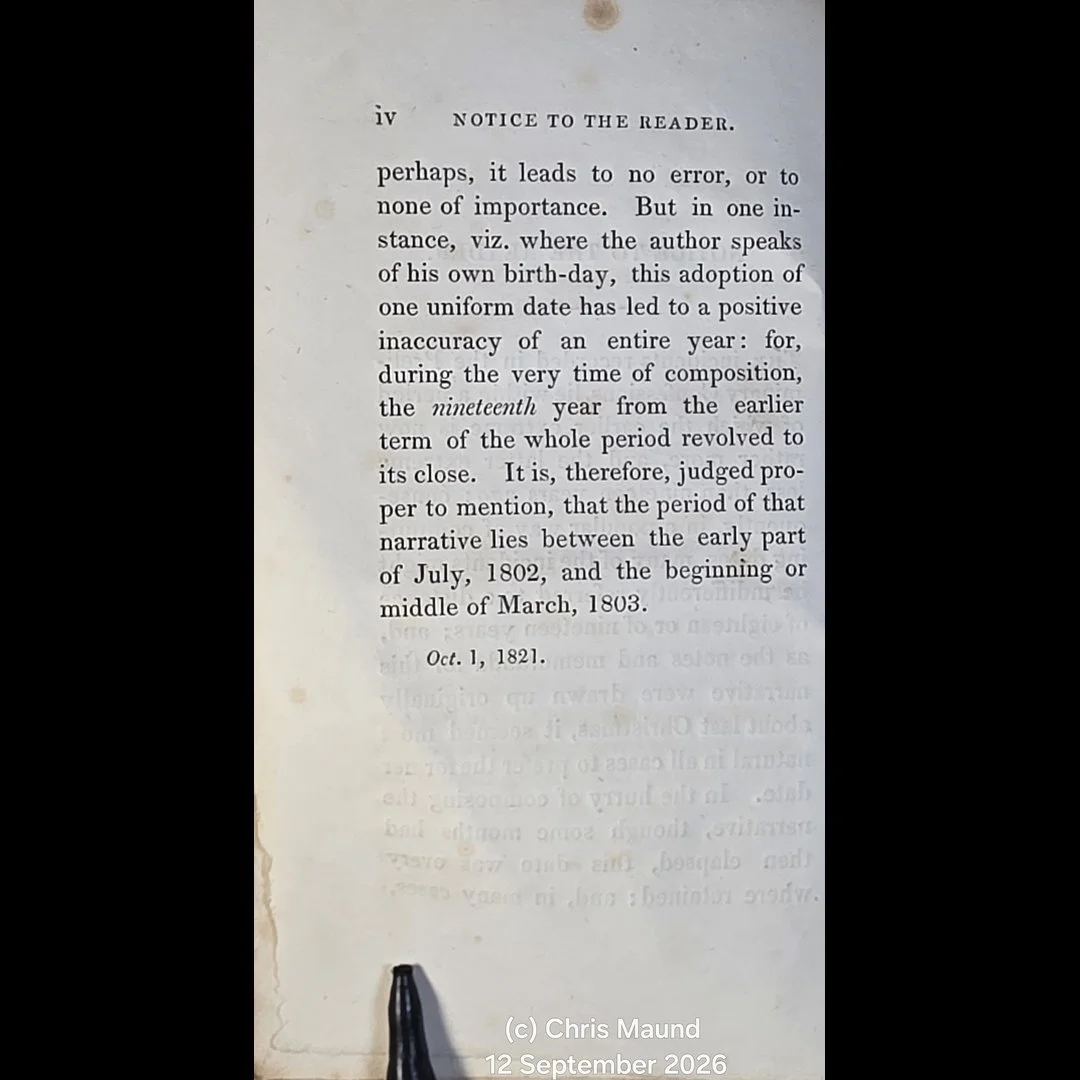
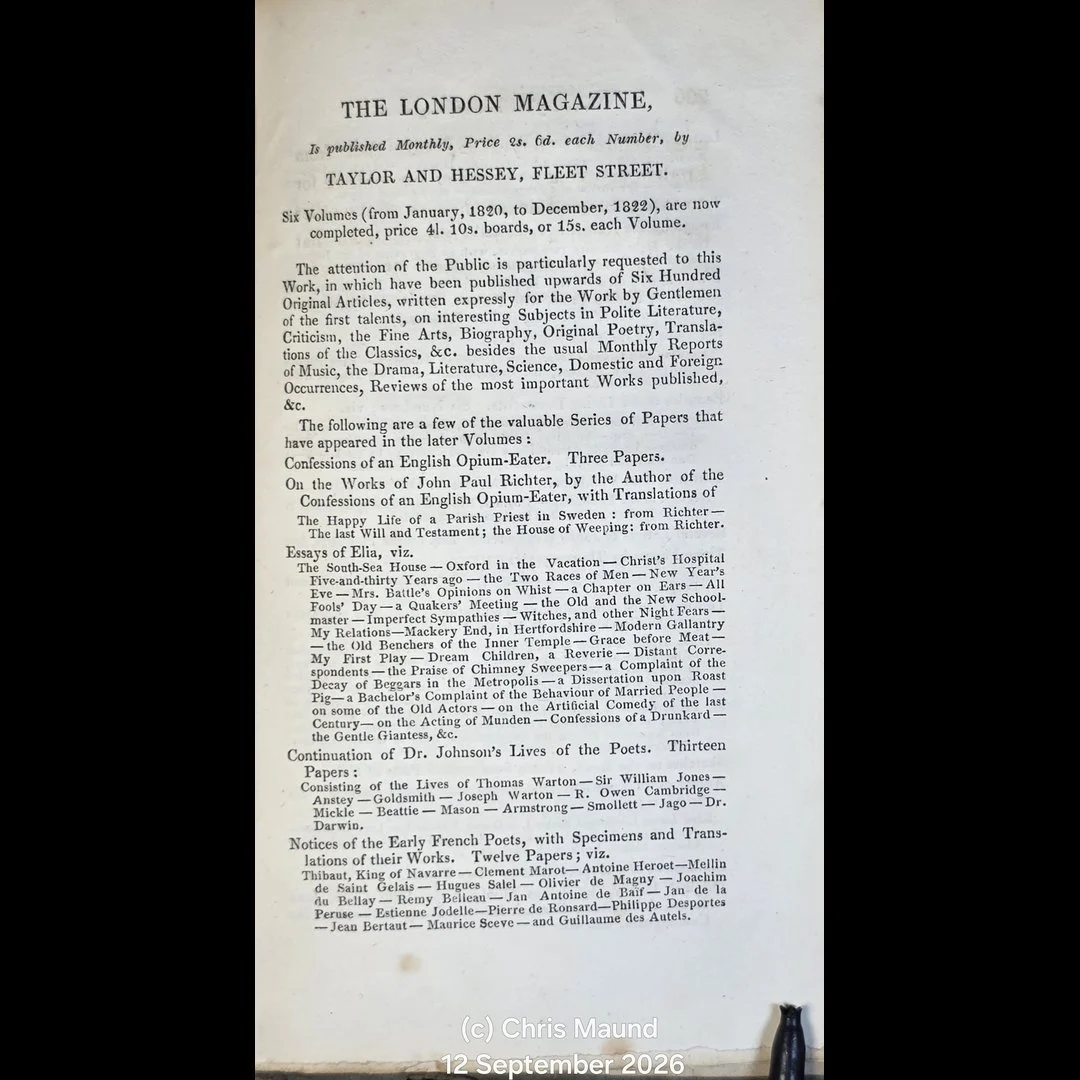
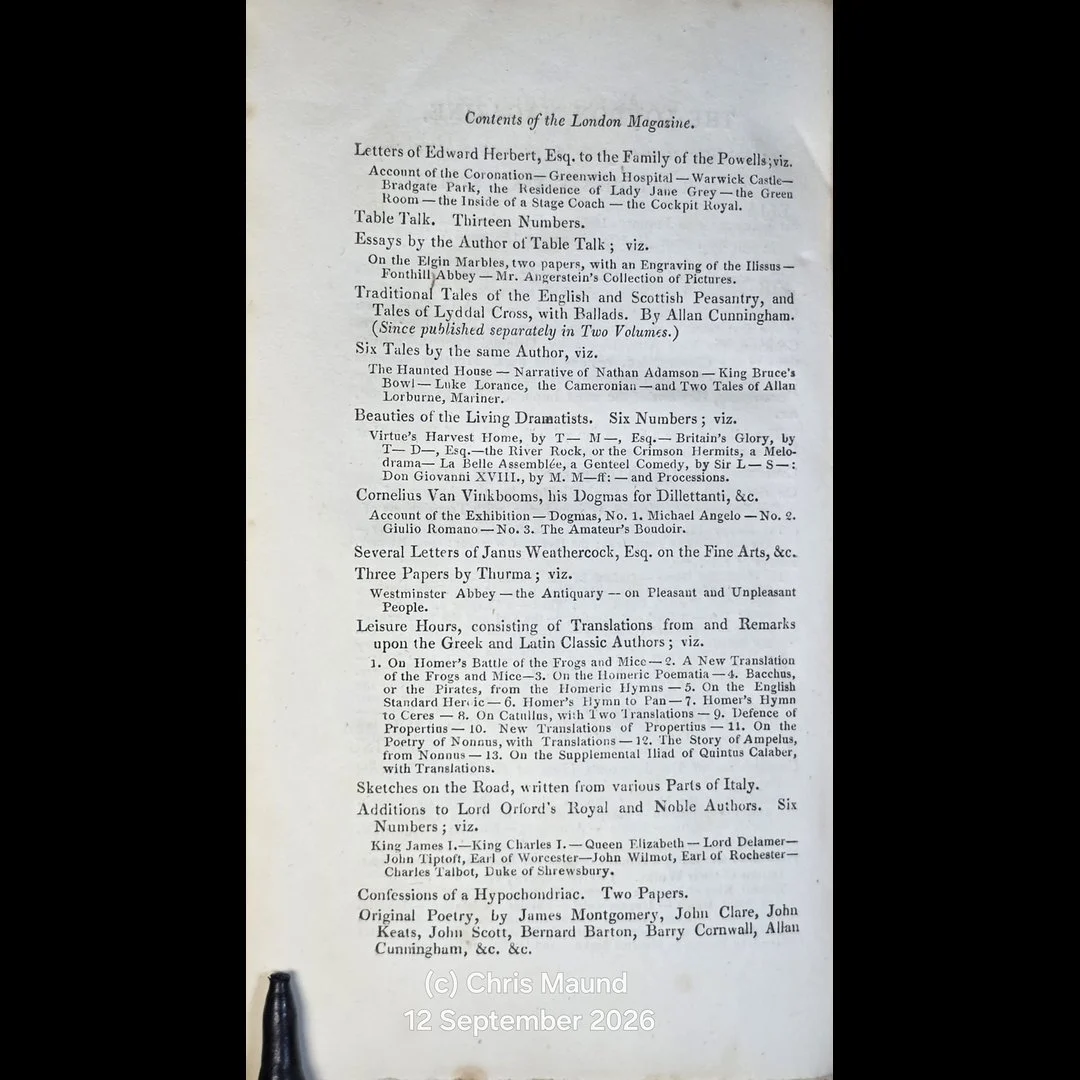
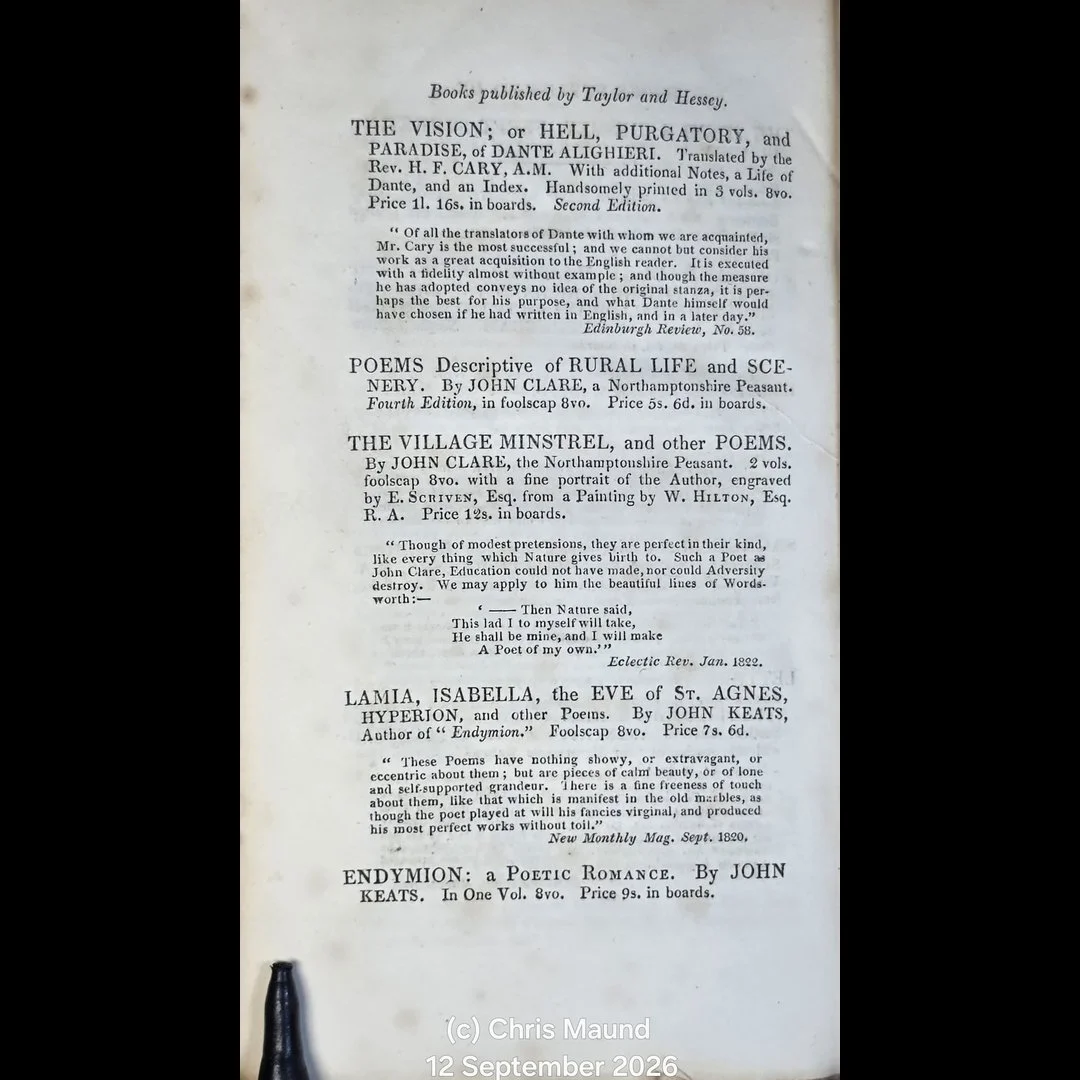
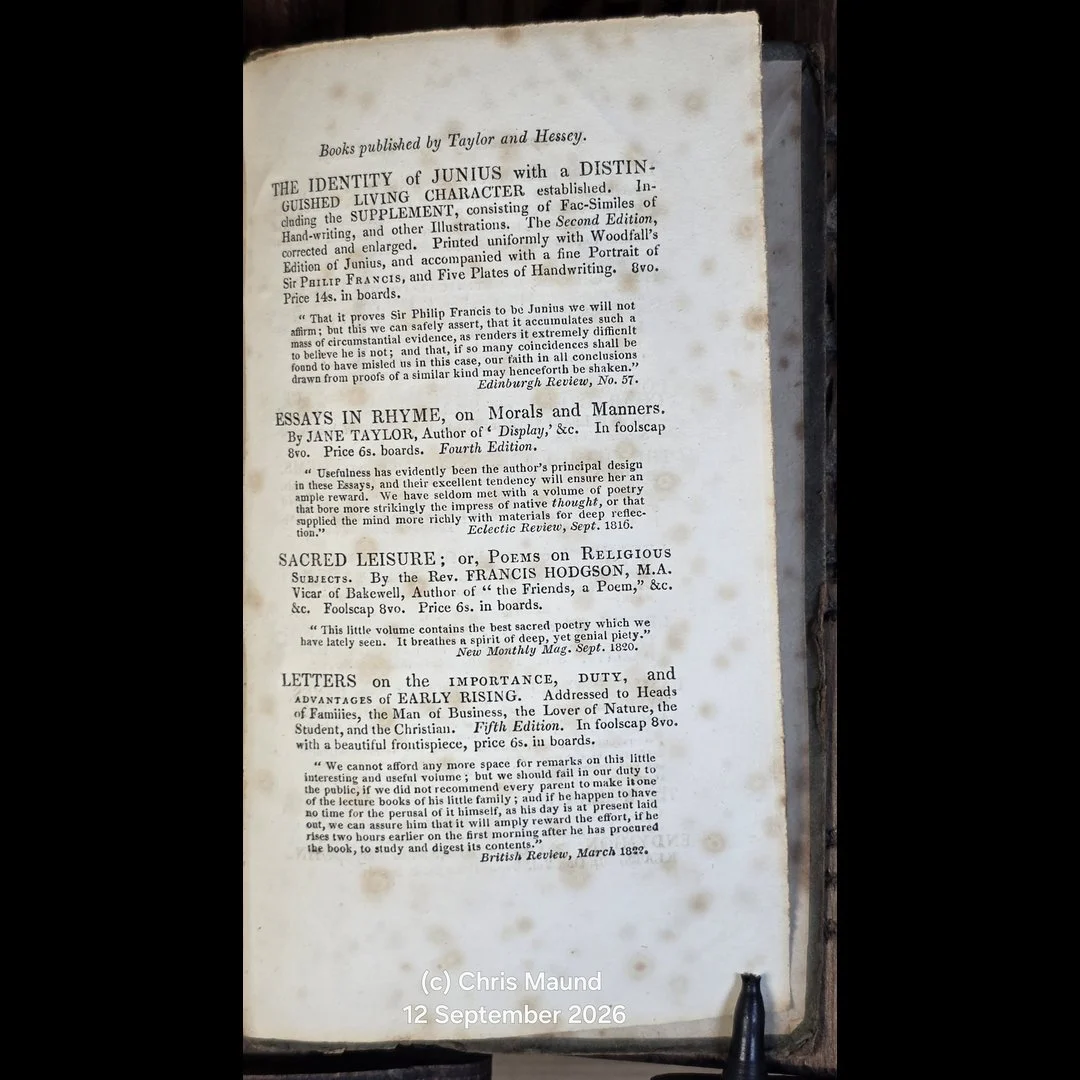
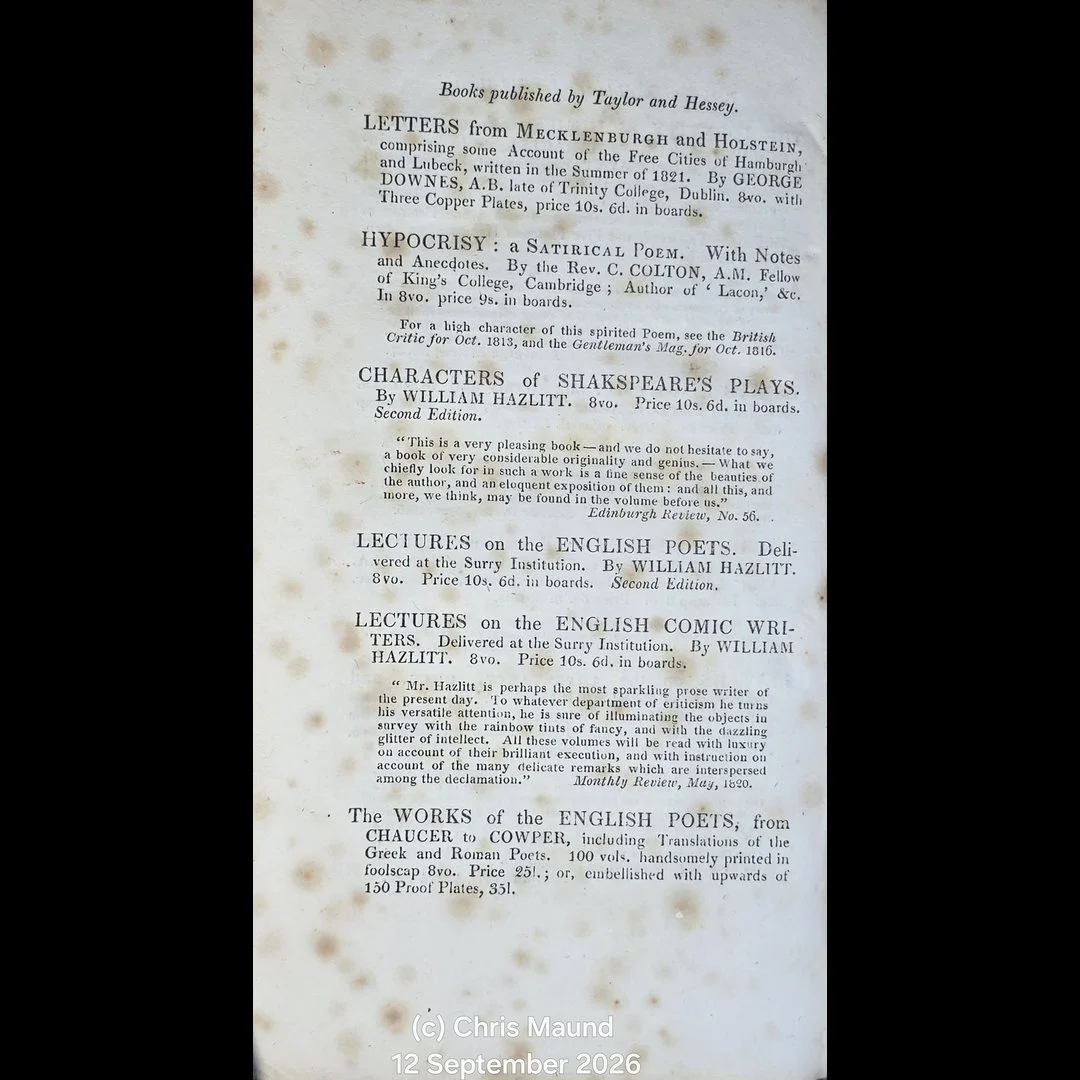
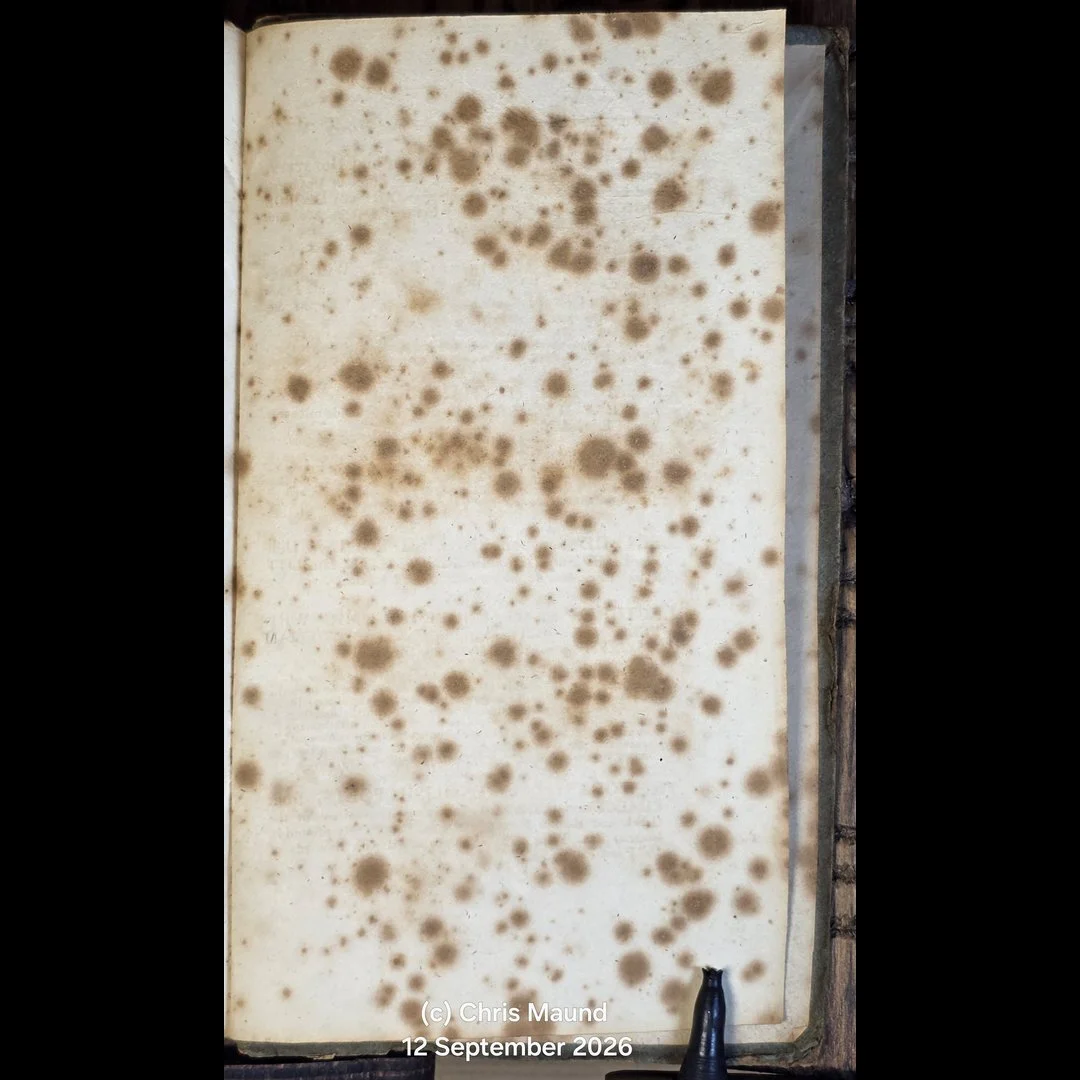
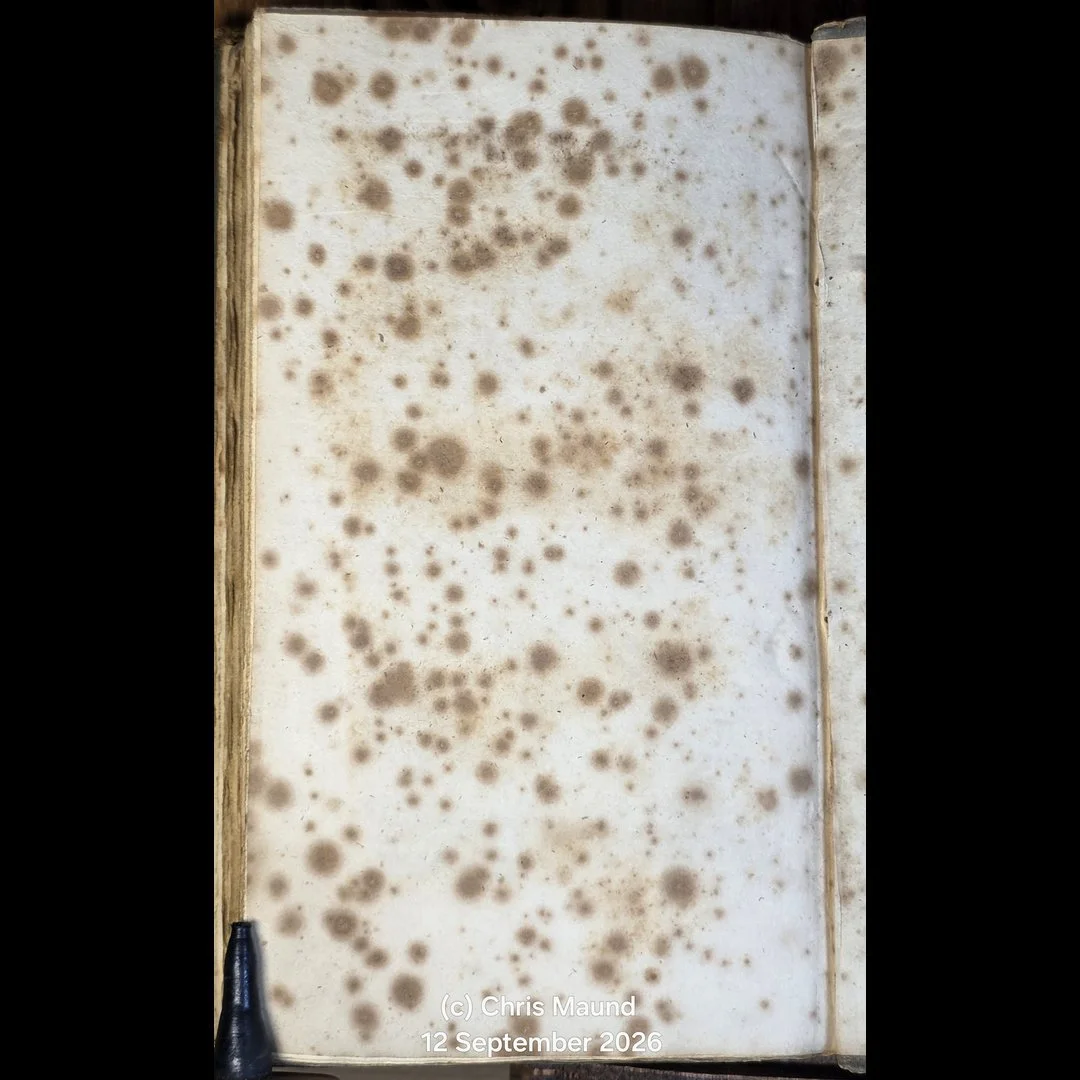
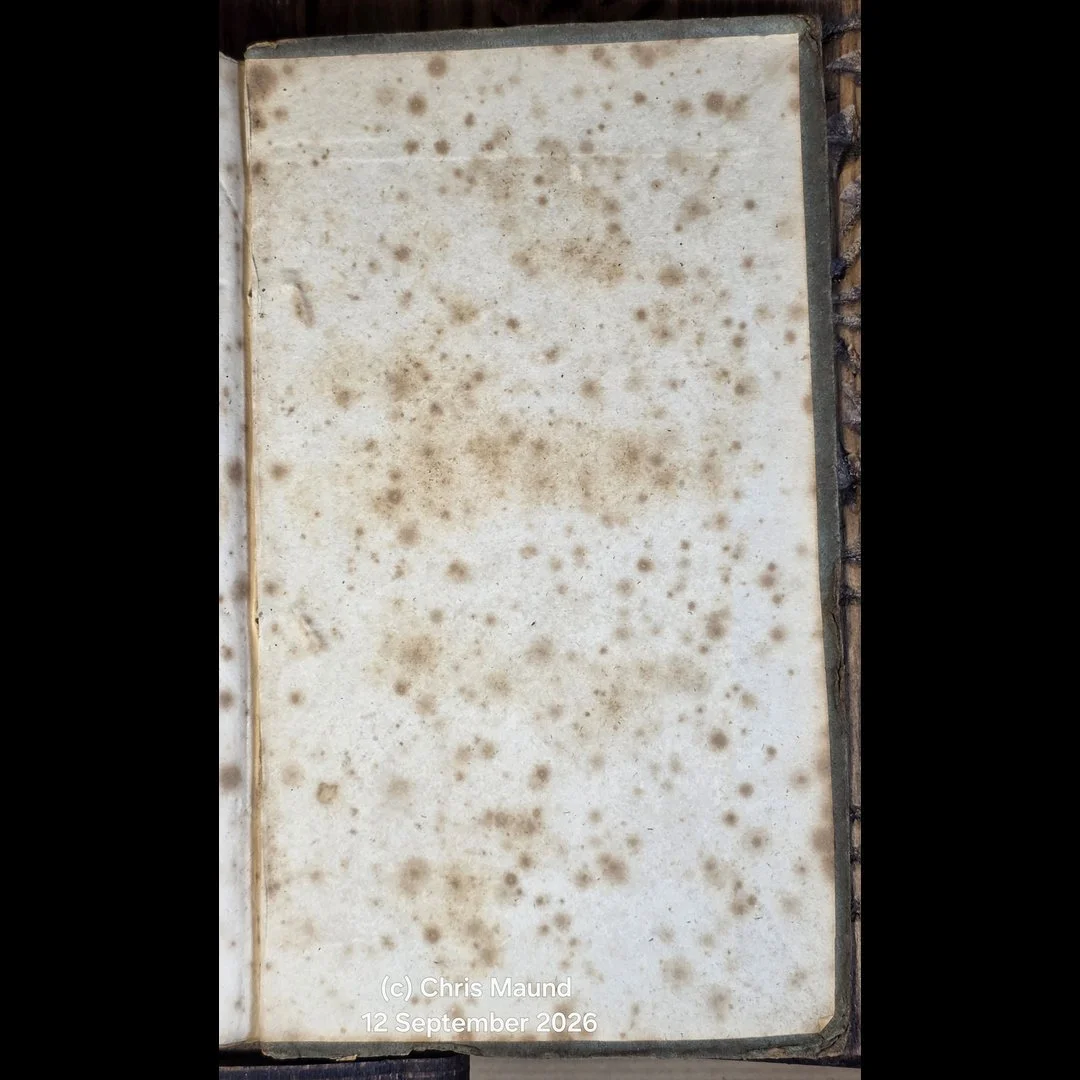
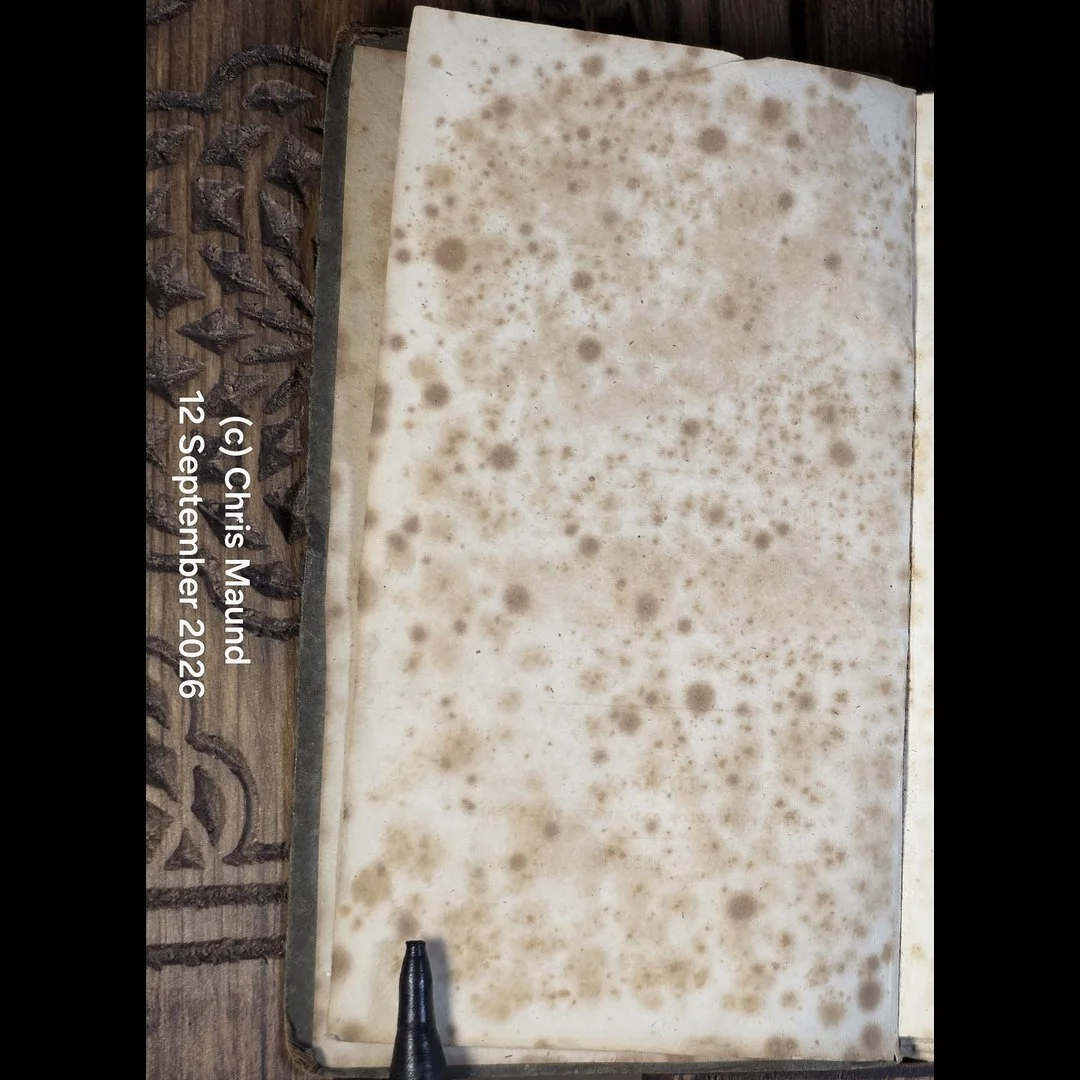
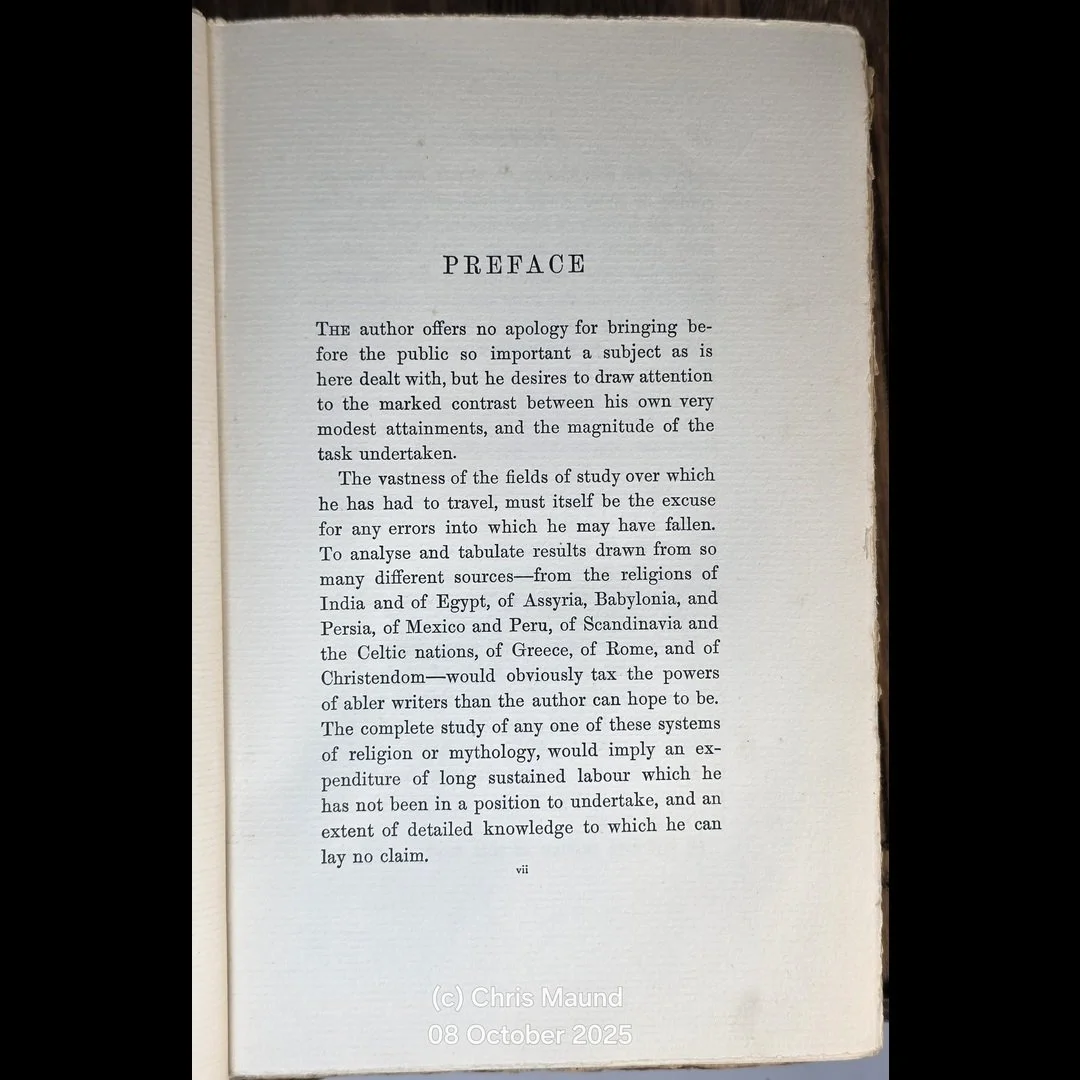
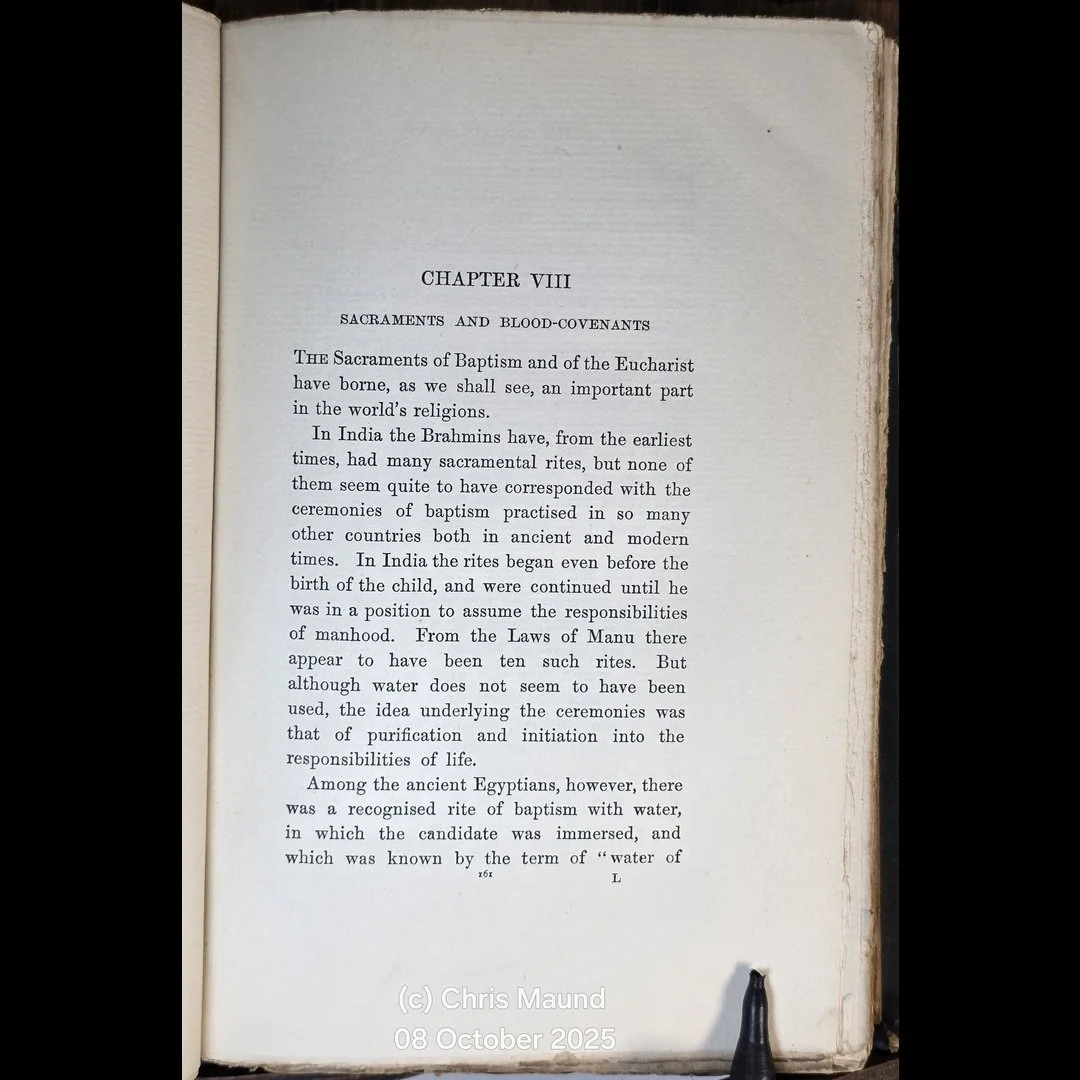
Internally, the pages exhibit scattered foxing, occasional spotting and age-related toning. The text remains generally clean and legible.
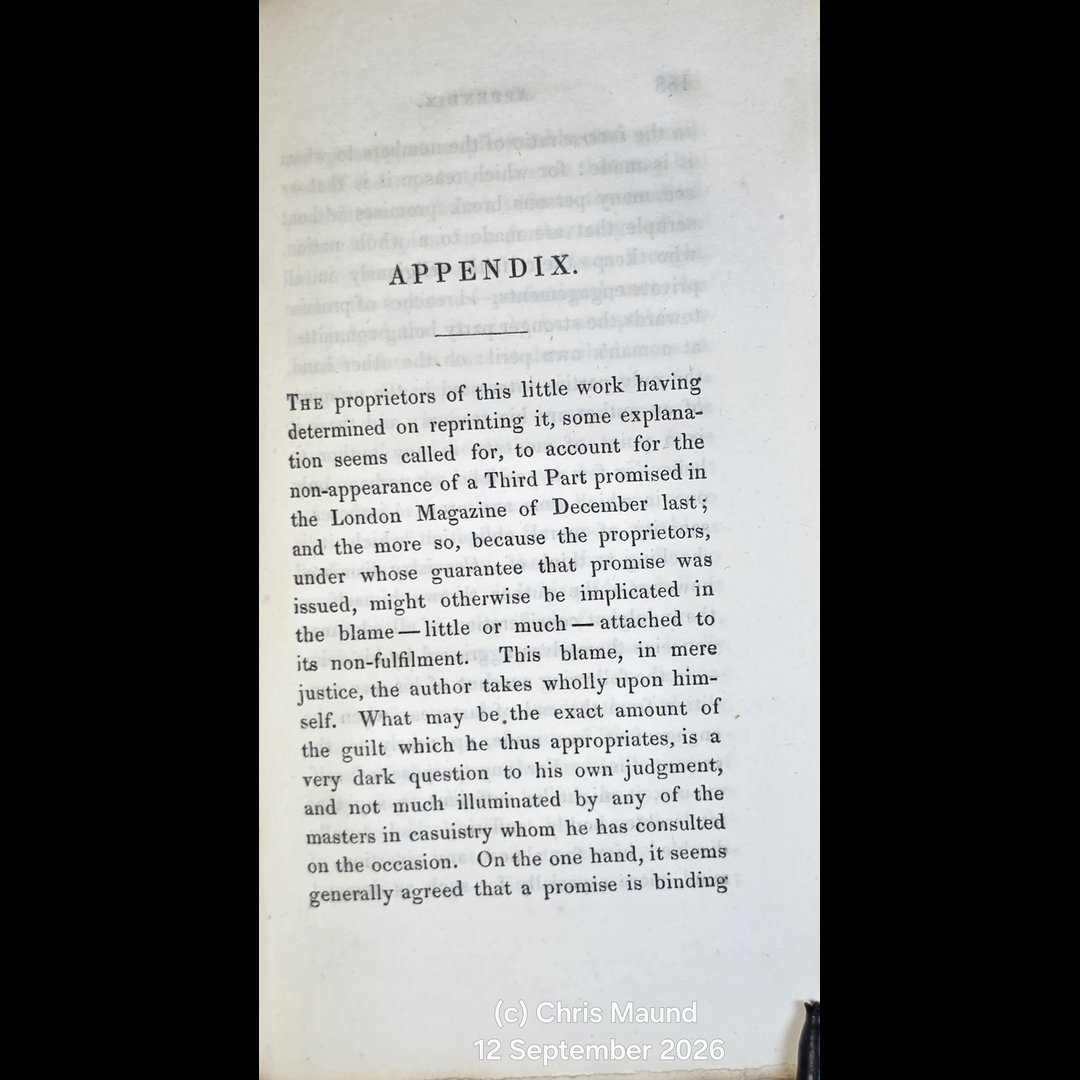
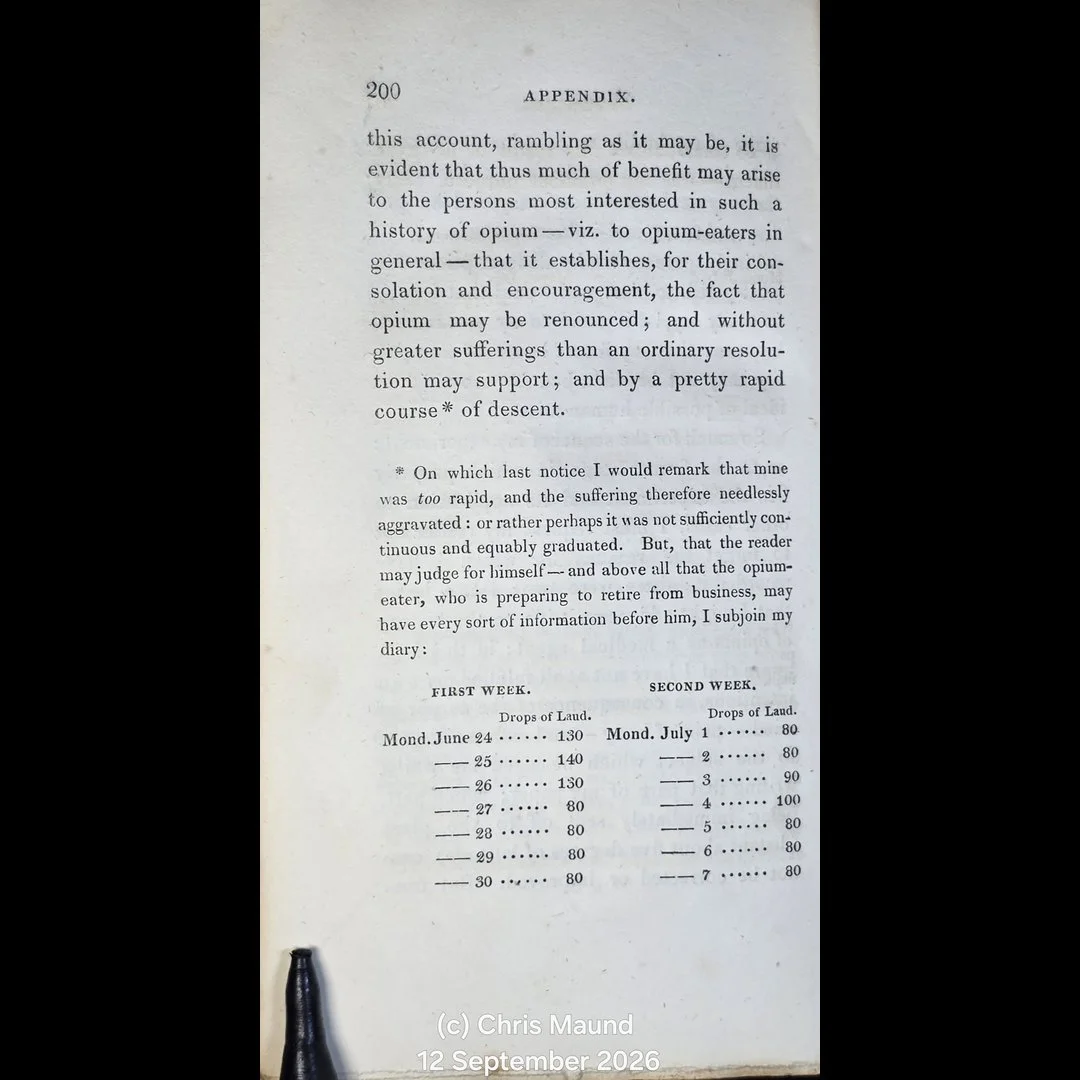
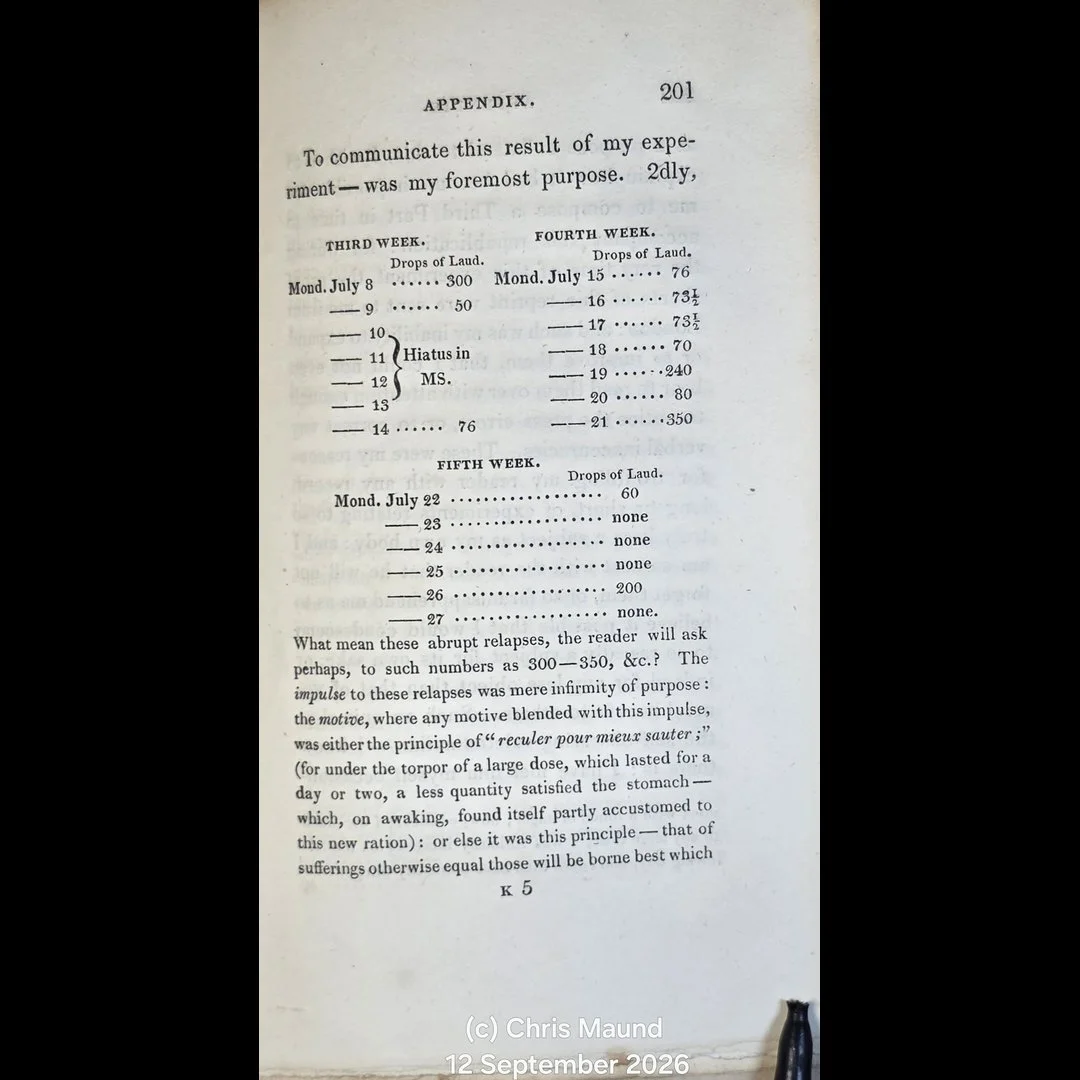
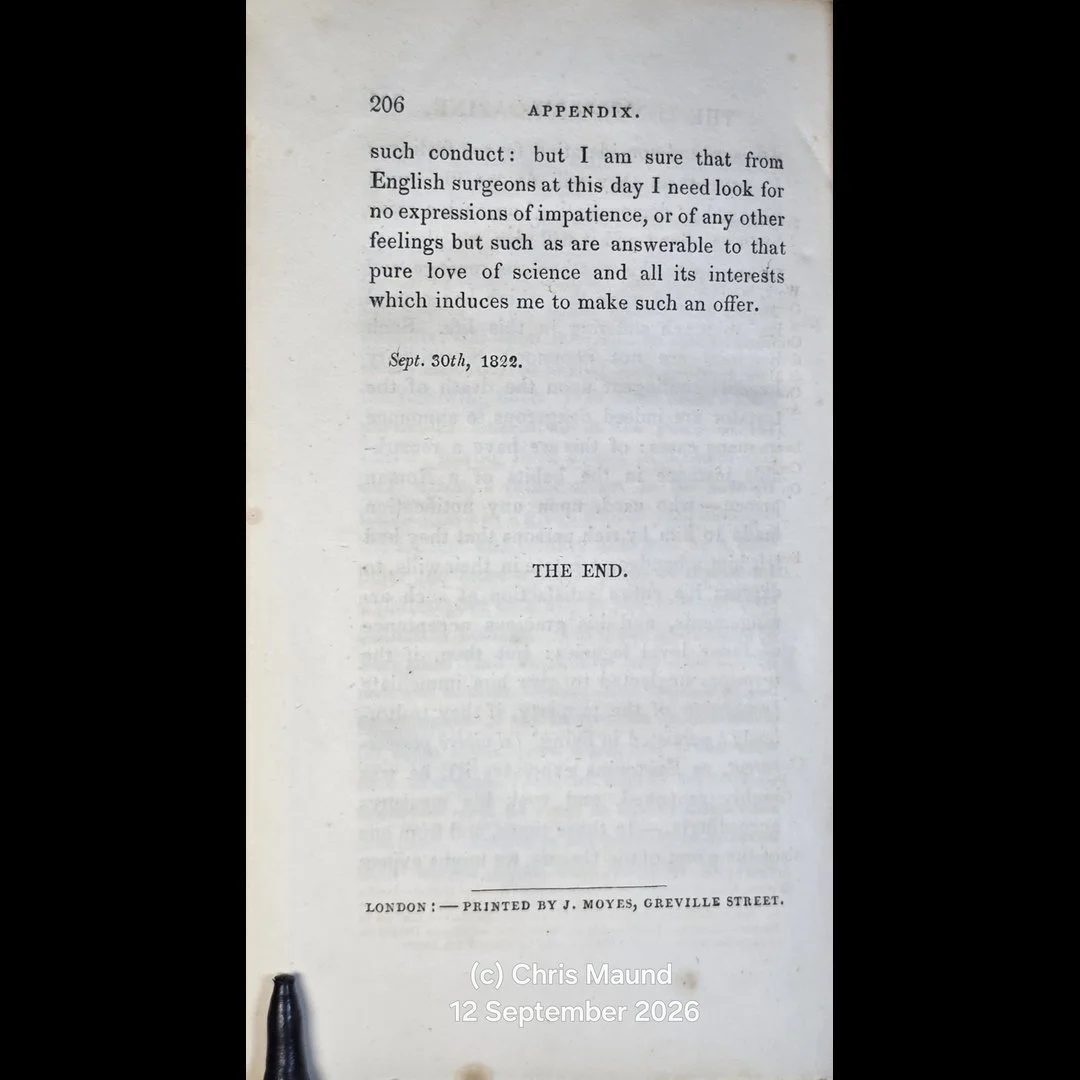
The photographic examination establishes the presence of the title page, dedication, biographical memoir of Bishop Jewel, the principal text of the Apology through its concluding Recapitulation, and the separately headed sermon delivered at Paul's Cross.
The main text concludes on numbered page 332, followed by the separately paginated sermon, which concludes on page 36.
The preliminary matter has not been fully enumerated and a formal signature collation has not been undertaken. Consequently, completeness cannot be conclusively certified, although the principal textual components and their concluding pages are present.
A sound and attractive early nineteenth-century example of an important Anglican theological text, with an interesting presentation inscription.
Please see photographs as part of the condition report.
REFERENCES
Bibliographical References
Lowndes, William Thomas. The Bibliographer's Manual of English Literature. Revised edition, edited by Henry G. Bohn, London, 1857–1864. Entry for John Jewel, recording Campbell's translation of the Apology.
A Catalogue of the Books Belonging to the Public Library, and to the City Library of Norwich. Historical catalogue recording Campbell's 1813 edition in octavo.
Historical and Biographical References
Craig, John. “Jewel, John (1522–1571), Bishop of Salisbury.” Oxford Dictionary of National Biography. Oxford University Press.
Creighton, Mandell. “Jewel, John.” Dictionary of National Biography, Vol. 29, 1892.
Ranson, Angela, André A. Gazal and Sarah Bastow, editors. Defending the Faith: John Jewel and the Elizabethan Church. Pennsylvania State University Press, 2018.
Southgate, W. M. John Jewel and the Problem of Doctrinal Authority. Harvard University Press, 1962.
Original Publication
Jewel, John. Apologia Ecclesiae Anglicanae. London: Reginald Wolfe, 1562.
Bacon, Anne, translator. An Apologie or Answere in Defence of the Churche of Englande. London, 1564.
SYNOPSIS
John Jewel's Apologia Ecclesiae Anglicanae represents one of the most important theological defences of the English Reformation and the religious settlement established under Elizabeth I.
Written in response to Roman Catholic criticism, the work argues that the Church of England represented not a departure from historic Christianity, but a restoration of the doctrines and practices of the primitive Christian Church.
Drawing extensively upon Scripture, the early Church Fathers and ecclesiastical history, Jewel examines religious authority, the sacraments, Church government, clerical practices and the legitimacy of ecclesiastical reform.
Central to his argument is the proposition that the doctrines and authority of the Church must ultimately be measured against Scripture and the testimony of early Christianity, rather than the accumulated traditions and jurisdictional claims of the medieval papacy.
The Apology became a cornerstone of Anglican apologetics, provoking considerable theological controversy and contributing to the intellectual and doctrinal identity of the Church of England.
Of particular interest to collectors and scholars of Reformation theology, ecclesiastical history, Christian apologetics, religious controversy and the intellectual foundations of Anglicanism.
AUTHOR BIO
John Jewel (1522–1571) was an English Protestant theologian, controversialist and Bishop of Salisbury, widely regarded as one of the principal intellectual defenders of the Elizabethan Church of England.
Born in Devon in 1522, Jewel was educated at Oxford, where he came under the influence of leading Protestant scholars, particularly Peter Martyr Vermigli, whose theological teaching helped shape his religious convictions.
During the reign of Mary I, Jewel went into continental exile, spending time among Protestant reformers in Strasbourg and Zurich. These experiences strengthened his commitment to the Reformed tradition and exposed him to the wider theological controversies of sixteenth-century Europe.
Following the accession of Elizabeth I in 1558, Jewel returned to England and became an influential advocate of the restored Protestant settlement. He was consecrated Bishop of Salisbury in 1560.
His celebrated challenge sermon, delivered at Paul's Cross in 1560, publicly questioned the historical and scriptural foundations of numerous Roman Catholic doctrines and practices. The resulting controversy helped establish Jewel as one of the foremost defenders of the English Reformation.
His most influential work, Apologia Ecclesiae Anglicanae (1562), was subsequently translated into English, notably by Anne Bacon in 1564.
Jewel continued to defend his theological positions in a series of controversial writings, most notably his Defence of the Apology (1567), written in response to the Catholic theologian Thomas Harding.
He remained Bishop of Salisbury until his death in 1571, leaving an enduring legacy in Anglican theology and the intellectual history of the English Reformation.

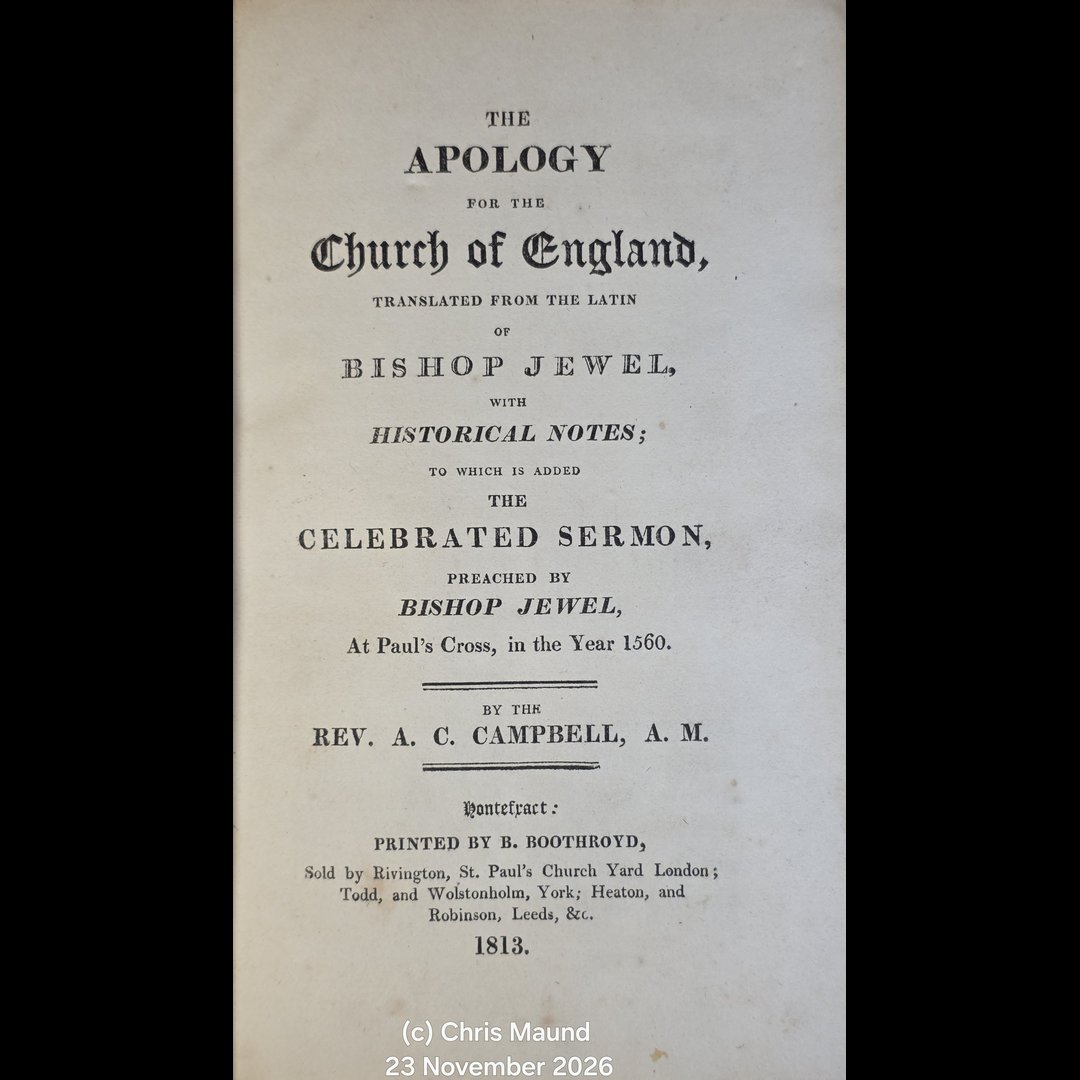 Image 1 of 45
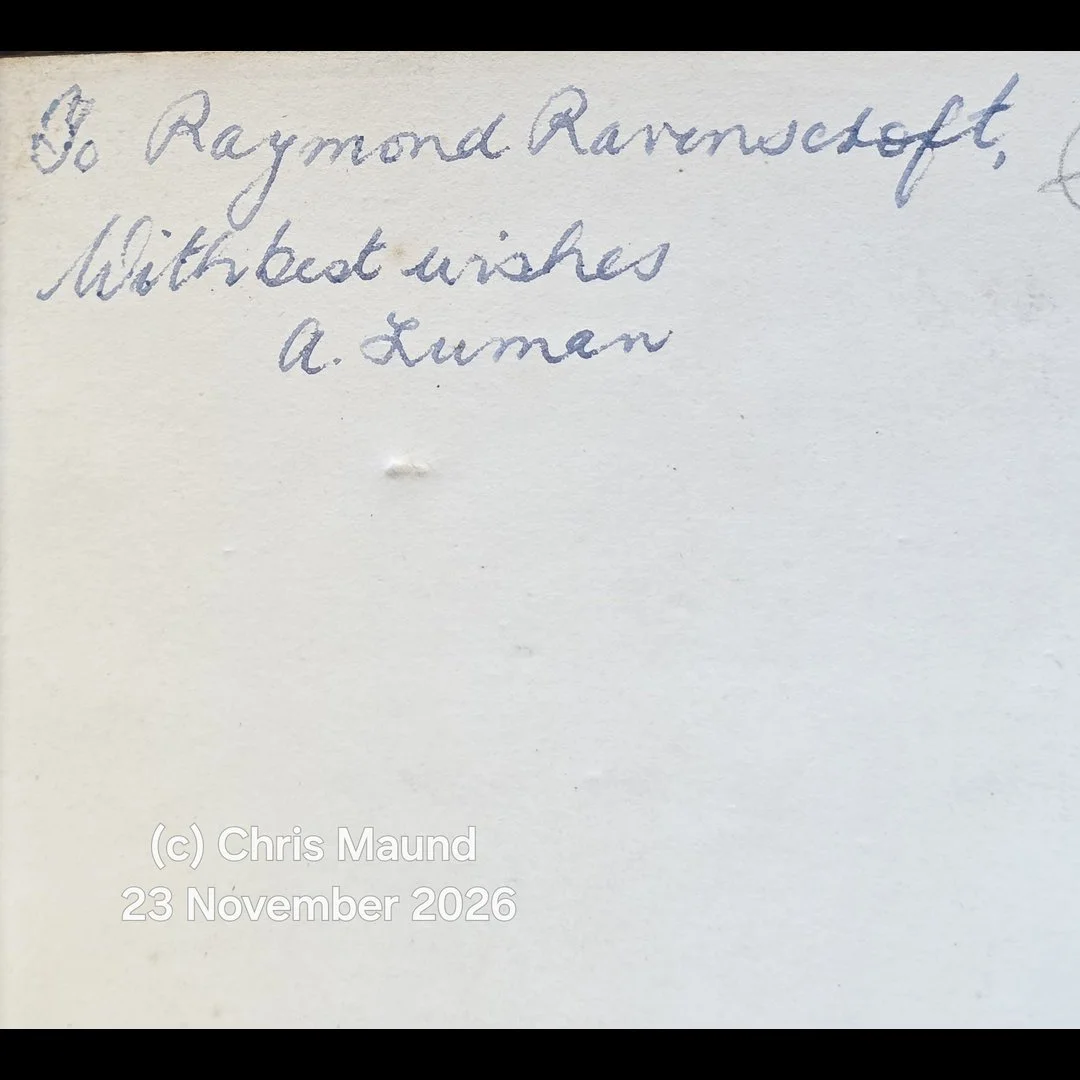 Image 2 of 45
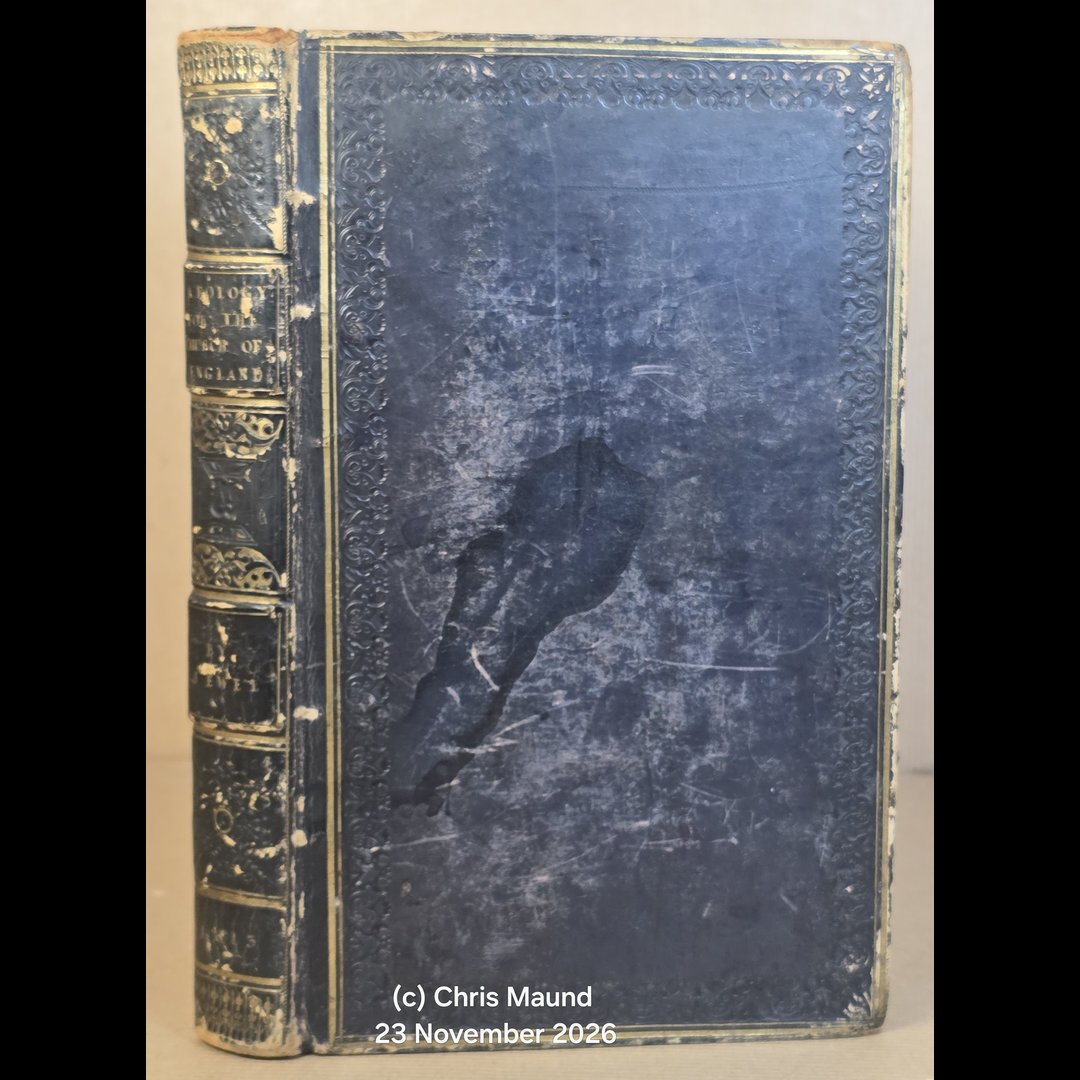 Image 3 of 45
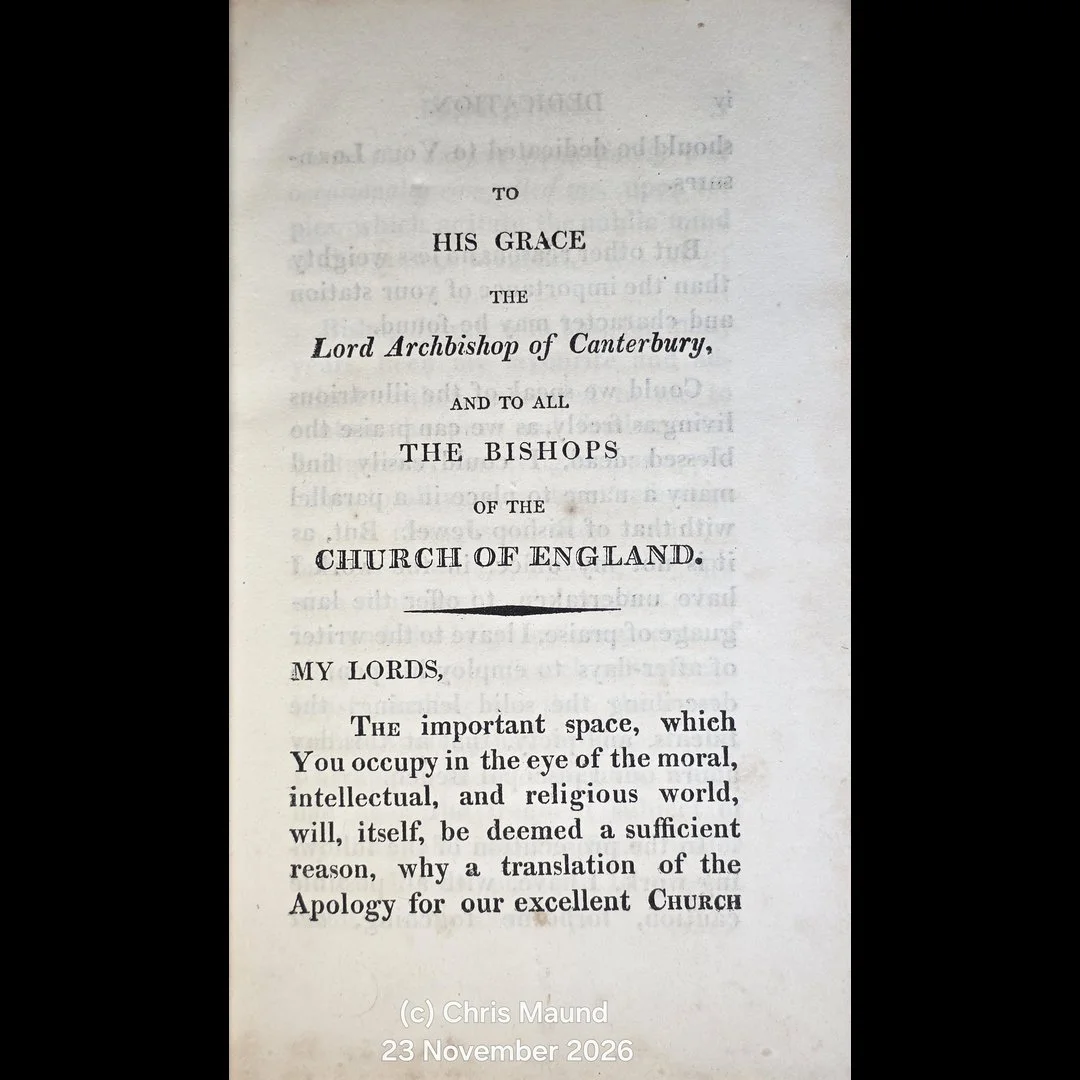 Image 4 of 45
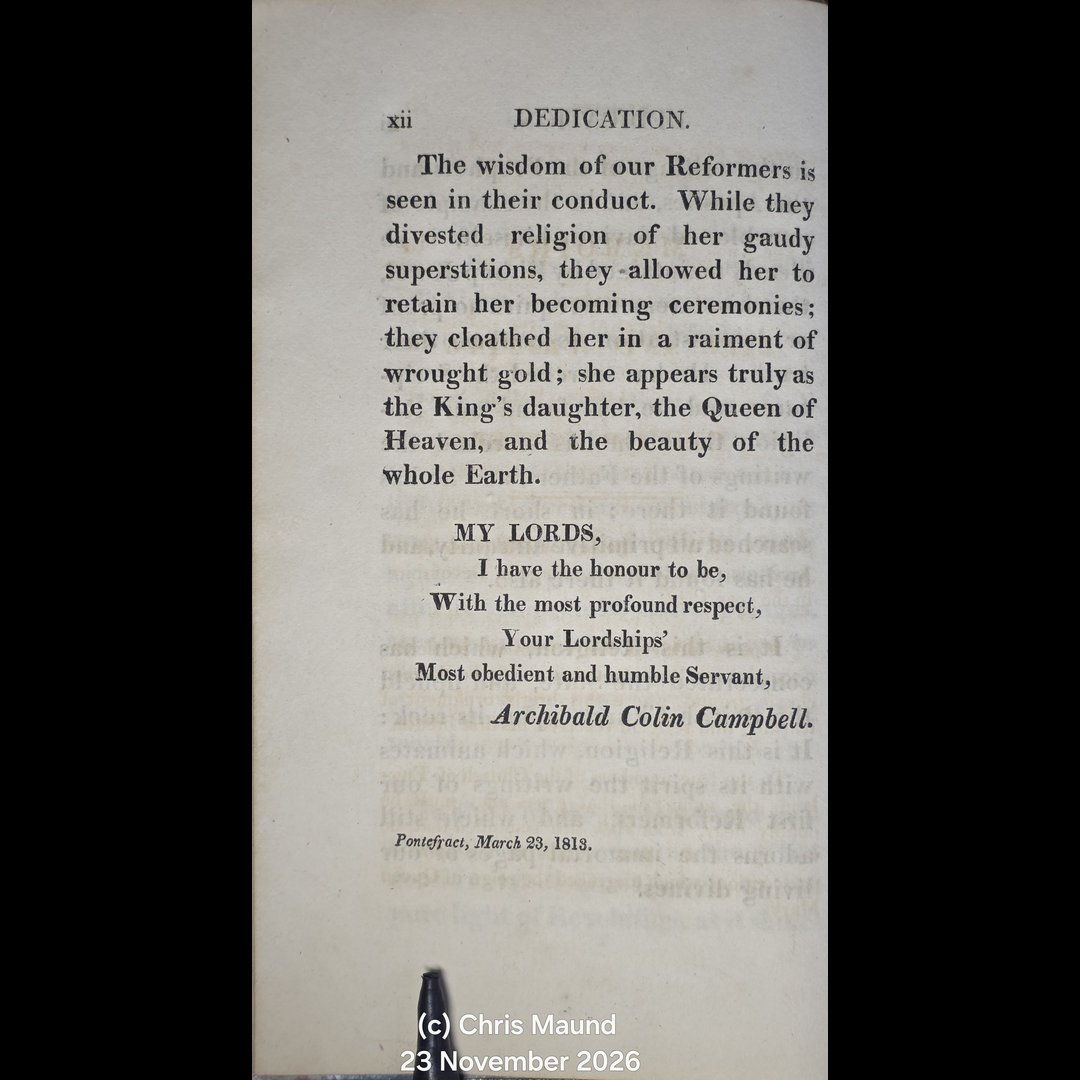 Image 5 of 45
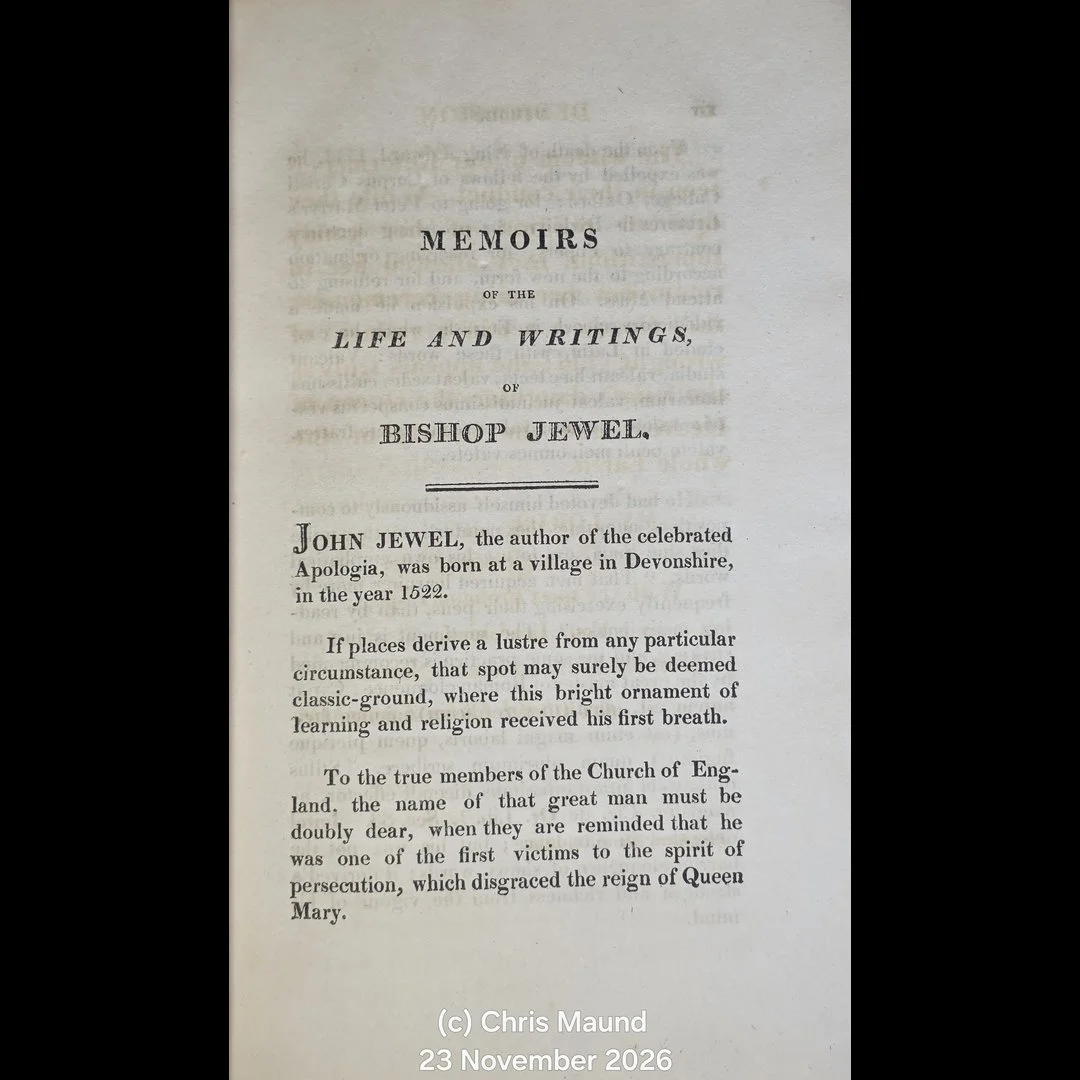 Image 6 of 45
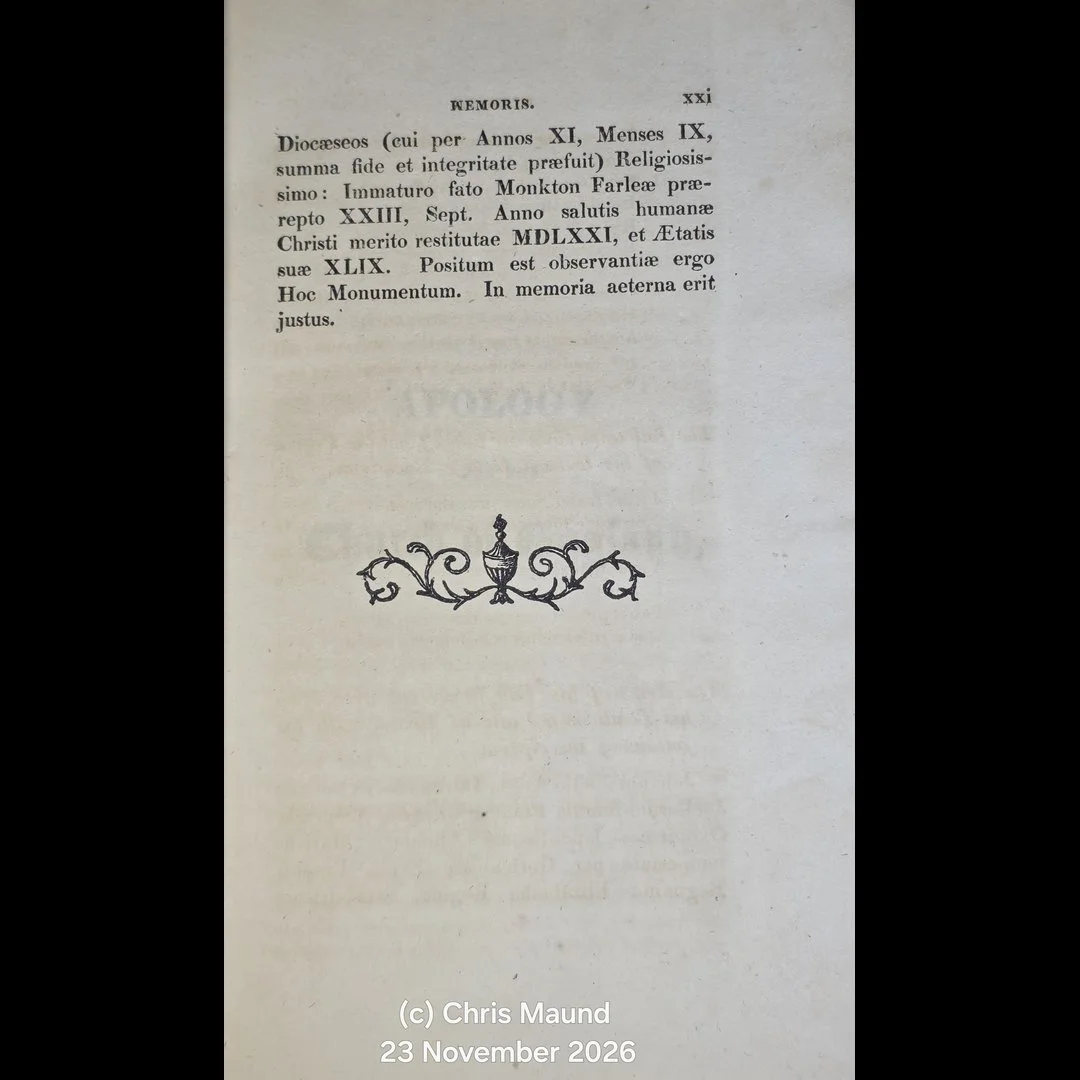 Image 7 of 45
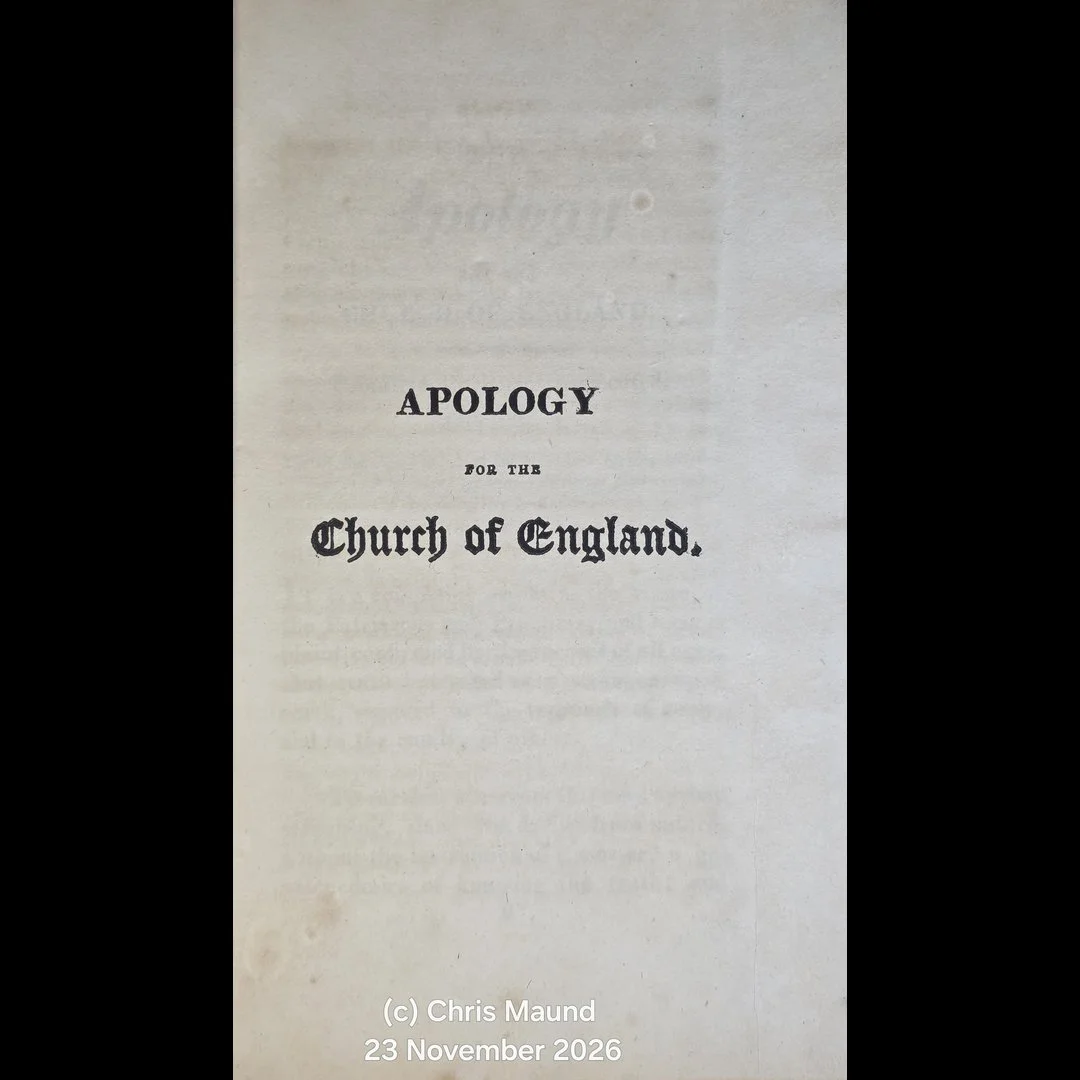 Image 8 of 45
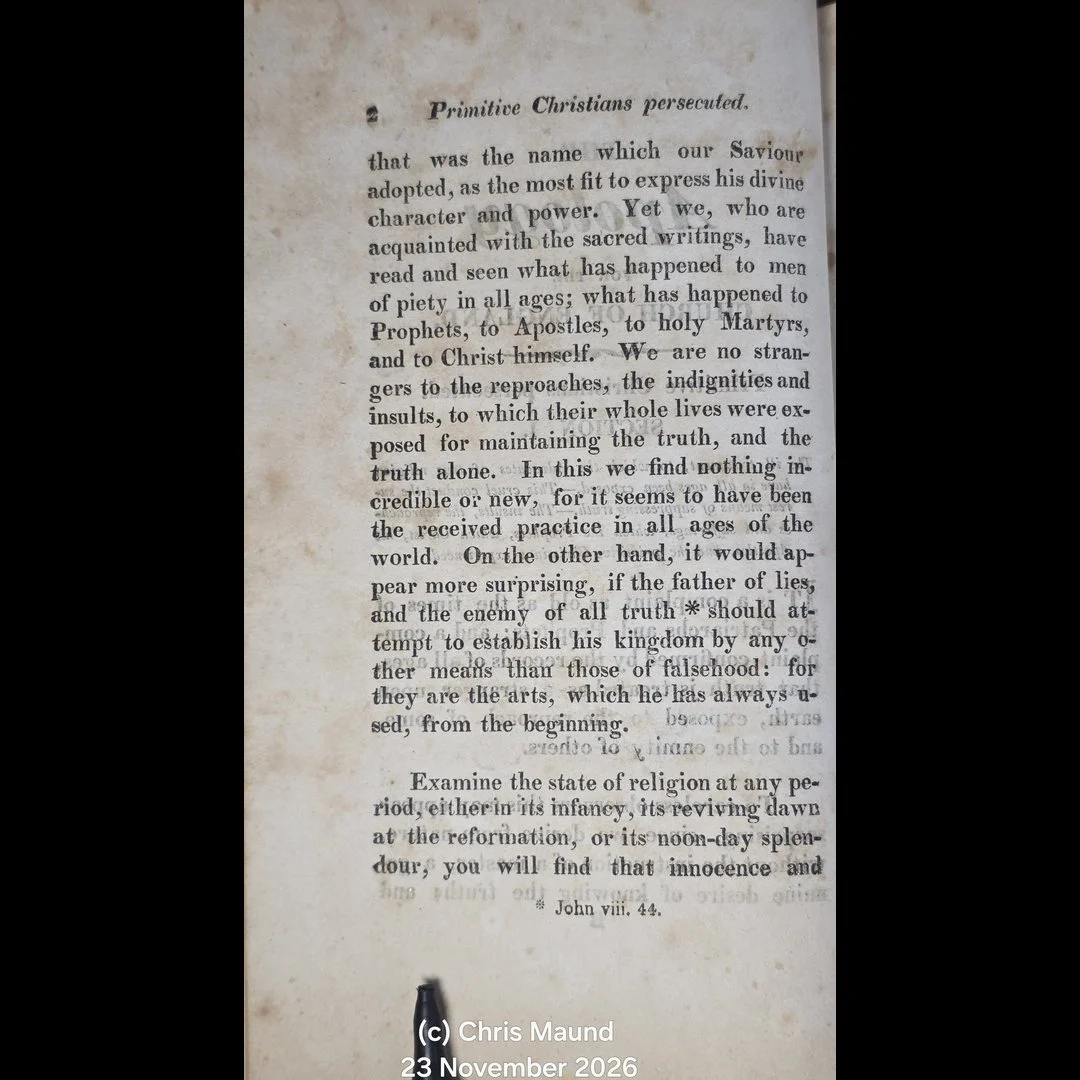 Image 9 of 45
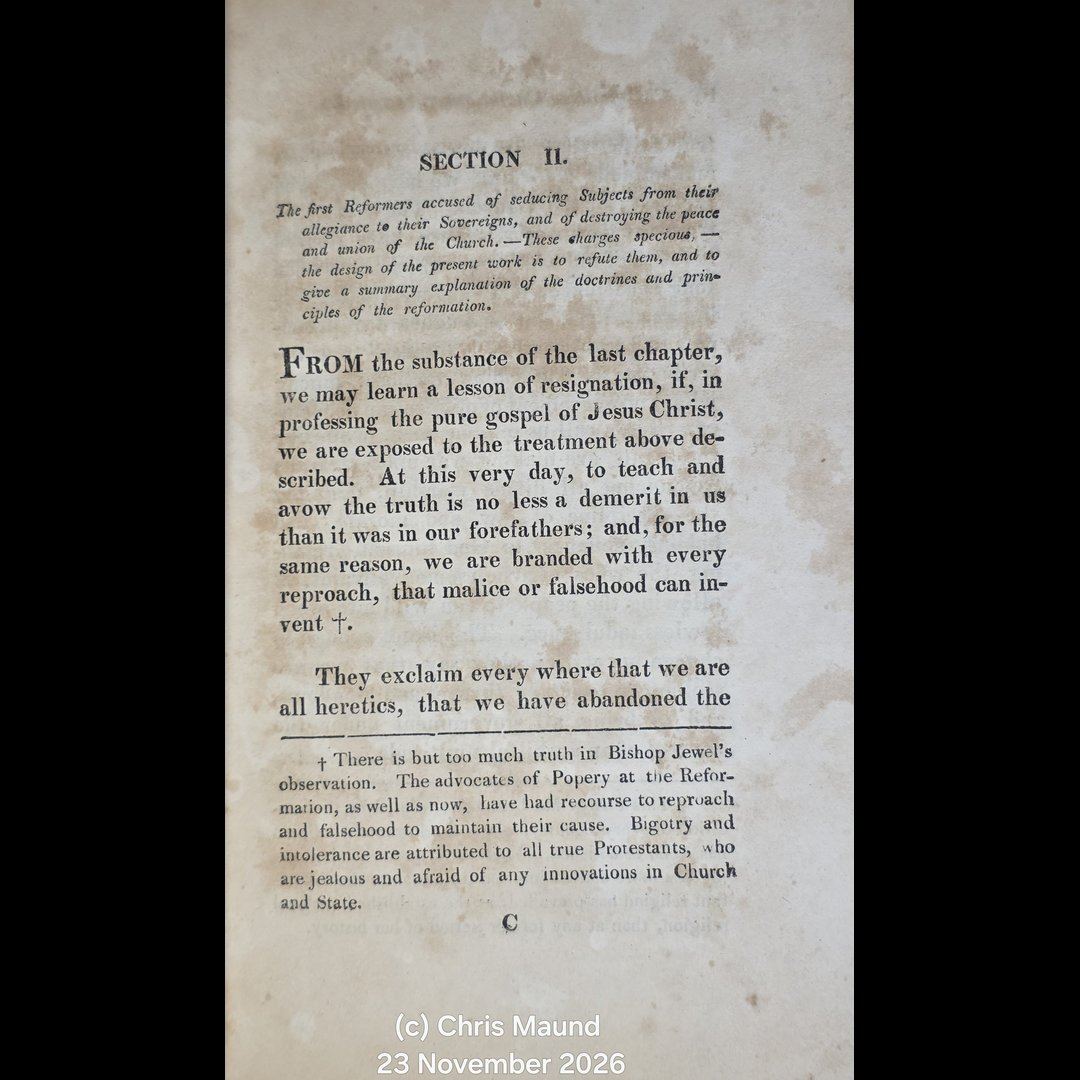 Image 10 of 45
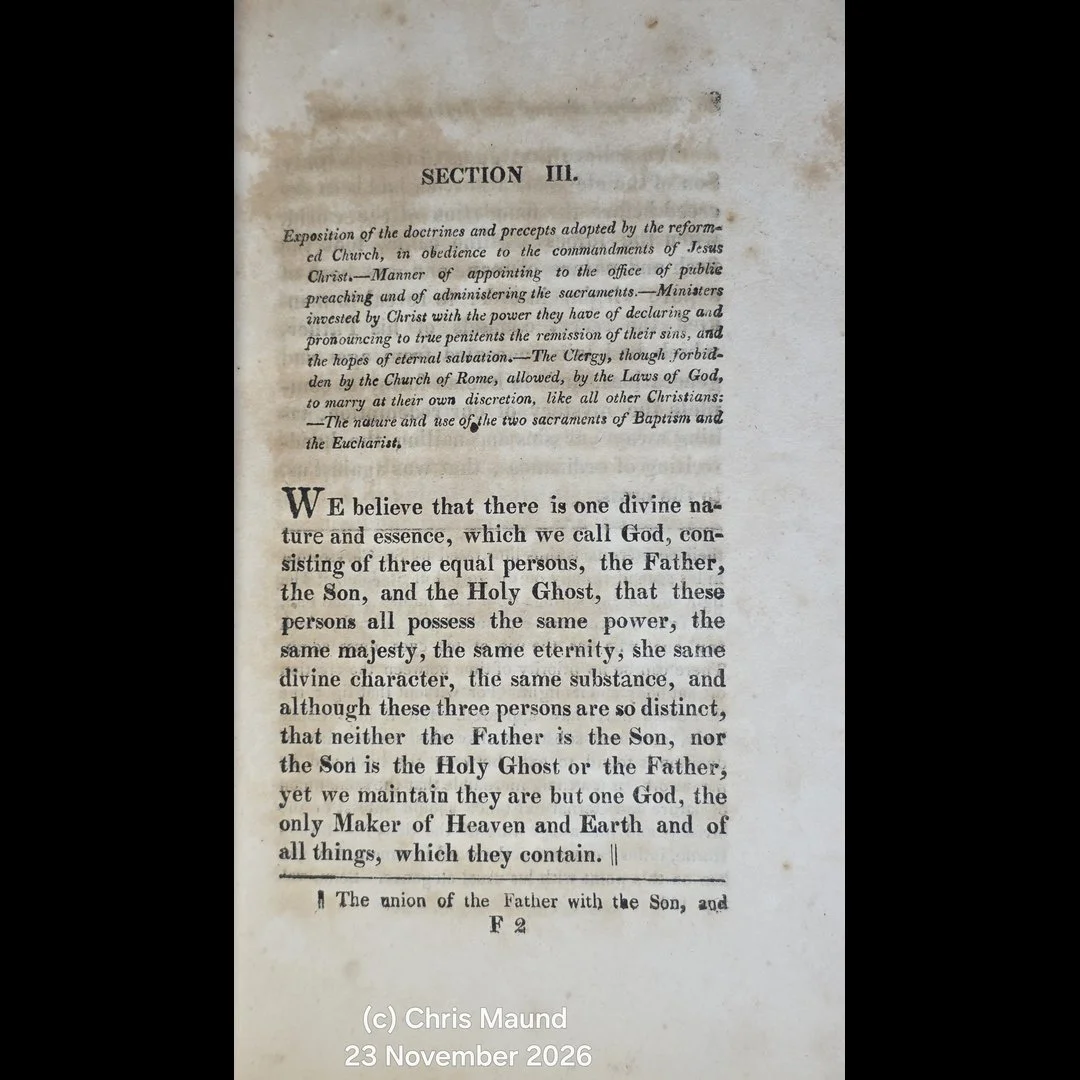 Image 11 of 45
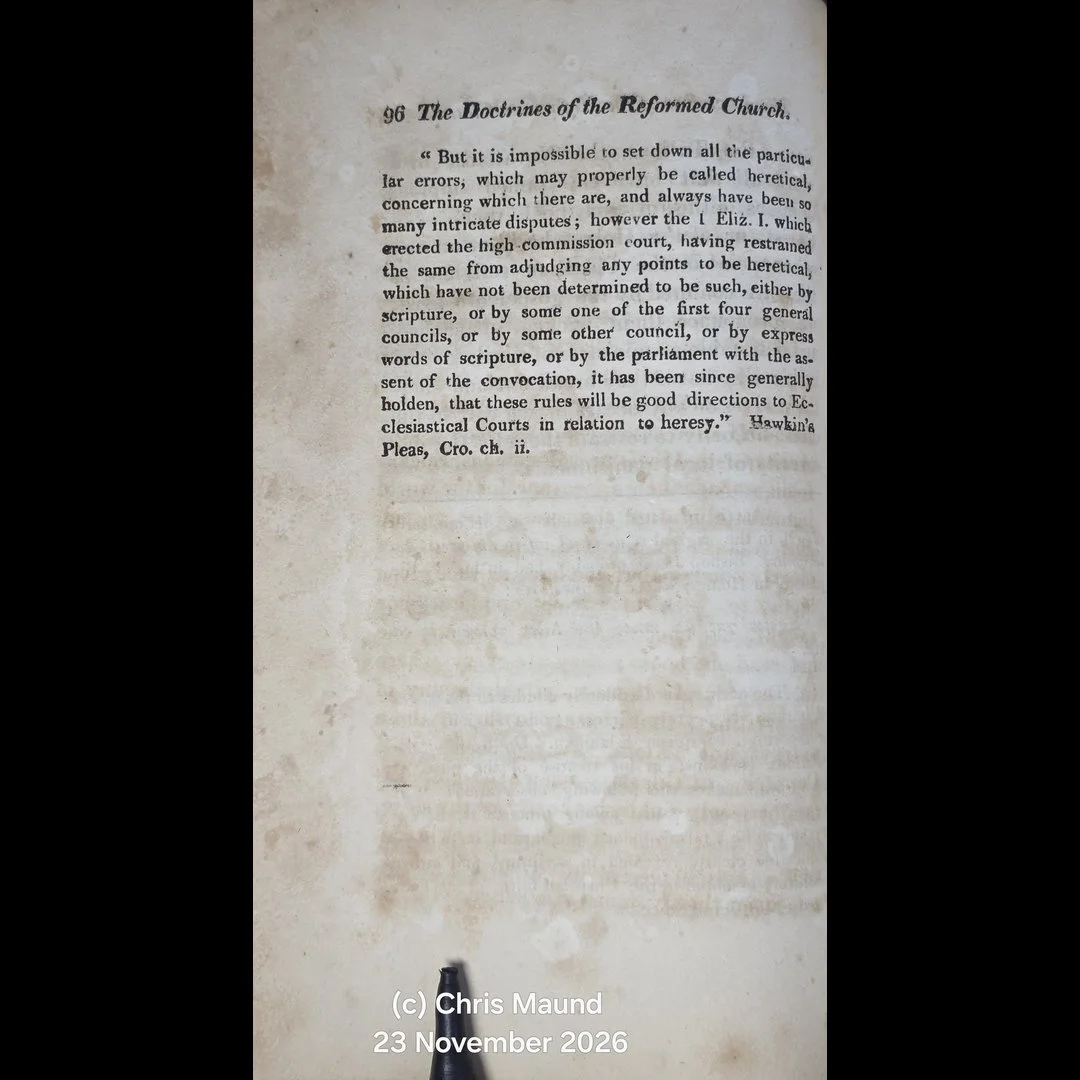 Image 12 of 45
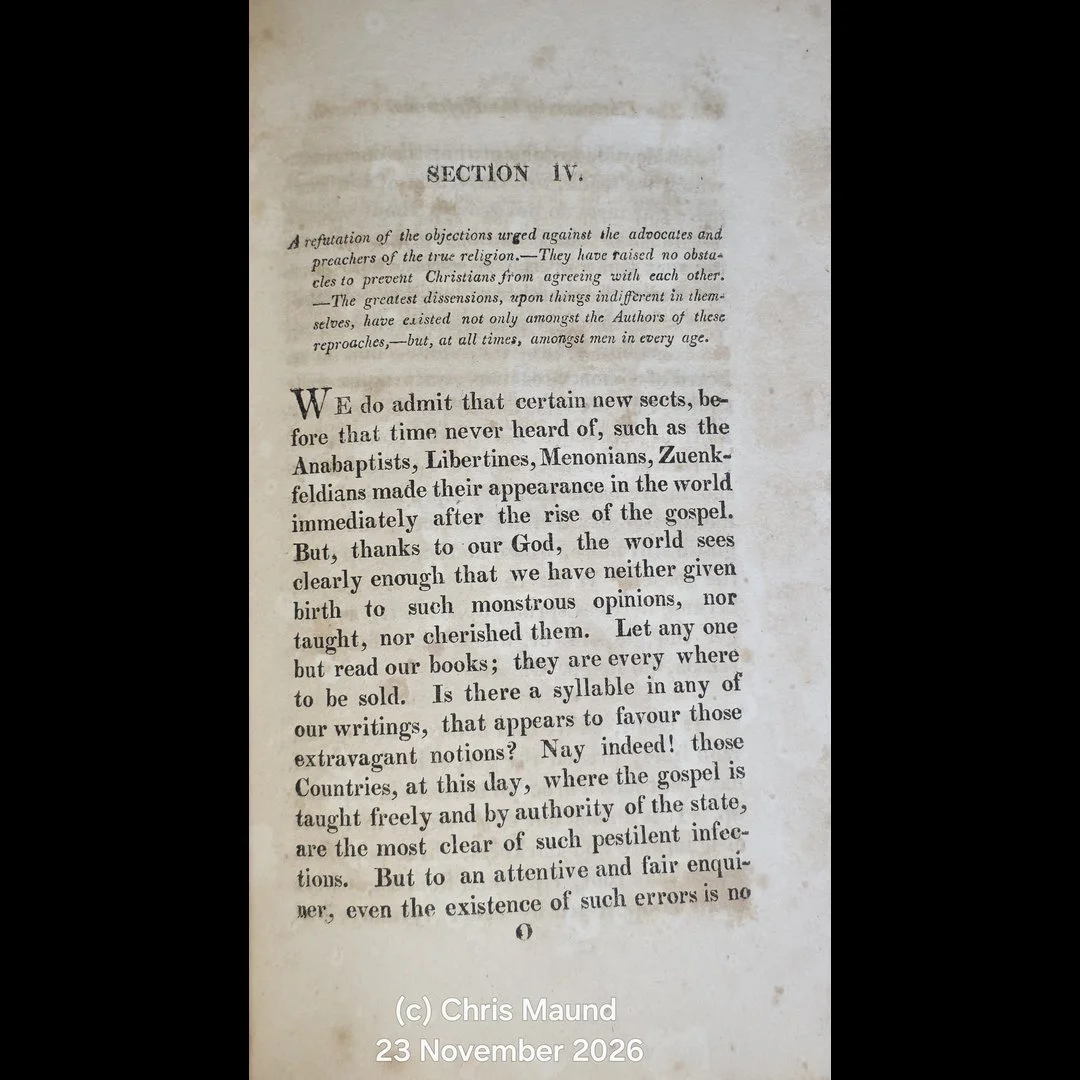 Image 13 of 45
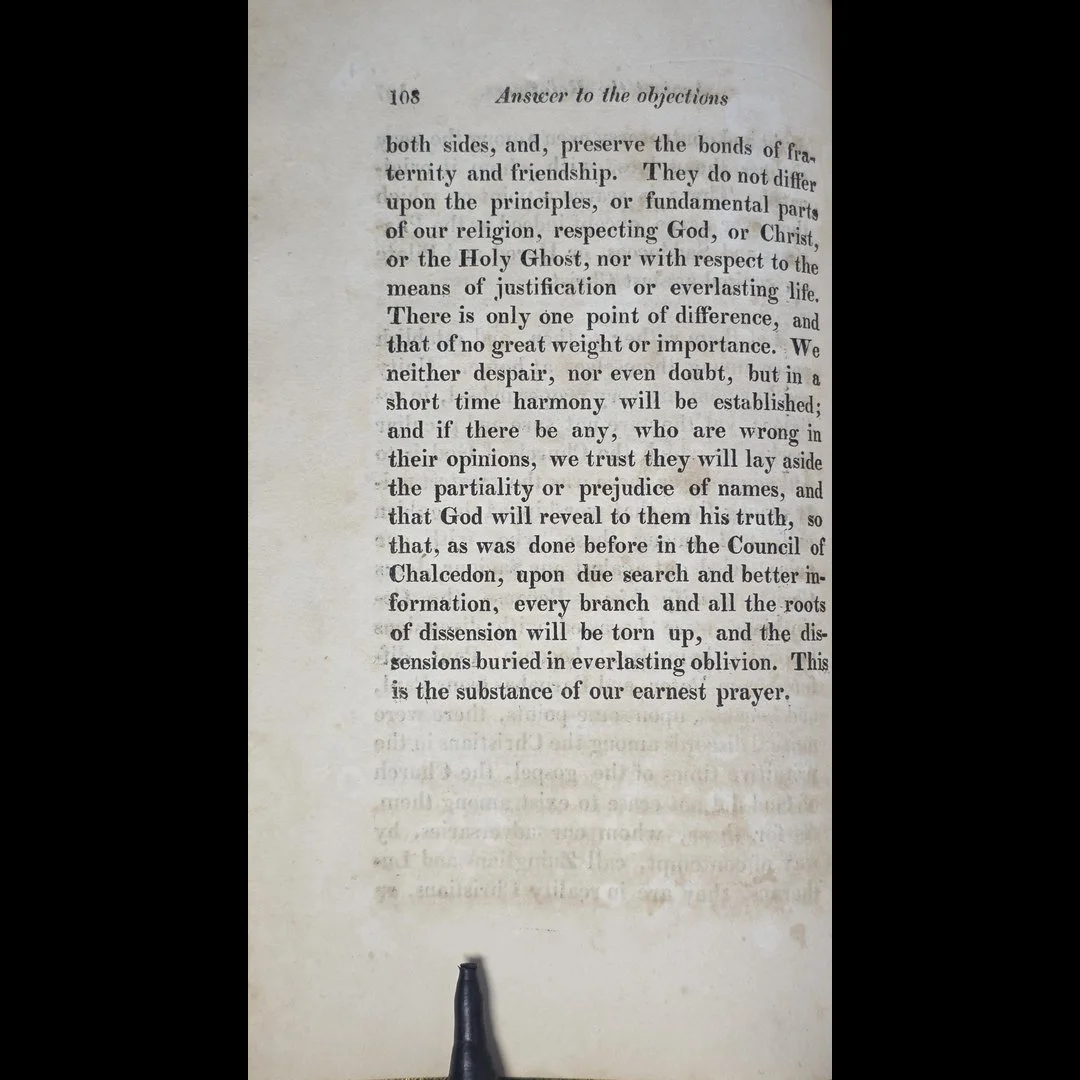 Image 14 of 45
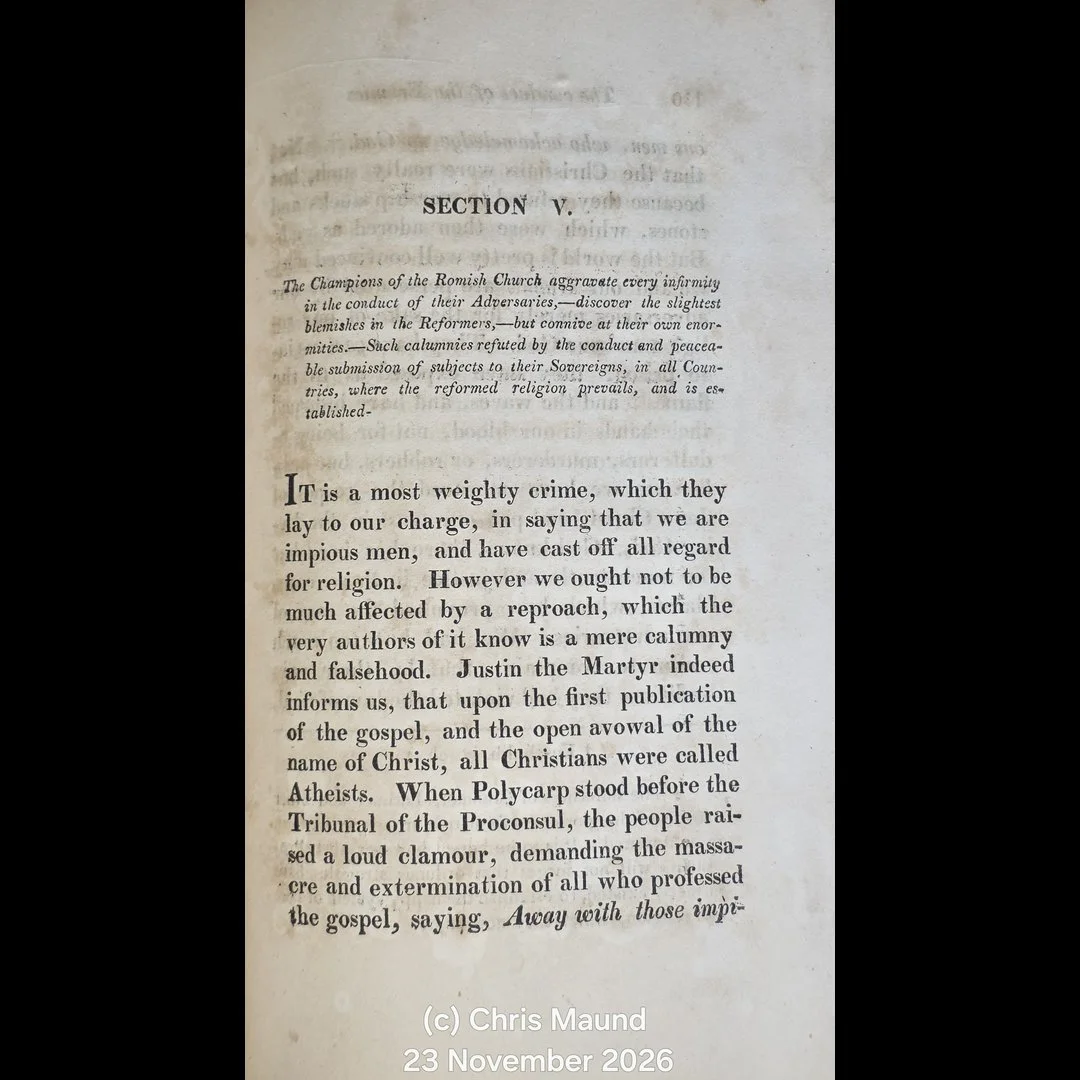 Image 15 of 45
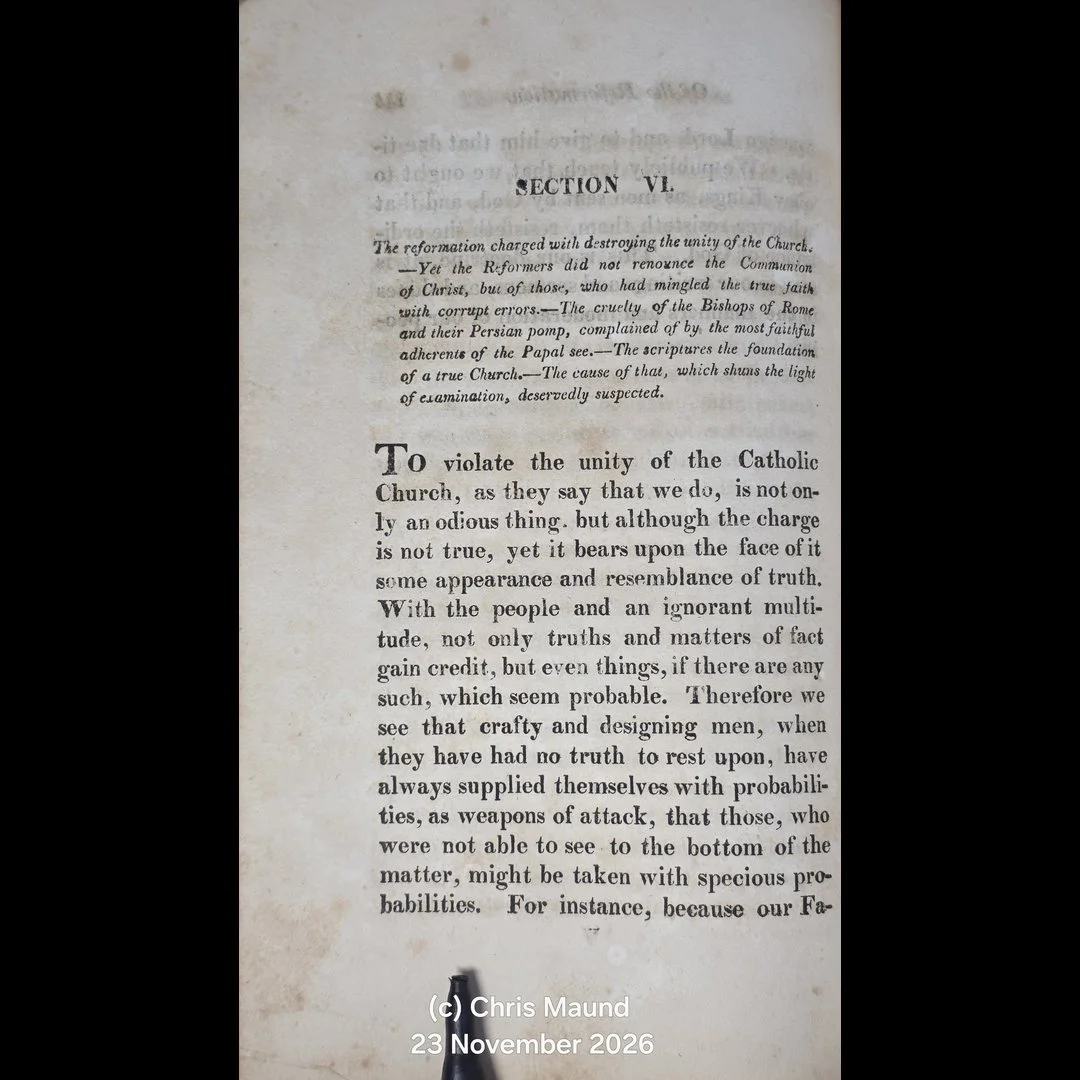 Image 16 of 45
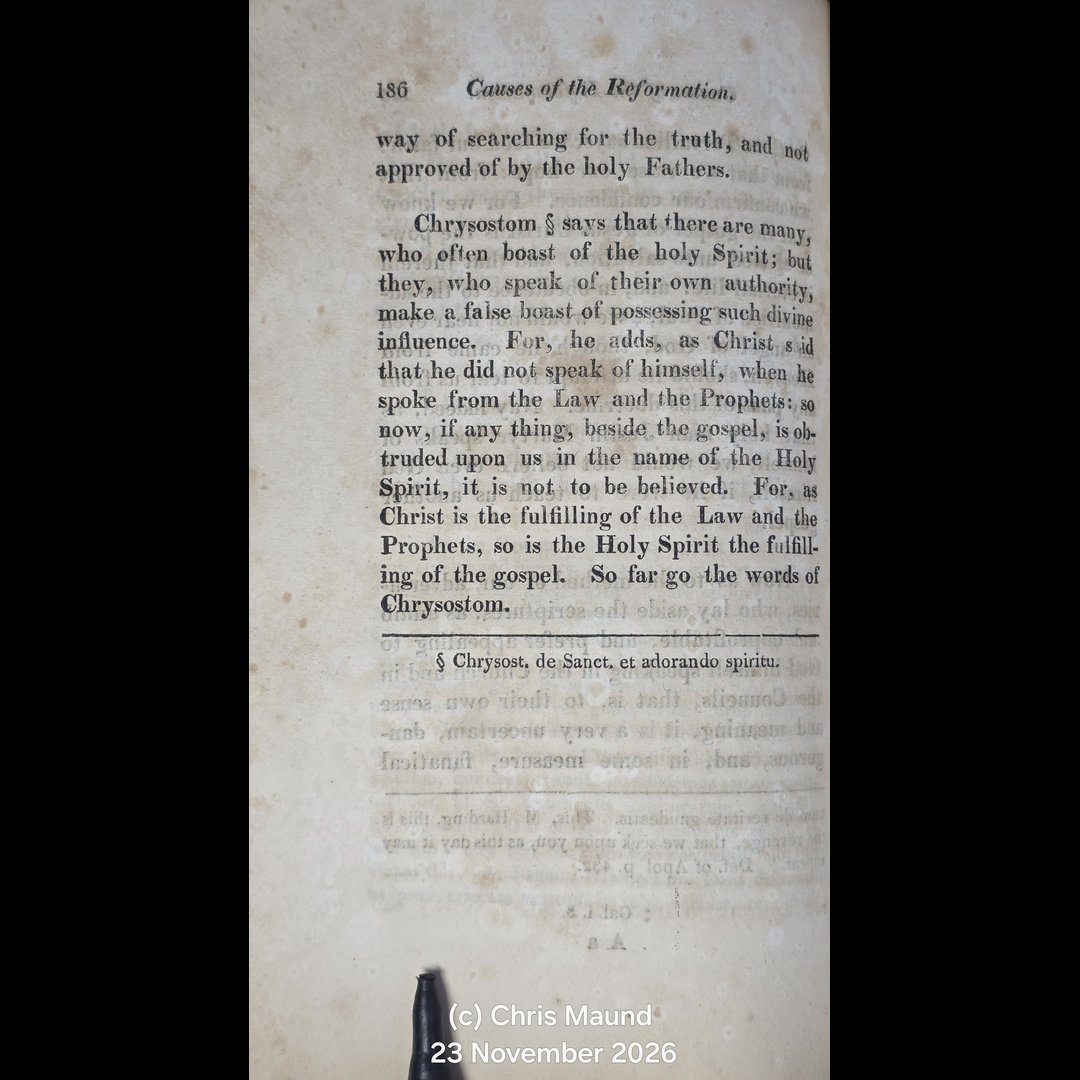 Image 17 of 45
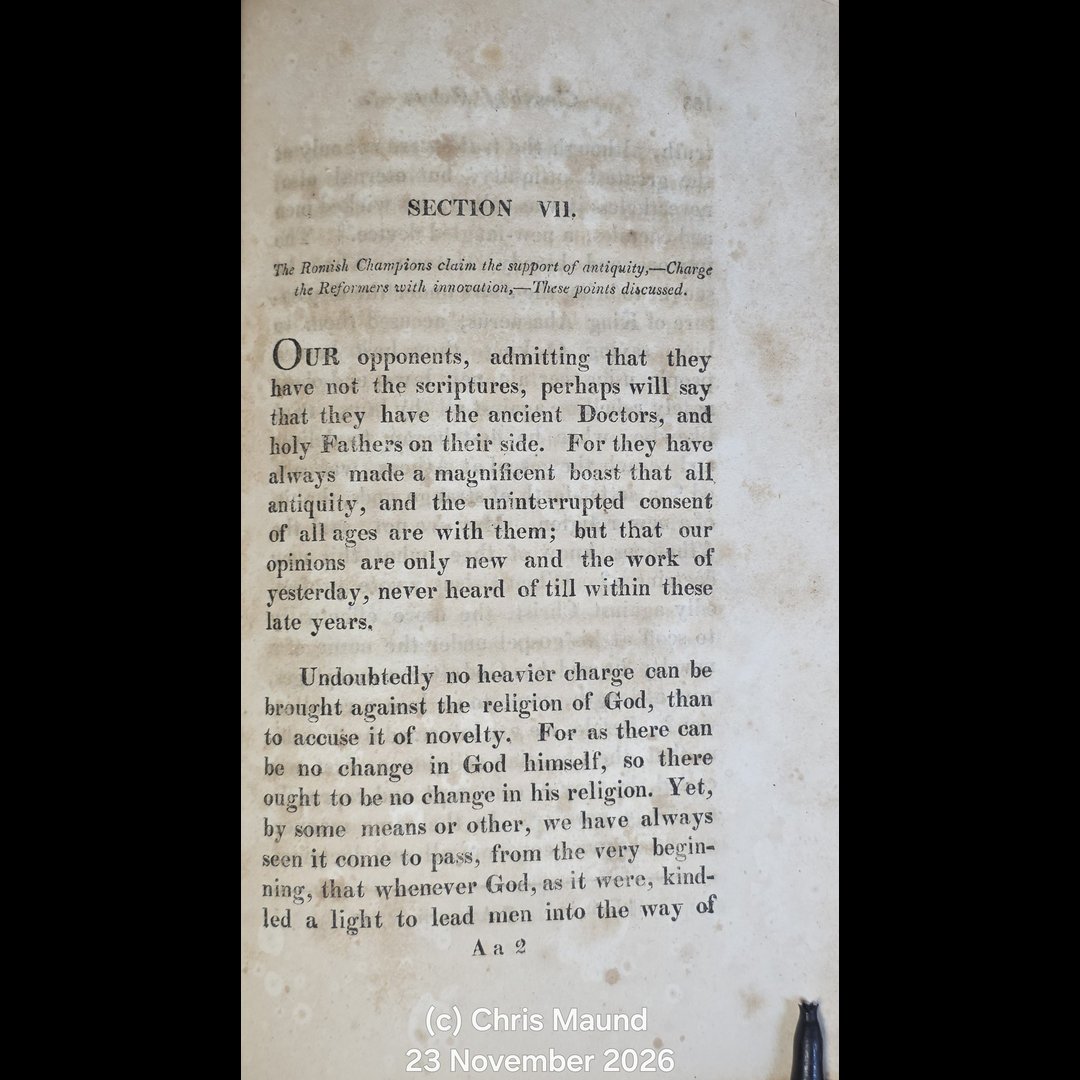 Image 18 of 45
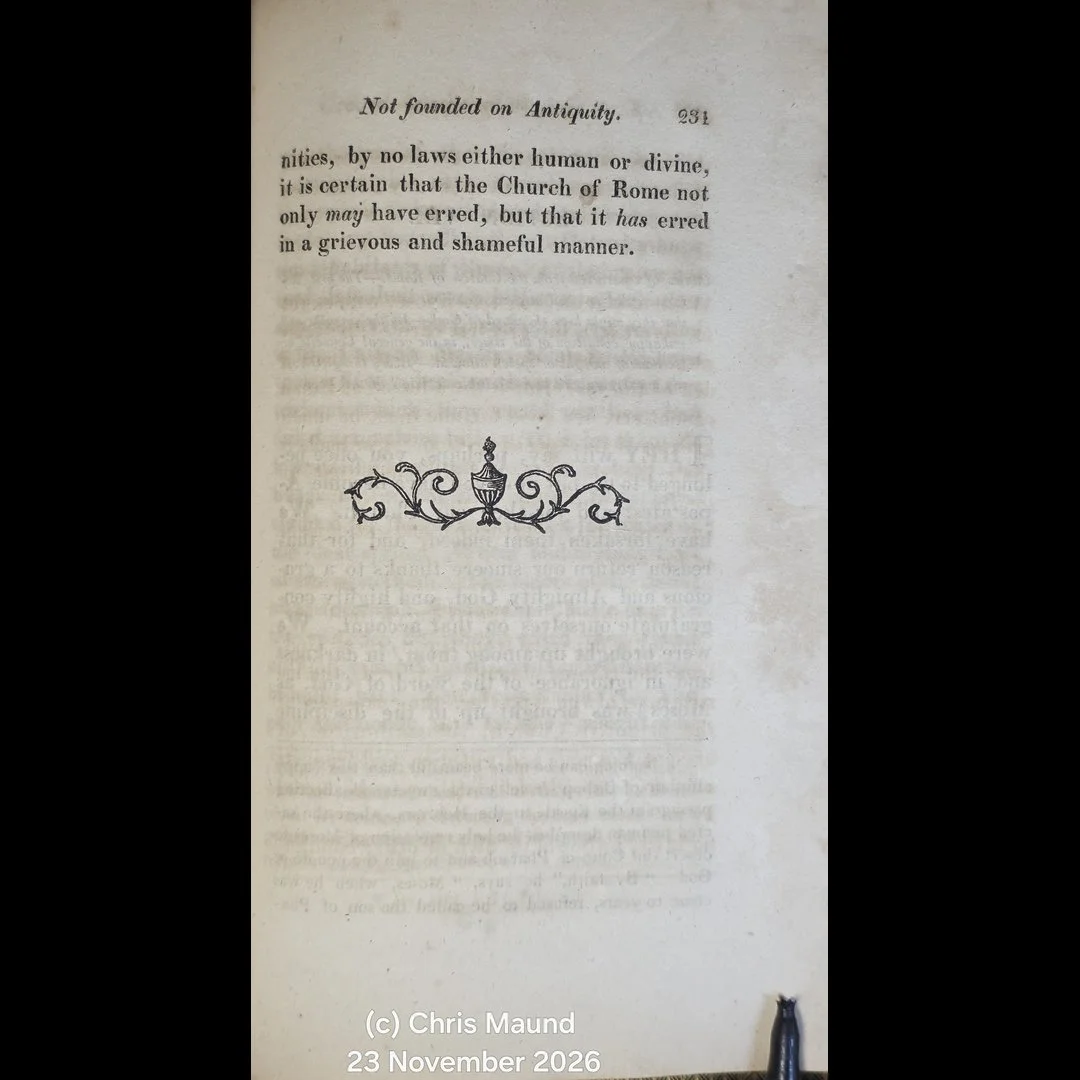 Image 19 of 45
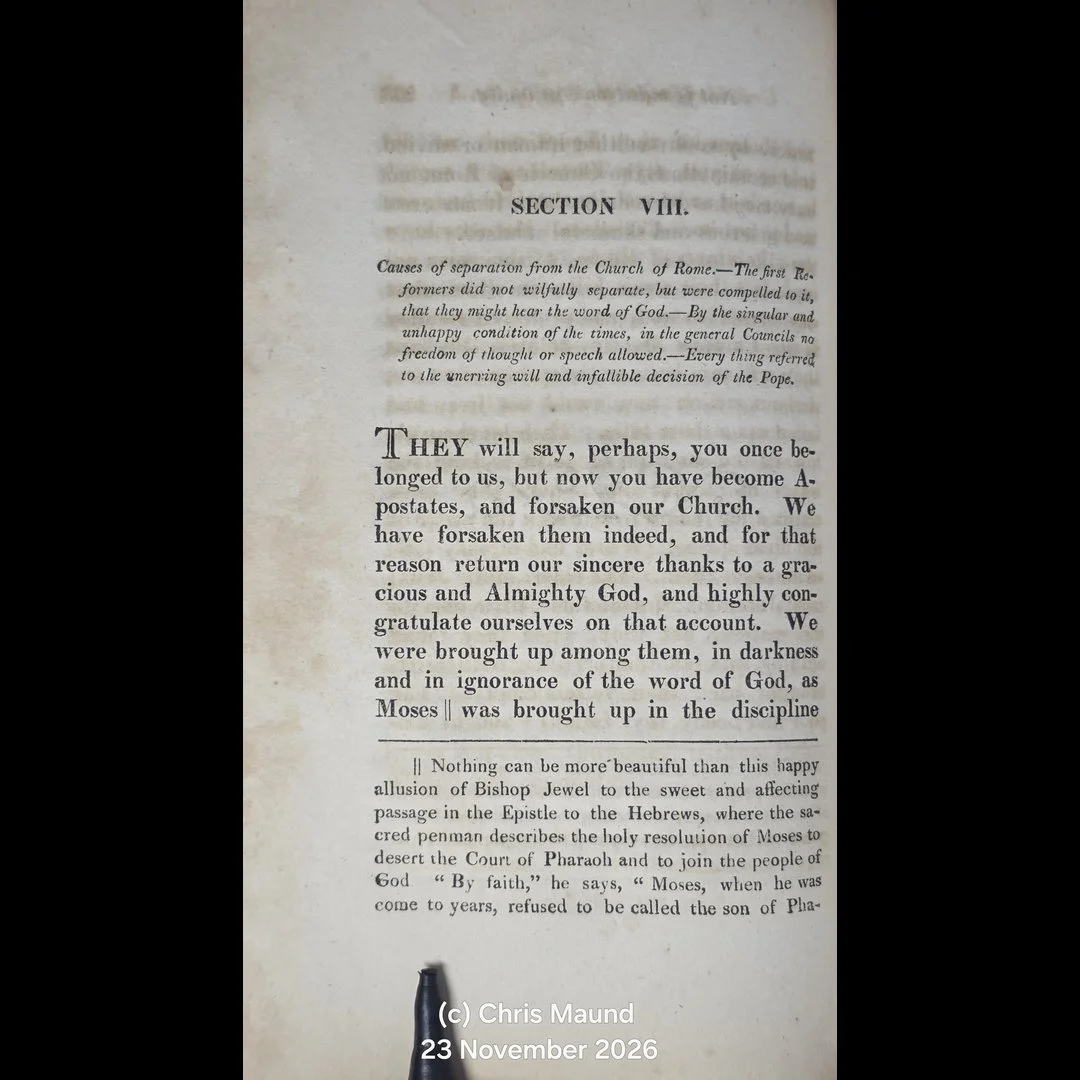 Image 20 of 45
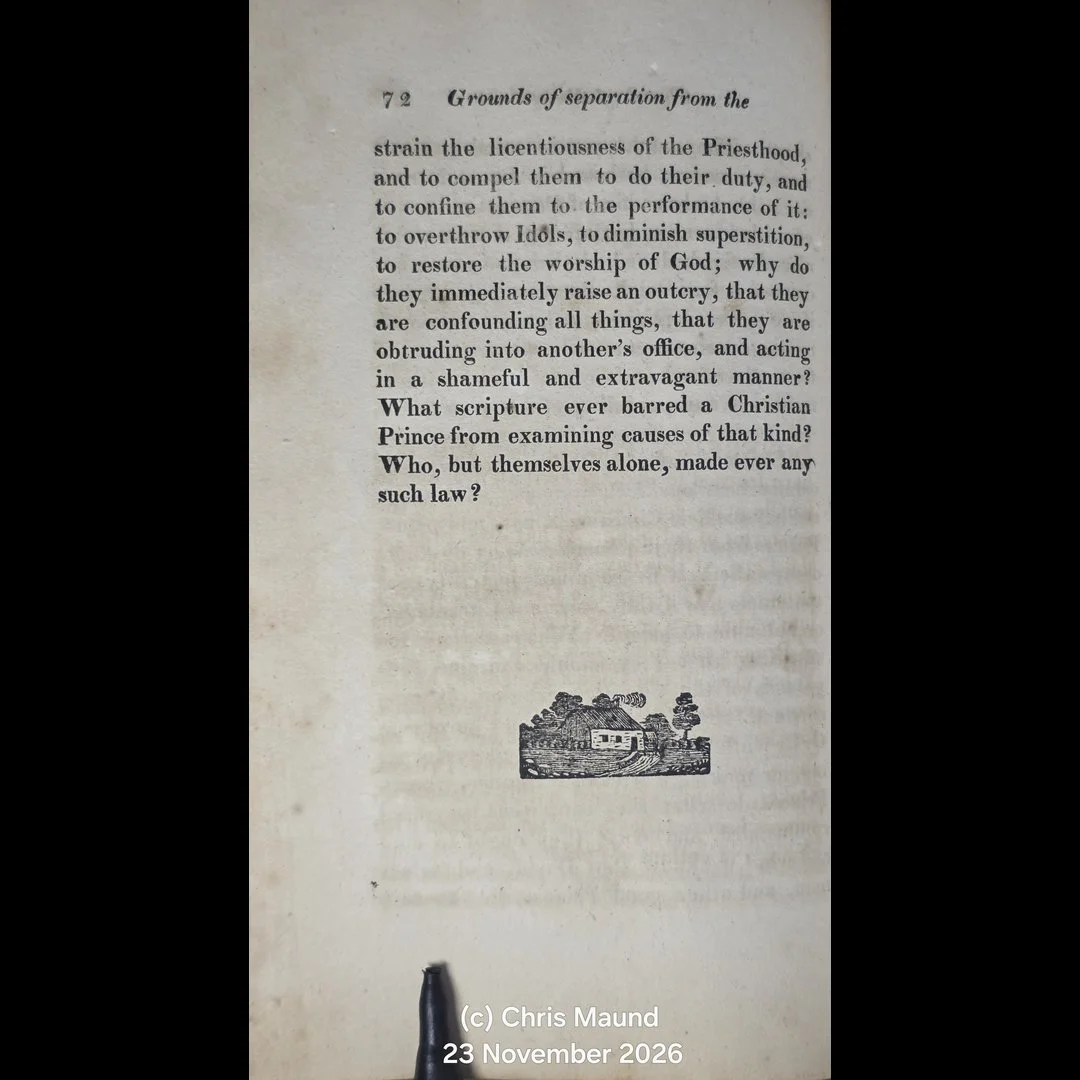 Image 21 of 45
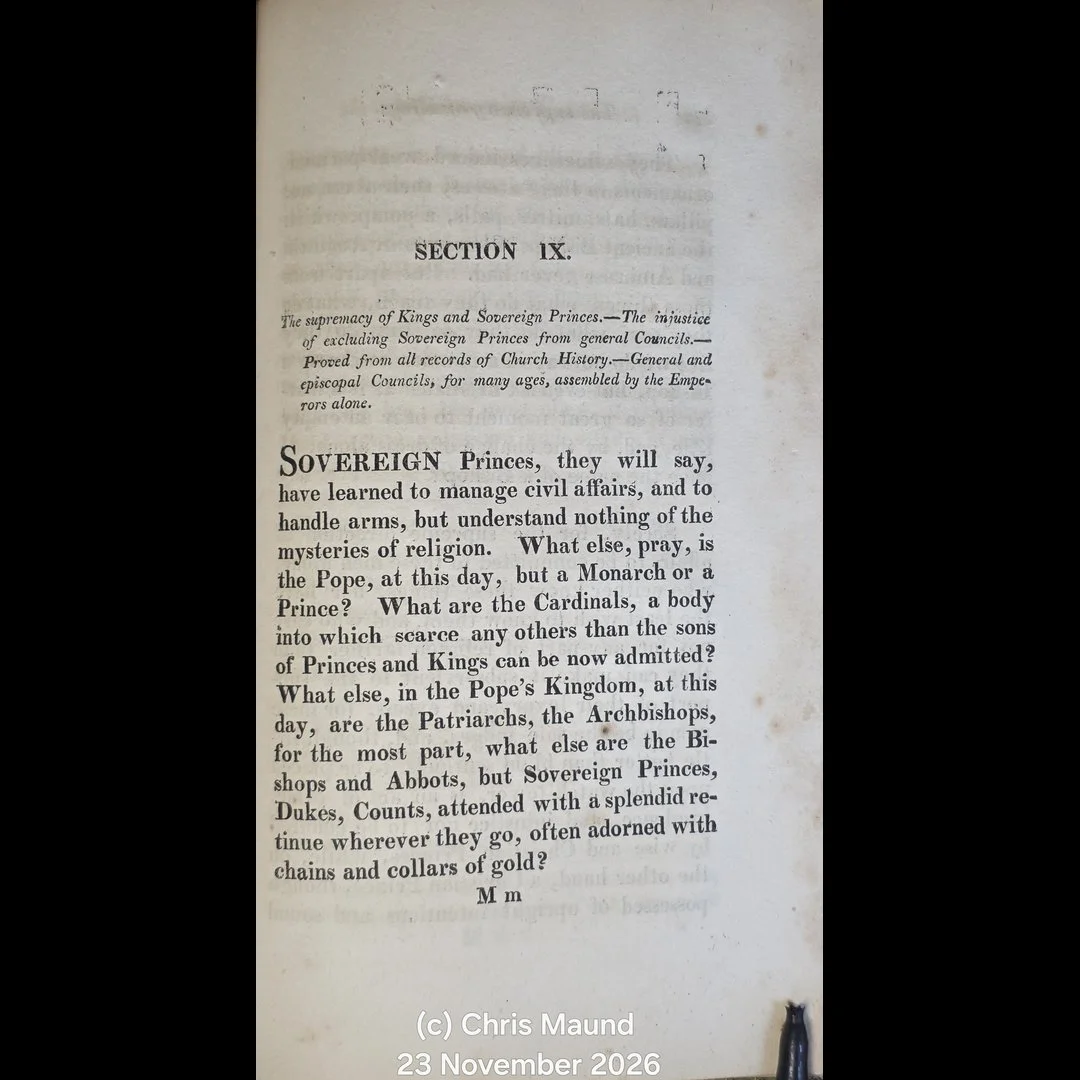 Image 22 of 45
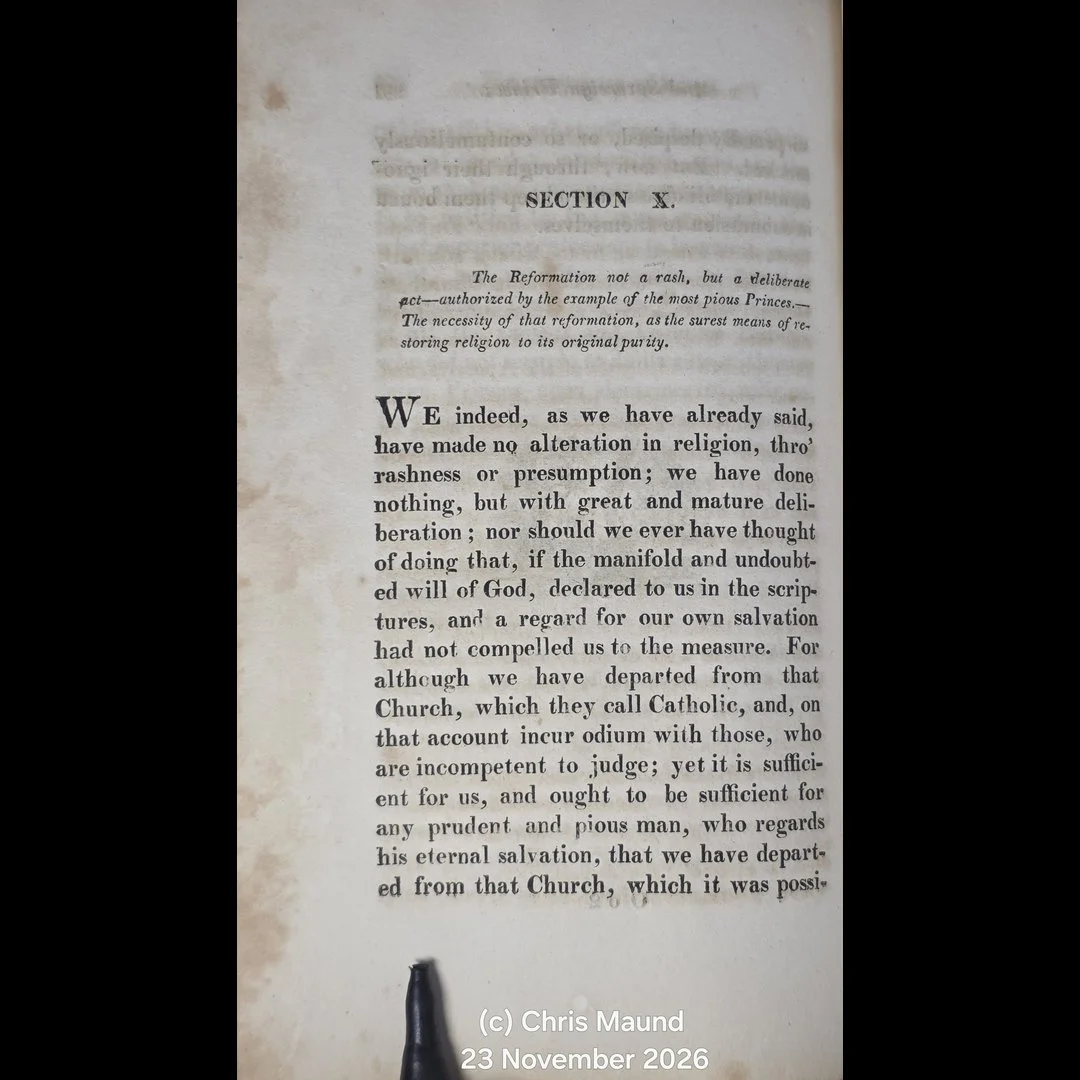 Image 23 of 45
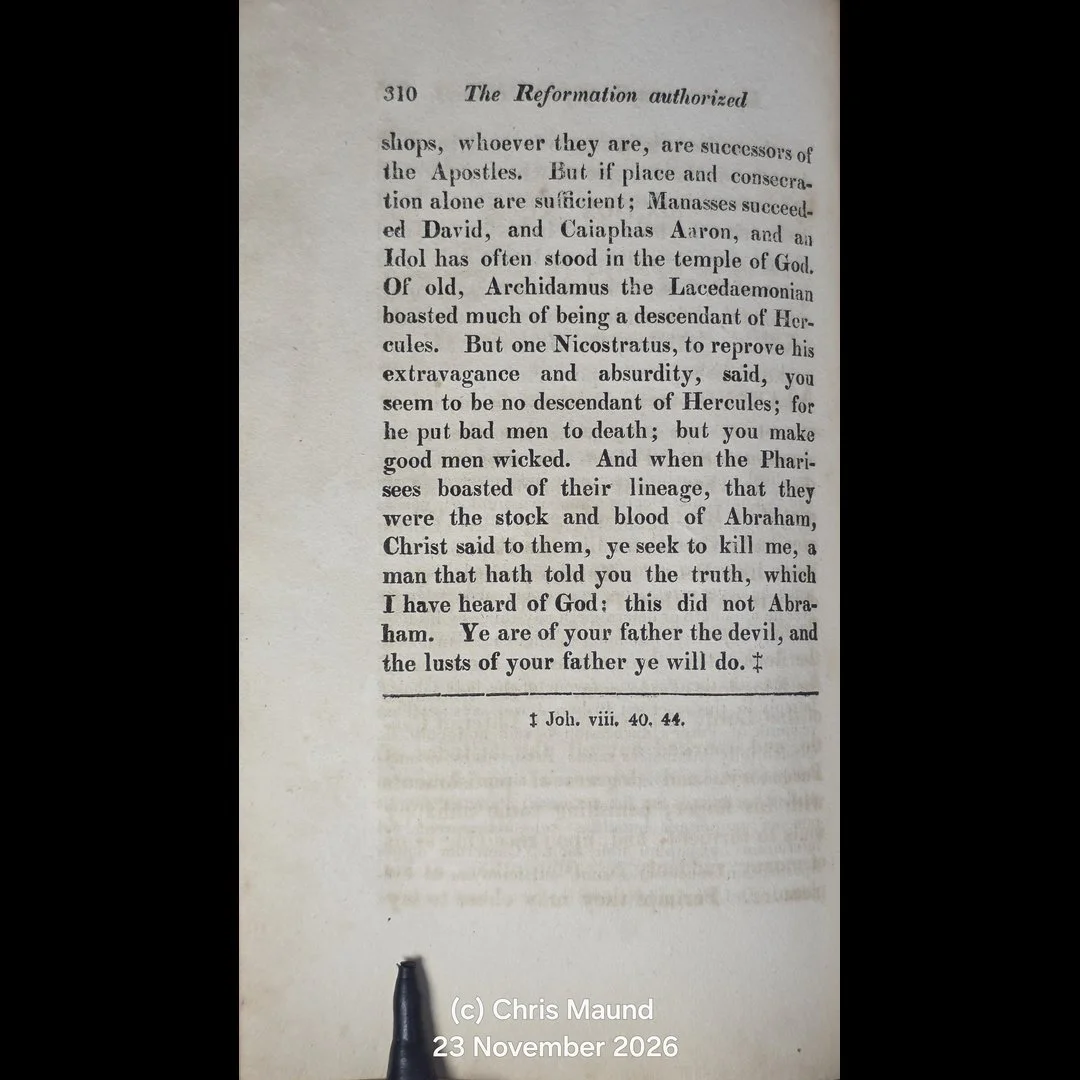 Image 24 of 45
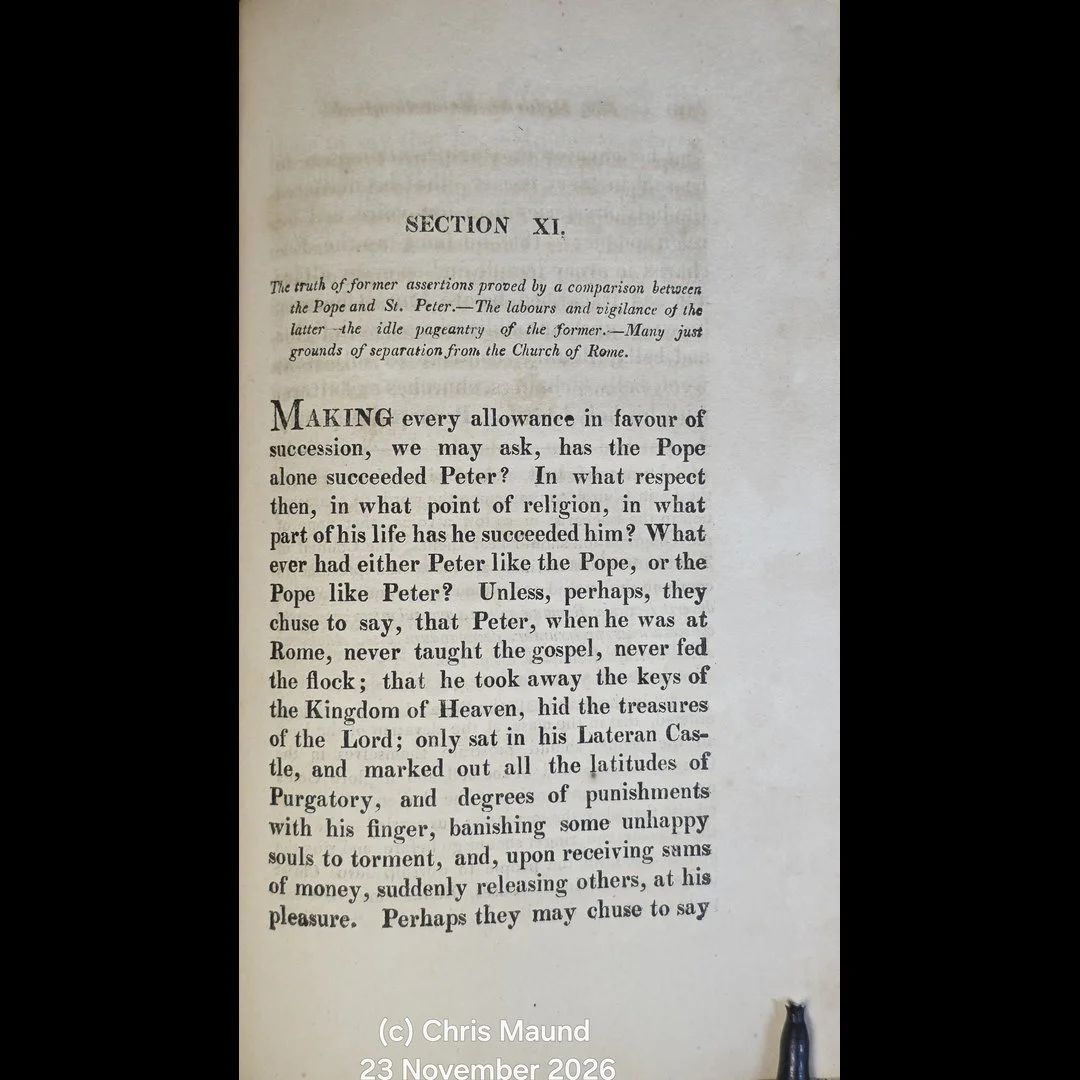 Image 25 of 45
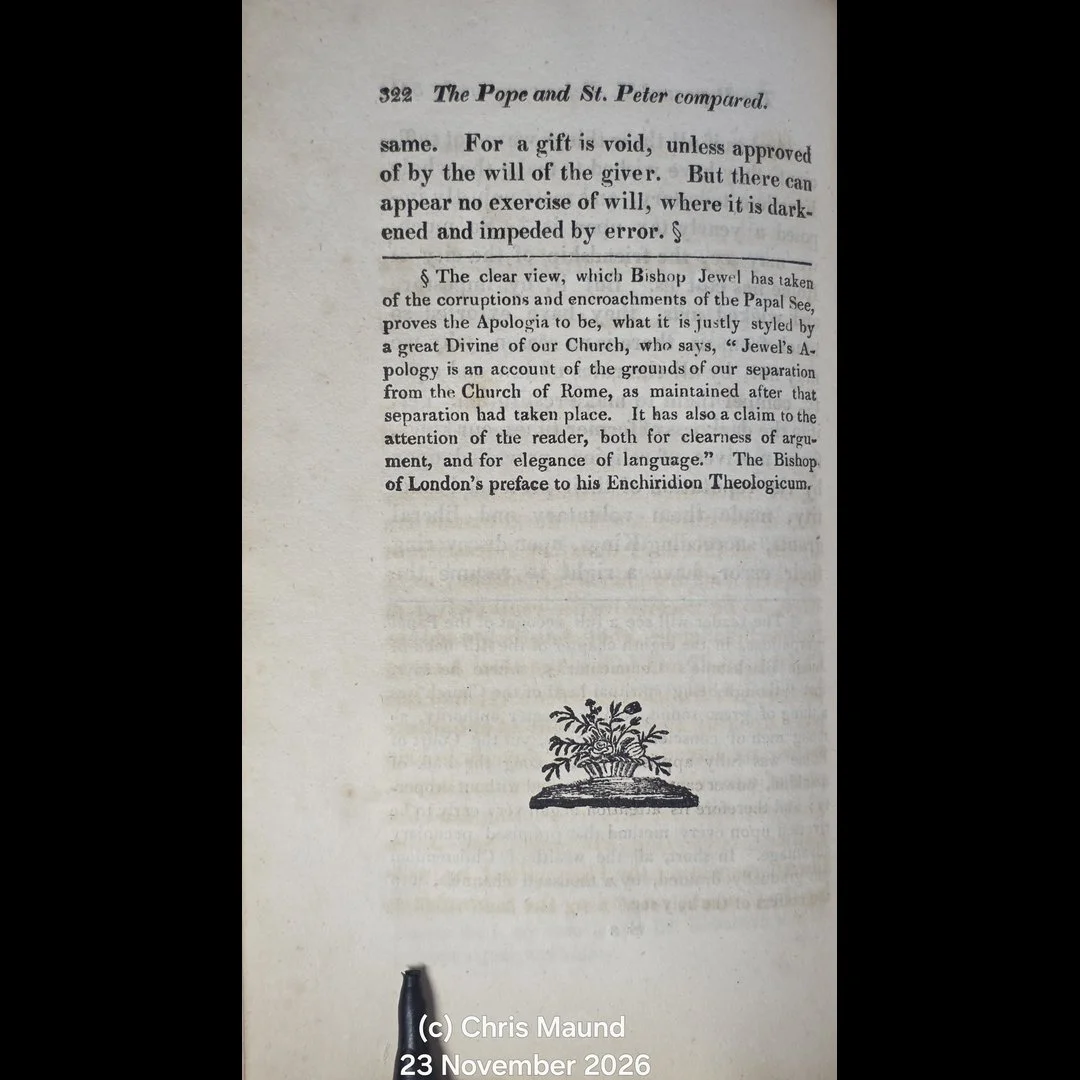 Image 26 of 45
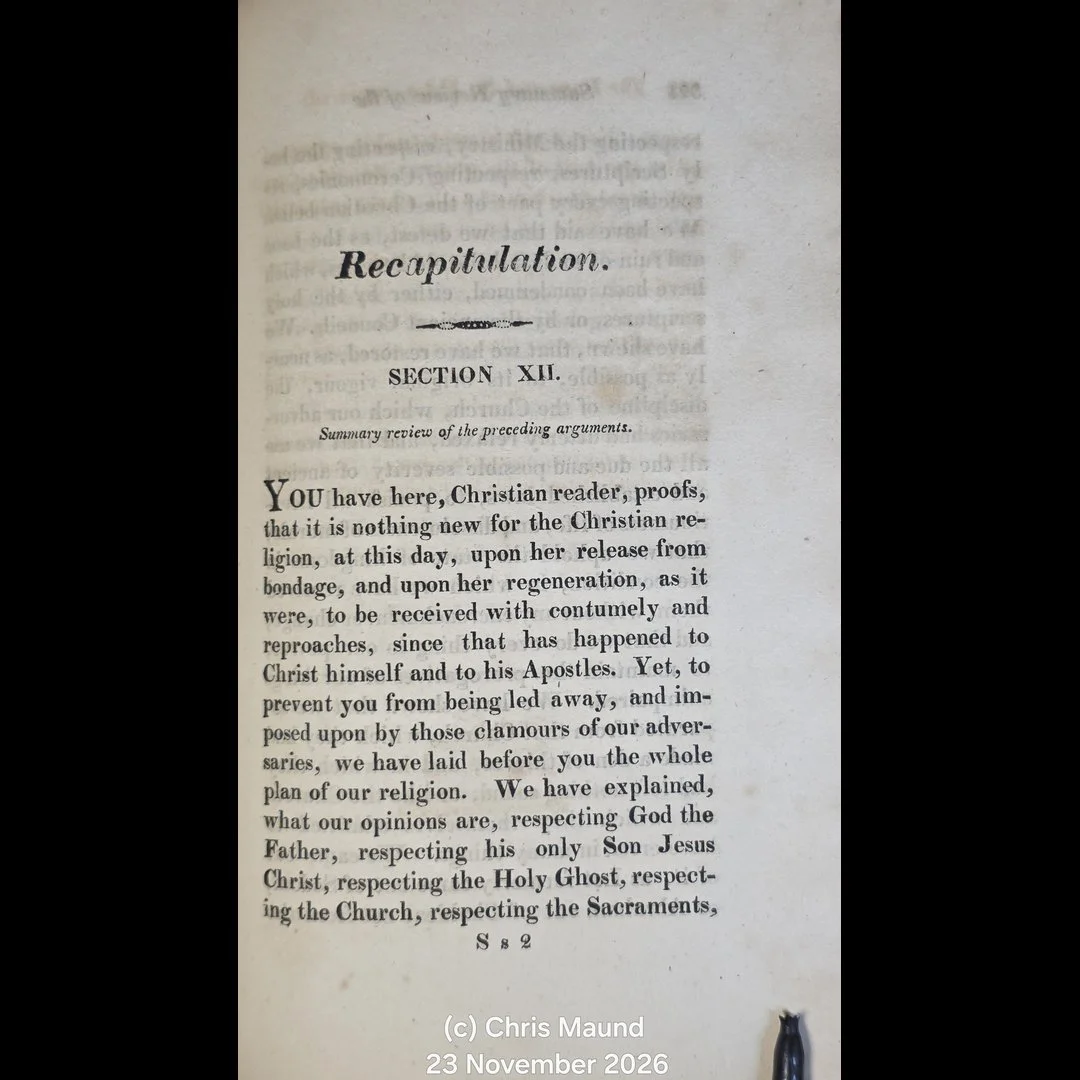 Image 27 of 45
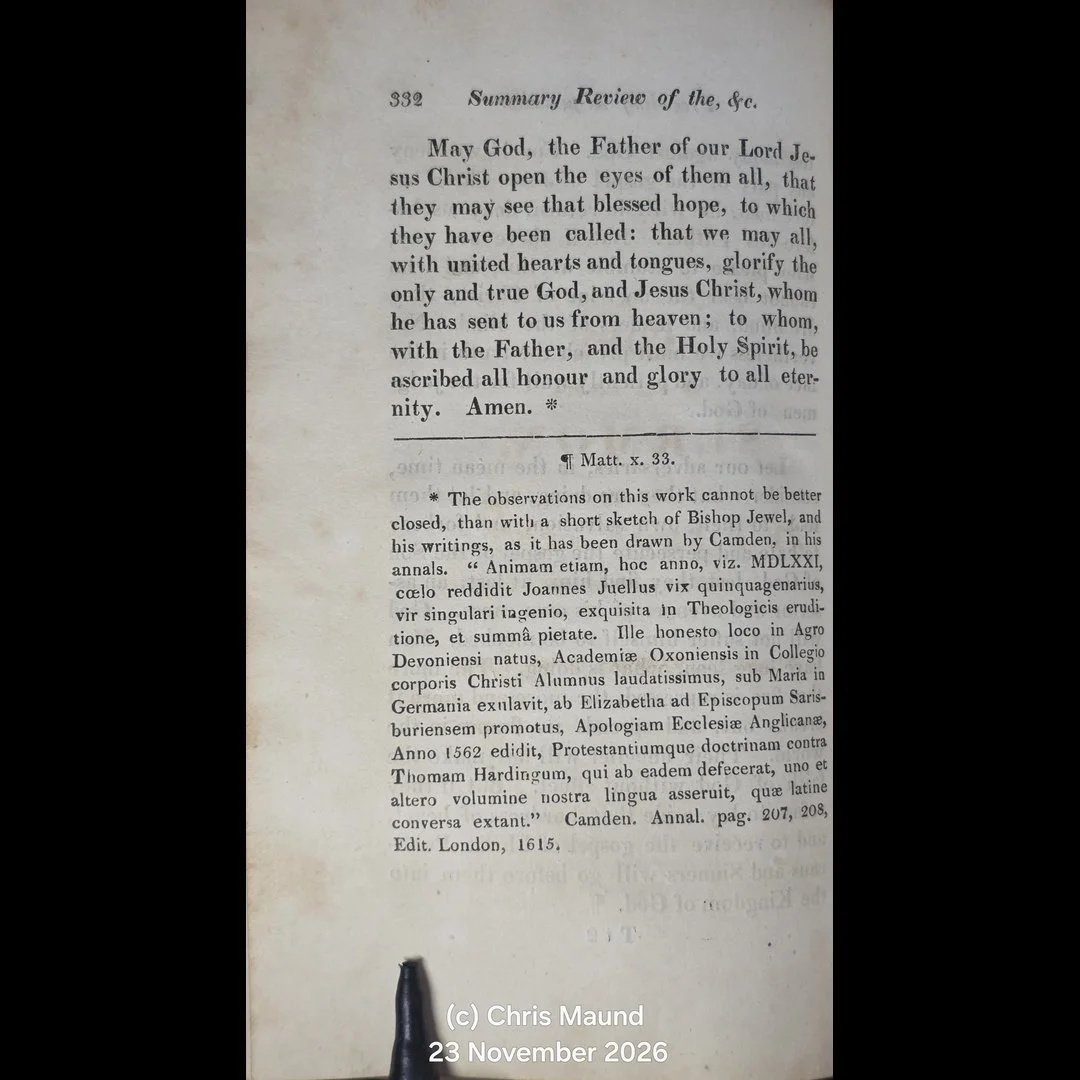 Image 28 of 45
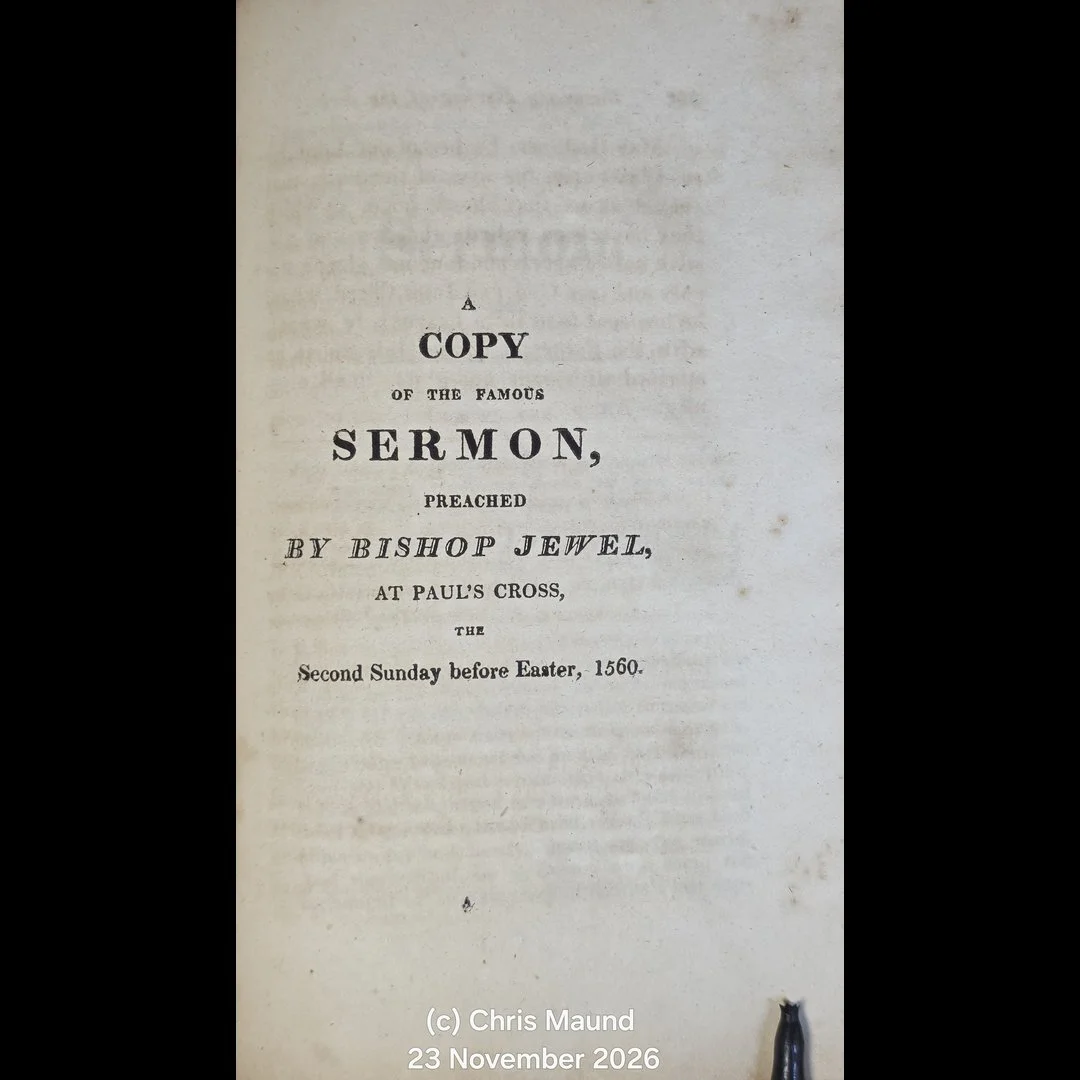 Image 29 of 45
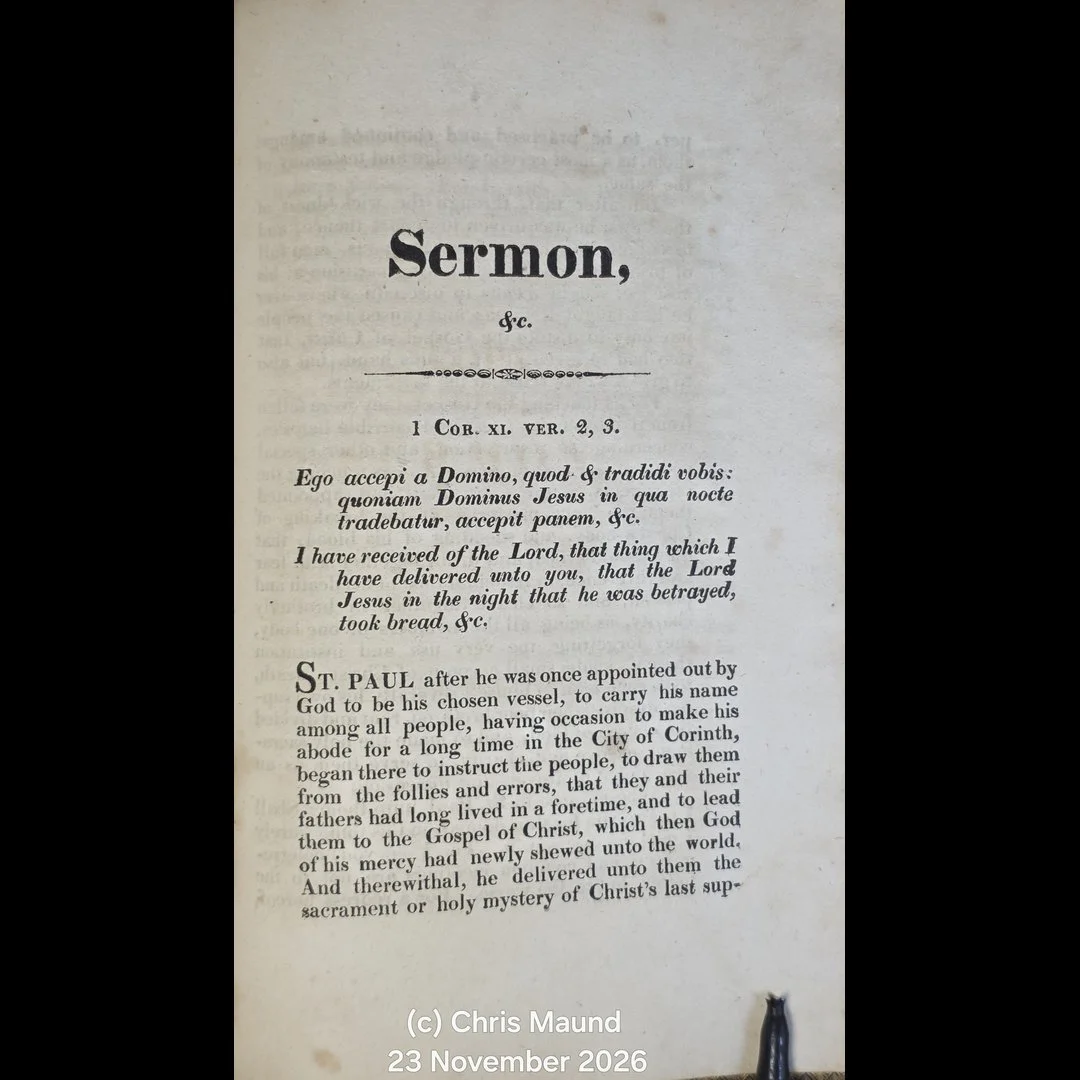 Image 30 of 45
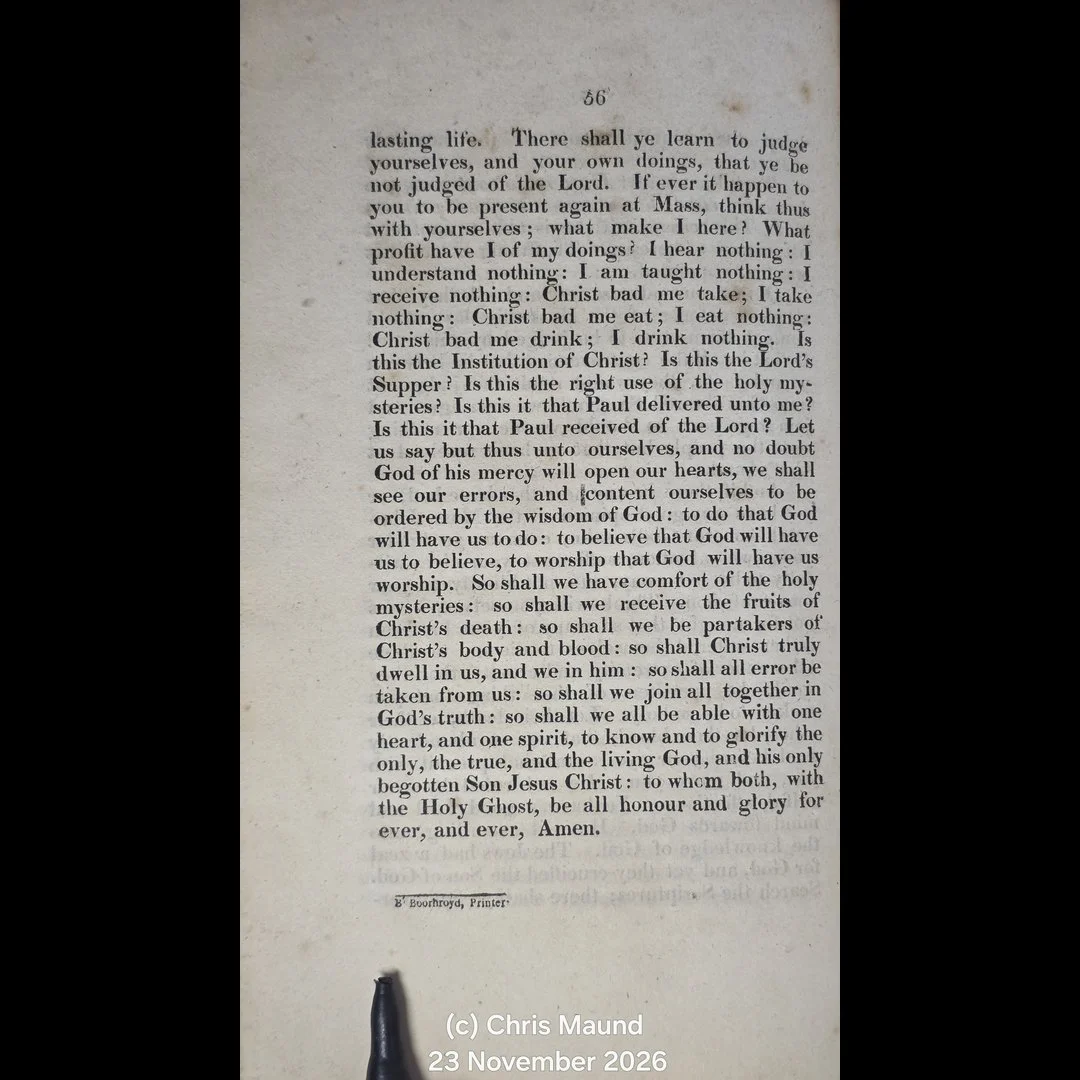 Image 31 of 45
 Image 32 of 45
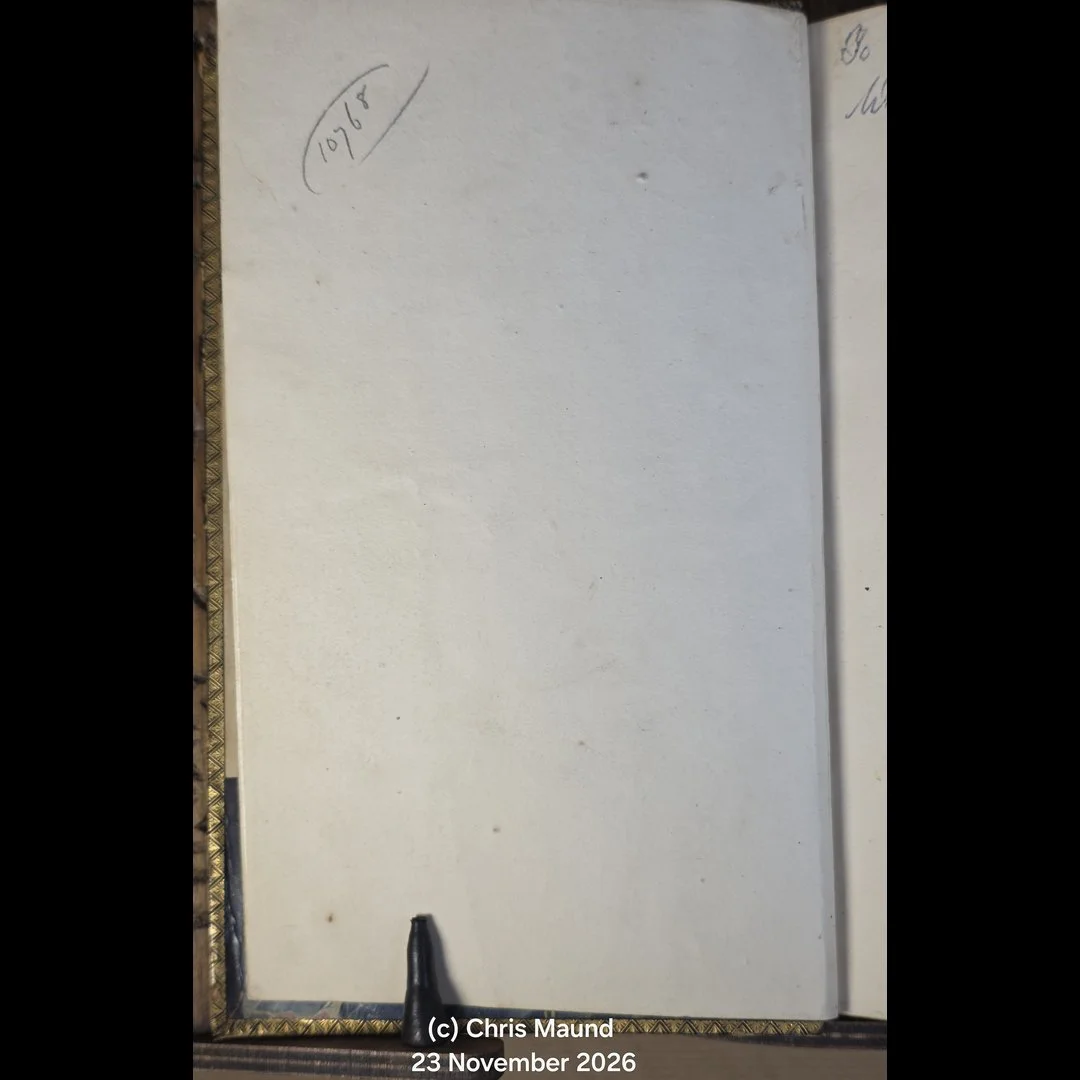 Image 33 of 45
 Image 34 of 45
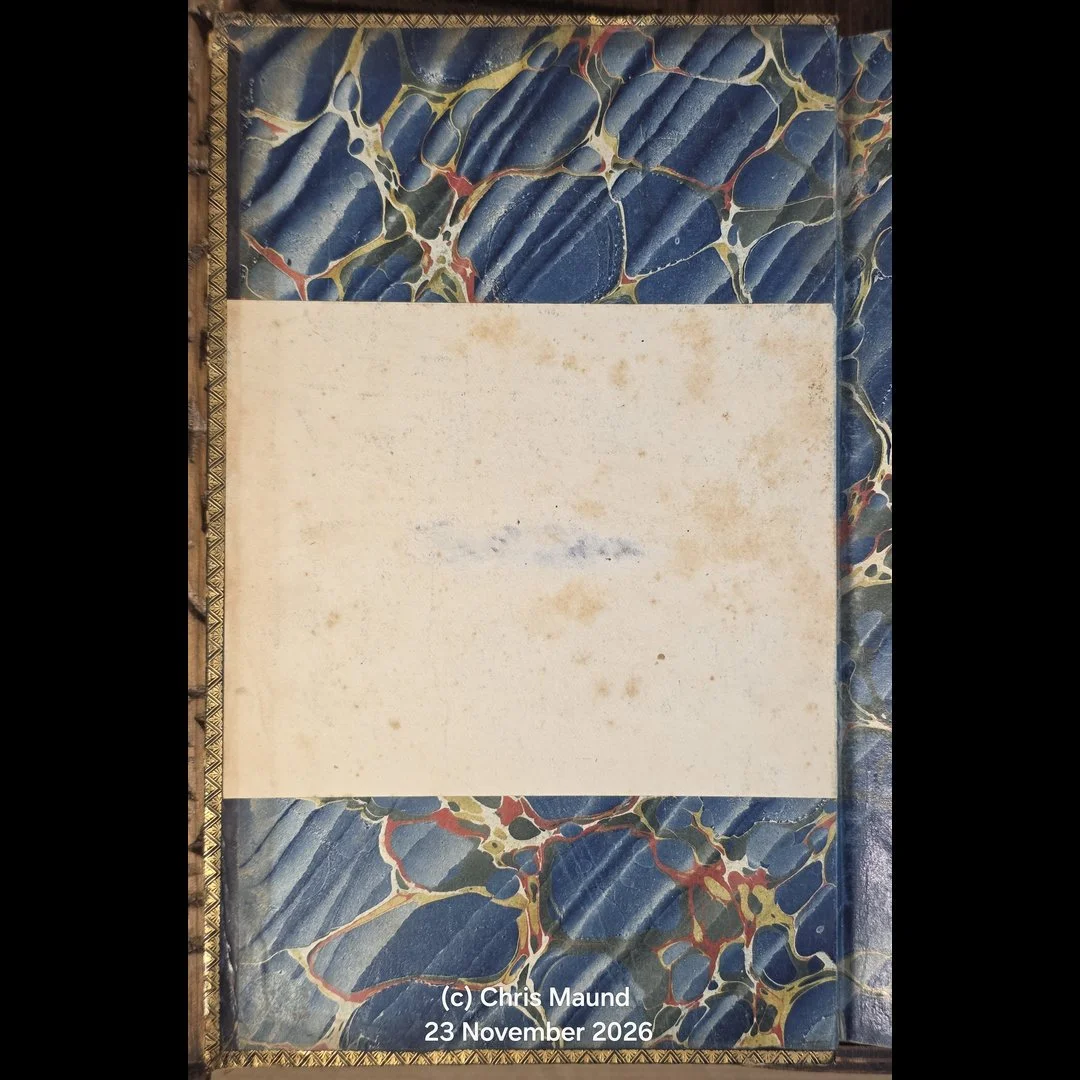 Image 35 of 45
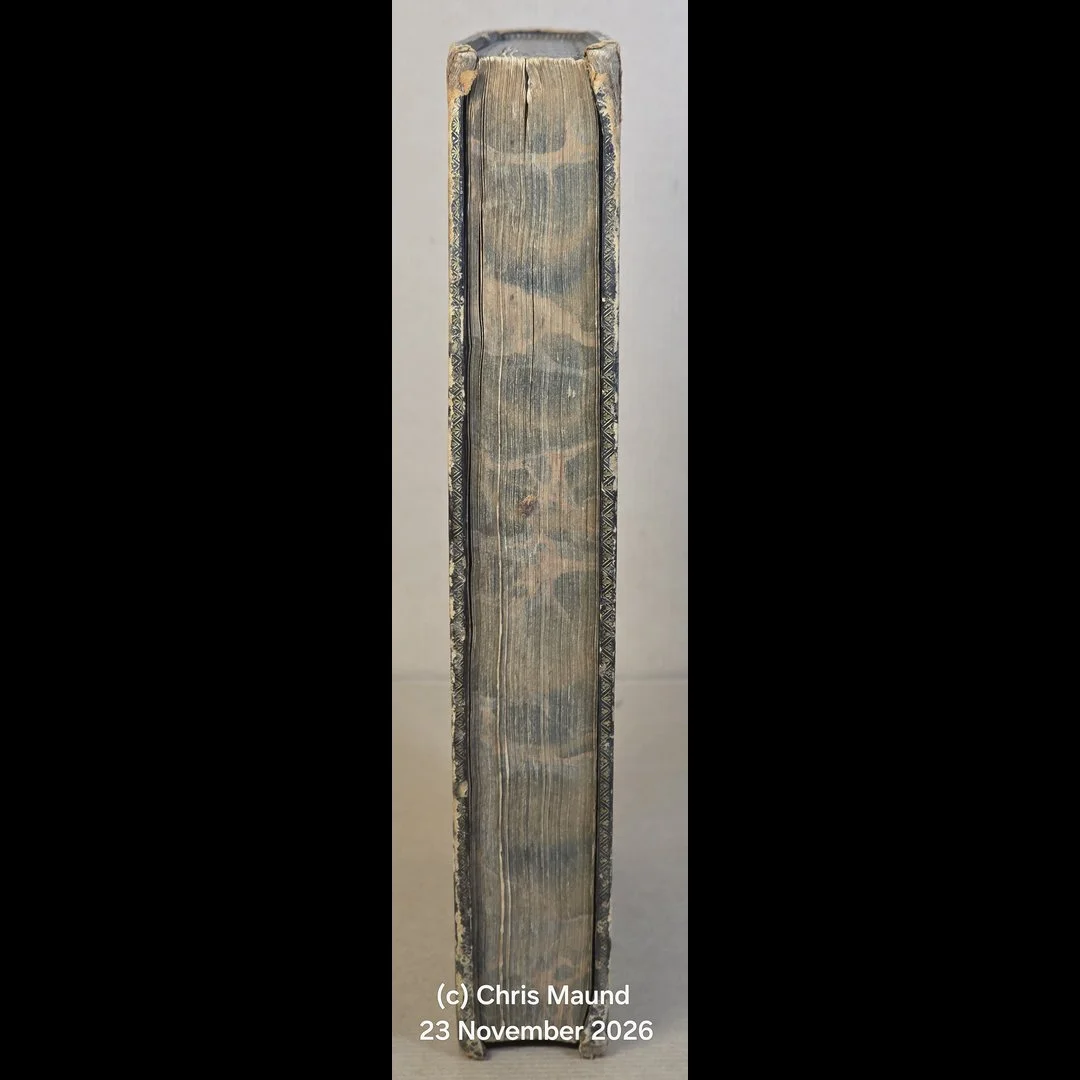 Image 36 of 45
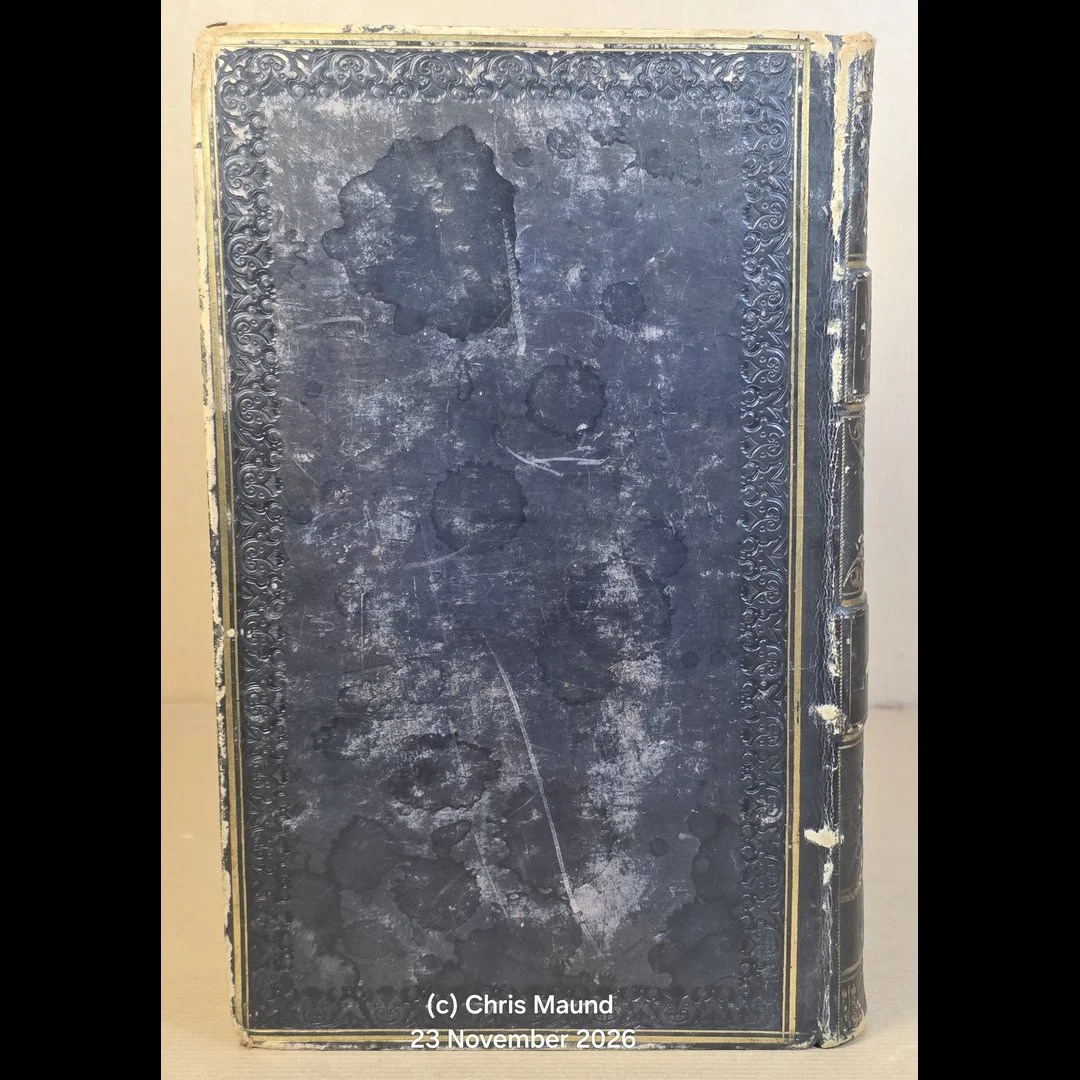 Image 37 of 45
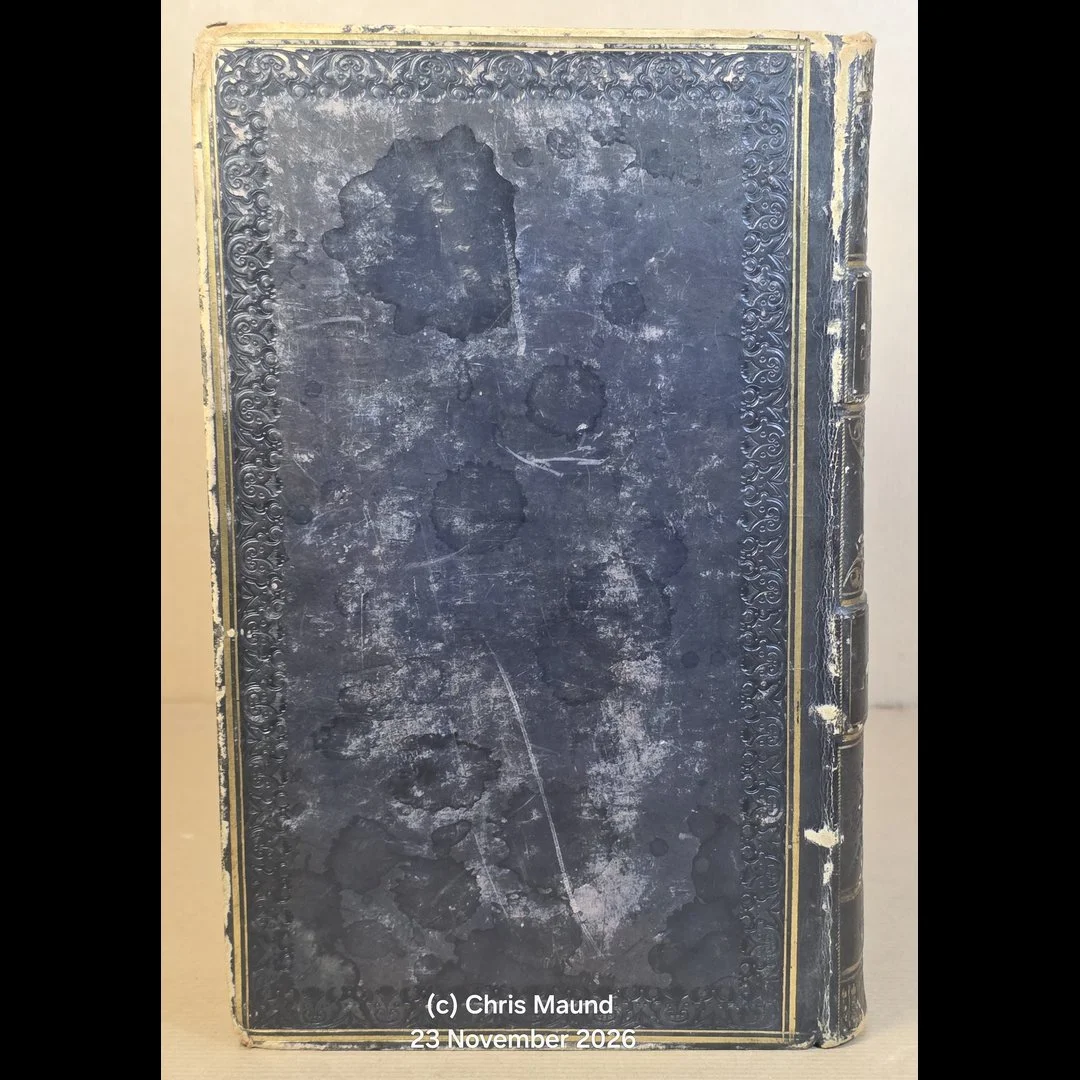 Image 38 of 45
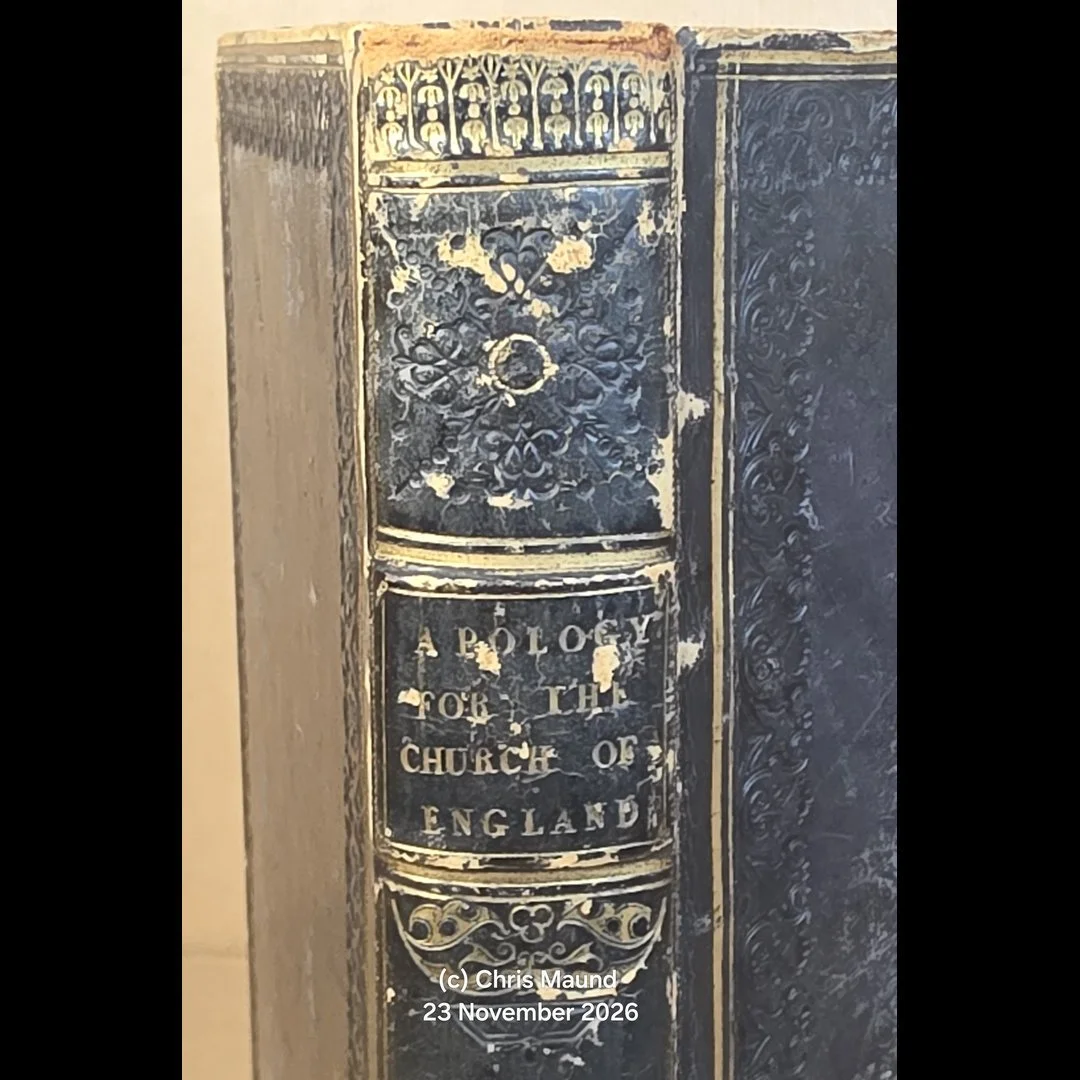 Image 39 of 45
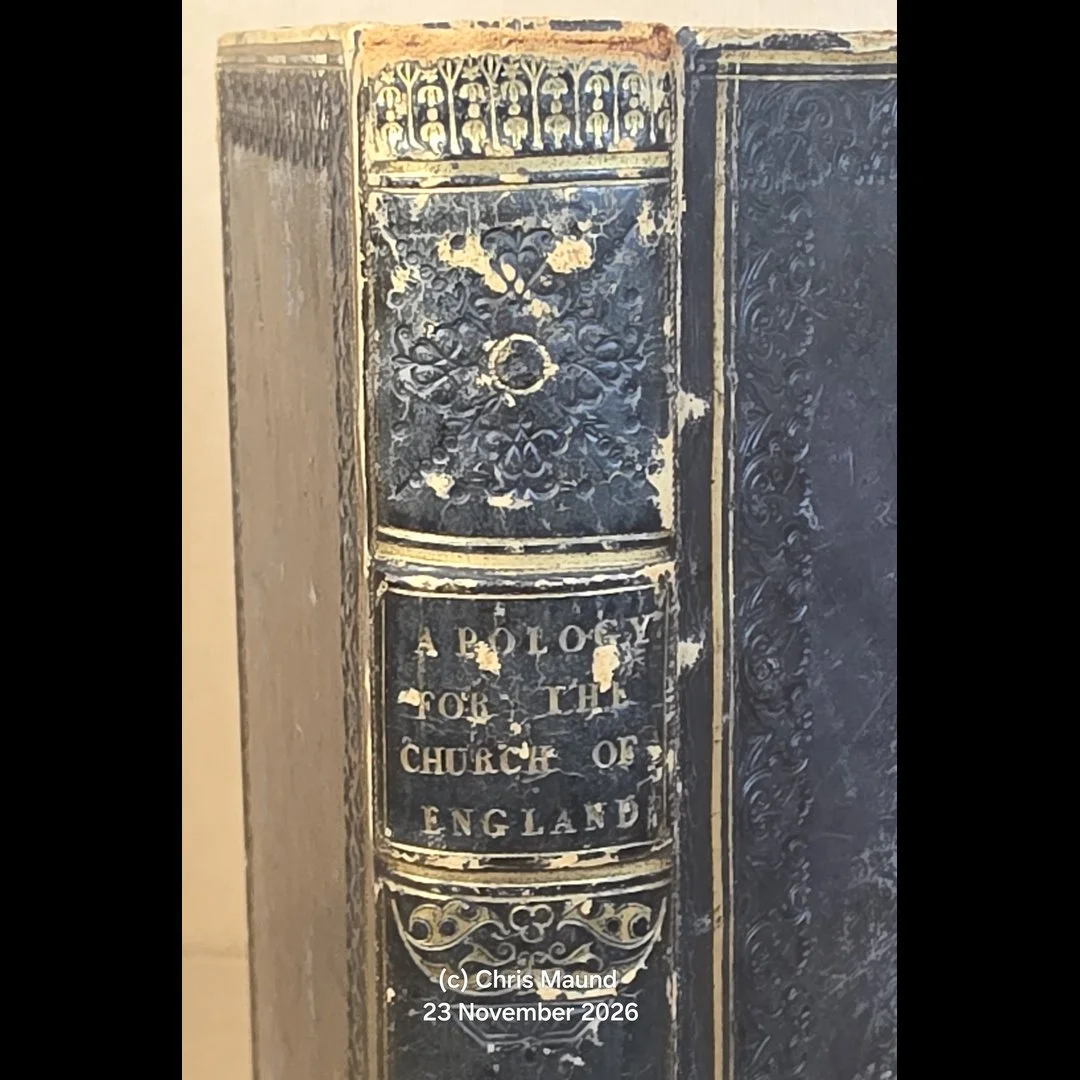 Image 40 of 45
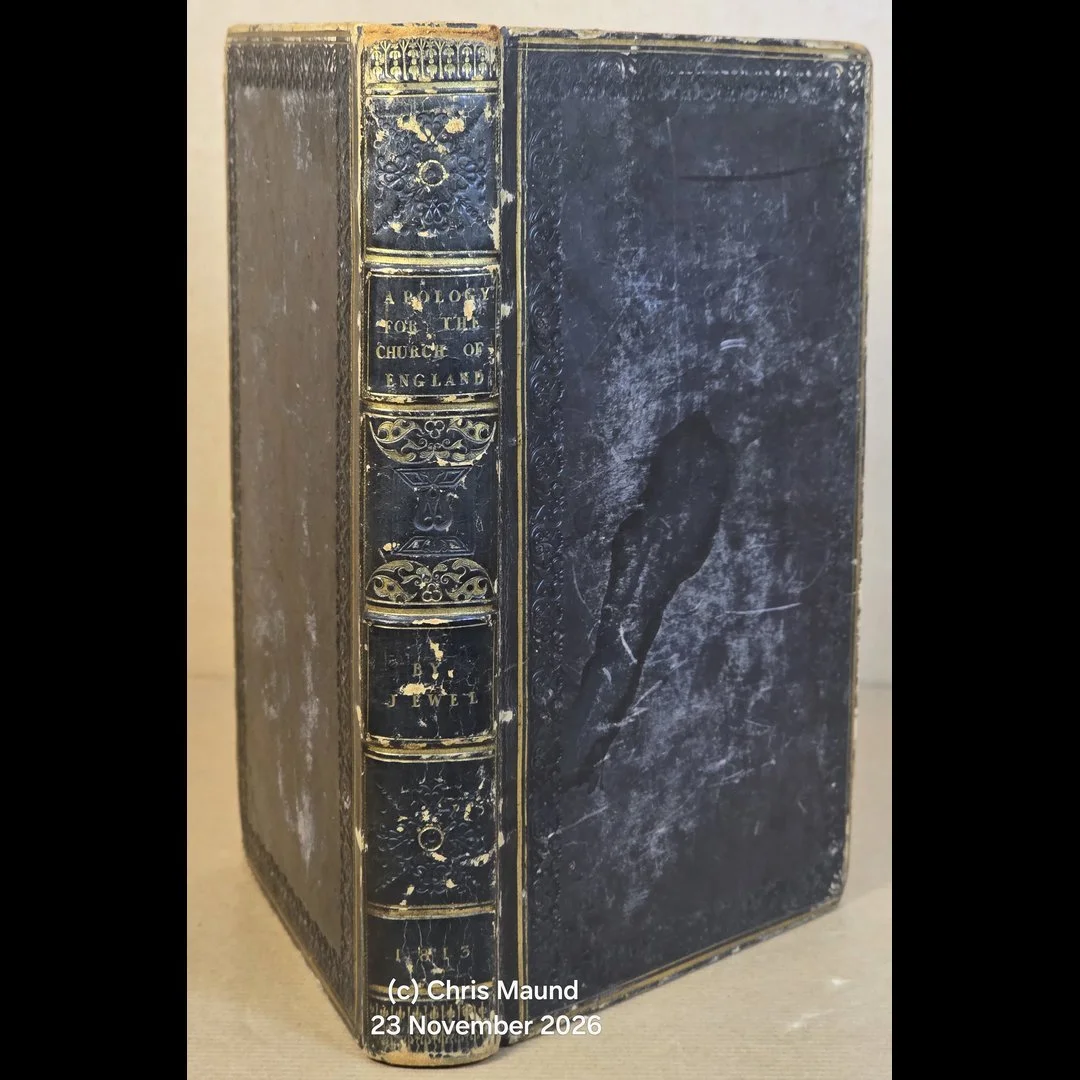 Image 41 of 45
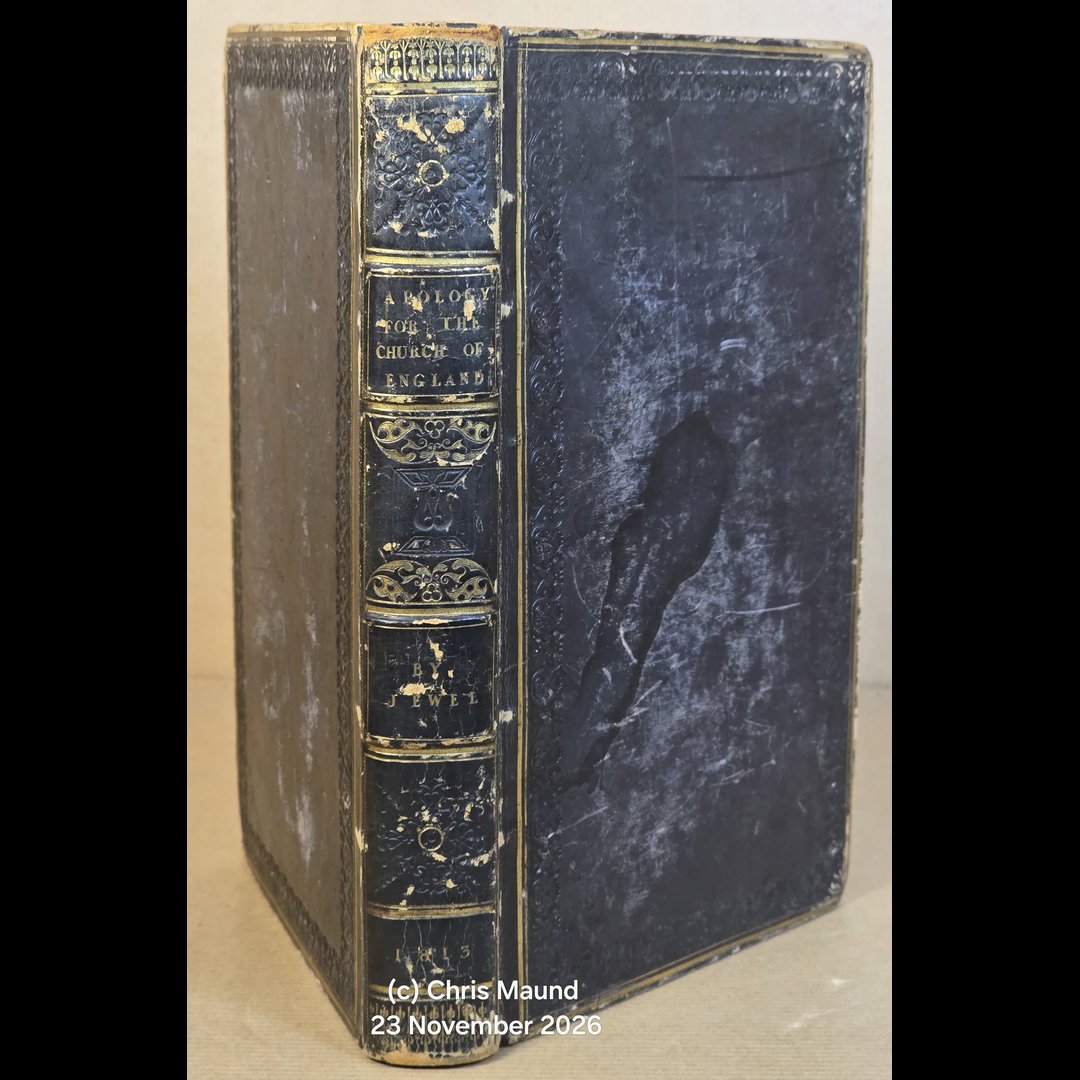 Image 42 of 45
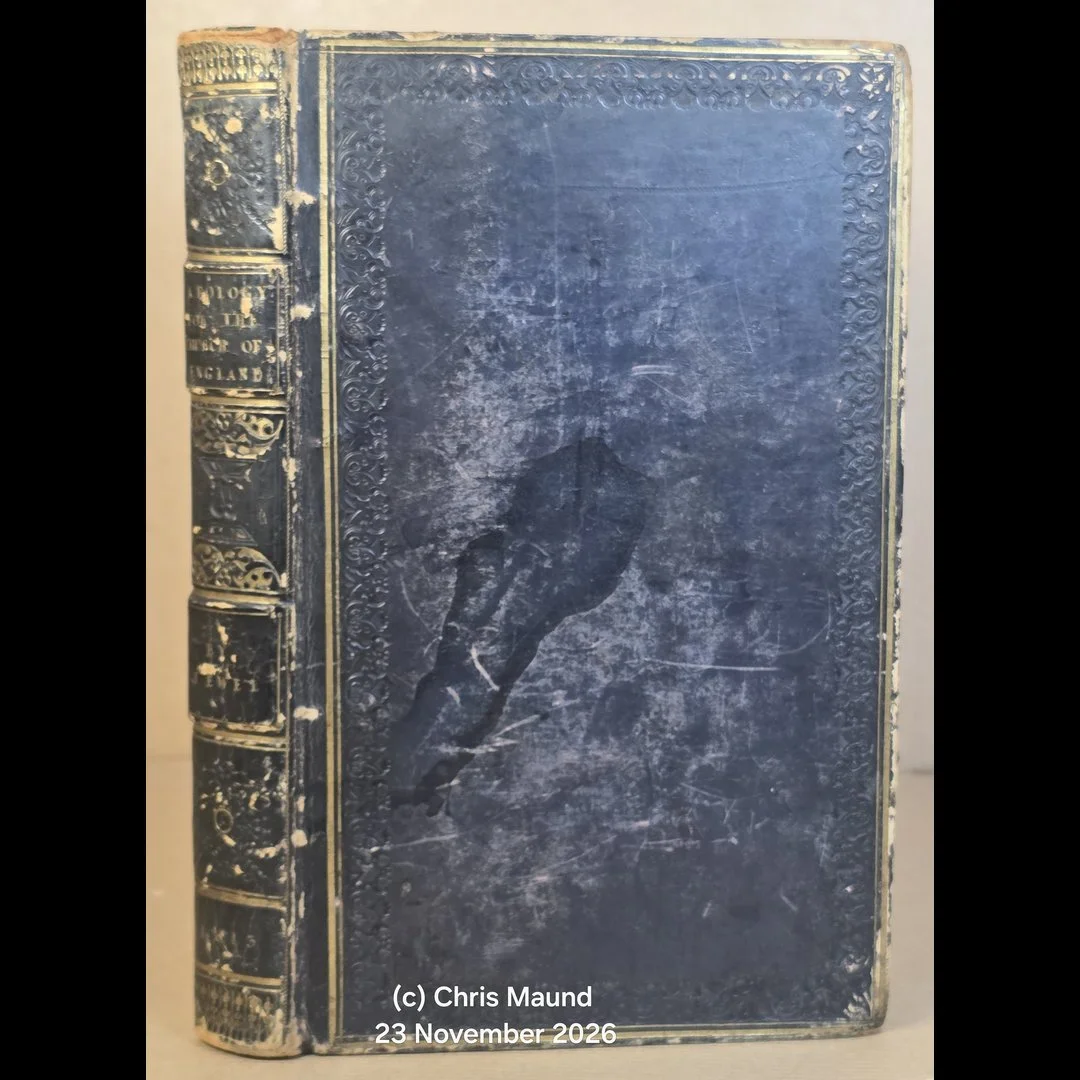 Image 43 of 45
 Image 44 of 45
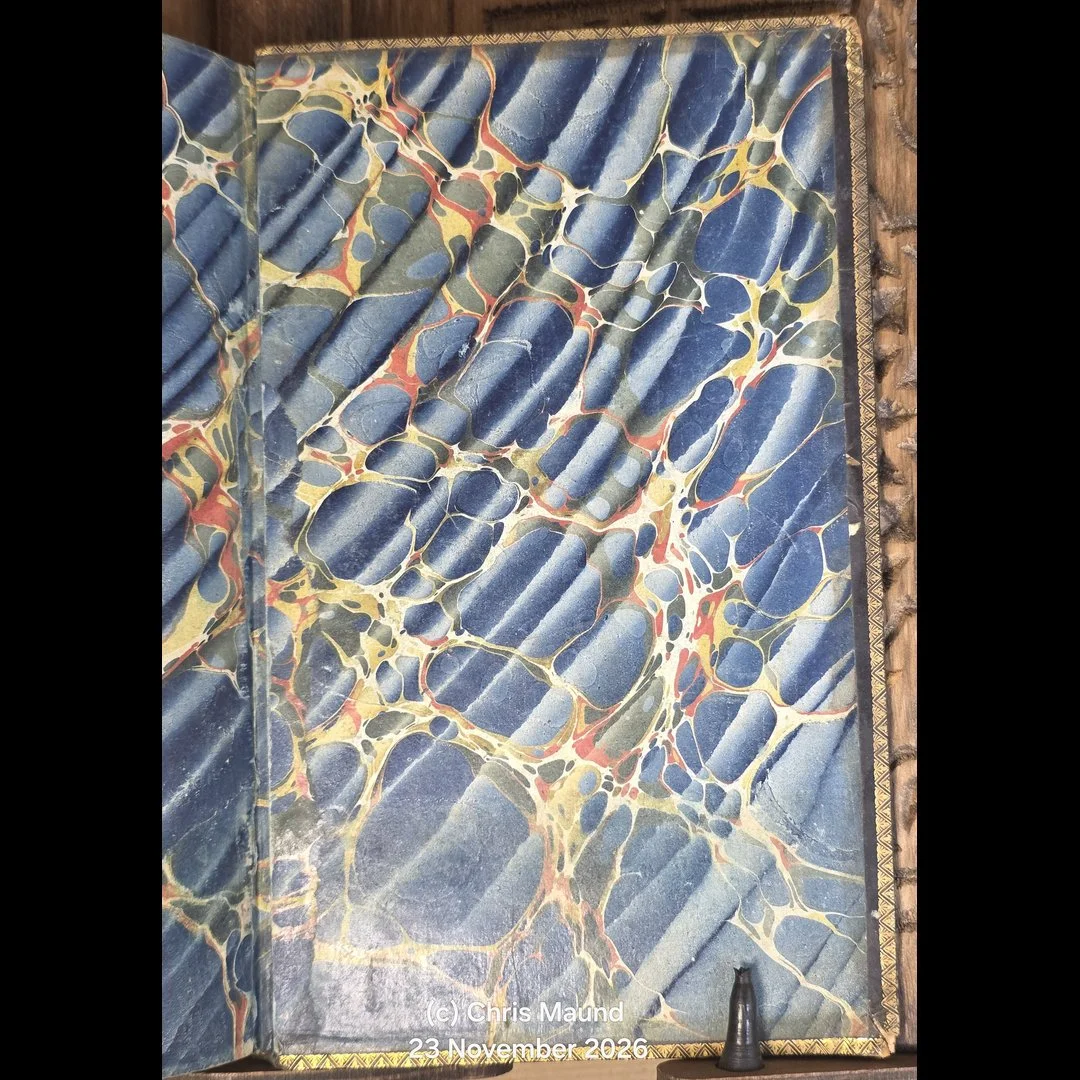 Image 45 of 45