1898 ,
CURIOUS BYPATHS OF HISTORY
Being Medico-Historical Studies and Observations
By Dr Cabanes
French physician, historian, and popular writer best known for turning “medical mysteries” and bodily detail into highly readable history. Trained in Bordeaux and Paris, he worked as a doctor and became famous for books that explore the health, habits, deaths, and scandals of notable historical and literary figures. He also founded La Chronique médicale (1894), a journal devoted to the medical lives of famous people.
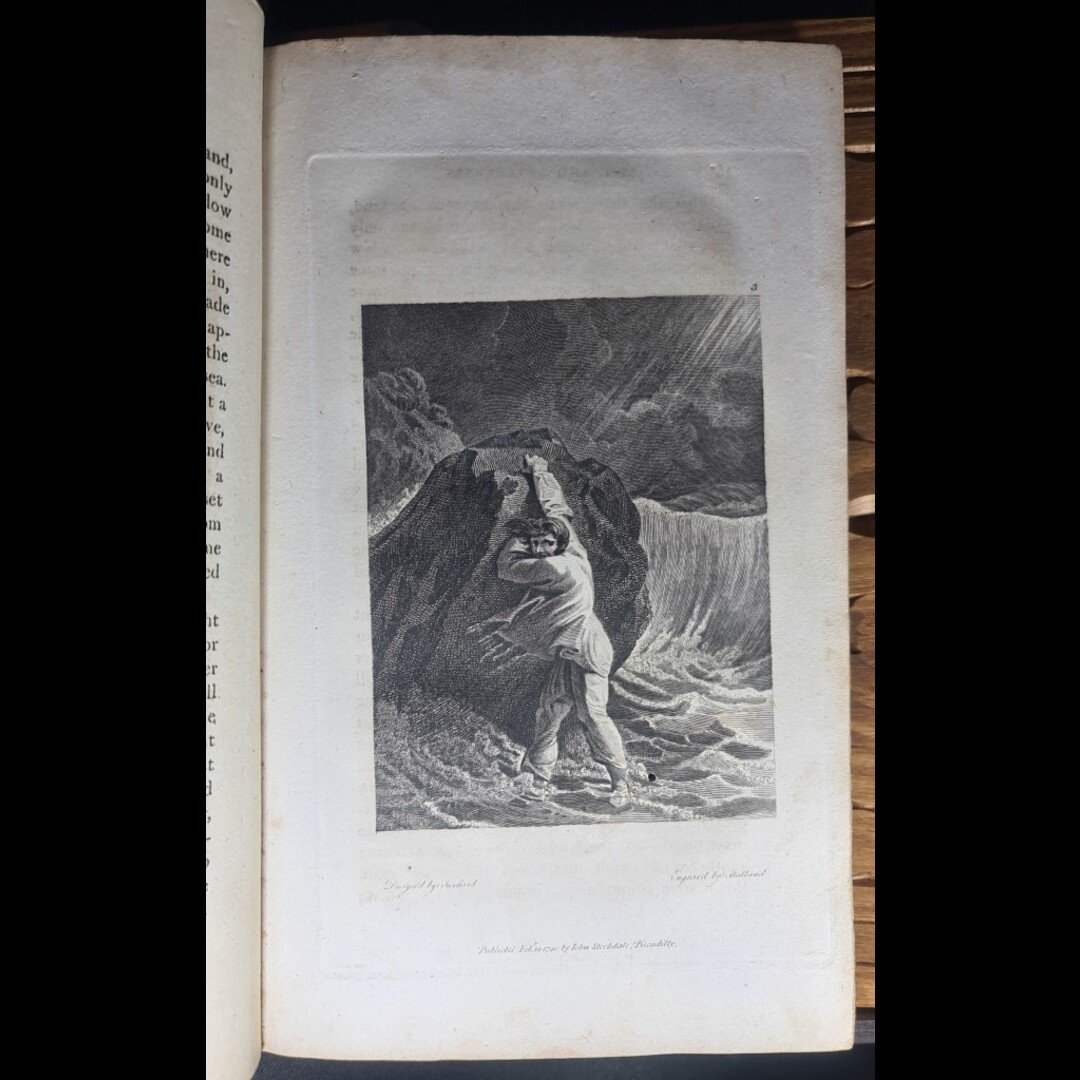
Illustrated By: Daniel Vierge/F. Masse
Daniel Vierge (Daniel Urrabieta y Vierge) (1851–1904)
Spanish-born illustrator who made his career largely in France and became a major figure in late-19th-century book and press illustration. He moved to Paris as a young man and worked for illustrated periodicals (notably Le Monde illustré), producing dynamic reportage drawings and later celebrated literary illustration. He’s often credited with helping “modernise” illustration through new approaches to reproduction and line work that suited mass printing.
F. Massé (Nicolas Frédéric Massé) (b. 1865; dates of death uncertain)
French engraver/etcher—the “F.” on your title page is generally identified as Frédéric (Nicolas Frédéric) Massé, born 4 April 1865. He worked as an aquafortiste (etcher) producing reproduction/interpretive engravings after other artists’ designs, and is recorded as a pupil of engravers Gaucherel and Hédouin. His role on your book is exactly that: translating Vierge’s design into a copper-plate engraving.
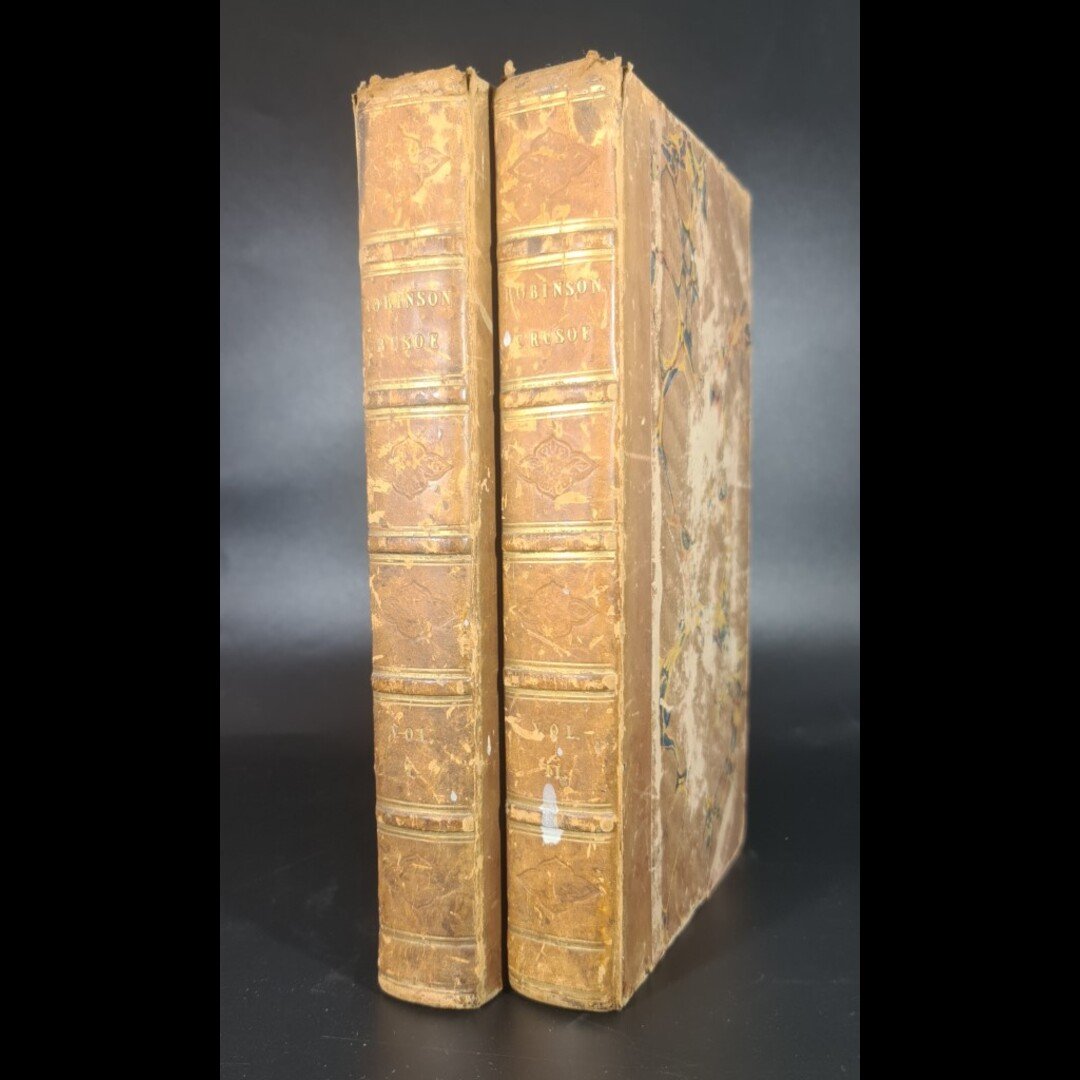
Format: Hardcover, Royal octavo (8vo 6+1⁄4 × 10 159 × 254),Pages 365
Language: English
Dust Jacket: No Jacket, Dust Jacket Condition: No Jacket
Published By: Charles Carrington (Librairie des Bibliophiles), Paris
Synopsis: A classic slice of late-nineteenth-century medicalised “curiosa” history: Cabanès—physician, popular historian, and virtuoso of the anecdotal—recasts famous episodes and personalities through the lens of pathology, anatomy, forensic detail, and court scandal. The result is a book that reads like a cabinet of medico-historical oddities: part cultural history, part body-history, part behind-the-scenes gossip of power.
The contents range widely across French (and adjacent) historical theatre: royal physicians and court medicine; bodily relics and post-mortem curiosities; clandestine births and obstetric intrigue at Versailles; the guillotine and its mythologies; and extended set-pieces on figures such as Charlotte Corday, Robespierre, and Napoleon. It’s precisely this blend of famous names + bodily intimacy + macabre/forensic texture that gives the book its enduring shelf-pull for collectors of Carrington, medical history, and fin-de-siècle “forbidden-adjacent” literature.
Note on the companion issue: the index explains that references marked “F” point to a separately issued giveaway pamphlet/article, “Flagellation in France,” supplied with the book at the time. That companion is not present / not bound in here.
SKU: BTETM0002718
Approximate Package Dimensions H: 12.5, L: 30, W: 25 (Units: cm), W: 2Kg
1898 ,
CURIOUS BYPATHS OF HISTORY
Being Medico-Historical Studies and Observations
By Dr Cabanes
French physician, historian, and popular writer best known for turning “medical mysteries” and bodily detail into highly readable history. Trained in Bordeaux and Paris, he worked as a doctor and became famous for books that explore the health, habits, deaths, and scandals of notable historical and literary figures. He also founded La Chronique médicale (1894), a journal devoted to the medical lives of famous people.
Illustrated By: Daniel Vierge/F. Masse
Daniel Vierge (Daniel Urrabieta y Vierge) (1851–1904)
Spanish-born illustrator who made his career largely in France and became a major figure in late-19th-century book and press illustration. He moved to Paris as a young man and worked for illustrated periodicals (notably Le Monde illustré), producing dynamic reportage drawings and later celebrated literary illustration. He’s often credited with helping “modernise” illustration through new approaches to reproduction and line work that suited mass printing.
F. Massé (Nicolas Frédéric Massé) (b. 1865; dates of death uncertain)
French engraver/etcher—the “F.” on your title page is generally identified as Frédéric (Nicolas Frédéric) Massé, born 4 April 1865. He worked as an aquafortiste (etcher) producing reproduction/interpretive engravings after other artists’ designs, and is recorded as a pupil of engravers Gaucherel and Hédouin. His role on your book is exactly that: translating Vierge’s design into a copper-plate engraving.
Format: Hardcover, Royal octavo (8vo 6+1⁄4 × 10 159 × 254),Pages 365
Language: English
Dust Jacket: No Jacket, Dust Jacket Condition: No Jacket
Published By: Charles Carrington (Librairie des Bibliophiles), Paris
Synopsis: A classic slice of late-nineteenth-century medicalised “curiosa” history: Cabanès—physician, popular historian, and virtuoso of the anecdotal—recasts famous episodes and personalities through the lens of pathology, anatomy, forensic detail, and court scandal. The result is a book that reads like a cabinet of medico-historical oddities: part cultural history, part body-history, part behind-the-scenes gossip of power.
The contents range widely across French (and adjacent) historical theatre: royal physicians and court medicine; bodily relics and post-mortem curiosities; clandestine births and obstetric intrigue at Versailles; the guillotine and its mythologies; and extended set-pieces on figures such as Charlotte Corday, Robespierre, and Napoleon. It’s precisely this blend of famous names + bodily intimacy + macabre/forensic texture that gives the book its enduring shelf-pull for collectors of Carrington, medical history, and fin-de-siècle “forbidden-adjacent” literature.
Note on the companion issue: the index explains that references marked “F” point to a separately issued giveaway pamphlet/article, “Flagellation in France,” supplied with the book at the time. That companion is not present / not bound in here.
SKU: BTETM0002718
Approximate Package Dimensions H: 12.5, L: 30, W: 25 (Units: cm), W: 2Kg

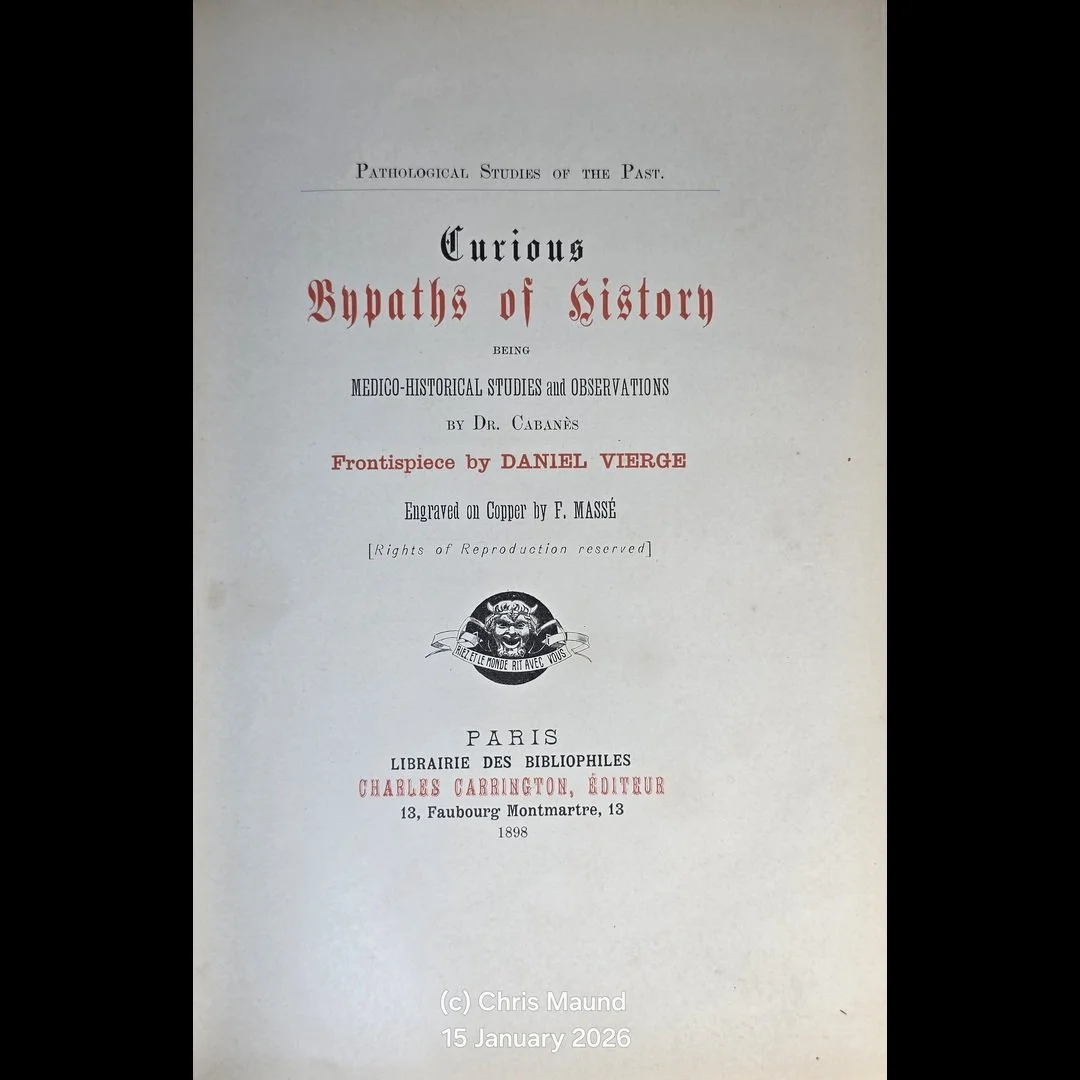 Image 1 of 20
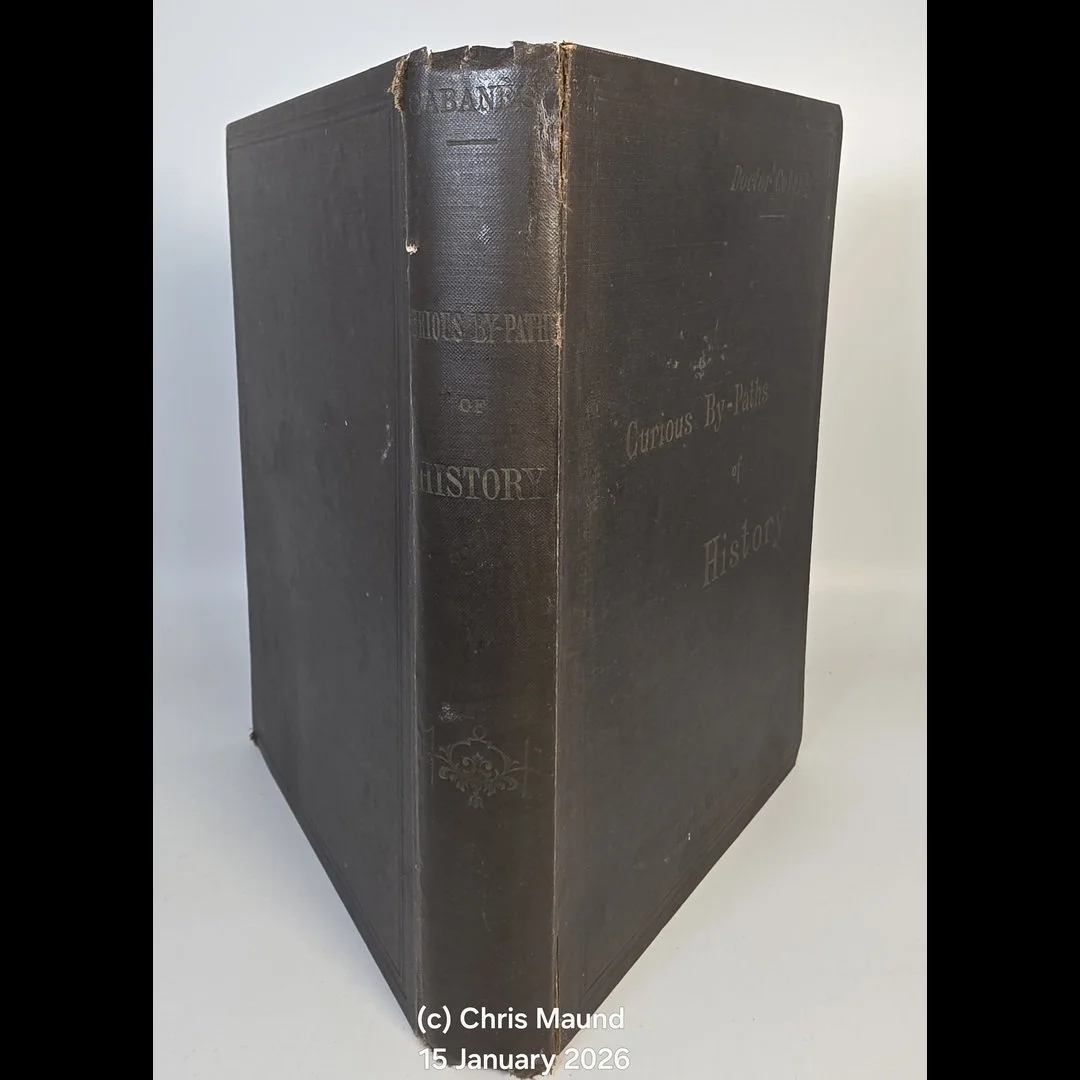 Image 2 of 20
 Image 3 of 20
 Image 4 of 20
 Image 5 of 20
 Image 6 of 20
 Image 7 of 20
 Image 8 of 20
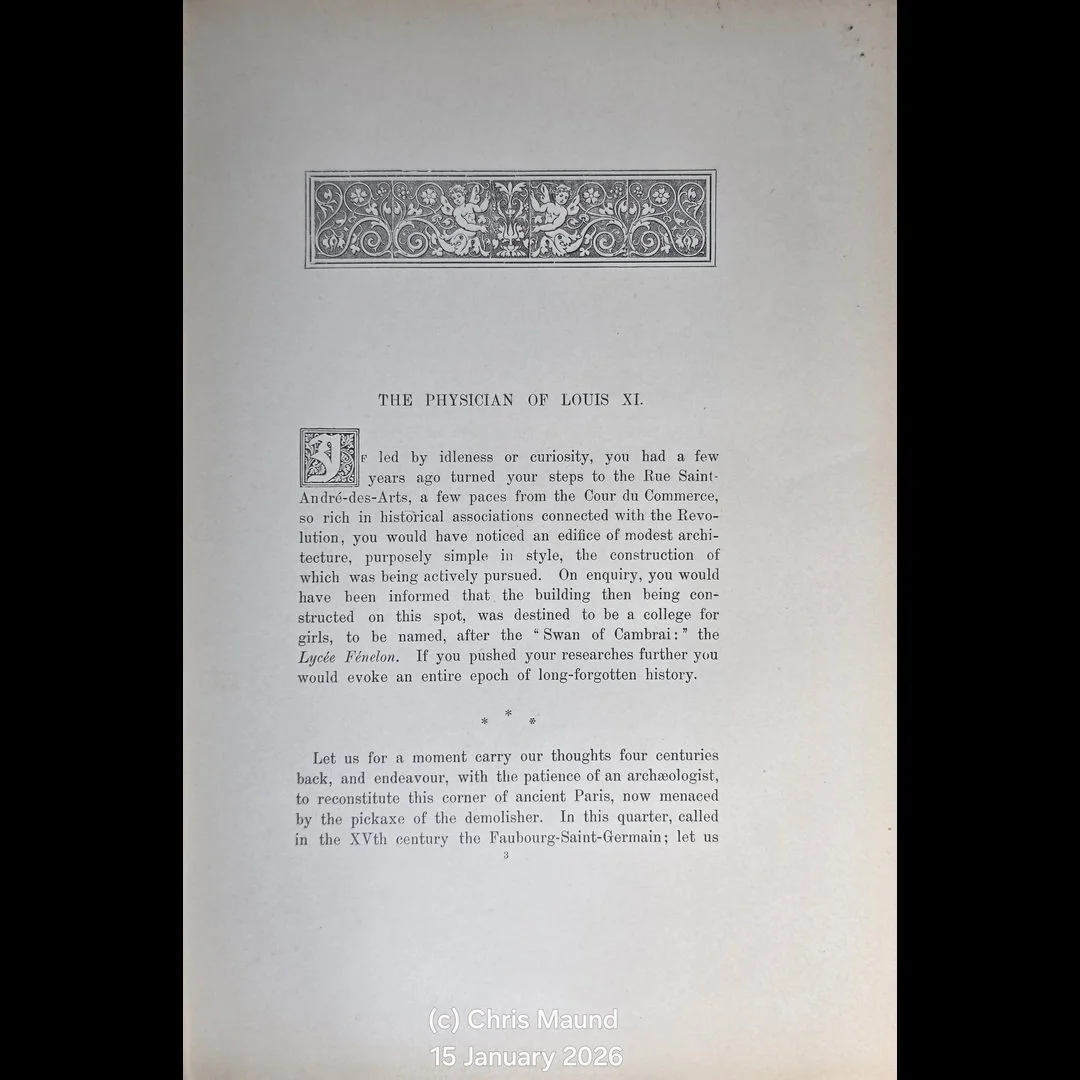 Image 9 of 20
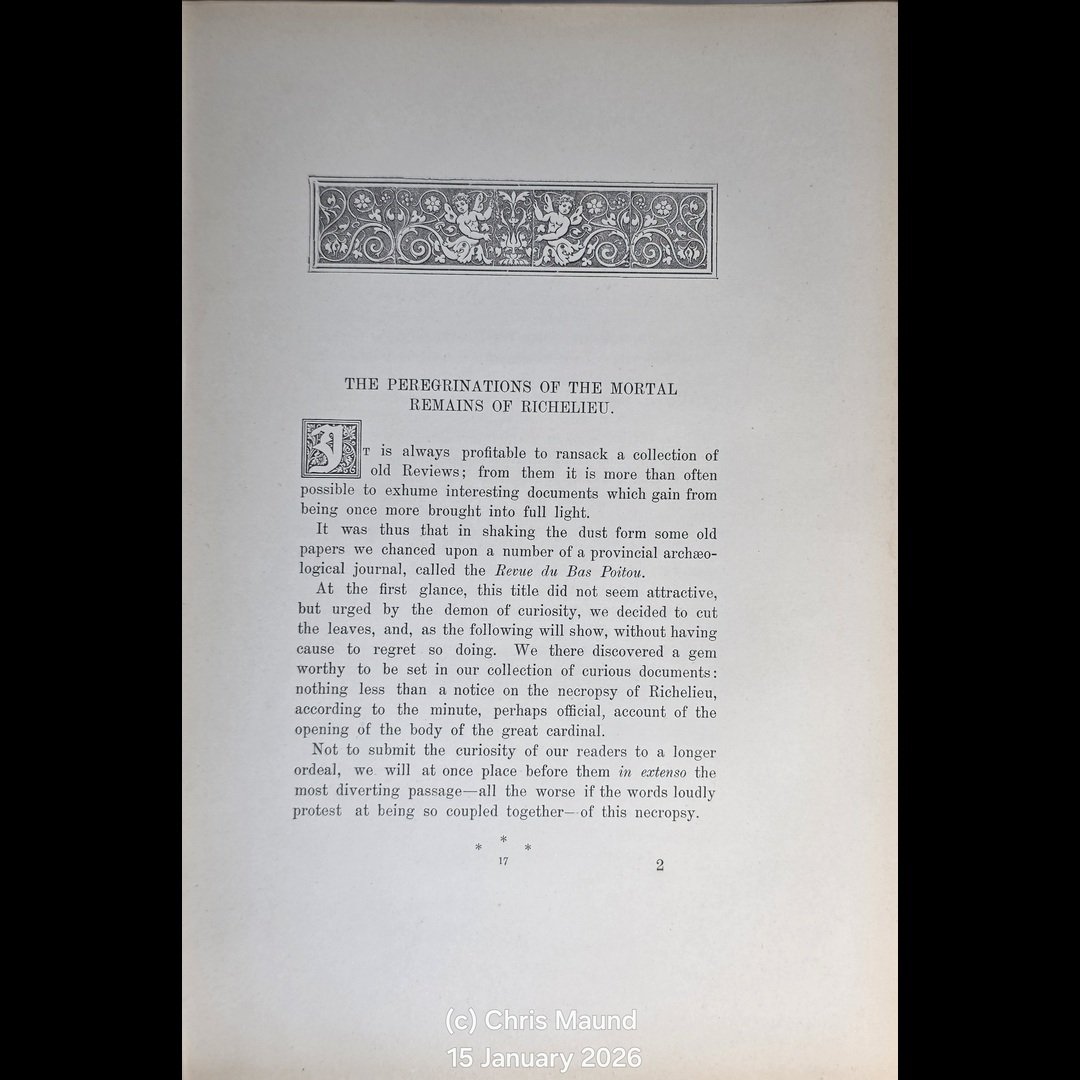 Image 10 of 20
 Image 11 of 20
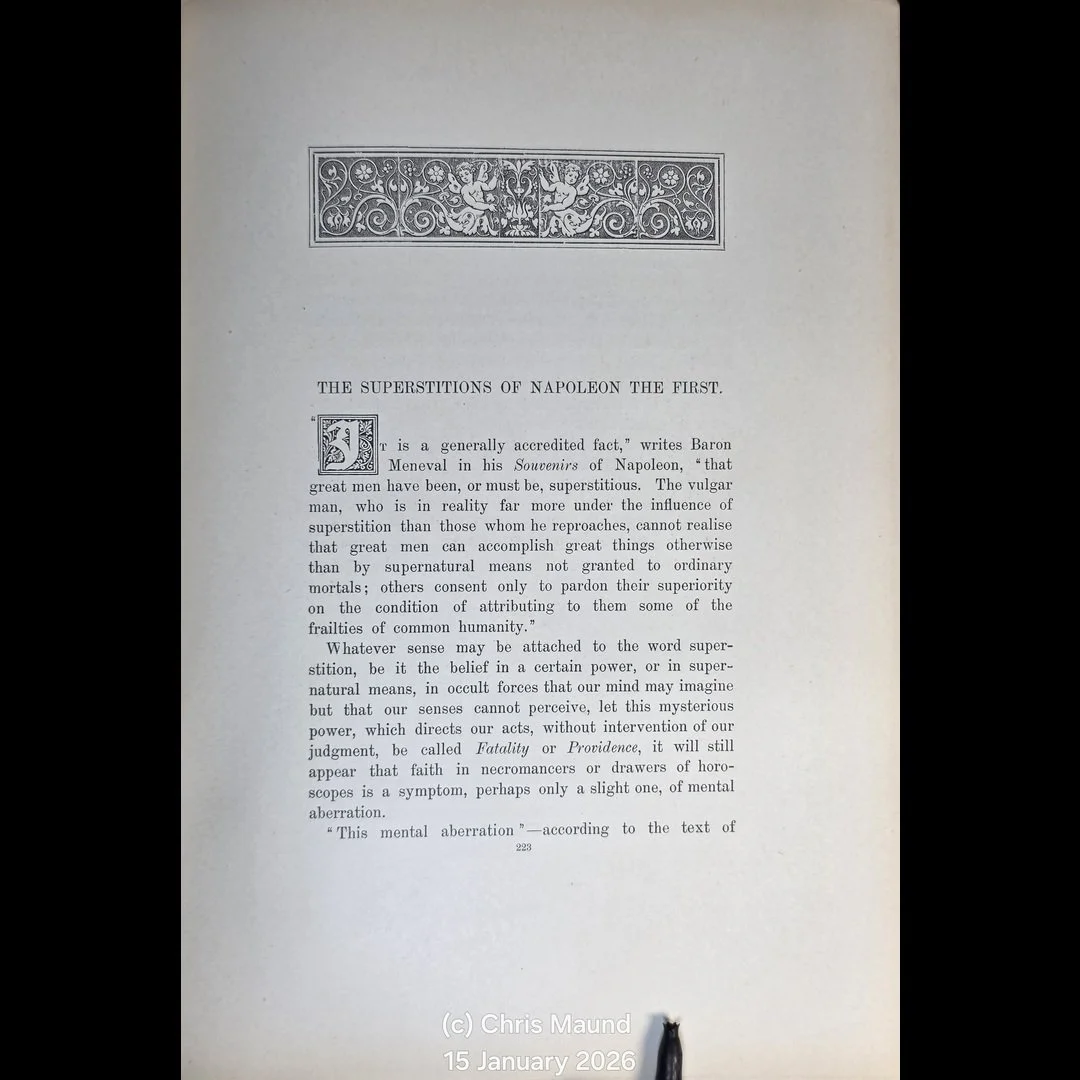 Image 12 of 20
 Image 13 of 20
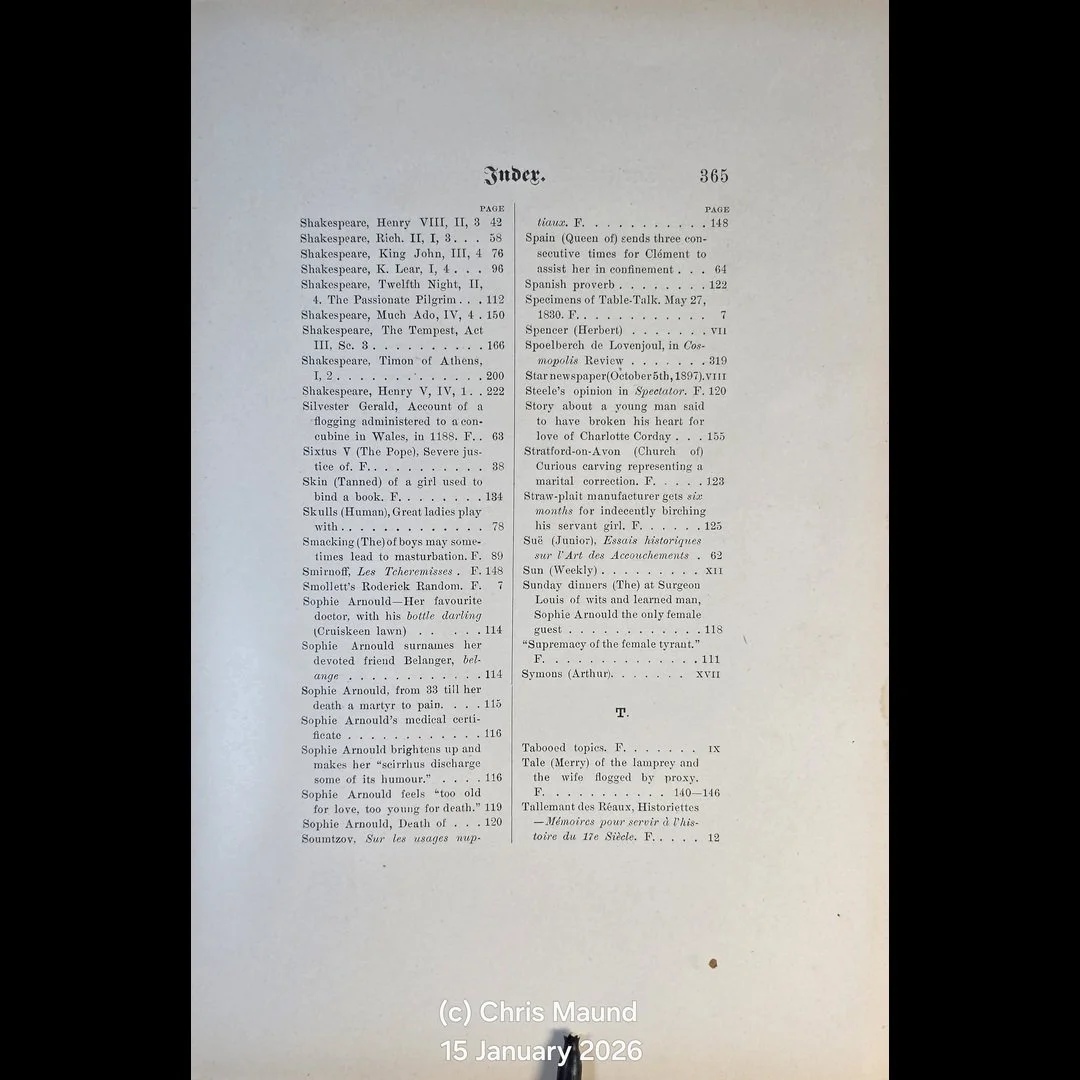 Image 14 of 20
 Image 15 of 20
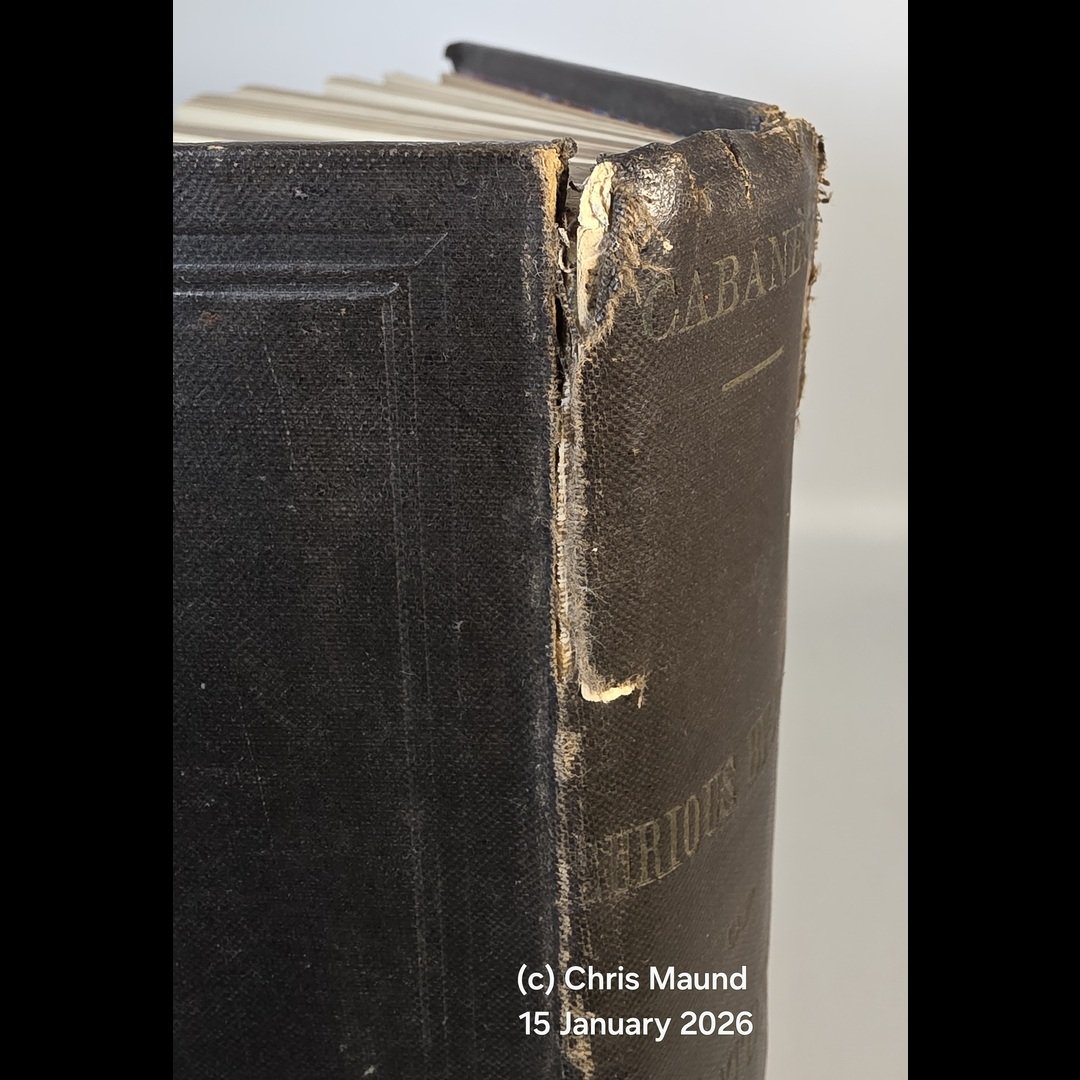 Image 16 of 20
 Image 17 of 20
 Image 18 of 20
 Image 19 of 20
 Image 20 of 20