1968 First Edition
SETTING FREE THE BEARS
By John Irving
KEY DETAILS
Condition: Very Good
Format: Hardcover, 8vo; approx. 217 x 148 mm
Published By: Random House, New York, 1968
Language: English
Collation: pp. [10], 335, [1] (About the Author)
Dust Jacket: Yes, Very Good
SKU: BTETM0002745
Shipping Info: Approximate Package Dimensions H: 15, L: 30, W: 25 (Units: cm), W: 2Kg
Tracked Shipping, Insurance Coverage as per Customer Request
DESCRIPTION
Setting Free the Bears
A first edition, first printing of John Irving's debut novel, published by Random House in New York in 1968, retaining its original, unclipped first-issue dust jacket.
Setting Free the Bears occupies an important place in twentieth-century American literature as the first published novel of John Irving (1942–), whose subsequent career established him among the most recognisable American novelists of his generation.
Published in 1968, a decade before Irving achieved widespread international recognition with The World According to Garp (1978), the novel introduced many of the distinctive themes and narrative characteristics that would become hallmarks of his mature fiction: eccentric and unconventional characters, the collision of comedy and tragedy, preoccupations with mortality and historical memory, and the unpredictable consequences of human intentions.
Set in Austria, the novel follows two young men travelling through the countryside on a motorcycle, whose increasingly improbable adventures culminate in a plan to liberate the animals of Vienna's Hietzinger Zoo. Beneath its apparently whimsical premise, Irving develops a darker meditation on freedom, captivity, historical trauma and the persistent shadow of the Second World War.
The novel's Austrian setting reflects Irving's personal familiarity with Vienna, where he studied during the early 1960s. Its historical and geographical context also distinguishes it from much of his later fiction, while anticipating his continuing interest in European settings and the influence of history upon individual lives.
Particularly notable is the prominent role of bears, which would become a recurring motif in Irving's subsequent novels, often embodying vulnerability, strength, confinement and the uneasy relationship between the human and animal worlds.
The motorcycle journey gives the narrative much of its energy and unconventional character. Irving's own experience of motorcycling is acknowledged in the contemporary biographical note printed at the end of the book, providing an intriguing personal connection between the author and his fictional protagonists.
Although the novel did not achieve the commercial success of Irving's later works, it is significant as the beginning of a literary career that would encompass numerous bestselling novels, major literary awards and successful film adaptations.
For collectors of modern American literature, Setting Free the Bears represents an important author's first book, particularly desirable in its original first printing and accompanied by the correct first-issue dust jacket.
The present copy retains both of these essential collecting features, together with its original publisher's binding and red-stained upper page edges.
First Edition and Issue Identification
This copy is the first American edition, first printing, published by Random House, New York, in 1968.
The copyright page explicitly states First Printing, providing direct confirmation of its printing status.
The original illustrated dust jacket retains the publisher's printed price of $5.95 on the front flap. The lower rear flap bears the printed code 1/69, a recognised point identifying the first-issue dust jacket.
The combination of the stated first printing, original binding and correctly coded, unclipped dust jacket establishes this as a first printing in its first-issue jacket.
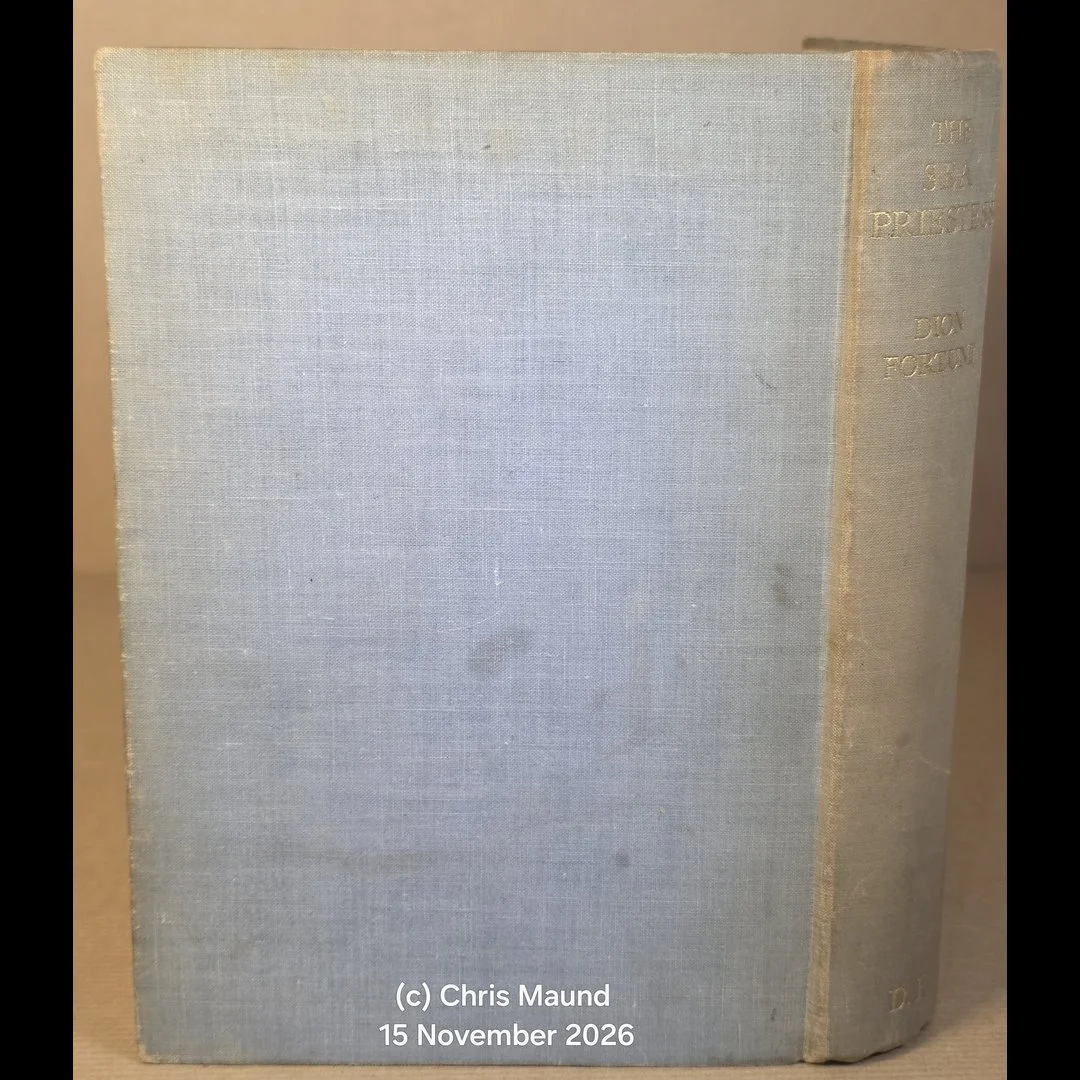
The book is bound in the publisher's red cloth-backed boards, with gilt lettering to the spine and red-stained upper page edges.
Two original binding variants are recorded: red cloth-backed boards and full red cloth. No established priority has been demonstrated between these variants, and the present copy represents the cloth-backed issue.
The text concludes on numbered page 335, followed by an unnumbered page headed About the Author.
This final biographical note is of particular interest, describing Irving's education in the United States and Austria, his academic appointment at Windham College, Vermont, and his varied earlier occupations, including work as a motorcyclist.
It also records that Irving was then working on his second novel, providing a contemporary glimpse of the author before his emergence as an internationally successful novelist.
The presence of the original dust jacket is especially important for collectability. As with many twentieth-century literary first editions, copies retaining their correct jackets are generally more desirable than unjacketed examples.
CONDITION, COLLATION & COPY NOTES
COLLATION
pp. [10], 335, [1] (About the Author)
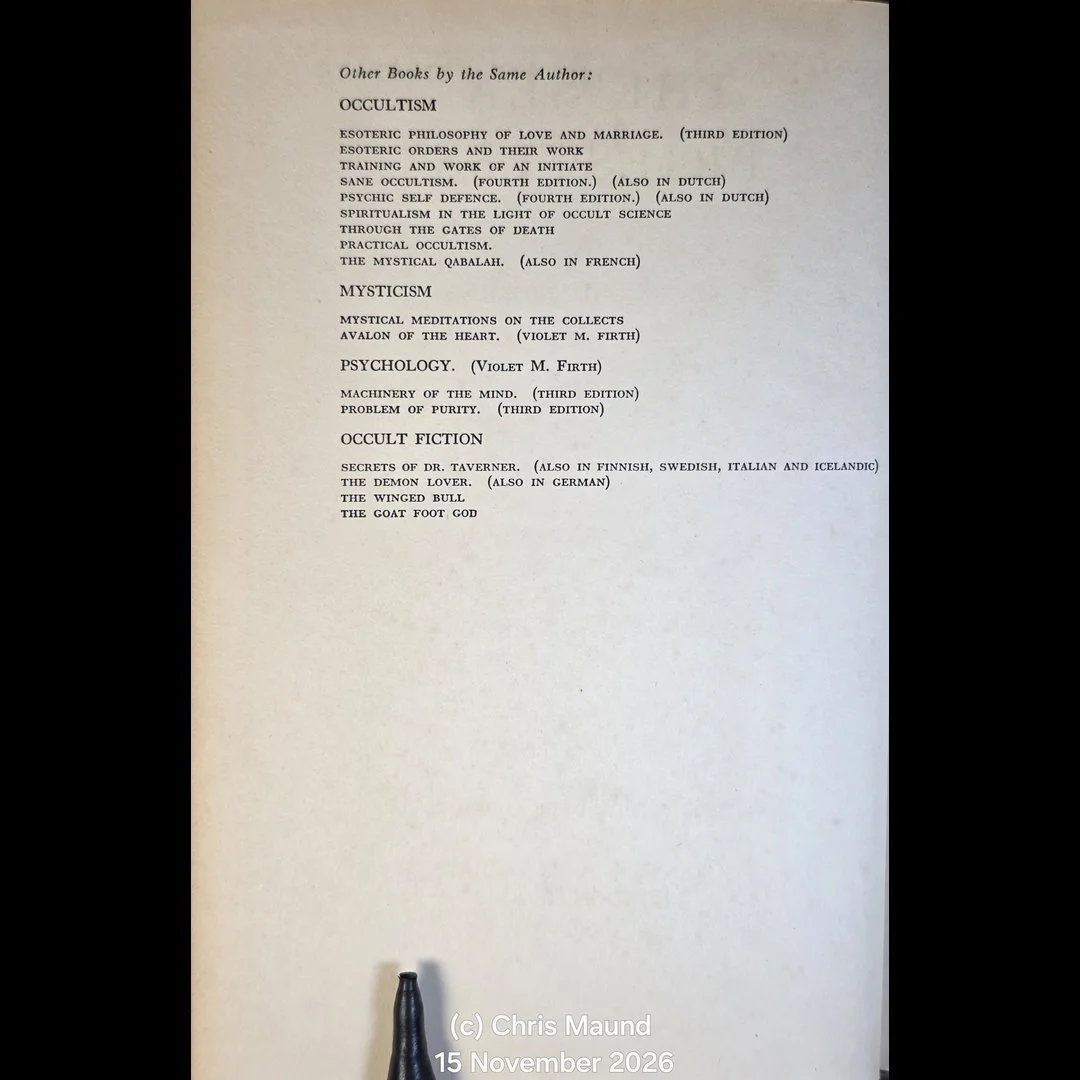
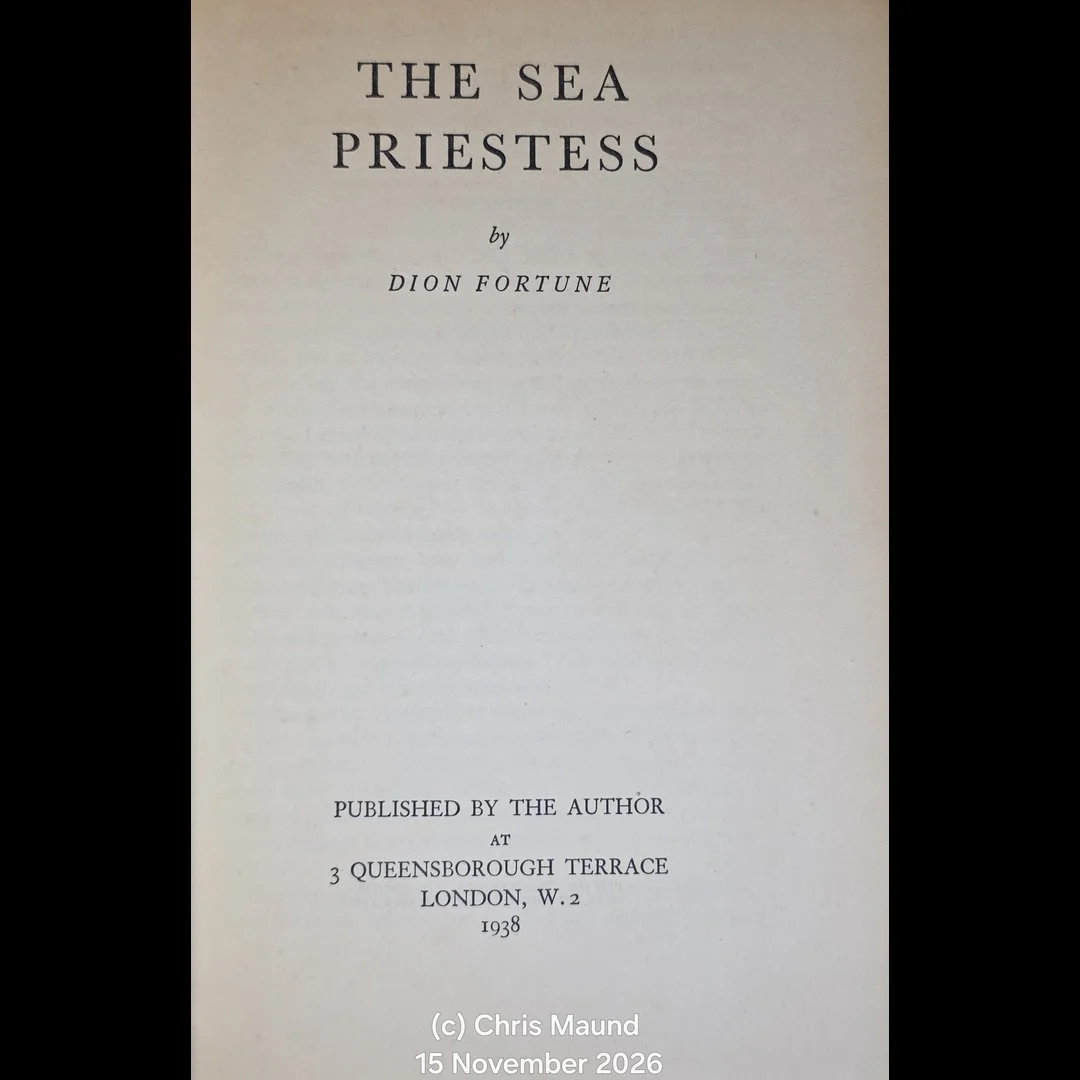
Ten preliminary pages, followed by 335 numbered pages of text and an additional unnumbered author biography.
The numbered text concludes on page 335 beneath the heading Congratulations to All You Survivors!, followed by the separately printed About the Author page.
The pagination has been checked against the expected bibliographical arrangement of the 1968 Random House edition.
The preliminary material and concluding pages have been examined, with no indication of missing material in the photographed portions.
Very Good.
Book: Very Good+
Dust Jacket: Very Good
An attractive example of Irving's first novel, retaining its original publisher's binding and correctly identified, unclipped first-issue dust jacket.
The internally clean condition, sound binding and survival of the original jacket combine to make this a desirable copy of an important modern American literary first edition.
BINDING
Original publisher's red cloth-backed boards with gilt lettering to the spine, blind-stamped front board and red-stained upper page edges.
The binding presents well, with strong colour and bright gilt lettering. Minor surface marking and light handling wear are present to the boards, consistent with age and careful use.
The red-stained upper page edges retain their original colouring.
The boards are firmly attached and the binding remains sound.
INTERIOR
The interior is particularly clean and well preserved.
The pages display light, generally even age-toning, with crisp printing and clean margins. No significant foxing, staining or annotations have been identified.
The textblock is firmly bound, with no evident structural weakness.
DUST JACKET
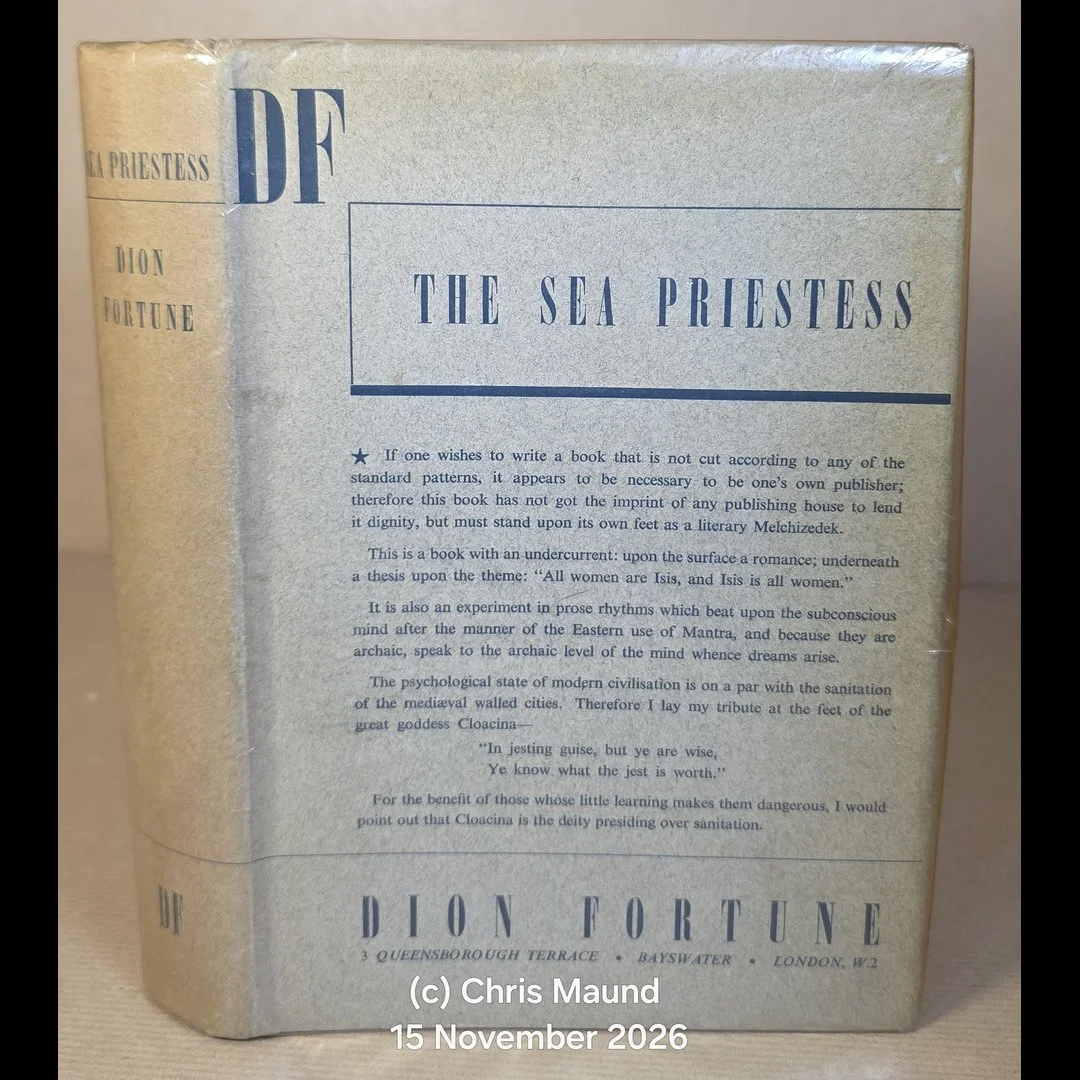
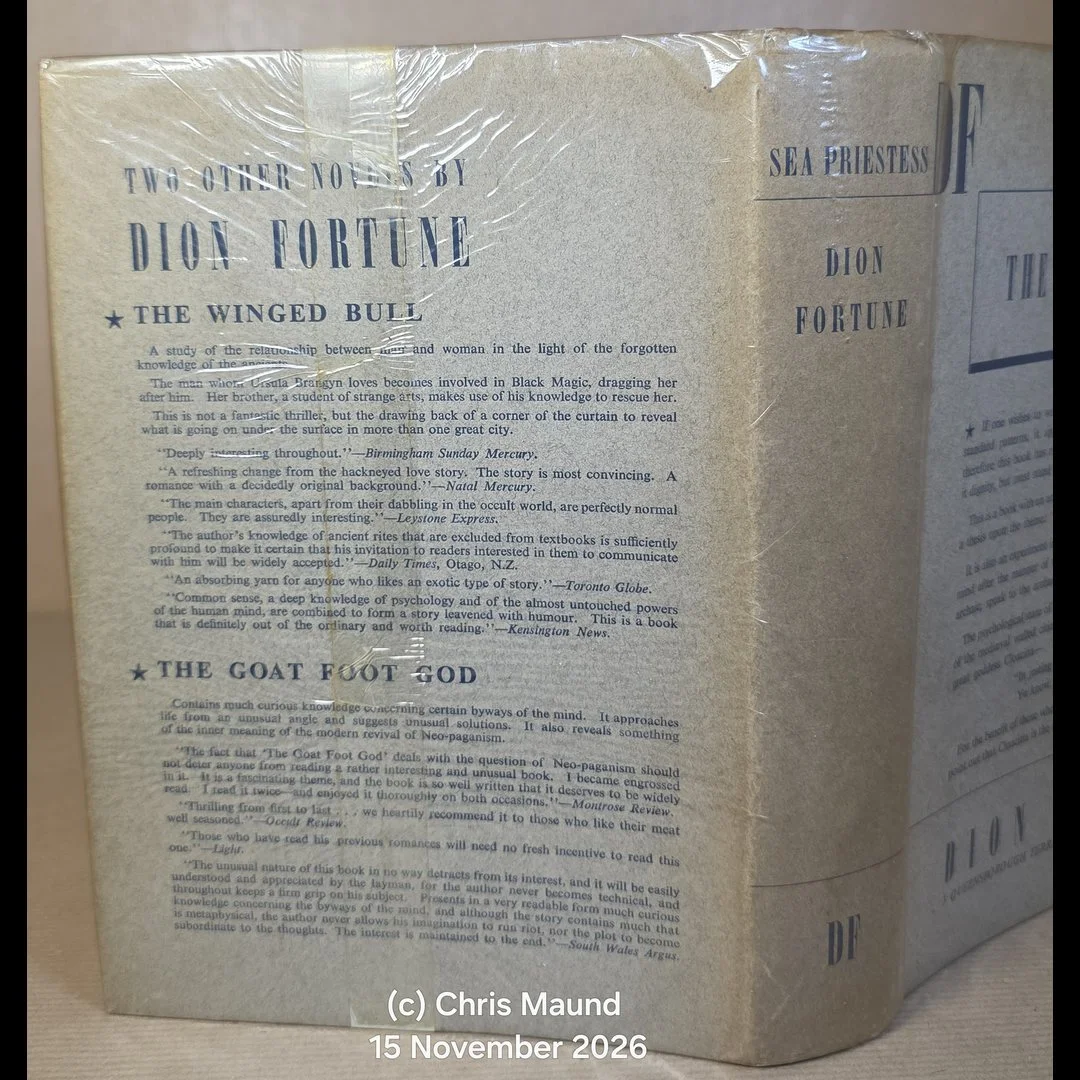
Original first-issue illustrated dust jacket, Very Good, unclipped ($5.95).
The jacket retains its original artwork, with strong colour and an attractive overall appearance.
There is some light rippling to portions of the jacket, together with minor creasing, rubbing and handling wear around the extremities and spine.
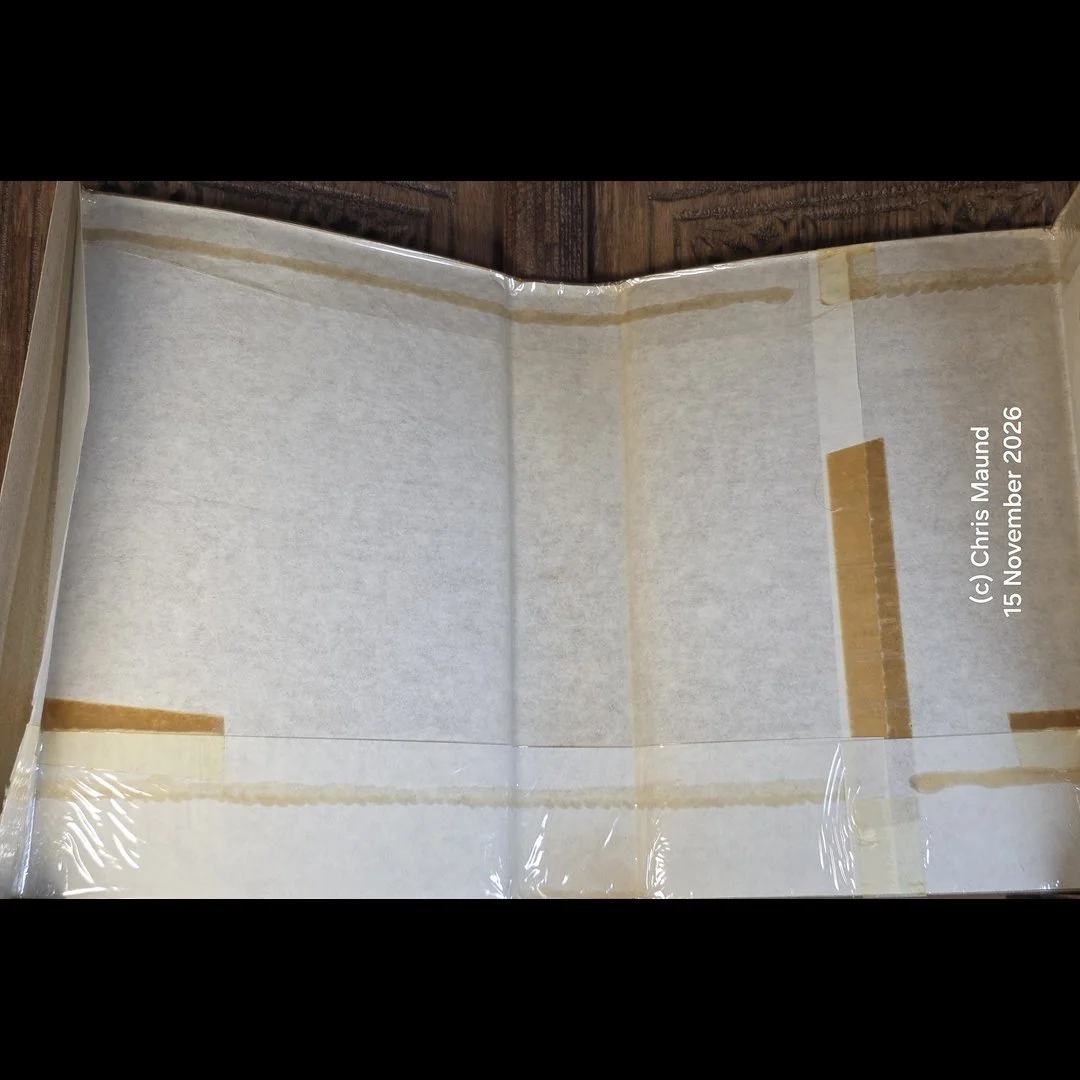
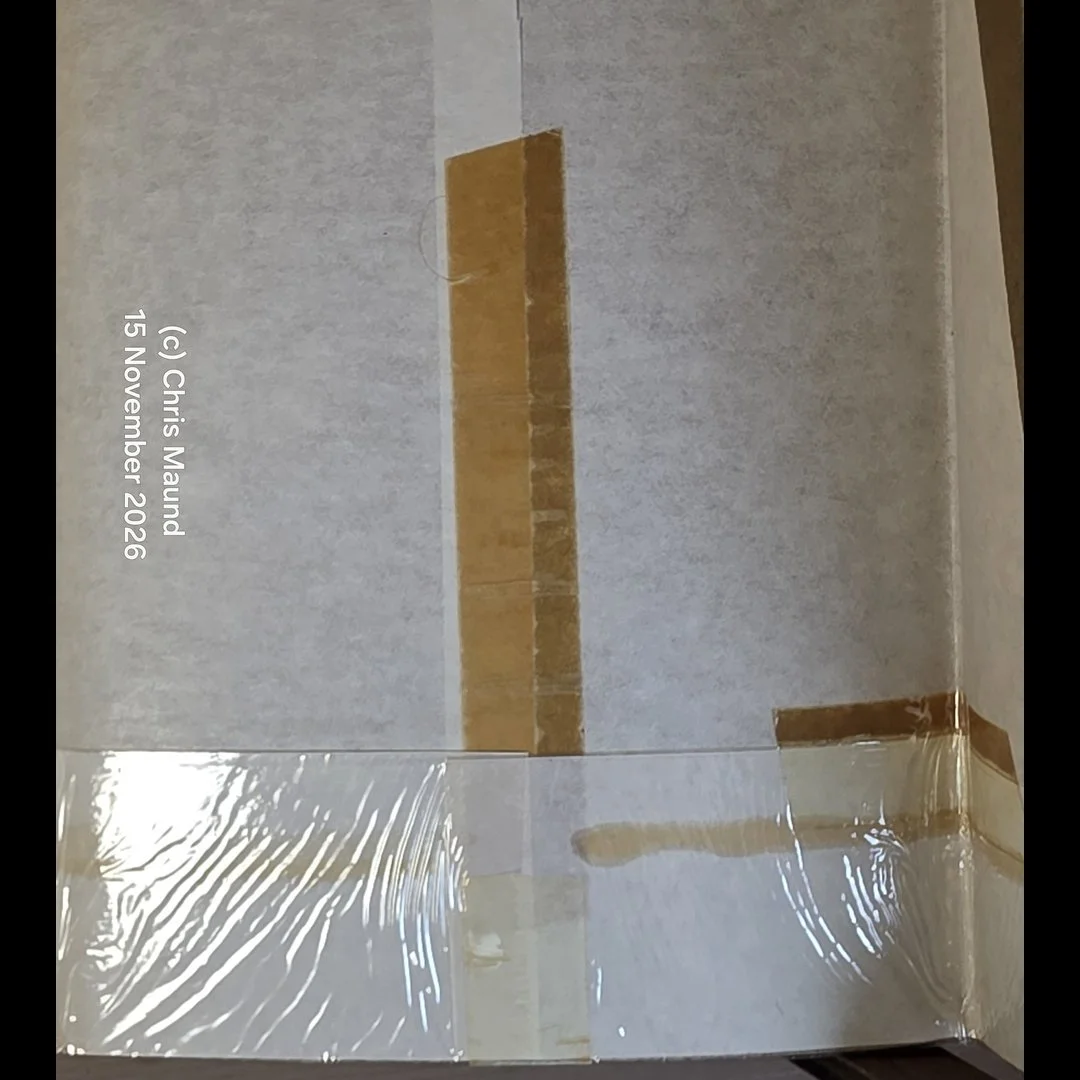
Some marking is present to the interior of the jacket.
No significant tears or paper loss.
The publisher's original $5.95 price remains present on the front flap, and the lower rear flap retains the first-issue code 1/69.
The jacket is housed in a removable clear archival protective sleeve.
Please see photographs as part of the condition report.
REFERENCES
John Irving, Official Website — Setting Free the Bears. Author's synopsis and publication information.
PBA Galleries, Sale 839, Lot 121, 29 May 2025 — Setting Free the Bears. First edition, original cloth-backed boards and first-issue dust jacket, with the 1/69 rear-flap identification point.
PBA Galleries, Sale 868, Lot 144, 23 July 2026 — First printing in the first-issue dust jacket. Comparative bibliographical and condition information.
Charles Agvent / ABAA — Setting Free the Bears, first edition. Discussion of the two original publisher's binding variants and absence of established priority.
Capitol Hill Books, ABAA — Setting Free the Bears, first edition, stated first printing. Bibliographical description recording the red quarter-bound boards, original $5.95 dust jacket and 335-page text.
Type Punch Matrix, New York Antiquarian Book Fair Catalogue, 2023 — Setting Free the Bears. Description recording 335 numbered pages and the additional unnumbered author biography.
Between the Covers Rare Books — John Irving bibliography and first-edition reference information.
SYNOPSIS
John Irving's Setting Free the Bears is an unconventional coming-of-age novel combining motorcycle adventure, dark comedy, historical reflection and an exploration of the relationship between freedom and captivity.
Set principally in Austria during 1967, the story follows two young university students, Hannes Graff and Siegfried 'Siggy' Javotnik, who embark upon an improvised journey through the Austrian countryside on a motorcycle.
The journey initially unfolds as a series of humorous and occasionally absurd encounters, with the two protagonists developing an increasingly unusual friendship. Their different personalities create a comic contrast: Graff is comparatively cautious and observant, while Siggy is impulsive, imaginative and preoccupied with grand ideas.
As their travels progress, Siggy becomes obsessed with the idea of freeing the animals held captive in Vienna's Hietzinger Zoo, particularly its bears.
The plan acquires a symbolic significance extending far beyond the immediate question of animal welfare. For Siggy, the zoo represents the restriction of natural freedom, while its inhabitants become emblems of those subjected to confinement, persecution and the arbitrary exercise of power.
The novel's central narrative is interrupted by Siggy's written account of his family history and his investigation of the zoo.
These passages introduce a darker historical dimension, exploring the experience of Austria under National Socialism and the consequences of the Second World War. The relationship between the historical experiences of human beings and the confinement of animals becomes an important element in the novel's treatment of liberation and captivity.
The structure creates a deliberate contrast between youthful idealism and historical reality, between the apparent innocence of the protagonists' intentions and the possibility of tragic consequences.
The eventual attempt to liberate the animals brings these tensions to a head, exposing the gulf between abstract principles and their practical implementation.
Irving combines a frequently comic narrative voice with abrupt moments of violence and loss, anticipating the distinctive mixture of humour, pathos and tragedy that would characterise much of his subsequent fiction.
The novel also makes considerable use of the symbolism of the motorcycle. The protagonists' travels suggest independence and freedom of movement, yet their journey is repeatedly disrupted by events beyond their control.
Bears occupy an equally important symbolic position, representing both the physical power of the natural world and the vulnerability imposed by captivity.
As Irving's first novel, Setting Free the Bears is particularly revealing of the development of his literary imagination. Its unconventional narrative structure, interwoven histories, eccentric protagonists and preoccupation with the consequences of human action all anticipate important elements of his later work.
Although less widely read than his bestselling novels, it remains an ambitious and distinctive debut, combining elements of the European picaresque tradition with the concerns of post-war American fiction.
AUTHOR BIO
John Winslow Irving (born 1942) is an American novelist and screenwriter, widely recognised for his elaborate narratives, eccentric characters, dark humour and recurring exploration of family relationships, identity, mortality and the unpredictable nature of human experience.
Born in Exeter, New Hampshire, Irving attended Phillips Exeter Academy before studying at the University of Pittsburgh and spending time in Vienna, Austria. He subsequently graduated from the University of New Hampshire and studied at the University of Iowa Writers' Workshop.
His experiences in Austria would provide an important influence on his first novel, Setting Free the Bears, published by Random House in 1968.
At the time of its publication, Irving was teaching English at Windham College in Vermont. The contemporary author biography printed in the first edition describes his varied earlier employment, including work as an orchardman, bartender, motorcyclist, translator and wrestling referee.
These diverse experiences would contribute to the unusual settings, occupations and physical activities that frequently appear throughout his fiction.
Irving followed Setting Free the Bears with The Water-Method Man (1972) and The 158-Pound Marriage (1974), before achieving major commercial and critical success with The World According to Garp (1978).
The latter novel brought Irving international recognition and won the National Book Award in 1980. Its success established him as a major figure in contemporary American literature.
Subsequent novels included The Hotel New Hampshire (1981), The Cider House Rules (1985), A Prayer for Owen Meany (1989), A Son of the Circus (1994), A Widow for One Year (1998) and The Fourth Hand (2001).
His fiction frequently features unconventional families, displaced or marginalised individuals, wrestling, animals, accidents and the unexpected consequences of apparently ordinary events.
Irving has also maintained an active involvement in the adaptation of his work for film. He received the Academy Award for Best Adapted Screenplay in 2000 for The Cider House Rules, based on his own novel.
His work has been translated into numerous languages and has attracted a substantial international readership.
Irving's distinctive fictional world combines the comic and the tragic, often exploring the effects of loss, memory and historical circumstance upon individual lives.
Setting Free the Bears represents the beginning of this literary development. Its Austrian setting, motorcycle adventures, recurring animal imagery and mixture of humour and tragedy reveal many of the concerns that would become central to his mature novels.
As his first published book, it remains an important and collectible landmark in his literary career.

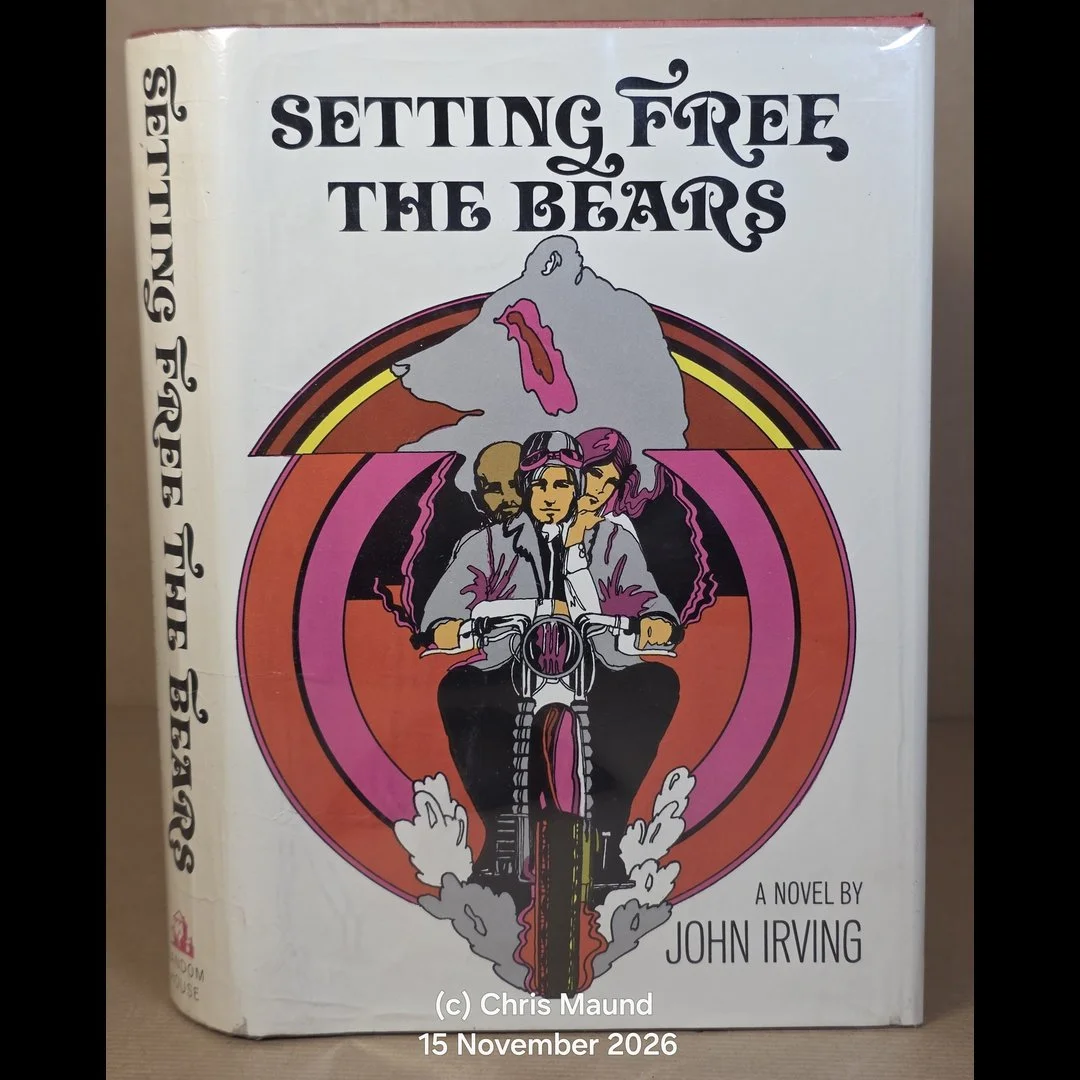 Image 1 of 22
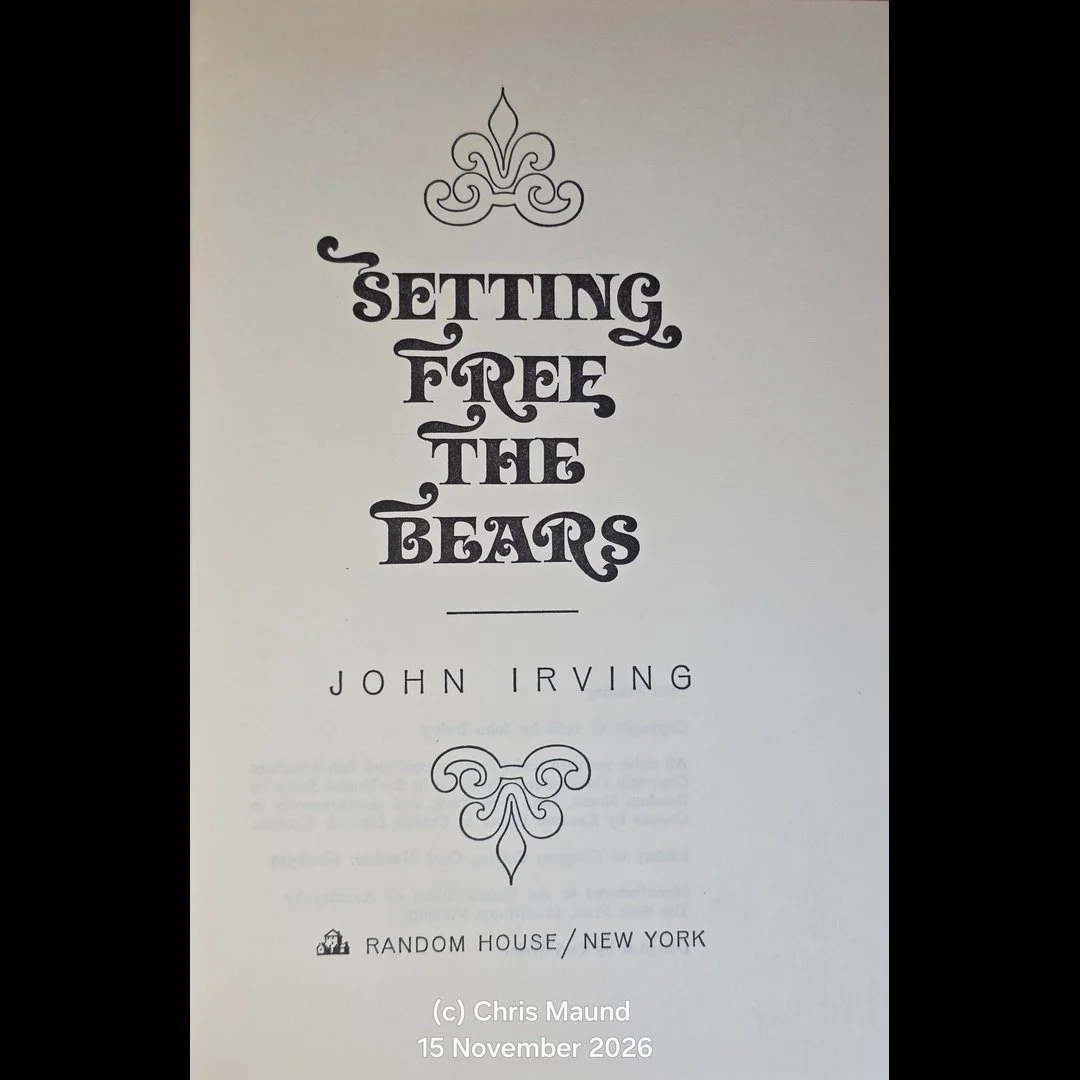 Image 2 of 22
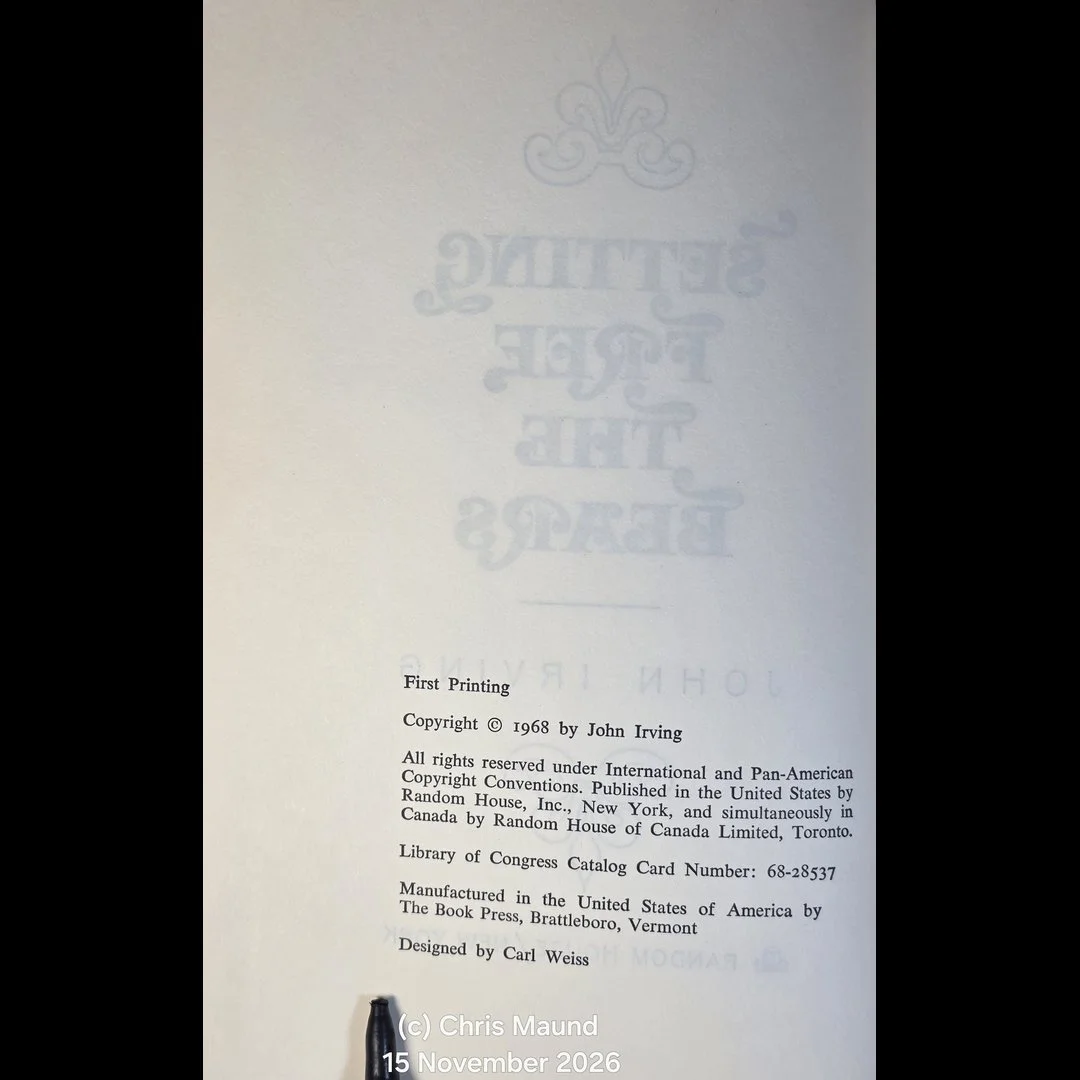 Image 3 of 22
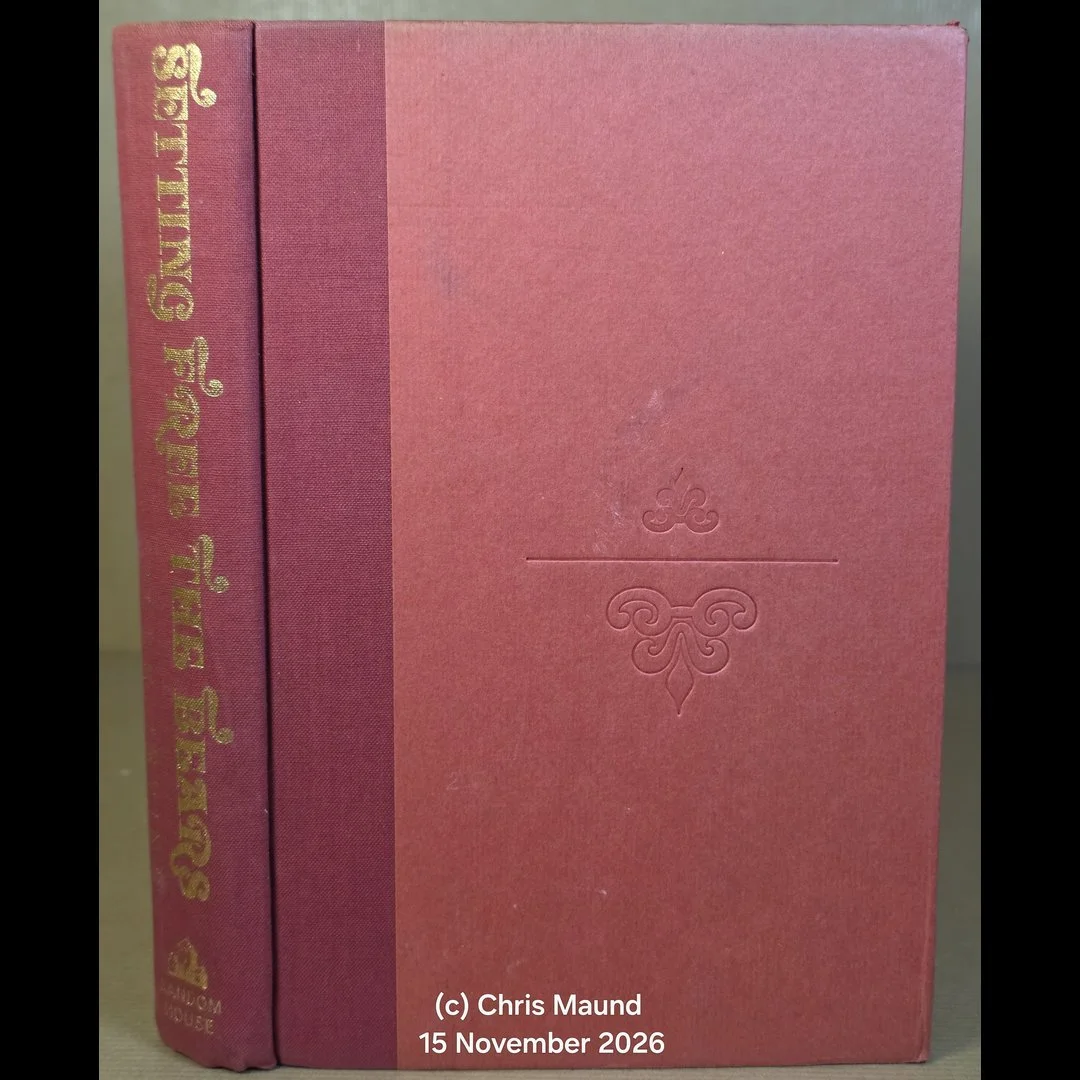 Image 4 of 22
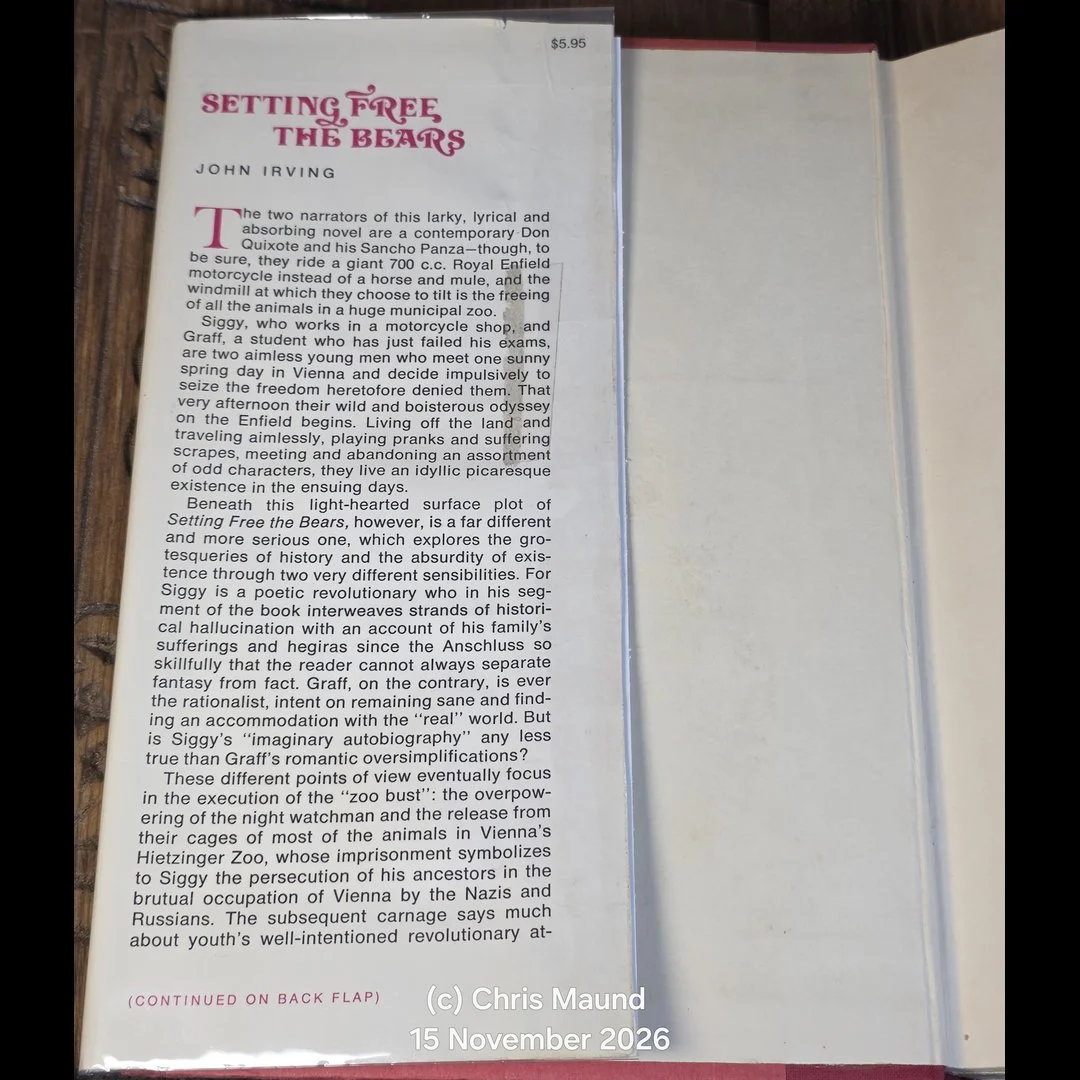 Image 5 of 22
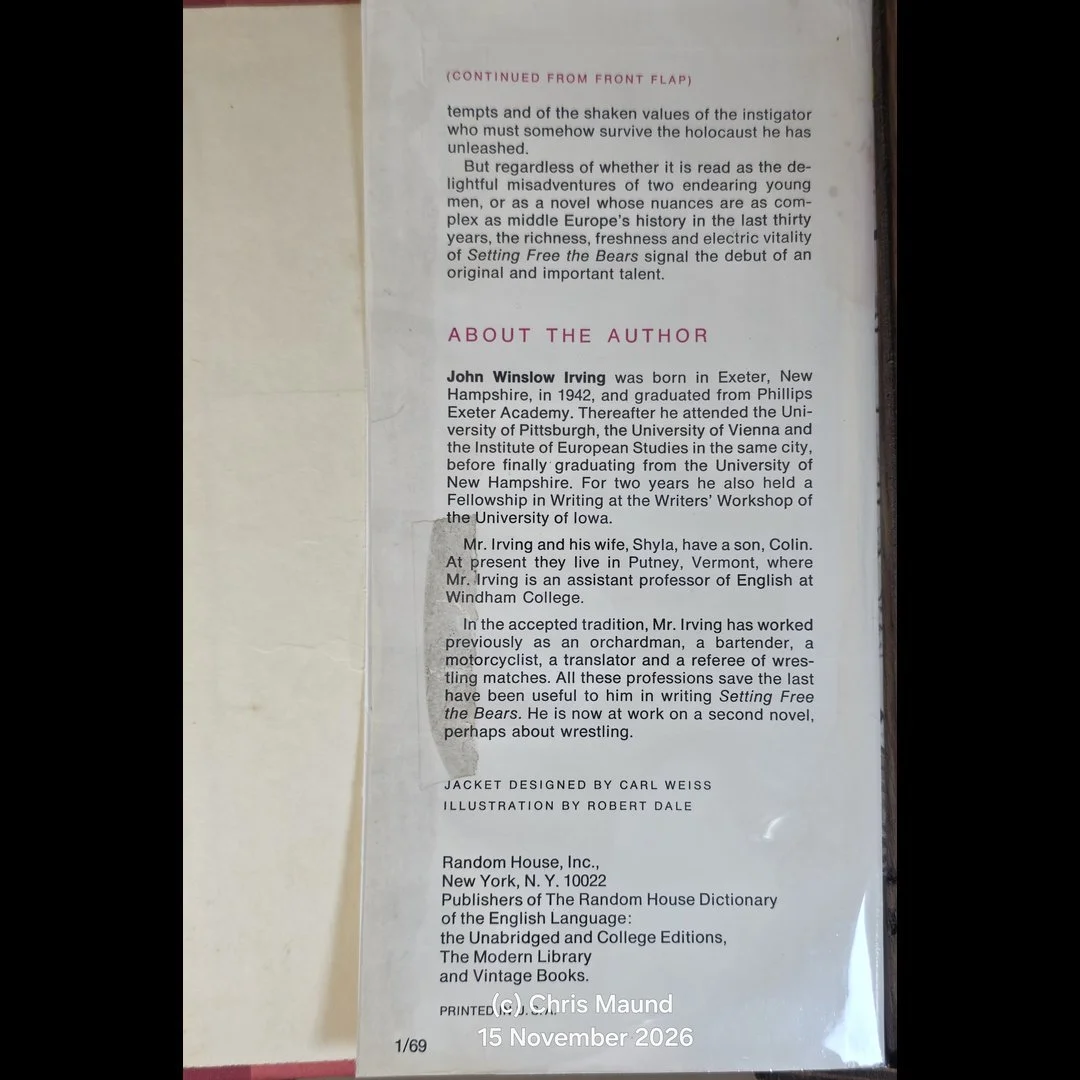 Image 6 of 22
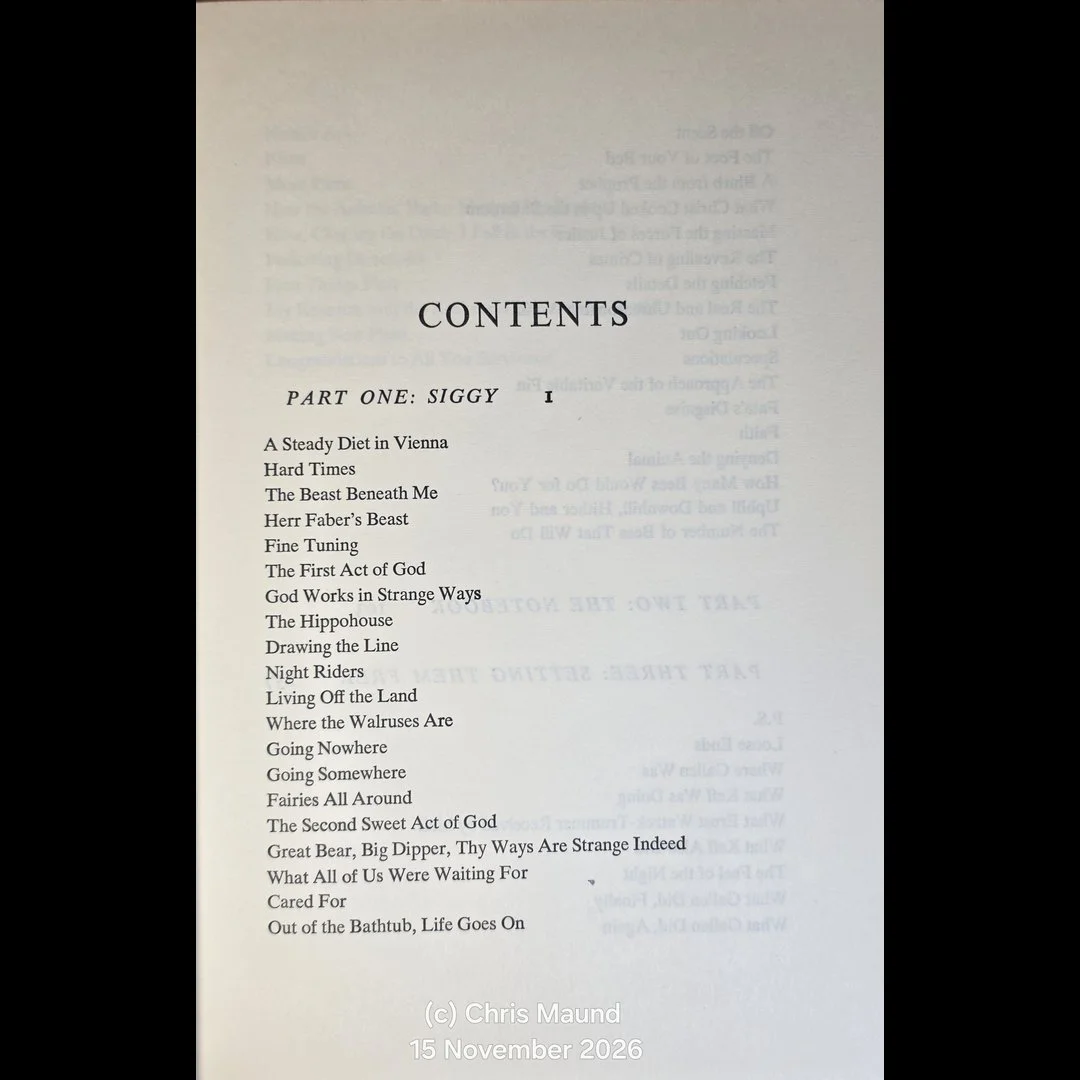 Image 7 of 22
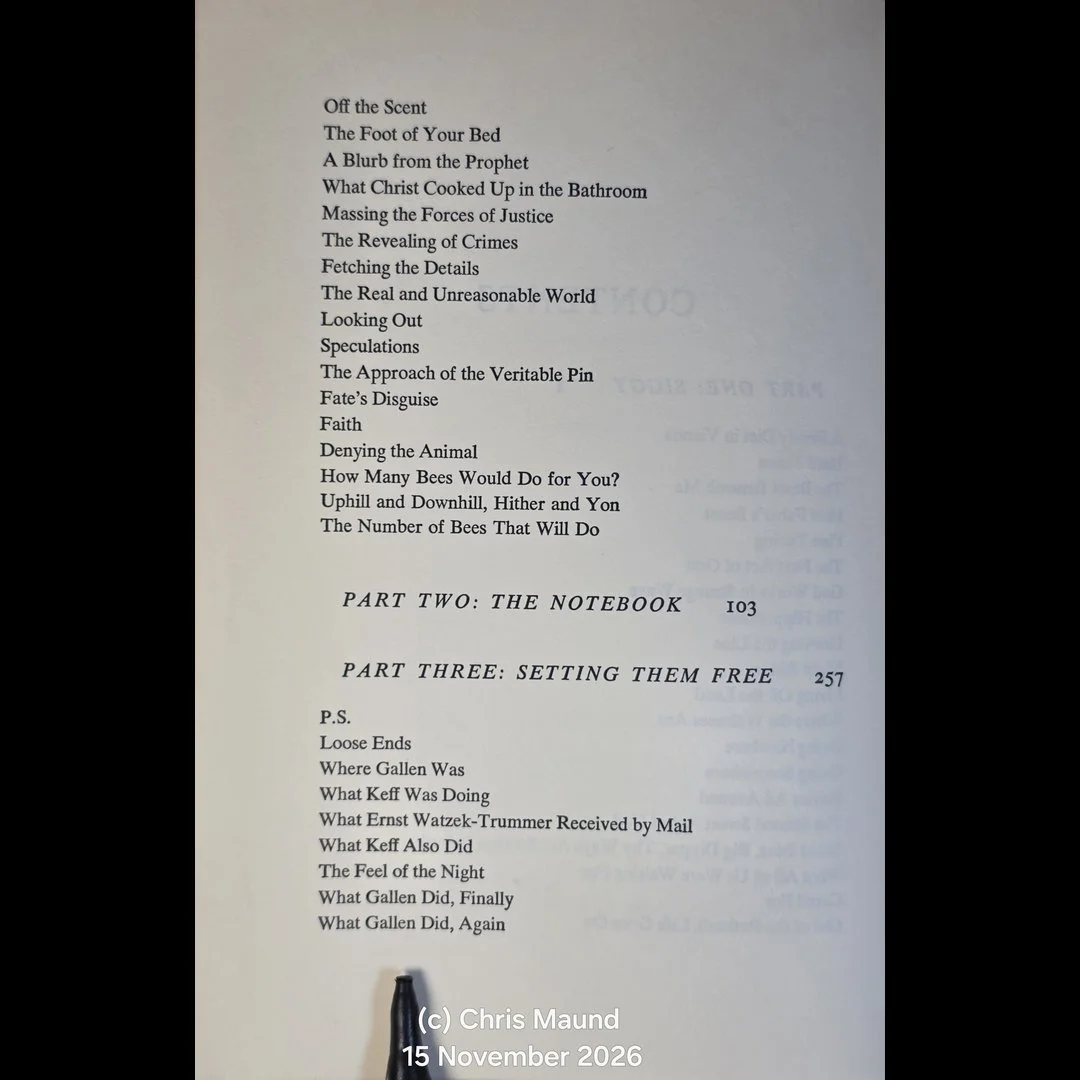 Image 8 of 22
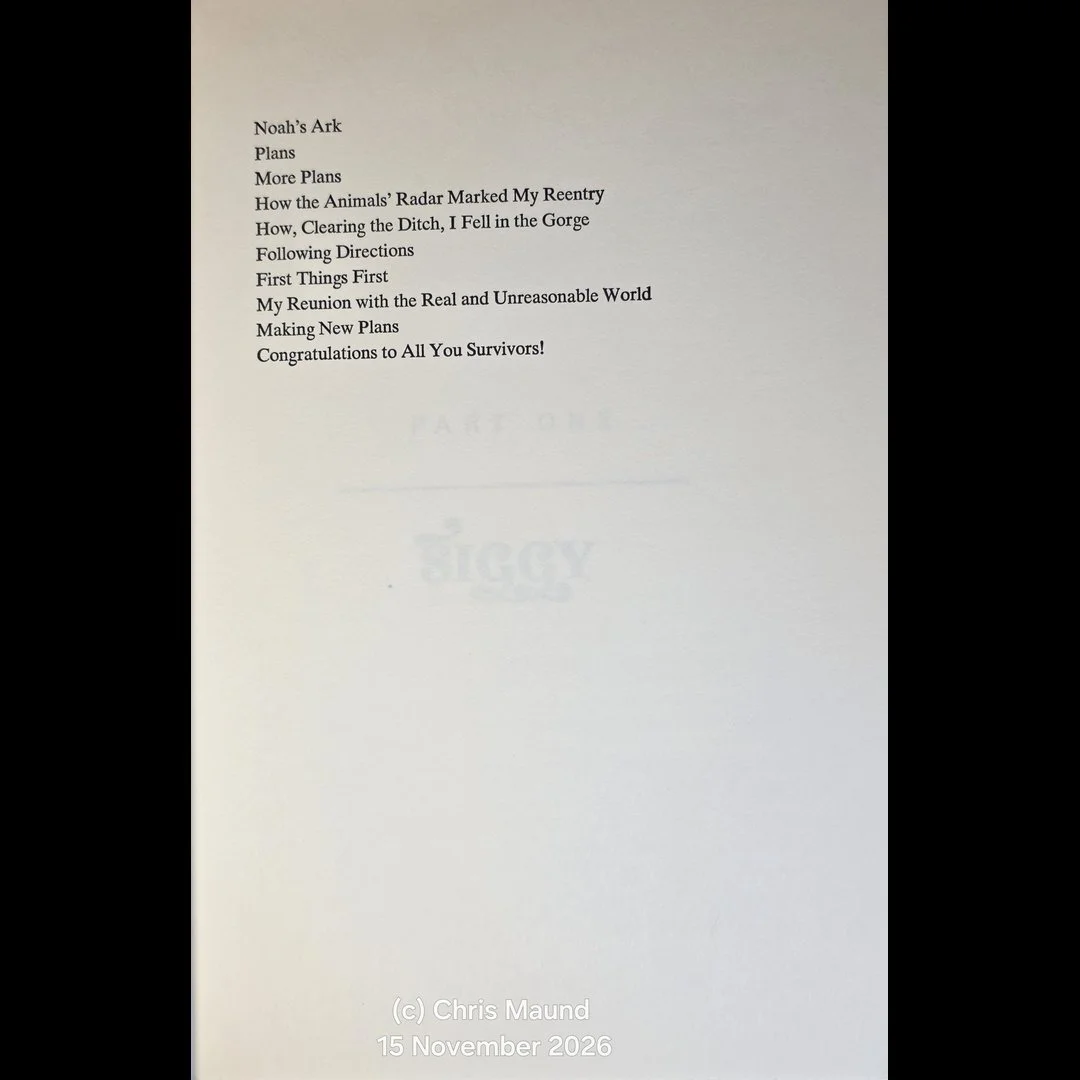 Image 9 of 22
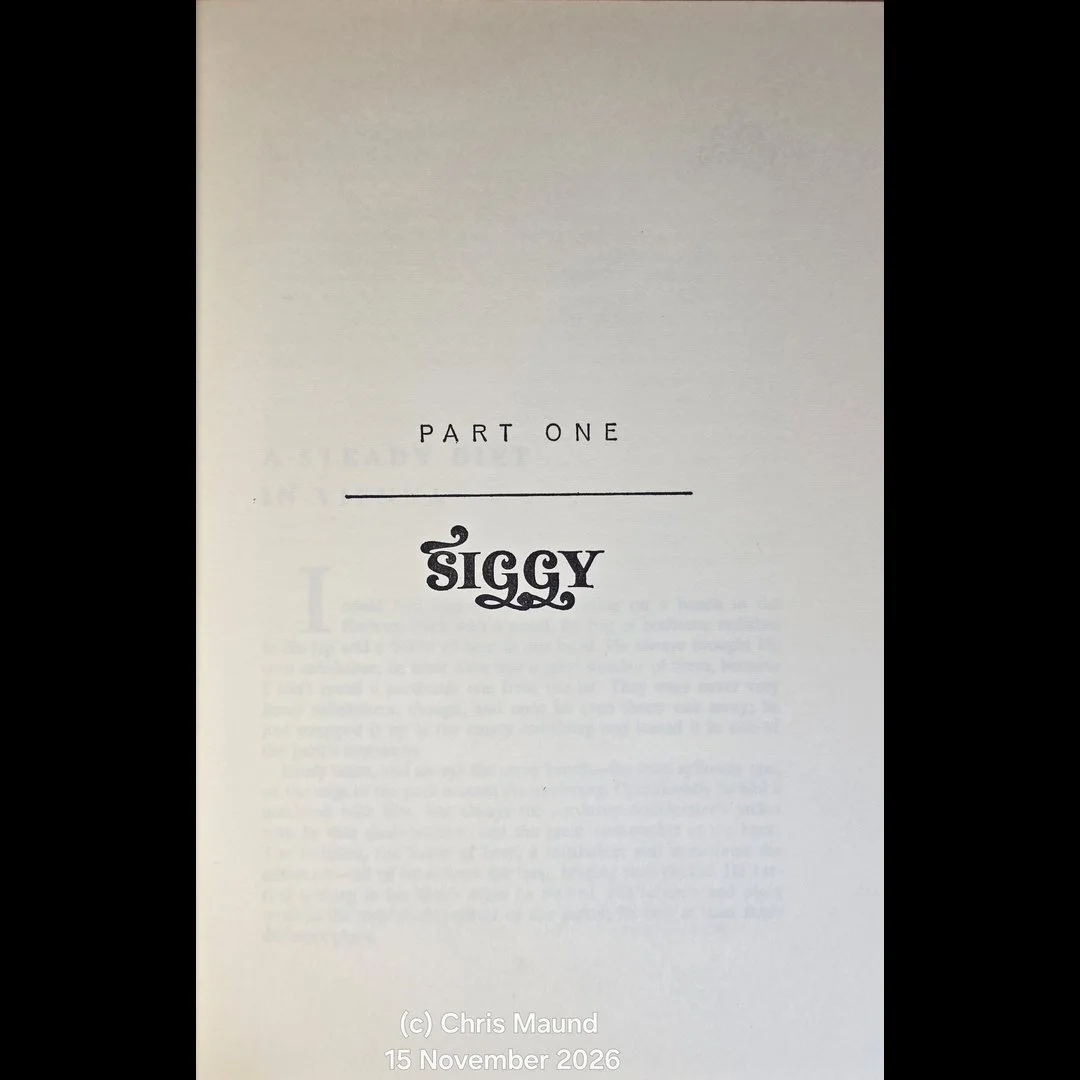 Image 10 of 22
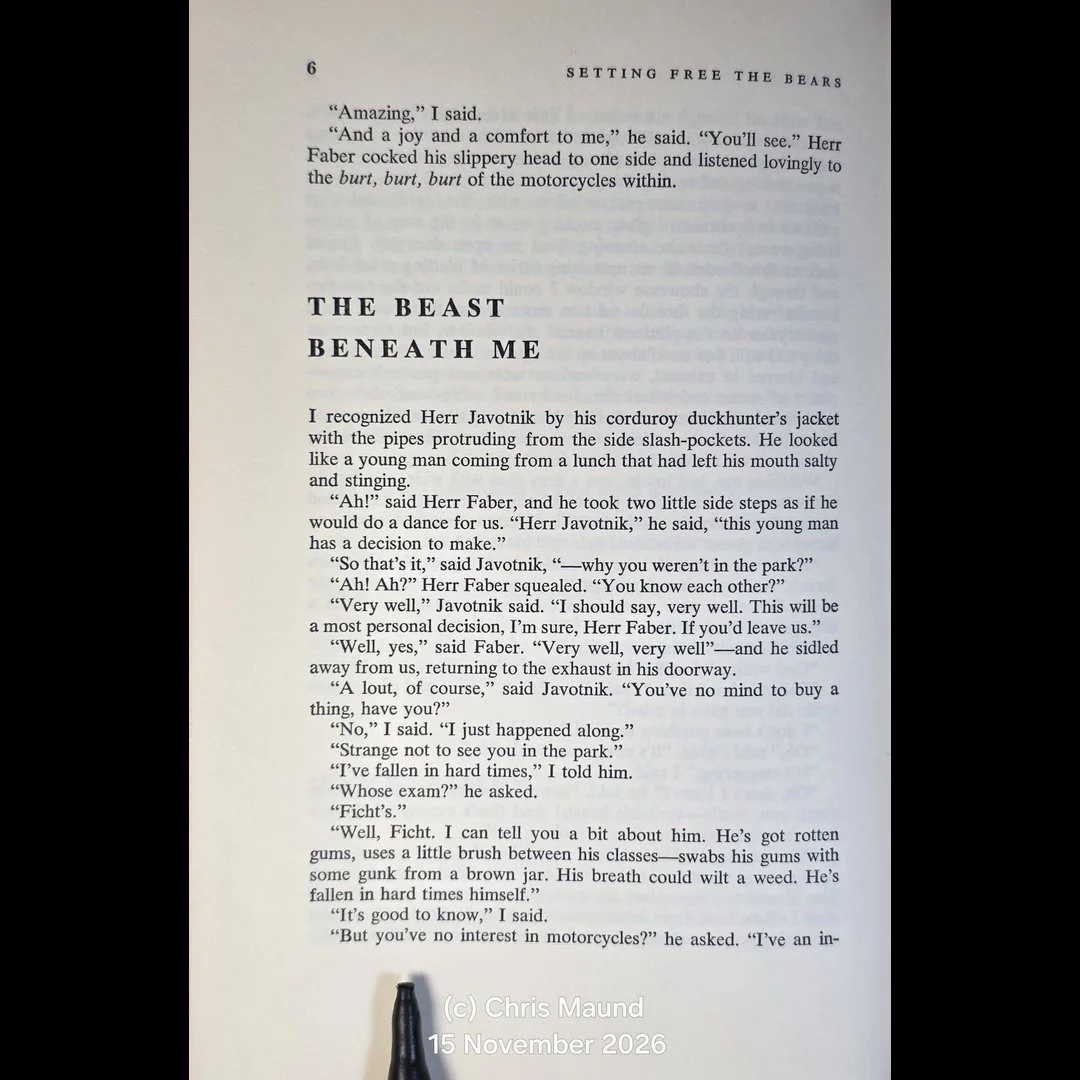 Image 11 of 22
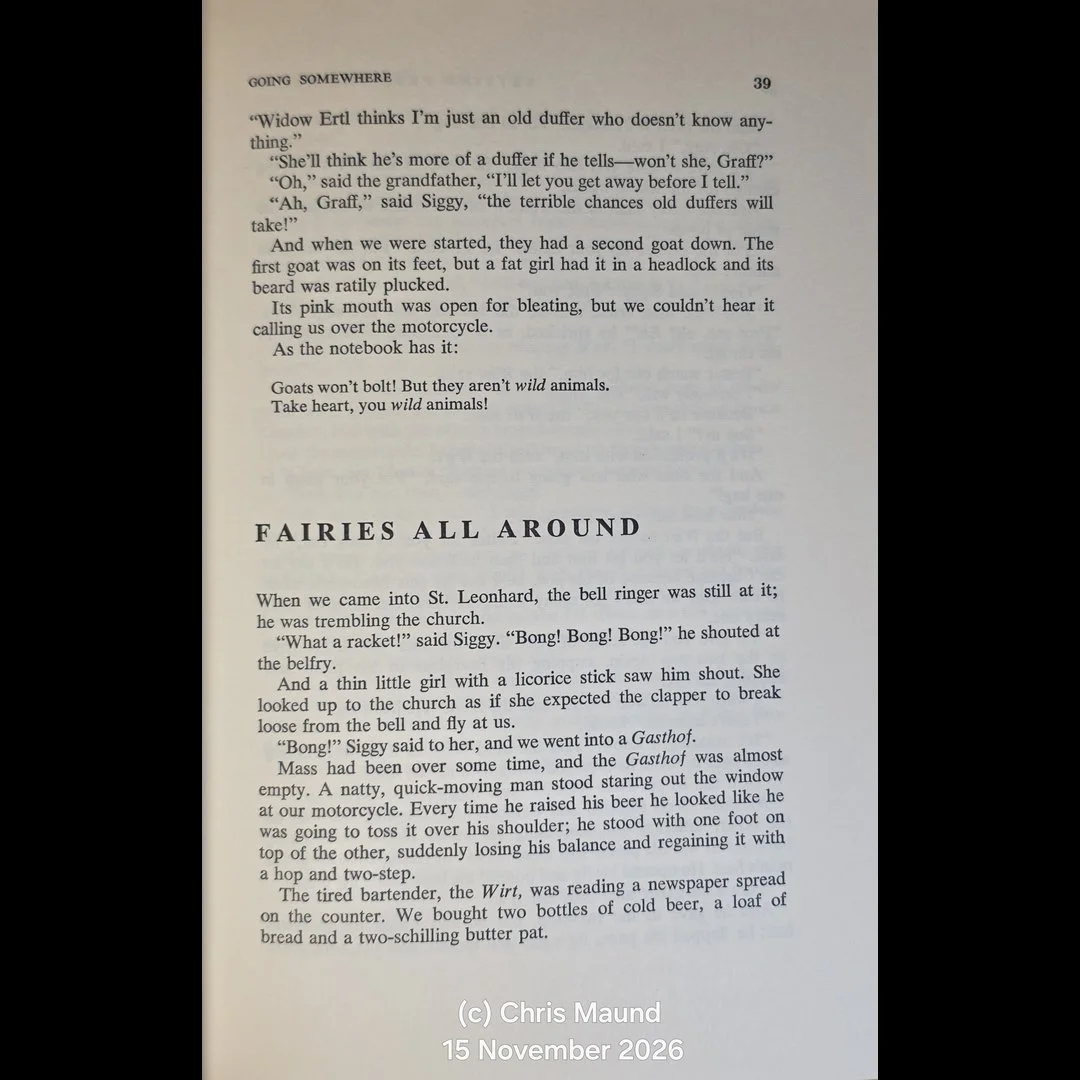 Image 12 of 22
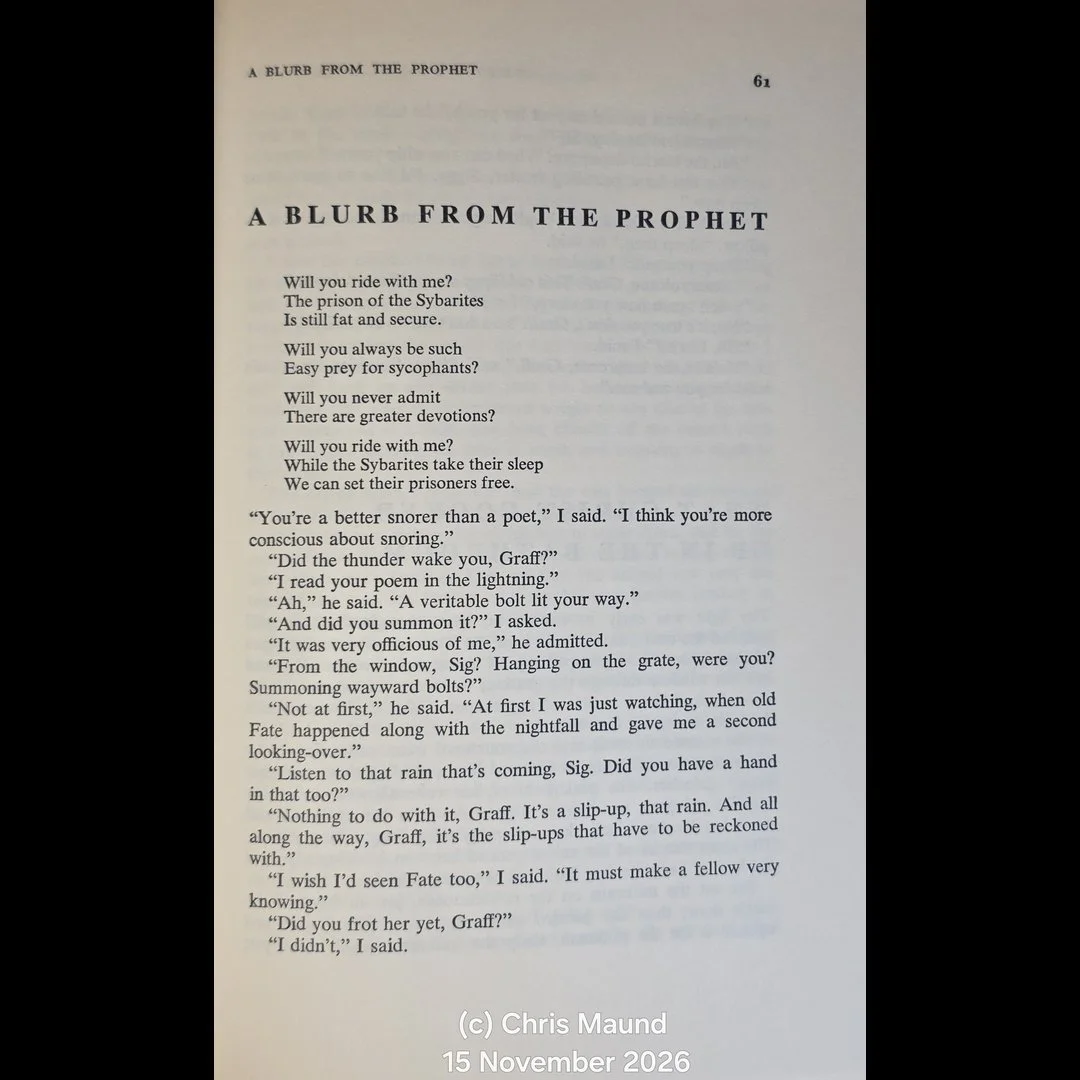 Image 13 of 22
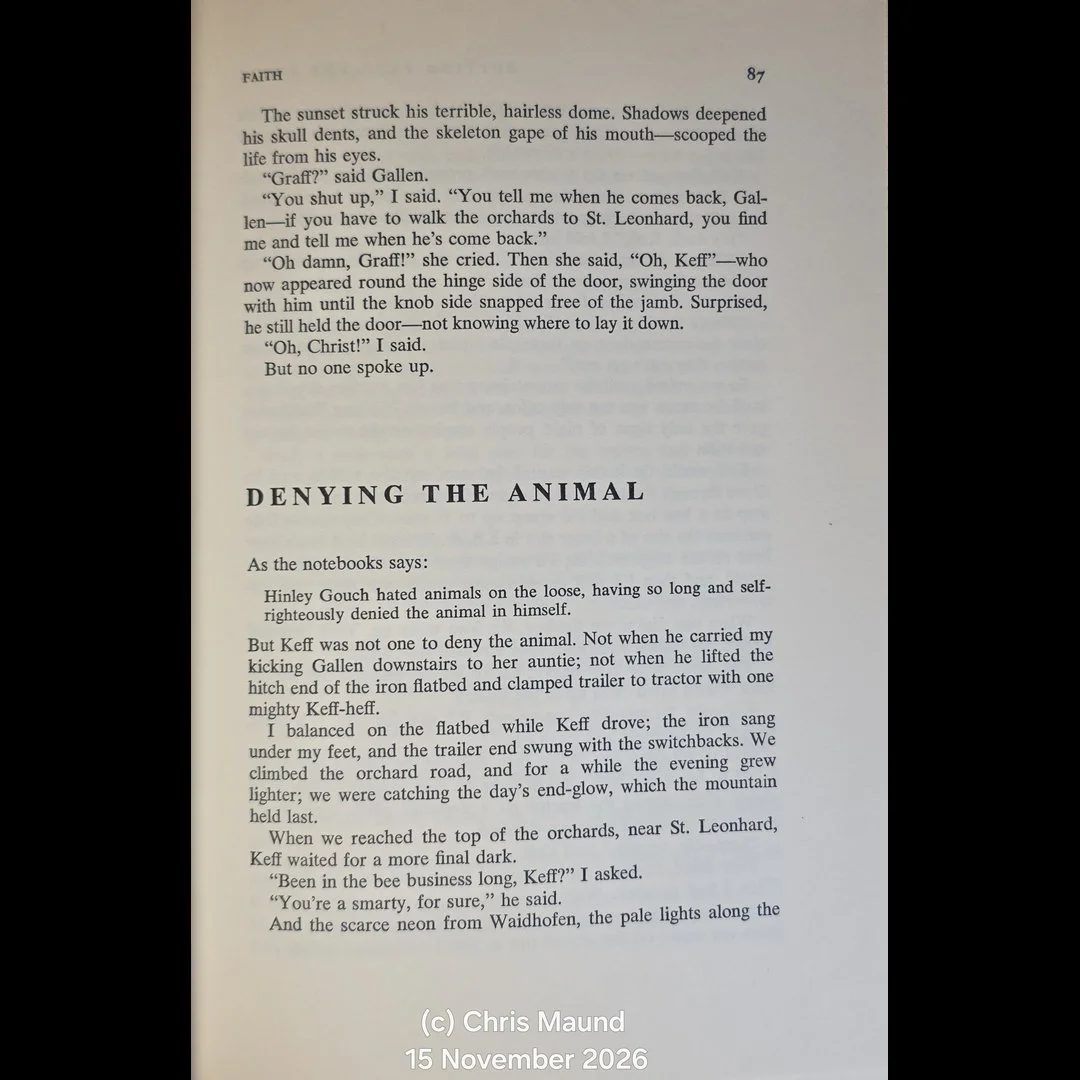 Image 14 of 22
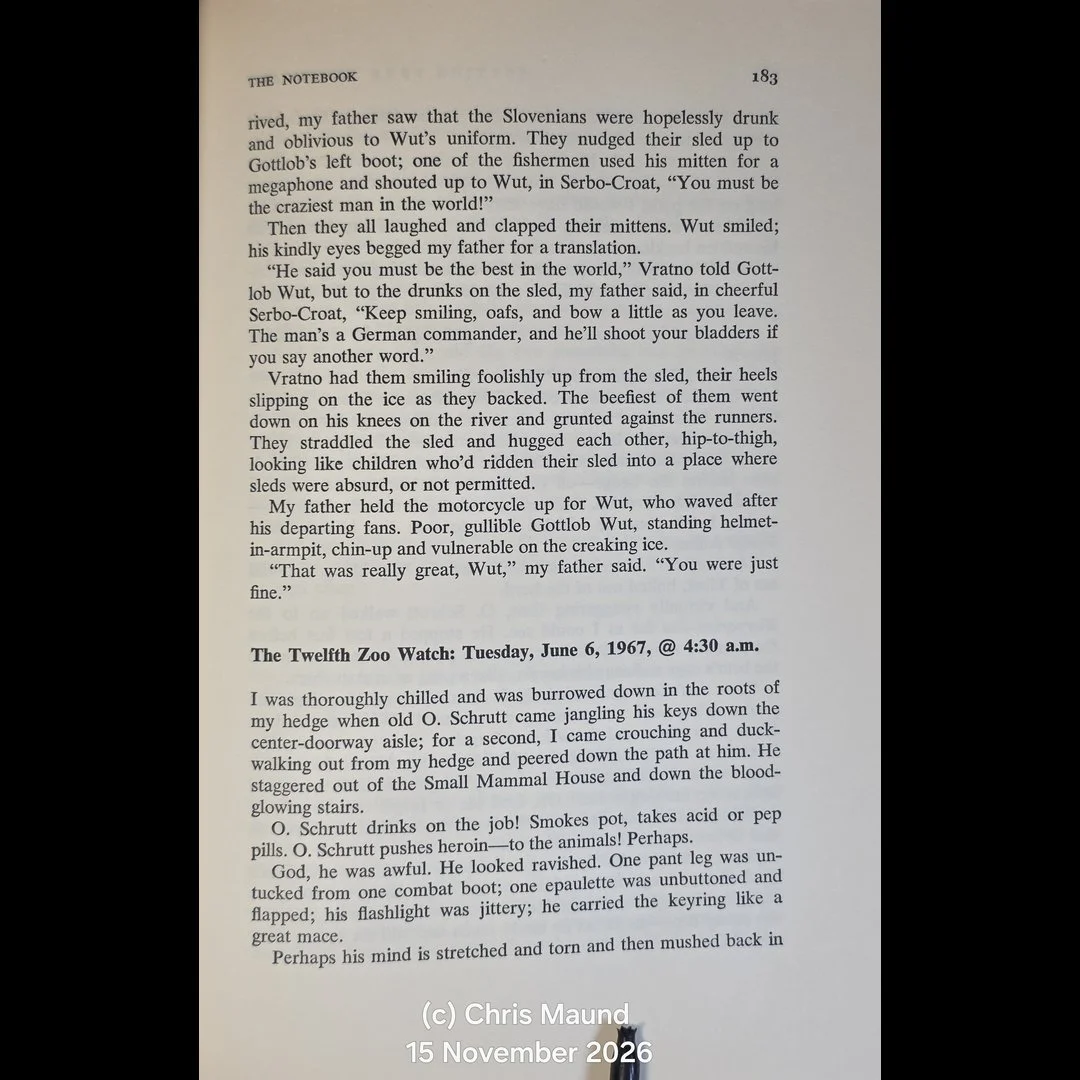 Image 15 of 22
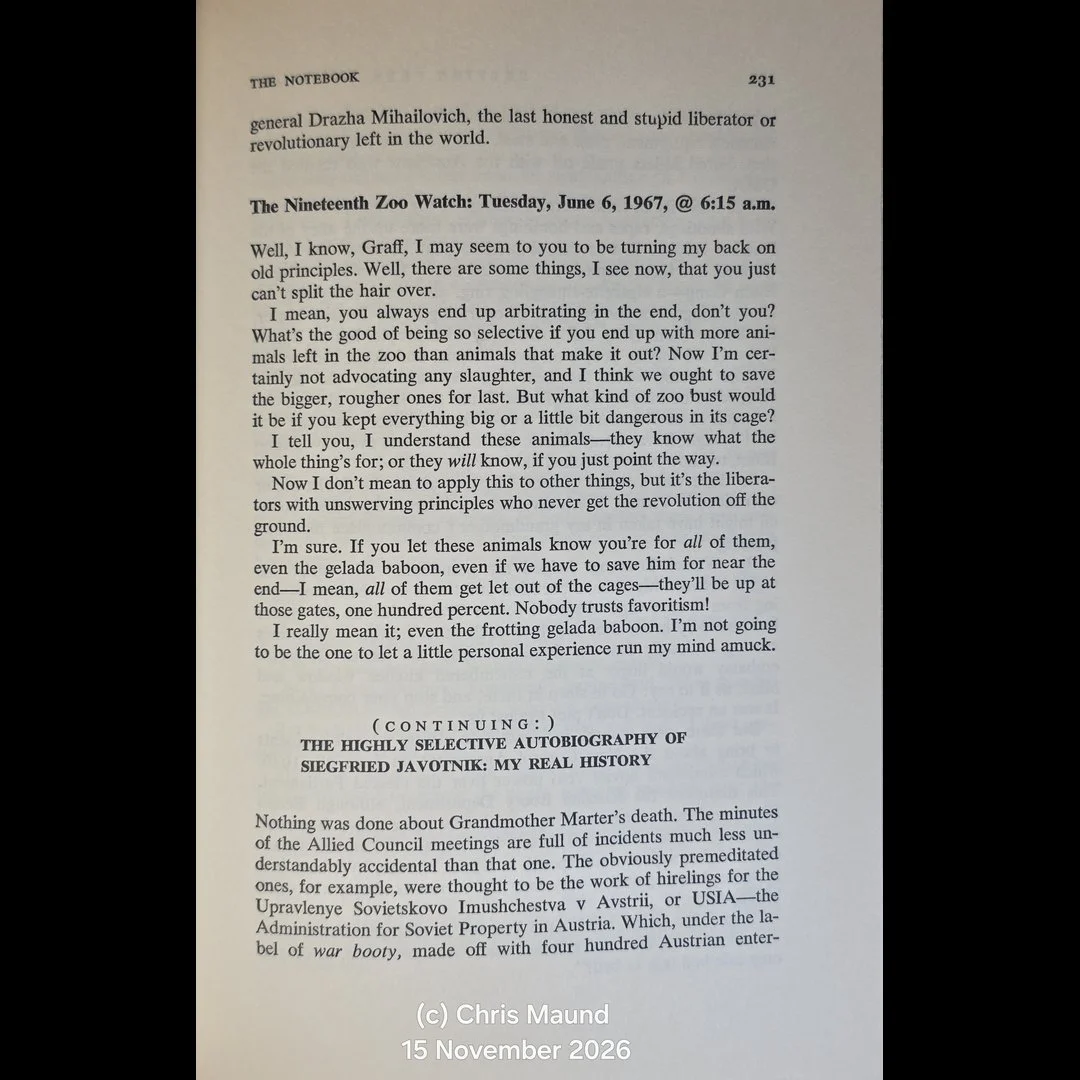 Image 16 of 22
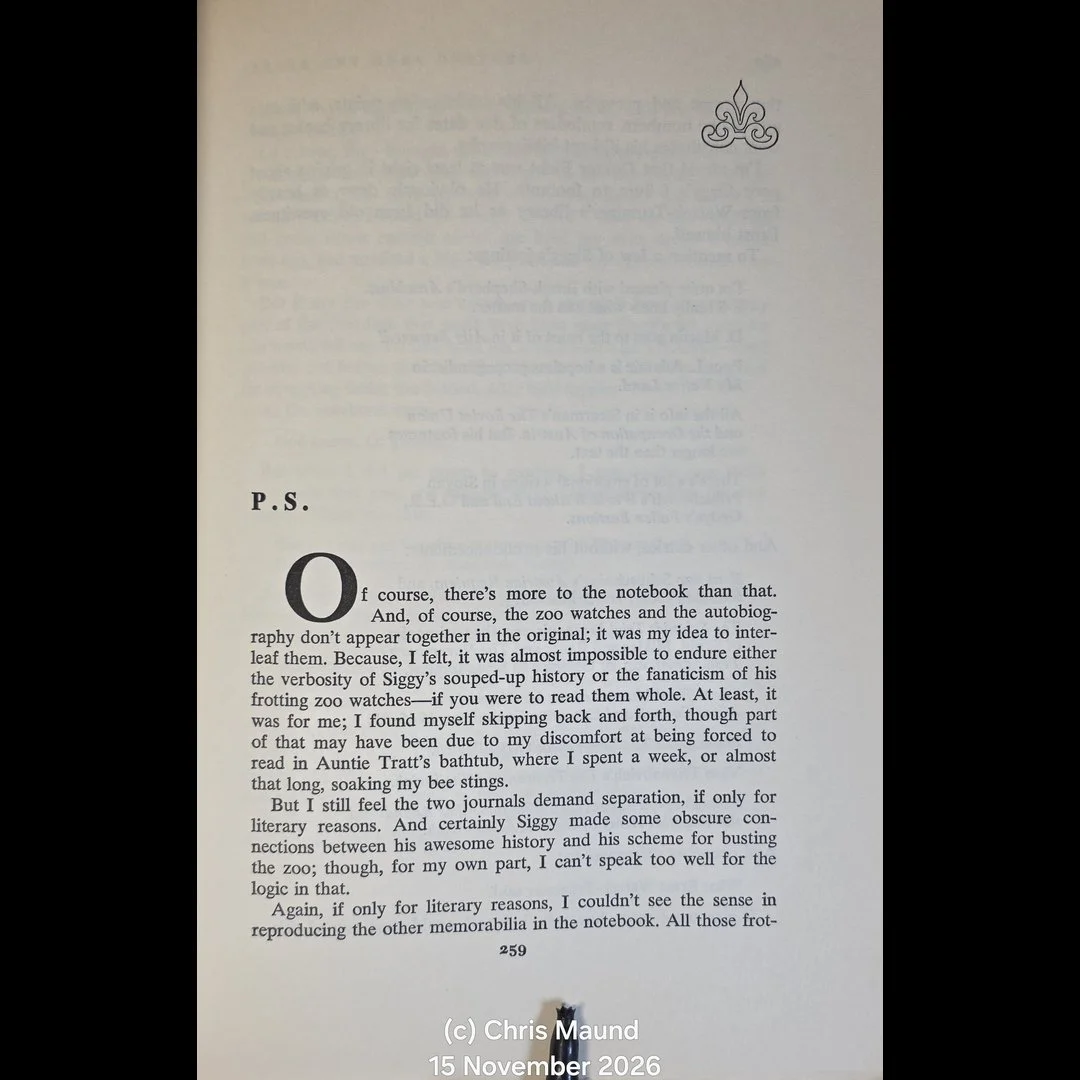 Image 17 of 22
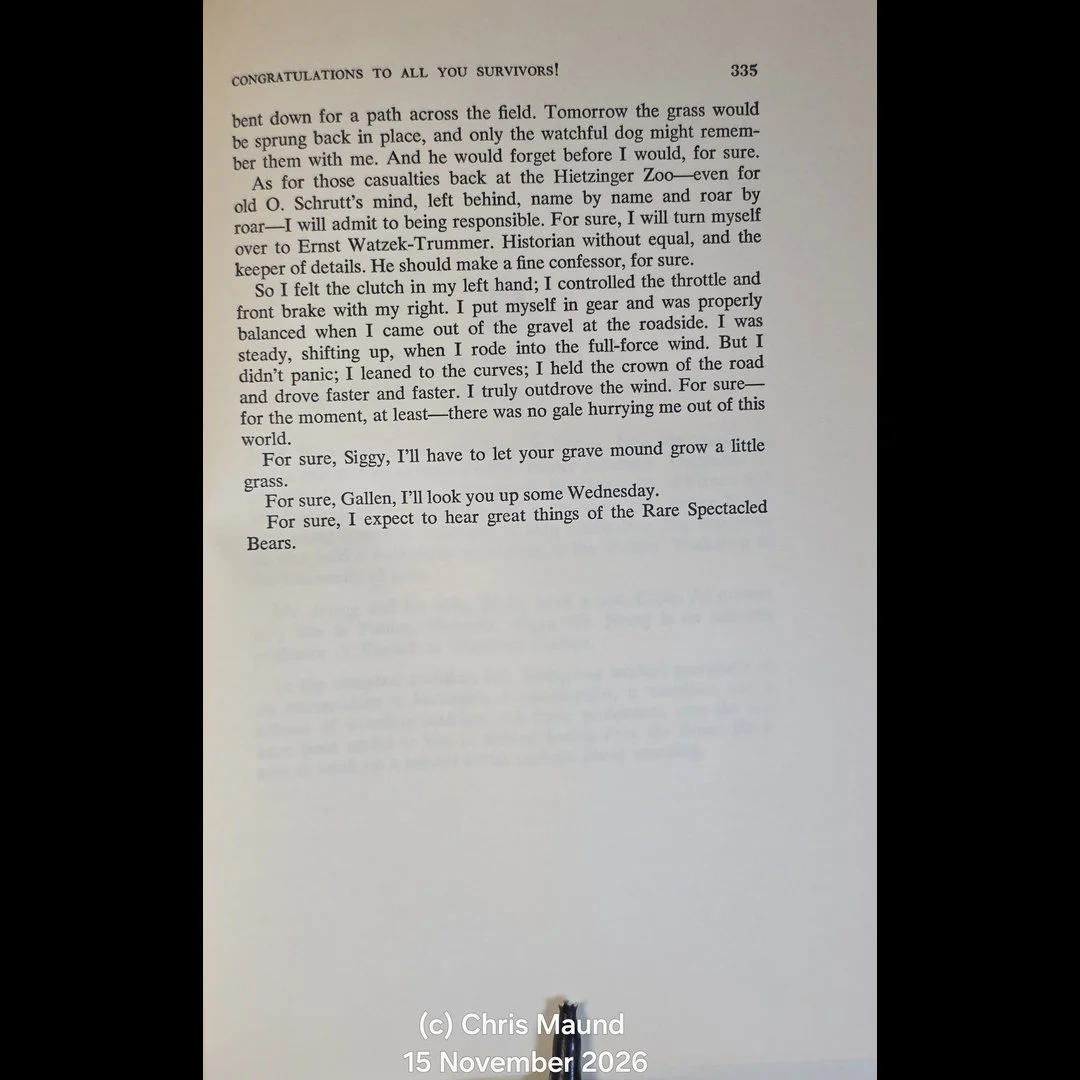 Image 18 of 22
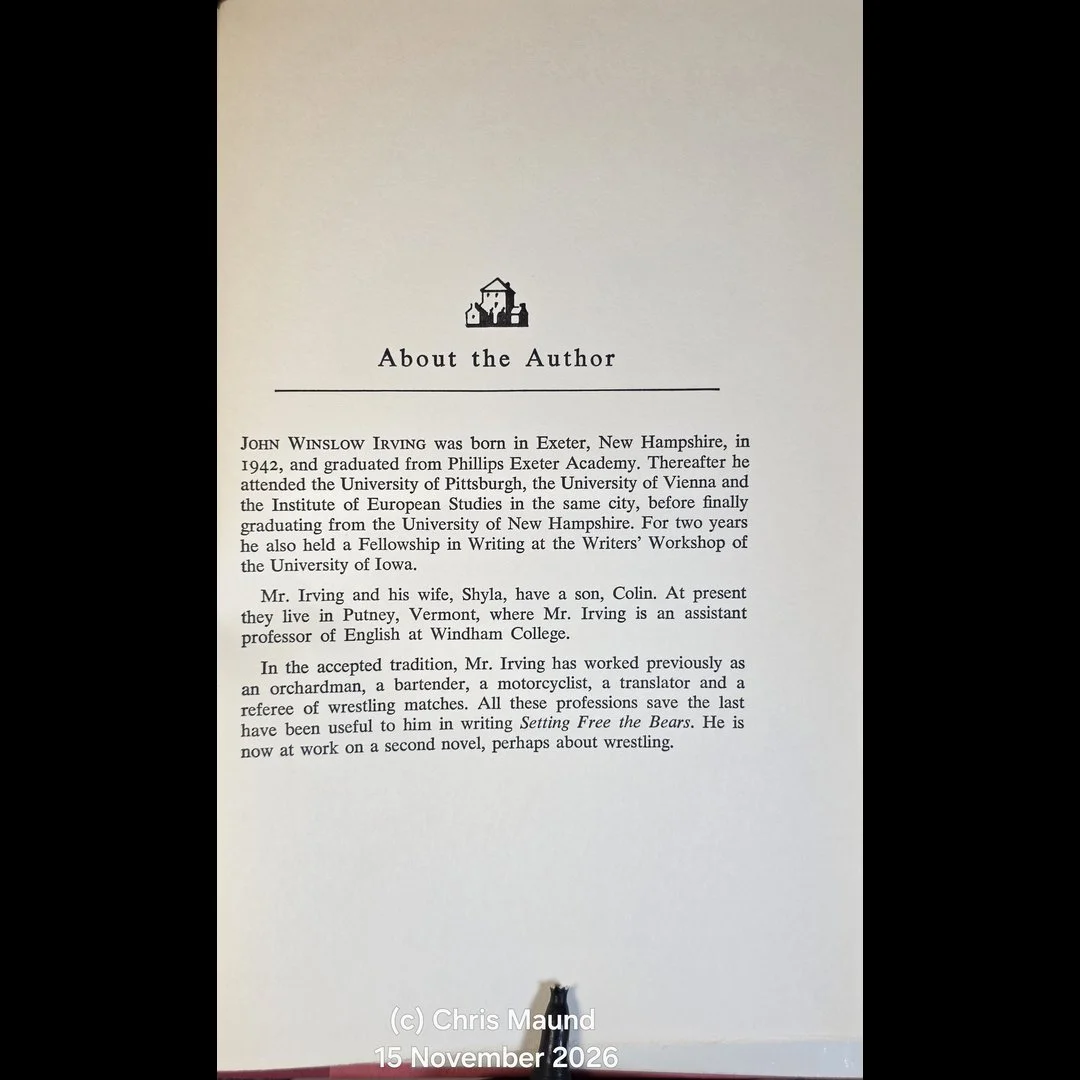 Image 19 of 22
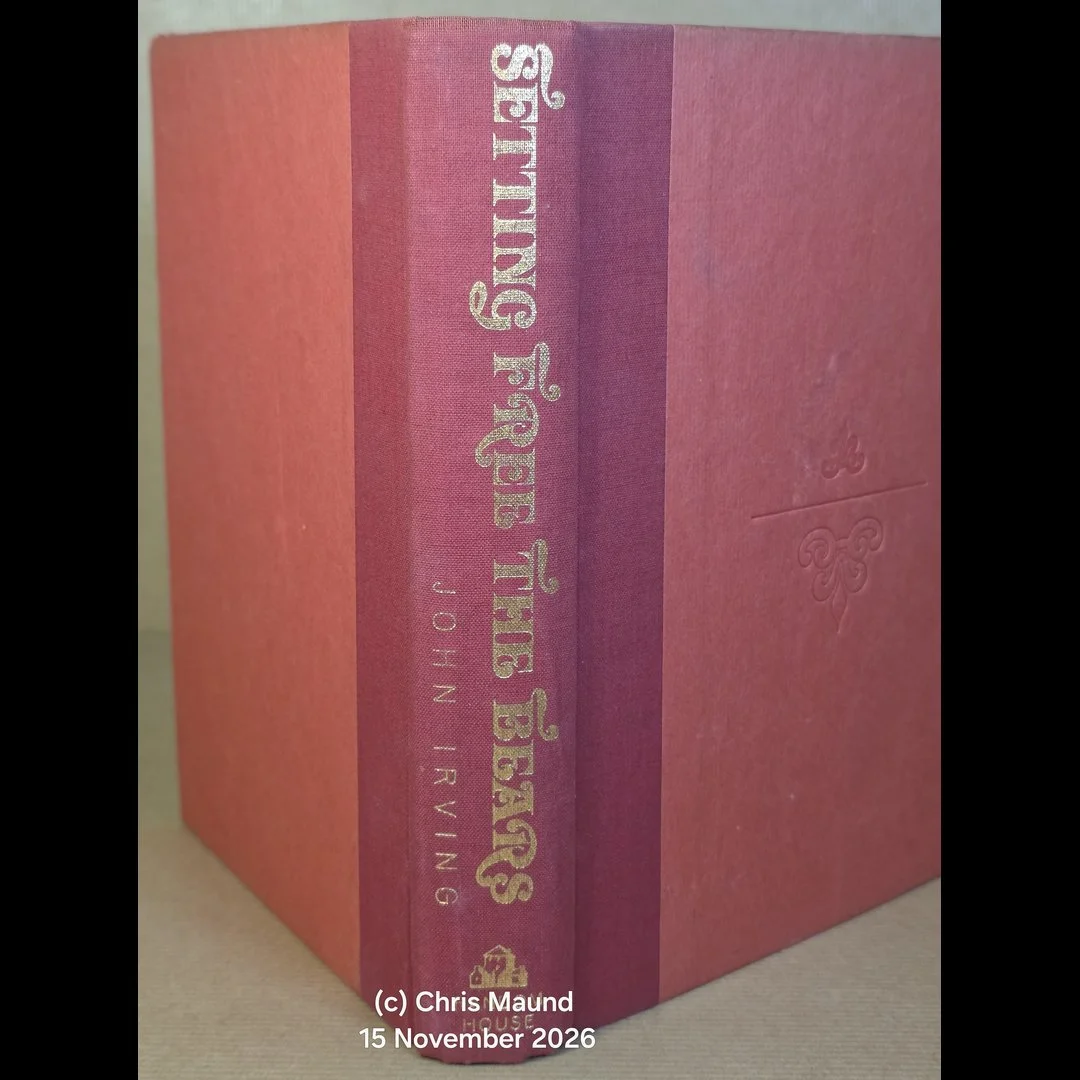 Image 20 of 22
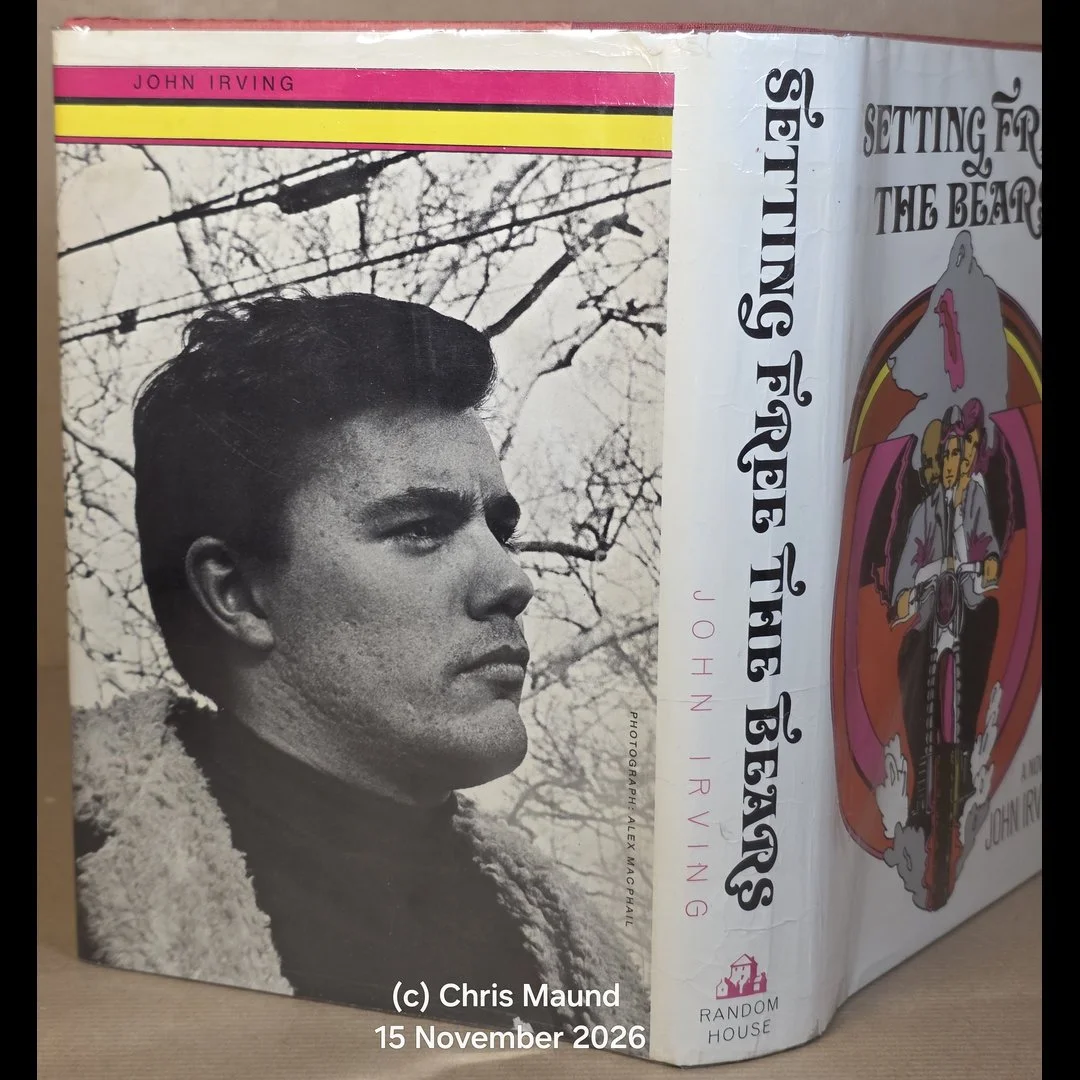 Image 21 of 22
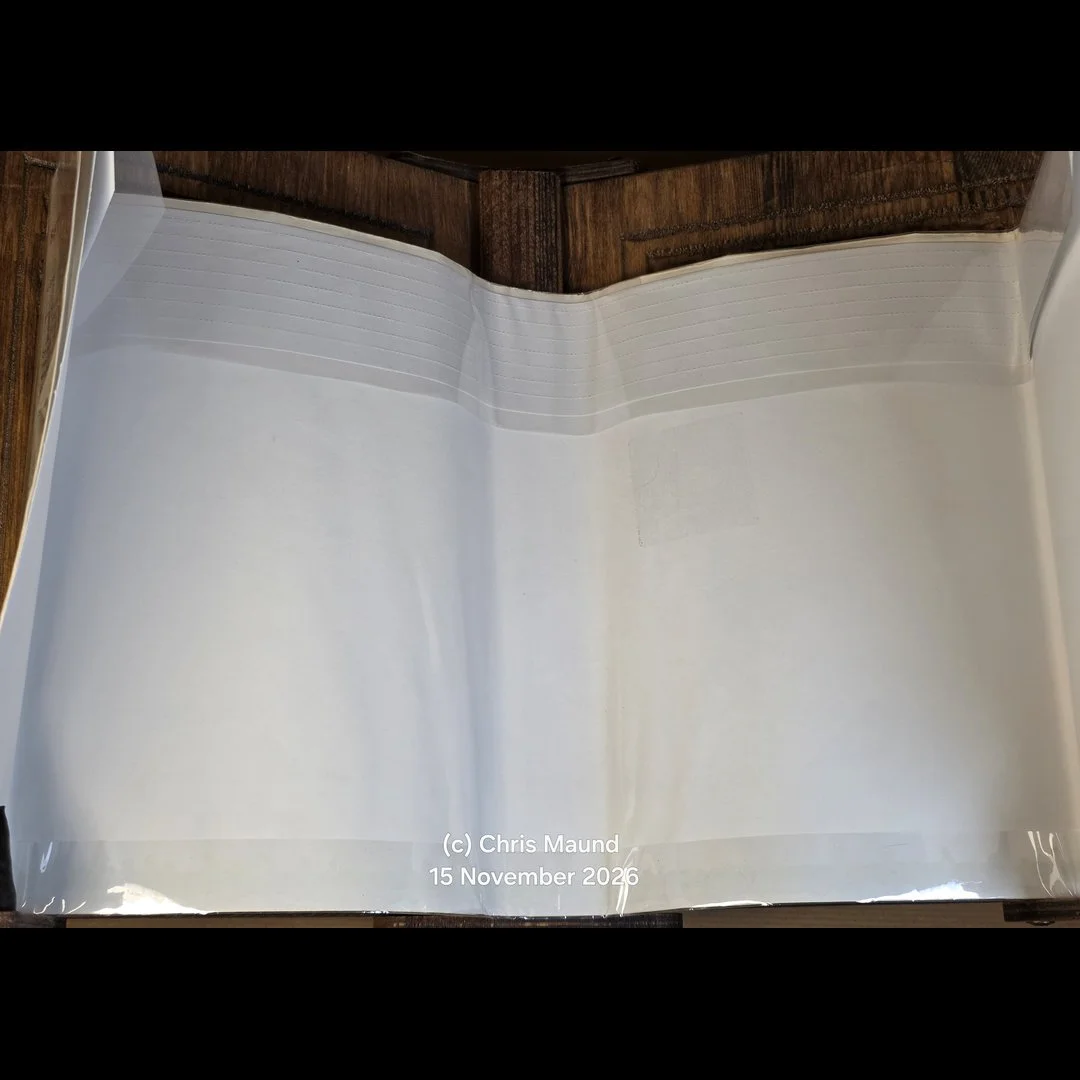 Image 22 of 22