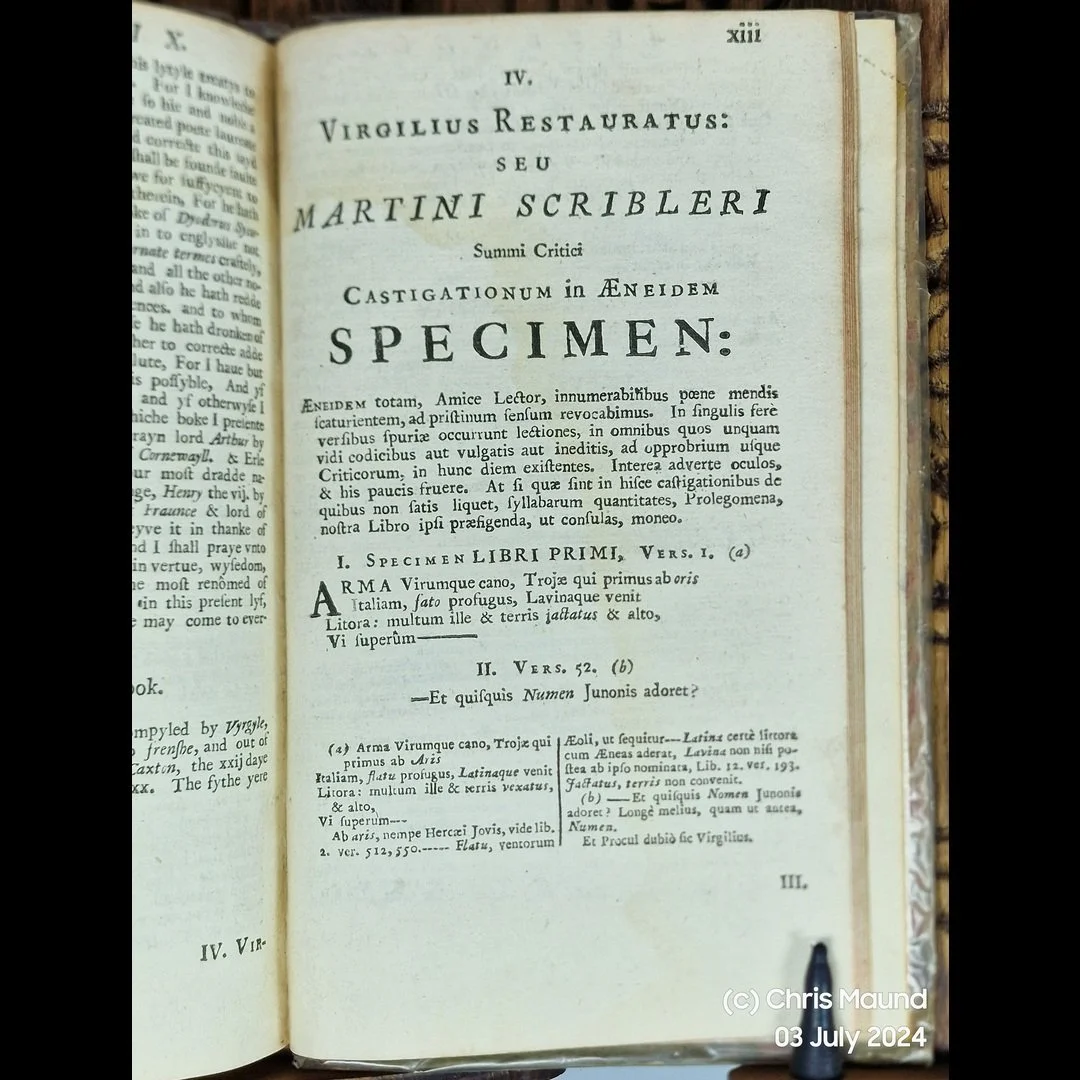
1730 First Edition
LIBER RITUALIS AUTISSIODORENSIS
By D.D. Caroli de Caylus
KEY DETAILS
Condition: Very Good
Format: Hardcover, 4to; approx. 230 x 170mm
Published By: [Auxerre]; no printer or publisher stated, France, 1730
Language: Latin
Illustrated By: John Baptist Jackson (Engraver)
Provenance: With the ownership stamp of Pierre Barbier, Toucy, to the front pastedown, together with his manuscript shelf or reference number.
Collation: Pagination: [14], 179; 5, 80; 60; 126, [8] pp.
SKU: BTETM0000945
Shipping Info: Approximate Package Dimensions H: 12.5, L: 30, W: 25 (Units: cm), W: 2Kg
Tracked Shipping, Insurance Coverage as per Customer Request
DESCRIPTION
Liber Ritualis Autissiodorensis
Liber Ritualis Autissiodorensis
Issued under the authority of Charles de Caylus, Bishop of Auxerre
Auxerre, 1730
First edition of the revised Auxerre diocesan ritual issued under Bishop Charles de Caylus, a scarce and historically significant liturgical manual produced during one of the most controversial episcopates of eighteenth-century France.
The work formed part of Caylus’s wider programme of liturgical and pastoral reform within the Diocese of Auxerre. Intended for practical clerical use, it prescribed the forms, prayers and procedures governing the administration of the sacraments, funeral rites, ecclesiastical blessings, exorcisms and wider parish practice.
The volume is divided into four principal parts:
Pars Prima – De Sacramentis, concerning the administration of the sacraments, including Baptism, Confirmation, Penance, Extreme Unction, Holy Orders and Matrimony.
Pars Secunda – De Exequiis, containing the rites for the dead, including funeral offices and extensive printed musical notation.
Pars Tertia – De Benedictionibus, devoted to ecclesiastical blessings and related rites, including prescribed forms of exorcism.
Pars Quarta – De Pronao, containing further pastoral and parochial instructions and formularies, followed by index and errata.
Of particular interest to collectors of demonology, ritual and the history of magic is the exorcism material contained within Pars Tertia. These are not theoretical discussions of demonic possession, but practical ecclesiastical formulae intended for clerical use within the official ritual of the Diocese of Auxerre. Their presence is especially notable in a volume issued under the controversial Jansenist Bishop Charles de Caylus and in a copy retaining extensive evidence of prolonged practical ecclesiastical use.
The volume is illustrated with a striking series of large woodcut compositions introducing the principal sacramental sections, including Baptism, Confirmation, Penance, Extreme Unction, Holy Orders and Matrimony. The woodcut introducing Confirmation is signed “J. Jackson ft.”, securely establishing the involvement of the English wood engraver John Baptist Jackson (c.1701–c.1780). Jackson worked in Paris during the 1720s before leaving for Italy in 1730, where he later became celebrated for his ambitious chiaroscuro and colour woodcuts. The signed illustration in the present volume therefore belongs to the closing phase of his formative French period. The remaining sacramental woodcuts appear stylistically consistent with the same illustrative programme, although only the signed Confirmation cut can presently be attributed to Jackson with certainty.
The book was issued under the authority of Charles-Daniel-Gabriel de Tubières de Caylus (1669–1754), Bishop of Auxerre, whose arms appear on the title page. Caylus became one of the most prominent episcopal supporters of Jansenism in eighteenth-century France, and Auxerre developed into an important centre of resistance to the anti-Jansenist policies of Church and Crown.
His reform of the diocesan liturgical books formed part of a broader programme intended to reshape pastoral and religious practice throughout the diocese.
The result is a volume of significance beyond the history of Catholic liturgy: an artefact of French ecclesiastical reform, Jansenist controversy, sacramental practice and the lived religious culture of the Ancien Régime.
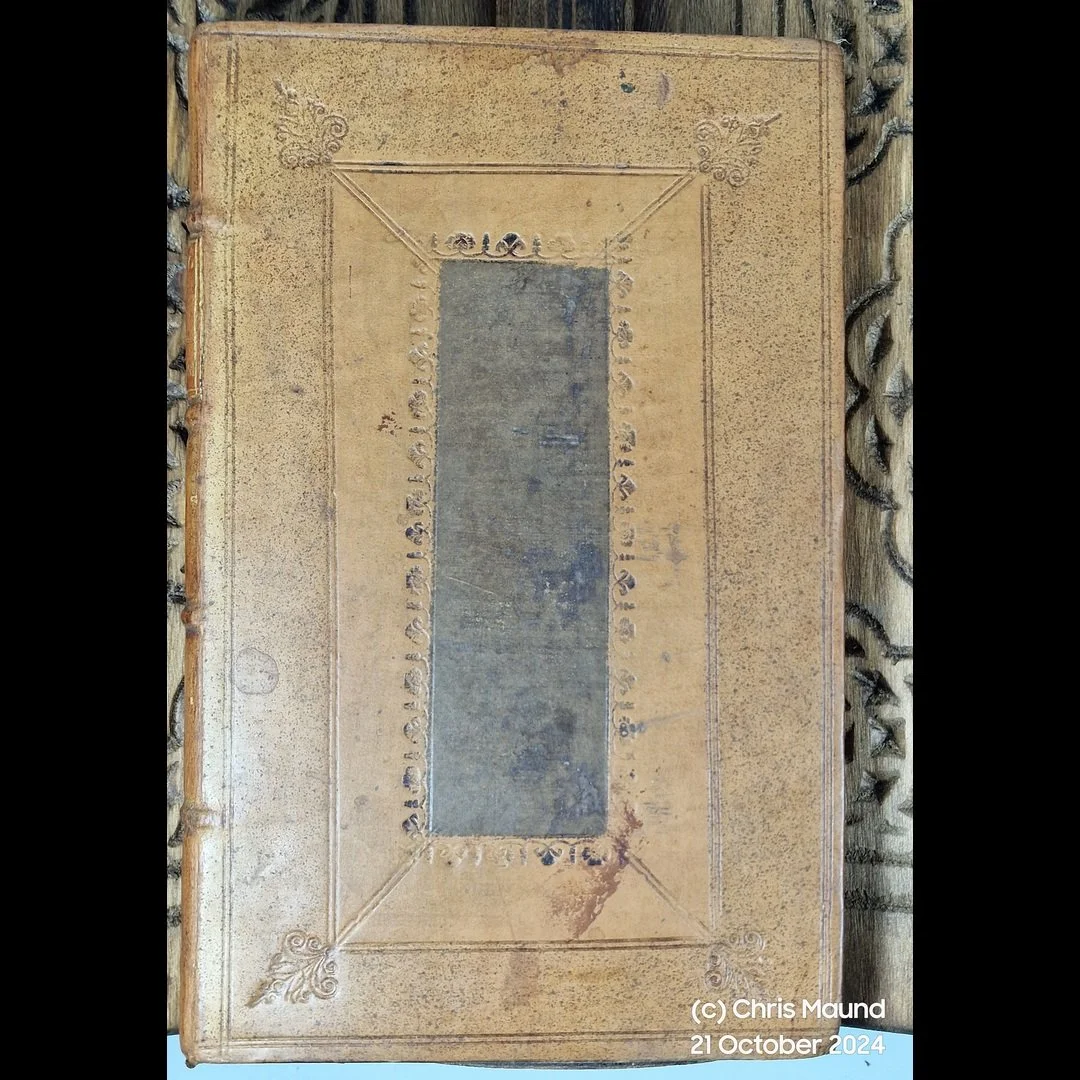
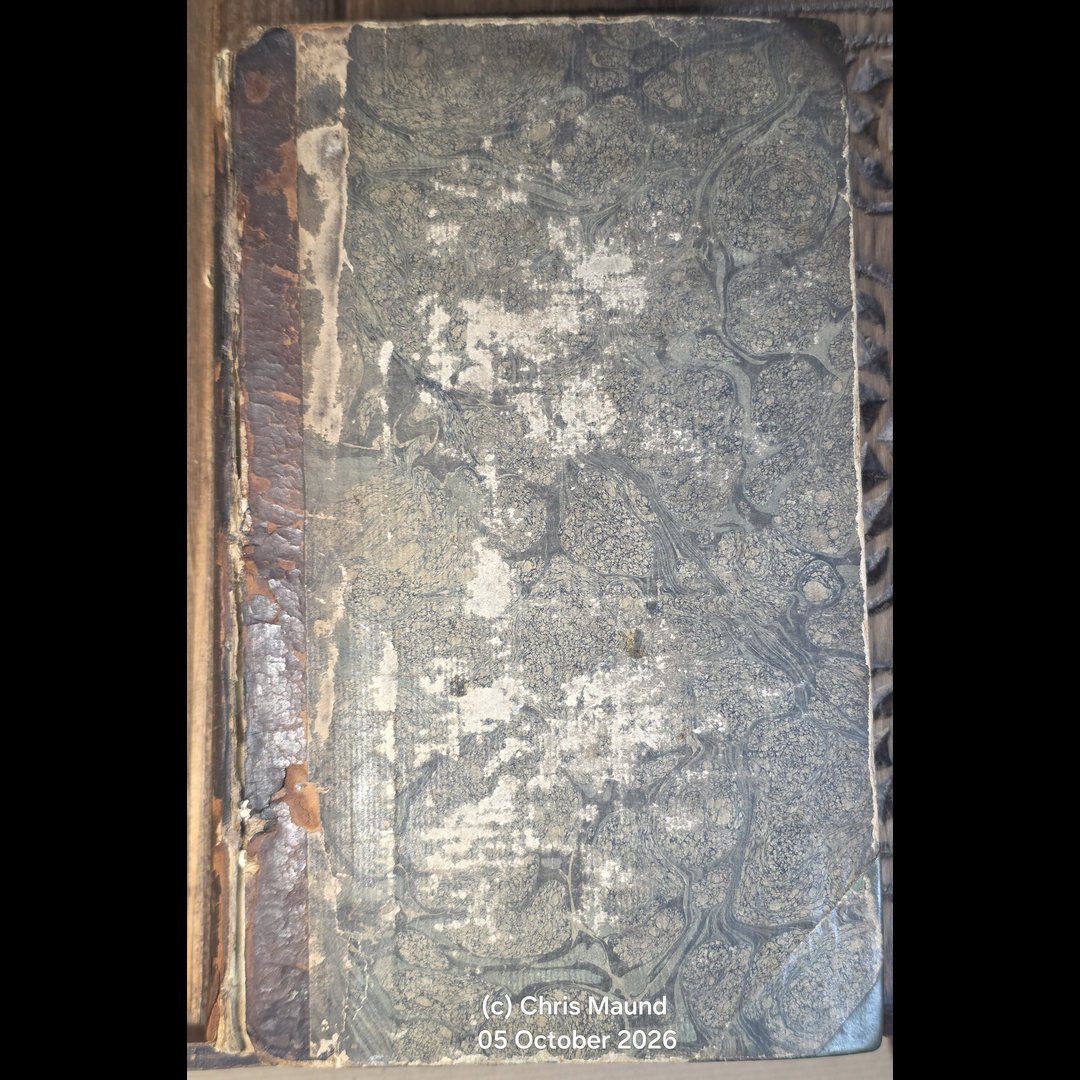
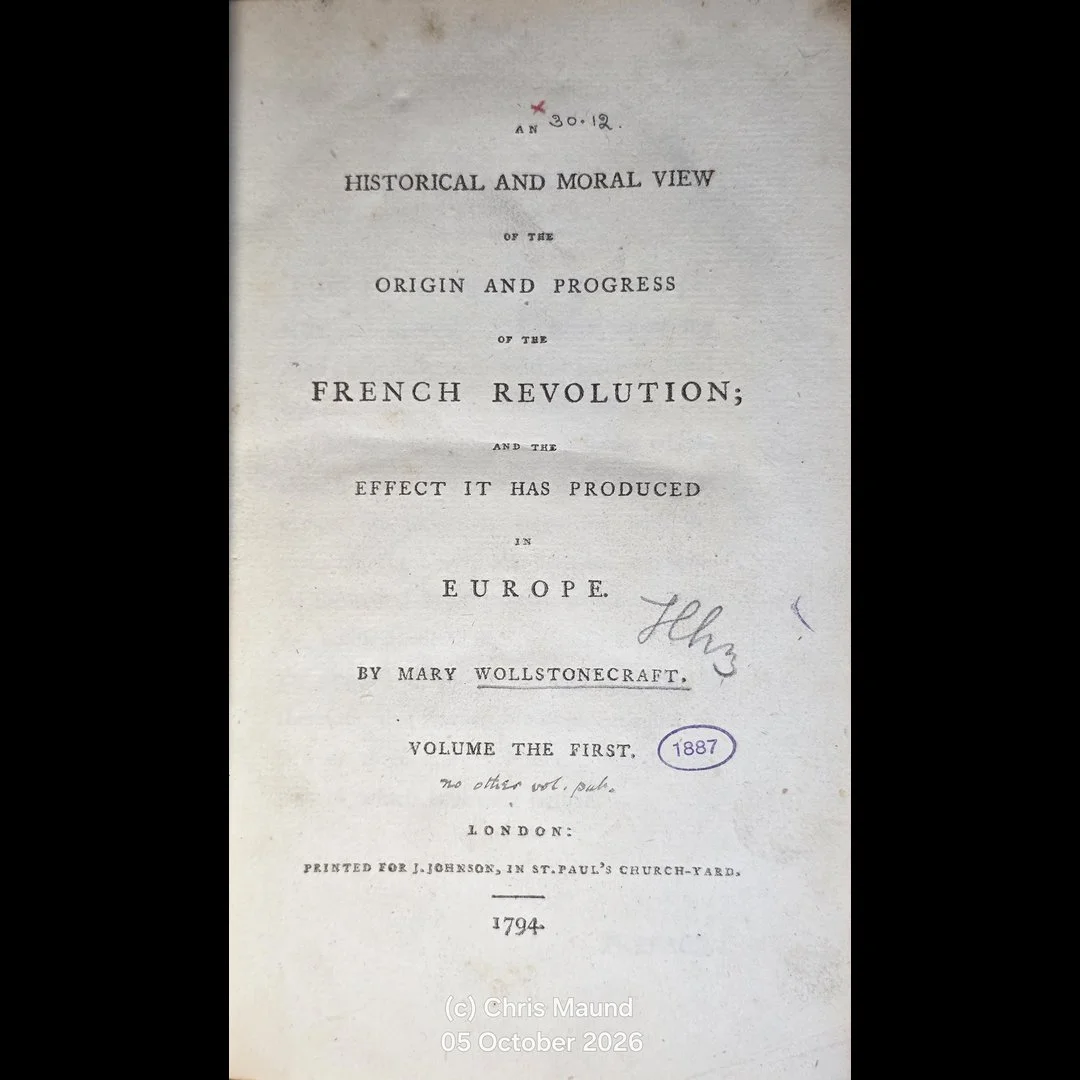
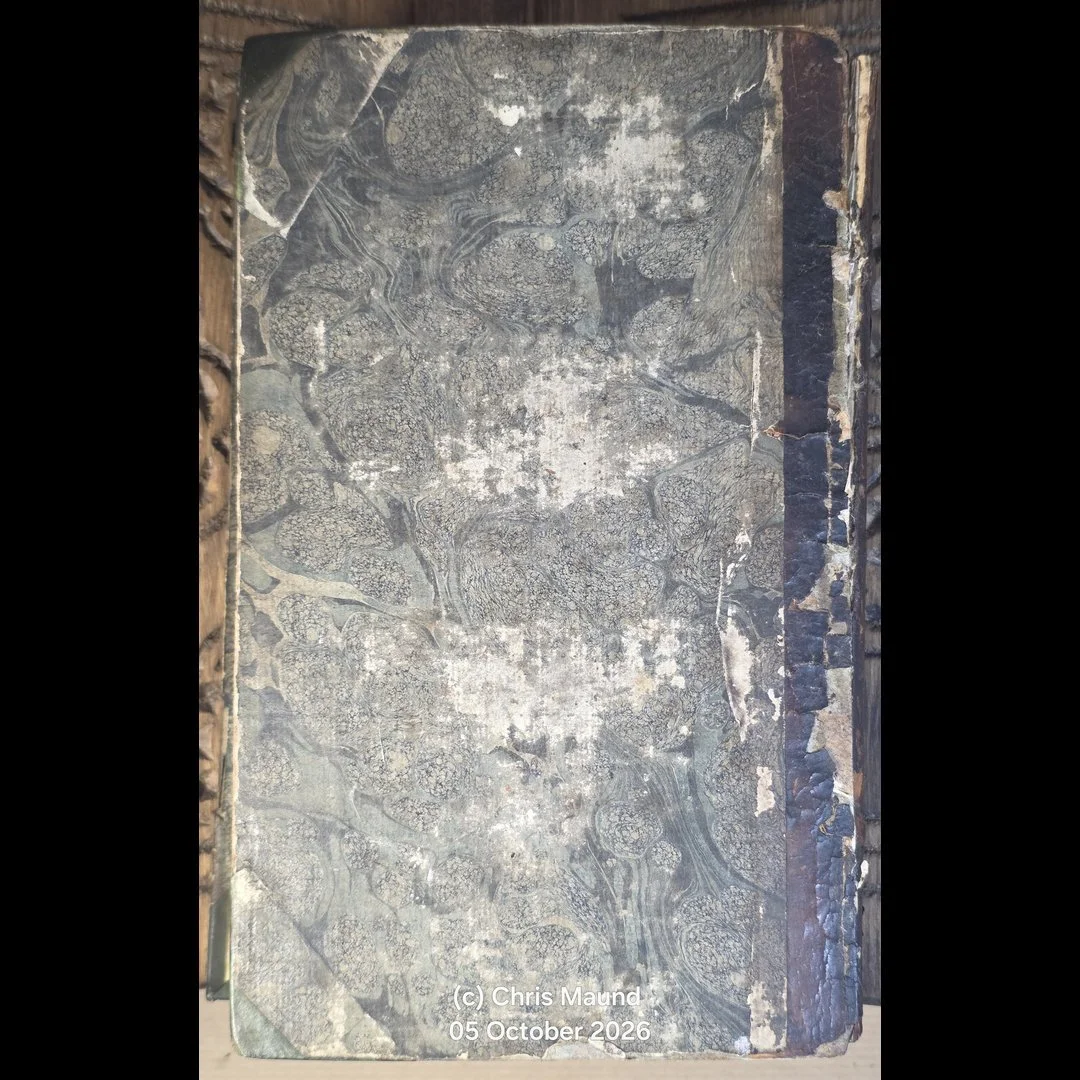
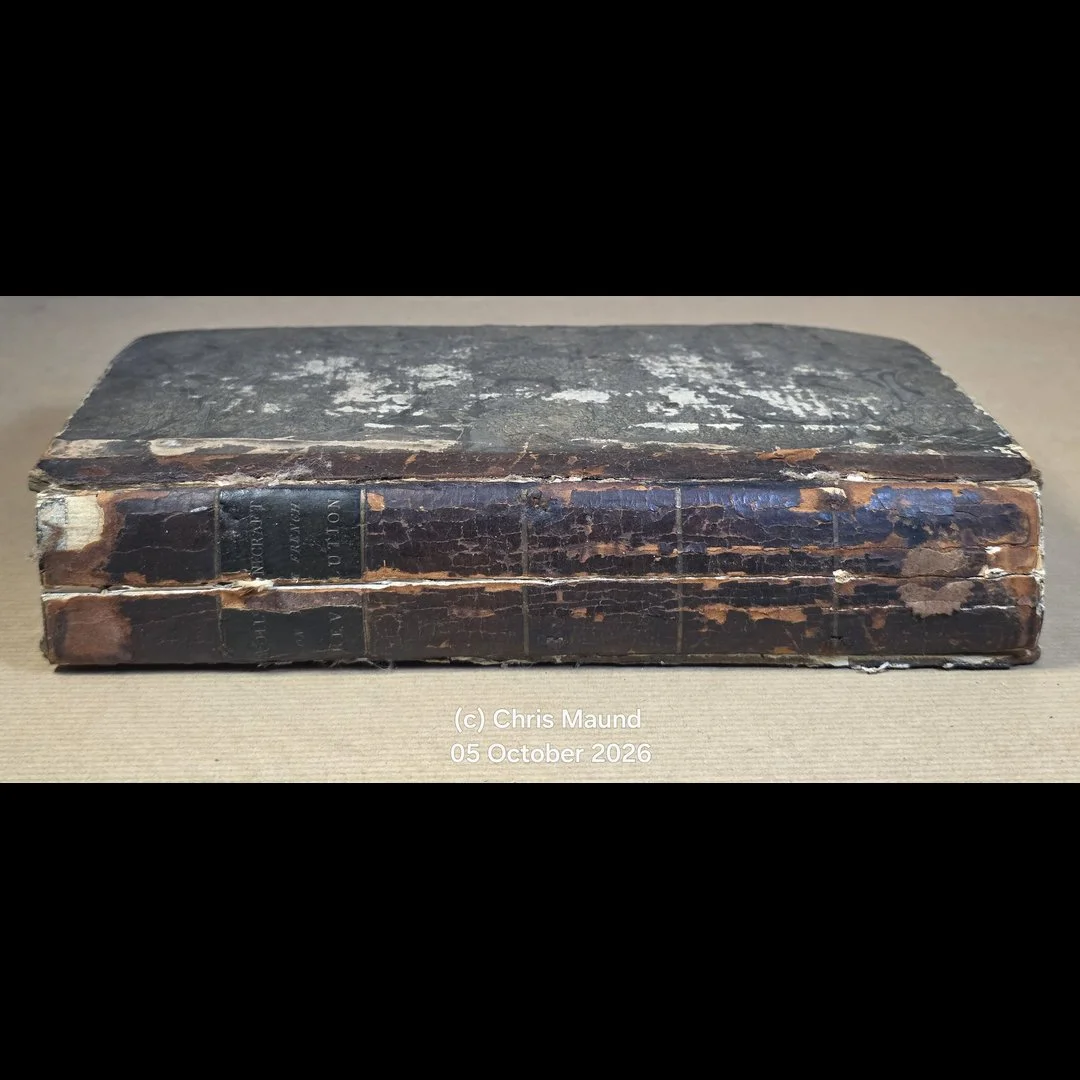
Contemporary or near-contemporary full mottled calf, spine with raised bands, gilt rules and gilt floral ornaments to compartments; yellow-stained edges. Title printed in red and black with the arms of Charles de Caylus.
PROVENANCE
With the ownership stamp of Pierre Barbier, Toucy, to the front pastedown, together with his manuscript shelf or reference number.
Barbier was associated with the Société Française d’Archéologie and formed part of the twentieth-century antiquarian and historical milieu of the Yonne region.
Of greater copy-specific interest is the extensive earlier manuscript evidence of use throughout the volume.
The title page, preliminary leaves, index and terminal leaves bear ownership inscriptions, names, dates, pen exercises and memoranda in several early hands. Some appear administrative or parochial rather than merely casual, indicating that the book remained in practical ecclesiastical use over an extended period.
The annotations include later eighteenth-century material and at least one inscription apparently dating from the 1790s. Taken together, they strongly suggest that this was a working ritual used within the religious environment for which it had originally been produced.
CONDITION, COLLATION & COPY NOTES
COLLATION
Pagination: [14], 179; 5, 80; 60; 126, [8] pp.
Four parts in one volume:
Pars Prima – De Sacramentis, 179 pp.
Pars Secunda – De Exequiis, 5 pp., followed by the separately paginated Ordo Exequiarum, 80 pp.
Pars Tertia – De Benedictionibus, 60 pp.
Pars Quarta – De Pronao, 126 pp.
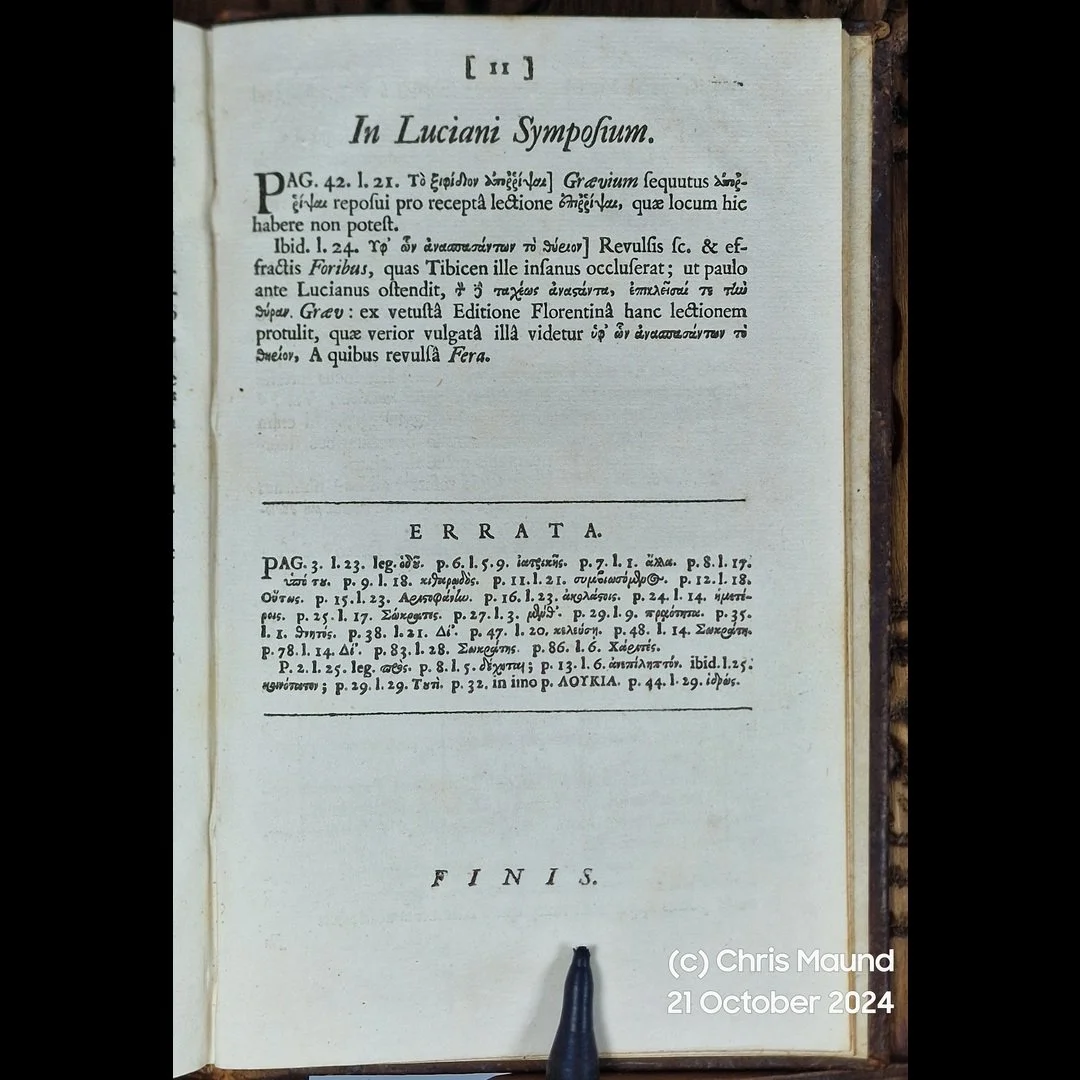
The volume opens with 14 unnumbered pages comprising two blank pages, title page, a further blank and ten pages of preliminary matter. Following Pars Quarta are eight unnumbered pages comprising a five-page Index, one page of Errata and two final blanks.
Illustrated with a series of large woodcut scenes introducing the principal sacramental divisions; the Confirmation woodcut signed “J. Jackson ft.” Printed musical notation appears throughout the funeral rites.
Contemporary or near-contemporary full mottled calf, spine in raised bands with gilt rules and floral devices to compartments; yellow-stained edges.
Binding rubbed and scratched, with wear to corners and extremities and some loss at the spine ends, but remaining sound and substantially intact.
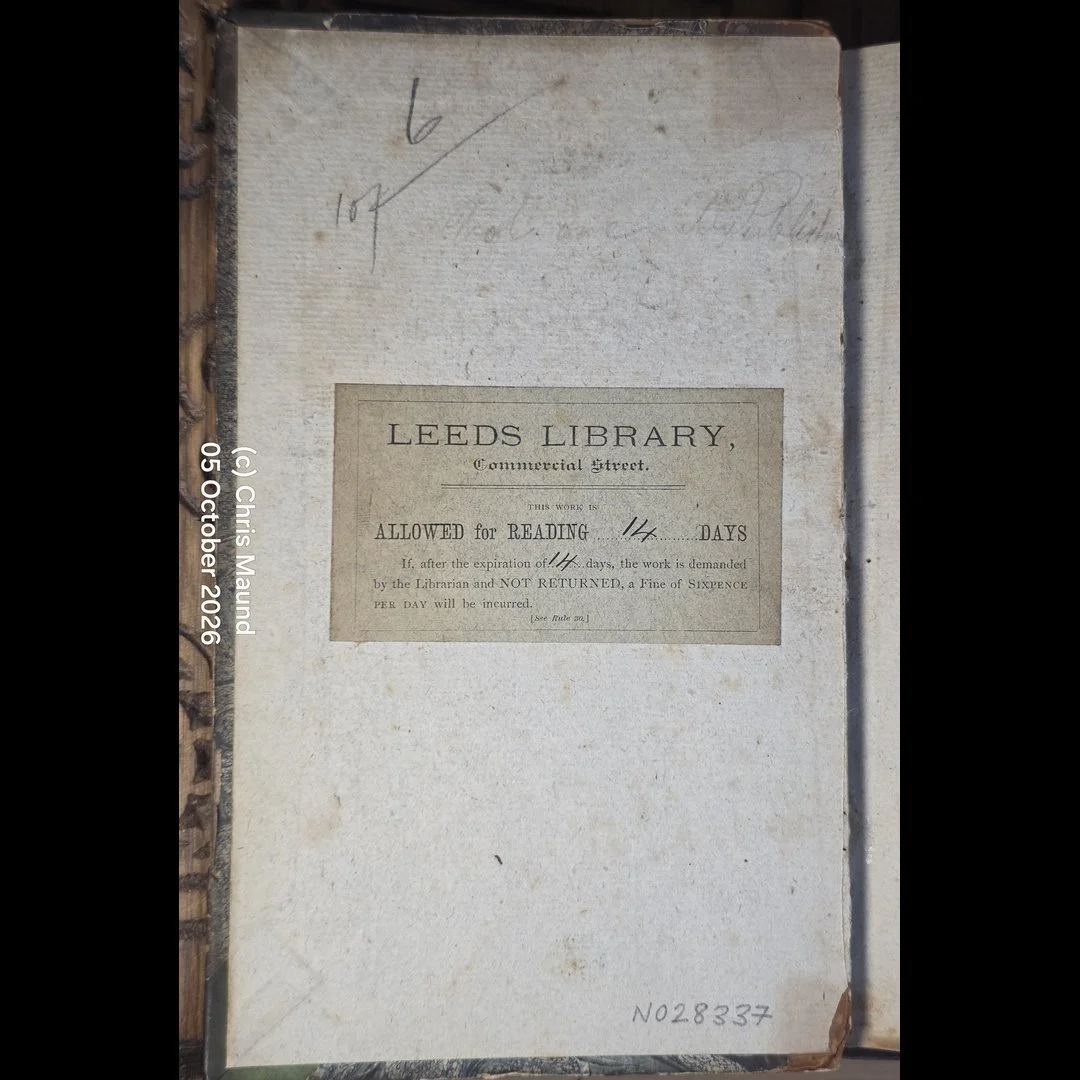
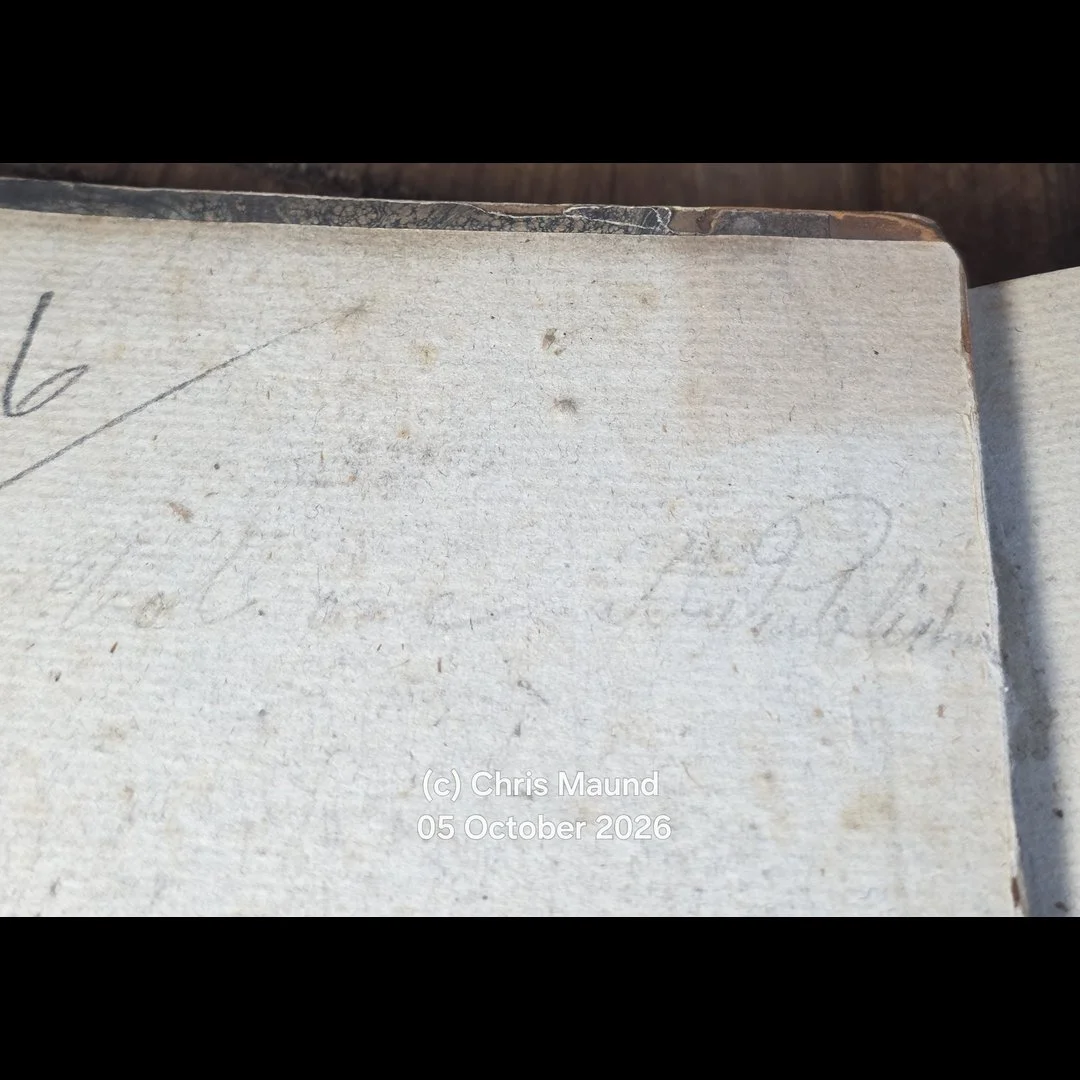
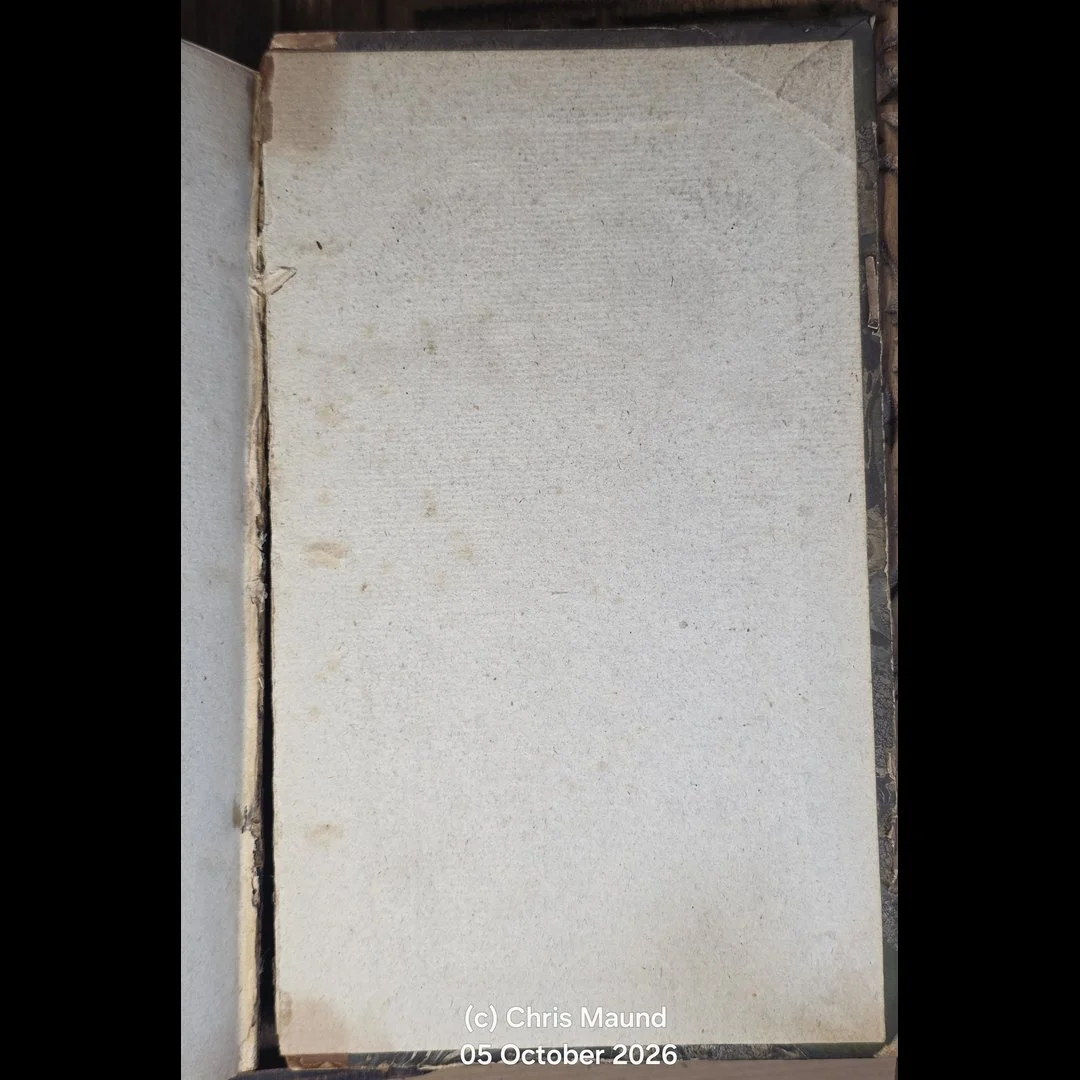
Internally generally very good, with occasional spotting, staining and handling marks consistent with age and practical use. Numerous early manuscript ownership inscriptions, pen trials and memoranda occur on the title, preliminary and terminal leaves.
Please see Photos as part of condition report.
REFERENCES
Bibliothèque nationale de France, Rituel romain (Auxerre), 1730.
Bibliothèque municipale d’Auxerre, Liber Ritualis Autissiodorensis, Auxerre, 1730.
Deutsches Liturgisches Institut, bibliographical record for the 1730 Auxerre ritual.
Kainen, Jacob, John Baptist Jackson: 18th-Century Master of the Color Woodcut, Smithsonian Institution, Washington.
The Auxerre institutional catalogue specifically associates the work with both diocesan liturgy and Jansenism.
SYNOPSIS
The Liber Ritualis Autissiodorensis was the official ritual book for the Diocese of Auxerre under Bishop Charles de Caylus.
Designed for parish clergy, it provided the prescribed prayers, formulae, instructions and ceremonial procedures governing the administration of the sacraments and other aspects of pastoral and liturgical life.
The first part treats the principal sacraments; the second the rites for funerals and the dead; the third ecclesiastical blessings and exorcisms; and the fourth additional pastoral and parochial instructions.
The volume therefore offers a direct view into the working religious life of an eighteenth-century French diocese during a period of significant theological and political controversy.
AUTHOR BIO
Charles-Daniel-Gabriel de Tubières de Caylus (1669–1754) became Bishop of Auxerre in 1704 and remained in the see for approximately fifty years.
He became one of the most prominent episcopal figures associated with French Jansenism and strongly resisted the papal bull Unigenitus, which condemned propositions derived from Pasquier Quesnel.
Under Caylus, the Diocese of Auxerre developed into an important centre of Jansenist religious culture. He promoted reforms in clerical discipline, catechesis, pastoral practice and diocesan liturgy, commissioning new liturgical books intended to embody his programme.
The present ritual formed part of that programme and represents both an official diocesan service book and an important documentary object from one of the principal ecclesiastical controversies of eighteenth-century France.
ILLUSTRATOR
John Baptist Jackson (Engraver)
John Baptist Jackson (c.1701–c.1780) was an English wood engraver and one of the most technically accomplished practitioners of the medium during the eighteenth century.
After training in England, Jackson moved to Paris in the 1720s and worked for the French printing trade, producing book illustrations, decorative initials, headpieces and other woodcut ornament.
He came into contact with leading figures of the Parisian artistic and antiquarian world, including the celebrated collector and printmaker Anne-Claude-Philippe, Comte de Caylus.
Jackson left Paris for Italy in 1730 and subsequently became particularly associated with Venice, where he developed ambitious multi-block chiaroscuro and colour woodcuts after major Renaissance masters.
The signed Confirmation woodcut in the present Liber Ritualis belongs to Jackson’s Paris period and is particularly interesting as an example of his work immediately before his move to Italy and the development of the colour-printing techniques for which he later became best known.

 Image 1 of 15
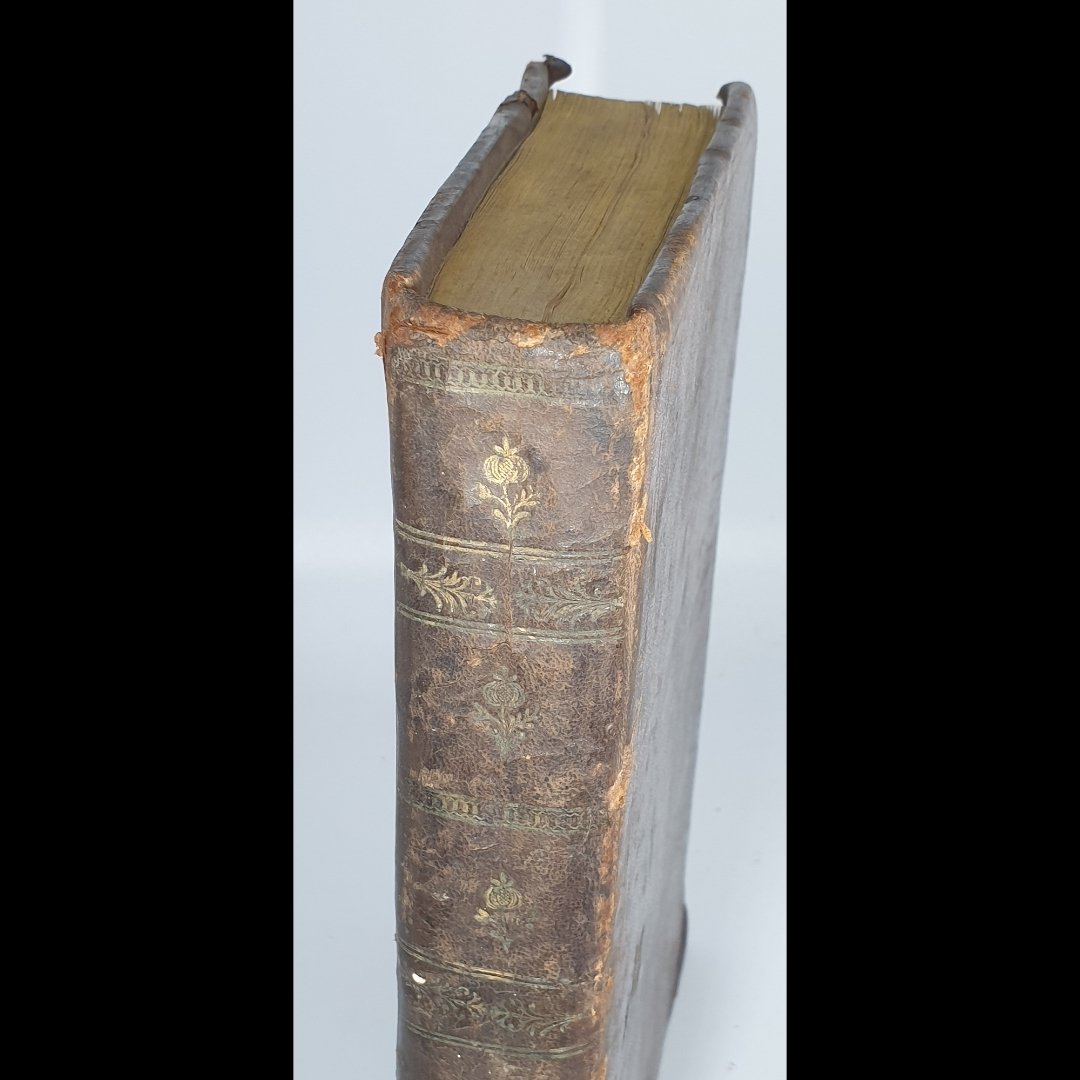 Image 2 of 15
 Image 3 of 15
 Image 4 of 15
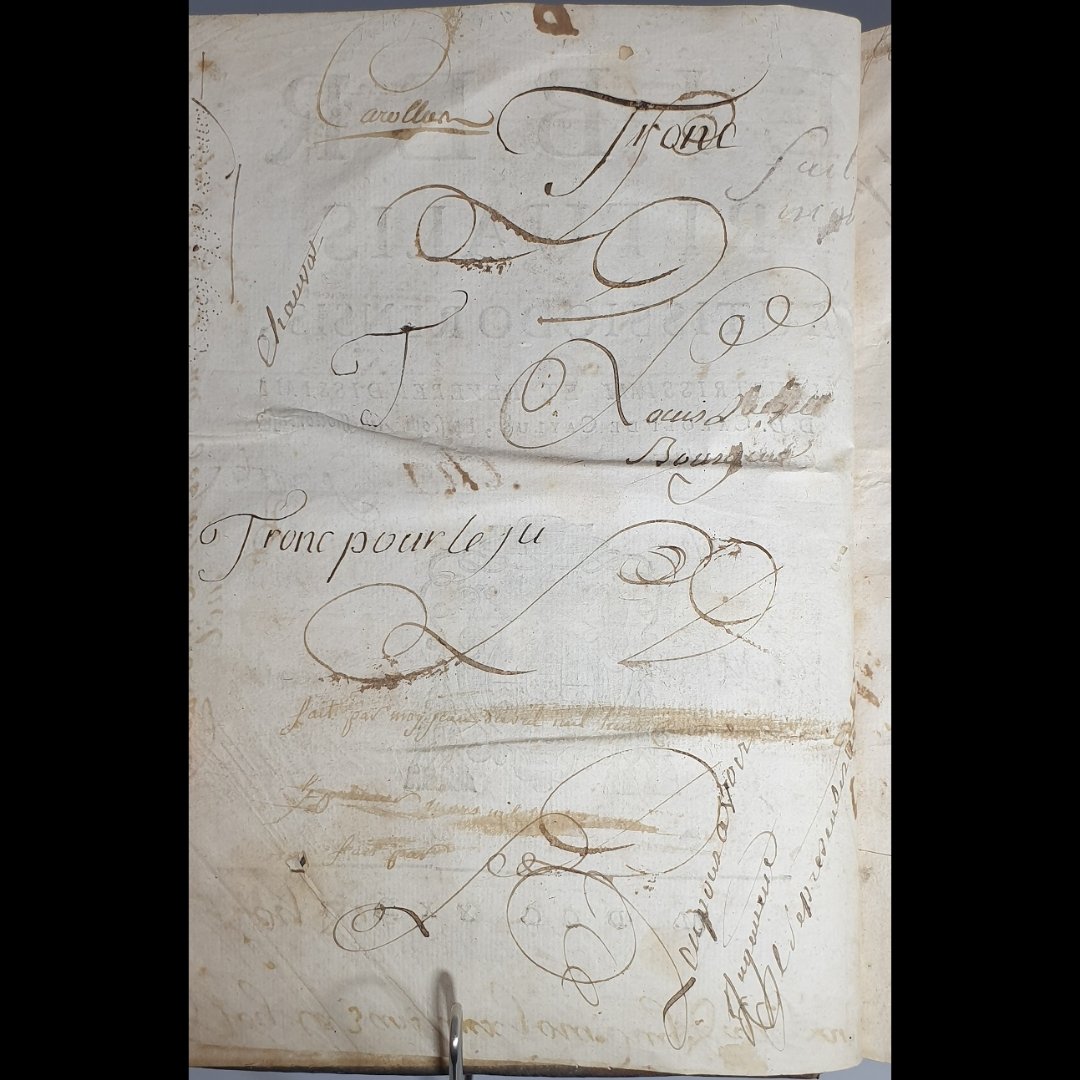 Image 5 of 15
 Image 6 of 15
 Image 7 of 15
 Image 8 of 15
 Image 9 of 15
 Image 10 of 15
 Image 11 of 15
 Image 12 of 15
 Image 13 of 15
 Image 14 of 15
 Image 15 of 15