1929
THE GOLDEN BOUGH
By George Frazer
KEY DETAILS
Condition: Very Good
Format: Hardcover, 8vo; approx. 227 x 146 mm
Published By: Macmillan and Co., London, 1929
Language: English
Provenance: Harrods Circulating Library, London. The rear endpaper bears a blindstamp reading: "THE CIRCULATING LIBRARY, HARRODS LTD. LONDON, S.W.1."
Collation: xiv, 756, [4] pp., including four pages of publisher's advertisements at rear. Frontispiece after J. M. W. Turner present. Main text concludes on p. 756. Frontispiece after J. M. W. Turner present. Complete.
Dust Jacket: No
SKU: BTETM0001070
Shipping Info: Approximate Package Dimensions H: 12.5, L: 30, W: 25 (Units: cm), W: 2Kg
Tracked Shipping, Insurance Coverage as per Customer Request
DESCRIPTION
The Golden Bough
A Study in Magic and Religion
An early impression of Sir James George Frazer's influential The Golden Bough: A Study in Magic and Religion, published by Macmillan in 1929, being the sixth impression of the single-volume abridged edition first issued in November 1922.
Originally published in two volumes in 1890 and subsequently expanded into a monumental twelve-volume study, The Golden Bough is one of the foundational works of comparative religion, mythology and anthropology. Drawing upon an extraordinary range of classical sources, folklore, religious traditions and ethnographic accounts, Frazer examines the relationships between magic, ritual, sacrifice, fertility, kingship and religious belief across different cultures.
The 1922 abridgement brought Frazer's extensive investigations to a considerably wider readership, preserving the principal arguments and much of the illustrative material of the larger work. Although many of Frazer's theories have since been challenged by modern anthropology, his work remains a landmark in the intellectual history of religion and mythology, exerting a profound influence upon twentieth-century literature and studies of folklore and ritual.
This copy retains its original publisher's blue cloth binding, decorated in gilt, and includes the frontispiece reproducing J. M. W. Turner's painting The Golden Bough. It is complete with the four pages of publisher's advertisements following the main text.
Of particular interest is its provenance from the Harrods Circulating Library, London, evidenced by a clearly impressed blindstamp to the rear endpaper. The volume also bears a later private ownership inscription dated 1965.
PROVENANCE
Harrods Circulating Library, London. The rear endpaper bears a blindstamp reading: "THE CIRCULATING LIBRARY, HARRODS LTD. LONDON, S.W.1."
Harrods operated a commercial subscription circulating library during the early twentieth century, forming part of a wider network of private lending libraries that played an important role in British literary culture. Such libraries provided subscribers with access to contemporary publications and helped shape the distribution and readership of books during the interwar period.
The blindstamp provides evidence of the volume's former association with the Harrods library, although its precise dates of acquisition and withdrawal are unknown.
A subsequent ink ownership inscription to the front free endpaper, apparently reading "Leslie Graham 1965", indicates later private ownership. No biographical identification of this individual has been established.
CONDITION, COLLATION & COPY NOTES
COLLATION
xiv, 756, [4] pp., including four pages of publisher's advertisements at rear. Frontispiece after J. M. W. Turner present. Main text concludes on p. 756. Frontispiece after J. M. W. Turner present. Complete.
Original publisher's blue cloth-covered boards, with gilt decoration to the upper board and gilt spine lettering. Some general rubbing and handling wear consistent with age and use. Both boards are firmly attached and the internal hinges are sound. No dust jacket.
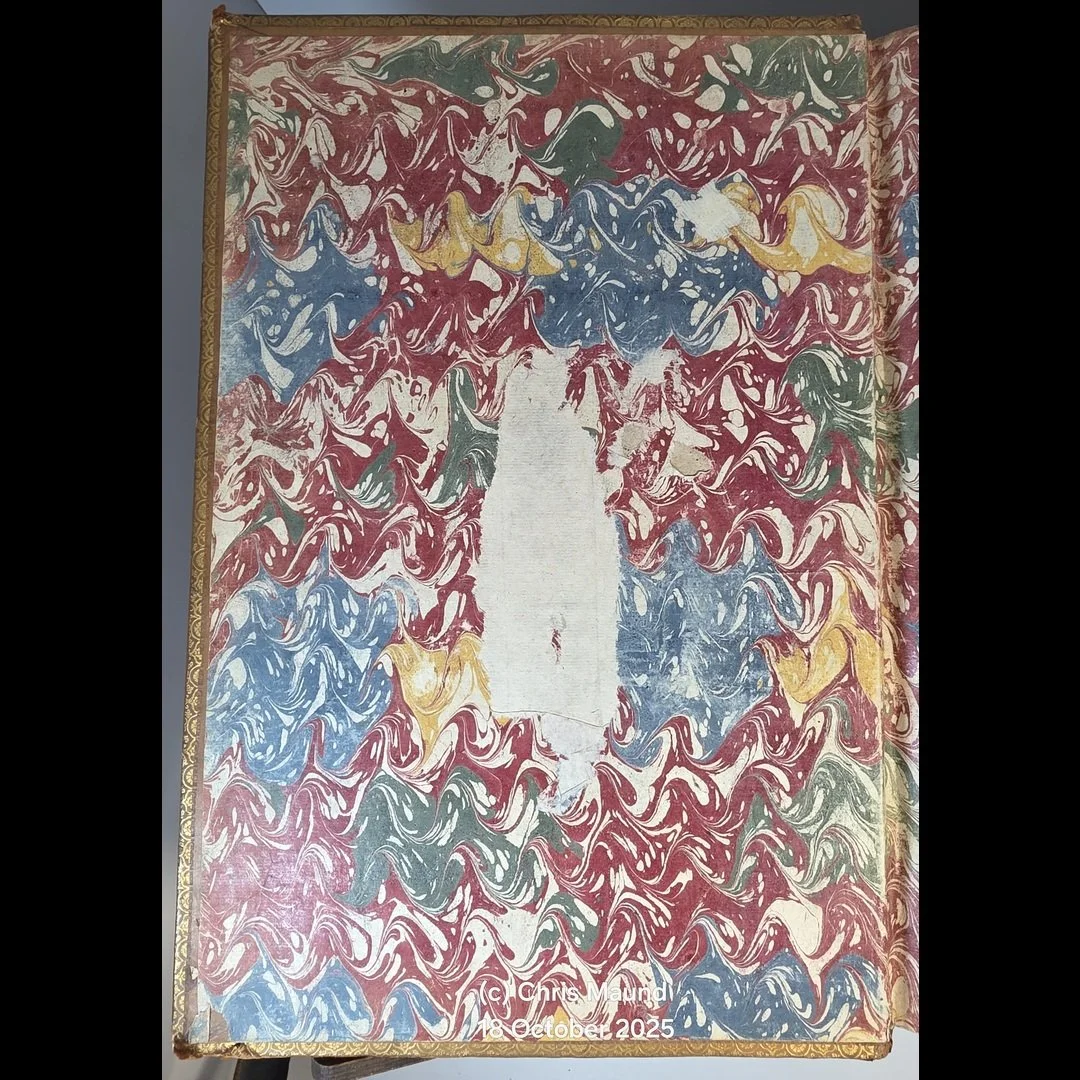
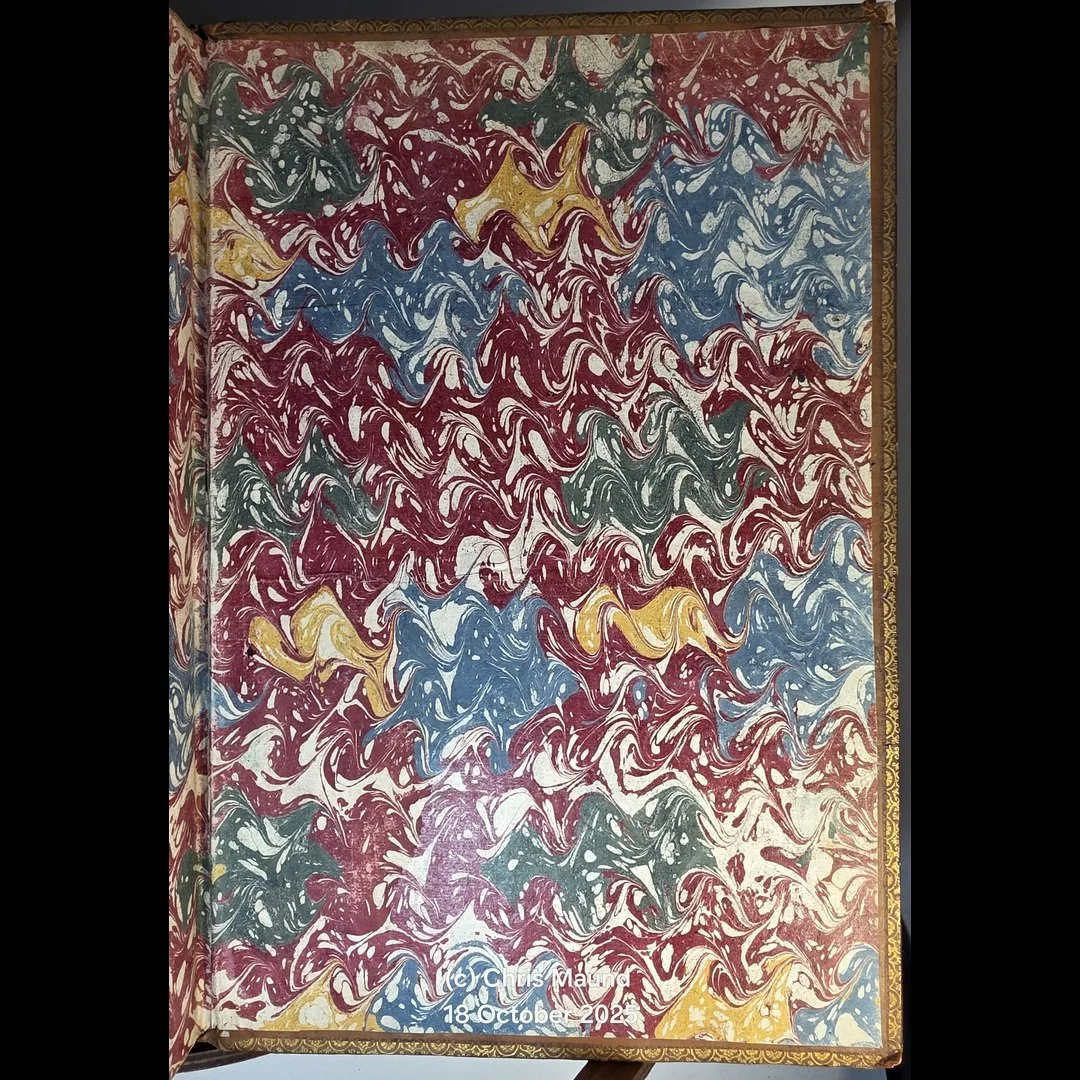
The text block is generally well preserved, with some age-related toning and scattered foxing, particularly to the endpapers. The front free endpaper bears the 1965 ownership inscription. The rear endpaper carries the Harrods Circulating Library blindstamp, with some marginal discolouration.
The publisher's printing history identifies the first abridged edition as November 1922, followed by impressions in January and February 1923, January 1924, April 1925, and the present sixth impression in 1929.
Harrods Circulating Library blindstamp to rear endpaper; later ownership inscription, apparently "Leslie Graham 1965", to front free endpaper. Original publisher's binding retained.
A complete, structurally sound copy with an interesting history of institutional and subsequent private ownership.
Please see Photos as part of condition report.
REFERENCES
Frazer, J. G. The Golden Bough: A Study in Magic and Religion. London: Macmillan and Co., Limited, 1922. First abridged edition.
National Library of Ireland: bibliographical catalogue record for the Macmillan 1929 abridged edition, recording xiv, 756 pages and a plate.
Frazer, J. G. The Golden Bough: A Study in Magic and Religion. Third edition, 12 volumes. London: Macmillan, 1911–1915.
Ackerman, Robert. J. G. Frazer: His Life and Work. Cambridge: Cambridge University Press, 1987.
SYNOPSIS
Beginning with the enigmatic priesthood of Diana at Nemi, where the priest-king was traditionally required to defend his position against a challenger, Frazer embarks upon a sweeping investigation of the origins and development of religious belief.
Through comparative studies of ancient mythology, magical practices, fertility rituals, seasonal festivals, sacrificial kingship and the worship of vegetation deities, he explores recurring patterns in the ways human societies have sought to understand and influence the natural world.
Frazer famously proposed an evolutionary progression from magic through religion to science, a model now widely criticised for its speculative assumptions and treatment of cultural differences. Nevertheless, The Golden Bough remains an exceptionally influential work, shaping the writings of figures including T. S. Eliot, James Joyce and numerous scholars of mythology, folklore and comparative religion.
The abridged edition offers an accessible introduction to Frazer's vast comparative enterprise and remains a significant text for readers interested in the history of magic, religion, mythology and anthropological thought.
AUTHOR BIO
Sir James George Frazer (1854–1941) was a Scottish classical scholar, anthropologist and historian of religion, best known for his monumental study The Golden Bough (1890–1915). Educated at the universities of Glasgow and Cambridge, he became a Fellow of Trinity College, Cambridge, in 1879.
Frazer's pioneering research explored the relationships between magic, mythology, ritual and religious belief across different cultures. His influential theory that human thought progressed through stages of magic, religion and science helped shape early comparative anthropology, although many of his conclusions have since been challenged.
Knighted in 1914, Frazer exerted a profound influence upon twentieth-century literature and scholarship, notably the writings of T. S. Eliot, James Joyce and D. H. Lawrence. His work remains significant to the history of anthropology, folklore and comparative religion.

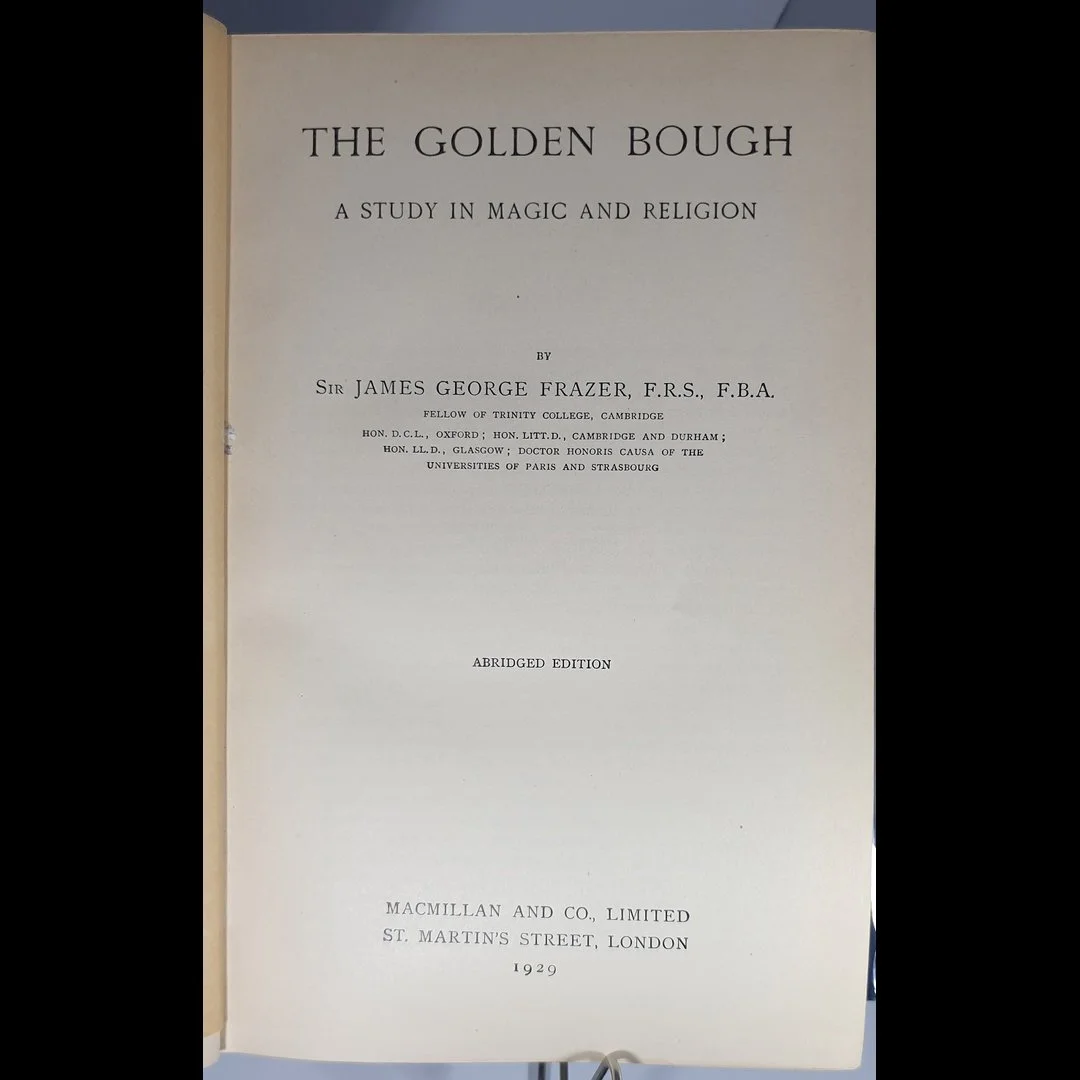 Image 1 of 17
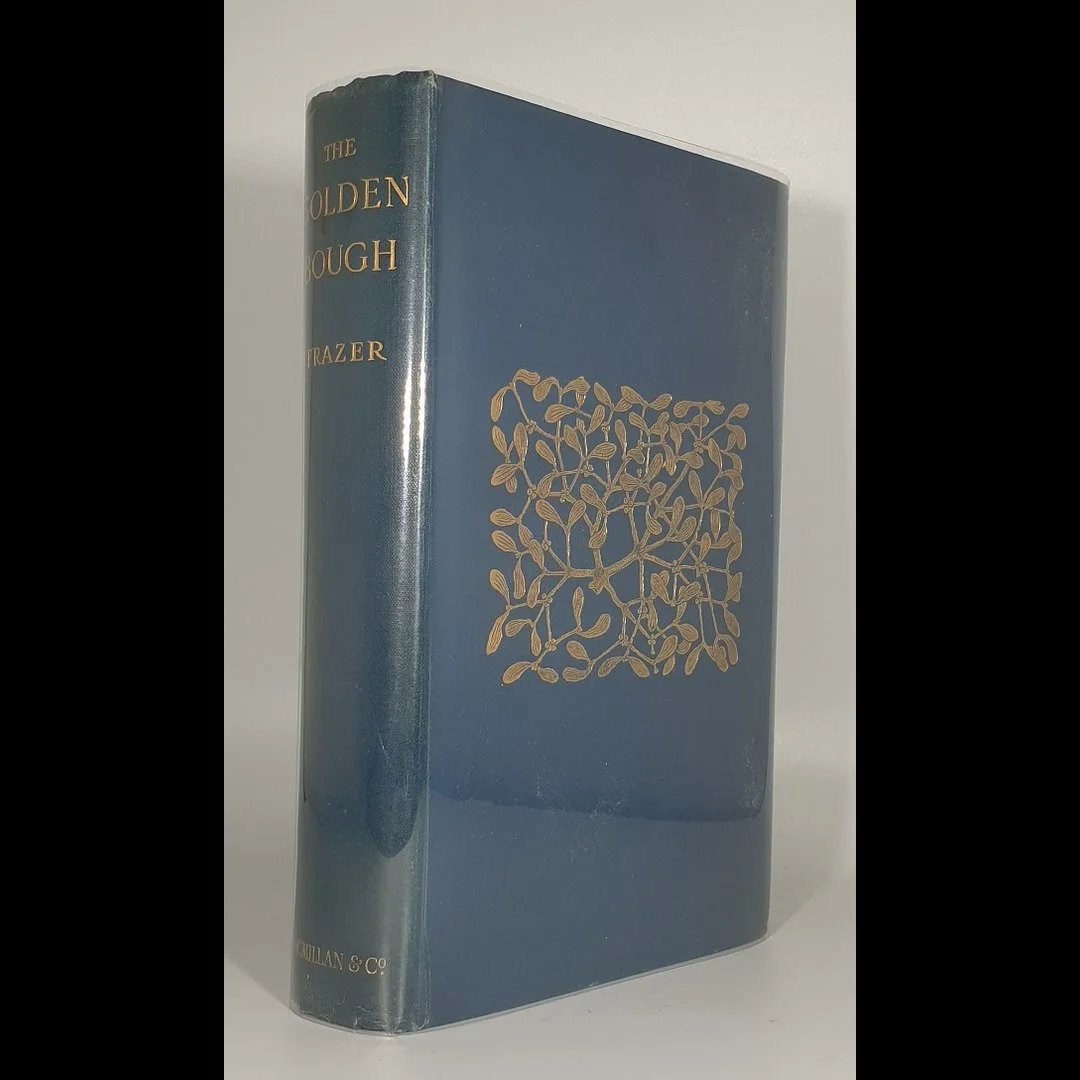 Image 2 of 17
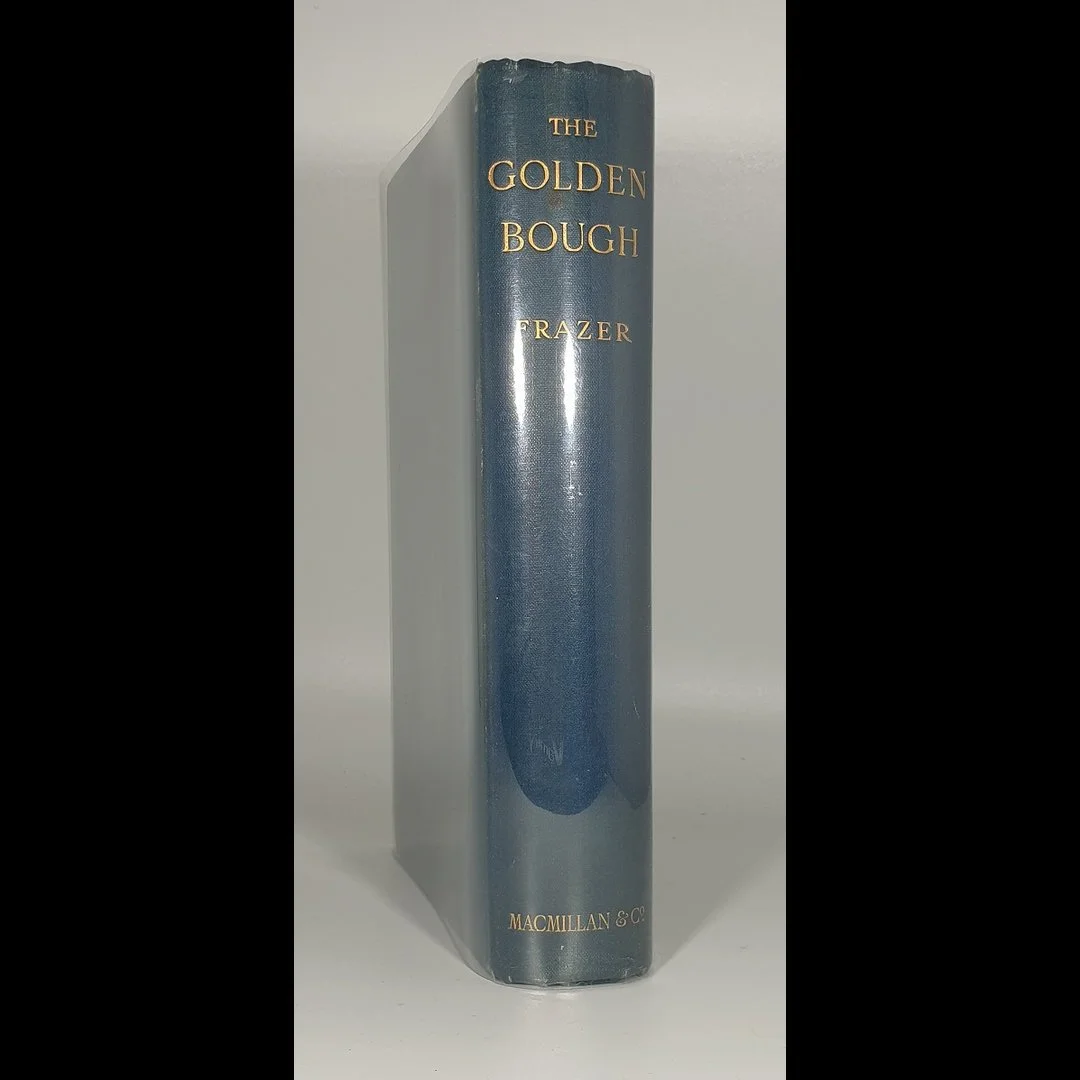 Image 3 of 17
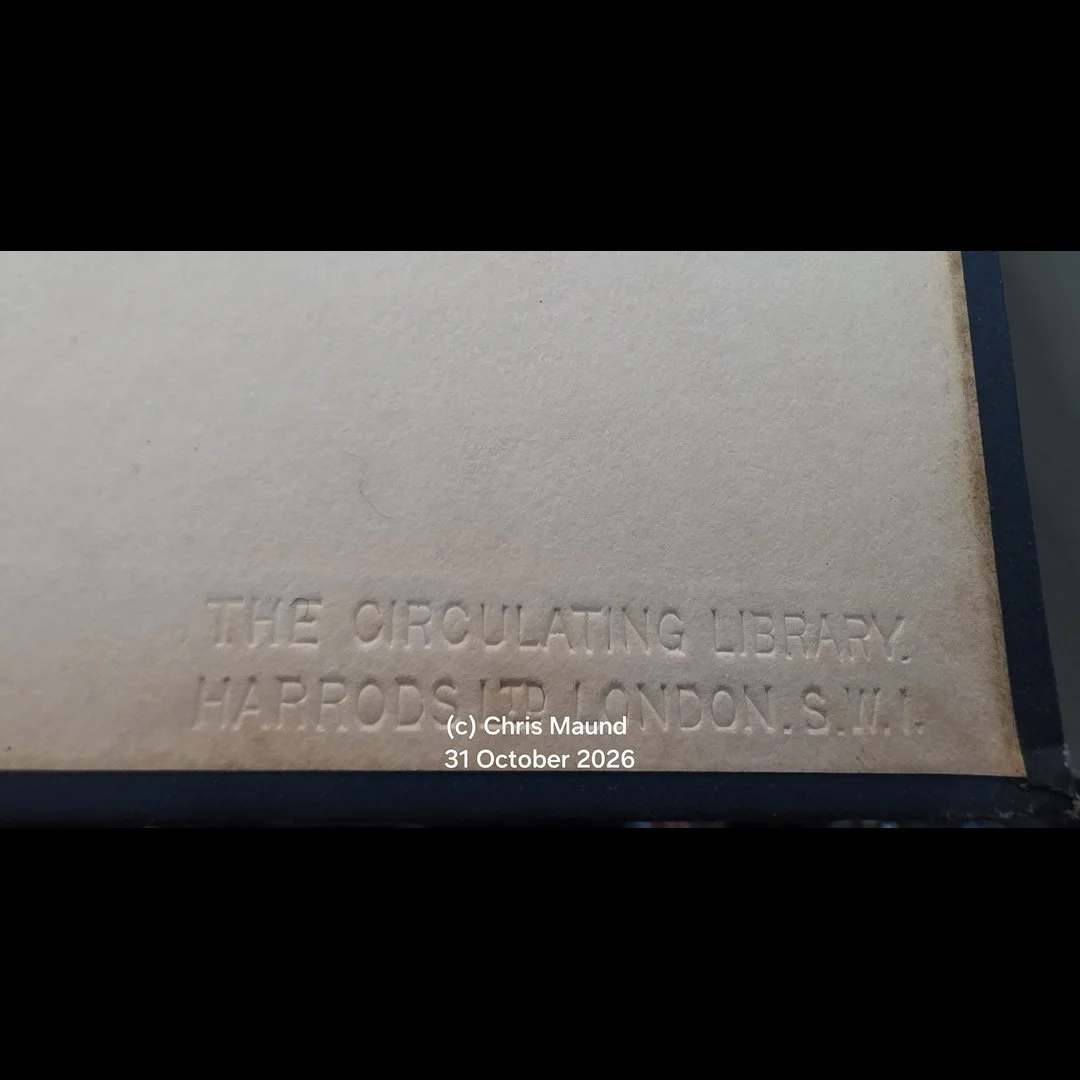 Image 4 of 17
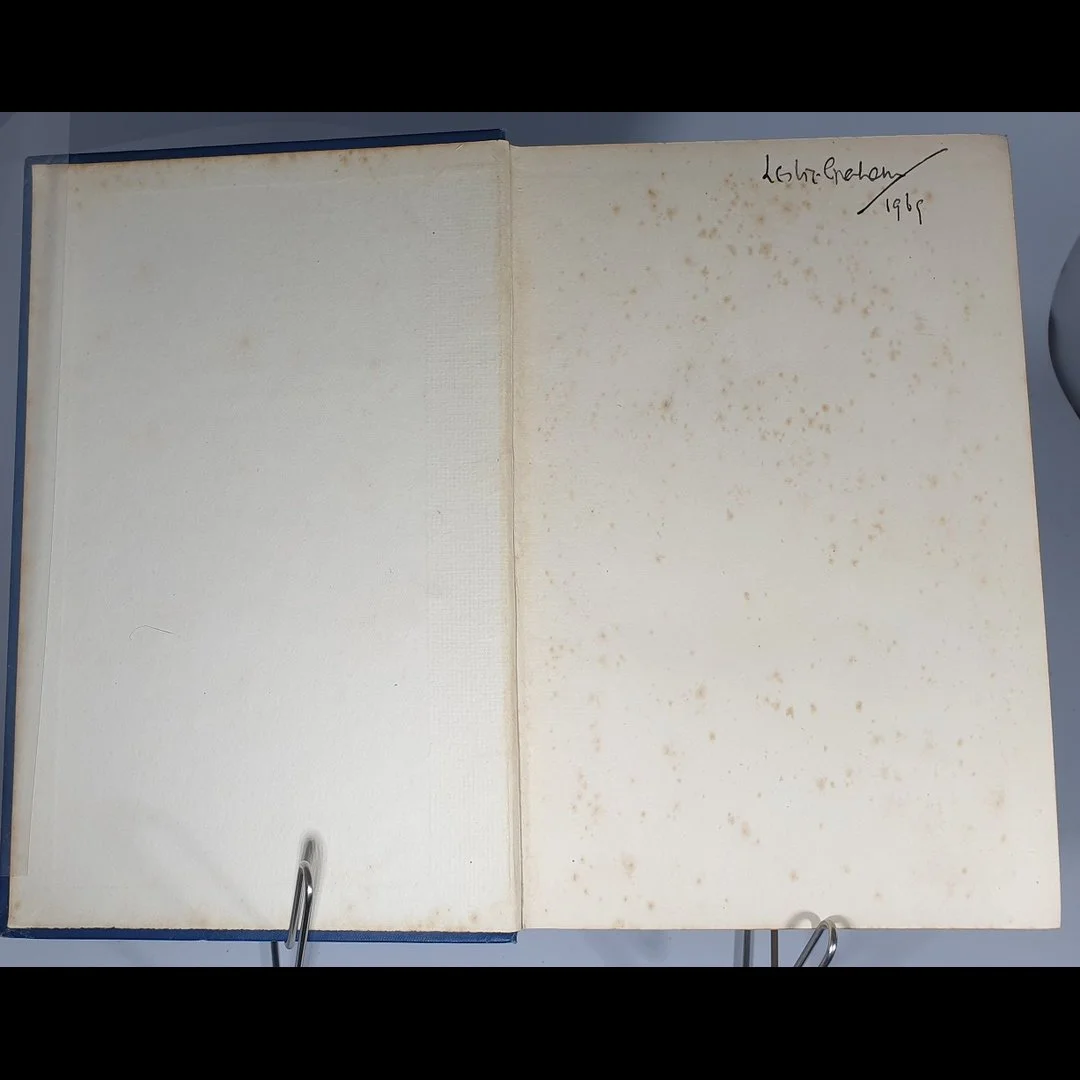 Image 5 of 17
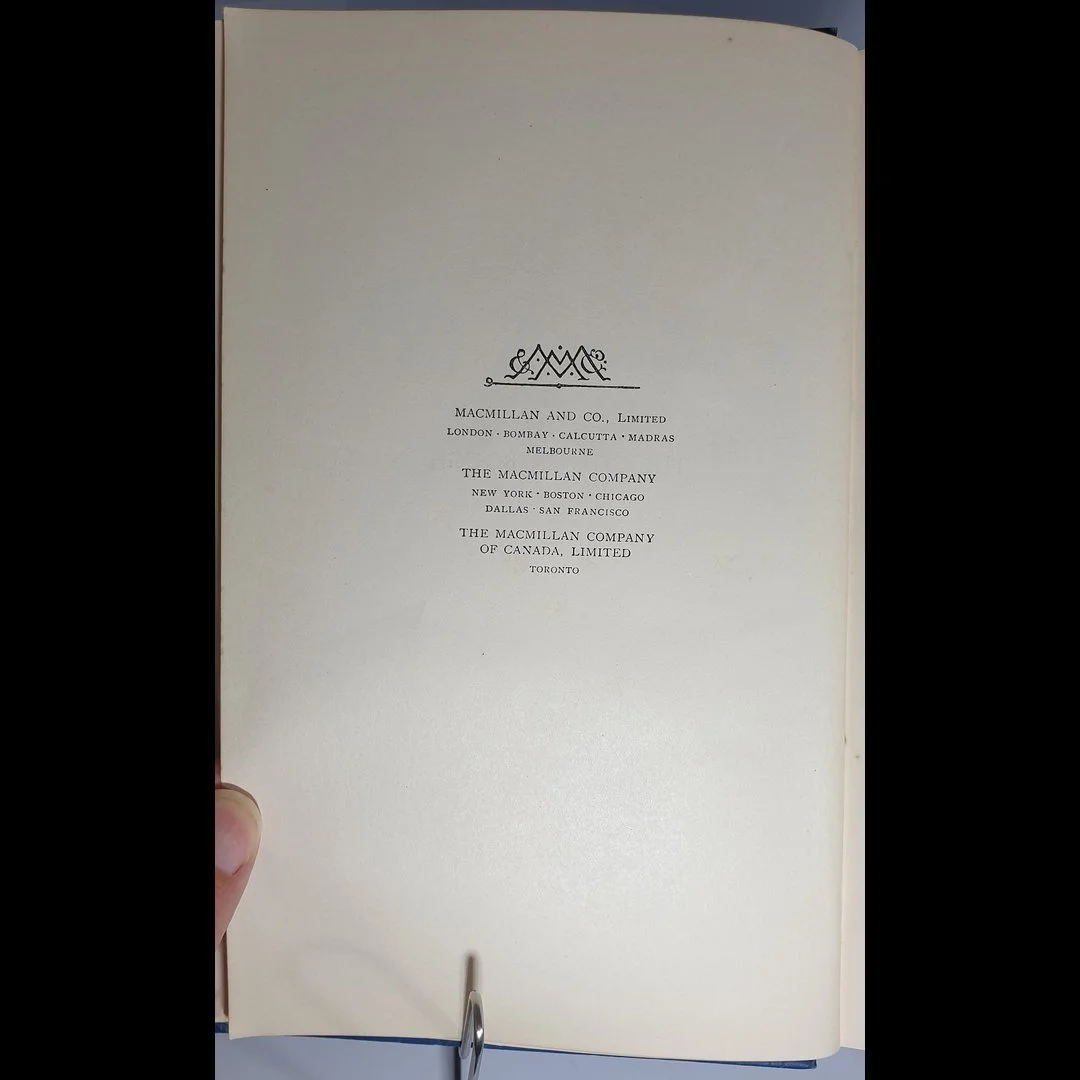 Image 6 of 17
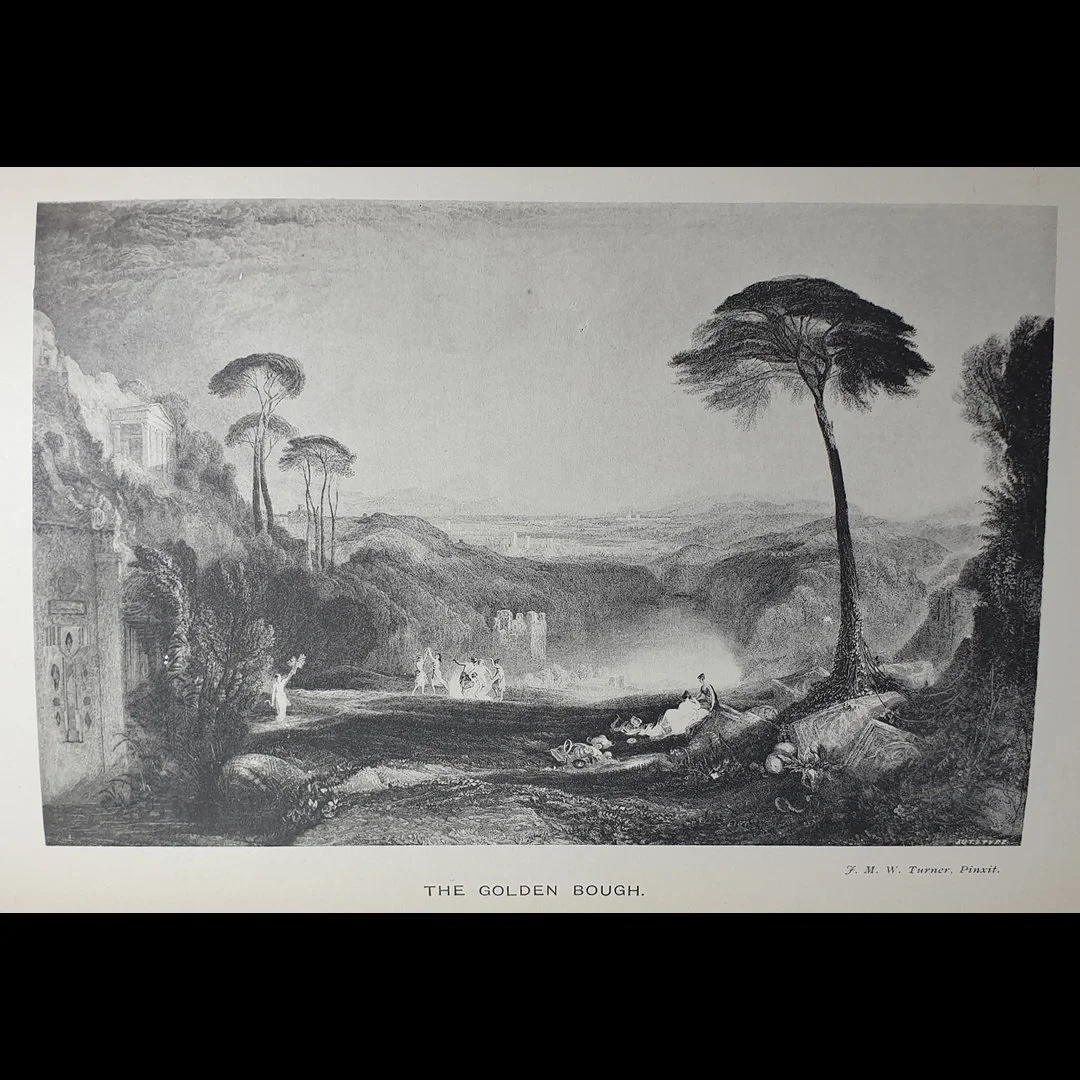 Image 7 of 17
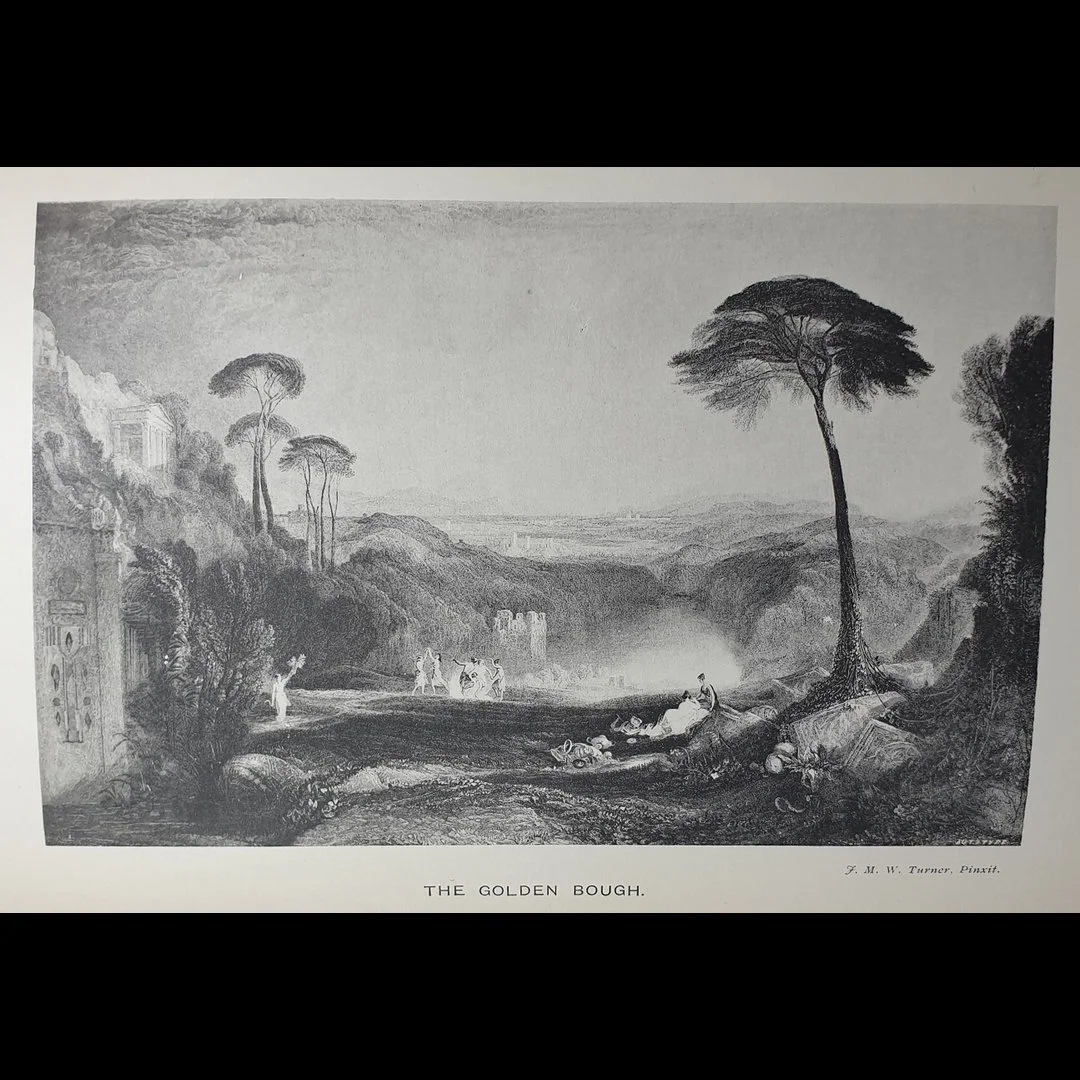 Image 8 of 17
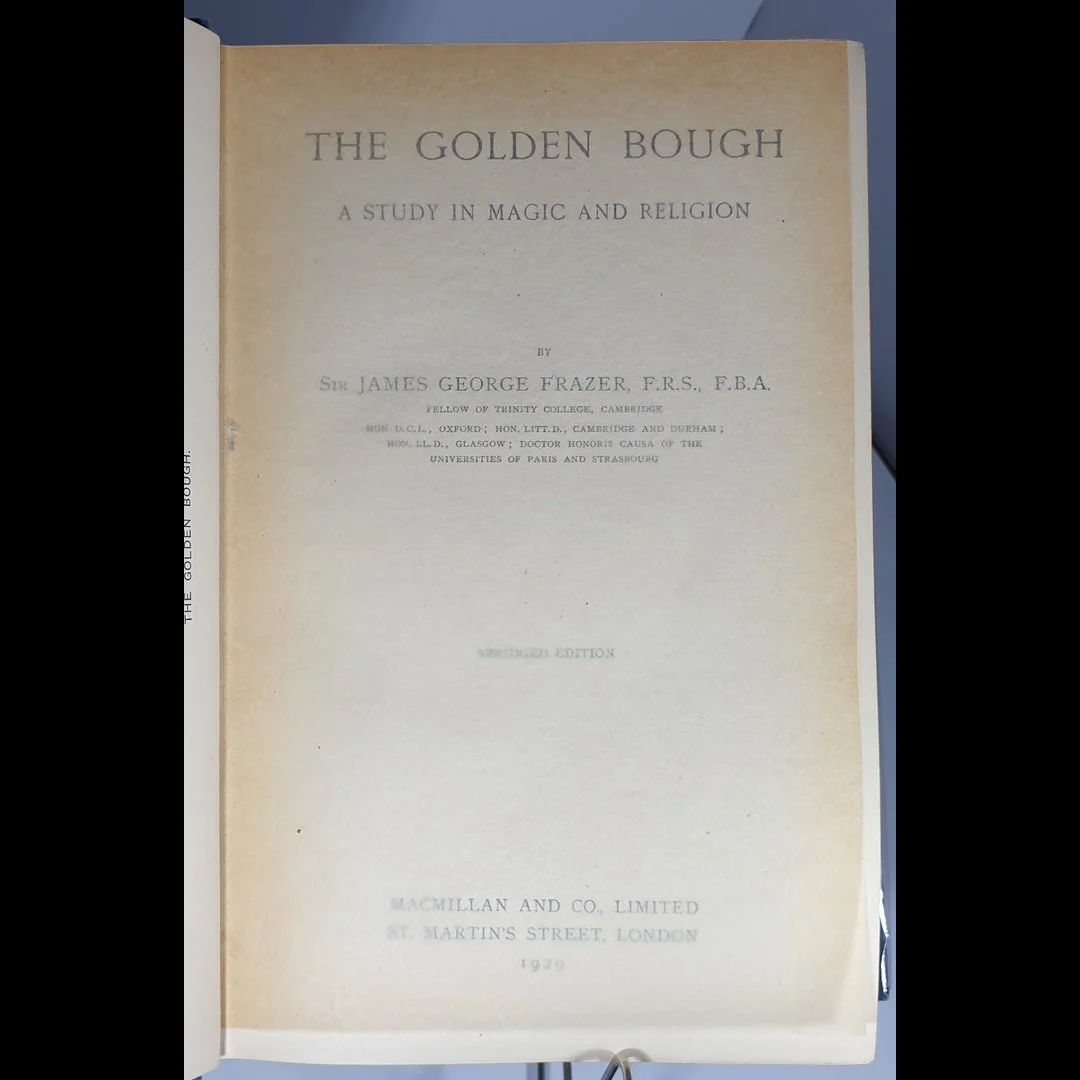 Image 9 of 17
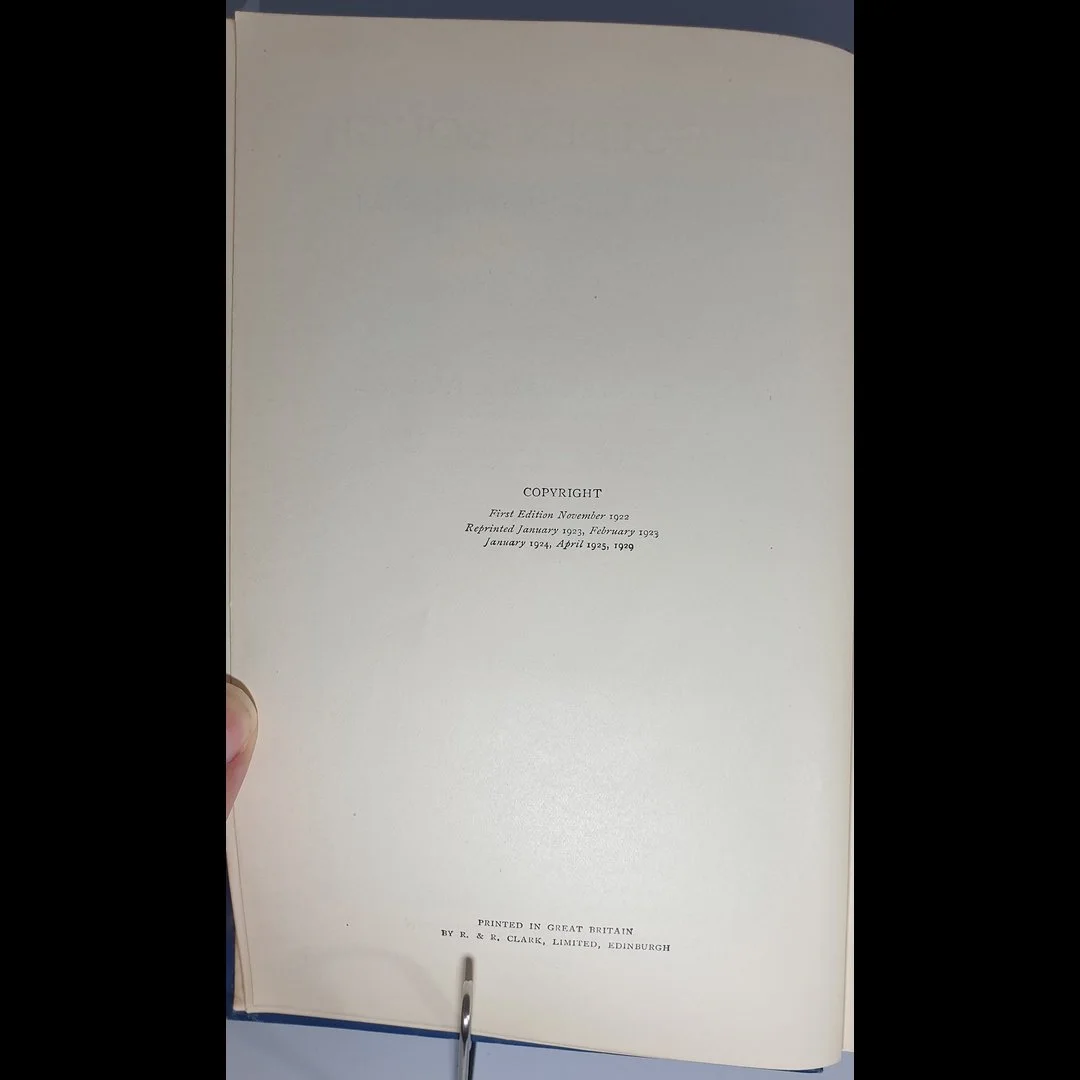 Image 10 of 17
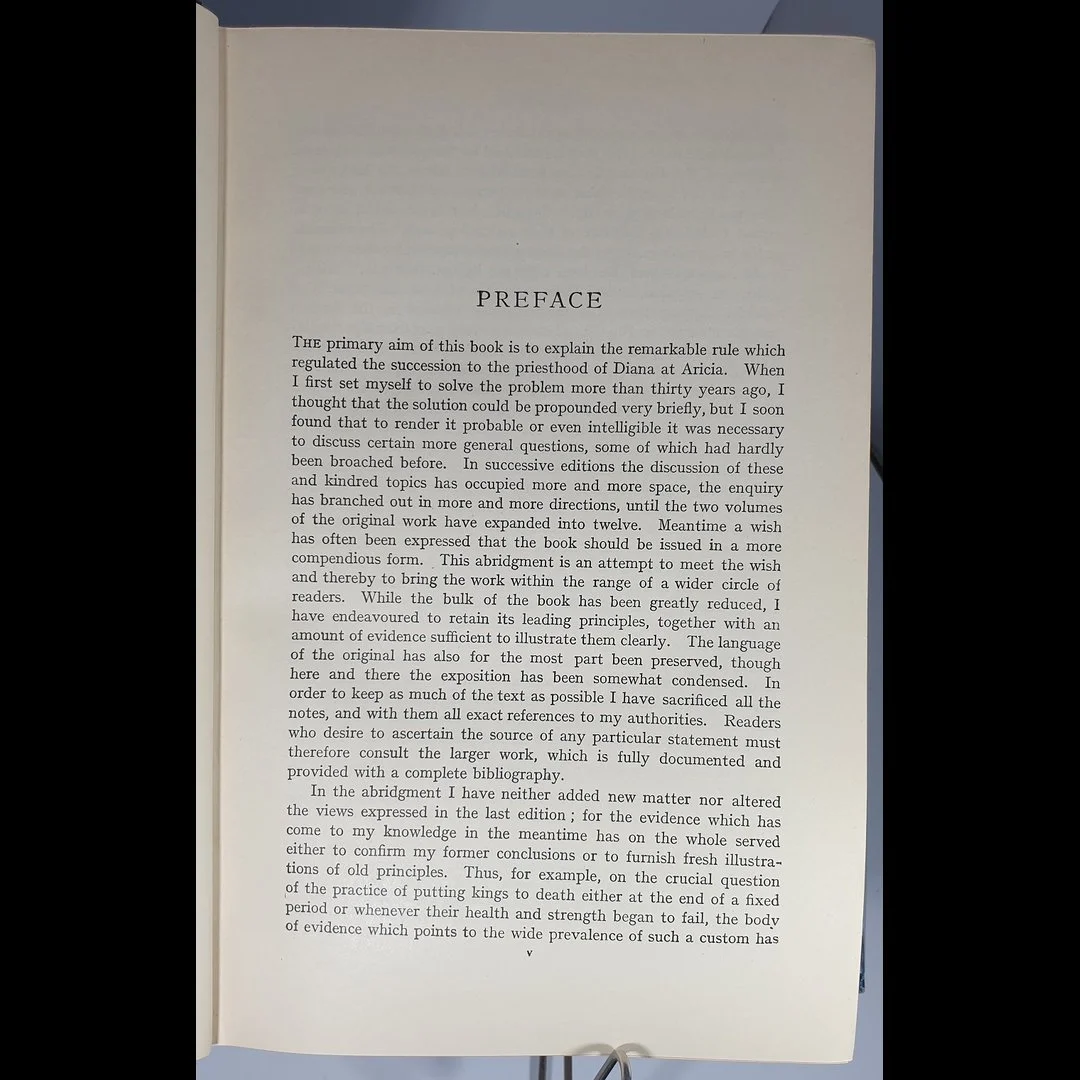 Image 11 of 17
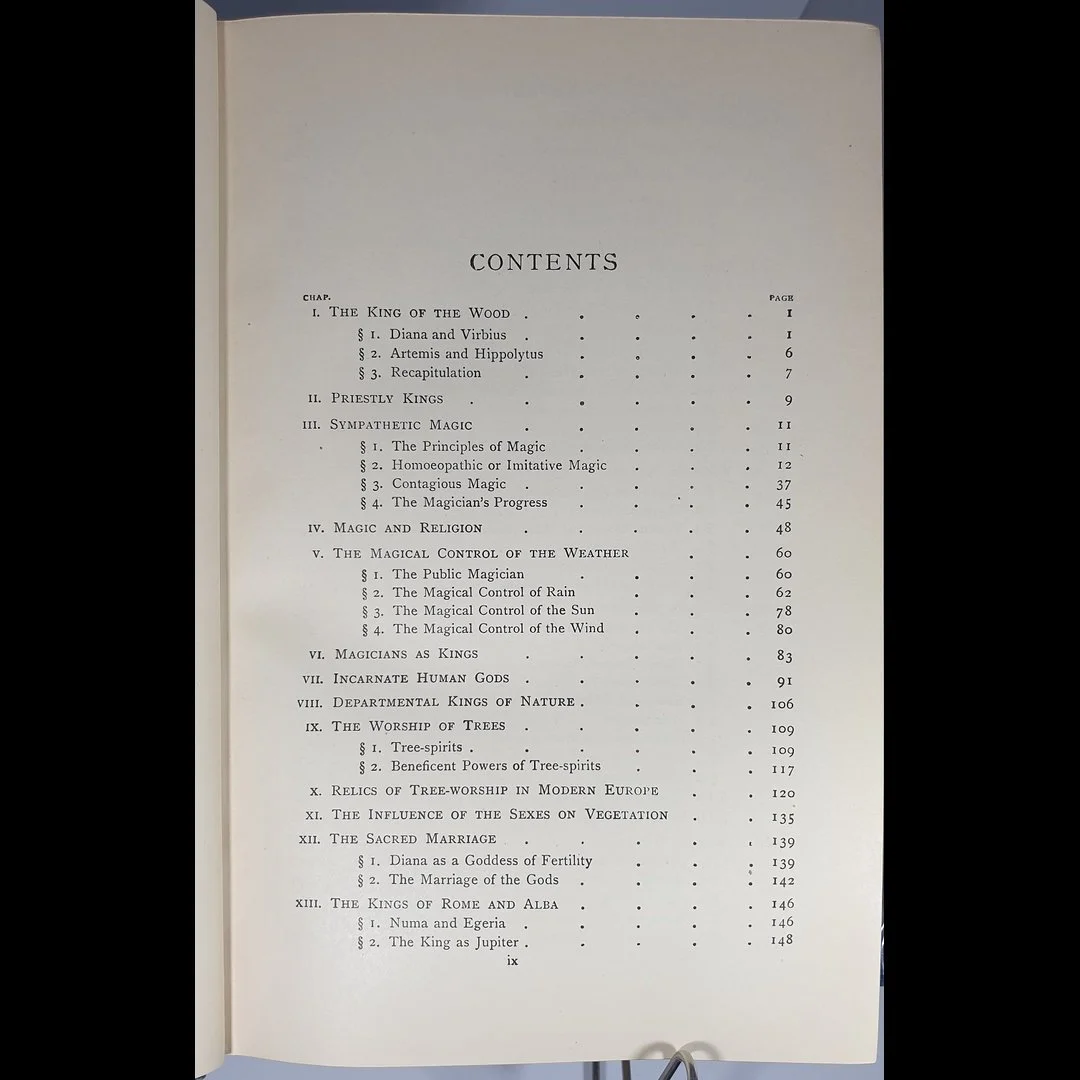 Image 12 of 17
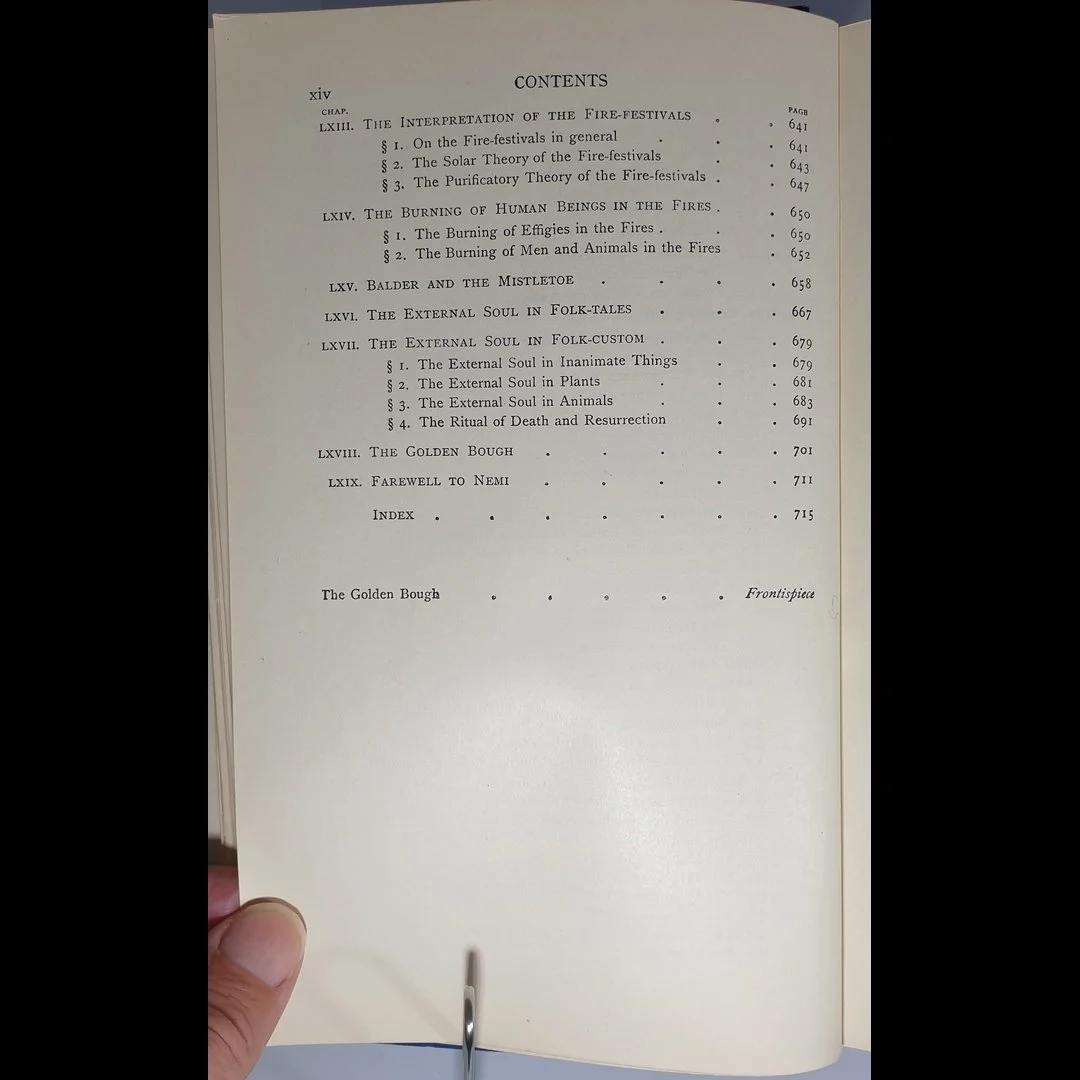 Image 13 of 17
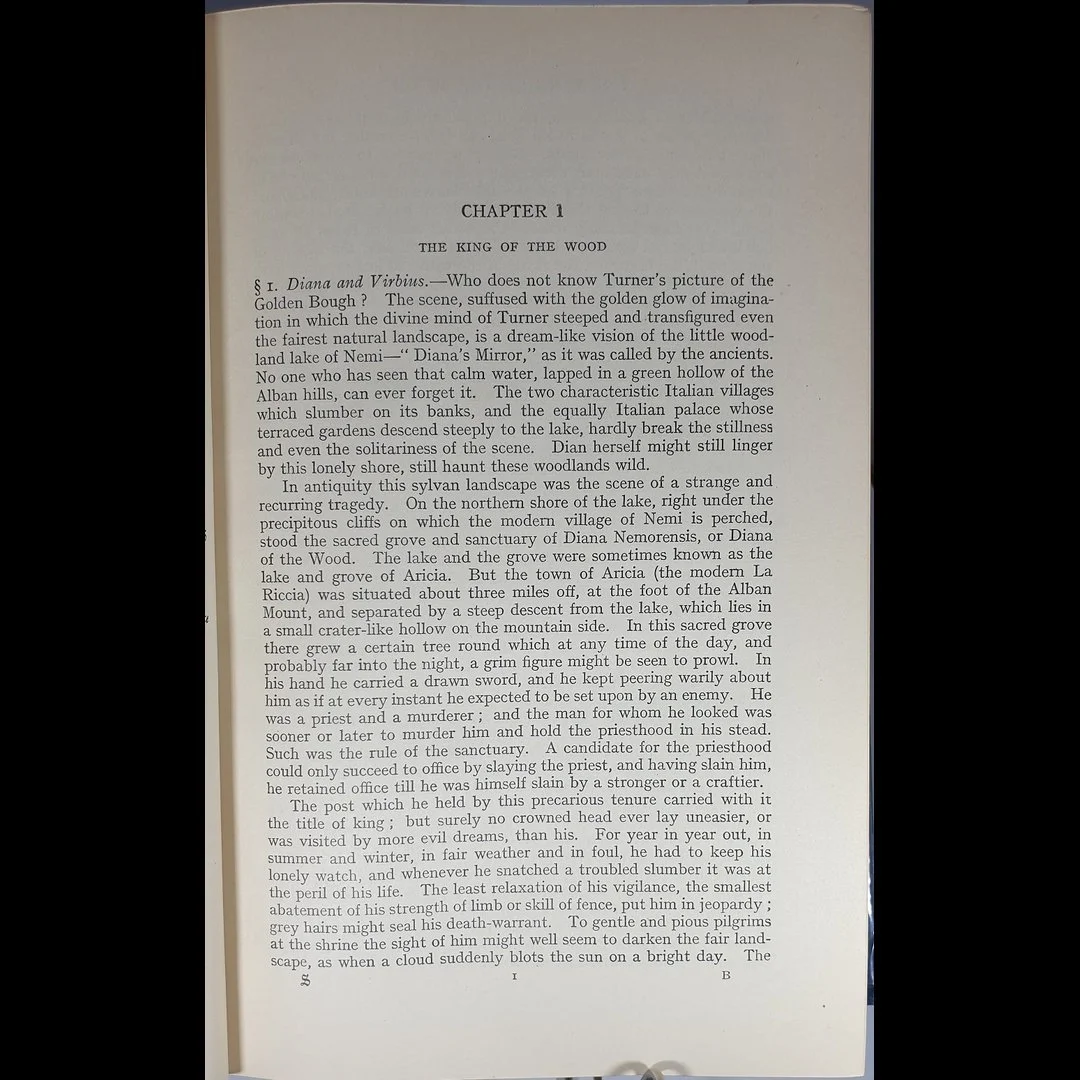 Image 14 of 17
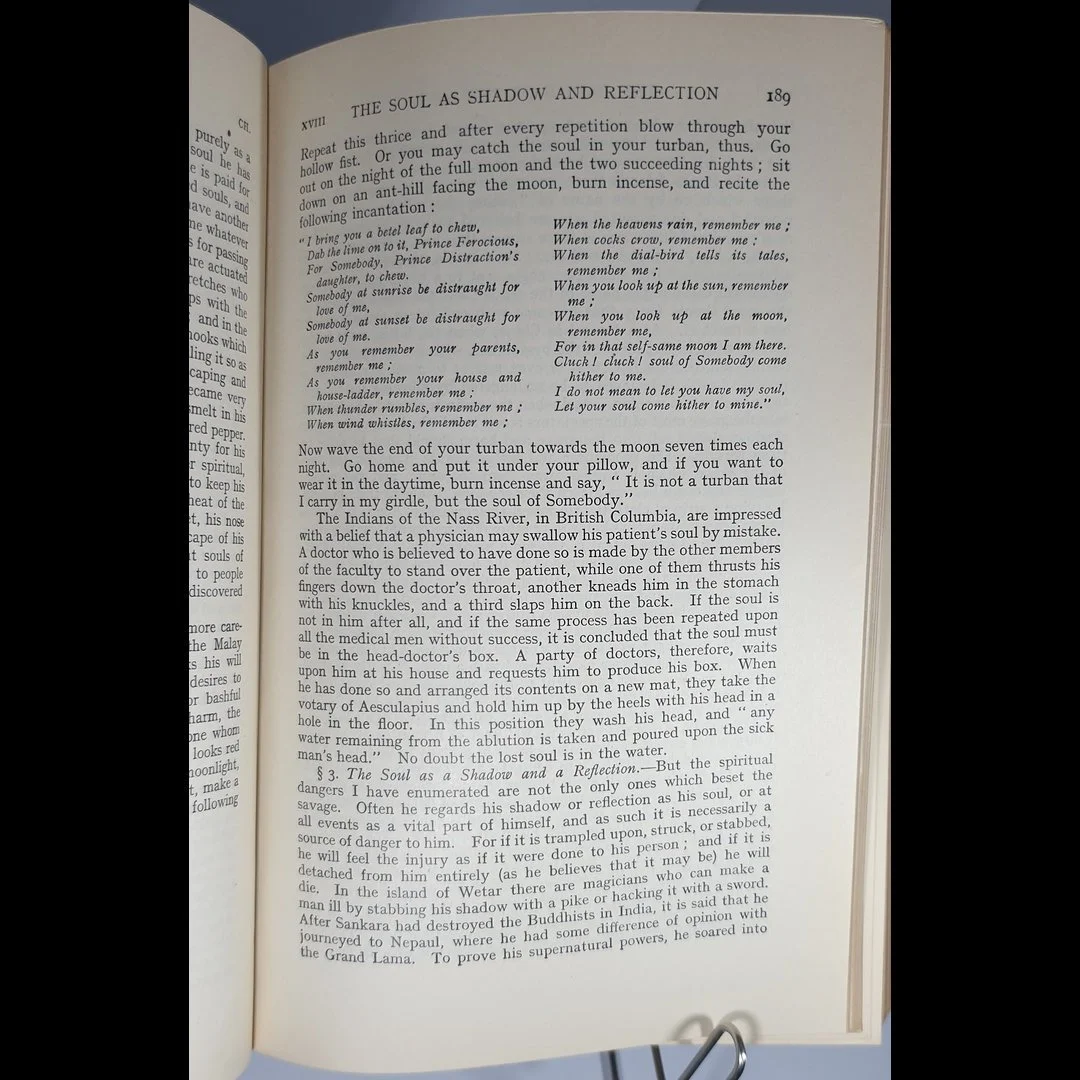 Image 15 of 17
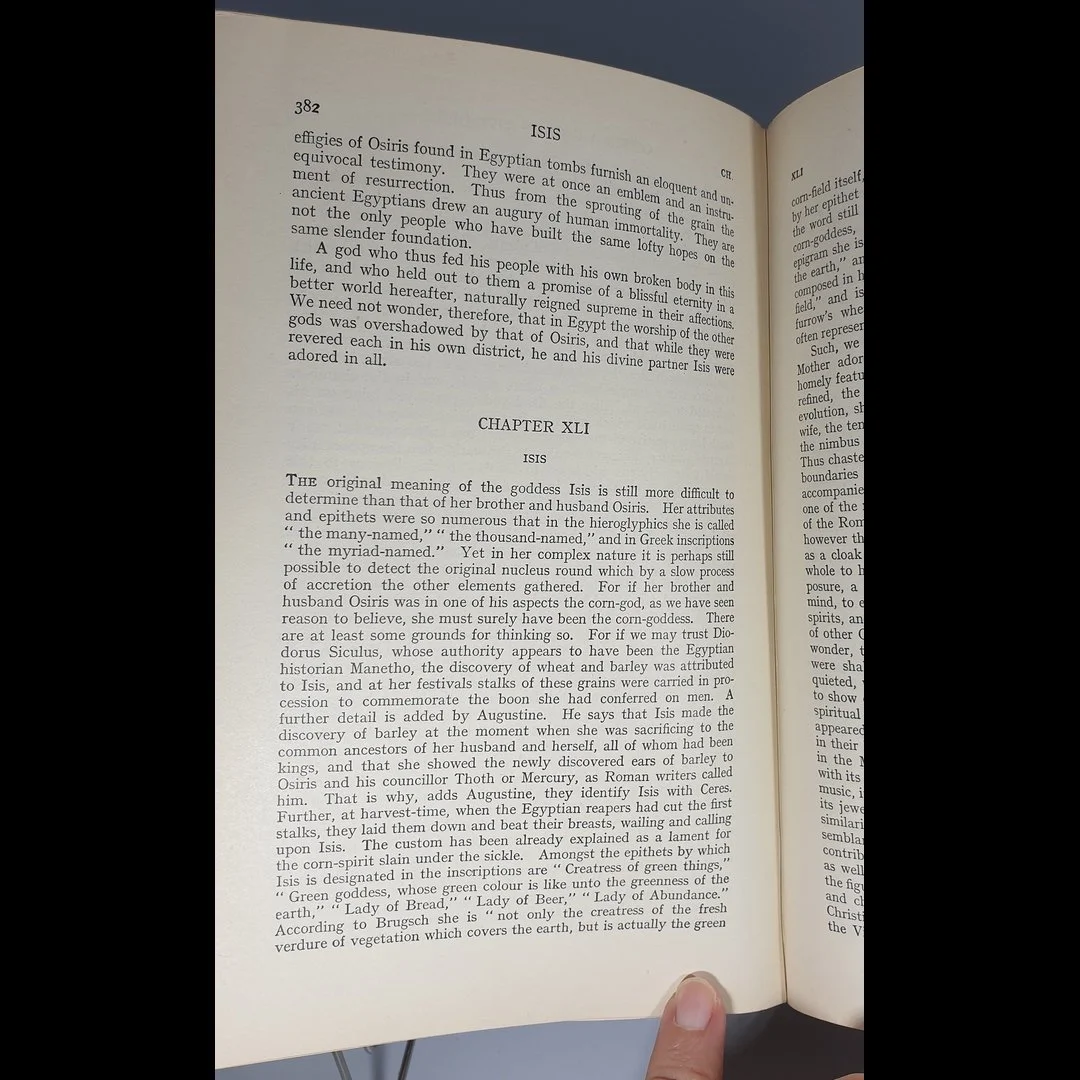 Image 16 of 17
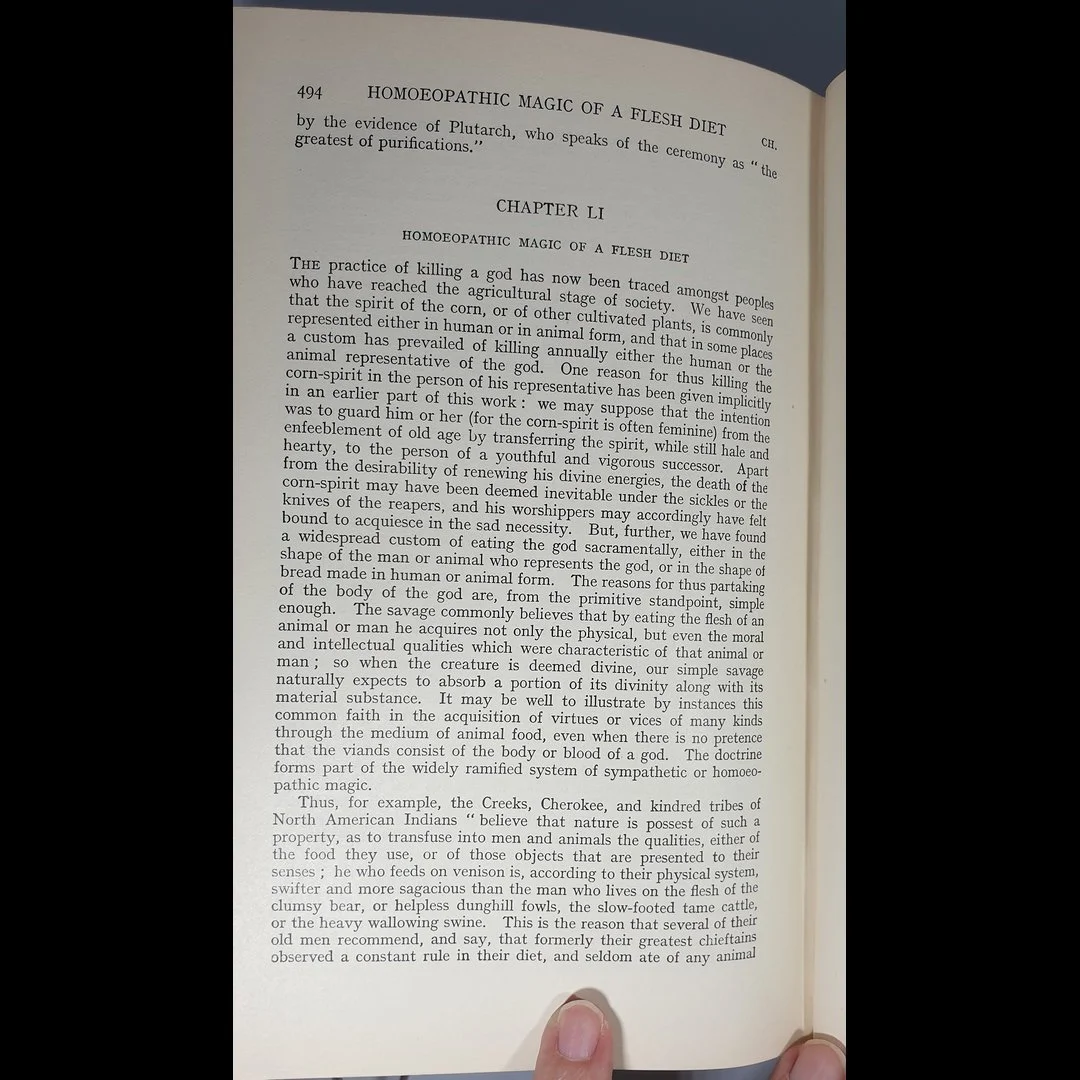 Image 17 of 17