Sale Price:
£500.00
Original Price:
£590.00
1914 First Edition
THE ART OF SPIRITUAL HARMONY
By Wassily Kandinsky
KEY DETAILS
Condition: Very Good
Format: Hardcover, Octavo (Standard) (8vo 6 × 9 in 152 × 229 mm )
Note: Binding/size selection follows standard bibliographic conventions and is approximate; exact measurements may vary.
Published By: Constable and Company, London, 1914
Language: English
Illustrated By: Wassily Kandinsky
Collation: pp. 112
SKU: BTETM0001372
Shipping Info: Approximate Package Dimensions H: 12.5, L: 30, W: 25 (Units: cm), W: 2Kg
Tracked Shipping, Insurance Coverage as per Customer Request
CONDITION, COLLATION & COPY NOTES
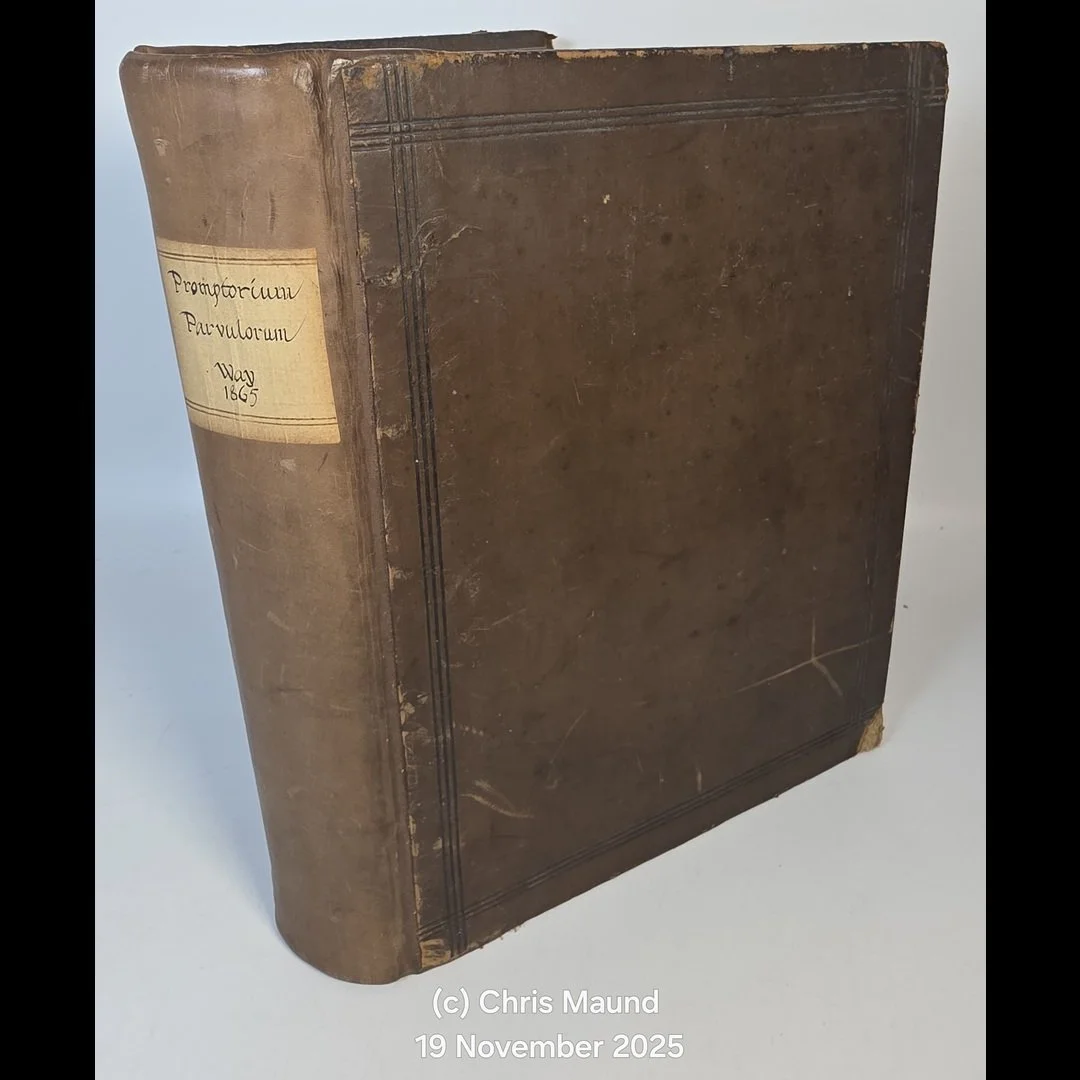
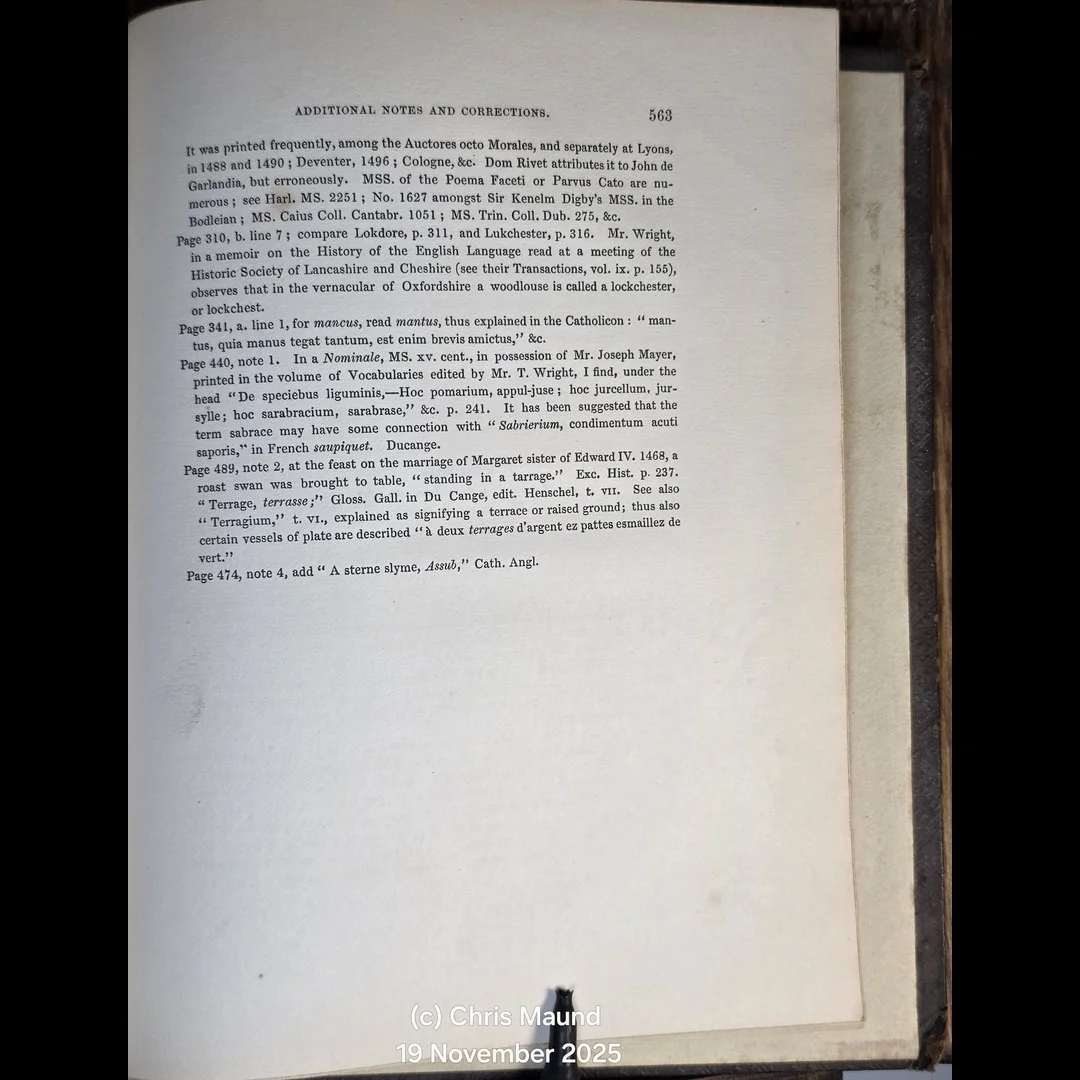
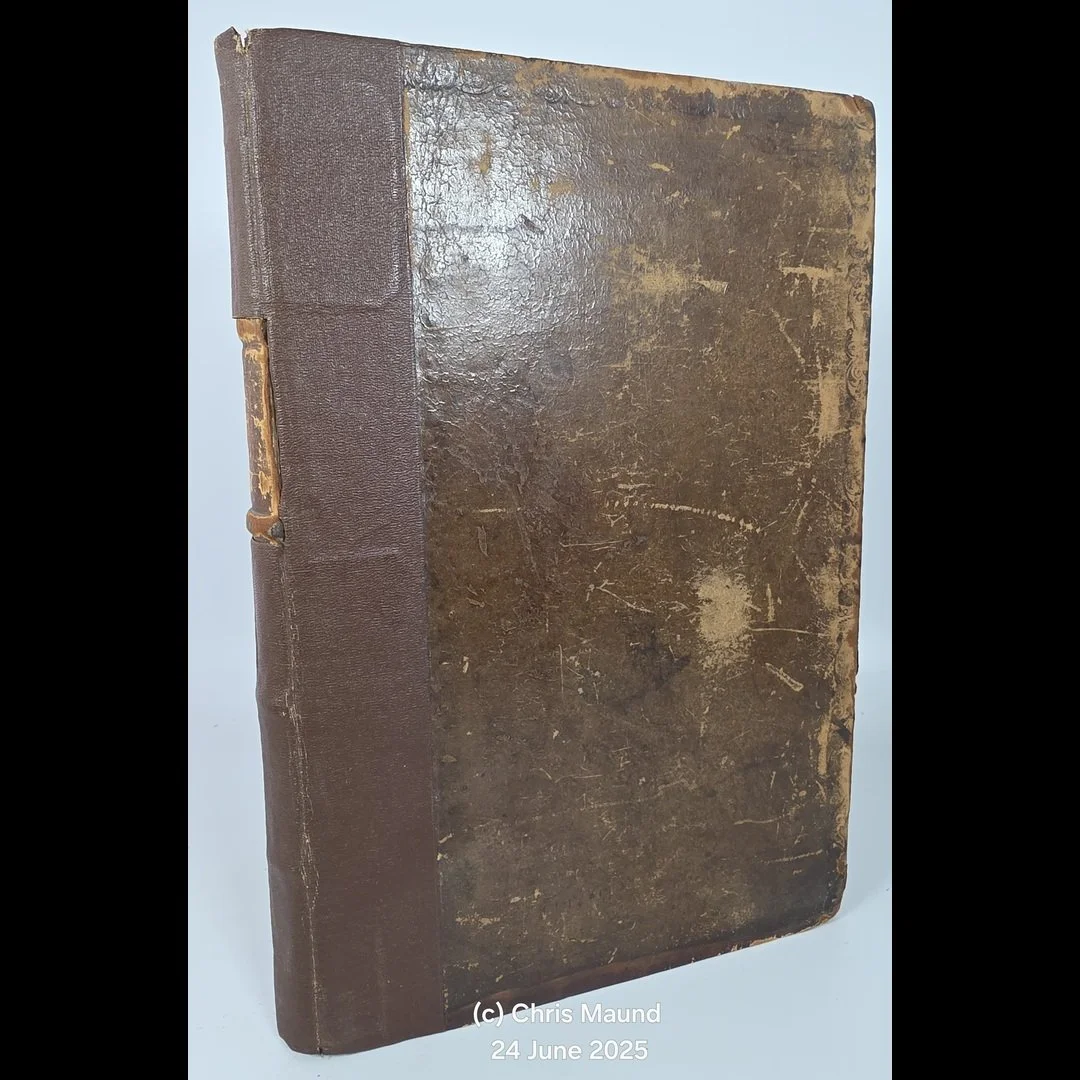
Extremely rare presentation copy. Cloth spine/marbled boards. Gilt on spine a bit faded. Price stamped on title page, slightly foxing. French note inserted between pages 16 and 17.
112 pages 9 plates, 3 diagrams 23 cm
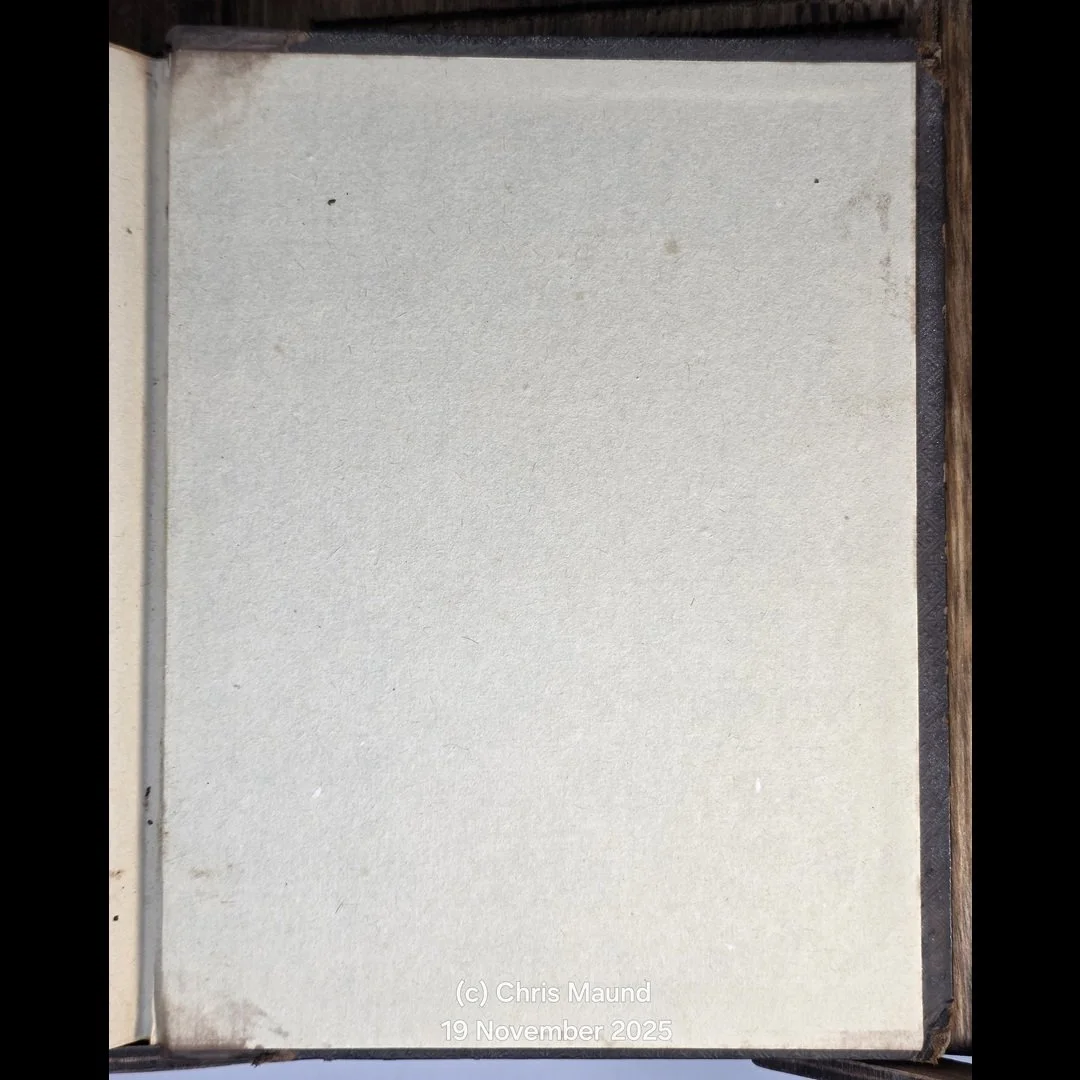
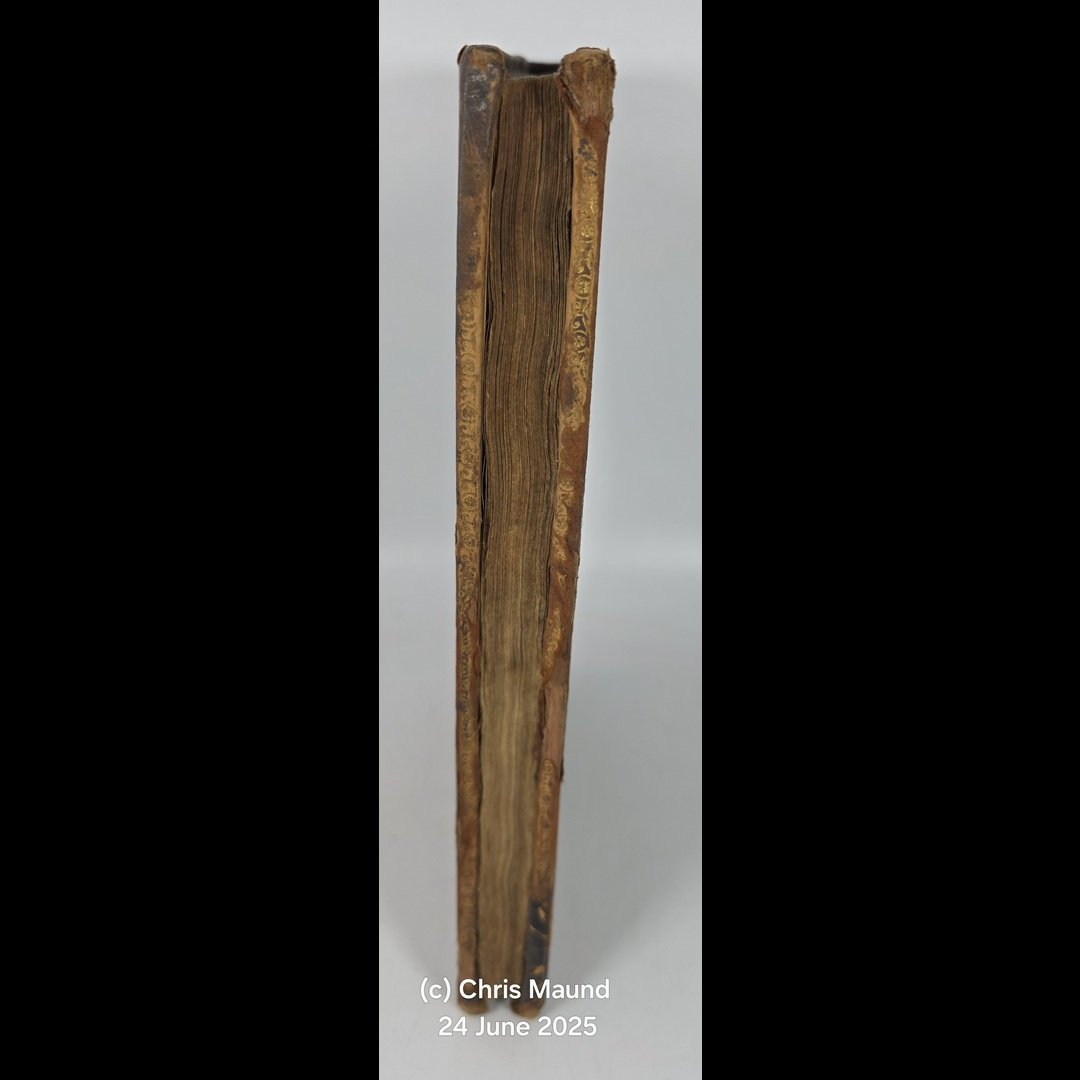
Publisher's blue leather spine over marbled boards, maroon leather lettering piece gilt, edges rough-cut.
Please see Photos as part of condition report.
SYNOPSIS
Wassily Kandinsky was a great modernist painter, and is considered by many to be the father of abstract art and a leader in the movement. 'T he Art Of Spiritual Harmony' offers Kandinsky's provocative thoughts on colour theory, nature of art as well as his thoughts on Picasso, Matisse, and other earlier masters.
A key document in the history of modern art, pioneering the movement to free painting from material reality, by one of the first artists to create a completely abstract painting, the non-objective Russian painter Wassily Kandinsky. First published, in Munich, in 1912 as Uber das geistige in der kunst. Divided into two parts, About General Aesthetic (including an examination of geometrical forms) encourages artists to express their inner lives in abstract, nonmaterial terms (Kandinsky was deeply influenced by Wagner's Lohengrin, which, he felt, pushed the limits of music and melody beyond standard lyricism) and About Painting, discussion of the psychology of colour and the language of form and colour). Sadler is best remembered by bibliophiles for his remarkable collections and bibliographies.
AUTHOR BIO
Wassily Wassilyevich Kandinsky (Vasiliy Vasilyevich Kandinskiy; 16 December [O.S. 4 December] 1866 – 13 December 1944) was a Russian painter and art theorist. Kandinsky is generally credited as one of the pioneers of abstraction in western art. Kandinsky was similarly influenced during this period by Richard Wagner's Lohengrin which, he felt, pushed the limits of music and melody beyond standard lyricism. He was also spiritually influenced by Madame Blavatsky (1831–1891), the best-known exponent of theosophy. Theosophical theory postulates that creation is a geometrical progression, beginning with a single point. The creative aspect of the form is expressed by a descending series of circles, triangles, and squares. Kandinsky's book Concerning the Spiritual in Art (1910) and Point and Line to Plane (1926) echoed this theosophical tenet.
ILLUSTRATOR
Wassily Kandinsky
1914 First Edition
THE ART OF SPIRITUAL HARMONY
By Wassily Kandinsky
KEY DETAILS
Condition: Very Good
Format: Hardcover, Octavo (Standard) (8vo 6 × 9 in 152 × 229 mm )
Note: Binding/size selection follows standard bibliographic conventions and is approximate; exact measurements may vary.
Published By: Constable and Company, London, 1914
Language: English
Illustrated By: Wassily Kandinsky
Collation: pp. 112
SKU: BTETM0001372
Shipping Info: Approximate Package Dimensions H: 12.5, L: 30, W: 25 (Units: cm), W: 2Kg
Tracked Shipping, Insurance Coverage as per Customer Request
CONDITION, COLLATION & COPY NOTES
Extremely rare presentation copy. Cloth spine/marbled boards. Gilt on spine a bit faded. Price stamped on title page, slightly foxing. French note inserted between pages 16 and 17.
112 pages 9 plates, 3 diagrams 23 cm
Publisher's blue leather spine over marbled boards, maroon leather lettering piece gilt, edges rough-cut.
Please see Photos as part of condition report.
SYNOPSIS
Wassily Kandinsky was a great modernist painter, and is considered by many to be the father of abstract art and a leader in the movement. 'T he Art Of Spiritual Harmony' offers Kandinsky's provocative thoughts on colour theory, nature of art as well as his thoughts on Picasso, Matisse, and other earlier masters.
A key document in the history of modern art, pioneering the movement to free painting from material reality, by one of the first artists to create a completely abstract painting, the non-objective Russian painter Wassily Kandinsky. First published, in Munich, in 1912 as Uber das geistige in der kunst. Divided into two parts, About General Aesthetic (including an examination of geometrical forms) encourages artists to express their inner lives in abstract, nonmaterial terms (Kandinsky was deeply influenced by Wagner's Lohengrin, which, he felt, pushed the limits of music and melody beyond standard lyricism) and About Painting, discussion of the psychology of colour and the language of form and colour). Sadler is best remembered by bibliophiles for his remarkable collections and bibliographies.
AUTHOR BIO
Wassily Wassilyevich Kandinsky (Vasiliy Vasilyevich Kandinskiy; 16 December [O.S. 4 December] 1866 – 13 December 1944) was a Russian painter and art theorist. Kandinsky is generally credited as one of the pioneers of abstraction in western art. Kandinsky was similarly influenced during this period by Richard Wagner's Lohengrin which, he felt, pushed the limits of music and melody beyond standard lyricism. He was also spiritually influenced by Madame Blavatsky (1831–1891), the best-known exponent of theosophy. Theosophical theory postulates that creation is a geometrical progression, beginning with a single point. The creative aspect of the form is expressed by a descending series of circles, triangles, and squares. Kandinsky's book Concerning the Spiritual in Art (1910) and Point and Line to Plane (1926) echoed this theosophical tenet.
ILLUSTRATOR
Wassily Kandinsky

 Image 1 of 12
 Image 2 of 12
 Image 3 of 12
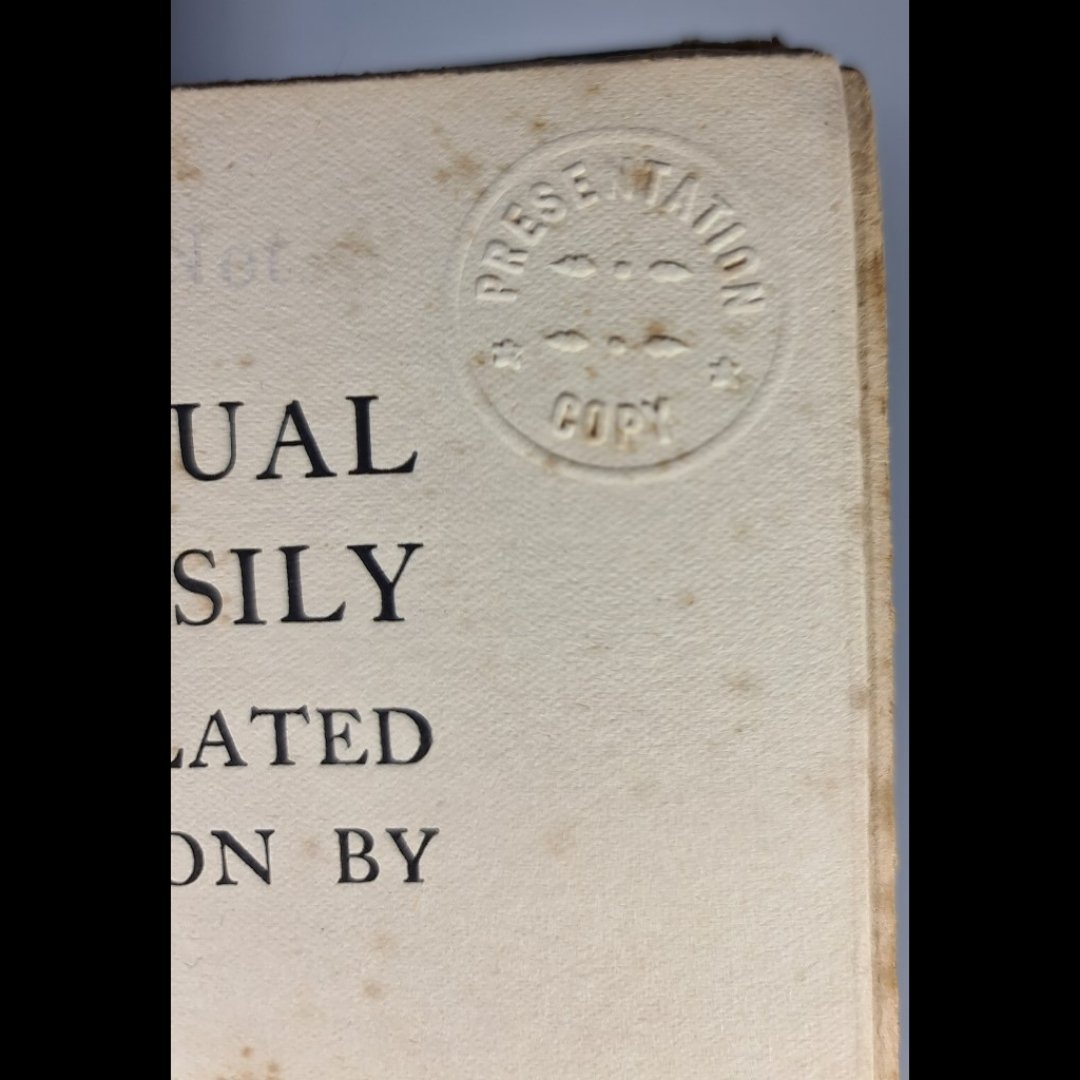 Image 4 of 12
 Image 5 of 12
 Image 6 of 12
 Image 7 of 12
 Image 8 of 12
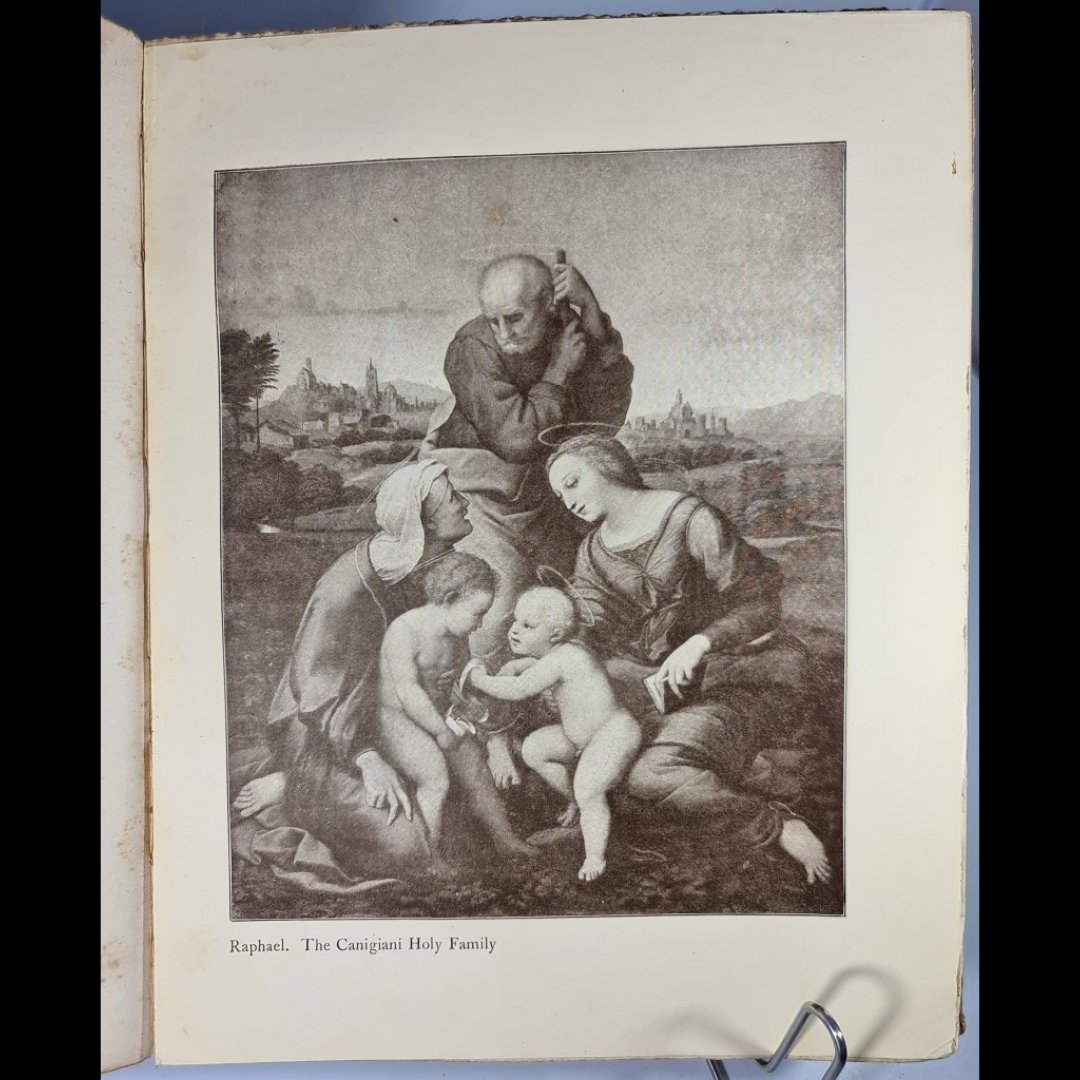 Image 9 of 12
 Image 10 of 12
 Image 11 of 12
 Image 12 of 12