1929 First Edition (Thus) With Provenance
THE VICAR OF WAKEFIELD
By Oliver Goldsmith
KEY DETAILS
Condition: Very Good
Format: Hardcover, quarto (4to 9 1⁄2 × 12 in 241 × 305 mm )
Note: Binding/size selection follows standard bibliographic conventions and is approximate; exact measurements may vary.
Published By: George G. Harrap, London, 1929
Language: English
Illustrated By: Arthur Rackham
Provenance: Denise Clements Beacon Lodge - The Hornsey Association for Rescue and Preventive Work was founded by members of the local churches in that area of North London in 1907. It aimed to save young women from poverty and p...
Collation: pp. 232
SKU: BTETM0001529
Shipping Info: Approximate Package Dimensions H: 12.5, L: 30, W: 25 (Units: cm), W: 2Kg
Tracked Shipping, Insurance Coverage as per Customer Request
PROVENANCE
Denise Clements Beacon Lodge - The Hornsey Association for Rescue and Preventive Work was founded by members of the local churches in that area of North London in 1907. It aimed to save young women from poverty and prostitution by finding them employment, and a property called Beacon Lodge was rented in Hornsey to provide safe accommodation for them and a social worker.
CONDITION, COLLATION & COPY NOTES
COLLATION
pp. 232
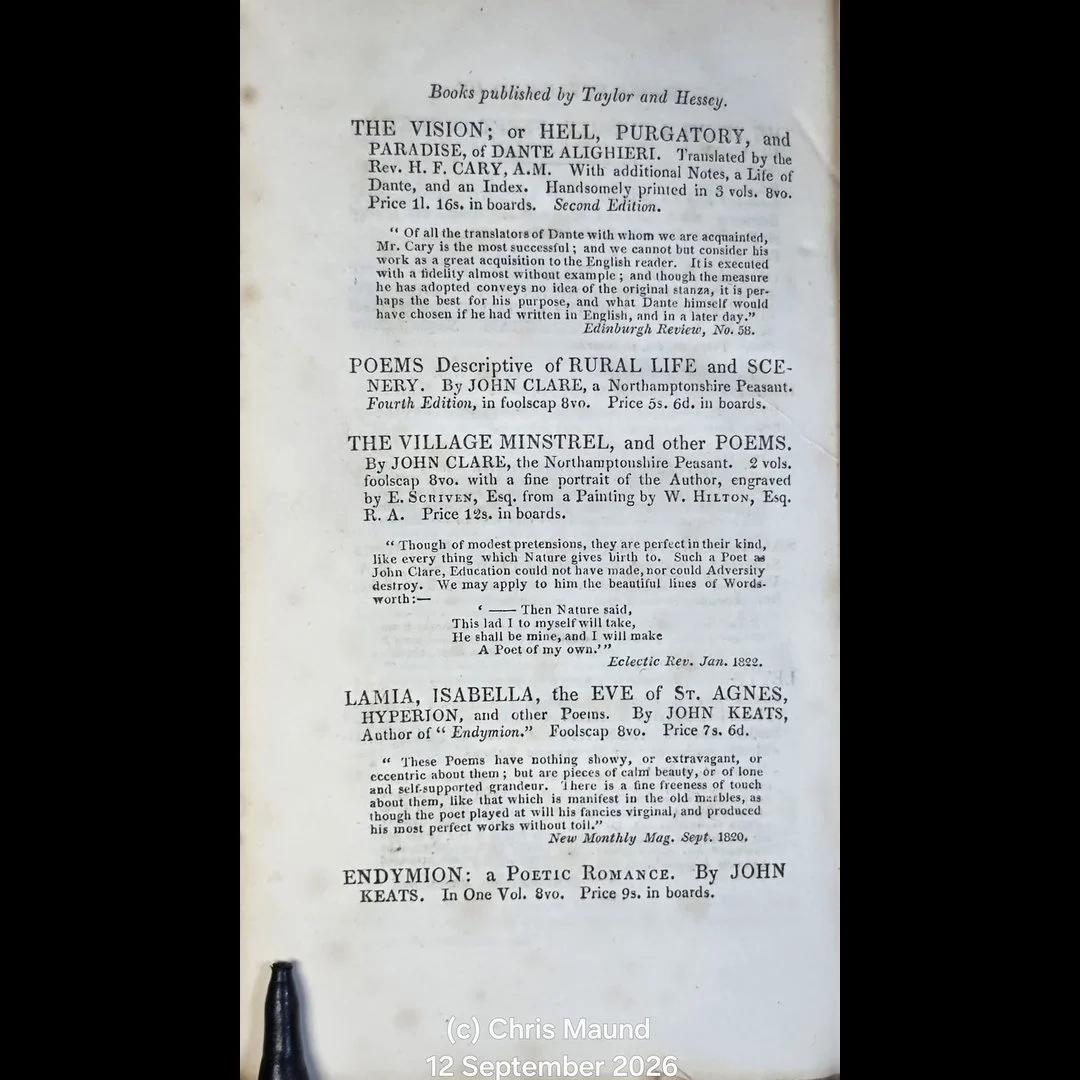
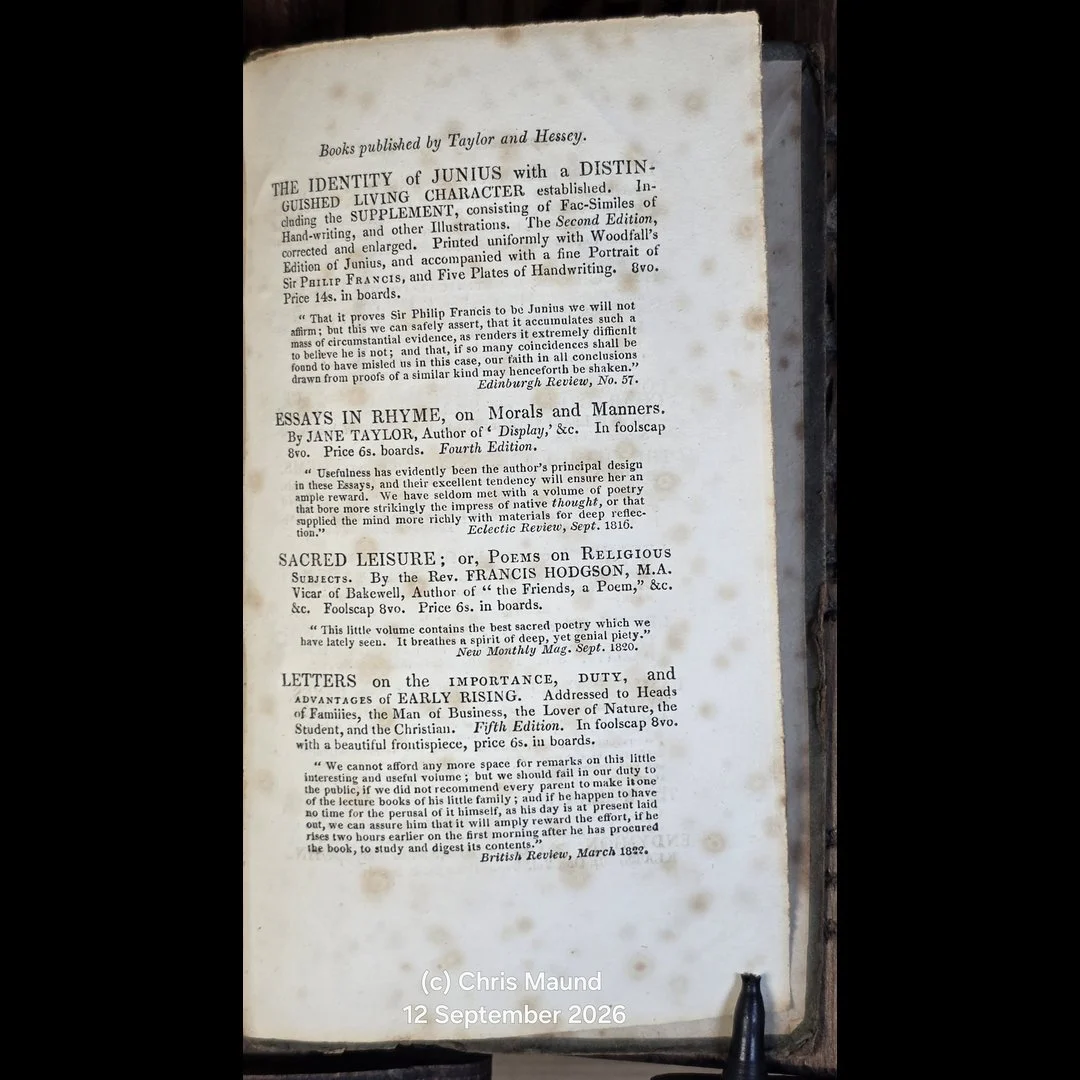
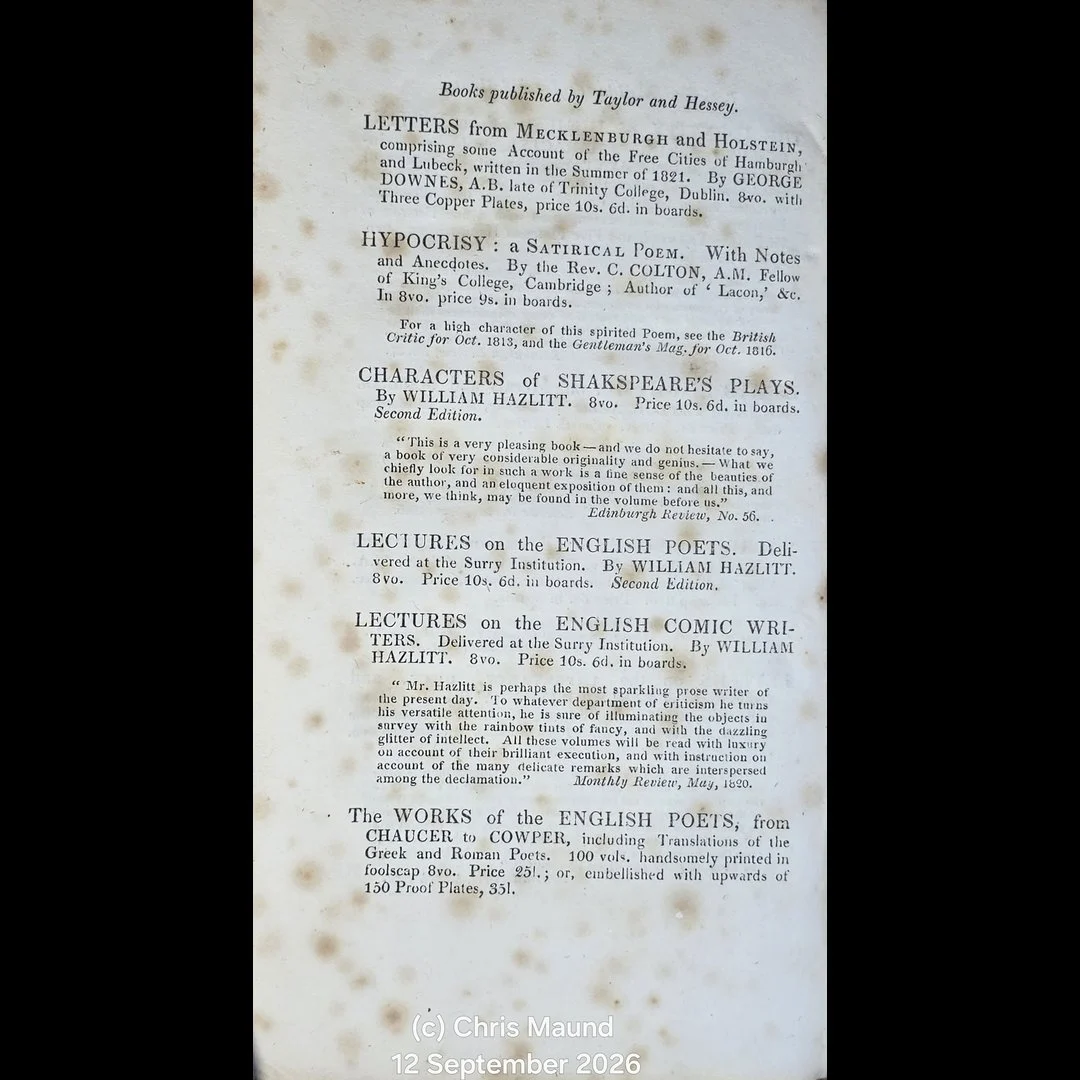
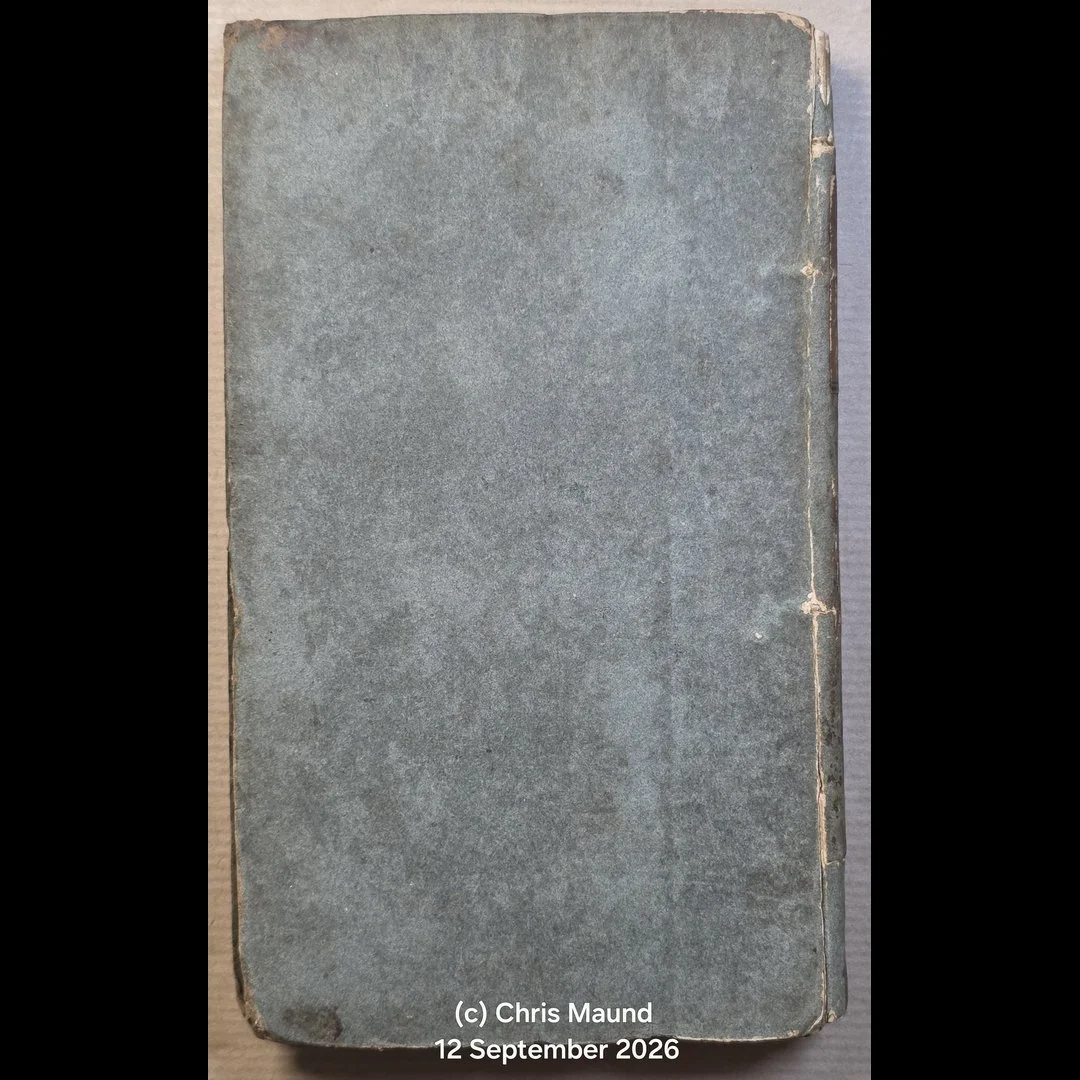
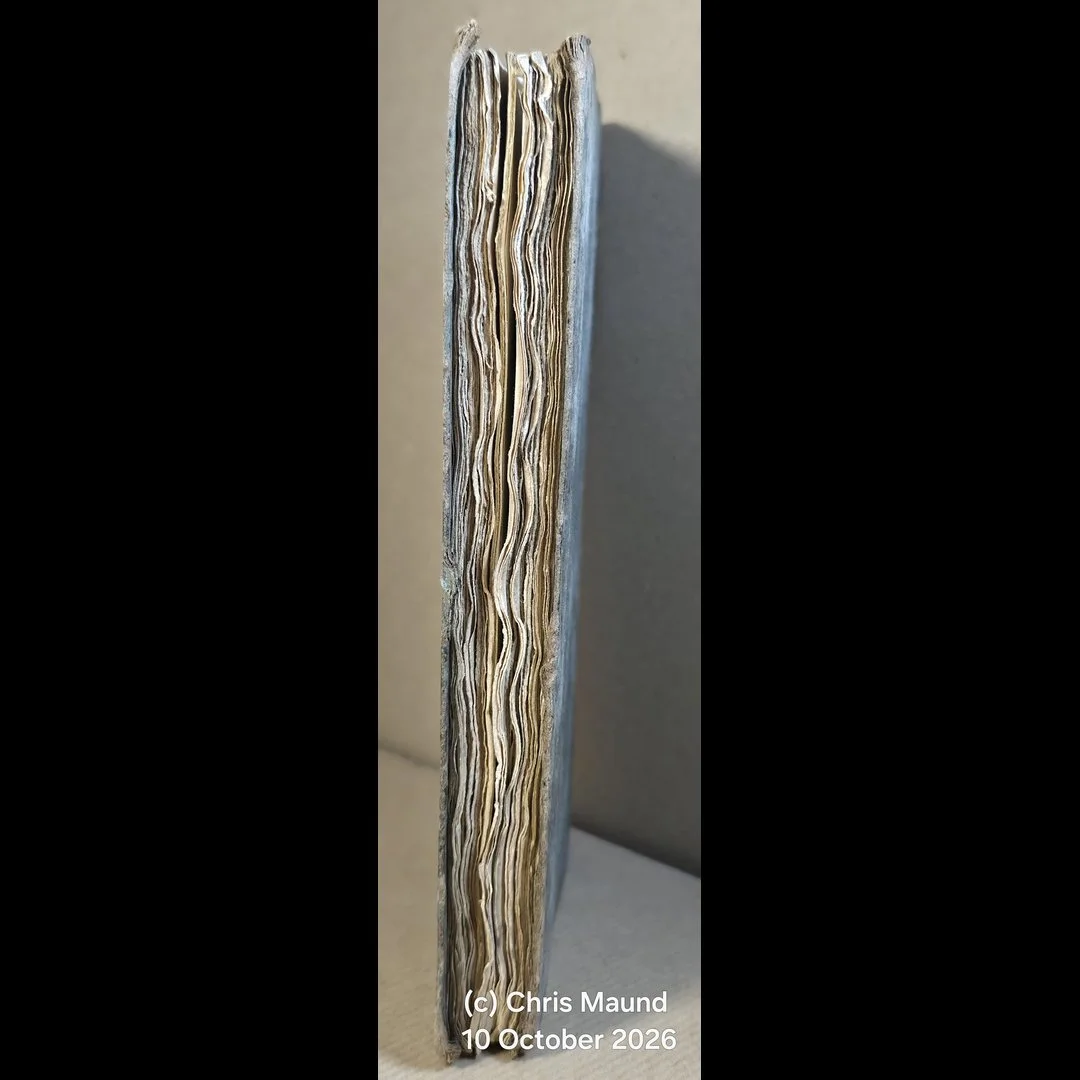
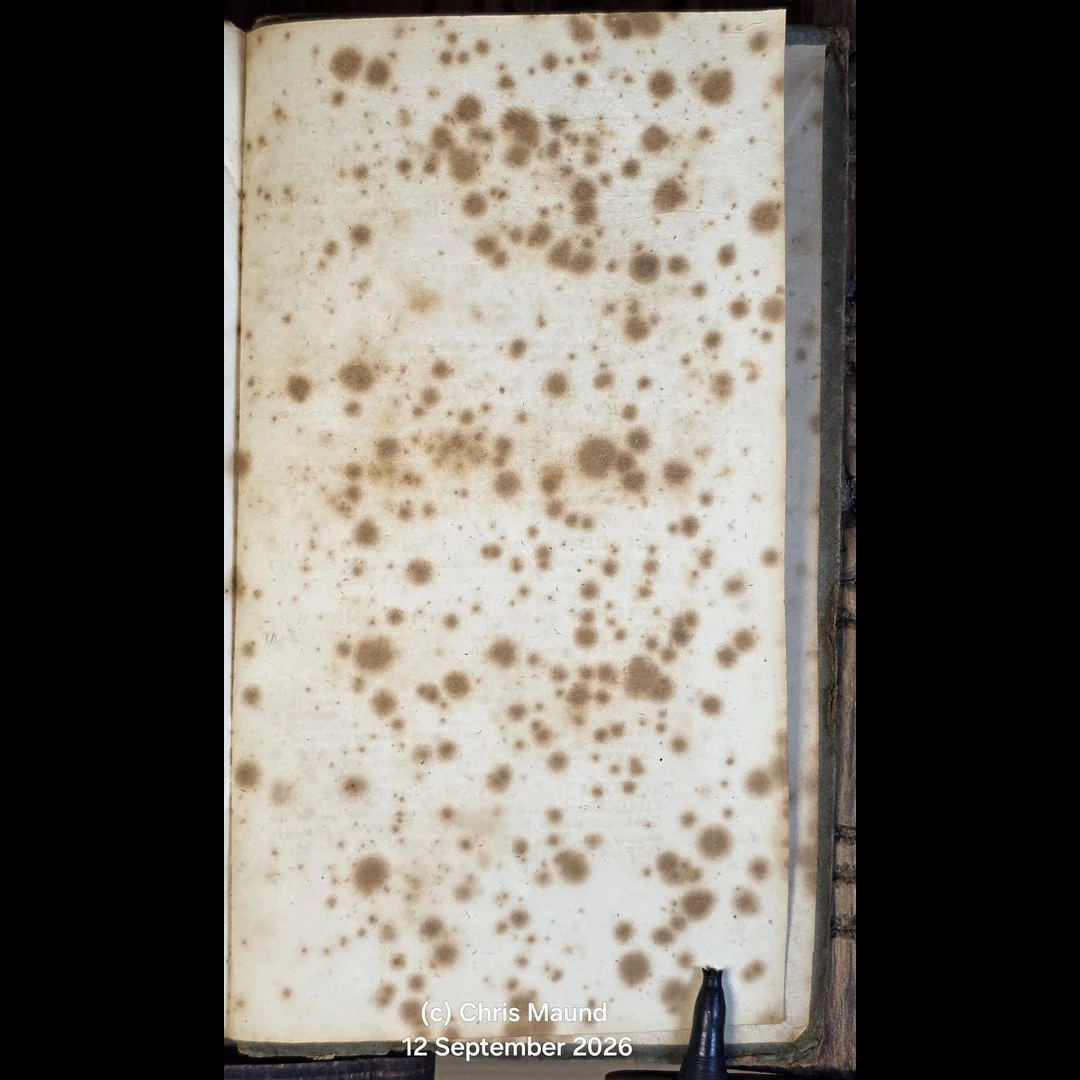
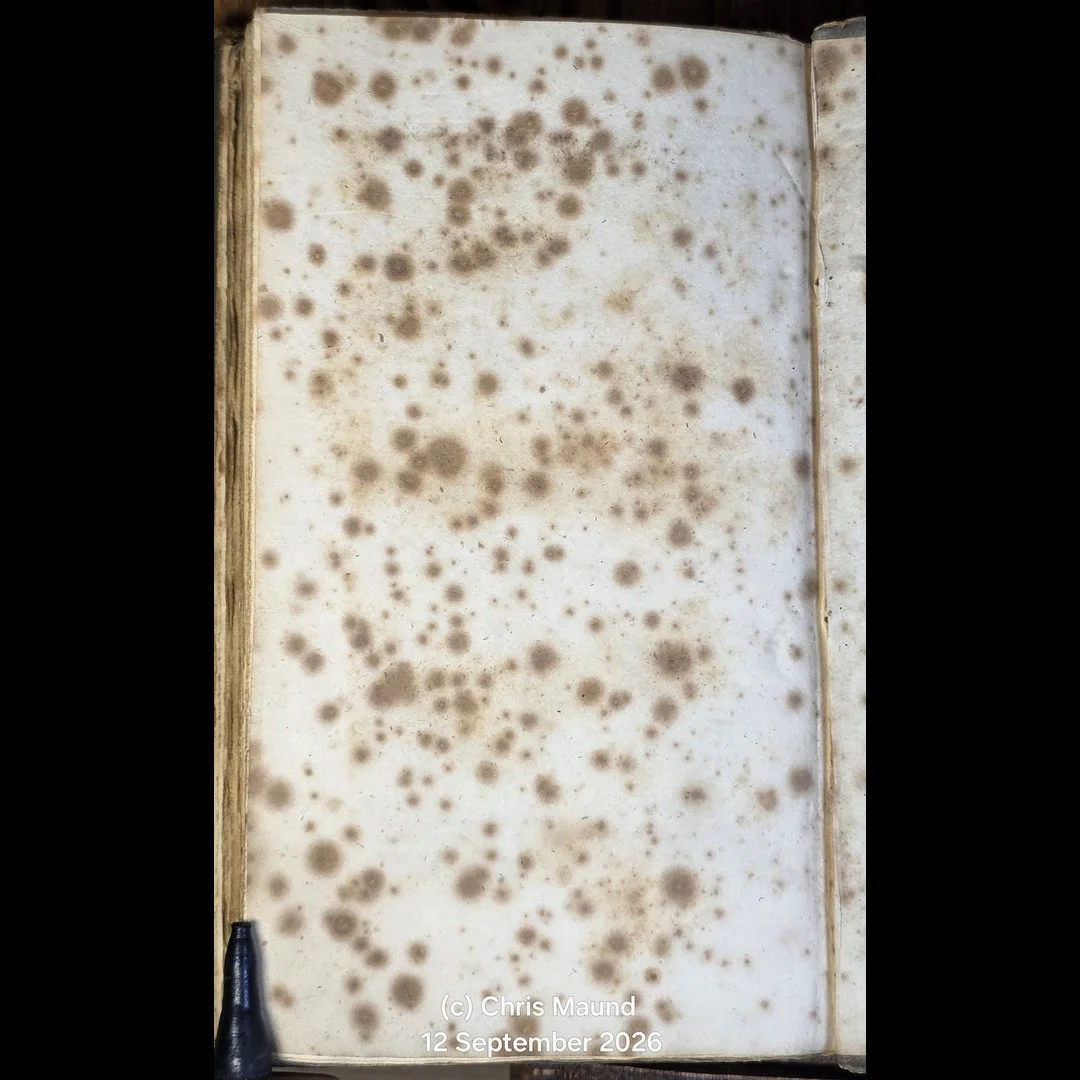
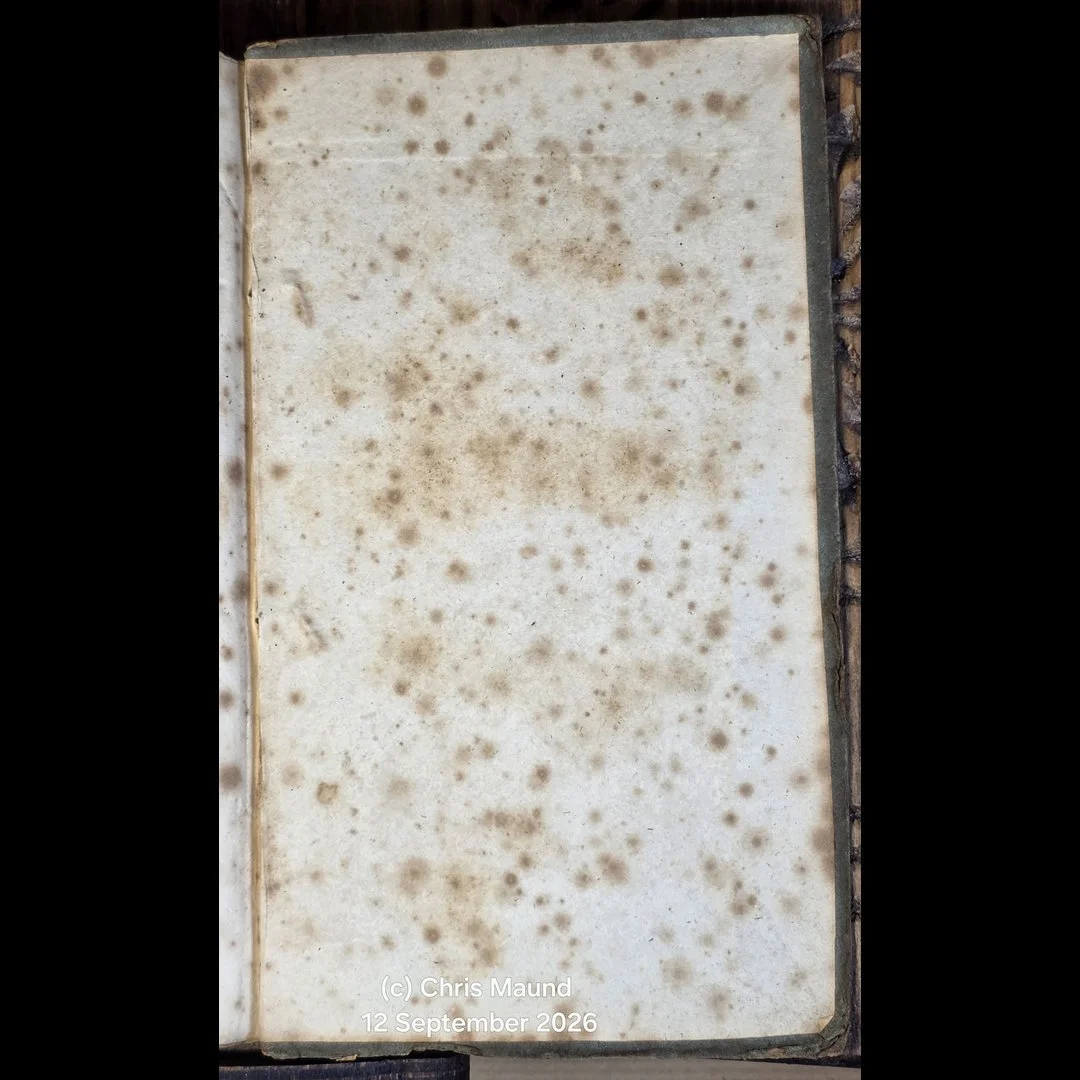
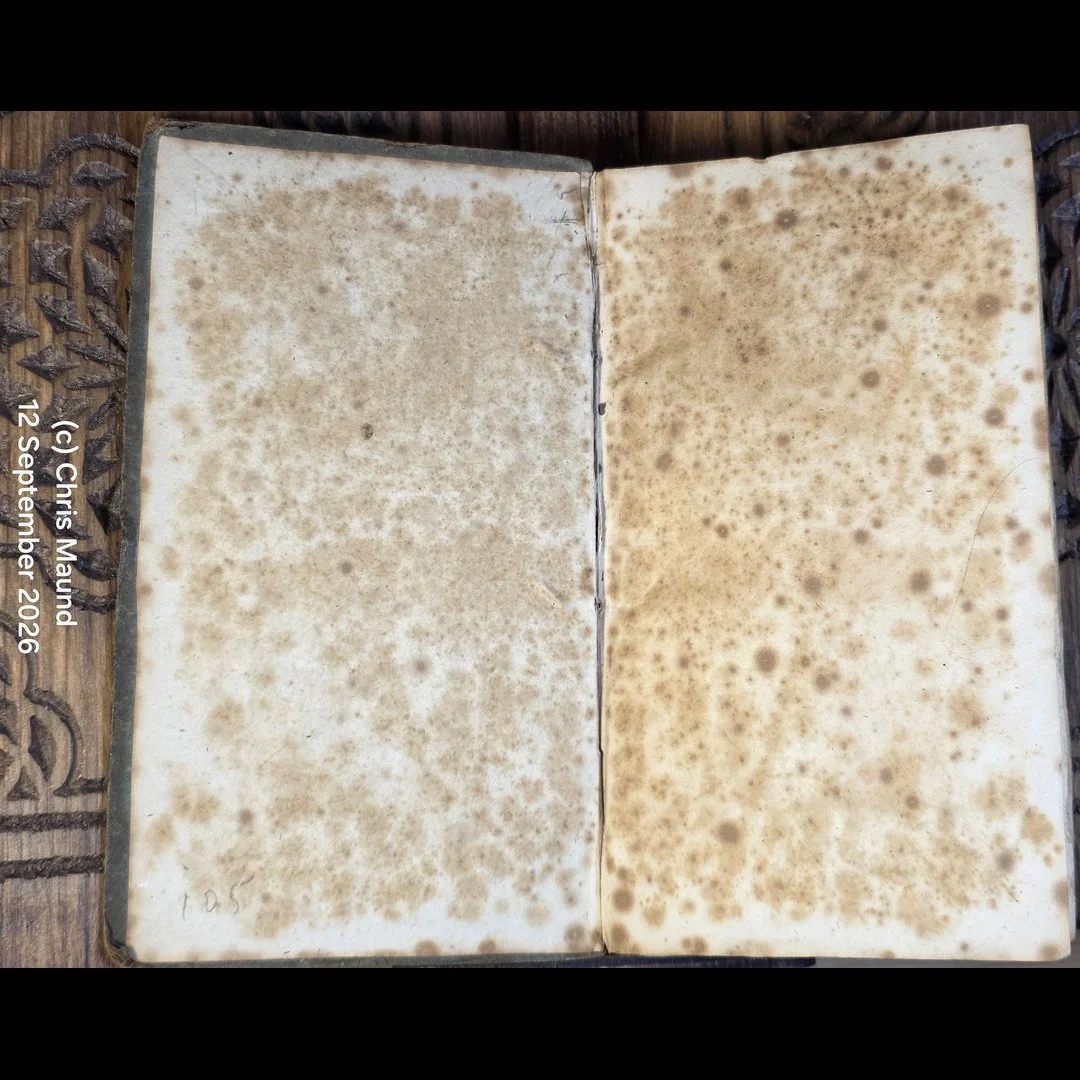
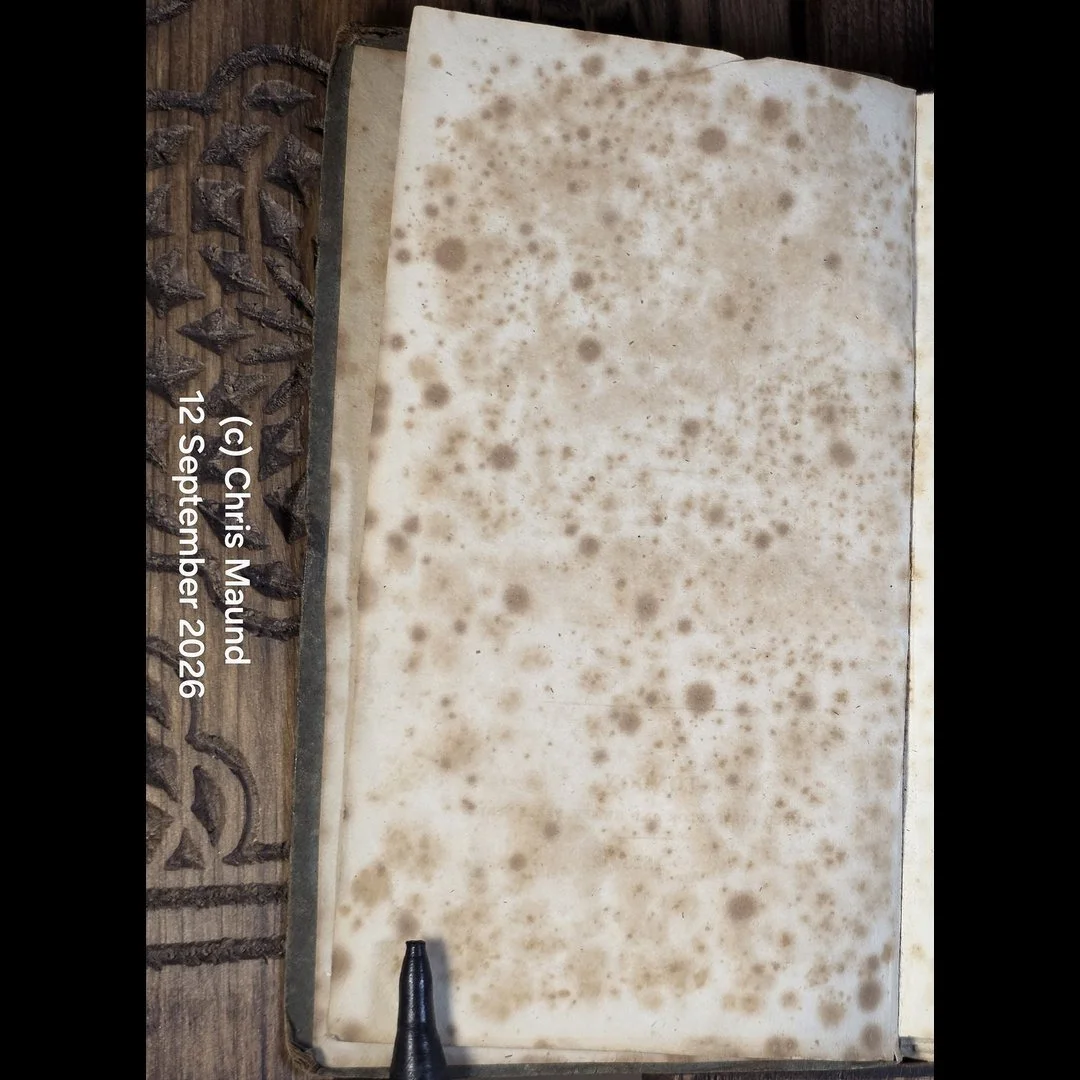
Bumping and scuffing to boards and spine, gift inscription on half-title page
Please see Photos as part of condition report.
REFERENCES
Latimore & Haskell, p. 65
Riall, p. 170
cf. Hudson, p. 171
The Bookman, December 1929.
SYNOPSIS
The Vicar of Wakefield, subtitled A Tale, Supposed to be written by Himself, is a novel by Anglo-Irish writer Oliver Goldsmith (1728–1774). It was written from 1761 to 1762 and published in 1766. It was one of the most popular and widely read 18th-century novels among Victorians. In literary history books, The Vicar of Wakefield is often described as a sentimental novel, which displays the belief in the innate goodness of human beings. But it can also be read as a satire on the sentimental novel and its values, as the vicar's values are apparently not compatible with the real "sinful" world. It is only with Sir William Thornhill's help that he can get out of his calamities. Moreover, an analogy can be drawn between Mr. Primrose's suffering and the Book of Job. This is particularly relevant to the question of why evil exists.
AUTHOR BIO
Oliver Goldsmith (10 November 1728 – 4 April 1774) was a well known Anglo-Irish novelist, playwright, dramatist and poet, who is noted for his novel The Vicar of Wakefield (1766), his pastoral poem The Deserted Village (1770), and his plays The Good-Natur'd Man (1768) and She Stoops to Conquer (1771, first performed in 1773). He is thought to have written the classic children's tale The History of Little Goody Two-Shoes (1765).
ILLUSTRATOR
Arthur Rackham
Arthur Rackham RWS (19 September 1867 – 6 September 1939) was an English book illustrator. He is recognised as one of the leading figures during the Golden Age of British book illustration. His work is noted for its robust pen and ink drawings, which were combined with the use of watercolour, a technique he developed due to his background as a journalistic illustrator. Rackham's 51 colour pieces for the early American tale Rip Van Winkle became a turning point in the production of books since – through colour-separated printing – it featured the accurate reproduction of colour artwork. His best-known works also include the illustrations for Peter Pan in Kensington Gardens, and Fairy Tales of the Brothers Grimm.
1929 First Edition (Thus) With Provenance
THE VICAR OF WAKEFIELD
By Oliver Goldsmith
KEY DETAILS
Condition: Very Good
Format: Hardcover, quarto (4to 9 1⁄2 × 12 in 241 × 305 mm )
Note: Binding/size selection follows standard bibliographic conventions and is approximate; exact measurements may vary.
Published By: George G. Harrap, London, 1929
Language: English
Illustrated By: Arthur Rackham
Provenance: Denise Clements Beacon Lodge - The Hornsey Association for Rescue and Preventive Work was founded by members of the local churches in that area of North London in 1907. It aimed to save young women from poverty and p...
Collation: pp. 232
SKU: BTETM0001529
Shipping Info: Approximate Package Dimensions H: 12.5, L: 30, W: 25 (Units: cm), W: 2Kg
Tracked Shipping, Insurance Coverage as per Customer Request
PROVENANCE
Denise Clements Beacon Lodge - The Hornsey Association for Rescue and Preventive Work was founded by members of the local churches in that area of North London in 1907. It aimed to save young women from poverty and prostitution by finding them employment, and a property called Beacon Lodge was rented in Hornsey to provide safe accommodation for them and a social worker.
CONDITION, COLLATION & COPY NOTES
COLLATION
pp. 232
Bumping and scuffing to boards and spine, gift inscription on half-title page
Please see Photos as part of condition report.
REFERENCES
Latimore & Haskell, p. 65
Riall, p. 170
cf. Hudson, p. 171
The Bookman, December 1929.
SYNOPSIS
The Vicar of Wakefield, subtitled A Tale, Supposed to be written by Himself, is a novel by Anglo-Irish writer Oliver Goldsmith (1728–1774). It was written from 1761 to 1762 and published in 1766. It was one of the most popular and widely read 18th-century novels among Victorians. In literary history books, The Vicar of Wakefield is often described as a sentimental novel, which displays the belief in the innate goodness of human beings. But it can also be read as a satire on the sentimental novel and its values, as the vicar's values are apparently not compatible with the real "sinful" world. It is only with Sir William Thornhill's help that he can get out of his calamities. Moreover, an analogy can be drawn between Mr. Primrose's suffering and the Book of Job. This is particularly relevant to the question of why evil exists.
AUTHOR BIO
Oliver Goldsmith (10 November 1728 – 4 April 1774) was a well known Anglo-Irish novelist, playwright, dramatist and poet, who is noted for his novel The Vicar of Wakefield (1766), his pastoral poem The Deserted Village (1770), and his plays The Good-Natur'd Man (1768) and She Stoops to Conquer (1771, first performed in 1773). He is thought to have written the classic children's tale The History of Little Goody Two-Shoes (1765).
ILLUSTRATOR
Arthur Rackham
Arthur Rackham RWS (19 September 1867 – 6 September 1939) was an English book illustrator. He is recognised as one of the leading figures during the Golden Age of British book illustration. His work is noted for its robust pen and ink drawings, which were combined with the use of watercolour, a technique he developed due to his background as a journalistic illustrator. Rackham's 51 colour pieces for the early American tale Rip Van Winkle became a turning point in the production of books since – through colour-separated printing – it featured the accurate reproduction of colour artwork. His best-known works also include the illustrations for Peter Pan in Kensington Gardens, and Fairy Tales of the Brothers Grimm.

 Image 1 of 17
 Image 2 of 17
 Image 3 of 17
 Image 4 of 17
 Image 5 of 17
 Image 6 of 17
 Image 7 of 17
 Image 8 of 17
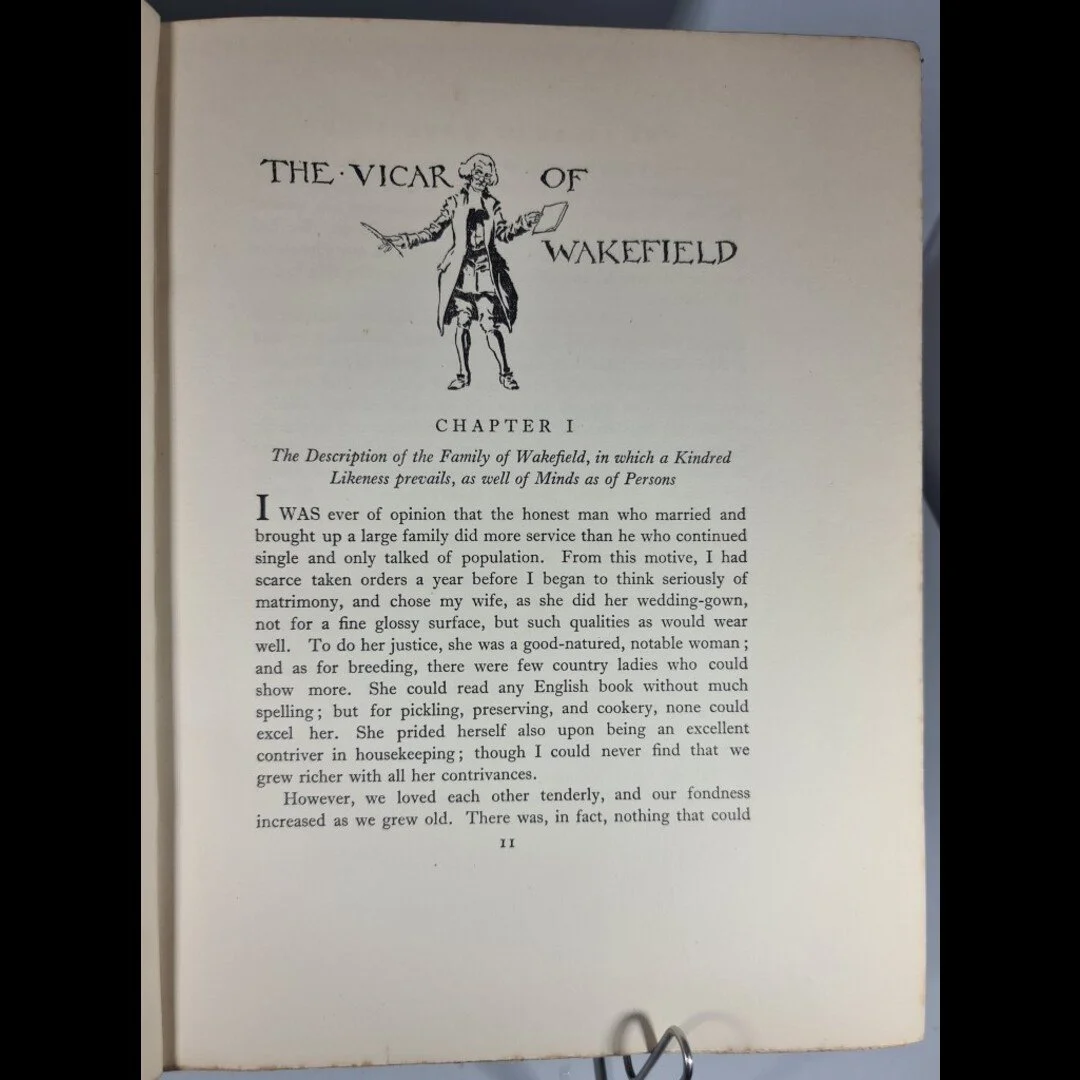 Image 9 of 17
 Image 10 of 17
 Image 11 of 17
 Image 12 of 17
 Image 13 of 17
 Image 14 of 17
 Image 15 of 17
 Image 16 of 17
 Image 17 of 17