1903 First Edition
FLORA AND SYLVA 3 VOLS
By William Robinson
KEY DETAILS
Condition: Very Good
Format: Hardcover, 4to; approx. 320 × 235 mm per volume (large quarto)
Published By: 17, Furnival Street, London, 1903
Language: English
Illustrated By: Henry Moon
Collation: Volume I (1903): 324 numbered pages; Volume II (1904): 392 numbered pages; Volume III (1905): 360 numbered pages. 66 full-page colour botanical plates. Complete.
Dust Jacket: None, as issued
SKU: BTETM0001809
Shipping Info: Approximate Package Dimensions H: 30, L: 30, W: 25 (Units: cm), W: 12Kg
Tracked Shipping, Insurance Coverage as per Customer Request
DESCRIPTION
Flora and Sylva 3 Vols
Complete 3 Volumes | William Robinson | 66 Colour Plates
William Robinson (Editor) — Flora and Sylva: A Monthly Review for Lovers of Garden, Woodland, Tree or Flower
A complete first edition of Flora and Sylva (1903–1905), the lavishly illustrated horticultural periodical edited and published by William Robinson (1838–1935), one of the most influential figures in the development of modern English gardening.
Published over three years, this substantial work comprises the complete run of 33 monthly issues, bound in three large quarto volumes and illustrated with 66 full-page colour botanical plates, principally after watercolours by the celebrated botanical artist Henry George Moon (1857–1905).
The plates, reproduced through fine colour lithographic printing, depict an extensive range of flowering plants, trees, shrubs and other botanical subjects. Their artistic quality and attention to botanical detail make the work particularly appealing to collectors of illustrated natural history and horticultural literature.
Robinson founded the periodical to promote an appreciation of plants and gardens that extended beyond the rigidly formal horticultural traditions of the Victorian period. Its articles address the cultivation of rare and unusual plants, ornamental trees and shrubs, woodland gardening, landscape design, and the relationship between cultivated gardens and the natural environment.
Both a practical horticultural review and an ambitious work of botanical illustration, Flora and Sylva reflects Robinson's lifelong advocacy of naturalistic planting and his conviction that gardens should celebrate the beauty and character of living plants.
The publication ceased in 1905, leaving a complete three-volume series that remains a notable contribution to Edwardian horticultural literature.
CONDITION, COLLATION & COPY NOTES
COLLATION
Volume I (1903): 324 numbered pages; Volume II (1904): 392 numbered pages; Volume III (1905): 360 numbered pages. 66 full-page colour botanical plates. Complete.
Very Good.
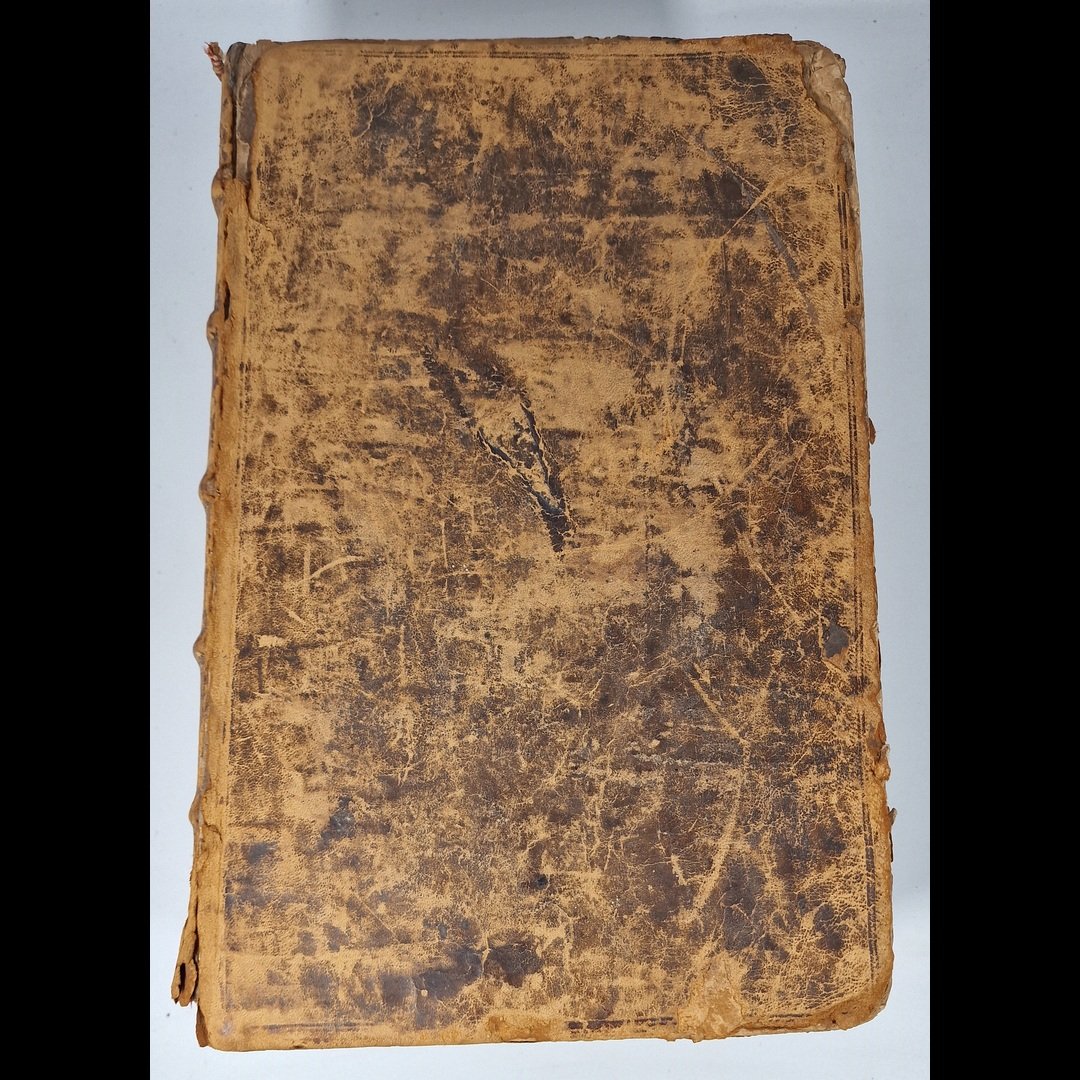
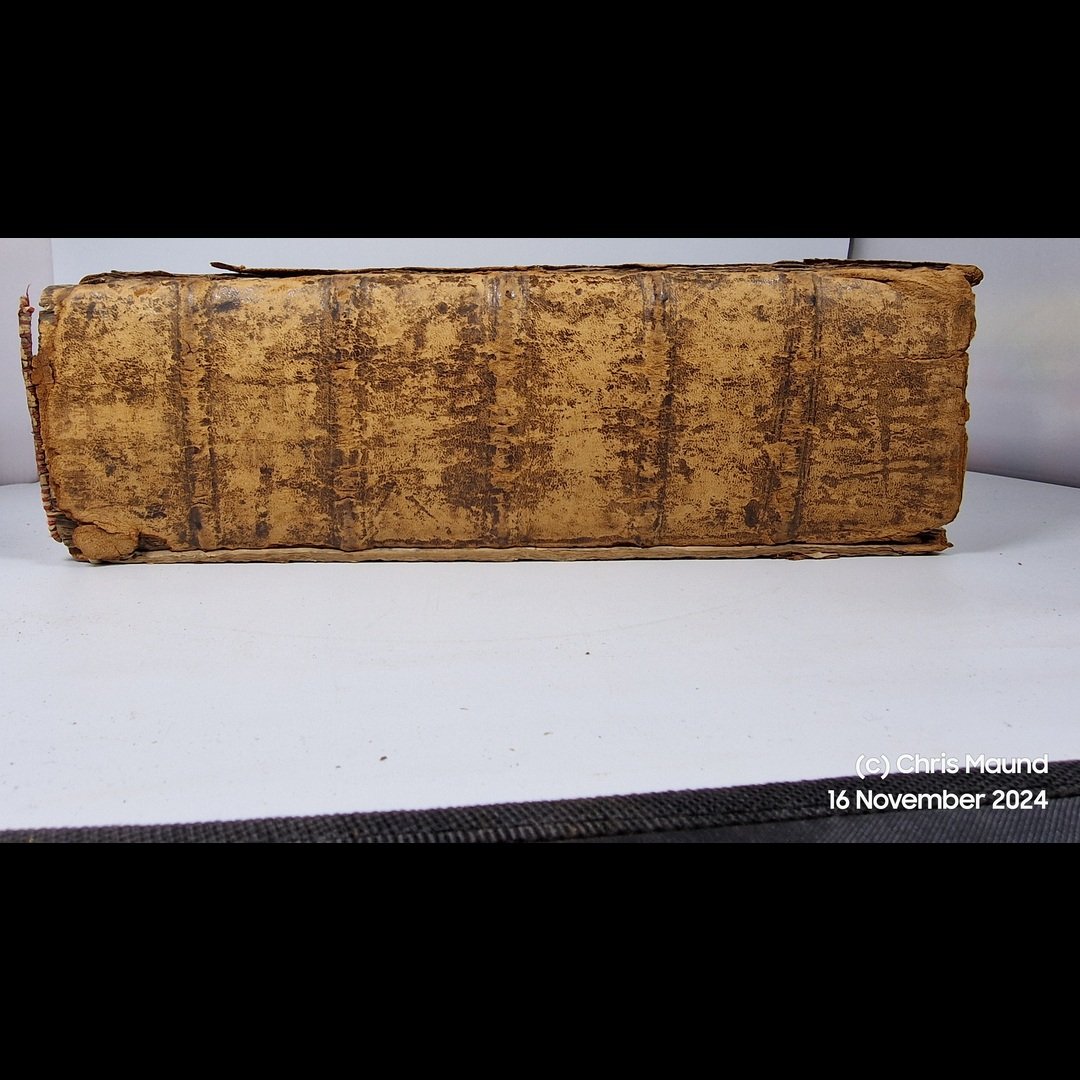
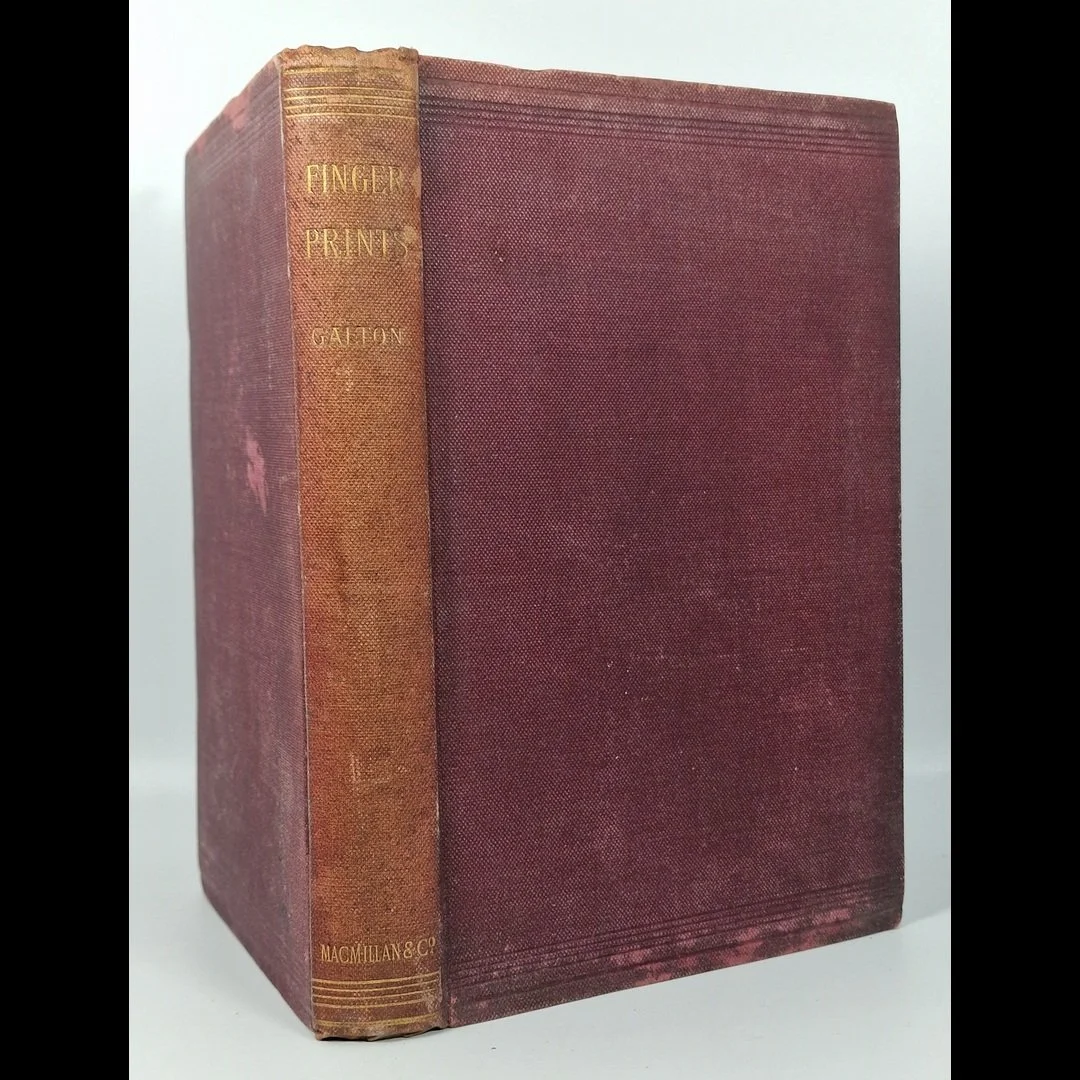
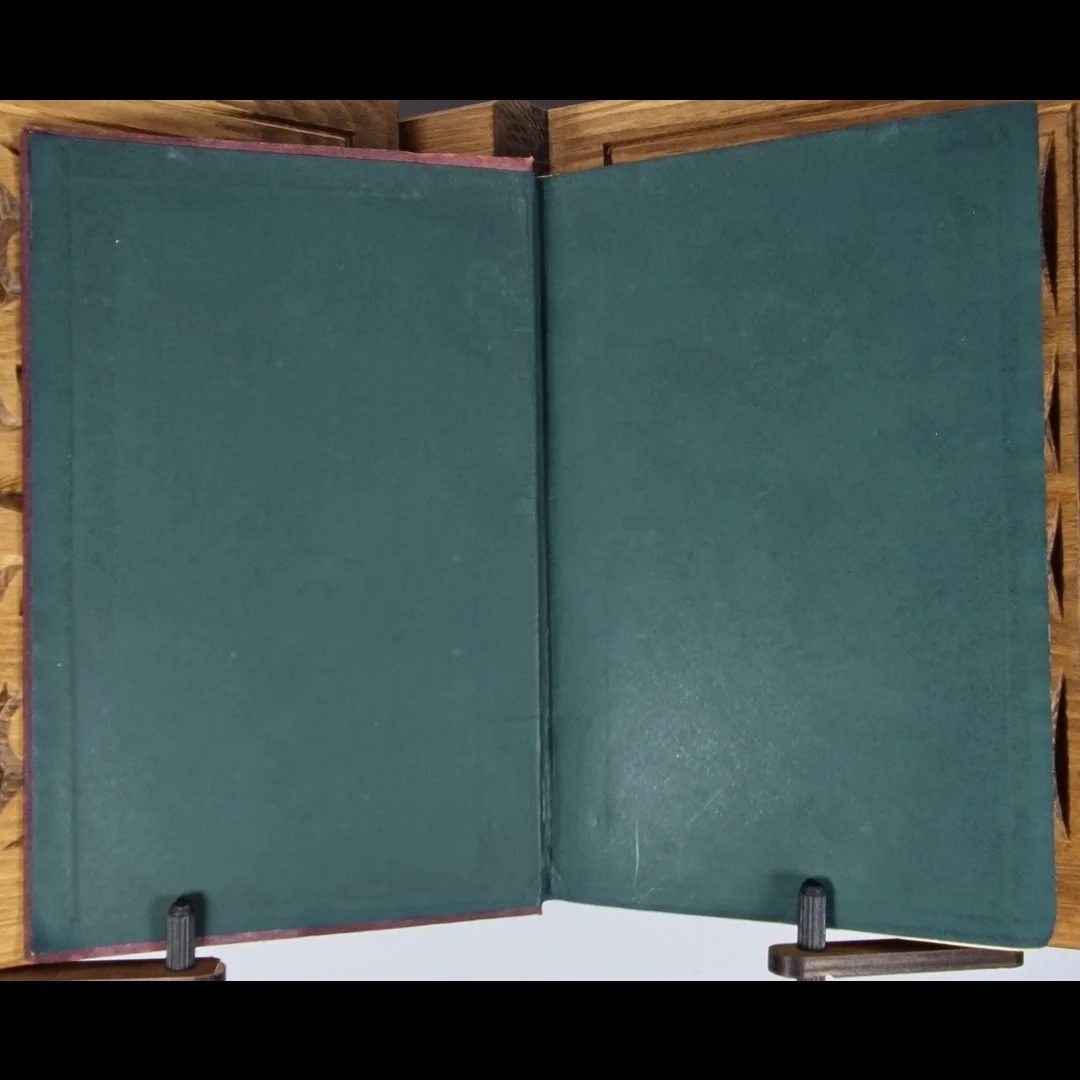
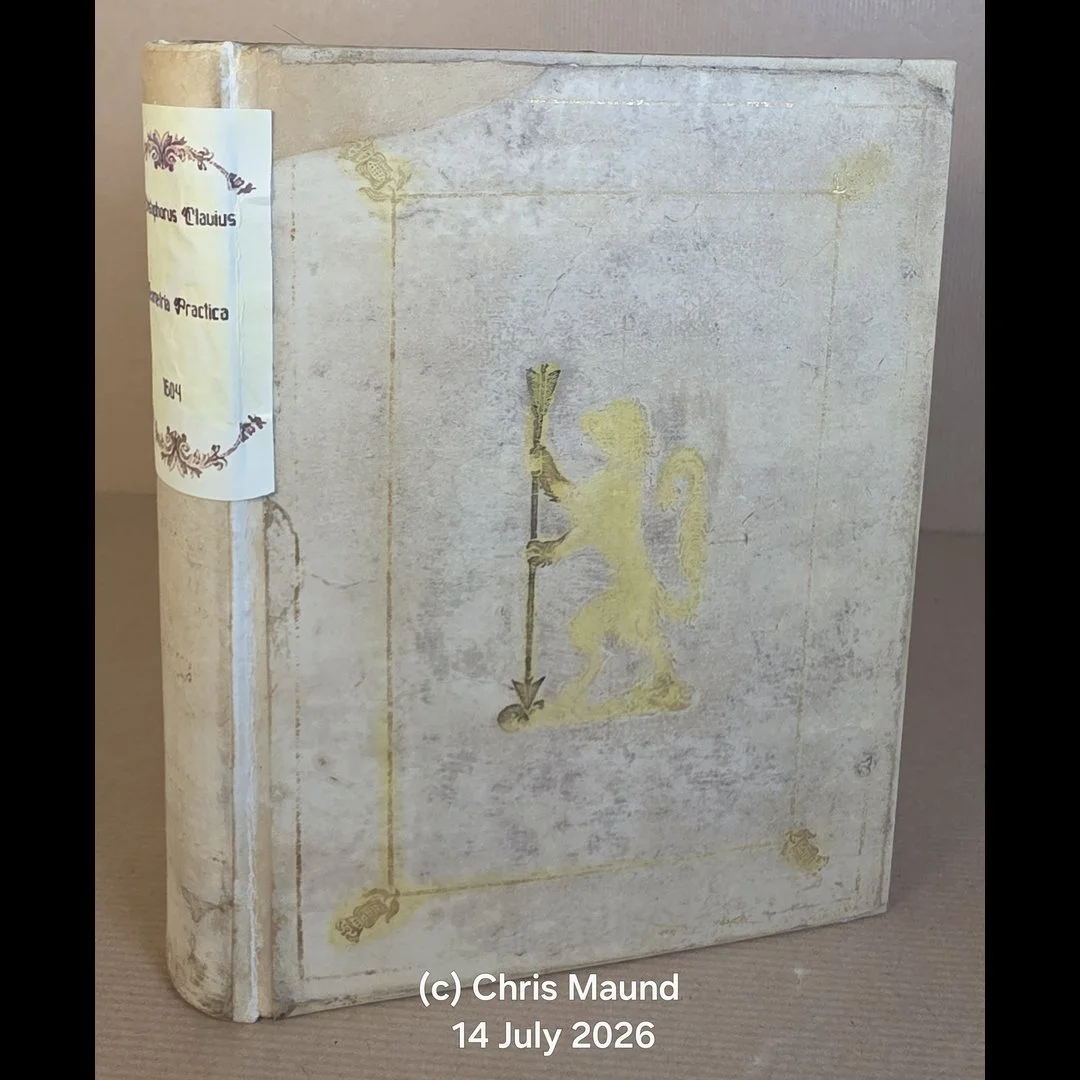
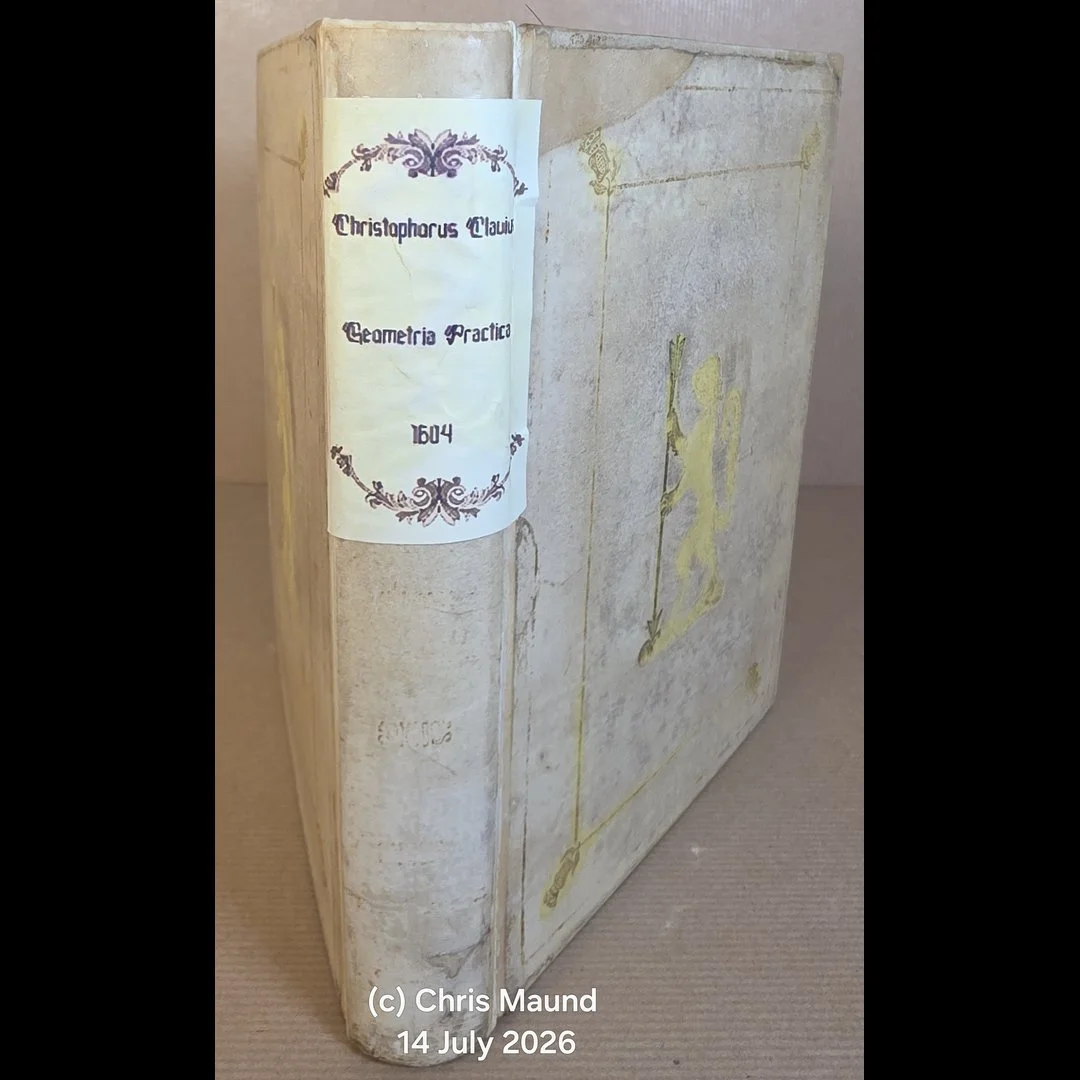
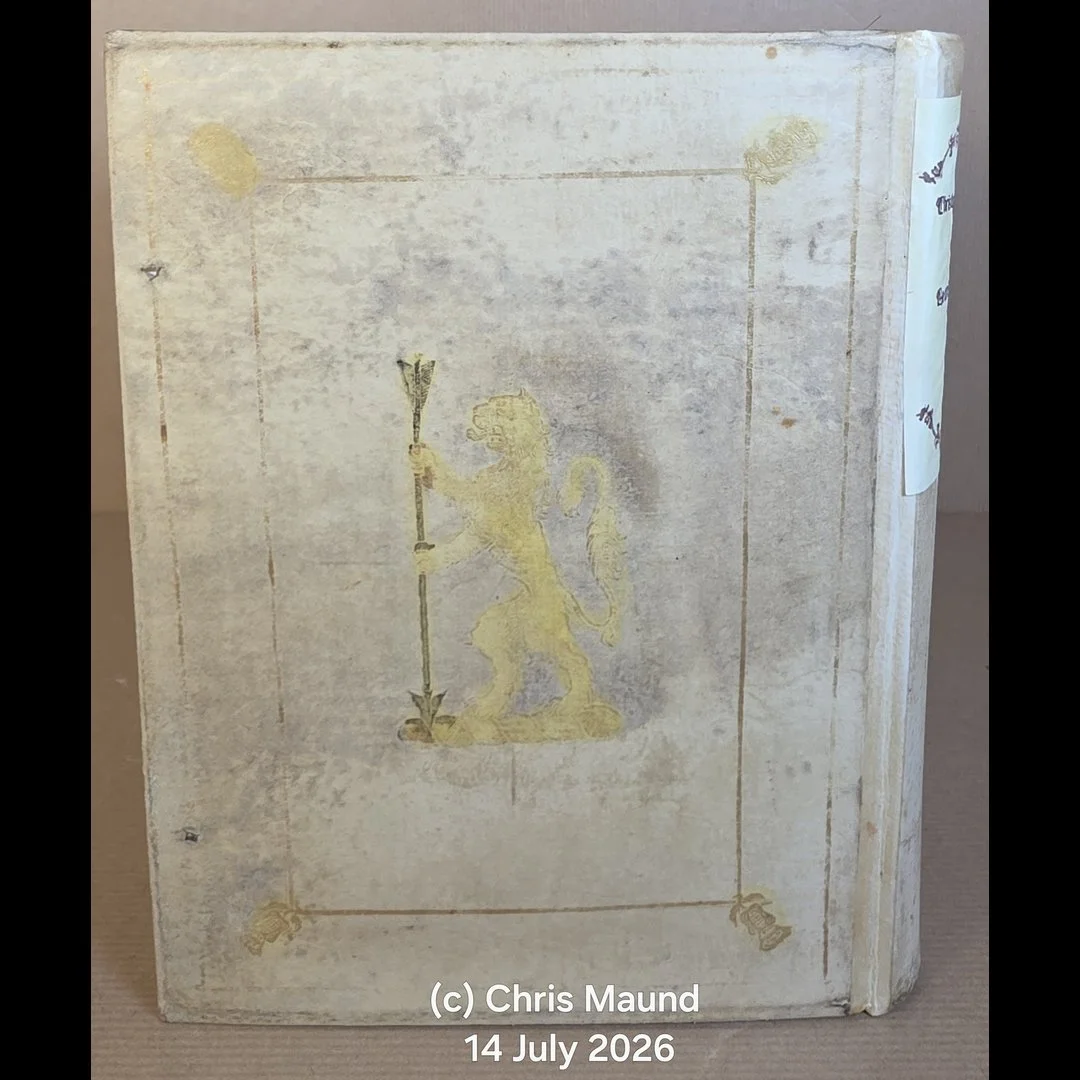
Three substantial volumes uniformly bound in cloth. Mild external soiling to the boards, consistent with age and use.
All boards are firmly attached, with internal hinges sound throughout the three volumes.
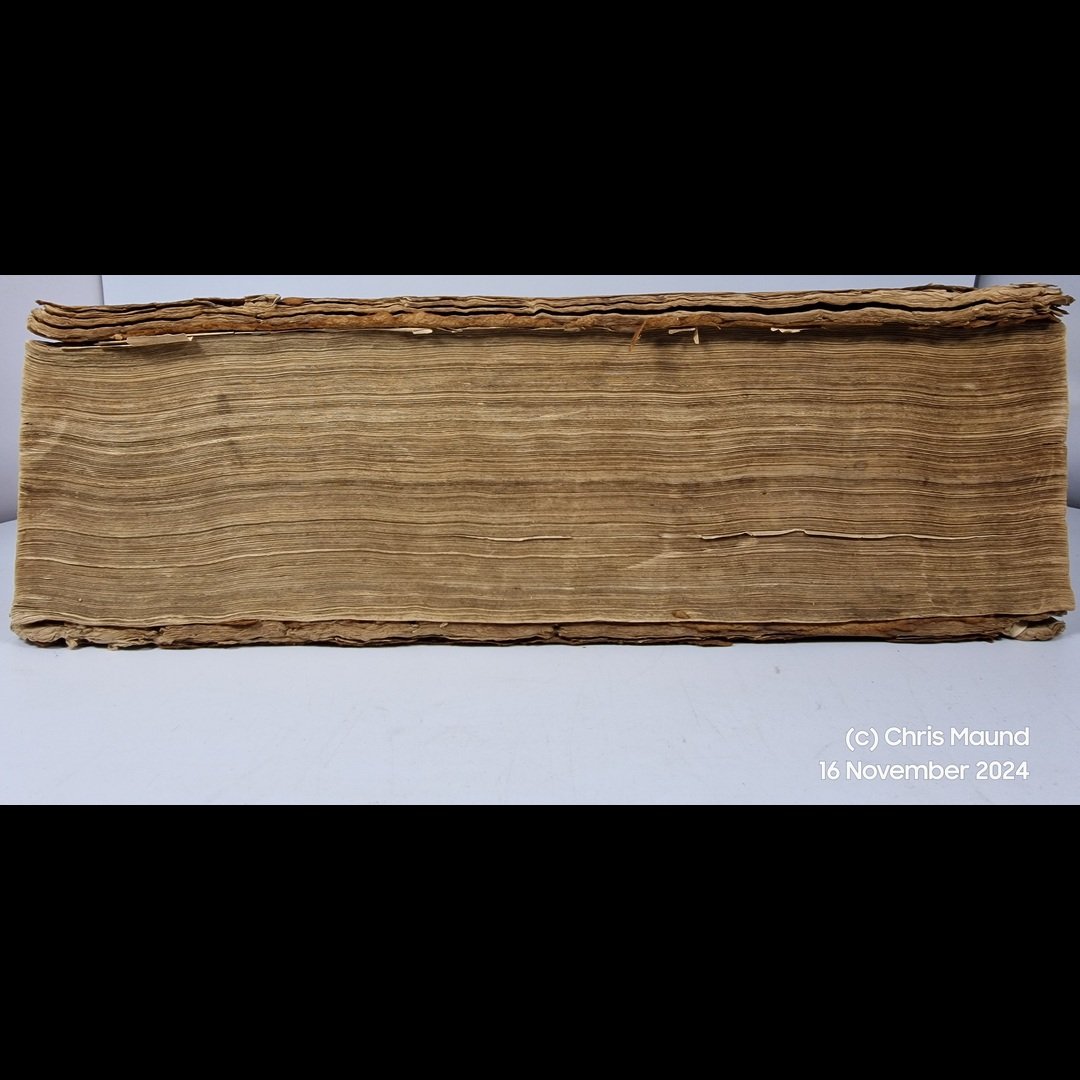
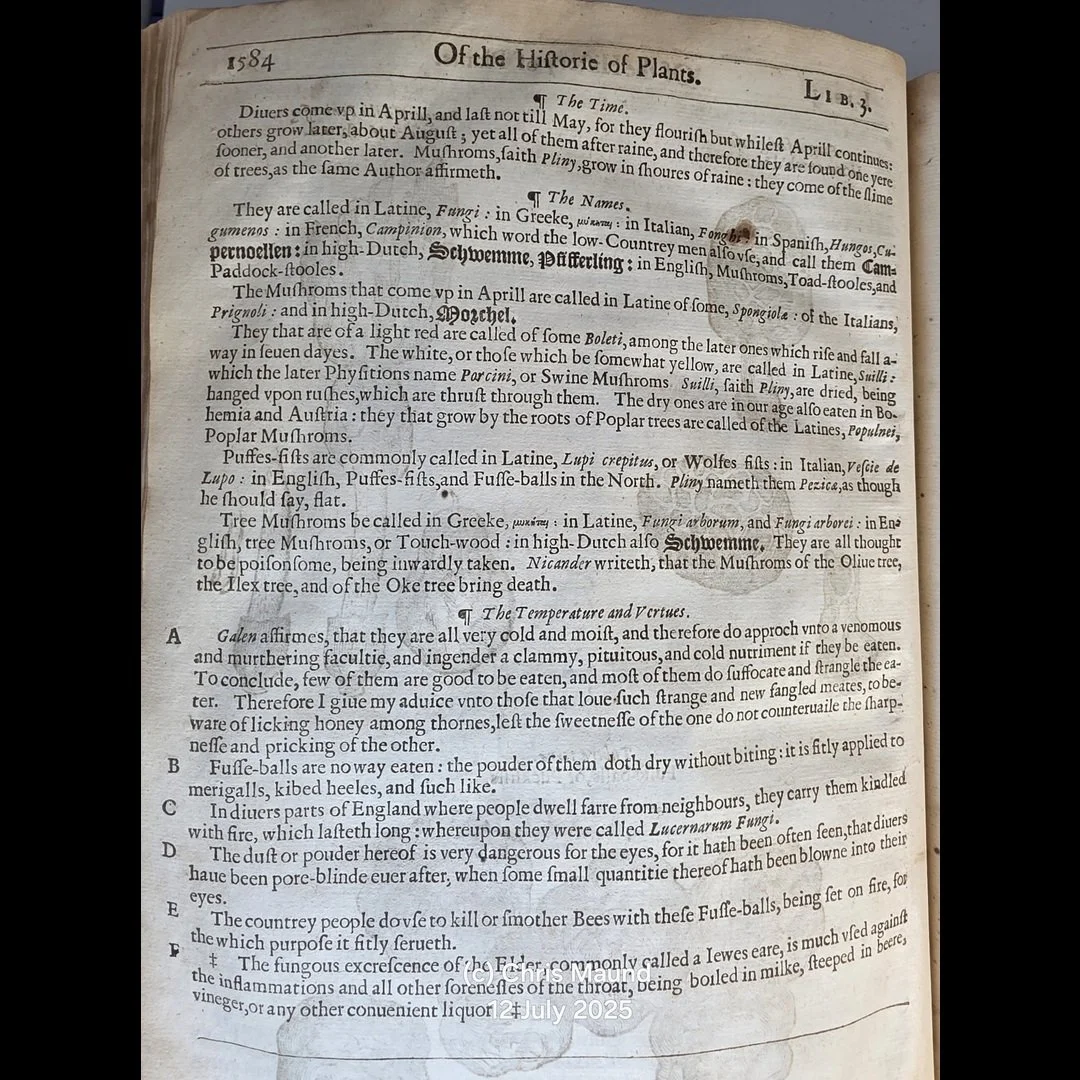
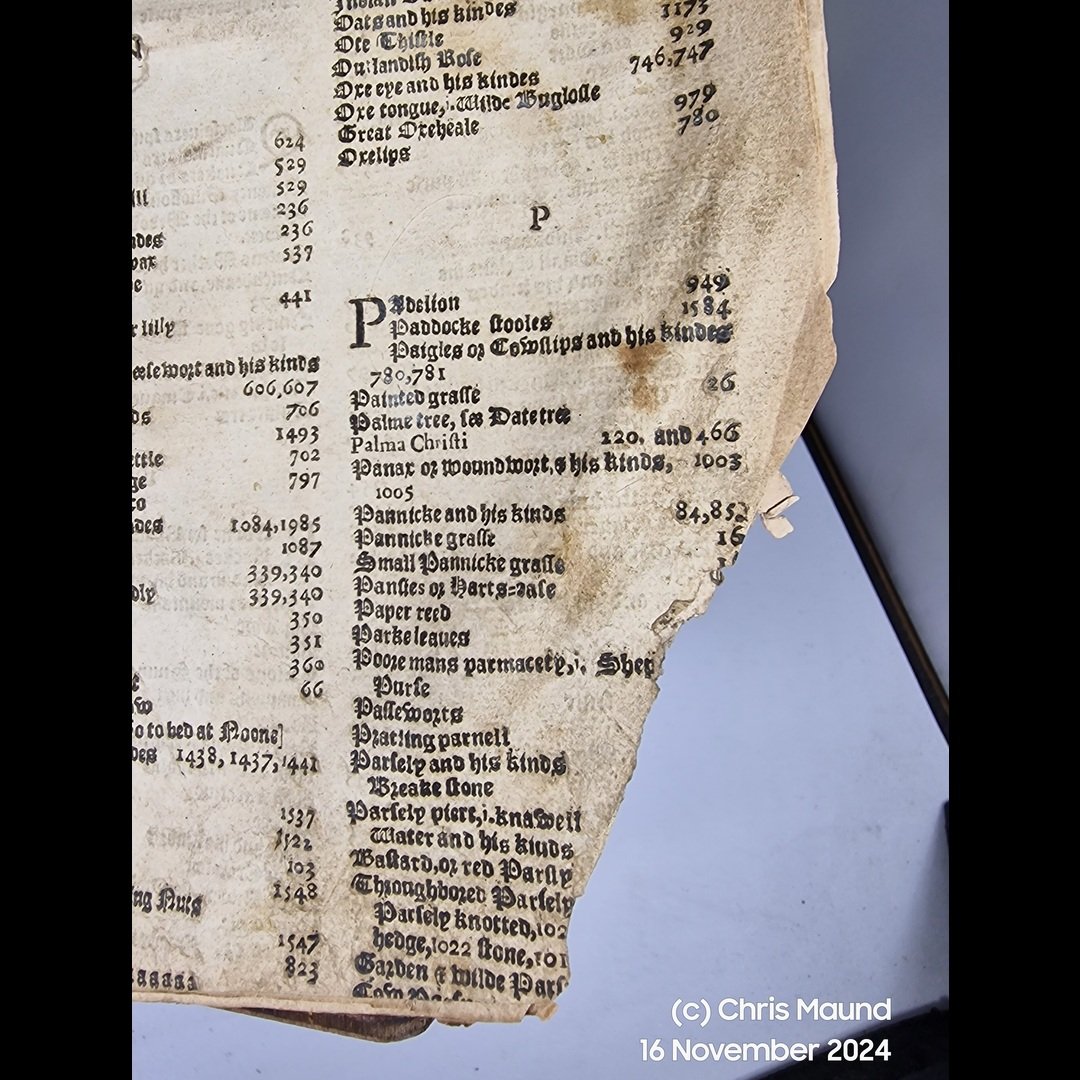
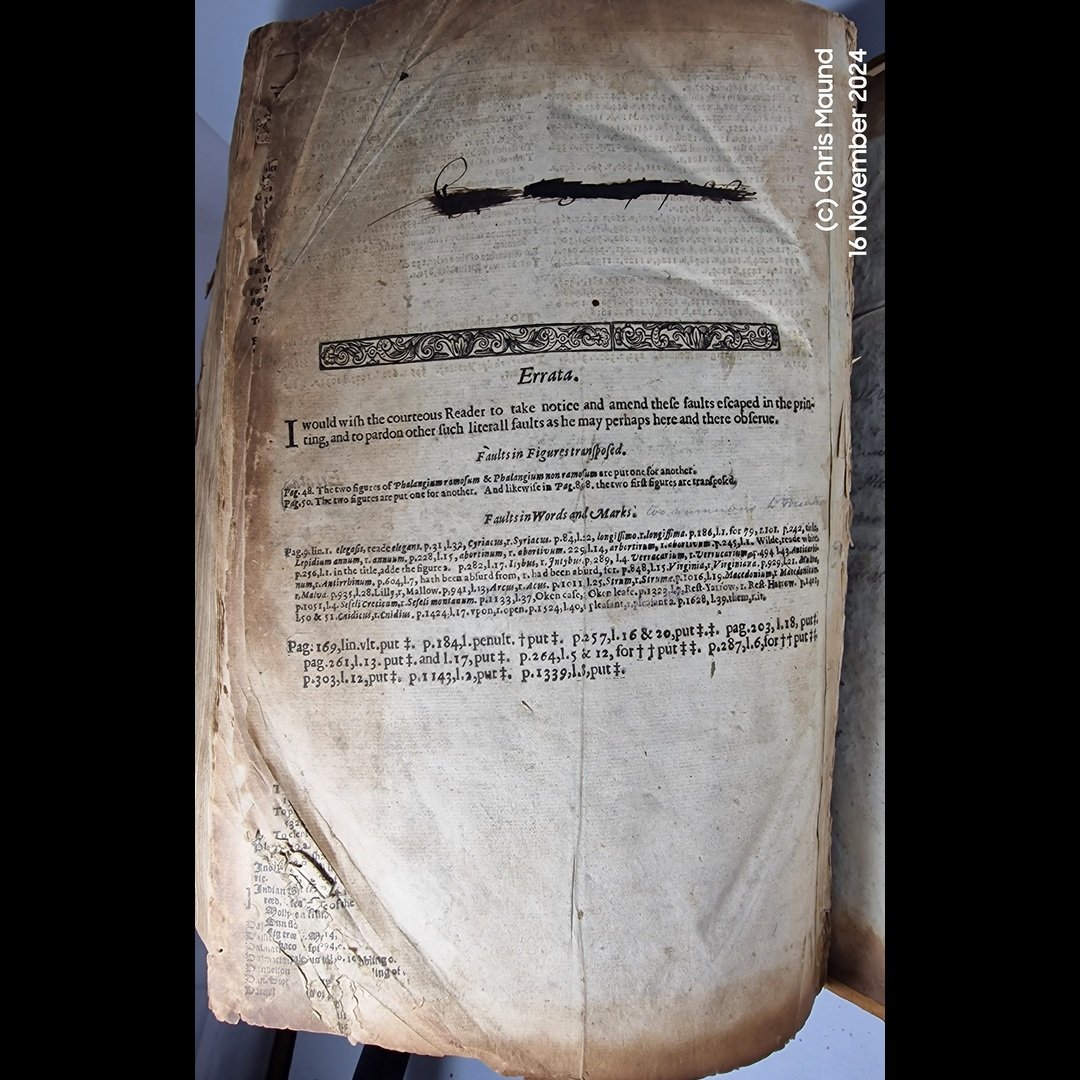
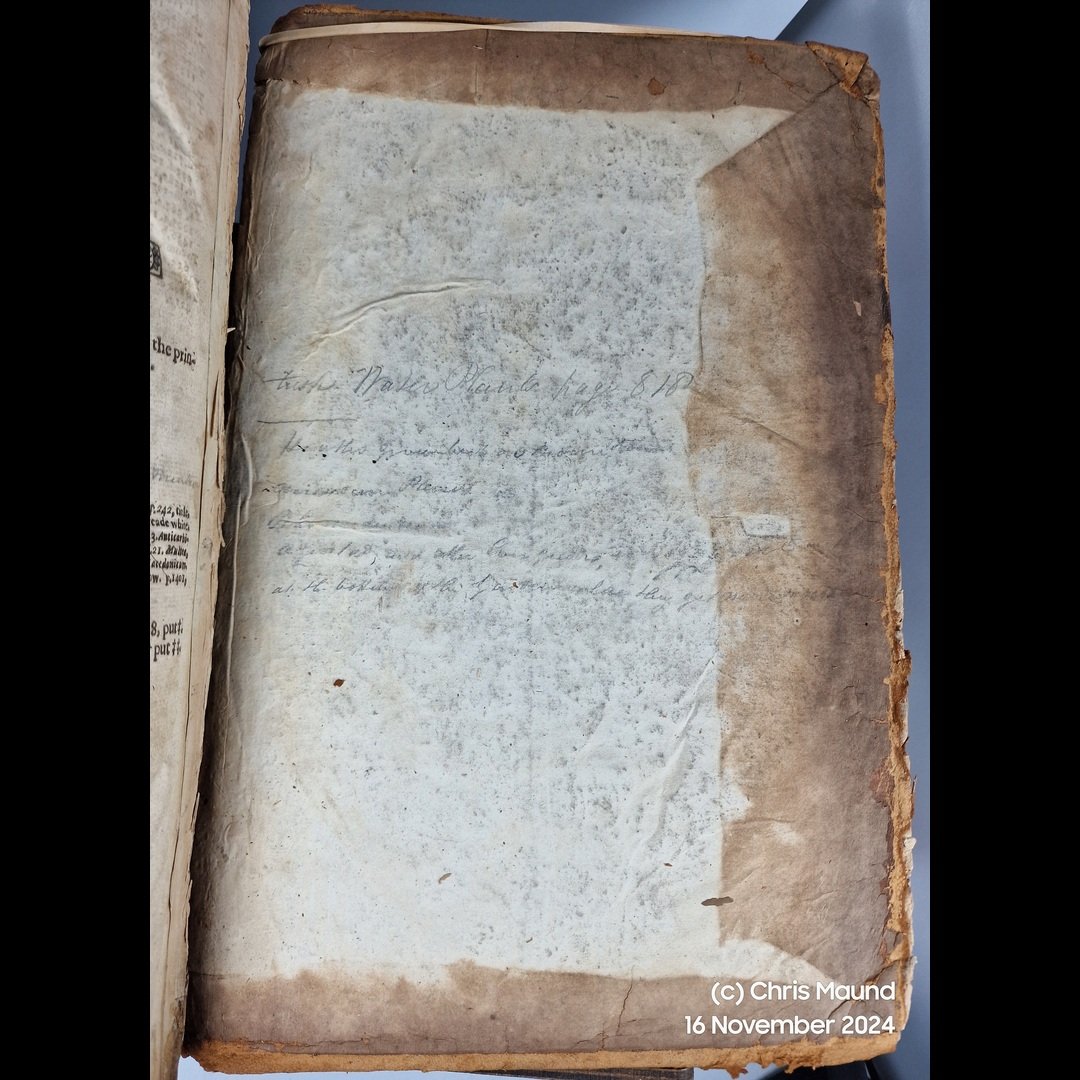
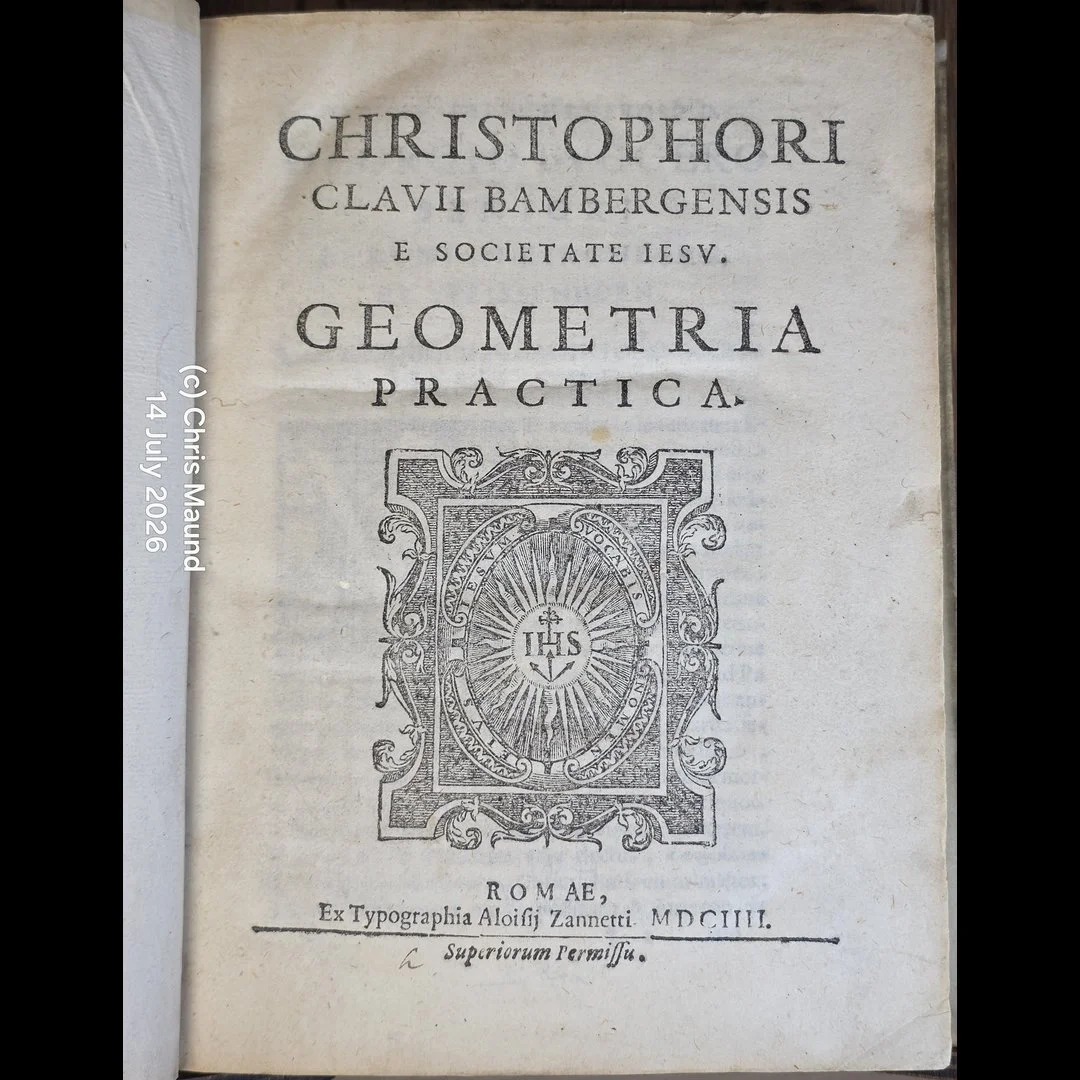
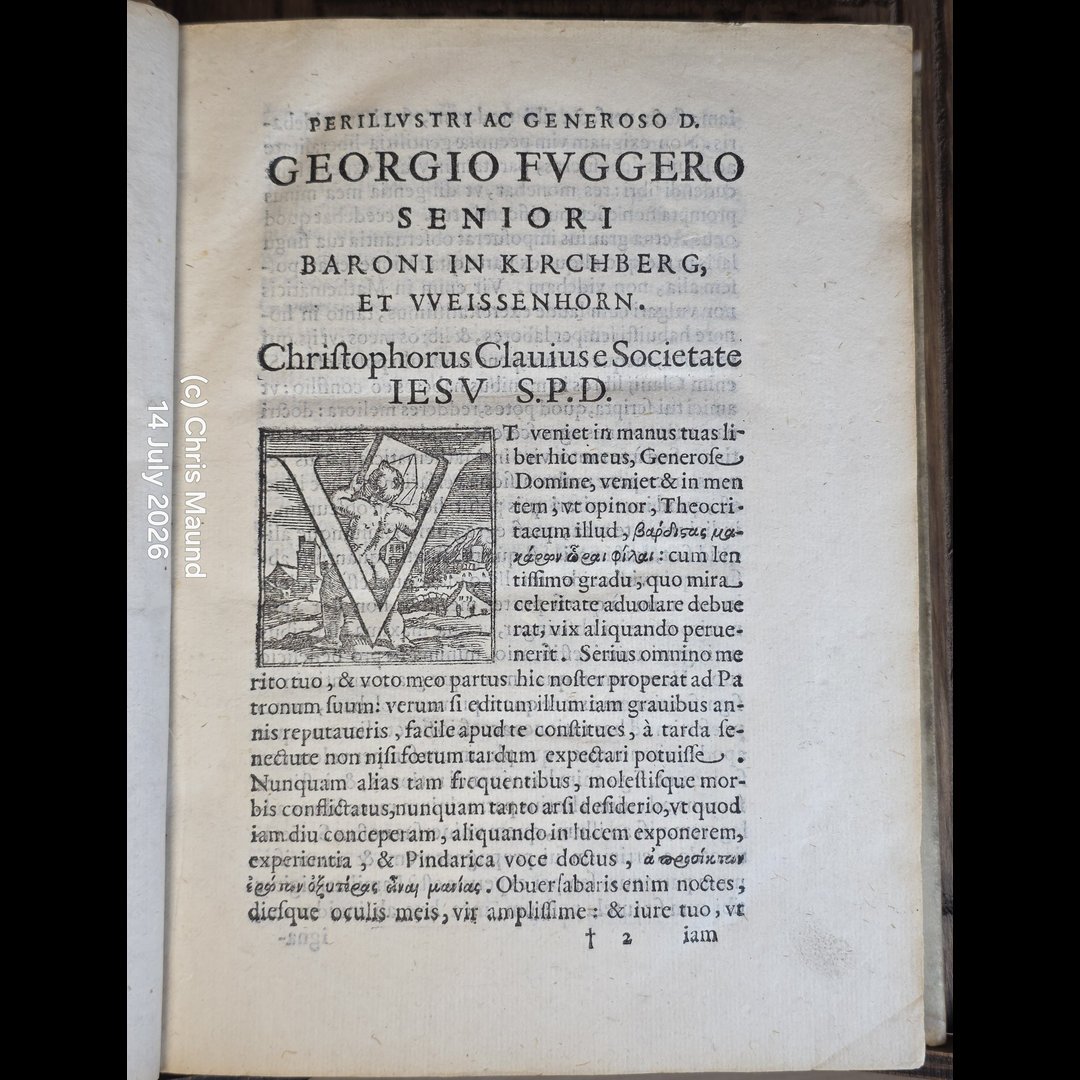
Please see photographs as part of the condition report.
REFERENCES
Nissen, Die botanische Buchillustration (BBI), 2251.
Dominic Winter Auctioneers, 16 February 2022, lot 59.
Biodiversity Heritage Library: Flora and Sylva, original series, 1903–1905.
SYNOPSIS
Flora and Sylva was conceived as a monthly review for enthusiasts of gardens, woodland, trees and flowers. Across its three volumes, William Robinson assembled articles on horticultural practice, botanical discoveries, ornamental planting and the aesthetics of naturalistic gardens.
Subjects include newly introduced and uncommon plants, flowering shrubs, hardy perennials, trees, woodland landscapes, and the design and cultivation of gardens.
Of particular distinction are the 66 colour botanical plates, many based on the work of Henry George Moon, whose illustrations combine scientific observation with considerable artistic sensitivity.
Published during the final decades of Robinson's long career, Flora and Sylva embodies the ideas that helped transform British garden design from formal Victorian bedding schemes towards more naturalistic and ecologically sympathetic planting.
A substantial and attractive work for collectors of botanical illustration, Edwardian horticulture, garden history and illustrated natural history.
AUTHOR BIO
Born in Ireland, William Robinson became one of the most important horticultural writers and garden reformers of the late nineteenth and early twentieth centuries.
After early horticultural training in Ireland, he moved to England in 1861, working at the Royal Botanic Society's gardens in Regent's Park before establishing himself as a writer, editor and influential advocate of naturalistic gardening.
His seminal work, The Wild Garden (1870), challenged prevailing formal gardening conventions, while The English Flower Garden (1883) became an enduring reference for the cultivation and artistic arrangement of hardy plants.
Robinson acquired Gravetye Manor in Sussex in 1884, transforming its gardens into a practical demonstration of his principles. His influence extended throughout Britain and beyond, contributing substantially to the development of modern garden design.
ILLUSTRATOR
Henry Moon
Henry George Moon (1857-1905) was an English botanical artist celebrated for the technical precision and beauty of his botanical watercolours, particularly his depictions of orchids and other flowering plants.
He contributed illustrations to several important botanical publications, including work associated with the distinguished horticultural firm of James Veitch & Sons.
Moon's contributions to Flora and Sylva represent a significant element of the periodical's artistic appeal, combining botanical accuracy with a refined treatment of colour, form and natural composition.

 Image 1 of 69
 Image 2 of 69
 Image 3 of 69
 Image 4 of 69
 Image 5 of 69
 Image 6 of 69
 Image 7 of 69
 Image 8 of 69
 Image 9 of 69
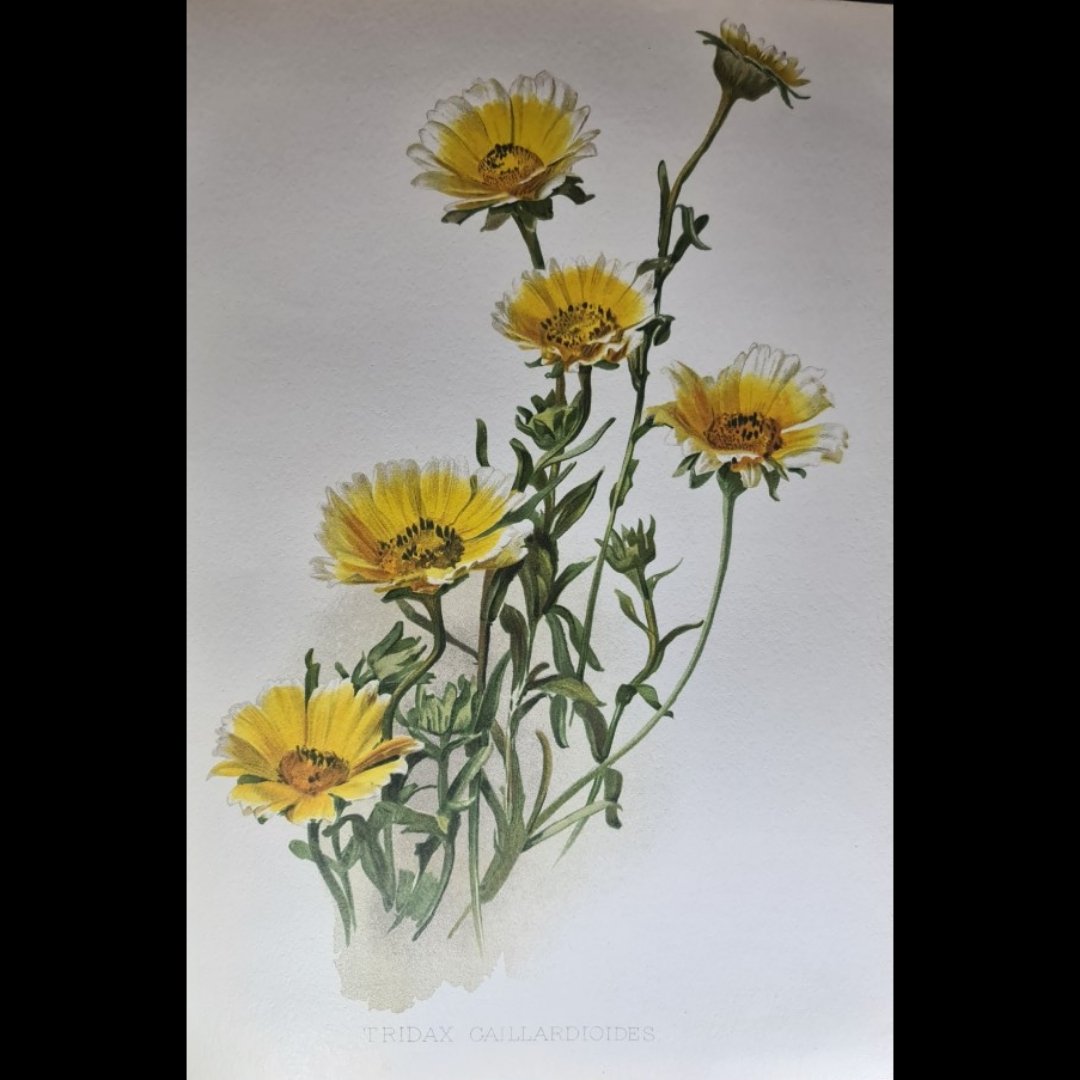 Image 10 of 69
 Image 11 of 69
 Image 12 of 69
 Image 13 of 69
 Image 14 of 69
 Image 15 of 69
 Image 16 of 69
 Image 17 of 69
 Image 18 of 69
 Image 19 of 69
 Image 20 of 69
 Image 21 of 69
 Image 22 of 69
 Image 23 of 69
 Image 24 of 69
 Image 25 of 69
 Image 26 of 69
 Image 27 of 69
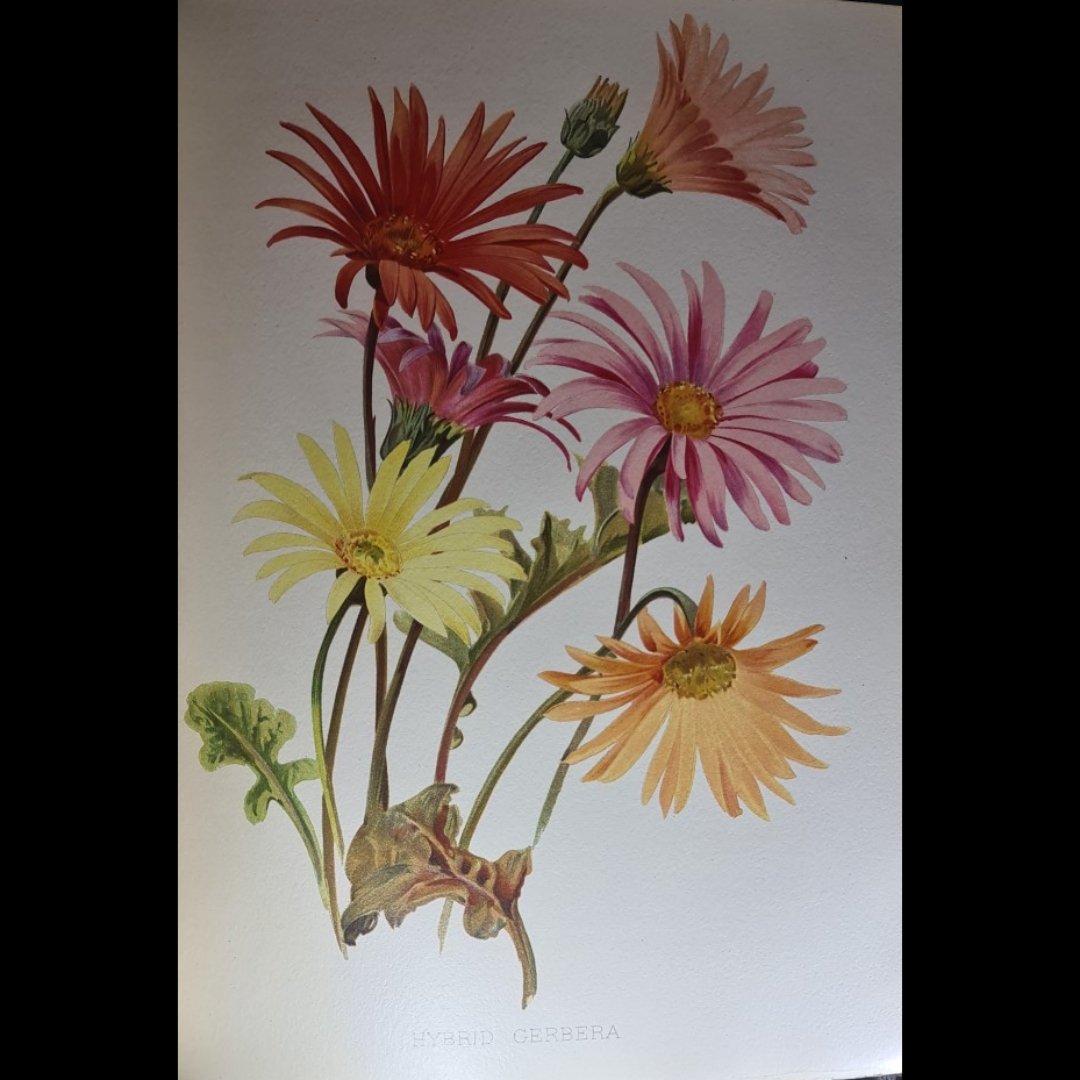 Image 28 of 69
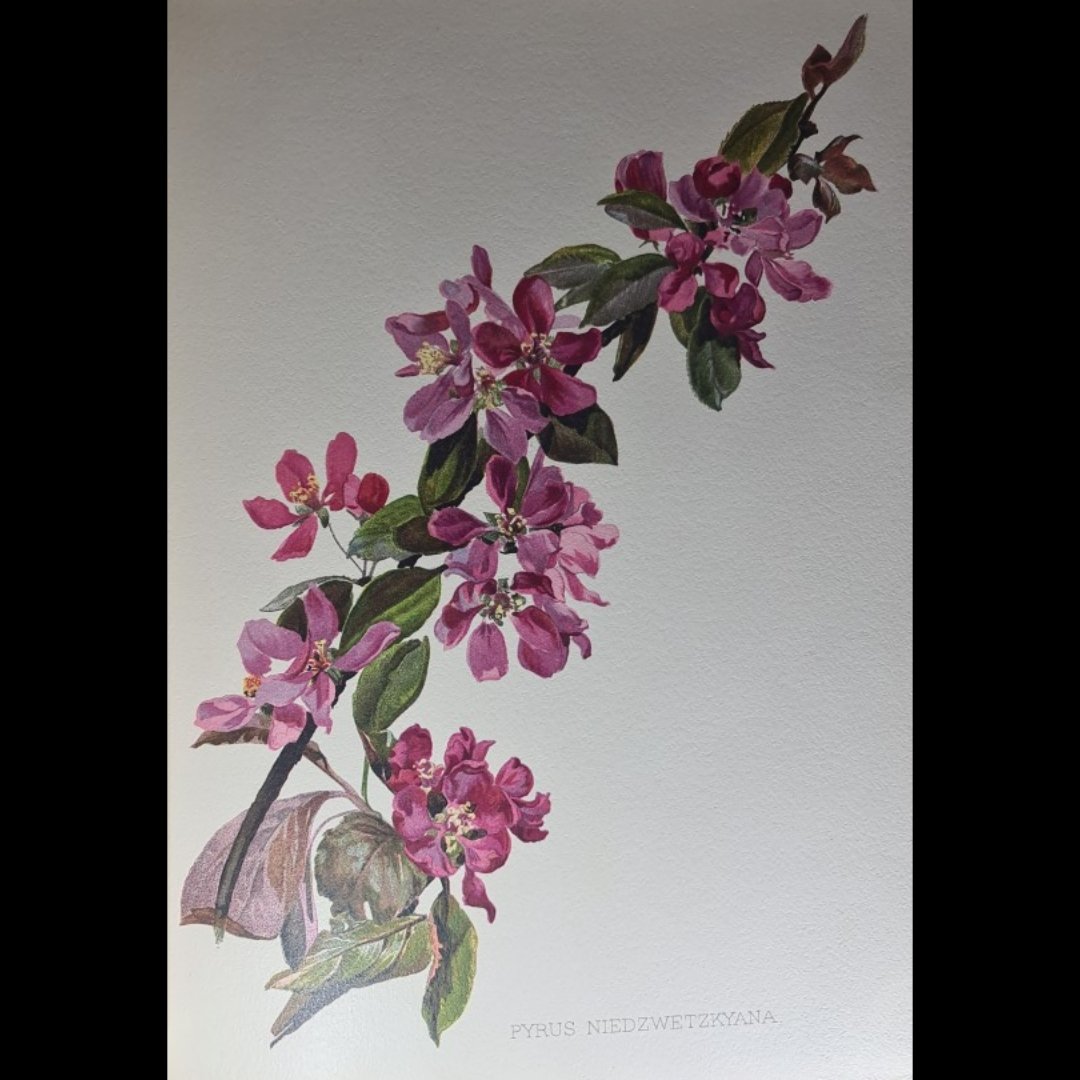 Image 29 of 69
 Image 30 of 69
 Image 31 of 69
 Image 32 of 69
 Image 33 of 69
 Image 34 of 69
 Image 35 of 69
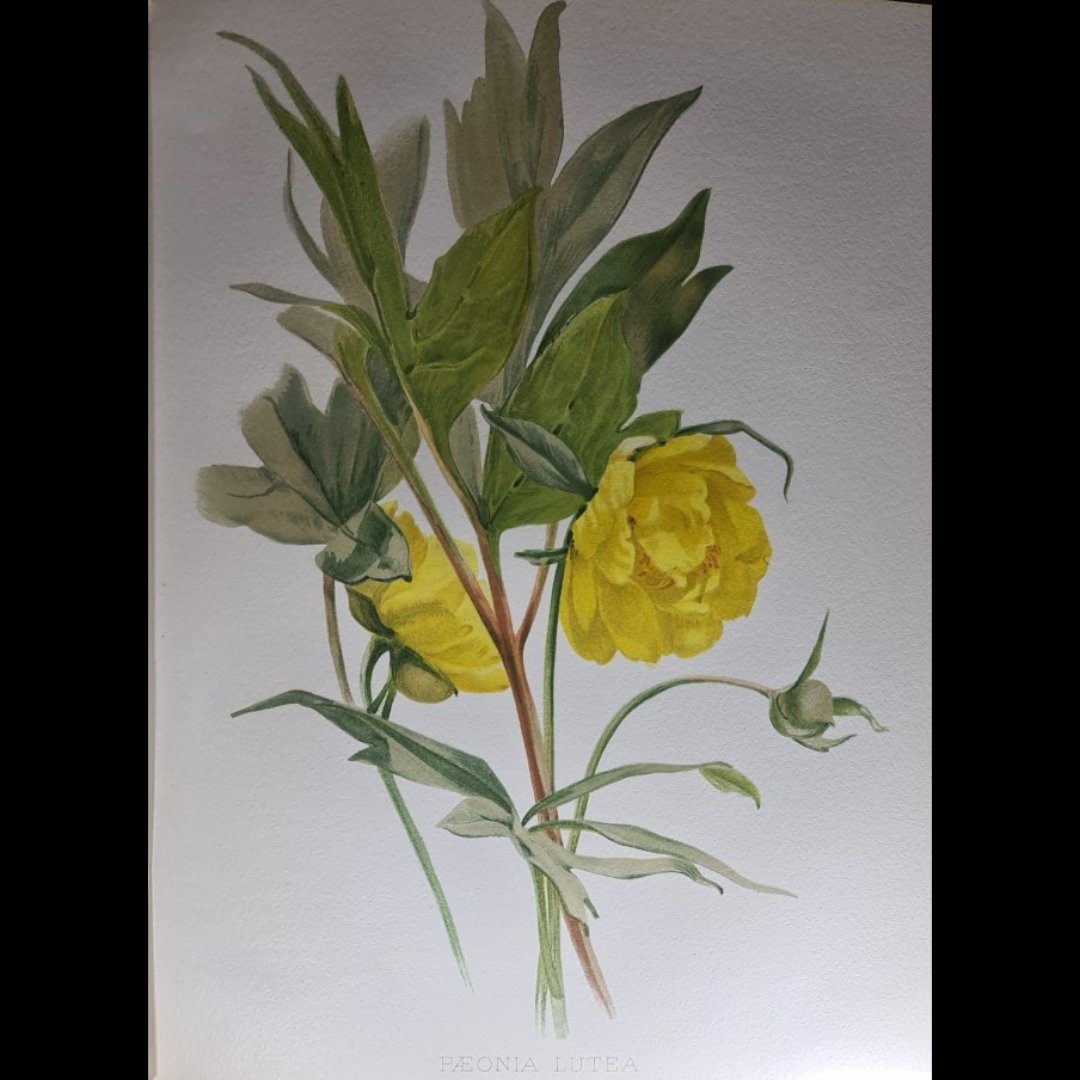 Image 36 of 69
 Image 37 of 69
 Image 38 of 69
 Image 39 of 69
 Image 40 of 69
 Image 41 of 69
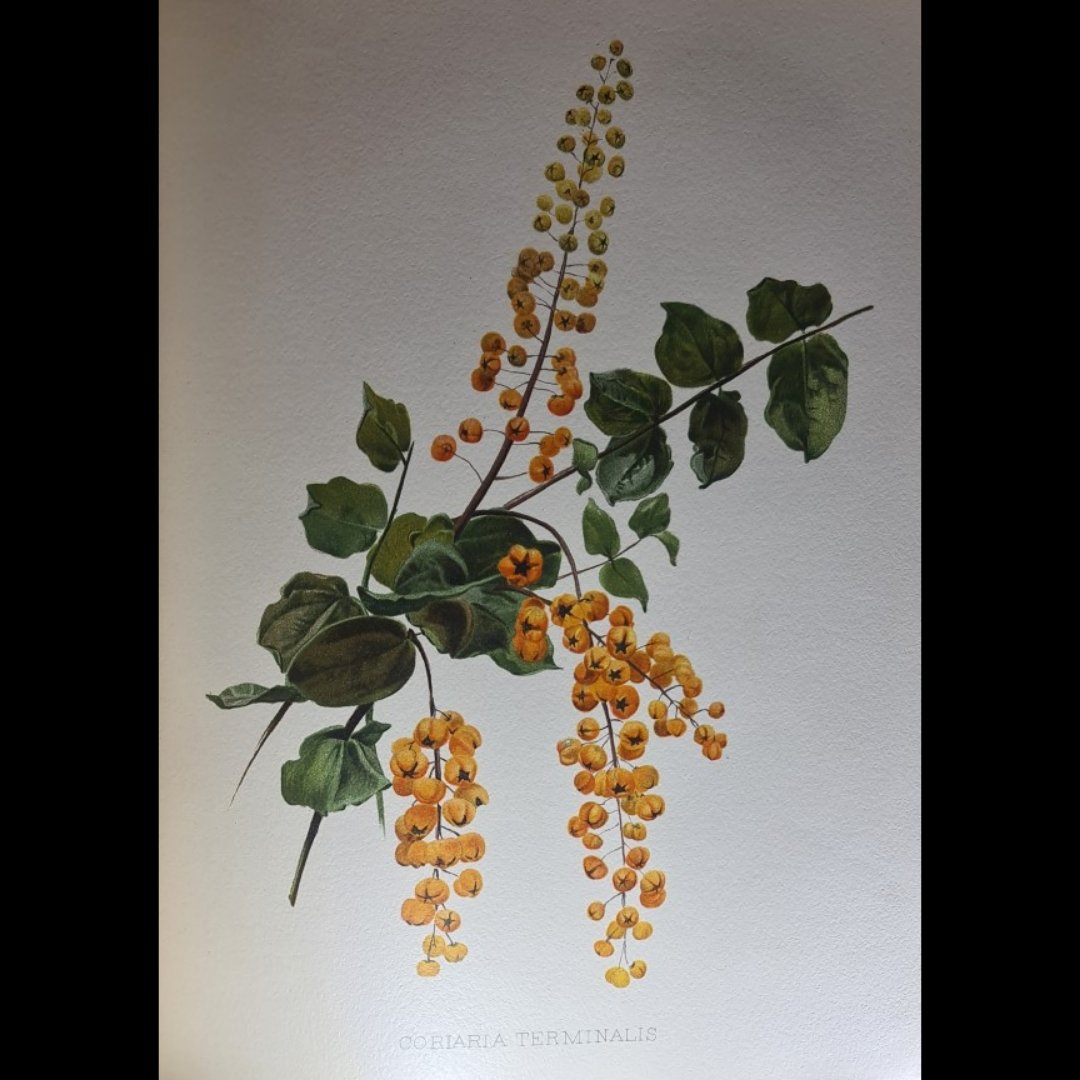 Image 42 of 69
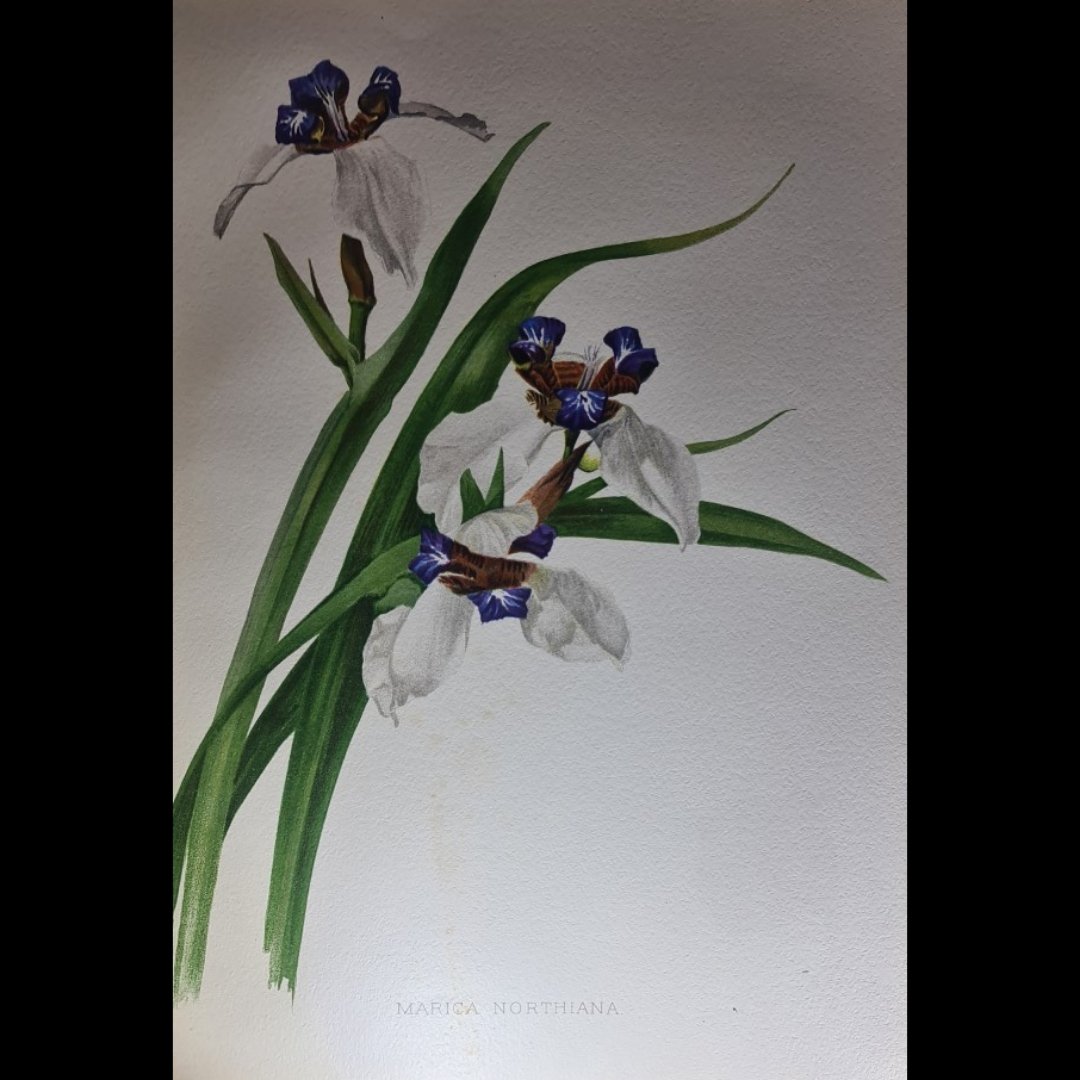 Image 43 of 69
 Image 44 of 69
 Image 45 of 69
 Image 46 of 69
 Image 47 of 69
 Image 48 of 69
 Image 49 of 69
 Image 50 of 69
 Image 51 of 69
 Image 52 of 69
 Image 53 of 69
 Image 54 of 69
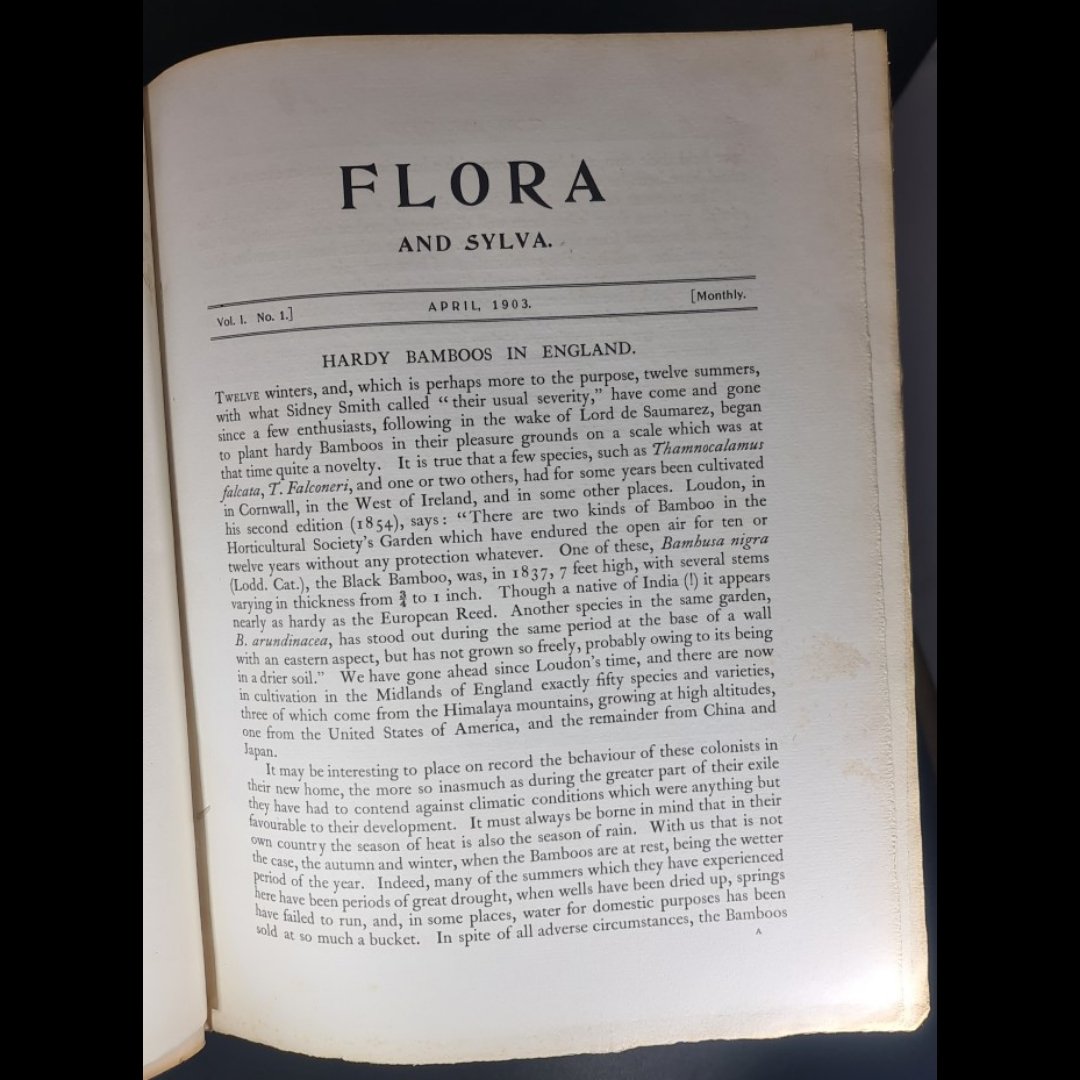 Image 55 of 69
 Image 56 of 69
 Image 57 of 69
 Image 58 of 69
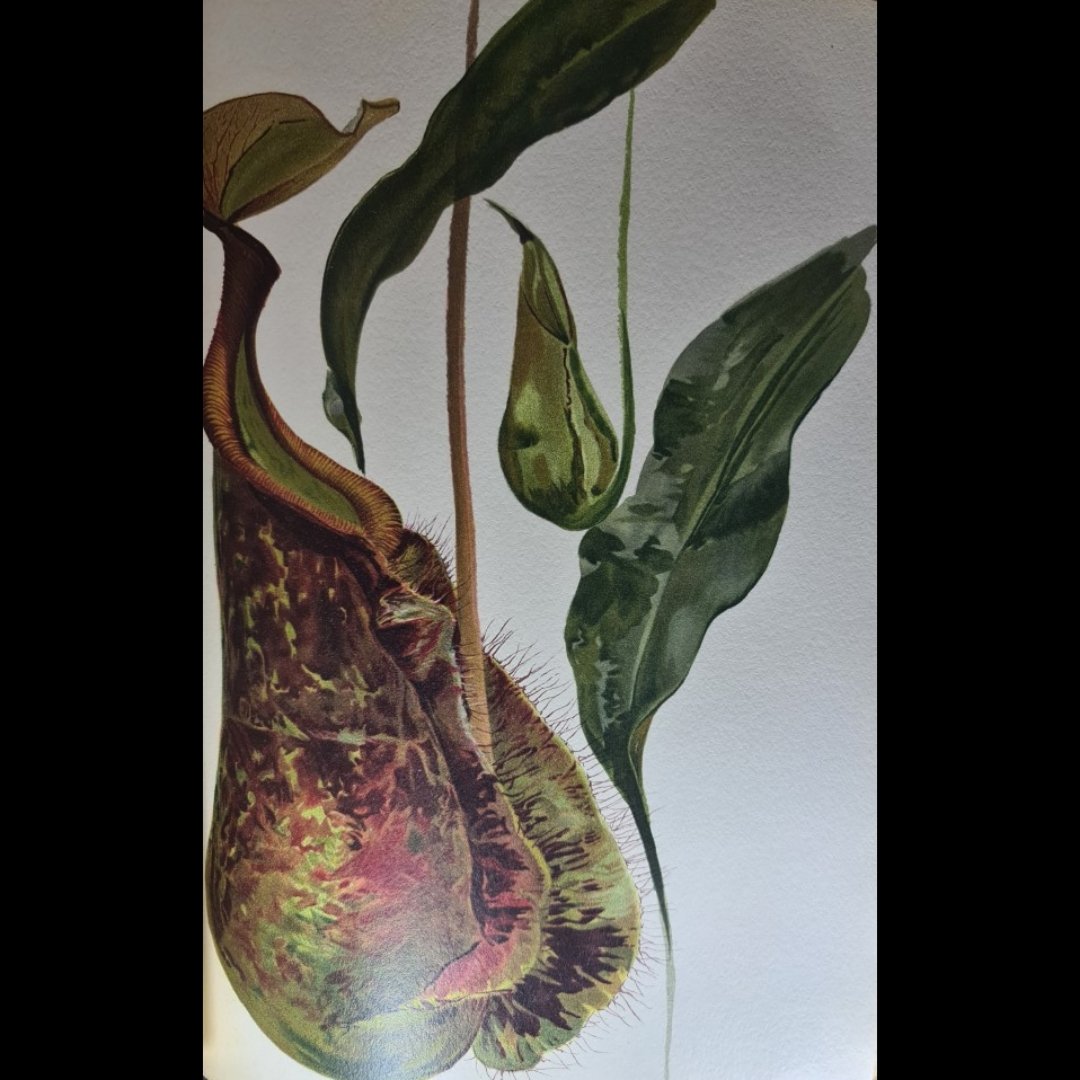 Image 59 of 69
 Image 60 of 69
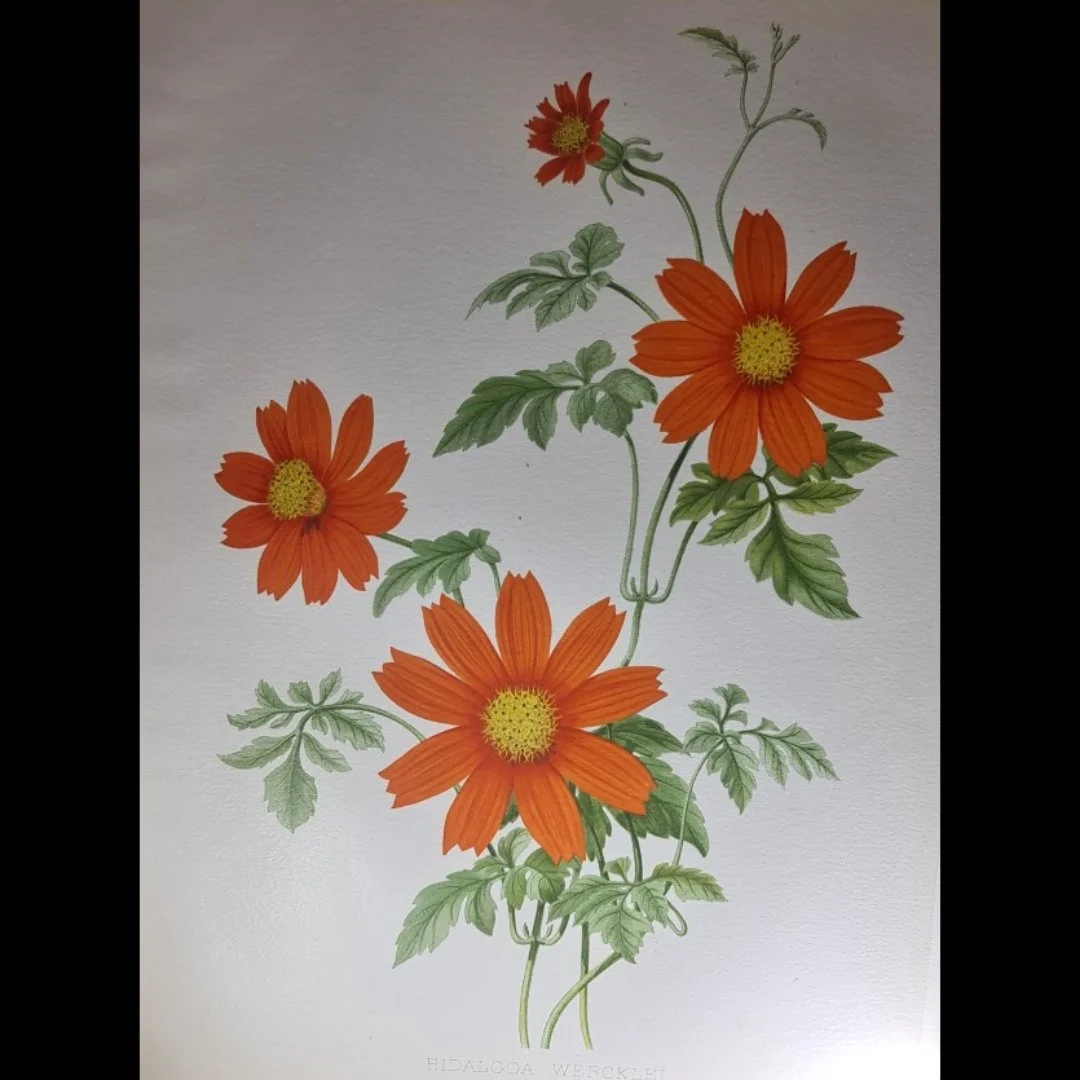 Image 61 of 69
 Image 62 of 69
 Image 63 of 69
 Image 64 of 69
 Image 65 of 69
 Image 66 of 69
 Image 67 of 69
 Image 68 of 69
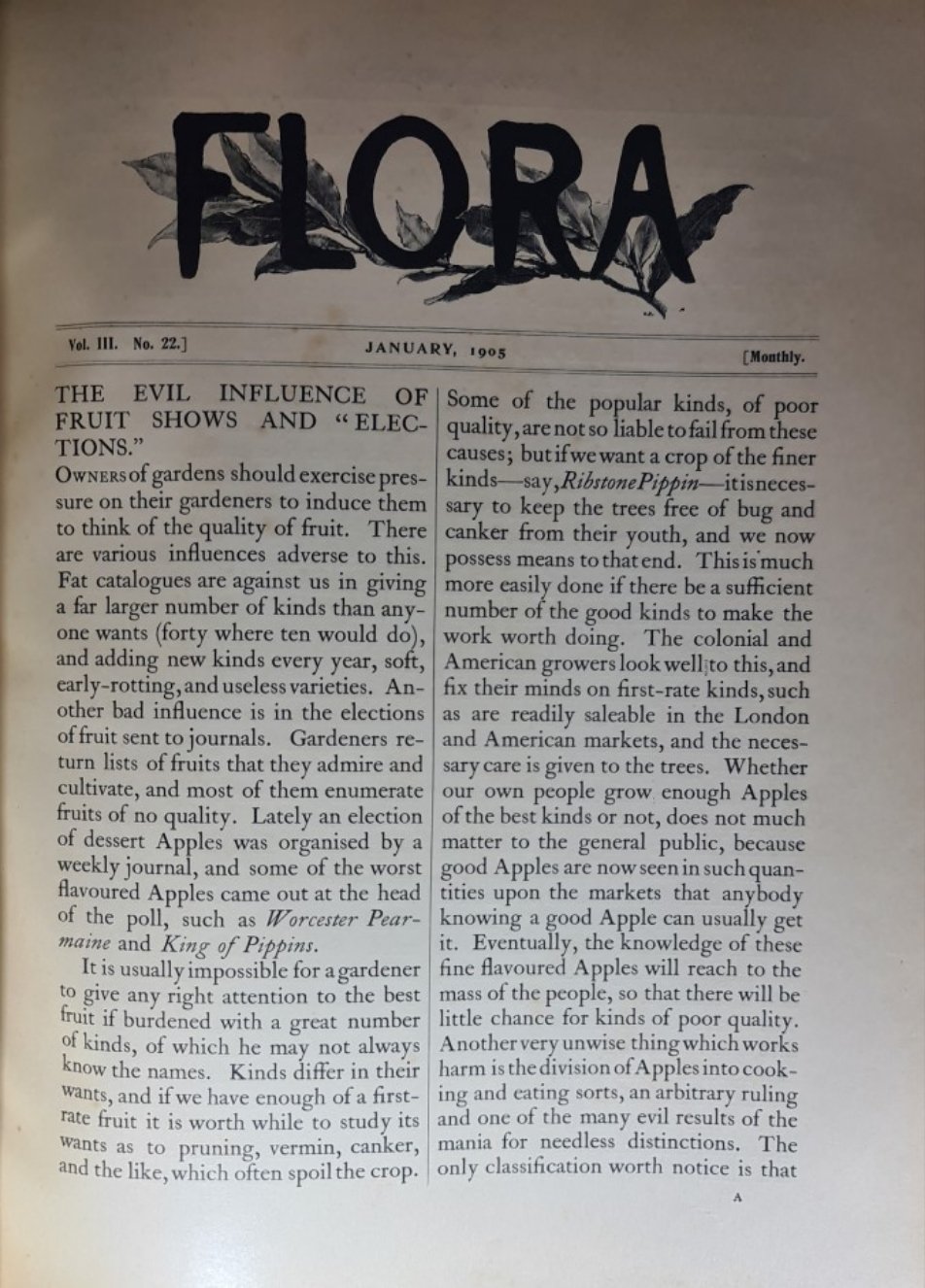 Image 69 of 69