1725 Helmstedt Sammelband With Provenance
DE SYRIA DEA & THEOPHRASTUS — DE SUPERSTITIONE
By Lucian of Samosata, Theophrastus & Hermann von der Hardt
KEY DETAILS
Condition: Good
Format: Hardcover, 8vo; Approx. 160 × 100 mm
Published By: Pauli Dieter, Helmstedt, Germany, 1725
Language: Greek, Latin and Hebrew
Provenance: Sir James Risdon Bennett (1809–1891), distinguished British physician, Fellow of the Royal Society and later President of the Royal College of Physicians.
Collation: Two separately issued works bound together. I. [2], 38 pp.; signatures π¹ A–B⁸ C³. II. [16], 32 pp.; signatures A–C⁸. Complete.
Dust Jacket: None, as issued
SKU: BTETM0001950
Shipping Info: Approximate Package Dimensions H: 12.5, L: 30, W: 25 (Units: cm), W: 2Kg
Tracked Shipping, Insurance Coverage as per Customer Request
DESCRIPTION
DE SYRIA DEA & THEOPHRASTUS — DE SUPERSTITIONE
1724–1725 HELMSTEDT SAMMELBAND
LUCIAN / PSEUDO-LUCIAN — DE SYRIA DEA & THEOPHRASTUS — DE SUPERSTITIONE
WITH HERMANN VON DER HARDT — IN ORIGINES HEBRAICAS ALBERTI SCHULTENS
By Lucian of Samosata [traditionally attributed], Theophrastus & Hermann von der Hardt
An unusually interesting early eighteenth-century scholarly sammelband bringing together three distinct strands of classical and biblical scholarship: ancient Syrian religion, Greek ideas of superstition, and contemporary Hebrew philology.
The volume comprises two separately published Helmstedt works bound together in contemporary or near-contemporary calf.
The first is:
LUCIANI, VEL AUCTORIS POTIUS INCERTI, DE SYRIA DEA, ET THEOPHRASTI DE SUPERSTITIONE, LIBELLI UTILISSIMI, IN USUS AUDITORUM SEPARATIM EDITI.
Helmstedt, 1725.
The title explicitly acknowledges the long-standing uncertainty over the authorship of De Syria Dea — traditionally attributed to Lucian of Samosata, but here described as the work of “Lucian, or rather an uncertain author.”
The text itself is printed principally in Greek, opening:
ΛΟΥΚΙΑΝΟΥ ΣΑΜΟΣΑΤΕΩΣ ΠΕΡΙ ΤΗΣ ΣΥΡΙΑΣ ΘΕΟΥ
and is accompanied by Theophrastus's De Superstitione.
The second work is:
HERMANNUS VON DER HARDT, IN ORIGINES HEBRAICAS CL. VIRI ALBERTI SCHULTENS…
Helmstedt, 1724.
This is Hermann von der Hardt's learned engagement with Albert Schultens's work on the origins and interpretation of Hebrew. It is printed in an attractive mixture of Latin, Hebrew and Greek type, demonstrating the comparative philological method emerging within early eighteenth-century biblical scholarship.
Both works were printed at Helmstedt by Paulus Dietericus Schnorr, academic printer to the university.
The volume therefore represents far more than a miscellaneous pairing. It brings together classical religion, superstition, Hebrew studies and comparative philology within the intellectual environment of the University of Helmstedt.
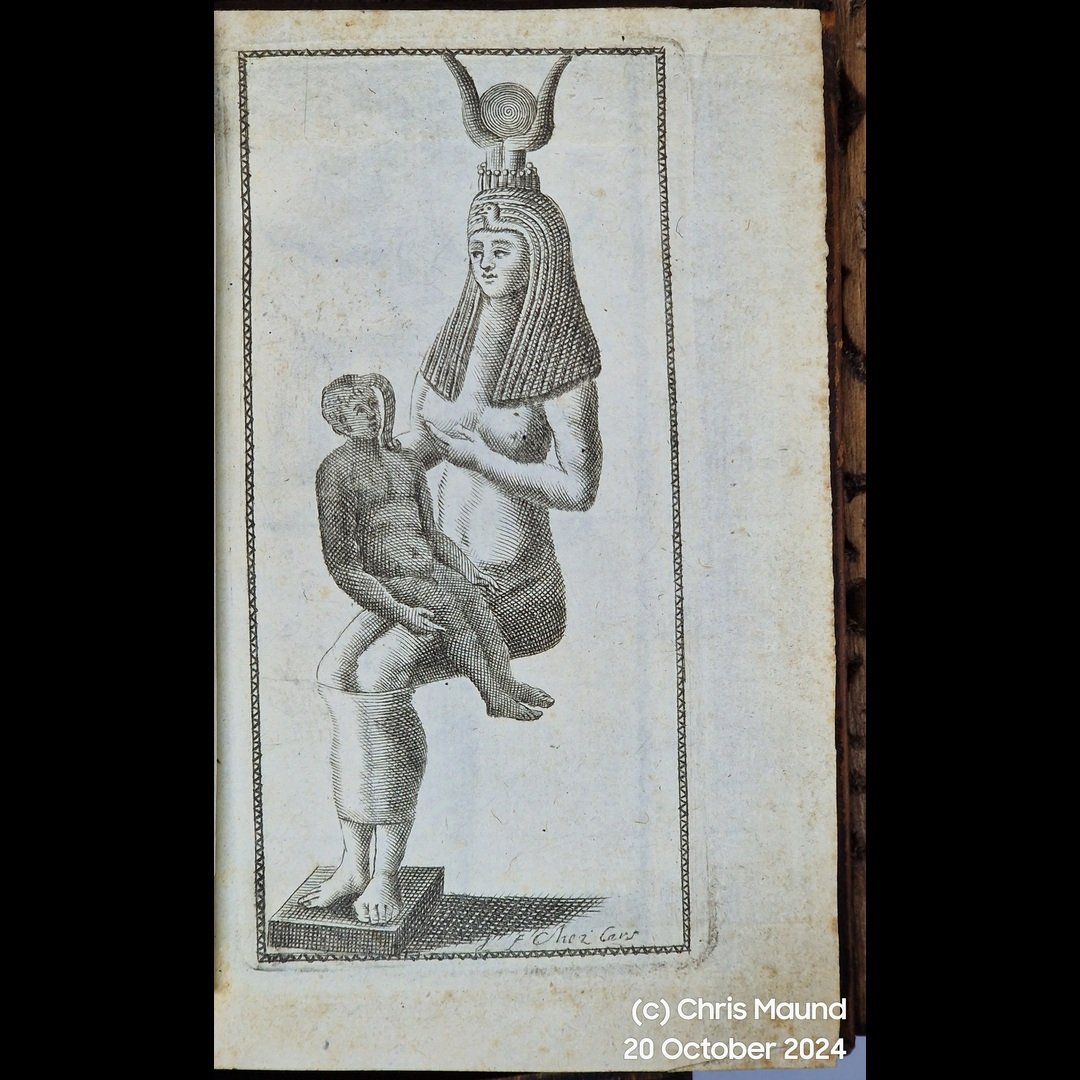
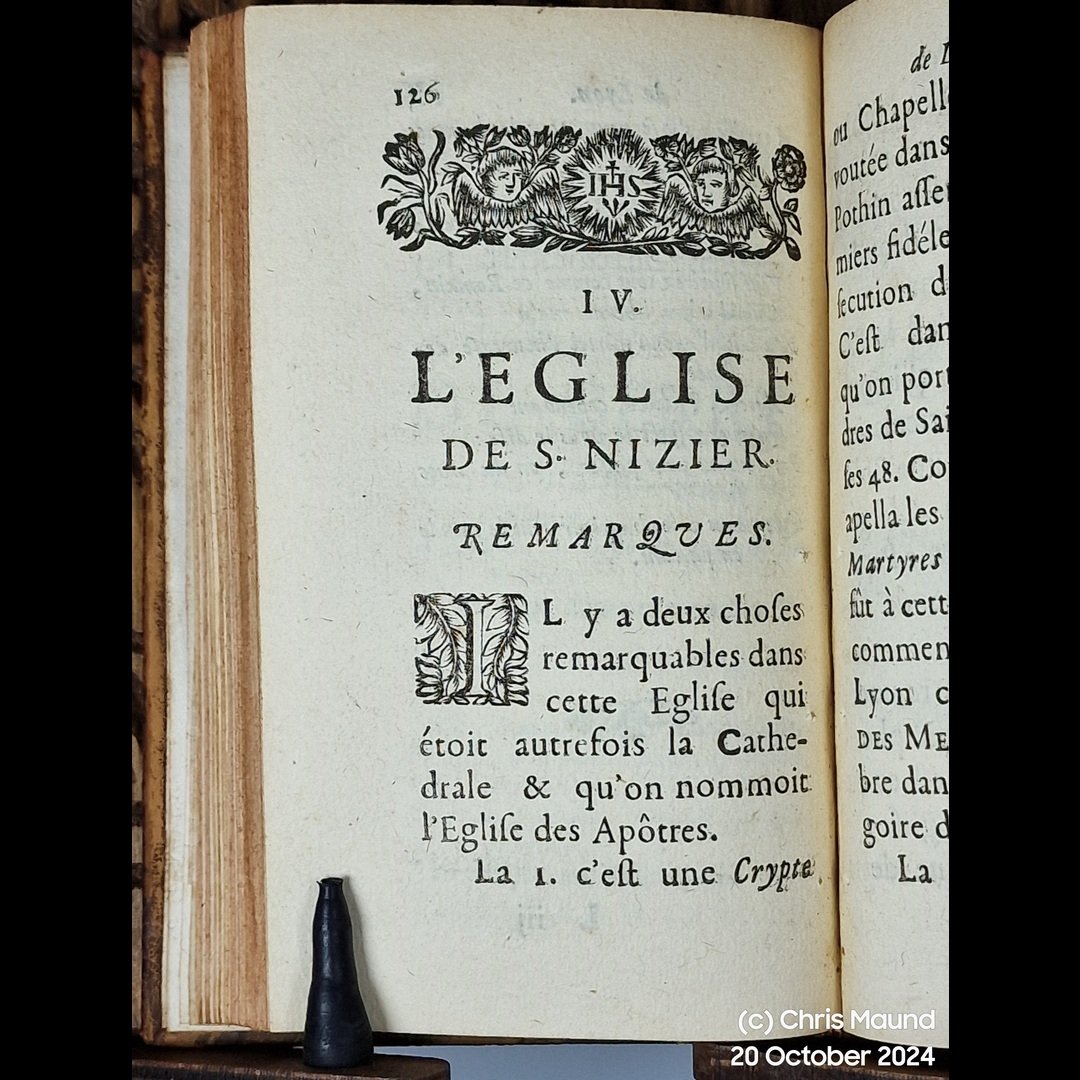
Decorative woodcut ornaments appear throughout, including a large floral headpiece at the opening of De Syria Dea, floral terminal ornaments, and a small printer's device.
PROVENANCE
Sir James Risdon Bennett (1809–1891), distinguished British physician, Fellow of the Royal Society and later President of the Royal College of Physicians.
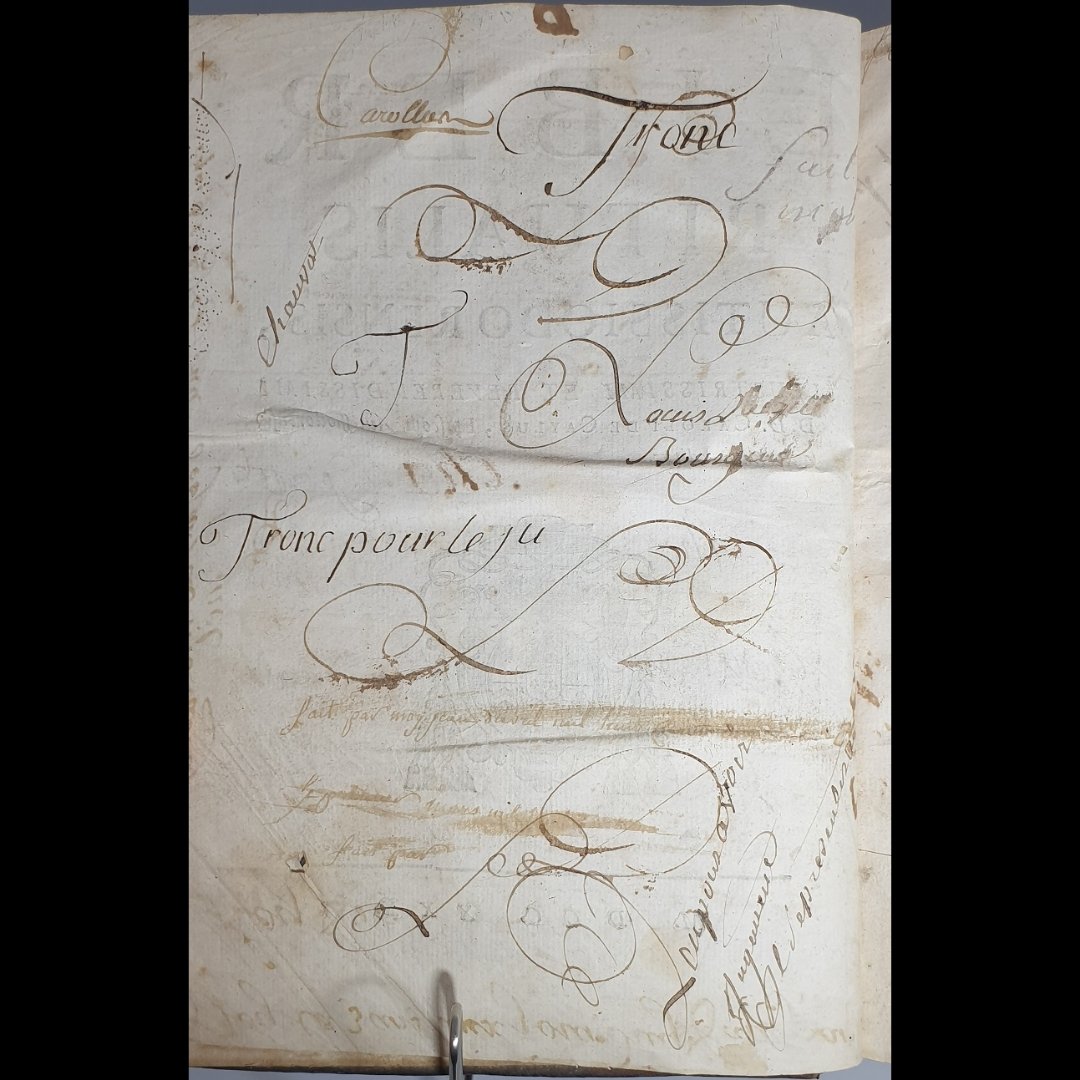
The front free endpaper bears Bennett's contemporary ownership inscription:
“Risdon Bennett / from the Library of the late / Sol: Leonard Esq / 1868.”
The former owner can be identified with considerable confidence as Solomon Rudder Leonard (1799–1867) of Clifton, Bristol, a former schoolmaster and prominent Baptist layman active within Nonconformist and missionary circles.
Leonard died in 1867, immediately preceding Bennett's dated acquisition of the volume in 1868, providing unusually specific evidence for the transfer of the book from one nineteenth-century private library to another.
Leonard's intellectual and religious background is particularly appropriate to the contents of the volume, which combines Greek religion and superstition with Hebrew and biblical philology.
Bennett himself maintained strong interests beyond clinical medicine, including biblical subjects and the historical relationship between religion and medicine.
No surviving auction or bookseller catalogue recording the dispersal of Leonard's library has yet been identified, and Bennett's inscription does not state that the volume was acquired at public sale.
CONDITION, COLLATION & COPY NOTES
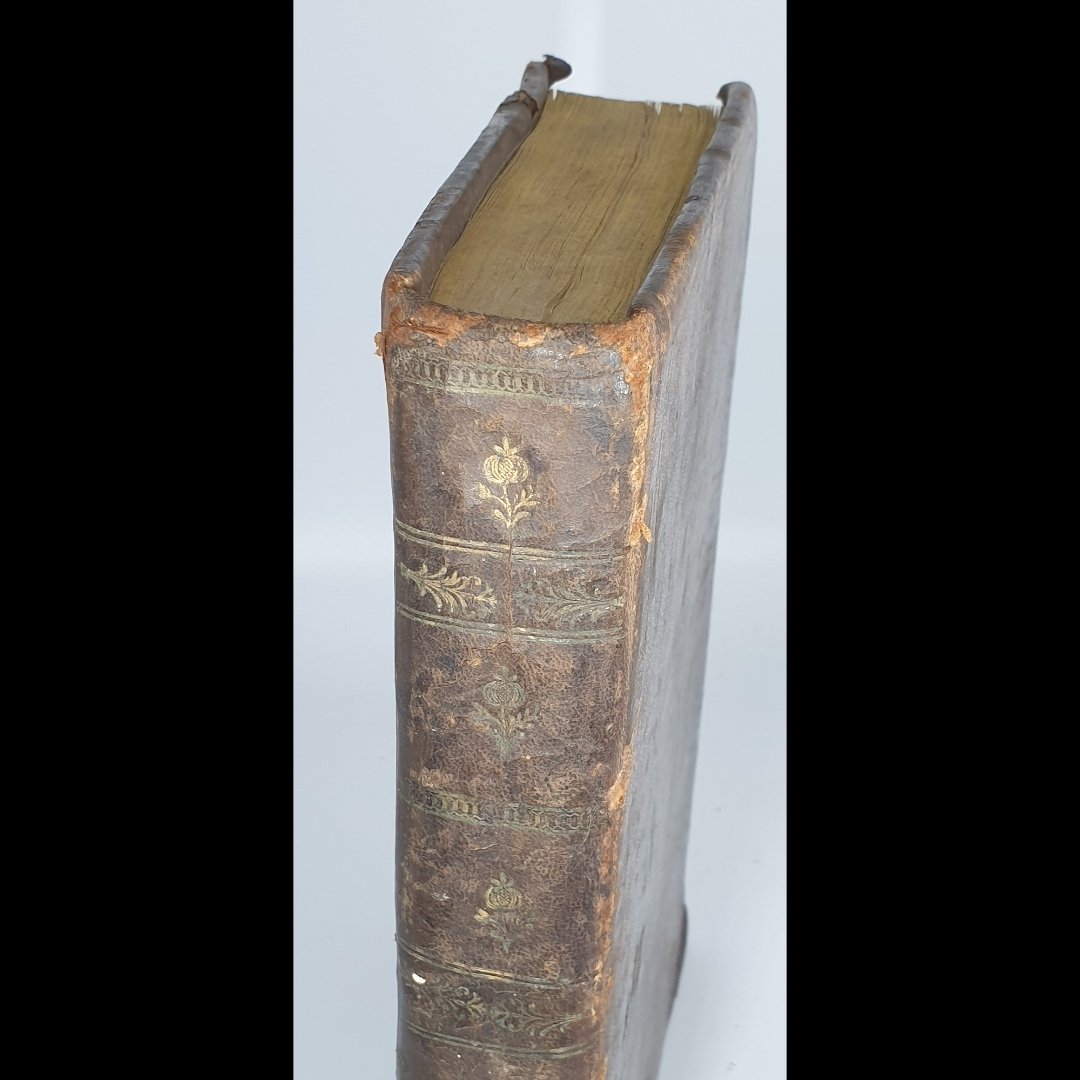
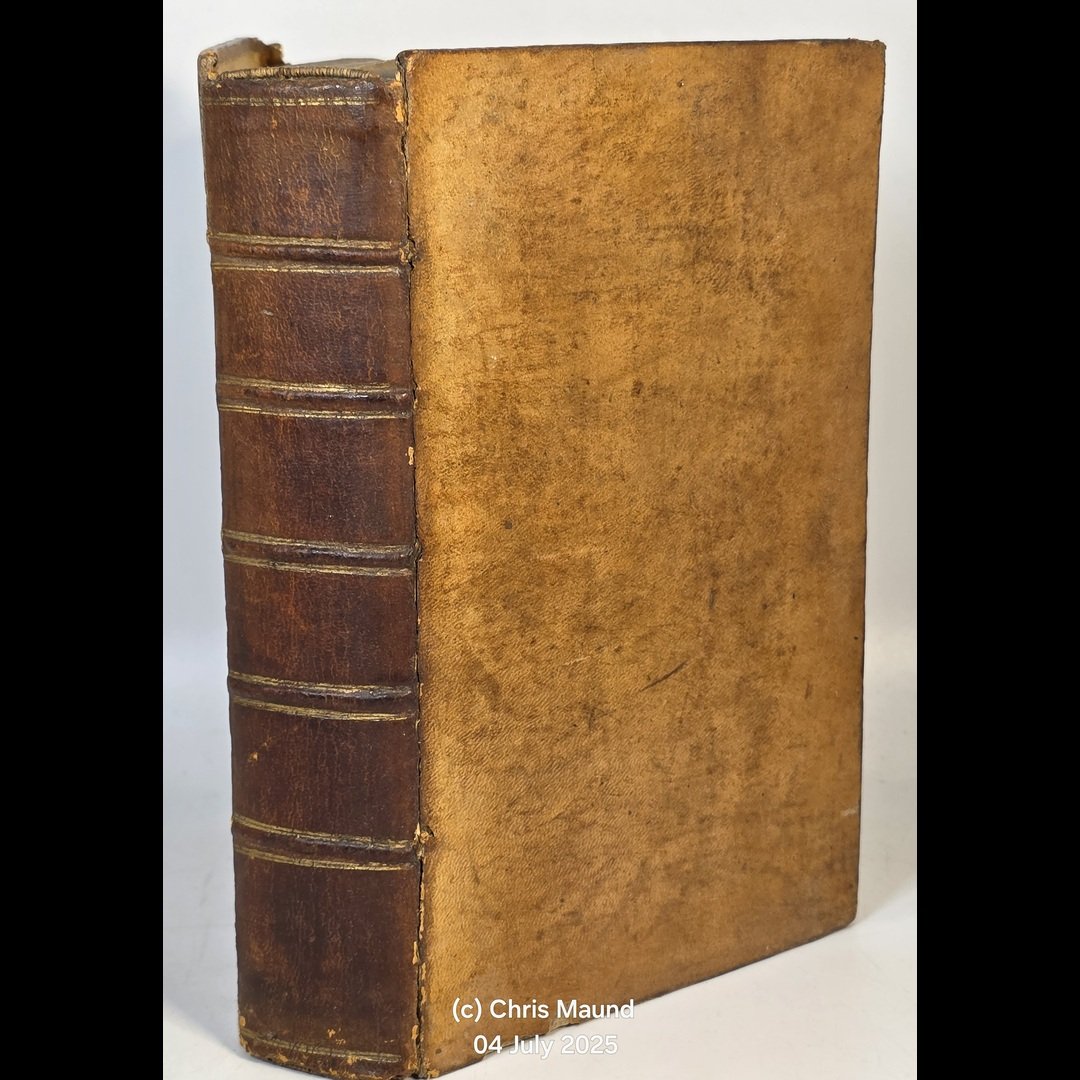
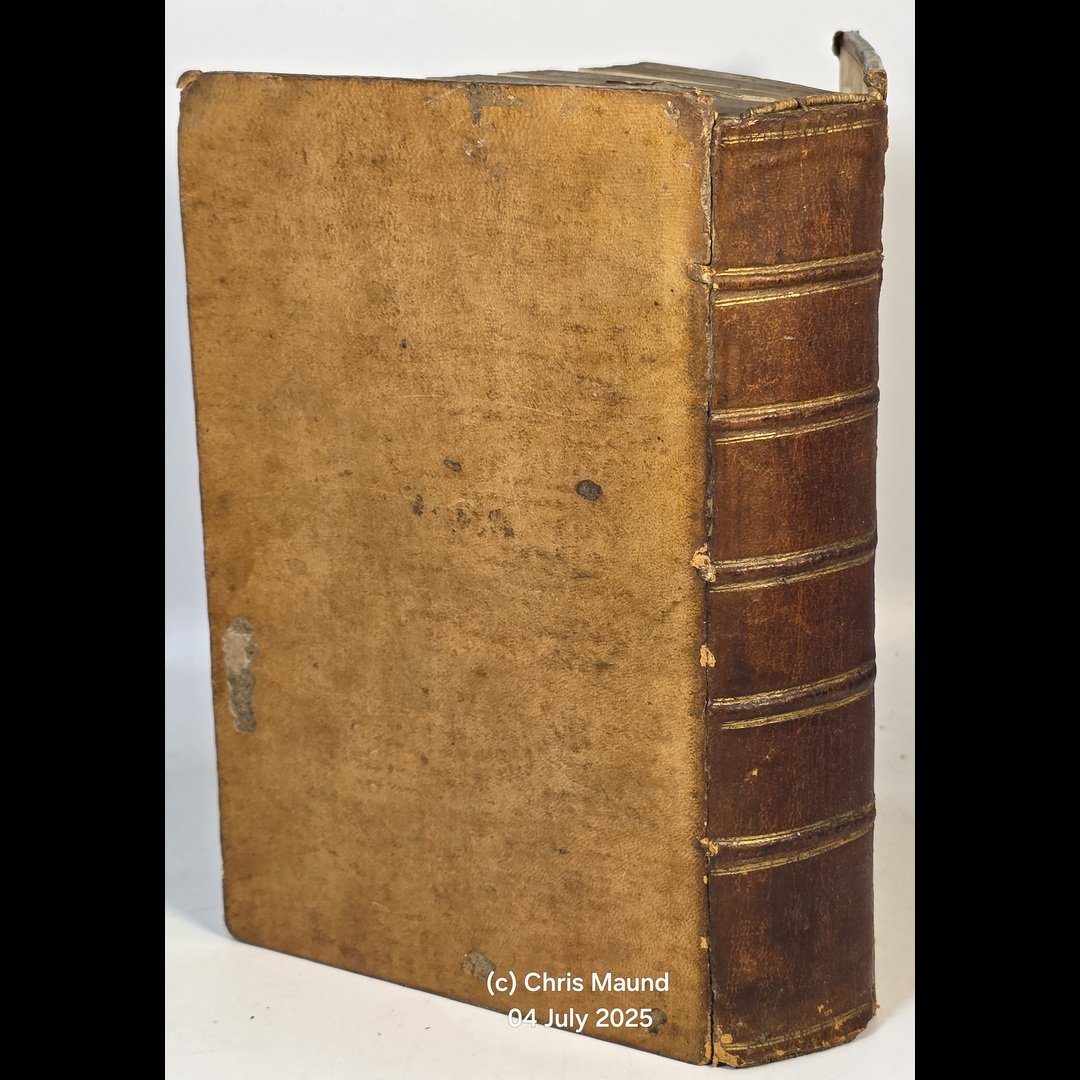
Contemporary or near-contemporary full calf binding with blind- and gilt-ruled decoration to the boards.
Binding worn and rubbed, with surface abrasion and loss consistent with age. Front board detached but present. Spine and remaining structure show general wear.
Internally the book remains notably attractive.
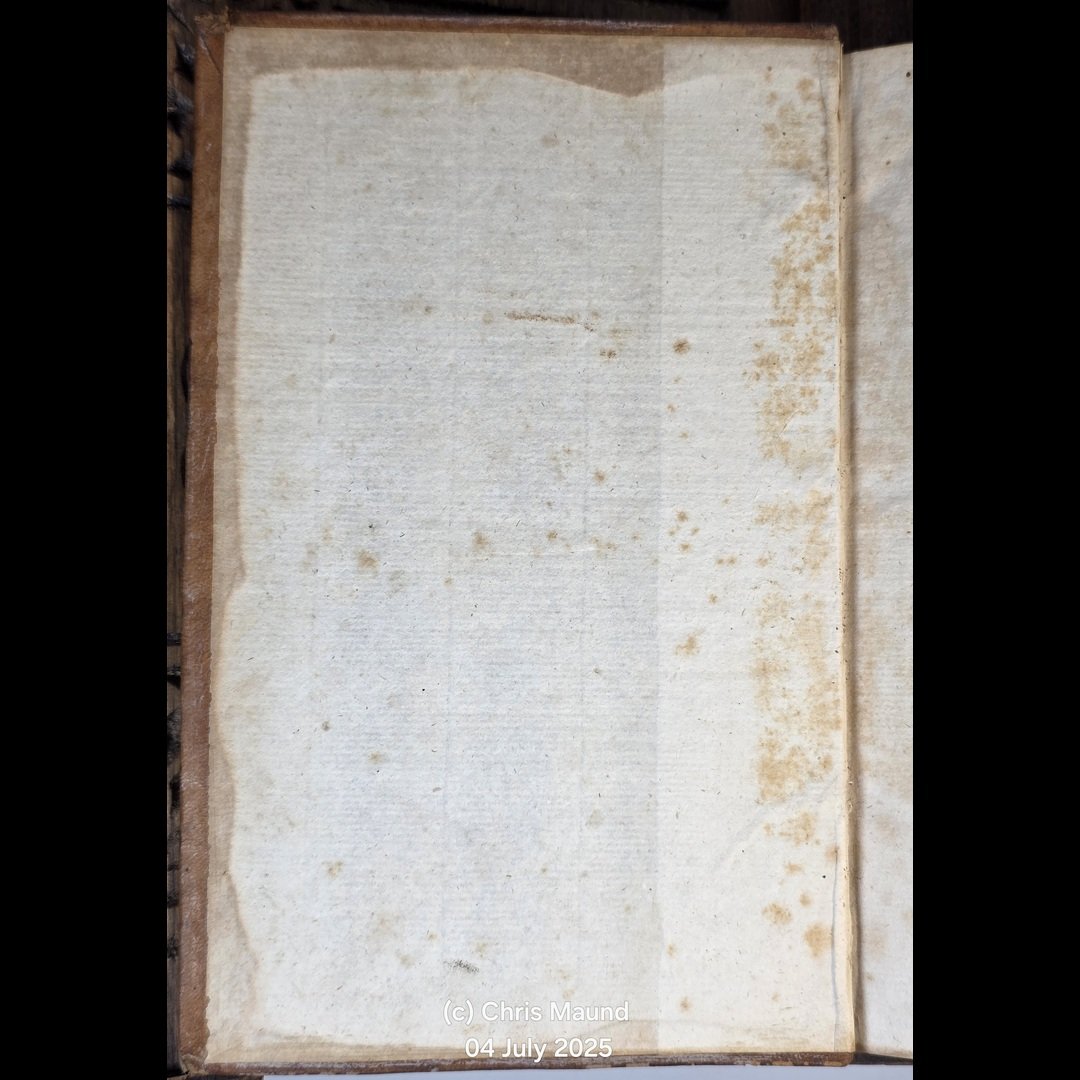
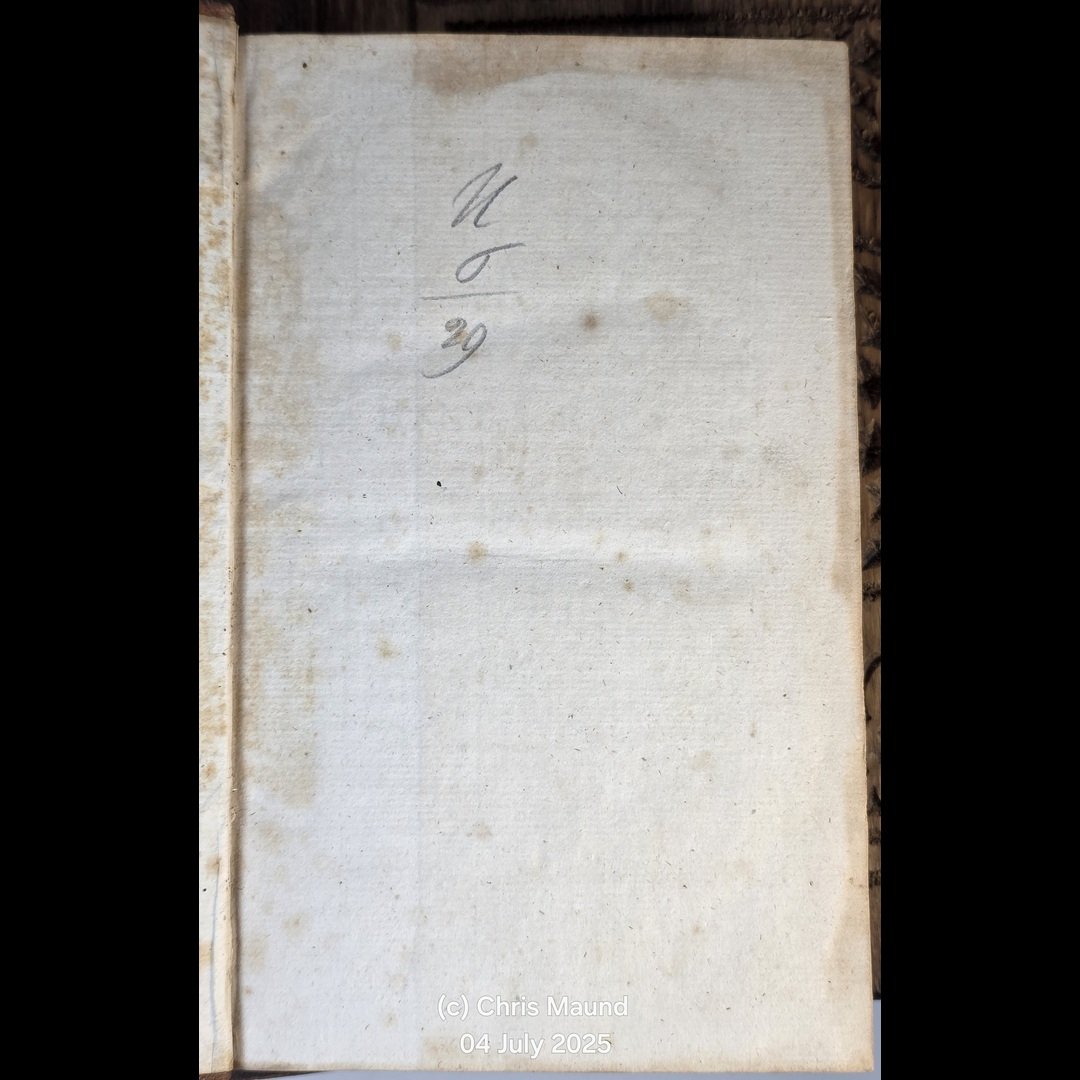
Scattered spotting, foxing and browning throughout, with areas of water staining and tide-marking, chiefly marginal. The staining does not materially obscure the text.
Greek, Hebrew and Latin type remain strong and clearly legible.
Decorative woodcut ornaments and headpieces well preserved.
Please see Photos as part of condition report.
REFERENCES
VD18 / Göttingen records the 1725 Helmstedt edition of the Lucian / Theophrastus text under Schnorr.
The 1724 von der Hardt work is independently recorded in major European institutional catalogues.
The pairing is consistent with the eighteenth-century practice of binding short academic dissertations, classical texts and philological pamphlets together as scholarly sammelbände.
SYNOPSIS
The first work contains two classical texts concerned with religion and belief.
De Syria Dea — On the Syrian Goddess
Traditionally attributed to Lucian of Samosata, though of disputed authorship, De Syria Dea is one of the most important surviving literary accounts of ancient Syrian religious practice.
Written in deliberately archaic Greek in imitation of Herodotus, the work describes the great sanctuary at Hierapolis in Syria, associated with the worship of the Syrian goddess generally identified with Atargatis.
It discusses the temple, sacred images, priests, ritual observances, sacred animals, offerings, festivals, pilgrimage, purification and mythological traditions attached to the cult.
The work is especially significant because it preserves an extended ancient literary description of Near Eastern religious practice from a Greco-Roman perspective.
Theophrastus — De Superstitione
The second classical text is Theophrastus's famous portrait of the superstitious man, derived from his Characters.
It examines a personality governed by omens, ritual fear, purification and anxiety over divine displeasure.
Although brief, it became influential in later European discussions of the distinction between religion, superstition and irrational belief.
The juxtaposition with De Syria Dea is particularly interesting: one text describes exotic religious practice, while the other analyses superstition as a human behavioural type.
Hermann von der Hardt — In Origines Hebraicas Alberti Schultens
The second work in the volume moves from classical religion into the developing field of comparative biblical philology.
Hermann von der Hardt responds to the scholarship of Albert Schultens, whose work sought to clarify Biblical Hebrew through comparison with Arabic and other Semitic languages.
The text combines Hebrew, Greek and Latin, reflecting the increasingly comparative approach to biblical languages in early eighteenth-century European scholarship.
Its inclusion gives the volume a notably coherent intellectual character: ancient religion, superstition, scripture and the linguistic study of sacred texts are all represented within a single scholarly sammelband.
AUTHOR BIO
LUCIAN OF SAMOSATA
Lucian of Samosata was a second-century Syrian-born Greek satirist and rhetorician whose surviving works range across philosophy, religion, mythology and contemporary intellectual life.
De Syria Dea has traditionally circulated under his name, although its authorship has long been questioned.
The 1725 title page is itself unusually candid on this point, describing the work as by “Lucian, or rather an uncertain author.”
THEOPHRASTUS
Theophrastus was a Greek philosopher and successor to Aristotle as head of the Lyceum.
His surviving Characters comprise short literary sketches of human behavioural types, including the famous portrait of the superstitious man represented here by De Superstitione.
HERMANN VON DER HARDT
Hermann von der Hardt (1660–1746) was a German historian, theologian and Orientalist associated with the University of Helmstedt.
His scholarship embraced Hebrew, Syriac, Chaldaic, rabbinic literature, biblical antiquities and philology.
This 1724 work reflects the vigorous early eighteenth-century debate surrounding the interpretation and historical development of Hebrew and other Semitic languages.
1725 Helmstedt Sammelband With Provenance
DE SYRIA DEA & THEOPHRASTUS — DE SUPERSTITIONE
By Lucian of Samosata, Theophrastus & Hermann von der Hardt
KEY DETAILS
Condition: Good
Format: Hardcover, 8vo; Approx. 160 × 100 mm
Published By: Pauli Dieter, Helmstedt, Germany, 1725
Language: Greek, Latin and Hebrew
Provenance: Sir James Risdon Bennett (1809–1891), distinguished British physician, Fellow of the Royal Society and later President of the Royal College of Physicians.
Collation: Two separately issued works bound together. I. [2], 38 pp.; signatures π¹ A–B⁸ C³. II. [16], 32 pp.; signatures A–C⁸. Complete.
Dust Jacket: None, as issued
SKU: BTETM0001950
Shipping Info: Approximate Package Dimensions H: 12.5, L: 30, W: 25 (Units: cm), W: 2Kg
Tracked Shipping, Insurance Coverage as per Customer Request
DESCRIPTION
DE SYRIA DEA & THEOPHRASTUS — DE SUPERSTITIONE
1724–1725 HELMSTEDT SAMMELBAND
LUCIAN / PSEUDO-LUCIAN — DE SYRIA DEA & THEOPHRASTUS — DE SUPERSTITIONE
WITH HERMANN VON DER HARDT — IN ORIGINES HEBRAICAS ALBERTI SCHULTENS
By Lucian of Samosata [traditionally attributed], Theophrastus & Hermann von der Hardt
An unusually interesting early eighteenth-century scholarly sammelband bringing together three distinct strands of classical and biblical scholarship: ancient Syrian religion, Greek ideas of superstition, and contemporary Hebrew philology.
The volume comprises two separately published Helmstedt works bound together in contemporary or near-contemporary calf.
The first is:
LUCIANI, VEL AUCTORIS POTIUS INCERTI, DE SYRIA DEA, ET THEOPHRASTI DE SUPERSTITIONE, LIBELLI UTILISSIMI, IN USUS AUDITORUM SEPARATIM EDITI.
Helmstedt, 1725.
The title explicitly acknowledges the long-standing uncertainty over the authorship of De Syria Dea — traditionally attributed to Lucian of Samosata, but here described as the work of “Lucian, or rather an uncertain author.”
The text itself is printed principally in Greek, opening:
ΛΟΥΚΙΑΝΟΥ ΣΑΜΟΣΑΤΕΩΣ ΠΕΡΙ ΤΗΣ ΣΥΡΙΑΣ ΘΕΟΥ
and is accompanied by Theophrastus's De Superstitione.
The second work is:
HERMANNUS VON DER HARDT, IN ORIGINES HEBRAICAS CL. VIRI ALBERTI SCHULTENS…
Helmstedt, 1724.
This is Hermann von der Hardt's learned engagement with Albert Schultens's work on the origins and interpretation of Hebrew. It is printed in an attractive mixture of Latin, Hebrew and Greek type, demonstrating the comparative philological method emerging within early eighteenth-century biblical scholarship.
Both works were printed at Helmstedt by Paulus Dietericus Schnorr, academic printer to the university.
The volume therefore represents far more than a miscellaneous pairing. It brings together classical religion, superstition, Hebrew studies and comparative philology within the intellectual environment of the University of Helmstedt.
Decorative woodcut ornaments appear throughout, including a large floral headpiece at the opening of De Syria Dea, floral terminal ornaments, and a small printer's device.
PROVENANCE
Sir James Risdon Bennett (1809–1891), distinguished British physician, Fellow of the Royal Society and later President of the Royal College of Physicians.
The front free endpaper bears Bennett's contemporary ownership inscription:
“Risdon Bennett / from the Library of the late / Sol: Leonard Esq / 1868.”
The former owner can be identified with considerable confidence as Solomon Rudder Leonard (1799–1867) of Clifton, Bristol, a former schoolmaster and prominent Baptist layman active within Nonconformist and missionary circles.
Leonard died in 1867, immediately preceding Bennett's dated acquisition of the volume in 1868, providing unusually specific evidence for the transfer of the book from one nineteenth-century private library to another.
Leonard's intellectual and religious background is particularly appropriate to the contents of the volume, which combines Greek religion and superstition with Hebrew and biblical philology.
Bennett himself maintained strong interests beyond clinical medicine, including biblical subjects and the historical relationship between religion and medicine.
No surviving auction or bookseller catalogue recording the dispersal of Leonard's library has yet been identified, and Bennett's inscription does not state that the volume was acquired at public sale.
CONDITION, COLLATION & COPY NOTES
Contemporary or near-contemporary full calf binding with blind- and gilt-ruled decoration to the boards.
Binding worn and rubbed, with surface abrasion and loss consistent with age. Front board detached but present. Spine and remaining structure show general wear.
Internally the book remains notably attractive.
Scattered spotting, foxing and browning throughout, with areas of water staining and tide-marking, chiefly marginal. The staining does not materially obscure the text.
Greek, Hebrew and Latin type remain strong and clearly legible.
Decorative woodcut ornaments and headpieces well preserved.
Please see Photos as part of condition report.
REFERENCES
VD18 / Göttingen records the 1725 Helmstedt edition of the Lucian / Theophrastus text under Schnorr.
The 1724 von der Hardt work is independently recorded in major European institutional catalogues.
The pairing is consistent with the eighteenth-century practice of binding short academic dissertations, classical texts and philological pamphlets together as scholarly sammelbände.
SYNOPSIS
The first work contains two classical texts concerned with religion and belief.
De Syria Dea — On the Syrian Goddess
Traditionally attributed to Lucian of Samosata, though of disputed authorship, De Syria Dea is one of the most important surviving literary accounts of ancient Syrian religious practice.
Written in deliberately archaic Greek in imitation of Herodotus, the work describes the great sanctuary at Hierapolis in Syria, associated with the worship of the Syrian goddess generally identified with Atargatis.
It discusses the temple, sacred images, priests, ritual observances, sacred animals, offerings, festivals, pilgrimage, purification and mythological traditions attached to the cult.
The work is especially significant because it preserves an extended ancient literary description of Near Eastern religious practice from a Greco-Roman perspective.
Theophrastus — De Superstitione
The second classical text is Theophrastus's famous portrait of the superstitious man, derived from his Characters.
It examines a personality governed by omens, ritual fear, purification and anxiety over divine displeasure.
Although brief, it became influential in later European discussions of the distinction between religion, superstition and irrational belief.
The juxtaposition with De Syria Dea is particularly interesting: one text describes exotic religious practice, while the other analyses superstition as a human behavioural type.
Hermann von der Hardt — In Origines Hebraicas Alberti Schultens
The second work in the volume moves from classical religion into the developing field of comparative biblical philology.
Hermann von der Hardt responds to the scholarship of Albert Schultens, whose work sought to clarify Biblical Hebrew through comparison with Arabic and other Semitic languages.
The text combines Hebrew, Greek and Latin, reflecting the increasingly comparative approach to biblical languages in early eighteenth-century European scholarship.
Its inclusion gives the volume a notably coherent intellectual character: ancient religion, superstition, scripture and the linguistic study of sacred texts are all represented within a single scholarly sammelband.
AUTHOR BIO
LUCIAN OF SAMOSATA
Lucian of Samosata was a second-century Syrian-born Greek satirist and rhetorician whose surviving works range across philosophy, religion, mythology and contemporary intellectual life.
De Syria Dea has traditionally circulated under his name, although its authorship has long been questioned.
The 1725 title page is itself unusually candid on this point, describing the work as by “Lucian, or rather an uncertain author.”
THEOPHRASTUS
Theophrastus was a Greek philosopher and successor to Aristotle as head of the Lyceum.
His surviving Characters comprise short literary sketches of human behavioural types, including the famous portrait of the superstitious man represented here by De Superstitione.
HERMANN VON DER HARDT
Hermann von der Hardt (1660–1746) was a German historian, theologian and Orientalist associated with the University of Helmstedt.
His scholarship embraced Hebrew, Syriac, Chaldaic, rabbinic literature, biblical antiquities and philology.
This 1724 work reflects the vigorous early eighteenth-century debate surrounding the interpretation and historical development of Hebrew and other Semitic languages.

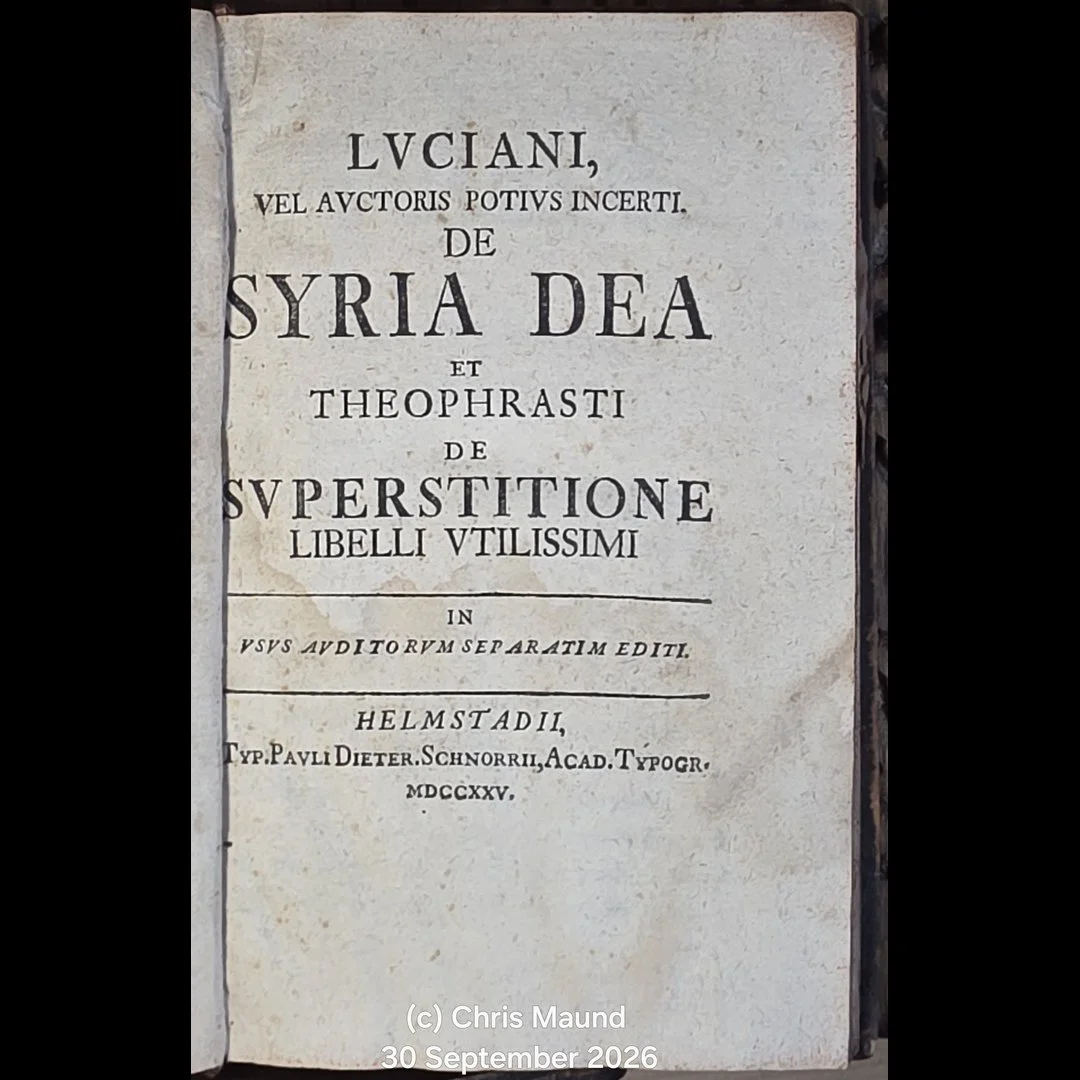 Image 1 of 28
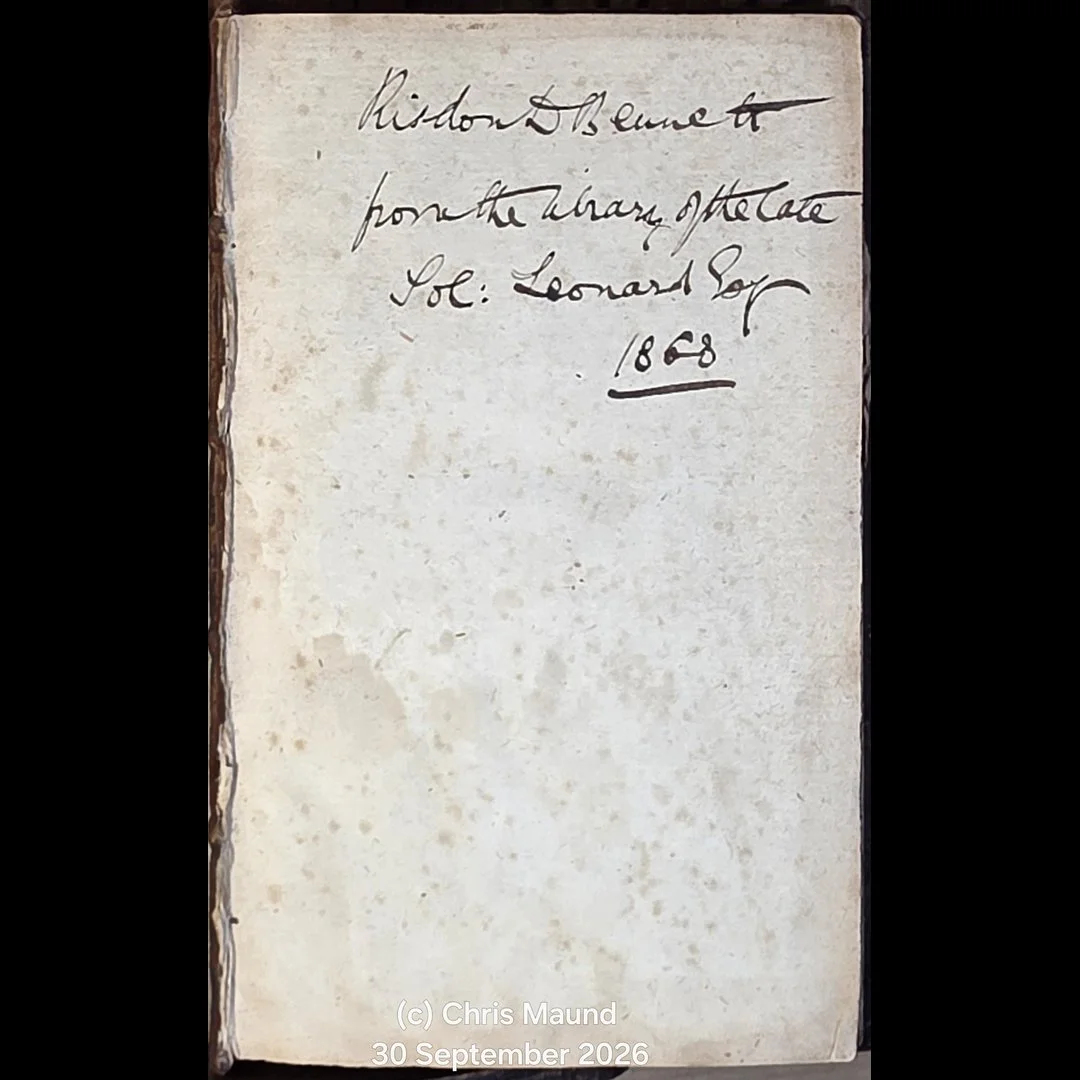 Image 2 of 28
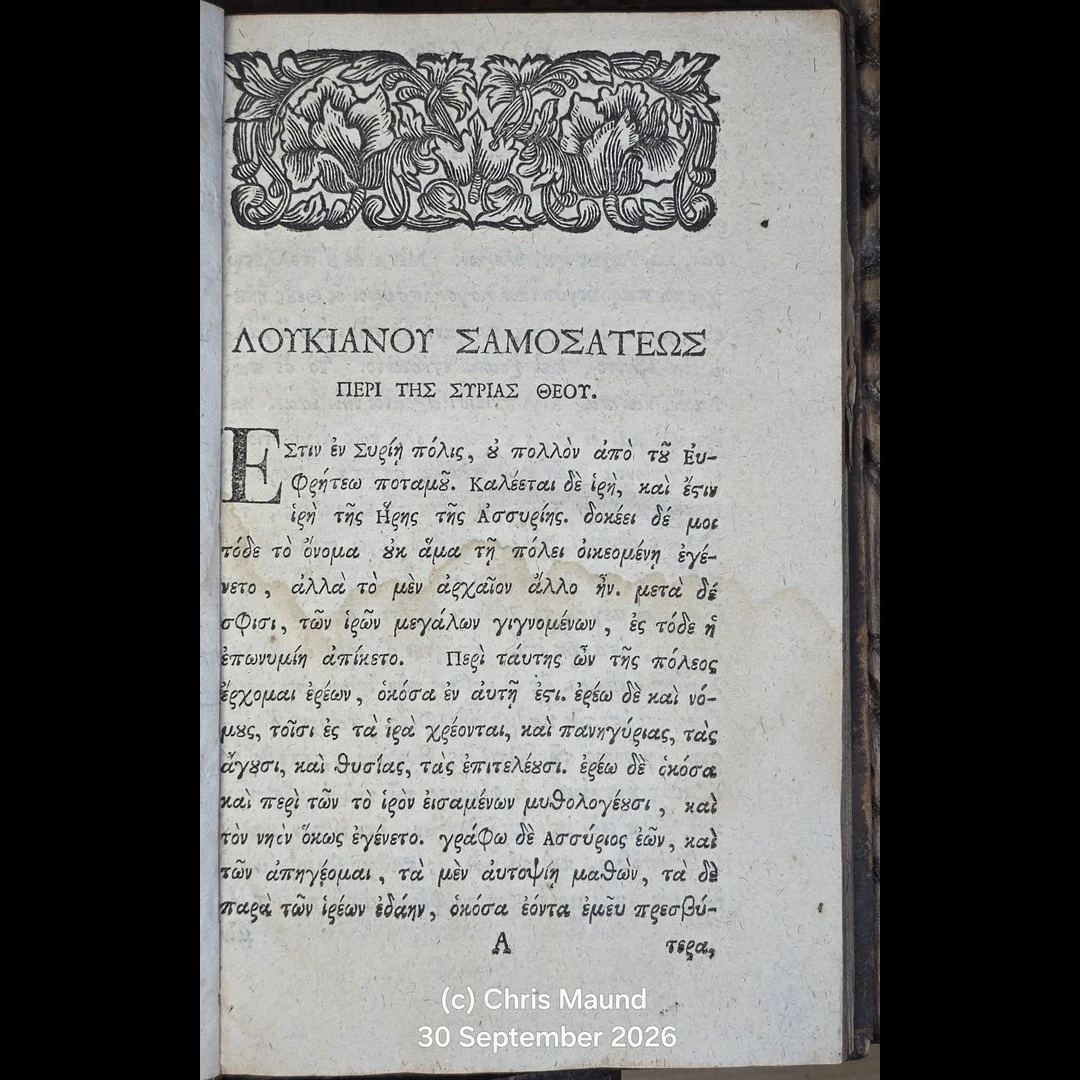 Image 3 of 28
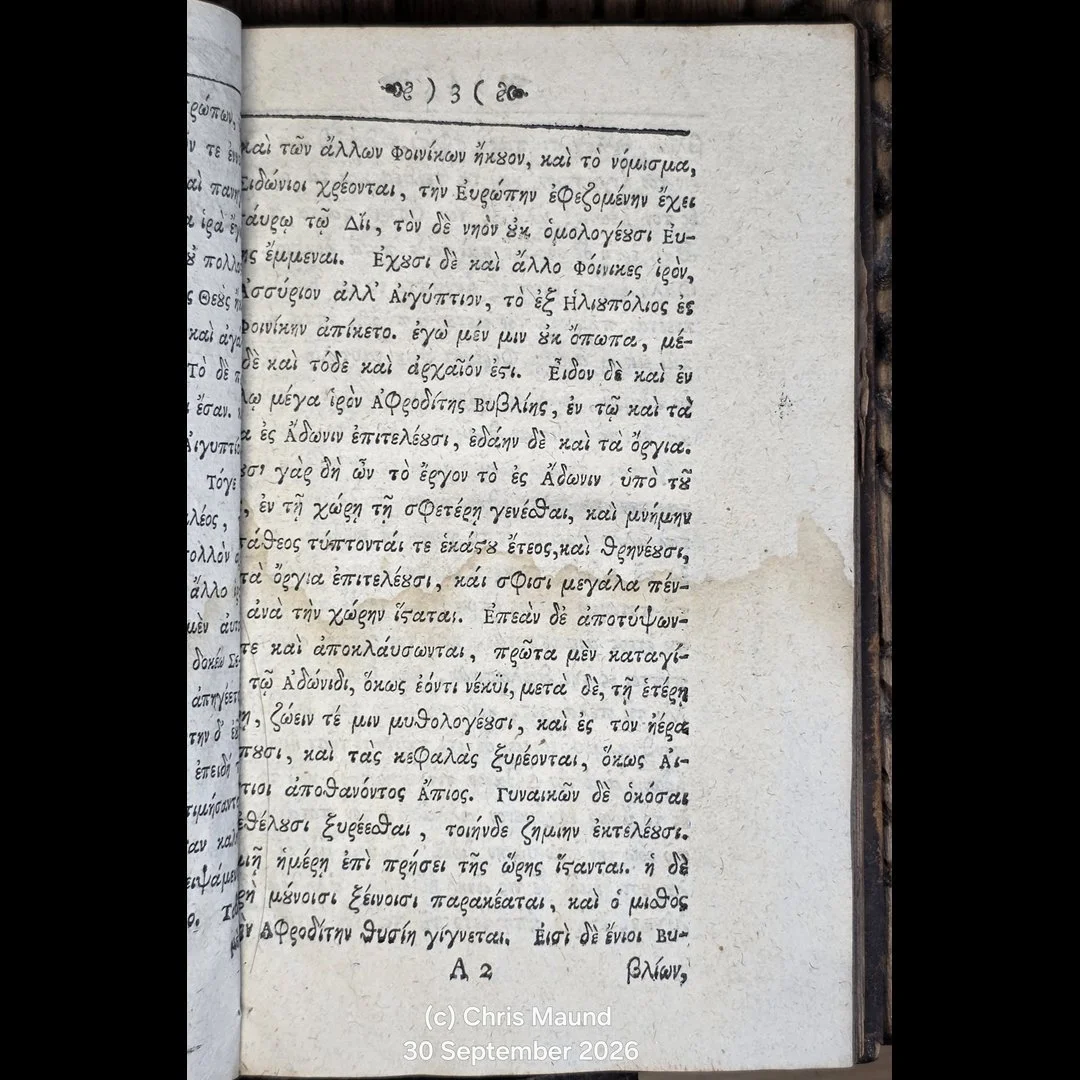 Image 4 of 28
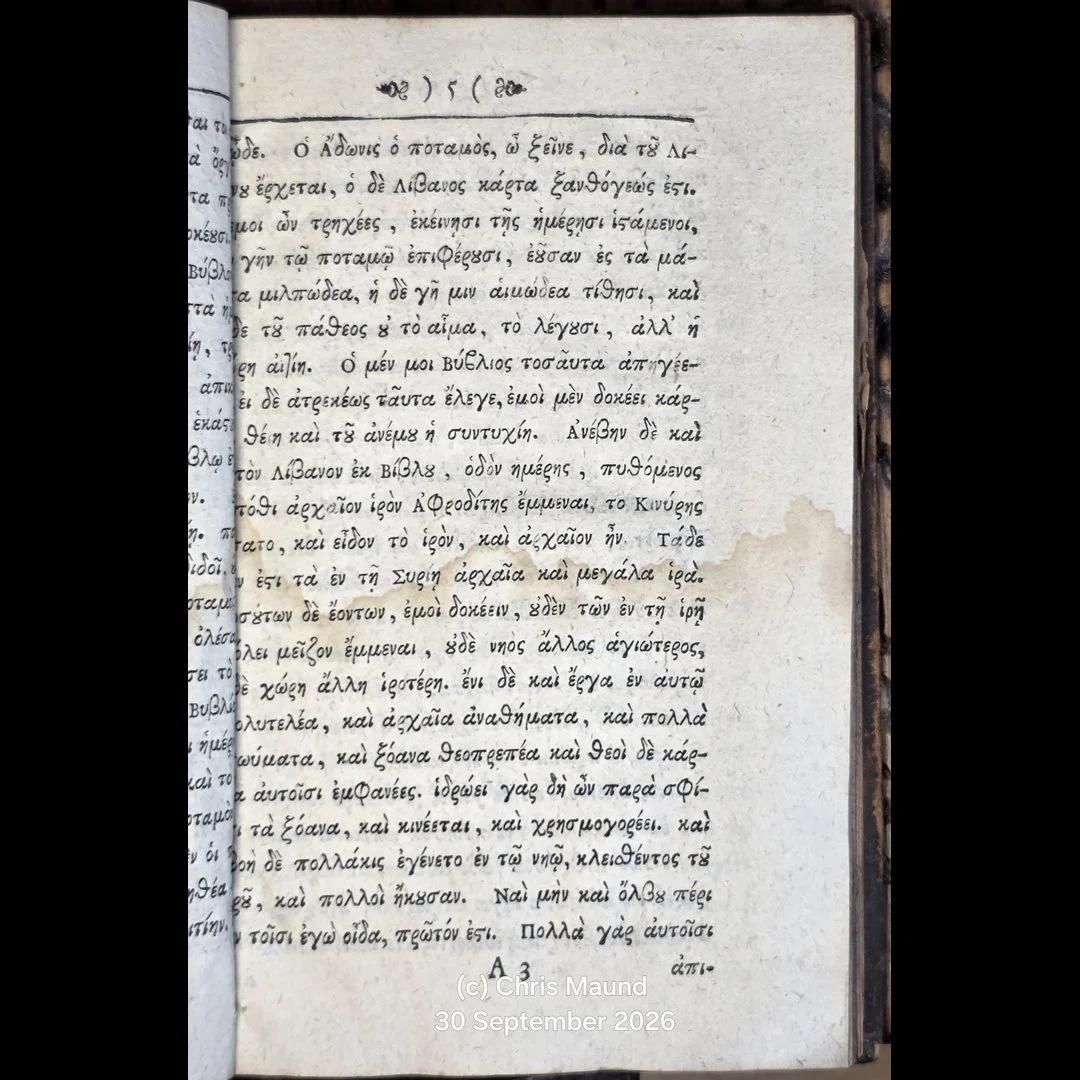 Image 5 of 28
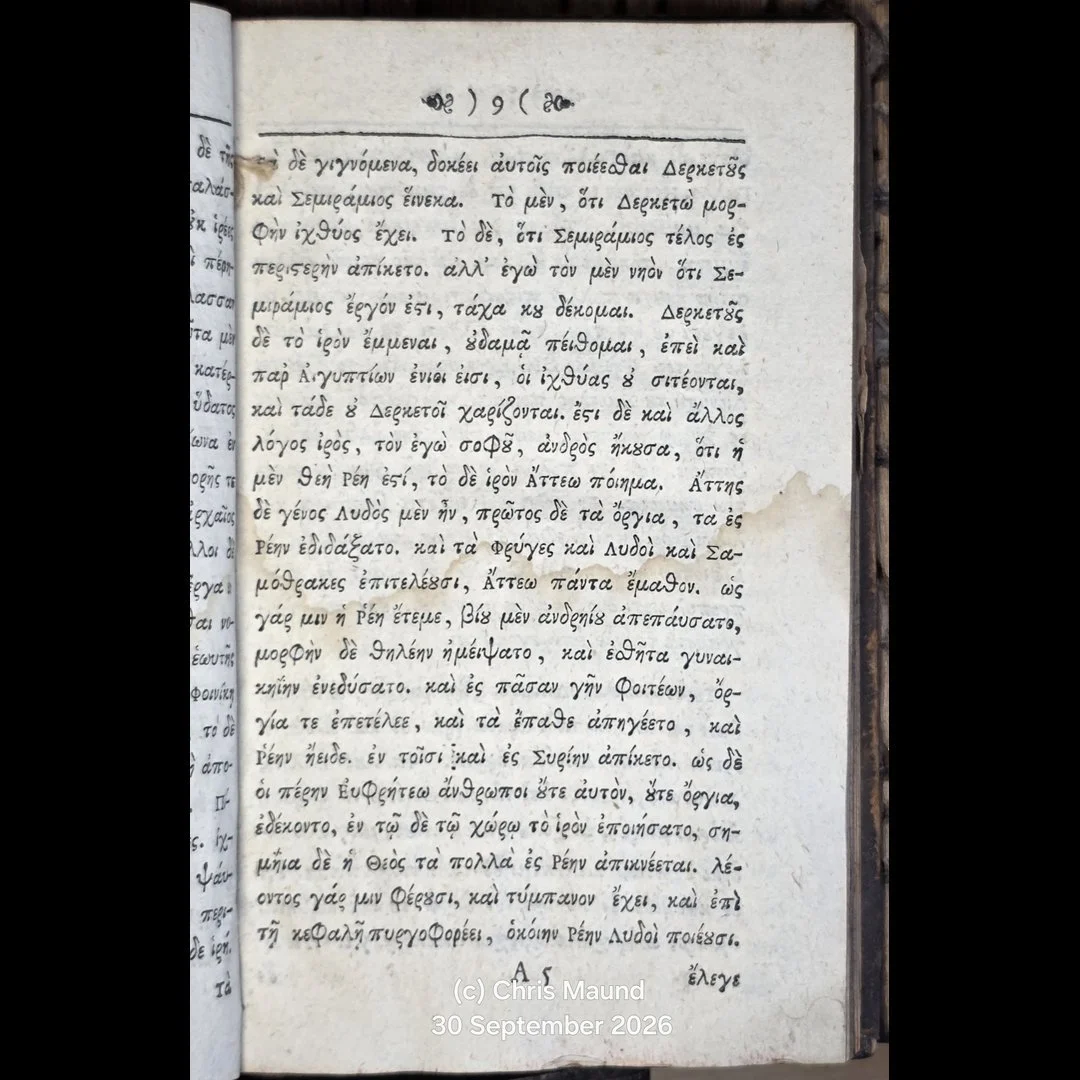 Image 6 of 28
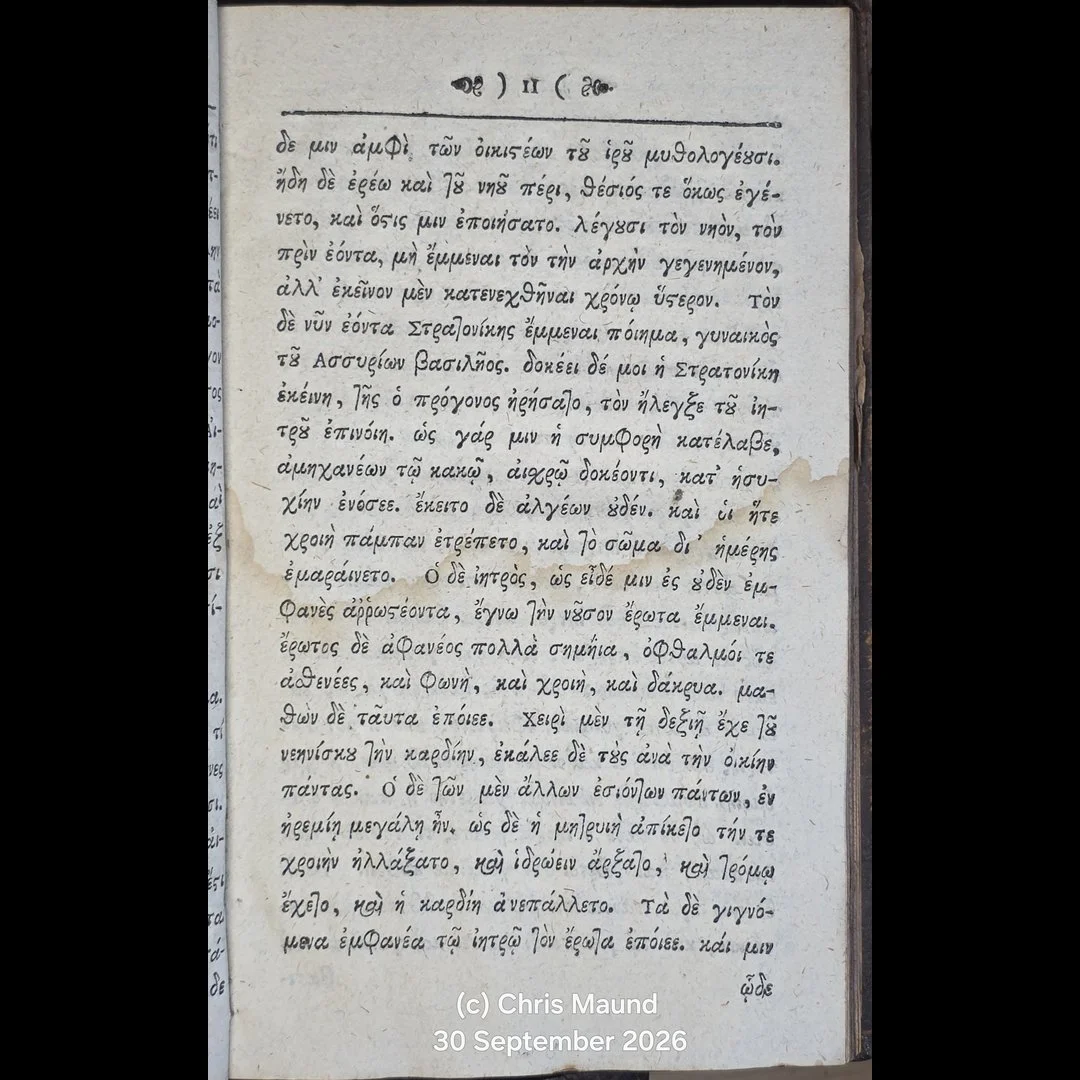 Image 7 of 28
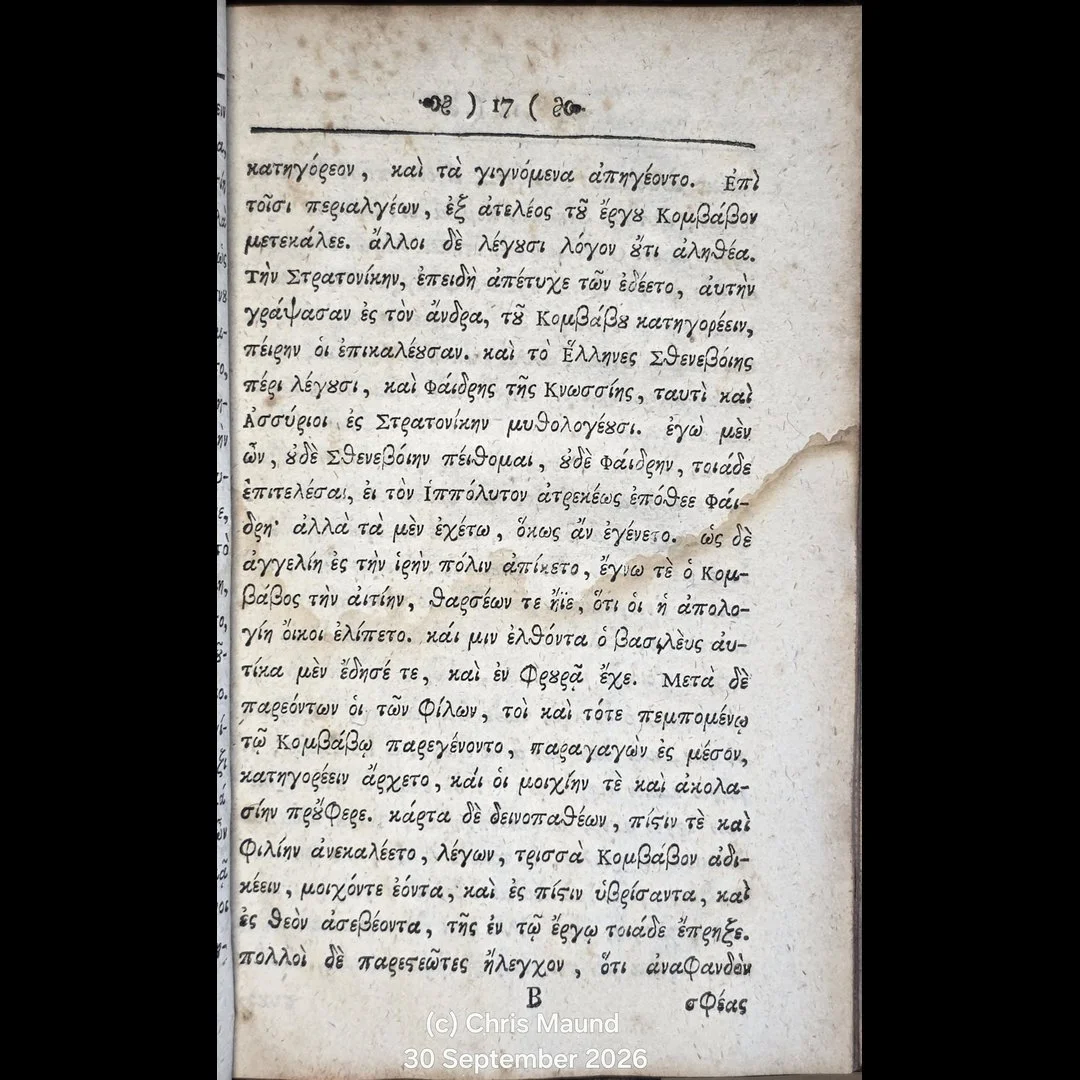 Image 8 of 28
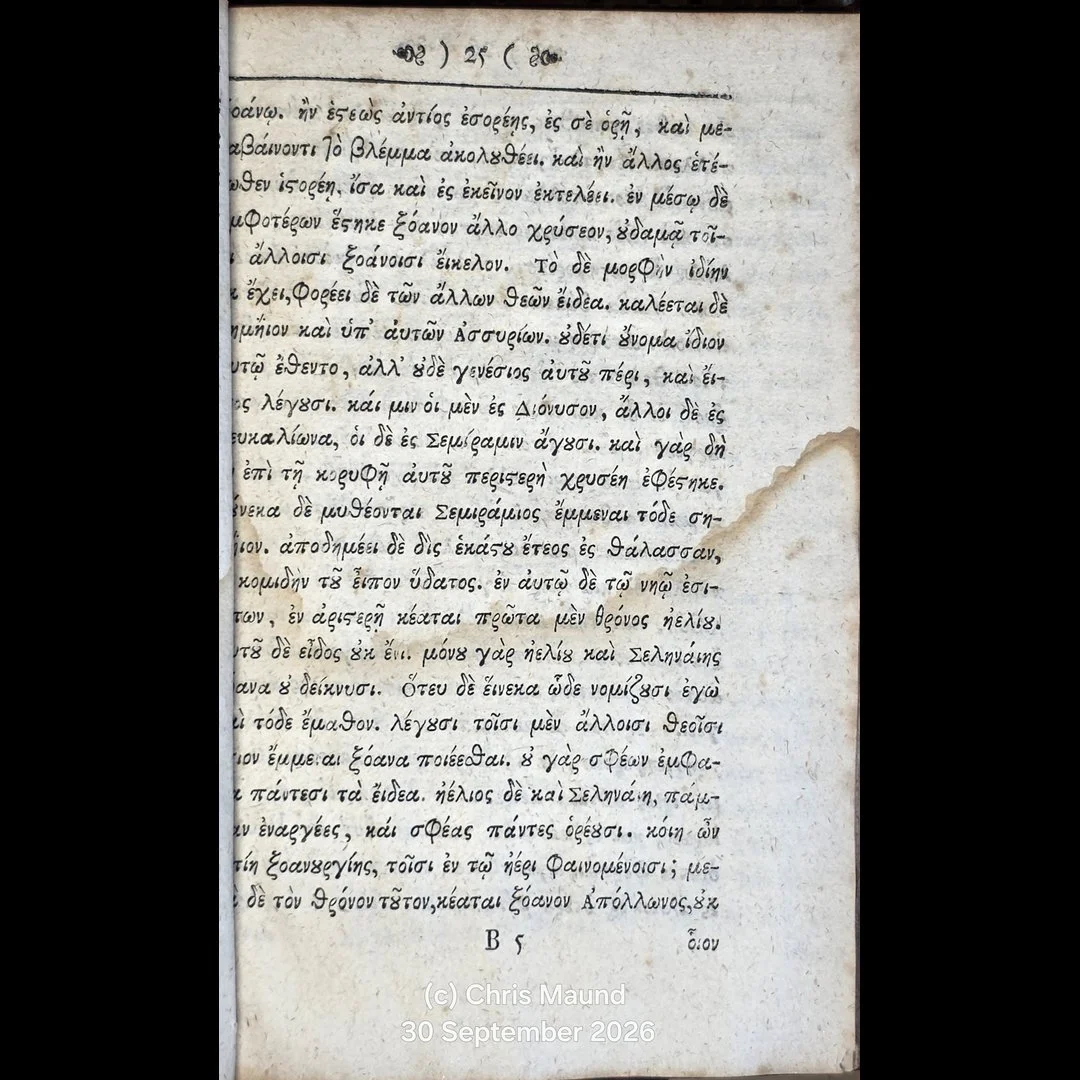 Image 9 of 28
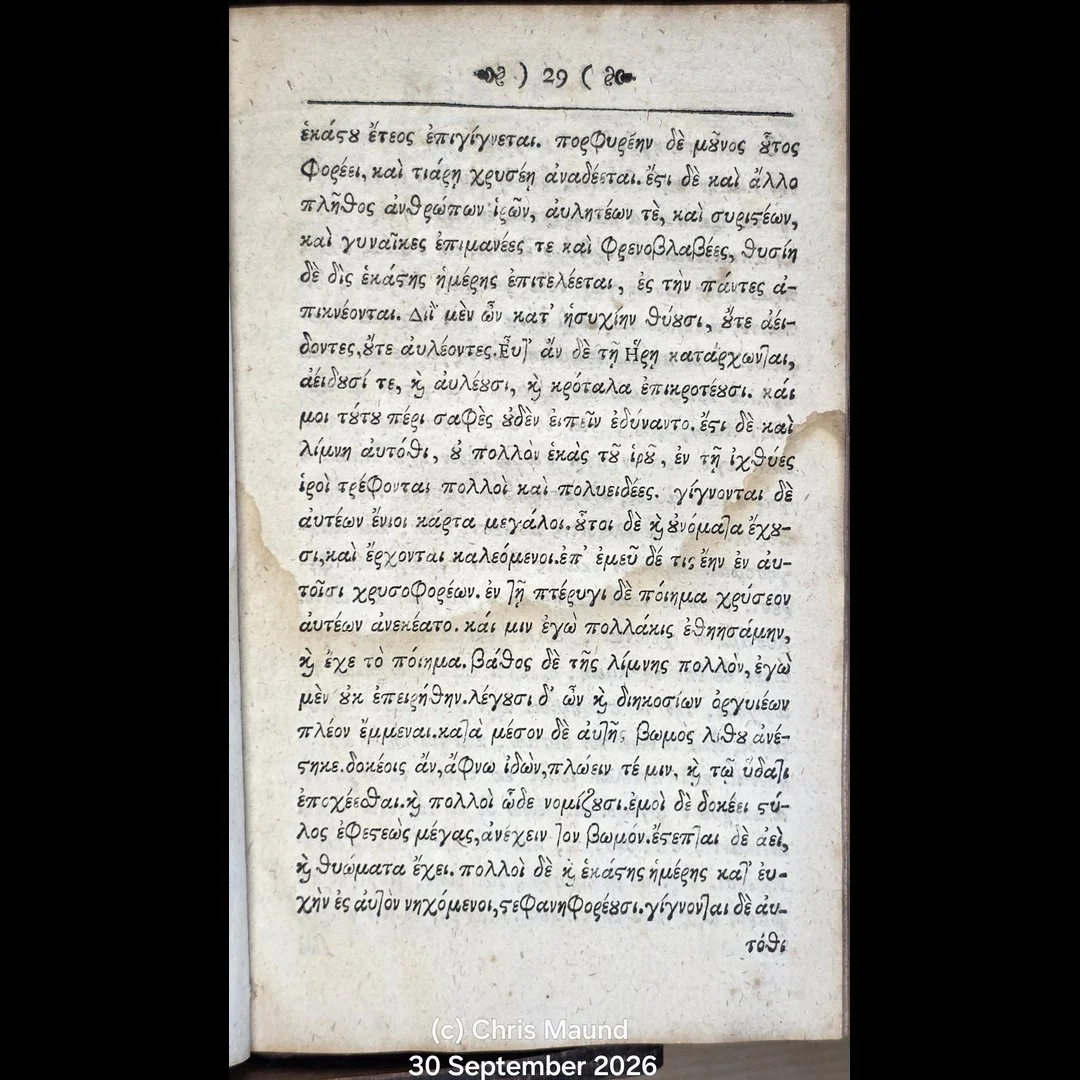 Image 10 of 28
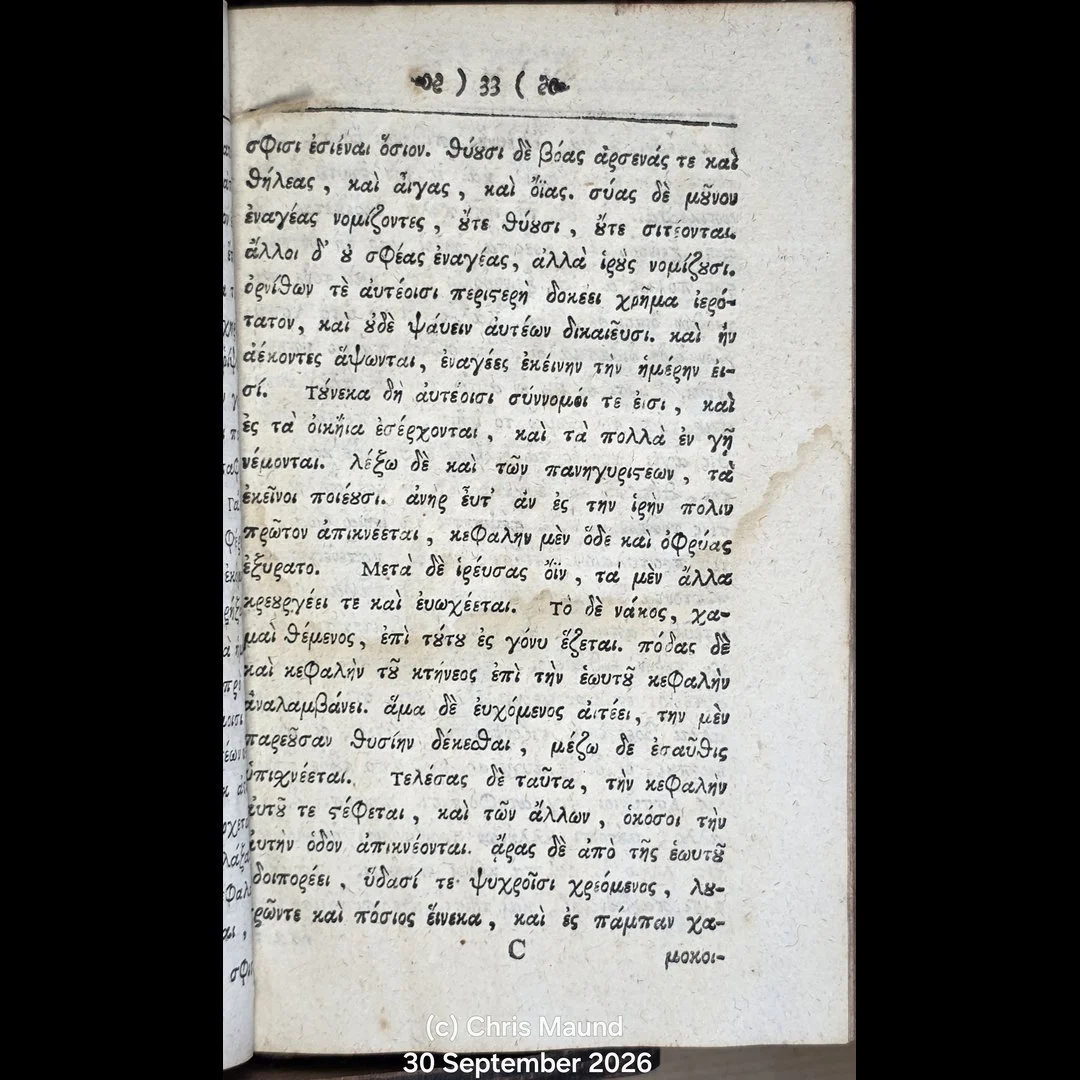 Image 11 of 28
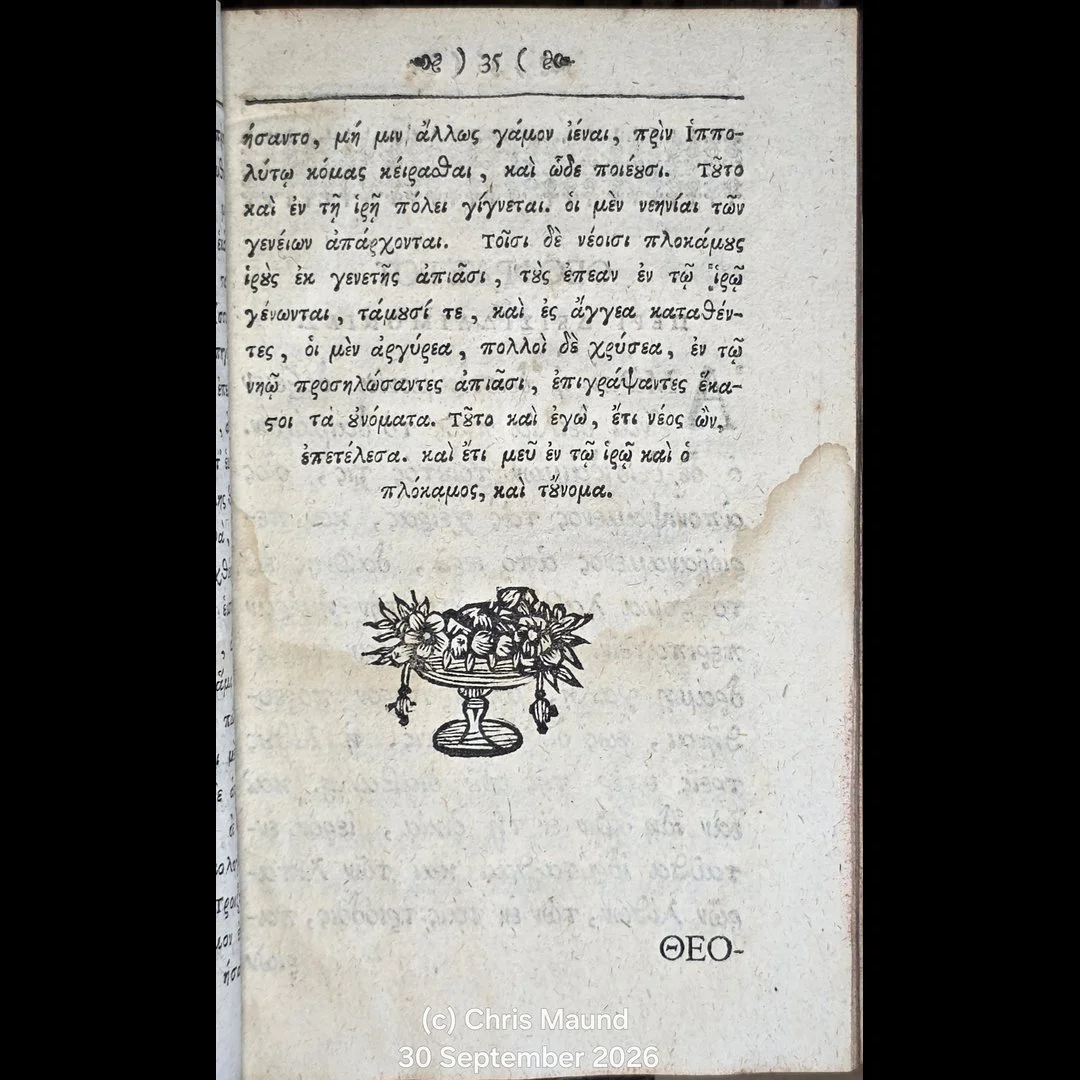 Image 12 of 28
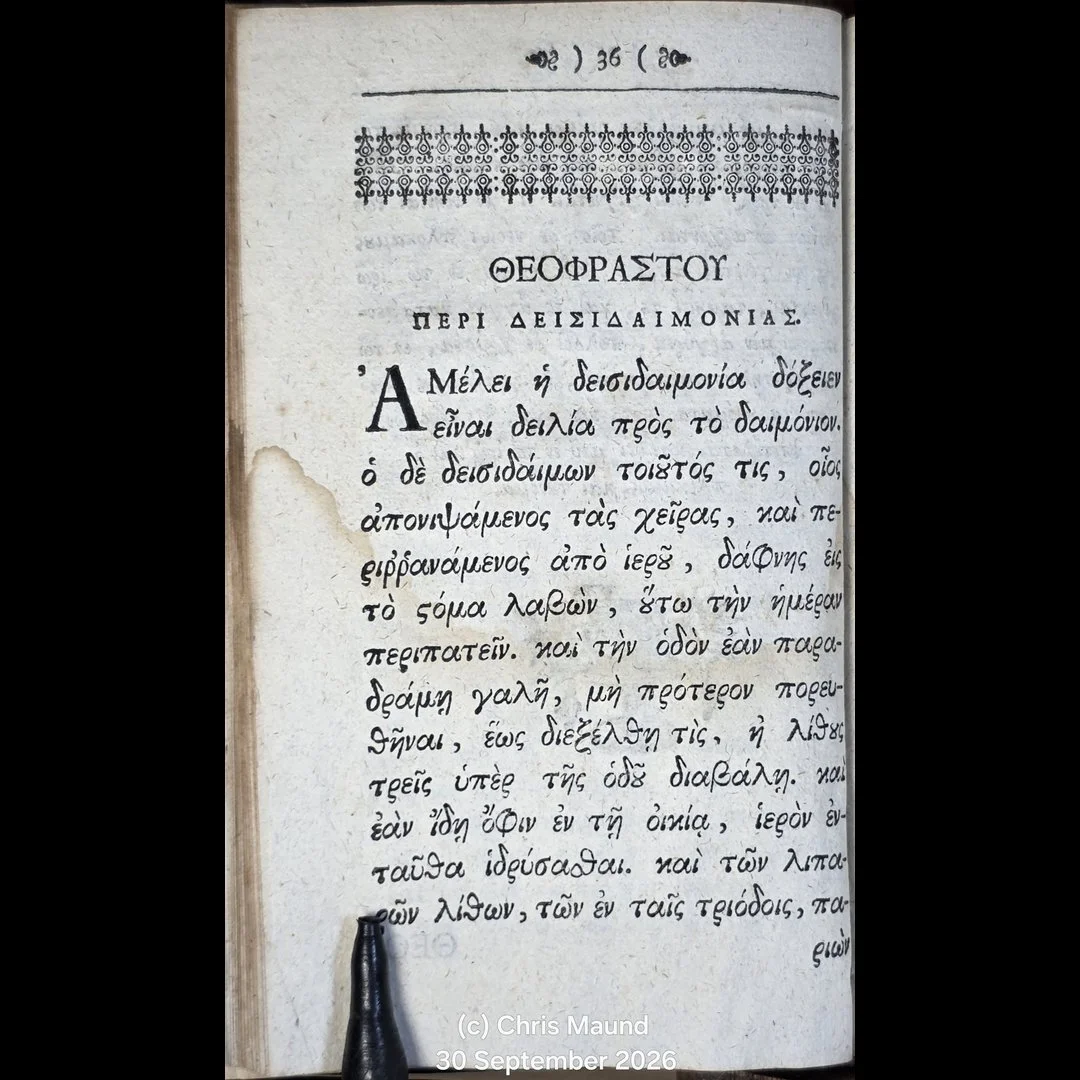 Image 13 of 28
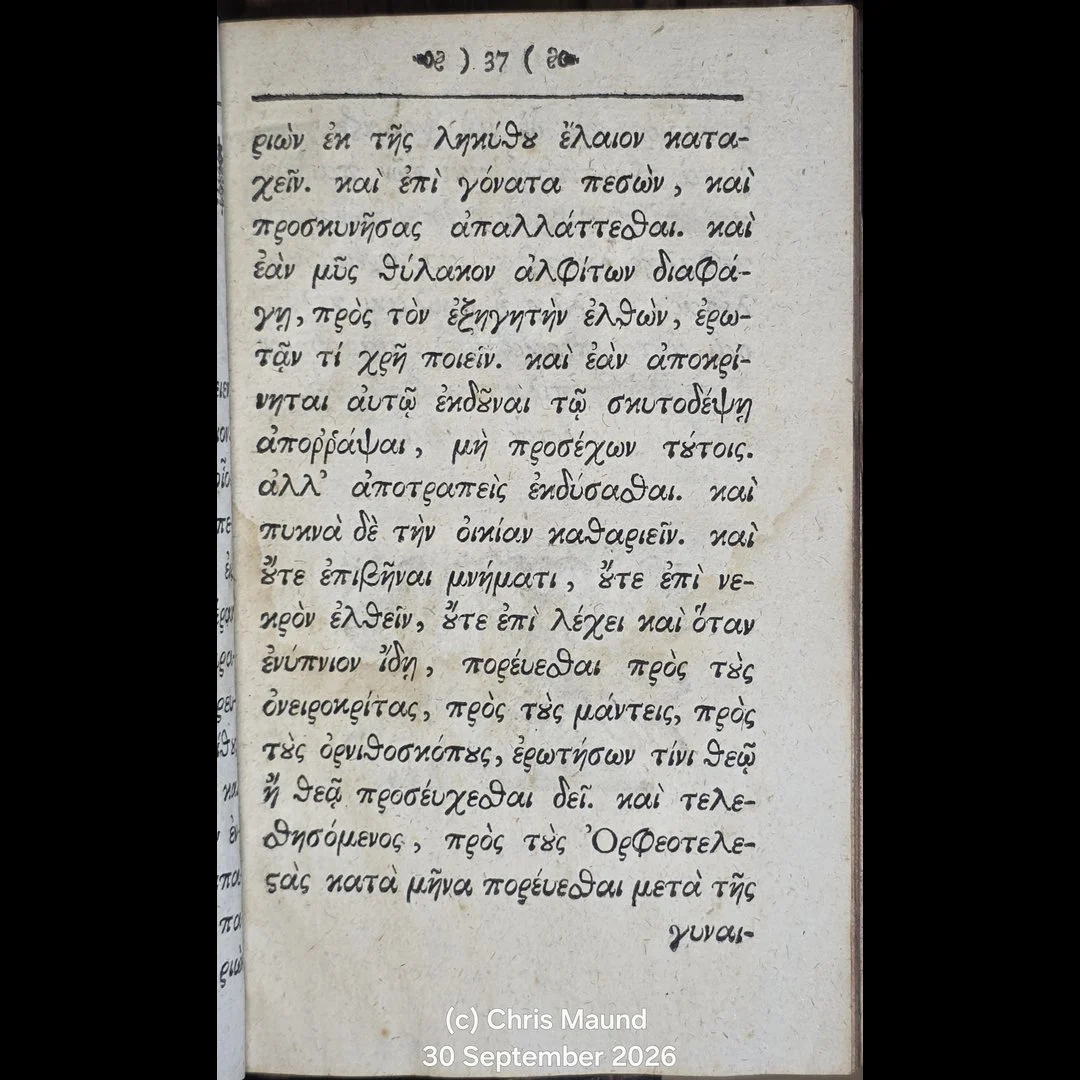 Image 14 of 28
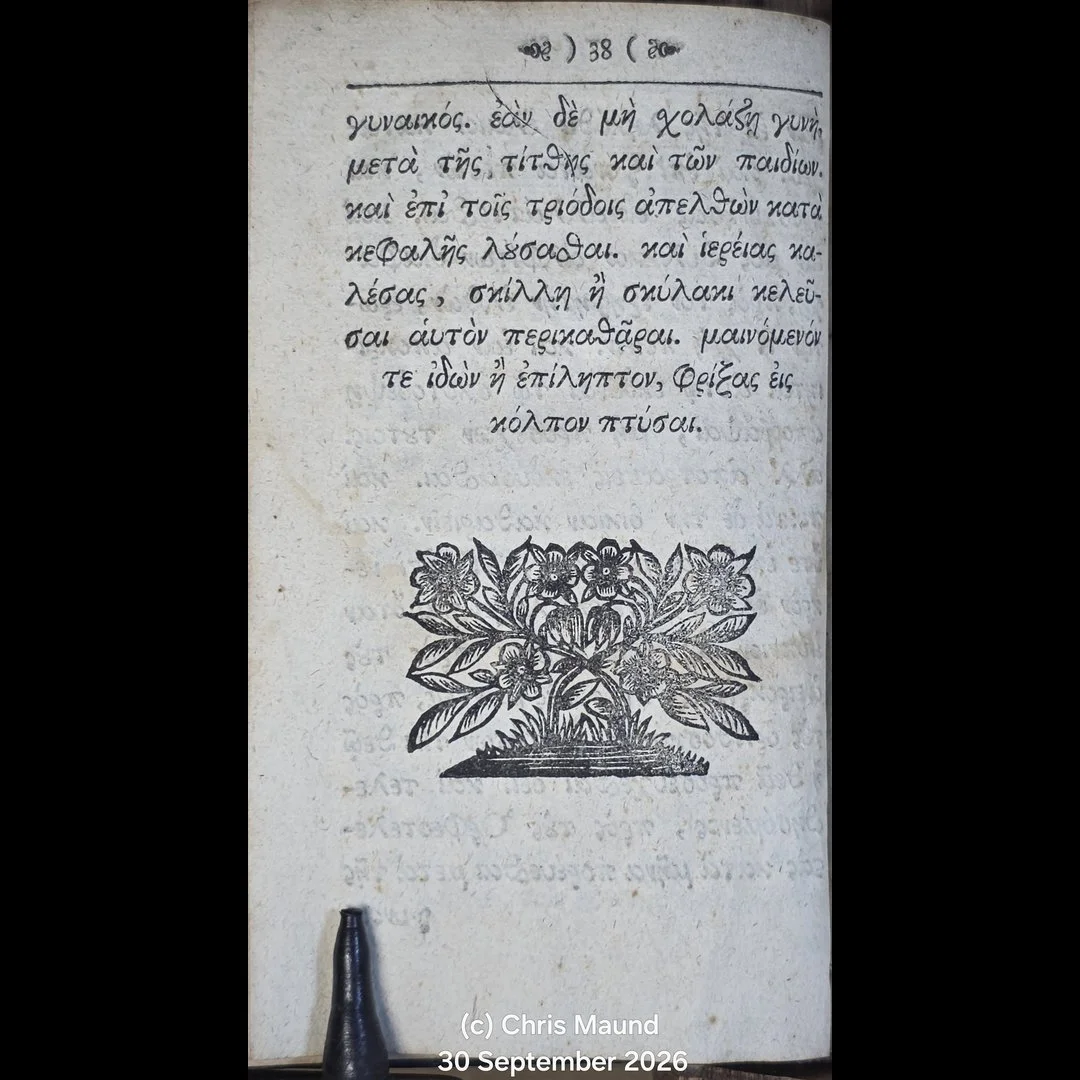 Image 15 of 28
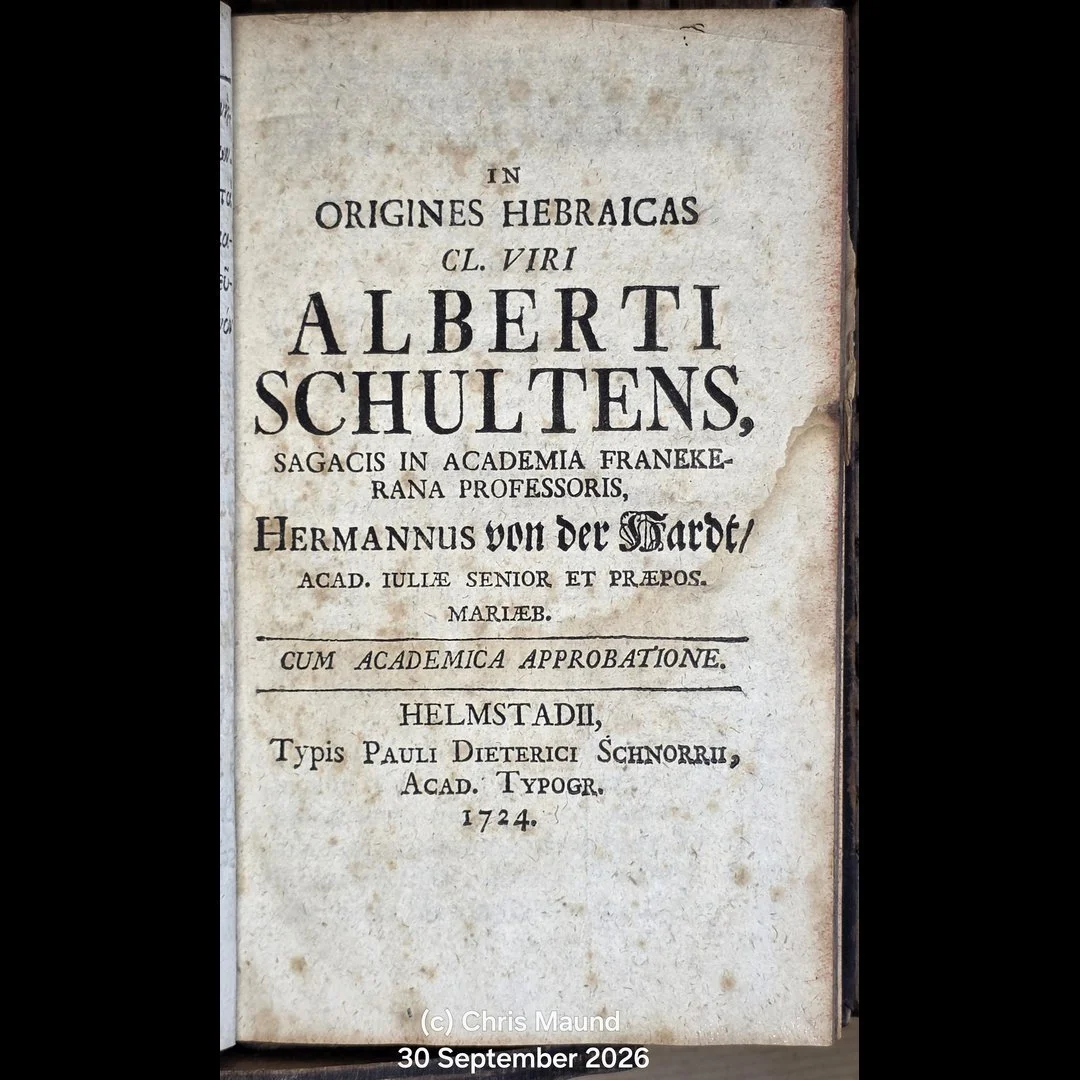 Image 16 of 28
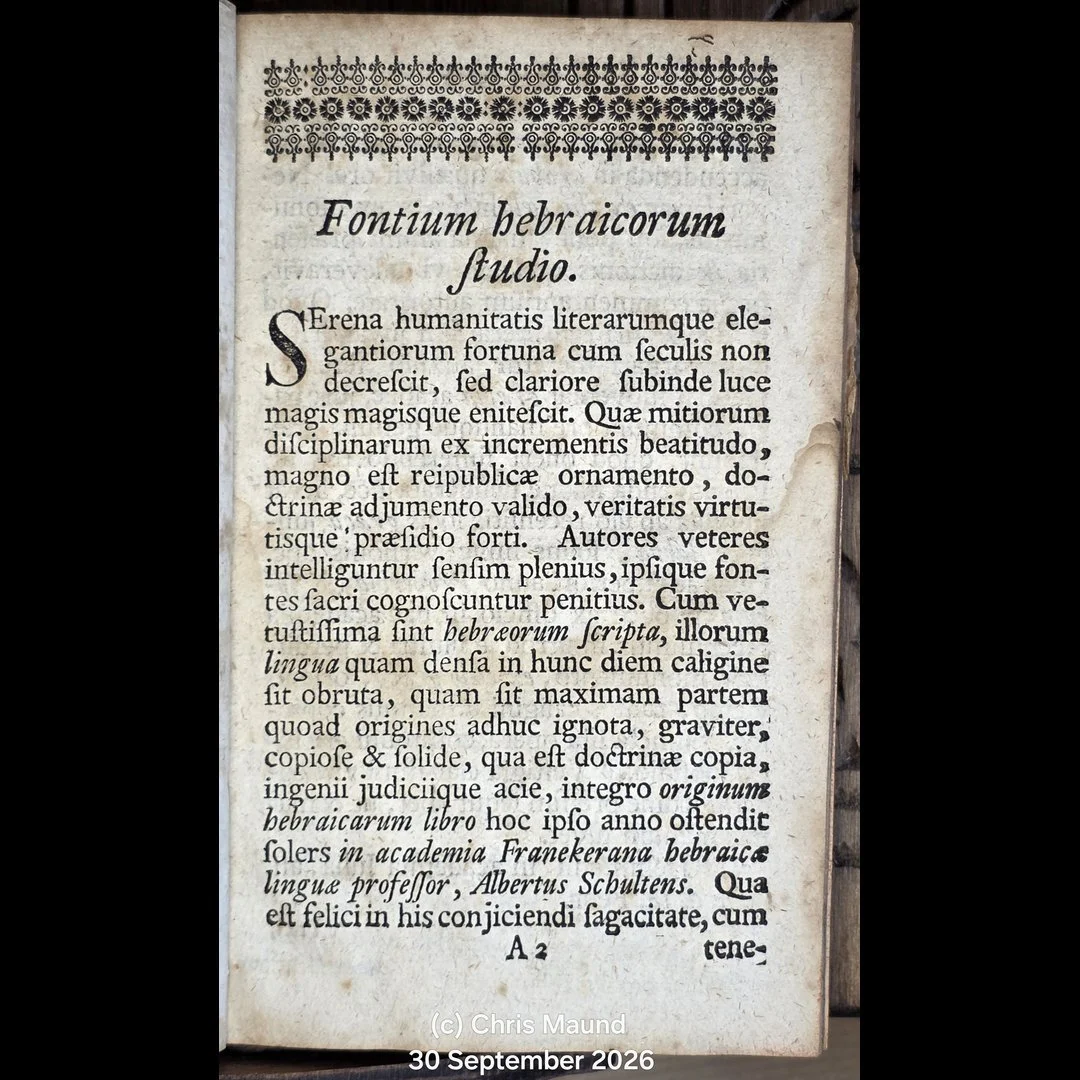 Image 17 of 28
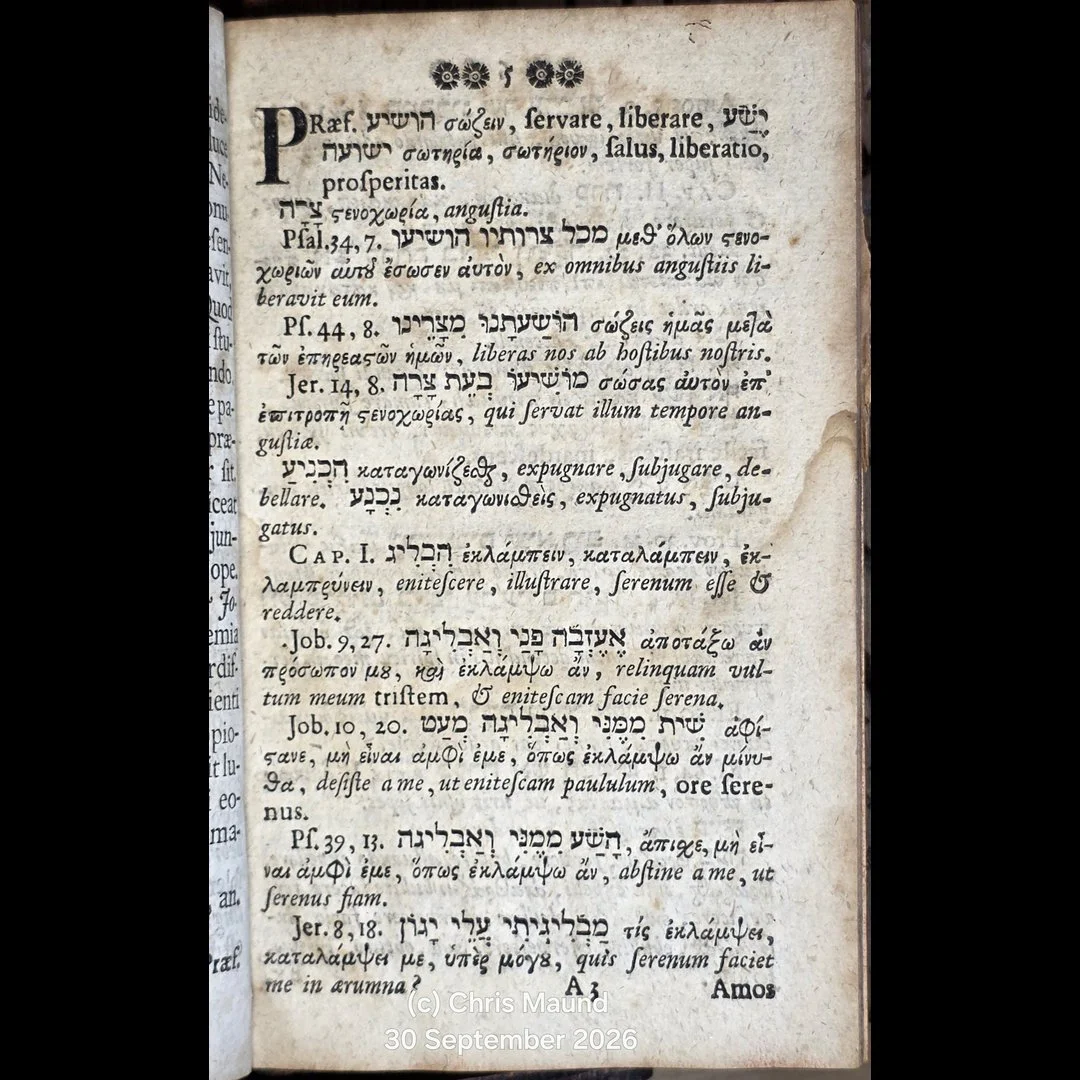 Image 18 of 28
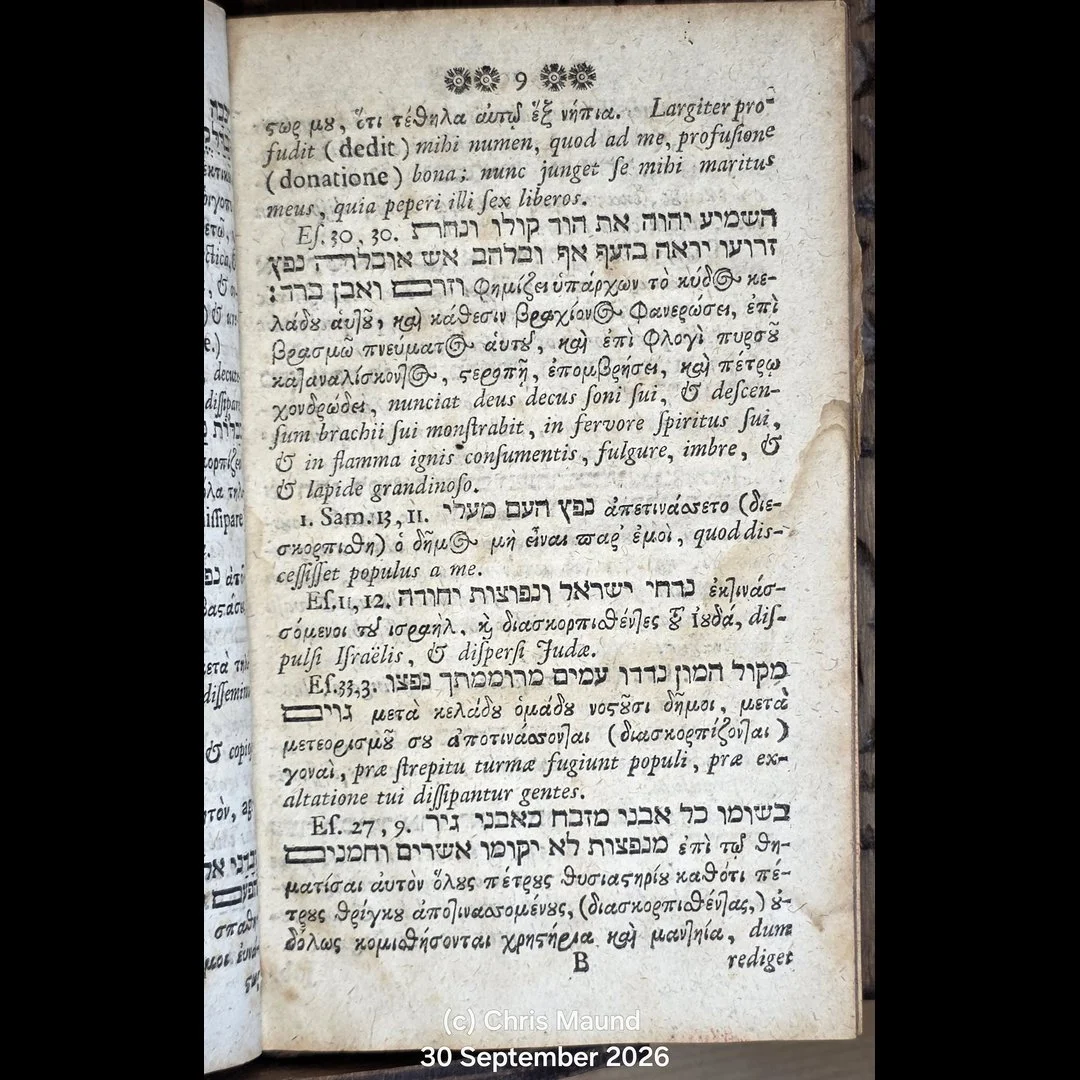 Image 19 of 28
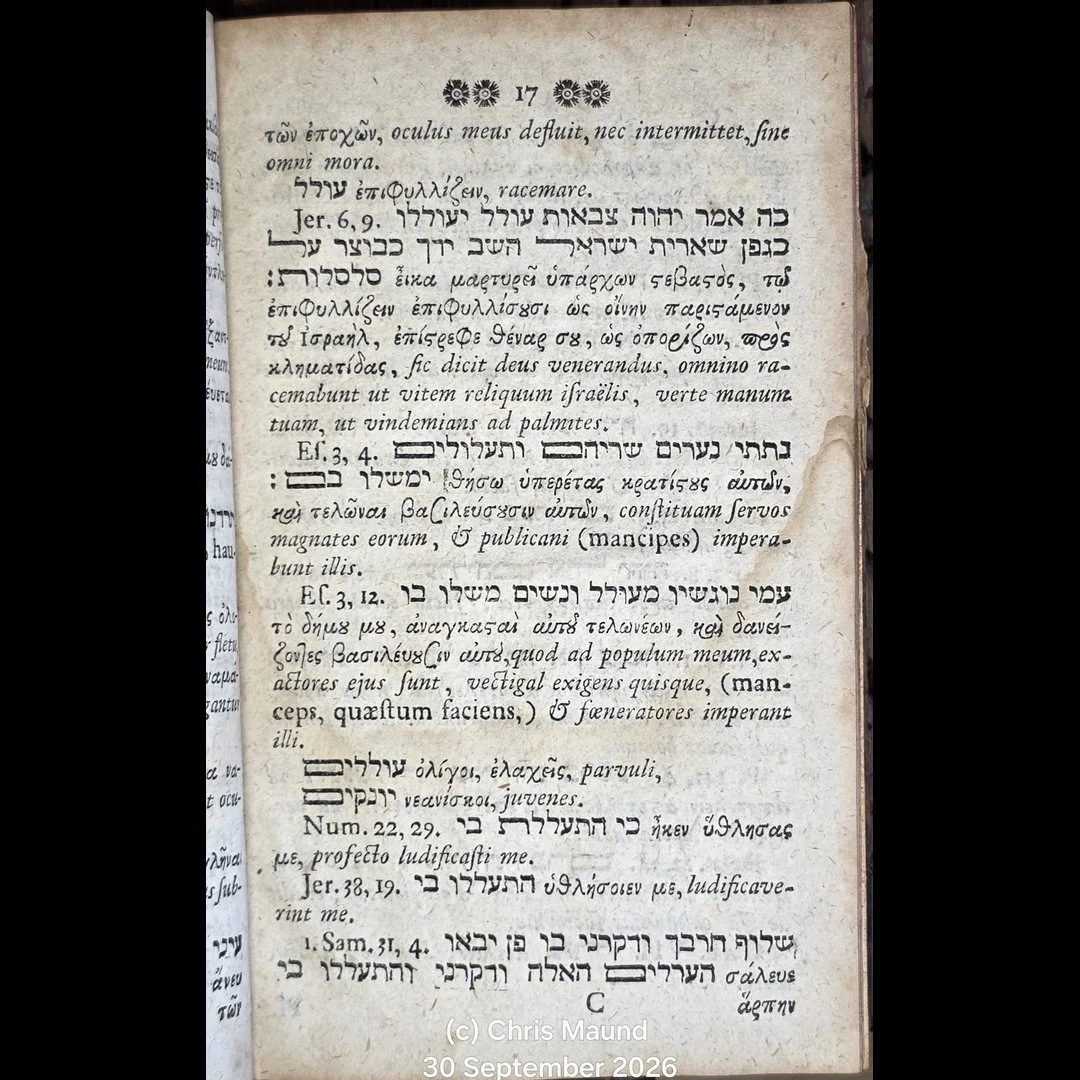 Image 20 of 28
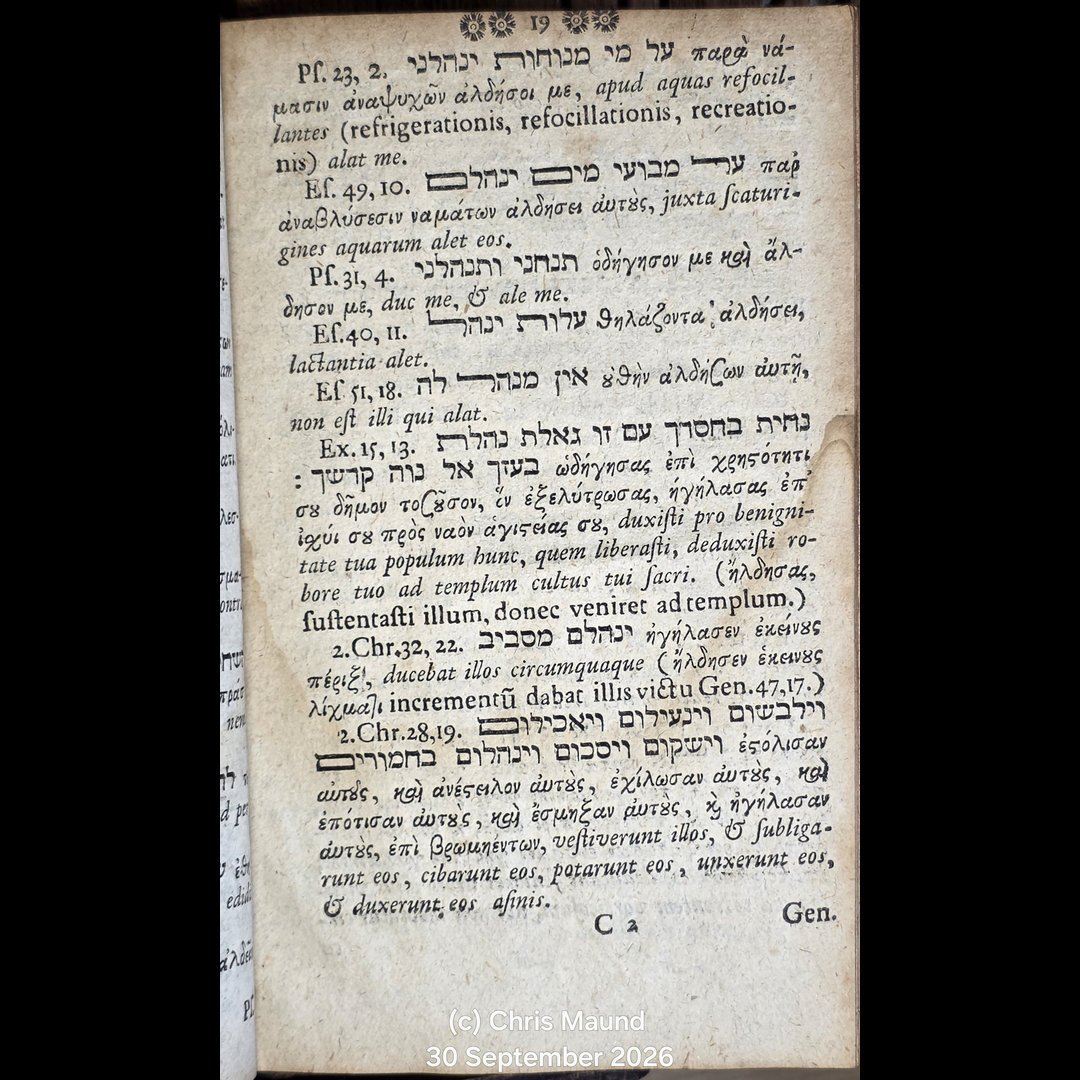 Image 21 of 28
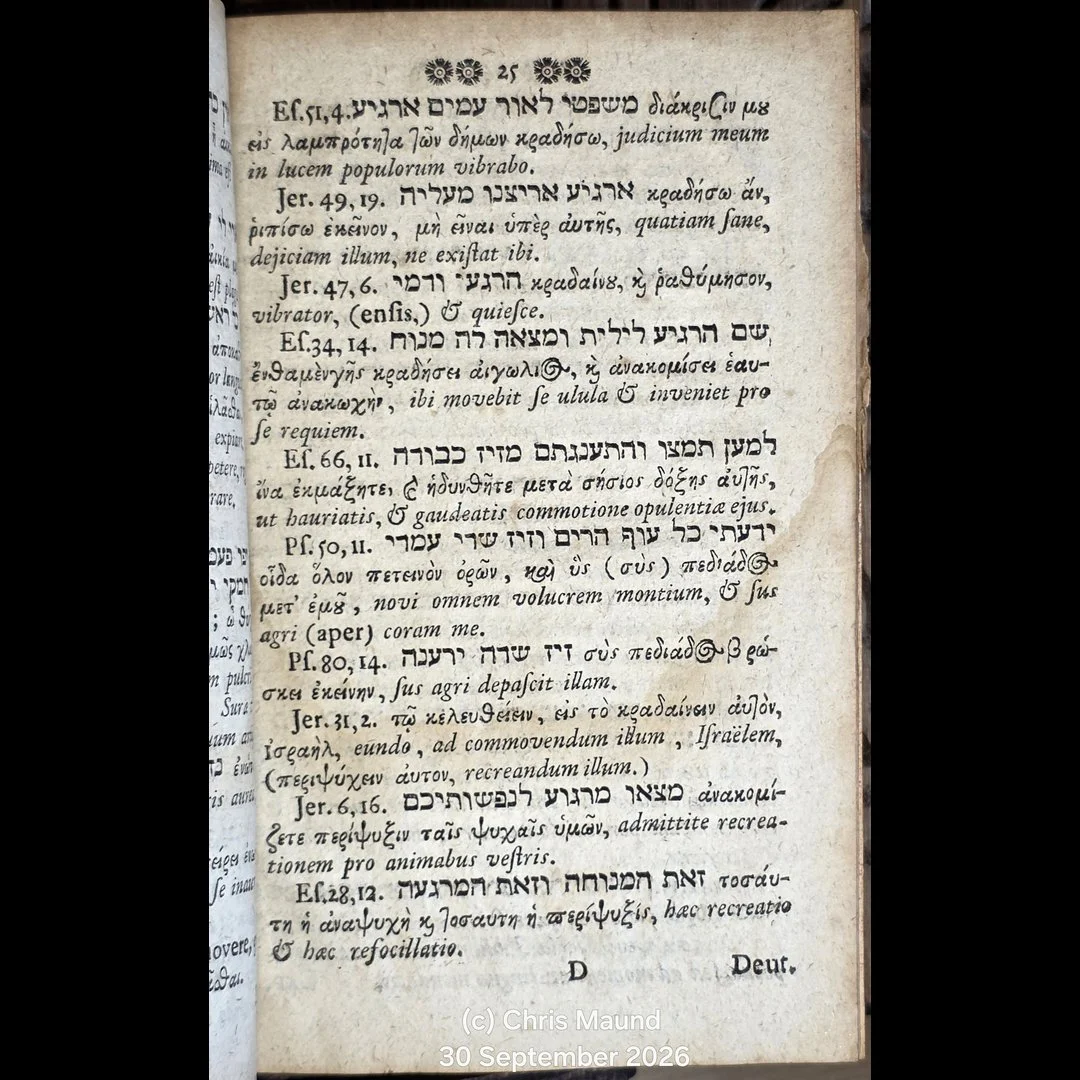 Image 22 of 28
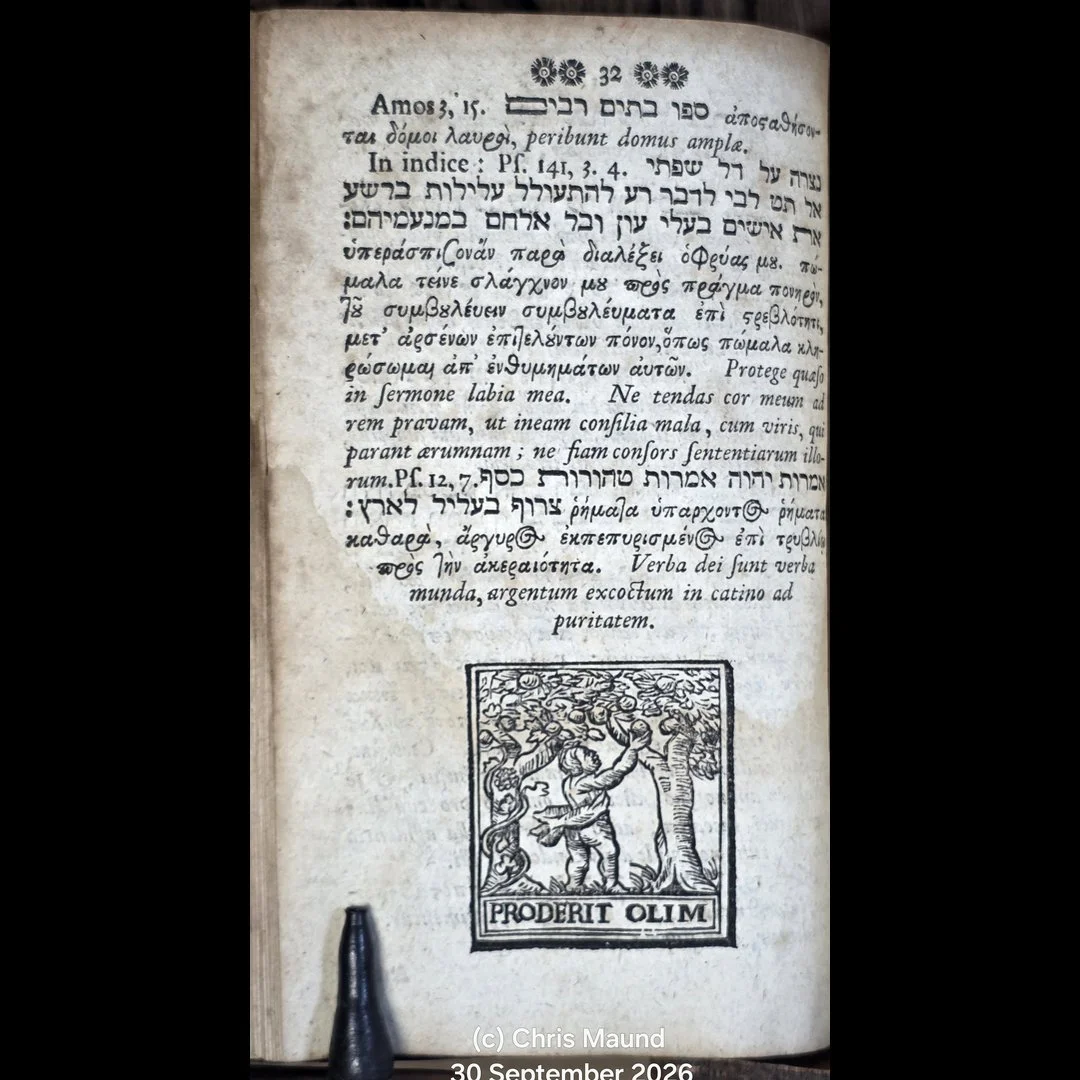 Image 23 of 28
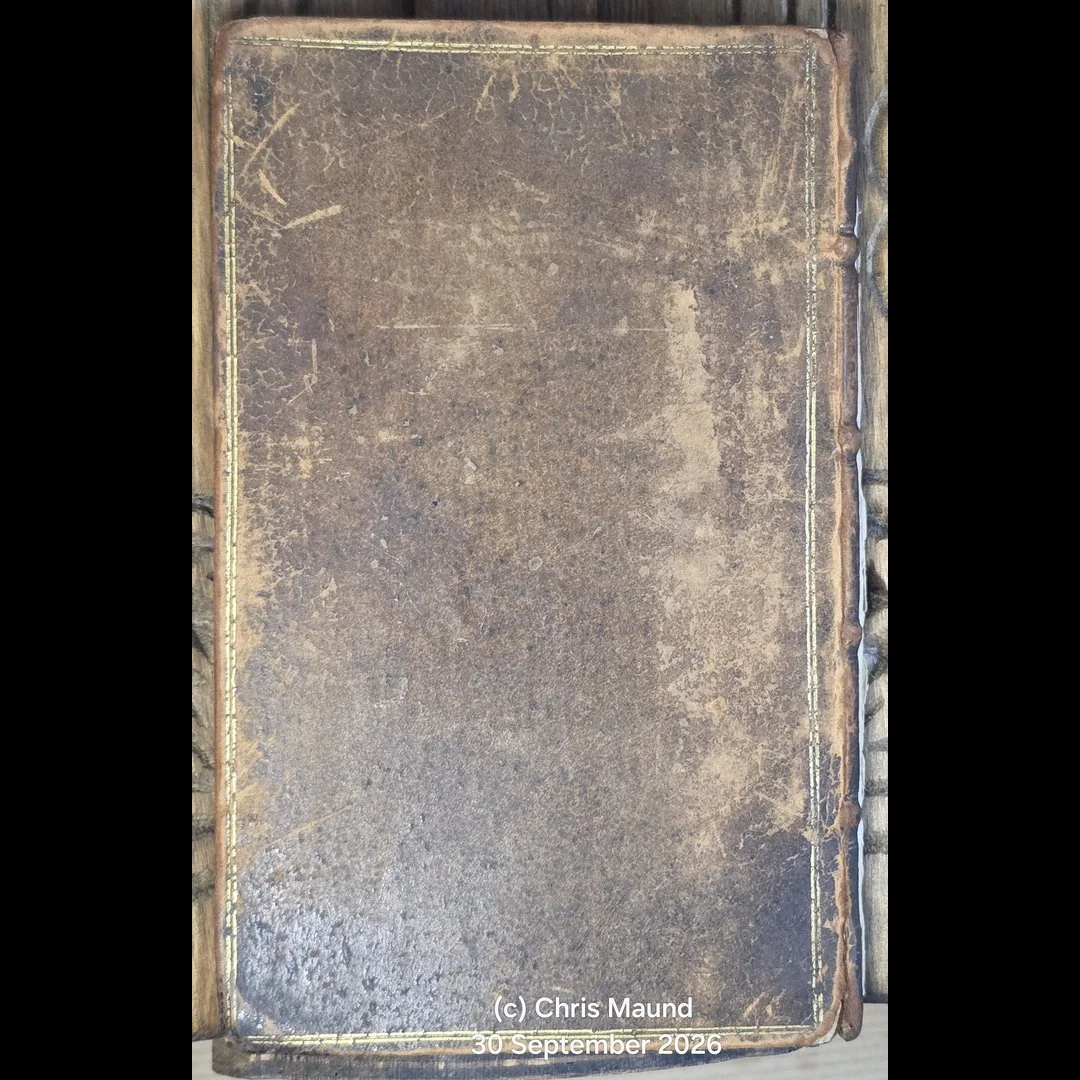 Image 24 of 28
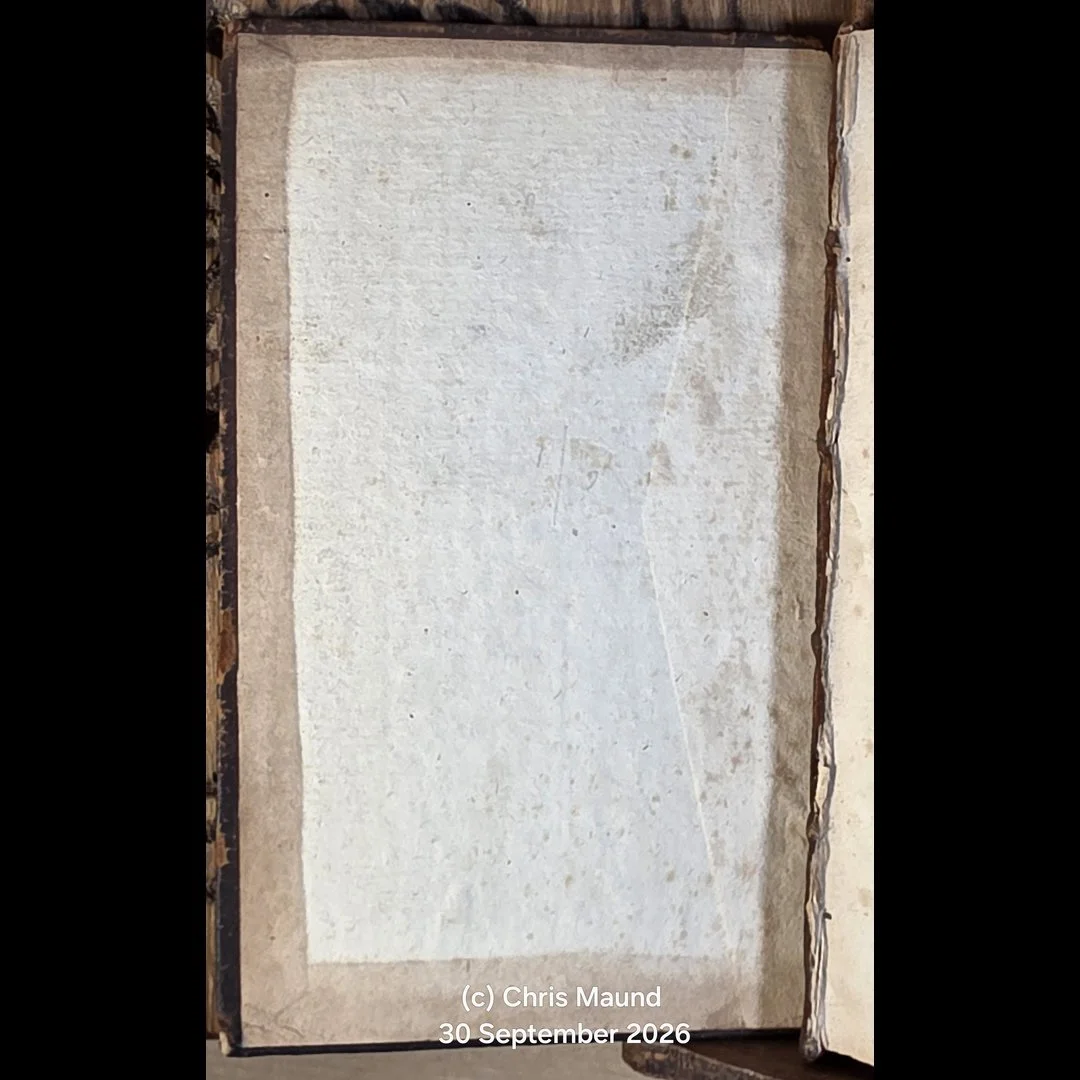 Image 25 of 28
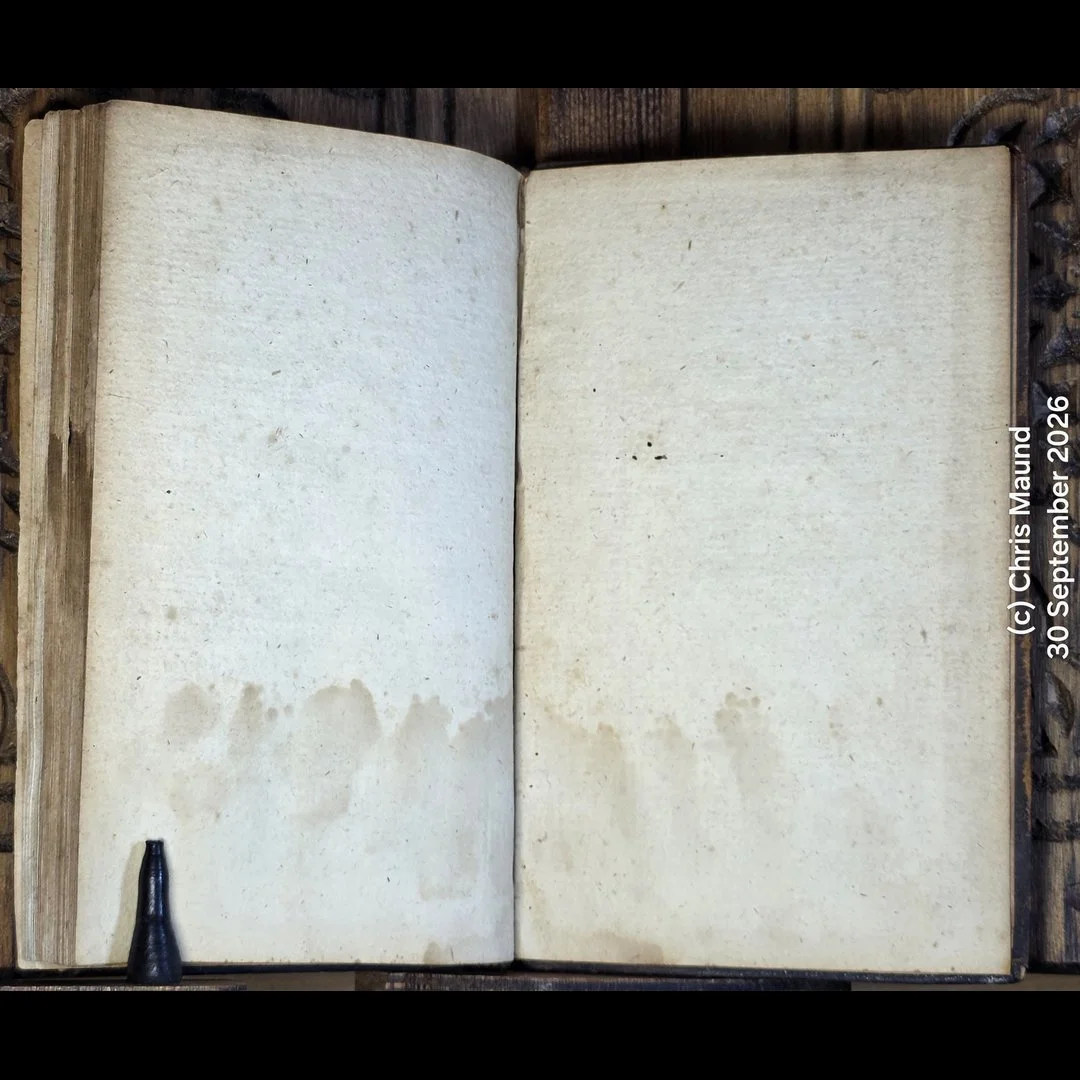 Image 26 of 28
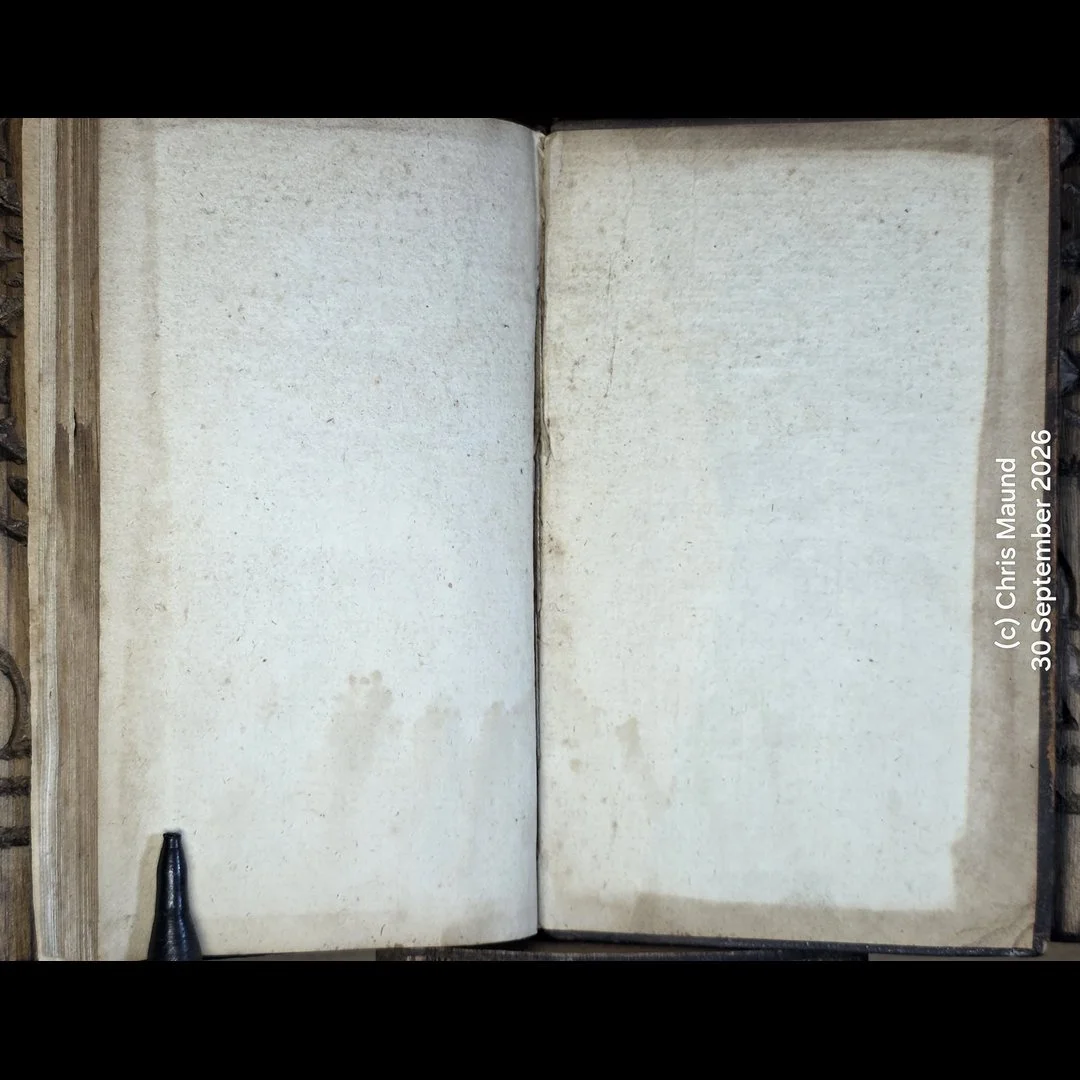 Image 27 of 28
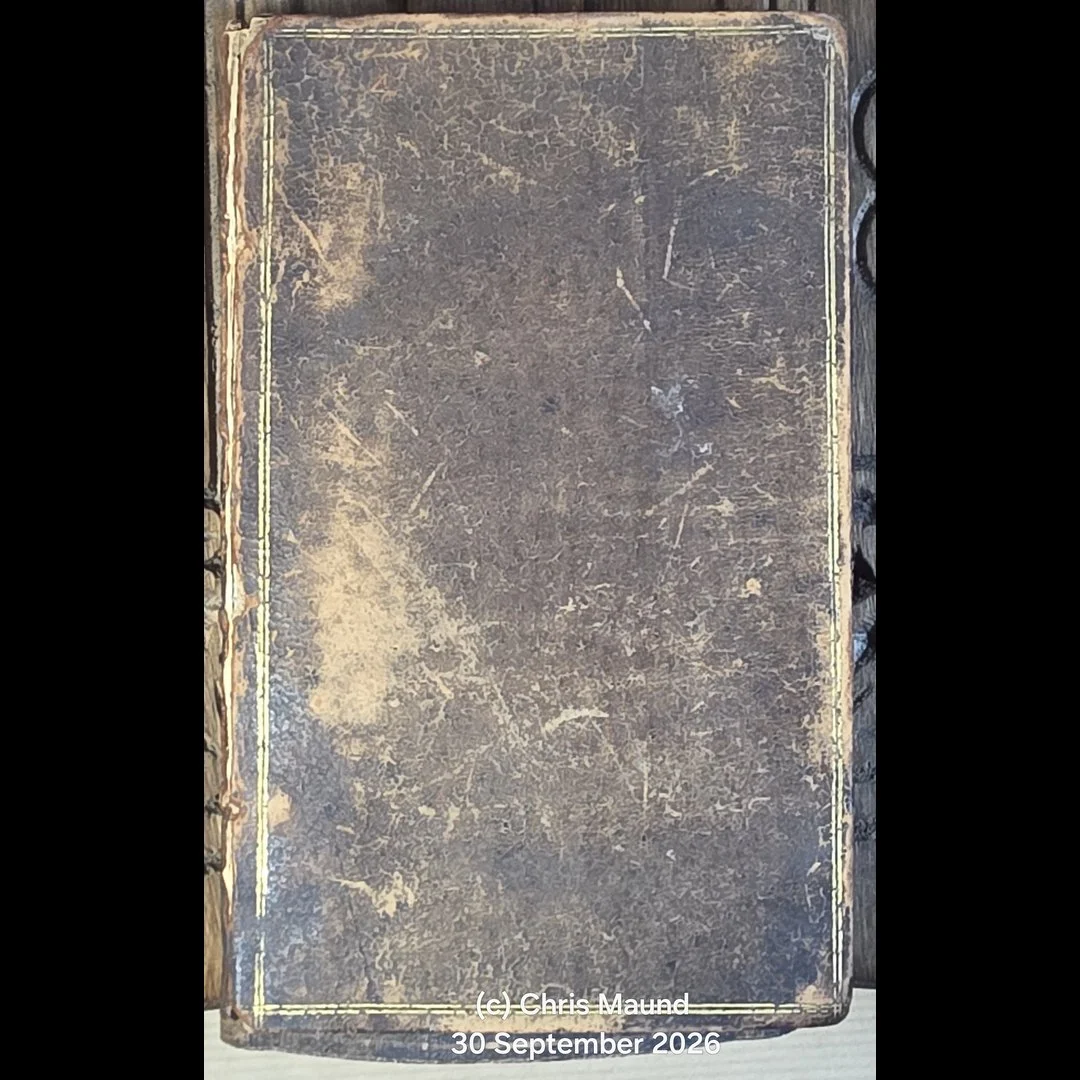 Image 28 of 28