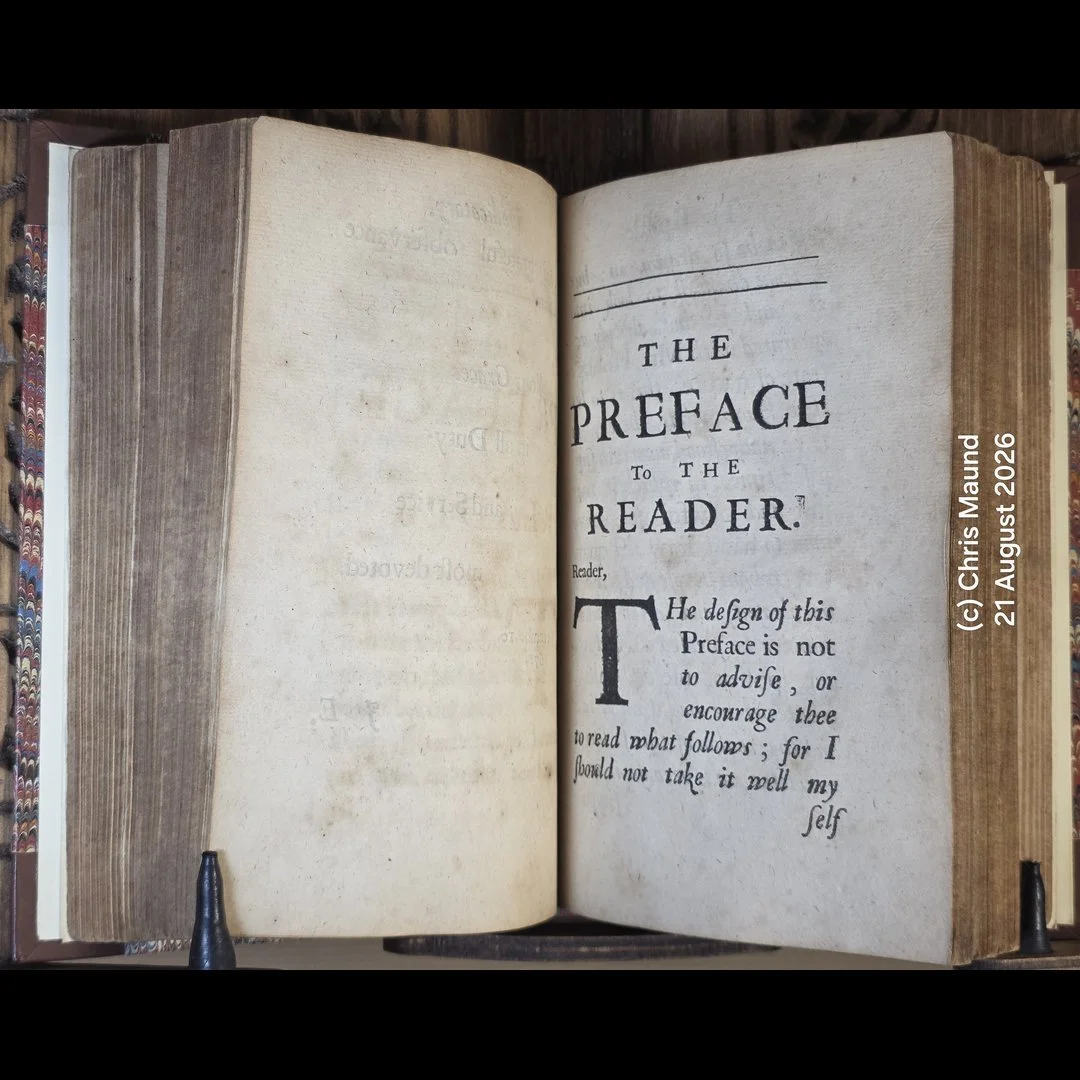
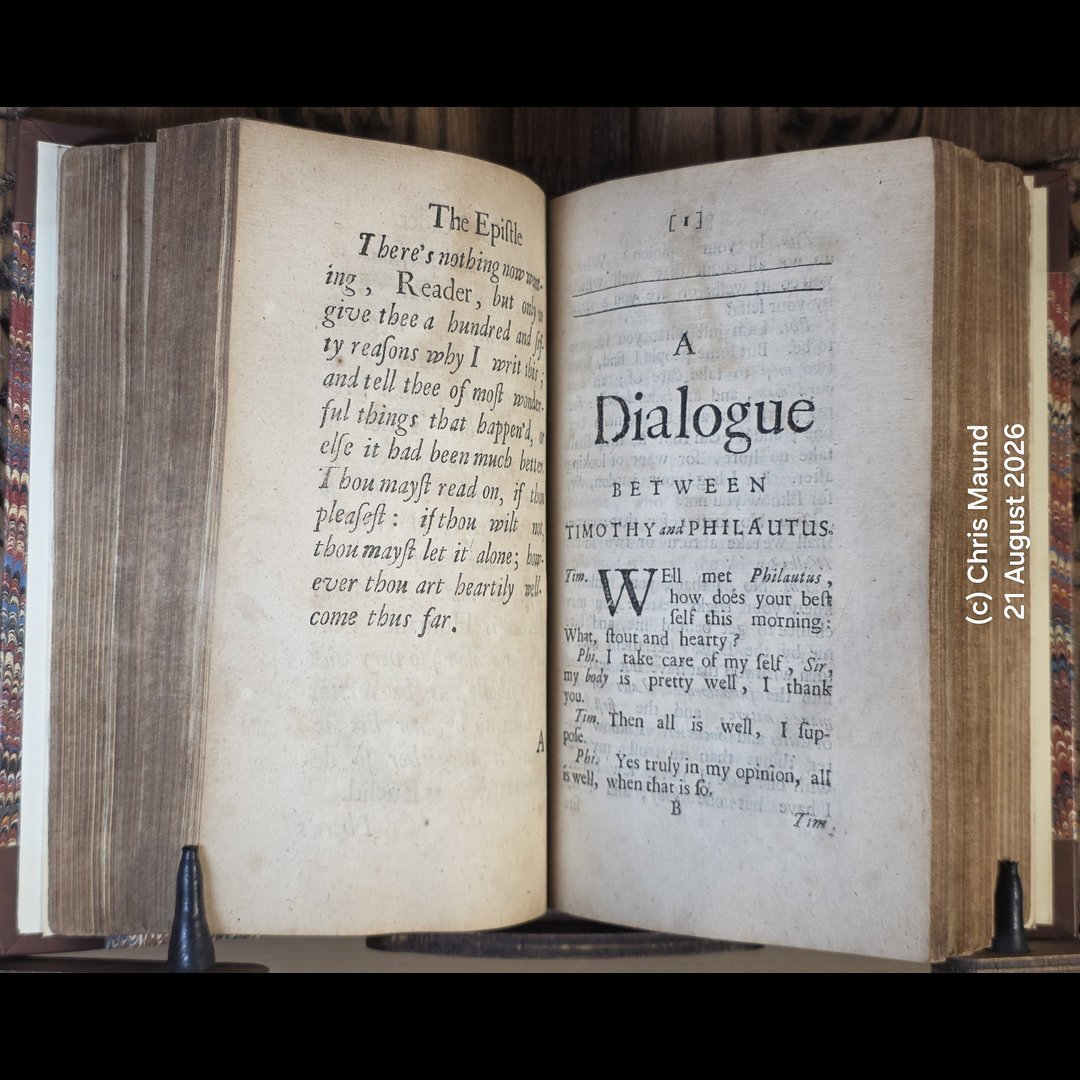
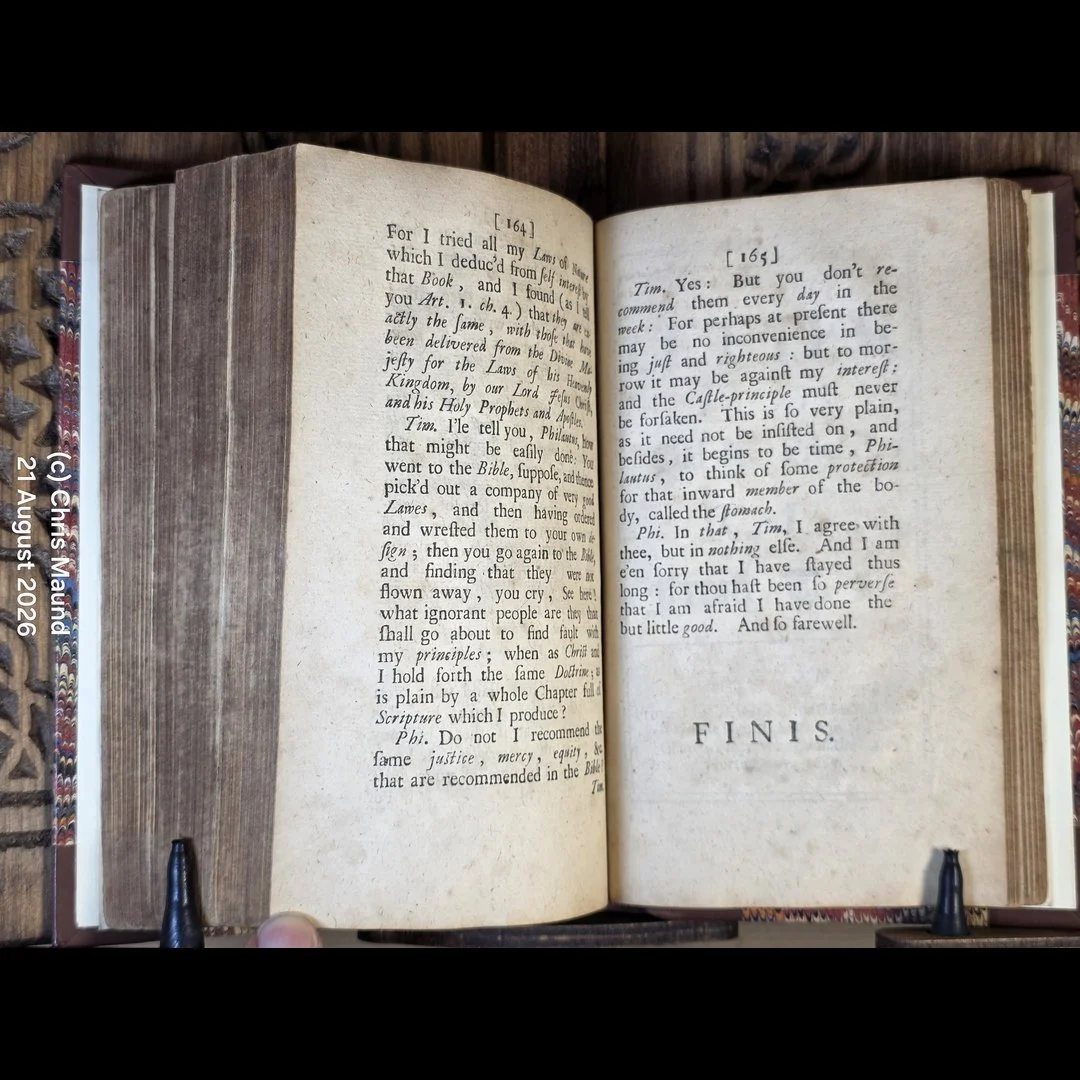
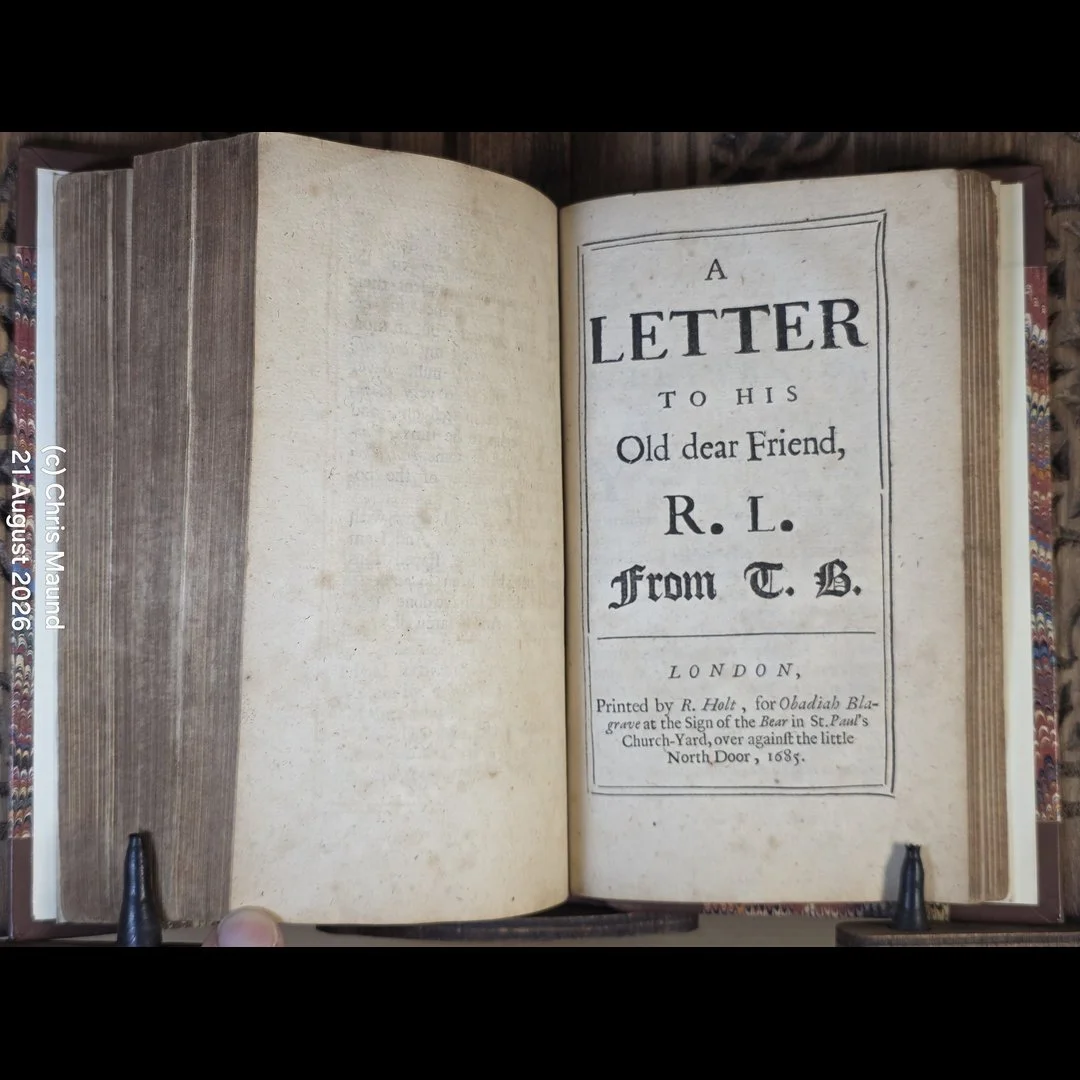
1649 First Edition
THE GREAT EXEMPLAR OF SANCTITY AND HOLY LIFE
By Jeremy Taylor
KEY DETAILS
Condition: Very Good
Format: Leather, 4to; Approx. 190 × 140 mm.
Published By: Printed by R.N. for Francis Ash and are to be sold at the three pigeons in S. Pauls Church-yard Biography of Jesus Christ., London, 1649
Language: English
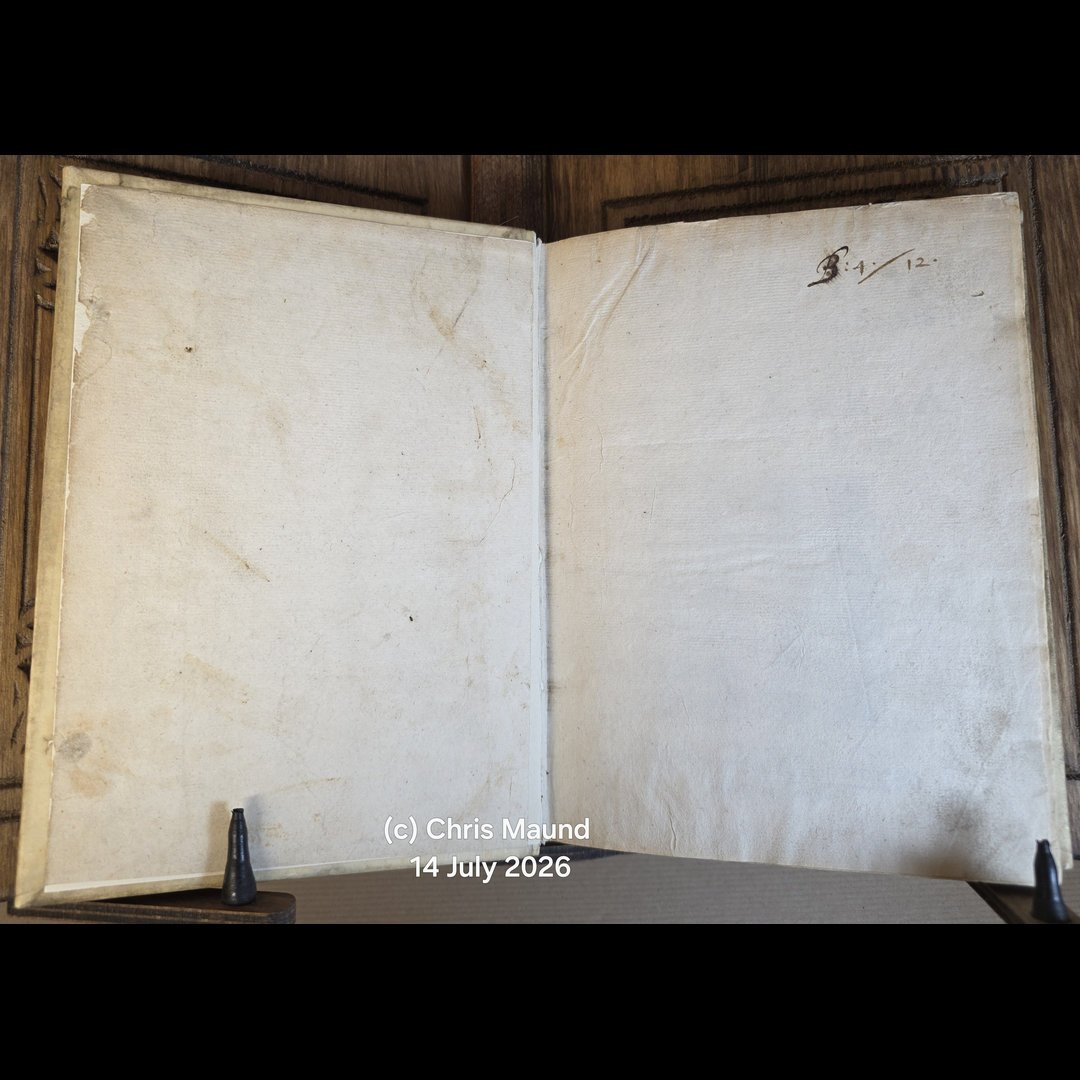
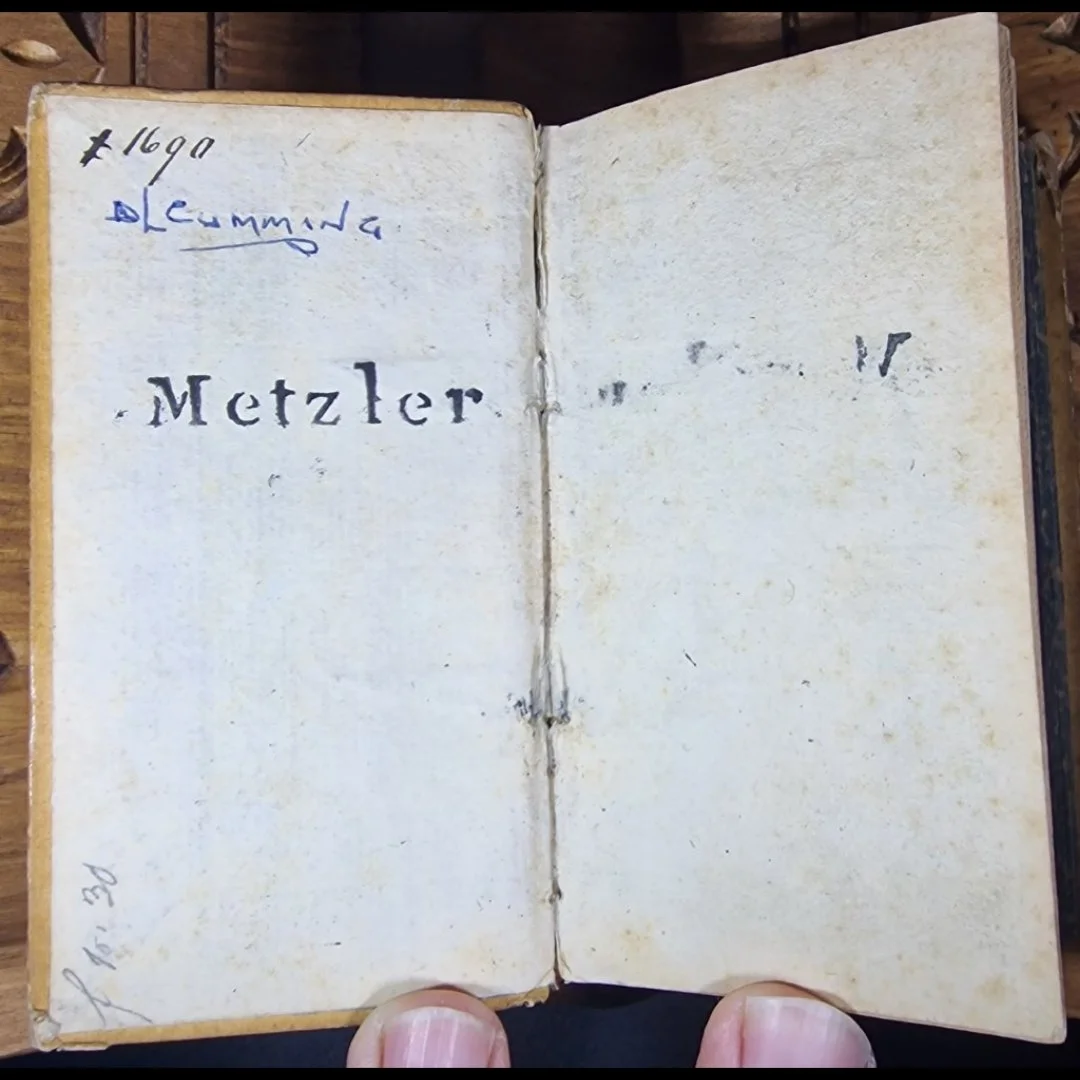
Provenance: Eighteenth-century manuscript ownership inscription to the front pastedown.
Collation: Pagination: [42],166,[6],168,4, 182,18 pages; Signature: π¹ a–e⁴ A–K⁸ L⁴ χ² 2A–2K⁸ 2L⁸ ¶² 3A–3L⁸ 3M–3O⁴
Dust Jacket: None, as issued
SKU: BTETM0001979
Shipping Info: Approximate Package Dimensions H: 15, L: 30, W: 25 (Units: cm), W: 2Kg
Tracked Shipping, Insurance Coverage as per Customer Request
DESCRIPTION
The Great Exemplar of Sanctity and Holy Life
First edition of Jeremy Taylor's The Great Exemplar of Sanctity and Holy Life, one of the most important works of seventeenth-century Anglican devotional literature, presenting the life and teachings of Jesus Christ as a model of Christian virtue, piety and moral conduct.
Published in 1649, the year of the execution of Charles I and the establishment of the English Commonwealth, the work appeared during a period of profound political and religious upheaval. Taylor, a Royalist divine and former chaplain to Charles I, draws upon Scripture, patristic authorities and theological reflection to construct a detailed account of Christ's life, interwoven with meditations, prayers and practical instructions for Christian living.
Divided into three parts, the work combines historical narrative with spiritual interpretation, examining the principal events of Christ's life and their significance for the moral and devotional life of the believer. Its elaborate prose and sustained theological argument exemplify the qualities that subsequently established Taylor as one of the foremost English religious writers of his age.
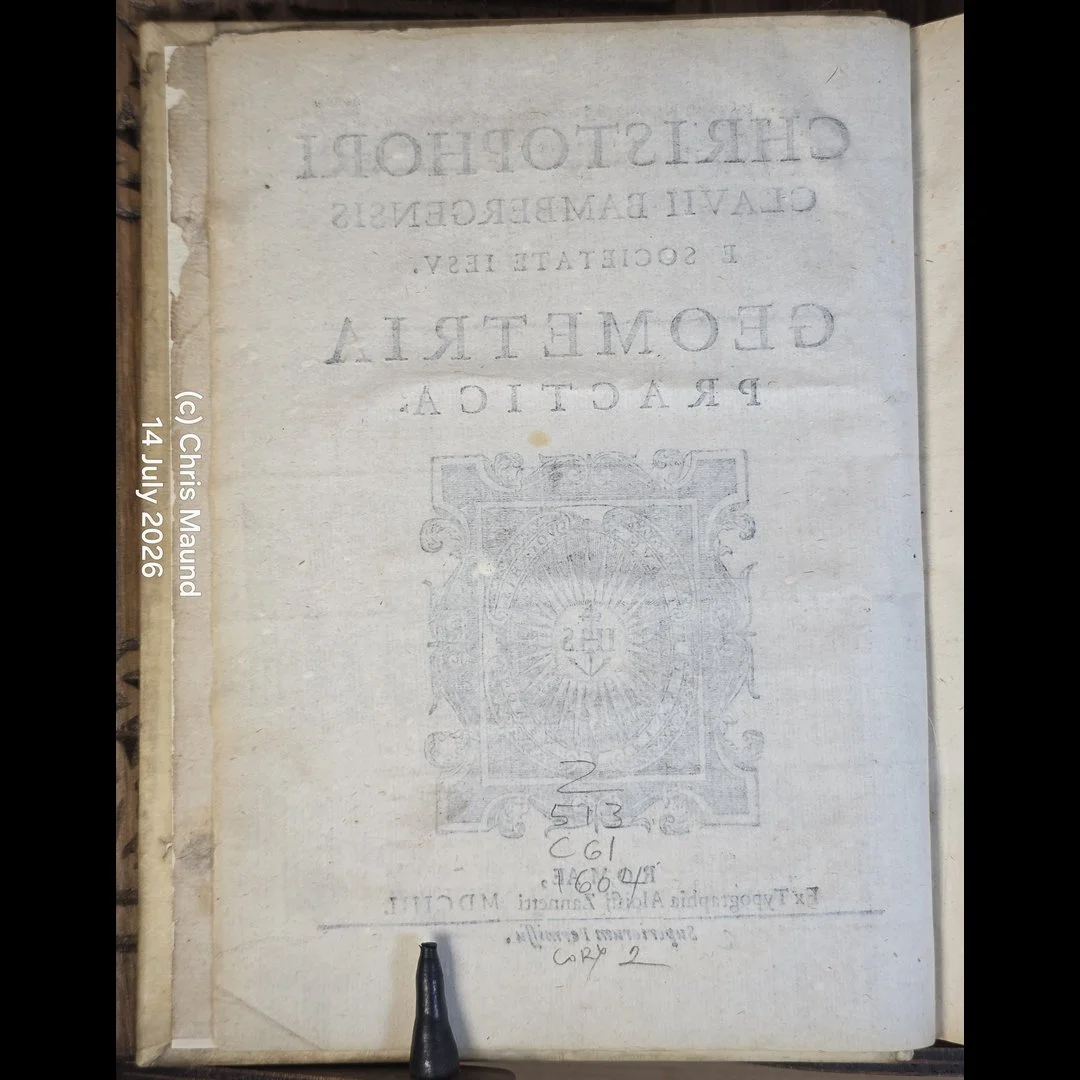
Of particular interest in this copy are the nineteenth-century manuscript facsimiles supplying the original opening material. The general title page has been carefully recreated by hand, imitating the original red-and-black typography, while the opening pages of the dedicatory epistle to Christopher, Lord Hatton, have been transcribed in an accomplished hand employing decorative capitals and cursive lettering.
The manuscript work is a deliberate reconstruction of the original printed presentation rather than a simple handwritten replacement. Although the absence of the original printed opening material constitutes a bibliographical defect, these carefully executed nineteenth-century facsimiles form a distinctive feature of the volume's subsequent history.
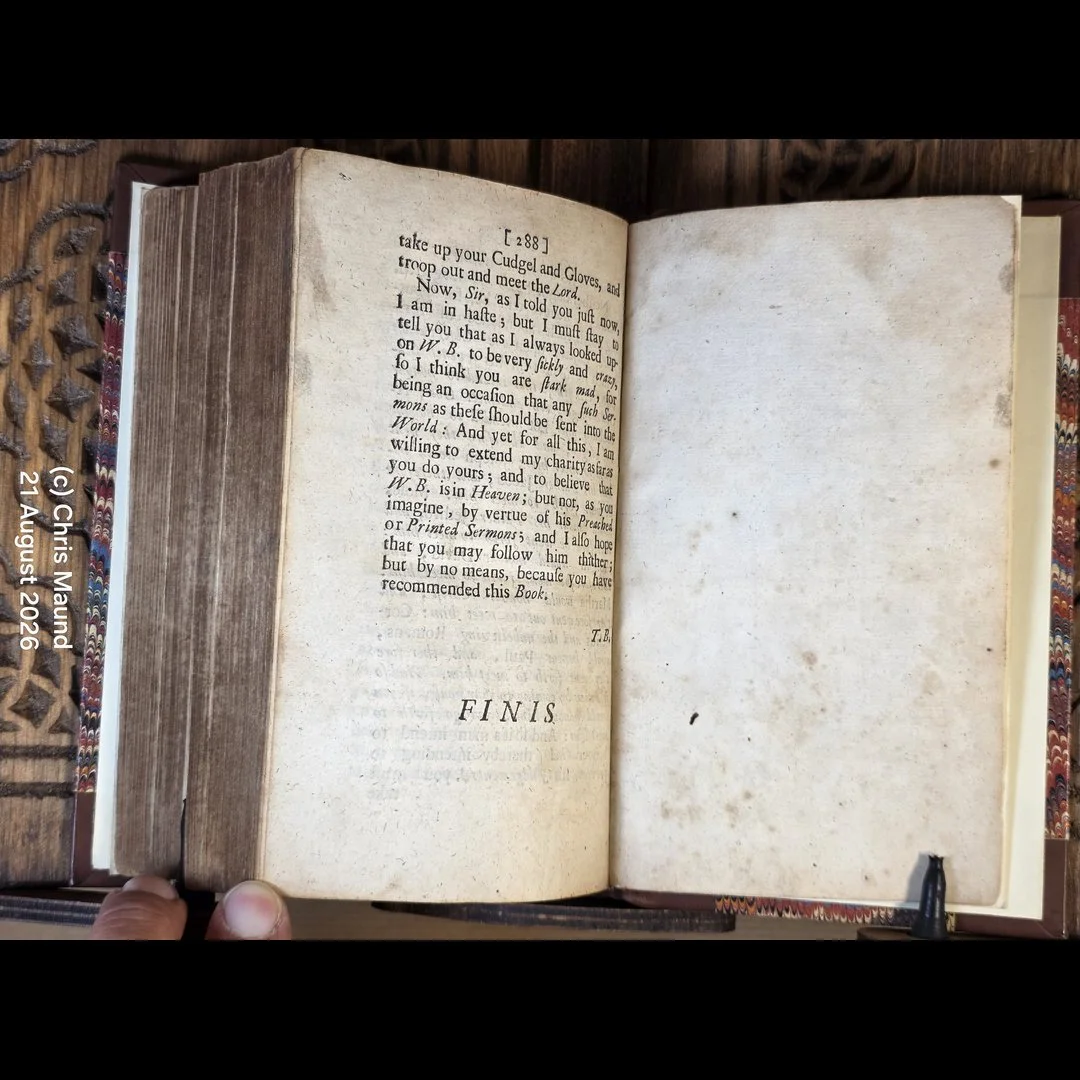
The remaining original printed text is substantially complete, with all three parts, their divisional titles, the concluding table and the relevant terminal blank leaves present.
PROVENANCE
Eighteenth-century manuscript ownership inscription to the front pastedown.
Subsequently supplied with manuscript facsimiles of the original opening material, attributed to the nineteenth century.
CONDITION, COLLATION & COPY NOTES
COLLATION
Pagination: [42],166,[6],168,4, 182,18 pages
Signature: π¹ a–e⁴ A–K⁸ L⁴ χ² 2A–2K⁸ 2L⁸ ¶² 3A–3L⁸ 3M–3O⁴
Very Good.
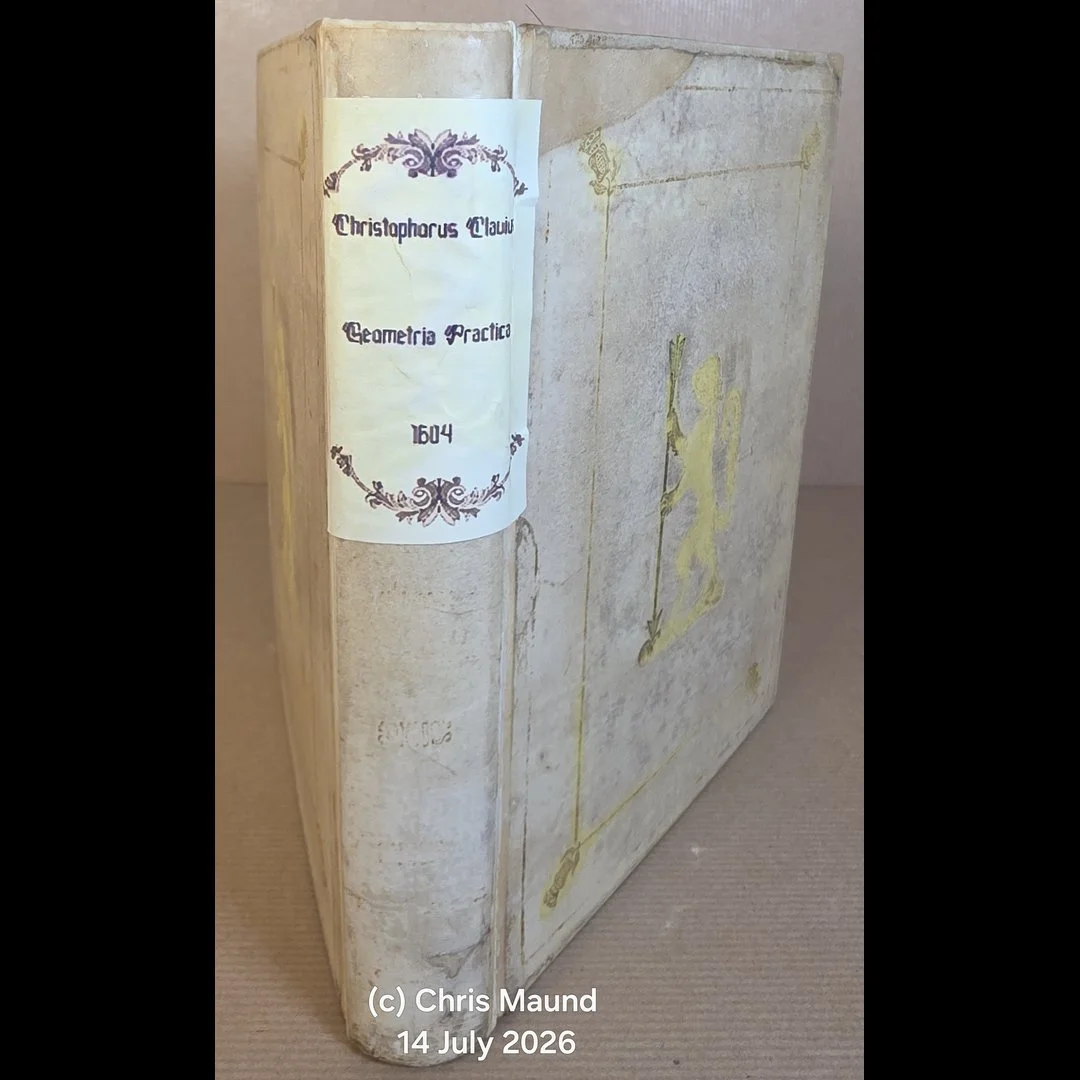
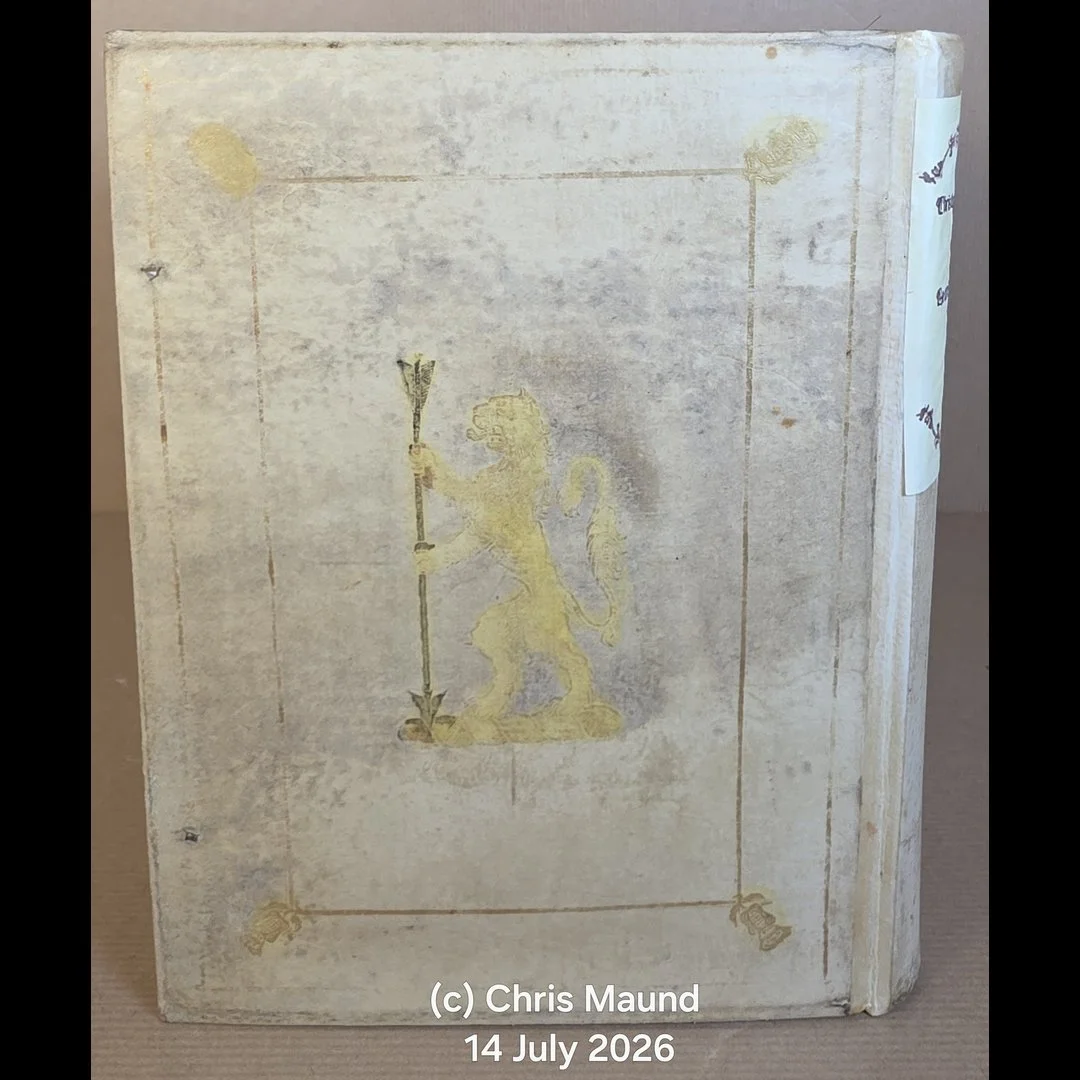
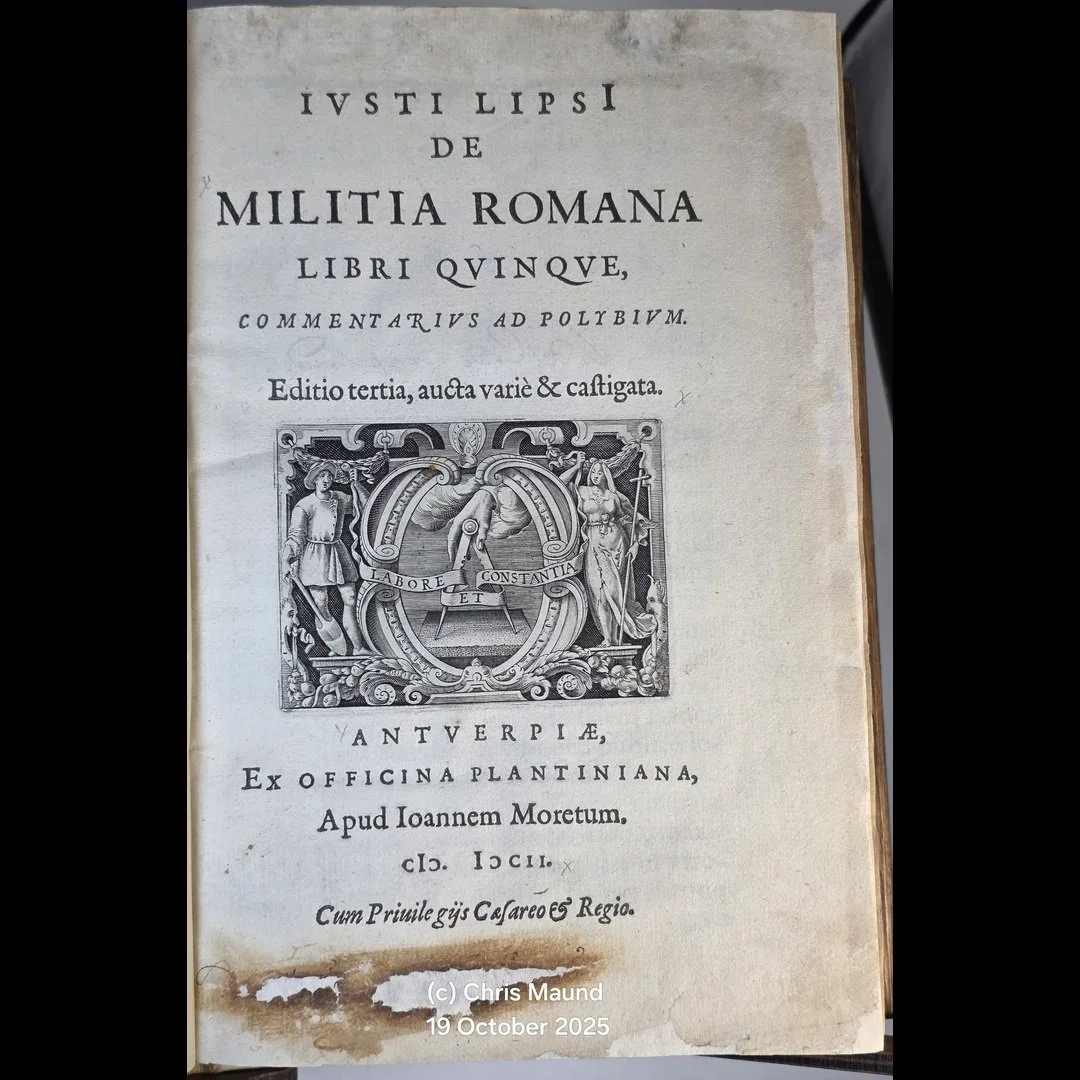
Contemporary calf binding showing rubbing, surface wear and age-related deterioration, including losses and wear to the spine leather. Both boards remain firmly attached, with sound external joints and internal hinges.
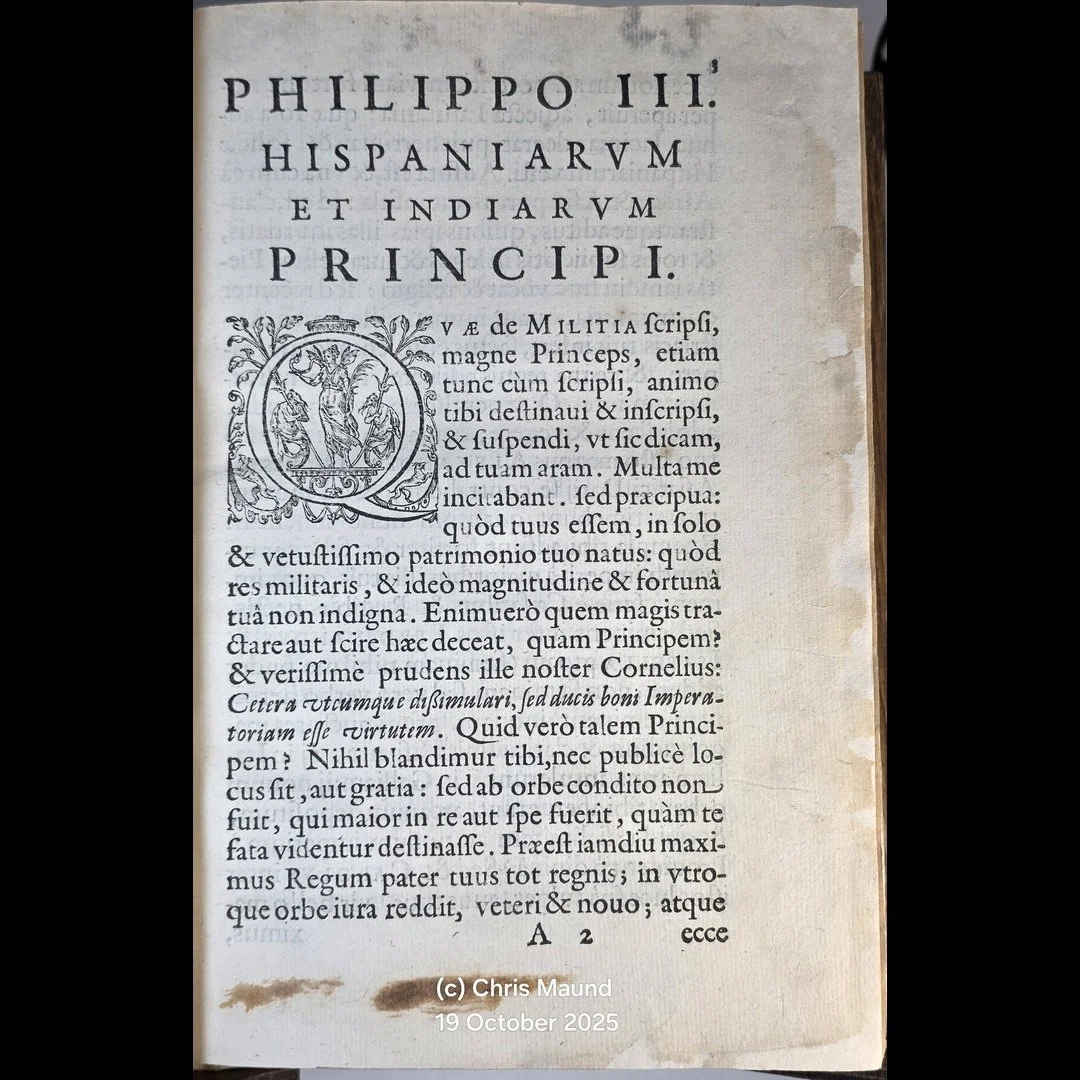
Internally, the original printed text exhibits age-related toning, occasional spotting, marks and handling wear consistent with a seventeenth-century volume.
The original general title page and opening portion of the dedicatory epistle have been replaced with carefully executed nineteenth-century manuscript facsimiles, reproducing the original layout and lettering, including the red-and-black title-page design.
The three original printed divisional title pages are present. The text of the three parts and concluding table has been examined, with no missing leaves identified beyond the original opening material supplied in manuscript. The relevant terminal blank leaves are present.
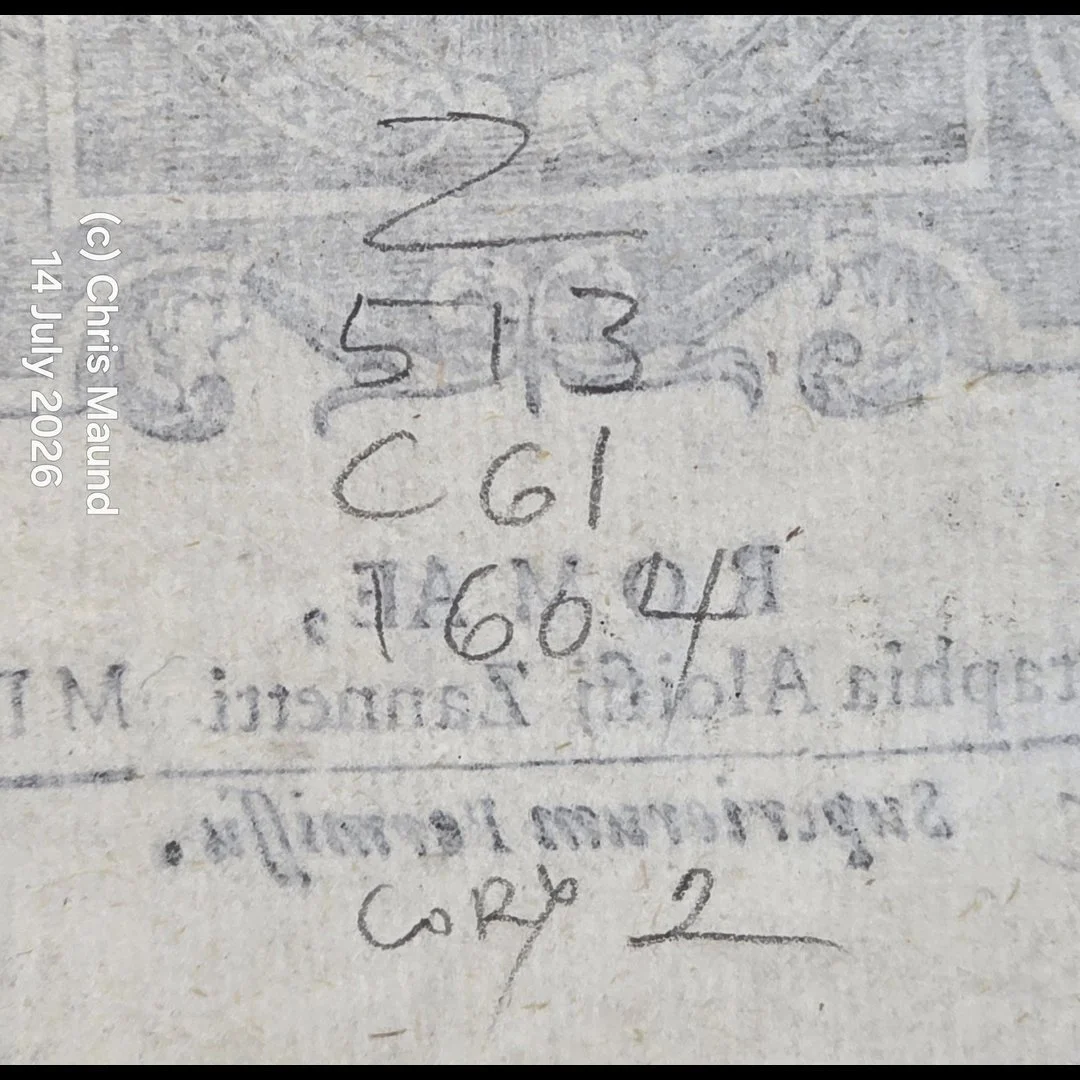
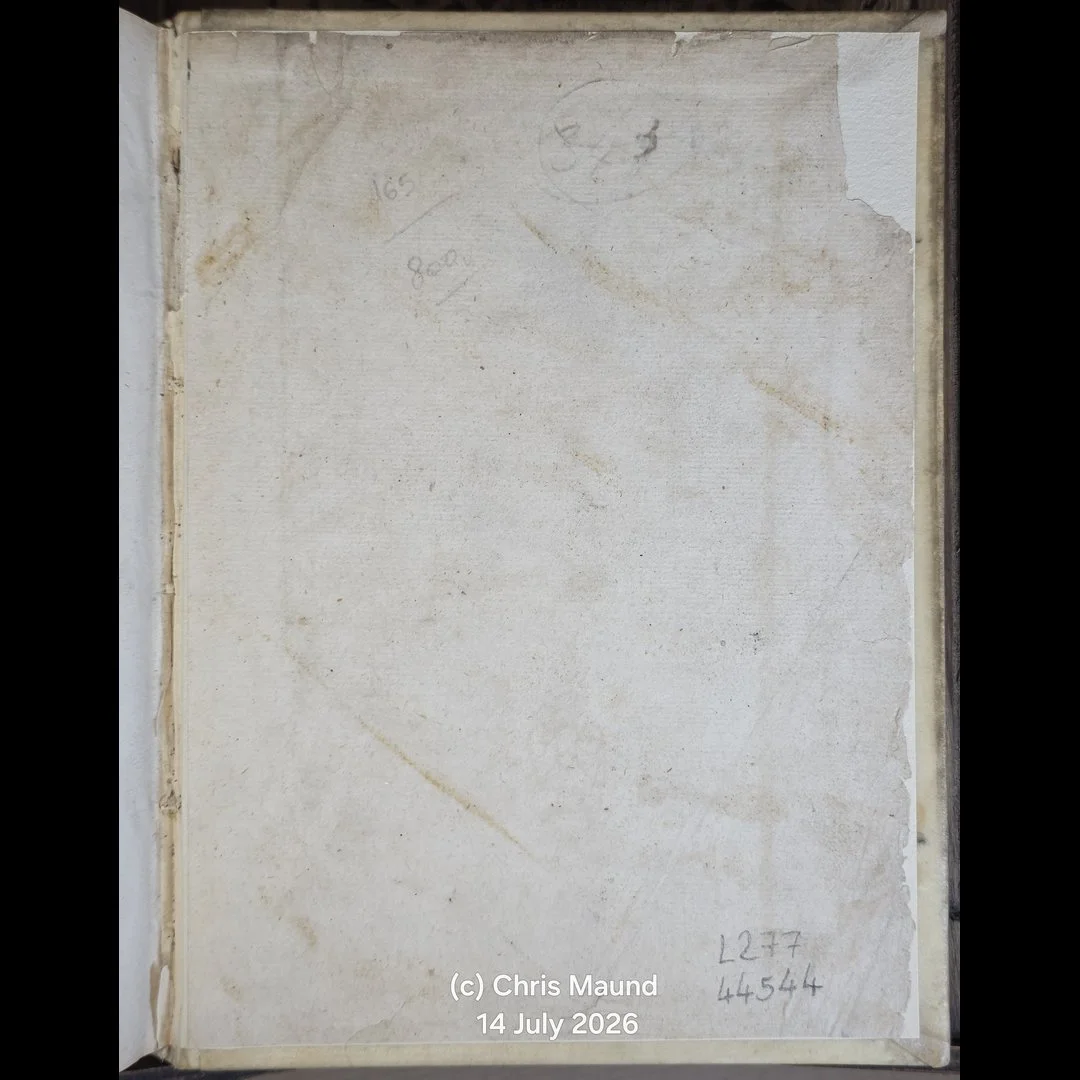
An eighteenth-century manuscript ownership inscription appears on the front pastedown.
An attractive and historically interesting copy, retaining its contemporary binding and distinguished by its carefully executed manuscript restoration.
Please see photographs as part of the condition report.
REFERENCES
Wing T342
ESTC R236314.
SYNOPSIS
Jeremy Taylor’s The Great Exemplar of Sanctity and Holy Life (1649) is a landmark work of seventeenth-century Anglican devotional literature, presenting the life, teachings and death of Jesus Christ as the supreme model of Christian virtue and spiritual conduct.
Divided into three parts, the work combines a detailed narrative of Christ’s life with theological reflections, moral instruction, meditations and prayers. Drawing upon Scripture and the writings of the early Church Fathers, Taylor explores the practical application of Christ’s example to everyday Christian living, emphasising humility, charity, obedience, faith and holiness.
Published during the religious and political upheaval of the English Civil War, the work reflects Taylor’s characteristic blend of theological scholarship, spiritual devotion and richly expressive prose. It remains one of his most significant contributions to Anglican religious thought.
AUTHOR BIO
Jeremy Taylor (1613–1667) was an English Anglican clergyman, theologian and devotional writer, celebrated for his eloquent prose and profound influence upon Anglican spirituality.
A supporter of Charles I during the English Civil War, Taylor experienced periods of imprisonment and restricted ministry under the Commonwealth. His major devotional works, including The Great Exemplar (1649), Holy Living (1650) and Holy Dying (1651), established his reputation as one of the most accomplished religious prose writers of the seventeenth century.
Following the Restoration, he was appointed Bishop of Down and Connor in Ireland in 1661.

 Image 1 of 16
 Image 2 of 16
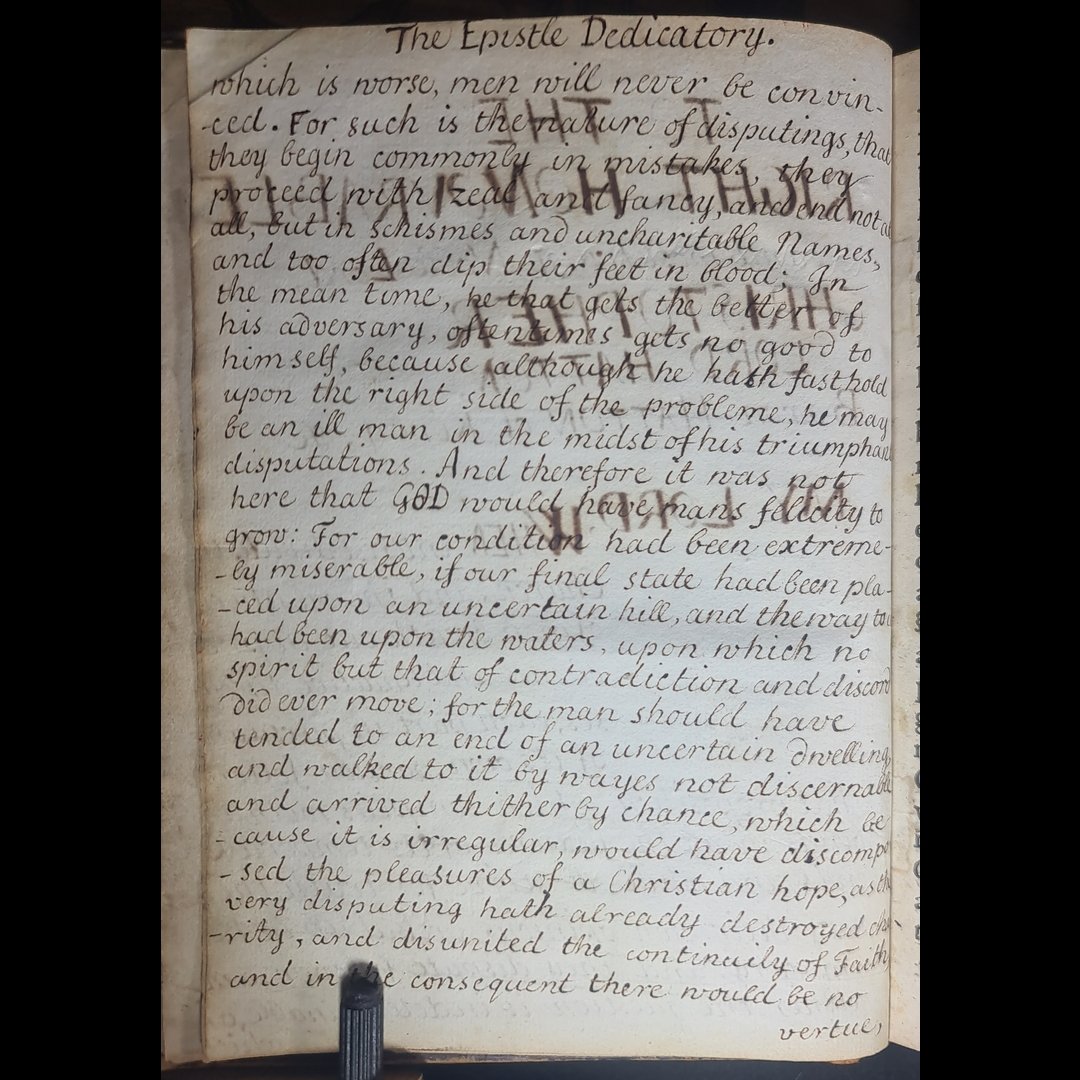 Image 3 of 16
 Image 4 of 16
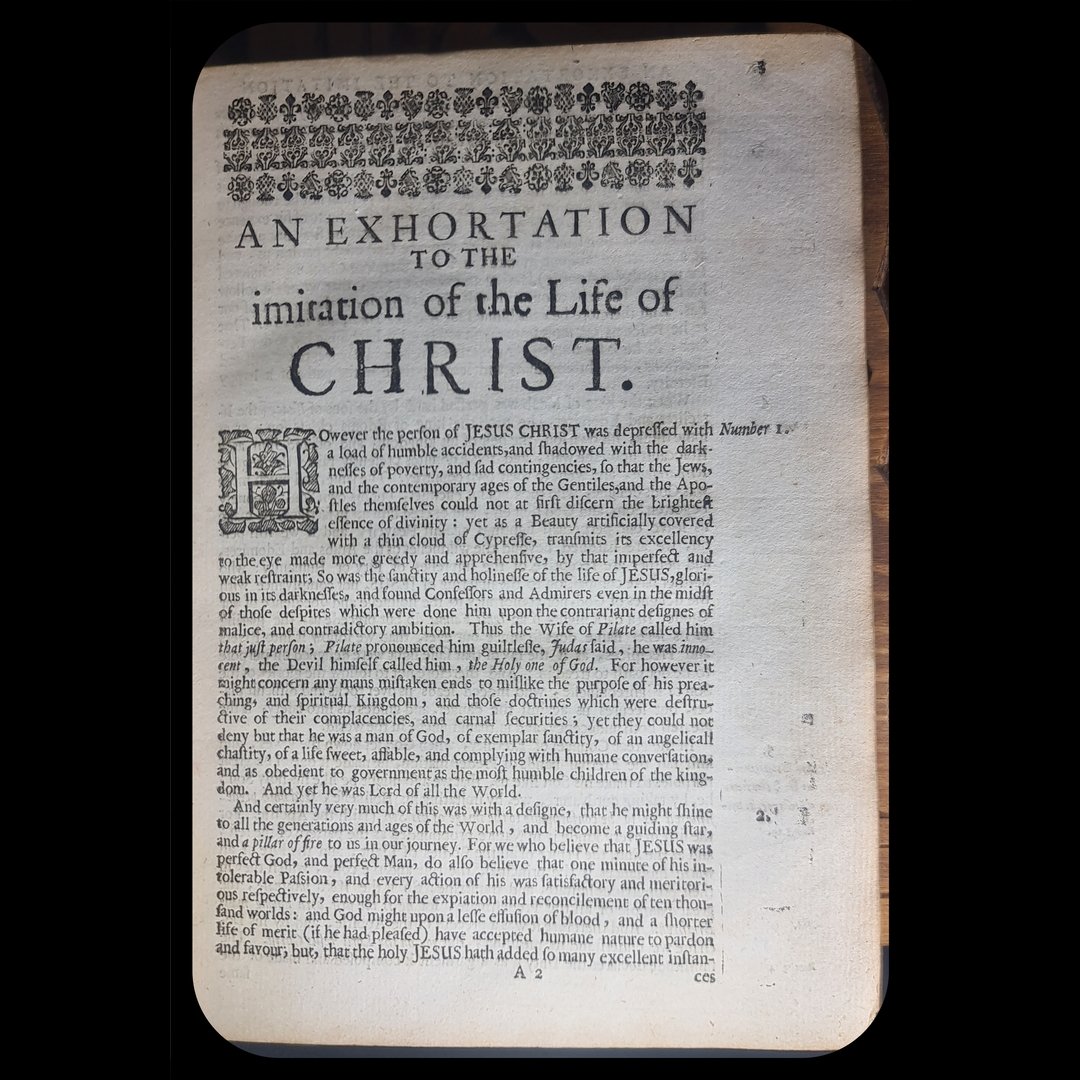 Image 5 of 16
 Image 6 of 16
 Image 7 of 16
 Image 8 of 16
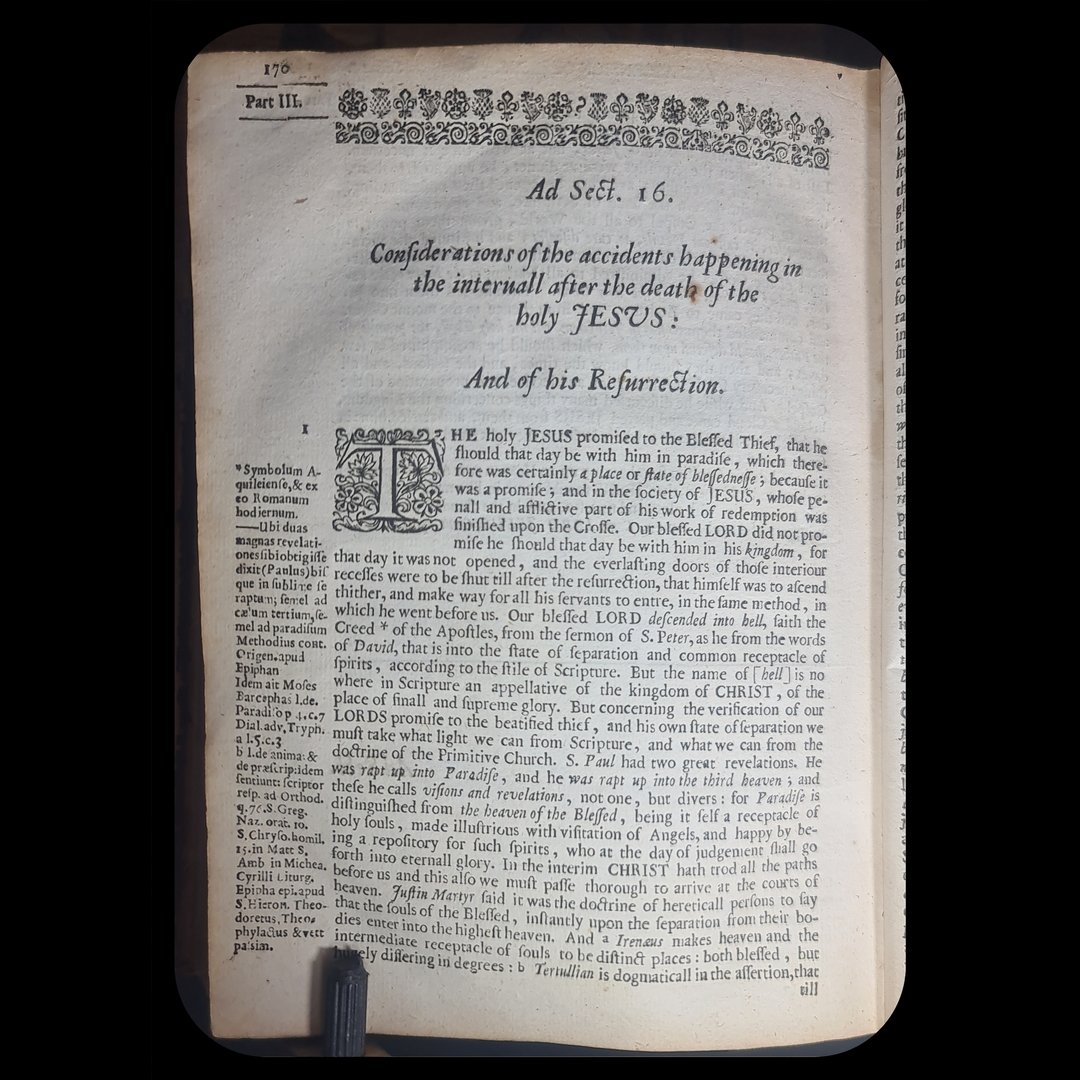 Image 9 of 16
 Image 10 of 16
 Image 11 of 16
 Image 12 of 16
 Image 13 of 16
 Image 14 of 16
 Image 15 of 16
 Image 16 of 16