Sale Price:
£150.00
Original Price:
£180.00
1754 Seventh Edition
THEOLOGIA CONCIONATORIA TOM I AND II
By Constantin Letins
KEY DETAILS
Condition: Good
Format: Leather, quarto (4to 9 1⁄2 × 12 in 241 × 305 mm )
Note: Binding/size selection follows standard bibliographic conventions and is approximate; exact measurements may vary.
Published By: Coloniae & Francofurti [Cologne and Frankfurt], sumptibus Viduae Petri Pütz & Filii Bibliopolae, Germany, 1754
Language: Latin
Collation: Tome I: [12], 599 pages; Tome II: [12], 404, [12] pages. Complete.
Dust Jacket: None, as issued, No Jacket
SKU: BTETM0001986
Shipping Info: Approximate Package Dimensions H: 12.5, L: 30, W: 25 (Units: cm), W: 2Kg
Tracked Shipping, Insurance Coverage as per Customer Request
DESCRIPTION
Theologia Concionatoria TOM I and II
A substantial eighteenth-century Catholic preaching manual by the Flemish Recollect Franciscan Constantin Letins, issued at Cologne and Frankfurt in 1754 in its seventh revised edition.
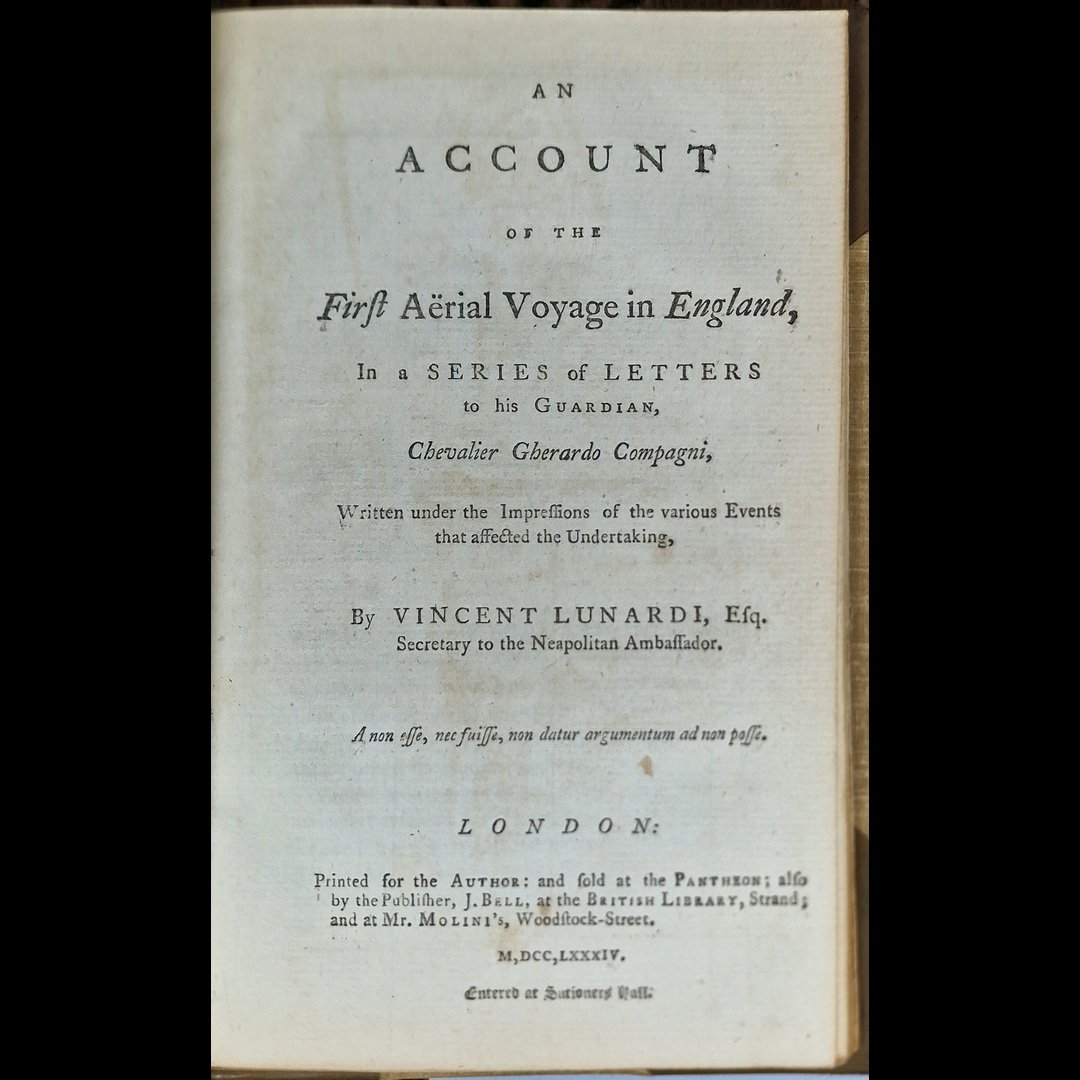
The title page describes the edition as newly revised, corrected of numerous errors, and enlarged and clarified by a copious new index. Intended as a practical repertory for preachers and confessors, the work combines Catholic moral theology with extensive sermon material designed, in the words of the title, both to “teach and to move.”
Tome I is devoted principally to the Decalogue. Its sermons consider divine law, the Commandments, faith, worship, family and social obligations, chastity, property, truthfulness, virtue and sin. The volume also provides sermon openings or exordia adapted for the Sundays of the ecclesiastical year.
Tome II treats penance, including contrition, confession and sacramental satisfaction, with theological, moral and practical reflections intended particularly for priests and confessors. Together, the two tomes form an extensive working handbook of eighteenth-century Catholic preaching and pastoral instruction.
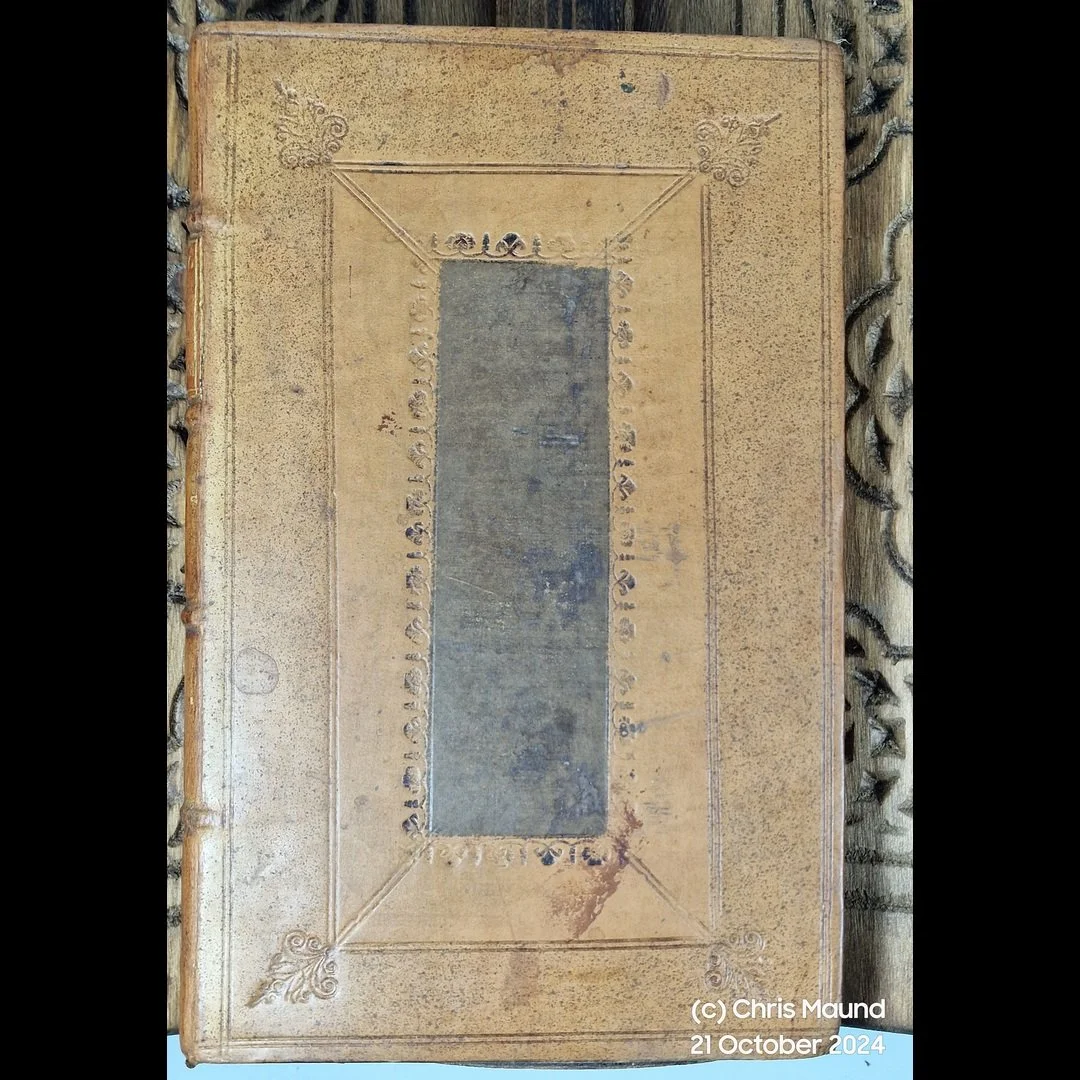
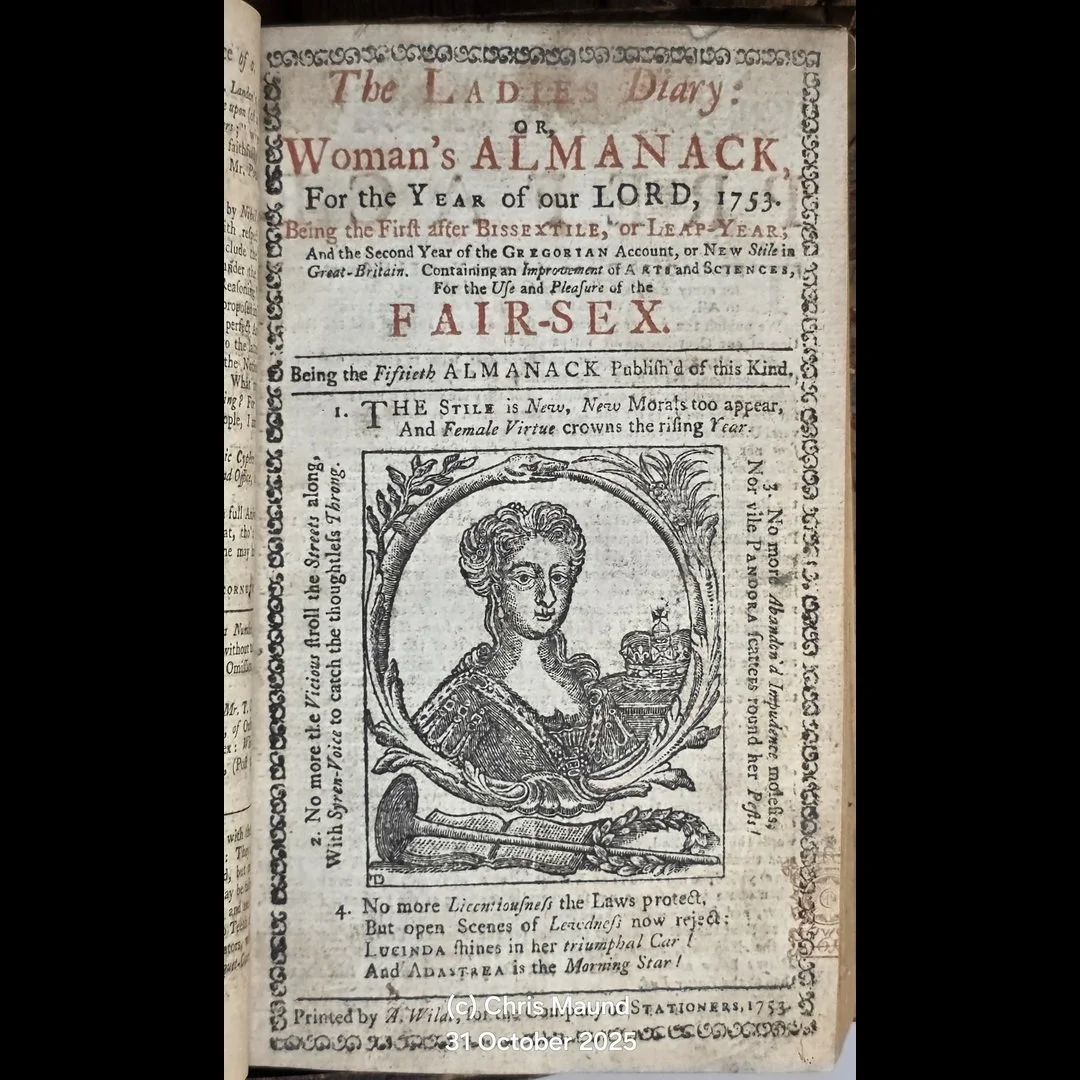
Both tomes are bound together in one contemporary full-calf volume with raised bands, gilt-decorated spine compartments and two lettering labels. The first title page is printed in red and black beneath a decorative floral woodcut headpiece. Further decorative initials, ornaments and a terminal woodcut appear throughout.
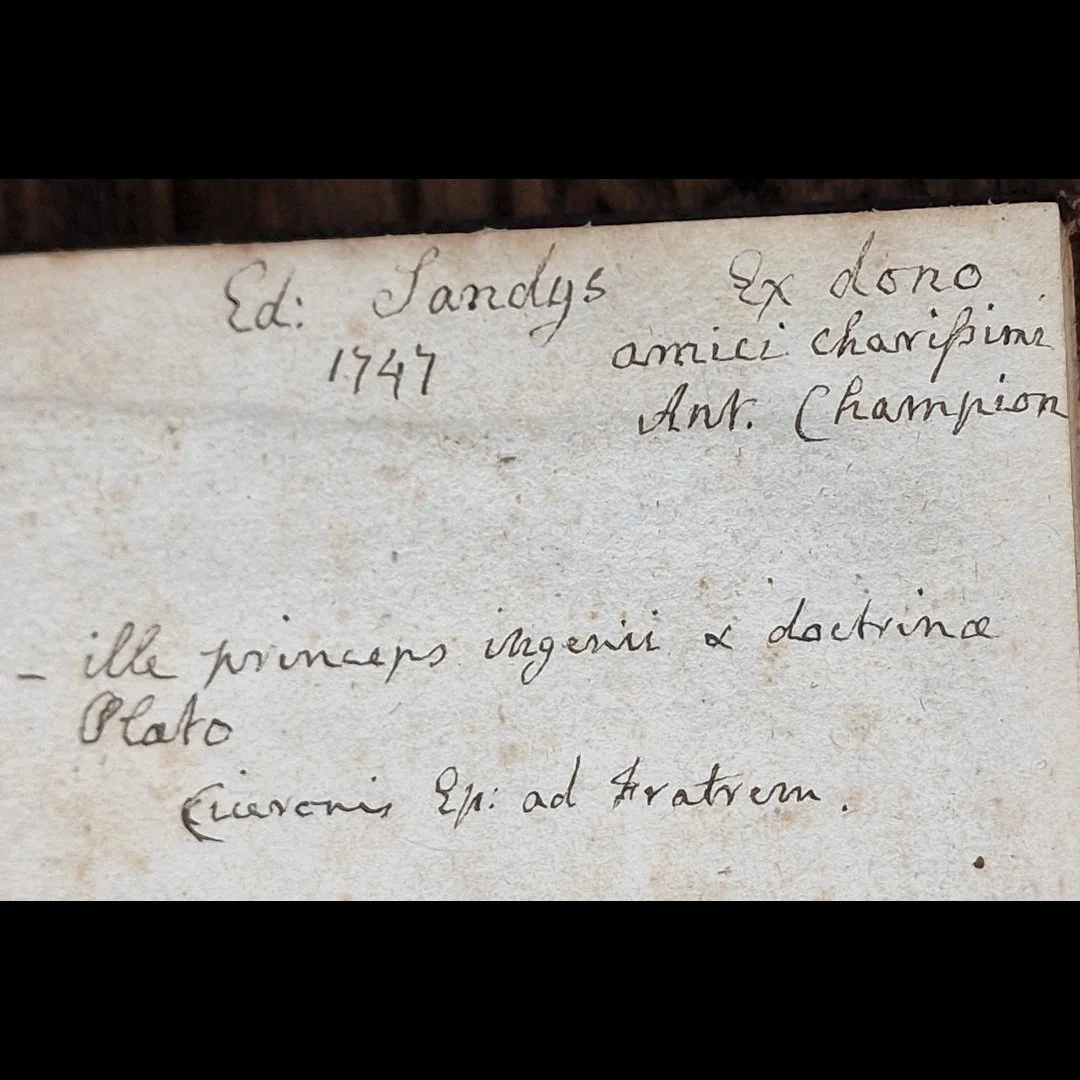
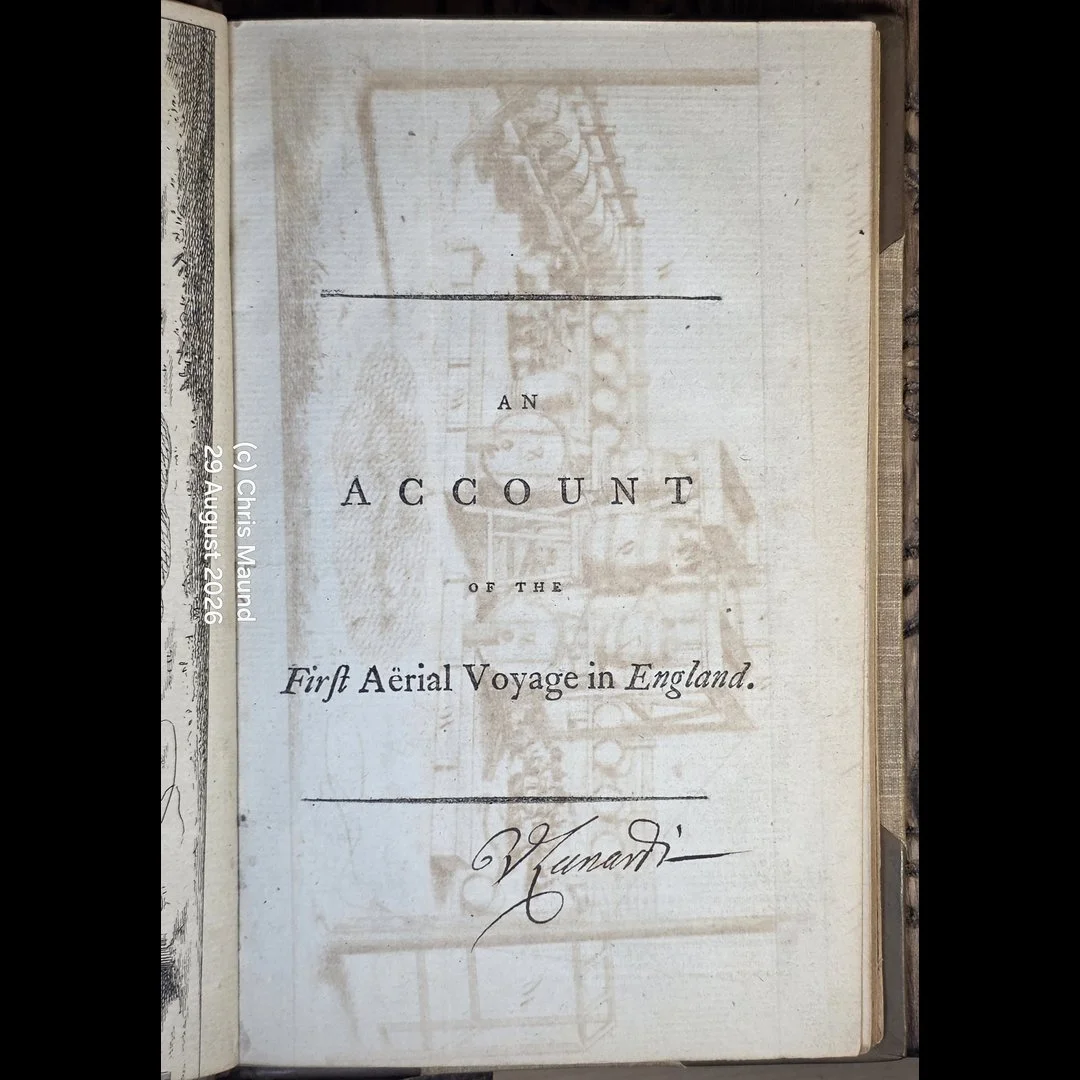
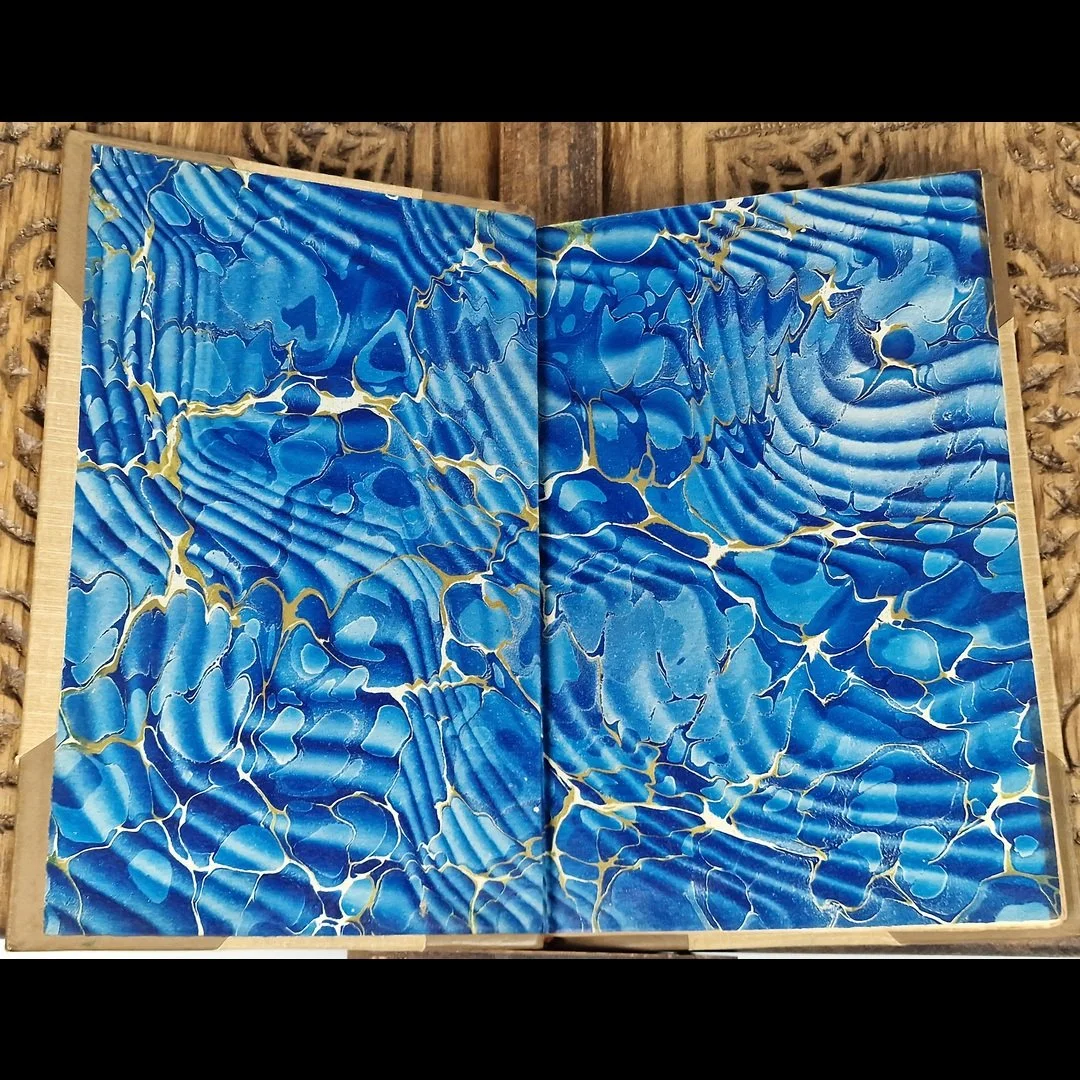
Of particular interest, the front flyleaf contains an early manuscript series of Latin moral verses concerning pleasure, suffering, patience and divine reward, followed by an early owner’s signature or inscription. The volume also retains marbled pastedowns, additional ownership inscriptions, institutional markings and a printed imperial privilege dated Vienna, 2 December 1749.
CONDITION, COLLATION & COPY NOTES
Red-and-black title page; decorative floral woodcut headpiece; ornamental initials and typographical decorations; terminal woodcut ornament; printed imperial privilege; contemporary full-calf binding with raised bands and gilt spine compartments; two lettering labels; marbled pastedowns; early manuscript Latin verses; early ownership inscriptions and institutional stamps.
A substantial and visually appealing eighteenth-century theological volume in its period full-calf binding. The binding shows considerable age-related wear, including rubbing, scuffing and surface marking to both boards; worn and rounded corners; and dry, cracked and abraded leather.
There is substantial loss of leather at both the head and foot of the spine, exposing portions of the underlying structure and edges of the gatherings. The gilt spine decoration and raised bands remain visible. Both lettering labels survive and remain substantially legible, although rubbed, cracked and worn. The binding should be handled with appropriate care.
The red-and-black title page is present and remains attractive, with old handwritten ownership inscriptions, shelf marks and institutional stamps. These include a Hungarian institutional or library stamp containing the words “NEM ADHATÓ EL”, meaning “not for sale.” Further early ownership markings occur within the volume.
The front flyleaf bears several manuscript Latin moral verses in an early hand, followed by a partially legible signature or ownership inscription. The manuscript material is an evocative record of the book’s historical clerical or devotional use.
Internally, the paper is generally sound and the printed text remains clear and readable. General age-toning, scattered foxing, occasional staining and soiling, handling marks, creased corners and occasional small marginal or edge tears are present. A number of leaves show historic folds or creases, but no substantial loss of printed text is apparent.
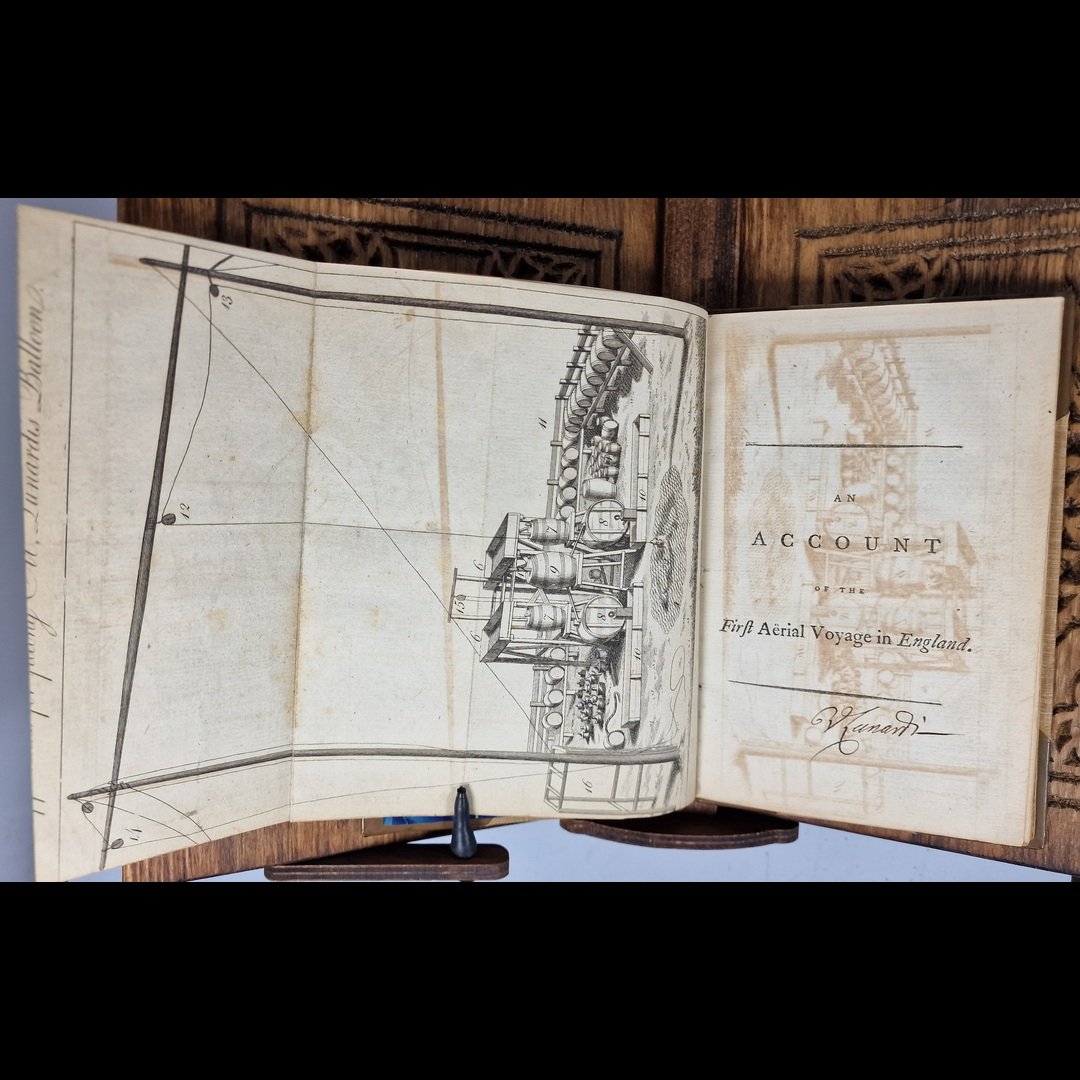
The marbled pastedowns survive, with expected rubbing, soiling and wear around the edges and gutters. The printed imperial privilege leaf, decorative woodcut material and terminal leaves shown in the photographs are present.
Tomes I and II are both contained in the volume.
A characterful working copy of an extensive eighteenth-century Franciscan sermon manual, notable for its red-and-black title page, manuscript Latin verses, ecclesiastical provenance and original decorated calf binding. The substantial spine wear reflects prolonged historical use but does not detract from the legibility or documentary interest of the volume.
Please see Photos as part of condition report.
REFERENCES
Tibor Martí, A füleki ferences rendház régi állománya: Katalógus, entry 1056.
Dictionnaire de théologie catholique, s.v. “Letins, Constantin.”
Digitised 1754 copy from the University of Lucerne, Google Books.
SYNOPSIS
Theologia concionatoria is an extensive manual of sermon theology rather than a continuous speculative treatise. Its purpose is to provide clergy with doctrinal explanations, moral arguments, biblical examples and practical material suitable for preaching.
Tome I approaches the Ten Commandments as a framework for Christian moral teaching. Its sermons range across divine and ecclesiastical law, religious duties, family relationships, fasting, marriage, obedience, justice, property, truthfulness and the avoidance of sin. The included exordia supply adaptable openings for sermons preached throughout the liturgical year.
Tome II turns to the theology and pastoral administration of penance. It discusses contrition, confession and satisfaction, combining sacramental teaching with practical reflections for confessors and parish clergy.
The work offers a substantial record of Catholic preaching culture in the early eighteenth century and of the ways theology was adapted for pastoral instruction before a congregation.
AUTHOR BIO
Constantin Letins, who died in 1714, was a Friar Minor Recollect of the Province of St Joseph in Flanders. He served as a Flemish-language preacher at Liège Cathedral and was known for his learning, piety and success in the pulpit.
His principal work, Theologia concionatoria docens et movens, was composed in Latin as a practical aid for Catholic preachers. Originally published in a series of separate parts during the early eighteenth century, it brought theological and moral instruction into sermon form and was sufficiently useful to receive numerous subsequent editions.
1754 Seventh Edition
THEOLOGIA CONCIONATORIA TOM I AND II
By Constantin Letins
KEY DETAILS
Condition: Good
Format: Leather, quarto (4to 9 1⁄2 × 12 in 241 × 305 mm )
Note: Binding/size selection follows standard bibliographic conventions and is approximate; exact measurements may vary.
Published By: Coloniae & Francofurti [Cologne and Frankfurt], sumptibus Viduae Petri Pütz & Filii Bibliopolae, Germany, 1754
Language: Latin
Collation: Tome I: [12], 599 pages; Tome II: [12], 404, [12] pages. Complete.
Dust Jacket: None, as issued, No Jacket
SKU: BTETM0001986
Shipping Info: Approximate Package Dimensions H: 12.5, L: 30, W: 25 (Units: cm), W: 2Kg
Tracked Shipping, Insurance Coverage as per Customer Request
DESCRIPTION
Theologia Concionatoria TOM I and II
A substantial eighteenth-century Catholic preaching manual by the Flemish Recollect Franciscan Constantin Letins, issued at Cologne and Frankfurt in 1754 in its seventh revised edition.
The title page describes the edition as newly revised, corrected of numerous errors, and enlarged and clarified by a copious new index. Intended as a practical repertory for preachers and confessors, the work combines Catholic moral theology with extensive sermon material designed, in the words of the title, both to “teach and to move.”
Tome I is devoted principally to the Decalogue. Its sermons consider divine law, the Commandments, faith, worship, family and social obligations, chastity, property, truthfulness, virtue and sin. The volume also provides sermon openings or exordia adapted for the Sundays of the ecclesiastical year.
Tome II treats penance, including contrition, confession and sacramental satisfaction, with theological, moral and practical reflections intended particularly for priests and confessors. Together, the two tomes form an extensive working handbook of eighteenth-century Catholic preaching and pastoral instruction.
Both tomes are bound together in one contemporary full-calf volume with raised bands, gilt-decorated spine compartments and two lettering labels. The first title page is printed in red and black beneath a decorative floral woodcut headpiece. Further decorative initials, ornaments and a terminal woodcut appear throughout.
Of particular interest, the front flyleaf contains an early manuscript series of Latin moral verses concerning pleasure, suffering, patience and divine reward, followed by an early owner’s signature or inscription. The volume also retains marbled pastedowns, additional ownership inscriptions, institutional markings and a printed imperial privilege dated Vienna, 2 December 1749.
CONDITION, COLLATION & COPY NOTES
Red-and-black title page; decorative floral woodcut headpiece; ornamental initials and typographical decorations; terminal woodcut ornament; printed imperial privilege; contemporary full-calf binding with raised bands and gilt spine compartments; two lettering labels; marbled pastedowns; early manuscript Latin verses; early ownership inscriptions and institutional stamps.
A substantial and visually appealing eighteenth-century theological volume in its period full-calf binding. The binding shows considerable age-related wear, including rubbing, scuffing and surface marking to both boards; worn and rounded corners; and dry, cracked and abraded leather.
There is substantial loss of leather at both the head and foot of the spine, exposing portions of the underlying structure and edges of the gatherings. The gilt spine decoration and raised bands remain visible. Both lettering labels survive and remain substantially legible, although rubbed, cracked and worn. The binding should be handled with appropriate care.
The red-and-black title page is present and remains attractive, with old handwritten ownership inscriptions, shelf marks and institutional stamps. These include a Hungarian institutional or library stamp containing the words “NEM ADHATÓ EL”, meaning “not for sale.” Further early ownership markings occur within the volume.
The front flyleaf bears several manuscript Latin moral verses in an early hand, followed by a partially legible signature or ownership inscription. The manuscript material is an evocative record of the book’s historical clerical or devotional use.
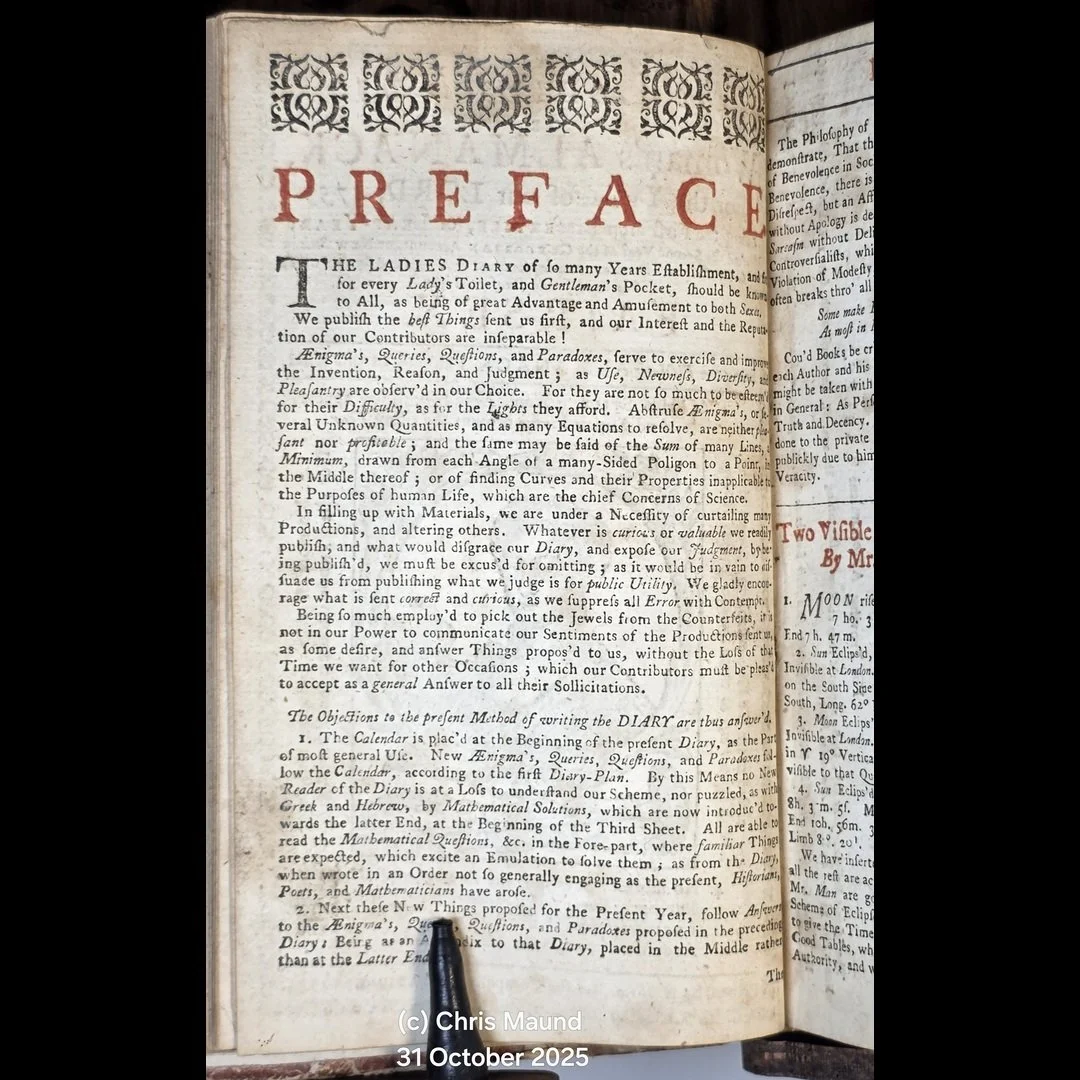
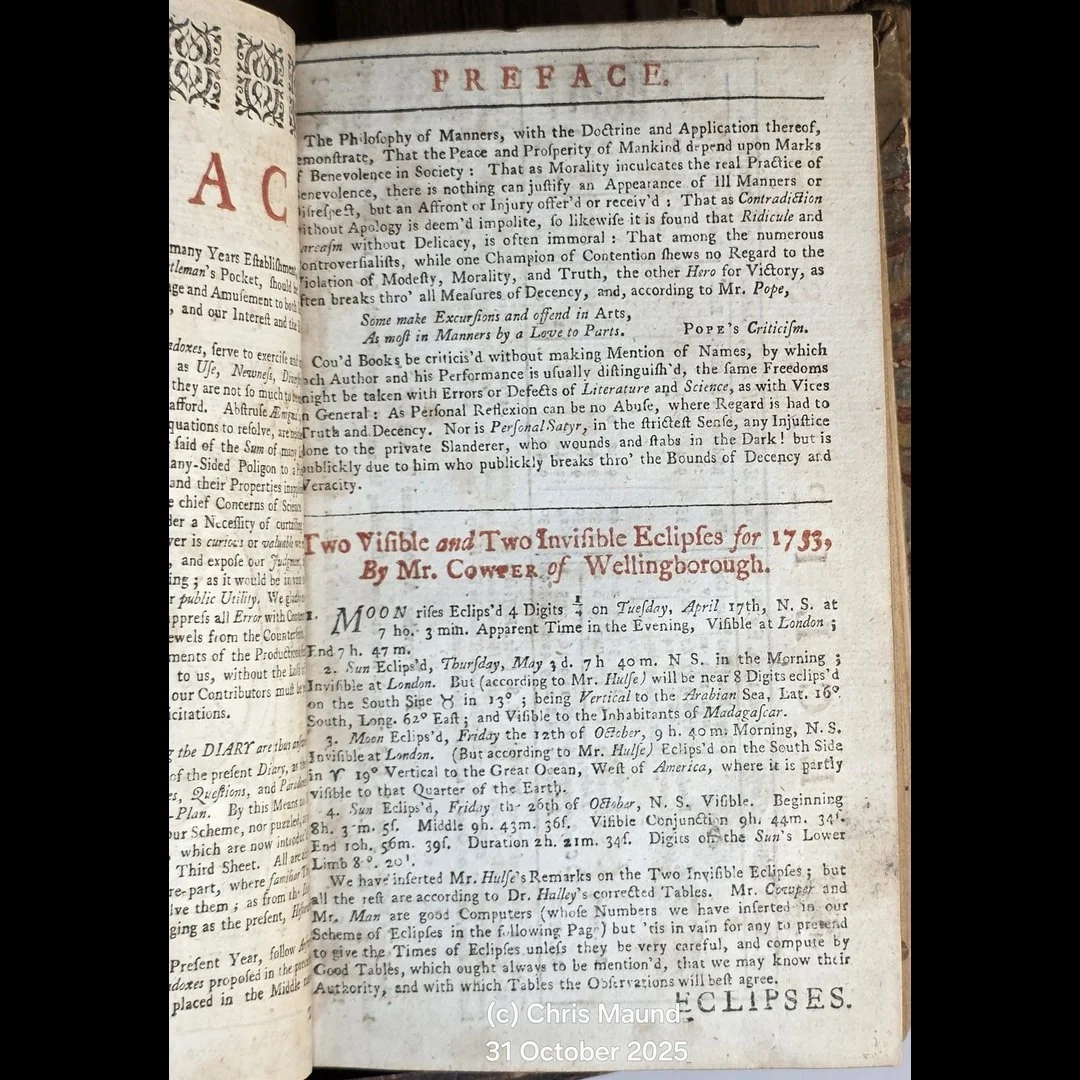
Internally, the paper is generally sound and the printed text remains clear and readable. General age-toning, scattered foxing, occasional staining and soiling, handling marks, creased corners and occasional small marginal or edge tears are present. A number of leaves show historic folds or creases, but no substantial loss of printed text is apparent.
The marbled pastedowns survive, with expected rubbing, soiling and wear around the edges and gutters. The printed imperial privilege leaf, decorative woodcut material and terminal leaves shown in the photographs are present.
Tomes I and II are both contained in the volume.
A characterful working copy of an extensive eighteenth-century Franciscan sermon manual, notable for its red-and-black title page, manuscript Latin verses, ecclesiastical provenance and original decorated calf binding. The substantial spine wear reflects prolonged historical use but does not detract from the legibility or documentary interest of the volume.
Please see Photos as part of condition report.
REFERENCES
Tibor Martí, A füleki ferences rendház régi állománya: Katalógus, entry 1056.
Dictionnaire de théologie catholique, s.v. “Letins, Constantin.”
Digitised 1754 copy from the University of Lucerne, Google Books.
SYNOPSIS
Theologia concionatoria is an extensive manual of sermon theology rather than a continuous speculative treatise. Its purpose is to provide clergy with doctrinal explanations, moral arguments, biblical examples and practical material suitable for preaching.
Tome I approaches the Ten Commandments as a framework for Christian moral teaching. Its sermons range across divine and ecclesiastical law, religious duties, family relationships, fasting, marriage, obedience, justice, property, truthfulness and the avoidance of sin. The included exordia supply adaptable openings for sermons preached throughout the liturgical year.
Tome II turns to the theology and pastoral administration of penance. It discusses contrition, confession and satisfaction, combining sacramental teaching with practical reflections for confessors and parish clergy.
The work offers a substantial record of Catholic preaching culture in the early eighteenth century and of the ways theology was adapted for pastoral instruction before a congregation.
AUTHOR BIO
Constantin Letins, who died in 1714, was a Friar Minor Recollect of the Province of St Joseph in Flanders. He served as a Flemish-language preacher at Liège Cathedral and was known for his learning, piety and success in the pulpit.
His principal work, Theologia concionatoria docens et movens, was composed in Latin as a practical aid for Catholic preachers. Originally published in a series of separate parts during the early eighteenth century, it brought theological and moral instruction into sermon form and was sufficiently useful to receive numerous subsequent editions.

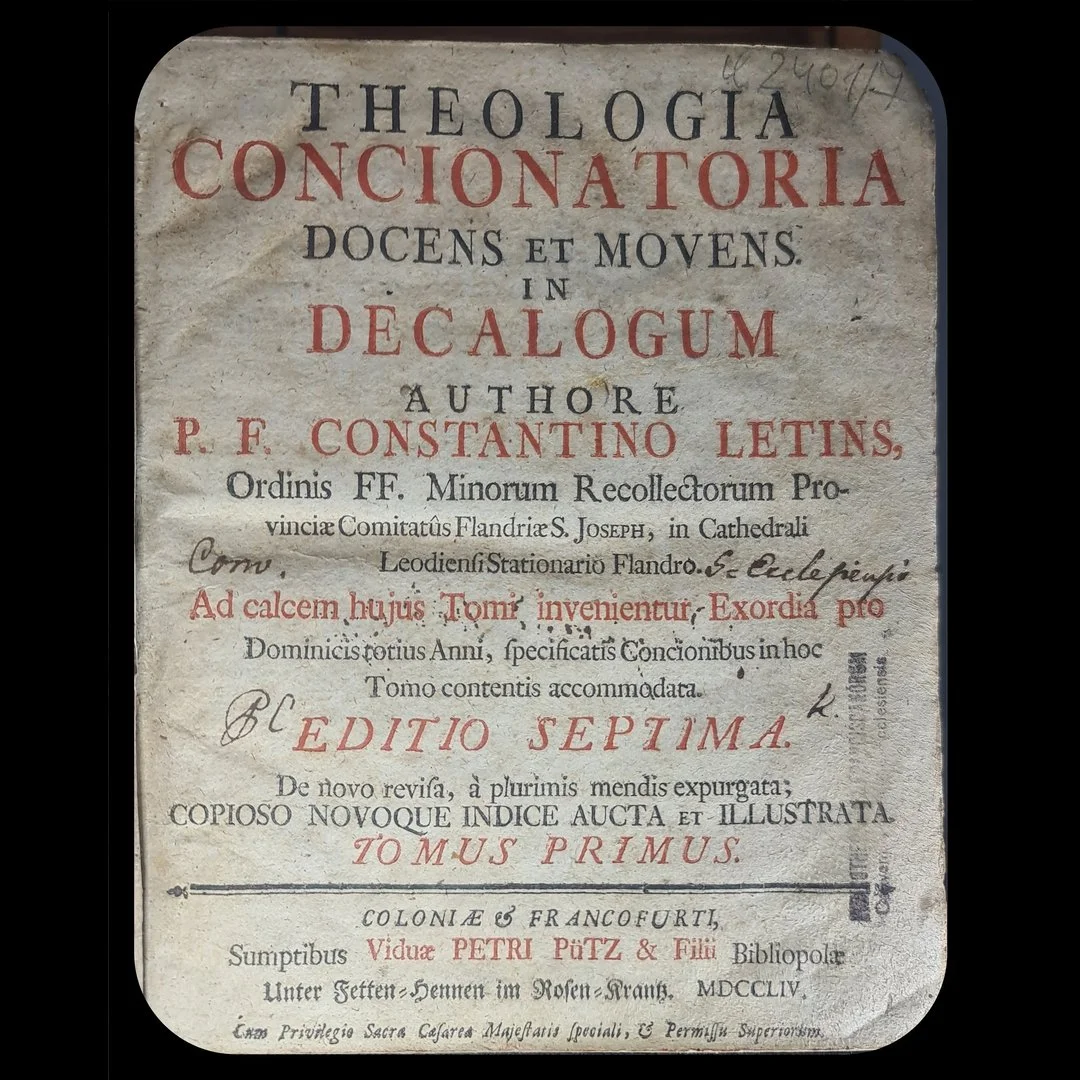 Image 1 of 23
 Image 2 of 23
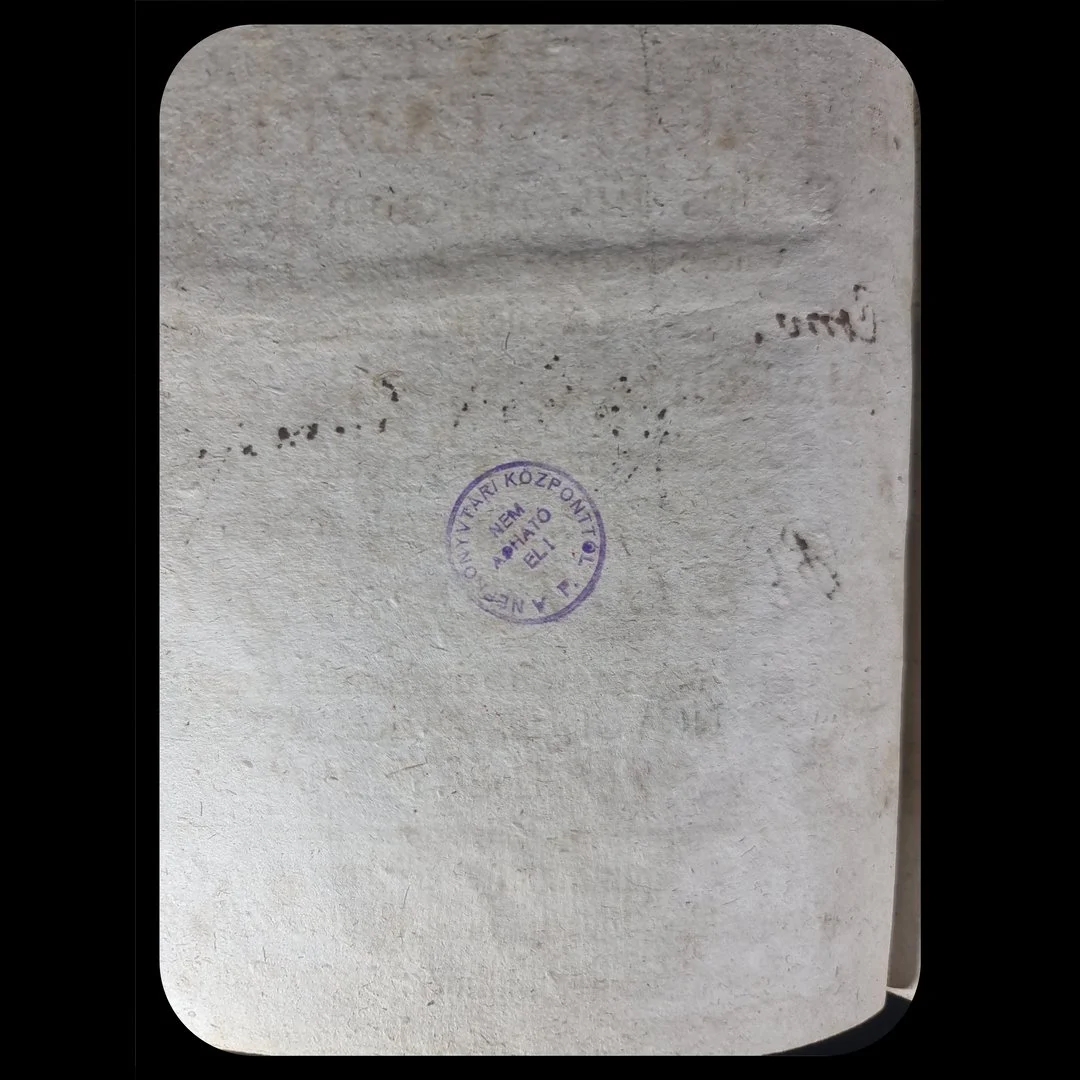 Image 3 of 23
 Image 4 of 23
 Image 5 of 23
 Image 6 of 23
 Image 7 of 23
 Image 8 of 23
 Image 9 of 23
 Image 10 of 23
 Image 11 of 23
 Image 12 of 23
 Image 13 of 23
 Image 14 of 23
 Image 15 of 23
 Image 16 of 23
 Image 17 of 23
 Image 18 of 23
 Image 19 of 23
 Image 20 of 23
 Image 21 of 23
 Image 22 of 23
 Image 23 of 23