1644 Second Elzevir Edition
GRAECORUM RESPUBLICAE
By Ubbo Emmius
KEY DETAILS
Condition: Very Good
Format: Vellum, Vicesimo-quarto or “twenty-fourmo” (24mo 4 ½ x 2 ¾ in 110 x 70 mm )
Note: Binding/size selection follows standard bibliographic conventions and is approximate; exact measurements may vary.
Published By: Leiden (Lugduni Batavorum): Ex Officina Elzeviriana, Lugduni Batavorum, 1644
Language: Latin
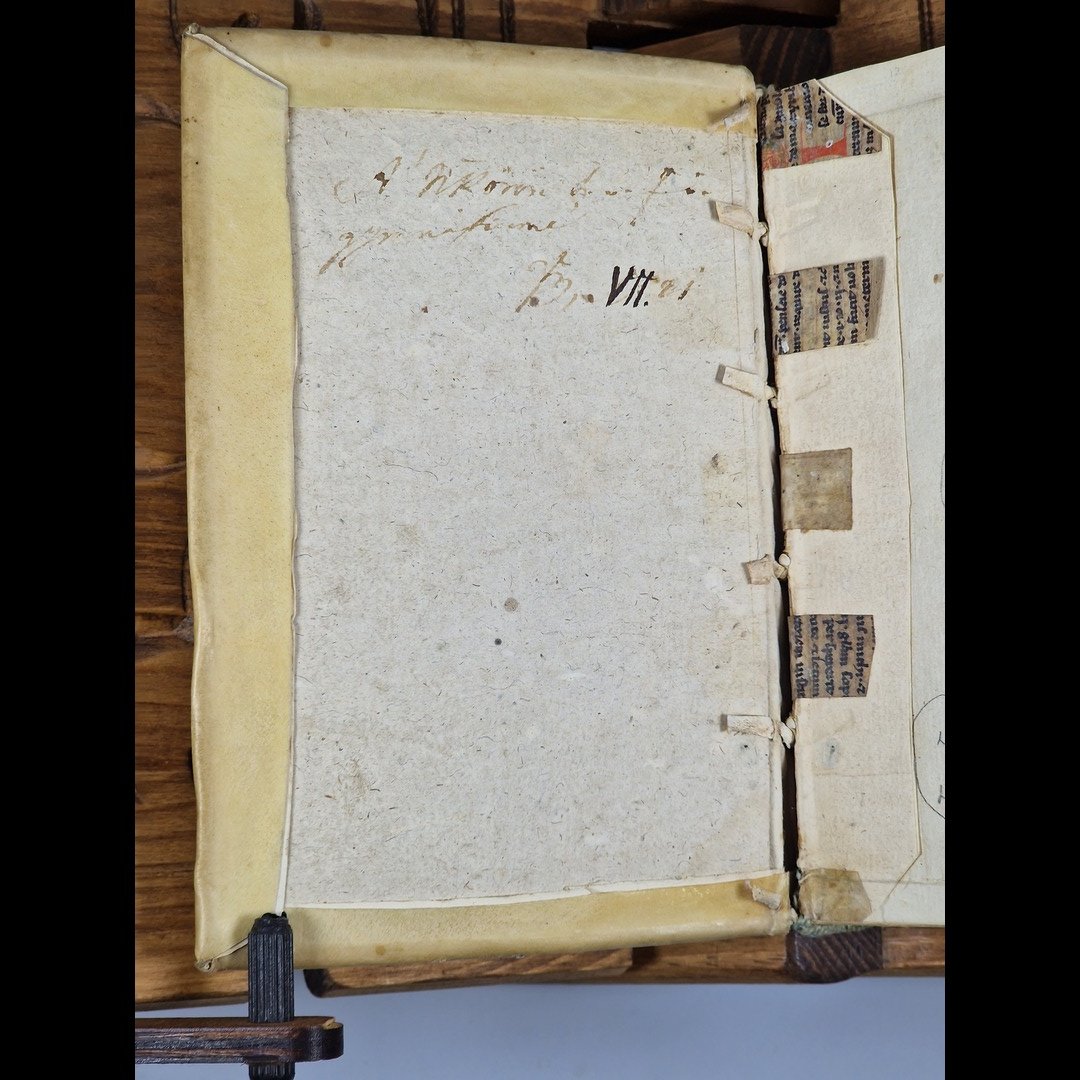
Provenance: With an early ownership inscription to the front blank dated 1734, the owner's name not confidently deciphered.
Collation: Part I: 413, [3] pp.; Part II: 300, [3] pp.
Dust Jacket: None, as issued
SKU: BTETM0001995
Shipping Info: Approximate Package Dimensions H: 12.5, L: 30, W: 25 (Units: cm), W: 2Kg
Tracked Shipping, Insurance Coverage as per Customer Request
DESCRIPTION
Graecorum respublicae
Graecorum Respublicae ab Ubbone Emmio descriptae.
Lugduni Batavorum [Leiden]: Ex Officina Elzeviriana, 1632 [i.e. 1644].
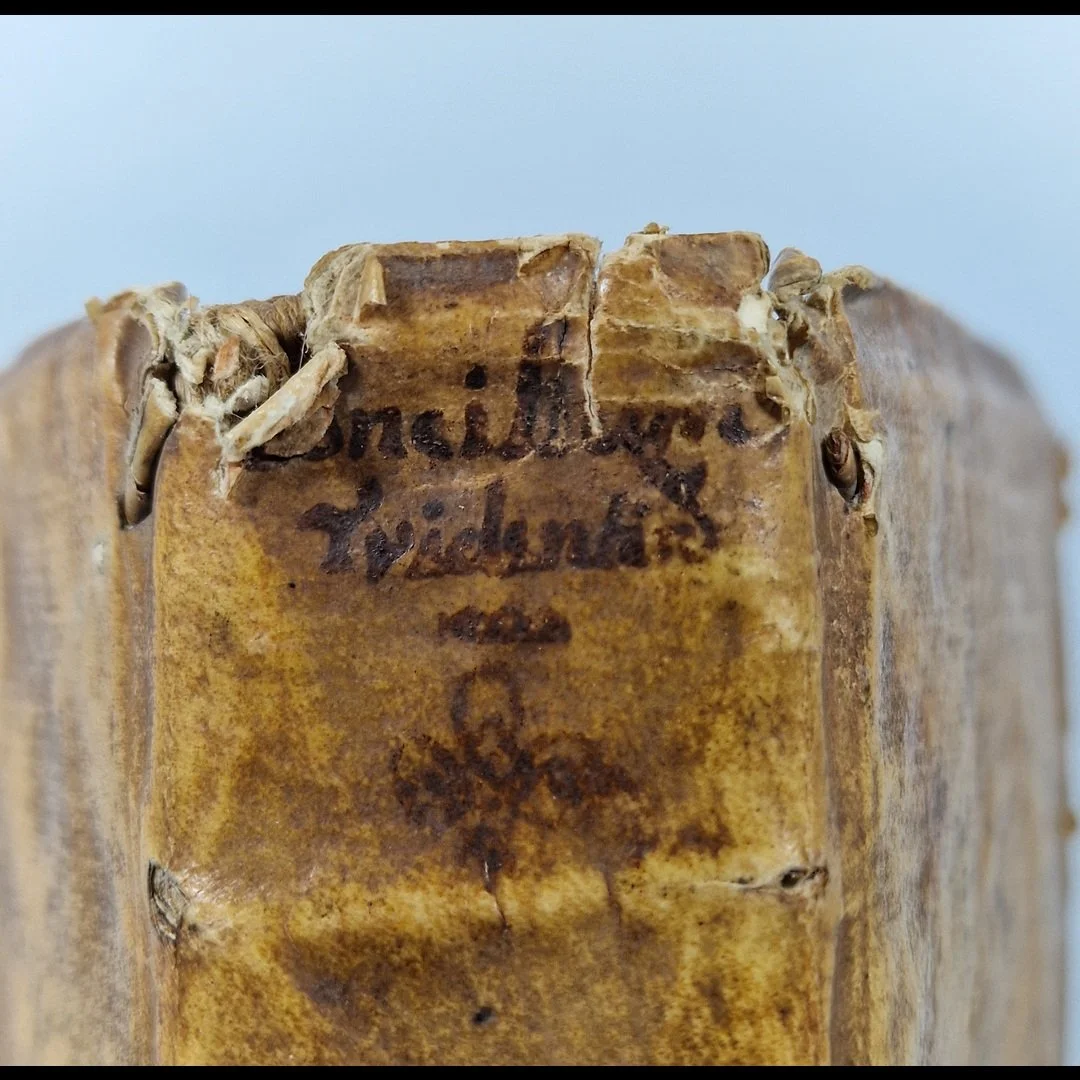
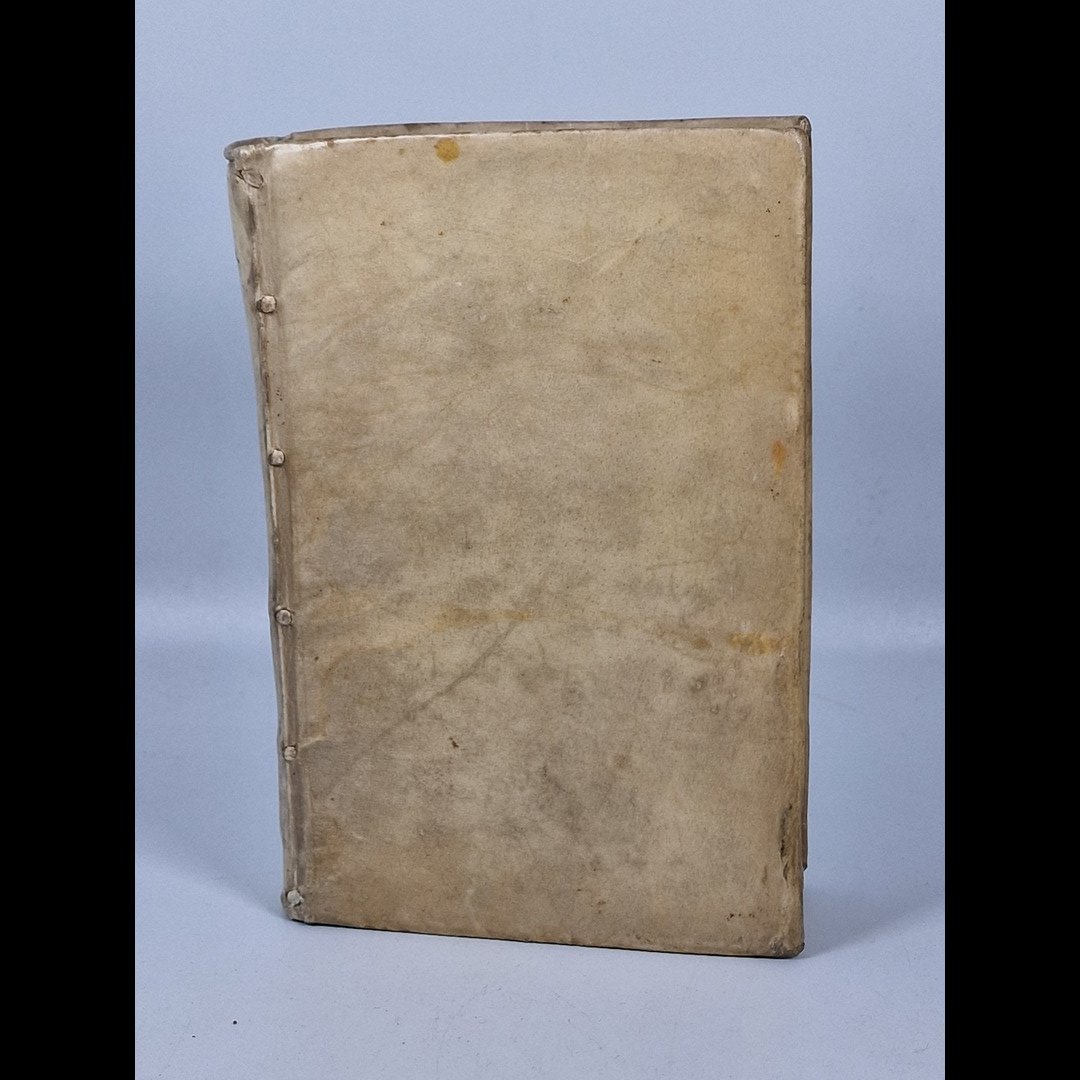
Second Elzevir edition, retaining the 1632-dated engraved title to Part I; Part II dated 1644. 24mo. Contemporary vellum with manuscript spine titling and red-stained edges. Engraved architectural title by C. C. Duysend. 413, [3]; 300, [3] pp.
A handsome and characterful copy of Ubbo Emmius’s influential study of the constitutions and political institutions of the ancient Greek states, issued by the Elzevir press in its celebrated pocket-format series of works on states and republics.
Ubbo Emmius’s Graecorum Respublicae is an important early seventeenth-century study of ancient constitutional government, examining not merely the history of Greece but the political structures by which its principal cities, states and confederacies were governed.
The work had originally formed the third part of Emmius’s larger Vetus Graecia Illustrata and was subsequently issued separately by the Elzevirs. This second Elzevir edition presents an unusual but bibliographically established mixed-date form: the engraved title to the first part retains the date 1632, while the second part is dated 1644. Contemporary catalogues accordingly describe the edition as 1632 [i.e. 1644].
Part I is principally concerned with the constitutions of Athens and Sparta, tracing the development of their laws, magistracies, assemblies and systems of government. Emmius examines the distinctive political character of the two great Greek powers and the causes of their respective strength and decline.
Part II considerably broadens the survey, treating the constitutions and political organisation of numerous other states and confederacies, including Crete, Argos, Thebes, Corinth, Syracuse, Corcyra, Samos, Chios, Rhodes, the Achaean and Aetolian Leagues, Acarnania, Epirus, the Amphictyonic League, Massalia and Lycia, together with a substantial account of the Carthaginian republic.
The result is less a conventional history of ancient Greece than a comparative study of political organisation: monarchy, aristocracy, democracy, mixed constitutions, leagues and federations. It therefore occupies an interesting place not only in classical scholarship but in the early-modern history of political and constitutional thought.
Of particular later relevance is Emmius’s treatment of the Achaean and Lycian confederacies. His analysis became part of the body of classical constitutional scholarship consulted by James Madison during his preparation for the American Constitutional Convention of 1787. Madison’s surviving notes on ancient confederacies explicitly cite Emmius when considering Greek federal structures. The connection should not be taken to imply that Madison consulted this particular Elzevir edition, but it illustrates the continued importance of Emmius’s work in eighteenth-century discussions of republican and federal government.
The book is also a representative example of the small-format political and geographical publications for which the Elzevir press became particularly celebrated: compact, scholarly volumes intended to place substantial historical and political learning into a portable form.
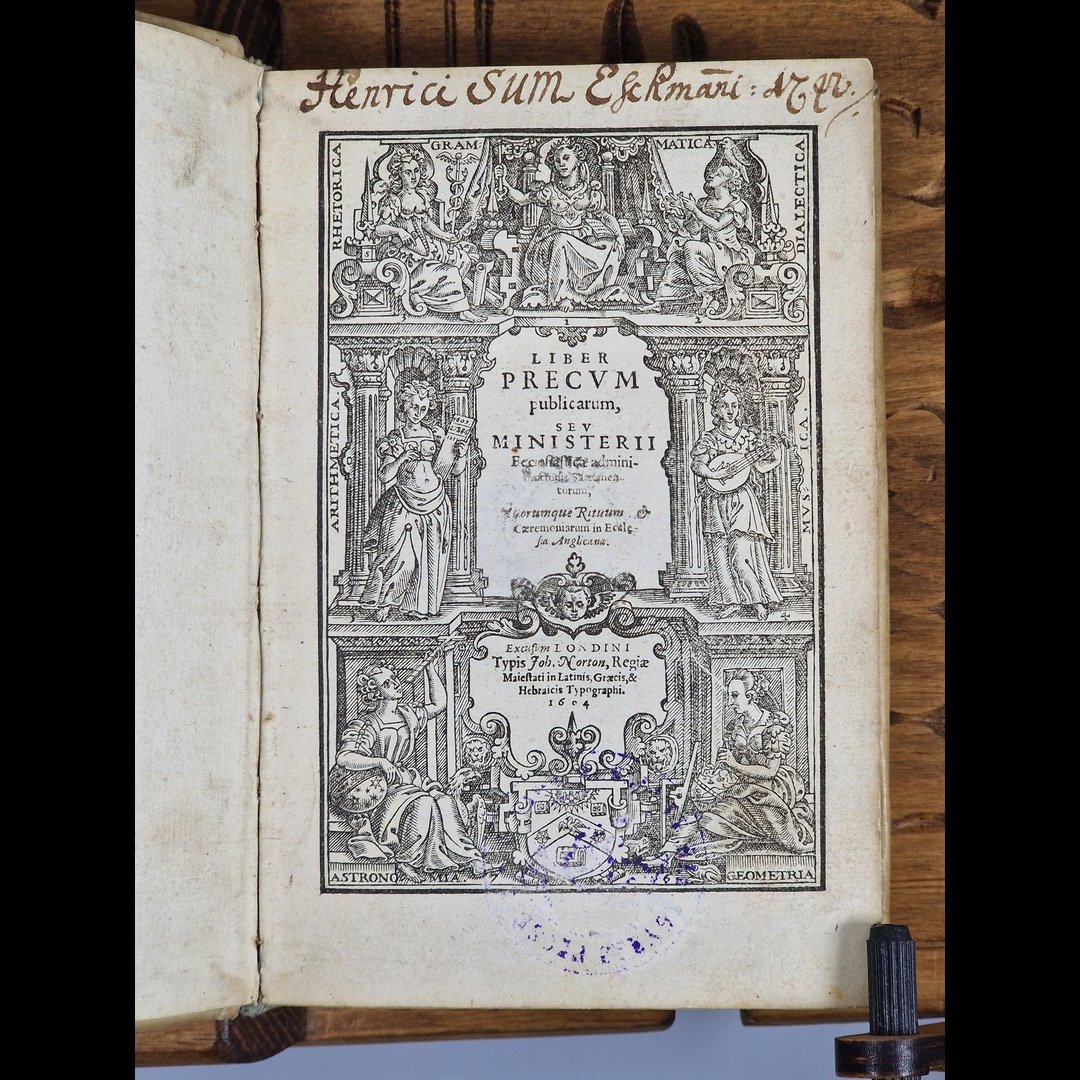
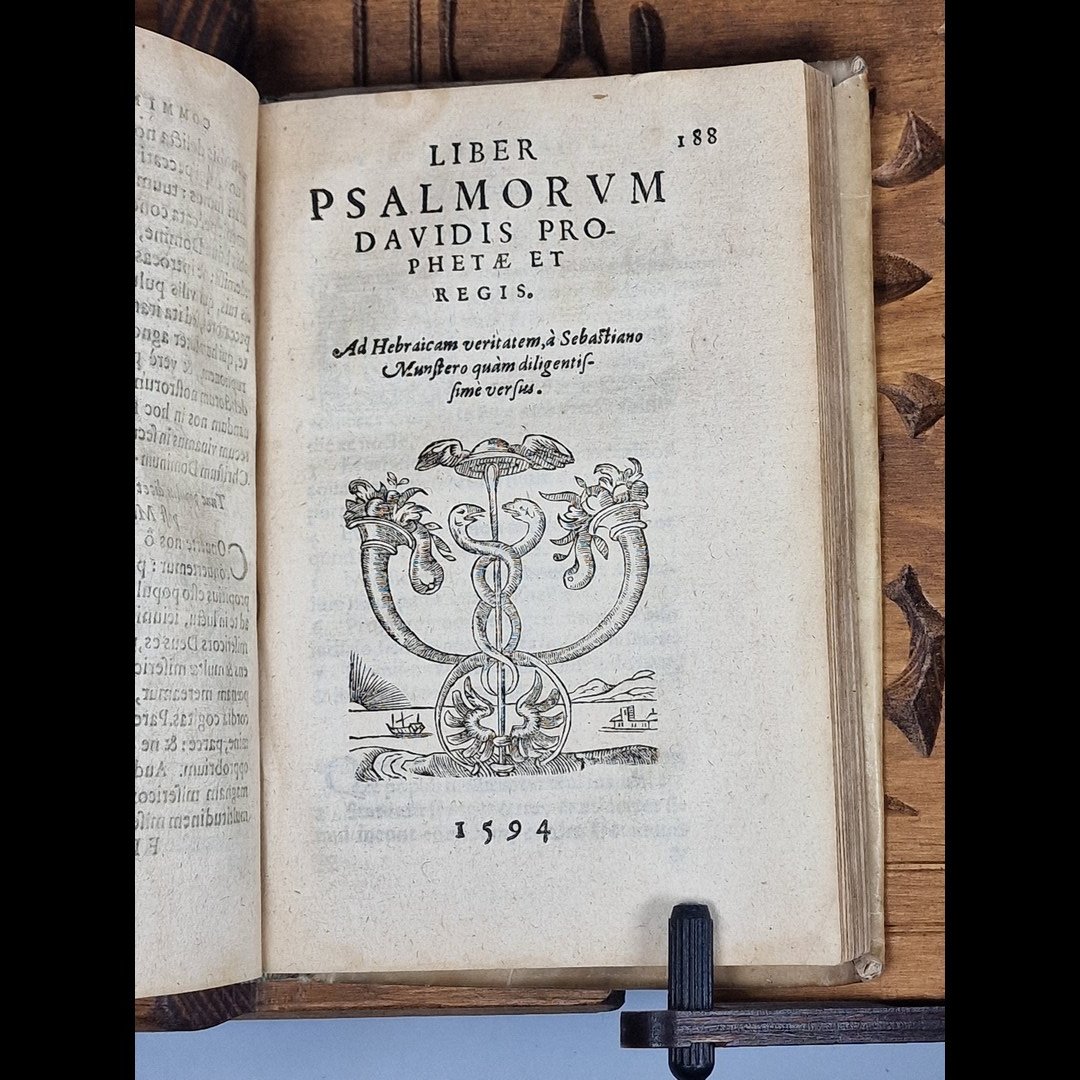
The engraved architectural title to Part I, signed C. C. Duysend, is an attractive example of Elzevir book illustration and survives here with good margins.
PROVENANCE
With an early ownership inscription to the front blank dated 1734, the owner's name not confidently deciphered.
From the library of Donald L. Cumming (20th century), British antiquarian book collector and long-standing member of the London Topographical Society, with his characteristic ownership inscription in blue ink.
Cumming assembled a substantial scholarly antiquarian library with particular strengths in early printed classics, Renaissance humanism, British history and the productions of the Aldine, Giunta, Plantin and Elzevir presses. Surviving books from his library include incunabula, early-sixteenth-century classical and humanist texts, Aldines, Plantins and numerous seventeenth-century Elzevir editions.
His collection also included books with significant earlier provenance, including volumes formerly belonging to such collectors as Richard Heber, Narcissus Luttrell and Dmitri Boutourlin, suggesting that provenance itself formed part of Cumming’s collecting interests.
Portions of the library were dispersed through Sotheby’s and Dominic Winter from 2021 onwards. Dominic Winter sold a separate group of seven Elzevir volumes from Cumming’s collection in September 2021, demonstrating that Elzevir printing formed a distinct strand within the library.
The present volume was acquired as part of a further collection of ten seventeenth-century Elzevir books from Cumming’s library, sold together by TW Gaze, 1 September 2022, lot 5122A.
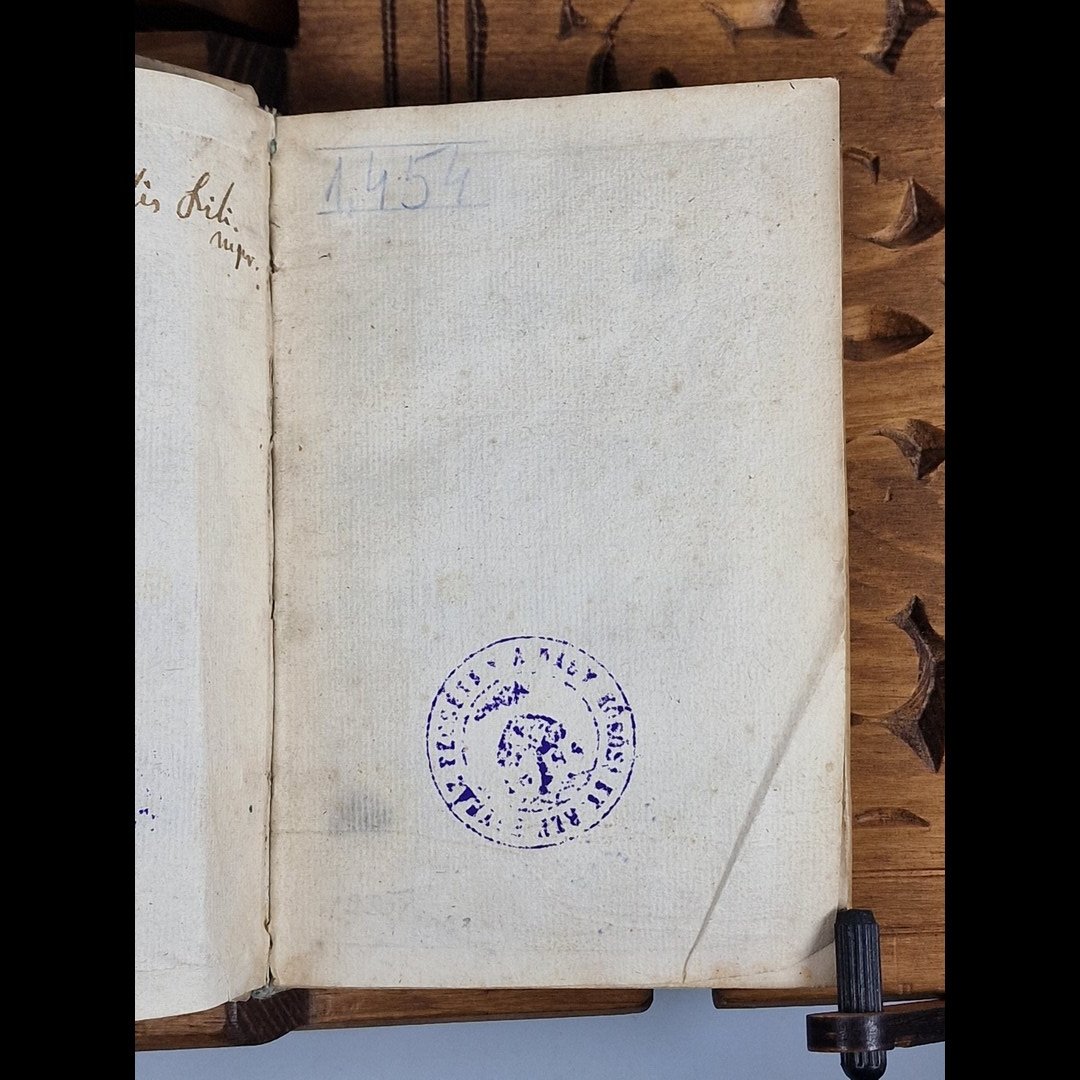
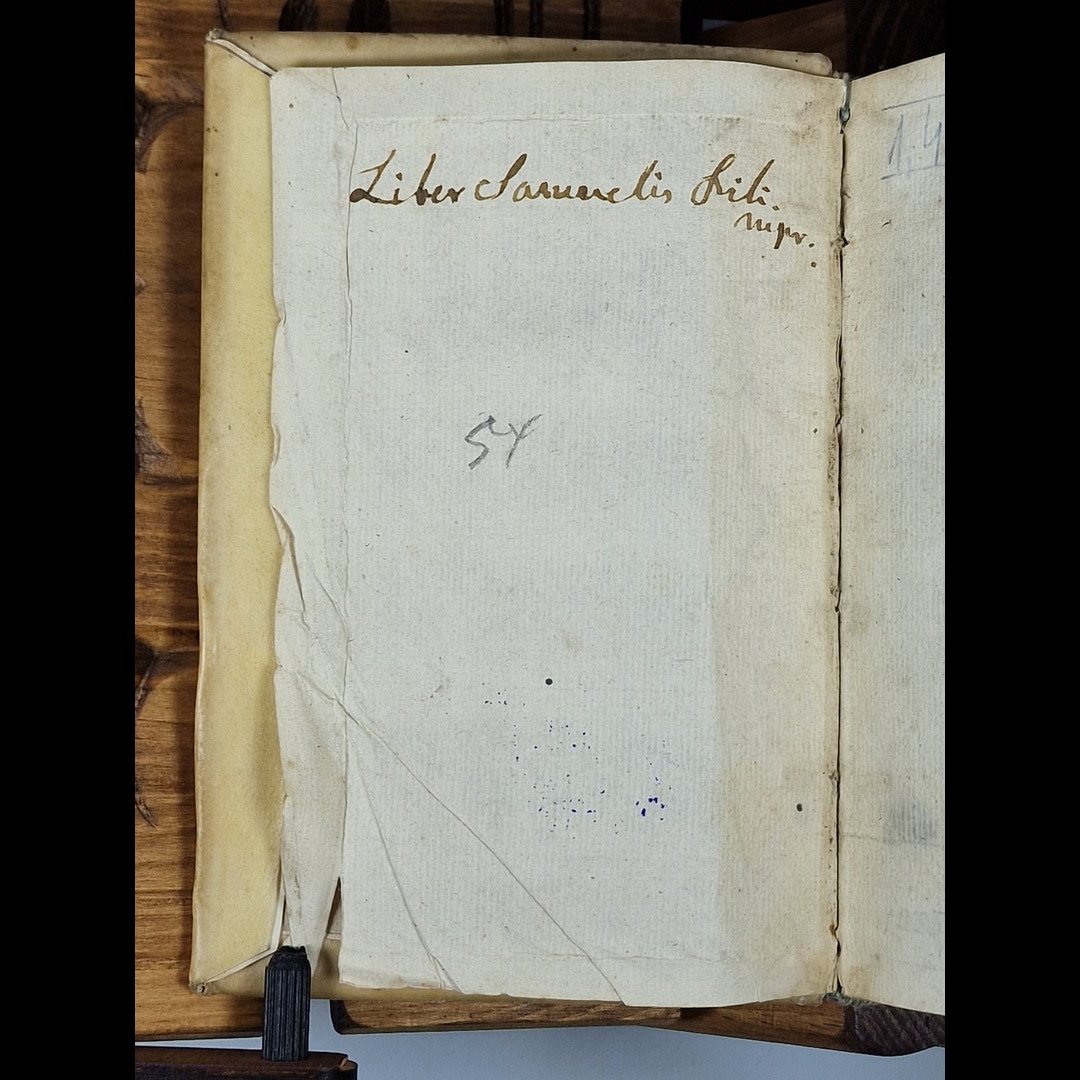
Further traces of earlier library use include the residue of a removed label to the front pastedown.
CONDITION, COLLATION & COPY NOTES
COLLATION
Part I: 413, [3] pp.
Part II: 300, [3] pp.
The pagination agrees with recognised complete examples of the 1644 second Elzevir edition.
An attractive, complete and bibliographically interesting copy, retaining its contemporary vellum binding, manuscript spine titling and red-stained edges.
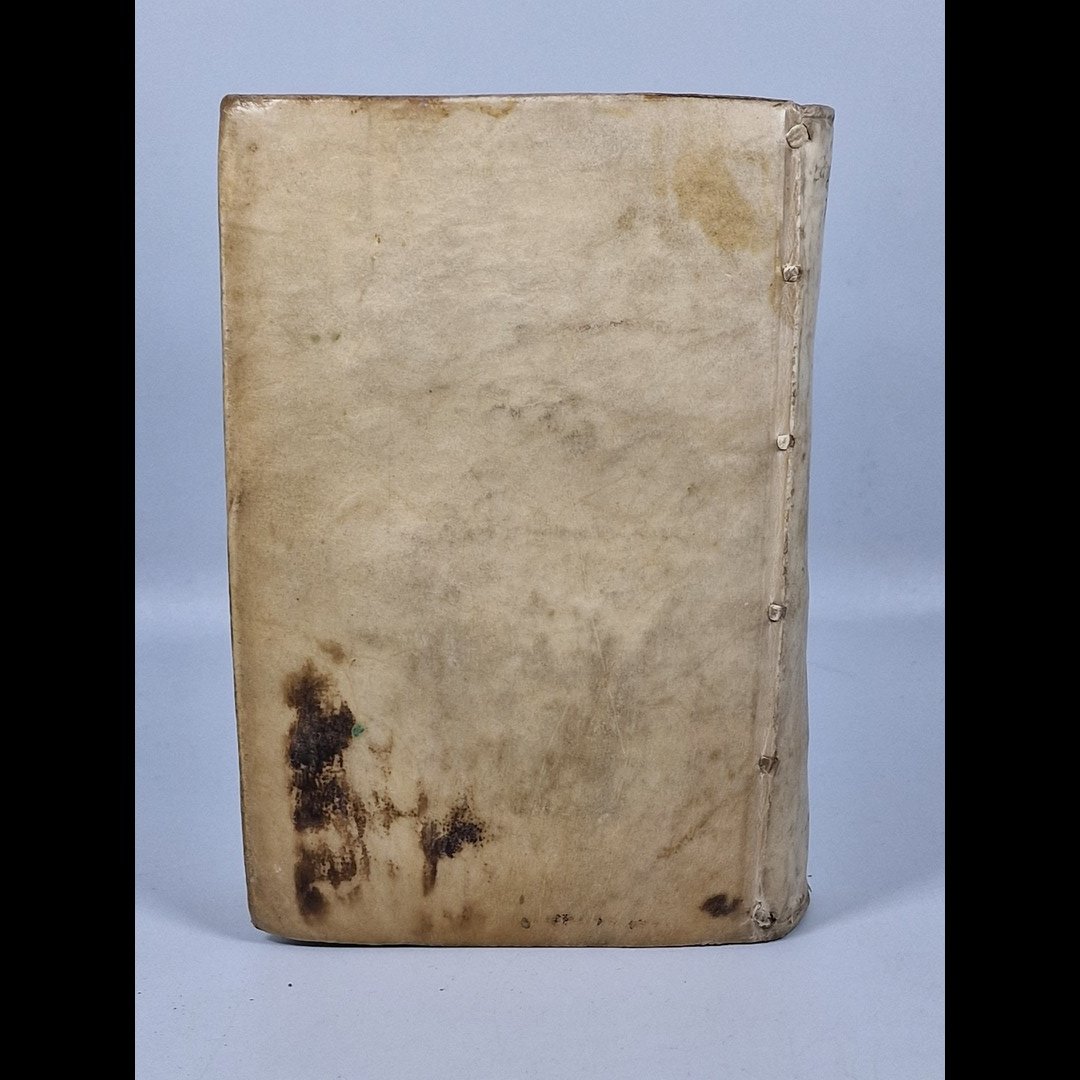
24mo. Contemporary vellum over boards, with faded manuscript lettering to the spine and red-stained edges.
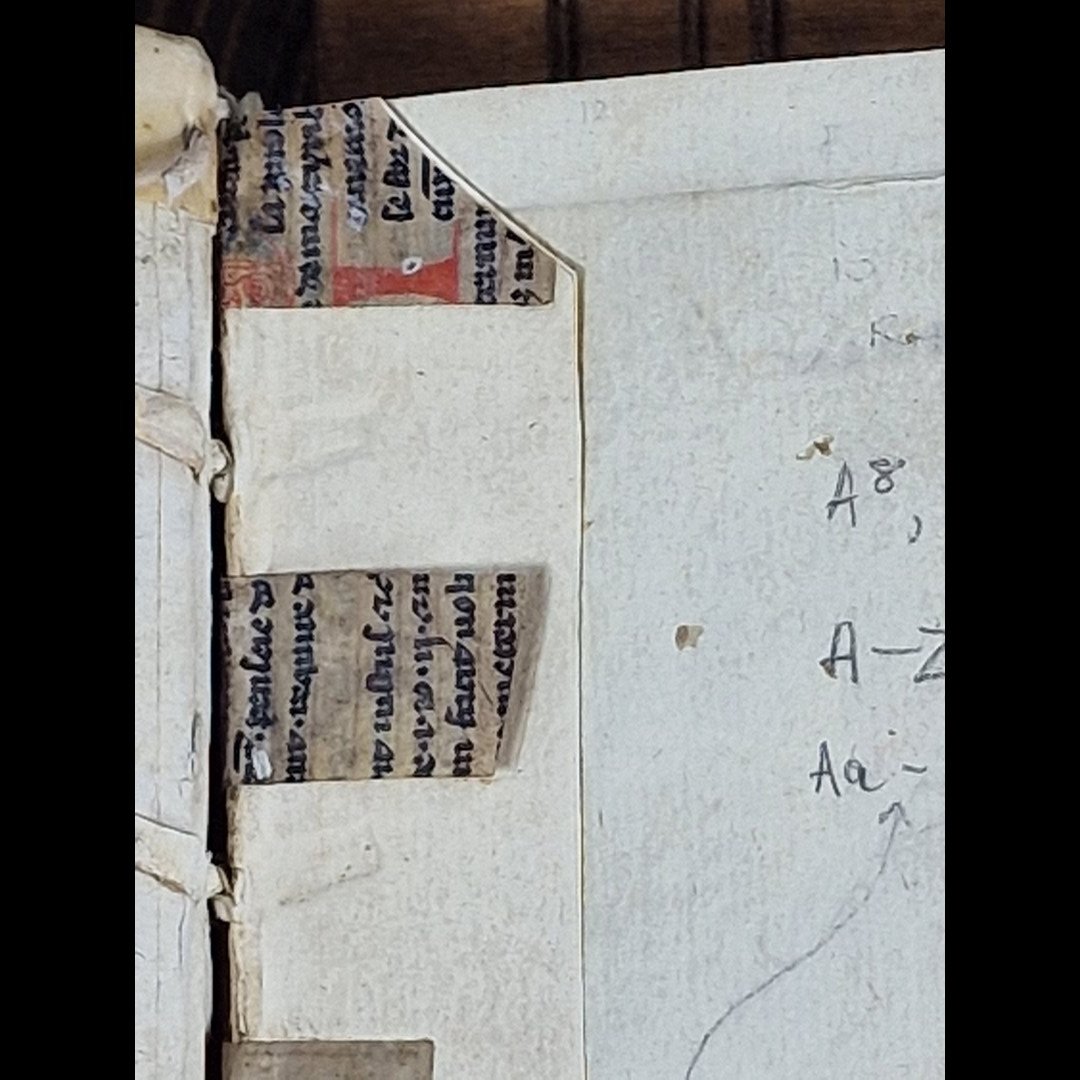
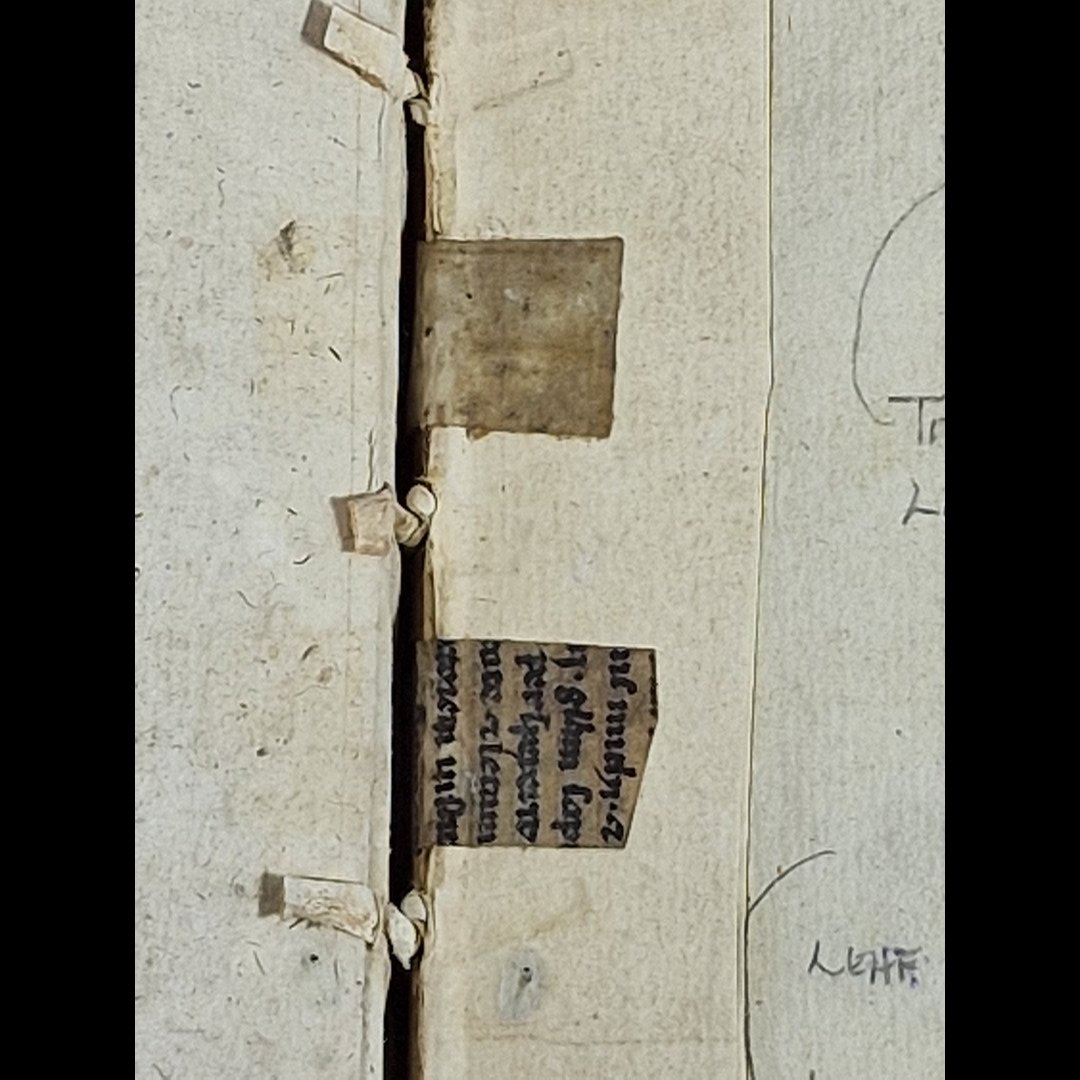
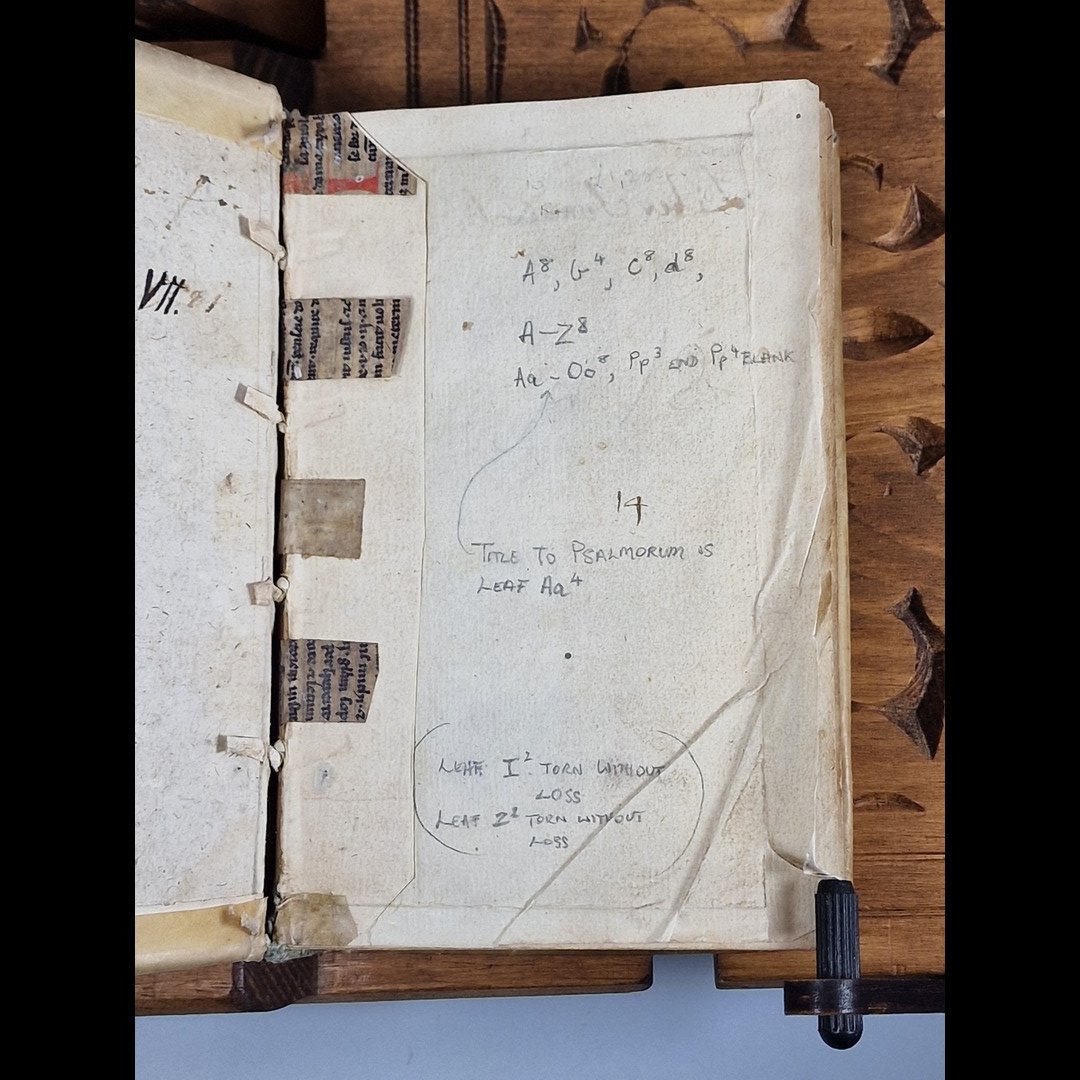
The binding shows the expected age-toning, surface marking and handling wear associated with seventeenth-century vellum, with rubbing and wear to the extremities, particularly around the spine ends and corners. Nevertheless, the binding remains attractive and retains a pleasingly authentic early appearance.
The engraved title is well preserved, with a strong impression and satisfactory margins.
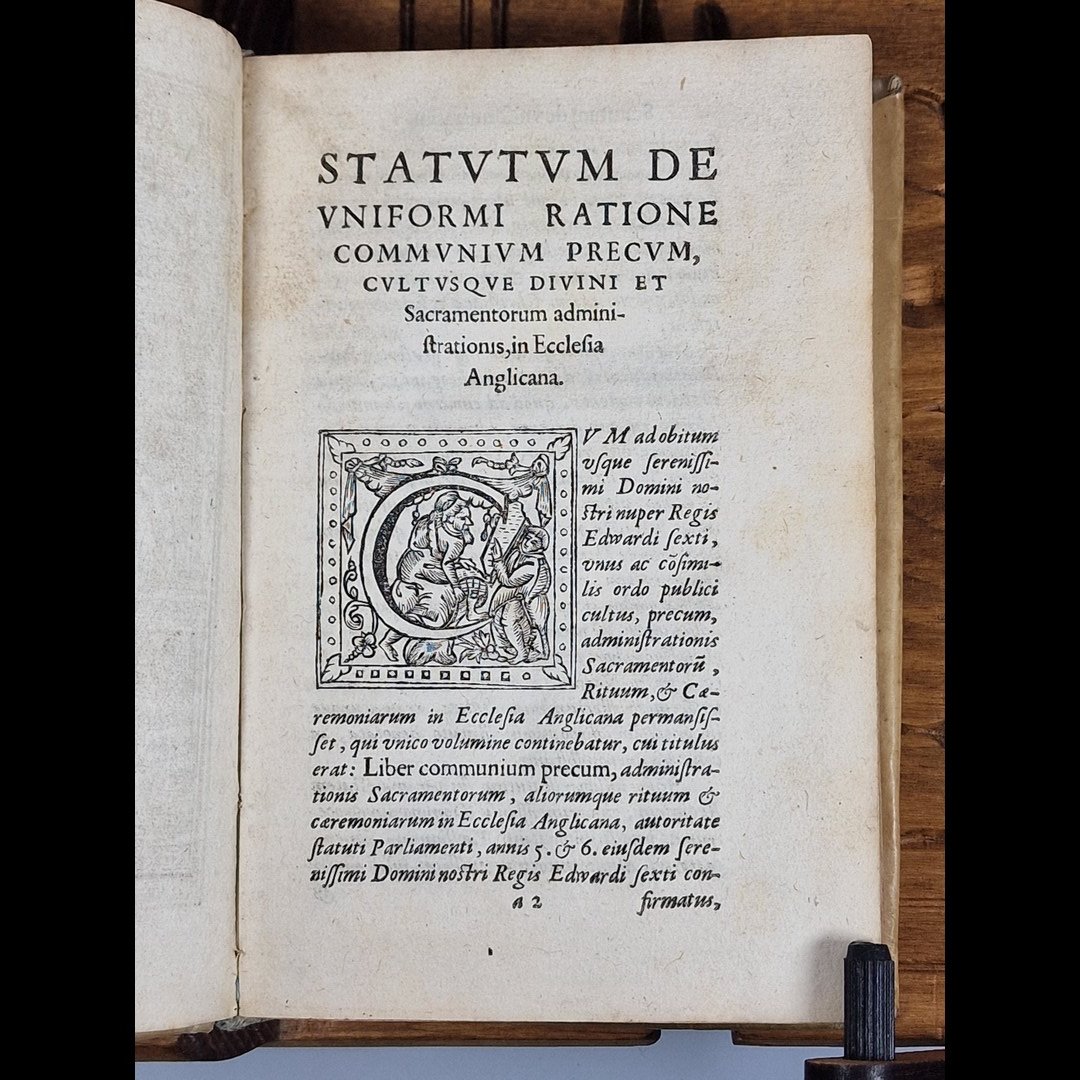
Internally generally clean and crisp for a book of this age, with occasional light spotting, toning and minor age-related marking. Some leaves show the inevitable minor handling wear associated with a small-format volume intended for regular scholarly use.
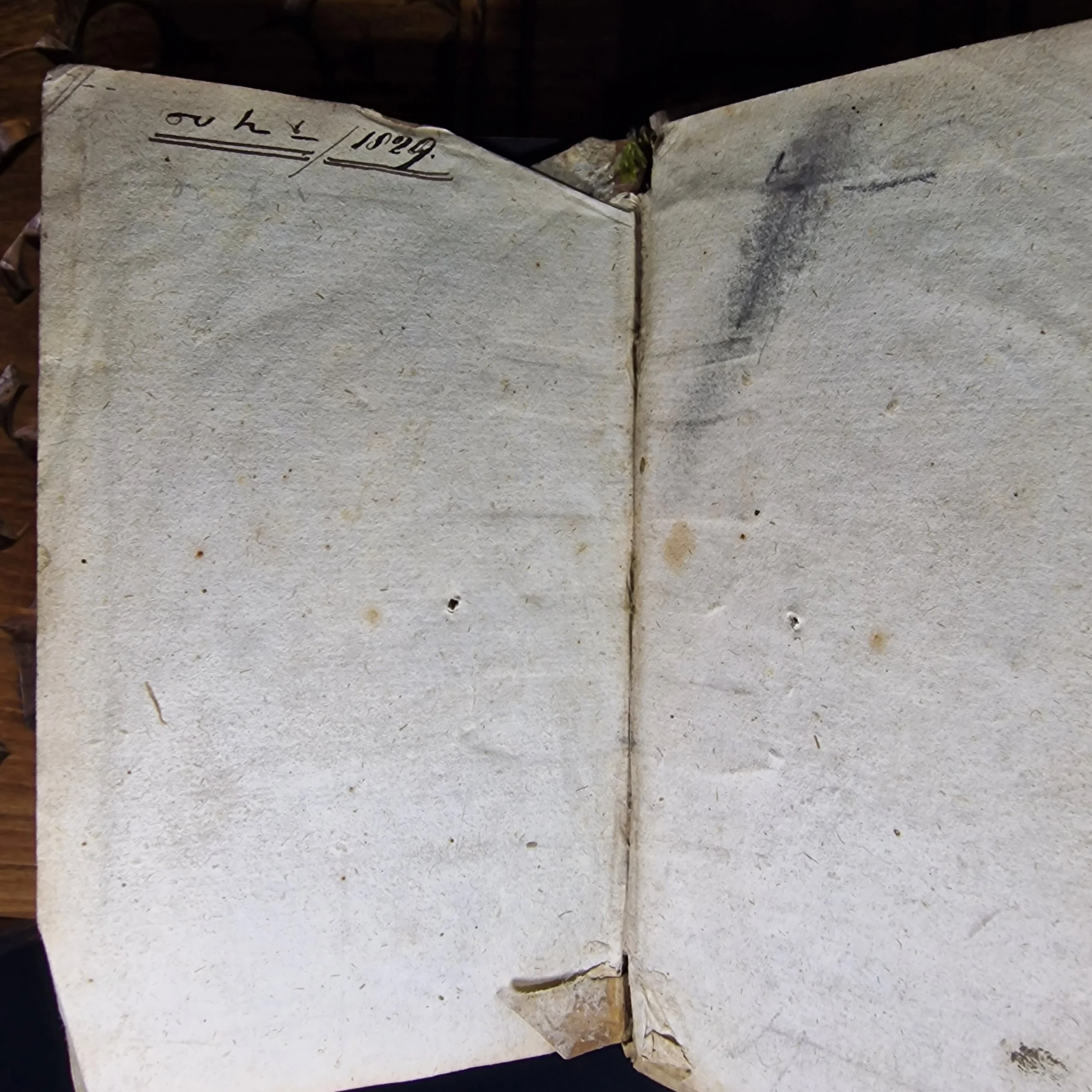
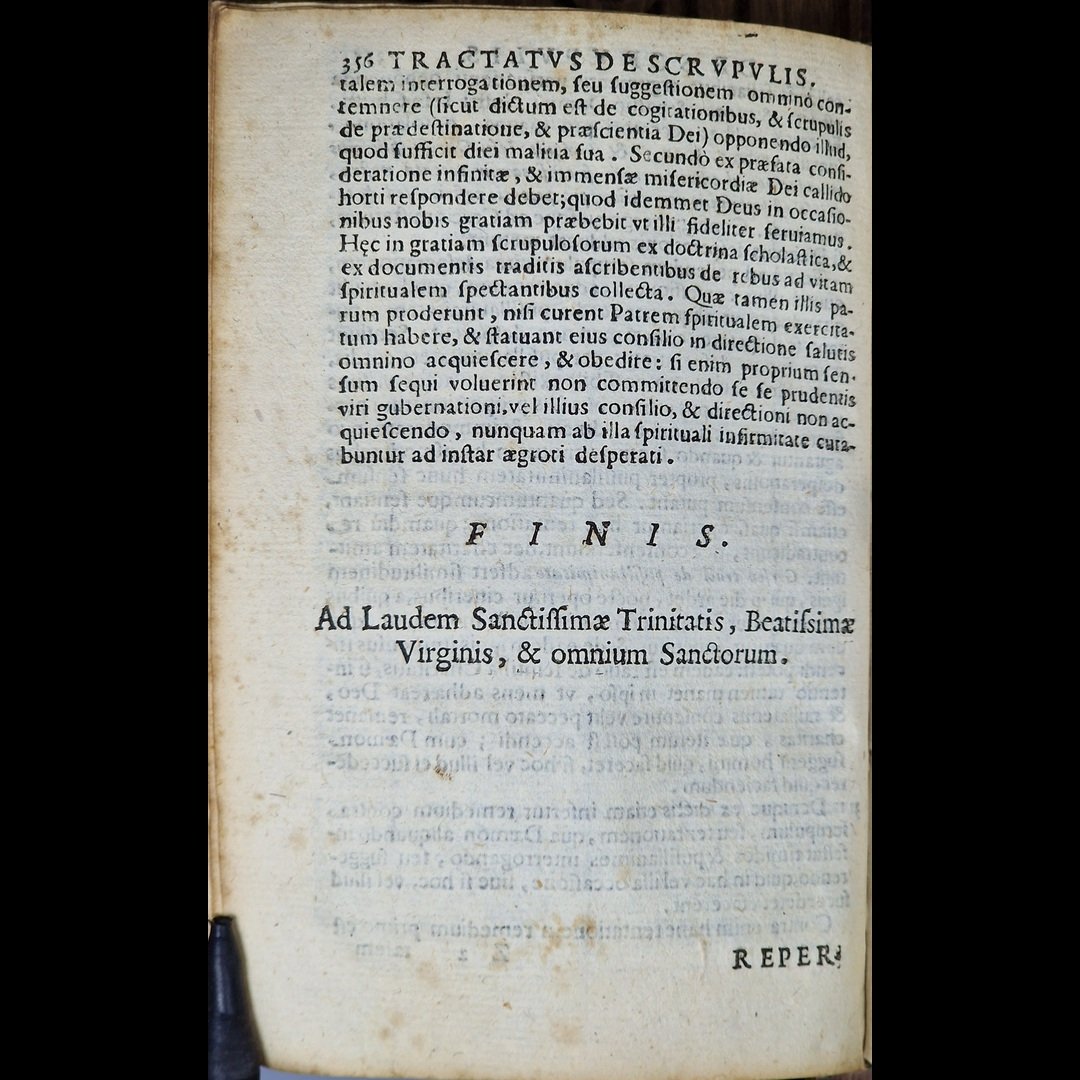
Early ownership inscription dated 1734 to the front blank; later ownership signature of D. L. Cumming to the front pastedown. Evidence of a removed label also to the pastedown.
Please see Photos as part of condition report.
REFERENCES
Willems, Les Elzevier, 364, note.
Rahir, Catalogue d’une collection unique de volumes imprimés par les Elzevier, 345.
Berghman, Catalogue raisonné des impressions elzéviriennes, 1573.
Haitsma Mulier & Van der Lem, Repertorium van geschiedschrijvers in Nederland 1500–1800, 156g.
Biblioteca Nazionale Braidense, bibliographical record BVEE034676, recording the edition as Leiden, Elzevir, 1632 [i.e. 1644].
Comparable institutional copies are held in major European and British collections, including the National Trust libraries.
SYNOPSIS
Graecorum Respublicae is Ubbo Emmius’s comparative examination of the constitutions and systems of government of the ancient Greek world.
Rather than narrating battles, rulers and political events chronologically, Emmius investigates how ancient societies were actually organised: who possessed political authority, how magistrates were appointed, how assemblies functioned, how laws were created and how political power was distributed between individuals, councils and citizens.
Athens and Sparta receive particularly extensive treatment, representing two markedly different models of political organisation. The second part extends the analysis across a wide range of Greek cities and regional leagues, allowing Emmius to compare republican, aristocratic, democratic and federal structures.
His discussions of the Achaean and Lycian leagues are especially significant in the later history of political thought. Ancient confederacies became important case studies for eighteenth-century writers seeking precedents for federal government, and Emmius was among the authorities cited by James Madison while studying historical confederacies before the United States Constitutional Convention.
The work therefore sits at an unusual intersection of classical history, constitutional theory, republican thought and the history of federalism.
AUTHOR BIO
Ubbo Emmius (1547–1625) was a German-born historian, geographer and scholar who became one of the most important intellectual figures in the early history of the University of Groningen.
Born at Greetsiel in East Frisia, Emmius studied at Rostock and Geneva, where he encountered the humanist and Reformed scholarly traditions that would strongly influence his later work. After holding teaching positions in East Frisia, he became the first rector of the newly founded University of Groningen in 1614.
Emmius devoted much of his career to the critical study of history and geography. His scholarship was notable for its close use of classical sources and its attempt to distinguish historically supportable evidence from inherited tradition.
His major works include the monumental Rerum Frisicarum Historia, a history of Friesland, and the Vetus Graecia Illustrata, from which the present study of Greek republics developed.
Through the subsequent Elzevir editions, Graecorum Respublicae achieved a circulation well beyond Emmius’s immediate academic milieu. Its detailed treatment of ancient political institutions ensured its continued relevance to later historians and political thinkers concerned with republican government, confederation and the constitutional experience of antiquity.

 Image 1 of 17
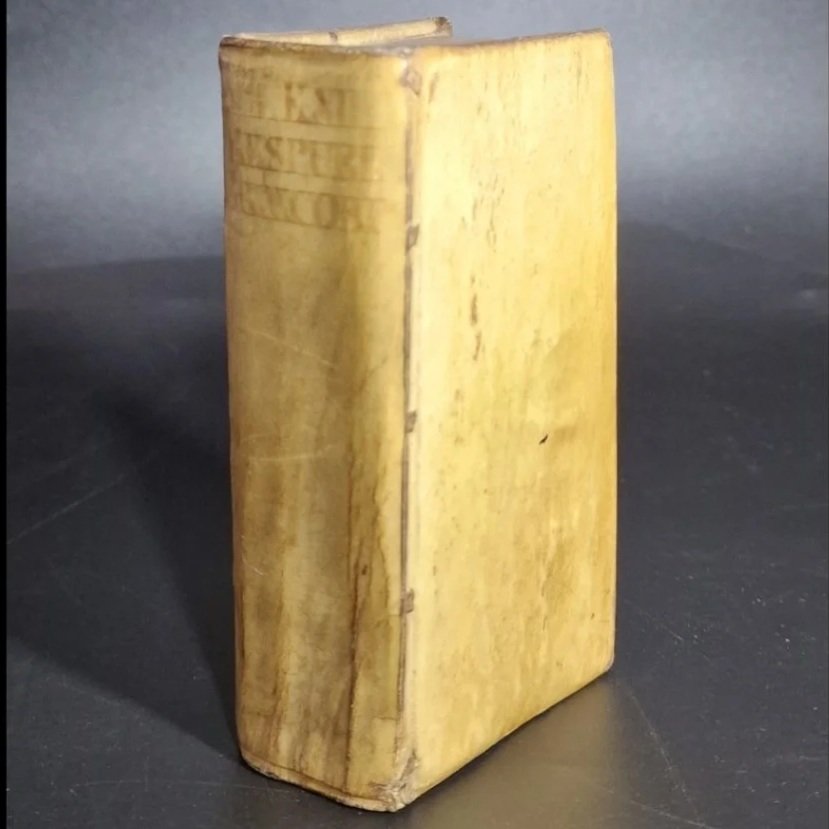 Image 2 of 17
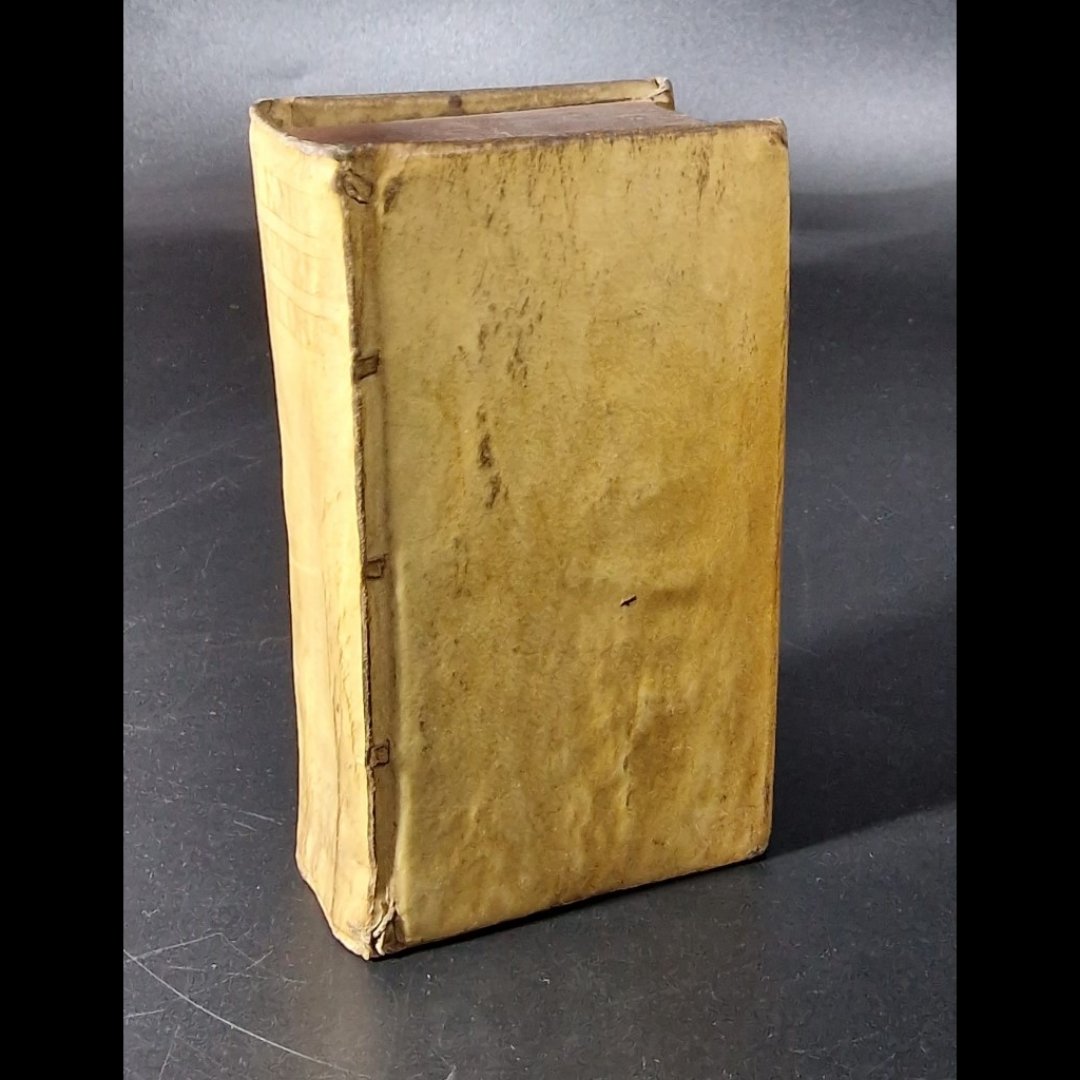 Image 3 of 17
 Image 4 of 17
 Image 5 of 17
 Image 6 of 17
 Image 7 of 17
 Image 8 of 17
 Image 9 of 17
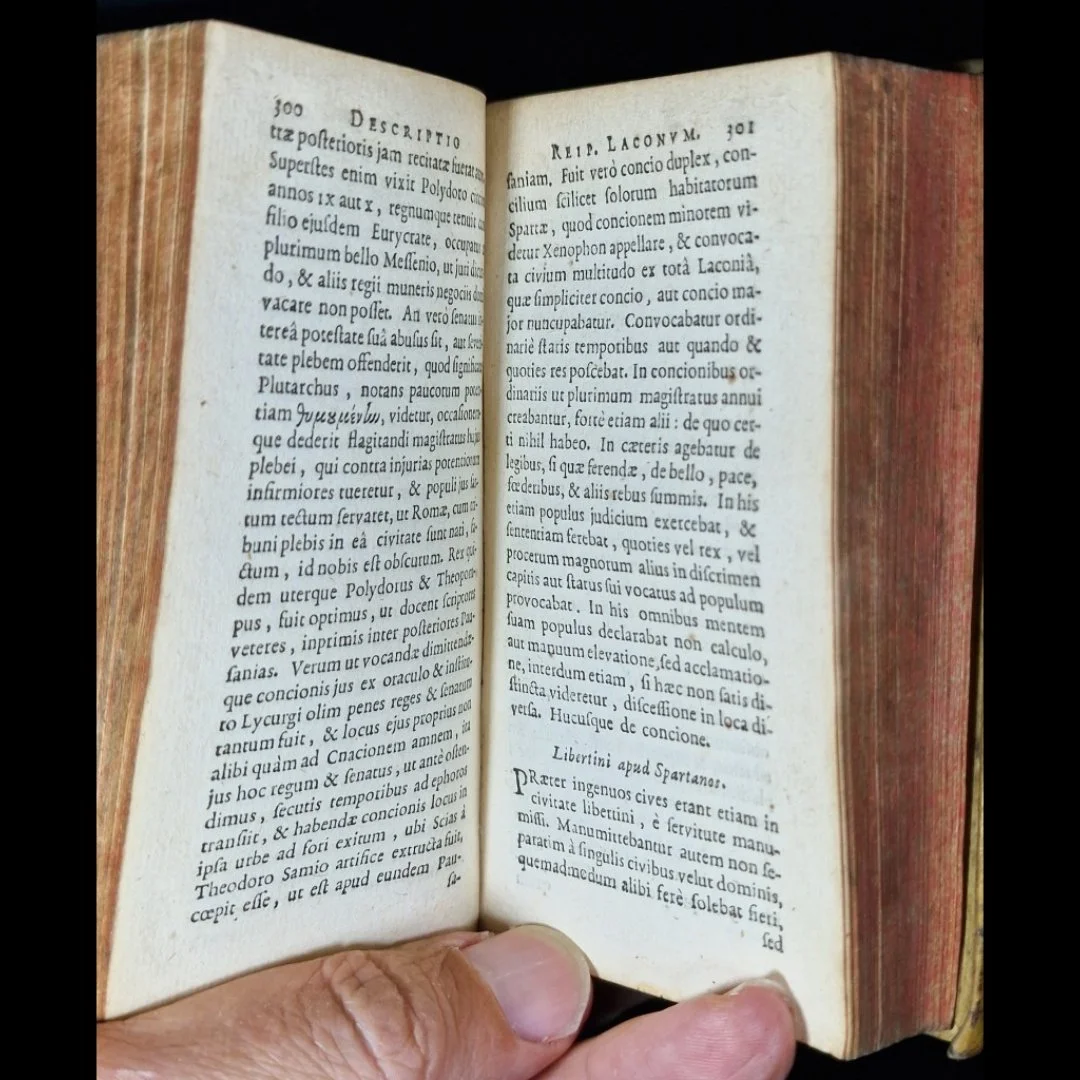 Image 10 of 17
 Image 11 of 17
 Image 12 of 17
 Image 13 of 17
 Image 14 of 17
 Image 15 of 17
 Image 16 of 17
 Image 17 of 17