
Image 1 of 60
Image 2 of 60
Image 3 of 60
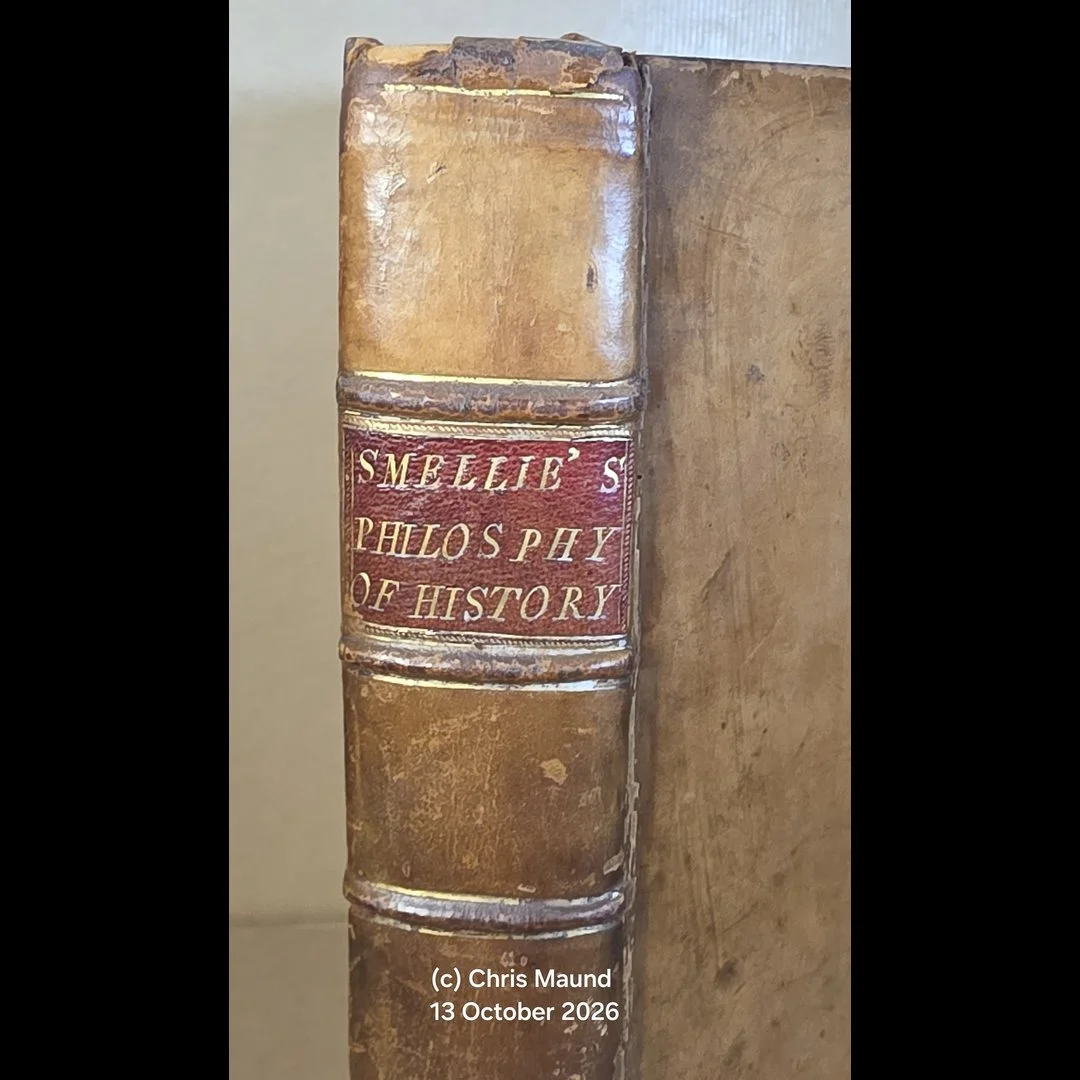
Image 4 of 60
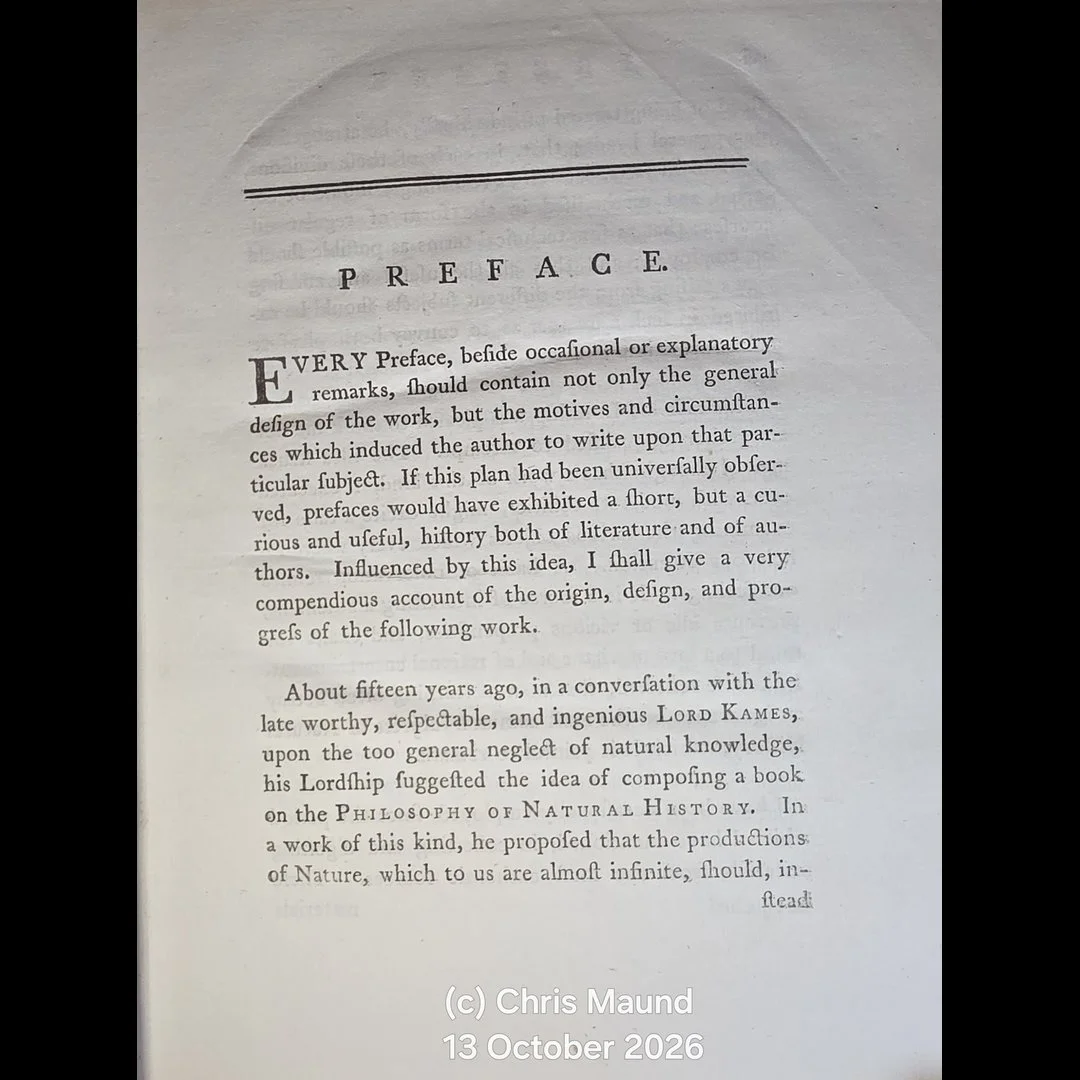
Image 5 of 60
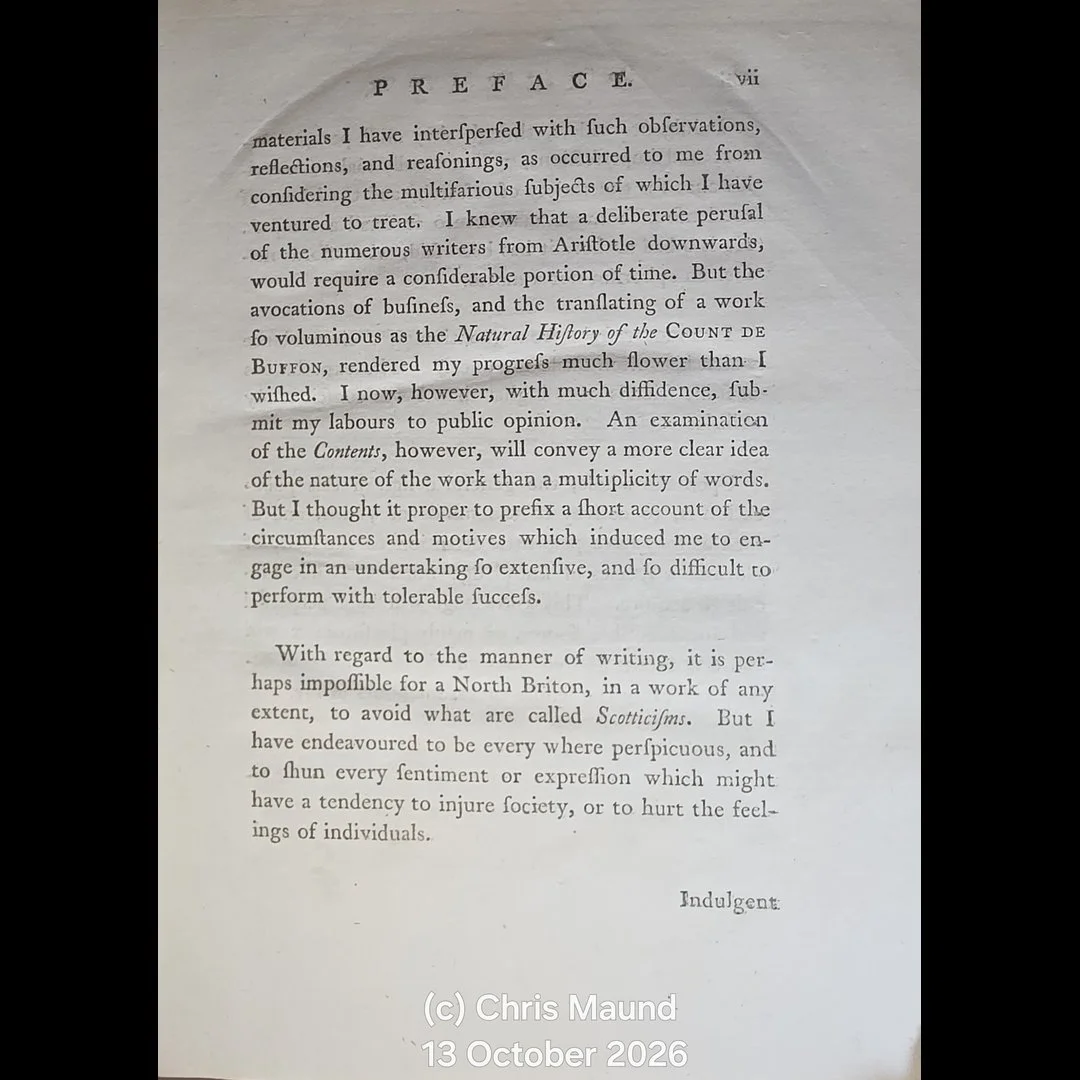
Image 6 of 60
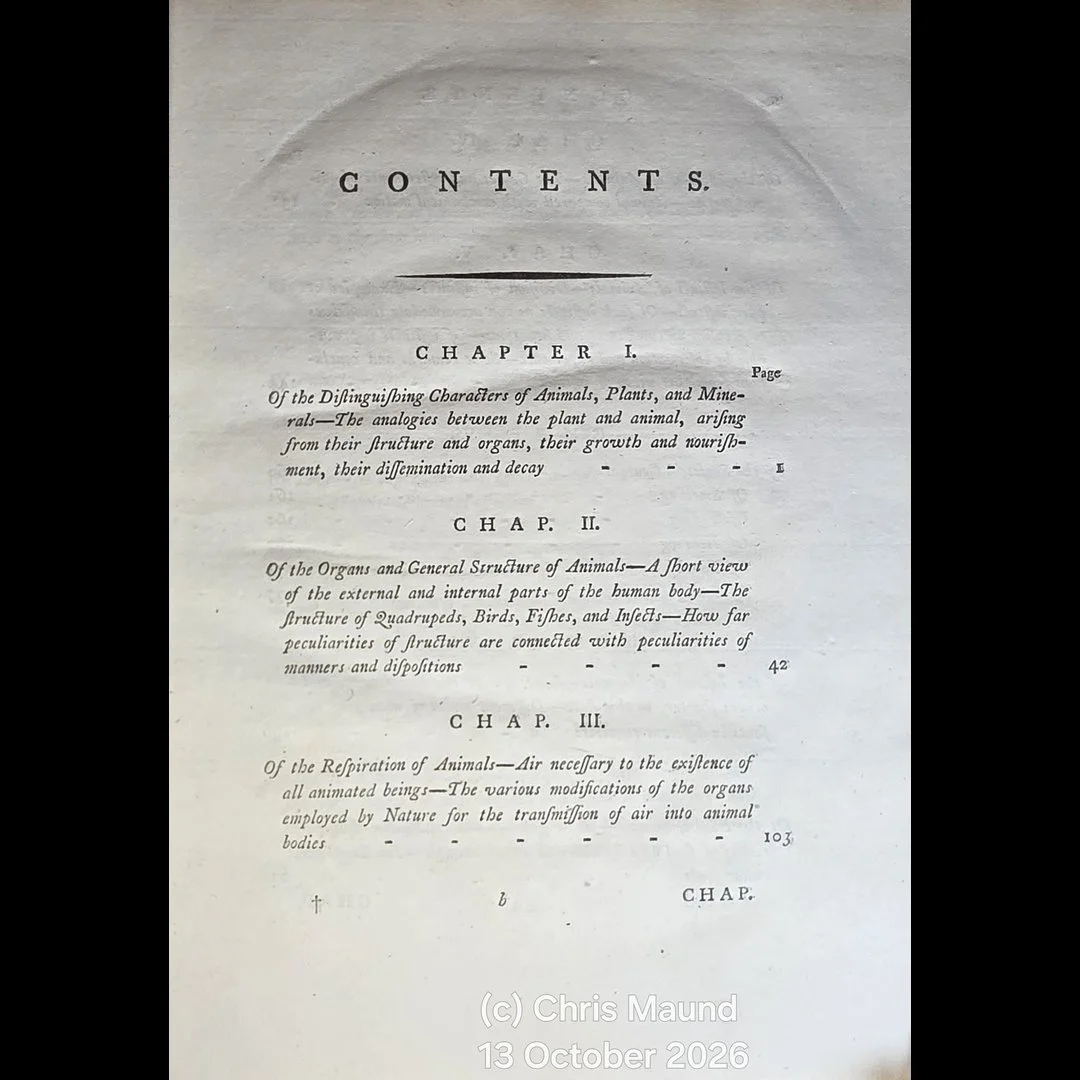
Image 7 of 60
Image 8 of 60

Image 9 of 60
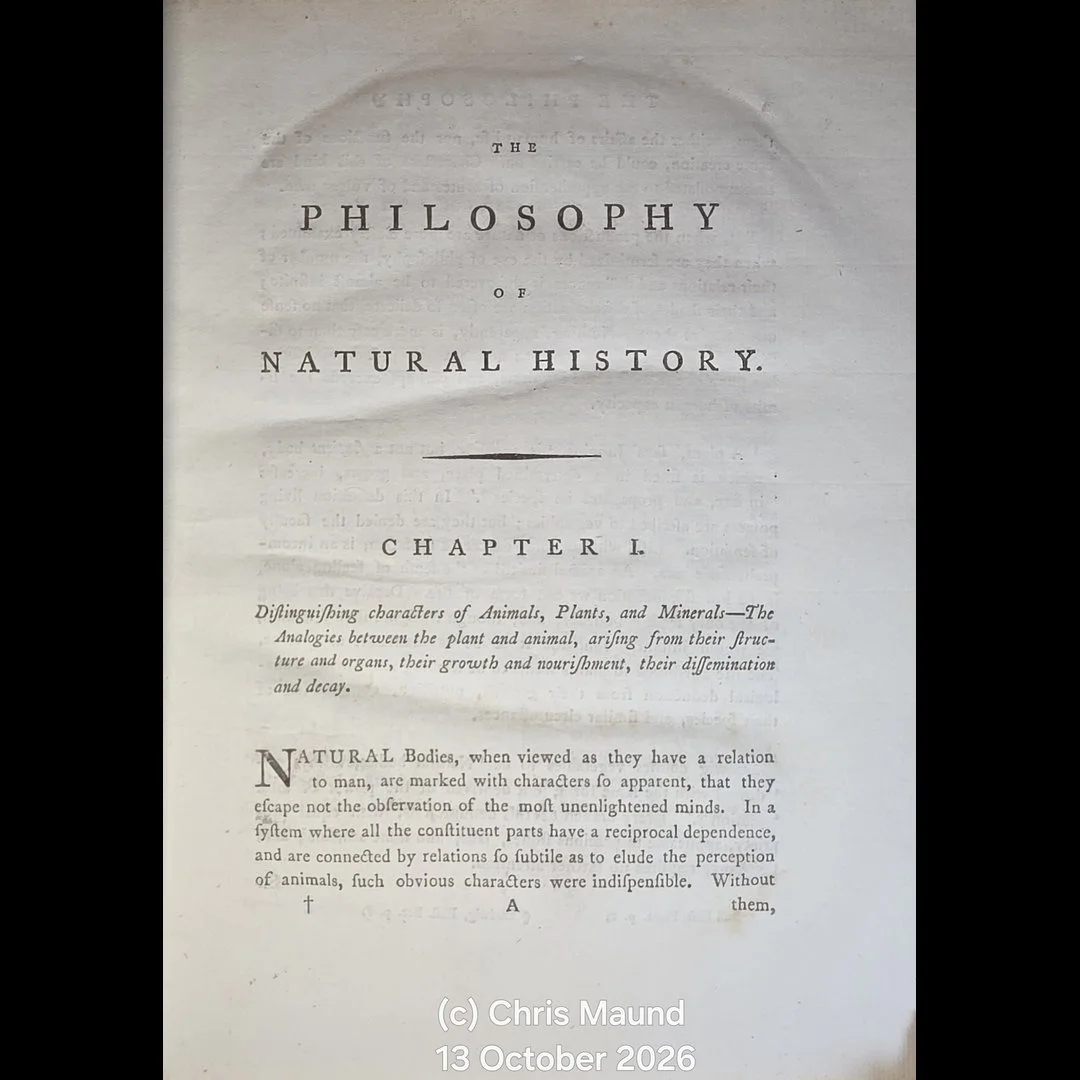
Image 10 of 60
Image 11 of 60
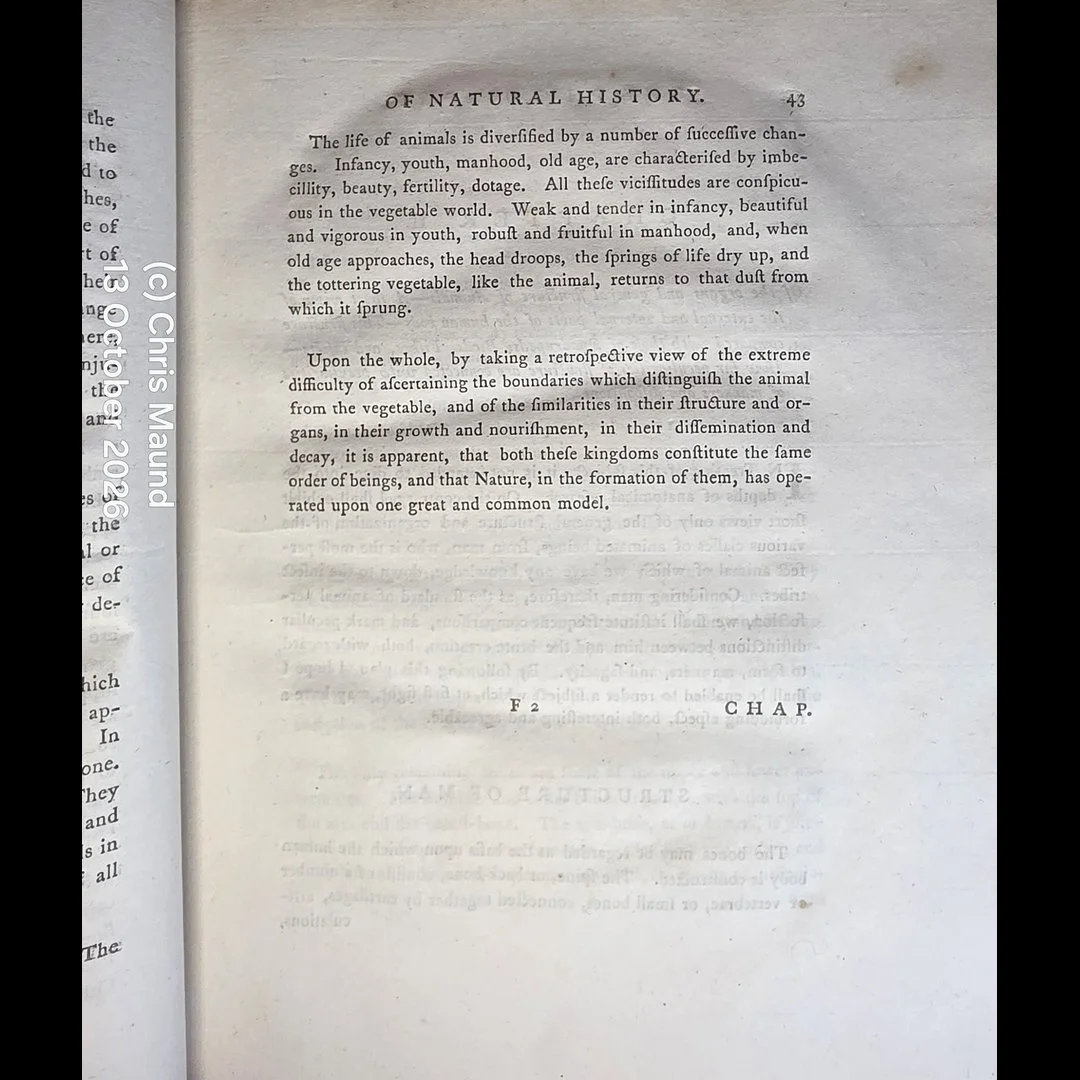
Image 12 of 60
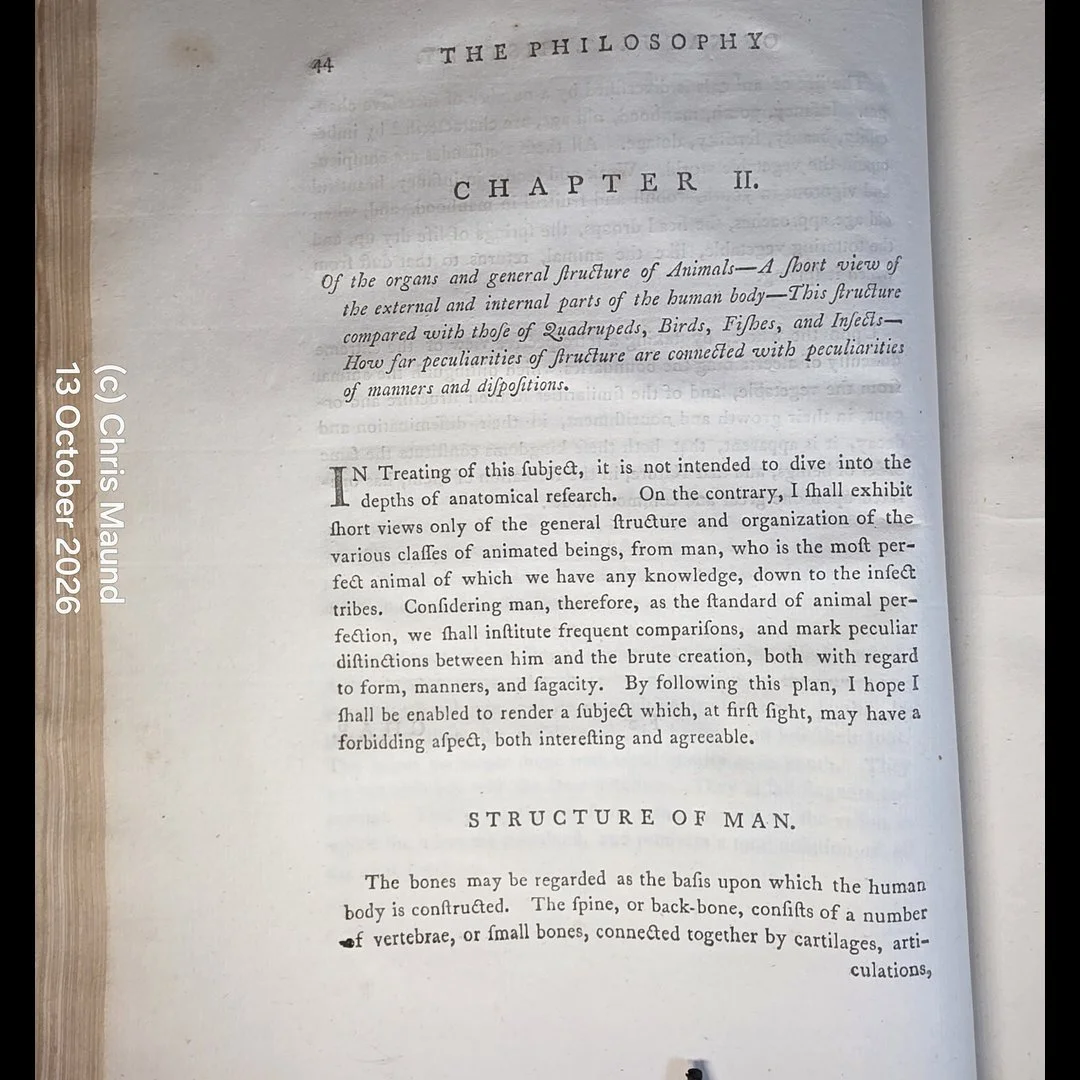
Image 13 of 60
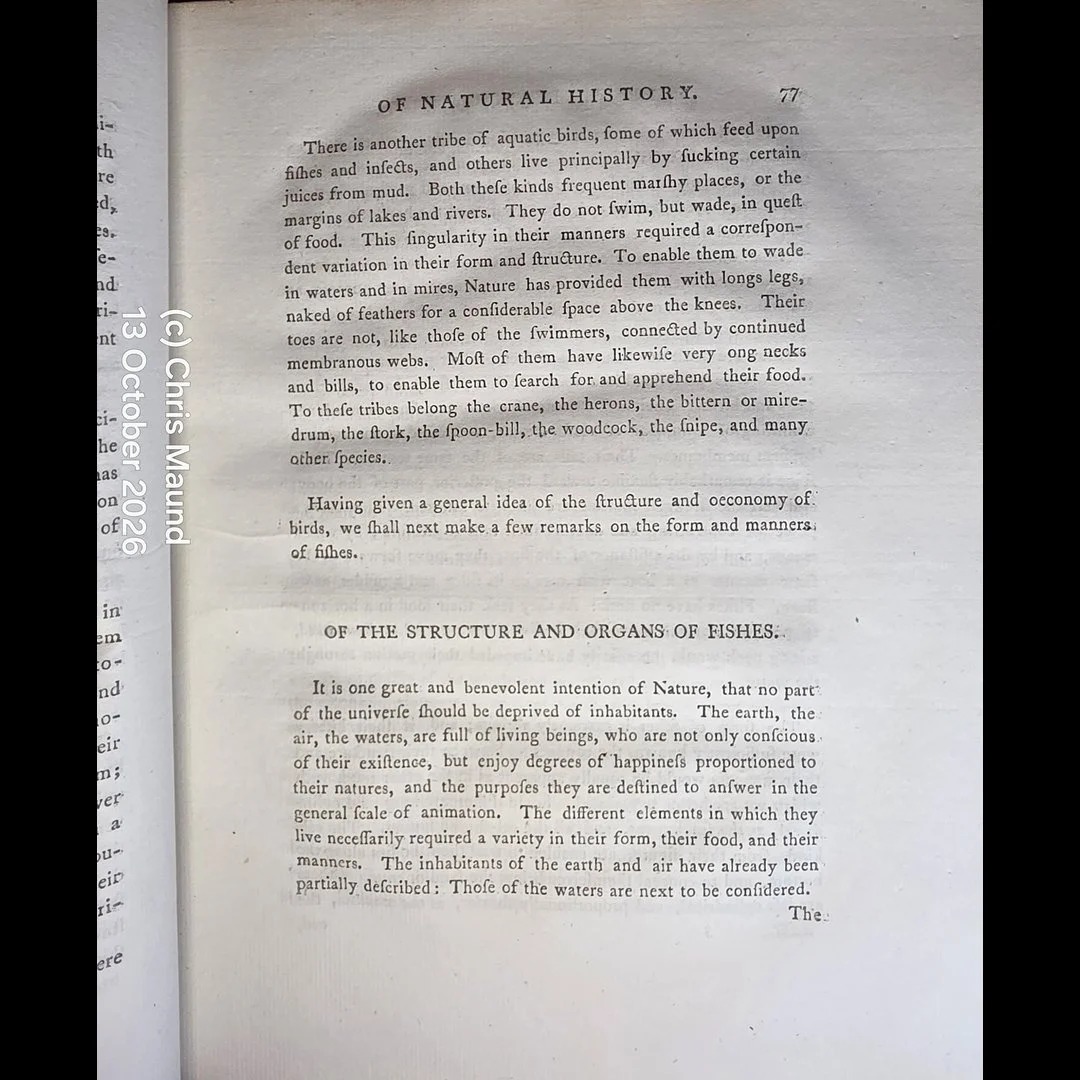
Image 14 of 60
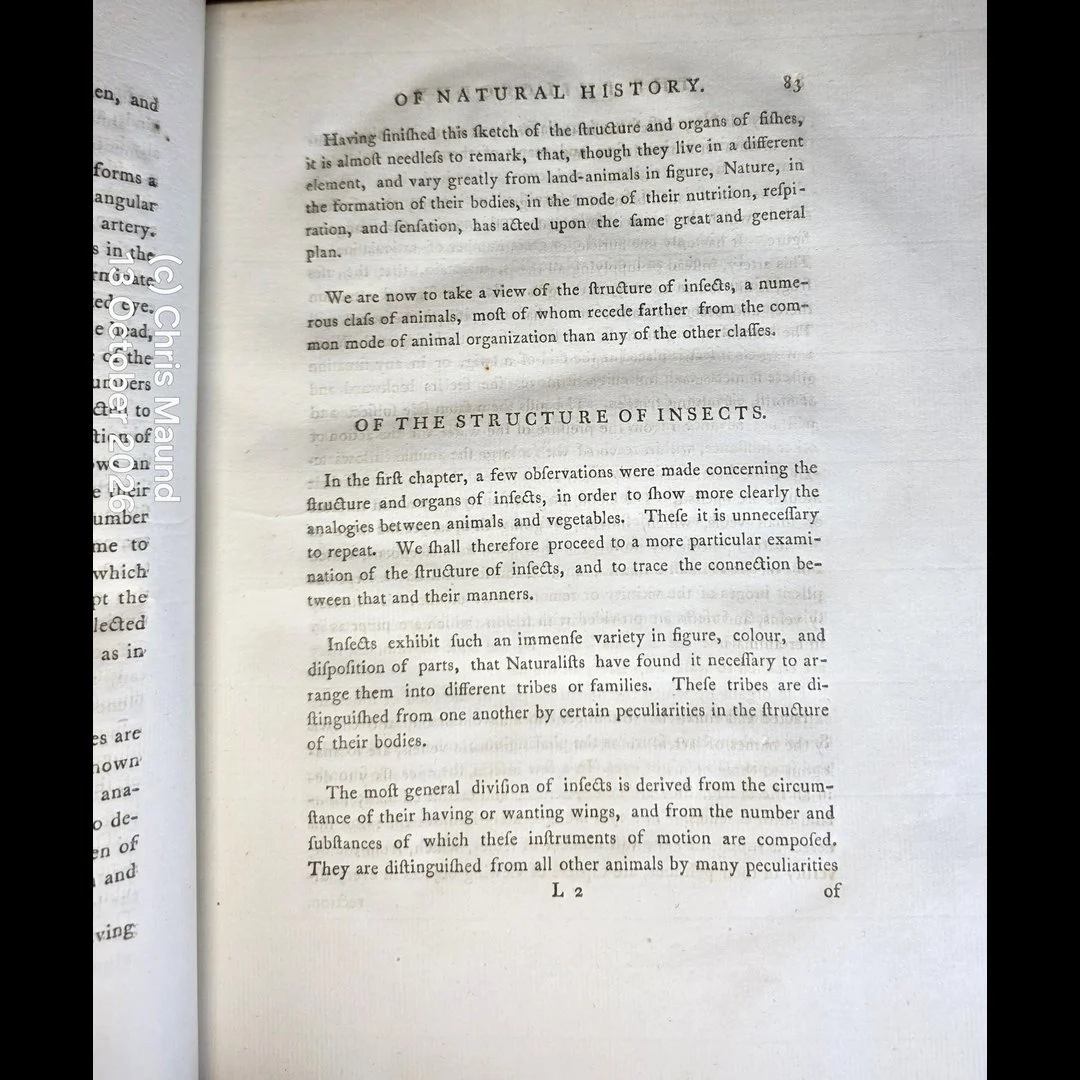
Image 15 of 60
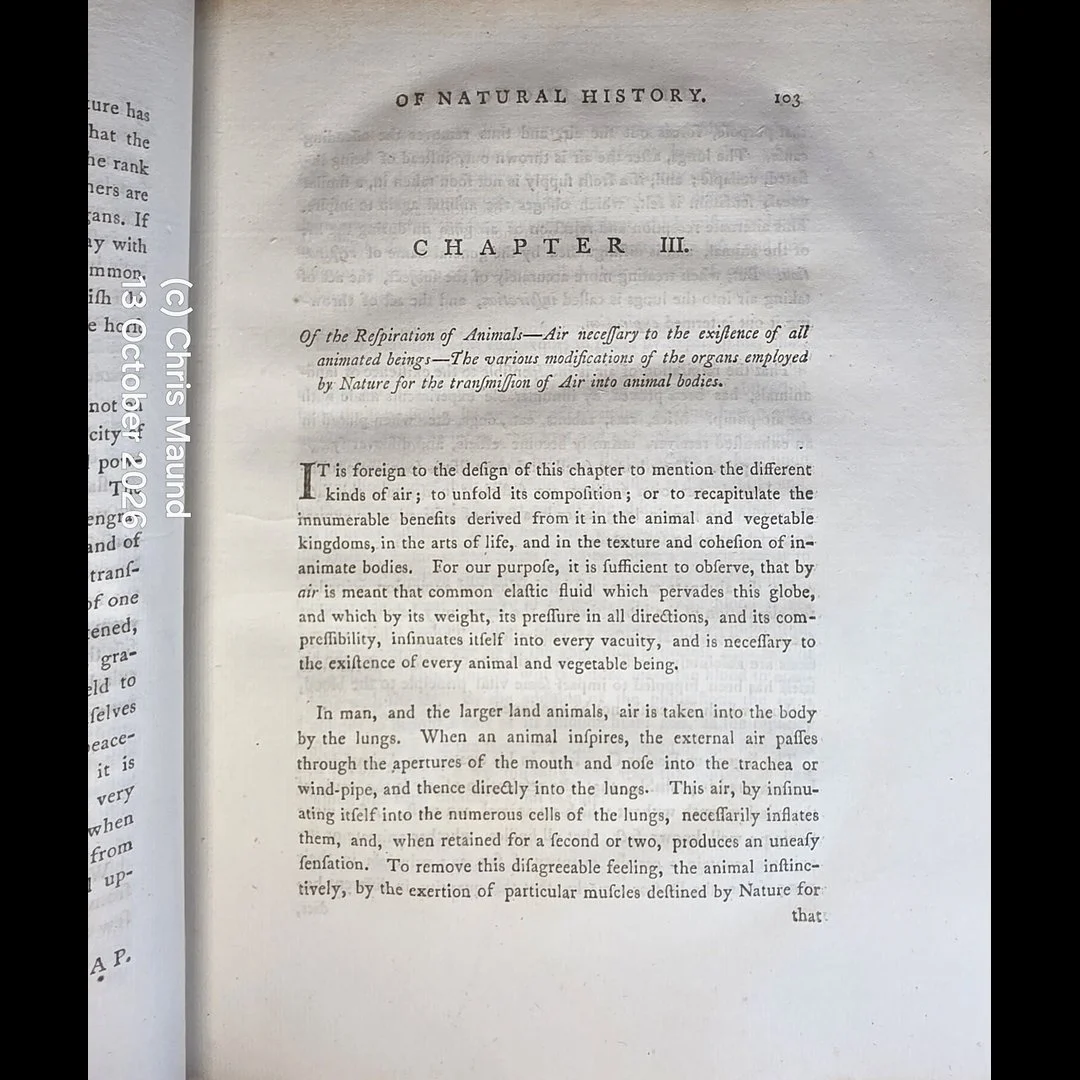
Image 16 of 60
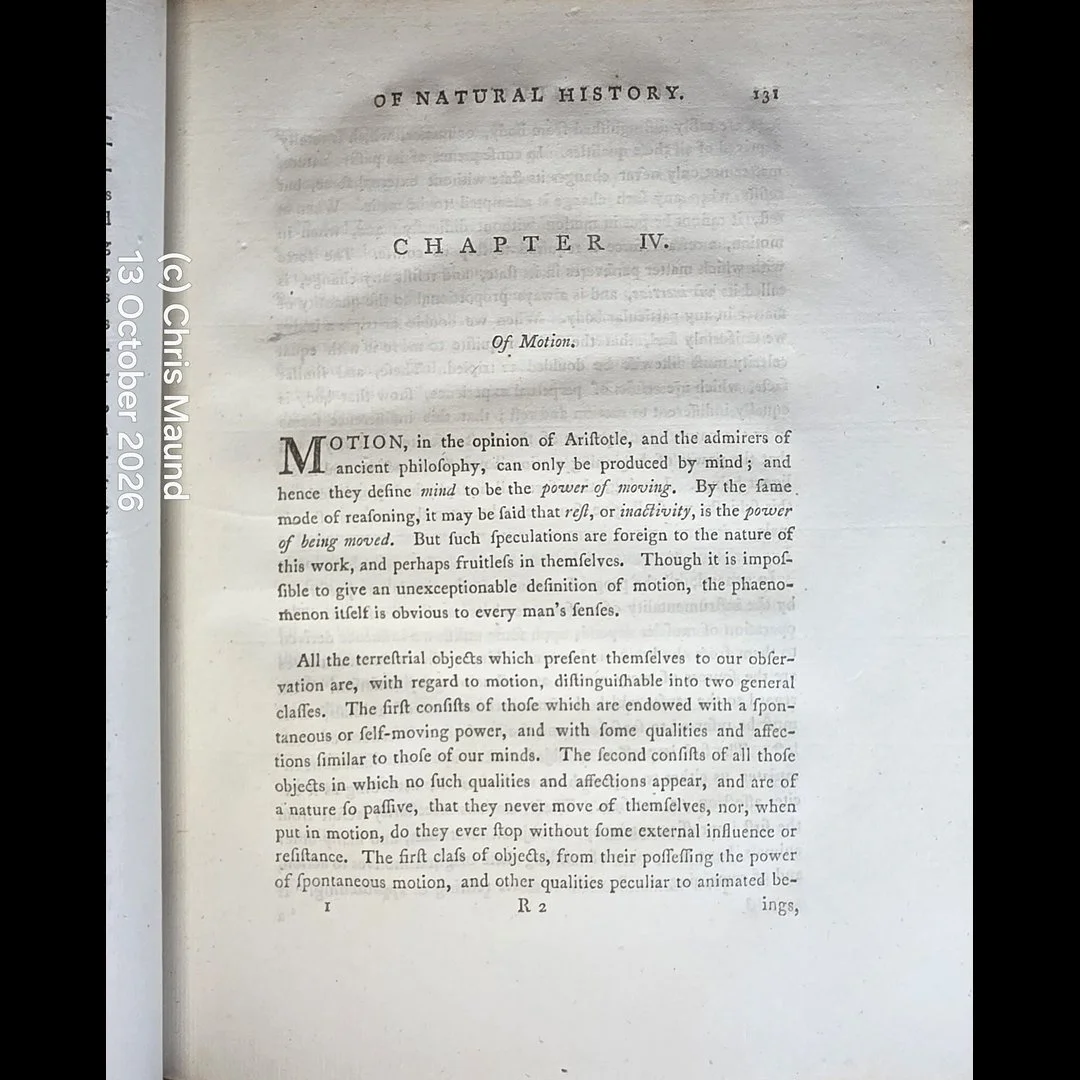
Image 17 of 60
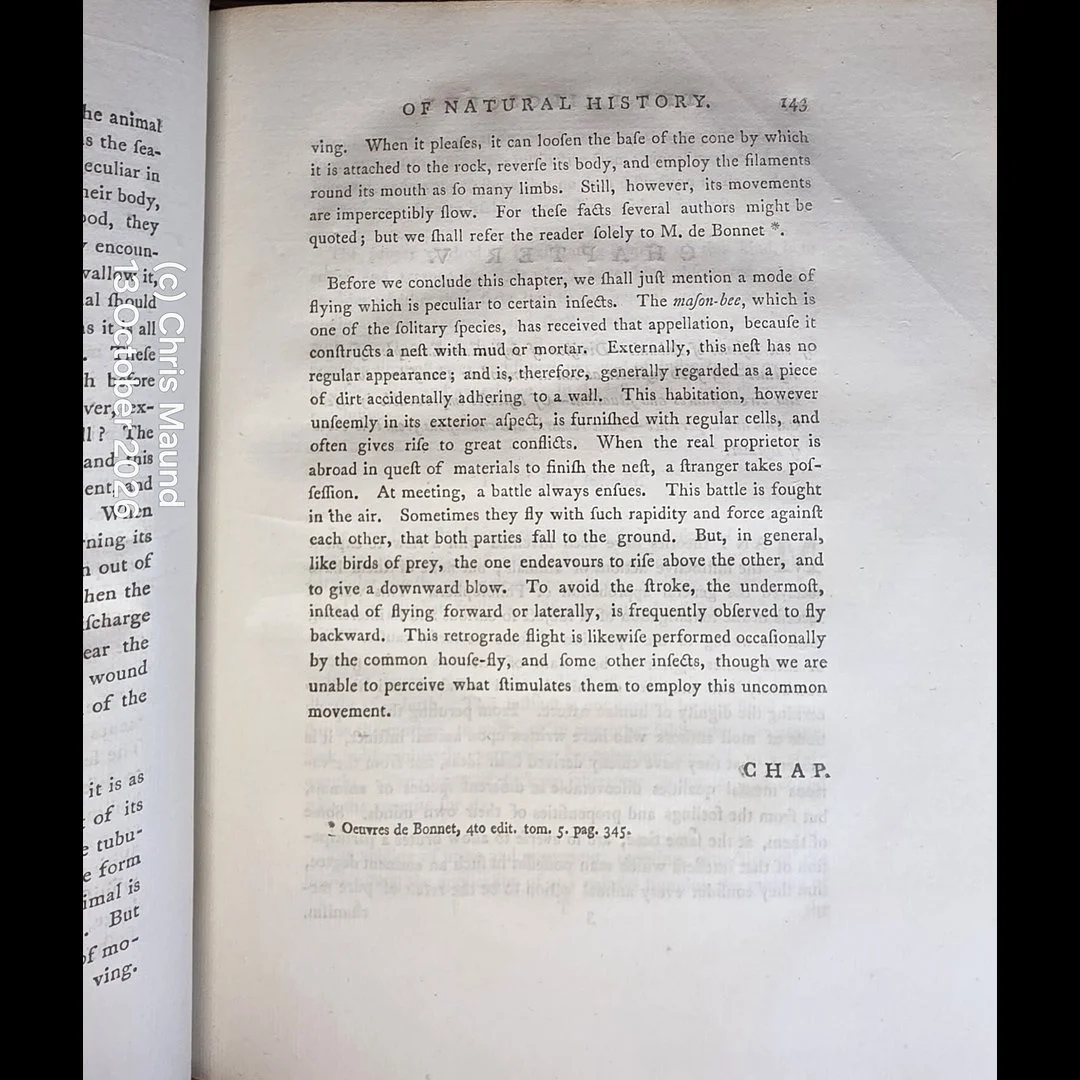
Image 18 of 60
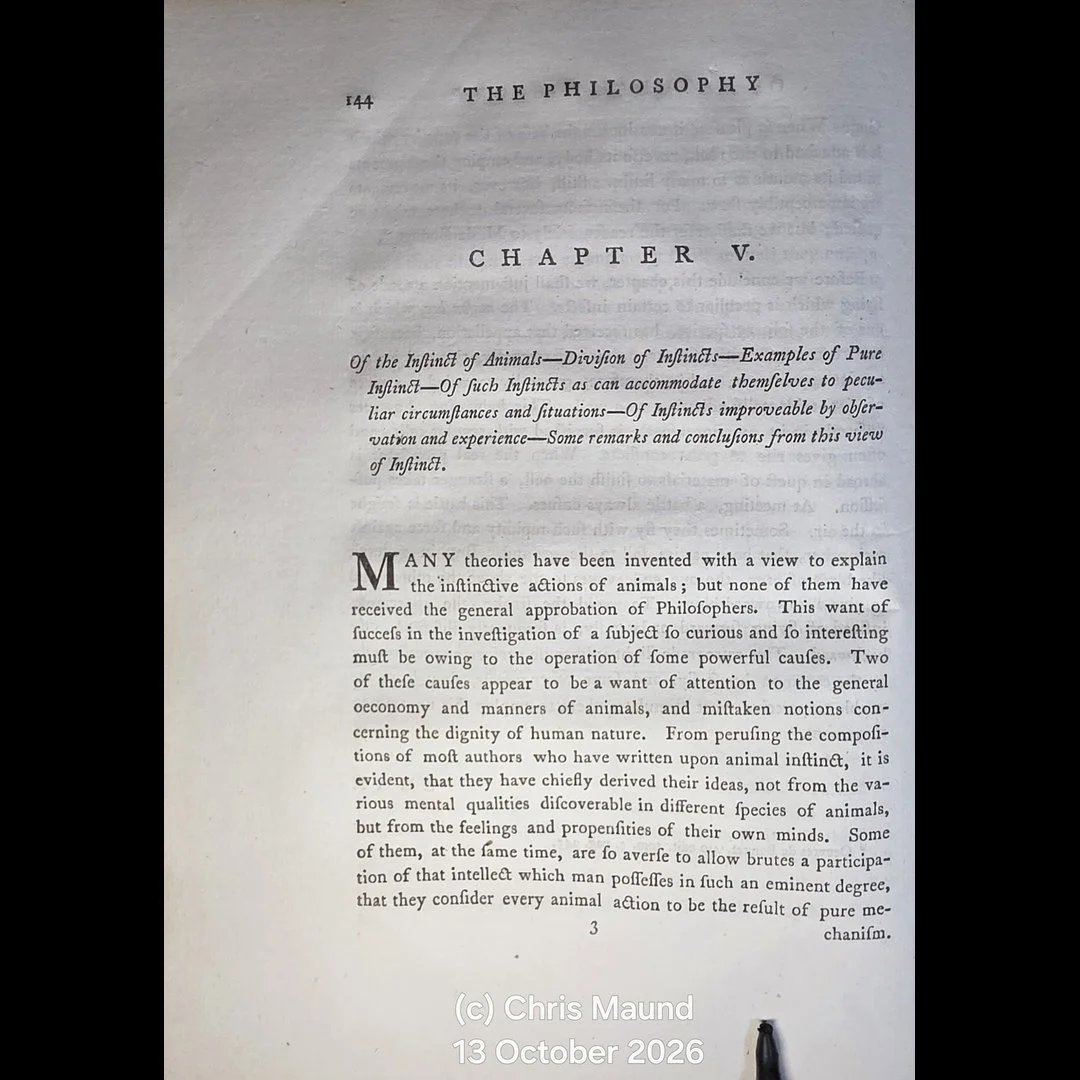
Image 19 of 60
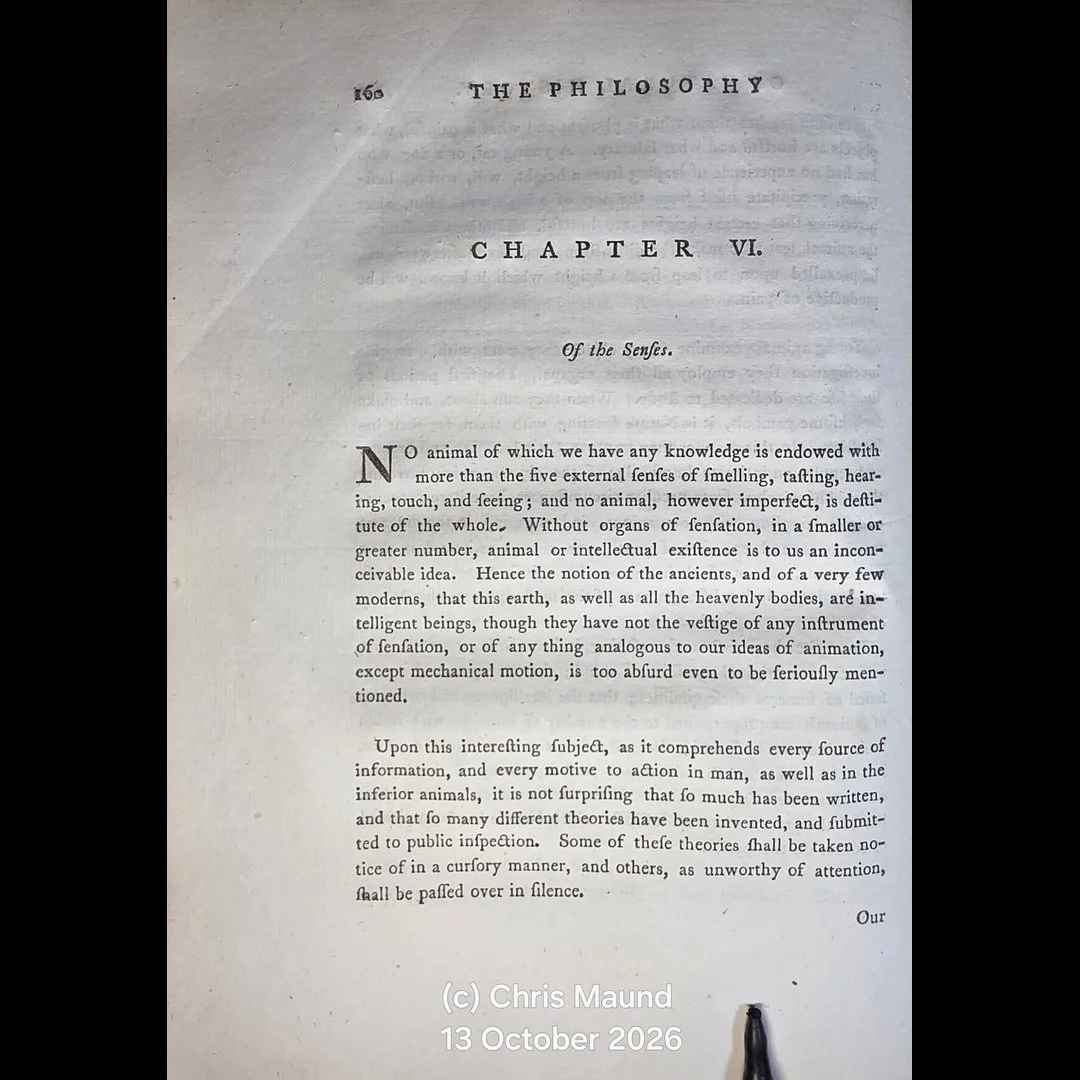
Image 20 of 60
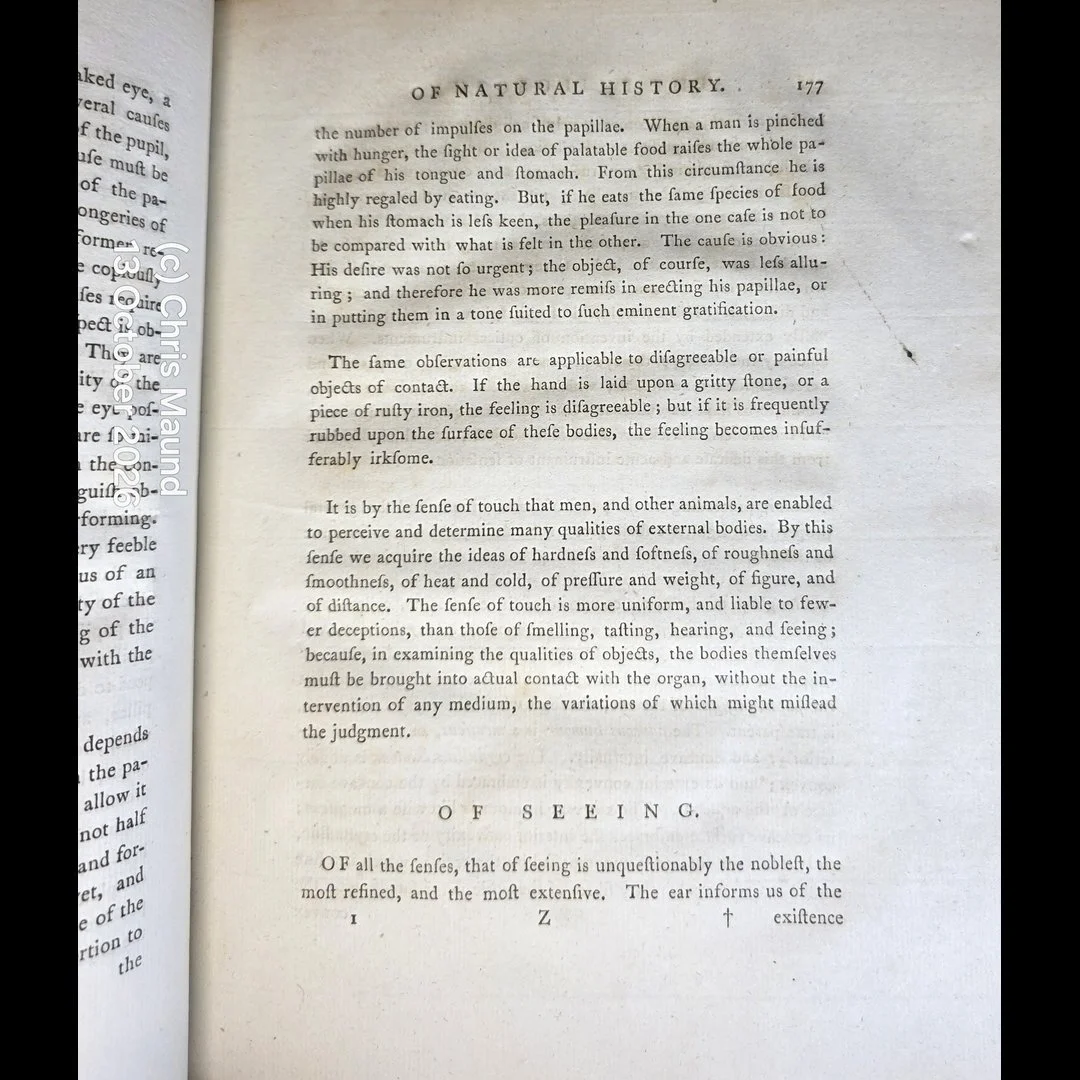
Image 21 of 60
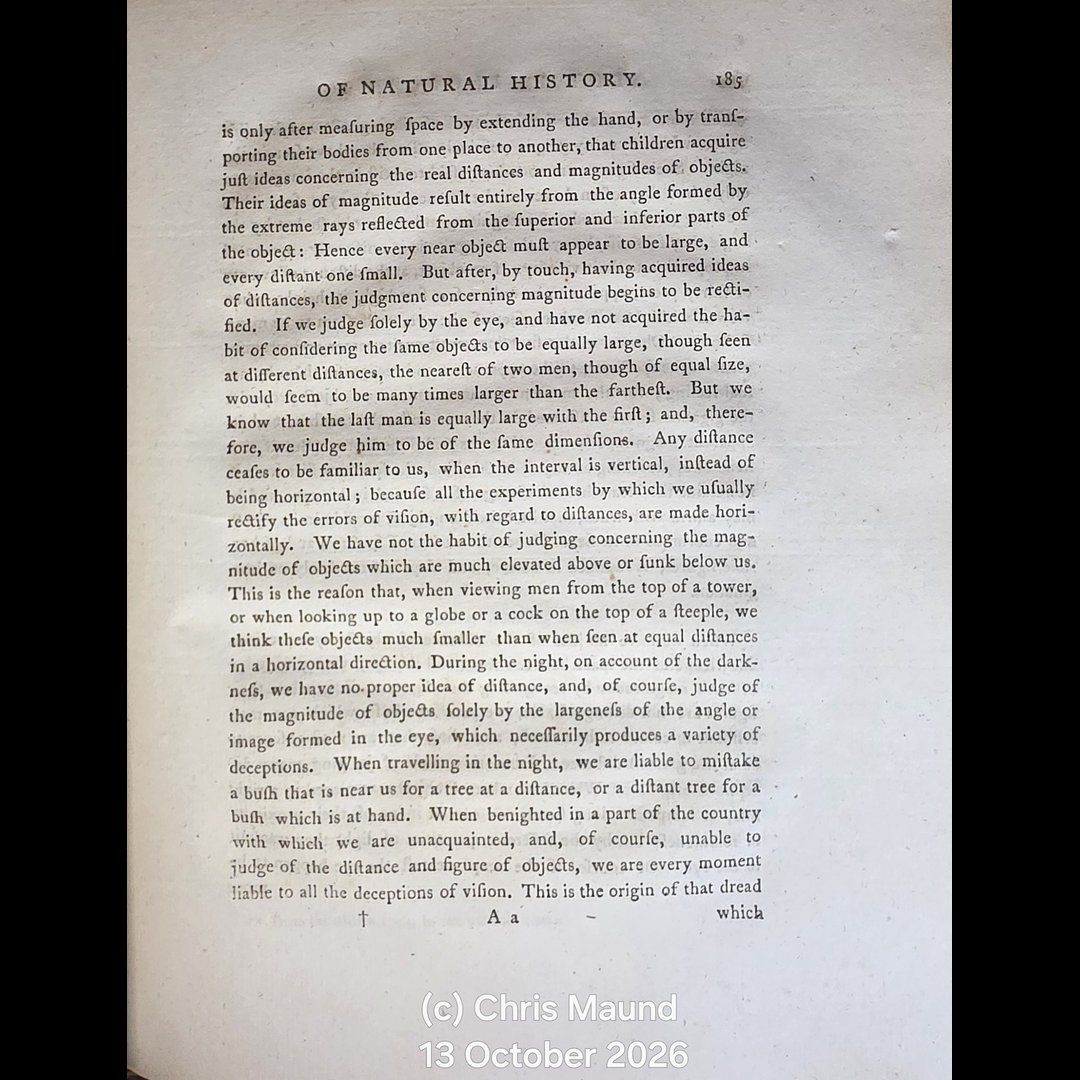
Image 22 of 60
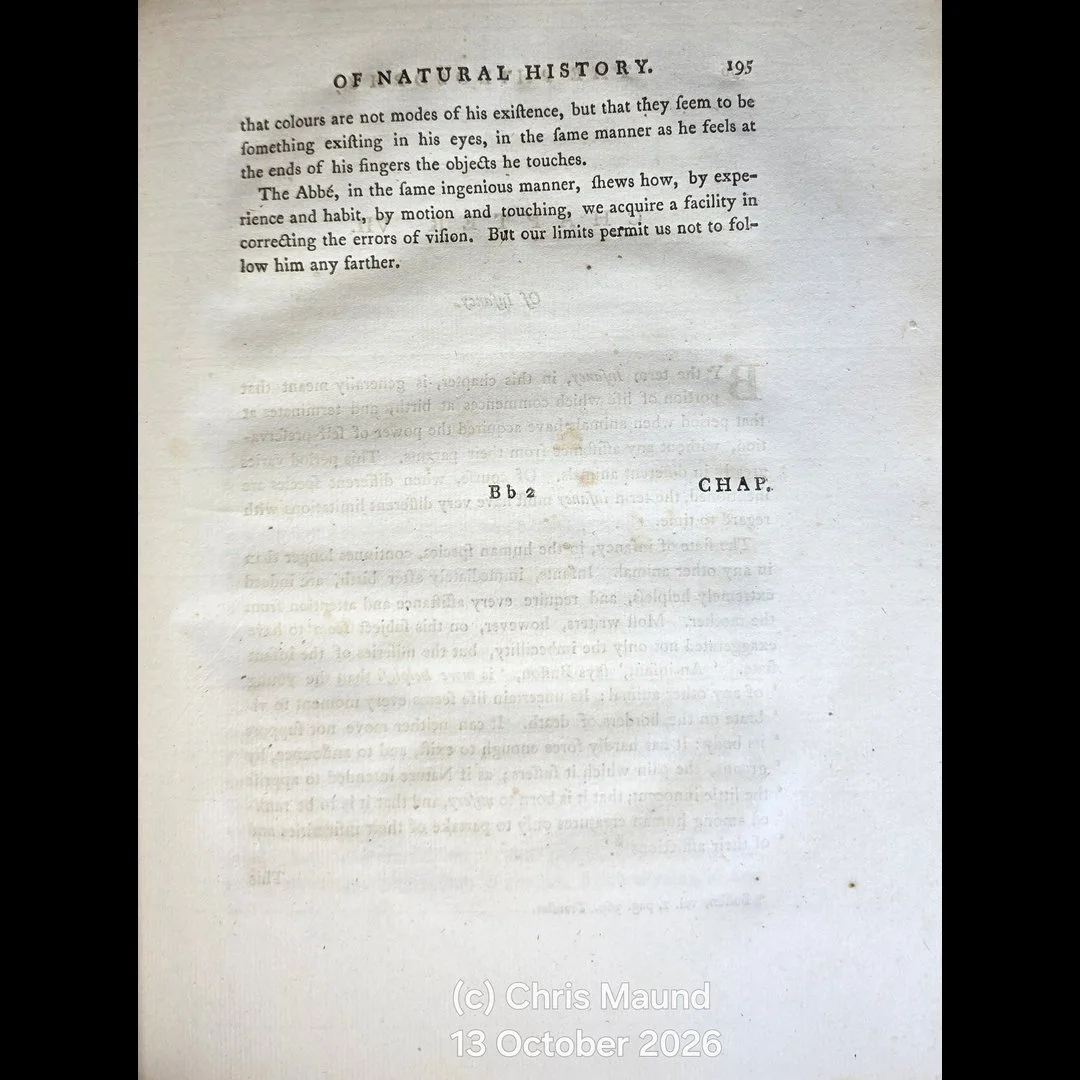
Image 23 of 60
Image 24 of 60
Image 25 of 60
Image 26 of 60
Image 27 of 60
Image 28 of 60
Image 29 of 60
Image 30 of 60
Image 31 of 60

Image 32 of 60
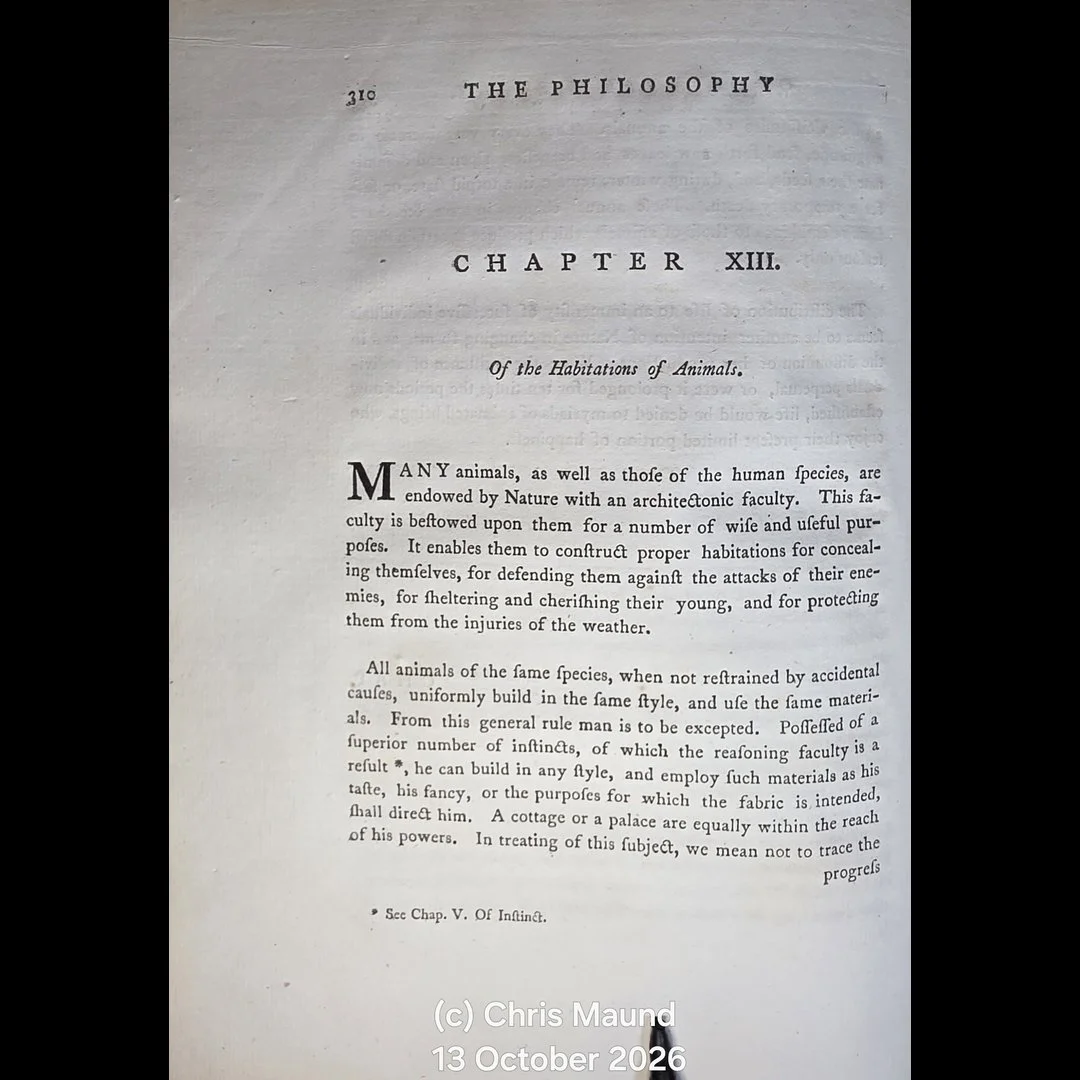
Image 33 of 60
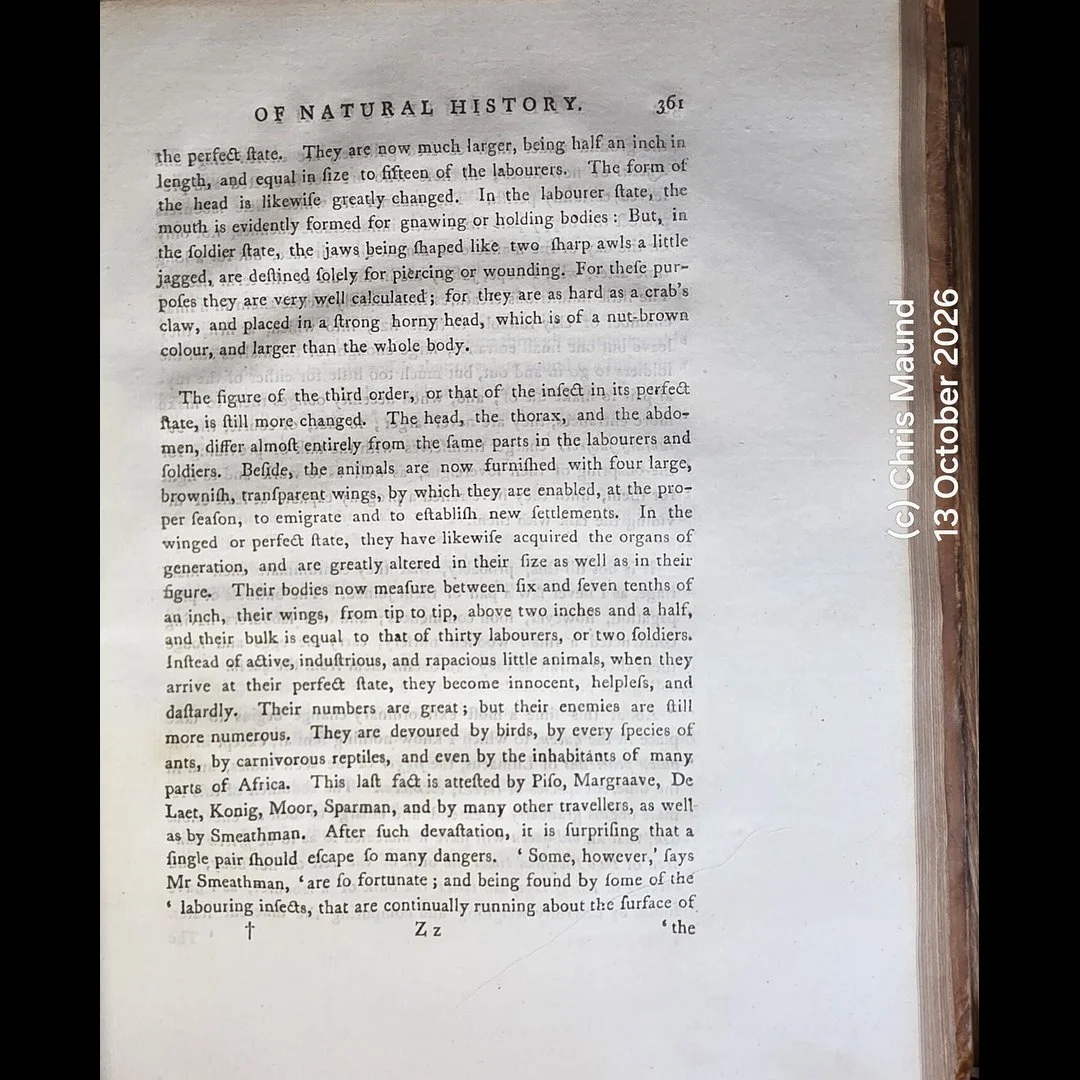
Image 34 of 60
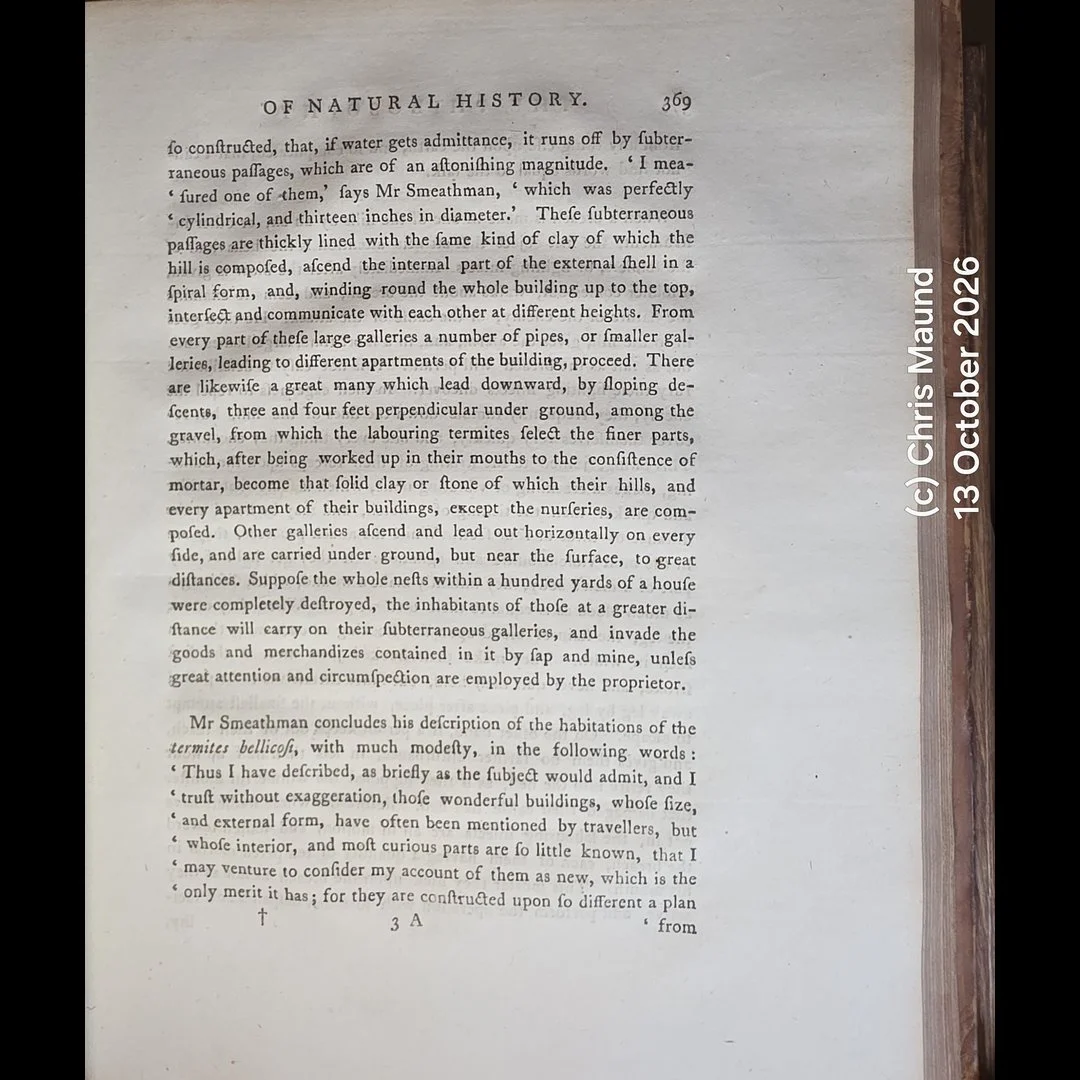
Image 35 of 60
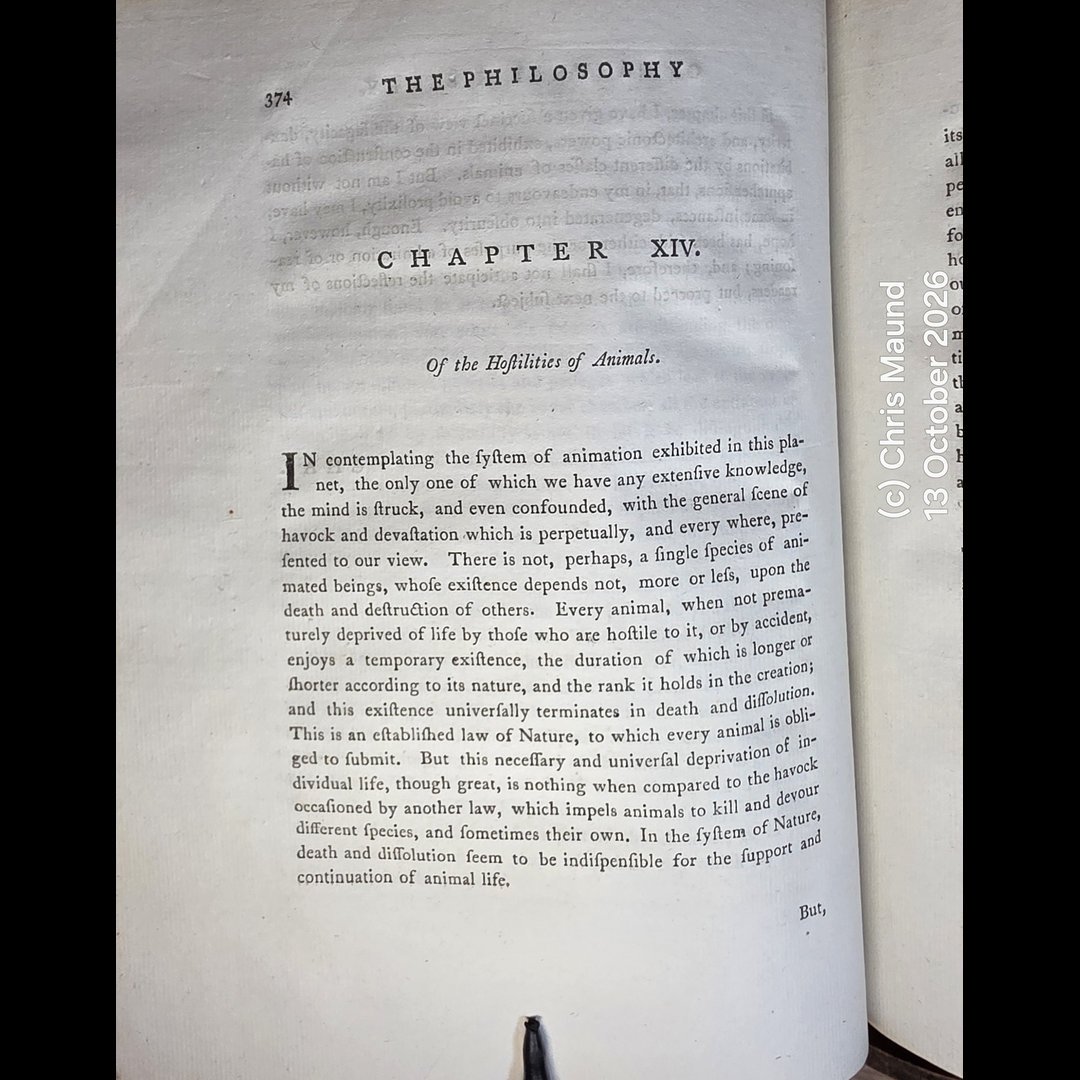
Image 36 of 60
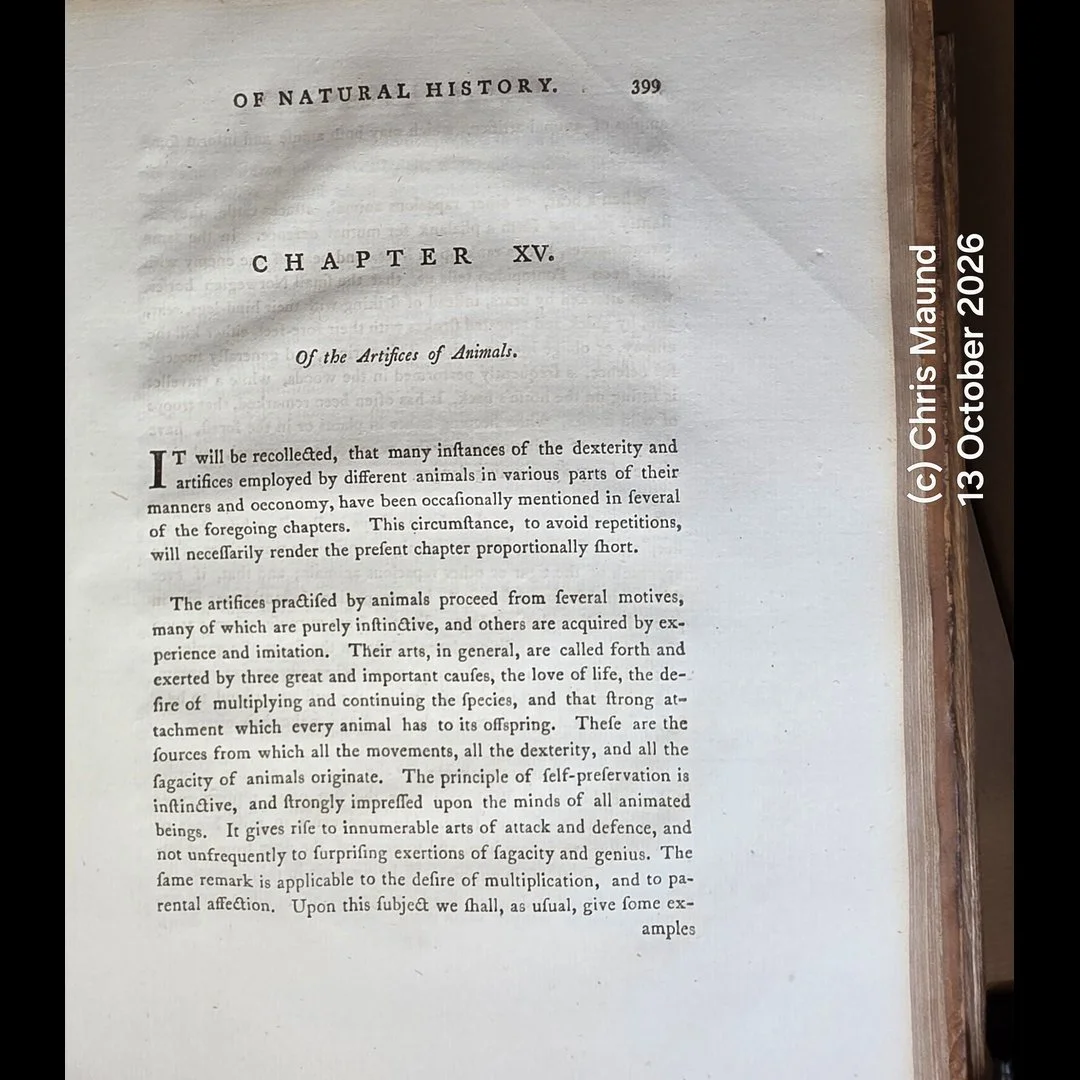
Image 37 of 60
Image 38 of 60
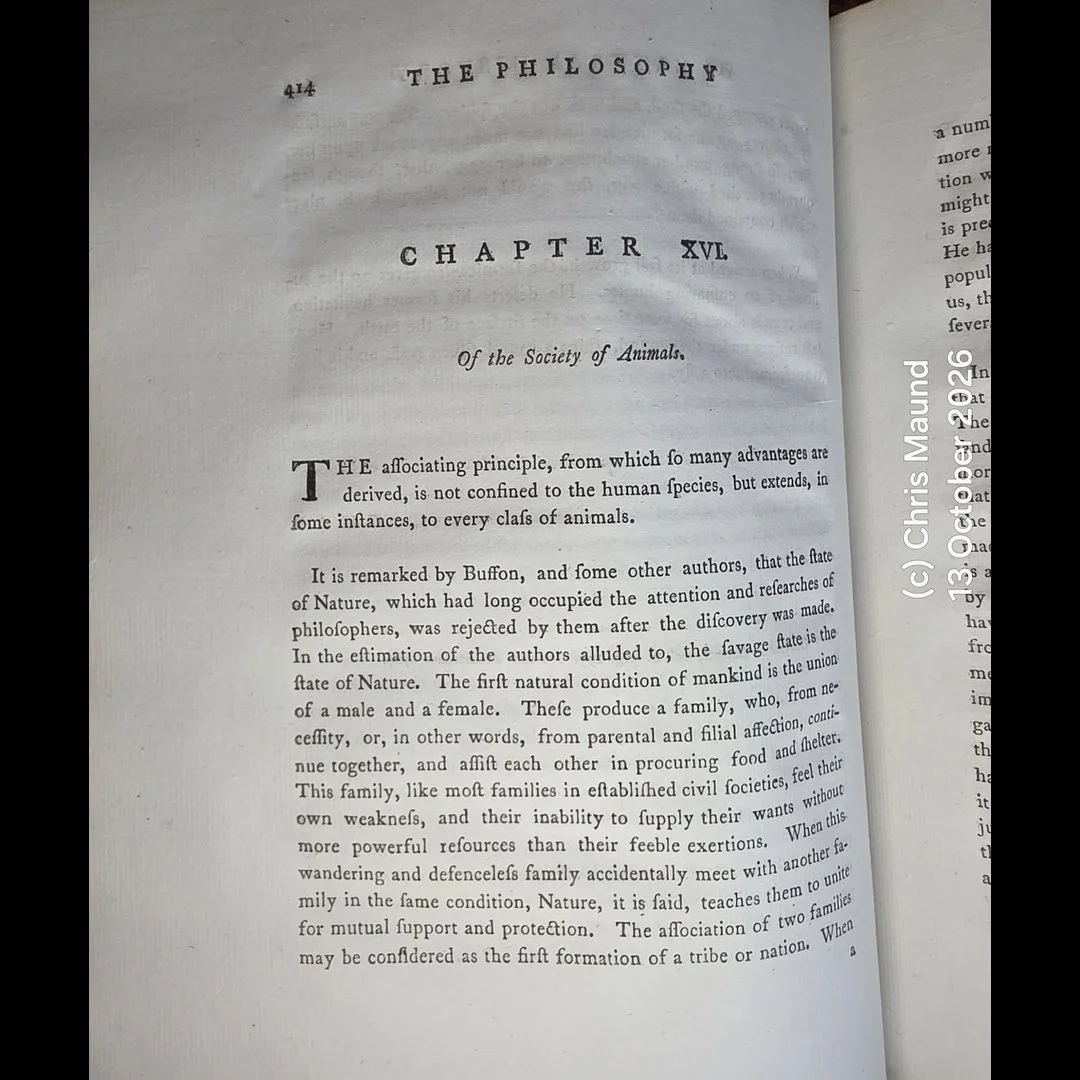
Image 39 of 60
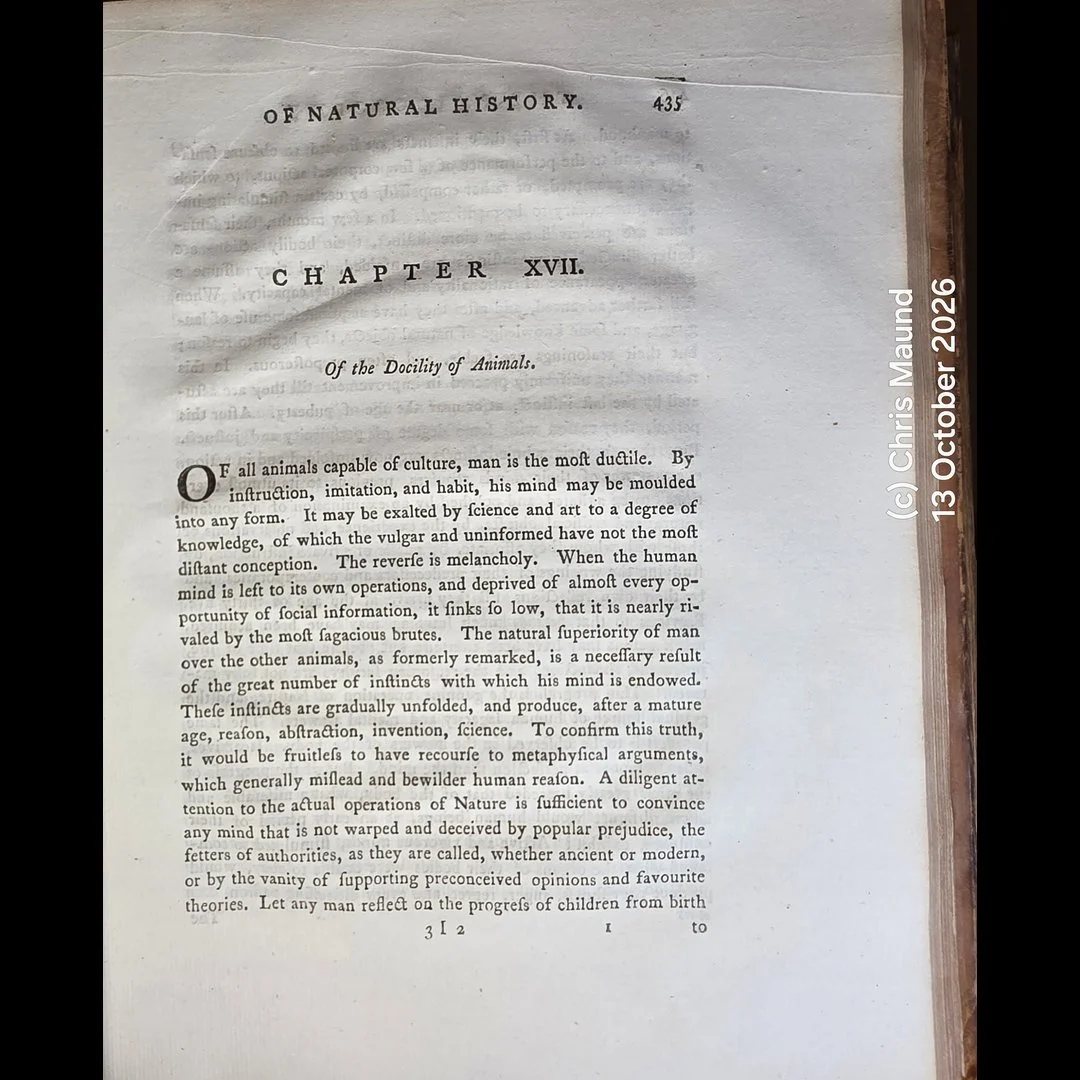
Image 40 of 60
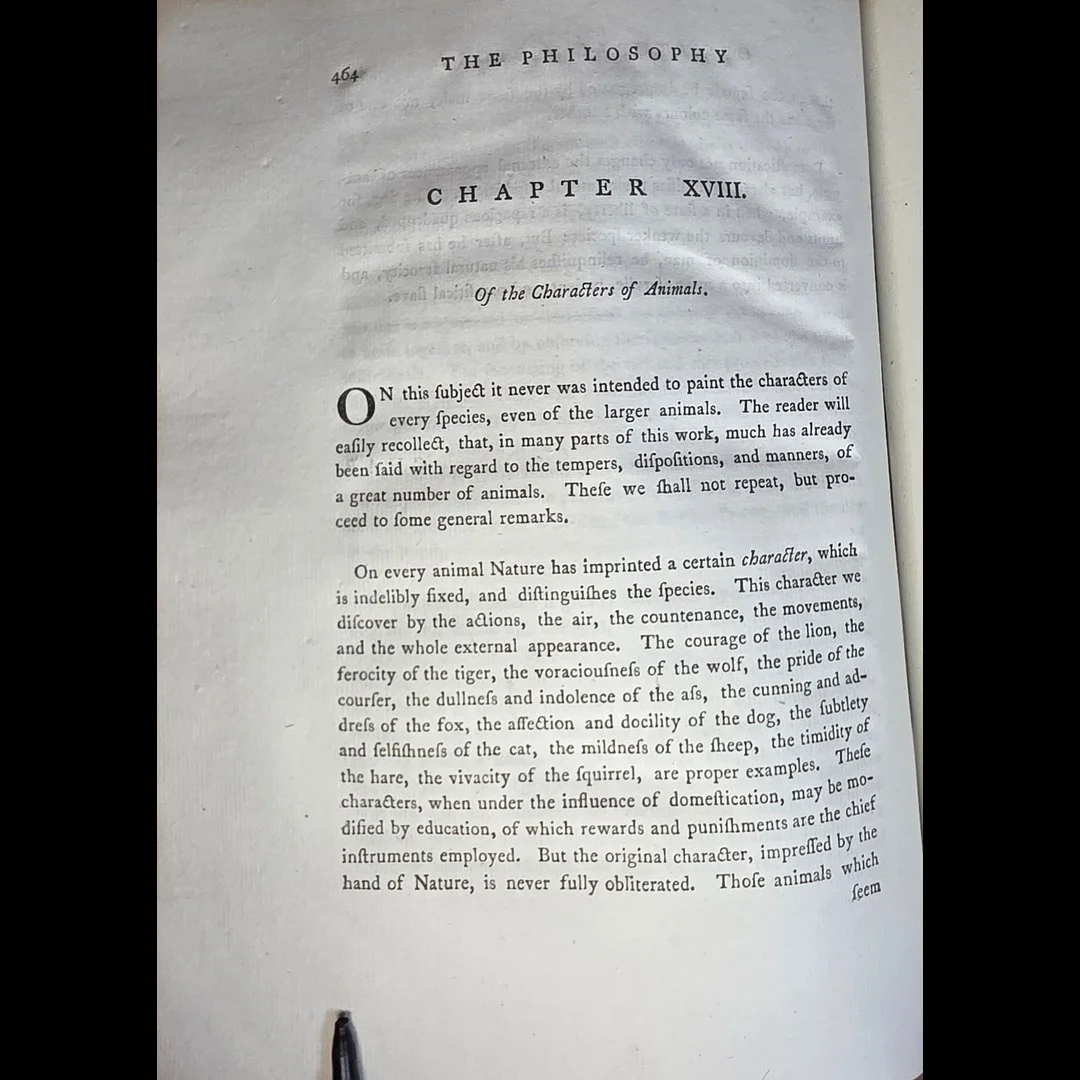
Image 41 of 60
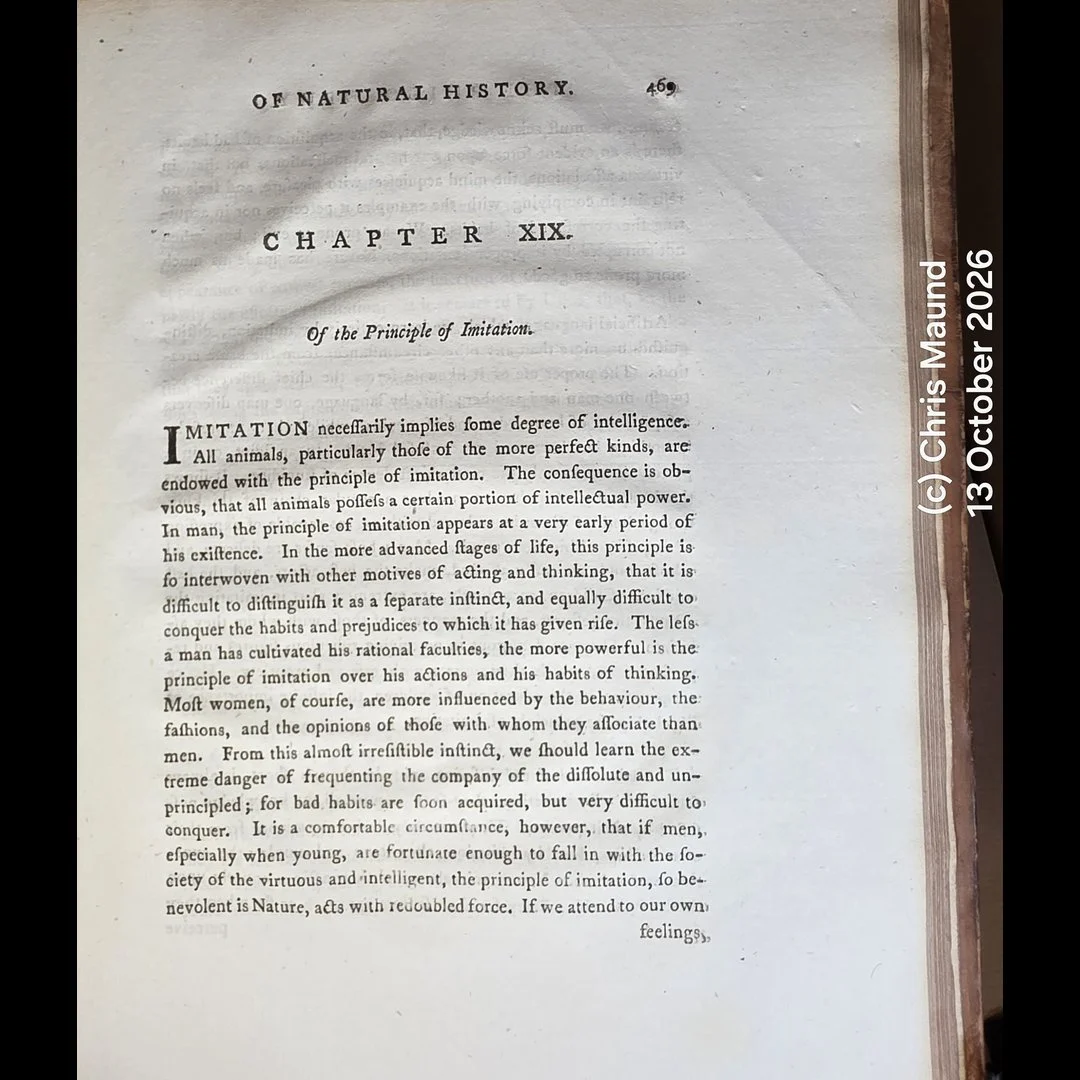
Image 42 of 60
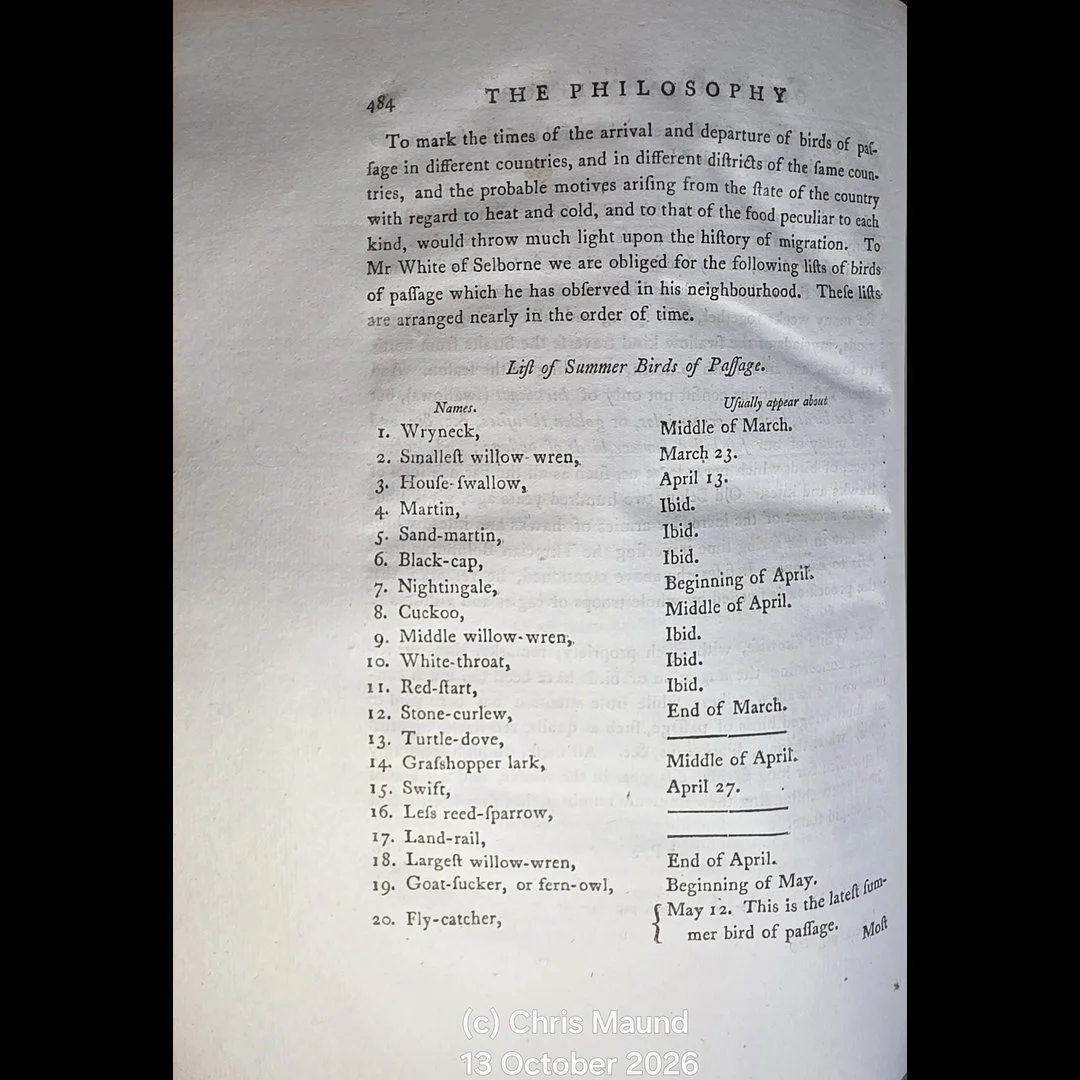
Image 43 of 60
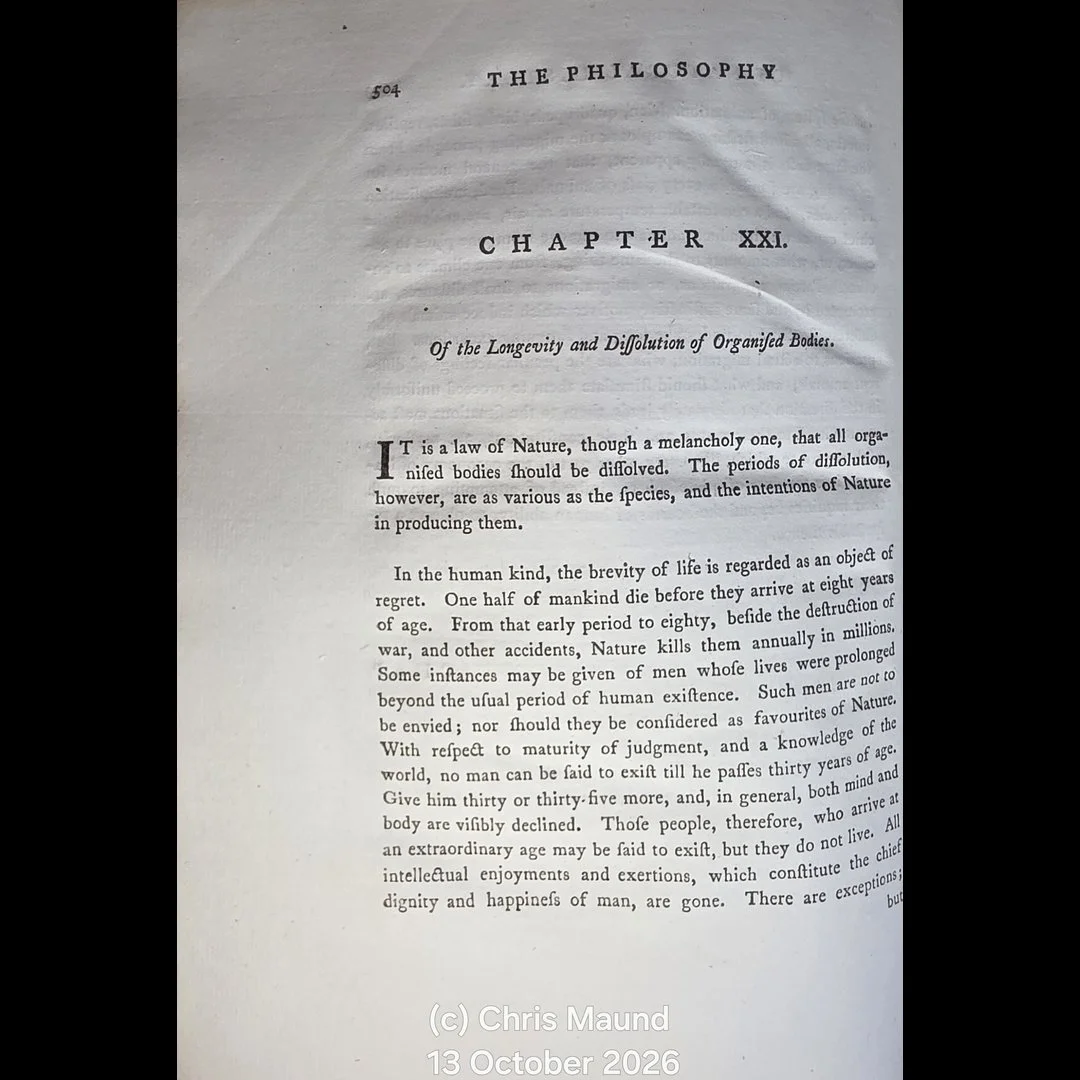
Image 44 of 60
Image 45 of 60
Image 46 of 60
Image 47 of 60
Image 48 of 60
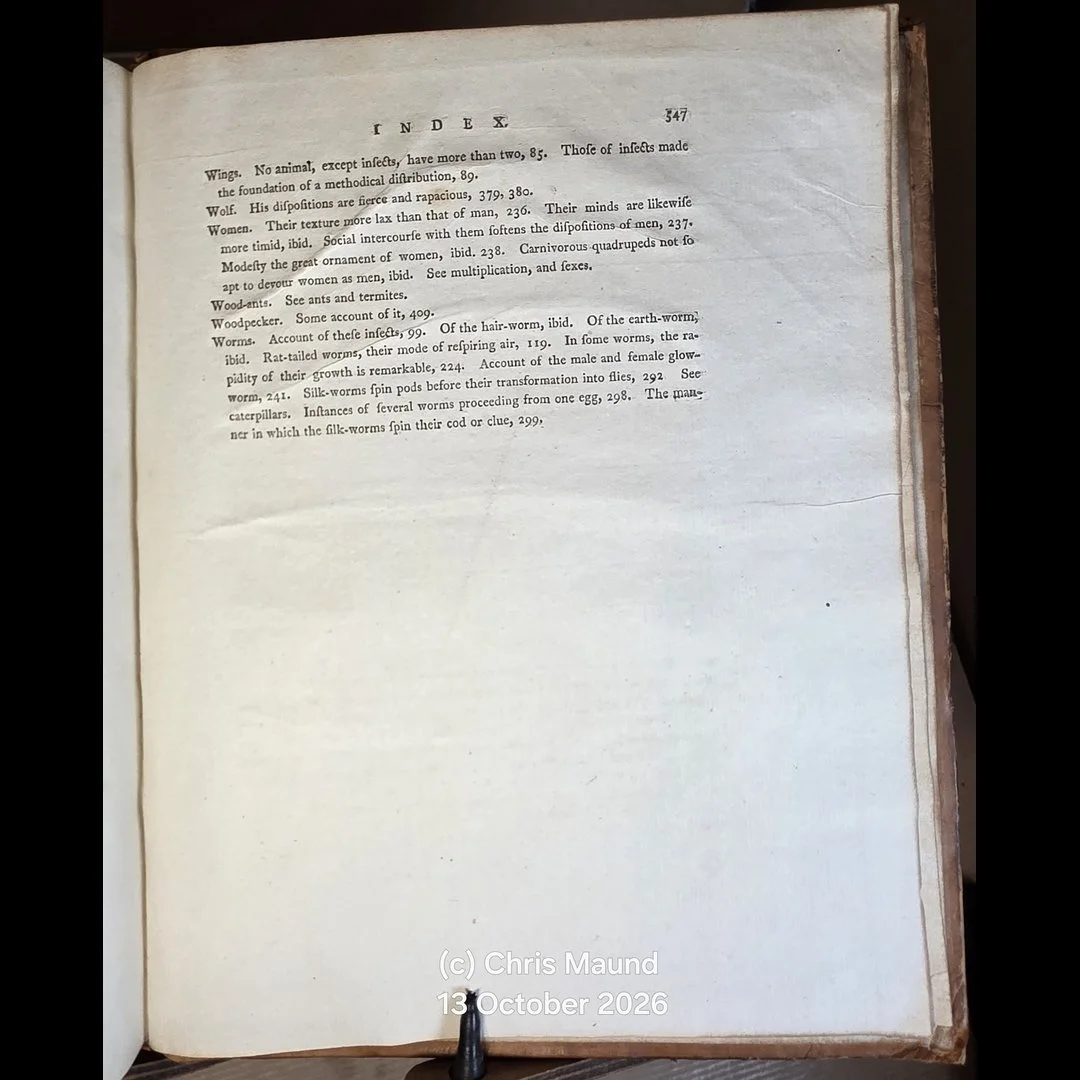
Image 49 of 60
Image 50 of 60

Image 51 of 60
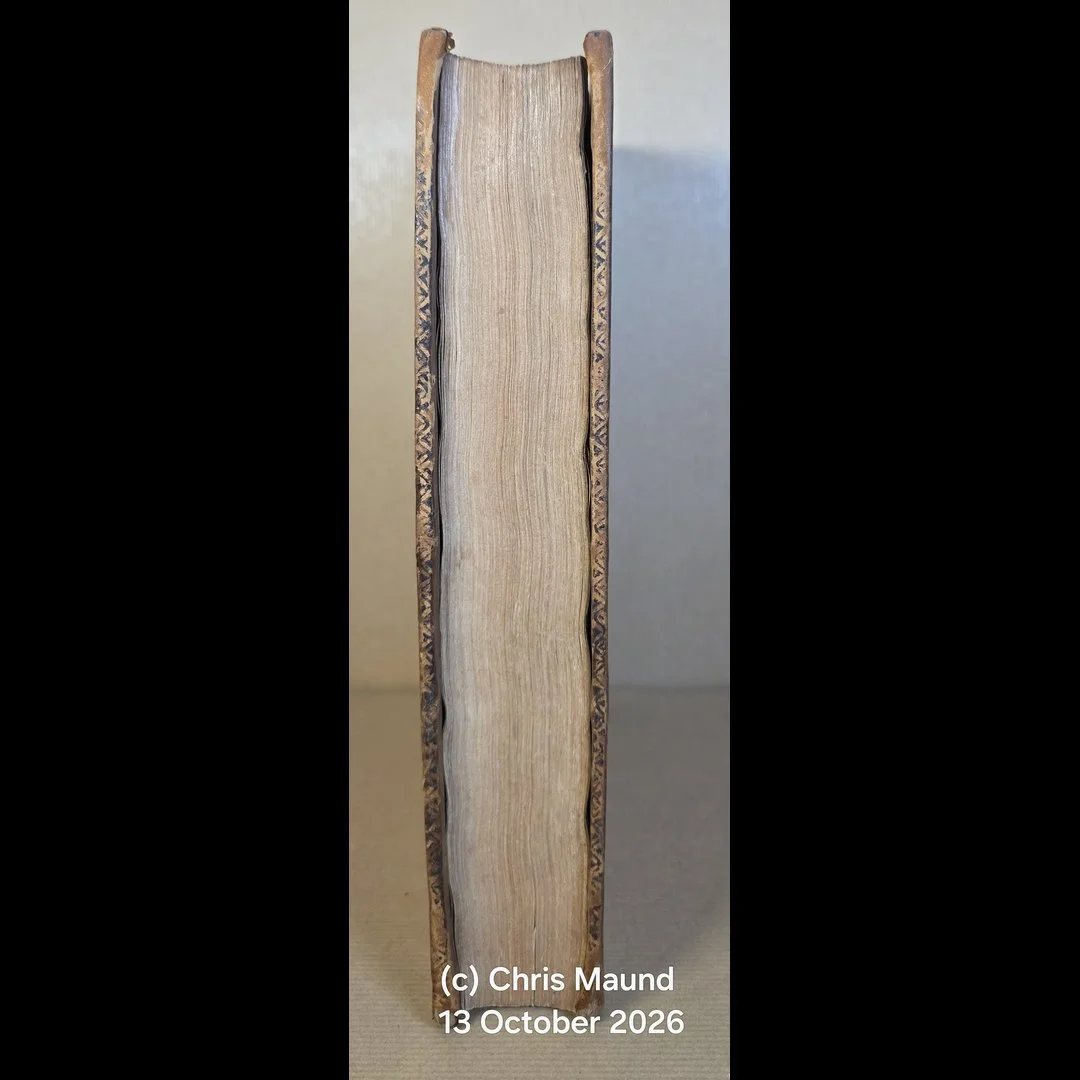
Image 52 of 60

Image 53 of 60

Image 54 of 60
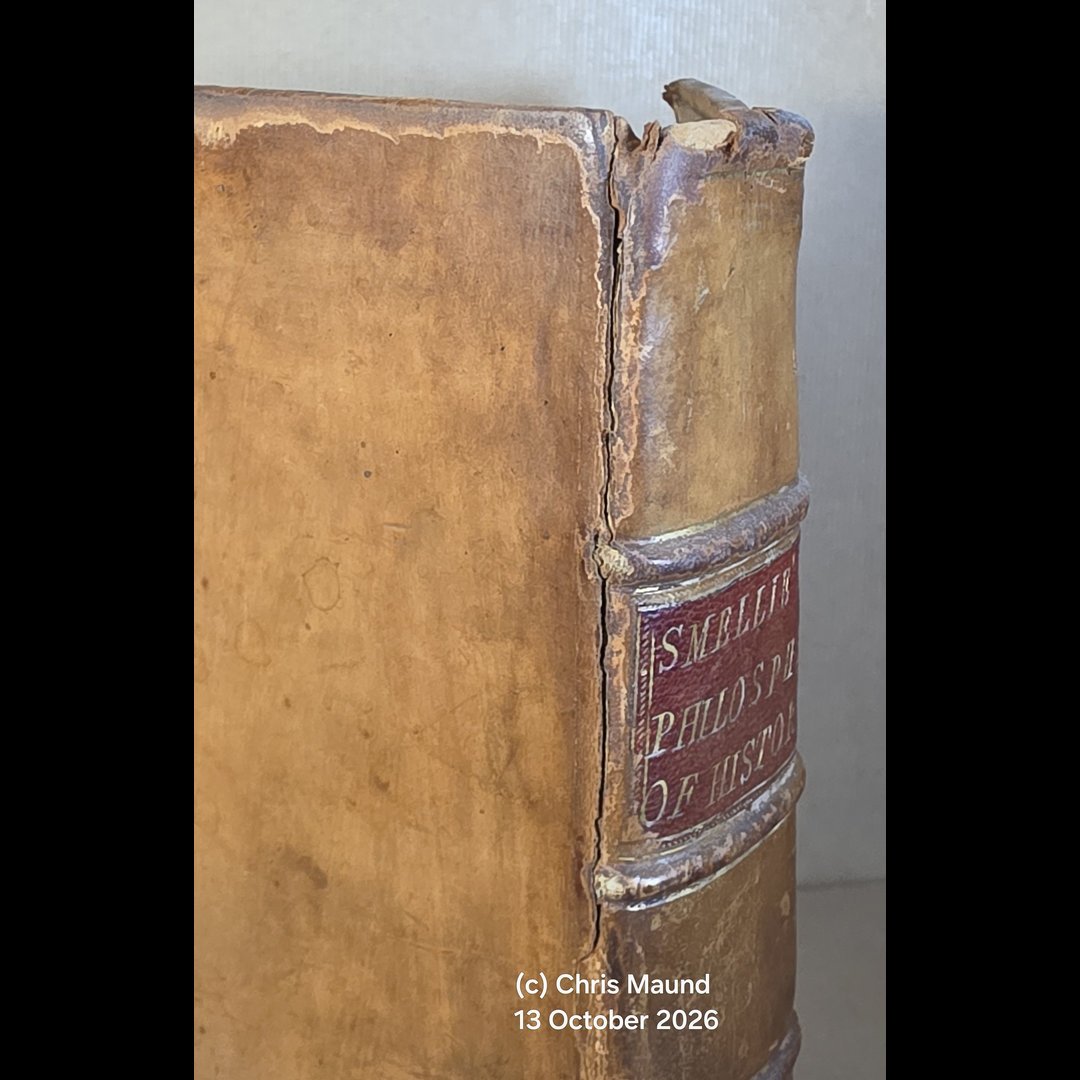
Image 55 of 60
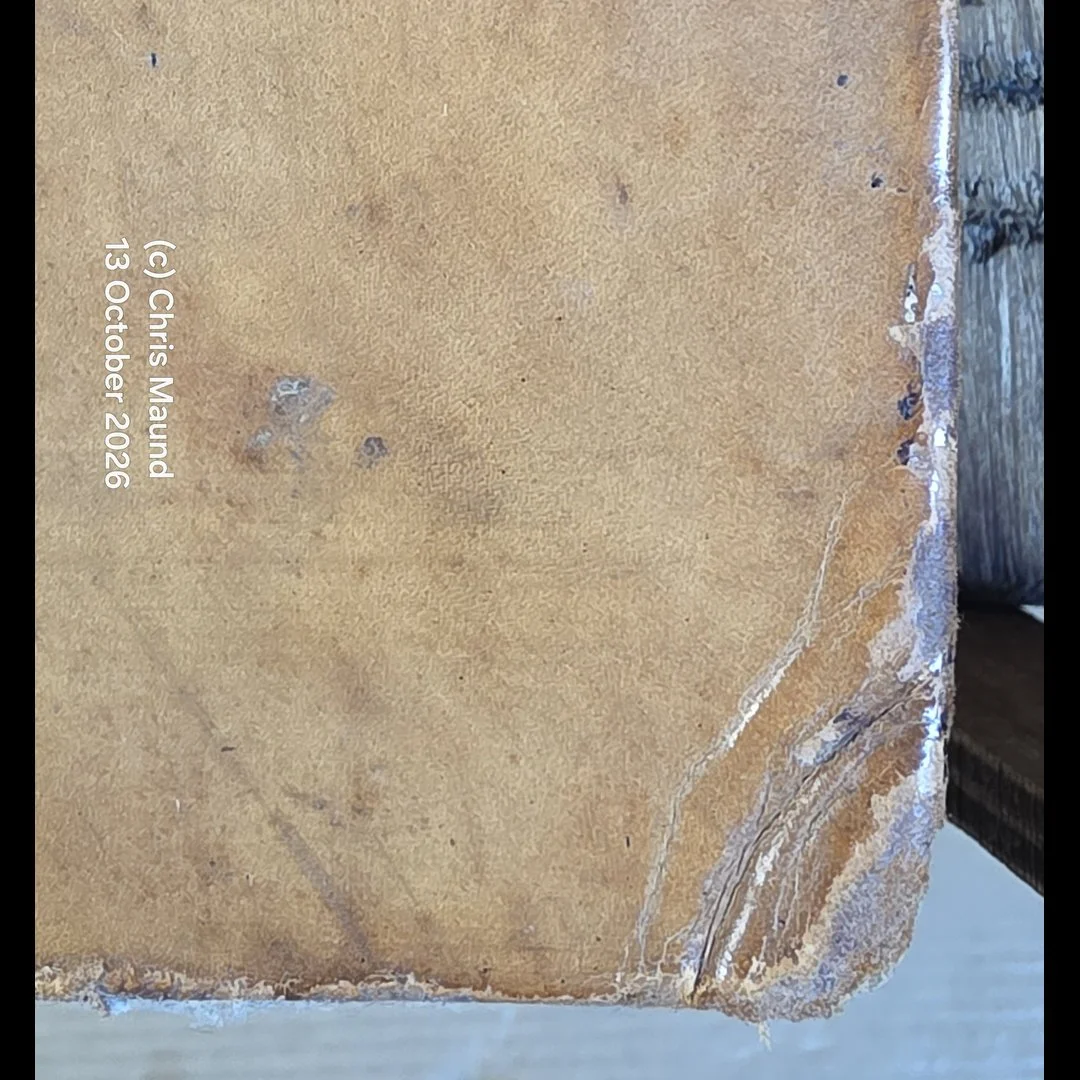
Image 56 of 60
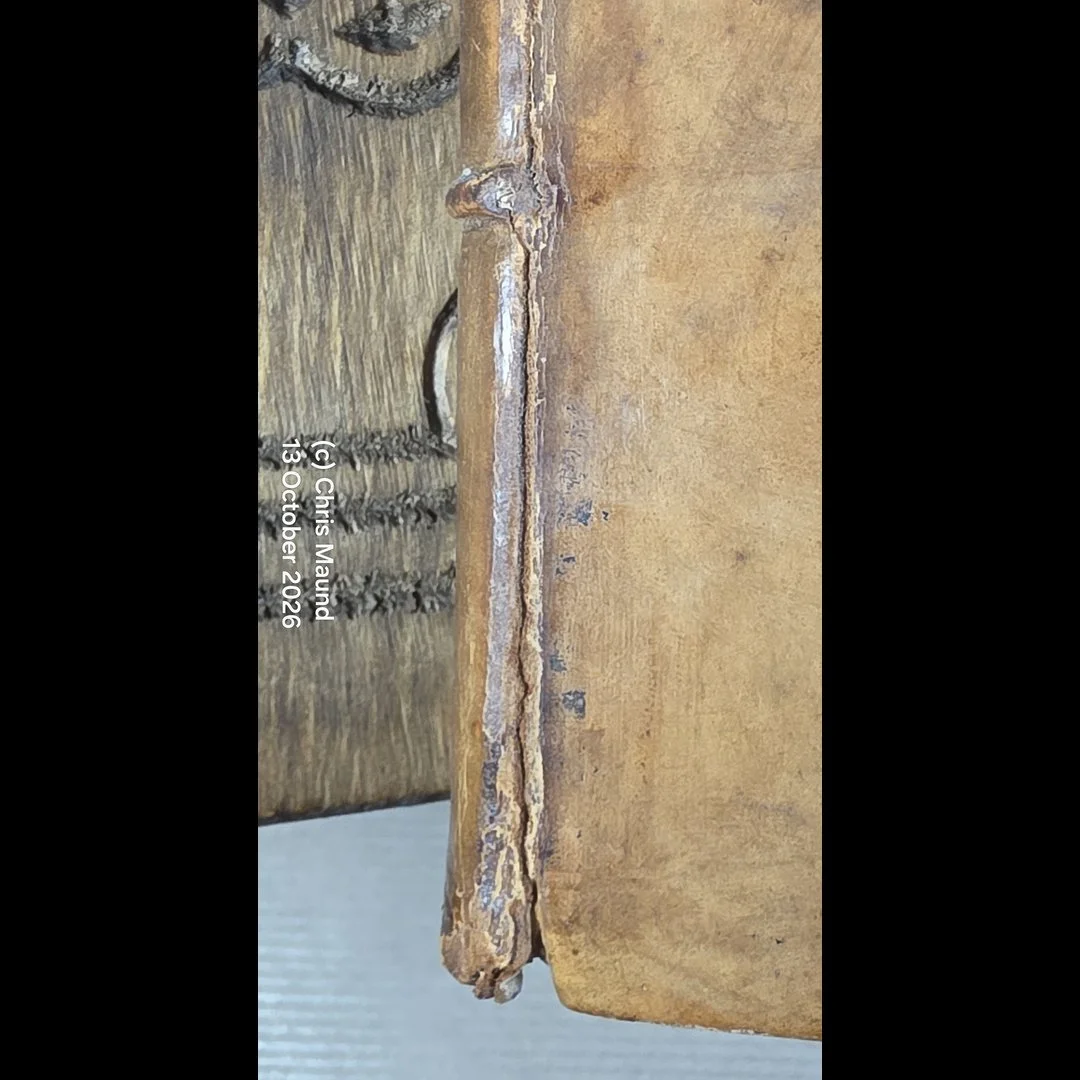
Image 57 of 60
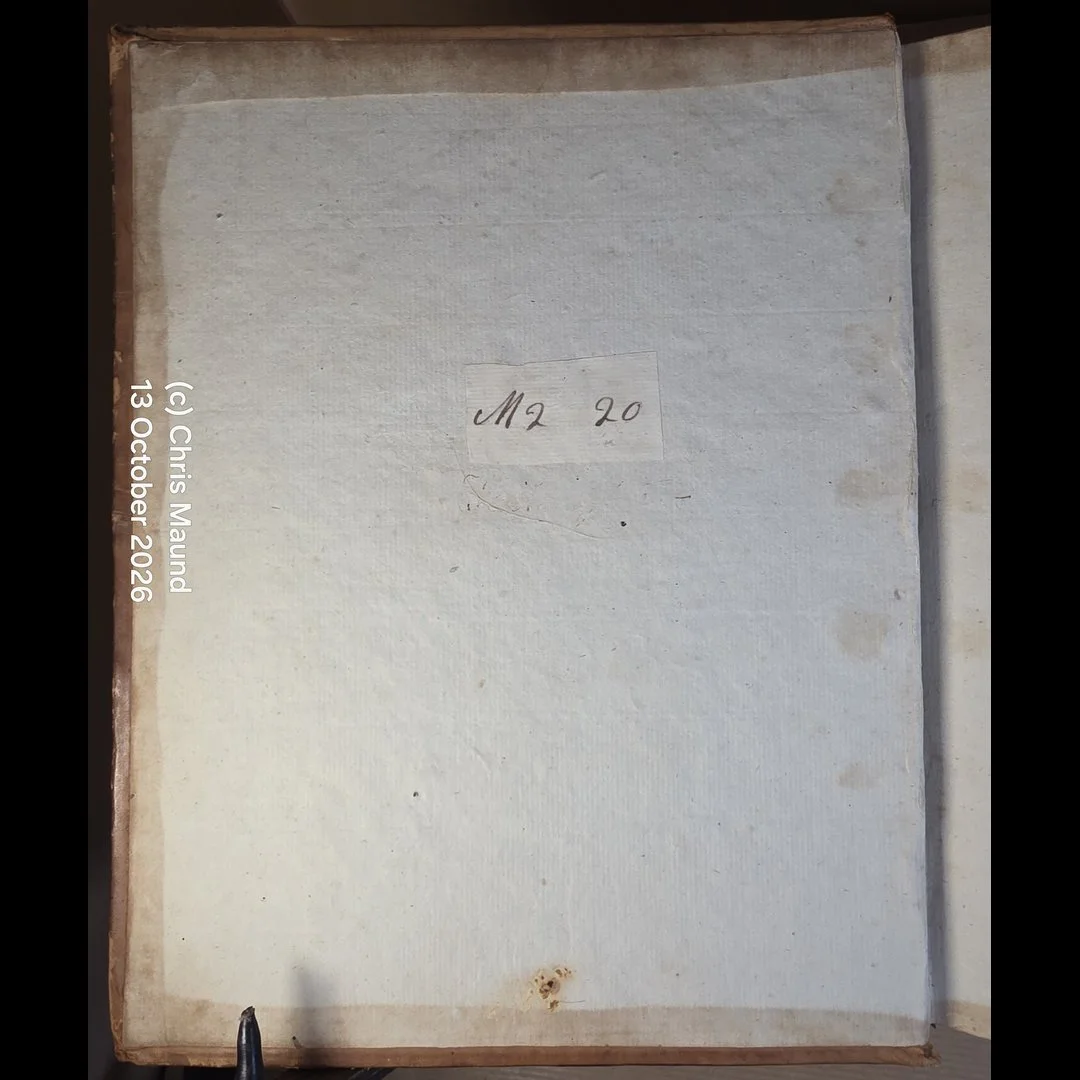
Image 58 of 60
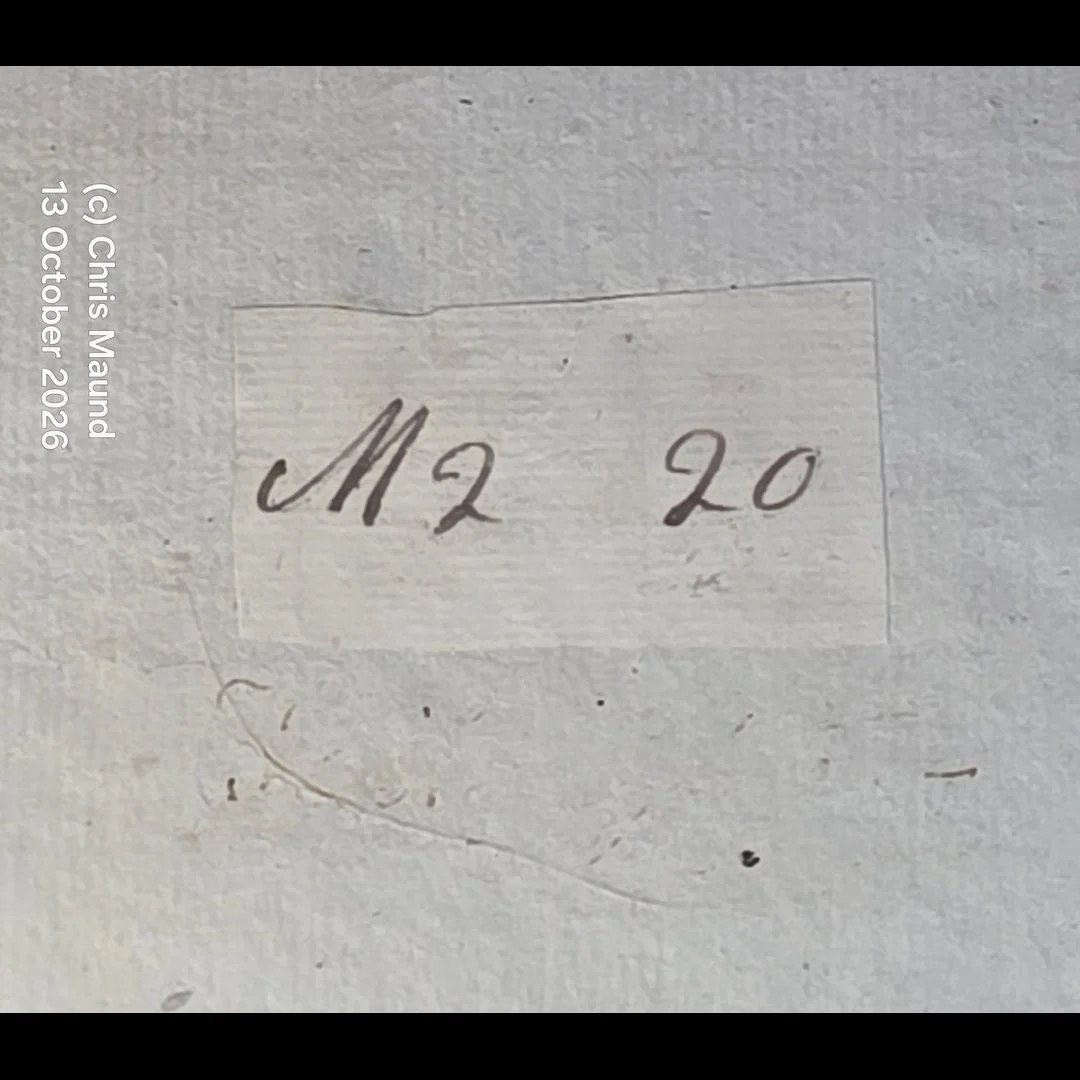
Image 59 of 60
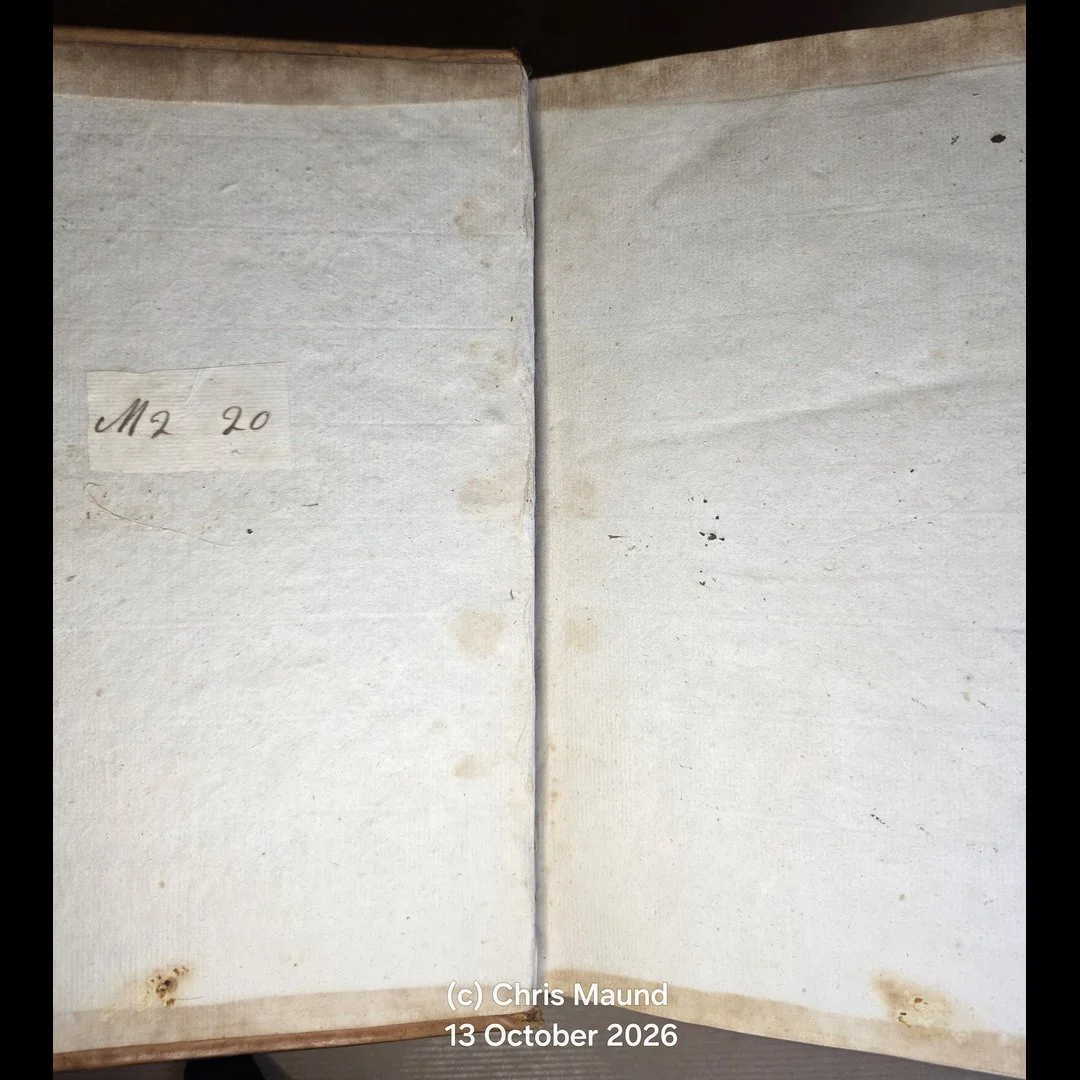
Image 60 of 60
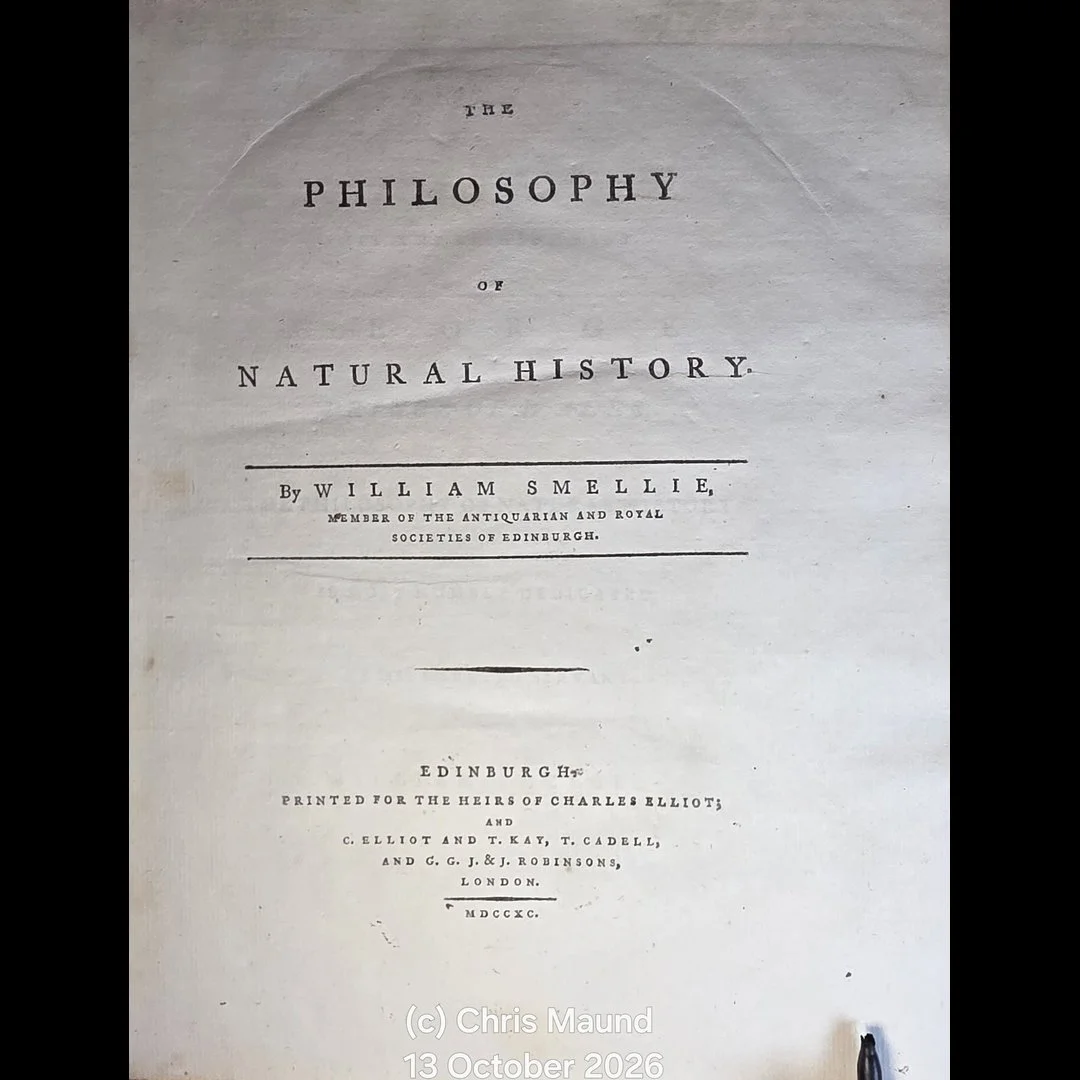
1790 First Edtn THE PHILOSOPHY OF NATURAL HISTORY VOL 1 By William Smellie
1790 First Edition
THE PHILOSOPHY OF NATURAL HISTORY VOL 1
By William Smellie
KEY DETAILS
Condition: Very Good
Format: Leather, Imperial octavo (8vo 8 1⁄4 × 11 1⁄2 in 210 × 292 mm )
Note: Binding/size selection follows standard bibliographic conventions and is approximate; exact measurements may vary.
Published By: Printed for the Heirs of Charles Elliot; and C. Elliot and T. Kay, T. Cadell, and G.G.J. & J. Robinsons, London, 1790
Language: English
Collation: pp. 547
Dust Jacket: None, as issued
SKU: BTETM0002052
Shipping Info: Approximate Package Dimensions H: 15, L: 30, W: 25 (Units: cm), W: 2Kg
Tracked Shipping, Insurance Coverage as per Customer Request
CONDITION, COLLATION & COPY NOTES
COLLATION
pp. 547
Very Good.
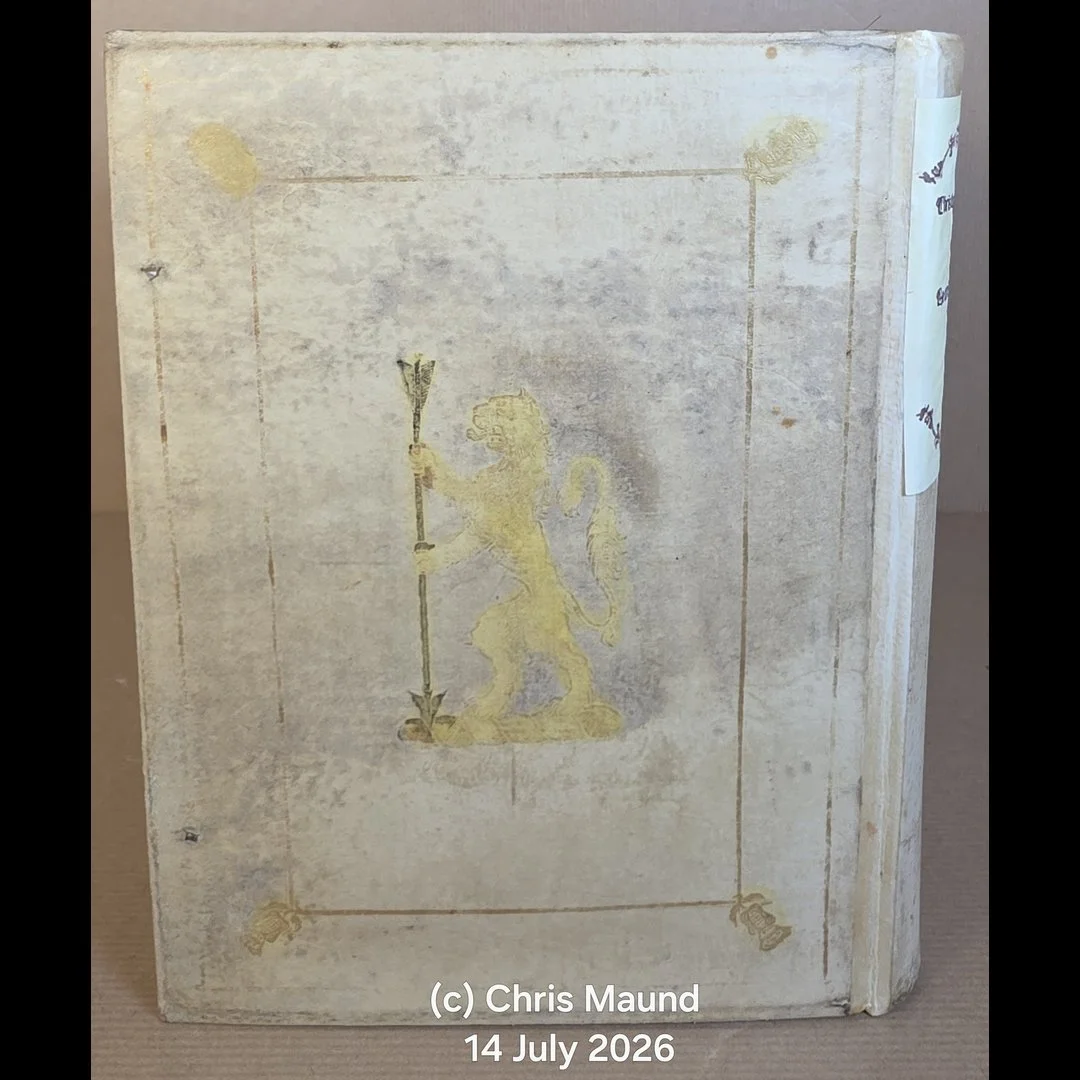
Contemporary calf, red morroco label to spine, minor cracking to joints (firm), light scuffs to corners, 4to
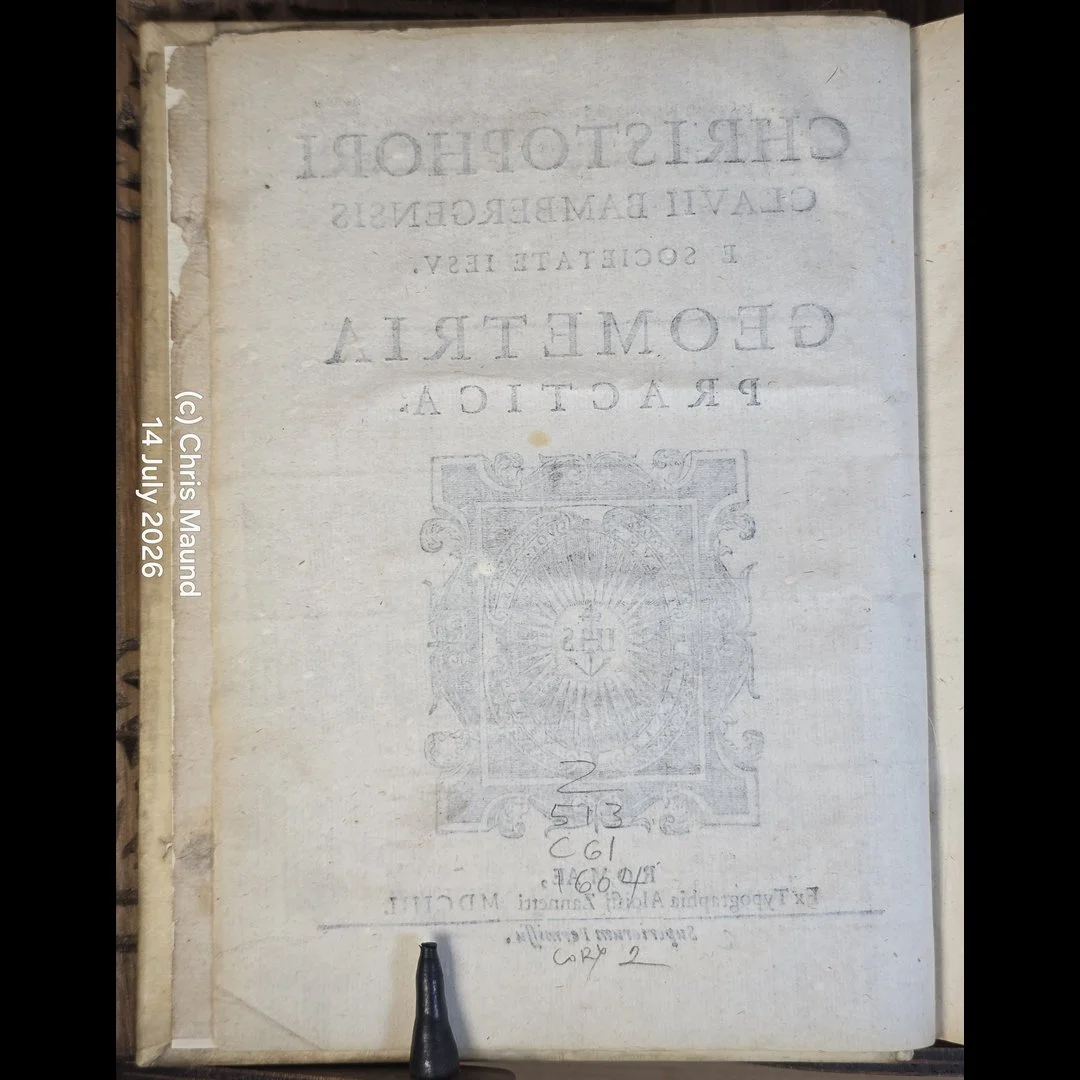
Please see photographs as part of the condition report.
SYNOPSIS
First edition of the last work published during Smellie’s lifetime; a second volume was posthumously published by his son in 1799. An attempt to contextualise scientific observation philosophically, distinguishing between plants and animals and among animals on the points of conscious will and psychological self-awareness.
AUTHOR BIO
William Smellie (5 February 1697 – 5 March 1763) was a Scottish obstetrician and medical instructor who practiced and taught primarily in London. One of the first prominent male midwives in Britain, he designed an improved version of the obstetrical forceps, established safer delivery practices, and through his teaching and writing helped make obstetrics more scientifically based. He is often called the "father of British midwifery".
Contemporary calf, red morroco label to spine, minor cracking to joints (firm), light scuffs to corners, 4to