Sale Price:
£230.00
Original Price:
£250.00
1911 First Trade Edition
SIEGFRIED AND THE TWILIGHT OF THE GODS
By Richard Wagner, Translated by Margaret Armour
KEY DETAILS
Condition: Good
Format: Hardcover, Super octavo (8vo 7 × 11 in 178 × 279 mm )
Note: Binding/size selection follows standard bibliographic conventions and is approximate; exact measurements may vary.
Published By: William Heinemann & Co, London, 1911
Language: English
Illustrated By: Arthur Rackham
Collation: ix, [1], 182 pp., plus 30 tipped-in colour plates.
SKU: BTETM0002068
Shipping Info: Approximate Package Dimensions H: 12.5, L: 30, W: 25 (Units: cm), W: 2Kg
Tracked Shipping, Insurance Coverage as per Customer Request
DESCRIPTION
Siegfried and the Twilight of the Gods
The Ring of the Niblung — Volume II
A handsome first trade edition of the second volume of Margaret Armour’s English translation of Richard Wagner’s monumental Ring of the Niblung, containing the final two works in the cycle: Siegfried and The Twilight of the Gods.
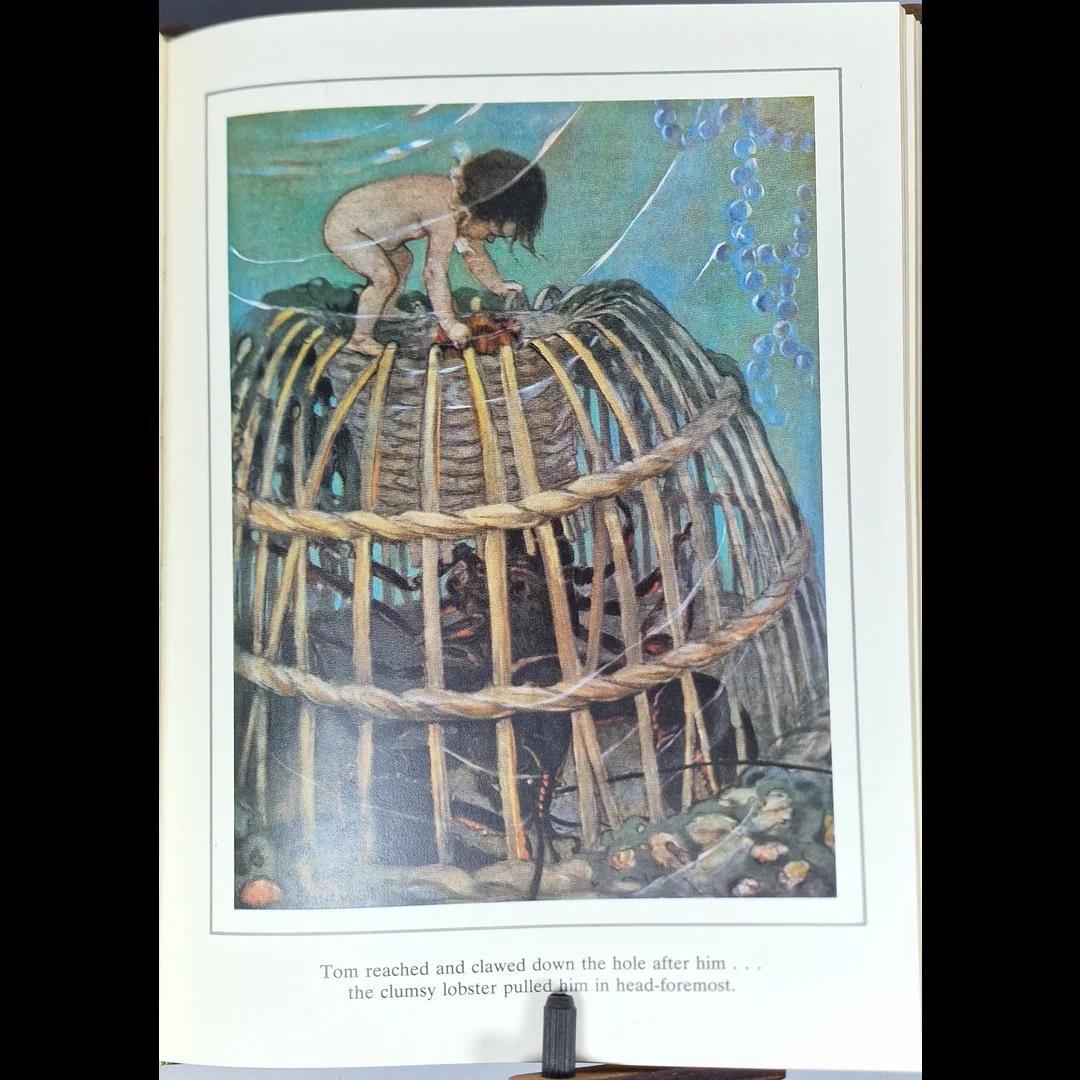
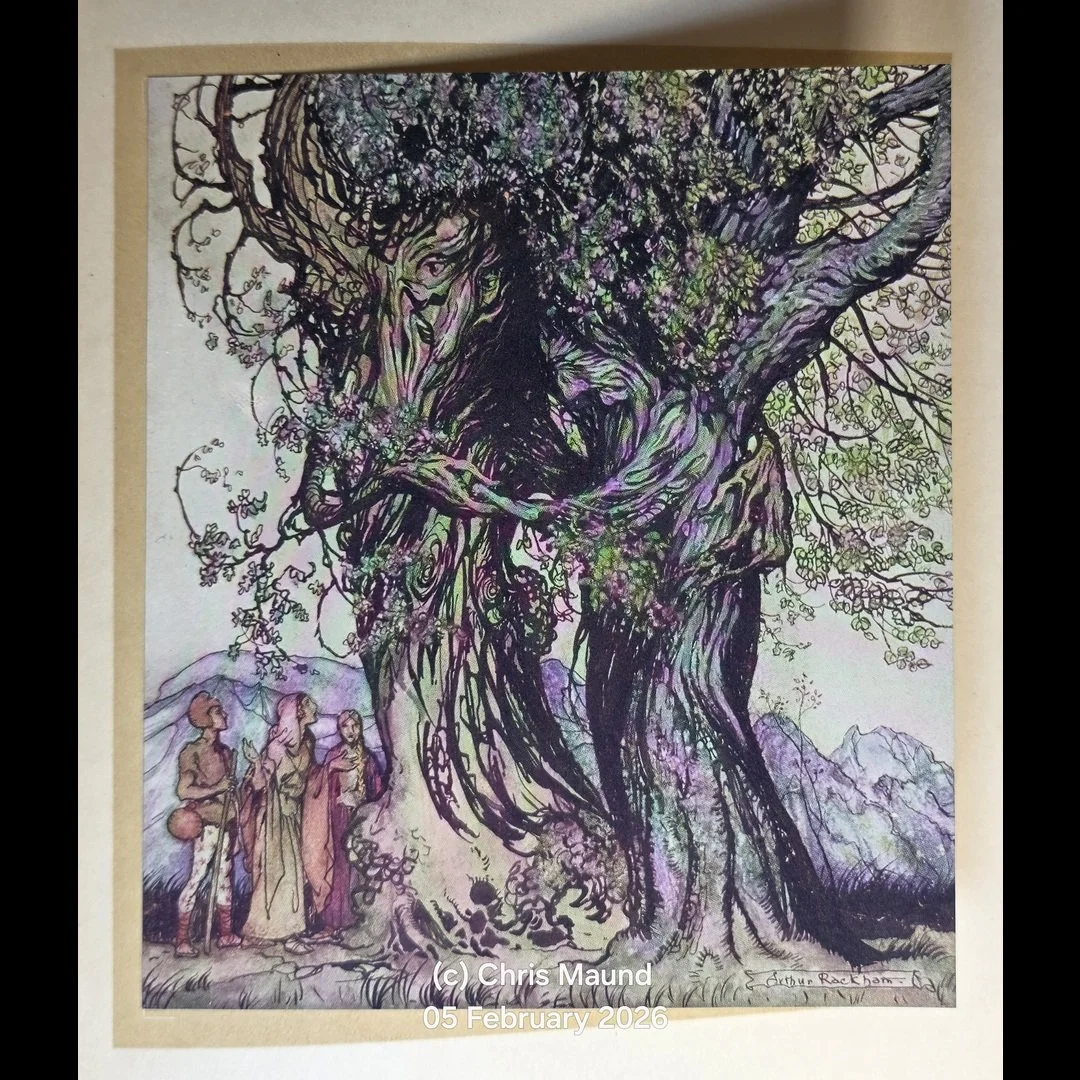
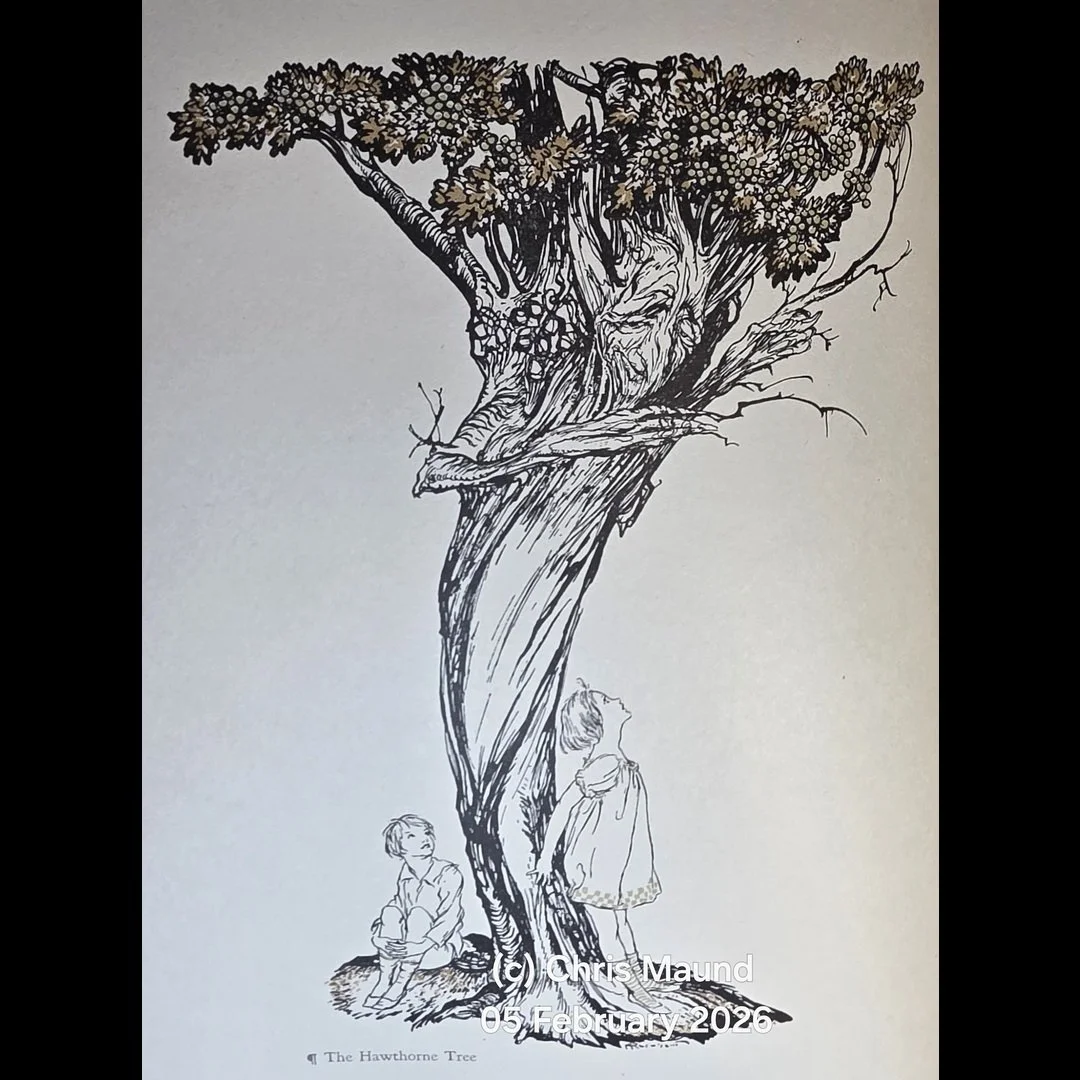
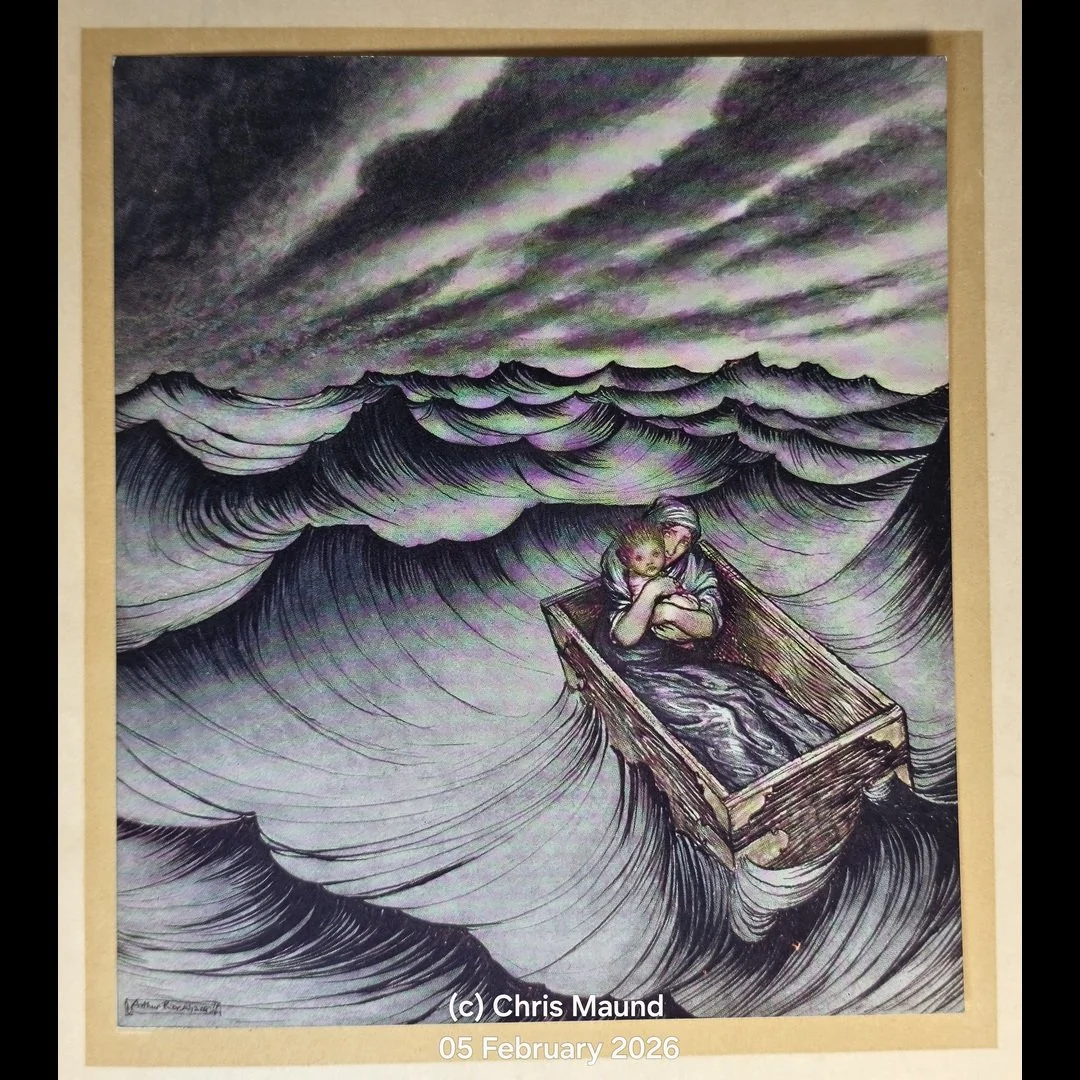
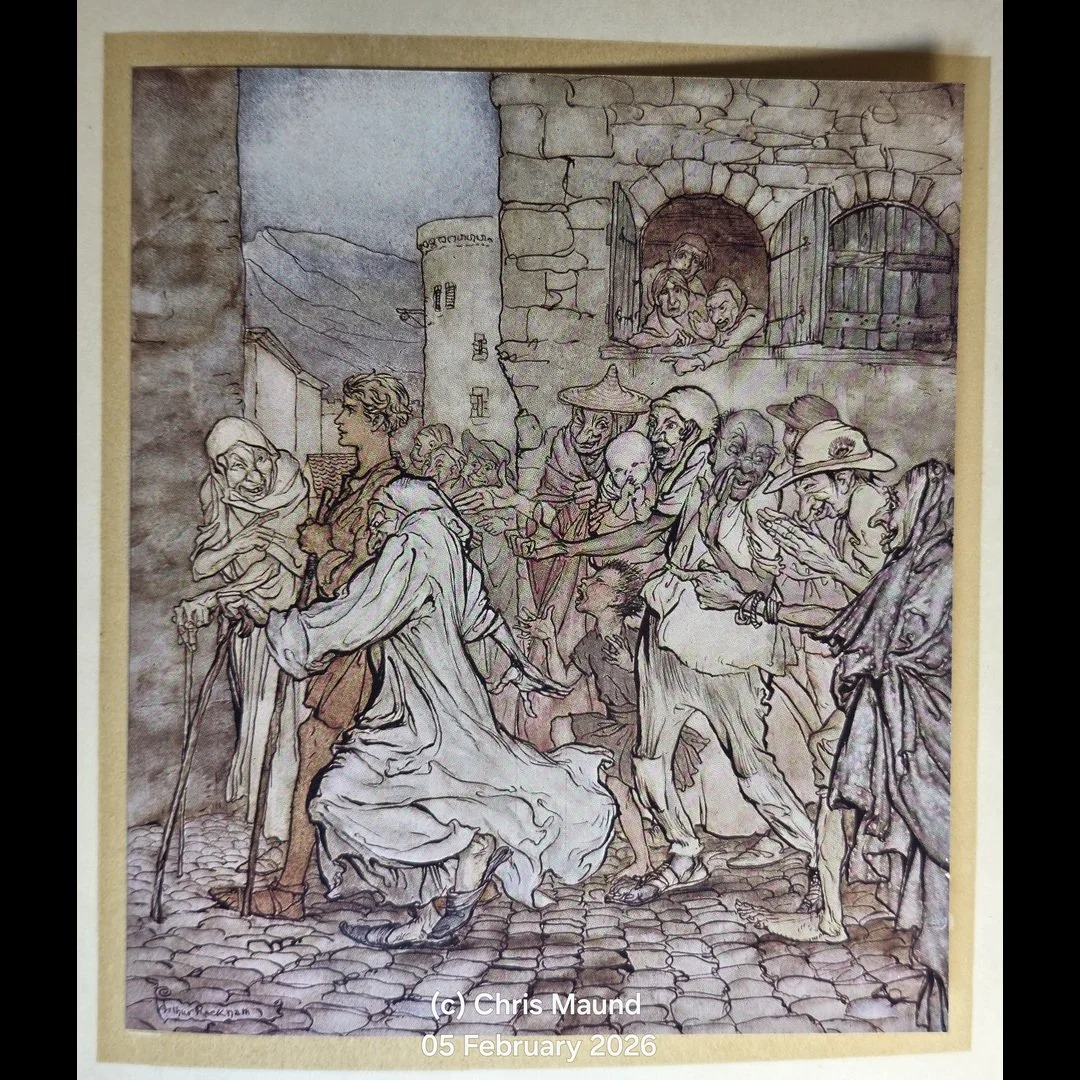
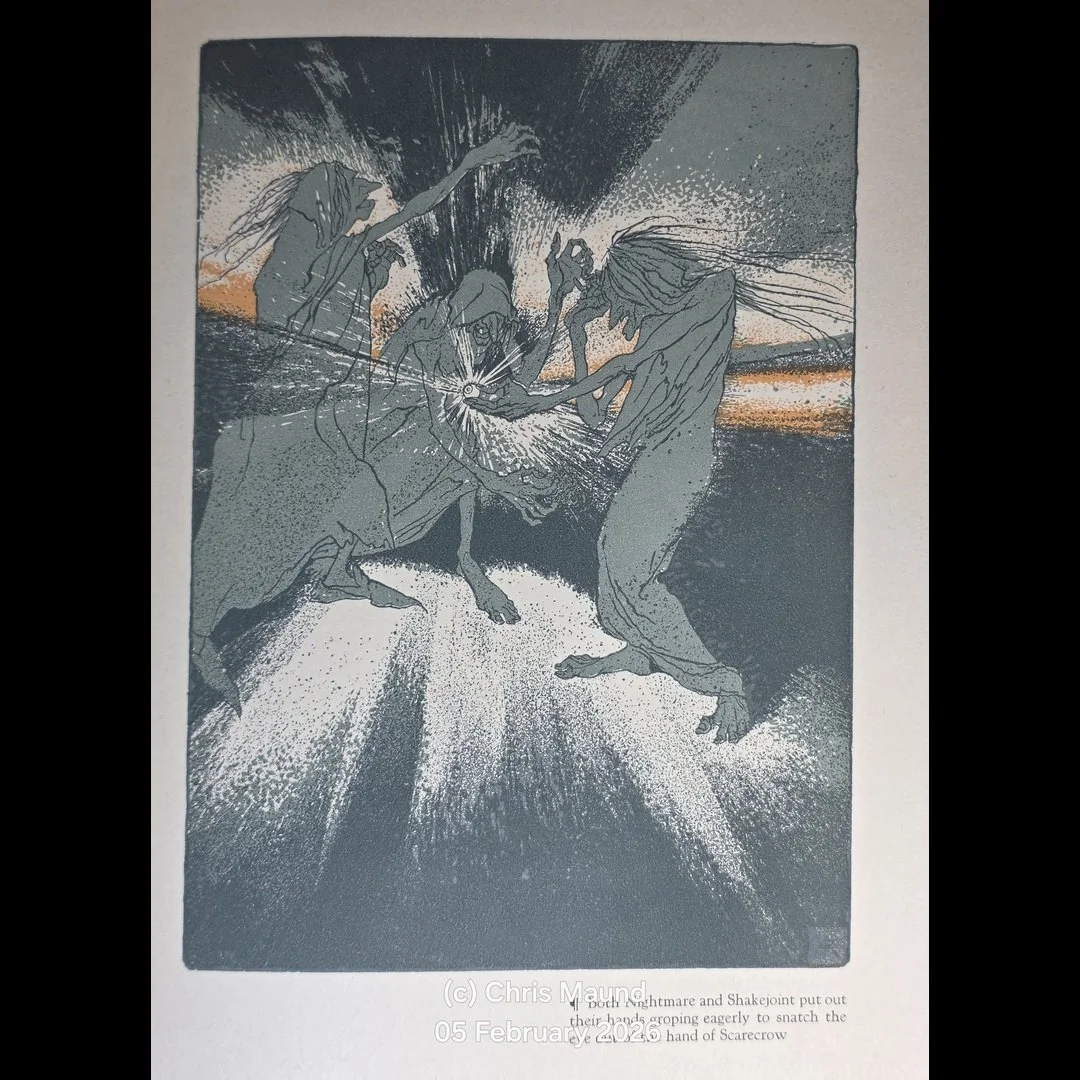
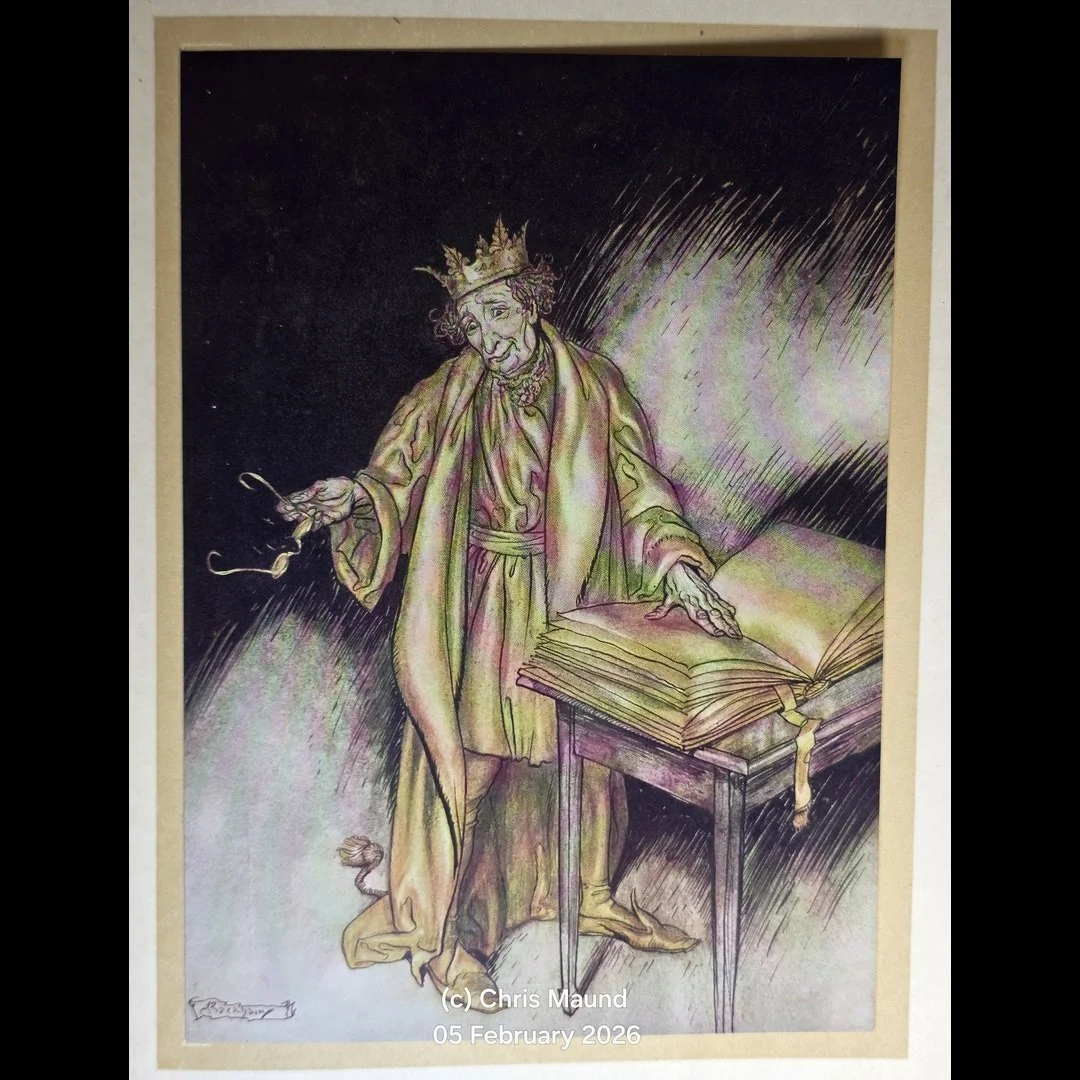
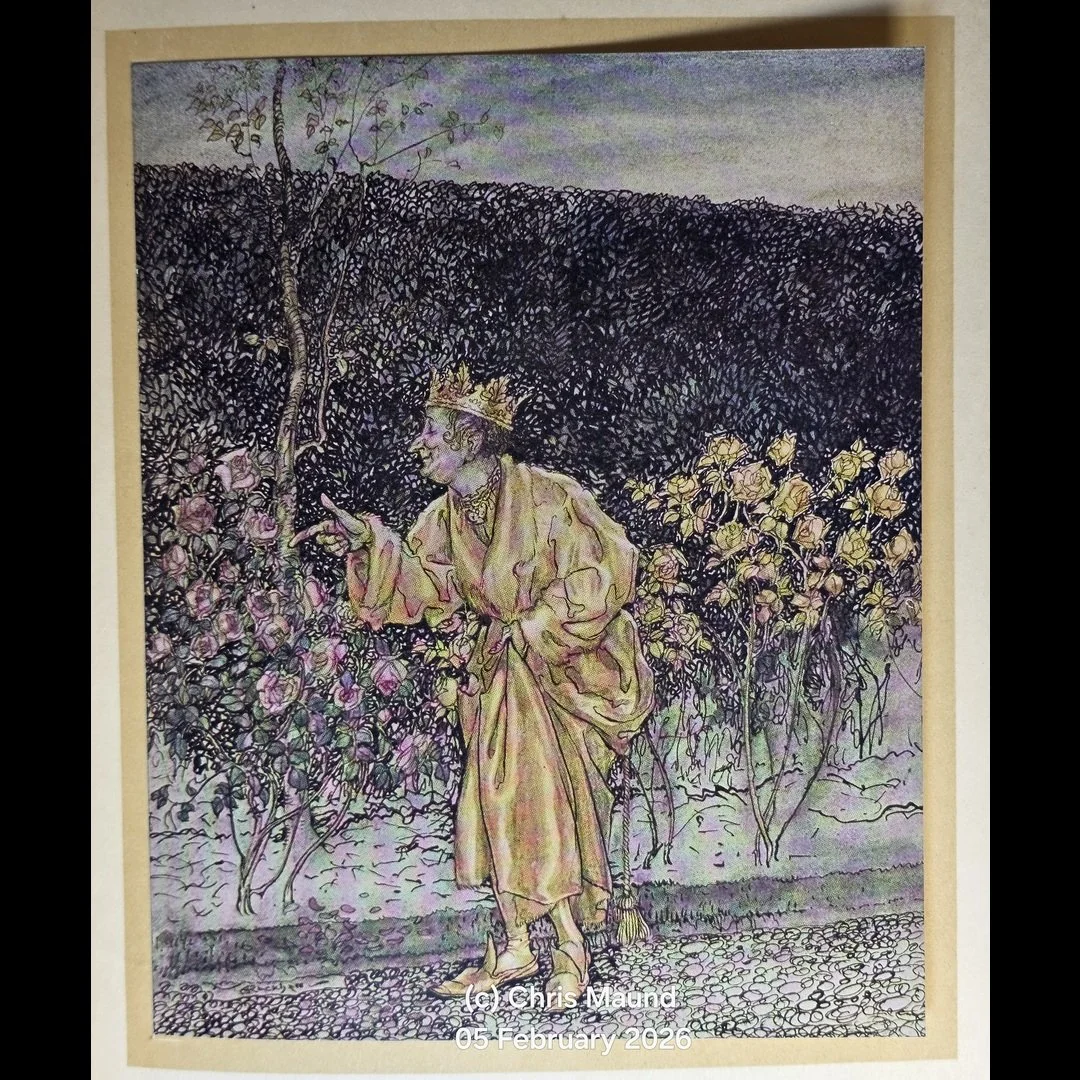
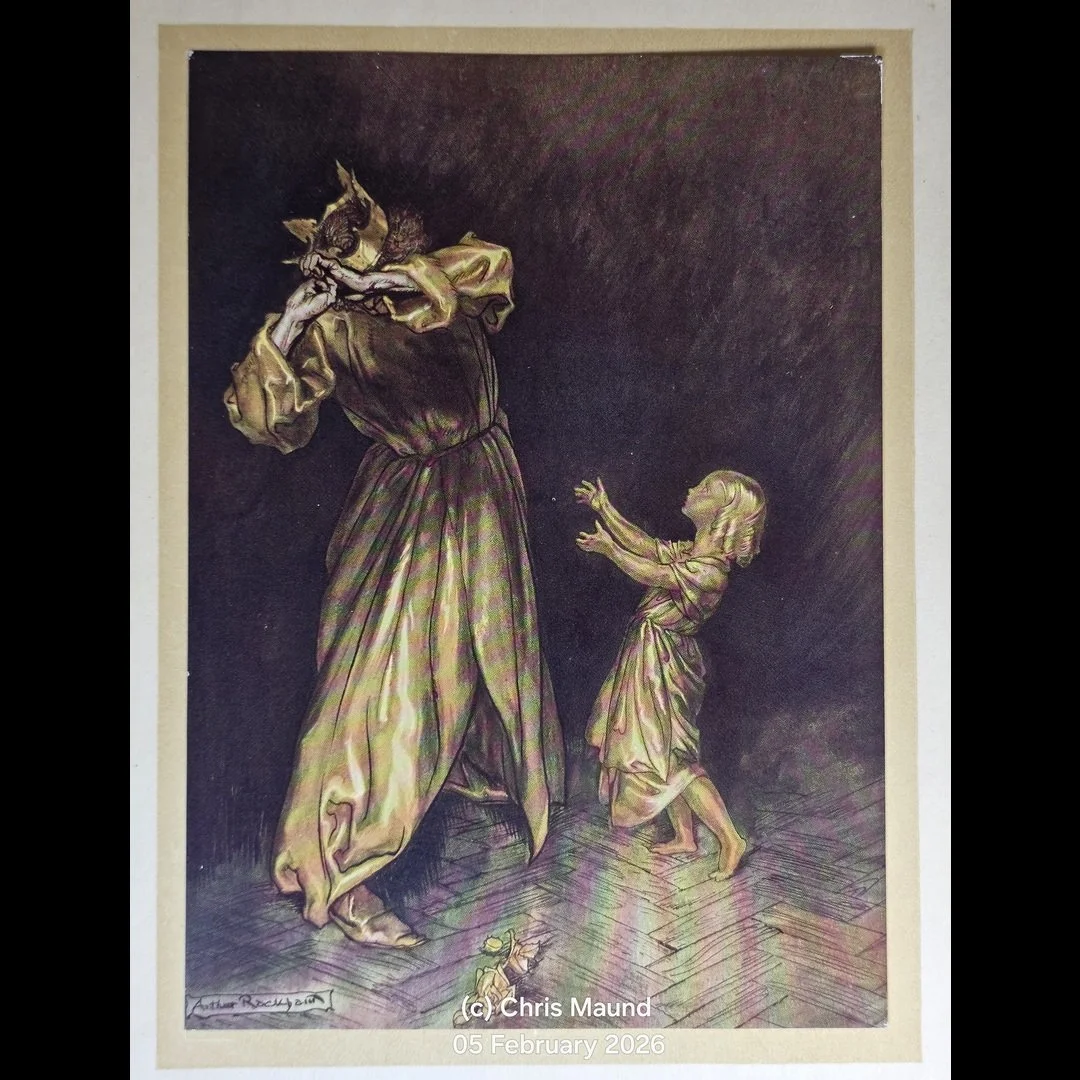
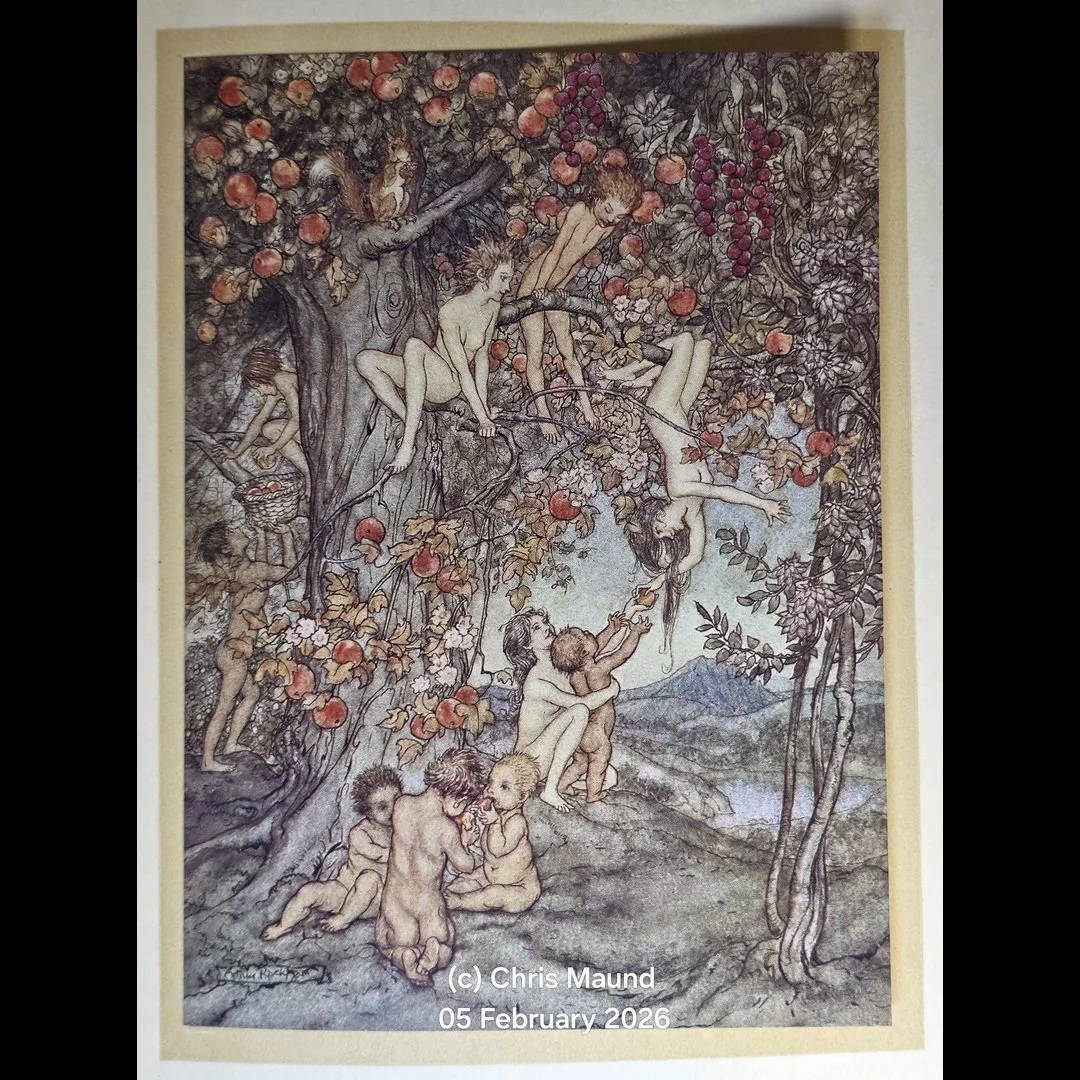
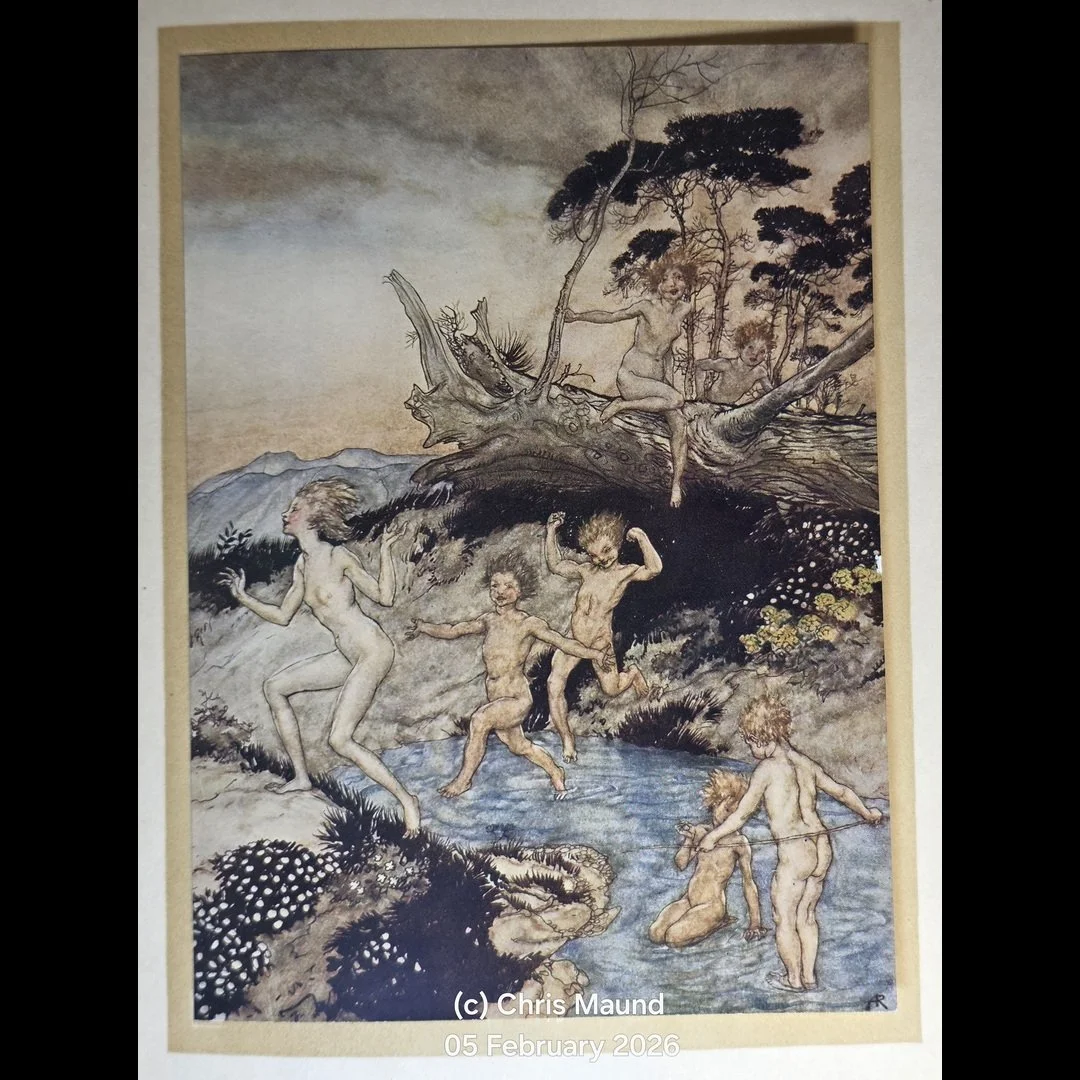
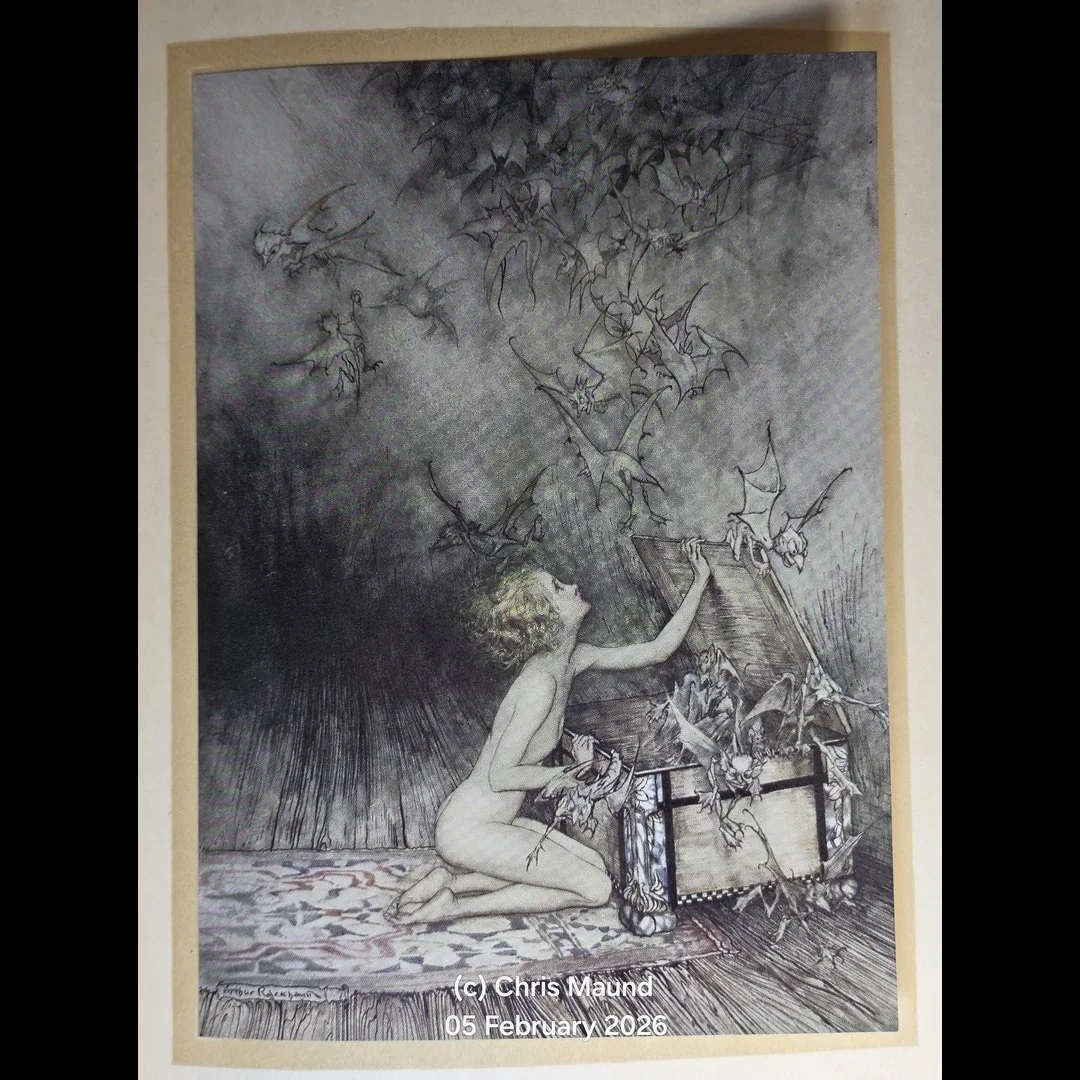
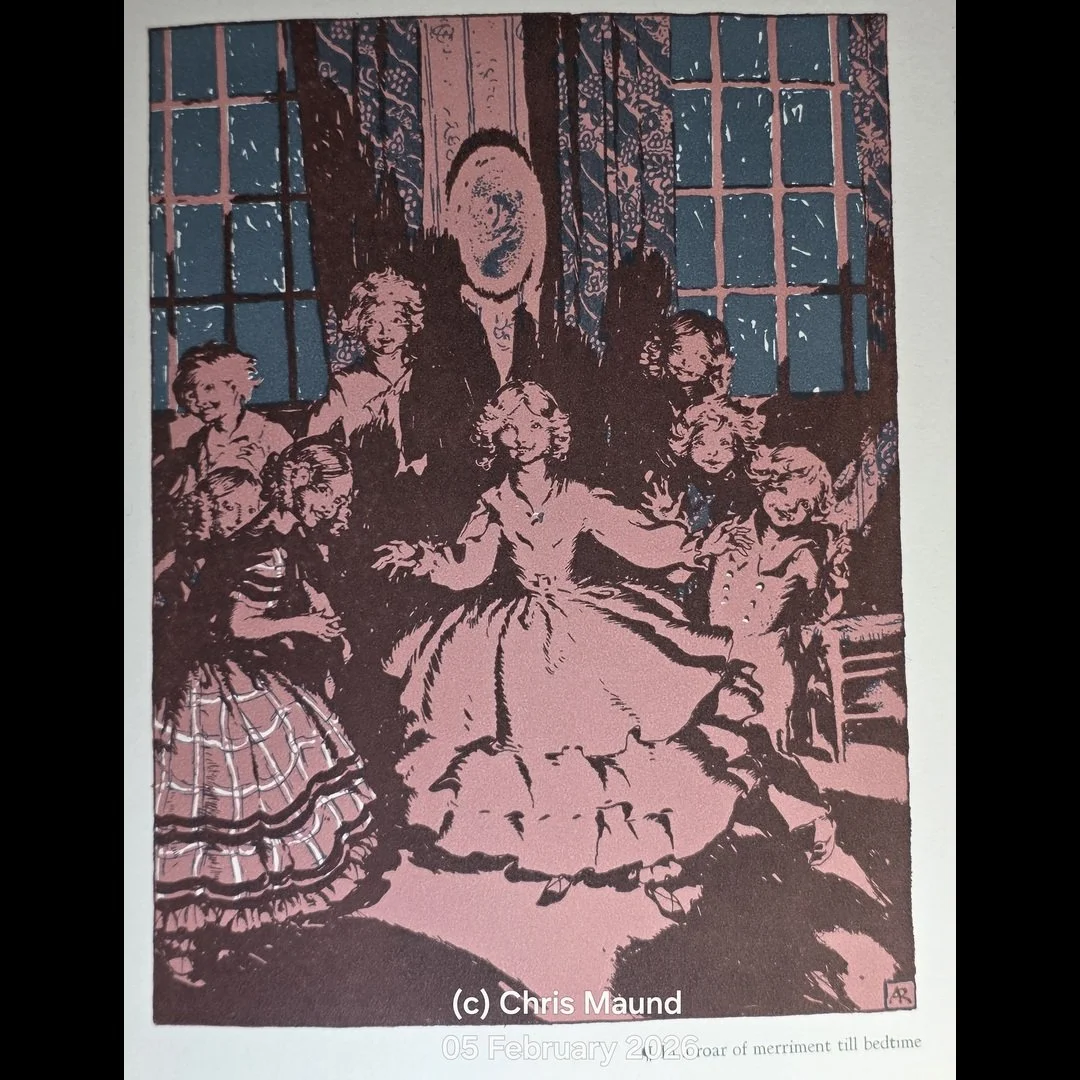
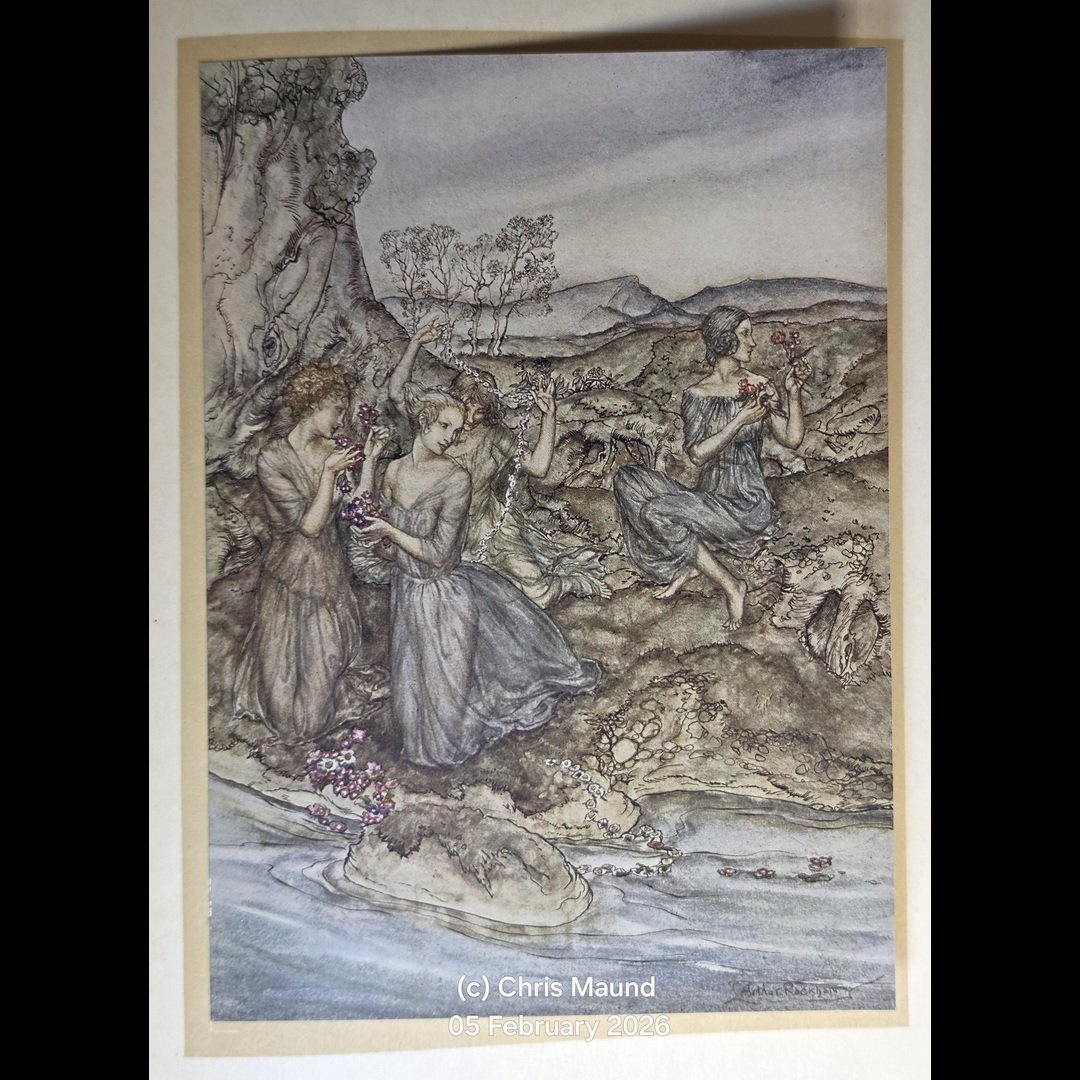
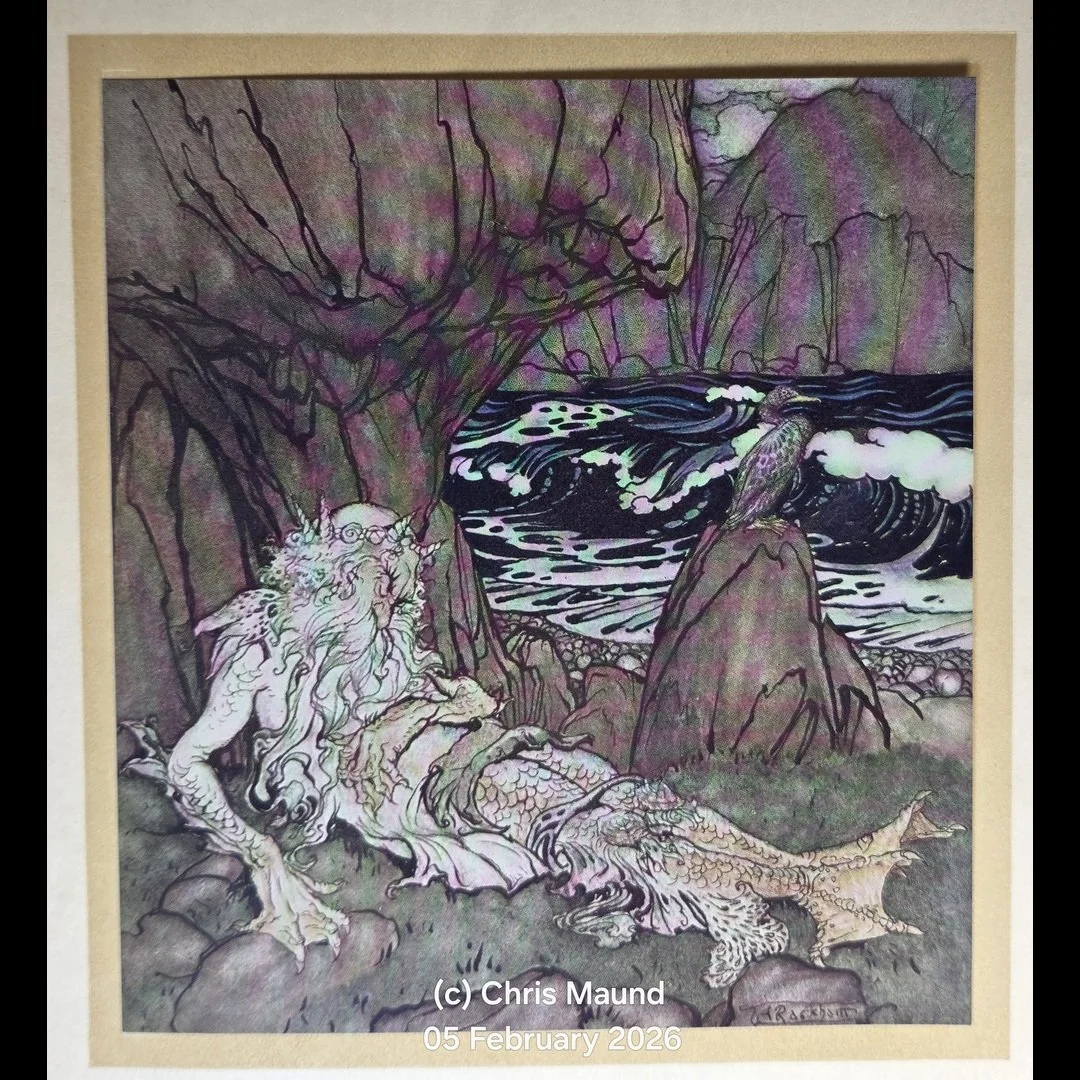
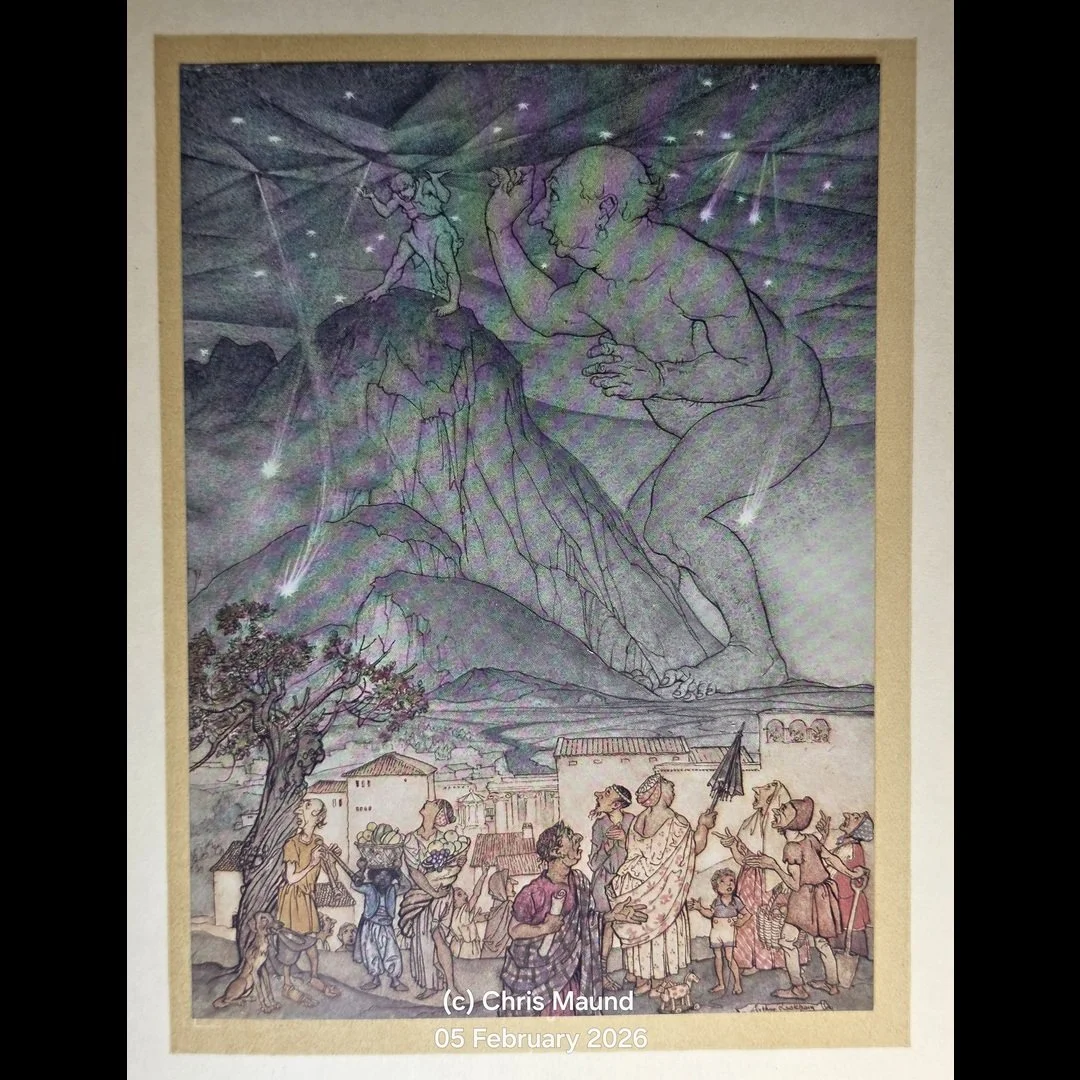
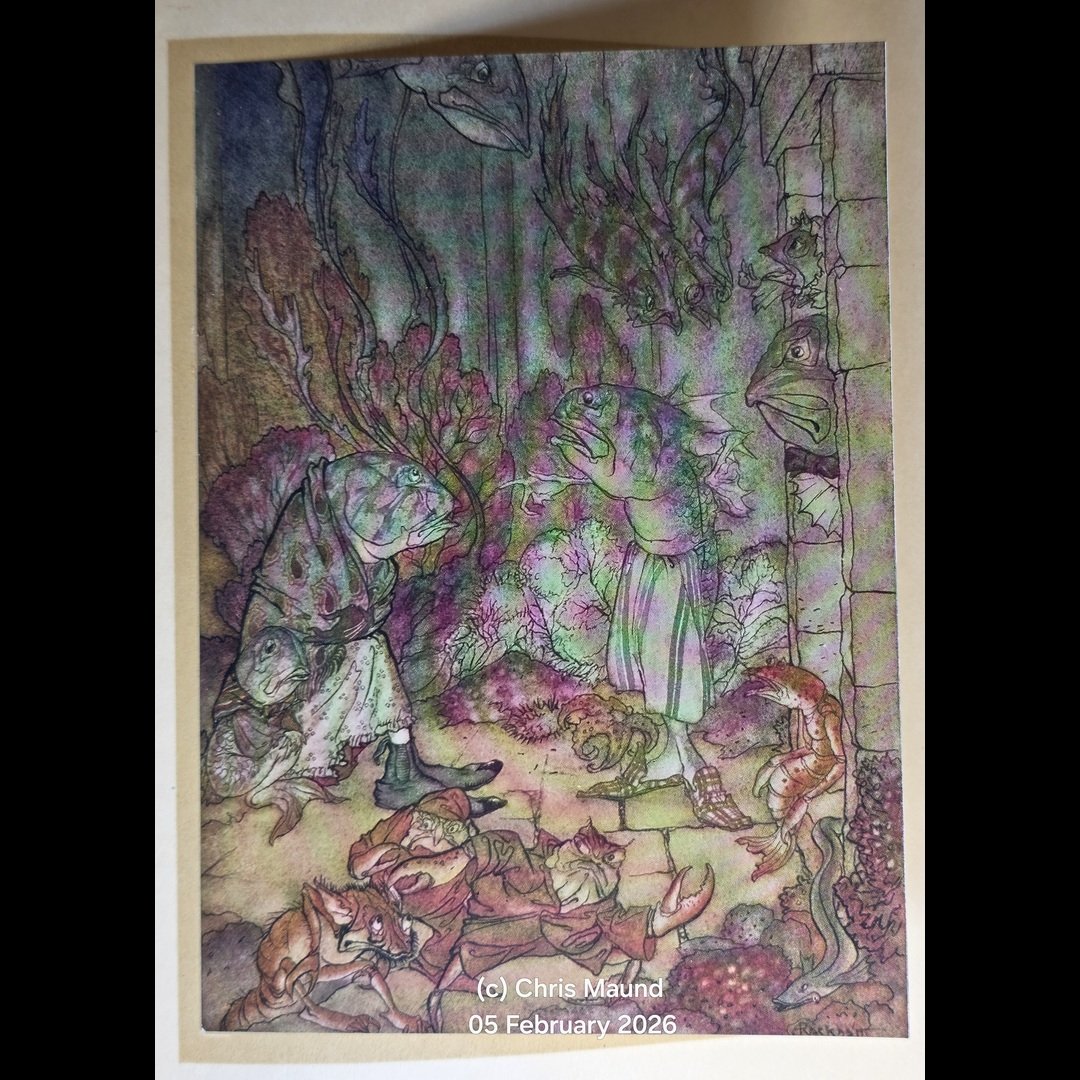
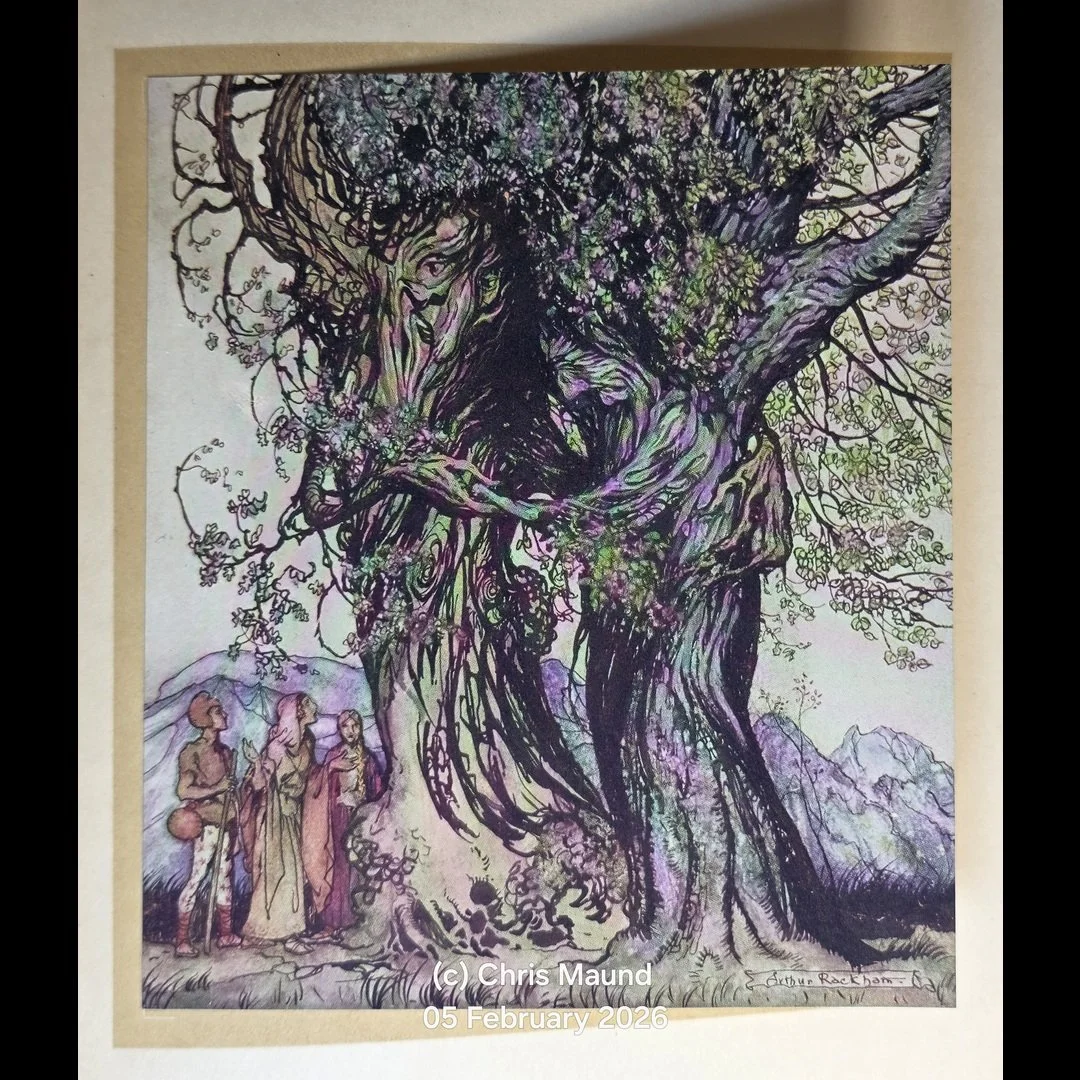
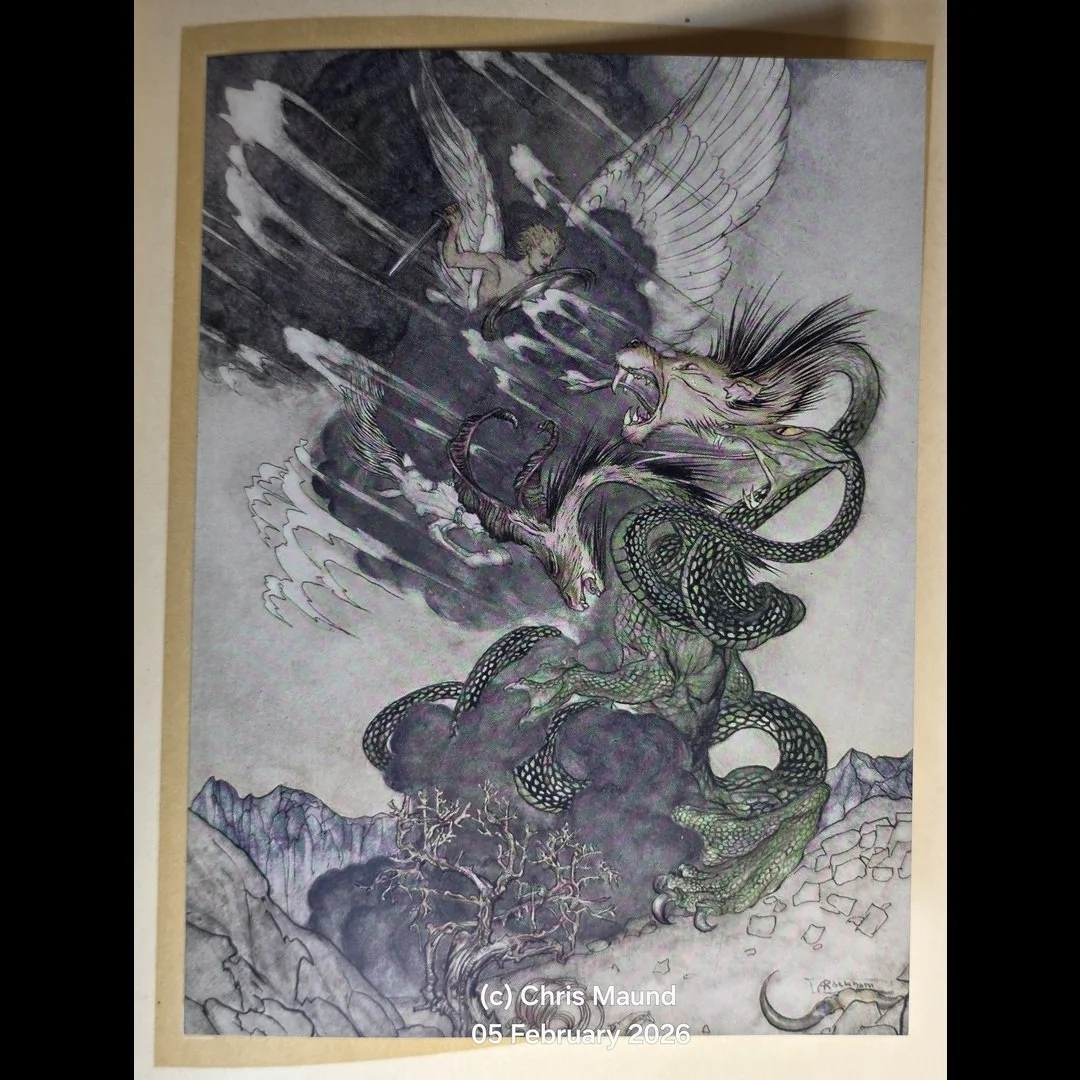
Published in 1911 and illustrated by Arthur Rackham, the volume contains 30 tipped-in colour plates alongside numerous black-and-white illustrations and decorative designs. Rackham’s shadowed forests, supernatural figures, dragons, warriors and elemental landscapes are particularly well suited to the mythic atmosphere of Wagner’s operatic cycle.
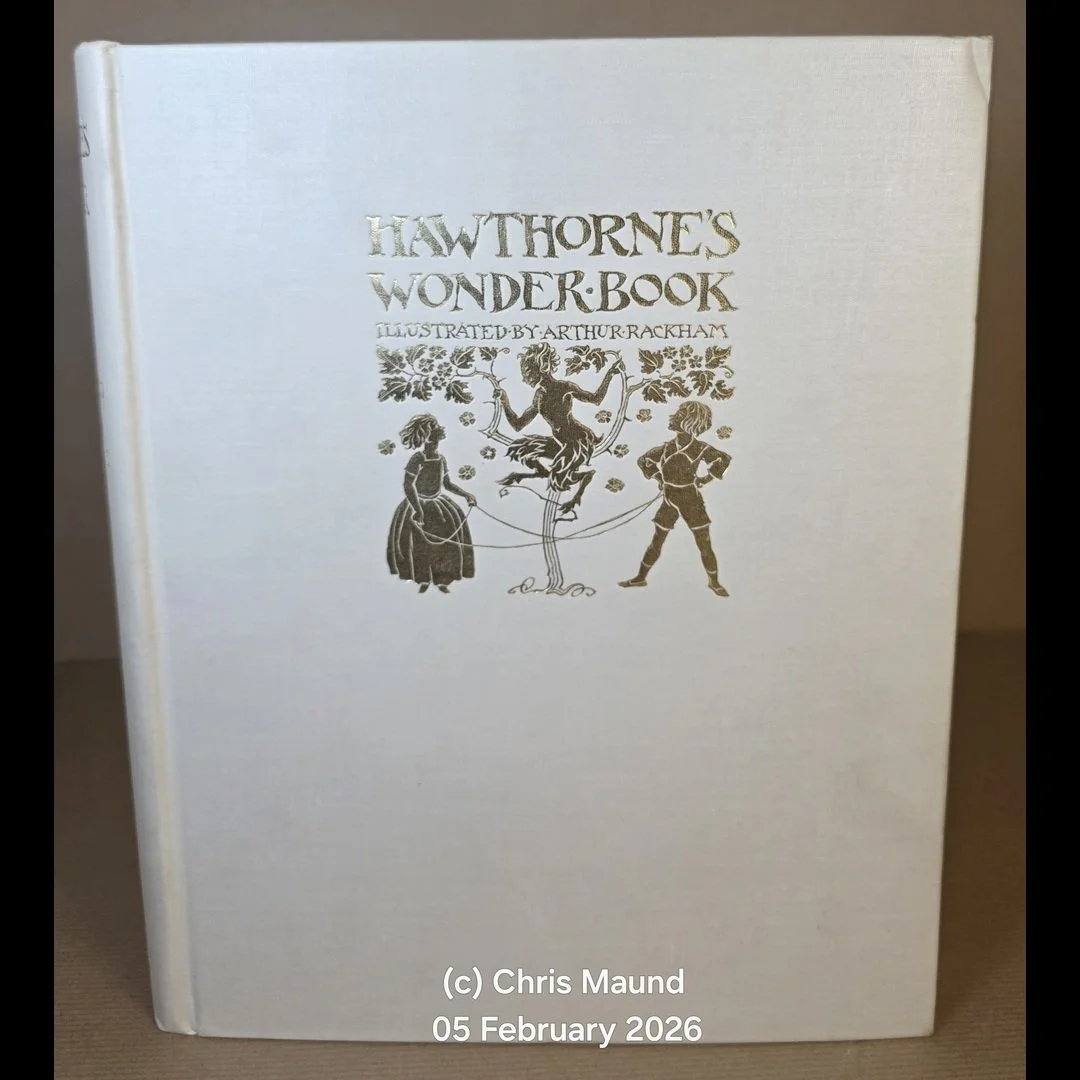
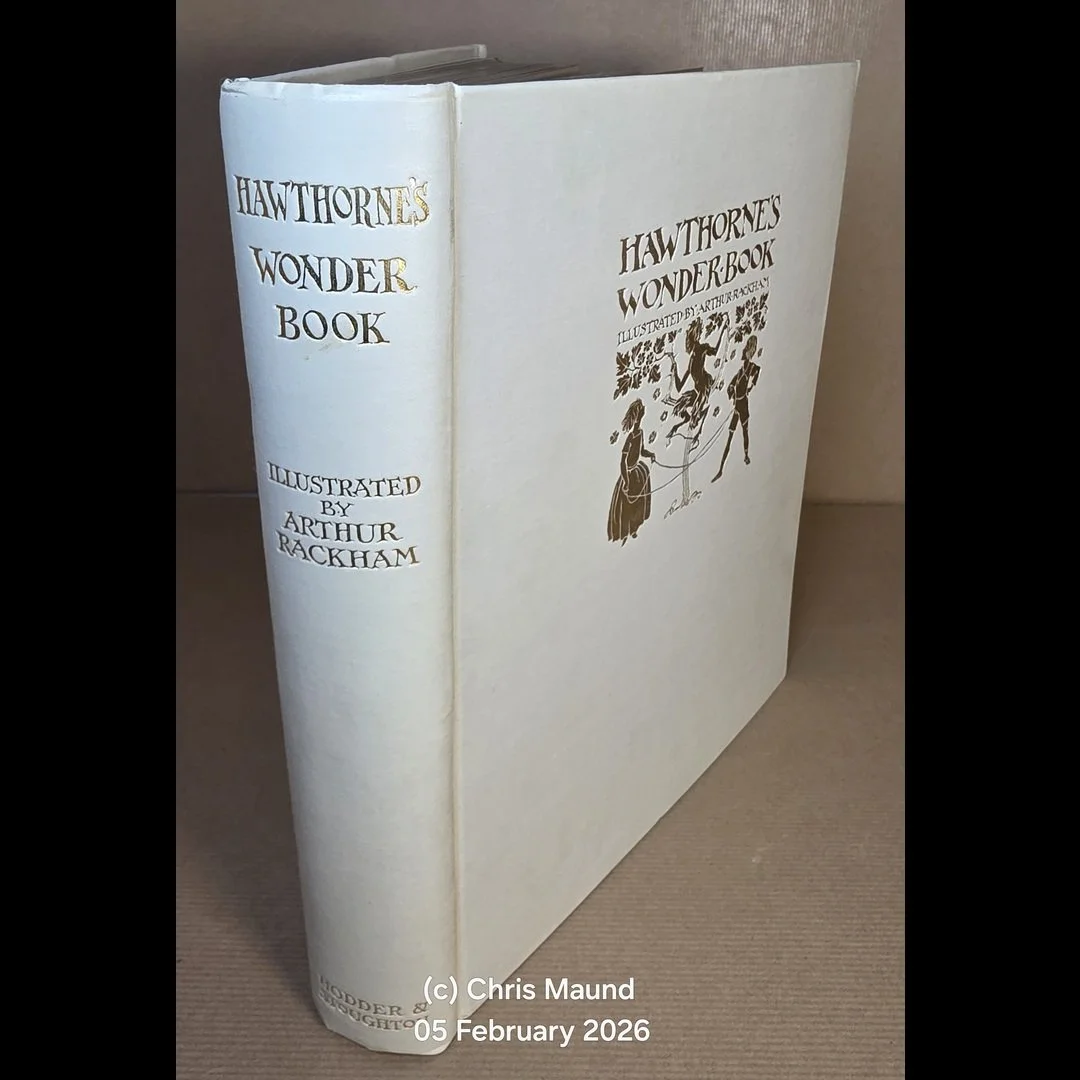
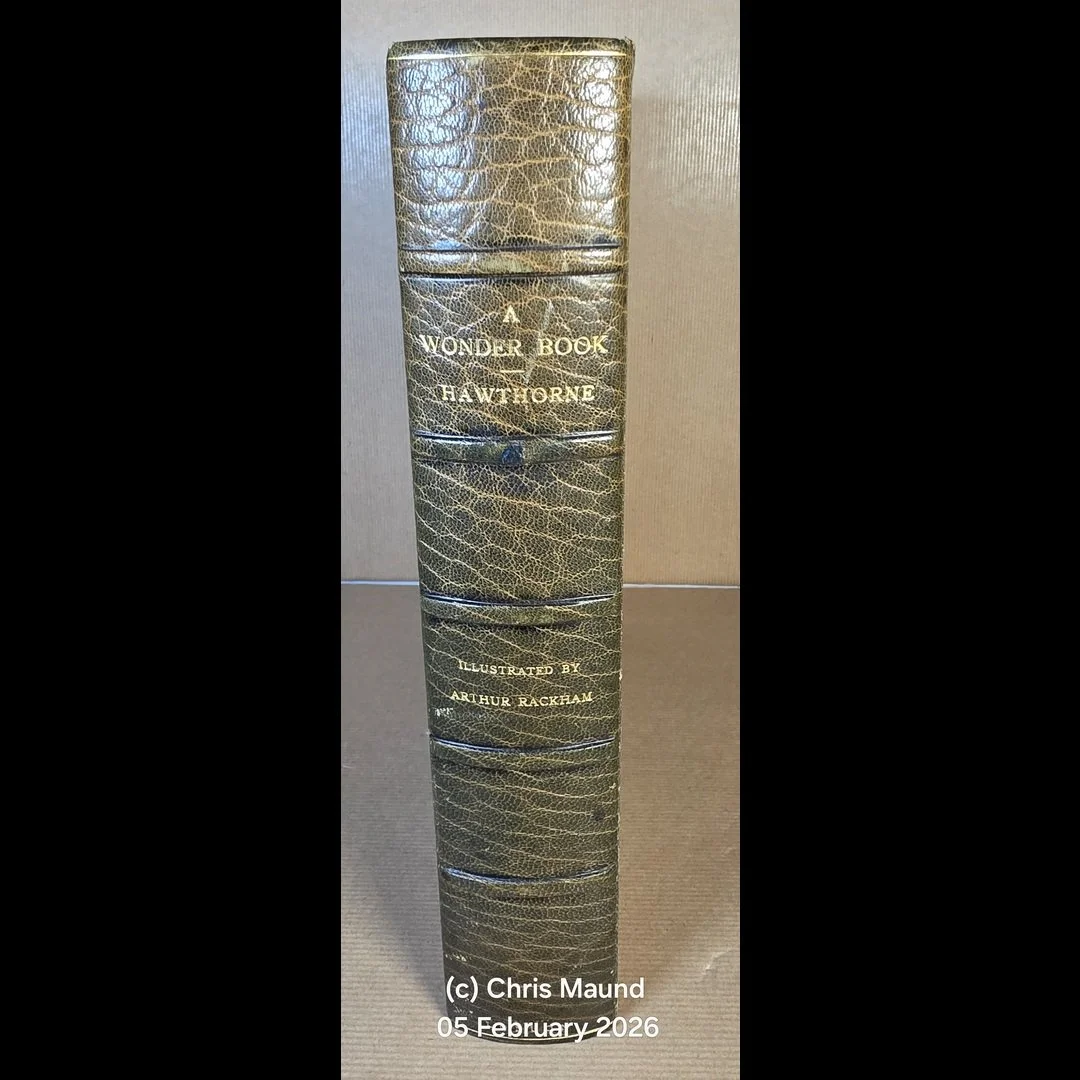
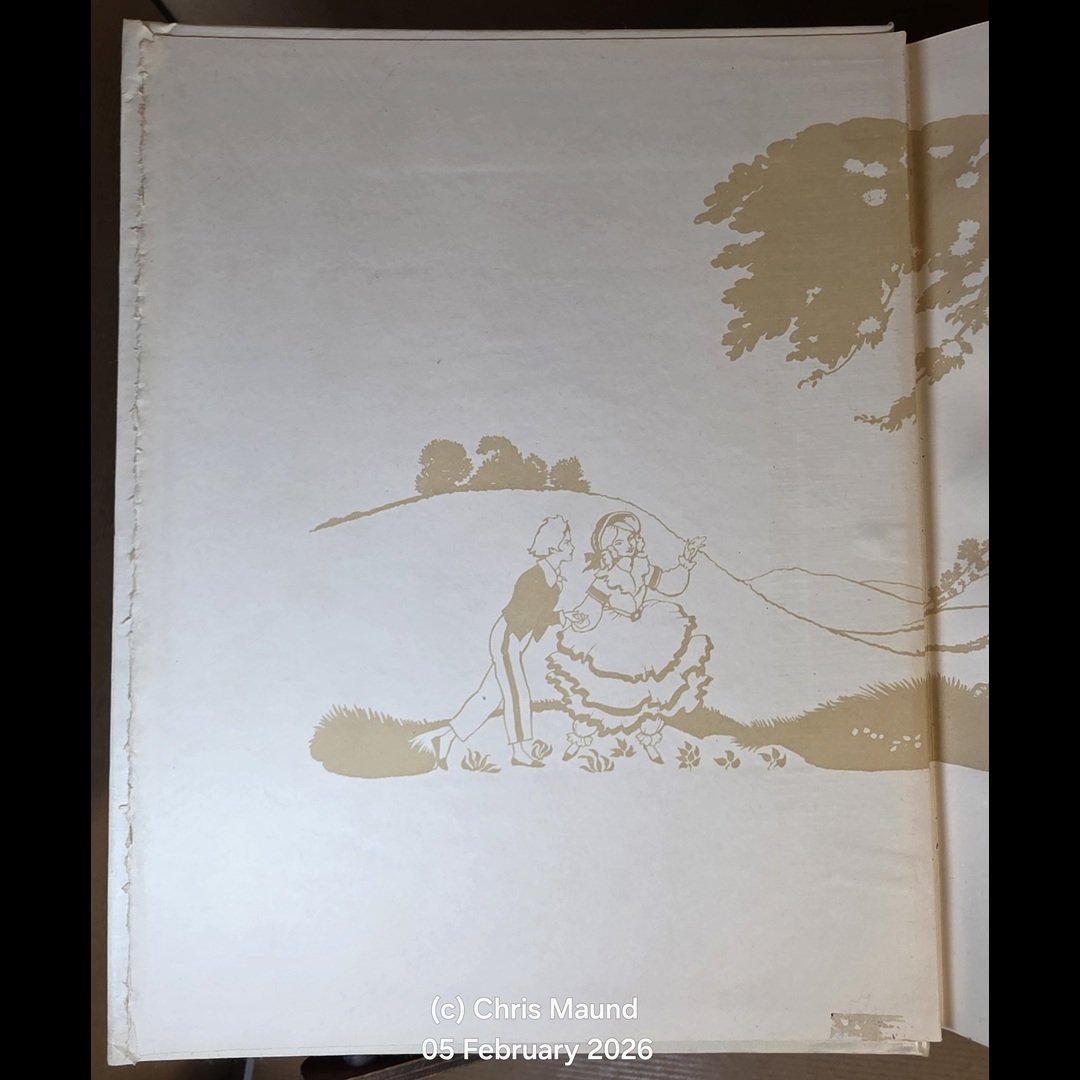
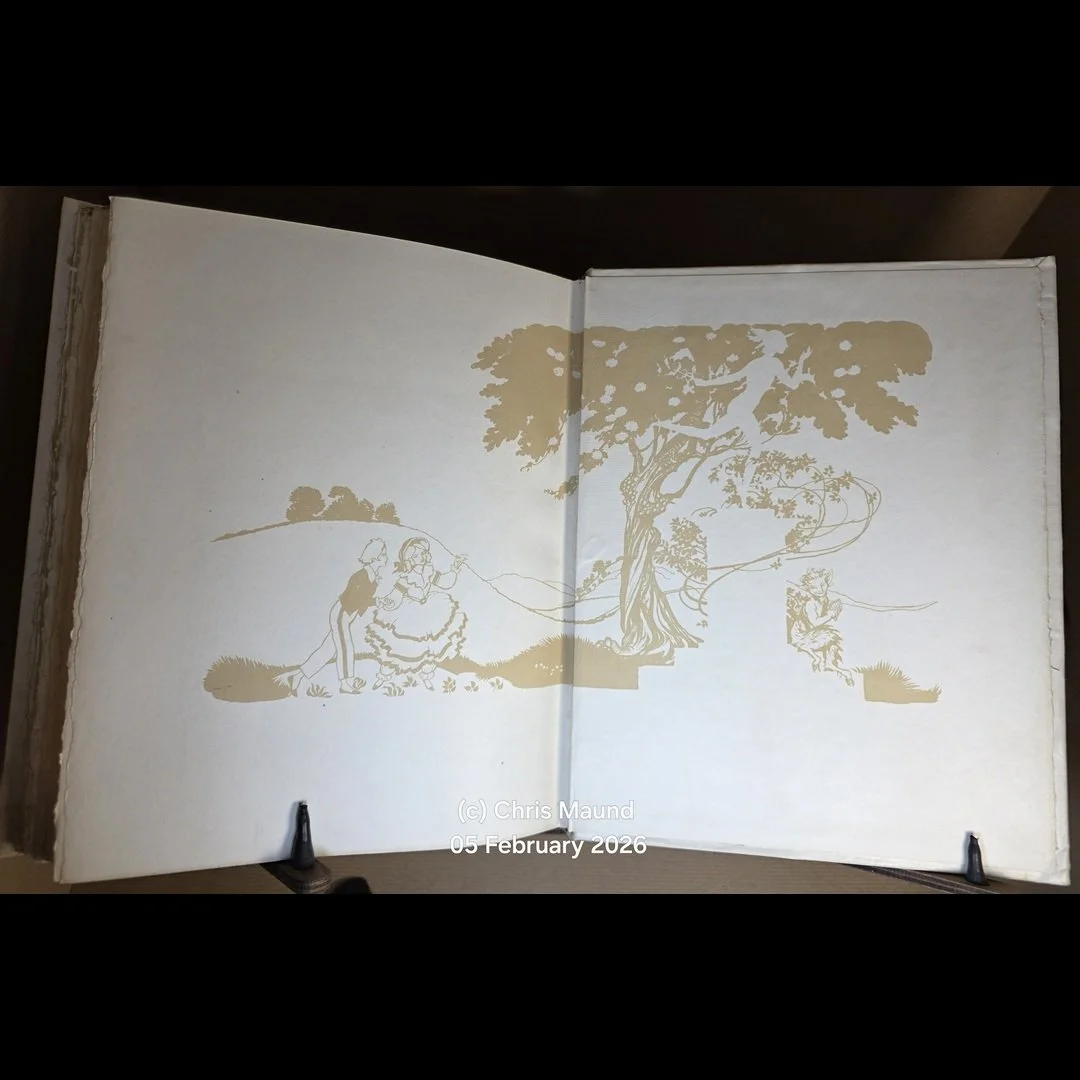
Bound in the publisher’s original brown cloth, elaborately decorated and lettered in gilt to the upper board and spine, with Rackham-designed endpapers. All 30 tipped-in colour plates are present. An appealing example of one of Rackham’s most celebrated mythological works.
CONDITION, COLLATION & COPY NOTES
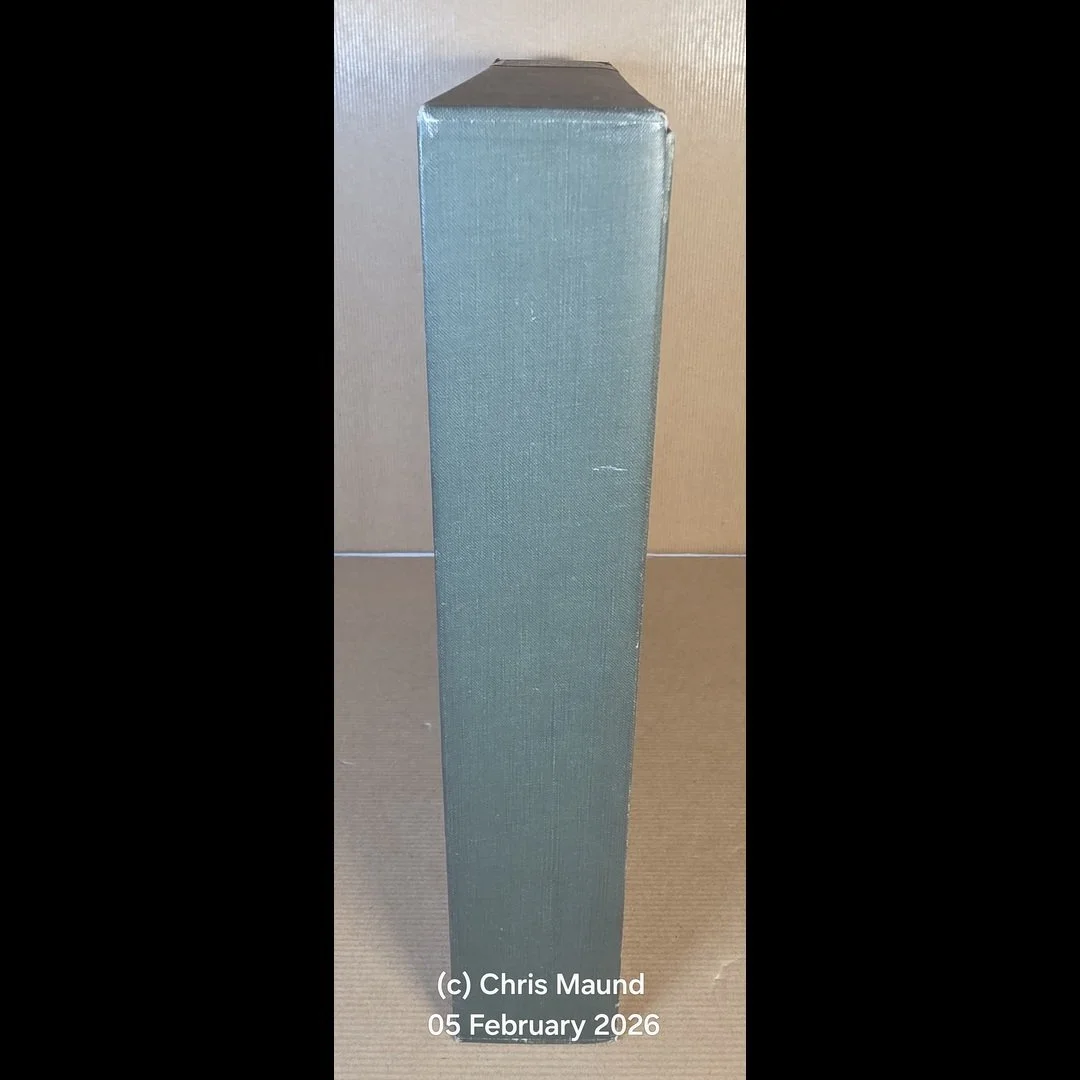
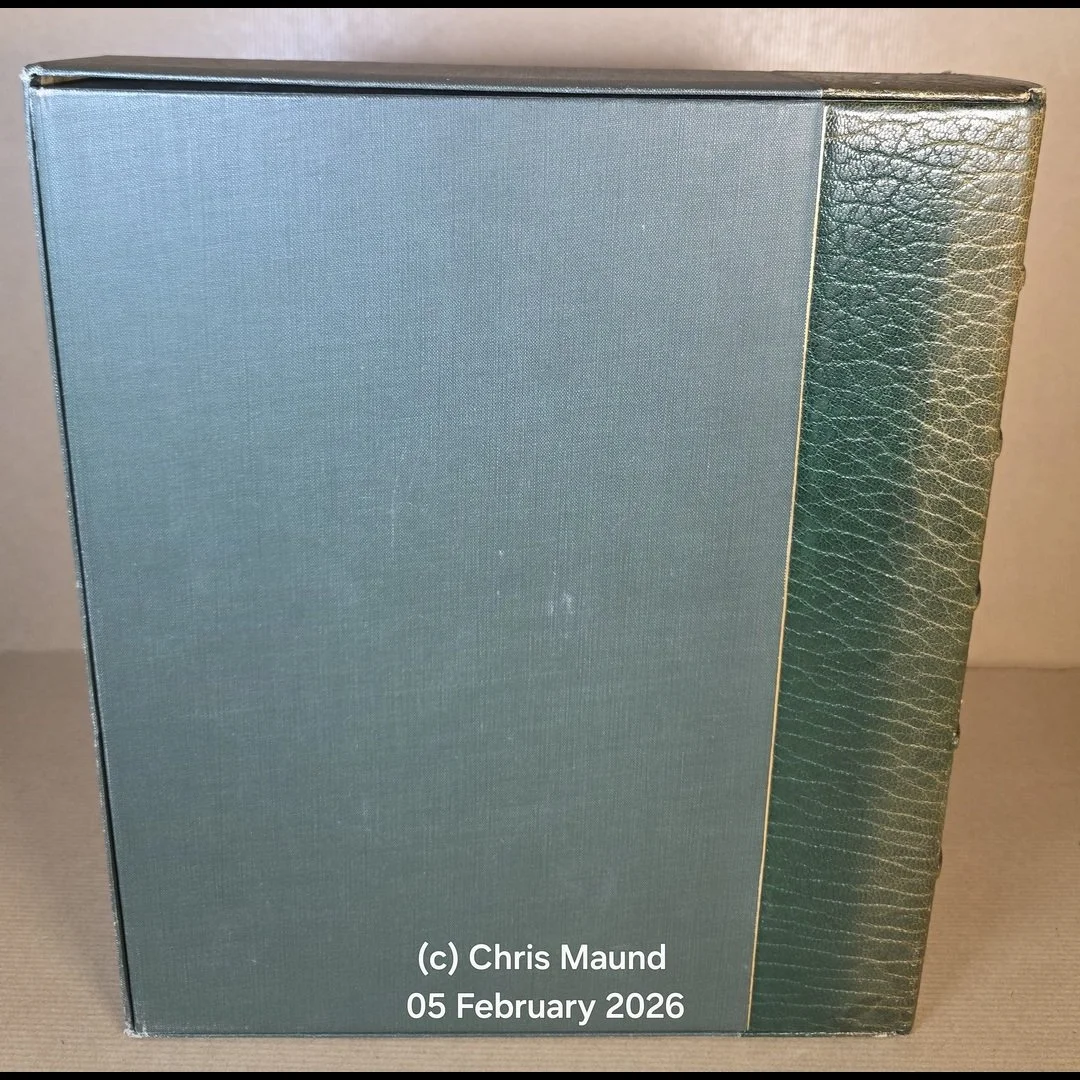
A complete and visually appealing copy in the publisher’s original gilt-decorated brown cloth.
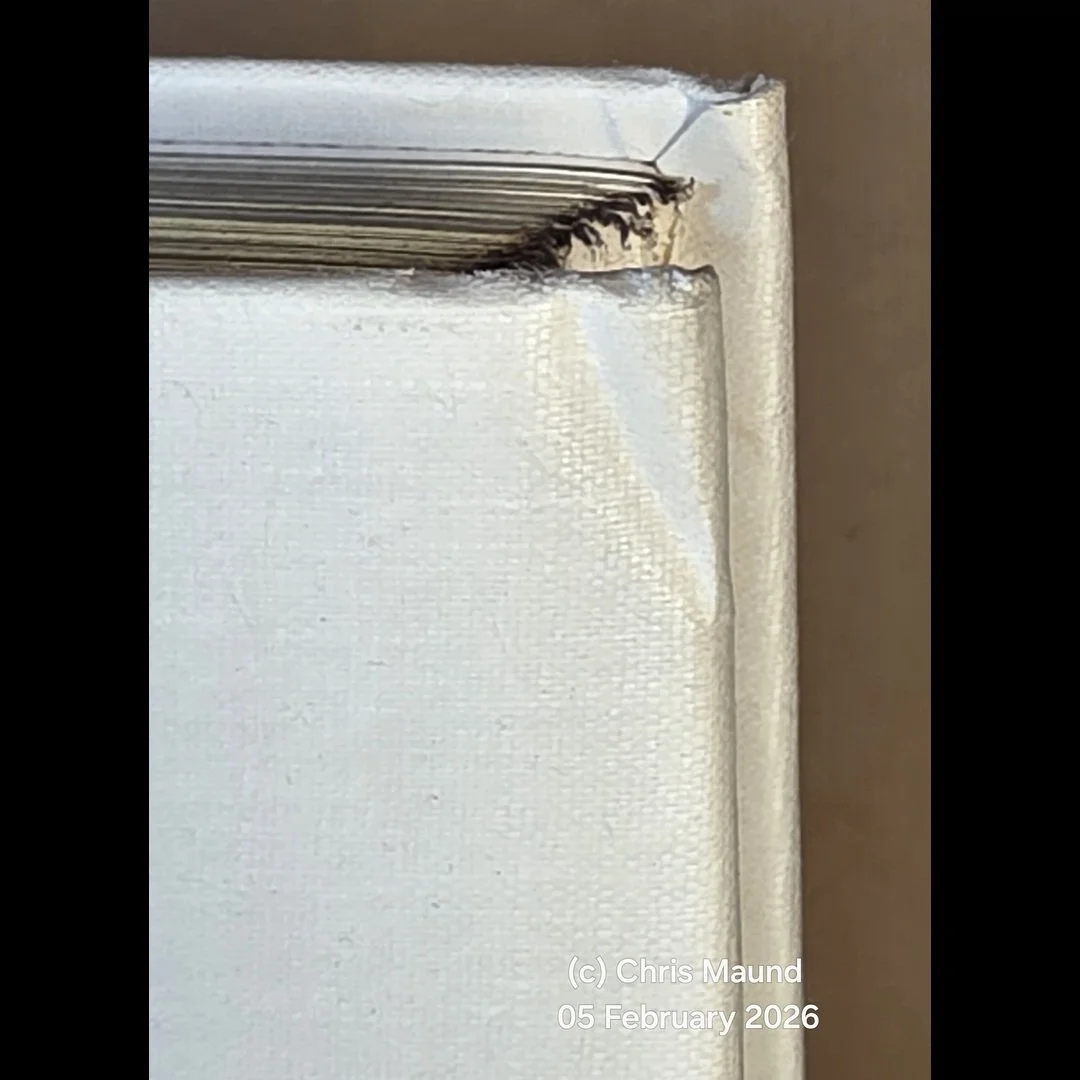
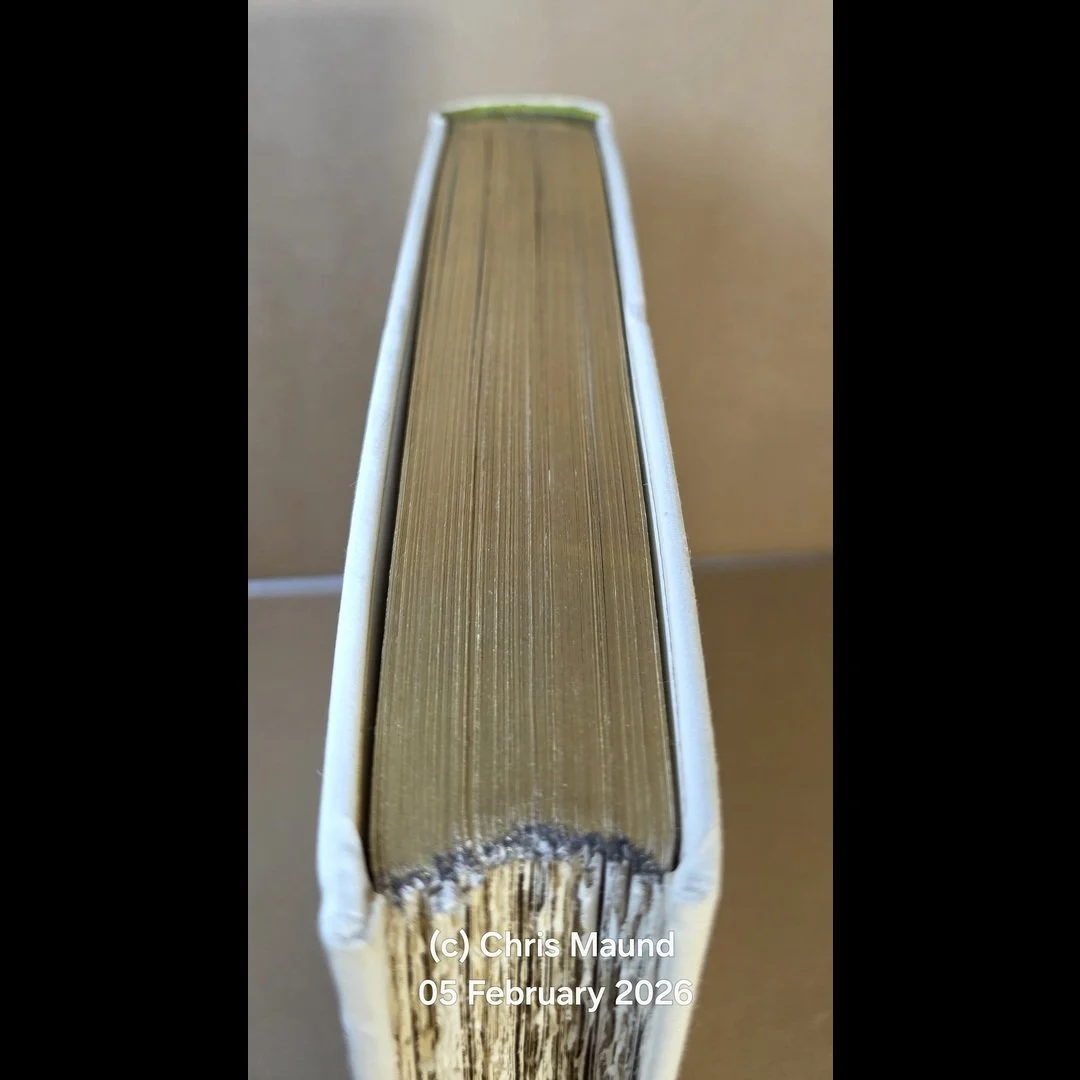
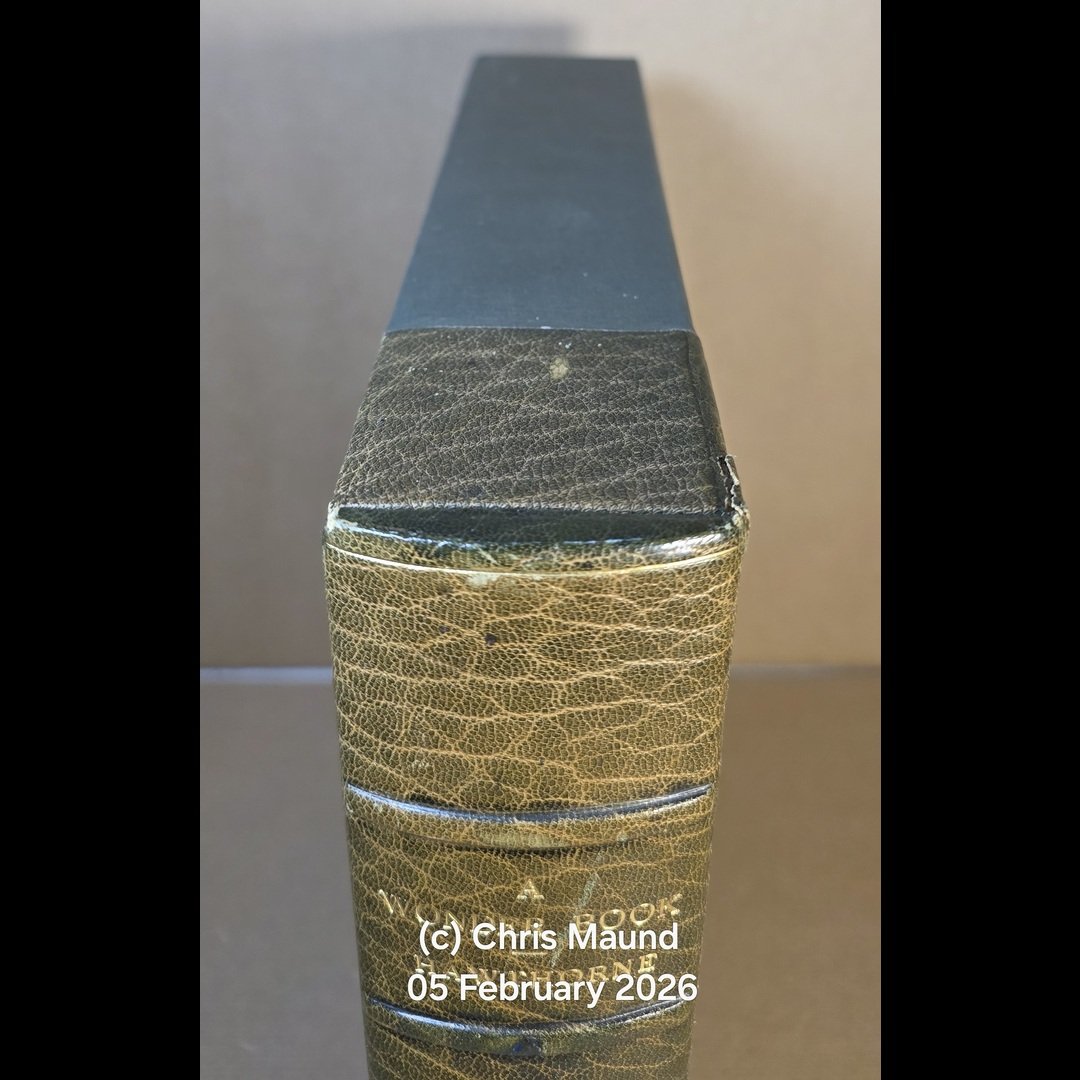
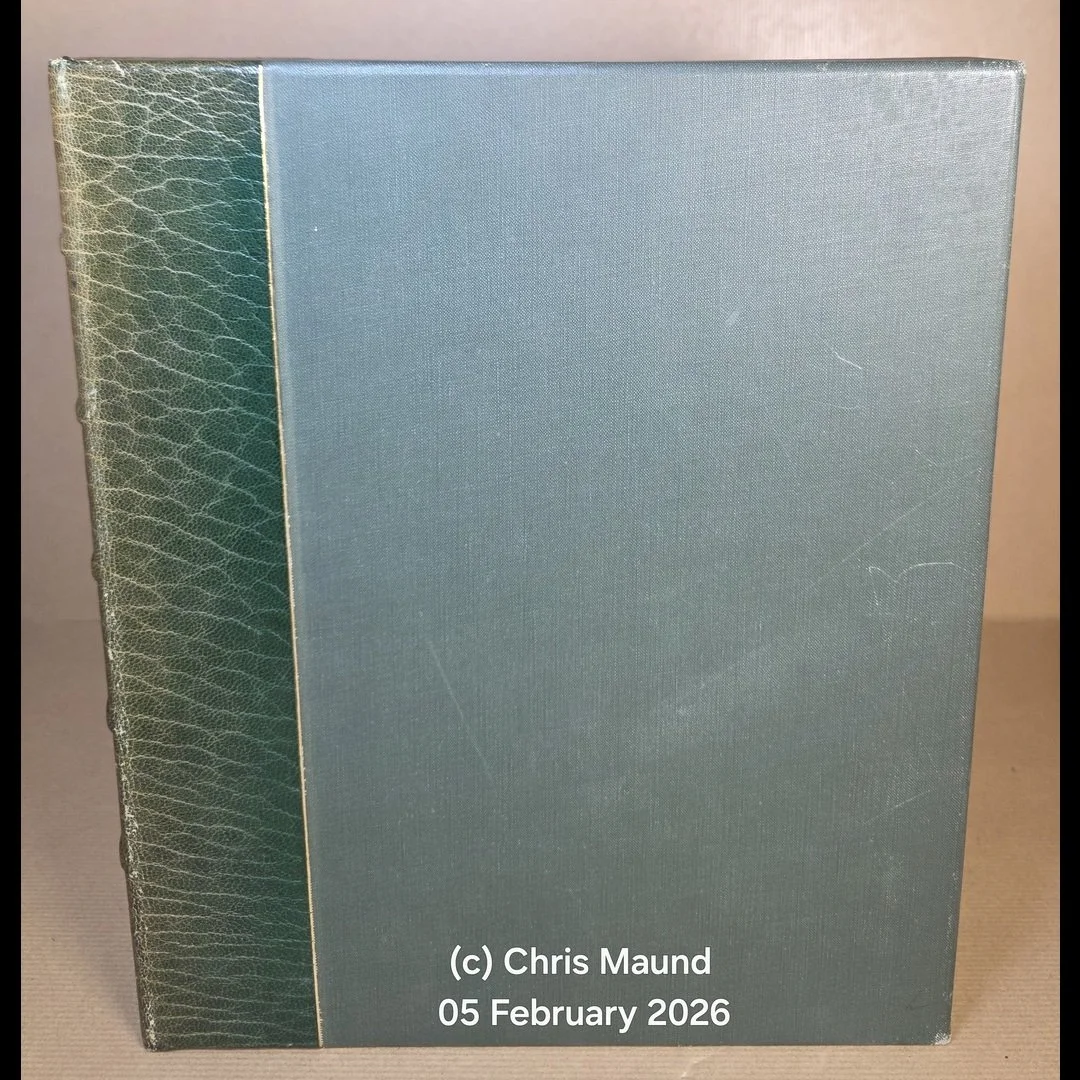
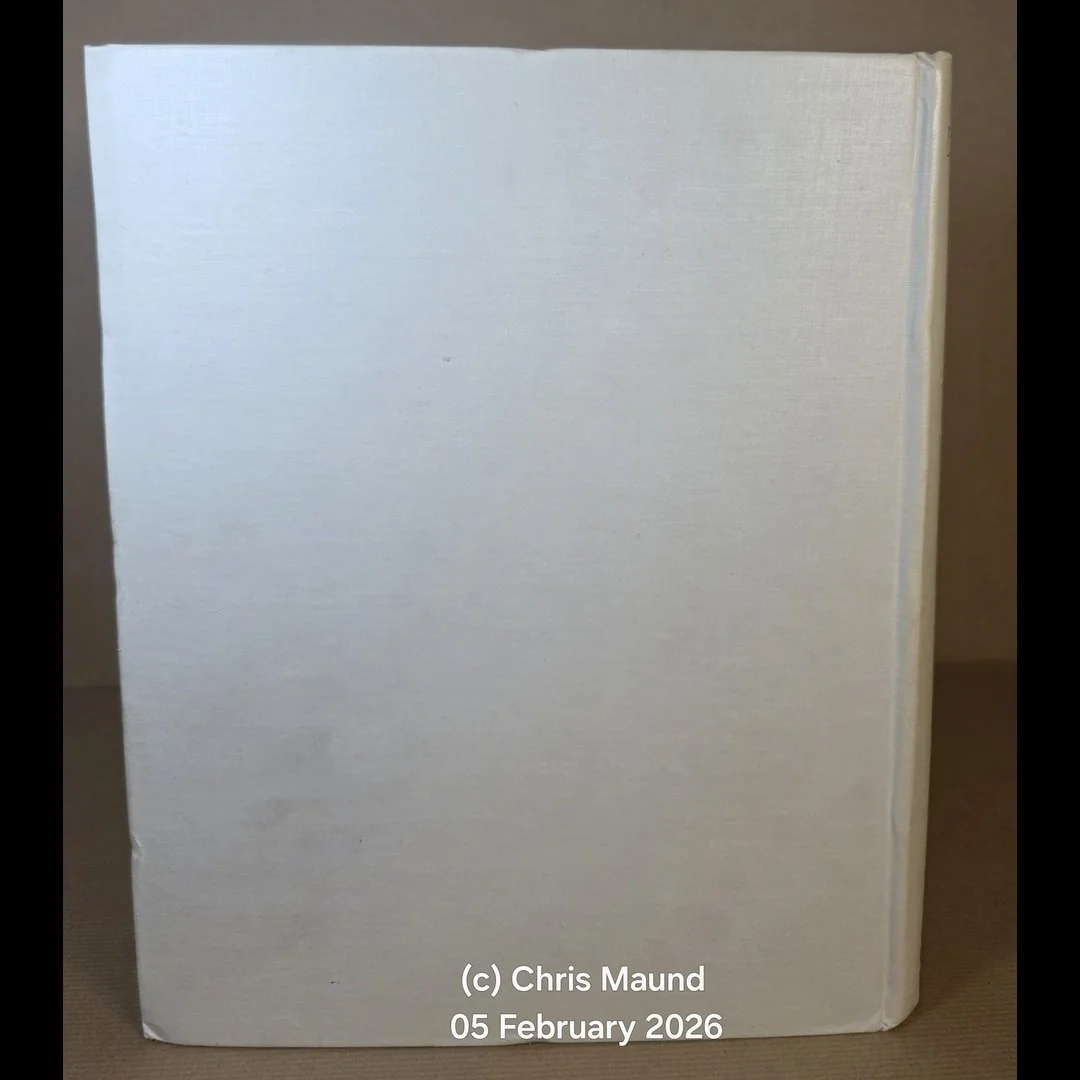
The binding shows general age-related marking and mottling, with fading to the spine and areas of rubbing and wear at the spine ends, corners and board edges. The gilt decoration and lettering remain clearly visible and retain good decorative presence.
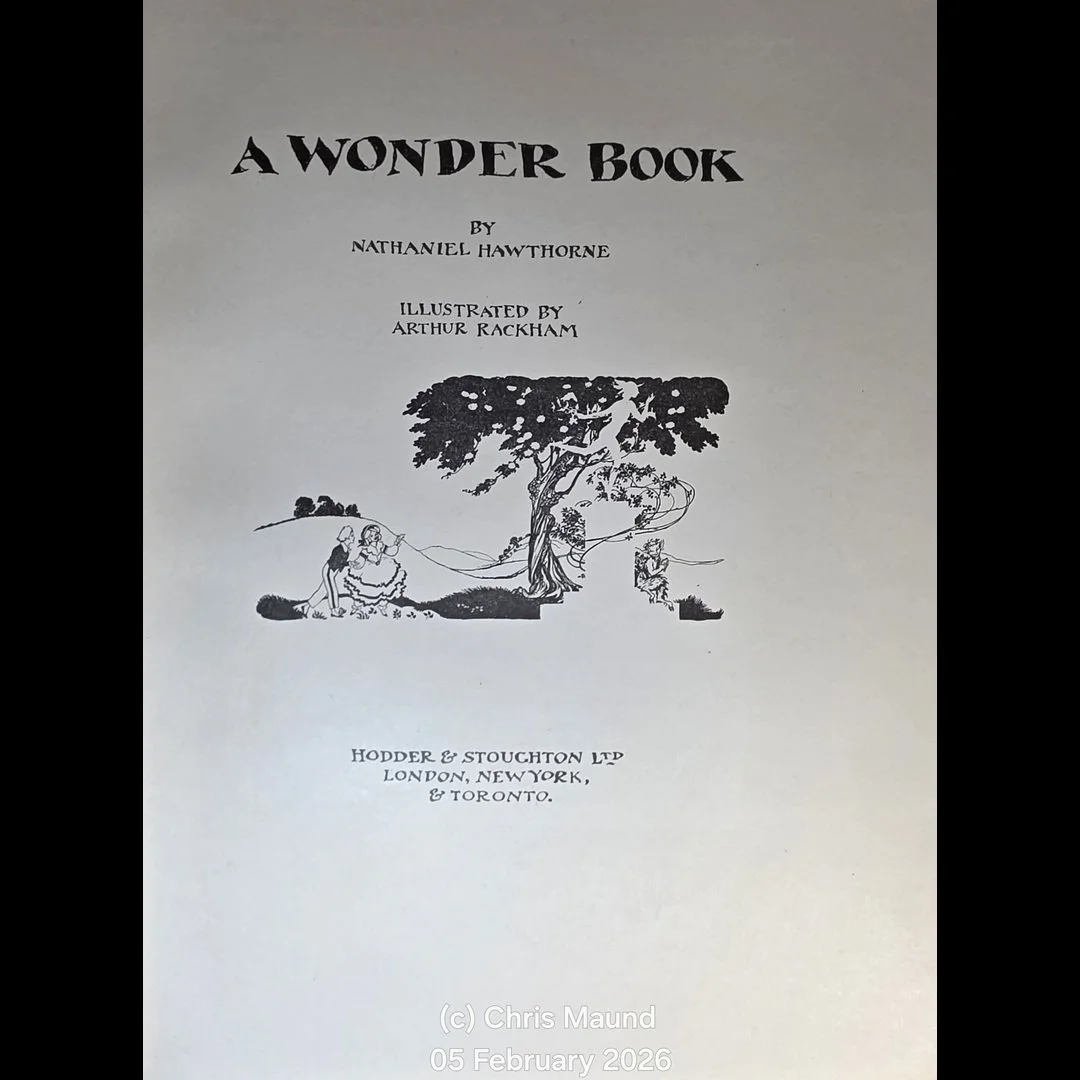
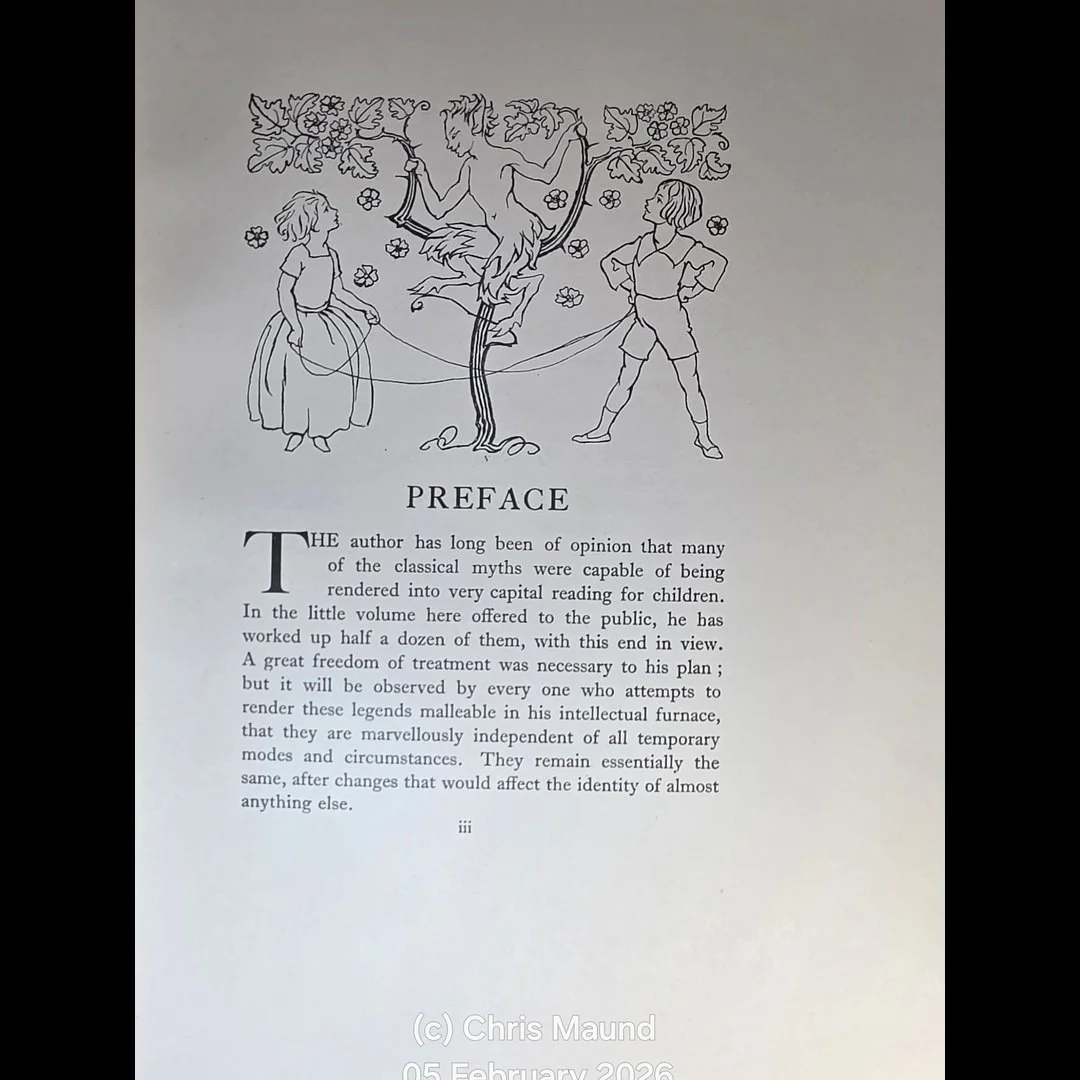
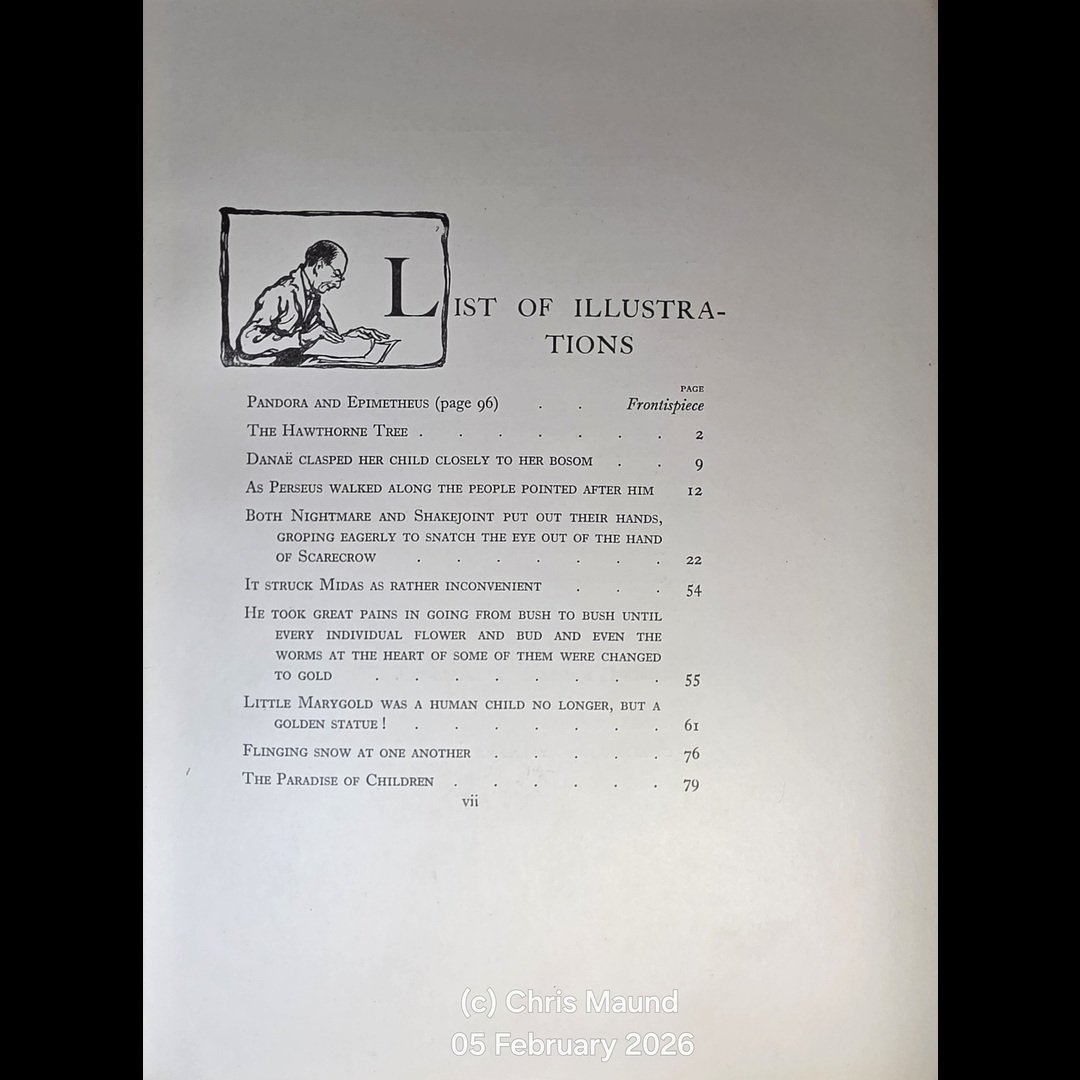
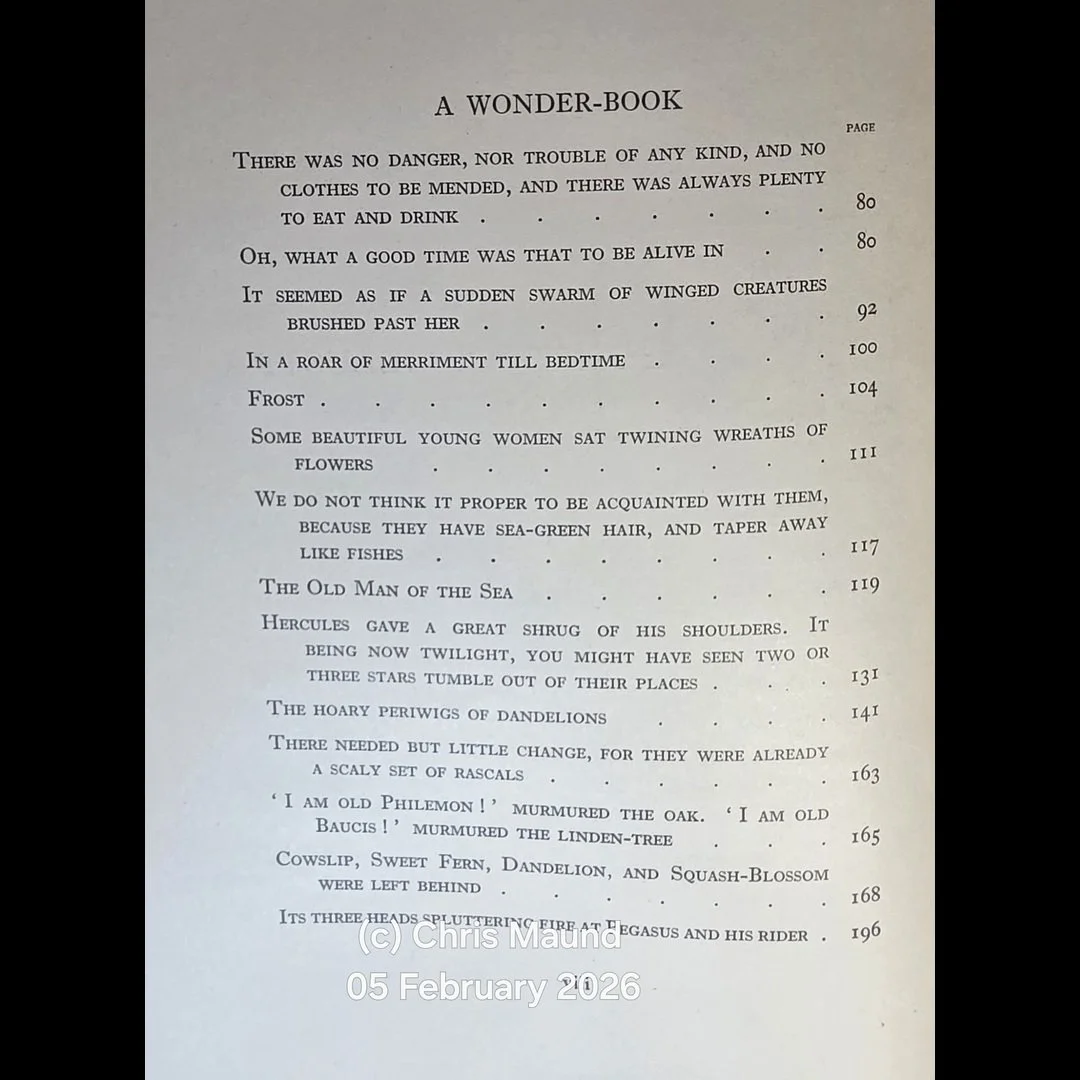
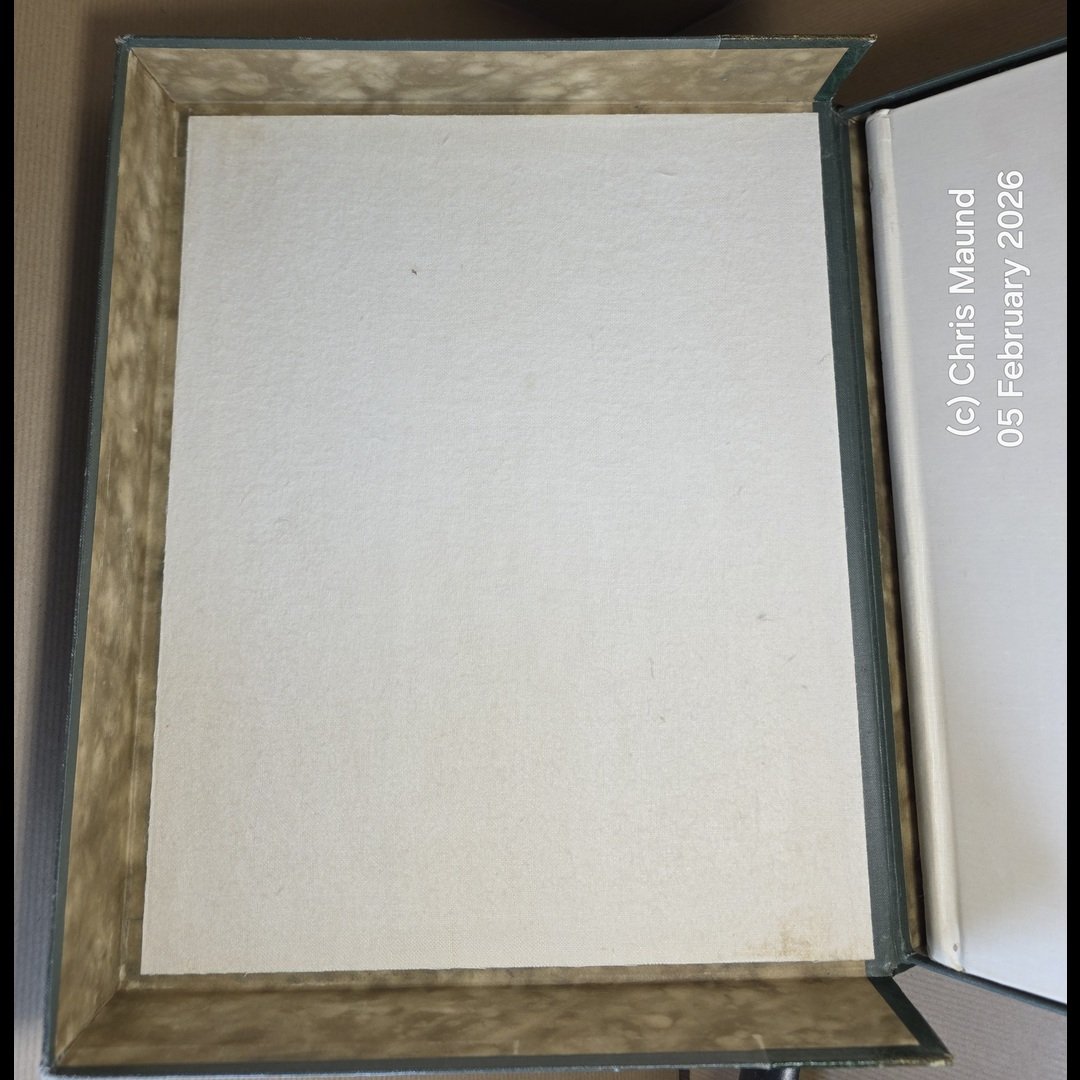
The decorated endpapers display age-toning and some staining, with old transparent-tape reinforcement or repair visible to the front endpaper and hinge area. The preliminary leaves, title page and lists of illustrations show scattered foxing and occasional handling marks. Further light, intermittent spotting may be present elsewhere.
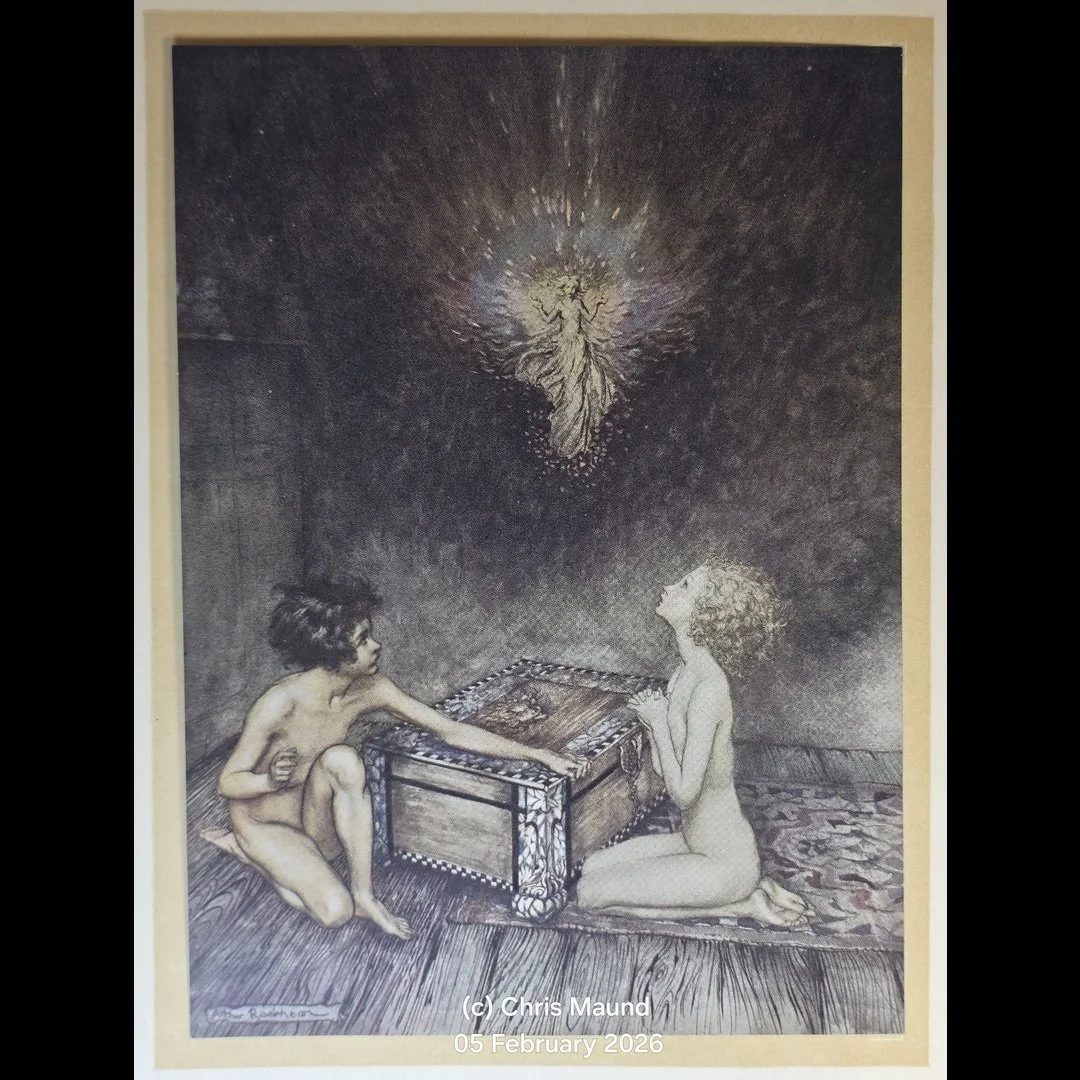
All 30 tipped-in colour plates are present and remain attractive, with the colours generally well preserved. The accompanying tissue guards and plate leaves may show occasional age-toning, creasing or minor marks consistent with age. The printed text remains clear and legible throughout.
A complete and handsome working copy of this important Rackham-illustrated edition, with wear and earlier reinforcement reflected in the condition grade but without diminishing the visual appeal of the plates or gilt binding.
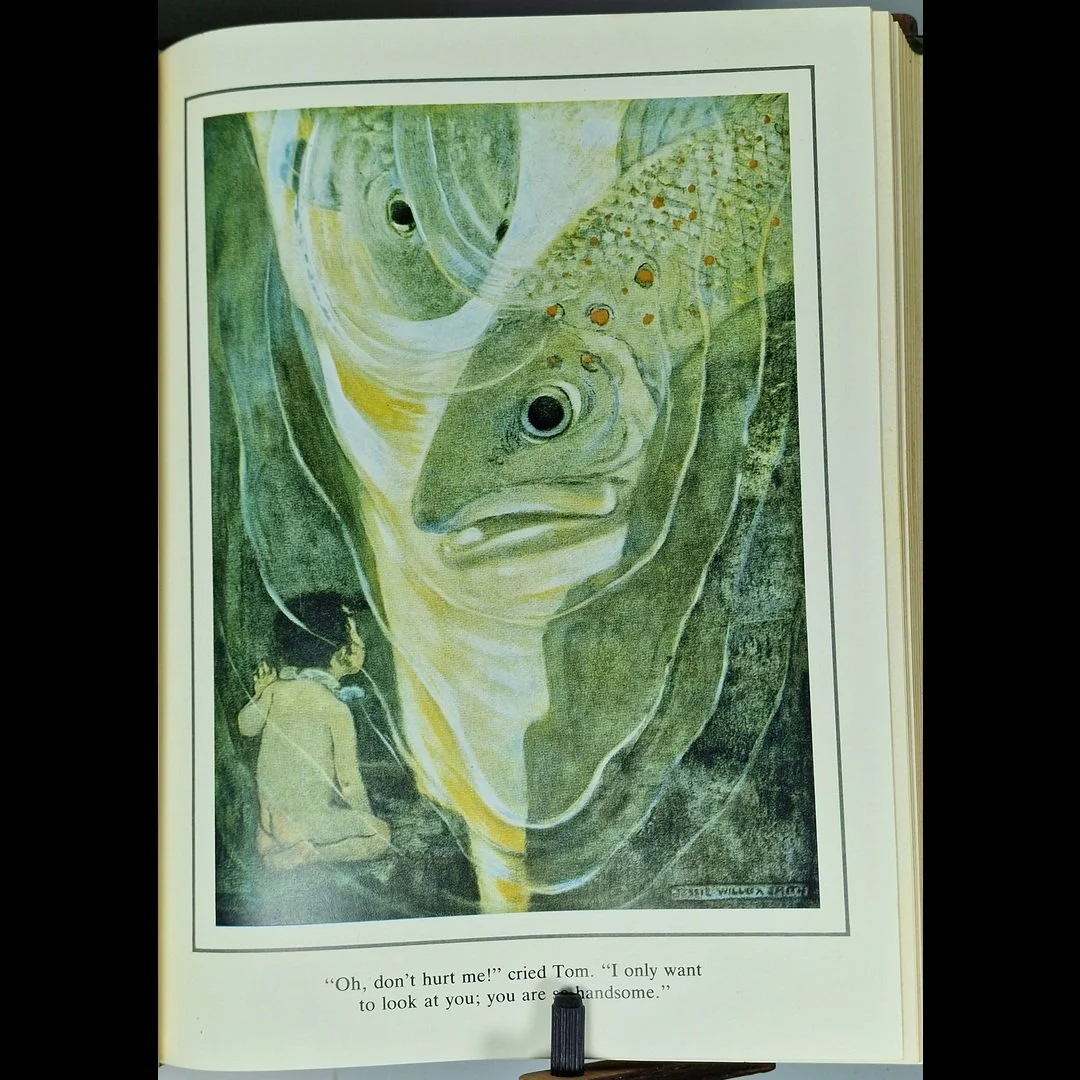
Illustrations: 30 tipped-in colour plates, including the frontispiece, together with black-and-white illustrations and decorative designs throughout.
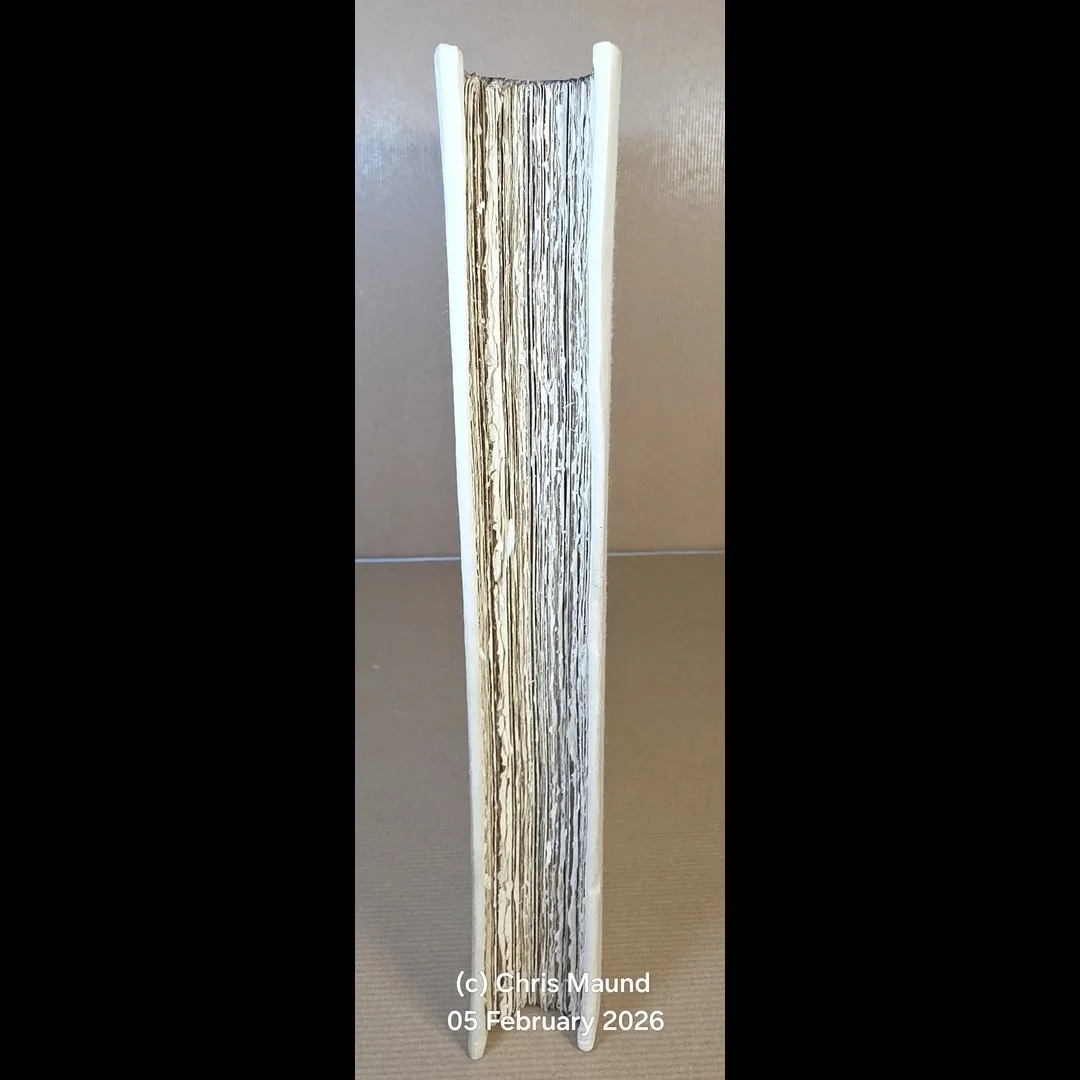
Please see Photos as part of condition report.
REFERENCES
Latimore & Haskell, pp. 37–38
Riall, p. 109
Hudson, p. 169
LCCN 13002857
OCLC 1084963327
SYNOPSIS
This volume contains the final two parts of Richard Wagner’s four-work Ring of the Niblung: Siegfried, described by Wagner as the second day of the trilogy, and The Twilight of the Gods, its third and concluding day.
In Siegfried, the fearless young hero has been raised in isolation by the dwarf Mime. After reforging the shattered sword Nothung, Siegfried ventures into the forest, slays the dragon Fafner and obtains the magical Ring and Tarnhelm. Guided by a woodland bird, he passes through the flames surrounding the sleeping Brünnhilde and awakens her.
The Twilight of the Gods, Wagner’s Götterdämmerung, brings the cycle to its tragic conclusion. Siegfried becomes entangled in a plot devised by Hagen, whose pursuit of the Ring leads to deception, betrayal and murder. Brünnhilde ultimately understands the forces that have destroyed Siegfried and takes possession of the Ring, returning it to the Rhine as the old world is consumed by fire and flood.
Arthur Rackham’s illustrations give visual form to the cycle’s dragons, gods, warriors, Rhinemaidens, ravens and elemental landscapes. His subdued colours and intricate line work capture both the grandeur and the darker psychological character of Wagner’s mythology.
AUTHOR BIO
Wilhelm Richard Wagner (22 May 1813–13 February 1883) was a German composer, conductor, theatre director and writer whose operas transformed the development of nineteenth-century music and theatre.
Wagner conceived many of his mature works as unified dramatic creations in which music, poetry, staging and design worked together. His four-part cycle Der Ring des Nibelungen—The Rhinegold, The Valkyrie, Siegfried and Götterdämmerung—draws upon Germanic and Norse mythology to explore power, ambition, love, betrayal, mortality and the collapse of an established order.
Translator Bio
Margaret Armour (1860–1943) was a Scottish poet, novelist and translator noted particularly for her English renderings of Germanic and medieval literature.
Her translations included Wagner’s Ring of the Niblung and the medieval German epic The Nibelungenlied. Her work helped make these texts accessible to a broad English-speaking readership during the late nineteenth and early twentieth centuries.
ILLUSTRATOR
Arthur Rackham
Arthur Rackham RWS (19 September 1867–6 September 1939) was an English artist and one of the leading figures of the Golden Age of British book illustration.
Rackham developed a highly distinctive technique combining expressive pen-and-ink drawing with delicate watercolour washes. His work is celebrated for its twisted trees, supernatural creatures, richly imagined landscapes and characteristic mixture of humour, romance and unease.
His illustrations for Rip Van Winkle, Peter Pan in Kensington Gardens, the fairy tales of the Brothers Grimm and Wagner’s Ring cycle established him as one of the most influential and collectible illustrators of the early twentieth century.
1911 First Trade Edition
SIEGFRIED AND THE TWILIGHT OF THE GODS
By Richard Wagner, Translated by Margaret Armour
KEY DETAILS
Condition: Good
Format: Hardcover, Super octavo (8vo 7 × 11 in 178 × 279 mm )
Note: Binding/size selection follows standard bibliographic conventions and is approximate; exact measurements may vary.
Published By: William Heinemann & Co, London, 1911
Language: English
Illustrated By: Arthur Rackham
Collation: ix, [1], 182 pp., plus 30 tipped-in colour plates.
SKU: BTETM0002068
Shipping Info: Approximate Package Dimensions H: 12.5, L: 30, W: 25 (Units: cm), W: 2Kg
Tracked Shipping, Insurance Coverage as per Customer Request
DESCRIPTION
Siegfried and the Twilight of the Gods
The Ring of the Niblung — Volume II
A handsome first trade edition of the second volume of Margaret Armour’s English translation of Richard Wagner’s monumental Ring of the Niblung, containing the final two works in the cycle: Siegfried and The Twilight of the Gods.
Published in 1911 and illustrated by Arthur Rackham, the volume contains 30 tipped-in colour plates alongside numerous black-and-white illustrations and decorative designs. Rackham’s shadowed forests, supernatural figures, dragons, warriors and elemental landscapes are particularly well suited to the mythic atmosphere of Wagner’s operatic cycle.
Bound in the publisher’s original brown cloth, elaborately decorated and lettered in gilt to the upper board and spine, with Rackham-designed endpapers. All 30 tipped-in colour plates are present. An appealing example of one of Rackham’s most celebrated mythological works.
CONDITION, COLLATION & COPY NOTES
A complete and visually appealing copy in the publisher’s original gilt-decorated brown cloth.
The binding shows general age-related marking and mottling, with fading to the spine and areas of rubbing and wear at the spine ends, corners and board edges. The gilt decoration and lettering remain clearly visible and retain good decorative presence.
The decorated endpapers display age-toning and some staining, with old transparent-tape reinforcement or repair visible to the front endpaper and hinge area. The preliminary leaves, title page and lists of illustrations show scattered foxing and occasional handling marks. Further light, intermittent spotting may be present elsewhere.
All 30 tipped-in colour plates are present and remain attractive, with the colours generally well preserved. The accompanying tissue guards and plate leaves may show occasional age-toning, creasing or minor marks consistent with age. The printed text remains clear and legible throughout.
A complete and handsome working copy of this important Rackham-illustrated edition, with wear and earlier reinforcement reflected in the condition grade but without diminishing the visual appeal of the plates or gilt binding.
Illustrations: 30 tipped-in colour plates, including the frontispiece, together with black-and-white illustrations and decorative designs throughout.
Please see Photos as part of condition report.
REFERENCES
Latimore & Haskell, pp. 37–38
Riall, p. 109
Hudson, p. 169
LCCN 13002857
OCLC 1084963327
SYNOPSIS
This volume contains the final two parts of Richard Wagner’s four-work Ring of the Niblung: Siegfried, described by Wagner as the second day of the trilogy, and The Twilight of the Gods, its third and concluding day.
In Siegfried, the fearless young hero has been raised in isolation by the dwarf Mime. After reforging the shattered sword Nothung, Siegfried ventures into the forest, slays the dragon Fafner and obtains the magical Ring and Tarnhelm. Guided by a woodland bird, he passes through the flames surrounding the sleeping Brünnhilde and awakens her.
The Twilight of the Gods, Wagner’s Götterdämmerung, brings the cycle to its tragic conclusion. Siegfried becomes entangled in a plot devised by Hagen, whose pursuit of the Ring leads to deception, betrayal and murder. Brünnhilde ultimately understands the forces that have destroyed Siegfried and takes possession of the Ring, returning it to the Rhine as the old world is consumed by fire and flood.
Arthur Rackham’s illustrations give visual form to the cycle’s dragons, gods, warriors, Rhinemaidens, ravens and elemental landscapes. His subdued colours and intricate line work capture both the grandeur and the darker psychological character of Wagner’s mythology.
AUTHOR BIO
Wilhelm Richard Wagner (22 May 1813–13 February 1883) was a German composer, conductor, theatre director and writer whose operas transformed the development of nineteenth-century music and theatre.
Wagner conceived many of his mature works as unified dramatic creations in which music, poetry, staging and design worked together. His four-part cycle Der Ring des Nibelungen—The Rhinegold, The Valkyrie, Siegfried and Götterdämmerung—draws upon Germanic and Norse mythology to explore power, ambition, love, betrayal, mortality and the collapse of an established order.
Translator Bio
Margaret Armour (1860–1943) was a Scottish poet, novelist and translator noted particularly for her English renderings of Germanic and medieval literature.
Her translations included Wagner’s Ring of the Niblung and the medieval German epic The Nibelungenlied. Her work helped make these texts accessible to a broad English-speaking readership during the late nineteenth and early twentieth centuries.
ILLUSTRATOR
Arthur Rackham
Arthur Rackham RWS (19 September 1867–6 September 1939) was an English artist and one of the leading figures of the Golden Age of British book illustration.
Rackham developed a highly distinctive technique combining expressive pen-and-ink drawing with delicate watercolour washes. His work is celebrated for its twisted trees, supernatural creatures, richly imagined landscapes and characteristic mixture of humour, romance and unease.
His illustrations for Rip Van Winkle, Peter Pan in Kensington Gardens, the fairy tales of the Brothers Grimm and Wagner’s Ring cycle established him as one of the most influential and collectible illustrators of the early twentieth century.

 Image 1 of 28
 Image 2 of 28
 Image 3 of 28
 Image 4 of 28
 Image 5 of 28
 Image 6 of 28
 Image 7 of 28
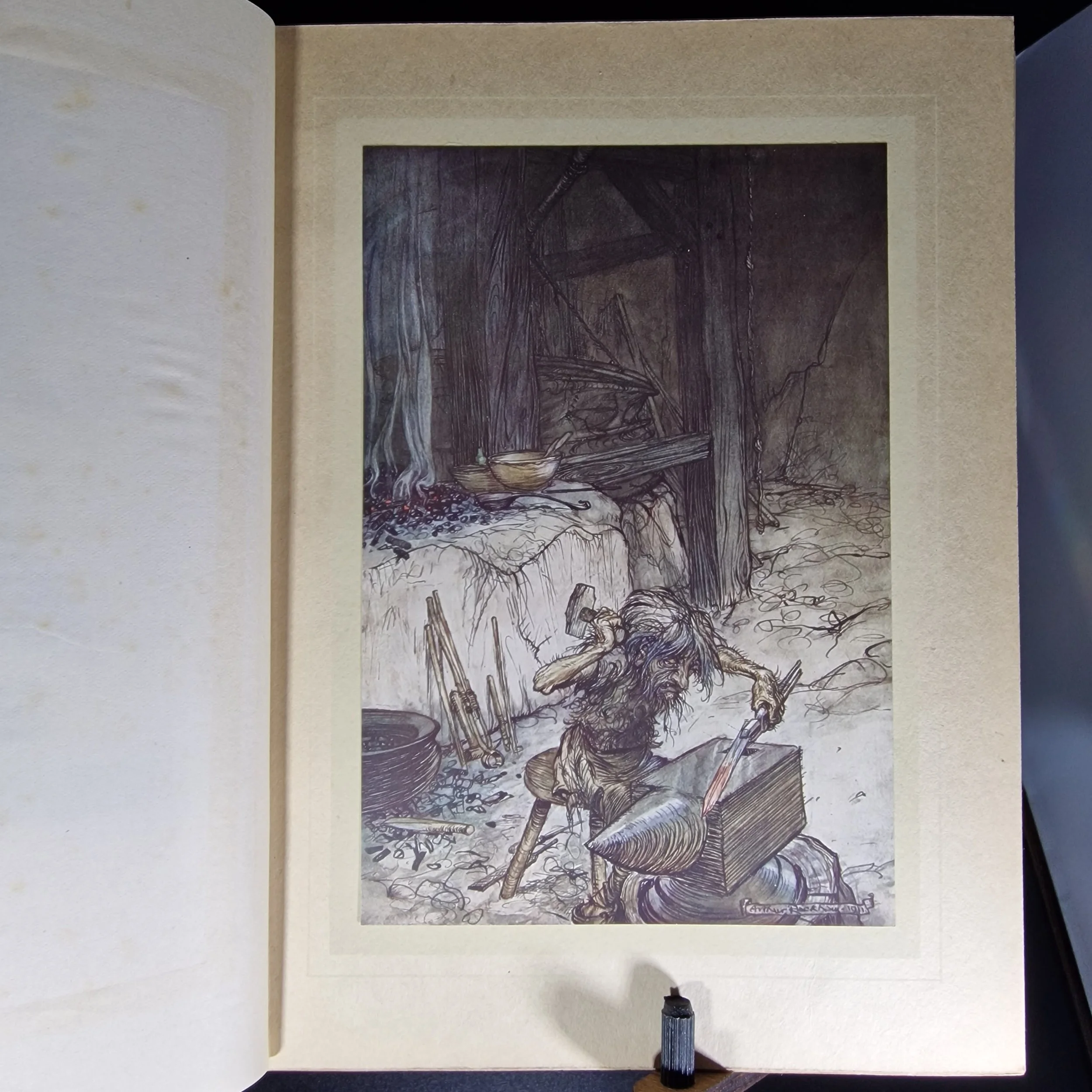 Image 8 of 28
 Image 9 of 28
 Image 10 of 28
 Image 11 of 28
 Image 12 of 28
 Image 13 of 28
 Image 14 of 28
 Image 15 of 28
 Image 16 of 28
 Image 17 of 28
 Image 18 of 28
 Image 19 of 28
 Image 20 of 28
 Image 21 of 28
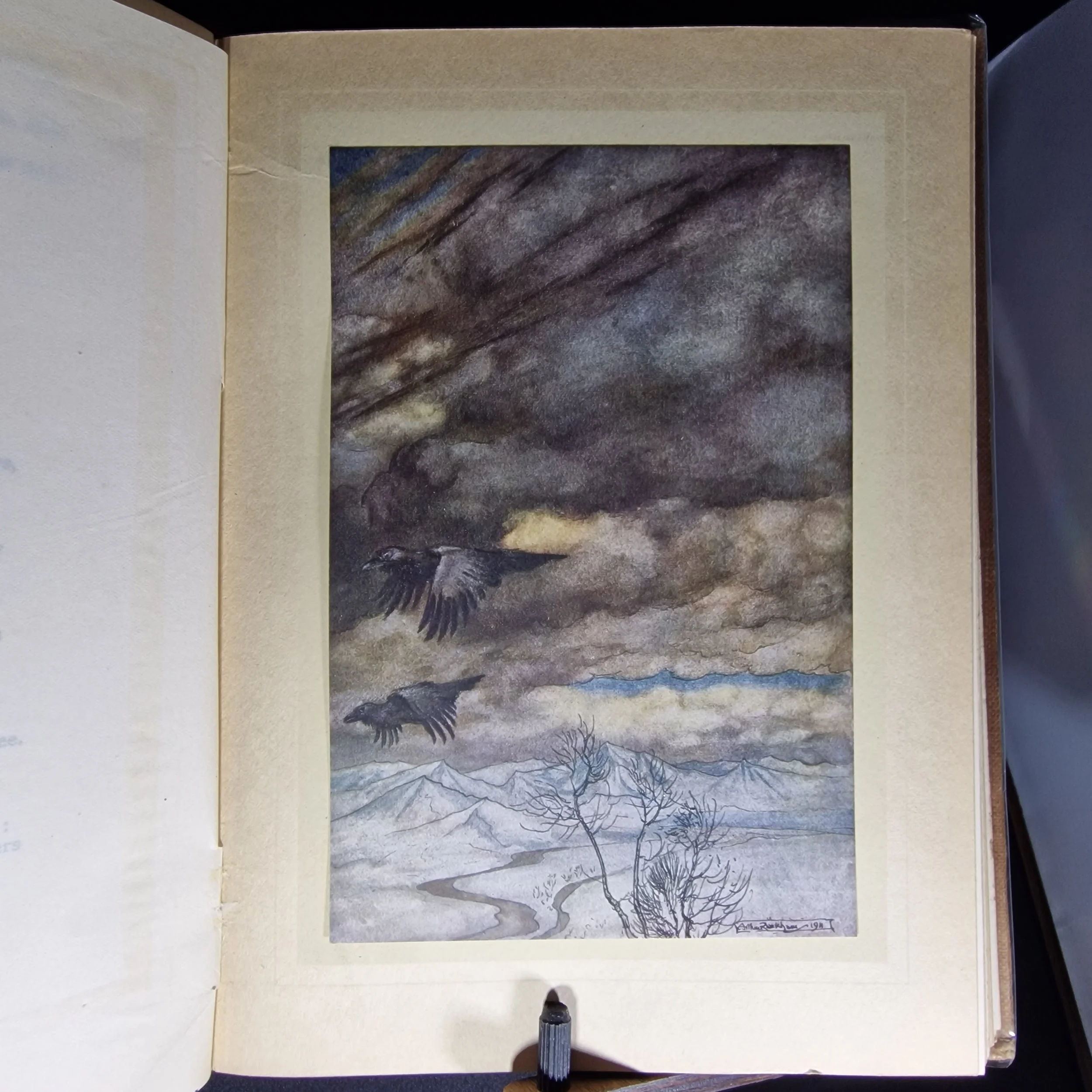 Image 22 of 28
 Image 23 of 28
 Image 24 of 28
 Image 25 of 28
 Image 26 of 28
 Image 27 of 28
 Image 28 of 28