Sale Price:
£180.00
Original Price:
£195.00
1754 Fourth Edition / 1758 Strawberry Hill 1st Edition With Provenance
THE ART OF PRESERVING HEALTH & A PARALLEL
By John Armstrong and Joseph Spence
KEY DETAILS
Condition: Good
Format: Hardcover, Octavo (Standard) (8vo 6 × 9 in 152 × 229 mm )
Note: Binding/size selection follows standard bibliographic conventions and is approximate; exact measurements may vary.
Published By: Printed for A. Millar in the Strand, London, 1754
Language: English
Provenance: Armorial bookplate of Thomas Borrett, Esq., Shoreham, to the front pastedown. Borrett succeeded in 1739 to New House, Preston and other family property in Shoreham parish.
Collation: Armstrong: [4], 99, [1]pp.; Spence: 104pp., advertisement on verso of final leaf. Two separately published works bound together.
Dust Jacket: None, as issued, No Jacket
SKU: BTETM0002084
Shipping Info: Approximate Package Dimensions H: 12.5, L: 30, W: 25 (Units: cm), W: 2Kg
Tracked Shipping, Insurance Coverage as per Customer Request
DESCRIPTION
THE ART OF PRESERVING HEALTH & A PARALLEL
THE ART OF PRESERVING HEALTH: A POEM
Bound with
A PARALLEL; IN THE MANNER OF PLUTARCH
An appealing eighteenth-century composite volume bringing together two distinct works concerned with health, learning and intellectual self-discipline: John Armstrong’s celebrated medical poem The Art of Preserving Health and Joseph Spence’s A Parallel; in the Manner of Plutarch.
Armstrong’s poem presents preventive medicine in accomplished blank verse. Divided into four books—Air, Diet, Exercise and the Passions—it considers the effects of environment, food, physical activity and emotional life upon bodily health. First published in 1744, the work became Armstrong’s best-known literary production and occupies an important place at the intersection of eighteenth-century medicine and poetry.
Bound after it is the first edition of Joseph Spence’s A Parallel, printed at Horace Walpole’s Strawberry Hill Press in 1758 in an edition of 700 copies. Written in the manner of Plutarch’s paired lives, it compares the celebrated Florentine librarian Antonio Magliabechi with Robert Hill, a poor and largely self-educated English tailor and scholar. The book was printed and sold for Hill’s benefit and is illustrated with an engraved portrait vignette of Magliabechi on the title page.
A characterful association copy in a near-contemporary binding, with the armorial bookplate of Thomas Borrett of Shoreham, Kent.
PROVENANCE
Armorial bookplate of Thomas Borrett, Esq., Shoreham, to the front pastedown. Borrett succeeded in 1739 to New House, Preston and other family property in Shoreham parish.
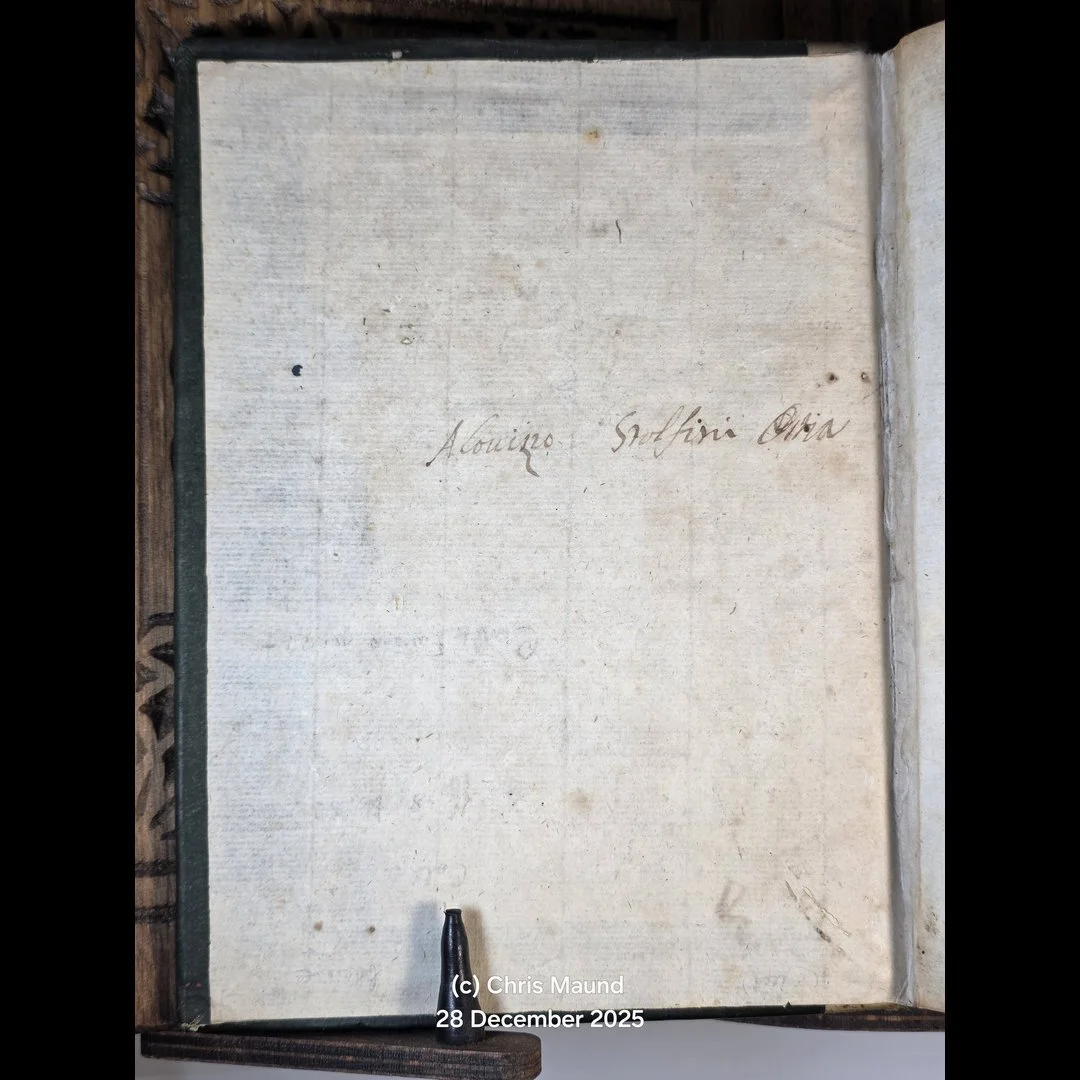
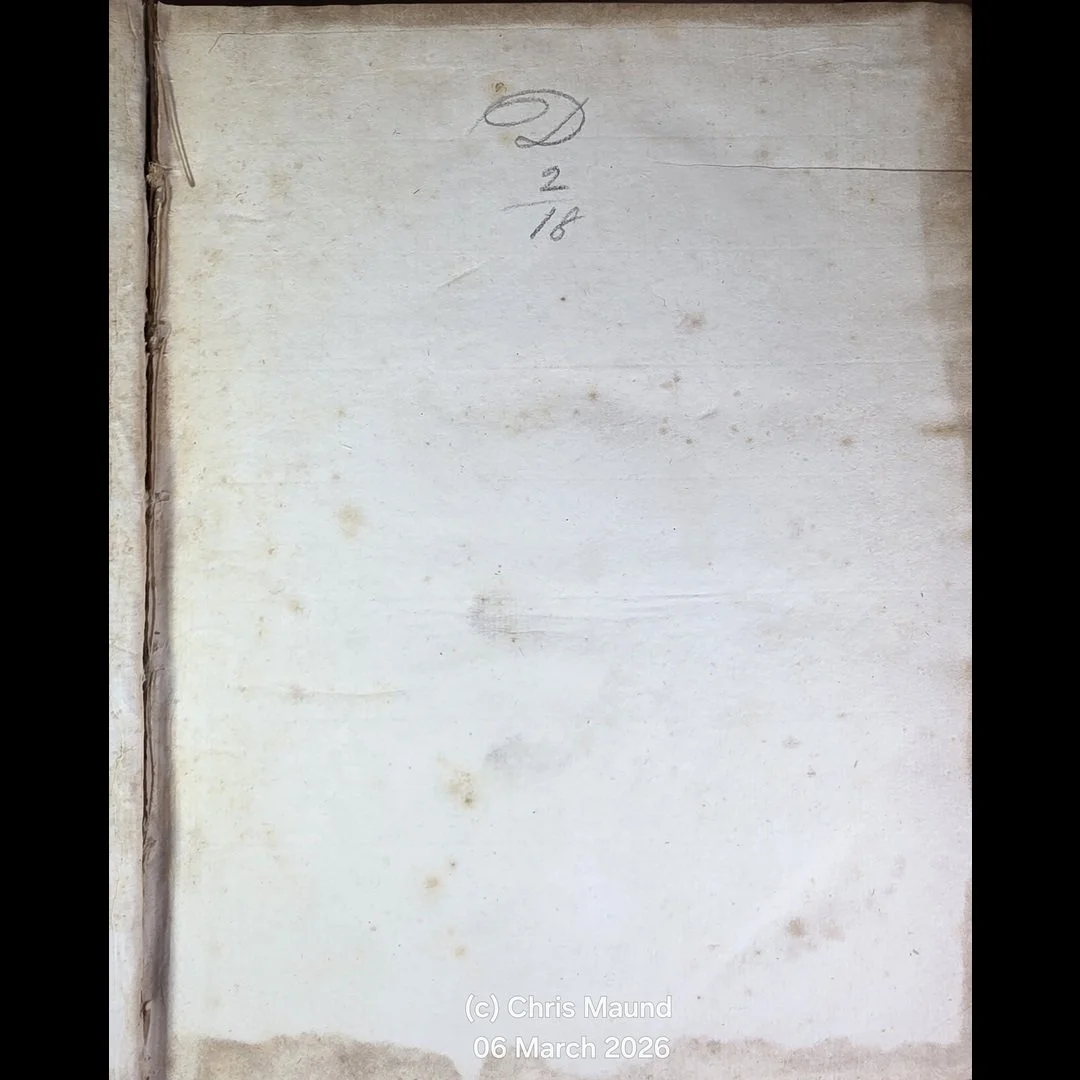
Two later ownership inscriptions appear on the front free endpaper, including that of Charles H. L. Woods.
CONDITION, COLLATION & COPY NOTES
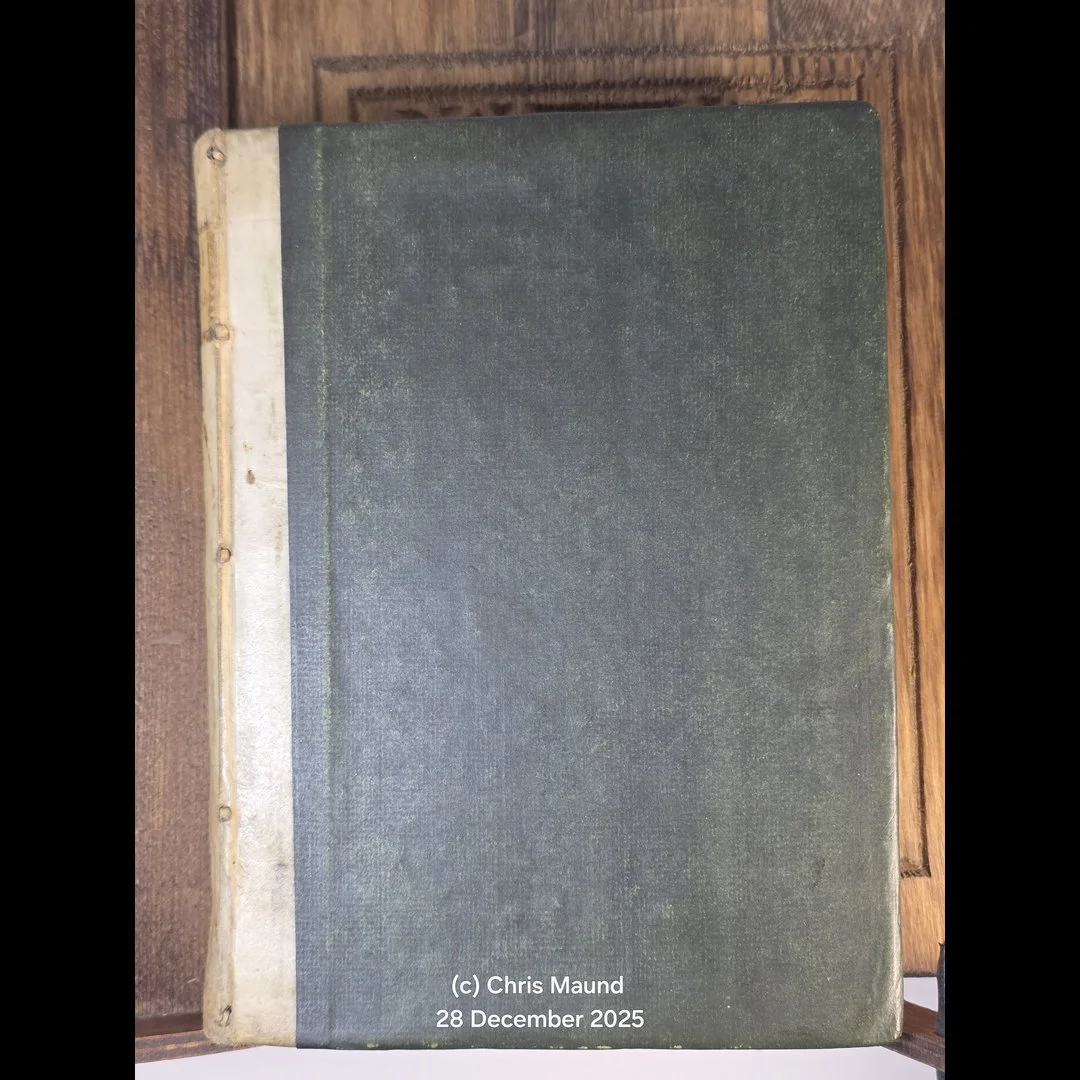
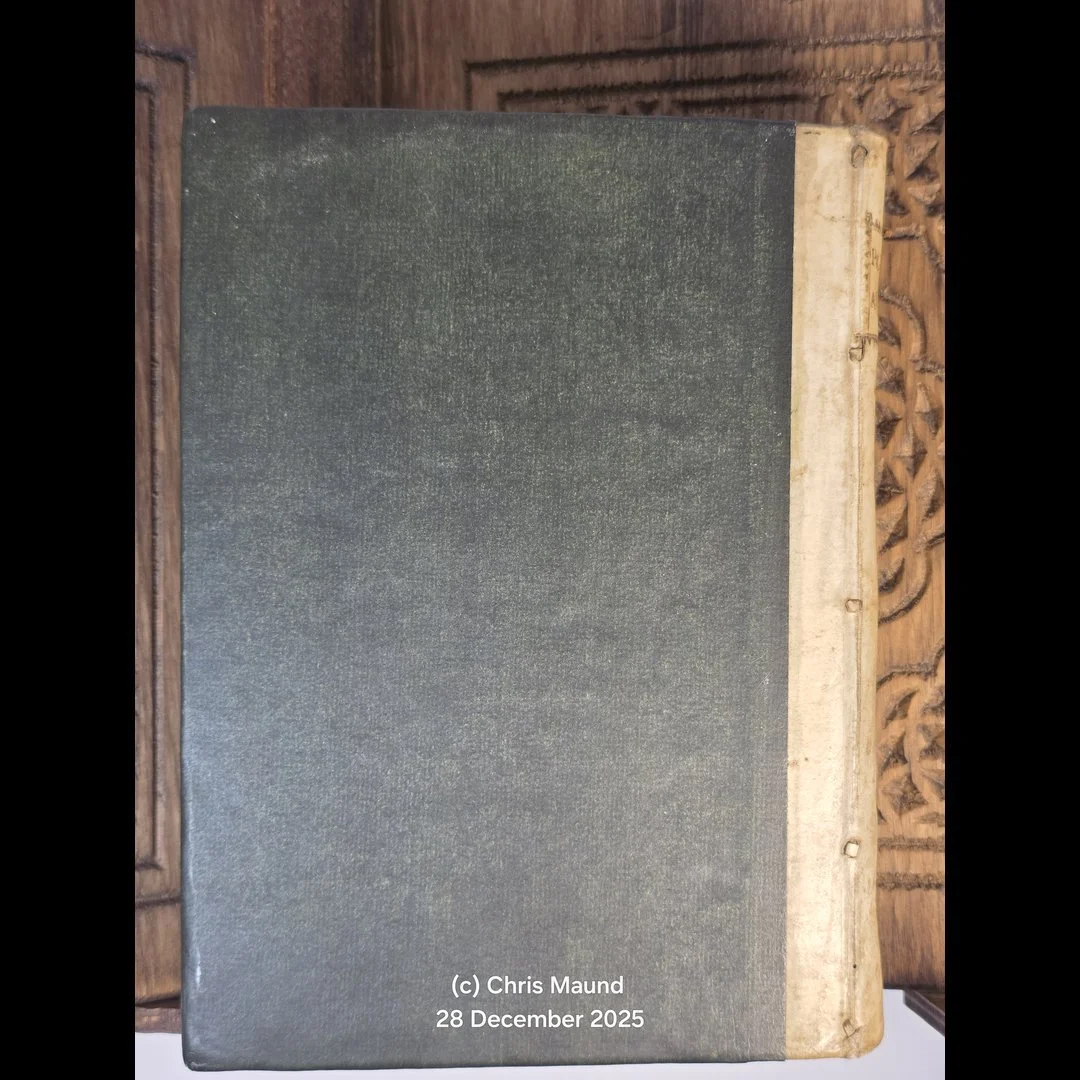
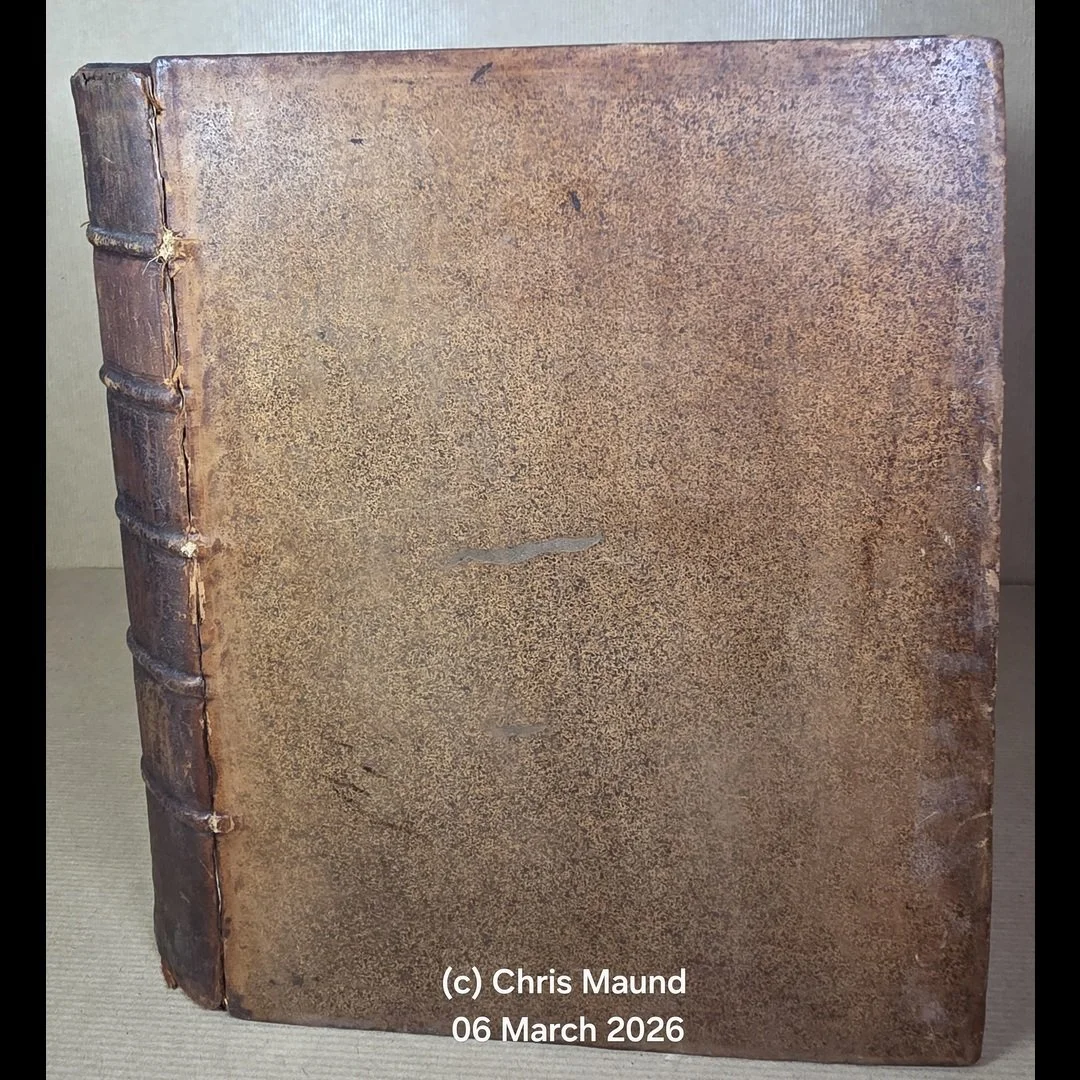
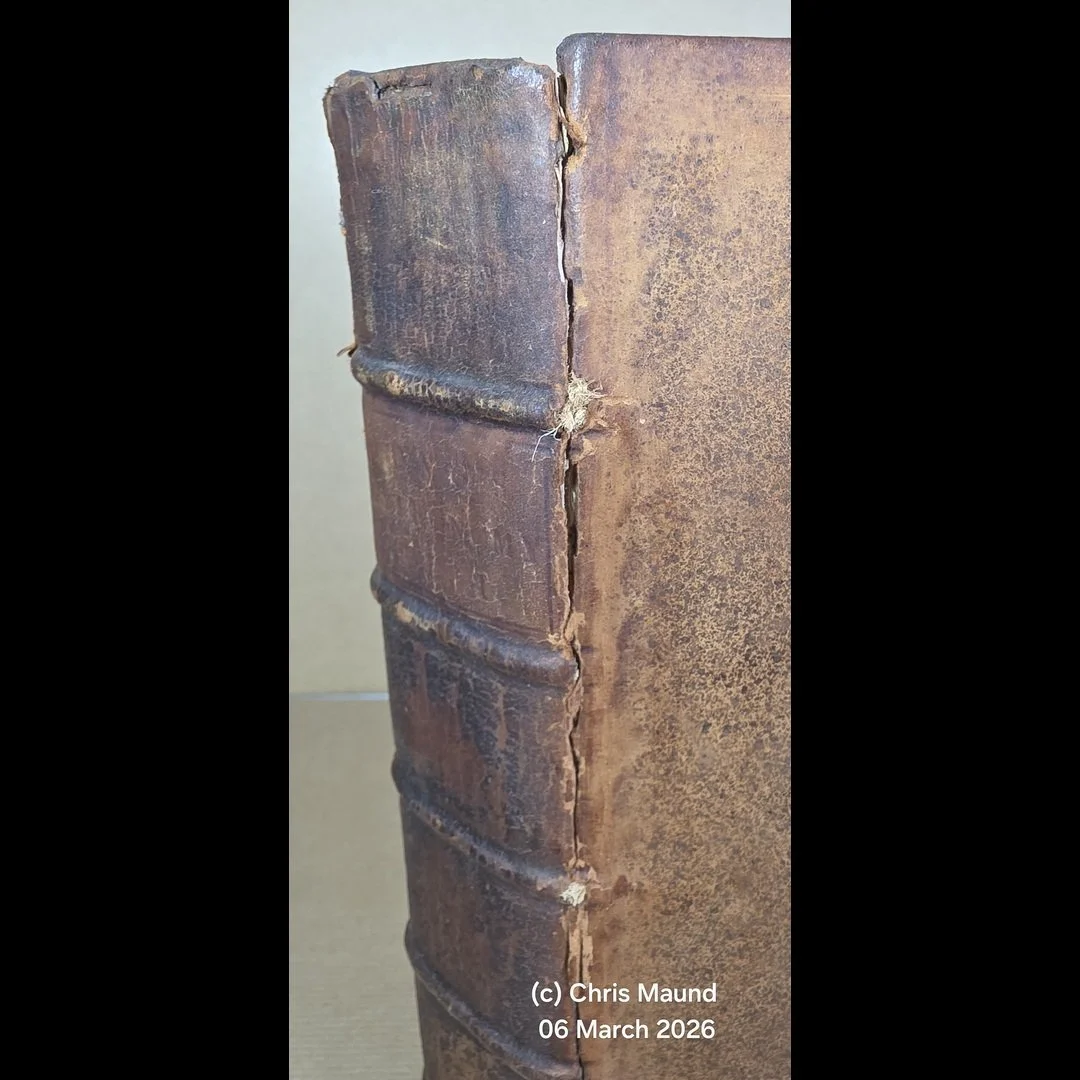
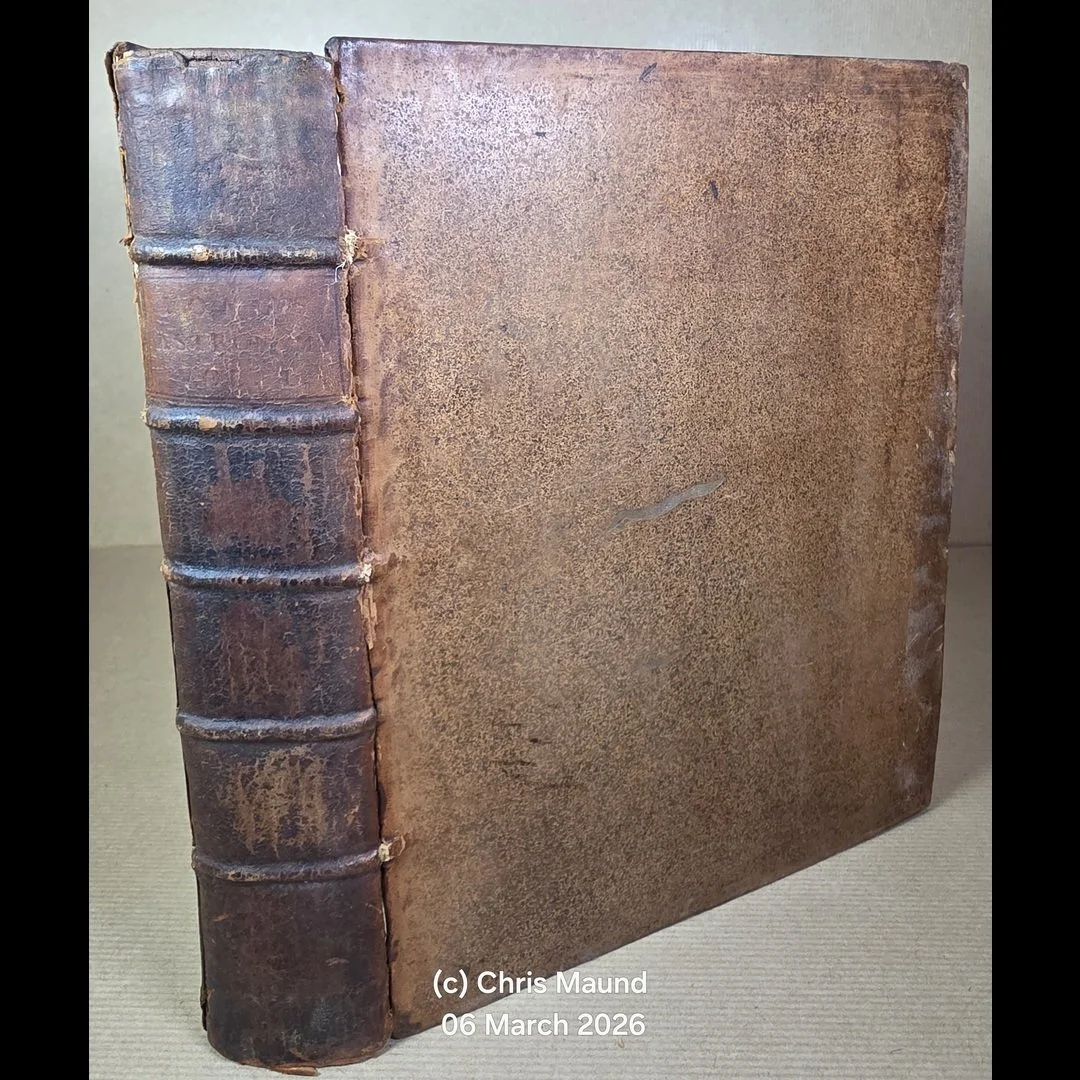
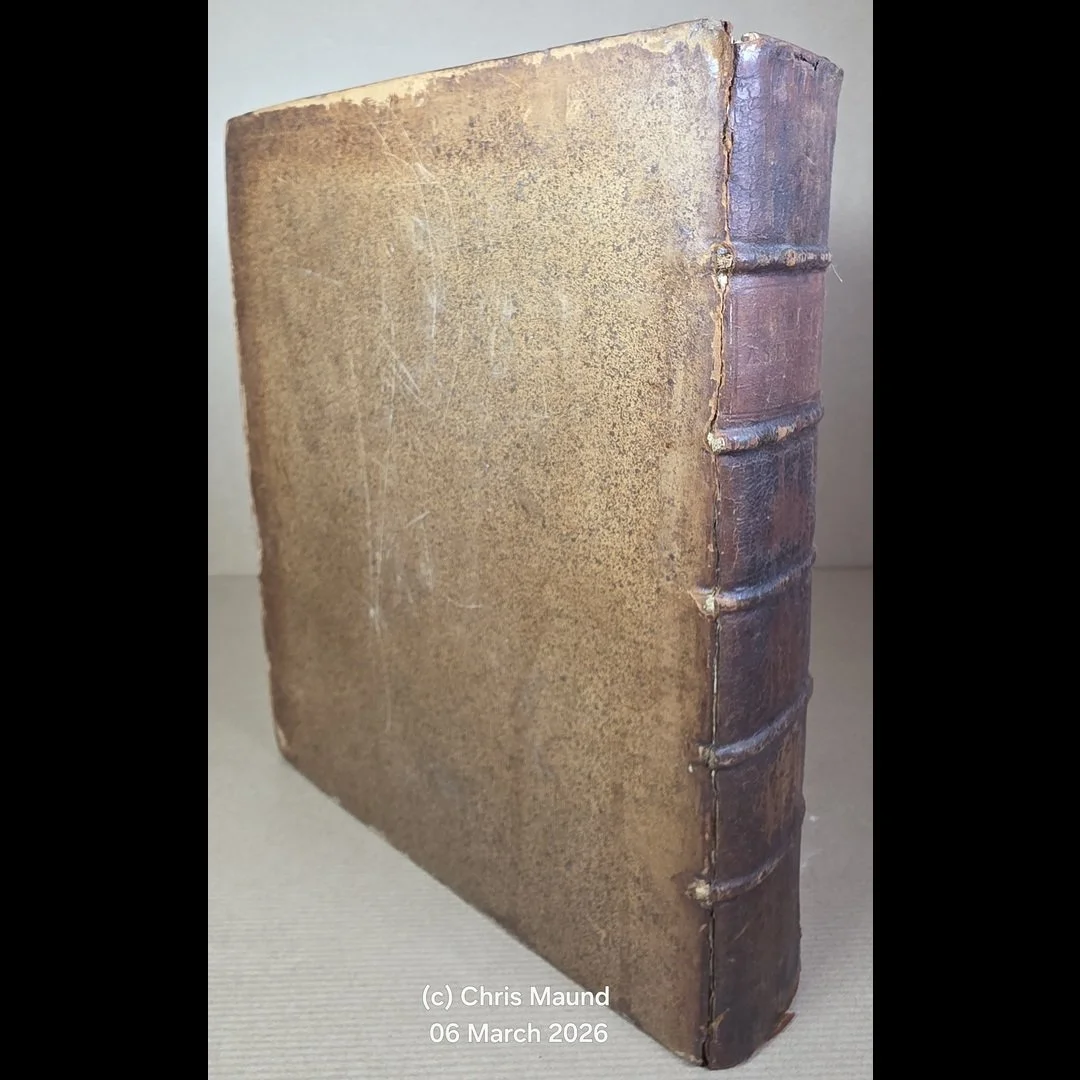
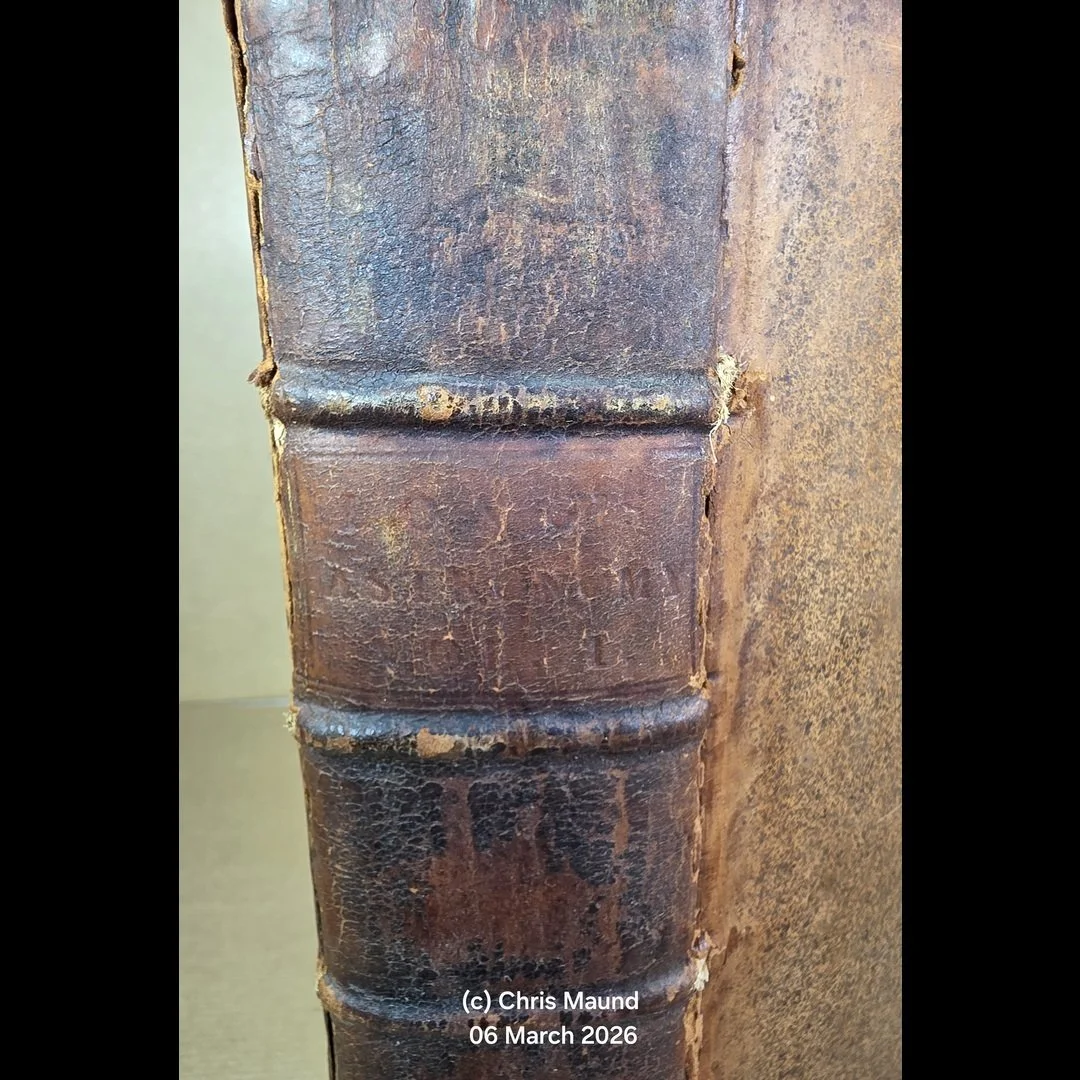
Near-contemporary half-calf binding with general rubbing, scuffing and wear consistent with age. Marbled paper-covered boards rubbed and faded, with wear at the edges and corners. Spine rubbed, with wear and loss at the head; gilt and lettering label worn but substantially legible.
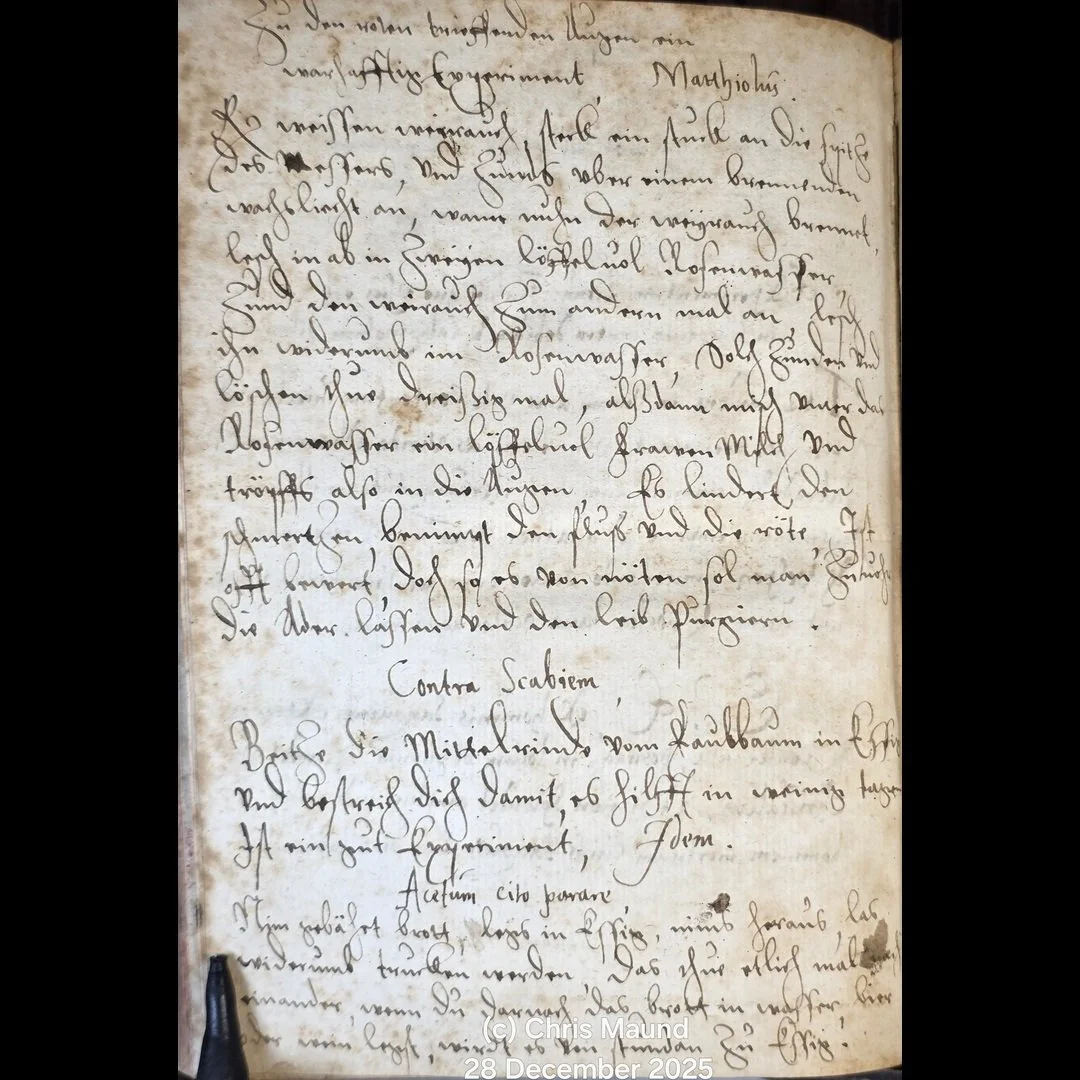
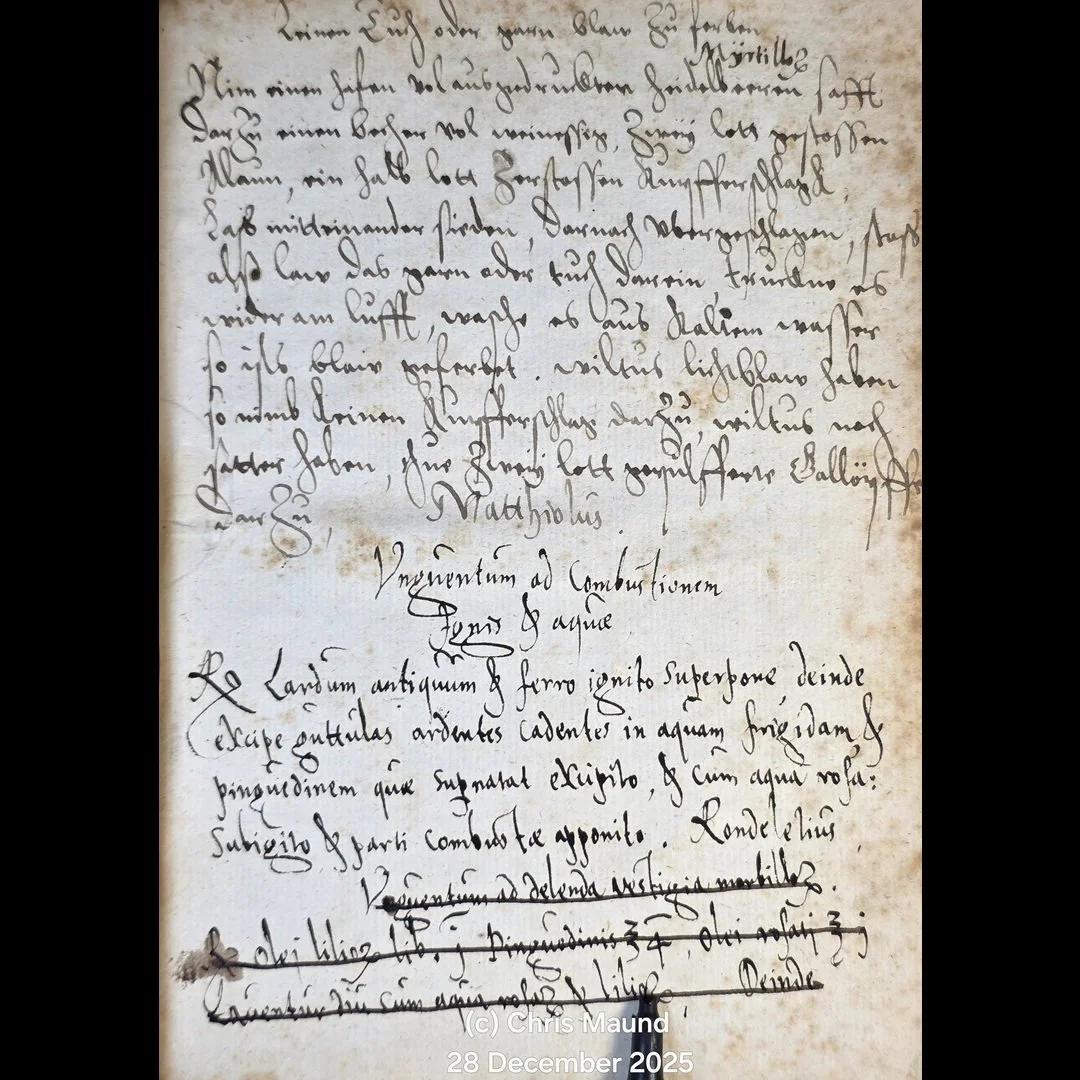
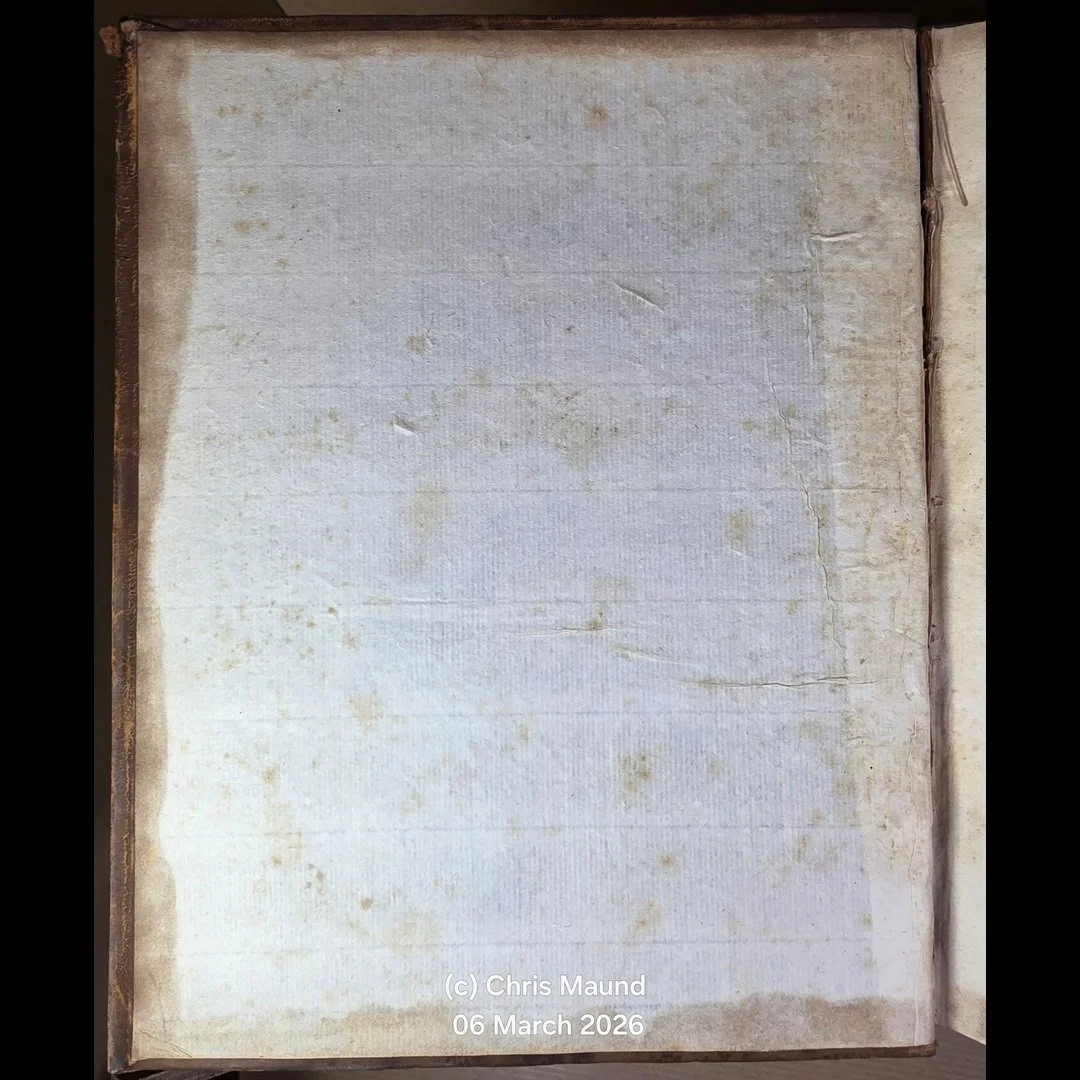
Endpapers and adjacent leaves heavily foxed and spotted. Armstrong title and text with general age-toning and occasional spotting or marks; a more conspicuous old stain is present at the beginning of Book I. Spence with some browning, offsetting and scattered spotting, becoming heavier at the final leaf and rear endpaper.
Both title pages are present. Armstrong’s engraved title vignette and Spence’s engraved portrait vignette remain clear. Text generally clean, legible and well impressed beyond the faults described.
Binding: Firm and holding at the time of cataloguing.
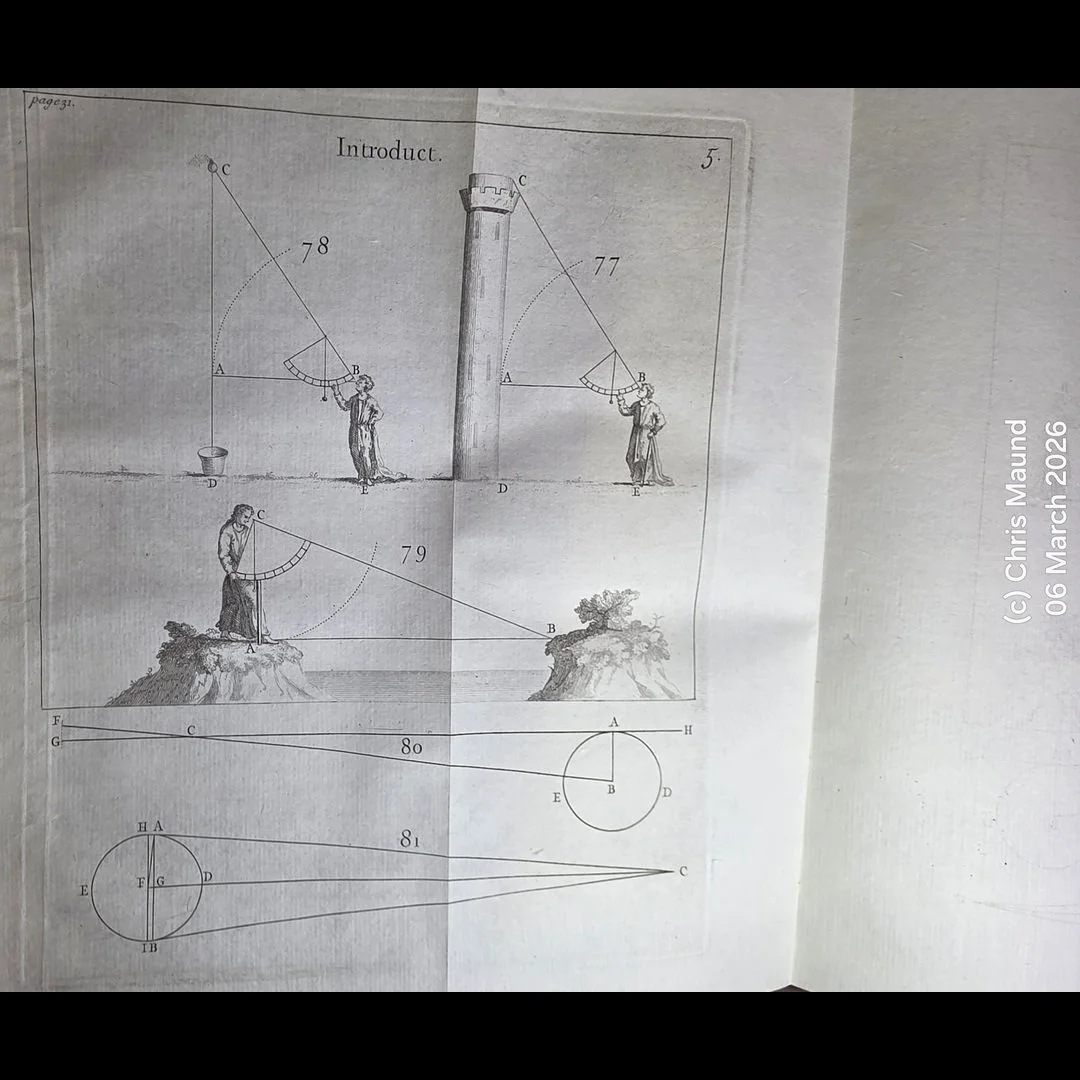
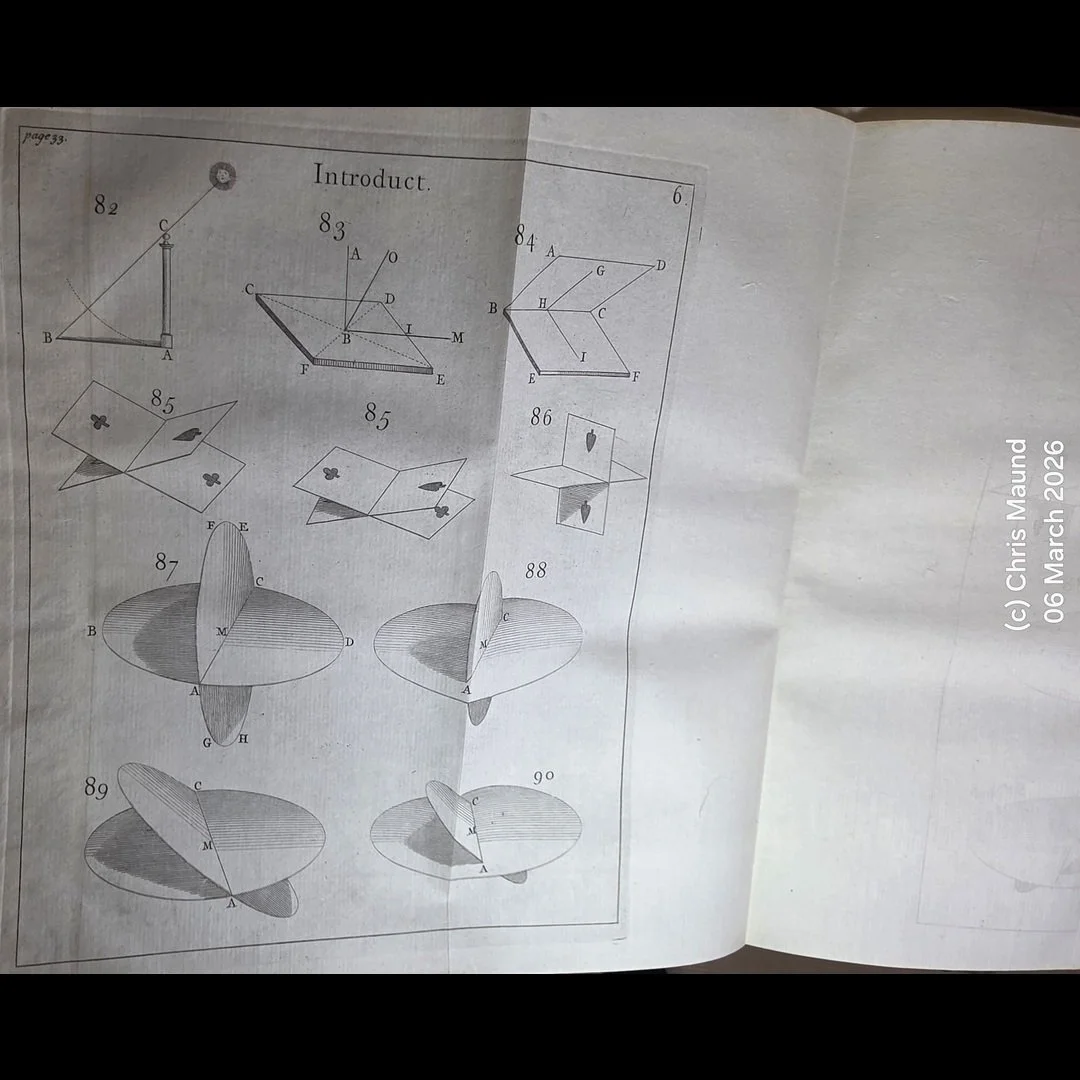
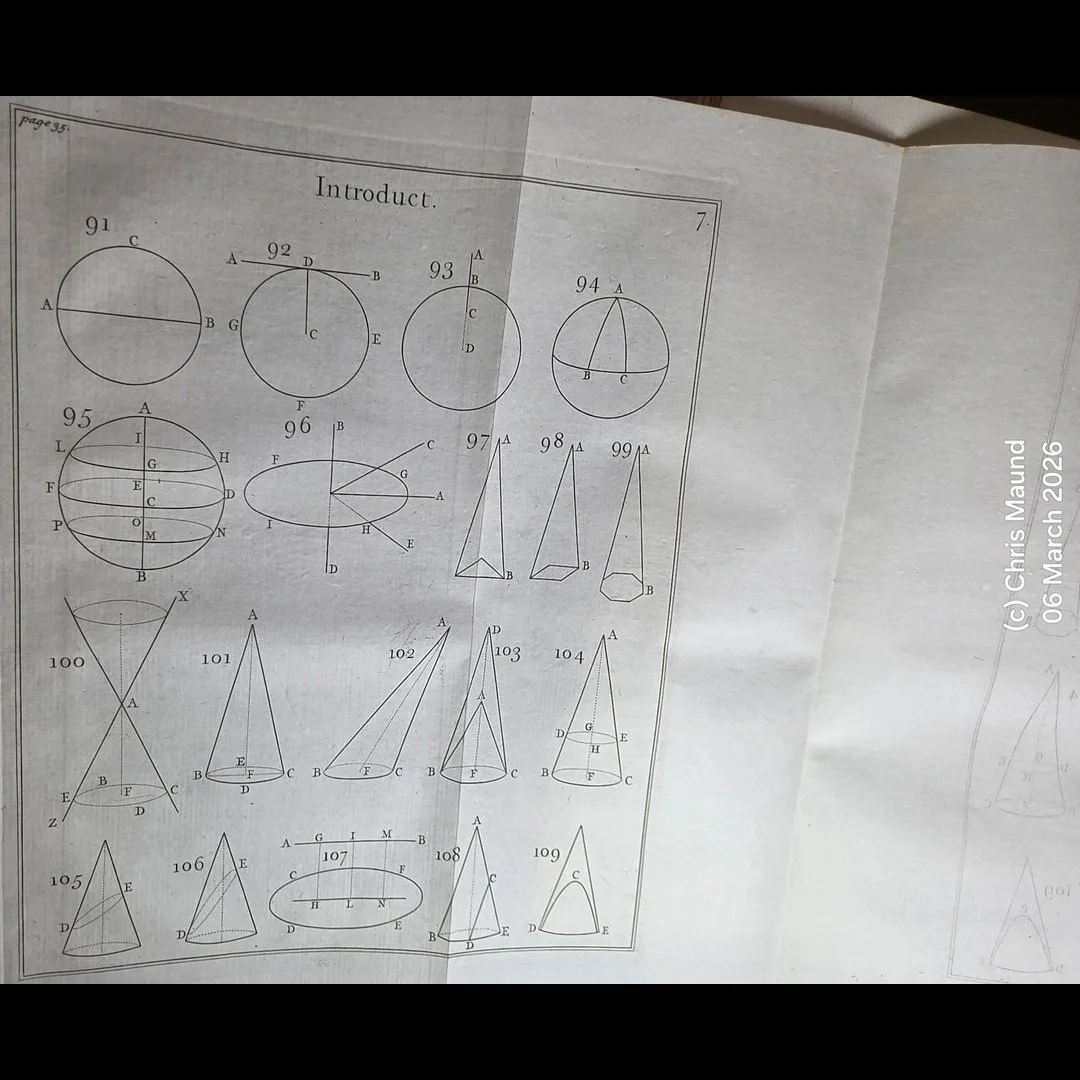
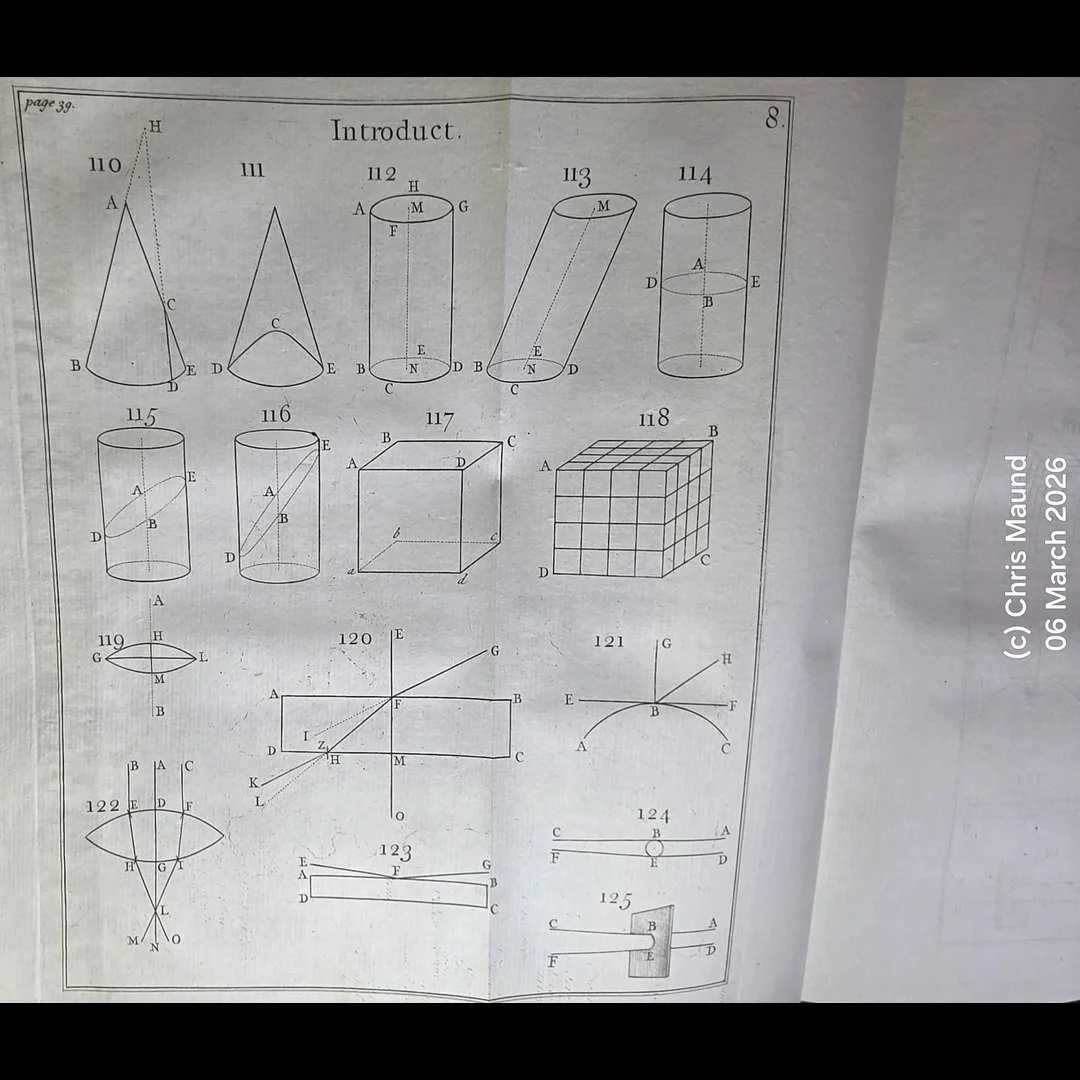
Please see Photos as part of condition report.
REFERENCES
Armstrong: ESTC T59358.
Spence: ESTC T43634; Hazen, A Bibliography of the Strawberry Hill Press, no. 6; Rothschild 1942; Lowndes 2475.
SYNOPSIS
In The Art of Preserving Health, Armstrong considers the maintenance of physical and mental well-being through four interrelated subjects: air and climate, diet, exercise and the passions. Medical observation is combined with moral reflection and Augustan blank verse, presenting health as the product of moderation, environment, habit and emotional discipline.
Spence’s A Parallel adopts the structure of Plutarchan comparative biography. It places Antonio Magliabechi, the internationally celebrated Florentine librarian, beside Robert Hill, an obscure English tradesman whose poverty and limited formal education did not prevent him from becoming an accomplished reader and scholar.
Together, the works form an unusual eighteenth-century volume concerned with the cultivation of both body and mind. The Strawberry Hill imprint, engraved title vignette, contemporary binding and identifiable provenance give the copy particular interest for collectors of eighteenth-century literature, medical humanities and private-press printing.
AUTHOR BIO
John Armstrong
John Armstrong (1709–1779) was a Scottish physician, poet and satirist. Educated in medicine at the University of Edinburgh, he later practised in London. He is chiefly remembered for The Art of Preserving Health, an ambitious didactic poem that translated contemporary ideas about hygiene, environment, bodily regimen and emotional health into literary blank verse.
Joseph Spence
Joseph Spence (1699–1768) was an English clergyman, scholar, biographer and literary anecdotist. His writings reflect a sustained interest in learning, character and the social circumstances in which intellectual achievement develops.
1754 Fourth Edition / 1758 Strawberry Hill 1st Edition With Provenance
THE ART OF PRESERVING HEALTH & A PARALLEL
By John Armstrong and Joseph Spence
KEY DETAILS
Condition: Good
Format: Hardcover, Octavo (Standard) (8vo 6 × 9 in 152 × 229 mm )
Note: Binding/size selection follows standard bibliographic conventions and is approximate; exact measurements may vary.
Published By: Printed for A. Millar in the Strand, London, 1754
Language: English
Provenance: Armorial bookplate of Thomas Borrett, Esq., Shoreham, to the front pastedown. Borrett succeeded in 1739 to New House, Preston and other family property in Shoreham parish.
Collation: Armstrong: [4], 99, [1]pp.; Spence: 104pp., advertisement on verso of final leaf. Two separately published works bound together.
Dust Jacket: None, as issued, No Jacket
SKU: BTETM0002084
Shipping Info: Approximate Package Dimensions H: 12.5, L: 30, W: 25 (Units: cm), W: 2Kg
Tracked Shipping, Insurance Coverage as per Customer Request
DESCRIPTION
THE ART OF PRESERVING HEALTH & A PARALLEL
THE ART OF PRESERVING HEALTH: A POEM
Bound with
A PARALLEL; IN THE MANNER OF PLUTARCH
An appealing eighteenth-century composite volume bringing together two distinct works concerned with health, learning and intellectual self-discipline: John Armstrong’s celebrated medical poem The Art of Preserving Health and Joseph Spence’s A Parallel; in the Manner of Plutarch.
Armstrong’s poem presents preventive medicine in accomplished blank verse. Divided into four books—Air, Diet, Exercise and the Passions—it considers the effects of environment, food, physical activity and emotional life upon bodily health. First published in 1744, the work became Armstrong’s best-known literary production and occupies an important place at the intersection of eighteenth-century medicine and poetry.
Bound after it is the first edition of Joseph Spence’s A Parallel, printed at Horace Walpole’s Strawberry Hill Press in 1758 in an edition of 700 copies. Written in the manner of Plutarch’s paired lives, it compares the celebrated Florentine librarian Antonio Magliabechi with Robert Hill, a poor and largely self-educated English tailor and scholar. The book was printed and sold for Hill’s benefit and is illustrated with an engraved portrait vignette of Magliabechi on the title page.
A characterful association copy in a near-contemporary binding, with the armorial bookplate of Thomas Borrett of Shoreham, Kent.
PROVENANCE
Armorial bookplate of Thomas Borrett, Esq., Shoreham, to the front pastedown. Borrett succeeded in 1739 to New House, Preston and other family property in Shoreham parish.
Two later ownership inscriptions appear on the front free endpaper, including that of Charles H. L. Woods.
CONDITION, COLLATION & COPY NOTES
Near-contemporary half-calf binding with general rubbing, scuffing and wear consistent with age. Marbled paper-covered boards rubbed and faded, with wear at the edges and corners. Spine rubbed, with wear and loss at the head; gilt and lettering label worn but substantially legible.
Endpapers and adjacent leaves heavily foxed and spotted. Armstrong title and text with general age-toning and occasional spotting or marks; a more conspicuous old stain is present at the beginning of Book I. Spence with some browning, offsetting and scattered spotting, becoming heavier at the final leaf and rear endpaper.
Both title pages are present. Armstrong’s engraved title vignette and Spence’s engraved portrait vignette remain clear. Text generally clean, legible and well impressed beyond the faults described.
Binding: Firm and holding at the time of cataloguing.
Please see Photos as part of condition report.
REFERENCES
Armstrong: ESTC T59358.
Spence: ESTC T43634; Hazen, A Bibliography of the Strawberry Hill Press, no. 6; Rothschild 1942; Lowndes 2475.
SYNOPSIS
In The Art of Preserving Health, Armstrong considers the maintenance of physical and mental well-being through four interrelated subjects: air and climate, diet, exercise and the passions. Medical observation is combined with moral reflection and Augustan blank verse, presenting health as the product of moderation, environment, habit and emotional discipline.
Spence’s A Parallel adopts the structure of Plutarchan comparative biography. It places Antonio Magliabechi, the internationally celebrated Florentine librarian, beside Robert Hill, an obscure English tradesman whose poverty and limited formal education did not prevent him from becoming an accomplished reader and scholar.
Together, the works form an unusual eighteenth-century volume concerned with the cultivation of both body and mind. The Strawberry Hill imprint, engraved title vignette, contemporary binding and identifiable provenance give the copy particular interest for collectors of eighteenth-century literature, medical humanities and private-press printing.
AUTHOR BIO
John Armstrong
John Armstrong (1709–1779) was a Scottish physician, poet and satirist. Educated in medicine at the University of Edinburgh, he later practised in London. He is chiefly remembered for The Art of Preserving Health, an ambitious didactic poem that translated contemporary ideas about hygiene, environment, bodily regimen and emotional health into literary blank verse.
Joseph Spence
Joseph Spence (1699–1768) was an English clergyman, scholar, biographer and literary anecdotist. His writings reflect a sustained interest in learning, character and the social circumstances in which intellectual achievement develops.

 Image 1 of 13
 Image 2 of 13
 Image 3 of 13
 Image 4 of 13
 Image 5 of 13
 Image 6 of 13
 Image 7 of 13
 Image 8 of 13
 Image 9 of 13
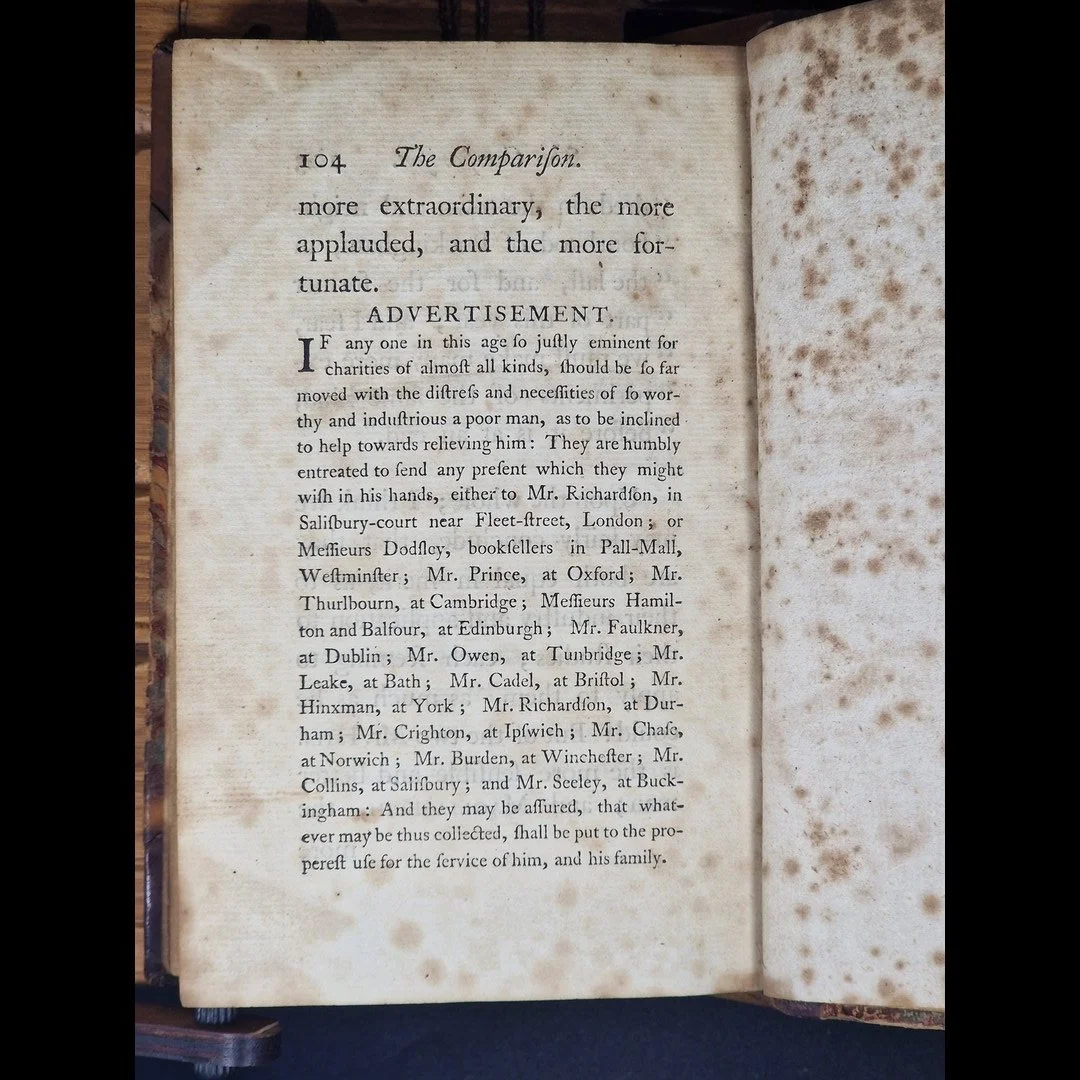 Image 10 of 13
 Image 11 of 13
 Image 12 of 13
 Image 13 of 13