Sale Price:
£400.00
Original Price:
£430.00
1609 Venice Edition
RATIONALE DIVINORUM OFFICIORUM
By Guillaume Durand
KEY DETAILS
Condition: Very Good
Format: Leather, quarto (4to 9 1⁄2 × 12 in 241 × 305 mm )
Note: Binding/size selection follows standard bibliographic conventions and is approximate; exact measurements may vary.
Published By: Venetiis: Apud Dominicum de Imbertis, Venice, 1609
Language: Latin
Illustrated By: Anon
Collation: [4], 375 leaves; Signatures: +⁴ A–Z⁸ 2A–2Z⁸ 2&⁷
Dust Jacket: None, as issued, No Jacket
SKU: BTETM0002191
Shipping Info: Approximate Package Dimensions H: 12.5, L: 30, W: 25 (Units: cm), W: 2Kg
Tracked Shipping, Insurance Coverage as per Customer Request
DESCRIPTION
Rationale Divinorum Officiorum
With the Rationale Divinorum Officiorum of Jean Beleth
An attractive early seventeenth-century Venetian edition of one of the most influential medieval works on Christian liturgy, ecclesiastical ceremony and religious symbolism: Guillaume Durand's Rationale Divinorum Officiorum, printed at Venice by Domenico de Imbertis in 1609.
Written in the late thirteenth century by Guillaume Durand, Bishop of Mende, the Rationale offers an encyclopaedic interpretation of medieval Christian worship. Across eight books Durand examines the symbolism and function of churches and altars, ecclesiastical ministers, vestments, the Mass, the Divine Office, the liturgical year, saints' feasts, and the calendar and computation of sacred time.
The work has an exceptionally distinguished printing history, having first appeared in print at Mainz in 1459 from the press of Johann Fust and Peter Schöffer, only a few years after the Gutenberg Bible. This later Venetian edition belongs to the annotated recension associated with Nicolas Doard and also includes the earlier Rationale Divinorum Officiorum of the twelfth-century theologian Jean Beleth.
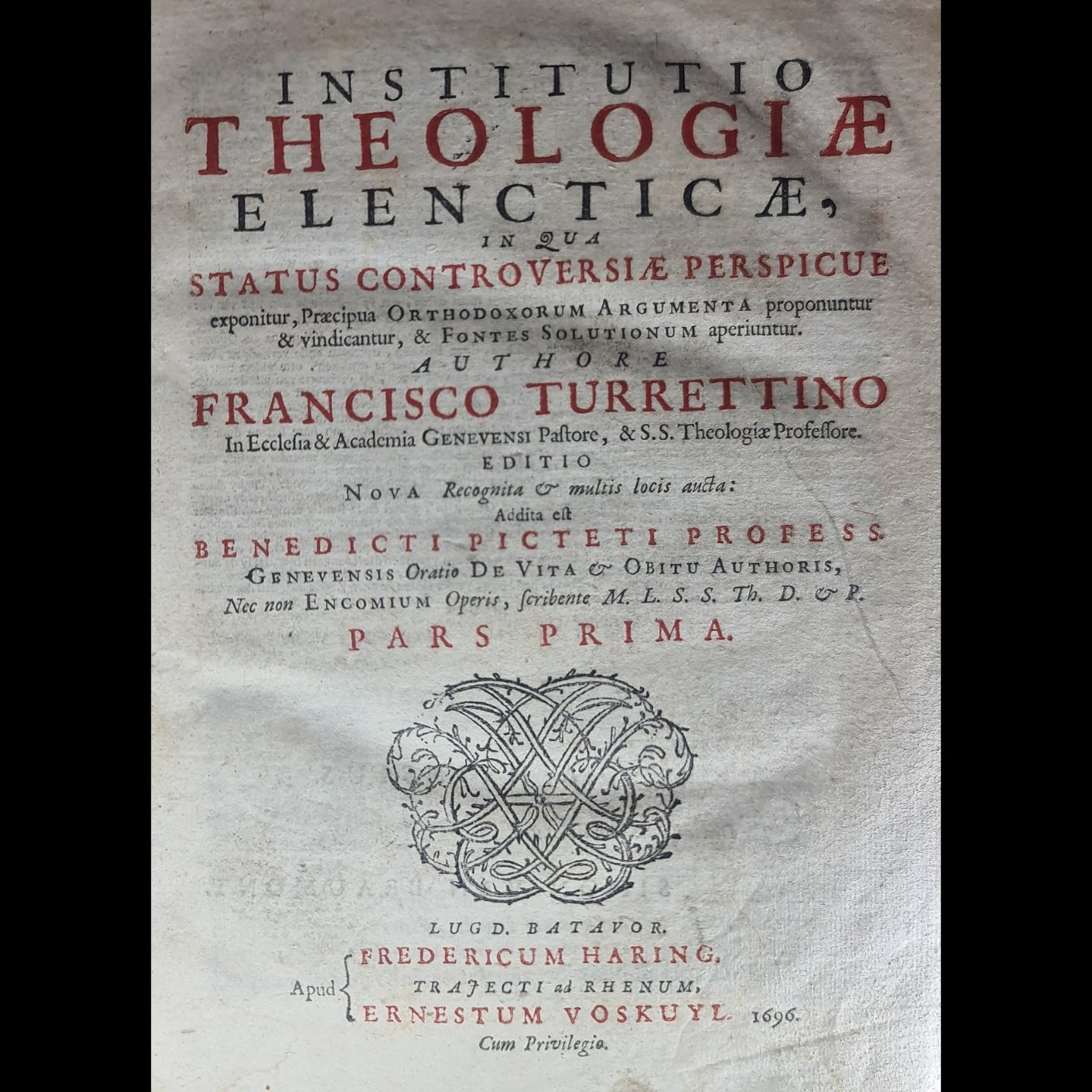
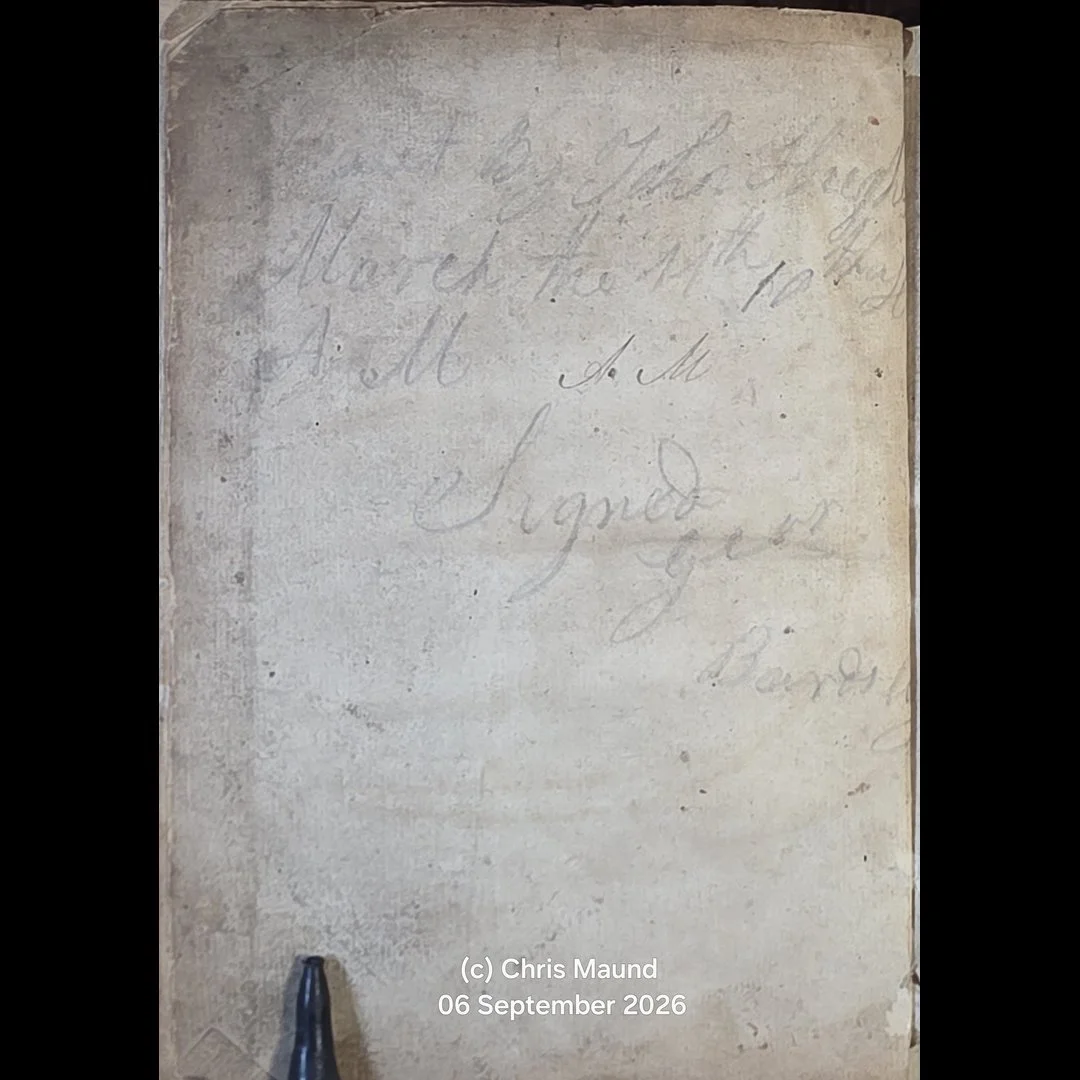
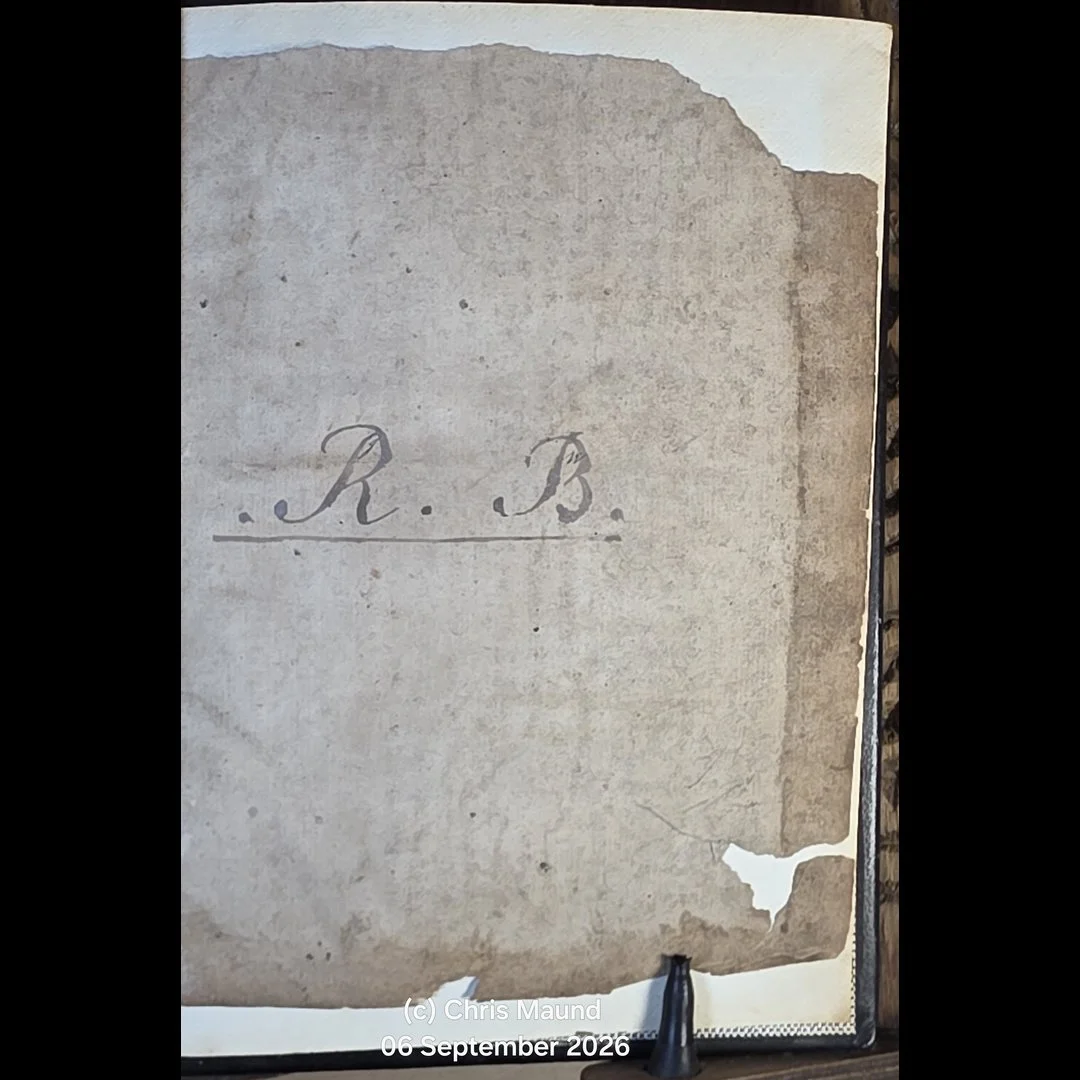
A visually appealing copy, with title page printed in red and black incorporating a large woodcut printer's device, decorative woodcut initials throughout, double-column text and extensive printed marginal references. The title page bears an early ownership inscription, apparently “Rob. Davies”. Recased in old calf, retaining considerable period character.
CONDITION, COLLATION & COPY NOTES
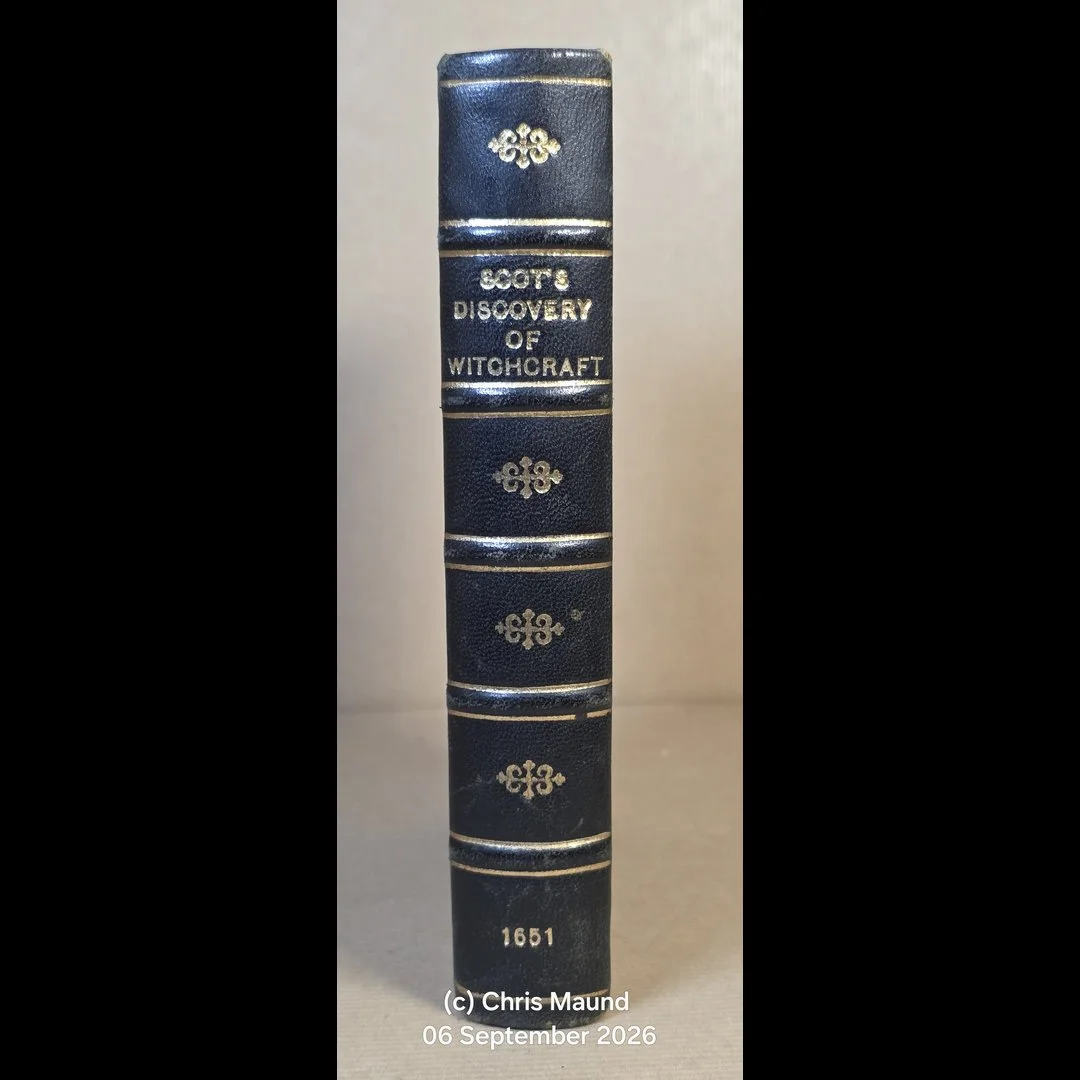
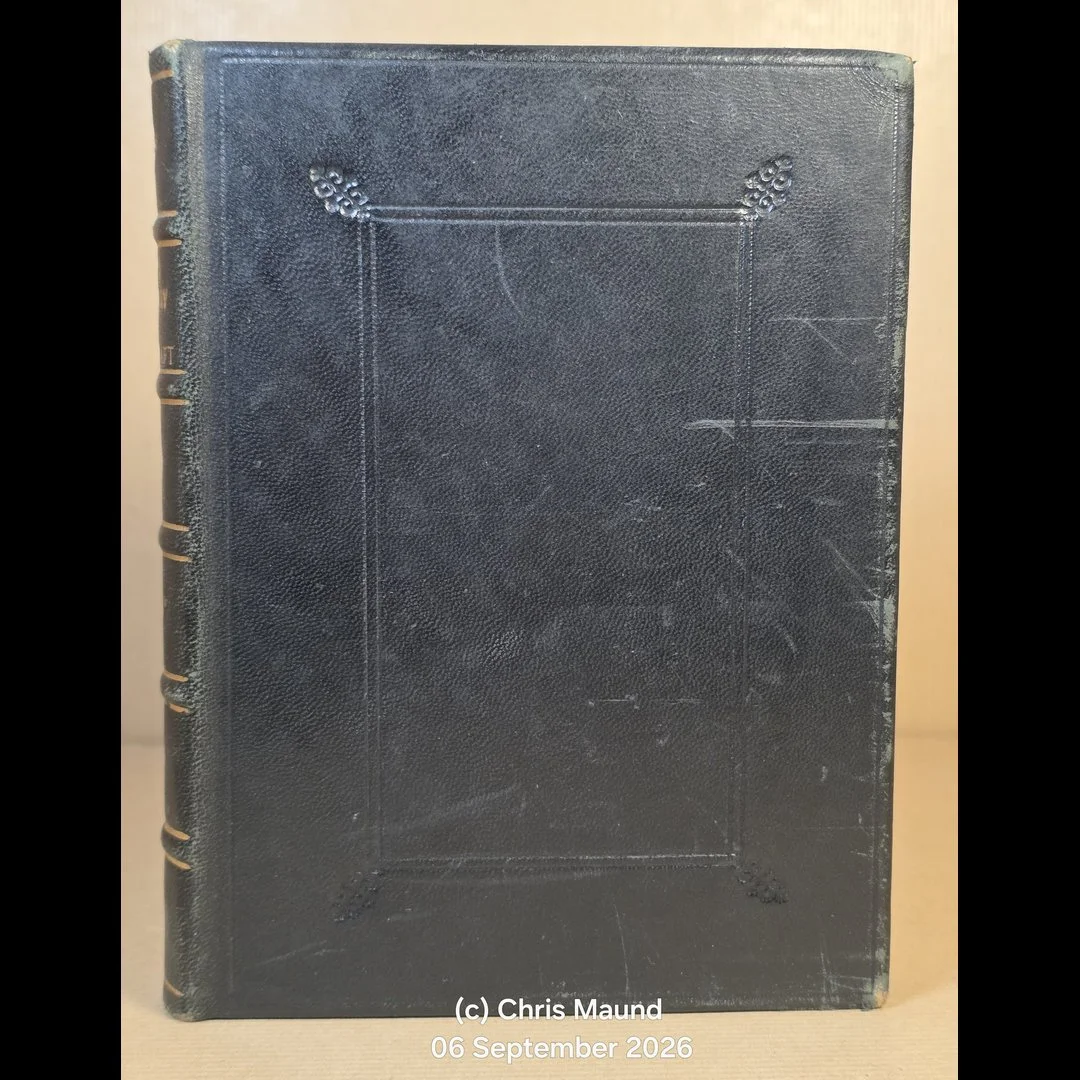
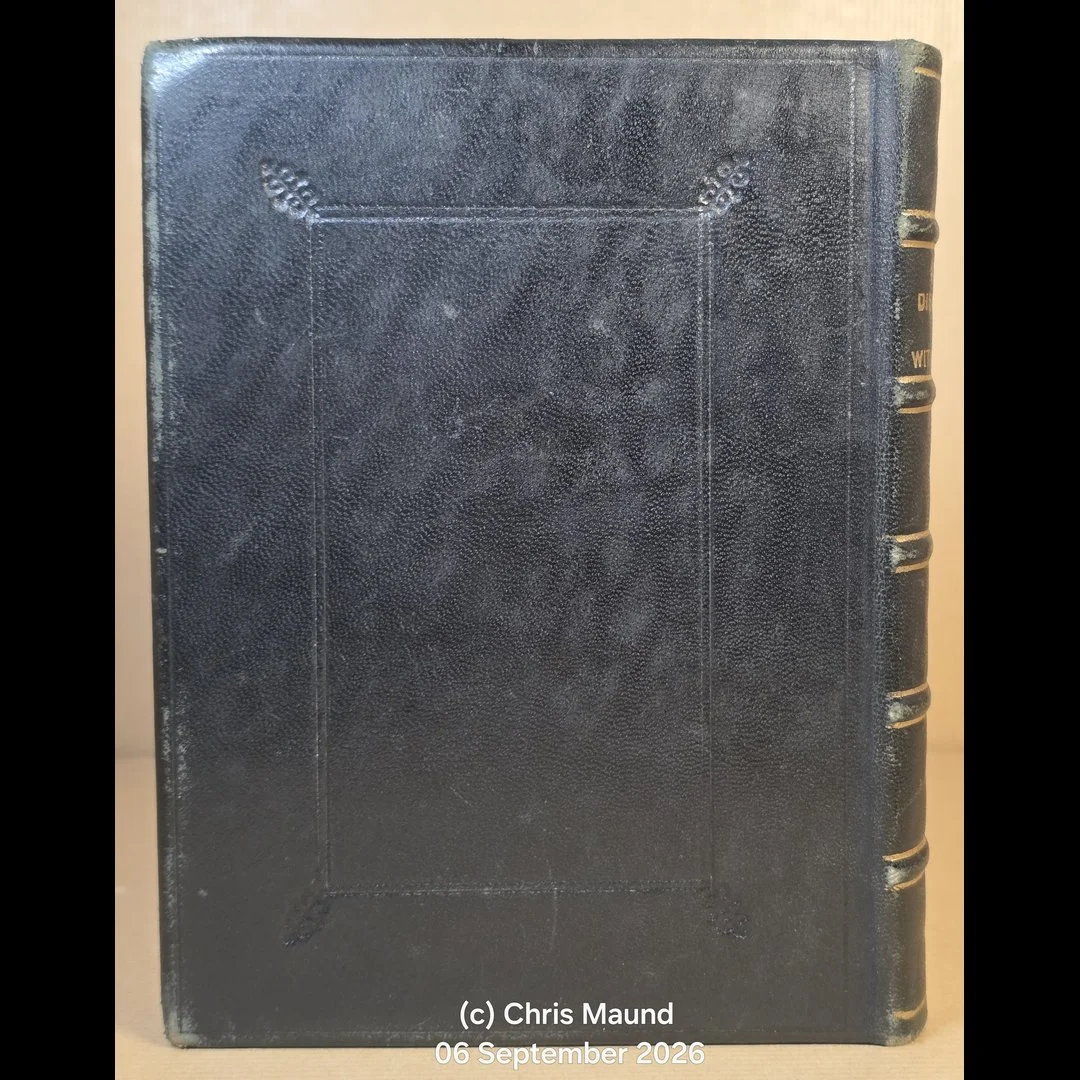
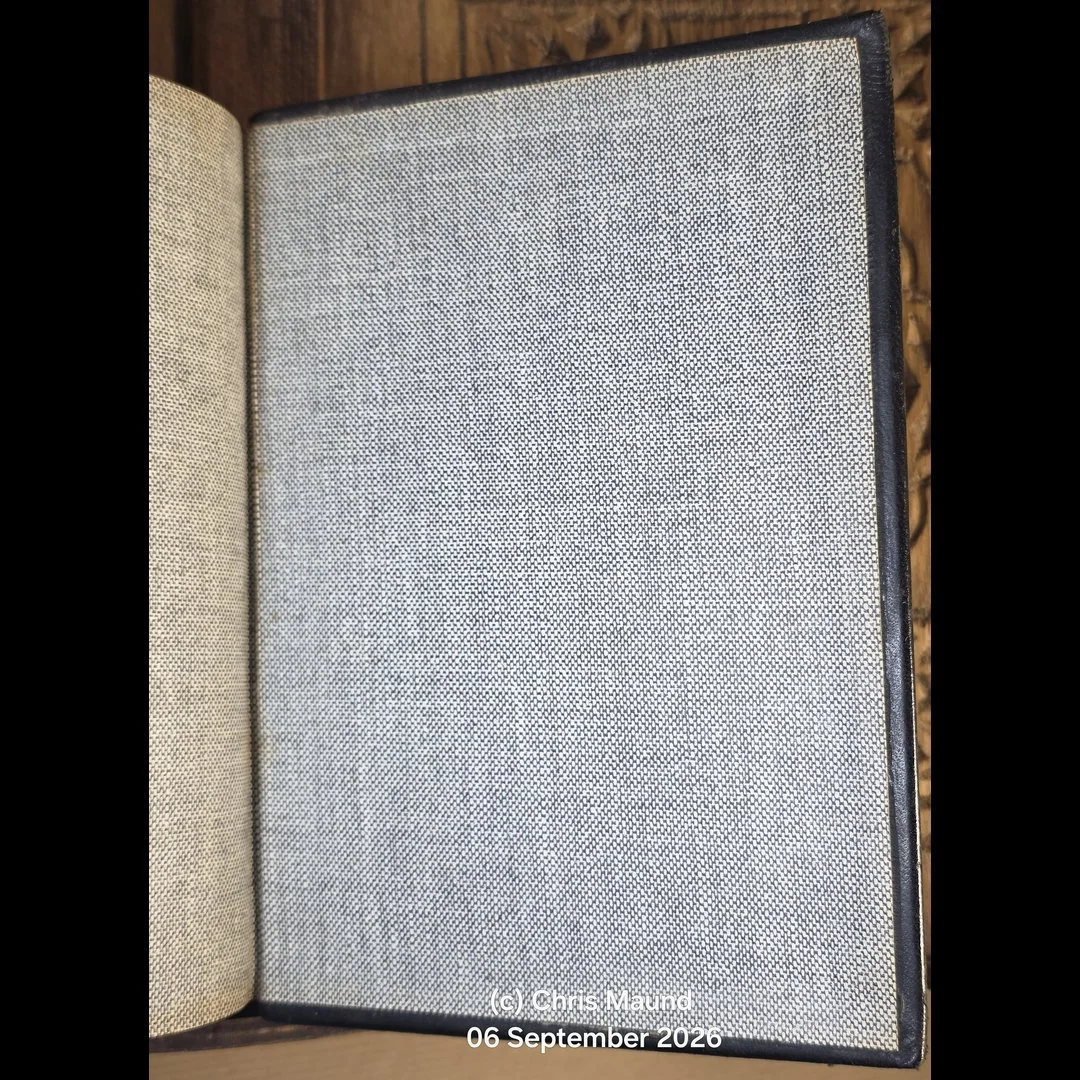
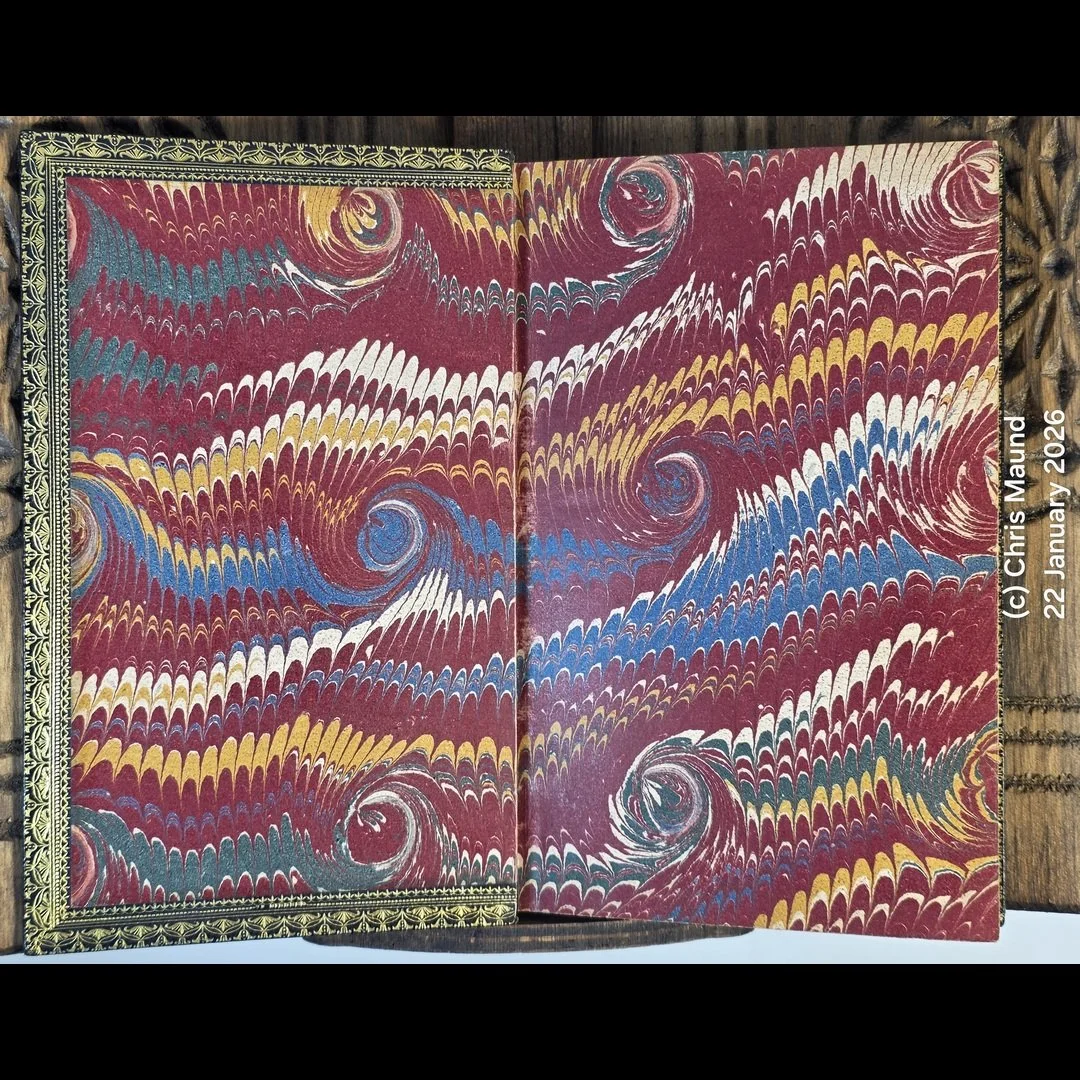
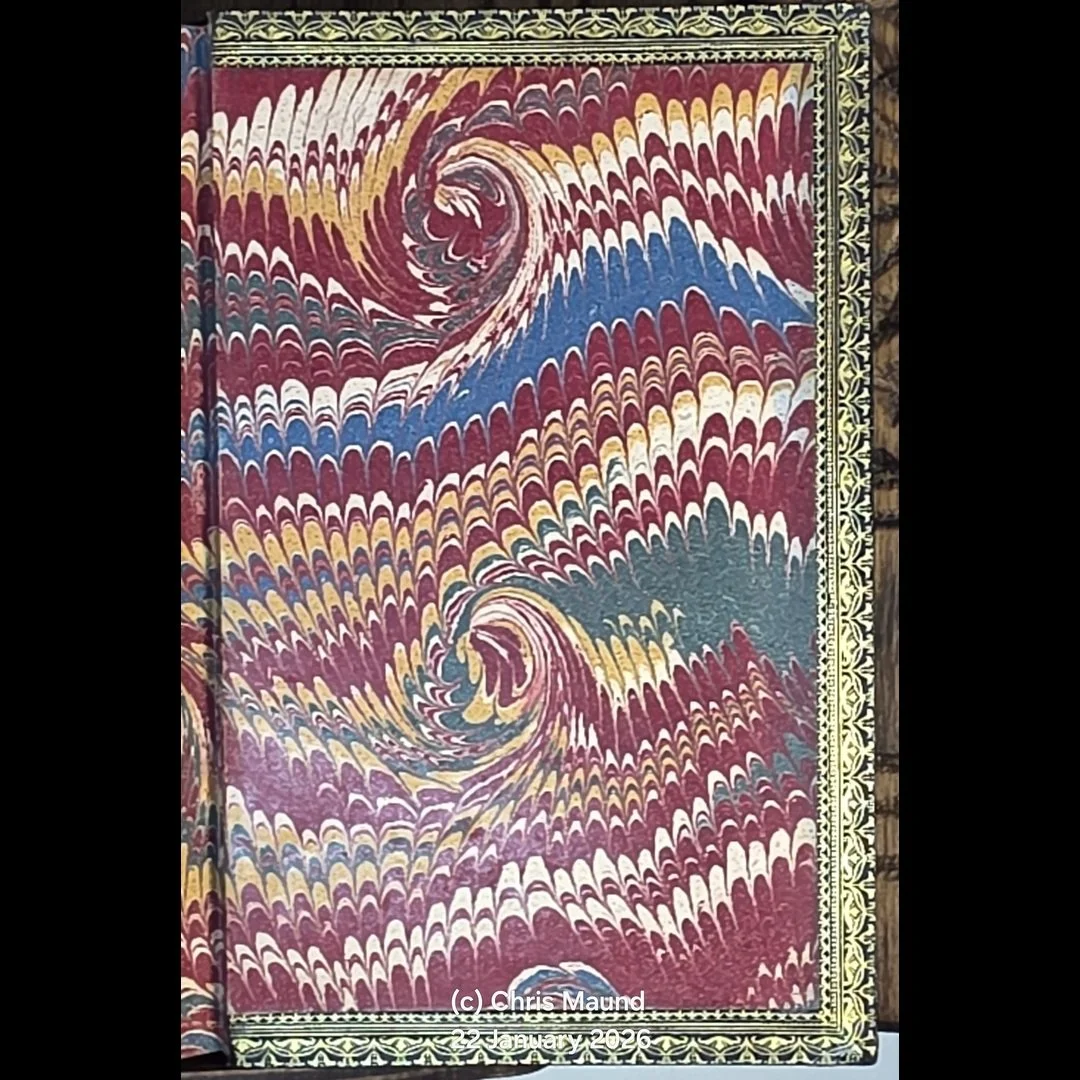
A substantial and attractive early seventeenth-century quarto, recased in old calf. Boards with general rubbing, marking and wear consistent with age. Spine considerably rubbed with areas of surface loss and wear, particularly towards the head and foot; later cloth reinforcement to the front joint and later gilt-lettered black title label. Corners and extremities worn. The binding nevertheless retains considerable antiquarian character.
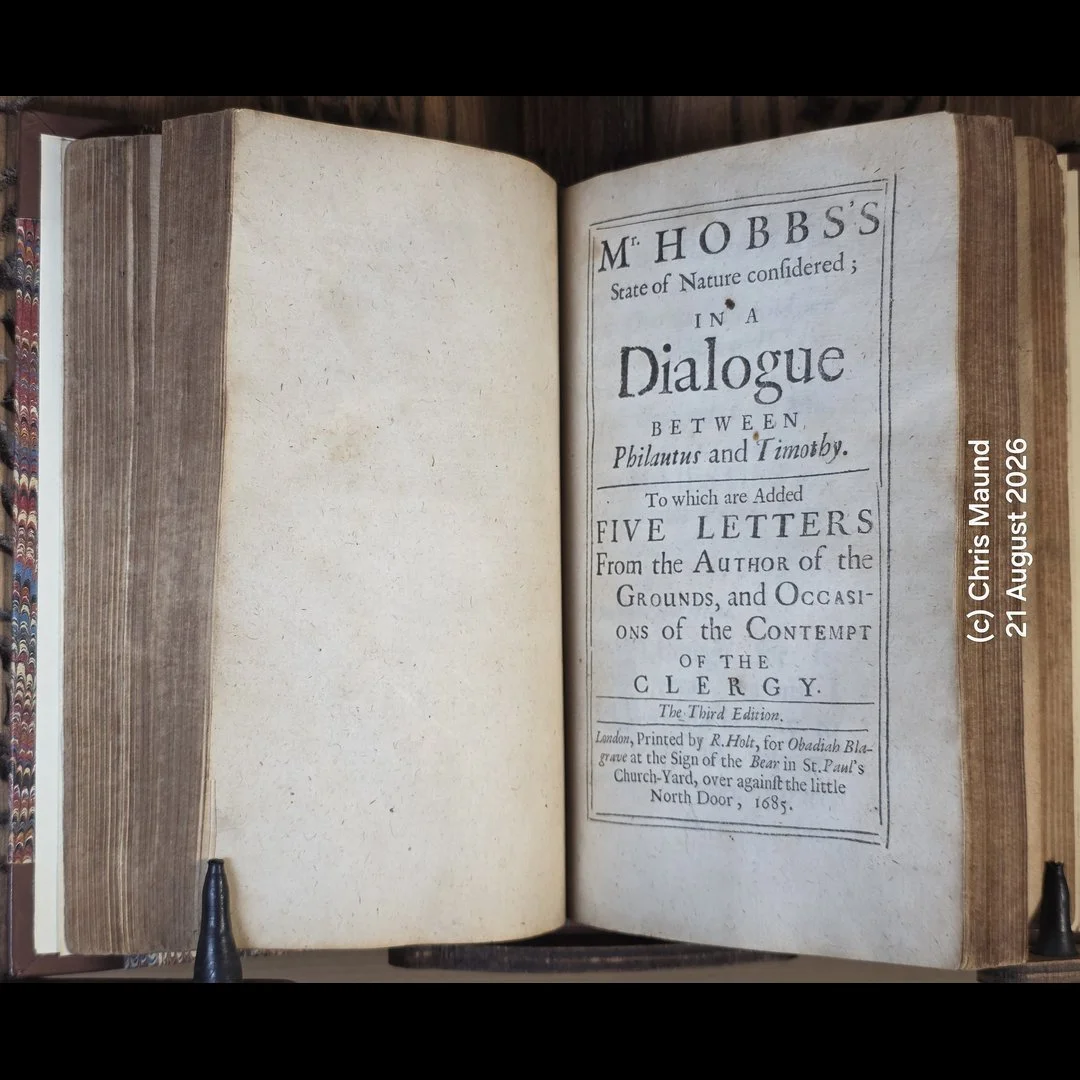
Title page present, printed in red and black with a large woodcut printer's device and an early ownership inscription, apparently “Rob. Davies”. Some light age-soiling and spotting to the title.
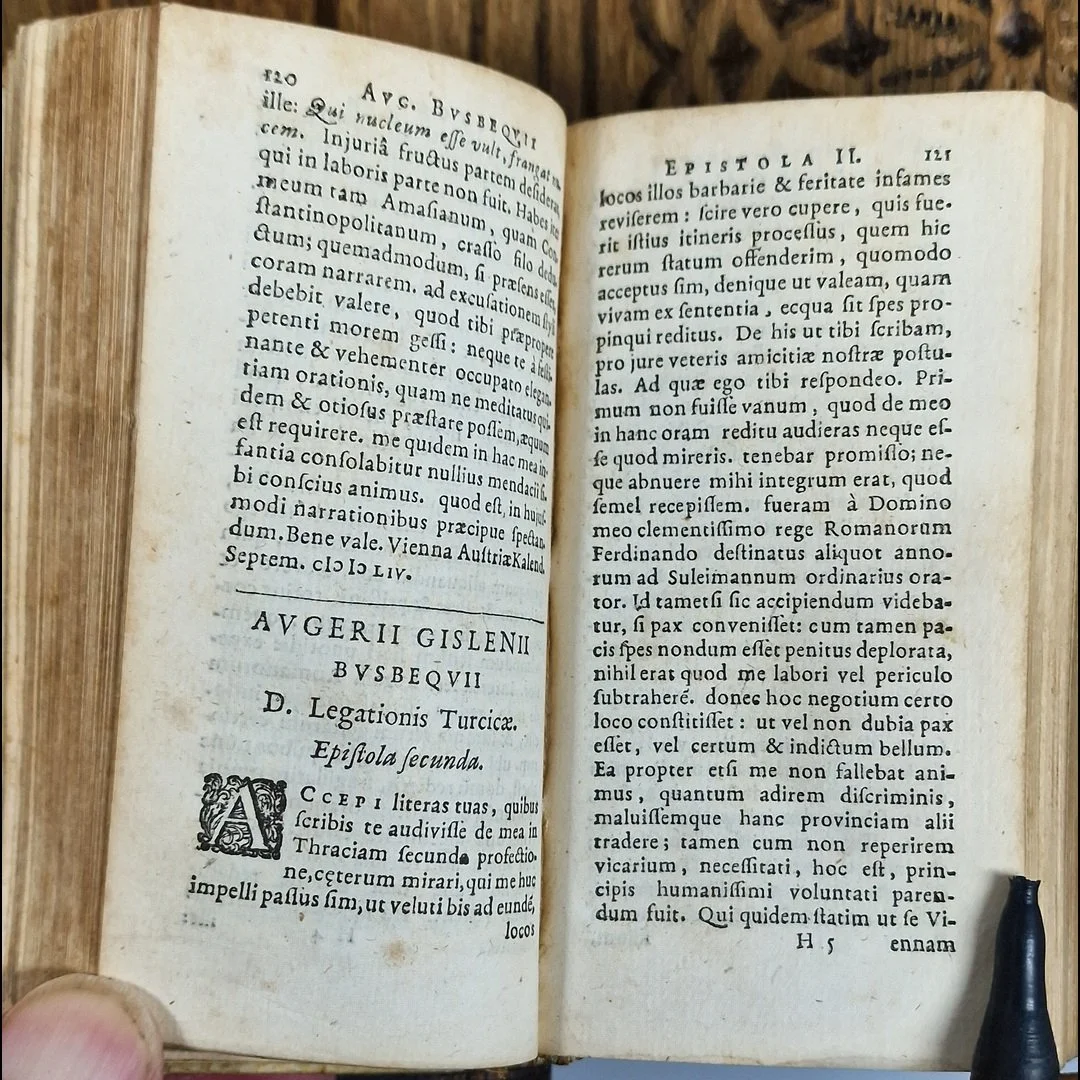
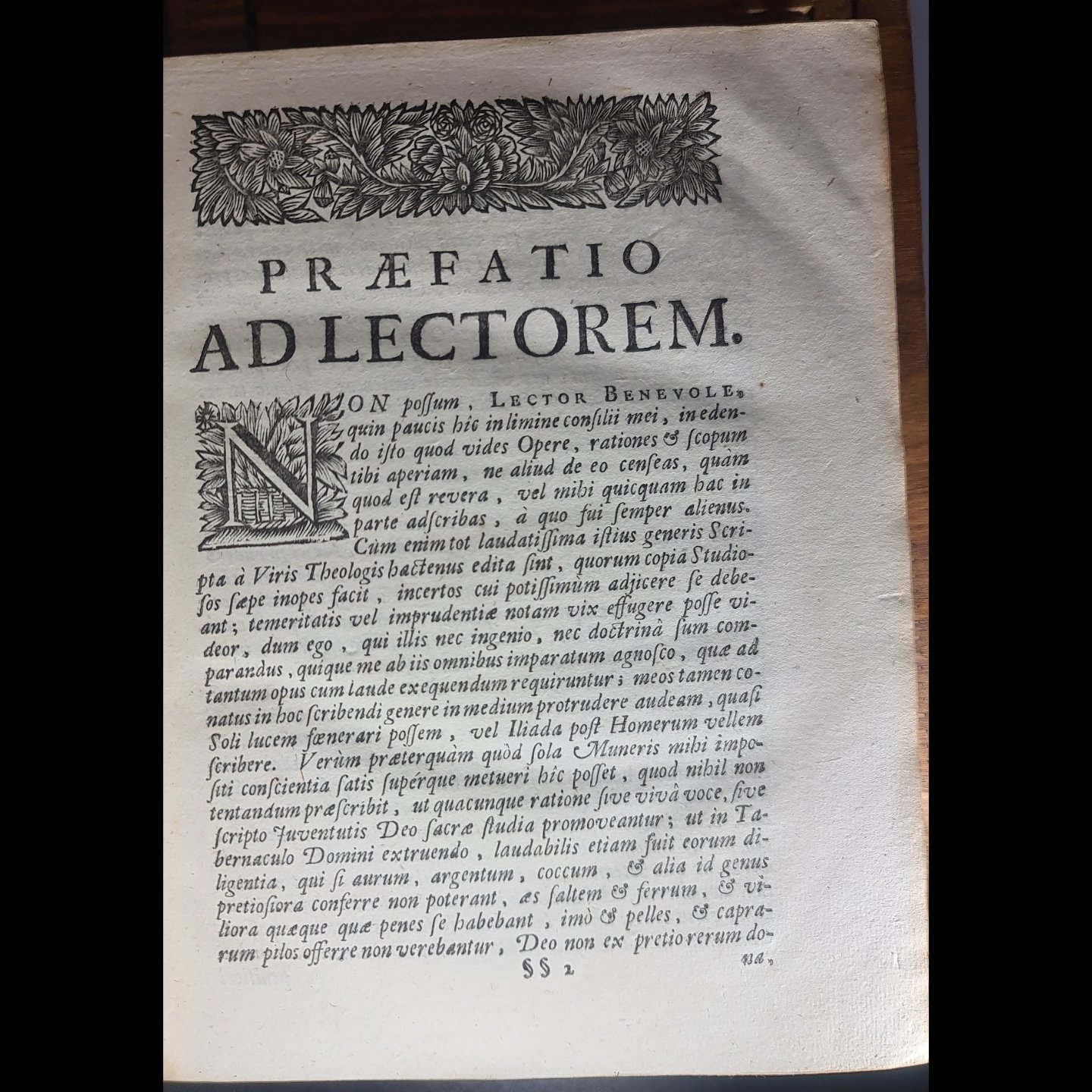
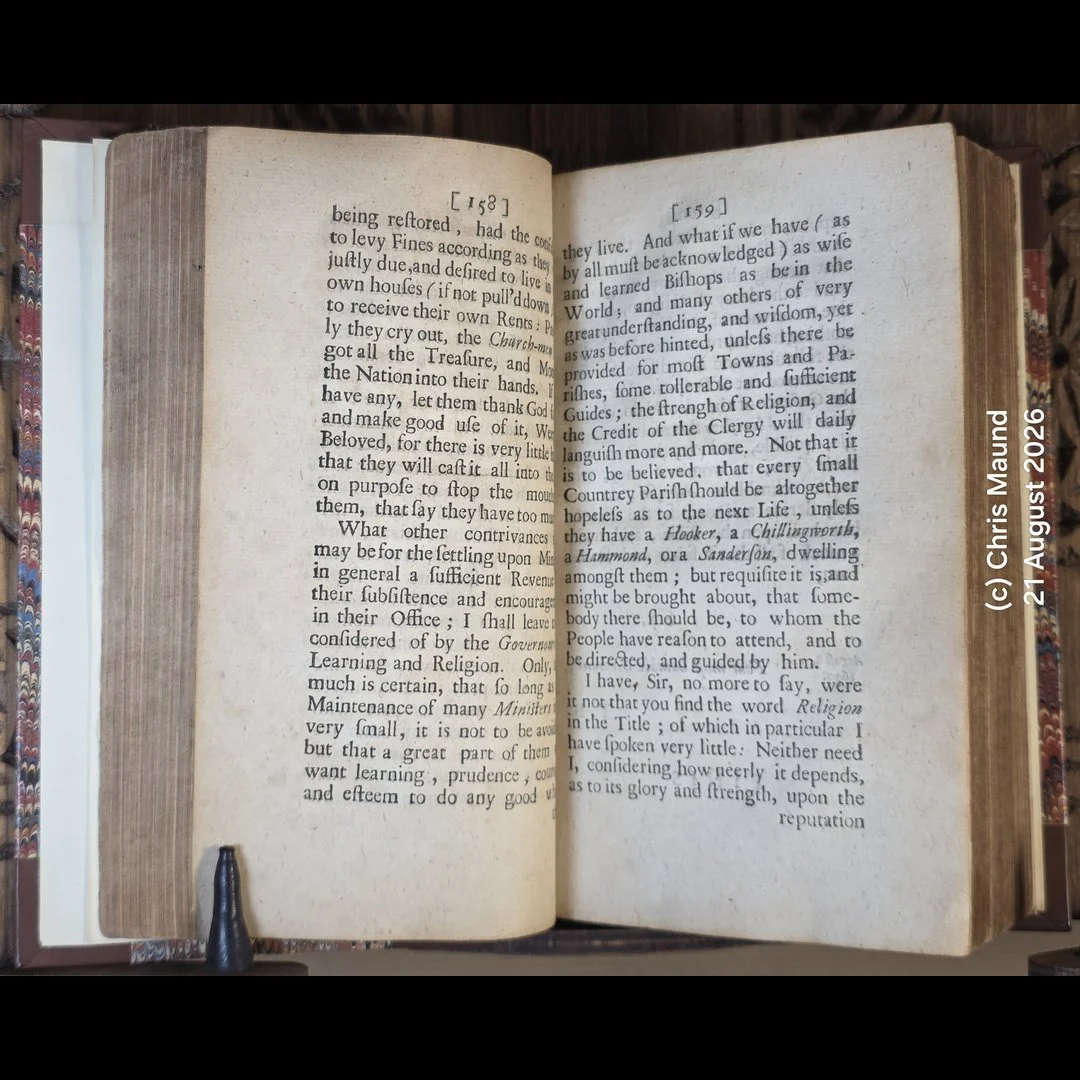
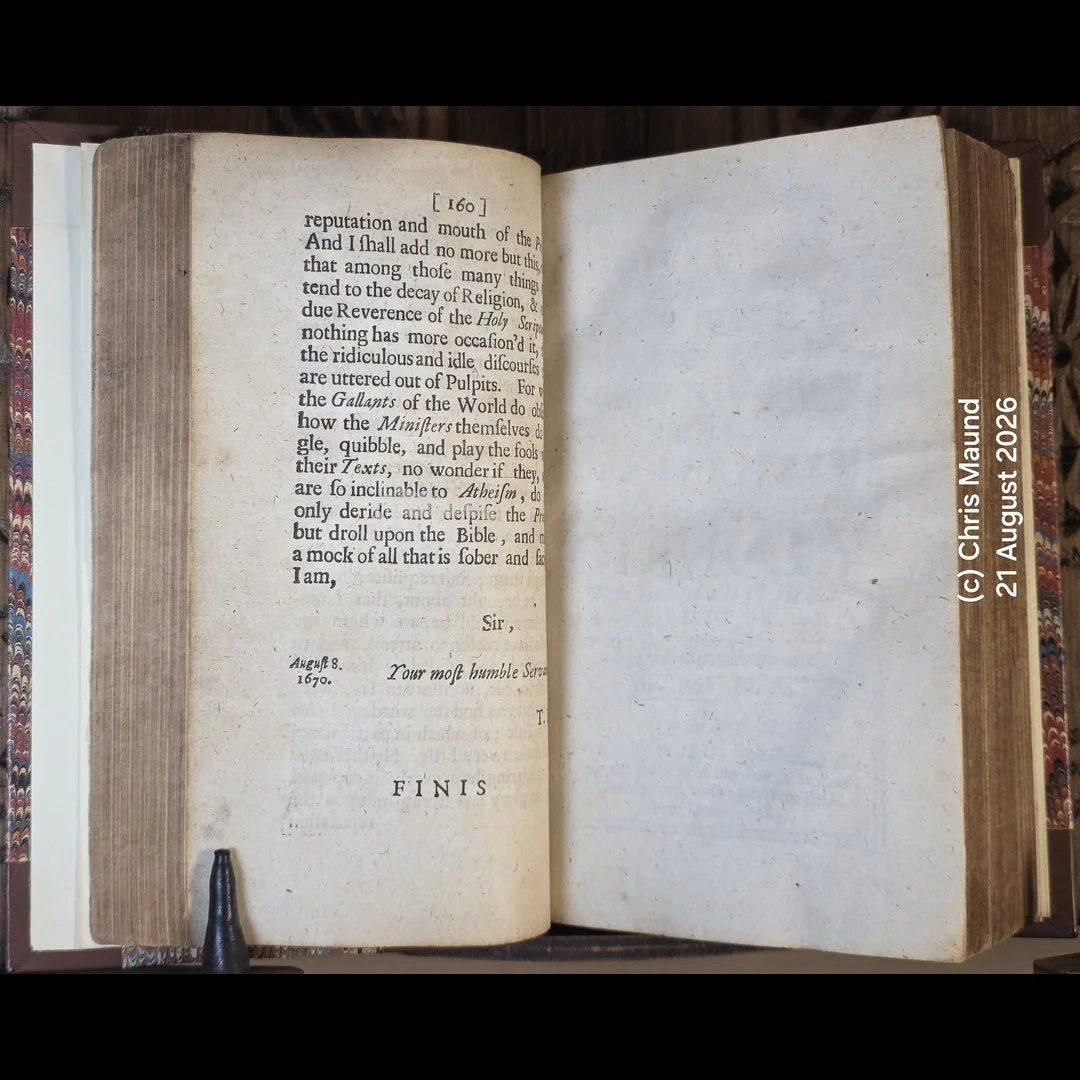
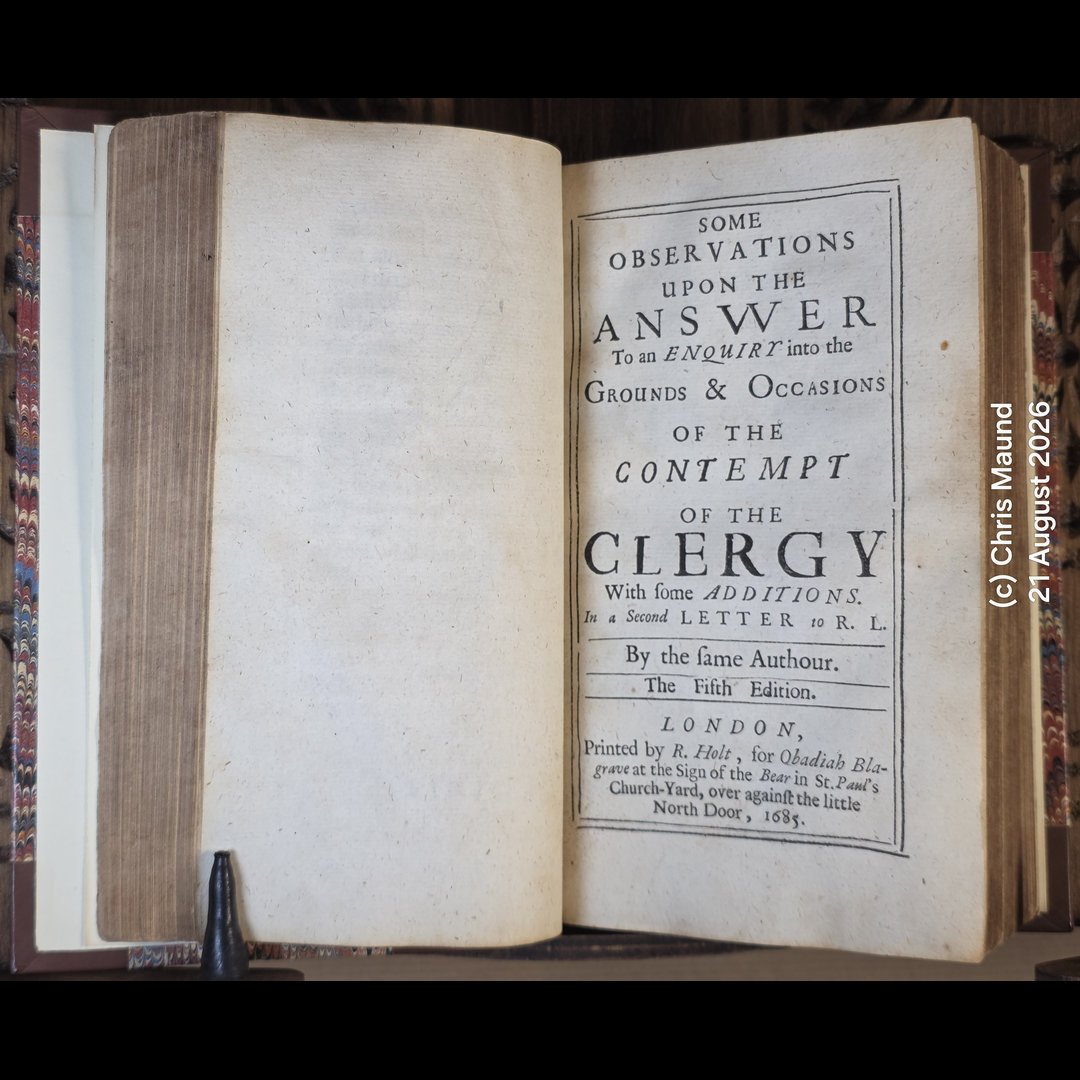
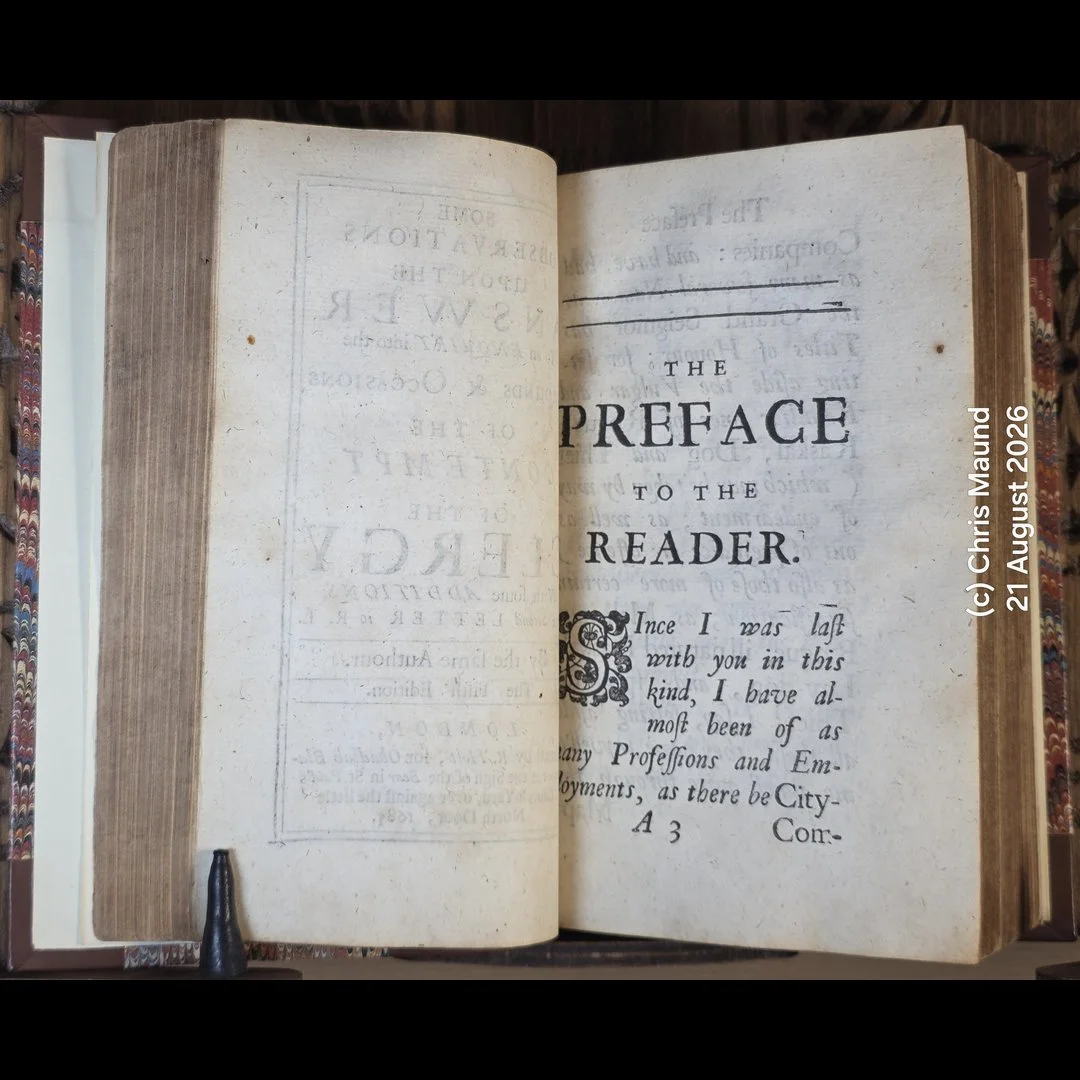
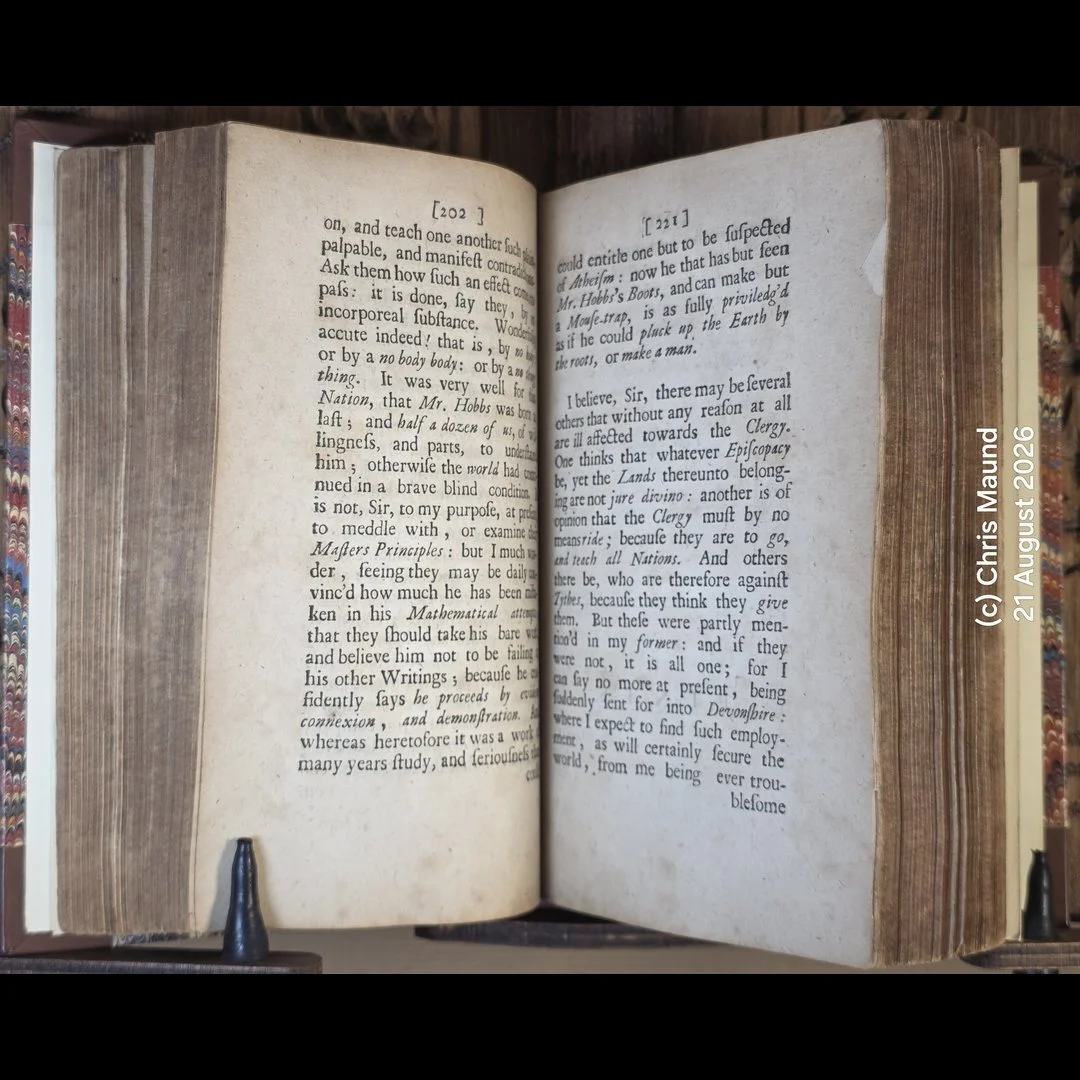
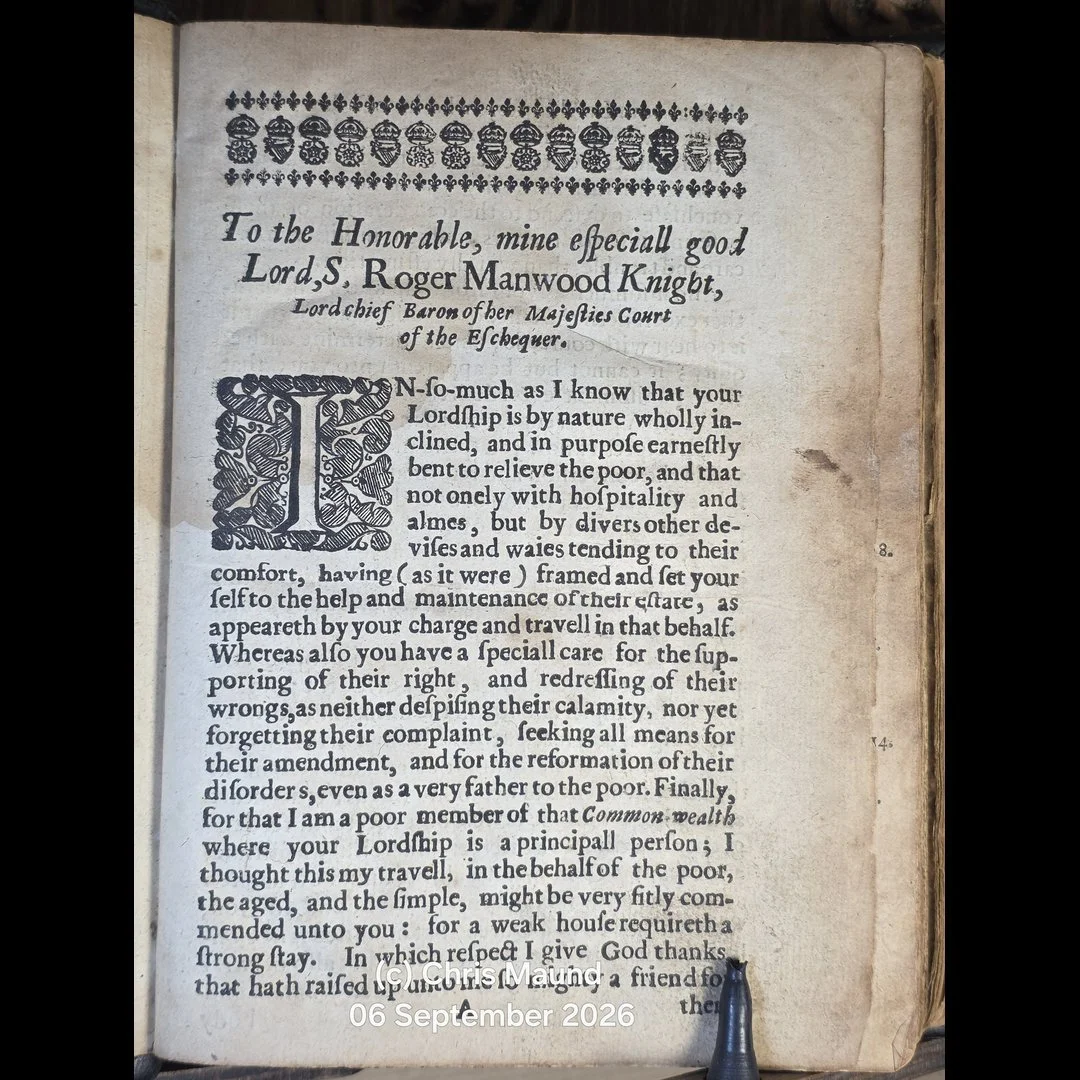
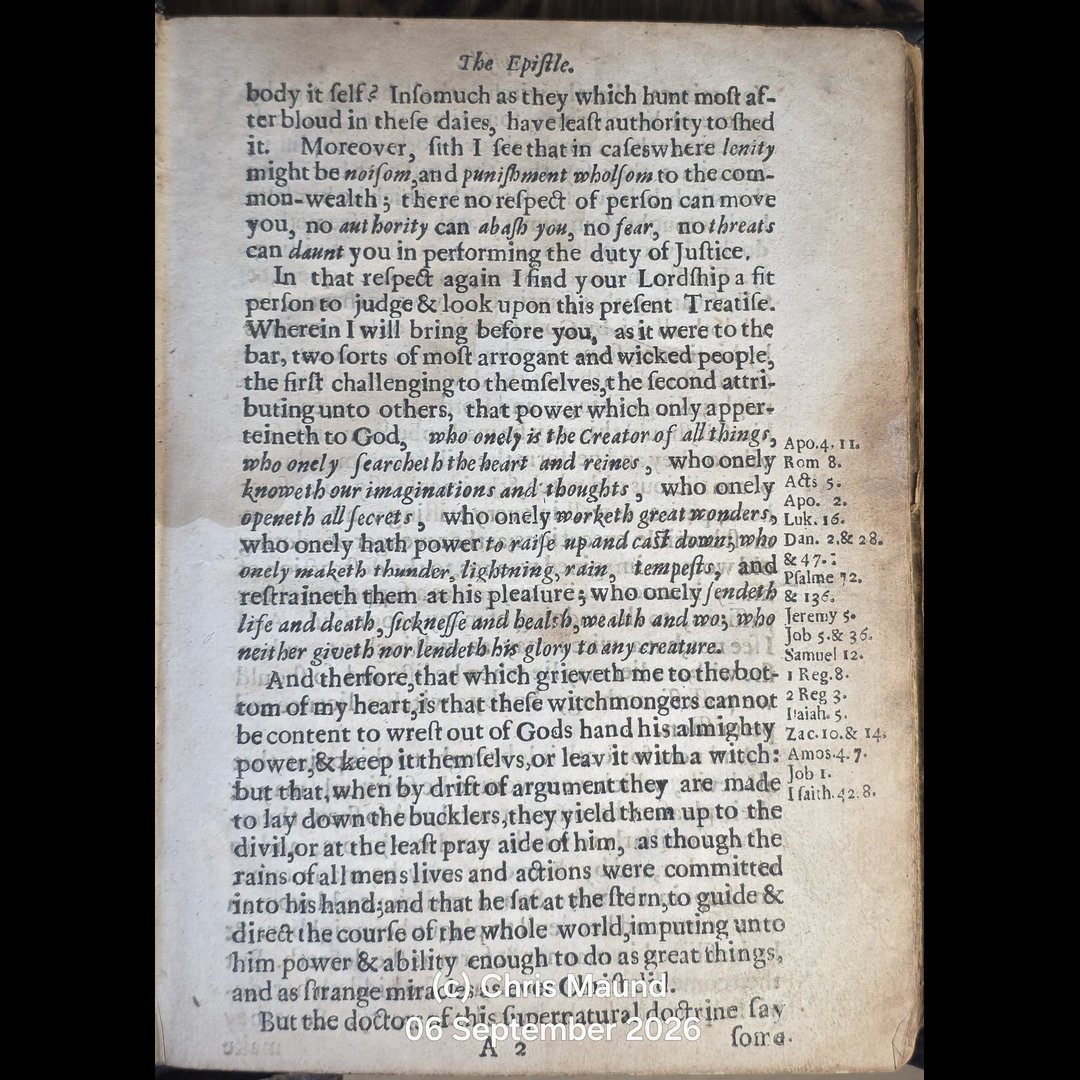
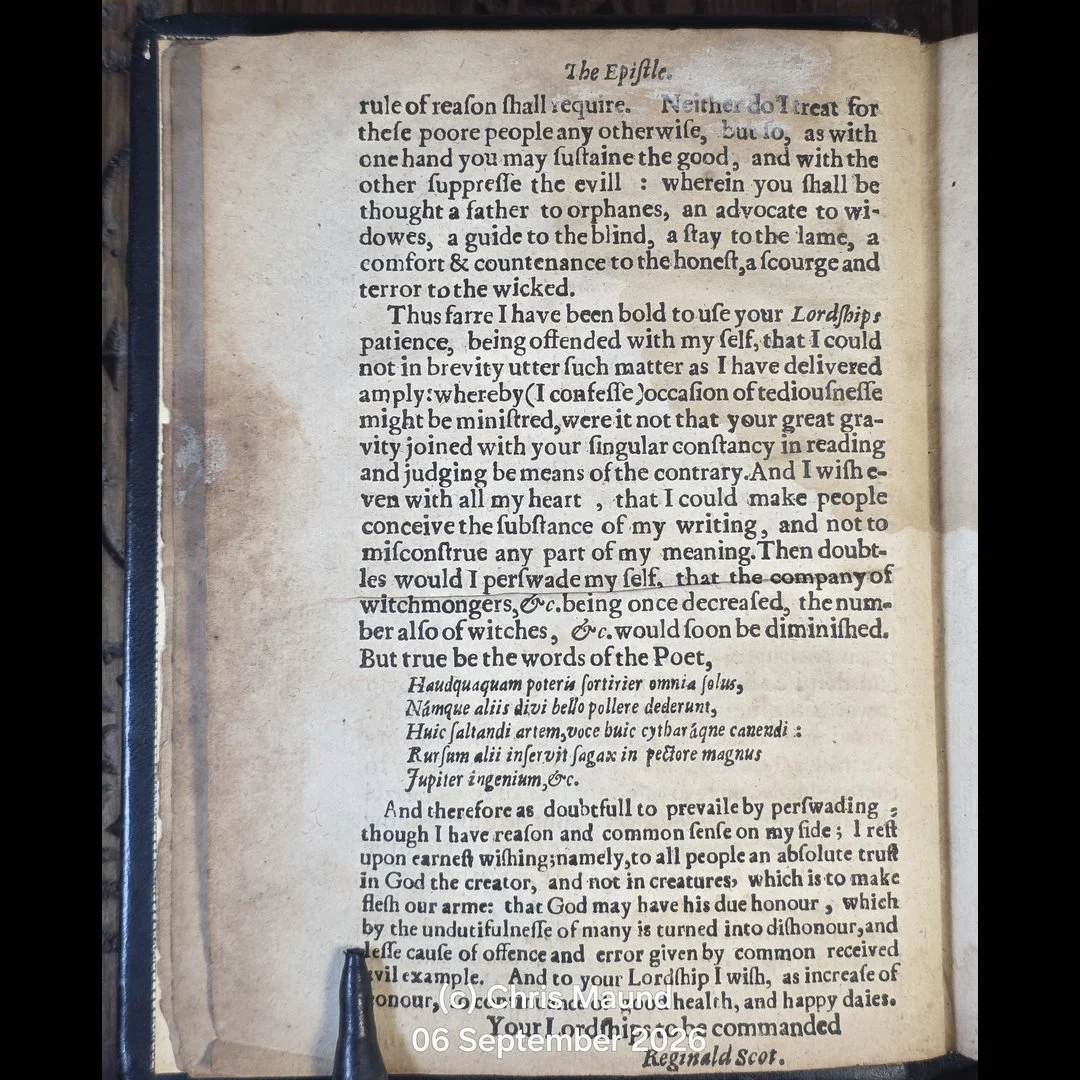
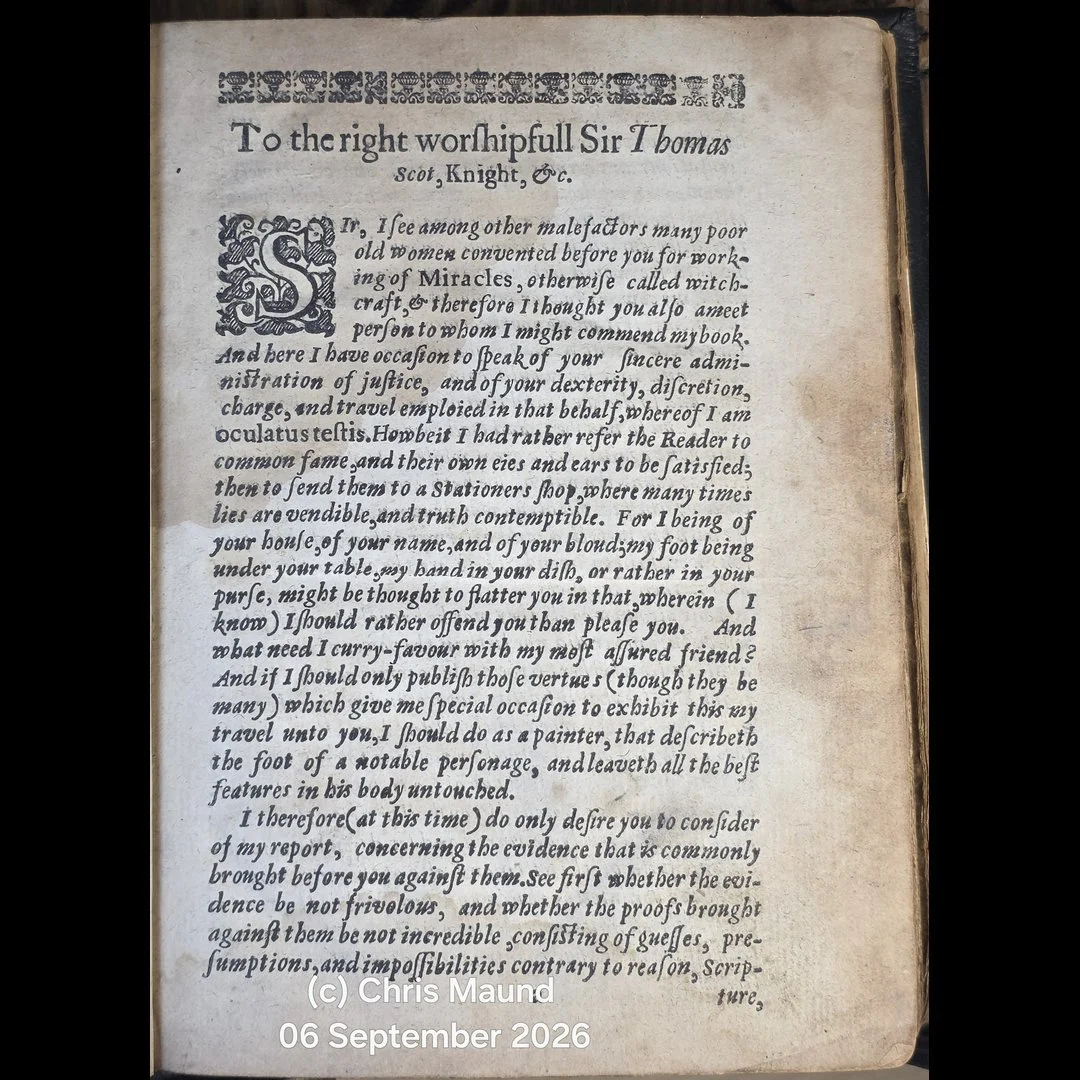
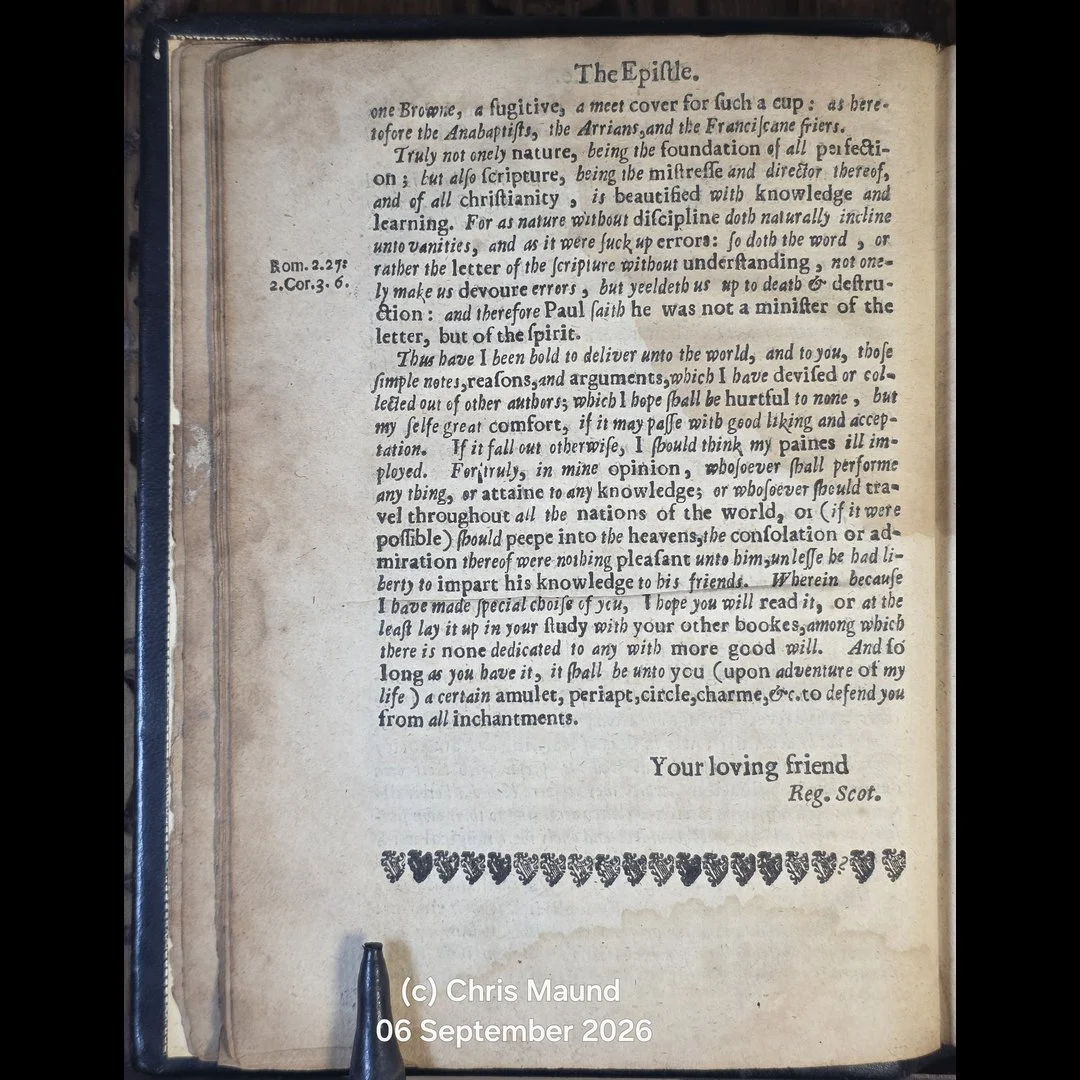
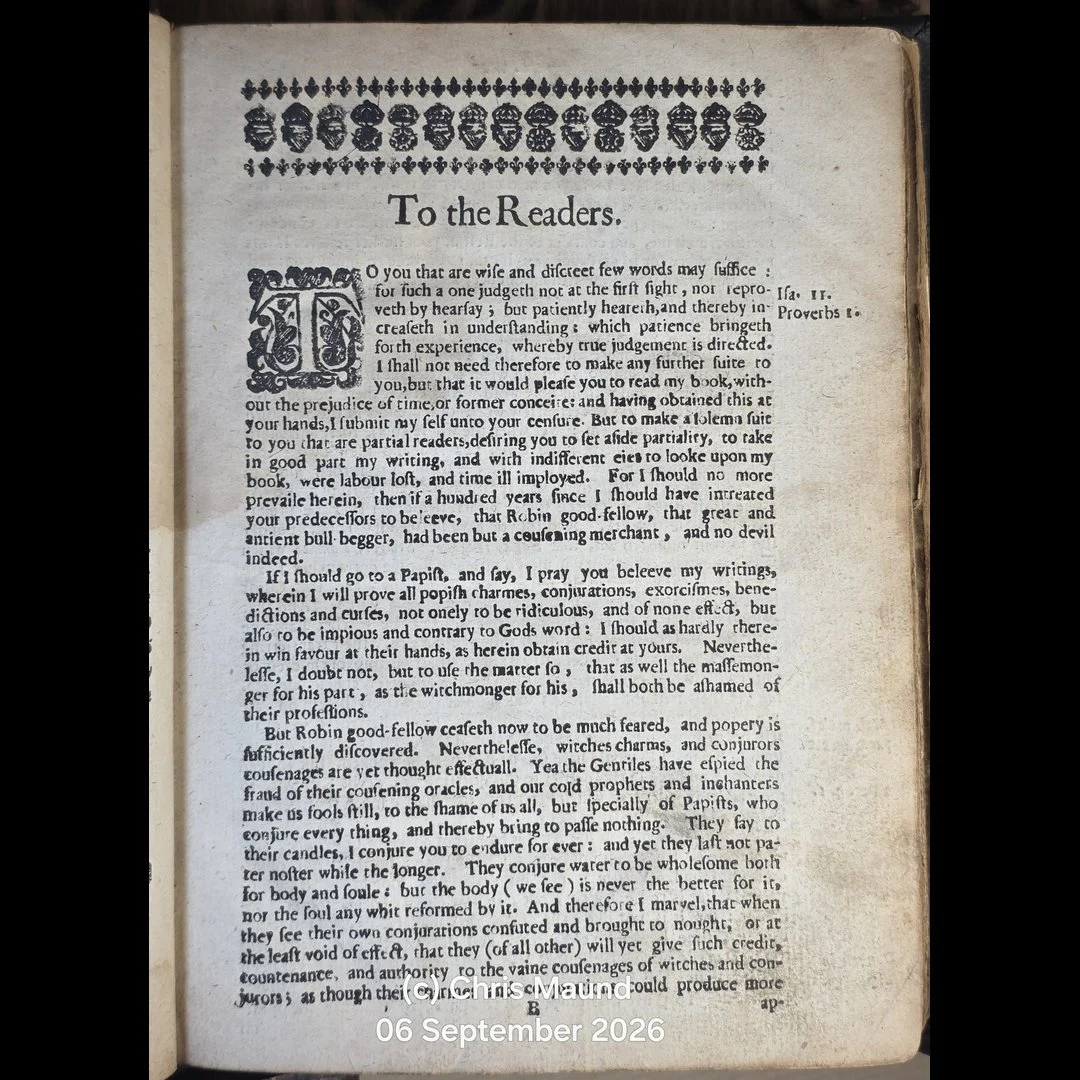
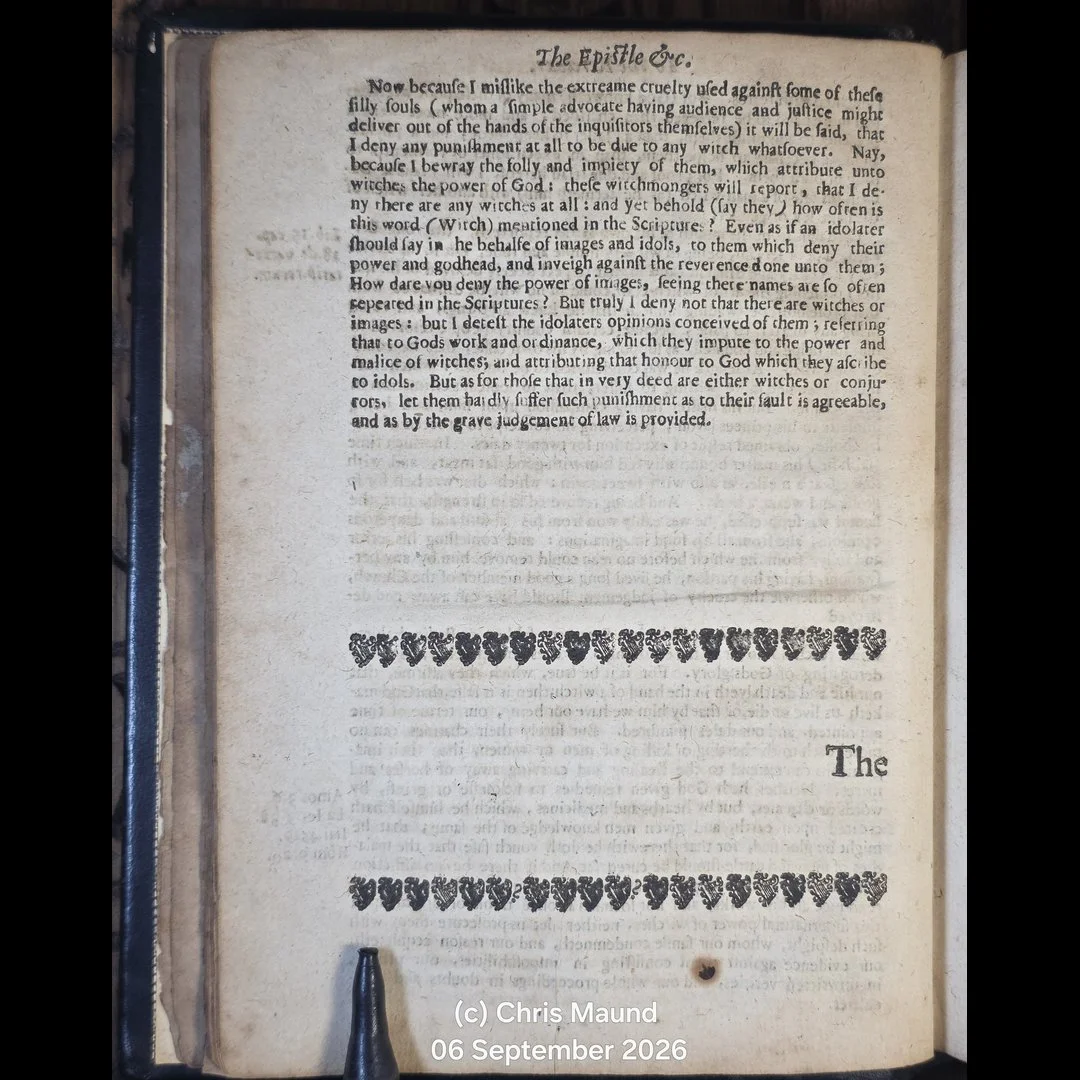
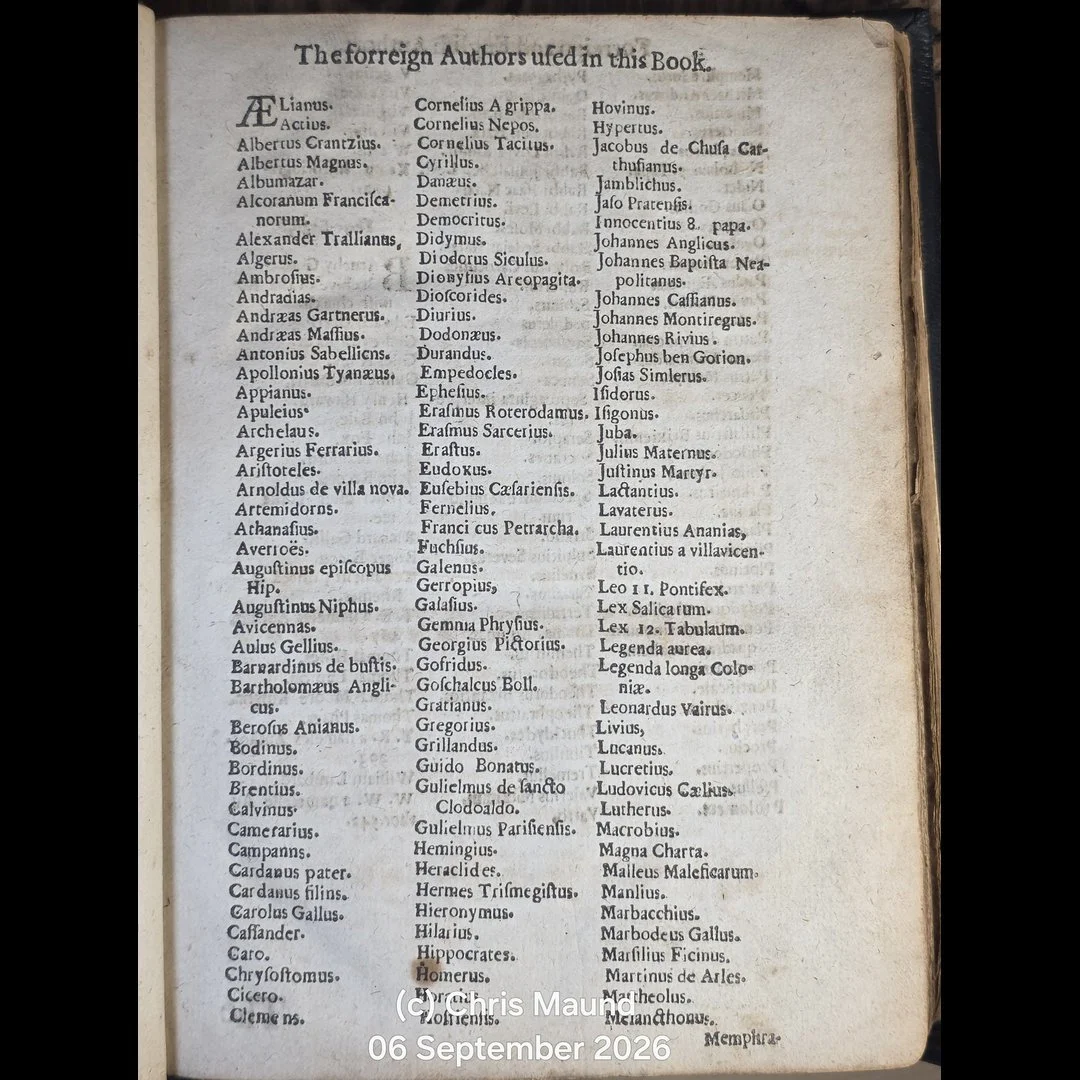
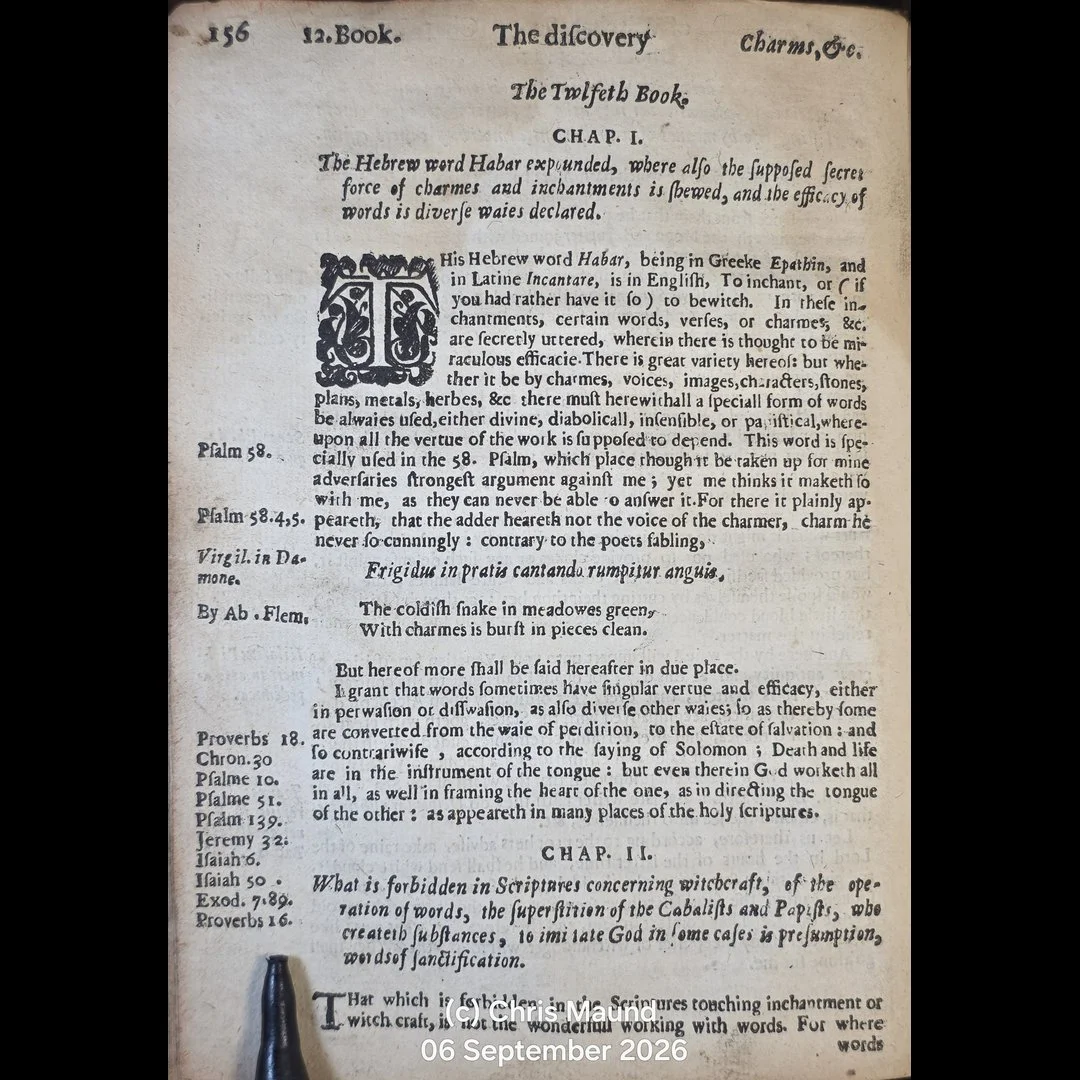
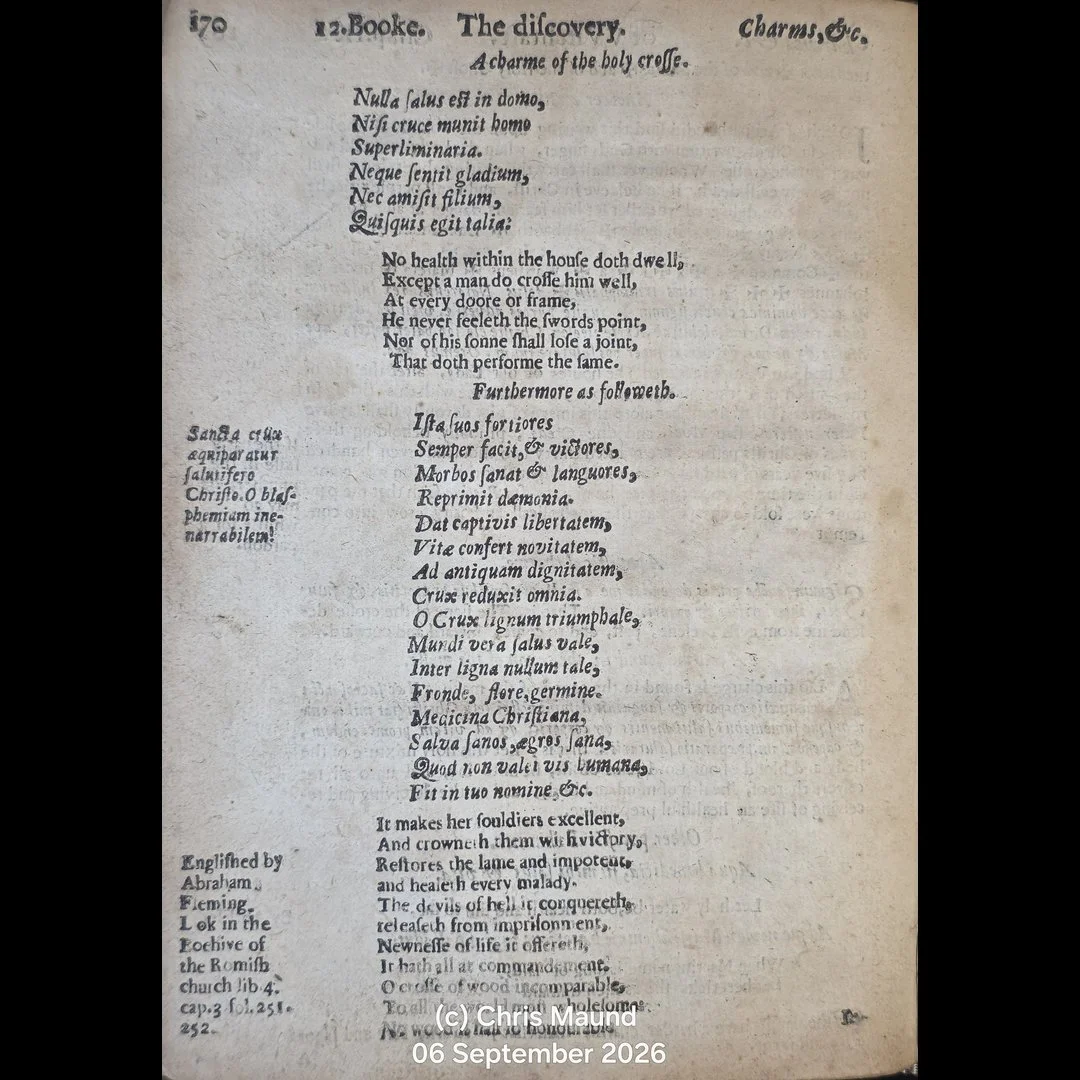
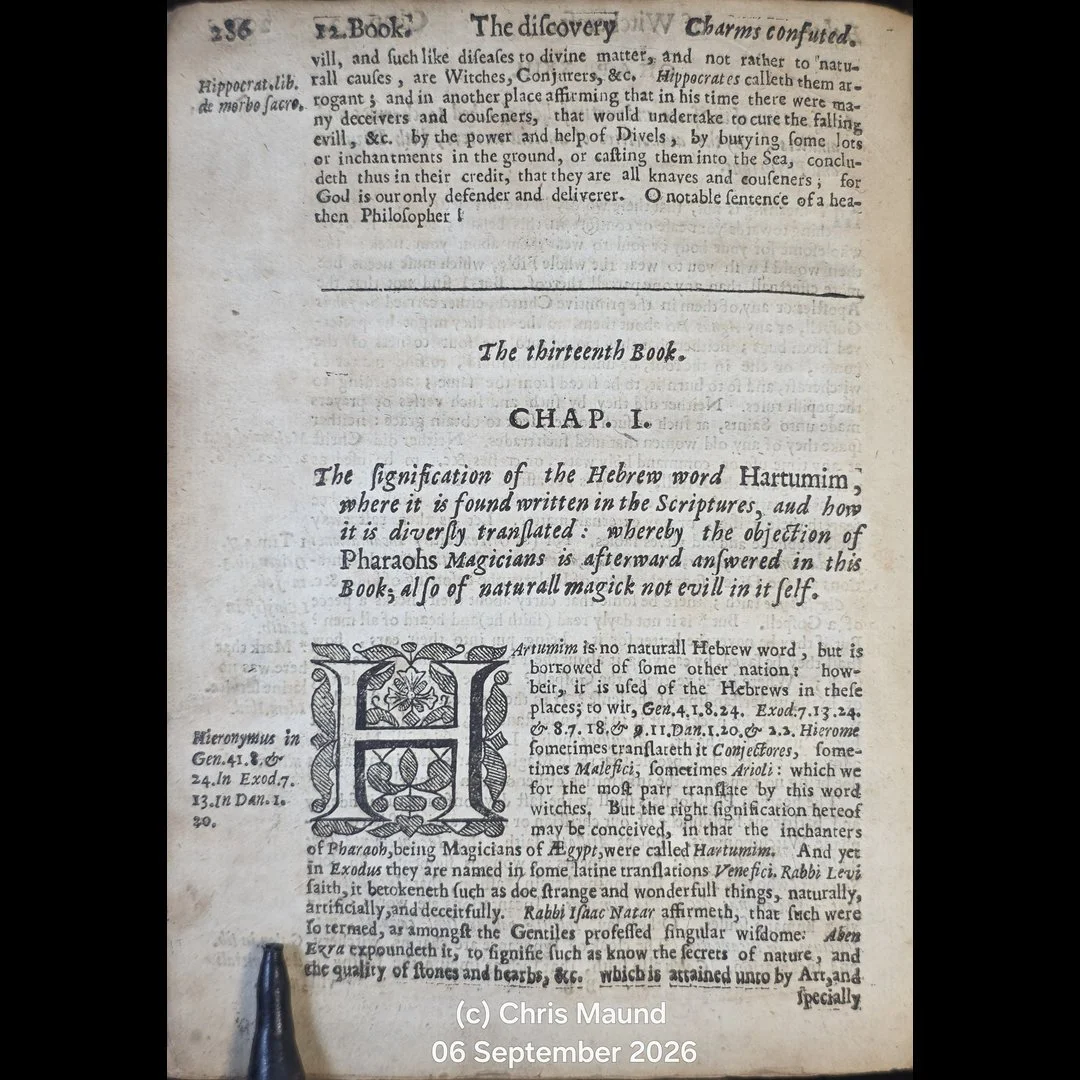
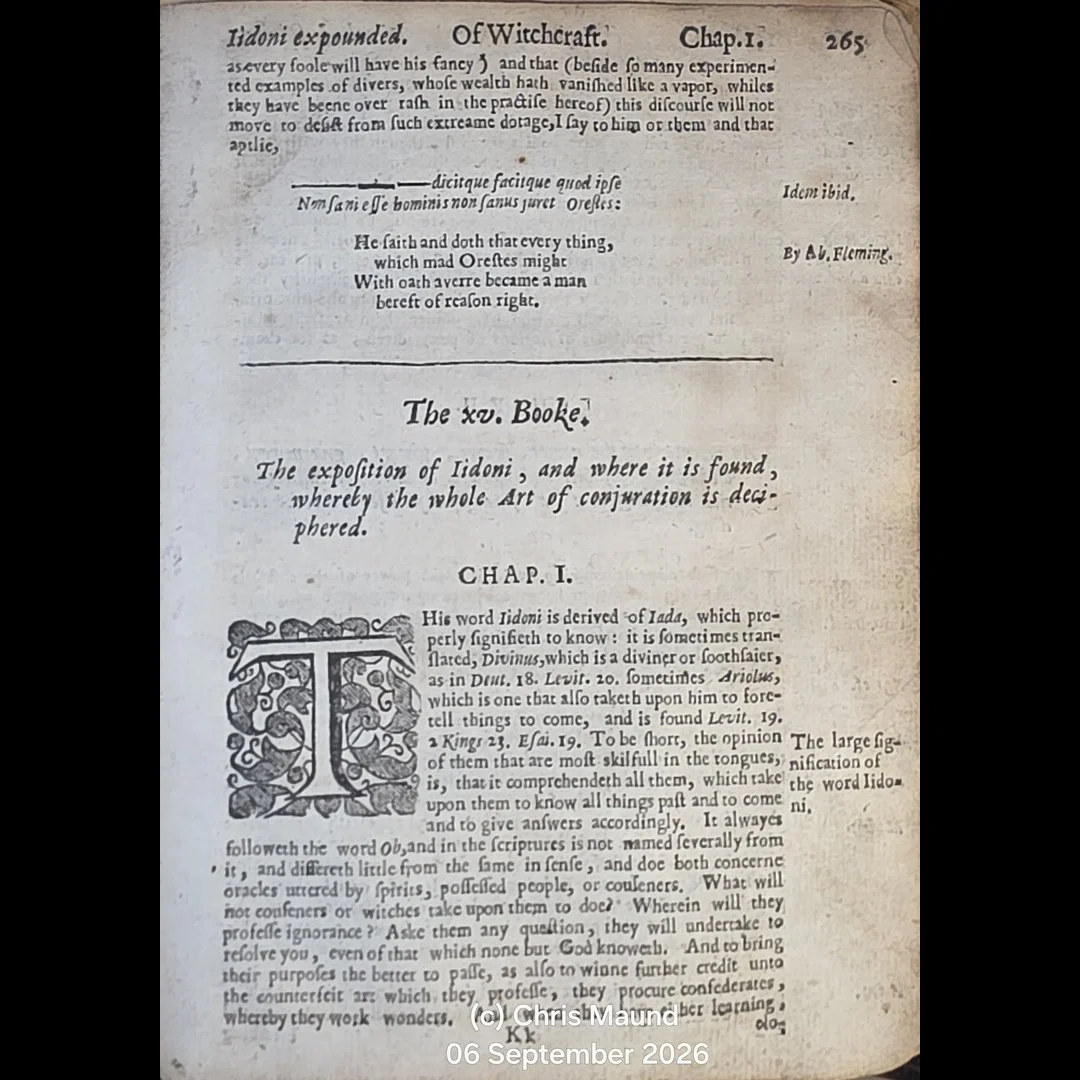
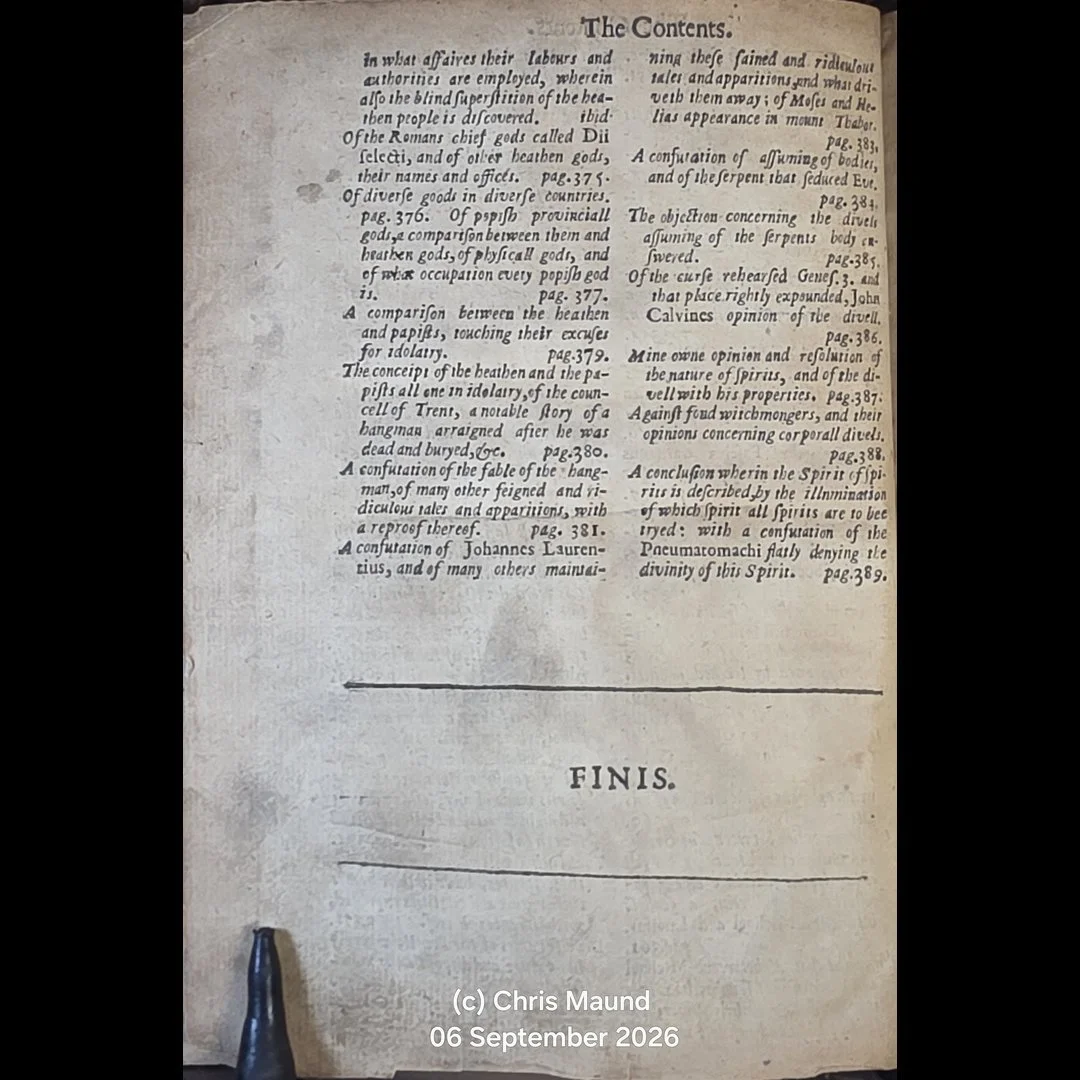
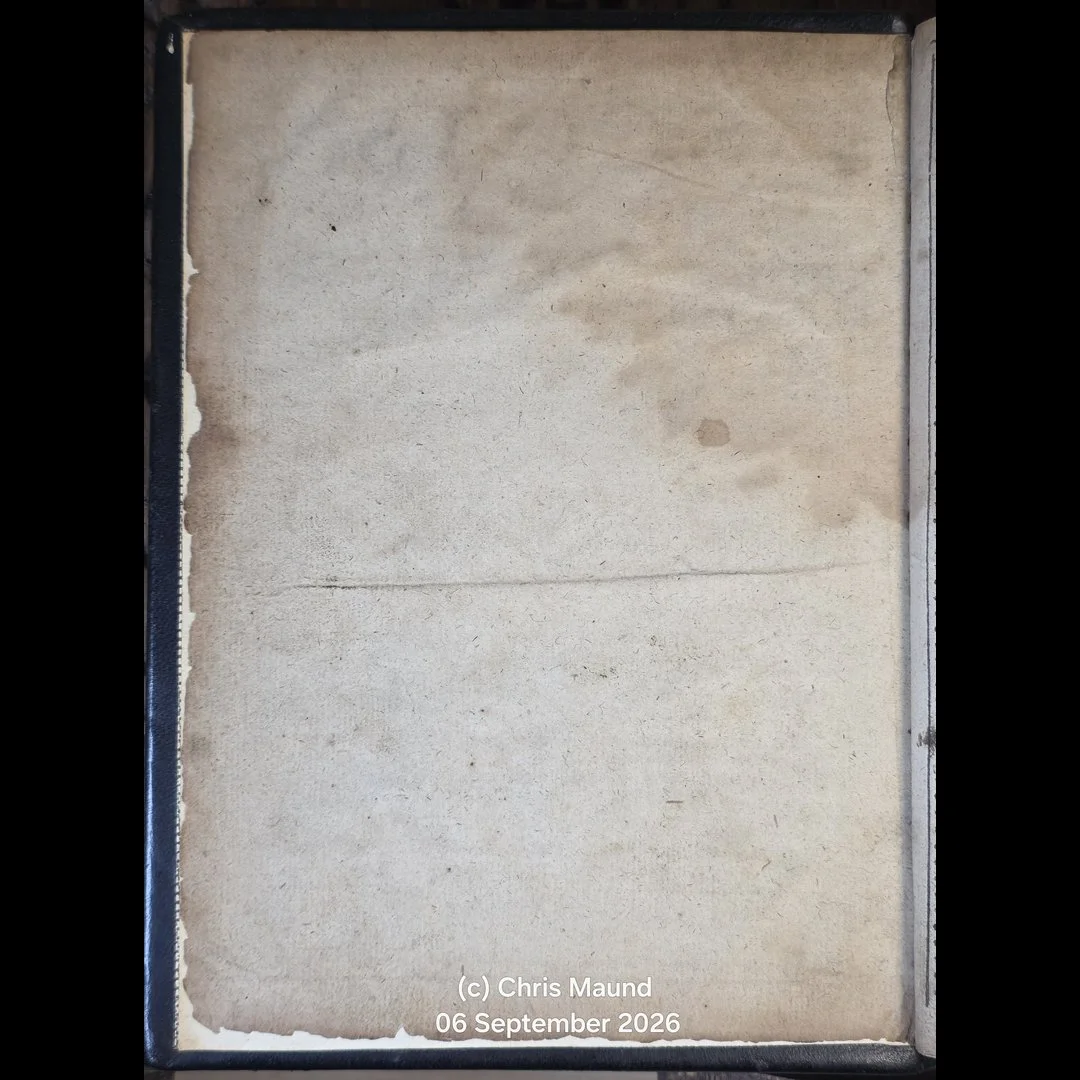
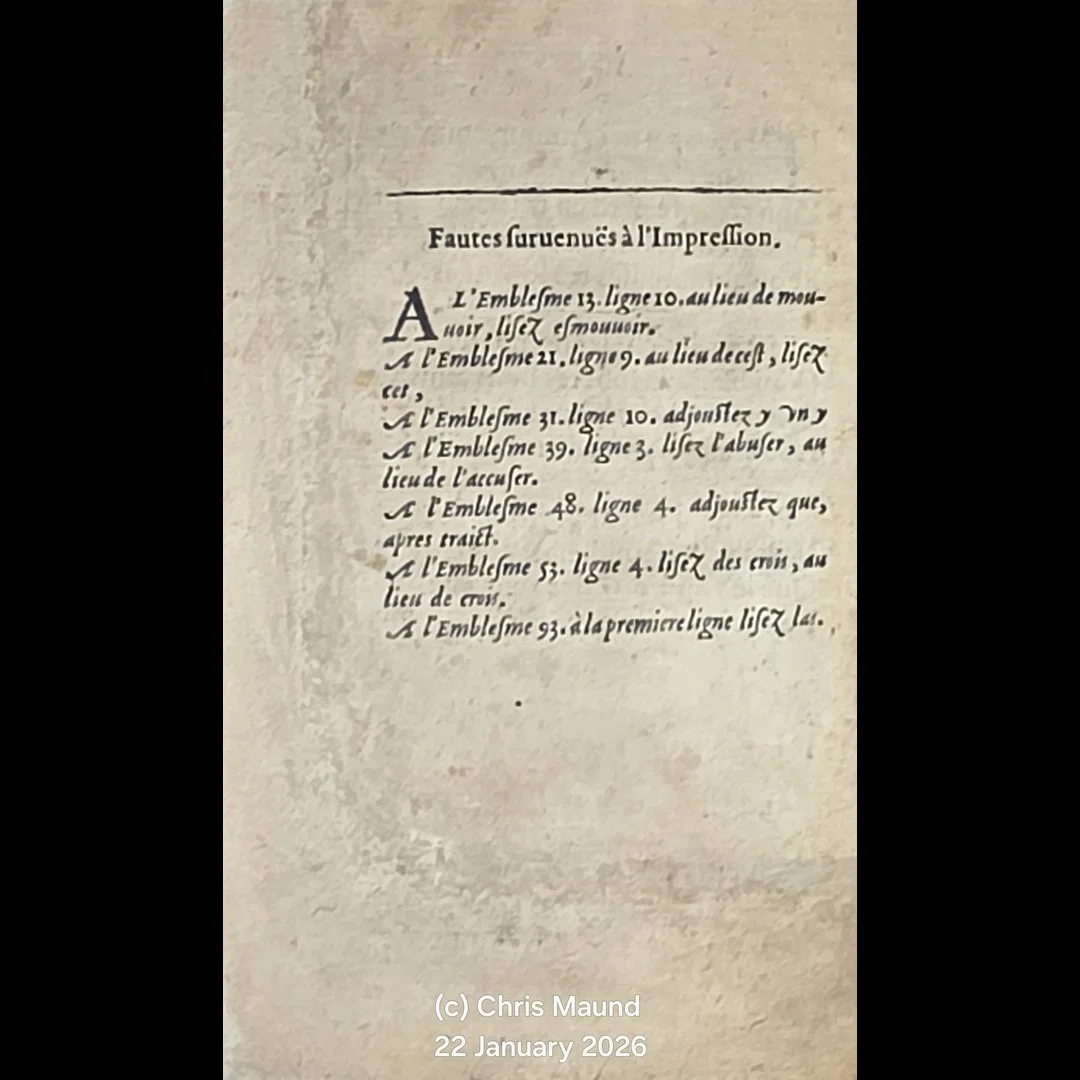
Text printed predominantly in two columns with marginal references and numerous decorative woodcut initials throughout. Leaves show general age-toning, occasional light spotting, handling marks and minor staining consistent with a seventeenth-century theological volume. From the pages illustrated, the text remains notably clean and legible overall, with a strong impression and well-preserved woodcut ornament.
A handsome working copy of one of the great medieval texts on Christian worship and ecclesiastical symbolism, combining considerable textual importance with an appealing Venetian red-and-black title and extensive woodcut decoration.
Please see Photos as part of condition report.
REFERENCES
Catálogo Colectivo del Patrimonio Bibliográfico Madrileño, 1609 edition
Biblioteca Foral de Bizkaia / Lau Haizeetara, 1609 edition
Biblioteca Virtual Miguel de Cervantes
Bibliothèque nationale de France, Guillaume Durand / Rationale Divinorum Officiorum
Library of Congress, Rosenwald Collection, 1459 Rationale Divinorum Officiorum
SYNOPSIS
The Rationale Divinorum Officiorum is one of the principal medieval guides to the meaning of Christian worship. Rather than simply describing ceremonies, Durand attempts to explain why churches, vestments, objects, gestures, prayers and festivals take the forms they do, interpreting almost every aspect of ecclesiastical practice through scripture, theology, allegory and inherited tradition.
The work is arranged in eight books covering the church building and its furnishings; clergy and ecclesiastical offices; vestments; the Mass; the canonical hours or Divine Office; the temporal cycle of the church year; saints' days and other feasts; and finally the calendar, sacred chronology and the computation of movable festivals.
For historians of medieval religion, architecture and material culture, the Rationale is particularly valuable because it provides a contemporary intellectual framework for understanding churches and their decoration. It remains an important source for the study of medieval liturgy, ecclesiastical art, architecture, ritual and symbolism.
AUTHOR BIO
Guillaume Durand, also known as William Durandus or Duranti (c. 1230–1296), was a French canon lawyer, church administrator, liturgist and Bishop of Mende. Educated in canon law at Bologna, he served the papal administration in a series of important judicial and governmental positions and became one of the leading canonists of the later Middle Ages.
His reputation rests principally on two works: the Speculum Iudiciale, an encyclopaedic treatment of medieval legal procedure, and the Rationale Divinorum Officiorum. The latter became one of the most widely circulated works on Christian liturgy and symbolism, surviving in numerous manuscripts and appearing in repeated printed editions from the earliest decades of European printing.
Additional Work By: Jean Beleth
Jean Beleth was a twelfth-century French theologian and liturgical writer whose own Rationale Divinorum Officiorum predates Durand's better-known work. Its inclusion in this edition gives the volume additional interest as a collection of two important medieval treatments of Christian worship and ceremonial practice.
Edited / Annotated By: Nicolas Doard
The annotations belong to the sixteenth-century recension associated with Nicolas Doard, whose editorial work helped transmit Durand's text through a succession of later Renaissance and early seventeenth-century editions.
ILLUSTRATOR
Anon
No individual woodcut artist is identified for this edition. The title-page printer's device and numerous decorative initials are examples of anonymous Venetian book ornament of the period.
1609 Venice Edition
RATIONALE DIVINORUM OFFICIORUM
By Guillaume Durand
KEY DETAILS
Condition: Very Good
Format: Leather, quarto (4to 9 1⁄2 × 12 in 241 × 305 mm )
Note: Binding/size selection follows standard bibliographic conventions and is approximate; exact measurements may vary.
Published By: Venetiis: Apud Dominicum de Imbertis, Venice, 1609
Language: Latin
Illustrated By: Anon
Collation: [4], 375 leaves; Signatures: +⁴ A–Z⁸ 2A–2Z⁸ 2&⁷
Dust Jacket: None, as issued, No Jacket
SKU: BTETM0002191
Shipping Info: Approximate Package Dimensions H: 12.5, L: 30, W: 25 (Units: cm), W: 2Kg
Tracked Shipping, Insurance Coverage as per Customer Request
DESCRIPTION
Rationale Divinorum Officiorum
With the Rationale Divinorum Officiorum of Jean Beleth
An attractive early seventeenth-century Venetian edition of one of the most influential medieval works on Christian liturgy, ecclesiastical ceremony and religious symbolism: Guillaume Durand's Rationale Divinorum Officiorum, printed at Venice by Domenico de Imbertis in 1609.
Written in the late thirteenth century by Guillaume Durand, Bishop of Mende, the Rationale offers an encyclopaedic interpretation of medieval Christian worship. Across eight books Durand examines the symbolism and function of churches and altars, ecclesiastical ministers, vestments, the Mass, the Divine Office, the liturgical year, saints' feasts, and the calendar and computation of sacred time.
The work has an exceptionally distinguished printing history, having first appeared in print at Mainz in 1459 from the press of Johann Fust and Peter Schöffer, only a few years after the Gutenberg Bible. This later Venetian edition belongs to the annotated recension associated with Nicolas Doard and also includes the earlier Rationale Divinorum Officiorum of the twelfth-century theologian Jean Beleth.
A visually appealing copy, with title page printed in red and black incorporating a large woodcut printer's device, decorative woodcut initials throughout, double-column text and extensive printed marginal references. The title page bears an early ownership inscription, apparently “Rob. Davies”. Recased in old calf, retaining considerable period character.
CONDITION, COLLATION & COPY NOTES
A substantial and attractive early seventeenth-century quarto, recased in old calf. Boards with general rubbing, marking and wear consistent with age. Spine considerably rubbed with areas of surface loss and wear, particularly towards the head and foot; later cloth reinforcement to the front joint and later gilt-lettered black title label. Corners and extremities worn. The binding nevertheless retains considerable antiquarian character.
Title page present, printed in red and black with a large woodcut printer's device and an early ownership inscription, apparently “Rob. Davies”. Some light age-soiling and spotting to the title.
Text printed predominantly in two columns with marginal references and numerous decorative woodcut initials throughout. Leaves show general age-toning, occasional light spotting, handling marks and minor staining consistent with a seventeenth-century theological volume. From the pages illustrated, the text remains notably clean and legible overall, with a strong impression and well-preserved woodcut ornament.
A handsome working copy of one of the great medieval texts on Christian worship and ecclesiastical symbolism, combining considerable textual importance with an appealing Venetian red-and-black title and extensive woodcut decoration.
Please see Photos as part of condition report.
REFERENCES
Catálogo Colectivo del Patrimonio Bibliográfico Madrileño, 1609 edition
Biblioteca Foral de Bizkaia / Lau Haizeetara, 1609 edition
Biblioteca Virtual Miguel de Cervantes
Bibliothèque nationale de France, Guillaume Durand / Rationale Divinorum Officiorum
Library of Congress, Rosenwald Collection, 1459 Rationale Divinorum Officiorum
SYNOPSIS
The Rationale Divinorum Officiorum is one of the principal medieval guides to the meaning of Christian worship. Rather than simply describing ceremonies, Durand attempts to explain why churches, vestments, objects, gestures, prayers and festivals take the forms they do, interpreting almost every aspect of ecclesiastical practice through scripture, theology, allegory and inherited tradition.
The work is arranged in eight books covering the church building and its furnishings; clergy and ecclesiastical offices; vestments; the Mass; the canonical hours or Divine Office; the temporal cycle of the church year; saints' days and other feasts; and finally the calendar, sacred chronology and the computation of movable festivals.
For historians of medieval religion, architecture and material culture, the Rationale is particularly valuable because it provides a contemporary intellectual framework for understanding churches and their decoration. It remains an important source for the study of medieval liturgy, ecclesiastical art, architecture, ritual and symbolism.
AUTHOR BIO
Guillaume Durand, also known as William Durandus or Duranti (c. 1230–1296), was a French canon lawyer, church administrator, liturgist and Bishop of Mende. Educated in canon law at Bologna, he served the papal administration in a series of important judicial and governmental positions and became one of the leading canonists of the later Middle Ages.
His reputation rests principally on two works: the Speculum Iudiciale, an encyclopaedic treatment of medieval legal procedure, and the Rationale Divinorum Officiorum. The latter became one of the most widely circulated works on Christian liturgy and symbolism, surviving in numerous manuscripts and appearing in repeated printed editions from the earliest decades of European printing.
Additional Work By: Jean Beleth
Jean Beleth was a twelfth-century French theologian and liturgical writer whose own Rationale Divinorum Officiorum predates Durand's better-known work. Its inclusion in this edition gives the volume additional interest as a collection of two important medieval treatments of Christian worship and ceremonial practice.
Edited / Annotated By: Nicolas Doard
The annotations belong to the sixteenth-century recension associated with Nicolas Doard, whose editorial work helped transmit Durand's text through a succession of later Renaissance and early seventeenth-century editions.
ILLUSTRATOR
Anon
No individual woodcut artist is identified for this edition. The title-page printer's device and numerous decorative initials are examples of anonymous Venetian book ornament of the period.

 Image 1 of 12
 Image 2 of 12
 Image 3 of 12
 Image 4 of 12
 Image 5 of 12
 Image 6 of 12
 Image 7 of 12
 Image 8 of 12
 Image 9 of 12
 Image 10 of 12
 Image 11 of 12
 Image 12 of 12