Sale Price:
£400.00
Original Price:
£430.00
1685 Ninth Edition
THE GROUNDS AND OCCASIONS OF THE CONTEMPT OF THE CLERGY AND RELIGION
By John Eachard
KEY DETAILS
Condition: Very Good
Format: Hardcover, Octavo (Standard) (8vo 6 × 9 in 152 × 229 mm )
Note: Binding/size selection follows standard bibliographic conventions and is approximate; exact measurements may vary.
Published By: Printed by R. H. [Ralph Holt] for Obadiah Blagrave at the Sign of the Bear in St. Paul’s Church-Yard, over against the Little North Door, London, 1685
Language: English
Collation: [10], 160, [16], 222, [26], 288 pp.; Signatures: A⁵ B–L⁸; ²A–P⁸ (²A1 and ²P8 blank); ³A⁸ a⁴ B–T⁸.
Dust Jacket: None, as issued, No Jacket
SKU: BTETM0002193
Shipping Info: Approximate Package Dimensions H: 12.5, L: 30, W: 25 (Units: cm), W: 2Kg
Tracked Shipping, Insurance Coverage as per Customer Request
DESCRIPTION
The Grounds and Occasions of the Contempt of the Clergy and Religion
(A critique of Thomas Hobbes and his Leviathan.)
Together with Some Observations Upon An Answer Thereto. With Mr Hobb's State of Nature Considered in a Dialogue Between Philautus and Timothy. To which are added five letters from the author of the Grounds and Occasions of the Contempt of the Clergy.
An attractive Restoration collection bringing together John Eachard’s celebrated satire on the English clergy with his important contemporary response to the political philosophy of Thomas Hobbes.
Issued under a general title-page in 1685, the volume contains the ninth edition of The Grounds and Occasions of the Contempt of the Clergy and Religion, the fifth edition of Some Observations upon the Answer to an Enquiry into the Grounds & Occasions of the Contempt of the Clergy, and the third edition of Mr. Hobbs’s State of Nature Considered; in a Dialogue between Philautus and Timothy, followed by five separately titled letters.
A lively and intellectually engaging Restoration volume spanning satire, ecclesiastical reform, education, preaching, human nature and political philosophy, with particular interest for collectors of seventeenth-century theology, Thomas Hobbes and the contemporary reception of Leviathan.
CONDITION, COLLATION & COPY NOTES
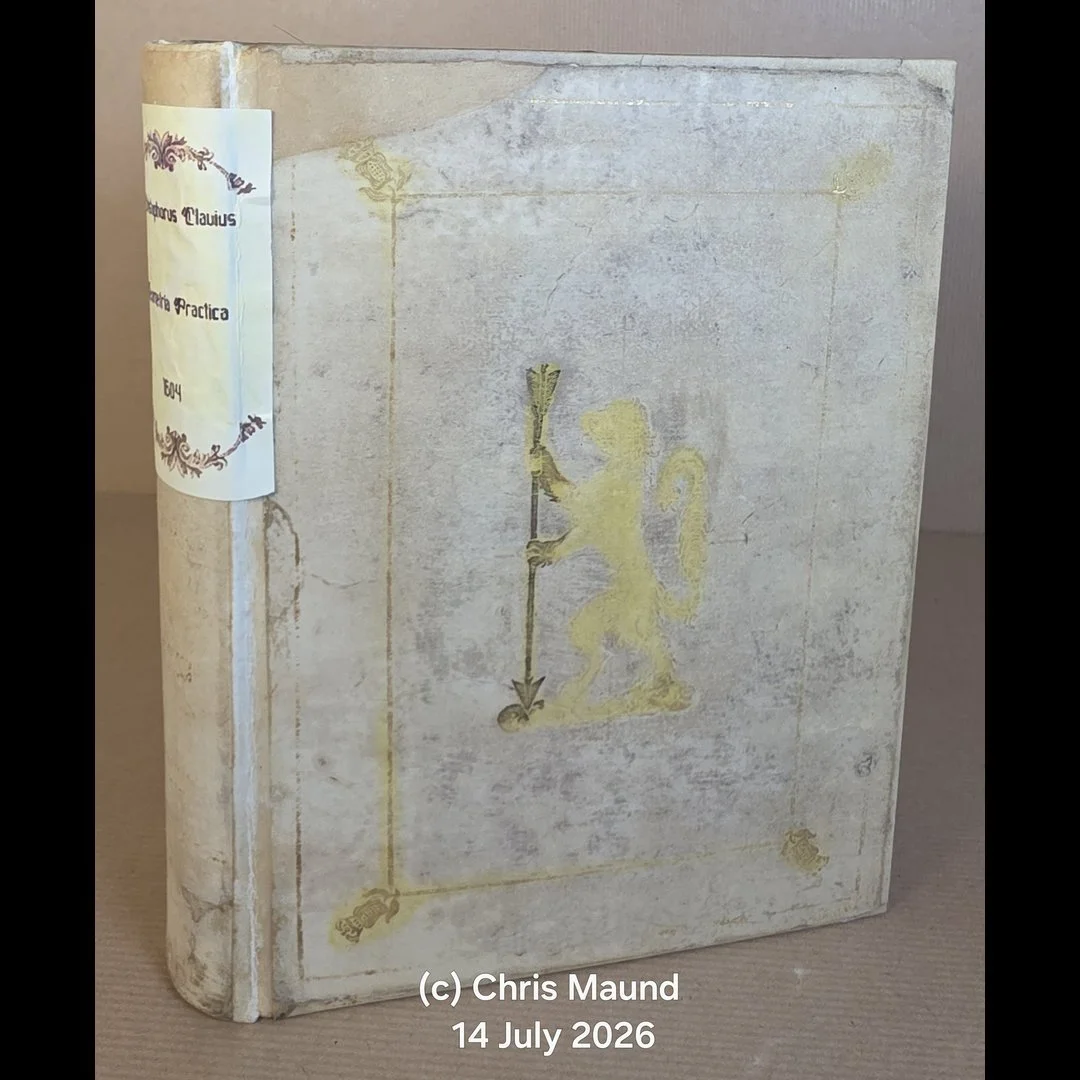
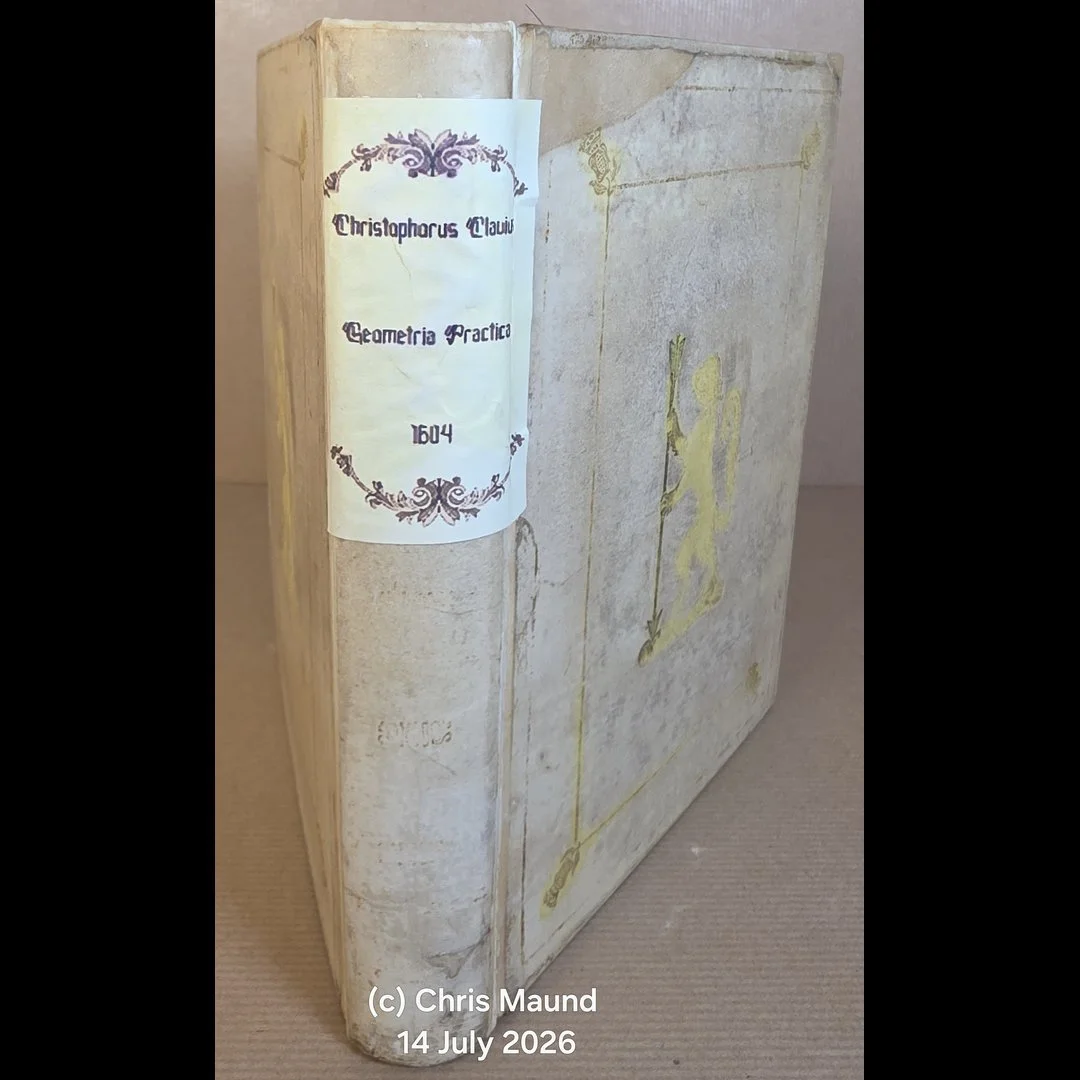
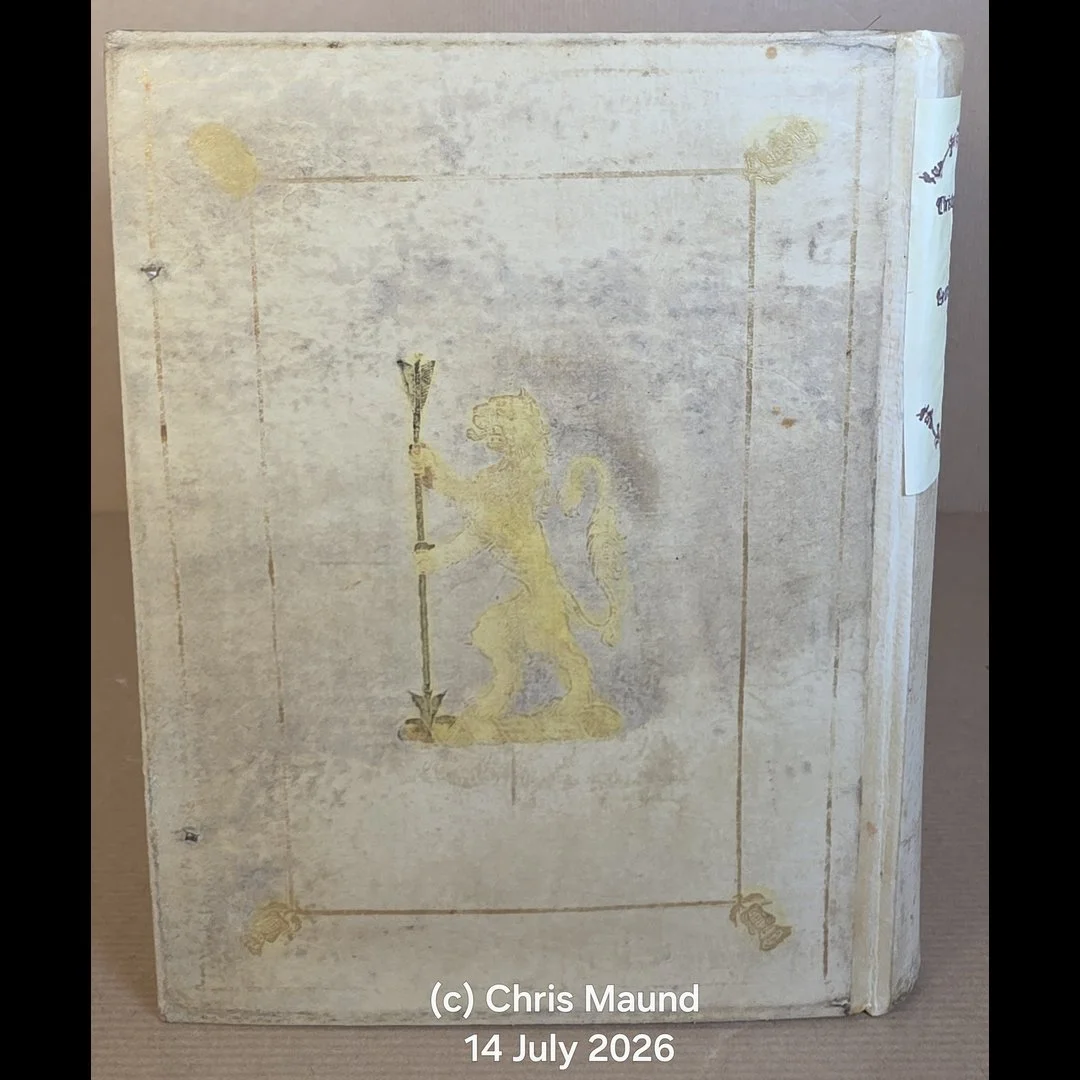
An attractive copy of the 1685 collected issue, rebound in later half calf over marbled boards, the spine with gilt rules, decorative devices, red leather title label lettered “MR. HOBBS’S / DIALOGUE / & TRACTS”, and the date 1685 in gilt at the foot.
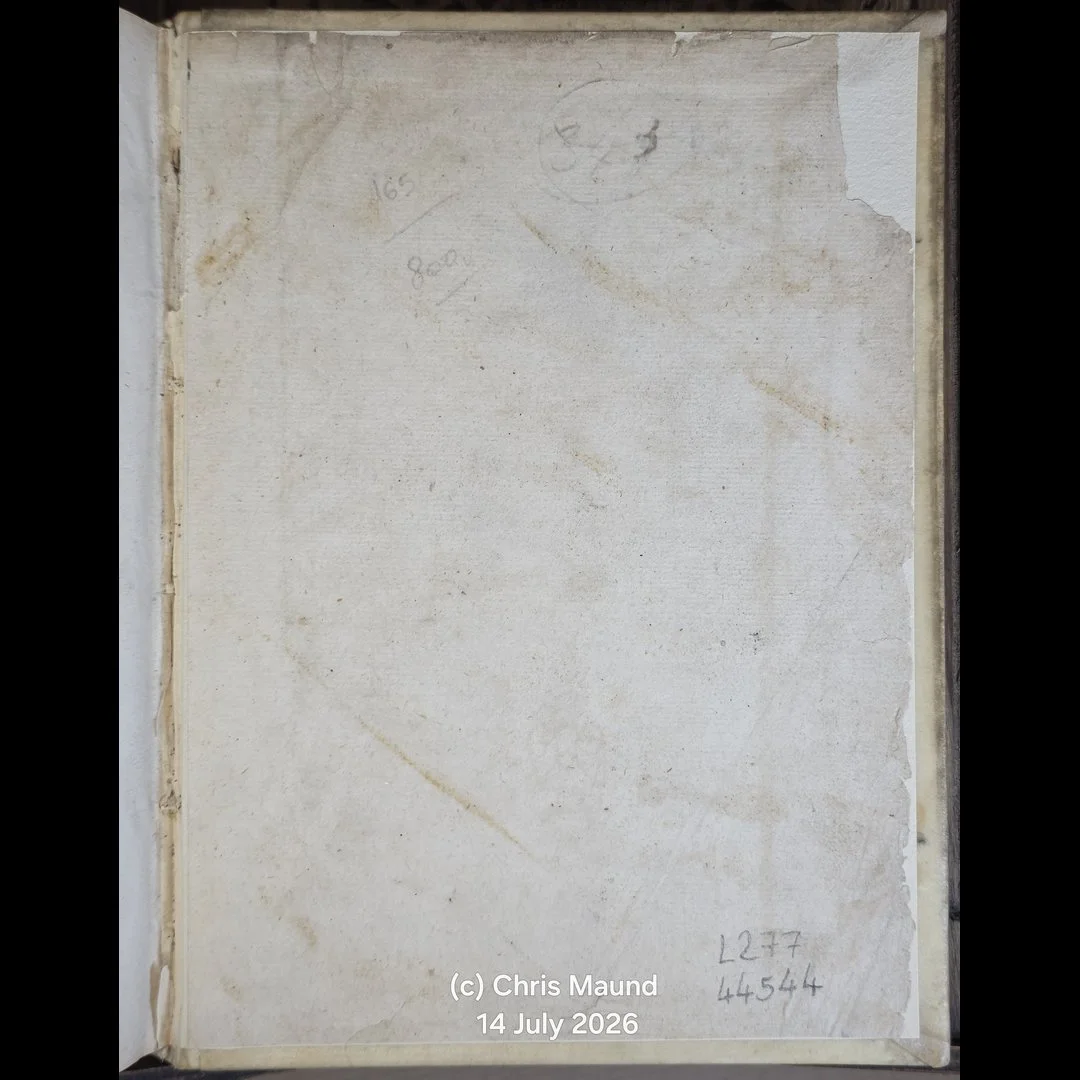
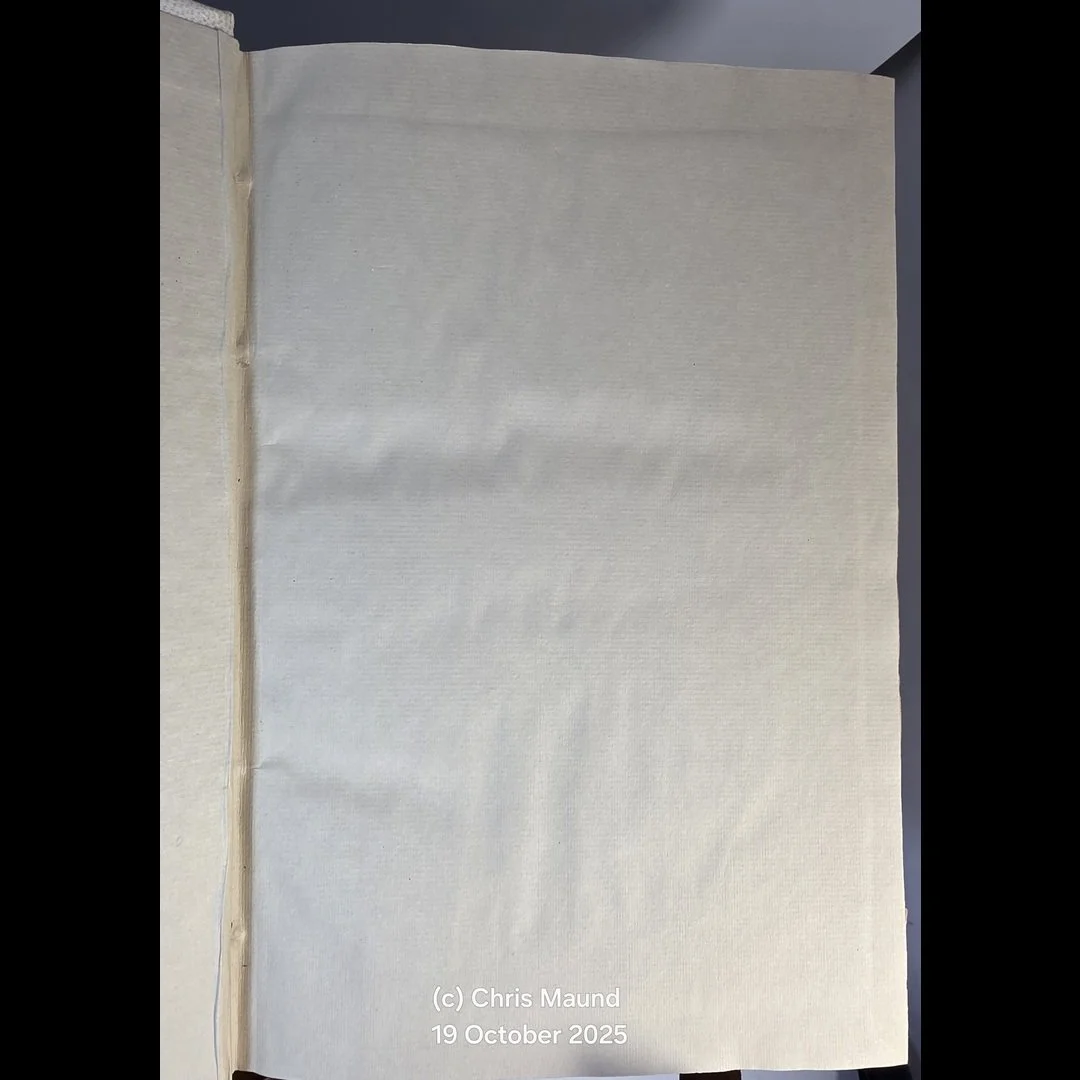
Modern binder’s blank leaves have been added at the front and rear as part of the rebinding. The seventeenth-century text block itself remains original, with no leaves supplied from another copy and no facsimile, manuscript-facsimile or modern reproduction leaves.
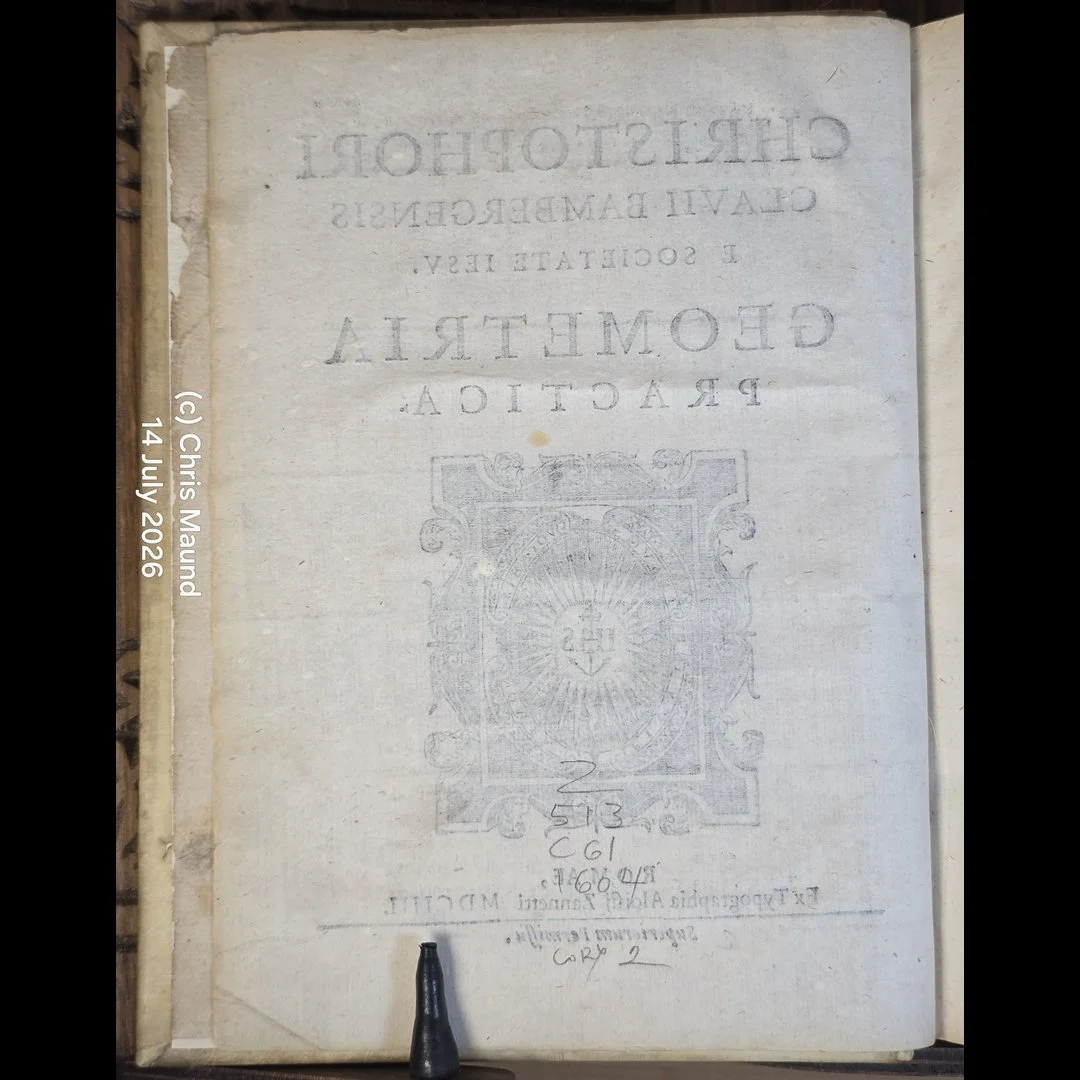
General collective title-page present, together with the separate title-pages for The Grounds & Occasions of the Contempt of the Clergy and Religion (Ninth Edition), Some Observations upon the Answer… (Fifth Edition), and Mr. Hobbs’s State of Nature Considered (Third Edition). The five separately titled letters following the Hobbes dialogue are also present.
The original integral blank leaves separating the principal sections are retained. The Grounds concludes at p.160; Some Observations at p.222; and the Hobbes dialogue and accompanying letters conclude at p.288.
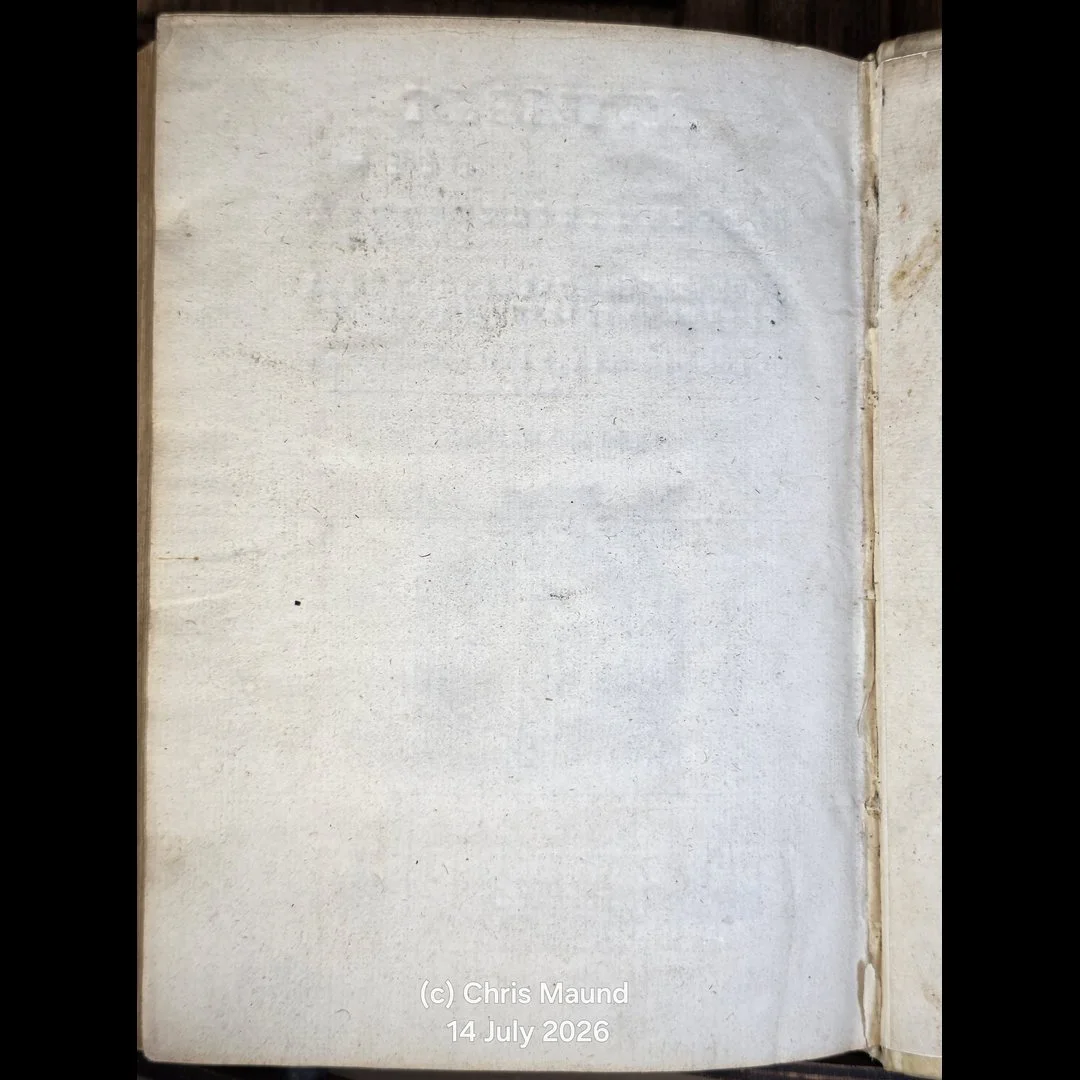
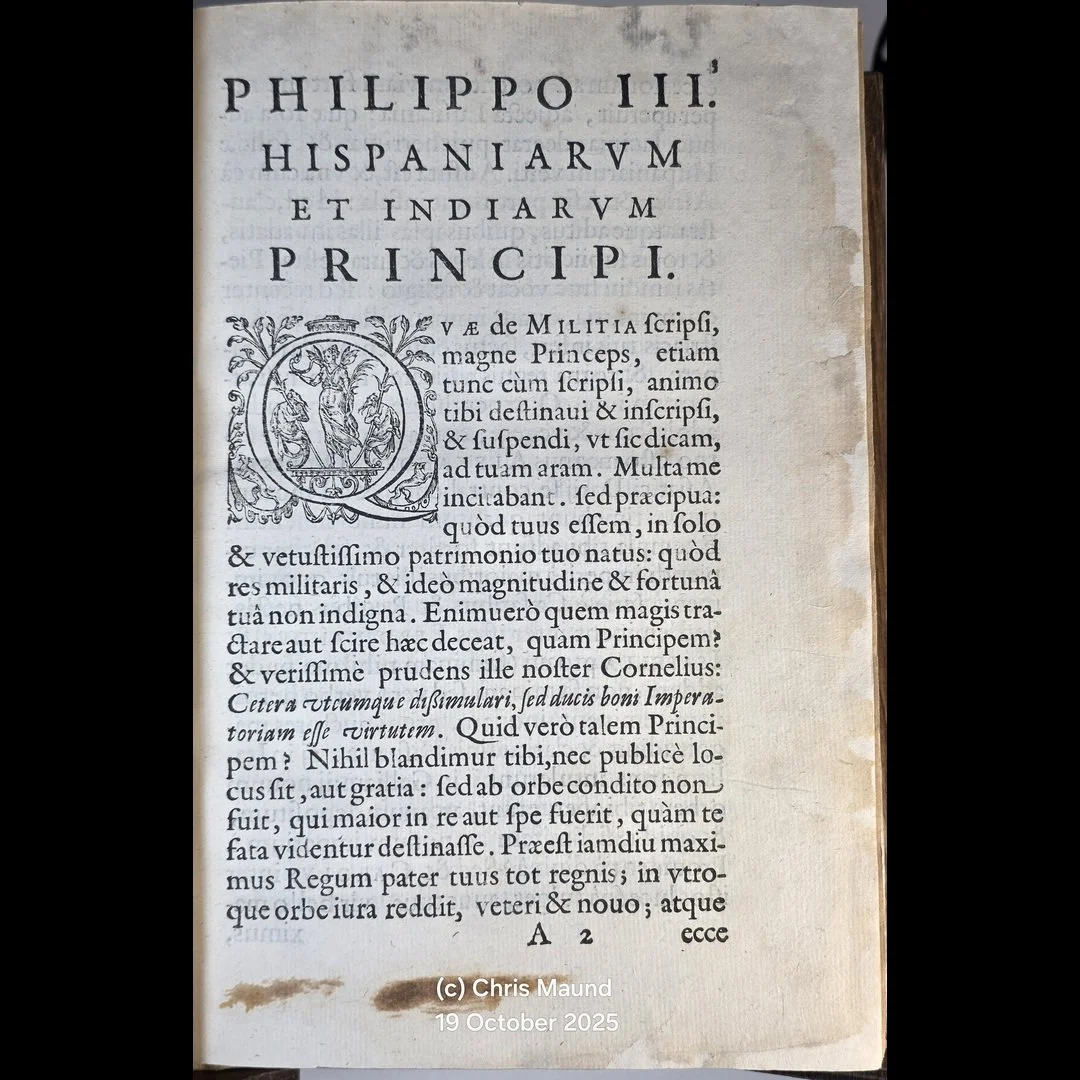
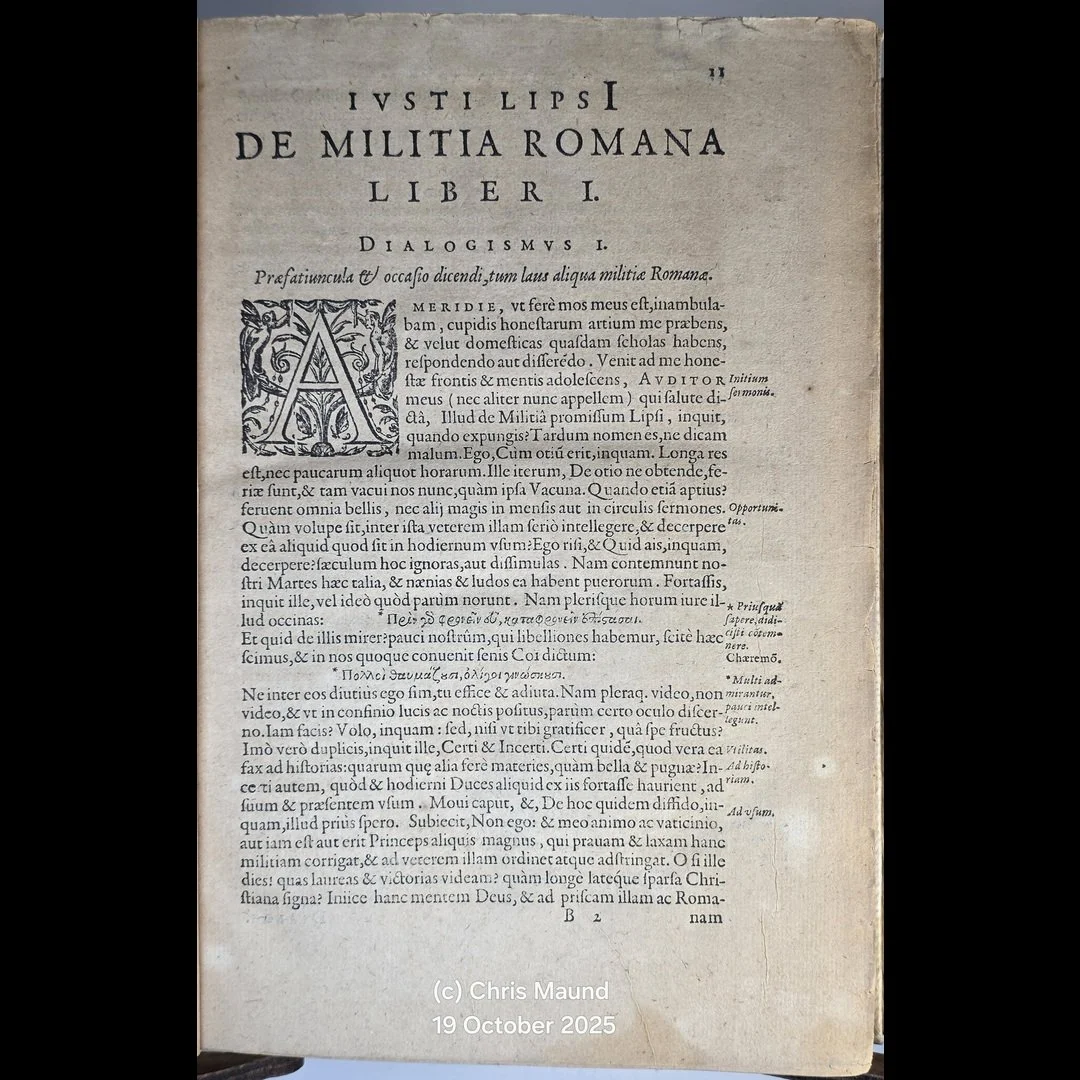
Text generally clean and well preserved for a seventeenth-century volume, with expected age-toning, occasional light spotting and handling marks, minor scattered soiling and occasional marginal wear. Printing remains strong and legible throughout, with attractive typographical title-pages, ornamental initials and good overall margins.
The later binding is sound, handsome and sympathetic, giving the volume considerable shelf presence while preserving the original seventeenth-century text block.
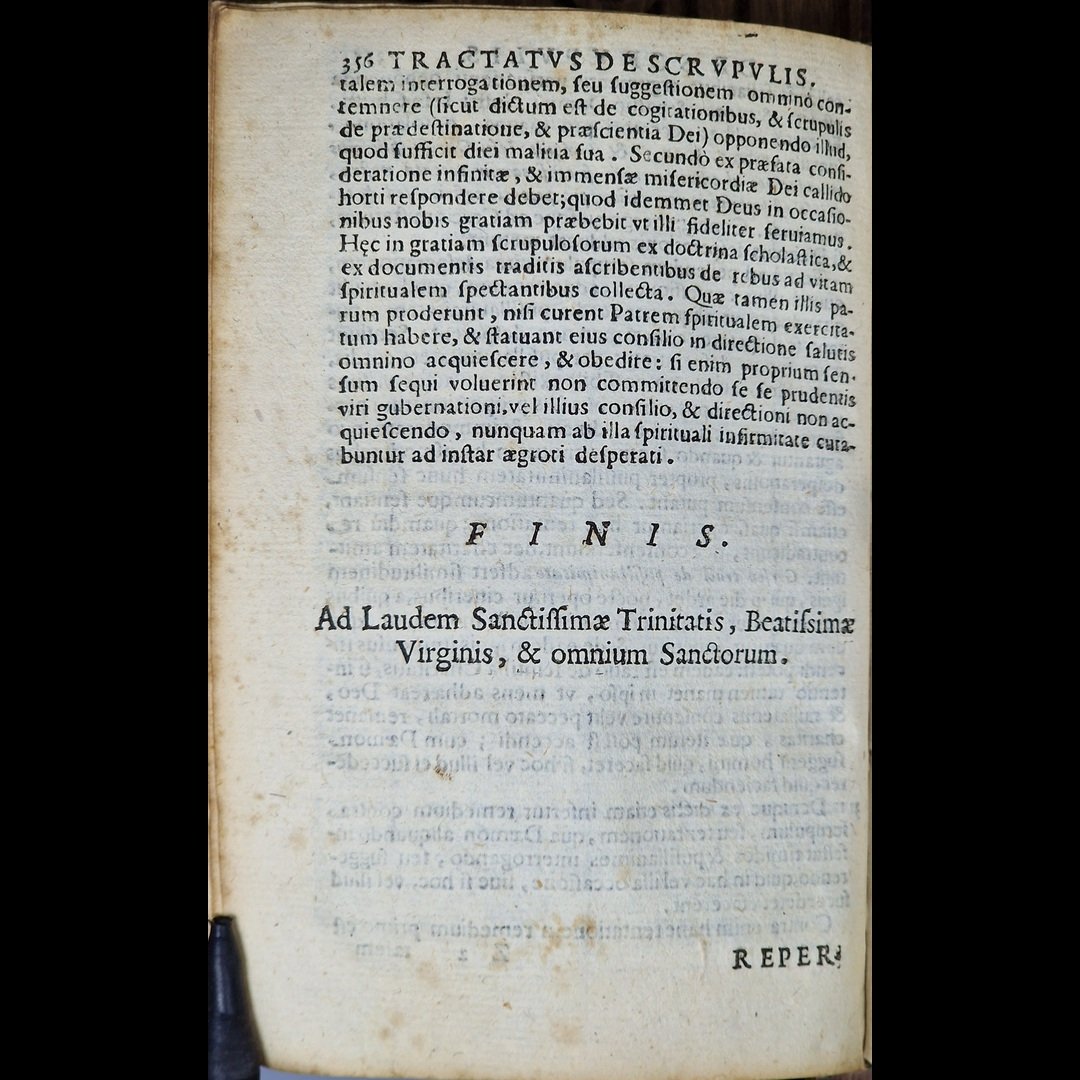
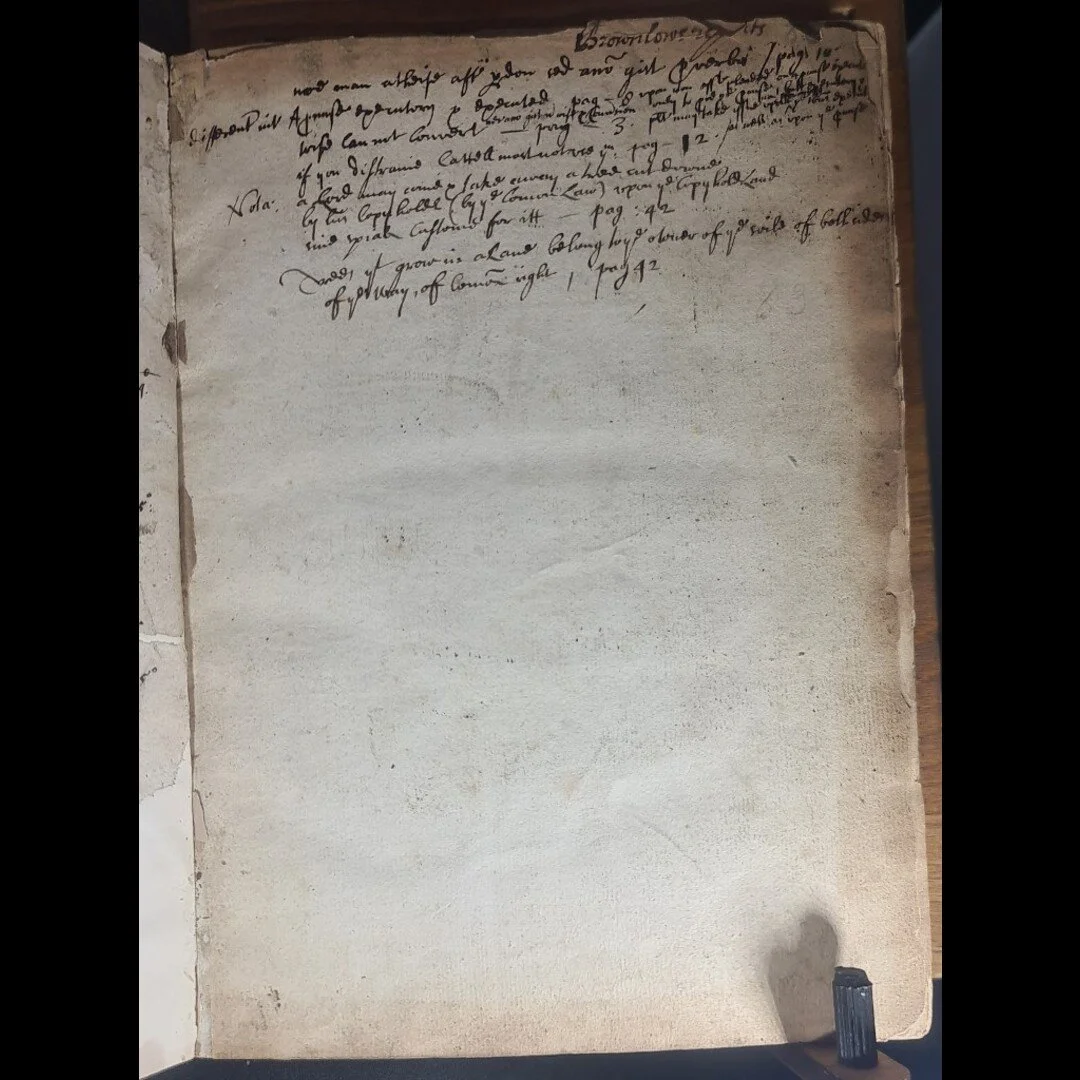
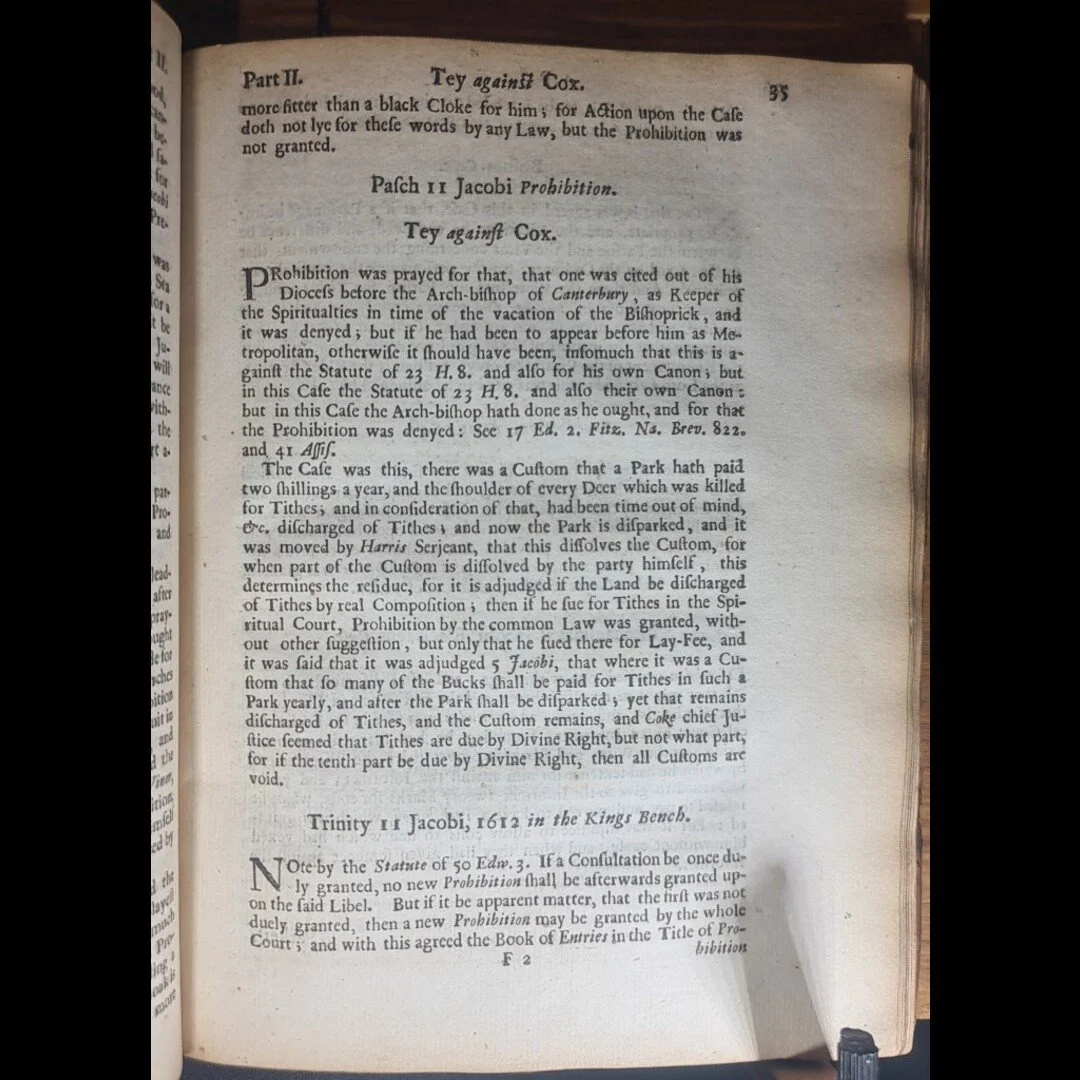
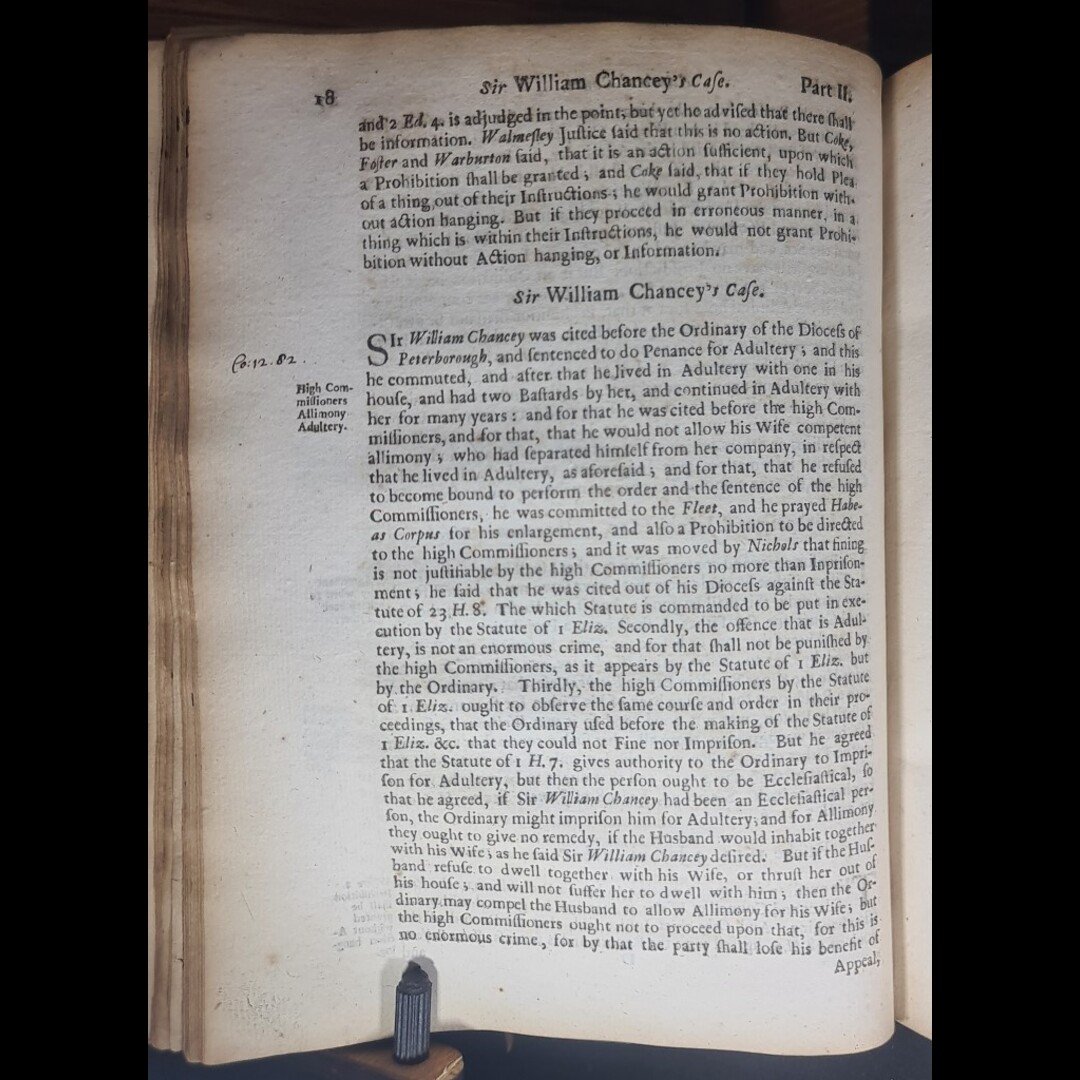
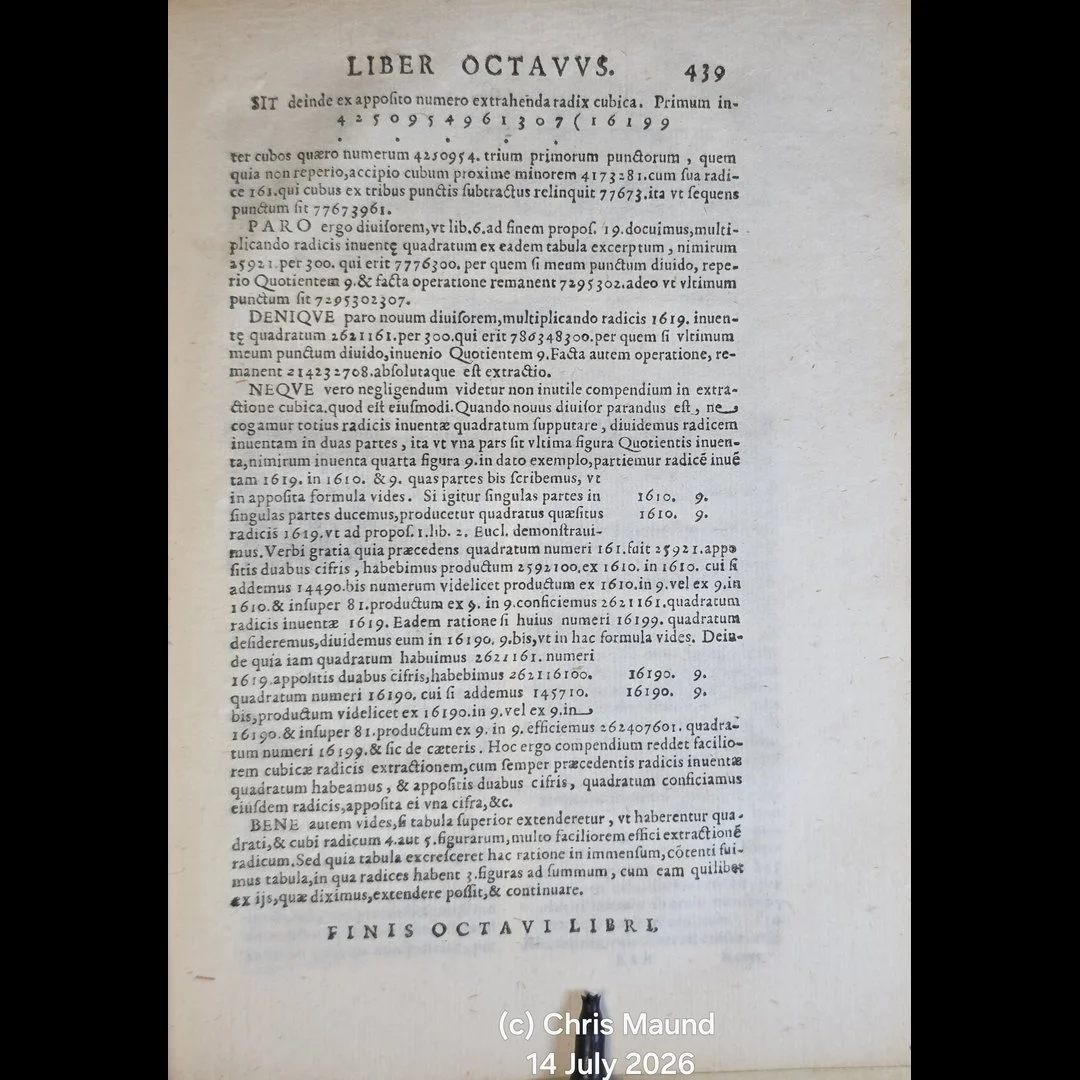
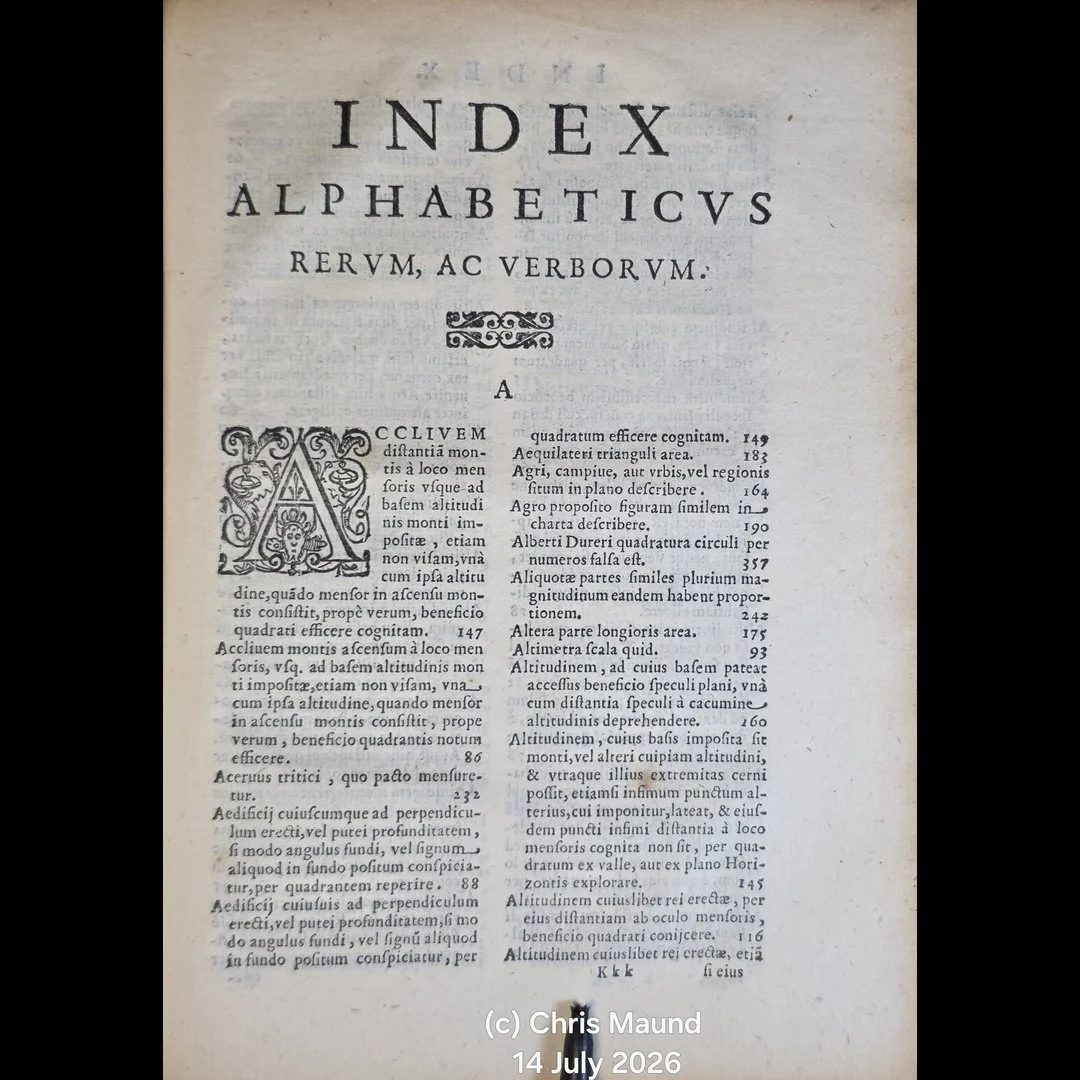
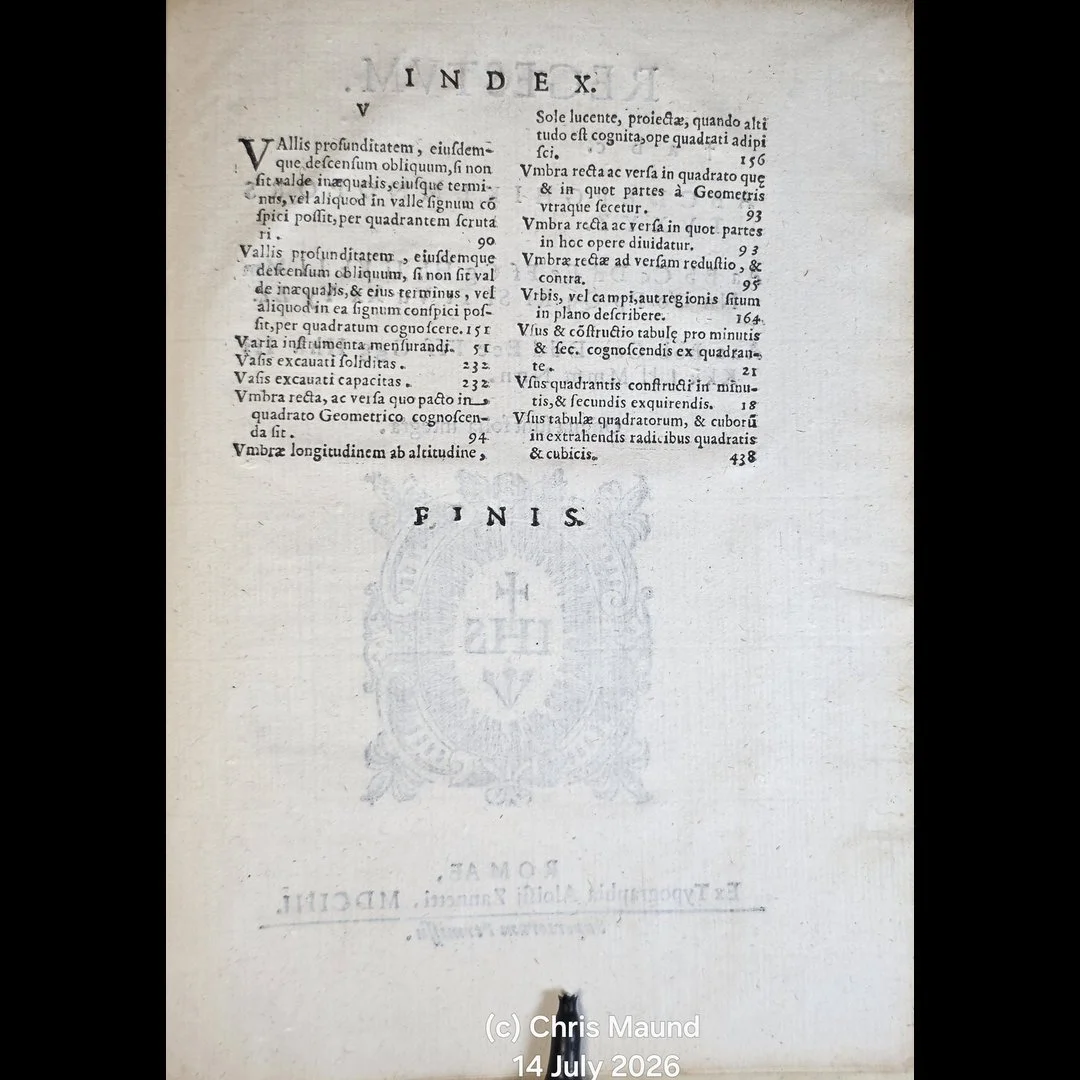
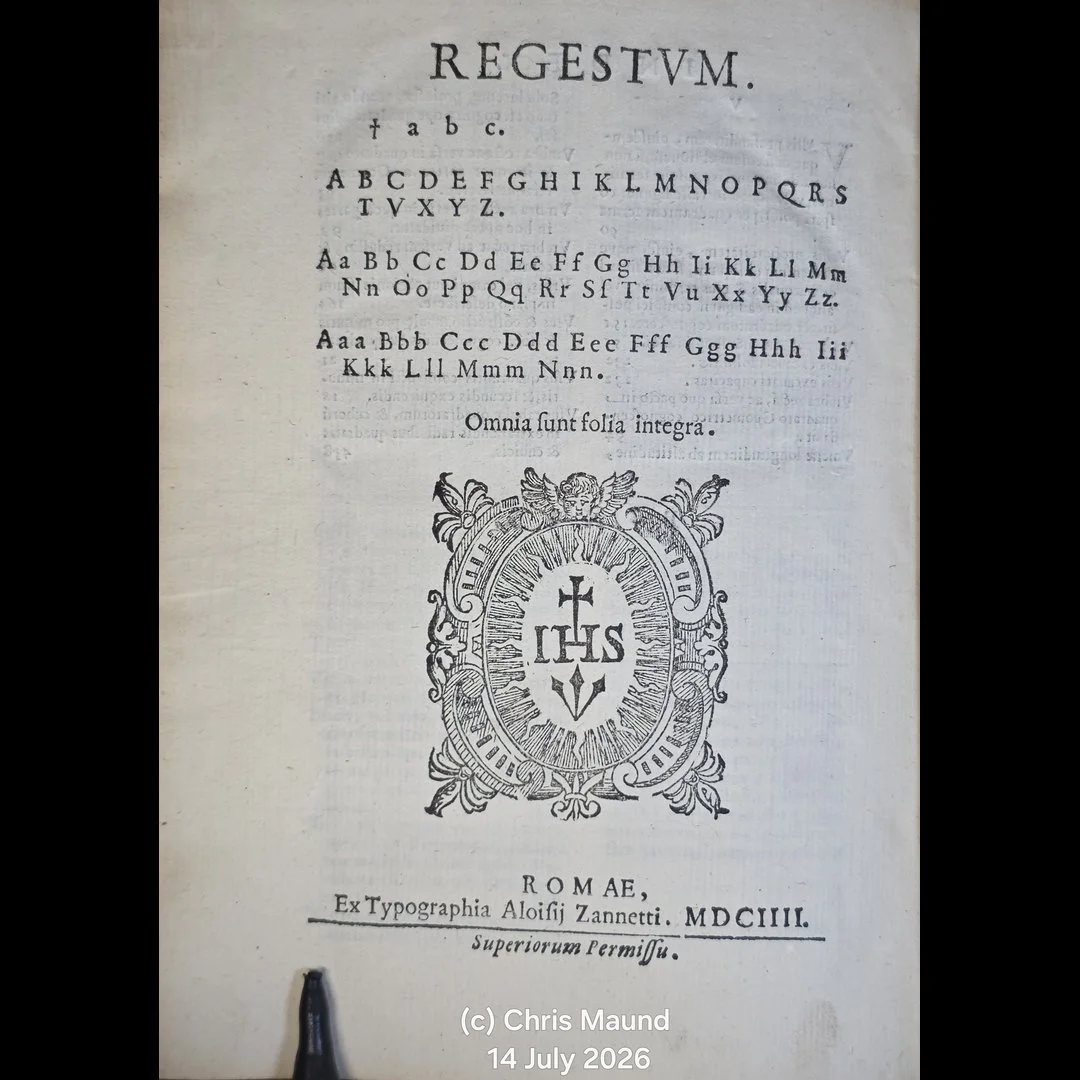
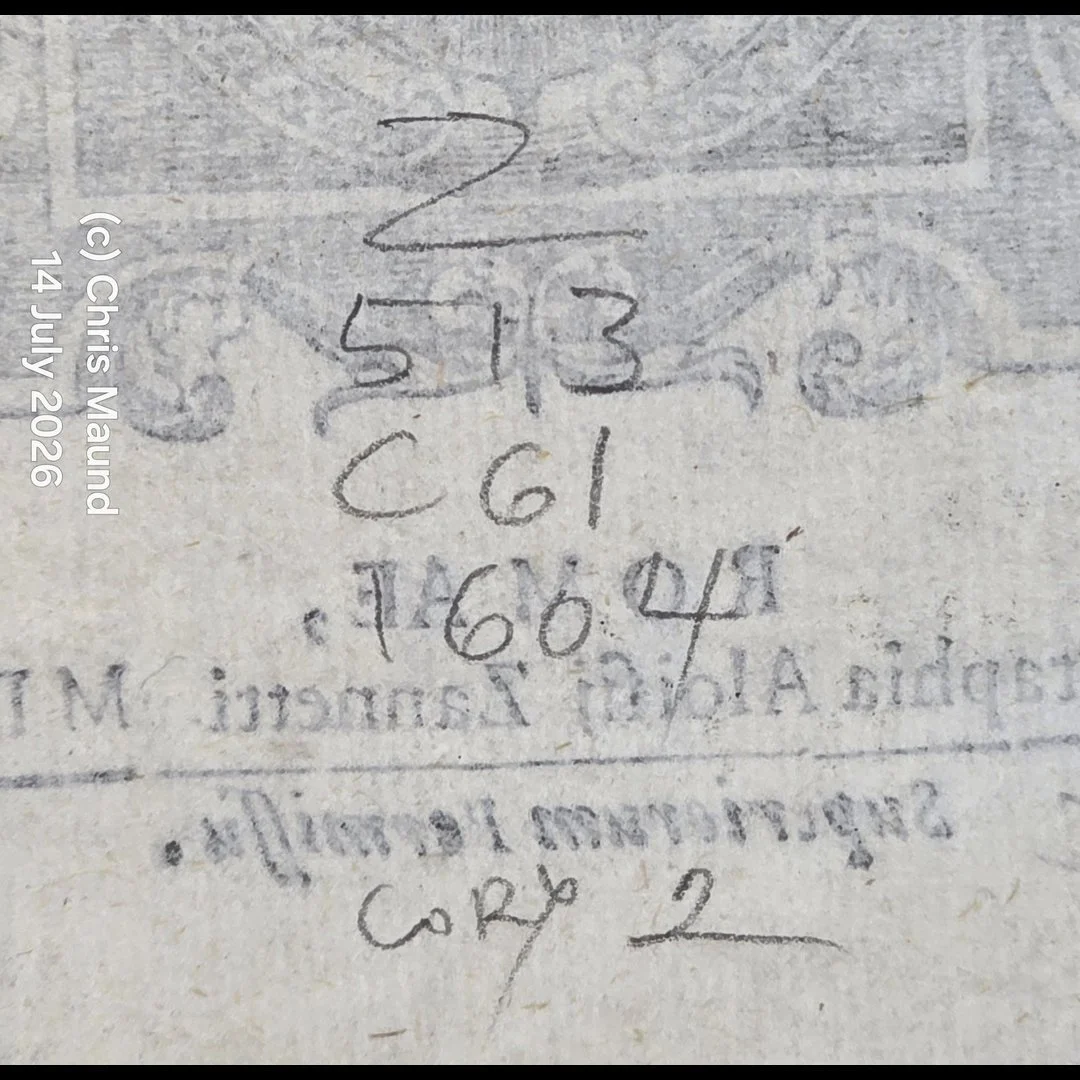
Please see Photos as part of condition report.
REFERENCES
ESTC R17232
Wing E56B
Individual works:
The Grounds & Occasions…, Ninth Edition — Wing E53; ESTC R233178
Some Observations…, Fifth Edition — Wing E62; ESTC R17234
Mr. Hobbs’s State of Nature Considered, Third Edition — Wing E58; ESTC R17233
SYNOPSIS
First published in 1670, The Grounds and Occasions of the Contempt of the Clergy and Religion asks why the clergy had fallen into such low public esteem. Cast as a letter to “R. L.”, Eachard combines comic observation with serious criticism of clerical education, poor preparation for the ministry, inadequate incomes, dull and affected preaching, pluralism and the social circumstances of poorer country clergymen.
Rather than attacking the Church itself, Eachard argues that many of the causes of clerical contempt arise from deficiencies in education, vocation and practice. His portraits of ill-prepared preachers and badly constructed sermons are deliberately exaggerated for comic effect, but beneath the humour lies a sustained argument for improving the intellectual and practical formation of the clergy.
Some Observations upon the Answer to an Enquiry into the Grounds & Occasions of the Contempt of the Clergy, here in its fifth edition, continues the controversy. Eachard responds to critics who believed his original satire had damaged the reputation of the Church, defending his method and expanding his remarks on preaching, education and clerical reform.
The third major work, Mr. Hobbs’s State of Nature Considered; in a Dialogue between Philautus and Timothy, first published in 1672 and present here in its third edition, turns to the philosophy of Thomas Hobbes. In lively dialogue form Eachard challenges the Hobbesian conception of mankind in a pre-political “state of nature”, particularly the account of natural conflict and self-interest associated with Leviathan.
Through the exchanges between Philautus and Timothy, Eachard opposes Hobbes’s austere account of human motivation with a more sociable and morally grounded understanding of human nature, conscience and political obligation. The result is both philosophical criticism and Restoration satire, illustrating how deeply Hobbes’s ideas had entered contemporary theological and political debate.
The volume concludes with five separately titled letters by Eachard, extending the arguments of the preceding works and answering further objections concerning the clergy, ministry and religious controversy.
Taken together, the collection offers an unusually engaging view of Restoration intellectual life: the reputation and education of the clergy, the culture of seventeenth-century preaching, disputes within the Church of England, and the challenge posed by Hobbesian political philosophy.
An appealing and substantial seventeenth-century collection, particularly suited to collections devoted to Thomas Hobbes, Restoration thought, the Church of England, political philosophy, satire and the history of ideas.
AUTHOR BIO
John Eachard (1636?–1697) was an English clergyman, academic and satirist educated at Catharine Hall, Cambridge, where he became Master in 1675. He was created Doctor of Divinity in 1676 and served twice as Vice-Chancellor of Cambridge University, in 1679 and 1695.
Eachard achieved considerable contemporary fame with the anonymous publication in 1670 of The Grounds and Occasions of the Contempt of the Clergy and Religion. Written with sharp humour and an eye for human weakness, the work quickly passed through numerous editions and provoked a lively printed controversy.
His later writings extended the argument and turned his satirical method towards Thomas Hobbes, whose account of human nature and political society had become one of the defining intellectual controversies of Restoration England.
1685 Ninth Edition
THE GROUNDS AND OCCASIONS OF THE CONTEMPT OF THE CLERGY AND RELIGION
By John Eachard
KEY DETAILS
Condition: Very Good
Format: Hardcover, Octavo (Standard) (8vo 6 × 9 in 152 × 229 mm )
Note: Binding/size selection follows standard bibliographic conventions and is approximate; exact measurements may vary.
Published By: Printed by R. H. [Ralph Holt] for Obadiah Blagrave at the Sign of the Bear in St. Paul’s Church-Yard, over against the Little North Door, London, 1685
Language: English
Collation: [10], 160, [16], 222, [26], 288 pp.; Signatures: A⁵ B–L⁸; ²A–P⁸ (²A1 and ²P8 blank); ³A⁸ a⁴ B–T⁸.
Dust Jacket: None, as issued, No Jacket
SKU: BTETM0002193
Shipping Info: Approximate Package Dimensions H: 12.5, L: 30, W: 25 (Units: cm), W: 2Kg
Tracked Shipping, Insurance Coverage as per Customer Request
DESCRIPTION
The Grounds and Occasions of the Contempt of the Clergy and Religion
(A critique of Thomas Hobbes and his Leviathan.)
Together with Some Observations Upon An Answer Thereto. With Mr Hobb's State of Nature Considered in a Dialogue Between Philautus and Timothy. To which are added five letters from the author of the Grounds and Occasions of the Contempt of the Clergy.
An attractive Restoration collection bringing together John Eachard’s celebrated satire on the English clergy with his important contemporary response to the political philosophy of Thomas Hobbes.
Issued under a general title-page in 1685, the volume contains the ninth edition of The Grounds and Occasions of the Contempt of the Clergy and Religion, the fifth edition of Some Observations upon the Answer to an Enquiry into the Grounds & Occasions of the Contempt of the Clergy, and the third edition of Mr. Hobbs’s State of Nature Considered; in a Dialogue between Philautus and Timothy, followed by five separately titled letters.
A lively and intellectually engaging Restoration volume spanning satire, ecclesiastical reform, education, preaching, human nature and political philosophy, with particular interest for collectors of seventeenth-century theology, Thomas Hobbes and the contemporary reception of Leviathan.
CONDITION, COLLATION & COPY NOTES
An attractive copy of the 1685 collected issue, rebound in later half calf over marbled boards, the spine with gilt rules, decorative devices, red leather title label lettered “MR. HOBBS’S / DIALOGUE / & TRACTS”, and the date 1685 in gilt at the foot.
Modern binder’s blank leaves have been added at the front and rear as part of the rebinding. The seventeenth-century text block itself remains original, with no leaves supplied from another copy and no facsimile, manuscript-facsimile or modern reproduction leaves.
General collective title-page present, together with the separate title-pages for The Grounds & Occasions of the Contempt of the Clergy and Religion (Ninth Edition), Some Observations upon the Answer… (Fifth Edition), and Mr. Hobbs’s State of Nature Considered (Third Edition). The five separately titled letters following the Hobbes dialogue are also present.
The original integral blank leaves separating the principal sections are retained. The Grounds concludes at p.160; Some Observations at p.222; and the Hobbes dialogue and accompanying letters conclude at p.288.
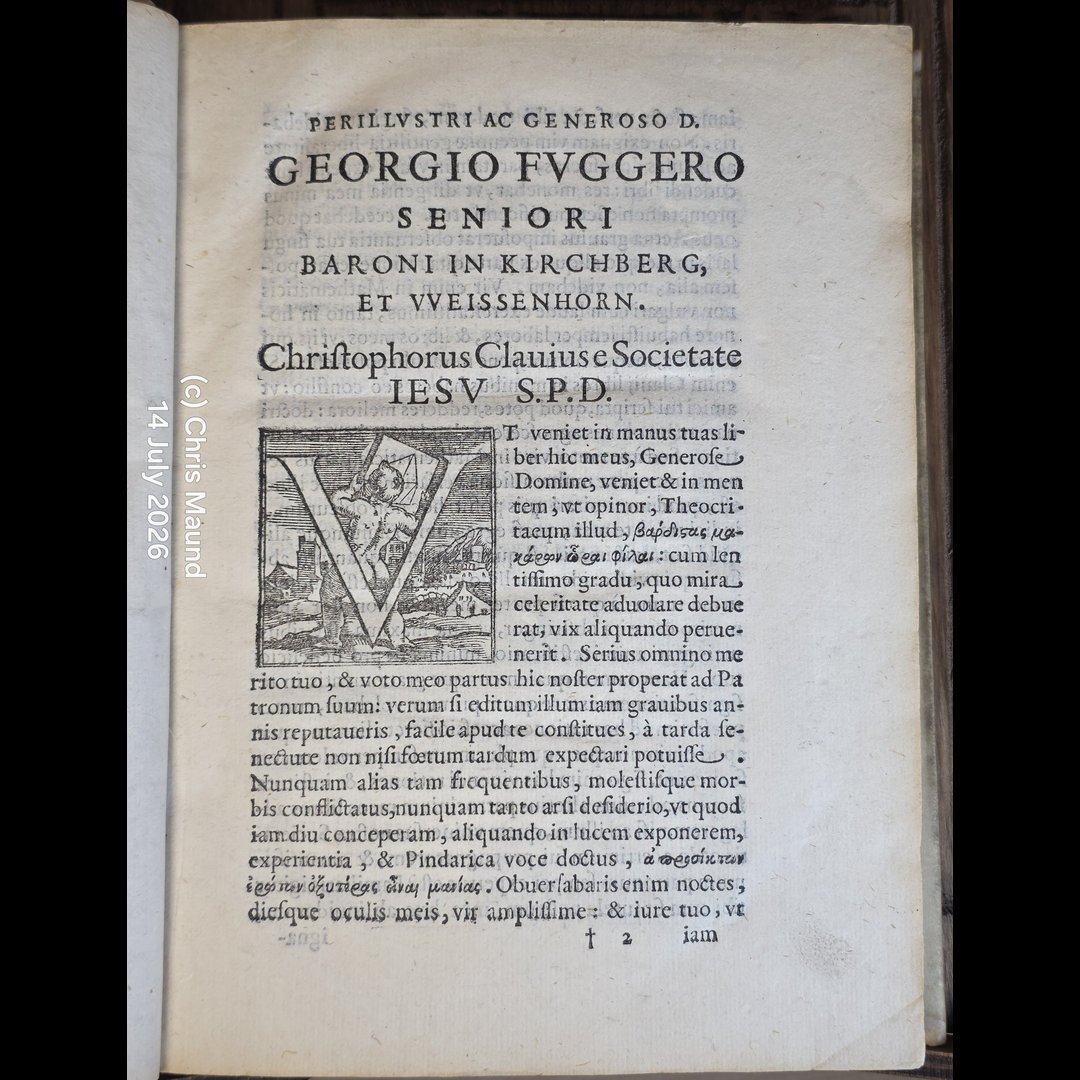
Text generally clean and well preserved for a seventeenth-century volume, with expected age-toning, occasional light spotting and handling marks, minor scattered soiling and occasional marginal wear. Printing remains strong and legible throughout, with attractive typographical title-pages, ornamental initials and good overall margins.
The later binding is sound, handsome and sympathetic, giving the volume considerable shelf presence while preserving the original seventeenth-century text block.
Please see Photos as part of condition report.
REFERENCES
ESTC R17232
Wing E56B
Individual works:
The Grounds & Occasions…, Ninth Edition — Wing E53; ESTC R233178
Some Observations…, Fifth Edition — Wing E62; ESTC R17234
Mr. Hobbs’s State of Nature Considered, Third Edition — Wing E58; ESTC R17233
SYNOPSIS
First published in 1670, The Grounds and Occasions of the Contempt of the Clergy and Religion asks why the clergy had fallen into such low public esteem. Cast as a letter to “R. L.”, Eachard combines comic observation with serious criticism of clerical education, poor preparation for the ministry, inadequate incomes, dull and affected preaching, pluralism and the social circumstances of poorer country clergymen.
Rather than attacking the Church itself, Eachard argues that many of the causes of clerical contempt arise from deficiencies in education, vocation and practice. His portraits of ill-prepared preachers and badly constructed sermons are deliberately exaggerated for comic effect, but beneath the humour lies a sustained argument for improving the intellectual and practical formation of the clergy.
Some Observations upon the Answer to an Enquiry into the Grounds & Occasions of the Contempt of the Clergy, here in its fifth edition, continues the controversy. Eachard responds to critics who believed his original satire had damaged the reputation of the Church, defending his method and expanding his remarks on preaching, education and clerical reform.
The third major work, Mr. Hobbs’s State of Nature Considered; in a Dialogue between Philautus and Timothy, first published in 1672 and present here in its third edition, turns to the philosophy of Thomas Hobbes. In lively dialogue form Eachard challenges the Hobbesian conception of mankind in a pre-political “state of nature”, particularly the account of natural conflict and self-interest associated with Leviathan.
Through the exchanges between Philautus and Timothy, Eachard opposes Hobbes’s austere account of human motivation with a more sociable and morally grounded understanding of human nature, conscience and political obligation. The result is both philosophical criticism and Restoration satire, illustrating how deeply Hobbes’s ideas had entered contemporary theological and political debate.
The volume concludes with five separately titled letters by Eachard, extending the arguments of the preceding works and answering further objections concerning the clergy, ministry and religious controversy.
Taken together, the collection offers an unusually engaging view of Restoration intellectual life: the reputation and education of the clergy, the culture of seventeenth-century preaching, disputes within the Church of England, and the challenge posed by Hobbesian political philosophy.
An appealing and substantial seventeenth-century collection, particularly suited to collections devoted to Thomas Hobbes, Restoration thought, the Church of England, political philosophy, satire and the history of ideas.
AUTHOR BIO
John Eachard (1636?–1697) was an English clergyman, academic and satirist educated at Catharine Hall, Cambridge, where he became Master in 1675. He was created Doctor of Divinity in 1676 and served twice as Vice-Chancellor of Cambridge University, in 1679 and 1695.
Eachard achieved considerable contemporary fame with the anonymous publication in 1670 of The Grounds and Occasions of the Contempt of the Clergy and Religion. Written with sharp humour and an eye for human weakness, the work quickly passed through numerous editions and provoked a lively printed controversy.
His later writings extended the argument and turned his satirical method towards Thomas Hobbes, whose account of human nature and political society had become one of the defining intellectual controversies of Restoration England.

 Image 1 of 35
 Image 2 of 35
 Image 3 of 35
 Image 4 of 35
 Image 5 of 35
 Image 6 of 35
 Image 7 of 35
 Image 8 of 35
 Image 9 of 35
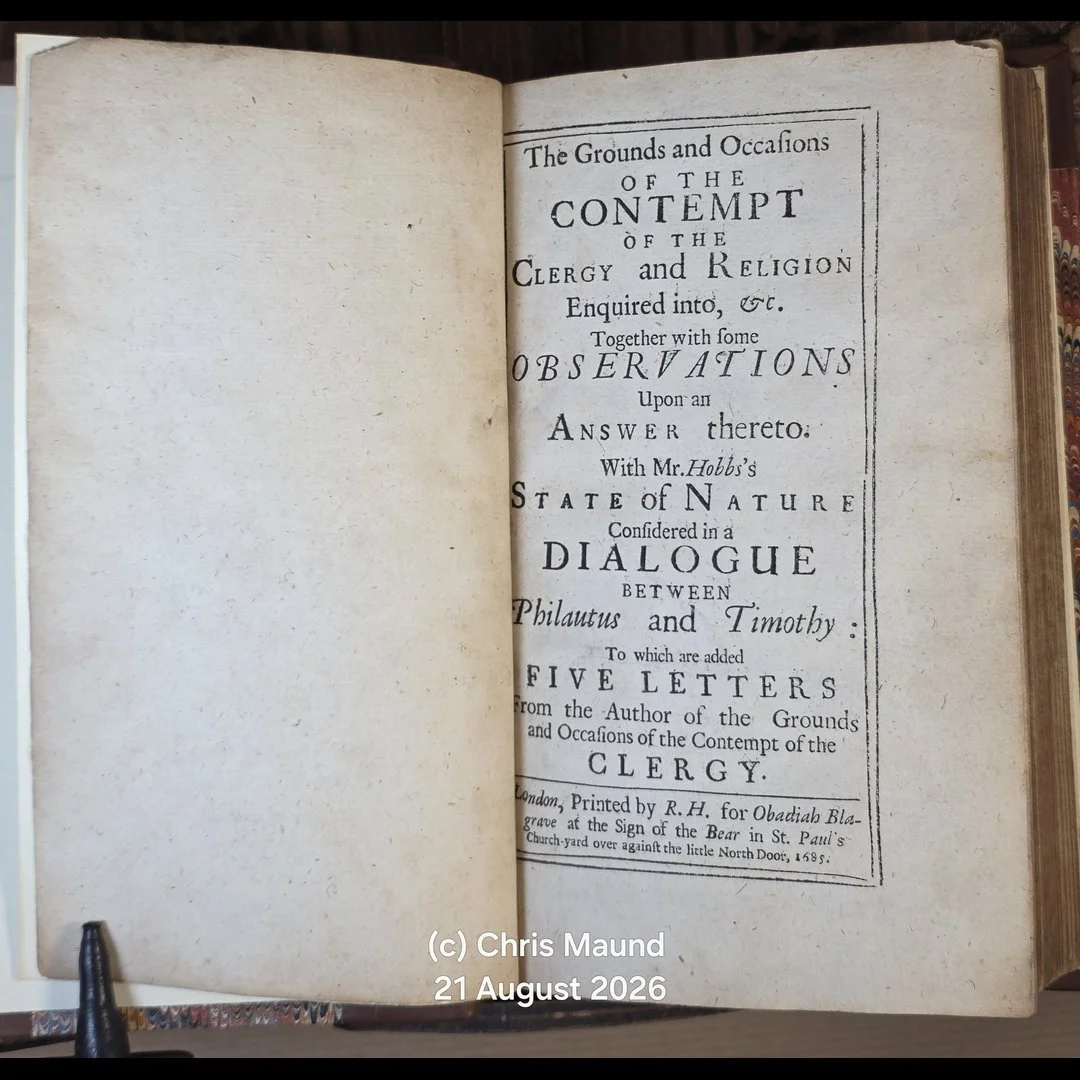 Image 10 of 35
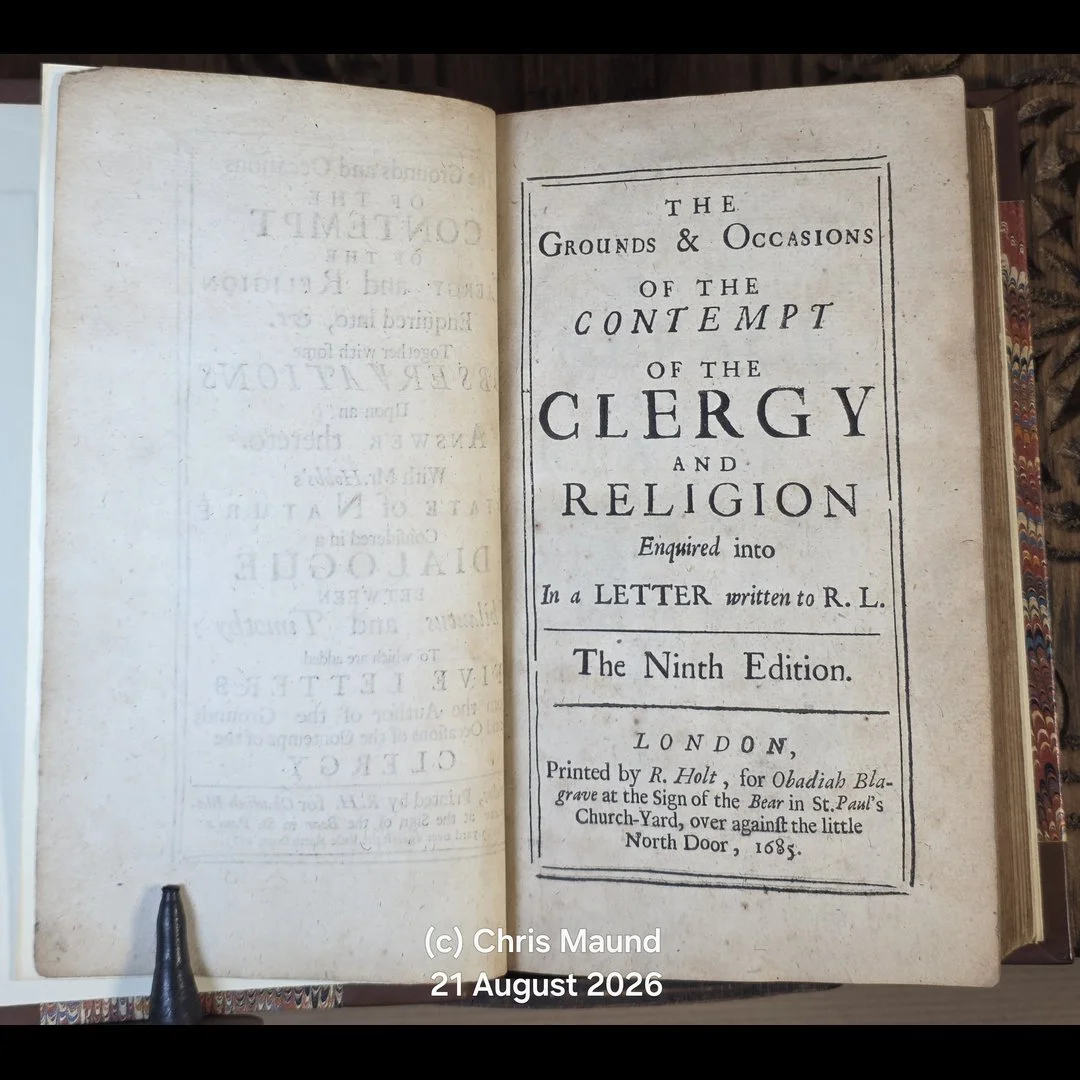 Image 11 of 35
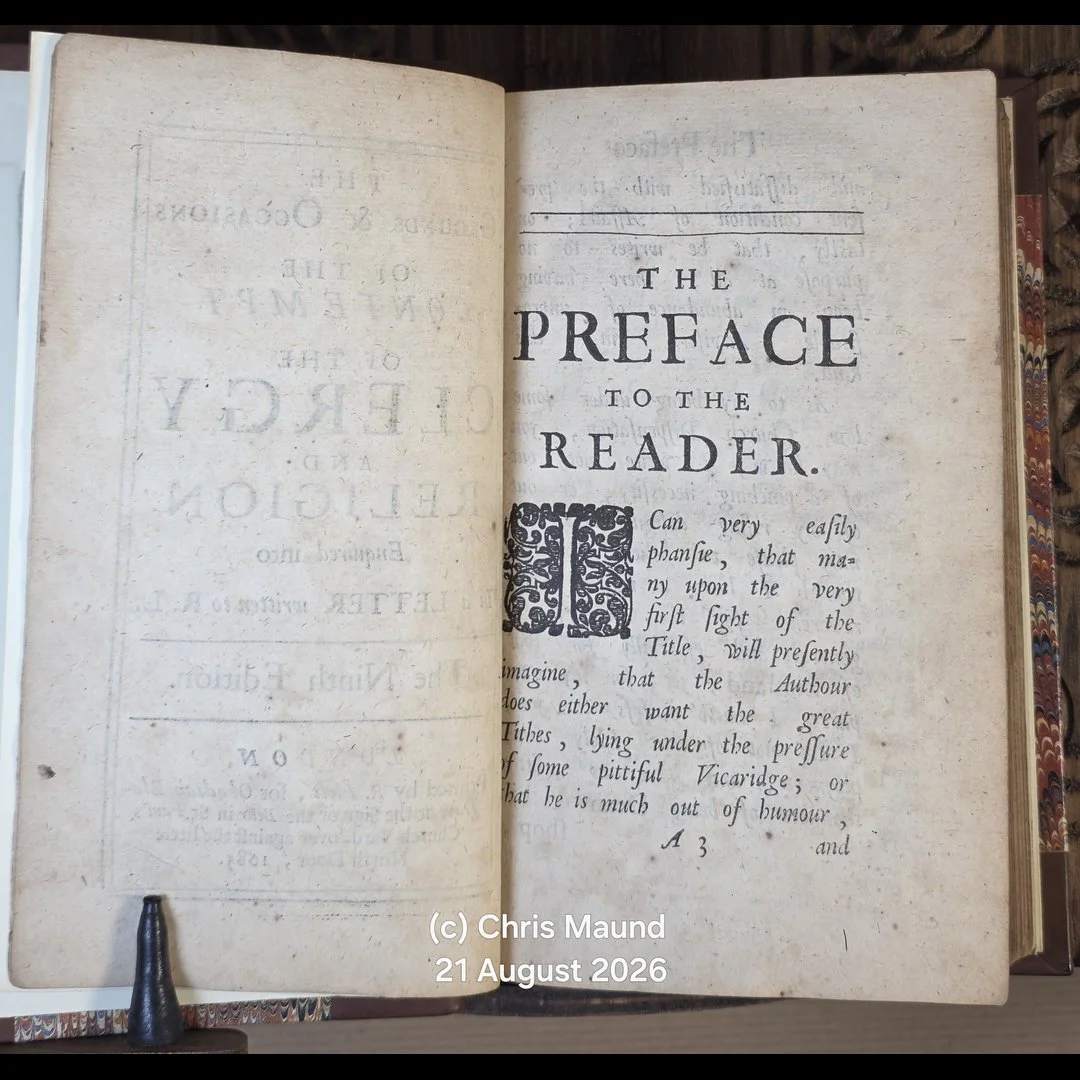 Image 12 of 35
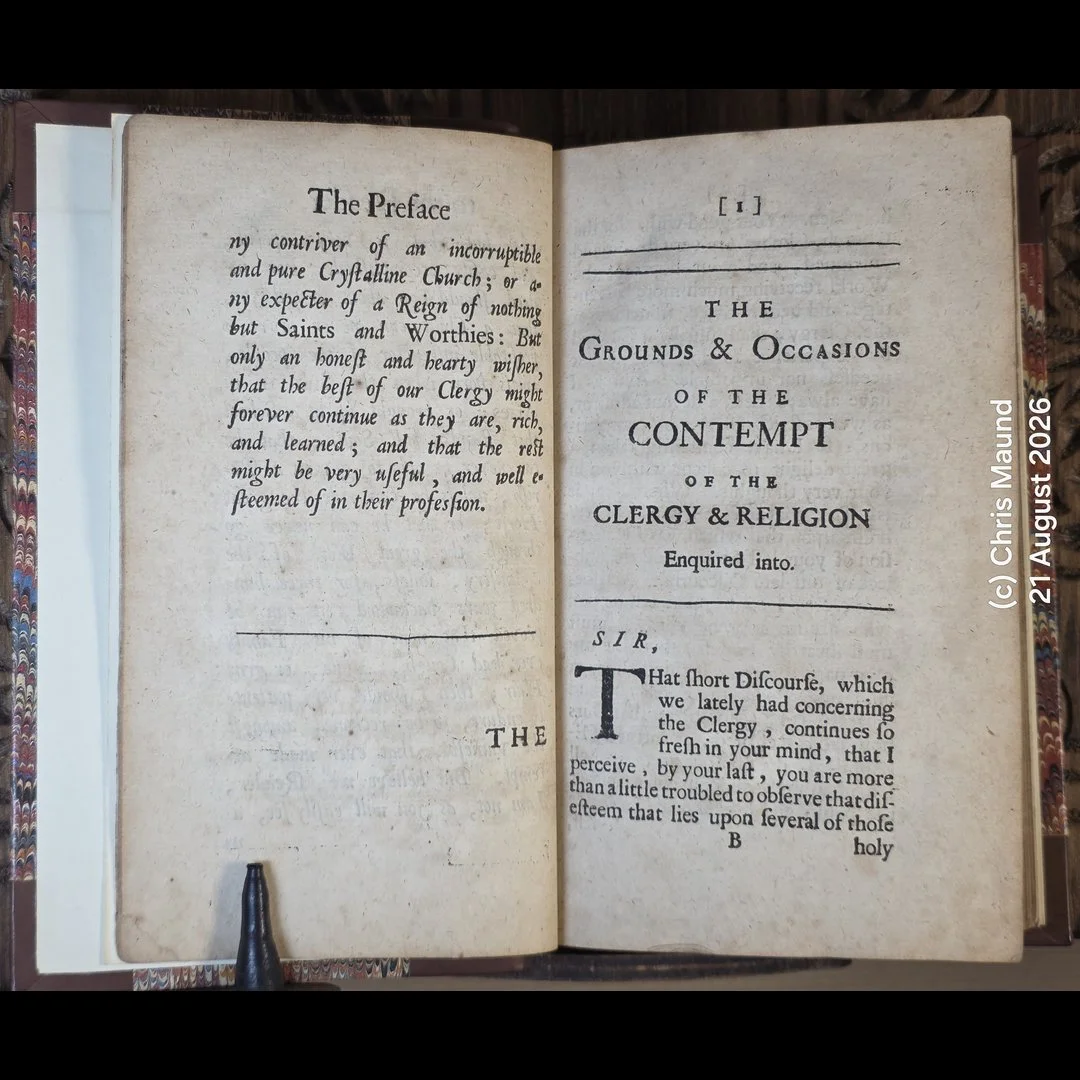 Image 13 of 35
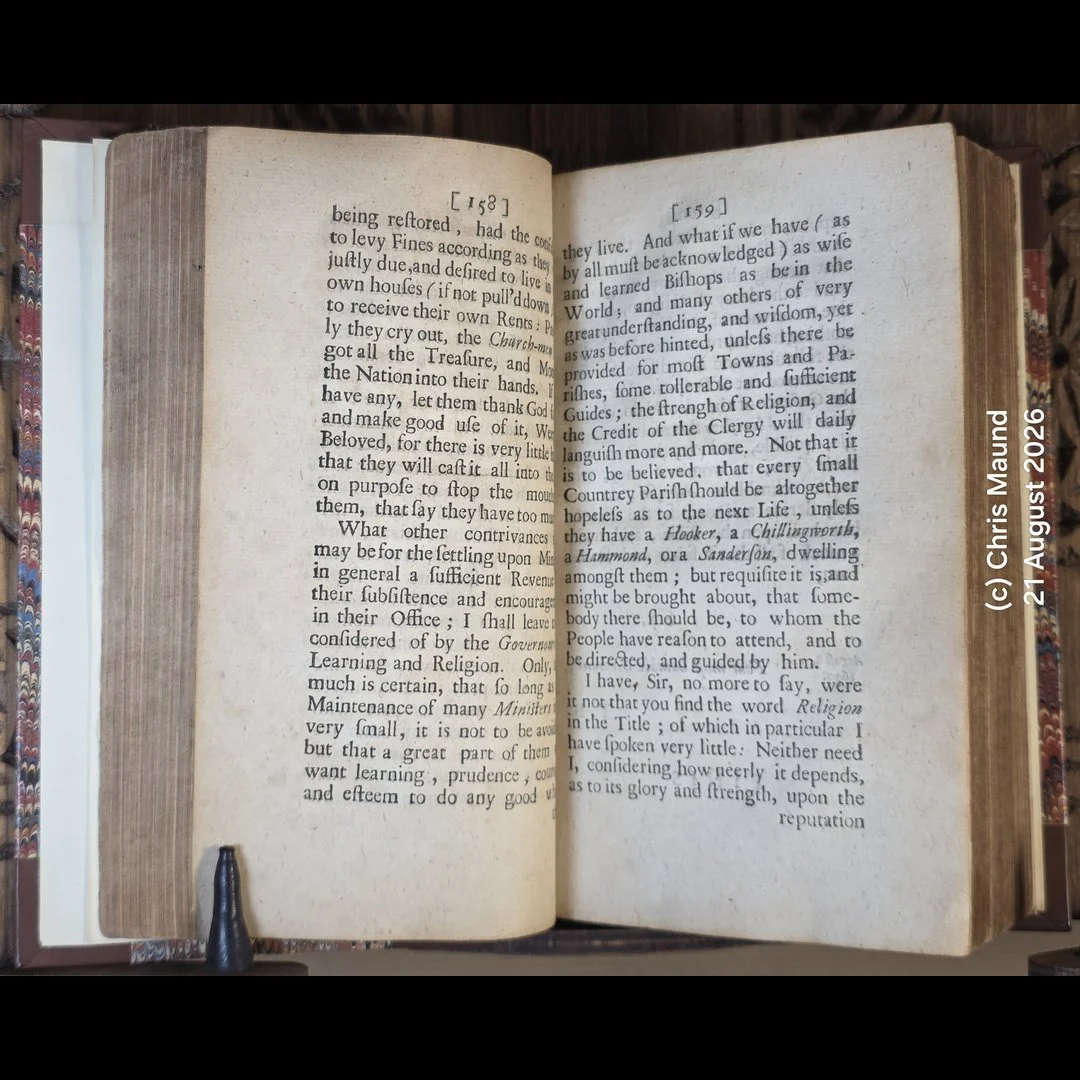 Image 14 of 35
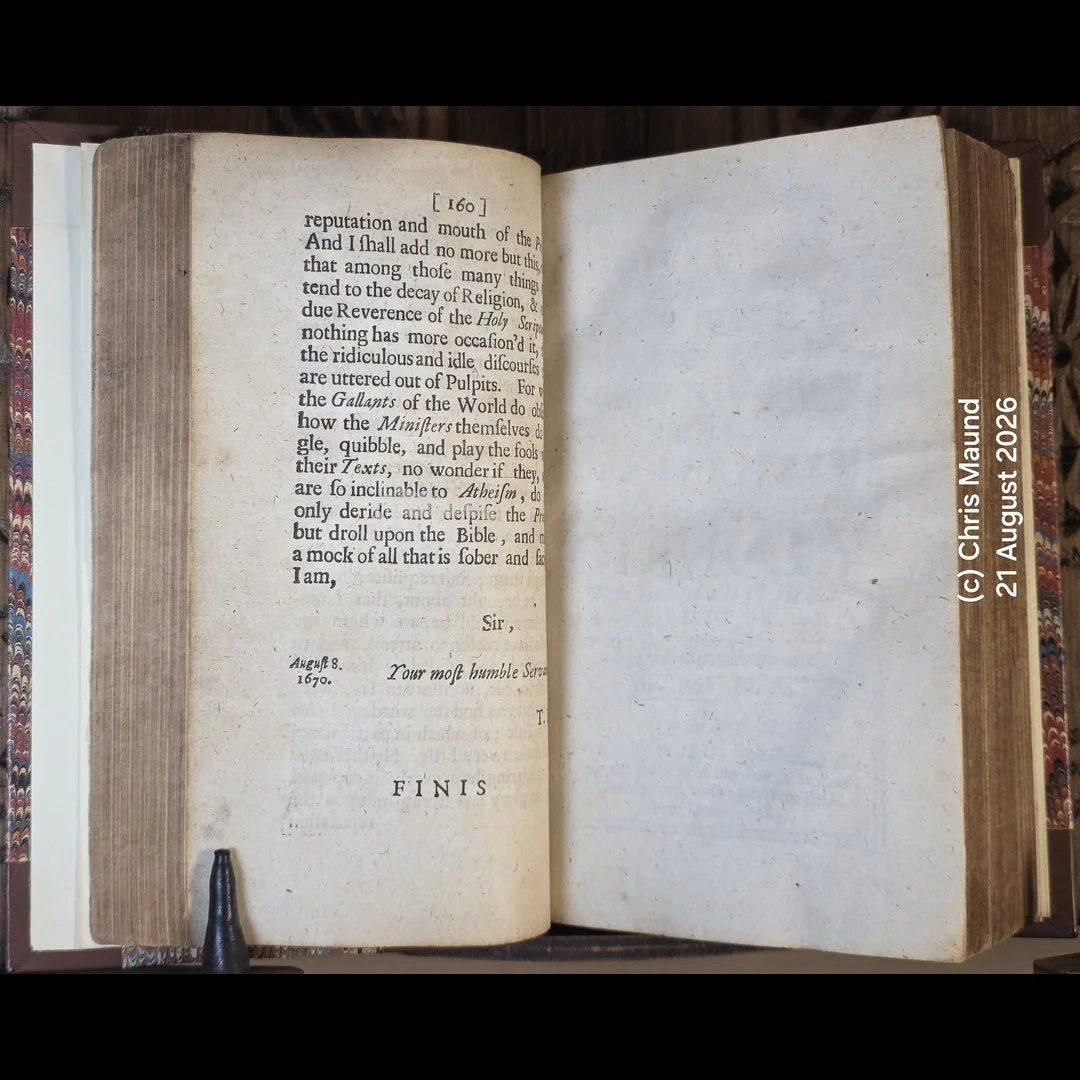 Image 15 of 35
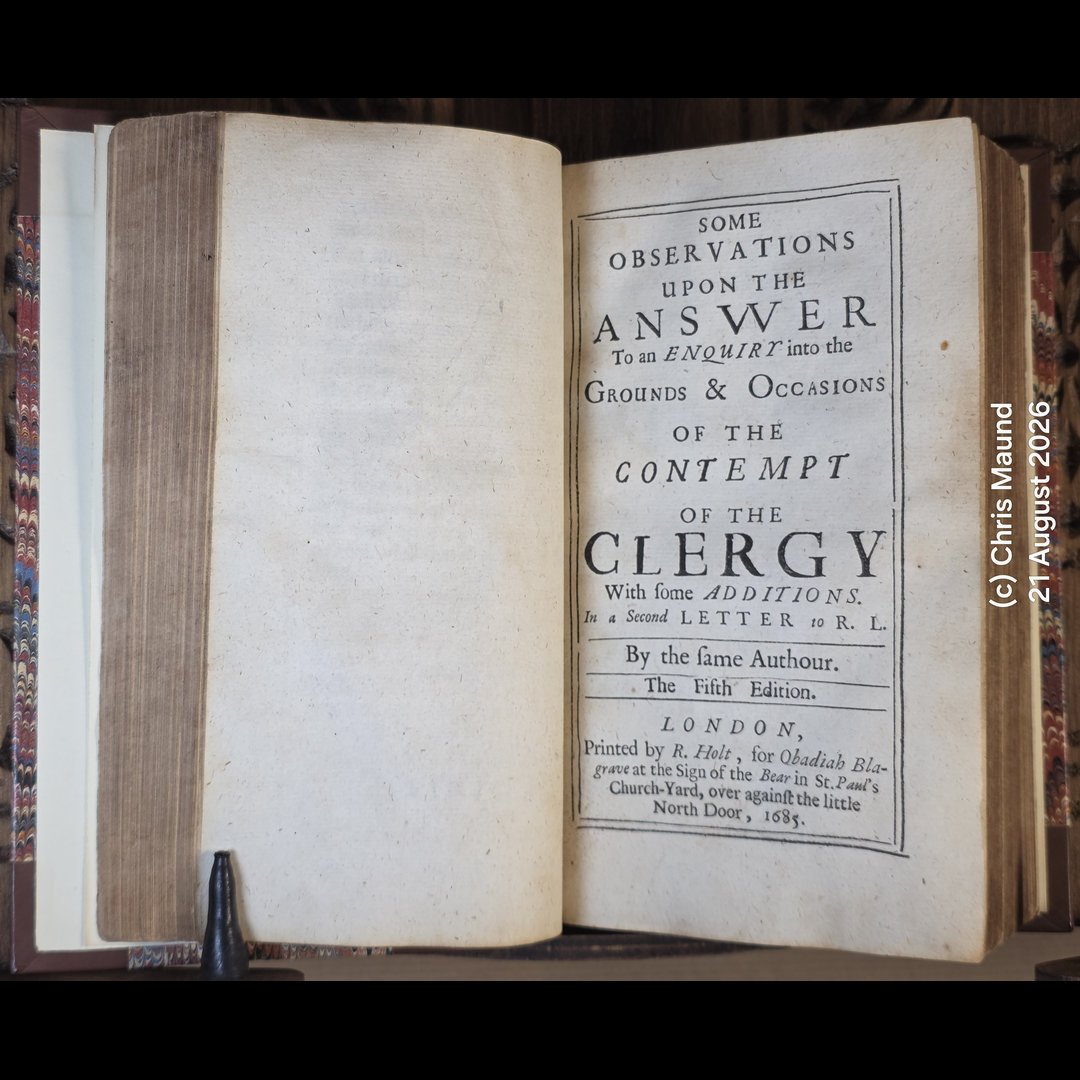 Image 16 of 35
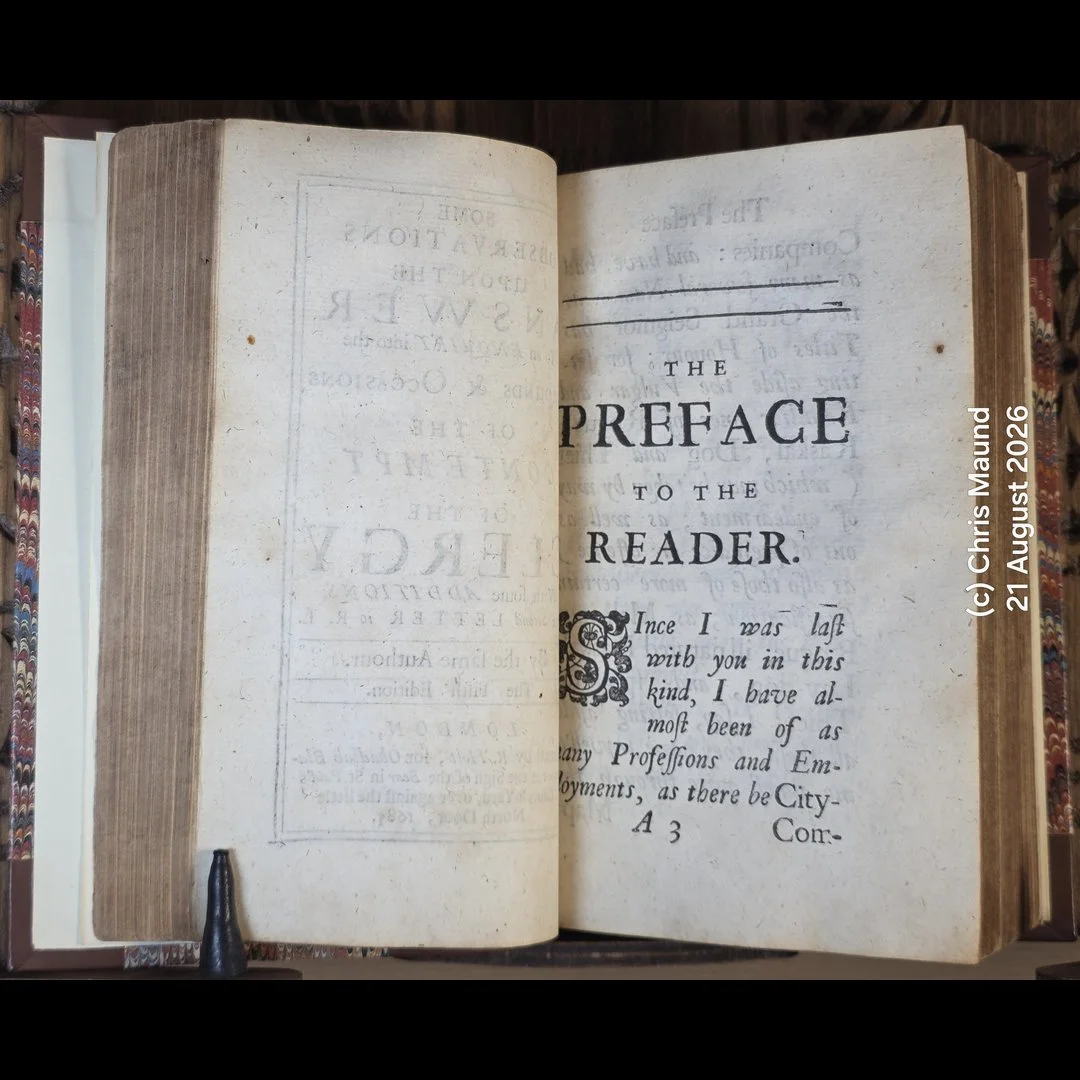 Image 17 of 35
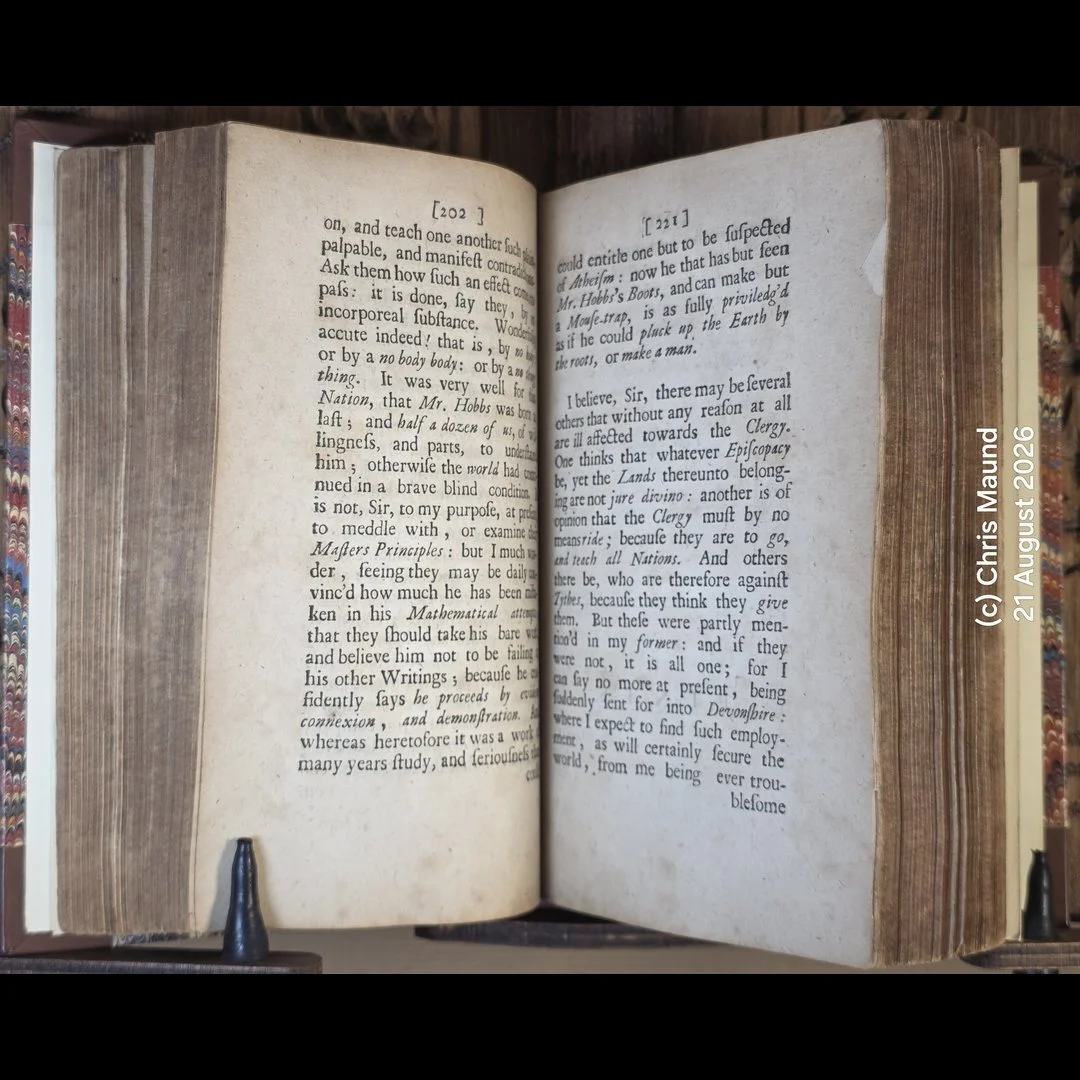 Image 18 of 35
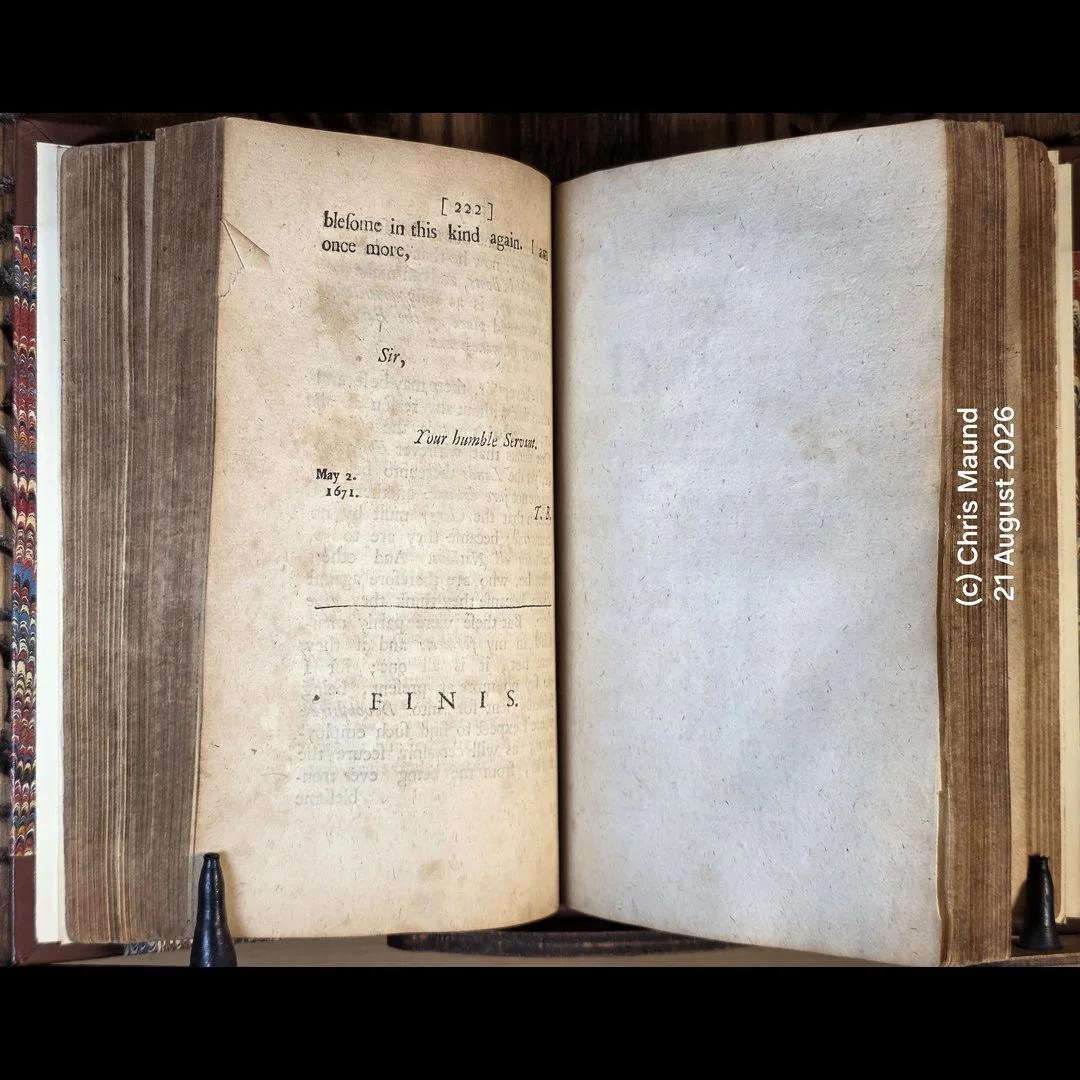 Image 19 of 35
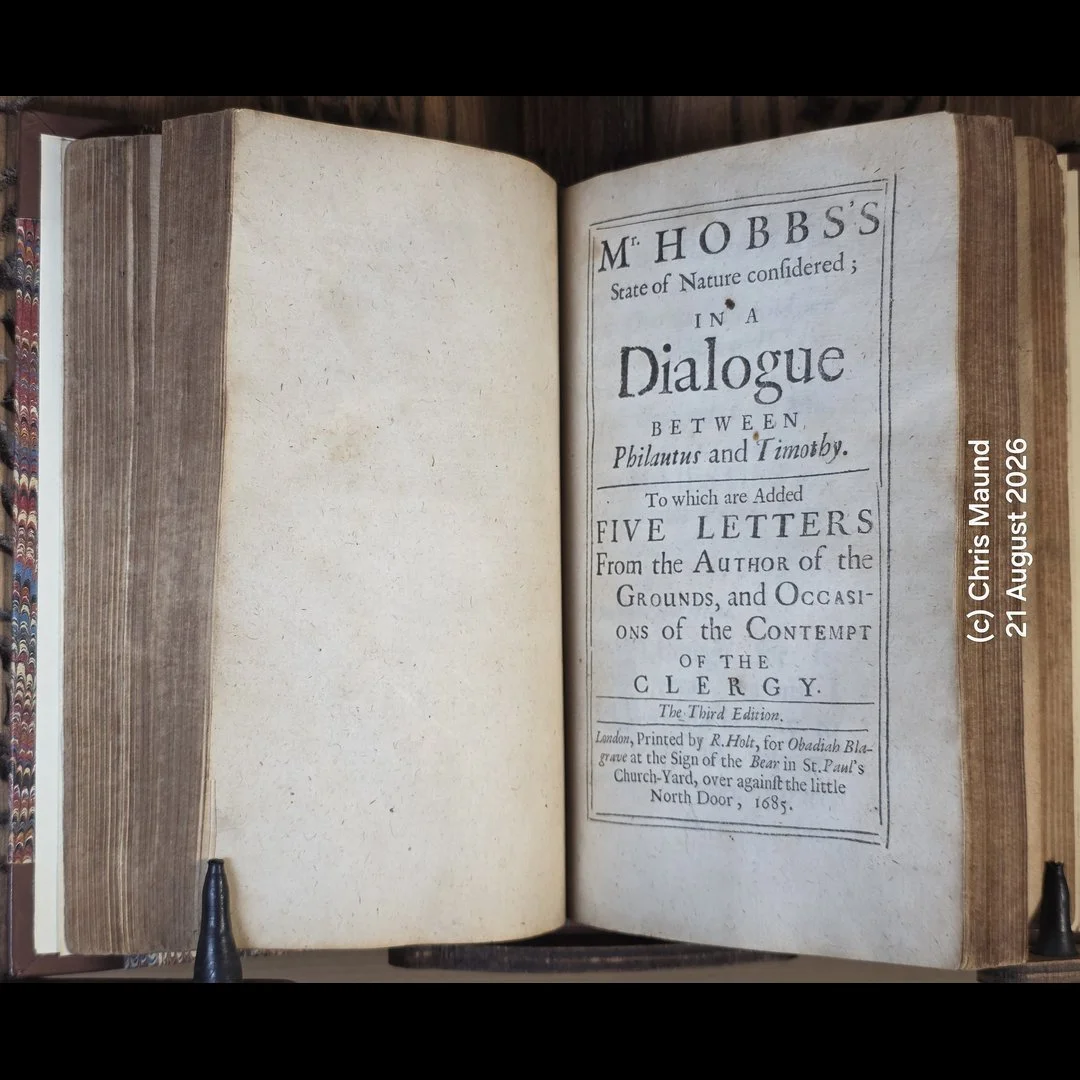 Image 20 of 35
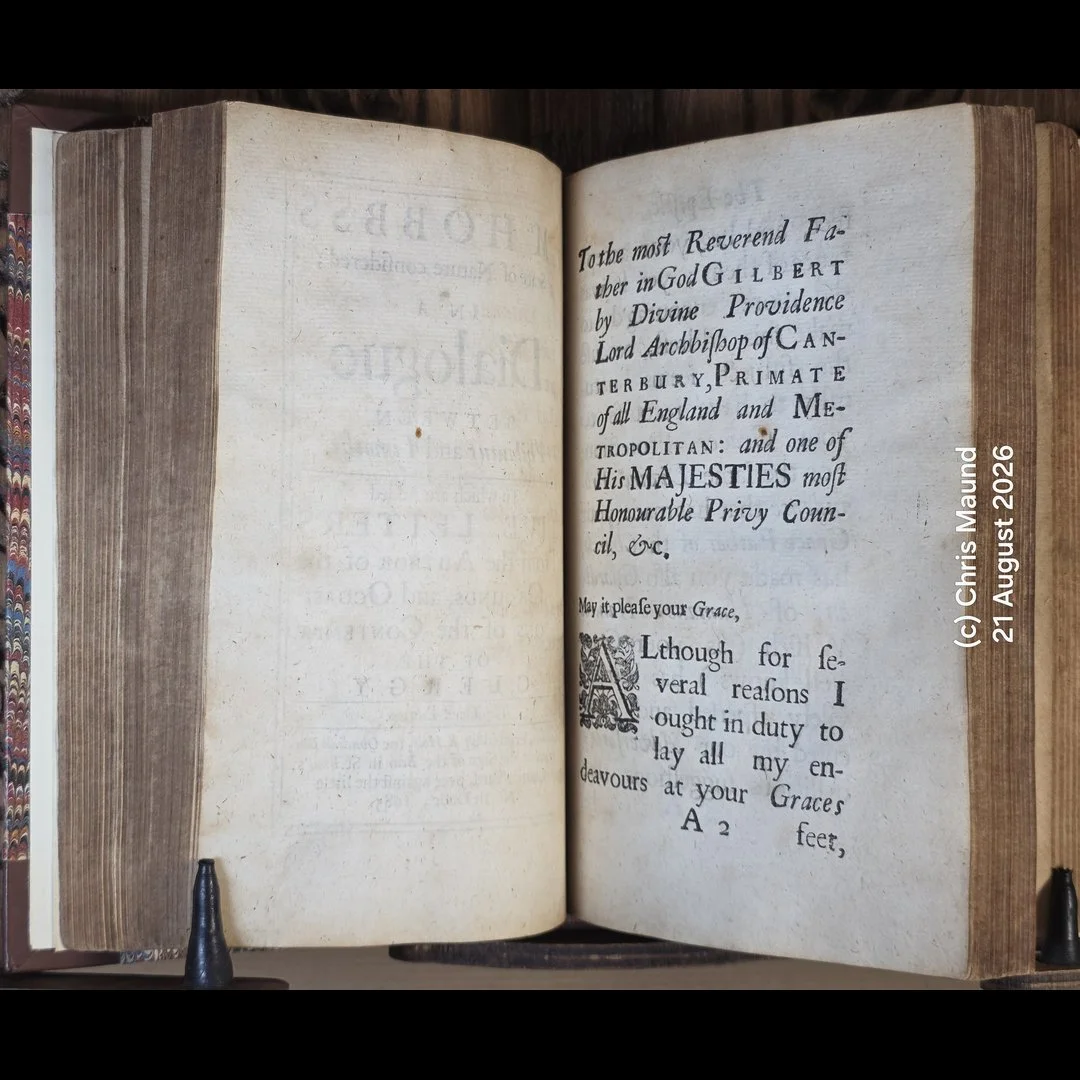 Image 21 of 35
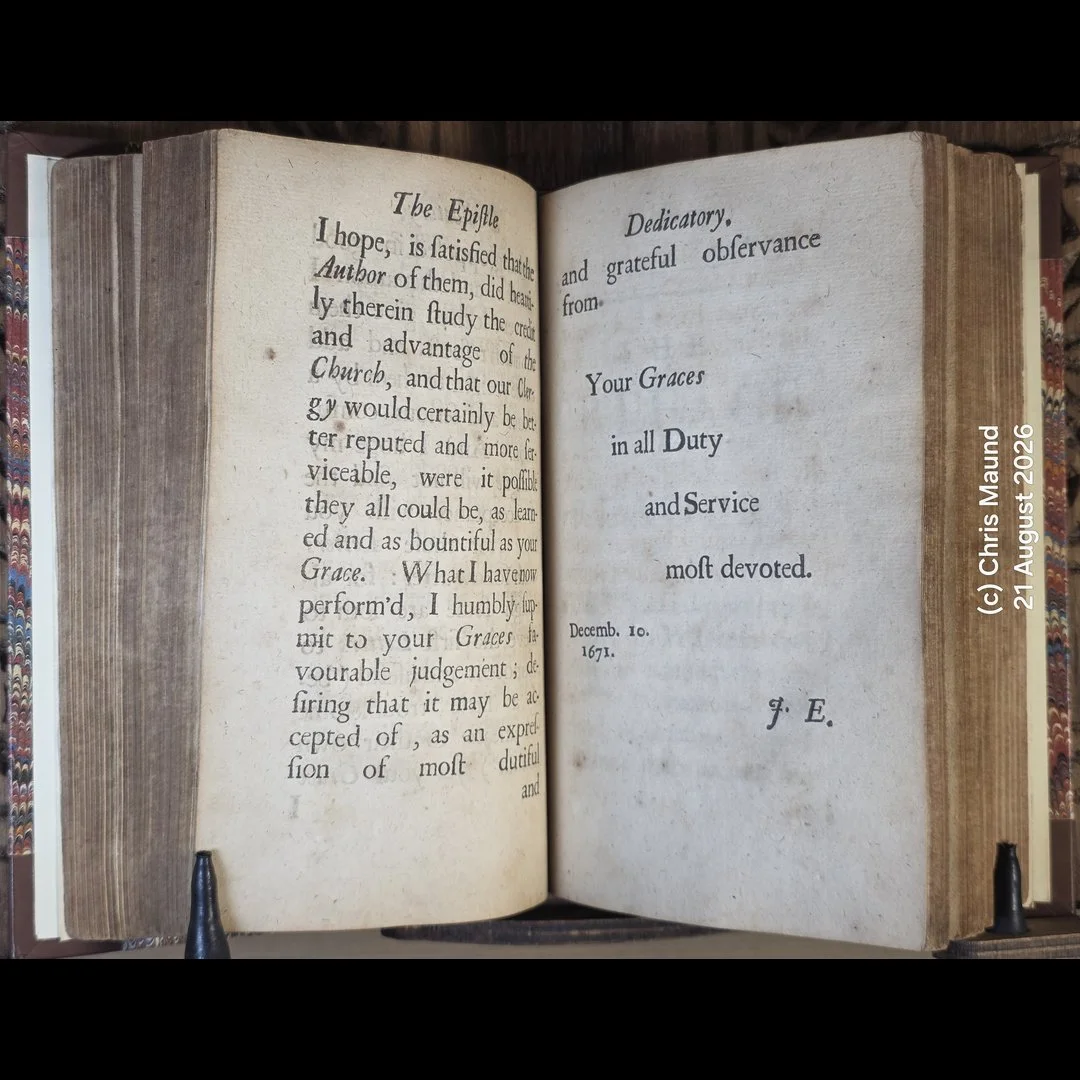 Image 22 of 35
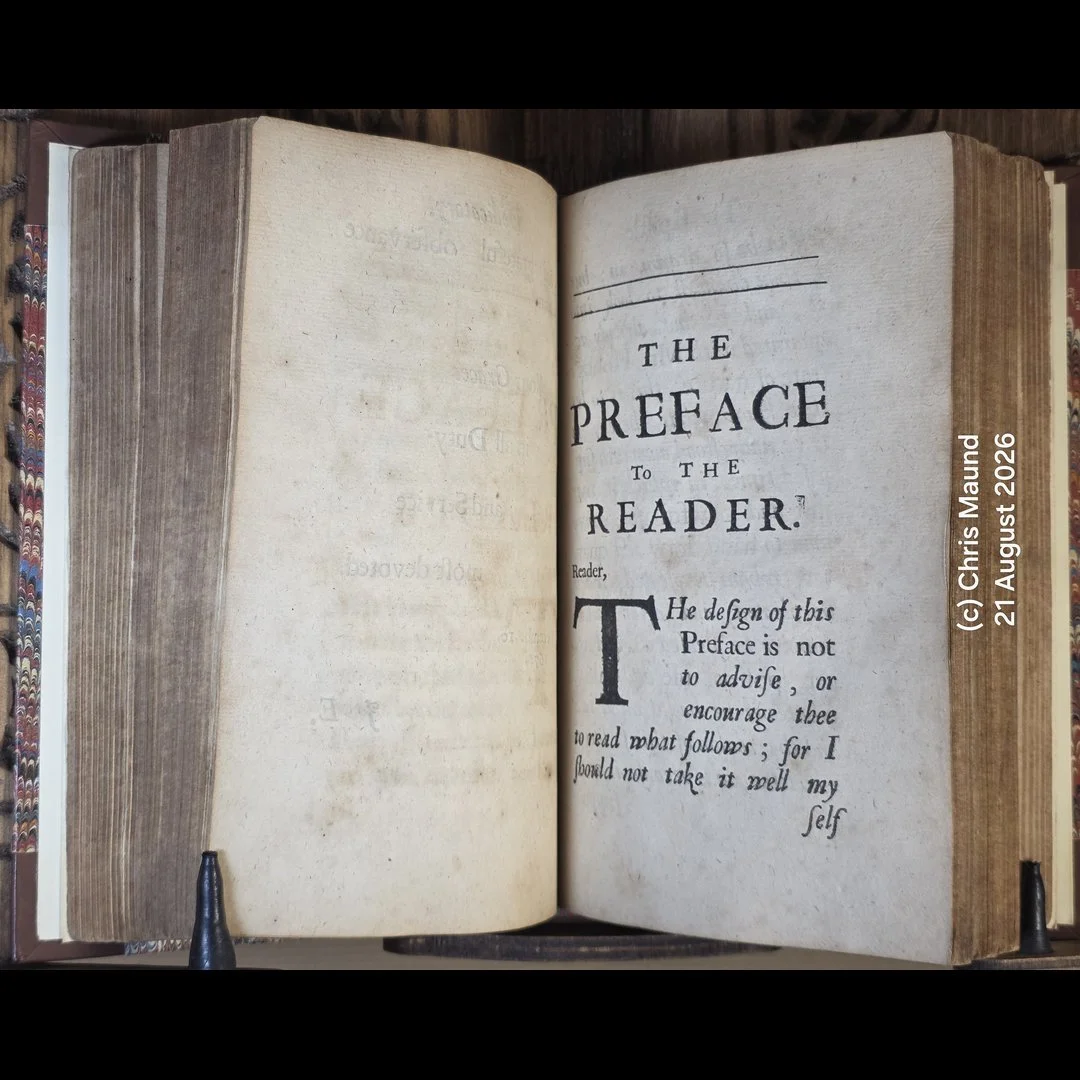 Image 23 of 35
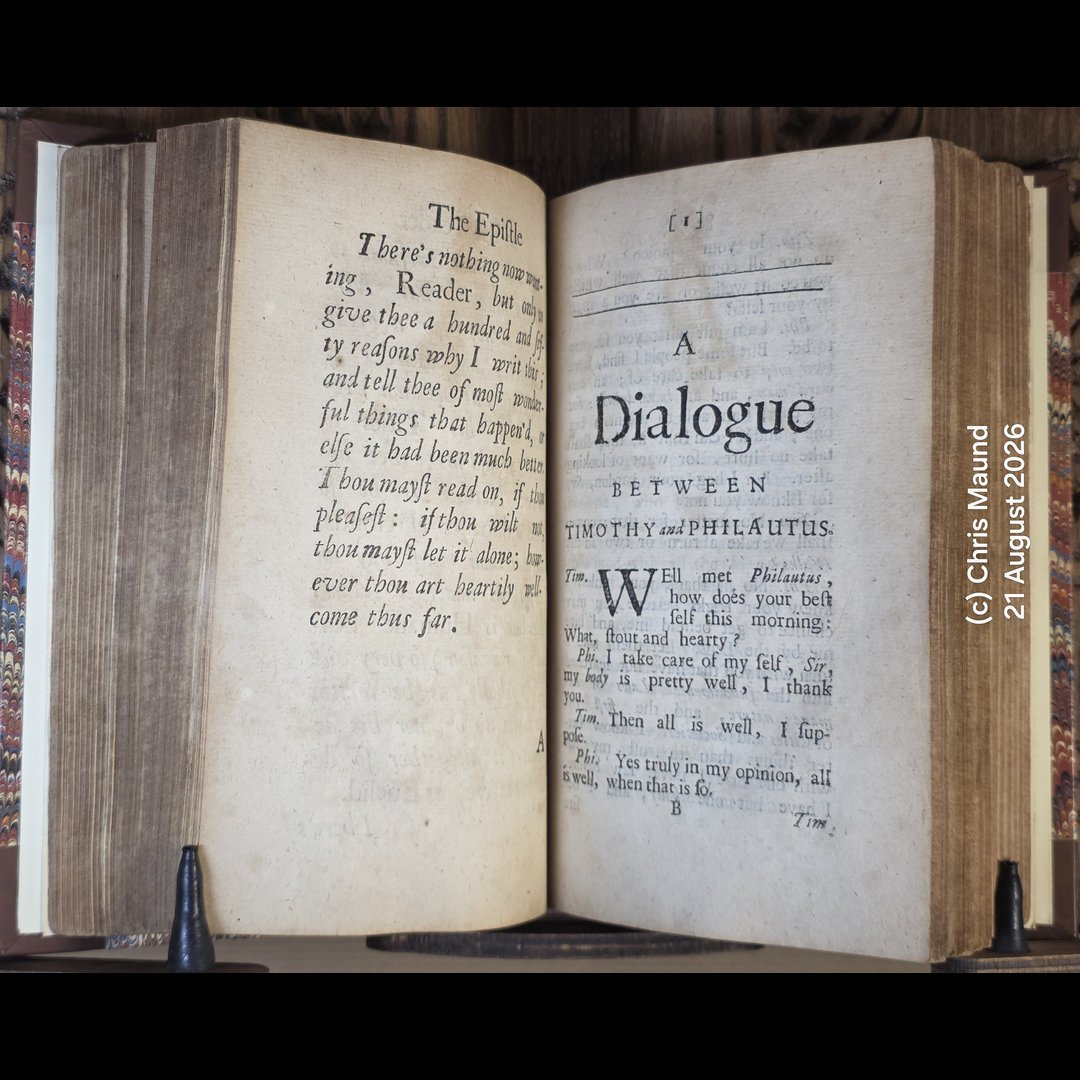 Image 24 of 35
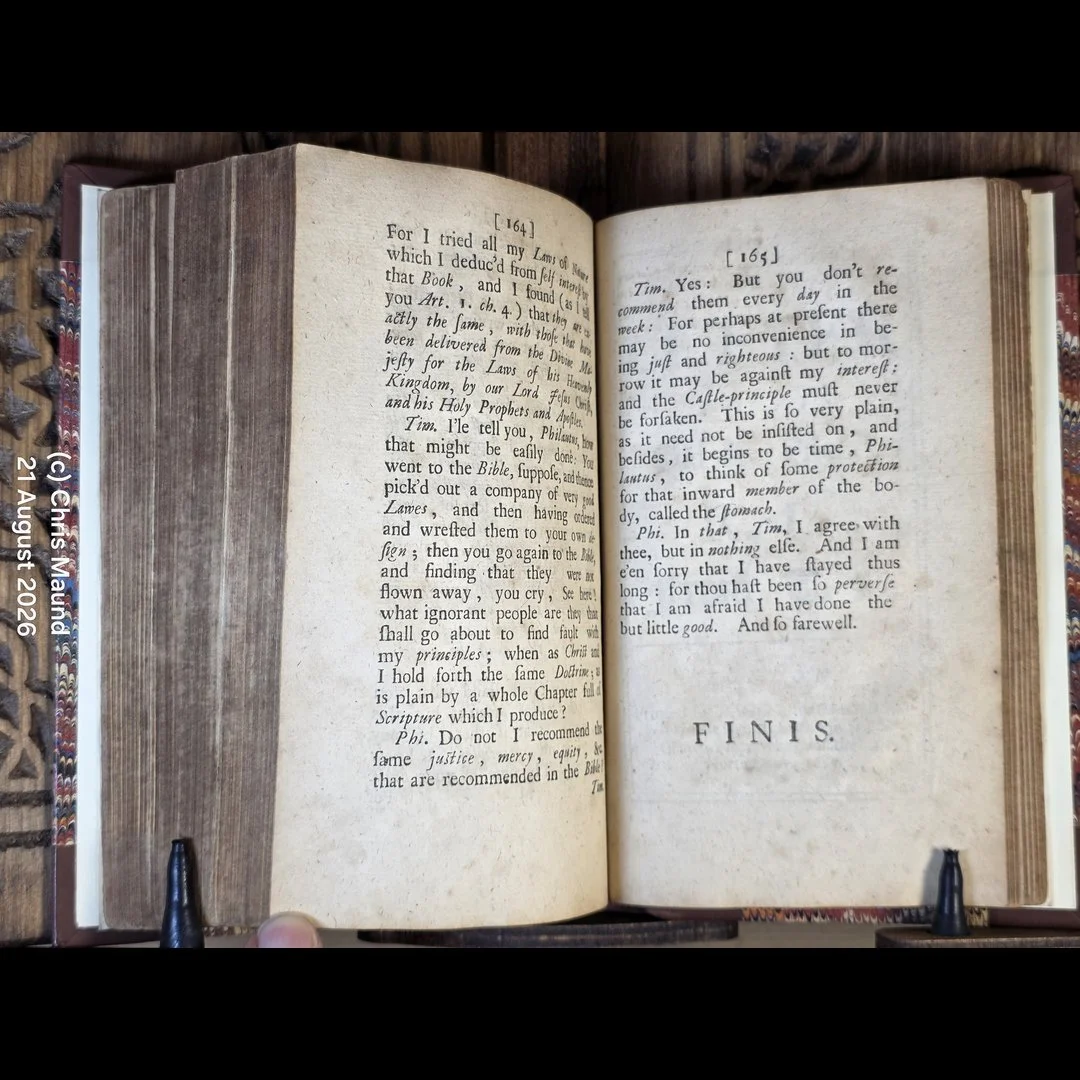 Image 25 of 35
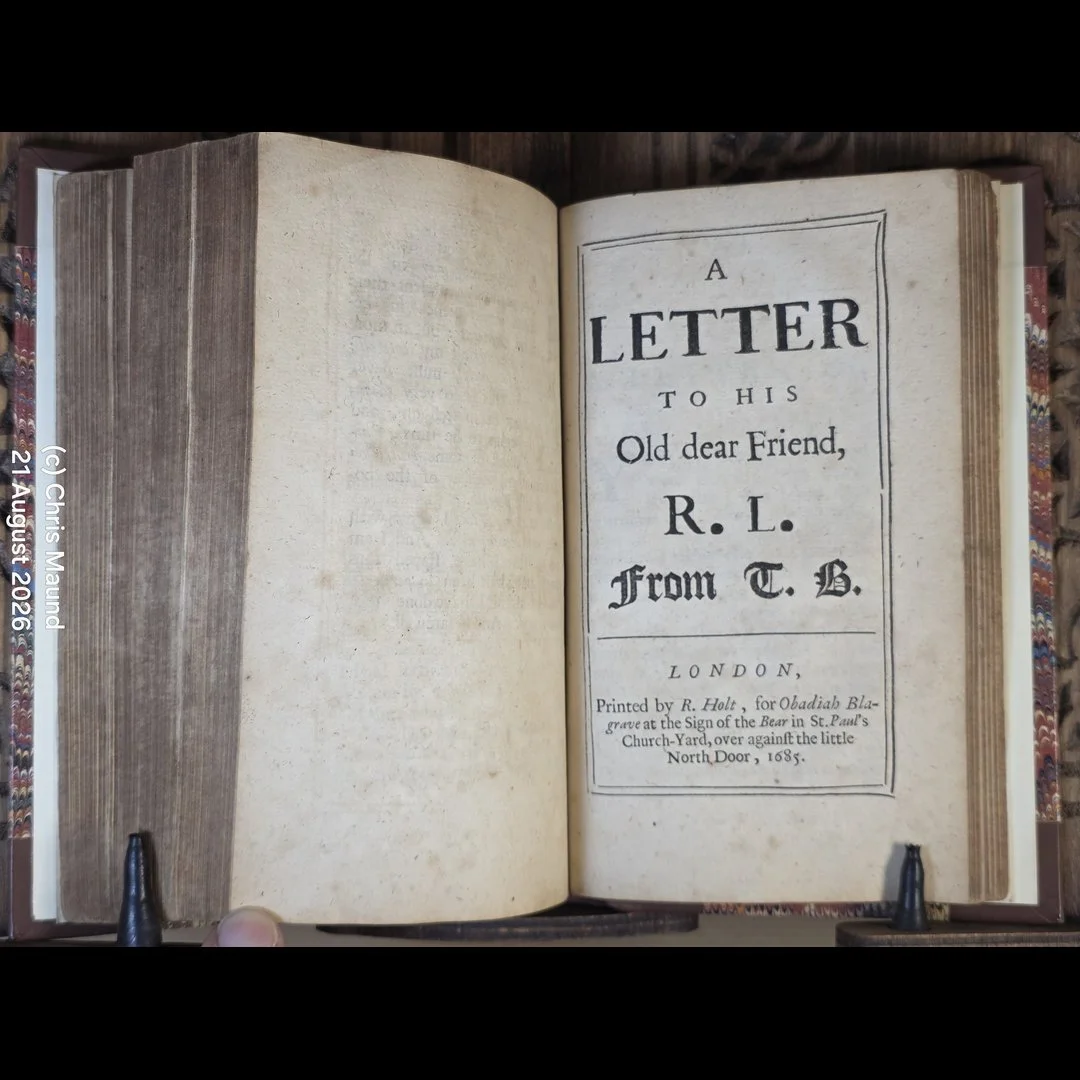 Image 26 of 35
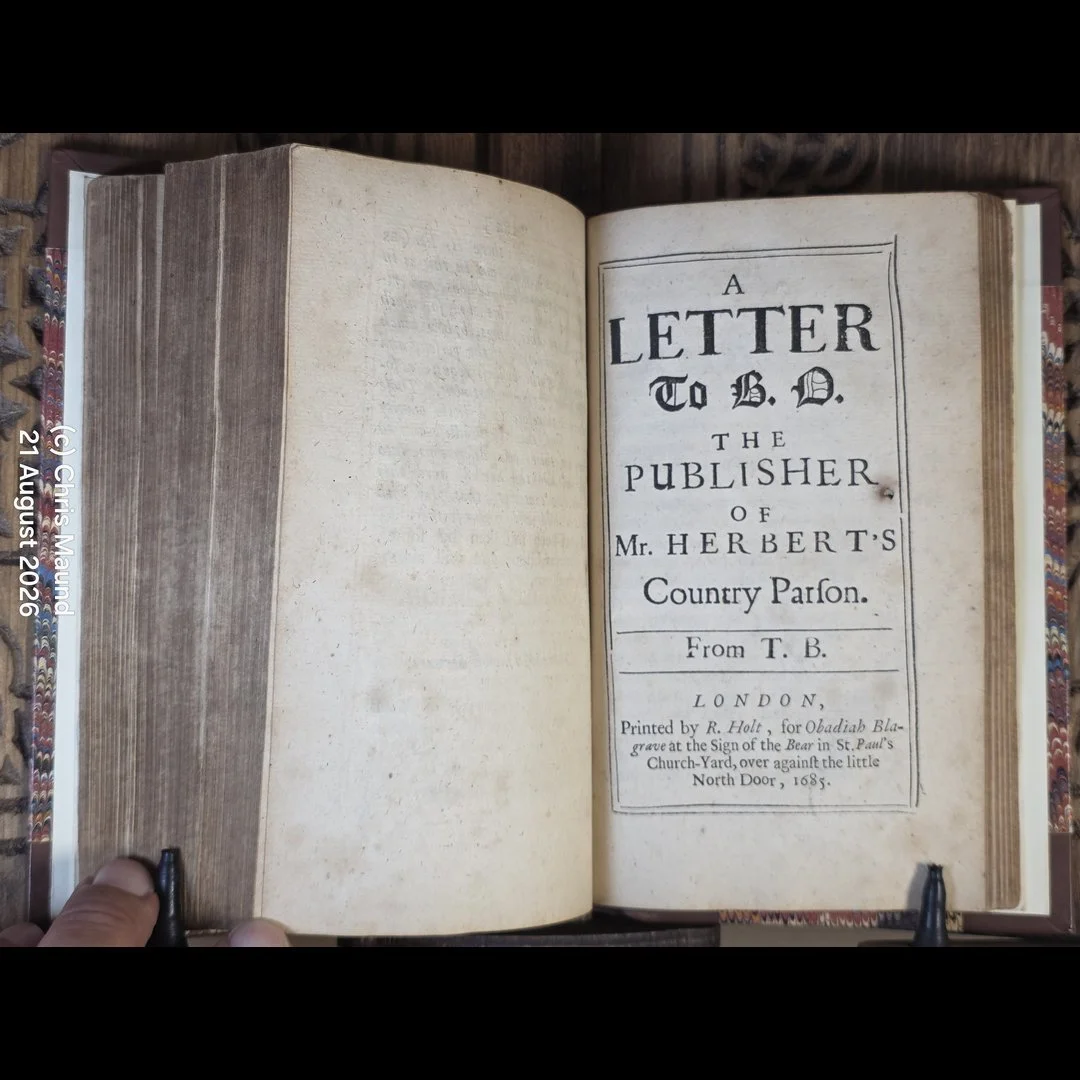 Image 27 of 35
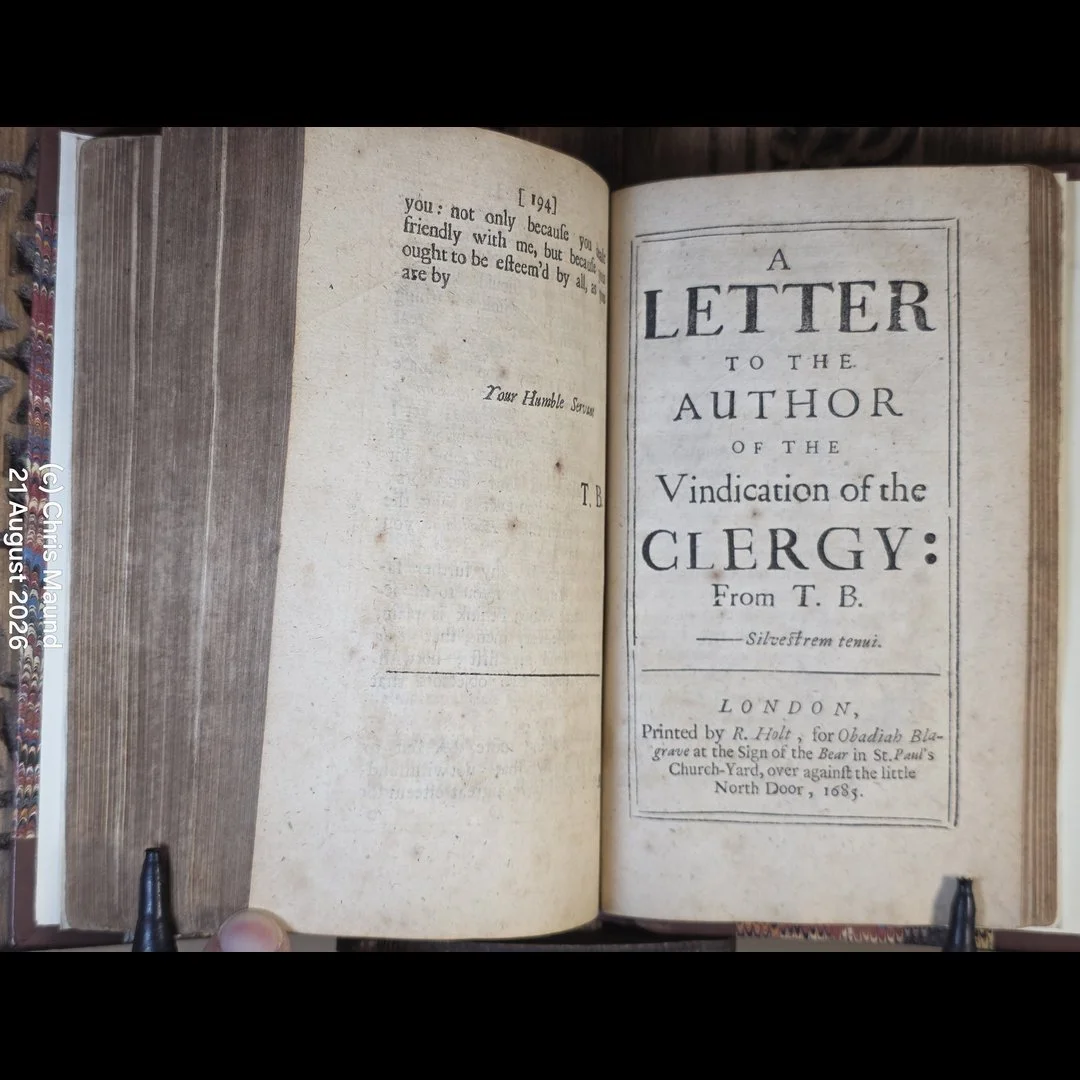 Image 28 of 35
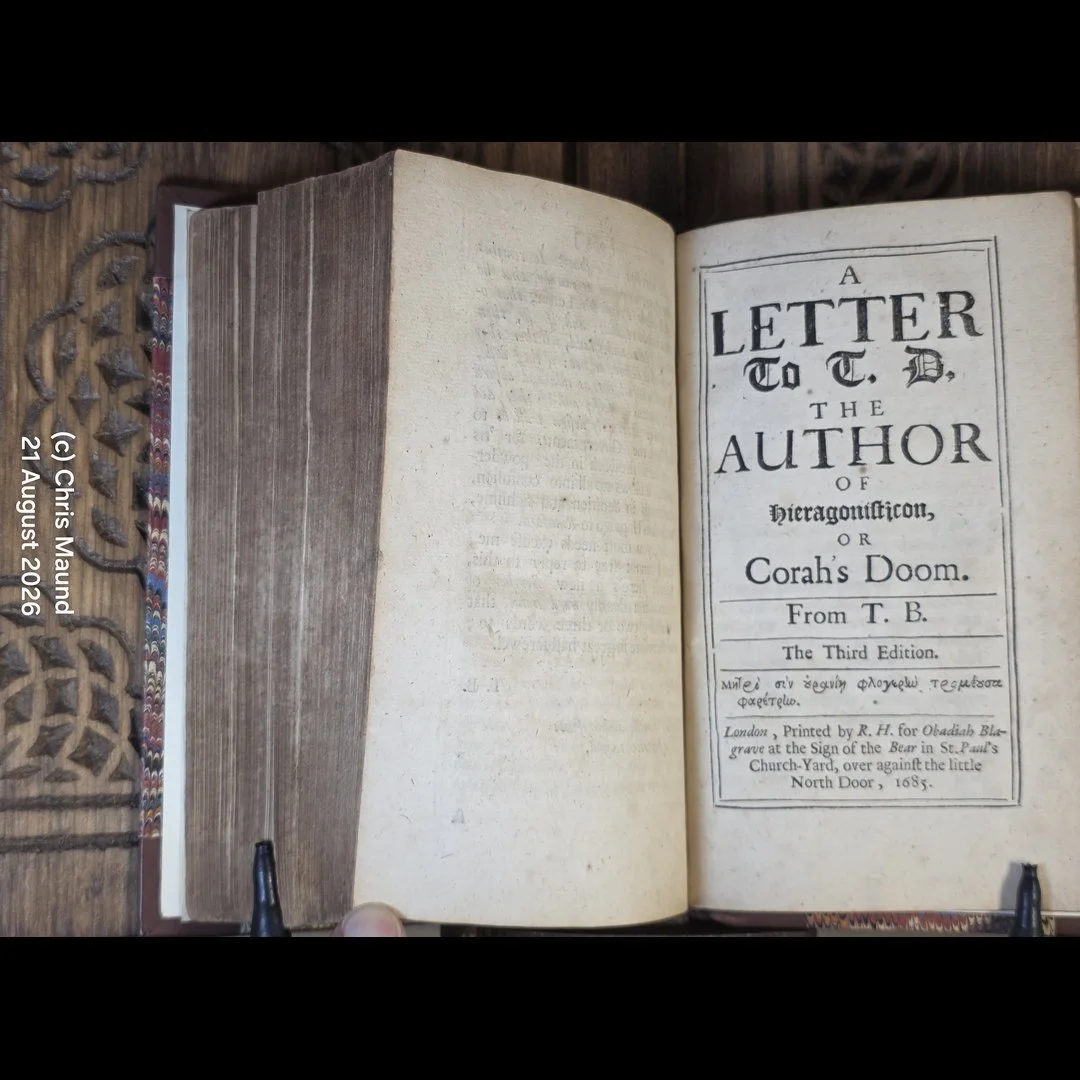 Image 29 of 35
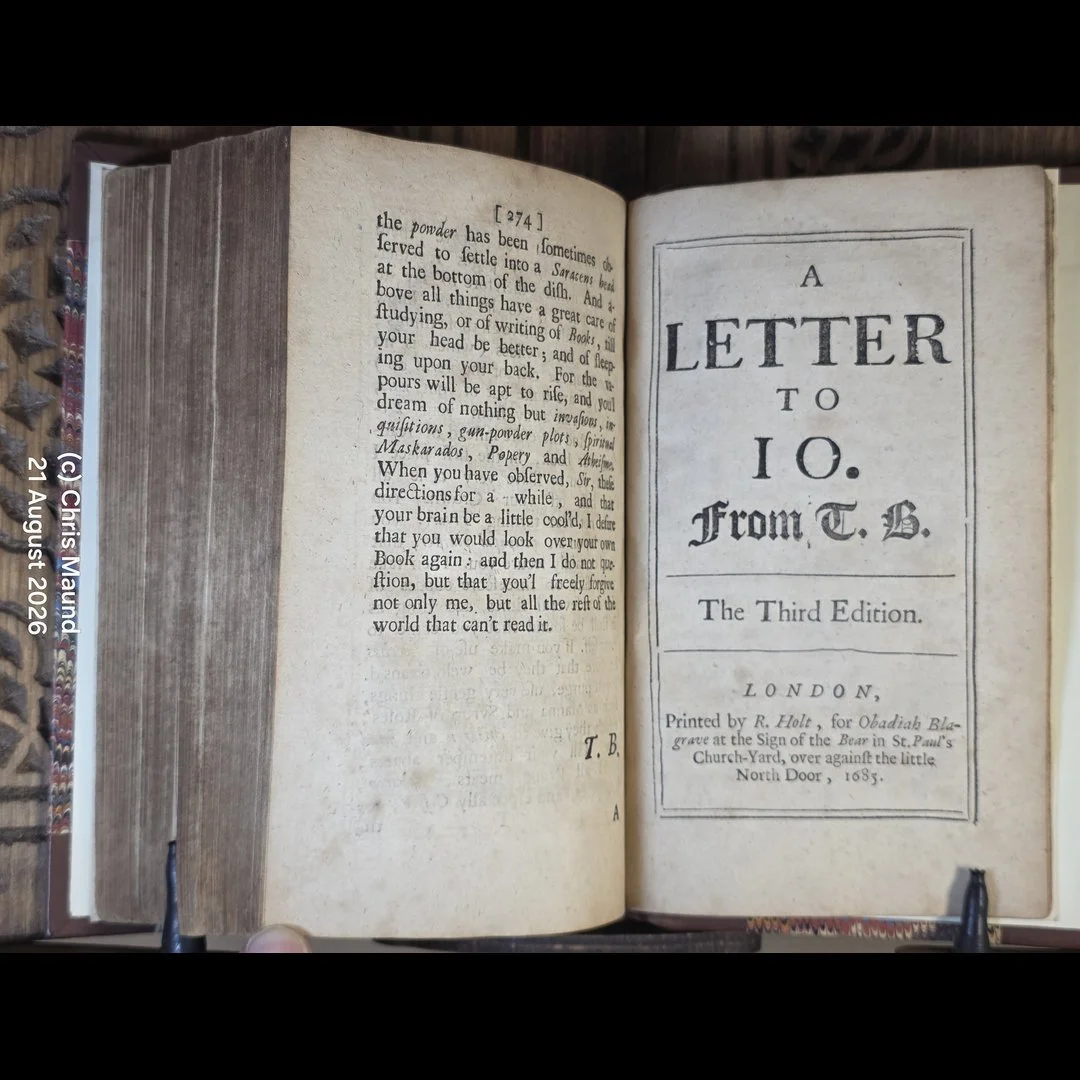 Image 30 of 35
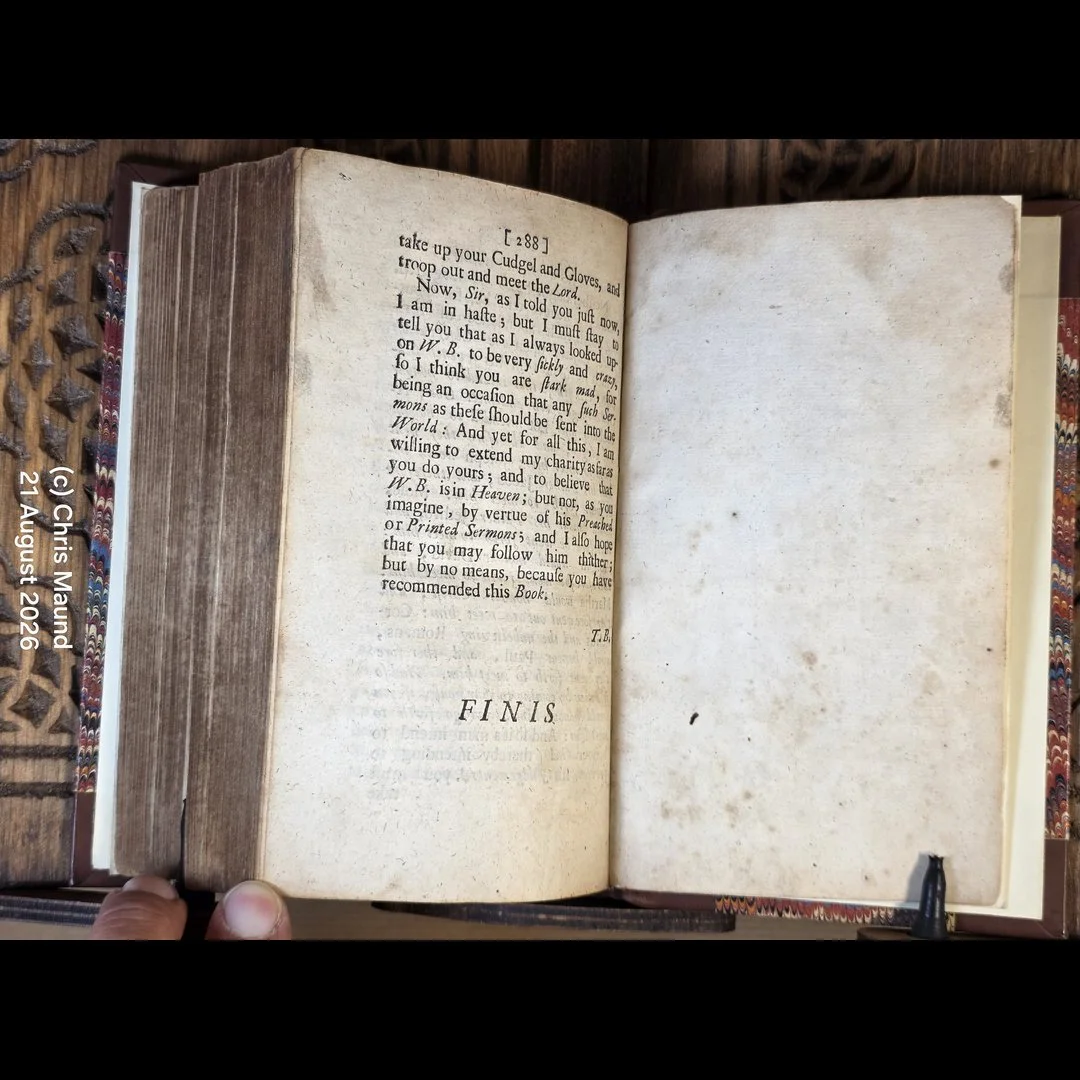 Image 31 of 35
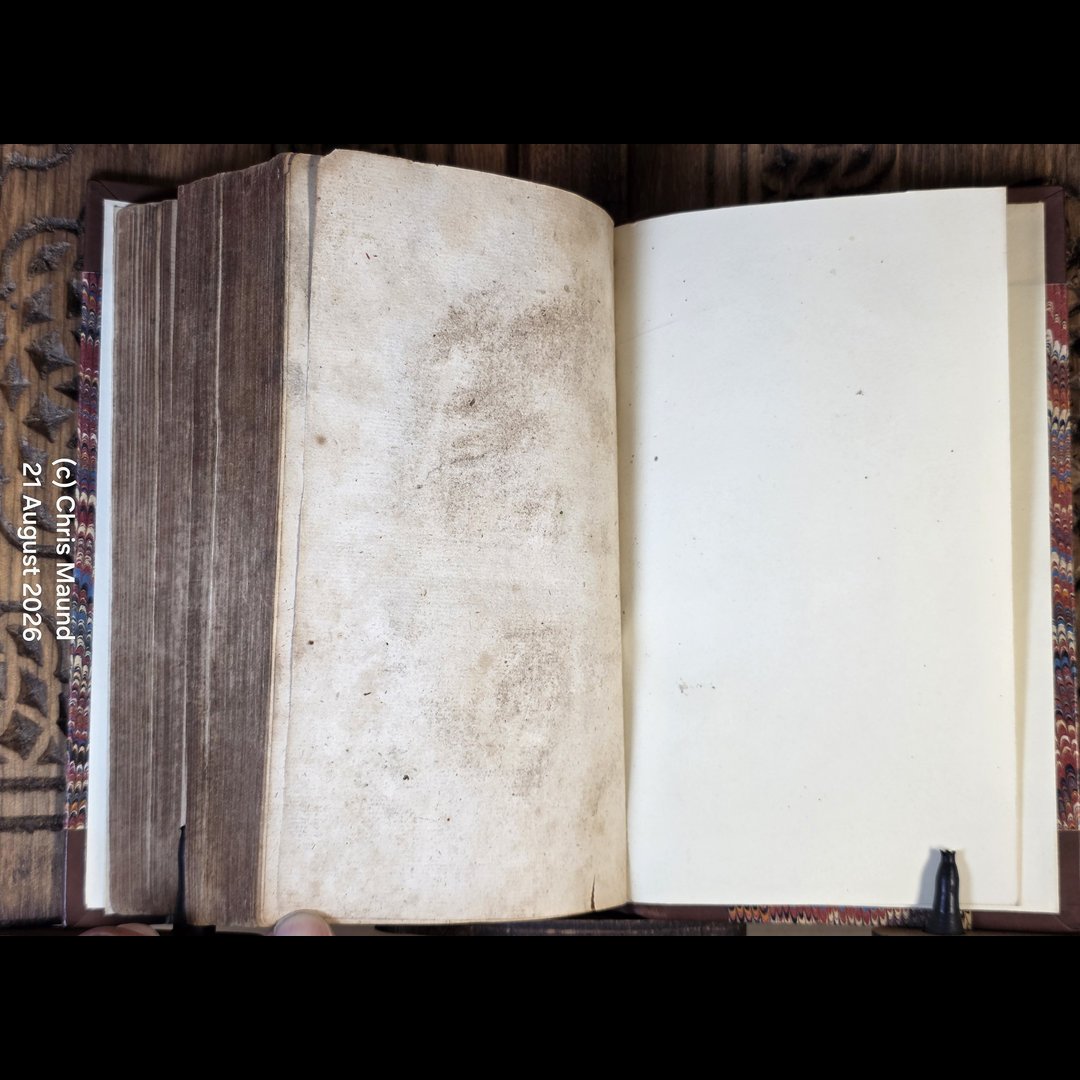 Image 32 of 35
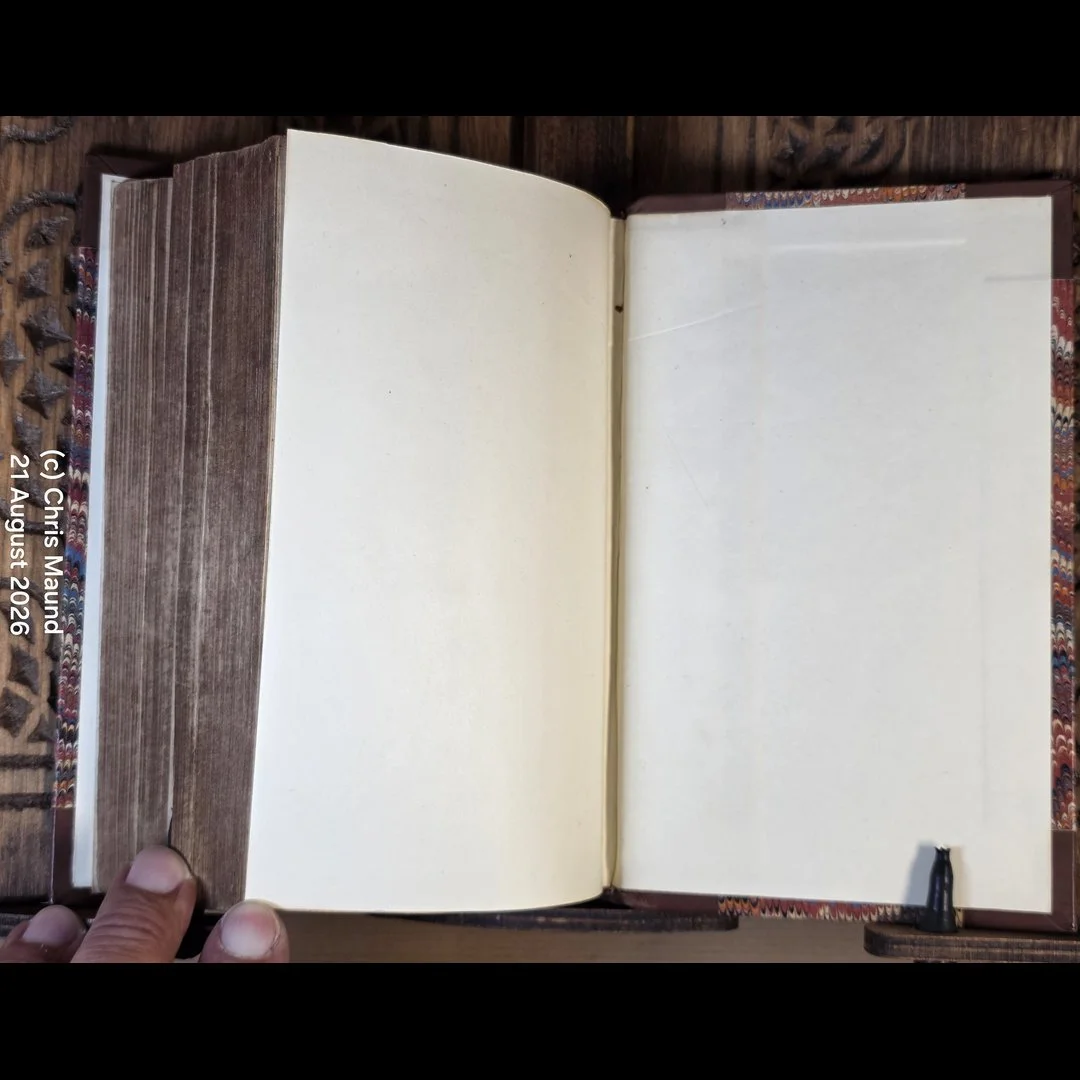 Image 33 of 35
 Image 34 of 35
 Image 35 of 35