1801 Second Edition
MILITARY ANTIQUITIES RESPECTING A HISTORY OF THE ENGLISH ARMY
By Francis Grose
KEY DETAILS
Condition: Very Good
Format: Leather, quarto (4to 9 1⁄2 × 12 in 241 × 305 mm )
Note: Binding/size selection follows standard bibliographic conventions and is approximate; exact measurements may vary.
Published By: Printed for T. Egerton, Whitehall, and G. Kearsley, Fleet Street, London, 1801
Language: English
Illustrated By: Various engravers
Collation: Vol. I: vi, [2], 412 pp.; Vol. II: 236, 229*–234*, [3], 238–372, [20] pp.; Two volumes, quarto.
Dust Jacket: None, as issued, No Jacket
SKU: BTETM0002198
Shipping Info: Approximate Package Dimensions H: 30, L: 30, W: 25 (Units: cm), W: 6Kg
Tracked Shipping, Insurance Coverage as per Customer Request
DESCRIPTION
MILITARY ANTIQUITIES RESPECTING A HISTORY OF THE ENGLISH ARMY
Two Volumes
From the Conquest to the Present Time. A New Edition with Material Additions & Improvements.
An attractive and extensively illustrated two-volume quarto of Francis Grose's important antiquarian survey of the English army, published at London in 1801 in the expanded “new edition with material additions & improvements.”
Grose's work ranges widely across the history, organisation and material culture of the English army, treating arms and armour, military costume, cavalry and infantry, drill and exercise, artillery, siege engines, fortification, encampments, tents, military music and punishments. The second volume incorporates Grose's separately conceived Treatise on Ancient Armour and Weapons, illustrated from armour, weapons and military objects preserved in the Tower of London and other historic collections.
A particularly appealing feature of the work is its extensive series of engraved plates, ranging from medieval armour and mounted troops to early firearms, artillery, siege machines, fortifications and military encampments. This copy has been physically collated against its own Directions for Placing the Cuts, with all called-for plates present. Volume I additionally contains the two plates at pp. 358 and 381 which are omitted from the printed directions for binding, a feature also noted in the Sir John Soane's Museum copy of the 1801 edition.
CONDITION, COLLATION & COPY NOTES
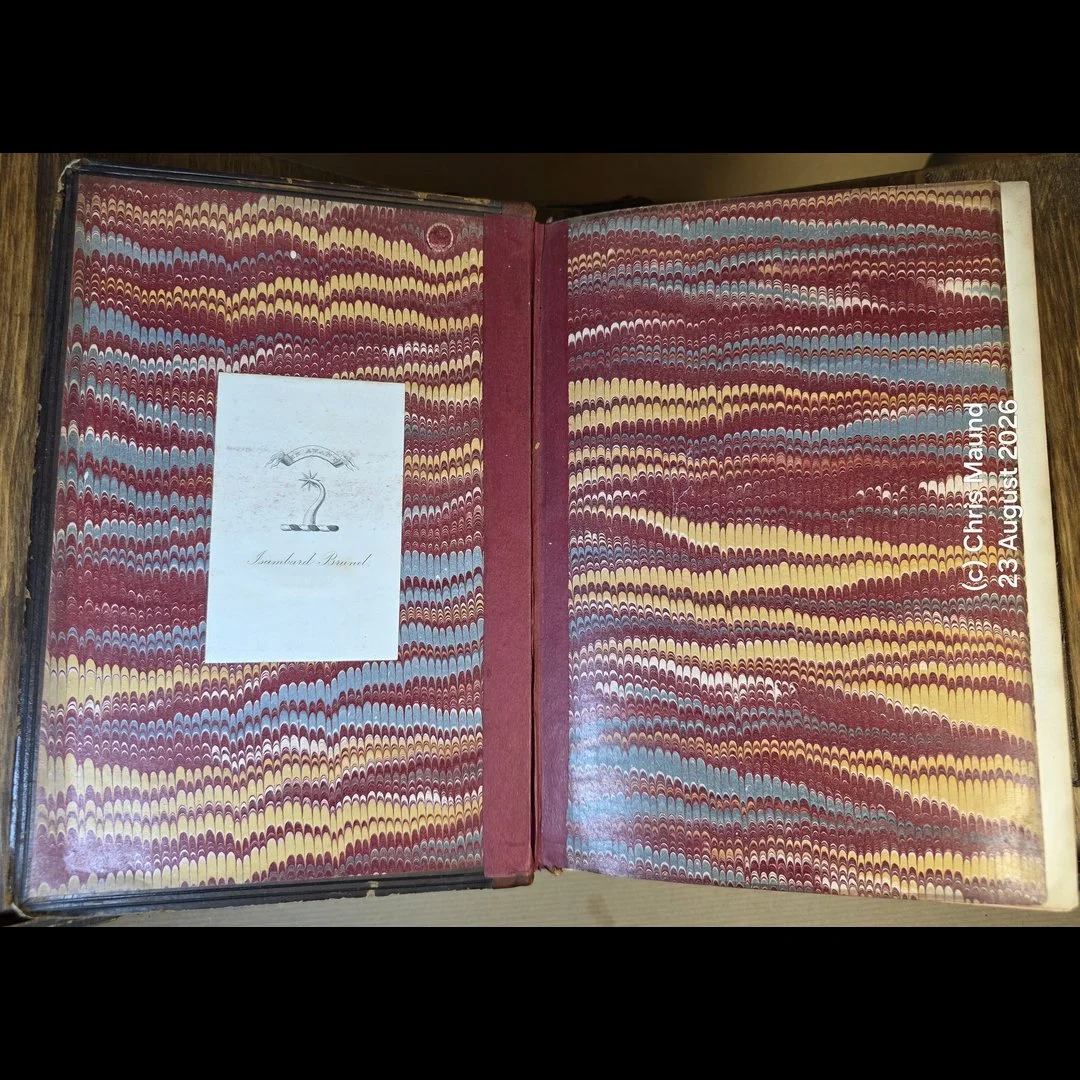
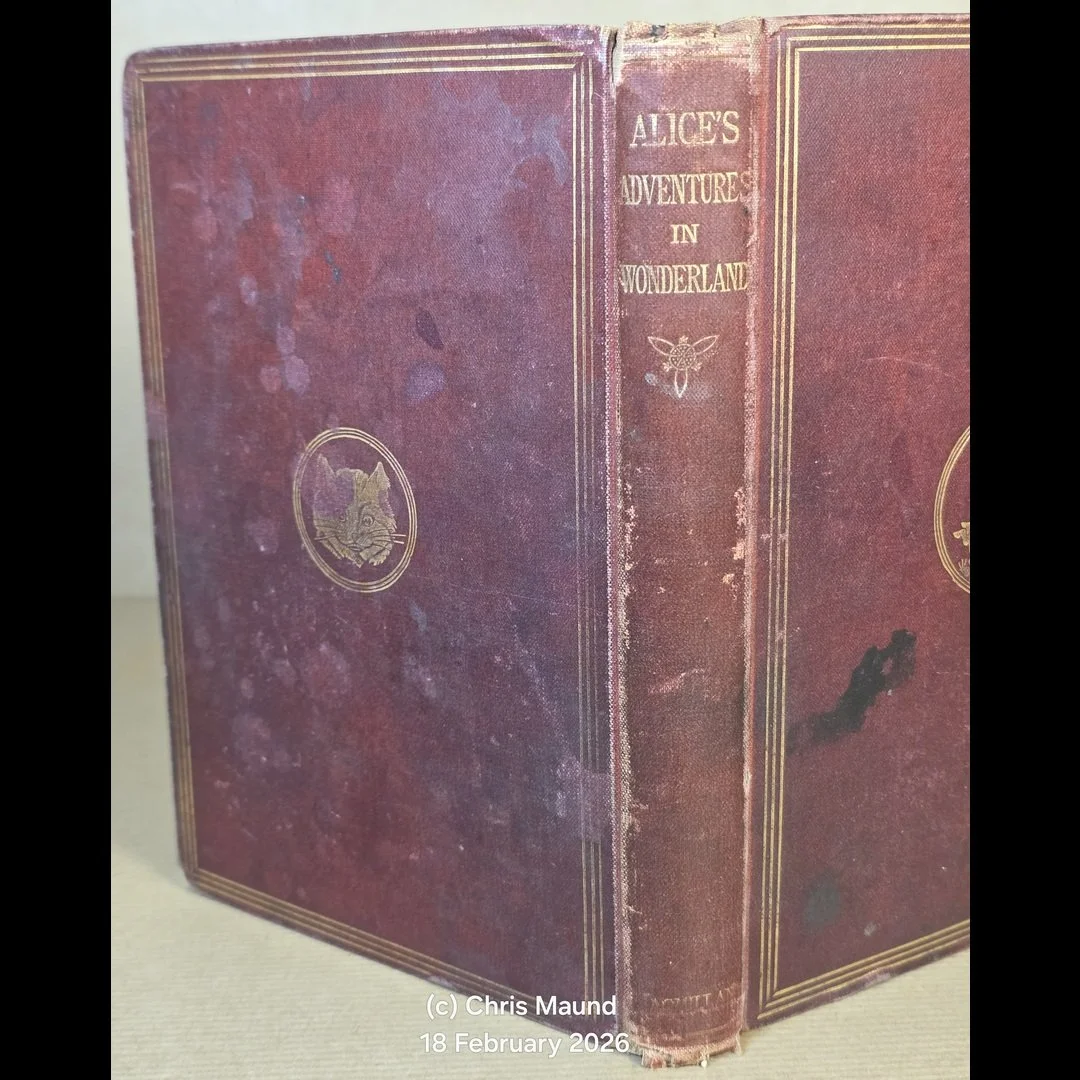
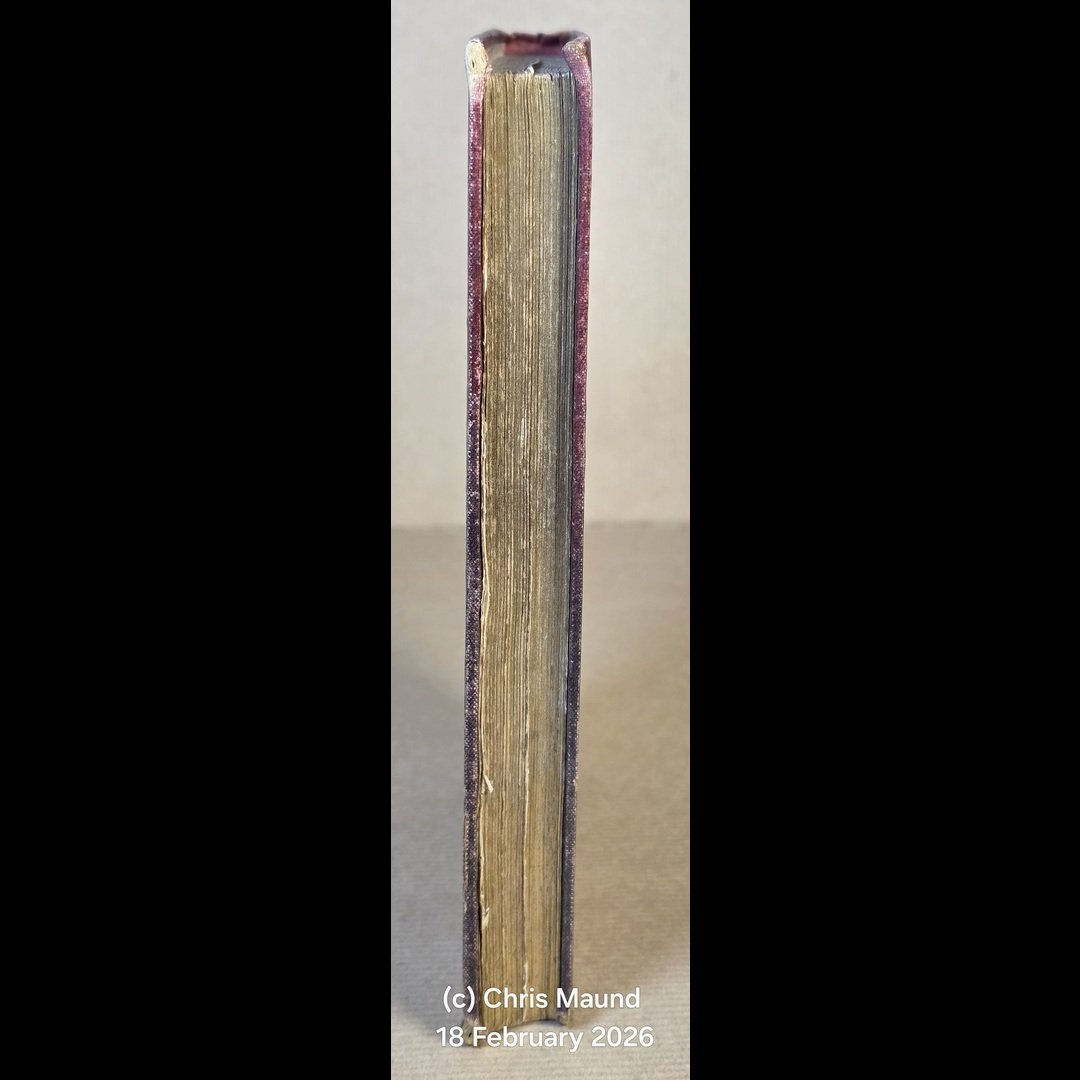
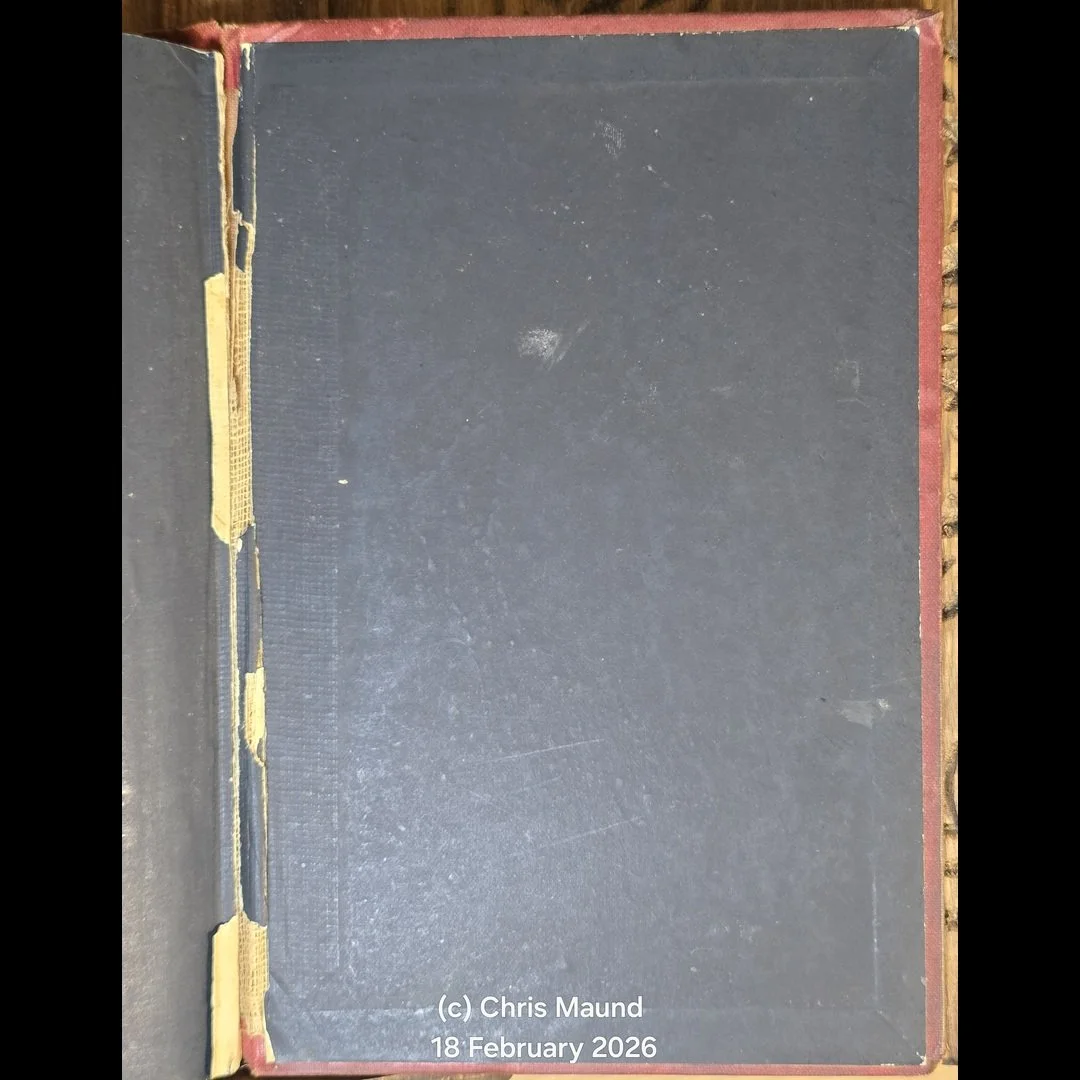
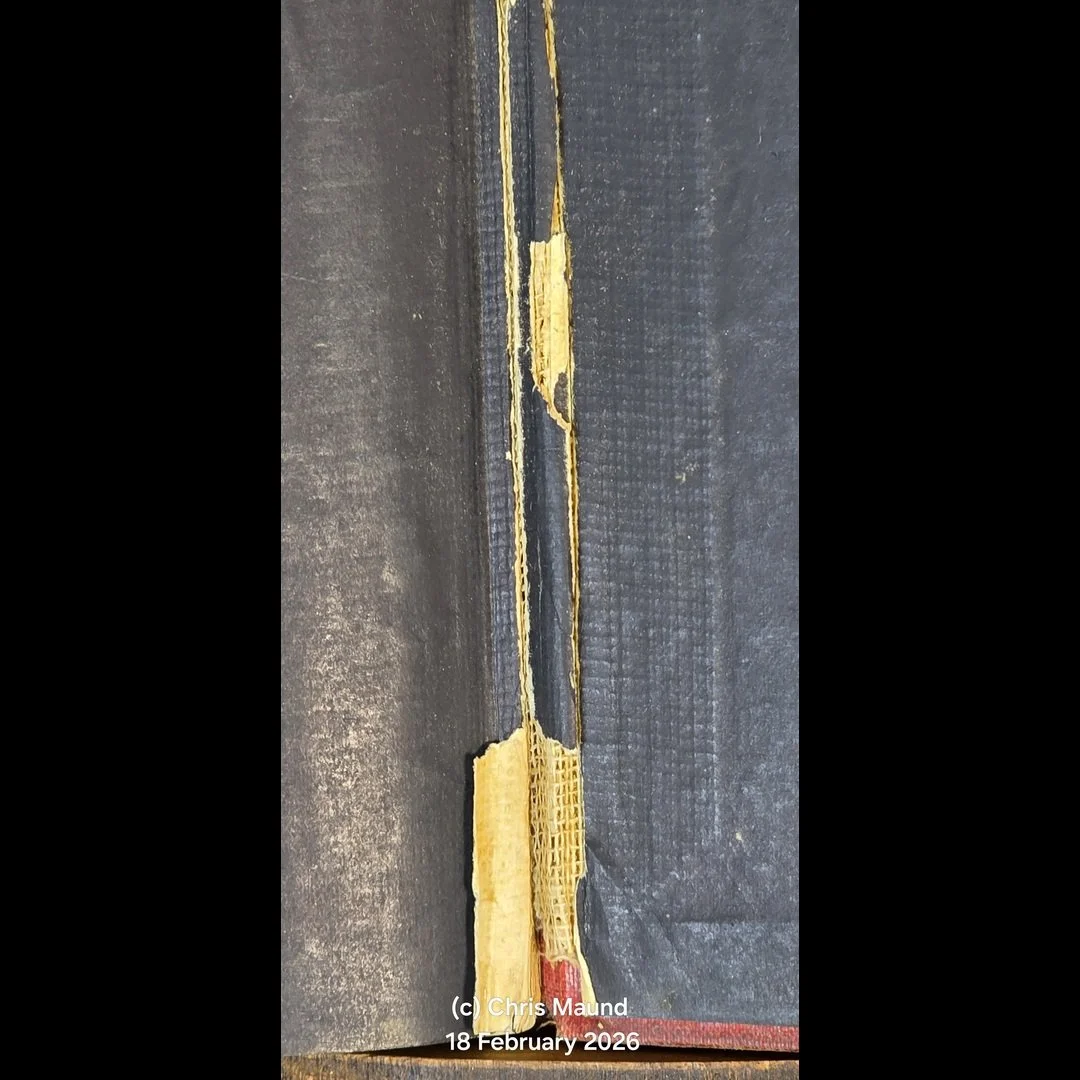
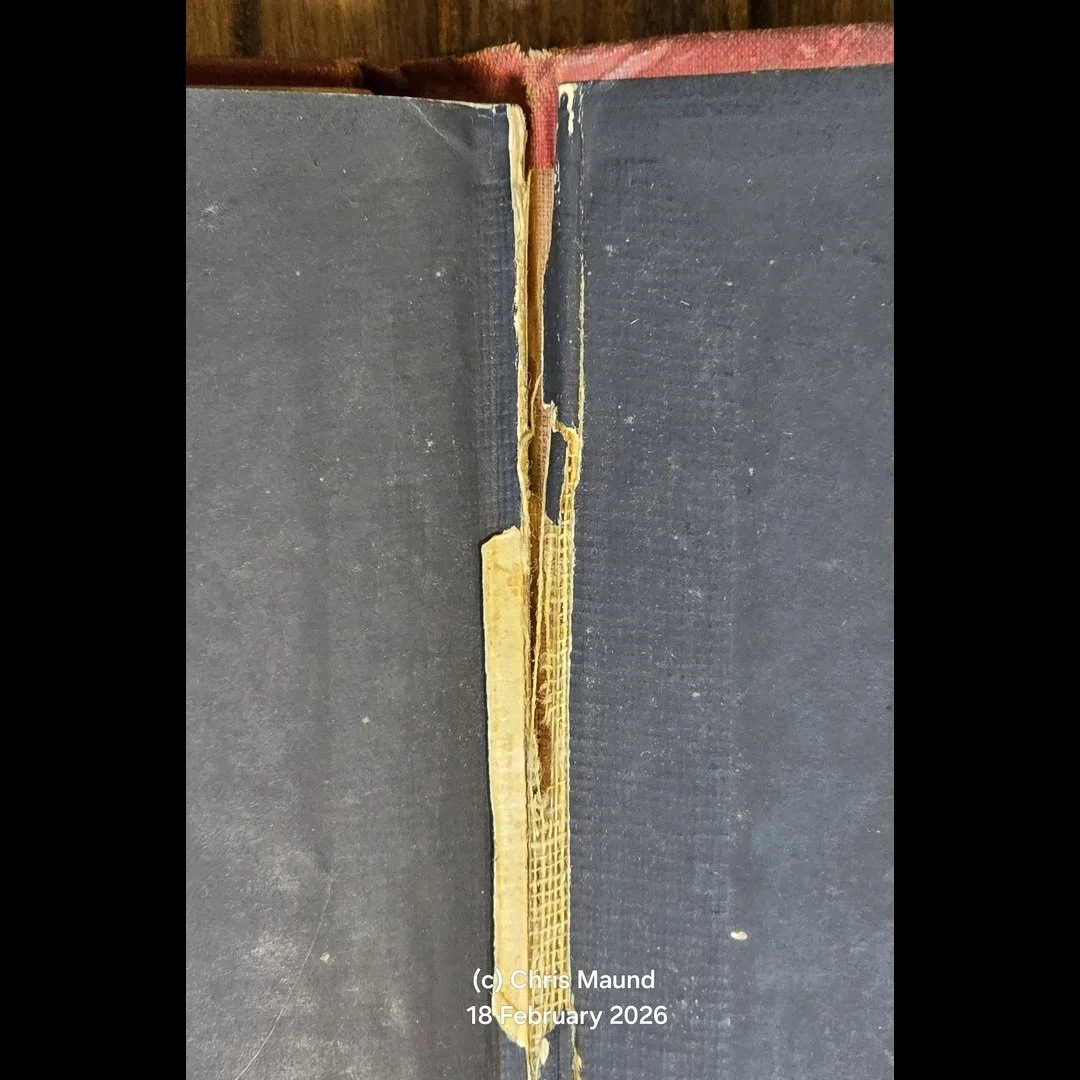
An attractive two-volume quarto set in calf, sympathetically rebacked with raised bands, red morocco lettering-pieces and gilt rules. Original marbled boards with rubbing, surface wear and wear to extremities consistent with age and use; bindings present well and remain sound.
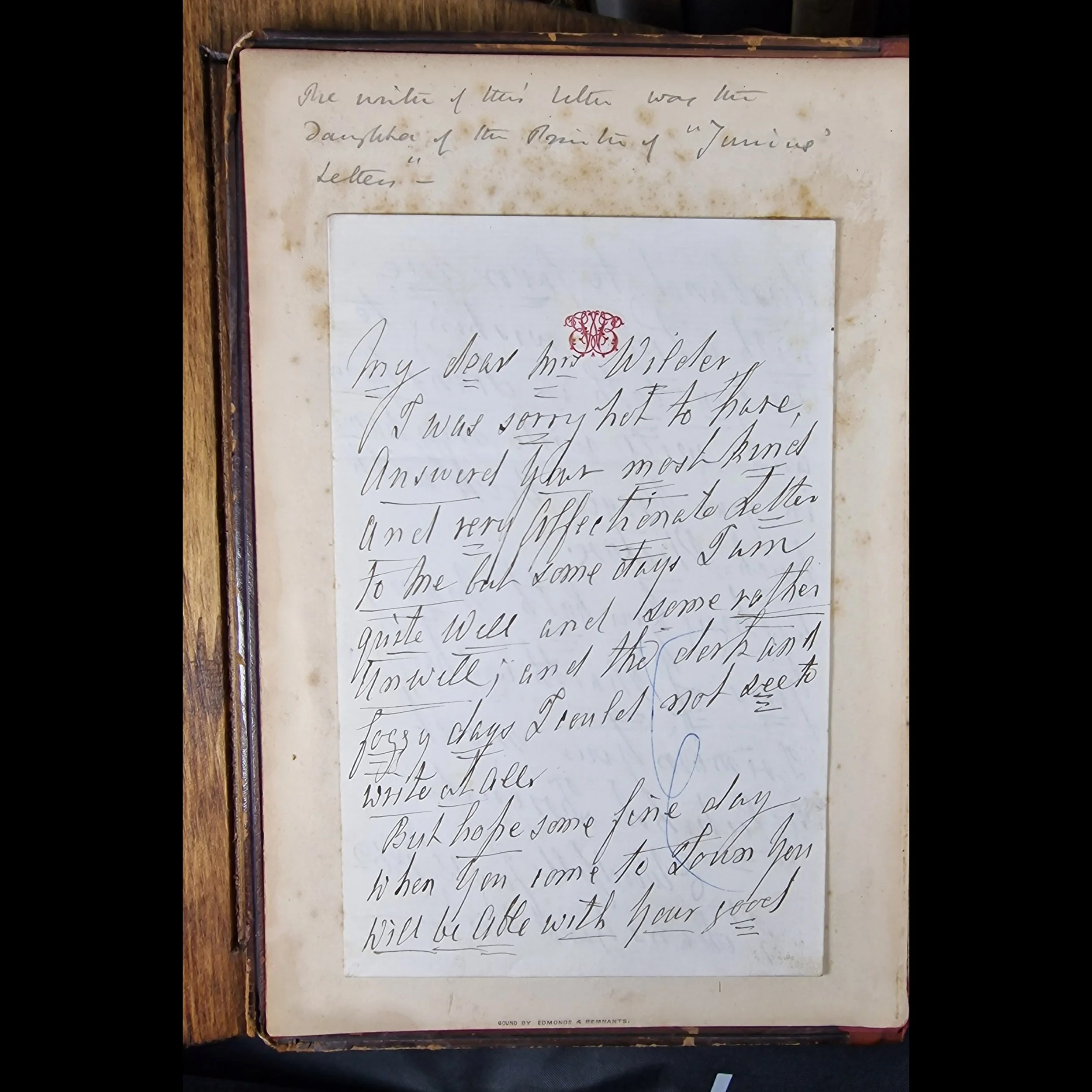
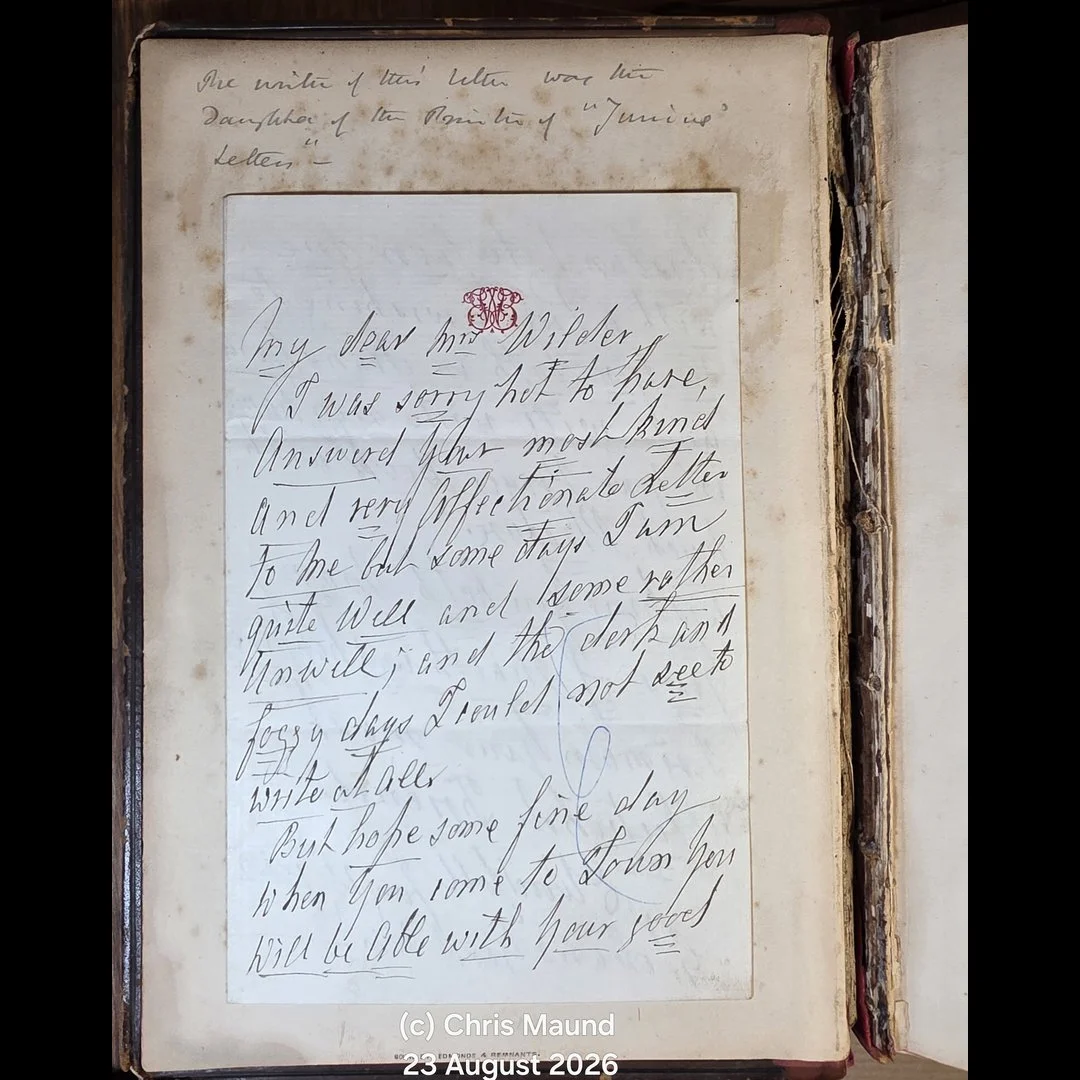
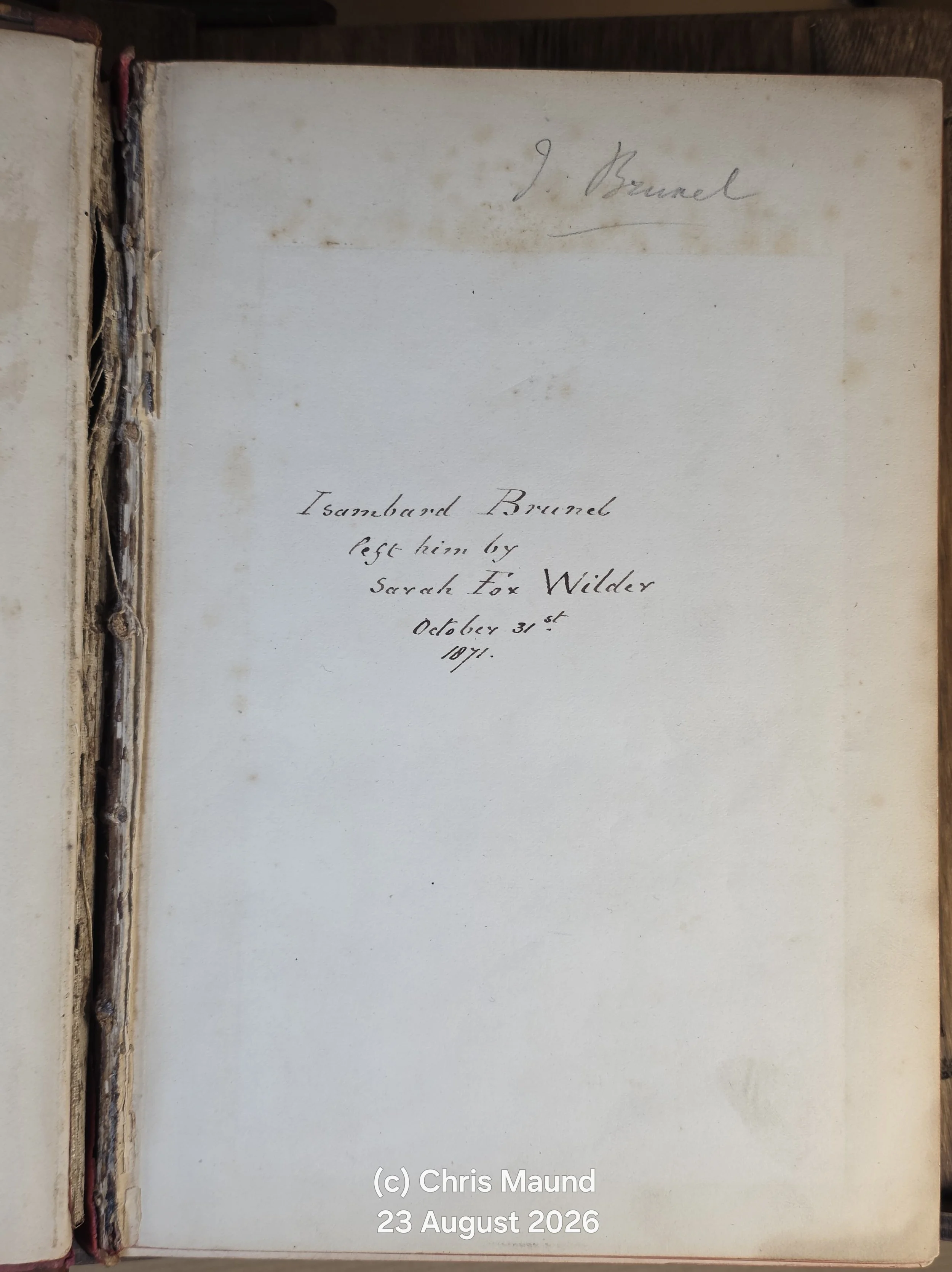
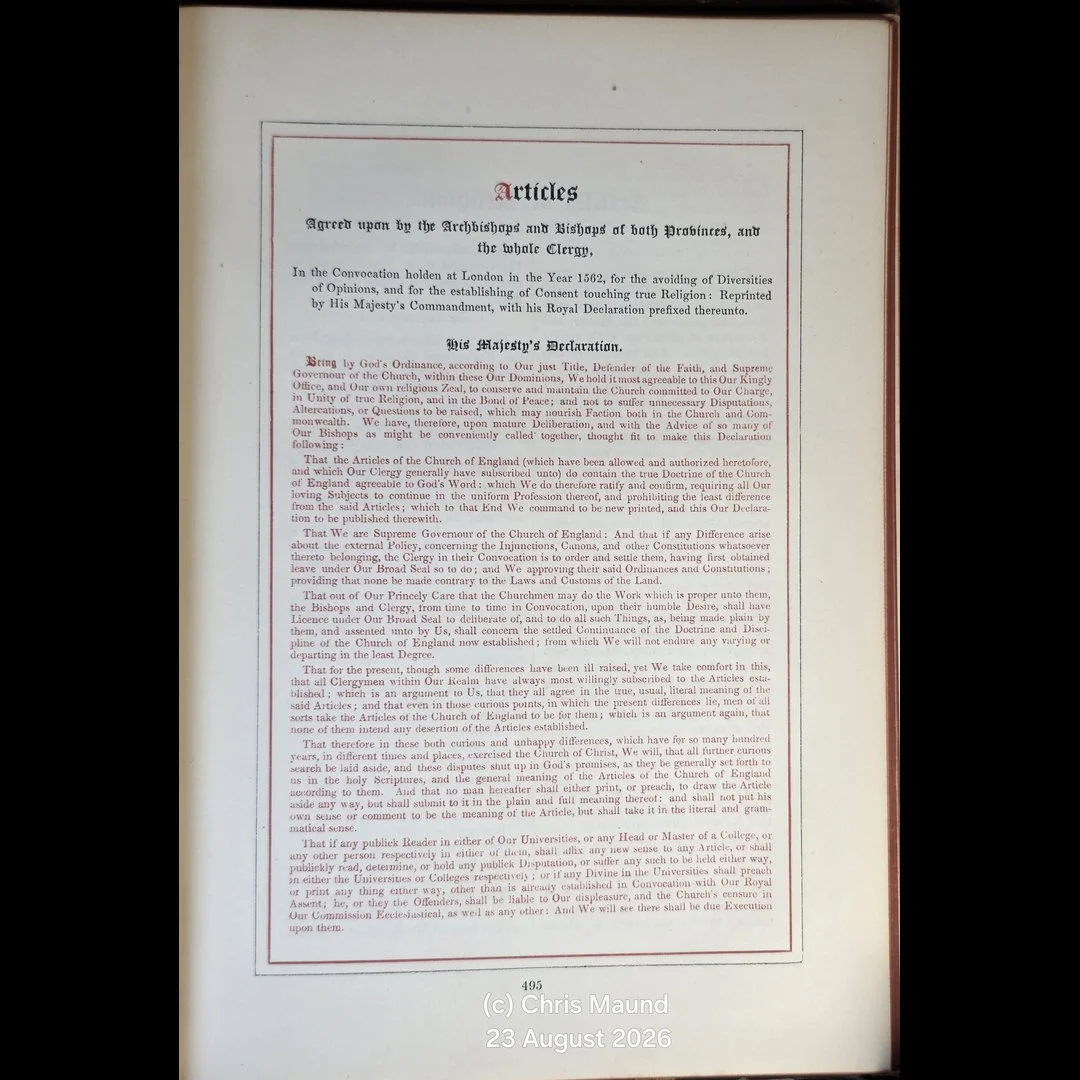
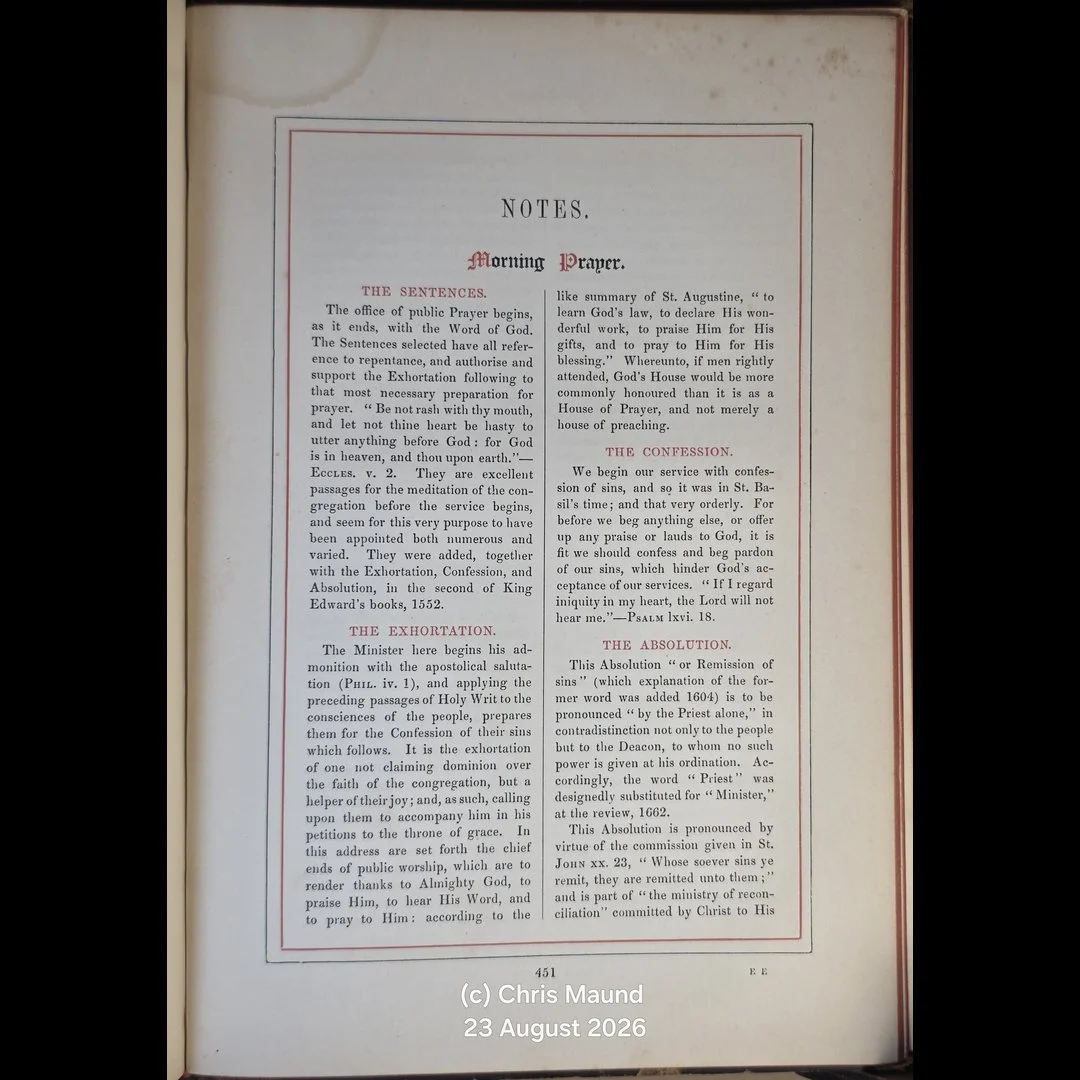
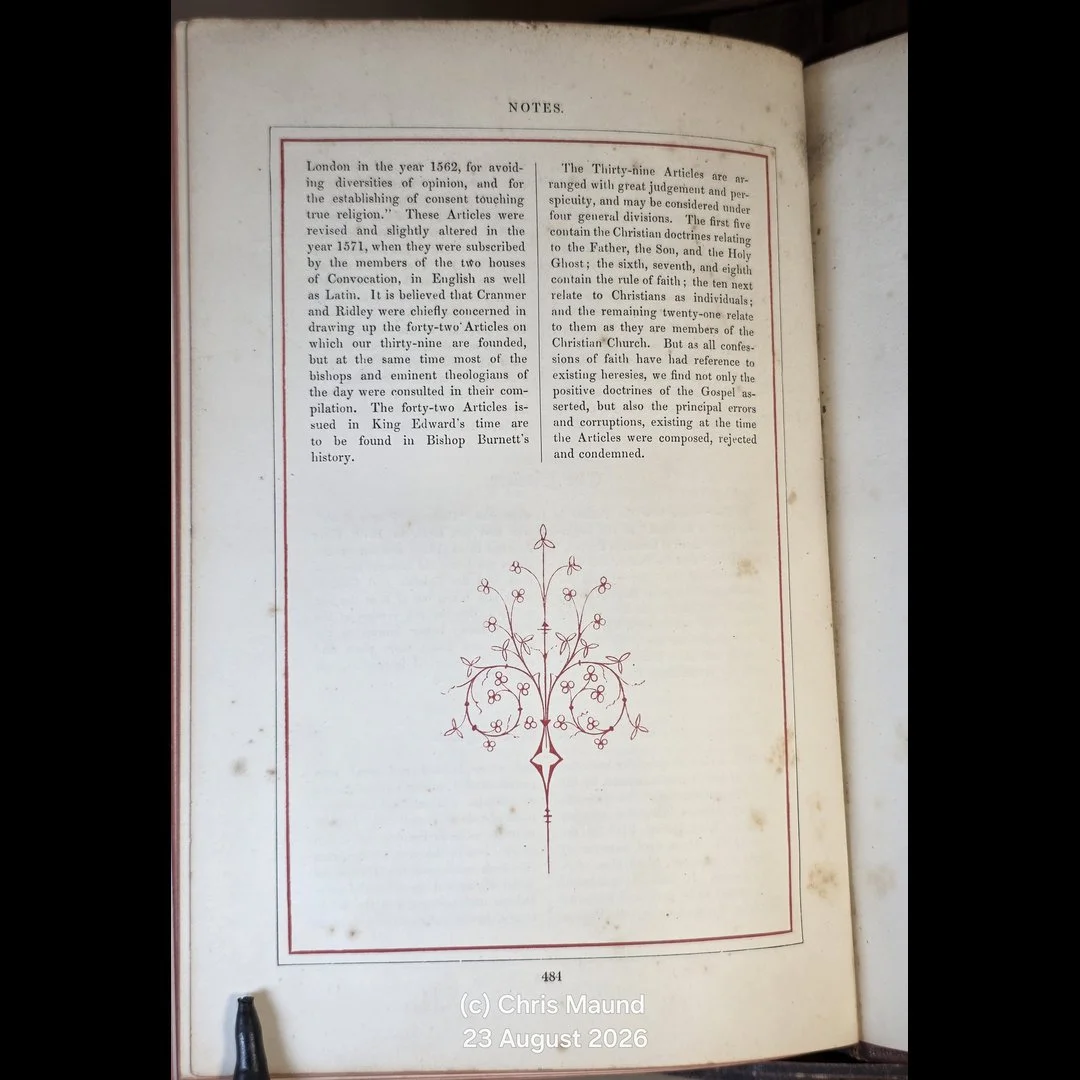
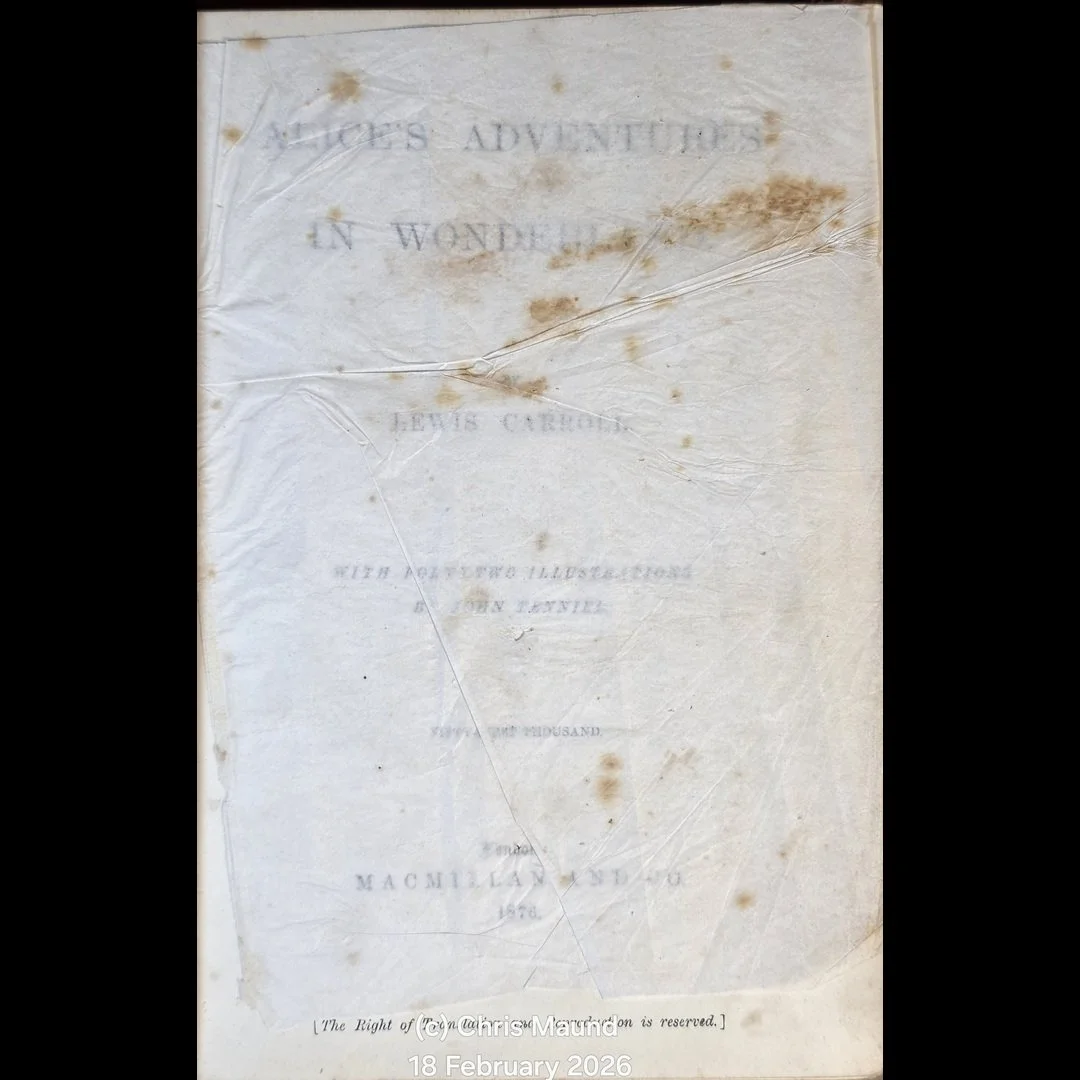
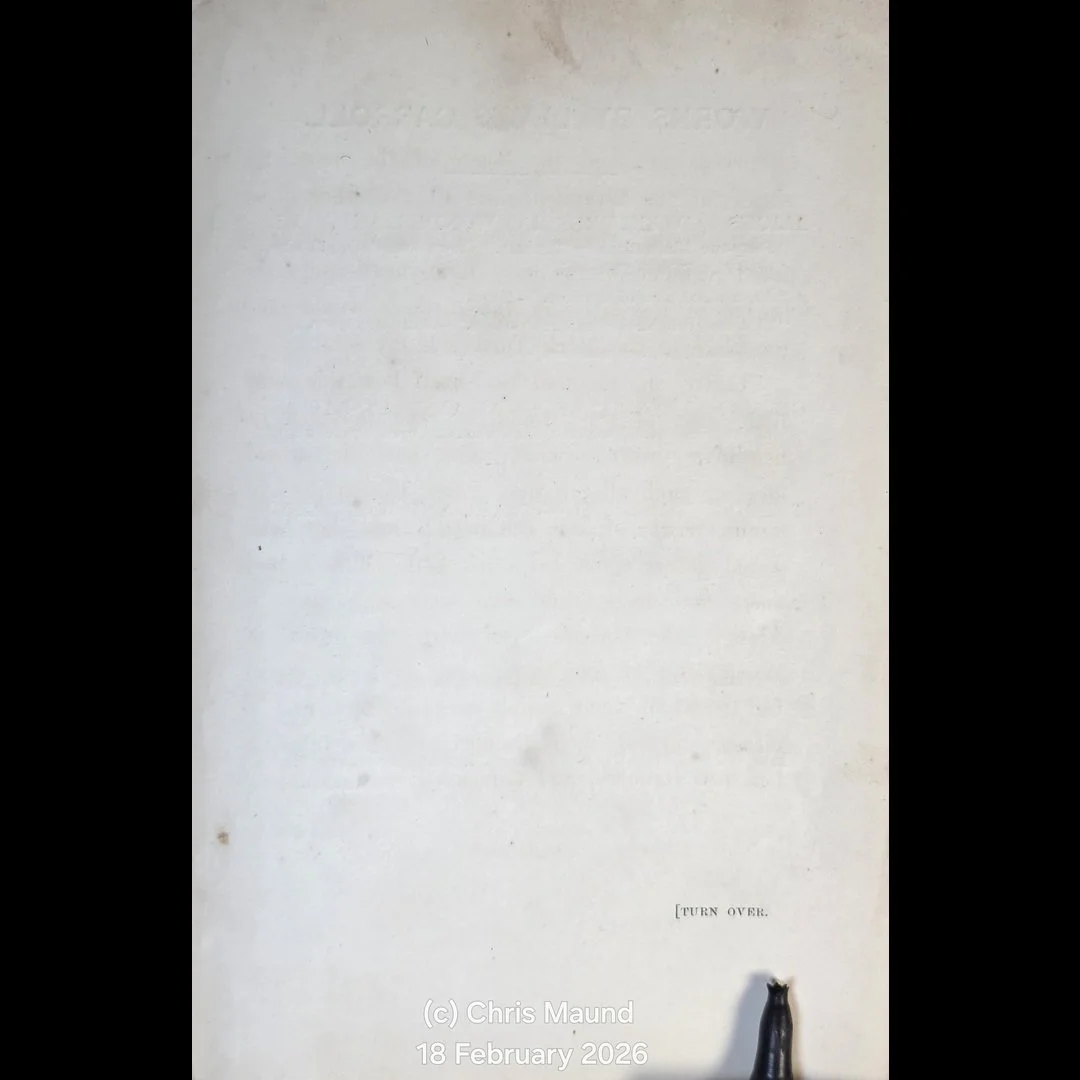
Internally with scattered foxing and spotting, more noticeable to some engraved titles, preliminary and text leaves, together with occasional staining and offsetting. The engraved plates are generally well preserved, with strong impressions and many considerably cleaner than the surrounding text. Some expected age-toning and handling marks. Please see photographs for representative examples of the binding, title-pages, text and plates.
Completeness / Plate Collation:
Physically collated against the printed Directions for Placing the Cuts. All called-for plates are present.
Volume I contains 53 regular plate leaves, including the two additional plates at pp. 358 and 381 not listed in the printed directions, together with its engraved title-page and frontispiece.
Volume II contains 25 Military Antiquities plate leaves, together with its engraved title-page and frontispiece. The incorporated Treatise on Ancient Armour and Weapons contains 61 plates, numbered I–LXI, together with its separate engraved title and the frontispiece Scipio Receiving the Keys of Carthage.
Physical count in this copy: 139 regular engraved plate leaves, plus three engraved frontispieces and three engraved title-pages — 145 engraved/image leaves in all.
In this copy the plates to the Treatise begin at approximately p. 346, with the remaining text pp. 347–372 interspersed amongst the plates, rather than all being bound after p. 371 as suggested by the simplified printed directions.
Volume II concludes with publisher's advertisements. The Soane Museum's catalogue likewise records the separate Treatise frontispiece and engraved title and the terminal advertisements.
Please see Photos as part of condition report.
REFERENCES
Sir John Soane's Museum, Collection Online, Reference 2391.
Royal Collection Trust, Military Antiquities, RCIN 1082300.
WorldCat, OCLC 435979550.
SYNOPSIS
Military Antiquities traces the development of the English army from the Norman Conquest to the eighteenth century, combining historical narrative with detailed discussion of military organisation, weapons, armour, uniforms, cavalry, infantry, artillery, drill, siege warfare, fortifications and encampments. Its extensive engravings preserve a visual record of historical military objects, dress and techniques from manuscript, antiquarian and surviving material sources.
The incorporated Treatise on Ancient Armour and Weapons extends the work into a detailed study of helmets, armour, swords, polearms, firearms and other weapons, many drawn from objects then preserved in the Tower of London, arsenals, museums and private collections.
AUTHOR BIO
Francis Grose (1731–1791) was an English antiquary, draughtsman and lexicographer whose wide-ranging antiquarian publications helped popularise the study of Britain's monuments, antiquities, customs and material culture. Among his best-known works are The Antiquities of England and Wales, Military Antiquities, A Treatise on Ancient Armour and Weapons, A Classical Dictionary of the Vulgar Tongue (1785), and A Provincial Glossary (1787).
ILLUSTRATOR
Various engravers
Various engravers, including N. C. Goodnight, James Newton, Samuel Sparrow, James Sparrow, John Hamilton and John Record. Bibliographical records for the 1801 edition identify these engravers rather than attributing the illustrations solely to Goodnight.
The extensive engraved illustration was produced by several late-eighteenth-century engravers working from Grose's antiquarian material and other historical sources. James Newton is separately identified as an engraver of the work by the Royal Collection Trust.
1801 Second Edition
MILITARY ANTIQUITIES RESPECTING A HISTORY OF THE ENGLISH ARMY
By Francis Grose
KEY DETAILS
Condition: Very Good
Format: Leather, quarto (4to 9 1⁄2 × 12 in 241 × 305 mm )
Note: Binding/size selection follows standard bibliographic conventions and is approximate; exact measurements may vary.
Published By: Printed for T. Egerton, Whitehall, and G. Kearsley, Fleet Street, London, 1801
Language: English
Illustrated By: Various engravers
Collation: Vol. I: vi, [2], 412 pp.; Vol. II: 236, 229*–234*, [3], 238–372, [20] pp.; Two volumes, quarto.
Dust Jacket: None, as issued, No Jacket
SKU: BTETM0002198
Shipping Info: Approximate Package Dimensions H: 30, L: 30, W: 25 (Units: cm), W: 6Kg
Tracked Shipping, Insurance Coverage as per Customer Request
DESCRIPTION
MILITARY ANTIQUITIES RESPECTING A HISTORY OF THE ENGLISH ARMY
Two Volumes
From the Conquest to the Present Time. A New Edition with Material Additions & Improvements.
An attractive and extensively illustrated two-volume quarto of Francis Grose's important antiquarian survey of the English army, published at London in 1801 in the expanded “new edition with material additions & improvements.”
Grose's work ranges widely across the history, organisation and material culture of the English army, treating arms and armour, military costume, cavalry and infantry, drill and exercise, artillery, siege engines, fortification, encampments, tents, military music and punishments. The second volume incorporates Grose's separately conceived Treatise on Ancient Armour and Weapons, illustrated from armour, weapons and military objects preserved in the Tower of London and other historic collections.
A particularly appealing feature of the work is its extensive series of engraved plates, ranging from medieval armour and mounted troops to early firearms, artillery, siege machines, fortifications and military encampments. This copy has been physically collated against its own Directions for Placing the Cuts, with all called-for plates present. Volume I additionally contains the two plates at pp. 358 and 381 which are omitted from the printed directions for binding, a feature also noted in the Sir John Soane's Museum copy of the 1801 edition.
CONDITION, COLLATION & COPY NOTES
An attractive two-volume quarto set in calf, sympathetically rebacked with raised bands, red morocco lettering-pieces and gilt rules. Original marbled boards with rubbing, surface wear and wear to extremities consistent with age and use; bindings present well and remain sound.
Internally with scattered foxing and spotting, more noticeable to some engraved titles, preliminary and text leaves, together with occasional staining and offsetting. The engraved plates are generally well preserved, with strong impressions and many considerably cleaner than the surrounding text. Some expected age-toning and handling marks. Please see photographs for representative examples of the binding, title-pages, text and plates.
Completeness / Plate Collation:
Physically collated against the printed Directions for Placing the Cuts. All called-for plates are present.
Volume I contains 53 regular plate leaves, including the two additional plates at pp. 358 and 381 not listed in the printed directions, together with its engraved title-page and frontispiece.
Volume II contains 25 Military Antiquities plate leaves, together with its engraved title-page and frontispiece. The incorporated Treatise on Ancient Armour and Weapons contains 61 plates, numbered I–LXI, together with its separate engraved title and the frontispiece Scipio Receiving the Keys of Carthage.
Physical count in this copy: 139 regular engraved plate leaves, plus three engraved frontispieces and three engraved title-pages — 145 engraved/image leaves in all.
In this copy the plates to the Treatise begin at approximately p. 346, with the remaining text pp. 347–372 interspersed amongst the plates, rather than all being bound after p. 371 as suggested by the simplified printed directions.
Volume II concludes with publisher's advertisements. The Soane Museum's catalogue likewise records the separate Treatise frontispiece and engraved title and the terminal advertisements.
Please see Photos as part of condition report.
REFERENCES
Sir John Soane's Museum, Collection Online, Reference 2391.
Royal Collection Trust, Military Antiquities, RCIN 1082300.
WorldCat, OCLC 435979550.
SYNOPSIS
Military Antiquities traces the development of the English army from the Norman Conquest to the eighteenth century, combining historical narrative with detailed discussion of military organisation, weapons, armour, uniforms, cavalry, infantry, artillery, drill, siege warfare, fortifications and encampments. Its extensive engravings preserve a visual record of historical military objects, dress and techniques from manuscript, antiquarian and surviving material sources.
The incorporated Treatise on Ancient Armour and Weapons extends the work into a detailed study of helmets, armour, swords, polearms, firearms and other weapons, many drawn from objects then preserved in the Tower of London, arsenals, museums and private collections.
AUTHOR BIO
Francis Grose (1731–1791) was an English antiquary, draughtsman and lexicographer whose wide-ranging antiquarian publications helped popularise the study of Britain's monuments, antiquities, customs and material culture. Among his best-known works are The Antiquities of England and Wales, Military Antiquities, A Treatise on Ancient Armour and Weapons, A Classical Dictionary of the Vulgar Tongue (1785), and A Provincial Glossary (1787).
ILLUSTRATOR
Various engravers
Various engravers, including N. C. Goodnight, James Newton, Samuel Sparrow, James Sparrow, John Hamilton and John Record. Bibliographical records for the 1801 edition identify these engravers rather than attributing the illustrations solely to Goodnight.
The extensive engraved illustration was produced by several late-eighteenth-century engravers working from Grose's antiquarian material and other historical sources. James Newton is separately identified as an engraver of the work by the Royal Collection Trust.

 Image 1 of 30
 Image 2 of 30
 Image 3 of 30
 Image 4 of 30
 Image 5 of 30
 Image 6 of 30
 Image 7 of 30
 Image 8 of 30
 Image 9 of 30
 Image 10 of 30
 Image 11 of 30
 Image 12 of 30
 Image 13 of 30
 Image 14 of 30
 Image 15 of 30
 Image 16 of 30
 Image 17 of 30
 Image 18 of 30
 Image 19 of 30
 Image 20 of 30
 Image 21 of 30
 Image 22 of 30
 Image 23 of 30
 Image 24 of 30
 Image 25 of 30
 Image 26 of 30
 Image 27 of 30
 Image 28 of 30
 Image 29 of 30
 Image 30 of 30