Sale Price:
£350.00
Original Price:
£495.00
1909 First Edition
ESSAYS IN EUGENICS
By Francis Galton
KEY DETAILS
Condition: Good
Format: Hardcover, Octavo (Standard) (8vo 6 × 9 in 152 × 229 mm )
Note: Binding/size selection follows standard bibliographic conventions and is approximate; exact measurements may vary.
Published By: The Eugenics Education Society, London, 1909
Language: English
Collation: ii, 109 pp.; illustrated with statistical diagrams.
Dust Jacket: None, as issued, No Jacket
SKU: BTETM0002279
Shipping Info: Approximate Package Dimensions H: 12.5, L: 30, W: 25 (Units: cm), W: 2Kg
Tracked Shipping, Insurance Coverage as per Customer Request
DESCRIPTION
Essays In Eugenics
An important first edition of Sir Francis Galton’s Essays in Eugenics, published in London by the Eugenics Education Society in 1909.
A significant primary source in the history of statistics, heredity and the early twentieth-century eugenics movement, the volume gathers seven of Galton’s principal addresses and papers on the subject, arranged chronologically from 1901 to 1908. Galton states in his preface that the essays were reprinted in the order of their original delivery in order to demonstrate the development of his ideas and proposed methods.
Of particular interest is “Probability, the Foundation of Eugenics,” Galton’s 1907 Herbert Spencer Lecture at Oxford, in which statistical concepts including variation, distribution, regression and correlation are illustrated graphically. The volume also contains his essays on marriage restrictions, national eugenics, heredity, religion and the organisation of local eugenics associations.
Published only two years before Galton’s death, the book represents a concise late statement of ideas with which his name became closely associated. While Galton made major contributions to statistics, psychometrics, anthropometry and fingerprint classification, his advocacy of eugenics and scientific racism became part of a profoundly consequential and now discredited movement whose history remains an important field of study.
CONDITION, COLLATION & COPY NOTES
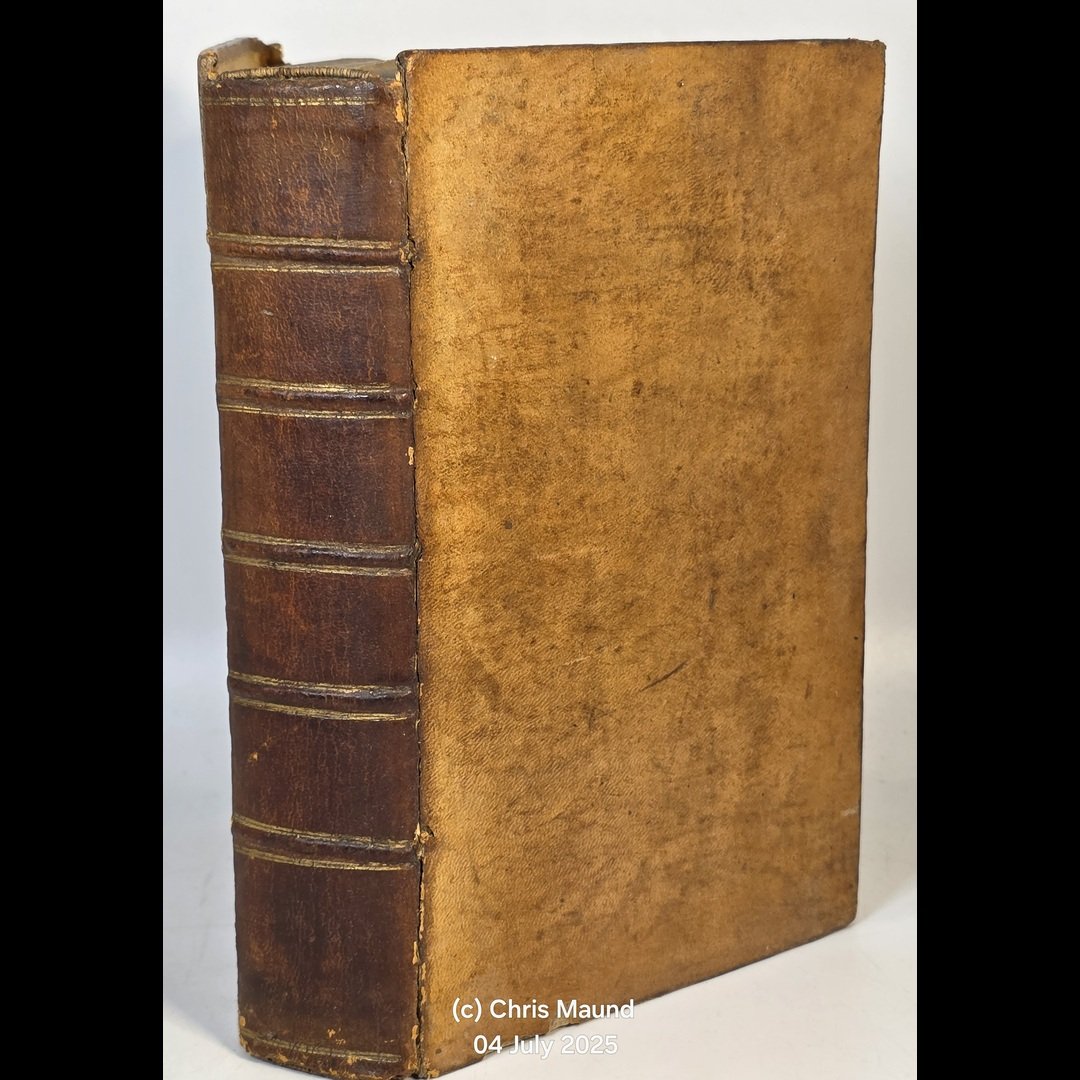
A sound and complete example in the original publisher’s grey-green cloth, lettered in black to the upper board and spine.
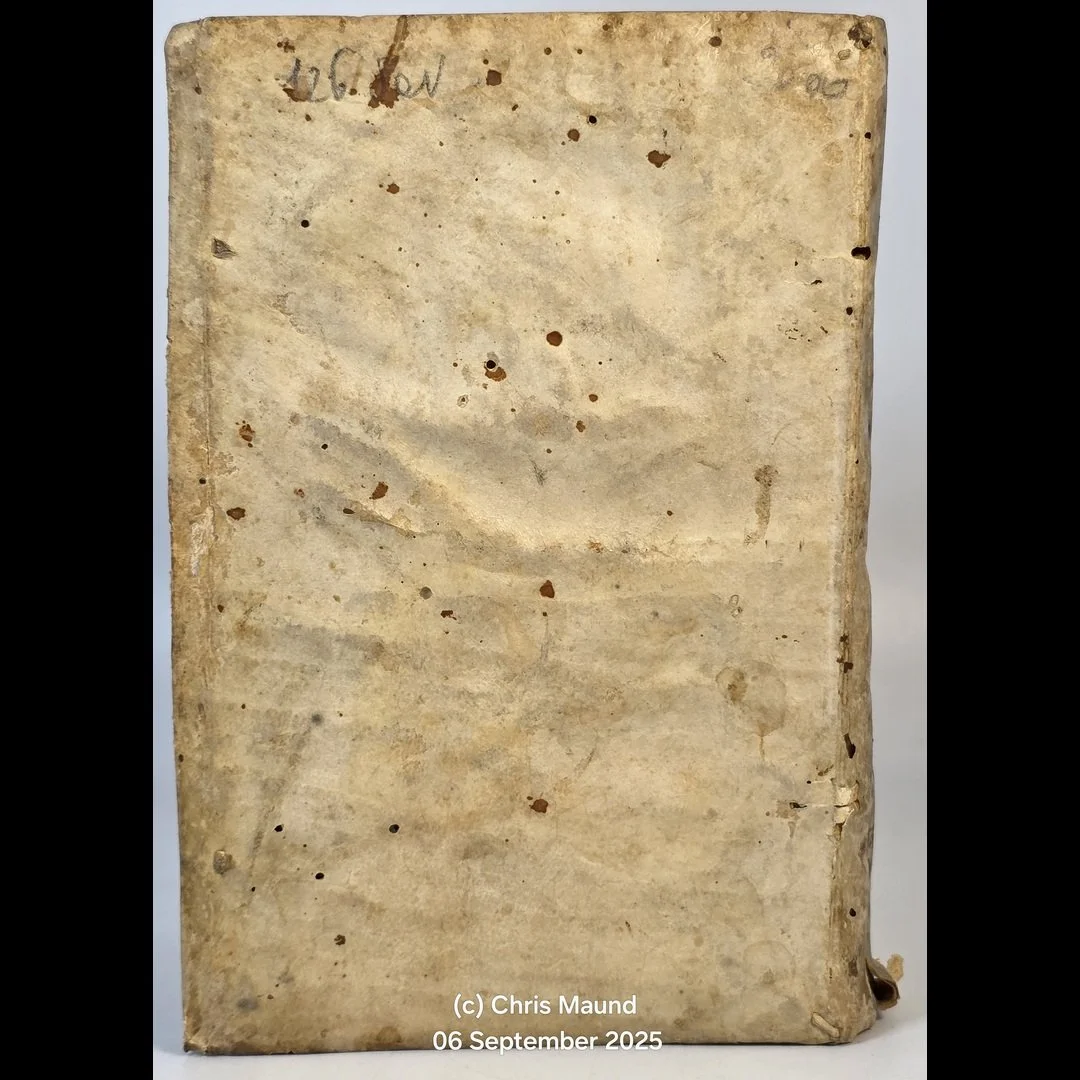
Binding with general age-soiling, mottling and surface marking to the boards, more noticeable to the upper board. Spine and extremities with rubbing and light wear, including bumping and wear at the head and tail. Lettering remains clear and well defined.
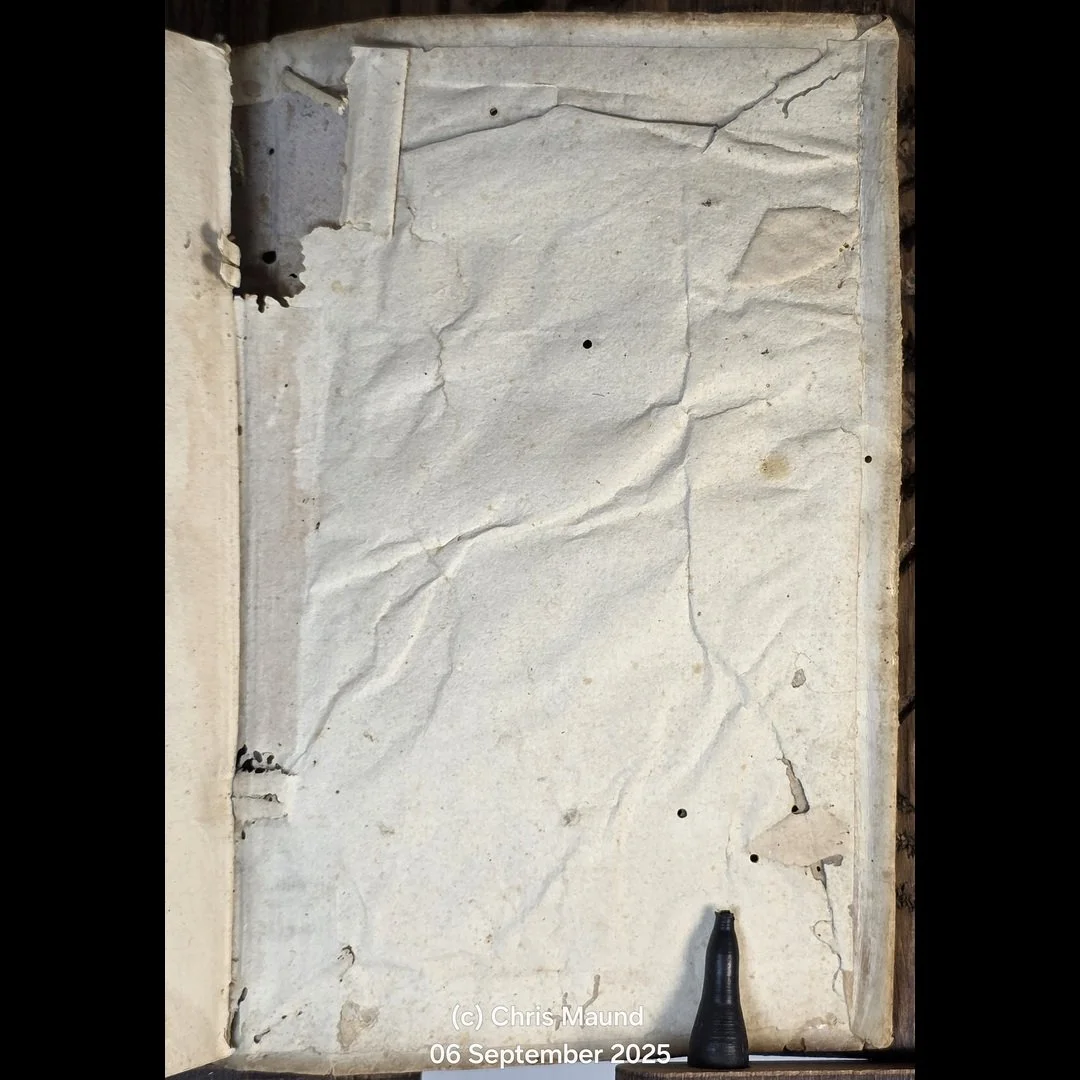
Endpapers with moderate scattered foxing and spotting. Contents with general age-toning and occasional light spotting or handling marks consistent with a book of this age. The principal text leaves shown remain clear and legible, with strong printing throughout.
The statistical diagrams and illustrations shown are clean and well preserved, including the “Standard Scheme of Descent” and the plate illustrating Galton’s 1907 Herbert Spencer Lecture.
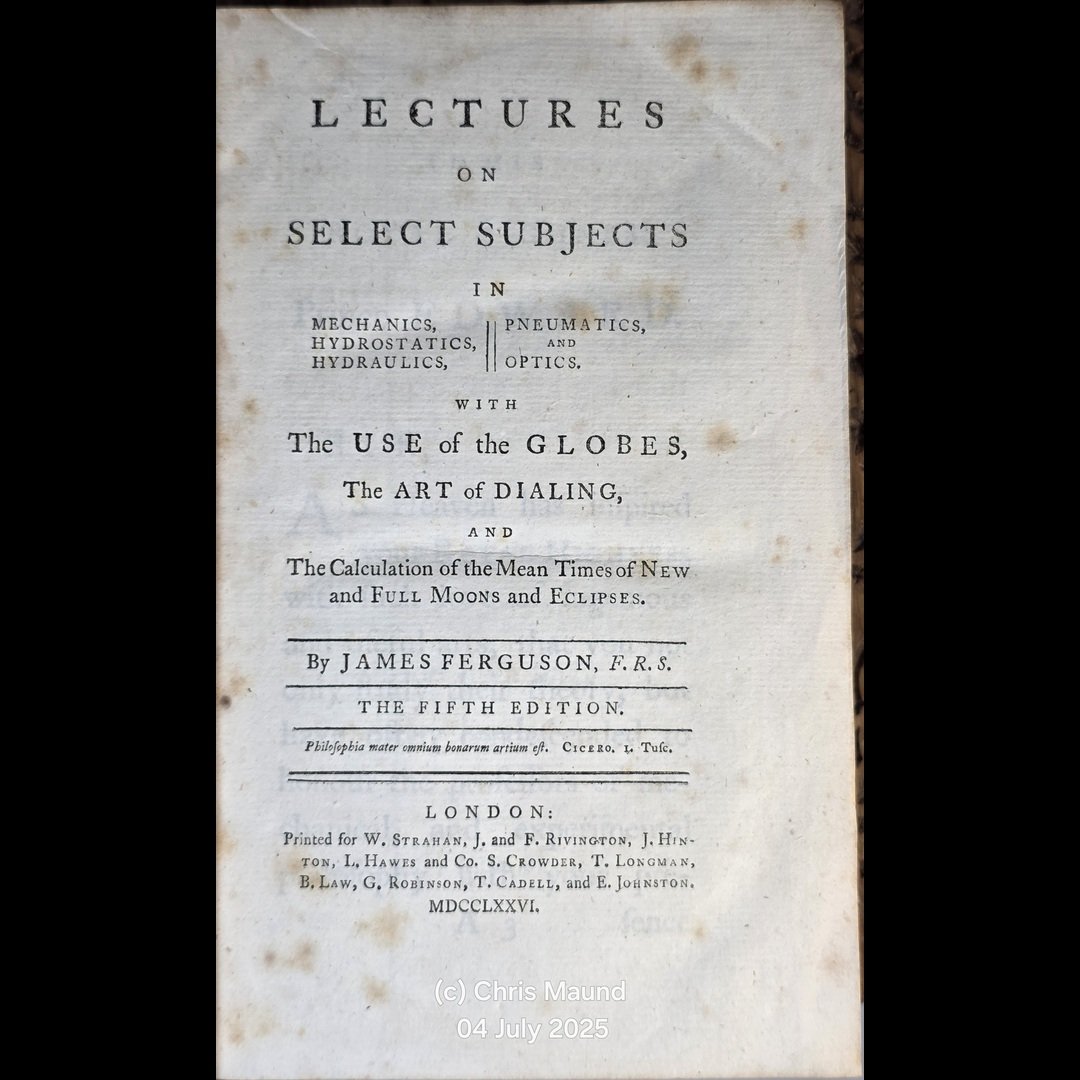
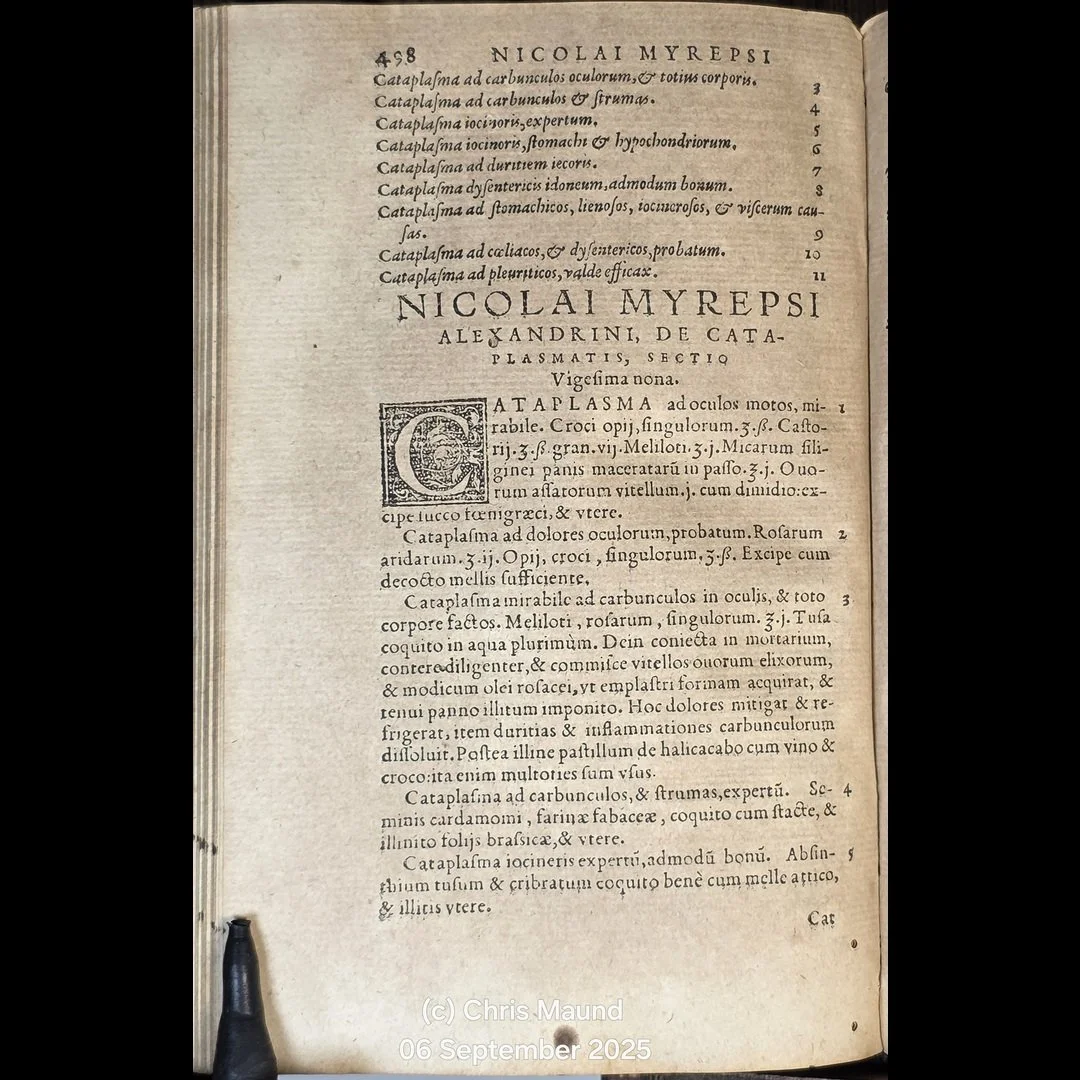
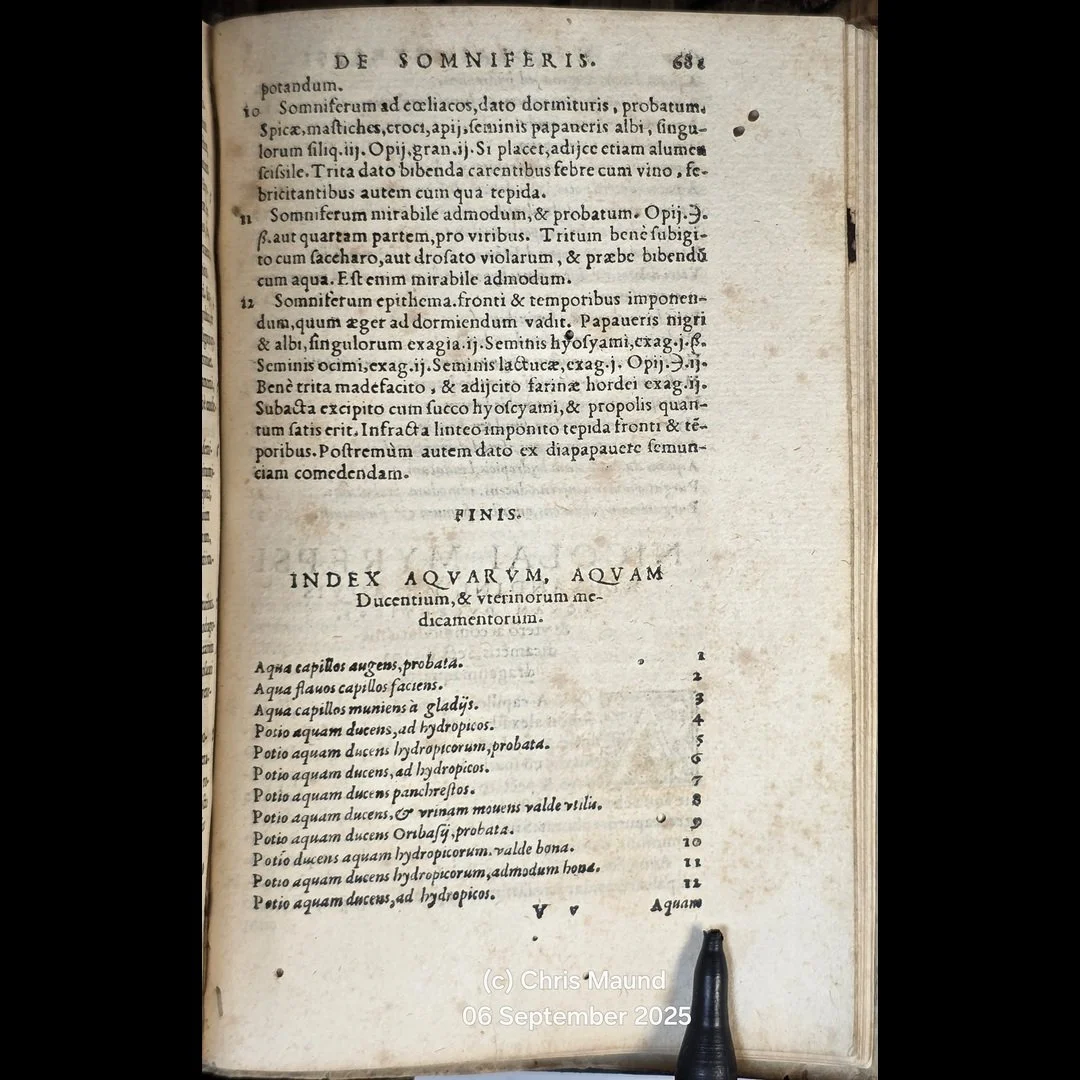
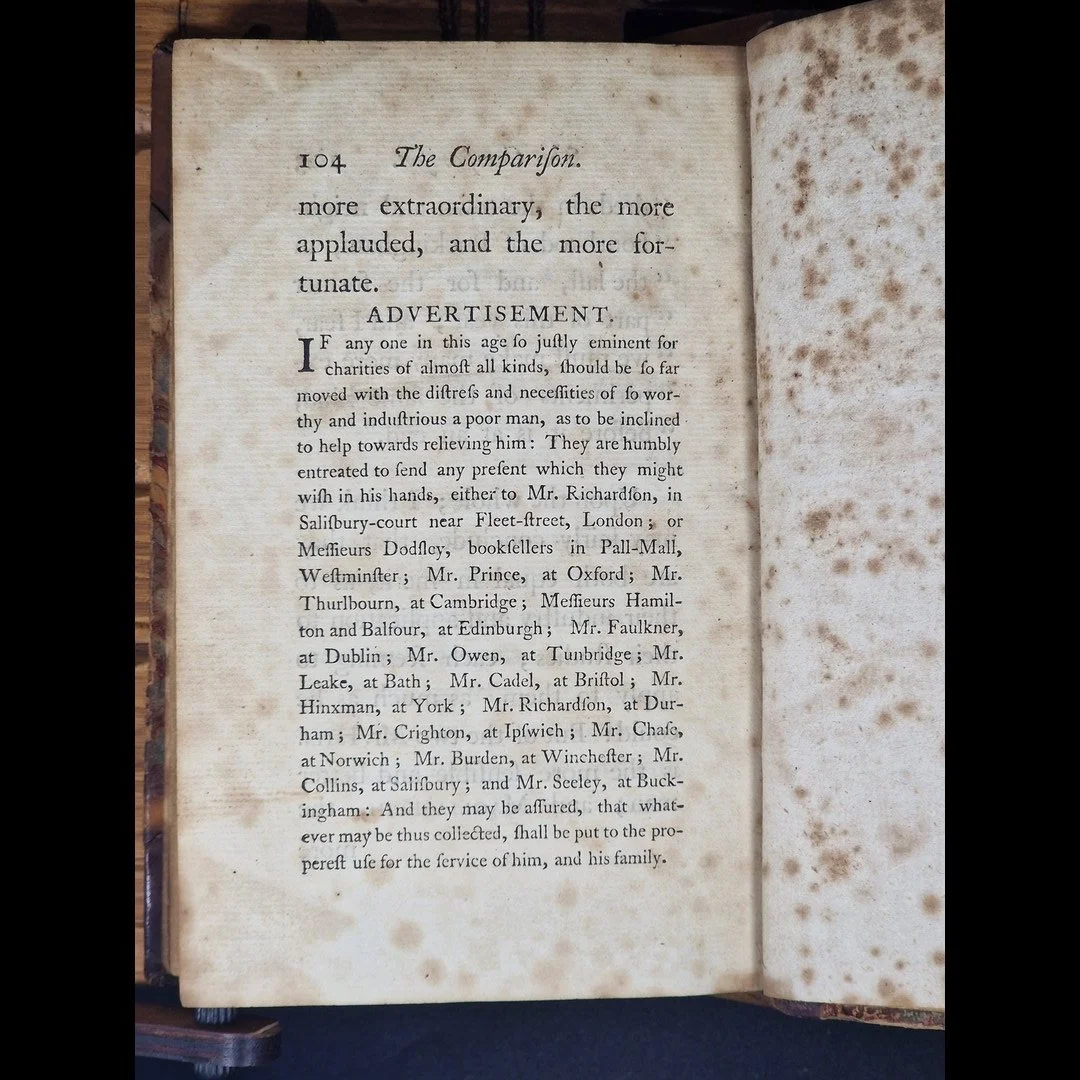
Title page, preface, contents and representative text and illustrated leaves are shown in the accompanying photographs. No obvious modern rebinding or intrusive restoration is apparent from the images.
A sound and appealing working copy of an important and increasingly collected primary source in the history of statistics, heredity, social science and eugenics.
Please see Photos as part of condition report.
REFERENCES
Wellcome Collection, Essays in Eugenics, London: Eugenics Education Society, 1909
Biodiversity Heritage Library: OCLC 851112; LCCN 10015866
Francis Galton bibliography, Galton.org
Journal of the Royal Statistical Society, Vol. 73, No. 3, 1910, p. 339
Contemporary review in Nature, Vol. 82, 30 December 1909, pp. 251–252
SYNOPSIS
Essays in Eugenics brings together seven lectures and papers delivered by Galton between 1901 and 1908. Rather than constituting the first appearance of each individual essay, the 1909 volume is their first collected book edition, arranged by Galton in chronological order to demonstrate the development of his thinking.
Across the collection, Galton attempts to establish eugenics as a programme grounded in heredity, statistical analysis and the shaping of public opinion. He discusses the possible hereditary transmission of physical and intellectual characteristics, proposed restrictions surrounding marriage and reproduction, methods for the statistical investigation of families and populations, and the creation of organisations intended to popularise eugenic ideas.
The sixth essay, “Probability, the Foundation of Eugenics,” is especially notable in the history of statistics. Drawing on Galton’s earlier work on variation and heredity, it uses graphical representations of distributions, deviations, regression and correlation to explain the probabilistic reasoning that he believed should underpin the study of inherited human characteristics.
The volume consequently has significance beyond the history of eugenics itself, documenting the intersection of early statistical methodology, hereditarian theory and social policy at the beginning of the twentieth century.
Contents
I. The Possible Improvement of the Human Breed under Existing Conditions of Law and Sentiment — p. 1
II. Eugenics, its Definition, Scope, and Aims — p. 35
III. Restrictions in Marriage — p. 44
IV. Studies in National Eugenics — p. 60
V. Eugenics as a Factor in Religion — p. 68
VI. Probability, the Foundation of Eugenics — p. 73
VII. Local Associations for Promoting Eugenics — p. 100
AUTHOR BIO
Sir Francis Galton, F.R.S. (1822–1911) was an English polymath whose work ranged across statistics, anthropology, psychology, geography, meteorology and human heredity.
He made enduring contributions to quantitative science, helping to develop and popularise the statistical concepts of correlation and regression toward the mean, and was an important early figure in psychometrics and the statistical study of individual variation. His investigations also contributed to the systematic classification and use of fingerprints in personal identification.
Galton was also the founder and principal early advocate of eugenics, a term he coined in 1883. His attempts to apply theories of heredity and selective breeding to human populations became highly influential in Britain and internationally. These theories incorporated assumptions about social hierarchy, race, disability and inherited ability that are now recognised as scientifically flawed and ethically deeply problematic. The later eugenics movement contributed to coercive and discriminatory policies in a number of countries.
As a result, Galton occupies a complex but important position in the history of science: influential in the development of modern statistical methods while also central to the emergence of one of the most controversial applications of hereditarian thought.
1909 First Edition
ESSAYS IN EUGENICS
By Francis Galton
KEY DETAILS
Condition: Good
Format: Hardcover, Octavo (Standard) (8vo 6 × 9 in 152 × 229 mm )
Note: Binding/size selection follows standard bibliographic conventions and is approximate; exact measurements may vary.
Published By: The Eugenics Education Society, London, 1909
Language: English
Collation: ii, 109 pp.; illustrated with statistical diagrams.
Dust Jacket: None, as issued, No Jacket
SKU: BTETM0002279
Shipping Info: Approximate Package Dimensions H: 12.5, L: 30, W: 25 (Units: cm), W: 2Kg
Tracked Shipping, Insurance Coverage as per Customer Request
DESCRIPTION
Essays In Eugenics
An important first edition of Sir Francis Galton’s Essays in Eugenics, published in London by the Eugenics Education Society in 1909.
A significant primary source in the history of statistics, heredity and the early twentieth-century eugenics movement, the volume gathers seven of Galton’s principal addresses and papers on the subject, arranged chronologically from 1901 to 1908. Galton states in his preface that the essays were reprinted in the order of their original delivery in order to demonstrate the development of his ideas and proposed methods.
Of particular interest is “Probability, the Foundation of Eugenics,” Galton’s 1907 Herbert Spencer Lecture at Oxford, in which statistical concepts including variation, distribution, regression and correlation are illustrated graphically. The volume also contains his essays on marriage restrictions, national eugenics, heredity, religion and the organisation of local eugenics associations.
Published only two years before Galton’s death, the book represents a concise late statement of ideas with which his name became closely associated. While Galton made major contributions to statistics, psychometrics, anthropometry and fingerprint classification, his advocacy of eugenics and scientific racism became part of a profoundly consequential and now discredited movement whose history remains an important field of study.
CONDITION, COLLATION & COPY NOTES
A sound and complete example in the original publisher’s grey-green cloth, lettered in black to the upper board and spine.
Binding with general age-soiling, mottling and surface marking to the boards, more noticeable to the upper board. Spine and extremities with rubbing and light wear, including bumping and wear at the head and tail. Lettering remains clear and well defined.
Endpapers with moderate scattered foxing and spotting. Contents with general age-toning and occasional light spotting or handling marks consistent with a book of this age. The principal text leaves shown remain clear and legible, with strong printing throughout.
The statistical diagrams and illustrations shown are clean and well preserved, including the “Standard Scheme of Descent” and the plate illustrating Galton’s 1907 Herbert Spencer Lecture.
Title page, preface, contents and representative text and illustrated leaves are shown in the accompanying photographs. No obvious modern rebinding or intrusive restoration is apparent from the images.
A sound and appealing working copy of an important and increasingly collected primary source in the history of statistics, heredity, social science and eugenics.
Please see Photos as part of condition report.
REFERENCES
Wellcome Collection, Essays in Eugenics, London: Eugenics Education Society, 1909
Biodiversity Heritage Library: OCLC 851112; LCCN 10015866
Francis Galton bibliography, Galton.org
Journal of the Royal Statistical Society, Vol. 73, No. 3, 1910, p. 339
Contemporary review in Nature, Vol. 82, 30 December 1909, pp. 251–252
SYNOPSIS
Essays in Eugenics brings together seven lectures and papers delivered by Galton between 1901 and 1908. Rather than constituting the first appearance of each individual essay, the 1909 volume is their first collected book edition, arranged by Galton in chronological order to demonstrate the development of his thinking.
Across the collection, Galton attempts to establish eugenics as a programme grounded in heredity, statistical analysis and the shaping of public opinion. He discusses the possible hereditary transmission of physical and intellectual characteristics, proposed restrictions surrounding marriage and reproduction, methods for the statistical investigation of families and populations, and the creation of organisations intended to popularise eugenic ideas.
The sixth essay, “Probability, the Foundation of Eugenics,” is especially notable in the history of statistics. Drawing on Galton’s earlier work on variation and heredity, it uses graphical representations of distributions, deviations, regression and correlation to explain the probabilistic reasoning that he believed should underpin the study of inherited human characteristics.
The volume consequently has significance beyond the history of eugenics itself, documenting the intersection of early statistical methodology, hereditarian theory and social policy at the beginning of the twentieth century.
Contents
I. The Possible Improvement of the Human Breed under Existing Conditions of Law and Sentiment — p. 1
II. Eugenics, its Definition, Scope, and Aims — p. 35
III. Restrictions in Marriage — p. 44
IV. Studies in National Eugenics — p. 60
V. Eugenics as a Factor in Religion — p. 68
VI. Probability, the Foundation of Eugenics — p. 73
VII. Local Associations for Promoting Eugenics — p. 100
AUTHOR BIO
Sir Francis Galton, F.R.S. (1822–1911) was an English polymath whose work ranged across statistics, anthropology, psychology, geography, meteorology and human heredity.
He made enduring contributions to quantitative science, helping to develop and popularise the statistical concepts of correlation and regression toward the mean, and was an important early figure in psychometrics and the statistical study of individual variation. His investigations also contributed to the systematic classification and use of fingerprints in personal identification.
Galton was also the founder and principal early advocate of eugenics, a term he coined in 1883. His attempts to apply theories of heredity and selective breeding to human populations became highly influential in Britain and internationally. These theories incorporated assumptions about social hierarchy, race, disability and inherited ability that are now recognised as scientifically flawed and ethically deeply problematic. The later eugenics movement contributed to coercive and discriminatory policies in a number of countries.
As a result, Galton occupies a complex but important position in the history of science: influential in the development of modern statistical methods while also central to the emergence of one of the most controversial applications of hereditarian thought.

 Image 1 of 12
 Image 2 of 12
 Image 3 of 12
 Image 4 of 12
 Image 5 of 12
 Image 6 of 12
 Image 7 of 12
 Image 8 of 12
 Image 9 of 12
 Image 10 of 12
 Image 11 of 12
 Image 12 of 12