Sale Price:
£200.00
Original Price:
£230.00
1965 Second Impression Re-set 2nd Printing Two Volumes
MYSTERIUM MAGNUM
By Boehme, Jacob; Sparrow, John, (Trans.)
KEY DETAILS
Condition: Very Good
Format: Hardcover, Octavo (Standard) (8vo 6 × 9 in 152 × 229 mm )
Note: Binding/size selection follows standard bibliographic conventions and is approximate; exact measurements may vary.
Published By: John M Watkins, London, 1965
Language: English
Collation: Vol. I: xxvi, 407 pp.; Vol. II: [4], 409–849 pp.; Complete in two volumes.
Dust Jacket: Yes, Very Good
SKU: BTETM0002293
Shipping Info: Approximate Package Dimensions H: 12.5, L: 30, W: 25 (Units: cm), W: 3Kg
Tracked Shipping, Insurance Coverage as per Customer Request
DESCRIPTION
Mysterium Magnum
An Exposition of the First Book of Moses Called Genesis
Written Anno 1623
By Jacob Boehme
Translated by John Sparrow
Edited by C. J. B.
A complete and appealing two-volume set of Jacob Boehme’s Mysterium Magnum, one of the major works of seventeenth-century Christian mysticism and theosophy. Written in 1623, during the final period of Boehme’s life, the work takes the Book of Genesis as the foundation for an extensive mystical cosmology embracing the nature of God, creation, the Fall, divine manifestation, the kingdoms of Nature and Grace, and the spiritual regeneration of humanity.
This John M. Watkins edition was first published in 1924; the present set is the Second Impression, re-set, 1965, as stated on the copyright page. Issued in two substantial octavo volumes and retaining both original dust jackets.
The edition preserves the distinctive early English form of John Sparrow’s translation and reproduces the historical title-page material of the seventeenth-century English edition. The complete set includes the four Tables of Divine Revelation and associated facsimile material, making this an attractive edition for collectors of Boehme, Western esotericism, Christian mysticism and Watkins publications.
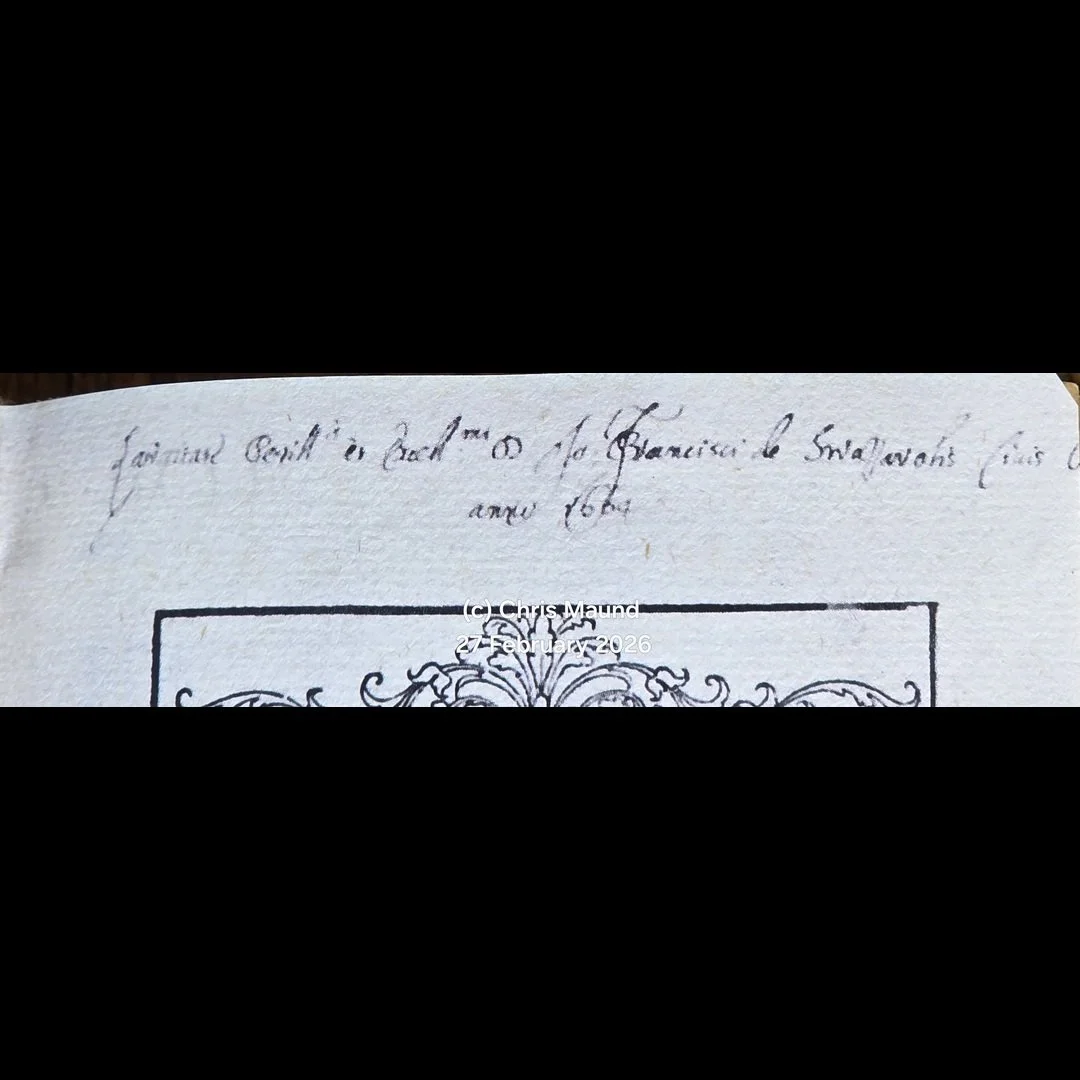
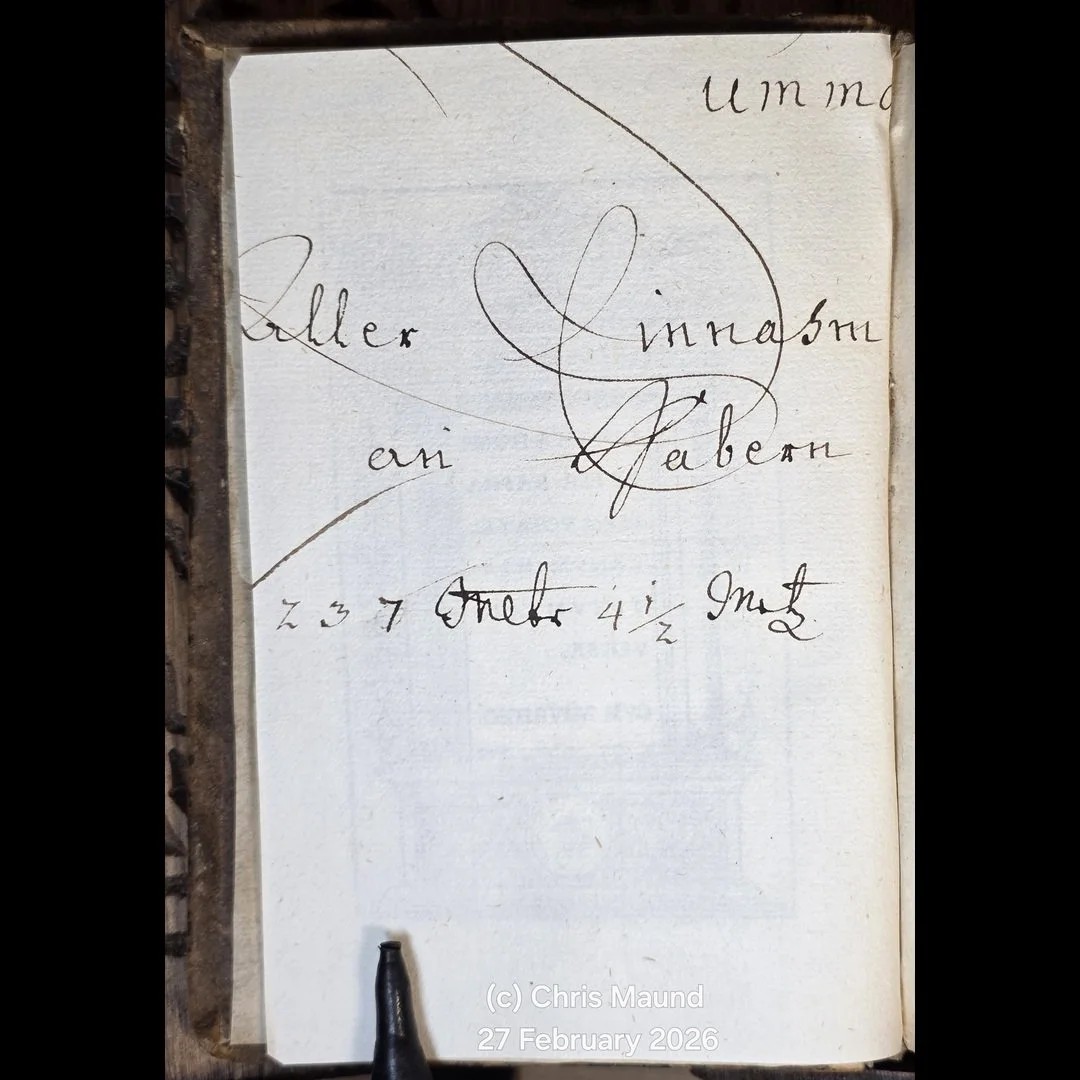
A particularly well-preserved set internally: clean, complete and tightly bound, with no inscriptions, bookplates, stamps or annotations; no damp staining, mustiness or evidence of mould; and all tables, diagrams and facsimile material present.
CONDITION, COLLATION & COPY NOTES
A complete and sound two-volume set in the original dust jackets. Both volumes firmly and tightly bound, with hinges sound and no loose gatherings. Internally clean and well preserved, with light age-toning only. No inscriptions, bookplates, ownership stamps or annotations. No damp staining, musty odour or evidence of mould.
The original dust jackets remain complete and presentable, with general age-toning and browning, particularly towards the margins, together with scattered light marking and rubbing, minor edge wear and small nicks. One jacket has a small puncture/loss near the upper margin. Despite the expected age-related wear, both jackets retain their typography and considerable visual appeal.
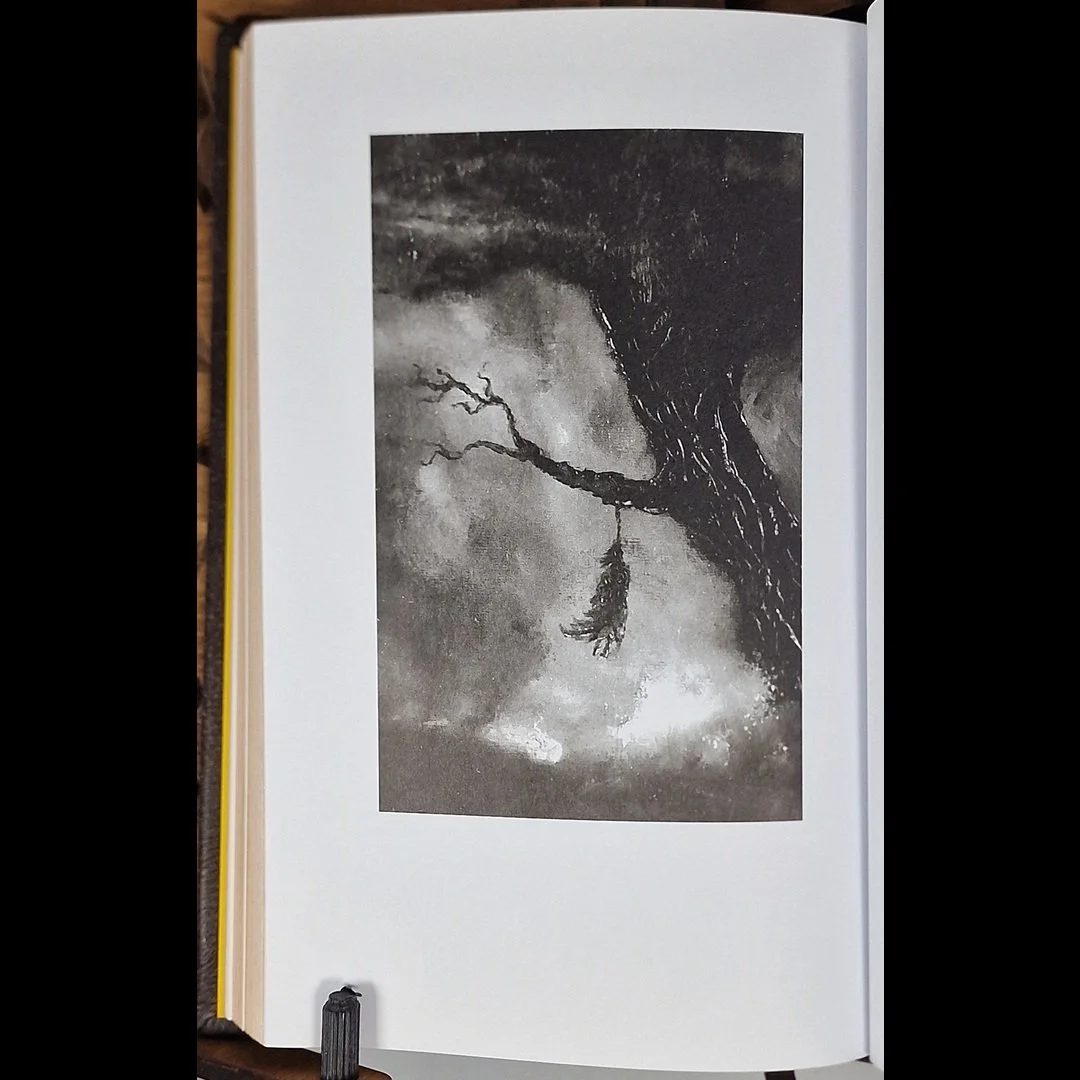
All four tables/diagrams and facsimile material are present. The seventeenth-century-style title pages reproduced within the volumes are facsimiles forming part of this Watkins edition.
A clean, complete and attractive example of an increasingly uncommon jacketed set of this important Boehme text.
Please see Photos as part of condition report.
REFERENCES
John M. Watkins edition, first published 1924; Second Impression re-set 1965.
The original English Mysterium Magnum was published in London in 1654, translated by John Ellistone and John Sparrow; bibliographical records describe the separate title pages for Parts II and III and the accompanying Four Tables of Divine Revelation.
Bibliographical records for the 1965 Watkins issue confirm it as the second impression, with Vol. I comprising xxvi, 407 pages and Vol. II [4], 409–849 pages.
SYNOPSIS
THIS book of the Mysterium Magnum, being an exposition of Genesis, if it be read through and weighed with good attention, will remove those mists from their eyes that have not diligently perused the other writings of the author, Jacob Behm, which hath occasioned their being offended by the stumbling blocks that have lain in their way, from the misreports and relations of others who have but superficially looked upon them, and taken up surmisings at the second or third hand, and so come to be bereaved of the greatest benefit to their understandings which they would infallibly gain, if they would follow the advice in the last paragraph of the last chapter of this book, where the author says: We admonish the reader that when he finds somewhat in any place of our deep sense to be obscure, that he do not condemn it according to the manner of the evil world; but diligently read and pray to God, who will surely open the door of his heart, so that he will apprehend it and be able to make use of it, to the profit and salvation of his soul.
AUTHOR BIO
Jakob Böhme (1575–1624), commonly rendered in English as Jacob Boehme and historically also as Behmen, was a German Christian mystic, philosopher and Lutheran theologian whose visionary writings became foundational texts in the development of Western theosophy.
A shoemaker by trade and largely self-educated, Böhme developed an extraordinarily ambitious account of God, nature, creation, human freedom, evil and spiritual regeneration. His first major work, Aurora, provoked considerable controversy, but his subsequent writings established an intellectual and mystical legacy extending far beyond seventeenth-century Lutheranism.
Böhme's influence can be traced through later Christian mysticism, Pietism, Romanticism, German Idealism and Western esotericism. His thought was particularly admired by figures including William Law, Friedrich Schelling and Hegel, the latter famously regarding him as an important beginning point for German philosophy.
Mysterium Magnum, composed in 1623, belongs to the mature final period of Böhme's writings and is among his most substantial works.
Translator Bio:
John Sparrow (1615–1670) was an English barrister and one of the principal seventeenth-century translators responsible for introducing the writings of Jacob Boehme to an English readership.
Working during the remarkable flourishing of religious and mystical publishing in mid-seventeenth-century England, Sparrow translated a substantial portion of Boehme's writings. Together with John Ellistone and others associated with the early English Boehmist circle, his work played a major role in establishing Böhme's influence in the English-speaking world.
The deliberately archaic and highly distinctive English preserved in this edition reflects that early translation tradition.
1965 Second Impression Re-set 2nd Printing Two Volumes
MYSTERIUM MAGNUM
By Boehme, Jacob; Sparrow, John, (Trans.)
KEY DETAILS
Condition: Very Good
Format: Hardcover, Octavo (Standard) (8vo 6 × 9 in 152 × 229 mm )
Note: Binding/size selection follows standard bibliographic conventions and is approximate; exact measurements may vary.
Published By: John M Watkins, London, 1965
Language: English
Collation: Vol. I: xxvi, 407 pp.; Vol. II: [4], 409–849 pp.; Complete in two volumes.
Dust Jacket: Yes, Very Good
SKU: BTETM0002293
Shipping Info: Approximate Package Dimensions H: 12.5, L: 30, W: 25 (Units: cm), W: 3Kg
Tracked Shipping, Insurance Coverage as per Customer Request
DESCRIPTION
Mysterium Magnum
An Exposition of the First Book of Moses Called Genesis
Written Anno 1623
By Jacob Boehme
Translated by John Sparrow
Edited by C. J. B.
A complete and appealing two-volume set of Jacob Boehme’s Mysterium Magnum, one of the major works of seventeenth-century Christian mysticism and theosophy. Written in 1623, during the final period of Boehme’s life, the work takes the Book of Genesis as the foundation for an extensive mystical cosmology embracing the nature of God, creation, the Fall, divine manifestation, the kingdoms of Nature and Grace, and the spiritual regeneration of humanity.
This John M. Watkins edition was first published in 1924; the present set is the Second Impression, re-set, 1965, as stated on the copyright page. Issued in two substantial octavo volumes and retaining both original dust jackets.
The edition preserves the distinctive early English form of John Sparrow’s translation and reproduces the historical title-page material of the seventeenth-century English edition. The complete set includes the four Tables of Divine Revelation and associated facsimile material, making this an attractive edition for collectors of Boehme, Western esotericism, Christian mysticism and Watkins publications.
A particularly well-preserved set internally: clean, complete and tightly bound, with no inscriptions, bookplates, stamps or annotations; no damp staining, mustiness or evidence of mould; and all tables, diagrams and facsimile material present.
CONDITION, COLLATION & COPY NOTES
A complete and sound two-volume set in the original dust jackets. Both volumes firmly and tightly bound, with hinges sound and no loose gatherings. Internally clean and well preserved, with light age-toning only. No inscriptions, bookplates, ownership stamps or annotations. No damp staining, musty odour or evidence of mould.
The original dust jackets remain complete and presentable, with general age-toning and browning, particularly towards the margins, together with scattered light marking and rubbing, minor edge wear and small nicks. One jacket has a small puncture/loss near the upper margin. Despite the expected age-related wear, both jackets retain their typography and considerable visual appeal.
All four tables/diagrams and facsimile material are present. The seventeenth-century-style title pages reproduced within the volumes are facsimiles forming part of this Watkins edition.
A clean, complete and attractive example of an increasingly uncommon jacketed set of this important Boehme text.
Please see Photos as part of condition report.
REFERENCES
John M. Watkins edition, first published 1924; Second Impression re-set 1965.
The original English Mysterium Magnum was published in London in 1654, translated by John Ellistone and John Sparrow; bibliographical records describe the separate title pages for Parts II and III and the accompanying Four Tables of Divine Revelation.
Bibliographical records for the 1965 Watkins issue confirm it as the second impression, with Vol. I comprising xxvi, 407 pages and Vol. II [4], 409–849 pages.
SYNOPSIS
THIS book of the Mysterium Magnum, being an exposition of Genesis, if it be read through and weighed with good attention, will remove those mists from their eyes that have not diligently perused the other writings of the author, Jacob Behm, which hath occasioned their being offended by the stumbling blocks that have lain in their way, from the misreports and relations of others who have but superficially looked upon them, and taken up surmisings at the second or third hand, and so come to be bereaved of the greatest benefit to their understandings which they would infallibly gain, if they would follow the advice in the last paragraph of the last chapter of this book, where the author says: We admonish the reader that when he finds somewhat in any place of our deep sense to be obscure, that he do not condemn it according to the manner of the evil world; but diligently read and pray to God, who will surely open the door of his heart, so that he will apprehend it and be able to make use of it, to the profit and salvation of his soul.
AUTHOR BIO
Jakob Böhme (1575–1624), commonly rendered in English as Jacob Boehme and historically also as Behmen, was a German Christian mystic, philosopher and Lutheran theologian whose visionary writings became foundational texts in the development of Western theosophy.
A shoemaker by trade and largely self-educated, Böhme developed an extraordinarily ambitious account of God, nature, creation, human freedom, evil and spiritual regeneration. His first major work, Aurora, provoked considerable controversy, but his subsequent writings established an intellectual and mystical legacy extending far beyond seventeenth-century Lutheranism.
Böhme's influence can be traced through later Christian mysticism, Pietism, Romanticism, German Idealism and Western esotericism. His thought was particularly admired by figures including William Law, Friedrich Schelling and Hegel, the latter famously regarding him as an important beginning point for German philosophy.
Mysterium Magnum, composed in 1623, belongs to the mature final period of Böhme's writings and is among his most substantial works.
Translator Bio:
John Sparrow (1615–1670) was an English barrister and one of the principal seventeenth-century translators responsible for introducing the writings of Jacob Boehme to an English readership.
Working during the remarkable flourishing of religious and mystical publishing in mid-seventeenth-century England, Sparrow translated a substantial portion of Boehme's writings. Together with John Ellistone and others associated with the early English Boehmist circle, his work played a major role in establishing Böhme's influence in the English-speaking world.
The deliberately archaic and highly distinctive English preserved in this edition reflects that early translation tradition.

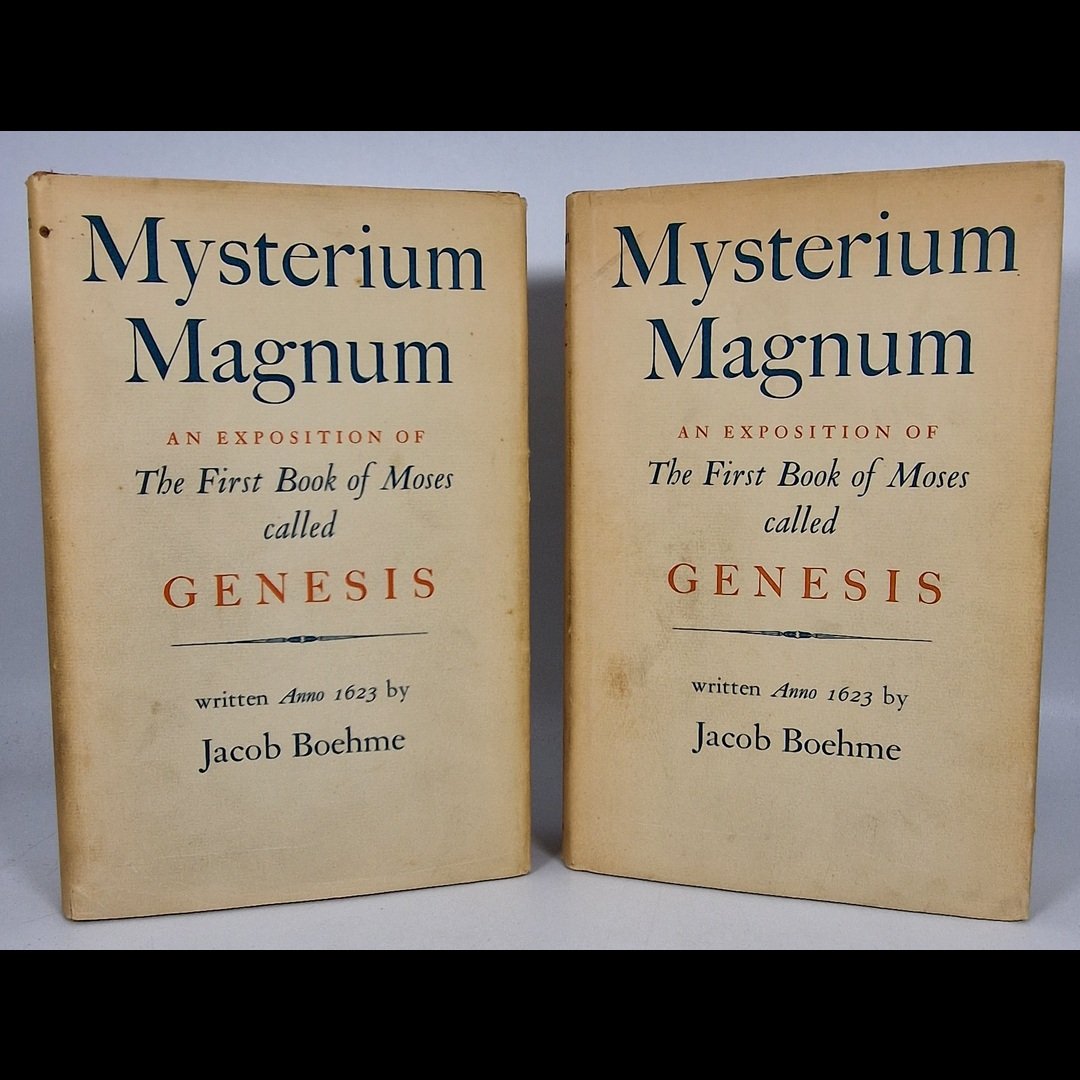 Image 1 of 21
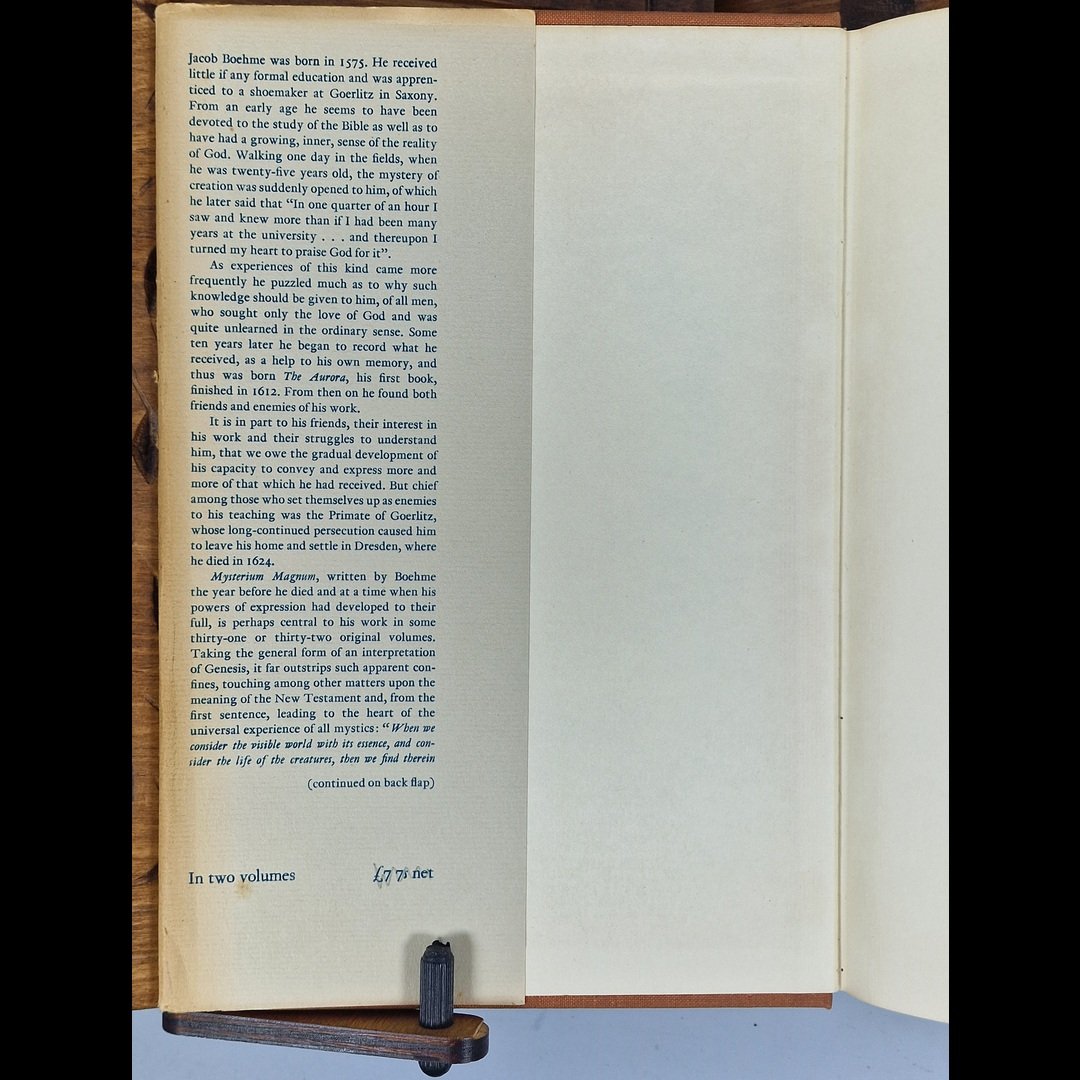 Image 2 of 21
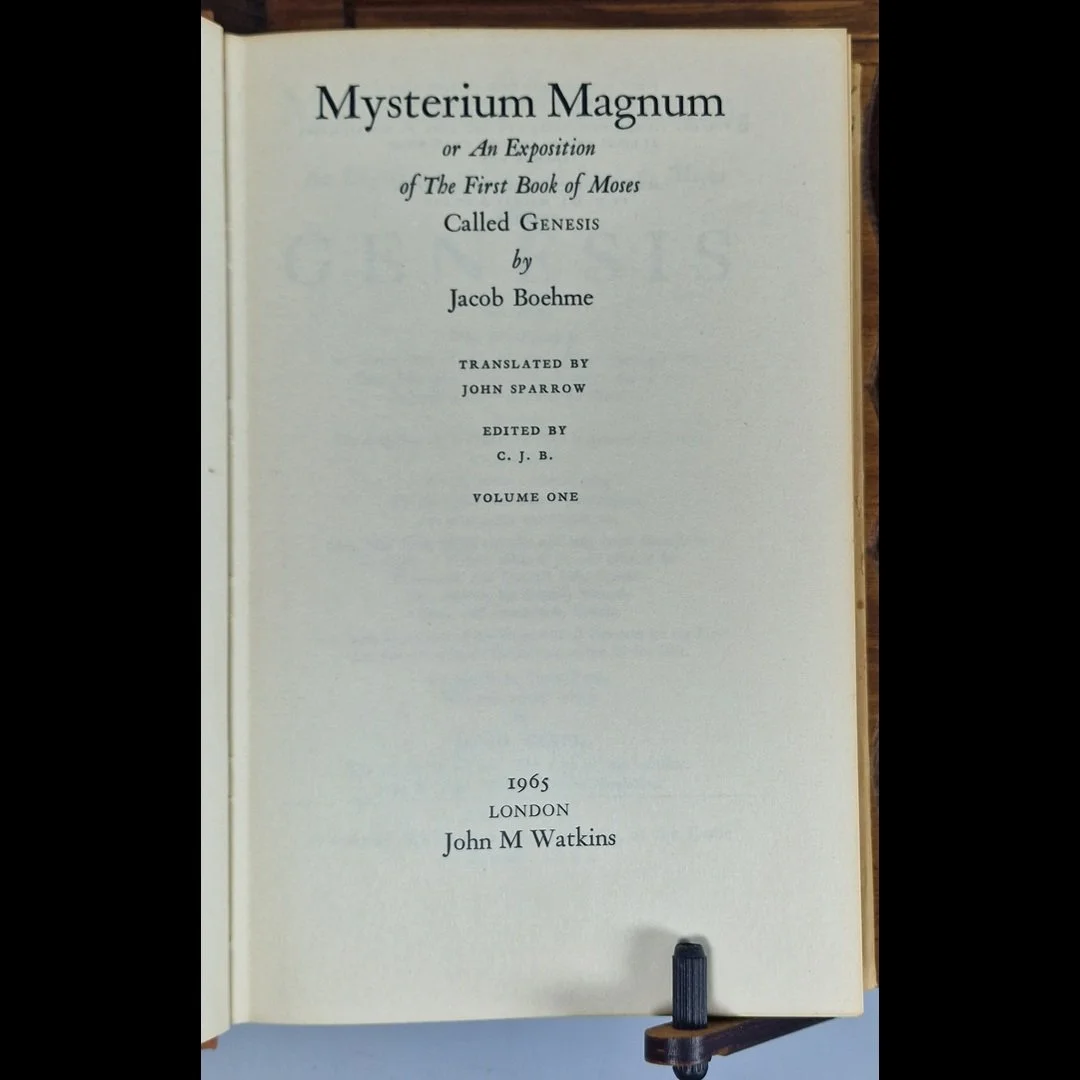 Image 3 of 21
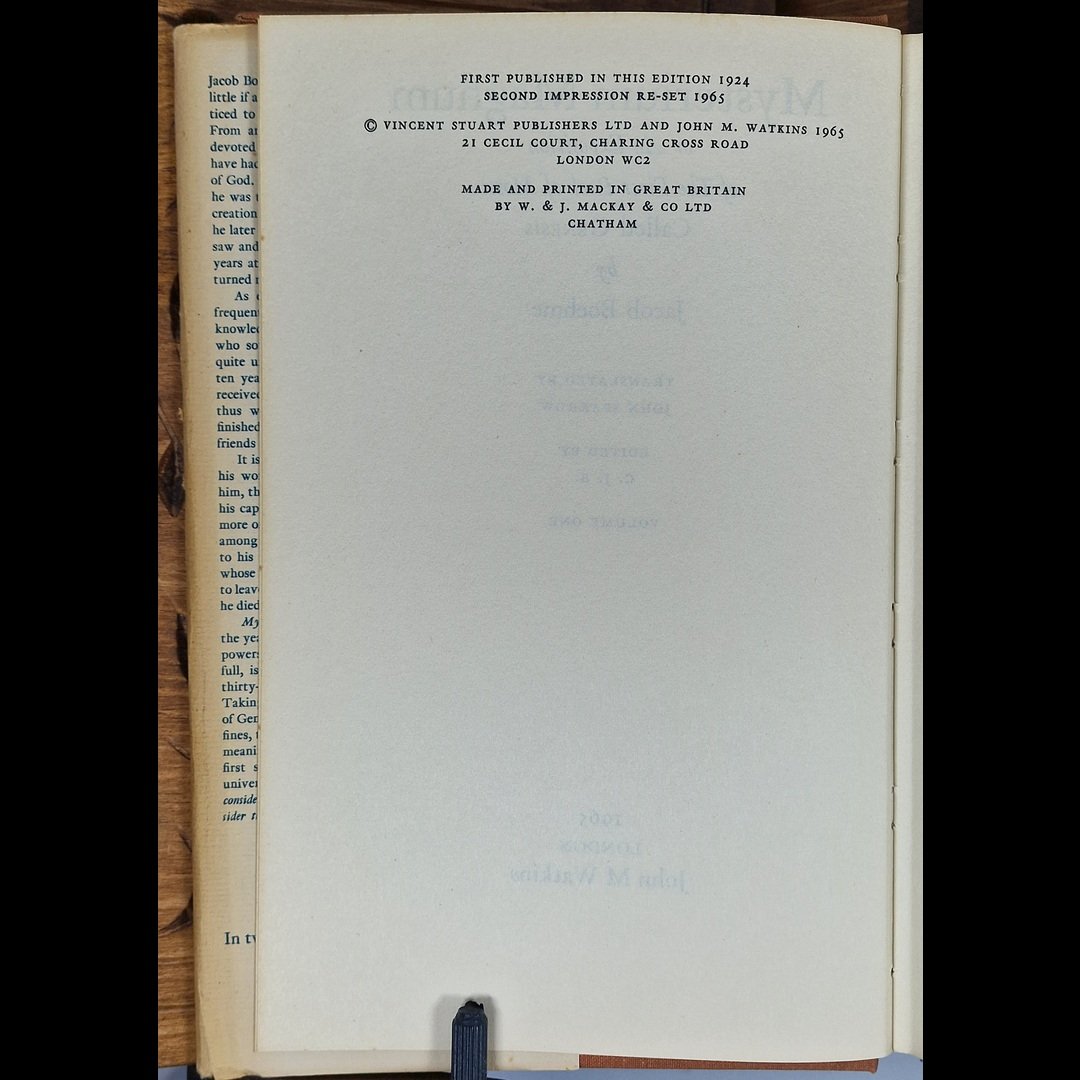 Image 4 of 21
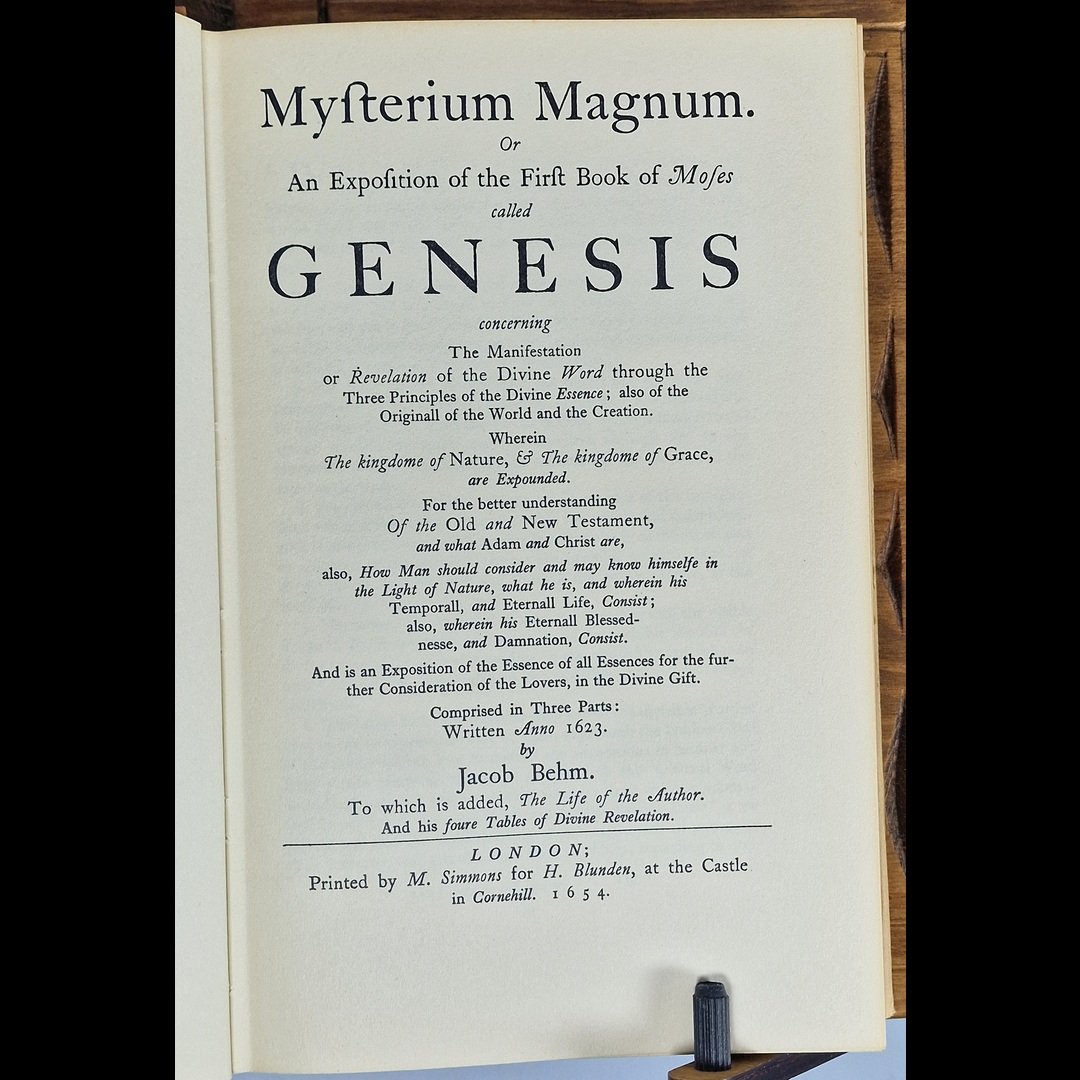 Image 5 of 21
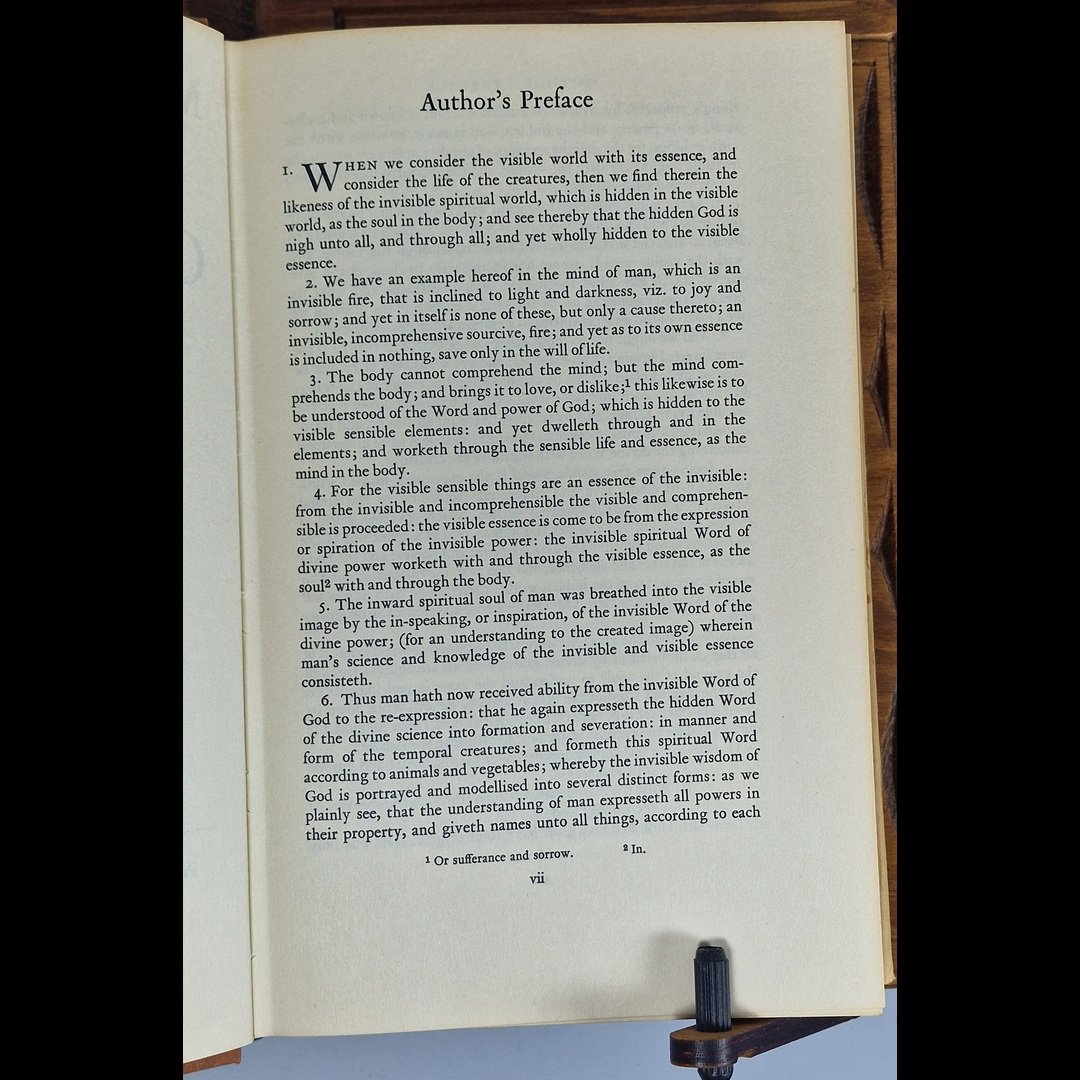 Image 6 of 21
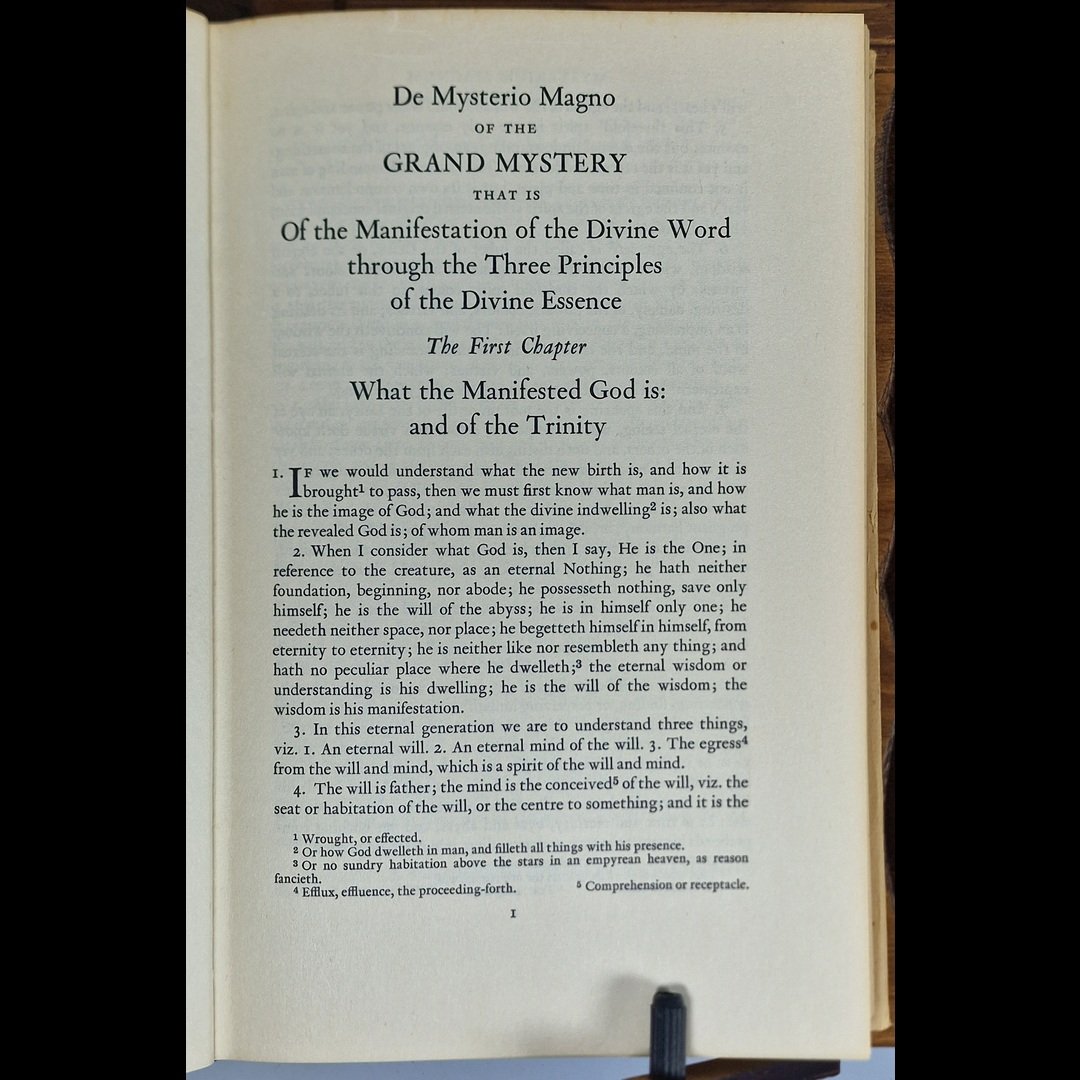 Image 7 of 21
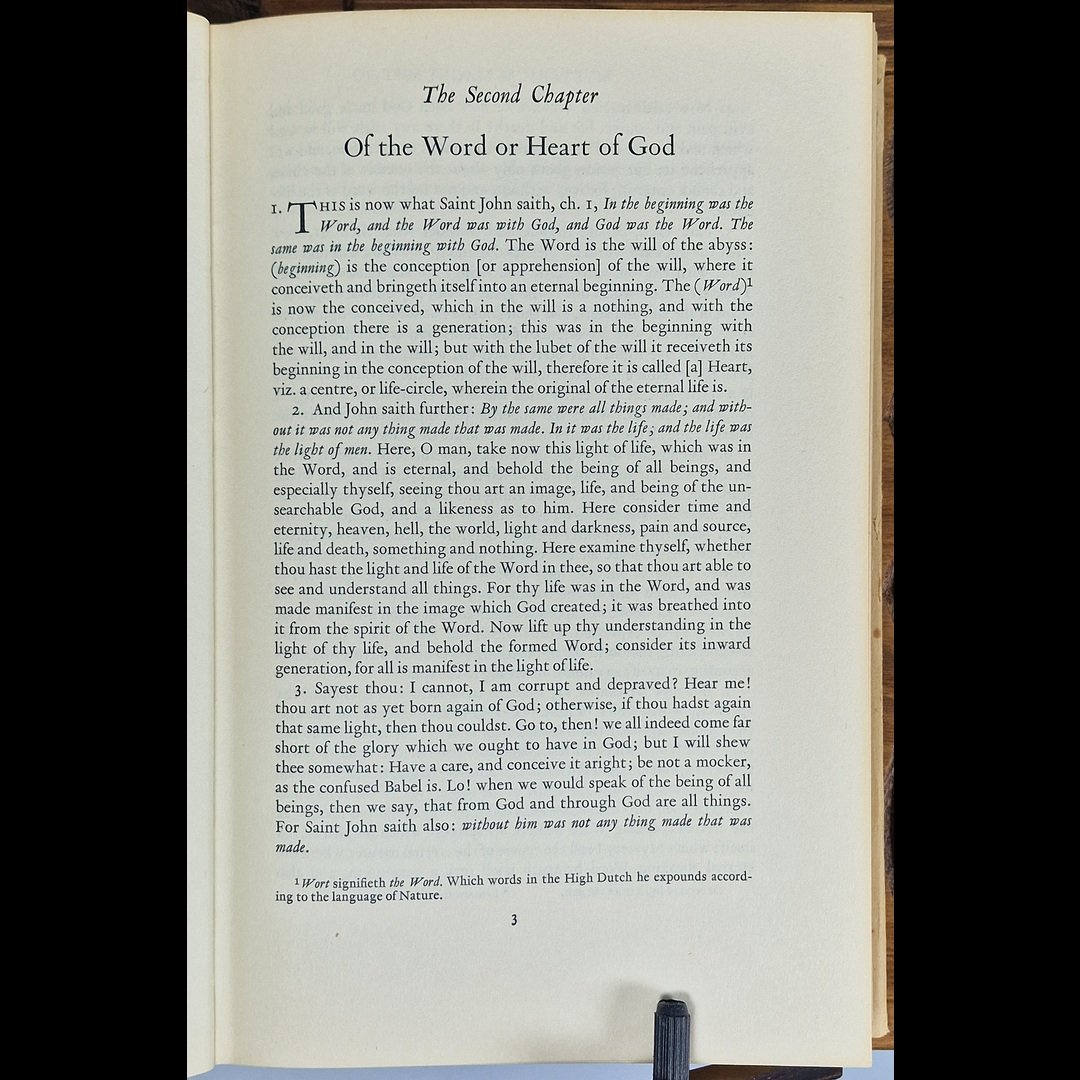 Image 8 of 21
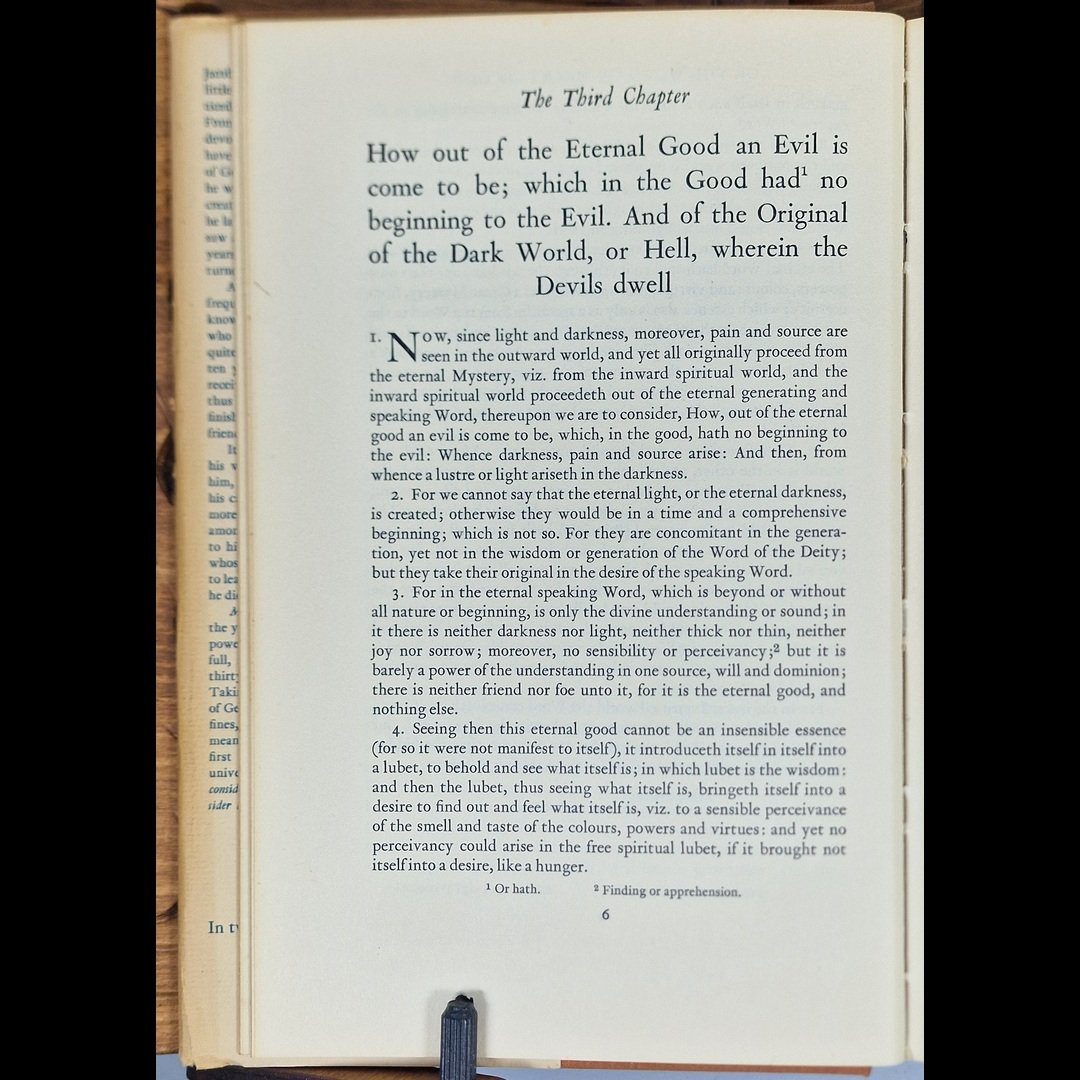 Image 9 of 21
 Image 10 of 21
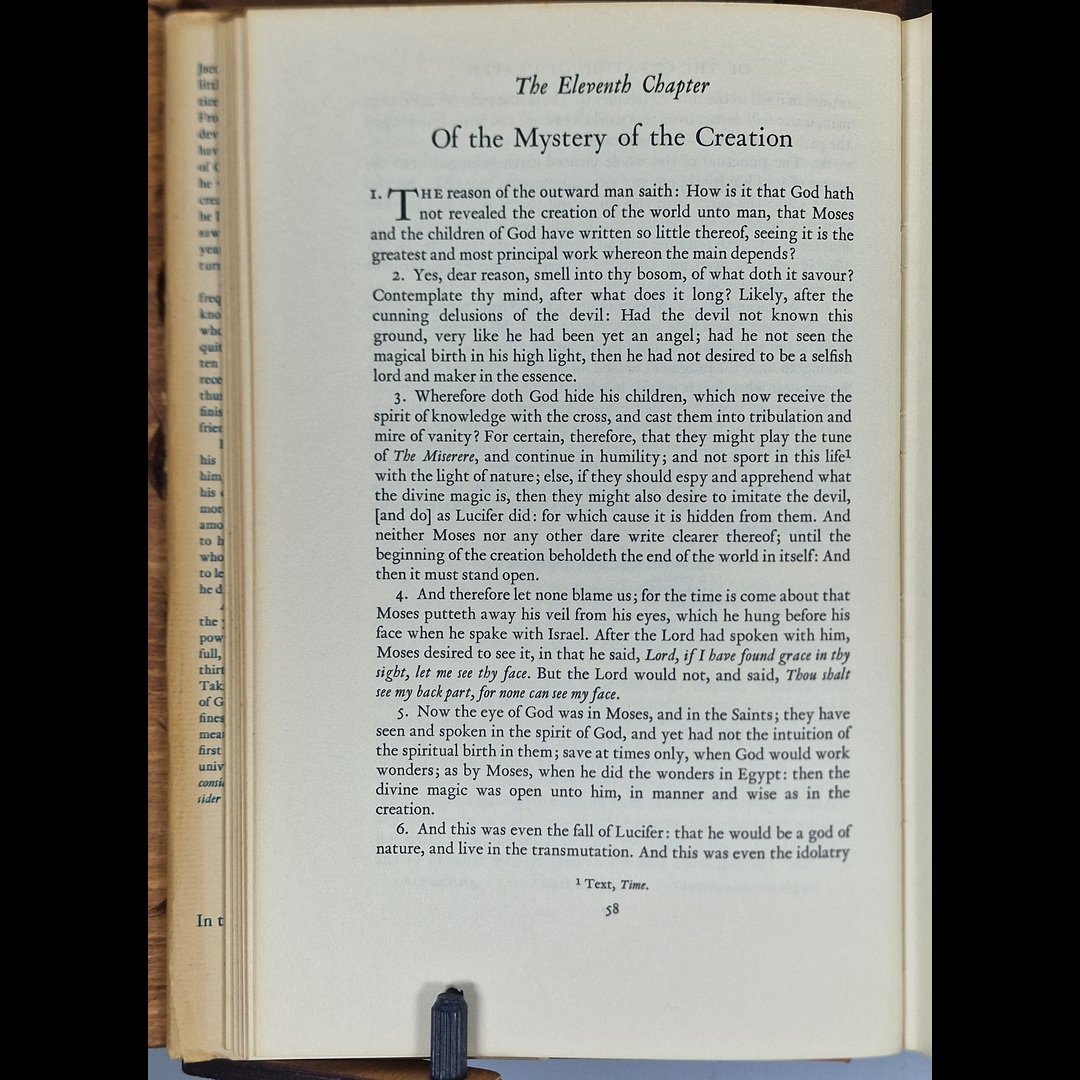 Image 11 of 21
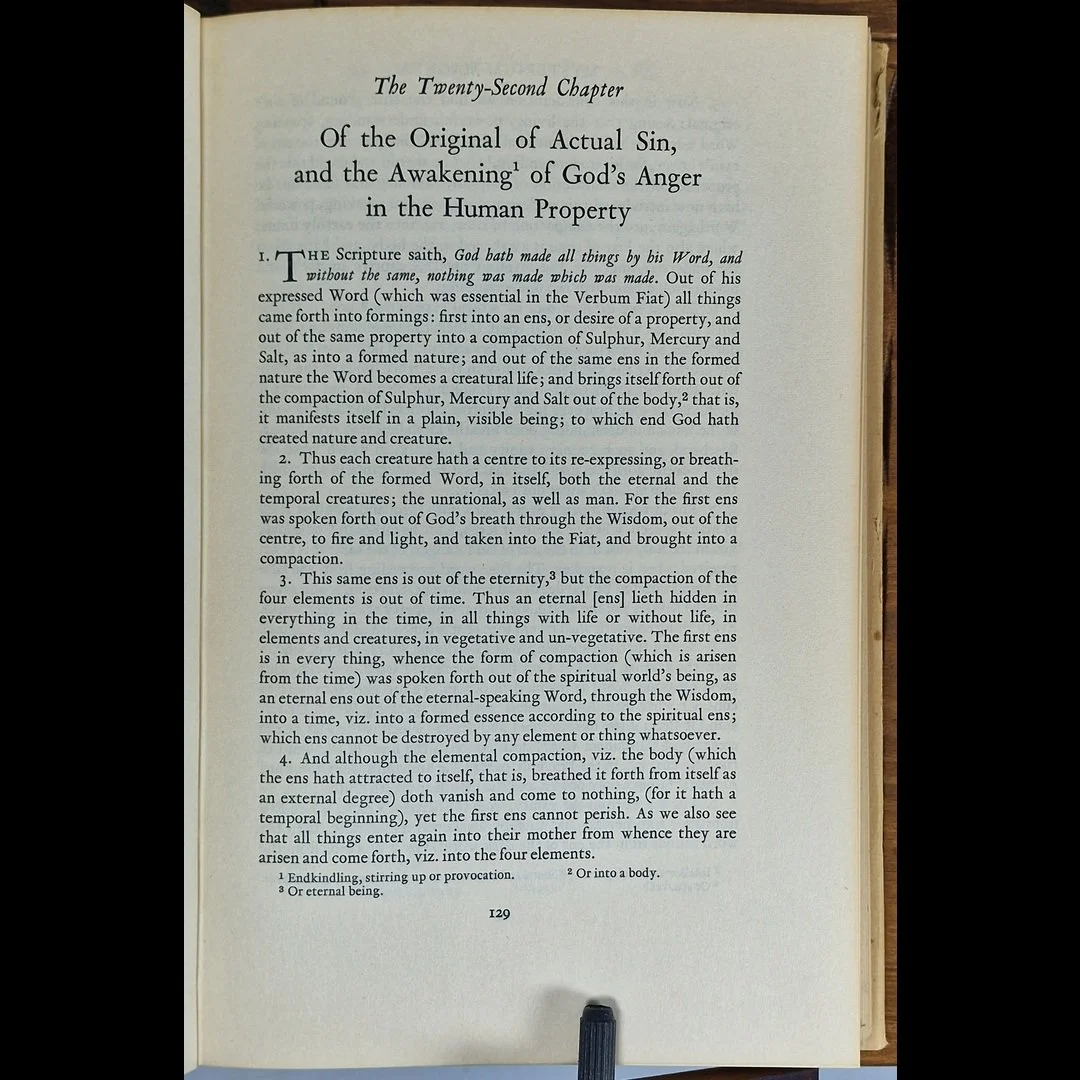 Image 12 of 21
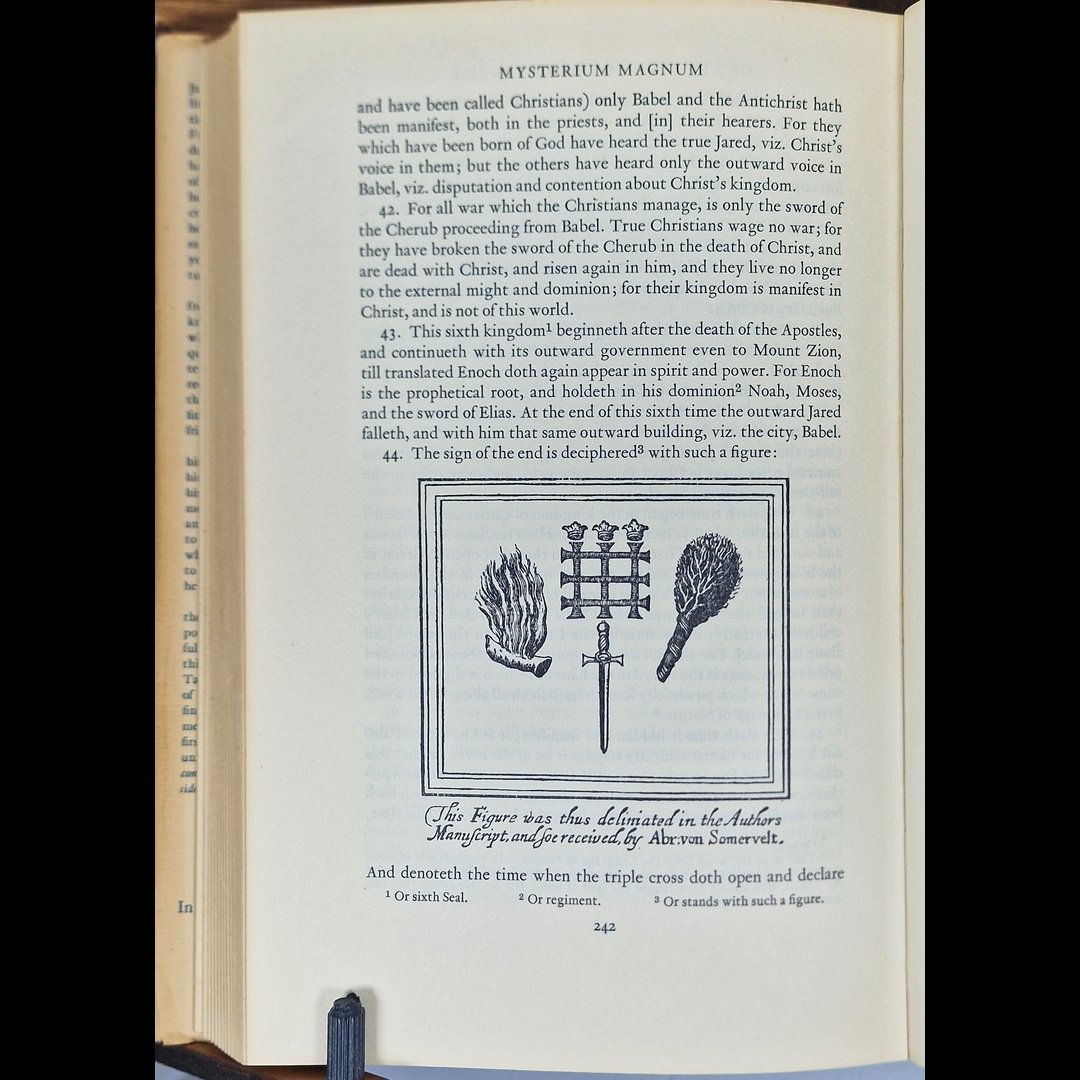 Image 13 of 21
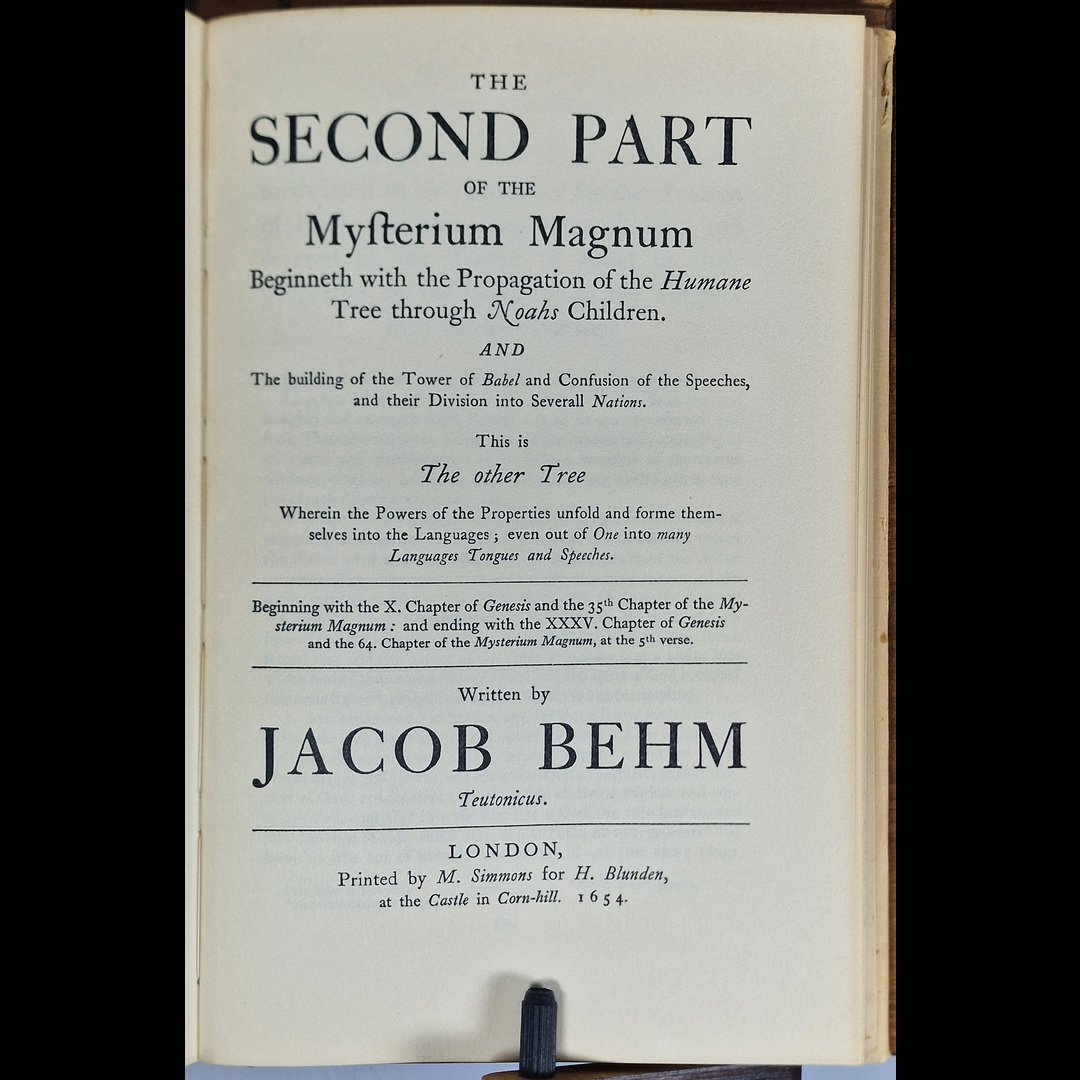 Image 14 of 21
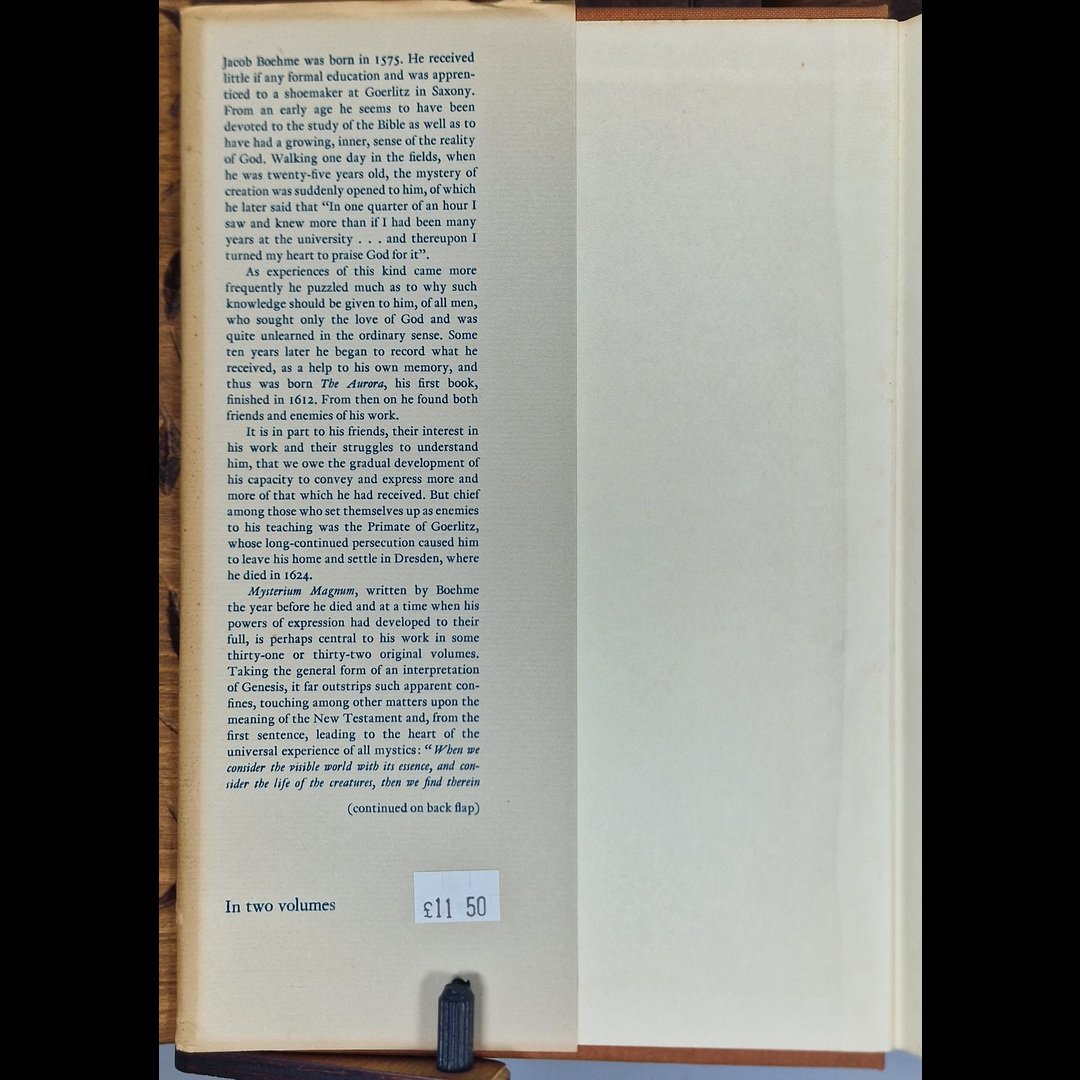 Image 15 of 21
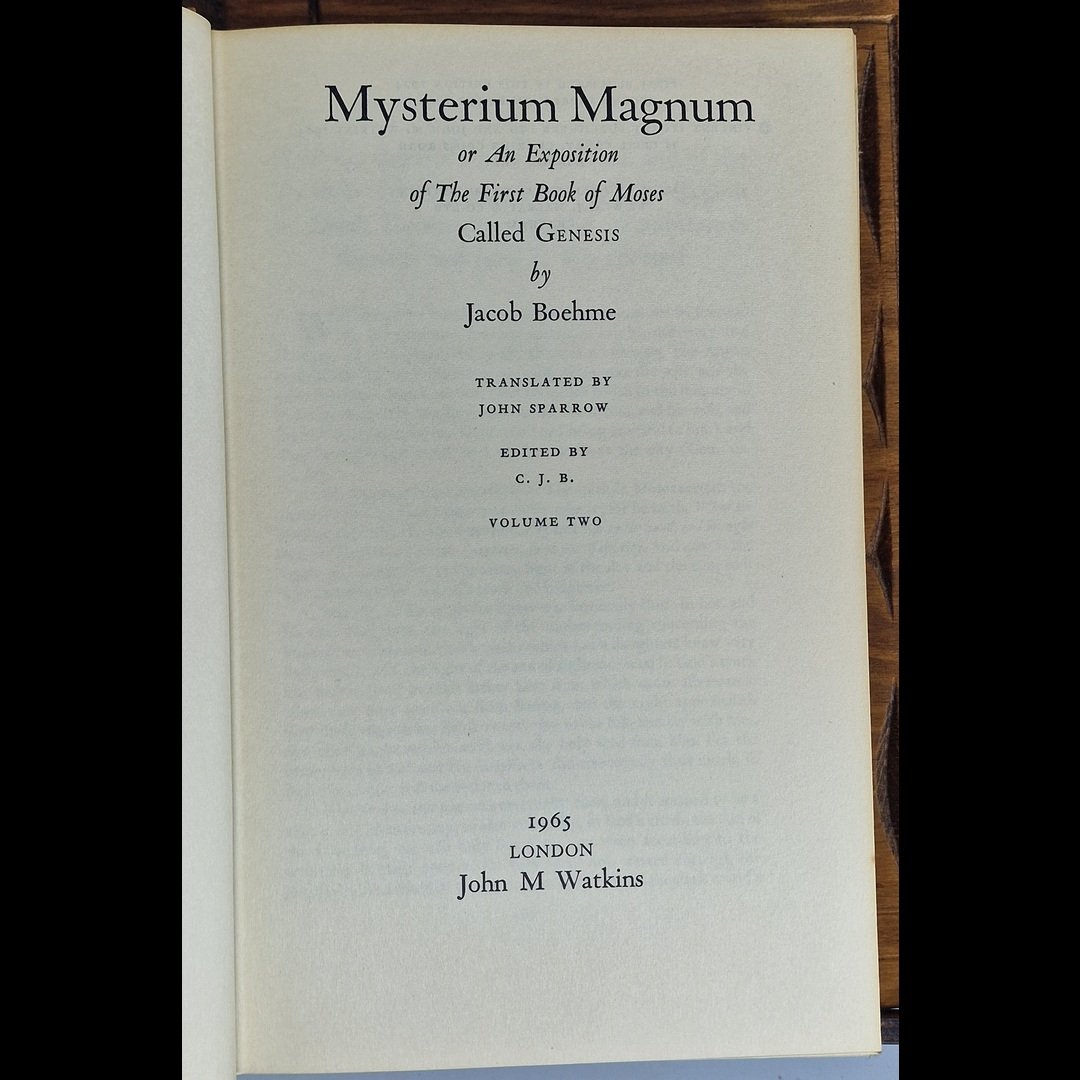 Image 16 of 21
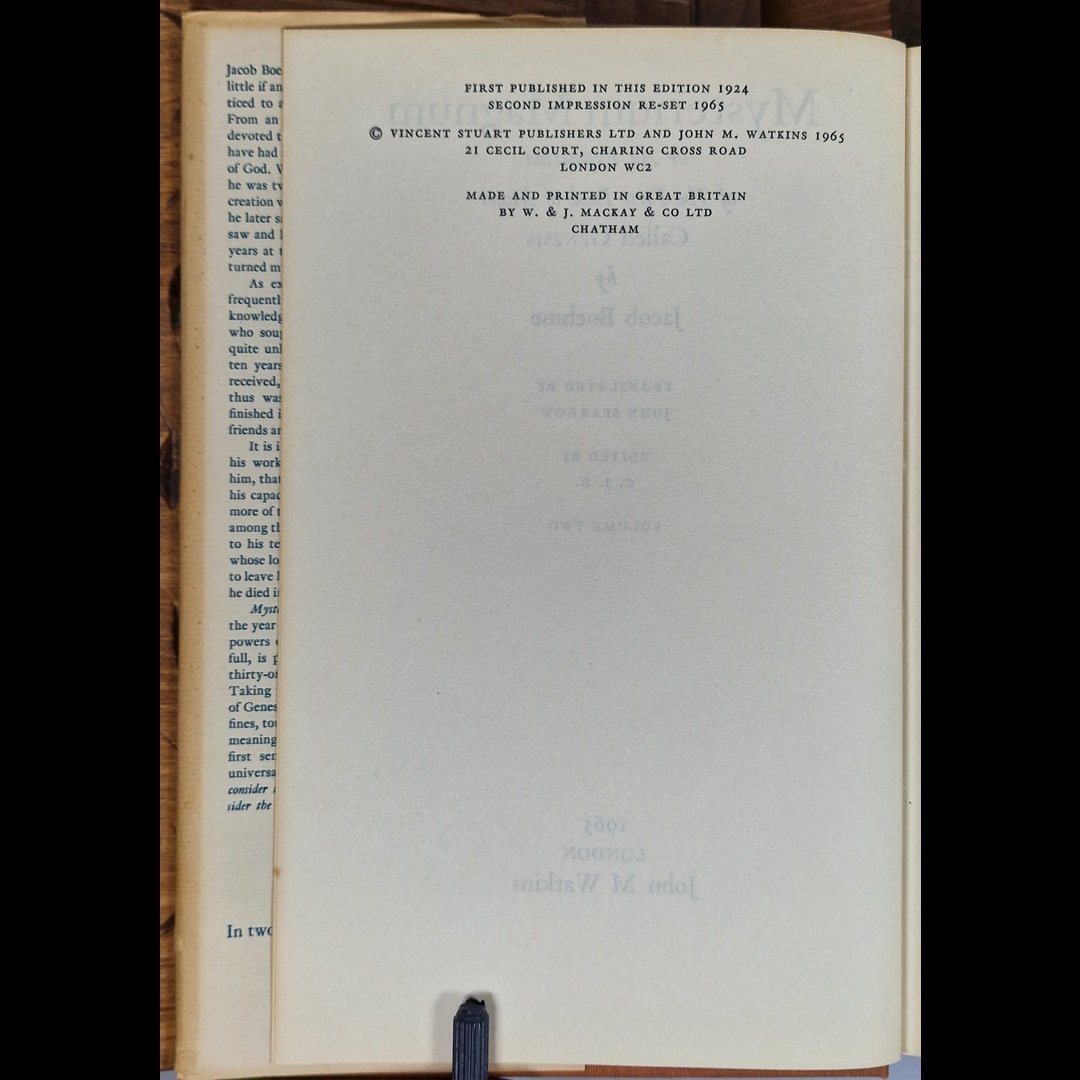 Image 17 of 21
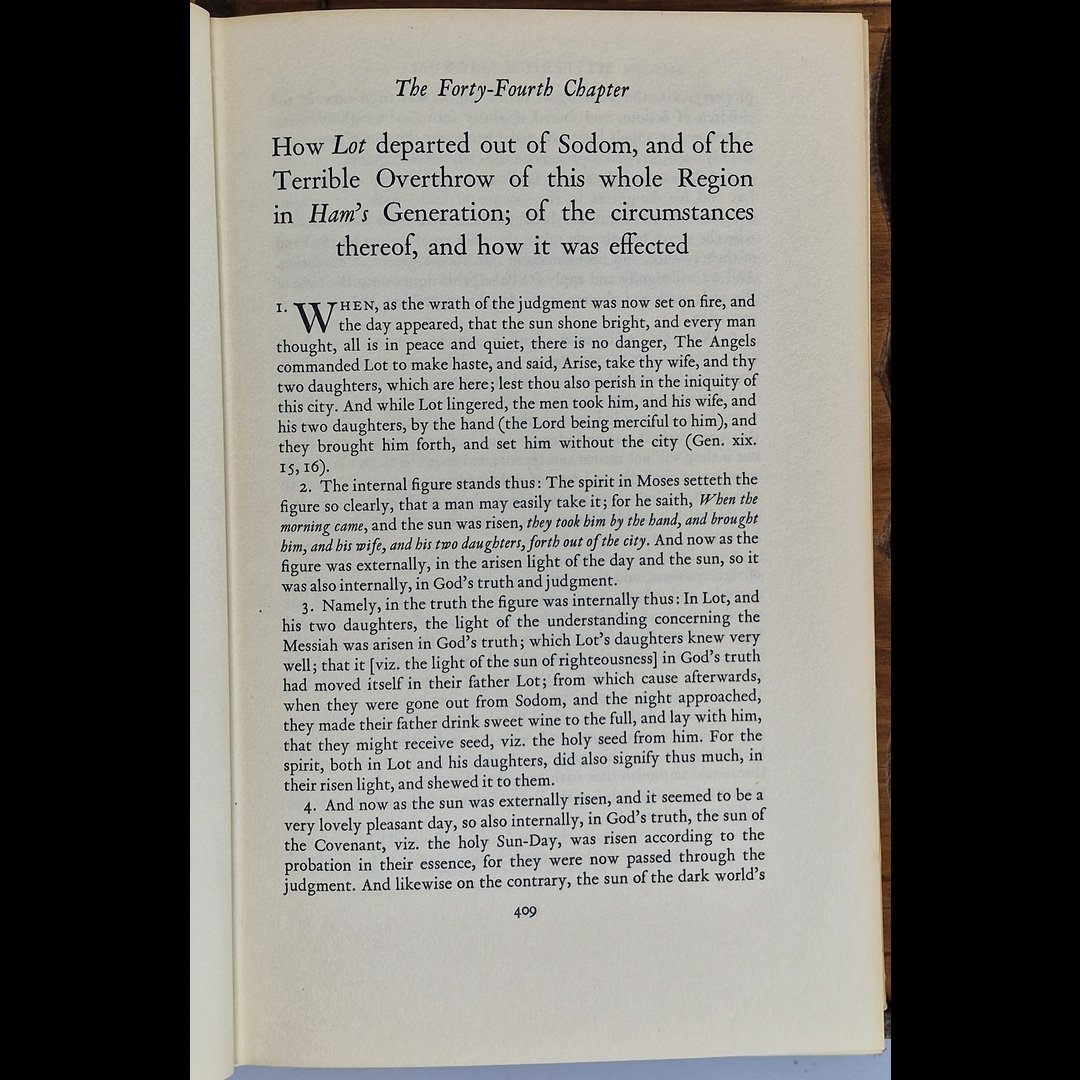 Image 18 of 21
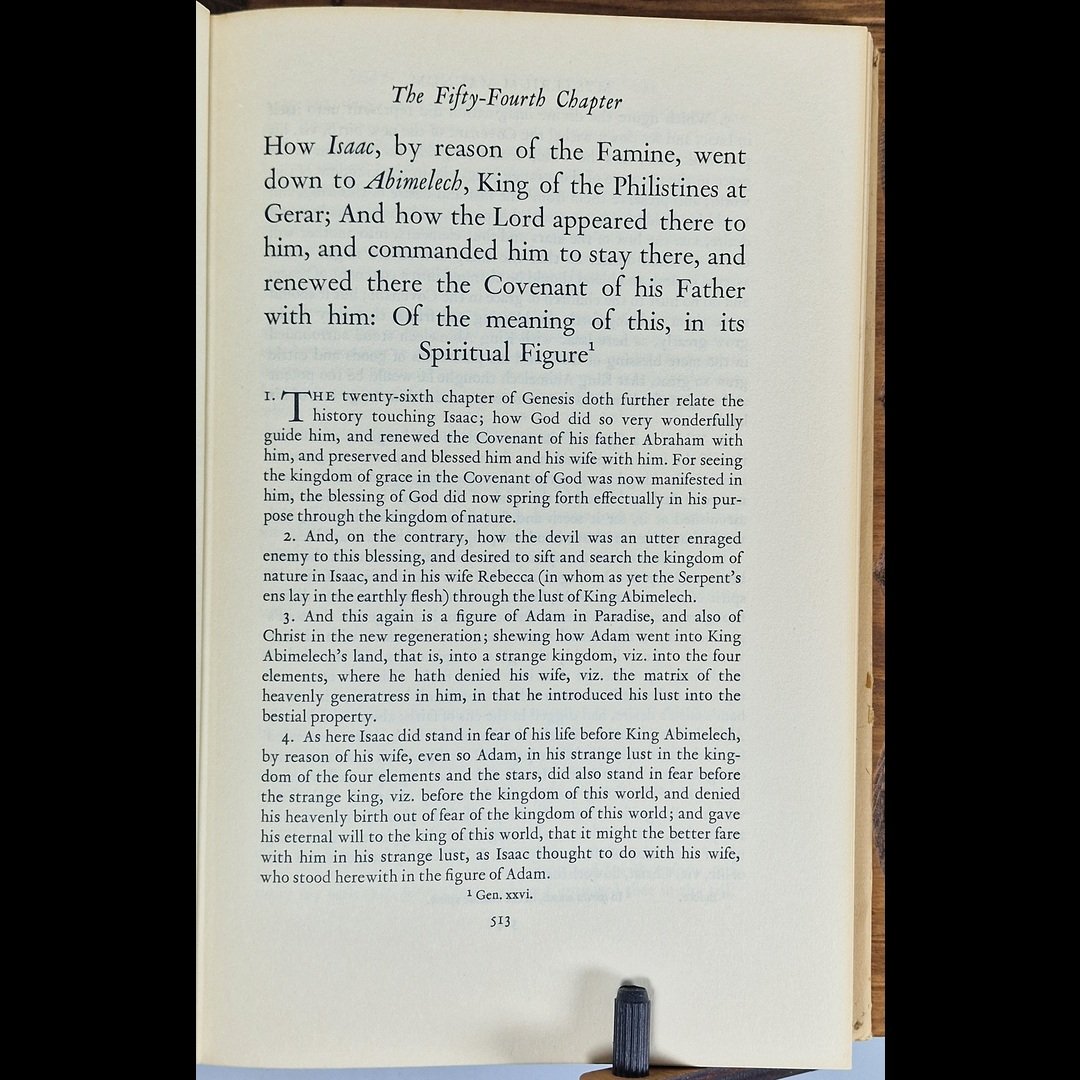 Image 19 of 21
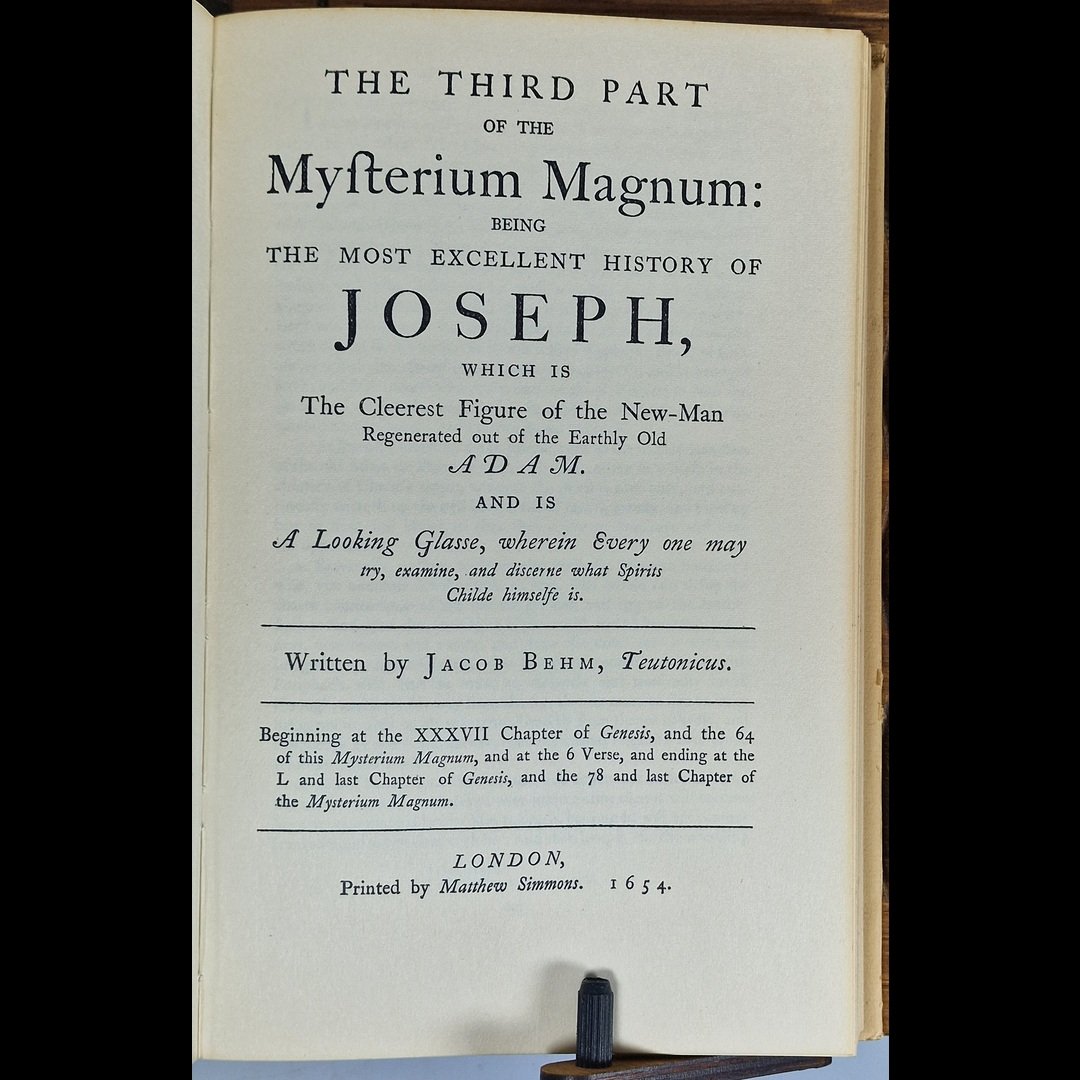 Image 20 of 21
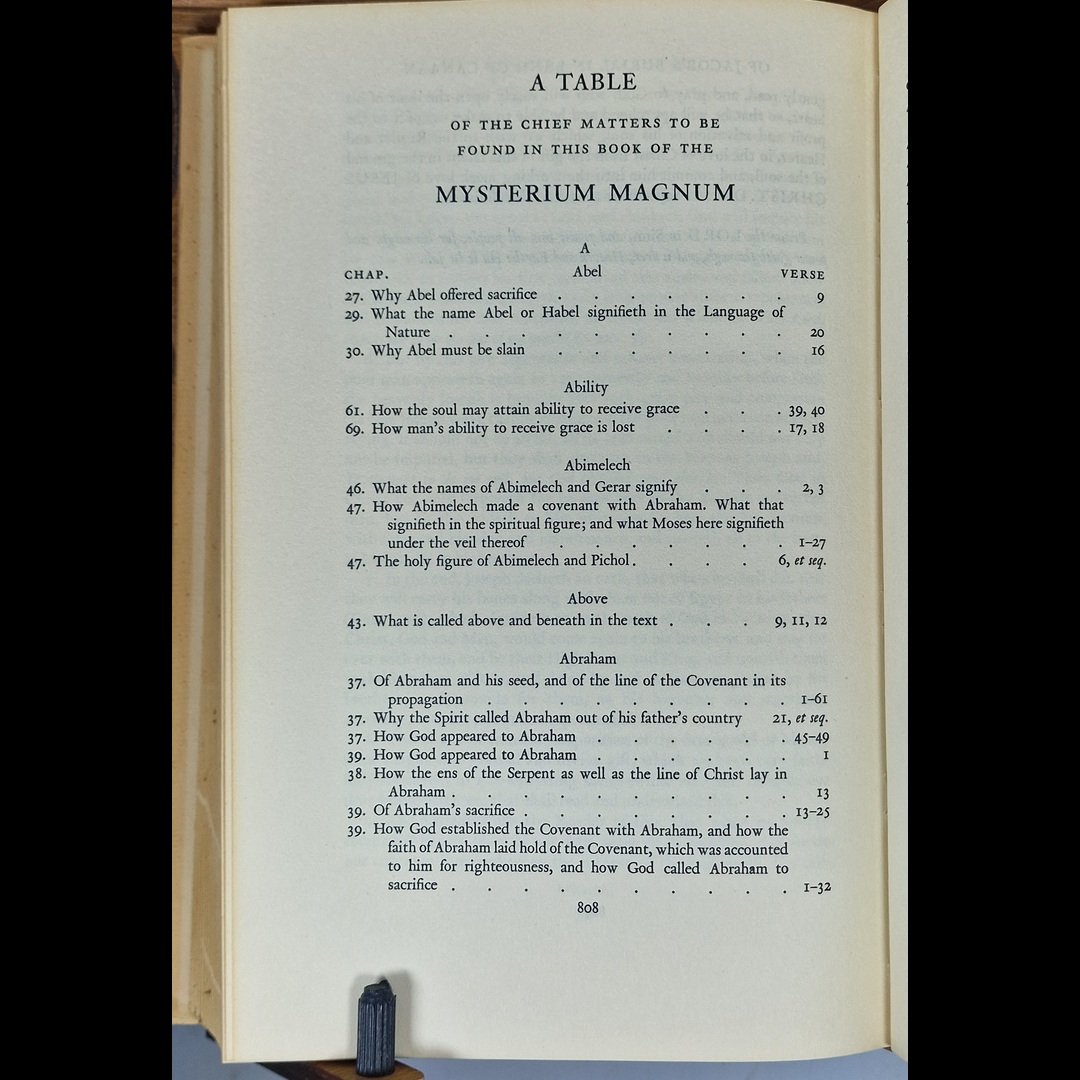 Image 21 of 21