1866 First Edition
THE STORY OF THE NORMAN CONQUEST
By Daniel Maclise
KEY DETAILS
Condition: Good
Format: Hardcover, folio (fo 12 × 19 in 305 × 483 mm )
Note: Binding/size selection follows standard bibliographic conventions and is approximate; exact measurements may vary.
Published By: Art-Union of London, London, 1866
Language: English
Illustrated By: L. Gruner
Collation: [4] pp., 42 leaves of plates. Oblong Folio
Dust Jacket: None, as issued, No Jacket
SKU: BTETM0002318
Shipping Info: Approximate Package Dimensions H: 12.5, L: 60, W: 25 (Units: cm), W: 2Kg
Tracked Shipping, Insurance Coverage as per Customer Request
DESCRIPTION
The Story of The Norman Conquest
An impressive first edition of Daniel Maclise’s panoramic visual history of the Norman Conquest, published by the Art-Union of London in 1866, the eight-hundredth anniversary of the events of 1066.
Presented in its attractive original publisher’s green cloth, blind-stamped with decorative borders and with a gilt pictorial title device to the upper board. The volume contains 42 tinted engraved plates by Ludwig Grüner after Maclise, forming a continuous pictorial narrative of the events leading to the Norman invasion, the campaigns of Harold and William, and the eventual conquest of England.
Maclise conceived the sequence on an unusually broad, almost frieze-like scale. The elongated oblong format allows the figures to unfold across each plate in densely populated historical tableaux, combining Victorian historical imagination with close attention to medieval costume, armour, architecture and ceremony. Individual scenes follow Harold’s travels and captivity, William’s preparations, the political manoeuvring surrounding the English succession, the Norwegian invasion, Stamford Bridge, the Norman landing and the Battle of Hastings.
A striking and highly decorative Victorian historical folio, particularly appealing to collectors of British history, the Norman Conquest, Victorian illustration, Daniel Maclise and nineteenth-century illustrated books.
CONDITION, COLLATION & COPY NOTES
Good+
An attractive example in the original green cloth binding. Some rubbing, scuffing and age-related wear to the boards, spine and extremities, consistent with a large-format Victorian volume of this date. The blind-stamped decoration remains clearly defined and the gilt title device to the upper board retains good visual presence.
Internally with general light age-toning and minor scattered foxing, somewhat more noticeable to the preliminary leaves. The engraved plates shown remain generally clean and well defined, with strong impressions and broad margins.
A couple of leaves have small closed tears, not affecting the printed text or engraved images. Some minor handling marks and signs of use are present. Overall, a pleasing and substantially well-preserved copy of an inherently vulnerable oblong-format publication.
Complete with all 42 engraved plates.
Please see Photos as part of condition report.
SYNOPSIS
The Story of the Norman Conquest recounts in a sequence of 42 large engraved scenes the political and military events culminating in William, Duke of Normandy’s conquest of England in 1066.
The narrative begins in the final years of Edward the Confessor and follows the competing claims to the English throne, Harold Godwinson’s dealings with William of Normandy, the invasion of Harald Hardrada and Tostig, the Battle of Stamford Bridge, William’s crossing of the Channel and the decisive confrontation at Hastings.
Rather than presenting the history principally through continuous prose, Maclise tells the story visually. Each expansive composition acts as an episode in a historical procession, populated by kings, nobles, soldiers, clerics and attendants and accompanied by identifying captions.
Published in 1866, eight centuries after the Norman Conquest, the work reflects the Victorian fascination with medieval history and national identity while also serving as an ambitious example of nineteenth-century historical illustration.
Bibliographical Note
Institutional descriptions record this edition as comprising introductory text followed by 42 tinted engravings by Ludwig Grüner after Daniel Maclise, issued by the Art-Union of London in the publisher’s decorated green cloth.
AUTHOR BIO
Daniel Maclise, R.A. (1806–1870) was an Irish-born painter and illustrator who spent most of his professional career in London and became one of the leading historical painters of the Victorian period.
A member of the Royal Academy, Maclise was celebrated for ambitious historical compositions distinguished by elaborate figure groups, narrative detail and archaeological interest. Among his best-known monumental works are the murals The Meeting of Wellington and Blücher and The Death of Nelson in the Palace of Westminster.
The Story of the Norman Conquest demonstrates the qualities for which Maclise was particularly admired: complex narrative composition, expressive figure drawing and a fascination with dramatic episodes from British history.
ILLUSTRATOR
L. Gruner
Ludwig Grüner (1801–1882) was a German engraver, draughtsman, art historian and adviser who worked extensively in both Germany and Britain.
Grüner was closely associated with the reproduction and dissemination of important works of art and was appointed artistic adviser to Prince Albert. For The Story of the Norman Conquest, the 42 tinted engravings were produced under his direction after Maclise’s original designs, preserving the breadth and detail of Maclise’s panoramic compositions.
1866 First Edition
THE STORY OF THE NORMAN CONQUEST
By Daniel Maclise
KEY DETAILS
Condition: Good
Format: Hardcover, folio (fo 12 × 19 in 305 × 483 mm )
Note: Binding/size selection follows standard bibliographic conventions and is approximate; exact measurements may vary.
Published By: Art-Union of London, London, 1866
Language: English
Illustrated By: L. Gruner
Collation: [4] pp., 42 leaves of plates. Oblong Folio
Dust Jacket: None, as issued, No Jacket
SKU: BTETM0002318
Shipping Info: Approximate Package Dimensions H: 12.5, L: 60, W: 25 (Units: cm), W: 2Kg
Tracked Shipping, Insurance Coverage as per Customer Request
DESCRIPTION
The Story of The Norman Conquest
An impressive first edition of Daniel Maclise’s panoramic visual history of the Norman Conquest, published by the Art-Union of London in 1866, the eight-hundredth anniversary of the events of 1066.
Presented in its attractive original publisher’s green cloth, blind-stamped with decorative borders and with a gilt pictorial title device to the upper board. The volume contains 42 tinted engraved plates by Ludwig Grüner after Maclise, forming a continuous pictorial narrative of the events leading to the Norman invasion, the campaigns of Harold and William, and the eventual conquest of England.
Maclise conceived the sequence on an unusually broad, almost frieze-like scale. The elongated oblong format allows the figures to unfold across each plate in densely populated historical tableaux, combining Victorian historical imagination with close attention to medieval costume, armour, architecture and ceremony. Individual scenes follow Harold’s travels and captivity, William’s preparations, the political manoeuvring surrounding the English succession, the Norwegian invasion, Stamford Bridge, the Norman landing and the Battle of Hastings.
A striking and highly decorative Victorian historical folio, particularly appealing to collectors of British history, the Norman Conquest, Victorian illustration, Daniel Maclise and nineteenth-century illustrated books.
CONDITION, COLLATION & COPY NOTES
Good+
An attractive example in the original green cloth binding. Some rubbing, scuffing and age-related wear to the boards, spine and extremities, consistent with a large-format Victorian volume of this date. The blind-stamped decoration remains clearly defined and the gilt title device to the upper board retains good visual presence.
Internally with general light age-toning and minor scattered foxing, somewhat more noticeable to the preliminary leaves. The engraved plates shown remain generally clean and well defined, with strong impressions and broad margins.
A couple of leaves have small closed tears, not affecting the printed text or engraved images. Some minor handling marks and signs of use are present. Overall, a pleasing and substantially well-preserved copy of an inherently vulnerable oblong-format publication.
Complete with all 42 engraved plates.
Please see Photos as part of condition report.
SYNOPSIS
The Story of the Norman Conquest recounts in a sequence of 42 large engraved scenes the political and military events culminating in William, Duke of Normandy’s conquest of England in 1066.
The narrative begins in the final years of Edward the Confessor and follows the competing claims to the English throne, Harold Godwinson’s dealings with William of Normandy, the invasion of Harald Hardrada and Tostig, the Battle of Stamford Bridge, William’s crossing of the Channel and the decisive confrontation at Hastings.
Rather than presenting the history principally through continuous prose, Maclise tells the story visually. Each expansive composition acts as an episode in a historical procession, populated by kings, nobles, soldiers, clerics and attendants and accompanied by identifying captions.
Published in 1866, eight centuries after the Norman Conquest, the work reflects the Victorian fascination with medieval history and national identity while also serving as an ambitious example of nineteenth-century historical illustration.
Bibliographical Note
Institutional descriptions record this edition as comprising introductory text followed by 42 tinted engravings by Ludwig Grüner after Daniel Maclise, issued by the Art-Union of London in the publisher’s decorated green cloth.
AUTHOR BIO
Daniel Maclise, R.A. (1806–1870) was an Irish-born painter and illustrator who spent most of his professional career in London and became one of the leading historical painters of the Victorian period.
A member of the Royal Academy, Maclise was celebrated for ambitious historical compositions distinguished by elaborate figure groups, narrative detail and archaeological interest. Among his best-known monumental works are the murals The Meeting of Wellington and Blücher and The Death of Nelson in the Palace of Westminster.
The Story of the Norman Conquest demonstrates the qualities for which Maclise was particularly admired: complex narrative composition, expressive figure drawing and a fascination with dramatic episodes from British history.
ILLUSTRATOR
L. Gruner
Ludwig Grüner (1801–1882) was a German engraver, draughtsman, art historian and adviser who worked extensively in both Germany and Britain.
Grüner was closely associated with the reproduction and dissemination of important works of art and was appointed artistic adviser to Prince Albert. For The Story of the Norman Conquest, the 42 tinted engravings were produced under his direction after Maclise’s original designs, preserving the breadth and detail of Maclise’s panoramic compositions.

 Image 1 of 28
 Image 2 of 28
 Image 3 of 28
 Image 4 of 28
 Image 5 of 28
 Image 6 of 28
 Image 7 of 28
 Image 8 of 28
 Image 9 of 28
 Image 10 of 28
 Image 11 of 28
 Image 12 of 28
 Image 13 of 28
 Image 14 of 28
 Image 15 of 28
 Image 16 of 28
 Image 17 of 28
 Image 18 of 28
 Image 19 of 28
 Image 20 of 28
 Image 21 of 28
 Image 22 of 28
 Image 23 of 28
 Image 24 of 28
 Image 25 of 28
 Image 26 of 28
 Image 27 of 28
 Image 28 of 28









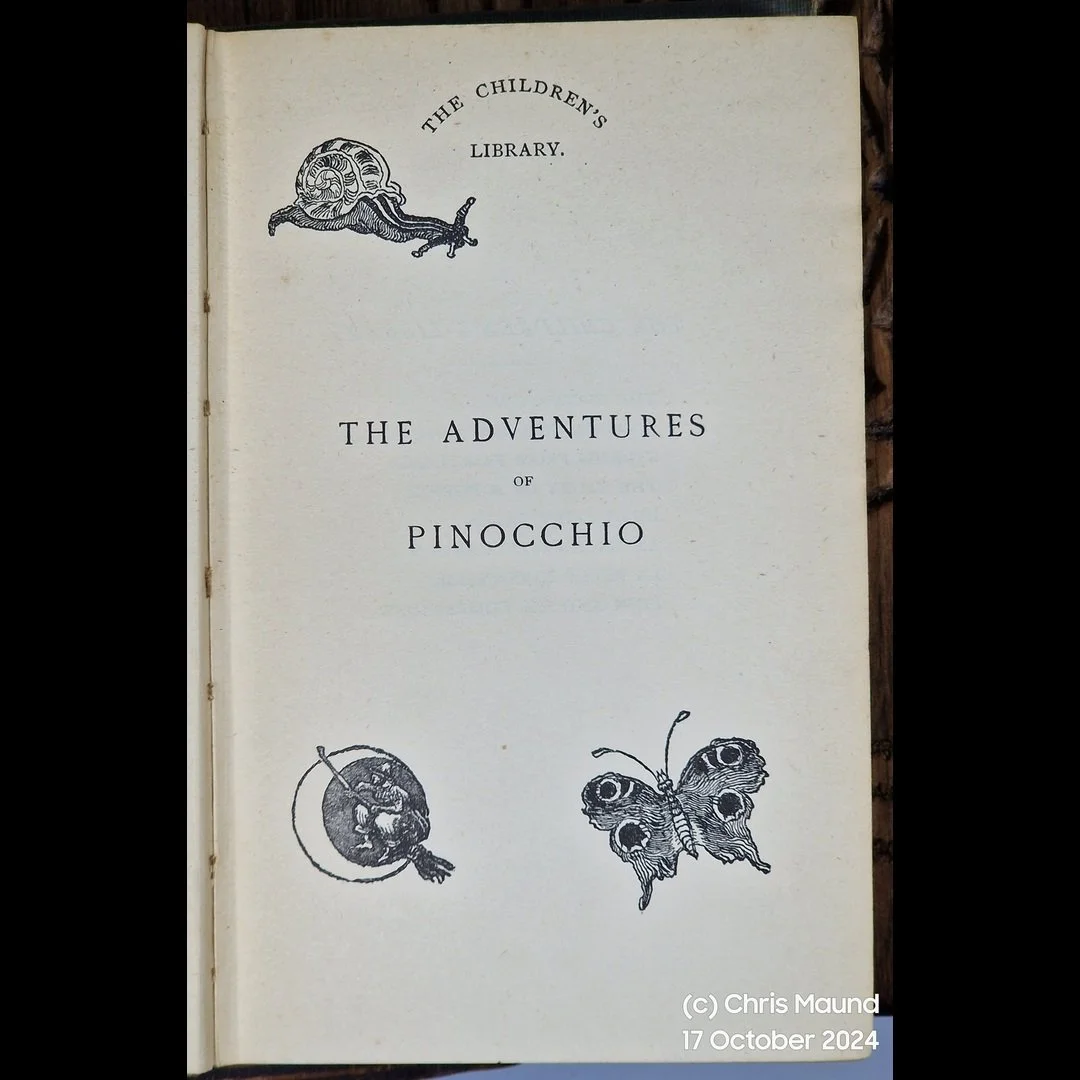
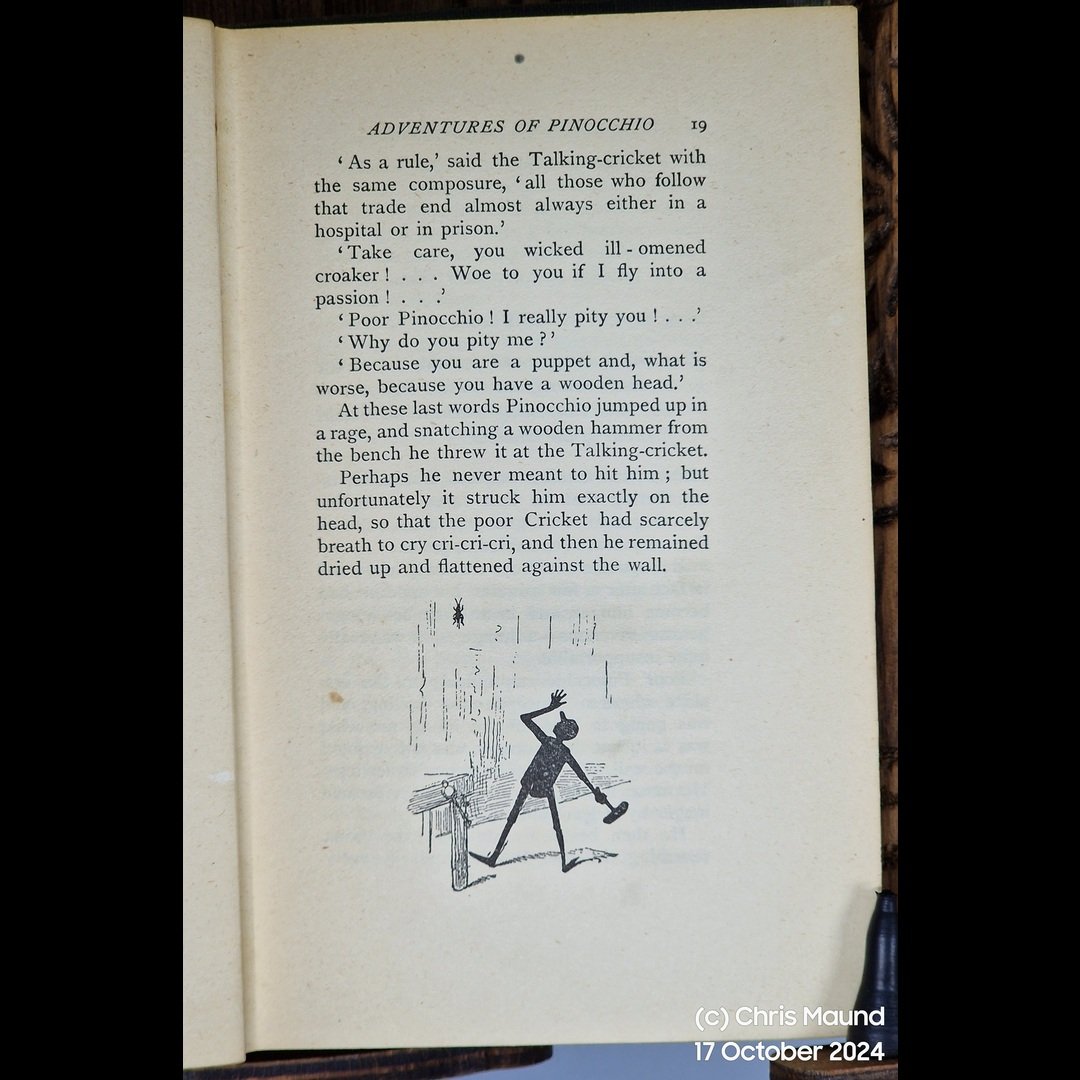
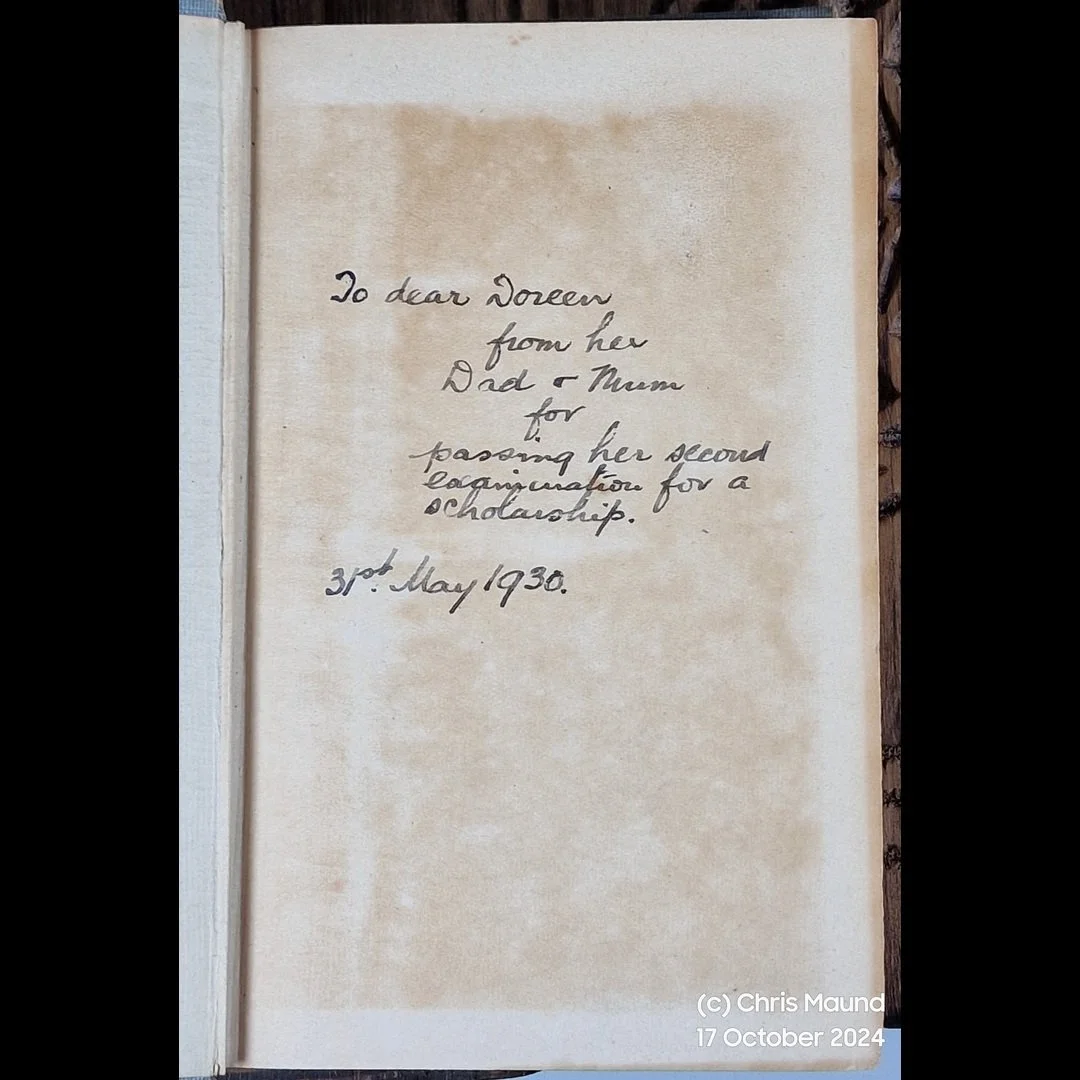
![1892 First English Edtn, Second Impression THE STORY OF A PUPPET By Carlo Collodi [Carlo Lorenzini] Illus. Enrico Mazzanti](https://images.squarespace-cdn.com/content/v1/634dab4938c13d5c1f88d382/dcf6c683-457d-42e7-b01a-6dc7dace012c/20241017_224034-8.jpg)