1828 Improved Edition
THE COSTUME OF THE ORIGINAL INHABITANTS OF THE BRITISH ISLANDS
By Samuel Rush Meyrick, L.L.D. and F.S.A. and Charles Hamilton Smith, Esq.
KEY DETAILS
Condition: Very Good
Format: Hardcover, folio (fo 12 × 19 in 305 × 483 mm )
Note: Binding/size selection follows standard bibliographic conventions and is approximate; exact measurements may vary.
Published By: Republished by the New Proprietor, J. Dowding, Bookseller, 82 Newgate Street, London, 1828
Language: English
Collation: [90] pp.; additional hand-coloured aquatint title/frontispiece and 24 hand-coloured aquatint plates.
Dust Jacket: None, as issued, No Jacket
SKU: BTETM0002322
Shipping Info: Approximate Package Dimensions H: 12.5, L: 30, W: 25 (Units: cm), W: 2Kg
Tracked Shipping, Insurance Coverage as per Customer Request
DESCRIPTION
The Costume of the Original Inhabitants of the British Islands
AND ADJACENT COASTS OF THE BALTIC
Including the Ancestors of the Anglo-Saxons and Anglo-Danes,
from the Earliest Periods to the Sixth Century;
Accompanied with Appropriate Historical and Descriptive Illustrations
A substantial and highly decorative early nineteenth-century antiquarian costume folio, combining the scholarship of Sir Samuel Rush Meyrick with the designs of Charles Hamilton Smith and a striking suite of hand-coloured aquatints by Robert Havell.
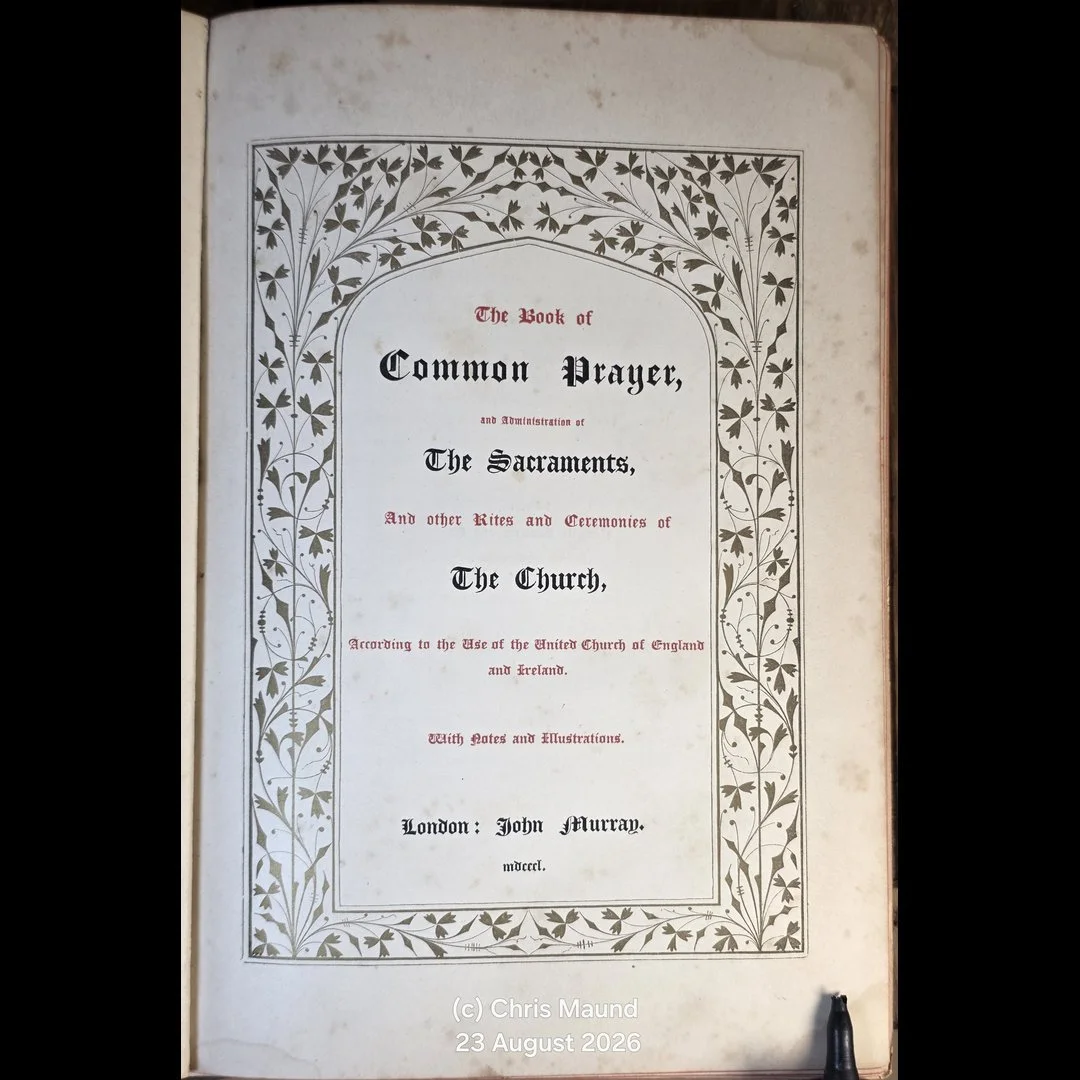
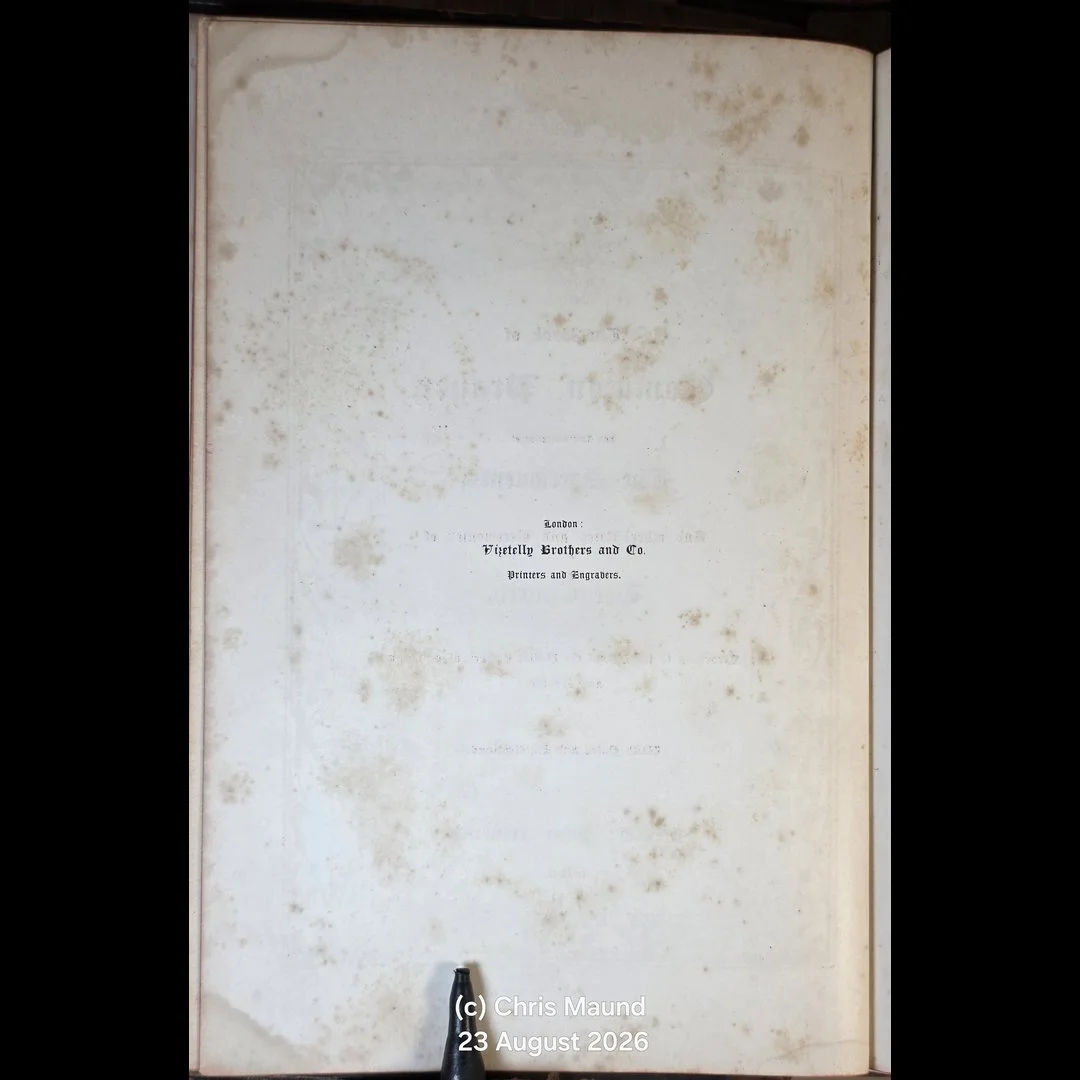
This is the undated J. Dowding “Improved Edition”, issued after the original 1815 edition and the revised 1821 edition. The individual aquatint plates retain their original 1815 R. Havell publication imprints, but the printed title page of the present edition states “Republished by the New Proprietor, J. Dowding, Bookseller, 82, Newgate Street” and carries no publication date. The Dowding issue is generally placed in the 1820s and is frequently catalogued c.1828.
The volume is notable for its additional hand-coloured aquatint title/frontispiece and a series of 24 hand-coloured aquatint plates illustrating the imagined costume, ceremony and material culture of the early inhabitants of Britain, Ireland and the Baltic world. Subjects include Druids and Bards, Boadicea Queen of the Iceni, Roman British priestesses, Pagan Irish costume, Hibernian dress, Saxon and Gothic peoples, and the remarkable large composition depicting the Grand Conventional Festival of the Britons at Stonehenge.
The plates were designed by Charles Hamilton Smith and aquatinted by Robert Havell. They retain considerable freshness of colour, with strong blues, greens, ochres, reds and flesh tones, and form the principal visual attraction of the work.
CONDITION, COLLATION & COPY NOTES
c1828.
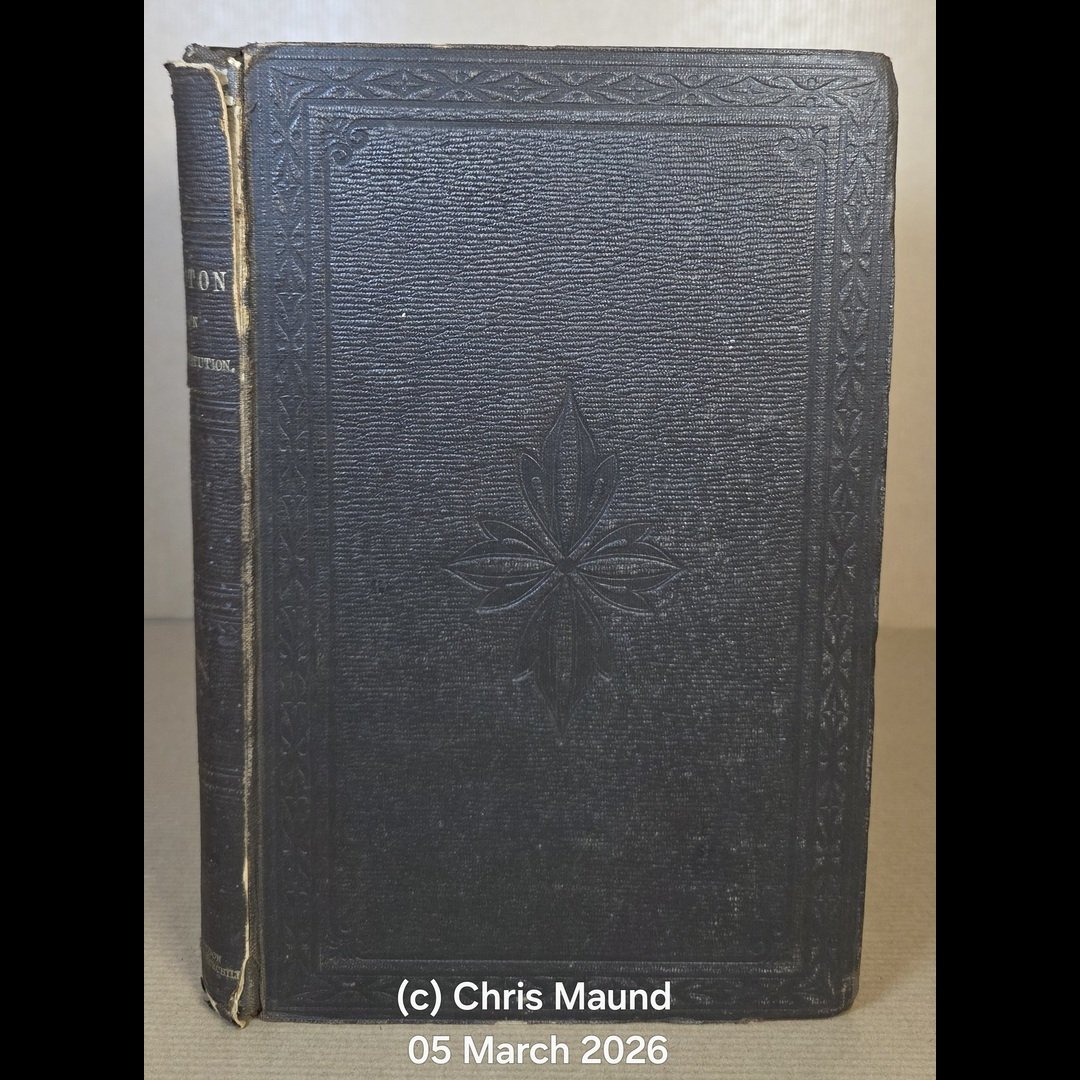
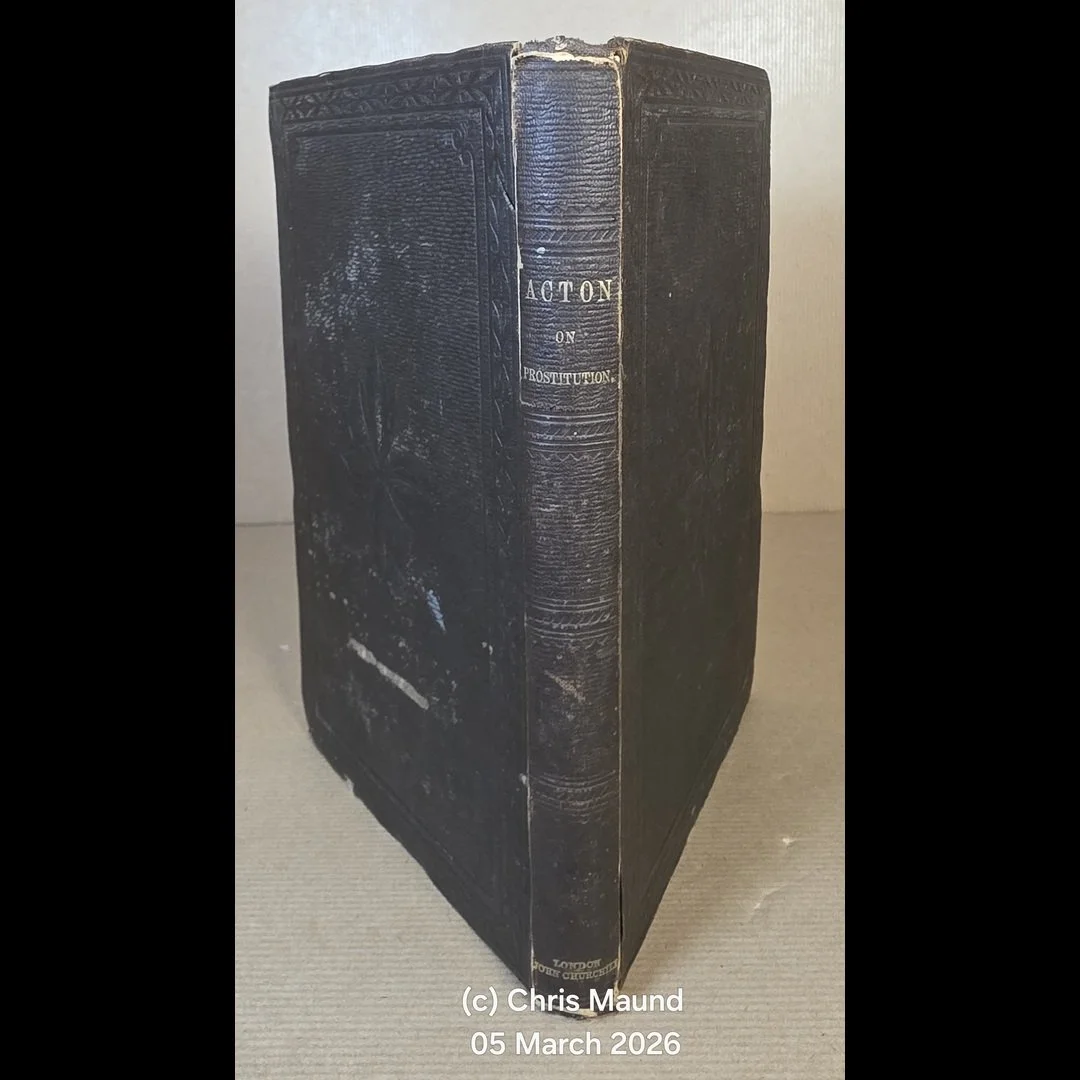
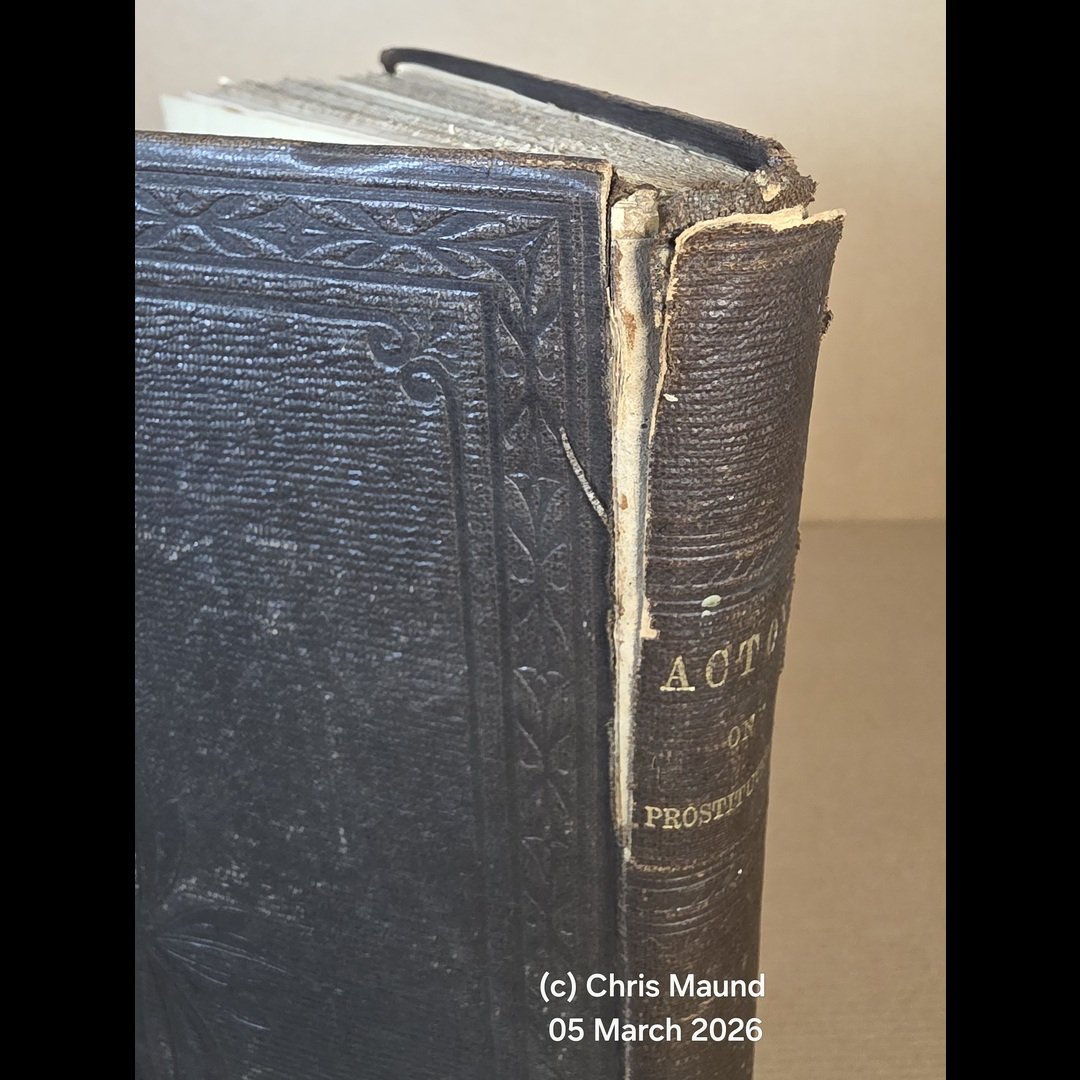
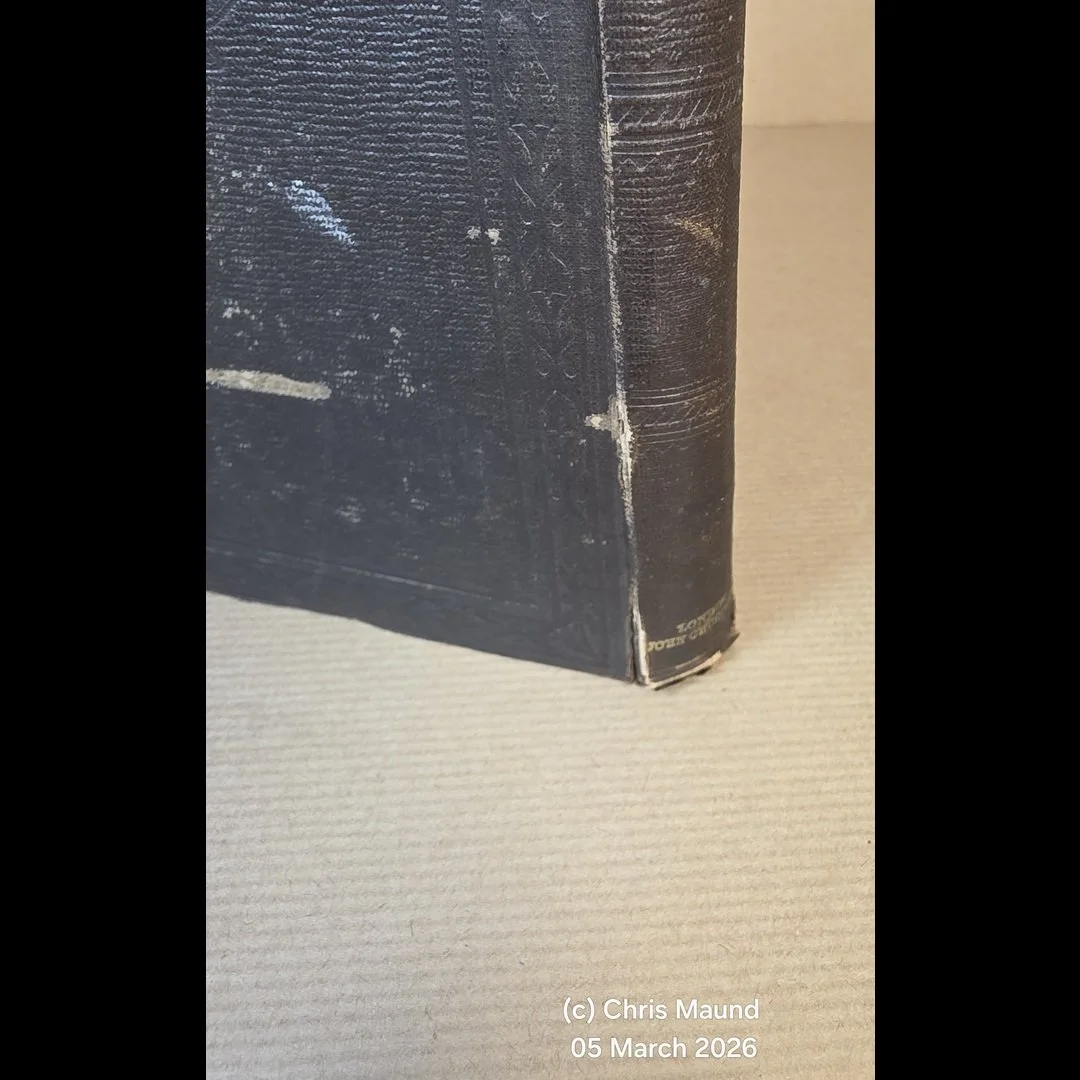
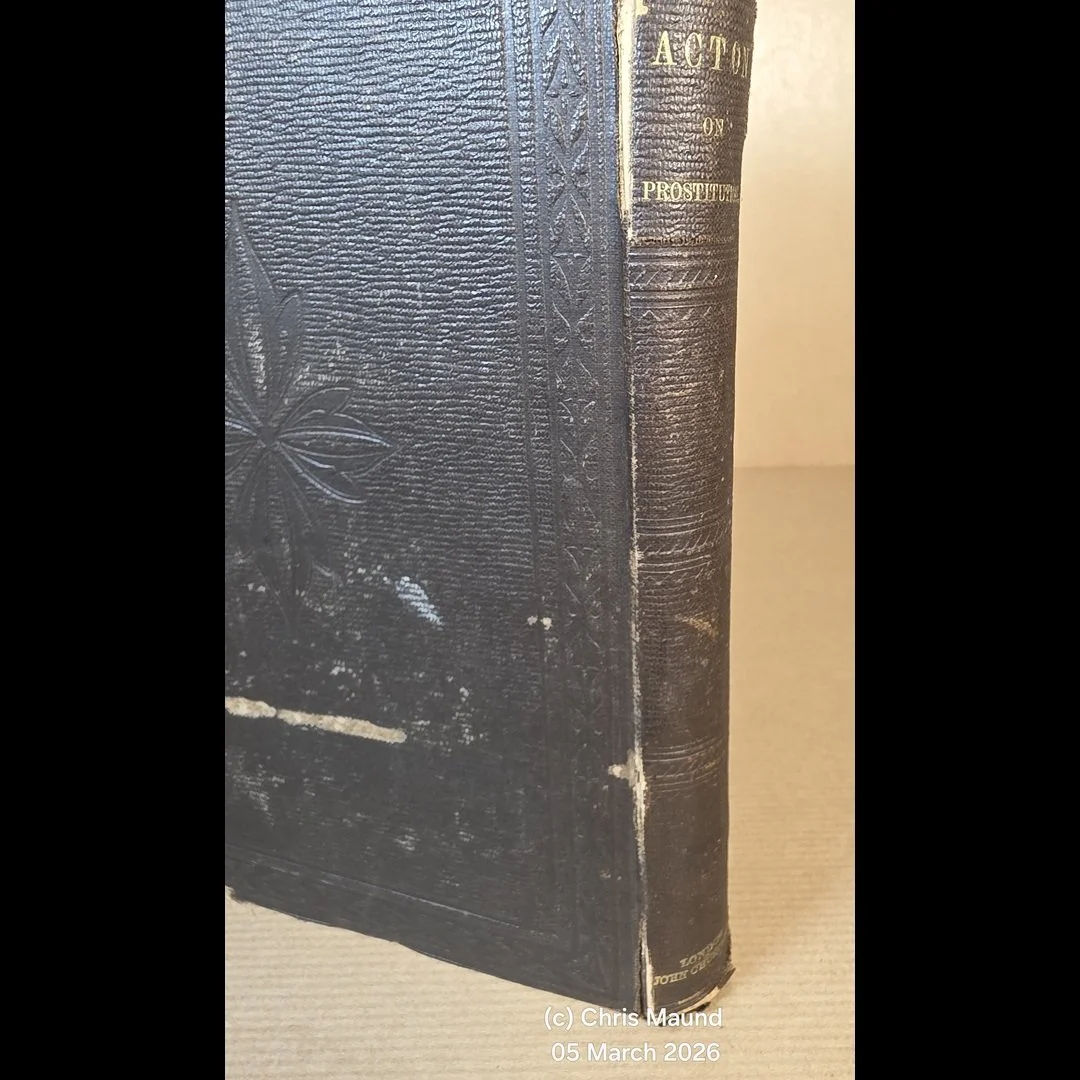
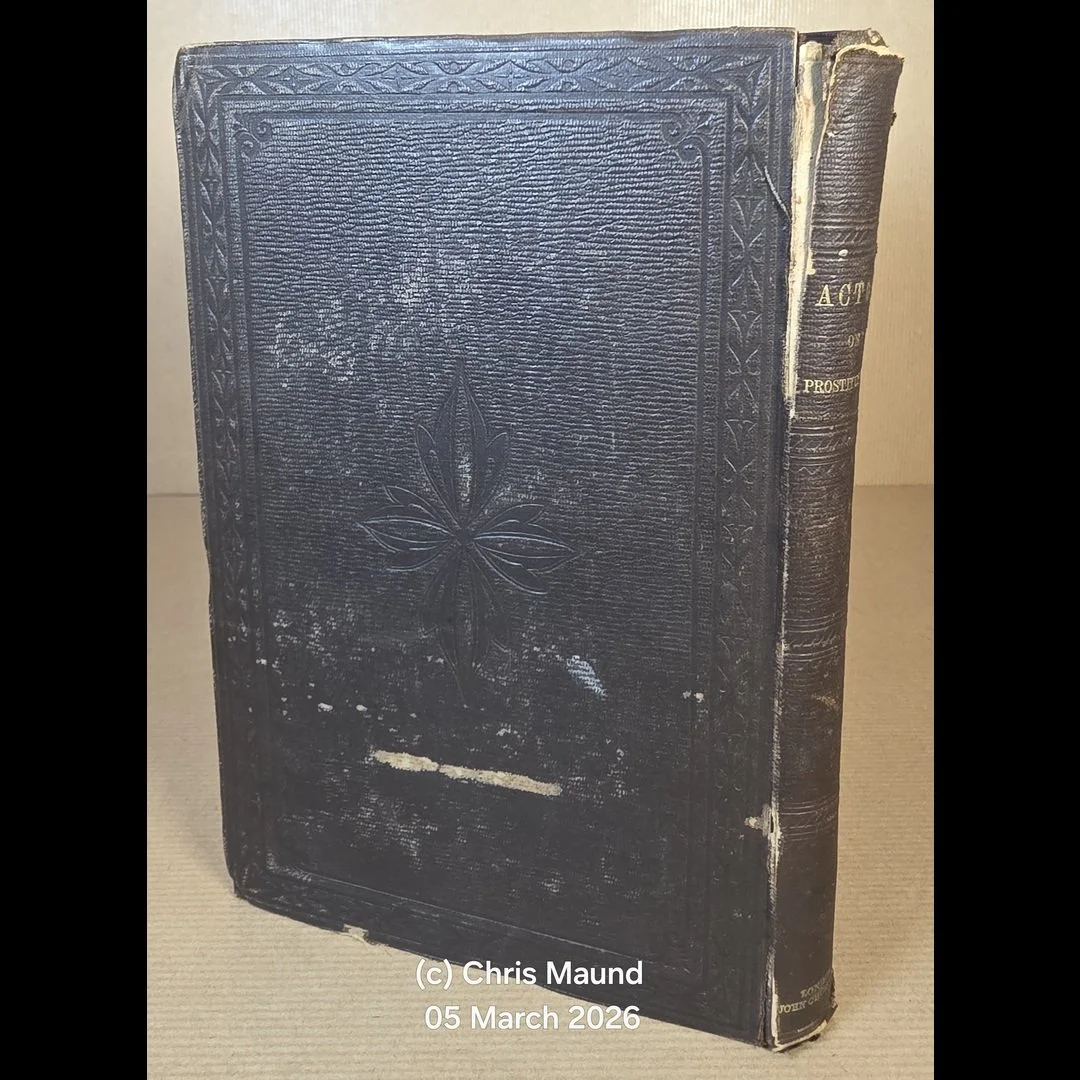
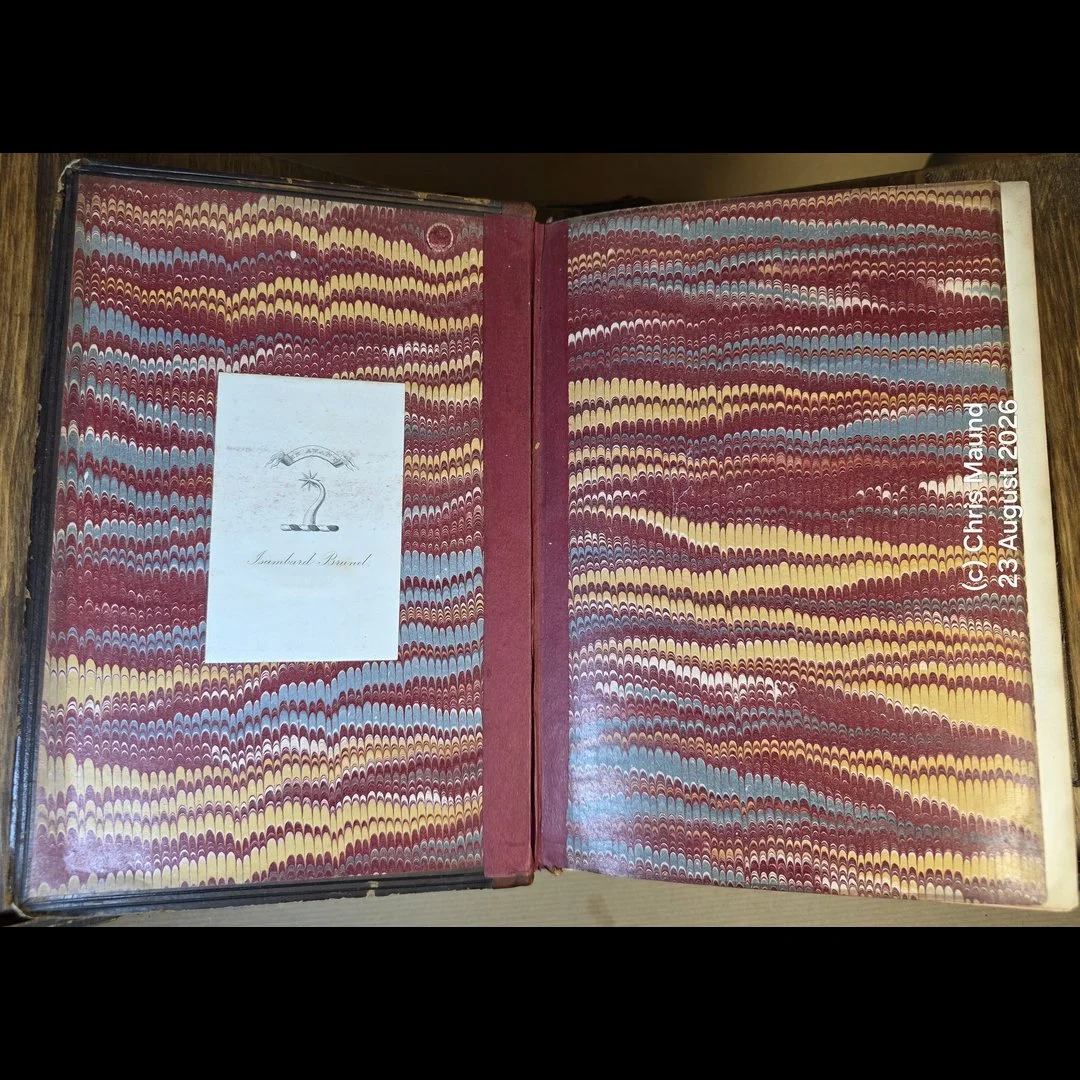
An attractive large-format copy in a later burgundy leather-backed cloth binding with leather corners and gilt spine lettering. Boards faded and marked, with rubbing and wear to edges and extremities; leather with associated age wear.
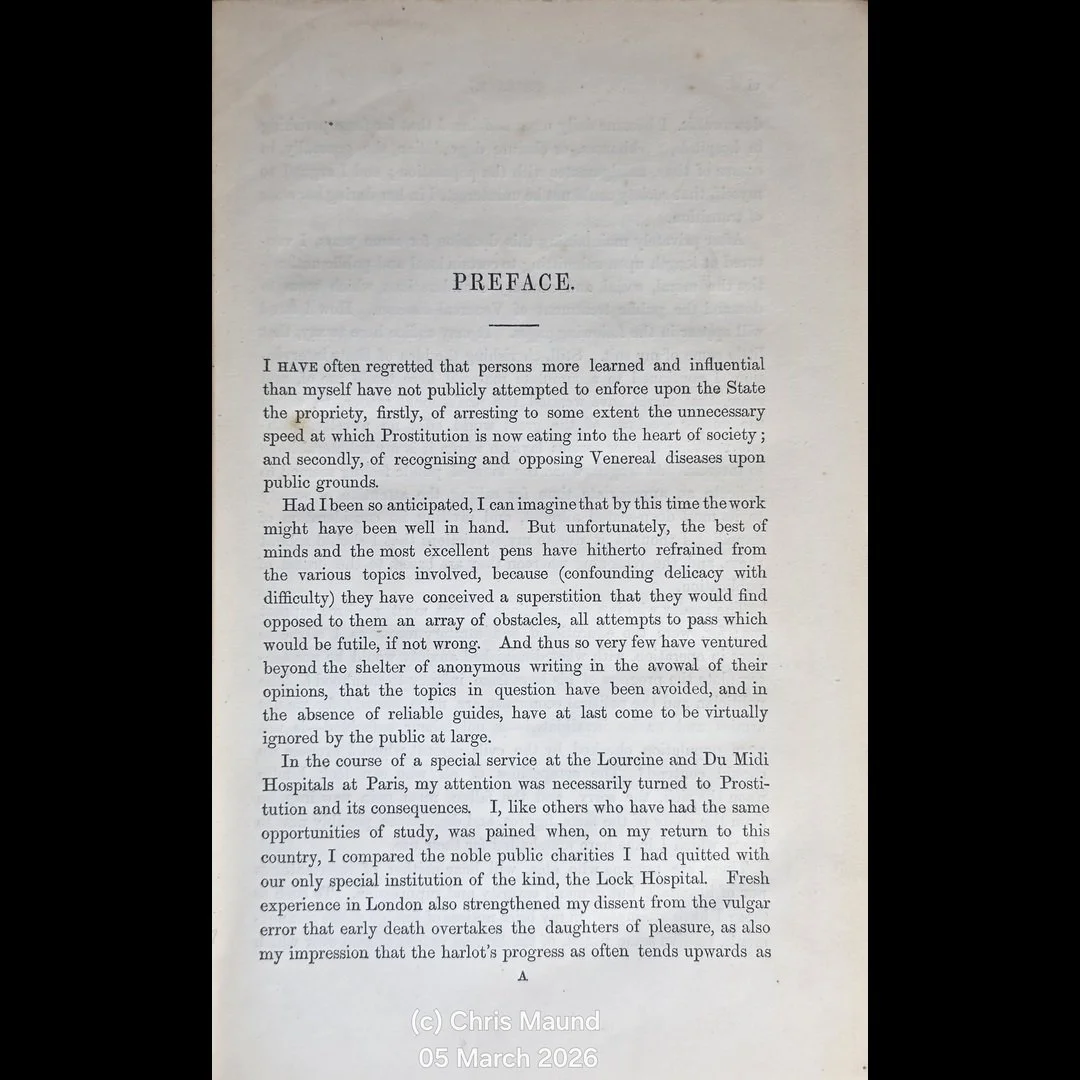
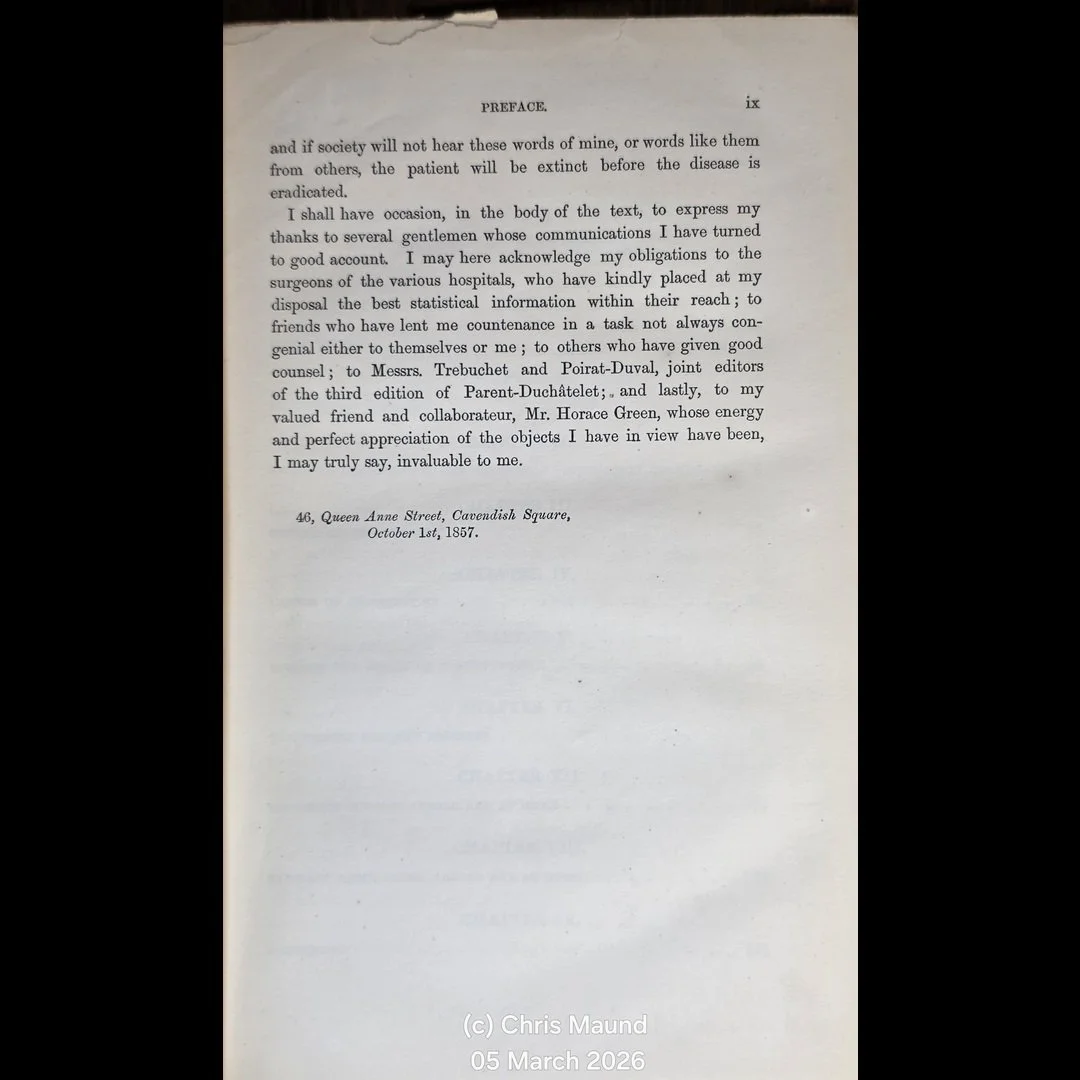
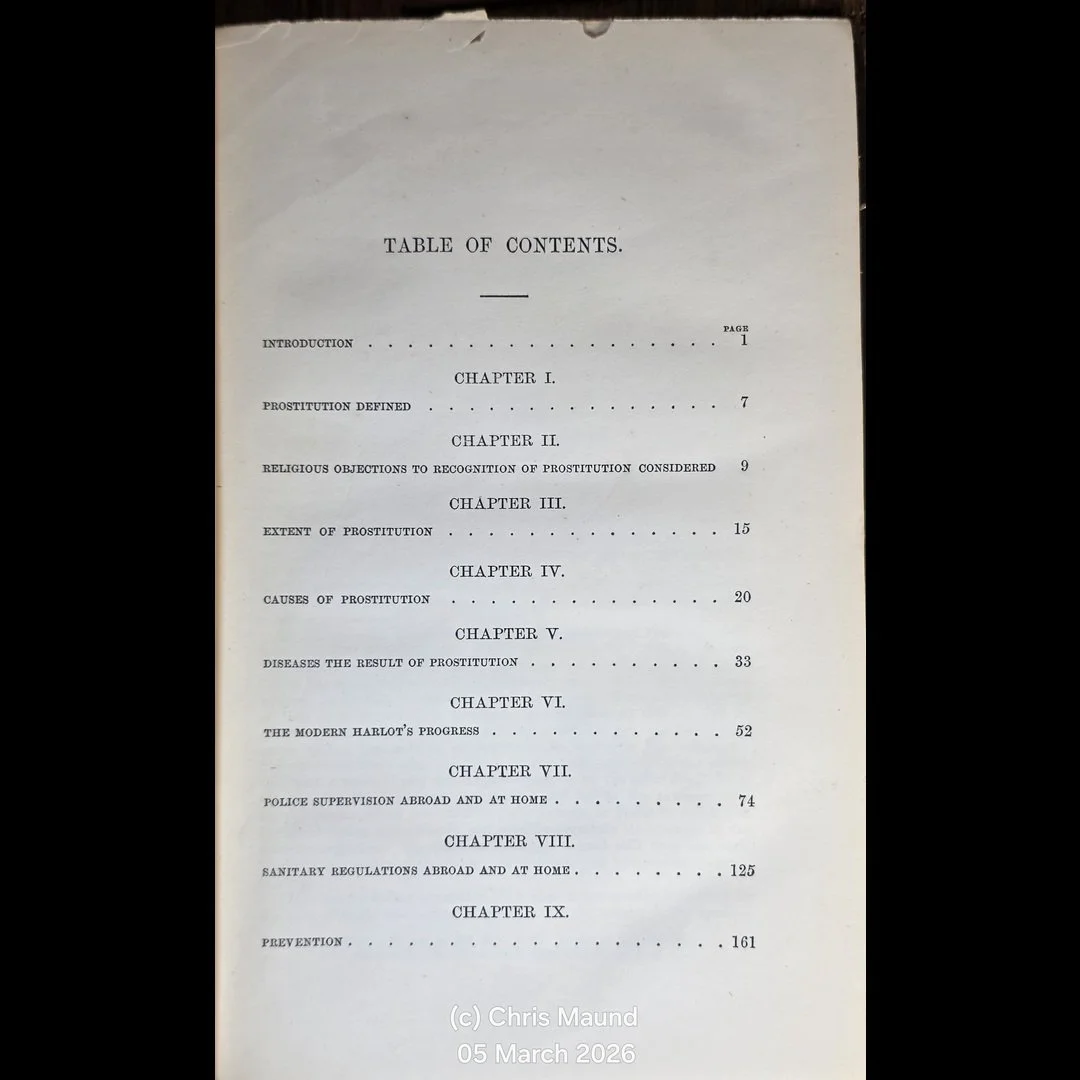
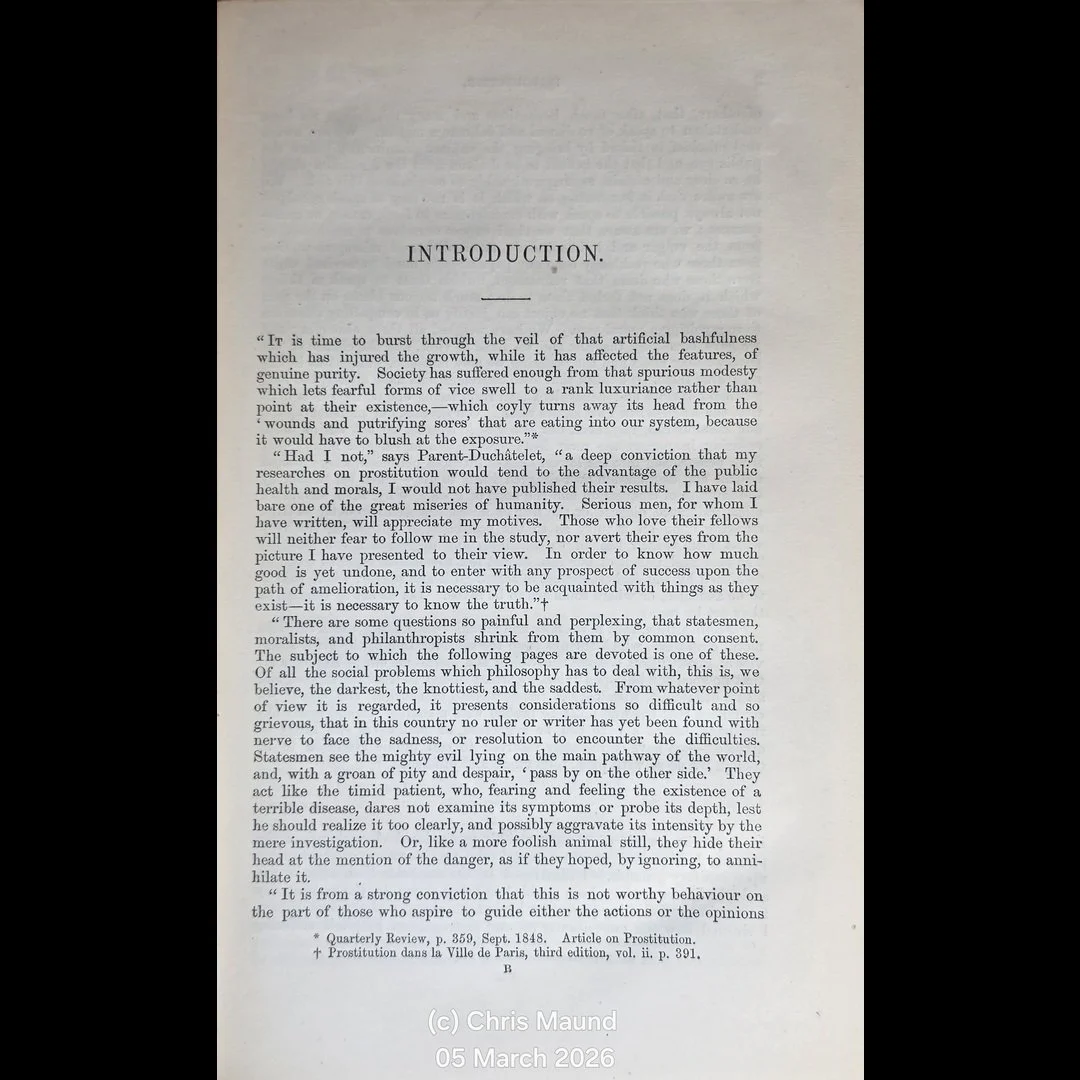
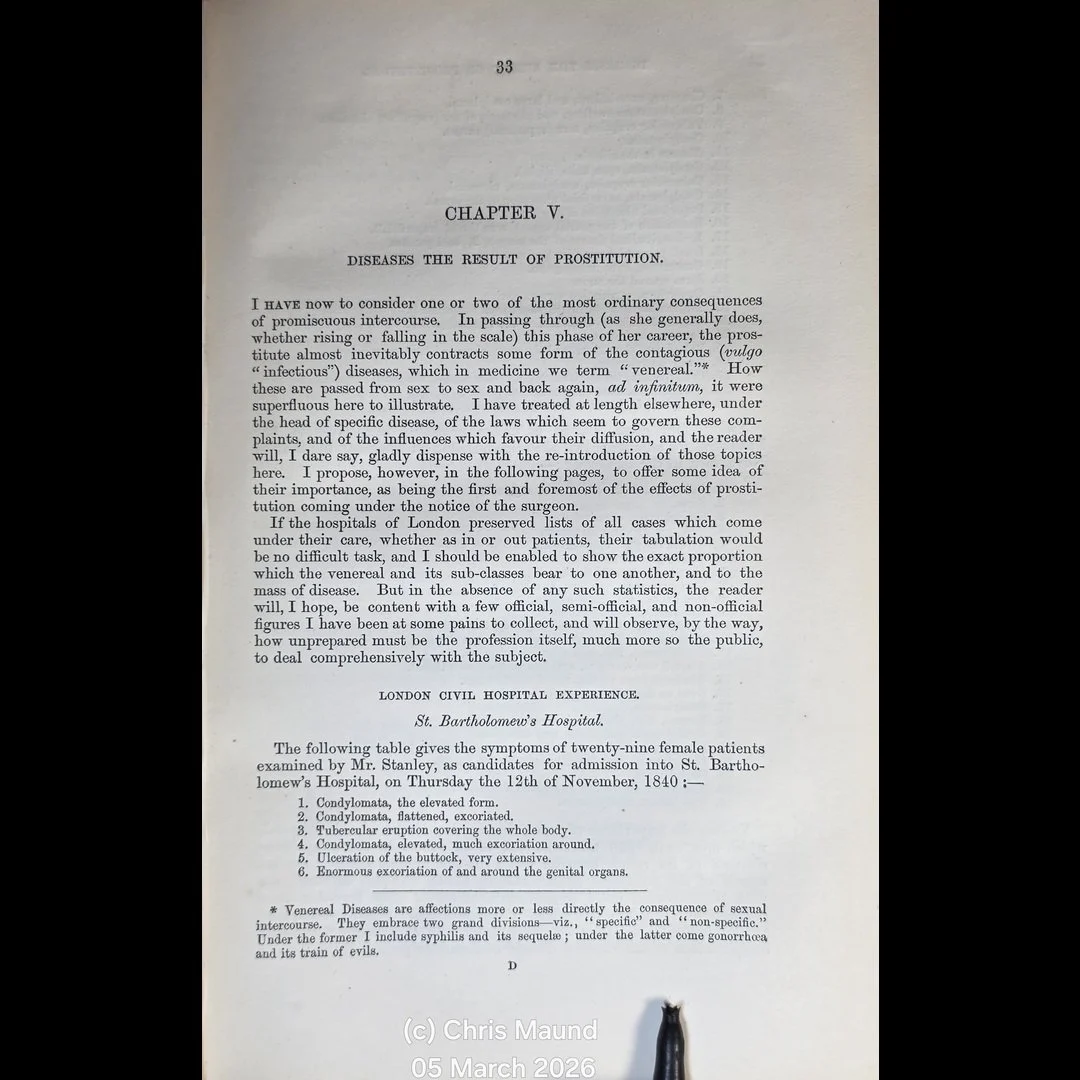
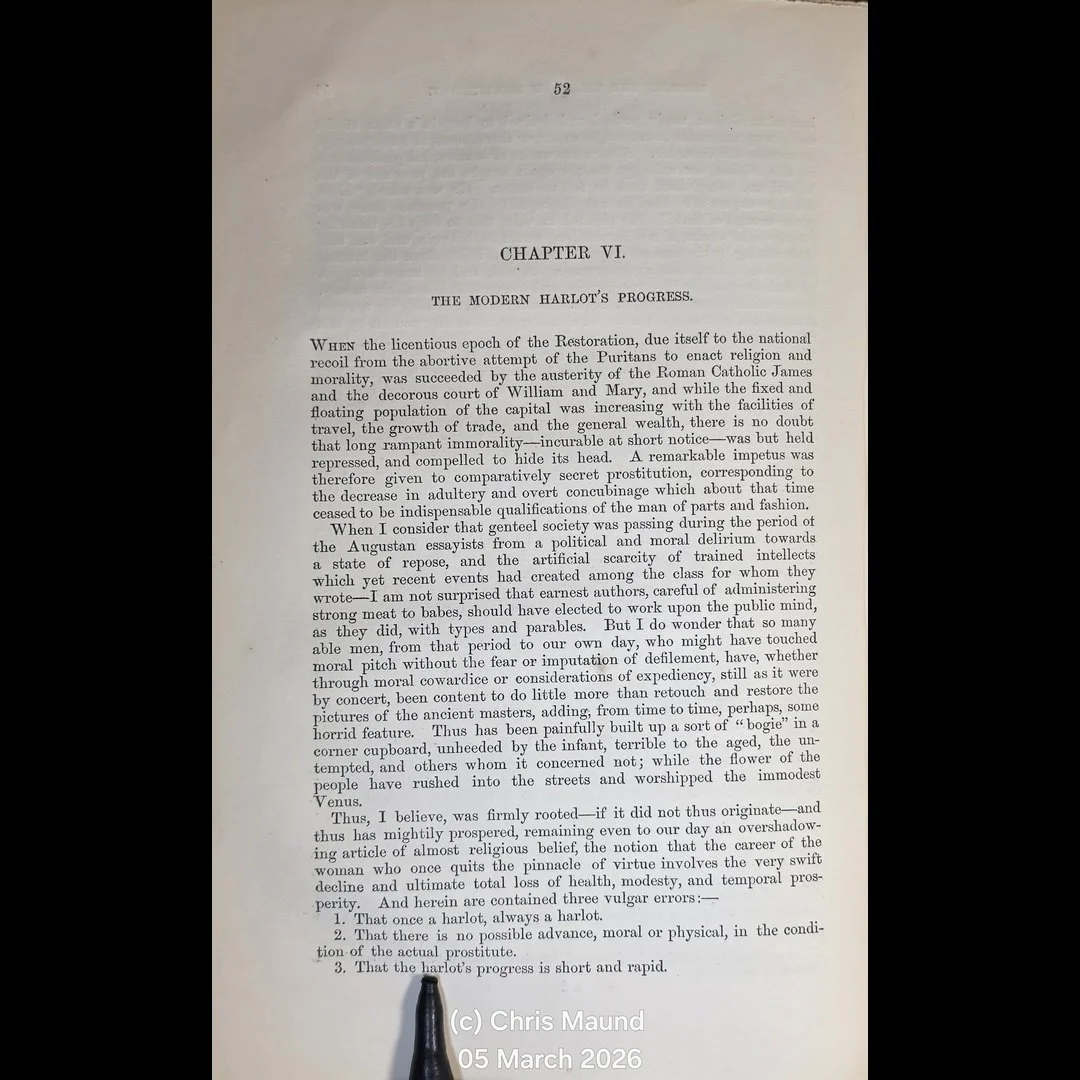
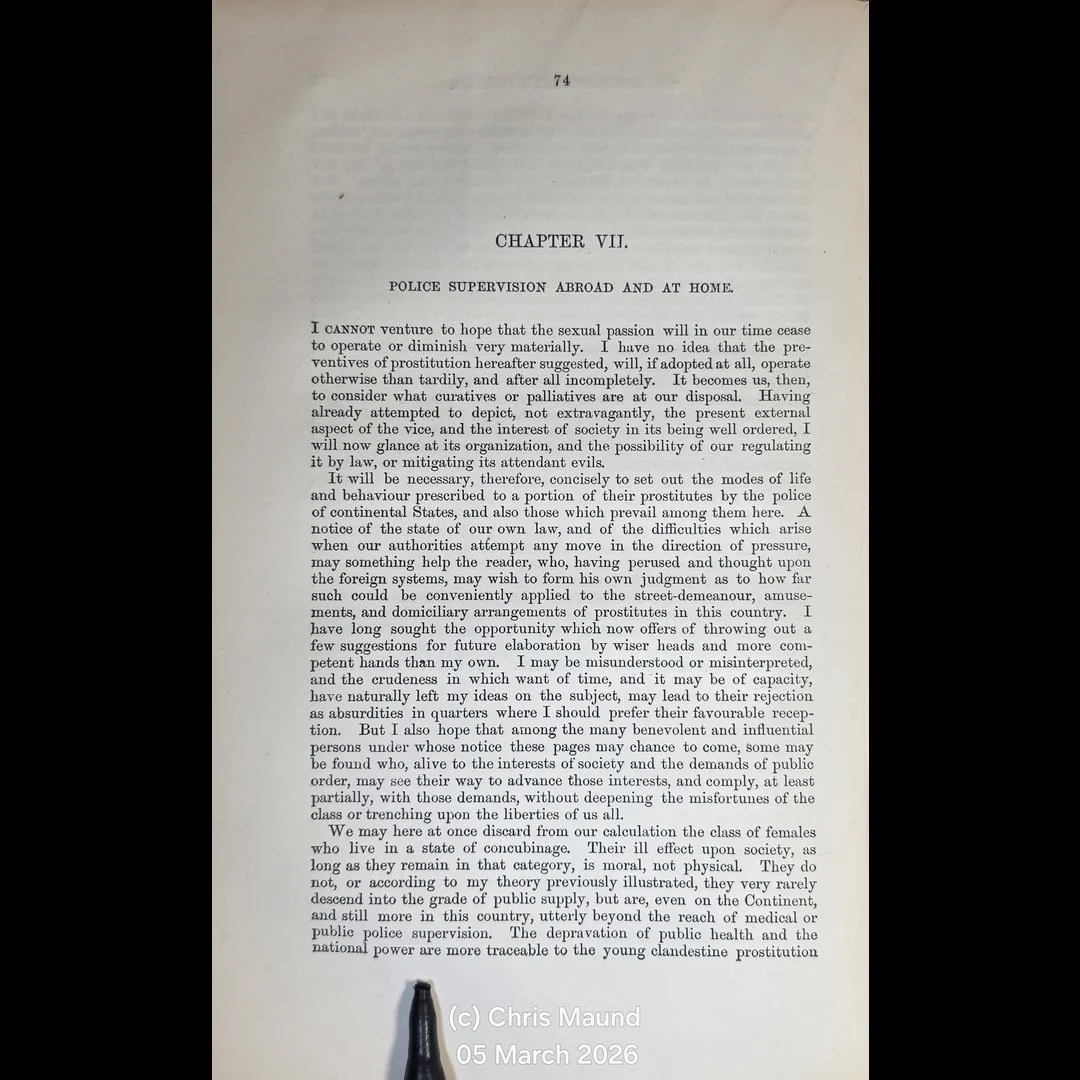
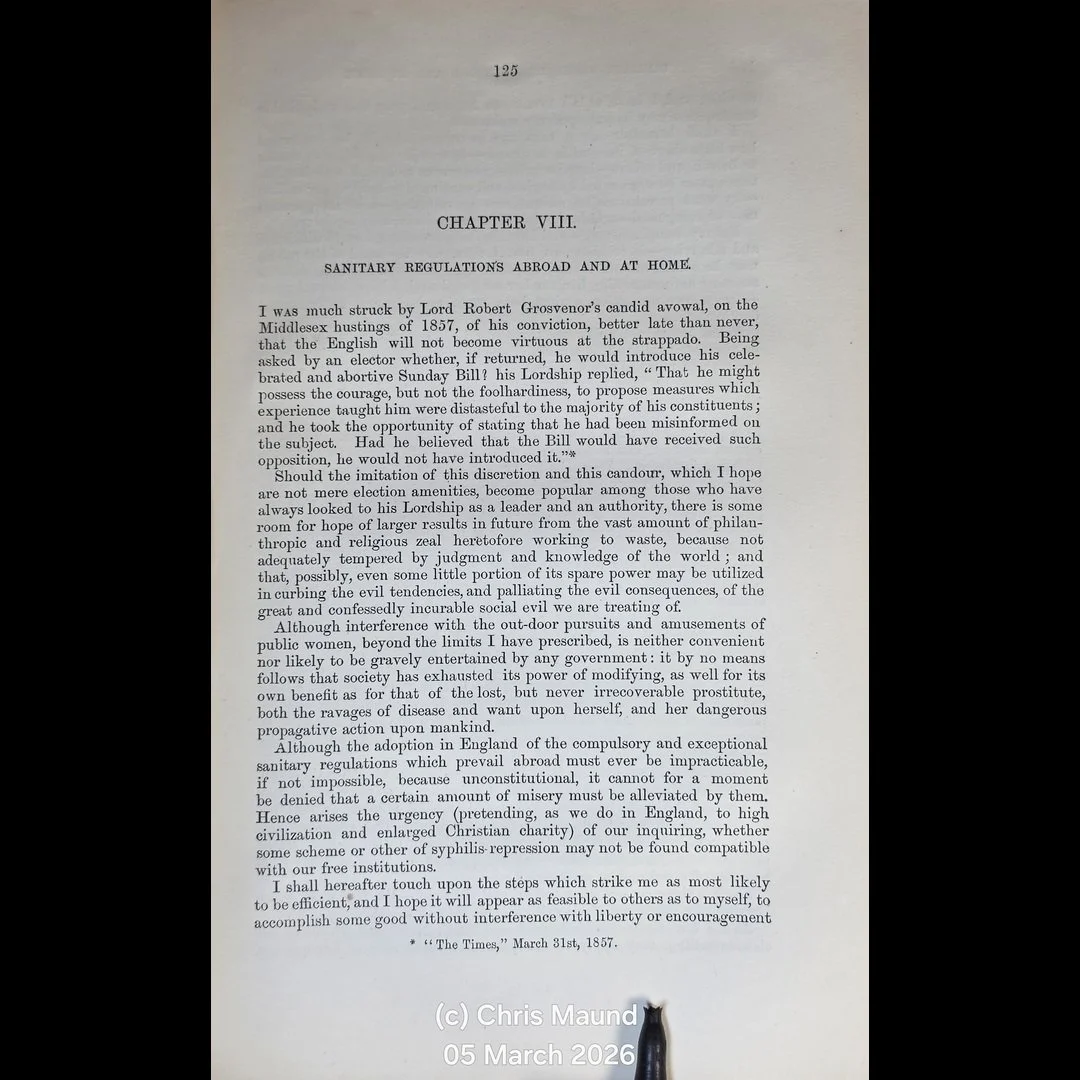
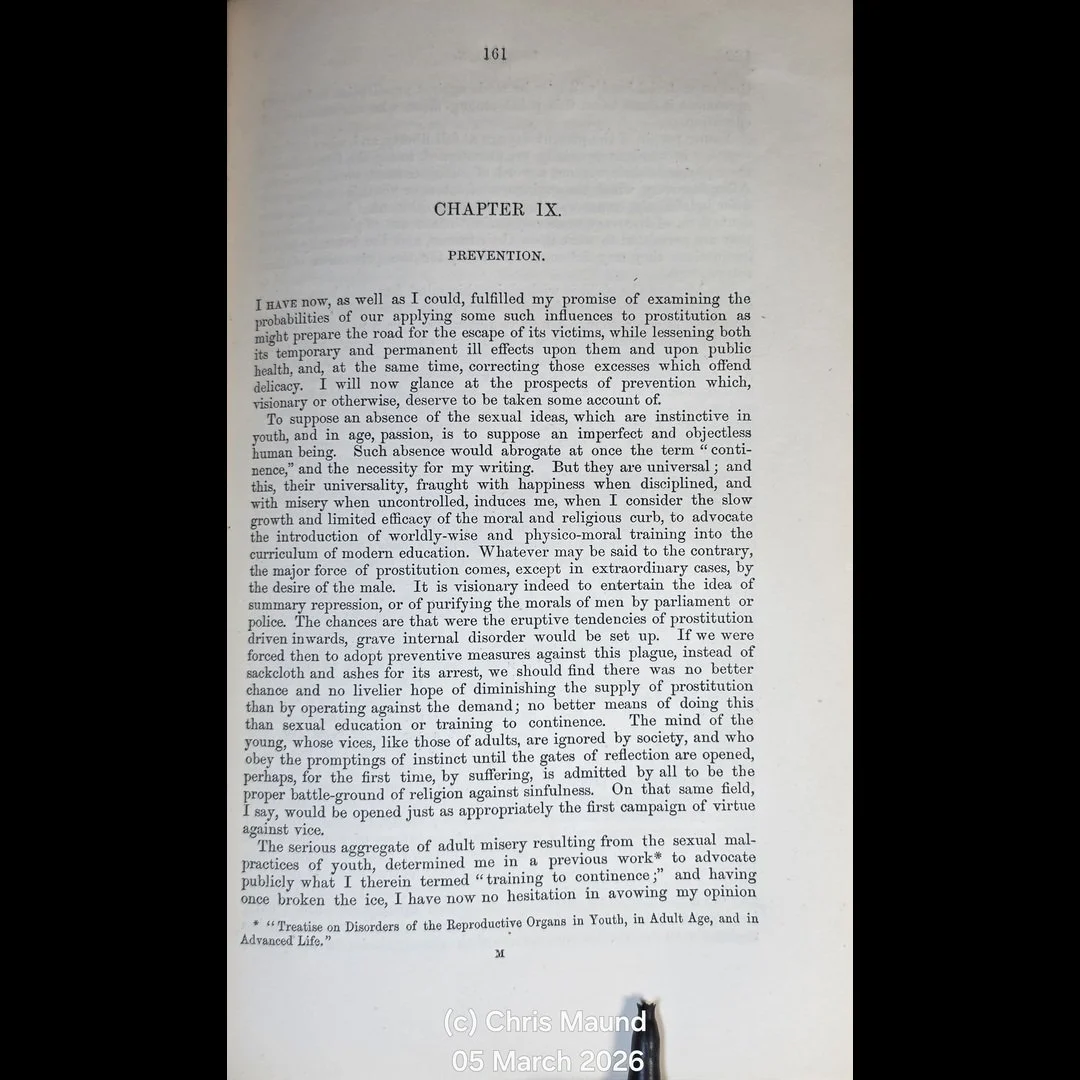
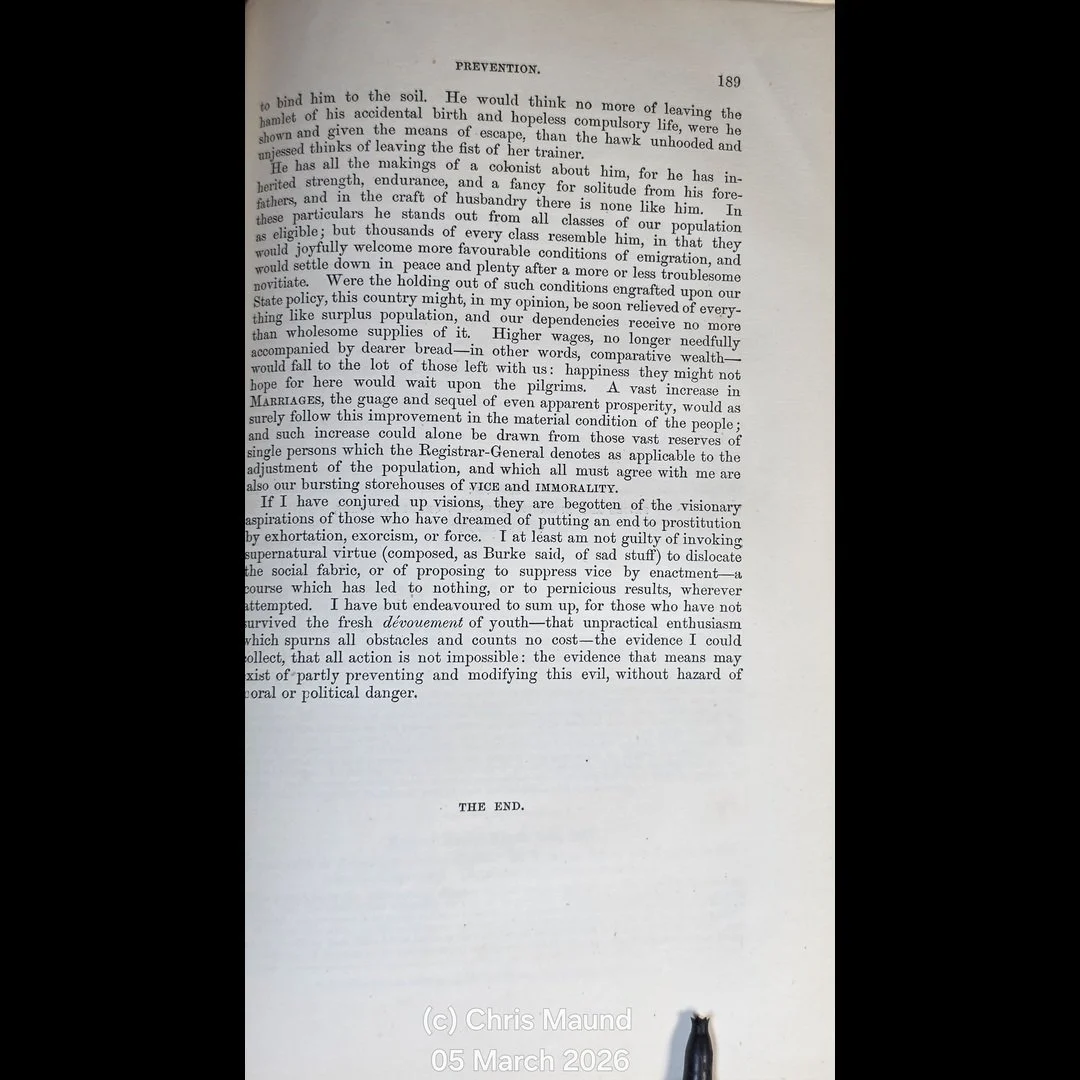
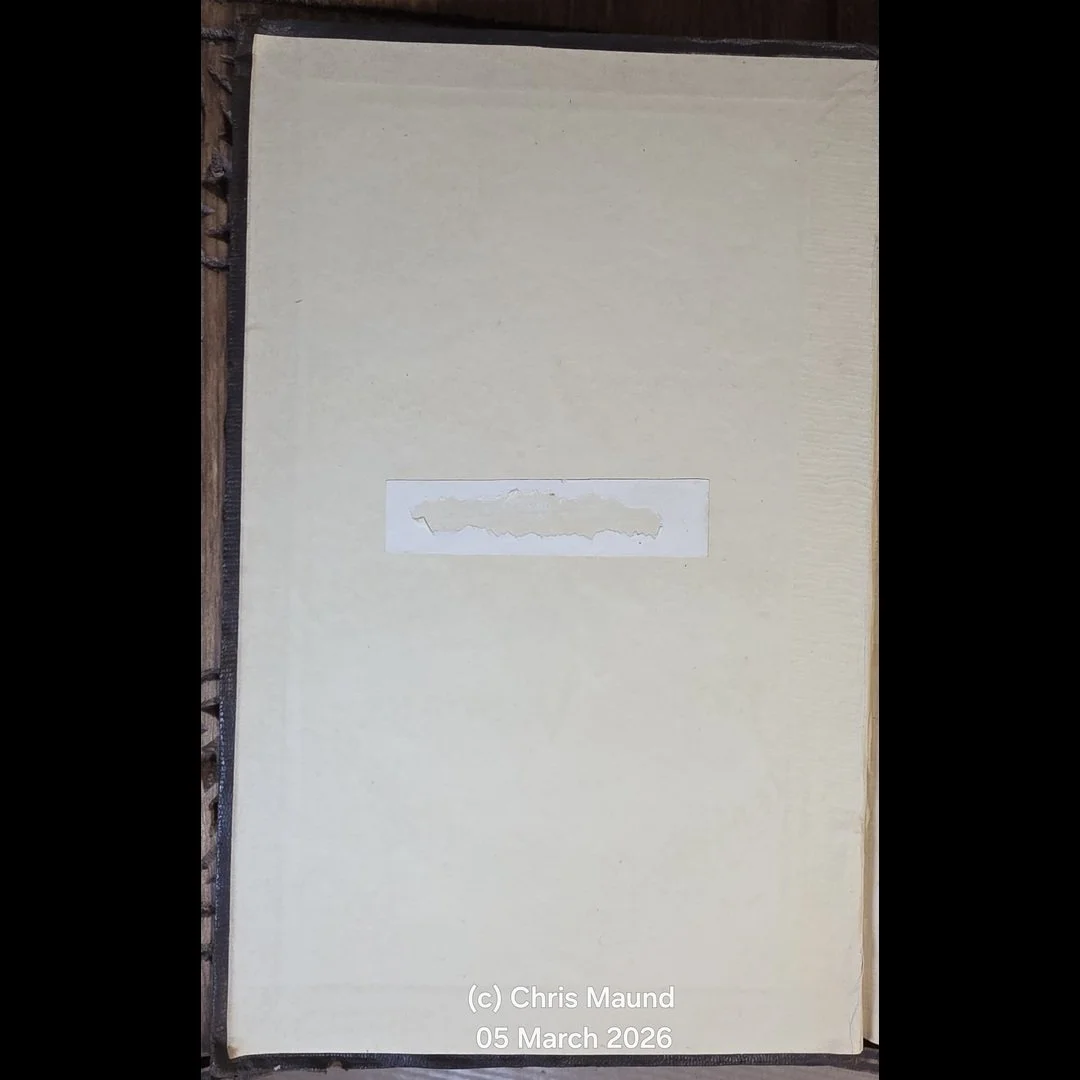
Several old mechanical piercing/puncture holes pass through the front board/endpapers and into the early leaves, diminishing through the opening portion of the volume to approximately p.29. These have been physically inspected and are piercing holes rather than insect or worm damage. The piercing appears principally confined to the opening portion of the book and does not appear materially to impair the legibility of the printed text in the leaves inspected.
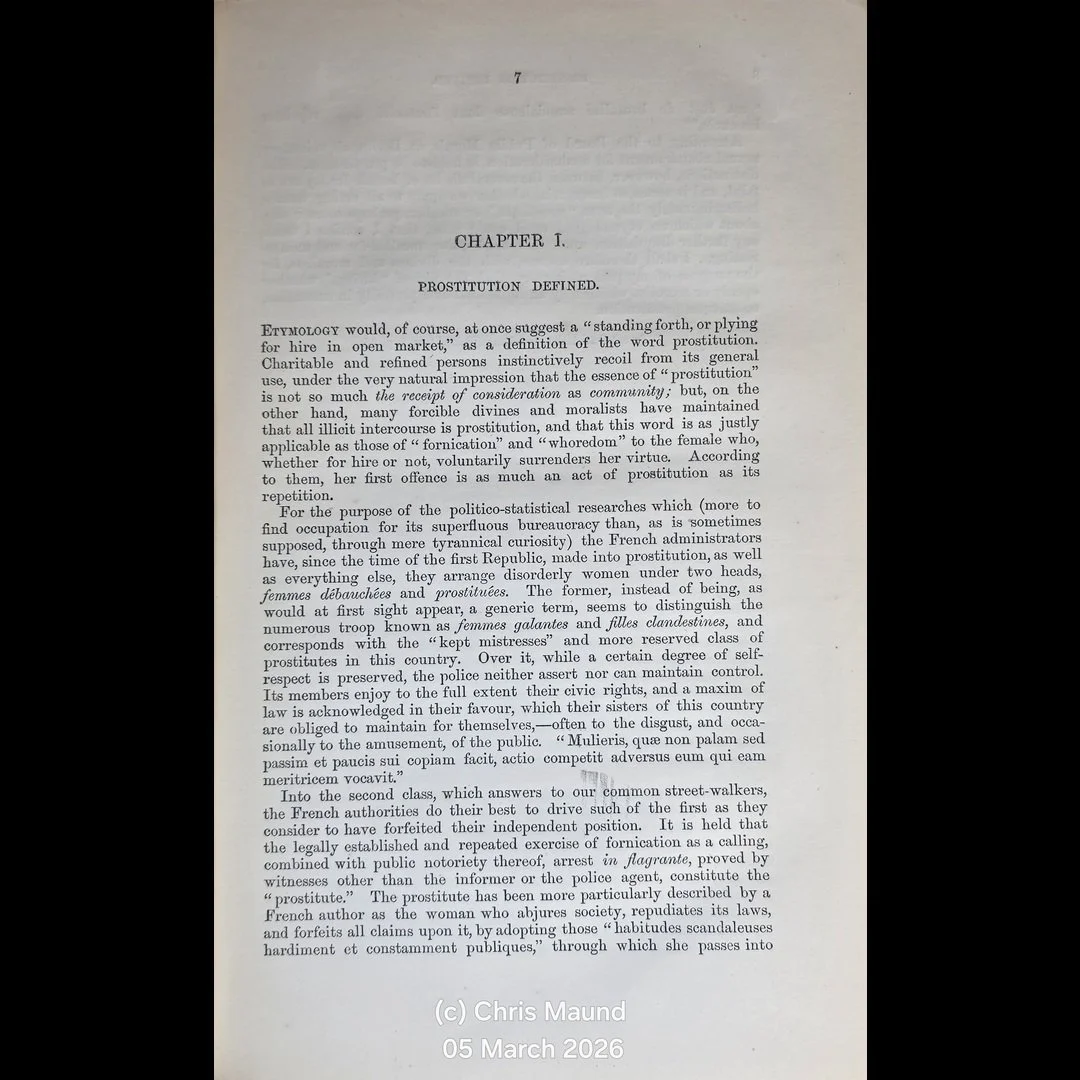
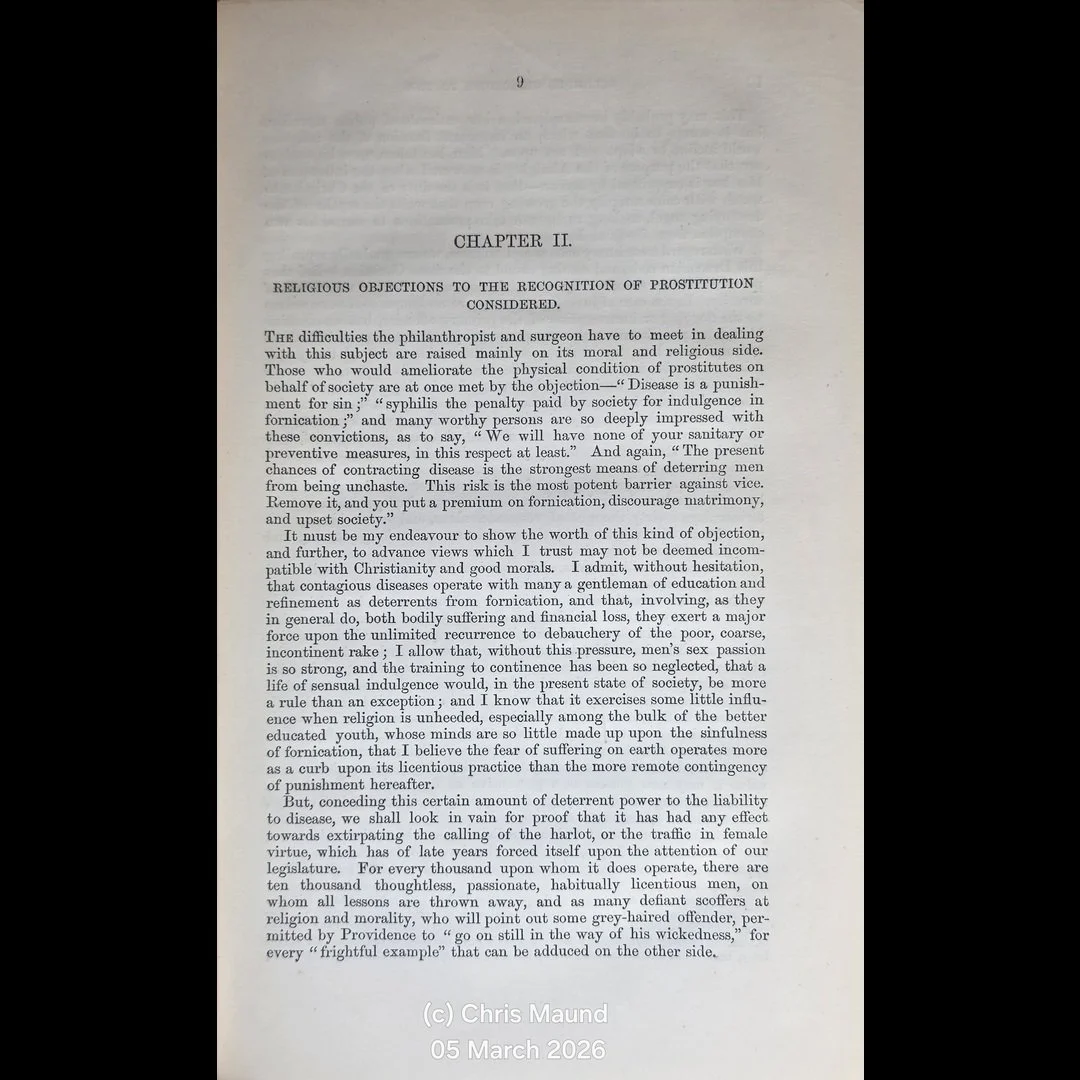
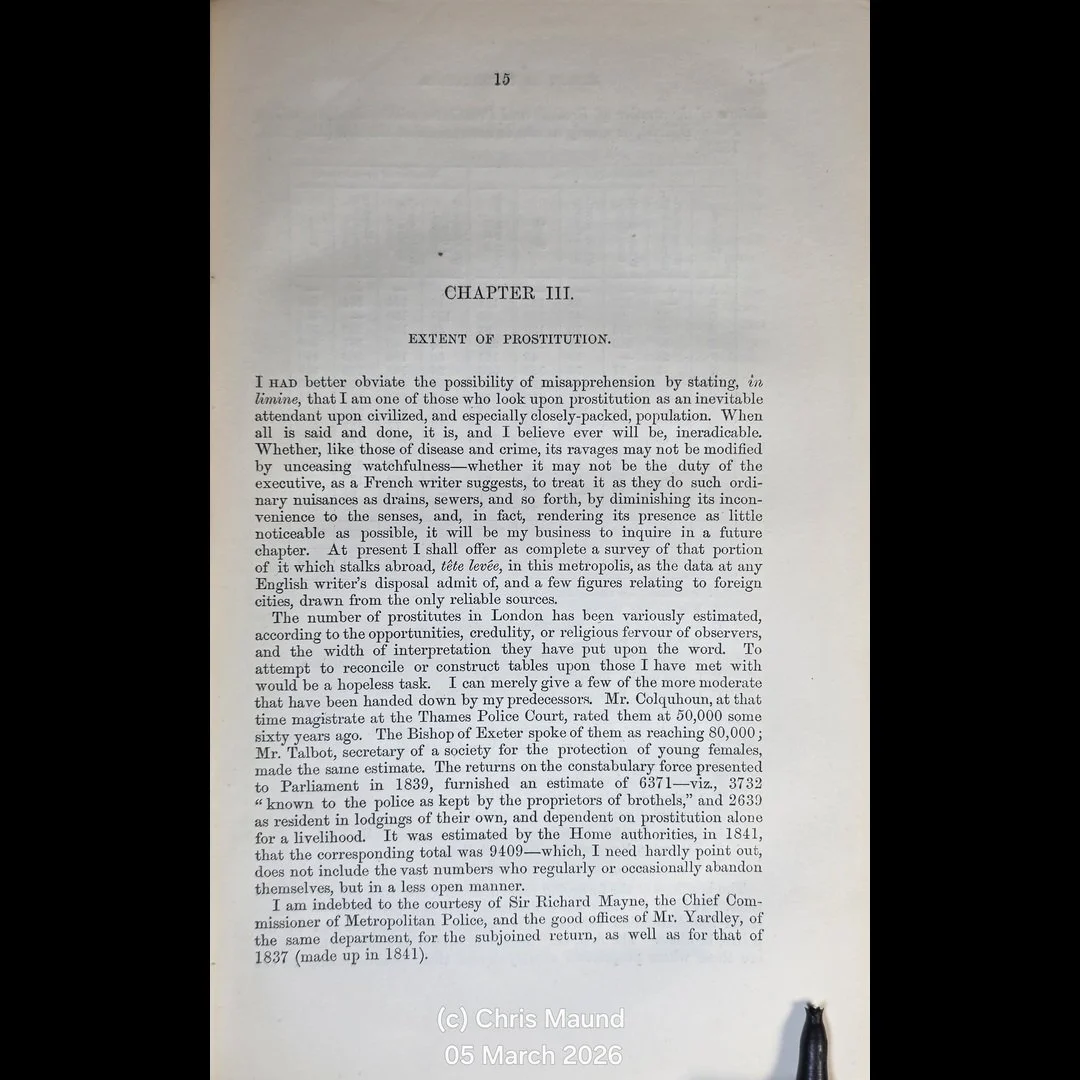
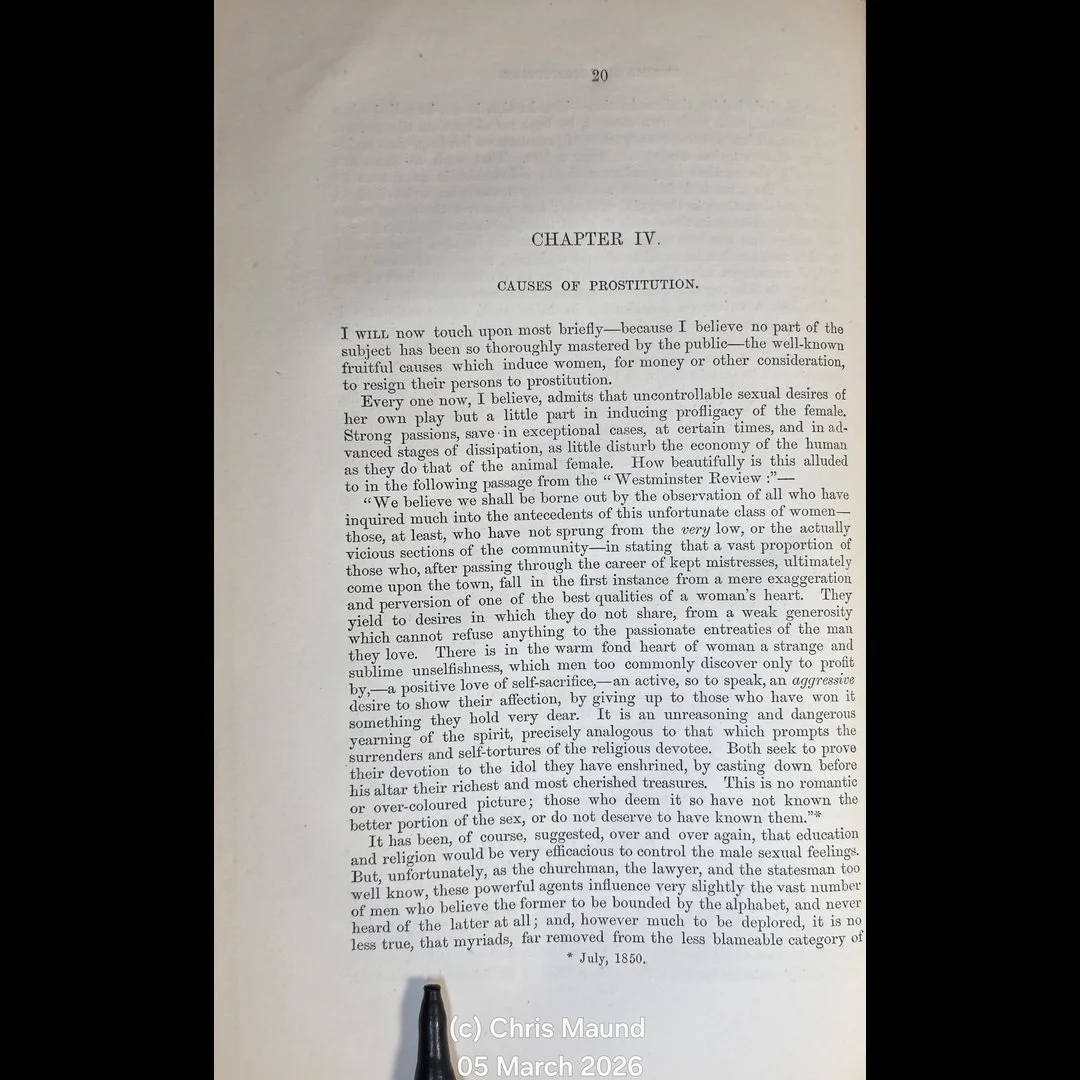
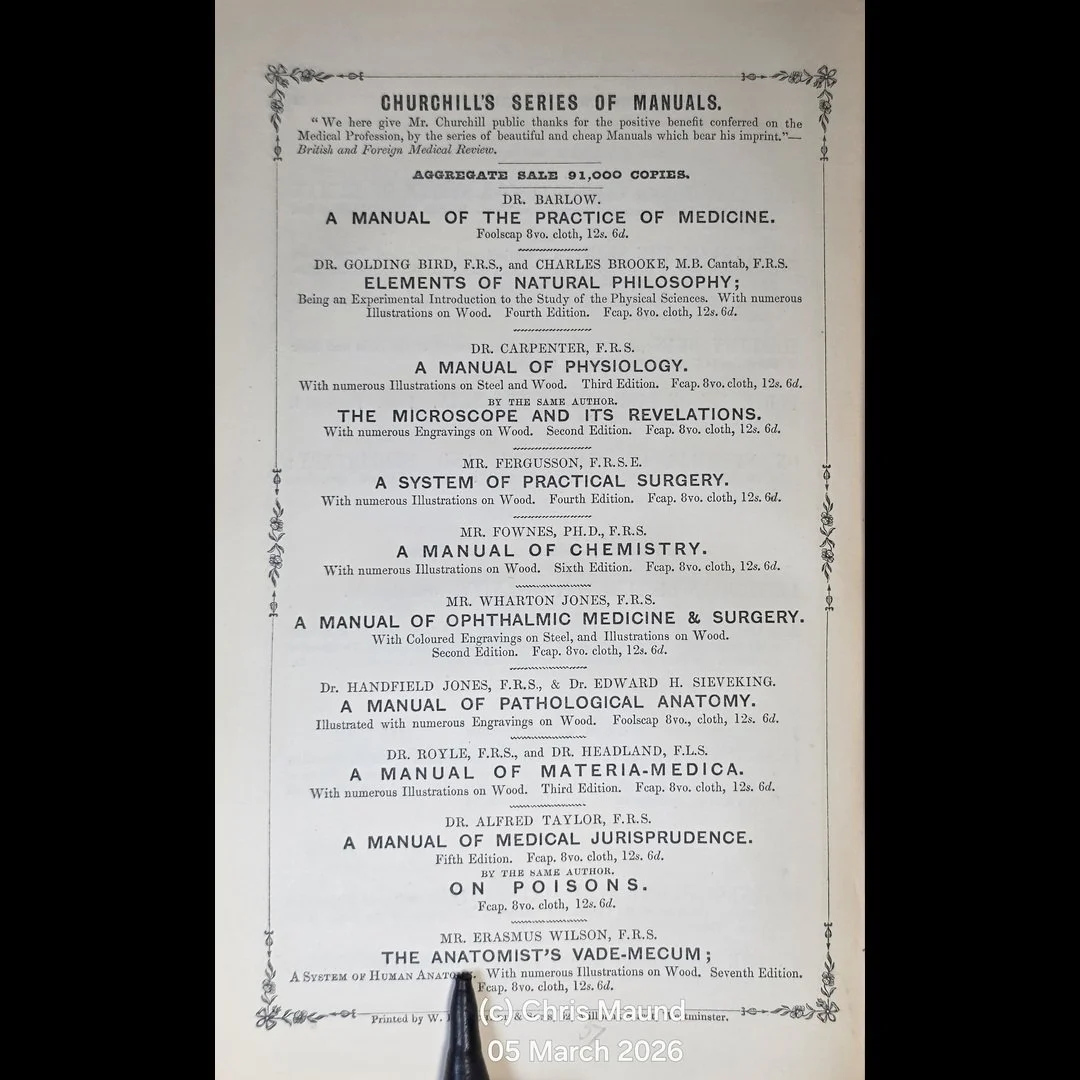
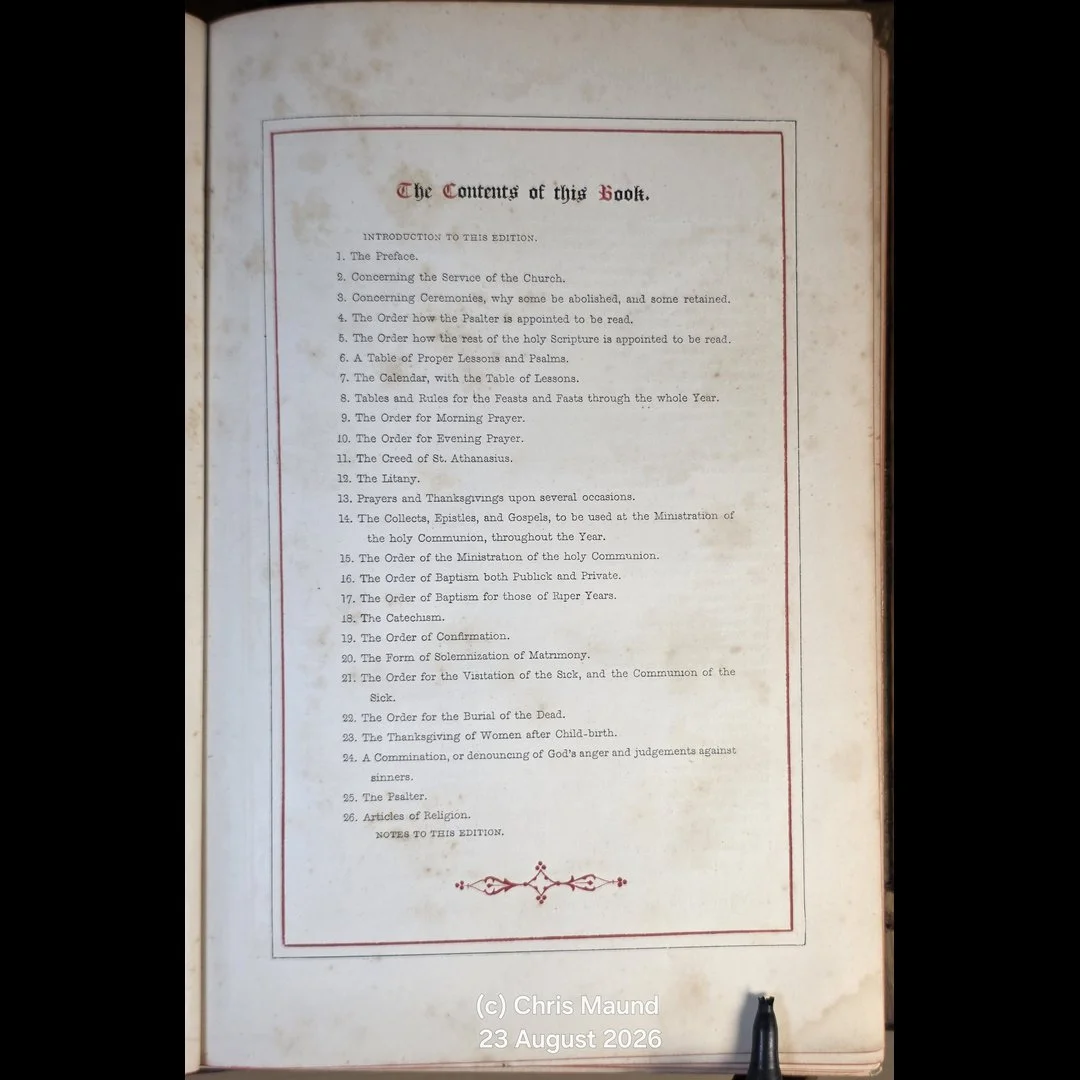
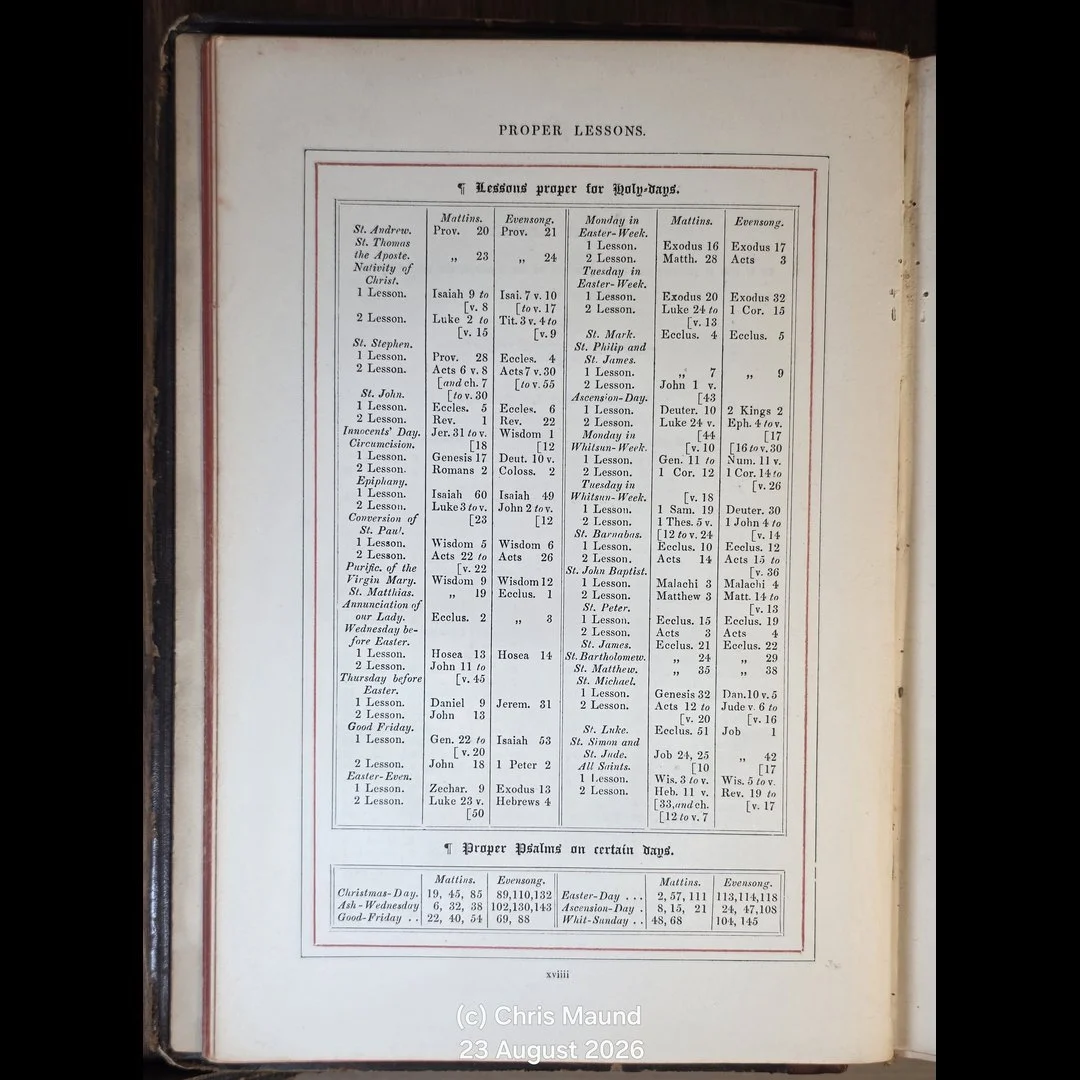
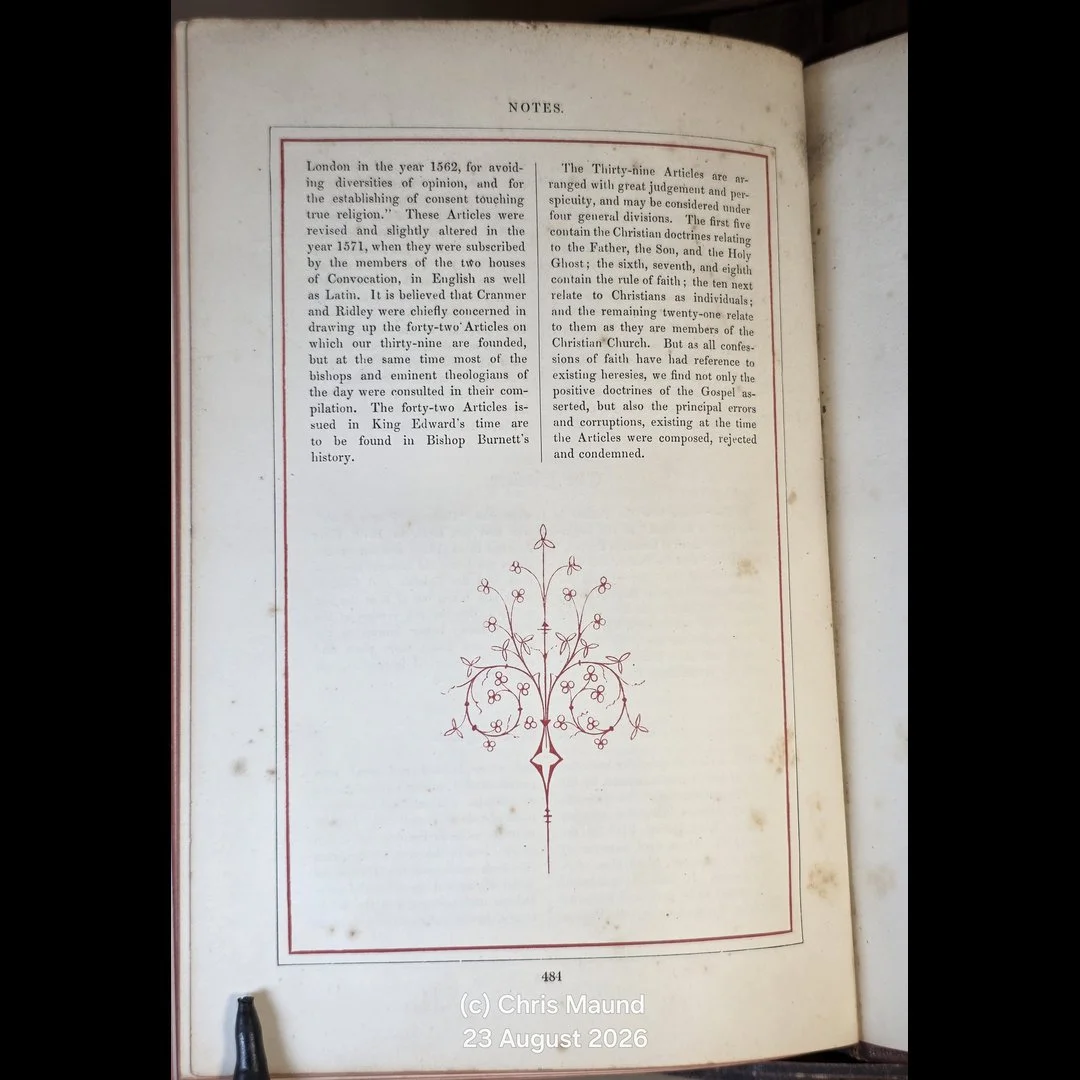
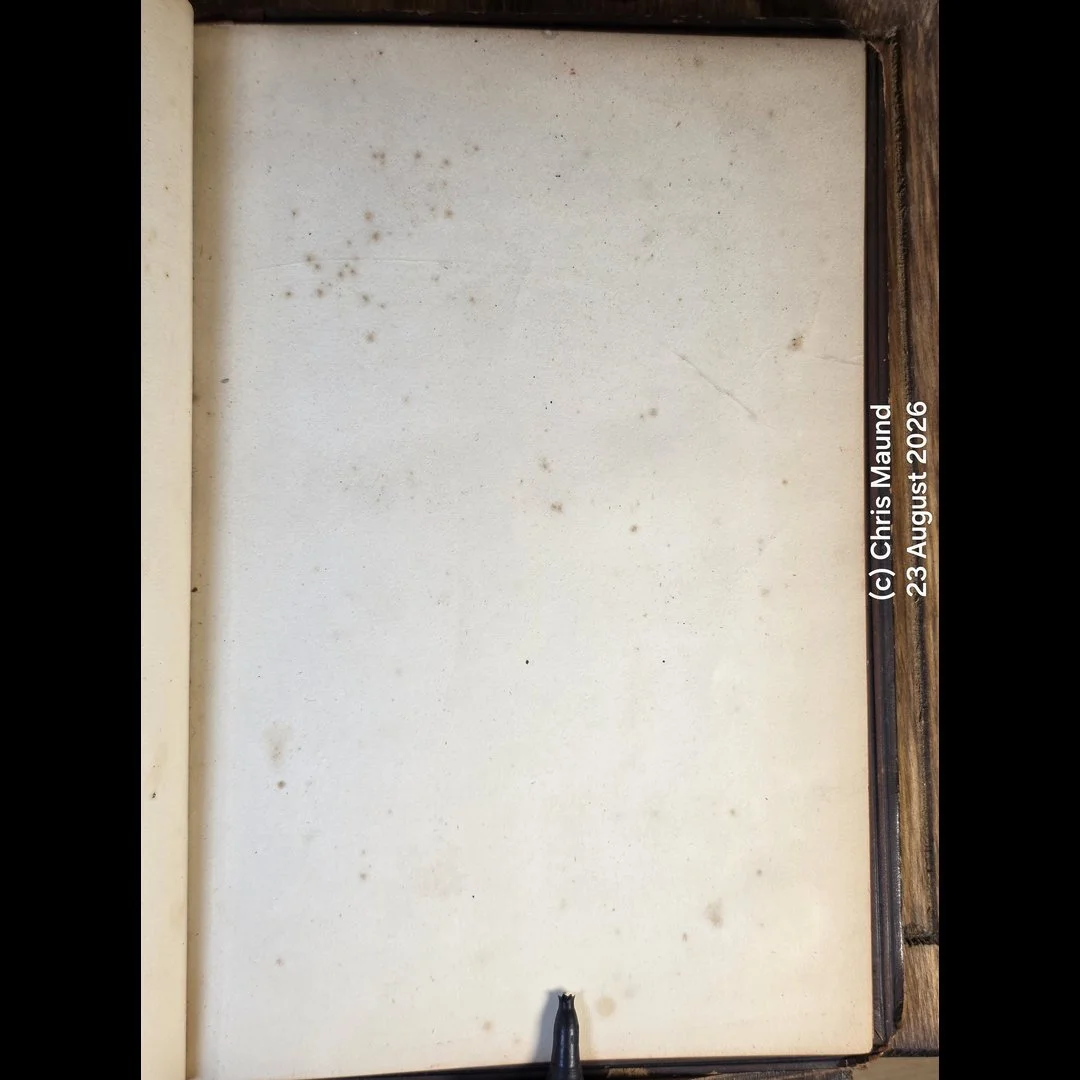
Printed title page with noticeable foxing and scattered spotting; endpapers also foxed and marked. Text with general age-toning, moderate scattered browning and occasional spotting consistent with an early nineteenth-century folio.
The hand-coloured aquatint plates are generally Good to Very Good and form the great strength of the copy. Colour remains attractive and often notably bright. Some plates show scattered spotting, foxing or light marginal toning, with occasional offsetting or handling marks, but the principal image areas are generally well preserved. The plates of Boadicea, the Grand Conventional Festival of the Britons at Stonehenge, Roman British Priestesses, Hibernian Costume, Pagan Irish Costume and the Saxon Chief are particularly appealing.
Additional hand-coloured aquatint title/frontispiece present.
Complete with all 24 numbered hand-coloured aquatint plates, Plates I–XXIV.]
A visually impressive working copy of one of the most important early nineteenth-century British antiquarian costume books. Despite the defects to the binding and opening leaves, the survival and attractive colouring of the aquatint suite gives the volume considerable decorative and historical appeal.
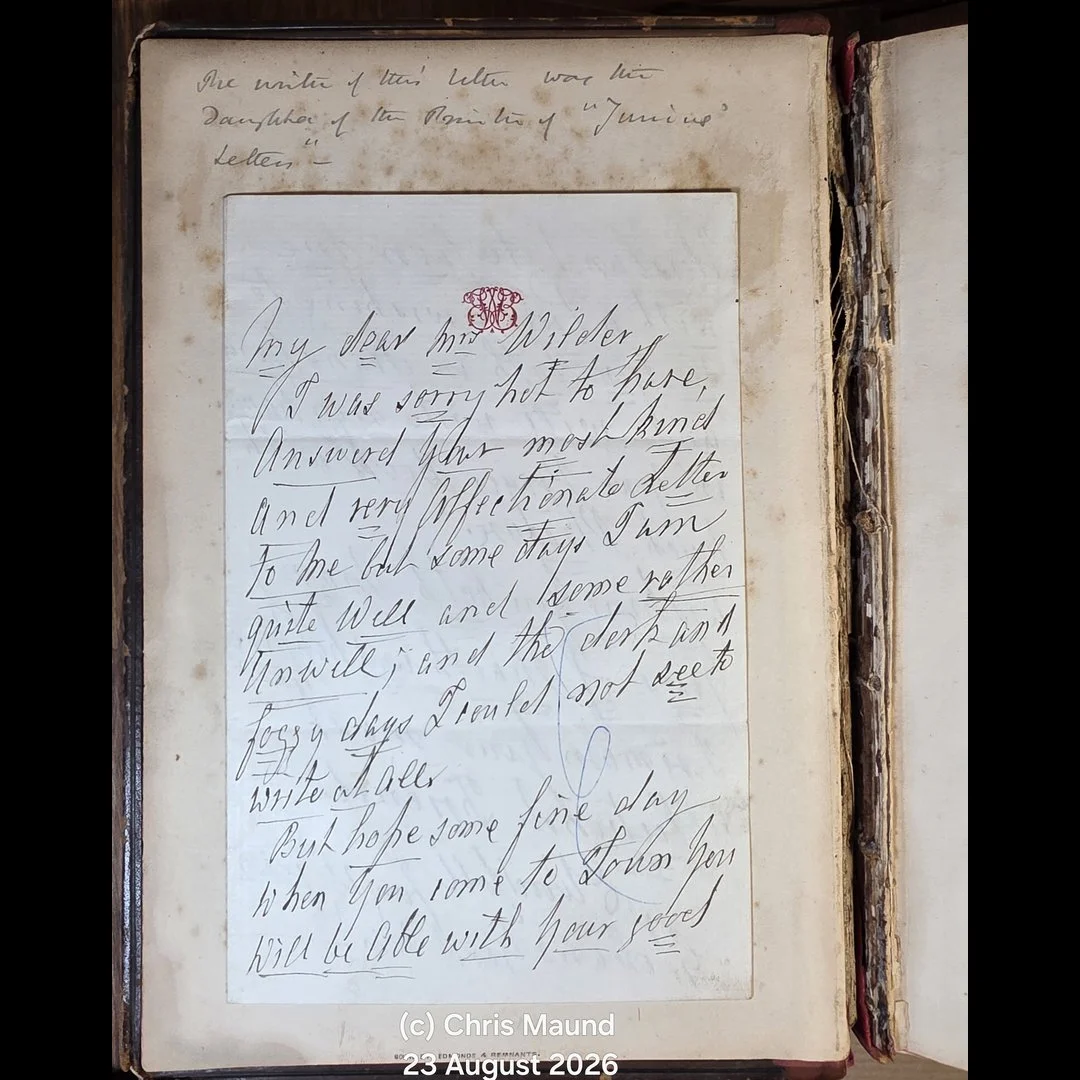
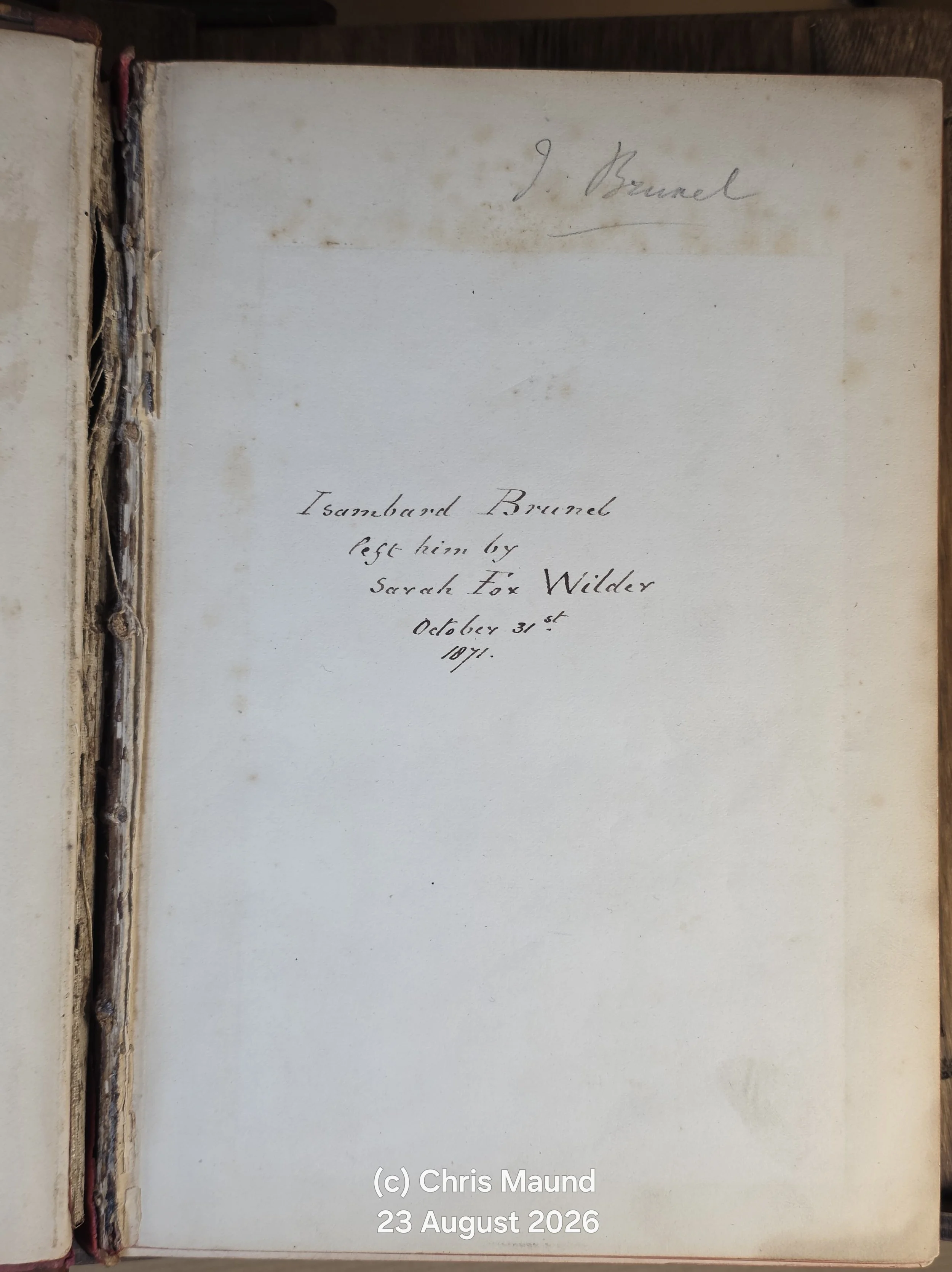
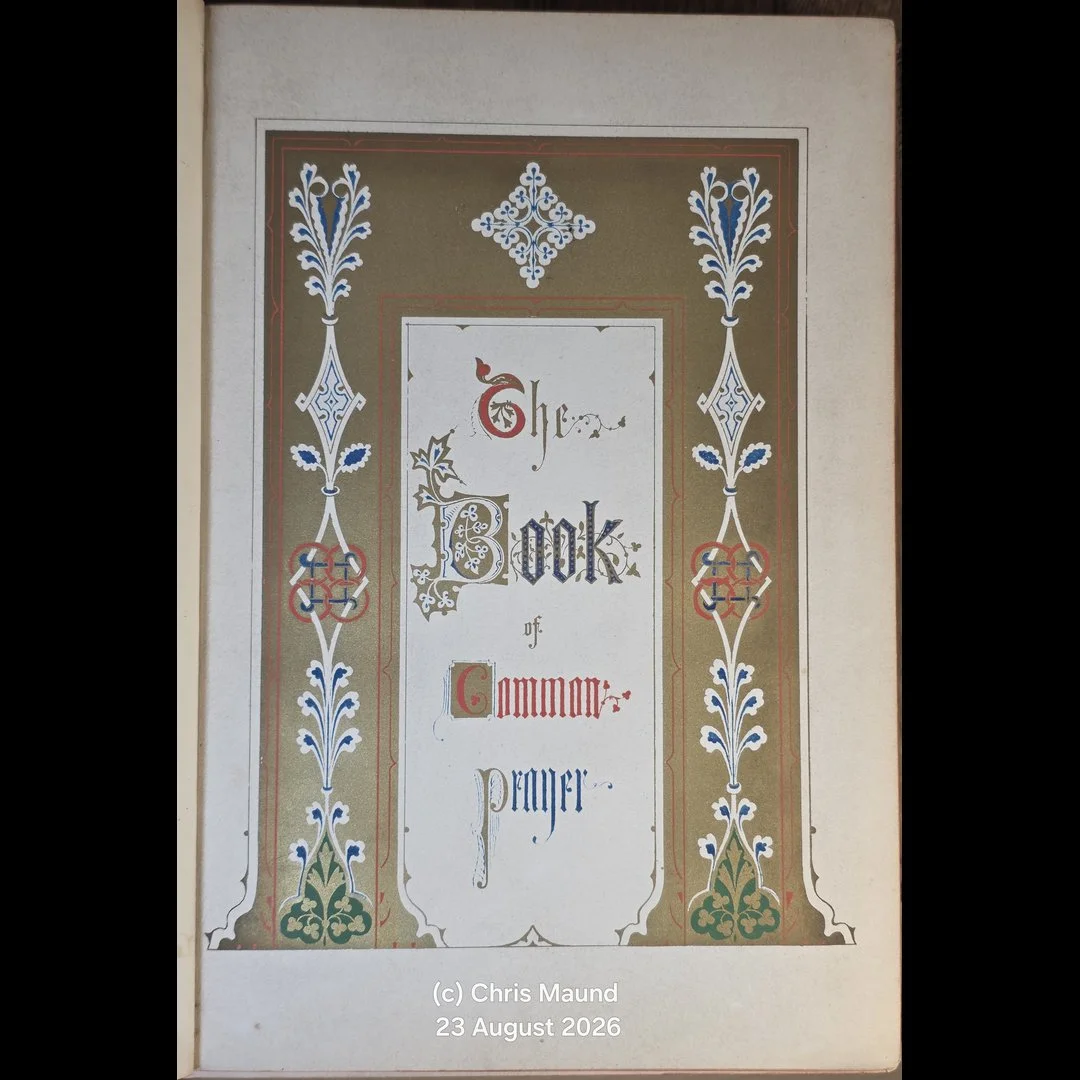
Please see Photos as part of condition report.
REFERENCES
Abbey, Life, 427
Colas, 2051
National Trust Collections, The Costume of the Original Inhabitants of the British Islands, NT 3113992
Comparable J. Dowding “Improved Edition” bibliographically catalogued c.1828
SYNOPSIS
The Costume of the Original Inhabitants of the British Islands is an ambitious early nineteenth-century attempt to reconstruct the appearance, dress, arms, ceremonies and customs of the peoples believed by contemporary antiquaries to have inhabited Britain, Ireland and the adjacent Baltic regions from antiquity to the sixth century.
Meyrick and Smith range from the pre-Roman Britons and Belgic peoples through Druids, Bards and religious ceremonies to the Roman occupation, early Irish society and the post-Roman Gothic, Saxon and Danish worlds. Among the best-known subjects are Boadicea Queen of the Iceni, Roman British Priestesses, the Bardic orders, Pagan Irish ceremonies and a dramatic reconstruction of a great British ceremonial gathering at Stonehenge.
The work belongs to the flourishing antiquarian culture of Regency Britain, when scholars increasingly sought to reconstruct historical costume and material culture from archaeological remains, coins, manuscripts, classical texts and surviving antiquarian traditions. Although many of its reconstructions have inevitably been superseded by modern archaeological scholarship, the book remains an important document in the history of antiquarianism, historical costume studies and the nineteenth-century visual interpretation of Britain’s ancient past.
Its combination of ambitious antiquarian scholarship with large, vividly hand-coloured aquatints has ensured its continuing appeal to collectors of British history, costume, archaeology, Celtic and Druidic subjects, arms and armour, and early colour-plate books.
AUTHOR BIO
Sir Samuel Rush Meyrick (1783–1848) was one of the foremost British antiquaries of arms, armour and historical costume of the early nineteenth century. Educated at Queen’s College, Oxford, he became a Fellow of the Society of Antiquaries and assembled an important collection of arms and armour at Goodrich Court in Herefordshire.
Meyrick sought to introduce a more systematic and historically grounded approach to the study and display of armour. He advised on the arrangement of the armour collections at the Tower of London and at Windsor, and his scholarship played an important part in the development of arms and armour as a serious antiquarian discipline.
Selected Works by Samuel Rush Meyrick:
The History and Antiquities of the County of Cardigan (1810)
The Costume of the Original Inhabitants of the British Islands (1815)
A Critical Inquiry into Antient Armour (1824)
Specimens of Ancient Furniture (1836)
Heraldic Visitations of Wales and Part of the Marches (1846)
Charles Hamilton Smith (1776–1859) was a soldier, artist, antiquary, naturalist and prolific author. His extensive military service and wide-ranging interests resulted in large collections of drawings and notes on costume, archaeology, military history, topography and natural history. Smith supplied the designs for the plates in the present work.
1828 Improved Edition
THE COSTUME OF THE ORIGINAL INHABITANTS OF THE BRITISH ISLANDS
By Samuel Rush Meyrick, L.L.D. and F.S.A. and Charles Hamilton Smith, Esq.
KEY DETAILS
Condition: Very Good
Format: Hardcover, folio (fo 12 × 19 in 305 × 483 mm )
Note: Binding/size selection follows standard bibliographic conventions and is approximate; exact measurements may vary.
Published By: Republished by the New Proprietor, J. Dowding, Bookseller, 82 Newgate Street, London, 1828
Language: English
Collation: [90] pp.; additional hand-coloured aquatint title/frontispiece and 24 hand-coloured aquatint plates.
Dust Jacket: None, as issued, No Jacket
SKU: BTETM0002322
Shipping Info: Approximate Package Dimensions H: 12.5, L: 30, W: 25 (Units: cm), W: 2Kg
Tracked Shipping, Insurance Coverage as per Customer Request
DESCRIPTION
The Costume of the Original Inhabitants of the British Islands
AND ADJACENT COASTS OF THE BALTIC
Including the Ancestors of the Anglo-Saxons and Anglo-Danes,
from the Earliest Periods to the Sixth Century;
Accompanied with Appropriate Historical and Descriptive Illustrations
A substantial and highly decorative early nineteenth-century antiquarian costume folio, combining the scholarship of Sir Samuel Rush Meyrick with the designs of Charles Hamilton Smith and a striking suite of hand-coloured aquatints by Robert Havell.
This is the undated J. Dowding “Improved Edition”, issued after the original 1815 edition and the revised 1821 edition. The individual aquatint plates retain their original 1815 R. Havell publication imprints, but the printed title page of the present edition states “Republished by the New Proprietor, J. Dowding, Bookseller, 82, Newgate Street” and carries no publication date. The Dowding issue is generally placed in the 1820s and is frequently catalogued c.1828.
The volume is notable for its additional hand-coloured aquatint title/frontispiece and a series of 24 hand-coloured aquatint plates illustrating the imagined costume, ceremony and material culture of the early inhabitants of Britain, Ireland and the Baltic world. Subjects include Druids and Bards, Boadicea Queen of the Iceni, Roman British priestesses, Pagan Irish costume, Hibernian dress, Saxon and Gothic peoples, and the remarkable large composition depicting the Grand Conventional Festival of the Britons at Stonehenge.
The plates were designed by Charles Hamilton Smith and aquatinted by Robert Havell. They retain considerable freshness of colour, with strong blues, greens, ochres, reds and flesh tones, and form the principal visual attraction of the work.
CONDITION, COLLATION & COPY NOTES
c1828.
An attractive large-format copy in a later burgundy leather-backed cloth binding with leather corners and gilt spine lettering. Boards faded and marked, with rubbing and wear to edges and extremities; leather with associated age wear.
Several old mechanical piercing/puncture holes pass through the front board/endpapers and into the early leaves, diminishing through the opening portion of the volume to approximately p.29. These have been physically inspected and are piercing holes rather than insect or worm damage. The piercing appears principally confined to the opening portion of the book and does not appear materially to impair the legibility of the printed text in the leaves inspected.
Printed title page with noticeable foxing and scattered spotting; endpapers also foxed and marked. Text with general age-toning, moderate scattered browning and occasional spotting consistent with an early nineteenth-century folio.
The hand-coloured aquatint plates are generally Good to Very Good and form the great strength of the copy. Colour remains attractive and often notably bright. Some plates show scattered spotting, foxing or light marginal toning, with occasional offsetting or handling marks, but the principal image areas are generally well preserved. The plates of Boadicea, the Grand Conventional Festival of the Britons at Stonehenge, Roman British Priestesses, Hibernian Costume, Pagan Irish Costume and the Saxon Chief are particularly appealing.
Additional hand-coloured aquatint title/frontispiece present.
Complete with all 24 numbered hand-coloured aquatint plates, Plates I–XXIV.]
A visually impressive working copy of one of the most important early nineteenth-century British antiquarian costume books. Despite the defects to the binding and opening leaves, the survival and attractive colouring of the aquatint suite gives the volume considerable decorative and historical appeal.
Please see Photos as part of condition report.
REFERENCES
Abbey, Life, 427
Colas, 2051
National Trust Collections, The Costume of the Original Inhabitants of the British Islands, NT 3113992
Comparable J. Dowding “Improved Edition” bibliographically catalogued c.1828
SYNOPSIS
The Costume of the Original Inhabitants of the British Islands is an ambitious early nineteenth-century attempt to reconstruct the appearance, dress, arms, ceremonies and customs of the peoples believed by contemporary antiquaries to have inhabited Britain, Ireland and the adjacent Baltic regions from antiquity to the sixth century.
Meyrick and Smith range from the pre-Roman Britons and Belgic peoples through Druids, Bards and religious ceremonies to the Roman occupation, early Irish society and the post-Roman Gothic, Saxon and Danish worlds. Among the best-known subjects are Boadicea Queen of the Iceni, Roman British Priestesses, the Bardic orders, Pagan Irish ceremonies and a dramatic reconstruction of a great British ceremonial gathering at Stonehenge.
The work belongs to the flourishing antiquarian culture of Regency Britain, when scholars increasingly sought to reconstruct historical costume and material culture from archaeological remains, coins, manuscripts, classical texts and surviving antiquarian traditions. Although many of its reconstructions have inevitably been superseded by modern archaeological scholarship, the book remains an important document in the history of antiquarianism, historical costume studies and the nineteenth-century visual interpretation of Britain’s ancient past.
Its combination of ambitious antiquarian scholarship with large, vividly hand-coloured aquatints has ensured its continuing appeal to collectors of British history, costume, archaeology, Celtic and Druidic subjects, arms and armour, and early colour-plate books.
AUTHOR BIO
Sir Samuel Rush Meyrick (1783–1848) was one of the foremost British antiquaries of arms, armour and historical costume of the early nineteenth century. Educated at Queen’s College, Oxford, he became a Fellow of the Society of Antiquaries and assembled an important collection of arms and armour at Goodrich Court in Herefordshire.
Meyrick sought to introduce a more systematic and historically grounded approach to the study and display of armour. He advised on the arrangement of the armour collections at the Tower of London and at Windsor, and his scholarship played an important part in the development of arms and armour as a serious antiquarian discipline.
Selected Works by Samuel Rush Meyrick:
The History and Antiquities of the County of Cardigan (1810)
The Costume of the Original Inhabitants of the British Islands (1815)
A Critical Inquiry into Antient Armour (1824)
Specimens of Ancient Furniture (1836)
Heraldic Visitations of Wales and Part of the Marches (1846)
Charles Hamilton Smith (1776–1859) was a soldier, artist, antiquary, naturalist and prolific author. His extensive military service and wide-ranging interests resulted in large collections of drawings and notes on costume, archaeology, military history, topography and natural history. Smith supplied the designs for the plates in the present work.

 Image 1 of 24
 Image 2 of 24
 Image 3 of 24
 Image 4 of 24
 Image 5 of 24
 Image 6 of 24
 Image 7 of 24
 Image 8 of 24
 Image 9 of 24
 Image 10 of 24
 Image 11 of 24
 Image 12 of 24
 Image 13 of 24
 Image 14 of 24
 Image 15 of 24
 Image 16 of 24
 Image 17 of 24
 Image 18 of 24
 Image 19 of 24
 Image 20 of 24
 Image 21 of 24
 Image 22 of 24
 Image 23 of 24
 Image 24 of 24