Sale Price:
£650.00
Original Price:
£695.00
1777 Poitiers Manuscript
PHYSICA PARTICULARIS
By / Associated With: Charles-François Faulcon-Alizard
KEY DETAILS
Condition: Very Good
Format: Hardcover, Medium octavo (8vo 6 1⁄2 × 9 1⁄4 in 165 × 235 mm )
Note: Binding/size selection follows standard bibliographic conventions and is approximate; exact measurements may vary.
Published By: Manuscript, Pictavii [Poitiers], France, 1777
Language: Latin
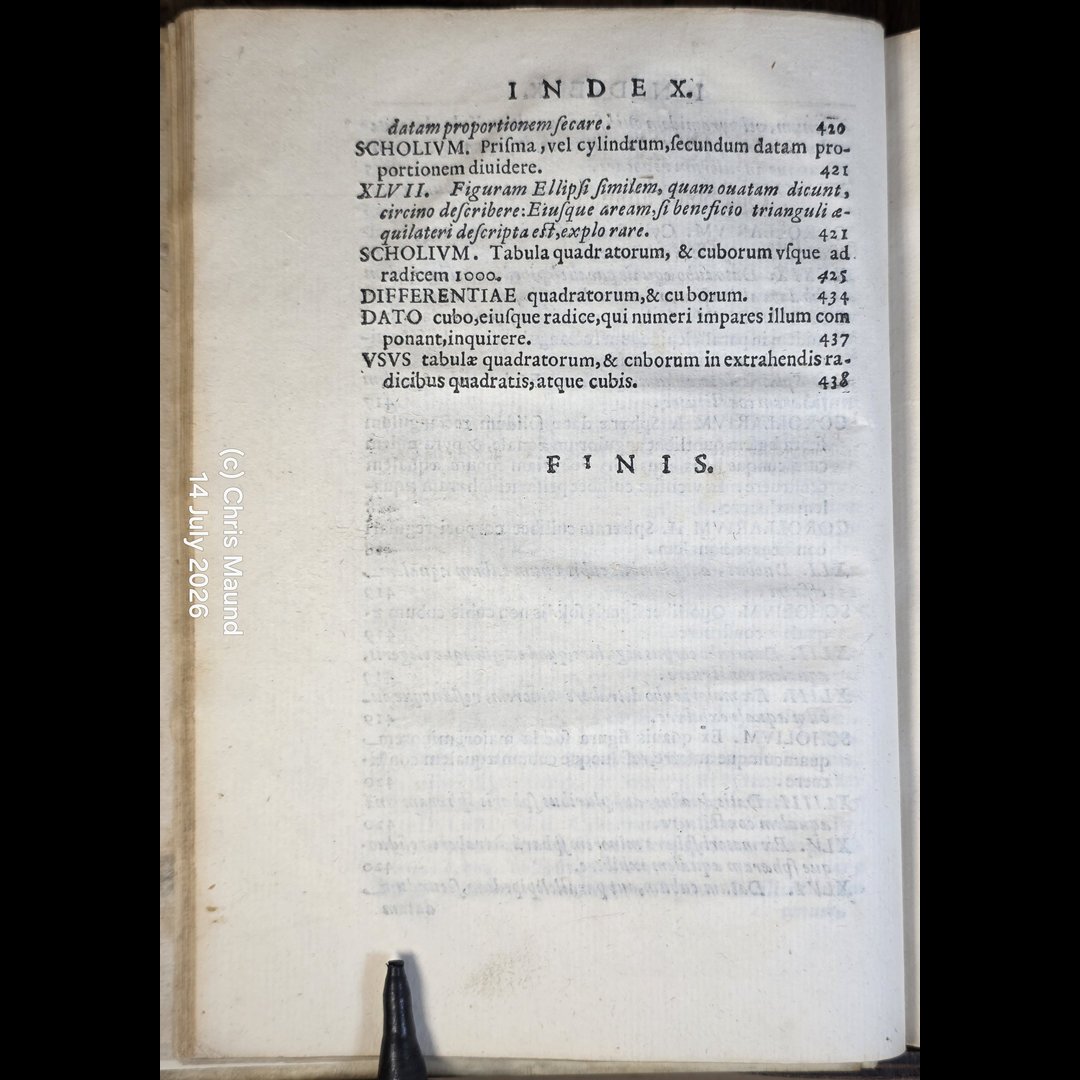
Collation: 510 pages, followed by table/index as described.
Dust Jacket: None, as issued, No Jacket
SKU: BTETM0002352
Shipping Info: Approximate Package Dimensions H: 12.5, L: 30, W: 25 (Units: cm), W: 2Kg
Tracked Shipping, Insurance Coverage as per Customer Request
DESCRIPTION
PHYSICA PARTICULARIS
Astronomy, Comets, Electricity & Newtonian Physics
Astronomy, Planetary Systems, Comets, Meteorology, Electricity & Natural Philosophy
Cursus philosophicus ad usum C. F. Faulcon Alizard accommodatus. Tomus quartus. Pictavii. Anno Domini 1777.
Prepared for and signed by Charles-François Faulcon-Alizard
A substantial and attractive 510-page Latin manuscript course in eighteenth-century natural philosophy, written at Poitiers in 1777 for Charles-François Faulcon-Alizard (b. 1758), then approximately nineteen years old.
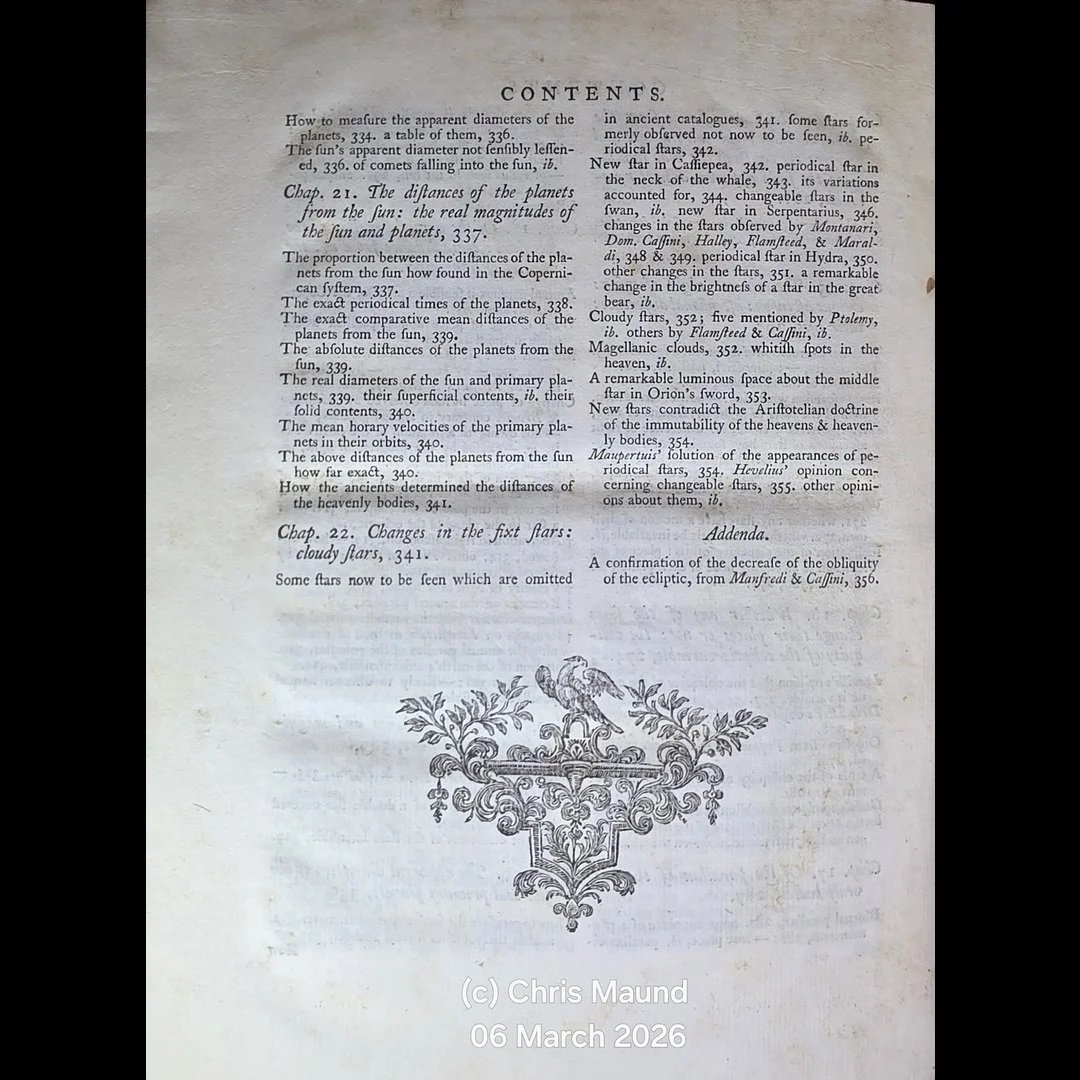
The manuscript forms Volume IV of a Cursus Philosophicus and is complete in itself as Physica Particularis. It opens with Physica Caelestis — celestial physics — and proceeds through the constitution of the heavens, the Moon, Sun and planets, comets, competing systems of the universe, and terrestrial and atmospheric phenomena. The course includes discussion of the Ptolemaic, Copernican, Tychonic, Cartesian and Newtonian systems, placing the manuscript at an especially interesting moment in the teaching and reception of early-modern astronomy and physics.
Of particular interest is the manuscript's treatment of the competing cosmological systems of Descartes and Newton, followed by discussion of the verum mundi systema — the “true system of the world”. The wider course encompasses subjects including planetary astronomy, comets, meteorological phenomena, lightning, electricity and related branches of eighteenth-century physics. It provides an evocative record of how traditional Latin natural philosophy incorporated the major scientific transformations of the seventeenth and eighteenth centuries.
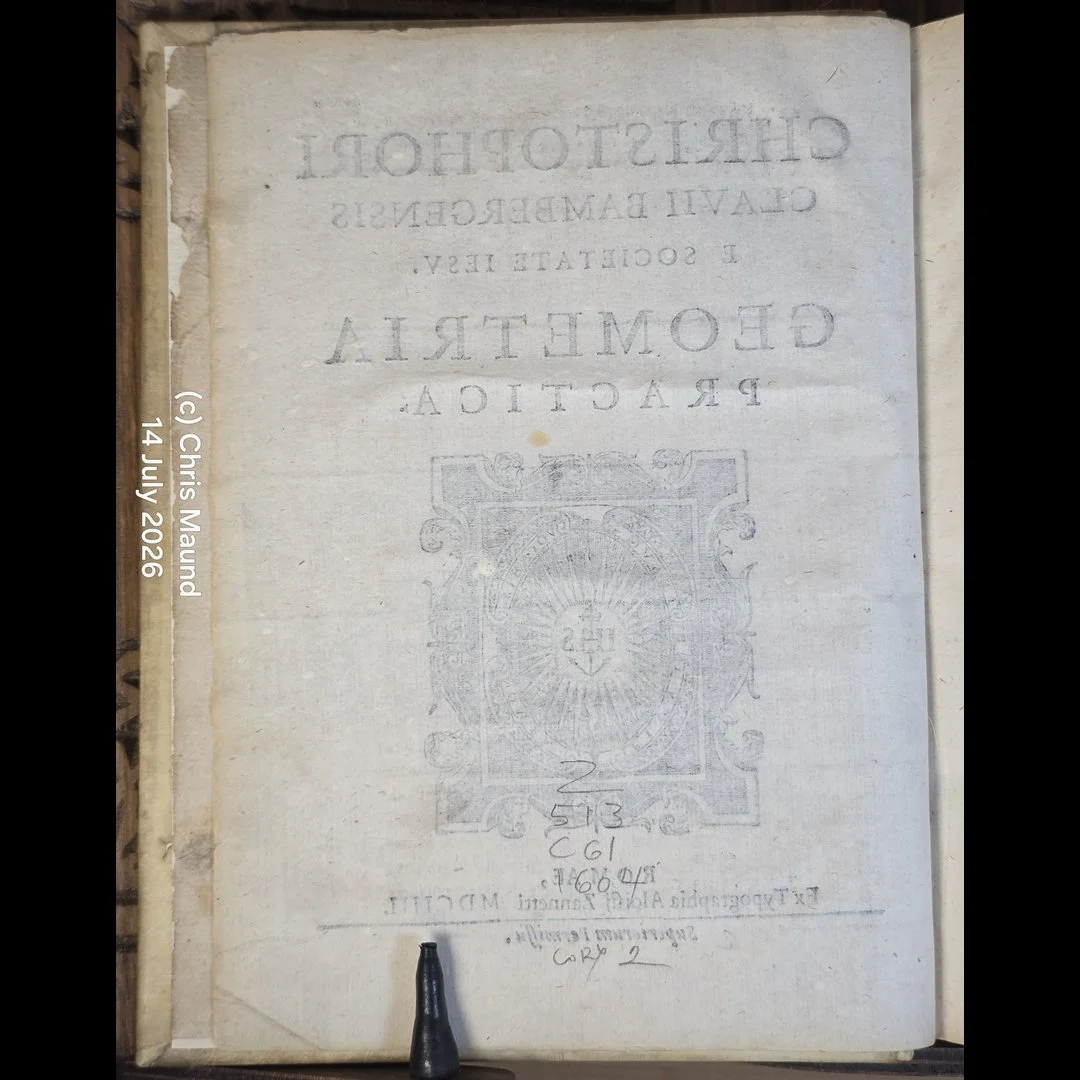
The title page states that the course was “ad usum C. F. Faulcon Alizard accommodatus”, or “prepared/adapted for the use of C. F. Faulcon-Alizard”, and gives the place and date as Pictavii [Poitiers], 1777. Faulcon signs the manuscript at its conclusion and again at the end of the index/table, including a dated “C. Faulcon 1777” signature.
Contemporary evidence places the manuscript within the distinctive academic culture of late-eighteenth-century Poitiers. The Collège Royal de Sainte-Marthe was closely connected with the Faculty of Arts of the University of Poitiers, where philosophy and physics formed part of the arts curriculum. A particularly close institutional parallel survives in the French public collections: a 414-page Latin philosophy manuscript made at Poitiers in 1776 for another young student, recording lectures delivered by François de Sénailhac at the Collège Royal de Sainte-Marthe. The present manuscript cannot presently be attributed to Sénailhac, but the comparison provides valuable evidence for the local practice of producing substantial manuscript philosophy courses for students in precisely this period.
CONDITION, COLLATION & COPY NOTES
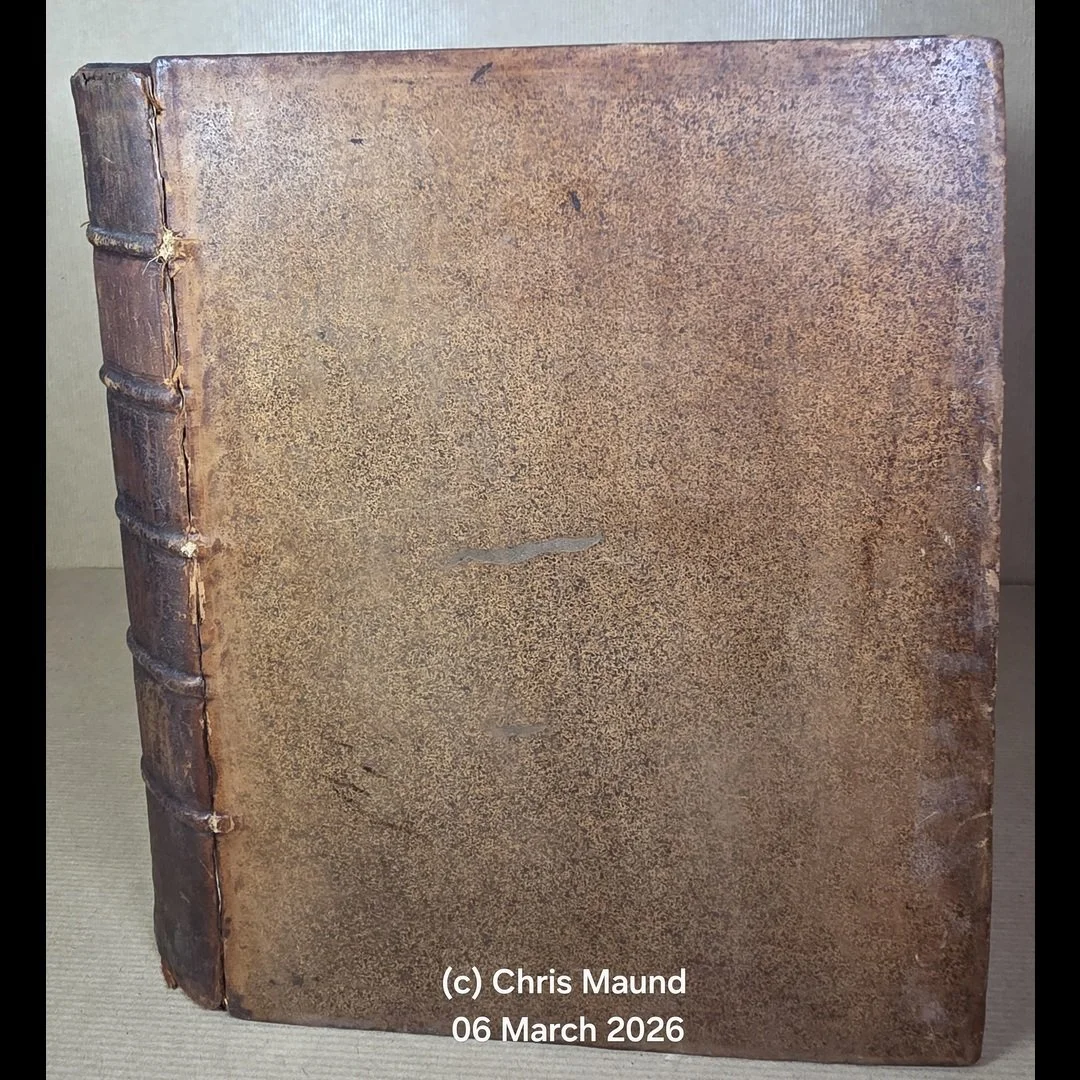
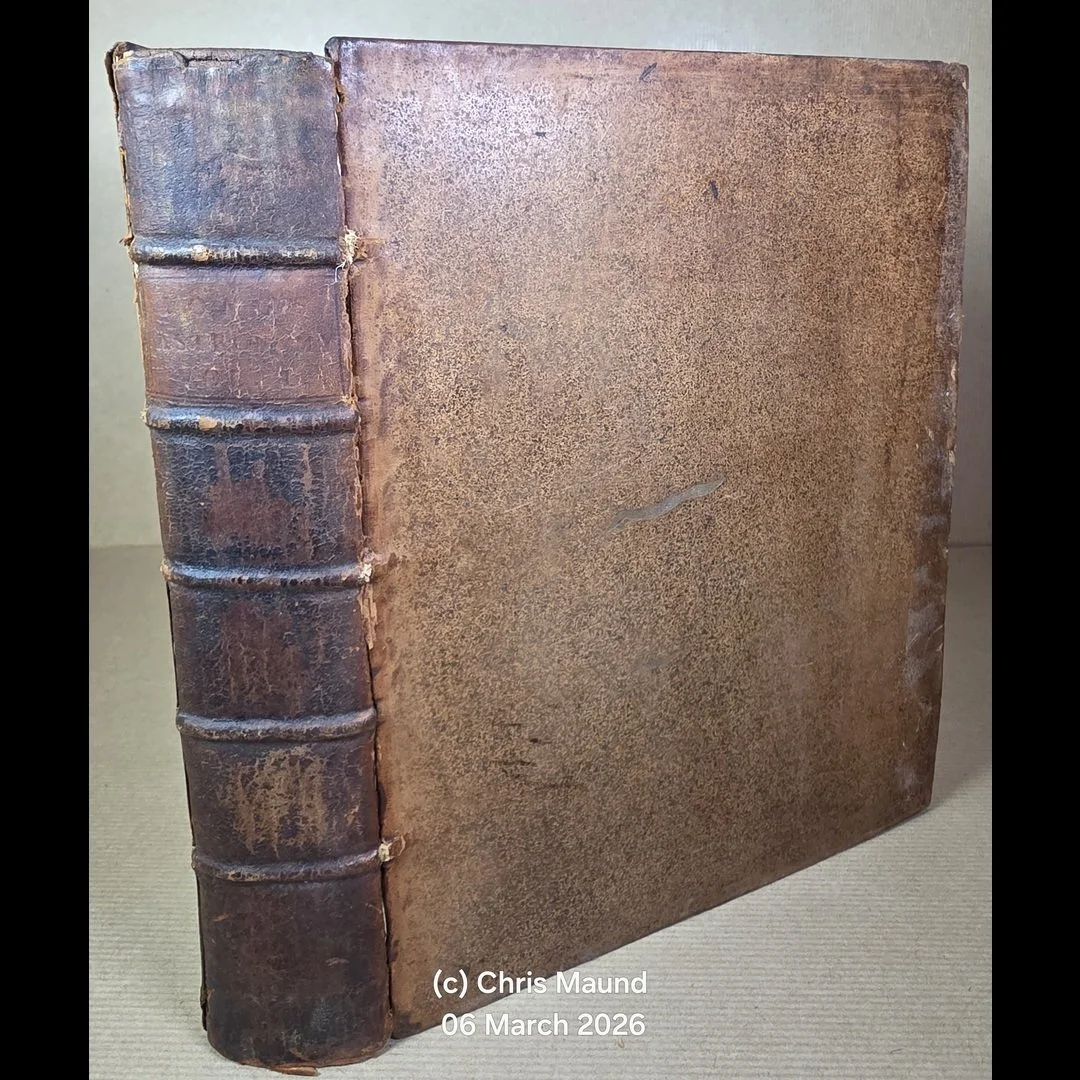
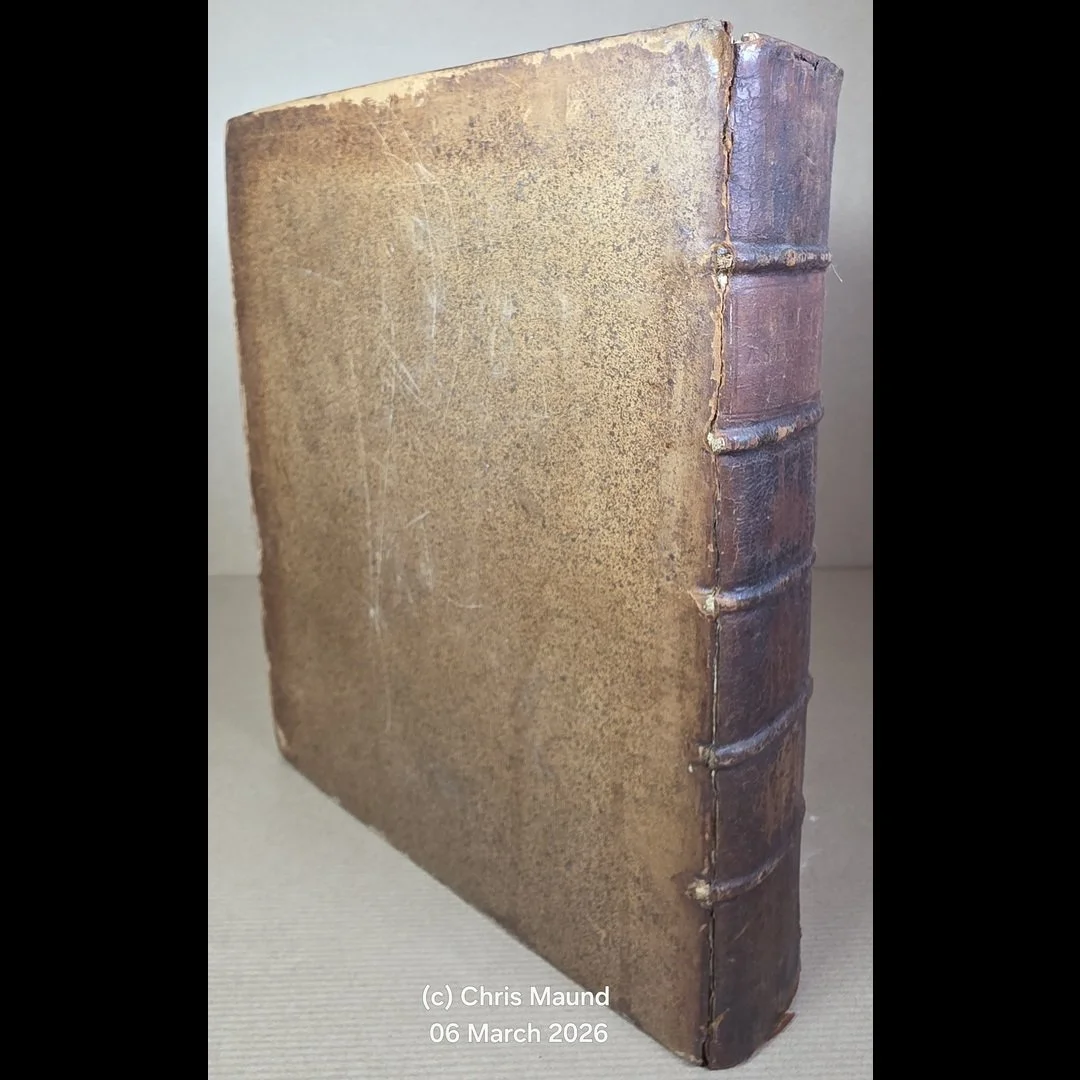
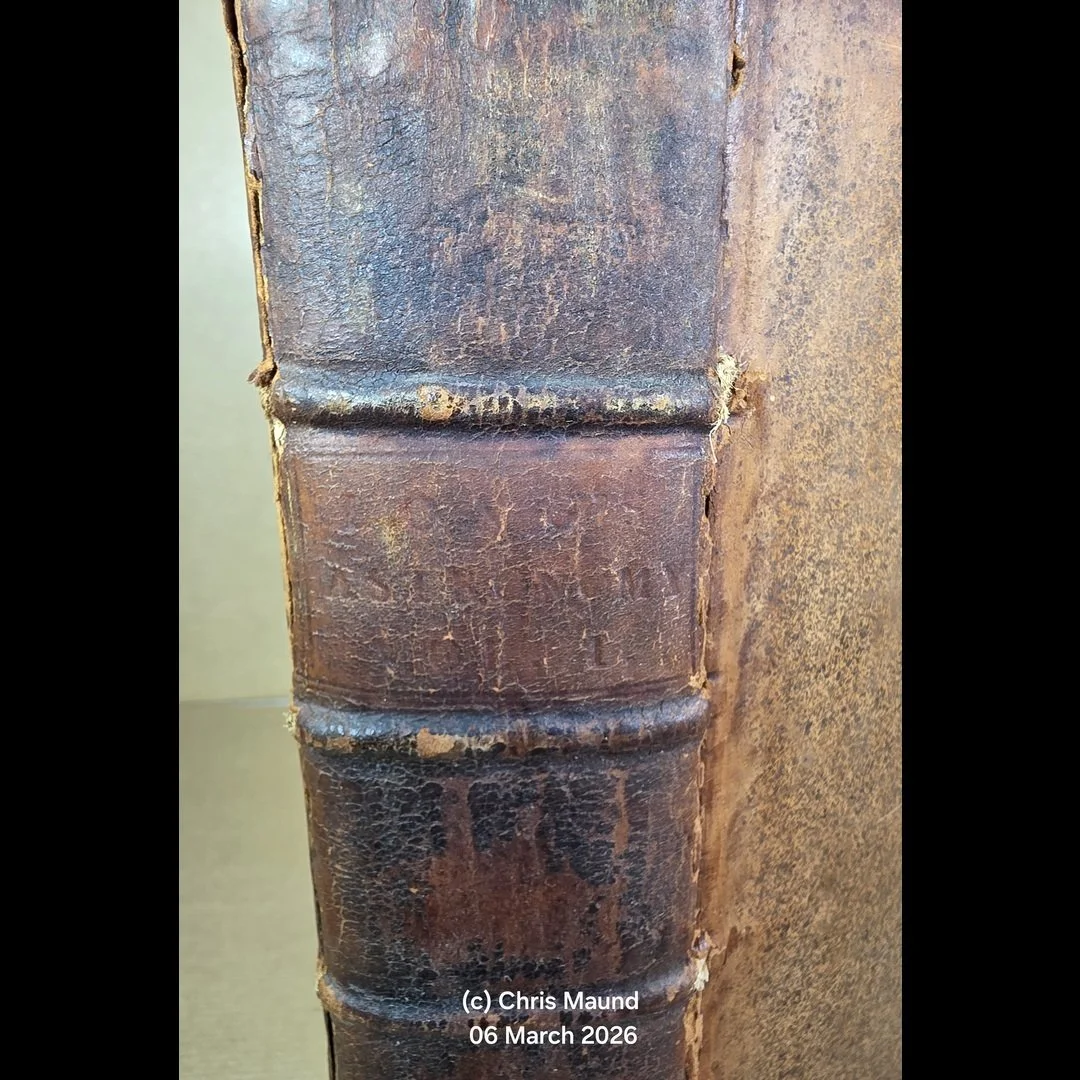
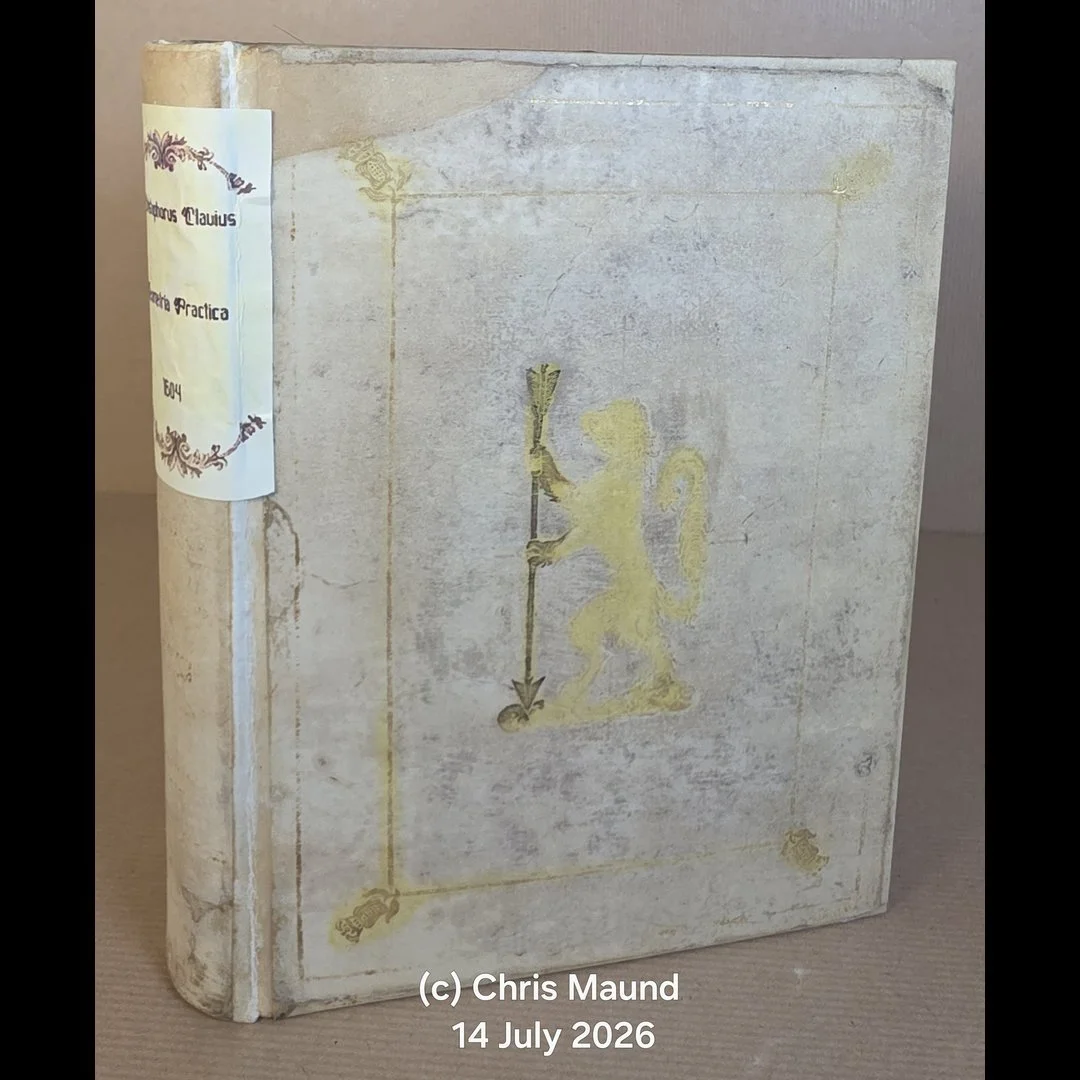
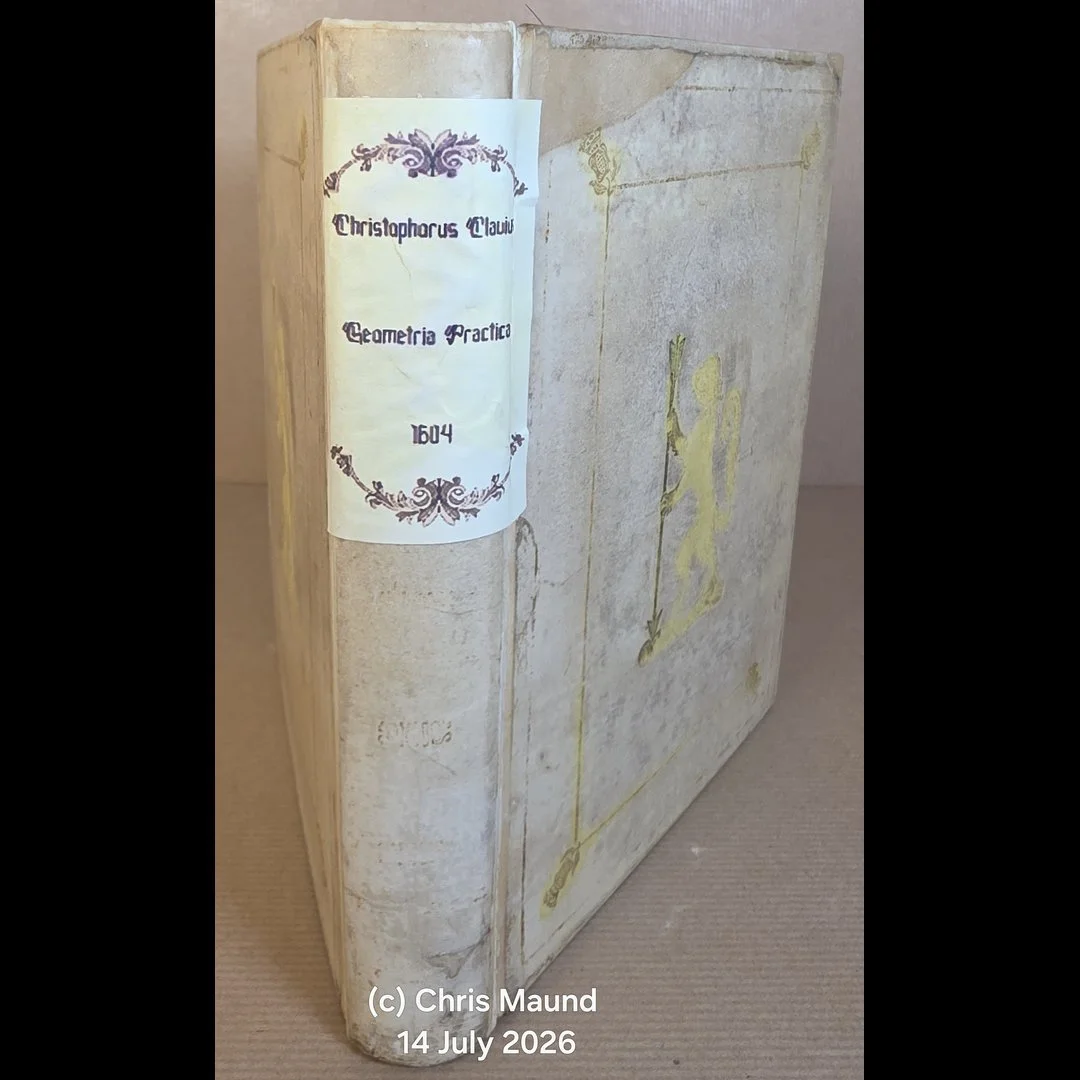
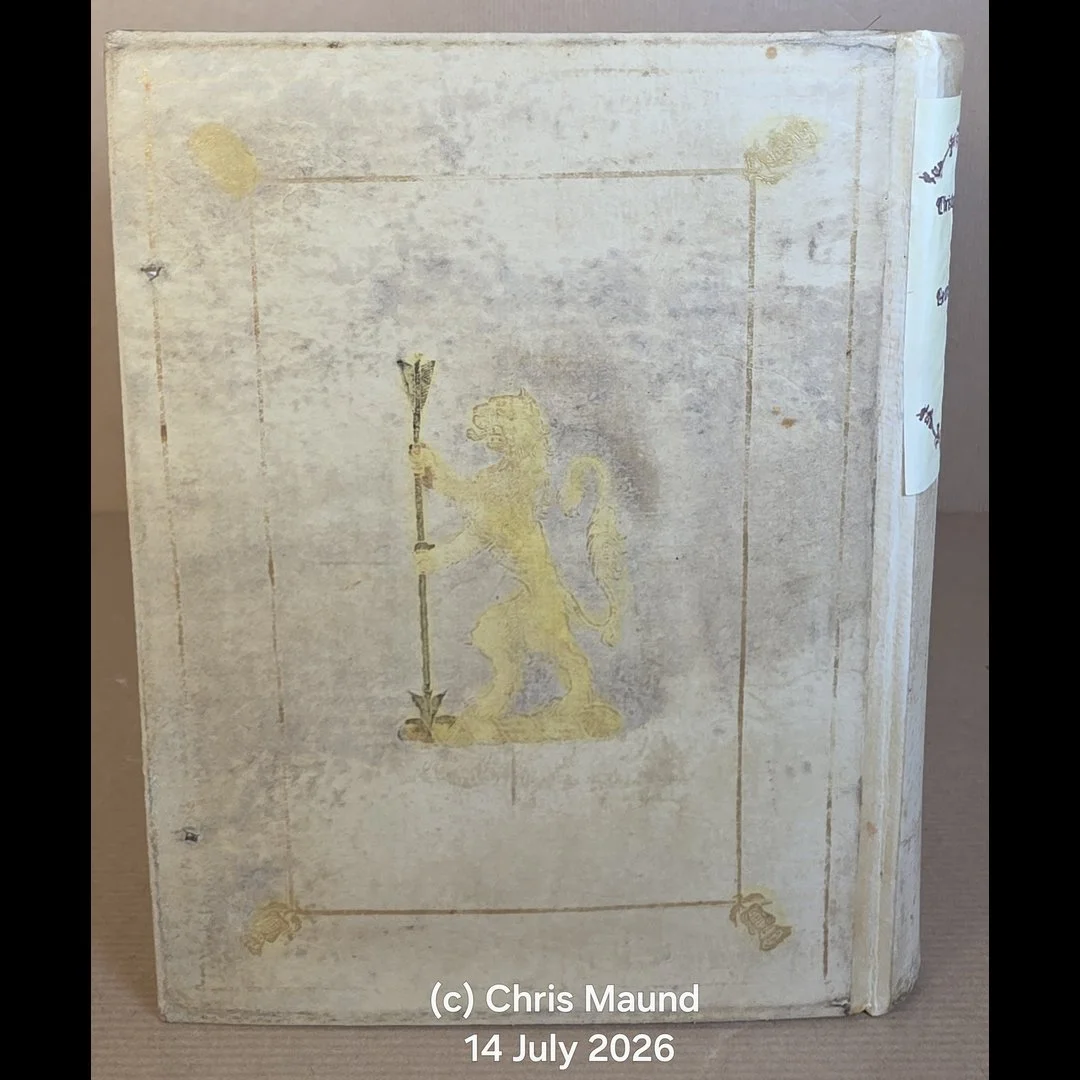
Good+ / Very Good internally – A sound and highly appealing eighteenth-century manuscript volume in contemporary mottled calf, the spine with raised bands, gilt floral decoration and contrasting gilt-lettered TOM IV label.
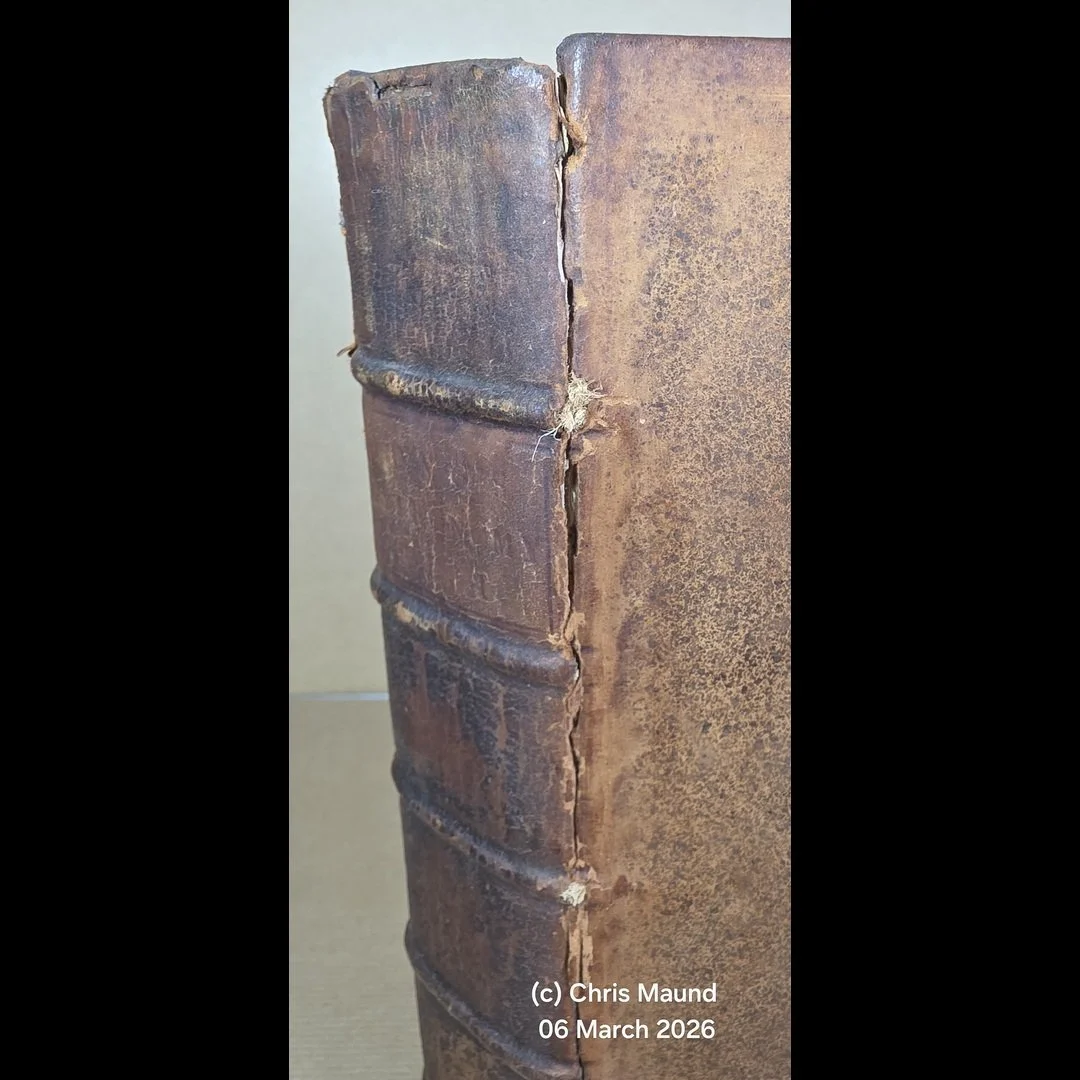
Binding rubbed and worn through prolonged historical use, with surface abrasion and marking to the boards, wear to extremities and raised bands, losses to the gilt decoration and substantial loss to the principal spine label. Upper joint and head of spine with visible wear. The binding nevertheless remains firm and the text block is sound.
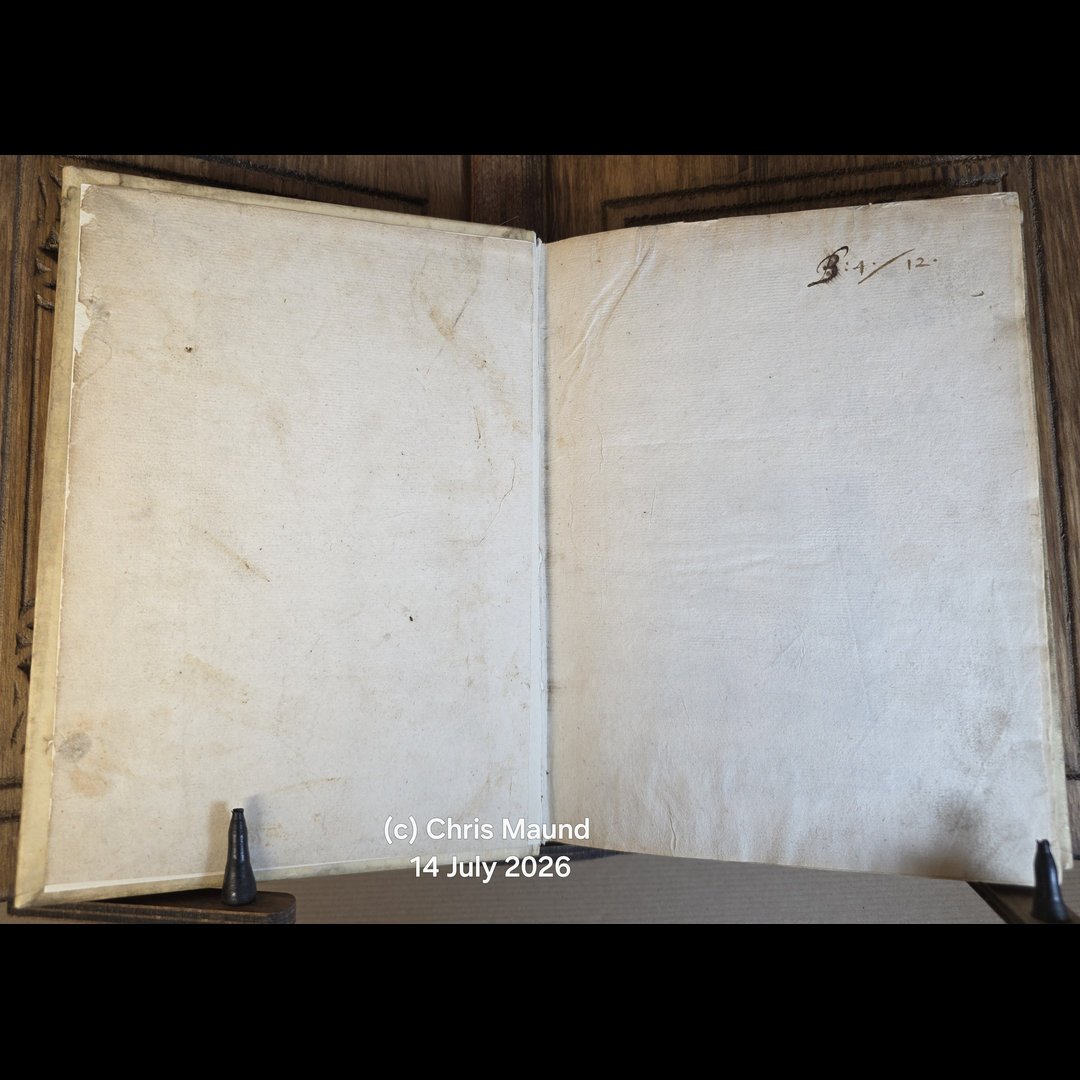
Internally very well preserved for a working manuscript of this age. Paper generally clean and strong, with occasional light spotting, handling marks and minor age-related discolouration. Written throughout in a clear and accomplished eighteenth-century Latin cursive, with headings and divisional titles in larger formal script. Page edges coloured red.
The volume is internally complete as Physica Particularis, concluding with a table/index and Finis. Although designated Tomus IV, it constitutes a discrete and complete volume of the larger philosophical course rather than a fragment ending mid-text.
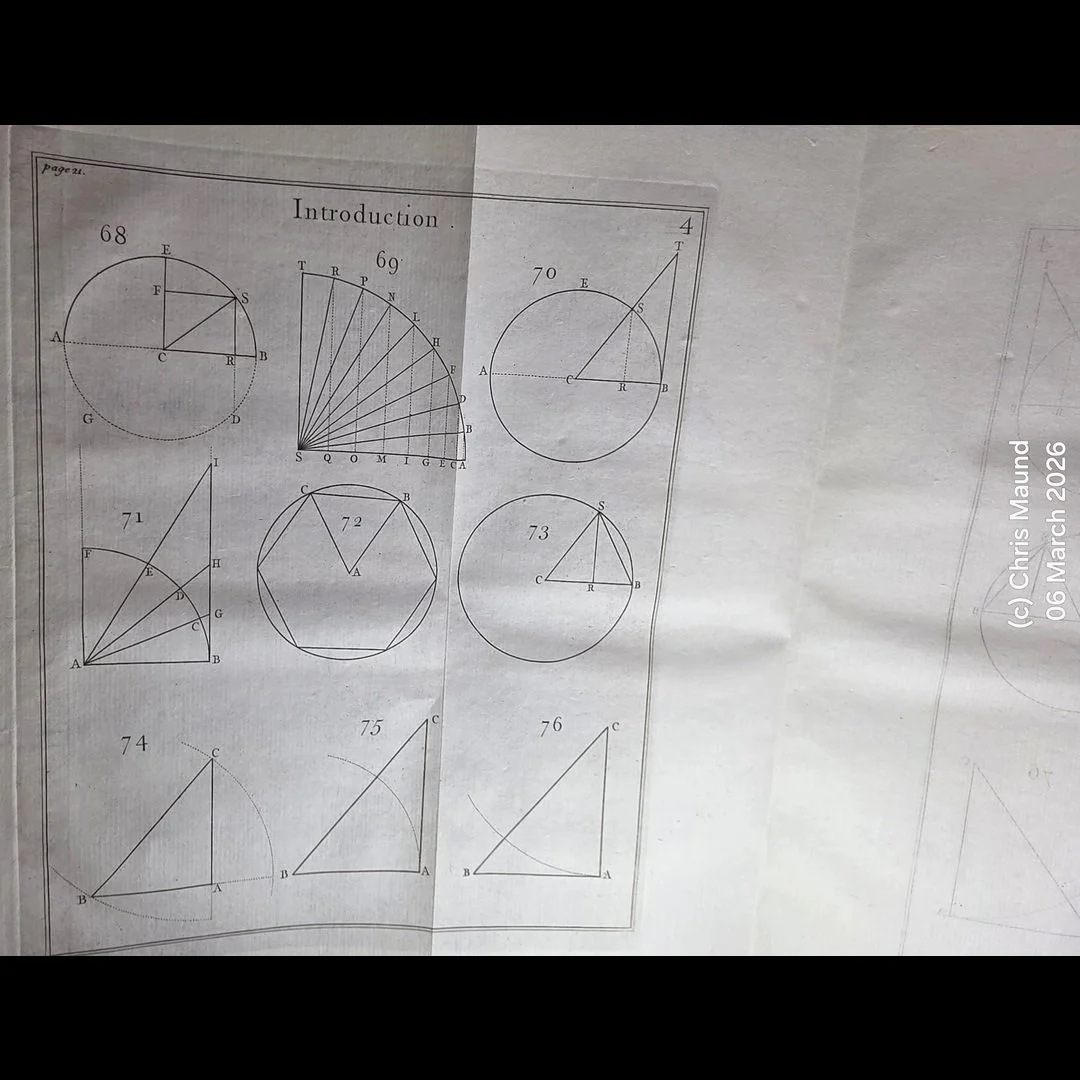
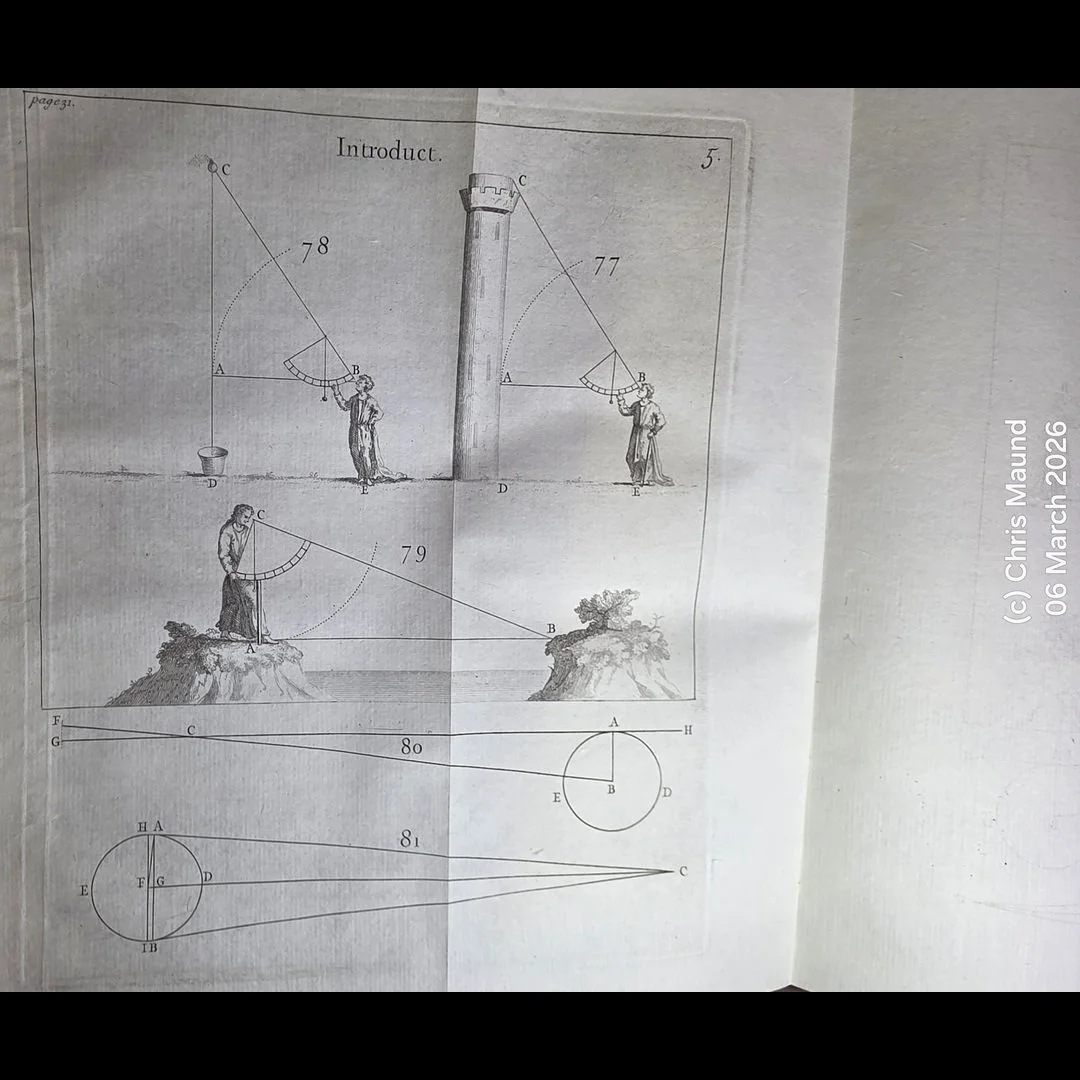
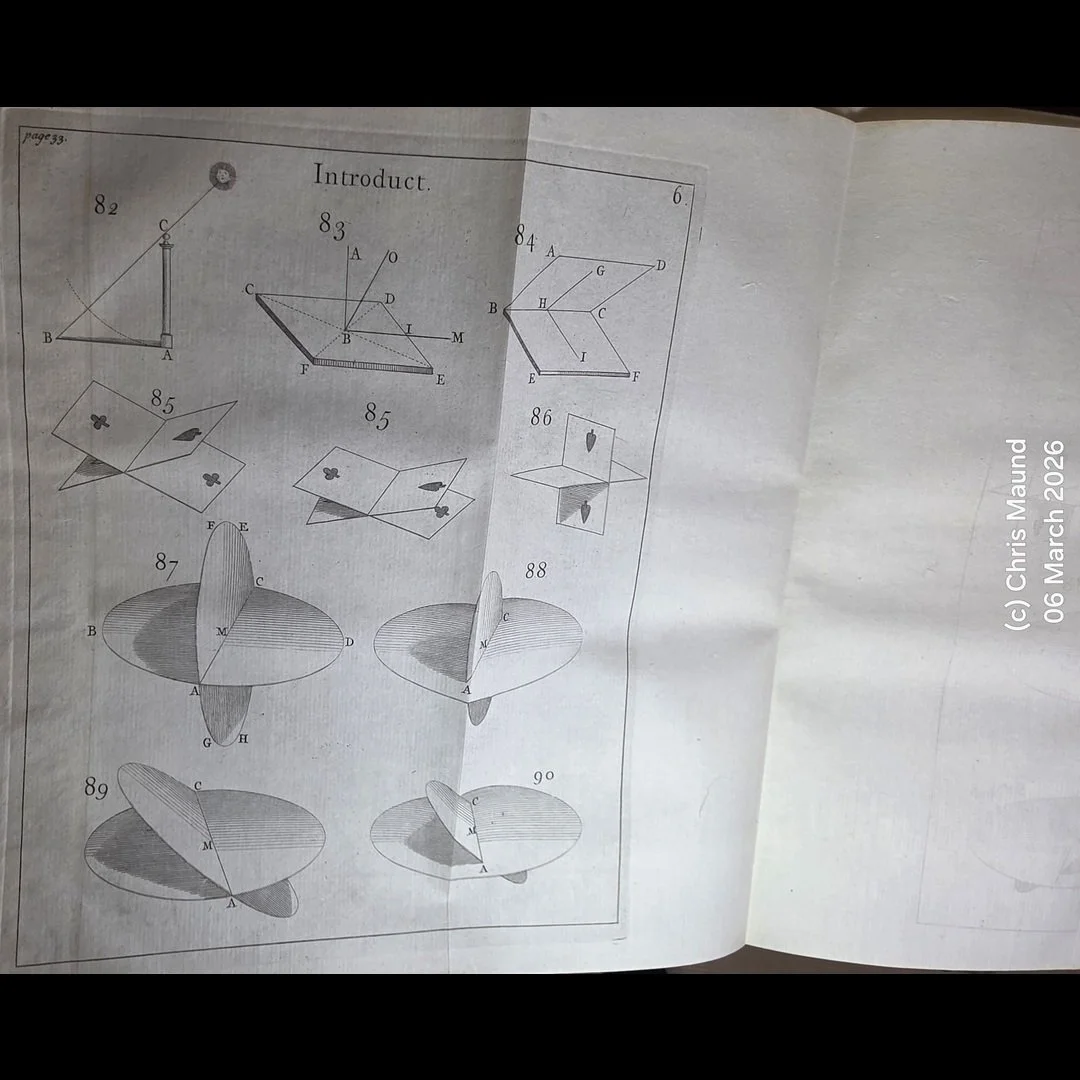
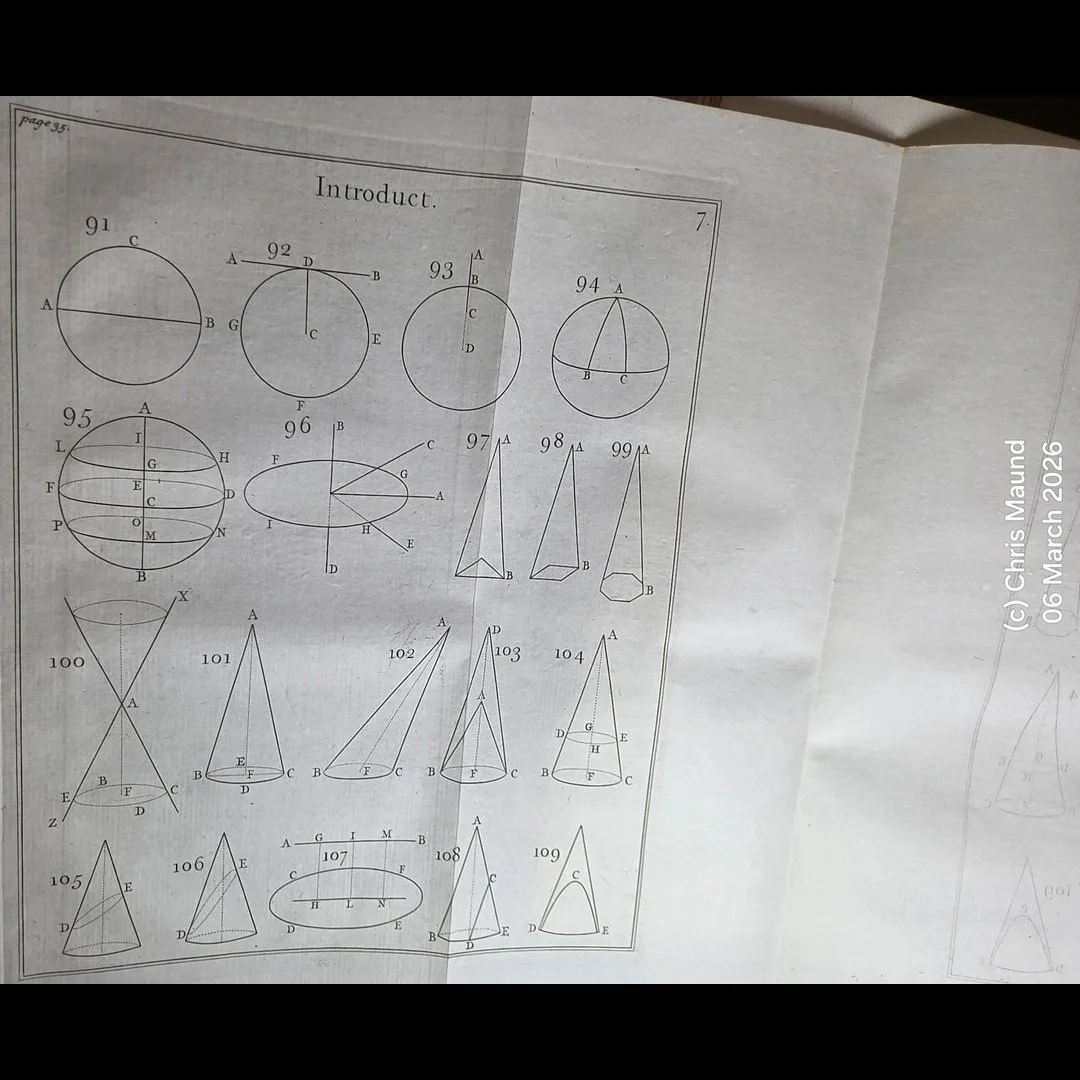
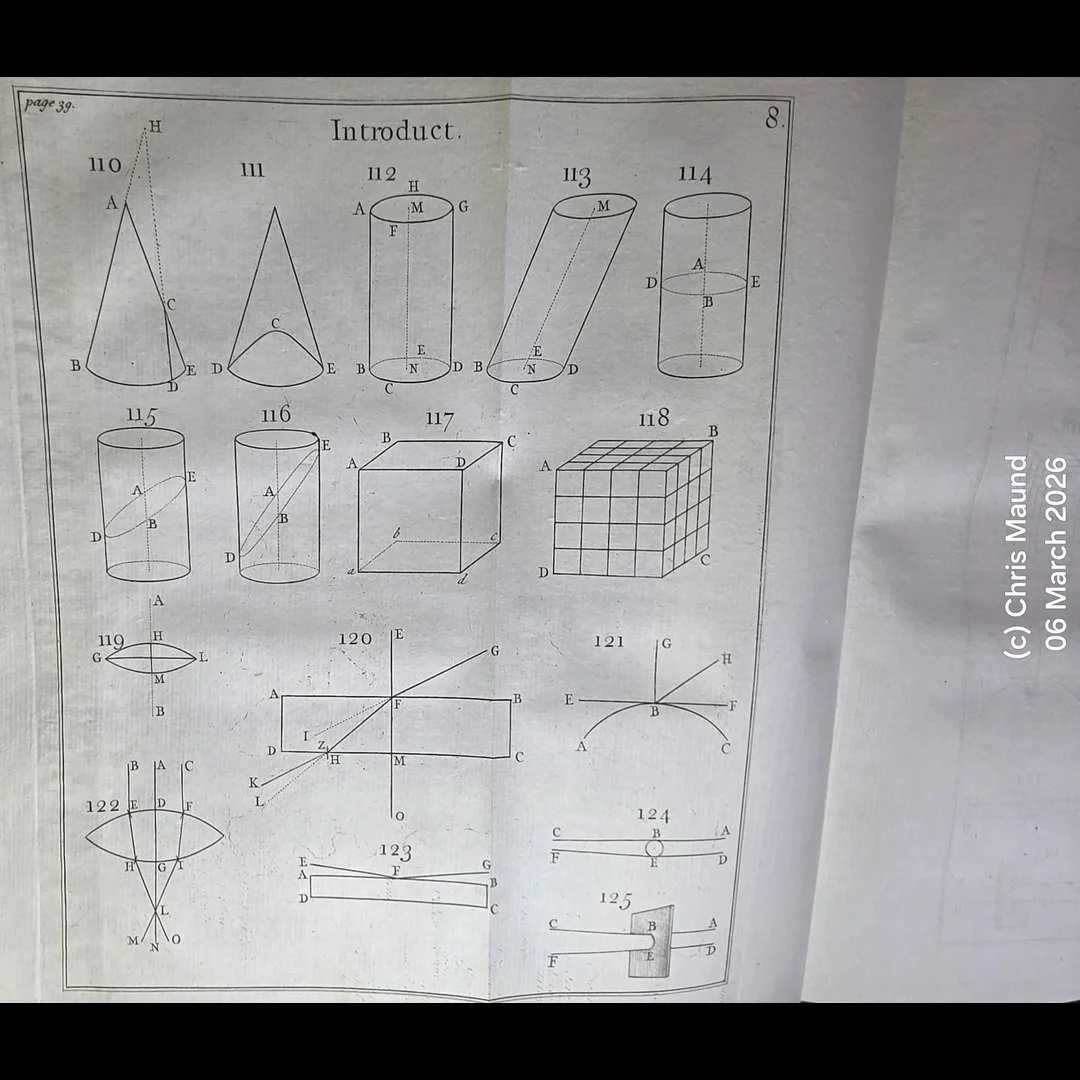
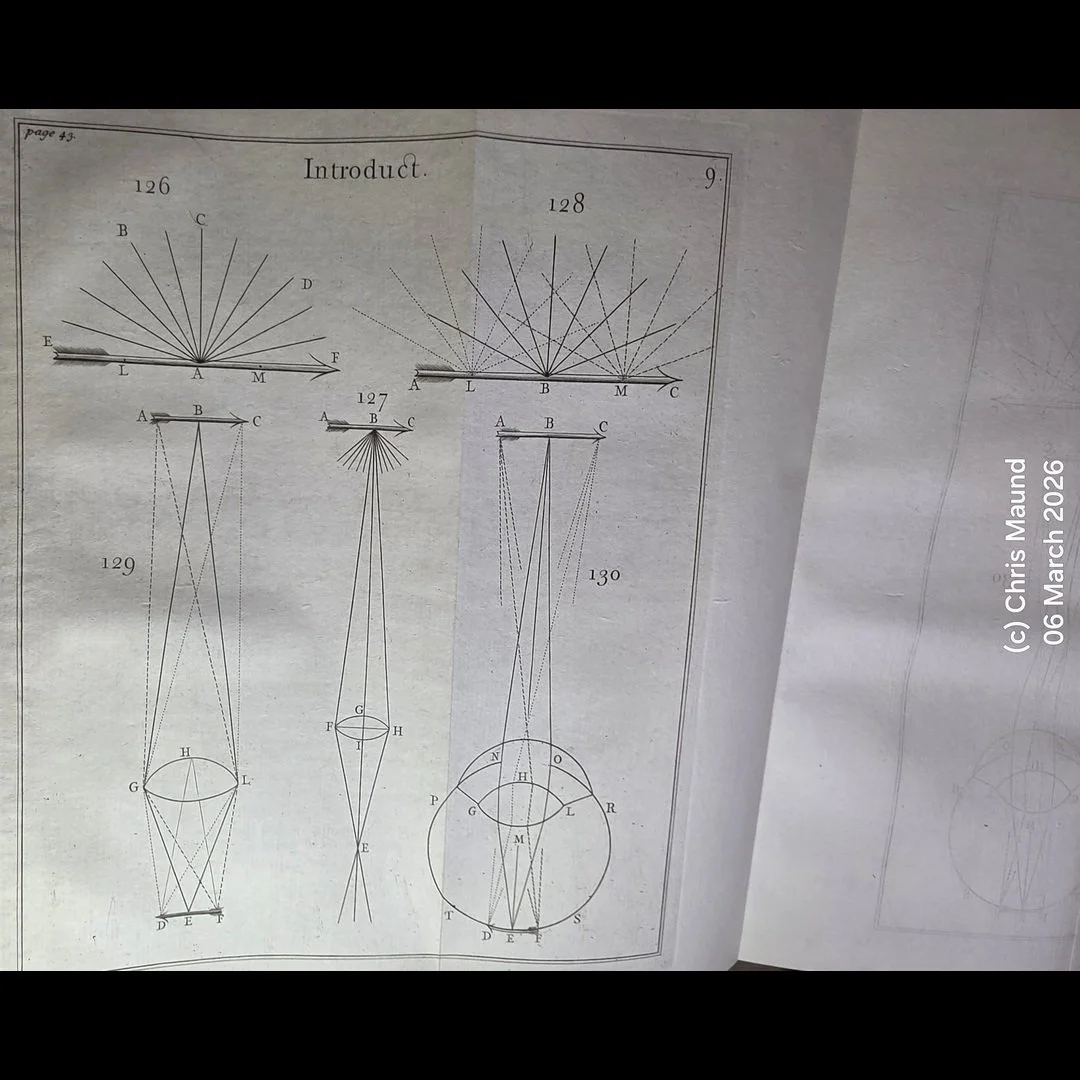
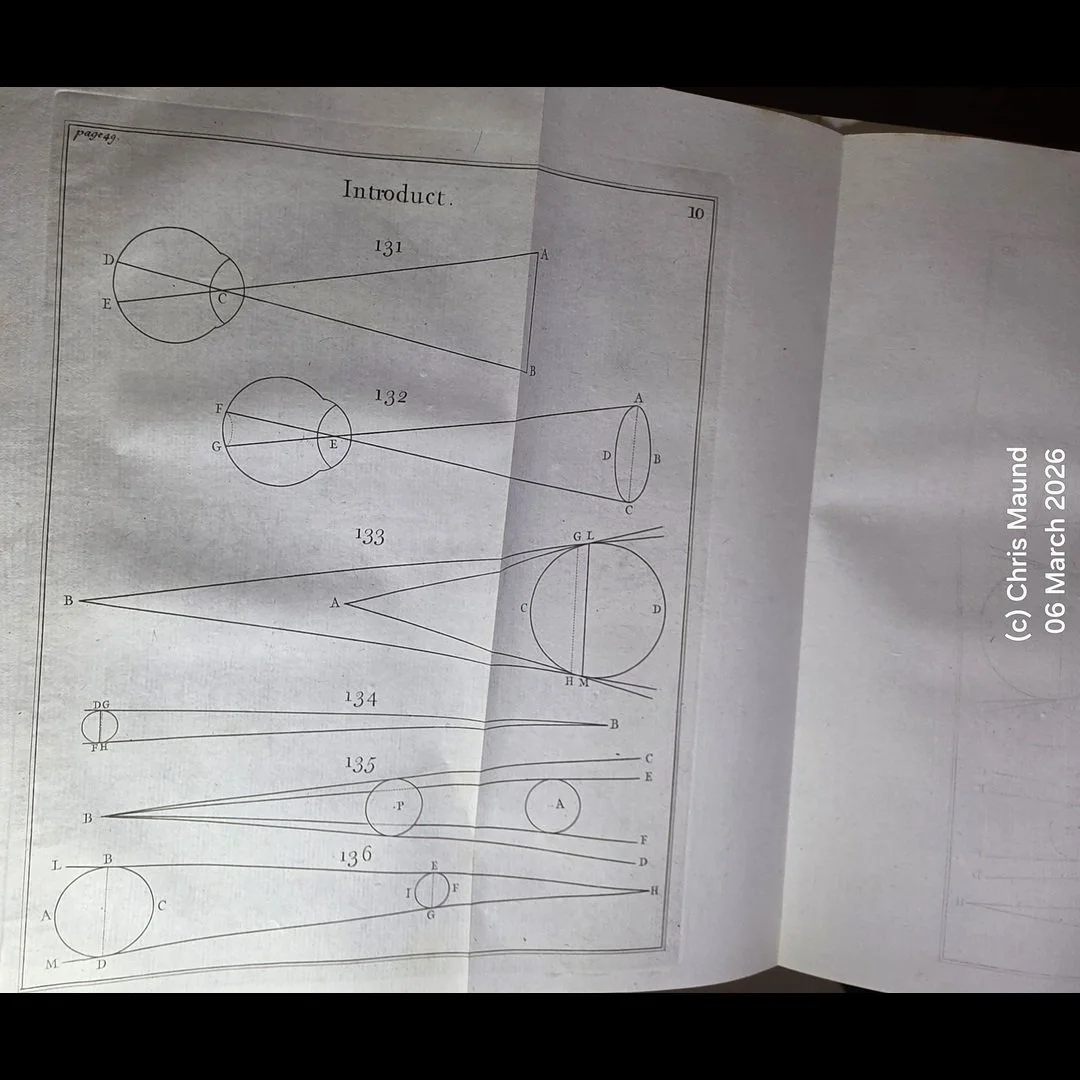
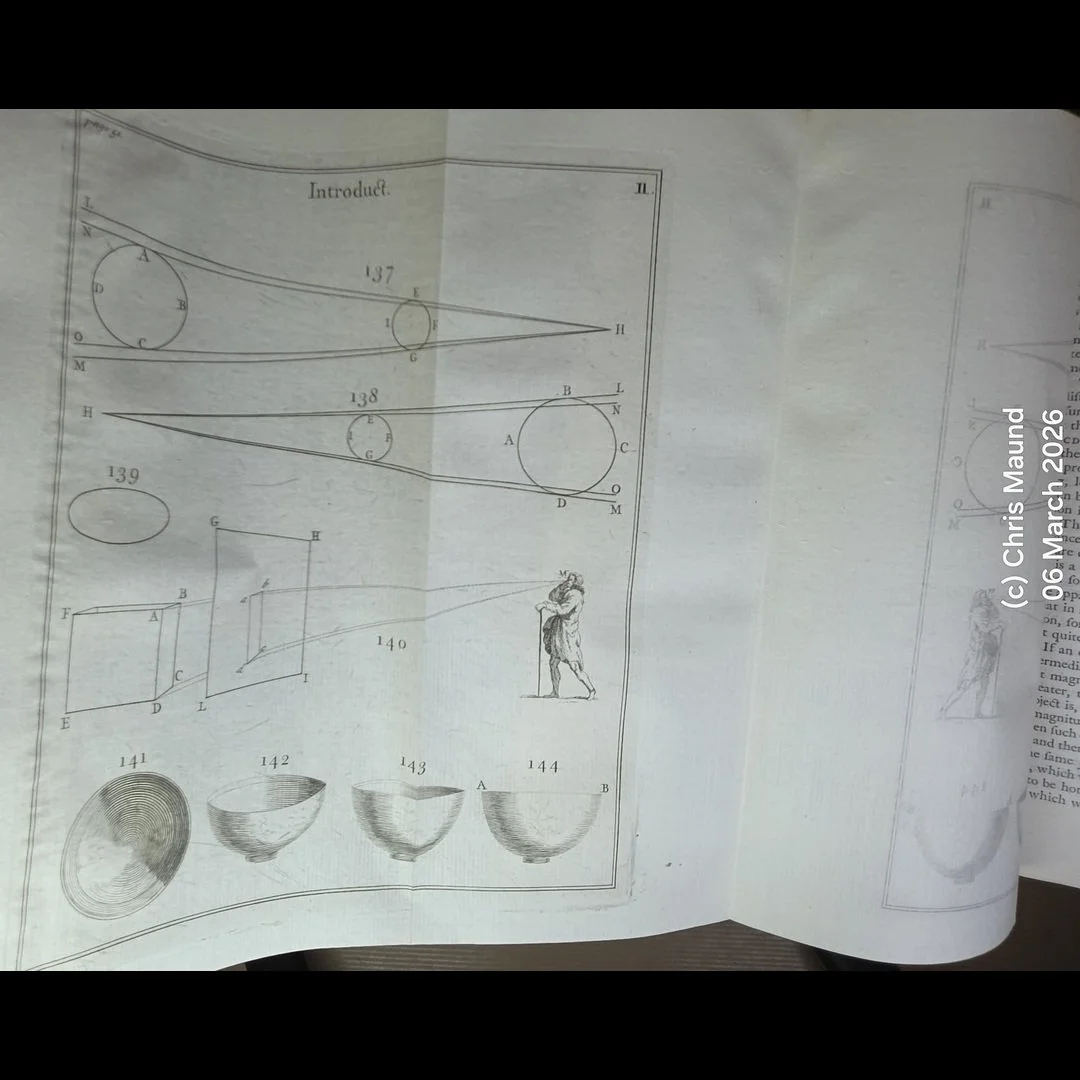
No scientific plates or drawings are present; this is an extensive theoretical manuscript course.
Signed by Faulcon on p. 498 and again at the conclusion of the index/table, the latter dated 1777.
A handsome and unusually substantial surviving document of Enlightenment-era scientific education in provincial France, combining traditional scholastic presentation with discussion of Copernican, Cartesian and Newtonian cosmology.
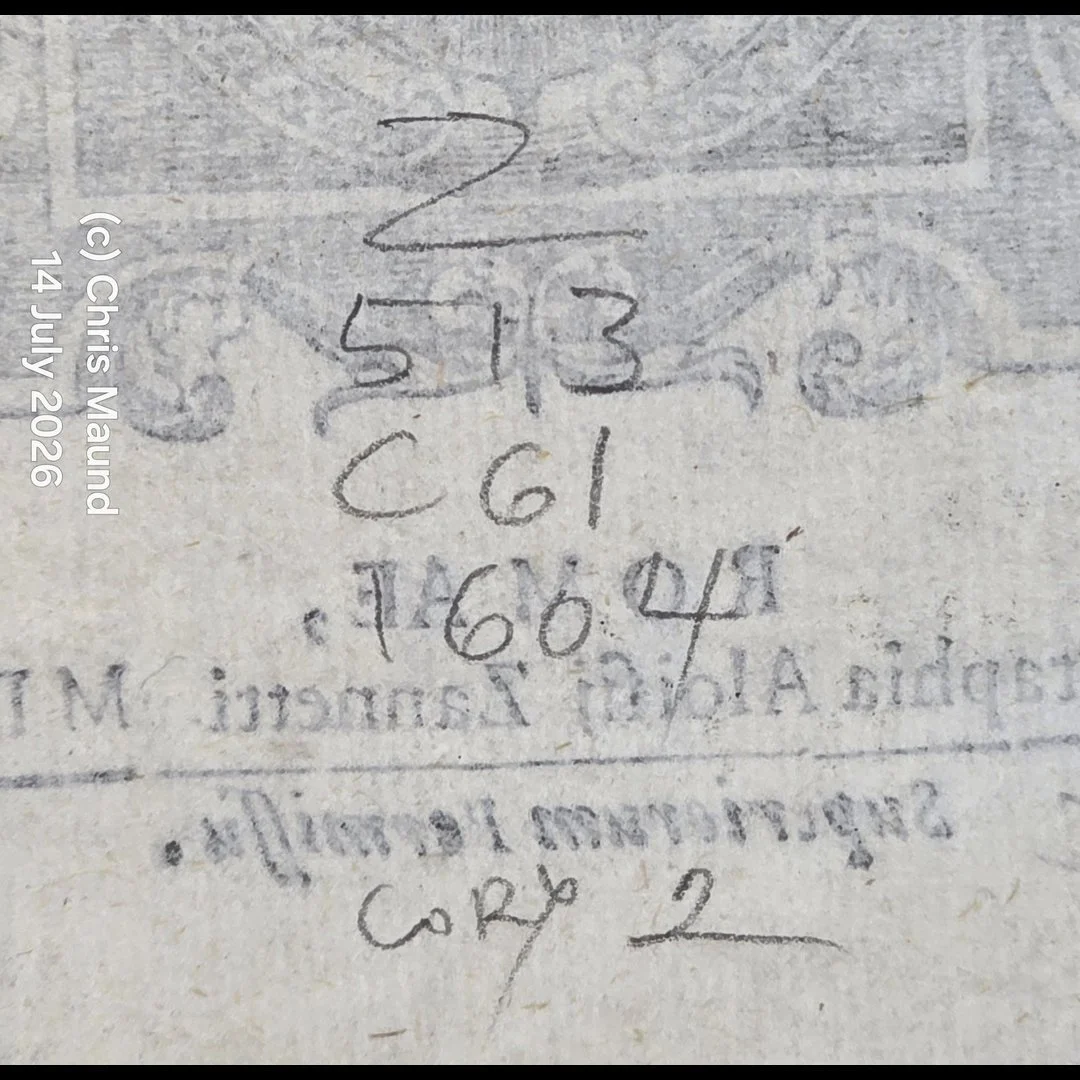
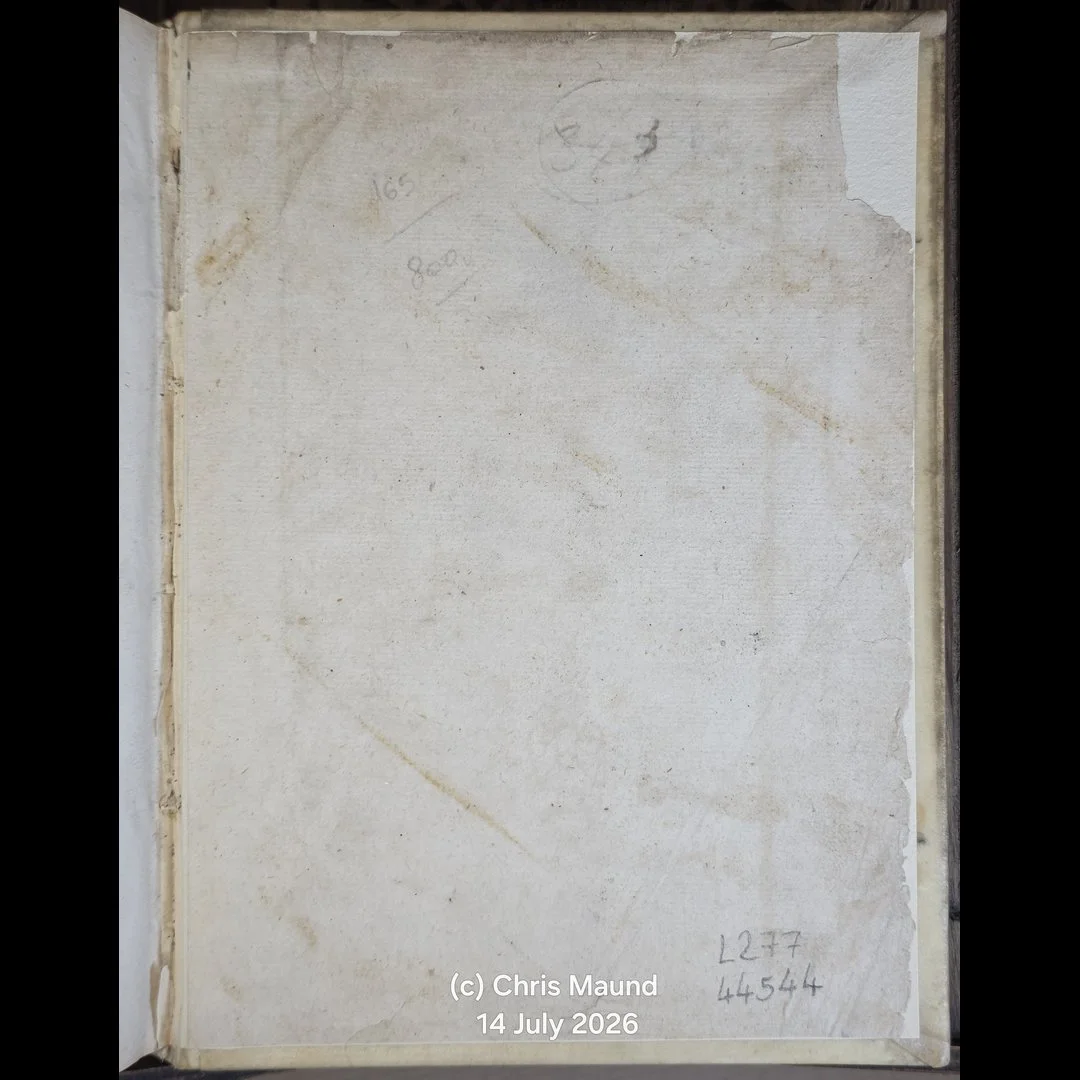
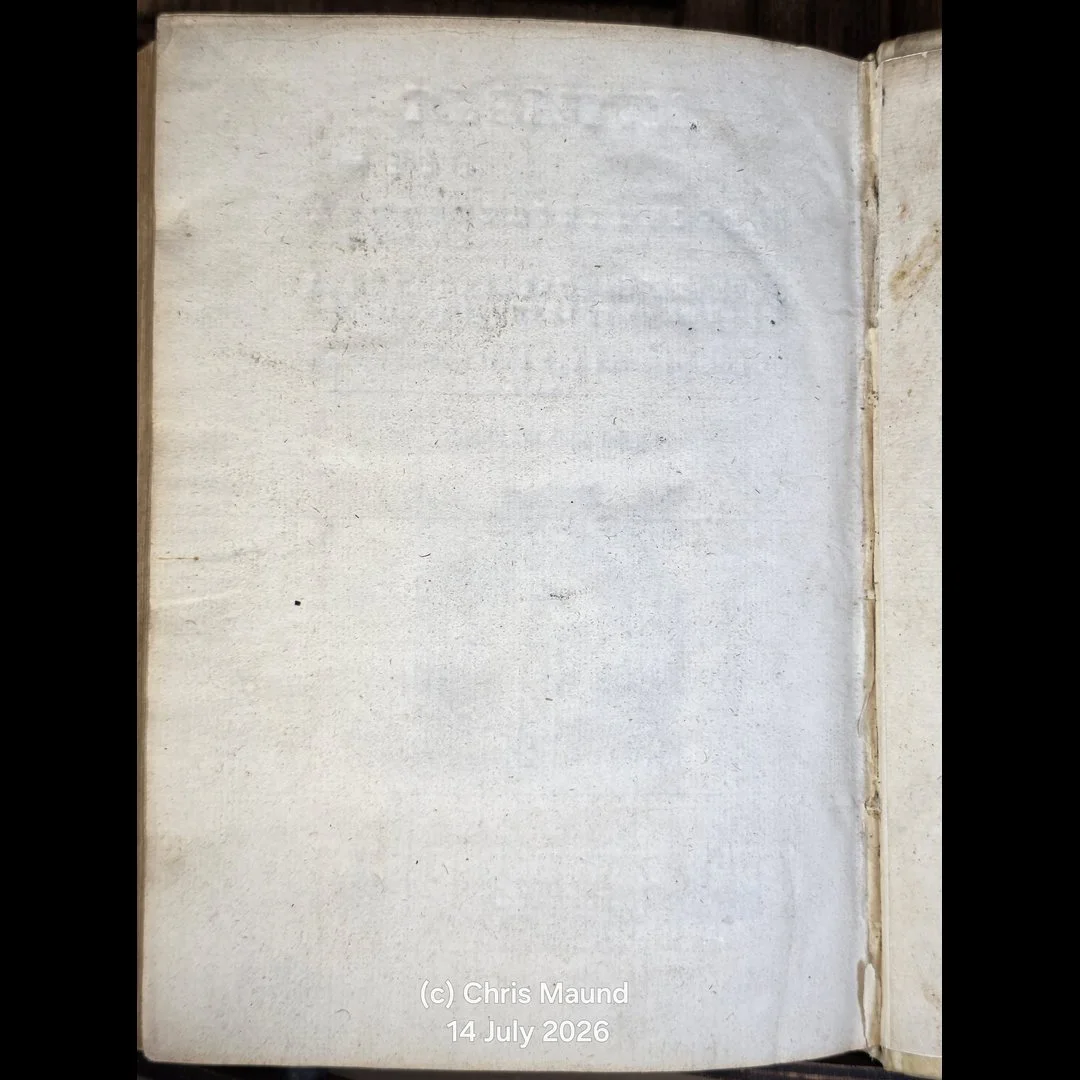
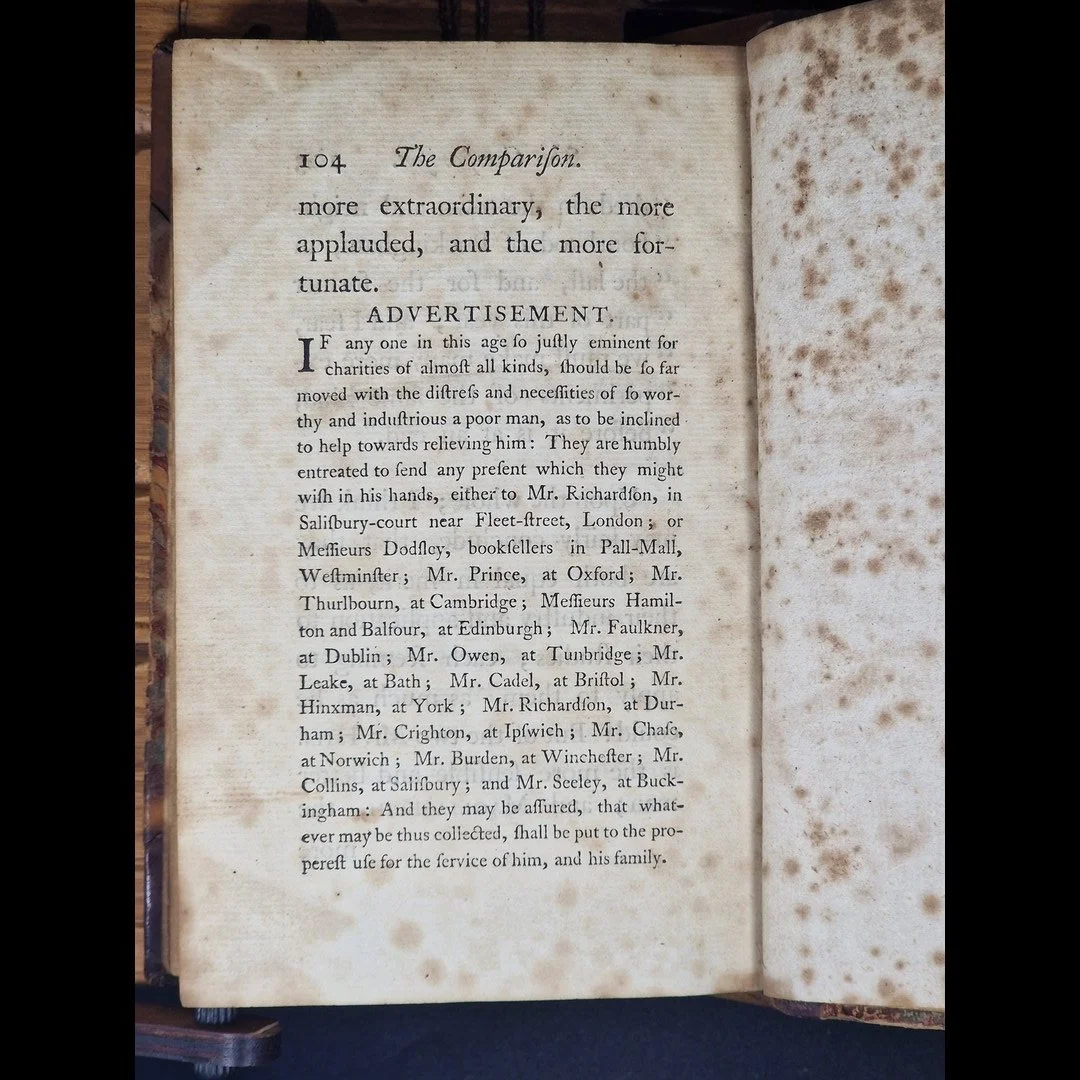
Please see Photos as part of condition report.
REFERENCES
Catalogue collectif de France (CCFr), Médiathèque Le Globe, Les Sables-d'Olonne, Ms 001: Philosophia, par Regain d'Appelvoisin, 1776 — a 414-page Latin manuscript transcription of philosophy lectures given by François de Sénailhac at the Collège Royal de Sainte-Marthe, Poitiers.
Joseph Delfour, “Organisation pédagogique d’un collège universitaire d’avant la Révolution. Le Collège royal de Sainte-Marthe de Poitiers,” Revue internationale de l'enseignement, vol. 46 (1903), pp. 323–326.
Genealogical records for the Faulcon family document Charles-François Faulcon, baptised at Saint-Jacques, Châtellerault, 9 February 1758, son of Charles-François Faulcon and Marie-Anne Alizard.
SYNOPSIS
Physica Particularis — “Particular Physics” — formed the branch of early-modern natural philosophy concerned with particular classes of bodies and observable physical phenomena.
This fourth volume begins with celestial physics, considering the nature and organisation of the physical universe before proceeding to the principal heavenly bodies. Subjects include the Moon, Sun, Venus, Mercury, Mars, Jupiter and Saturn, together with comets and the structure of the heavens.
A particularly noteworthy portion examines the rival Ptolemaic, Copernican, Tychonic, Cartesian and Newtonian systems of the world. The Cartesian section discusses the formation and motion of matter within Descartes' cosmology, while the course subsequently considers the constitution of the true or physical system of the world with reference to mechanical principles and astronomical observation.
Later portions turn from celestial to terrestrial physics and encompass atmospheric and natural phenomena including comets, meteorology, lightning, electricity and related physical subjects.
The manuscript therefore offers an unusually tangible record of scientific education in France in 1777, showing how an eighteenth-century student encountered both inherited natural philosophy and the revolutionary astronomical and physical systems associated with Copernicus, Descartes and Newton.
AUTHOR BIO
Charles-François Faulcon-Alizard was born at Châtellerault in 1758 and was approximately nineteen years old when this manuscript was produced at Poitiers in 1777. His mother's family name was Alizard, explaining the form of his name used in the manuscript.
The title describes the philosophical course as having been prepared or adapted for his use, while his signatures at the conclusion establish his direct association with the volume. The body of the manuscript appears consistent with a student course manuscript and may be substantially in Faulcon's own hand, although a definitive autograph attribution would require further palaeographic comparison.
1777 Poitiers Manuscript
PHYSICA PARTICULARIS
By / Associated With: Charles-François Faulcon-Alizard
KEY DETAILS
Condition: Very Good
Format: Hardcover, Medium octavo (8vo 6 1⁄2 × 9 1⁄4 in 165 × 235 mm )
Note: Binding/size selection follows standard bibliographic conventions and is approximate; exact measurements may vary.
Published By: Manuscript, Pictavii [Poitiers], France, 1777
Language: Latin
Collation: 510 pages, followed by table/index as described.
Dust Jacket: None, as issued, No Jacket
SKU: BTETM0002352
Shipping Info: Approximate Package Dimensions H: 12.5, L: 30, W: 25 (Units: cm), W: 2Kg
Tracked Shipping, Insurance Coverage as per Customer Request
DESCRIPTION
PHYSICA PARTICULARIS
Astronomy, Comets, Electricity & Newtonian Physics
Astronomy, Planetary Systems, Comets, Meteorology, Electricity & Natural Philosophy
Cursus philosophicus ad usum C. F. Faulcon Alizard accommodatus. Tomus quartus. Pictavii. Anno Domini 1777.
Prepared for and signed by Charles-François Faulcon-Alizard
A substantial and attractive 510-page Latin manuscript course in eighteenth-century natural philosophy, written at Poitiers in 1777 for Charles-François Faulcon-Alizard (b. 1758), then approximately nineteen years old.
The manuscript forms Volume IV of a Cursus Philosophicus and is complete in itself as Physica Particularis. It opens with Physica Caelestis — celestial physics — and proceeds through the constitution of the heavens, the Moon, Sun and planets, comets, competing systems of the universe, and terrestrial and atmospheric phenomena. The course includes discussion of the Ptolemaic, Copernican, Tychonic, Cartesian and Newtonian systems, placing the manuscript at an especially interesting moment in the teaching and reception of early-modern astronomy and physics.
Of particular interest is the manuscript's treatment of the competing cosmological systems of Descartes and Newton, followed by discussion of the verum mundi systema — the “true system of the world”. The wider course encompasses subjects including planetary astronomy, comets, meteorological phenomena, lightning, electricity and related branches of eighteenth-century physics. It provides an evocative record of how traditional Latin natural philosophy incorporated the major scientific transformations of the seventeenth and eighteenth centuries.
The title page states that the course was “ad usum C. F. Faulcon Alizard accommodatus”, or “prepared/adapted for the use of C. F. Faulcon-Alizard”, and gives the place and date as Pictavii [Poitiers], 1777. Faulcon signs the manuscript at its conclusion and again at the end of the index/table, including a dated “C. Faulcon 1777” signature.
Contemporary evidence places the manuscript within the distinctive academic culture of late-eighteenth-century Poitiers. The Collège Royal de Sainte-Marthe was closely connected with the Faculty of Arts of the University of Poitiers, where philosophy and physics formed part of the arts curriculum. A particularly close institutional parallel survives in the French public collections: a 414-page Latin philosophy manuscript made at Poitiers in 1776 for another young student, recording lectures delivered by François de Sénailhac at the Collège Royal de Sainte-Marthe. The present manuscript cannot presently be attributed to Sénailhac, but the comparison provides valuable evidence for the local practice of producing substantial manuscript philosophy courses for students in precisely this period.
CONDITION, COLLATION & COPY NOTES
Good+ / Very Good internally – A sound and highly appealing eighteenth-century manuscript volume in contemporary mottled calf, the spine with raised bands, gilt floral decoration and contrasting gilt-lettered TOM IV label.
Binding rubbed and worn through prolonged historical use, with surface abrasion and marking to the boards, wear to extremities and raised bands, losses to the gilt decoration and substantial loss to the principal spine label. Upper joint and head of spine with visible wear. The binding nevertheless remains firm and the text block is sound.
Internally very well preserved for a working manuscript of this age. Paper generally clean and strong, with occasional light spotting, handling marks and minor age-related discolouration. Written throughout in a clear and accomplished eighteenth-century Latin cursive, with headings and divisional titles in larger formal script. Page edges coloured red.
The volume is internally complete as Physica Particularis, concluding with a table/index and Finis. Although designated Tomus IV, it constitutes a discrete and complete volume of the larger philosophical course rather than a fragment ending mid-text.
No scientific plates or drawings are present; this is an extensive theoretical manuscript course.
Signed by Faulcon on p. 498 and again at the conclusion of the index/table, the latter dated 1777.
A handsome and unusually substantial surviving document of Enlightenment-era scientific education in provincial France, combining traditional scholastic presentation with discussion of Copernican, Cartesian and Newtonian cosmology.
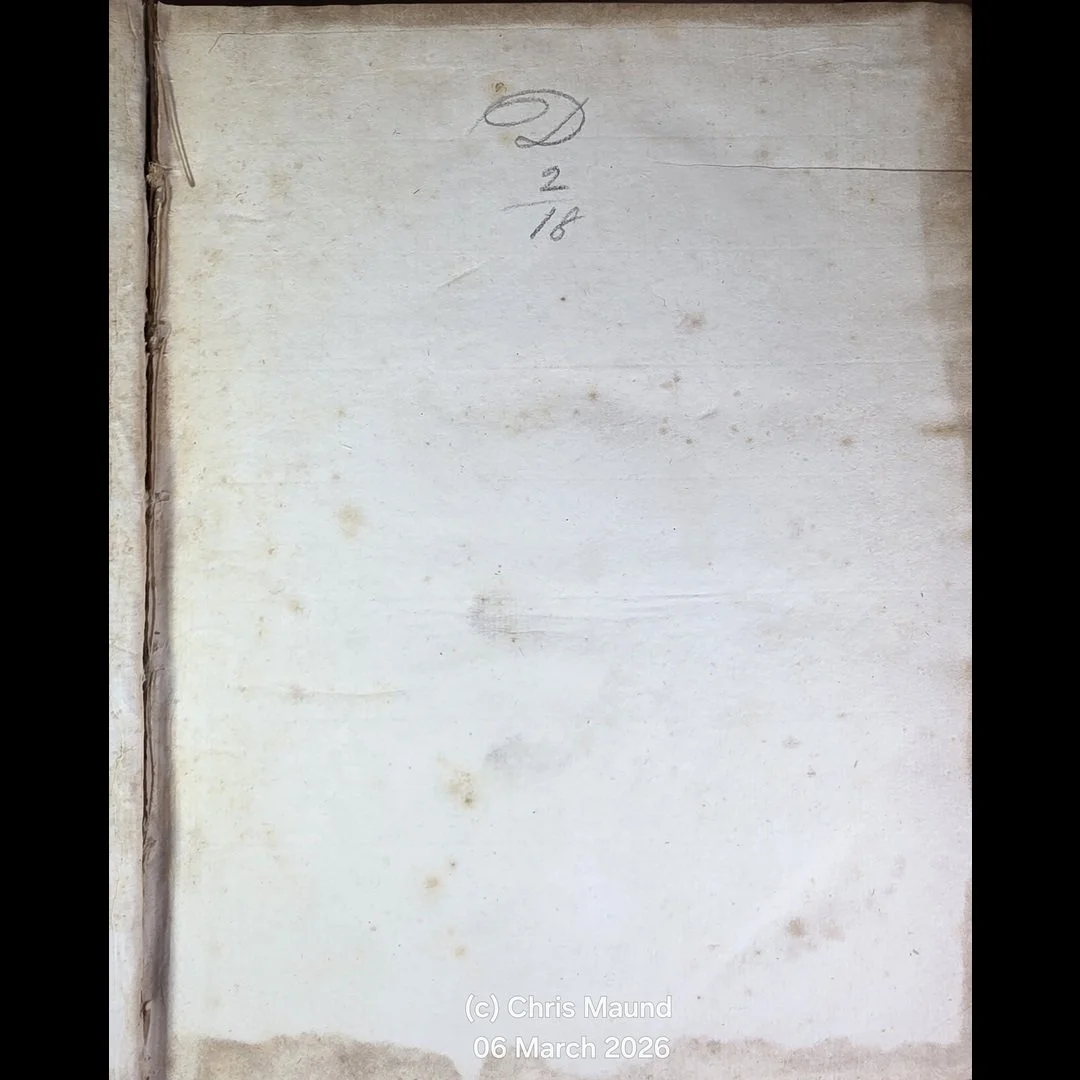
Please see Photos as part of condition report.
REFERENCES
Catalogue collectif de France (CCFr), Médiathèque Le Globe, Les Sables-d'Olonne, Ms 001: Philosophia, par Regain d'Appelvoisin, 1776 — a 414-page Latin manuscript transcription of philosophy lectures given by François de Sénailhac at the Collège Royal de Sainte-Marthe, Poitiers.
Joseph Delfour, “Organisation pédagogique d’un collège universitaire d’avant la Révolution. Le Collège royal de Sainte-Marthe de Poitiers,” Revue internationale de l'enseignement, vol. 46 (1903), pp. 323–326.
Genealogical records for the Faulcon family document Charles-François Faulcon, baptised at Saint-Jacques, Châtellerault, 9 February 1758, son of Charles-François Faulcon and Marie-Anne Alizard.
SYNOPSIS
Physica Particularis — “Particular Physics” — formed the branch of early-modern natural philosophy concerned with particular classes of bodies and observable physical phenomena.
This fourth volume begins with celestial physics, considering the nature and organisation of the physical universe before proceeding to the principal heavenly bodies. Subjects include the Moon, Sun, Venus, Mercury, Mars, Jupiter and Saturn, together with comets and the structure of the heavens.
A particularly noteworthy portion examines the rival Ptolemaic, Copernican, Tychonic, Cartesian and Newtonian systems of the world. The Cartesian section discusses the formation and motion of matter within Descartes' cosmology, while the course subsequently considers the constitution of the true or physical system of the world with reference to mechanical principles and astronomical observation.
Later portions turn from celestial to terrestrial physics and encompass atmospheric and natural phenomena including comets, meteorology, lightning, electricity and related physical subjects.
The manuscript therefore offers an unusually tangible record of scientific education in France in 1777, showing how an eighteenth-century student encountered both inherited natural philosophy and the revolutionary astronomical and physical systems associated with Copernicus, Descartes and Newton.
AUTHOR BIO
Charles-François Faulcon-Alizard was born at Châtellerault in 1758 and was approximately nineteen years old when this manuscript was produced at Poitiers in 1777. His mother's family name was Alizard, explaining the form of his name used in the manuscript.
The title describes the philosophical course as having been prepared or adapted for his use, while his signatures at the conclusion establish his direct association with the volume. The body of the manuscript appears consistent with a student course manuscript and may be substantially in Faulcon's own hand, although a definitive autograph attribution would require further palaeographic comparison.

 Image 1 of 19
 Image 2 of 19
 Image 3 of 19
 Image 4 of 19
 Image 5 of 19
 Image 6 of 19
 Image 7 of 19
 Image 8 of 19
 Image 9 of 19
 Image 10 of 19
 Image 11 of 19
 Image 12 of 19
 Image 13 of 19
 Image 14 of 19
 Image 15 of 19
 Image 16 of 19
 Image 17 of 19
 Image 18 of 19
 Image 19 of 19