1788 Collected Issue With 1787 Engraved Title; With Provenance
THE MICROCOSM [ETON COLLEGE]
By Gregory Griffin
KEY DETAILS
Condition: Very Good
Format: Hardcover, Octavo (Standard) (8vo 6 × 9 in 152 × 229 mm )
Note: Binding/size selection follows standard bibliographic conventions and is approximate; exact measurements may vary.
Published By: Published for C. Knight, Castle-Street; and sold by Messrs Robinsons, Pater-Noster-Row, and Mr Debrett, Piccadilly, London, 1788. Additional engraved title: Printed for C. Knight, Windsor,, Windsor, 1788
Language: English
Provenance: Tremayne of Heligan, armorial bookplate.
Collation: Preliminary matter including contents; complete Nos. I–XL; pp.455; engraved title dated 1787. Collective letterpress title dated 1788.
Dust Jacket: None, as issued, No Jacket
SKU: BTETM0002353
Shipping Info: Approximate Package Dimensions H: 12.5, L: 30, W: 25 (Units: cm), W: 2Kg
Tracked Shipping, Insurance Coverage as per Customer Request
DESCRIPTION
The Microcosm [Eton College]
A Periodical Work, By Gregory Griffin, of the College of Eton
A particularly interesting complete collected copy of The Microcosm, the celebrated Eton periodical written by George Canning, John Hookham Frere, John and Robert Smith and their school contemporaries under the collective pseudonym Gregory Griffin.
The forty numbers were originally issued weekly at Windsor between 6 November 1786 and 30 July 1787. The periodical was sufficiently successful for a number of the earlier individual numbers to be reprinted, and surviving collected copies consequently occur with varying combinations of first, second and third impressions. Frere's biographical record confirms the forty-number run and its origins among Canning and his Eton circle.
This copy is of particular bibliographical interest. It contains the complete forty-number text extending to p.455, with an engraved title dated 1787 and a collective letterpress title dated M.DCC.LXXXVIII [1788]. The individual numbers have been checked and comprise 27 first impressions, 8 second impressions and 5 third impressions. Nos. 19–40 form an uninterrupted run of first impressions.
The configuration deserves distinction from the usual formal 1788 second edition, which Eton College and ESTC/Folger record as xv, [2], 451, [1] pages and with the title explicitly stating “The second edition. Inscribed to the Rev. Dr. Davies.” The earlier 1787 collected/reissue forms are recorded at 455 pages, while an Oxford University copy is independently catalogued with an 1788 imprint and 455 pages, providing a useful parallel for the present copy.
PROVENANCE
Tremayne of Heligan, armorial bookplate.
The Tremayne family were the long-established owners of the Heligan estate near Mevagissey, Cornwall, whose gardens are now celebrated as the Lost Gardens of Heligan. Heligan records John Tremayne (1825–1901) as Squire from 1851 to 1901, during which period the Northern Gardens and Japanese Garden were further developed.
The association is particularly relevant to this volume because John Tremayne was himself educated at Eton. Another book carrying a Tremayne–Heligan armorial bookplate is recorded with a presentation inscription to John Tremayne on his leaving Eton at Christmas 1842.
Note: As the present bookplate itself reads simply “Tremayne, Heligan”, attribution specifically to John Tremayne should be treated as probable association rather than established solely from the plate.
CONDITION, COLLATION & COPY NOTES
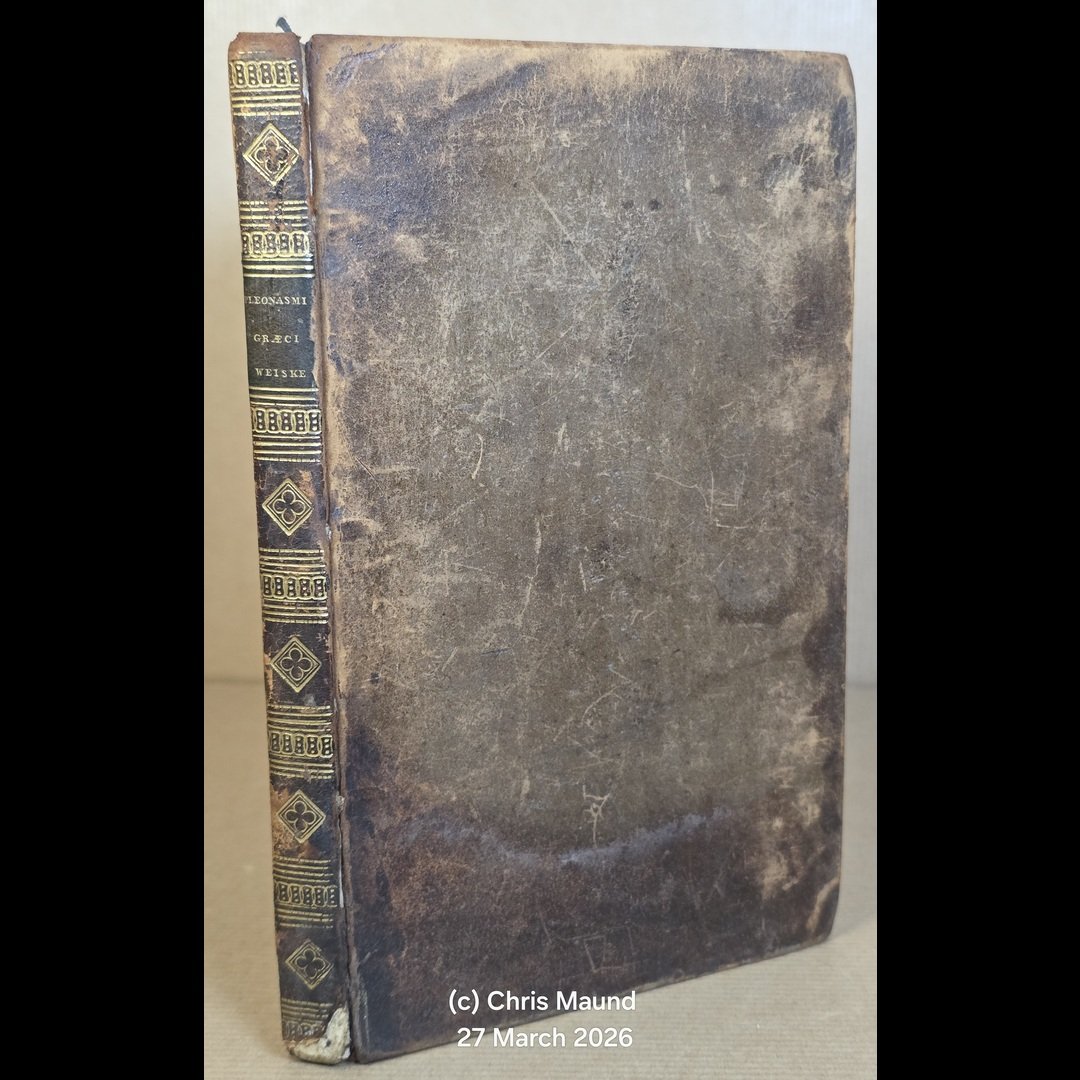
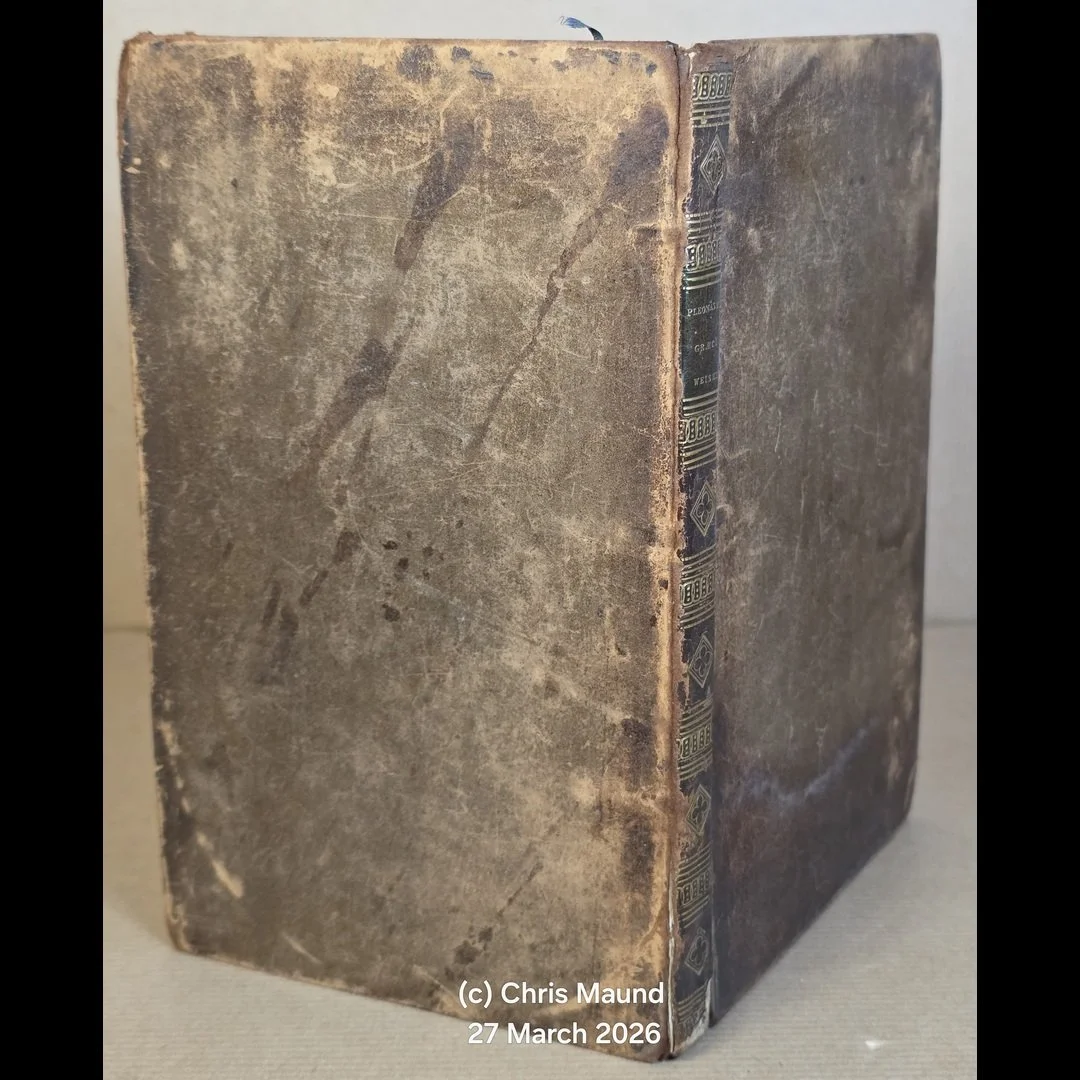
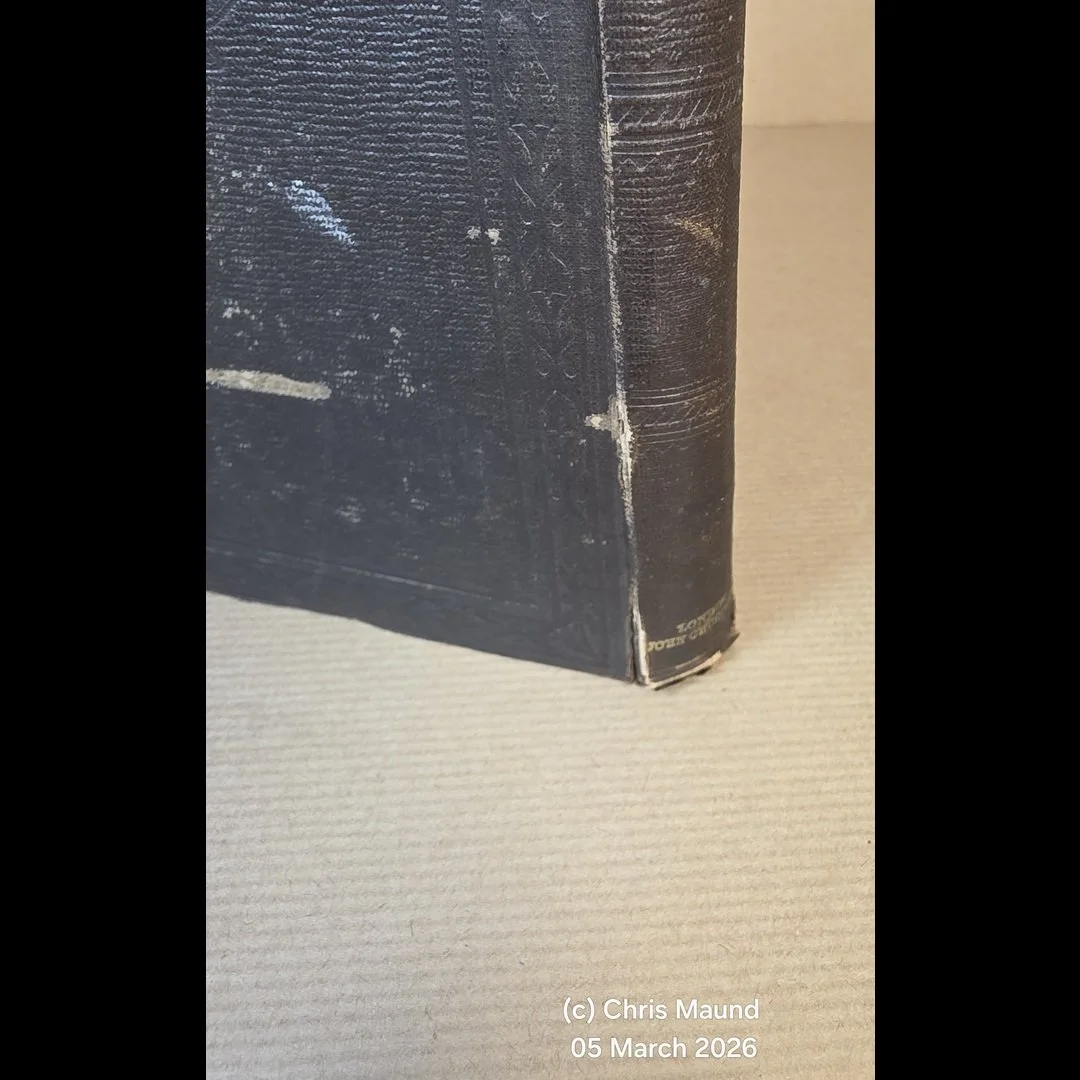
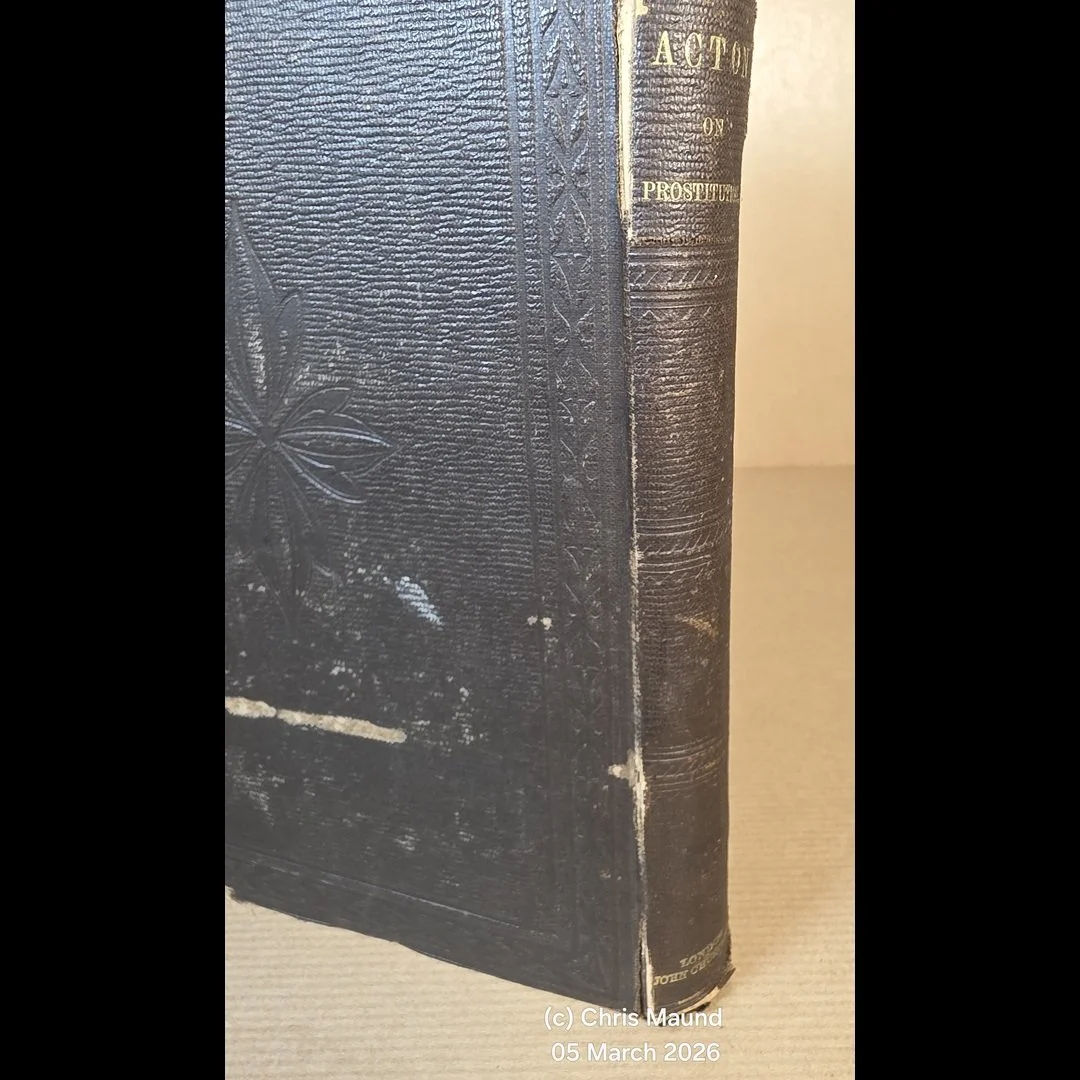
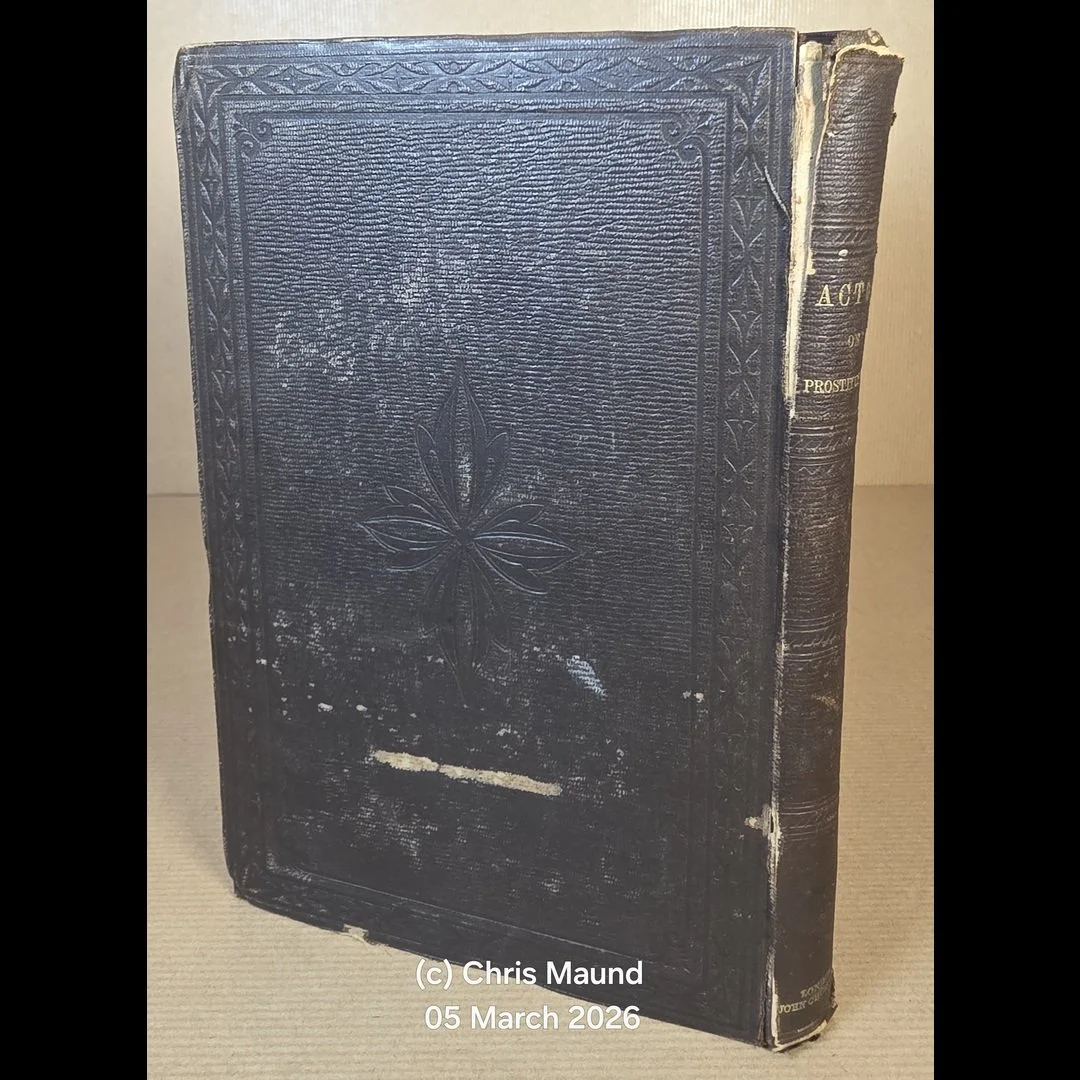
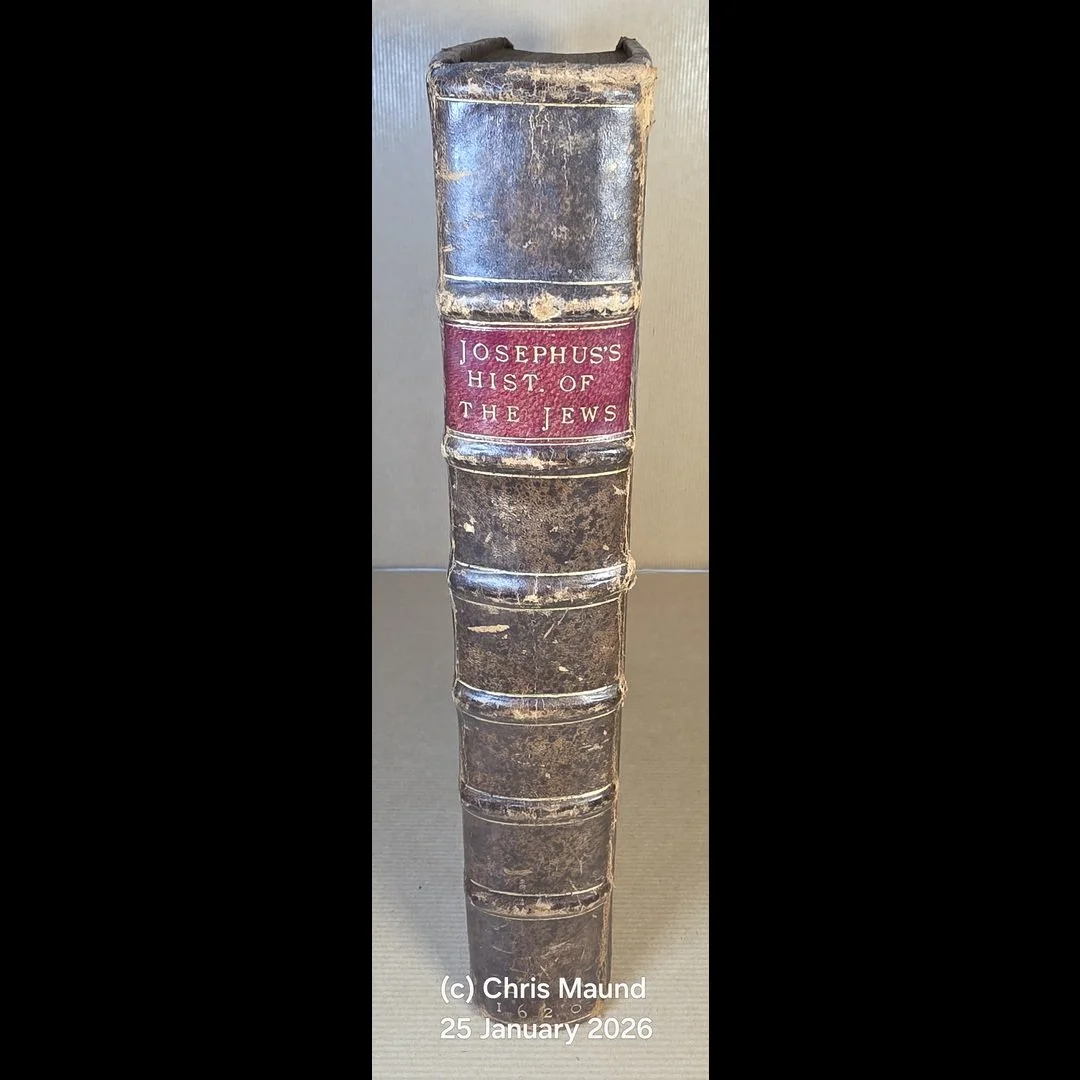
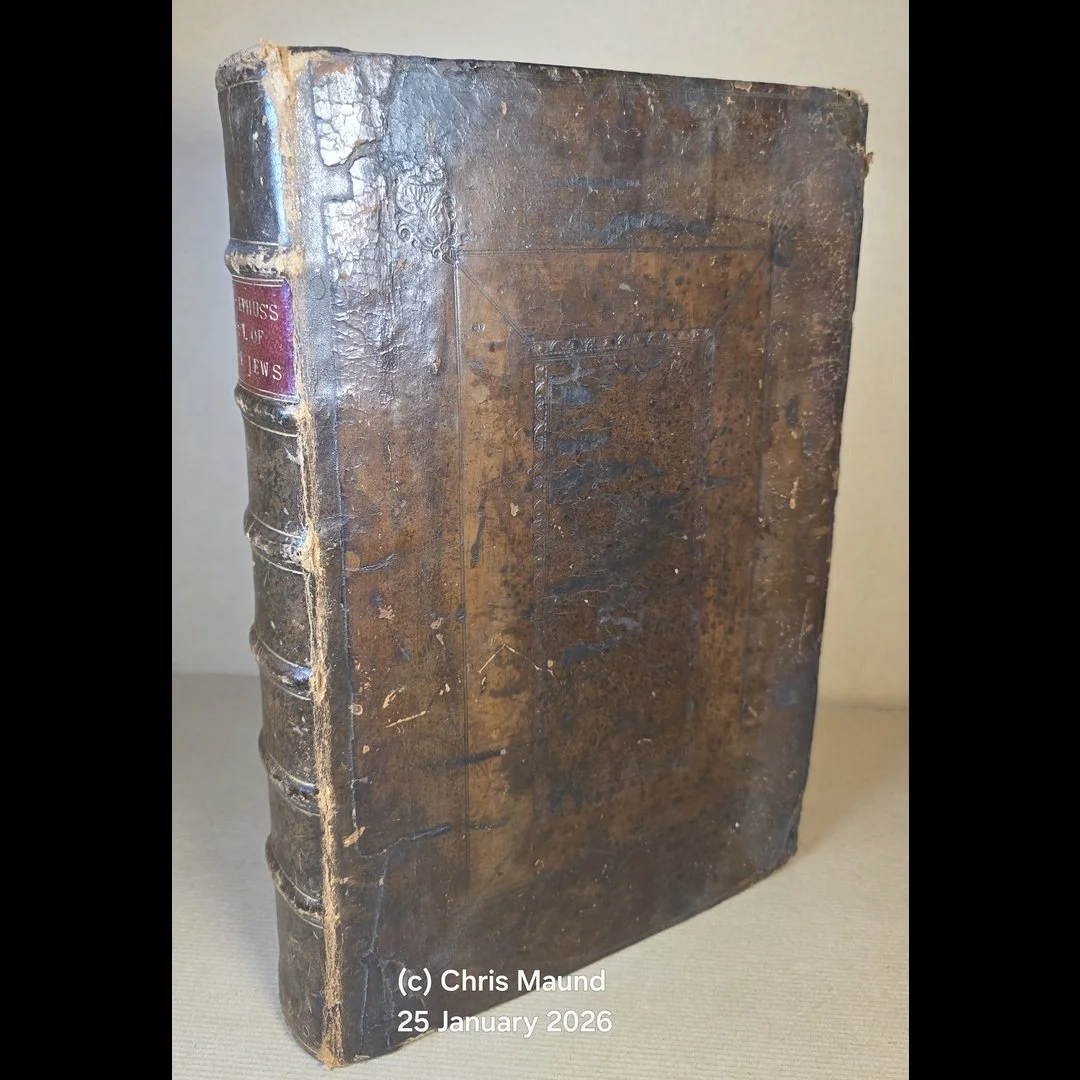
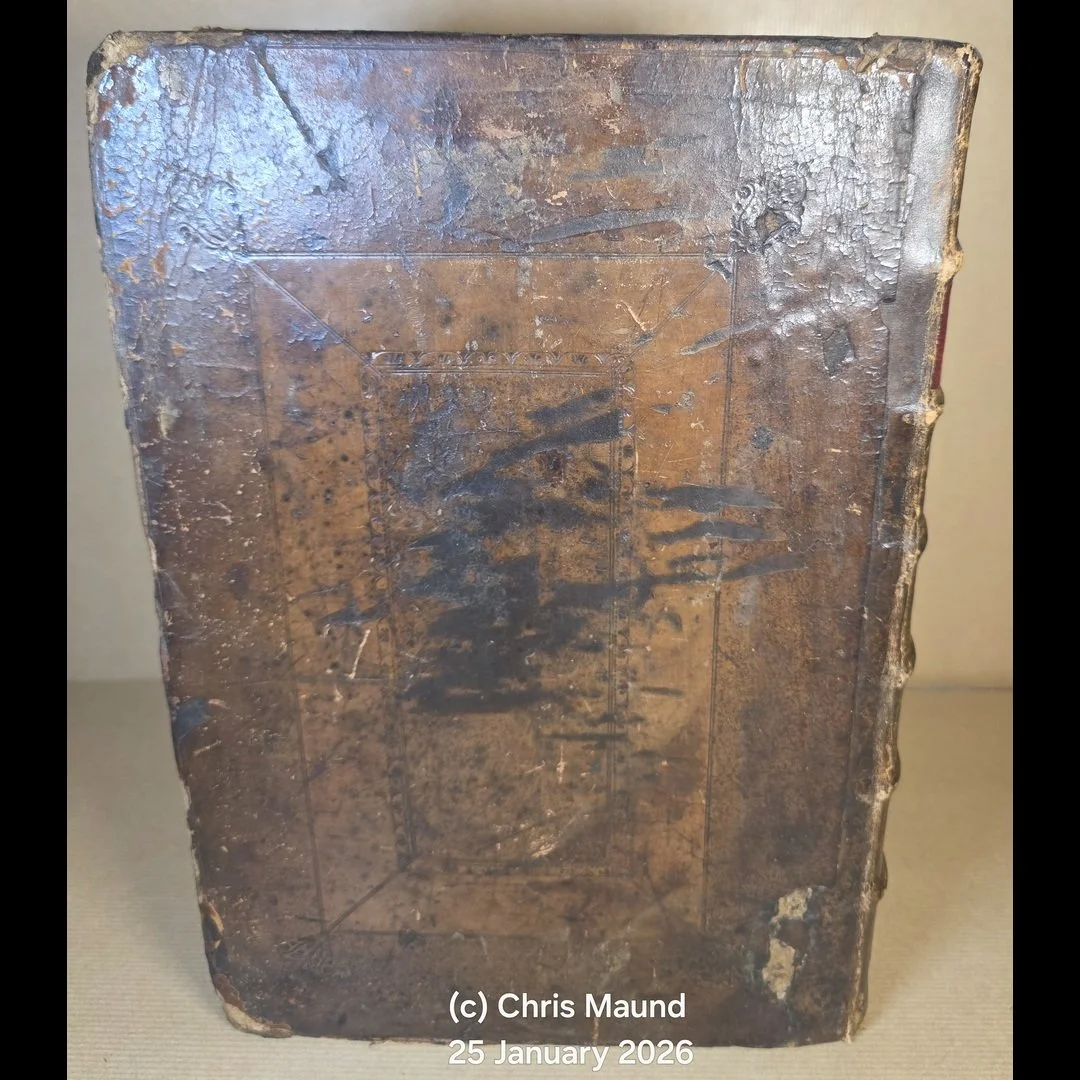
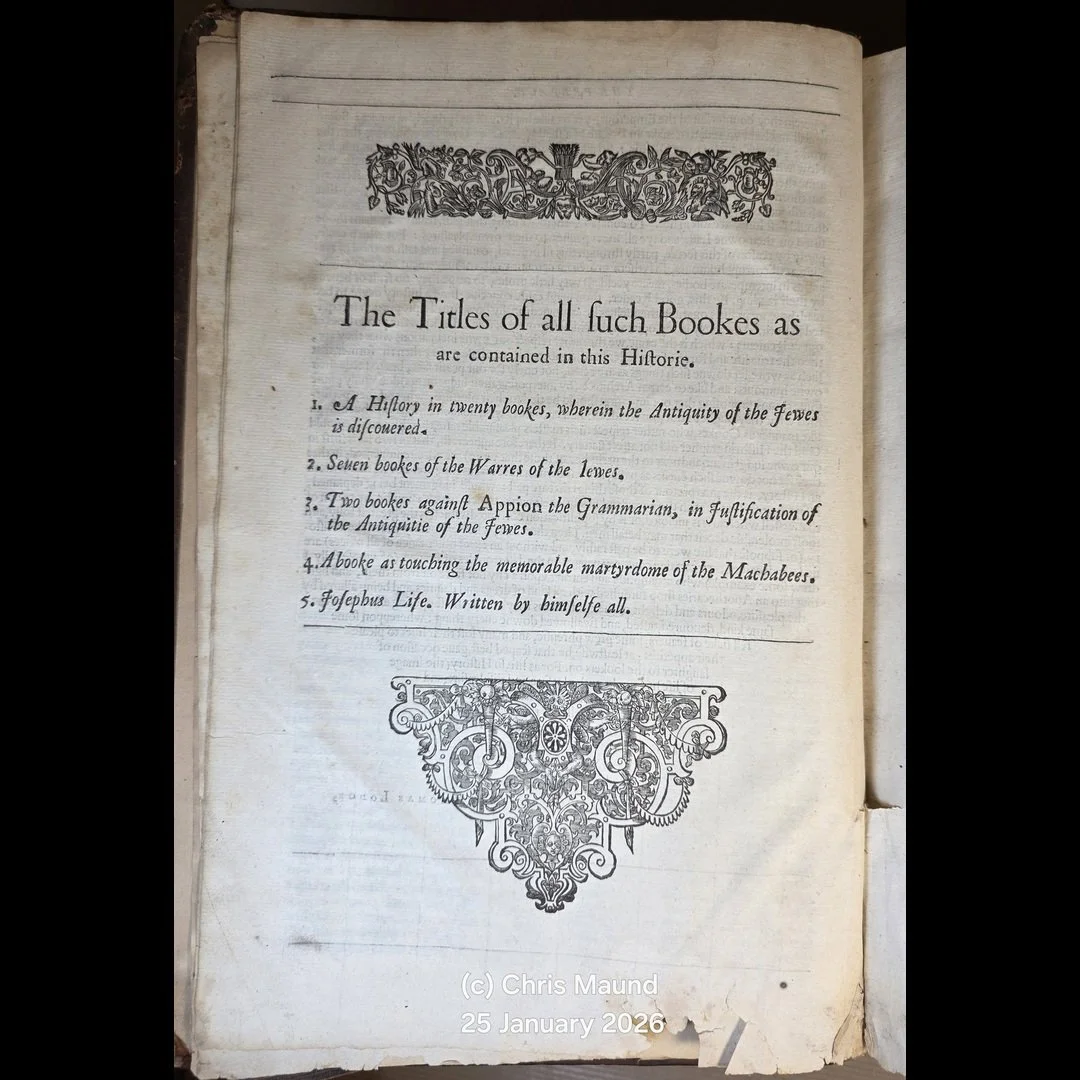
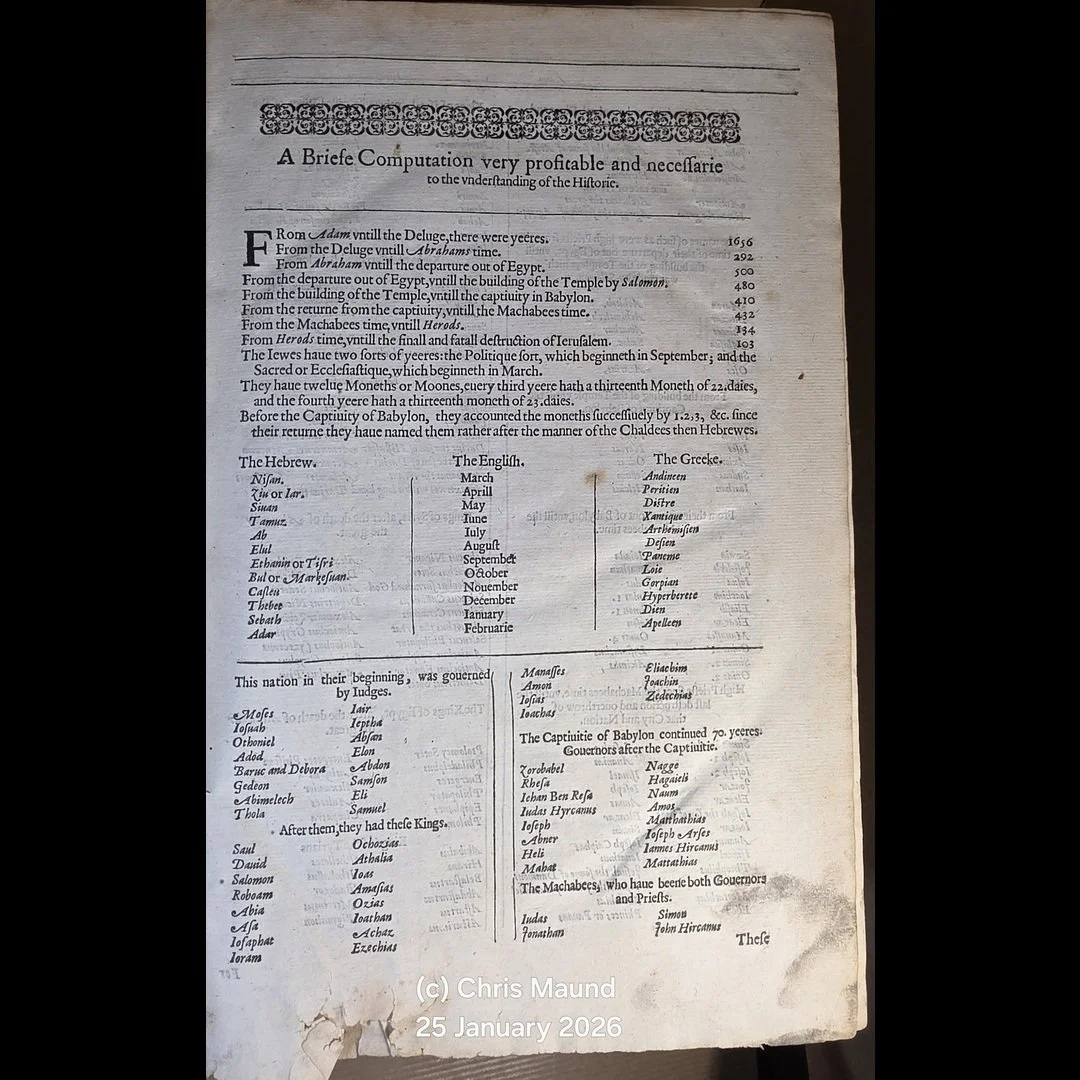
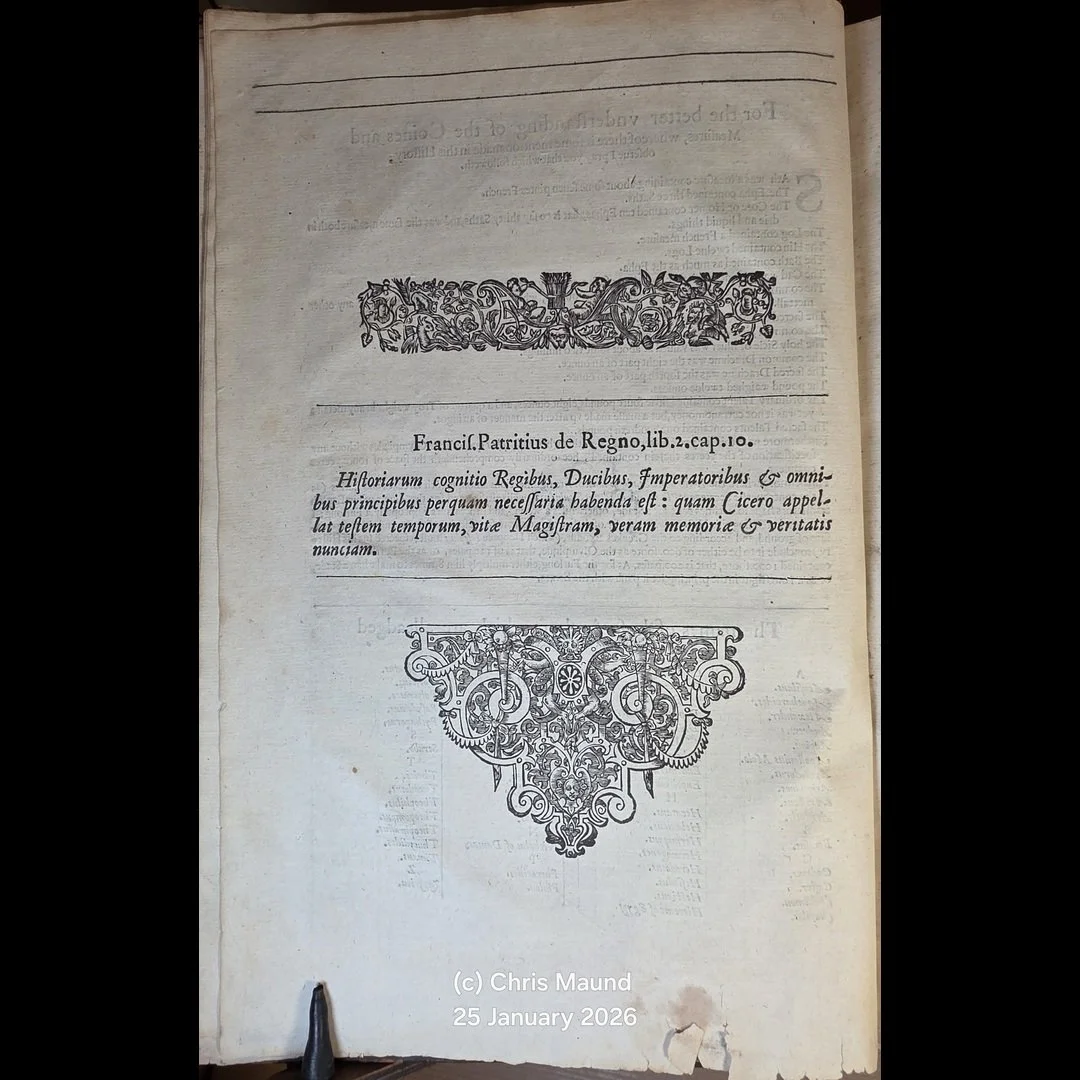
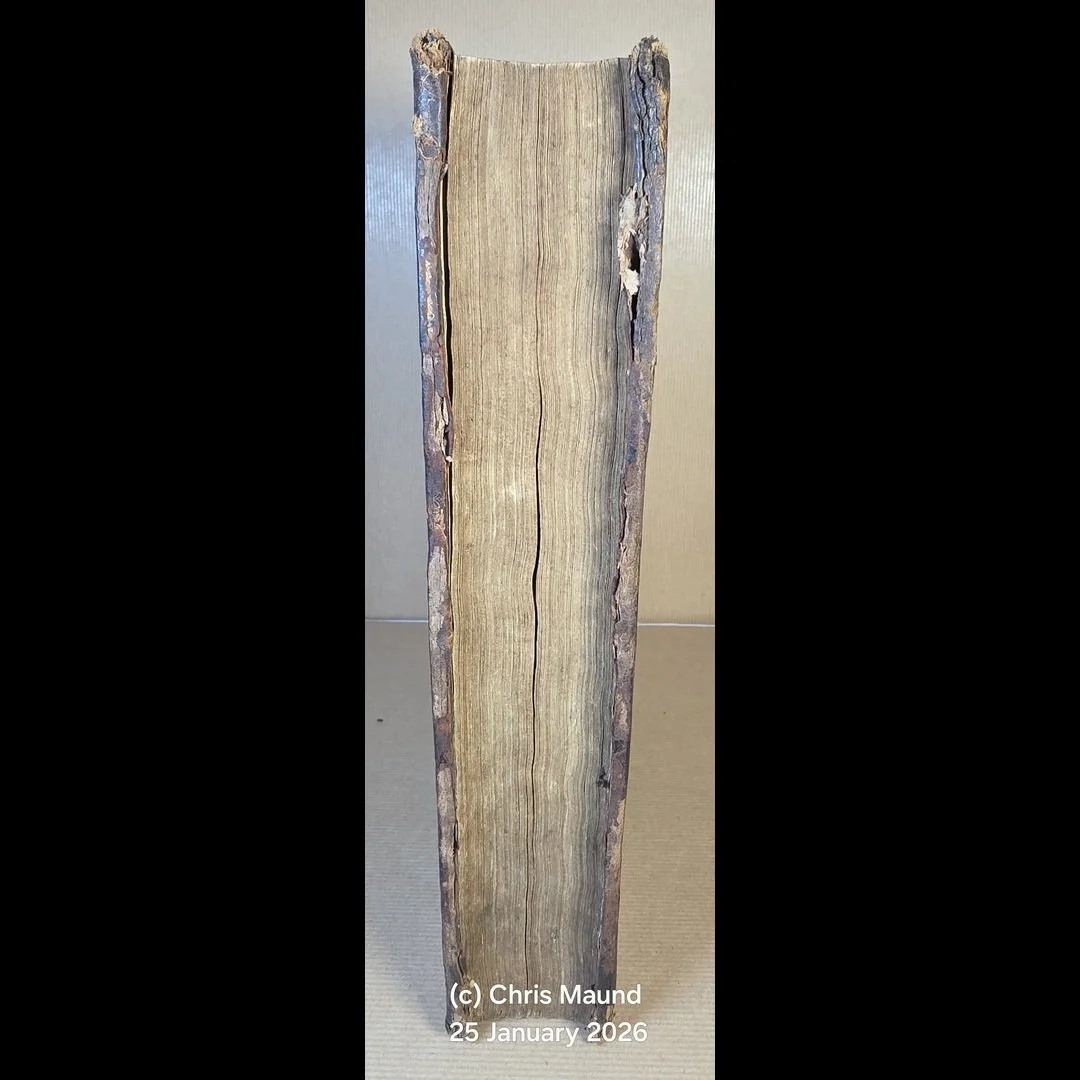
A sound and attractive eighteenth-century full calf copy, rebacked in leather, with gilt title and decorative tooling to spine. Original boards preserved, showing expected rubbing, marking, darkening and wear from age and use; reback visible but sound and functional.
Internally complete in forty numbers, Nos. I–XL, with engraved title dated 1787, collective letterpress title dated 1788, contents and text through p.455. Scattered spotting and foxing throughout, more noticeable in the preliminary and engraved-title leaves, with occasional age-toning and handling marks; text generally clean, well margined and clearly printed.
The individual number title pages survive and reveal an unusually useful impression census:
First impressions: Nos. 4, 7–10, 19–40 – 27 numbers
Second impressions: Nos. 11–18 – 8 numbers
Third impressions: Nos. 1–3, 5–6 – 5 numbers
Thus 27 of the 40 numbers (67.5%) are in first impression, including the complete uninterrupted sequence Nos. 19–40.
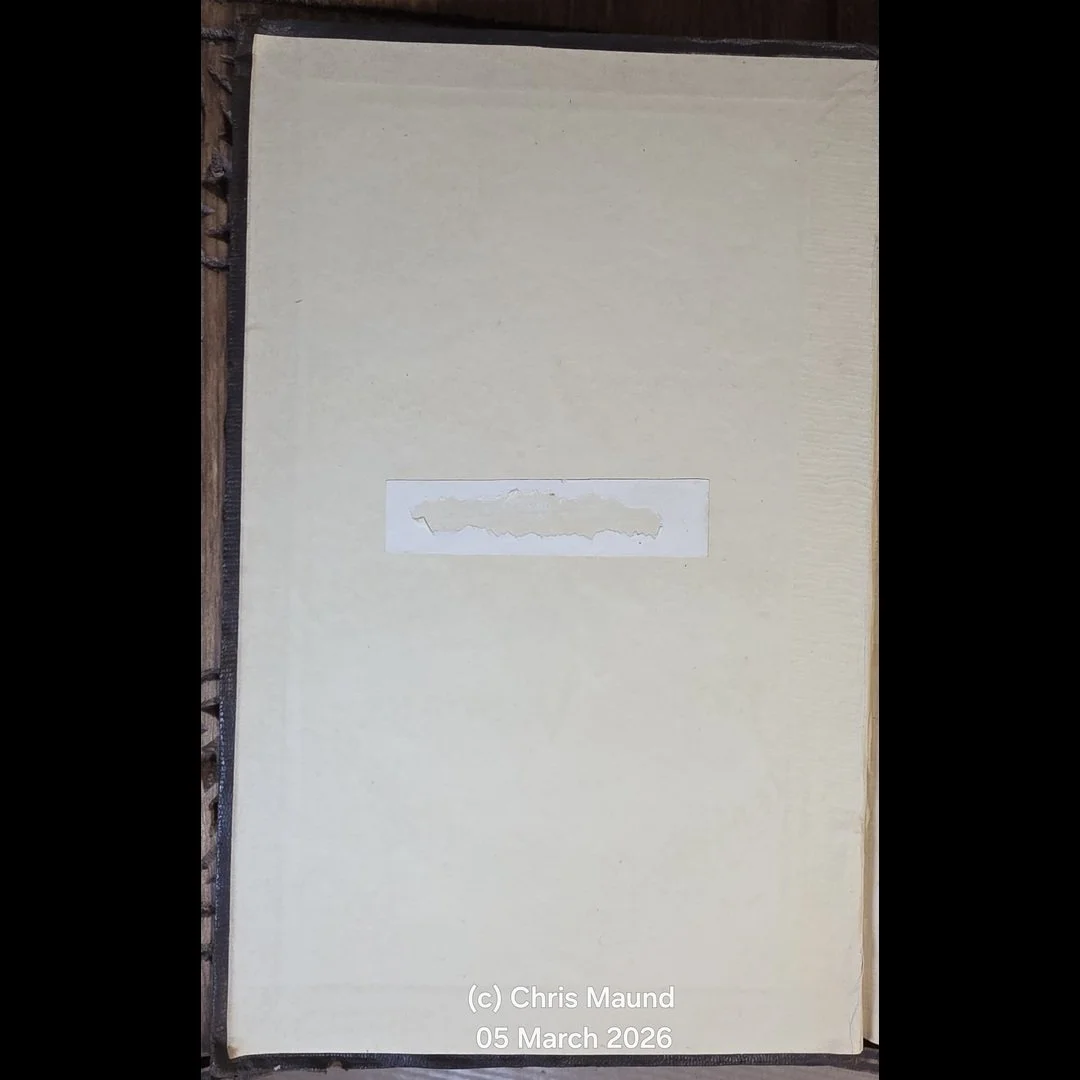
With the attractive armorial bookplate “Tremayne, Heligan” to the front pastedown.
One early manuscript annotation occurs within the text, keyed by a small cross to the printed word “Ushers” and explaining the Eton usage of “Assistants” for the equivalent school office. The annotation is directly relevant to the Etonian satire of the passage. No other manuscript annotation has been noted.
A pleasing and bibliographically interesting copy of an important early school periodical, notable for its 455-page serial-derived text, substantial proportion of first-impression numbers, Heligan provenance and Eton-related manuscript gloss.
Bibliographical Note:
The publishing history of The Microcosm is unusually complex because the forty individual numbers were issued serially and successful numbers were reprinted before collected forms appeared.
ESTC/Folger records a 1787 collected reissue at xvi, [1], 4–455, [1] pages, with additional engraved title dated 1787, and describes it as a reissue of the weekly publication. A second 1787 issue is likewise recorded at 455 pages.
By comparison, the formal 1788 second edition, ESTC T173041, was reset and is recorded at xv, [2], 4–451, [1] pages.
The present copy has an 1788 collective title but retains the 455-page configuration and the individual mixed-impression number title pages. An Oxford University copy is also catalogued as published for C. Knight in 1788 with 455 pages, supporting the existence of this 1788/455-page configuration.
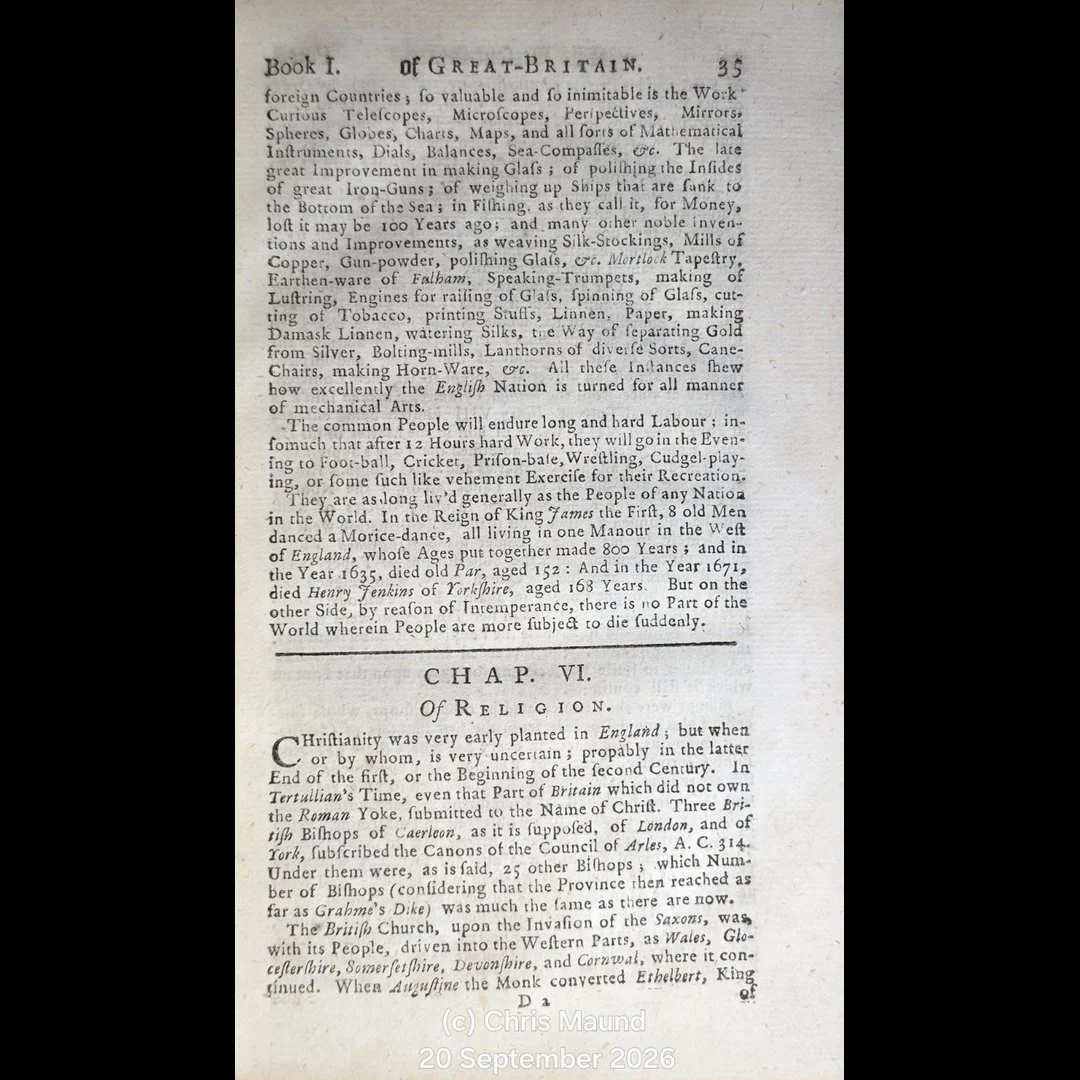
Please see Photos as part of condition report.
REFERENCES
ESTC N34900 – 1787 collected reissue, xvi, [1], 4–455, [1] pp.
ESTC T173039 – 1787 reissue, 455, [1] pp.
ESTC T173041 – formal 1788 second edition, xv, [2], 4–451, [1] pp.
Folger Shakespeare Library, records for the collected issues and original serial.
Eton College Collections, B42786.
Oxford University copy, digitised via Google Books, 1788, 455 pp.
SYNOPSIS
The Microcosm is a sequence of forty essays, letters, satires and literary pieces written principally by Eton pupils and modelled in part on the tradition of the Spectator-style periodical essay.
Its subjects range widely across education, language, swearing, literary genius, poetry, translation, novels and novel-writing, imitation, affectation, fame, manners, social conduct and government, frequently viewing the larger adult world through the deliberately miniature “microcosm” of Eton.
The work combines youthful satire and school humour with surprisingly ambitious literary criticism and social observation. Canning's contributions include verse and prose pieces, while the concluding number stages the death and last will of the fictitious editor Gregory Griffin. Contemporary and later accounts note that the periodical attracted attention beyond Eton and helped establish the literary reputations of its young contributors.
Author: Griffin, Gregory [pseud.]
Contributor: Canning, George, 1770–1827
Contributor: Frere, John Hookham, 1769–1846
Contributor: Smith, John
Contributor: Smith, Robert Percy, 1770–1845
Contributor: Ellis, Charles
Contributor: Spencer, Henry John
Contributor: Way, Benjamin
Contributor: Littlehales, Verney Peter
Contributor: Loft, Capel
Contributor: Mellish, Joseph, 1768–1823
AUTHOR BIO
“Gregory Griffin” was the collective pseudonym adopted by a group of Eton schoolboys responsible for The Microcosm. Principal contributors included George Canning (1770–1827), John Hookham Frere (1769–1846), John Smith, Robert Percy “Bobus” Smith (1770–1845), Charles Ellis, Lord Henry Spencer and others. Bibliographical records specifically identify Canning, Ellis, Frere and John and Robert Smith among the writers.
Canning subsequently became one of the leading political figures of his generation and served briefly as Prime Minister of the United Kingdom in 1827. Frere became a diplomat, author and translator. Their youthful collaboration in The Microcosm is an early manifestation of the literary and political talents that several members of the group later displayed publicly.
1788 Collected Issue With 1787 Engraved Title; With Provenance
THE MICROCOSM [ETON COLLEGE]
By Gregory Griffin
KEY DETAILS
Condition: Very Good
Format: Hardcover, Octavo (Standard) (8vo 6 × 9 in 152 × 229 mm )
Note: Binding/size selection follows standard bibliographic conventions and is approximate; exact measurements may vary.
Published By: Published for C. Knight, Castle-Street; and sold by Messrs Robinsons, Pater-Noster-Row, and Mr Debrett, Piccadilly, London, 1788. Additional engraved title: Printed for C. Knight, Windsor,, Windsor, 1788
Language: English
Provenance: Tremayne of Heligan, armorial bookplate.
Collation: Preliminary matter including contents; complete Nos. I–XL; pp.455; engraved title dated 1787. Collective letterpress title dated 1788.
Dust Jacket: None, as issued, No Jacket
SKU: BTETM0002353
Shipping Info: Approximate Package Dimensions H: 12.5, L: 30, W: 25 (Units: cm), W: 2Kg
Tracked Shipping, Insurance Coverage as per Customer Request
DESCRIPTION
The Microcosm [Eton College]
A Periodical Work, By Gregory Griffin, of the College of Eton
A particularly interesting complete collected copy of The Microcosm, the celebrated Eton periodical written by George Canning, John Hookham Frere, John and Robert Smith and their school contemporaries under the collective pseudonym Gregory Griffin.
The forty numbers were originally issued weekly at Windsor between 6 November 1786 and 30 July 1787. The periodical was sufficiently successful for a number of the earlier individual numbers to be reprinted, and surviving collected copies consequently occur with varying combinations of first, second and third impressions. Frere's biographical record confirms the forty-number run and its origins among Canning and his Eton circle.
This copy is of particular bibliographical interest. It contains the complete forty-number text extending to p.455, with an engraved title dated 1787 and a collective letterpress title dated M.DCC.LXXXVIII [1788]. The individual numbers have been checked and comprise 27 first impressions, 8 second impressions and 5 third impressions. Nos. 19–40 form an uninterrupted run of first impressions.
The configuration deserves distinction from the usual formal 1788 second edition, which Eton College and ESTC/Folger record as xv, [2], 451, [1] pages and with the title explicitly stating “The second edition. Inscribed to the Rev. Dr. Davies.” The earlier 1787 collected/reissue forms are recorded at 455 pages, while an Oxford University copy is independently catalogued with an 1788 imprint and 455 pages, providing a useful parallel for the present copy.
PROVENANCE
Tremayne of Heligan, armorial bookplate.
The Tremayne family were the long-established owners of the Heligan estate near Mevagissey, Cornwall, whose gardens are now celebrated as the Lost Gardens of Heligan. Heligan records John Tremayne (1825–1901) as Squire from 1851 to 1901, during which period the Northern Gardens and Japanese Garden were further developed.
The association is particularly relevant to this volume because John Tremayne was himself educated at Eton. Another book carrying a Tremayne–Heligan armorial bookplate is recorded with a presentation inscription to John Tremayne on his leaving Eton at Christmas 1842.
Note: As the present bookplate itself reads simply “Tremayne, Heligan”, attribution specifically to John Tremayne should be treated as probable association rather than established solely from the plate.
CONDITION, COLLATION & COPY NOTES
A sound and attractive eighteenth-century full calf copy, rebacked in leather, with gilt title and decorative tooling to spine. Original boards preserved, showing expected rubbing, marking, darkening and wear from age and use; reback visible but sound and functional.
Internally complete in forty numbers, Nos. I–XL, with engraved title dated 1787, collective letterpress title dated 1788, contents and text through p.455. Scattered spotting and foxing throughout, more noticeable in the preliminary and engraved-title leaves, with occasional age-toning and handling marks; text generally clean, well margined and clearly printed.
The individual number title pages survive and reveal an unusually useful impression census:
First impressions: Nos. 4, 7–10, 19–40 – 27 numbers
Second impressions: Nos. 11–18 – 8 numbers
Third impressions: Nos. 1–3, 5–6 – 5 numbers
Thus 27 of the 40 numbers (67.5%) are in first impression, including the complete uninterrupted sequence Nos. 19–40.
With the attractive armorial bookplate “Tremayne, Heligan” to the front pastedown.
One early manuscript annotation occurs within the text, keyed by a small cross to the printed word “Ushers” and explaining the Eton usage of “Assistants” for the equivalent school office. The annotation is directly relevant to the Etonian satire of the passage. No other manuscript annotation has been noted.
A pleasing and bibliographically interesting copy of an important early school periodical, notable for its 455-page serial-derived text, substantial proportion of first-impression numbers, Heligan provenance and Eton-related manuscript gloss.
Bibliographical Note:
The publishing history of The Microcosm is unusually complex because the forty individual numbers were issued serially and successful numbers were reprinted before collected forms appeared.
ESTC/Folger records a 1787 collected reissue at xvi, [1], 4–455, [1] pages, with additional engraved title dated 1787, and describes it as a reissue of the weekly publication. A second 1787 issue is likewise recorded at 455 pages.
By comparison, the formal 1788 second edition, ESTC T173041, was reset and is recorded at xv, [2], 4–451, [1] pages.
The present copy has an 1788 collective title but retains the 455-page configuration and the individual mixed-impression number title pages. An Oxford University copy is also catalogued as published for C. Knight in 1788 with 455 pages, supporting the existence of this 1788/455-page configuration.
Please see Photos as part of condition report.
REFERENCES
ESTC N34900 – 1787 collected reissue, xvi, [1], 4–455, [1] pp.
ESTC T173039 – 1787 reissue, 455, [1] pp.
ESTC T173041 – formal 1788 second edition, xv, [2], 4–451, [1] pp.
Folger Shakespeare Library, records for the collected issues and original serial.
Eton College Collections, B42786.
Oxford University copy, digitised via Google Books, 1788, 455 pp.
SYNOPSIS
The Microcosm is a sequence of forty essays, letters, satires and literary pieces written principally by Eton pupils and modelled in part on the tradition of the Spectator-style periodical essay.
Its subjects range widely across education, language, swearing, literary genius, poetry, translation, novels and novel-writing, imitation, affectation, fame, manners, social conduct and government, frequently viewing the larger adult world through the deliberately miniature “microcosm” of Eton.
The work combines youthful satire and school humour with surprisingly ambitious literary criticism and social observation. Canning's contributions include verse and prose pieces, while the concluding number stages the death and last will of the fictitious editor Gregory Griffin. Contemporary and later accounts note that the periodical attracted attention beyond Eton and helped establish the literary reputations of its young contributors.
Author: Griffin, Gregory [pseud.]
Contributor: Canning, George, 1770–1827
Contributor: Frere, John Hookham, 1769–1846
Contributor: Smith, John
Contributor: Smith, Robert Percy, 1770–1845
Contributor: Ellis, Charles
Contributor: Spencer, Henry John
Contributor: Way, Benjamin
Contributor: Littlehales, Verney Peter
Contributor: Loft, Capel
Contributor: Mellish, Joseph, 1768–1823
AUTHOR BIO
“Gregory Griffin” was the collective pseudonym adopted by a group of Eton schoolboys responsible for The Microcosm. Principal contributors included George Canning (1770–1827), John Hookham Frere (1769–1846), John Smith, Robert Percy “Bobus” Smith (1770–1845), Charles Ellis, Lord Henry Spencer and others. Bibliographical records specifically identify Canning, Ellis, Frere and John and Robert Smith among the writers.
Canning subsequently became one of the leading political figures of his generation and served briefly as Prime Minister of the United Kingdom in 1827. Frere became a diplomat, author and translator. Their youthful collaboration in The Microcosm is an early manifestation of the literary and political talents that several members of the group later displayed publicly.

 Image 1 of 30
 Image 2 of 30
 Image 3 of 30
 Image 4 of 30
 Image 5 of 30
 Image 6 of 30
 Image 7 of 30
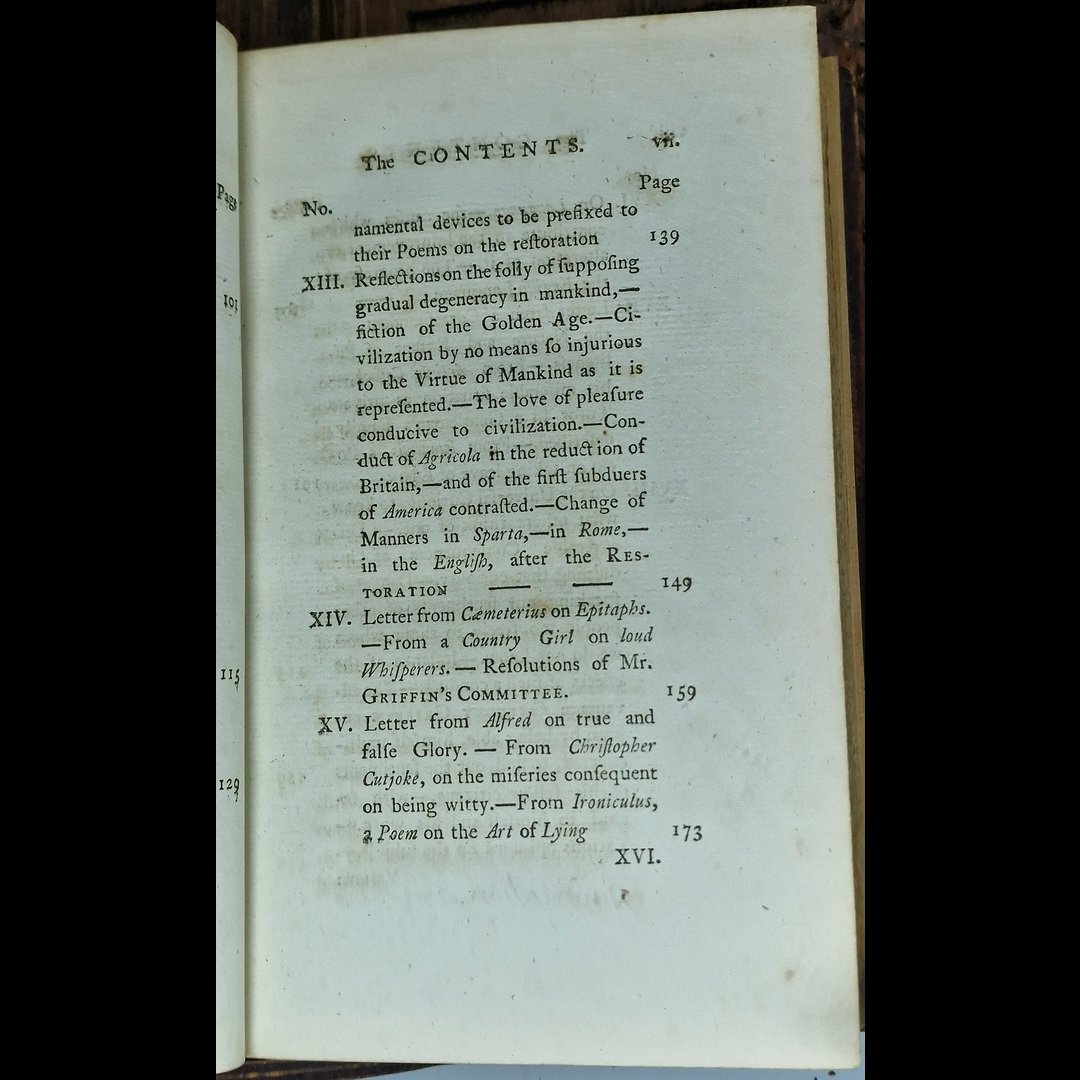 Image 8 of 30
 Image 9 of 30
 Image 10 of 30
 Image 11 of 30
 Image 12 of 30
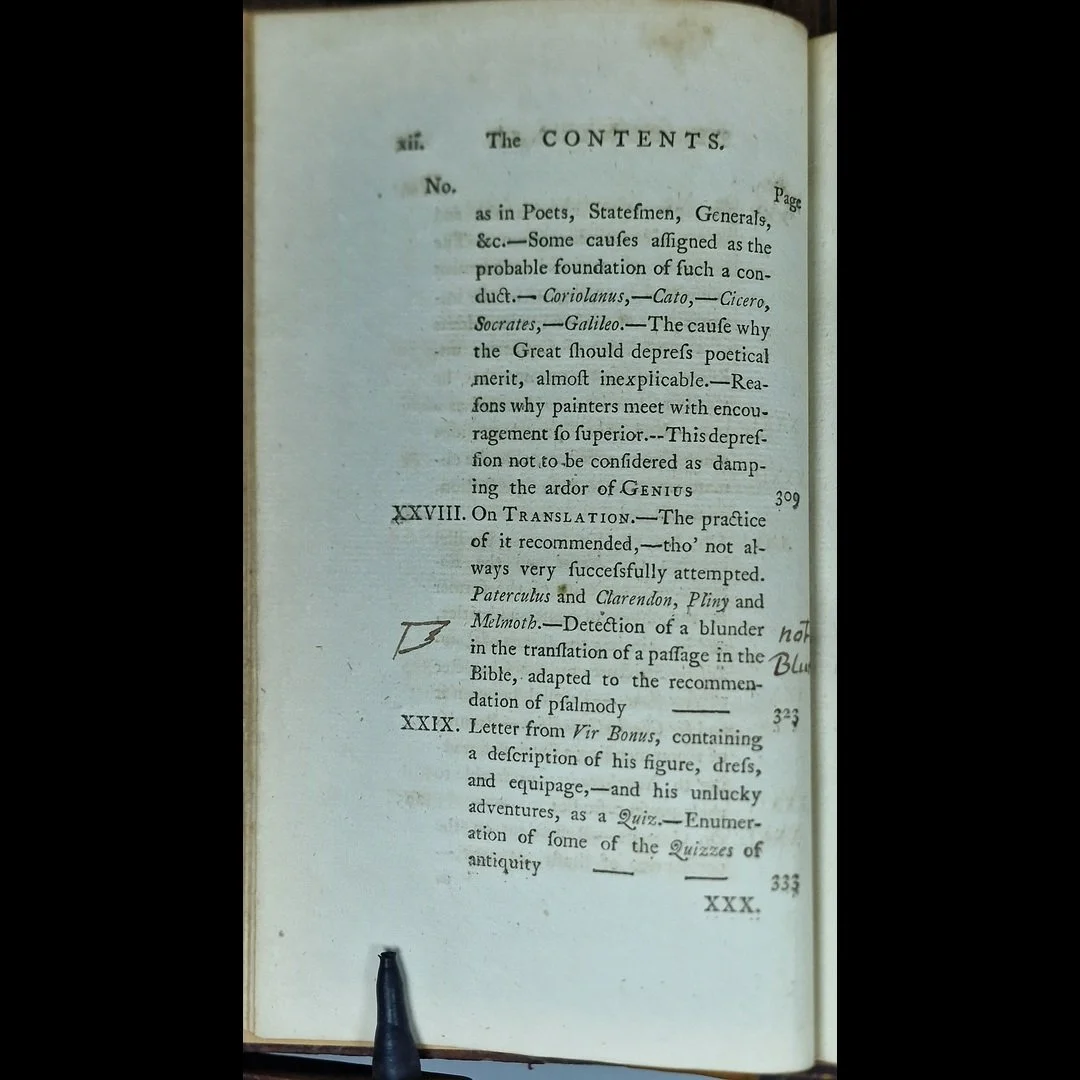 Image 13 of 30
 Image 14 of 30
 Image 15 of 30
 Image 16 of 30
 Image 17 of 30
 Image 18 of 30
 Image 19 of 30
 Image 20 of 30
 Image 21 of 30
 Image 22 of 30
 Image 23 of 30
 Image 24 of 30
 Image 25 of 30
 Image 26 of 30
 Image 27 of 30
 Image 28 of 30
 Image 29 of 30
 Image 30 of 30