Sale Price:
£450.00
Original Price:
£550.00
1633 First Collected Edition
A. GISLENII BUSBEQUII OMNIA QUAE EXTANT
By Ogier Ghiselin de Busbecq
KEY DETAILS
Condition: Very Good
Format: Vellum, sextodecimo or sixteenmo (16mo 4 × 6 3⁄4 in 102 × 171 mm )
Note: Binding/size selection follows standard bibliographic conventions and is approximate; exact measurements may vary.
Published By: Lugd. Batavorum : Ex officina Elzeviriana, Leiden, Netherlands, 1633
Language: Latin
Collation: A–Z⁸, Aa–Nn⁸, Oo¹²; 575 [i.e. 577], [23] pp. Numerous early pagination errors are inherent to the edition, including the repetition of pp.479–480.
Dust Jacket: None, as issued, No Jacket
SKU: BTETM0002368
Shipping Info: Approximate Package Dimensions H: 12.5, L: 30, W: 25 (Units: cm), W: 2Kg
Tracked Shipping, Insurance Coverage as per Customer Request
DESCRIPTION
A. Gislenii Busbequii omnia quae extant
An appealing seventeenth-century Elzevir edition of the collected works of Ogier Ghiselin de Busbecq, Habsburg diplomat, traveller and one of the most important Western eyewitnesses to the Ottoman Empire during the reign of Suleiman the Magnificent.
Published at Leiden by the celebrated Elzevir press in 1633, this is the first collected edition of Busbecq’s works and the first of the two Elzevir editions issued under the date 1633. This first setting is identifiable by the running title “Epistolæ” in the final sequence of letters, visible here from p.469 onwards. The Morgan Library records the same bibliographical distinction.
The volume contains Busbecq’s celebrated four Turkish Letters (Legationis Turcicae epistolae quatuor), written from his experience as imperial ambassador to the Ottoman court. They form one of the great sixteenth-century European accounts of Constantinople, Ottoman government, diplomacy, military organisation, society and everyday life. The collection also includes his Exclamatio on military policy against the Turks, material relating to Suleiman’s embassy to Ferdinand I, and Busbecq’s later diplomatic letters to Emperor Rudolf II.
A particularly attractive feature is the finely engraved architectural title-page by C. C. Duysend, incorporating Ottoman military trophies and a cityscape. The book survives in contemporary vellum with early manuscript title to the spine, giving it considerable period character and shelf appeal. Bibliographical records note the engraved title, repeated pagination at 479–480 and the same collation found in this copy.
CONDITION, COLLATION & COPY NOTES
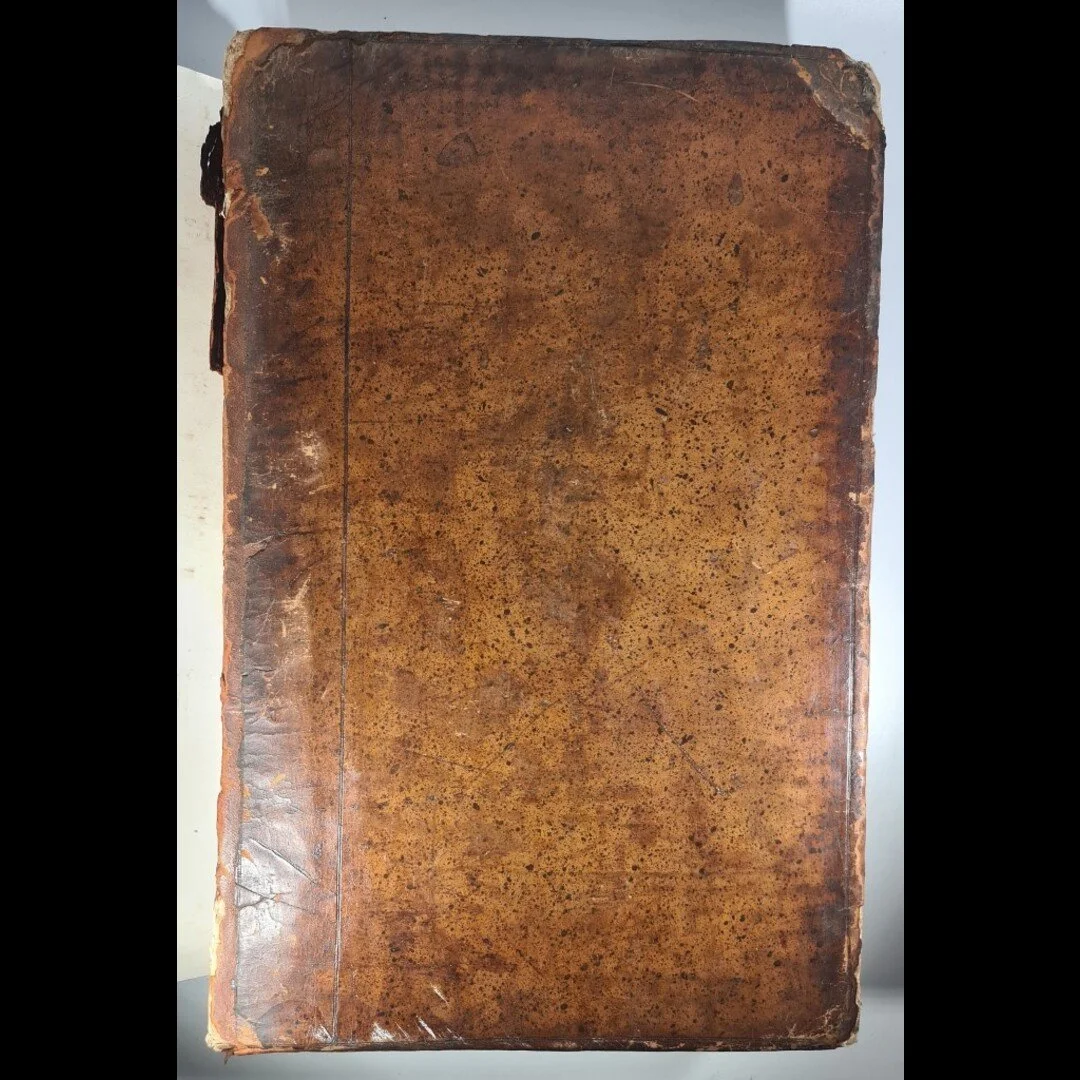
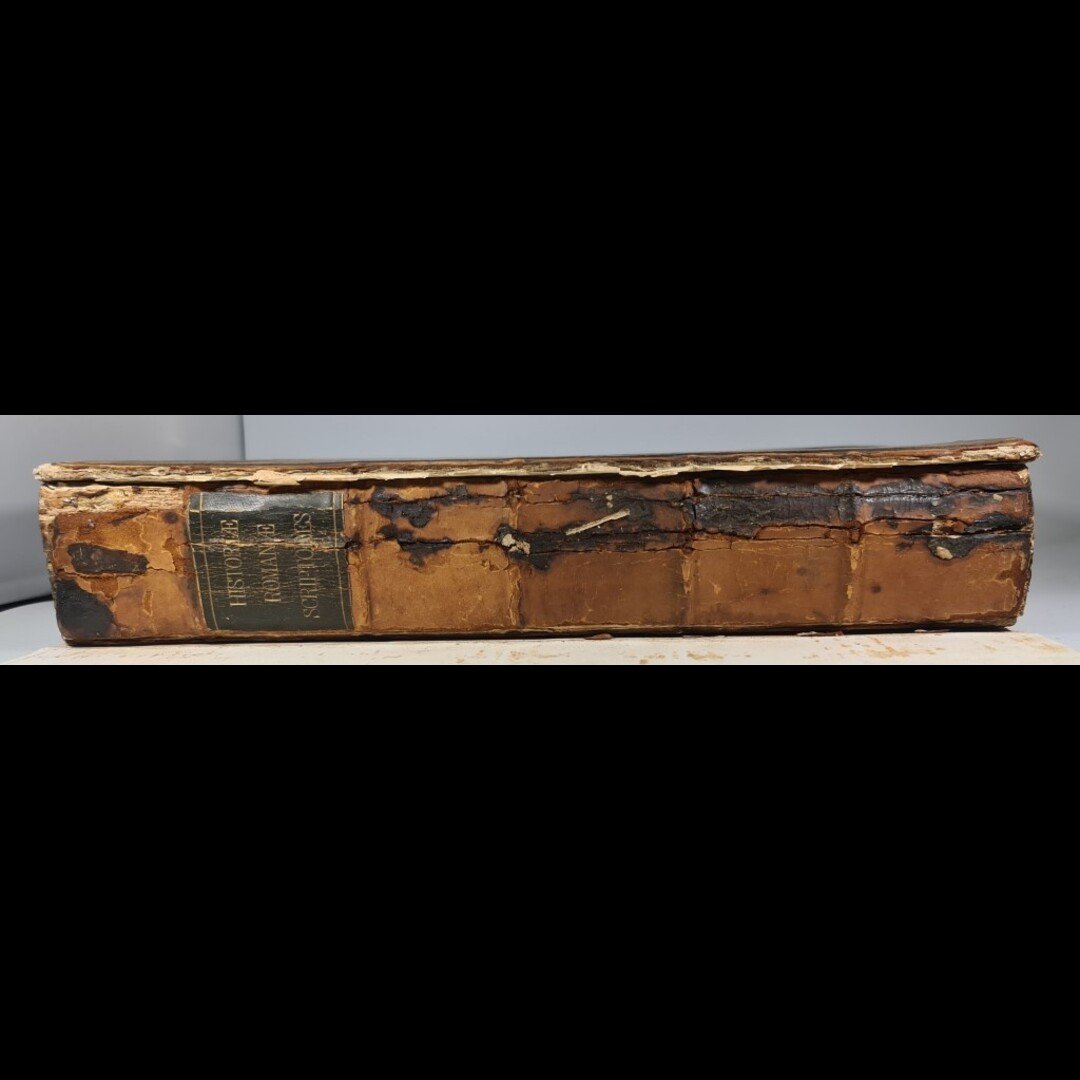
A sound and attractive copy in contemporary vellum, with early manuscript titling to the spine. Binding with expected age-toning, marking, rubbing and wear, particularly at the spine extremities and corners, but retaining a pleasing unrestored period appearance.
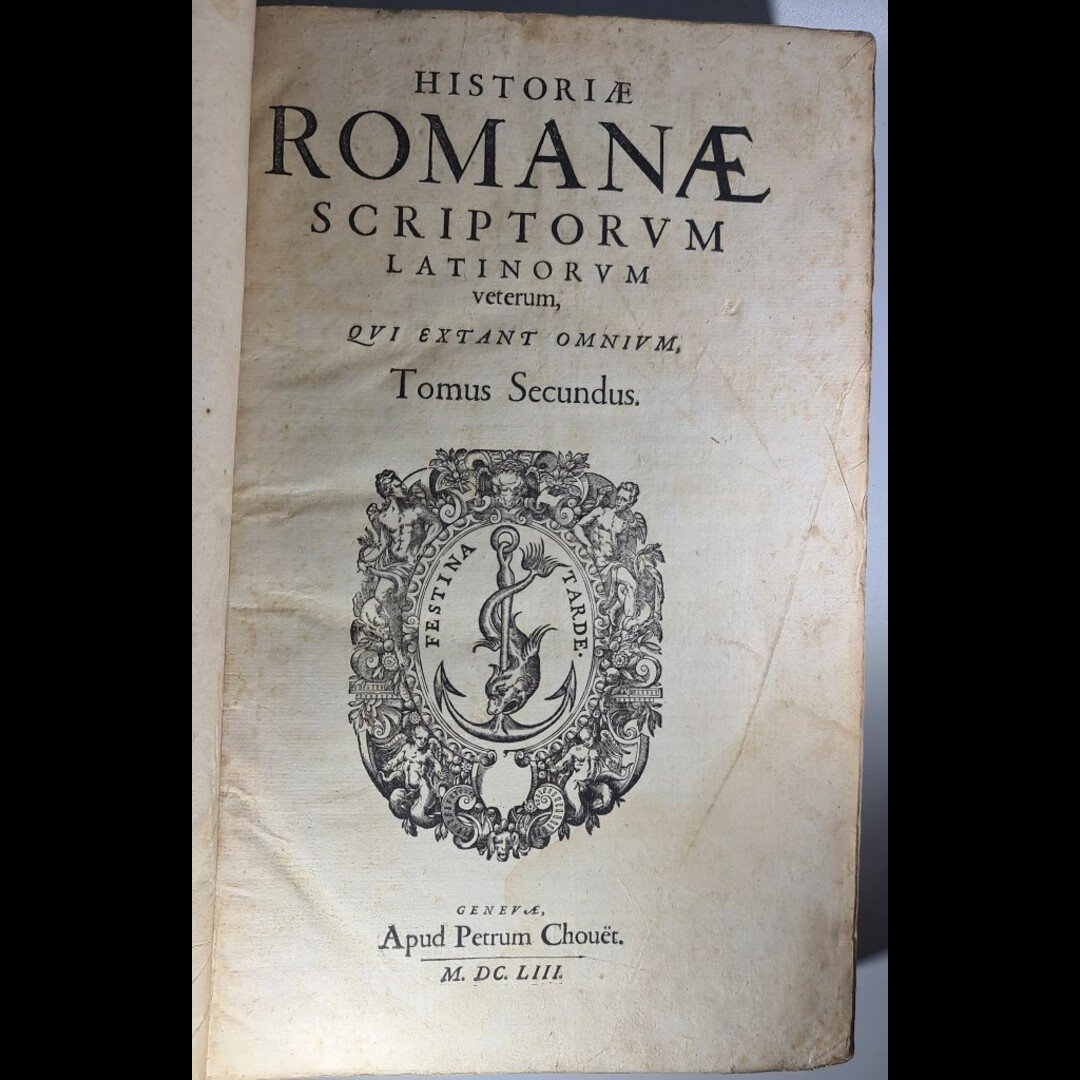
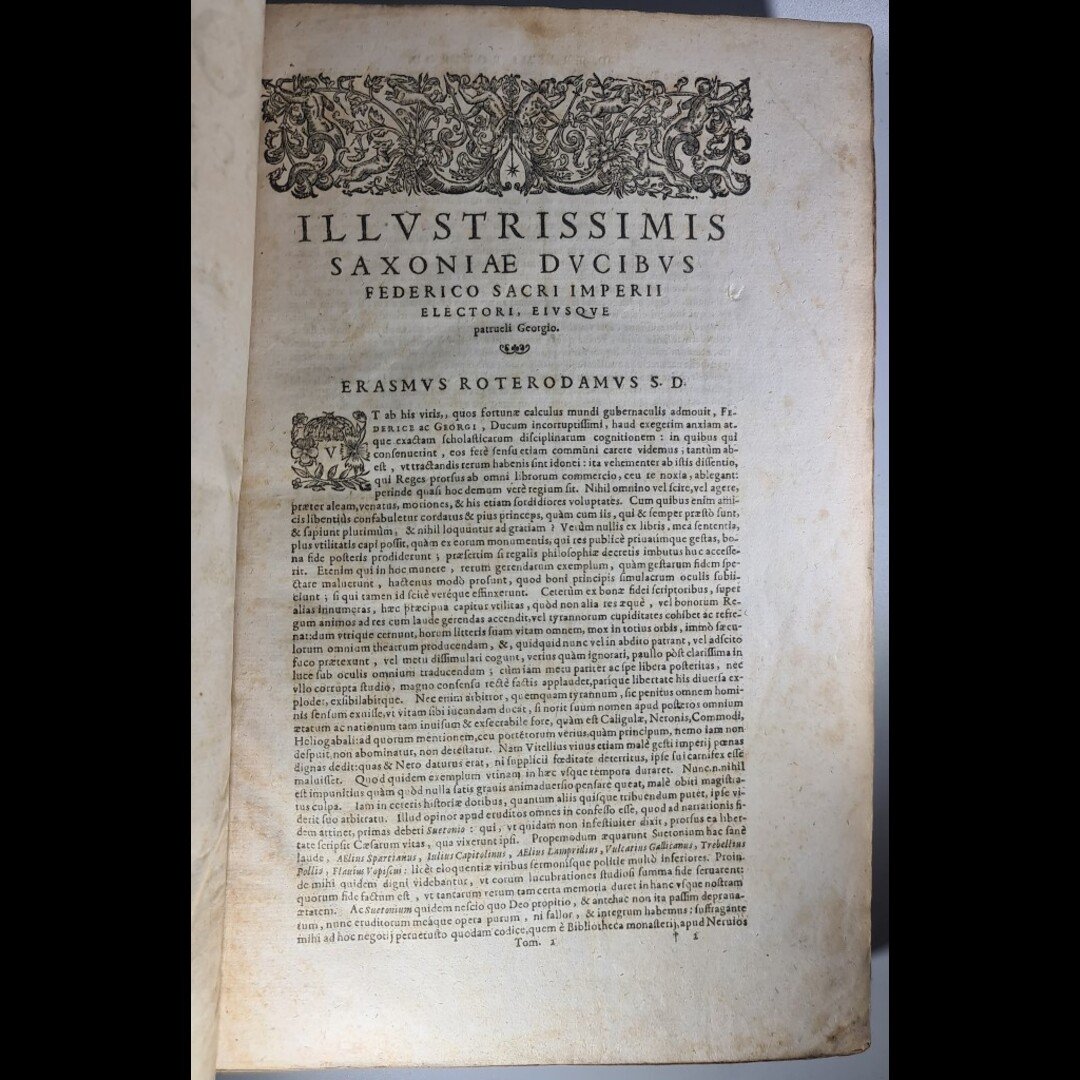
Engraved title-page present and well preserved, with a strong, crisp impression. Text generally clean and legible throughout, with modest age-toning, occasional spotting and marks consistent with a seventeenth-century volume.
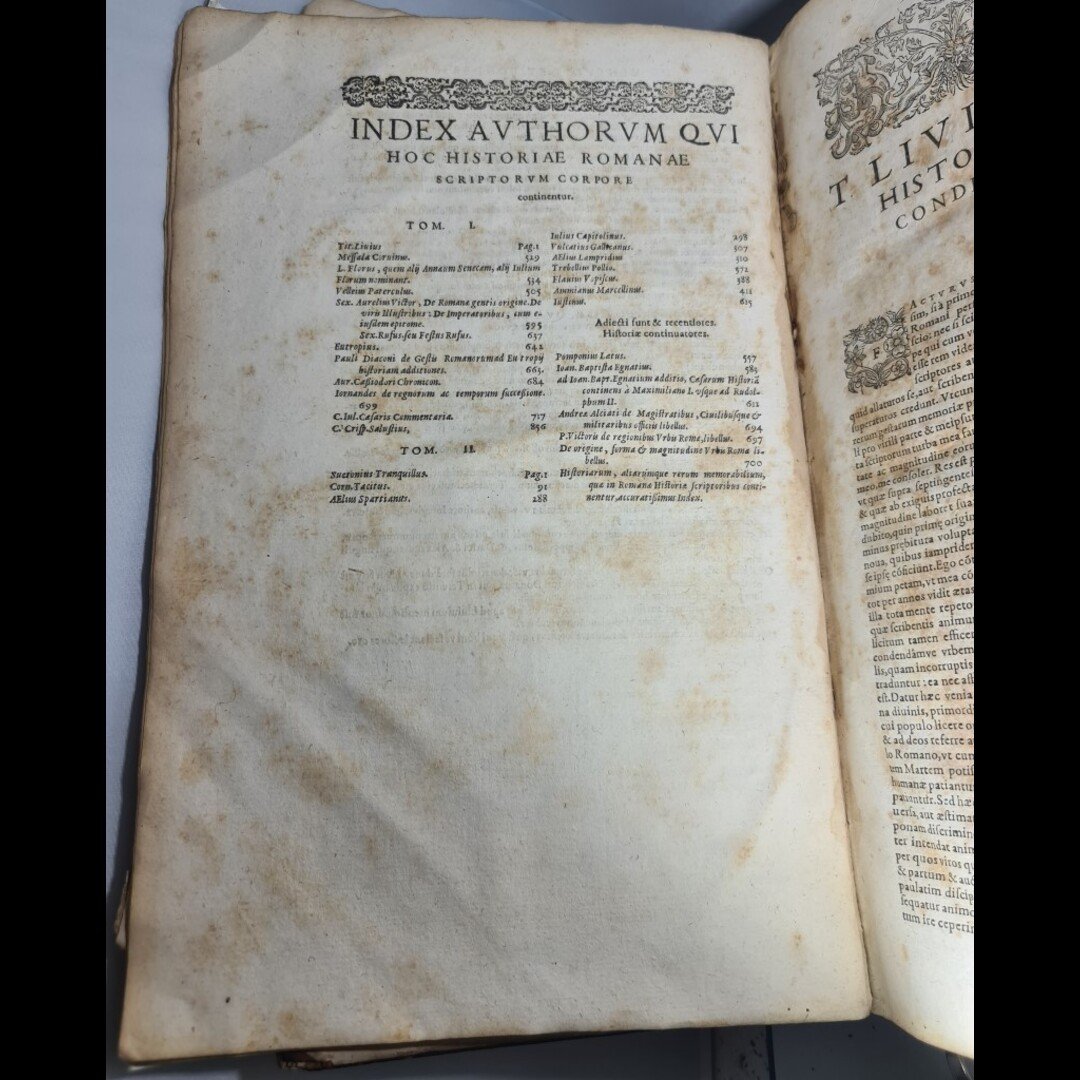
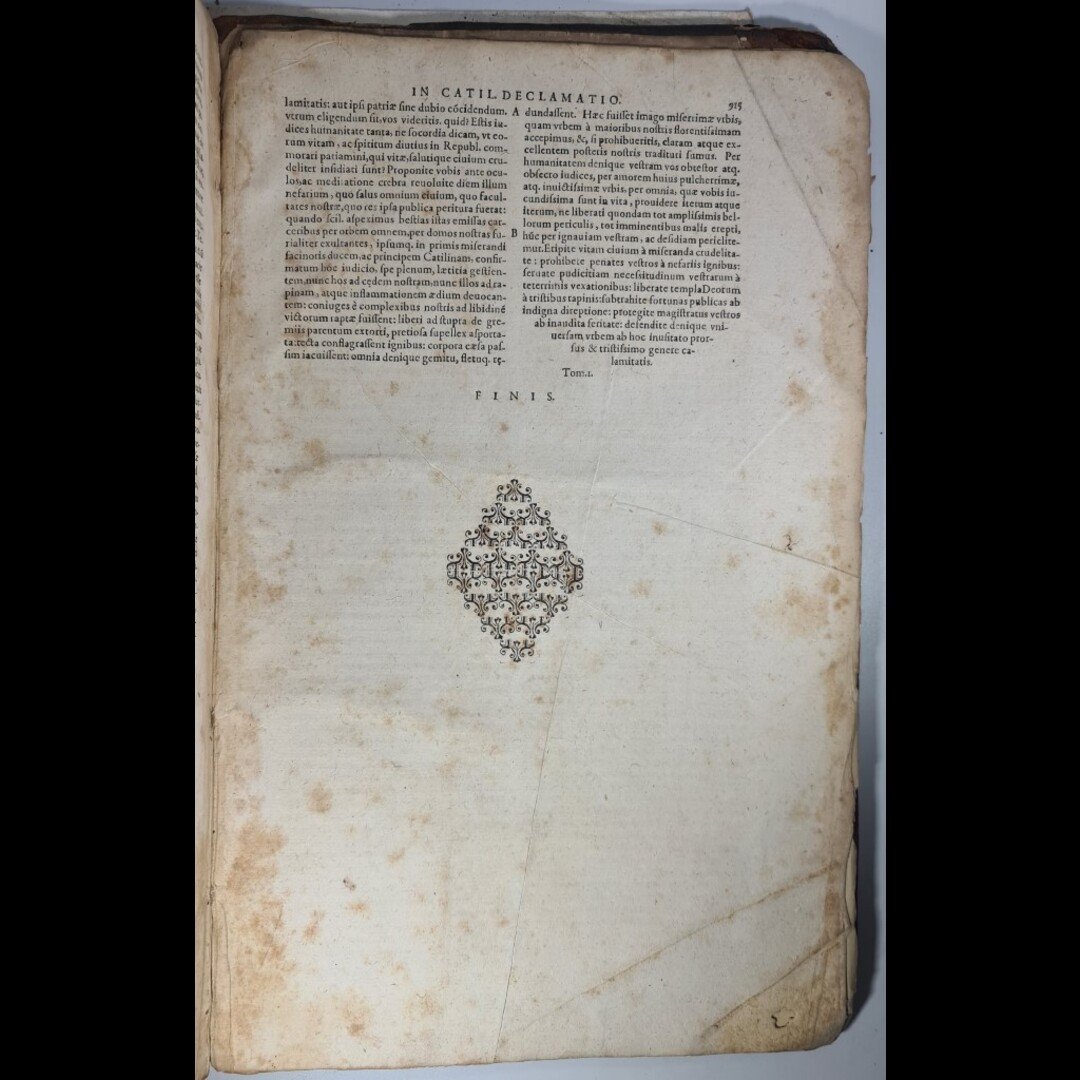
One text leaf, pp.193–194, has a tear extending across the page which has been repaired with transparent tape. The repair has caused visible localised discolouration and crosses several lines of text; the printed text remains substantially present and legible. This repair is clearly shown in the photographs and is reflected in the condition grade.
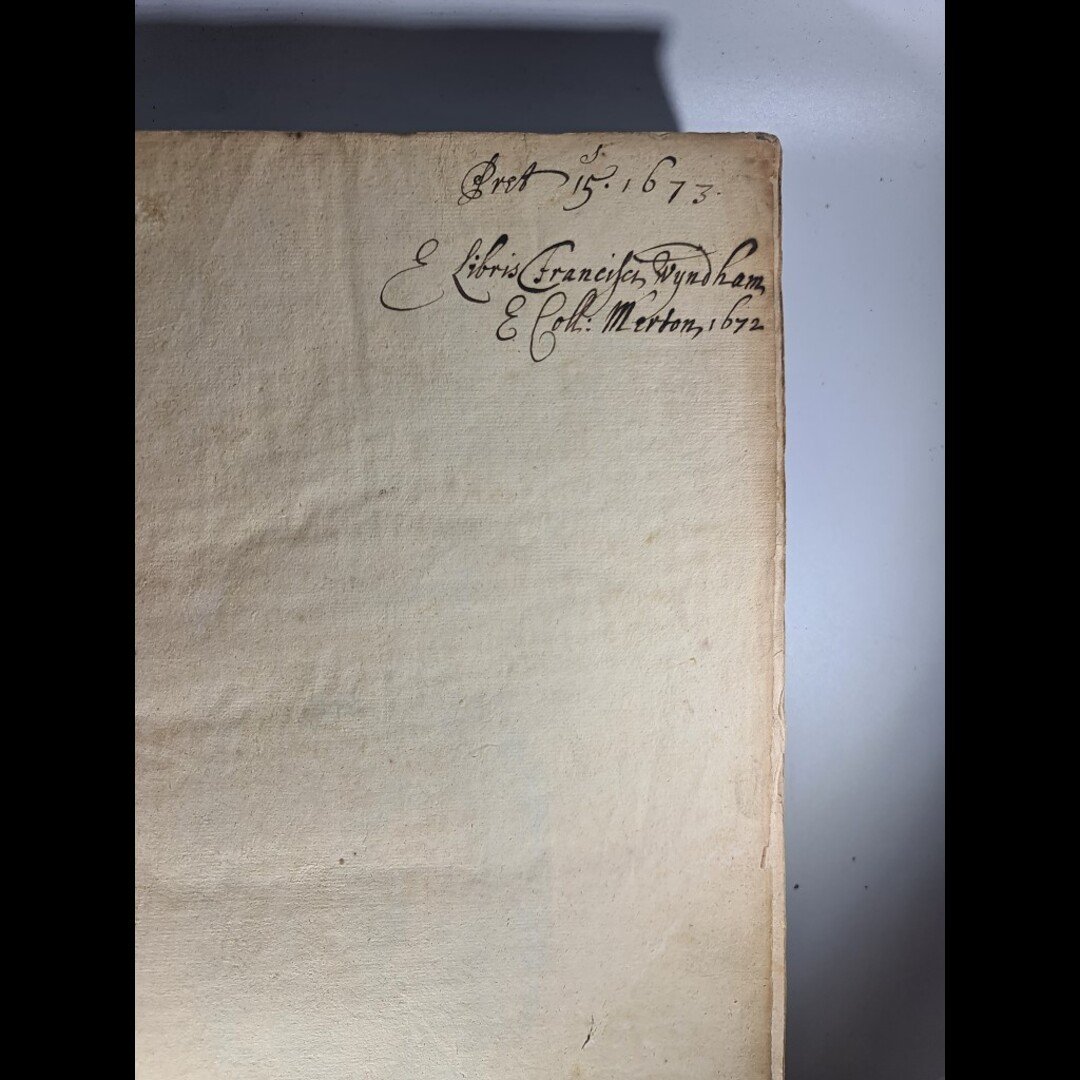
Contemporary vellum binding and endleaves appear coherent from inspection, with no obvious modern rebacking or replacement endpaper work observed.
Edition Note:
This copy displays the running title “EPISTOLÆ” in the later sequence beginning at p.469. The Morgan Library & Museum identifies this form as belonging to the first collected edition and first of the two editions dated 1633. Willems records the edition under No. 380.
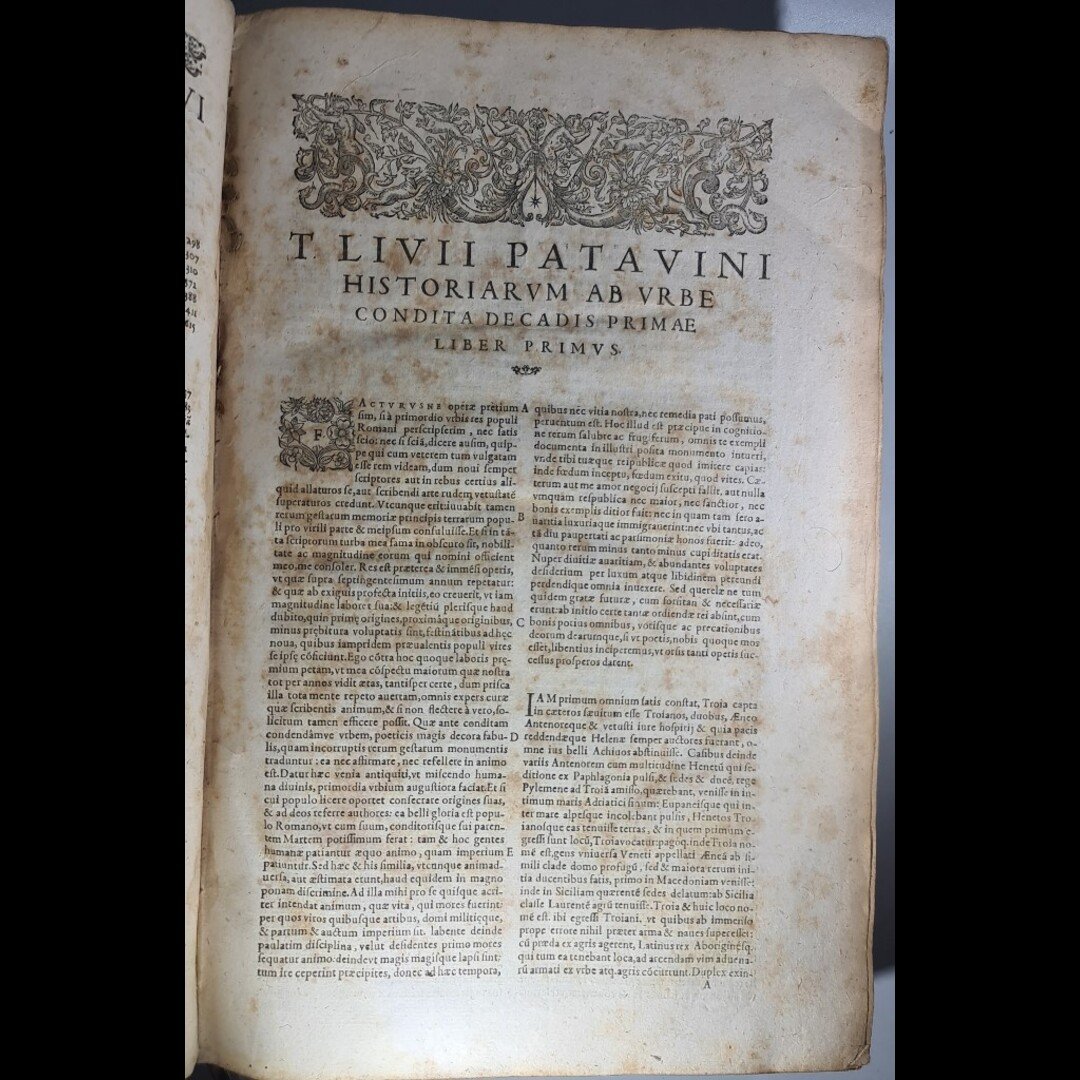
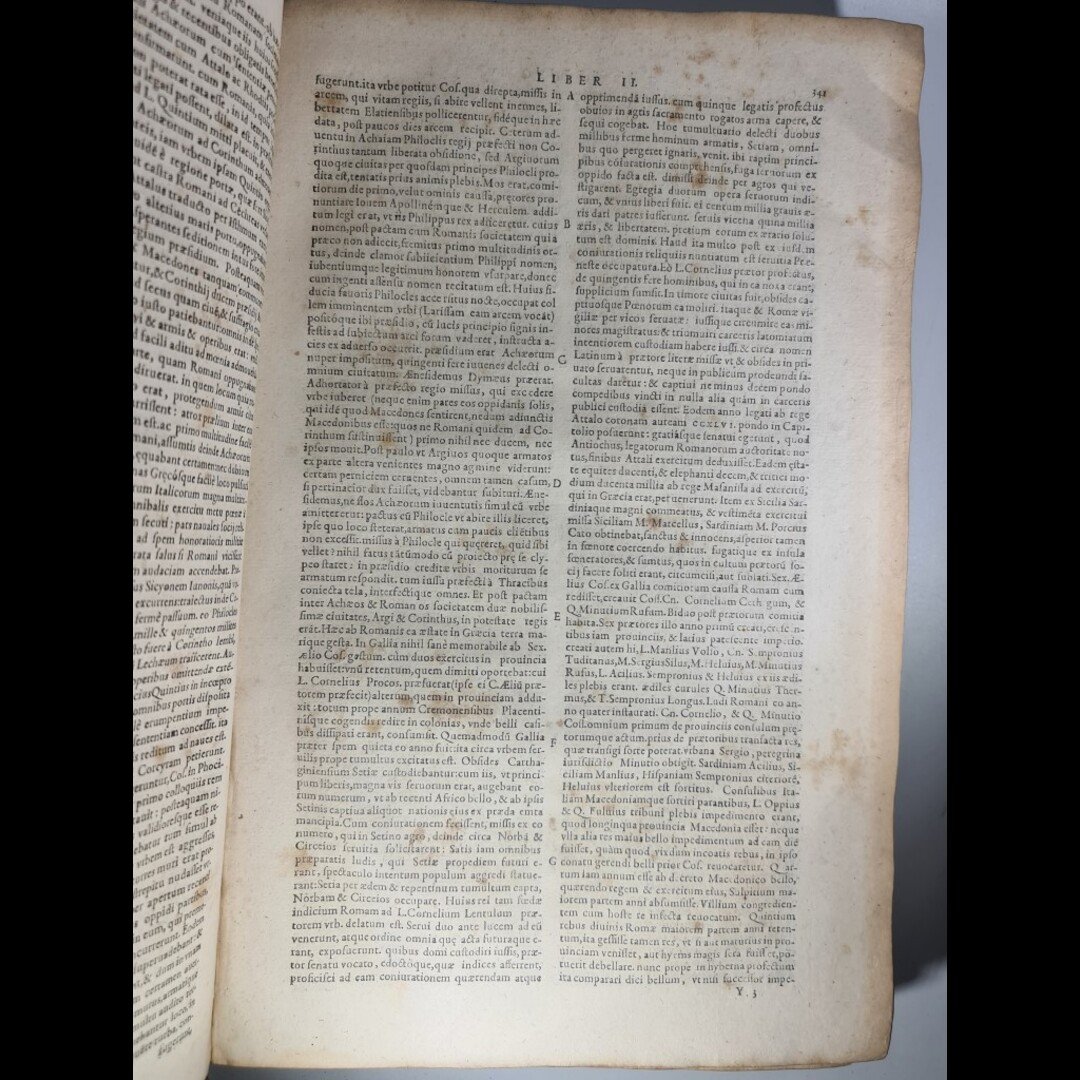
Please see Photos as part of condition report.
REFERENCES
Willems, Les Elzevier, 380
Copinger, The Elzevier Press, 686/687 — institutional catalogues differ in the Copinger numbering
Morgan Library & Museum, PML 18577
National Library of Ireland, 9496 b 4
Alexander Turnbull Library / National Library of New Zealand
The National Library of Ireland specifically records the Epistolæ running title, engraved title by C. C. Duysend and duplicated pp.479–480; the National Library of New Zealand records the collation A–Z⁸, Aa–Nn⁸, Oo¹².
SYNOPSIS
The principal work in this volume is Busbecq’s four Legationis Turcicae epistolae — the celebrated Turkish Letters.
Drawing upon his embassy to the Ottoman court, Busbecq describes his journeys through Central Europe and Ottoman territory, his encounters with Ottoman officials, diplomatic negotiations, Constantinople and Amasya, the imperial court of Suleiman the Magnificent, Ottoman military discipline and administration, religious and social customs, antiquities, plants, animals and everyday observations made during his travels.
The collection further contains:
Augerii Gislenii Busbequii Vita — Life of Busbecq.
Legationis Turcicae Epistolae Quatuor — The Four Turkish Letters.
Exclamatio, sive De re militari contra Turcam instituenda consilium — Busbecq’s reflections and recommendations concerning military policy against the Ottoman Turks.
Solimani Turcarum Imperatoris legatio ad Ferdinandum Romanorum Caesarem — material concerning the embassy of Sultan Suleiman to Emperor Ferdinand.
Epistolae ad Rudolphum II Imperatorem — Busbecq’s later diplomatic letters to Emperor Rudolf II, relating particularly to affairs in France.
Together they provide a remarkable first-hand record of sixteenth-century diplomacy and of European encounters with the Ottoman Empire.
AUTHOR BIO
Ogier Ghiselin de Busbecq (1522–1592; Latinised as Augerius Gislenius Busbequius) was a Flemish humanist, diplomat, writer and naturalist in the service of the Habsburg monarchy.
Busbecq is best remembered for his diplomatic missions to the Ottoman Empire during the reign of Suleiman I, where he represented Emperor Ferdinand I in negotiations with the Ottoman court. His observations were subsequently shaped into the four Turkish Letters, which combine diplomatic memoir, travel narrative, political observation and descriptions of Ottoman institutions, customs and military organisation.
Written by an unusually perceptive European observer with direct access to the Ottoman world at the height of Suleiman’s reign, the letters became one of the most enduring early modern European accounts of the empire.
1633 First Collected Edition
A. GISLENII BUSBEQUII OMNIA QUAE EXTANT
By Ogier Ghiselin de Busbecq
KEY DETAILS
Condition: Very Good
Format: Vellum, sextodecimo or sixteenmo (16mo 4 × 6 3⁄4 in 102 × 171 mm )
Note: Binding/size selection follows standard bibliographic conventions and is approximate; exact measurements may vary.
Published By: Lugd. Batavorum : Ex officina Elzeviriana, Leiden, Netherlands, 1633
Language: Latin
Collation: A–Z⁸, Aa–Nn⁸, Oo¹²; 575 [i.e. 577], [23] pp. Numerous early pagination errors are inherent to the edition, including the repetition of pp.479–480.
Dust Jacket: None, as issued, No Jacket
SKU: BTETM0002368
Shipping Info: Approximate Package Dimensions H: 12.5, L: 30, W: 25 (Units: cm), W: 2Kg
Tracked Shipping, Insurance Coverage as per Customer Request
DESCRIPTION
A. Gislenii Busbequii omnia quae extant
An appealing seventeenth-century Elzevir edition of the collected works of Ogier Ghiselin de Busbecq, Habsburg diplomat, traveller and one of the most important Western eyewitnesses to the Ottoman Empire during the reign of Suleiman the Magnificent.
Published at Leiden by the celebrated Elzevir press in 1633, this is the first collected edition of Busbecq’s works and the first of the two Elzevir editions issued under the date 1633. This first setting is identifiable by the running title “Epistolæ” in the final sequence of letters, visible here from p.469 onwards. The Morgan Library records the same bibliographical distinction.
The volume contains Busbecq’s celebrated four Turkish Letters (Legationis Turcicae epistolae quatuor), written from his experience as imperial ambassador to the Ottoman court. They form one of the great sixteenth-century European accounts of Constantinople, Ottoman government, diplomacy, military organisation, society and everyday life. The collection also includes his Exclamatio on military policy against the Turks, material relating to Suleiman’s embassy to Ferdinand I, and Busbecq’s later diplomatic letters to Emperor Rudolf II.
A particularly attractive feature is the finely engraved architectural title-page by C. C. Duysend, incorporating Ottoman military trophies and a cityscape. The book survives in contemporary vellum with early manuscript title to the spine, giving it considerable period character and shelf appeal. Bibliographical records note the engraved title, repeated pagination at 479–480 and the same collation found in this copy.
CONDITION, COLLATION & COPY NOTES
A sound and attractive copy in contemporary vellum, with early manuscript titling to the spine. Binding with expected age-toning, marking, rubbing and wear, particularly at the spine extremities and corners, but retaining a pleasing unrestored period appearance.
Engraved title-page present and well preserved, with a strong, crisp impression. Text generally clean and legible throughout, with modest age-toning, occasional spotting and marks consistent with a seventeenth-century volume.
One text leaf, pp.193–194, has a tear extending across the page which has been repaired with transparent tape. The repair has caused visible localised discolouration and crosses several lines of text; the printed text remains substantially present and legible. This repair is clearly shown in the photographs and is reflected in the condition grade.
Contemporary vellum binding and endleaves appear coherent from inspection, with no obvious modern rebacking or replacement endpaper work observed.
Edition Note:
This copy displays the running title “EPISTOLÆ” in the later sequence beginning at p.469. The Morgan Library & Museum identifies this form as belonging to the first collected edition and first of the two editions dated 1633. Willems records the edition under No. 380.
Please see Photos as part of condition report.
REFERENCES
Willems, Les Elzevier, 380
Copinger, The Elzevier Press, 686/687 — institutional catalogues differ in the Copinger numbering
Morgan Library & Museum, PML 18577
National Library of Ireland, 9496 b 4
Alexander Turnbull Library / National Library of New Zealand
The National Library of Ireland specifically records the Epistolæ running title, engraved title by C. C. Duysend and duplicated pp.479–480; the National Library of New Zealand records the collation A–Z⁸, Aa–Nn⁸, Oo¹².
SYNOPSIS
The principal work in this volume is Busbecq’s four Legationis Turcicae epistolae — the celebrated Turkish Letters.
Drawing upon his embassy to the Ottoman court, Busbecq describes his journeys through Central Europe and Ottoman territory, his encounters with Ottoman officials, diplomatic negotiations, Constantinople and Amasya, the imperial court of Suleiman the Magnificent, Ottoman military discipline and administration, religious and social customs, antiquities, plants, animals and everyday observations made during his travels.
The collection further contains:
Augerii Gislenii Busbequii Vita — Life of Busbecq.
Legationis Turcicae Epistolae Quatuor — The Four Turkish Letters.
Exclamatio, sive De re militari contra Turcam instituenda consilium — Busbecq’s reflections and recommendations concerning military policy against the Ottoman Turks.
Solimani Turcarum Imperatoris legatio ad Ferdinandum Romanorum Caesarem — material concerning the embassy of Sultan Suleiman to Emperor Ferdinand.
Epistolae ad Rudolphum II Imperatorem — Busbecq’s later diplomatic letters to Emperor Rudolf II, relating particularly to affairs in France.
Together they provide a remarkable first-hand record of sixteenth-century diplomacy and of European encounters with the Ottoman Empire.
AUTHOR BIO
Ogier Ghiselin de Busbecq (1522–1592; Latinised as Augerius Gislenius Busbequius) was a Flemish humanist, diplomat, writer and naturalist in the service of the Habsburg monarchy.
Busbecq is best remembered for his diplomatic missions to the Ottoman Empire during the reign of Suleiman I, where he represented Emperor Ferdinand I in negotiations with the Ottoman court. His observations were subsequently shaped into the four Turkish Letters, which combine diplomatic memoir, travel narrative, political observation and descriptions of Ottoman institutions, customs and military organisation.
Written by an unusually perceptive European observer with direct access to the Ottoman world at the height of Suleiman’s reign, the letters became one of the most enduring early modern European accounts of the empire.

 Image 1 of 14
 Image 2 of 14
 Image 3 of 14
 Image 4 of 14
 Image 5 of 14
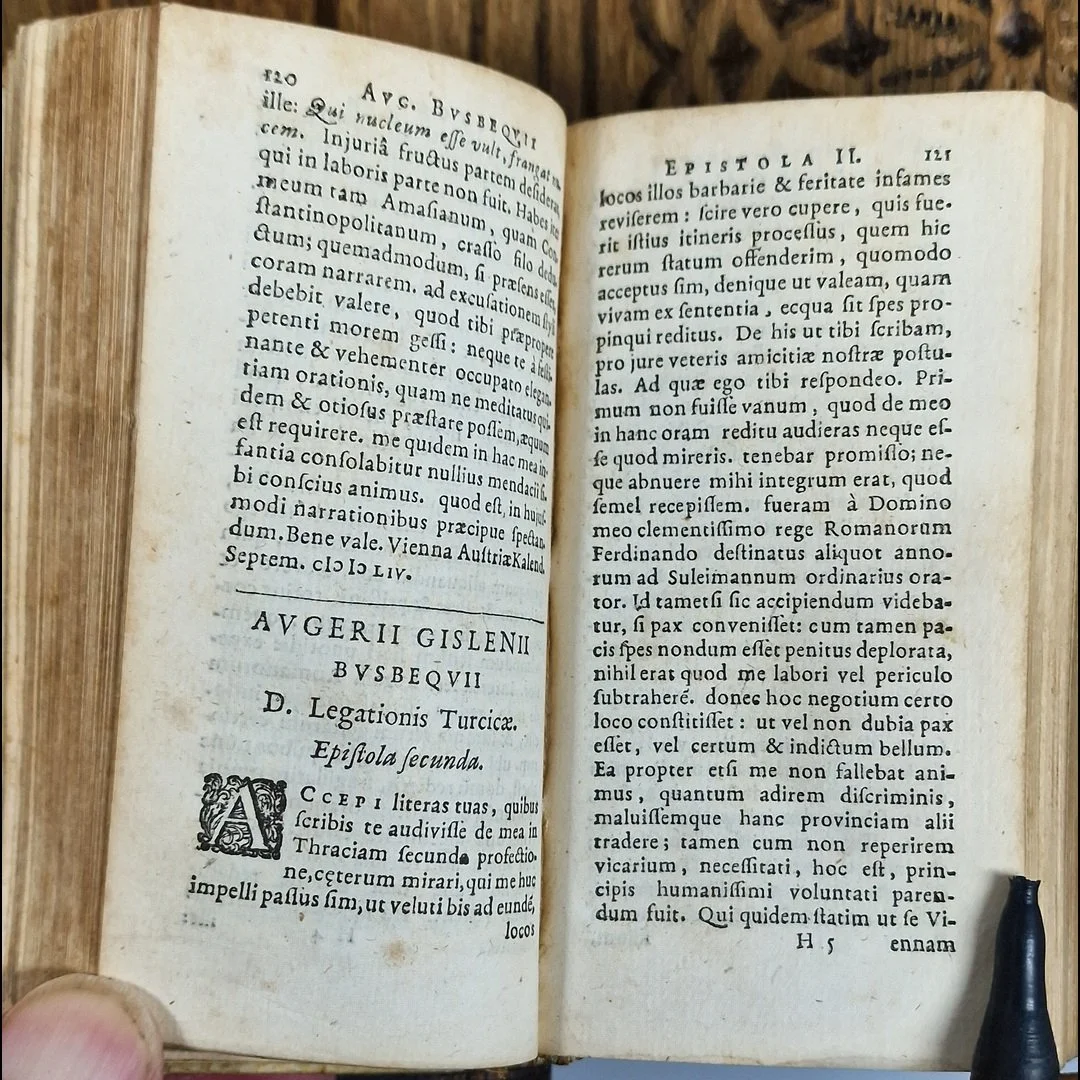 Image 6 of 14
 Image 7 of 14
 Image 8 of 14
 Image 9 of 14
 Image 10 of 14
 Image 11 of 14
 Image 12 of 14
 Image 13 of 14
 Image 14 of 14