Sale Price:
£1,150.00
Original Price:
£1,195.00
1757 Second Edition
ASTRONOMY EXPLAINED
By James Ferguson
KEY DETAILS
Condition: Very Good
Format: Hardcover, quarto (4to 9 1⁄2 × 12 in 241 × 305 mm )
Note: Binding/size selection follows standard bibliographic conventions and is approximate; exact measurements may vary.
Published By: Printed for, and sold by the Author, at the Globe, opposite Cecil-Street in the Strand, London, 1757
Language: English
Illustrated By: James Ferguson / J. Mynde
Collation: [8], 283, [9] pp.; folding engraved frontispiece and thirteen further folding engraved plates. Complete.
Dust Jacket: None, as issued, No Jacket
SKU: BTETM0002379
Shipping Info: Approximate Package Dimensions H: 12.5, L: 30, W: 25 (Units: cm), W: 2Kg
Tracked Shipping, Insurance Coverage as per Customer Request
DESCRIPTION
Astronomy Explained
Upon Sir Isaac Newton’s Principles, and Made Easy to Those Who Have Not Studied Mathematics
An attractive and substantially original copy of the second edition of James Ferguson’s celebrated popular exposition of Newtonian astronomy, published in London in 1757, only a year after the first edition. Written expressly for readers without advanced mathematical training, Ferguson’s work became one of the most successful introductions to astronomy of the eighteenth century and established his scientific reputation. The first edition was exhausted within a year, and the work continued through numerous subsequent editions.
The volume is especially notable for its suite of fourteen folding engraved plates, including the striking frontispiece depicting “The Orrery, made by James Ferguson”, together with detailed representations of planetary systems, eclipses, celestial geometry and astronomical instruments. Ferguson supplied the designs, with plates engraved by G. Child and James Mynde. The illustrations give unusually vivid form to Ferguson’s talent for translating Newtonian celestial mechanics into practical, visually intelligible demonstrations.
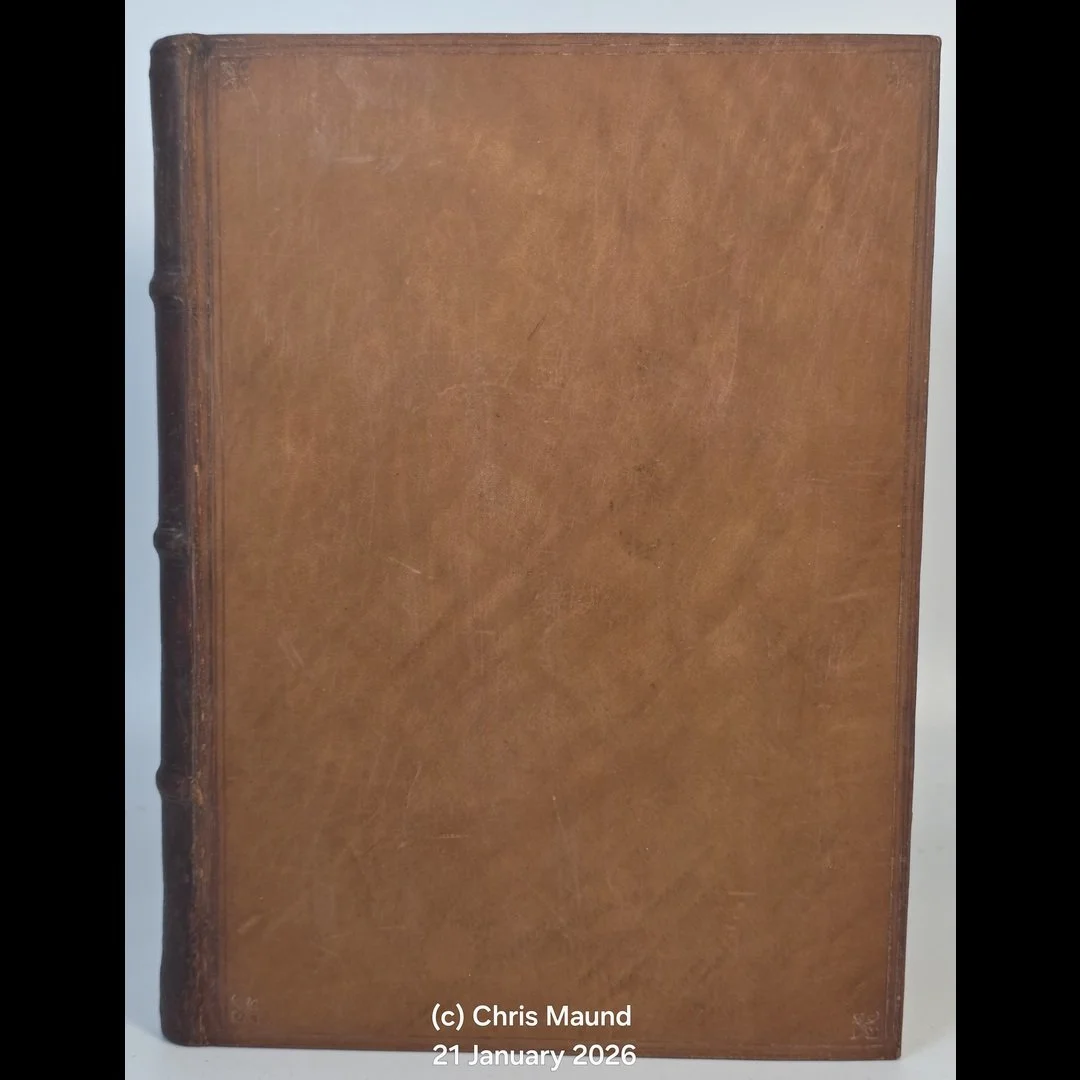
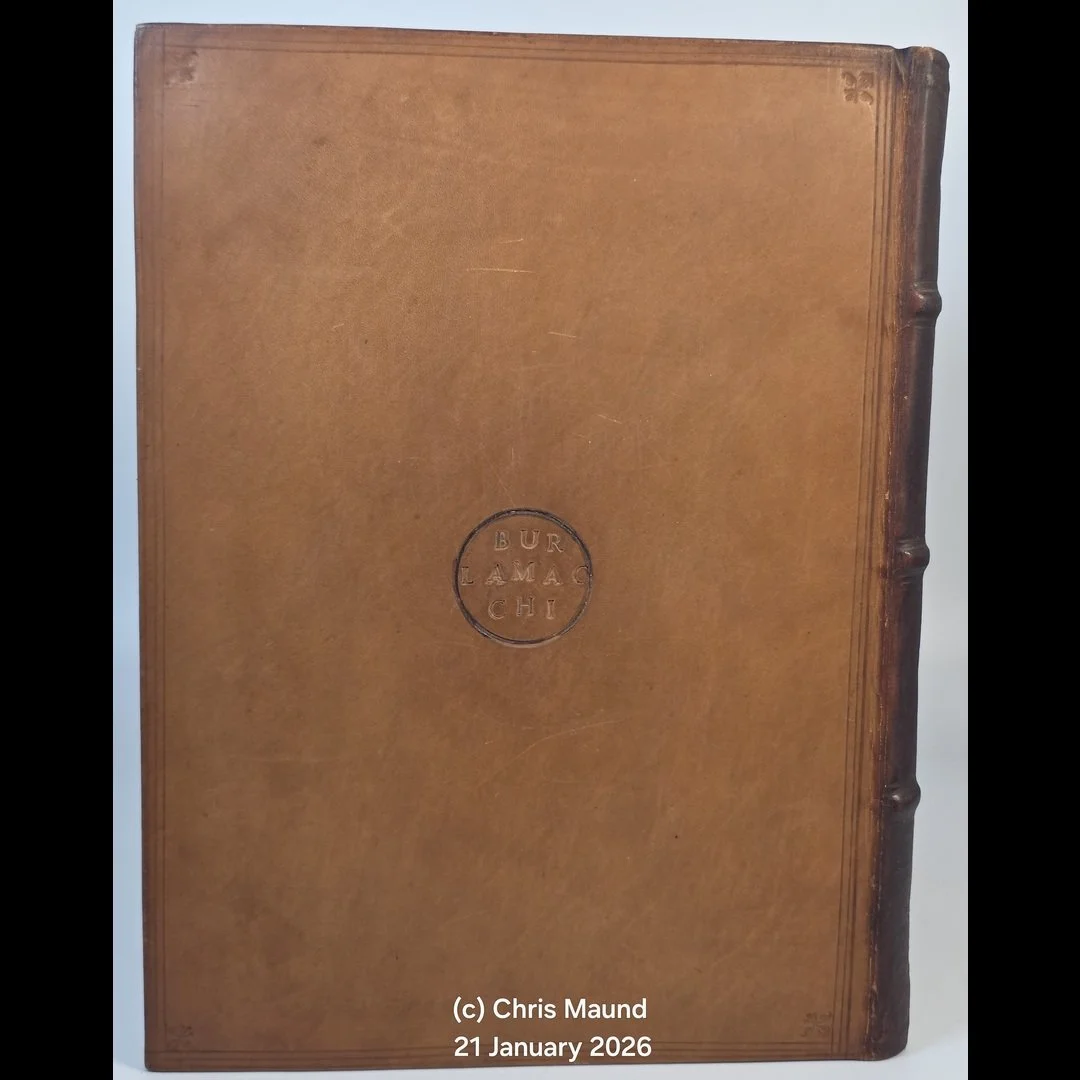
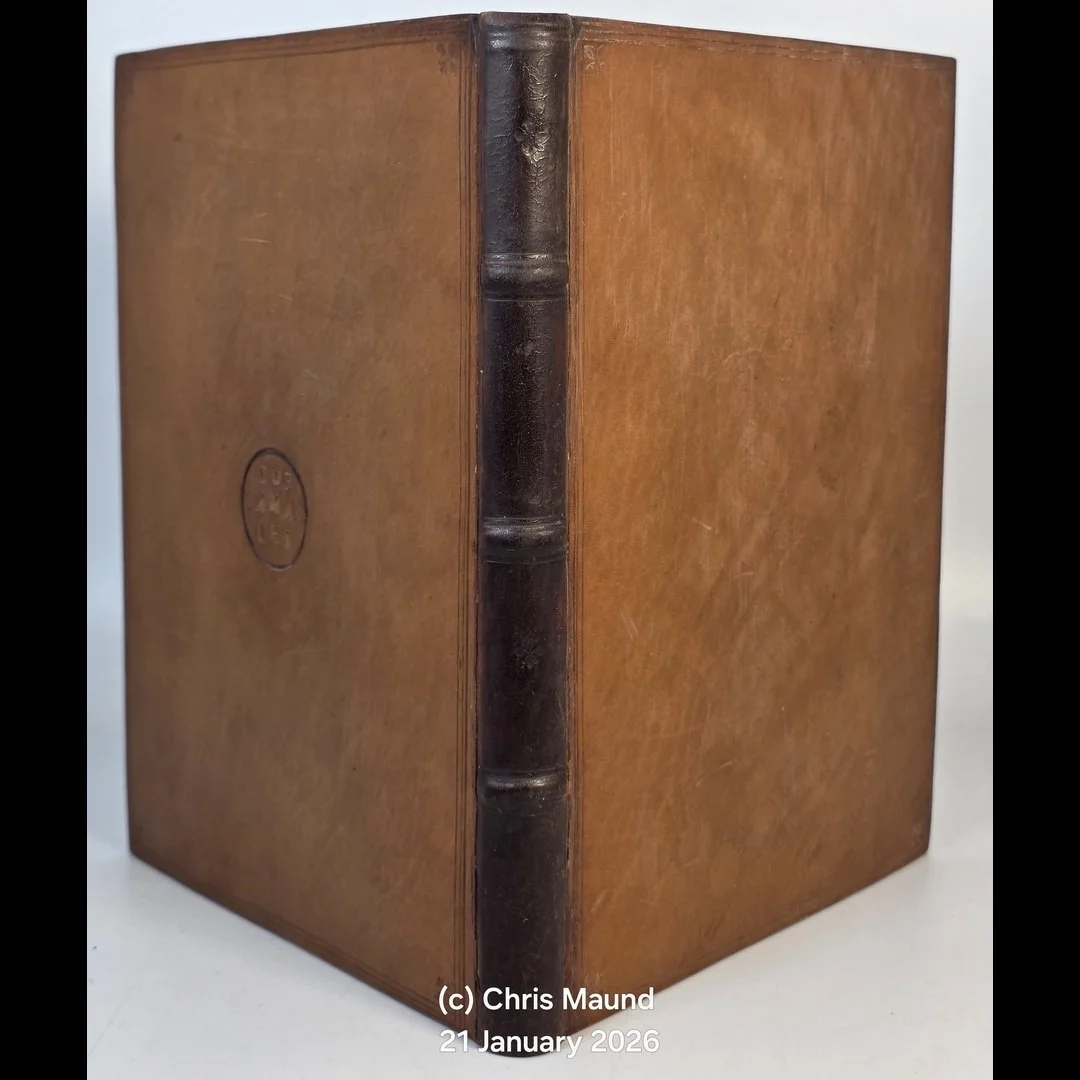
Presented in contemporary full calf, with raised bands, gilt rules and a gilt-lettered spine label, this copy retains considerable eighteenth-century character. The folding plates are particularly appealing, with strong engraved impressions and generally clean interiors. An evocative copy of an important Enlightenment work at the intersection of astronomy, scientific instrumentation, Newtonian physics and the popularisation of science.
CONDITION, COLLATION & COPY NOTES
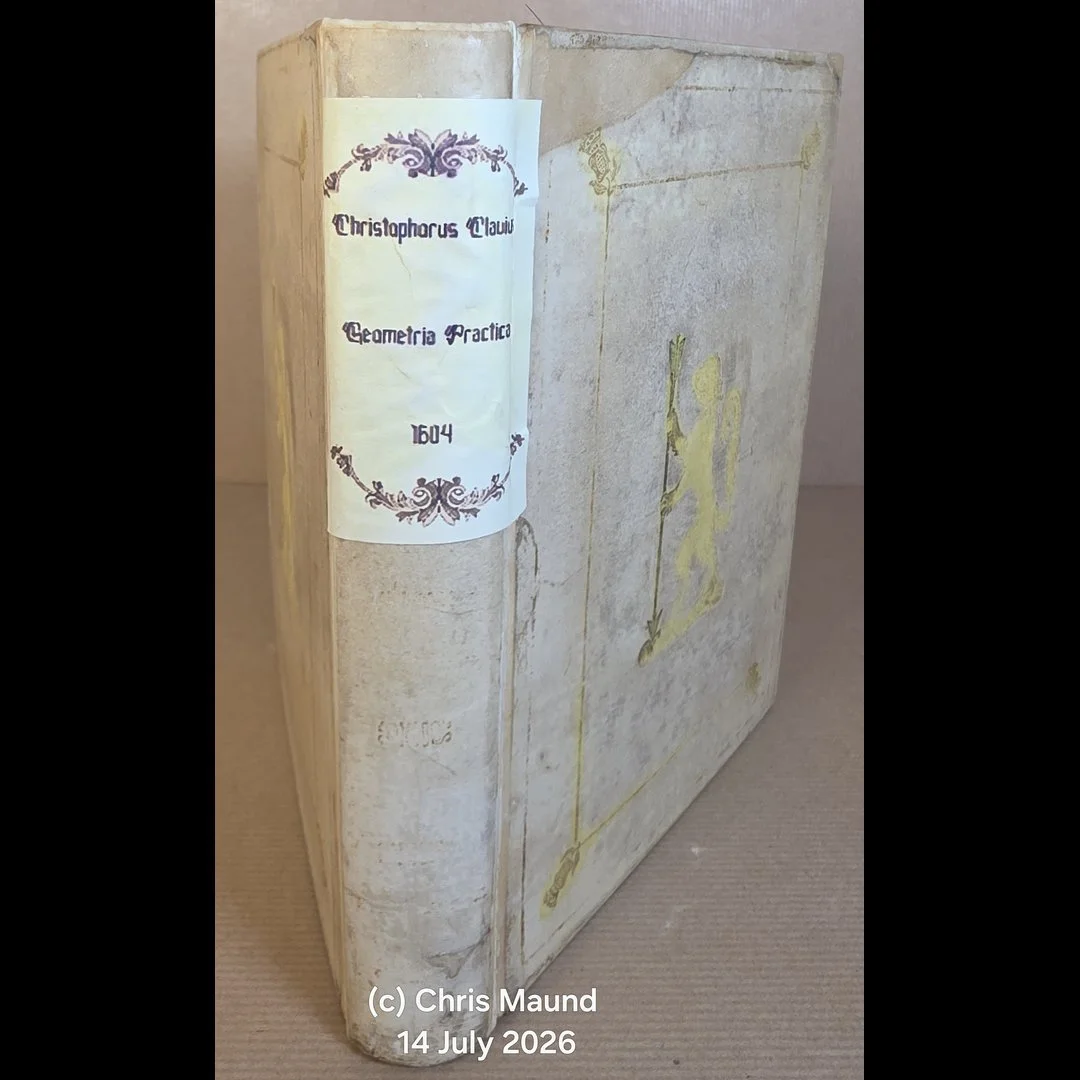
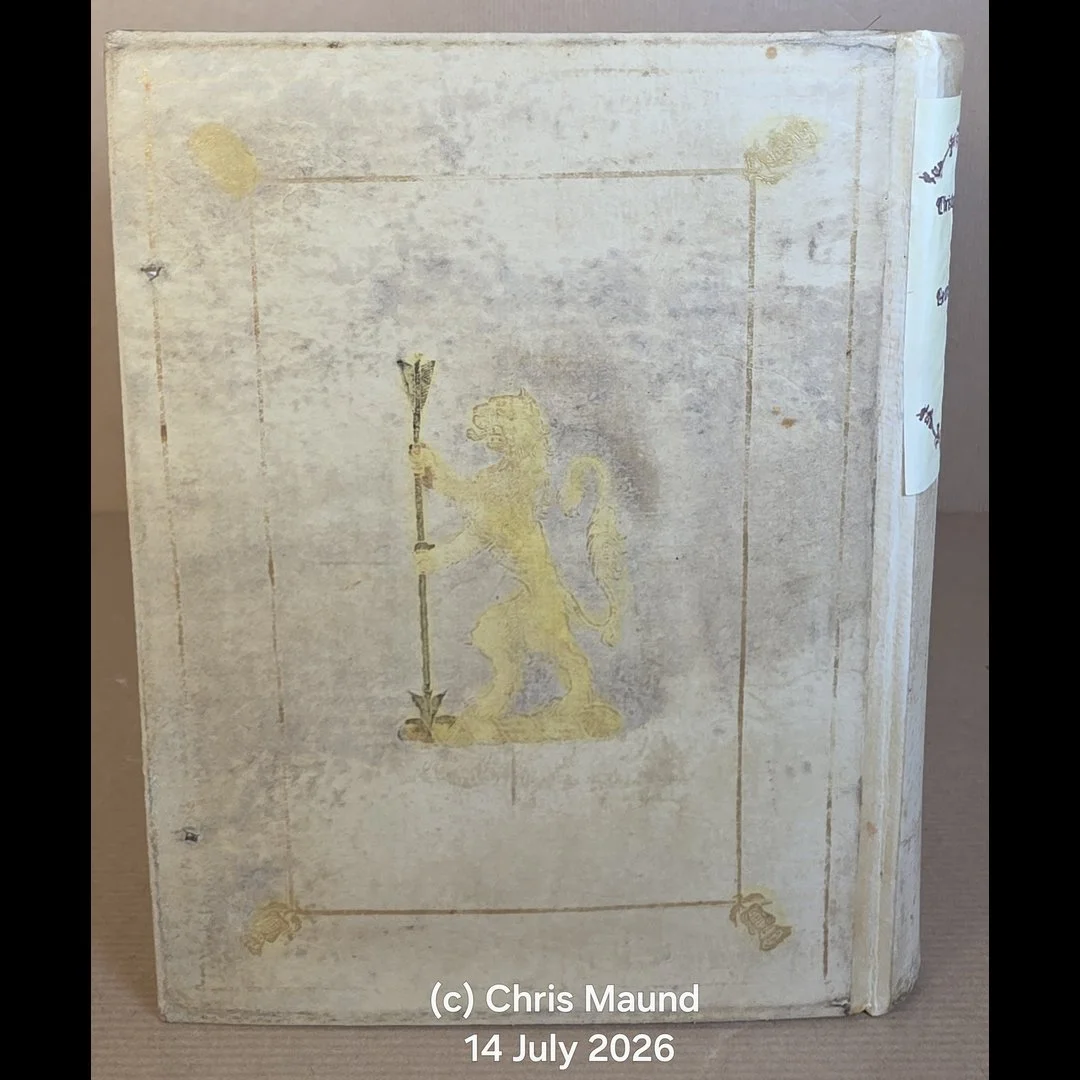
An attractive copy in contemporary full calf, the boards rubbed and scuffed with age-related surface wear, marks and abrasions, particularly at the extremities. Spine with raised bands, gilt rules and gilt-lettered title label; rubbing and wear to the compartments and spine ends. The binding remains firm and the text block sound.
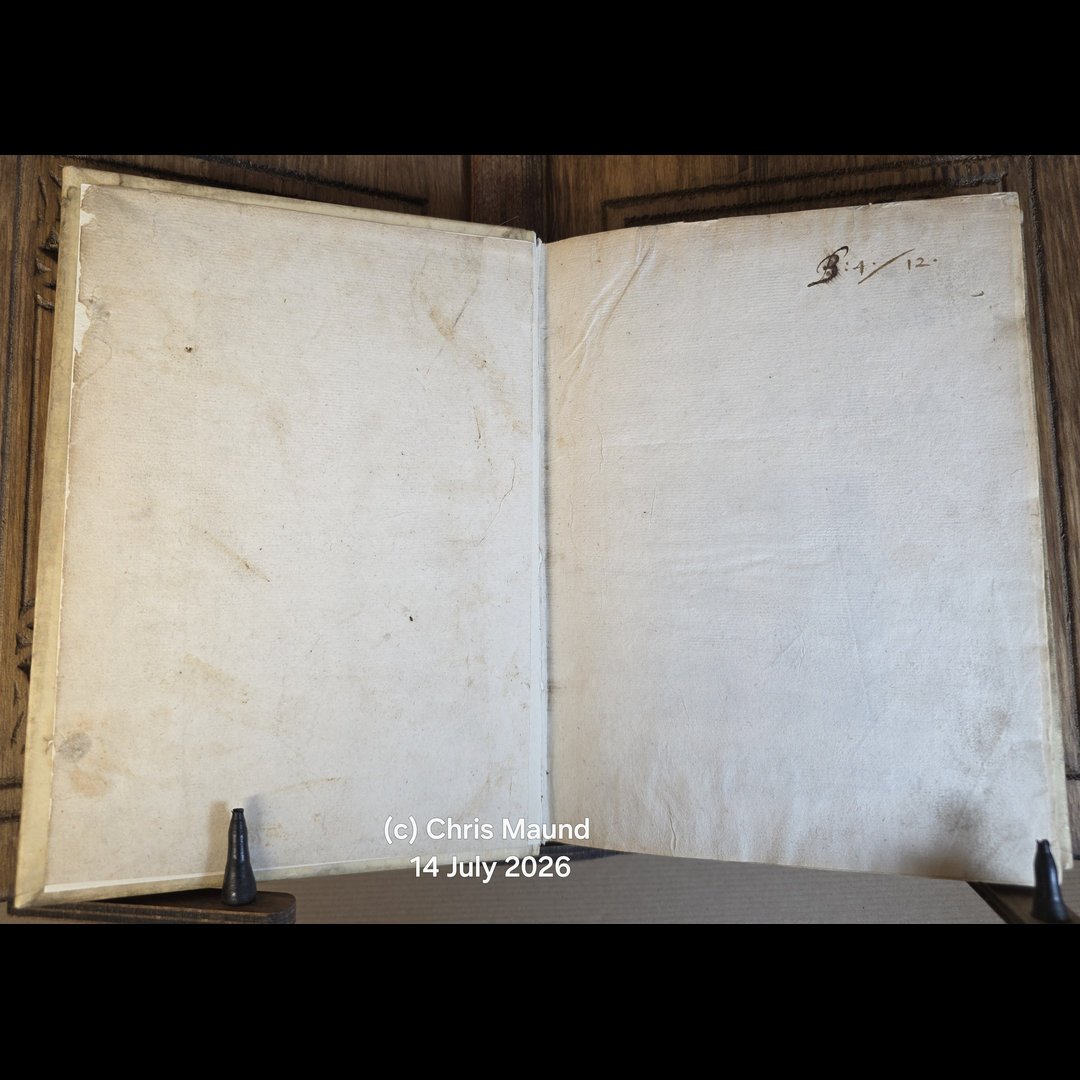
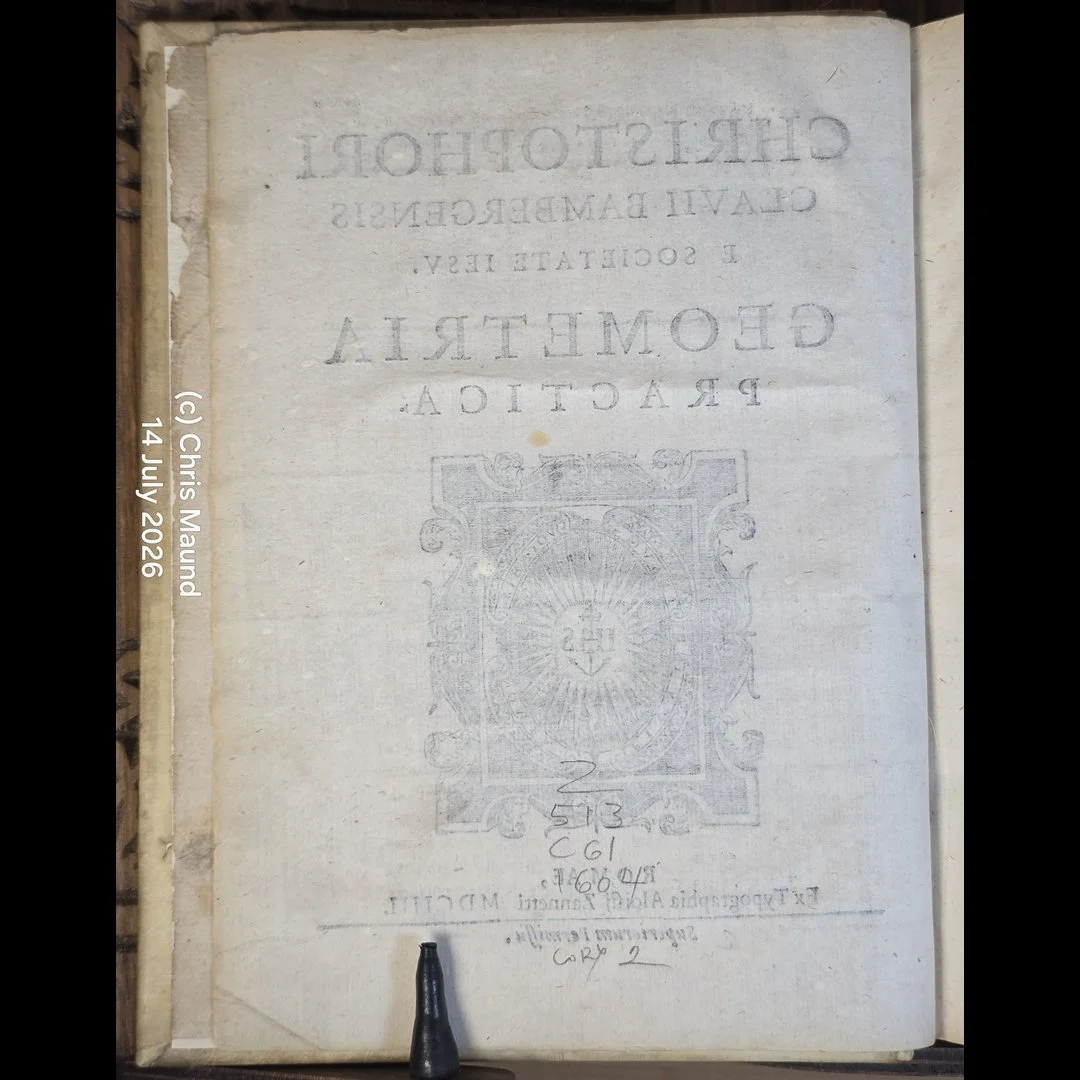
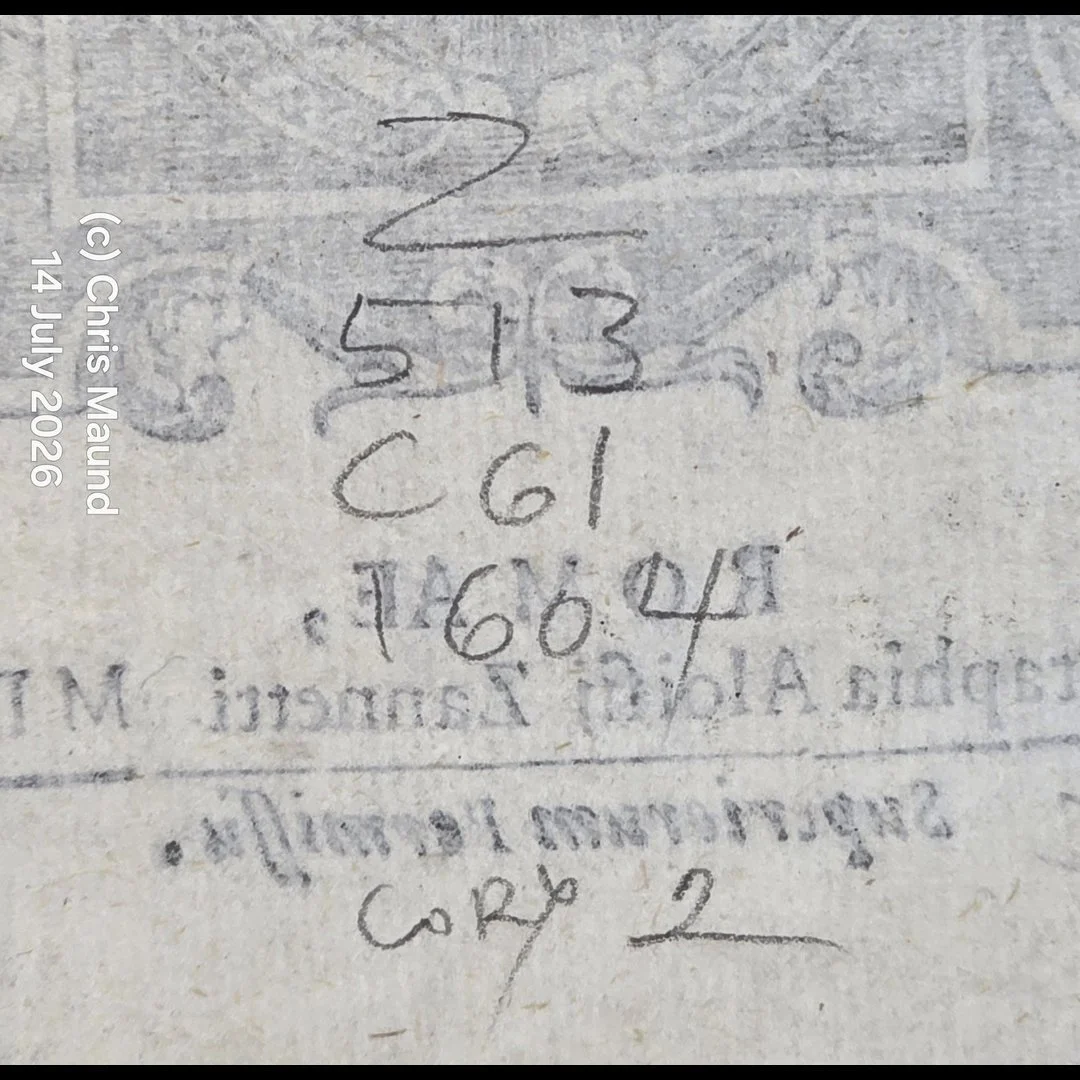
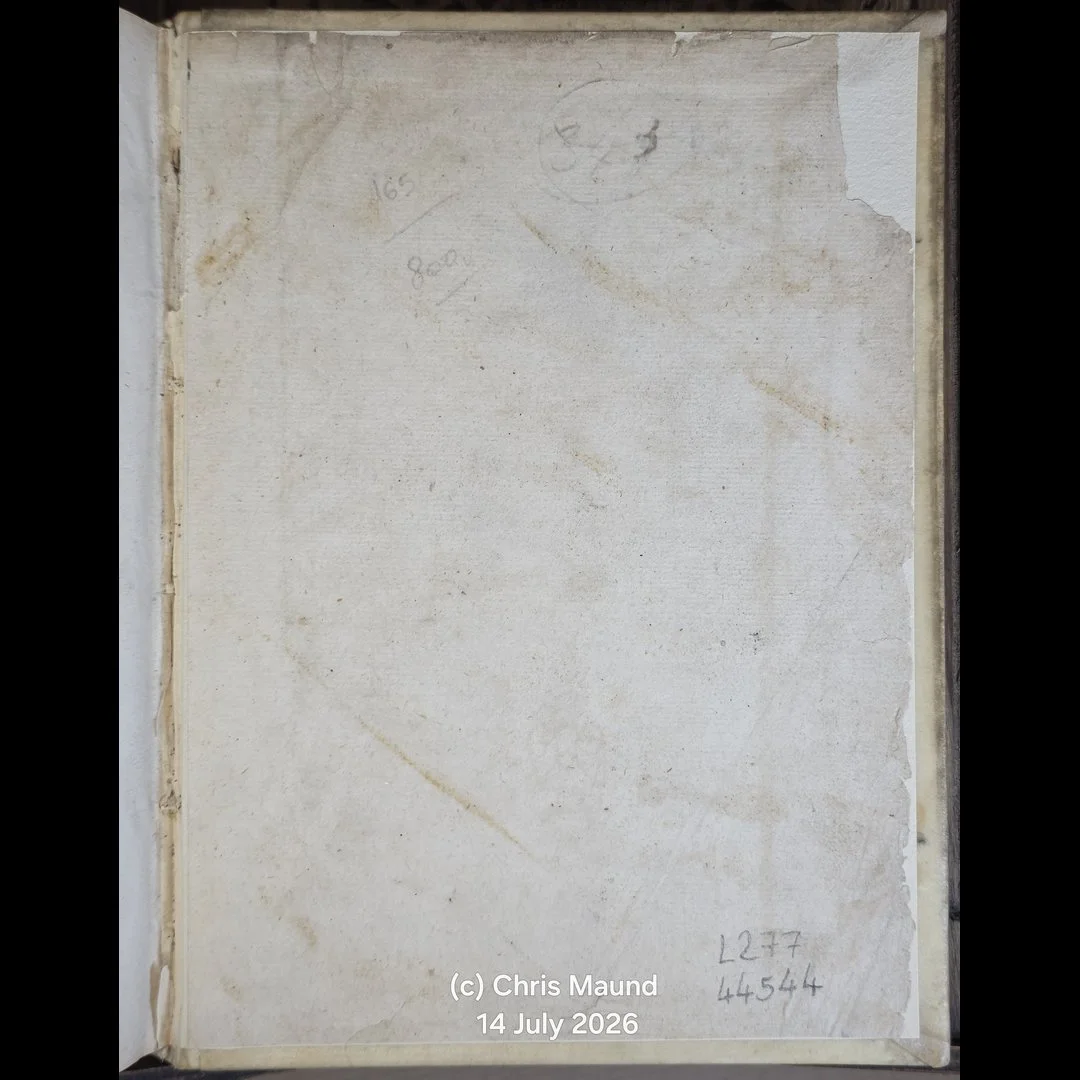
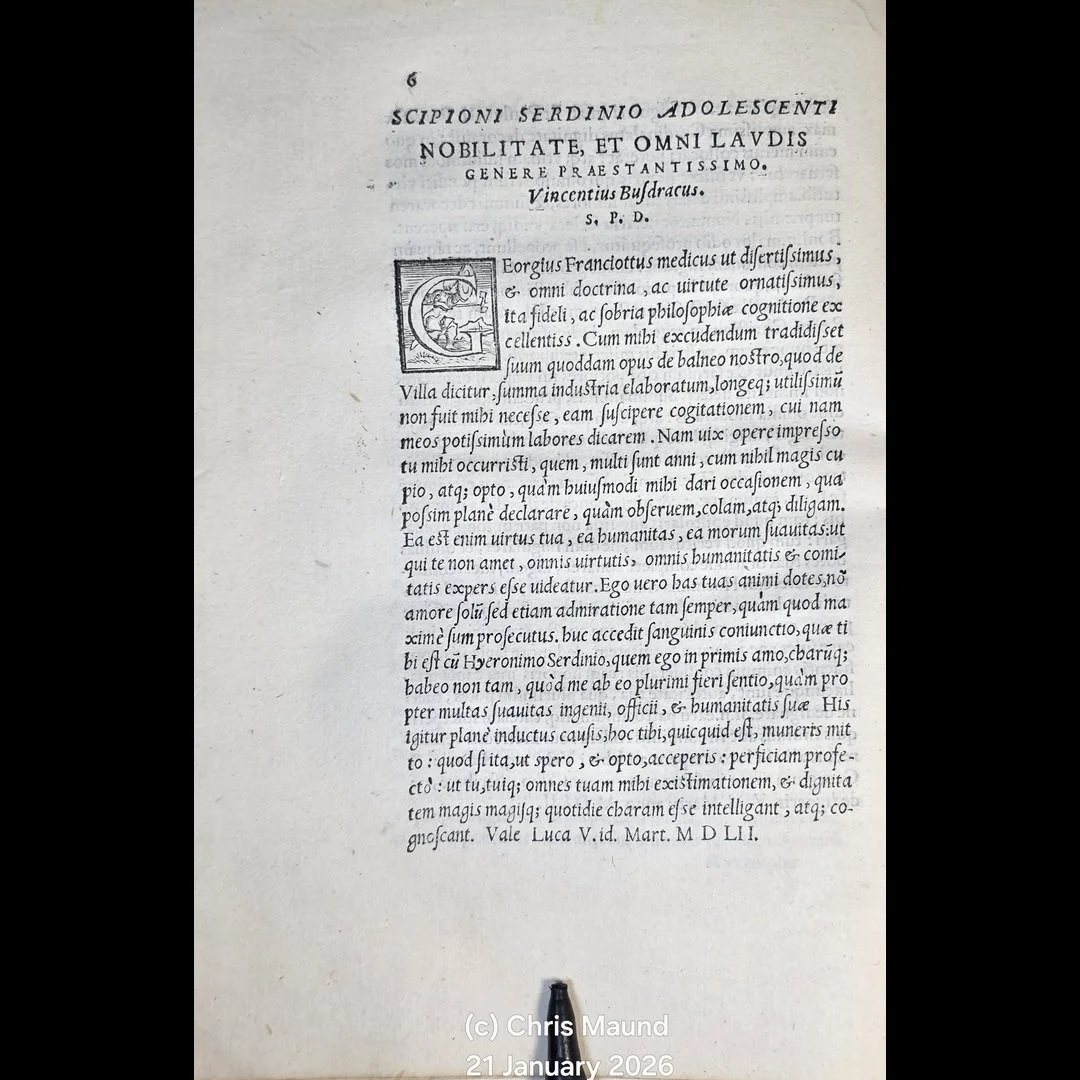
Original endpapers with expected age-toning and browning, together with old ownership, numerical and pencil markings. Small old manuscript numeral to the title page. The title page and preliminaries remain clean and well preserved overall.
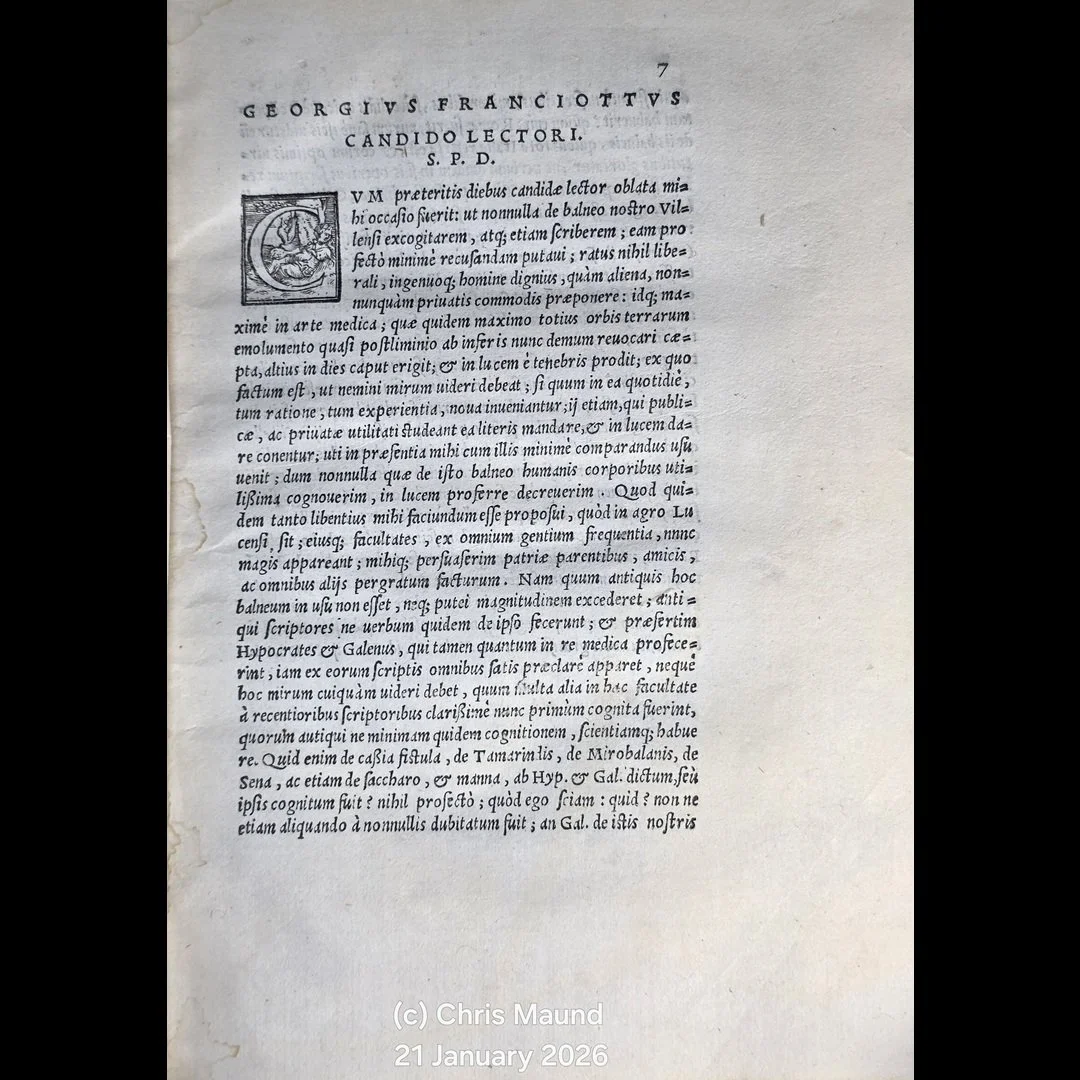
Text leaves are generally bright and clean for the period, with occasional light toning, offsetting, scattered minor marks and handling wear.
Complete with the folding engraved frontispiece and thirteen further folding engraved plates, fourteen folding engravings in total, as called for. The plates retain strong, dark impressions and generous margins, with expected fold creasing, occasional light toning and minor handling marks. The illustrated astronomical instruments, planetary diagrams and eclipse plates remain notably attractive.
A pleasing, substantially original copy retaining considerable period character, with the engraved material forming a particularly strong feature.
Please see Photos as part of condition report.
REFERENCES
ESTC T18585
Royal Collection Trust, RCIN 1090094 – first edition and contextual reference
Royal Society – James Ferguson, elected Fellow 24 November 1763
Cf. Ferguson, Astronomy Explained, London, 1756, first edition
The ESTC number and 1757 publication details are independently recorded for the second edition.
SYNOPSIS
First published in 1756, Astronomy Explained upon Sir Isaac Newton’s Principles was conceived as a practical introduction to astronomy for readers who had not received advanced mathematical instruction. Ferguson sought to make the principles underlying Newtonian astronomy intelligible through clear prose, observational examples and unusually effective diagrams.
The work begins with astronomy in general and an explanation of the solar system before defending the Copernican arrangement of the planets. Ferguson proceeds through the apparent motions of the heavens, planetary distances and orbits, gravitation, the Earth’s rotation and annual revolution, the seasons, the Moon, eclipses, tides, the fixed stars and methods of astronomical calculation.
Particular attention is given to orreries and other mechanical models, which Ferguson used both in his books and during his highly successful public lectures. These machines enabled audiences to see the relative movements of the Sun, Earth, Moon and planets translated into physical mechanisms, making complex astronomical relationships immediately comprehensible.
The folding engravings are therefore integral to the work rather than merely decorative. They illustrate planetary motion, lunar phases, eclipses, astronomical geometry and sophisticated instruments devised to demonstrate the celestial system.
Ferguson also discusses the discoveries and principles associated with Copernicus, Kepler, Newton and Halley, bringing the major developments of seventeenth- and eighteenth-century astronomy together in a form intended for an educated general readership.
The work proved remarkably successful. The Royal Collection describes it as Ferguson’s first major publication and notes that it helped readers without formal mathematical training understand Newton’s work while contributing to the growing eighteenth-century enthusiasm for amateur astronomy. Ferguson’s reputation following its publication ultimately contributed to his election to the Royal Society in 1763.
AUTHOR BIO
James Ferguson (1710–1776) was a Scottish astronomer, instrument maker, lecturer and scientific author, remarkable for having acquired much of his knowledge through self-education. From relatively humble beginnings, he developed an early fascination with mechanics and astronomy and became skilled in the construction and improvement of astronomical models, clocks and other scientific apparatus.
After moving to London, Ferguson established a successful career as a lecturer on astronomy and experimental philosophy. His exceptional ability to explain difficult scientific ideas clearly to non-specialists made him one of the most effective popularisers of science in eighteenth-century Britain. Astronomy Explained upon Sir Isaac Newton’s Principles, first published in 1756, was his first major book and became an immediate success. Ferguson was elected a Fellow of the Royal Society in 1763 and later received a royal pension from George III.
ILLUSTRATOR
James Ferguson / J. Mynde
Engraved by G. Child and James Mynde
James Mynde (1702–1771) was a British engraver and printer active during the eighteenth century. He produced portrait, topographical, cartographic and scientific engravings and worked on a range of important illustrated publications. His engraved scientific work included plates for Ferguson’s astronomical writings. The National Portrait Gallery records Mynde specifically as an “Engraver; printer”.
G. Child engraved the celebrated folding frontispiece depicting Ferguson’s own orrery, after Ferguson’s design and drawing; the plate is signed “J. Ferguson inv. et delin.” and “G. Child Sculp.”
1757 Second Edition
ASTRONOMY EXPLAINED
By James Ferguson
KEY DETAILS
Condition: Very Good
Format: Hardcover, quarto (4to 9 1⁄2 × 12 in 241 × 305 mm )
Note: Binding/size selection follows standard bibliographic conventions and is approximate; exact measurements may vary.
Published By: Printed for, and sold by the Author, at the Globe, opposite Cecil-Street in the Strand, London, 1757
Language: English
Illustrated By: James Ferguson / J. Mynde
Collation: [8], 283, [9] pp.; folding engraved frontispiece and thirteen further folding engraved plates. Complete.
Dust Jacket: None, as issued, No Jacket
SKU: BTETM0002379
Shipping Info: Approximate Package Dimensions H: 12.5, L: 30, W: 25 (Units: cm), W: 2Kg
Tracked Shipping, Insurance Coverage as per Customer Request
DESCRIPTION
Astronomy Explained
Upon Sir Isaac Newton’s Principles, and Made Easy to Those Who Have Not Studied Mathematics
An attractive and substantially original copy of the second edition of James Ferguson’s celebrated popular exposition of Newtonian astronomy, published in London in 1757, only a year after the first edition. Written expressly for readers without advanced mathematical training, Ferguson’s work became one of the most successful introductions to astronomy of the eighteenth century and established his scientific reputation. The first edition was exhausted within a year, and the work continued through numerous subsequent editions.
The volume is especially notable for its suite of fourteen folding engraved plates, including the striking frontispiece depicting “The Orrery, made by James Ferguson”, together with detailed representations of planetary systems, eclipses, celestial geometry and astronomical instruments. Ferguson supplied the designs, with plates engraved by G. Child and James Mynde. The illustrations give unusually vivid form to Ferguson’s talent for translating Newtonian celestial mechanics into practical, visually intelligible demonstrations.
Presented in contemporary full calf, with raised bands, gilt rules and a gilt-lettered spine label, this copy retains considerable eighteenth-century character. The folding plates are particularly appealing, with strong engraved impressions and generally clean interiors. An evocative copy of an important Enlightenment work at the intersection of astronomy, scientific instrumentation, Newtonian physics and the popularisation of science.
CONDITION, COLLATION & COPY NOTES
An attractive copy in contemporary full calf, the boards rubbed and scuffed with age-related surface wear, marks and abrasions, particularly at the extremities. Spine with raised bands, gilt rules and gilt-lettered title label; rubbing and wear to the compartments and spine ends. The binding remains firm and the text block sound.
Original endpapers with expected age-toning and browning, together with old ownership, numerical and pencil markings. Small old manuscript numeral to the title page. The title page and preliminaries remain clean and well preserved overall.
Text leaves are generally bright and clean for the period, with occasional light toning, offsetting, scattered minor marks and handling wear.
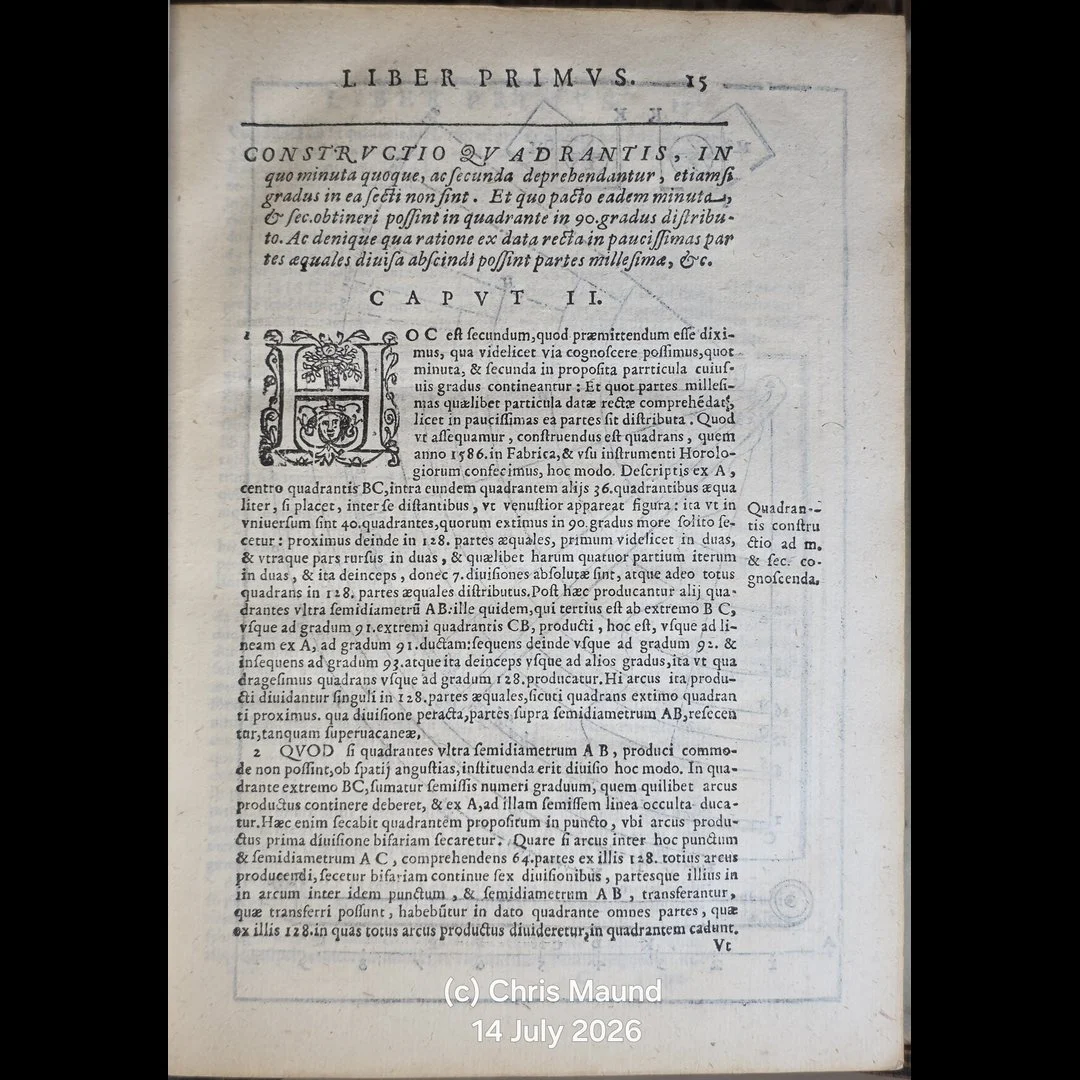
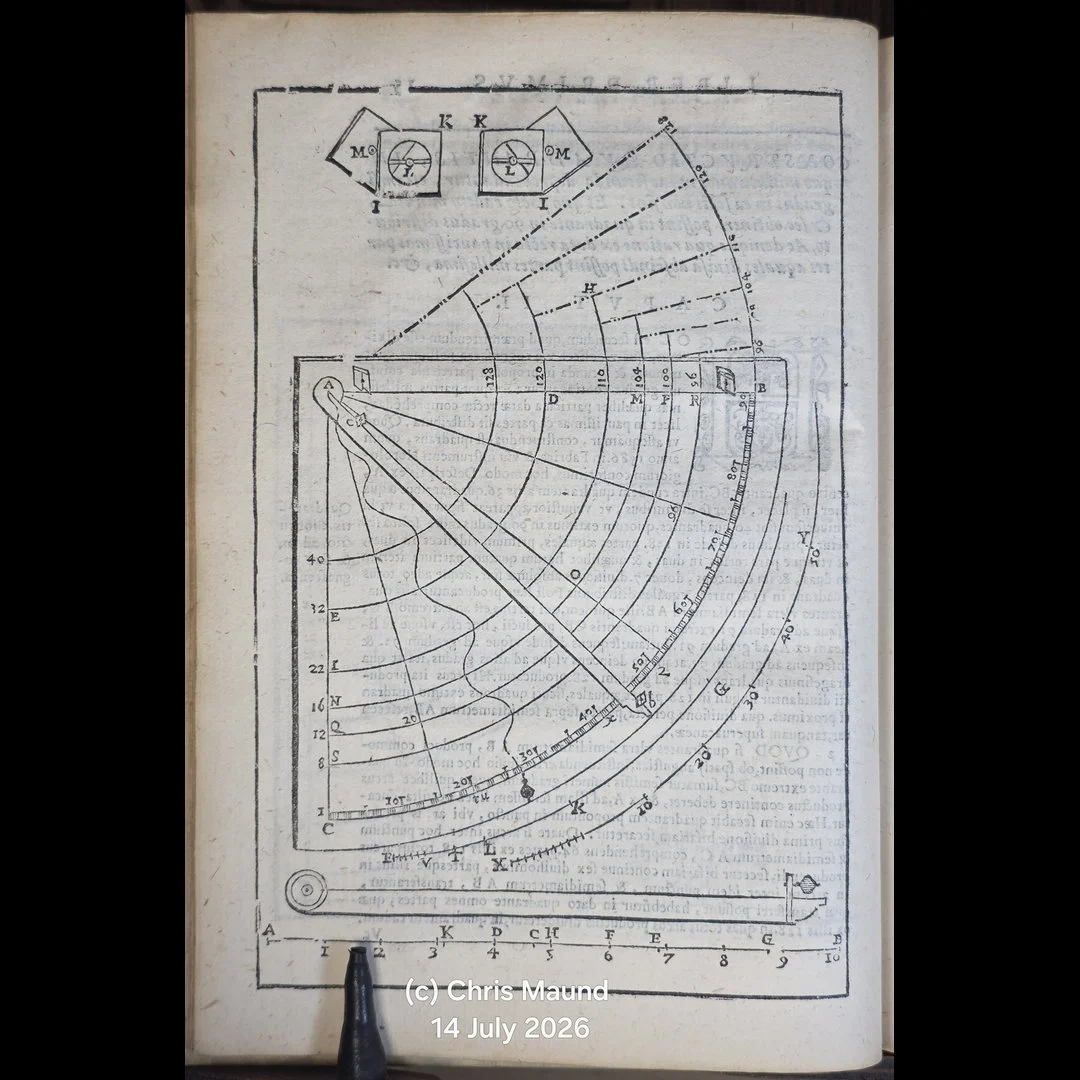
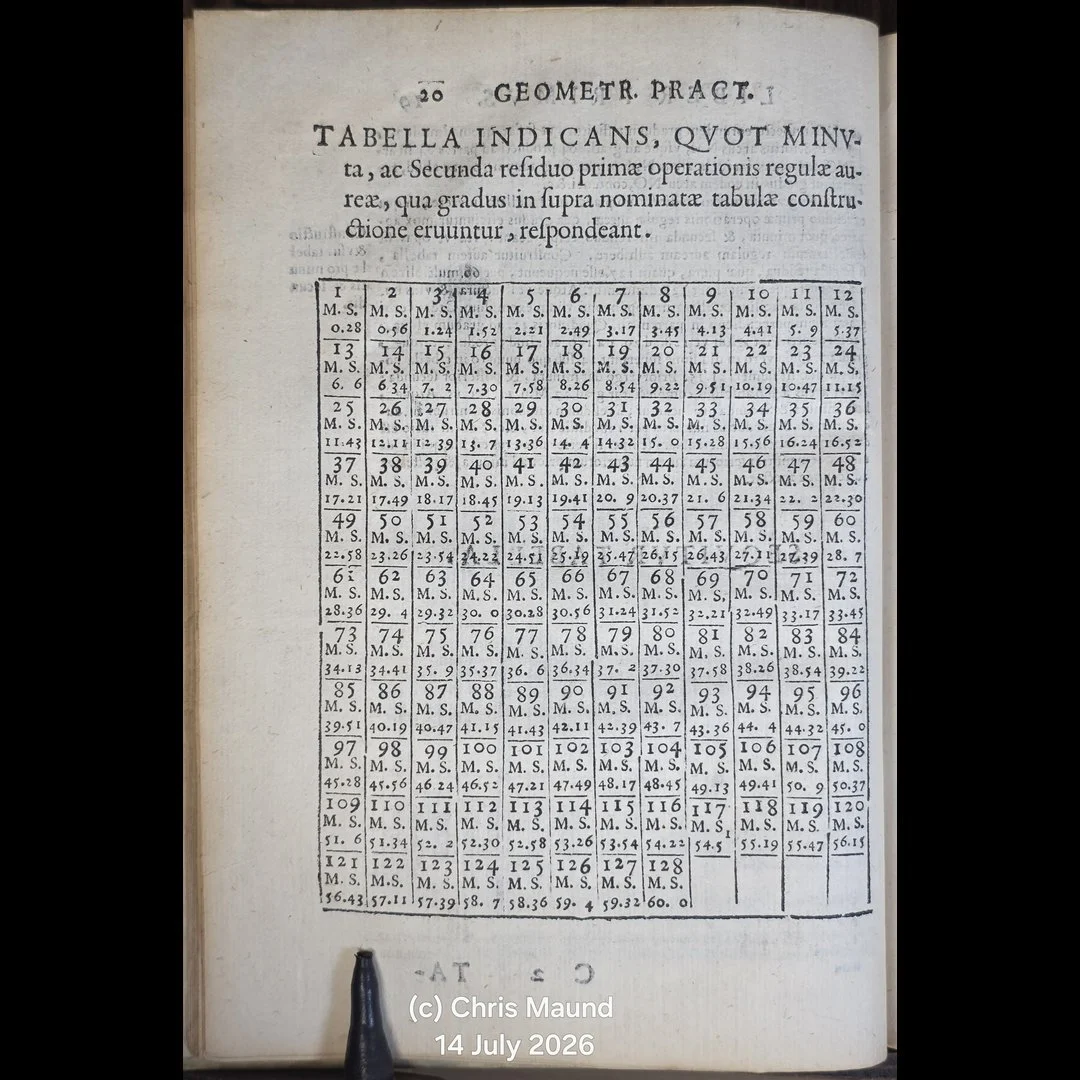
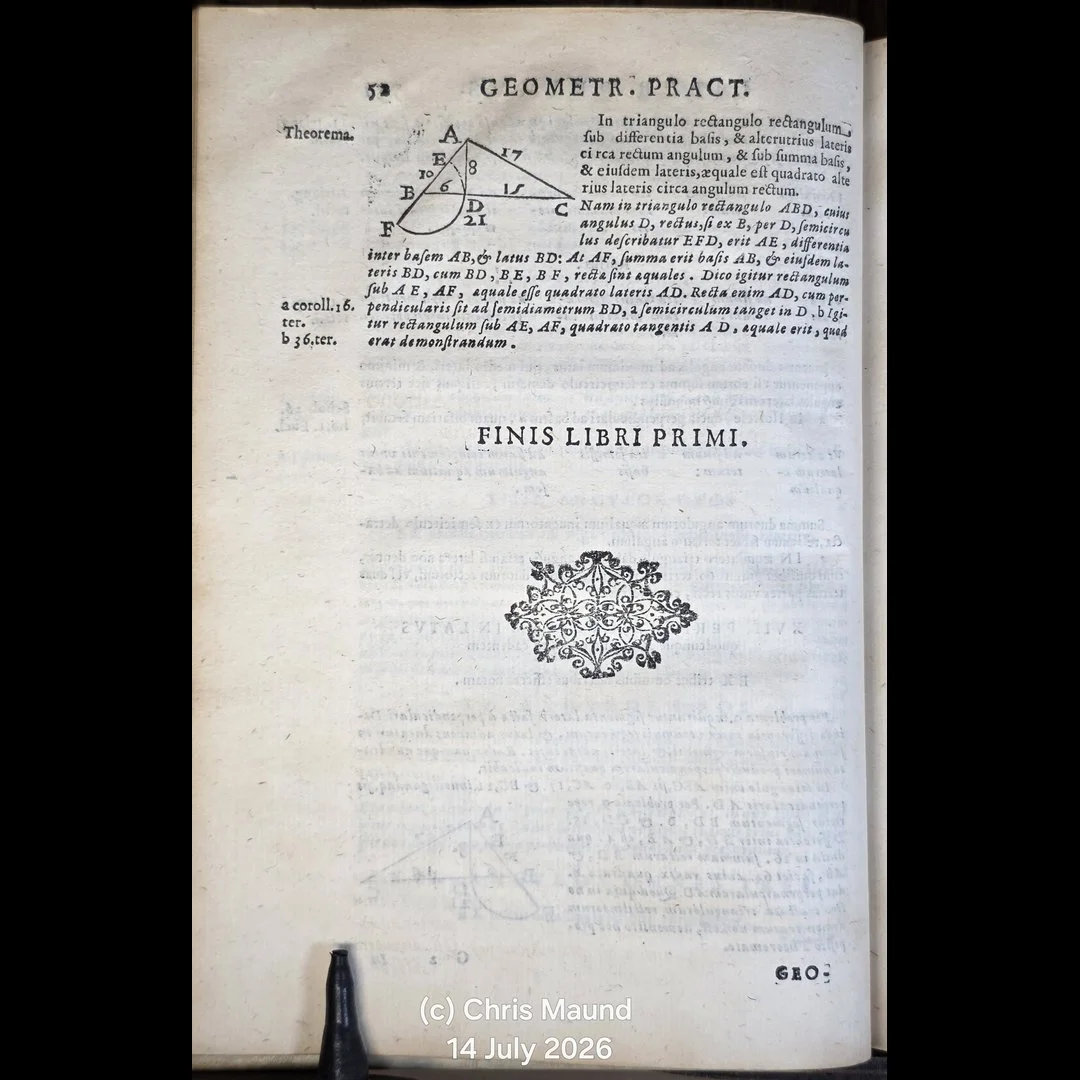
Complete with the folding engraved frontispiece and thirteen further folding engraved plates, fourteen folding engravings in total, as called for. The plates retain strong, dark impressions and generous margins, with expected fold creasing, occasional light toning and minor handling marks. The illustrated astronomical instruments, planetary diagrams and eclipse plates remain notably attractive.
A pleasing, substantially original copy retaining considerable period character, with the engraved material forming a particularly strong feature.
Please see Photos as part of condition report.
REFERENCES
ESTC T18585
Royal Collection Trust, RCIN 1090094 – first edition and contextual reference
Royal Society – James Ferguson, elected Fellow 24 November 1763
Cf. Ferguson, Astronomy Explained, London, 1756, first edition
The ESTC number and 1757 publication details are independently recorded for the second edition.
SYNOPSIS
First published in 1756, Astronomy Explained upon Sir Isaac Newton’s Principles was conceived as a practical introduction to astronomy for readers who had not received advanced mathematical instruction. Ferguson sought to make the principles underlying Newtonian astronomy intelligible through clear prose, observational examples and unusually effective diagrams.
The work begins with astronomy in general and an explanation of the solar system before defending the Copernican arrangement of the planets. Ferguson proceeds through the apparent motions of the heavens, planetary distances and orbits, gravitation, the Earth’s rotation and annual revolution, the seasons, the Moon, eclipses, tides, the fixed stars and methods of astronomical calculation.
Particular attention is given to orreries and other mechanical models, which Ferguson used both in his books and during his highly successful public lectures. These machines enabled audiences to see the relative movements of the Sun, Earth, Moon and planets translated into physical mechanisms, making complex astronomical relationships immediately comprehensible.
The folding engravings are therefore integral to the work rather than merely decorative. They illustrate planetary motion, lunar phases, eclipses, astronomical geometry and sophisticated instruments devised to demonstrate the celestial system.
Ferguson also discusses the discoveries and principles associated with Copernicus, Kepler, Newton and Halley, bringing the major developments of seventeenth- and eighteenth-century astronomy together in a form intended for an educated general readership.
The work proved remarkably successful. The Royal Collection describes it as Ferguson’s first major publication and notes that it helped readers without formal mathematical training understand Newton’s work while contributing to the growing eighteenth-century enthusiasm for amateur astronomy. Ferguson’s reputation following its publication ultimately contributed to his election to the Royal Society in 1763.
AUTHOR BIO
James Ferguson (1710–1776) was a Scottish astronomer, instrument maker, lecturer and scientific author, remarkable for having acquired much of his knowledge through self-education. From relatively humble beginnings, he developed an early fascination with mechanics and astronomy and became skilled in the construction and improvement of astronomical models, clocks and other scientific apparatus.
After moving to London, Ferguson established a successful career as a lecturer on astronomy and experimental philosophy. His exceptional ability to explain difficult scientific ideas clearly to non-specialists made him one of the most effective popularisers of science in eighteenth-century Britain. Astronomy Explained upon Sir Isaac Newton’s Principles, first published in 1756, was his first major book and became an immediate success. Ferguson was elected a Fellow of the Royal Society in 1763 and later received a royal pension from George III.
ILLUSTRATOR
James Ferguson / J. Mynde
Engraved by G. Child and James Mynde
James Mynde (1702–1771) was a British engraver and printer active during the eighteenth century. He produced portrait, topographical, cartographic and scientific engravings and worked on a range of important illustrated publications. His engraved scientific work included plates for Ferguson’s astronomical writings. The National Portrait Gallery records Mynde specifically as an “Engraver; printer”.
G. Child engraved the celebrated folding frontispiece depicting Ferguson’s own orrery, after Ferguson’s design and drawing; the plate is signed “J. Ferguson inv. et delin.” and “G. Child Sculp.”

 Image 1 of 22
 Image 2 of 22
 Image 3 of 22
 Image 4 of 22
 Image 5 of 22
 Image 6 of 22
 Image 7 of 22
 Image 8 of 22
 Image 9 of 22
 Image 10 of 22
 Image 11 of 22
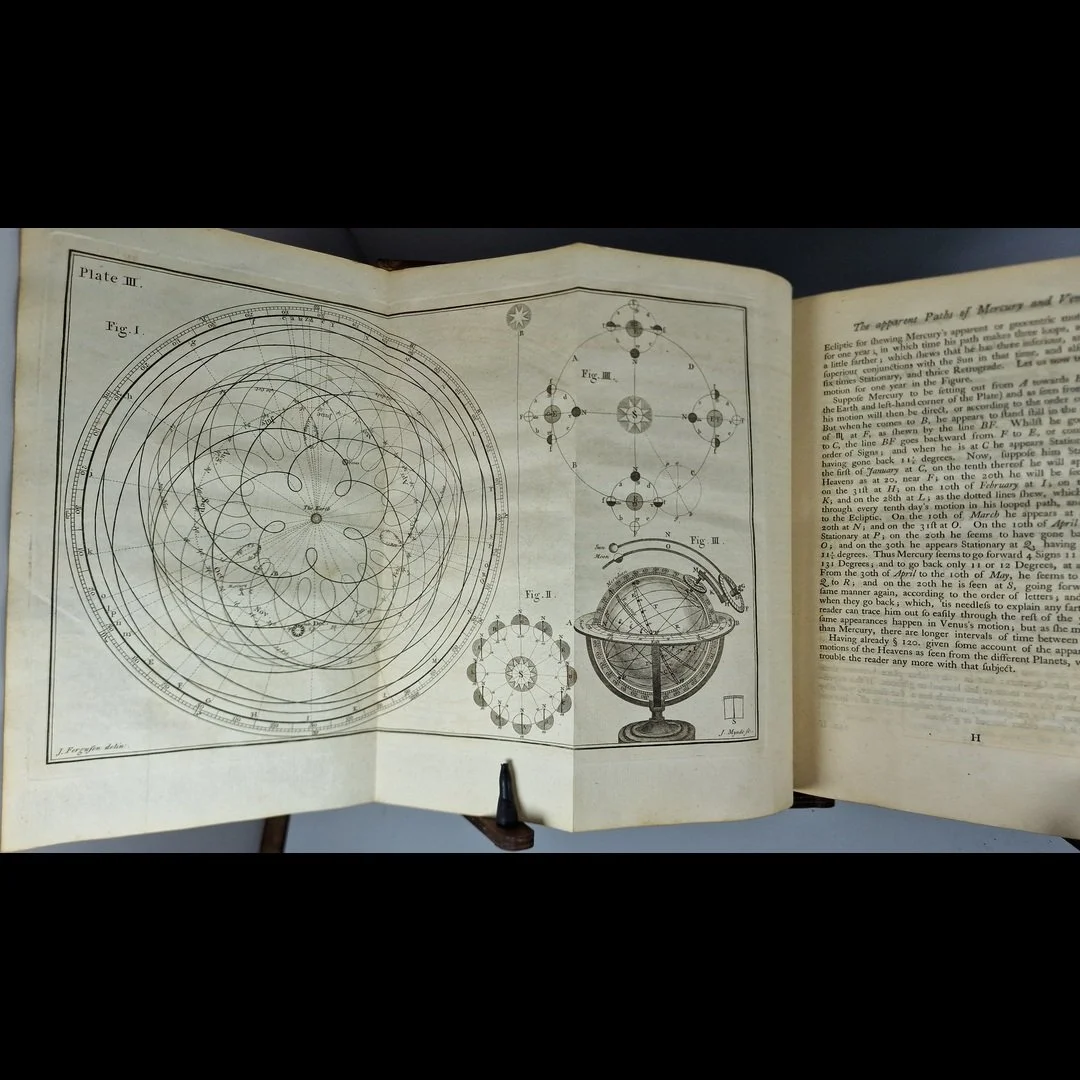 Image 12 of 22
 Image 13 of 22
 Image 14 of 22
 Image 15 of 22
 Image 16 of 22
 Image 17 of 22
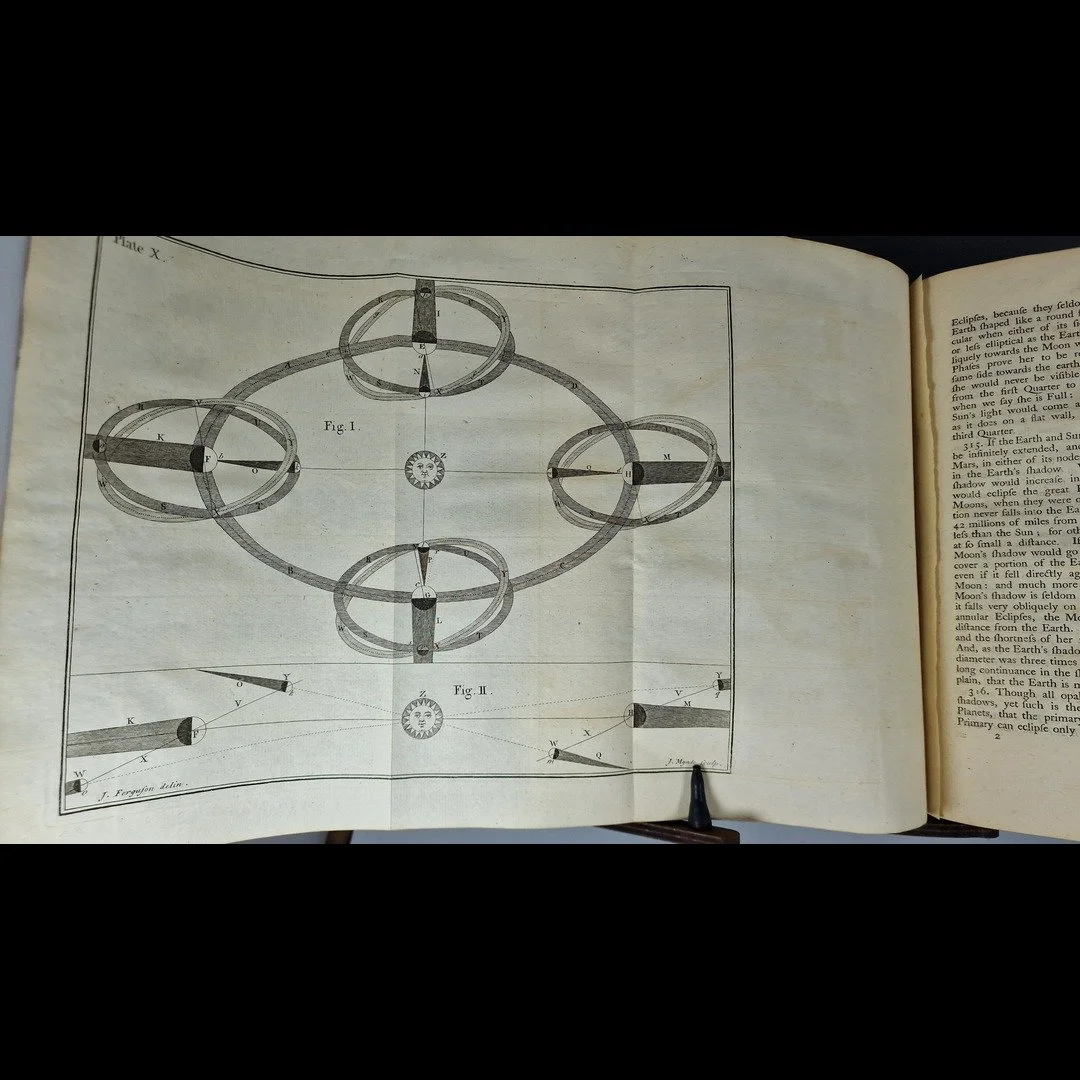 Image 18 of 22
 Image 19 of 22
 Image 20 of 22
 Image 21 of 22
 Image 22 of 22