Sale Price:
£375.00
Original Price:
£395.00
1761 Second Edition
PHYSIOLOGICAL ESSAYS
By Robert Whytt
KEY DETAILS
Condition: Good
Format: Hardcover, duodecimo or twelvemo (12mo 5 × 7 3⁄8 in 127 × 187 mm )
Note: Binding/size selection follows standard bibliographic conventions and is approximate; exact measurements may vary.
Published By: Printed by Hamilton, Balfour and Neill, Edinburgh, 1761
Language: English
Collation: iv, [2], 314, [2] pp.
Dust Jacket: None, as issued, No Jacket
SKU: BTETM0002381
Shipping Info: Approximate Package Dimensions H: 12.5, L: 30, W: 25 (Units: cm), W: 2Kg
Tracked Shipping, Insurance Coverage as per Customer Request
DESCRIPTION
Physiological Essays
Containing:
I. An Inquiry into the Causes which promote the Circulation of the Fluids in the very Small Vessels of Animals
II. Observations on the Sensibility and Irritability of the Parts of Men and other Animals; occasioned by M. de Haller's late Treatise on these Subjects
With an Appendix, containing an Answer to M. de Haller's Remarks
By Robert Whytt, M.D., F.R.S.
An important corrected and enlarged second edition of Robert Whytt's Physiological Essays, a notable work of eighteenth-century experimental physiology and early neurophysiology.
Whytt here addresses two of the central physiological questions of his age. The first essay investigates the circulation of fluids through the smallest vessels of animals and argues for an active role of the minute vessels themselves in sustaining circulation. The second enters directly into the celebrated controversy with the Swiss physiologist Albrecht von Haller over sensibility, muscular irritability and the relationship between nerves and movement.
This 1761 edition is particularly interesting for the history of medicine because it substantially develops the earlier text and adds Whytt's Appendix reviewing the controversy with Haller, together with his response to Haller's subsequent objections. The accompanying “Advertisement to the Second Edition,” dated Edinburgh, 16 June 1761, explicitly places the volume within this continuing scientific debate.
Whytt's investigations of nervous activity, involuntary motion and sensory response formed an important part of the eighteenth-century development of neurophysiology and contributed to ideas later associated with the reflex action.
CONDITION, COLLATION & COPY NOTES
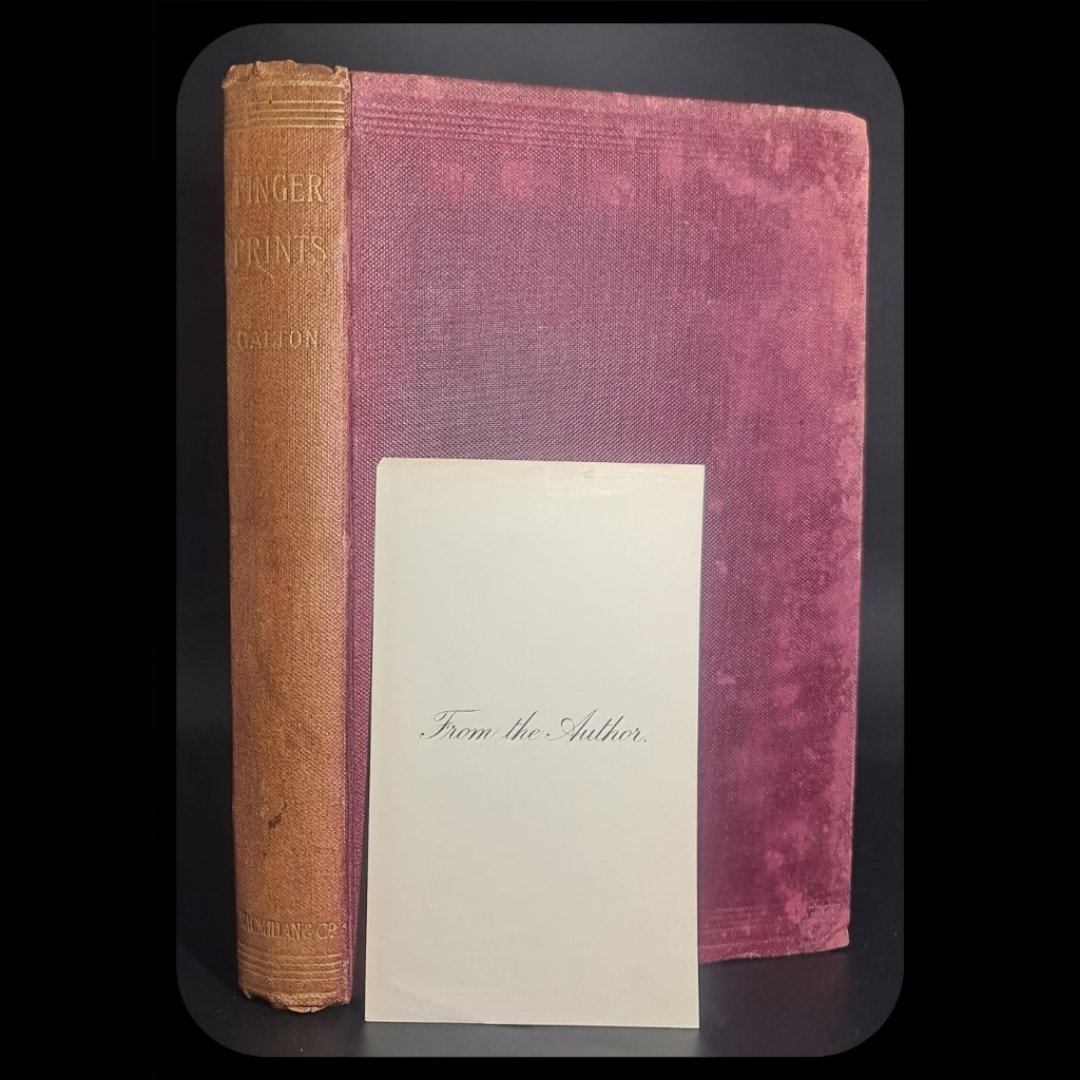
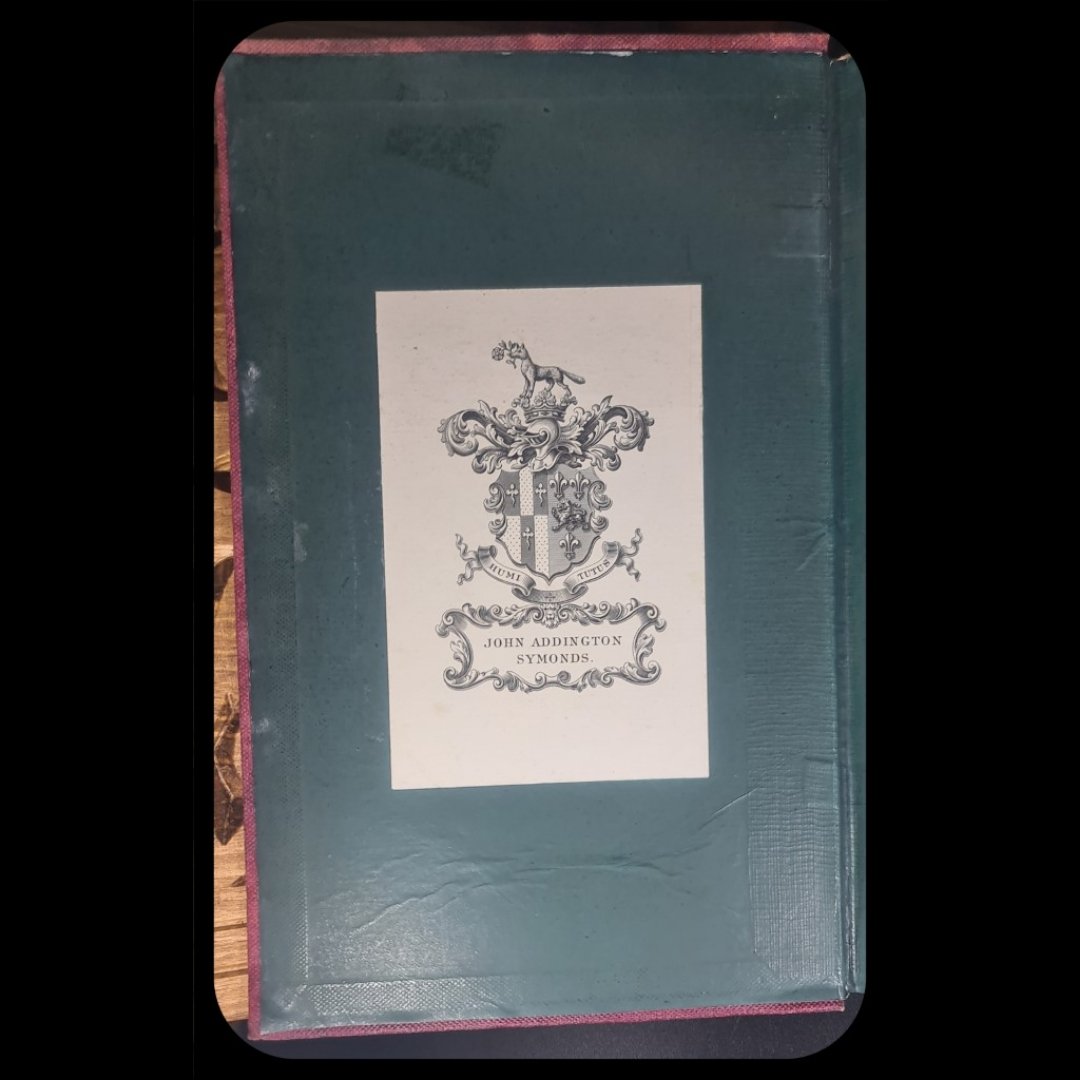
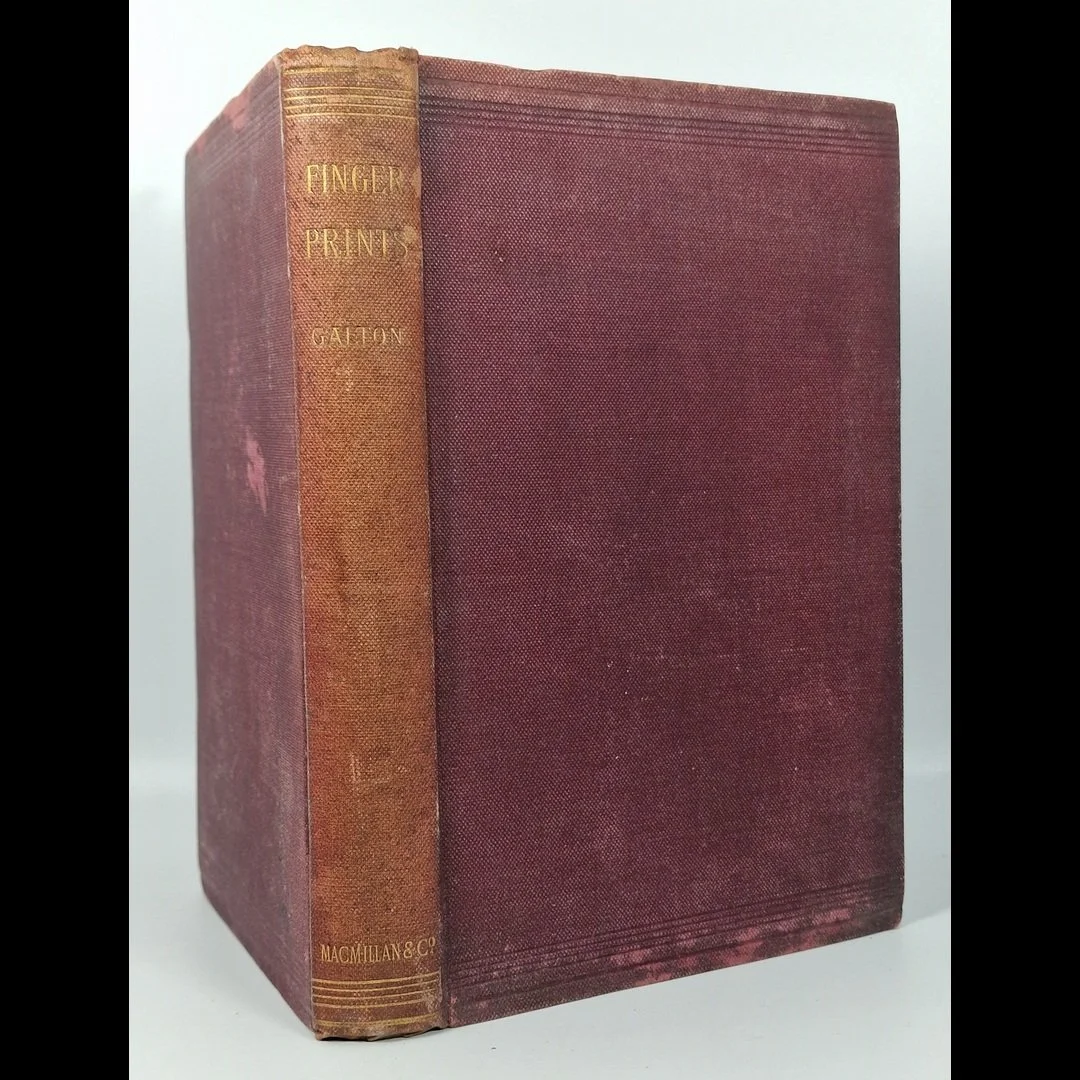
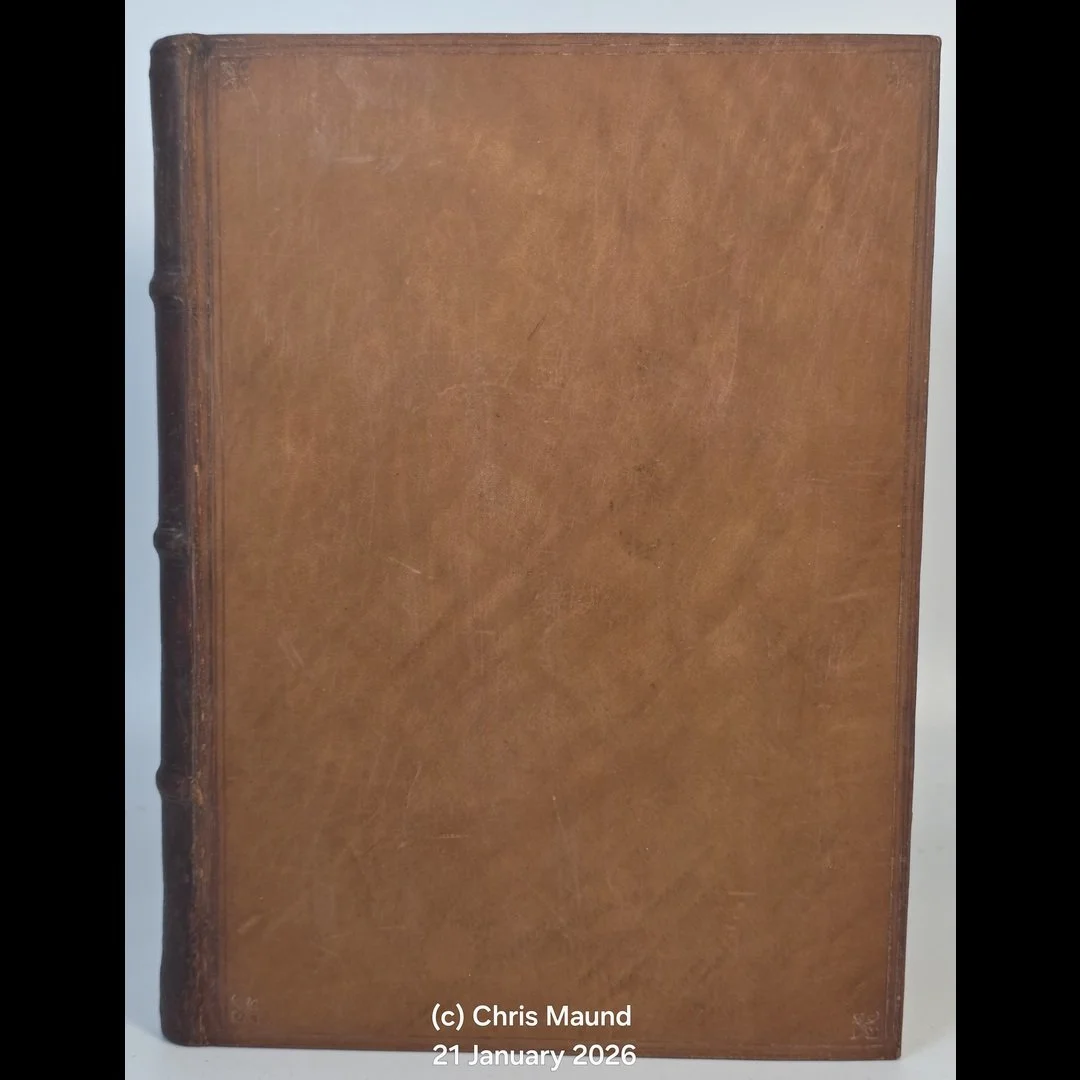
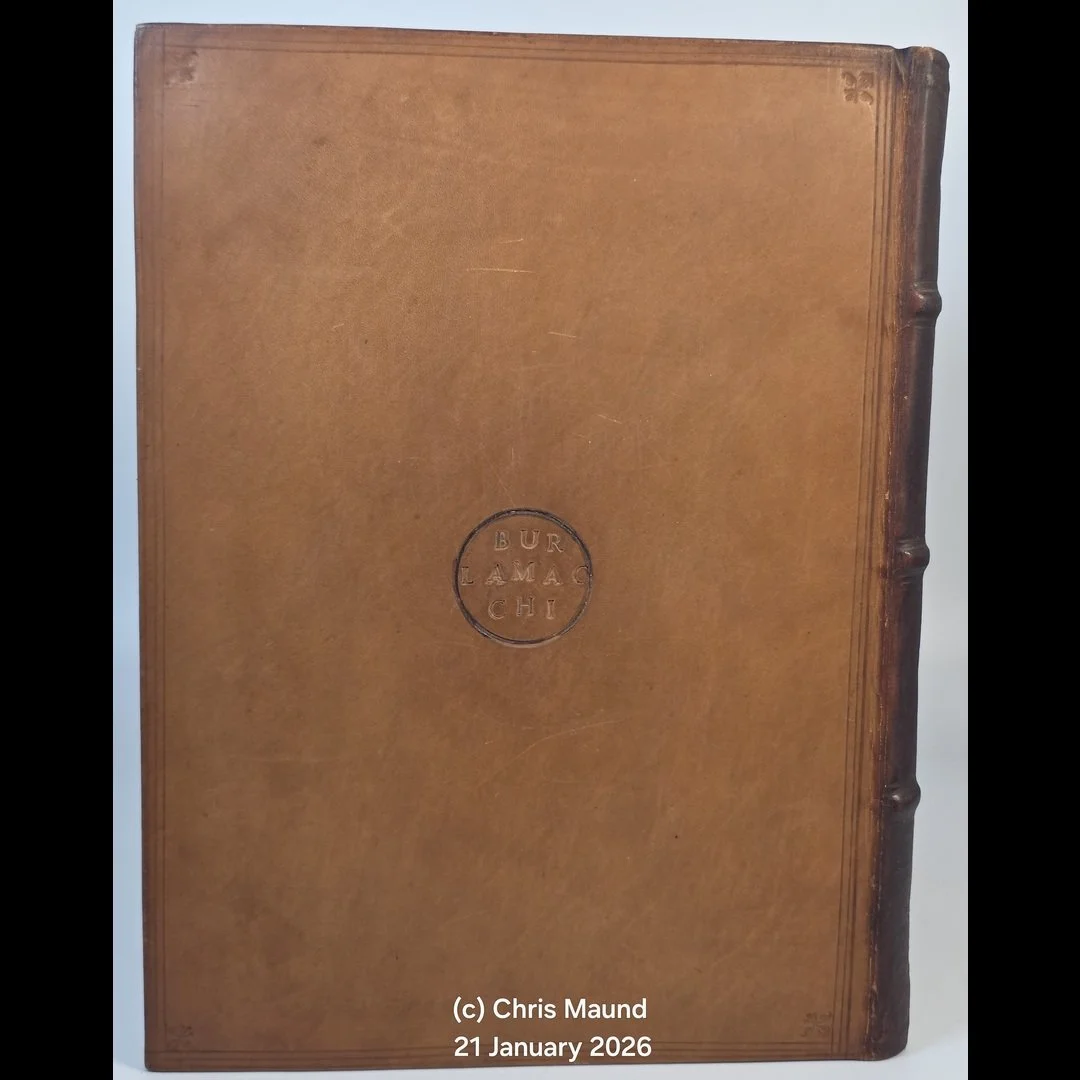
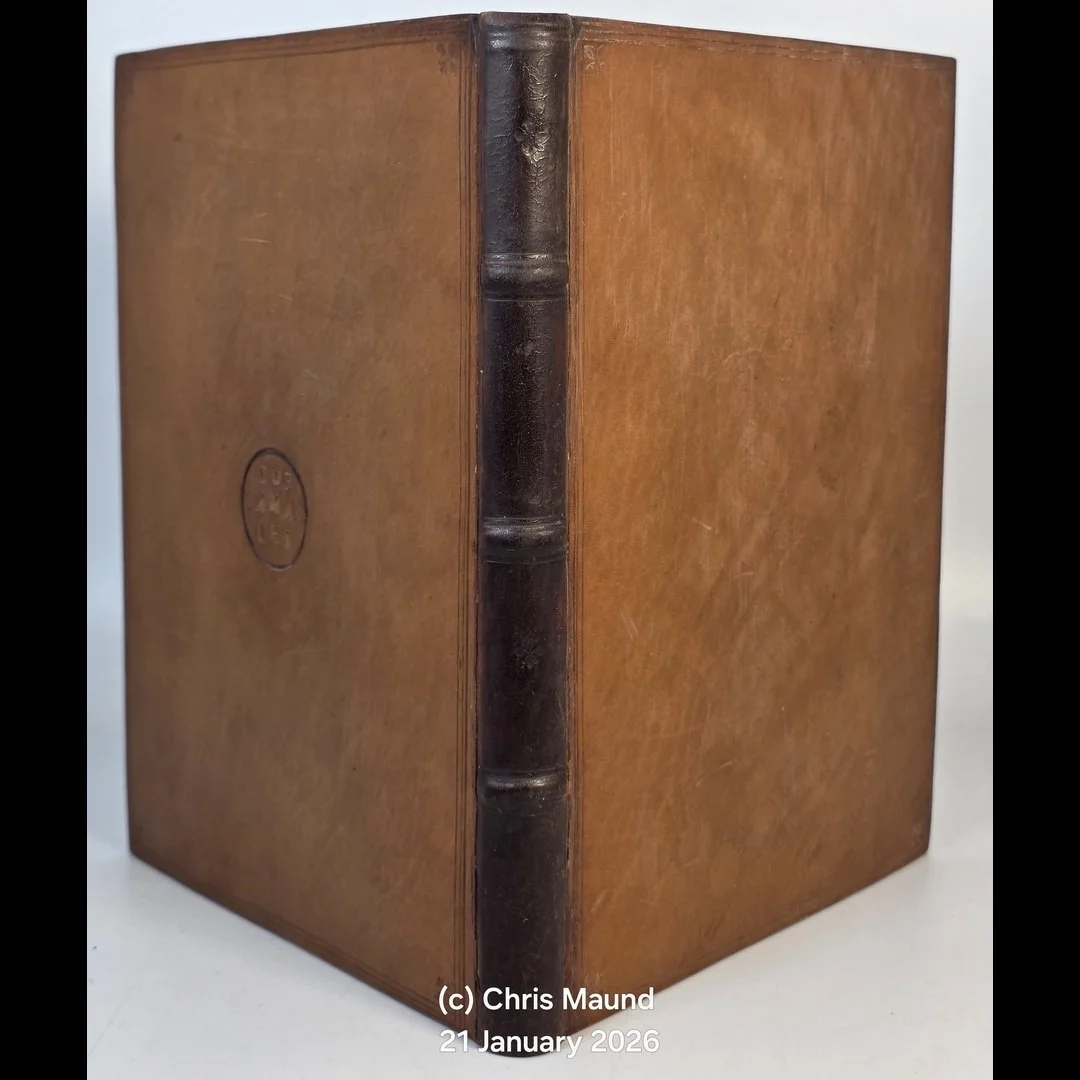
An appealing eighteenth-century copy in apparently contemporary full calf. Binding with considerable rubbing, scuffing and surface wear consistent with age and use; spine heavily rubbed with wear to the raised bands and areas of leather loss, particularly towards the foot. Corners and board extremities bumped and worn. Joints show age and wear, though the boards remain attached and the text block appears firm.
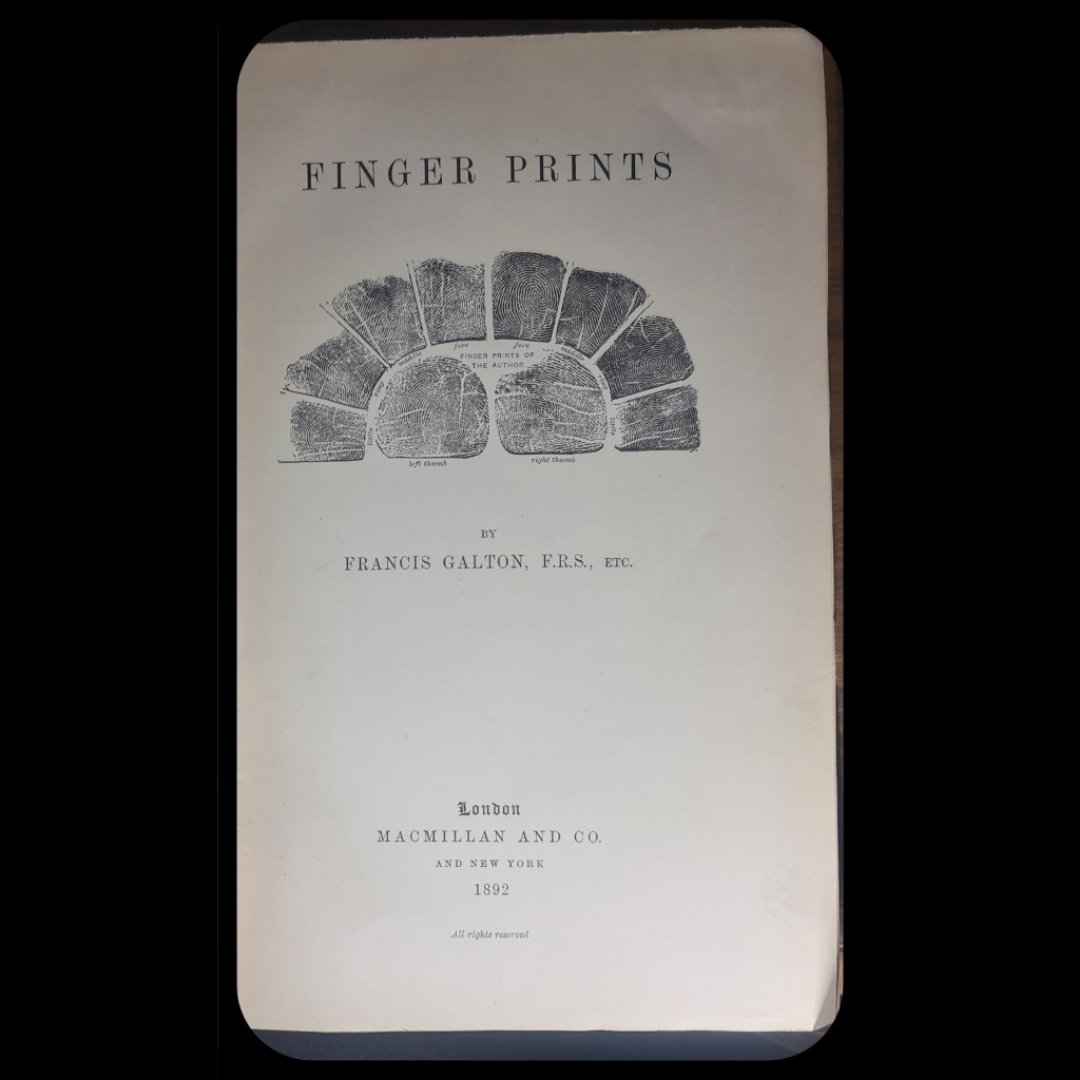
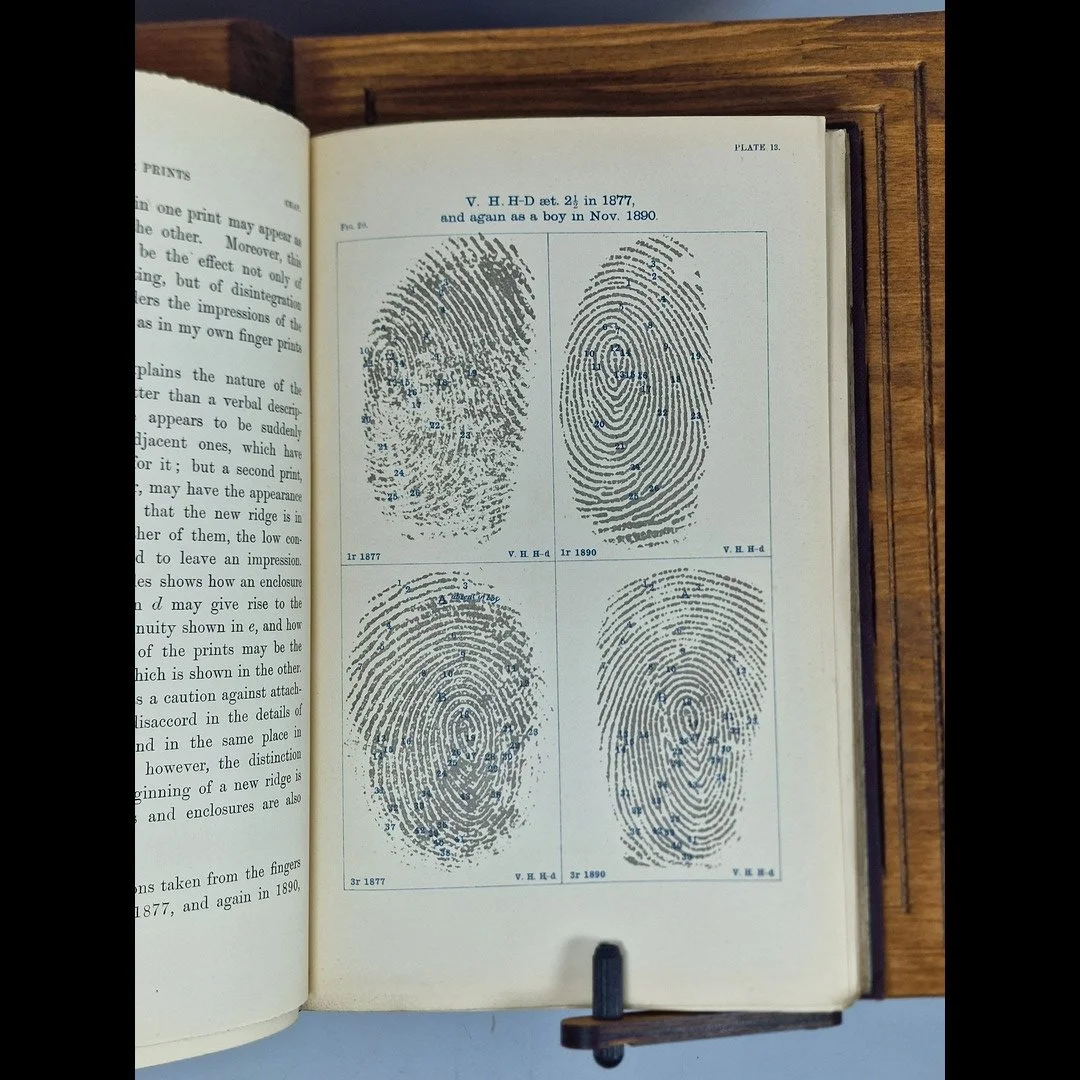
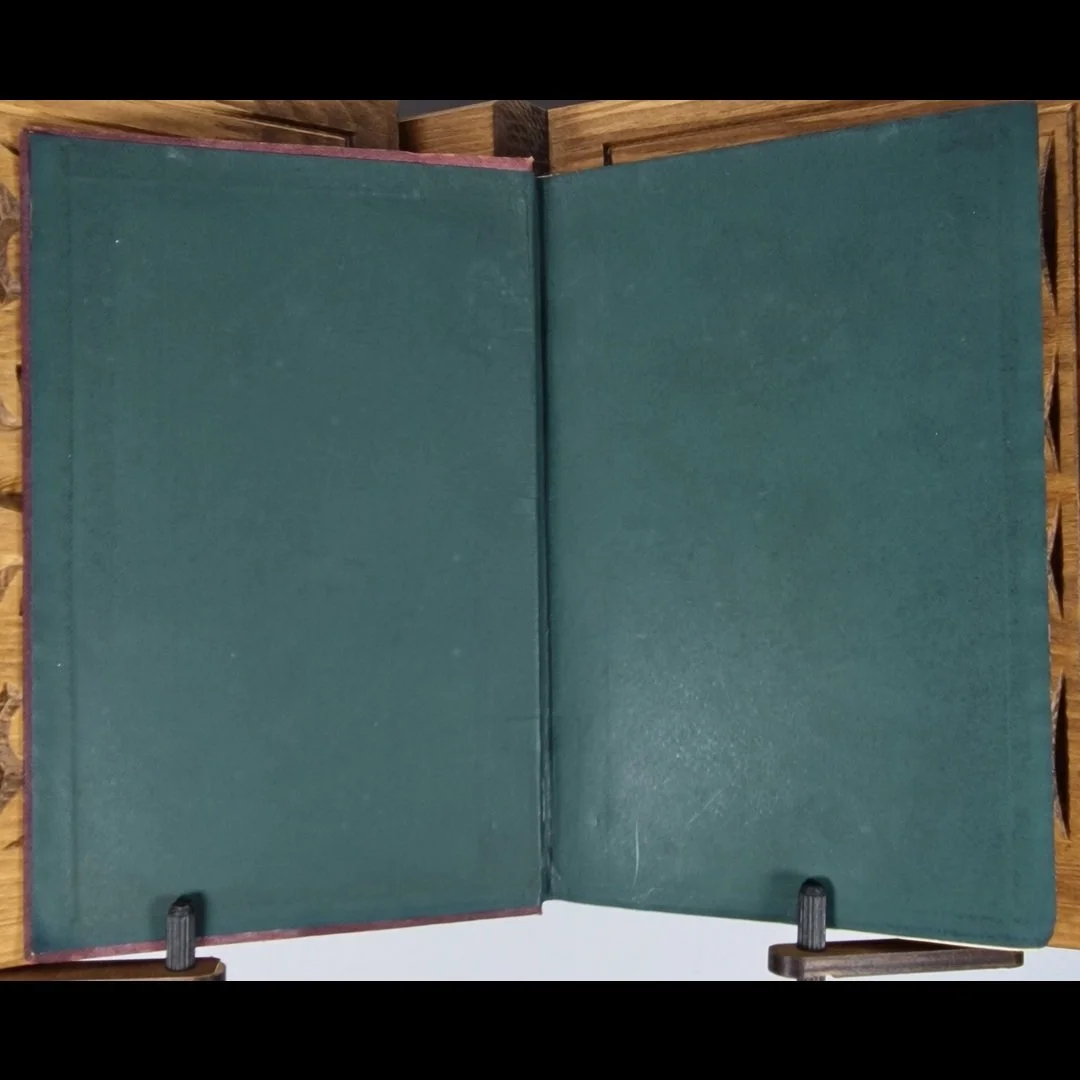
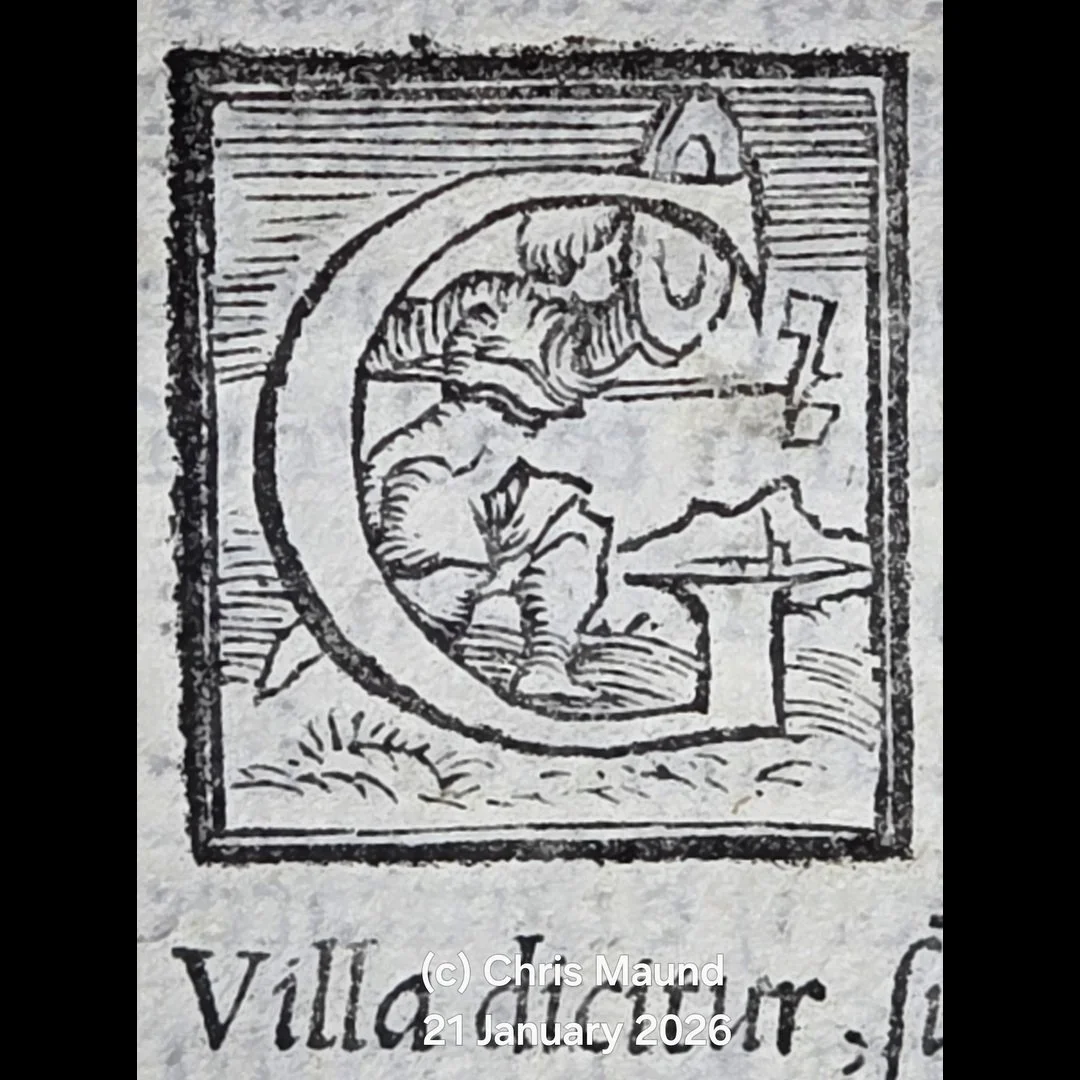
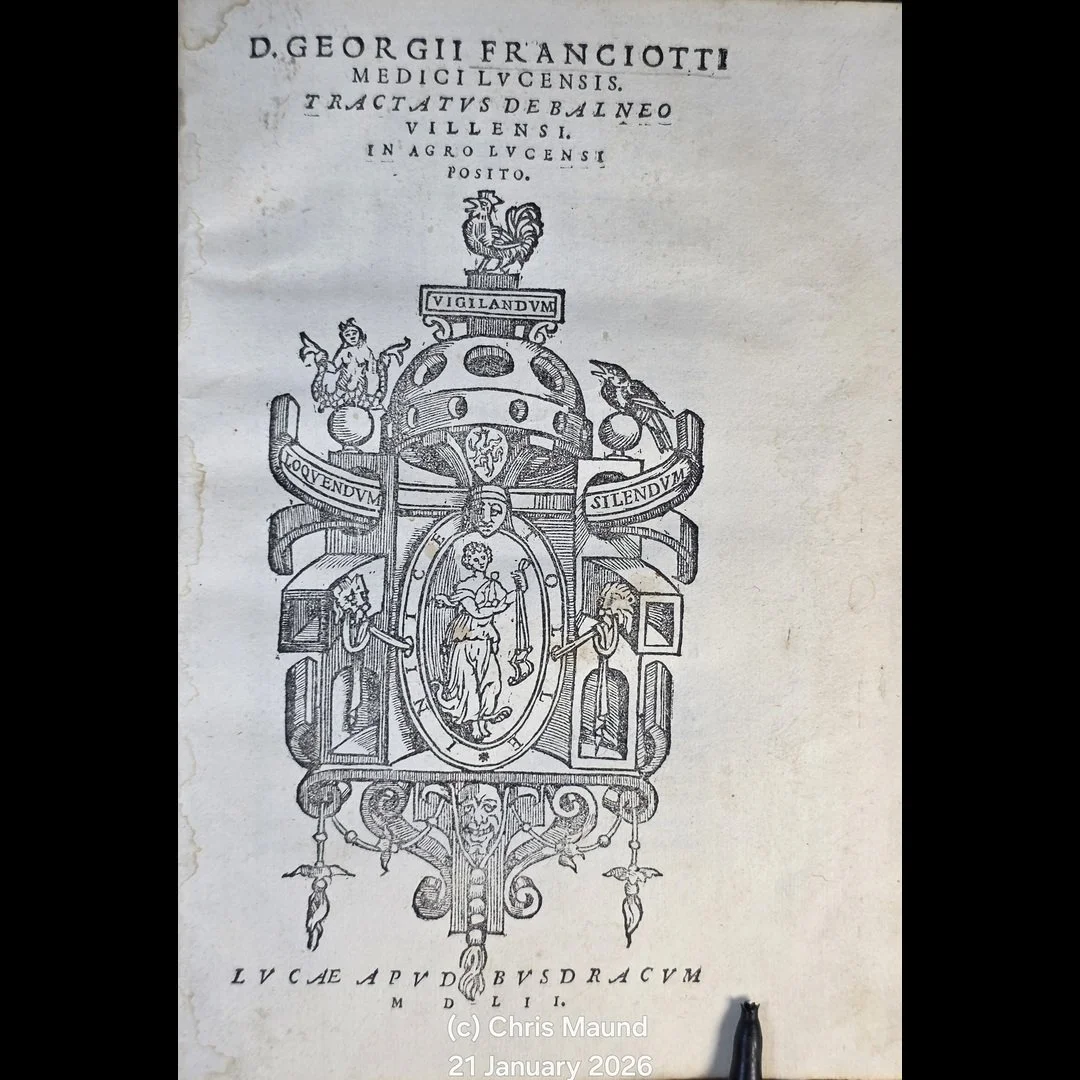
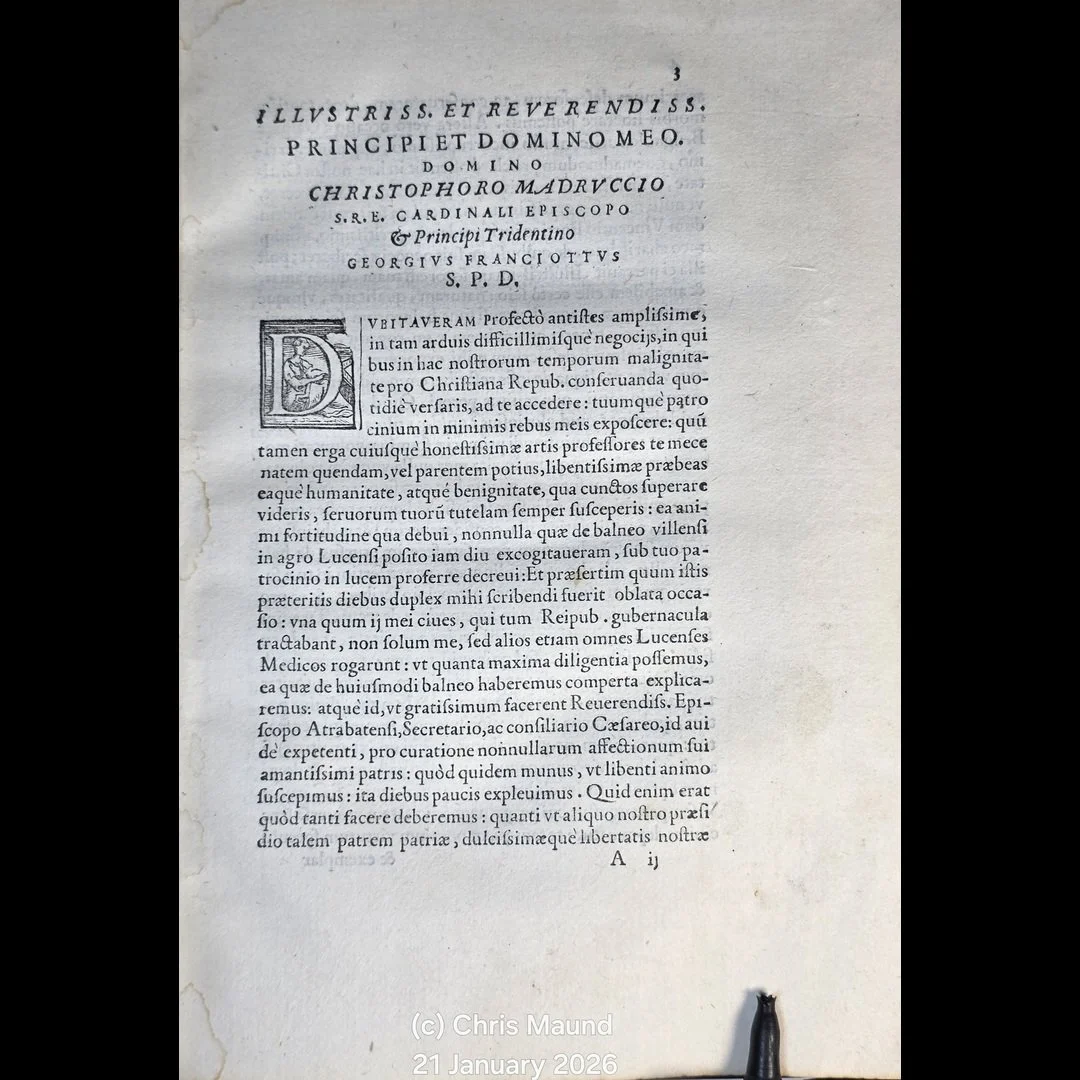
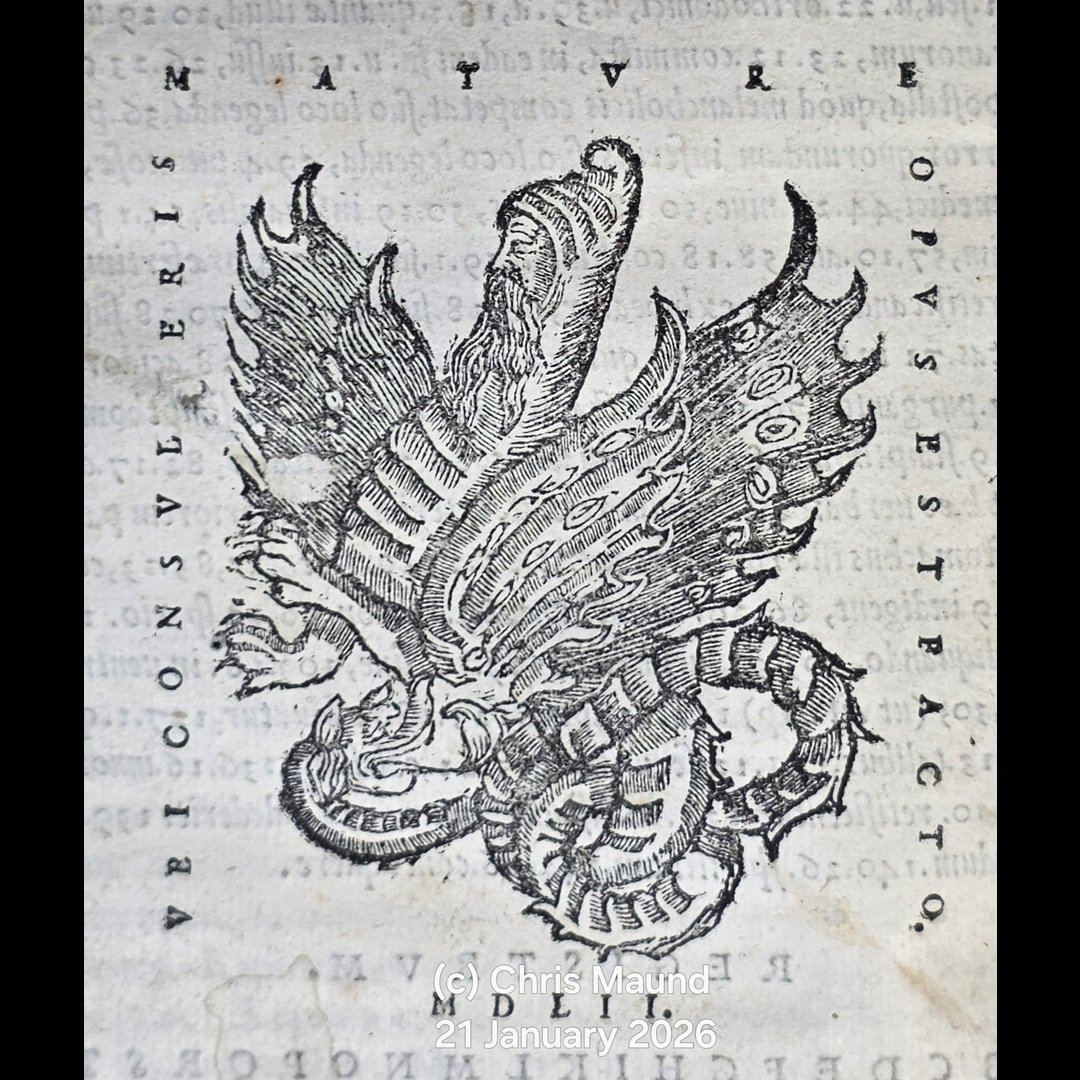
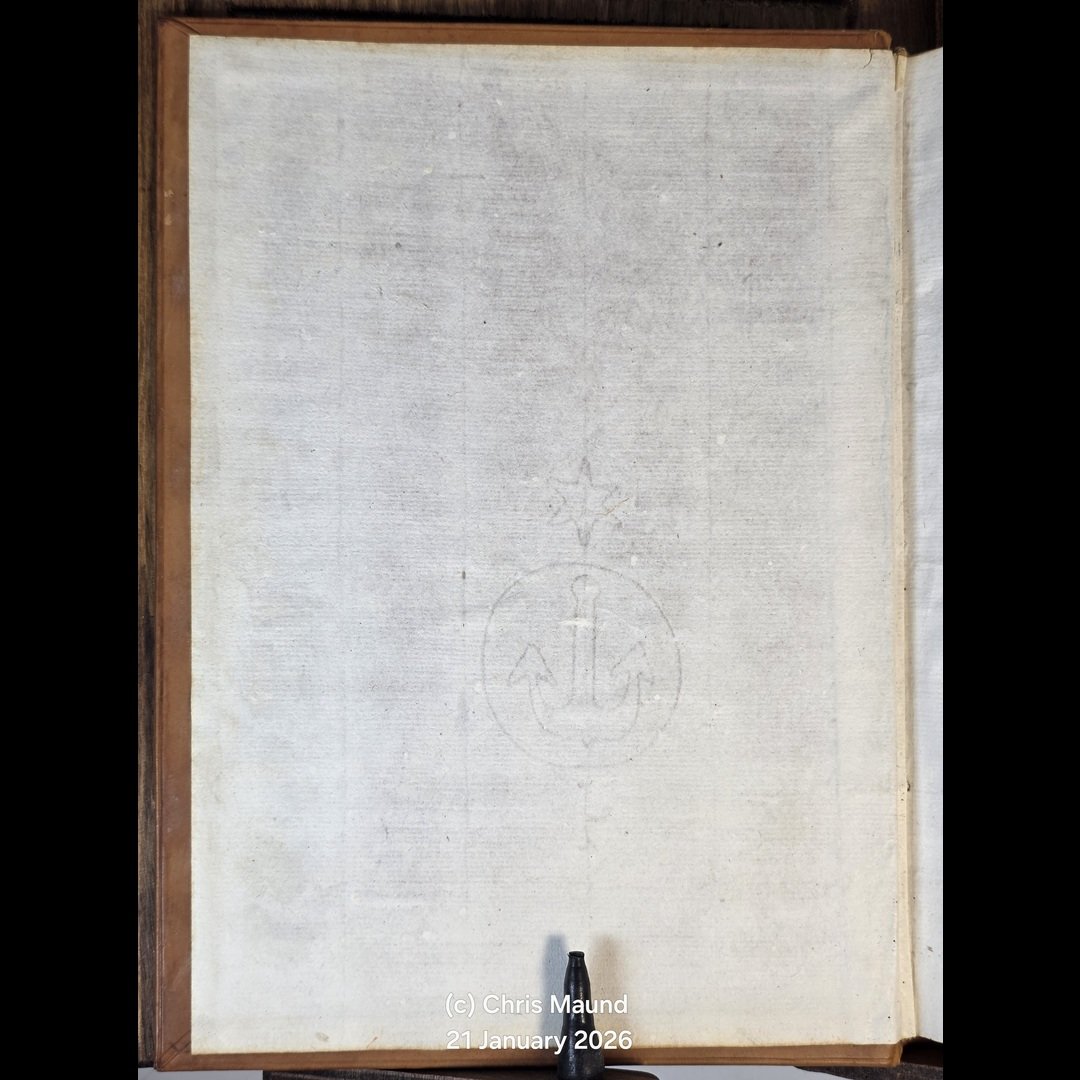
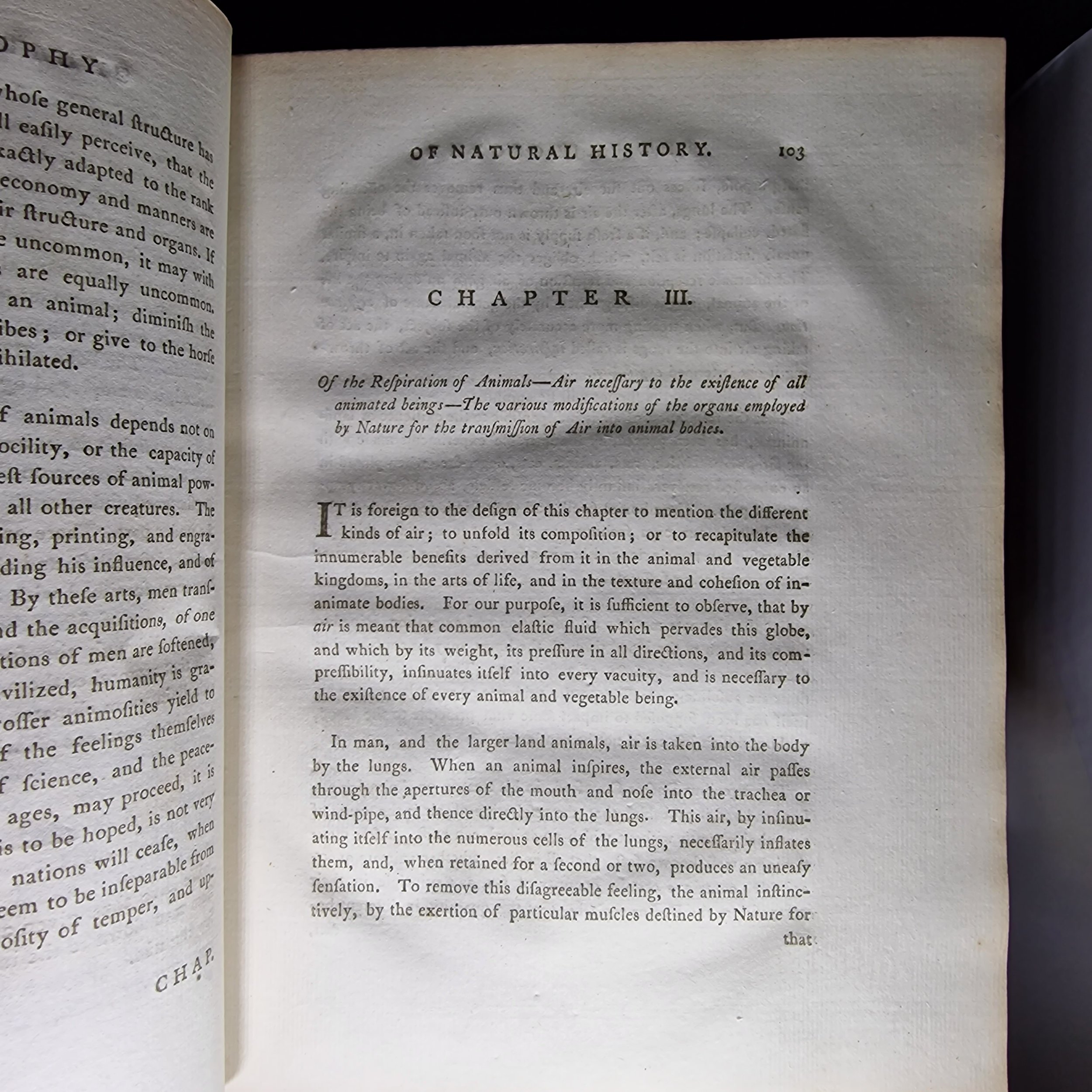
Internally generally sound and legible. Paper with scattered age-toning, light to moderate spotting and occasional browning, more noticeable to some outer and preliminary leaves. The title page remains clear and well printed. No extensive annotation, major staining or worming is apparent from the supplied images.
Title page, contents, second-edition advertisement, divisional titles to both principal essays, the added Appendix responding to Haller, final numbered page 314 with FINIS, and terminal ERRATA leaf are present.
A sound working and collecting copy of an important eighteenth-century medical text, retaining the character of its early calf binding despite substantial external wear.
Please see Photos as part of condition report.
REFERENCES
ESTC N12310
SYNOPSIS
Physiological Essays brings together two closely related investigations into the mechanisms governing circulation, sensation and movement in the animal body.
The first essay, “An Inquiry into the Causes which promote the Circulation of the Fluids in the very Small Vessels of Animals,” examines how circulation continues beyond the larger arteries into the smallest vessels. Whytt considers the force of the heart, arterial contraction, gravity and capillary action before developing his own account of active or vibratory motion in the smaller vessels.
The second essay, “Observations on the Sensibility and Irritability of the Parts of Men and other Animals,” engages directly with Albrecht von Haller's influential distinction between nervous sensibility and the supposedly intrinsic irritability of muscular fibres. Whytt challenged important aspects of Haller's interpretation and emphasised the relationship between nerves, sensation and muscular response.
Of particular importance in this corrected and enlarged second edition is Whytt's added “Review of the Controversy concerning the Sensibility and Moving Power of the Parts of Men and other Animals,” answering Haller's subsequent remarks. The volume therefore records not simply Whytt's physiological theories but an evolving exchange between two major eighteenth-century investigators of nervous and muscular function.
An important primary source for the history of physiology, circulation, neurology, reflex action, eighteenth-century medicine and the Scottish Enlightenment.
AUTHOR BIO
Robert Whytt (1714–1766) was a Scottish physician and physiologist and an important figure in eighteenth-century Edinburgh medicine. After studying medicine in Edinburgh, London, Paris and Leiden, he developed a particular interest in involuntary motion, nervous function and the relationship between sensation and muscular activity.
Whytt became Professor of Medicine at the University of Edinburgh, was elected a Fellow of the Royal Society in 1752, and in 1761 was appointed First Physician to the King in Scotland. His investigations of the nervous system, including work on involuntary movement and the pupillary response to light, occupy an important place in the early history of neurophysiology and the development of concepts later associated with reflex action.
His major publications include An Essay on the Vital and Other Involuntary Motions of Animals (1751), Physiological Essays (first published 1755), and his later work on nervous, hypochondriac and hysteric disorders.
1761 Second Edition
PHYSIOLOGICAL ESSAYS
By Robert Whytt
KEY DETAILS
Condition: Good
Format: Hardcover, duodecimo or twelvemo (12mo 5 × 7 3⁄8 in 127 × 187 mm )
Note: Binding/size selection follows standard bibliographic conventions and is approximate; exact measurements may vary.
Published By: Printed by Hamilton, Balfour and Neill, Edinburgh, 1761
Language: English
Collation: iv, [2], 314, [2] pp.
Dust Jacket: None, as issued, No Jacket
SKU: BTETM0002381
Shipping Info: Approximate Package Dimensions H: 12.5, L: 30, W: 25 (Units: cm), W: 2Kg
Tracked Shipping, Insurance Coverage as per Customer Request
DESCRIPTION
Physiological Essays
Containing:
I. An Inquiry into the Causes which promote the Circulation of the Fluids in the very Small Vessels of Animals
II. Observations on the Sensibility and Irritability of the Parts of Men and other Animals; occasioned by M. de Haller's late Treatise on these Subjects
With an Appendix, containing an Answer to M. de Haller's Remarks
By Robert Whytt, M.D., F.R.S.
An important corrected and enlarged second edition of Robert Whytt's Physiological Essays, a notable work of eighteenth-century experimental physiology and early neurophysiology.
Whytt here addresses two of the central physiological questions of his age. The first essay investigates the circulation of fluids through the smallest vessels of animals and argues for an active role of the minute vessels themselves in sustaining circulation. The second enters directly into the celebrated controversy with the Swiss physiologist Albrecht von Haller over sensibility, muscular irritability and the relationship between nerves and movement.
This 1761 edition is particularly interesting for the history of medicine because it substantially develops the earlier text and adds Whytt's Appendix reviewing the controversy with Haller, together with his response to Haller's subsequent objections. The accompanying “Advertisement to the Second Edition,” dated Edinburgh, 16 June 1761, explicitly places the volume within this continuing scientific debate.
Whytt's investigations of nervous activity, involuntary motion and sensory response formed an important part of the eighteenth-century development of neurophysiology and contributed to ideas later associated with the reflex action.
CONDITION, COLLATION & COPY NOTES
An appealing eighteenth-century copy in apparently contemporary full calf. Binding with considerable rubbing, scuffing and surface wear consistent with age and use; spine heavily rubbed with wear to the raised bands and areas of leather loss, particularly towards the foot. Corners and board extremities bumped and worn. Joints show age and wear, though the boards remain attached and the text block appears firm.
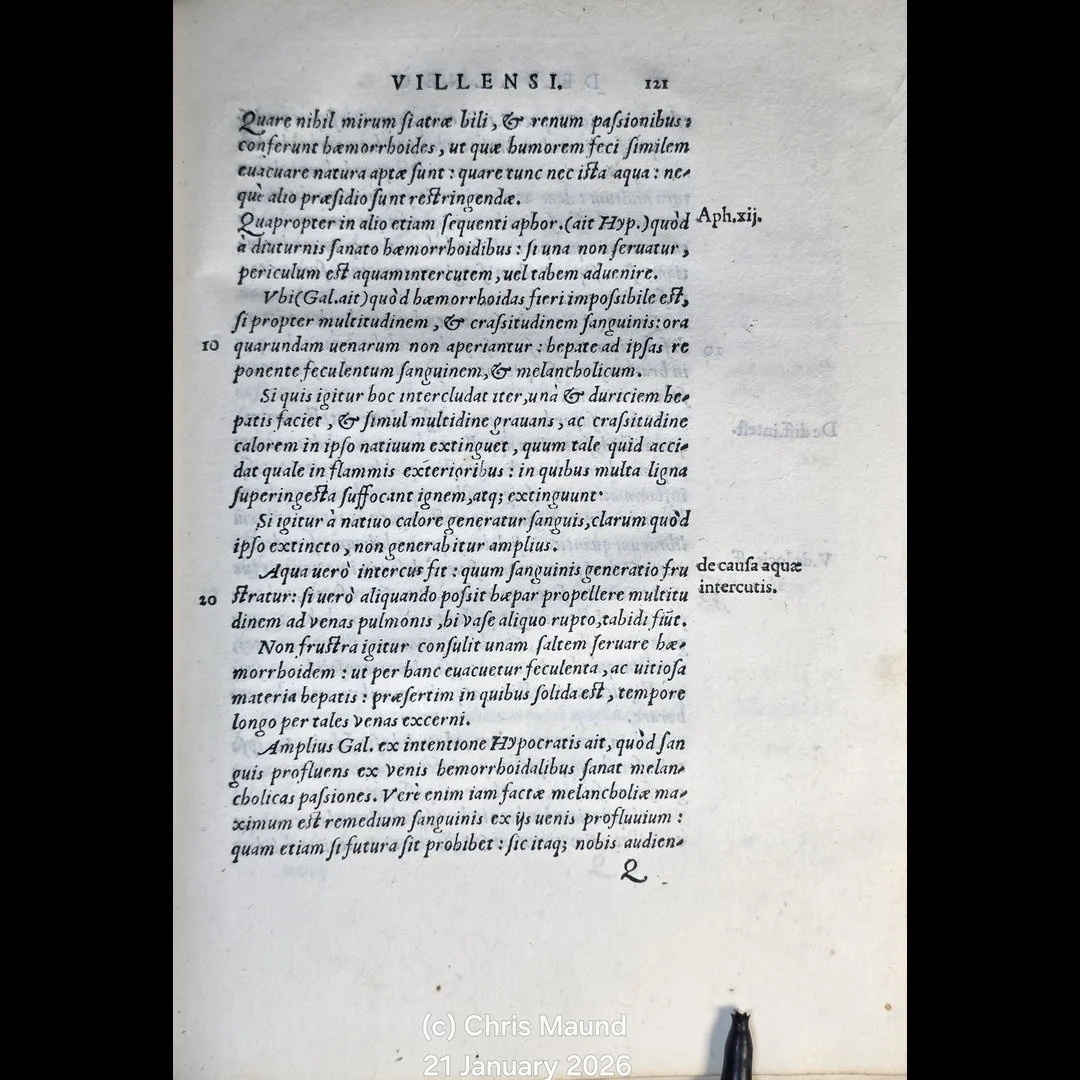
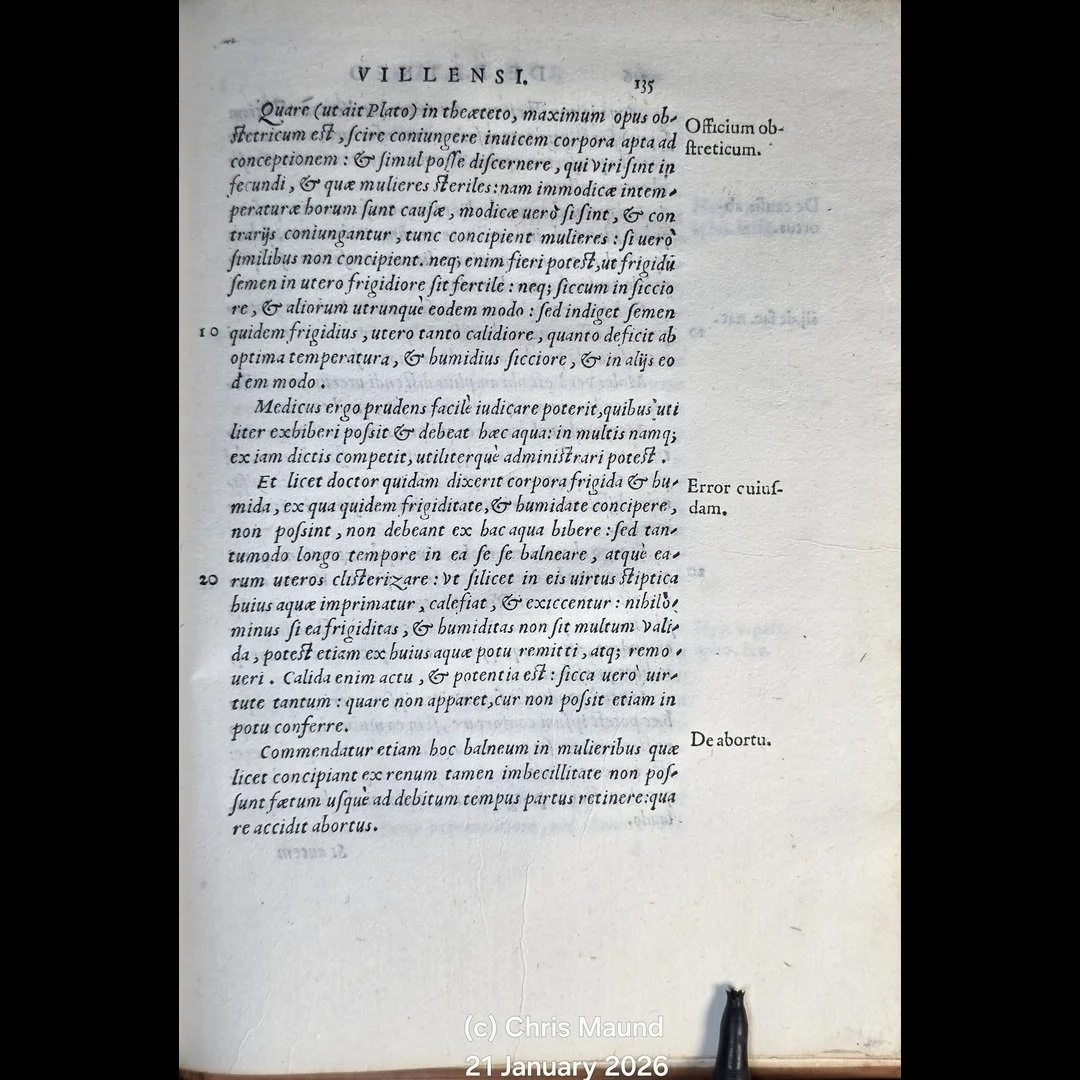
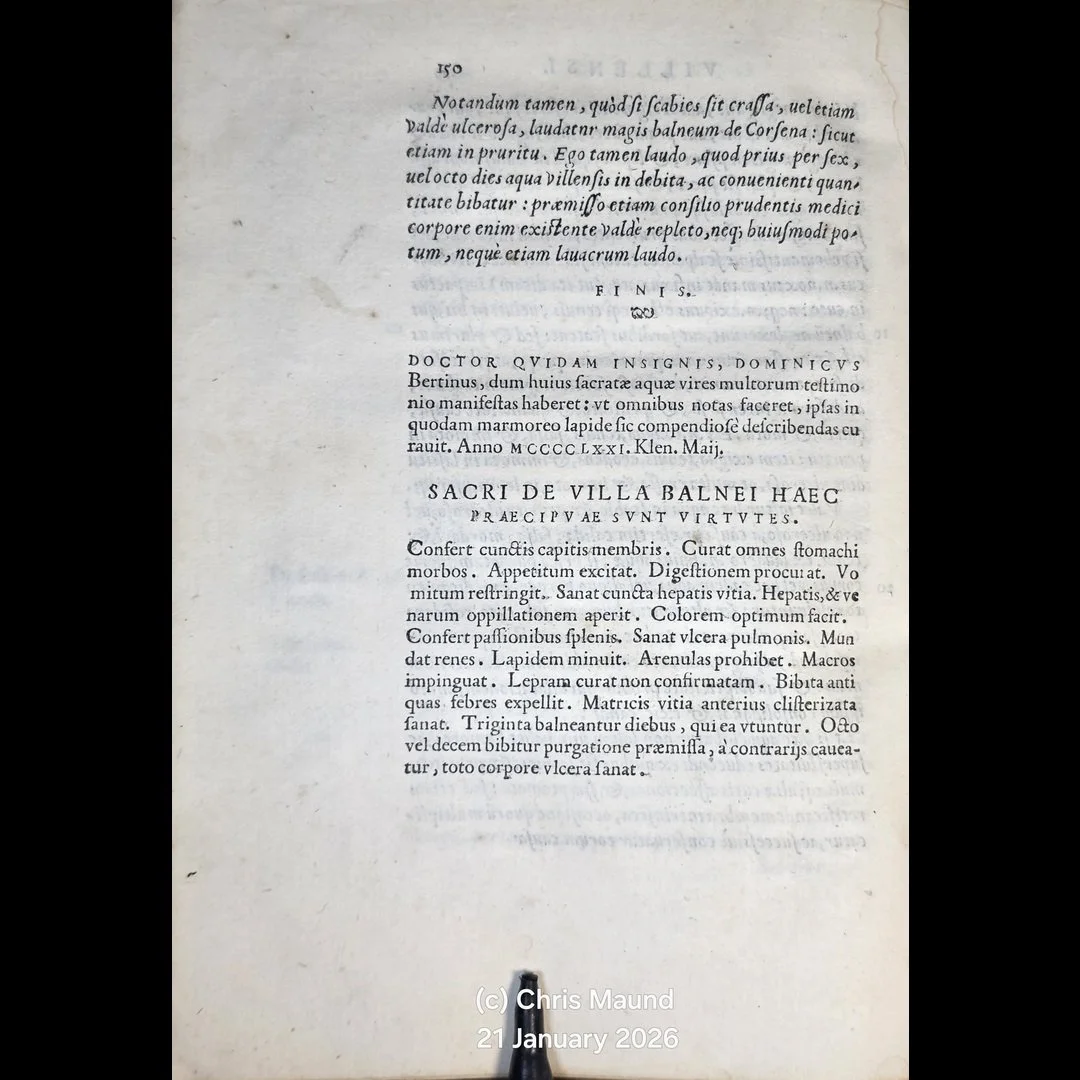
Internally generally sound and legible. Paper with scattered age-toning, light to moderate spotting and occasional browning, more noticeable to some outer and preliminary leaves. The title page remains clear and well printed. No extensive annotation, major staining or worming is apparent from the supplied images.
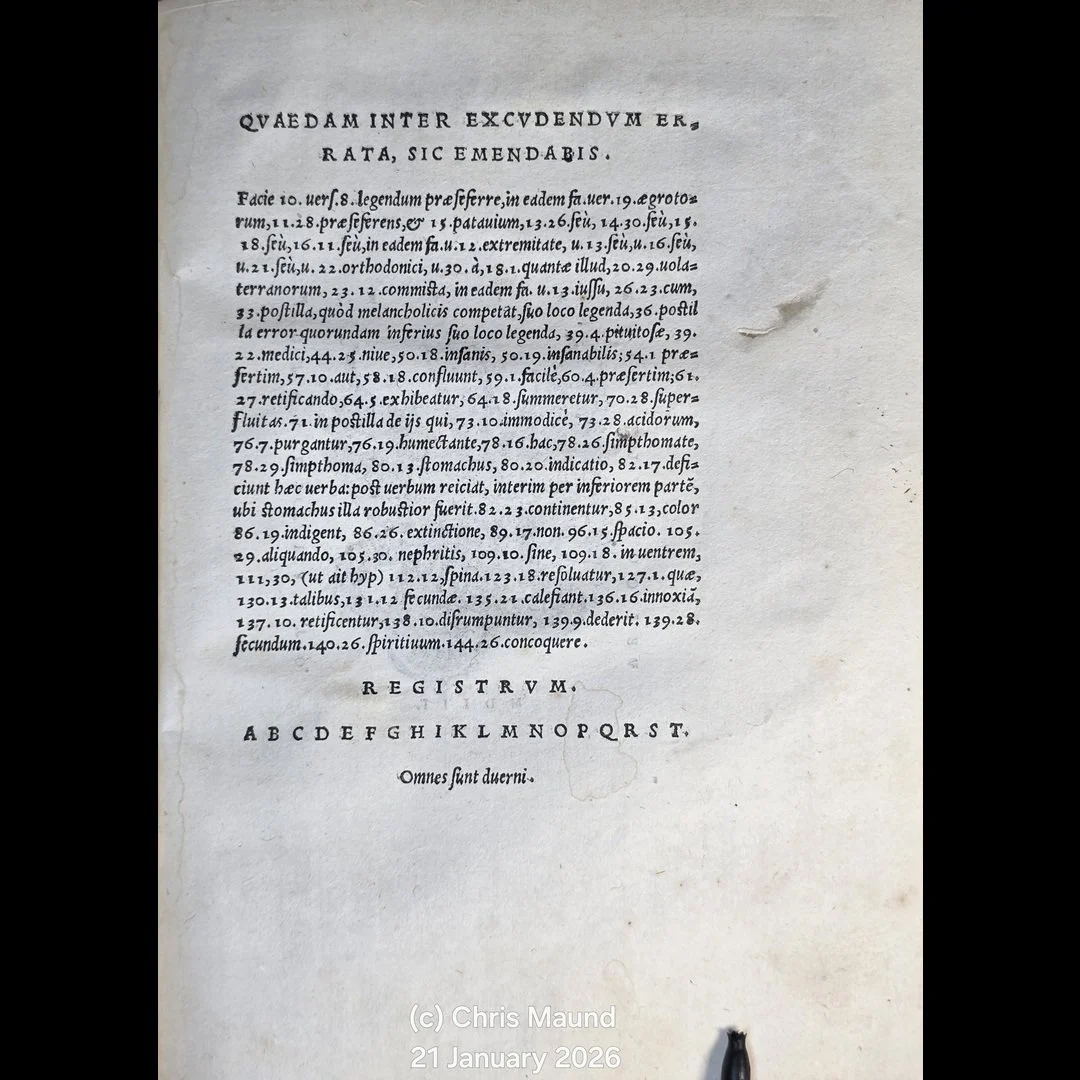
Title page, contents, second-edition advertisement, divisional titles to both principal essays, the added Appendix responding to Haller, final numbered page 314 with FINIS, and terminal ERRATA leaf are present.
A sound working and collecting copy of an important eighteenth-century medical text, retaining the character of its early calf binding despite substantial external wear.
Please see Photos as part of condition report.
REFERENCES
ESTC N12310
SYNOPSIS
Physiological Essays brings together two closely related investigations into the mechanisms governing circulation, sensation and movement in the animal body.
The first essay, “An Inquiry into the Causes which promote the Circulation of the Fluids in the very Small Vessels of Animals,” examines how circulation continues beyond the larger arteries into the smallest vessels. Whytt considers the force of the heart, arterial contraction, gravity and capillary action before developing his own account of active or vibratory motion in the smaller vessels.
The second essay, “Observations on the Sensibility and Irritability of the Parts of Men and other Animals,” engages directly with Albrecht von Haller's influential distinction between nervous sensibility and the supposedly intrinsic irritability of muscular fibres. Whytt challenged important aspects of Haller's interpretation and emphasised the relationship between nerves, sensation and muscular response.
Of particular importance in this corrected and enlarged second edition is Whytt's added “Review of the Controversy concerning the Sensibility and Moving Power of the Parts of Men and other Animals,” answering Haller's subsequent remarks. The volume therefore records not simply Whytt's physiological theories but an evolving exchange between two major eighteenth-century investigators of nervous and muscular function.
An important primary source for the history of physiology, circulation, neurology, reflex action, eighteenth-century medicine and the Scottish Enlightenment.
AUTHOR BIO
Robert Whytt (1714–1766) was a Scottish physician and physiologist and an important figure in eighteenth-century Edinburgh medicine. After studying medicine in Edinburgh, London, Paris and Leiden, he developed a particular interest in involuntary motion, nervous function and the relationship between sensation and muscular activity.
Whytt became Professor of Medicine at the University of Edinburgh, was elected a Fellow of the Royal Society in 1752, and in 1761 was appointed First Physician to the King in Scotland. His investigations of the nervous system, including work on involuntary movement and the pupillary response to light, occupy an important place in the early history of neurophysiology and the development of concepts later associated with reflex action.
His major publications include An Essay on the Vital and Other Involuntary Motions of Animals (1751), Physiological Essays (first published 1755), and his later work on nervous, hypochondriac and hysteric disorders.

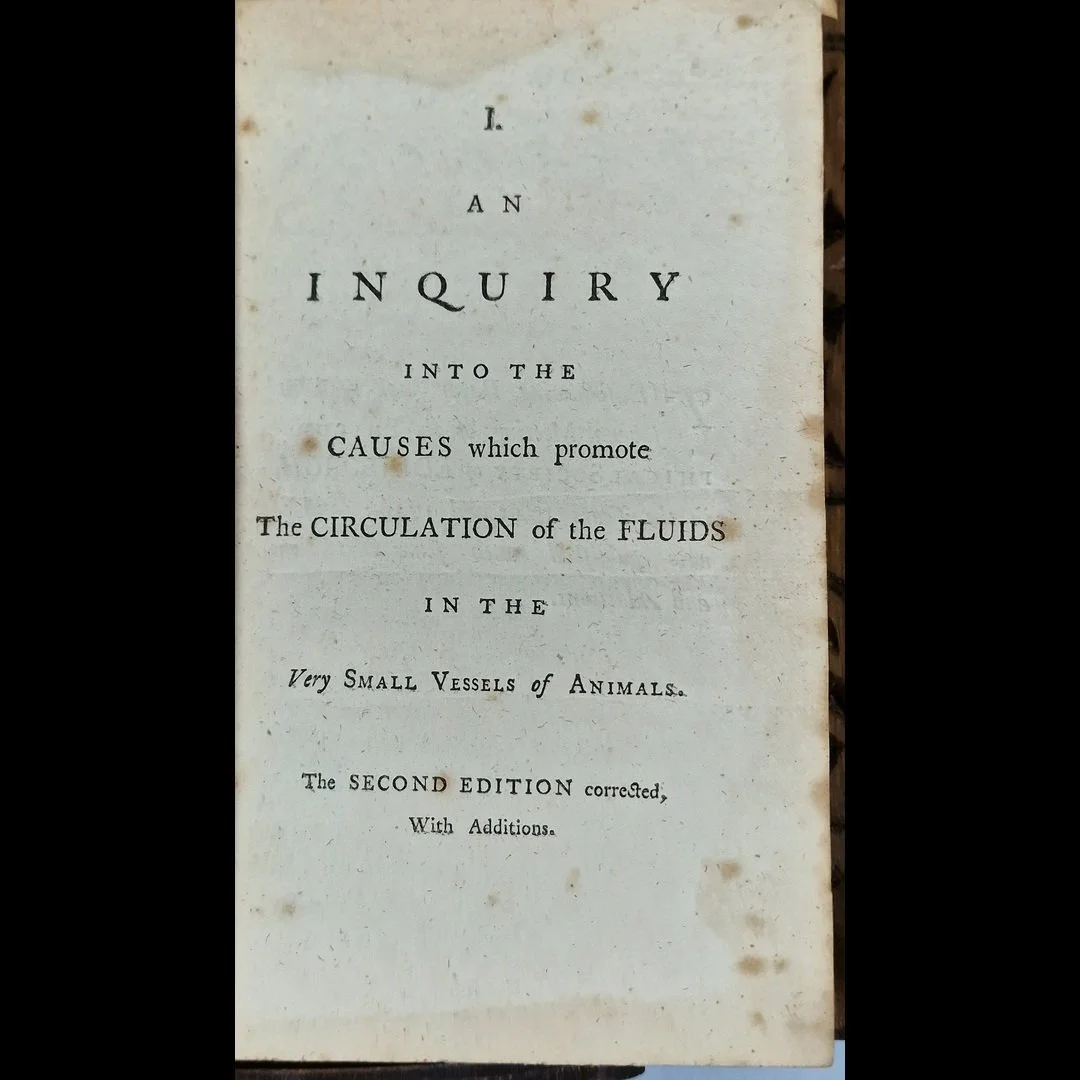 Image 1 of 16
 Image 2 of 16
 Image 3 of 16
 Image 4 of 16
 Image 5 of 16
 Image 6 of 16
 Image 7 of 16
 Image 8 of 16
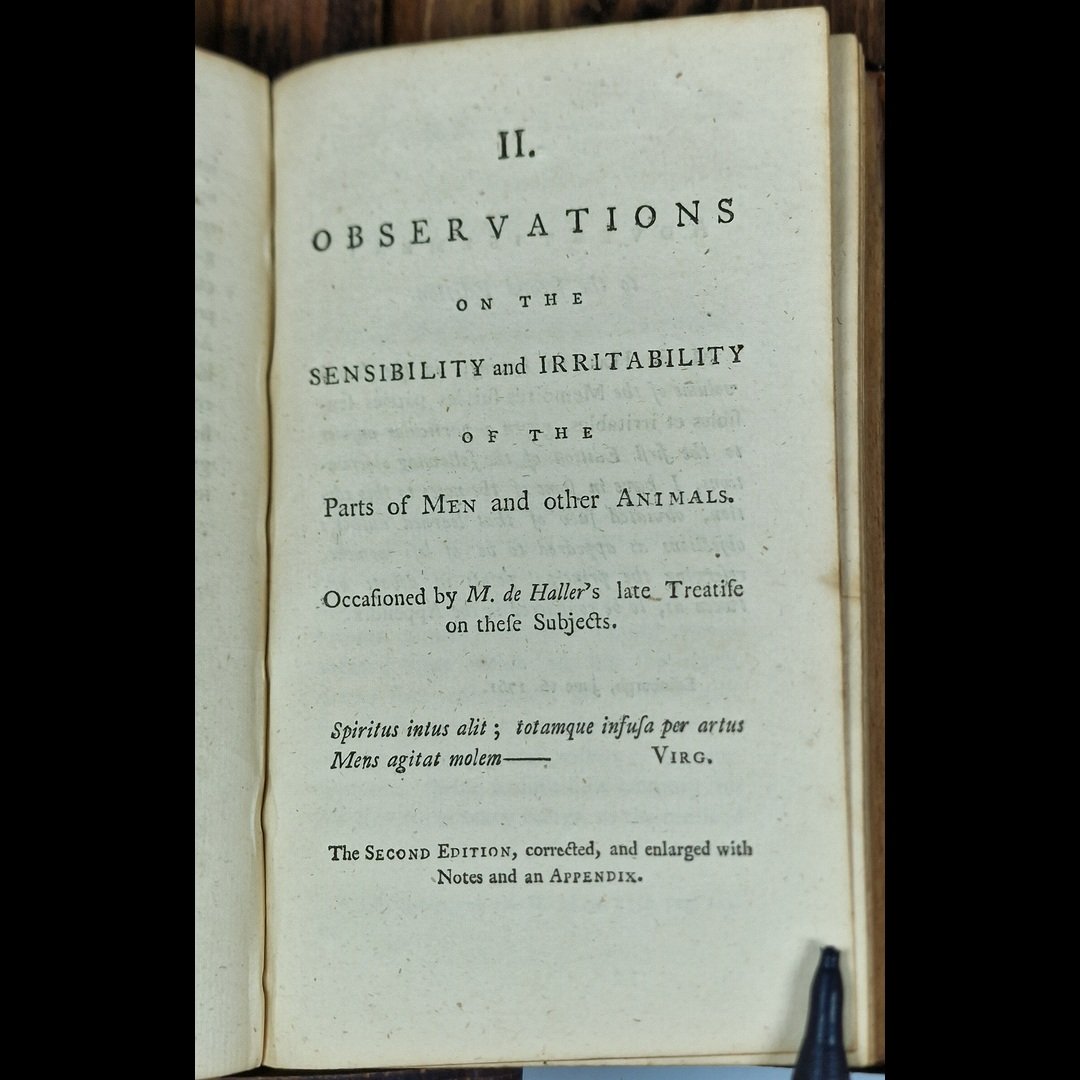 Image 9 of 16
 Image 10 of 16
 Image 11 of 16
 Image 12 of 16
 Image 13 of 16
 Image 14 of 16
 Image 15 of 16
 Image 16 of 16