Sale Price:
£1,750.00
Original Price:
£1,995.00
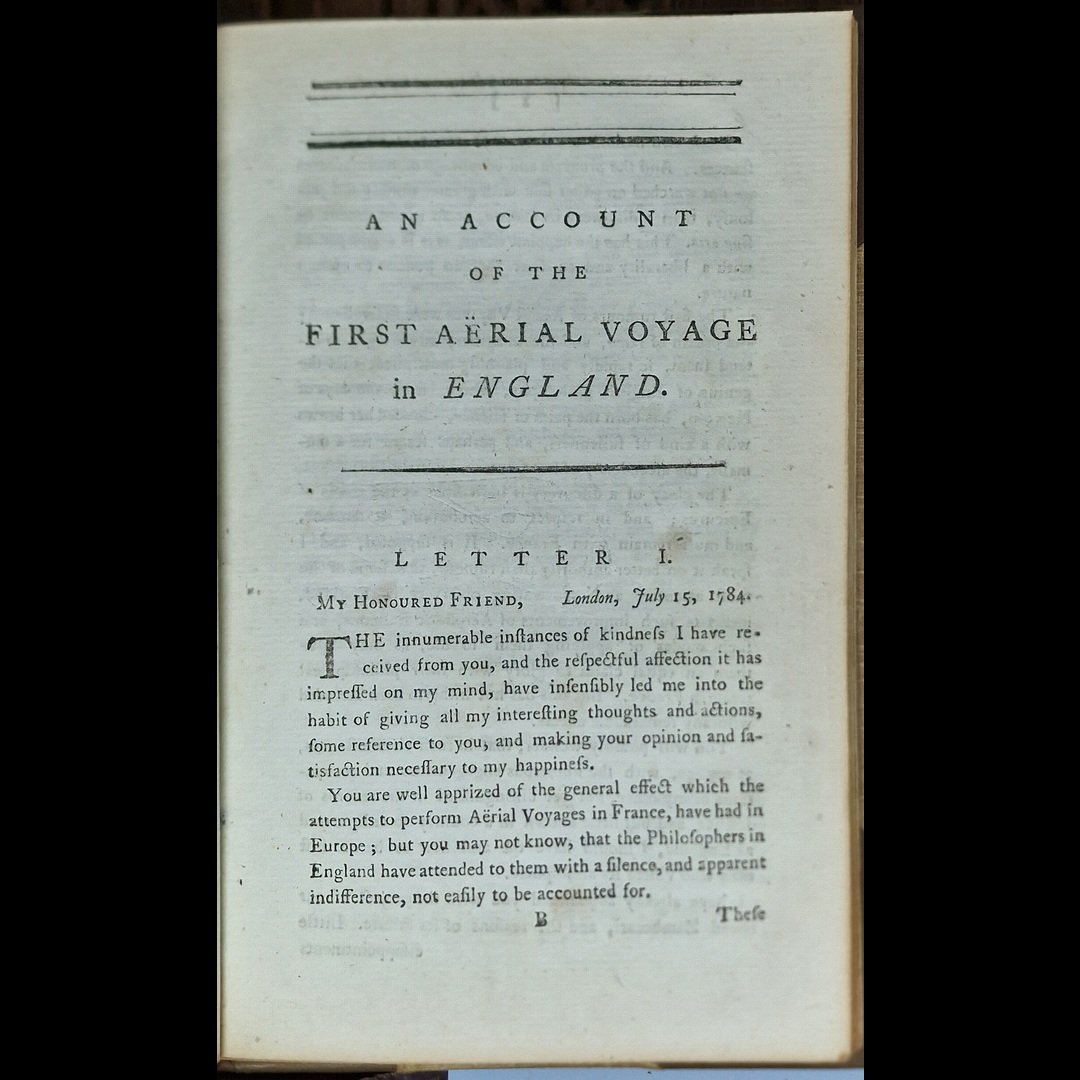
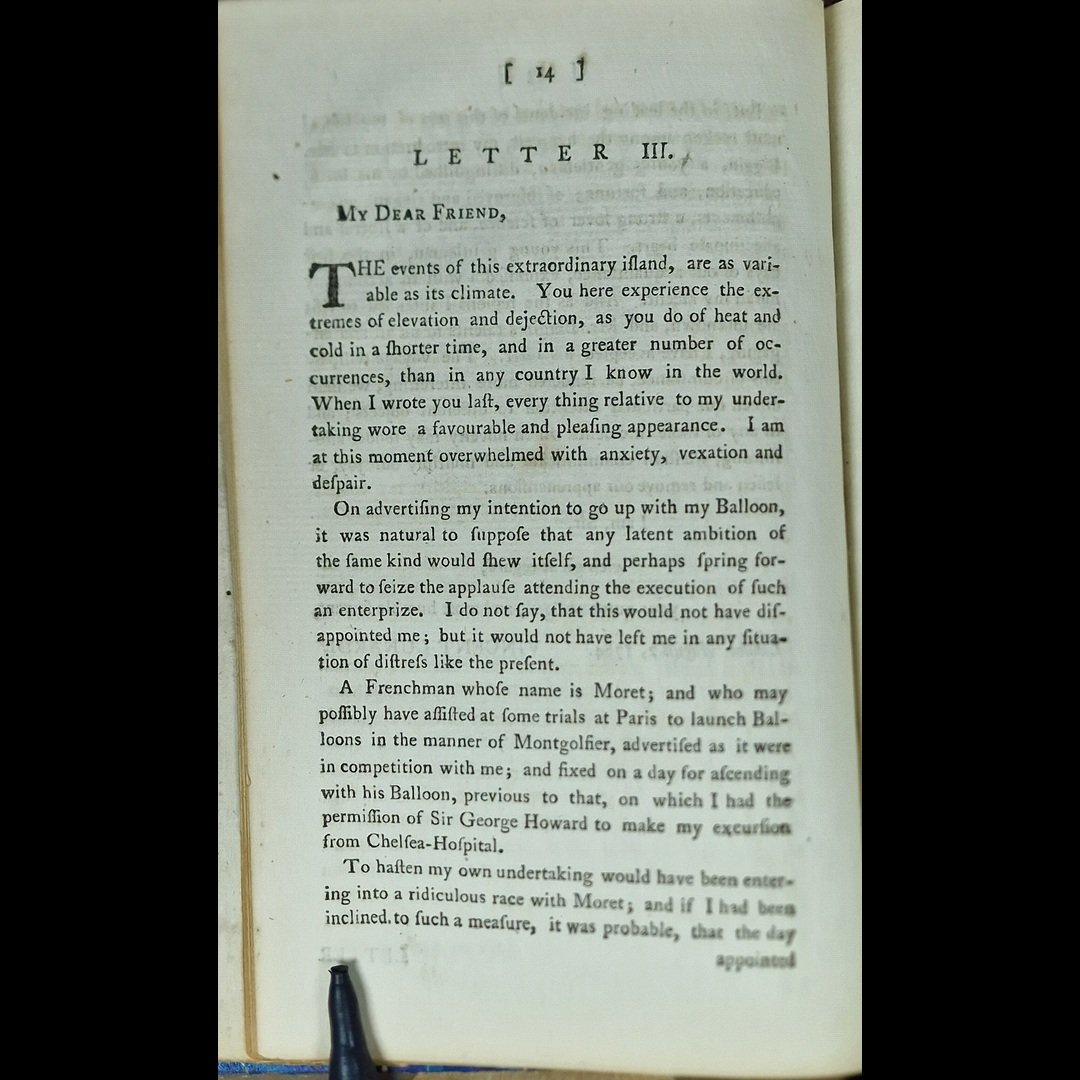
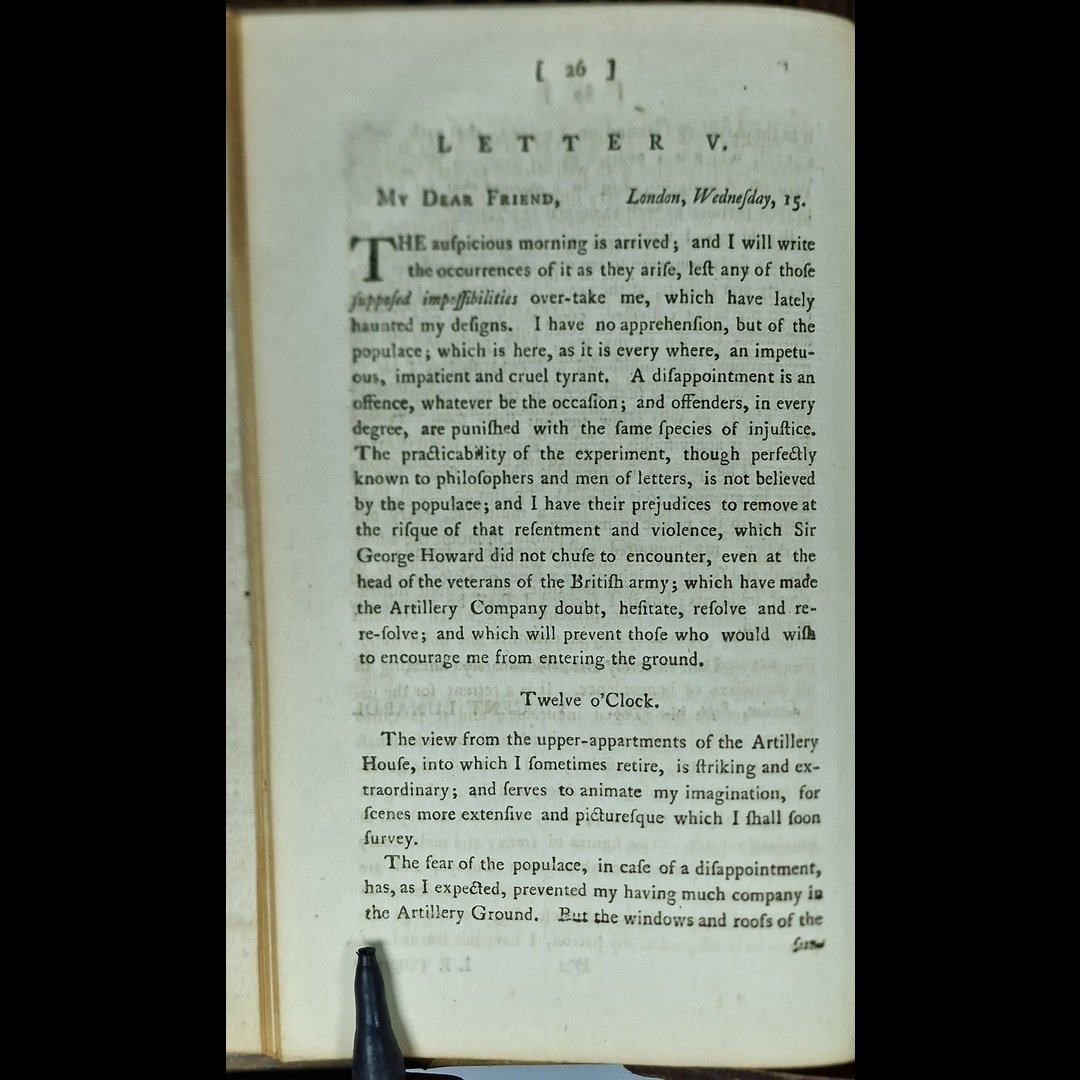
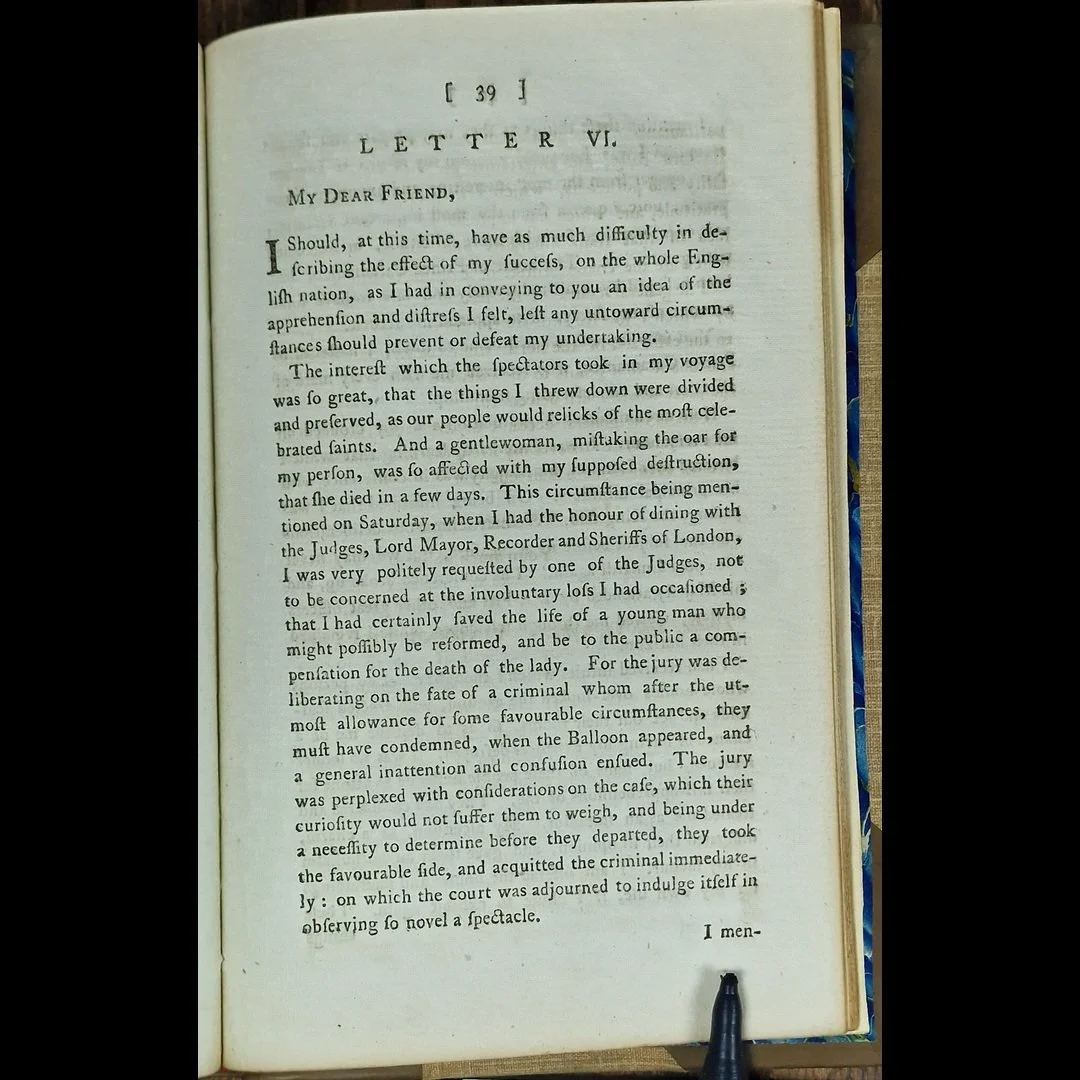
1784 First Le Francq Edition With Important Aeronautical Provenance
DESCRIPTION DES EXPERIENCES DE LA MACHINE AEROSTATIQUE DE MM. DE MONTGOLFIER
By Barthélemy Faujas de Saint-Fond
KEY DETAILS
Condition: Very Good
Format: Hardcover, Octavo (Standard) (8vo 6 × 9 in 152 × 229 mm )
Note: Binding/size selection follows standard bibliographic conventions and is approximate; exact measurements may vary.
Published By: À Paris; & se trouve à Bruxelles, Chez B. Le Francq, Imprimeur-Libraire, Paris, 1784
Language: French
Provenance: Harold Roxbee Cox, Baron Kings Norton of Wotton Underwood (1902–1997) — armorial bookplate to the front endpaper.
Collation: 204 pp. Engraved frontispiece and eight further engraved plates (9 plates total), the frontispiece and three further plates hand-coloured. Complete.
Dust Jacket: None, as issued
SKU: BTETM0002384
Shipping Info: Approximate Package Dimensions H: 12.5, L: 30, W: 25 (Units: cm), W: 2Kg
Tracked Shipping, Insurance Coverage as per Customer Request
DESCRIPTION
Description des Experiences de la Machine Aerostatique de MM. De Montgolfier
Volume I
By Barthélemy Faujas de Saint-Fond
An exceptionally appealing early account of the birth of human flight, issued at Paris and Brussels by B. Le Francq in 1784, within months of the Montgolfier brothers’ historic balloon experiments of 1783.
Faujas de Saint-Fond’s Description des expériences de la machine aérostatique de MM. de Montgolfier is one of the earliest substantial printed works devoted to practical aerostation. It records the extraordinary sequence of experiments that transformed ballooning from scientific speculation into demonstrated reality: the Montgolfiers’ hot-air experiments, the public ascents at Paris and Versailles, contemporary investigations into hydrogen or “inflammable air”, balloon construction, atmospheric phenomena, and proposed methods for directing aerial machines.
This attractive Le Francq edition is particularly notable for its nine engraved plates, four of which are hand-coloured, including the engraved frontispiece. The coloured plates vividly depict some of the most celebrated machines of the first age of ballooning and give the volume considerable visual appeal.
Of further distinction is the highly appropriate aeronautical provenance: the armorial bookplate of Harold Roxbee Cox, Baron Kings Norton of Wotton Underwood, one of the leading figures in twentieth-century British aeronautical engineering. A pioneering engineer and administrator closely associated with aircraft development, gas-turbine research and the establishment of Cranfield as a centre for aeronautical education, his ownership creates an unusually resonant link between the beginnings of powered human aspiration in the eighteenth century and the mature aviation industry of the twentieth.
This is the 1784 Le Francq edition of the first part of Faujas de Saint-Fond’s celebrated work, following the original Cuchet edition published at Paris in 1783. The Le Francq printing is independently typeset and should be distinguished bibliographically from the Cuchet first edition.
PROVENANCE
Harold Roxbee Cox, Baron Kings Norton of Wotton Underwood (1902–1997) — armorial bookplate to the front endpaper.
Lord Kings Norton was one of the leading British aeronautical engineers and scientific administrators of the twentieth century. His career encompassed aircraft structural research, wartime aviation development, Power Jets, the National Gas Turbine Establishment and senior industrial and governmental scientific appointments. He was also closely associated with the development of the College of Aeronautics at Cranfield and later served as Chancellor of Cranfield University.
His ownership of one of the foundational eighteenth-century books on aerostation provides particularly appropriate and desirable subject-related provenance.
CONDITION, COLLATION & COPY NOTES
COLLATION
204 pp. Engraved frontispiece and eight further engraved plates (9 plates total), the frontispiece and three further plates hand-coloured. Complete.
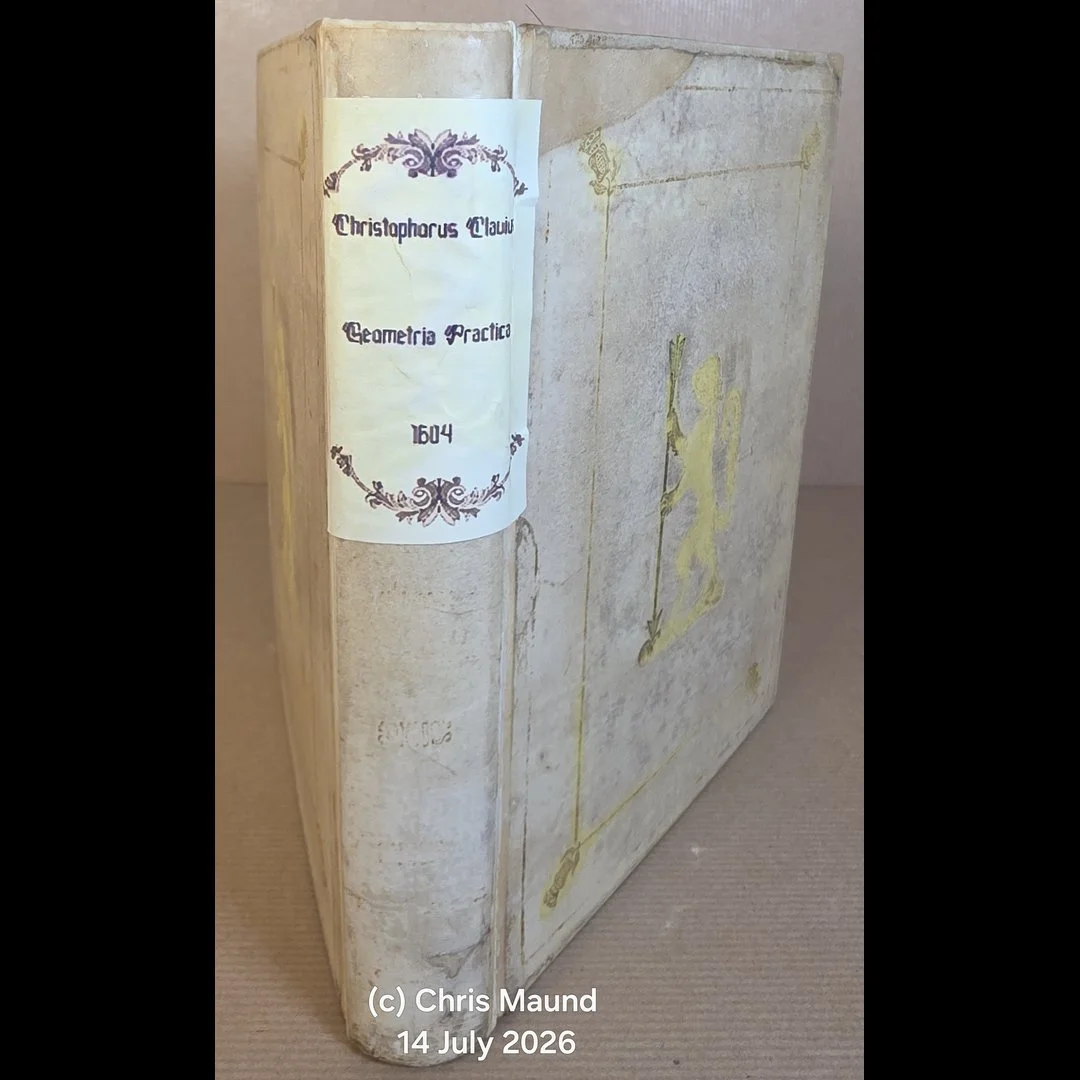
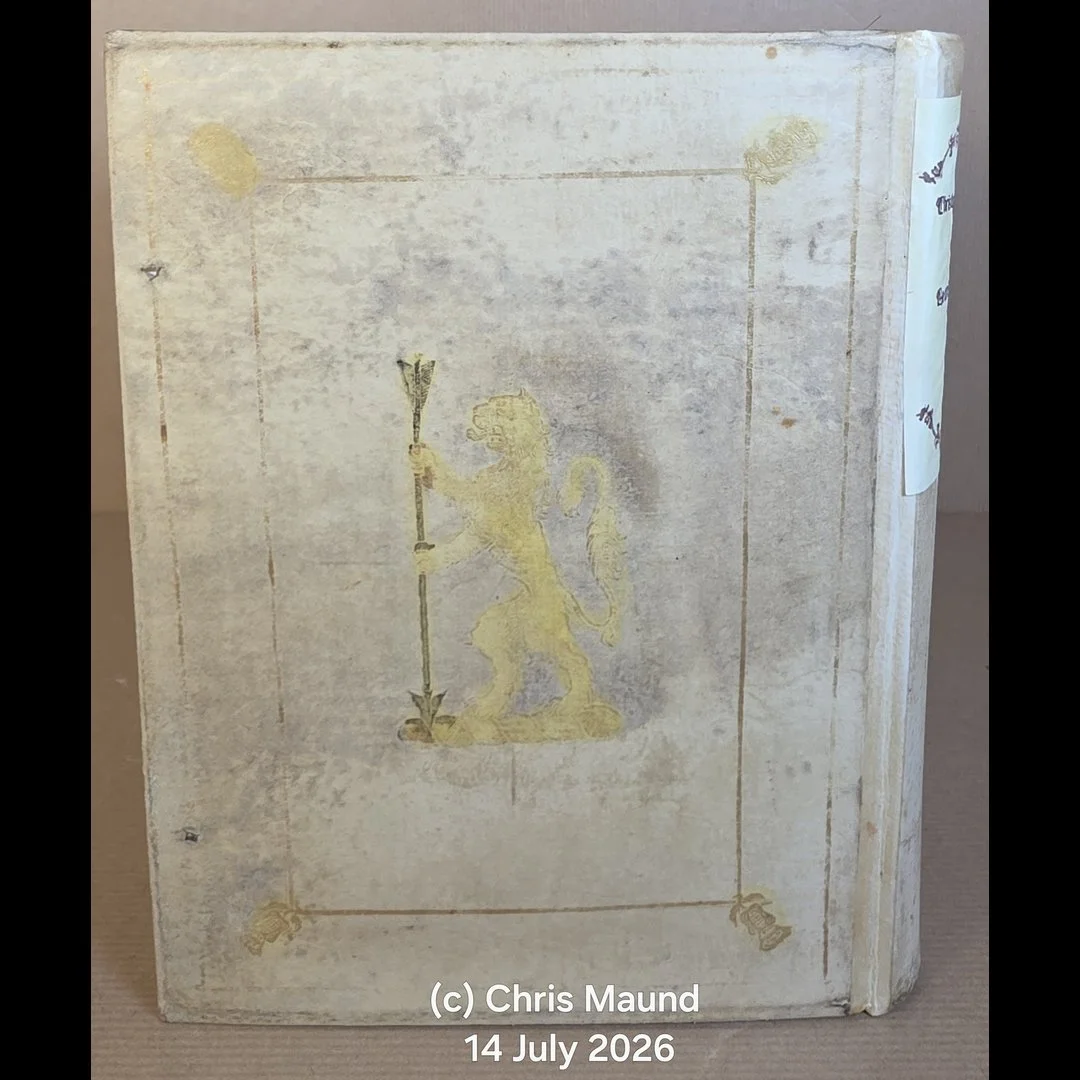
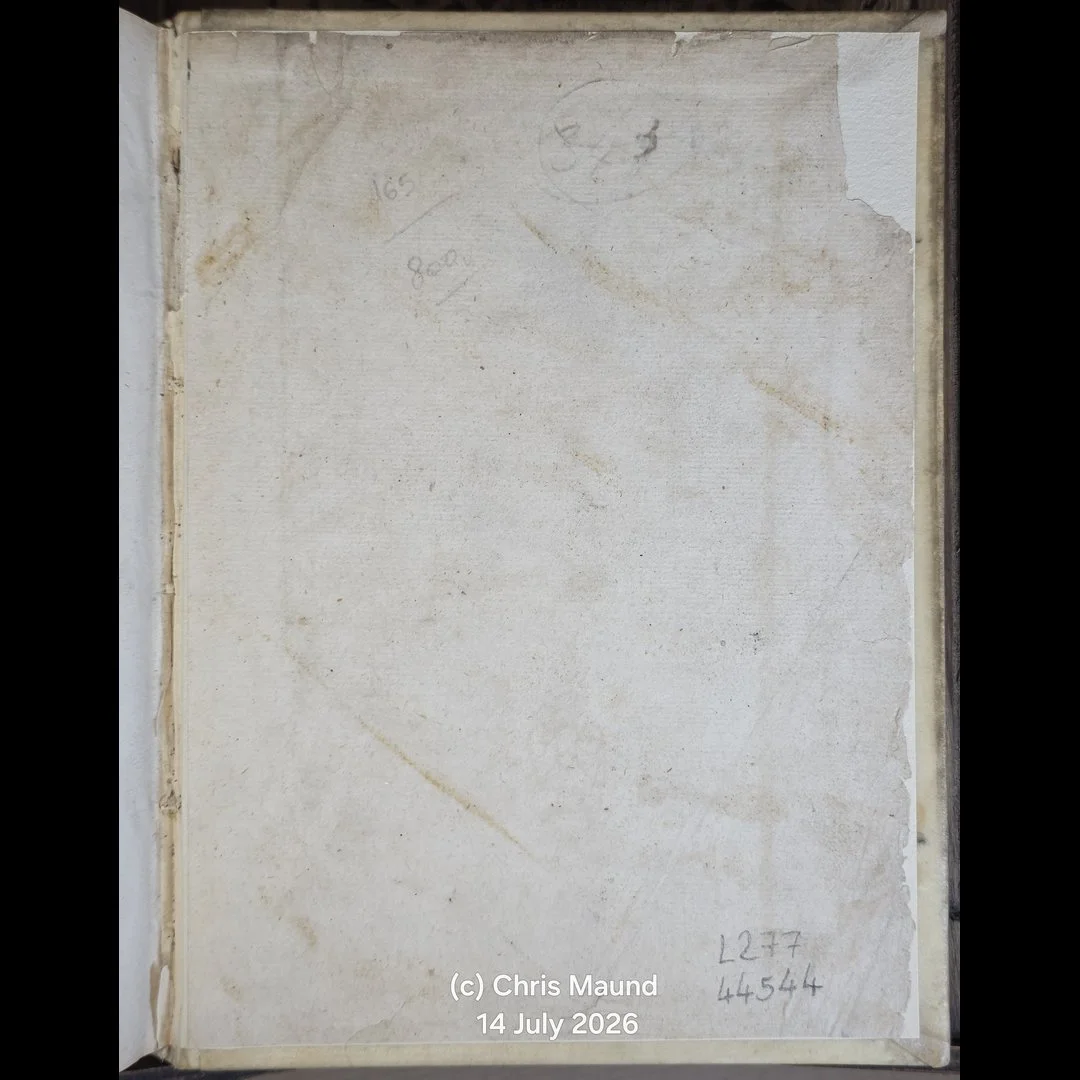
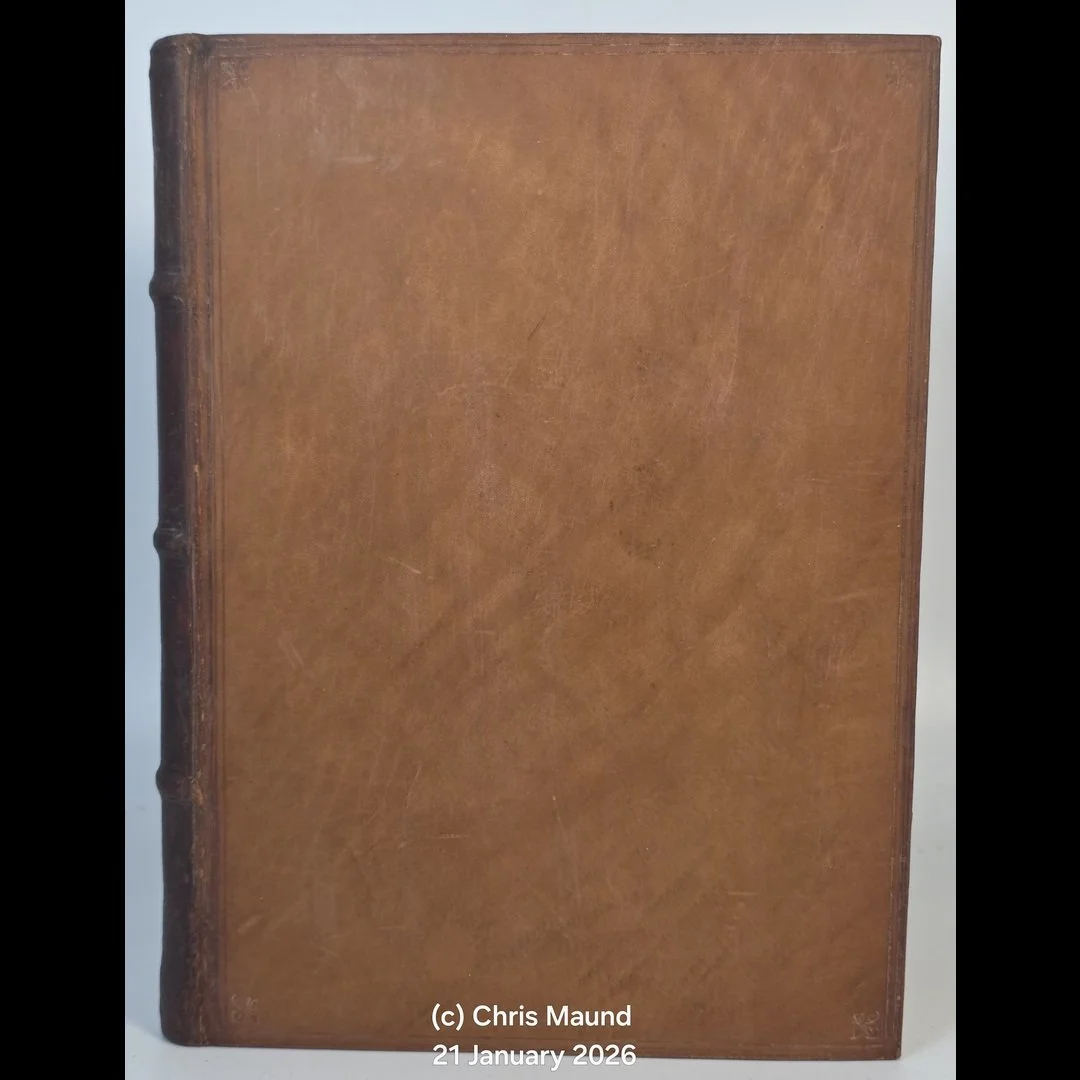
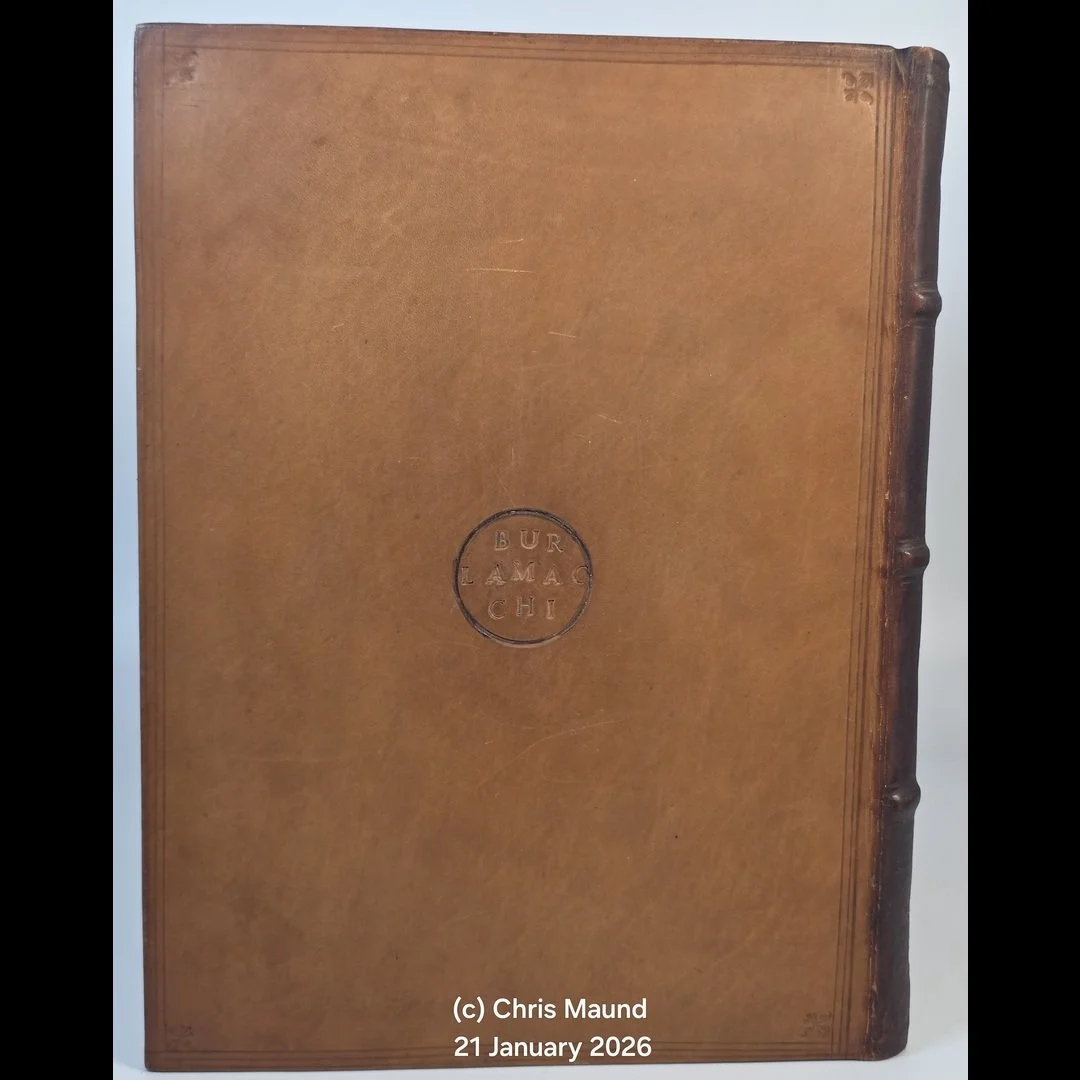
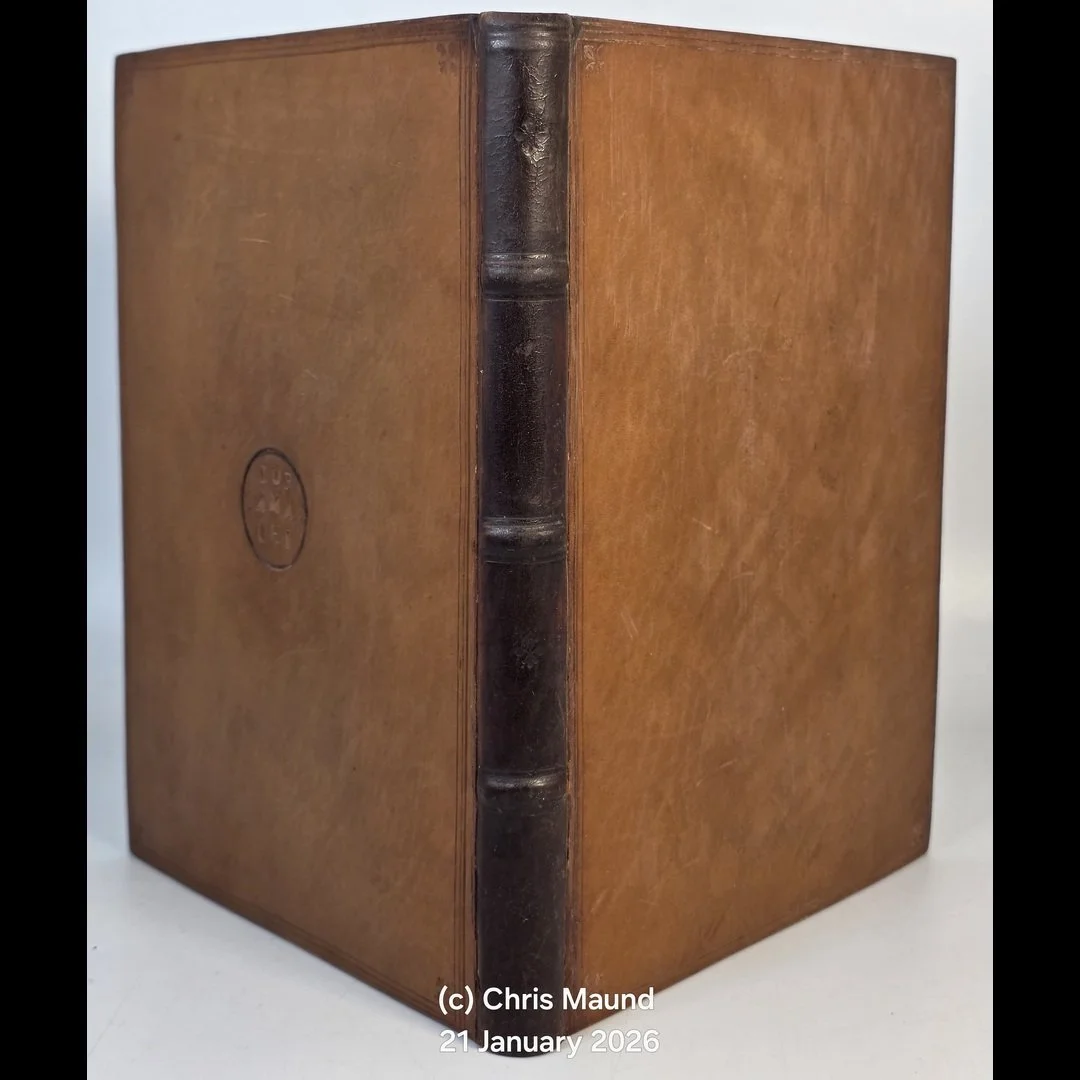
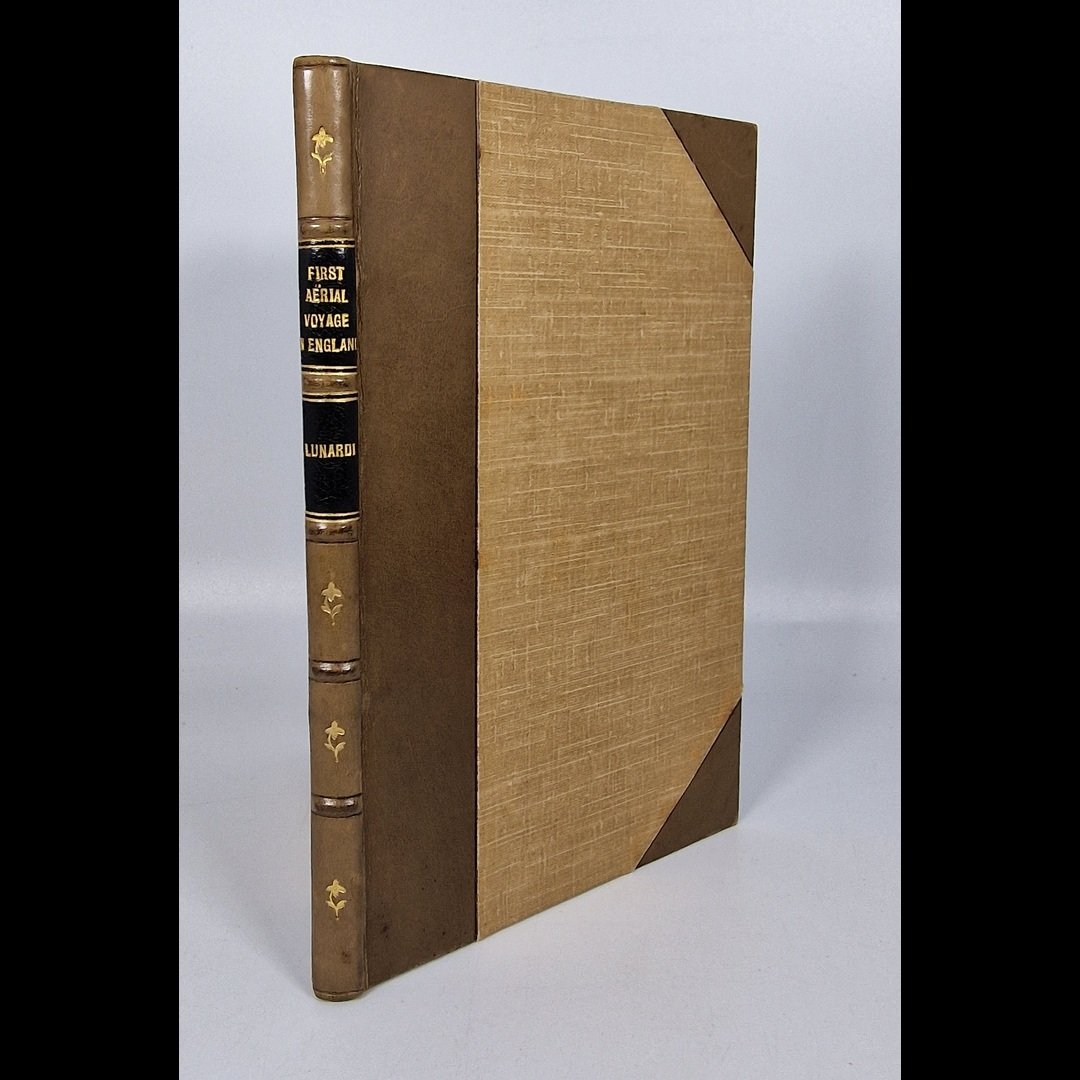
An attractive and substantially well-preserved copy in contemporary full calf, the spine with raised bands, gilt floral decoration and gilt-lettered labels. Boards and spine with expected rubbing, marking and surface wear consistent with an eighteenth-century binding, including areas of colour variation and staining, but retaining considerable period character and strong shelf presence.
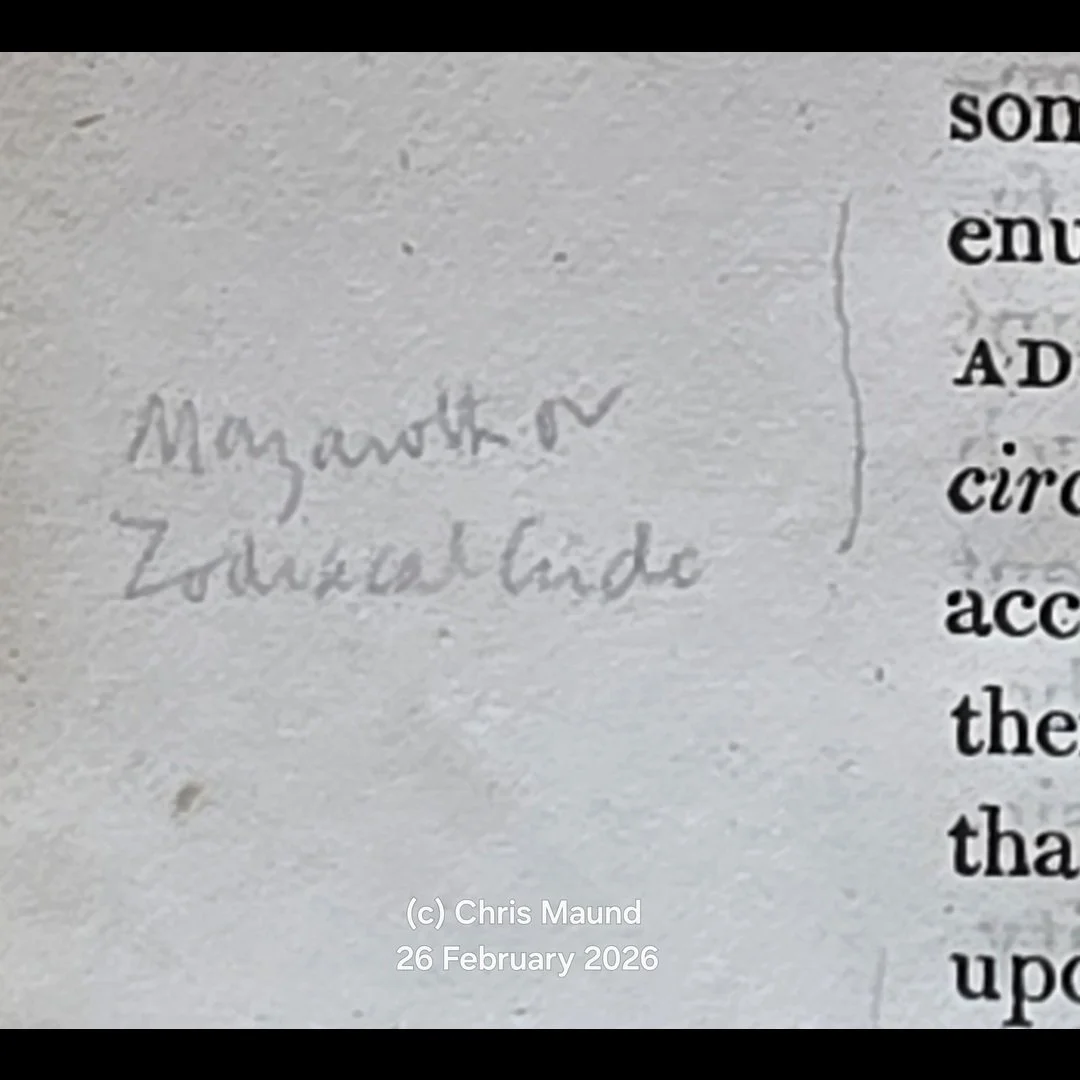
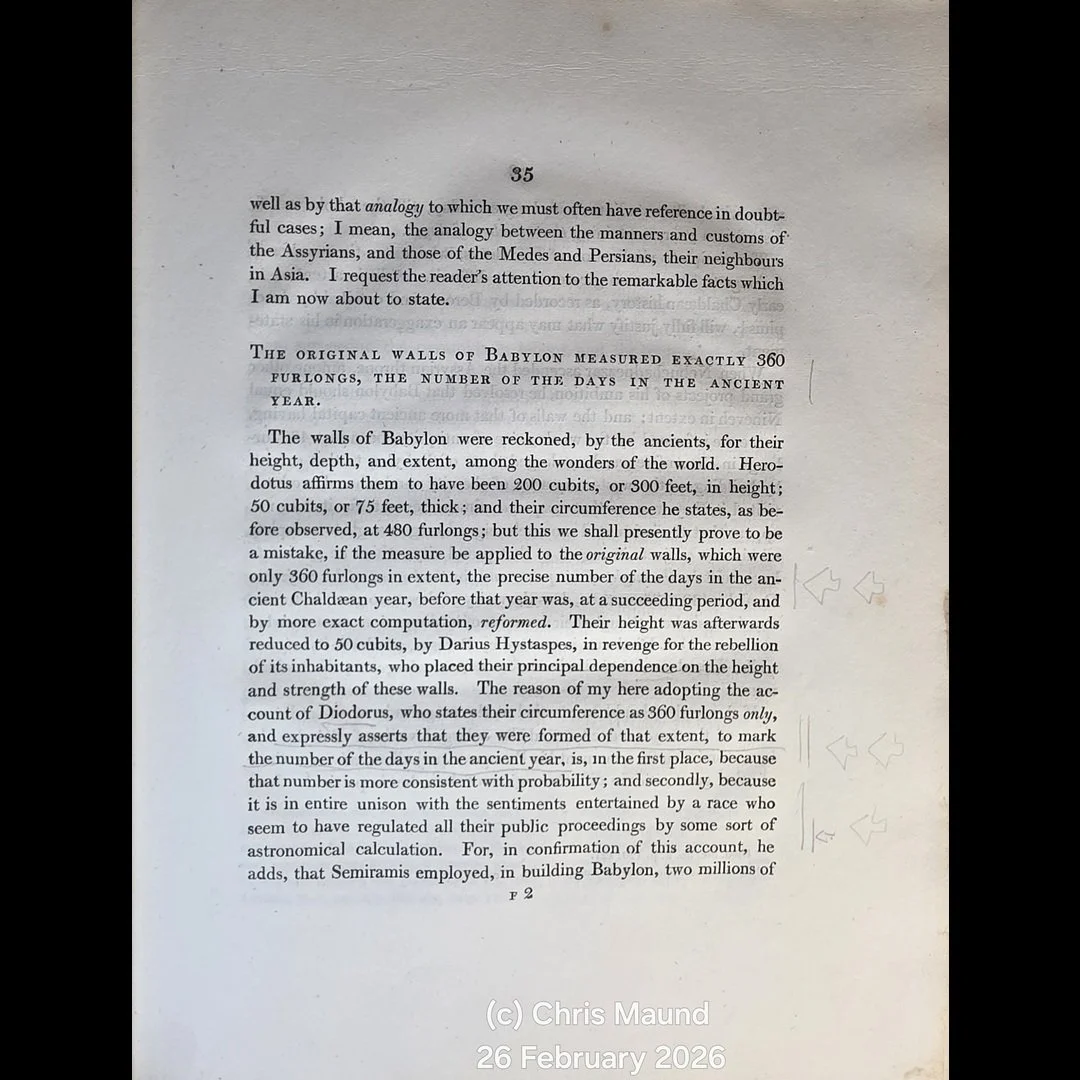
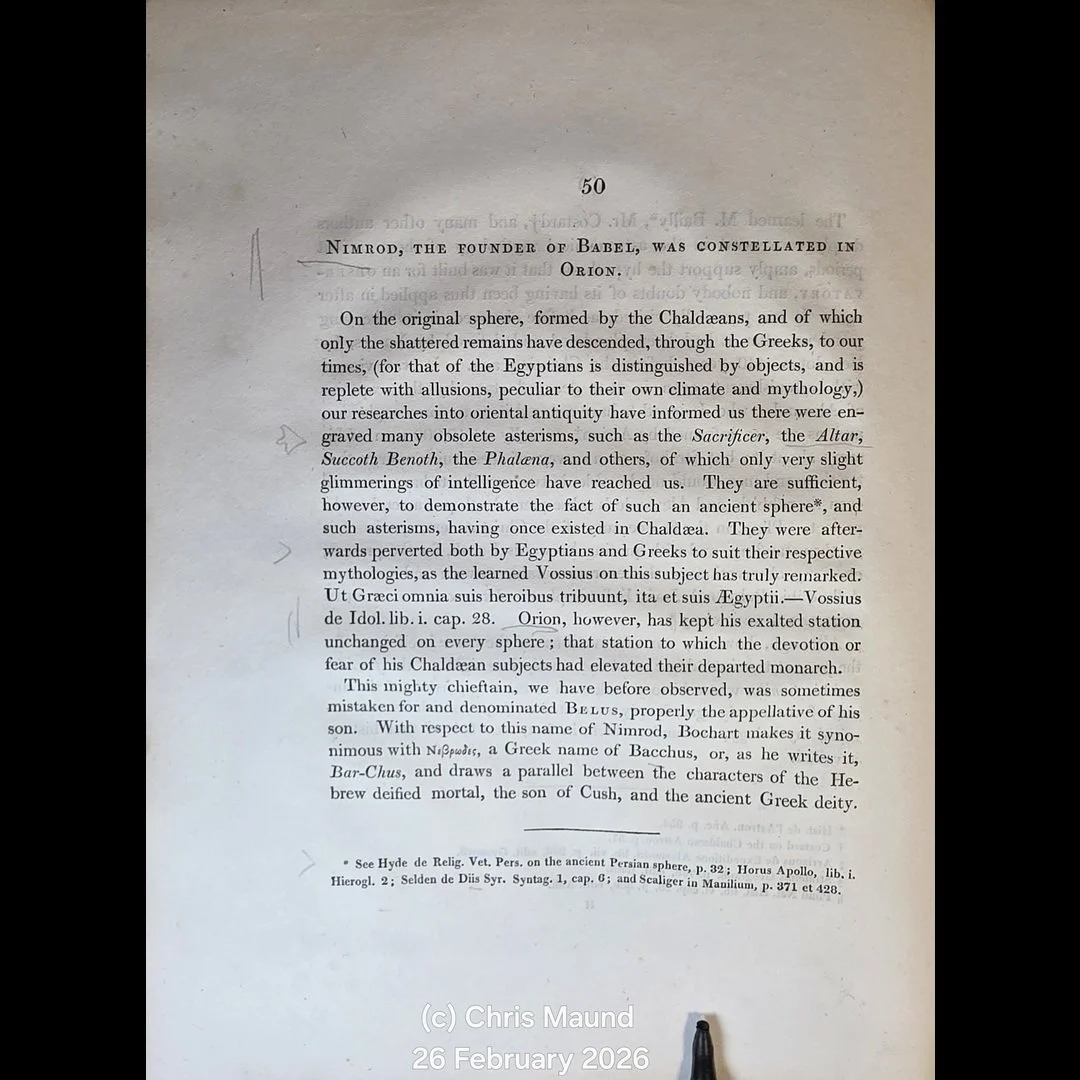
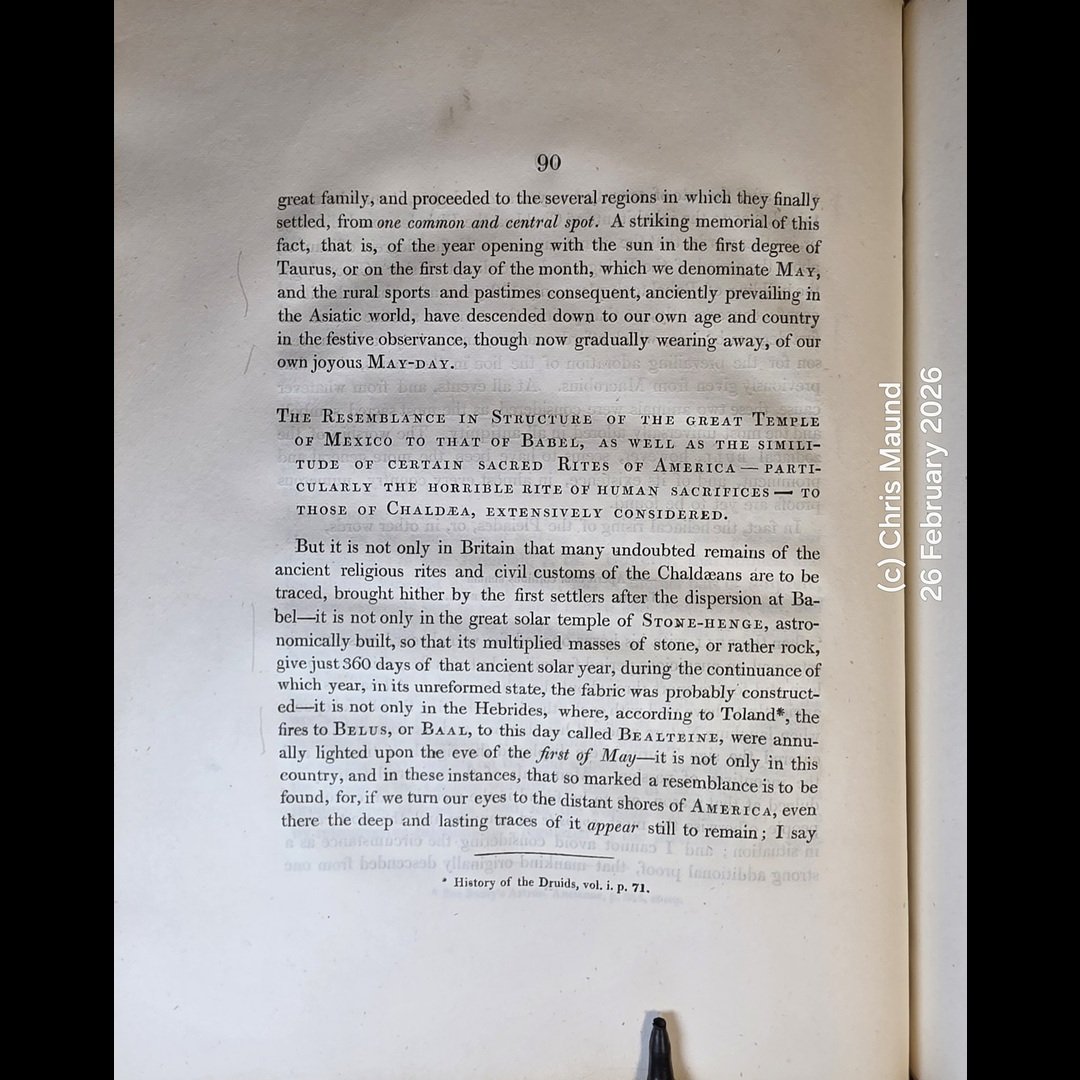
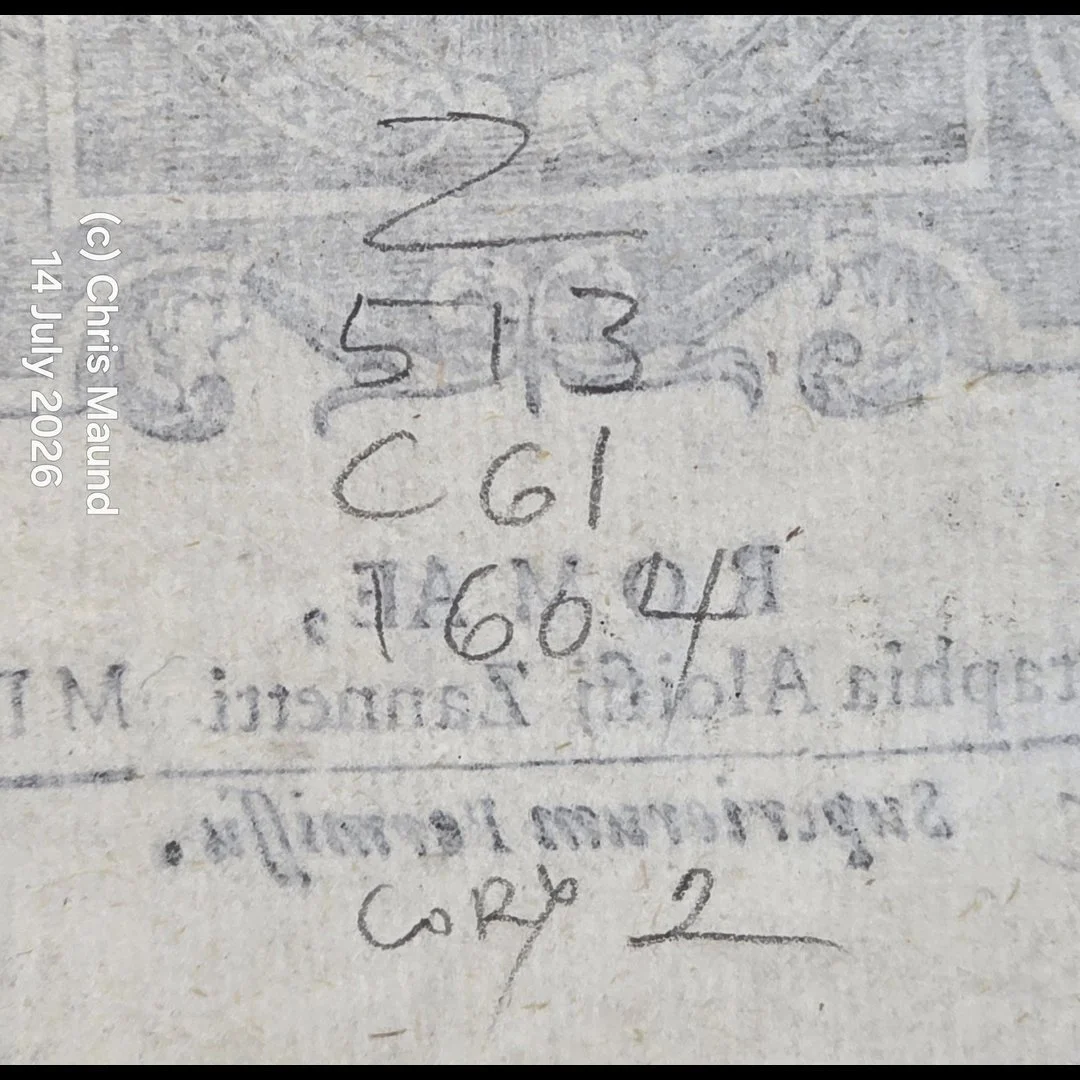
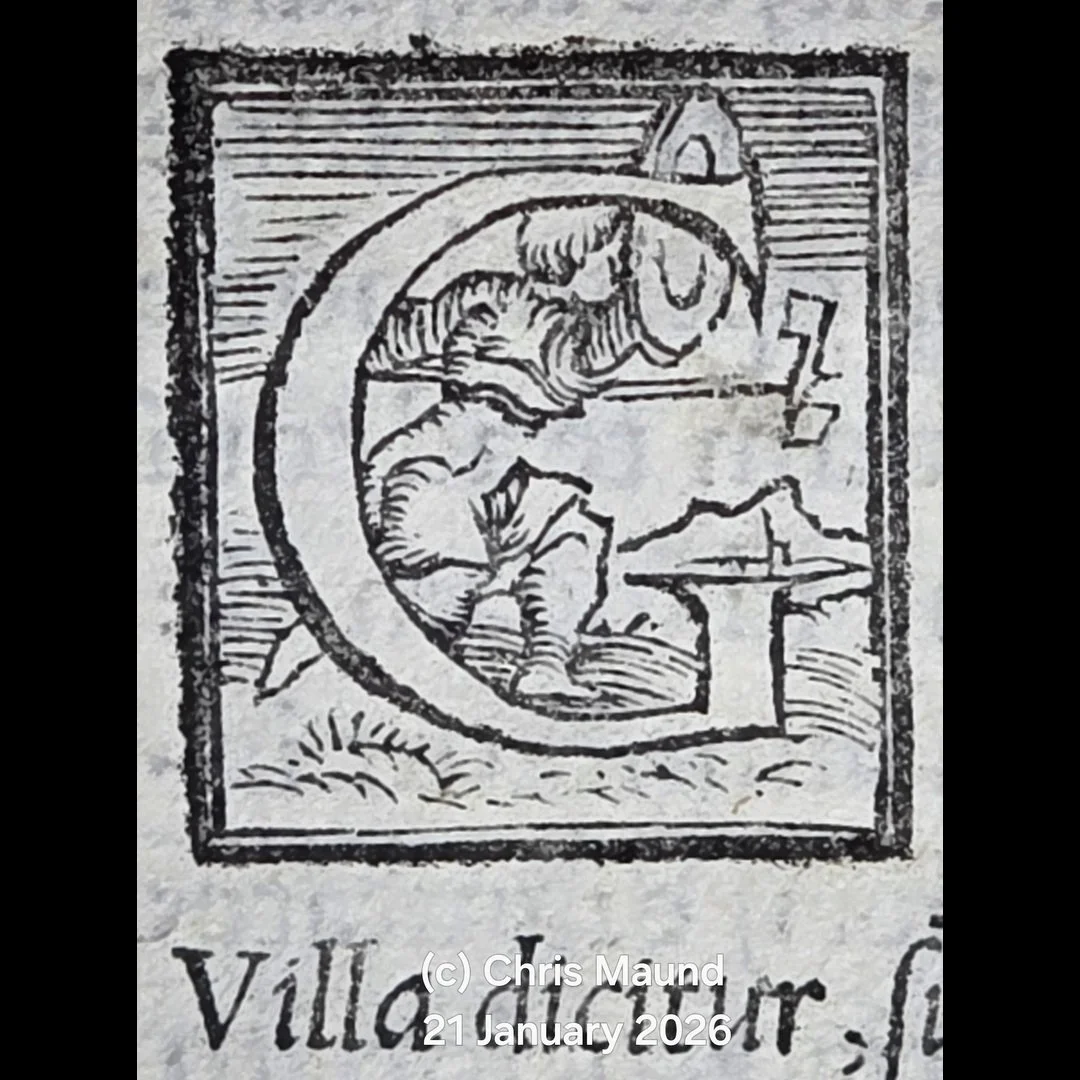
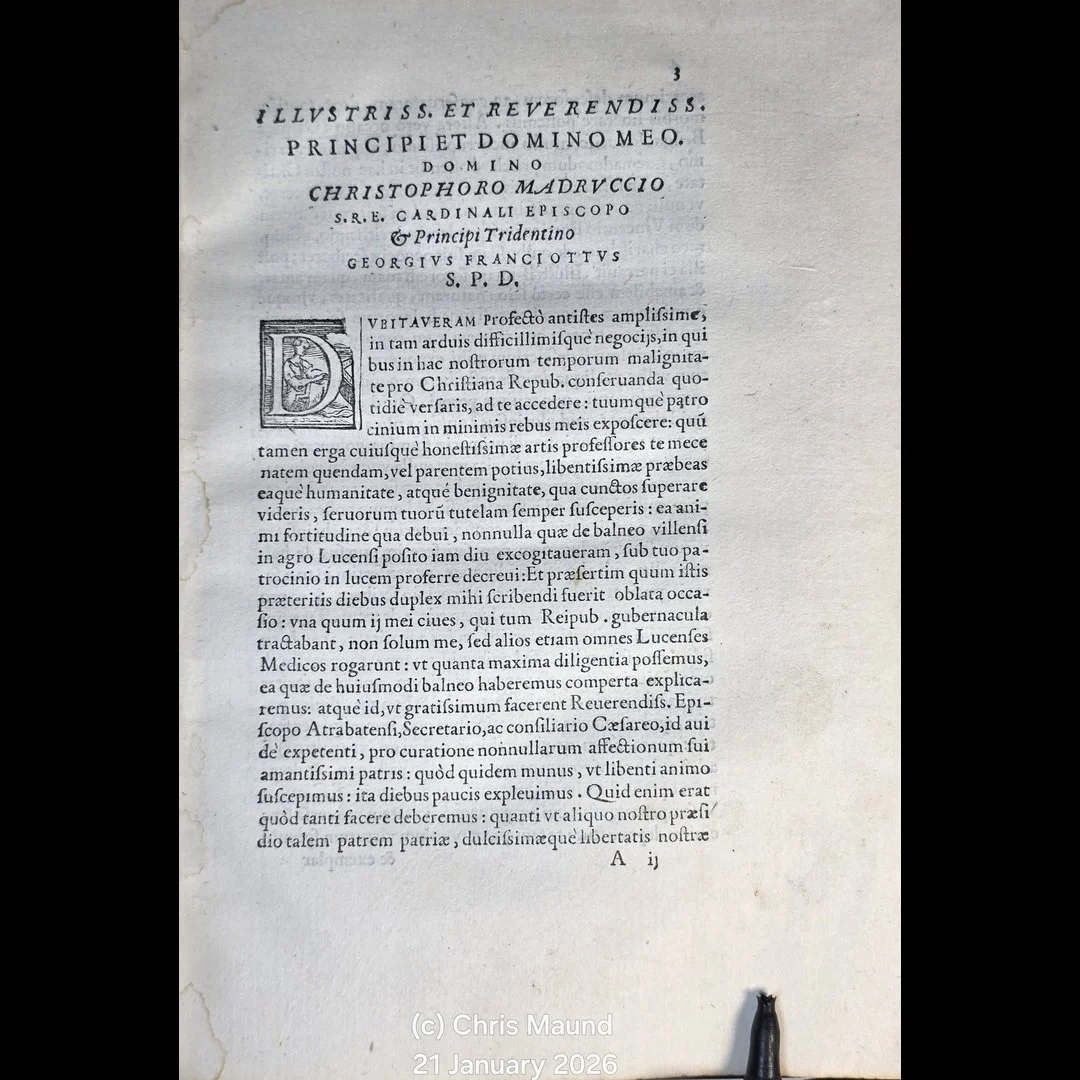
Internally complete with engraved frontispiece and eight further engraved plates, nine plates in total, of which four are hand-coloured. The colouring is particularly effective on the balloon subjects and substantially enhances the visual appeal of the volume. Text with general age-toning, occasional spotting, handling marks and minor staining. Some early or period manuscript annotations appear in the margins, including comments relating to the experiments described.
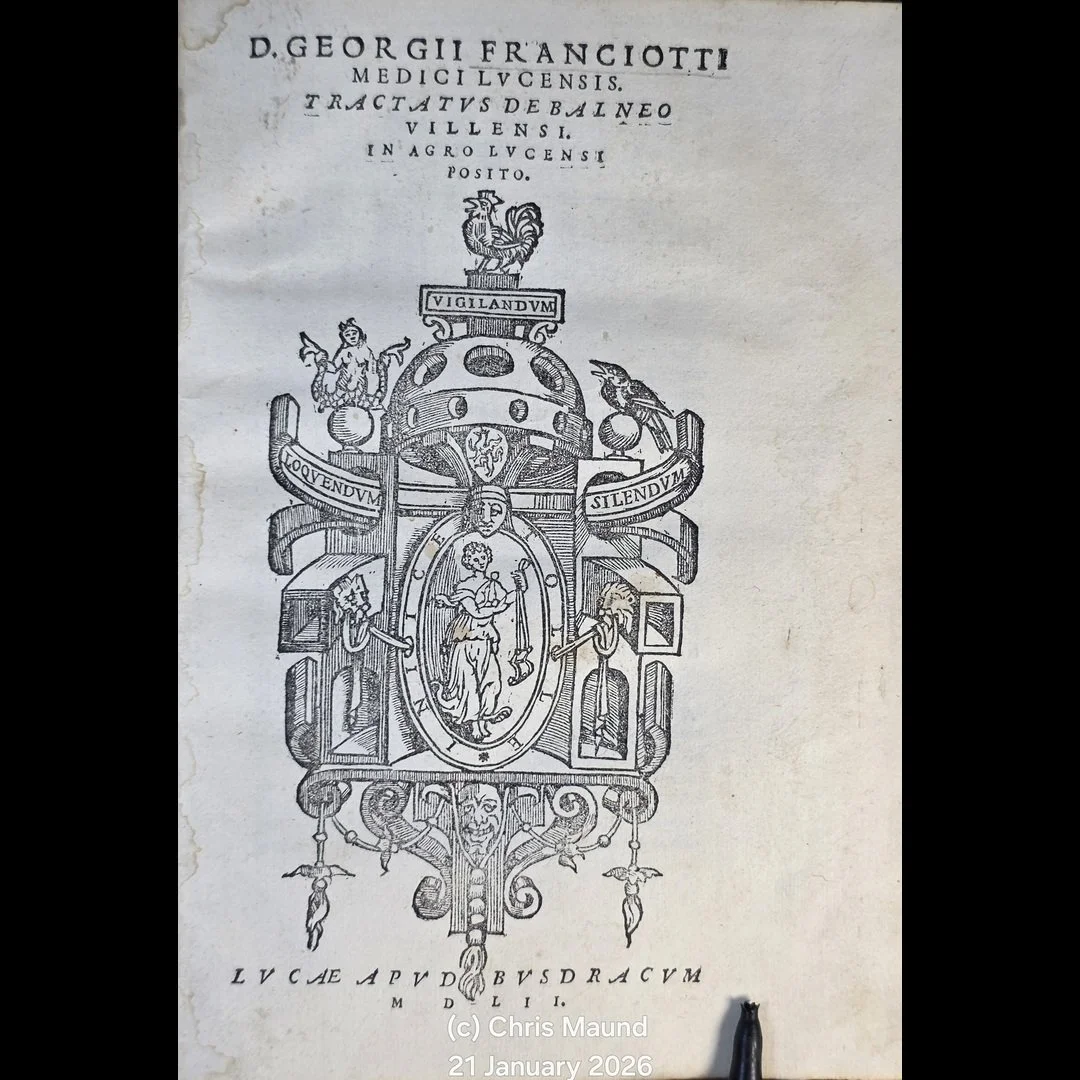
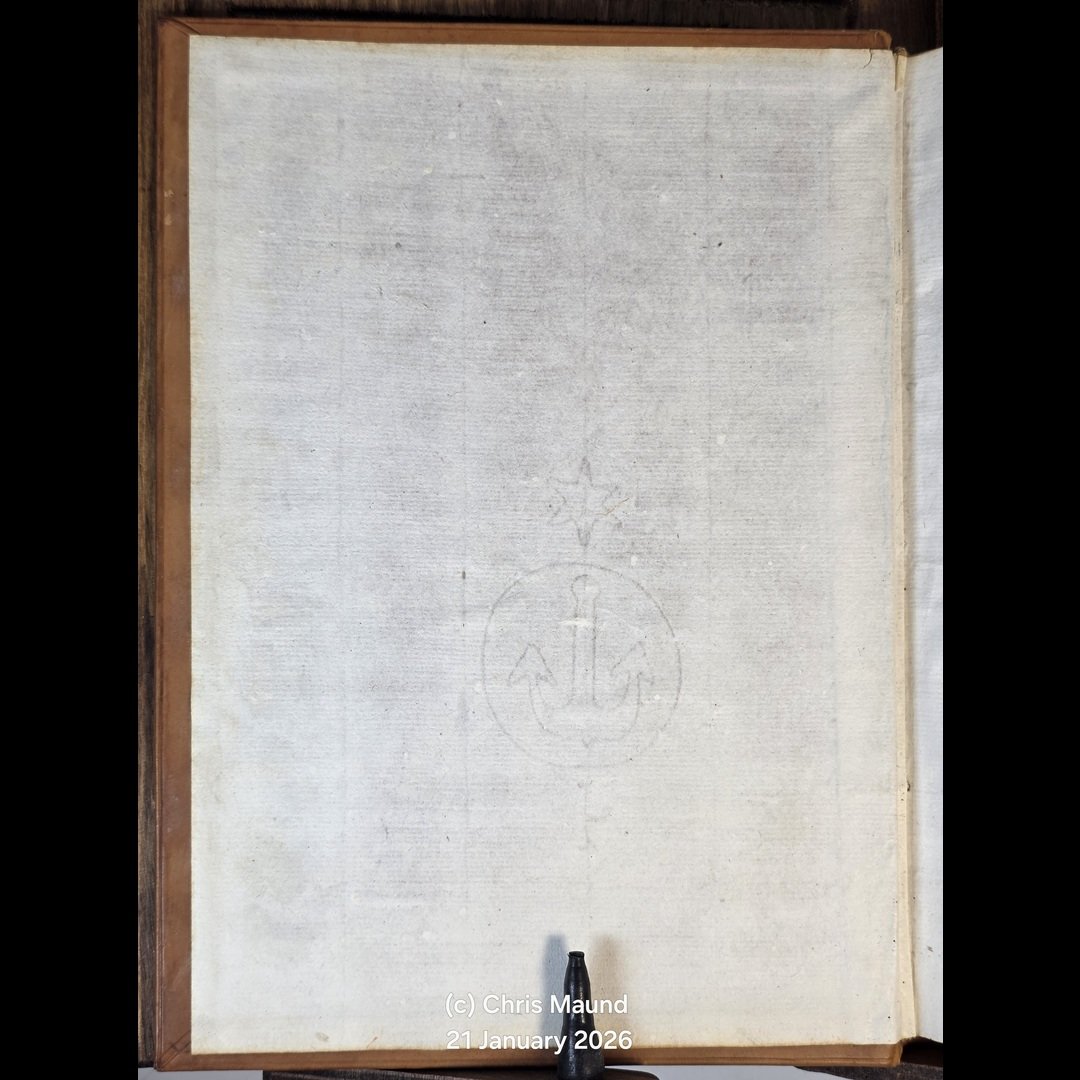
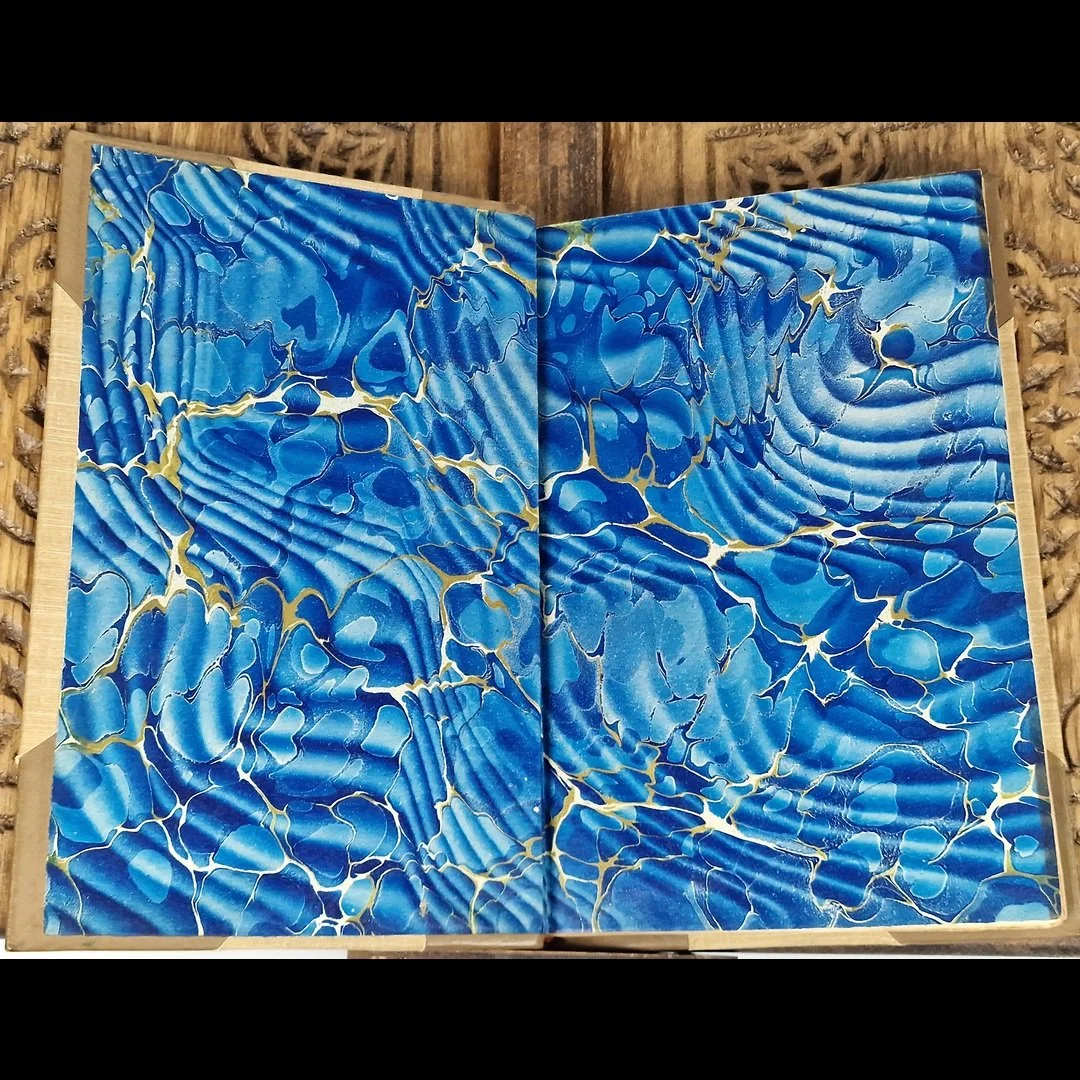
The title page and frontispiece are trimmed or somewhat close at the lower margin, though the principal printed and engraved material remains present. Later endpapers, the front pastedown/endpaper bearing the armorial bookplate of Lord Kings Norton. Binding rubbed and marked but sound and attractive overall.
A particularly desirable copy of this important early aeronautical work, distinguished by four hand-coloured plates, contemporary calf and significant aviation-related provenance.
The approval is dated Paris, 19 October 1783; the royal privilege granted to Cuchet is dated Fontainebleau, 29 October 1783.
Binding:
Contemporary gilt-decorated full calf, raised bands to spine with gilt floral compartments and gilt-lettered labels; octavo.
Please see Photos as part of condition report.
REFERENCES
PMM 229 — for the work / Cuchet first edition
Dibner 179 — for the work
Norman 769 — for the work
Tissandier 27
Liebmann-W. 978
Brockett 4377f
Sigmundt 96
Kat. Brug 65
SYNOPSIS
Faujas de Saint-Fond’s Description des expériences de la machine aérostatique de MM. de Montgolfier documents one of the defining technological breakthroughs of the Enlightenment: the successful conquest of the air.
The work records the Montgolfier brothers’ pioneering experiments with heated-air balloons during 1783, from the early demonstrations at Annonay through the spectacular public experiments at Paris and Versailles. These events culminated in the first successful manned balloon ascents and fundamentally altered contemporary understanding of what human technology might achieve.
Faujas combines eyewitness and documentary accounts with technical and scientific discussion. He examines balloon dimensions and construction, the preparation of lifting gases, atmospheric pressure and density, the behaviour of heated and inflammable air, proposed methods of steering aerial machines, and the practical possibilities opened by aerostation.
The volume also places the Montgolfier experiments within the wider scientific race to master flight, including contemporary work associated with Jacques Charles and the hydrogen balloon.
The engraved plates form an essential part of the work, preserving visual records of the celebrated early machines and experimental apparatus. In this copy four of the nine engravings are hand-coloured, giving particularly vivid form to the balloons whose ascents captivated Europe in 1783.
Published at the very beginning of practical aviation, Faujas de Saint-Fond’s work remains one of the key contemporary sources for the history of ballooning and one of the foundational books in any serious collection devoted to flight, technology, transportation or the history of science.
AUTHOR BIO
Barthélemy Faujas de Saint-Fond (1741–1819) was a French geologist, naturalist, traveller and one of the earliest major chroniclers and advocates of ballooning.
Initially trained in law, Faujas became increasingly devoted to geology and natural history and ultimately joined the Muséum national d’Histoire naturelle in Paris. His scientific interests coincided dramatically with the aeronautical revolution of 1783, when the experiments of Joseph-Michel and Jacques-Étienne Montgolfier demonstrated the possibility of lifting substantial machines—and ultimately human beings—into the atmosphere.
Faujas recognised immediately the scientific and historical importance of these events. His Description des expériences de la machine aérostatique de MM. de Montgolfier, published in 1783–1784, became one of the principal contemporary documentary records of the first successful experiments in human flight.

 Image 1 of 30
 Image 2 of 30
 Image 3 of 30
 Image 4 of 30
 Image 5 of 30
 Image 6 of 30
 Image 7 of 30
 Image 8 of 30
 Image 9 of 30
 Image 10 of 30
 Image 11 of 30
 Image 12 of 30
 Image 13 of 30
 Image 14 of 30
 Image 15 of 30
 Image 16 of 30
 Image 17 of 30
 Image 18 of 30
 Image 19 of 30
 Image 20 of 30
 Image 21 of 30
 Image 22 of 30
 Image 23 of 30
 Image 24 of 30
 Image 25 of 30
 Image 26 of 30
 Image 27 of 30
 Image 28 of 30
 Image 29 of 30
 Image 30 of 30