1650 French Edition
CURIOSITEZ INOUYES SUR LA SCULPTURE TALISMANIQUE DES PERSANS
By Jacques Gaffarel
KEY DETAILS
Condition: Very Good
Format: Vellum, Octavo (Standard) (8vo 6 × 9 in 152 × 229 mm )
Note: Binding/size selection follows standard bibliographic conventions and is approximate; exact measurements may vary.
Published By: S.l., s.n. [place and printer not identified], 1650
Language: French
Collation: [8] ff., 315 pp.; 2 folding woodcut plates at end.
Dust Jacket: None, as issued, No Jacket
SKU: BTETM0002412
Shipping Info: Approximate Package Dimensions H: 12.5, L: 30, W: 25 (Units: cm), W: 2Kg
Tracked Shipping, Insurance Coverage as per Customer Request
DESCRIPTION
Curiositez inouyes sur la sculpture talismanique des Persans
Horoscope des Patriarches et Lecture des Estoilles
A scarce and highly appealing seventeenth-century edition of Jacques Gaffarel’s celebrated work on talismanic magic, astrology, Christian Kabbalah and celestial Hebrew, complete with the two large folding woodcut plates depicting the celebrated “Alphabet Hébreu Céleste.”
First published in 1629, Curiositez inouyes is Gaffarel’s best-known and most influential work, occupying a distinctive position at the meeting point of Renaissance natural magic, Oriental scholarship, astrology, Hebraic learning and Christian Kabbalah. Gaffarel sought to examine traditions commonly dismissed as superstition through historical, linguistic and philosophical argument, treating Persian talismans, ancient Hebrew astrology, divination and the possibility of discerning Hebrew characters in the configurations of the stars.
Of particular importance are the two folding celestial Hebrew plates, frequently absent from surviving copies. These striking diagrams illustrate Gaffarel’s theory that constellations might form Hebrew letters and that the heavens could therefore be interpreted as a kind of celestial text. Their survival here gives the volume considerable visual and bibliographical appeal.
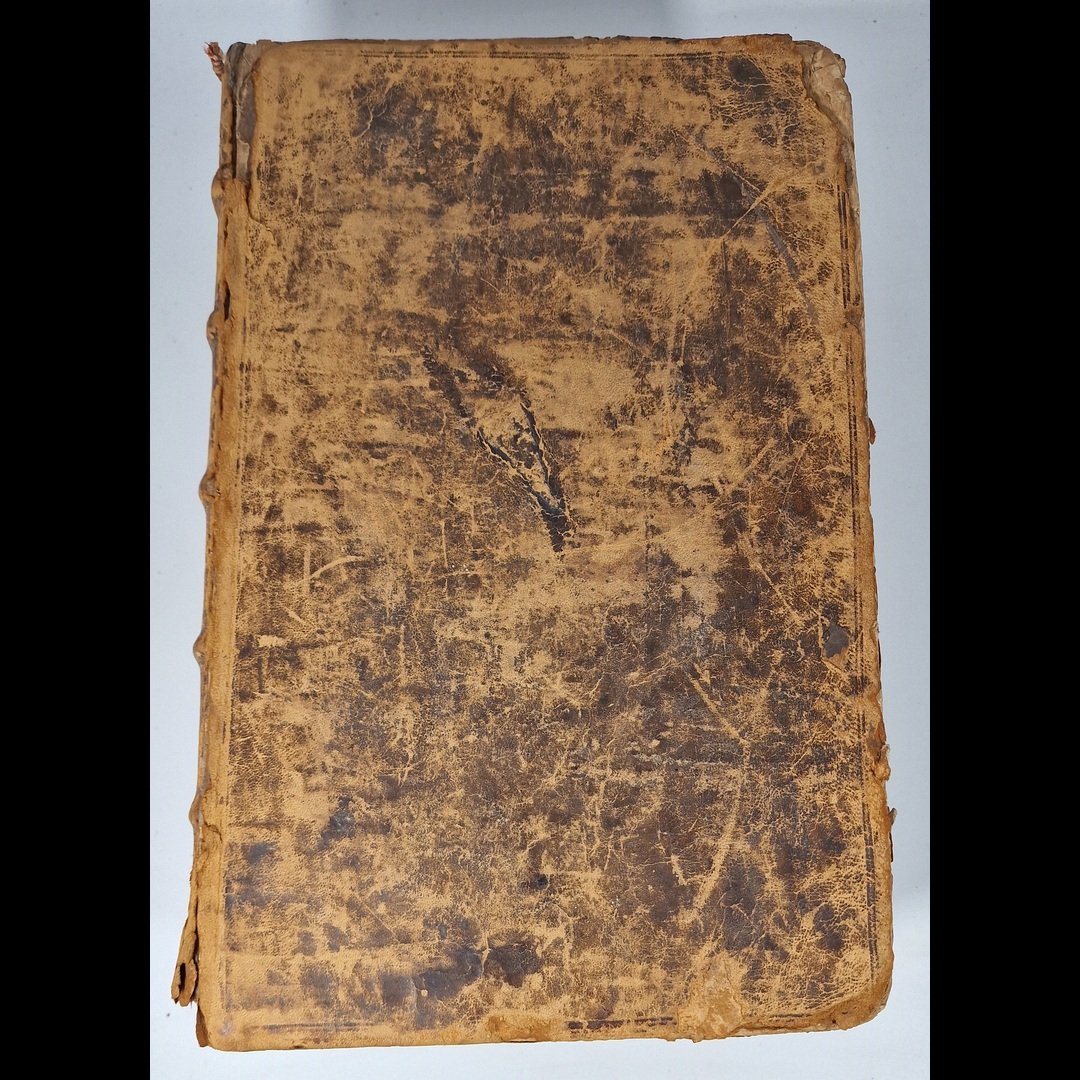
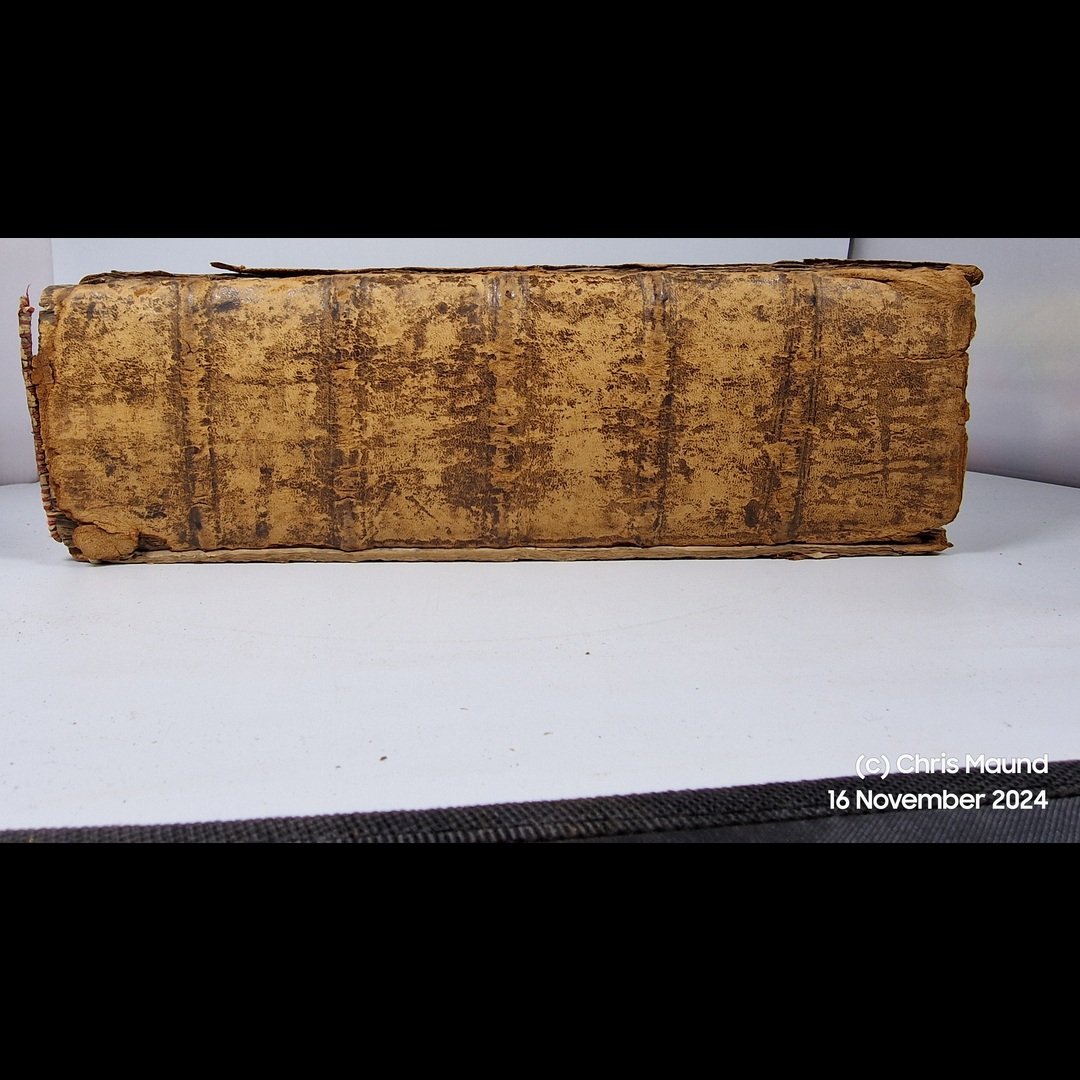
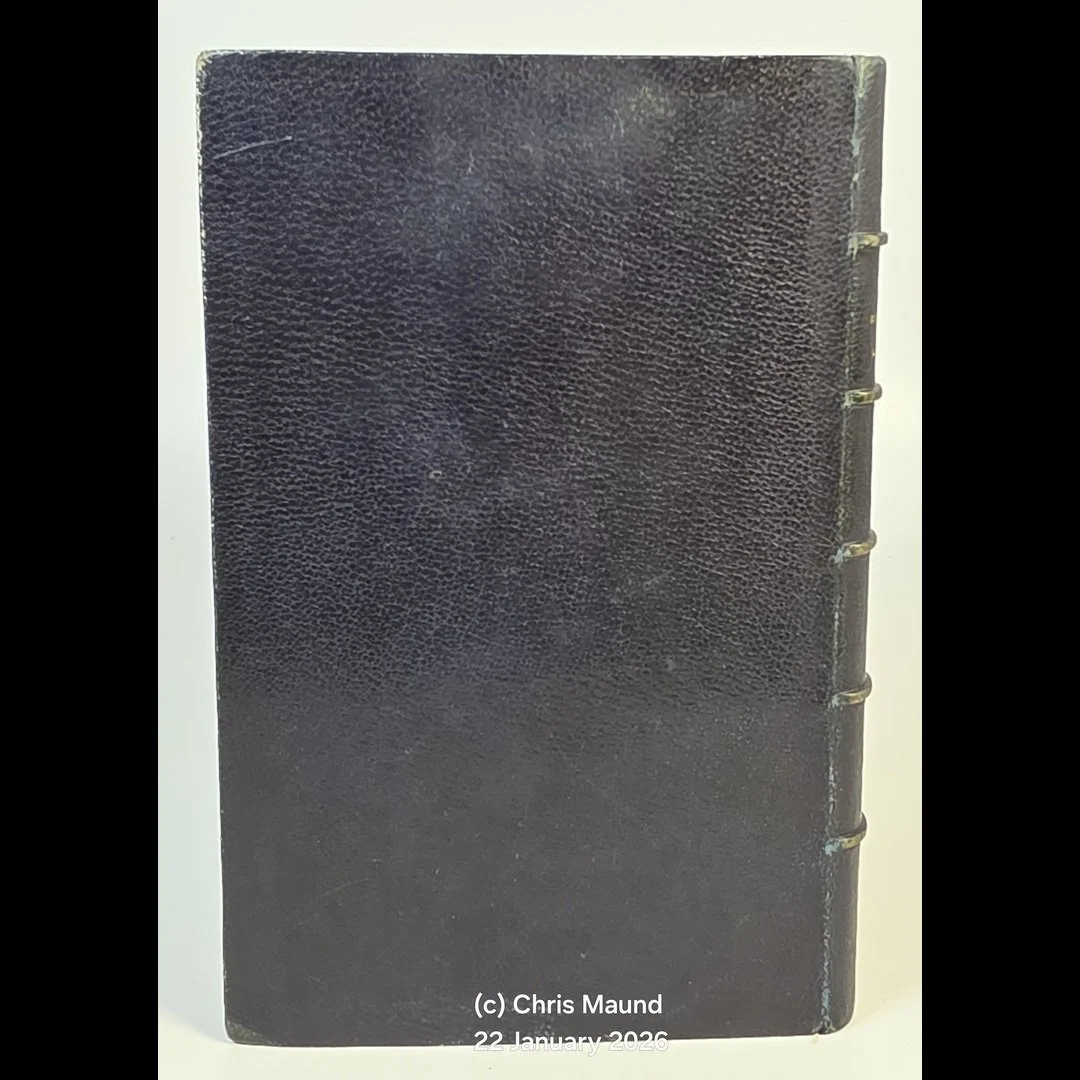
An attractive copy in contemporary flexible vellum, with manuscript title to the spine and contemporary scholarly marginalia. Complete with both folding celestial plates.
CONDITION, COLLATION & COPY NOTES
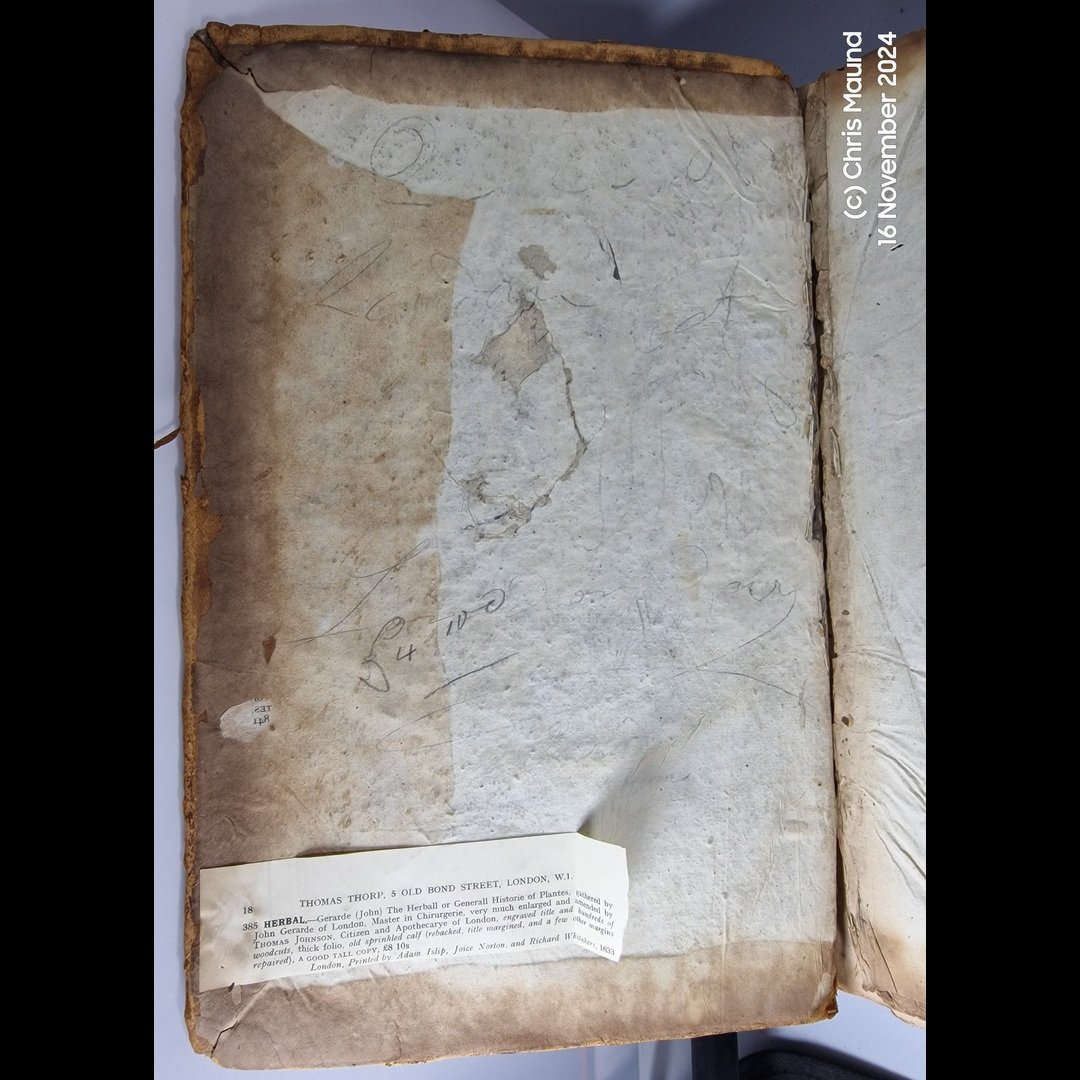
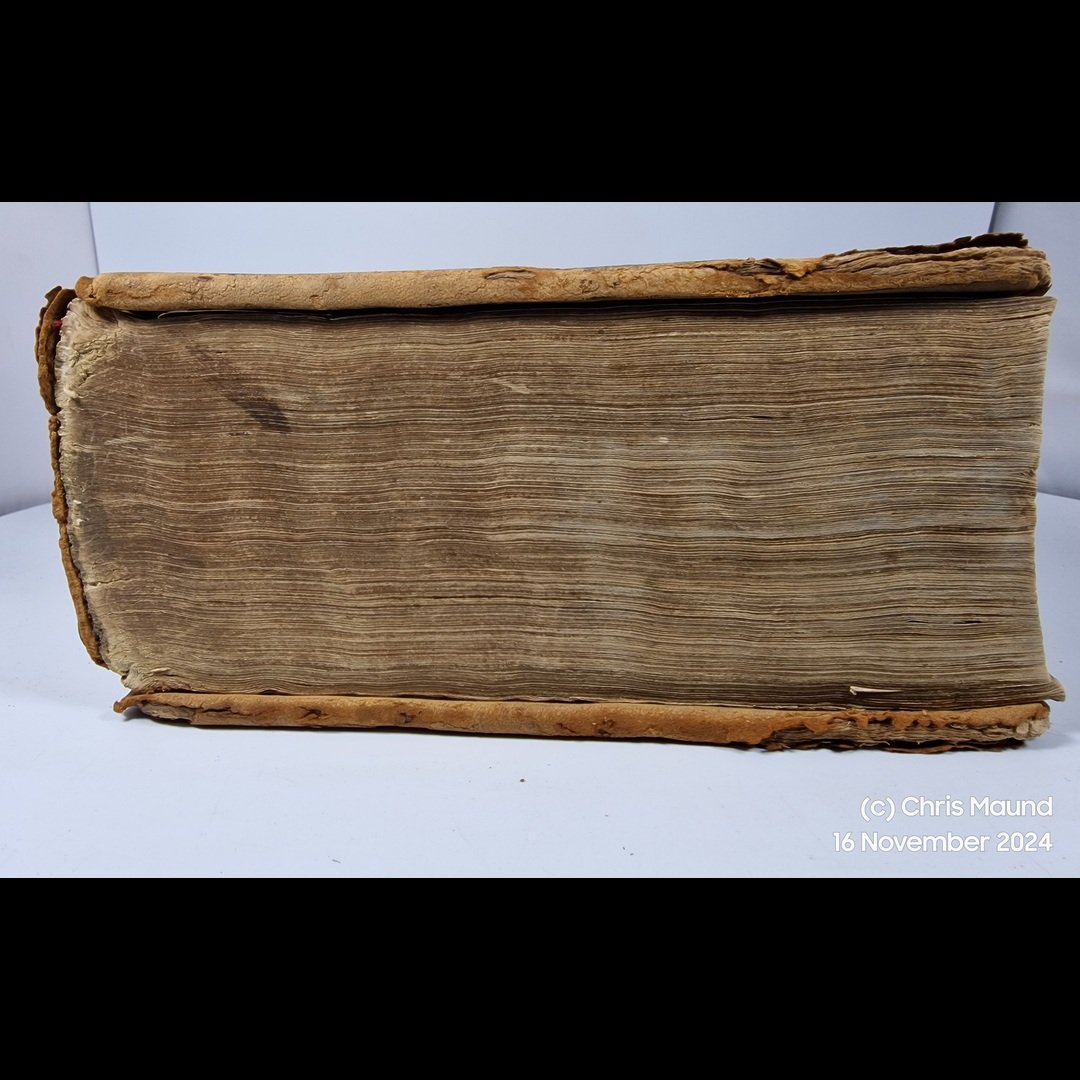
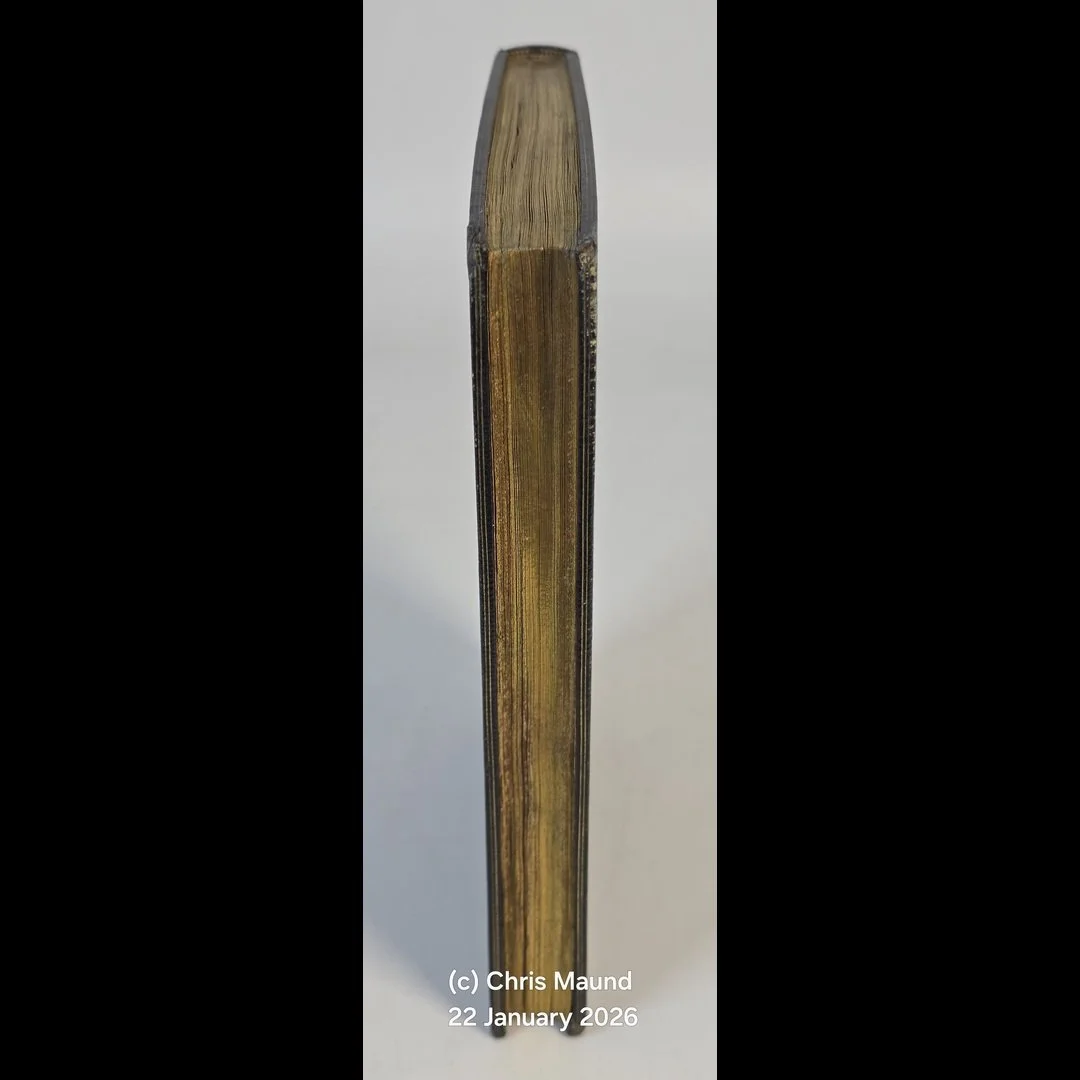
A sound and attractive seventeenth-century copy in contemporary flexible vellum. Binding with expected age-soiling, rubbing, spotting and marking, together with creasing and wear at the extremities and spine. Manuscript spine title faded but still discernible. The vellum retains considerable period character and the binding remains visually appealing.
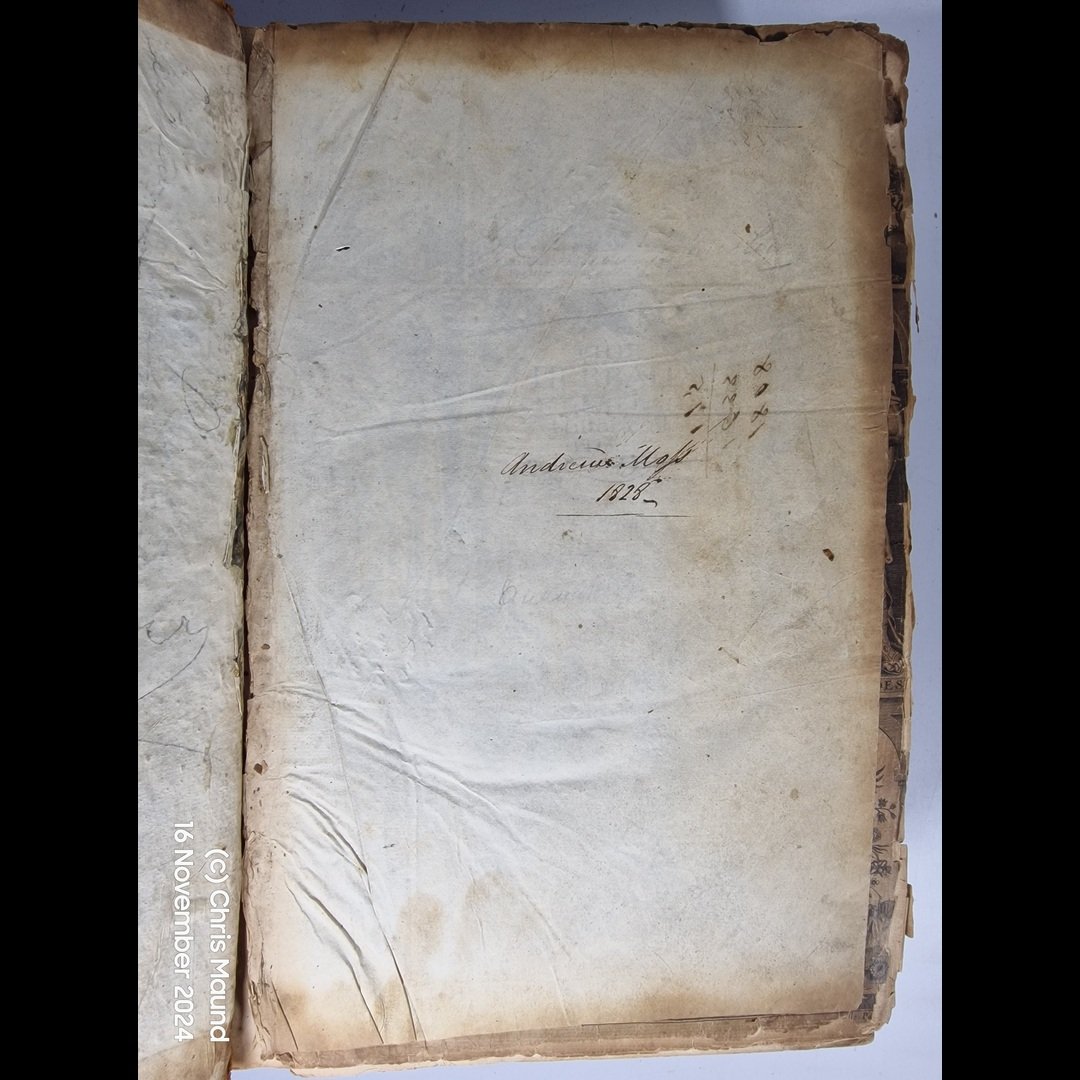
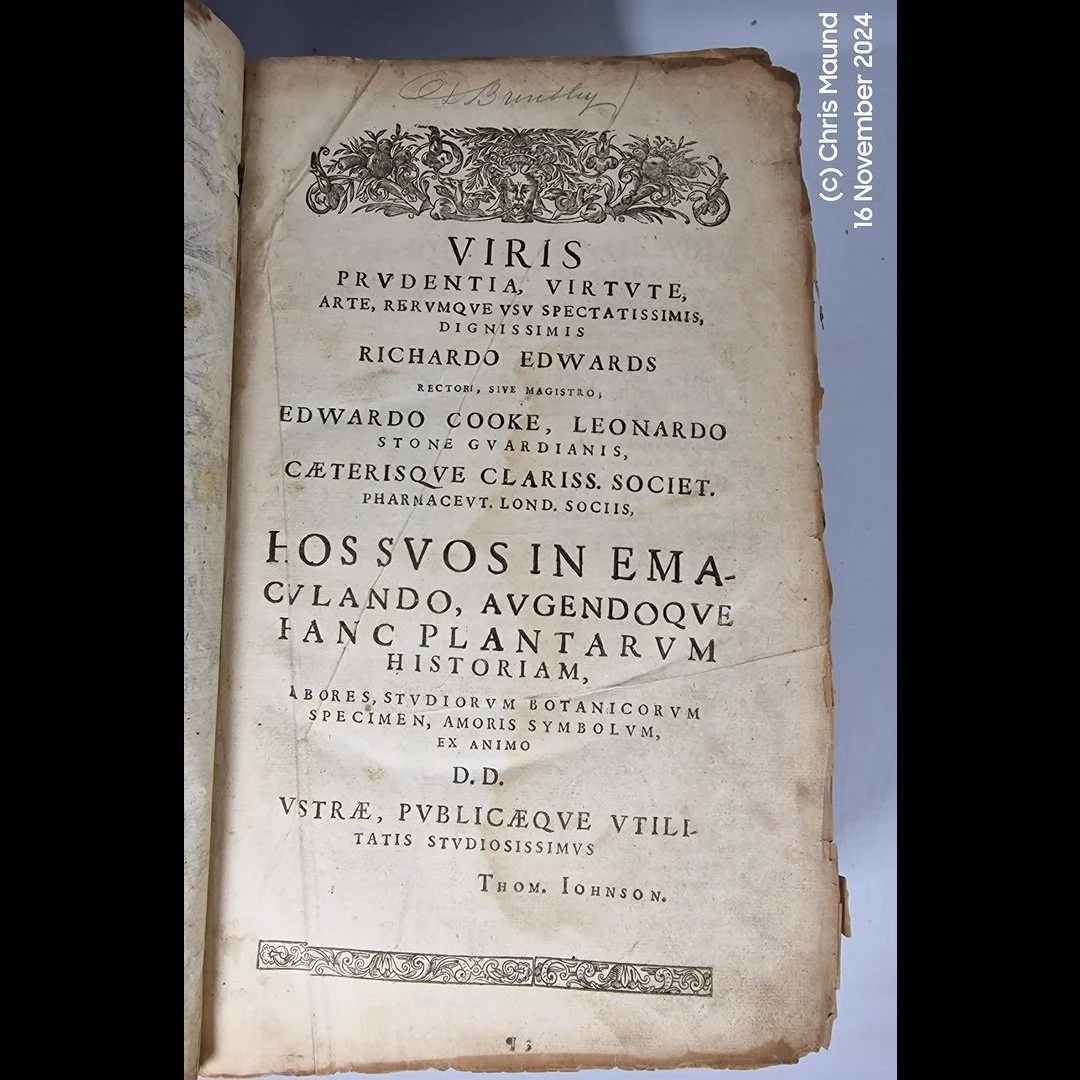
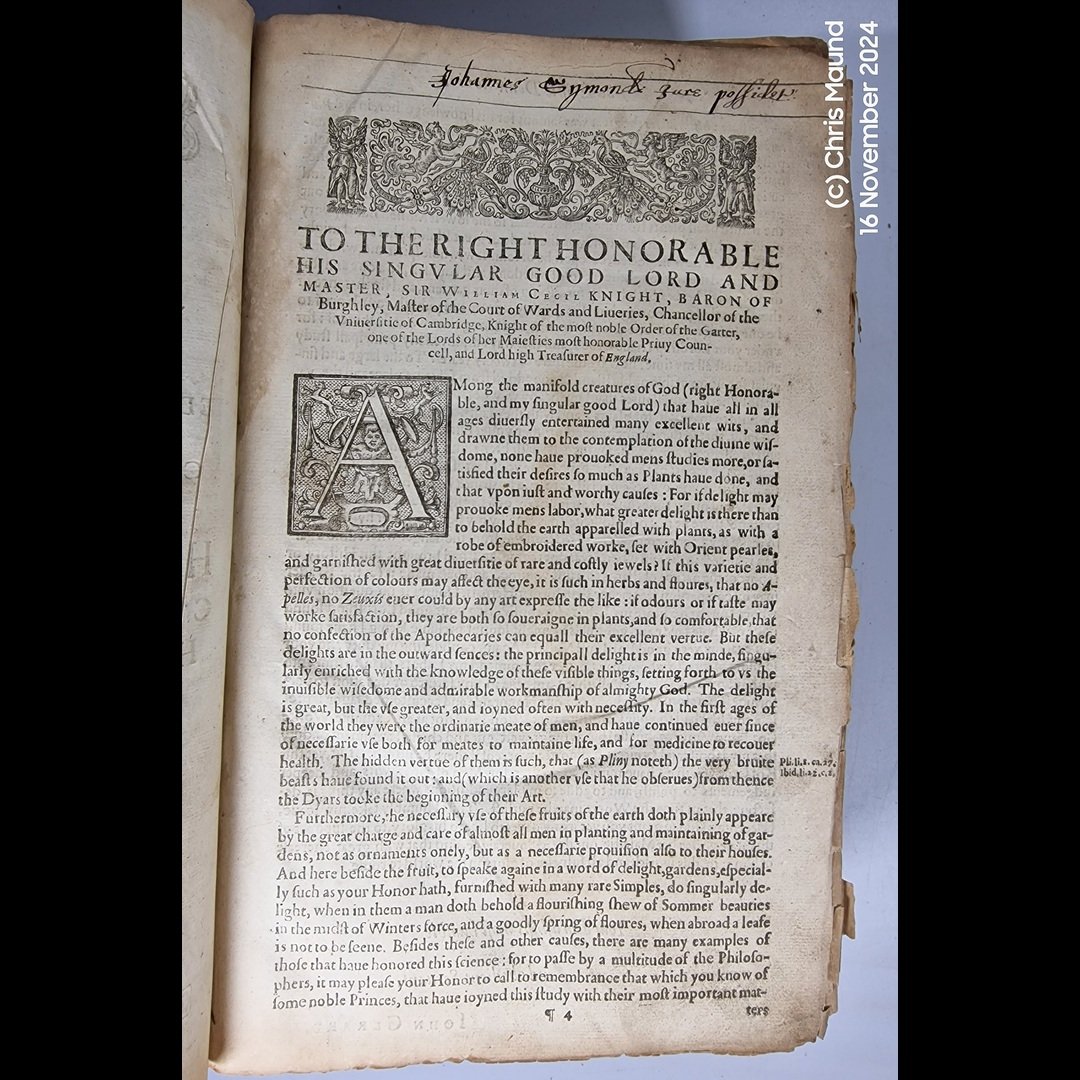
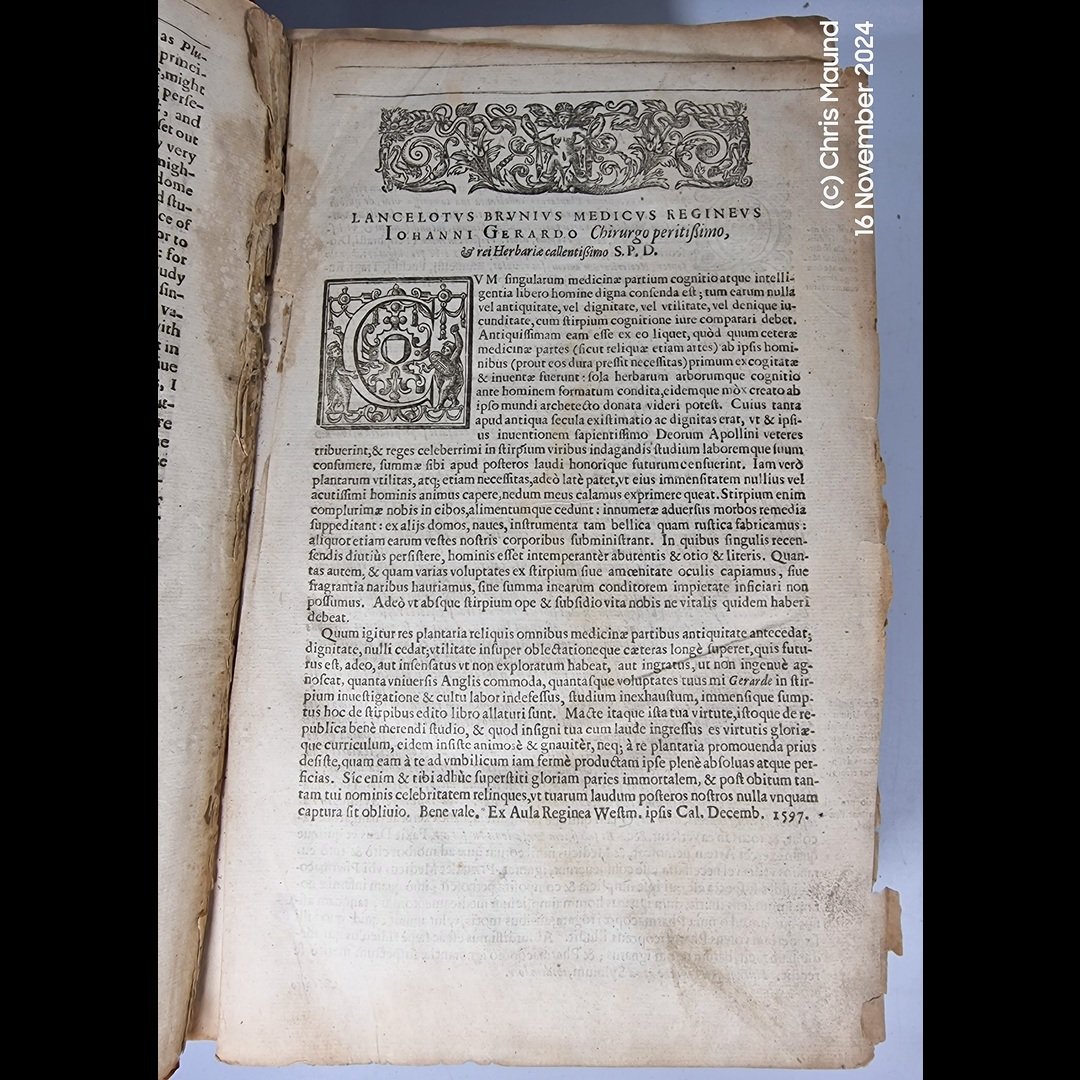
Title page present, with general age-toning and a small marginal chip/loss at the lower outer corner, not affecting the printed text. Internally with light to moderate toning, scattered spotting and occasional marginal staining or handling marks consistent with age. A number of leaves bear contemporary manuscript marginalia, including annotations relating to the Hebrew and esoteric material, providing interesting evidence of early readership.
Complete with the two large folding woodcut celestial Hebrew plates. Both plates retain strong printed impressions and the principal engraved/woodcut areas remain substantially complete. Plates with expected old fold lines, some fold-toning, handling wear and minor marginal imperfections; one with a small tear or notch extending from the outer edge towards a fold, without significant loss to the principal diagram.
Text substantially clean, crisp and legible throughout. A handsome and evocative copy of an important seventeenth-century work of magic and Christian Kabbalah, particularly desirable for retaining both of the often-missing celestial Hebrew plates.
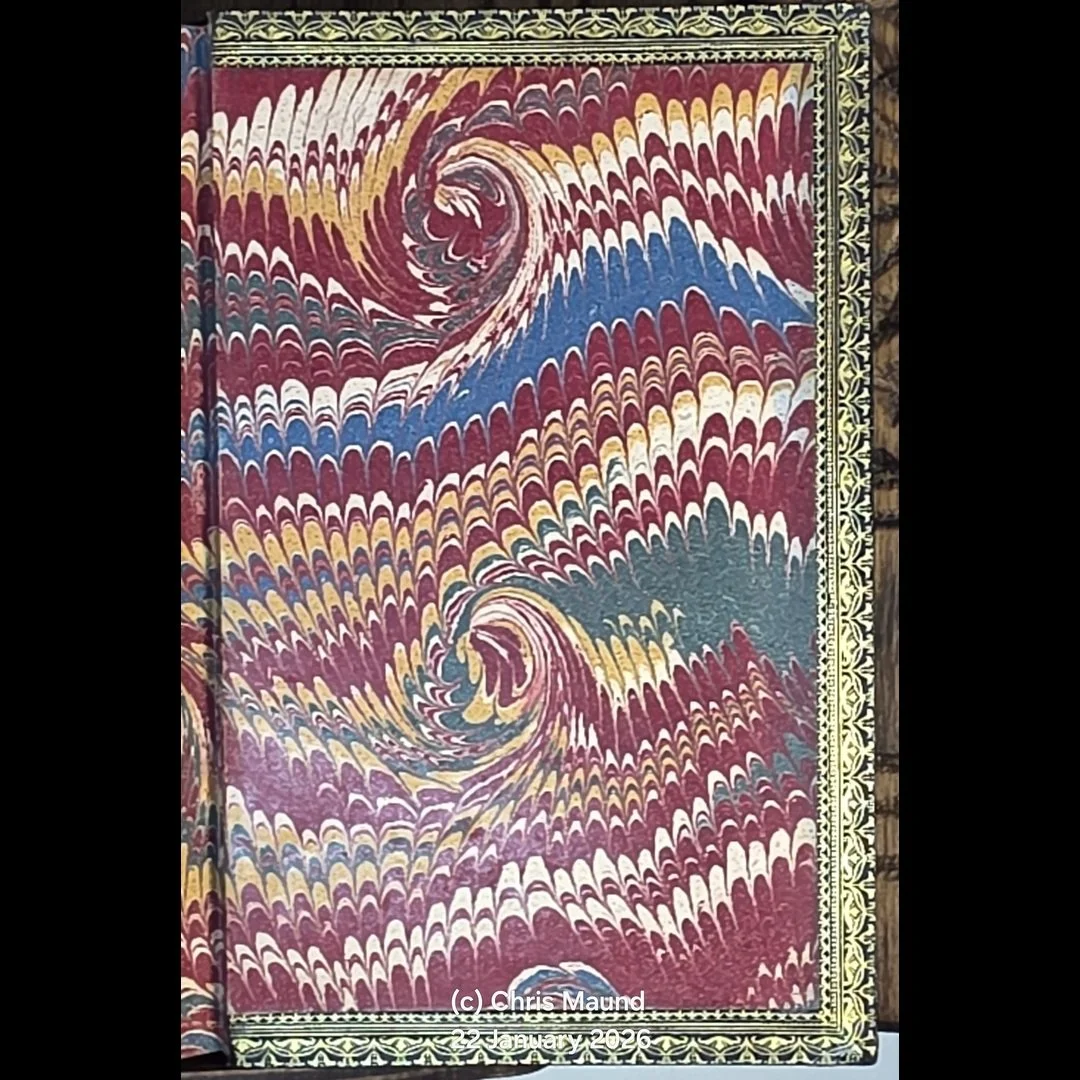
Please see Photos as part of condition report.
REFERENCES
BM STC French, C17, p. 214, no. 59
Brunet II, 1433
Caillet II, 4293
Cantamessa I, 1671
Dorbon 1810
Duveen, p. 235
Houzeau & Lancaster I, 5127
Thorndike, A History of Magic and Experimental Science, VII, pp. 304–306
Yves-Plessis 1037
SYNOPSIS
Curiositez inouyes sur la sculpture talismanique des Persans, horoscope des Patriarches et lecture des Estoilles — approximately, “Unheard-of Curiosities concerning the Talismanic Sculpture of the Persians, the Horoscope of the Patriarchs, and the Reading of the Stars” — is Gaffarel’s major investigation into magic, astrology, Hebraic traditions and the interpretation of celestial signs.
The work is divided into four parts:
The first, “De la Defence des Orientaux,” defends Oriental peoples, and particularly the Jews, against a number of traditional European accusations and prejudices.
The second, “De la Sculpture talismanique des Persans,” examines Persian talismans and the making of figures or images under particular celestial configurations, placing such practices within contemporary debates concerning natural magic and astral influence.
The third, “De l’Horoscope des Patriarches,” considers the supposed astrology of the Biblical patriarchs and the astronomical and divinatory traditions attributed to the ancient Hebrews.
The fourth, “De la Lecture des Estoilles,” contains the book’s most celebrated material. Gaffarel develops the extraordinary proposition that arrangements of stars may resemble the characters of the Hebrew alphabet and that the heavens might consequently be “read” as a celestial text.
The two large folding plates illustrating this celestial Hebrew alphabet are among the most memorable images in seventeenth-century occult literature and are frequently missing from surviving copies. This copy retains both.
An important and visually striking work at the intersection of Magic – Occulta – Astrology – Christian Kabbalah – Hebraica – Judaica – Persian and Oriental Studies – History of Ideas.
AUTHOR BIO
Jacques Gaffarel (1601–1681) was a French priest, theologian, orientalist and scholar of esoteric traditions whose interests encompassed Hebrew learning, Kabbalah, astrology, natural magic and the intellectual cultures of the Near East.
After studying medicine and theology, Gaffarel travelled in Italy and pursued Hebrew and Kabbalistic manuscripts and scholarship. He later entered the circle of Cardinal Richelieu and served as one of his librarians. His unusually sympathetic interest in Jewish and Oriental learning placed him among the more distinctive figures of seventeenth-century French intellectual life.
Gaffarel is remembered above all for Curiositez inouyes, first published in 1629, a work whose treatment of talismanic magic, Hebrew astrology and celestial writing attracted both controversy and sustained scholarly interest.
1650 French Edition
CURIOSITEZ INOUYES SUR LA SCULPTURE TALISMANIQUE DES PERSANS
By Jacques Gaffarel
KEY DETAILS
Condition: Very Good
Format: Vellum, Octavo (Standard) (8vo 6 × 9 in 152 × 229 mm )
Note: Binding/size selection follows standard bibliographic conventions and is approximate; exact measurements may vary.
Published By: S.l., s.n. [place and printer not identified], 1650
Language: French
Collation: [8] ff., 315 pp.; 2 folding woodcut plates at end.
Dust Jacket: None, as issued, No Jacket
SKU: BTETM0002412
Shipping Info: Approximate Package Dimensions H: 12.5, L: 30, W: 25 (Units: cm), W: 2Kg
Tracked Shipping, Insurance Coverage as per Customer Request
DESCRIPTION
Curiositez inouyes sur la sculpture talismanique des Persans
Horoscope des Patriarches et Lecture des Estoilles
A scarce and highly appealing seventeenth-century edition of Jacques Gaffarel’s celebrated work on talismanic magic, astrology, Christian Kabbalah and celestial Hebrew, complete with the two large folding woodcut plates depicting the celebrated “Alphabet Hébreu Céleste.”
First published in 1629, Curiositez inouyes is Gaffarel’s best-known and most influential work, occupying a distinctive position at the meeting point of Renaissance natural magic, Oriental scholarship, astrology, Hebraic learning and Christian Kabbalah. Gaffarel sought to examine traditions commonly dismissed as superstition through historical, linguistic and philosophical argument, treating Persian talismans, ancient Hebrew astrology, divination and the possibility of discerning Hebrew characters in the configurations of the stars.
Of particular importance are the two folding celestial Hebrew plates, frequently absent from surviving copies. These striking diagrams illustrate Gaffarel’s theory that constellations might form Hebrew letters and that the heavens could therefore be interpreted as a kind of celestial text. Their survival here gives the volume considerable visual and bibliographical appeal.
An attractive copy in contemporary flexible vellum, with manuscript title to the spine and contemporary scholarly marginalia. Complete with both folding celestial plates.
CONDITION, COLLATION & COPY NOTES
A sound and attractive seventeenth-century copy in contemporary flexible vellum. Binding with expected age-soiling, rubbing, spotting and marking, together with creasing and wear at the extremities and spine. Manuscript spine title faded but still discernible. The vellum retains considerable period character and the binding remains visually appealing.
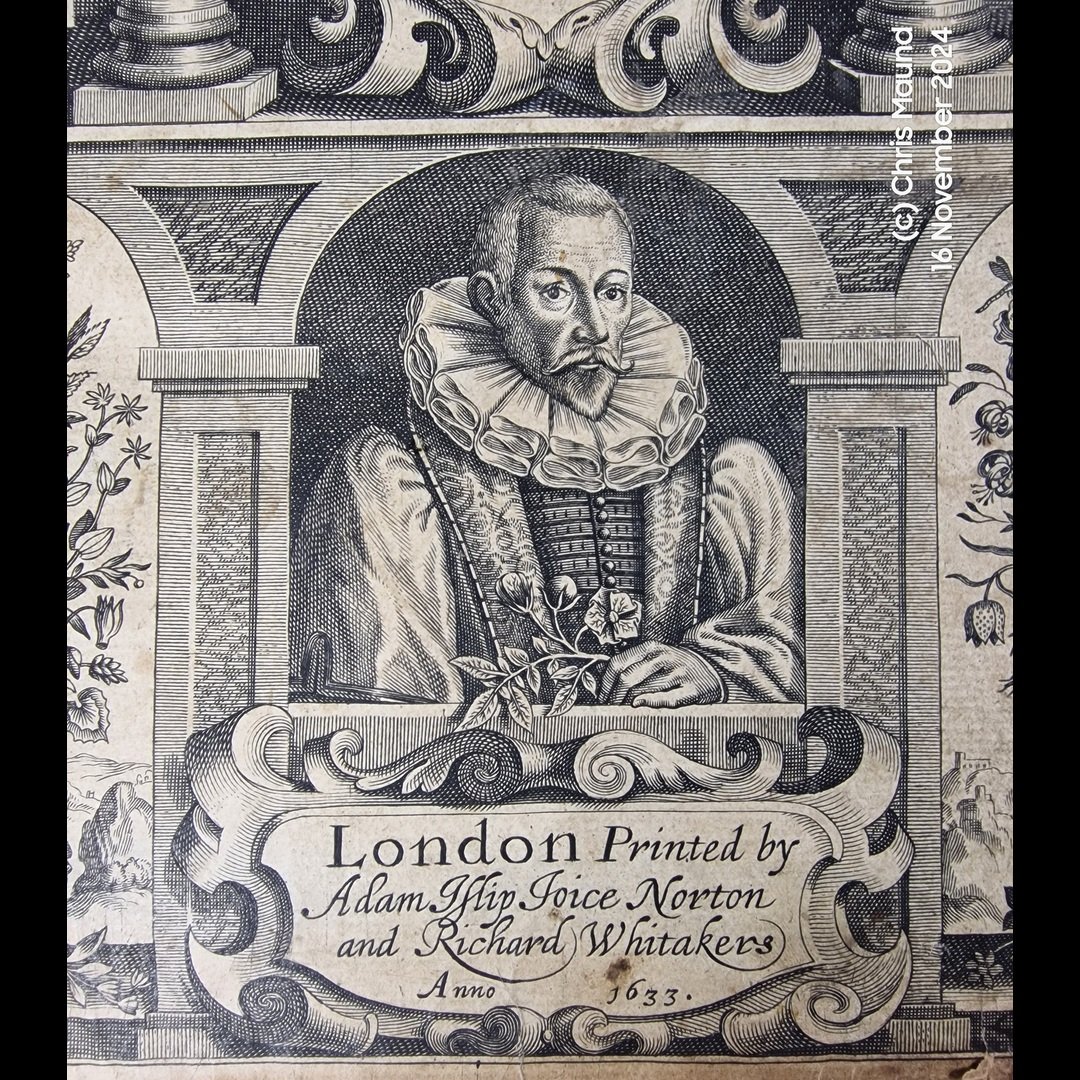
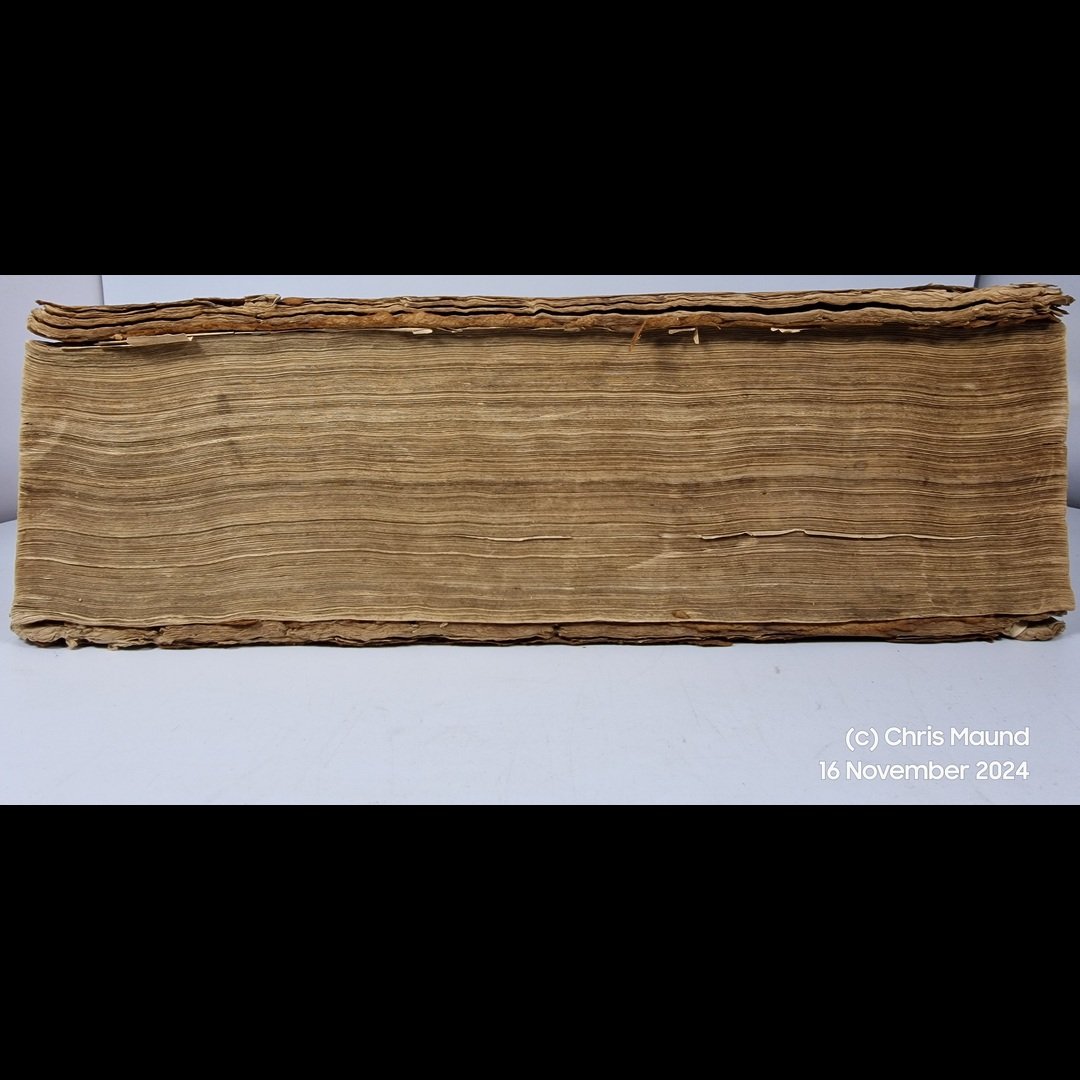
Title page present, with general age-toning and a small marginal chip/loss at the lower outer corner, not affecting the printed text. Internally with light to moderate toning, scattered spotting and occasional marginal staining or handling marks consistent with age. A number of leaves bear contemporary manuscript marginalia, including annotations relating to the Hebrew and esoteric material, providing interesting evidence of early readership.
Complete with the two large folding woodcut celestial Hebrew plates. Both plates retain strong printed impressions and the principal engraved/woodcut areas remain substantially complete. Plates with expected old fold lines, some fold-toning, handling wear and minor marginal imperfections; one with a small tear or notch extending from the outer edge towards a fold, without significant loss to the principal diagram.
Text substantially clean, crisp and legible throughout. A handsome and evocative copy of an important seventeenth-century work of magic and Christian Kabbalah, particularly desirable for retaining both of the often-missing celestial Hebrew plates.
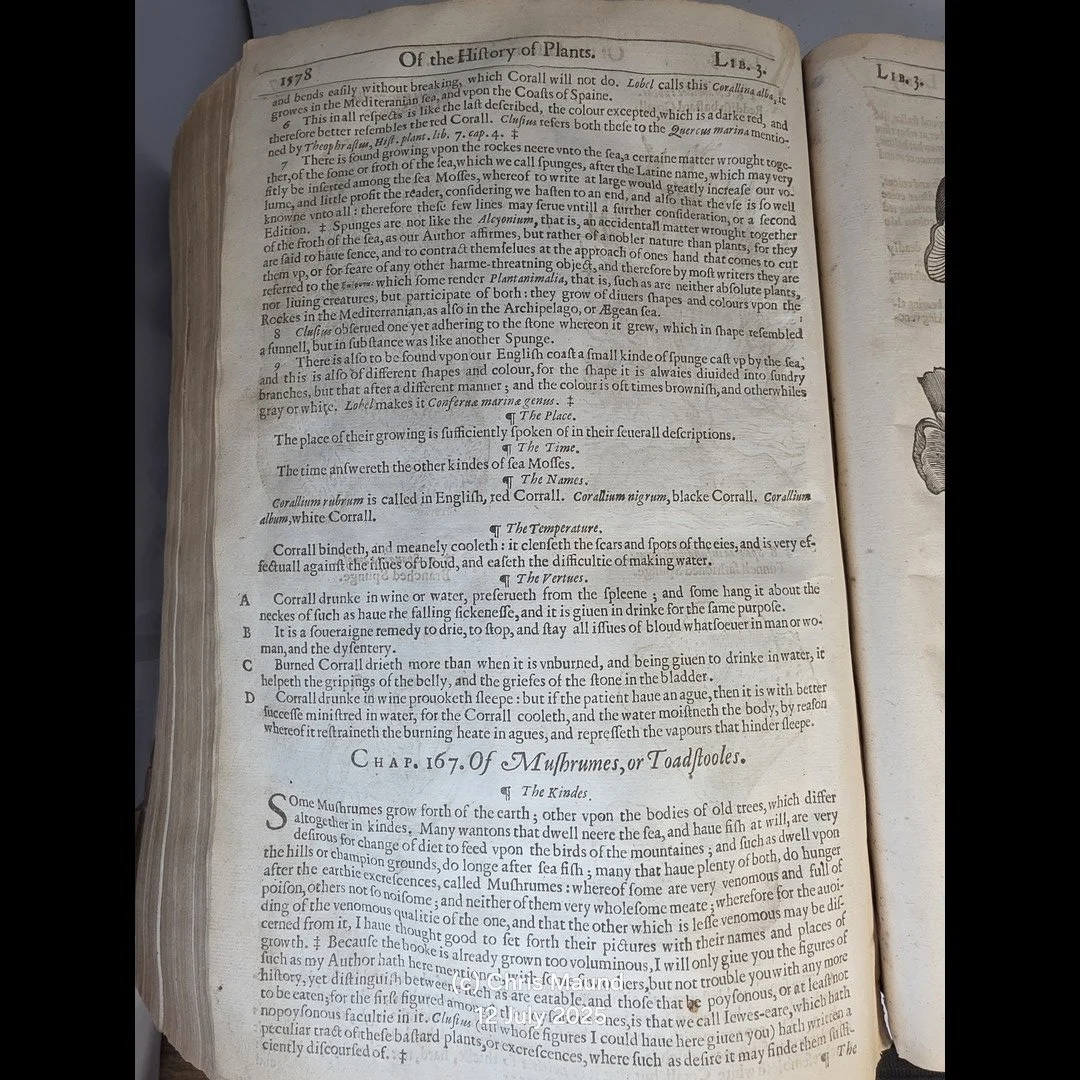
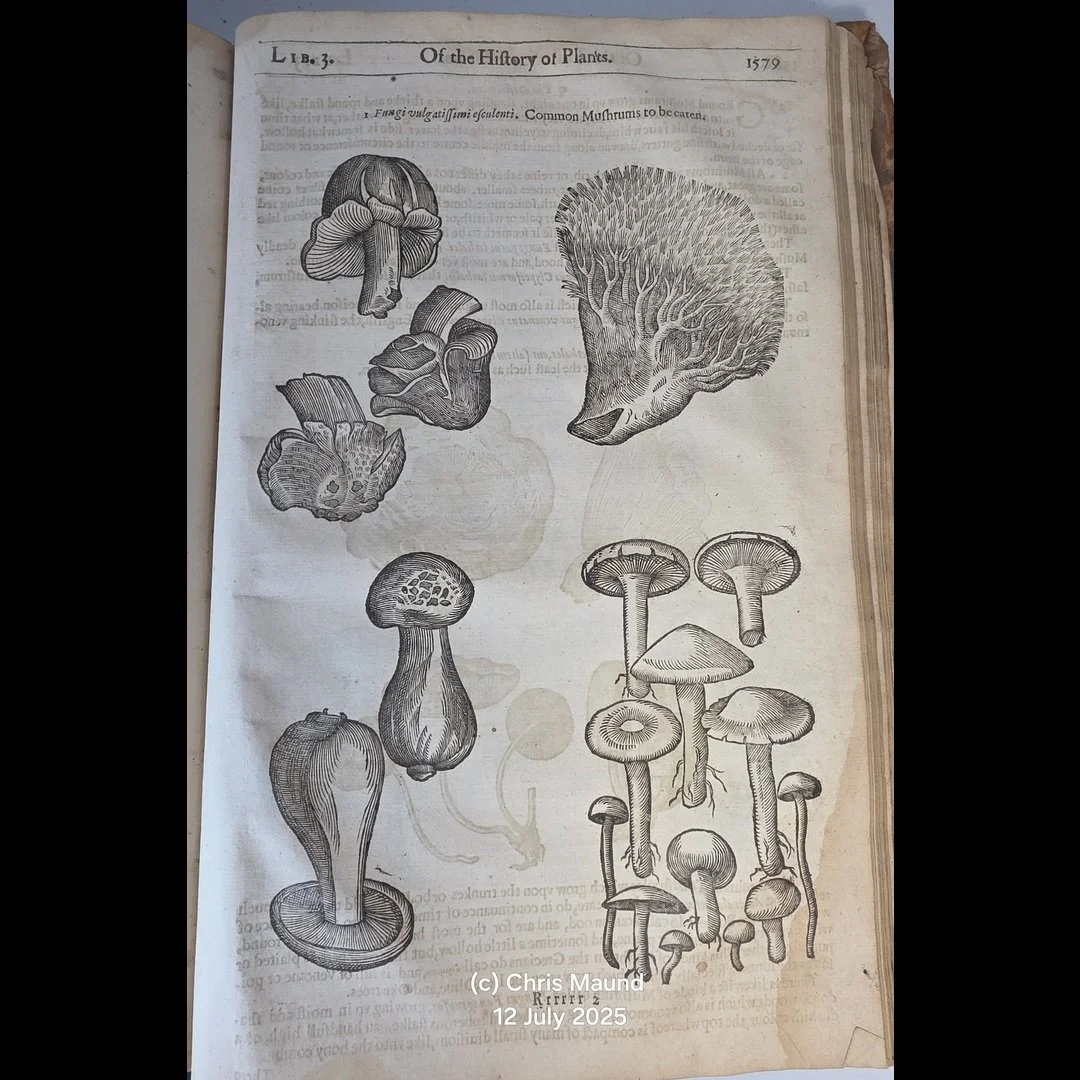
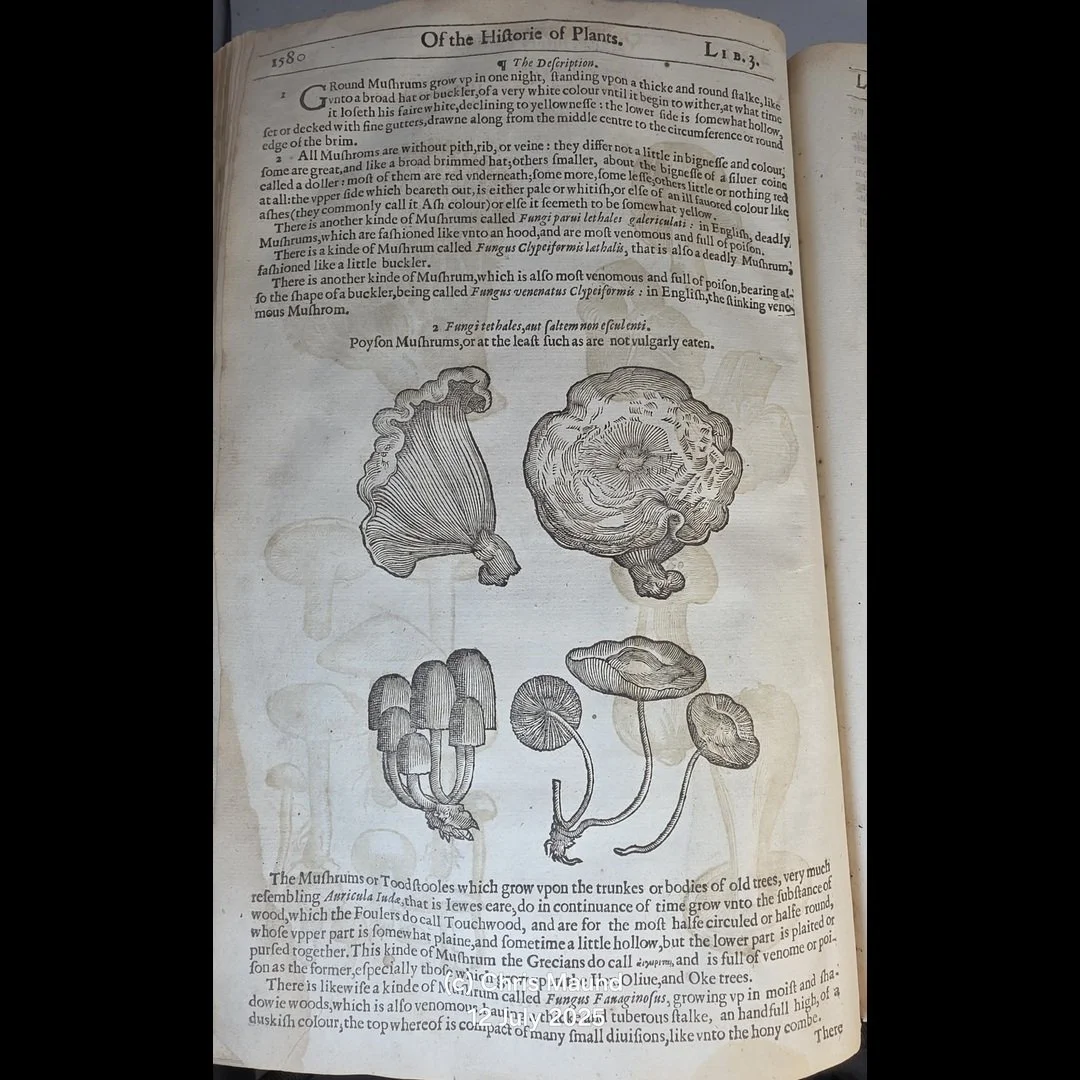
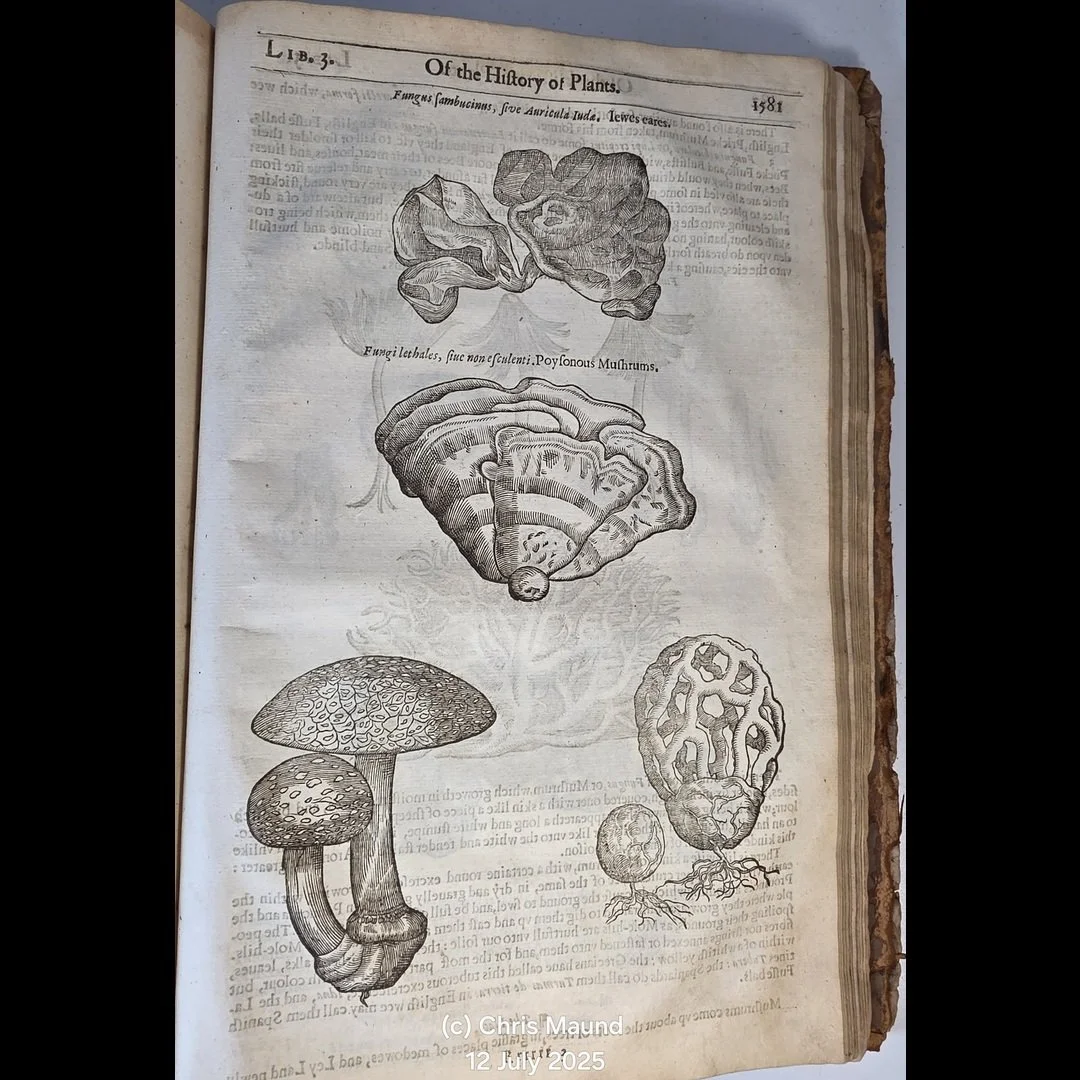
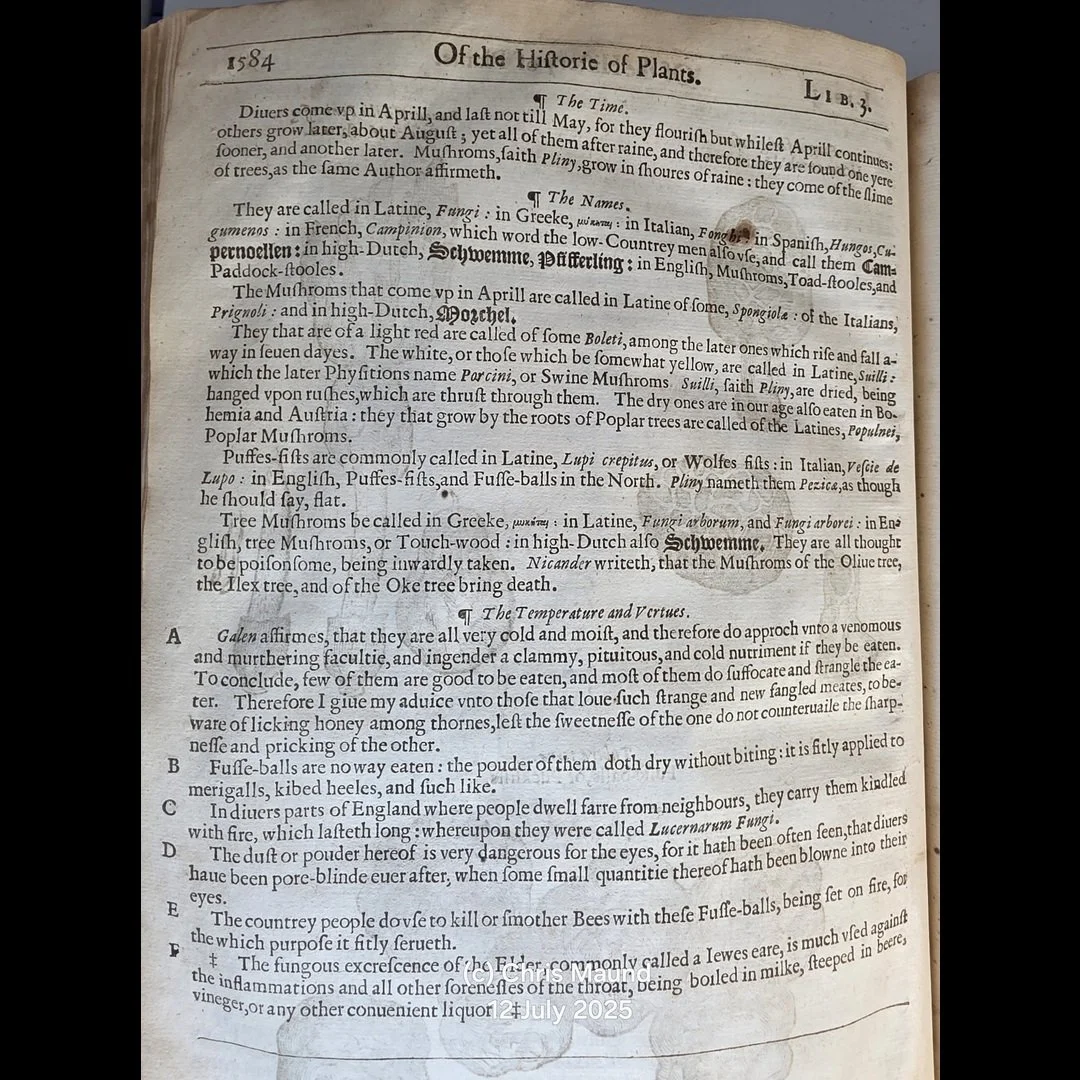
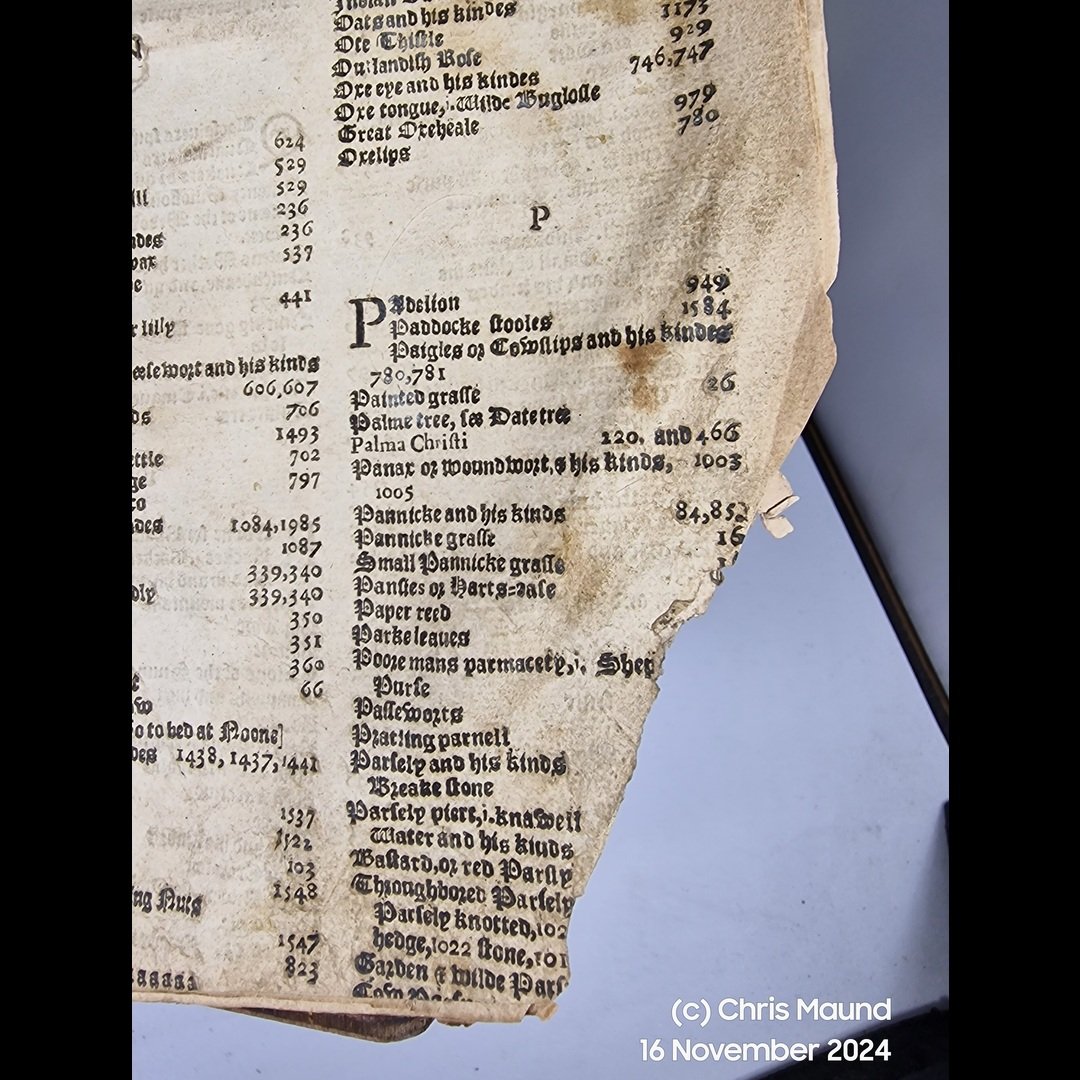
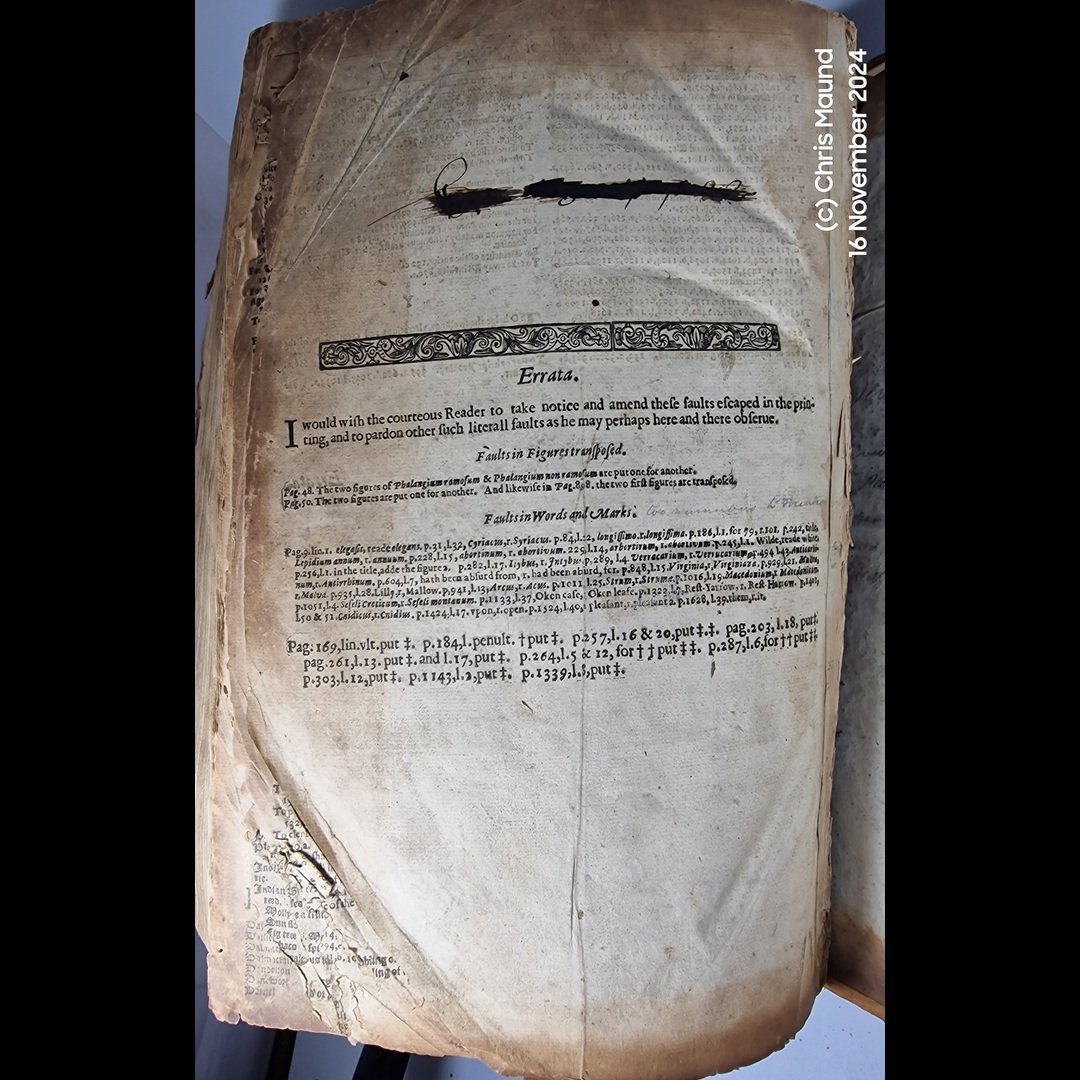
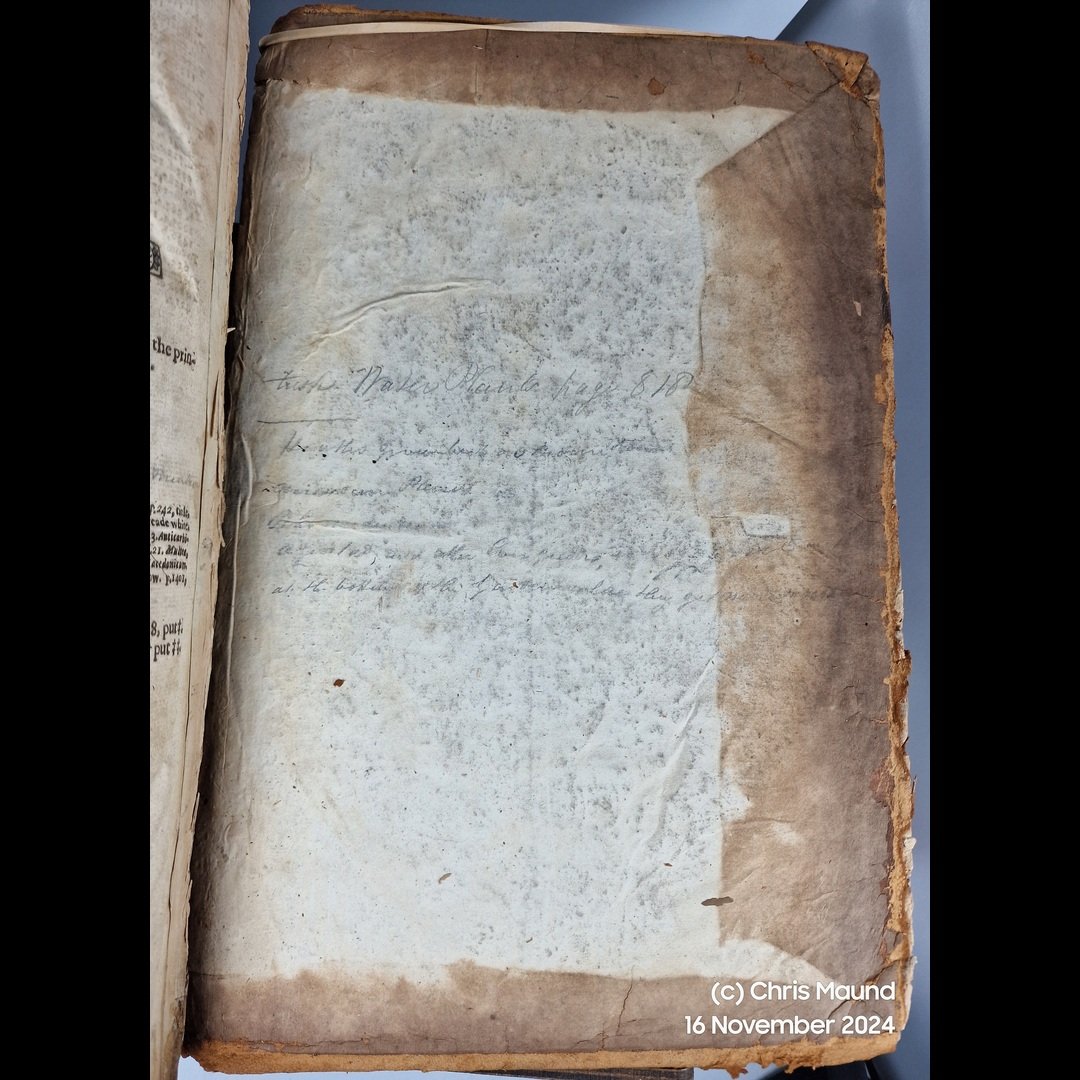
Please see Photos as part of condition report.
REFERENCES
BM STC French, C17, p. 214, no. 59
Brunet II, 1433
Caillet II, 4293
Cantamessa I, 1671
Dorbon 1810
Duveen, p. 235
Houzeau & Lancaster I, 5127
Thorndike, A History of Magic and Experimental Science, VII, pp. 304–306
Yves-Plessis 1037
SYNOPSIS
Curiositez inouyes sur la sculpture talismanique des Persans, horoscope des Patriarches et lecture des Estoilles — approximately, “Unheard-of Curiosities concerning the Talismanic Sculpture of the Persians, the Horoscope of the Patriarchs, and the Reading of the Stars” — is Gaffarel’s major investigation into magic, astrology, Hebraic traditions and the interpretation of celestial signs.
The work is divided into four parts:
The first, “De la Defence des Orientaux,” defends Oriental peoples, and particularly the Jews, against a number of traditional European accusations and prejudices.
The second, “De la Sculpture talismanique des Persans,” examines Persian talismans and the making of figures or images under particular celestial configurations, placing such practices within contemporary debates concerning natural magic and astral influence.
The third, “De l’Horoscope des Patriarches,” considers the supposed astrology of the Biblical patriarchs and the astronomical and divinatory traditions attributed to the ancient Hebrews.
The fourth, “De la Lecture des Estoilles,” contains the book’s most celebrated material. Gaffarel develops the extraordinary proposition that arrangements of stars may resemble the characters of the Hebrew alphabet and that the heavens might consequently be “read” as a celestial text.
The two large folding plates illustrating this celestial Hebrew alphabet are among the most memorable images in seventeenth-century occult literature and are frequently missing from surviving copies. This copy retains both.
An important and visually striking work at the intersection of Magic – Occulta – Astrology – Christian Kabbalah – Hebraica – Judaica – Persian and Oriental Studies – History of Ideas.
AUTHOR BIO
Jacques Gaffarel (1601–1681) was a French priest, theologian, orientalist and scholar of esoteric traditions whose interests encompassed Hebrew learning, Kabbalah, astrology, natural magic and the intellectual cultures of the Near East.
After studying medicine and theology, Gaffarel travelled in Italy and pursued Hebrew and Kabbalistic manuscripts and scholarship. He later entered the circle of Cardinal Richelieu and served as one of his librarians. His unusually sympathetic interest in Jewish and Oriental learning placed him among the more distinctive figures of seventeenth-century French intellectual life.
Gaffarel is remembered above all for Curiositez inouyes, first published in 1629, a work whose treatment of talismanic magic, Hebrew astrology and celestial writing attracted both controversy and sustained scholarly interest.

 Image 1 of 28
 Image 2 of 28
 Image 3 of 28
 Image 4 of 28
 Image 5 of 28
 Image 6 of 28
 Image 7 of 28
 Image 8 of 28
 Image 9 of 28
 Image 10 of 28
 Image 11 of 28
 Image 12 of 28
 Image 13 of 28
 Image 14 of 28
 Image 15 of 28
 Image 16 of 28
 Image 17 of 28
 Image 18 of 28
 Image 19 of 28
 Image 20 of 28
 Image 21 of 28
 Image 22 of 28
 Image 23 of 28
 Image 24 of 28
 Image 25 of 28
 Image 26 of 28
 Image 27 of 28
 Image 28 of 28