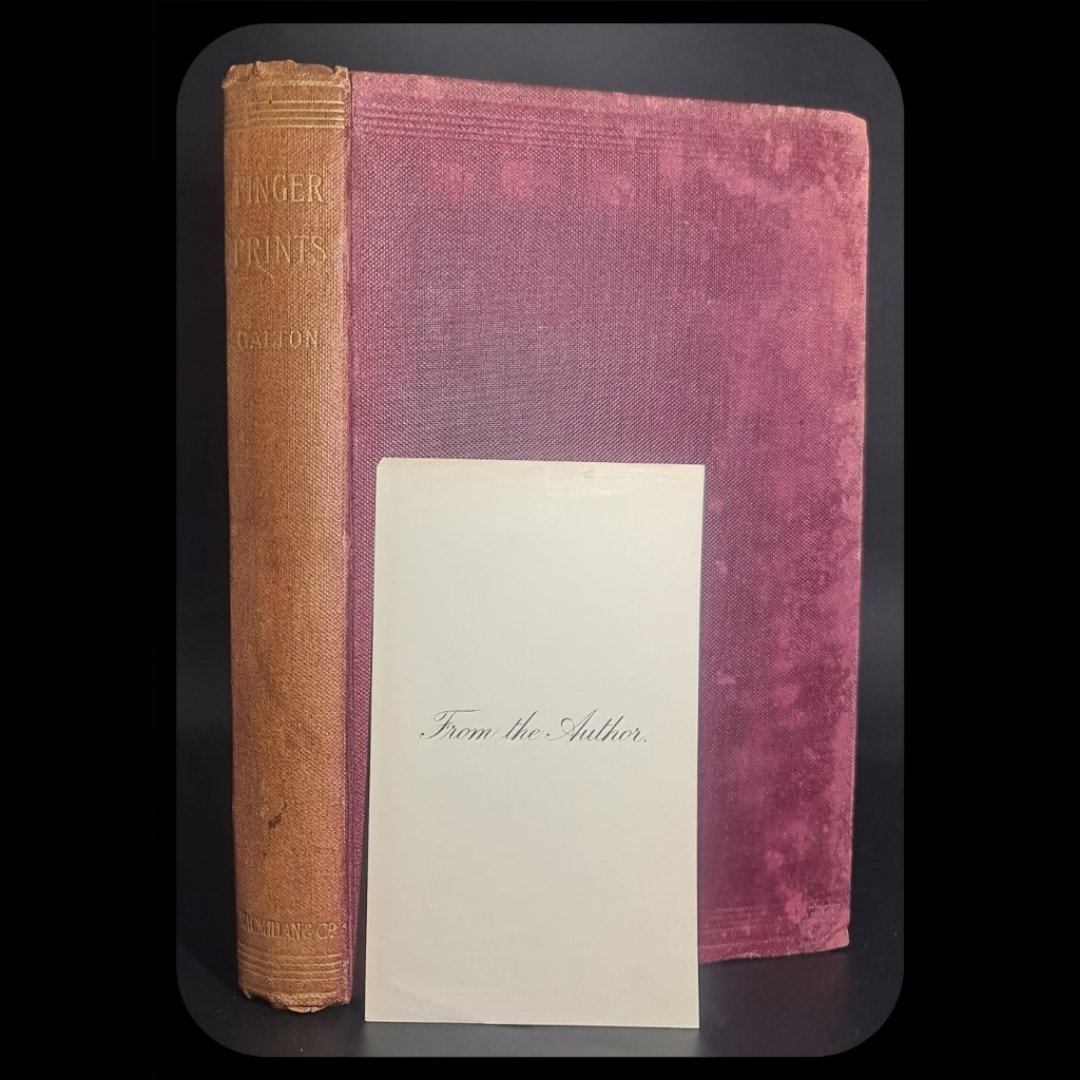
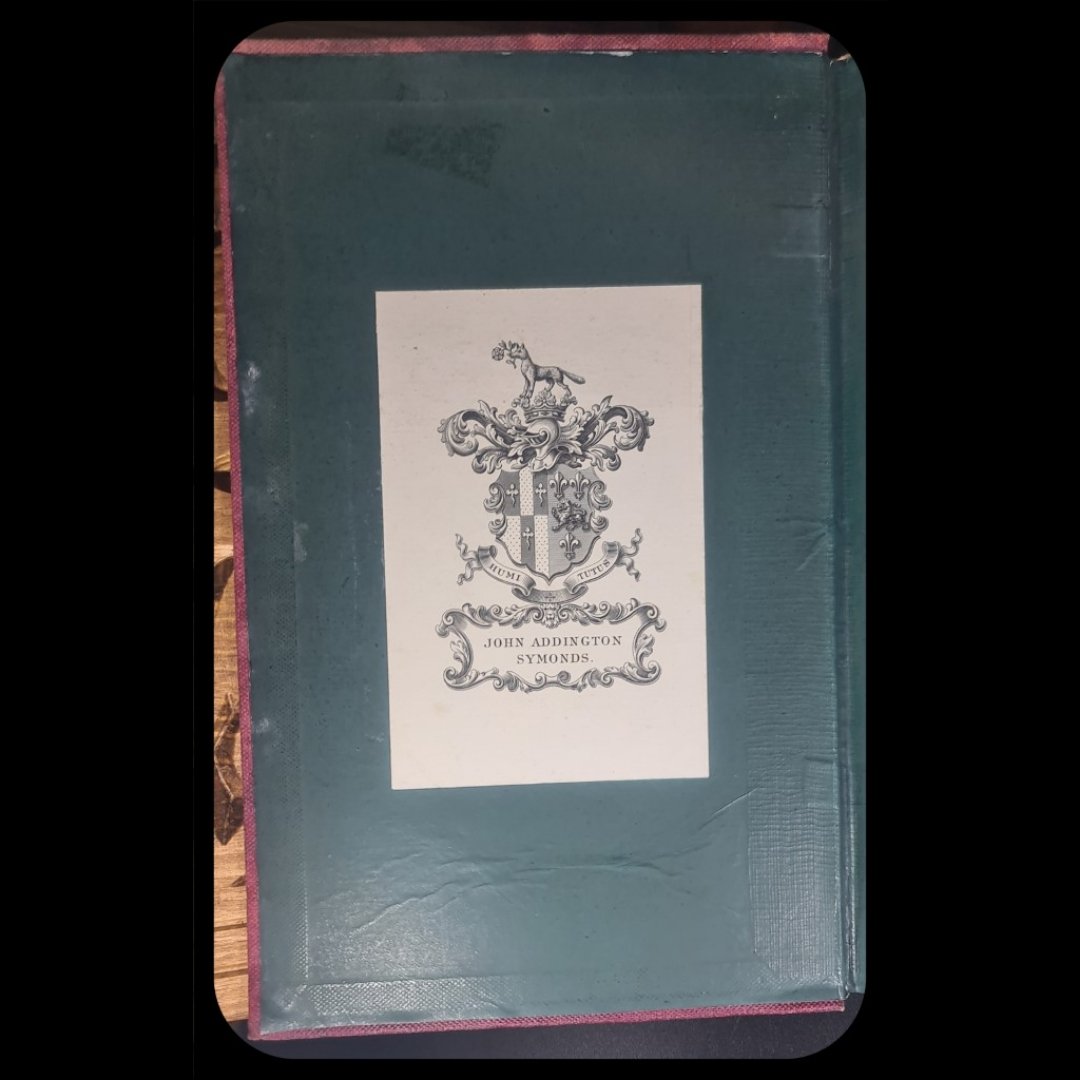
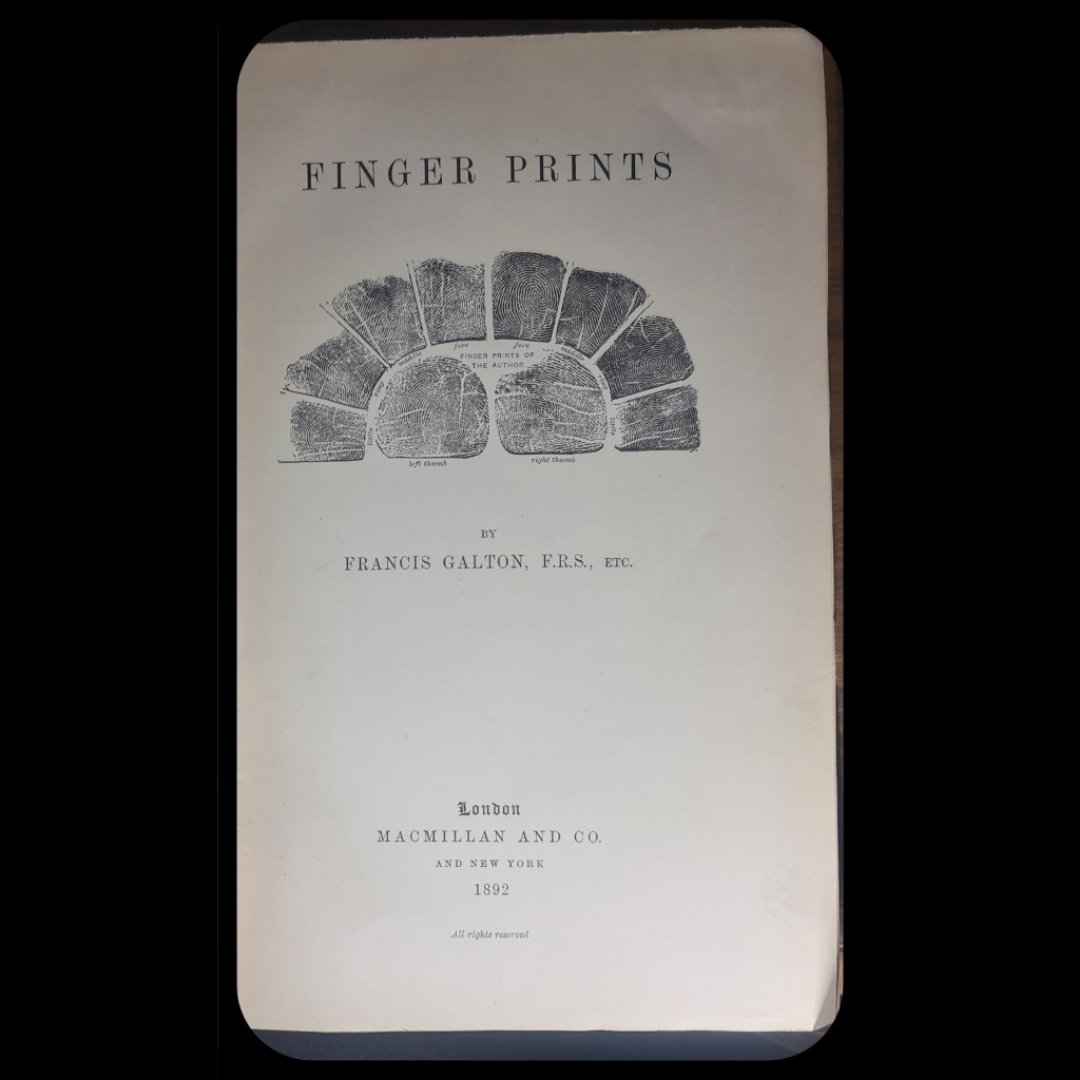
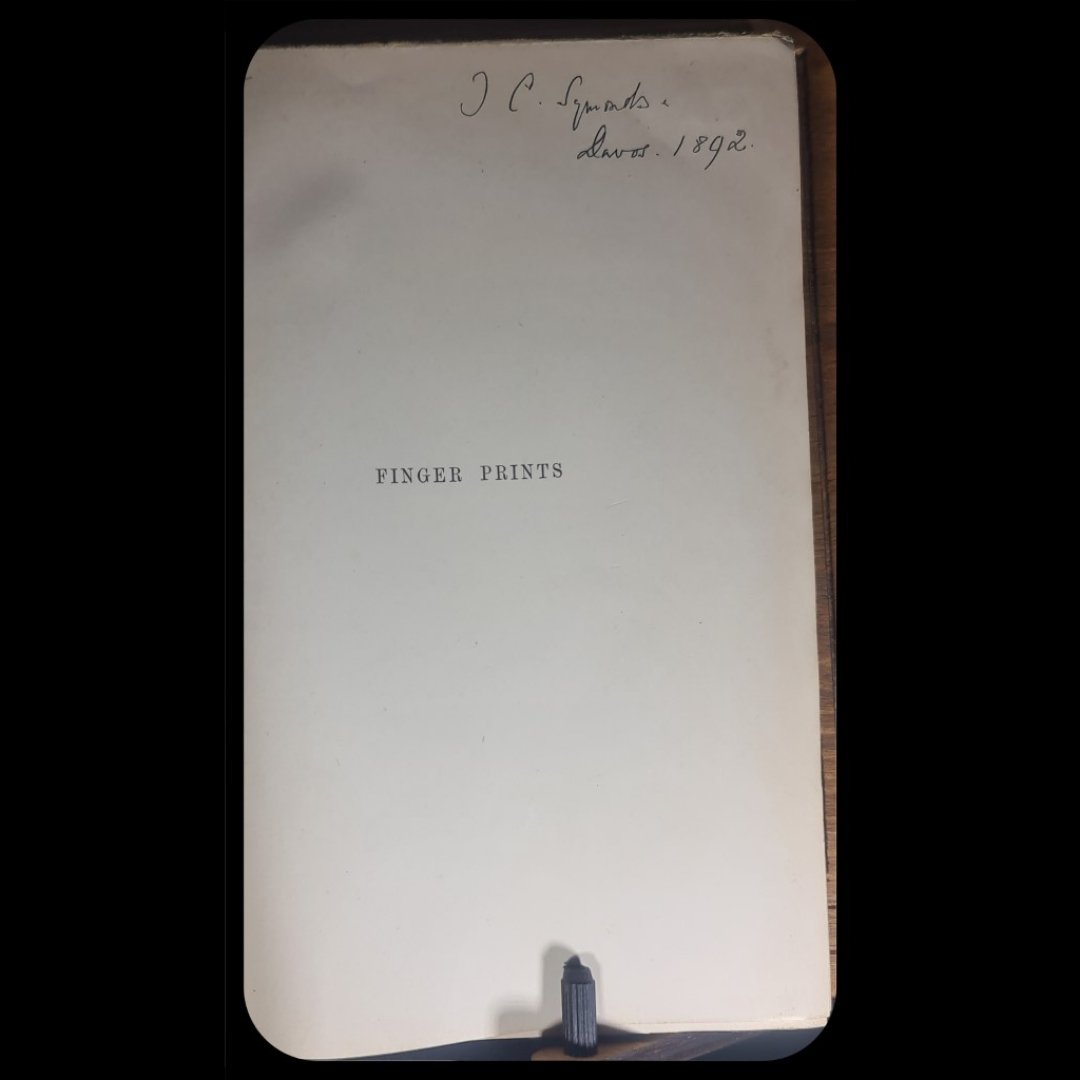
1593 Wittenberg First Edition With Provenance
DIARIUM SIVE CALENDARIUM ROMANUM
By Heinrich Rantzau
KEY DETAILS
Condition: Good
Format: Hardcover, quarto (4to 9 1⁄2 × 12 in 241 × 305 mm )
Note: Binding/size selection follows standard bibliographic conventions and is approximate; exact measurements may vary.
Published By: Christoph Axinus (Axin), Witebergae (Wittenberg), Germany, 1593
Language: Latin
Provenance: With an early ownership inscription:
Collation: [16], 413, [3] pp.; A–3H⁴
Dust Jacket: None, as issued, No Jacket
SKU: BTETM0002413
Shipping Info: Approximate Package Dimensions H: 12.5, L: 30, W: 25 (Units: cm), W: 2Kg
Tracked Shipping, Insurance Coverage as per Customer Request
DESCRIPTION
Diarium sive Calendarium romanum
First Edition under this Title
DIARIUM SIVE CALENDARIUM ROMANUM
oeconomicum, ecclesiasticum, astronomicum, et fere perpetuum, ad dies veteris Iuliani & novi Gregoriani anni accommodatum
An appealing and substantially unsophisticated Renaissance scientific and astrological quarto, printed at Wittenberg in 1593 by Christoph Axinus and preserved in its contemporary vellum binding.
Published little more than a decade after the introduction of the Gregorian calendar in 1582, Rantzau's Diarium was intended as a practical guide to the competing Julian and Gregorian systems while ranging far beyond calendrical calculation. It combines astronomy, astrology, chronology, medicine, household and agricultural advice, religious observance and practical information for travellers and merchants.
The volume is particularly attractive bibliographically, with the title printed in red and black, further printing in red, a large woodcut of the Rantzau arms, astronomical and astrological diagrams, calendar tables, decorative woodcut initials and the large Christoph Axinus printer's device at the end.
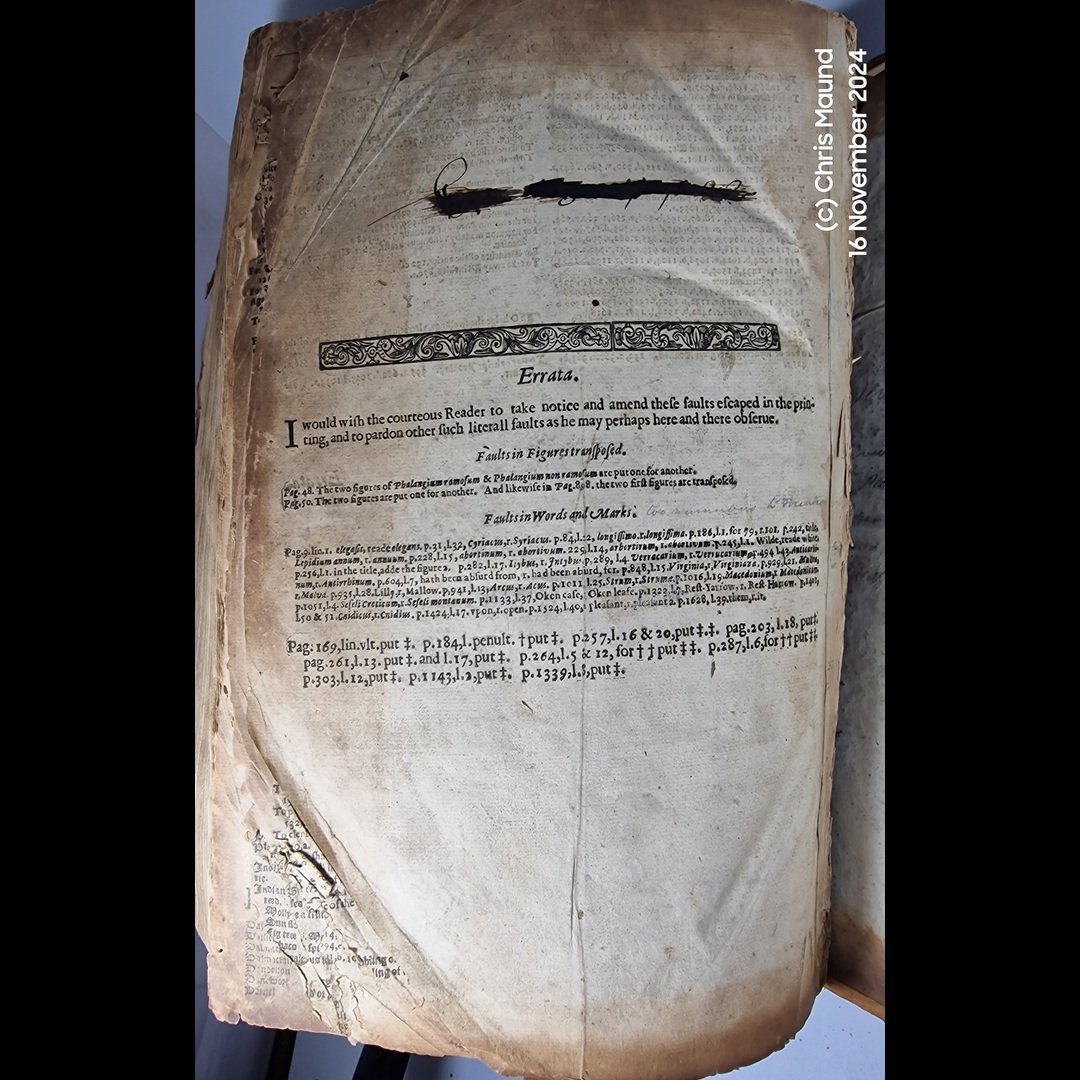
The Catalogus Nundinarum, a catalogue of European fairs sometimes absent from surviving copies, is present here, together with the errata and terminal printer's device and colophon.
Of particular interest is the book's seventeenth-century Danish provenance, with two dated ownership inscriptions associated with members of the closely connected clerical, academic and medical world of Funen.
PROVENANCE
With an early ownership inscription:
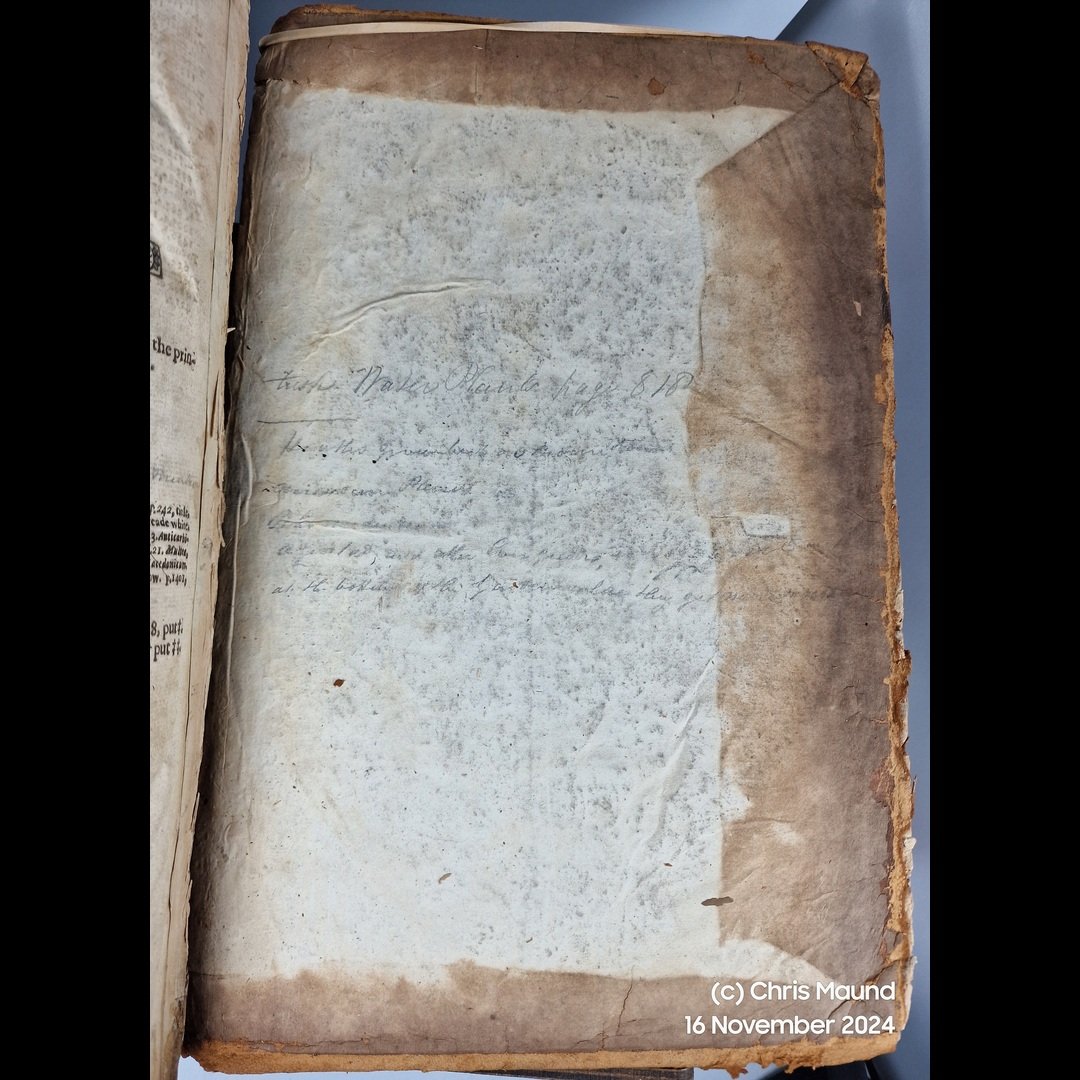
“Ex libris Johan Henrici Gosman[n]. Ao 1668.”
The inscription can be attributed with high confidence to Mag. Johan Henriksen Gosmann (1621–1680), Copenhagen-born scholar, clergyman and schoolmaster, formerly conrector at Odense and later parish priest of Middelfart and Kauslunde. The identification is supported by contemporary records in which his name occurs in the closely corresponding Latin forms Iohannes Henrici Gosmannus and, at Middelfart in 1669, Johannes Henrici Gosman.
Further ownership inscription of:
Georgius Hannaeus, 1681, accompanied by the motto “Tandem bona causa triumphat” — approximately, “In the end, the good cause triumphs.”
Georg Hannaeus (1647–1699) was a German-Danish physician, philosopher and professor at Odense, later provincial physician for Funen. He was admitted to the Leopoldina in 1684.
The succession is particularly interesting: Gosmann died in 1680, only one year before Hannaeus dated his ownership of this volume. The two men belonged to overlapping Funen clerical, academic and family circles. Gosmann's stepson Hans Madsen Lime married into the Taulov family, to which Hannaeus was also connected by marriage. A direct or family-mediated transfer of the volume after Gosmann's death is therefore plausible, although not presently documented.
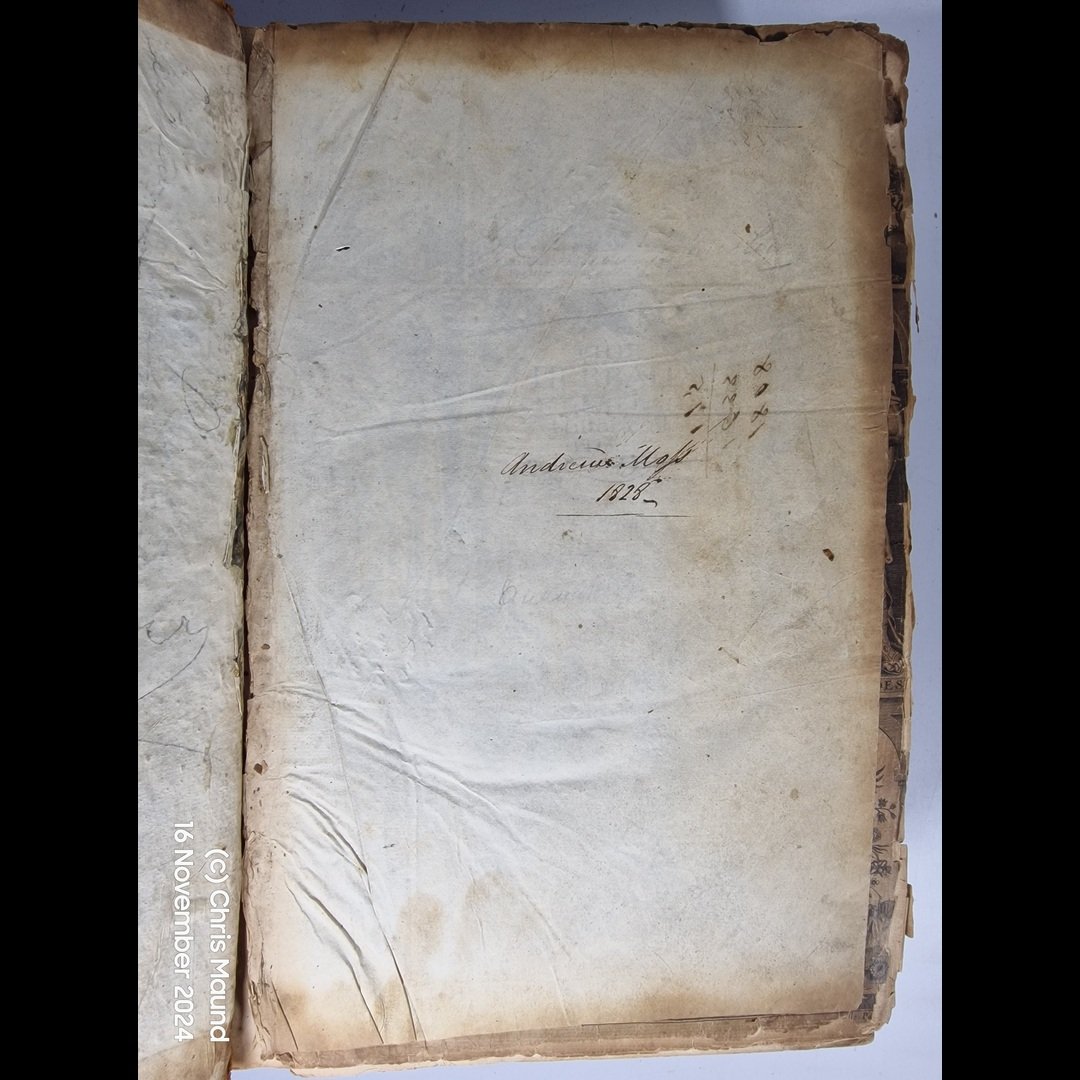
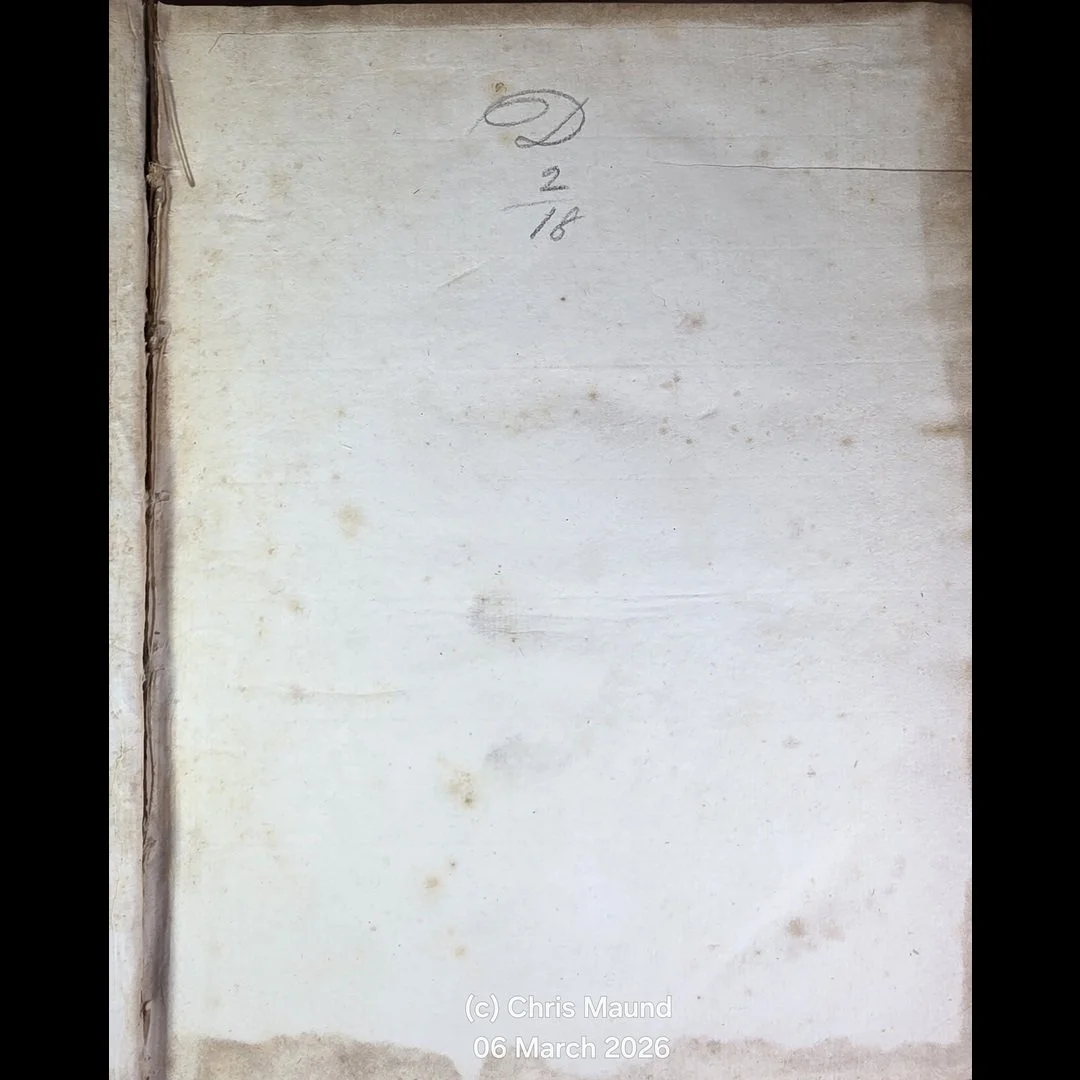
An early manuscript shelf or inventory number “No. 160” also appears on the front endpaper.
CONDITION, COLLATION & COPY NOTES
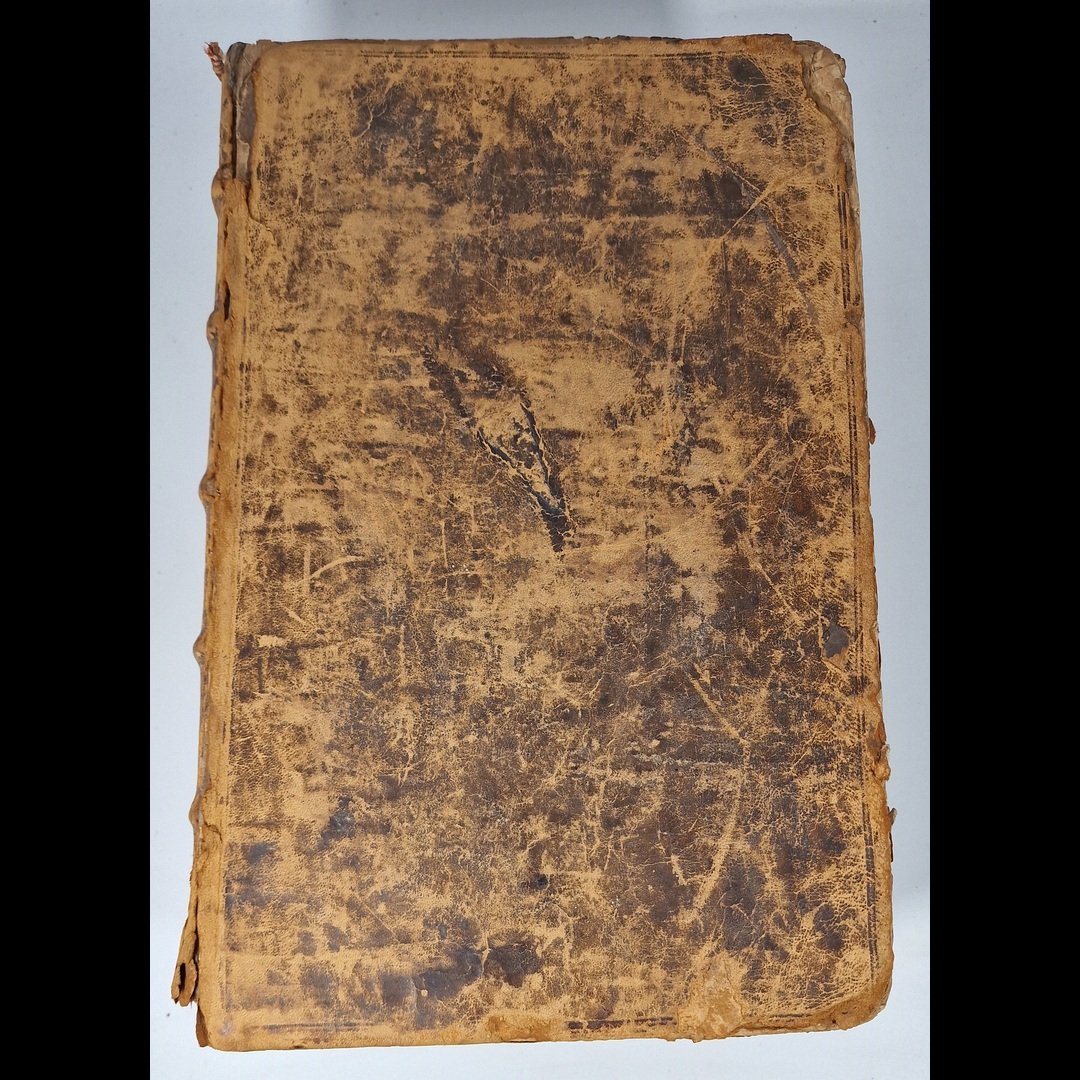
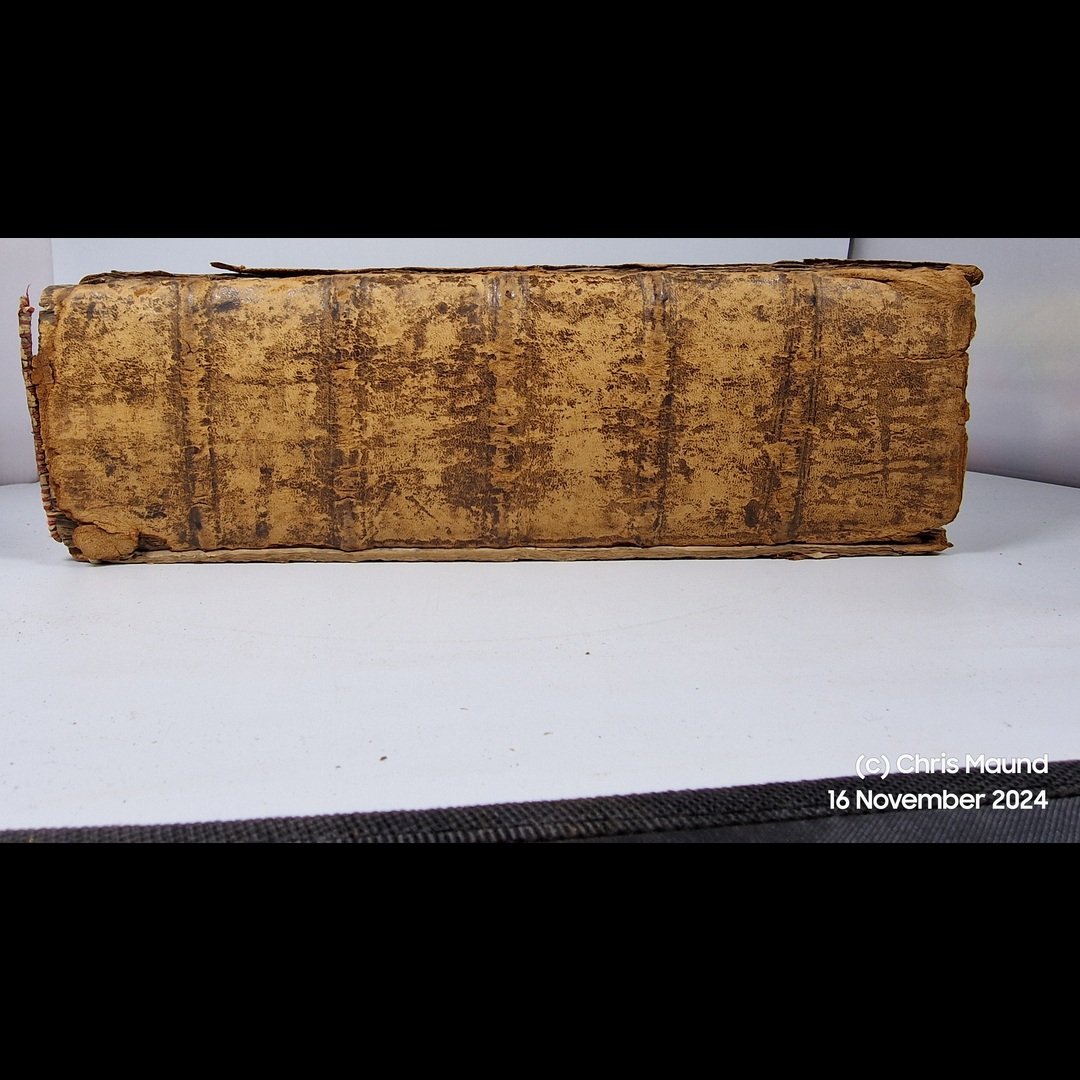
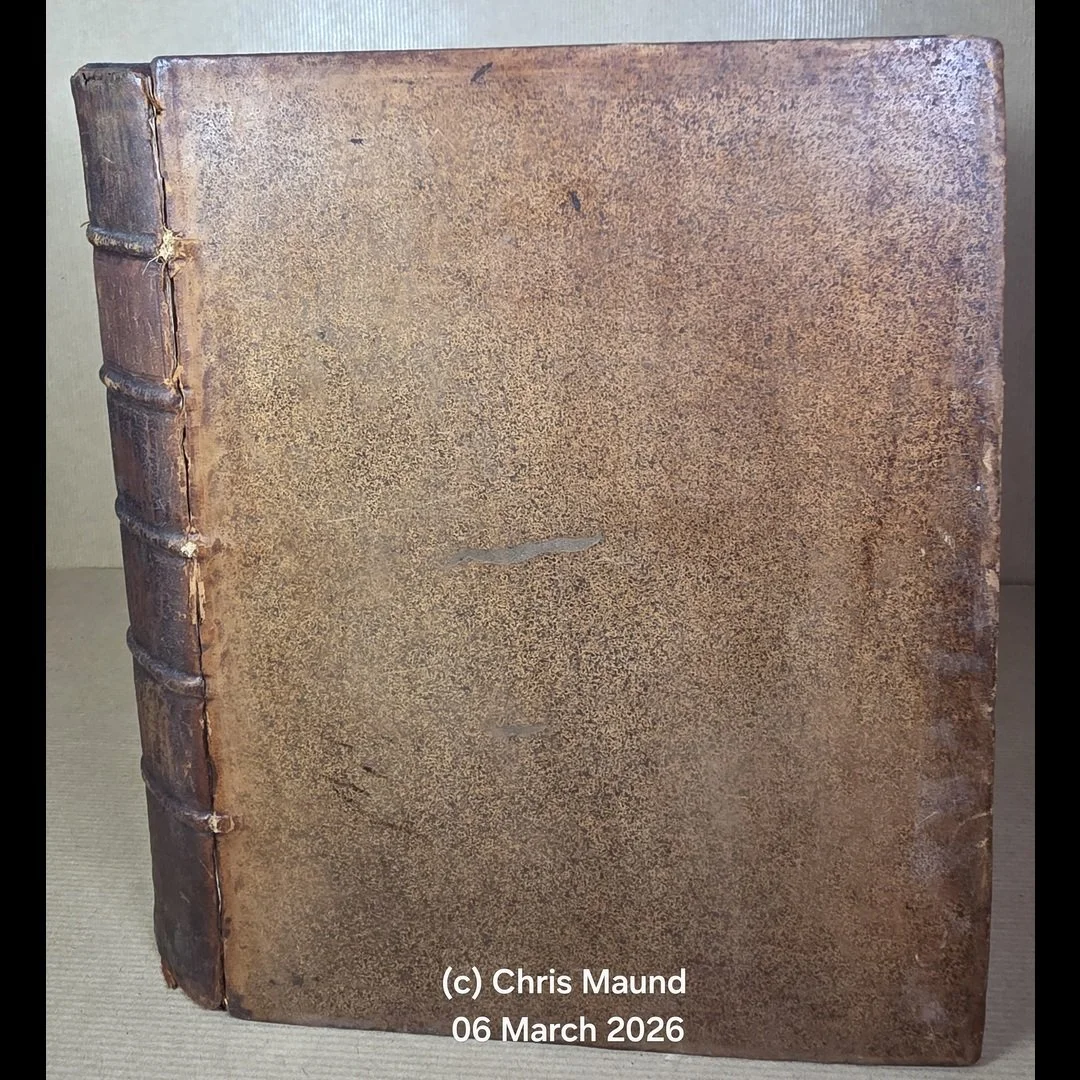
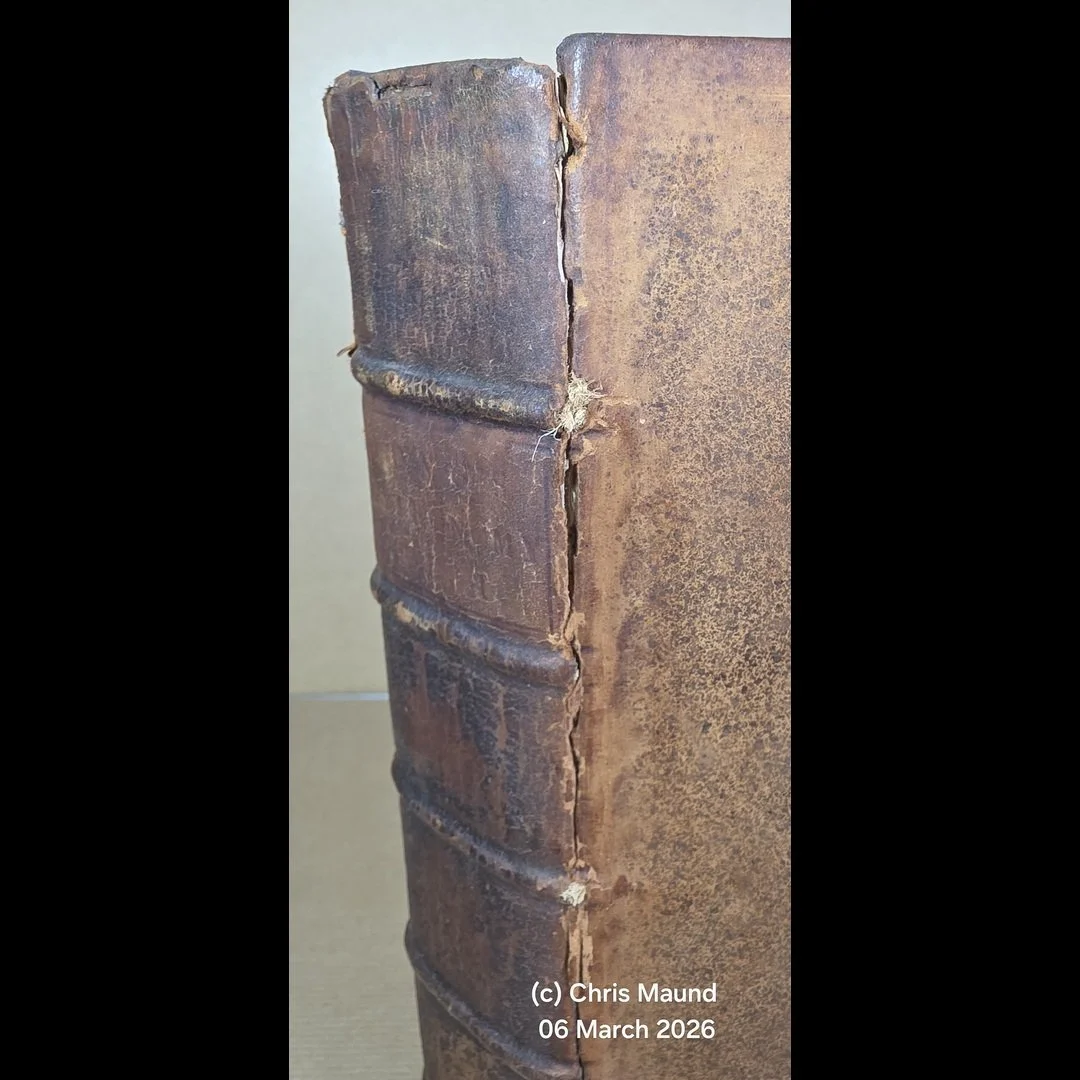
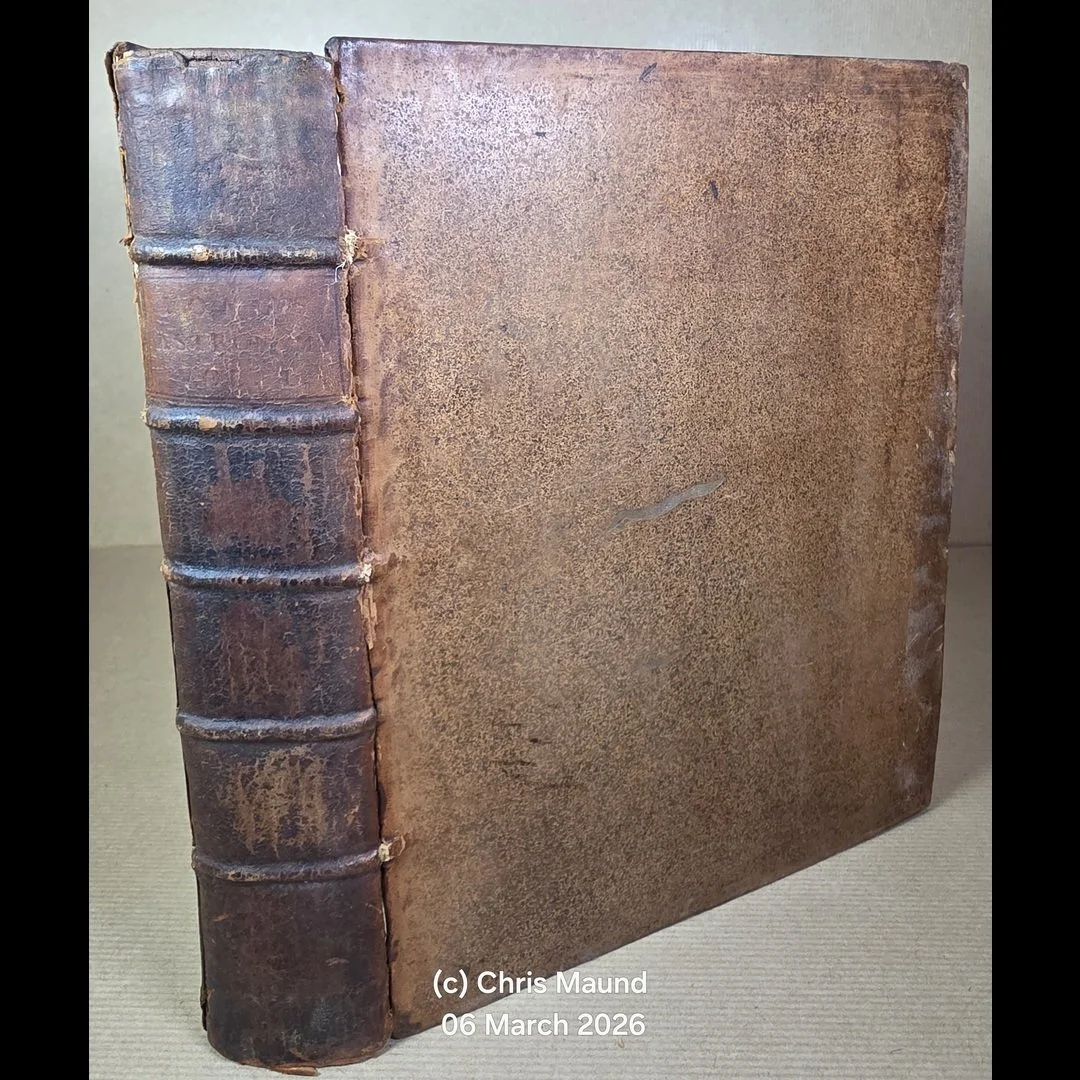
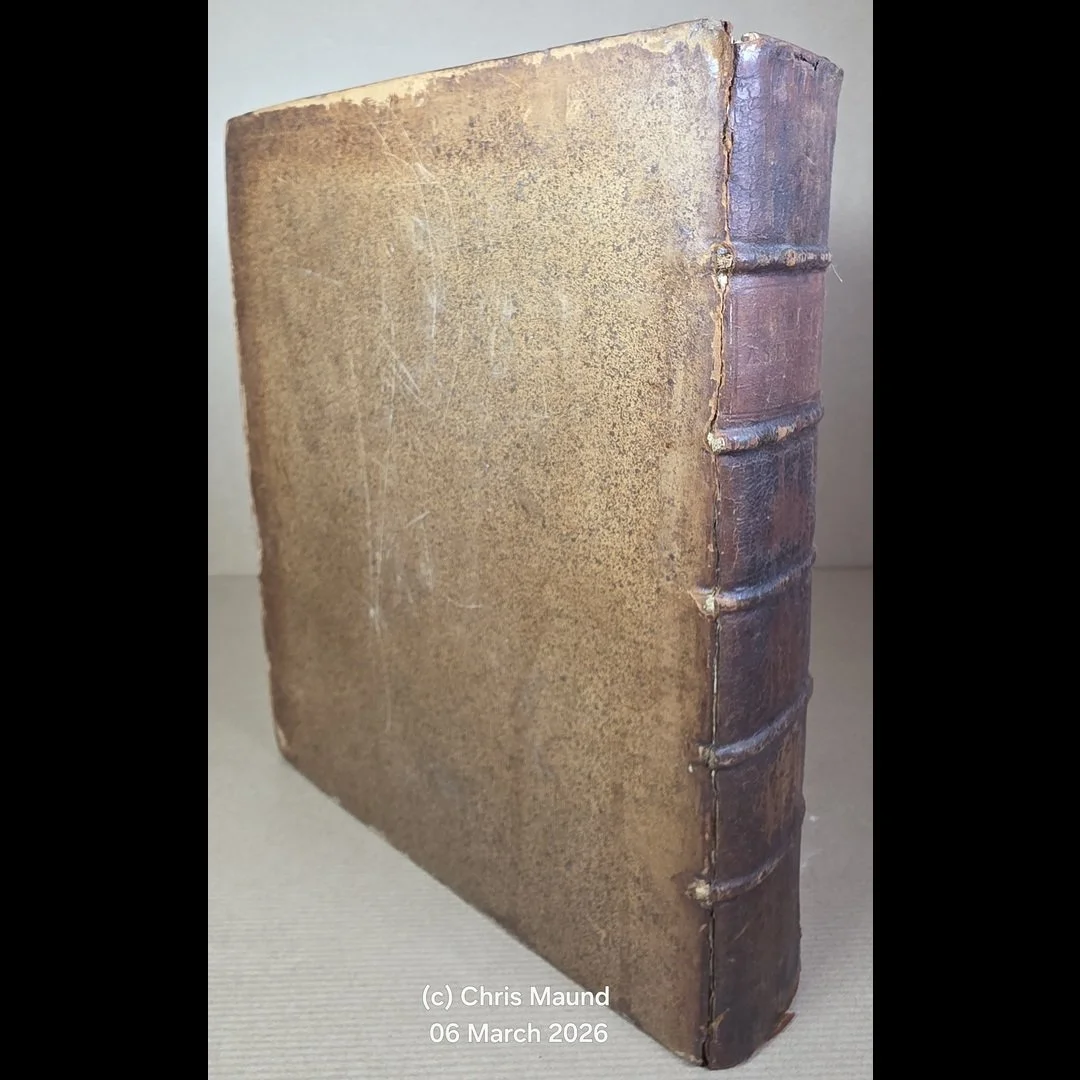
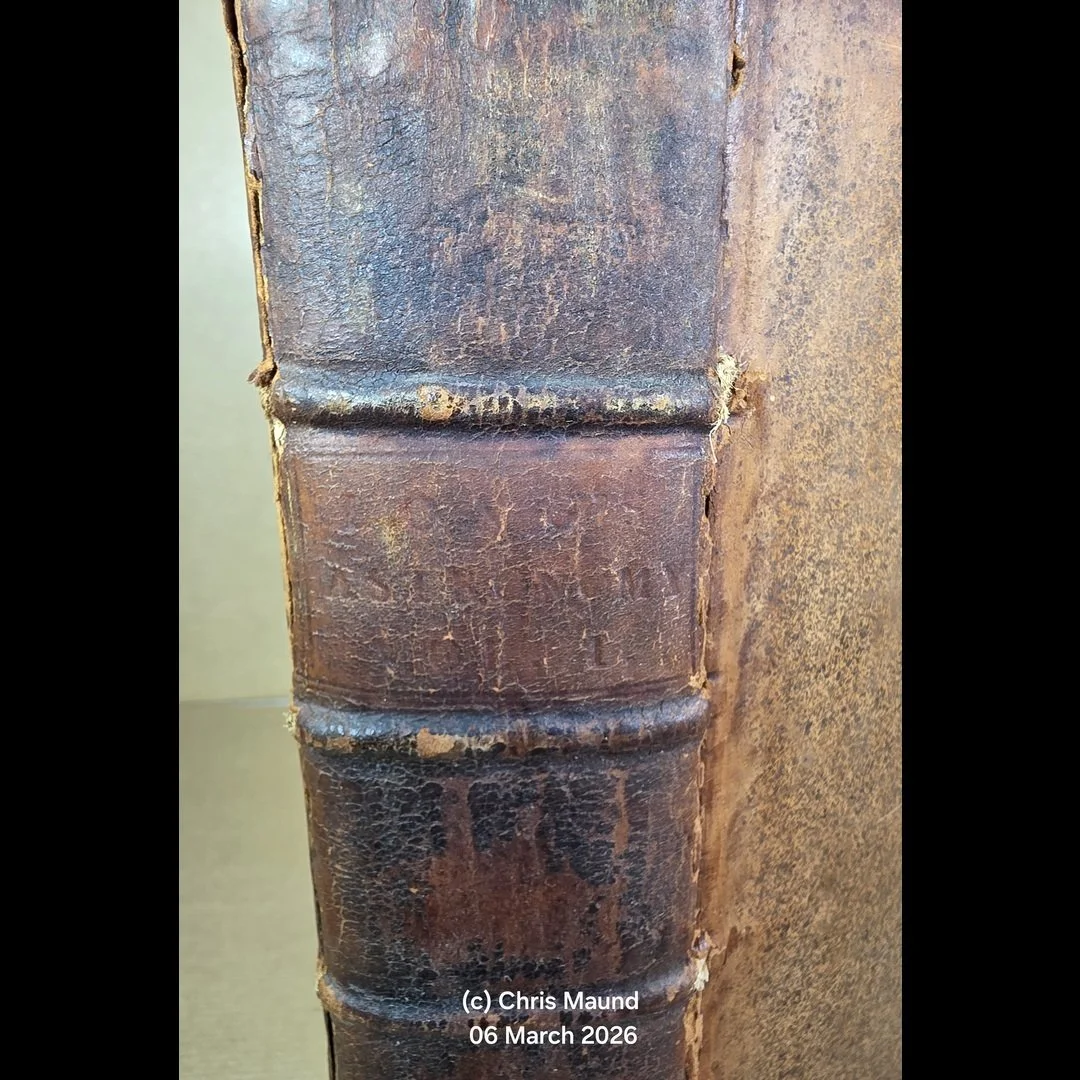
A sound and characterful copy in its contemporary vellum binding, the vellum rubbed, age-soiled and stained, with ink marks and general wear consistent with prolonged historical use. The binding remains substantially intact and retains considerable period character.
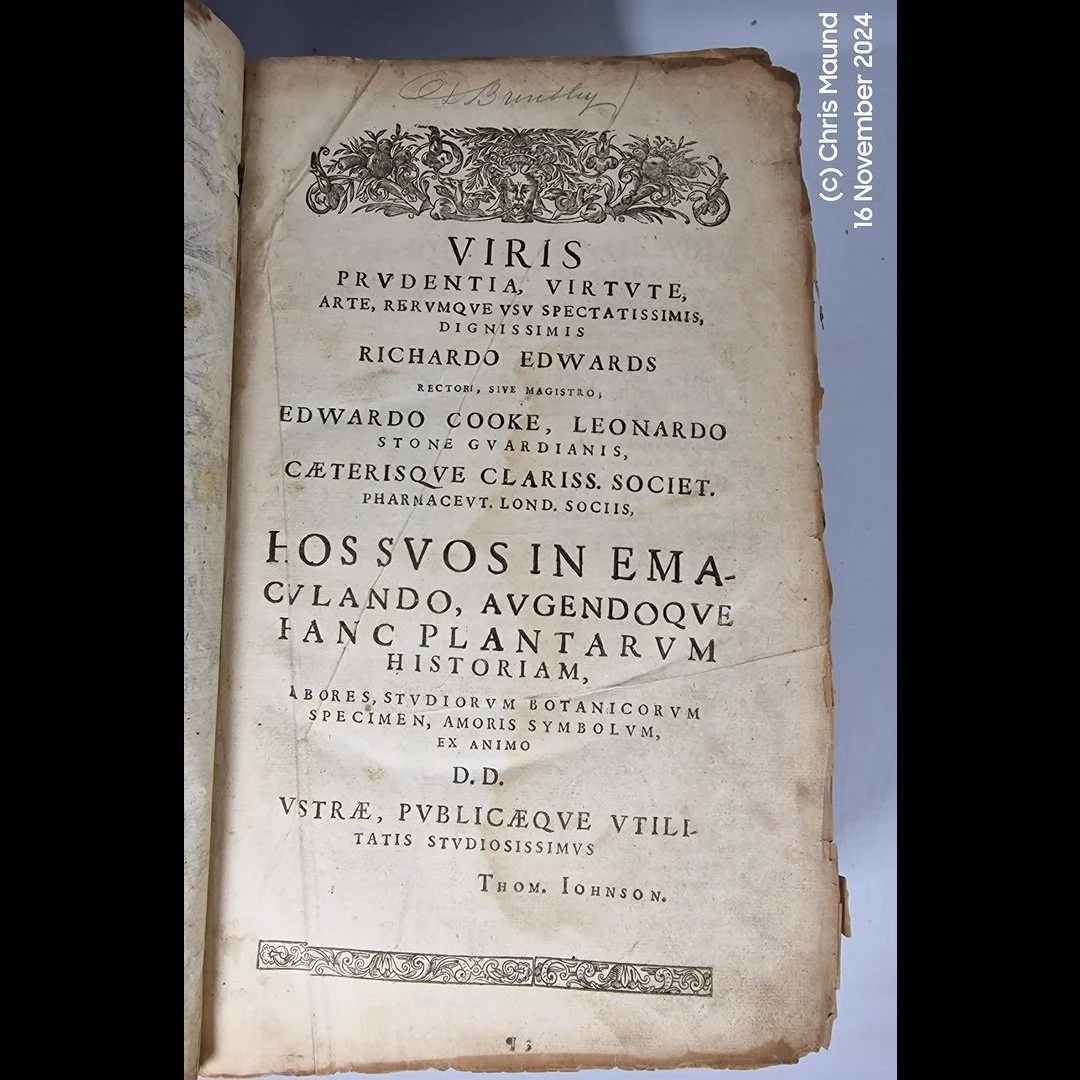
Title page printed in red and black, with creasing, handling wear, staining and wear to the outer corners and margins; the principal printed text remains substantially intact and legible. Verso with the large woodcut Rantzau armorial, retaining a strong impression.
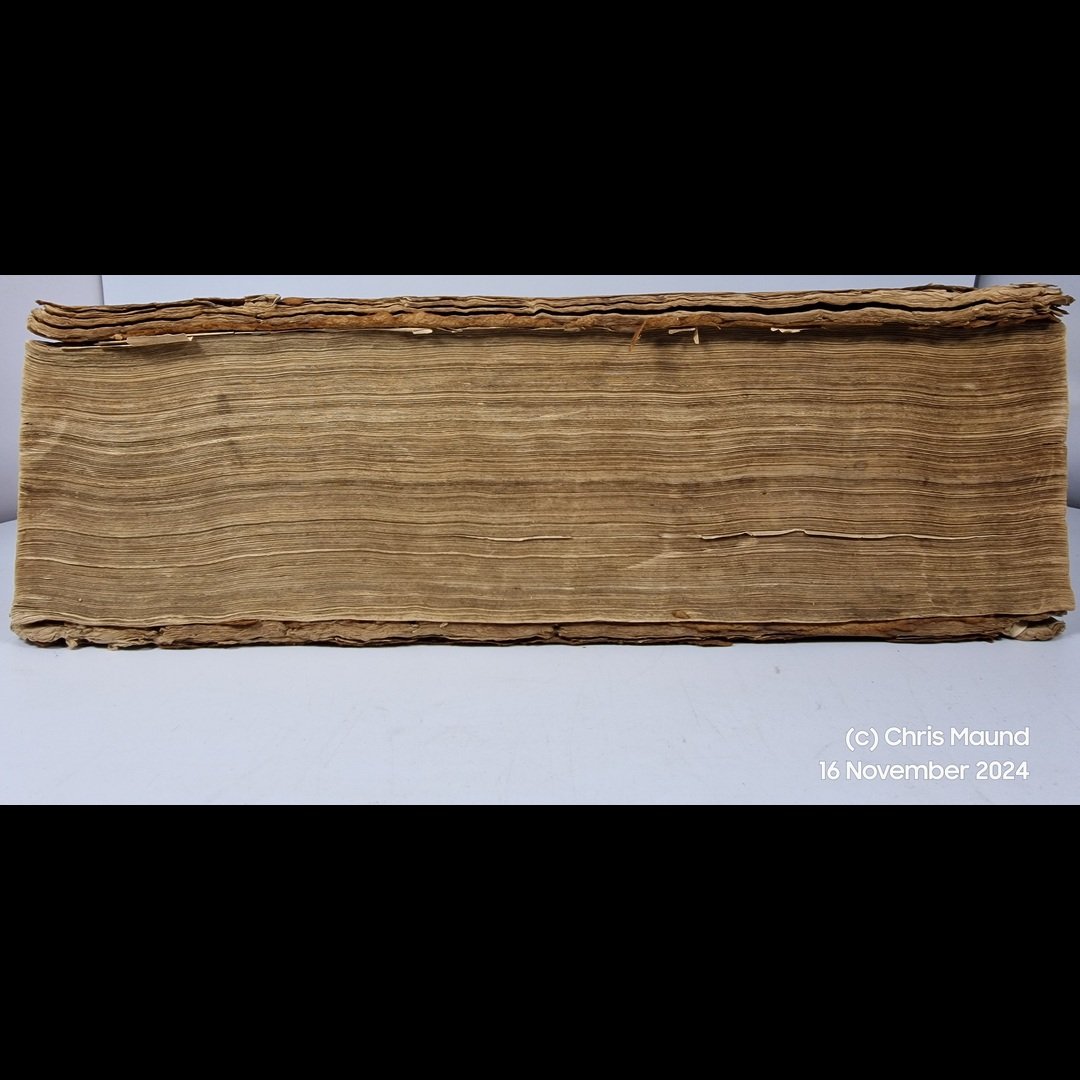
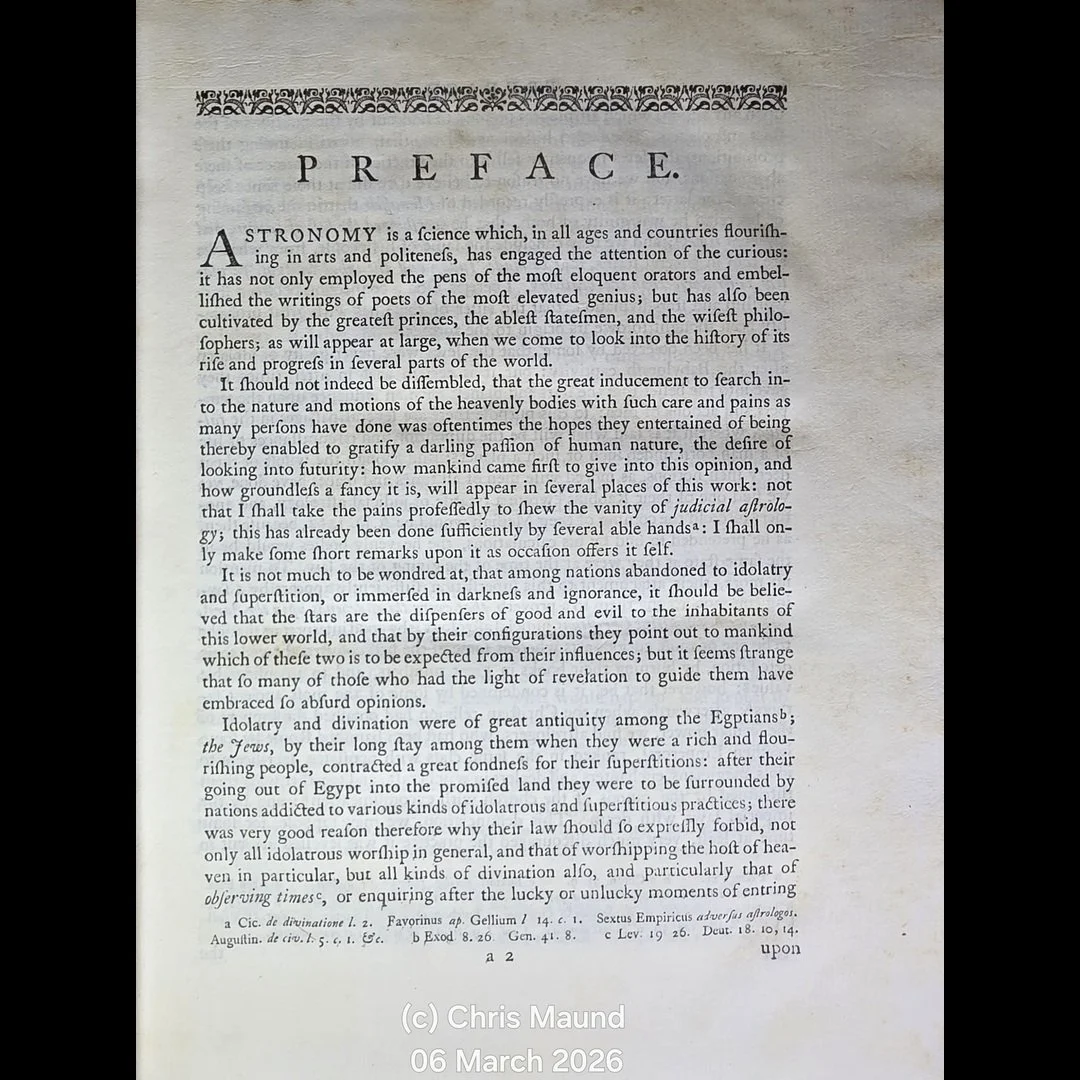
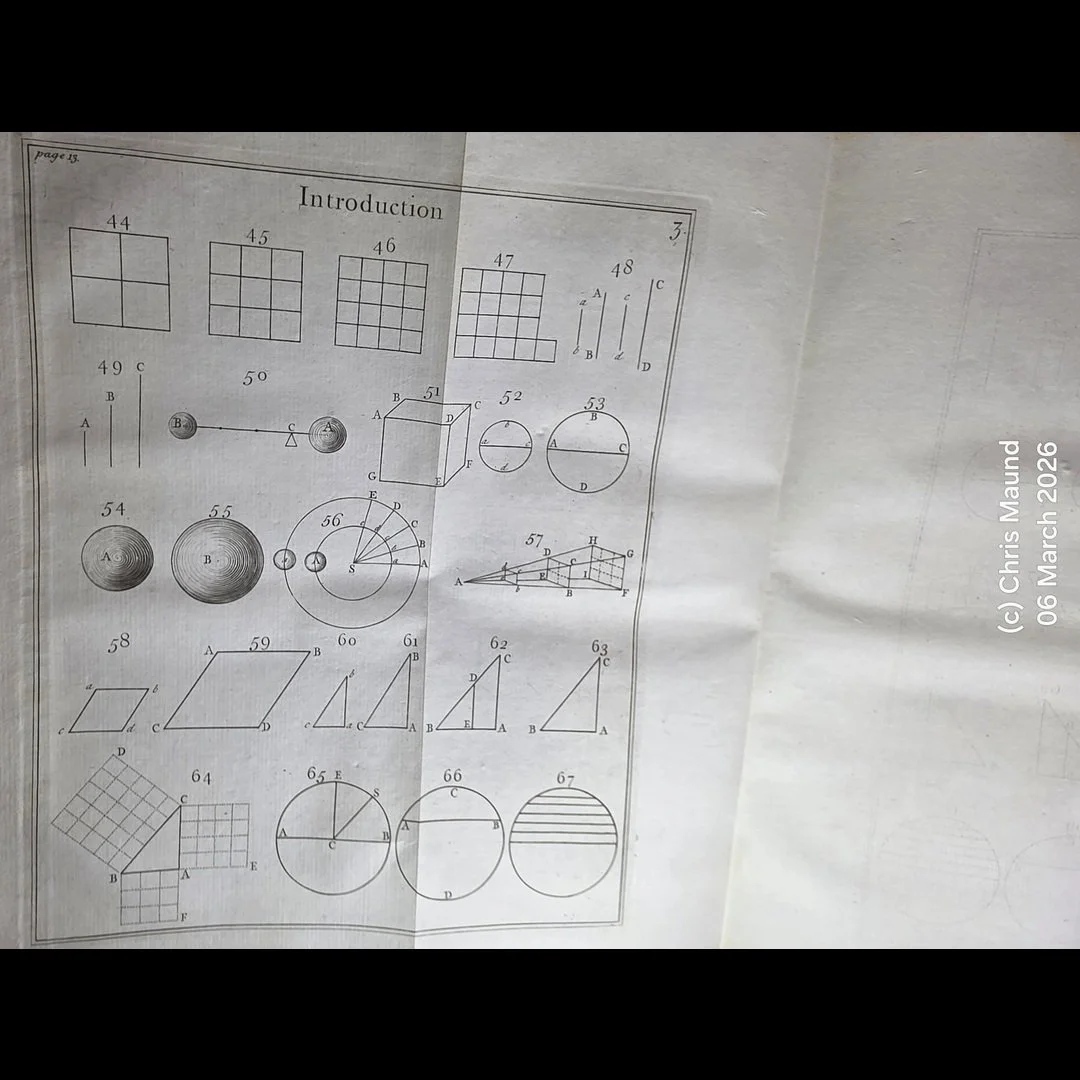
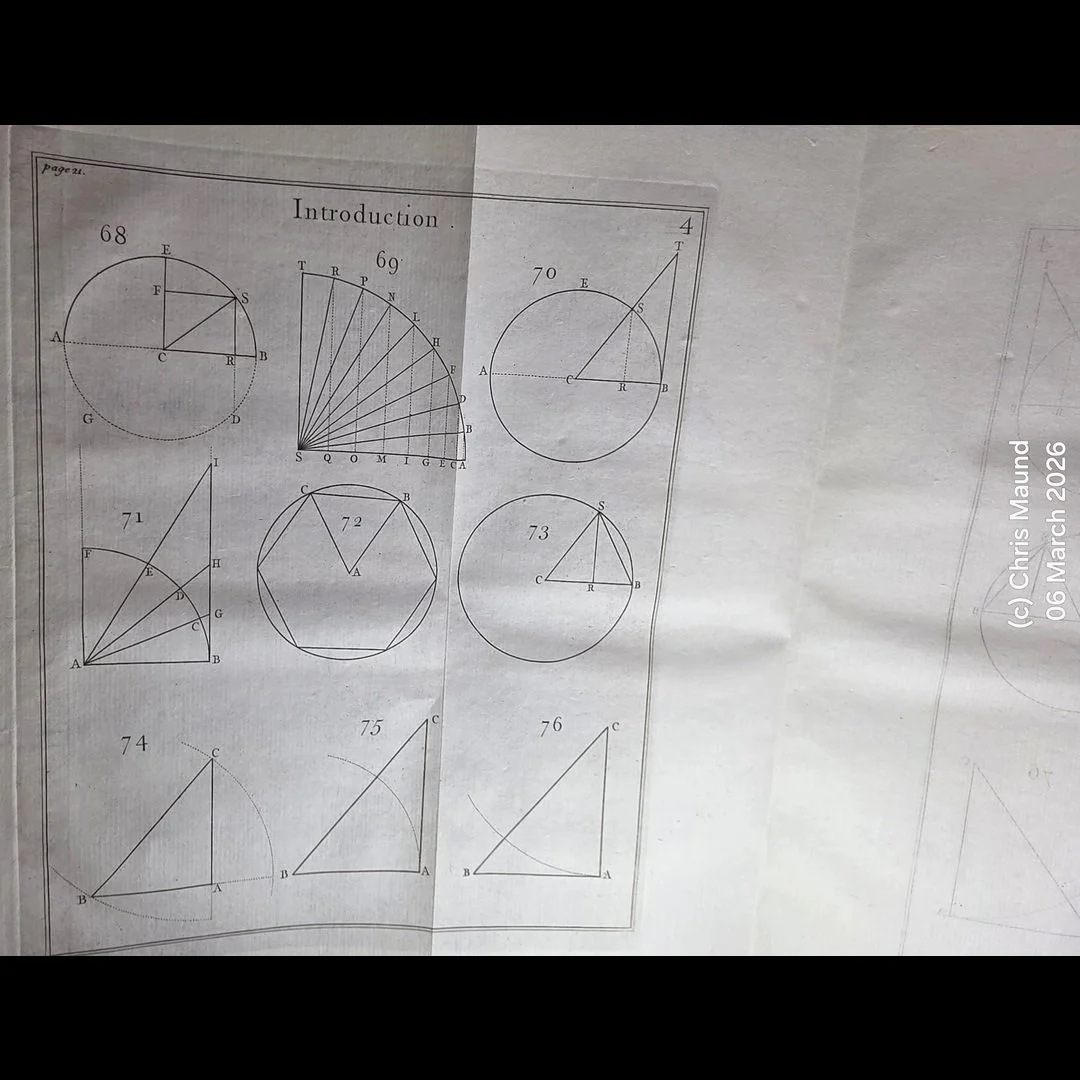
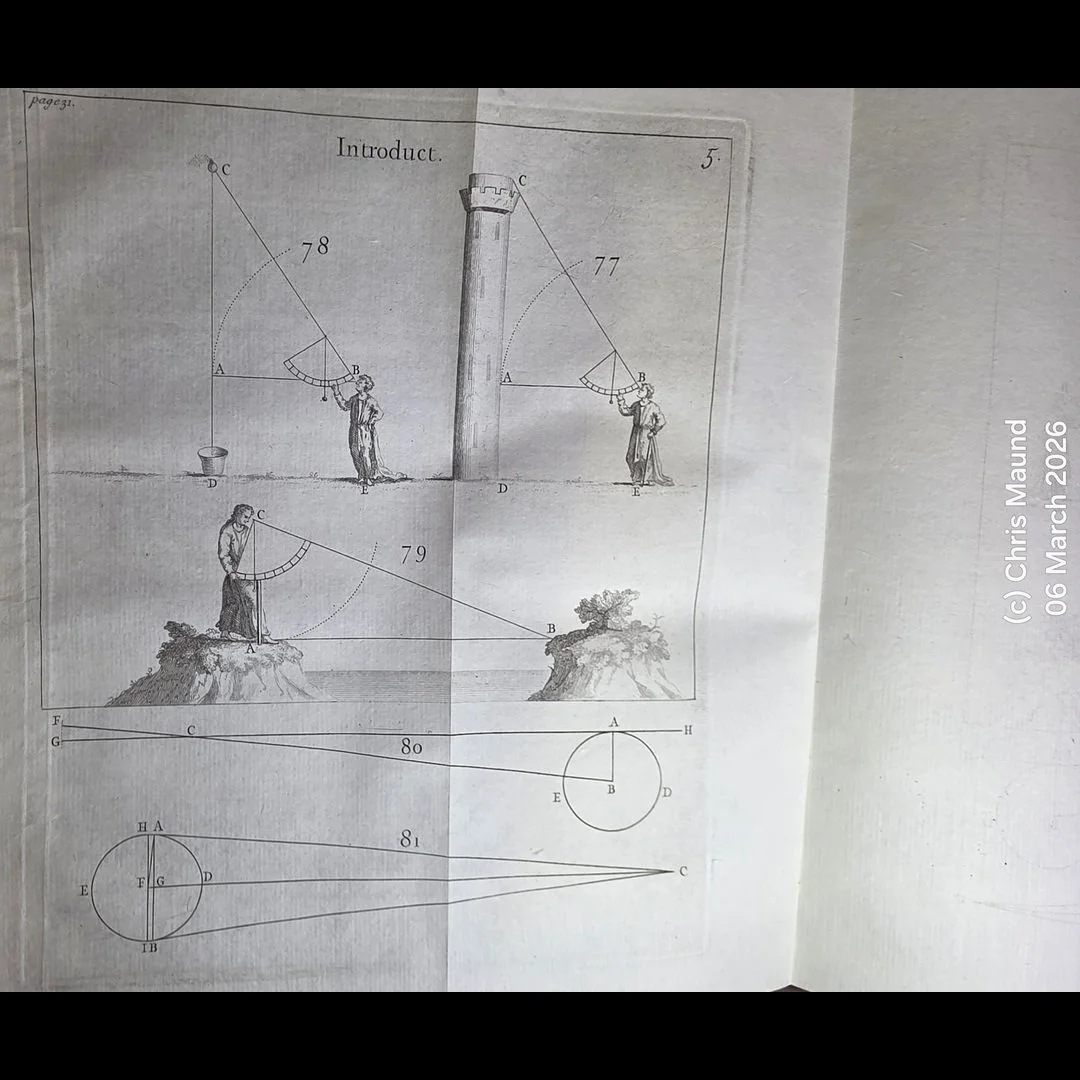
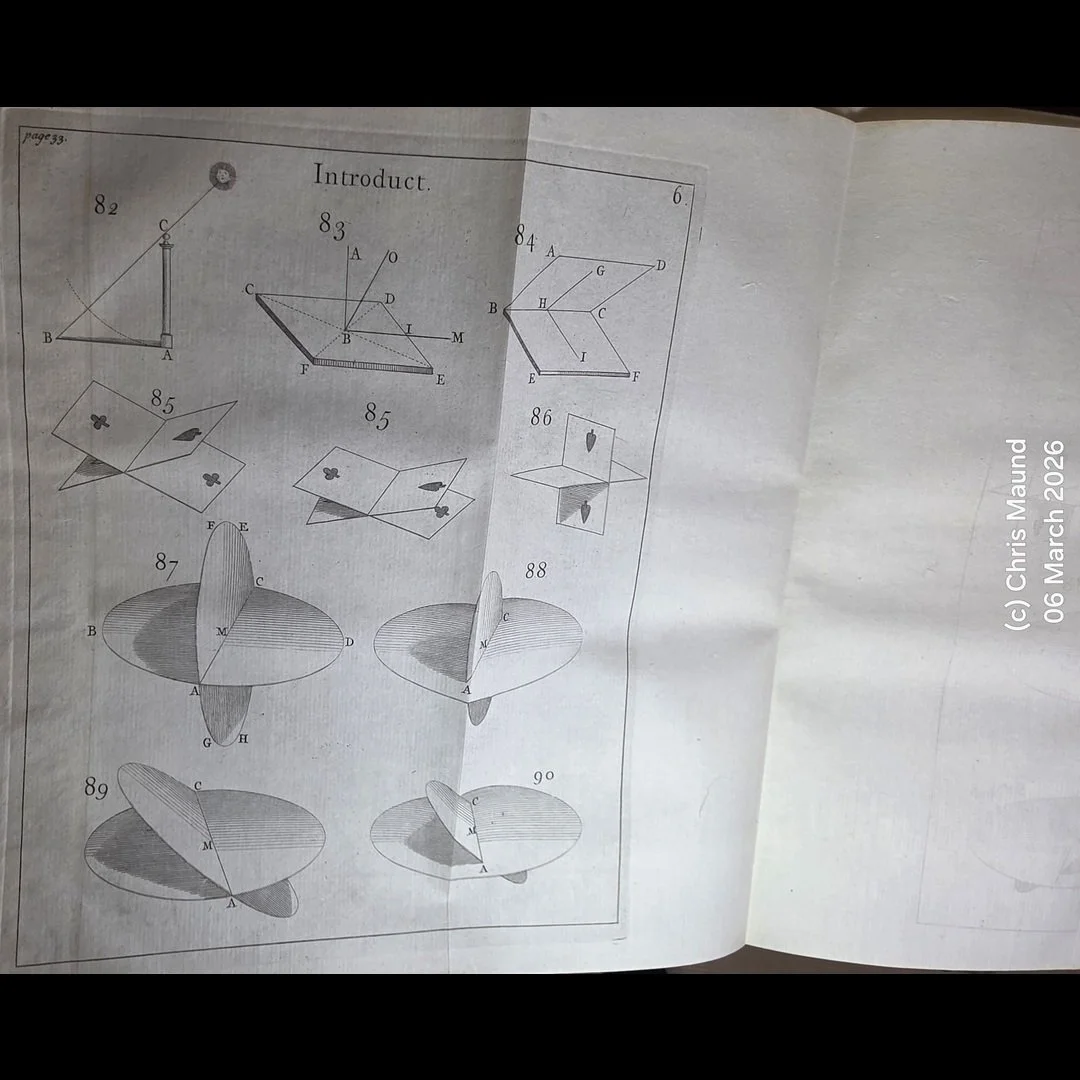
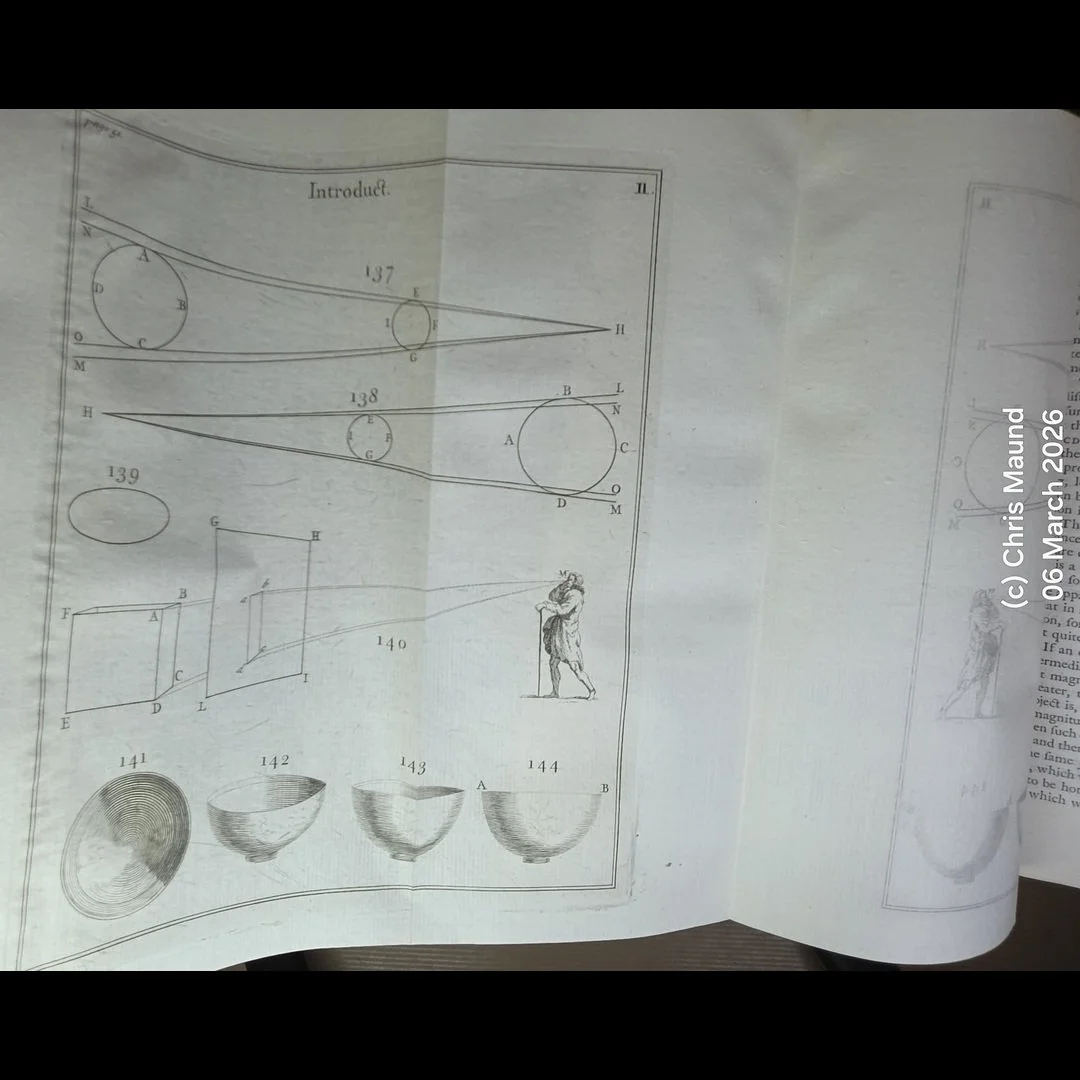
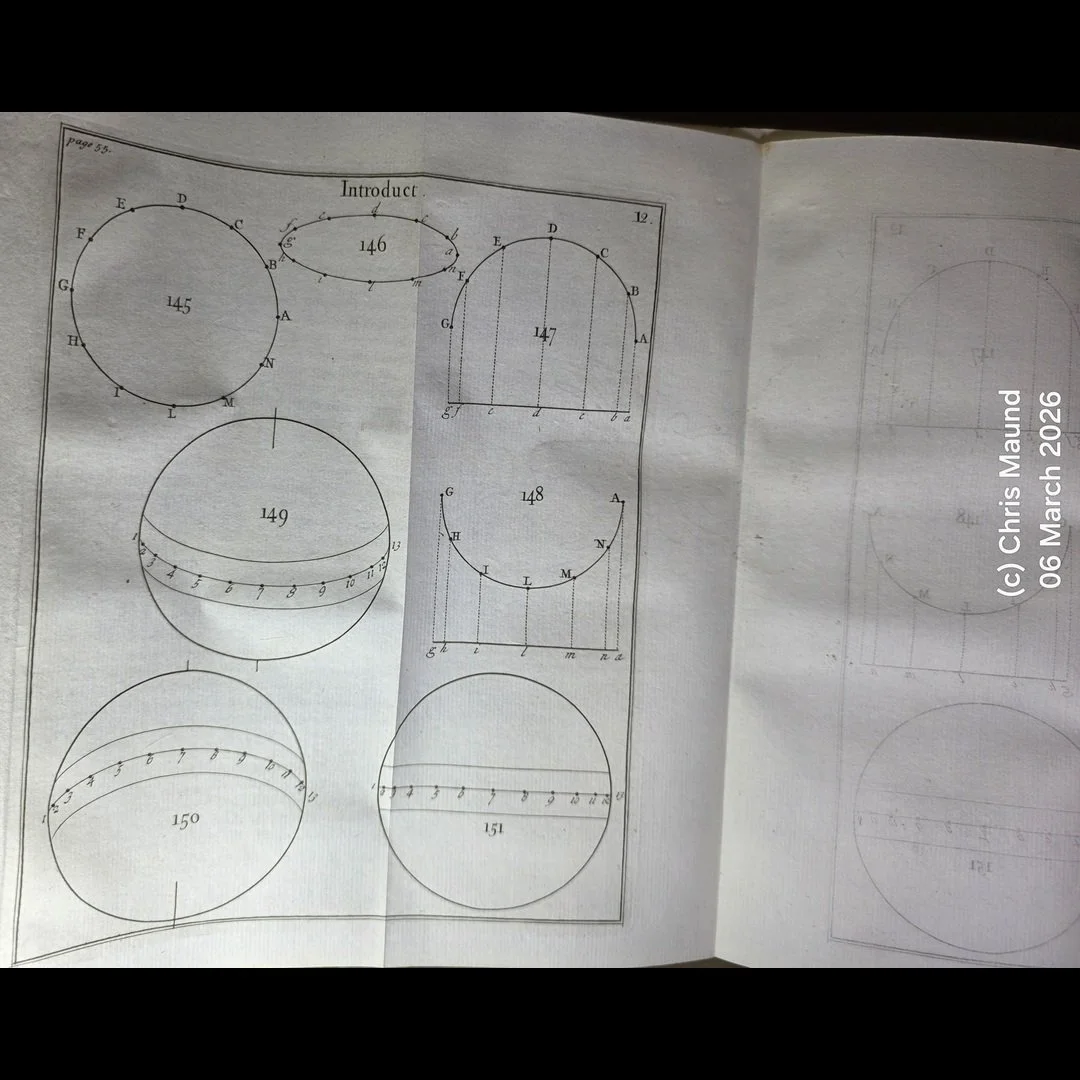
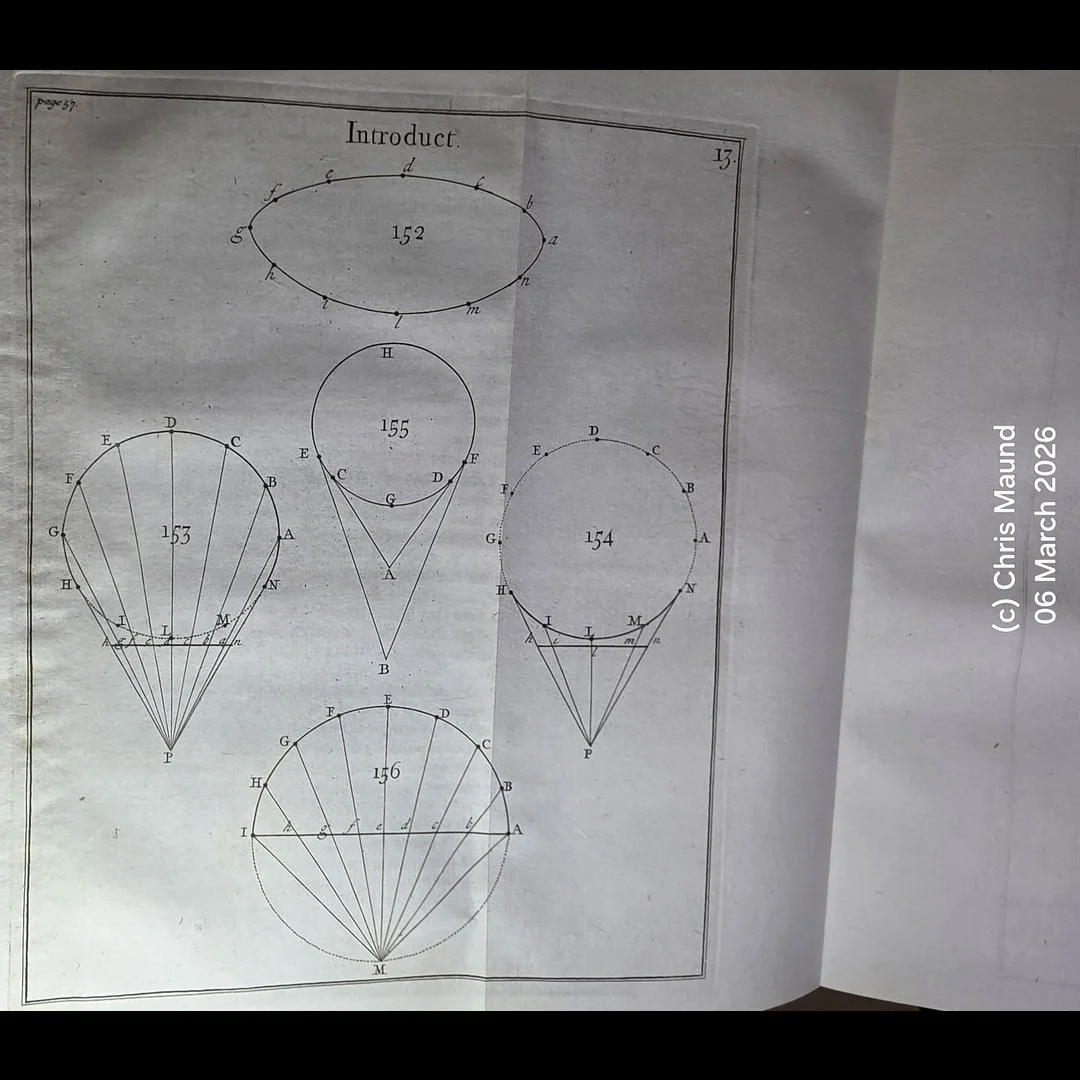
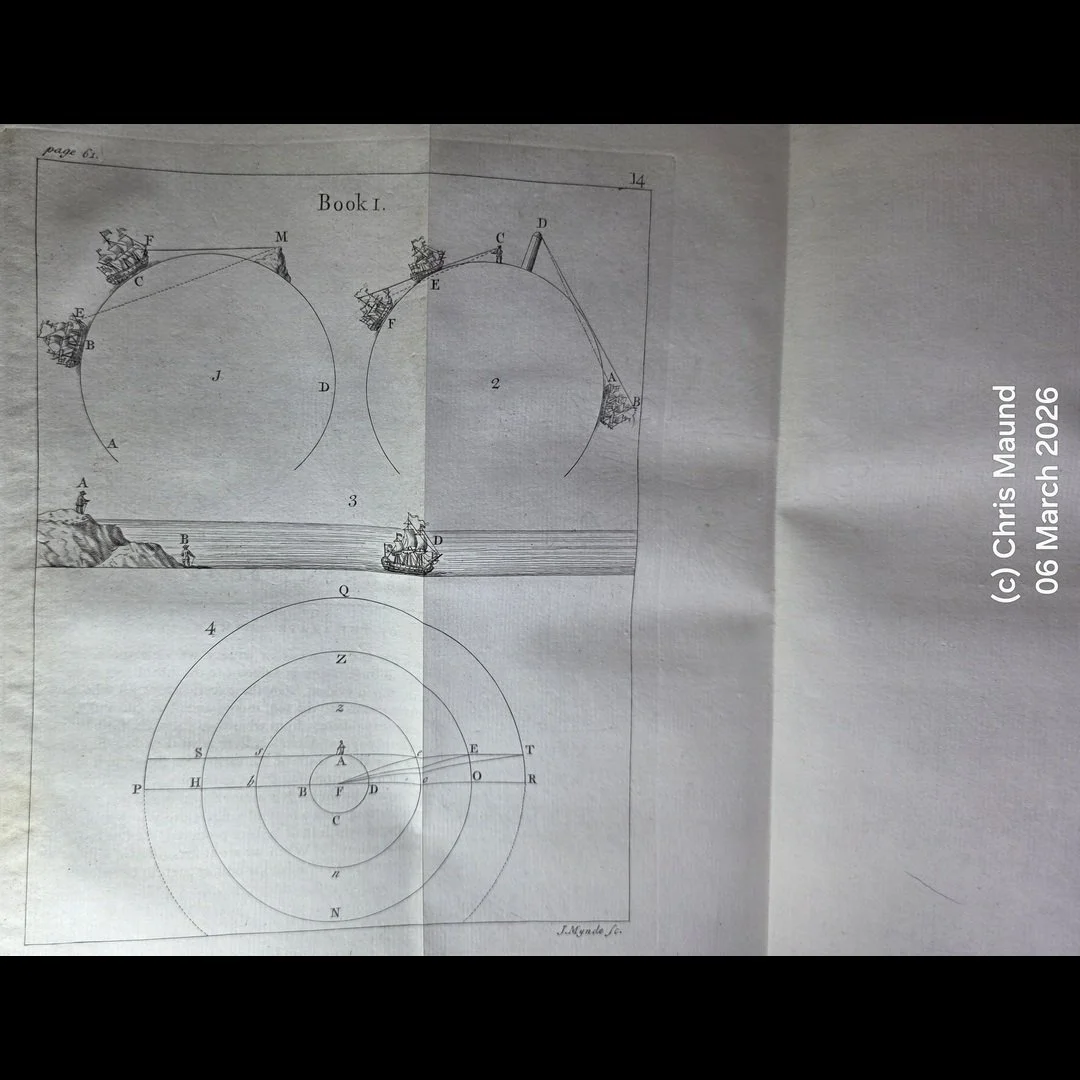
Text generally well preserved, with expected age-toning and browning, scattered spotting and brown staining, occasional ink marks, dust-soiling and a number of dog-eared or creased leaves. The red-and-black calendar printing, woodcut diagrams, astronomical and astrological figures and other illustrative material remain generally crisp and attractive.
Early manuscript ownership inscriptions and annotations as described above.
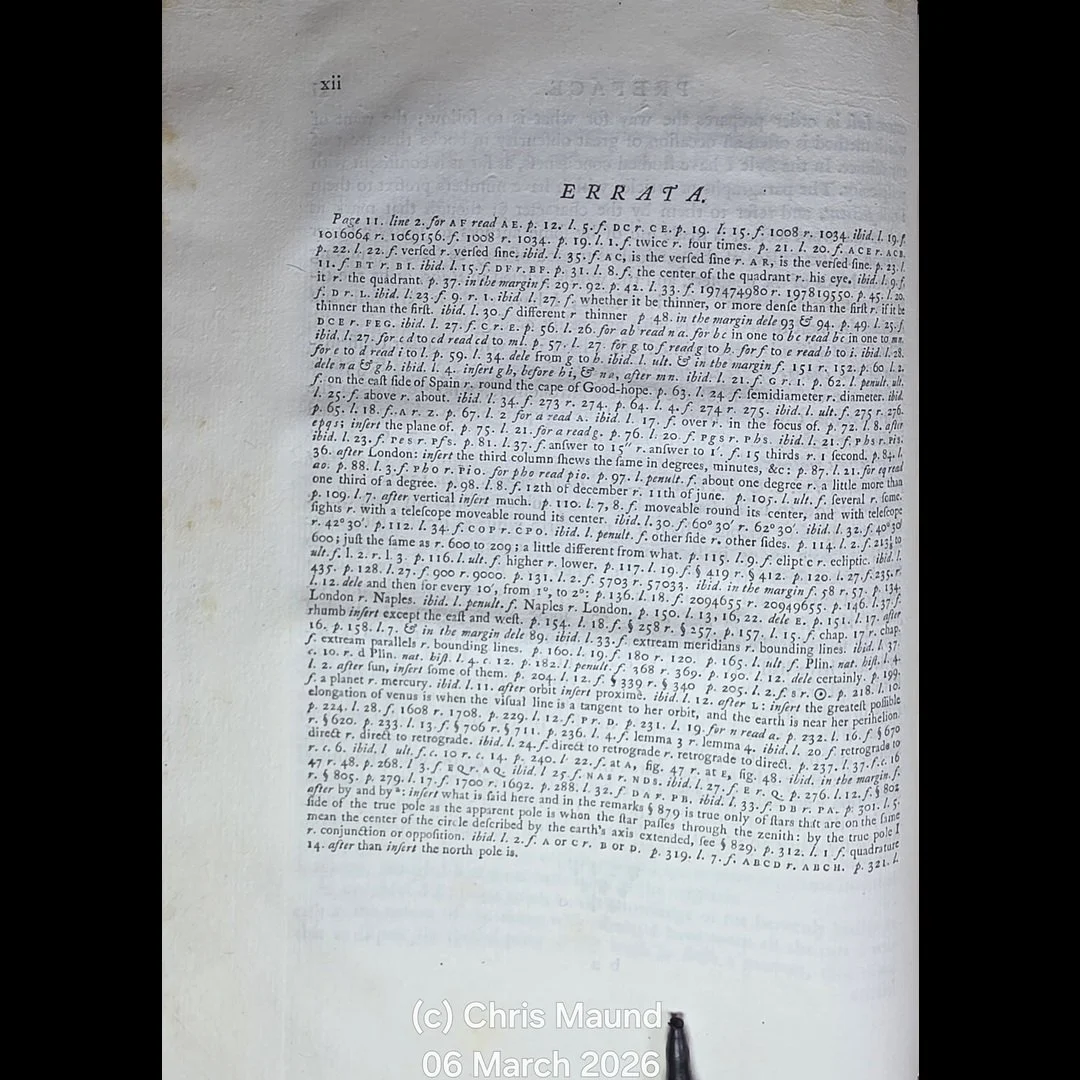
The terminal sequence survives with the Catalogus Nundinarum or catalogue of fairs, Errata, and the final Christoph Axinus woodcut printer's device and 1593 colophon.
A handsome working copy of an uncommon sixteenth-century astronomical and astrological book, particularly desirable for its contemporary binding, extensive illustrative content and unusually coherent seventeenth-century provenance.
Bibliographical Note:
Sotheby's and the Tomash bibliography describe the 1593 Wittenberg printing as the first edition of the Diarium sive Calendarium Romanum and identify two issues of the year, the second naming Paul Helwig in the colophon. Some institutional catalogues instead describe the 1593 book as a second edition because it develops Rantzau's earlier Ranzovianum Calendarium, published at Hamburg in 1590.
For accuracy, the present copy is therefore best described as:
First edition of the Diarium under this title; one of the 1593 Wittenberg issues.
The present Axinus issue retains the catalogue of European fairs at the end.
Please see Photos as part of condition report.
REFERENCES
Tomash & Williams R12
USTC 662061
VD16 R 234
Sotheby's, The Library of Erwin Tomash, lot 543
Kühn Rare Books & Art, Stuttgart 2023 — this copy
Jeschke Jádi Auctions, Berlin, 20 January 2024, lot 77 — this copy
SYNOPSIS
Rantzau's Diarium sive Calendarium Romanum is considerably more than a conventional almanac.
At its centre is the practical problem created by the coexistence of the Julian and Gregorian calendars following the Gregorian reform of 1582. Rantzau provides tables and explanations enabling the reader to navigate both systems and to calculate the calendar, seasons, feast days and movable observances.
The work incorporates detailed monthly tables recording calendar dates, the rising and setting of the sun, the length of days and nights and other astronomical information. Alongside these are observations concerning health, medicine, agriculture and household activity, making the book a practical handbook as well as an astronomical one.
Substantial portions are devoted to astrology, including the signs of the zodiac, planetary characteristics, celestial houses and the interpretation of planetary positions. Rantzau's own nativity and horoscope are discussed and illustrated, demonstrating the close relationship between mathematical astronomy and judicial astrology in the intellectual culture of the late Renaissance.
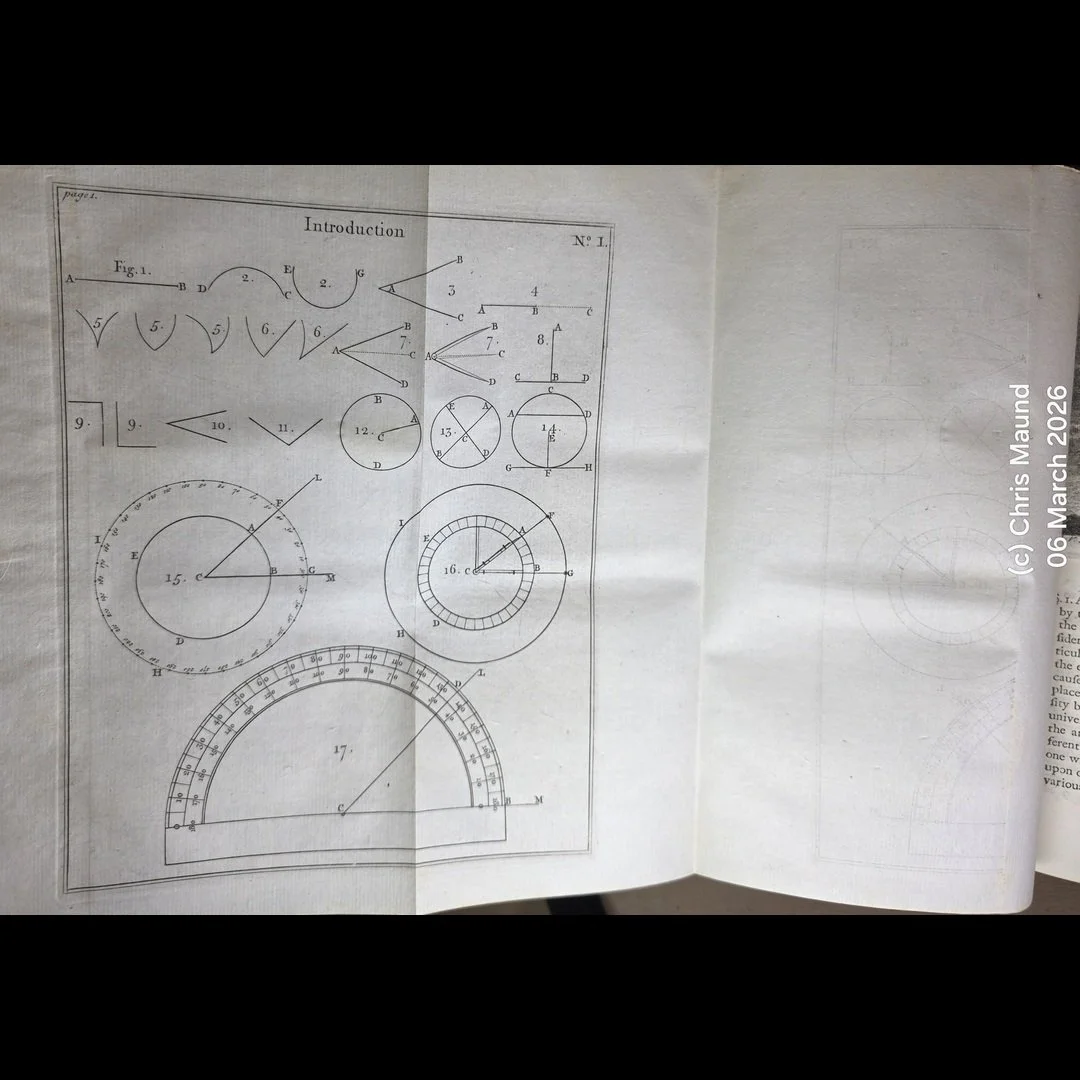
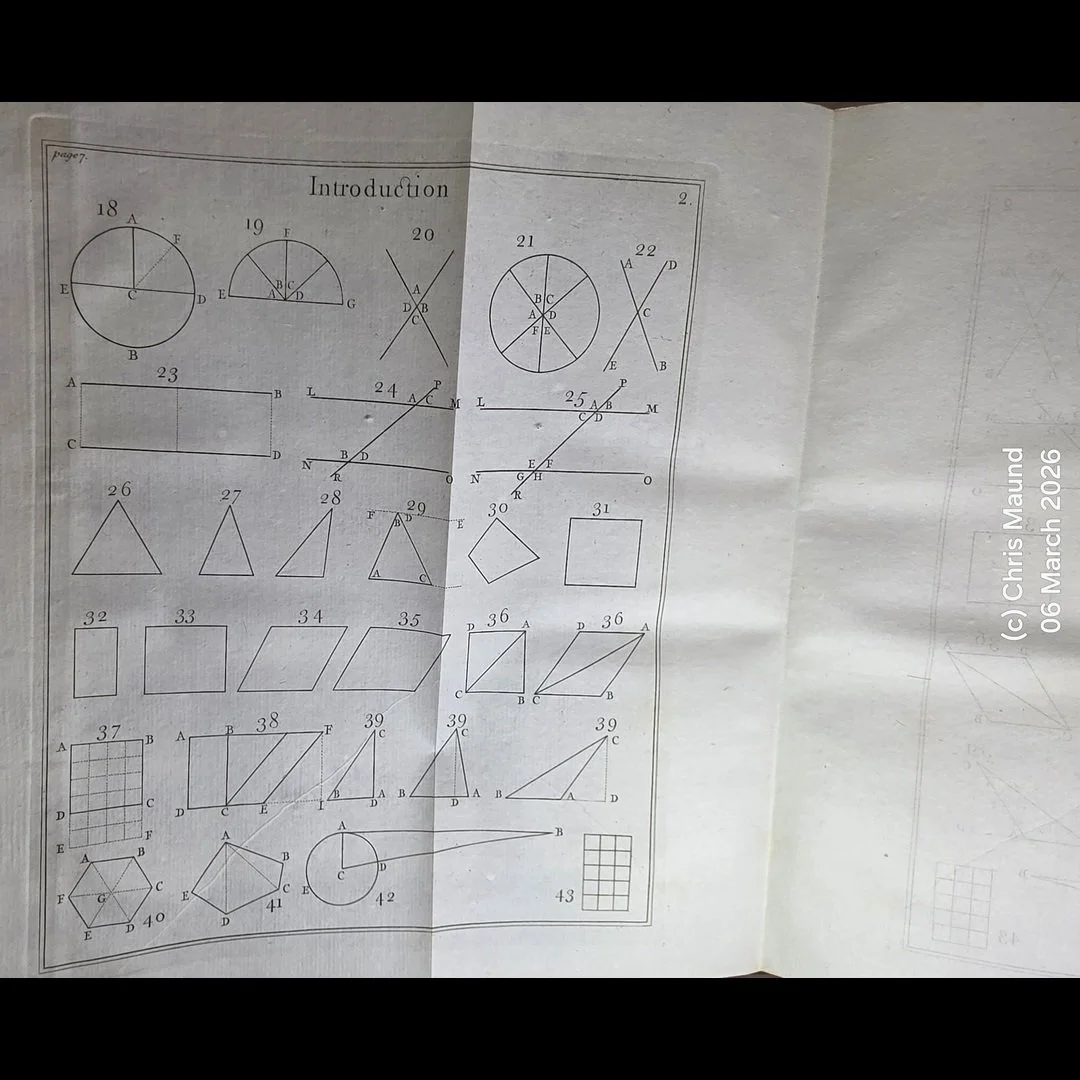
Numerous woodcut tables and diagrams illustrate astronomical and astrological concepts, including celestial figures and a striking diagram of the winds.
The book concludes with the Catalogus Nundinarum, a practical list of fairs held in towns across Europe, particularly within the German-speaking lands — an unusually revealing reminder that this was intended not merely for scholars, but also for physicians, householders, soldiers, merchants and travellers.
Printed during the first generation of the Gregorian calendar, the Diarium is an evocative document of a period in which astronomy, astrology, medicine, religion, agriculture and the measurement of time remained intimately interconnected.
AUTHOR BIO
Heinrich Rantzau, also Ranzow or Ranzovius (1526–1598), was a Holstein statesman, humanist, astrologer, bibliophile and one of the major scholarly patrons of northern Europe in the later sixteenth century.
Governor of the Danish royal portion of Holstein, Rantzau assembled an important library and maintained wide intellectual interests encompassing astronomy, astrology, medicine, chronology and history. He was closely associated with Tycho Brahe and provided Brahe with the use of his castle at Wandsbek after the astronomer left Denmark.
Rantzau was himself a prolific author and patron of astronomical and astrological scholarship. His works occupy an important position in the intellectual culture in which Renaissance astrology, mathematical astronomy, medicine and practical chronology continued to overlap.
1593 Wittenberg First Edition With Provenance
DIARIUM SIVE CALENDARIUM ROMANUM
By Heinrich Rantzau
KEY DETAILS
Condition: Good
Format: Hardcover, quarto (4to 9 1⁄2 × 12 in 241 × 305 mm )
Note: Binding/size selection follows standard bibliographic conventions and is approximate; exact measurements may vary.
Published By: Christoph Axinus (Axin), Witebergae (Wittenberg), Germany, 1593
Language: Latin
Provenance: With an early ownership inscription:
Collation: [16], 413, [3] pp.; A–3H⁴
Dust Jacket: None, as issued, No Jacket
SKU: BTETM0002413
Shipping Info: Approximate Package Dimensions H: 12.5, L: 30, W: 25 (Units: cm), W: 2Kg
Tracked Shipping, Insurance Coverage as per Customer Request
DESCRIPTION
Diarium sive Calendarium romanum
First Edition under this Title
DIARIUM SIVE CALENDARIUM ROMANUM
oeconomicum, ecclesiasticum, astronomicum, et fere perpetuum, ad dies veteris Iuliani & novi Gregoriani anni accommodatum
An appealing and substantially unsophisticated Renaissance scientific and astrological quarto, printed at Wittenberg in 1593 by Christoph Axinus and preserved in its contemporary vellum binding.
Published little more than a decade after the introduction of the Gregorian calendar in 1582, Rantzau's Diarium was intended as a practical guide to the competing Julian and Gregorian systems while ranging far beyond calendrical calculation. It combines astronomy, astrology, chronology, medicine, household and agricultural advice, religious observance and practical information for travellers and merchants.
The volume is particularly attractive bibliographically, with the title printed in red and black, further printing in red, a large woodcut of the Rantzau arms, astronomical and astrological diagrams, calendar tables, decorative woodcut initials and the large Christoph Axinus printer's device at the end.
The Catalogus Nundinarum, a catalogue of European fairs sometimes absent from surviving copies, is present here, together with the errata and terminal printer's device and colophon.
Of particular interest is the book's seventeenth-century Danish provenance, with two dated ownership inscriptions associated with members of the closely connected clerical, academic and medical world of Funen.
PROVENANCE
With an early ownership inscription:
“Ex libris Johan Henrici Gosman[n]. Ao 1668.”
The inscription can be attributed with high confidence to Mag. Johan Henriksen Gosmann (1621–1680), Copenhagen-born scholar, clergyman and schoolmaster, formerly conrector at Odense and later parish priest of Middelfart and Kauslunde. The identification is supported by contemporary records in which his name occurs in the closely corresponding Latin forms Iohannes Henrici Gosmannus and, at Middelfart in 1669, Johannes Henrici Gosman.
Further ownership inscription of:
Georgius Hannaeus, 1681, accompanied by the motto “Tandem bona causa triumphat” — approximately, “In the end, the good cause triumphs.”
Georg Hannaeus (1647–1699) was a German-Danish physician, philosopher and professor at Odense, later provincial physician for Funen. He was admitted to the Leopoldina in 1684.
The succession is particularly interesting: Gosmann died in 1680, only one year before Hannaeus dated his ownership of this volume. The two men belonged to overlapping Funen clerical, academic and family circles. Gosmann's stepson Hans Madsen Lime married into the Taulov family, to which Hannaeus was also connected by marriage. A direct or family-mediated transfer of the volume after Gosmann's death is therefore plausible, although not presently documented.
An early manuscript shelf or inventory number “No. 160” also appears on the front endpaper.
CONDITION, COLLATION & COPY NOTES
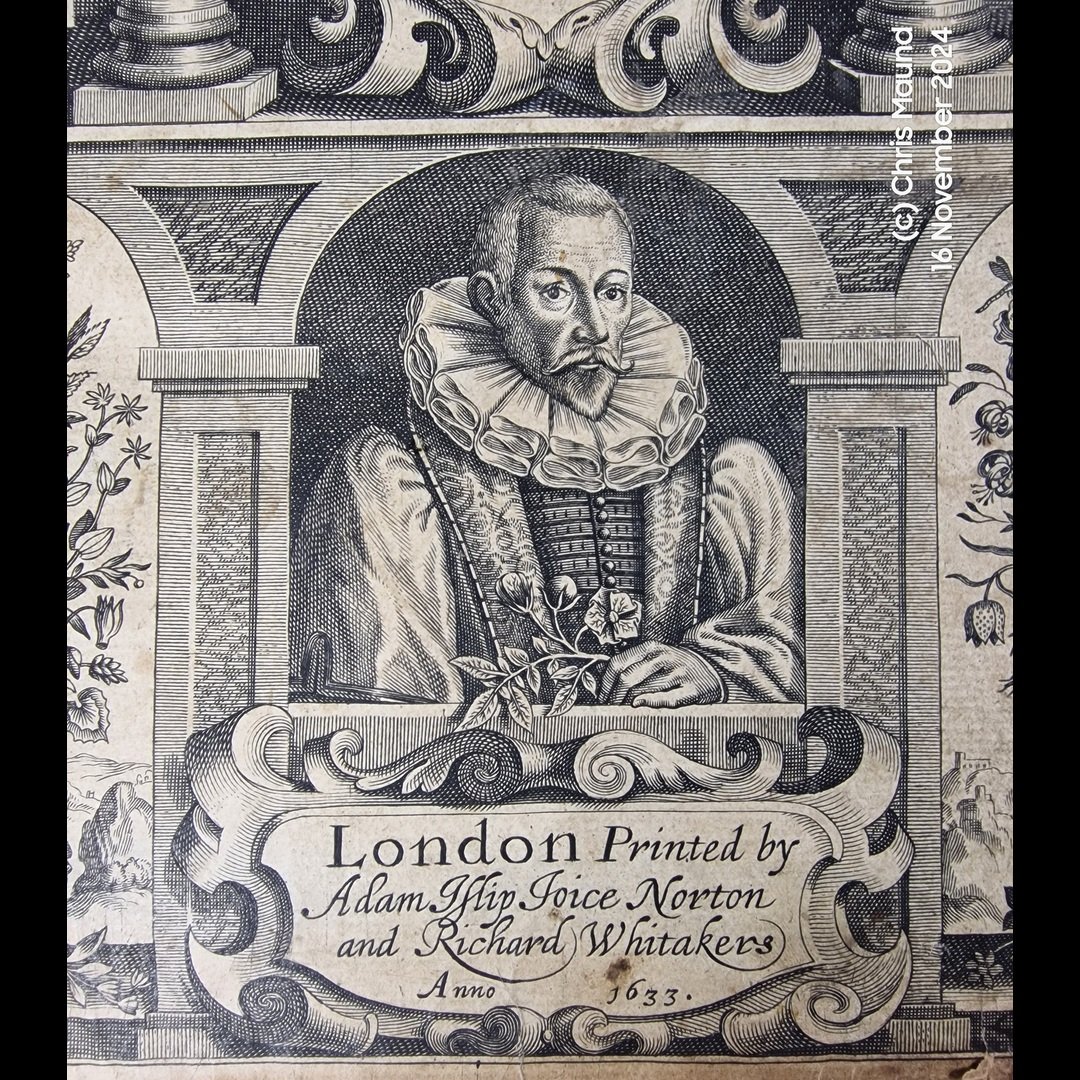
A sound and characterful copy in its contemporary vellum binding, the vellum rubbed, age-soiled and stained, with ink marks and general wear consistent with prolonged historical use. The binding remains substantially intact and retains considerable period character.
Title page printed in red and black, with creasing, handling wear, staining and wear to the outer corners and margins; the principal printed text remains substantially intact and legible. Verso with the large woodcut Rantzau armorial, retaining a strong impression.
Text generally well preserved, with expected age-toning and browning, scattered spotting and brown staining, occasional ink marks, dust-soiling and a number of dog-eared or creased leaves. The red-and-black calendar printing, woodcut diagrams, astronomical and astrological figures and other illustrative material remain generally crisp and attractive.
Early manuscript ownership inscriptions and annotations as described above.
The terminal sequence survives with the Catalogus Nundinarum or catalogue of fairs, Errata, and the final Christoph Axinus woodcut printer's device and 1593 colophon.
A handsome working copy of an uncommon sixteenth-century astronomical and astrological book, particularly desirable for its contemporary binding, extensive illustrative content and unusually coherent seventeenth-century provenance.
Bibliographical Note:
Sotheby's and the Tomash bibliography describe the 1593 Wittenberg printing as the first edition of the Diarium sive Calendarium Romanum and identify two issues of the year, the second naming Paul Helwig in the colophon. Some institutional catalogues instead describe the 1593 book as a second edition because it develops Rantzau's earlier Ranzovianum Calendarium, published at Hamburg in 1590.
For accuracy, the present copy is therefore best described as:
First edition of the Diarium under this title; one of the 1593 Wittenberg issues.
The present Axinus issue retains the catalogue of European fairs at the end.
Please see Photos as part of condition report.
REFERENCES
Tomash & Williams R12
USTC 662061
VD16 R 234
Sotheby's, The Library of Erwin Tomash, lot 543
Kühn Rare Books & Art, Stuttgart 2023 — this copy
Jeschke Jádi Auctions, Berlin, 20 January 2024, lot 77 — this copy
SYNOPSIS
Rantzau's Diarium sive Calendarium Romanum is considerably more than a conventional almanac.
At its centre is the practical problem created by the coexistence of the Julian and Gregorian calendars following the Gregorian reform of 1582. Rantzau provides tables and explanations enabling the reader to navigate both systems and to calculate the calendar, seasons, feast days and movable observances.
The work incorporates detailed monthly tables recording calendar dates, the rising and setting of the sun, the length of days and nights and other astronomical information. Alongside these are observations concerning health, medicine, agriculture and household activity, making the book a practical handbook as well as an astronomical one.
Substantial portions are devoted to astrology, including the signs of the zodiac, planetary characteristics, celestial houses and the interpretation of planetary positions. Rantzau's own nativity and horoscope are discussed and illustrated, demonstrating the close relationship between mathematical astronomy and judicial astrology in the intellectual culture of the late Renaissance.
Numerous woodcut tables and diagrams illustrate astronomical and astrological concepts, including celestial figures and a striking diagram of the winds.
The book concludes with the Catalogus Nundinarum, a practical list of fairs held in towns across Europe, particularly within the German-speaking lands — an unusually revealing reminder that this was intended not merely for scholars, but also for physicians, householders, soldiers, merchants and travellers.
Printed during the first generation of the Gregorian calendar, the Diarium is an evocative document of a period in which astronomy, astrology, medicine, religion, agriculture and the measurement of time remained intimately interconnected.
AUTHOR BIO
Heinrich Rantzau, also Ranzow or Ranzovius (1526–1598), was a Holstein statesman, humanist, astrologer, bibliophile and one of the major scholarly patrons of northern Europe in the later sixteenth century.
Governor of the Danish royal portion of Holstein, Rantzau assembled an important library and maintained wide intellectual interests encompassing astronomy, astrology, medicine, chronology and history. He was closely associated with Tycho Brahe and provided Brahe with the use of his castle at Wandsbek after the astronomer left Denmark.
Rantzau was himself a prolific author and patron of astronomical and astrological scholarship. His works occupy an important position in the intellectual culture in which Renaissance astrology, mathematical astronomy, medicine and practical chronology continued to overlap.

 Image 1 of 28
 Image 2 of 28
 Image 3 of 28
 Image 4 of 28
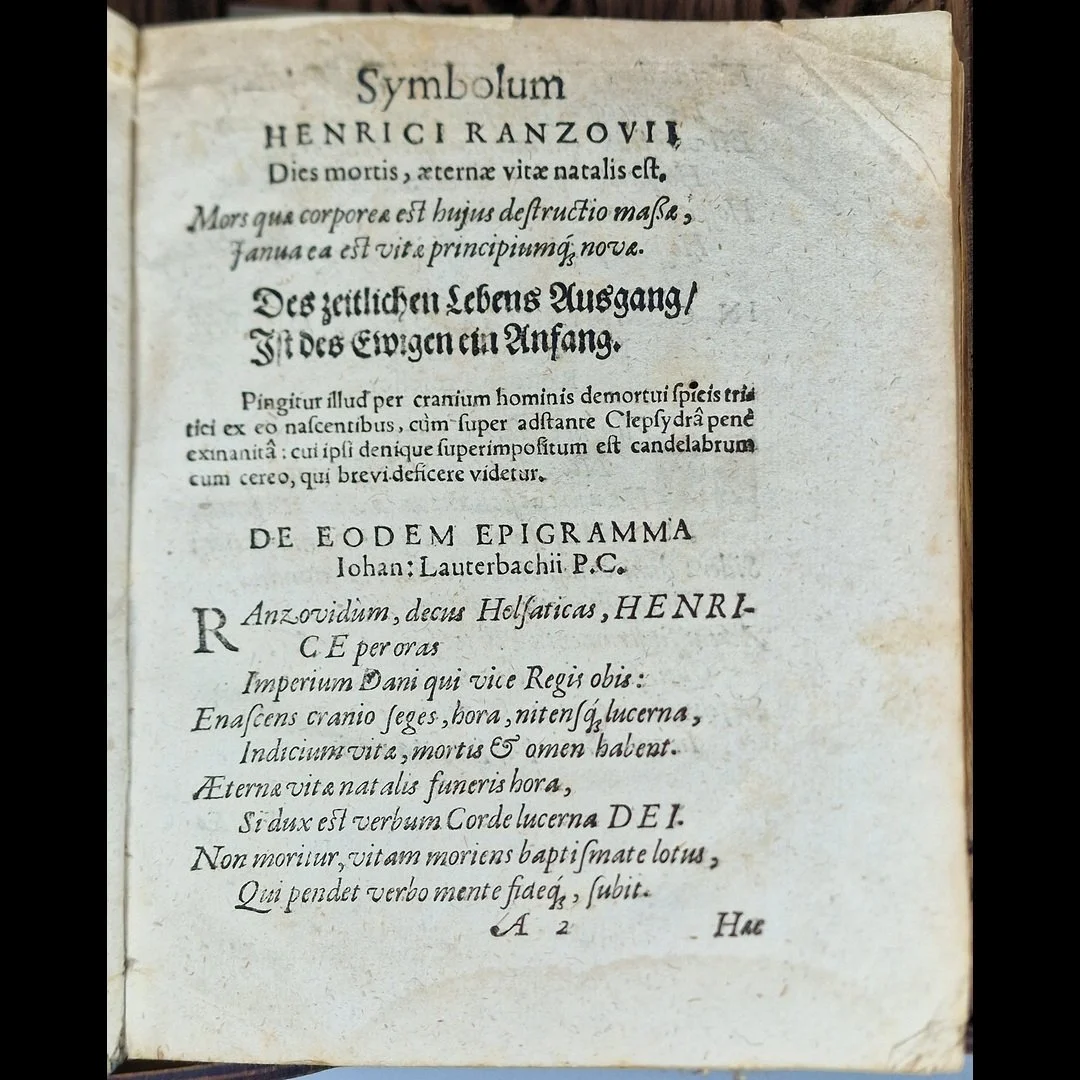 Image 5 of 28
 Image 6 of 28
 Image 7 of 28
 Image 8 of 28
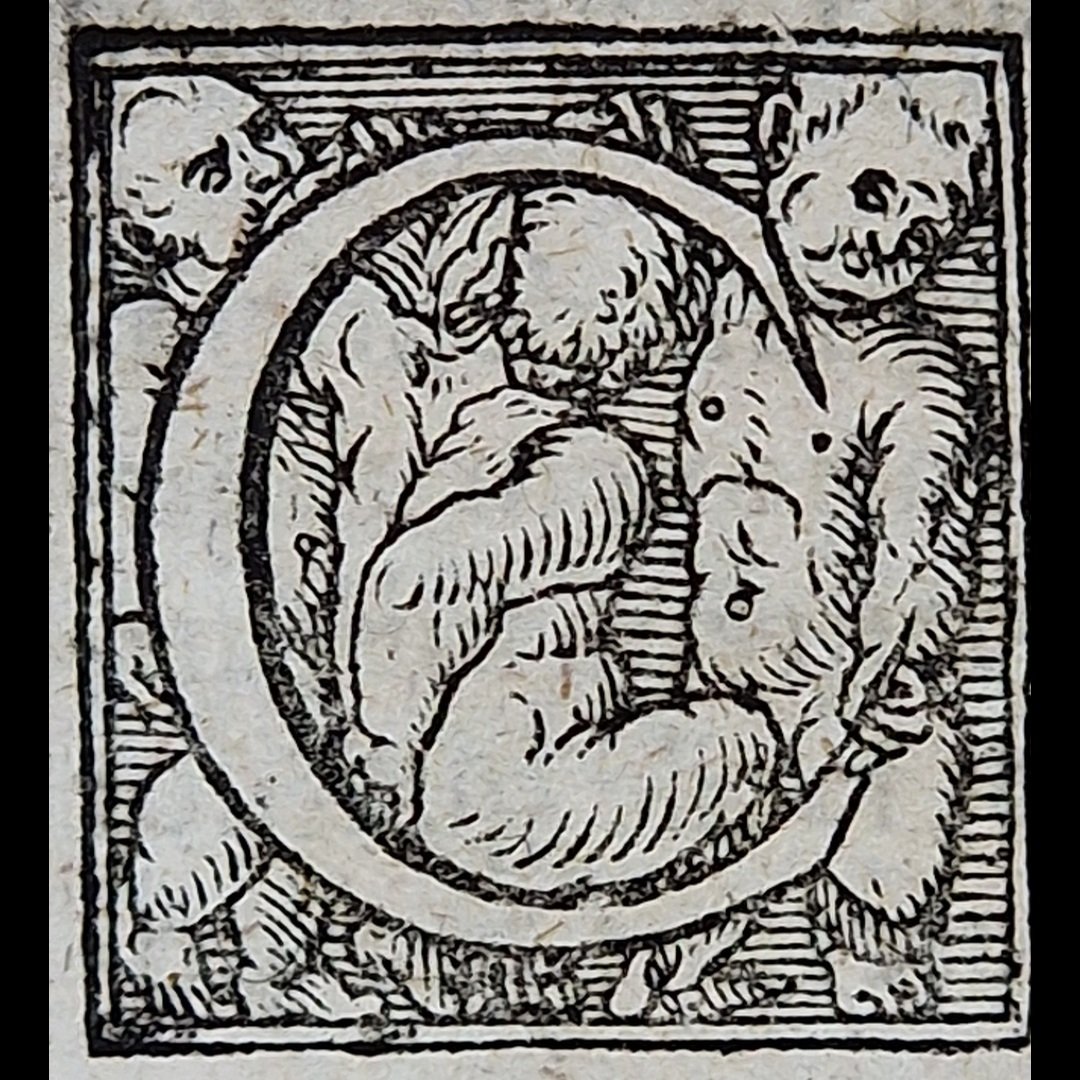 Image 9 of 28
 Image 10 of 28
 Image 11 of 28
 Image 12 of 28
 Image 13 of 28
 Image 14 of 28
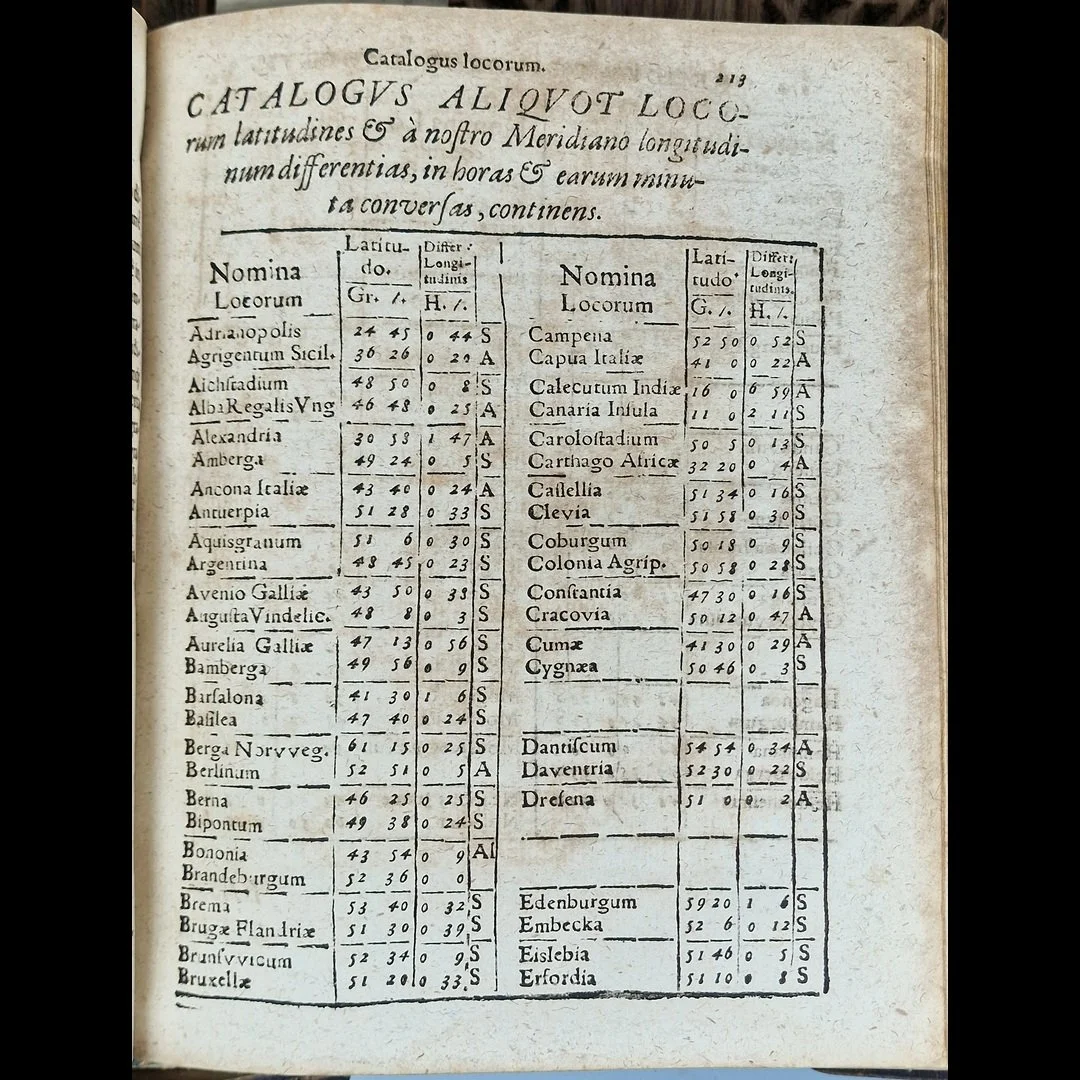 Image 15 of 28
 Image 16 of 28
 Image 17 of 28
 Image 18 of 28
 Image 19 of 28
 Image 20 of 28
 Image 21 of 28
 Image 22 of 28
 Image 23 of 28
 Image 24 of 28
 Image 25 of 28
 Image 26 of 28
 Image 27 of 28
 Image 28 of 28