1800 Third French Edition
DE LA FLAGELLATION DANS LA MEDECINE ET DANS LES PLAISIRS DE L'AMOUR
By Johann Heinrich Meibom
KEY DETAILS
Condition: Very Good
Format: Hardcover, duodecimo or twelvemo (12mo 5 × 7 3⁄8 in 127 × 187 mm )
Note: Binding/size selection follows standard bibliographic conventions and is approximate; exact measurements may vary.
Published By: A Paris, Chez Mercier, Editeur du Furet litteraire, rue d'Angivilliers, no 151, Paris, 1800
Language: French
Collation: [4], 141, [3] pp., engraved frontispiece; additionally retaining approximately 8 pp. of publisher's advertisements bound at front.
Dust Jacket: None, as issued, No Jacket
SKU: BTETM0002423
Shipping Info: Approximate Package Dimensions H: 12.5, L: 30, W: 25 (Units: cm), W: 2Kg
Tracked Shipping, Insurance Coverage as per Customer Request
DESCRIPTION
De la flagellation dans la medecine et dans les plaisirs de l'amour
Contemporary tree calf · Engraved flagellation frontispiece · L'Amour fouetté
A scarce and visually appealing turn-of-the-nineteenth-century French edition of one of the earliest substantial medical discussions of flagellation in relation to sexual stimulation: Johann Heinrich Meibom's De la Flagellation dans la Médecine et dans les Plaisirs de l'Amour, published at Paris by Claude-François-Xavier Mercier de Compiègne in An VIII [1800].
Originally written in Latin in the seventeenth century as De flagrorum usu in re veneria et lumborum renumque officio, Meibom's remarkable treatise examines the physiological effects of whipping in both medicine and sexual activity. Drawing upon classical authorities, medical observation and contemporary theories concerning the loins, kidneys and reproductive organs, it became an important early text in the history of sexuality and one of the best-known learned treatments of erotic flagellation.
The present edition is the third French edition of Mercier de Compiègne's translation, following his editions of 1792 and 1795. Unlike the earlier bilingual editions, the 1800 printing presents the work in French without the parallel Latin text and is augmented by Louis Fuzelier's playful verse ** L'Amour fouetté **, together with bibliographical notes. The combination of medical discourse, erotic curiosity and literary satire gives this edition particular appeal within the history of medicine, sexuality and French curiosa.
An attractive period copy in contemporary tree calf, retaining the striking engraved frontispiece depicting an act of flagellation. The typography is embellished with a woodcut title ornament and decorative head- and tail-pieces, including an especially appropriate vignette of cherubs carrying whips. The volume also retains publisher's advertisements and an old Paris bookseller's ticket for Chez Mlle Laurain, Libraire, Rue Montmartre, Passage St-Eustache.
CONDITION, COLLATION & COPY NOTES
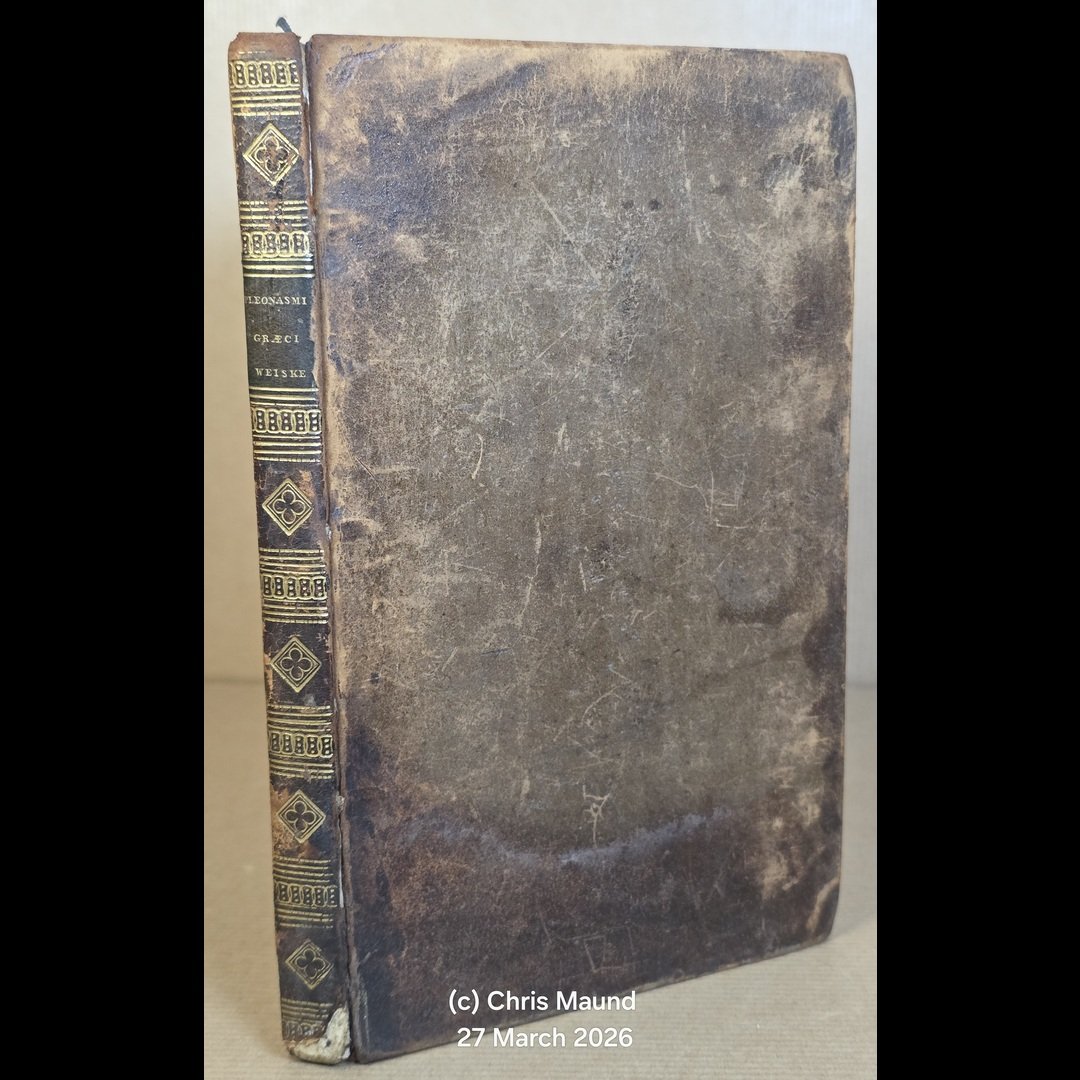
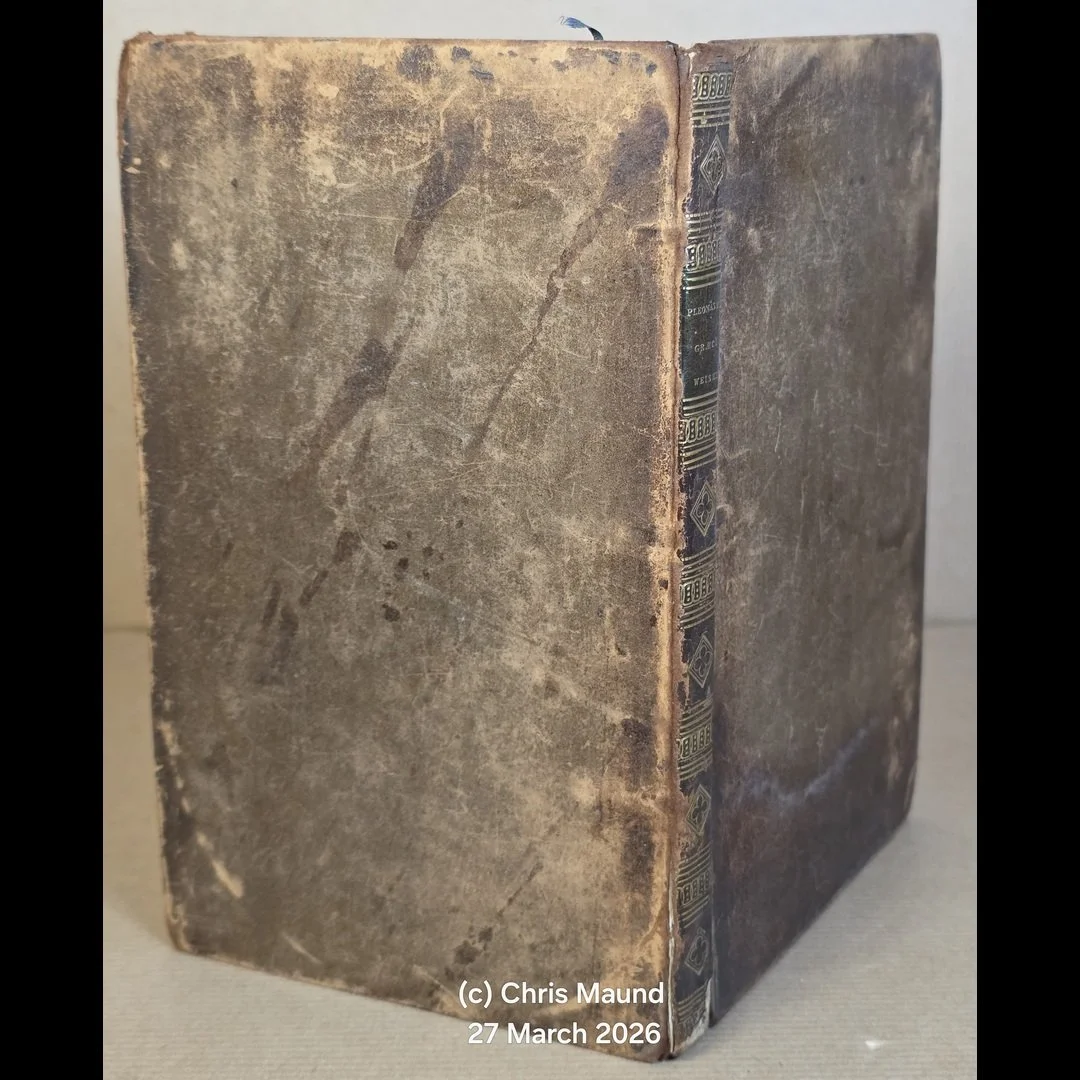
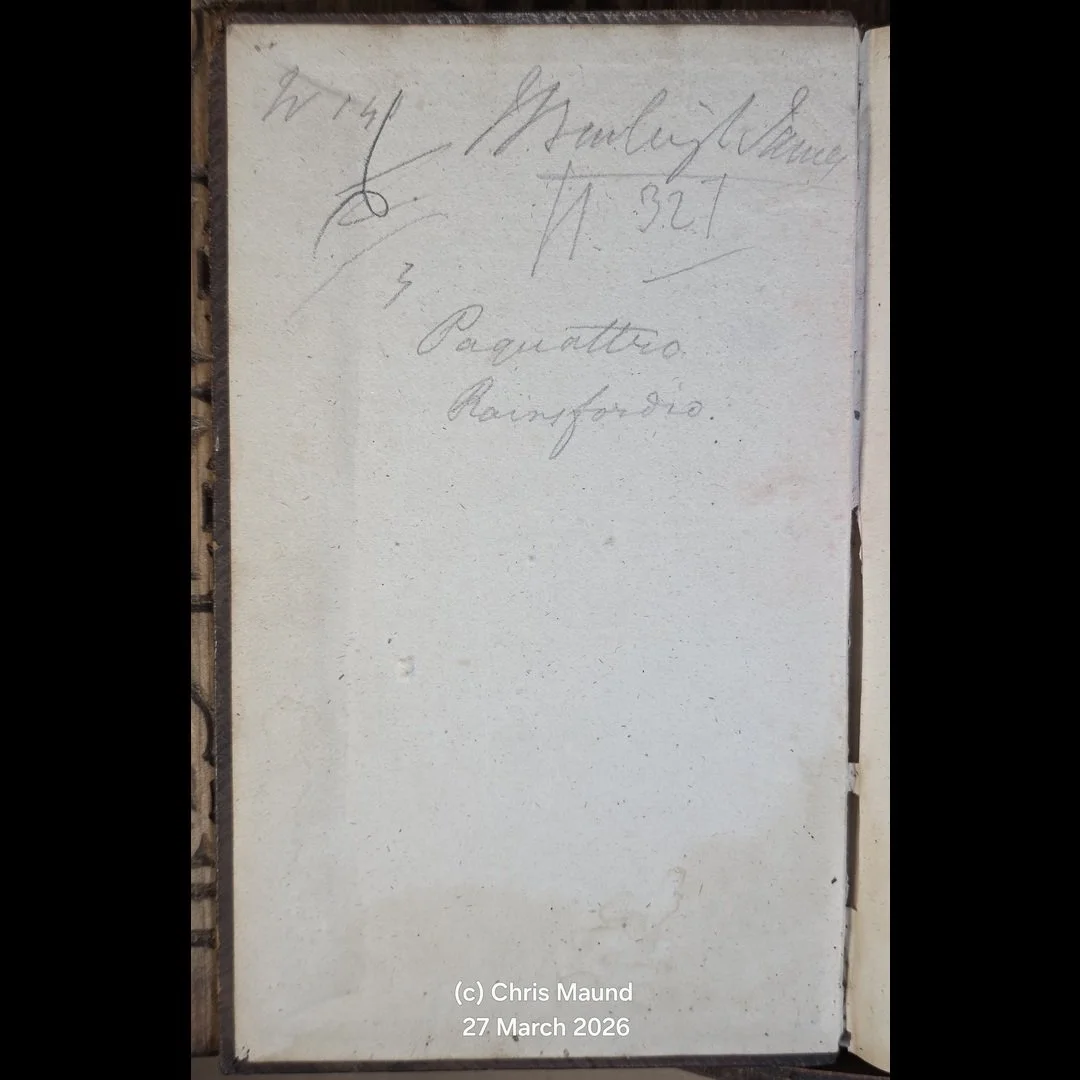
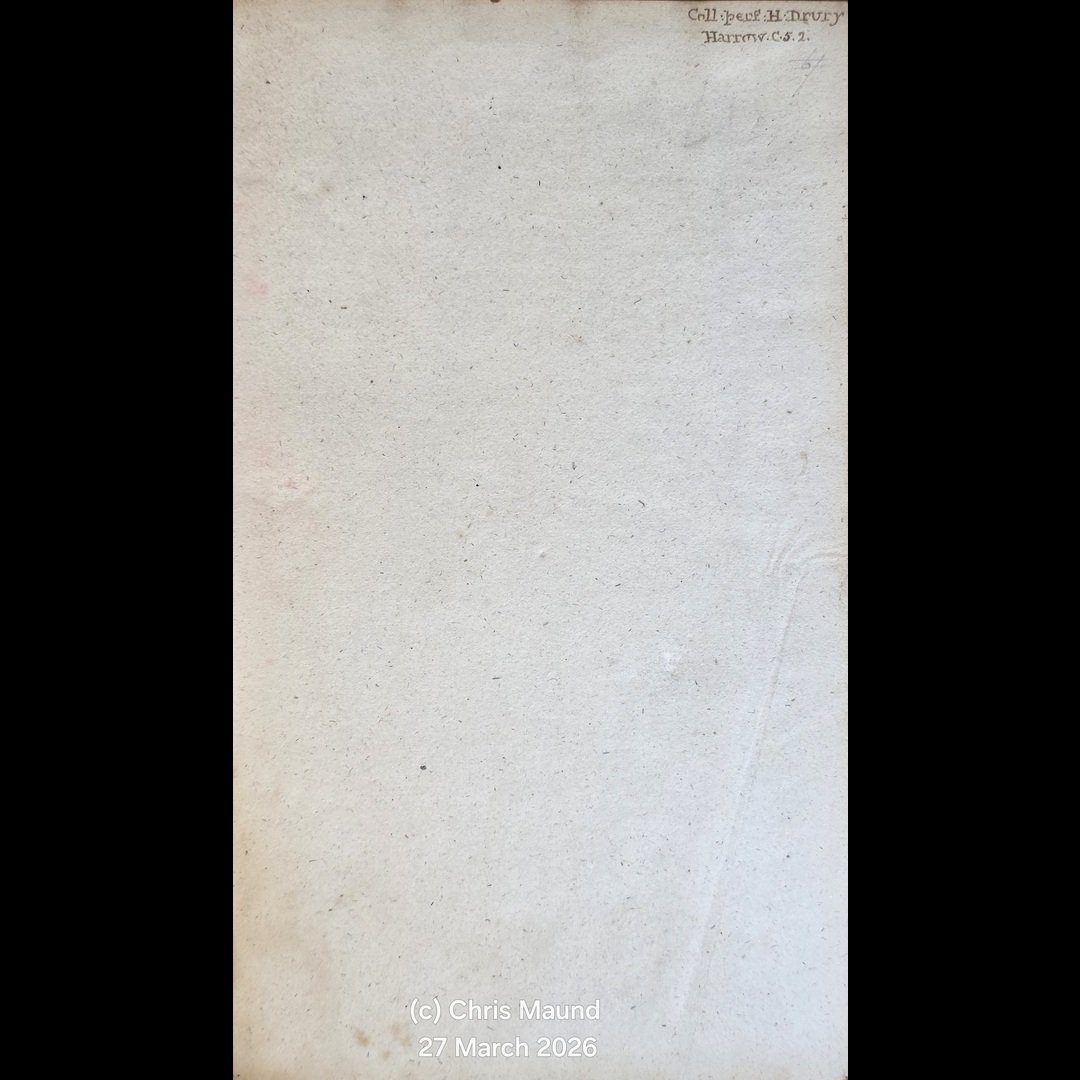
An attractive and characterful copy in contemporary tree calf, with marbled endpapers and gilt-decorated spine. Binding rubbed and worn as expected, the original spine lettering piece lacking; corners worn, with a narrow section of surface leather missing from the upper board and further rubbing and wear around the extremities and spine. Despite the cosmetic wear, the binding remains solid and the boards attached.
Internally, half-title and engraved frontispiece present, the latter showing flagellation in action. Title page with woodcut ornament; decorative woodcut head- and tail-pieces throughout, including a vignette depicting cherubs with whips. Approximately 8 pages of publisher's advertisements are bound before the text, with a further 3 pages of advertisements at the end.
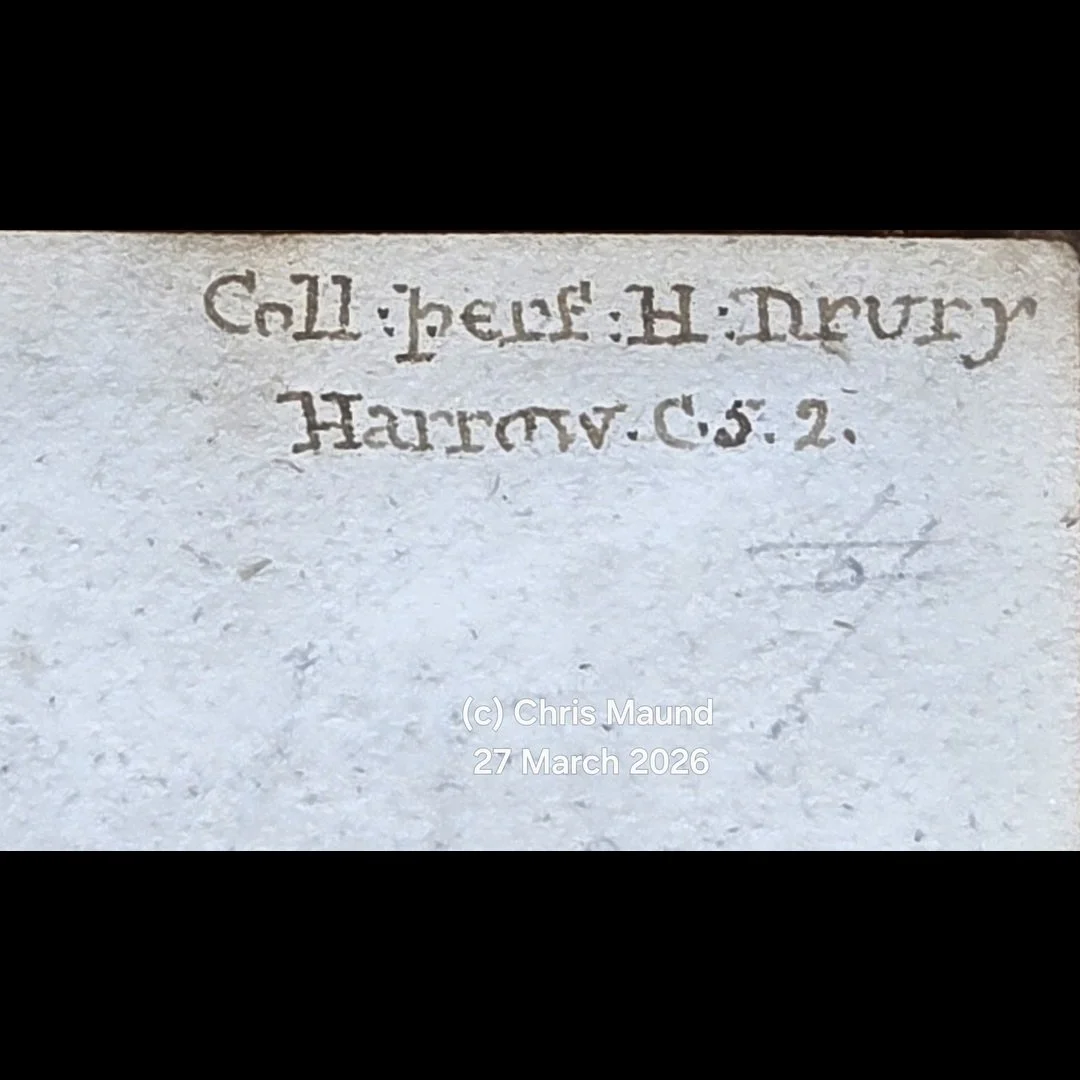
With an old bookseller's ticket of Chez Mlle Laurain, Libraire, Rue Montmartre, 3 Passage St-Eustache, Paris.
Text with mild scattered spotting and occasional light browning, somewhat more pronounced on a few leaves, but generally clean, crisp and readily legible. The engraved frontispiece retains a good impression.
A pleasing unsophisticated period copy of a notably unusual work, retaining its contemporary binding, engraved frontispiece and considerable historical character.
Please see Photos as part of condition report.
REFERENCES
Bibliothèque nationale de France, authority record for Epistola de flagrorum usu in re veneria et lumborum renumque officio
Wellcome Collection, EPB/A/36126
WorldCat OCLC 970767568
SYNOPSIS
Meibom's treatise originated as a learned medical epistle examining the effects of flagellation upon the human body, particularly its supposed influence upon the loins, kidneys and sexual organs. Although written within the intellectual framework of seventeenth-century medicine, its discussion of the relationship between physical pain, stimulation and sexual response gives the work an extraordinary place in the early history of sexuality.
Meibom collects evidence from classical literature, medical authorities and anecdotal cases in an attempt to explain why whipping could apparently provoke or restore sexual excitement. The argument ranges between medicine, physiology, history and erotic curiosity, reflecting an age in which classical precedent and humoral or anatomical theory were freely combined with empirical observation.
The work is therefore considerably more than an erotic curiosity. It represents an unusually early attempt to treat a form of sexual behaviour as a subject susceptible to medical and physiological explanation, making it significant to the histories of medicine, sexology and changing European attitudes towards sexuality.
Mercier de Compiègne's French adaptation brought the work to a new late-eighteenth-century audience. The earlier French editions appeared in 1792 and 1795; this 1800 third French edition, described on the title as newly revised, corrected and augmented, dispenses with the parallel Latin text and adds Louis Fuzelier's L'Amour fouetté, a comic-erotic poem which gives literary expression to the book's central theme.
The volume concludes with extensive Notes bibliographiques, placing Meibom's text and its subject within a broader literary tradition. Together with its striking engraved frontispiece and suggestive woodcut ornamentation, the 1800 edition occupies an unusual intersection between learned medical literature, Enlightenment-era erotic bibliography and French curiosa.
AUTHOR BIO
Johann Heinrich Meibom (1590–1655) was a German physician, medical historian and humanist scholar. Born at Helmstedt, he studied at several German universities before receiving his doctorate in medicine at Basel in 1619. In 1620 he became Professor of Semiotics at the University of Helmstedt, later settling at Lübeck, where he practised medicine and served in senior medical capacities.
Meibom combined medical practice with antiquarian and historical scholarship, taking a particular interest in the medical writings of antiquity. His unusual treatise on flagellation became by far his most enduring work and continued to be translated, expanded and reprinted for more than two centuries.
He should not be confused with his son, Heinrich Meibom (1638–1700), also a distinguished physician and scholar, with whom he has sometimes been conflated in bibliographical descriptions.
Translator / Editor Bio:
Claude-François-Xavier Mercier de Compiègne (1763–1800) was a French writer, poet, translator, editor and Parisian printer-bookseller. Initially secretary to the celebrated Encyclopédiste Louis de Jaucourt and subsequently employed in the French naval administration, Mercier turned increasingly to writing, publishing and bookselling during the Revolutionary period.
He became particularly associated with literary curiosities, gallant works and erotic publications, and his catalogue forms an interesting part of the Parisian book trade of the Revolutionary era. His French treatment of Meibom's text first appeared in 1792 and was subsequently revised and reissued.
1800 Third French Edition
DE LA FLAGELLATION DANS LA MEDECINE ET DANS LES PLAISIRS DE L'AMOUR
By Johann Heinrich Meibom
KEY DETAILS
Condition: Very Good
Format: Hardcover, duodecimo or twelvemo (12mo 5 × 7 3⁄8 in 127 × 187 mm )
Note: Binding/size selection follows standard bibliographic conventions and is approximate; exact measurements may vary.
Published By: A Paris, Chez Mercier, Editeur du Furet litteraire, rue d'Angivilliers, no 151, Paris, 1800
Language: French
Collation: [4], 141, [3] pp., engraved frontispiece; additionally retaining approximately 8 pp. of publisher's advertisements bound at front.
Dust Jacket: None, as issued, No Jacket
SKU: BTETM0002423
Shipping Info: Approximate Package Dimensions H: 12.5, L: 30, W: 25 (Units: cm), W: 2Kg
Tracked Shipping, Insurance Coverage as per Customer Request
DESCRIPTION
De la flagellation dans la medecine et dans les plaisirs de l'amour
Contemporary tree calf · Engraved flagellation frontispiece · L'Amour fouetté
A scarce and visually appealing turn-of-the-nineteenth-century French edition of one of the earliest substantial medical discussions of flagellation in relation to sexual stimulation: Johann Heinrich Meibom's De la Flagellation dans la Médecine et dans les Plaisirs de l'Amour, published at Paris by Claude-François-Xavier Mercier de Compiègne in An VIII [1800].
Originally written in Latin in the seventeenth century as De flagrorum usu in re veneria et lumborum renumque officio, Meibom's remarkable treatise examines the physiological effects of whipping in both medicine and sexual activity. Drawing upon classical authorities, medical observation and contemporary theories concerning the loins, kidneys and reproductive organs, it became an important early text in the history of sexuality and one of the best-known learned treatments of erotic flagellation.
The present edition is the third French edition of Mercier de Compiègne's translation, following his editions of 1792 and 1795. Unlike the earlier bilingual editions, the 1800 printing presents the work in French without the parallel Latin text and is augmented by Louis Fuzelier's playful verse ** L'Amour fouetté **, together with bibliographical notes. The combination of medical discourse, erotic curiosity and literary satire gives this edition particular appeal within the history of medicine, sexuality and French curiosa.
An attractive period copy in contemporary tree calf, retaining the striking engraved frontispiece depicting an act of flagellation. The typography is embellished with a woodcut title ornament and decorative head- and tail-pieces, including an especially appropriate vignette of cherubs carrying whips. The volume also retains publisher's advertisements and an old Paris bookseller's ticket for Chez Mlle Laurain, Libraire, Rue Montmartre, Passage St-Eustache.
CONDITION, COLLATION & COPY NOTES
An attractive and characterful copy in contemporary tree calf, with marbled endpapers and gilt-decorated spine. Binding rubbed and worn as expected, the original spine lettering piece lacking; corners worn, with a narrow section of surface leather missing from the upper board and further rubbing and wear around the extremities and spine. Despite the cosmetic wear, the binding remains solid and the boards attached.
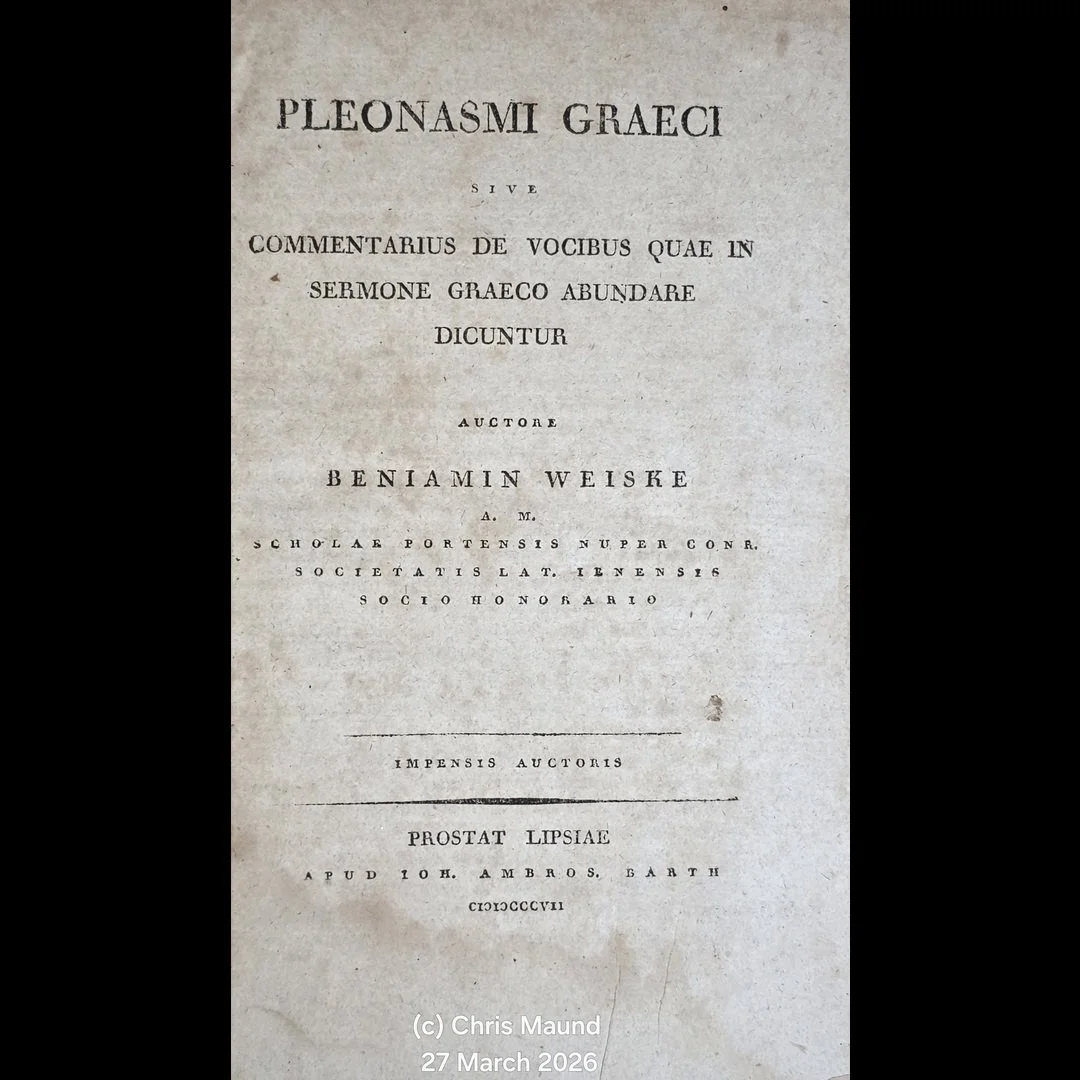
Internally, half-title and engraved frontispiece present, the latter showing flagellation in action. Title page with woodcut ornament; decorative woodcut head- and tail-pieces throughout, including a vignette depicting cherubs with whips. Approximately 8 pages of publisher's advertisements are bound before the text, with a further 3 pages of advertisements at the end.
With an old bookseller's ticket of Chez Mlle Laurain, Libraire, Rue Montmartre, 3 Passage St-Eustache, Paris.
Text with mild scattered spotting and occasional light browning, somewhat more pronounced on a few leaves, but generally clean, crisp and readily legible. The engraved frontispiece retains a good impression.
A pleasing unsophisticated period copy of a notably unusual work, retaining its contemporary binding, engraved frontispiece and considerable historical character.
Please see Photos as part of condition report.
REFERENCES
Bibliothèque nationale de France, authority record for Epistola de flagrorum usu in re veneria et lumborum renumque officio
Wellcome Collection, EPB/A/36126
WorldCat OCLC 970767568
SYNOPSIS
Meibom's treatise originated as a learned medical epistle examining the effects of flagellation upon the human body, particularly its supposed influence upon the loins, kidneys and sexual organs. Although written within the intellectual framework of seventeenth-century medicine, its discussion of the relationship between physical pain, stimulation and sexual response gives the work an extraordinary place in the early history of sexuality.
Meibom collects evidence from classical literature, medical authorities and anecdotal cases in an attempt to explain why whipping could apparently provoke or restore sexual excitement. The argument ranges between medicine, physiology, history and erotic curiosity, reflecting an age in which classical precedent and humoral or anatomical theory were freely combined with empirical observation.
The work is therefore considerably more than an erotic curiosity. It represents an unusually early attempt to treat a form of sexual behaviour as a subject susceptible to medical and physiological explanation, making it significant to the histories of medicine, sexology and changing European attitudes towards sexuality.
Mercier de Compiègne's French adaptation brought the work to a new late-eighteenth-century audience. The earlier French editions appeared in 1792 and 1795; this 1800 third French edition, described on the title as newly revised, corrected and augmented, dispenses with the parallel Latin text and adds Louis Fuzelier's L'Amour fouetté, a comic-erotic poem which gives literary expression to the book's central theme.
The volume concludes with extensive Notes bibliographiques, placing Meibom's text and its subject within a broader literary tradition. Together with its striking engraved frontispiece and suggestive woodcut ornamentation, the 1800 edition occupies an unusual intersection between learned medical literature, Enlightenment-era erotic bibliography and French curiosa.
AUTHOR BIO
Johann Heinrich Meibom (1590–1655) was a German physician, medical historian and humanist scholar. Born at Helmstedt, he studied at several German universities before receiving his doctorate in medicine at Basel in 1619. In 1620 he became Professor of Semiotics at the University of Helmstedt, later settling at Lübeck, where he practised medicine and served in senior medical capacities.
Meibom combined medical practice with antiquarian and historical scholarship, taking a particular interest in the medical writings of antiquity. His unusual treatise on flagellation became by far his most enduring work and continued to be translated, expanded and reprinted for more than two centuries.
He should not be confused with his son, Heinrich Meibom (1638–1700), also a distinguished physician and scholar, with whom he has sometimes been conflated in bibliographical descriptions.
Translator / Editor Bio:
Claude-François-Xavier Mercier de Compiègne (1763–1800) was a French writer, poet, translator, editor and Parisian printer-bookseller. Initially secretary to the celebrated Encyclopédiste Louis de Jaucourt and subsequently employed in the French naval administration, Mercier turned increasingly to writing, publishing and bookselling during the Revolutionary period.
He became particularly associated with literary curiosities, gallant works and erotic publications, and his catalogue forms an interesting part of the Parisian book trade of the Revolutionary era. His French treatment of Meibom's text first appeared in 1792 and was subsequently revised and reissued.

 Image 1 of 15
 Image 2 of 15
 Image 3 of 15
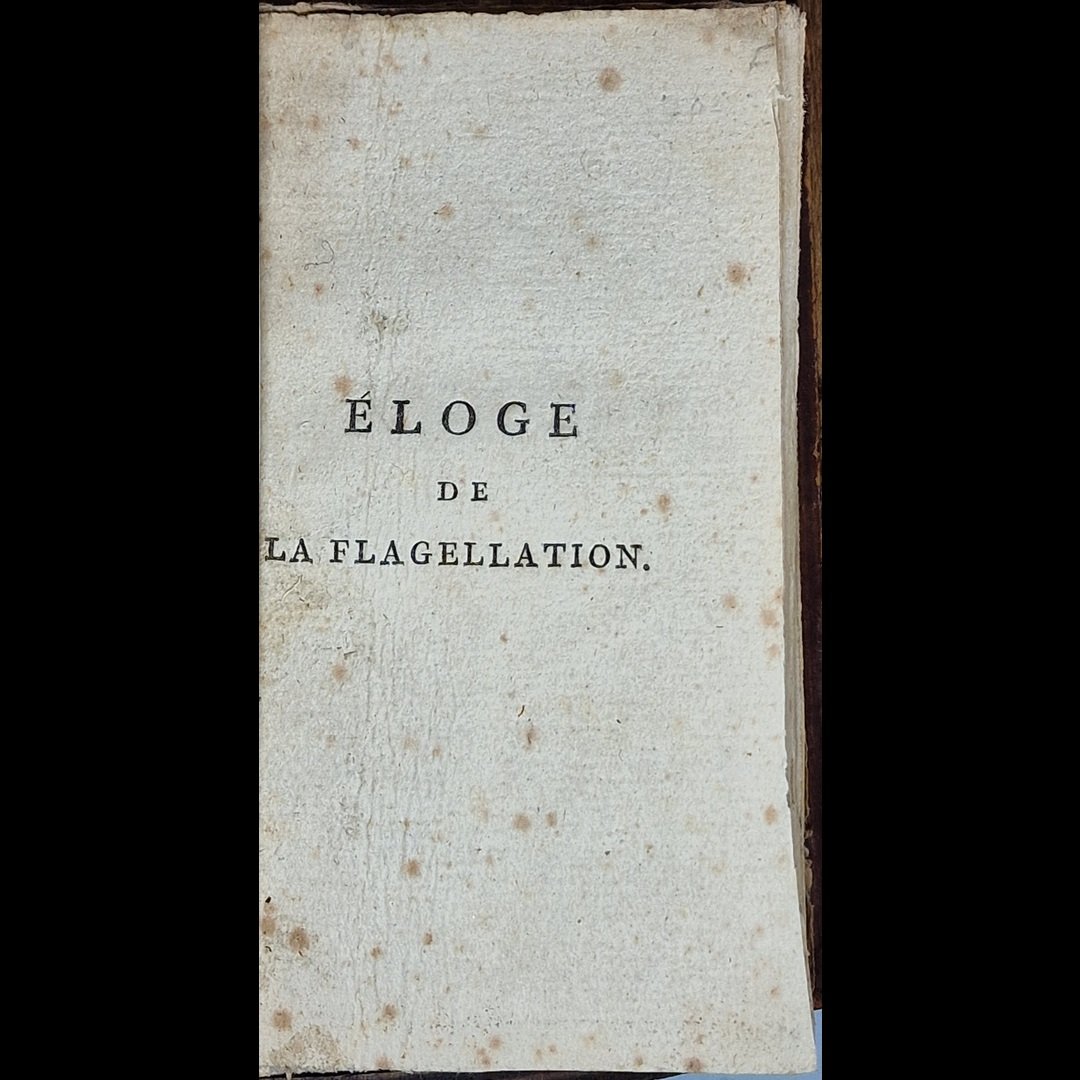 Image 4 of 15
 Image 5 of 15
 Image 6 of 15
 Image 7 of 15
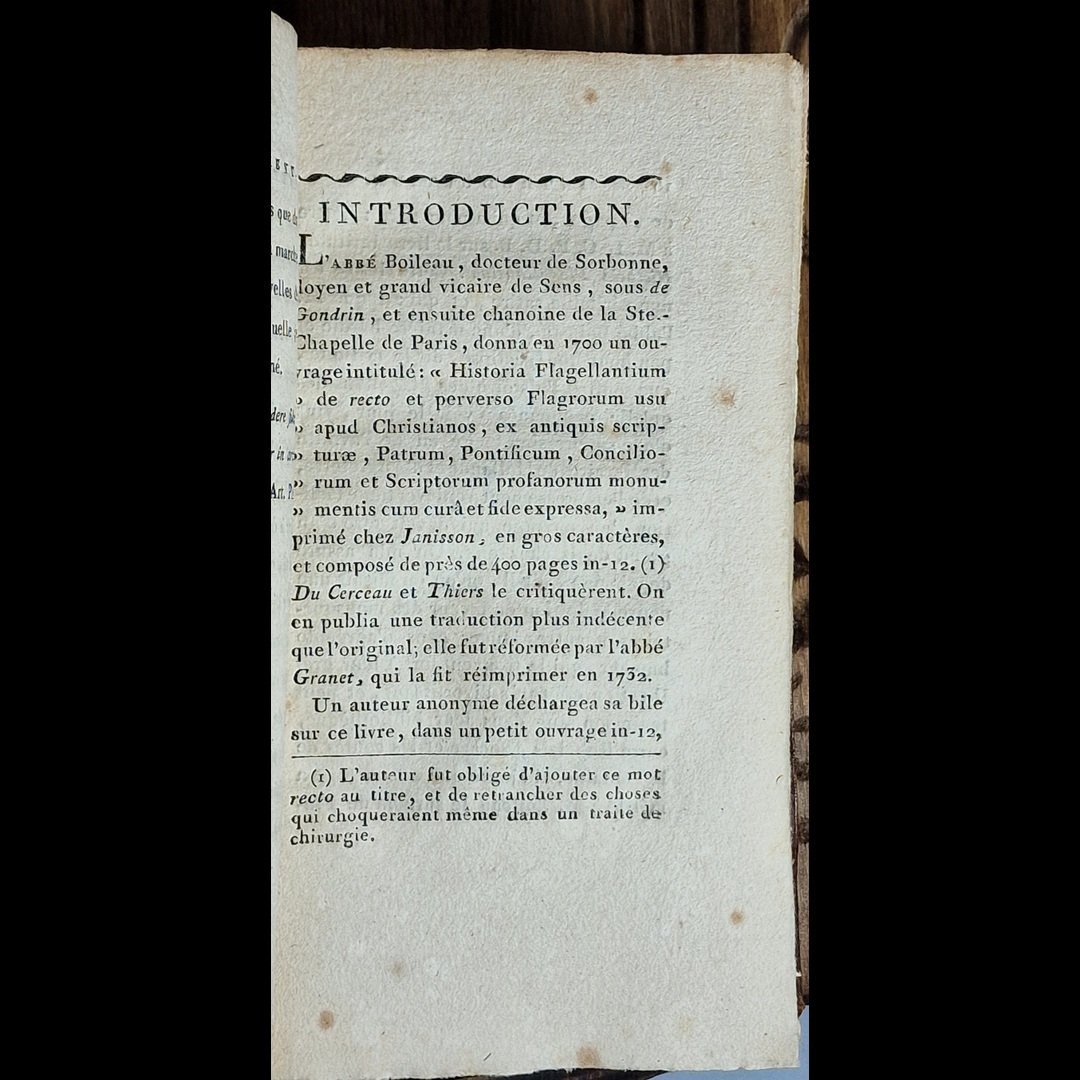 Image 8 of 15
 Image 9 of 15
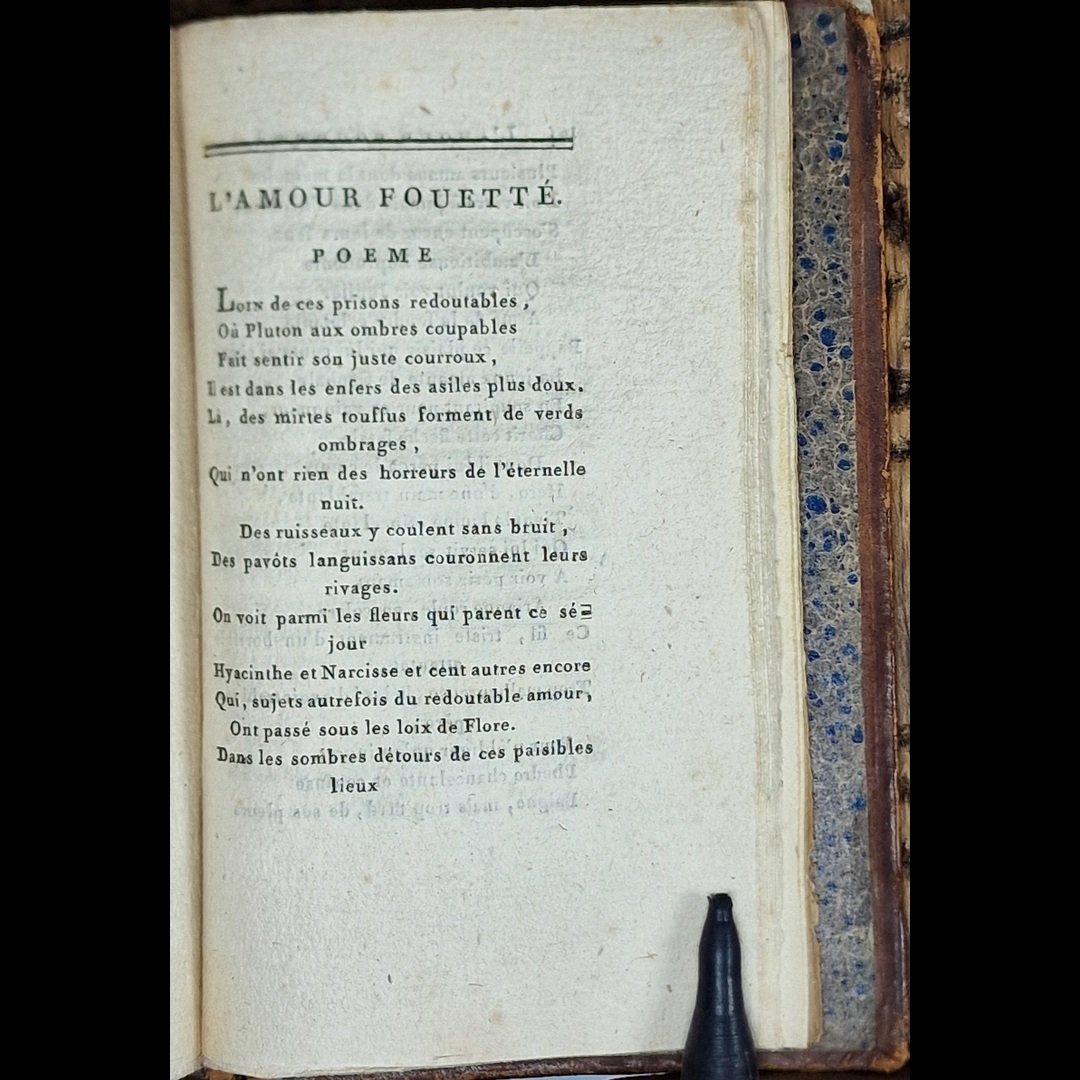 Image 10 of 15
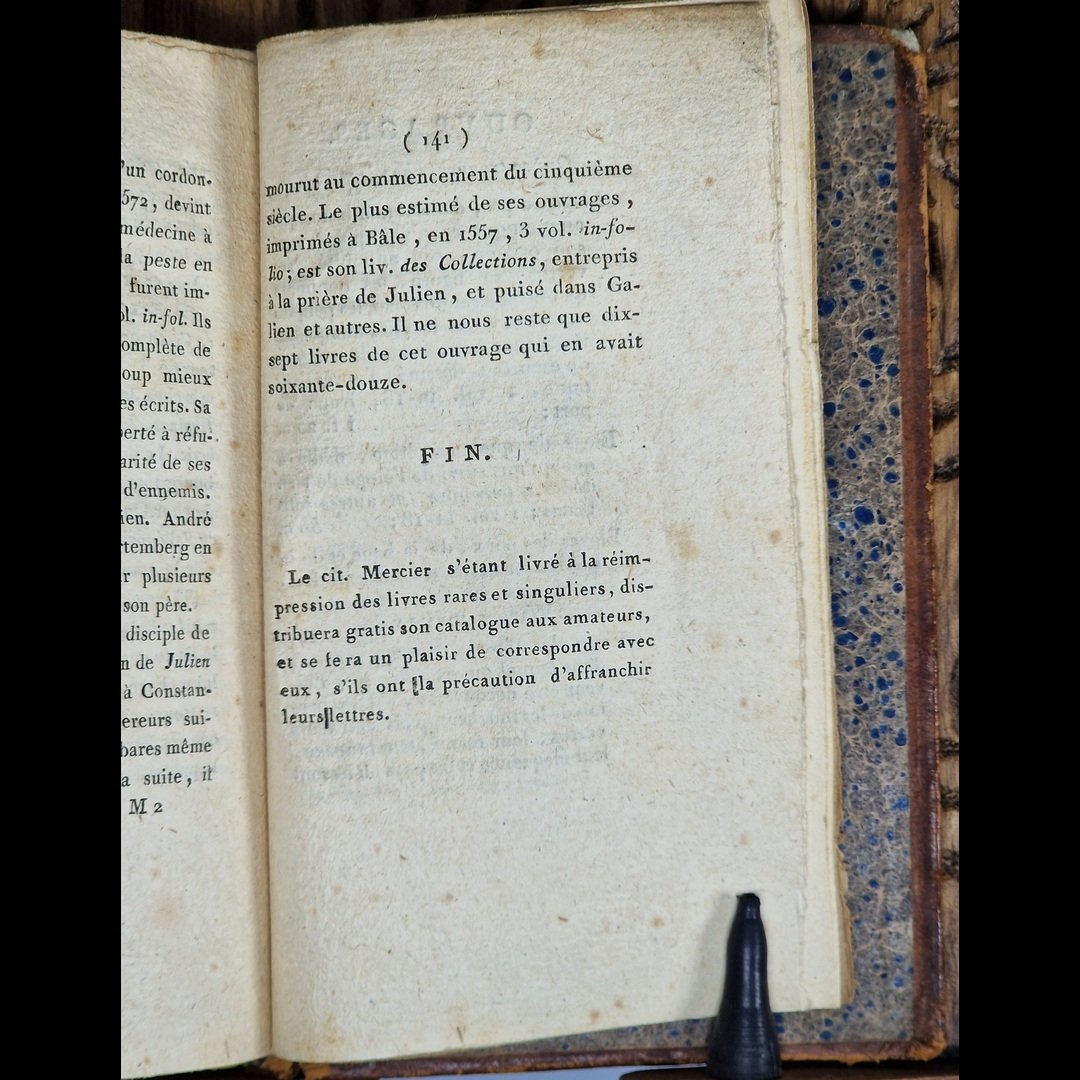 Image 11 of 15
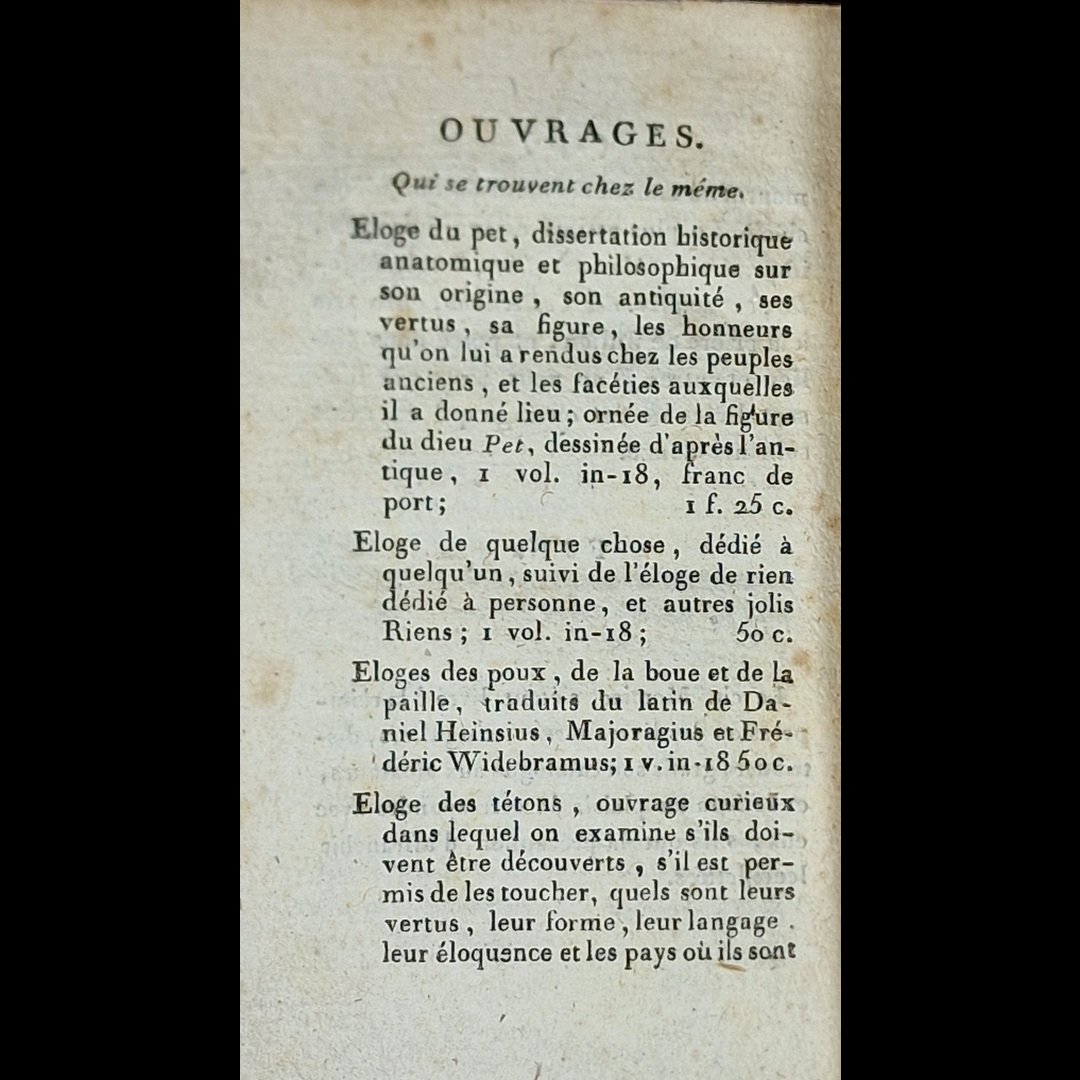 Image 12 of 15
 Image 13 of 15
 Image 14 of 15
 Image 15 of 15