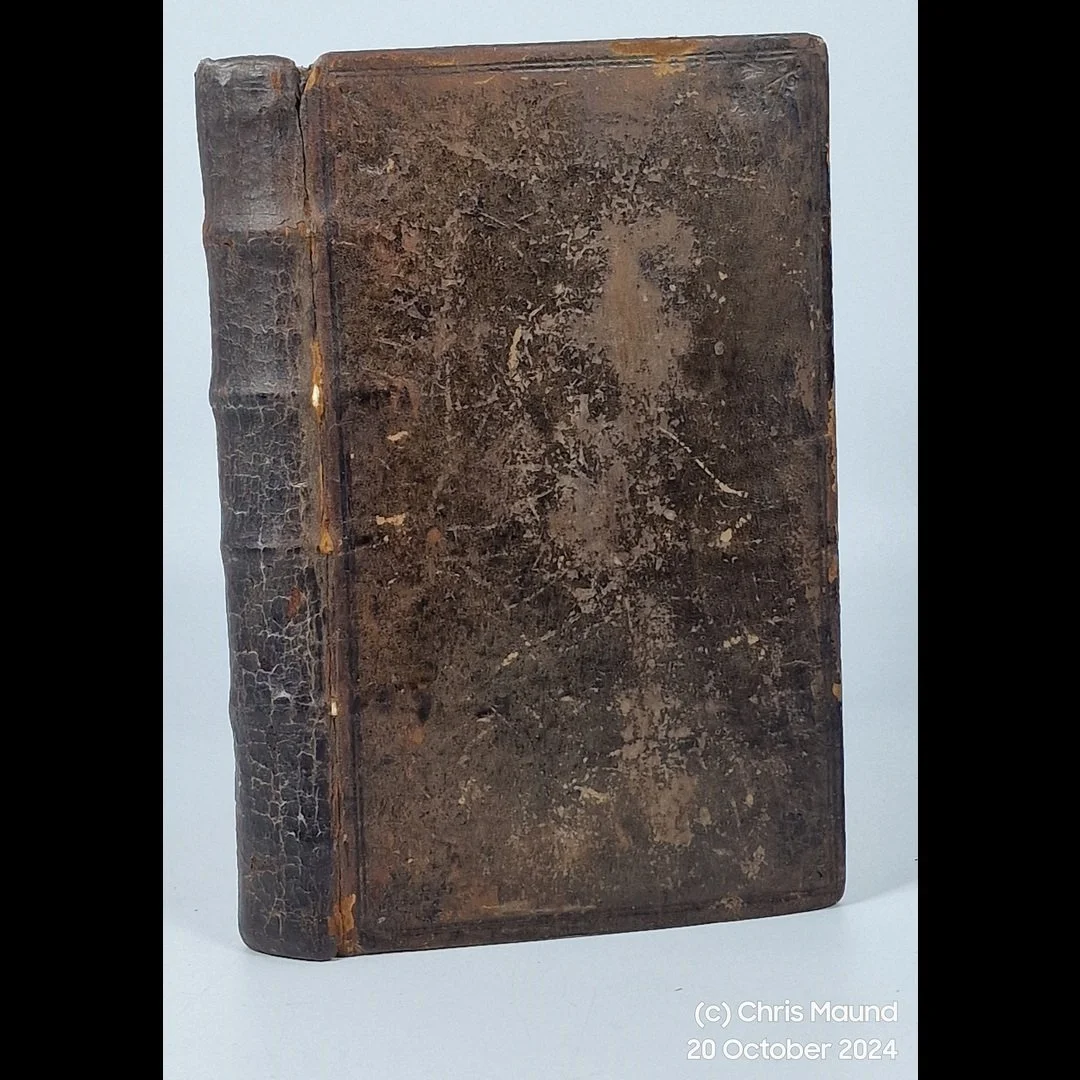
1647 First Separate Edition
TRACTATUS DE SCRUPULIS, ET EORUM REMEDIIS
By Giovanni Angelo Bossi
KEY DETAILS
Condition: Very Good
Format: Vellum, Small/Crown octavo (8vo 5 3⁄8 × 8 in 137 × 203 mm )
Note: Binding/size selection follows standard bibliographic conventions and is approximate; exact measurements may vary.
Published By: Venetiis, apud Paulum Baleonium [Paolo Baglioni], Venice, 1647
Language: Latin
Collation: Main text pp. 1–356, followed by the unpaginated Repertorium; preliminaries present. Full signature collation not yet independently verified.
Dust Jacket: None, as issued
SKU: BTETM0002424
Shipping Info: Approximate Package Dimensions H: 12.5, L: 30, W: 25 (Units: cm), W: 2Kg
Tracked Shipping, Insurance Coverage as per Customer Request
DESCRIPTION
Tractatus de scrupulis, et eorum remediis
Tum in universum, tum speciatim circa particulares materias. Ex opere variorum moralium
A scarce first separate edition of Giovanni Angelo Bossi's important seventeenth-century treatise on the scrupulous conscience, printed at Venice by Paolo Baglioni in 1647.
Written expressly in a convenient small format for the use of confessors and penitents, the work examines excessive or pathological uncertainty of conscience: how scruples arise, how temptation, thought, intention and consent should be distinguished from actual sin, and how confessors should guide those whose spiritual lives have become dominated by doubt and repeated self-examination. The subject places the work at an interesting intersection of early modern moral theology, casuistry, confession and the history of psychological approaches to religious anxiety.
Bossi was one of the more rigorous voices in seventeenth-century Catholic moral theology, and the present tract anticipates material subsequently incorporated into his larger Moralia varia ad usum utriusque fori, published at Lyon in 1649–51. Despite Bossi's standing within the Church and the Barnabite Order, the Tractatus de scrupulis was subsequently entered in the Index Librorum Prohibitorum by decree of 4 December 1674.
An appealing copy in contemporary limp vellum, with manuscript title to the spine, woodcut printer's device and initials, early manuscript annotations and the ownership inscription “Josepho Cappellari” to the half-title. Research is currently underway into a possible association with Giovanni Giuseppe Cappellari (1772–1860), later professor of moral theology and canon law at the University of Padua and Bishop of Vicenza; this attribution is not presently authenticated and is therefore not asserted as provenance. Cappellari's documented appointment to the chair of moral theology at Padua in 1815 makes the possibility particularly relevant to the subject of the volume.
CONDITION, COLLATION & COPY NOTES
COLLATION
Main text pp. 1–356, followed by the unpaginated Repertorium; preliminaries present. Full signature collation not yet independently verified.
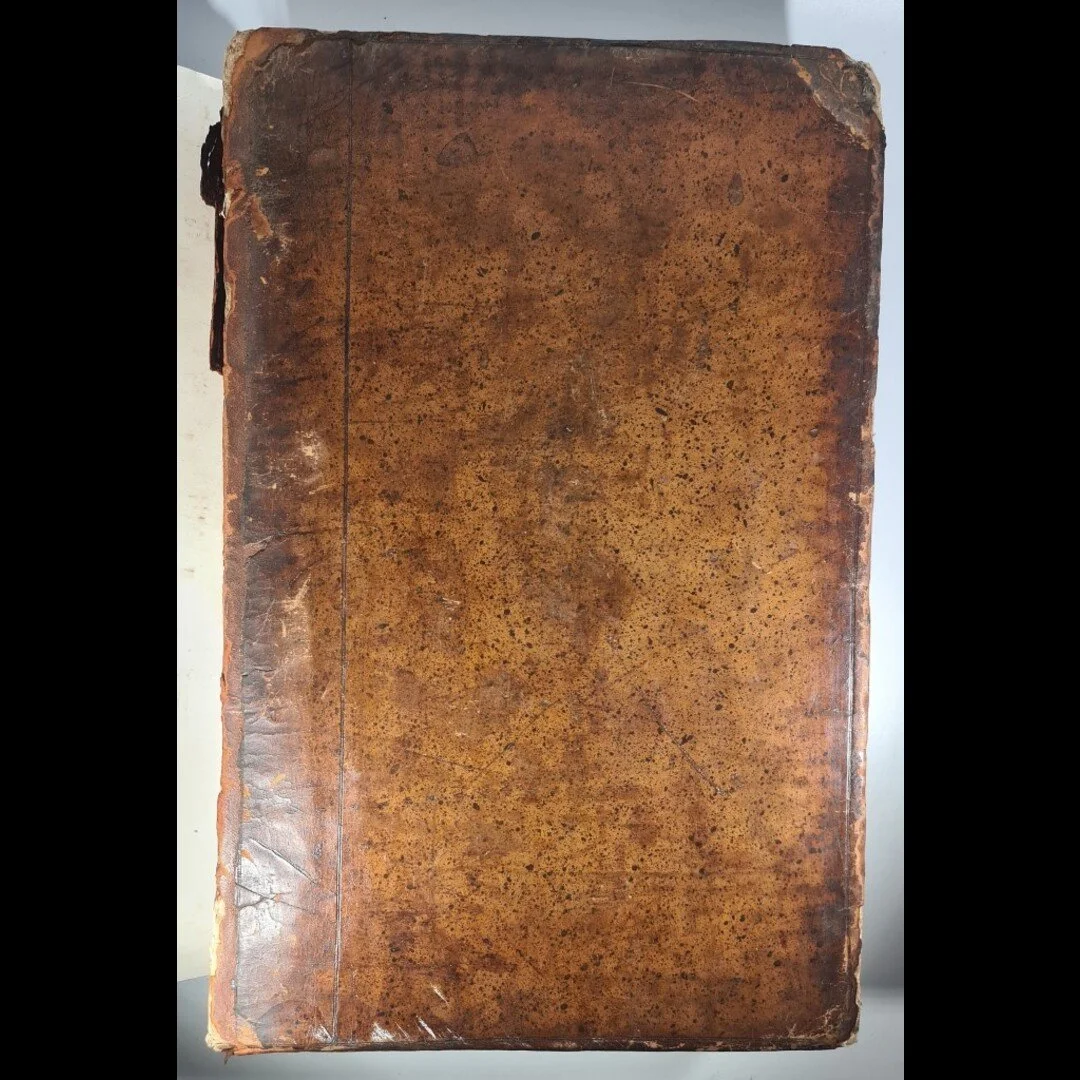
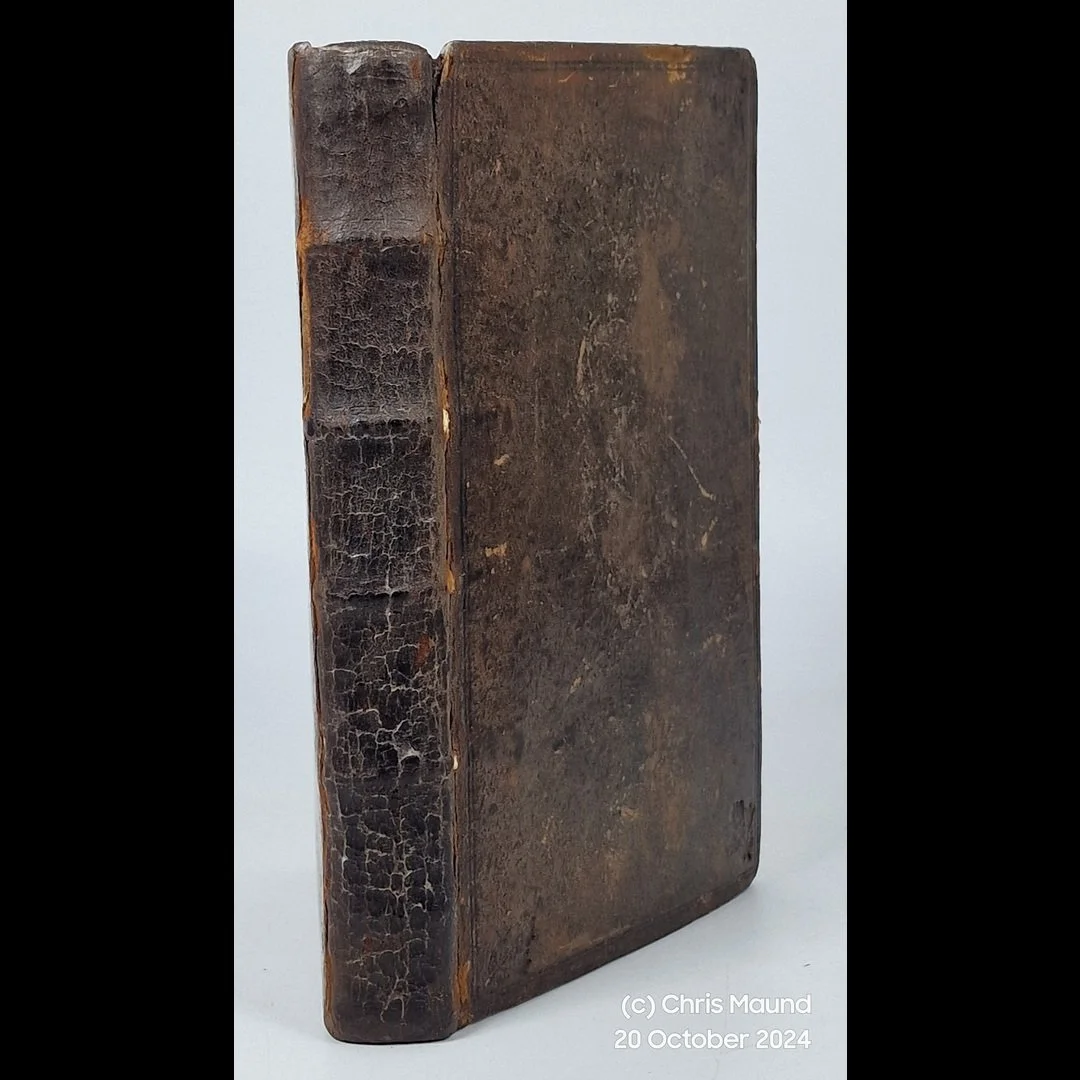
A sound and characterful seventeenth-century copy in contemporary limp vellum, the binding stained and age-soiled with expected rubbing, handling marks and natural wrinkling. Manuscript title to spine remains visible.
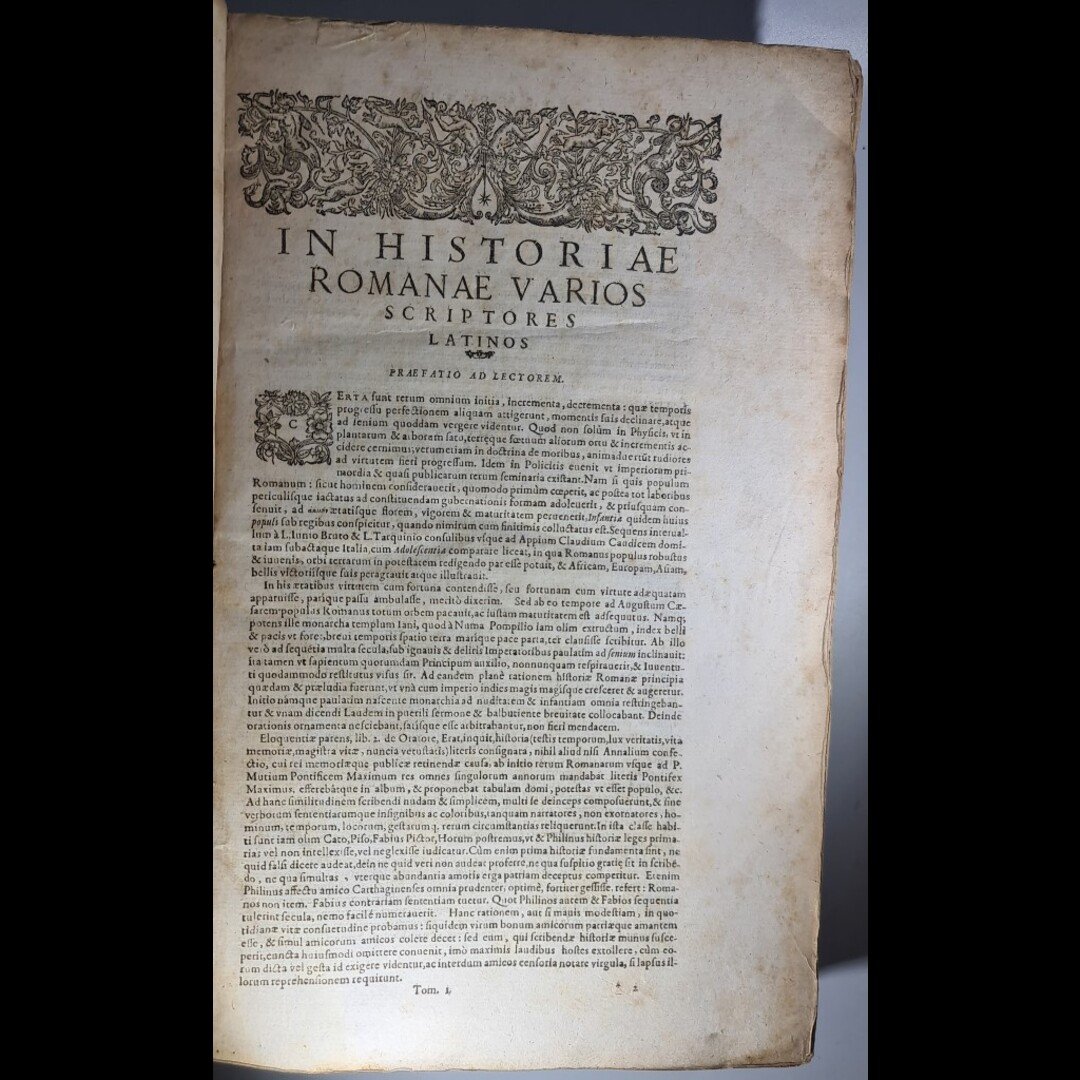
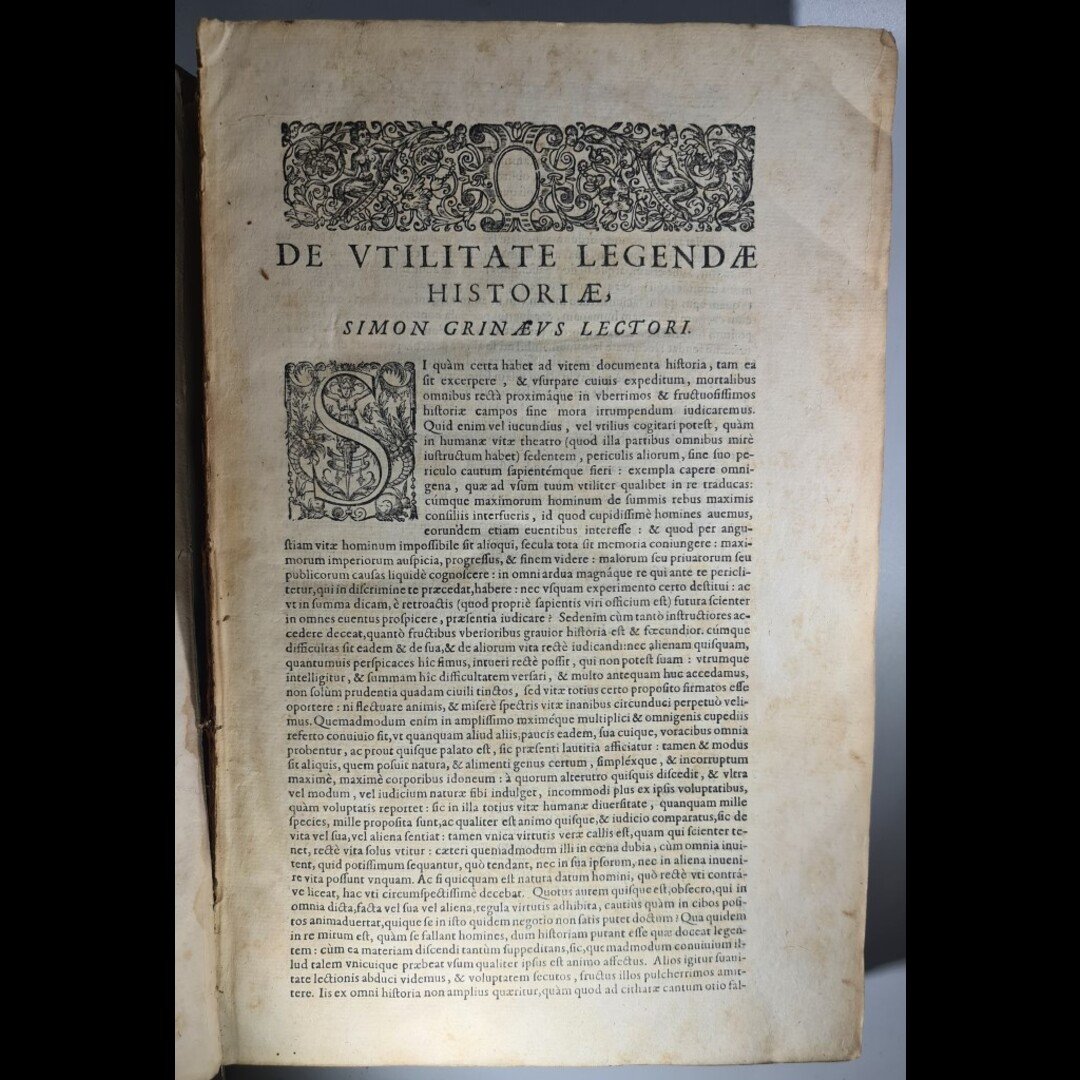
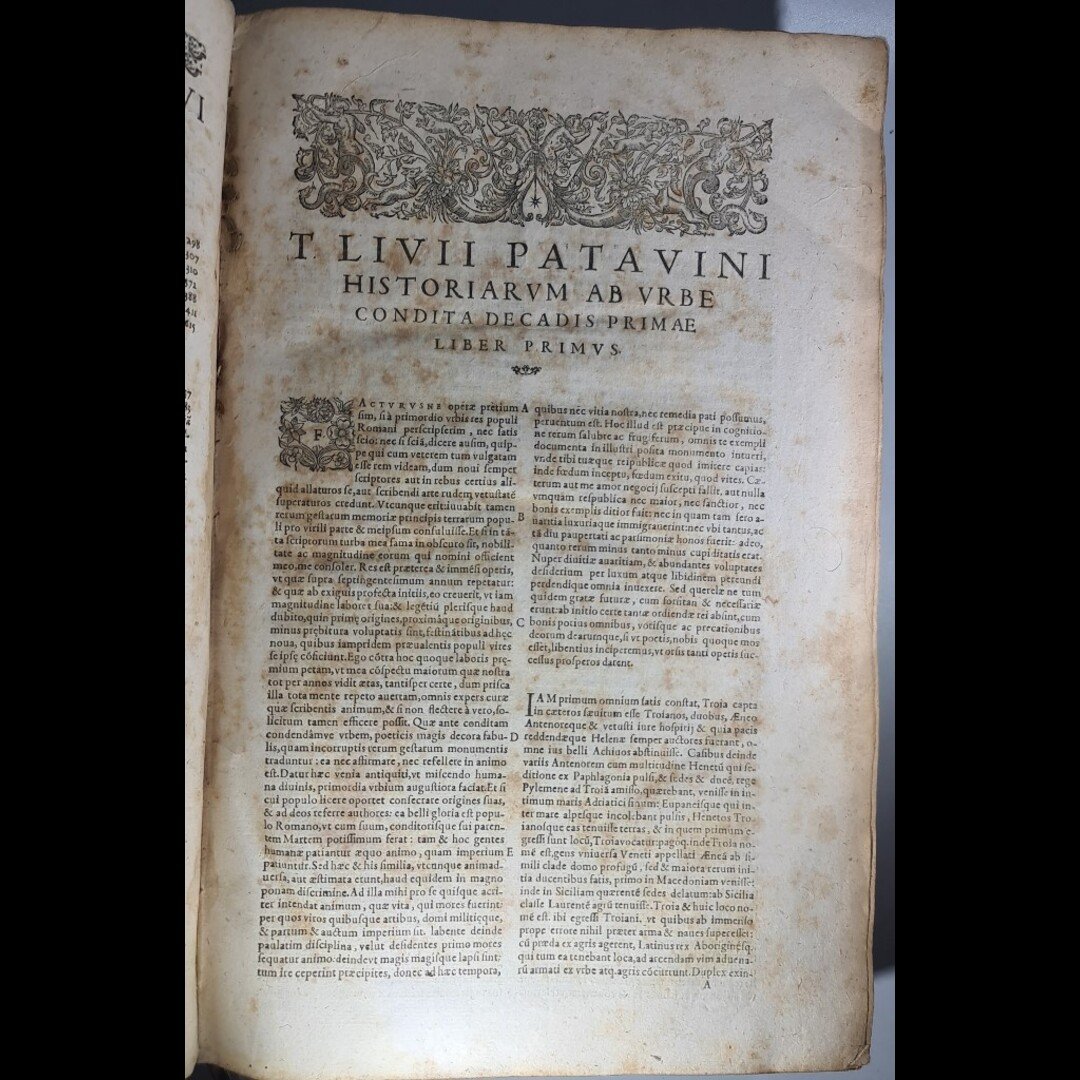
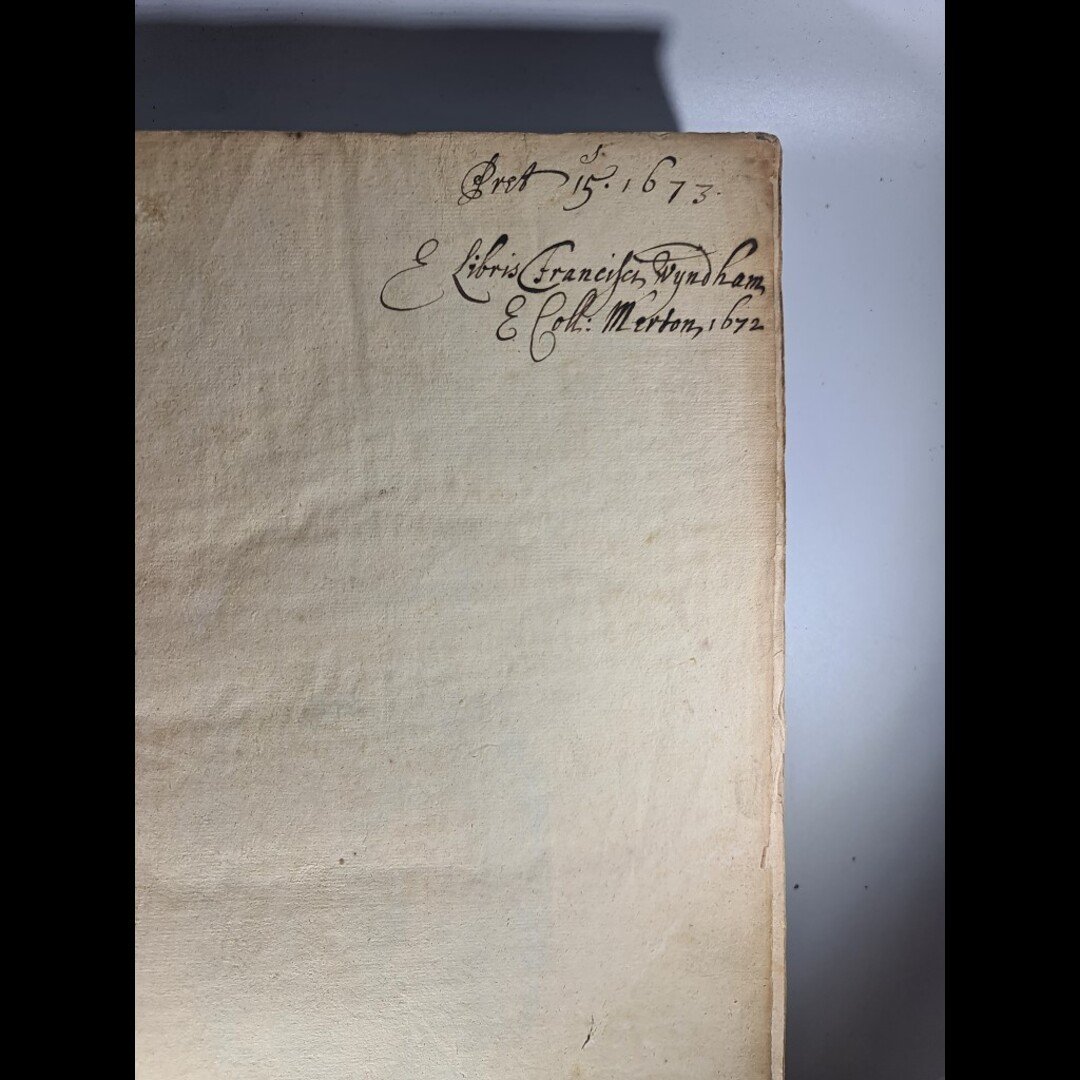
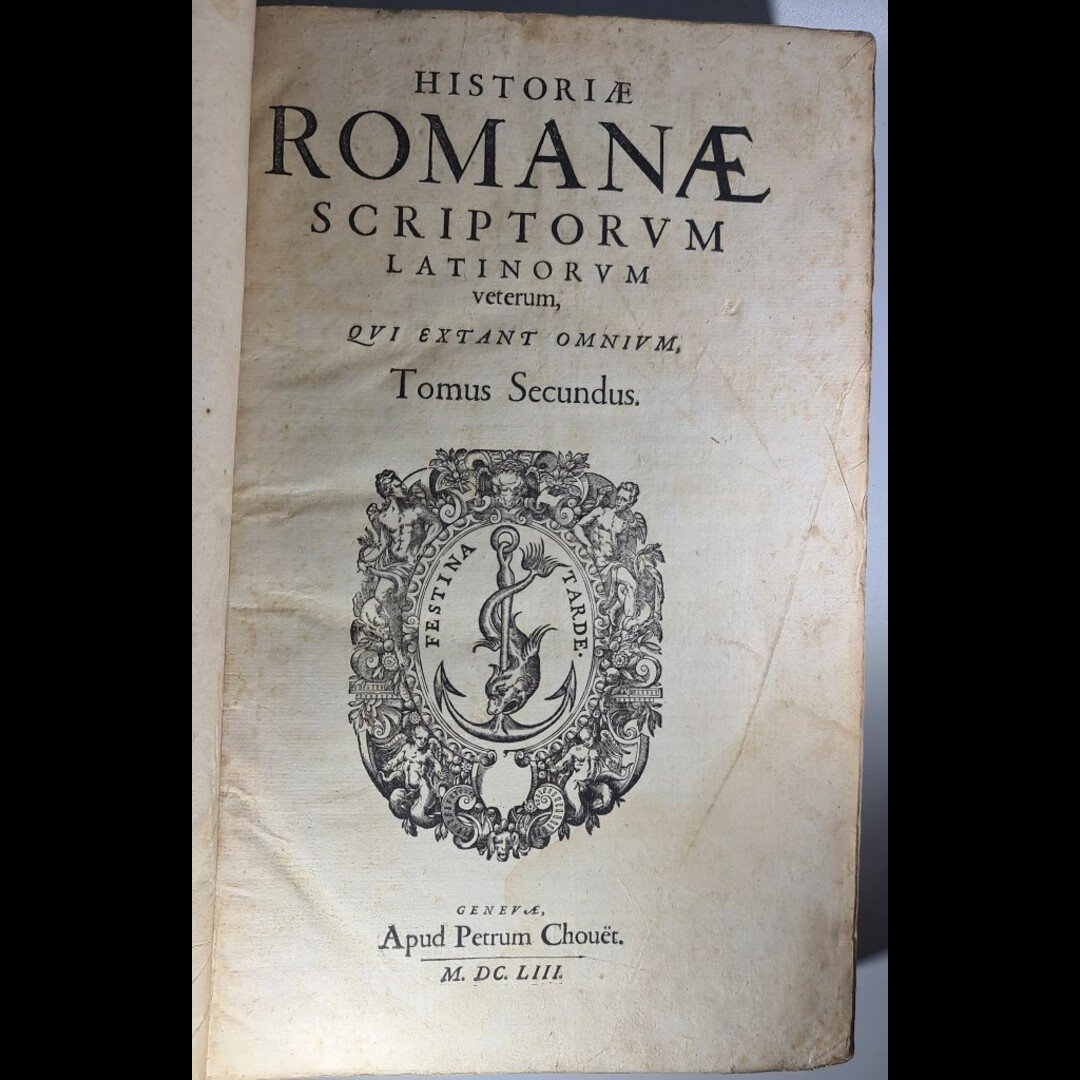
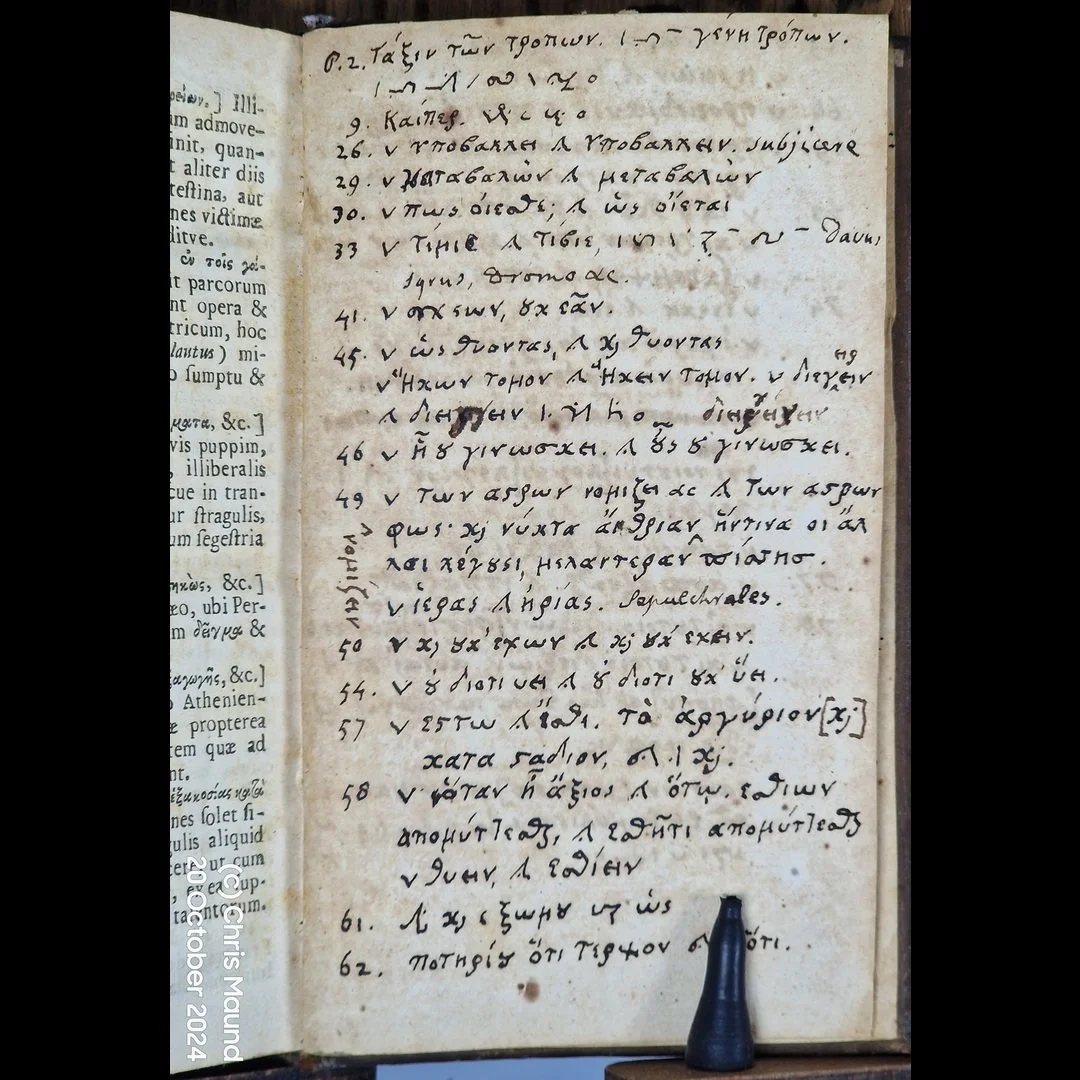
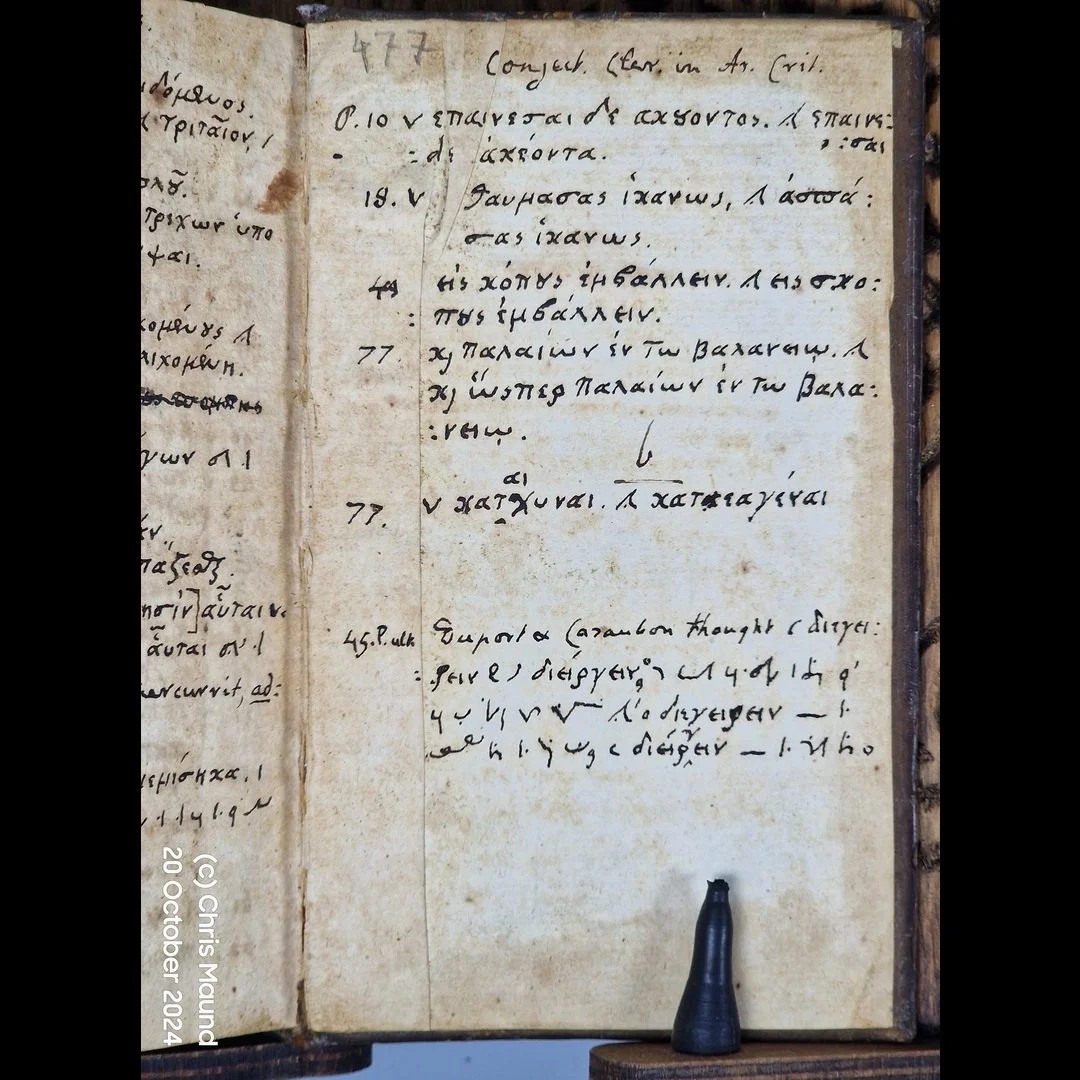
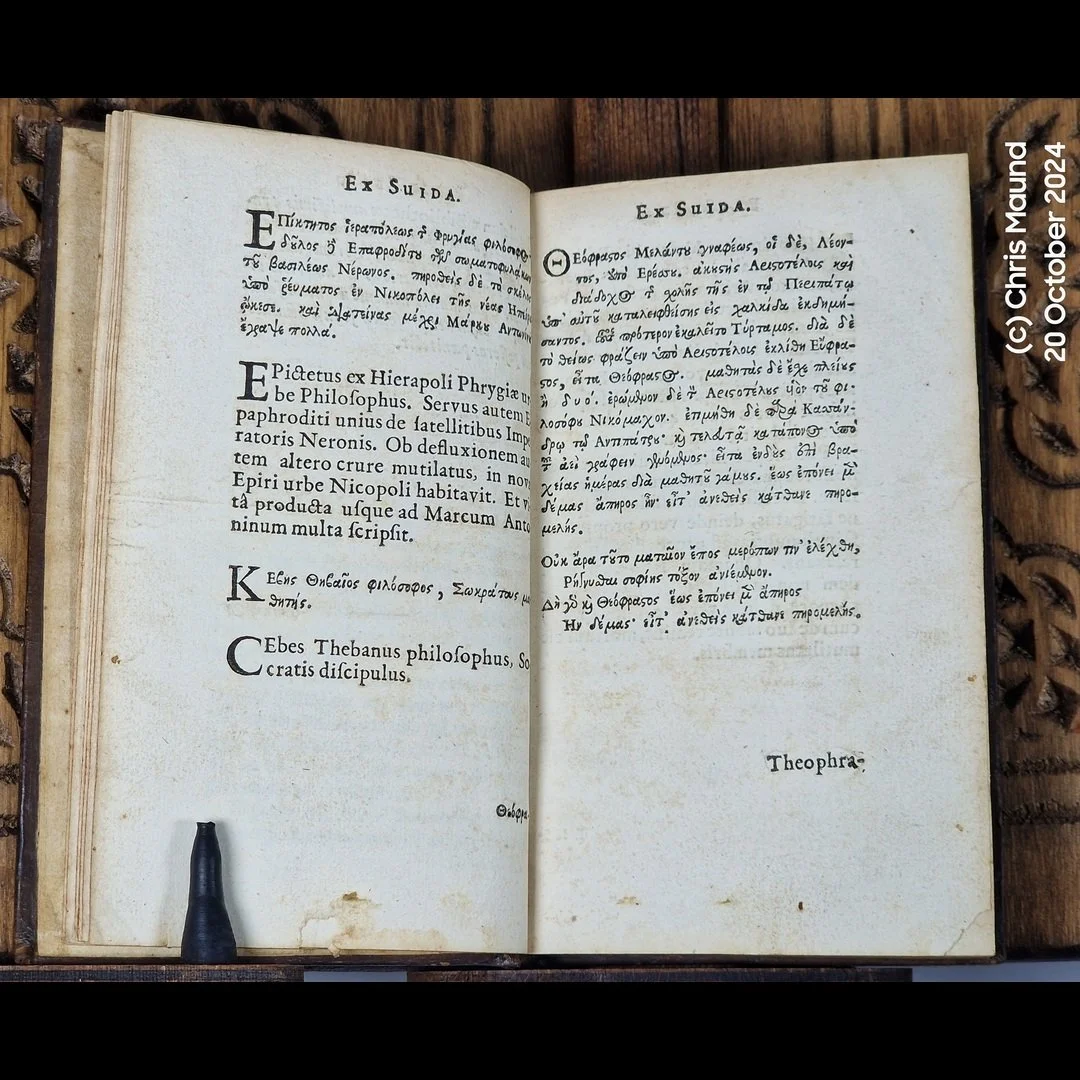
Half-title and title page present, the latter with woodcut printer's device; decorative woodcut initials within the text. The half-title bears the early ownership inscription “Josepho Cappellari”, together with a small number of early ink annotations and marginal markings.
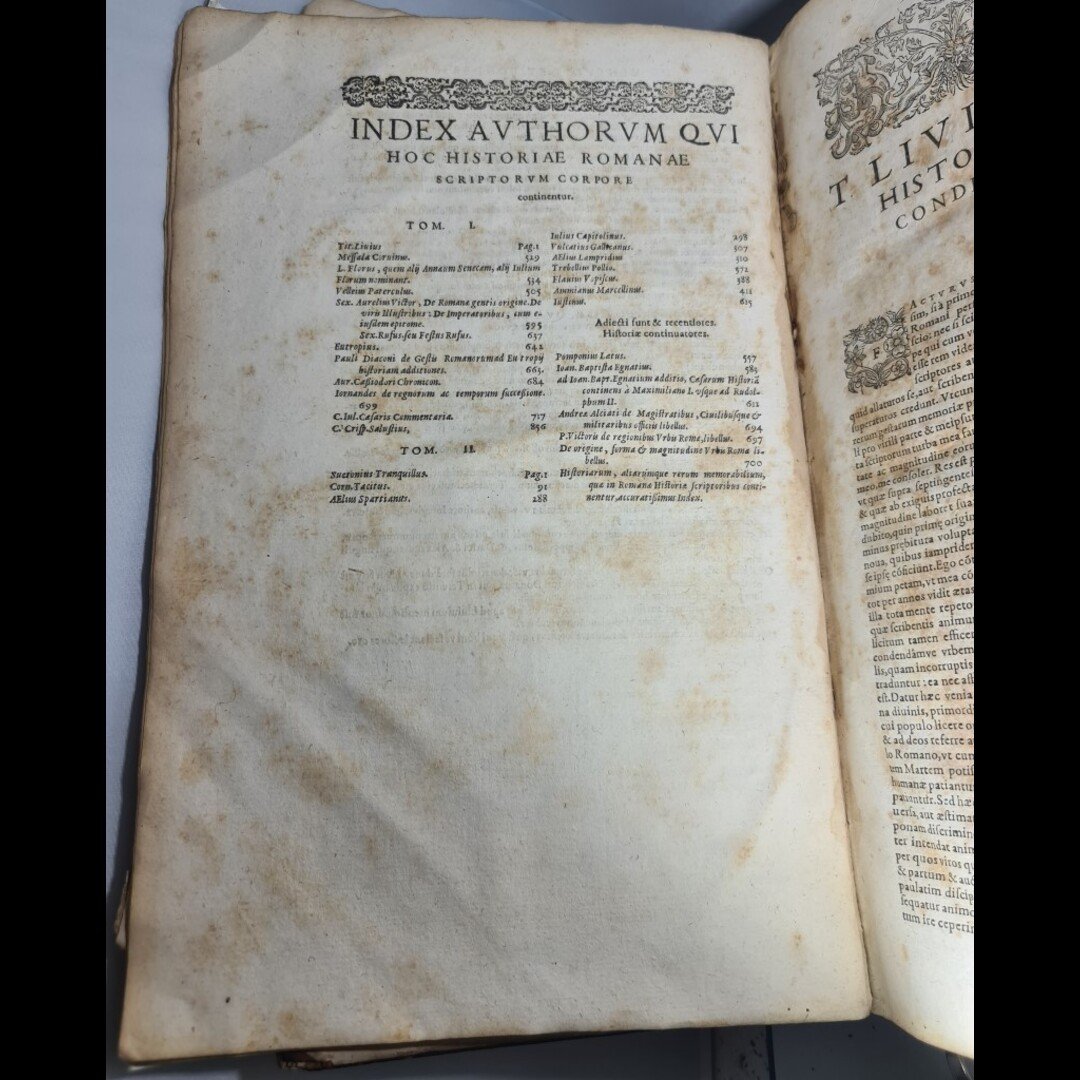
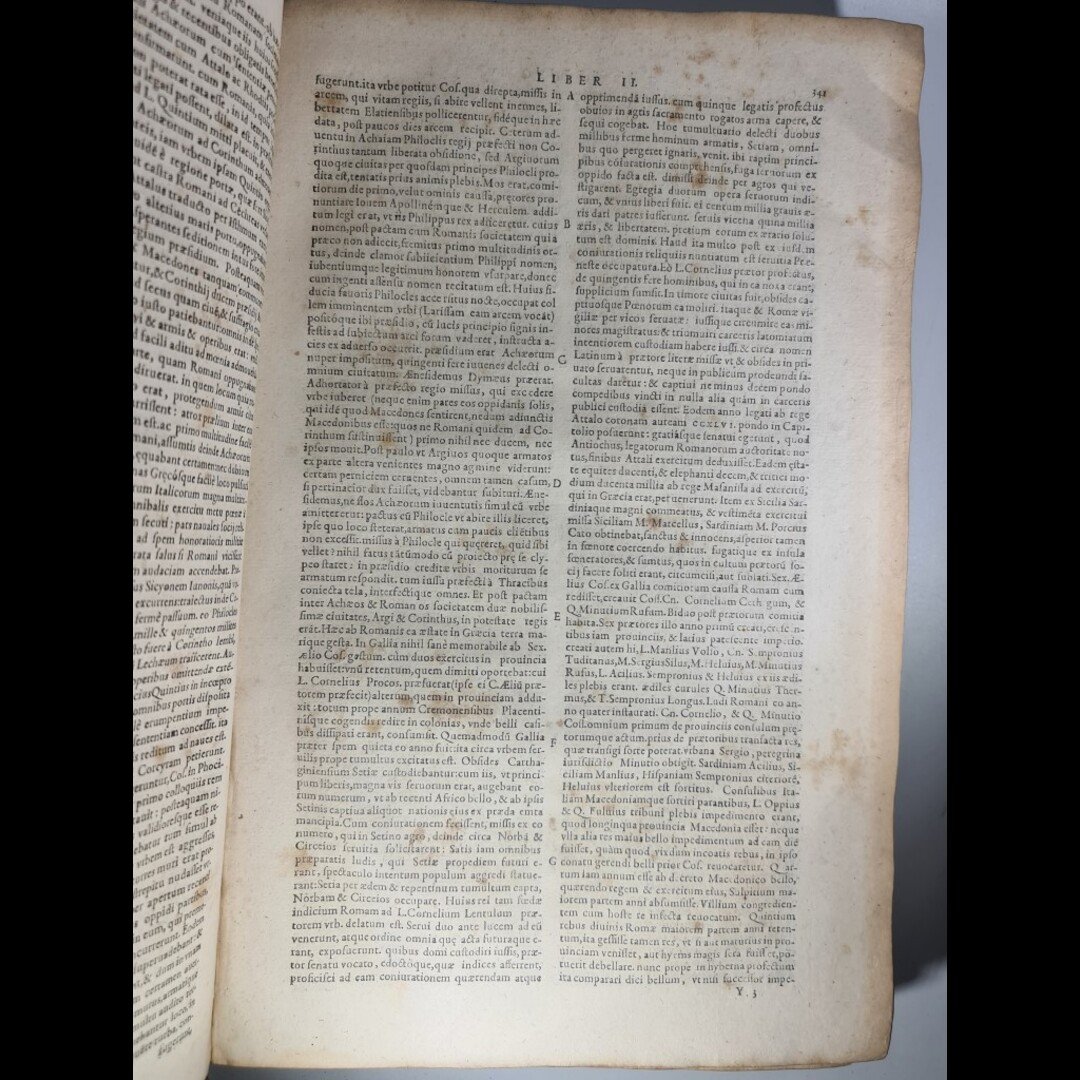
Contents with occasional marginal spotting and light age-toning but generally clean and readily legible. Worming to the foot of gatherings C, D and E, in places extending into the printed area and causing slight loss, but without materially impairing the readability of the text.
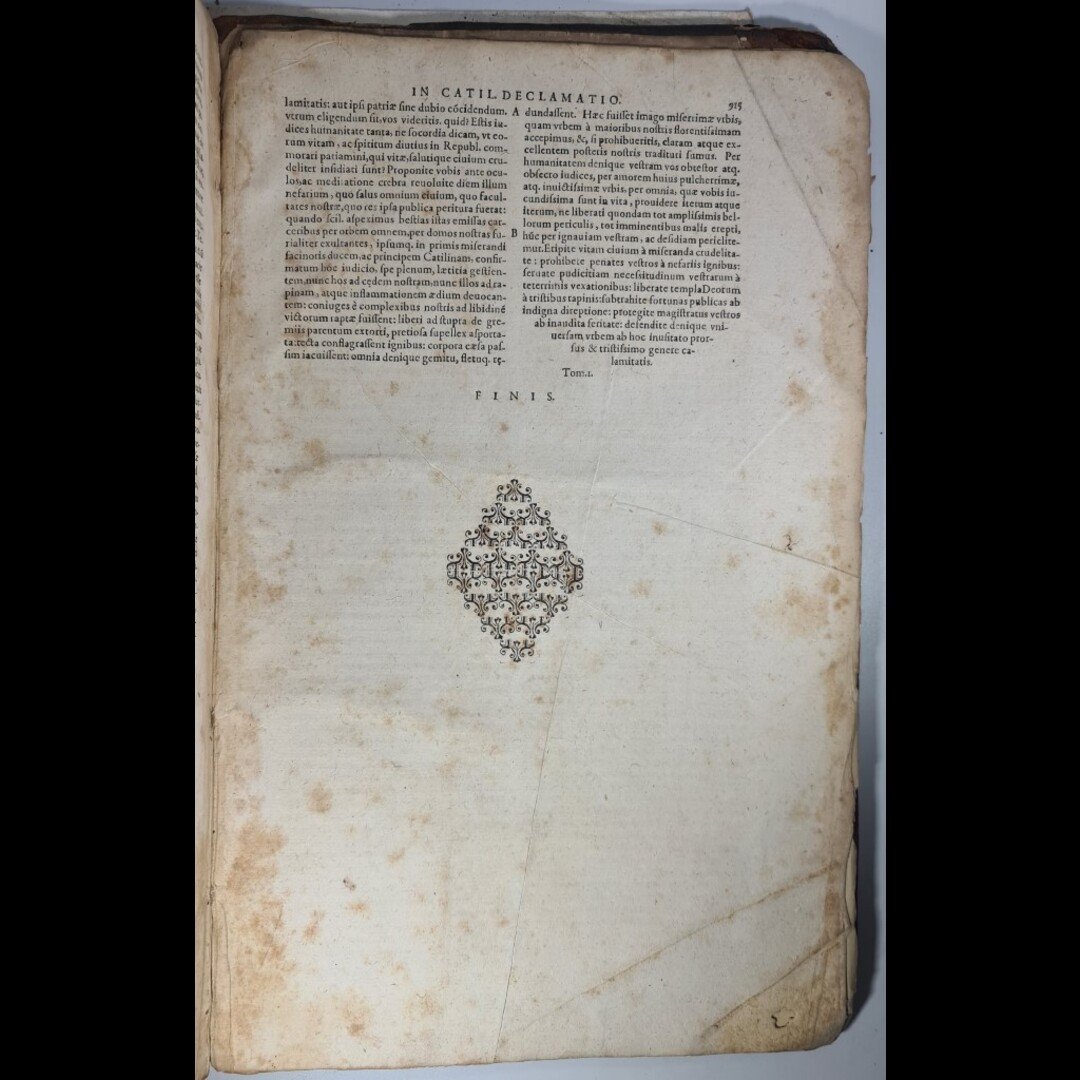
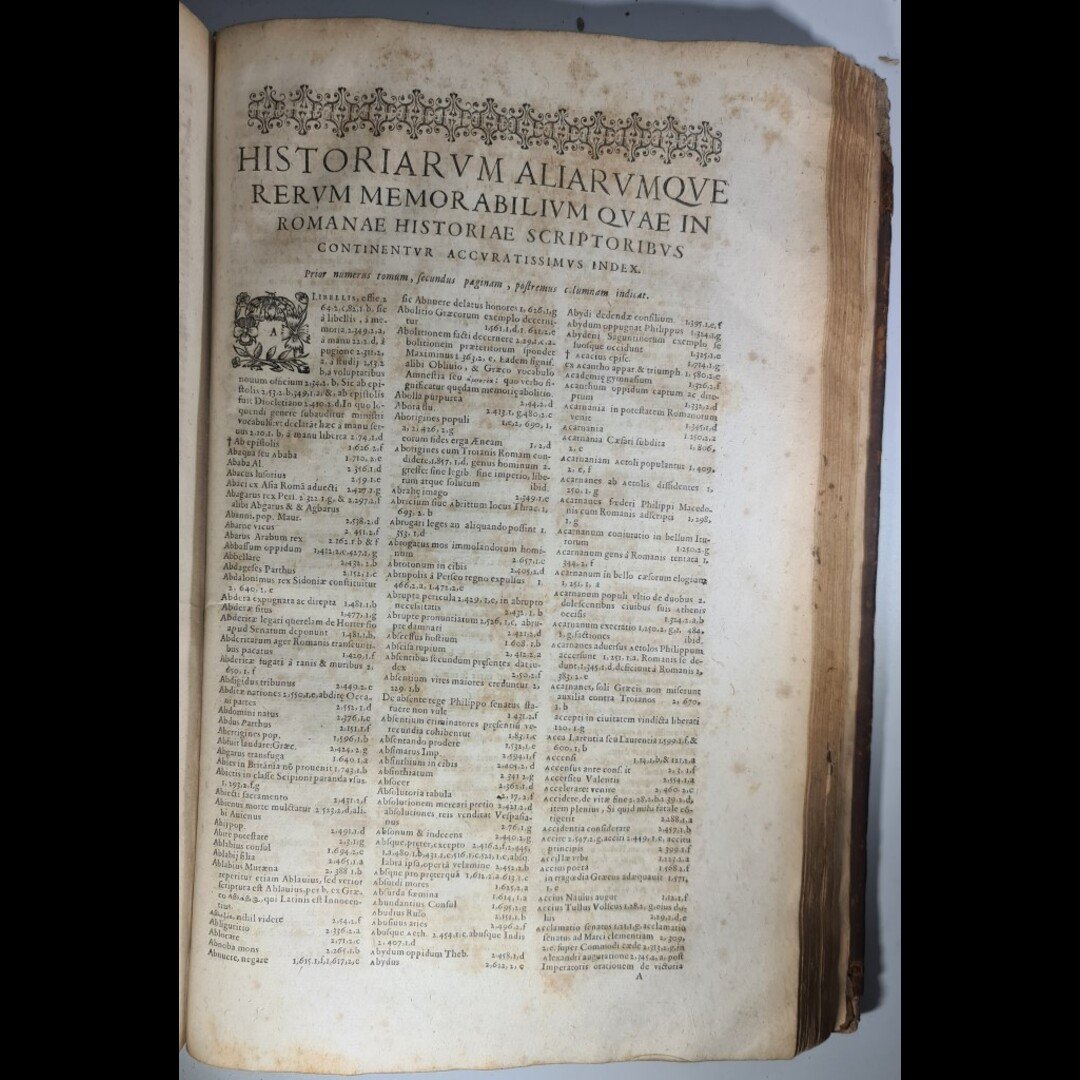
The main text concludes on p. 356 with FINIS and is followed by the Repertorium omnium rerum notabilium, an alphabetical index to the principal subjects treated in the work.
A pleasing working copy of a scarce seventeenth-century treatise, retaining its contemporary binding and evidence of historical ownership and use.
Please see Photos as part of condition report.
REFERENCES
Treccani, Dizionario Biografico degli Italiani, “Bossi, Giovanni Angelo”
Index Librorum Prohibitorum, decree of 4 December 1674
Biblioteca Nazionale Centrale di Roma, digitised copy of the Venice 1647 edition
SYNOPSIS
The Tractatus de scrupulis et eorum remediis is a specialised study of what early modern Catholic theologians termed the scrupulous conscience: a state in which an individual becomes troubled by persistent doubts as to whether thoughts, intentions, omissions or actions constitute sin.
Bossi considers the nature and origins of scruples and the circumstances in which they should—or should not—be regarded as morally significant. Particular attention is paid to distinctions between temptation and consent, involuntary thoughts and deliberate intention, mortal and venial sin, and the degree of certainty required before a person should regard himself as morally culpable.
The work is intensely practical. It was printed separately, as the title itself explains, in a small and convenient format for confessors and penitents, providing guidance both for those afflicted by scruples and for the spiritual directors charged with treating them. Bossi repeatedly emphasises prudent spiritual direction and obedience to a competent confessor rather than endless private reconsideration of supposed sins.
Among the numerous cases discussed are questions concerning prayer, confession, religious obligations, intrusive thoughts, temptation and sexual morality. Matters involving illicit desire, touching, sexual pleasure and pollutio occur within this much broader discussion of intention, culpability and conscience; the work should therefore be understood primarily as a treatise on moral scrupulosity and its remedies, rather than simply as a tract against sexual misconduct.
Bossi dedicated the work to Giovanni Battista Sfondrati, Bishop of Pavia, and returned to the subject in the later Moralia varia. Its subsequent appearance in the Index Librorum Prohibitorum in 1674 gives the edition an additional place within the history of Catholic censorship and the often contentious development of seventeenth-century moral theology.
AUTHOR BIO
Giovanni Angelo Bossi (1590–1665), born Bonaventura Bossi into a noble Milanese family, was a Barnabite theologian, canon lawyer and one of the more rigorous moral theologians of seventeenth-century Italy. After studies in the humanities, philosophy and jurisprudence, he entered the Barnabite Order in 1609 and subsequently served the congregation in Bologna, Milan, Tortona and Pisa.
At Pisa he became provost of the College of San Frediano and served as theologian and synodal examiner to successive archbishops, while Grand Duke Ferdinando II de' Medici also consulted him on legal matters. Bossi became known for his opposition to more permissive currents of Catholic casuistry, engaging particularly with the probabilist theologian Juan Caramuel.
His principal theological and canonical writings address conscience, confession, marriage, episcopal jurisdiction and sacramental discipline. His three-volume Moralia varia ad usum utriusque fori of 1649–51 was among the more systematic treatments of moral theology of its period, discussing erroneous, doubtful and scrupulous conscience. Bossi was elected Superior General of the Barnabites in 1653, resigning through ill health in 1656. He died at Rome in January 1665.
1647 First Separate Edition
TRACTATUS DE SCRUPULIS, ET EORUM REMEDIIS
By Giovanni Angelo Bossi
KEY DETAILS
Condition: Very Good
Format: Vellum, Small/Crown octavo (8vo 5 3⁄8 × 8 in 137 × 203 mm )
Note: Binding/size selection follows standard bibliographic conventions and is approximate; exact measurements may vary.
Published By: Venetiis, apud Paulum Baleonium [Paolo Baglioni], Venice, 1647
Language: Latin
Collation: Main text pp. 1–356, followed by the unpaginated Repertorium; preliminaries present. Full signature collation not yet independently verified.
Dust Jacket: None, as issued
SKU: BTETM0002424
Shipping Info: Approximate Package Dimensions H: 12.5, L: 30, W: 25 (Units: cm), W: 2Kg
Tracked Shipping, Insurance Coverage as per Customer Request
DESCRIPTION
Tractatus de scrupulis, et eorum remediis
Tum in universum, tum speciatim circa particulares materias. Ex opere variorum moralium
A scarce first separate edition of Giovanni Angelo Bossi's important seventeenth-century treatise on the scrupulous conscience, printed at Venice by Paolo Baglioni in 1647.
Written expressly in a convenient small format for the use of confessors and penitents, the work examines excessive or pathological uncertainty of conscience: how scruples arise, how temptation, thought, intention and consent should be distinguished from actual sin, and how confessors should guide those whose spiritual lives have become dominated by doubt and repeated self-examination. The subject places the work at an interesting intersection of early modern moral theology, casuistry, confession and the history of psychological approaches to religious anxiety.
Bossi was one of the more rigorous voices in seventeenth-century Catholic moral theology, and the present tract anticipates material subsequently incorporated into his larger Moralia varia ad usum utriusque fori, published at Lyon in 1649–51. Despite Bossi's standing within the Church and the Barnabite Order, the Tractatus de scrupulis was subsequently entered in the Index Librorum Prohibitorum by decree of 4 December 1674.
An appealing copy in contemporary limp vellum, with manuscript title to the spine, woodcut printer's device and initials, early manuscript annotations and the ownership inscription “Josepho Cappellari” to the half-title. Research is currently underway into a possible association with Giovanni Giuseppe Cappellari (1772–1860), later professor of moral theology and canon law at the University of Padua and Bishop of Vicenza; this attribution is not presently authenticated and is therefore not asserted as provenance. Cappellari's documented appointment to the chair of moral theology at Padua in 1815 makes the possibility particularly relevant to the subject of the volume.
CONDITION, COLLATION & COPY NOTES
COLLATION
Main text pp. 1–356, followed by the unpaginated Repertorium; preliminaries present. Full signature collation not yet independently verified.
A sound and characterful seventeenth-century copy in contemporary limp vellum, the binding stained and age-soiled with expected rubbing, handling marks and natural wrinkling. Manuscript title to spine remains visible.
Half-title and title page present, the latter with woodcut printer's device; decorative woodcut initials within the text. The half-title bears the early ownership inscription “Josepho Cappellari”, together with a small number of early ink annotations and marginal markings.
Contents with occasional marginal spotting and light age-toning but generally clean and readily legible. Worming to the foot of gatherings C, D and E, in places extending into the printed area and causing slight loss, but without materially impairing the readability of the text.
The main text concludes on p. 356 with FINIS and is followed by the Repertorium omnium rerum notabilium, an alphabetical index to the principal subjects treated in the work.
A pleasing working copy of a scarce seventeenth-century treatise, retaining its contemporary binding and evidence of historical ownership and use.
Please see Photos as part of condition report.
REFERENCES
Treccani, Dizionario Biografico degli Italiani, “Bossi, Giovanni Angelo”
Index Librorum Prohibitorum, decree of 4 December 1674
Biblioteca Nazionale Centrale di Roma, digitised copy of the Venice 1647 edition
SYNOPSIS
The Tractatus de scrupulis et eorum remediis is a specialised study of what early modern Catholic theologians termed the scrupulous conscience: a state in which an individual becomes troubled by persistent doubts as to whether thoughts, intentions, omissions or actions constitute sin.
Bossi considers the nature and origins of scruples and the circumstances in which they should—or should not—be regarded as morally significant. Particular attention is paid to distinctions between temptation and consent, involuntary thoughts and deliberate intention, mortal and venial sin, and the degree of certainty required before a person should regard himself as morally culpable.
The work is intensely practical. It was printed separately, as the title itself explains, in a small and convenient format for confessors and penitents, providing guidance both for those afflicted by scruples and for the spiritual directors charged with treating them. Bossi repeatedly emphasises prudent spiritual direction and obedience to a competent confessor rather than endless private reconsideration of supposed sins.
Among the numerous cases discussed are questions concerning prayer, confession, religious obligations, intrusive thoughts, temptation and sexual morality. Matters involving illicit desire, touching, sexual pleasure and pollutio occur within this much broader discussion of intention, culpability and conscience; the work should therefore be understood primarily as a treatise on moral scrupulosity and its remedies, rather than simply as a tract against sexual misconduct.
Bossi dedicated the work to Giovanni Battista Sfondrati, Bishop of Pavia, and returned to the subject in the later Moralia varia. Its subsequent appearance in the Index Librorum Prohibitorum in 1674 gives the edition an additional place within the history of Catholic censorship and the often contentious development of seventeenth-century moral theology.
AUTHOR BIO
Giovanni Angelo Bossi (1590–1665), born Bonaventura Bossi into a noble Milanese family, was a Barnabite theologian, canon lawyer and one of the more rigorous moral theologians of seventeenth-century Italy. After studies in the humanities, philosophy and jurisprudence, he entered the Barnabite Order in 1609 and subsequently served the congregation in Bologna, Milan, Tortona and Pisa.
At Pisa he became provost of the College of San Frediano and served as theologian and synodal examiner to successive archbishops, while Grand Duke Ferdinando II de' Medici also consulted him on legal matters. Bossi became known for his opposition to more permissive currents of Catholic casuistry, engaging particularly with the probabilist theologian Juan Caramuel.
His principal theological and canonical writings address conscience, confession, marriage, episcopal jurisdiction and sacramental discipline. His three-volume Moralia varia ad usum utriusque fori of 1649–51 was among the more systematic treatments of moral theology of its period, discussing erroneous, doubtful and scrupulous conscience. Bossi was elected Superior General of the Barnabites in 1653, resigning through ill health in 1656. He died at Rome in January 1665.

 Image 1 of 20
 Image 2 of 20
 Image 3 of 20
 Image 4 of 20
 Image 5 of 20
 Image 6 of 20
 Image 7 of 20
 Image 8 of 20
 Image 9 of 20
 Image 10 of 20
 Image 11 of 20
 Image 12 of 20
 Image 13 of 20
 Image 14 of 20
 Image 15 of 20
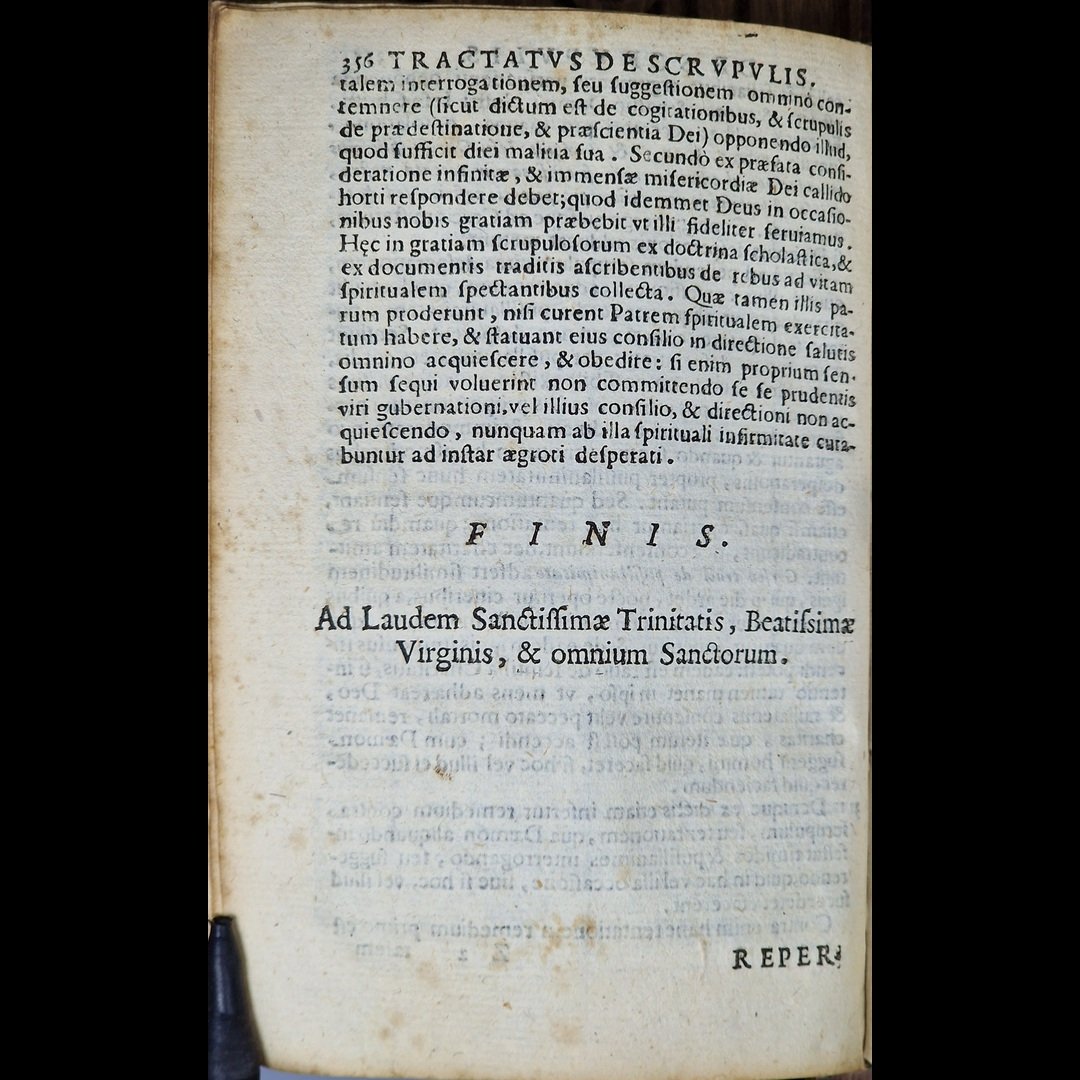 Image 16 of 20
 Image 17 of 20
 Image 18 of 20
 Image 19 of 20
 Image 20 of 20