Sale Price:
£450.00
Original Price:
£495.00
1553 First Edition
TRE DISCORSI DI GIROLAMO RUSCELLI, À M. LODOVICO DOLCE
By Girolamo Ruscelli
KEY DETAILS
Condition: Very Good
Format: Vellum, quarto (4to 9 1⁄2 × 12 in 241 × 305 mm )
Note: Binding/size selection follows standard bibliographic conventions and is approximate; exact measurements may vary.
Published By: In Venetia, per Plinio Pietrasanta, Venice, 1553
Language: Italian
Provenance: Early ownership inscriptions to the title page, one subsequently cancelled, together with a further early inscription and an old paper shelf or collection label numbered 263. These marks suggest a history of instituti...
Collation: pp.287
Dust Jacket: None, as issued, No Jacket
SKU: BTETM0002428
Shipping Info: Approximate Package Dimensions H: 12.5, L: 30, W: 25 (Units: cm), W: 2Kg
Tracked Shipping, Insurance Coverage as per Customer Request
DESCRIPTION
TRE DISCORSI DI GIROLAMO RUSCELLI, À M. LODOVICO DOLCE
L'uno intorno al Decamerone del Boccaccio, l'altro all'Osservationi della lingua volgare, et il terzo alla tradottione dell'Ovidio
Renaissance literary controversy · Boccaccio · Italian language · Ovid
A fascinating first edition of Girolamo Ruscelli's Tre Discorsi, printed at Venice by Plinio Pietrasanta in 1553: a substantial work of literary and linguistic polemic directed against Ruscelli's contemporary and rival Lodovico Dolce.
The three discourses address different fronts in their dispute. The first examines Dolce's treatment of Boccaccio's Decameron; the second attacks his influential Osservationi della lingua volgare and engages directly with the sixteenth-century debate over Italian grammar, vocabulary and literary usage; while the third criticises Dolce's Italian translation of Ovid.
The work belongs to the intensely competitive world of mid-sixteenth-century Venetian publishing, in which editors such as Ruscelli and Dolce were simultaneously scholars, translators, textual critics and professional men of letters. Their rivalry developed in part from competing editorial work on Boccaccio and widened into a highly personal controversy concerning linguistic authority, editorial practice and translation.
Ruscelli's Tre Discorsi is therefore more than a literary quarrel: it is an important contemporary document for the history of the Italian language, Renaissance textual criticism and the commercial culture of the Venetian printing industry.
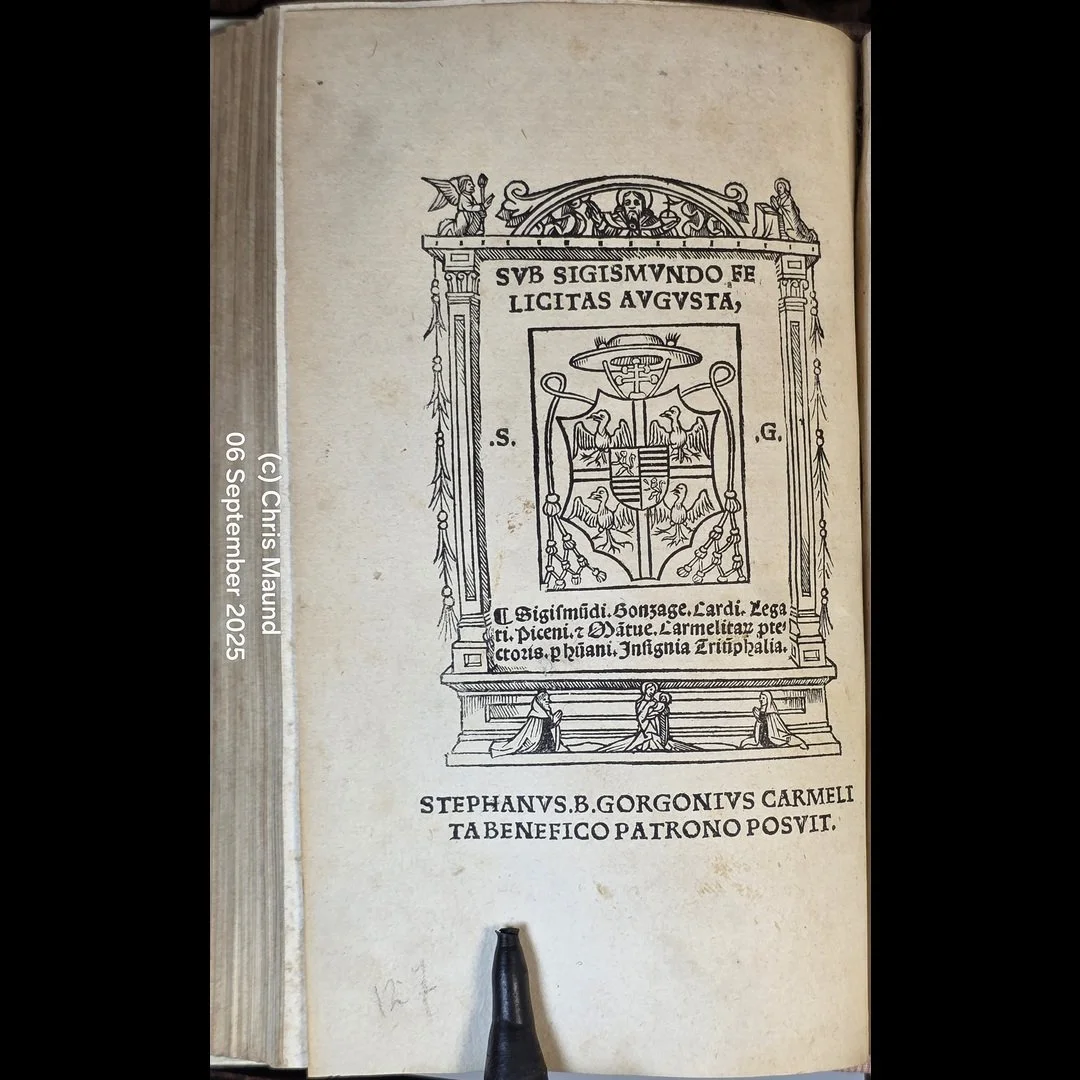
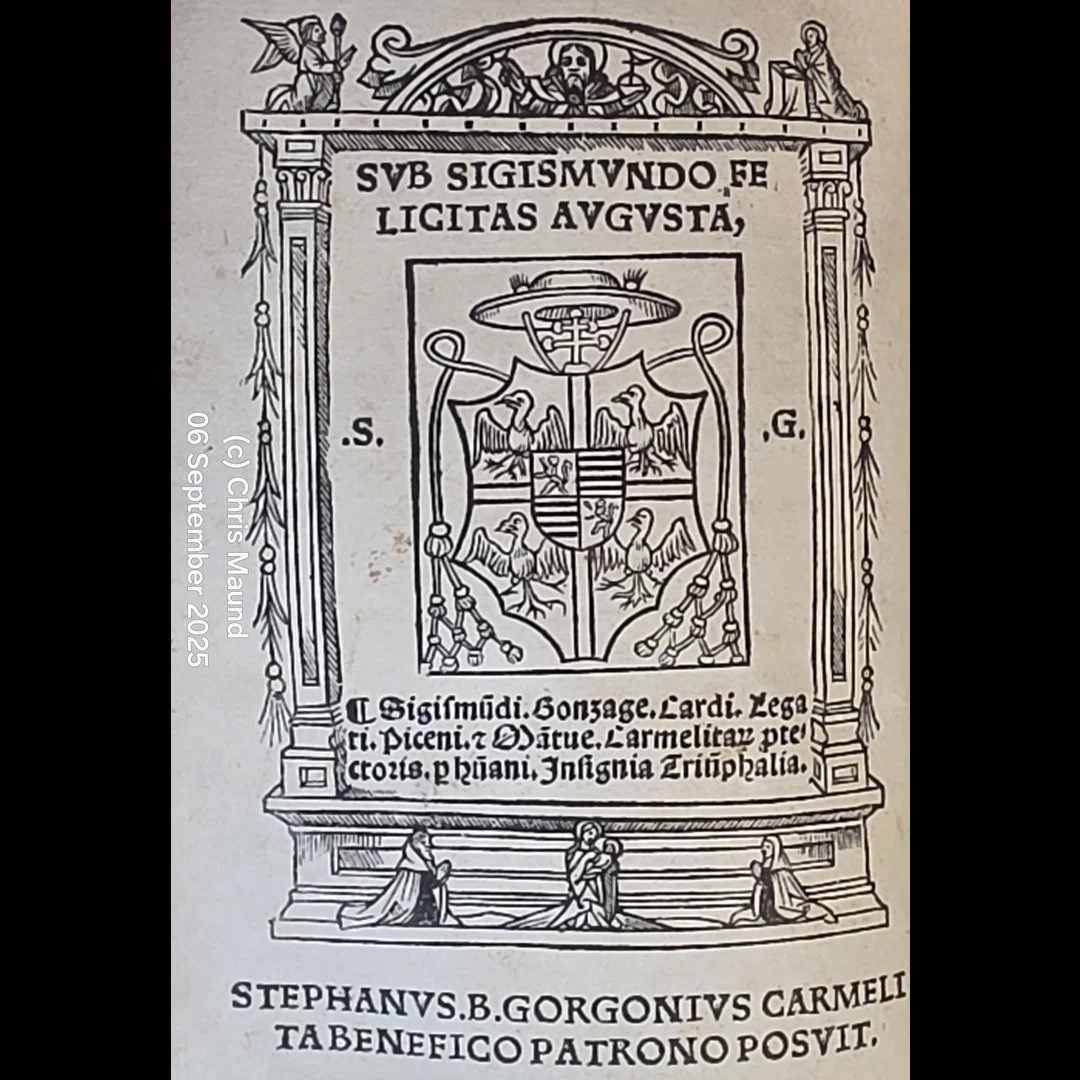
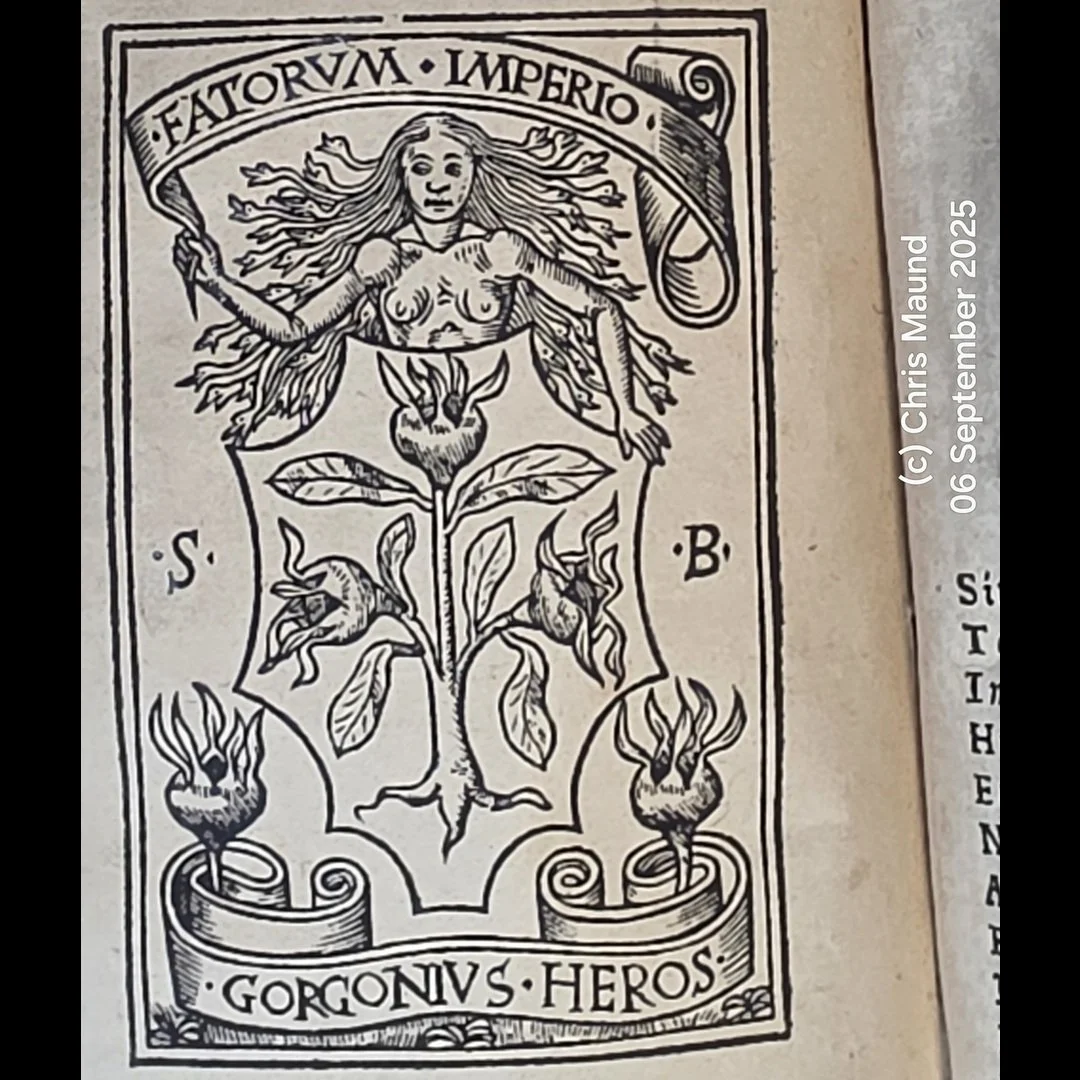
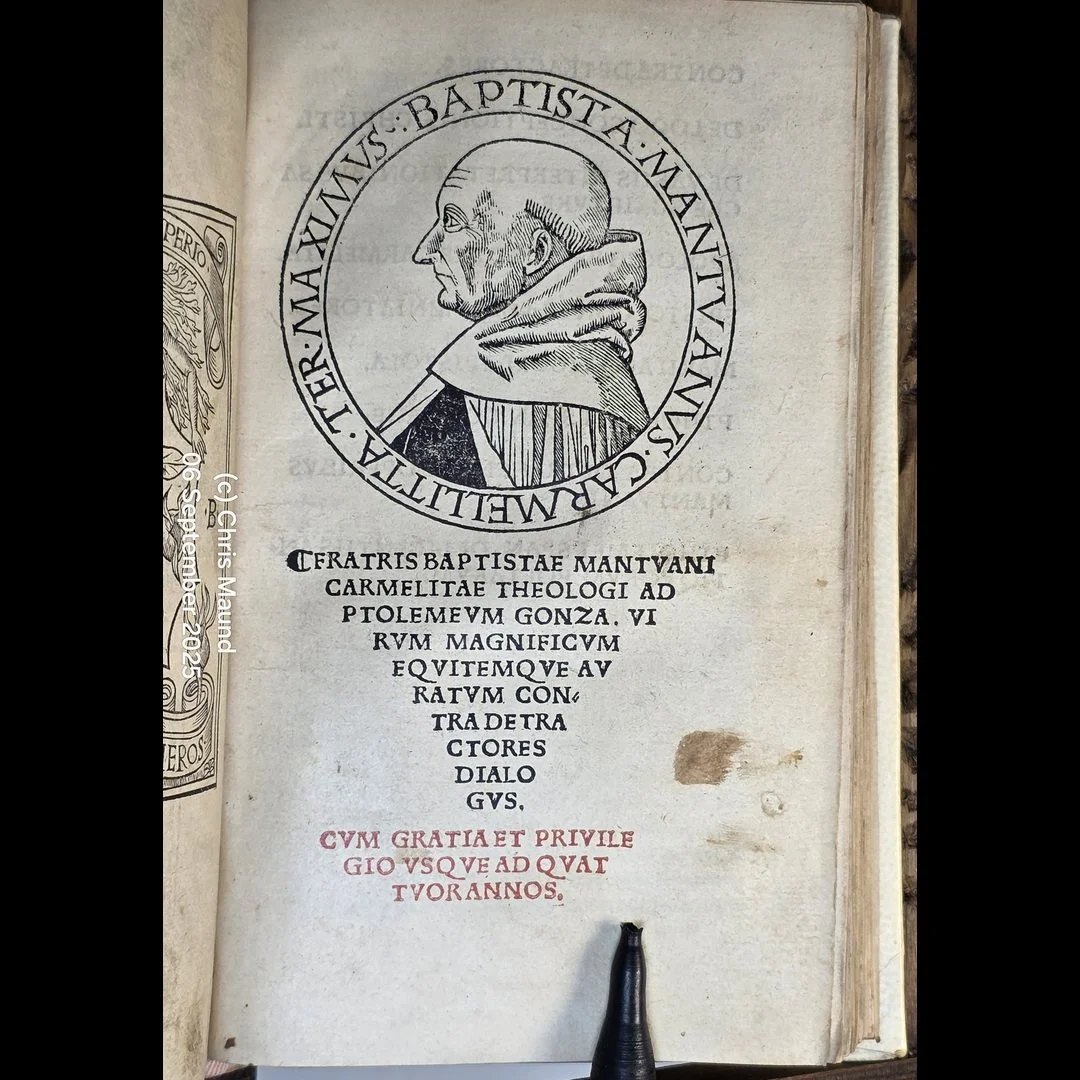
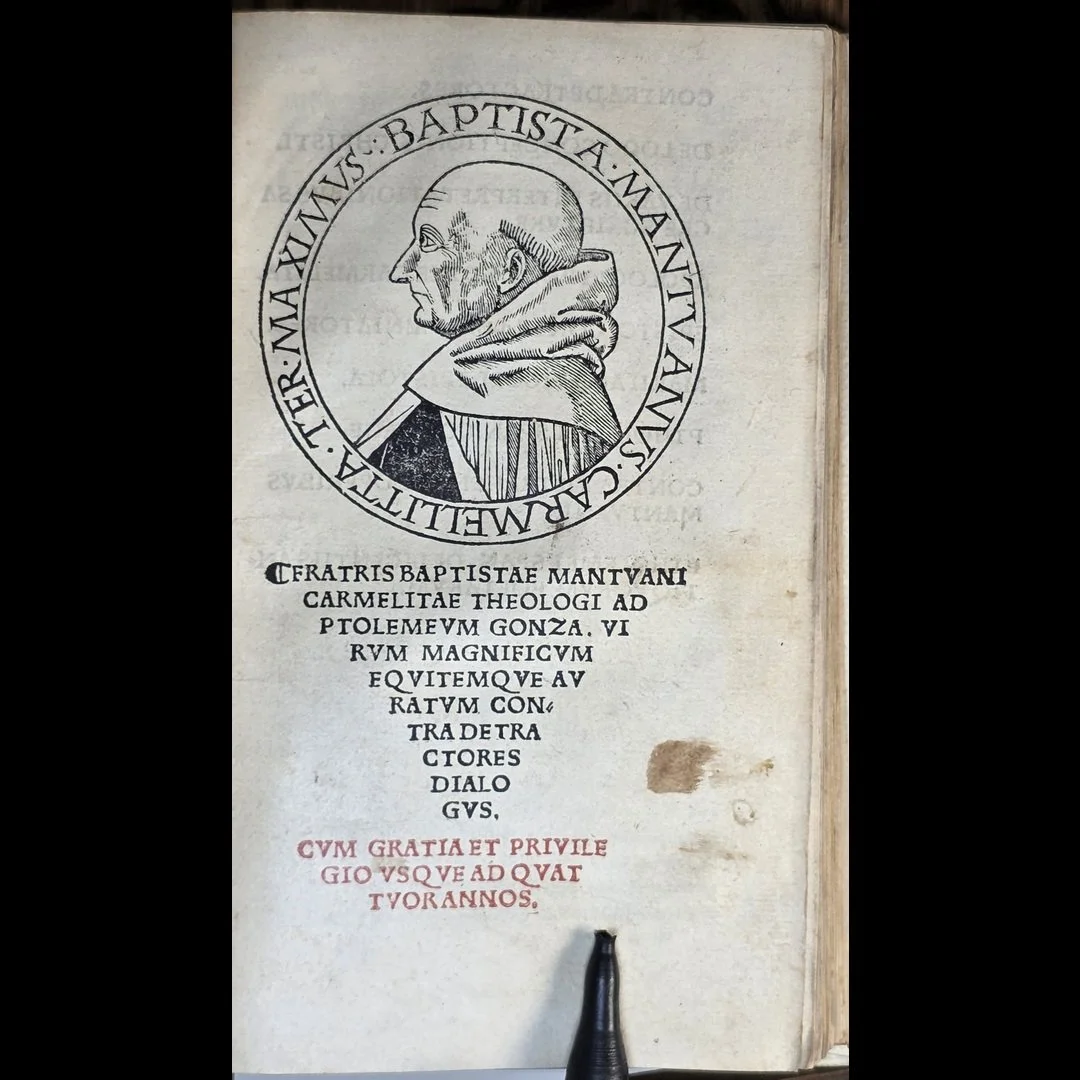
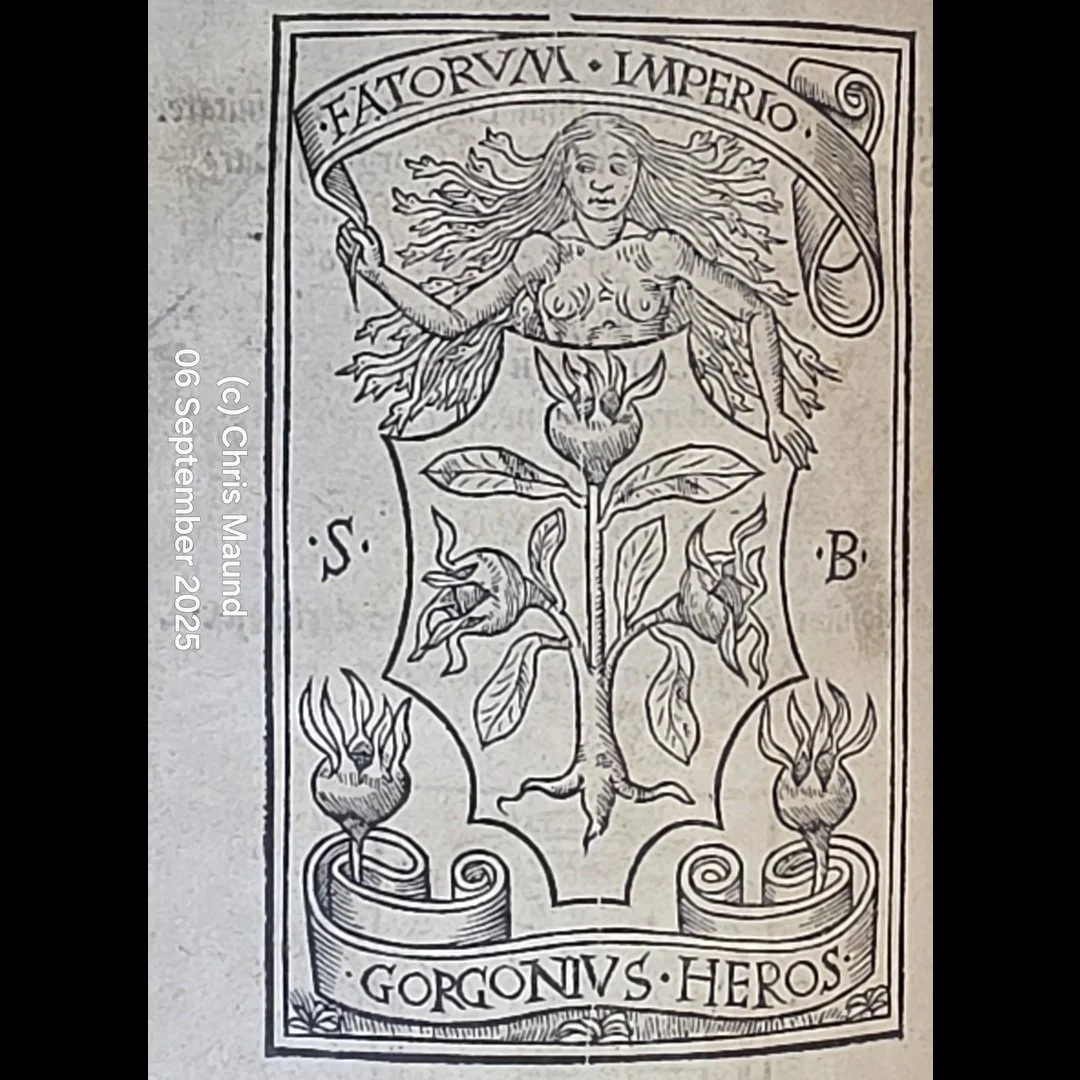
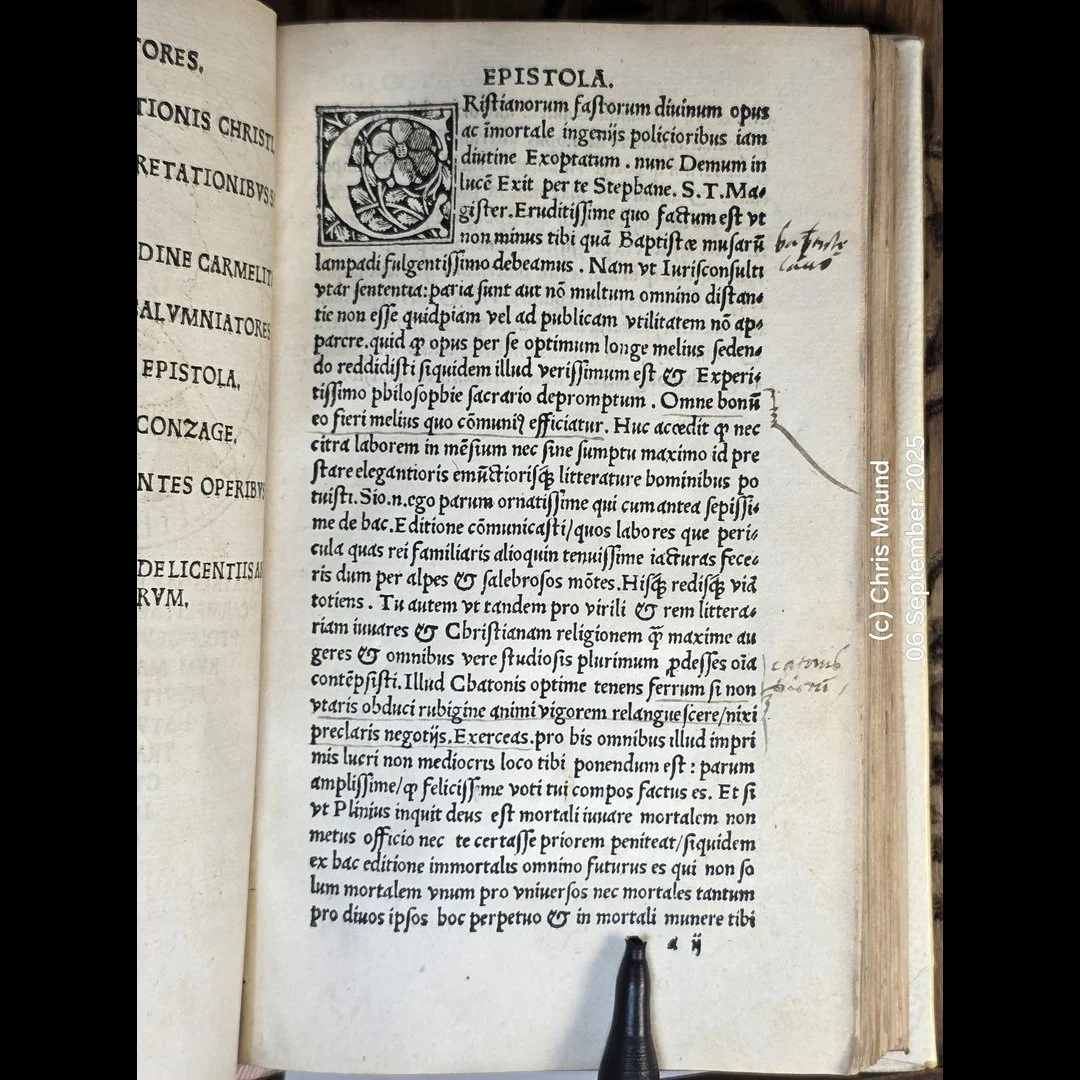
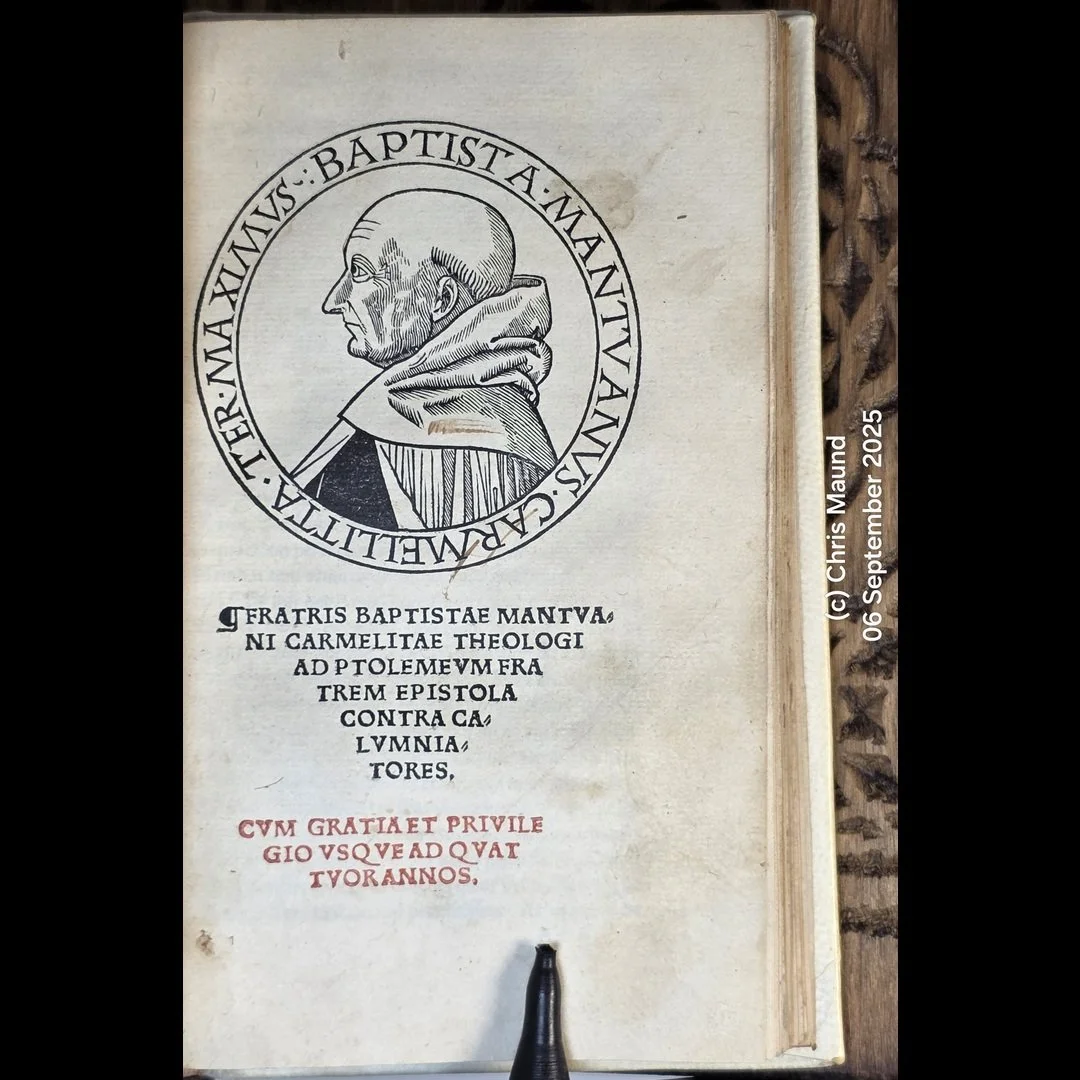
This copy retains considerable historical character, with the printer's woodcut device to the title, decorative woodcut initials, early ownership inscriptions, an old manuscript shelf label numbered 263, and an eighteenth-century vellum-backed binding with manuscript spine title.
PROVENANCE
Early ownership inscriptions to the title page, one subsequently cancelled, together with a further early inscription and an old paper shelf or collection label numbered 263. These marks suggest a history of institutional or private library ownership, although the owners have not presently been securely identified.
CONDITION, COLLATION & COPY NOTES
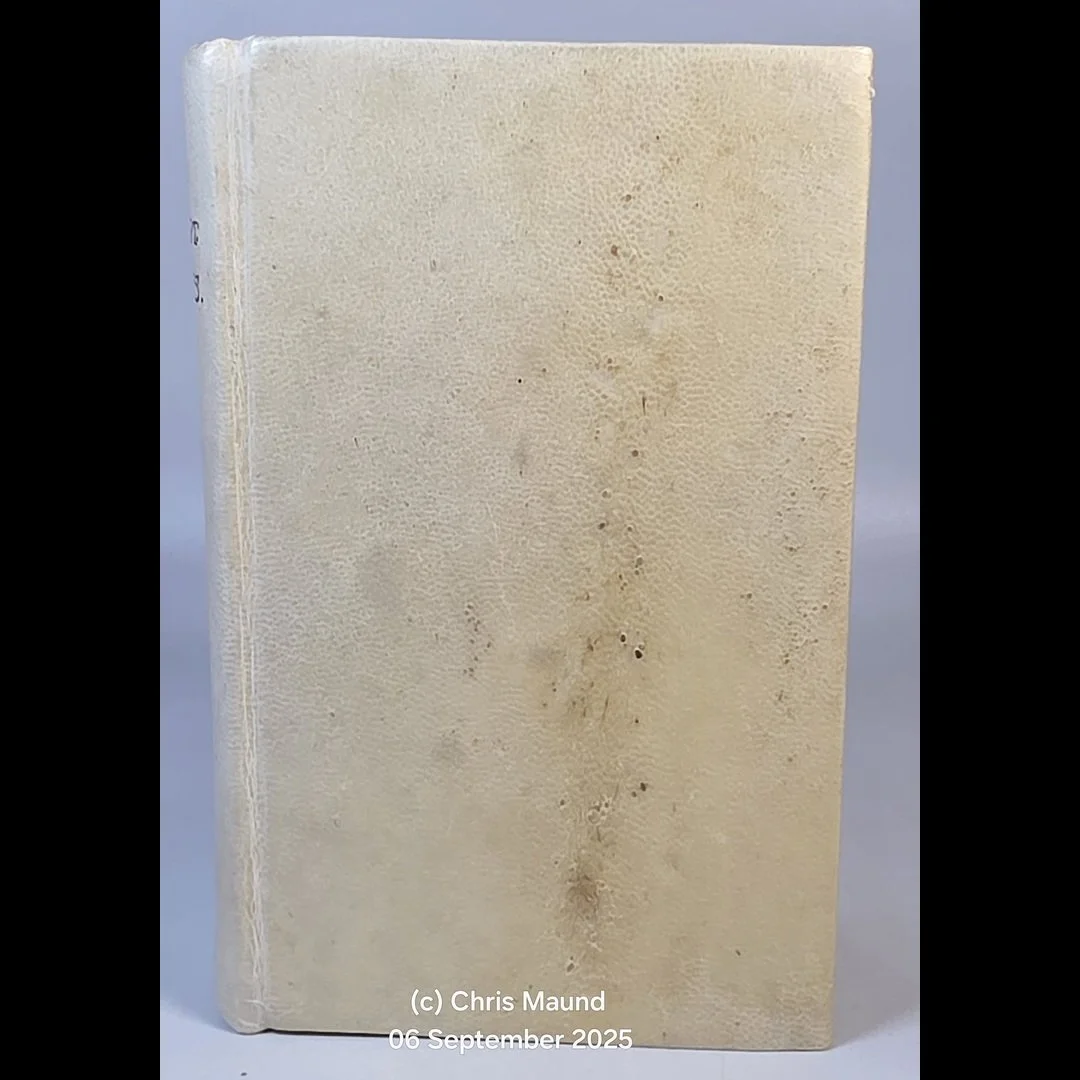
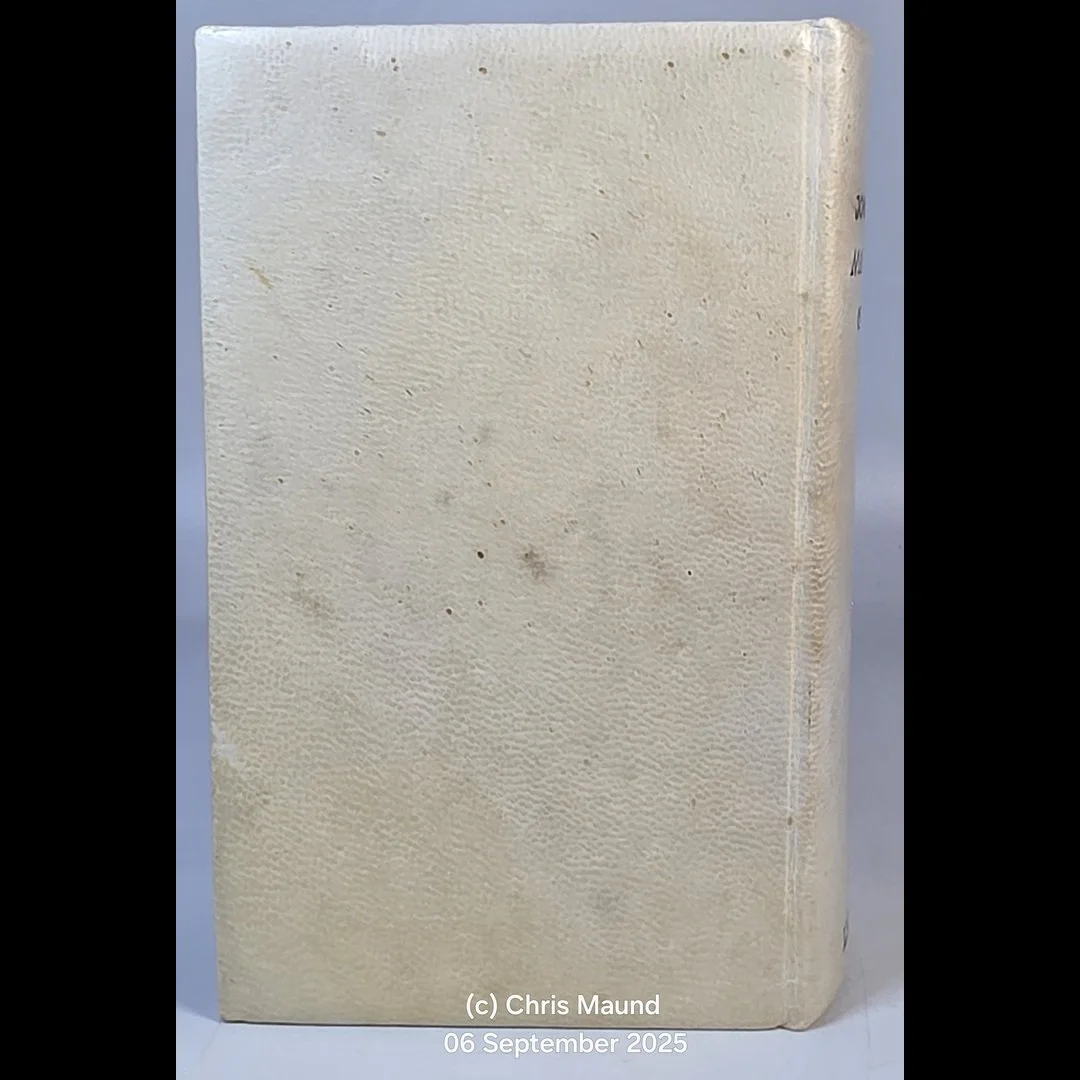
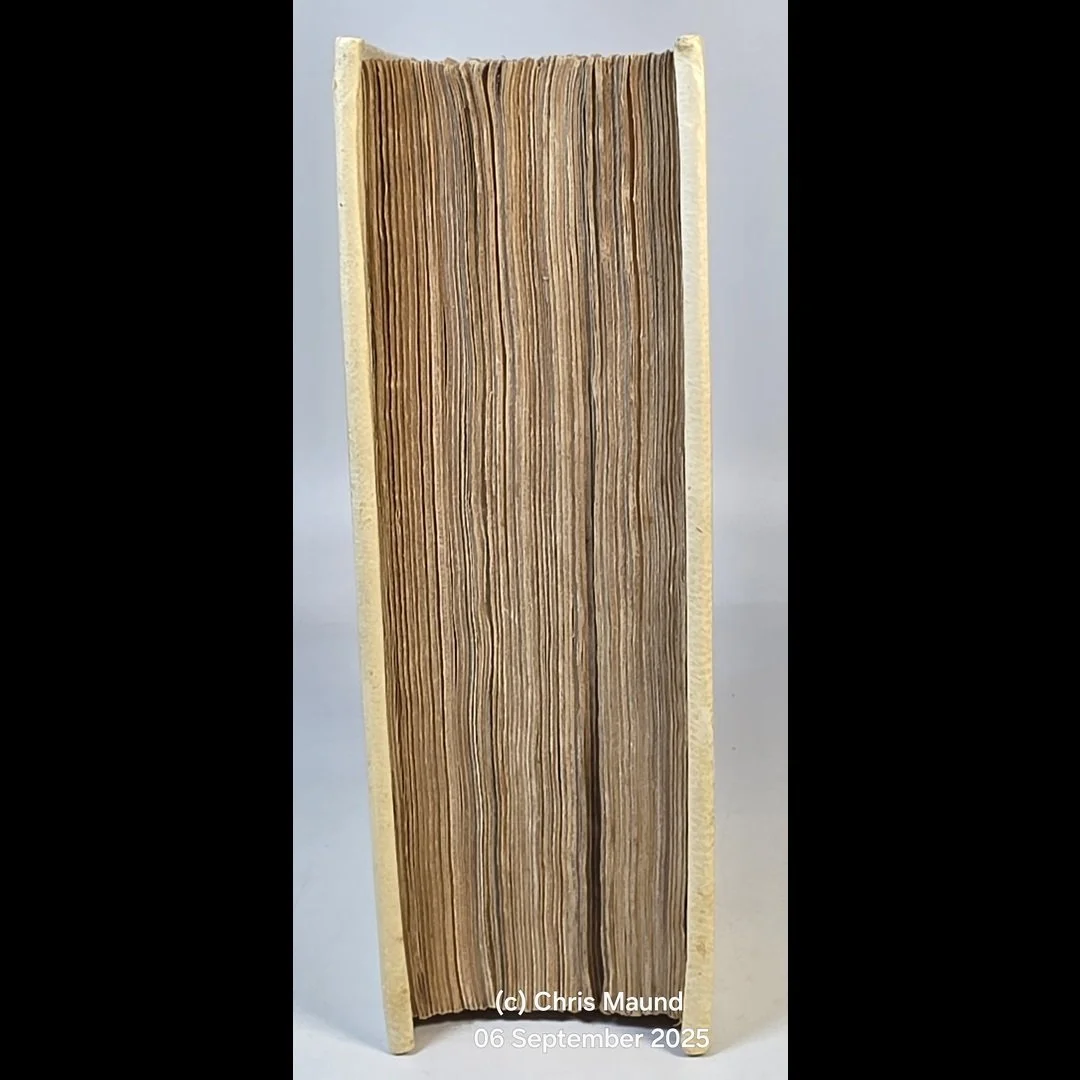
Bound in eighteenth-century vellum-backed limp boards, with manuscript title and old paper shelf label to spine. Binding with expected age-soiling, rubbing and wear, particularly to the vellum spine and extremities, but retaining an attractive and suitably antiquarian appearance.
Title page with Plinio Pietrasanta's woodcut printer's device and several early ownership inscriptions, including one subsequently cancelled in ink. An old paper shelf label bearing the manuscript number "263" is affixed to the lower margin. The title leaf additionally shows fine ink flecking, scattered spotting and several old splash marks.
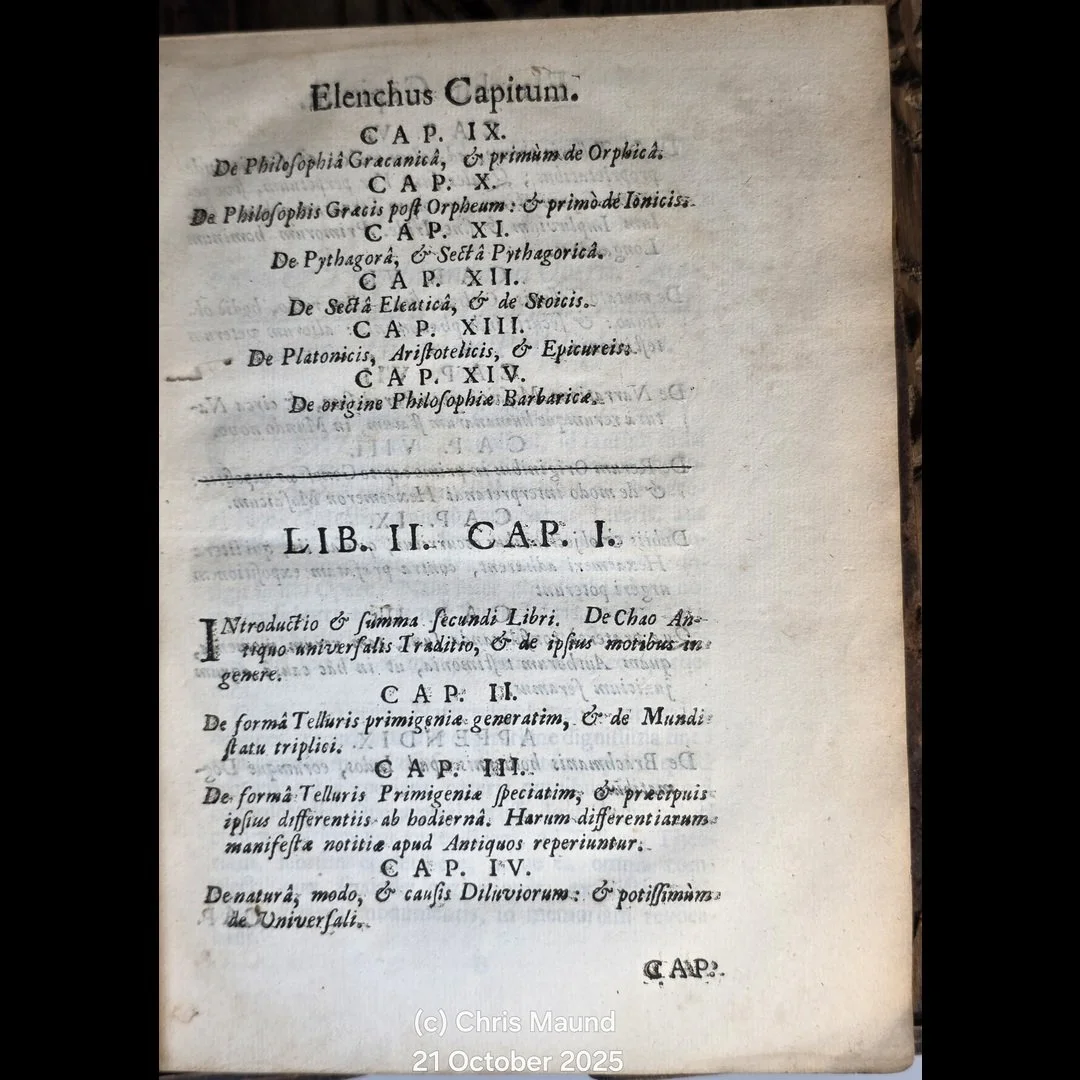
Internally the volume is generally well preserved for its age, with strong printing, good margins and comparatively clean paper. Occasional light spotting, age-toning and marks from historical use are present. Decorative woodcut initials appear throughout and remain crisp and well defined.
Printer's name present at the colophon.
Pagination is continuous to page 287. The signing sequence omits signature KK, as bibliographically recorded, without loss of text.
Please see Photos as part of condition report.
REFERENCES
Adams R959
EDIT16 CNCE 34649
SBN BVEE009851
Gamba 194
Bibliothèque nationale de France, FRBNF31270949
SYNOPSIS
Girolamo Ruscelli’s Tre Discorsi is a work of Renaissance literary and linguistic controversy directed against his contemporary and rival Lodovico Dolce. The three discourses examine, respectively, Dolce’s treatment of Boccaccio’s Decameron, his influential Osservationi della lingua volgare, and his Italian translation of Ovid. In doing so, Ruscelli engages with some of the central intellectual concerns of sixteenth-century Italy: the authority of Boccaccio, the correct use and development of the Italian vernacular, the responsibilities of editors and translators, and the standards by which literary texts should be judged. The work is both a sharp personal polemic and an important document in the history of Renaissance philology, textual criticism and the formation of literary Italian.
AUTHOR BIO
Girolamo Ruscelli (1518–1566) was an Italian humanist, editor, translator, linguistic scholar and prolific man of letters born at Viterbo and active principally in Venice.
Closely involved with the Venetian publishing industry, Ruscelli edited and commented upon major Italian authors, including Boccaccio, Petrarch and Ariosto, and wrote extensively on grammar, vocabulary, poetry and literary composition. His career places him among the characteristic poligrafi of Renaissance Venice: professional intellectuals whose work crossed the boundaries between scholarship, editing, translation and commercial publishing.
Ruscelli was also associated with works of practical and scientific knowledge and with the celebrated Secreti published under the name Alessio Piemontese. Modern scholarship has produced substantial evidence connecting Ruscelli with that pseudonymous figure, although the precise nature of the identification remains a matter of scholarly discussion.
1553 First Edition
TRE DISCORSI DI GIROLAMO RUSCELLI, À M. LODOVICO DOLCE
By Girolamo Ruscelli
KEY DETAILS
Condition: Very Good
Format: Vellum, quarto (4to 9 1⁄2 × 12 in 241 × 305 mm )
Note: Binding/size selection follows standard bibliographic conventions and is approximate; exact measurements may vary.
Published By: In Venetia, per Plinio Pietrasanta, Venice, 1553
Language: Italian
Provenance: Early ownership inscriptions to the title page, one subsequently cancelled, together with a further early inscription and an old paper shelf or collection label numbered 263. These marks suggest a history of instituti...
Collation: pp.287
Dust Jacket: None, as issued, No Jacket
SKU: BTETM0002428
Shipping Info: Approximate Package Dimensions H: 12.5, L: 30, W: 25 (Units: cm), W: 2Kg
Tracked Shipping, Insurance Coverage as per Customer Request
DESCRIPTION
TRE DISCORSI DI GIROLAMO RUSCELLI, À M. LODOVICO DOLCE
L'uno intorno al Decamerone del Boccaccio, l'altro all'Osservationi della lingua volgare, et il terzo alla tradottione dell'Ovidio
Renaissance literary controversy · Boccaccio · Italian language · Ovid
A fascinating first edition of Girolamo Ruscelli's Tre Discorsi, printed at Venice by Plinio Pietrasanta in 1553: a substantial work of literary and linguistic polemic directed against Ruscelli's contemporary and rival Lodovico Dolce.
The three discourses address different fronts in their dispute. The first examines Dolce's treatment of Boccaccio's Decameron; the second attacks his influential Osservationi della lingua volgare and engages directly with the sixteenth-century debate over Italian grammar, vocabulary and literary usage; while the third criticises Dolce's Italian translation of Ovid.
The work belongs to the intensely competitive world of mid-sixteenth-century Venetian publishing, in which editors such as Ruscelli and Dolce were simultaneously scholars, translators, textual critics and professional men of letters. Their rivalry developed in part from competing editorial work on Boccaccio and widened into a highly personal controversy concerning linguistic authority, editorial practice and translation.
Ruscelli's Tre Discorsi is therefore more than a literary quarrel: it is an important contemporary document for the history of the Italian language, Renaissance textual criticism and the commercial culture of the Venetian printing industry.
This copy retains considerable historical character, with the printer's woodcut device to the title, decorative woodcut initials, early ownership inscriptions, an old manuscript shelf label numbered 263, and an eighteenth-century vellum-backed binding with manuscript spine title.
PROVENANCE
Early ownership inscriptions to the title page, one subsequently cancelled, together with a further early inscription and an old paper shelf or collection label numbered 263. These marks suggest a history of institutional or private library ownership, although the owners have not presently been securely identified.
CONDITION, COLLATION & COPY NOTES
Bound in eighteenth-century vellum-backed limp boards, with manuscript title and old paper shelf label to spine. Binding with expected age-soiling, rubbing and wear, particularly to the vellum spine and extremities, but retaining an attractive and suitably antiquarian appearance.
Title page with Plinio Pietrasanta's woodcut printer's device and several early ownership inscriptions, including one subsequently cancelled in ink. An old paper shelf label bearing the manuscript number "263" is affixed to the lower margin. The title leaf additionally shows fine ink flecking, scattered spotting and several old splash marks.
Internally the volume is generally well preserved for its age, with strong printing, good margins and comparatively clean paper. Occasional light spotting, age-toning and marks from historical use are present. Decorative woodcut initials appear throughout and remain crisp and well defined.
Printer's name present at the colophon.
Pagination is continuous to page 287. The signing sequence omits signature KK, as bibliographically recorded, without loss of text.
Please see Photos as part of condition report.
REFERENCES
Adams R959
EDIT16 CNCE 34649
SBN BVEE009851
Gamba 194
Bibliothèque nationale de France, FRBNF31270949
SYNOPSIS
Girolamo Ruscelli’s Tre Discorsi is a work of Renaissance literary and linguistic controversy directed against his contemporary and rival Lodovico Dolce. The three discourses examine, respectively, Dolce’s treatment of Boccaccio’s Decameron, his influential Osservationi della lingua volgare, and his Italian translation of Ovid. In doing so, Ruscelli engages with some of the central intellectual concerns of sixteenth-century Italy: the authority of Boccaccio, the correct use and development of the Italian vernacular, the responsibilities of editors and translators, and the standards by which literary texts should be judged. The work is both a sharp personal polemic and an important document in the history of Renaissance philology, textual criticism and the formation of literary Italian.
AUTHOR BIO
Girolamo Ruscelli (1518–1566) was an Italian humanist, editor, translator, linguistic scholar and prolific man of letters born at Viterbo and active principally in Venice.
Closely involved with the Venetian publishing industry, Ruscelli edited and commented upon major Italian authors, including Boccaccio, Petrarch and Ariosto, and wrote extensively on grammar, vocabulary, poetry and literary composition. His career places him among the characteristic poligrafi of Renaissance Venice: professional intellectuals whose work crossed the boundaries between scholarship, editing, translation and commercial publishing.
Ruscelli was also associated with works of practical and scientific knowledge and with the celebrated Secreti published under the name Alessio Piemontese. Modern scholarship has produced substantial evidence connecting Ruscelli with that pseudonymous figure, although the precise nature of the identification remains a matter of scholarly discussion.

 Image 1 of 12
 Image 2 of 12
 Image 3 of 12
 Image 4 of 12
 Image 5 of 12
 Image 6 of 12
 Image 7 of 12
 Image 8 of 12
 Image 9 of 12
 Image 10 of 12
 Image 11 of 12
 Image 12 of 12


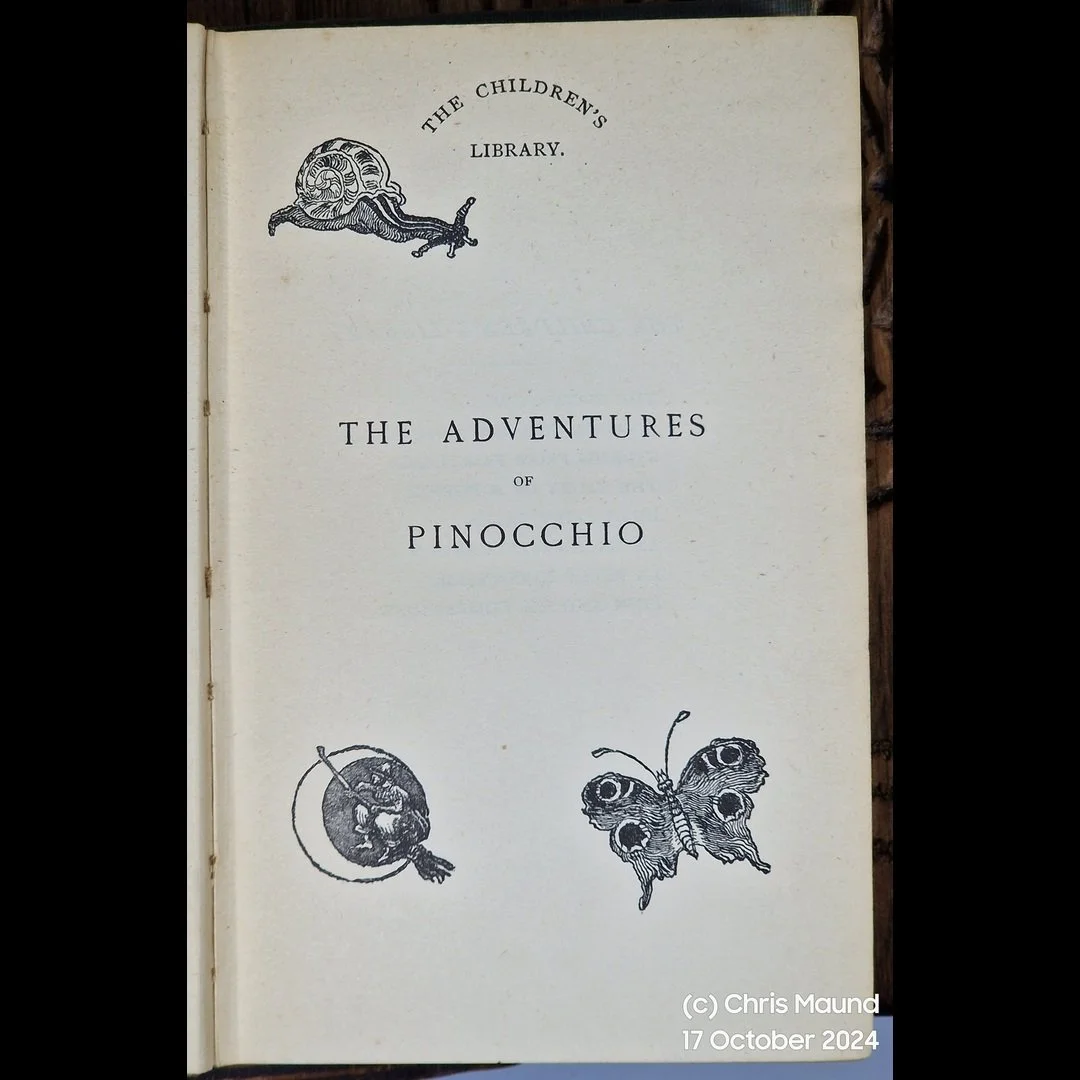
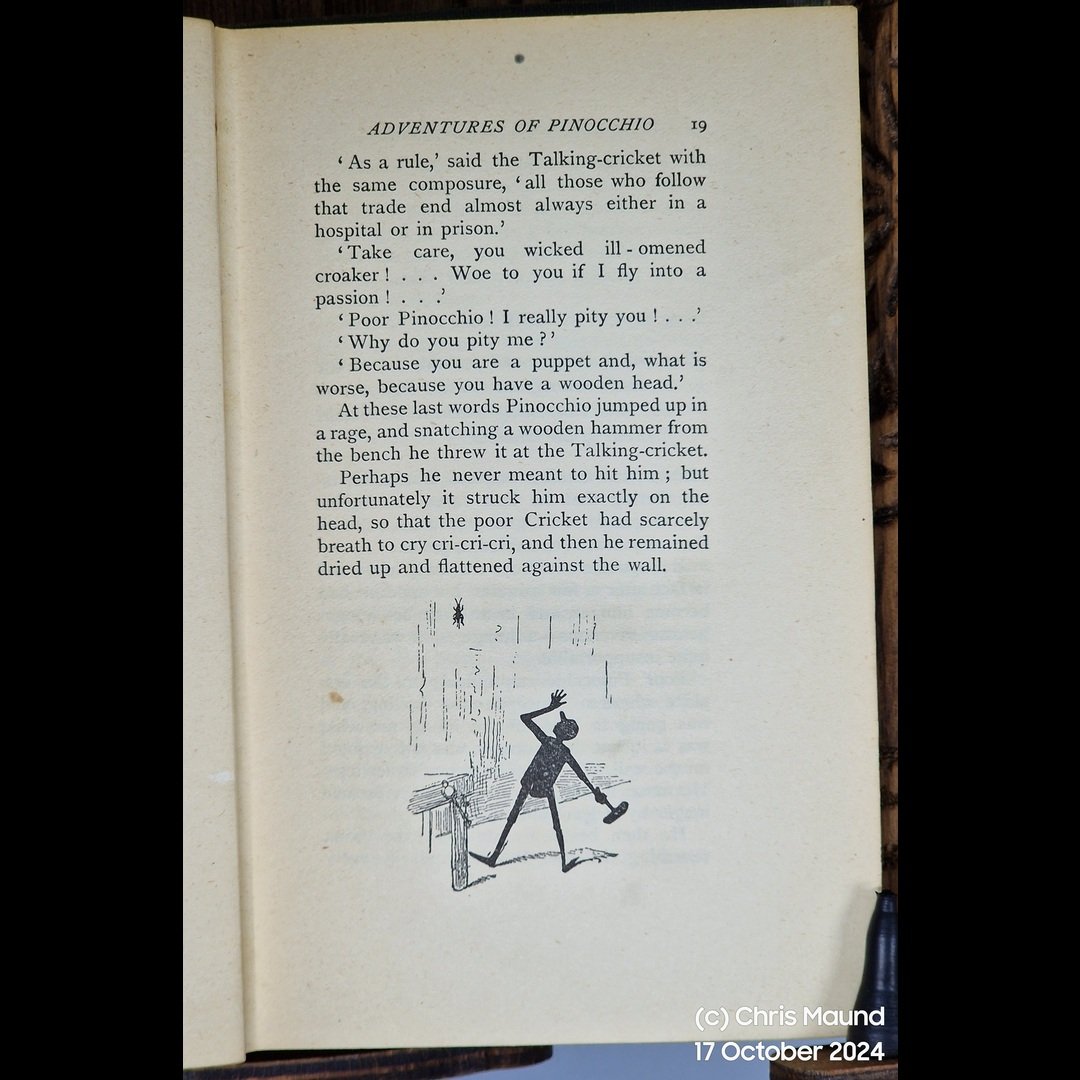
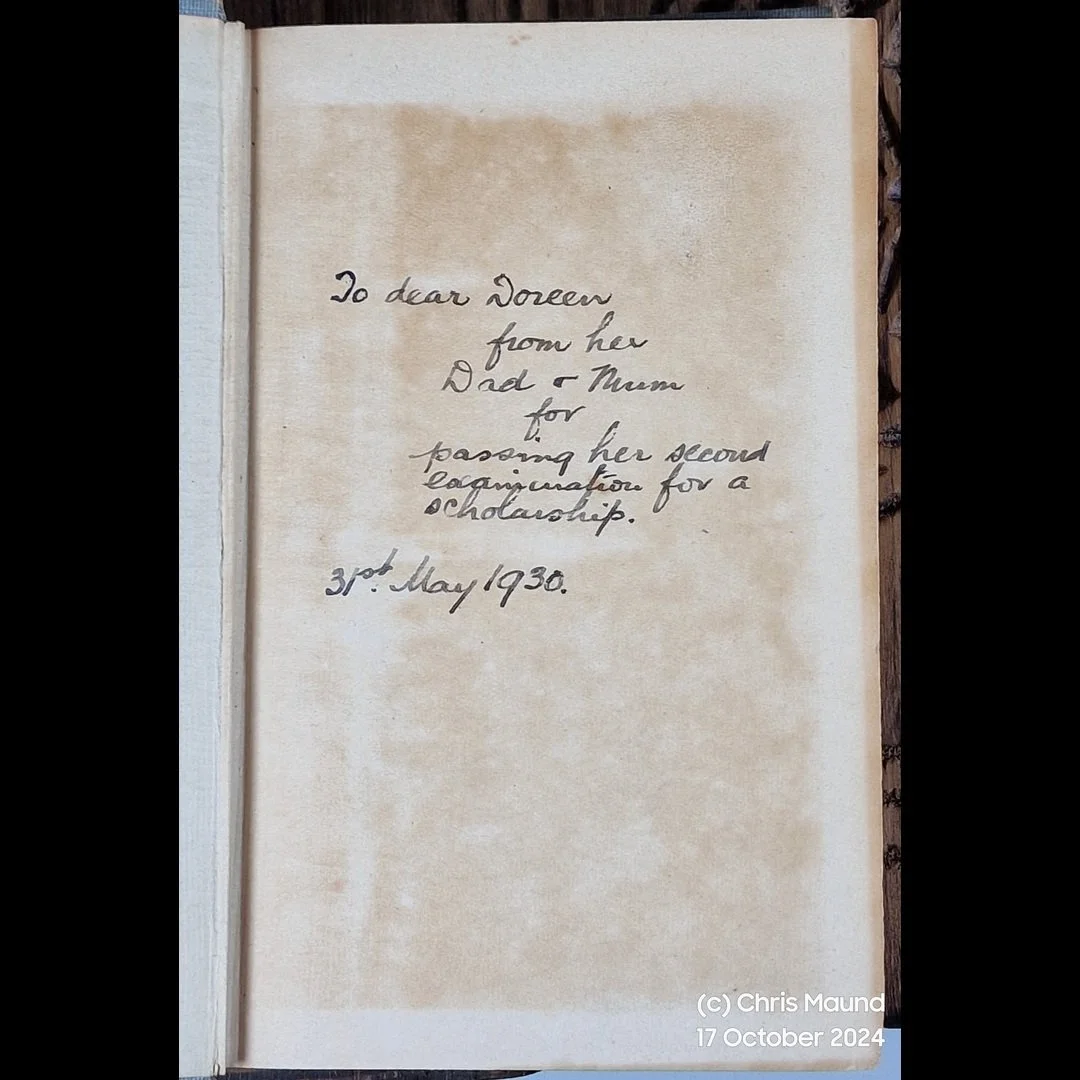
![1892 First English Edtn, Second Impression THE STORY OF A PUPPET By Carlo Collodi [Carlo Lorenzini] Illus. Enrico Mazzanti](https://images.squarespace-cdn.com/content/v1/634dab4938c13d5c1f88d382/dcf6c683-457d-42e7-b01a-6dc7dace012c/20241017_224034-8.jpg)