1564 Three-Work Reformation Sammelband
DILUCIDA EXPLICATO
By Anon/Claude Briton/Georg Cassander
KEY DETAILS
Condition: Very Good
Format: Hardcover, Octavo (Standard) (8vo 6 × 9 in 152 × 229 mm )
Note: Binding/size selection follows standard bibliographic conventions and is approximate; exact measurements may vary.
Published By: I. Dilucida explicatio, veraque demonstratio ob quas causas illustres Electores et Principes, caeterique ordines Imperii, Augustanae Confessionis…
[Dillingen: Sebald Mayer, attributed], 1564
II. Claude Briton, De vera Ecclesiae constituendae ratione, ad Patres in Concilio Tridentino
[Cologne: Maternus Cholinus], 1564
III. Georg Cassander, De sacra communione Christiani populi in utraque panis & vini specie
[Cologne: Gottfried Cervicornus?, alternatively attributed to the heirs of Arnold Birckmann], 1564, Germany, 1564
Language: Latin
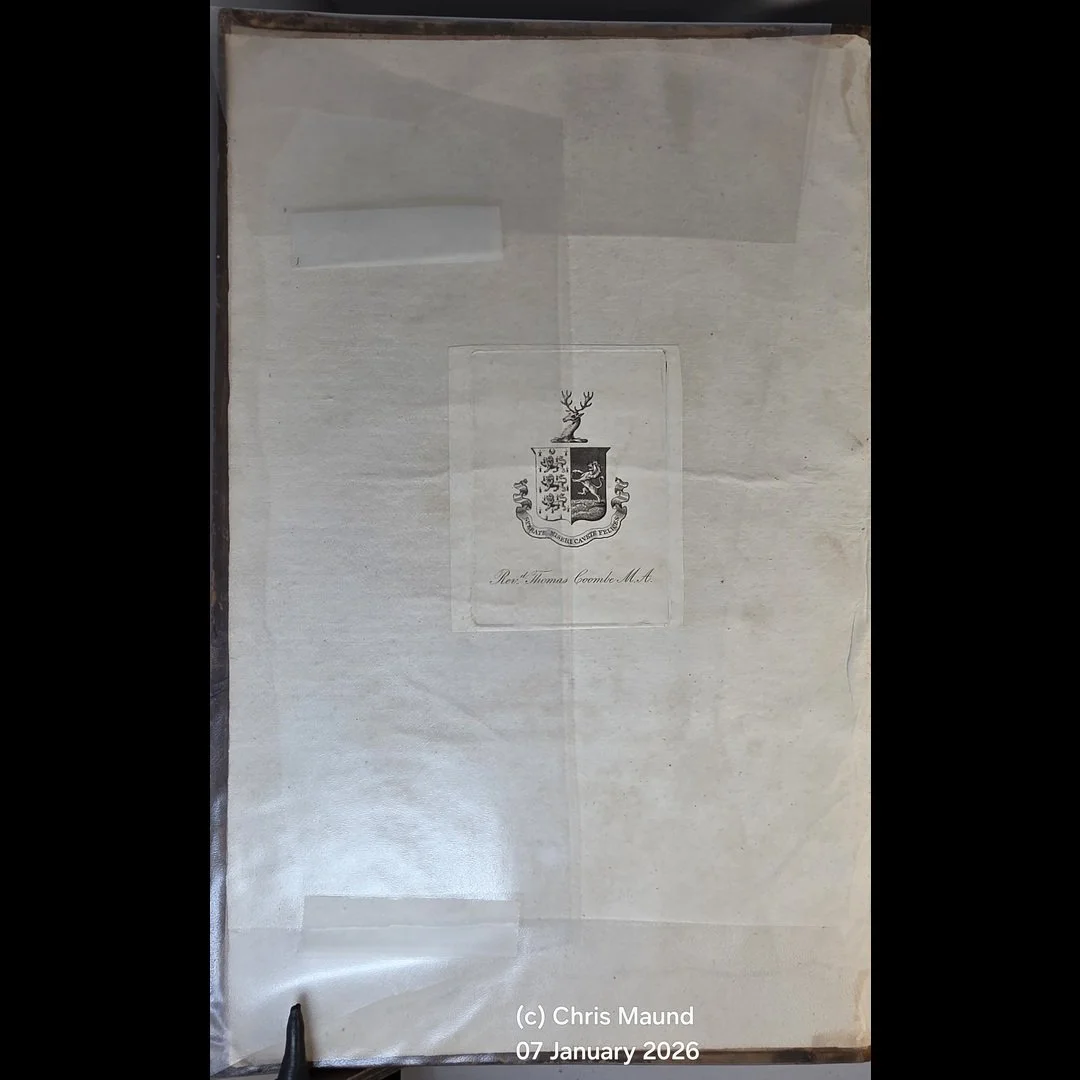
Provenance: Captain J.-G. Michiels, eighteenth-century naval captain and bibliophile, with his engraved maritime ex-libris by Louis-Joseph Fruytiers and ownership stamp “Captn: Michiels.”
Collation: Three separately printed works bound together.
Dust Jacket: None, as issued, No Jacket
SKU: BTETM0002433
Shipping Info: Approximate Package Dimensions H: 12.5, L: 30, W: 25 (Units: cm), W: 2Kg
Tracked Shipping, Insurance Coverage as per Customer Request
DESCRIPTION
Dilucida Explicato
DILUCIDA EXPLICATIO, VERAQUE DEMONSTRATIO OB QUAS CAUSAS ILLUSTRES ELECTORES ET PRINCIPES…
DE VERA ECCLESIAE CONSTITUENDAE RATIONE, AD PATRES IN CONCILIO TRIDENTINO
By Claude Briton
DE SACRA COMMUNIONE CHRISTIANI POPULI IN UTRAQUE PANIS & VINI SPECIE
By Georg Cassander
A scarce and unusually coherent sixteenth-century theological sammelband bringing together three works published in 1564, immediately after the conclusion of the Council of Trent. Together they address three of the central controversies of the Reformation settlement: Protestant rejection of the authority and constitution of the Council of Trent, proposals for the reform and proper ordering of the Church, and Georg Cassander’s conciliatory argument for restoring Communion to the laity under both bread and wine.
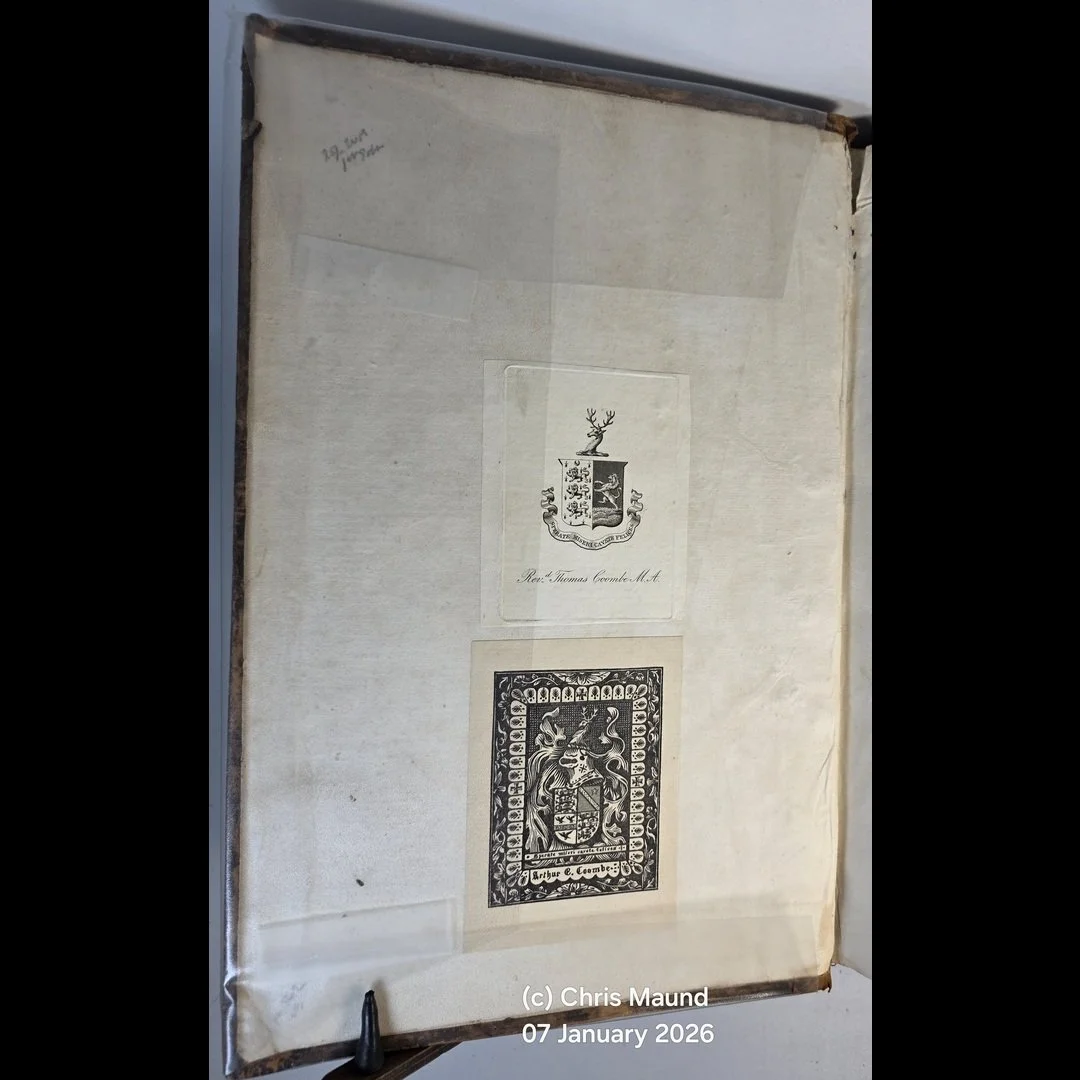
The volume has particularly attractive bibliophile provenance. It bears the engraved maritime ex-libris and ownership stamp of the eighteenth-century collector Captain J.-G. Michiels, followed by the manuscript ownership inscription “J. F. Vandevelde”, identifiable with the theologian, librarian and major Belgian bibliophile Jean-François / Jan Frans Van de Velde (1743–1823). Both collectors are independently recorded among earlier owners represented in the celebrated library of the Rev. Joseph Mendham, whose collection was particularly rich in Reformation, Roman Catholic and Council of Trent material and subsequently passed to the Law Society. The present volume bears the Law Society armorial bookplate; an origin in the Mendham Collection is therefore highly probable, although its precise Mendham catalogue entry has not yet been identified.
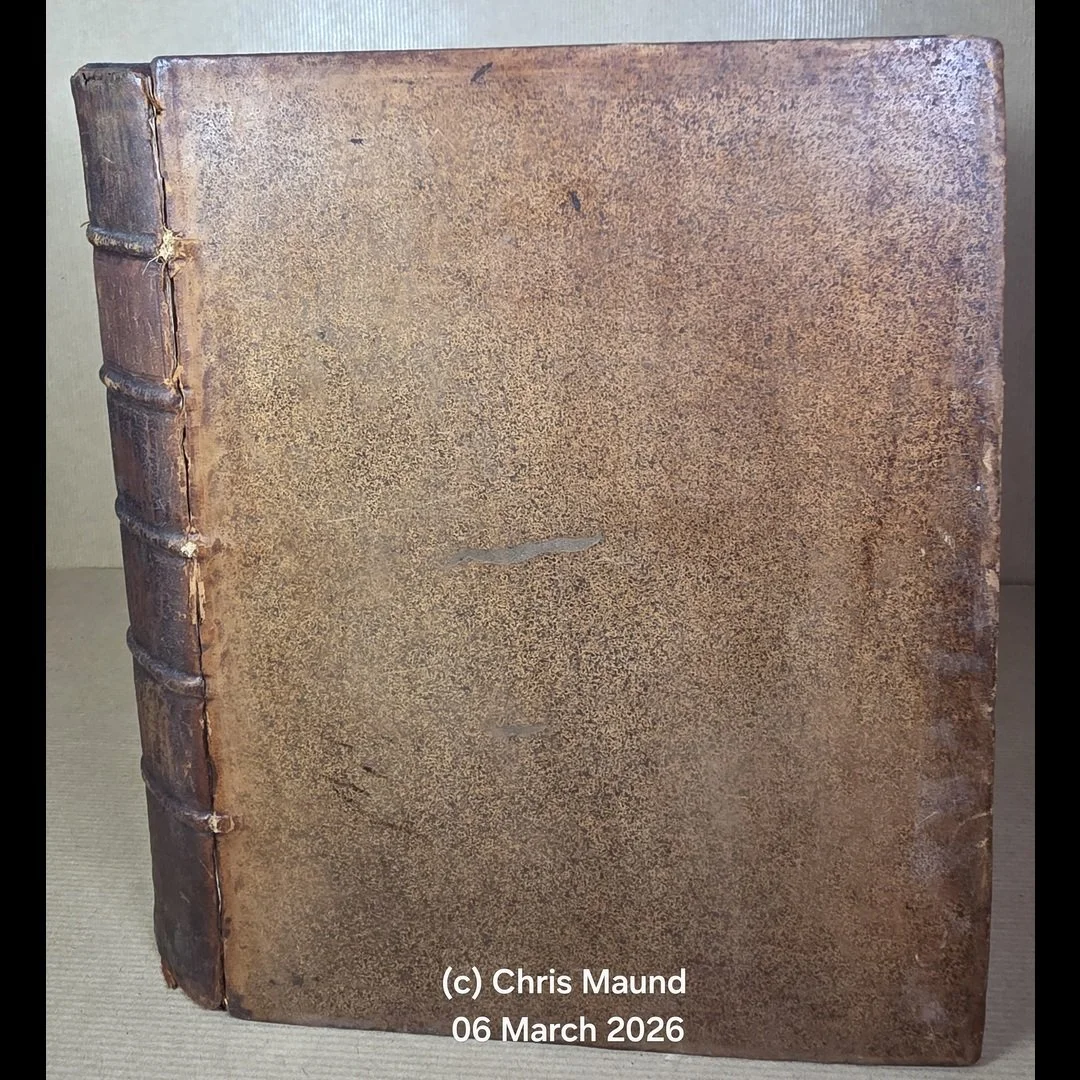
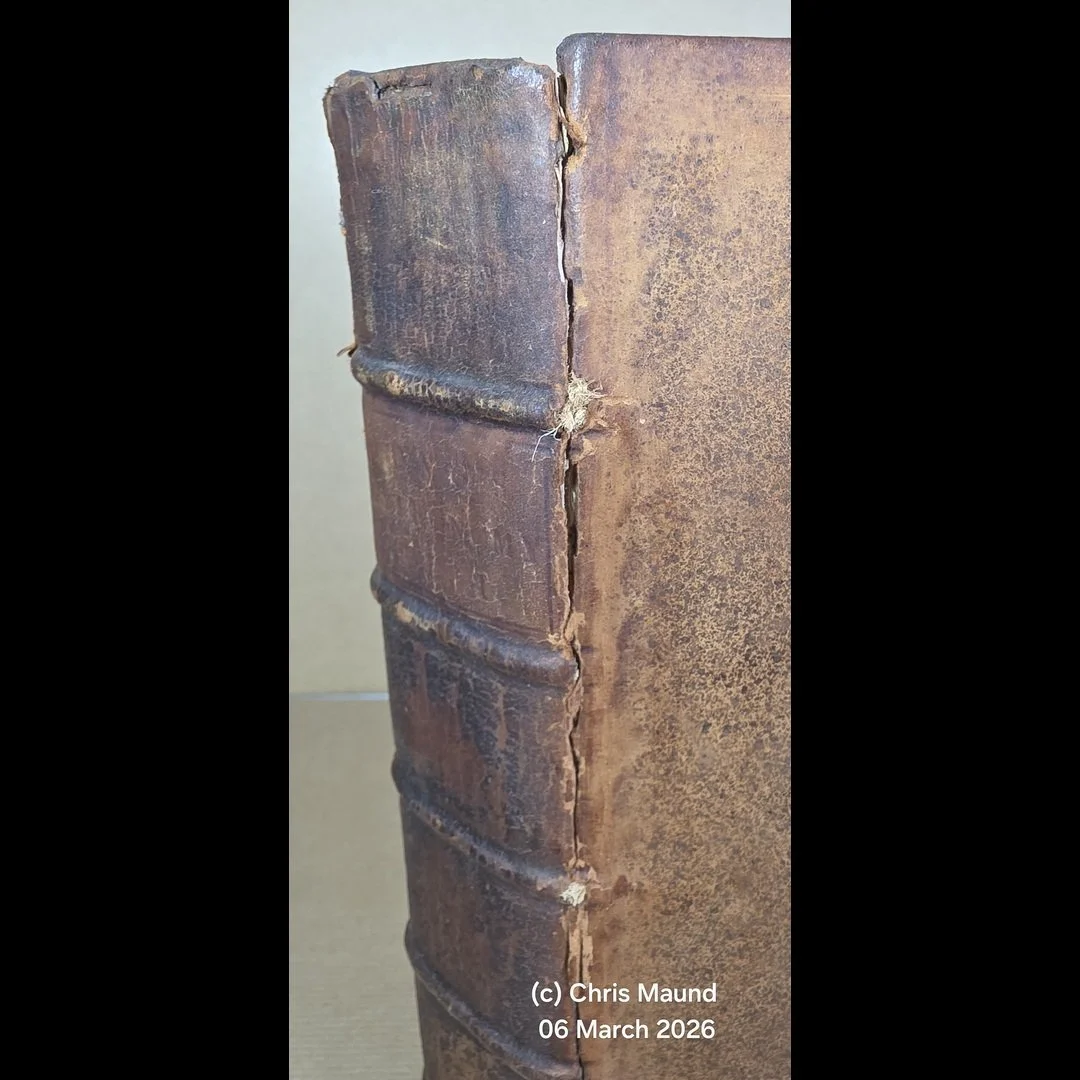
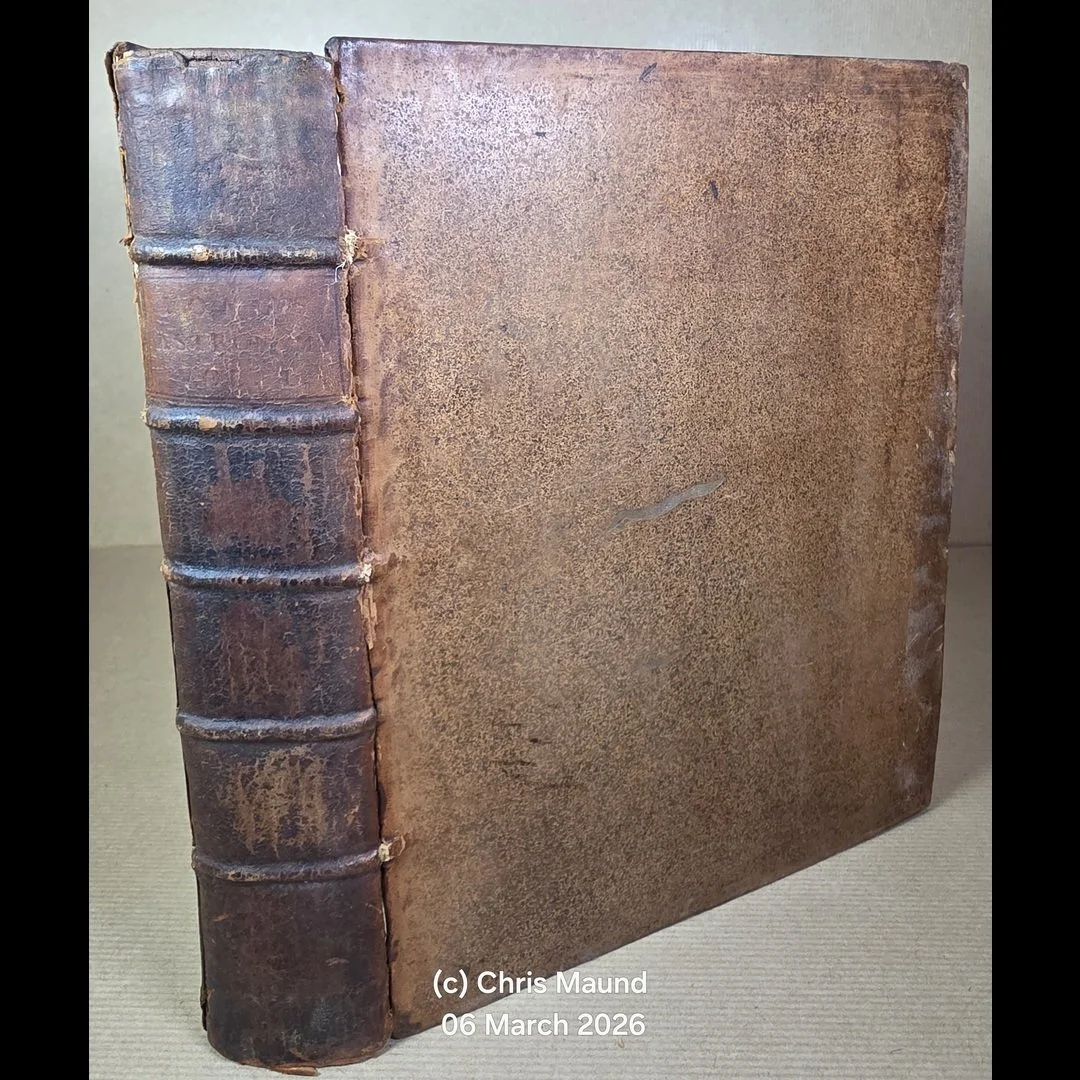
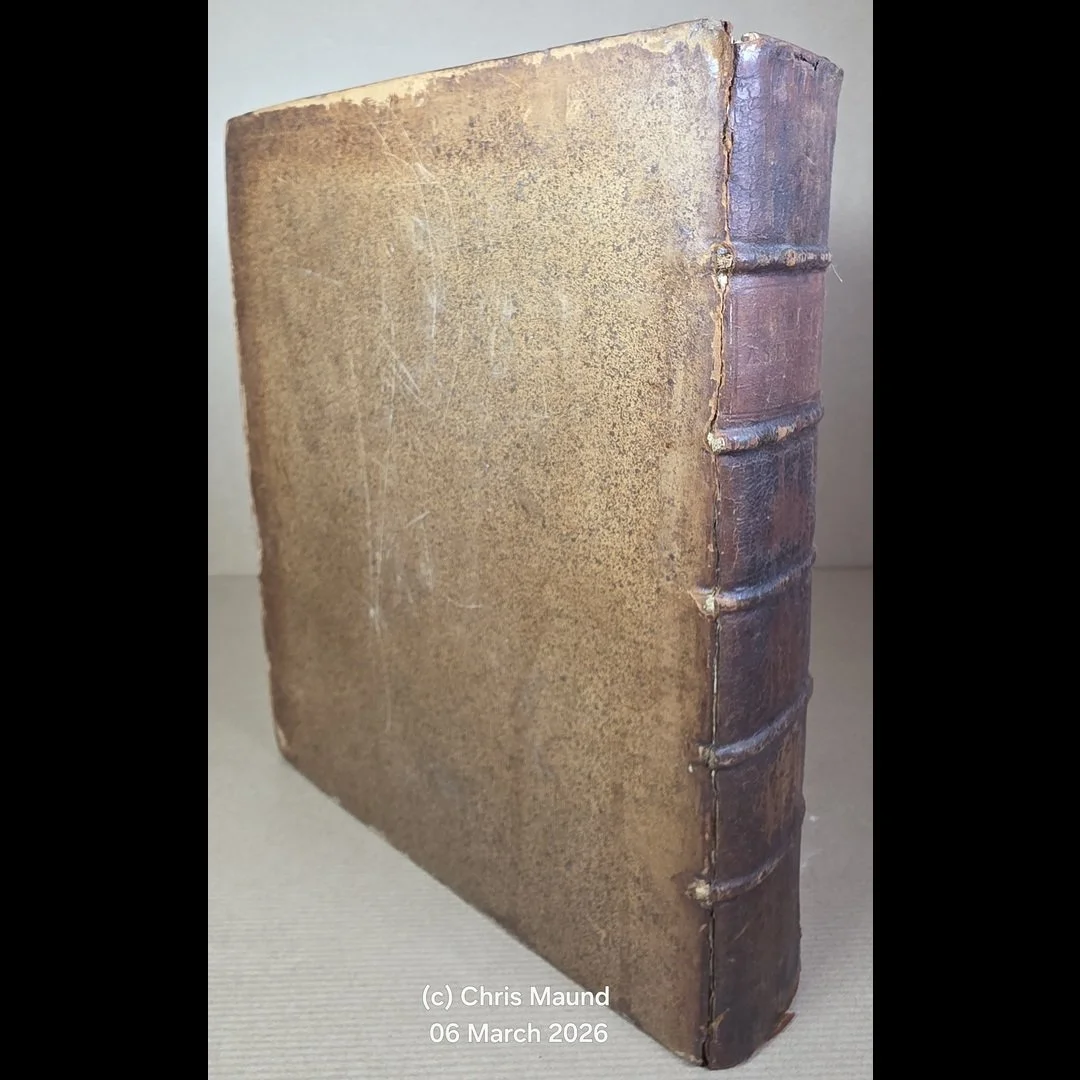
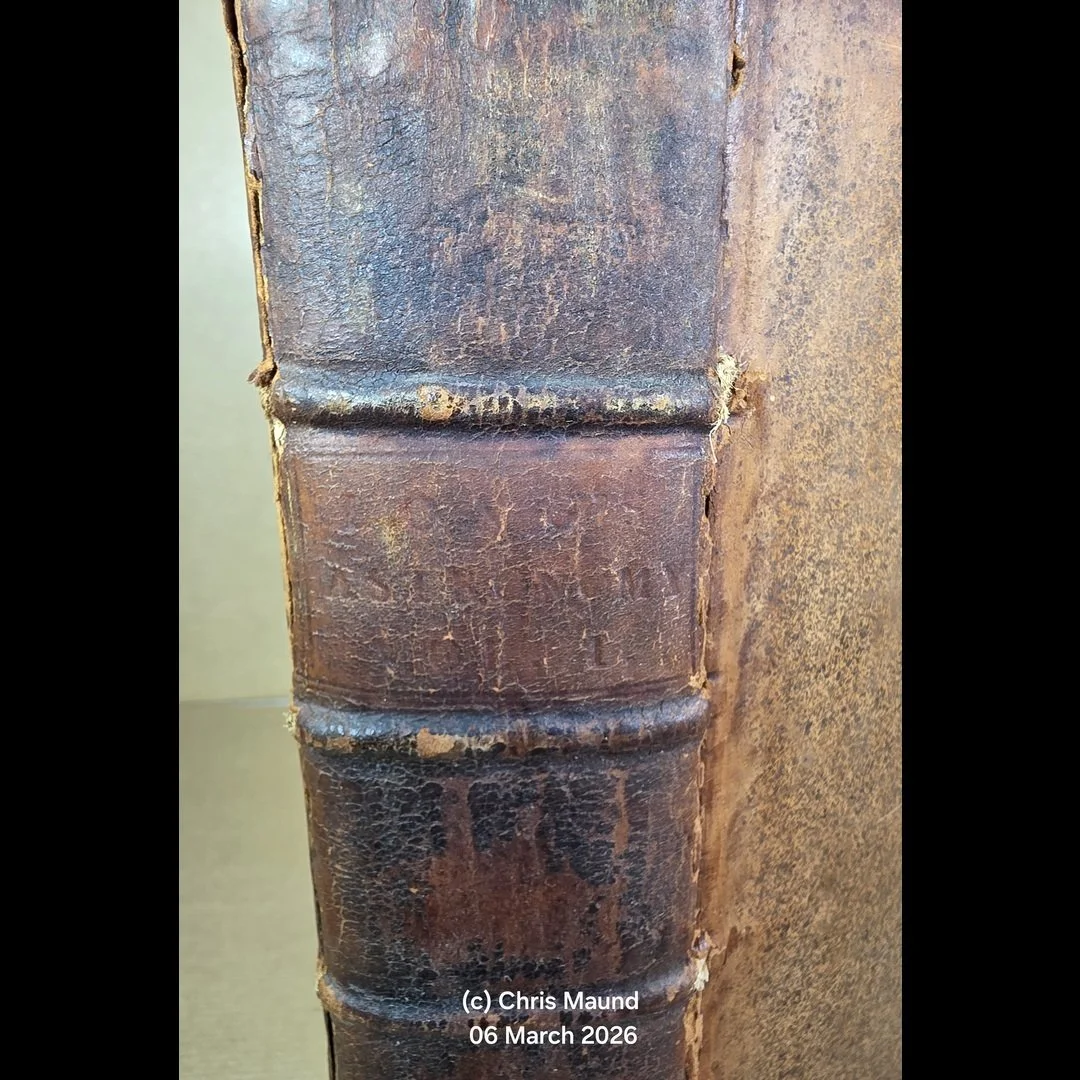
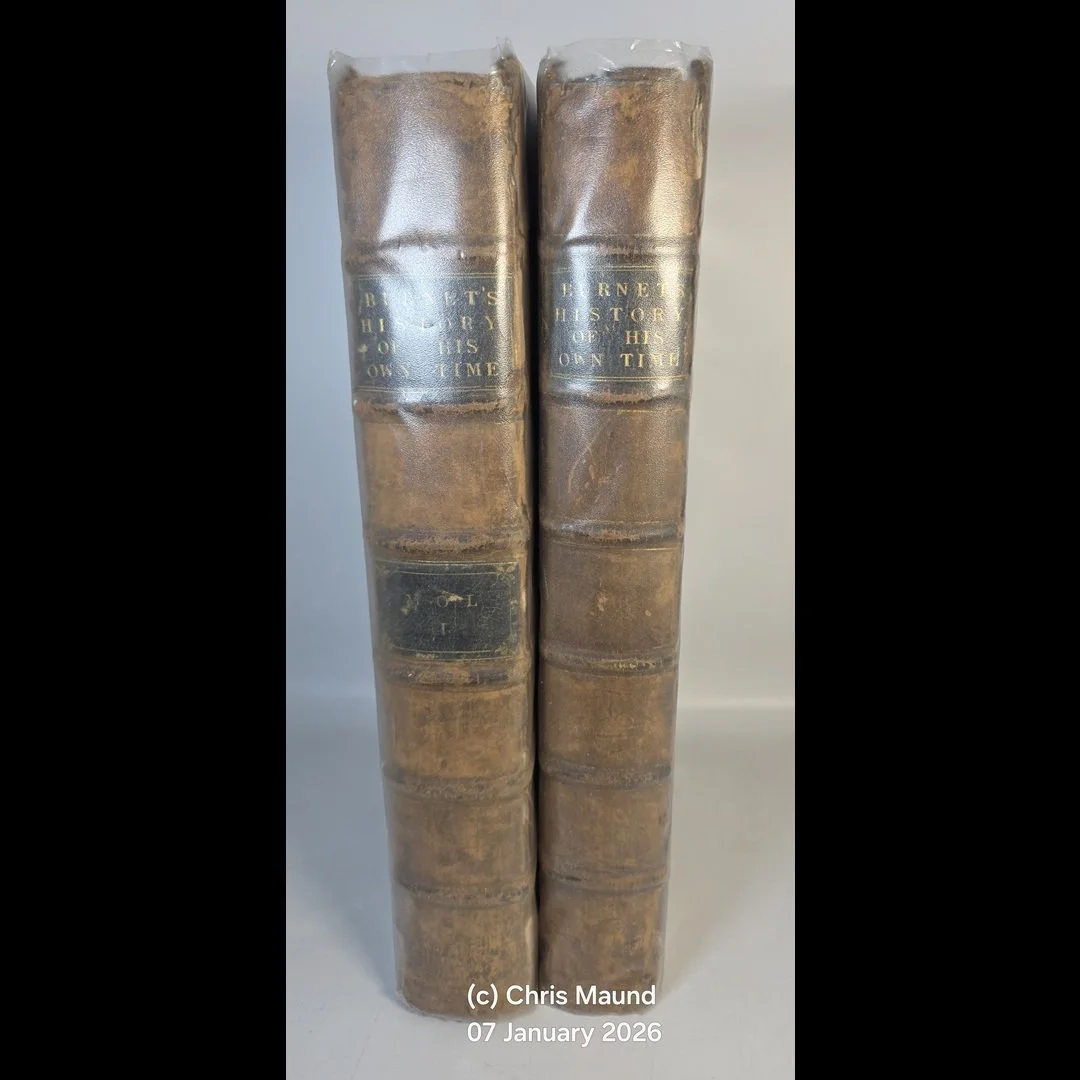
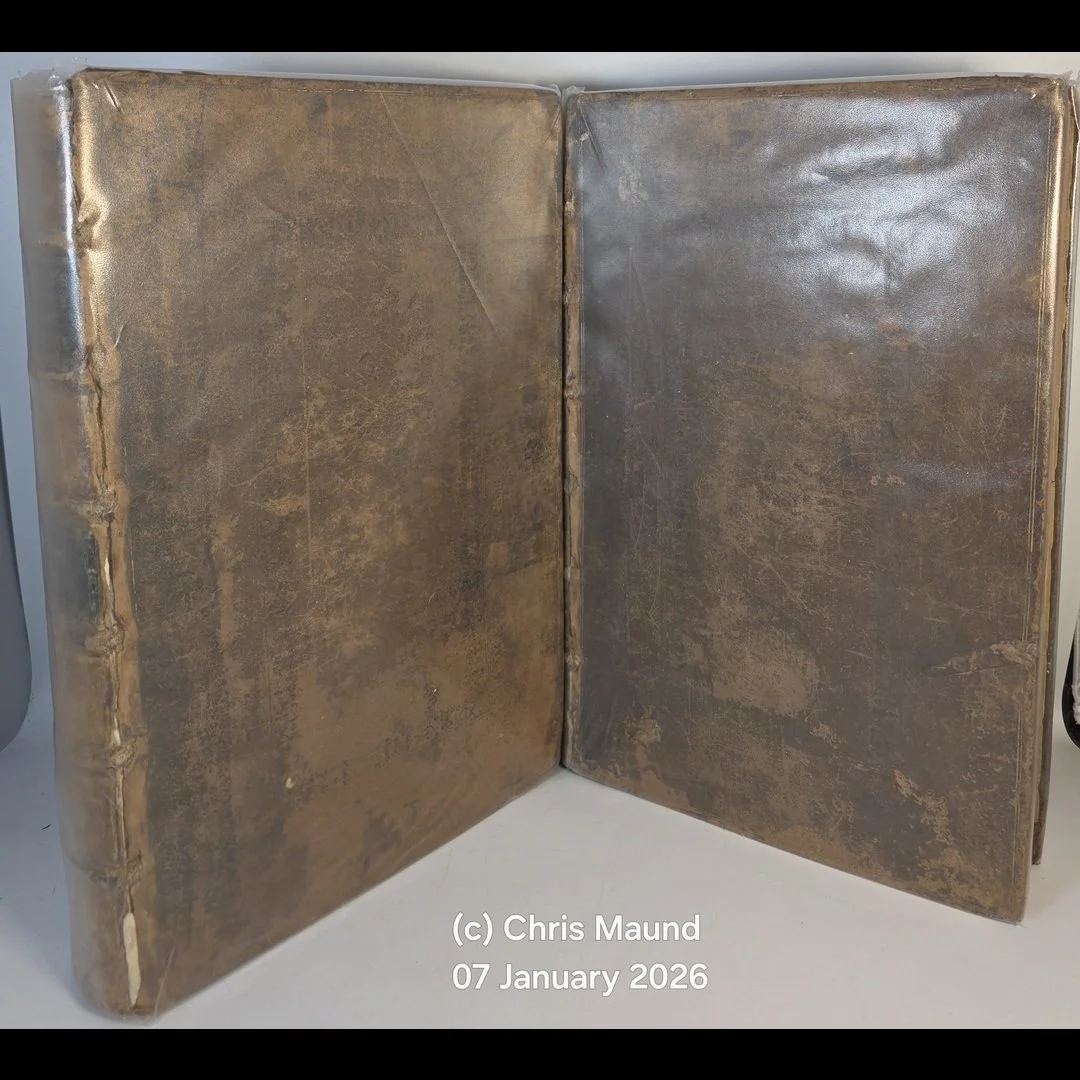
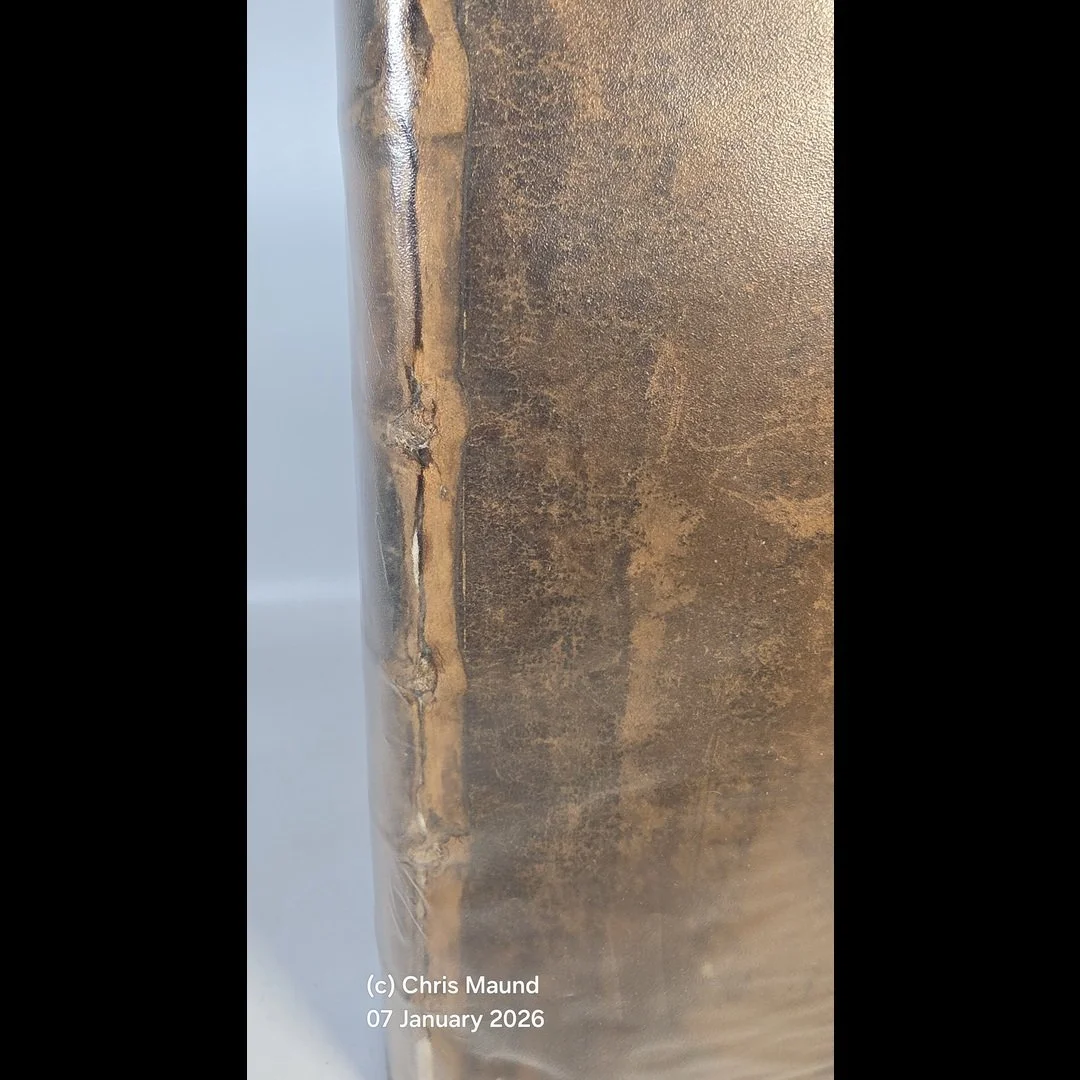
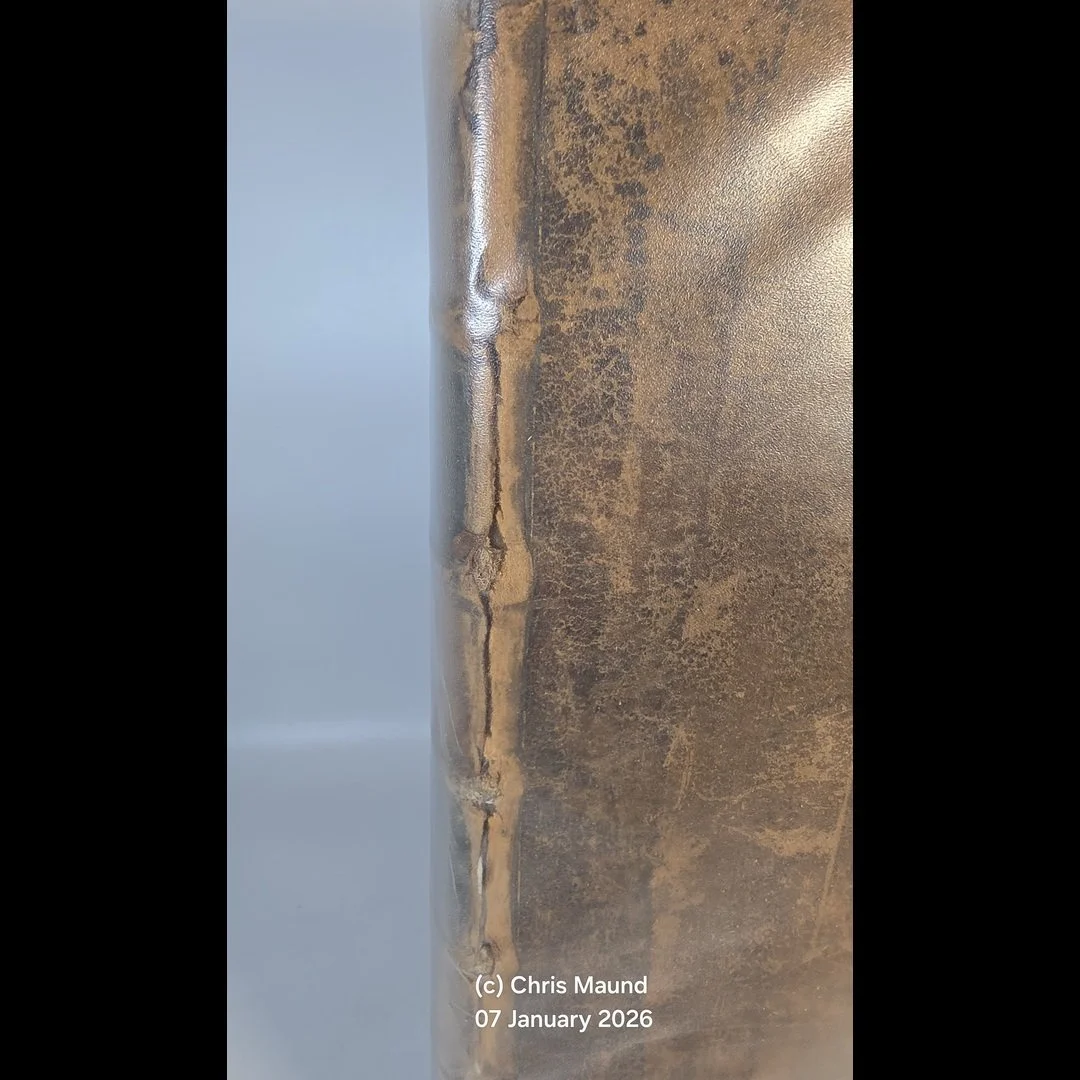
Bound in eighteenth-century calf with gilt border to the boards, marbled endpapers and red edges. The binding is now defective, with both boards detached and substantial loss of the spine leather, but the text block remains sound and the three constituent works are internally notably well preserved. An appealing association volume whose succession of ownership mirrors the long antiquarian interest in the religious controversies represented by its contents.
PROVENANCE
Captain J.-G. Michiels, eighteenth-century naval captain and bibliophile, with his engraved maritime ex-libris by Louis-Joseph Fruytiers and ownership stamp “Captn: Michiels.”
Jean-François / Jan Frans Van de Velde (1743–1823), theologian, bibliographer, librarian of the University of Louvain and major Belgian bibliophile, with manuscript ownership inscription “J. F. Vandevelde.”
Subsequently The Law Society, with armorial bookplate.
Both Michiels and Van de Velde are independently recorded among former owners represented in the library of the Rev. Joseph Mendham (1769–1856). Mendham assembled an important collection devoted particularly to the Reformation, Roman Catholic controversy and the Council of Trent, which subsequently passed to the Law Society. The present volume is consequently very probably from the Mendham Collection, although its precise catalogue entry has not yet been conclusively identified.
CONDITION, COLLATION & COPY NOTES
Internally Very Good, binding defective.
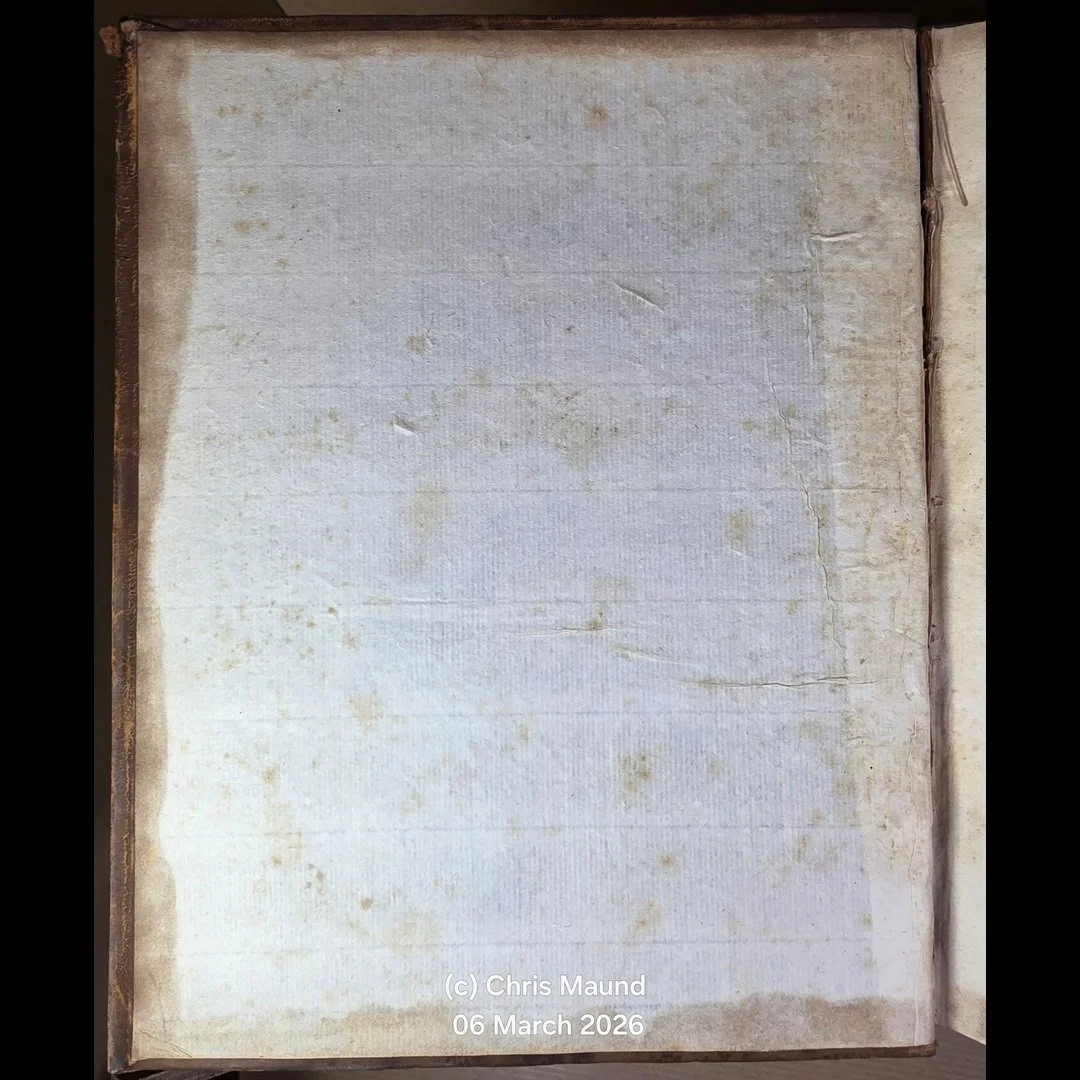
Eighteenth-century full calf over boards, covers with gilt decorative border, marbled pastedowns and endpapers, and red edges. Both boards detached. Substantial loss of the spine leather, exposing the raised bands and underlying sewing structure. Remaining calf rubbed and worn, particularly at the extremities, consistent with age and prolonged use. Despite the binding defects, the text block remains substantially sound.
Internally notably well preserved. Leaves generally clean and crisp with good margins, occasional age-toning, scattered light spotting and isolated handling marks. Printing remains strong and legible throughout.
The preliminary leaf bears early manuscript contents notes followed by the ownership inscription “J. F. Vandevelde.”
The title pages bear the old manuscript number “657”, together with Captain Michiels’s characteristic “Captn: Michiels” ownership stamp. Further old pencil shelf, catalogue or accession numbers occur to the endpapers.
The pastedown bears the distinctive engraved maritime ex-libris of Captain J.-G. Michiels, engraved by Louis-Joseph Fruytiers, depicting a sailing vessel beneath the motto “MEDIO TUTISSIMUS IBIS.”
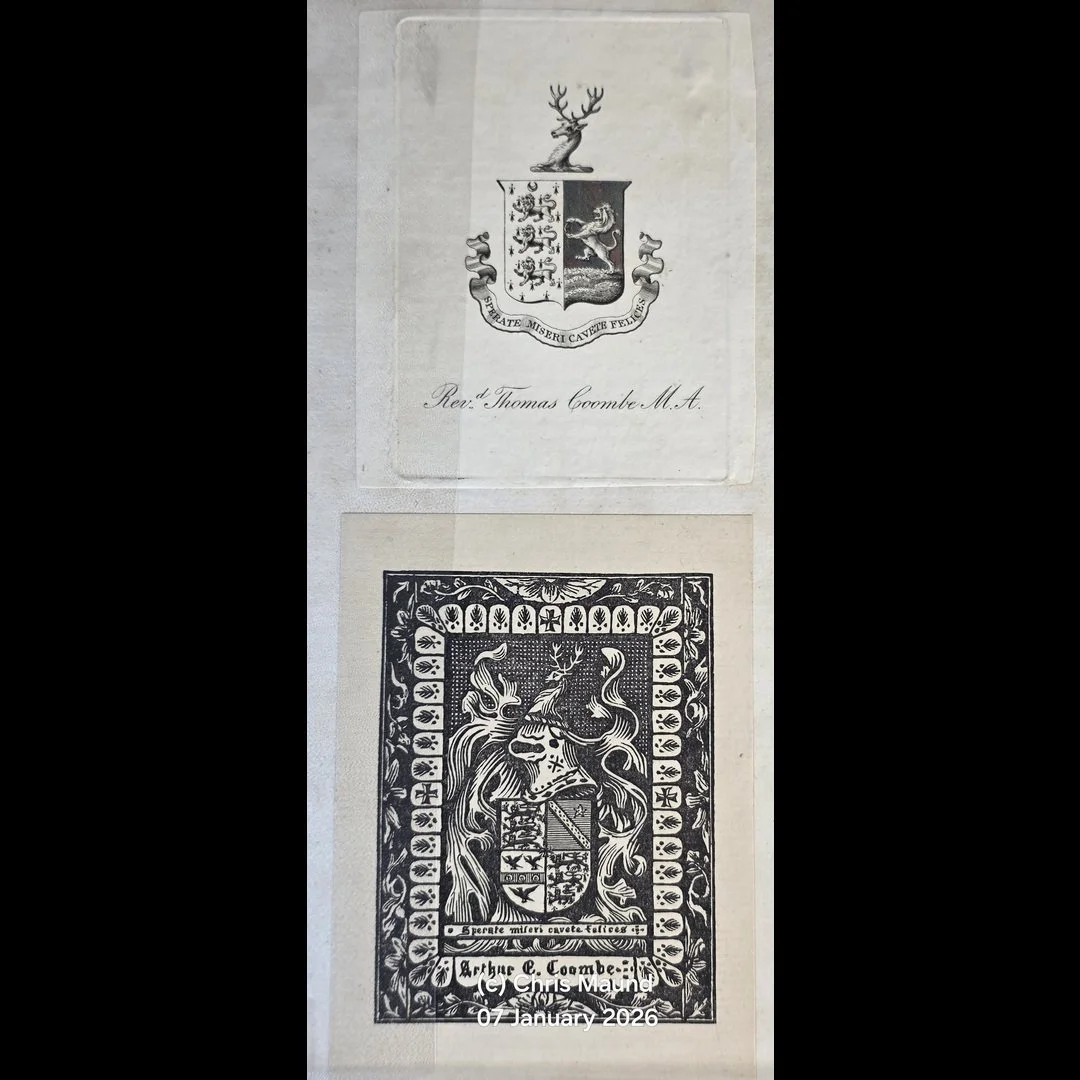
Also with the armorial bookplate of The Law Society.
A bibliographically and historically attractive copy, with the binding defects offset by unusually strong eighteenth- and nineteenth-century collector provenance and well-preserved internal contents.
Please see Photos as part of condition report.
REFERENCES
VD16 B 8341 — Claude Briton, De vera Ecclesiae constituendae ratione
VD16 C 1402 — Georg Cassander, De sacra communione Christiani populi in utraque panis & vini specie
Folger Shakespeare Library — copy of the 1564 Dilucida explicatio, acquired from Maggs Bros., Catalogue 876, item 89, 1961
Mendham Collection, Law Society — bibliographical and provenance context
Van de Velde sale catalogue, 1831–1832 — collection context
SYNOPSIS
This volume brings together three works published in 1564, only months after the Council of Trent formally concluded in December 1563, and provides an unusually concentrated view of the religious and political disputes left unresolved by the Council.
The anonymous Dilucida explicatio explains and defends the refusal of the Protestant Electors, Princes and Imperial Estates adhering to the Augsburg Confession to attend or recognise the Council convened at Trent under Pope Pius IV. It presents the Council as partisan and insufficiently constituted to settle the disputes dividing Christendom, and articulates the political and theological objections of the Protestant estates of the Holy Roman Empire.
Claude Briton’s De vera Ecclesiae constituendae ratione, addressed directly to the Fathers assembled at Trent, considers the principles upon which the true Church should be constituted and reformed. Bound immediately after the Protestant rejection of the Council, it shifts the volume from criticism of Trent to the wider question of how ecclesiastical unity and authority might properly be reconstructed.
The final work, Georg Cassander’s De sacra communione Christiani populi in utraque panis & vini specie, addresses one of the most contentious sacramental questions of the Reformation: whether the laity should receive the Eucharist under both kinds, bread and wine.
Cassander argued that Communion in both kinds had strong authority in the ancient Church and that permitting the practice could provide a legitimate concession capable of reducing confessional division. The work exemplifies his broader attempt to reconcile Catholic and Protestant Christians through appeal to scripture, patristic tradition and the practices of early Christianity.
Taken together, the three texts form a striking post-Tridentine theological dossier: Protestant rejection of the Council, consideration of the proper constitution of the Church, and a practical proposal for religious reconciliation.
The volume is further distinguished by its ownership history through Captain J.-G. Michiels and Jean-François Van de Velde, followed by its presence in the Law Society collection and probable association with the celebrated library of Joseph Mendham.
A scarce and historically resonant sixteenth-century sammelband for collectors of the Reformation and Counter-Reformation, the Council of Trent, Catholic-Protestant controversy, Georg Cassander, sixteenth-century theology and distinguished bibliophile provenance.
AUTHOR BIO
The first work, Dilucida explicatio, is anonymous and represents a Protestant defence of the refusal of the Electors, Princes and Imperial Estates adhering to the Augsburg Confession to recognise or participate in the Council of Trent.
Claude Briton, sometimes styled Briton or Britonius Aeduus, was a sixteenth-century ecclesiastical writer whose De vera Ecclesiae constituendae ratione addresses the Fathers of the Council of Trent on the proper constitution and reform of the Christian Church. The work belongs directly to the intense debate concerning ecclesiastical authority and reform surrounding the final sessions of the Council.
Georg Cassander (1513–1566) was a Flemish Catholic theologian, humanist and one of the most notable advocates of Christian reconciliation during the Reformation. Seeking common ground between Catholics and Protestants through scripture, the Church Fathers and the practices of early Christianity, he attracted the attention of Emperor Ferdinand I, who hoped that his moderate theology might contribute to a settlement of the confessional divisions within the Holy Roman Empire.
Cassander rejected neither Catholicism nor the need for reform, instead arguing that many contemporary disputes could be resolved through a return to the consensus of the primitive Church. His conciliatory position placed him among the most distinctive figures of sixteenth-century Catholic humanism.
1564 Three-Work Reformation Sammelband
DILUCIDA EXPLICATO
By Anon/Claude Briton/Georg Cassander
KEY DETAILS
Condition: Very Good
Format: Hardcover, Octavo (Standard) (8vo 6 × 9 in 152 × 229 mm )
Note: Binding/size selection follows standard bibliographic conventions and is approximate; exact measurements may vary.
Published By: I. Dilucida explicatio, veraque demonstratio ob quas causas illustres Electores et Principes, caeterique ordines Imperii, Augustanae Confessionis…
[Dillingen: Sebald Mayer, attributed], 1564
II. Claude Briton, De vera Ecclesiae constituendae ratione, ad Patres in Concilio Tridentino
[Cologne: Maternus Cholinus], 1564
III. Georg Cassander, De sacra communione Christiani populi in utraque panis & vini specie
[Cologne: Gottfried Cervicornus?, alternatively attributed to the heirs of Arnold Birckmann], 1564, Germany, 1564
Language: Latin
Provenance: Captain J.-G. Michiels, eighteenth-century naval captain and bibliophile, with his engraved maritime ex-libris by Louis-Joseph Fruytiers and ownership stamp “Captn: Michiels.”
Collation: Three separately printed works bound together.
Dust Jacket: None, as issued, No Jacket
SKU: BTETM0002433
Shipping Info: Approximate Package Dimensions H: 12.5, L: 30, W: 25 (Units: cm), W: 2Kg
Tracked Shipping, Insurance Coverage as per Customer Request
DESCRIPTION
Dilucida Explicato
DILUCIDA EXPLICATIO, VERAQUE DEMONSTRATIO OB QUAS CAUSAS ILLUSTRES ELECTORES ET PRINCIPES…
DE VERA ECCLESIAE CONSTITUENDAE RATIONE, AD PATRES IN CONCILIO TRIDENTINO
By Claude Briton
DE SACRA COMMUNIONE CHRISTIANI POPULI IN UTRAQUE PANIS & VINI SPECIE
By Georg Cassander
A scarce and unusually coherent sixteenth-century theological sammelband bringing together three works published in 1564, immediately after the conclusion of the Council of Trent. Together they address three of the central controversies of the Reformation settlement: Protestant rejection of the authority and constitution of the Council of Trent, proposals for the reform and proper ordering of the Church, and Georg Cassander’s conciliatory argument for restoring Communion to the laity under both bread and wine.
The volume has particularly attractive bibliophile provenance. It bears the engraved maritime ex-libris and ownership stamp of the eighteenth-century collector Captain J.-G. Michiels, followed by the manuscript ownership inscription “J. F. Vandevelde”, identifiable with the theologian, librarian and major Belgian bibliophile Jean-François / Jan Frans Van de Velde (1743–1823). Both collectors are independently recorded among earlier owners represented in the celebrated library of the Rev. Joseph Mendham, whose collection was particularly rich in Reformation, Roman Catholic and Council of Trent material and subsequently passed to the Law Society. The present volume bears the Law Society armorial bookplate; an origin in the Mendham Collection is therefore highly probable, although its precise Mendham catalogue entry has not yet been identified.
Bound in eighteenth-century calf with gilt border to the boards, marbled endpapers and red edges. The binding is now defective, with both boards detached and substantial loss of the spine leather, but the text block remains sound and the three constituent works are internally notably well preserved. An appealing association volume whose succession of ownership mirrors the long antiquarian interest in the religious controversies represented by its contents.
PROVENANCE
Captain J.-G. Michiels, eighteenth-century naval captain and bibliophile, with his engraved maritime ex-libris by Louis-Joseph Fruytiers and ownership stamp “Captn: Michiels.”
Jean-François / Jan Frans Van de Velde (1743–1823), theologian, bibliographer, librarian of the University of Louvain and major Belgian bibliophile, with manuscript ownership inscription “J. F. Vandevelde.”
Subsequently The Law Society, with armorial bookplate.
Both Michiels and Van de Velde are independently recorded among former owners represented in the library of the Rev. Joseph Mendham (1769–1856). Mendham assembled an important collection devoted particularly to the Reformation, Roman Catholic controversy and the Council of Trent, which subsequently passed to the Law Society. The present volume is consequently very probably from the Mendham Collection, although its precise catalogue entry has not yet been conclusively identified.
CONDITION, COLLATION & COPY NOTES
Internally Very Good, binding defective.
Eighteenth-century full calf over boards, covers with gilt decorative border, marbled pastedowns and endpapers, and red edges. Both boards detached. Substantial loss of the spine leather, exposing the raised bands and underlying sewing structure. Remaining calf rubbed and worn, particularly at the extremities, consistent with age and prolonged use. Despite the binding defects, the text block remains substantially sound.
Internally notably well preserved. Leaves generally clean and crisp with good margins, occasional age-toning, scattered light spotting and isolated handling marks. Printing remains strong and legible throughout.
The preliminary leaf bears early manuscript contents notes followed by the ownership inscription “J. F. Vandevelde.”
The title pages bear the old manuscript number “657”, together with Captain Michiels’s characteristic “Captn: Michiels” ownership stamp. Further old pencil shelf, catalogue or accession numbers occur to the endpapers.
The pastedown bears the distinctive engraved maritime ex-libris of Captain J.-G. Michiels, engraved by Louis-Joseph Fruytiers, depicting a sailing vessel beneath the motto “MEDIO TUTISSIMUS IBIS.”
Also with the armorial bookplate of The Law Society.
A bibliographically and historically attractive copy, with the binding defects offset by unusually strong eighteenth- and nineteenth-century collector provenance and well-preserved internal contents.
Please see Photos as part of condition report.
REFERENCES
VD16 B 8341 — Claude Briton, De vera Ecclesiae constituendae ratione
VD16 C 1402 — Georg Cassander, De sacra communione Christiani populi in utraque panis & vini specie
Folger Shakespeare Library — copy of the 1564 Dilucida explicatio, acquired from Maggs Bros., Catalogue 876, item 89, 1961
Mendham Collection, Law Society — bibliographical and provenance context
Van de Velde sale catalogue, 1831–1832 — collection context
SYNOPSIS
This volume brings together three works published in 1564, only months after the Council of Trent formally concluded in December 1563, and provides an unusually concentrated view of the religious and political disputes left unresolved by the Council.
The anonymous Dilucida explicatio explains and defends the refusal of the Protestant Electors, Princes and Imperial Estates adhering to the Augsburg Confession to attend or recognise the Council convened at Trent under Pope Pius IV. It presents the Council as partisan and insufficiently constituted to settle the disputes dividing Christendom, and articulates the political and theological objections of the Protestant estates of the Holy Roman Empire.
Claude Briton’s De vera Ecclesiae constituendae ratione, addressed directly to the Fathers assembled at Trent, considers the principles upon which the true Church should be constituted and reformed. Bound immediately after the Protestant rejection of the Council, it shifts the volume from criticism of Trent to the wider question of how ecclesiastical unity and authority might properly be reconstructed.
The final work, Georg Cassander’s De sacra communione Christiani populi in utraque panis & vini specie, addresses one of the most contentious sacramental questions of the Reformation: whether the laity should receive the Eucharist under both kinds, bread and wine.
Cassander argued that Communion in both kinds had strong authority in the ancient Church and that permitting the practice could provide a legitimate concession capable of reducing confessional division. The work exemplifies his broader attempt to reconcile Catholic and Protestant Christians through appeal to scripture, patristic tradition and the practices of early Christianity.
Taken together, the three texts form a striking post-Tridentine theological dossier: Protestant rejection of the Council, consideration of the proper constitution of the Church, and a practical proposal for religious reconciliation.
The volume is further distinguished by its ownership history through Captain J.-G. Michiels and Jean-François Van de Velde, followed by its presence in the Law Society collection and probable association with the celebrated library of Joseph Mendham.
A scarce and historically resonant sixteenth-century sammelband for collectors of the Reformation and Counter-Reformation, the Council of Trent, Catholic-Protestant controversy, Georg Cassander, sixteenth-century theology and distinguished bibliophile provenance.
AUTHOR BIO
The first work, Dilucida explicatio, is anonymous and represents a Protestant defence of the refusal of the Electors, Princes and Imperial Estates adhering to the Augsburg Confession to recognise or participate in the Council of Trent.
Claude Briton, sometimes styled Briton or Britonius Aeduus, was a sixteenth-century ecclesiastical writer whose De vera Ecclesiae constituendae ratione addresses the Fathers of the Council of Trent on the proper constitution and reform of the Christian Church. The work belongs directly to the intense debate concerning ecclesiastical authority and reform surrounding the final sessions of the Council.
Georg Cassander (1513–1566) was a Flemish Catholic theologian, humanist and one of the most notable advocates of Christian reconciliation during the Reformation. Seeking common ground between Catholics and Protestants through scripture, the Church Fathers and the practices of early Christianity, he attracted the attention of Emperor Ferdinand I, who hoped that his moderate theology might contribute to a settlement of the confessional divisions within the Holy Roman Empire.
Cassander rejected neither Catholicism nor the need for reform, instead arguing that many contemporary disputes could be resolved through a return to the consensus of the primitive Church. His conciliatory position placed him among the most distinctive figures of sixteenth-century Catholic humanism.

 Image 1 of 17
 Image 2 of 17
 Image 3 of 17
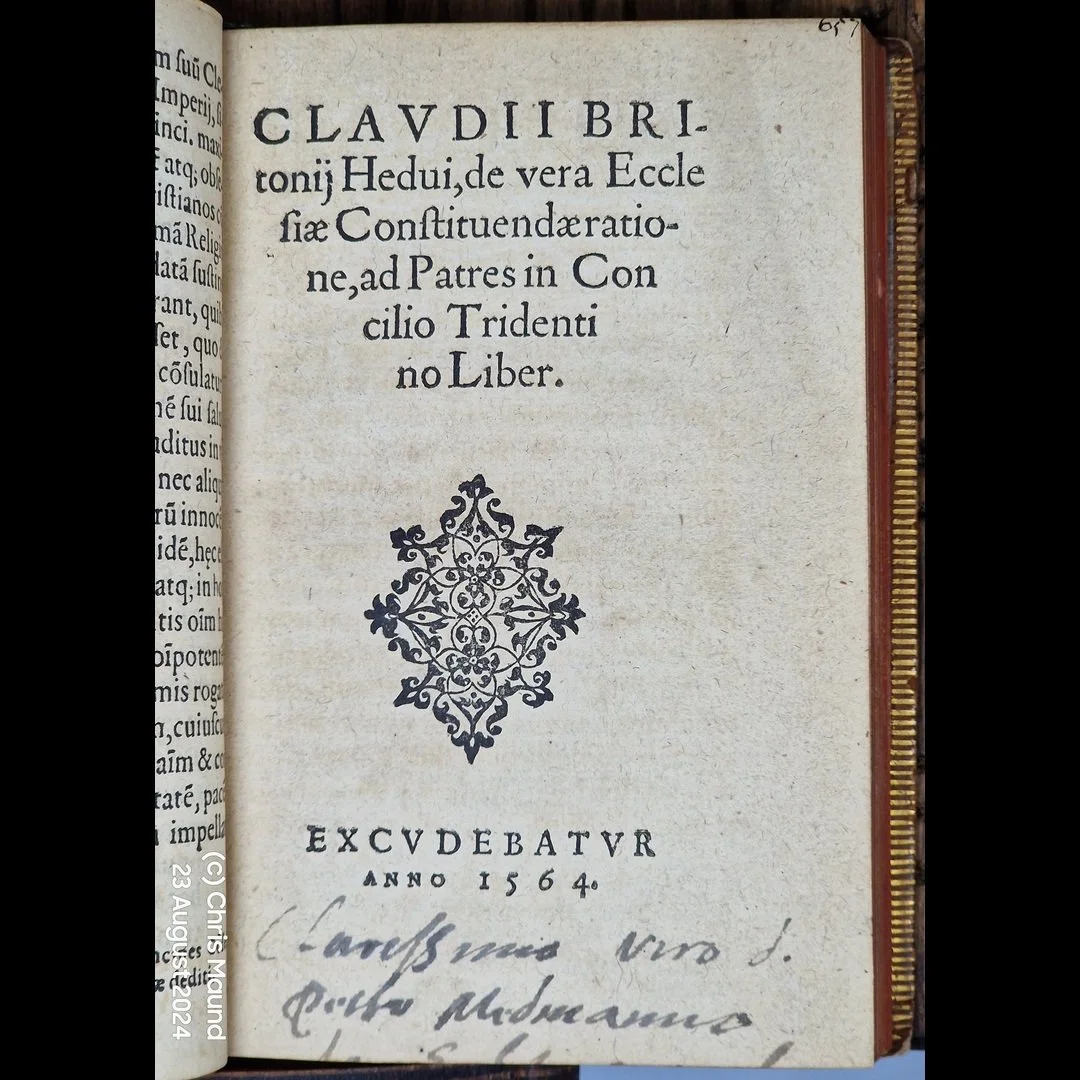 Image 4 of 17
 Image 5 of 17
 Image 6 of 17
 Image 7 of 17
 Image 8 of 17
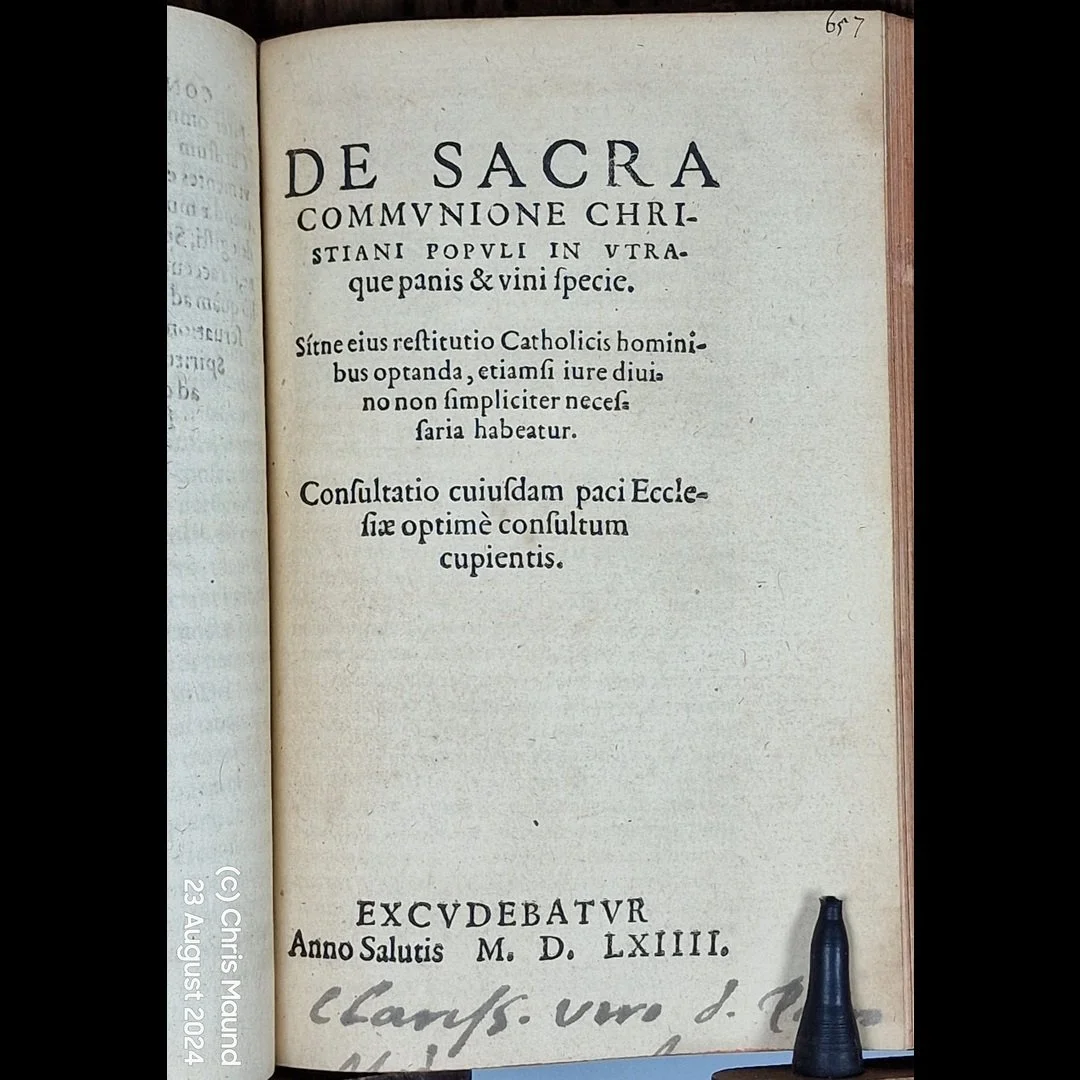 Image 9 of 17
 Image 10 of 17
 Image 11 of 17
 Image 12 of 17
 Image 13 of 17
 Image 14 of 17
 Image 15 of 17
 Image 16 of 17
 Image 17 of 17
![1707 With Provenance THE HISTORY OF THE REBELLION AND CIVIL WARS IN ENGLAND [THREE VOLS] By Edward, Earl of Clarendon](https://images.squarespace-cdn.com/content/v1/634dab4938c13d5c1f88d382/c9f91097-854c-46d0-afcd-4601b9eff8aa/20241014_224316-10.jpg)






![1610 Geneva Edtn NATALIS COMITIS MYTHOLOGIAE & DE VENATIONE By Natale Conti [Natalis Comes]](https://images.squarespace-cdn.com/content/v1/634dab4938c13d5c1f88d382/352f5479-6802-481e-9fc0-df5e6992e920/20240816_115507-2.jpg)