1729 PIRATED EDITION WITH ADDENDA 1st Printing With Provenance
THE DUNCIAD, VARIORUM
By Alexander Pope
KEY DETAILS
Condition: Very Good
Format: Hardcover, Octavo (Standard) (8vo 6 × 9 in 152 × 229 mm )
Note: Binding/size selection follows standard bibliographic conventions and is approximate; exact measurements may vary.
Published By: Printed for A. Dob [piratical imprint],, London, 1729
Language: English
Illustrated By: Anonymous
Provenance: Joseph Tasker (1797–1861), Middleton Hall, Essex
Collation: [2], xxxvii, [3], 80, xxx, [8] pp.
Dust Jacket: None, as issued, No Jacket
SKU: BTETM0002438
Shipping Info: Approximate Package Dimensions H: 12.5, L: 30, W: 25 (Units: cm), W: 2Kg
Tracked Shipping, Insurance Coverage as per Customer Request
DESCRIPTION
The Dunciad, Variorum
Full Title:
The Dunciad, Variorum. With the Prolegomena of Scriblerus
By Alexander Pope
A fascinating contemporary piracy of one of the great satires of eighteenth-century English literature: Alexander Pope’s Dunciad Variorum, here in the 1729 “A. Dob” edition, complete with the separately printed “Addenda to the Octavo Edition of the Dunciad” leaf added by the pirates in response to criticism of their edition.
The authorised Dunciad Variorum appeared in London in 1729 under the imprint of A. Dod. Almost immediately, its text was pirated in octavo by a group associated with printer James Watson and booksellers Thomas Astley, John Clarke and John Stagg, who issued their edition under the strikingly similar imprint:
“London. Printed for A. Dob. 1729.”
Pope’s authorised publisher, Lawton Gilliver, subsequently took legal action against those responsible and publicly attacked the pirated edition for omitting additions that had appeared in the authorised octavo text.
The pirates responded in characteristic fashion: rather than reset the book, they printed the omitted material on a separate two-page Addenda leaf and inserted it into unsold copies of their edition.
The present copy retains this important leaf and therefore corresponds to the reissued state of the Watson piracy, ESTC T5547; Foxon P775; Griffith 217.
The engraved title page carries the celebrated satirical image of an ass laden with books beneath an owl, perfectly encapsulating Pope’s mock-heroic kingdom of Dulness.
With the distinctive engraved bookplate of the nineteenth-century bibliophile Joseph Tasker of Middleton Hall, Essex.
PROVENANCE
Joseph Tasker (1797–1861), Middleton Hall, Essex
With Tasker’s distinctive engraved bookplate to the front pastedown, incorporating a hedgehog within an oval belt and identifying him with Middleton Hall, Essex and London.
Tasker was a nineteenth-century businessman, investment banker and bibliophile whose substantial library was dispersed following his death.
His bookplate is documented in major institutional provenance collections, and books formerly belonging to Tasker can be traced in institutional and important private collections.
His library was dispersed through nineteenth-century auction sales, including sales held in 1862 and 1868.
A particularly appropriate provenance for a work so closely connected with the history of books, publishers and collectors.
CONDITION, COLLATION & COPY NOTES
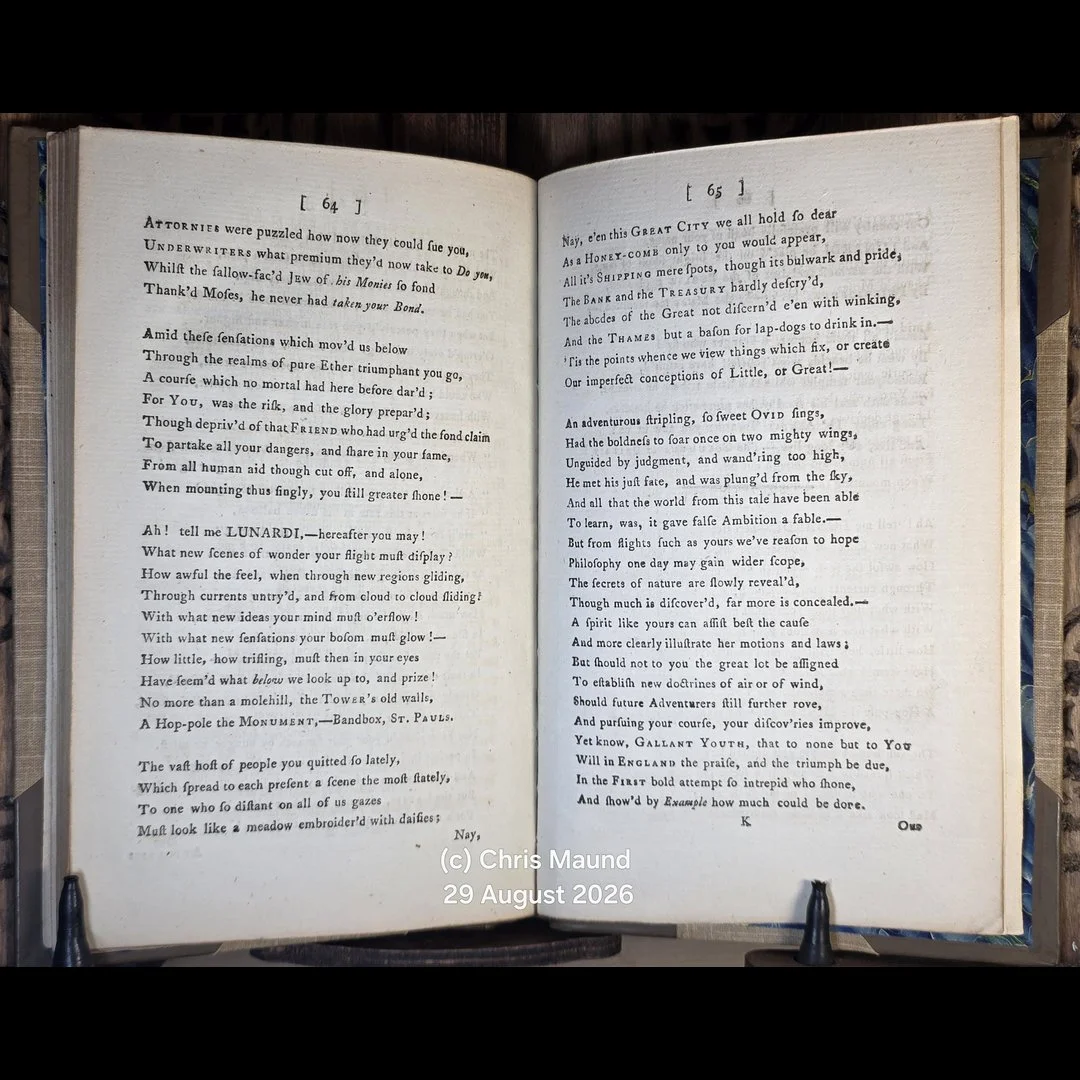
A sound and attractive copy of this scarce contemporary piracy, complete with the separately printed Addenda leaf.
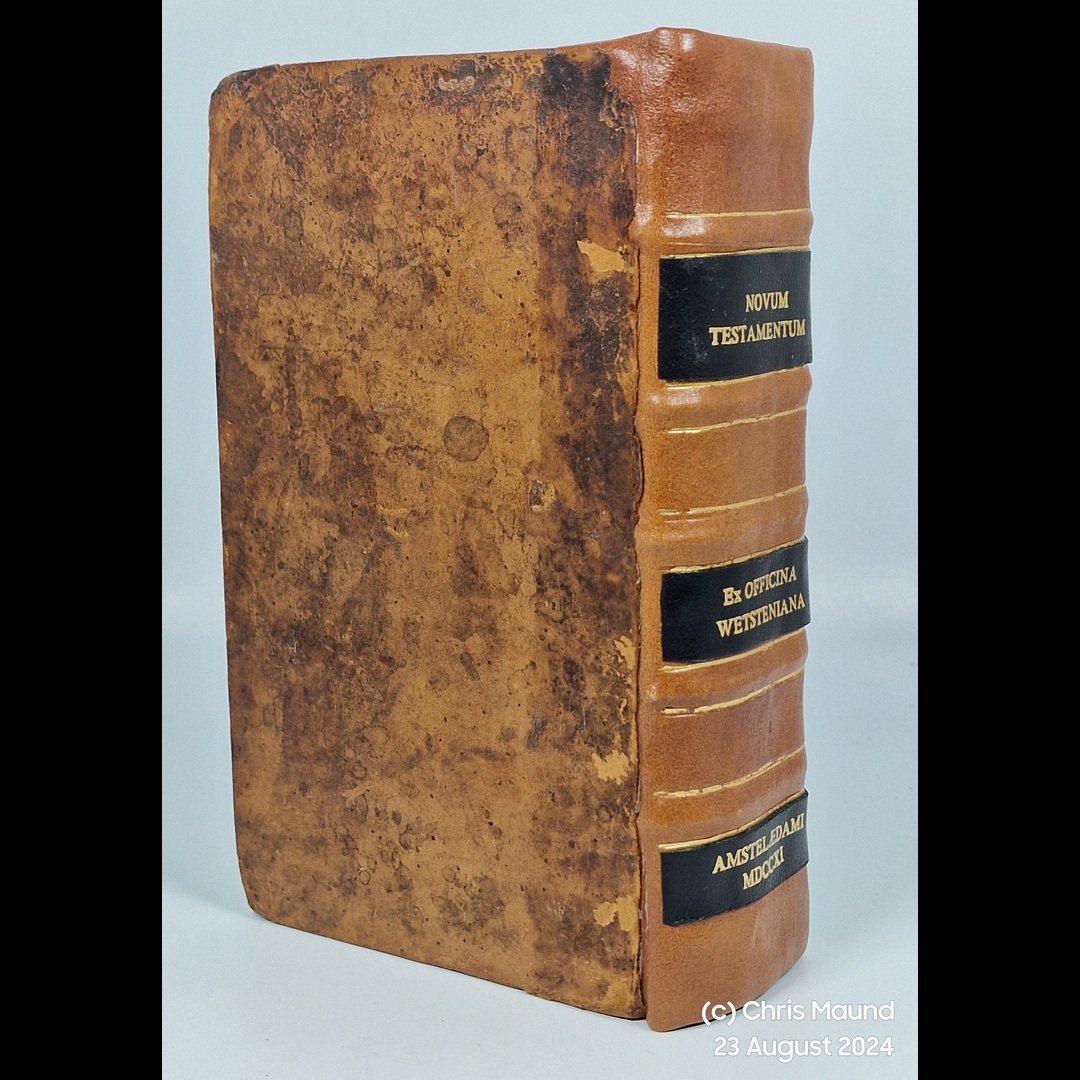
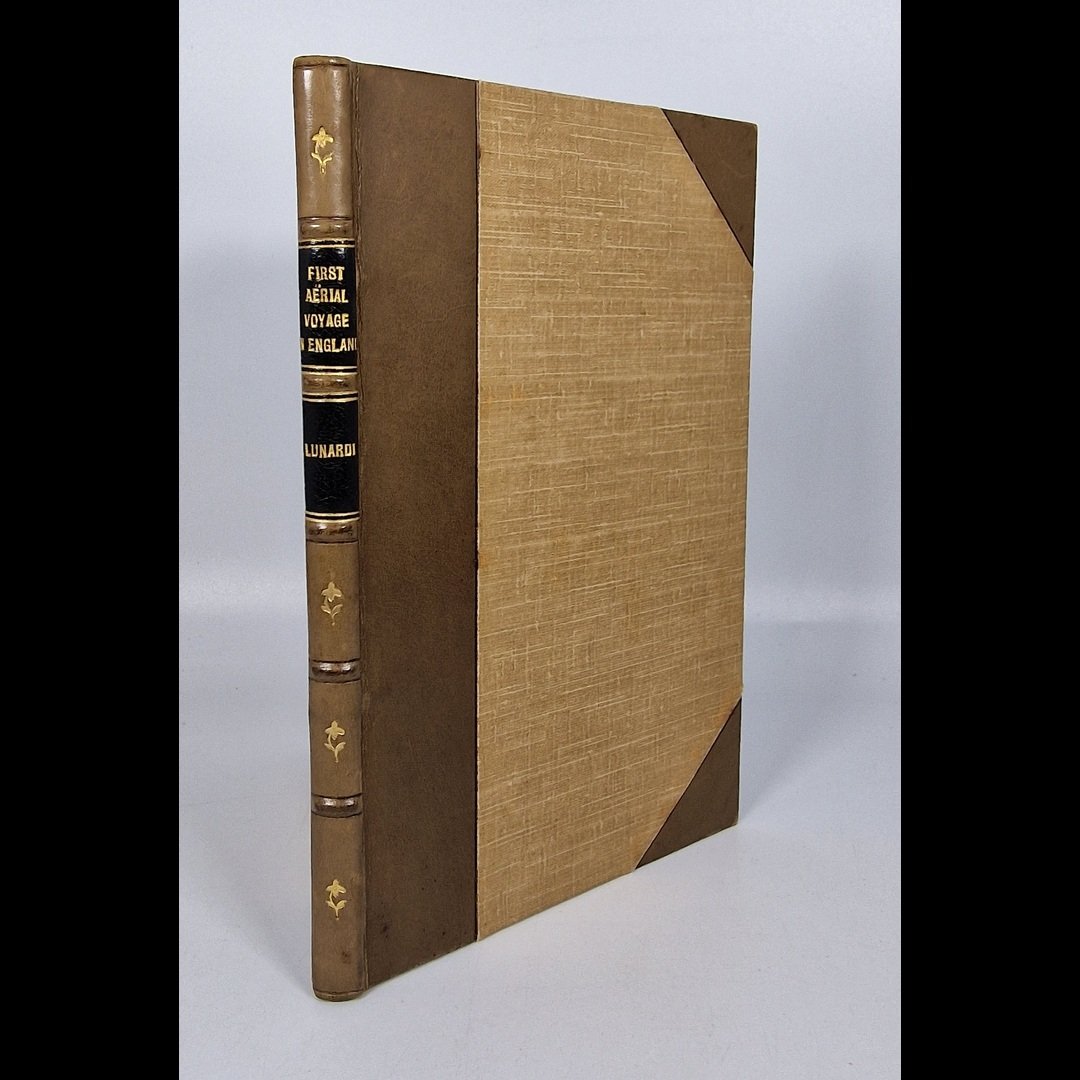
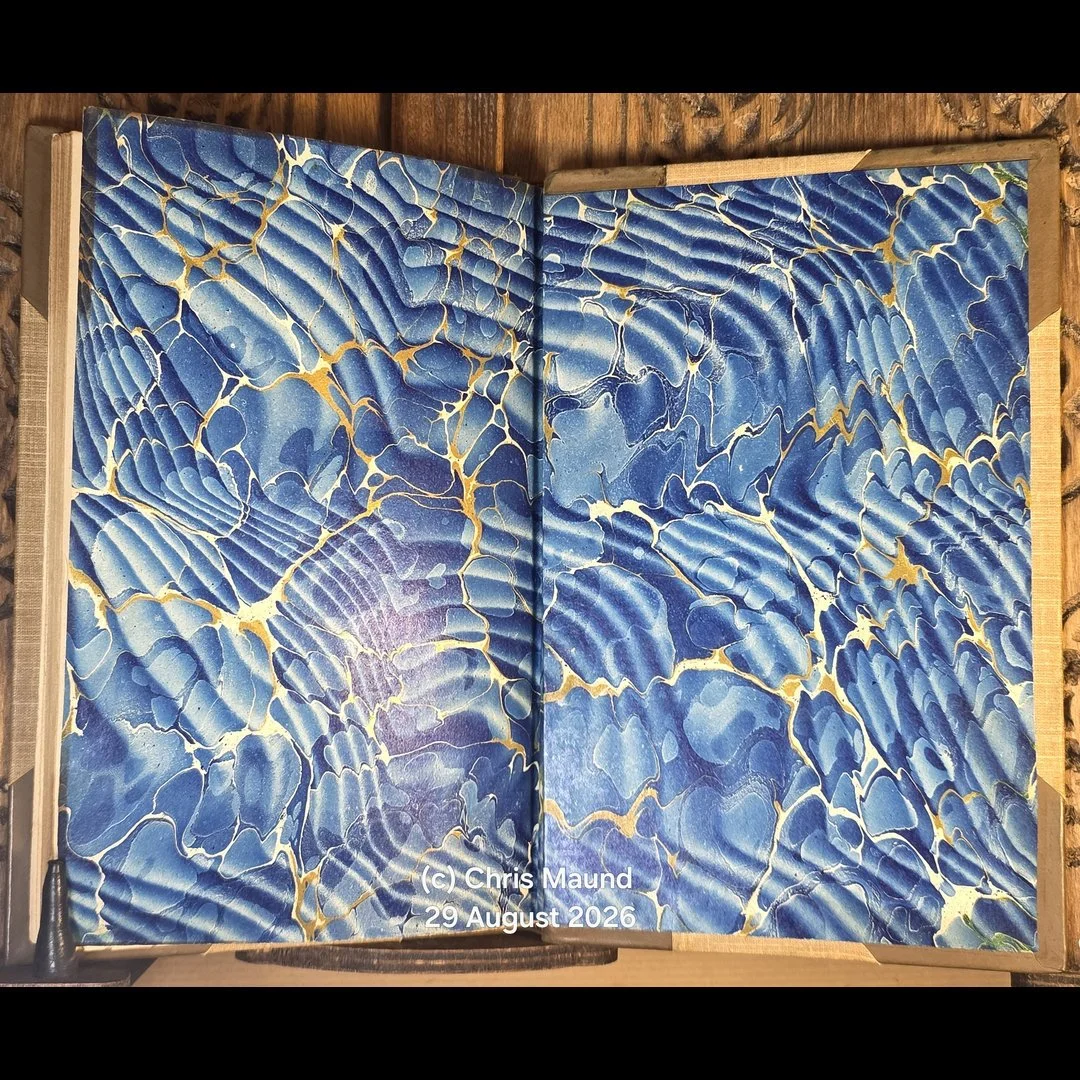
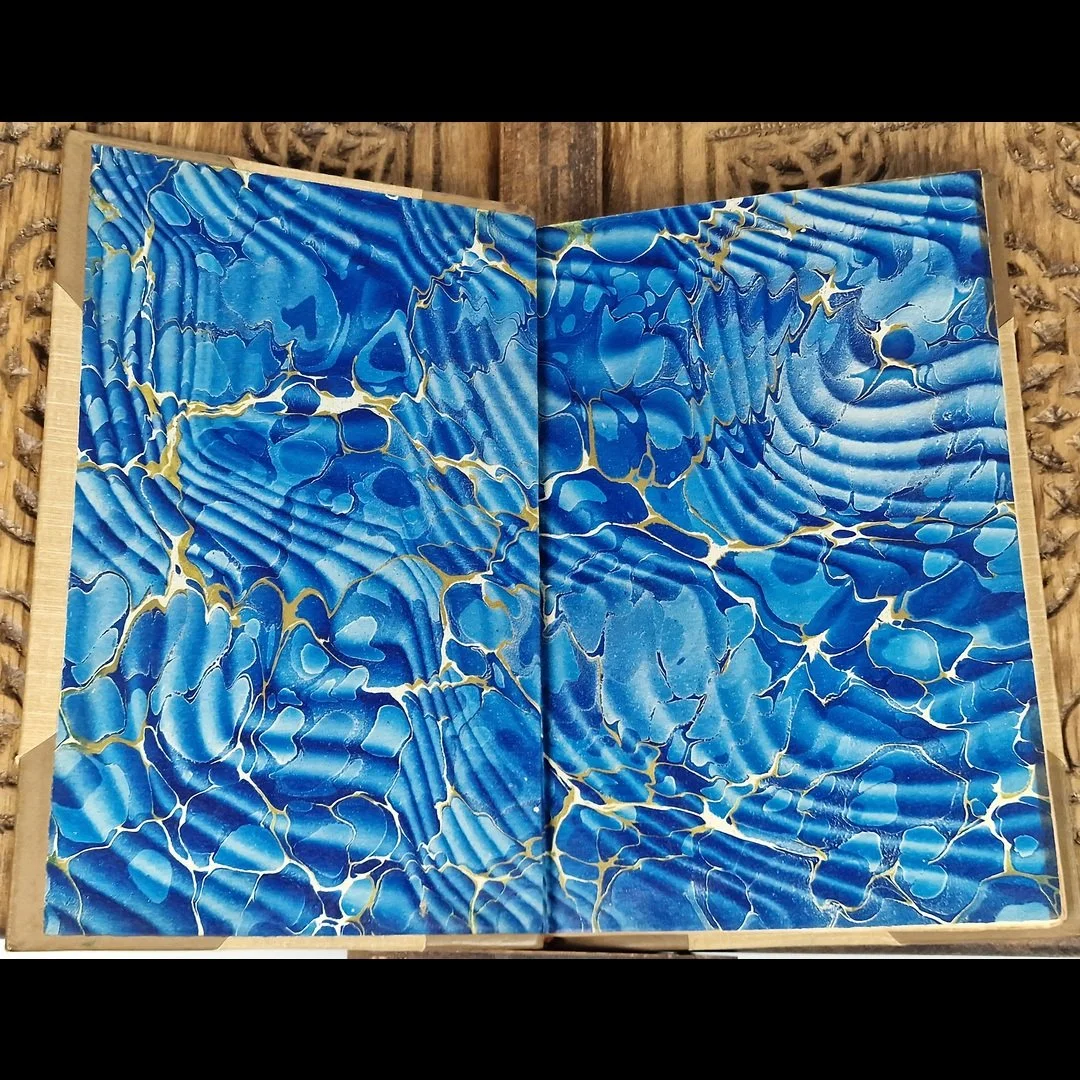
Later nineteenth-century half calf over marbled boards. Binding rubbed and worn consistent with age and use, with wear to the leather, boards and extremities.
Front free endpaper wanting. The front pastedown carries the engraved bookplate of Joseph Tasker, Middleton Hall, Essex and London, featuring his distinctive hedgehog device.
Engraved title page present, with the celebrated vignette of the book-laden ass and owl. Title toned and spotted, with several old paper repairs, and closely trimmed at the fore-edge with slight encroachment upon the outermost lettering.
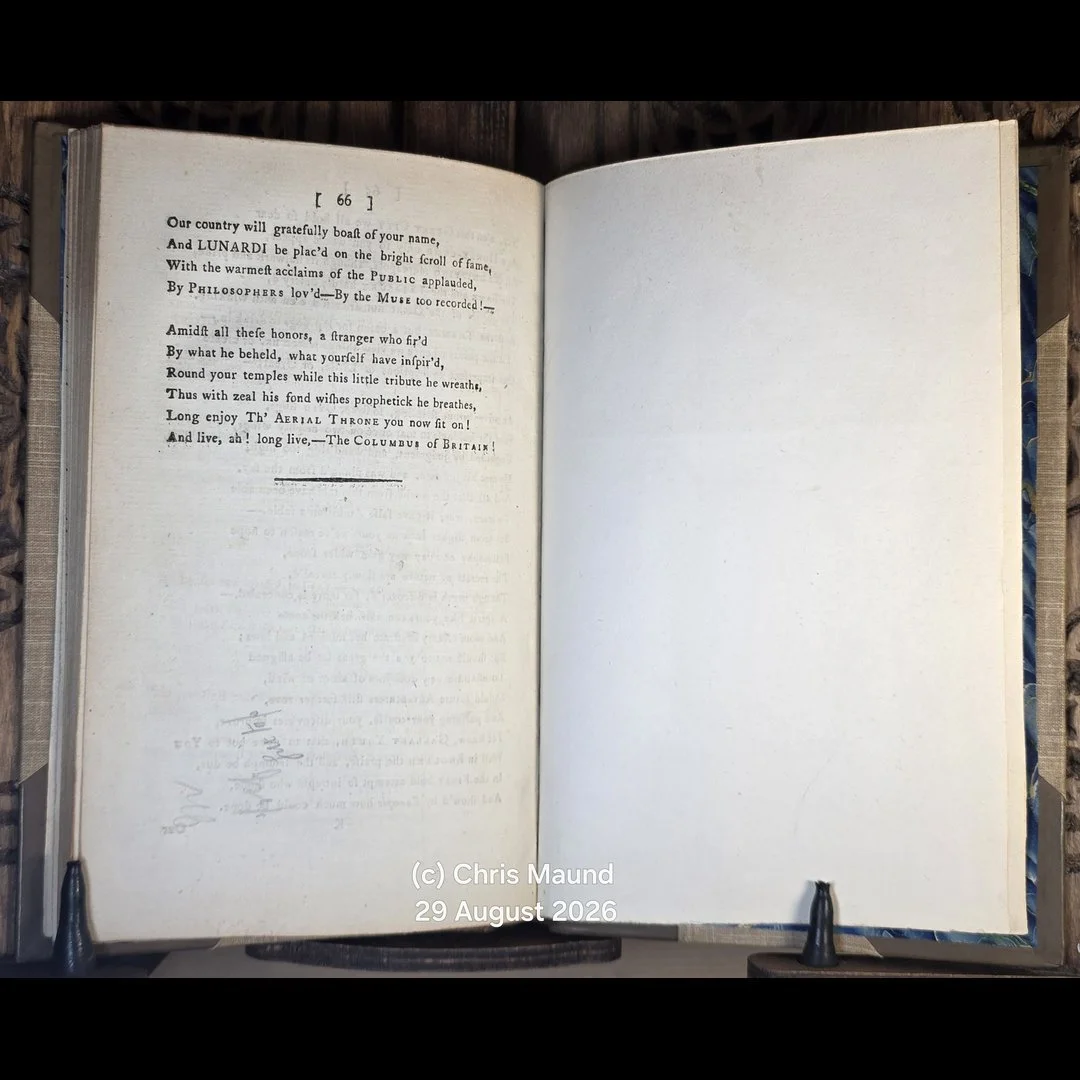
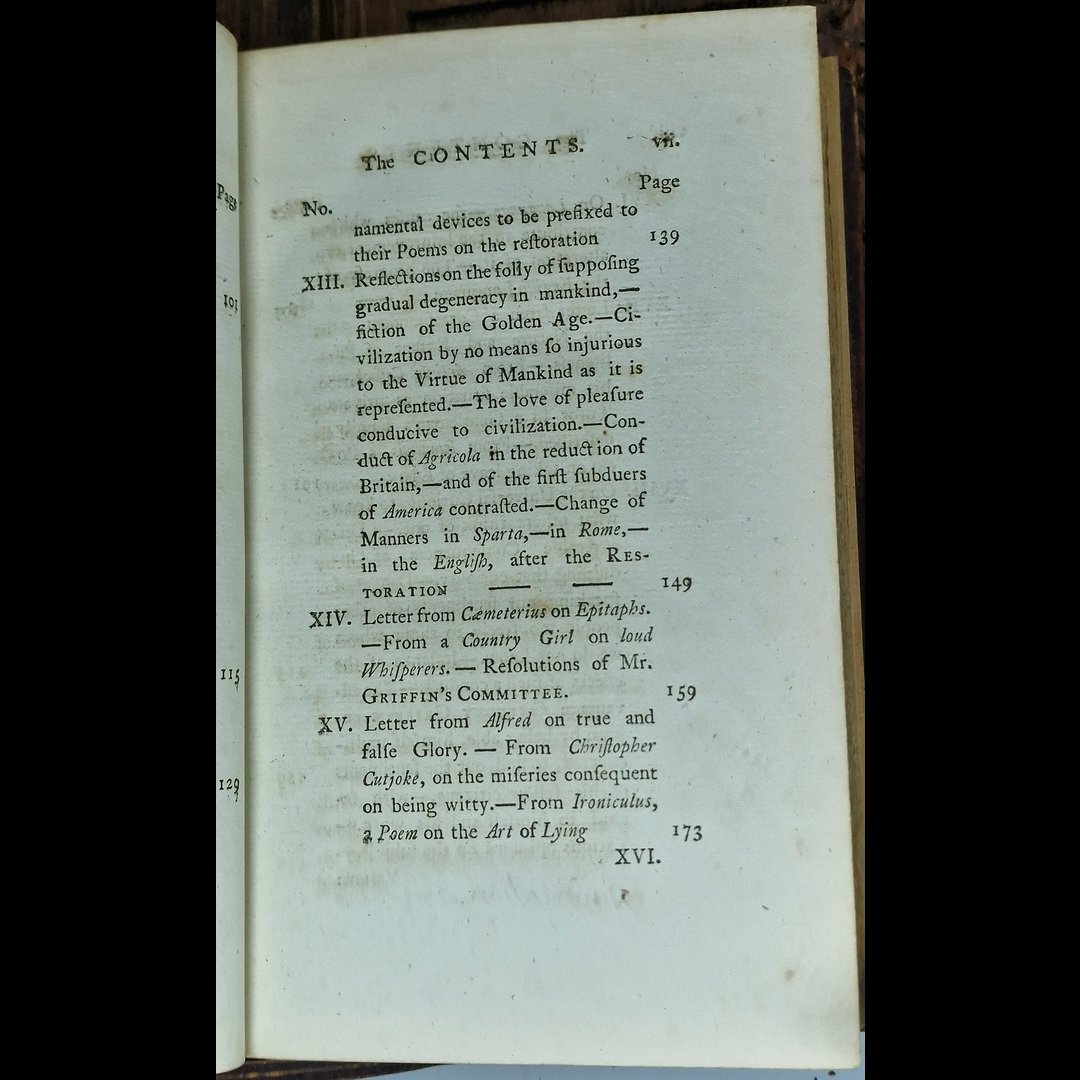
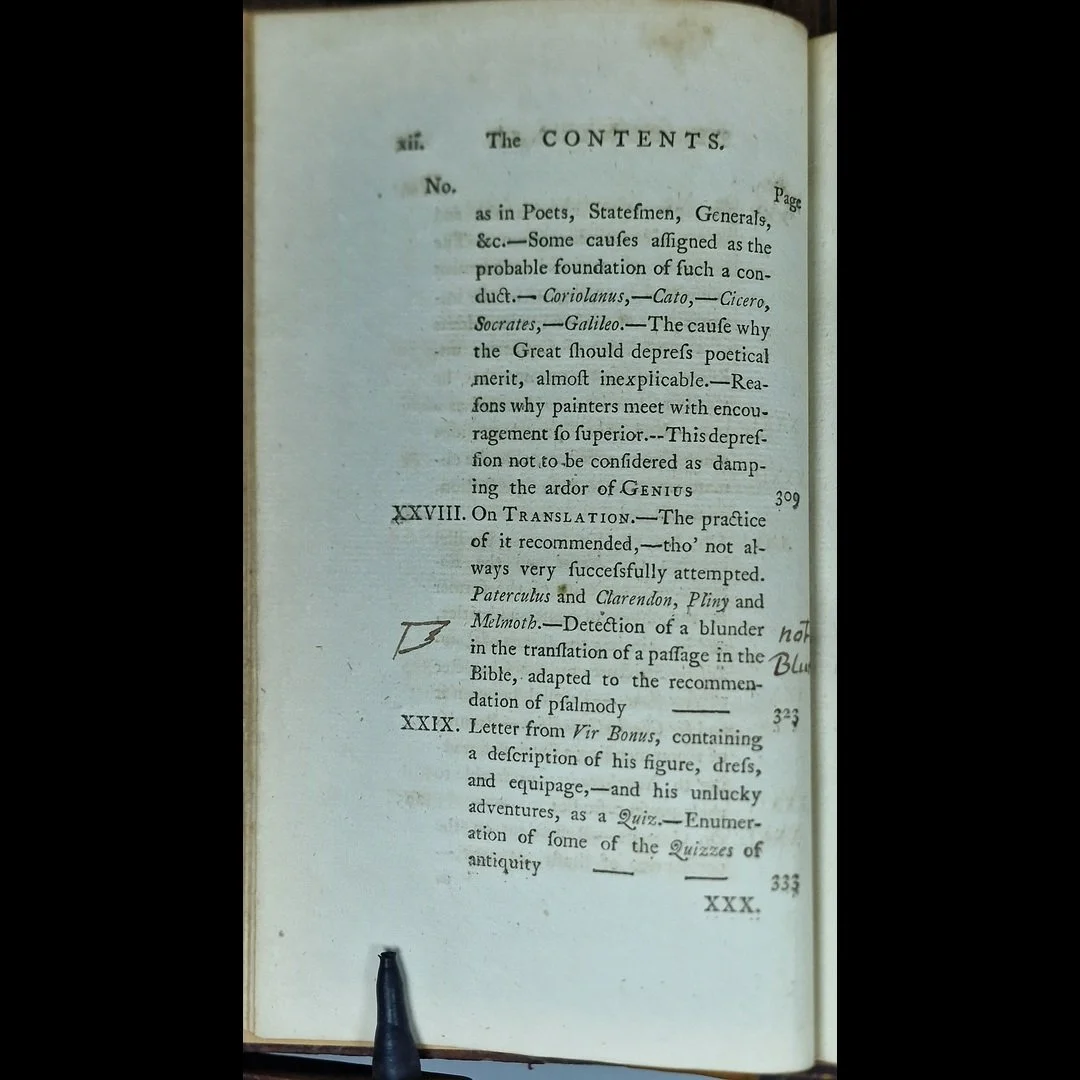
Internally the text is generally clean, strongly printed and readily legible, with expected age-toning, occasional spotting and handling marks, several neat old paper repairs, and areas of light damp-staining, including a more noticeable pale stain towards the latter portion of the volume.
The text has been physically checked and includes the three terminal Index leaves comprising six unnumbered pages, followed by the separately printed two-page leaf:
“Addenda to the Octavo Edition of the Dunciad.”
Complete.
BIBLIOGRAPHICAL NOTE:
The publication history of Pope’s Dunciad is notoriously complex and reflects the intensely competitive world of the early eighteenth-century London book trade.
The genuine Dunciad Variorum appeared in quarto in 1729 and was distributed under the imprint of A. Dod. The present edition, bearing the deliberately or suspiciously similar imprint “A. Dob”, was an unauthorised octavo reprint associated with printer James Watson and booksellers Thomas Astley, John Clarke and John Stagg.
The piracy was initially issued without certain additions found in Pope’s authorised octavo edition.
Lawton Gilliver, Pope’s publisher, publicly drew attention to those omissions while also bringing proceedings against the men responsible for the piracy.
The pirates answered Gilliver’s criticism by printing the omitted material separately on a single leaf headed:
“Addenda to the Octavo Edition of the Dunciad”
and inserting it into copies of the existing edition.
Copies without the Addenda constitute the earlier issue:
ESTC T5546
Foxon P774
Griffith 216
The present copy contains the Addenda leaf and is therefore the subsequent reissue:
ESTC T5547
Foxon P775
Griffith 217
The distinction is bibliographically significant. This is not an incomplete example of the earlier piracy but a complete copy of the revised issue produced by the pirates themselves in direct response to the authorised publisher’s criticism.
The episode provides an unusually vivid physical record of eighteenth-century literary piracy, commercial rivalry and the speed with which competing printers reacted to changes in the marketplace.
Please see Photos as part of condition report.
REFERENCES
ESTC T5547
Foxon P775
David F. Foxon, English Verse 1701–1750
Griffith 217
R. H. Griffith, Alexander Pope: A Bibliography
Earlier issue without the inserted Addenda leaf:
ESTC T5546
Foxon P774
Griffith 216
SYNOPSIS
The Dunciad is Alexander Pope’s great mock-heroic satire upon literary mediocrity, bad criticism, commercial publishing and what he perceived as the declining intellectual standards of eighteenth-century Britain.
At the centre of the poem is Dulness, personified as a goddess presiding over stupidity, bad taste and cultural decay.
Instead of the warriors and kings of classical epic, Pope populates his poem with hack writers, booksellers, critics, publishers and assorted members of the London literary world.
The conventions of Homer and Virgil are deliberately inverted. Petty literary quarrels become heroic contests, incompetent writers assume epic stature, and the business of publishing becomes the setting for an apocalyptic struggle between learning and Dulness.
In the three-book version represented here, the Shakespearean scholar Lewis Theobald serves as Dulness’s chosen hero. Theobald had incurred Pope’s hostility through his criticism of Pope’s edition of Shakespeare. He was later replaced by the actor and Poet Laureate Colley Cibber when Pope substantially revised the work as The Dunciad in Four Books in 1743.
The Variorum form greatly expands the satire.
Pope surrounds his poem with prefatory material, supposed scholarly testimonies, annotations, indexes, commentary and the Prolegomena of Scriblerus. The resulting apparatus simultaneously imitates and mocks the conventions of learned textual scholarship.
Real quotations sit beside parody, hostile reviews are incorporated into Pope’s own satire, and the distinction between scholarly annotation and literary attack is deliberately blurred.
The result is more than a poem: it is an elaborate satire upon the entire machinery of authorship, criticism and publication.
The history of this particular copy adds yet another layer of irony.
A work attacking the opportunistic world of Grub Street and commercial publishing was itself immediately pirated. When Pope’s authorised publisher complained that the pirates had omitted new material, they simply printed an additional leaf and inserted it into their remaining copies.
The present volume preserves precisely that response.
An important and highly evocative survival from the world of Alexander Pope, Grub Street, eighteenth-century literary piracy and the London book trade.
AUTHOR BIO
Alexander Pope (1688–1744) was one of the defining English poets and satirists of the eighteenth century and among the greatest practitioners of the heroic couplet.
Precociously talented, Pope achieved early fame with An Essay on Criticism and The Rape of the Lock. His translations of Homer’s Iliad and Odyssey brought him both considerable financial independence and literary prestige.
Alongside Jonathan Swift, John Gay, John Arbuthnot and Thomas Parnell, Pope was associated with the Scriblerus Club, a group of writers who used the fictional scholar Martinus Scriblerus to parody pedantry, false learning and intellectual pretension.
Pope’s career was characterised by prolonged disputes with critics, publishers, rival writers and the inhabitants of what became collectively known as Grub Street.
Those conflicts found their greatest literary expression in The Dunciad.
First appearing anonymously in 1728 and subsequently enlarged and surrounded by an elaborate apparatus of mock scholarship, the poem developed into Pope’s great satirical vision of a culture threatened by bad writing, commercial opportunism and intellectual mediocrity.
Its complex and contentious printing history — including the contemporary piracy represented by the present volume — mirrors the literary world that Pope was satirising.
ILLUSTRATOR
Anonymous
The engraver of the title-page vignette is not identified.
The striking composition depicts an ass burdened with a pile of books beneath an owl, imagery intimately connected with Pope’s satirical kingdom of Dulness and one of the most recognisable visual motifs associated with the early editions of The Dunciad.
1729 PIRATED EDITION WITH ADDENDA 1st Printing With Provenance
THE DUNCIAD, VARIORUM
By Alexander Pope
KEY DETAILS
Condition: Very Good
Format: Hardcover, Octavo (Standard) (8vo 6 × 9 in 152 × 229 mm )
Note: Binding/size selection follows standard bibliographic conventions and is approximate; exact measurements may vary.
Published By: Printed for A. Dob [piratical imprint],, London, 1729
Language: English
Illustrated By: Anonymous
Provenance: Joseph Tasker (1797–1861), Middleton Hall, Essex
Collation: [2], xxxvii, [3], 80, xxx, [8] pp.
Dust Jacket: None, as issued, No Jacket
SKU: BTETM0002438
Shipping Info: Approximate Package Dimensions H: 12.5, L: 30, W: 25 (Units: cm), W: 2Kg
Tracked Shipping, Insurance Coverage as per Customer Request
DESCRIPTION
The Dunciad, Variorum
Full Title:
The Dunciad, Variorum. With the Prolegomena of Scriblerus
By Alexander Pope
A fascinating contemporary piracy of one of the great satires of eighteenth-century English literature: Alexander Pope’s Dunciad Variorum, here in the 1729 “A. Dob” edition, complete with the separately printed “Addenda to the Octavo Edition of the Dunciad” leaf added by the pirates in response to criticism of their edition.
The authorised Dunciad Variorum appeared in London in 1729 under the imprint of A. Dod. Almost immediately, its text was pirated in octavo by a group associated with printer James Watson and booksellers Thomas Astley, John Clarke and John Stagg, who issued their edition under the strikingly similar imprint:
“London. Printed for A. Dob. 1729.”
Pope’s authorised publisher, Lawton Gilliver, subsequently took legal action against those responsible and publicly attacked the pirated edition for omitting additions that had appeared in the authorised octavo text.
The pirates responded in characteristic fashion: rather than reset the book, they printed the omitted material on a separate two-page Addenda leaf and inserted it into unsold copies of their edition.
The present copy retains this important leaf and therefore corresponds to the reissued state of the Watson piracy, ESTC T5547; Foxon P775; Griffith 217.
The engraved title page carries the celebrated satirical image of an ass laden with books beneath an owl, perfectly encapsulating Pope’s mock-heroic kingdom of Dulness.
With the distinctive engraved bookplate of the nineteenth-century bibliophile Joseph Tasker of Middleton Hall, Essex.
PROVENANCE
Joseph Tasker (1797–1861), Middleton Hall, Essex
With Tasker’s distinctive engraved bookplate to the front pastedown, incorporating a hedgehog within an oval belt and identifying him with Middleton Hall, Essex and London.
Tasker was a nineteenth-century businessman, investment banker and bibliophile whose substantial library was dispersed following his death.
His bookplate is documented in major institutional provenance collections, and books formerly belonging to Tasker can be traced in institutional and important private collections.
His library was dispersed through nineteenth-century auction sales, including sales held in 1862 and 1868.
A particularly appropriate provenance for a work so closely connected with the history of books, publishers and collectors.
CONDITION, COLLATION & COPY NOTES
A sound and attractive copy of this scarce contemporary piracy, complete with the separately printed Addenda leaf.
Later nineteenth-century half calf over marbled boards. Binding rubbed and worn consistent with age and use, with wear to the leather, boards and extremities.
Front free endpaper wanting. The front pastedown carries the engraved bookplate of Joseph Tasker, Middleton Hall, Essex and London, featuring his distinctive hedgehog device.
Engraved title page present, with the celebrated vignette of the book-laden ass and owl. Title toned and spotted, with several old paper repairs, and closely trimmed at the fore-edge with slight encroachment upon the outermost lettering.
Internally the text is generally clean, strongly printed and readily legible, with expected age-toning, occasional spotting and handling marks, several neat old paper repairs, and areas of light damp-staining, including a more noticeable pale stain towards the latter portion of the volume.
The text has been physically checked and includes the three terminal Index leaves comprising six unnumbered pages, followed by the separately printed two-page leaf:
“Addenda to the Octavo Edition of the Dunciad.”
Complete.
BIBLIOGRAPHICAL NOTE:
The publication history of Pope’s Dunciad is notoriously complex and reflects the intensely competitive world of the early eighteenth-century London book trade.
The genuine Dunciad Variorum appeared in quarto in 1729 and was distributed under the imprint of A. Dod. The present edition, bearing the deliberately or suspiciously similar imprint “A. Dob”, was an unauthorised octavo reprint associated with printer James Watson and booksellers Thomas Astley, John Clarke and John Stagg.
The piracy was initially issued without certain additions found in Pope’s authorised octavo edition.
Lawton Gilliver, Pope’s publisher, publicly drew attention to those omissions while also bringing proceedings against the men responsible for the piracy.
The pirates answered Gilliver’s criticism by printing the omitted material separately on a single leaf headed:
“Addenda to the Octavo Edition of the Dunciad”
and inserting it into copies of the existing edition.
Copies without the Addenda constitute the earlier issue:
ESTC T5546
Foxon P774
Griffith 216
The present copy contains the Addenda leaf and is therefore the subsequent reissue:
ESTC T5547
Foxon P775
Griffith 217
The distinction is bibliographically significant. This is not an incomplete example of the earlier piracy but a complete copy of the revised issue produced by the pirates themselves in direct response to the authorised publisher’s criticism.
The episode provides an unusually vivid physical record of eighteenth-century literary piracy, commercial rivalry and the speed with which competing printers reacted to changes in the marketplace.
Please see Photos as part of condition report.
REFERENCES
ESTC T5547
Foxon P775
David F. Foxon, English Verse 1701–1750
Griffith 217
R. H. Griffith, Alexander Pope: A Bibliography
Earlier issue without the inserted Addenda leaf:
ESTC T5546
Foxon P774
Griffith 216
SYNOPSIS
The Dunciad is Alexander Pope’s great mock-heroic satire upon literary mediocrity, bad criticism, commercial publishing and what he perceived as the declining intellectual standards of eighteenth-century Britain.
At the centre of the poem is Dulness, personified as a goddess presiding over stupidity, bad taste and cultural decay.
Instead of the warriors and kings of classical epic, Pope populates his poem with hack writers, booksellers, critics, publishers and assorted members of the London literary world.
The conventions of Homer and Virgil are deliberately inverted. Petty literary quarrels become heroic contests, incompetent writers assume epic stature, and the business of publishing becomes the setting for an apocalyptic struggle between learning and Dulness.
In the three-book version represented here, the Shakespearean scholar Lewis Theobald serves as Dulness’s chosen hero. Theobald had incurred Pope’s hostility through his criticism of Pope’s edition of Shakespeare. He was later replaced by the actor and Poet Laureate Colley Cibber when Pope substantially revised the work as The Dunciad in Four Books in 1743.
The Variorum form greatly expands the satire.
Pope surrounds his poem with prefatory material, supposed scholarly testimonies, annotations, indexes, commentary and the Prolegomena of Scriblerus. The resulting apparatus simultaneously imitates and mocks the conventions of learned textual scholarship.
Real quotations sit beside parody, hostile reviews are incorporated into Pope’s own satire, and the distinction between scholarly annotation and literary attack is deliberately blurred.
The result is more than a poem: it is an elaborate satire upon the entire machinery of authorship, criticism and publication.
The history of this particular copy adds yet another layer of irony.
A work attacking the opportunistic world of Grub Street and commercial publishing was itself immediately pirated. When Pope’s authorised publisher complained that the pirates had omitted new material, they simply printed an additional leaf and inserted it into their remaining copies.
The present volume preserves precisely that response.
An important and highly evocative survival from the world of Alexander Pope, Grub Street, eighteenth-century literary piracy and the London book trade.
AUTHOR BIO
Alexander Pope (1688–1744) was one of the defining English poets and satirists of the eighteenth century and among the greatest practitioners of the heroic couplet.
Precociously talented, Pope achieved early fame with An Essay on Criticism and The Rape of the Lock. His translations of Homer’s Iliad and Odyssey brought him both considerable financial independence and literary prestige.
Alongside Jonathan Swift, John Gay, John Arbuthnot and Thomas Parnell, Pope was associated with the Scriblerus Club, a group of writers who used the fictional scholar Martinus Scriblerus to parody pedantry, false learning and intellectual pretension.
Pope’s career was characterised by prolonged disputes with critics, publishers, rival writers and the inhabitants of what became collectively known as Grub Street.
Those conflicts found their greatest literary expression in The Dunciad.
First appearing anonymously in 1728 and subsequently enlarged and surrounded by an elaborate apparatus of mock scholarship, the poem developed into Pope’s great satirical vision of a culture threatened by bad writing, commercial opportunism and intellectual mediocrity.
Its complex and contentious printing history — including the contemporary piracy represented by the present volume — mirrors the literary world that Pope was satirising.
ILLUSTRATOR
Anonymous
The engraver of the title-page vignette is not identified.
The striking composition depicts an ass burdened with a pile of books beneath an owl, imagery intimately connected with Pope’s satirical kingdom of Dulness and one of the most recognisable visual motifs associated with the early editions of The Dunciad.

 Image 1 of 17
 Image 2 of 17
 Image 3 of 17
 Image 4 of 17
 Image 5 of 17
 Image 6 of 17
 Image 7 of 17
 Image 8 of 17
 Image 9 of 17
 Image 10 of 17
 Image 11 of 17
 Image 12 of 17
 Image 13 of 17
 Image 14 of 17
 Image 15 of 17
 Image 16 of 17
 Image 17 of 17