1774 1st Edition (Venice) With Provenance
VIAGGIO IN DALMAZIA
dell’Abate Alberto Fortis
A scarce and important Enlightenment travel book on Venetian Dalmatia: geology, natural history, antiquities, costume, topography, and ethnographic observation are all brought together in one of the foundational eighteenth-century books on the region. Issued in two volumes, with a separately titled appendix, and illustrated with an attractive engraved suite of maps and plates, this is the true first edition of Fortis’s best-known work.
By Alberto Fortis
Author Bio: Alberto Fortis (1741–1803) was a Padua-born naturalist and travel writer of the Enlightenment, especially interested in geology, but also in folklore, economy, history, customs, and the culture of the eastern Adriatic. His Viaggio in Dalmazia is generally regarded as his best-known work.
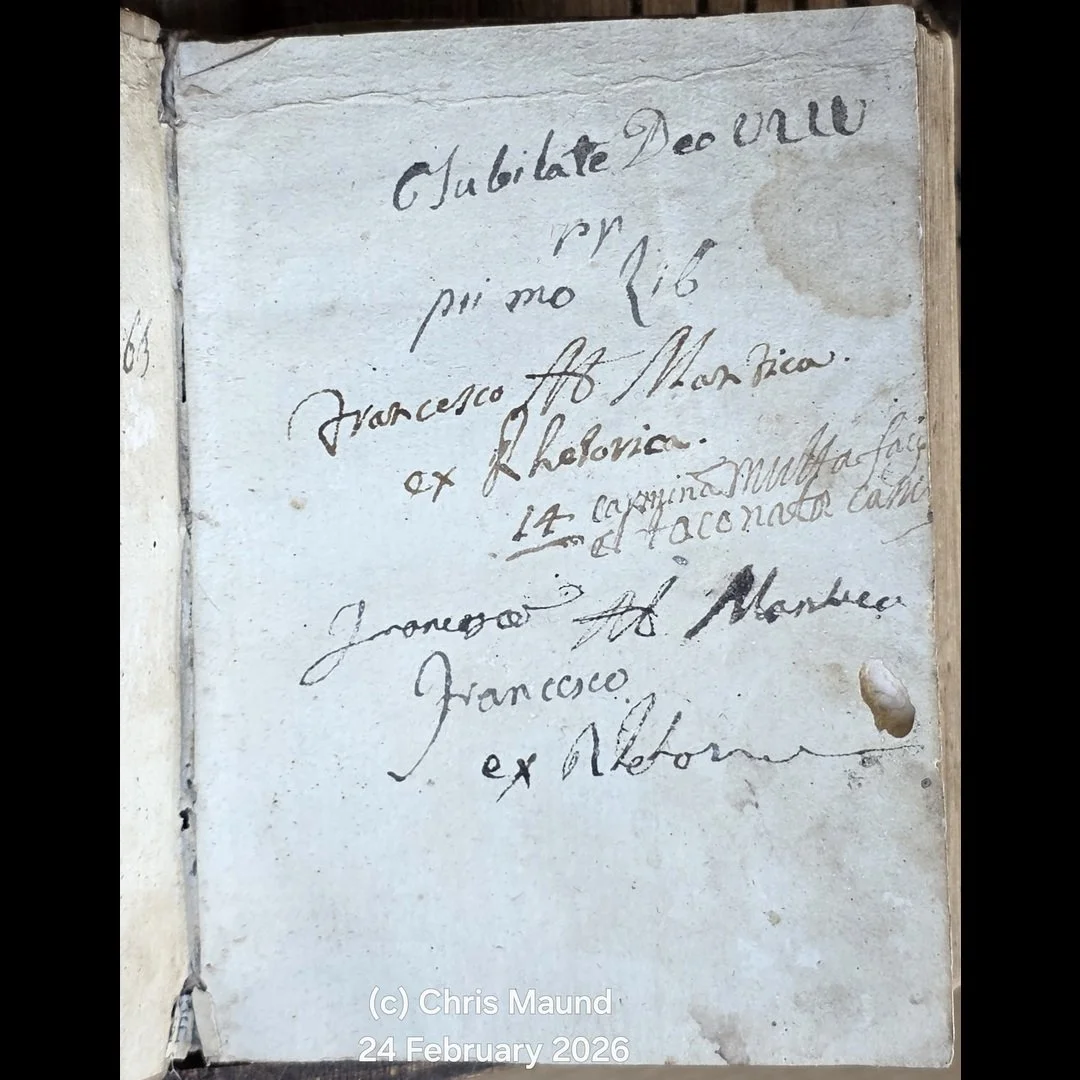
Provenance: Armorial bookplate of Lord Sandys; from Ombersley Court, Worcestershire.
Synopsis: Cast as a sequence of learned letters, Viaggio in Dalmazia records Fortis’s travels in Dalmatia in the early 1770s and ranges widely across the physical and human landscape of the region. The work treats, in Cox’s phrase, “principally” the geology, natural history, and antiquities of the country, but it is equally valued for its costume subjects, regional cartography, and ethnographic material, especially on the Morlachs. The separately titled Iter Buda Hadrianopolim anno MDLIII exaratum ab Antonio Verantio prints an earlier sixteenth-century journey edited by Fortis and bound here as the middle part of the book. The work is also famous for transmitting the ballad now known as Hasanaginica into print.
Format: Hardcover, quarto (4to 9 1⁄2 × 12 in 241 × 305 mm )
Note: Binding/size selection follows standard bibliographic conventions and is approximate; exact measurements may vary.
Language: Italian / Latin
Published By: Presso Alvise Milocco, all’Appoline, Venice
Condition Report:
Dust Jacket: No Jacket, Dust Jacket Condition: No Jacket
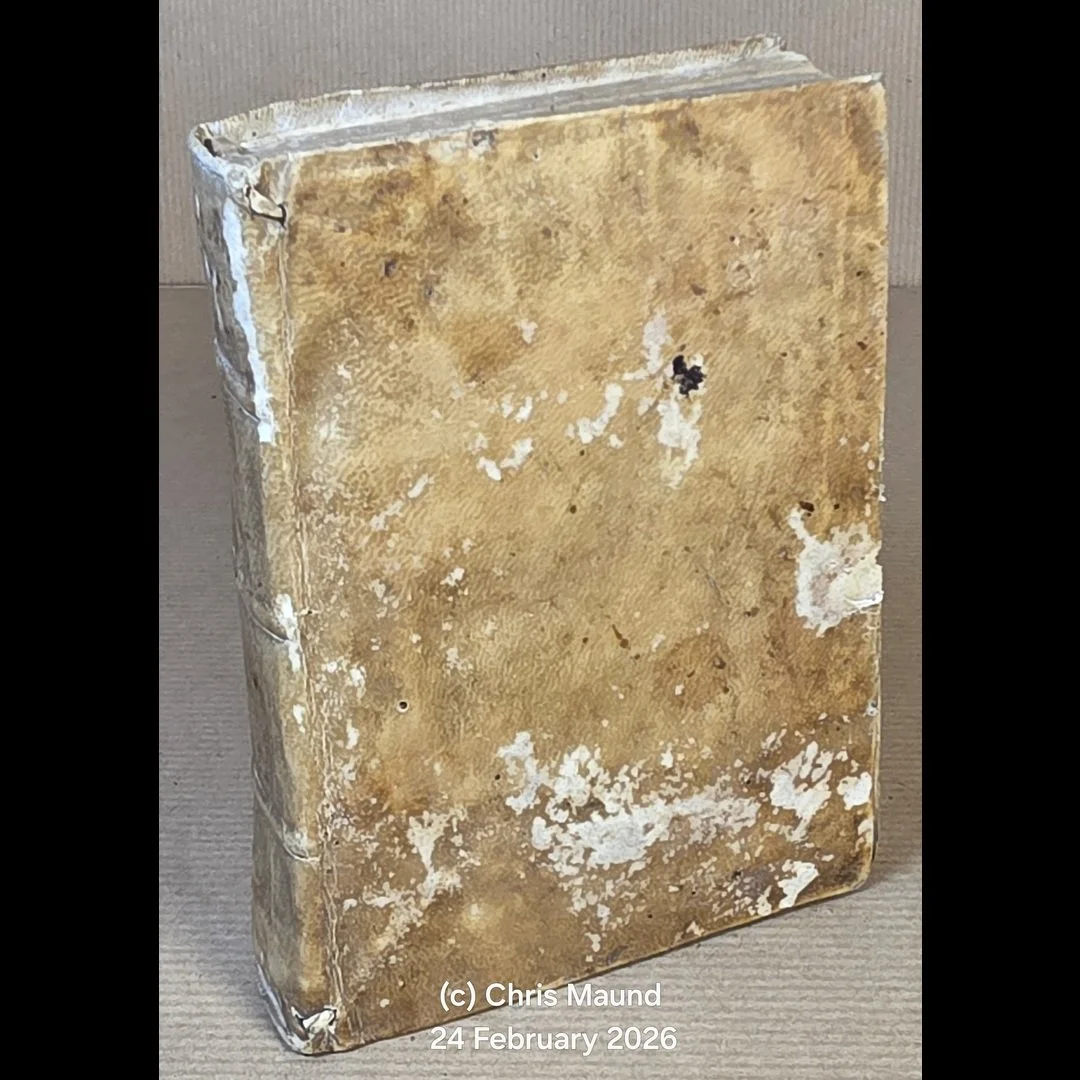
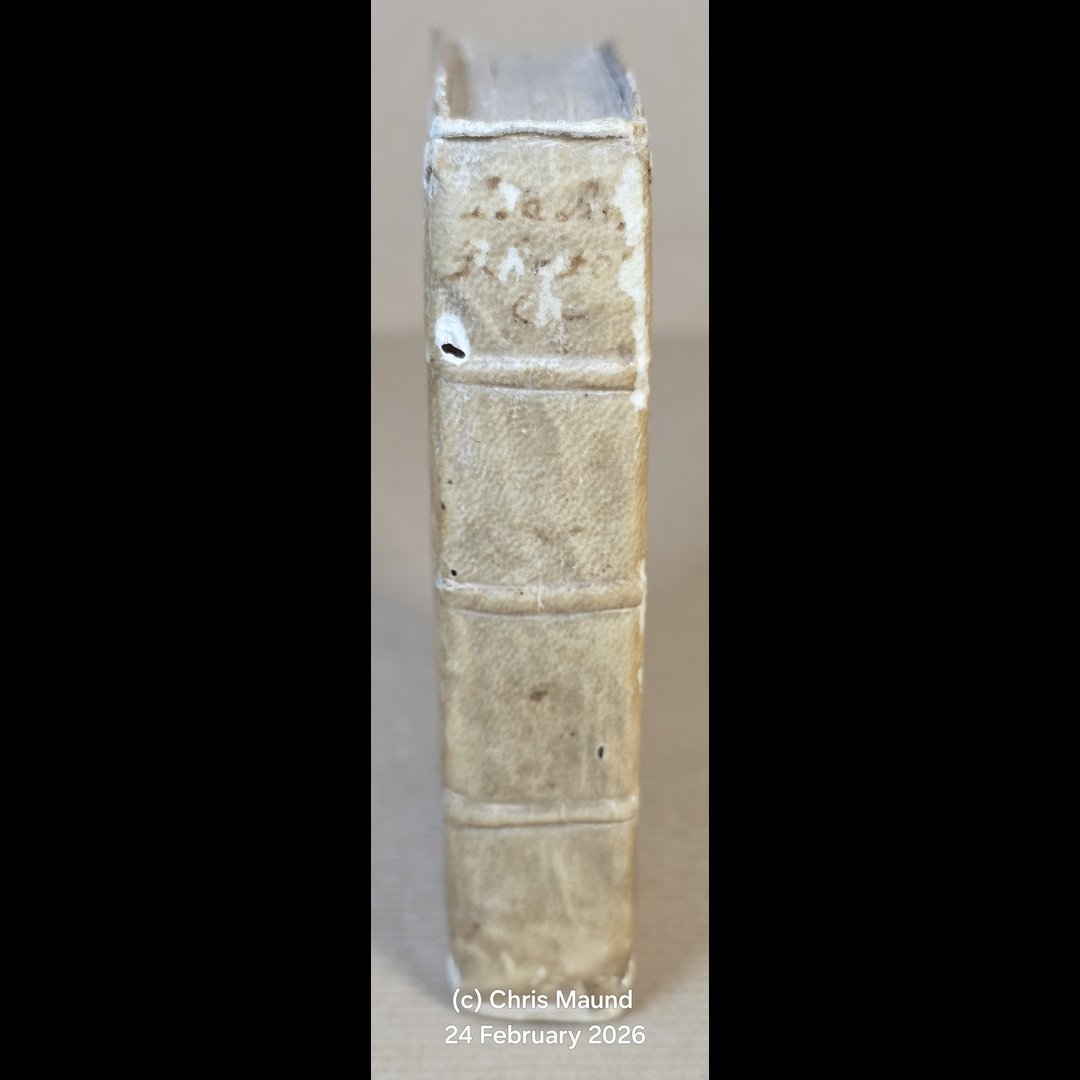
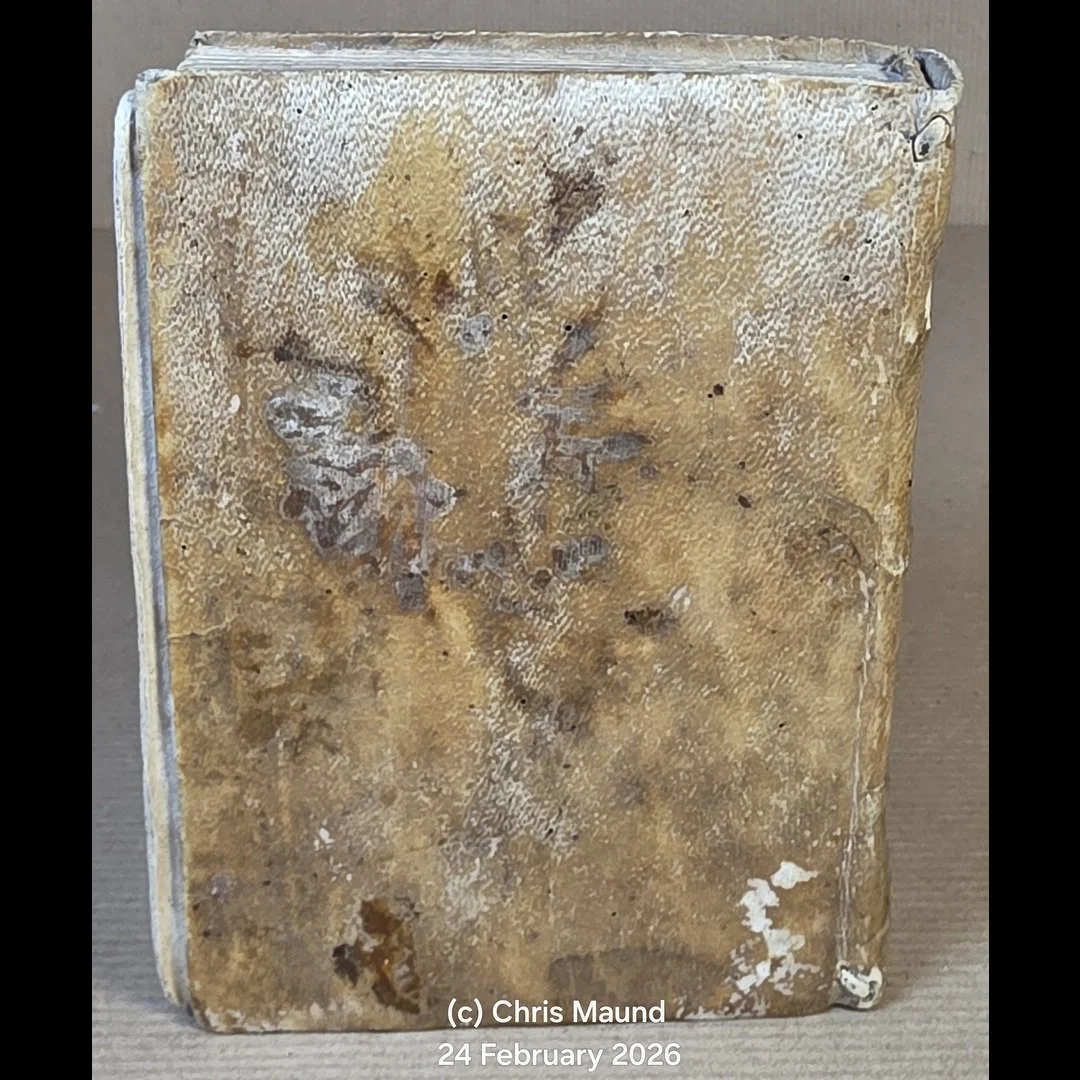
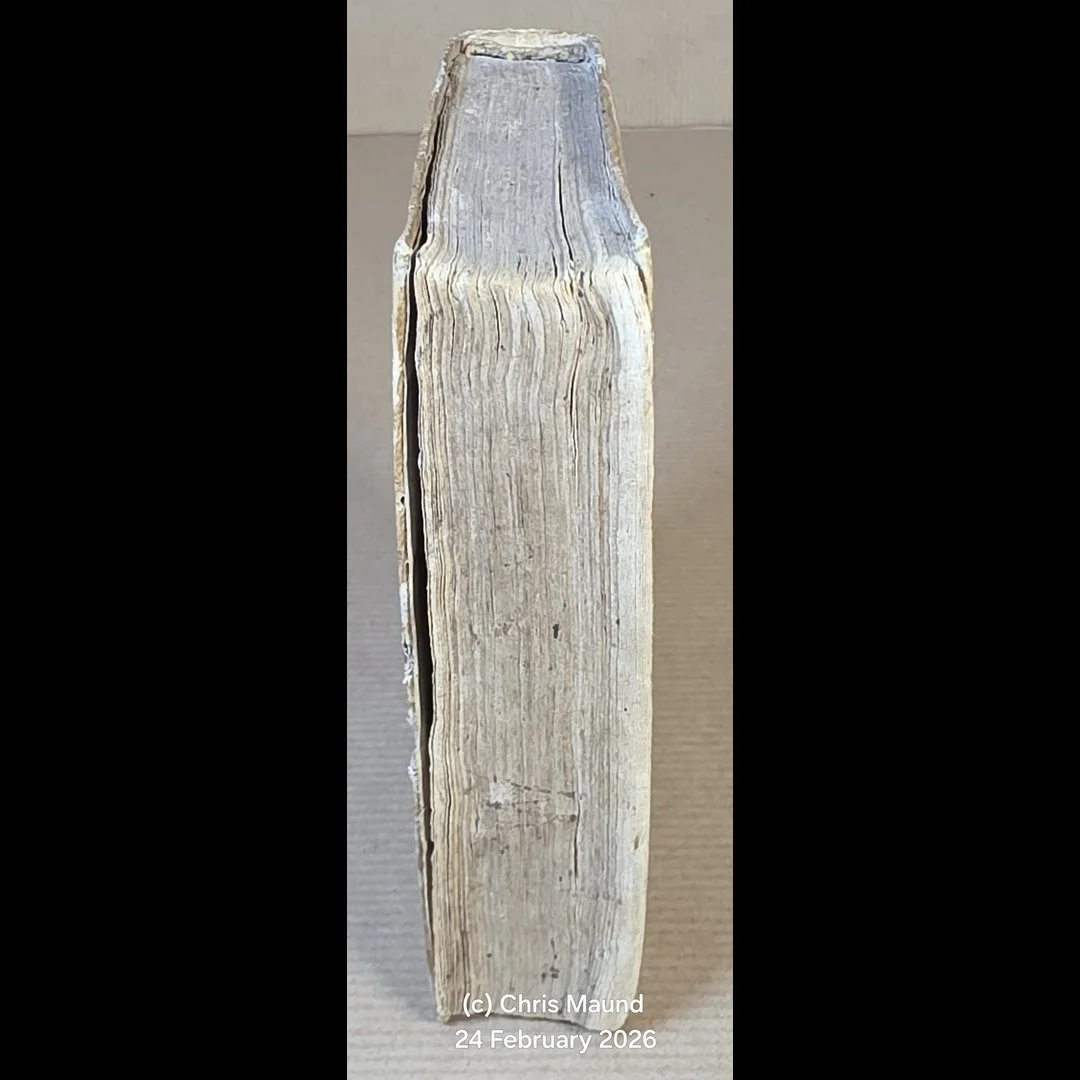
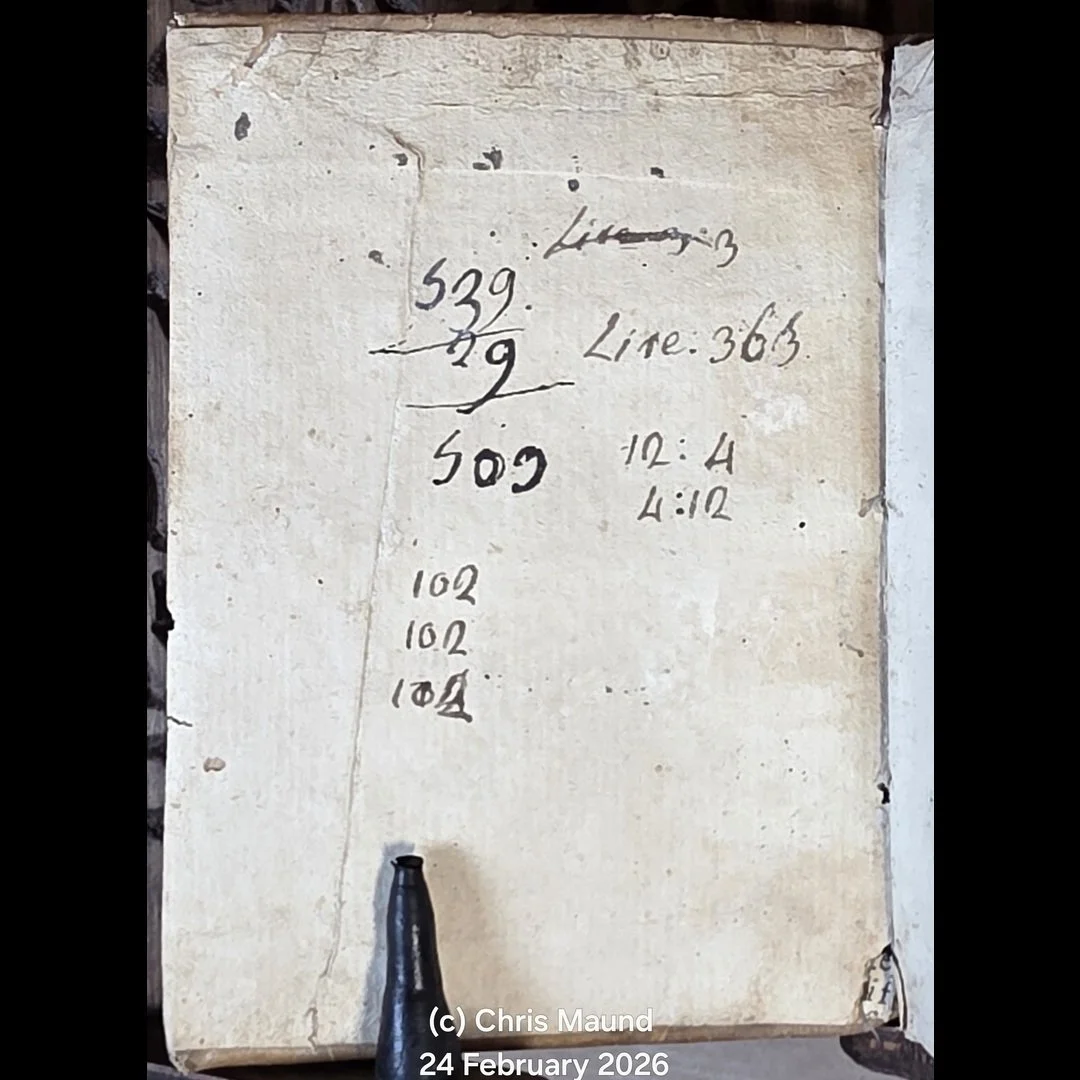
Good - Old binding heavily worn and scuffed, with front board detaching; gilding rubbed; wear to corners and extremities. Endpapers toned. Text block generally sound and pleasing, with occasional light yellowing, spotting, and toning as expected. Internally a much better copy than the binding suggests: titles present, appendix present, and now collated as complete for the engraved suite, with 2 folding maps and 13 plates. A very presentable copy for a collector who values completeness of contents, honest condition, and provenance over cosmetic restoration. Provenance and earlier auction history from the Ombersley Court / Lord Sandys library.
Binding:
Hardcover, quarto (4to, approx. 23 x 18.5 cm). Old gilt-decorated calf spine over marbled boards; marbled endpapers and marbled page edges.
Note: Two volumes plus separately titled appendix, bound as one. A desirable, unsophisticated country-house copy with the attractive Lord Sandys provenance, and now collated as complete as to maps and plates, lacking only the Vol. I half-title. The engraved material is especially appealing, including regional maps, costume plates, topographical views, ruins, fossils, shells, and the well-known plate of the asphalt mine on the island of Bua.
Collation:
4to. 3 parts in 1 vol. Vol. I: lacking half-title, title, [1], prelims pp. v–viii, 1 folding plate, pp. 1–180, with 1 non-folding costume plate, 1 folding map, and plates 3–7 folding. Appendix: separate title to Iter Buda Hadrianopolim anno MDLIII exaratum ab Antonio Verantio, [1], dedication leaf, [1], pp. v–xlvii, terminal colophon leaf. Vol. II: title, [1], prelims pp. v–viii, 1 folding map, pp. 1–204, with 6 folding plates. Total: 2 folding engraved maps and 13 engraved plates (12 folding), i.e. 15 inserted engraved items overall. This matches the standard bibliographical structure of the first edition, save for the lacking half-title to Vol. I.
Please see Photos as part of condition report.
References:
Blackmer 618
Apponyi 2484
Petrik I, 814
Poggendorff I, 778
cf. Cox I, 149
Zentralbibliothek Zürich, NR 842, DOI: 10.3931/e-rara-40493
SKU: BTETM0002445
Shipping Info: Approximate Package Dimensions H: 12.5, L: 30, W: 25 (Units: cm), W: 2Kg
Tracked Shipping, Insurance Coverage as per Customer Request
1774 1st Edition (Venice) With Provenance
VIAGGIO IN DALMAZIA
dell’Abate Alberto Fortis
A scarce and important Enlightenment travel book on Venetian Dalmatia: geology, natural history, antiquities, costume, topography, and ethnographic observation are all brought together in one of the foundational eighteenth-century books on the region. Issued in two volumes, with a separately titled appendix, and illustrated with an attractive engraved suite of maps and plates, this is the true first edition of Fortis’s best-known work.
By Alberto Fortis
Author Bio: Alberto Fortis (1741–1803) was a Padua-born naturalist and travel writer of the Enlightenment, especially interested in geology, but also in folklore, economy, history, customs, and the culture of the eastern Adriatic. His Viaggio in Dalmazia is generally regarded as his best-known work.
Provenance: Armorial bookplate of Lord Sandys; from Ombersley Court, Worcestershire.
Synopsis: Cast as a sequence of learned letters, Viaggio in Dalmazia records Fortis’s travels in Dalmatia in the early 1770s and ranges widely across the physical and human landscape of the region. The work treats, in Cox’s phrase, “principally” the geology, natural history, and antiquities of the country, but it is equally valued for its costume subjects, regional cartography, and ethnographic material, especially on the Morlachs. The separately titled Iter Buda Hadrianopolim anno MDLIII exaratum ab Antonio Verantio prints an earlier sixteenth-century journey edited by Fortis and bound here as the middle part of the book. The work is also famous for transmitting the ballad now known as Hasanaginica into print.
Format: Hardcover, quarto (4to 9 1⁄2 × 12 in 241 × 305 mm )
Note: Binding/size selection follows standard bibliographic conventions and is approximate; exact measurements may vary.
Language: Italian / Latin
Published By: Presso Alvise Milocco, all’Appoline, Venice
Condition Report:
Dust Jacket: No Jacket, Dust Jacket Condition: No Jacket
Good - Old binding heavily worn and scuffed, with front board detaching; gilding rubbed; wear to corners and extremities. Endpapers toned. Text block generally sound and pleasing, with occasional light yellowing, spotting, and toning as expected. Internally a much better copy than the binding suggests: titles present, appendix present, and now collated as complete for the engraved suite, with 2 folding maps and 13 plates. A very presentable copy for a collector who values completeness of contents, honest condition, and provenance over cosmetic restoration. Provenance and earlier auction history from the Ombersley Court / Lord Sandys library.
Binding:
Hardcover, quarto (4to, approx. 23 x 18.5 cm). Old gilt-decorated calf spine over marbled boards; marbled endpapers and marbled page edges.
Note: Two volumes plus separately titled appendix, bound as one. A desirable, unsophisticated country-house copy with the attractive Lord Sandys provenance, and now collated as complete as to maps and plates, lacking only the Vol. I half-title. The engraved material is especially appealing, including regional maps, costume plates, topographical views, ruins, fossils, shells, and the well-known plate of the asphalt mine on the island of Bua.
Collation:
4to. 3 parts in 1 vol. Vol. I: lacking half-title, title, [1], prelims pp. v–viii, 1 folding plate, pp. 1–180, with 1 non-folding costume plate, 1 folding map, and plates 3–7 folding. Appendix: separate title to Iter Buda Hadrianopolim anno MDLIII exaratum ab Antonio Verantio, [1], dedication leaf, [1], pp. v–xlvii, terminal colophon leaf. Vol. II: title, [1], prelims pp. v–viii, 1 folding map, pp. 1–204, with 6 folding plates. Total: 2 folding engraved maps and 13 engraved plates (12 folding), i.e. 15 inserted engraved items overall. This matches the standard bibliographical structure of the first edition, save for the lacking half-title to Vol. I.
Please see Photos as part of condition report.
References:
Blackmer 618
Apponyi 2484
Petrik I, 814
Poggendorff I, 778
cf. Cox I, 149
Zentralbibliothek Zürich, NR 842, DOI: 10.3931/e-rara-40493
SKU: BTETM0002445
Shipping Info: Approximate Package Dimensions H: 12.5, L: 30, W: 25 (Units: cm), W: 2Kg
Tracked Shipping, Insurance Coverage as per Customer Request

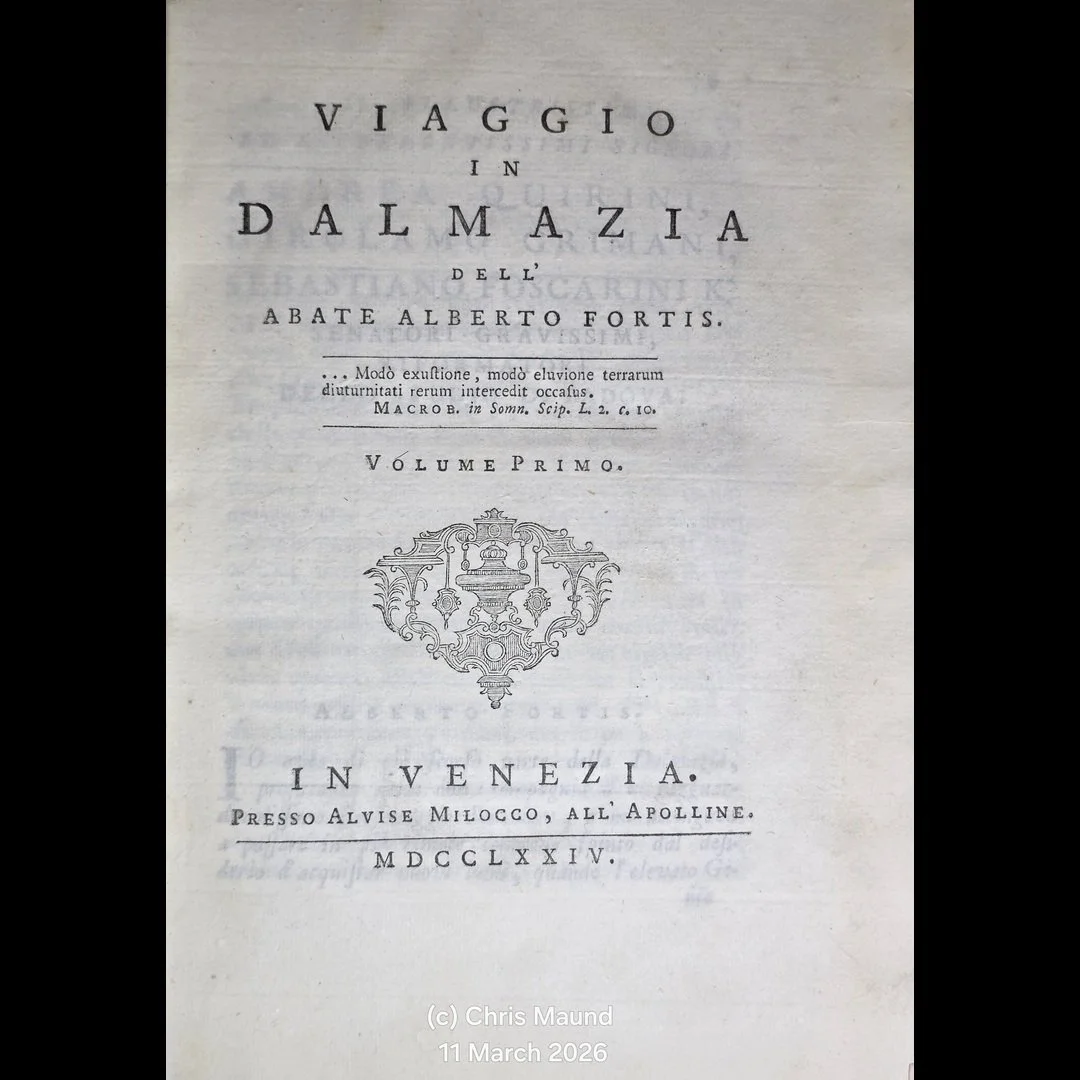 Image 1 of 42
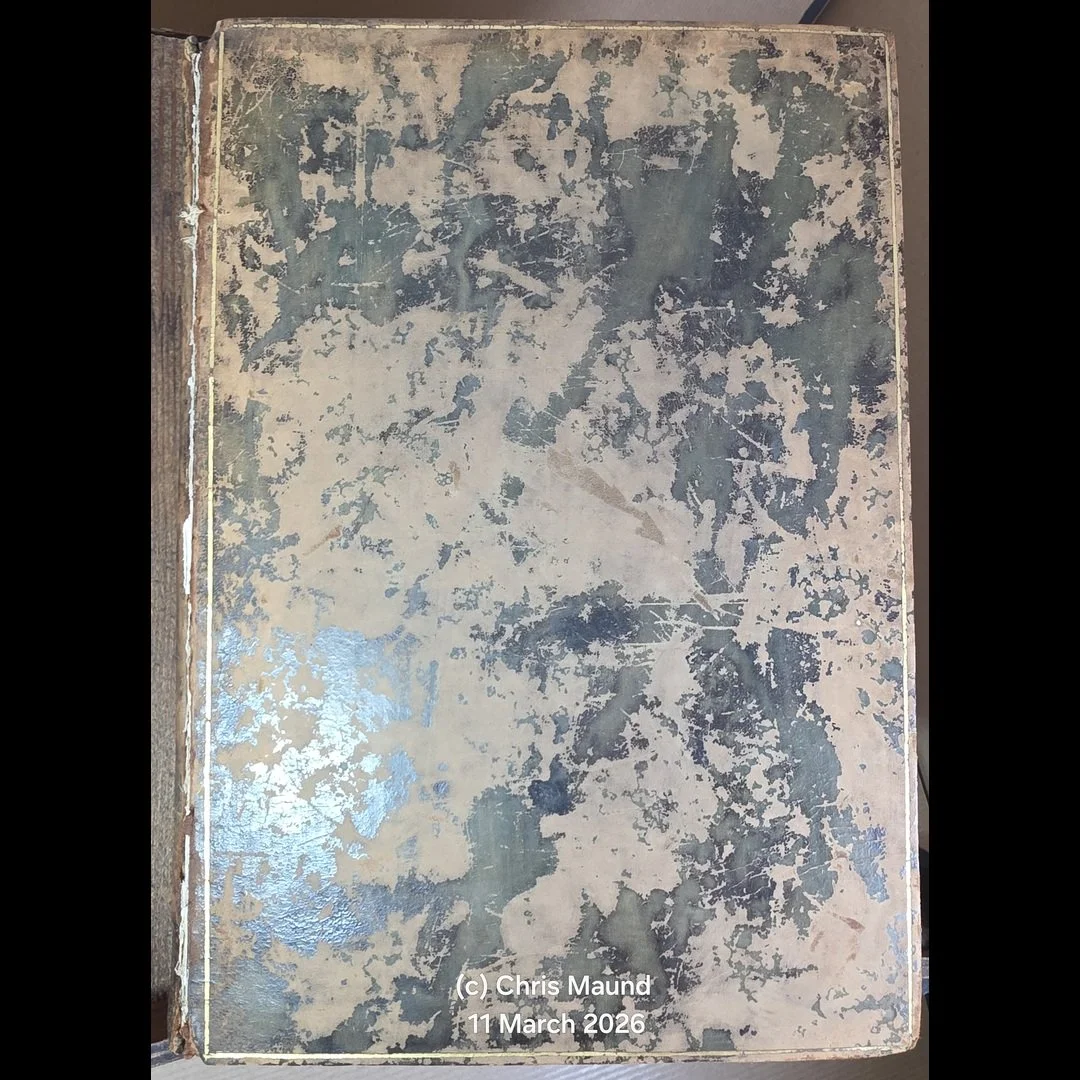 Image 2 of 42
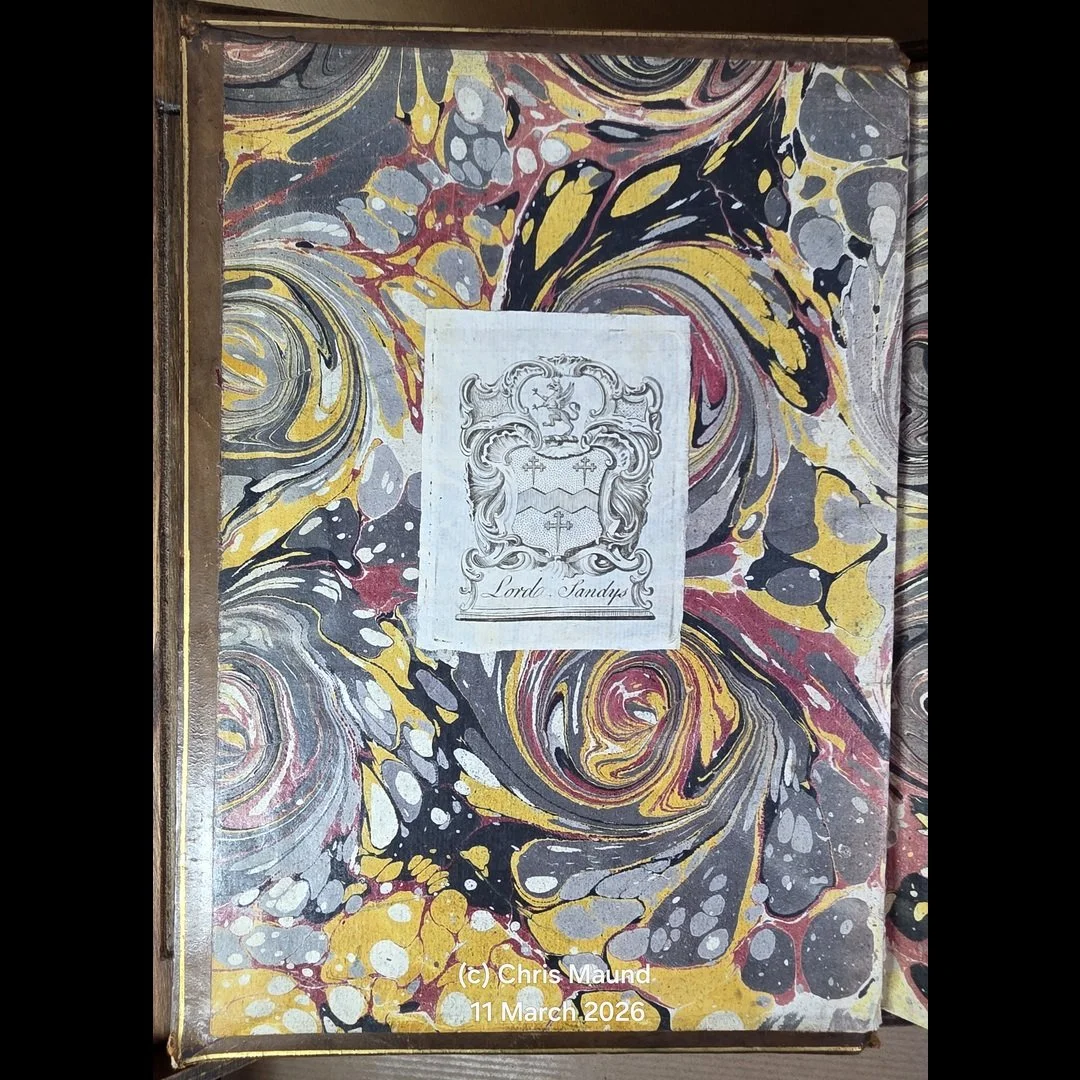 Image 3 of 42
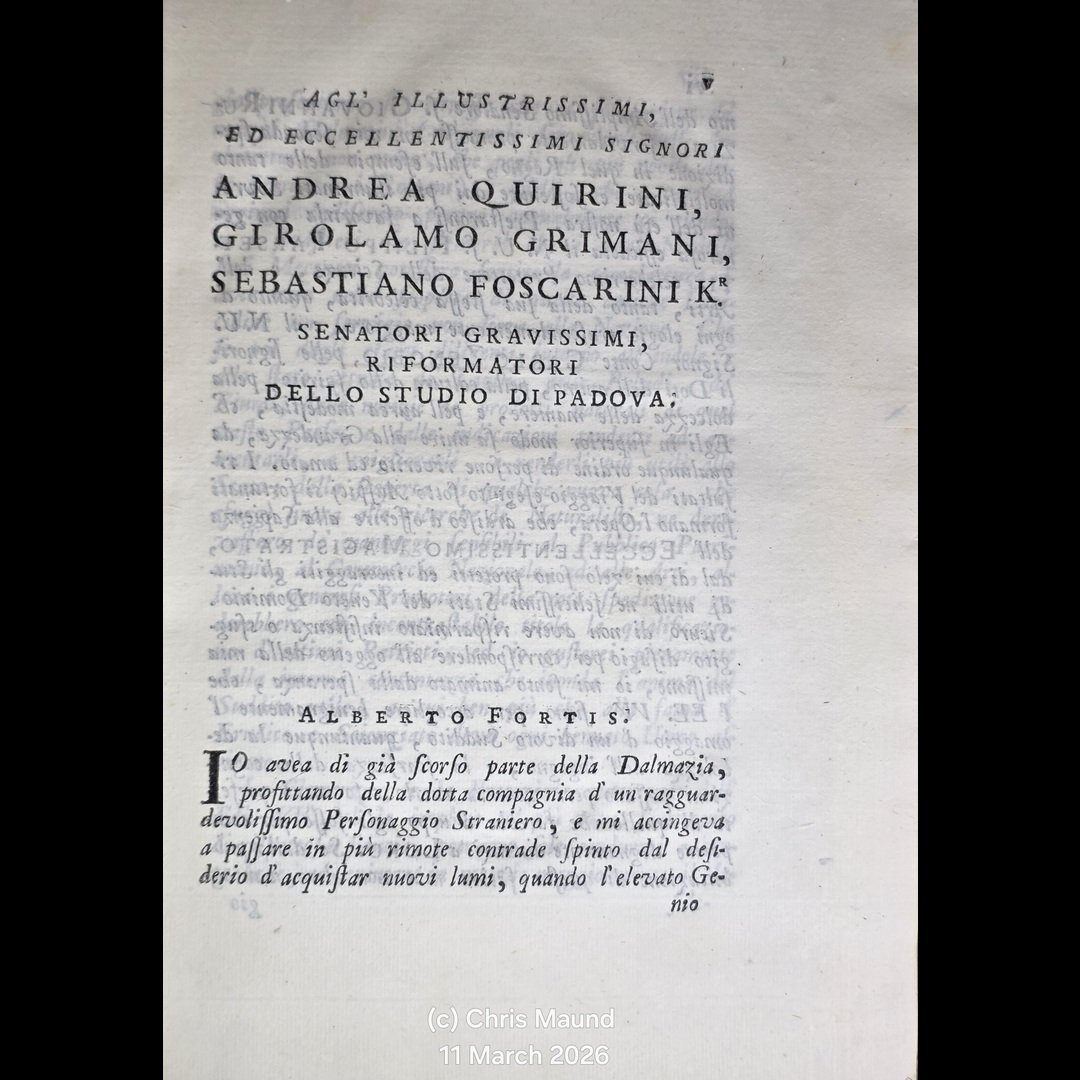 Image 4 of 42
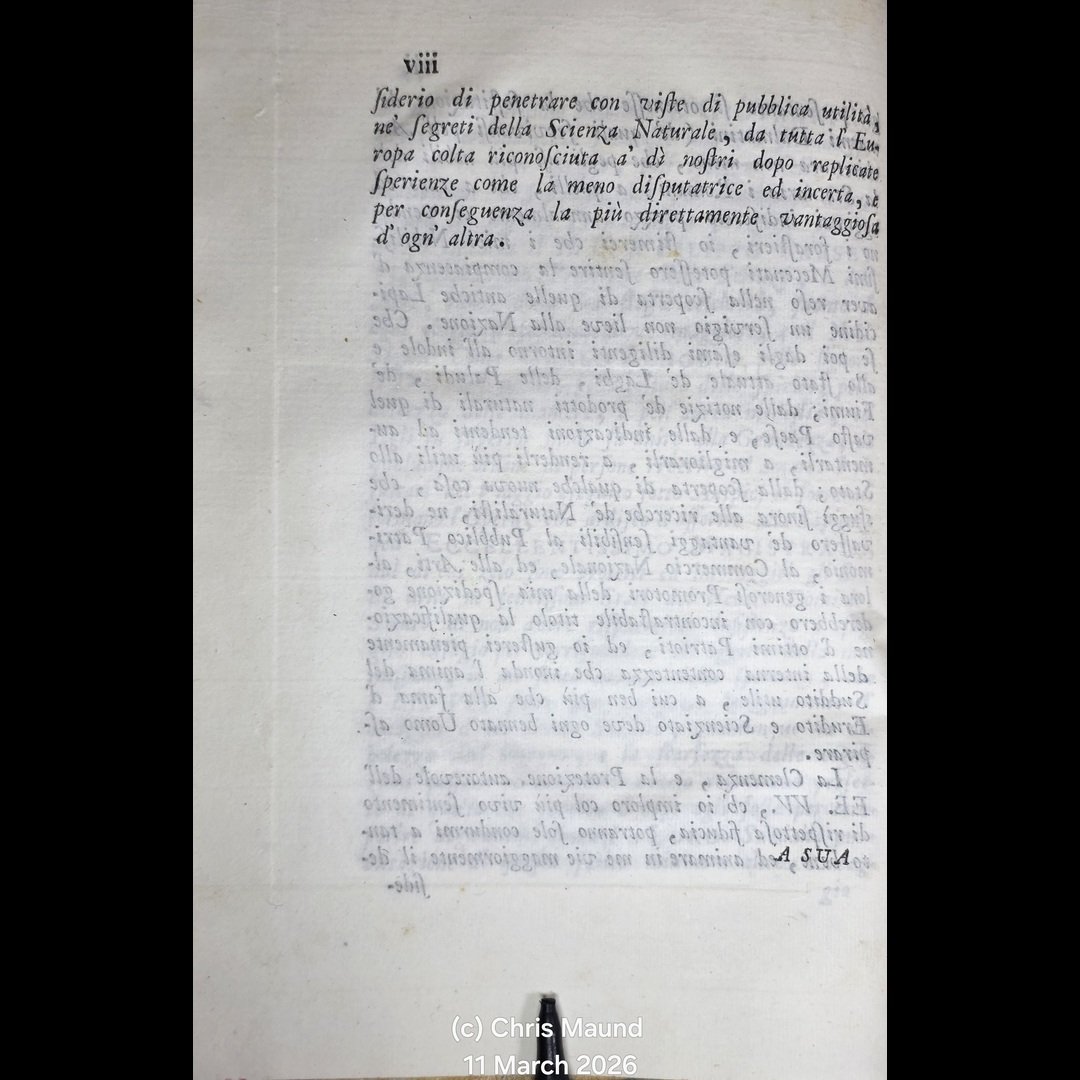 Image 5 of 42
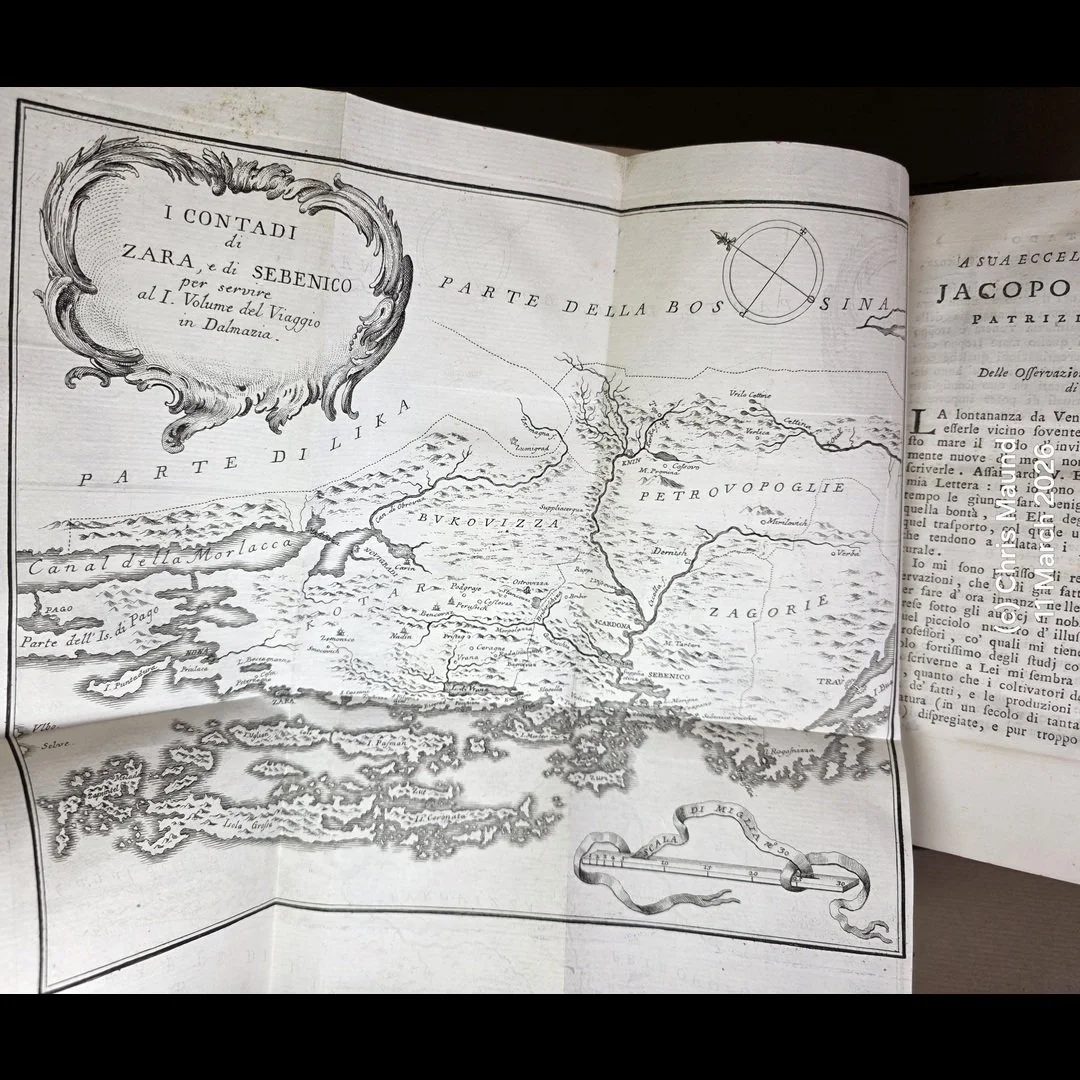 Image 6 of 42
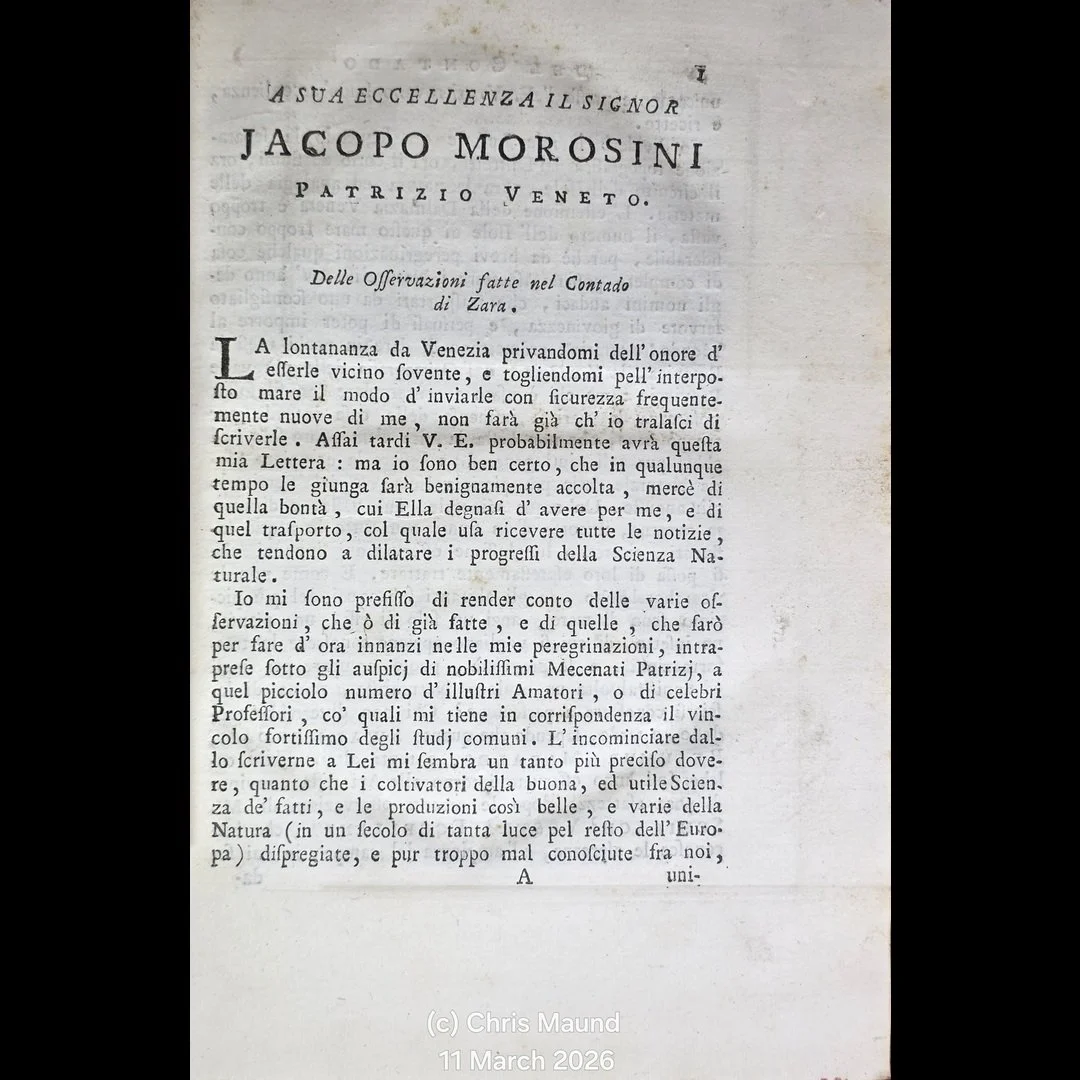 Image 7 of 42
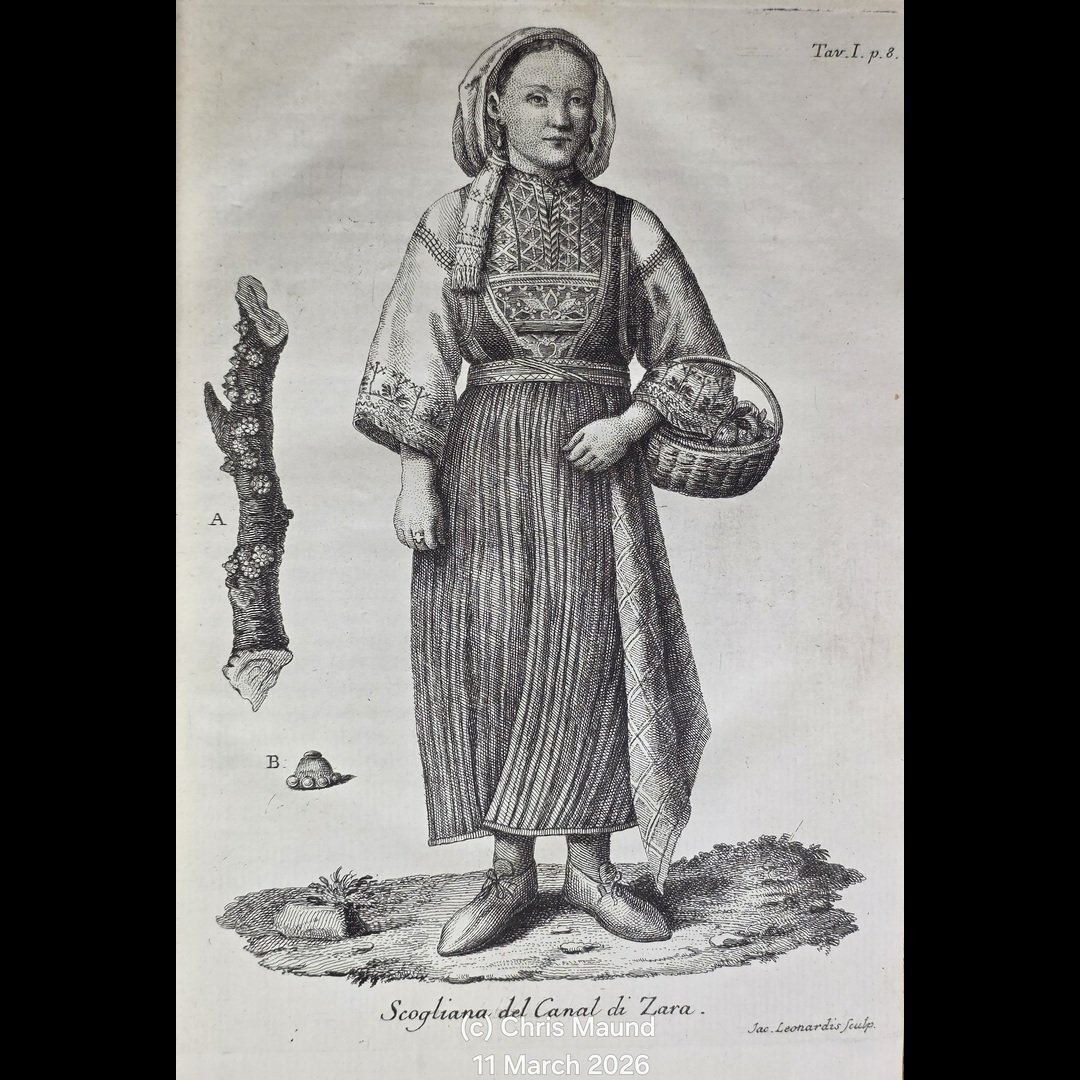 Image 8 of 42
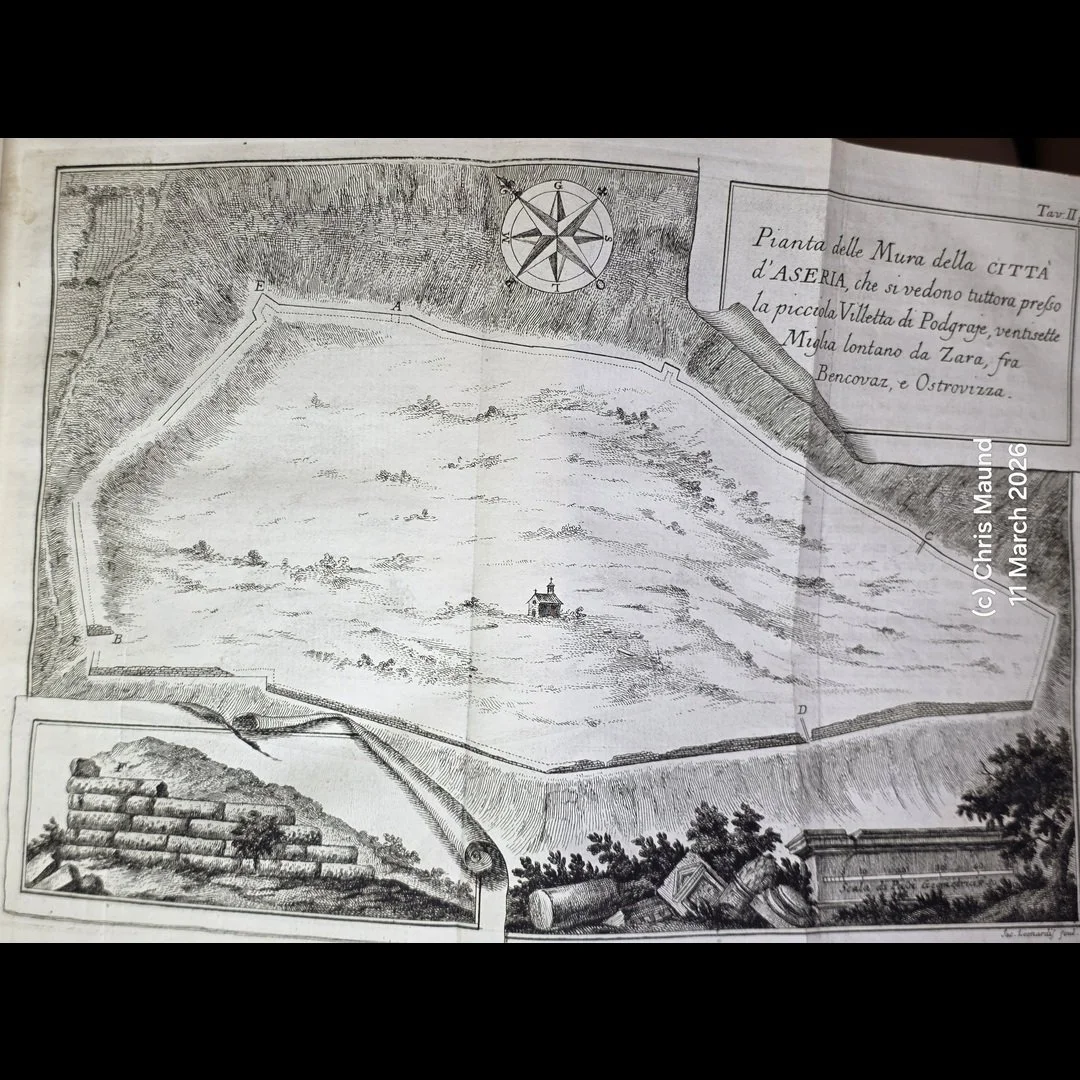 Image 9 of 42
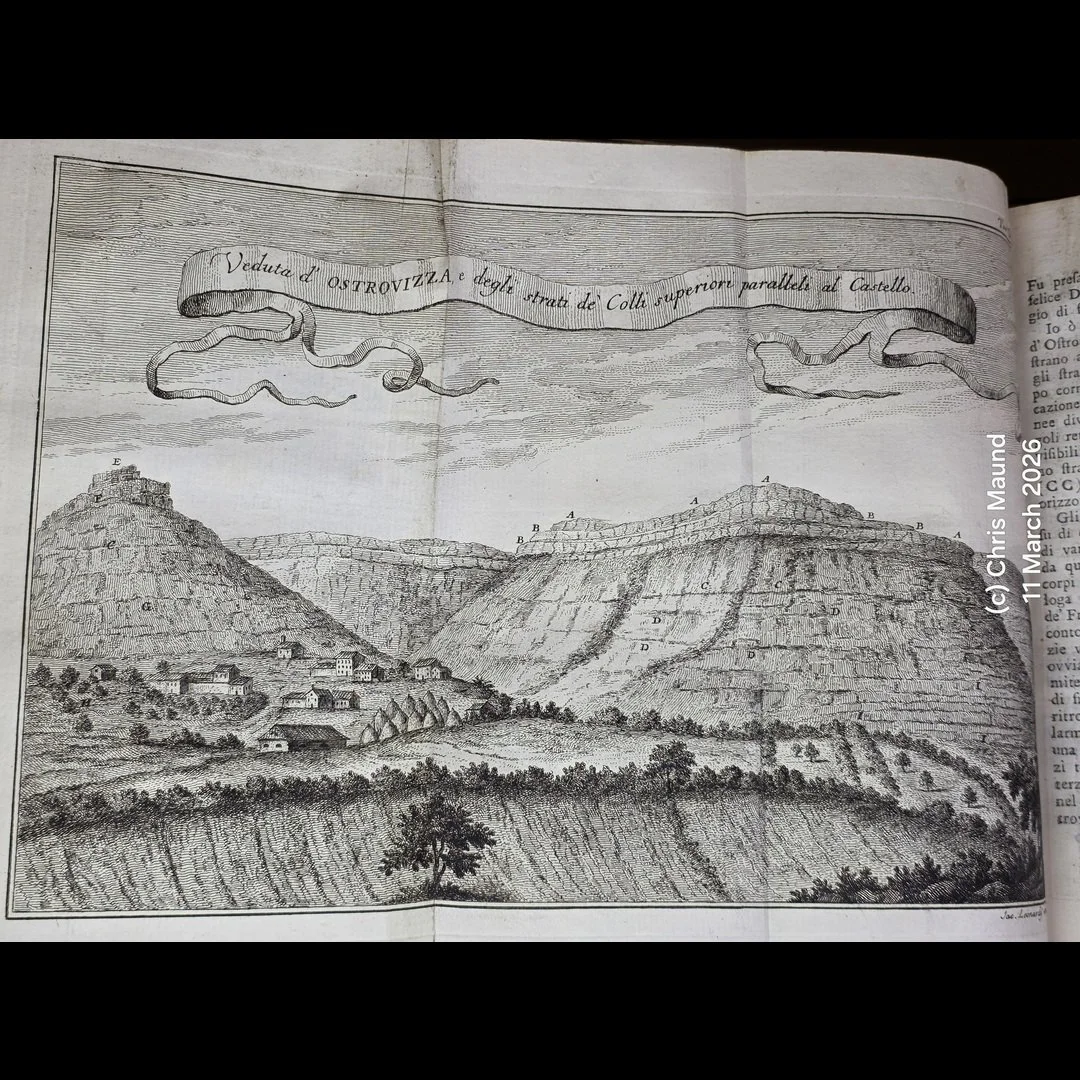 Image 10 of 42
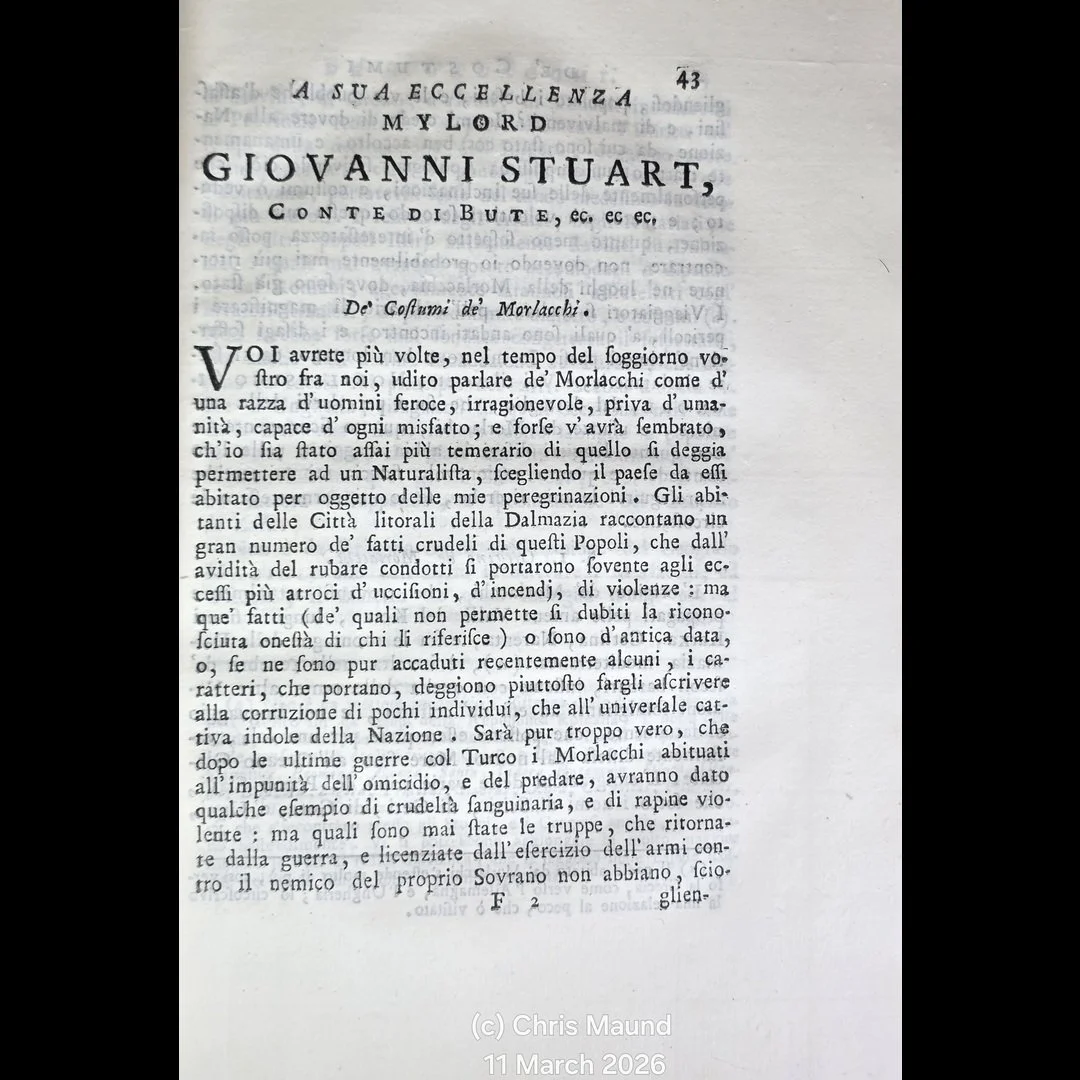 Image 11 of 42
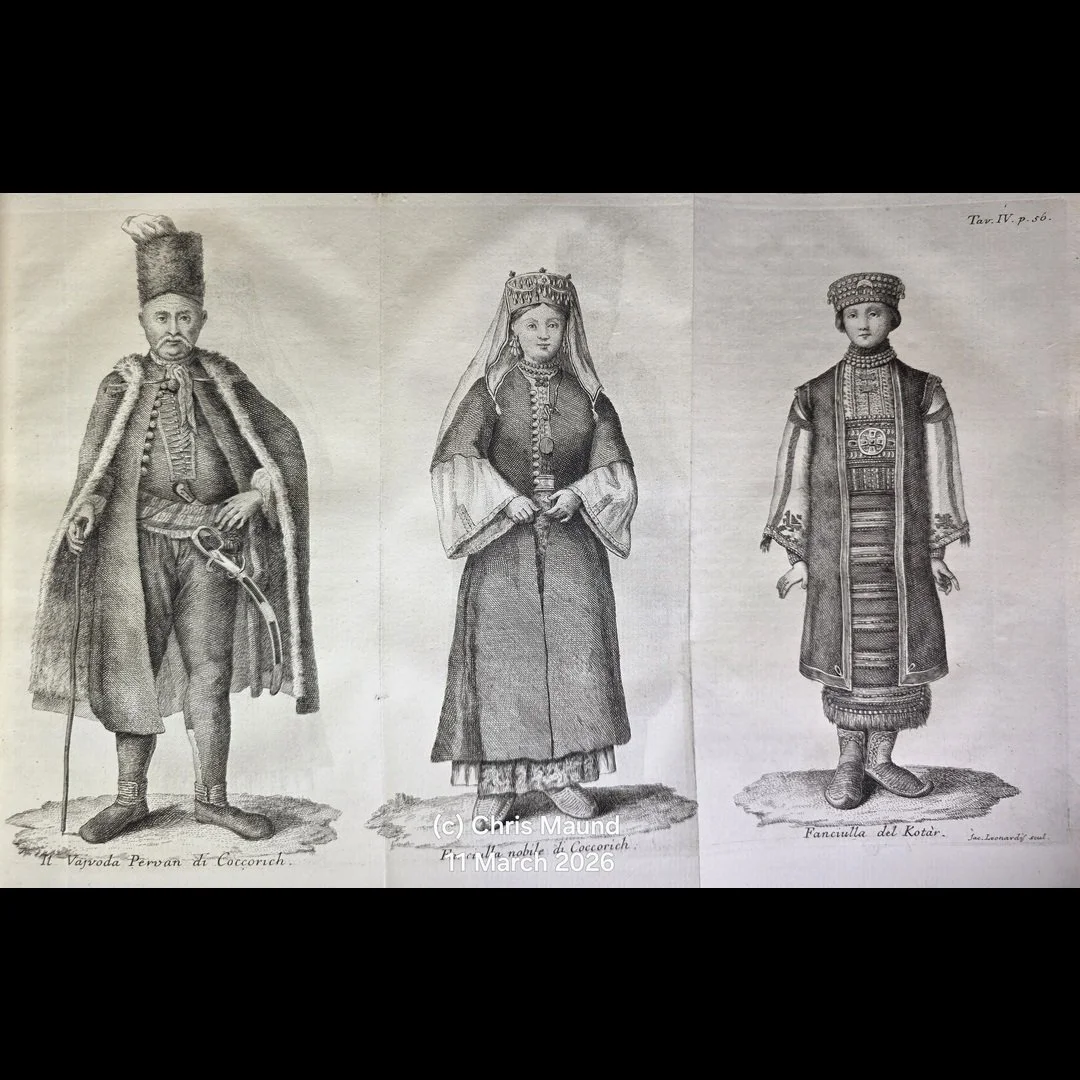 Image 12 of 42
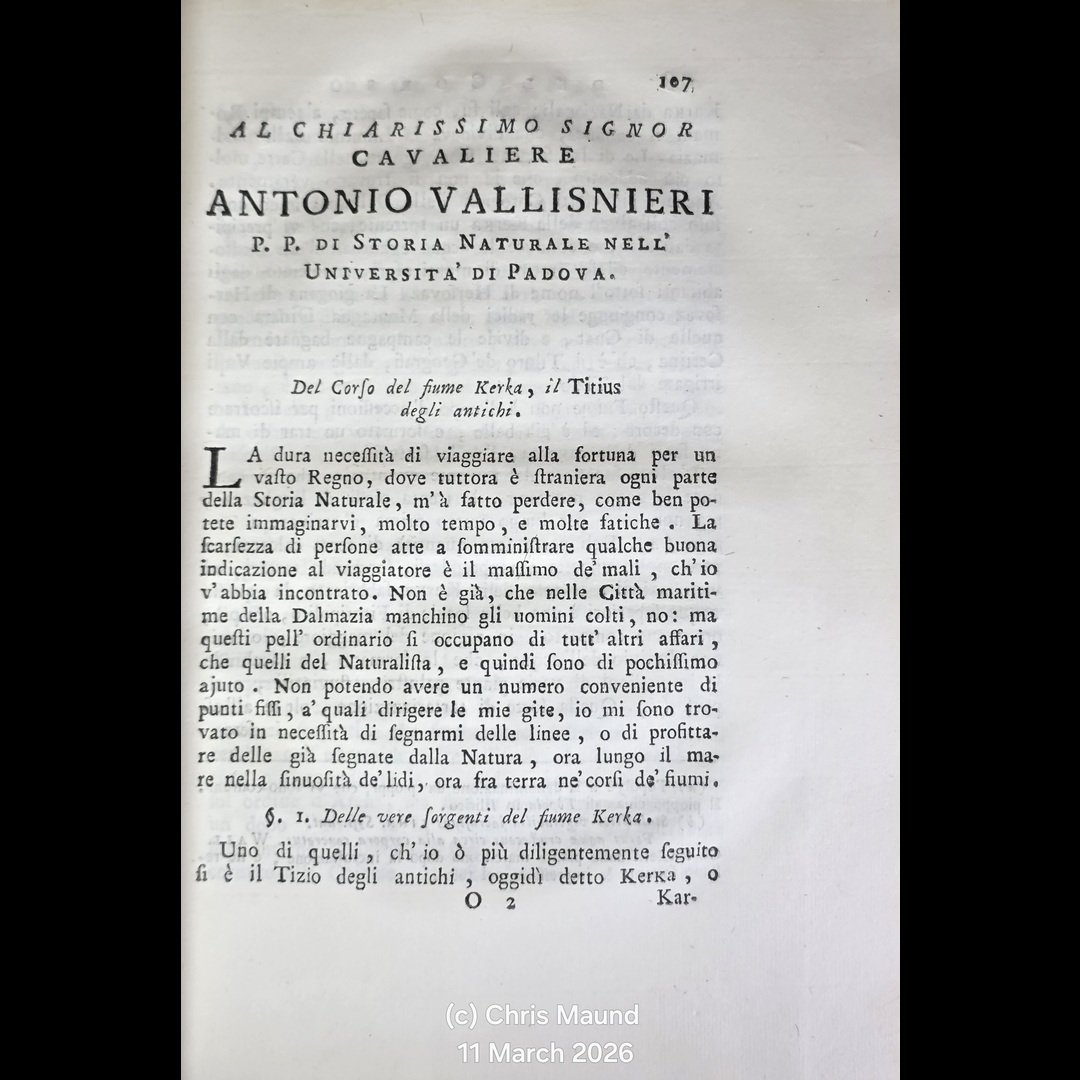 Image 13 of 42
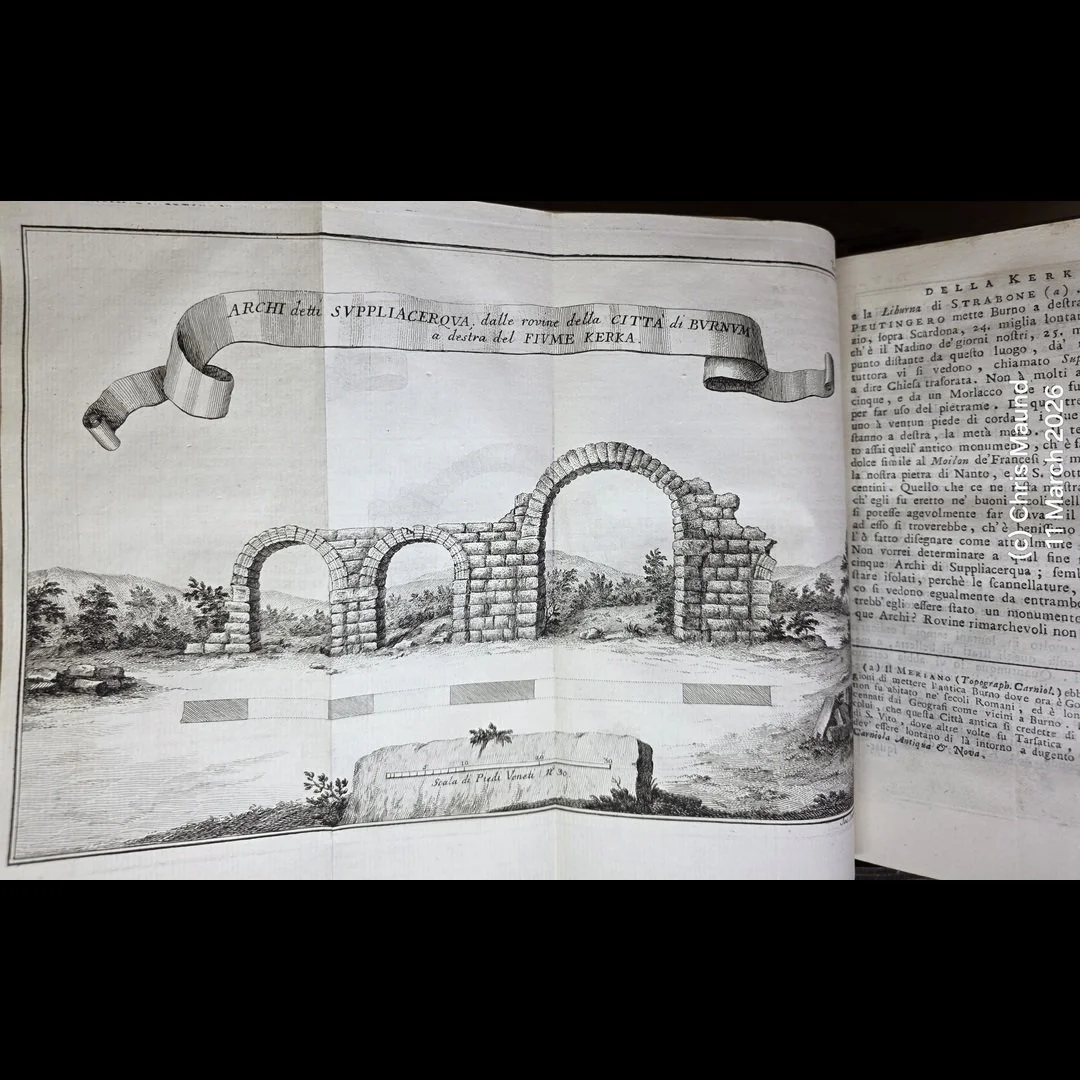 Image 14 of 42
 Image 15 of 42
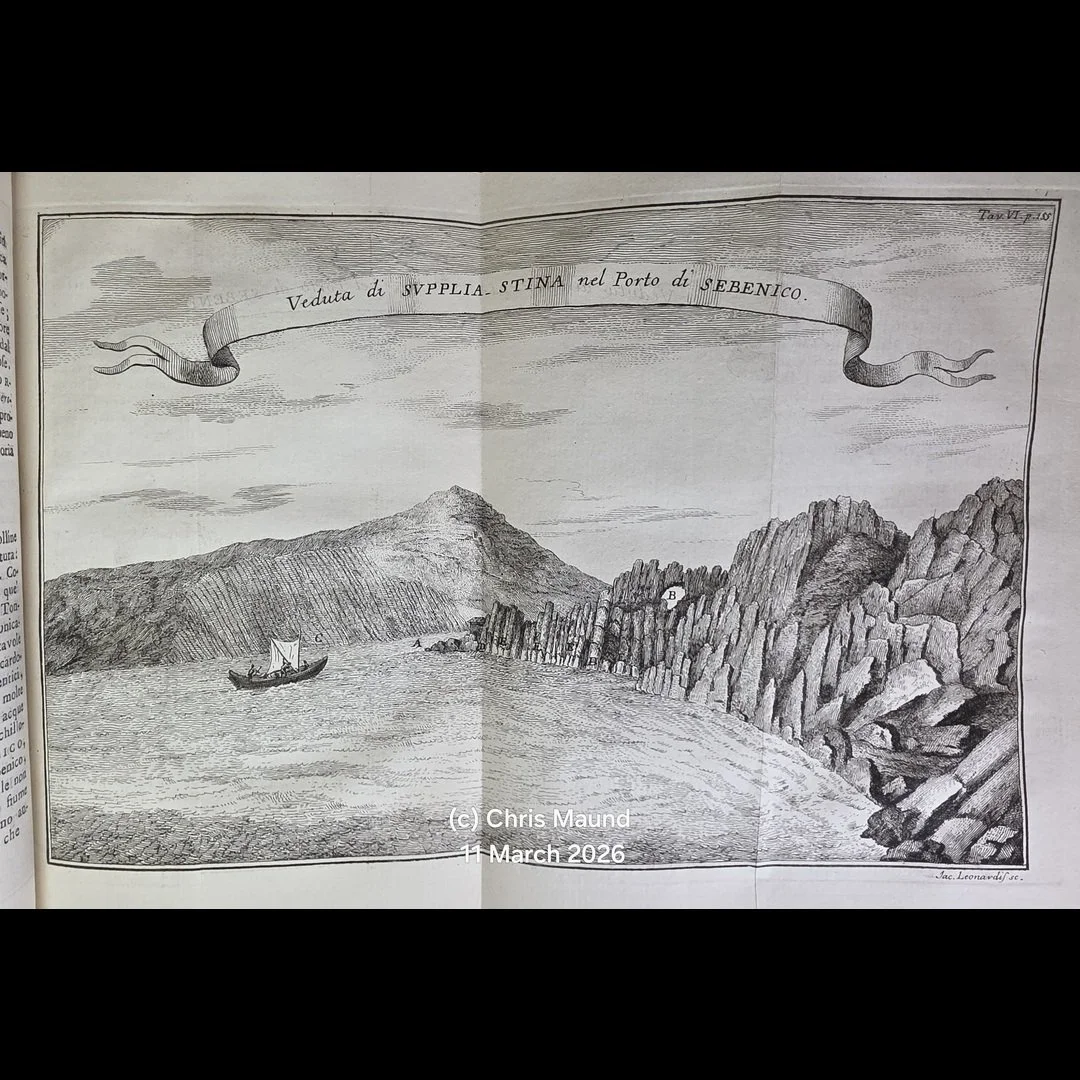 Image 16 of 42
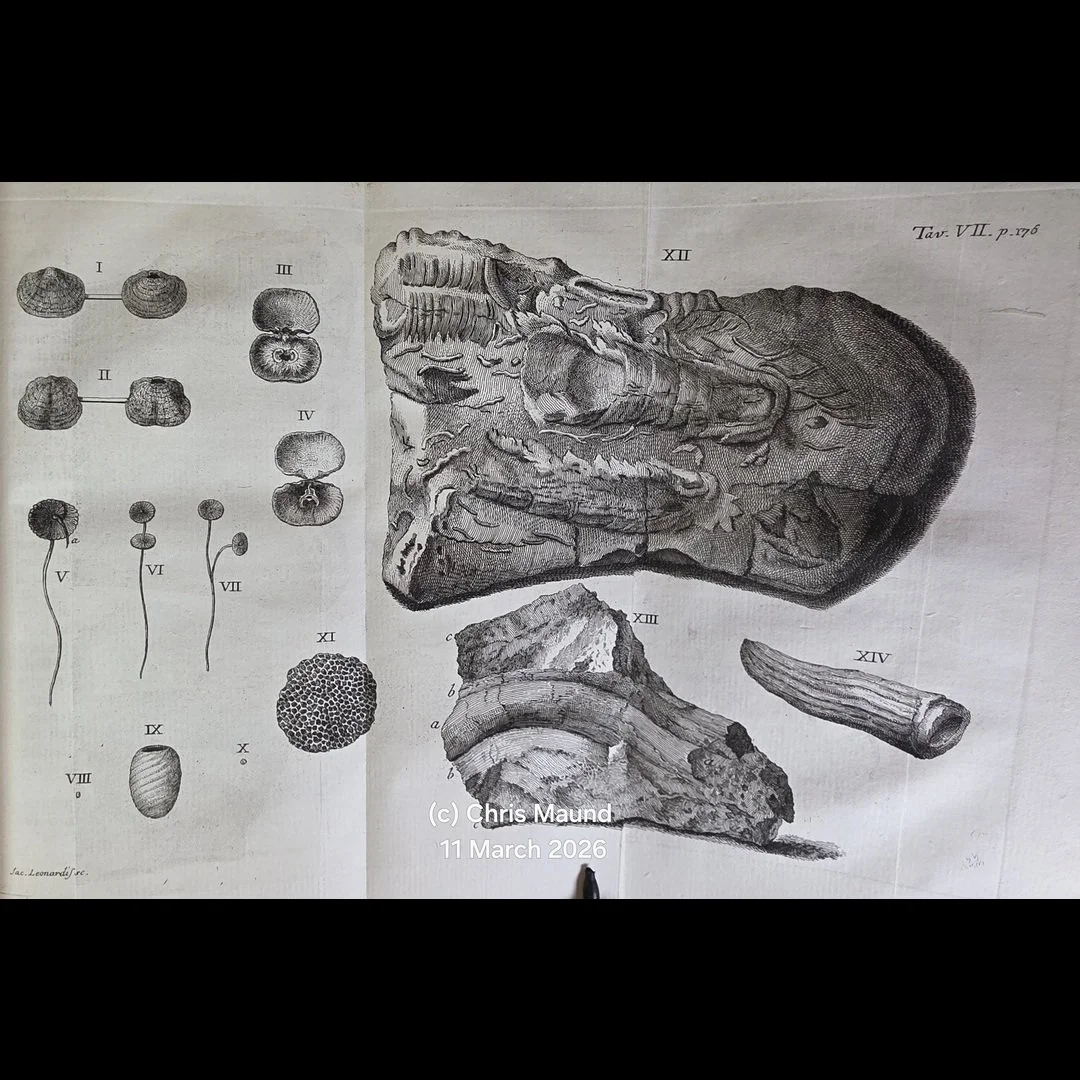 Image 17 of 42
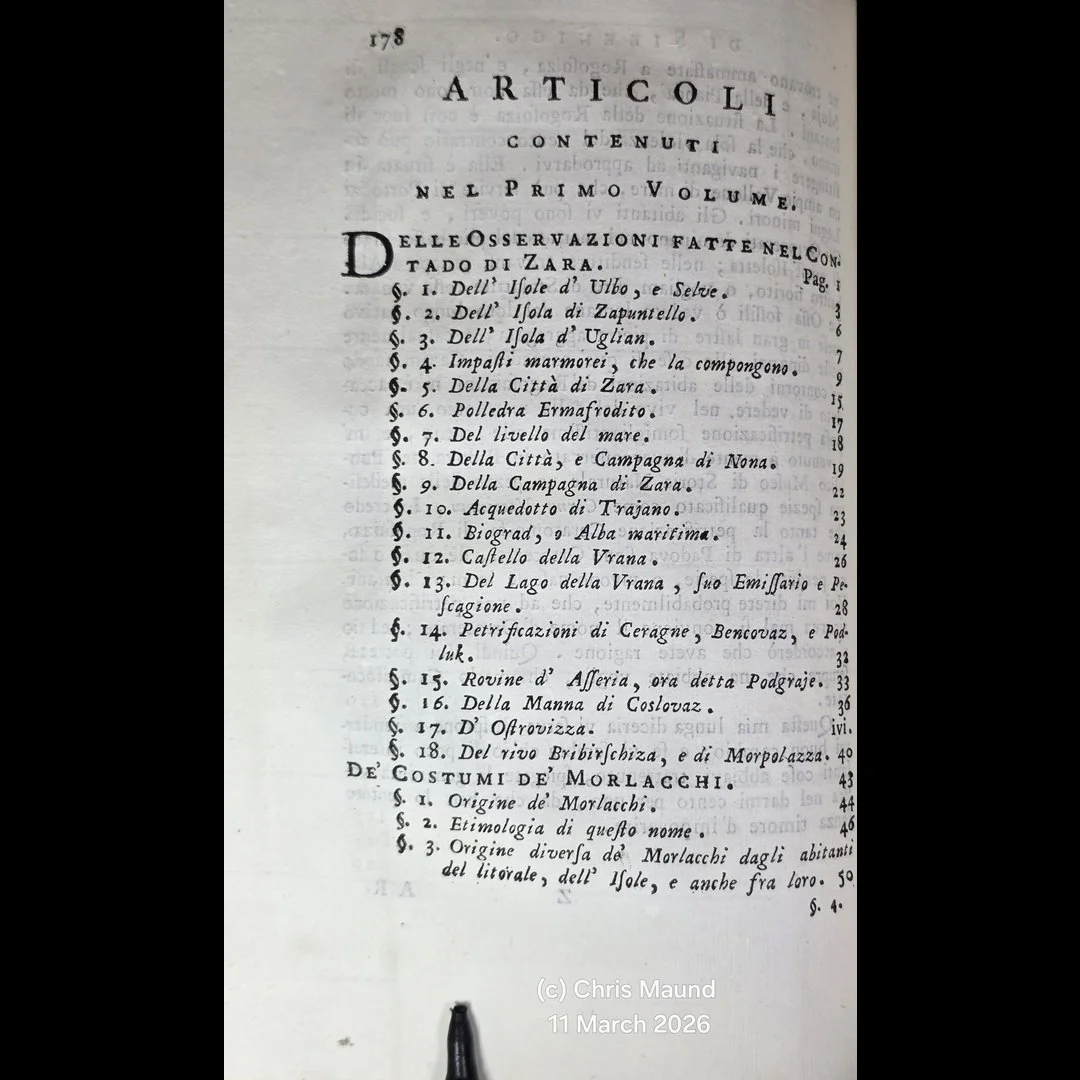 Image 18 of 42
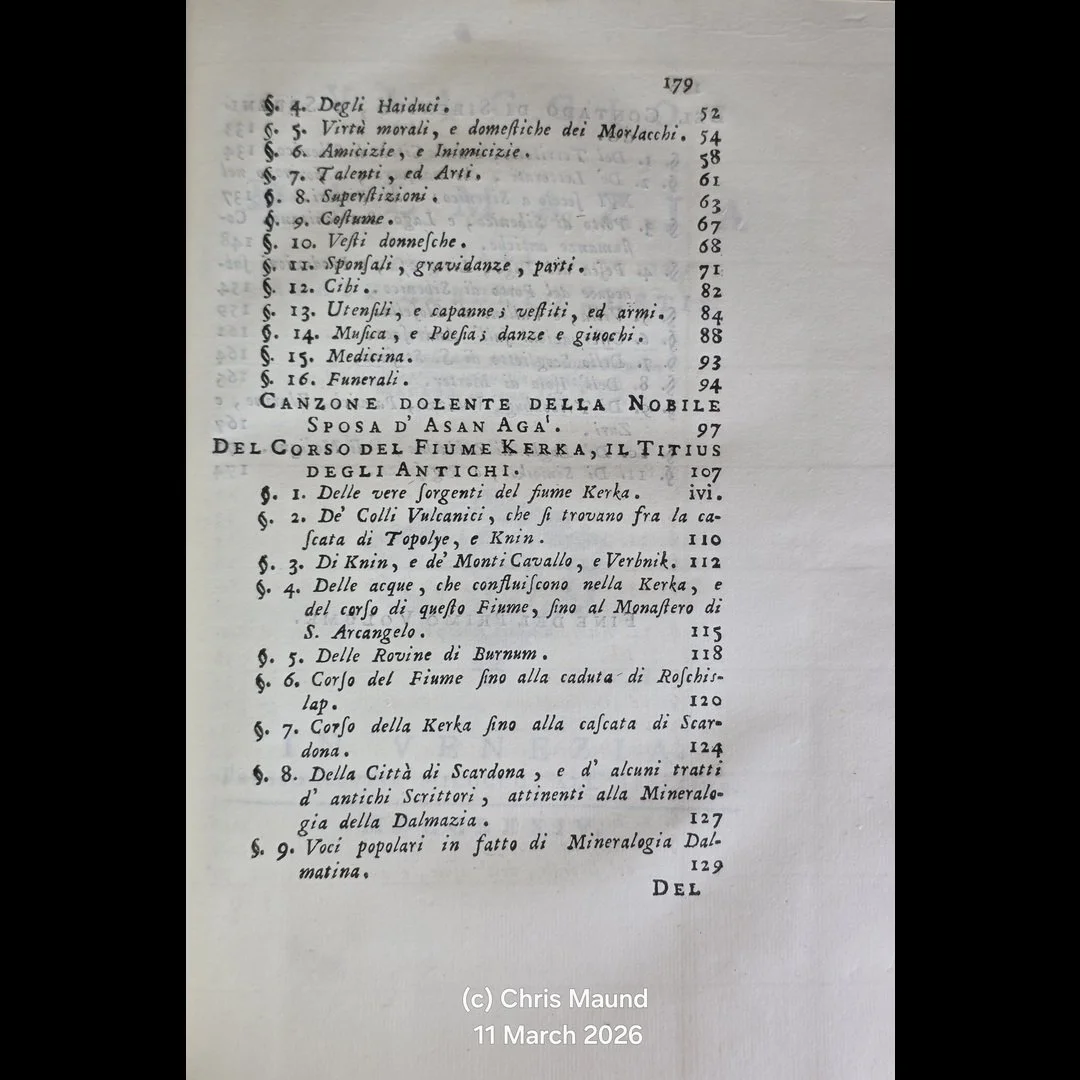 Image 19 of 42
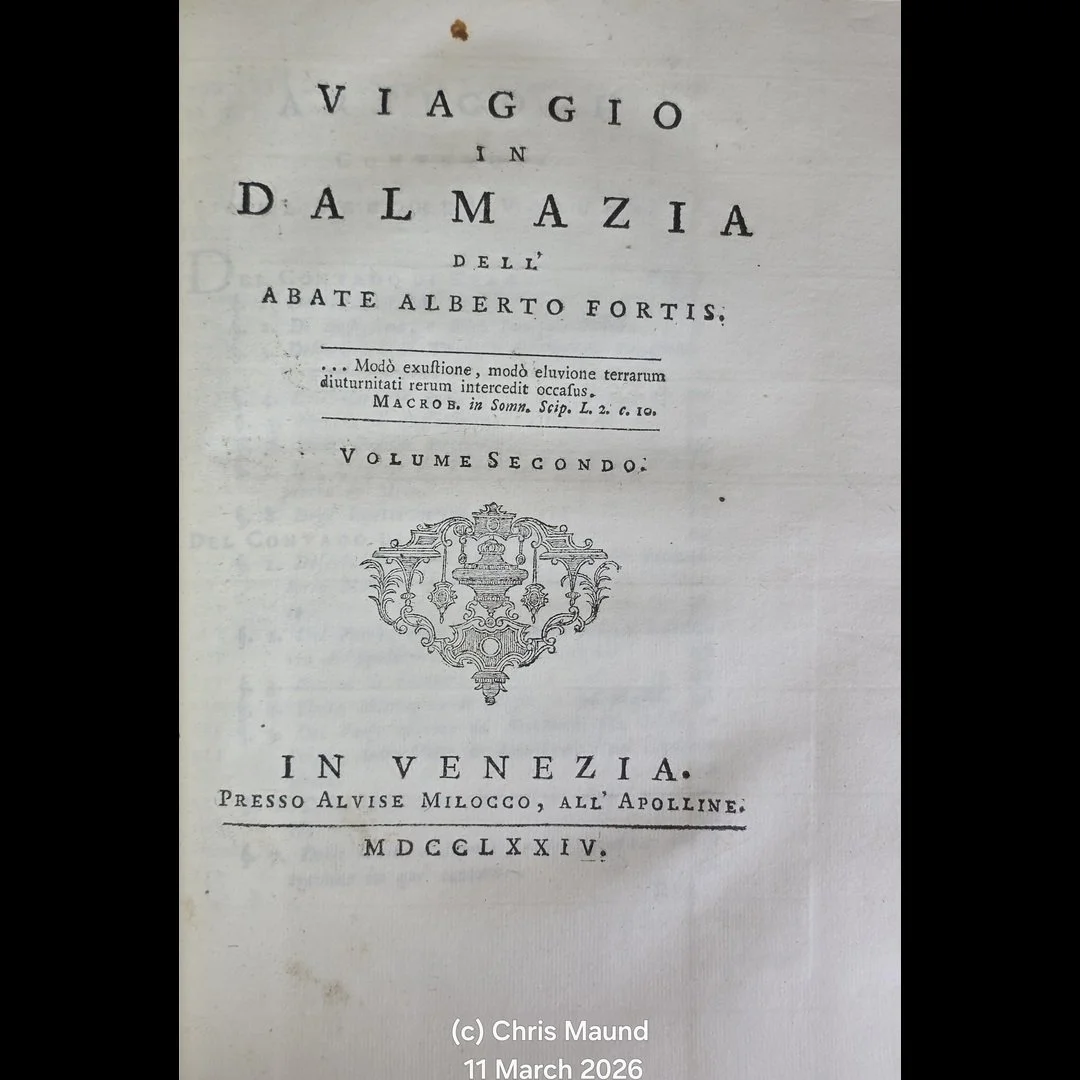 Image 20 of 42
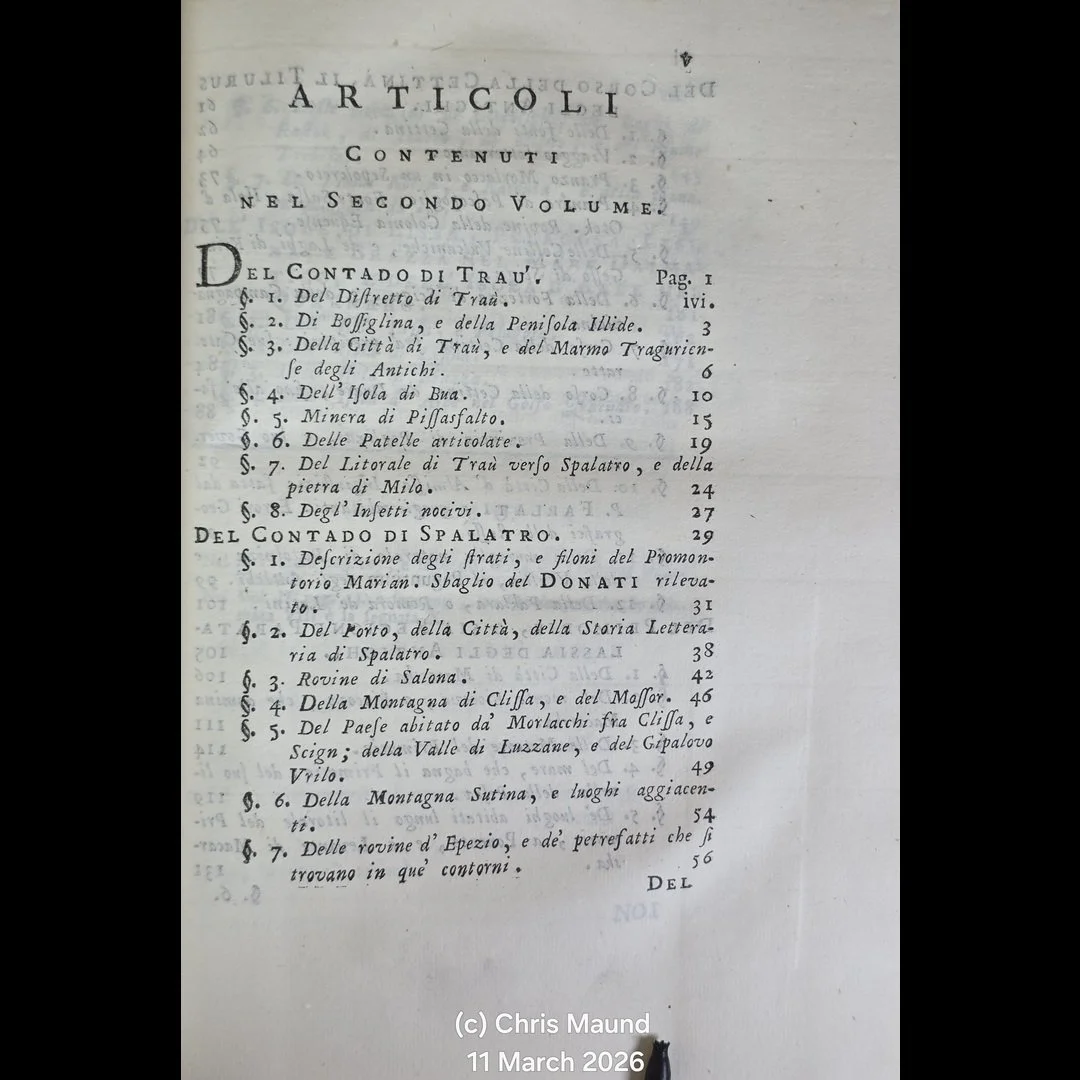 Image 21 of 42
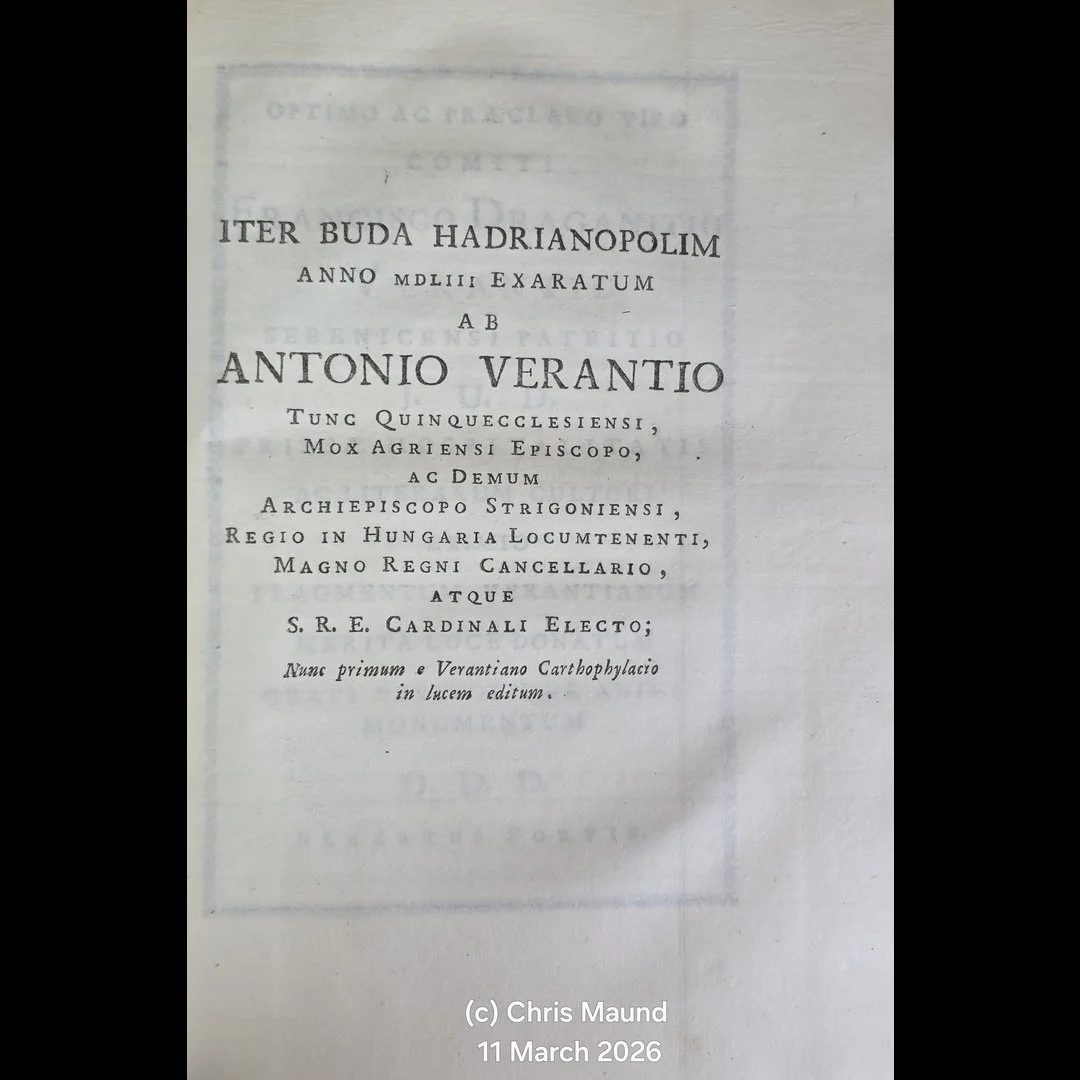 Image 22 of 42
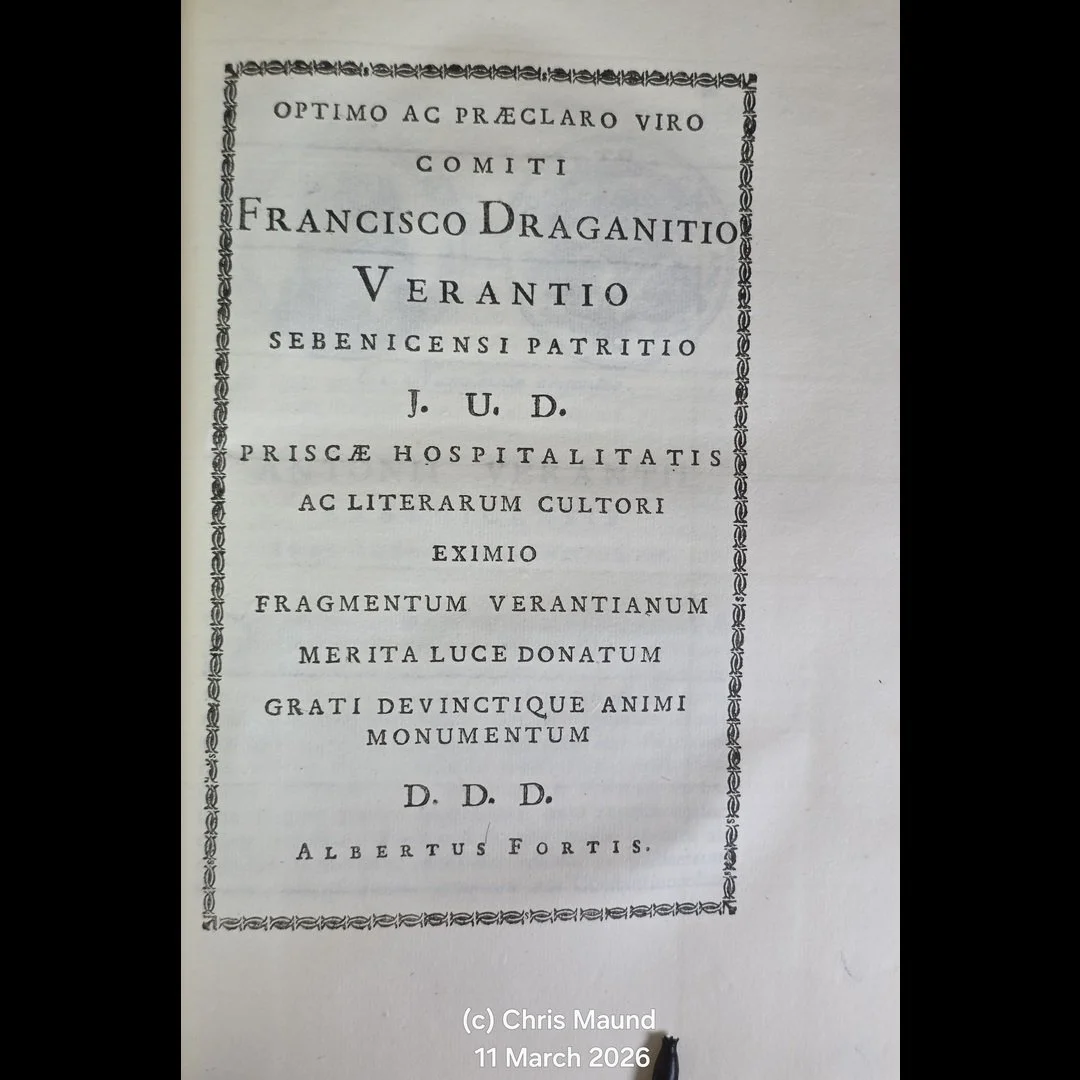 Image 23 of 42
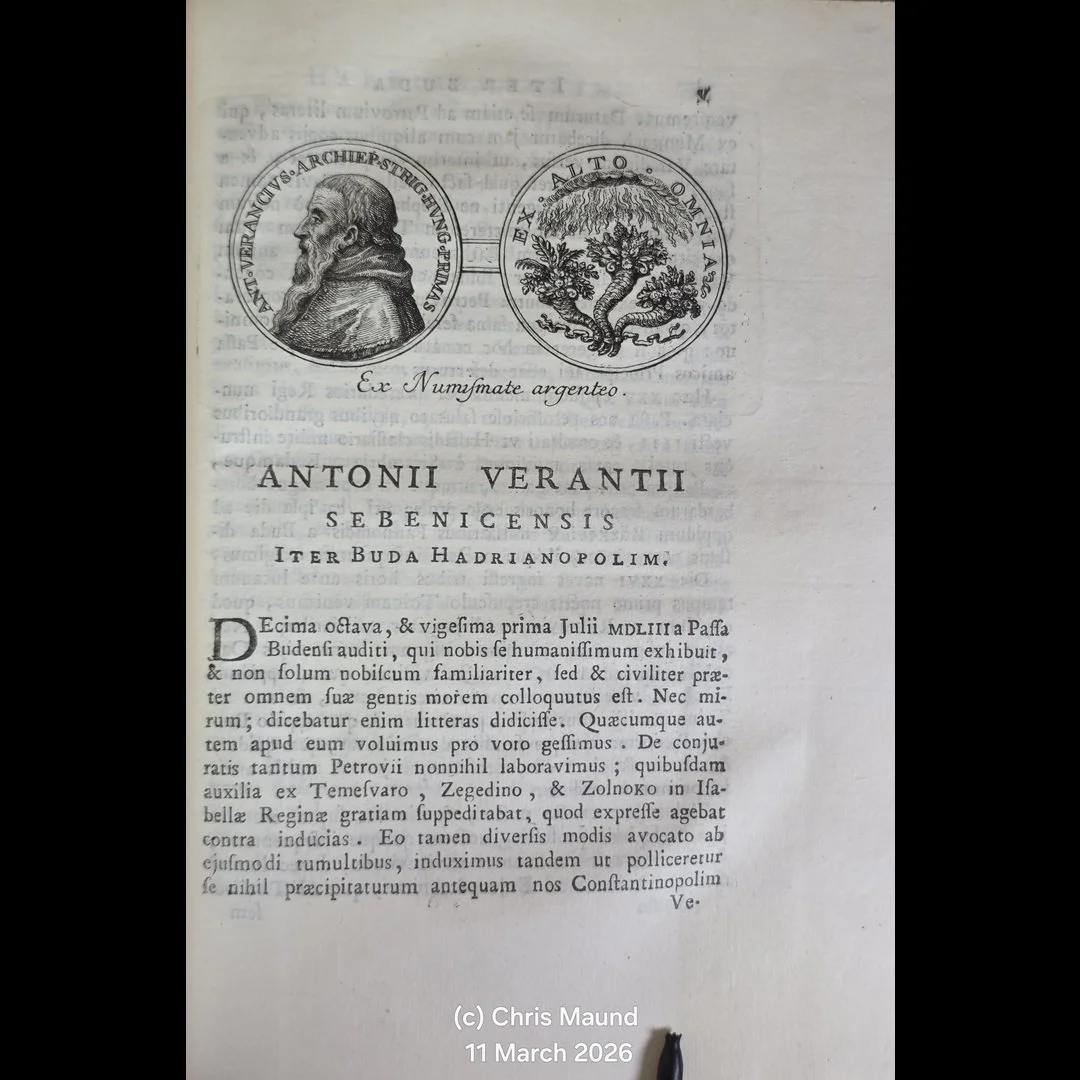 Image 24 of 42
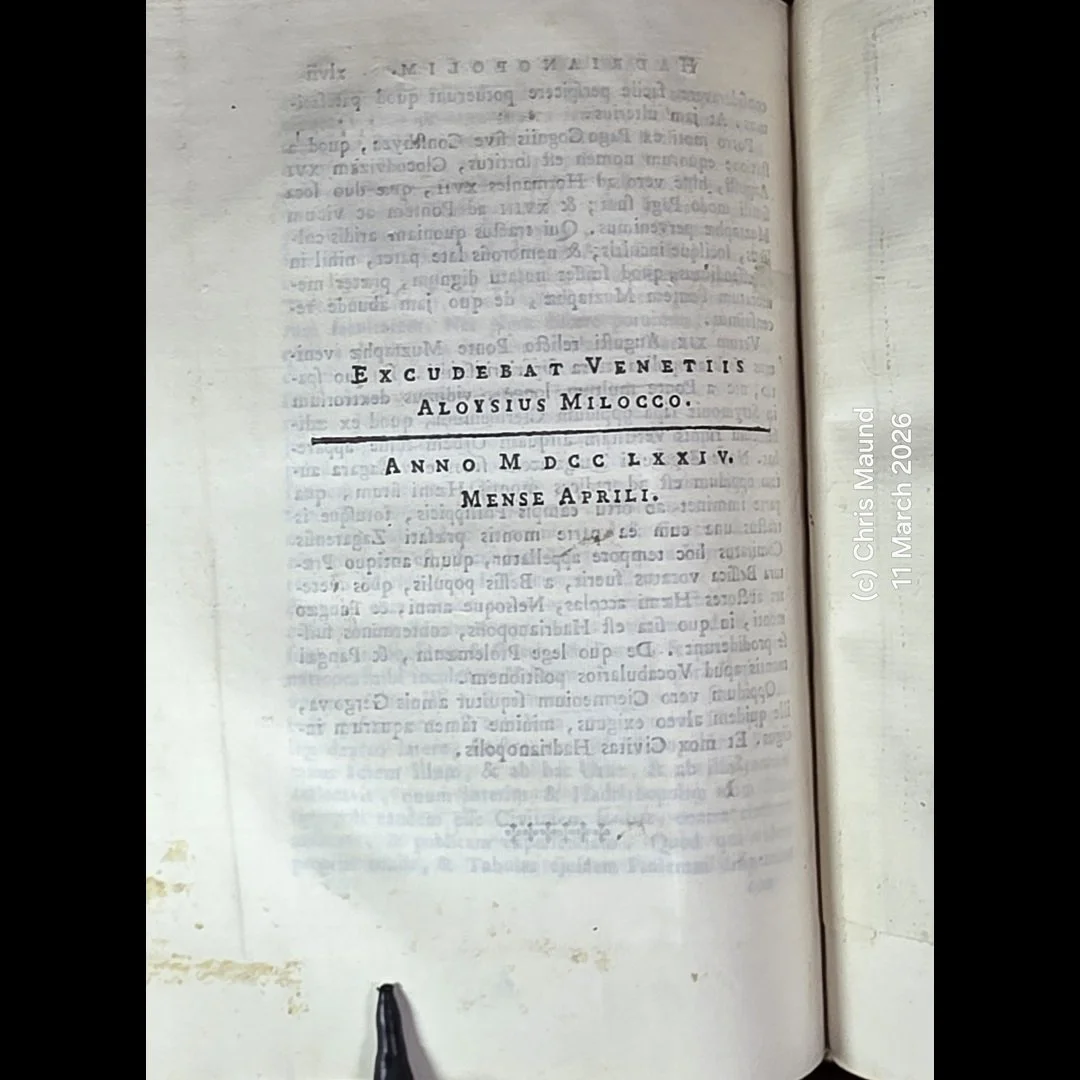 Image 25 of 42
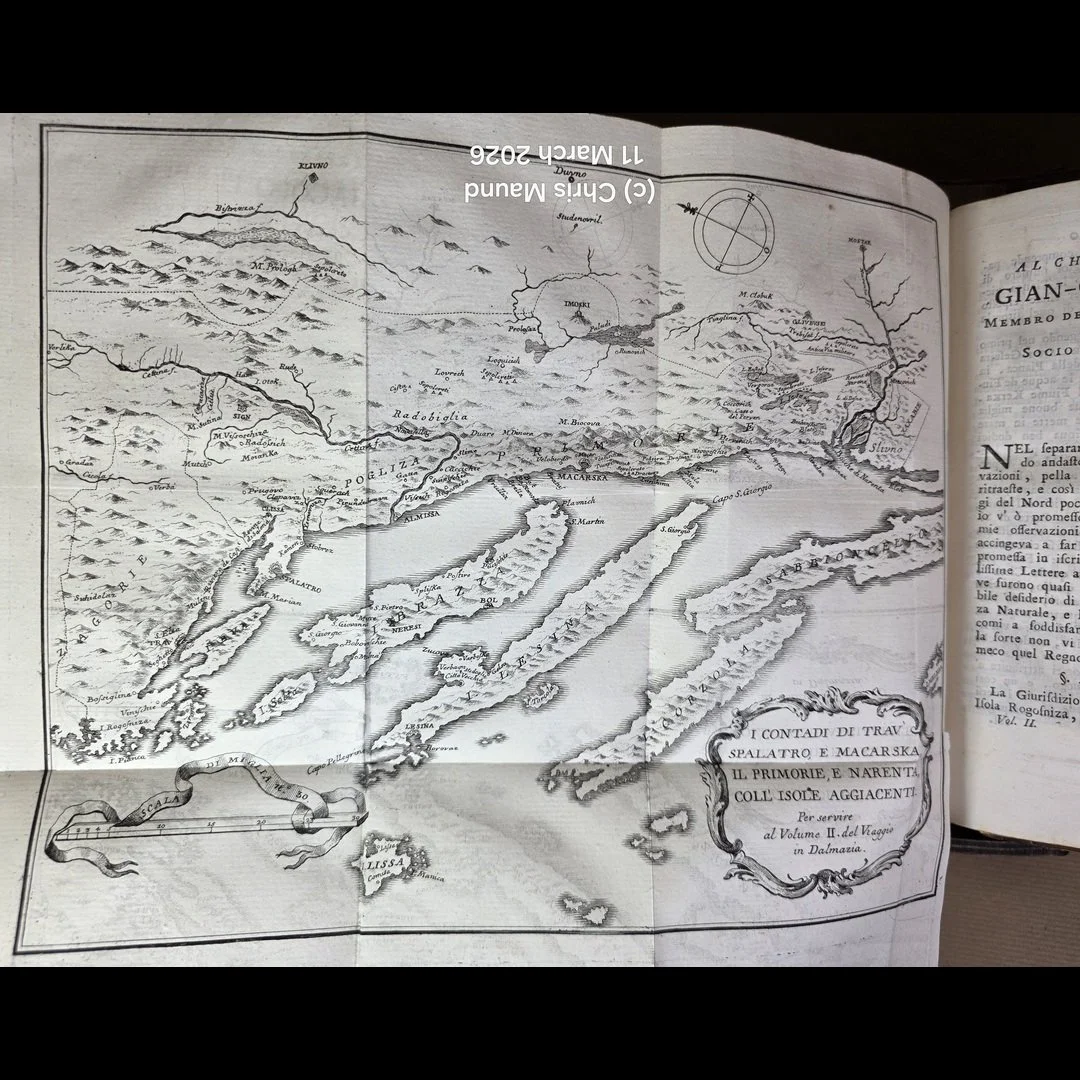 Image 26 of 42
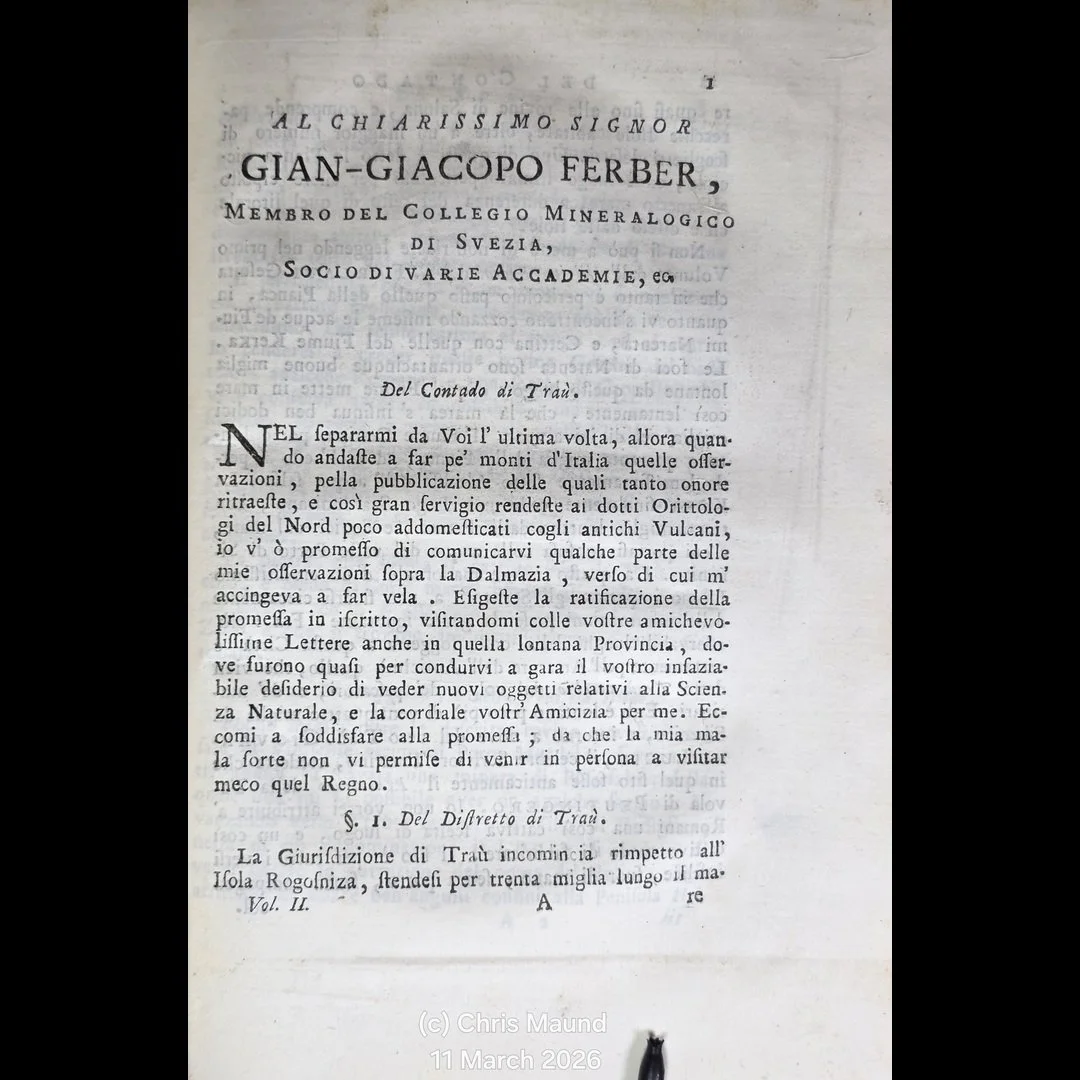 Image 27 of 42
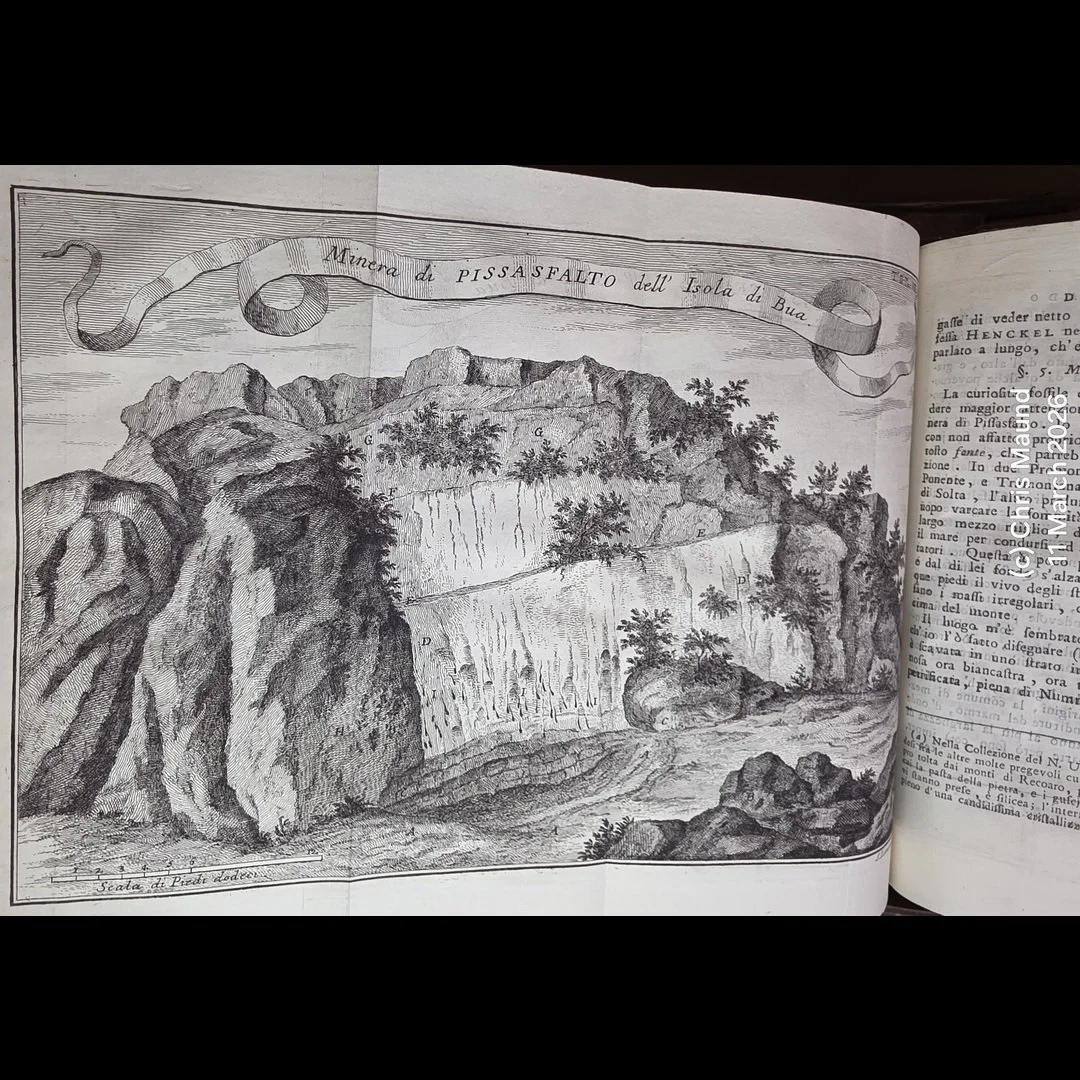 Image 28 of 42
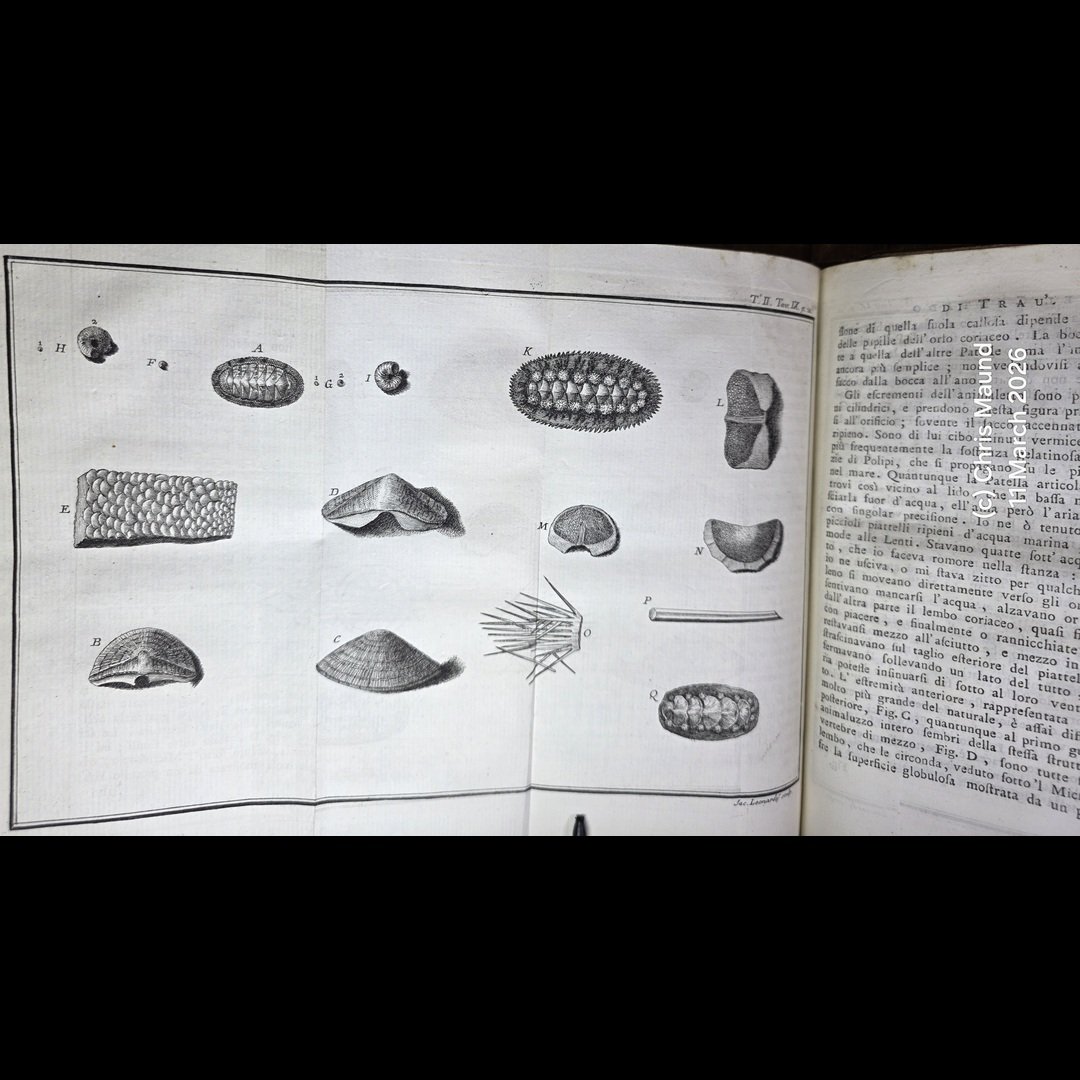 Image 29 of 42
 Image 30 of 42
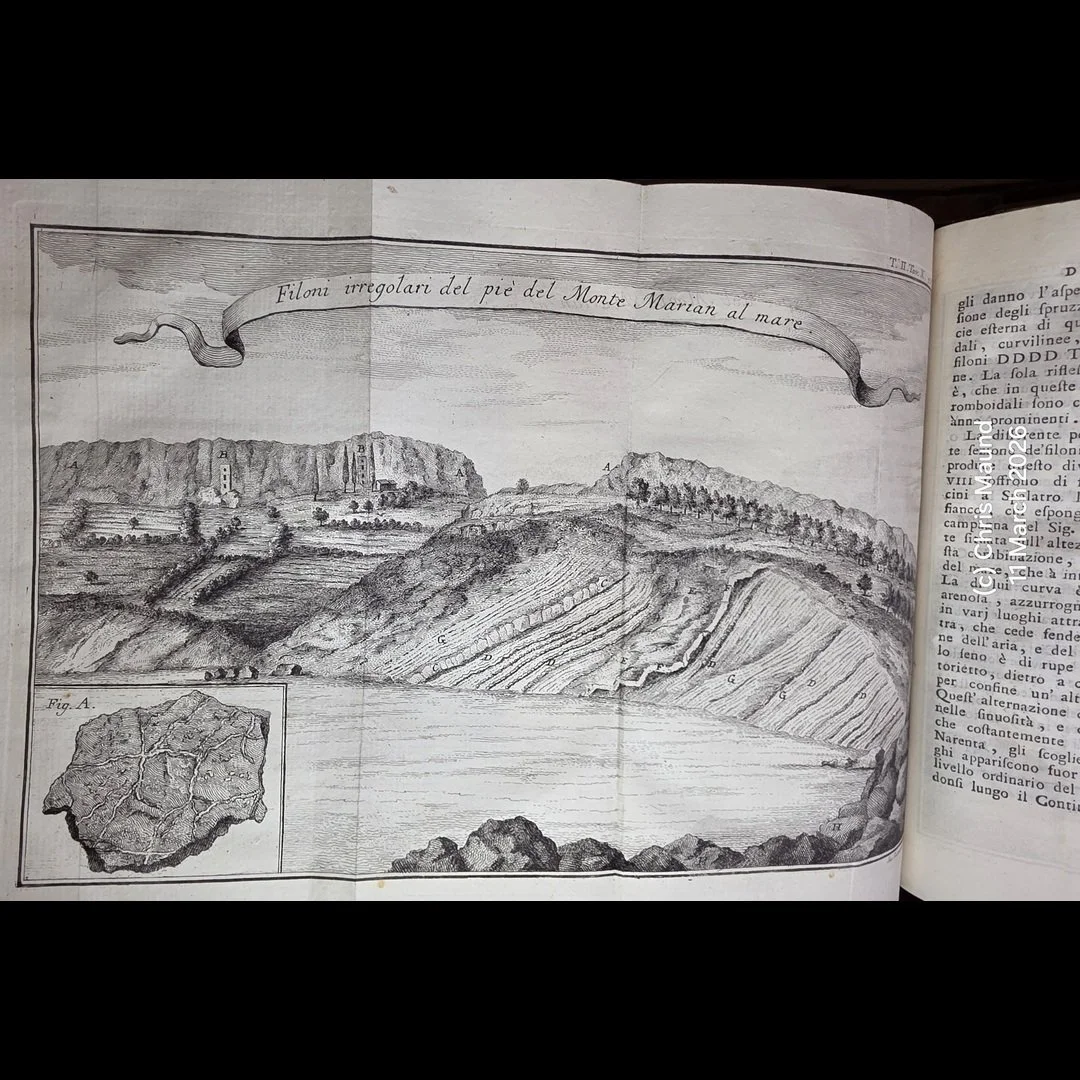 Image 31 of 42
 Image 32 of 42
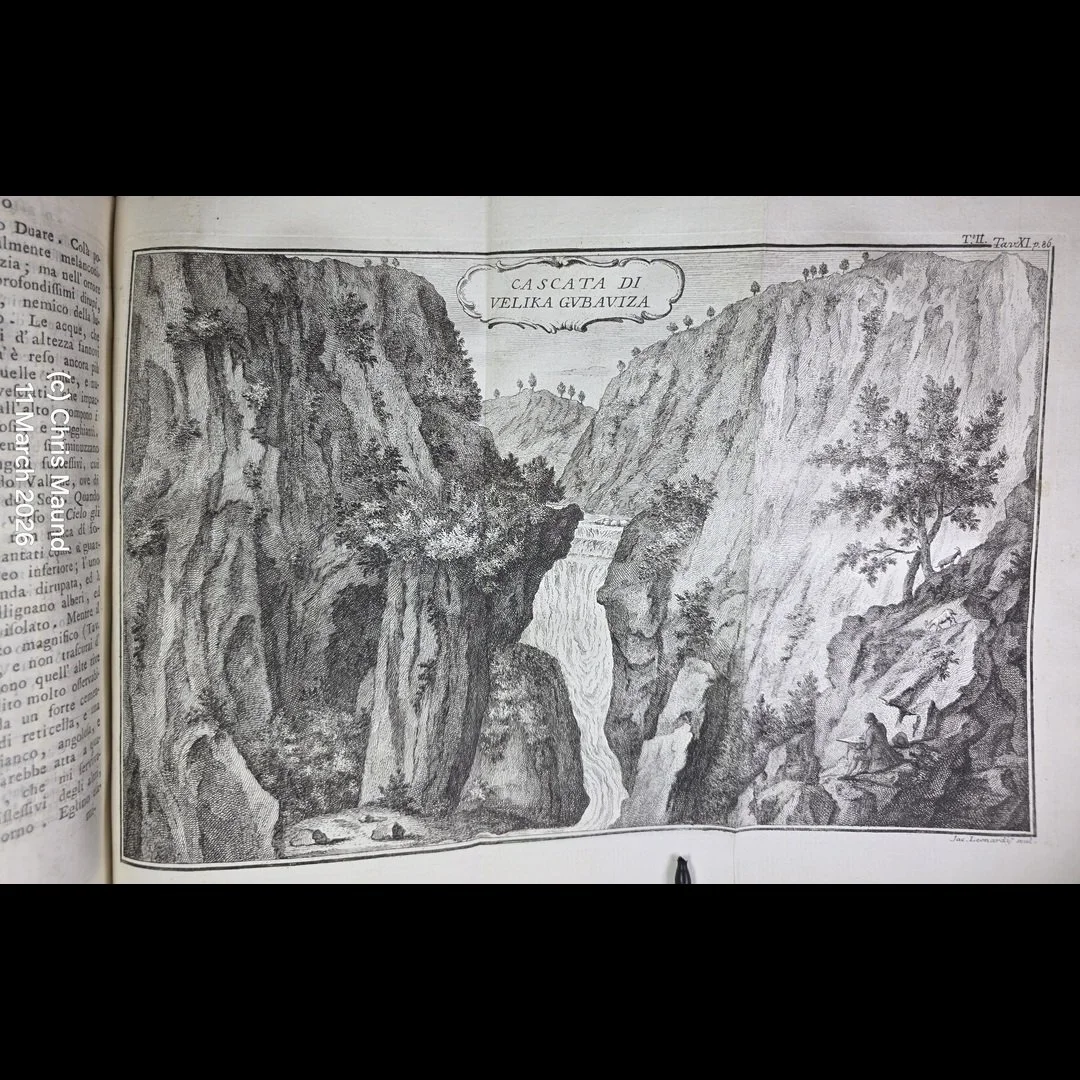 Image 33 of 42
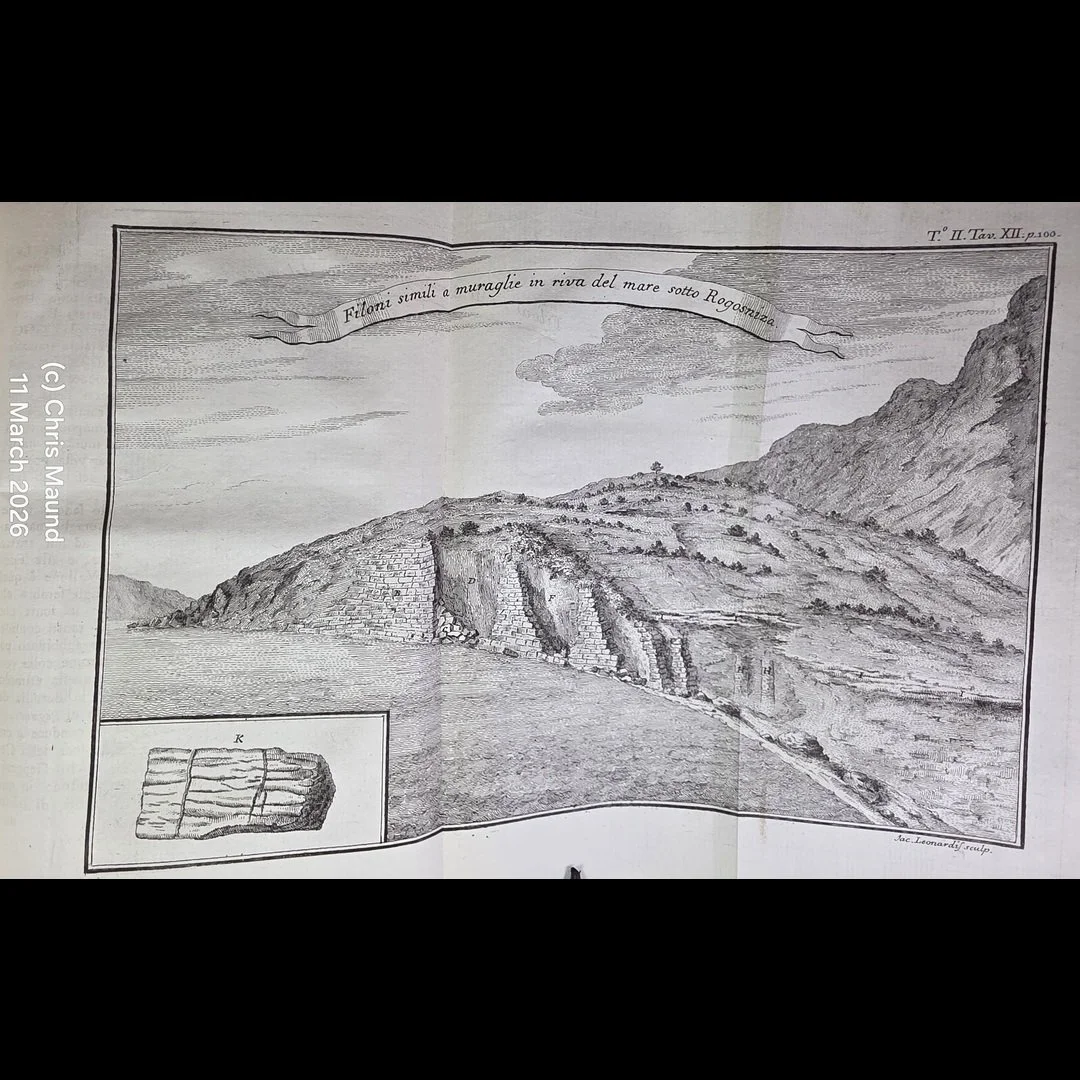 Image 34 of 42
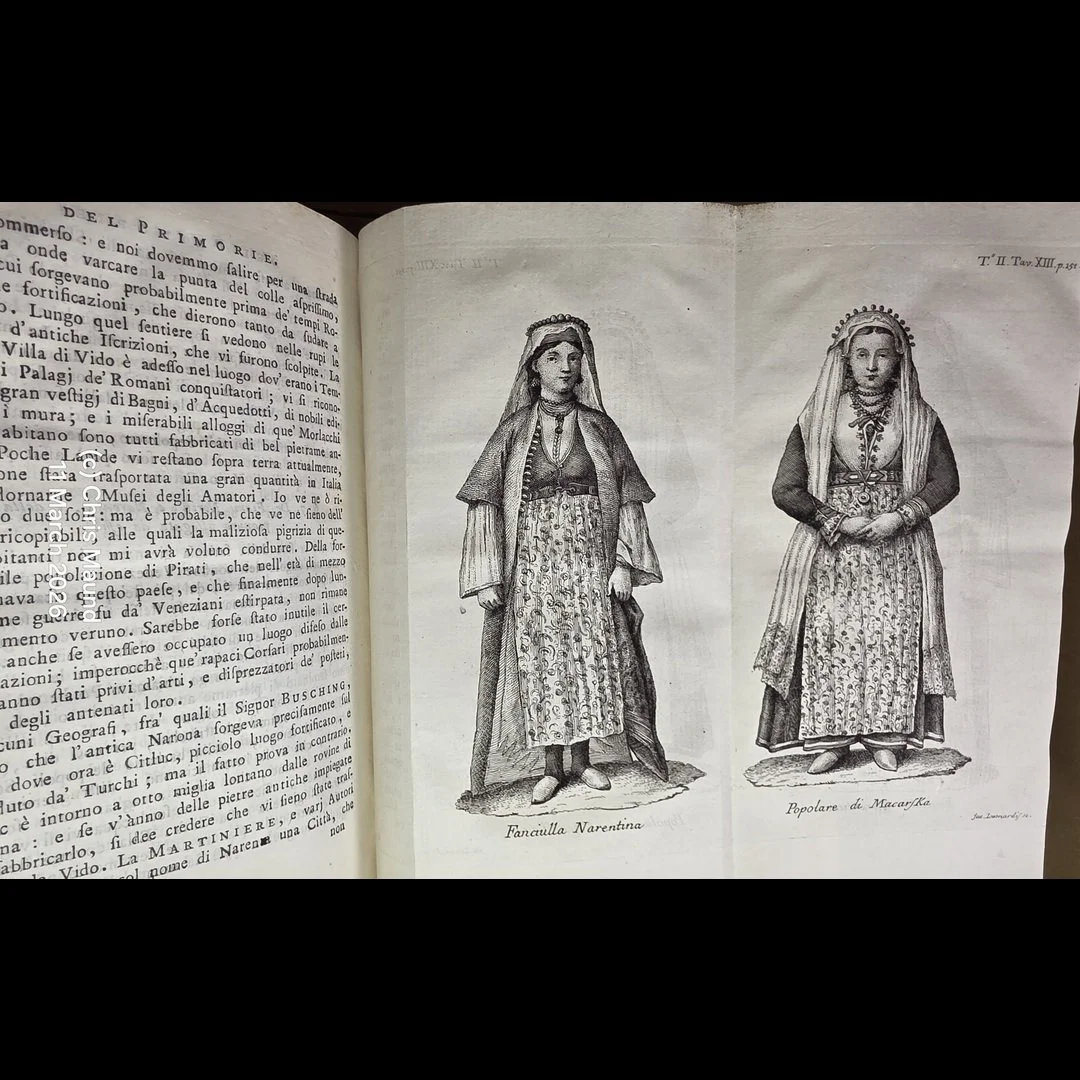 Image 35 of 42
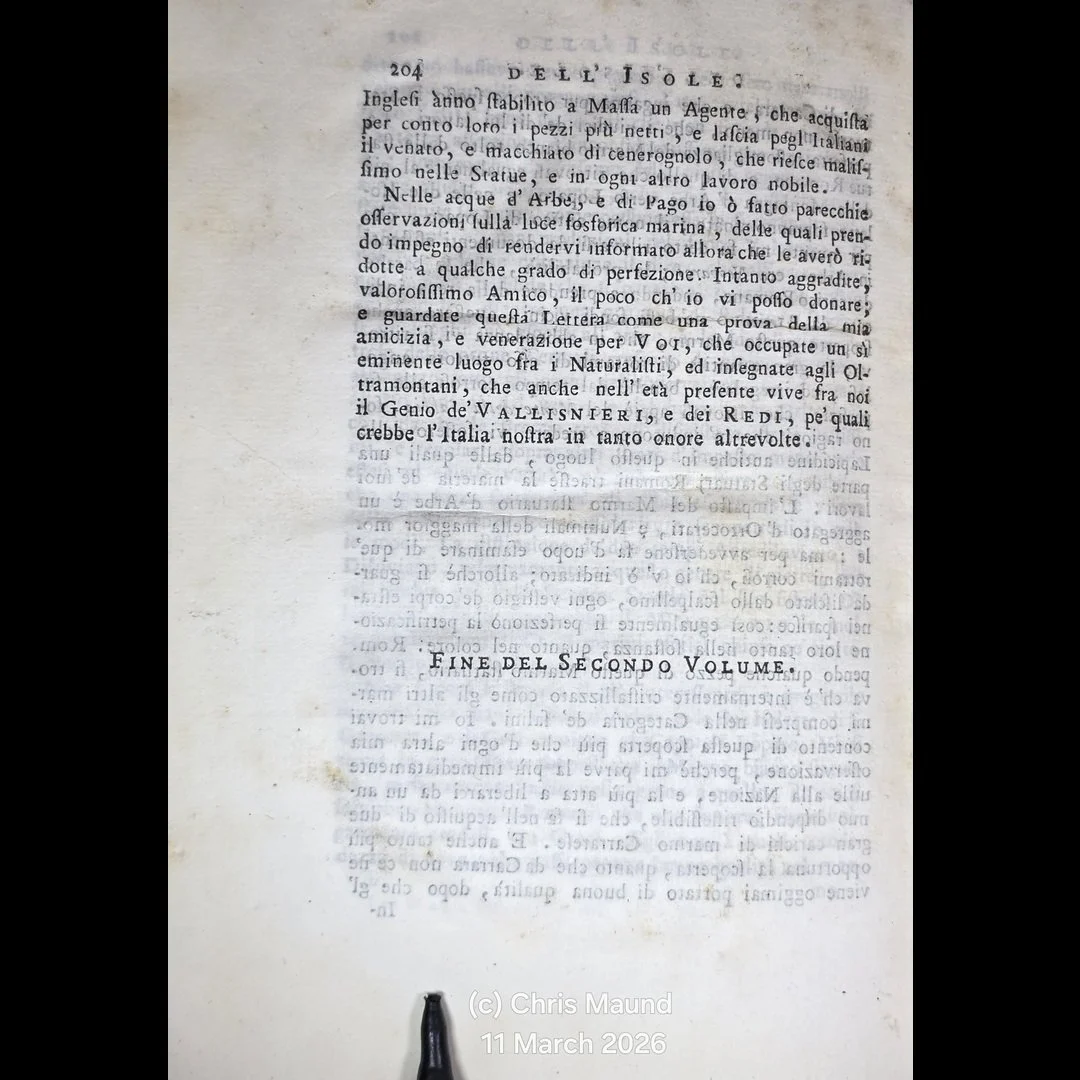 Image 36 of 42
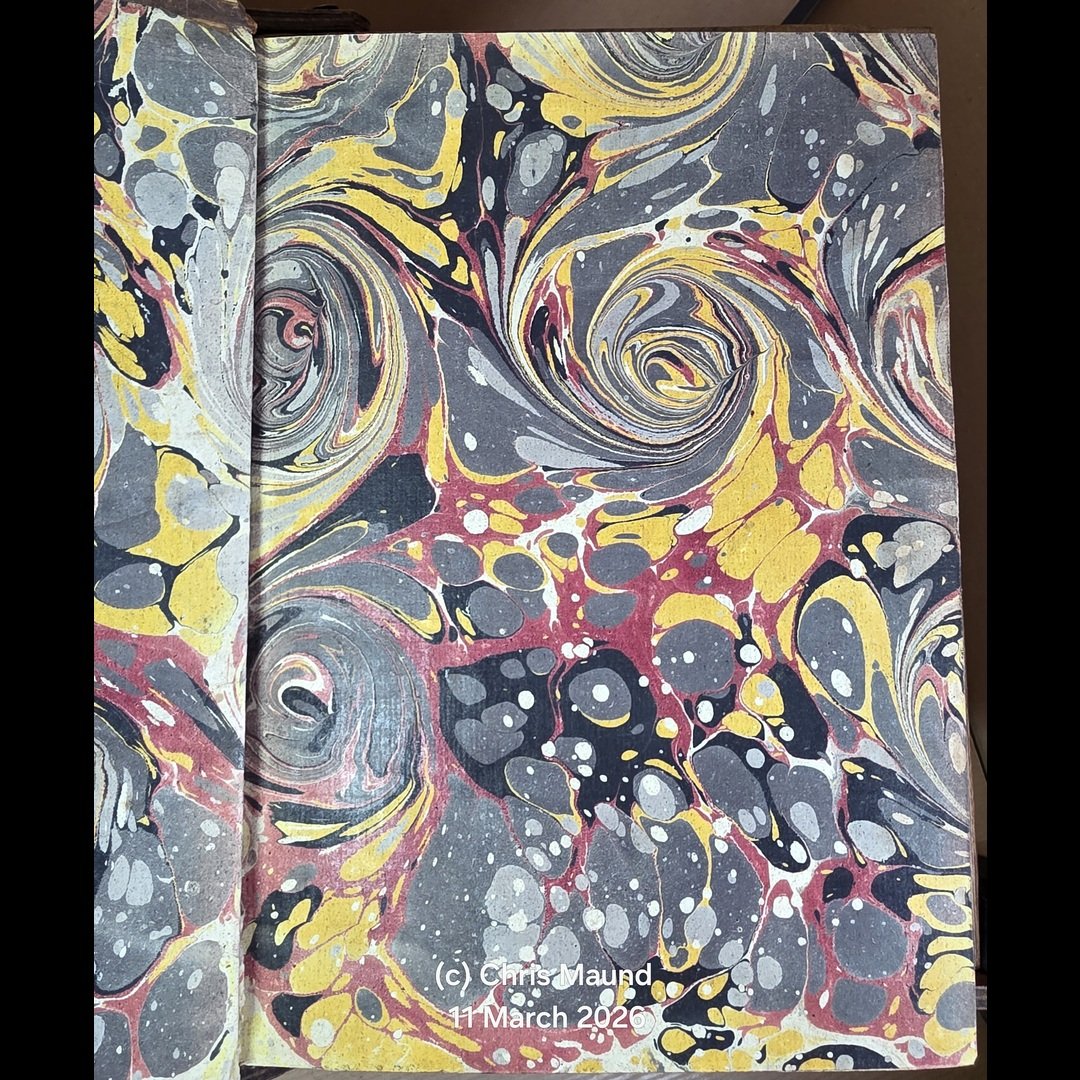 Image 37 of 42
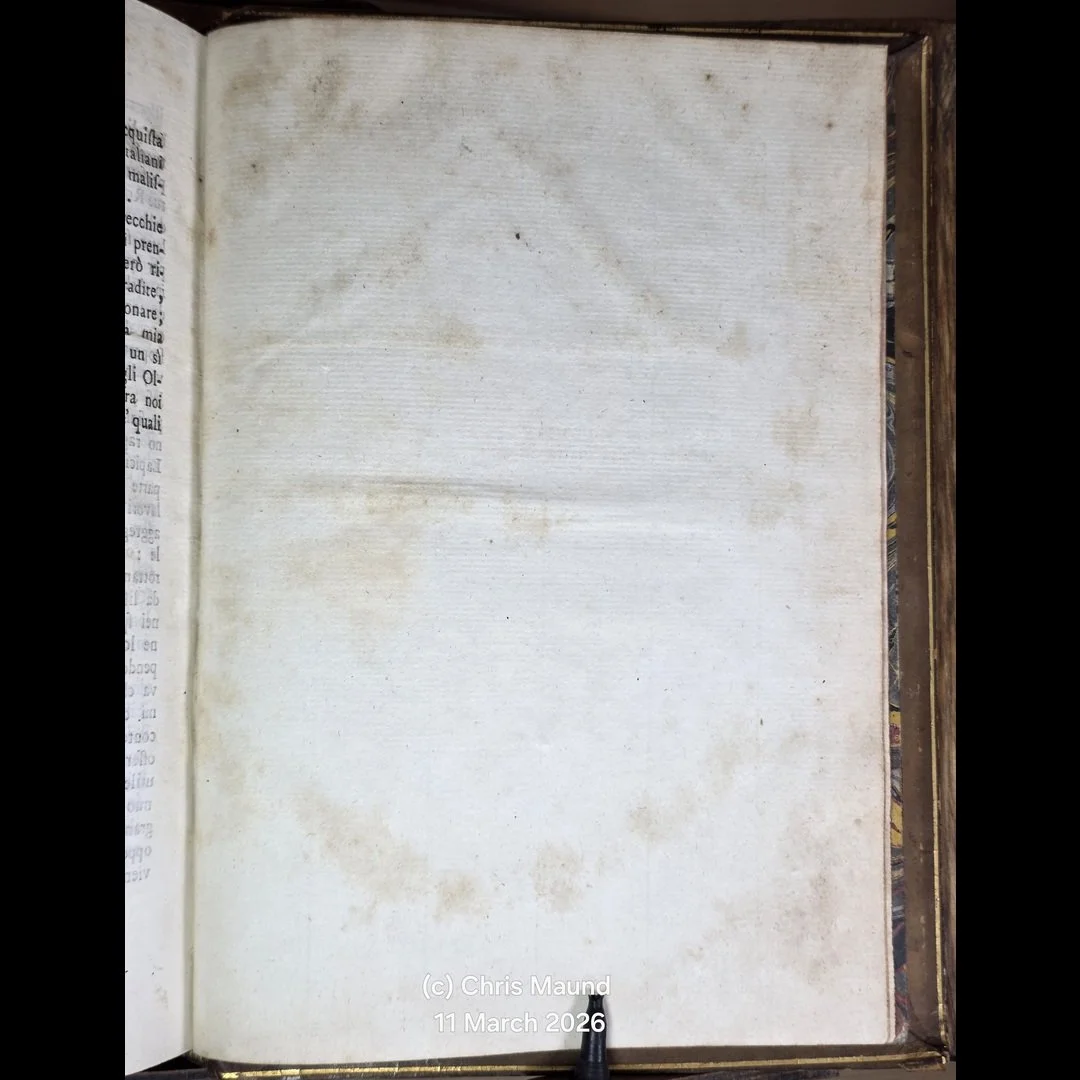 Image 38 of 42
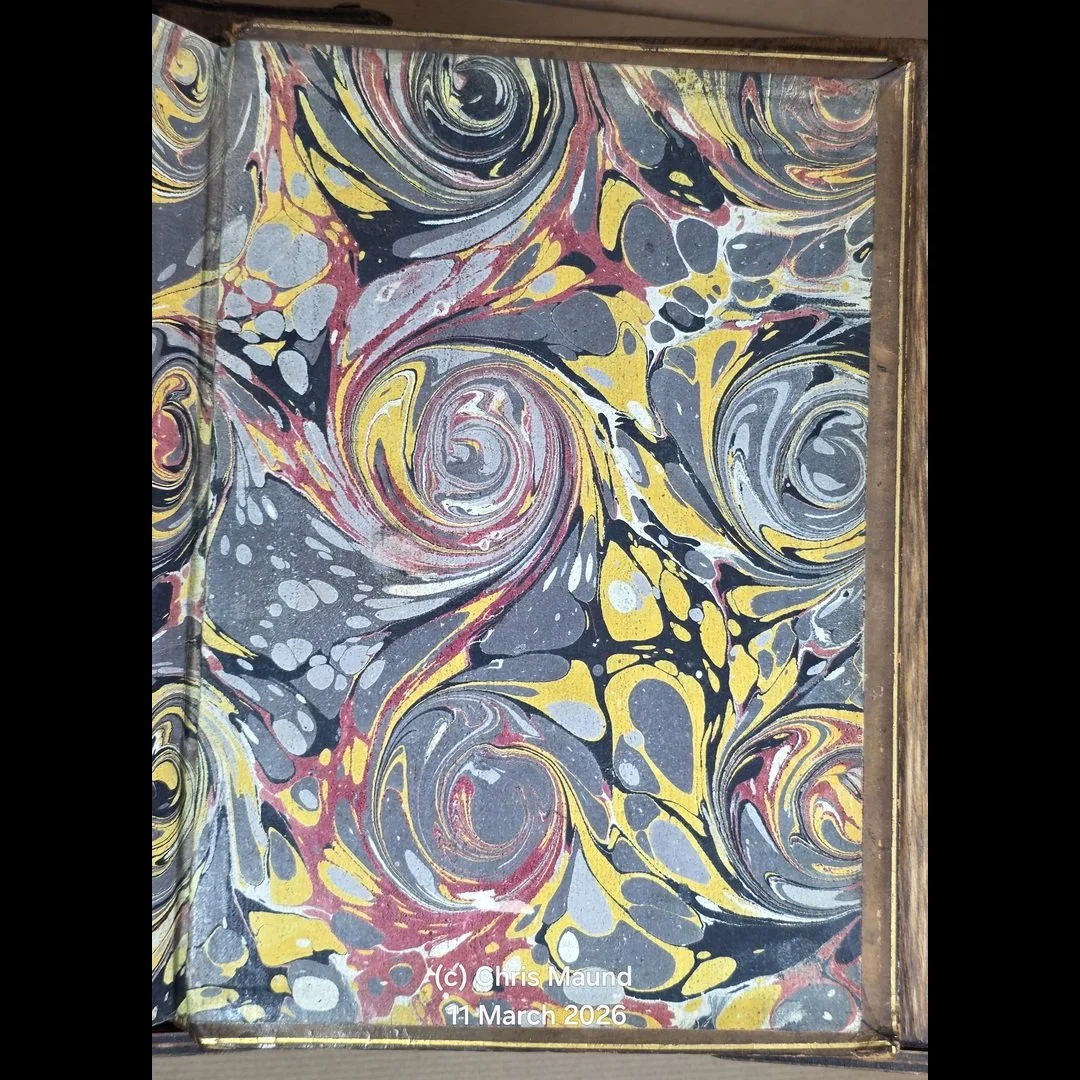 Image 39 of 42
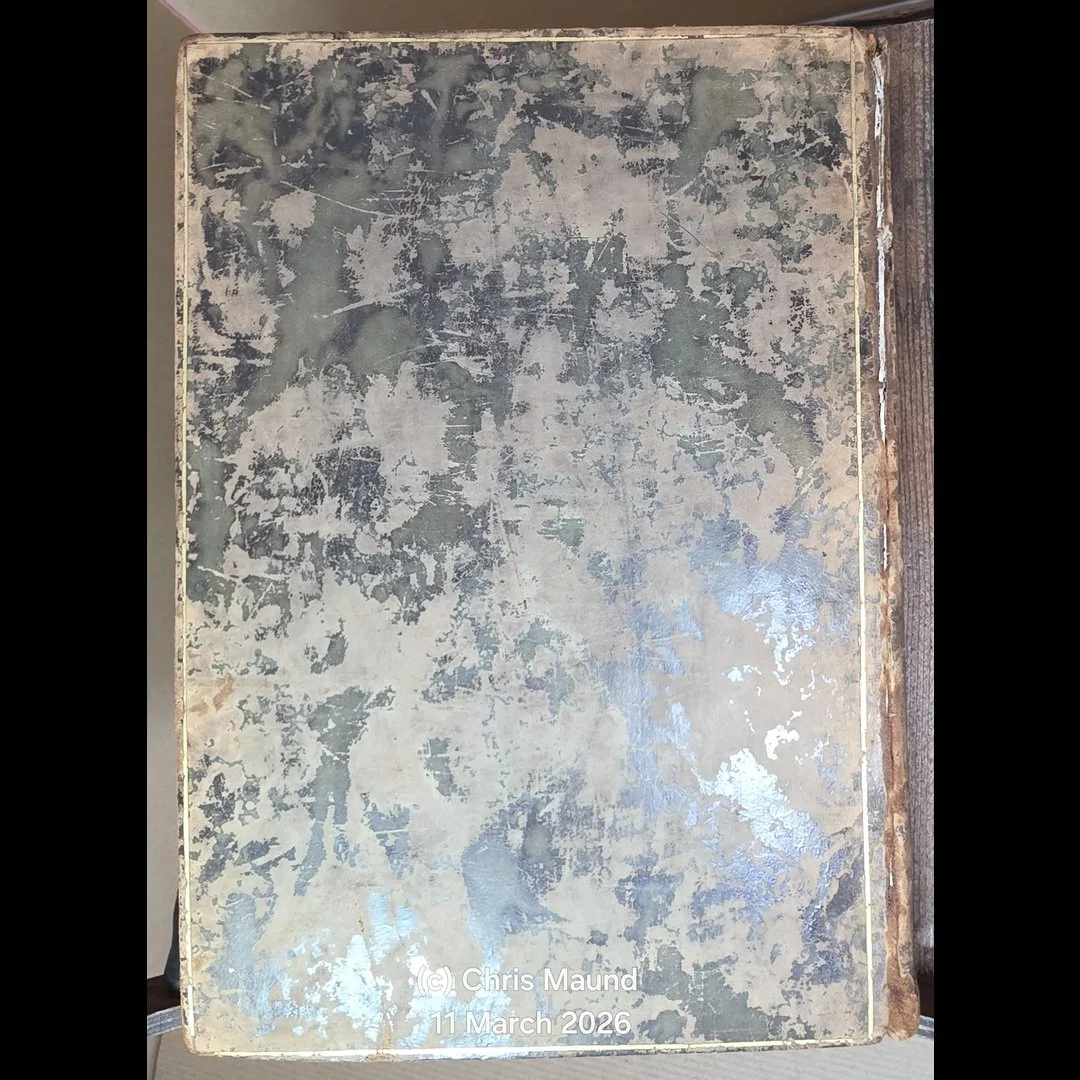 Image 40 of 42
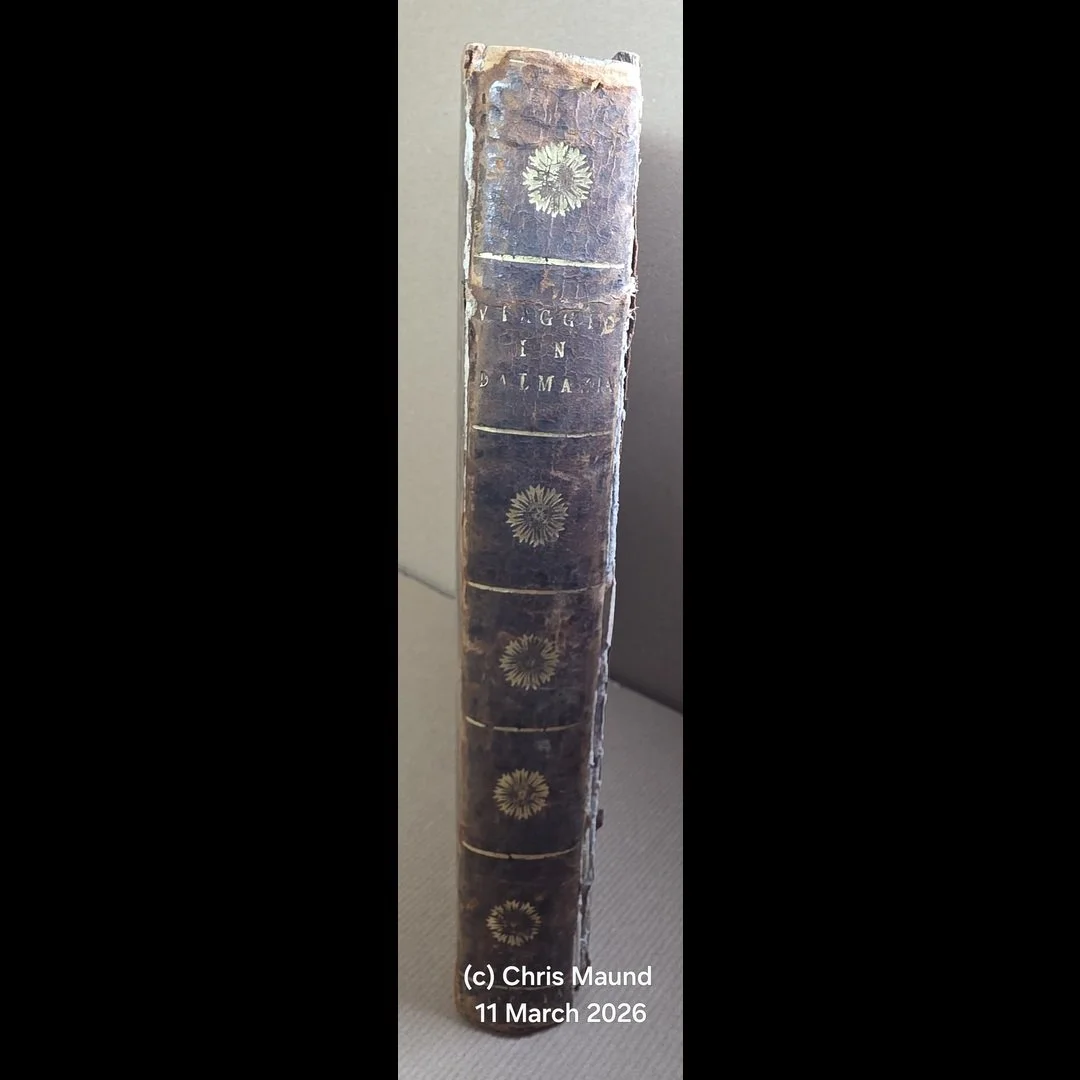 Image 41 of 42
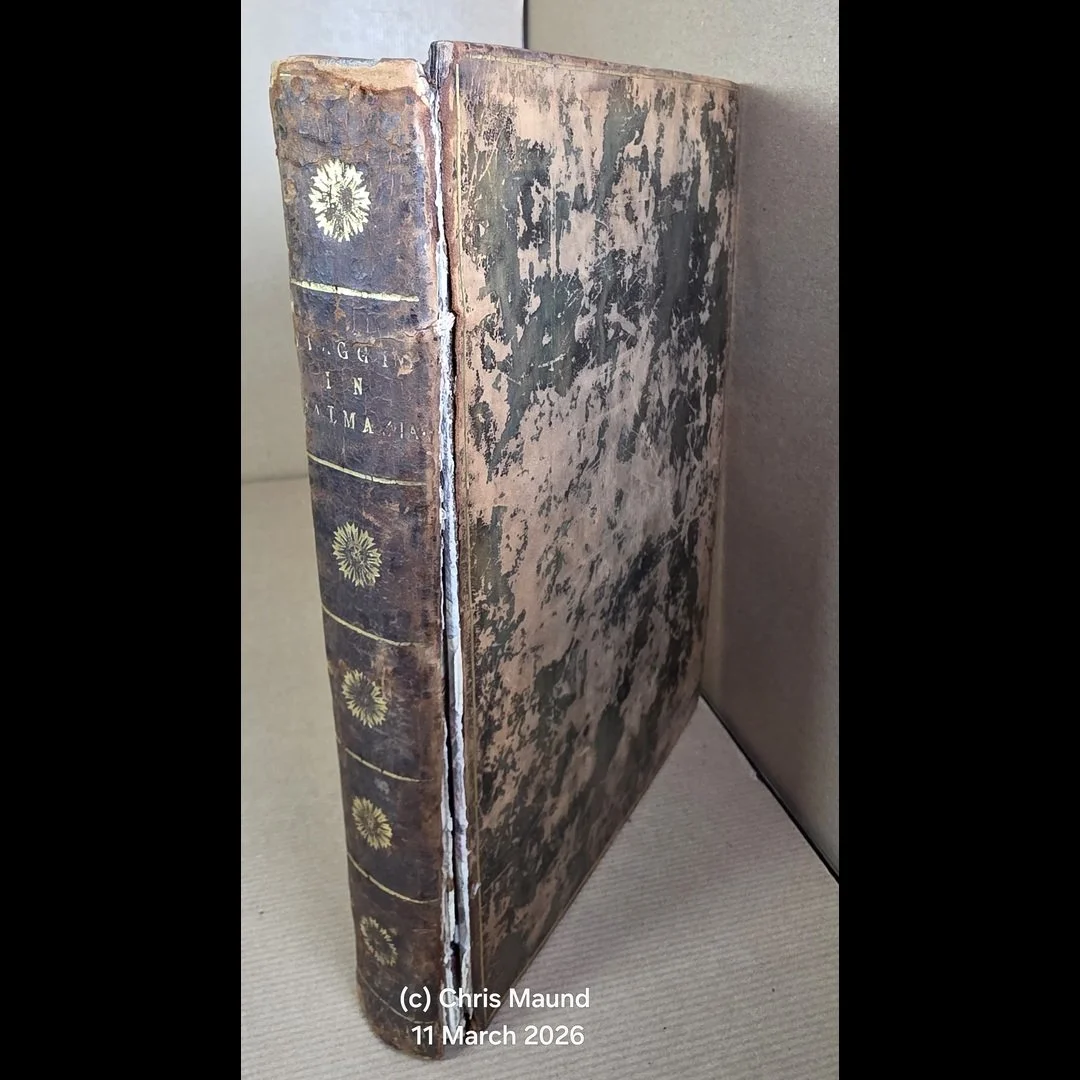 Image 42 of 42








![1707 With Provenance THE HISTORY OF THE REBELLION AND CIVIL WARS IN ENGLAND [THREE VOLS] By Edward, Earl of Clarendon Very Good History](https://images.squarespace-cdn.com/content/v1/634dab4938c13d5c1f88d382/c9f91097-854c-46d0-afcd-4601b9eff8aa/20241014_224316-10.jpg)