1683 First Edition With Provenance
RECHERCHES CURIEUSES D'ANTIQUITE
By Monsieur Spon (Jacob Spon)
KEY DETAILS
Condition: Good
Format: Hardcover, approx. 9.75 x 7.4 in / 250 x 188 mm
Published By: A Lyon, Chez Thomas Amaulry, ruë Merciere, au Mercure Galant., France, 1683
Language: French, with Latin in parts of the preliminaries and inscriptions.
Provenance: Ombersley Court Library, Worcestershire, the historic library of the Sandys family. Acquired directly by Books That Expand The Mind from its dispersal at Chorley’s, The September Auctions 2024, 17 September 2024, Lot ...
Collation: pp. 1–538, final Table des principales matieres 19 pp., plus 2 terminal blanks.
Dust Jacket: None, as issued
SKU: BTETM0002447
Shipping Info: Approximate Package Dimensions H: 12.5, L: 30, W: 25 (Units: cm), W: 2Kg
Tracked Shipping, Insurance Coverage as per Customer Request
DESCRIPTION
Recherches curieuses d'antiquite
Contenues en plusieurs dissertations, sur des médailles, bas-reliefs, statuës, mosaïques, & inscriptions antiques; enrichies d’un grand nombre de figures en taille douce
Recherches curieuses d’Antiquité brings together thirty-one individual studies of ancient objects and monuments encountered by Spon in collections, through correspondence and during his extensive antiquarian researches.
The volume opens with an elaborate engraved additional title/frontispiece and an explanation of the antiquities represented upon it, followed by a table of the dissertations and the royal privilege. A large engraving of the Clypeus Votivus introduces the first dissertation, devoted to an ancient silver votive shield then preserved in the Lyon cabinet of the collector Octavio Mey.
Thereafter Spon ranges widely across the material culture of antiquity. His subjects include an ancient mosaic at Lyon; Syrian and Greco-Roman divinities; the Arval Brethren and Roman religious practice; Cupid and Psyche; Hermes and Harpocrates; ancient rings, gems and ritual objects; sculpture and bas-reliefs; architectural remains; inscriptions; Egyptian antiquities; and a substantial body of ancient coins and medals.
The illustrations are fundamental to the work rather than merely decorative. Numerous copper engravings reproduce the objects upon which Spon’s arguments depend, allowing the reader to compare the surviving material evidence with his interpretations of ancient literary and historical sources. Several are associated with the Lyon engraver Mathieu Ogier.
This approach places Spon amongst the important transitional figures between the Renaissance antiquary and the modern archaeologist. Rather than treating antiquities simply as curiosities or illustrations of classical literature, he sought to classify and interrogate physical remains as independent witnesses to ancient religion, history, politics and everyday life.
The volume concludes with Spon’s thirty-first dissertation and the numbered text at p. 538, followed by the extensive Table des principales matières.
The pagination contains irregularities originating with the seventeenth-century printing, including the well-documented jump in numbering after p. 40; these are as issued and do not represent missing text.
PROVENANCE
Ombersley Court Library, Worcestershire, the historic library of the Sandys family. Acquired directly by Books That Expand The Mind from its dispersal at Chorley’s, The September Auctions 2024, 17 September 2024, Lot 297. Purchaser’s invoice retained with the acquisition records.
CONDITION, COLLATION & COPY NOTES
COLLATION
pp. 1–538, final Table des principales matieres 19 pp., plus 2 terminal blanks.
Complete: engraved frontispiece, letterpress title, dedication and preliminaries, separate engraved plate, pp. 1–538, final Table des principales matieres 19 pp., plus 2 terminal blanks. Pagination jump from pp. 40 to 49 is as issued.
Complete, including the engraved additional title/frontispiece, letterpress title, dedication and preliminary matter, explanation of the antiquities represented on the frontispiece, table of dissertations, royal privilege, large Clypeus Votivus engraving, all thirty-one dissertations through p. 538, numerous copper-engraved illustrations throughout, and terminal Table des principales matières.
The sequence has been compared with the digitised 1683 copy held by Heidelberg University Library.
Pagination irregularities, including the apparent omission of page numbers 41–48, are printing errors/as-issued anomalies and do not indicate missing text.
Contemporary panelled calf binding with blind-ruled and decorated boards, raised bands and gilt decoration to the spine, and red morocco lettering-piece. Binding considerably rubbed and worn, with wear to corners and board edges, losses and abrasion at the spine extremities and cracking/splitting to the joints, particularly towards the head. The boards remain attached at the time of cataloguing.
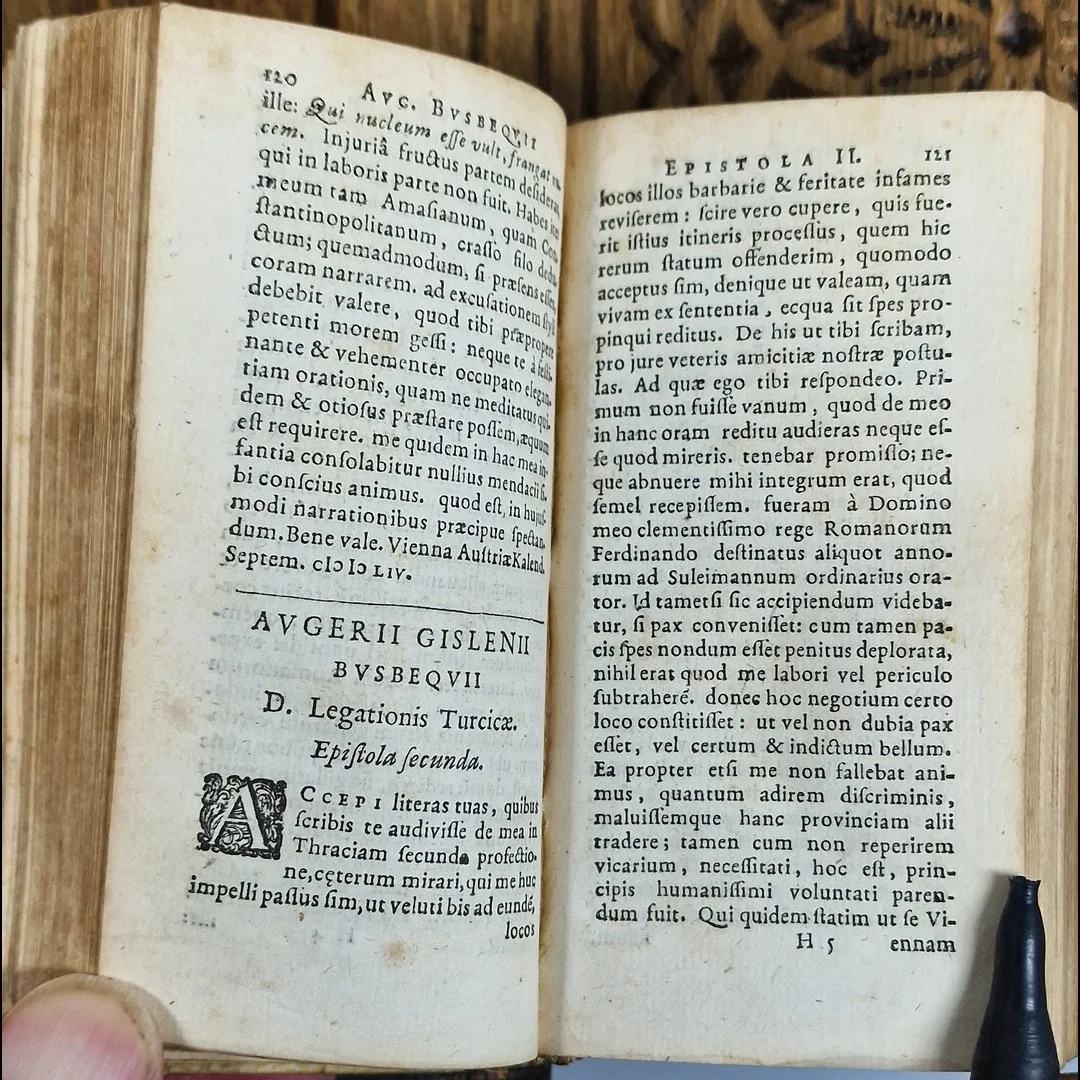
Internally very good overall for a volume of this age. Variable age-toning with occasional spotting, marks and handling wear. The numerous engraved illustrations remain generally strong and well-defined.
An attractive, substantially unsophisticated copy retaining its contemporary binding and extensive original engraved material.
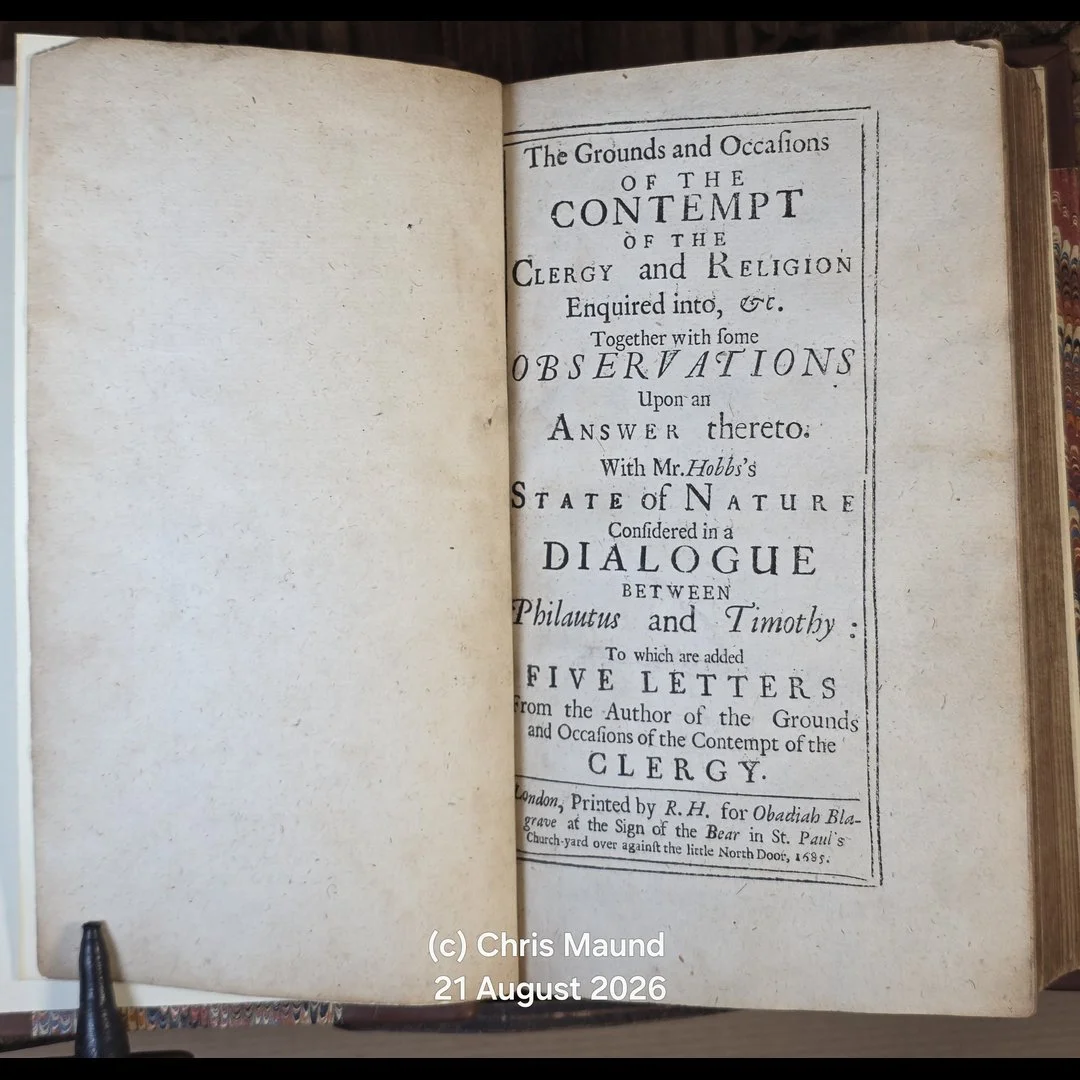
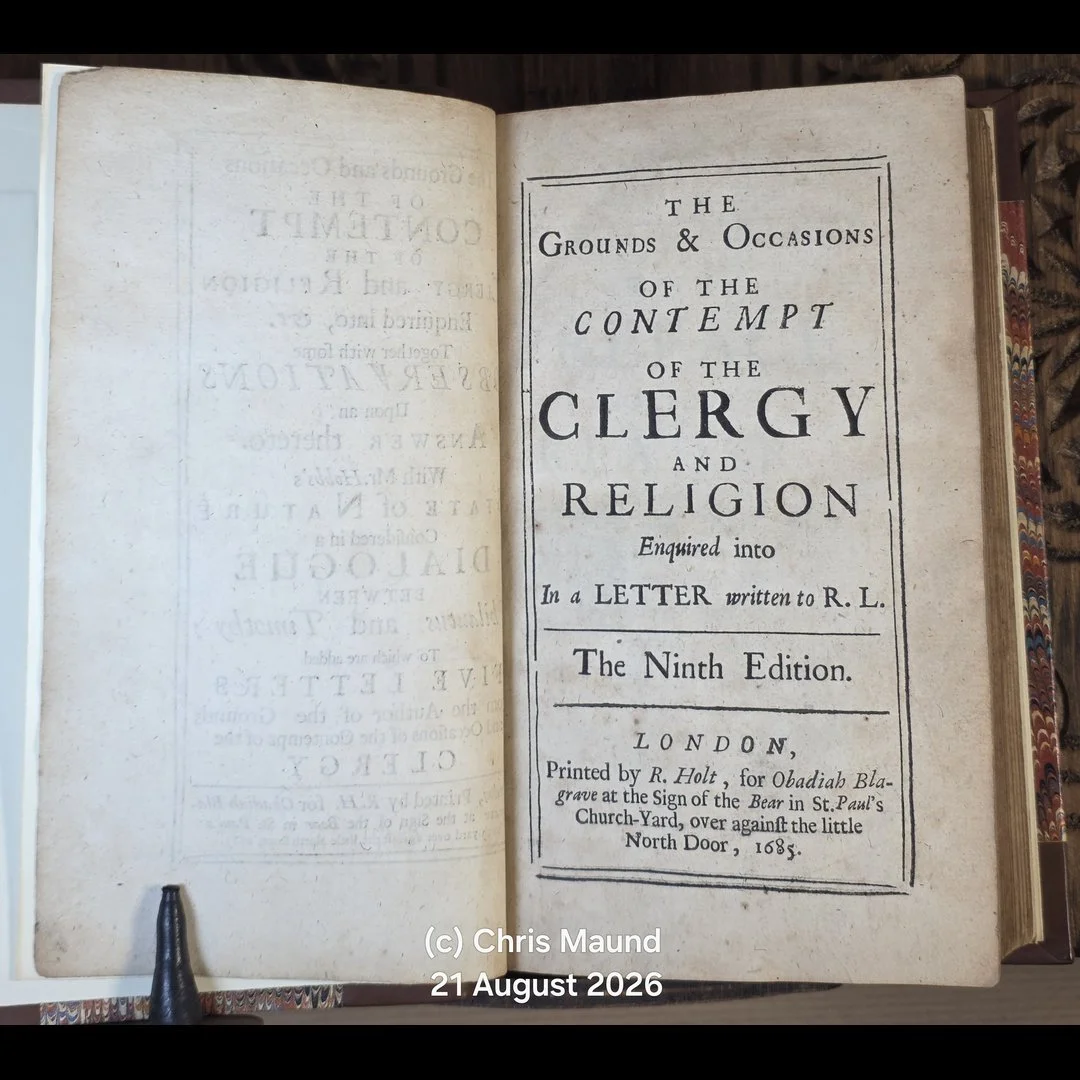
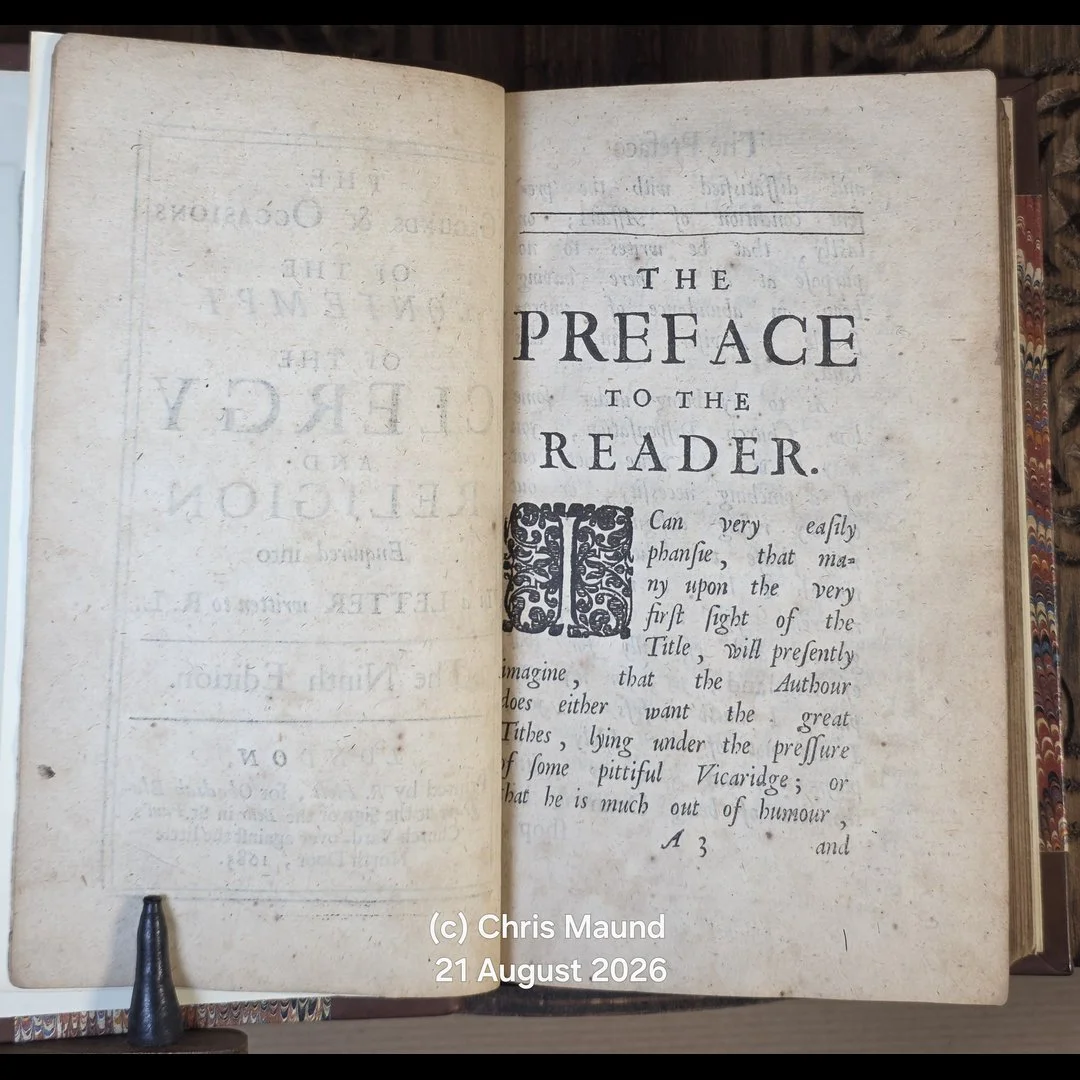
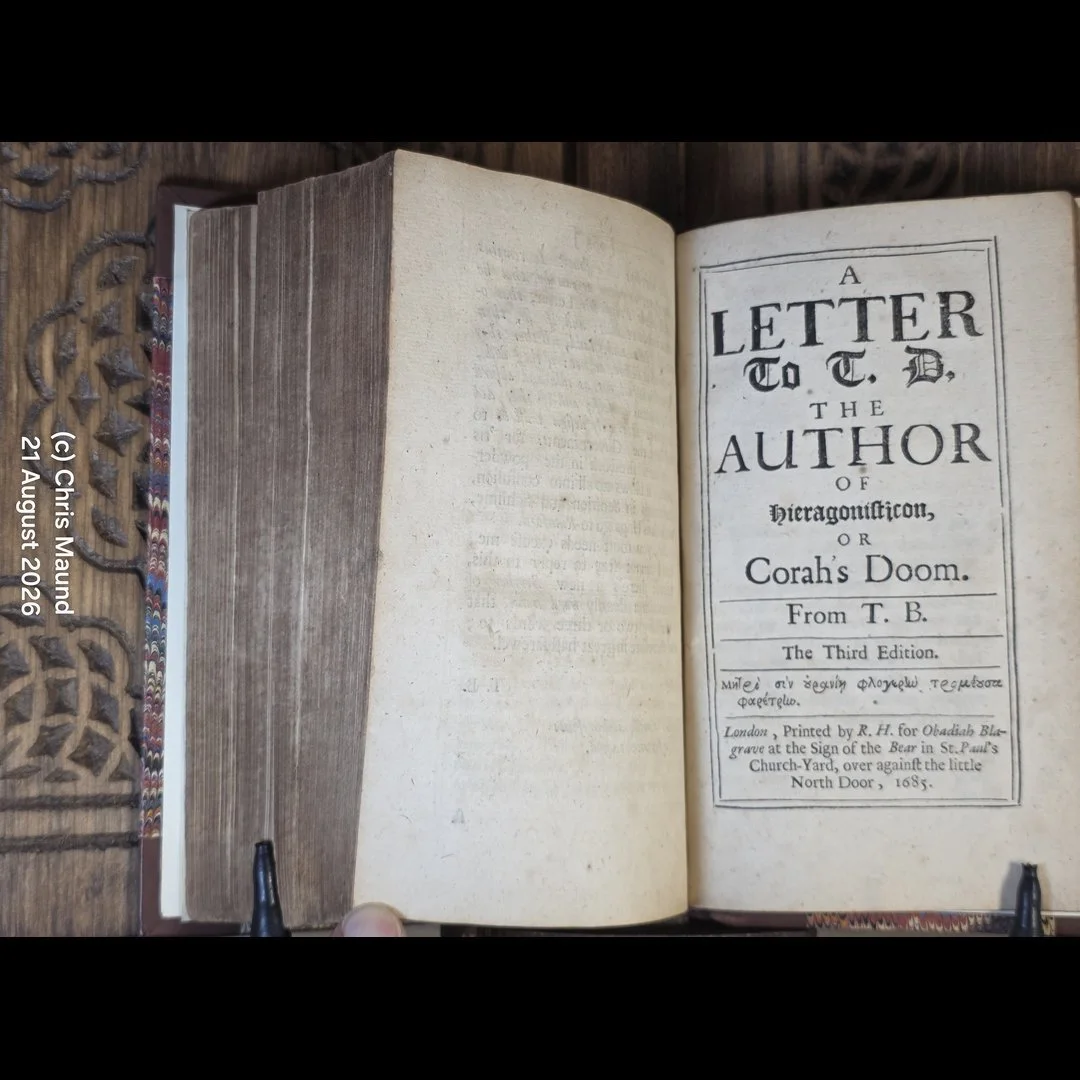
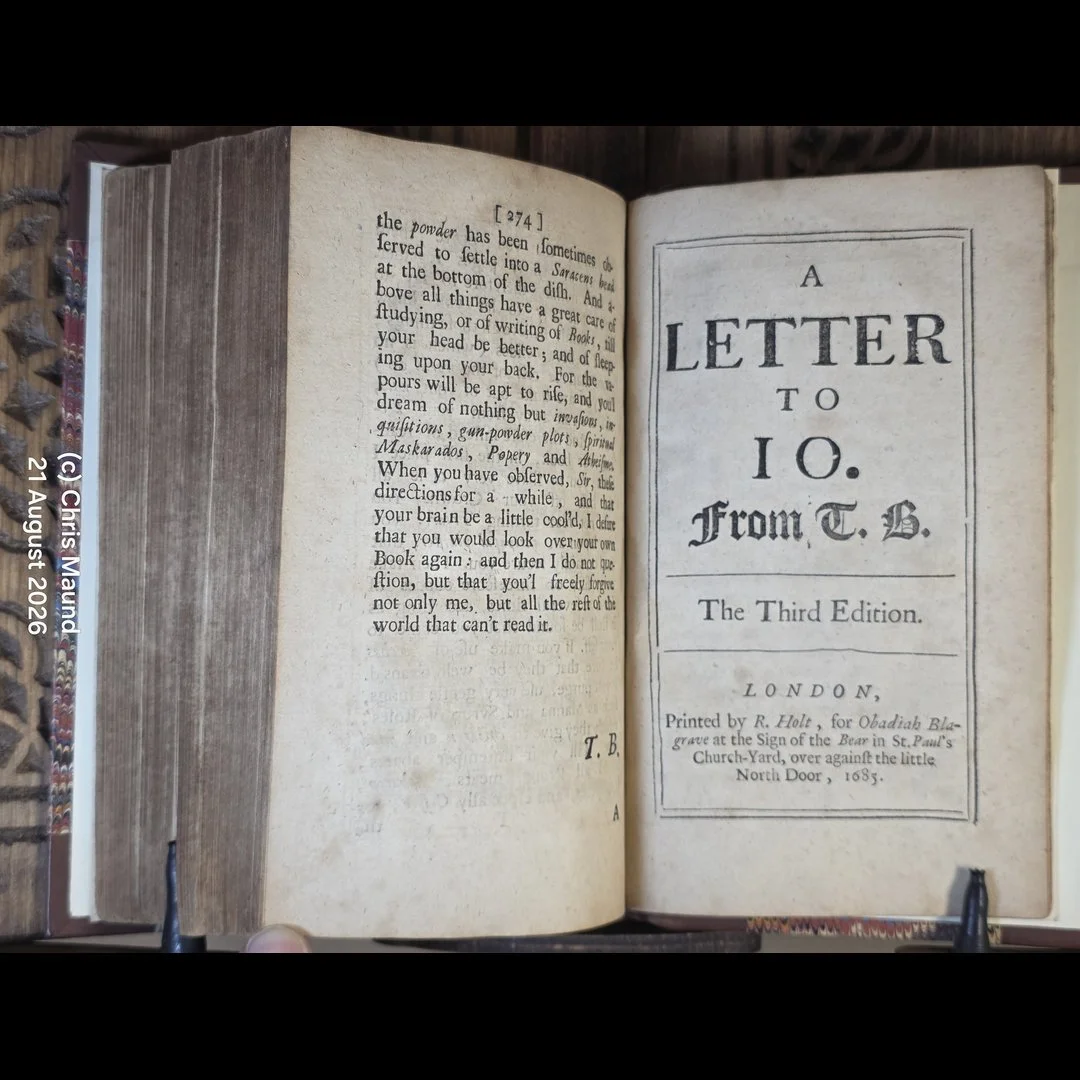
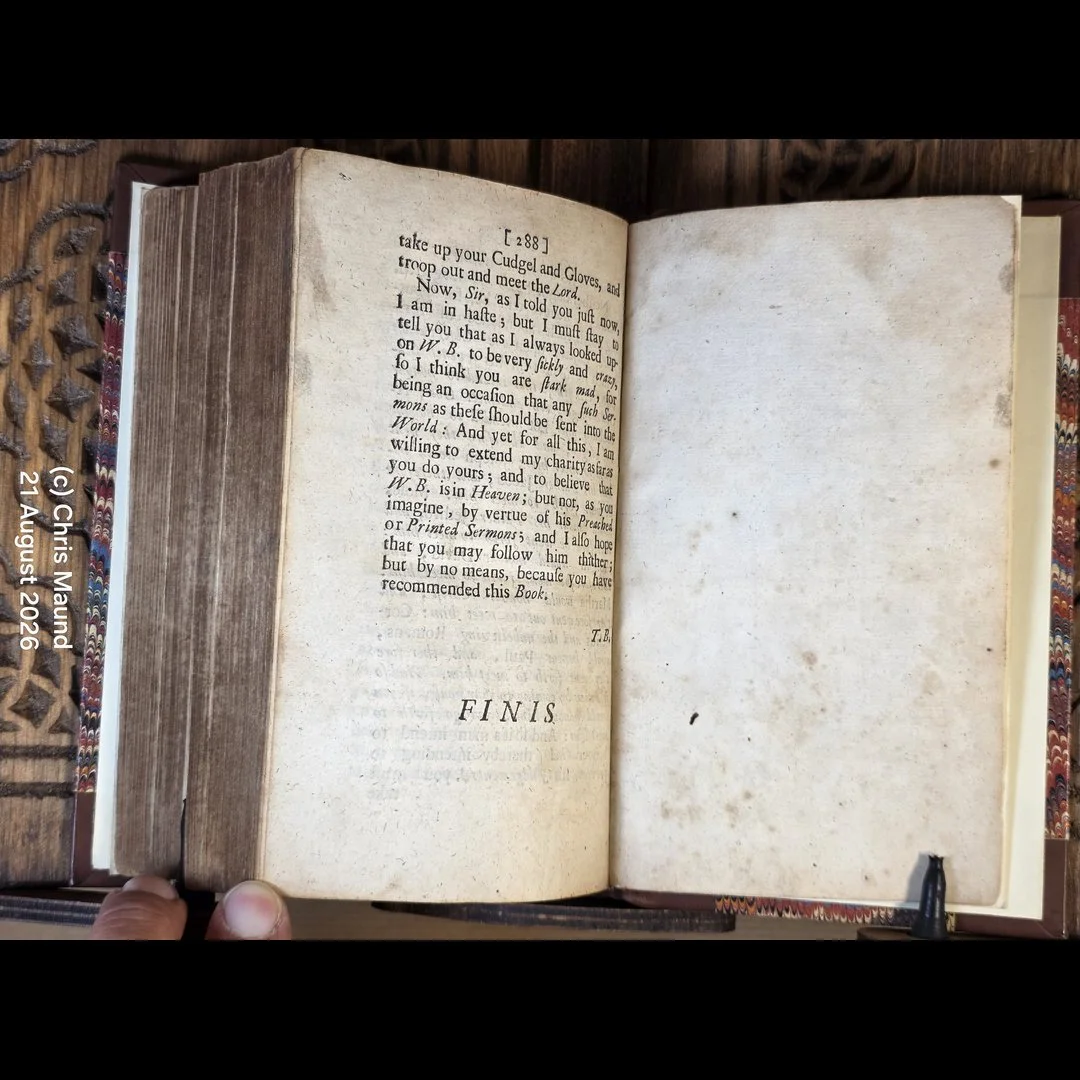
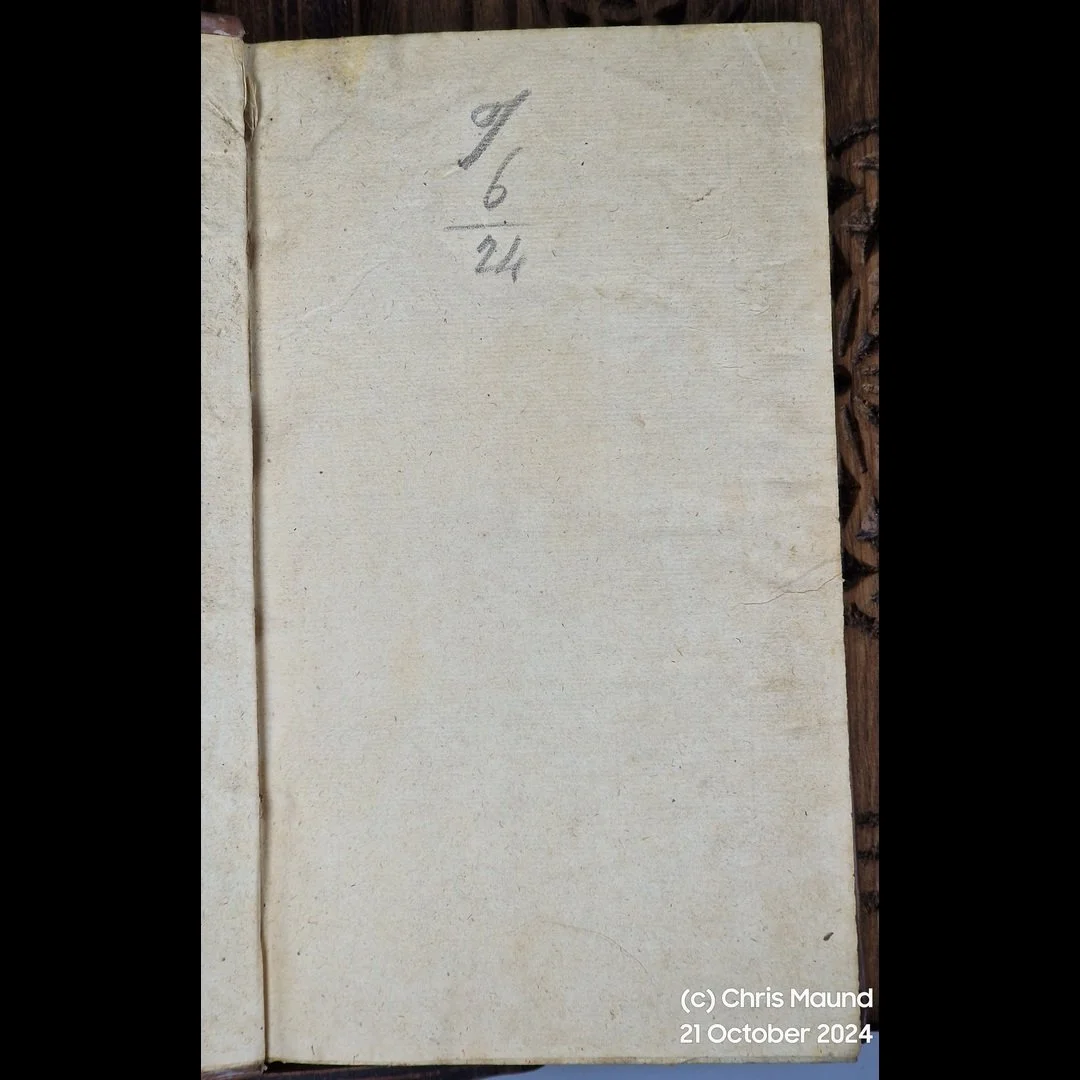
Please see Photos as part of condition report.
REFERENCES
Bibliothèque nationale de France, Catalogue général — Jacob Spon, Recherches curieuses d’Antiquité, Lyon, Thomas Amaulry, 1683.
Universitätsbibliothek Heidelberg, digital copy of the 1683 edition, Cicognara 3012.
Cicognara 3012.
The Heidelberg copy provides a particularly useful comparison, recording the engraved title, letterpress title, dedication, preface, explanation of the engraved frontispiece, table of dissertations, royal privilege, Clupeus Votivus, and the complete sequence of thirty-one dissertations.
SYNOPSIS
This is the first edition of Spon’s important illustrated antiquarian work, a wide-ranging gathering of dissertations on ancient material culture. The book moves across medals, sculpture, mosaic pavements, inscriptions, funerary monuments, architectural ornaments, ritual objects, and related survivals of classical antiquity, combining close visual attention with learned comparison from texts and collections. As with the best seventeenth-century antiquarian books, it is both a record of objects and a demonstration of method: a cabinet of evidence arranged for the curious and the learned reader alike. The engraved title, separate plate, and typographic presentation give the volume considerable presence, while the original binding preserves much of its early character.
AUTHOR BIO
Jacob Spon (1647–1685) was the Lyonnais physician, scholar, traveller, and antiquary whose publications helped shape the early modern study of classical remains. Best known today for his travels in Italy, Greece, and the Levant, Spon brought together the habits of the collector, philologist, and observer of monuments, producing works that stand close to the emergence of archaeology as a more systematic discipline. His antiquarian books were widely consulted by later scholars, especially for inscriptions, medals, and the interpretation of ancient objects preserved in cabinets and collections.

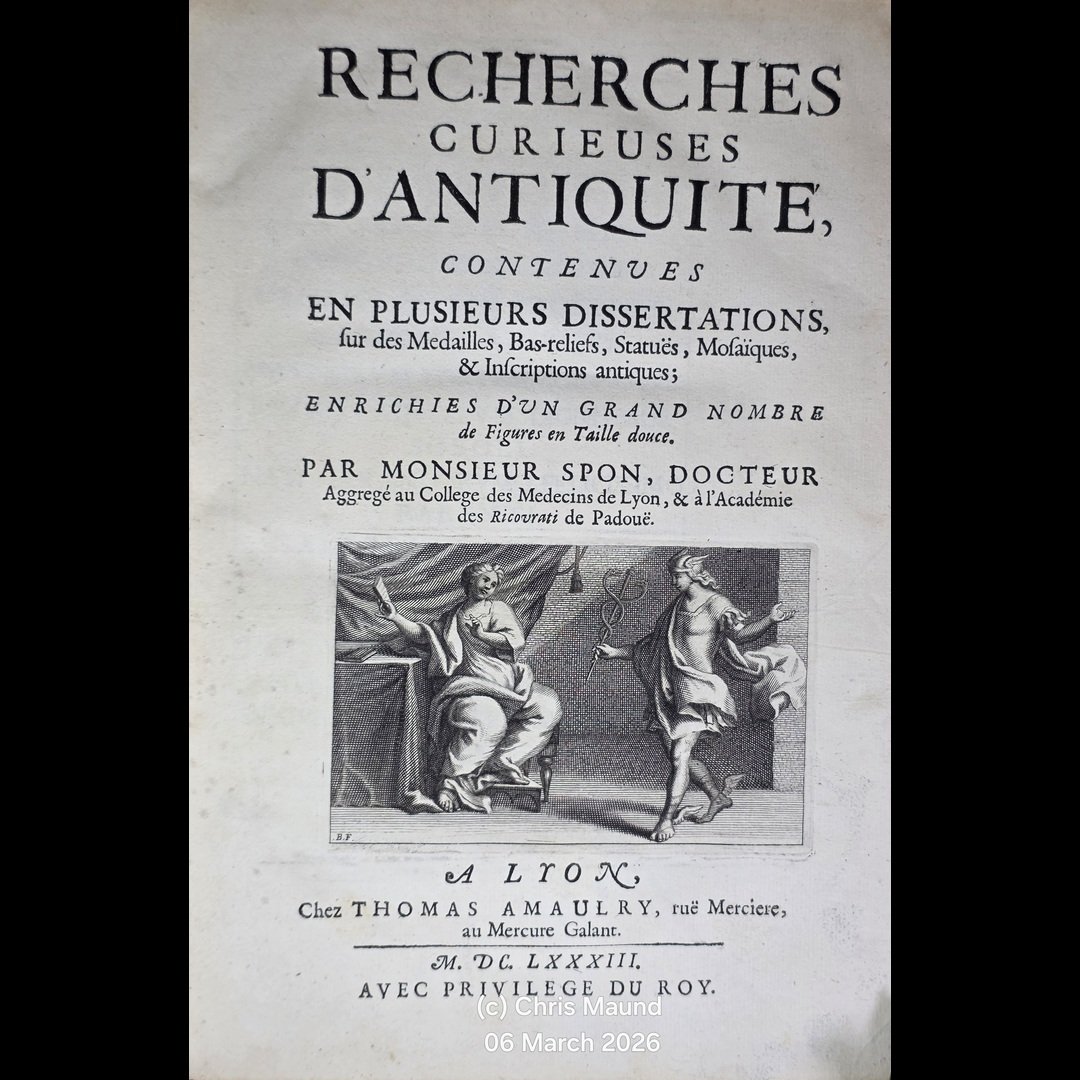 Image 1 of 69
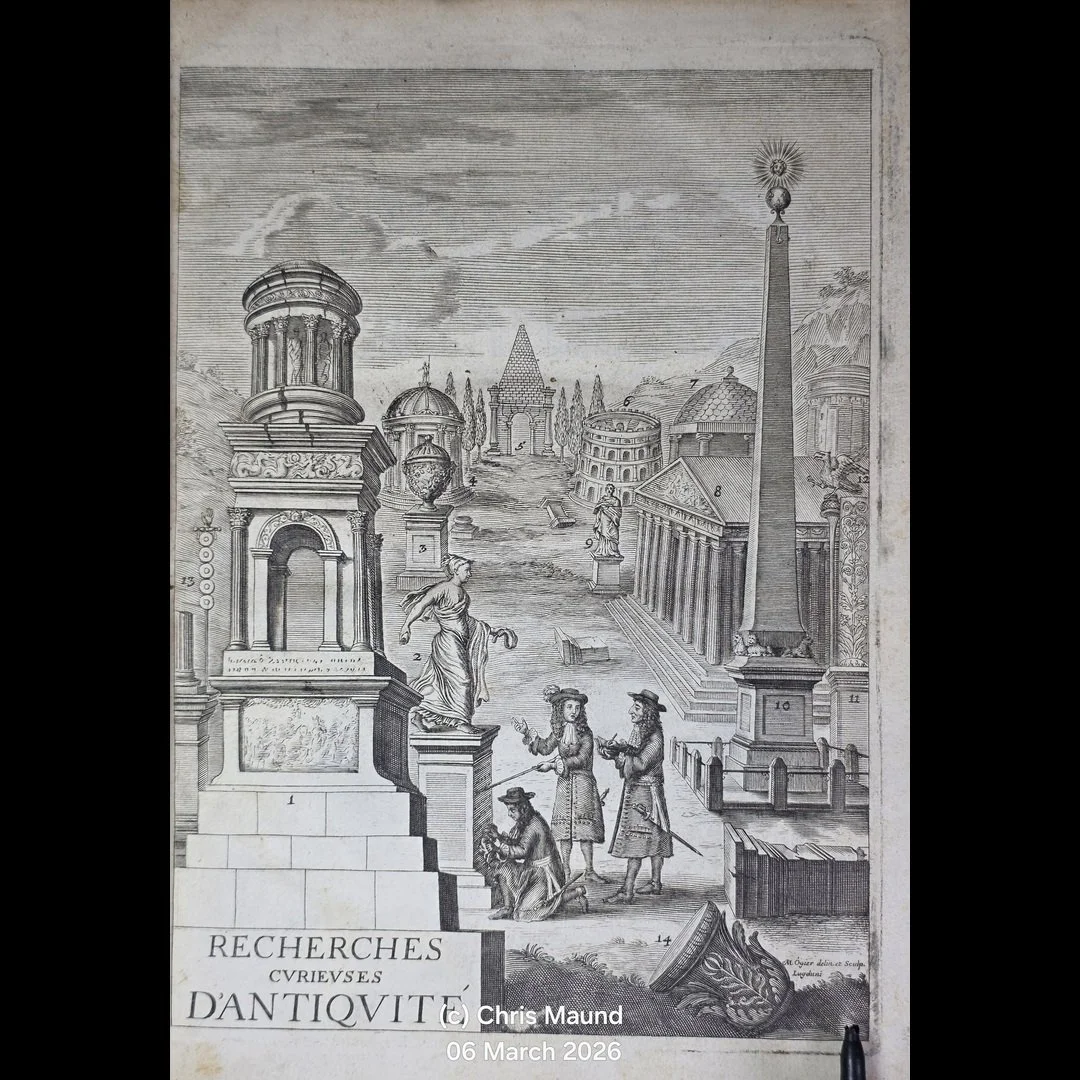 Image 2 of 69
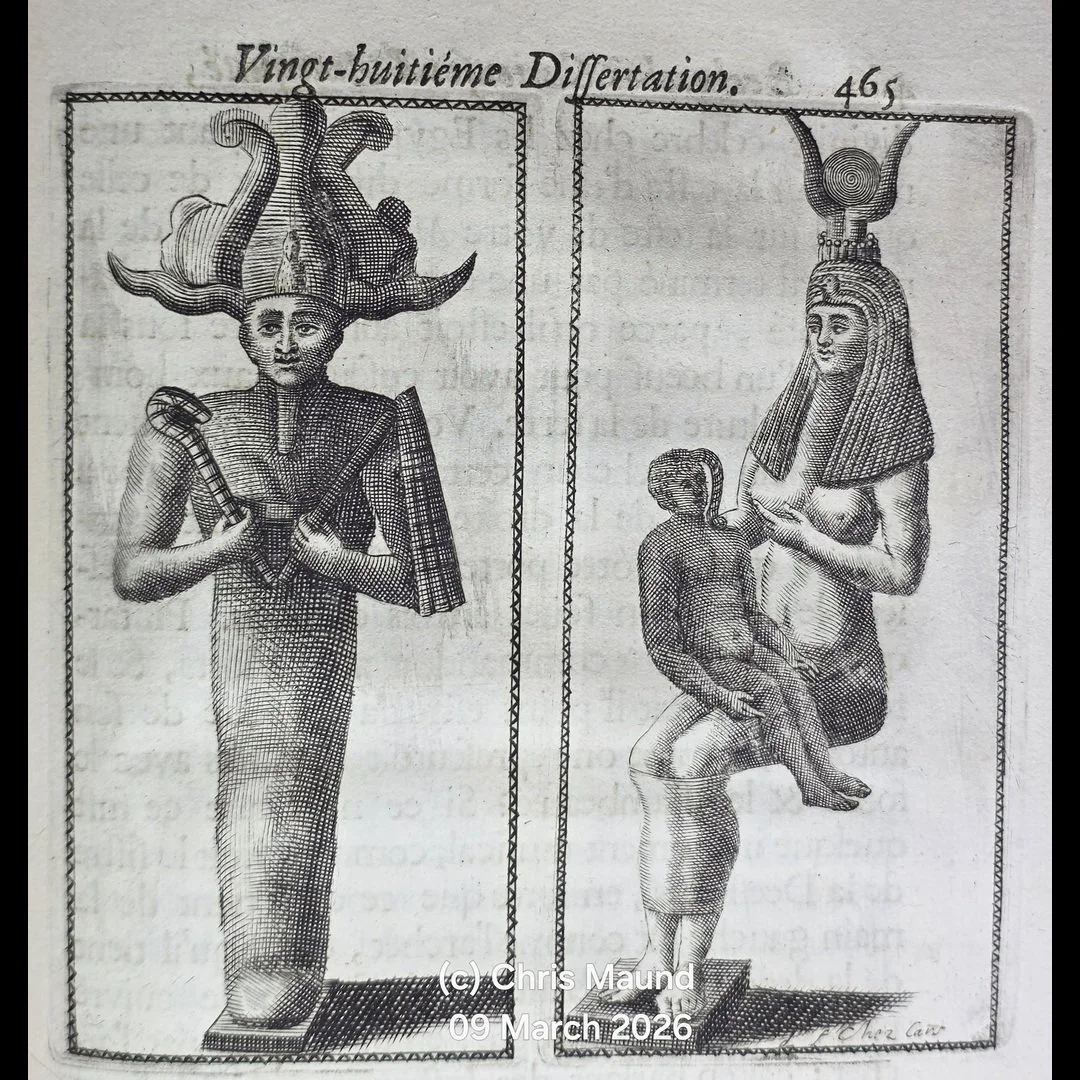 Image 3 of 69
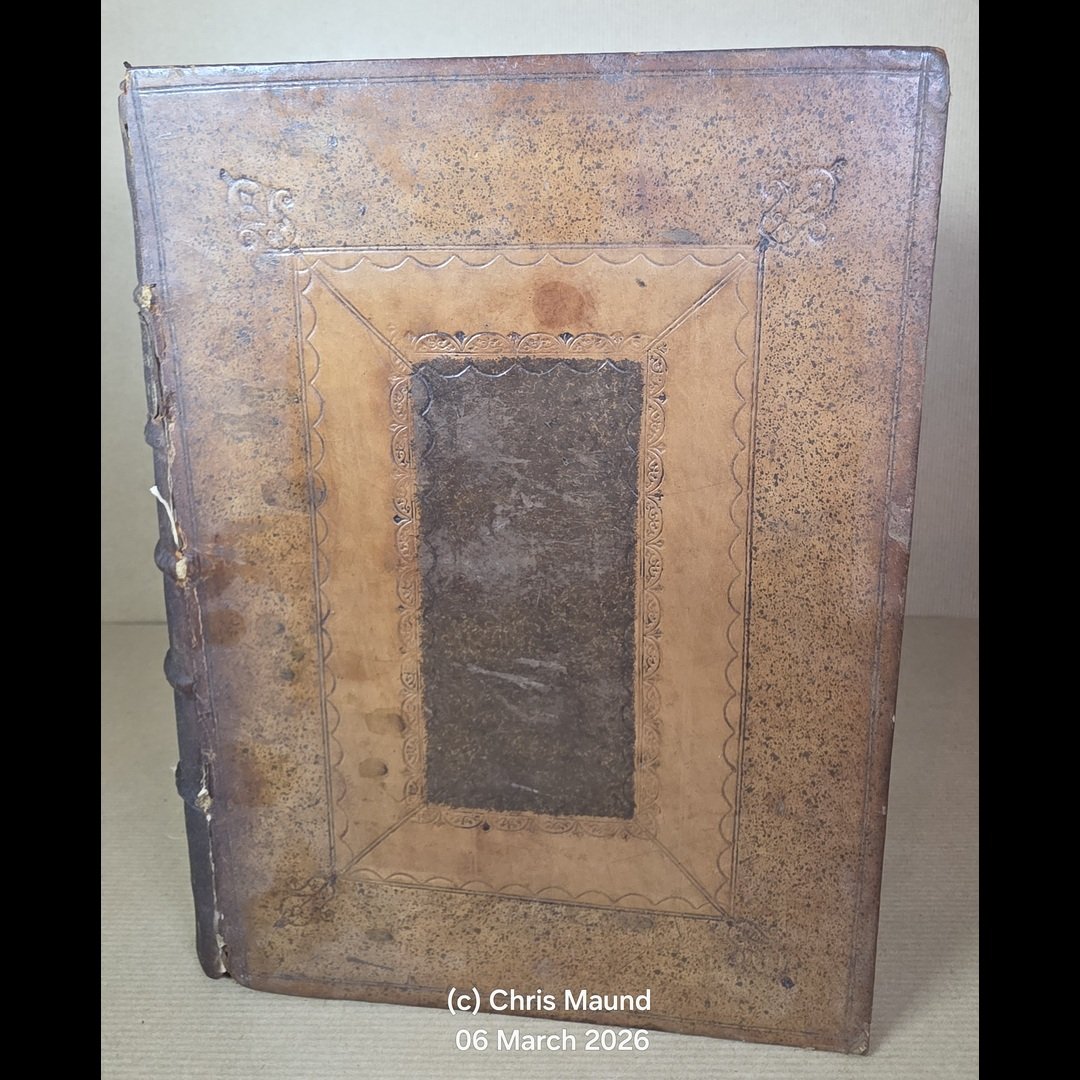 Image 4 of 69
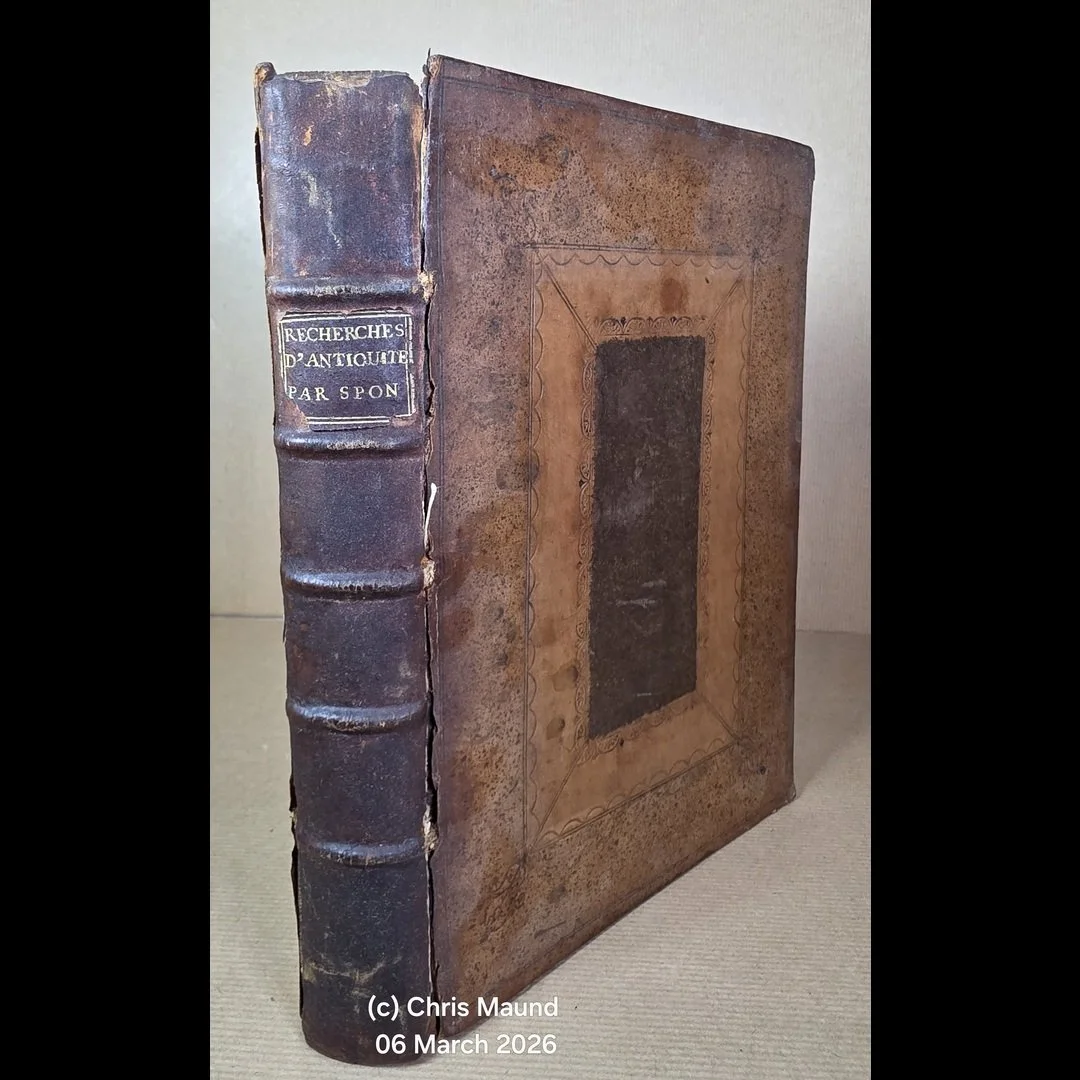 Image 5 of 69
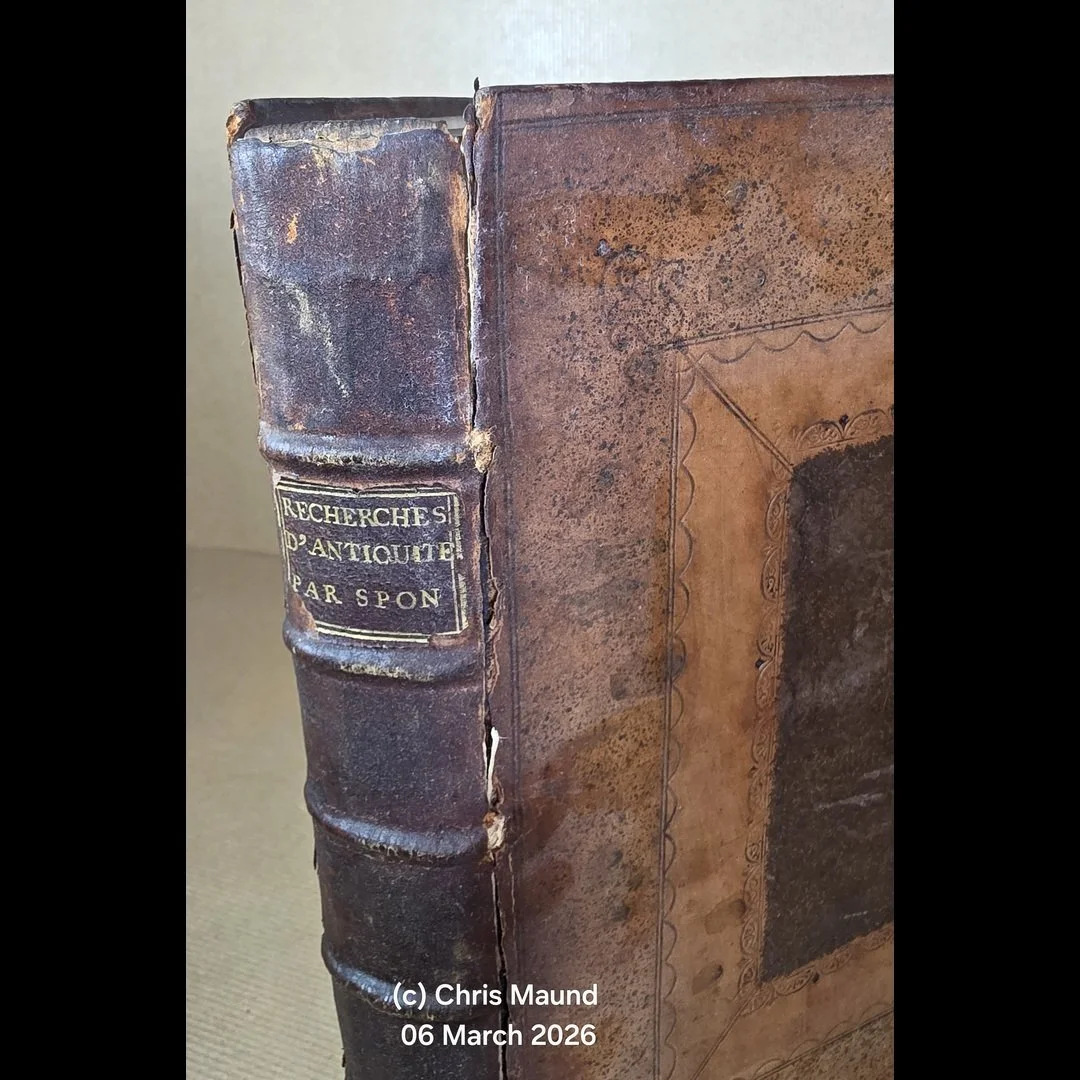 Image 6 of 69
 Image 7 of 69
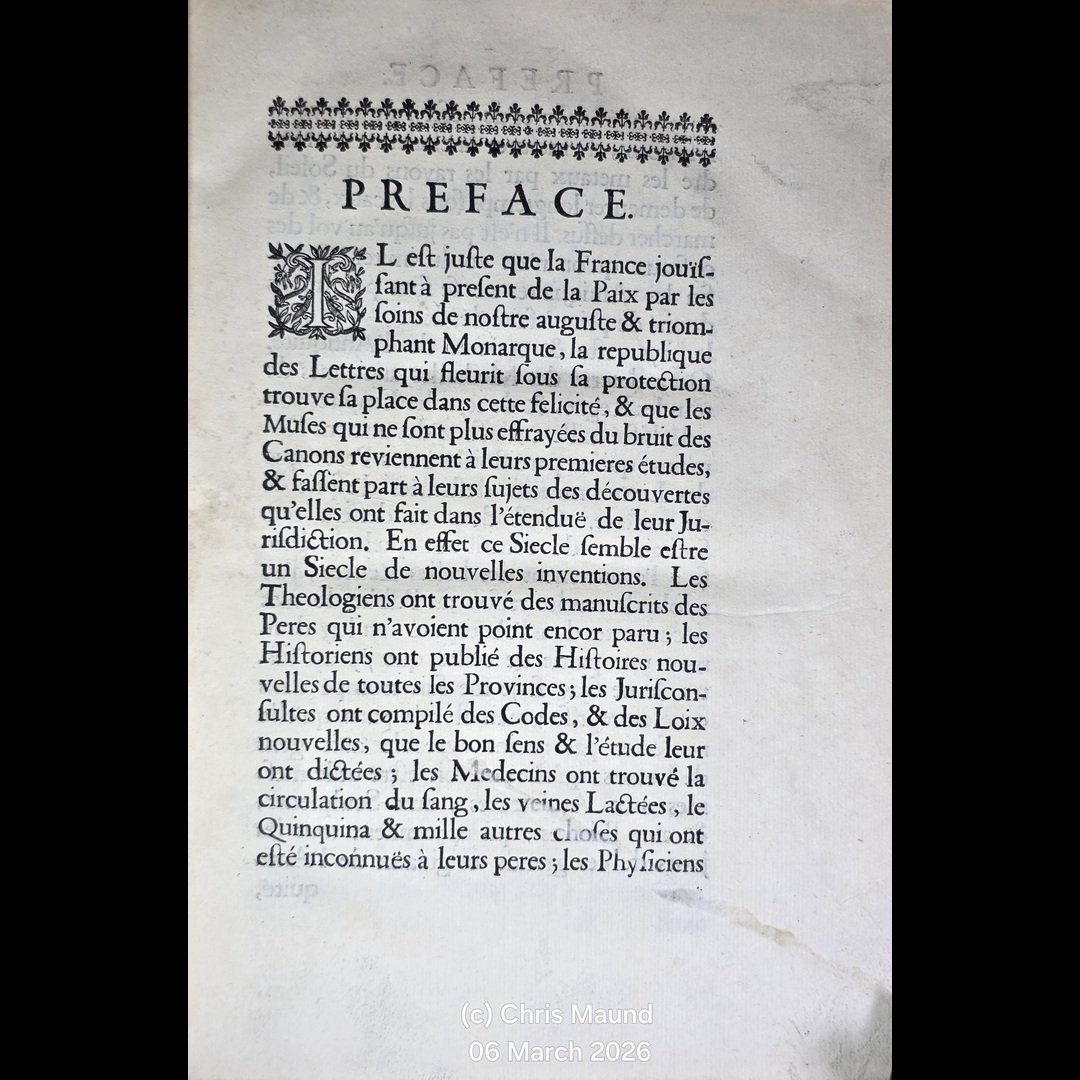 Image 8 of 69
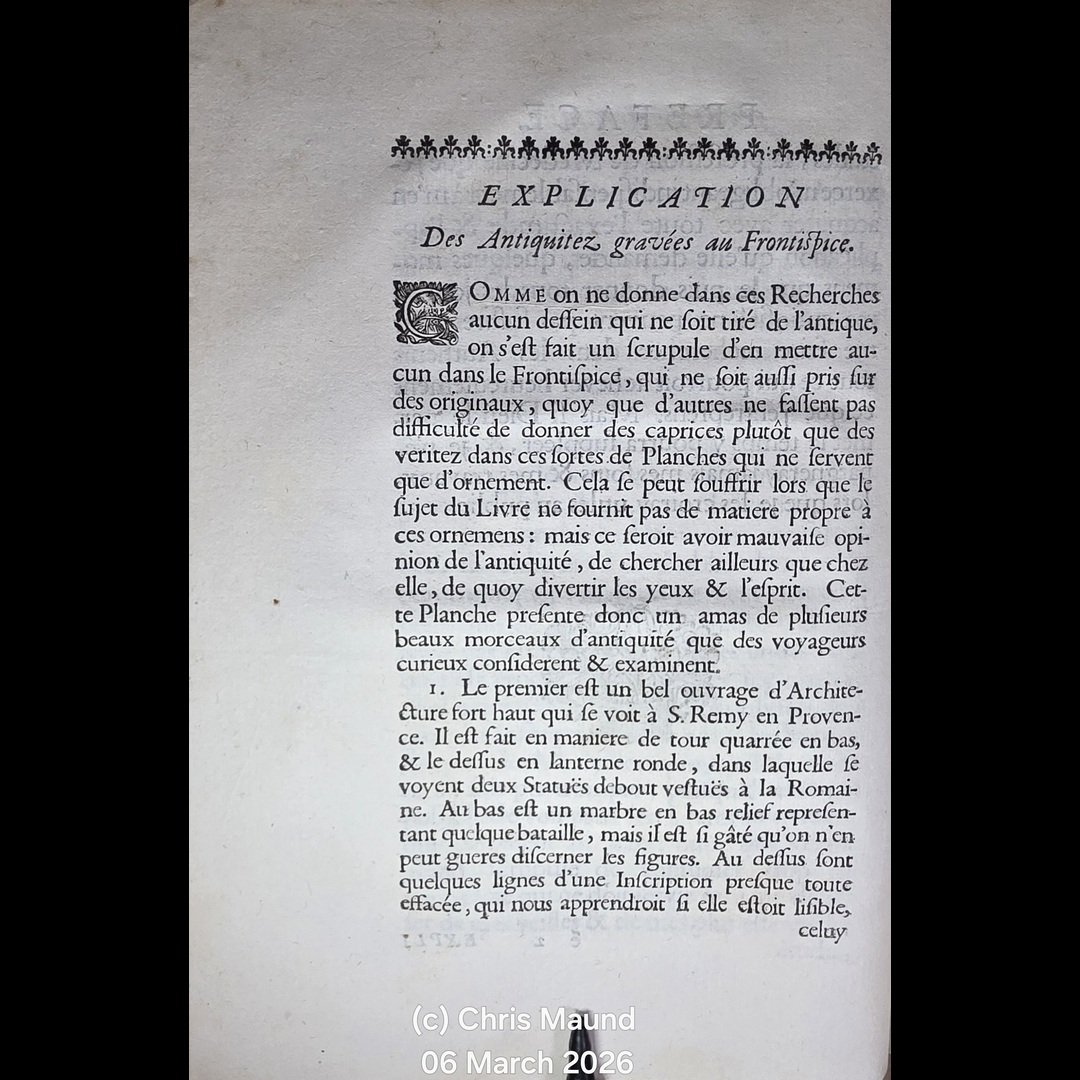 Image 9 of 69
 Image 10 of 69
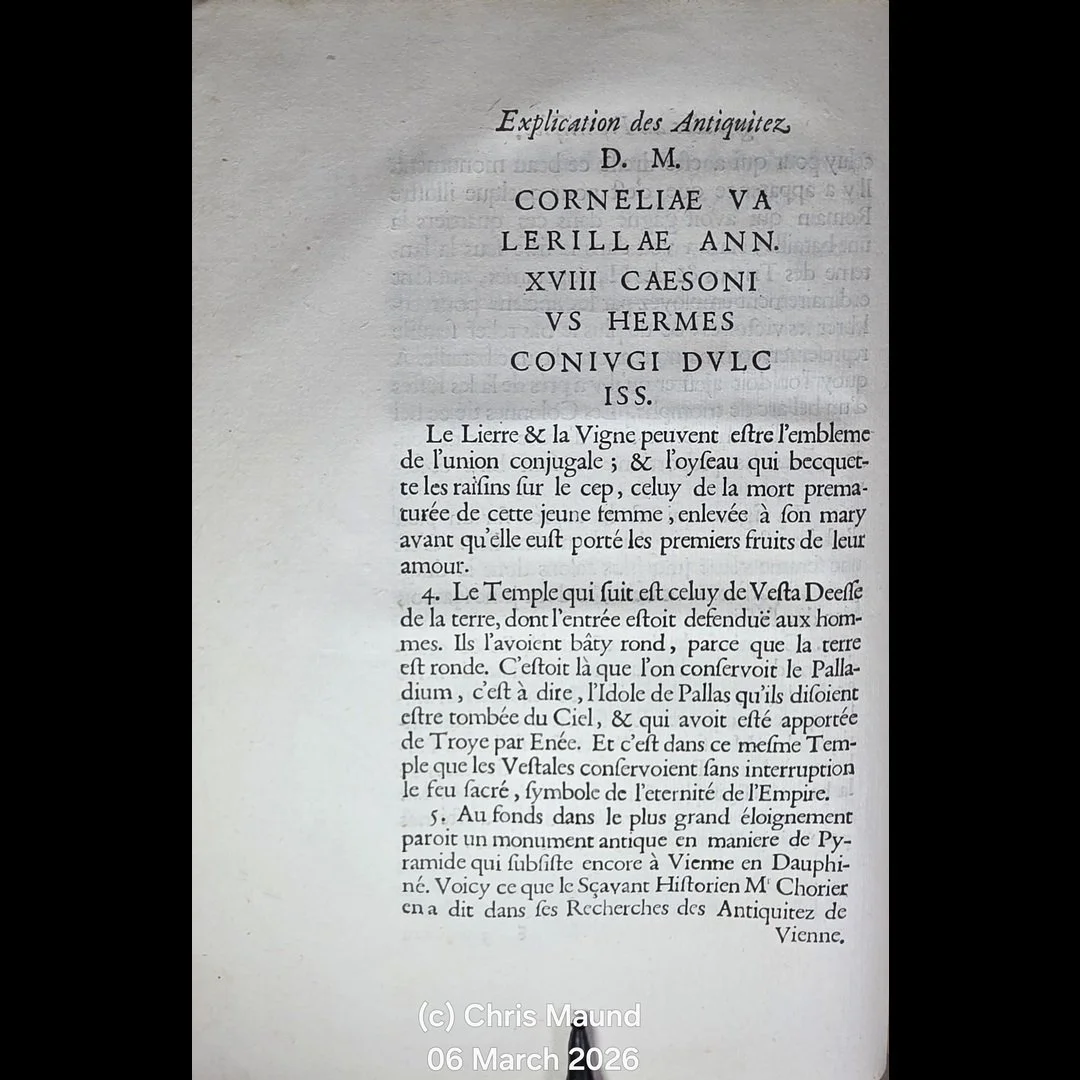 Image 11 of 69
 Image 12 of 69
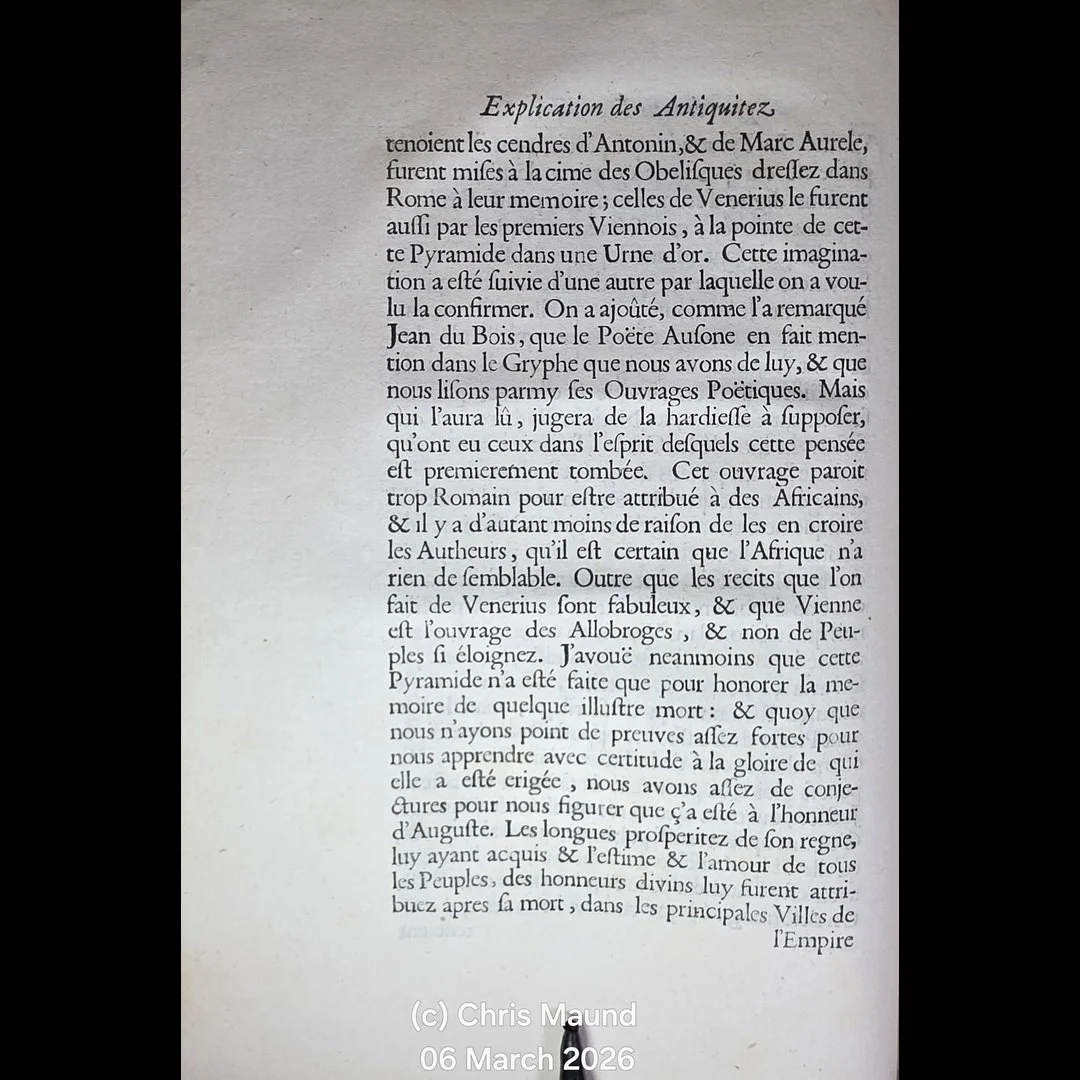 Image 13 of 69
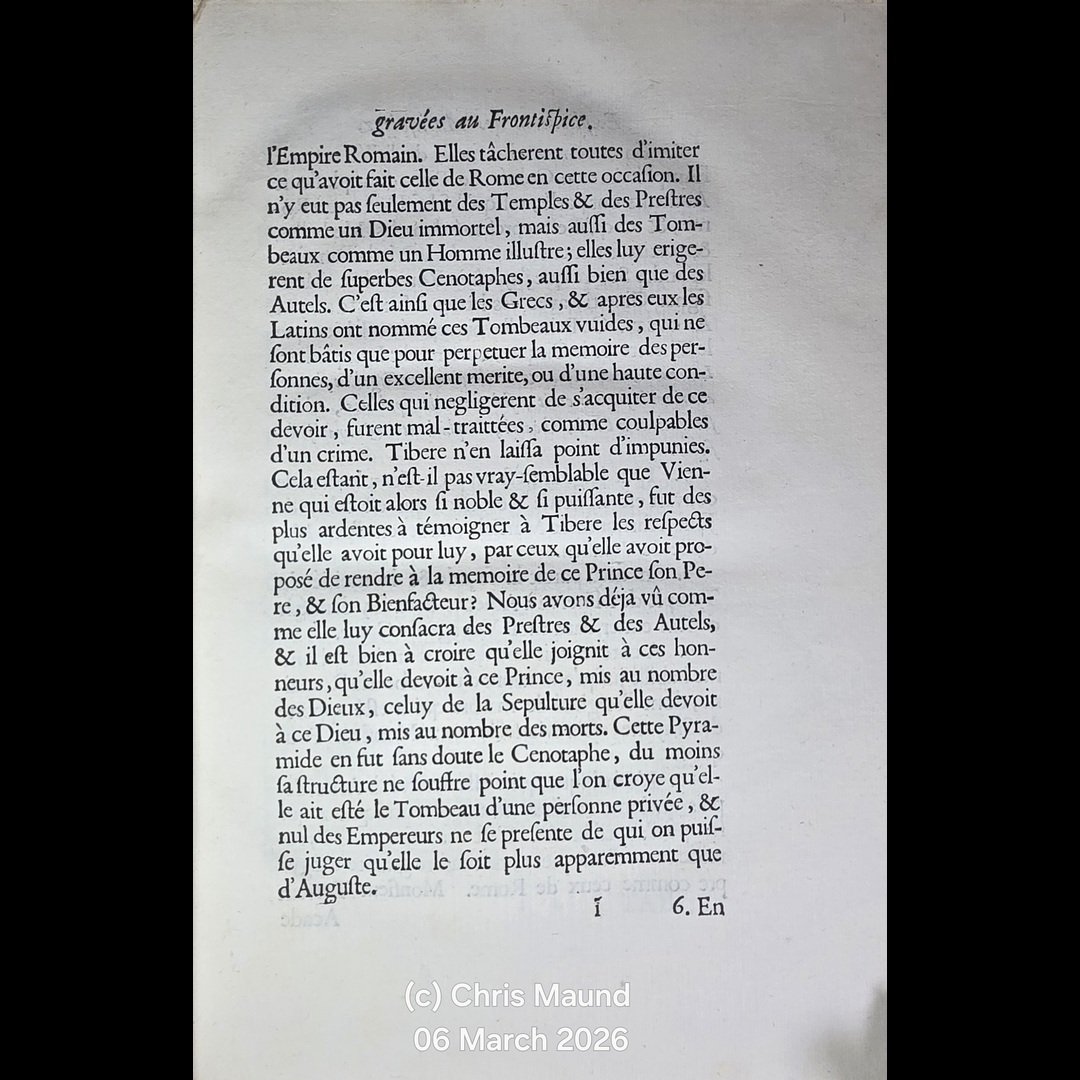 Image 14 of 69
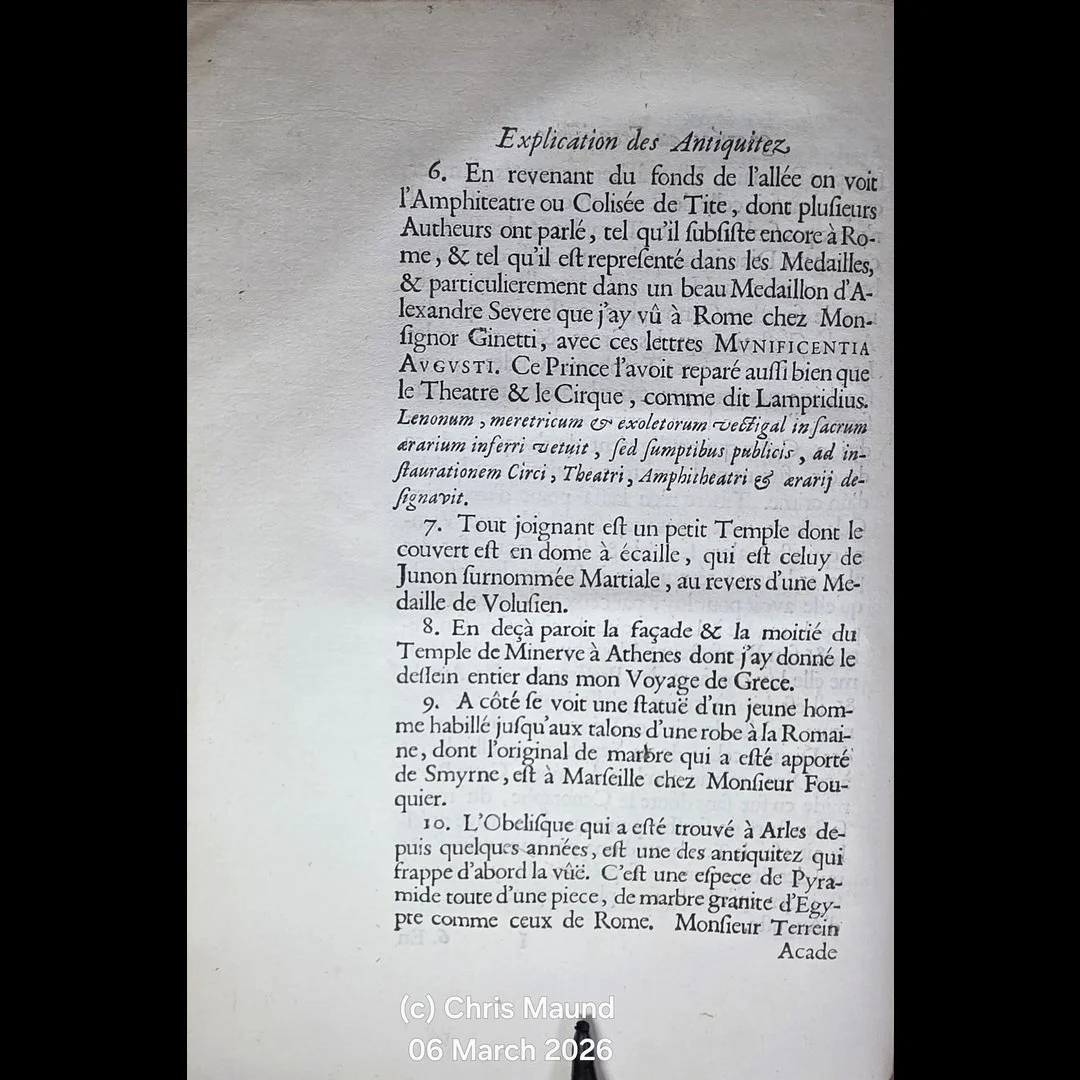 Image 15 of 69
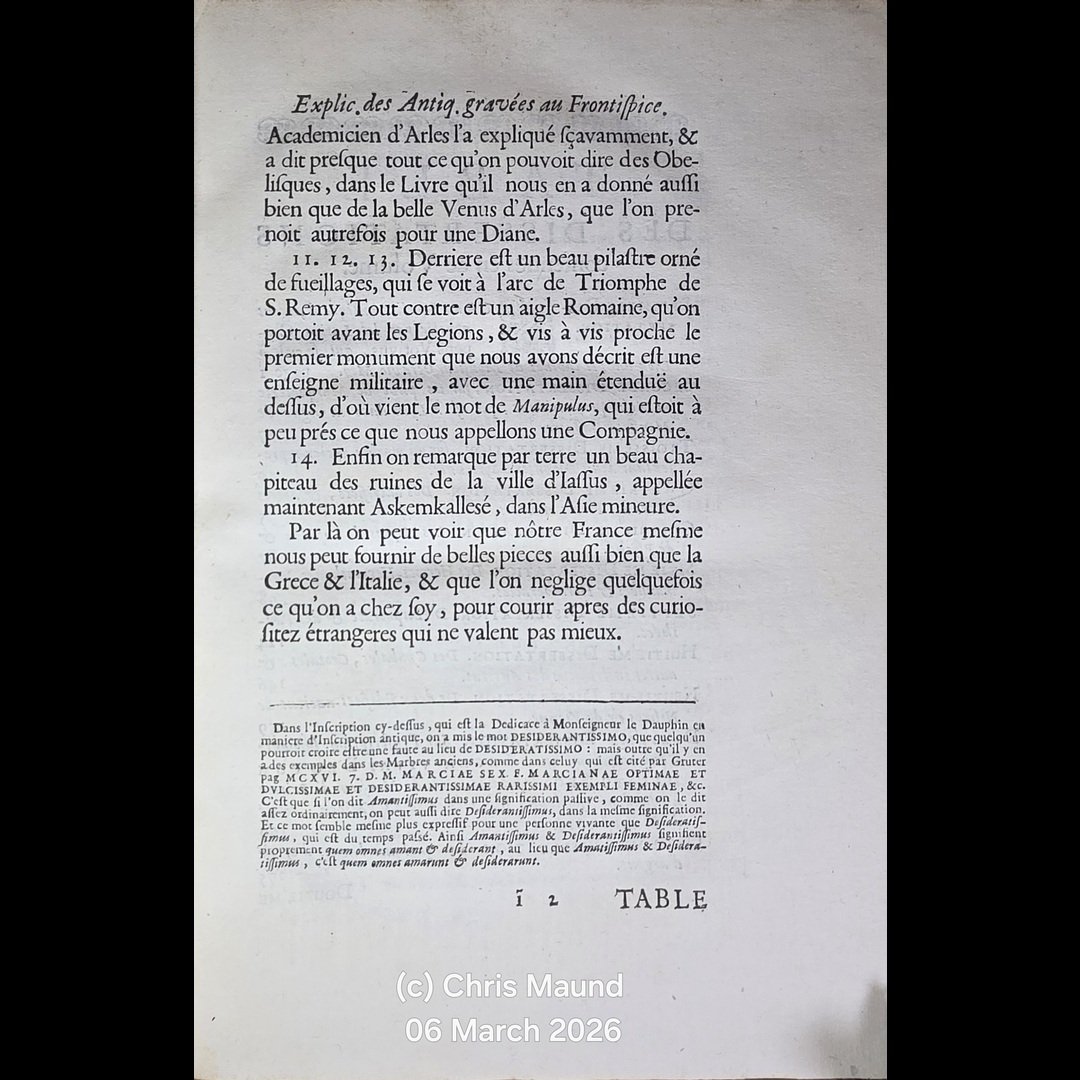 Image 16 of 69
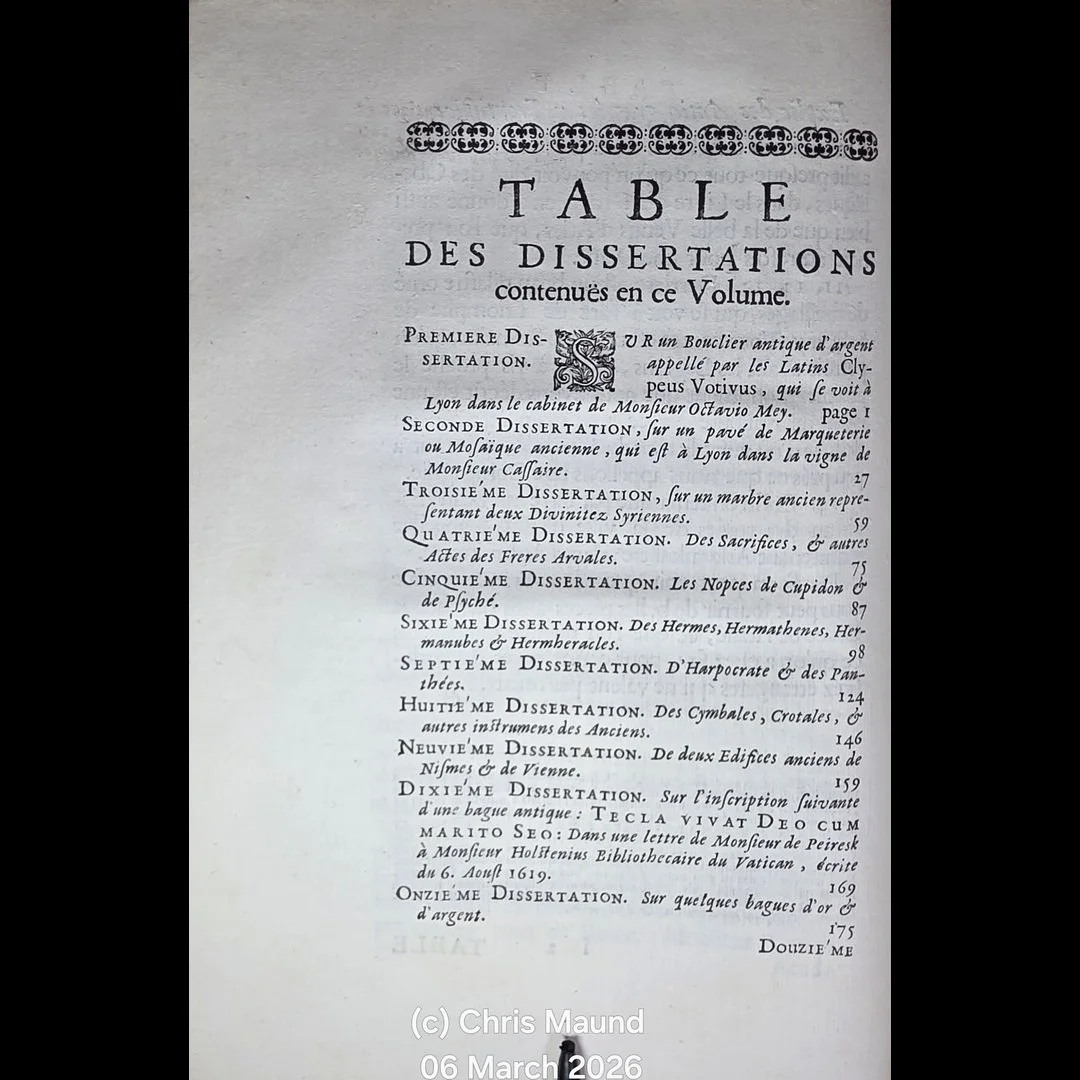 Image 17 of 69
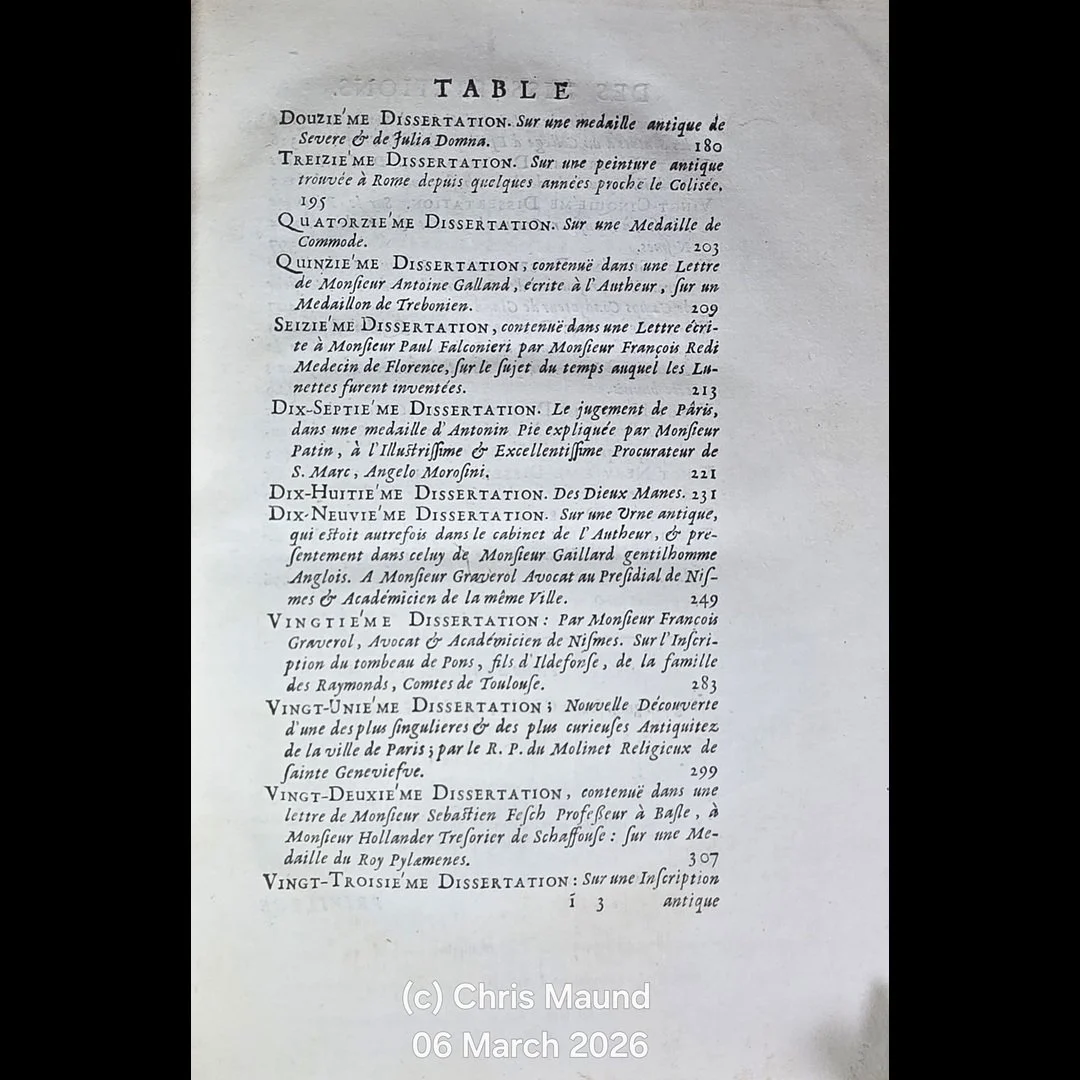 Image 18 of 69
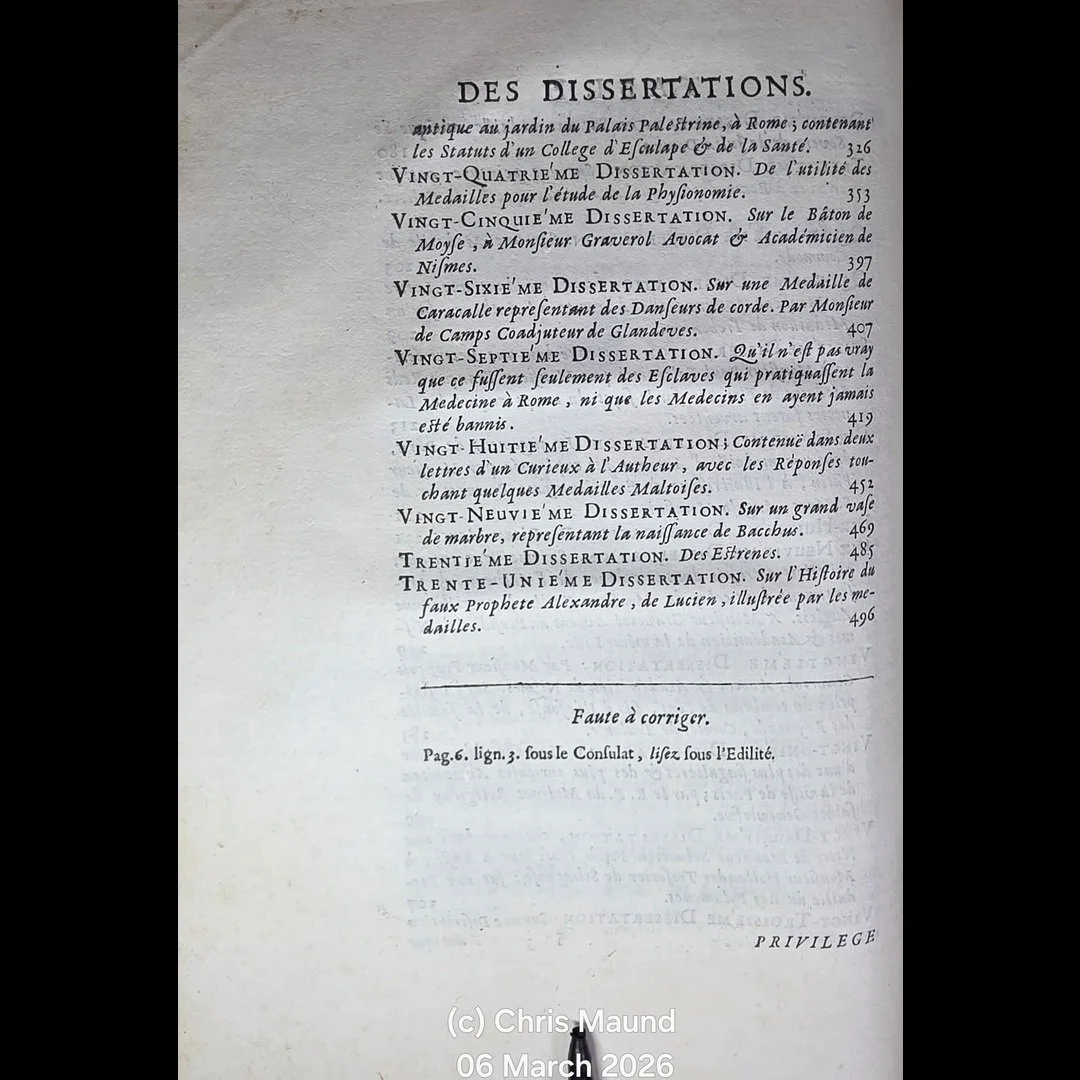 Image 19 of 69
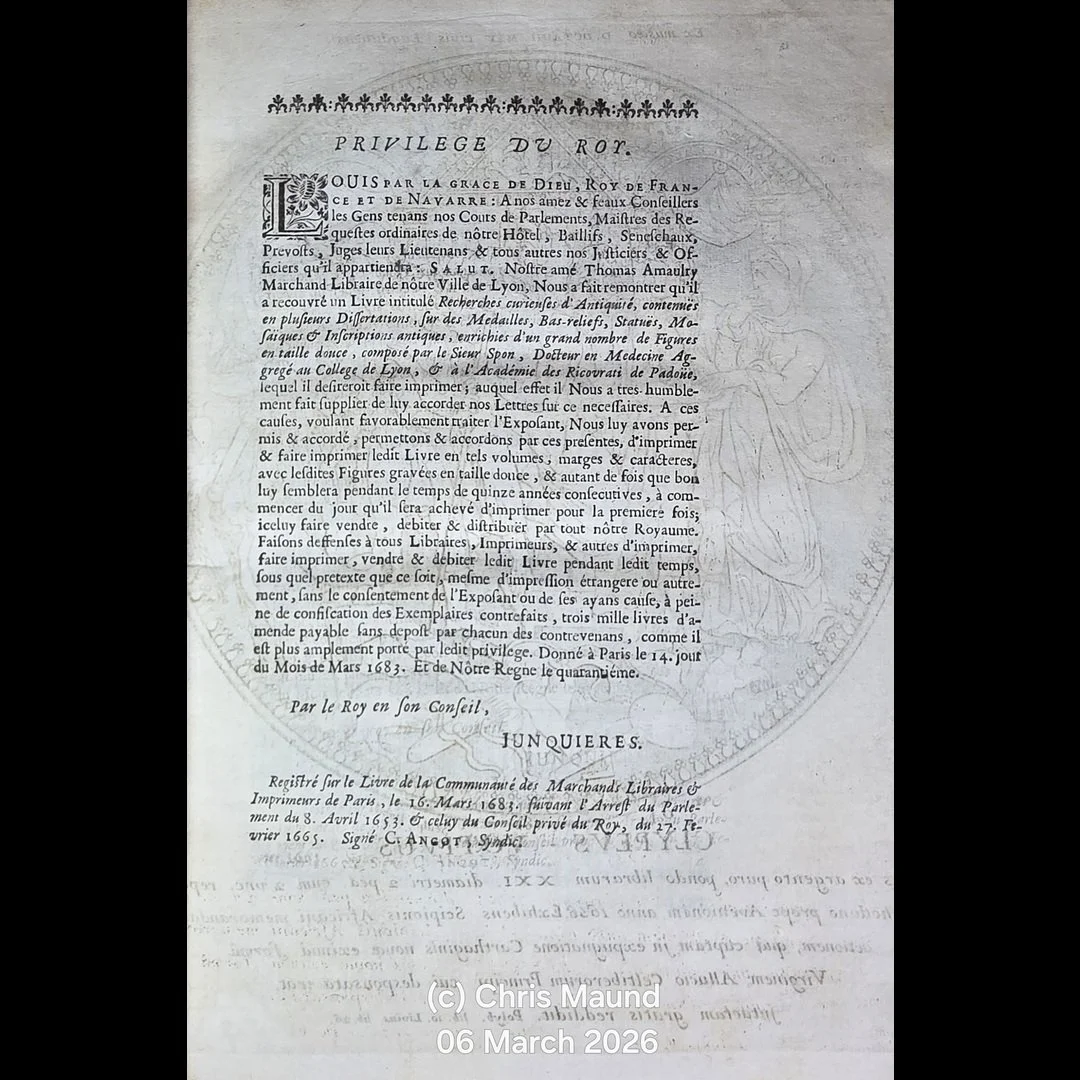 Image 20 of 69
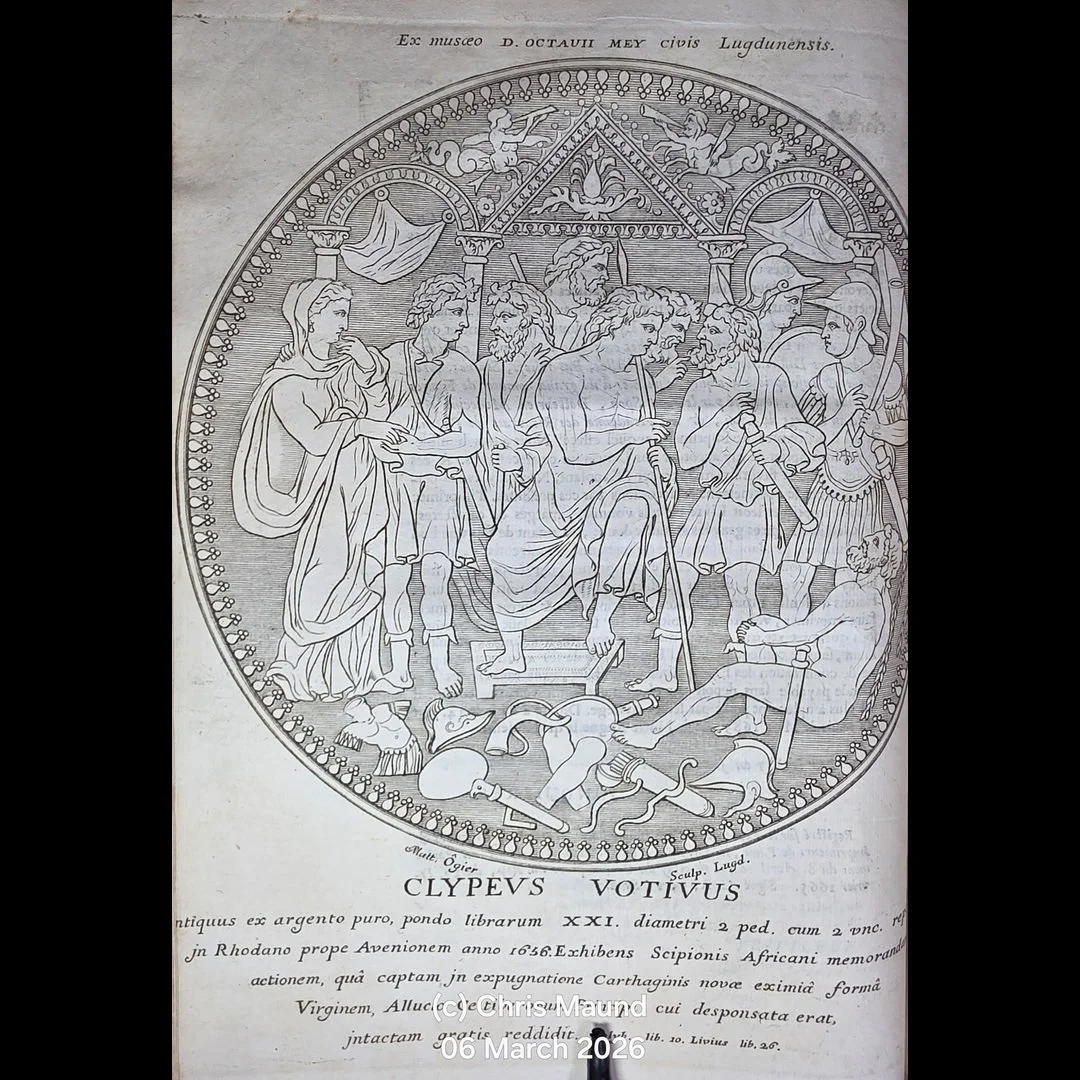 Image 21 of 69
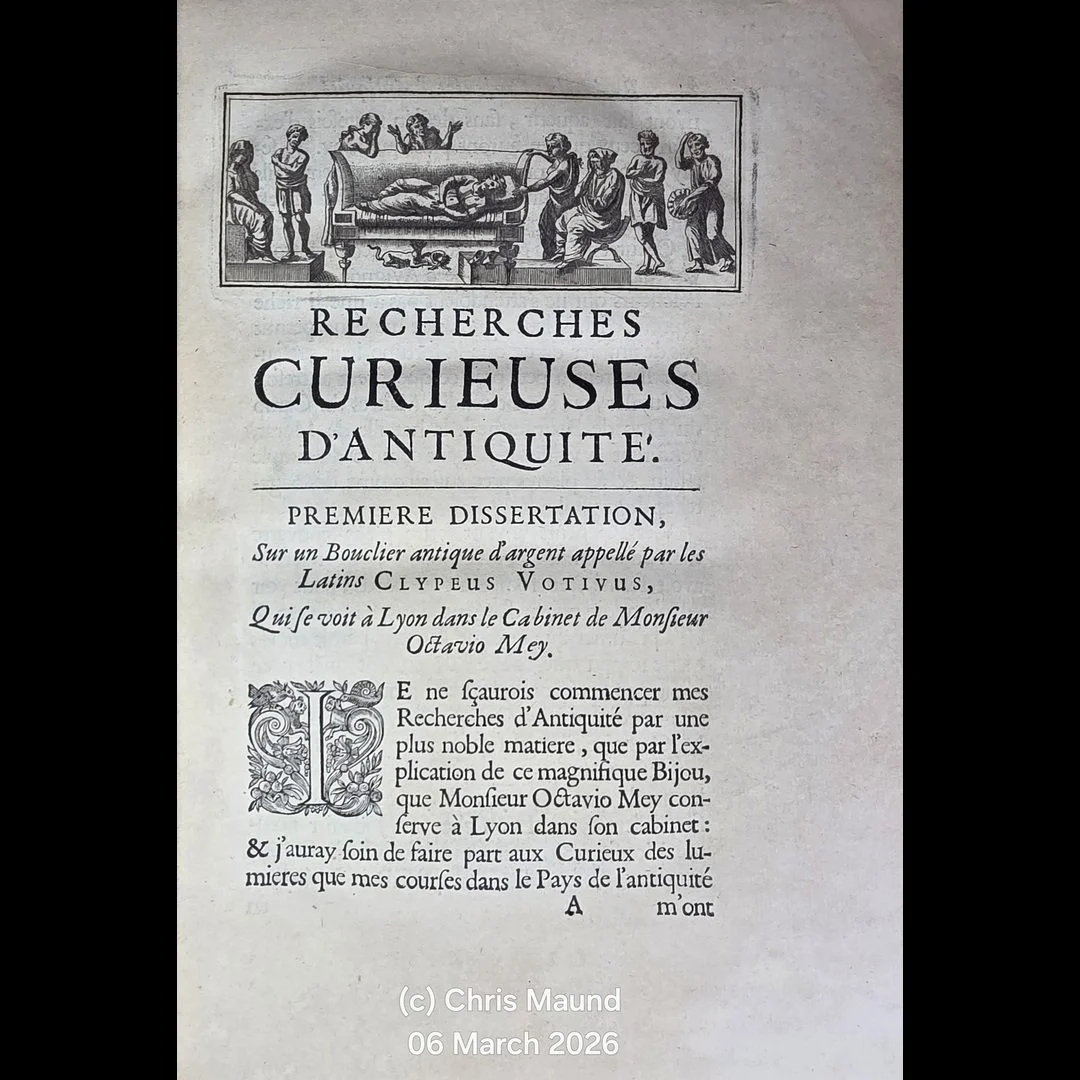 Image 22 of 69
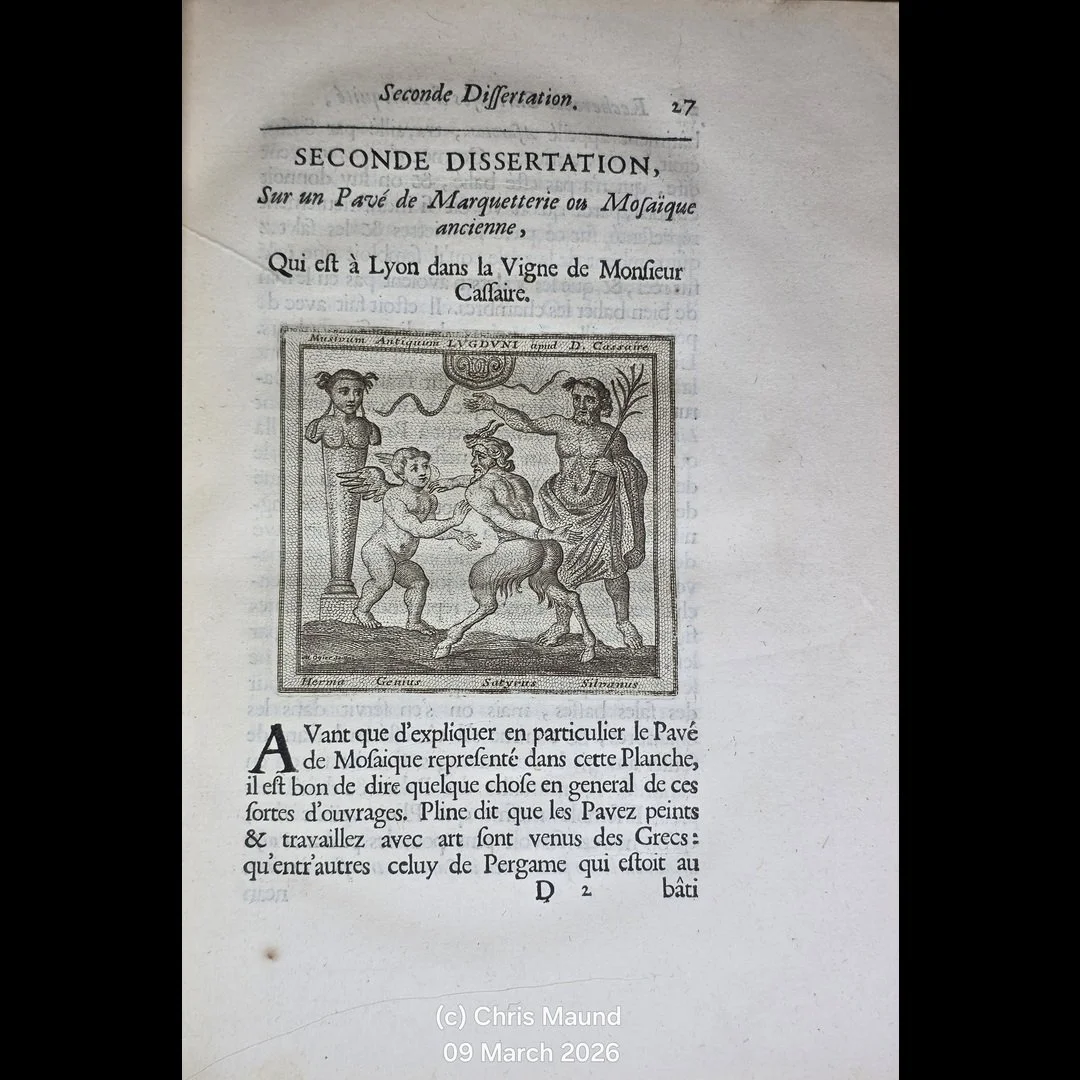 Image 23 of 69
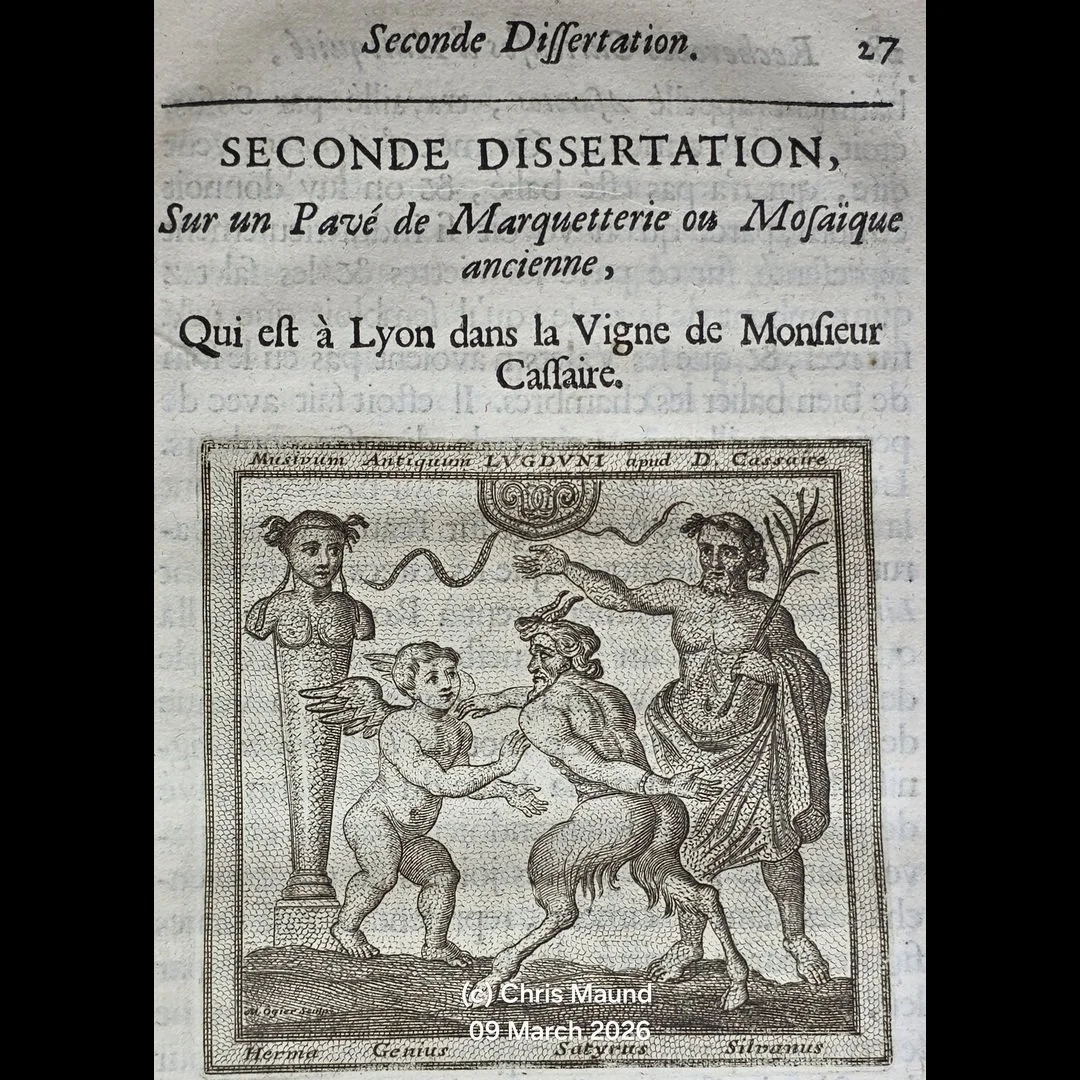 Image 24 of 69
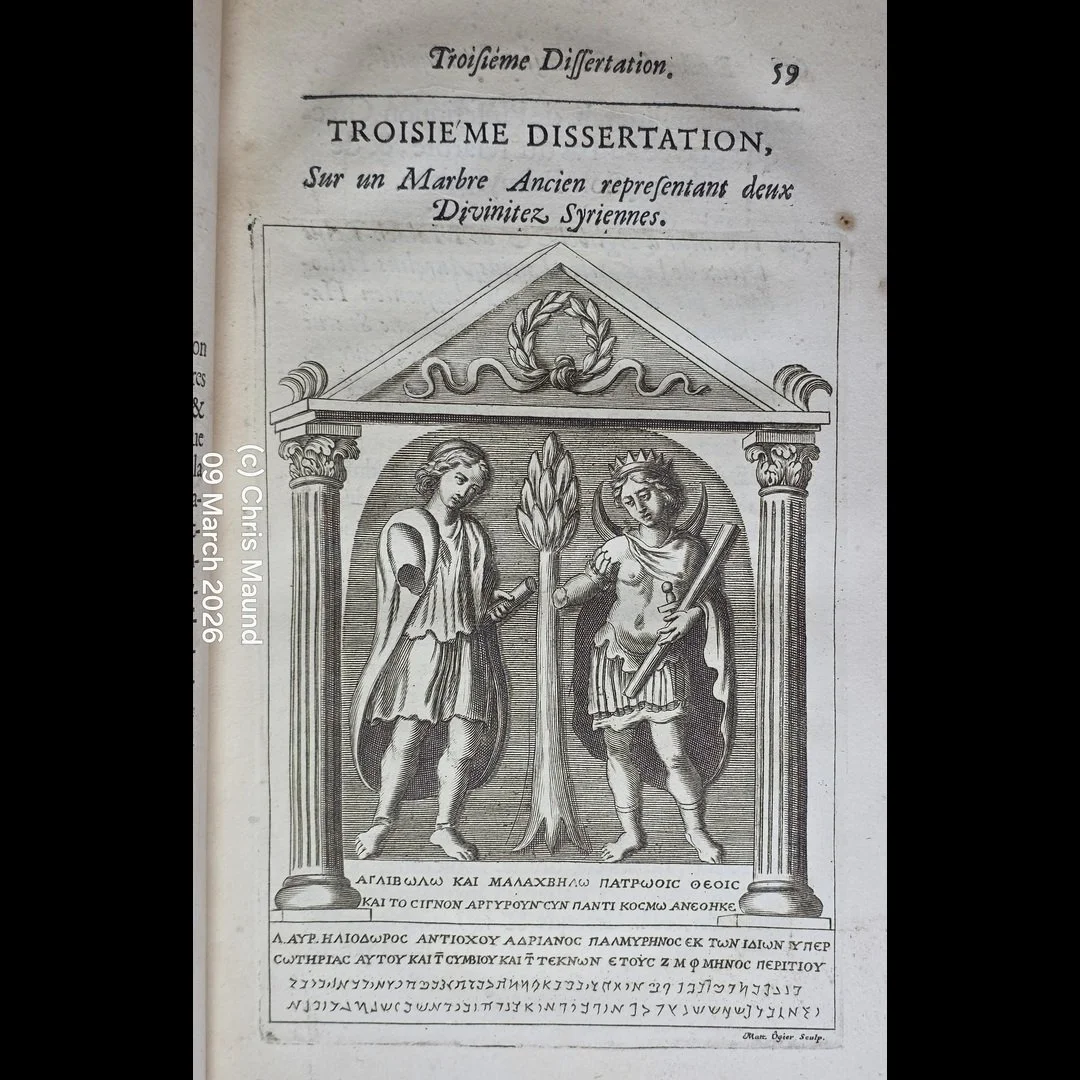 Image 25 of 69
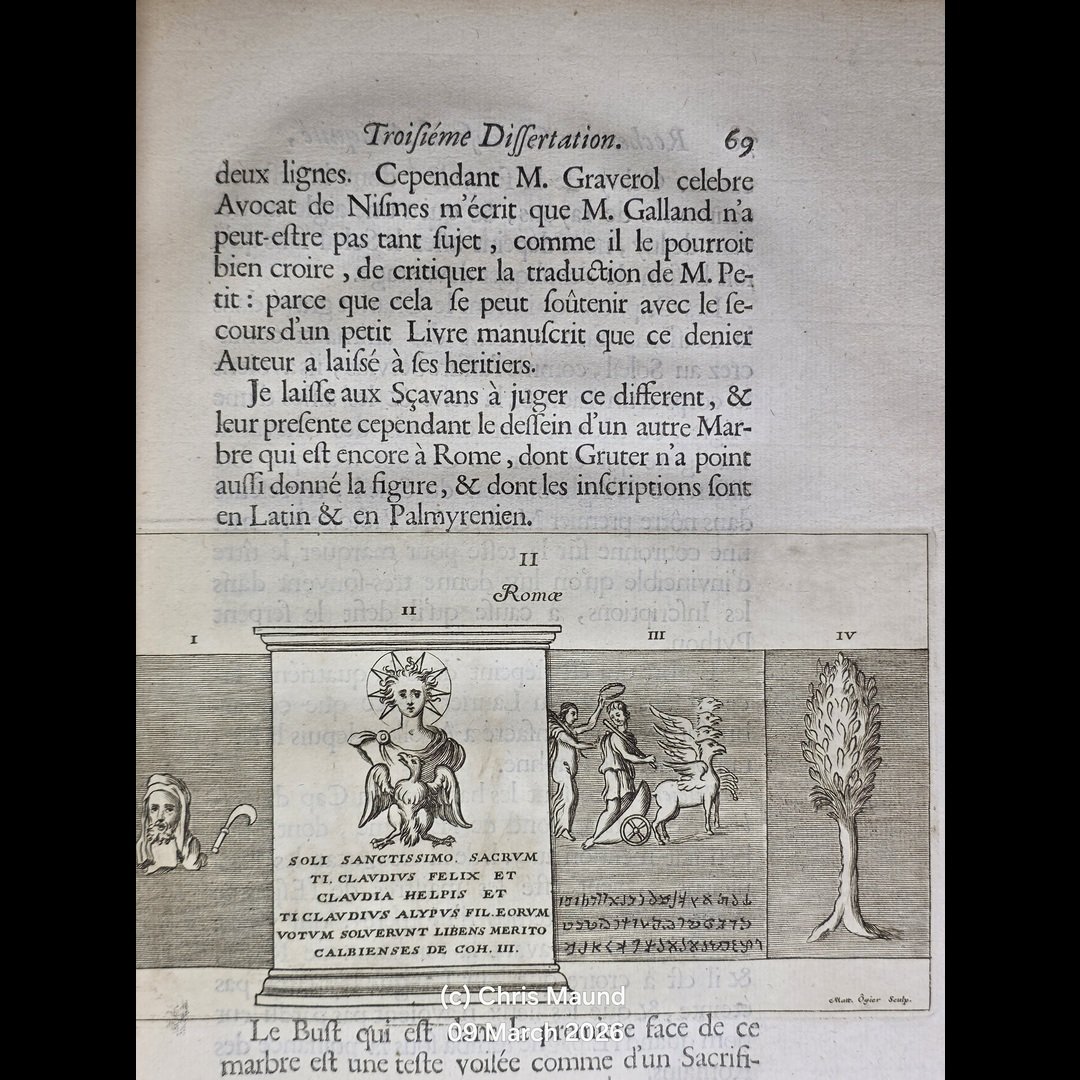 Image 26 of 69
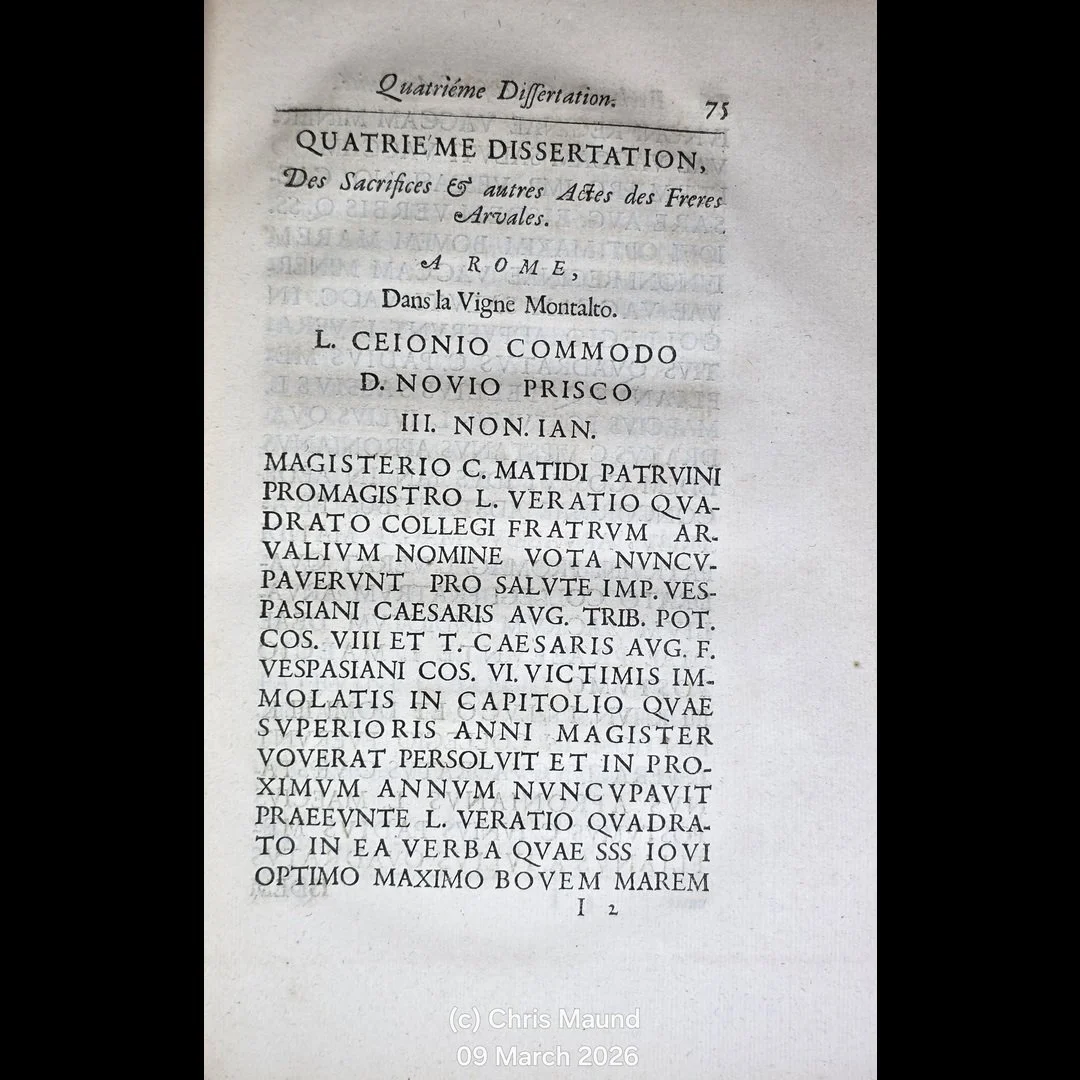 Image 27 of 69
 Image 28 of 69
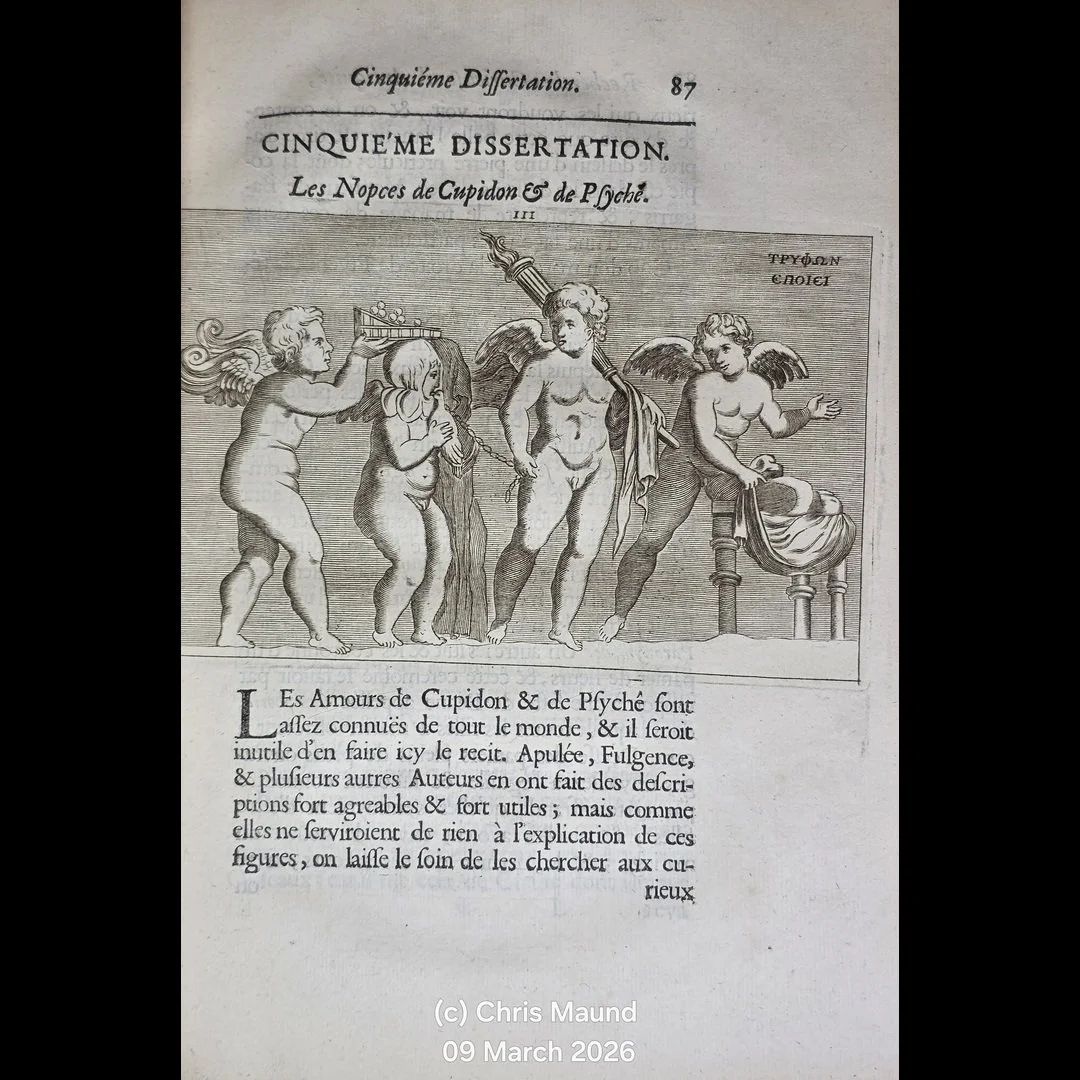 Image 29 of 69
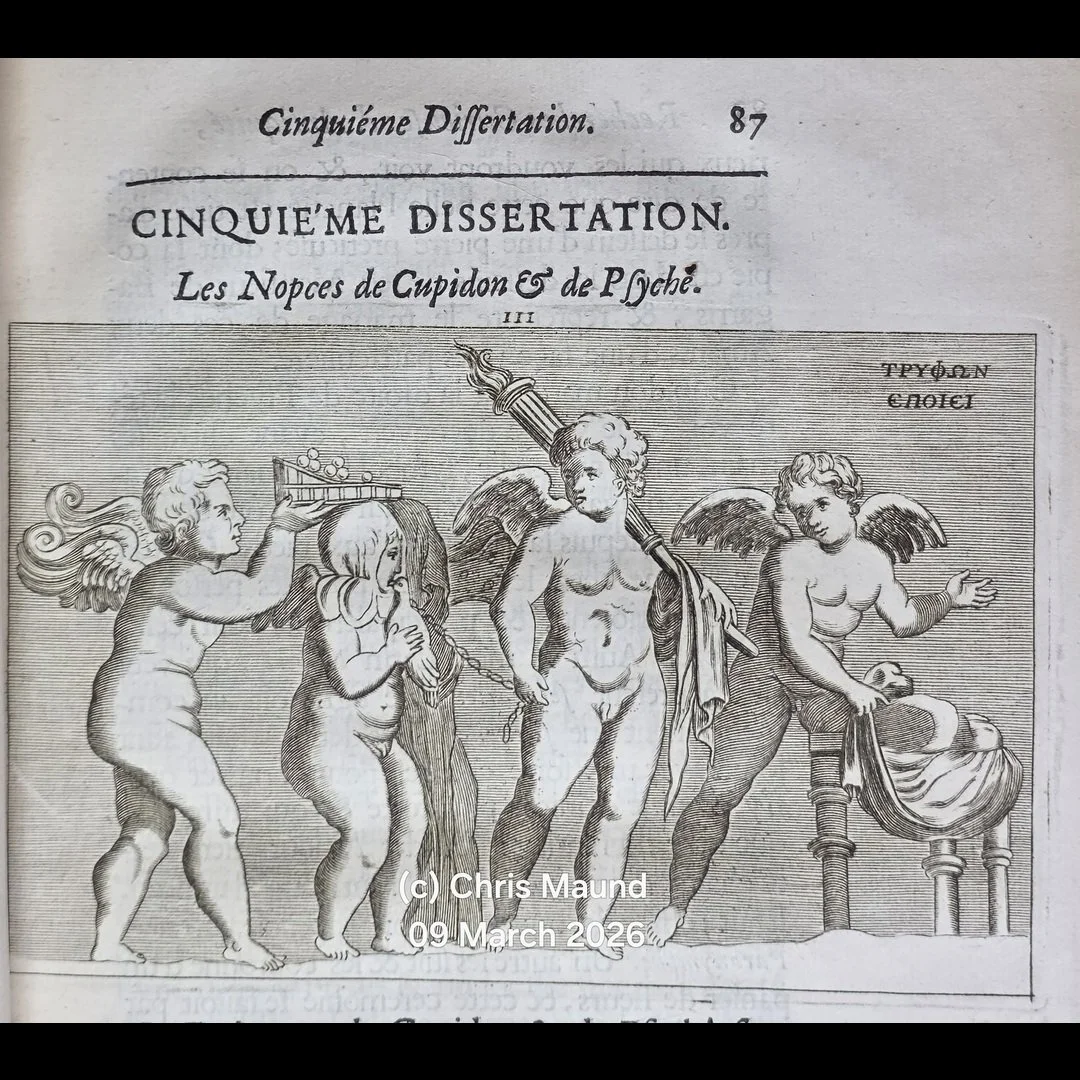 Image 30 of 69
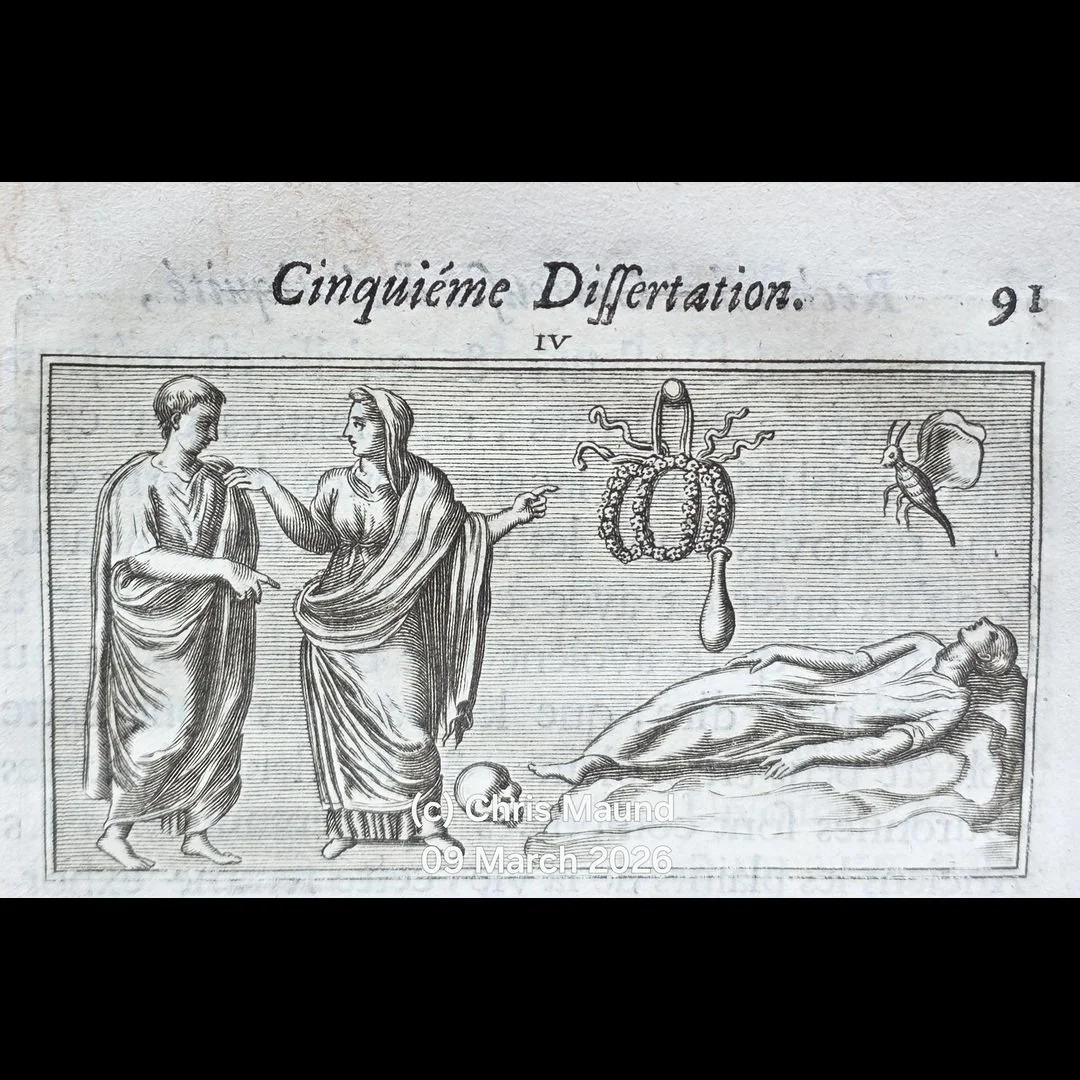 Image 31 of 69
 Image 32 of 69
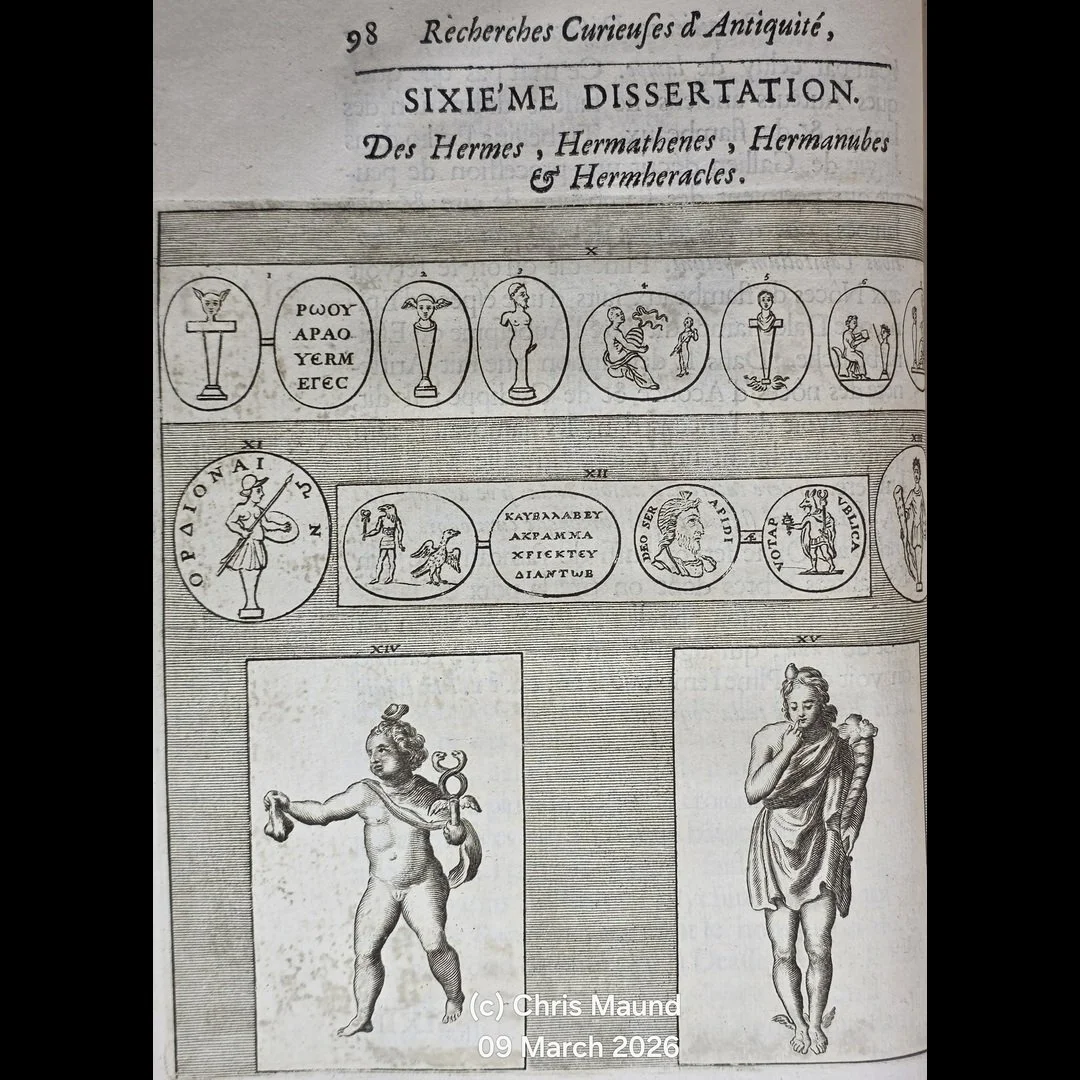 Image 33 of 69
 Image 34 of 69
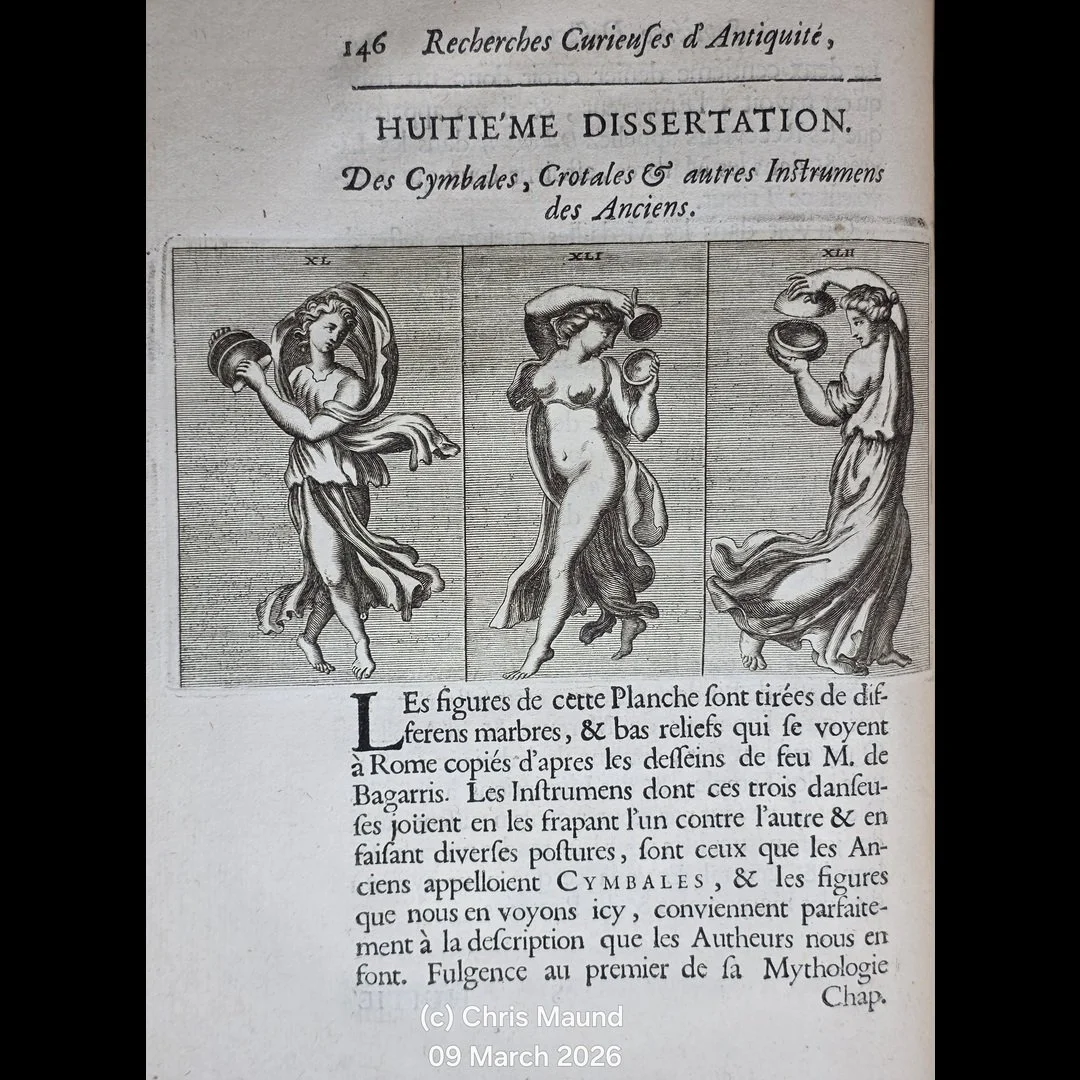 Image 35 of 69
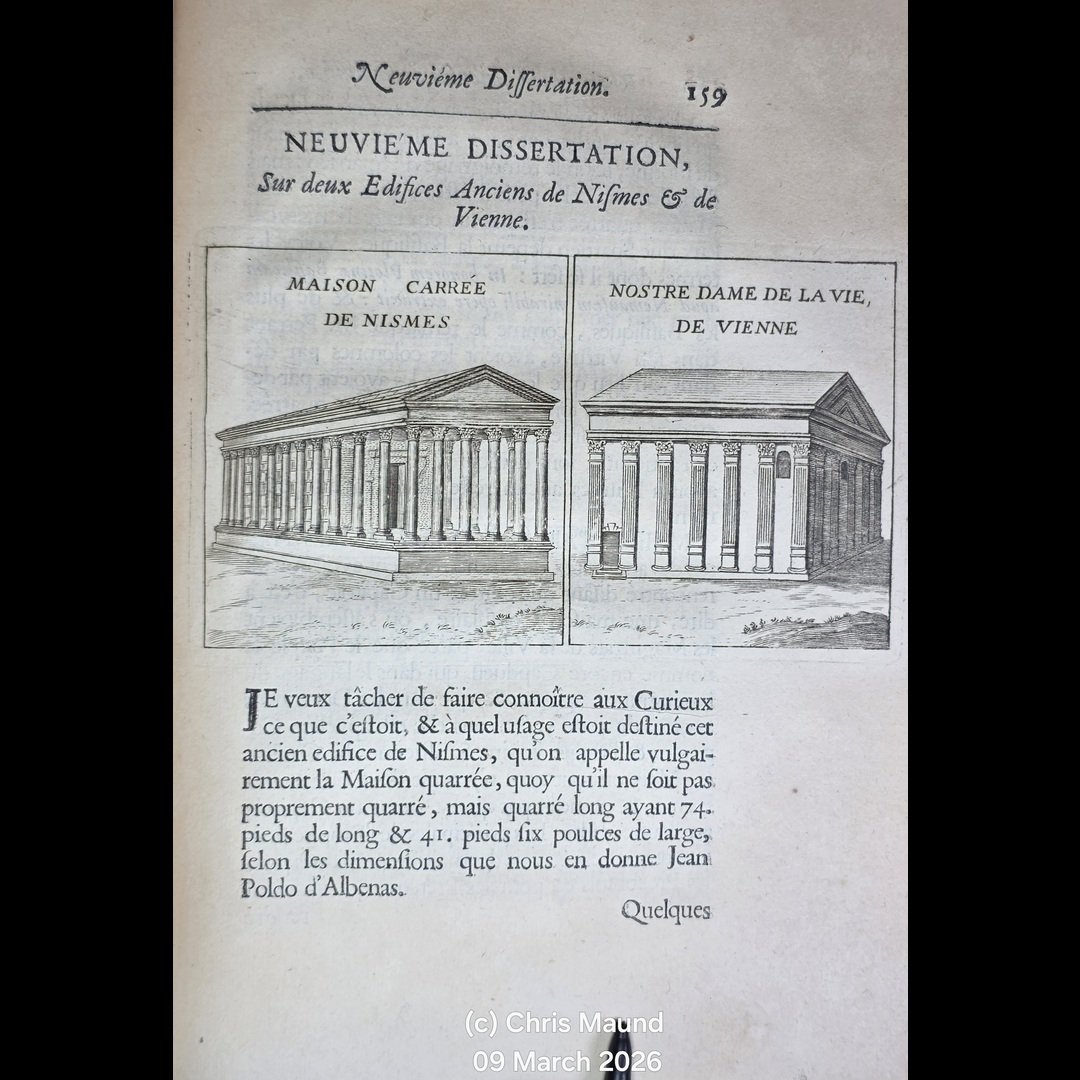 Image 36 of 69
 Image 37 of 69
 Image 38 of 69
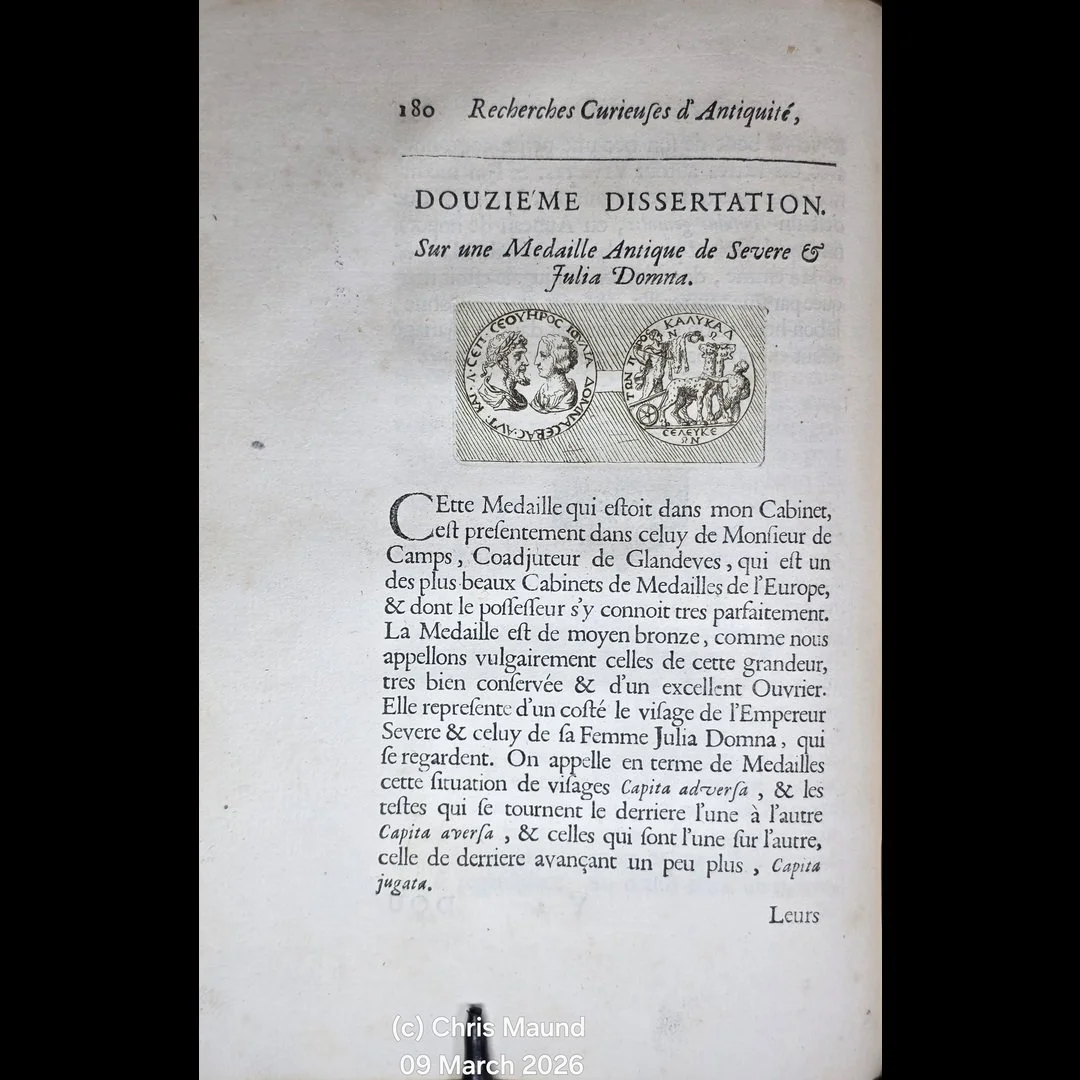 Image 39 of 69
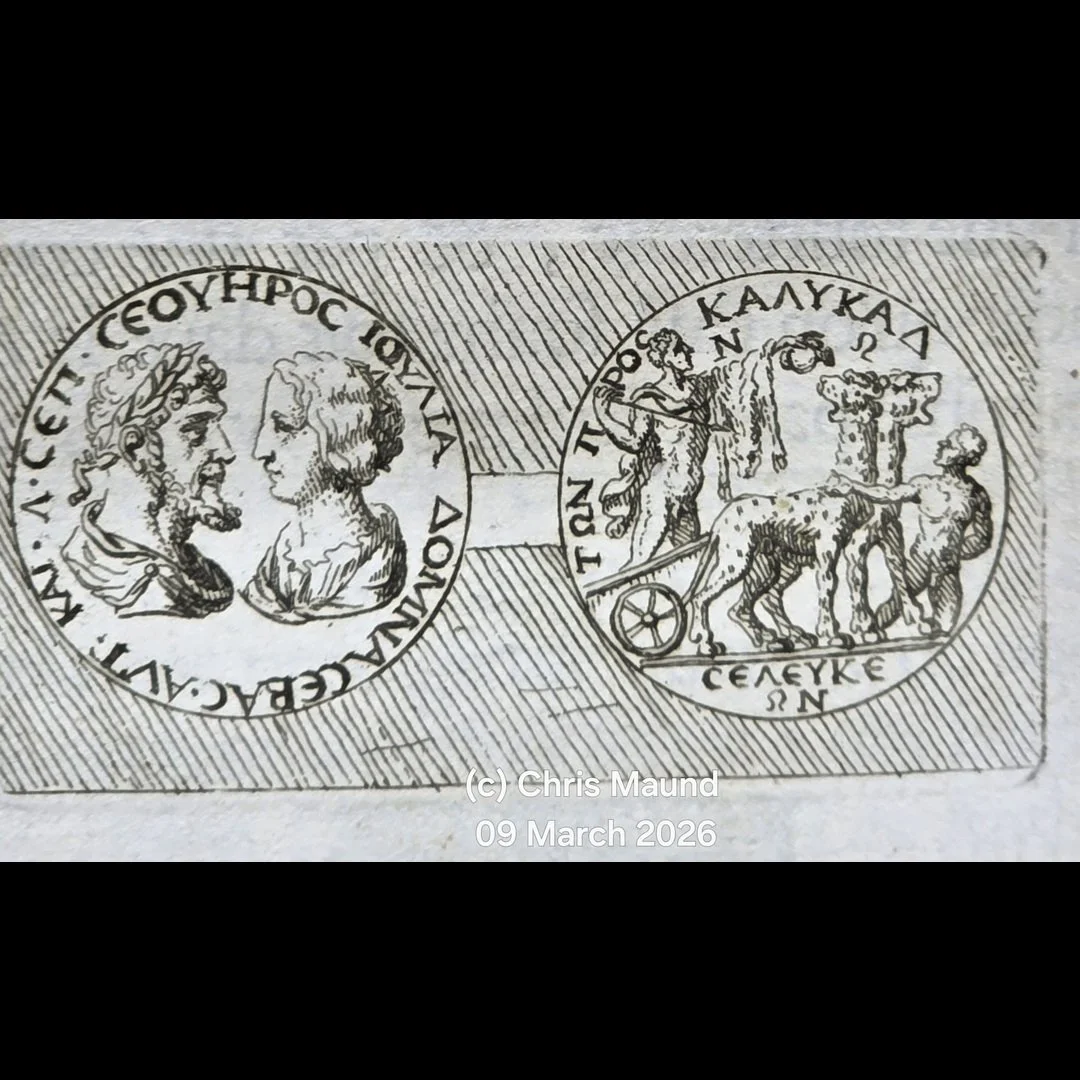 Image 40 of 69
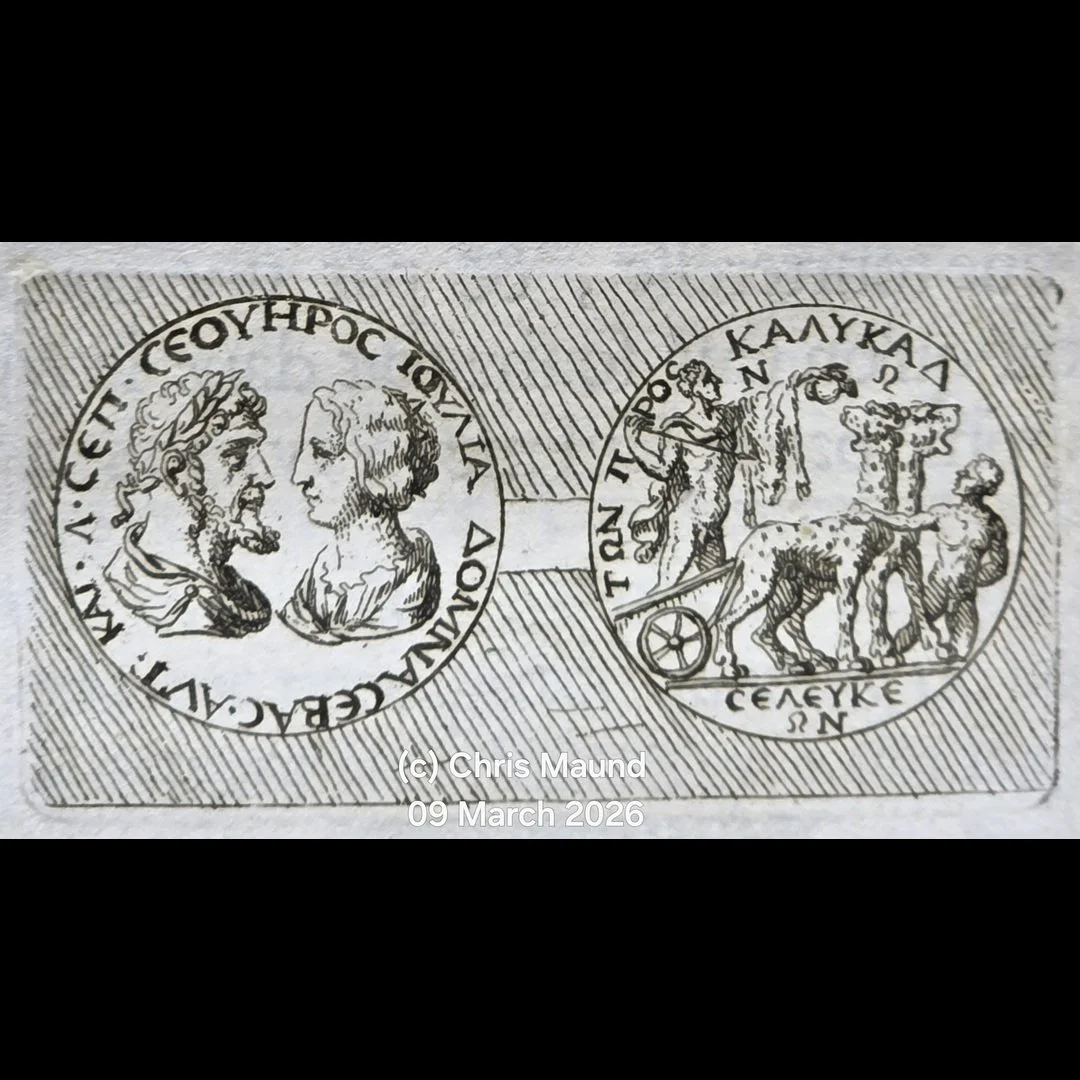 Image 41 of 69
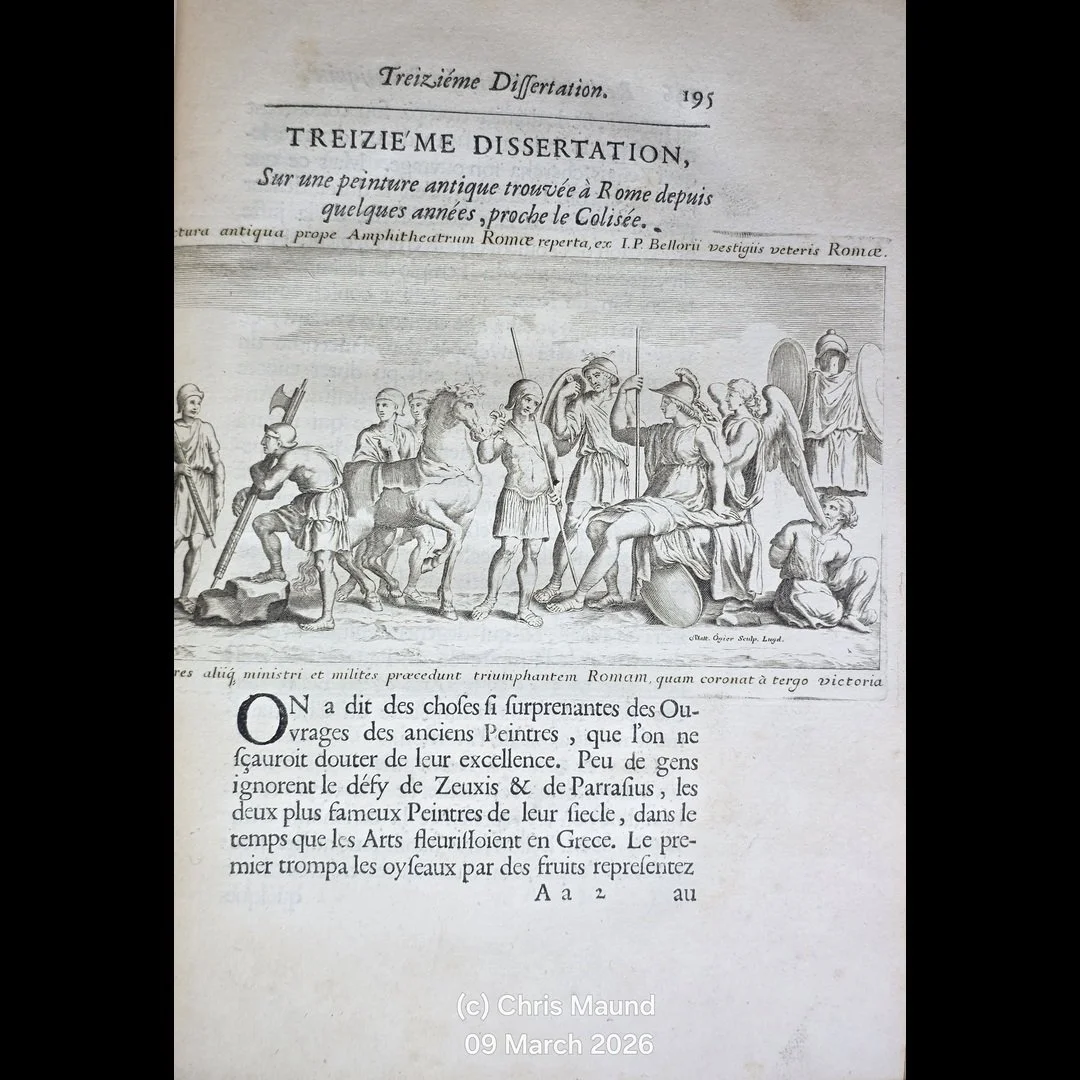 Image 42 of 69
 Image 43 of 69
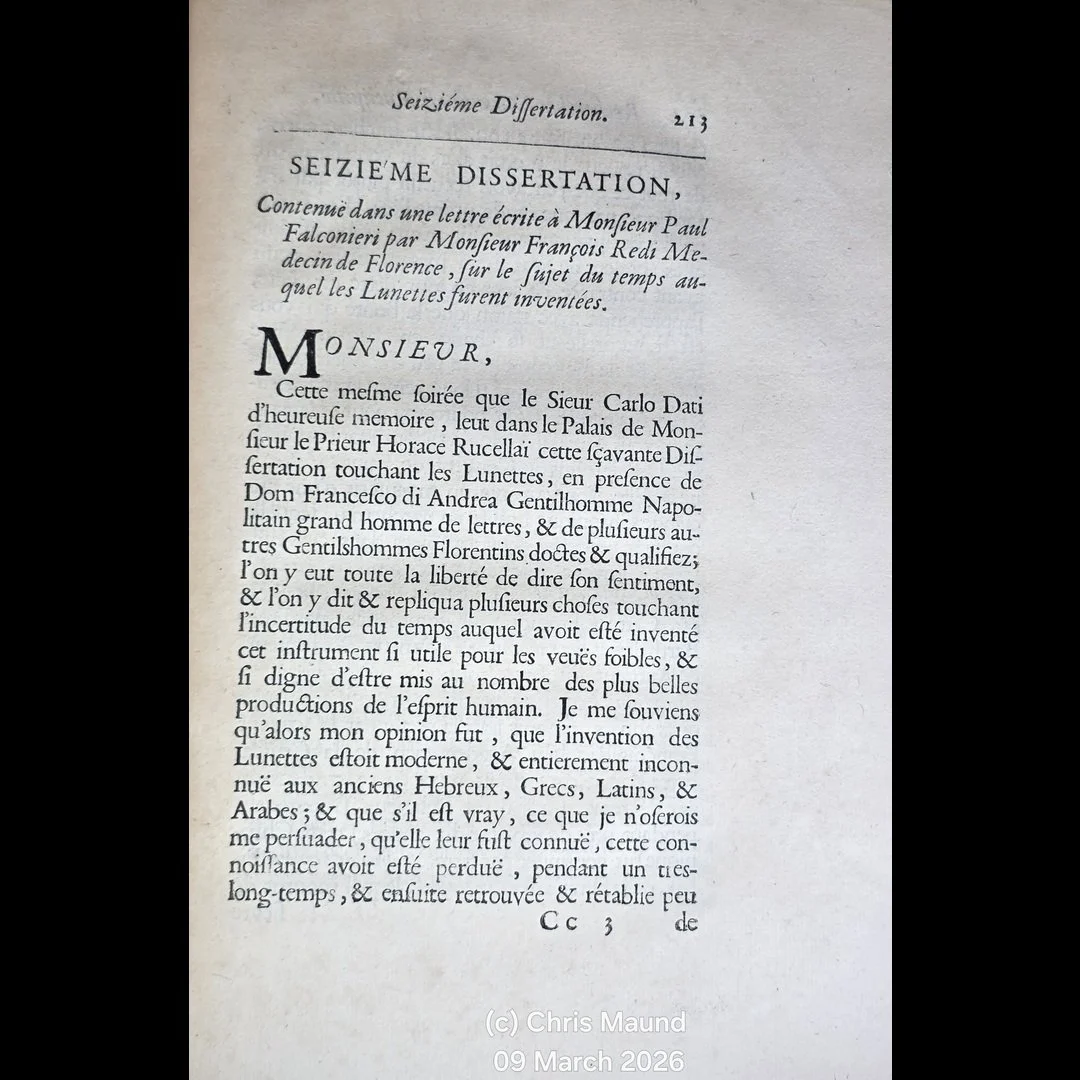 Image 44 of 69
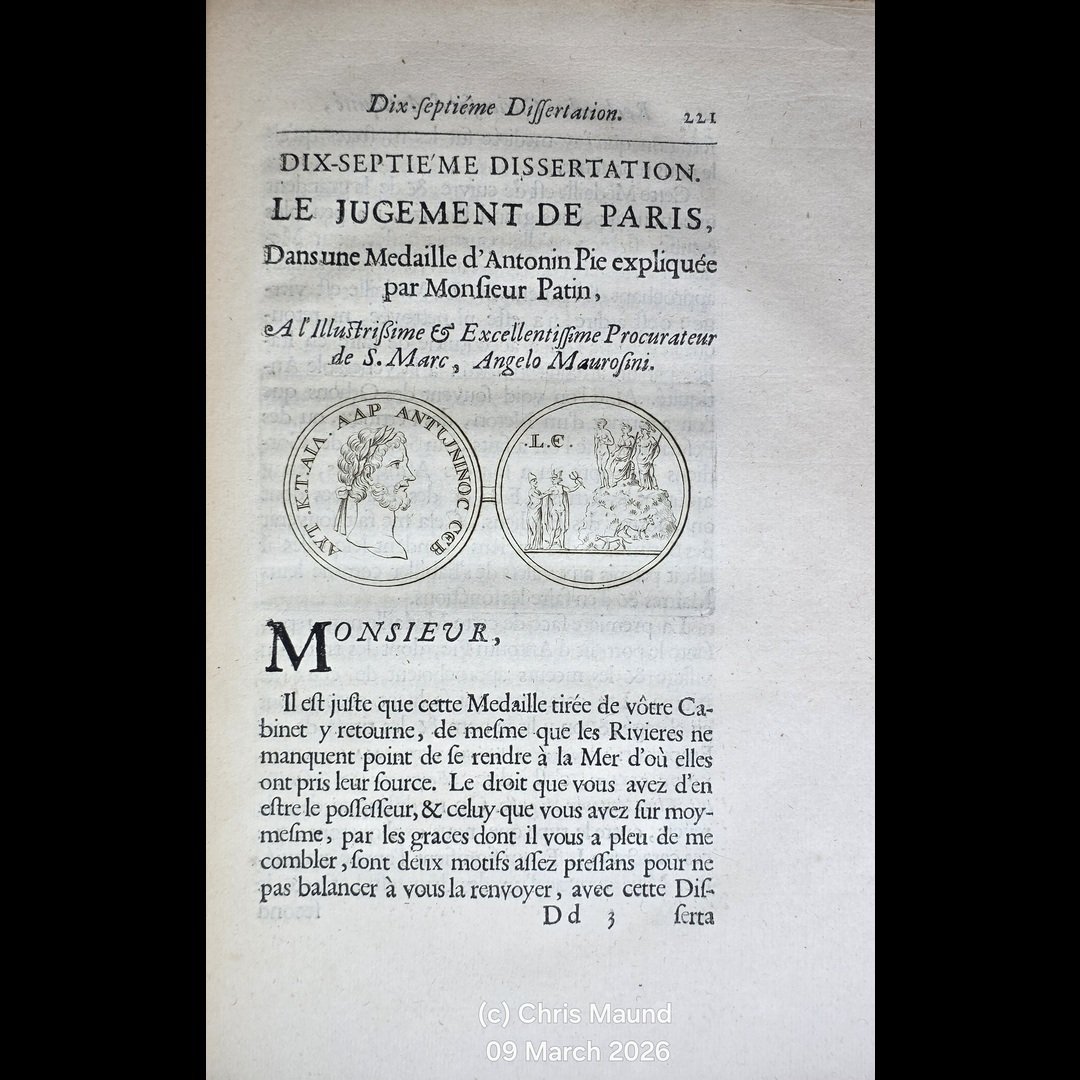 Image 45 of 69
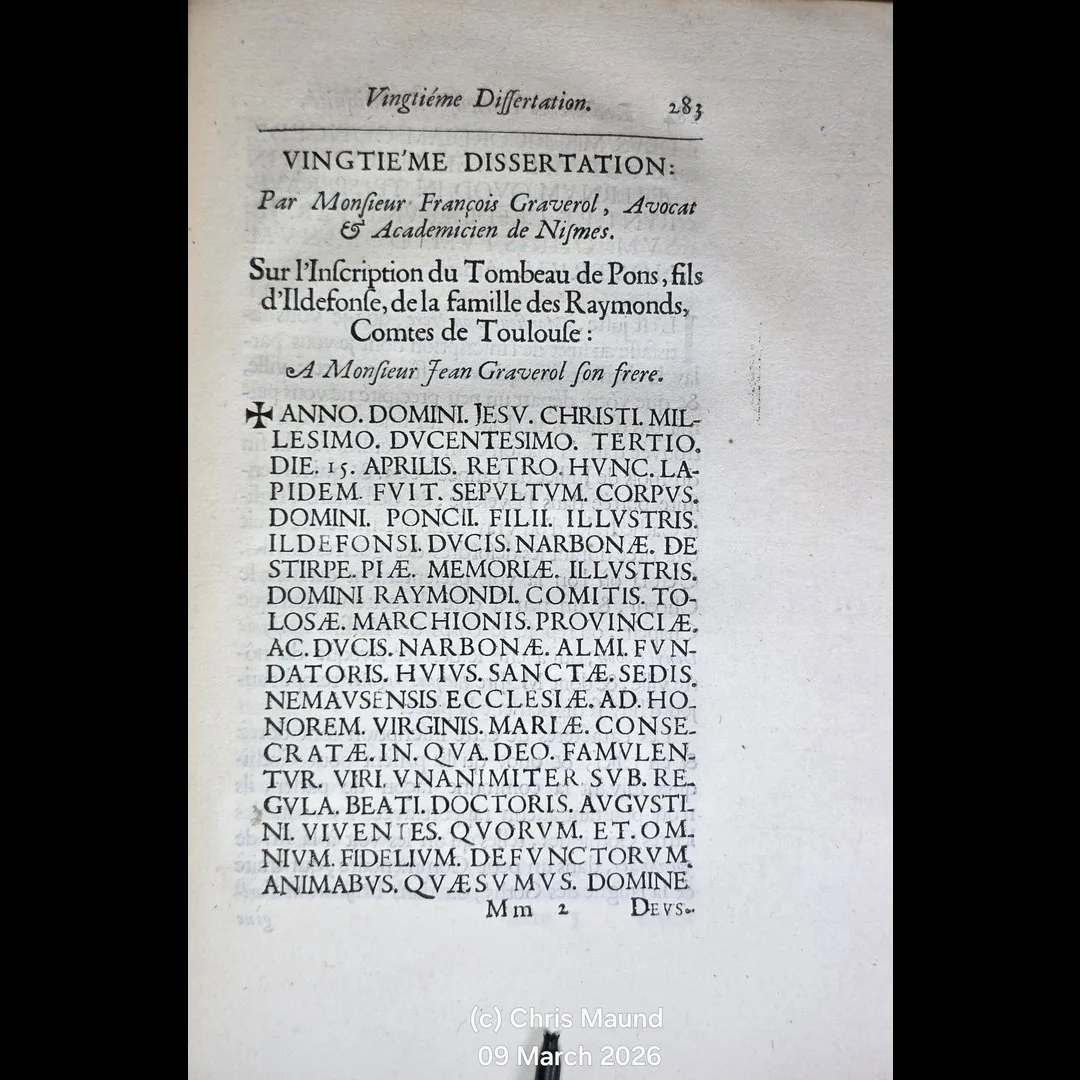 Image 46 of 69
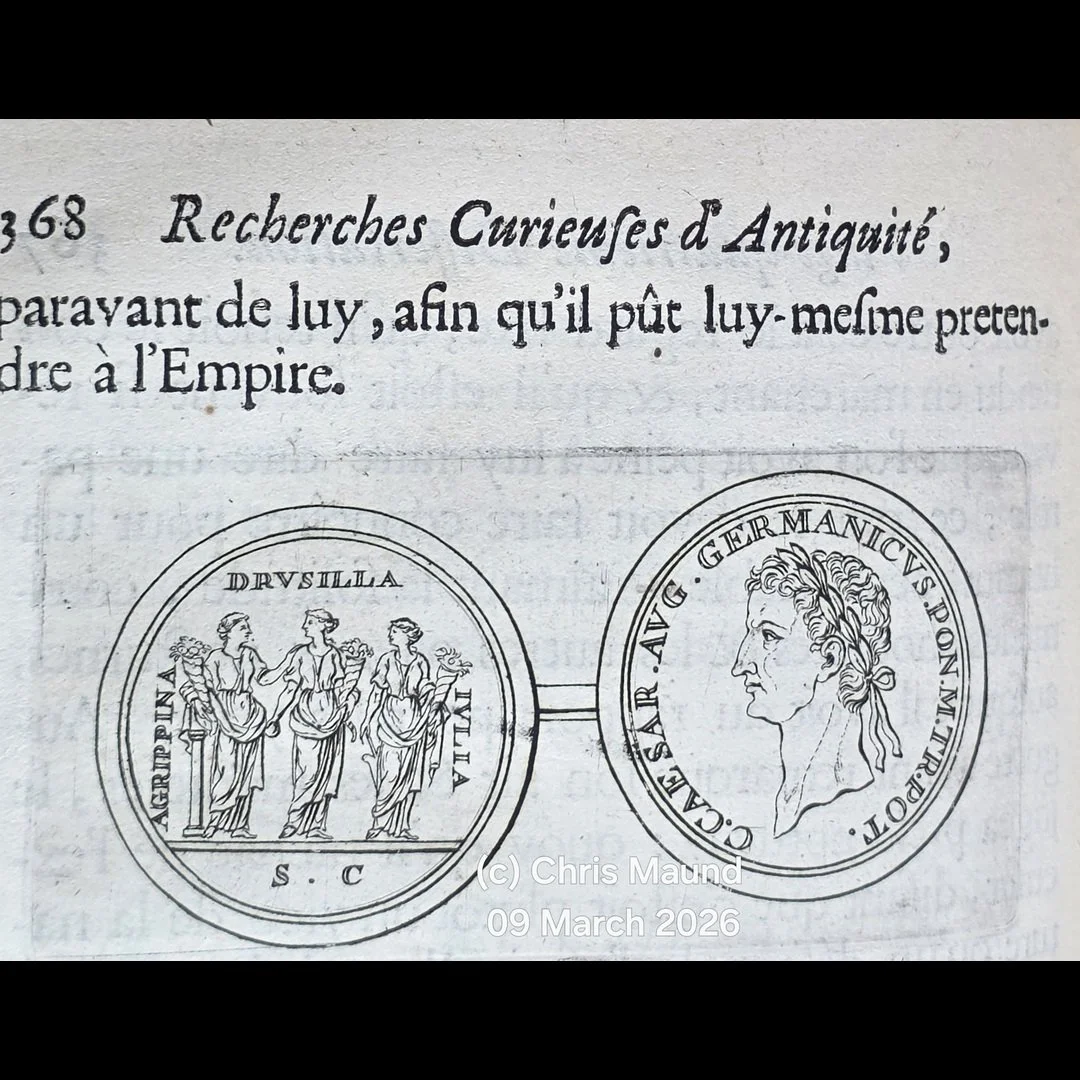 Image 47 of 69
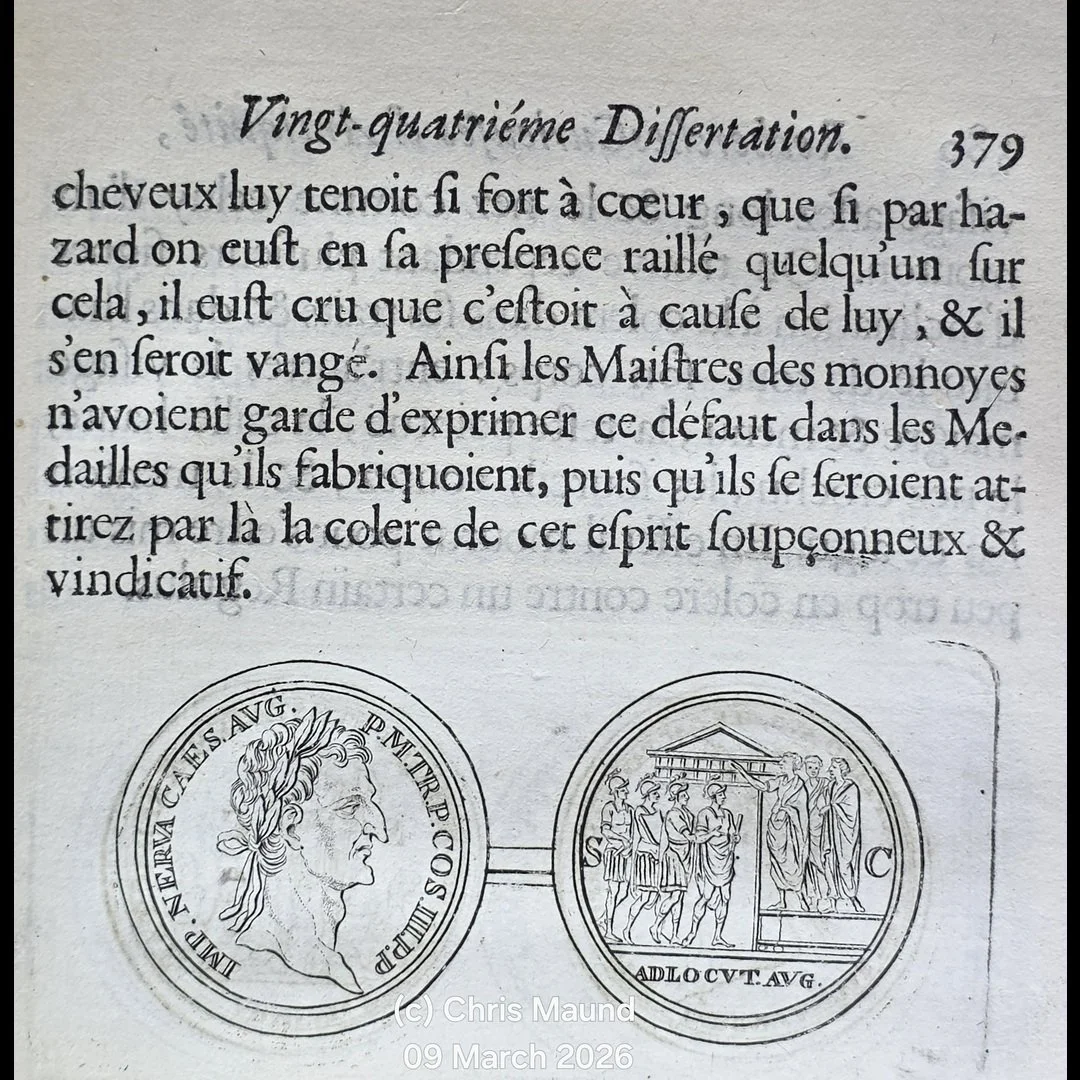 Image 48 of 69
 Image 49 of 69
 Image 50 of 69
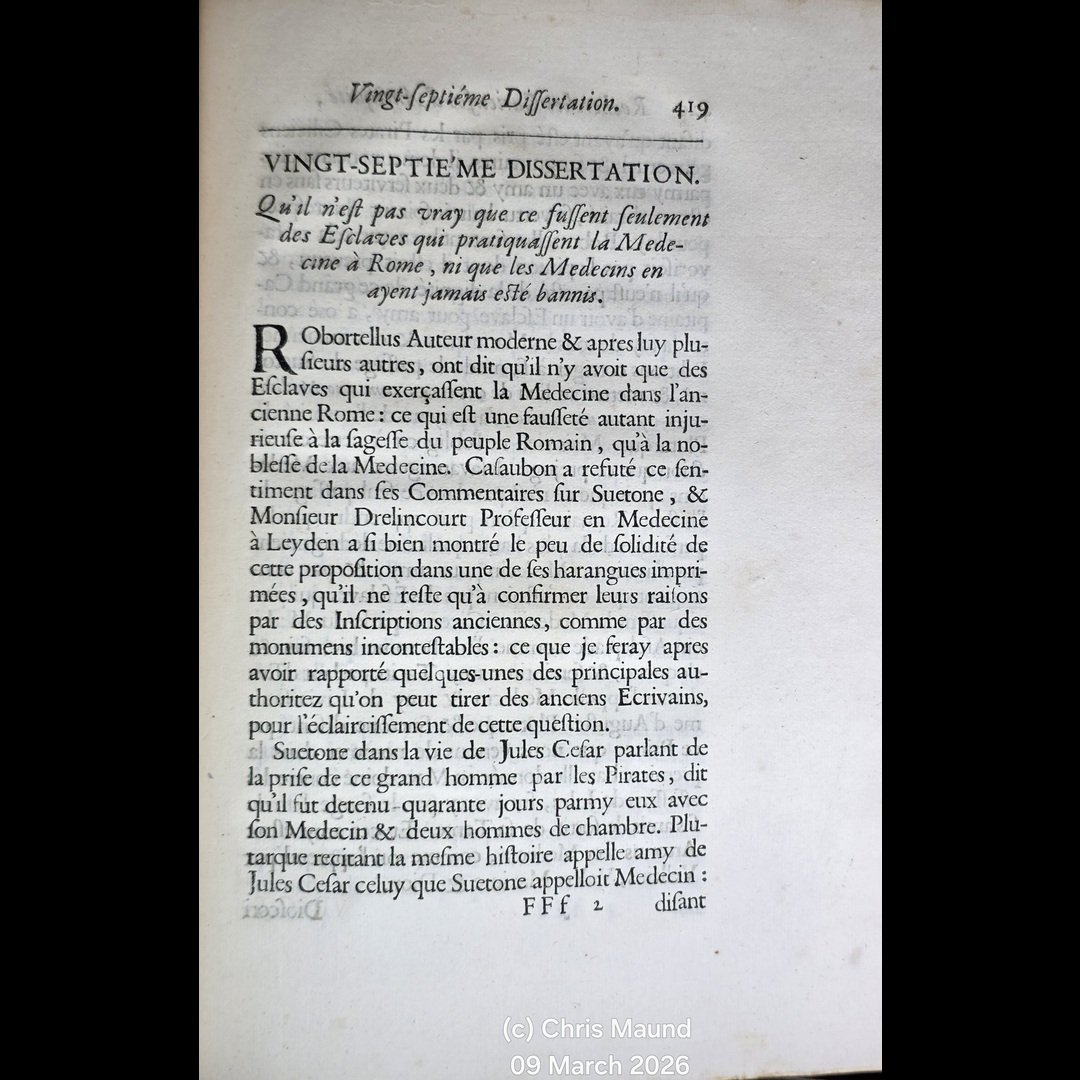 Image 51 of 69
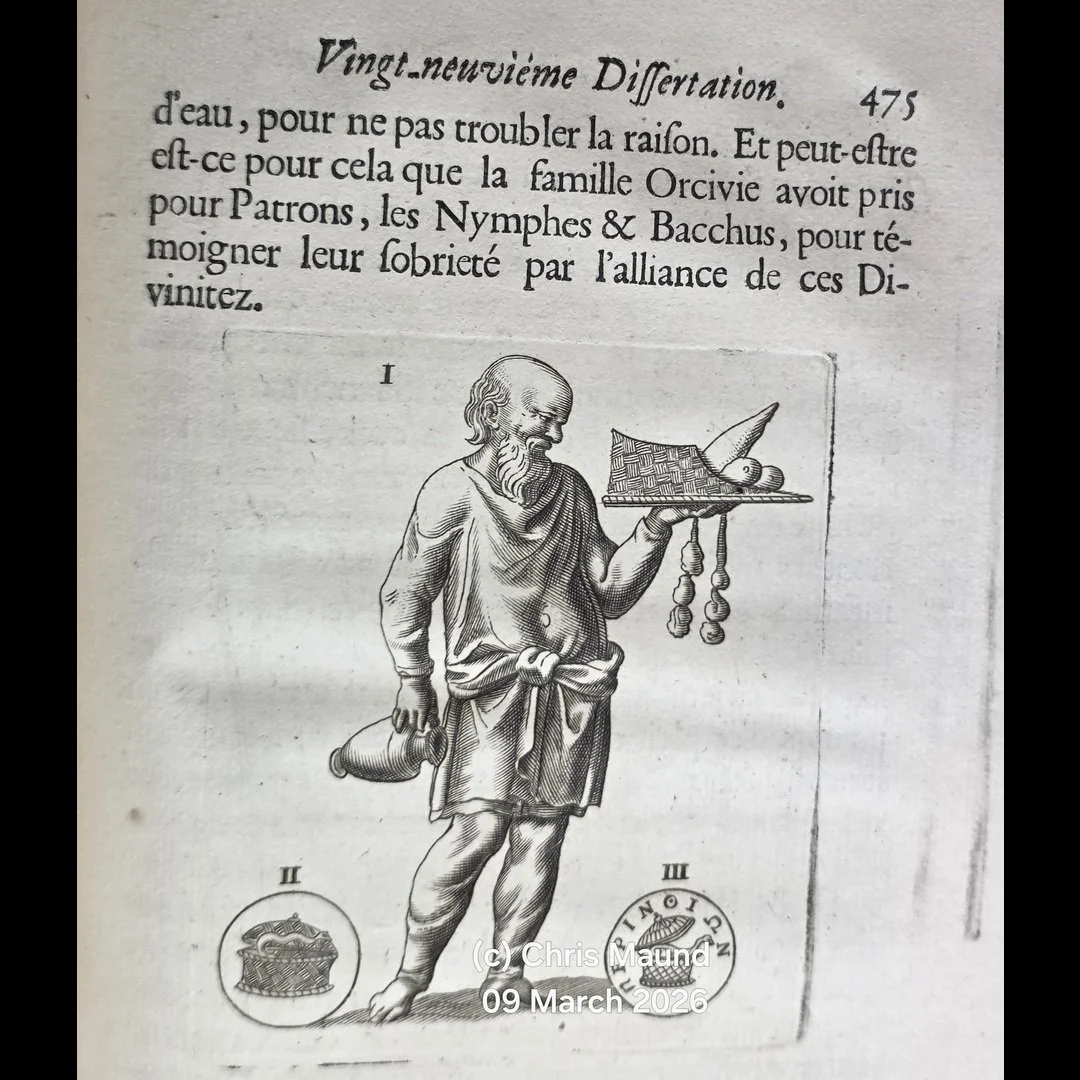 Image 52 of 69
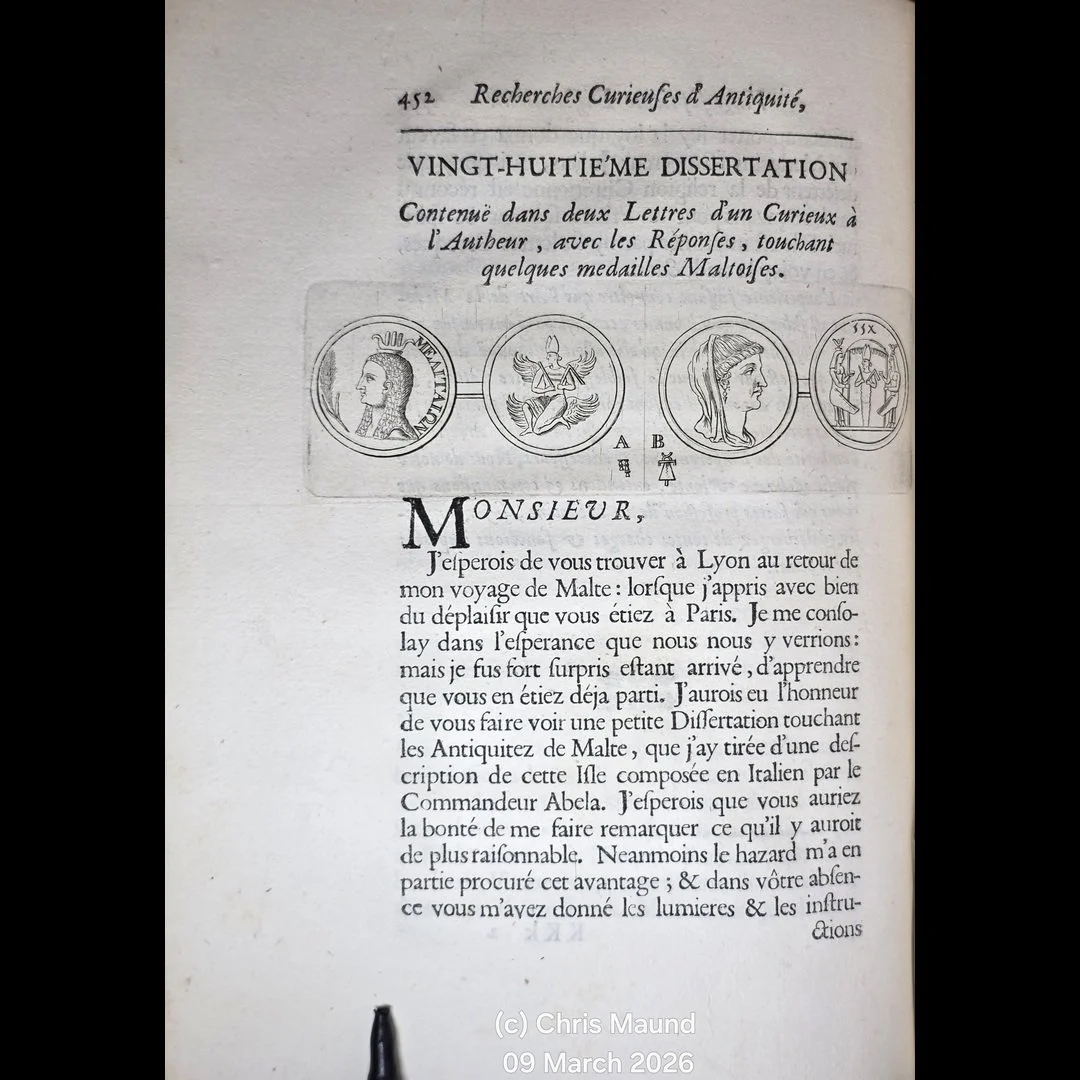 Image 53 of 69
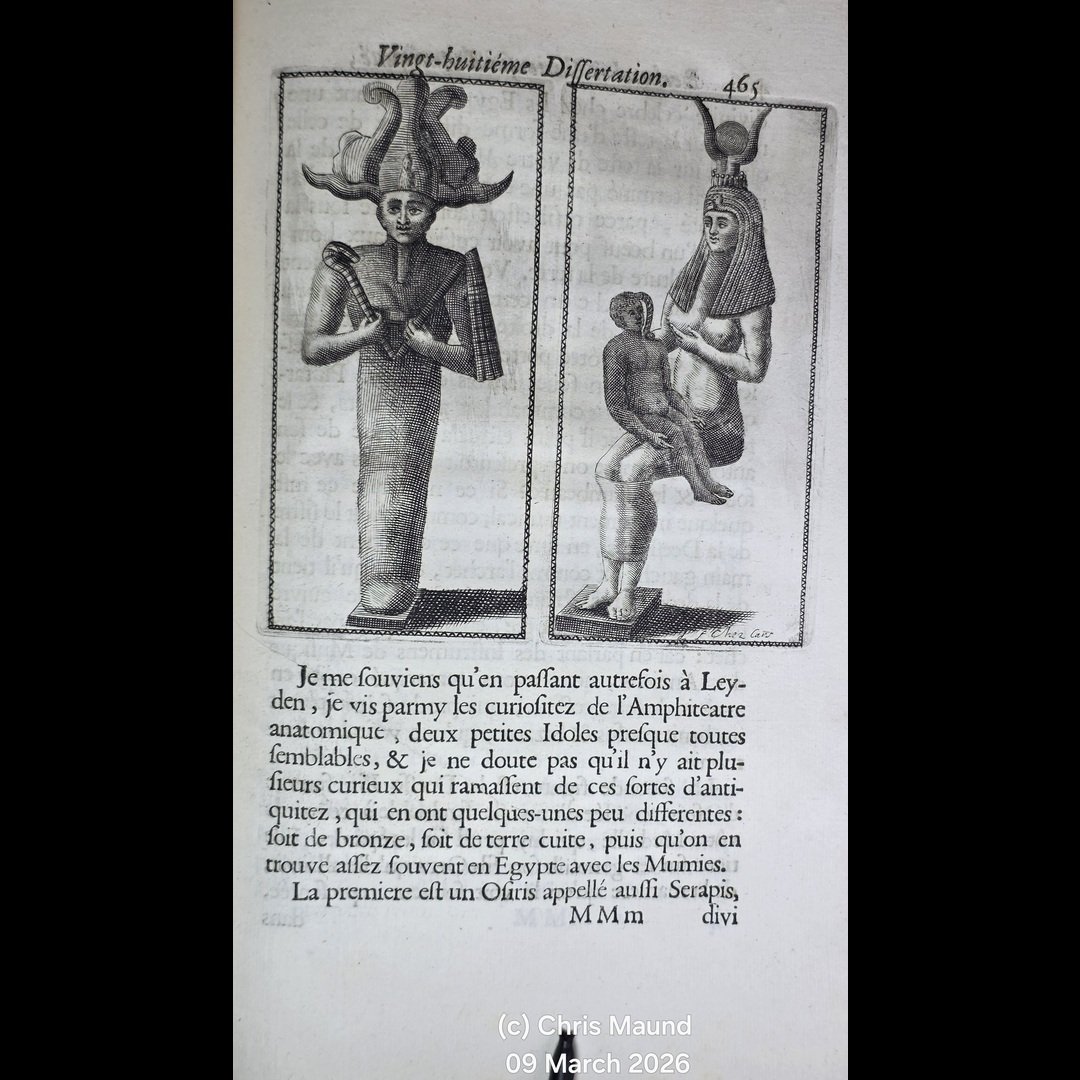 Image 54 of 69
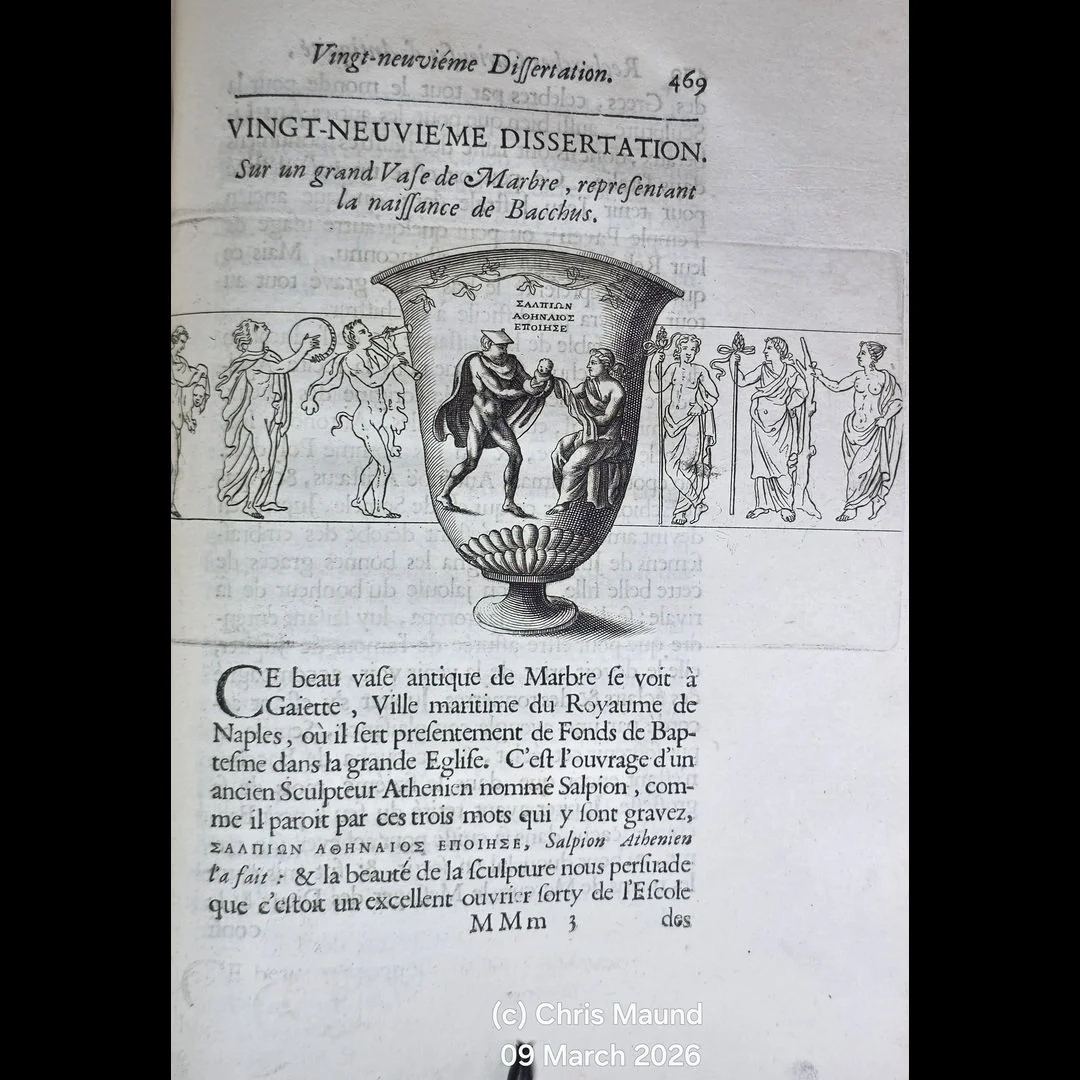 Image 55 of 69
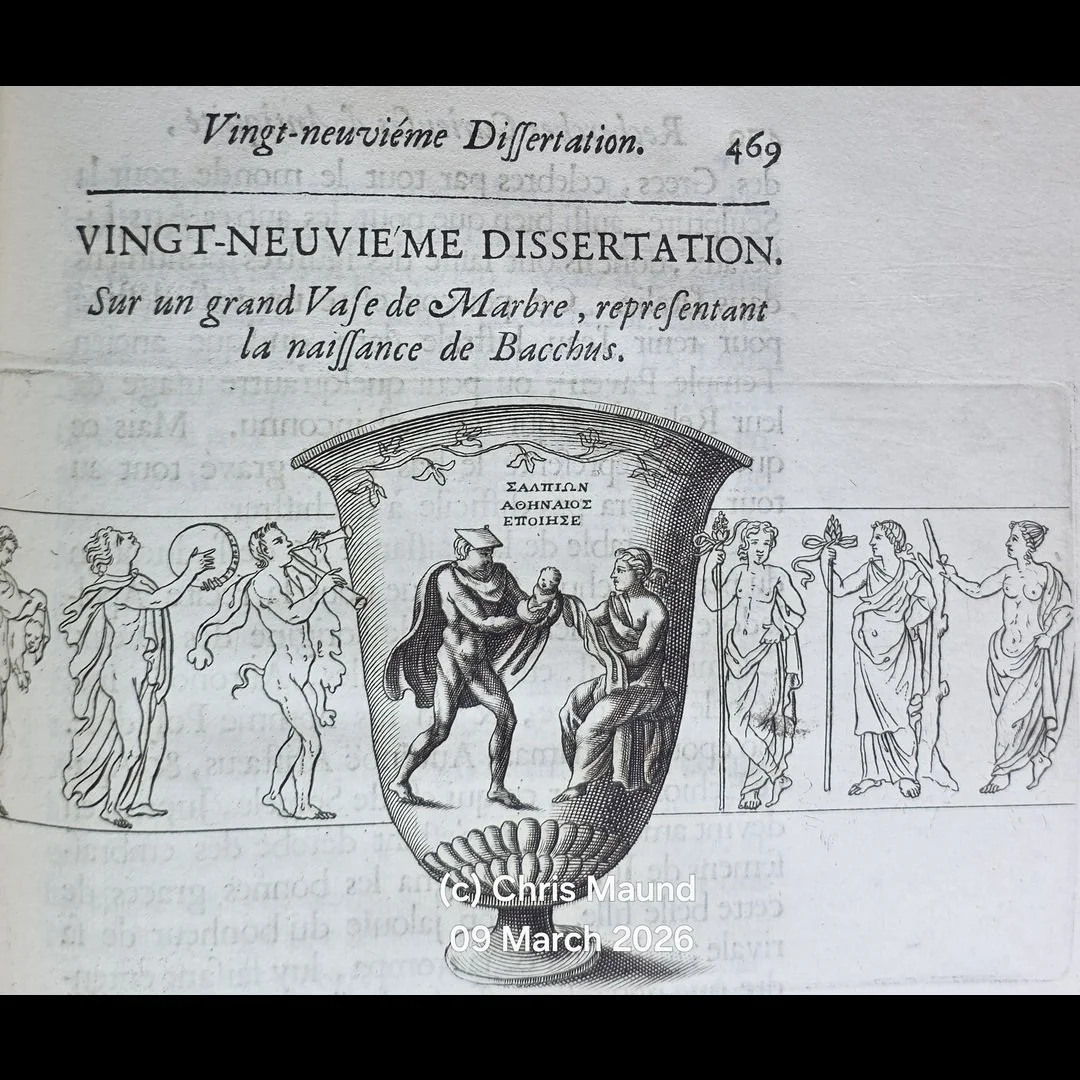 Image 56 of 69
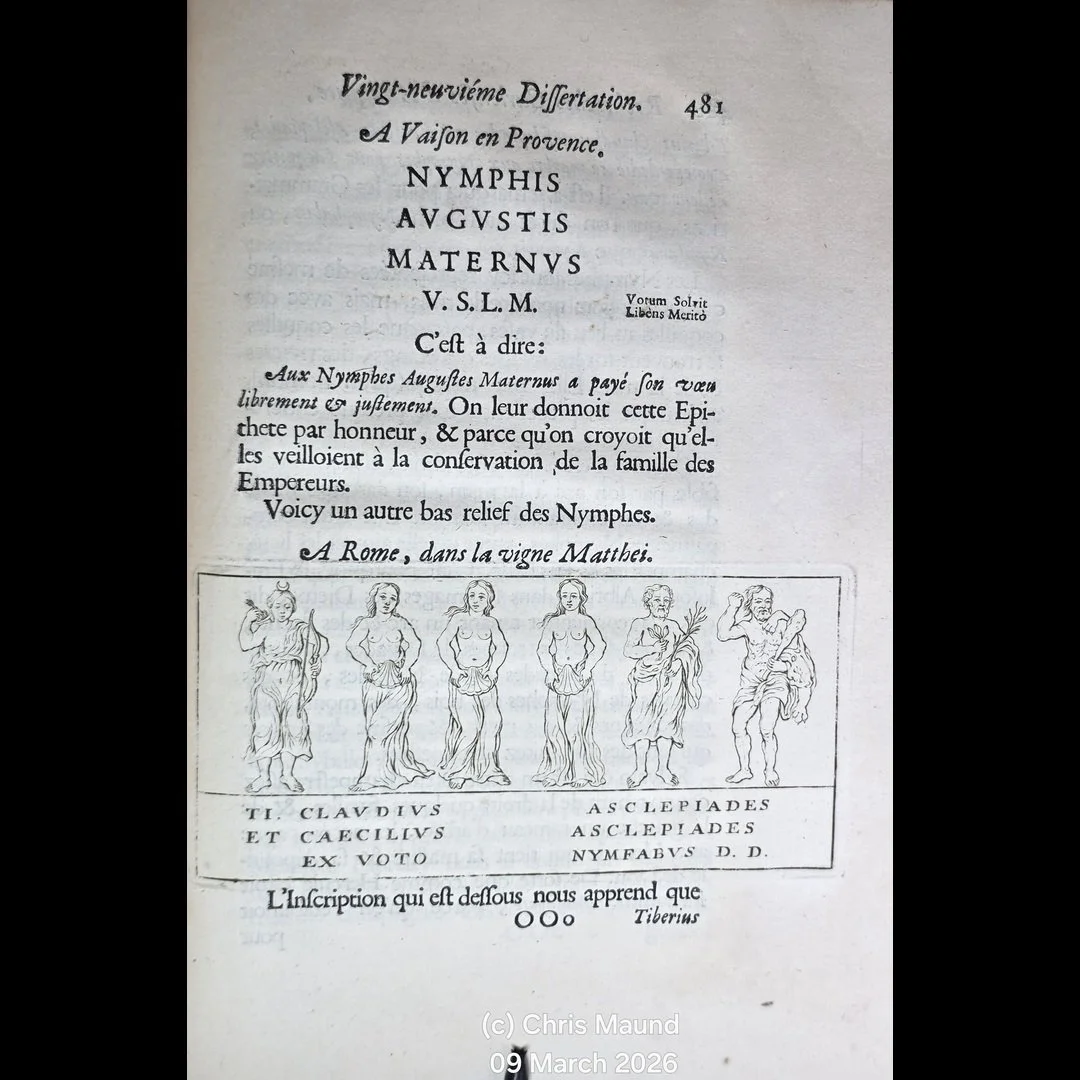 Image 57 of 69
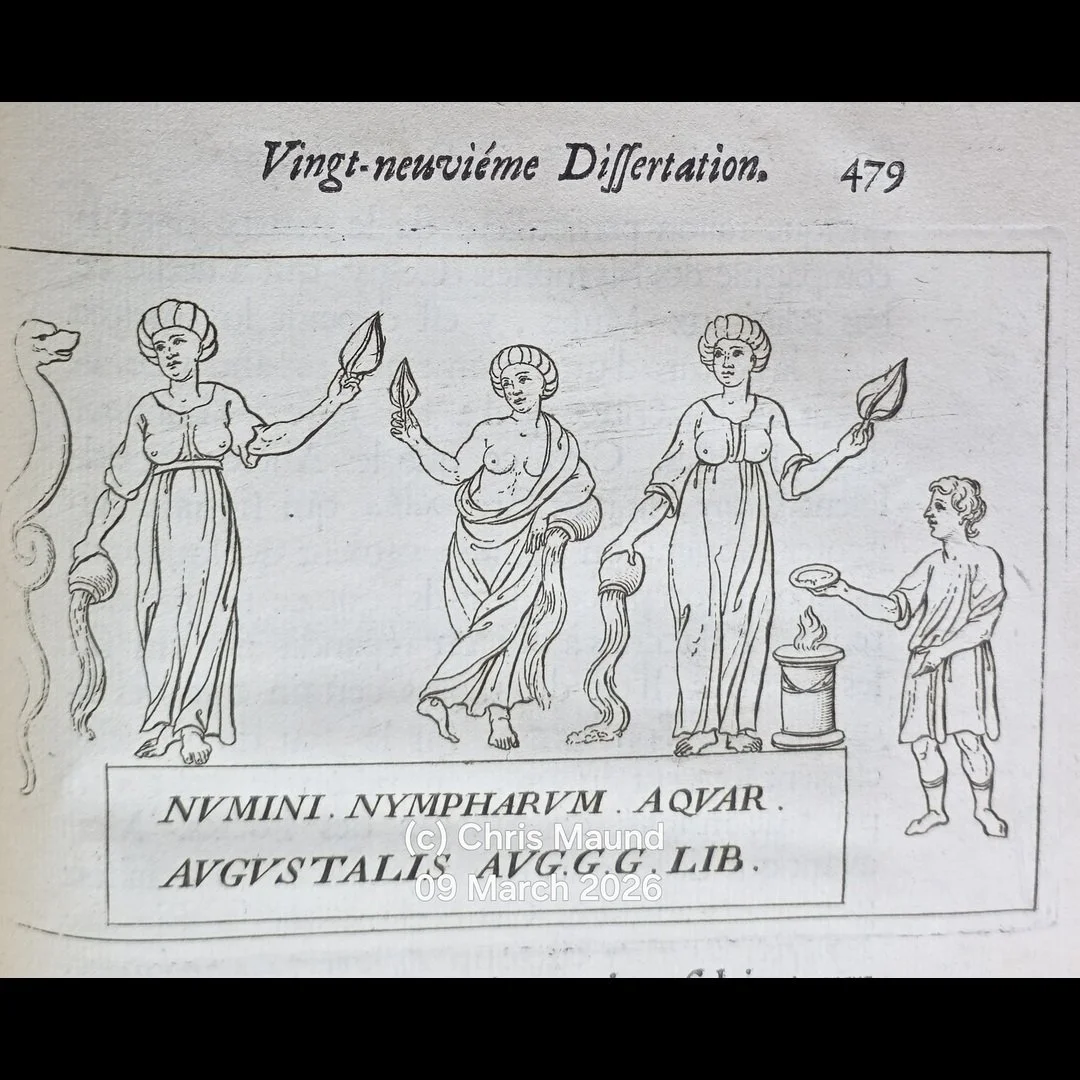 Image 58 of 69
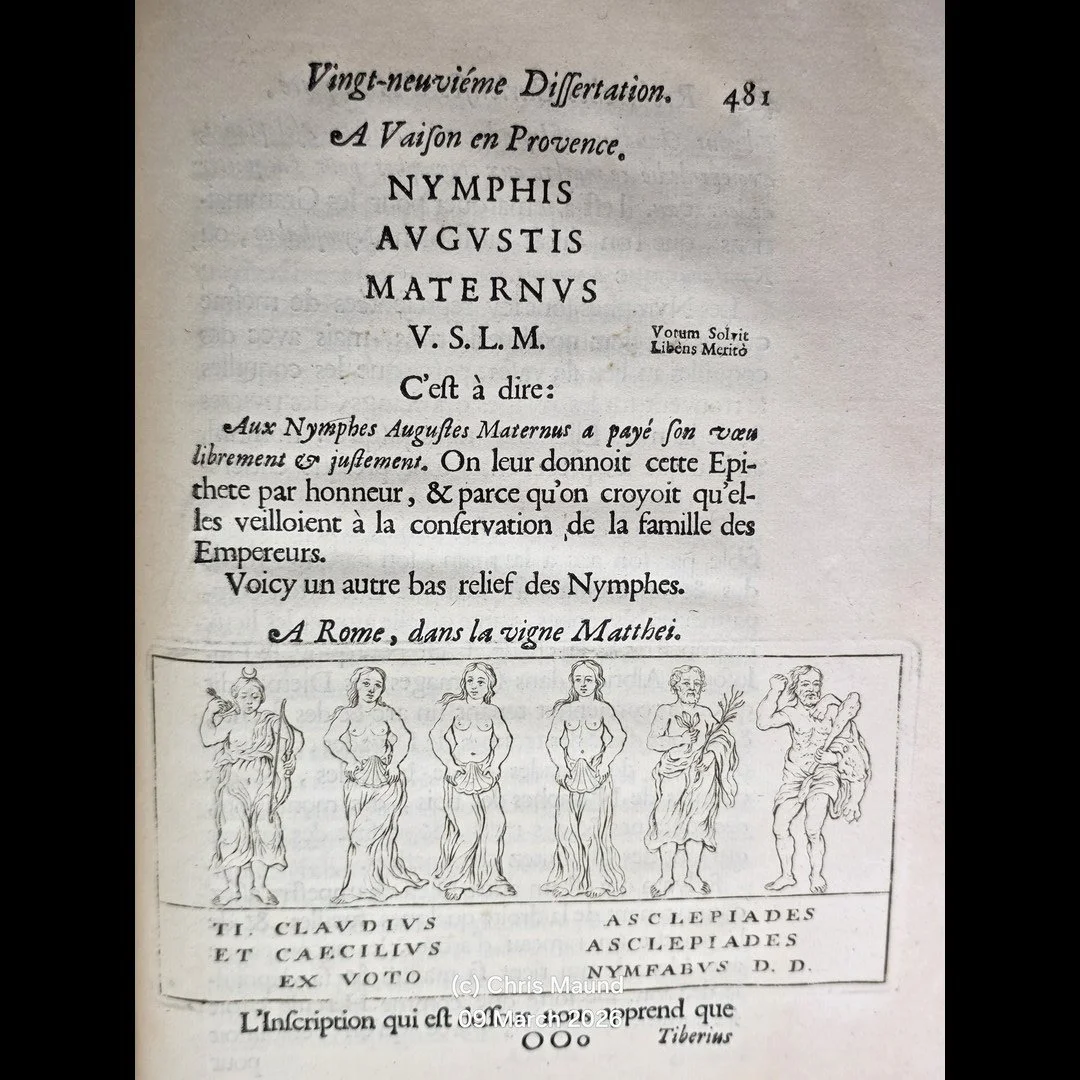 Image 59 of 69
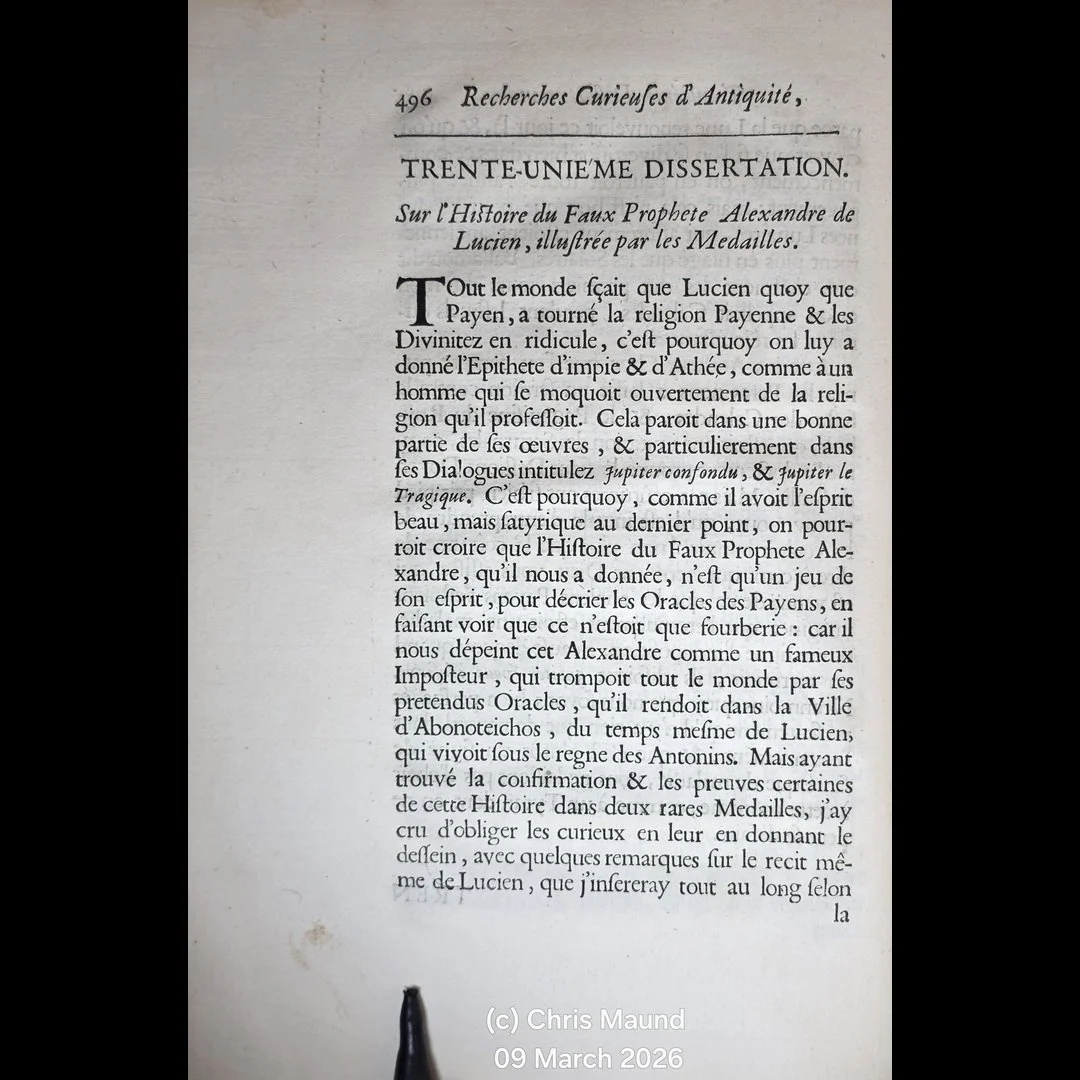 Image 60 of 69
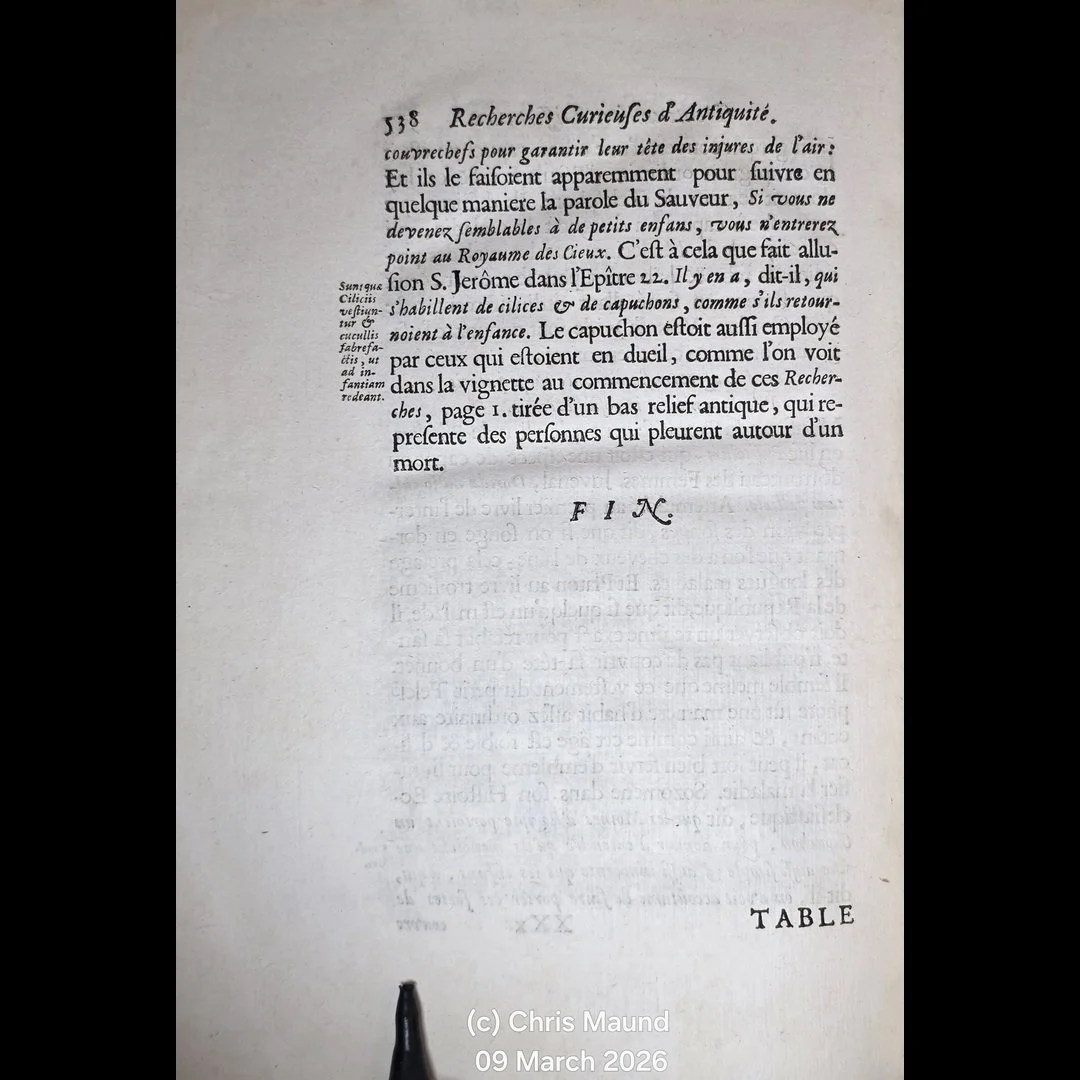 Image 61 of 69
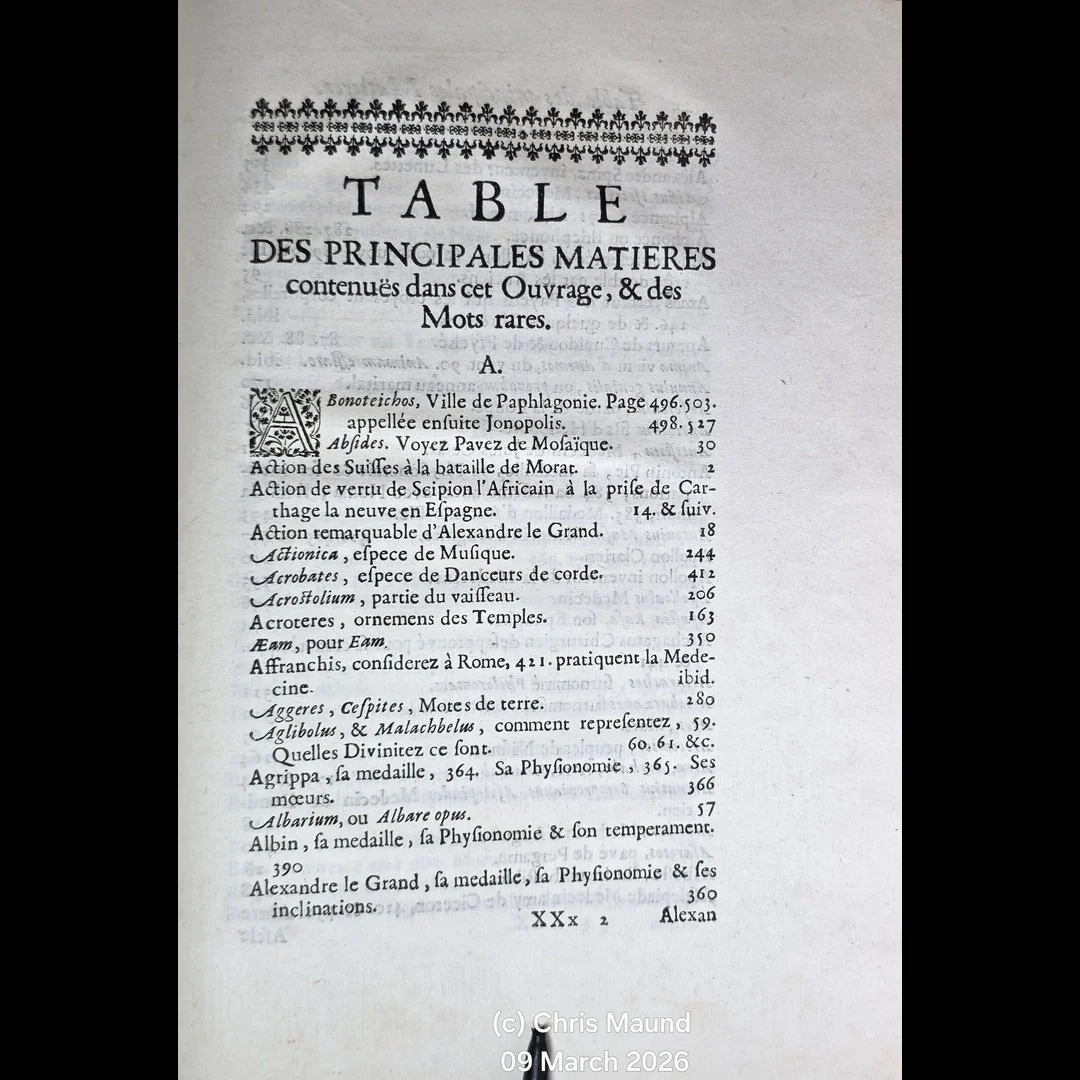 Image 62 of 69
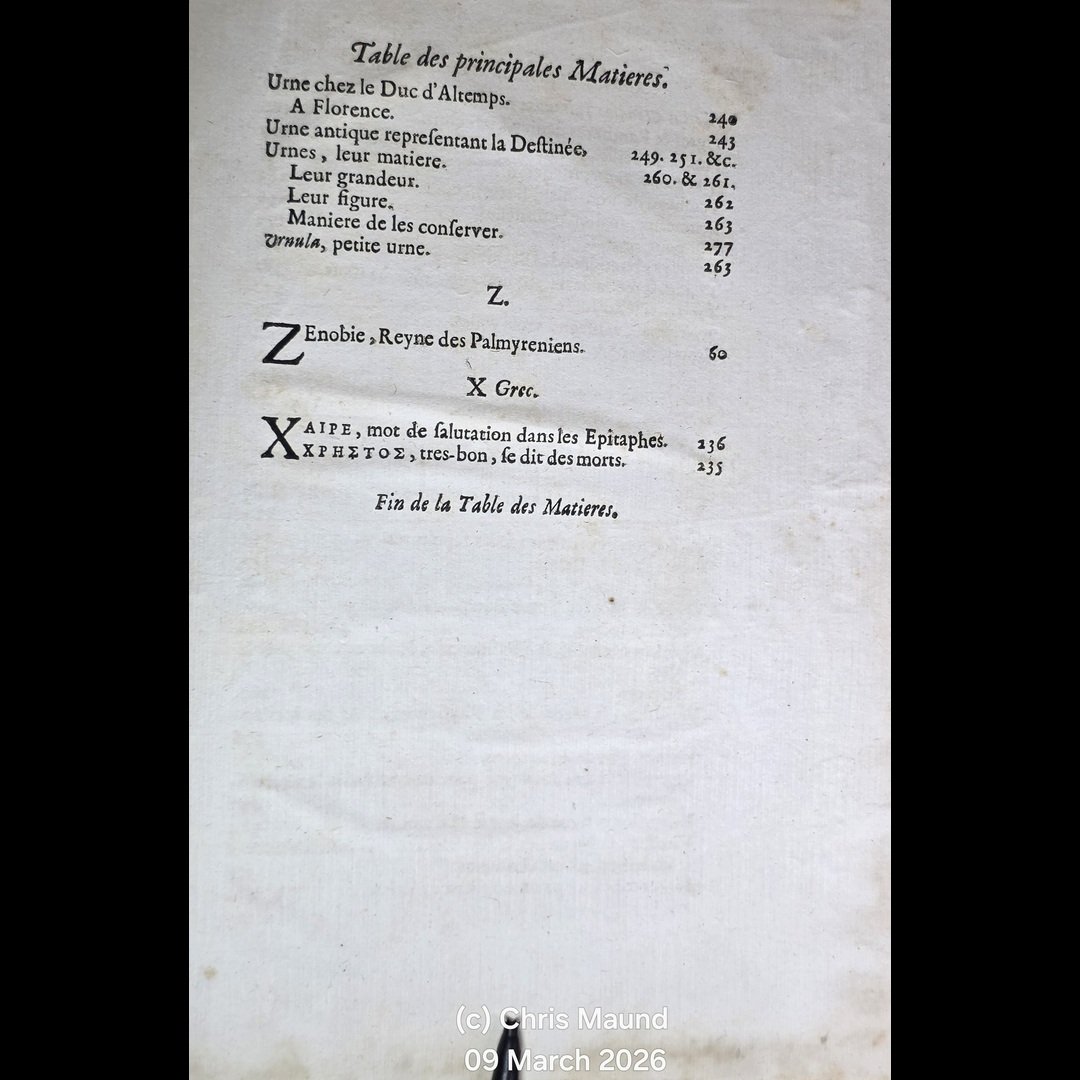 Image 63 of 69
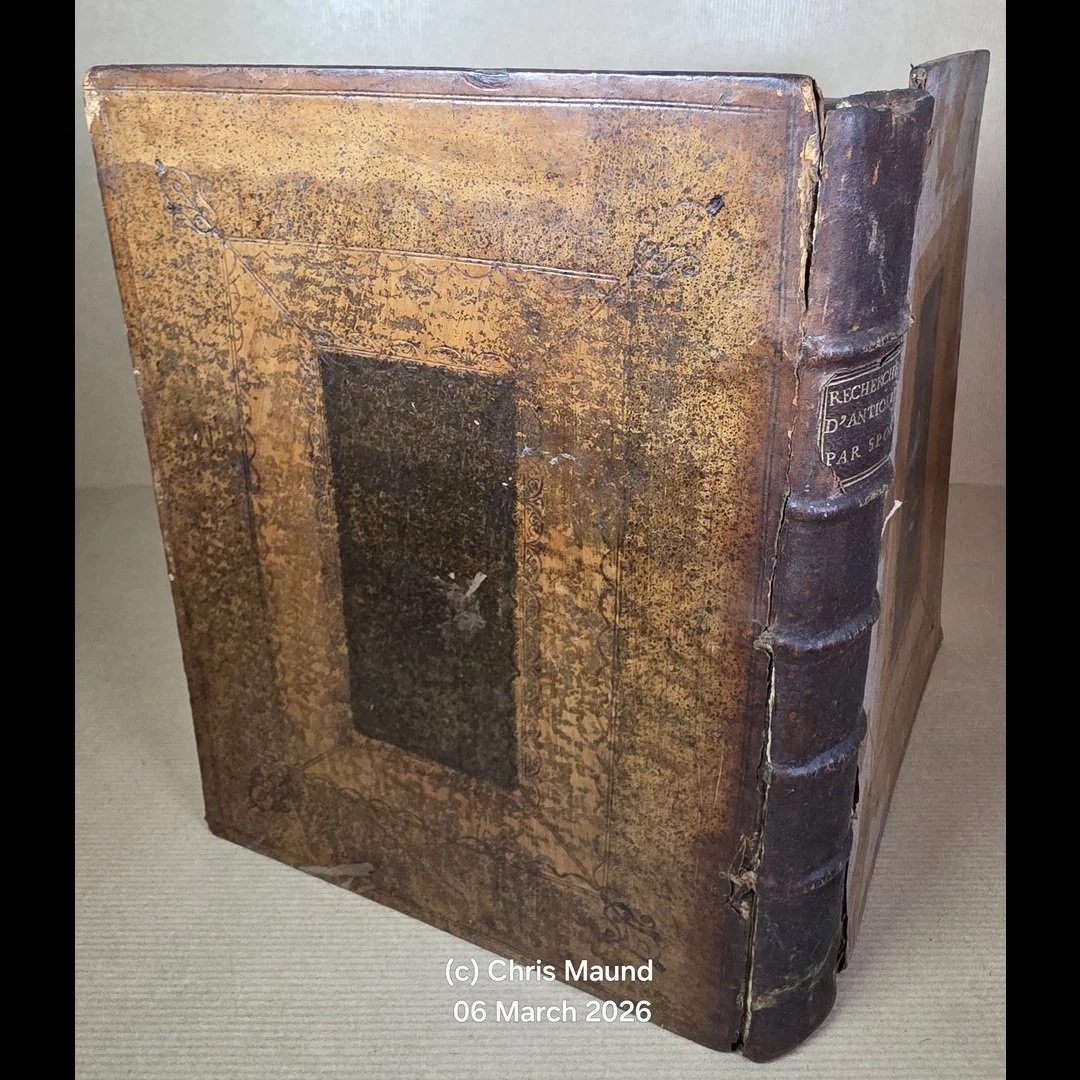 Image 64 of 69
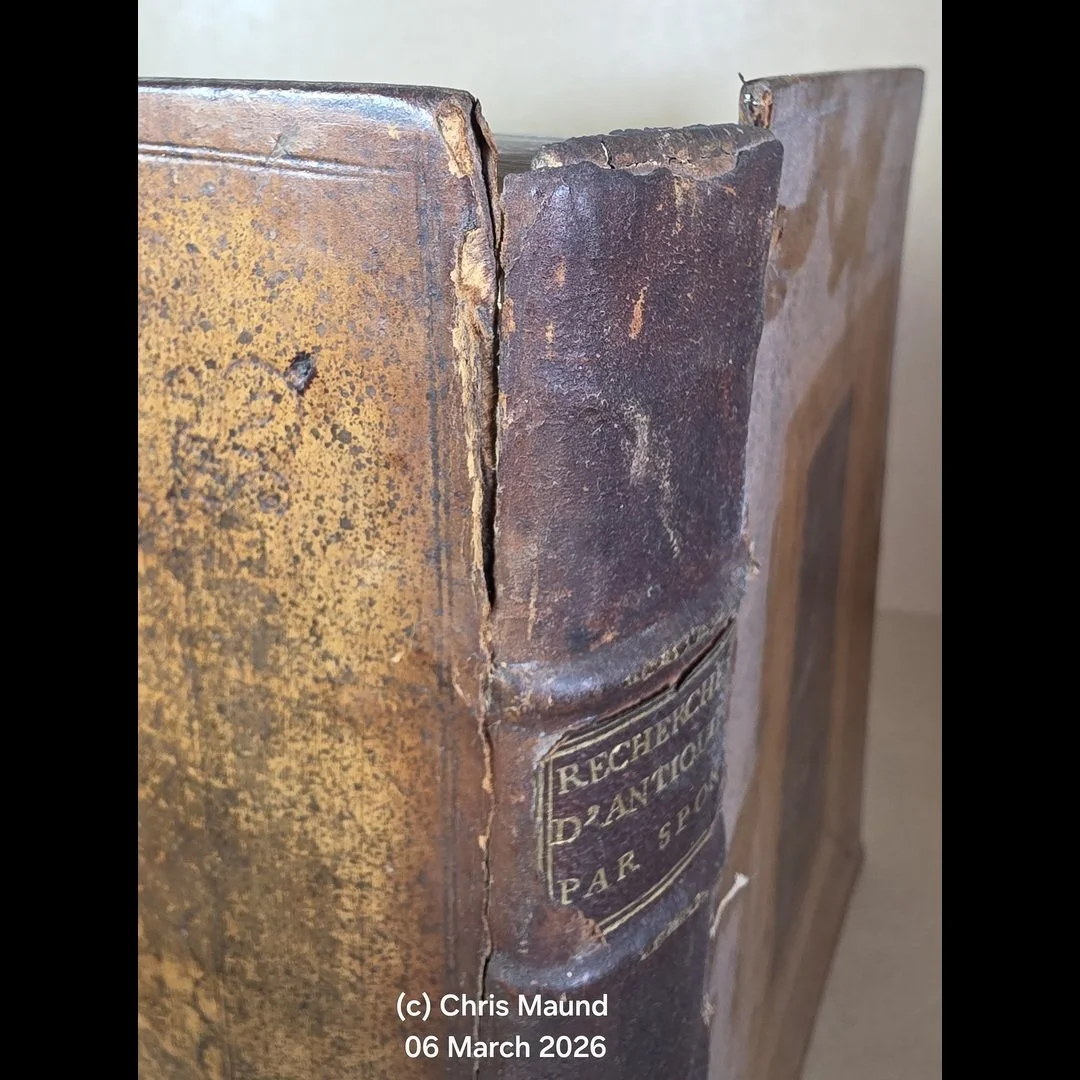 Image 65 of 69
 Image 66 of 69
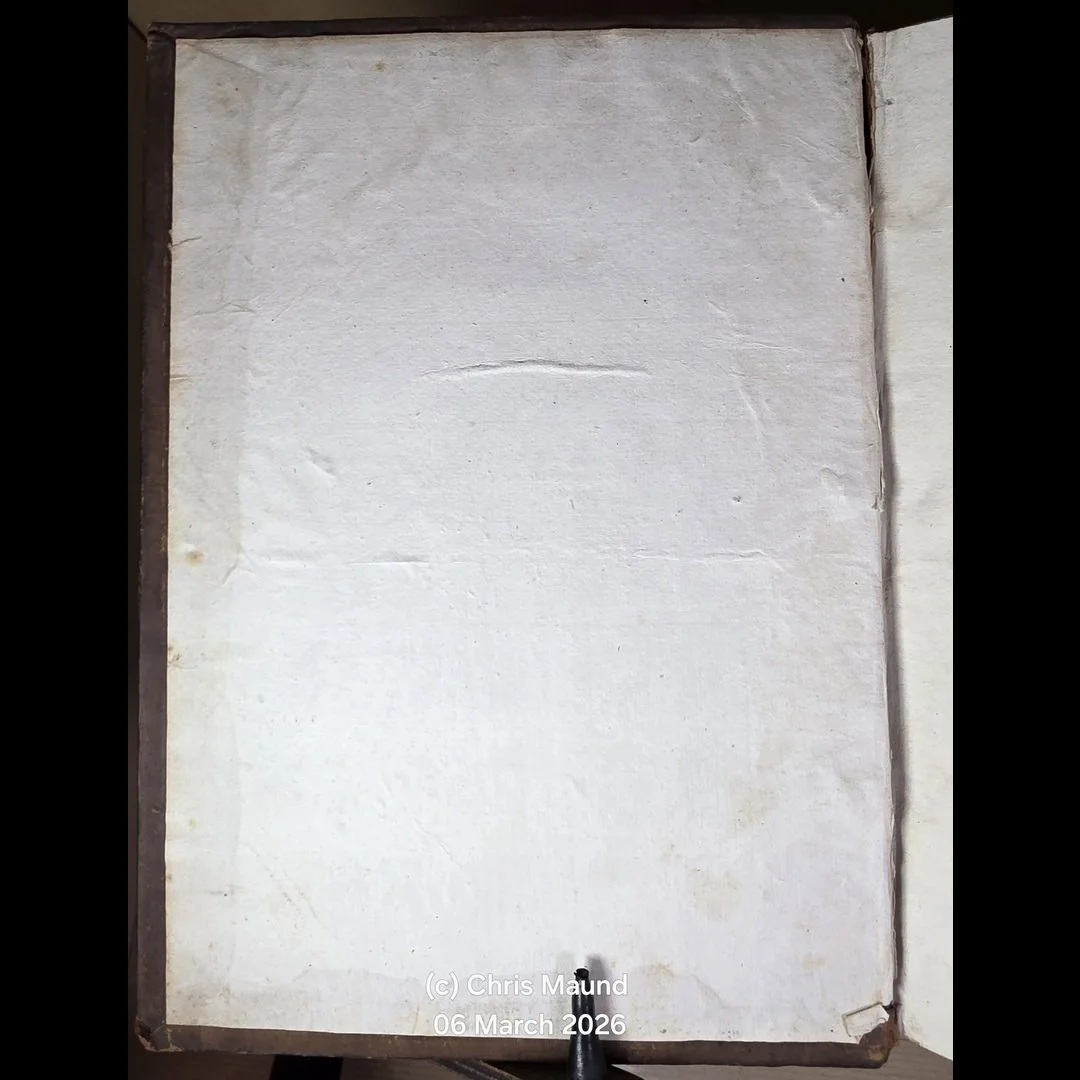 Image 67 of 69
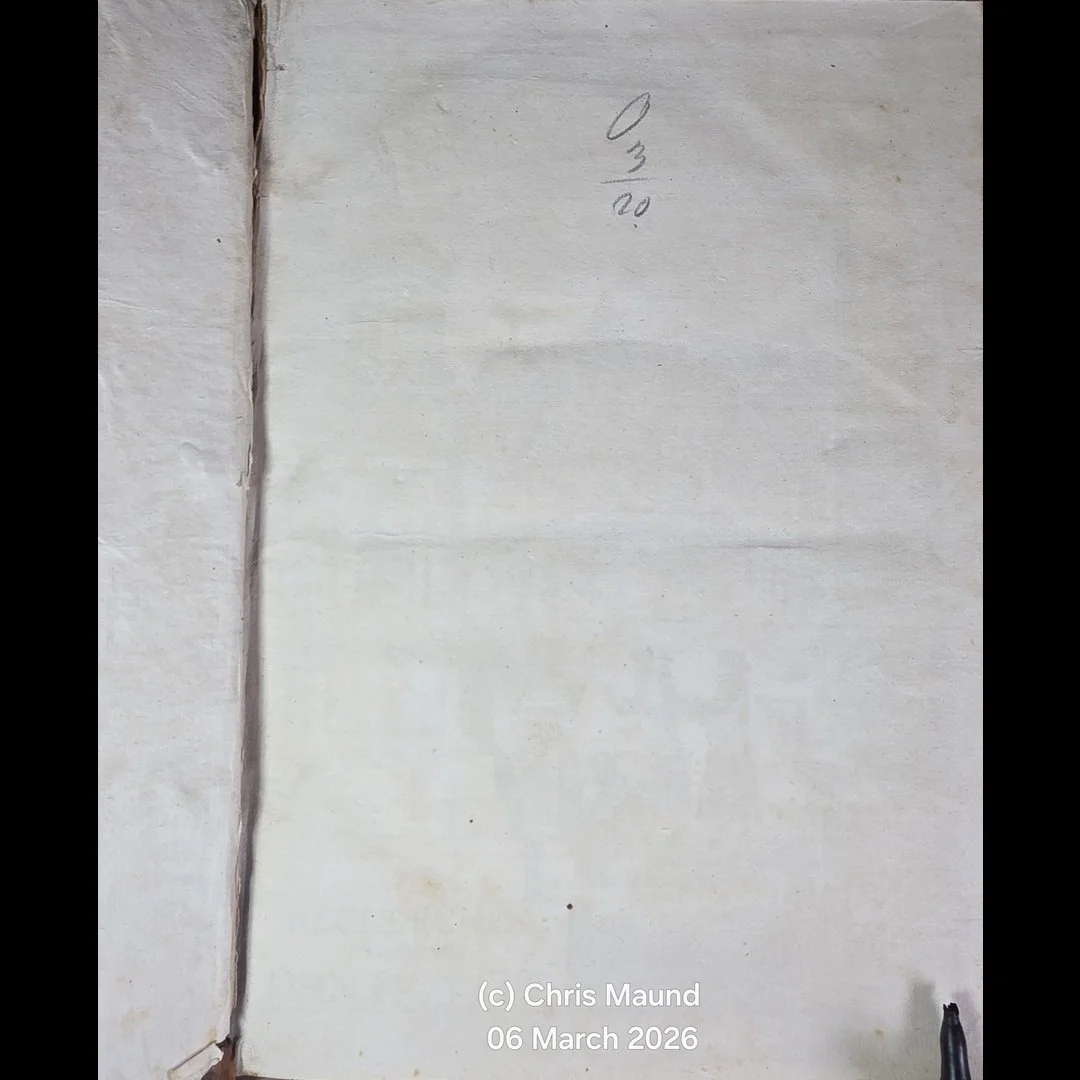 Image 68 of 69
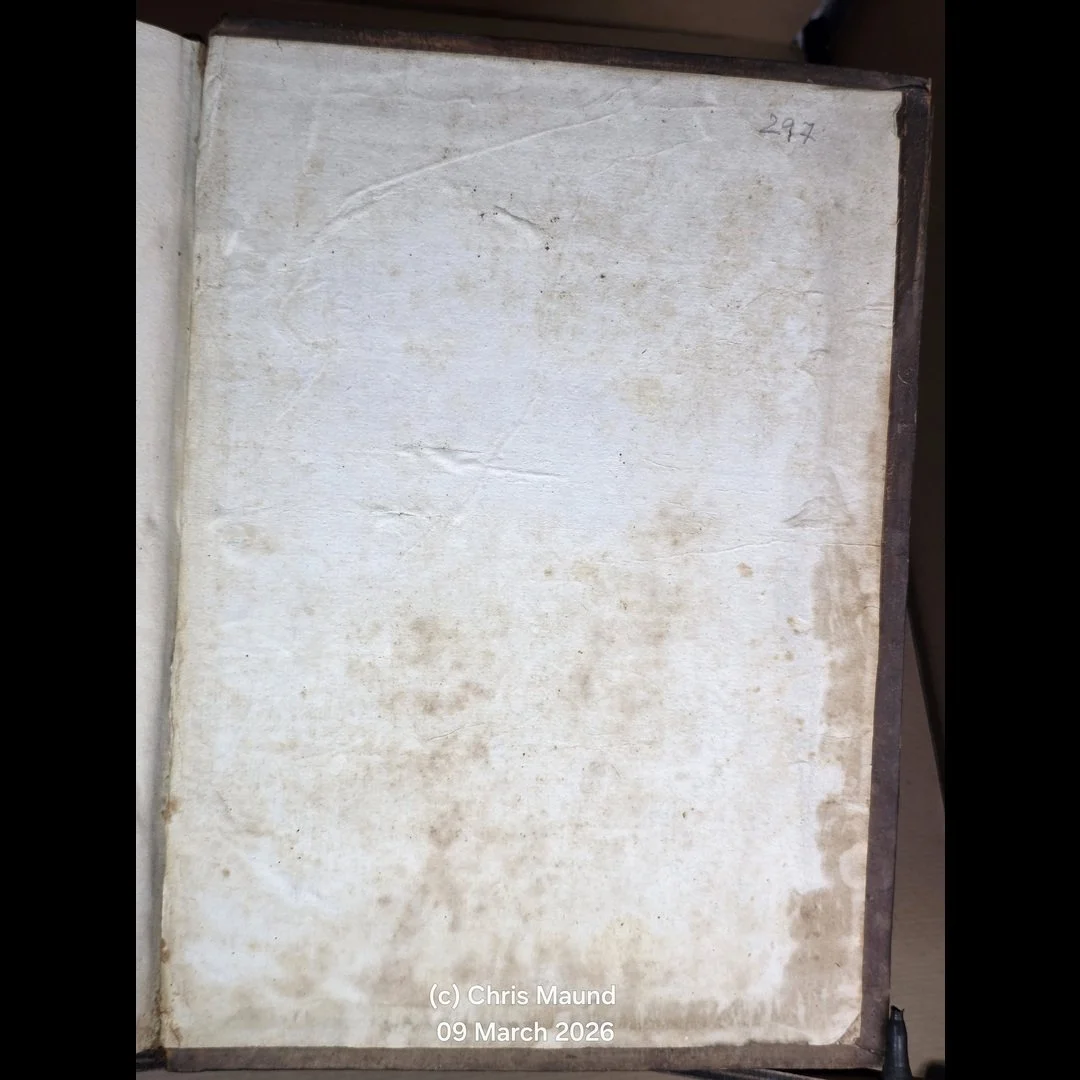 Image 69 of 69