Sale Price:
£325.00
Original Price:
£395.00
1701 First Pocket Edition
ANTIQUITEZ DE LA VILLE DE LYON
By Dominique de Colonia, S.J.
KEY DETAILS
Condition: Very Good
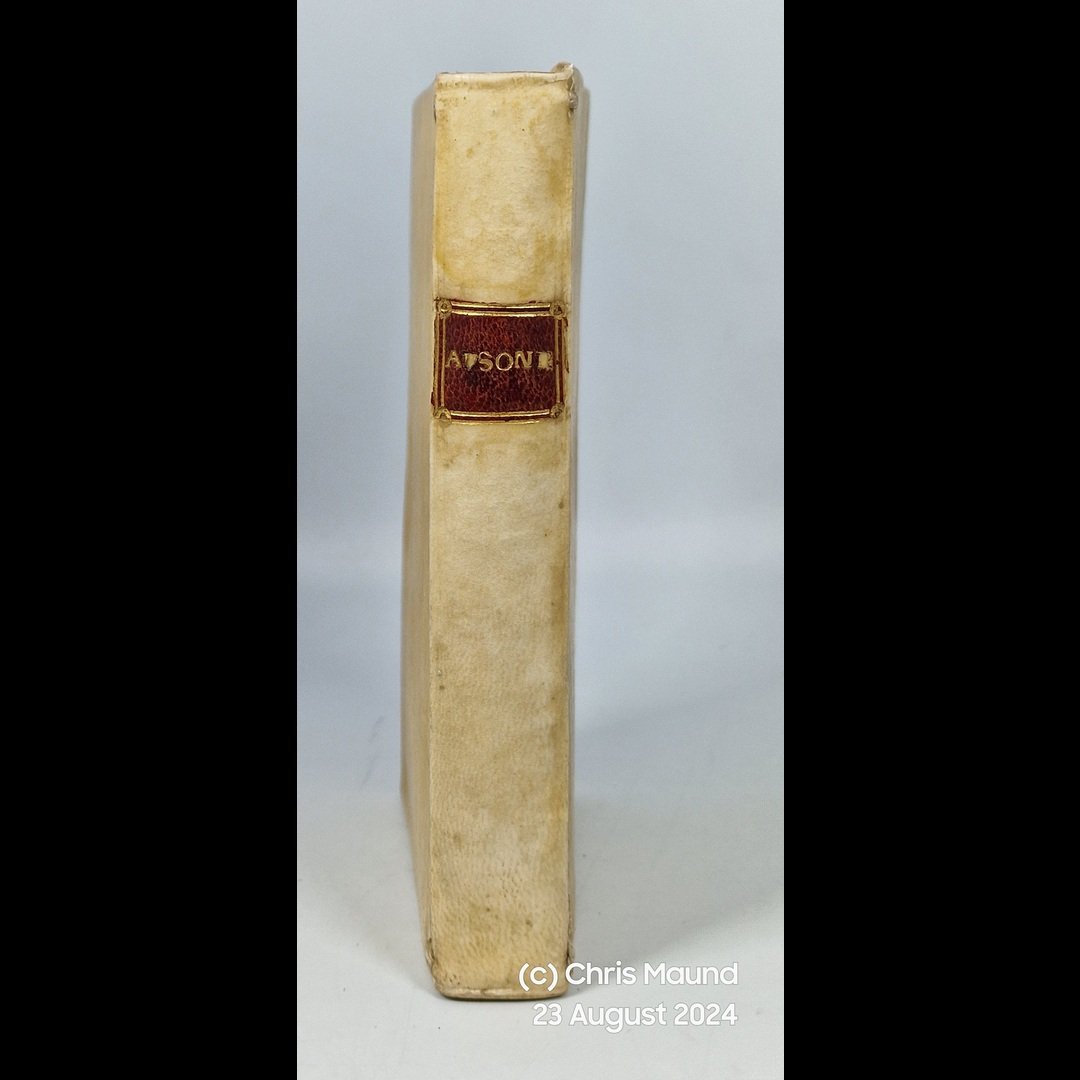
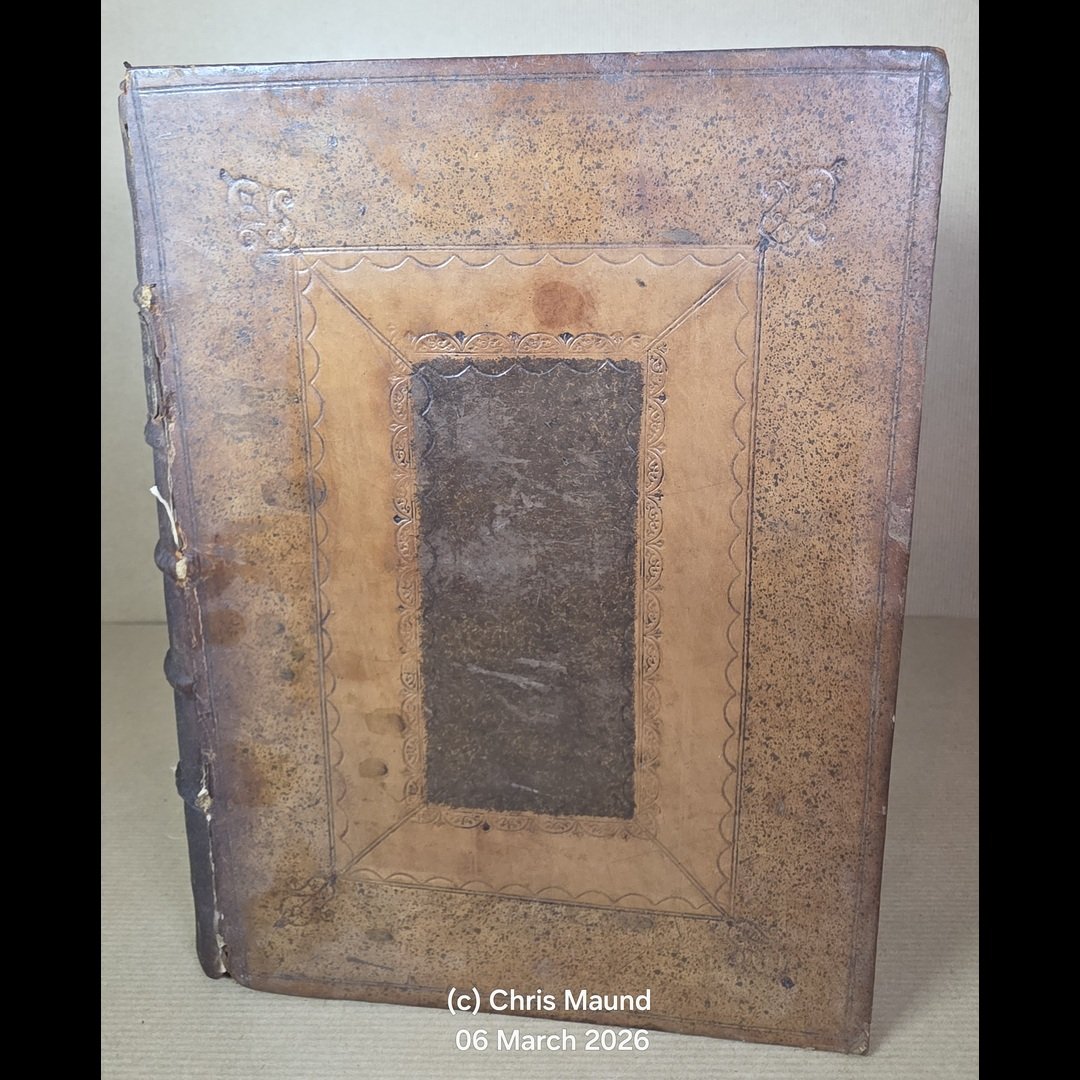
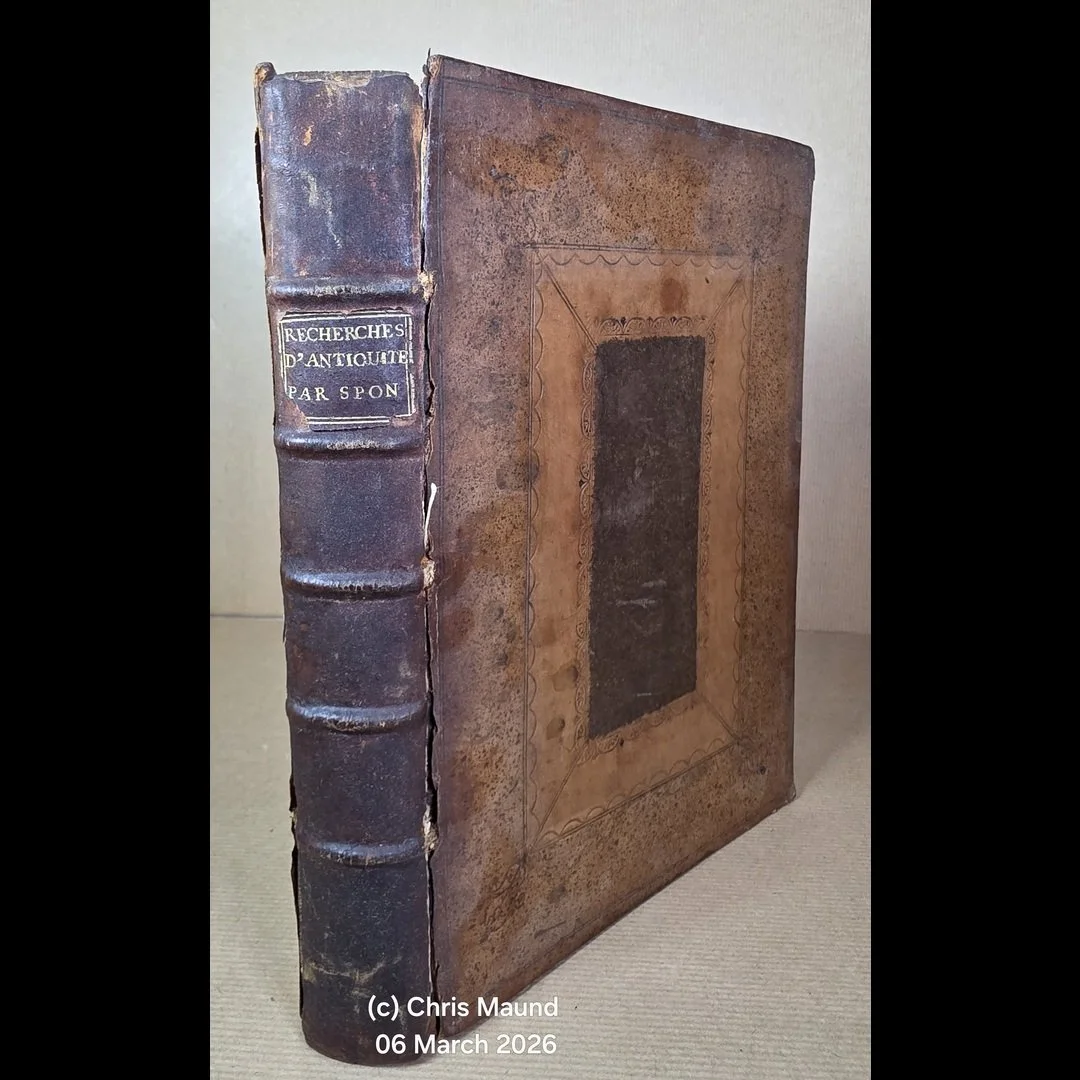
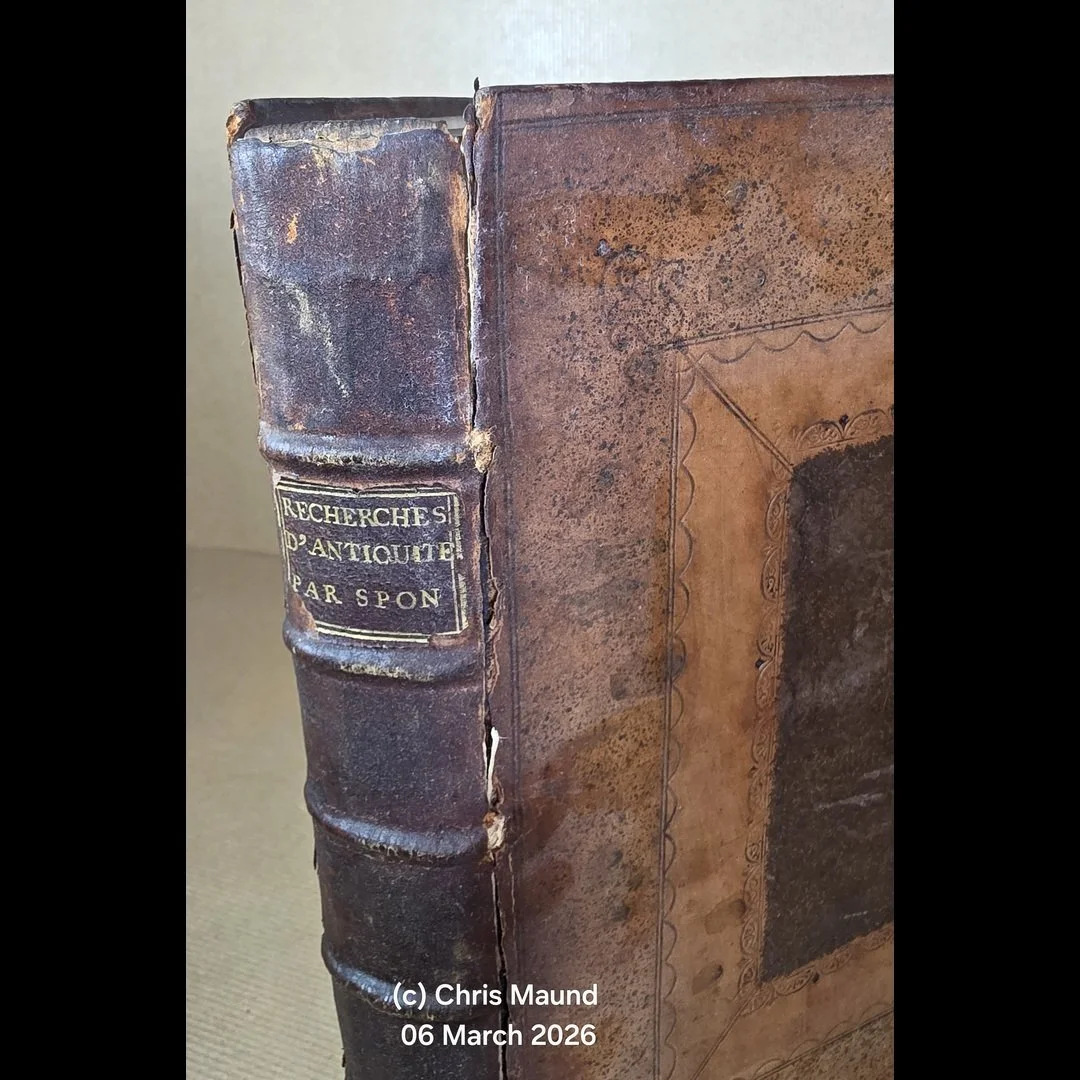
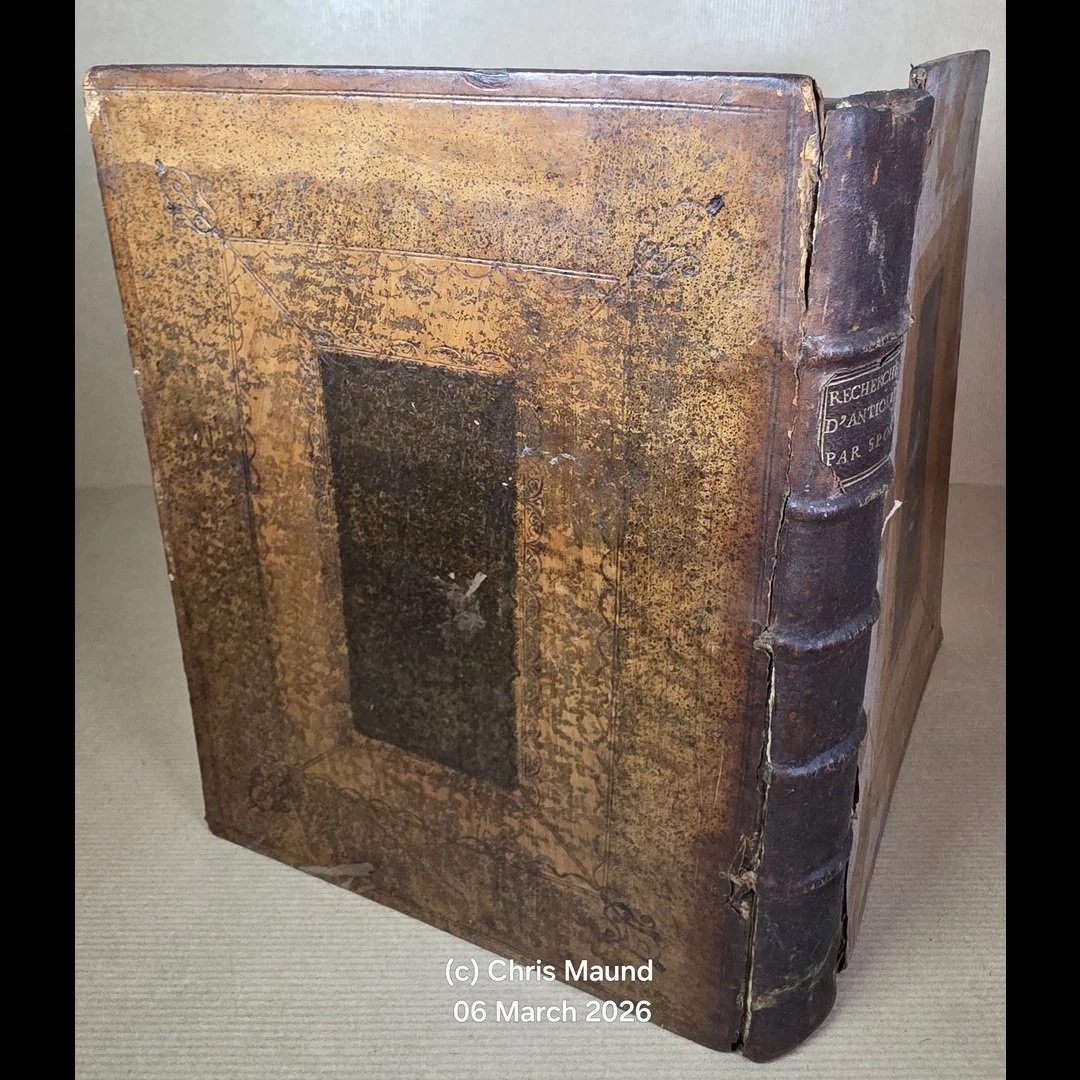
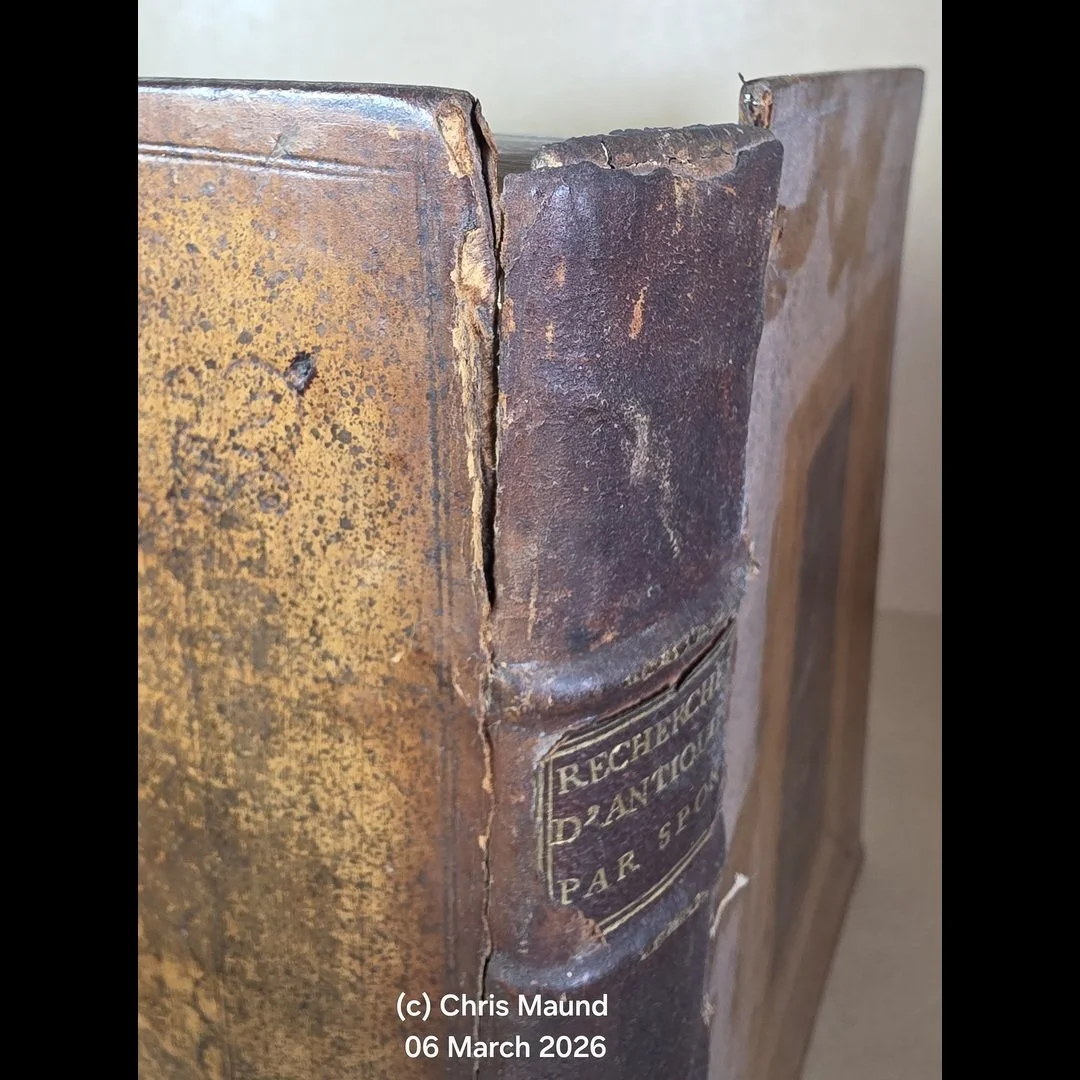
Format: Hardcover, 12mo. Contemporary speckled calf, five raised bands, gilt-decorated spine and red morocco gilt lettering-piece
Published By: Amaulry & Pascal, au Mercure Galant, Lyon, 1701
Language: French
Illustrated By: Pierre-Mathieu Ogier
Provenance: Ombersley Court Library, Worcestershire, the historic library of the Sandys family. Acquired directly by Books That Expand The Mind from its dispersal at Chorley’s, The September Auctions 2024, 17 September 2024, Lot ...
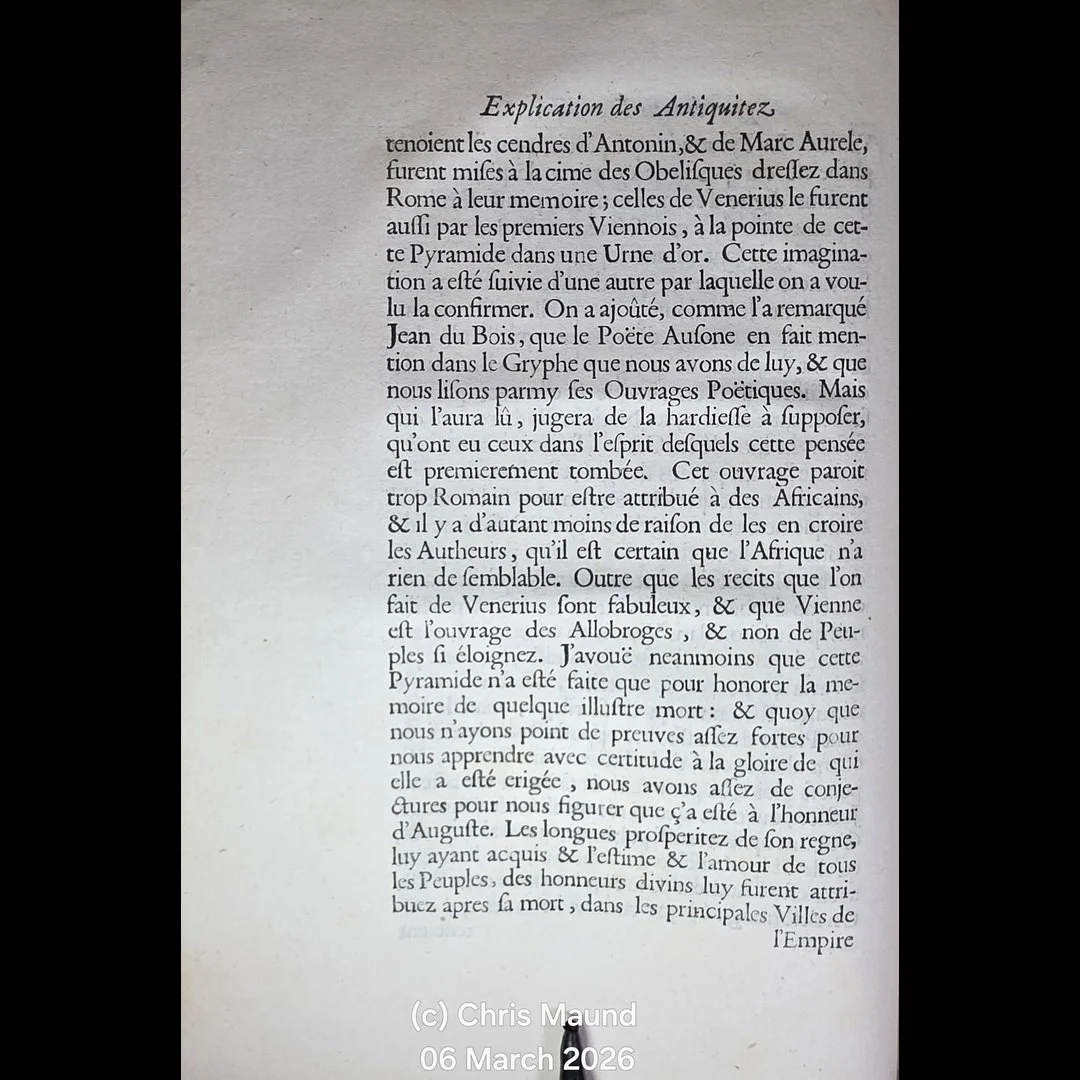
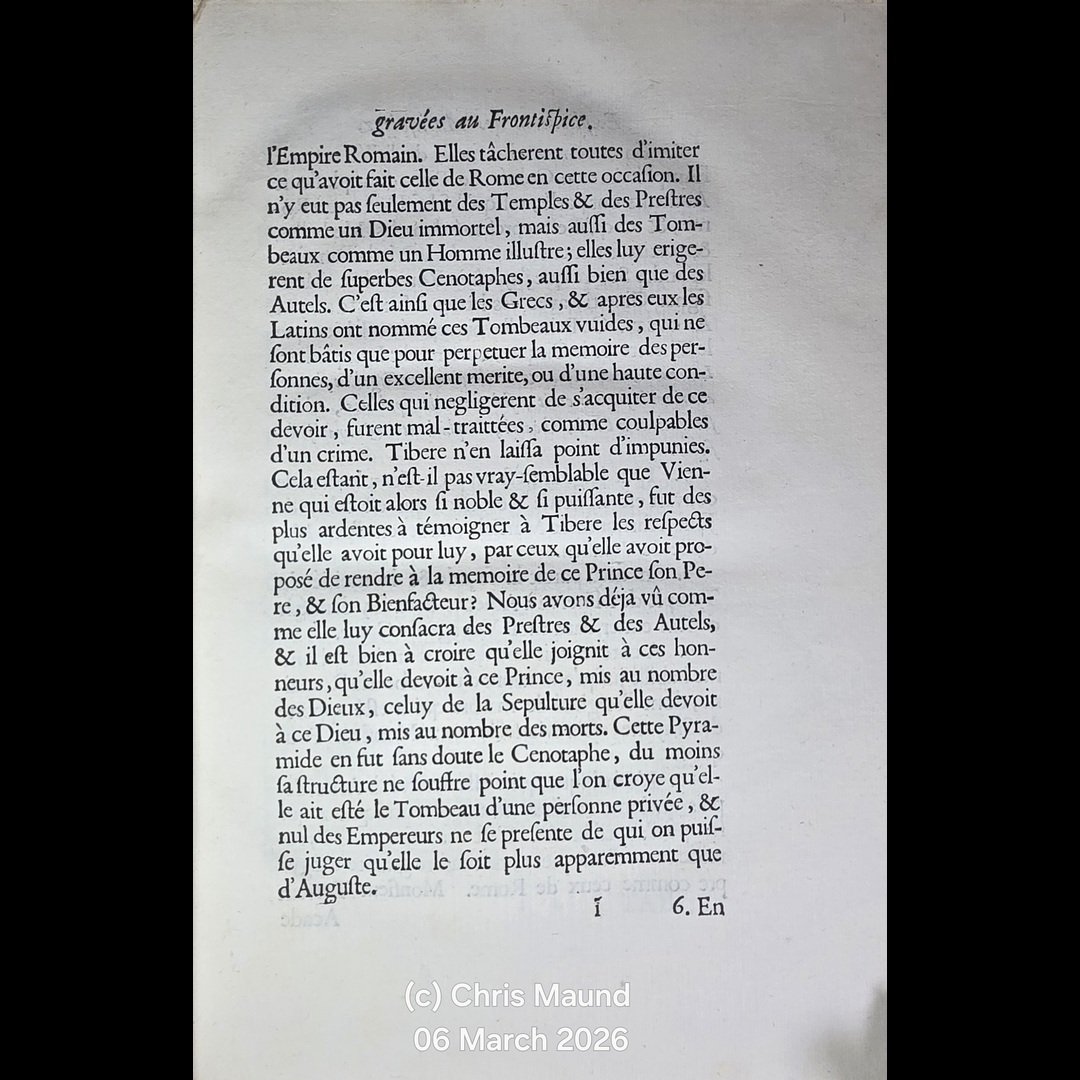
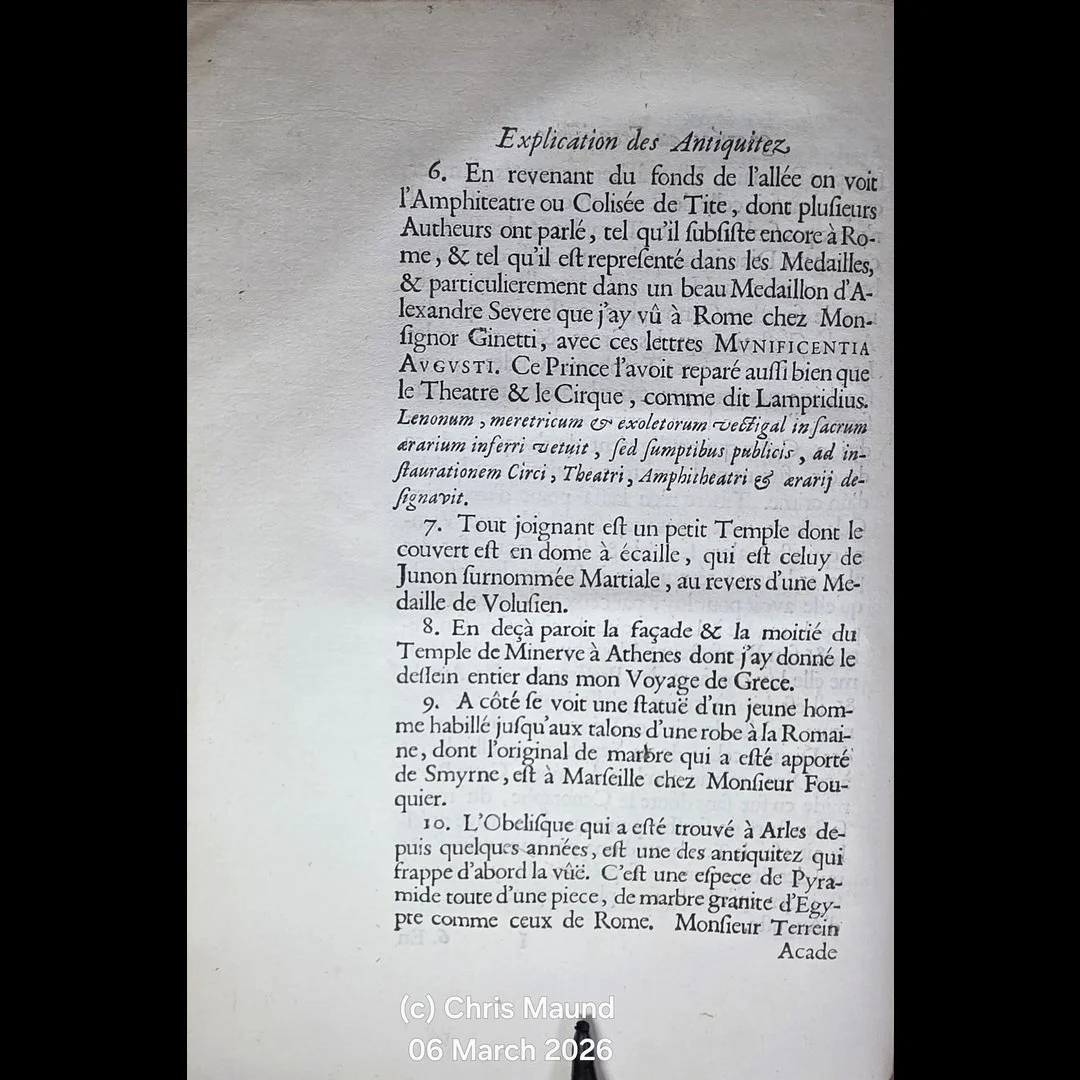
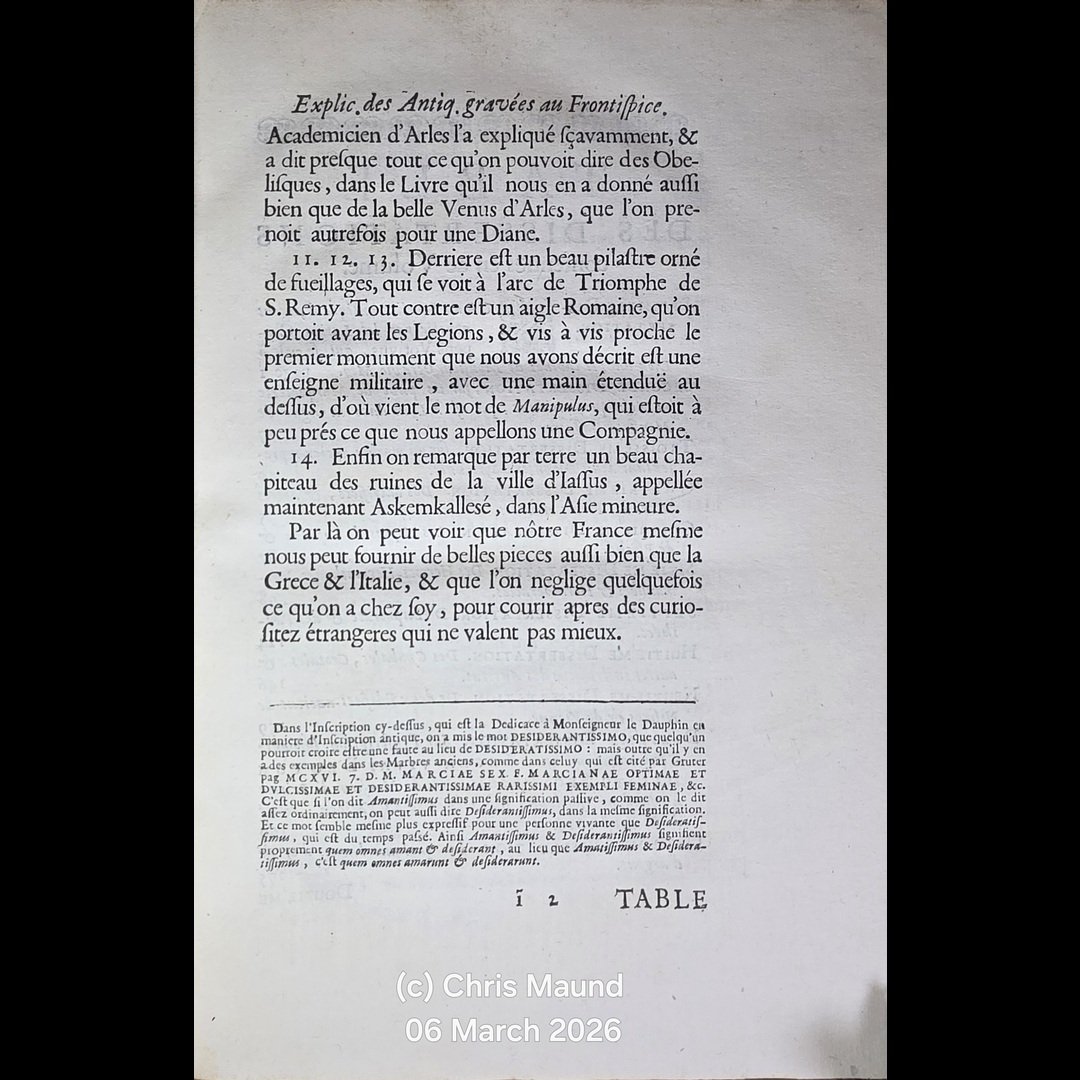
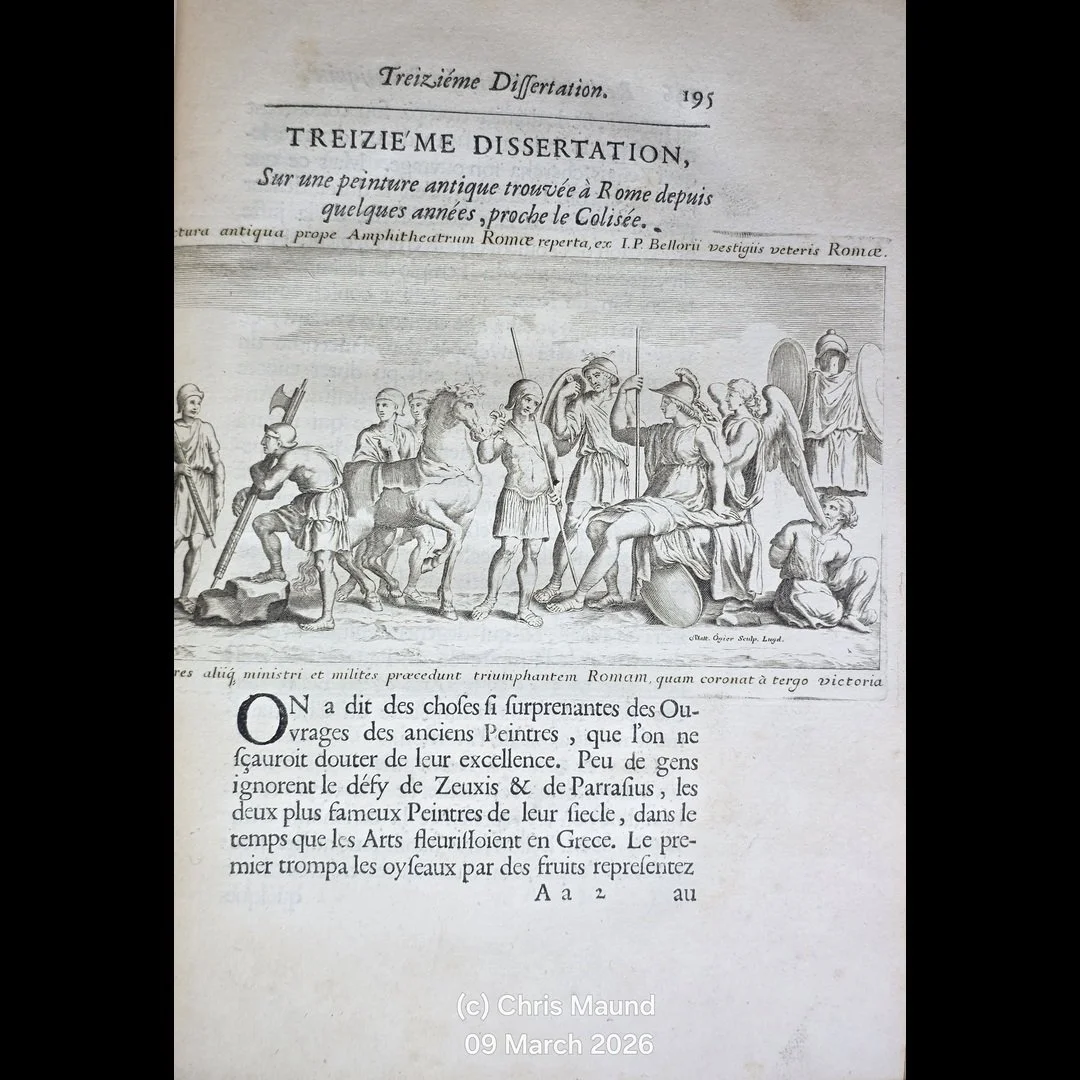
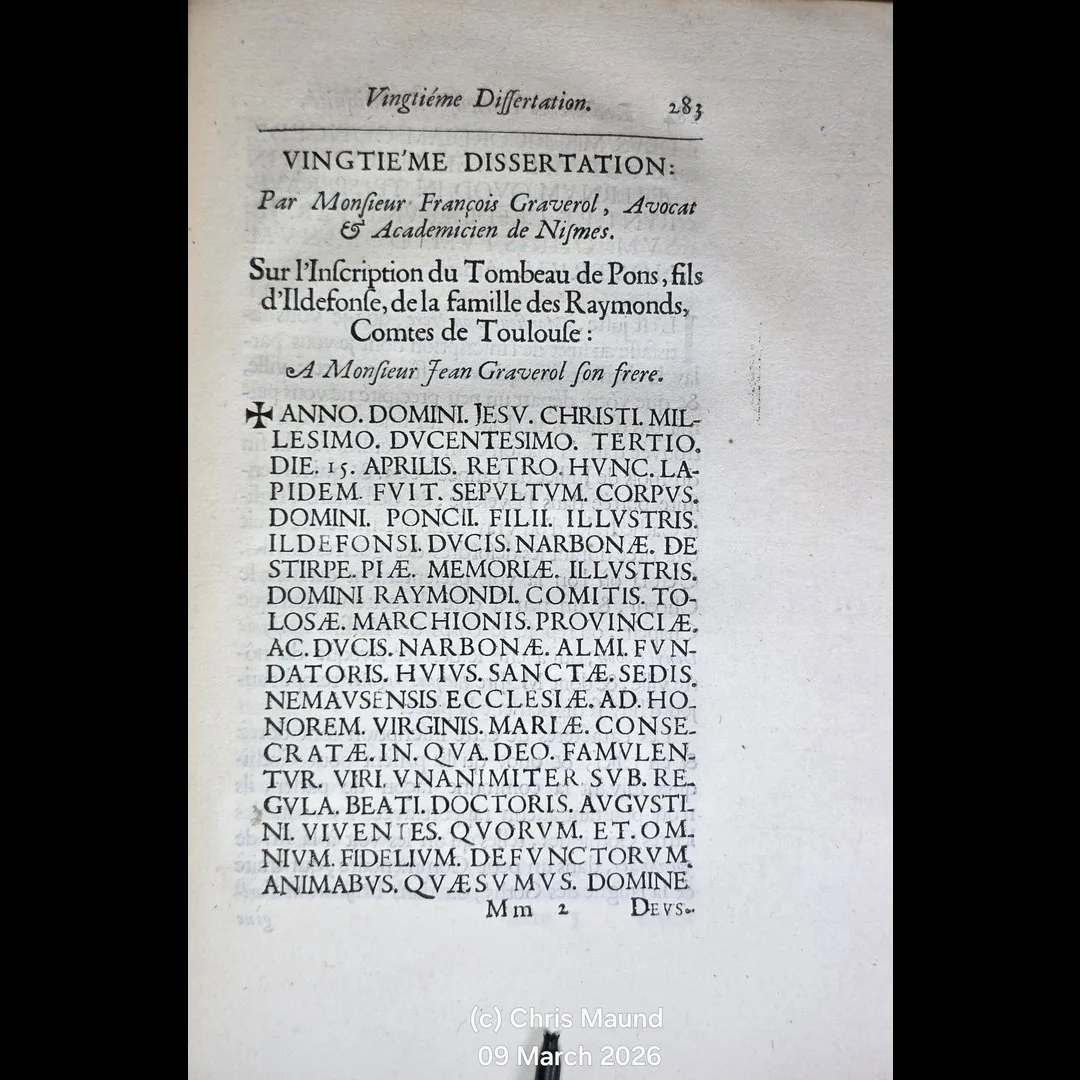
Collation: [4], 198 pp. 7 engraved plates present, 3 folding, from a required suite of 9. Two plates are therefore absent. The surviving engravings include plates signed by Mathieu Ogier.
Dust Jacket: None, as issued
SKU: BTETM0002448
Shipping Info: Approximate Package Dimensions H: 12.5, L: 30, W: 25 (Units: cm), W: 2Kg
Tracked Shipping, Insurance Coverage as per Customer Request
DESCRIPTION
Antiquitez de la Ville de Lyon
avec quelques singularitez remarquables, présentées à Monseigneur le Duc de Bourgogne
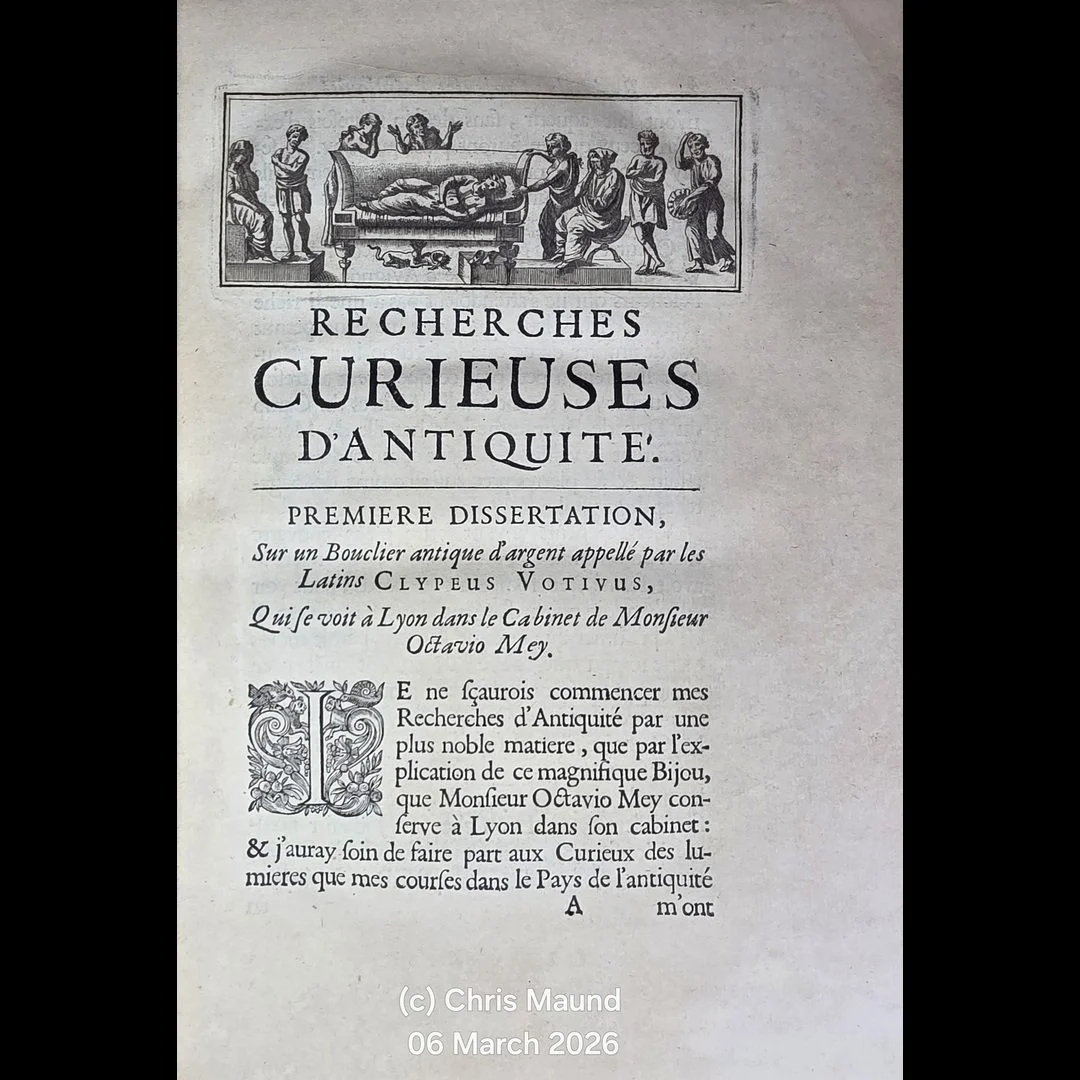
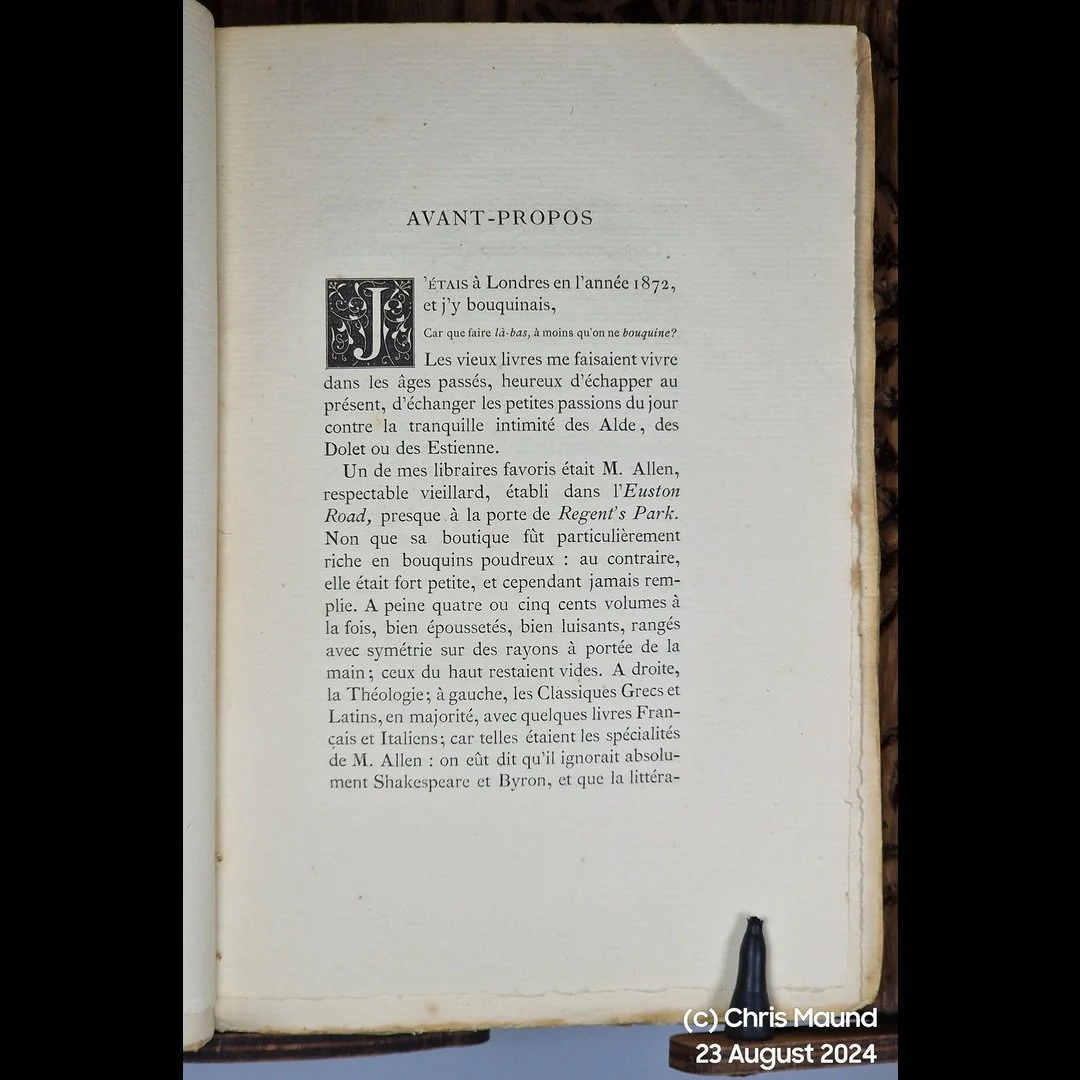
An attractive copy of the first small-format or “pocket” edition of Dominique de Colonia's early illustrated study of the antiquities of Lyon, published in the same year as the original quarto edition and produced in connection with the visit of Louis, Duke of Burgundy, grandson of Louis XIV.
Duodecimo (12mo). Contemporary speckled calf over boards, spine with five raised bands, compartments richly decorated in gilt and red morocco lettering-piece titled in gilt. Edges speckled.
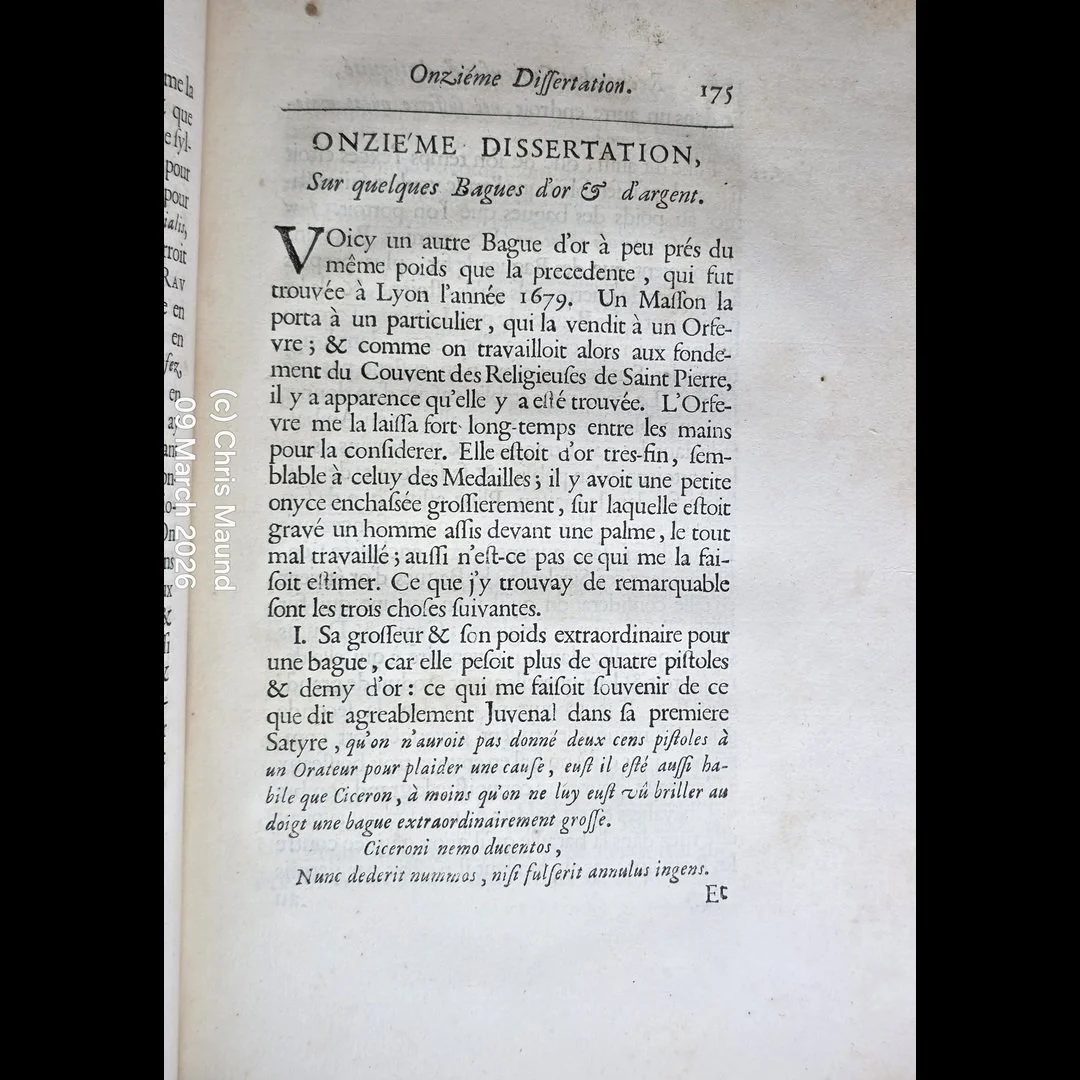
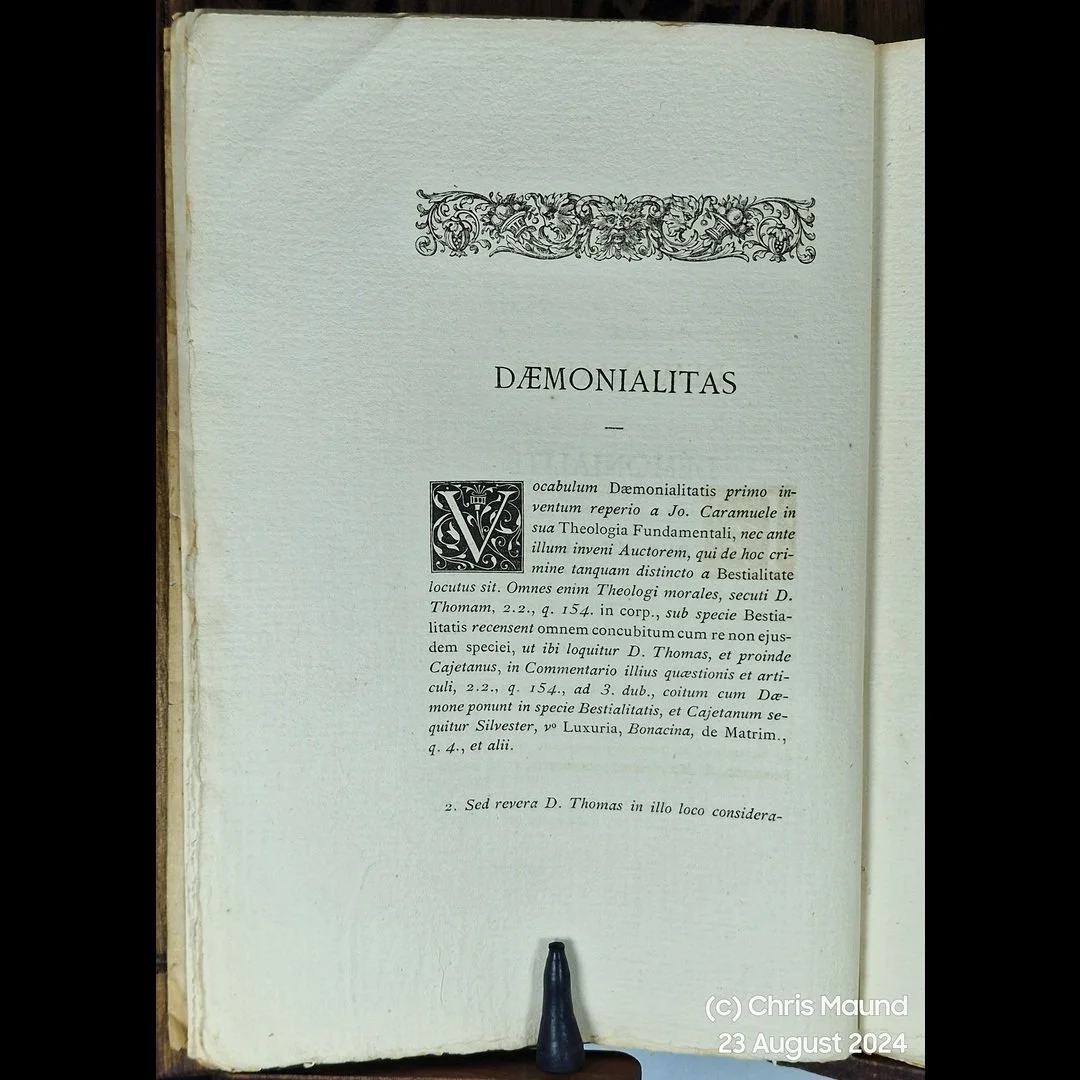
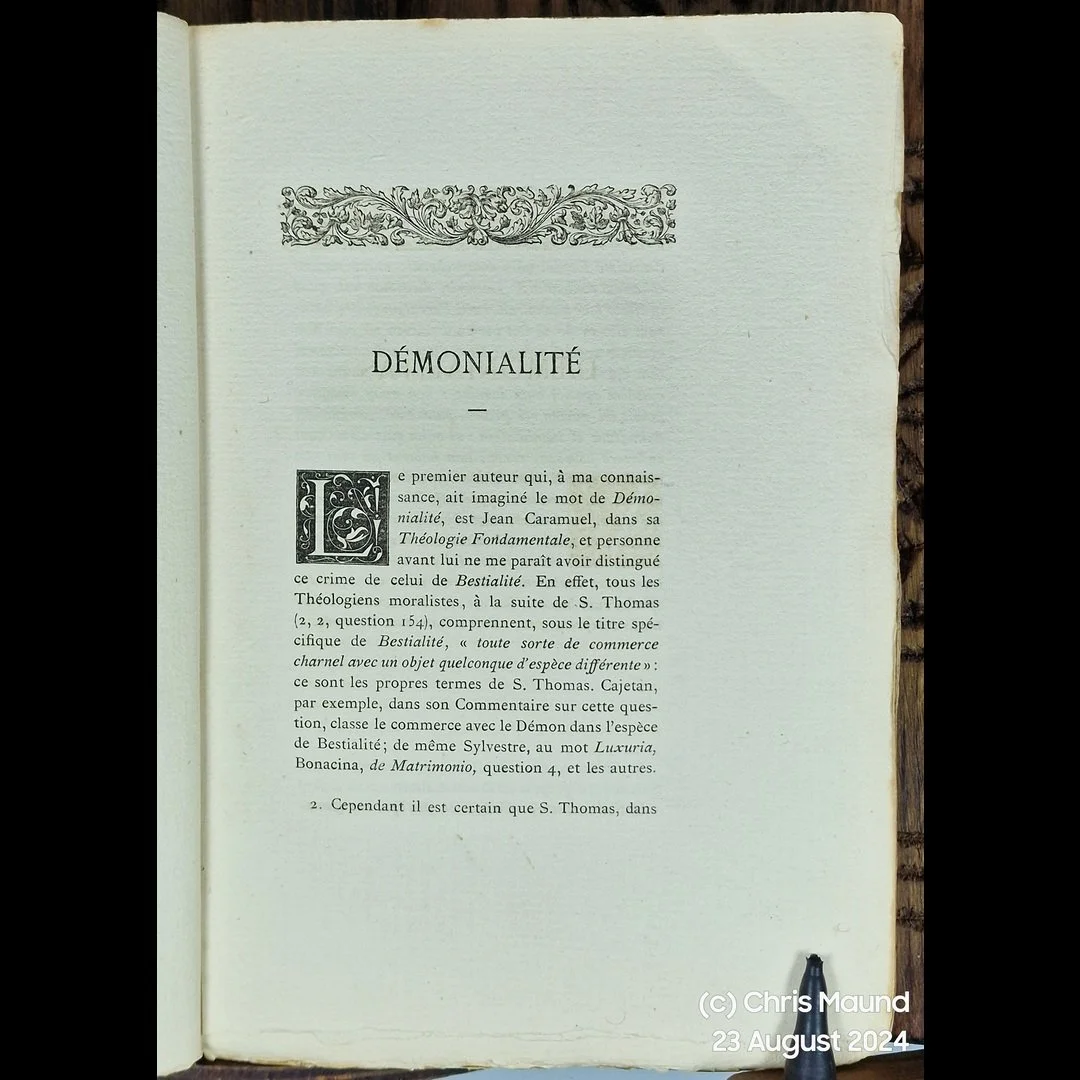
Engraved armorial headpiece at the opening of the text; decorative woodcut initials, headpieces, tailpieces and ornaments throughout.
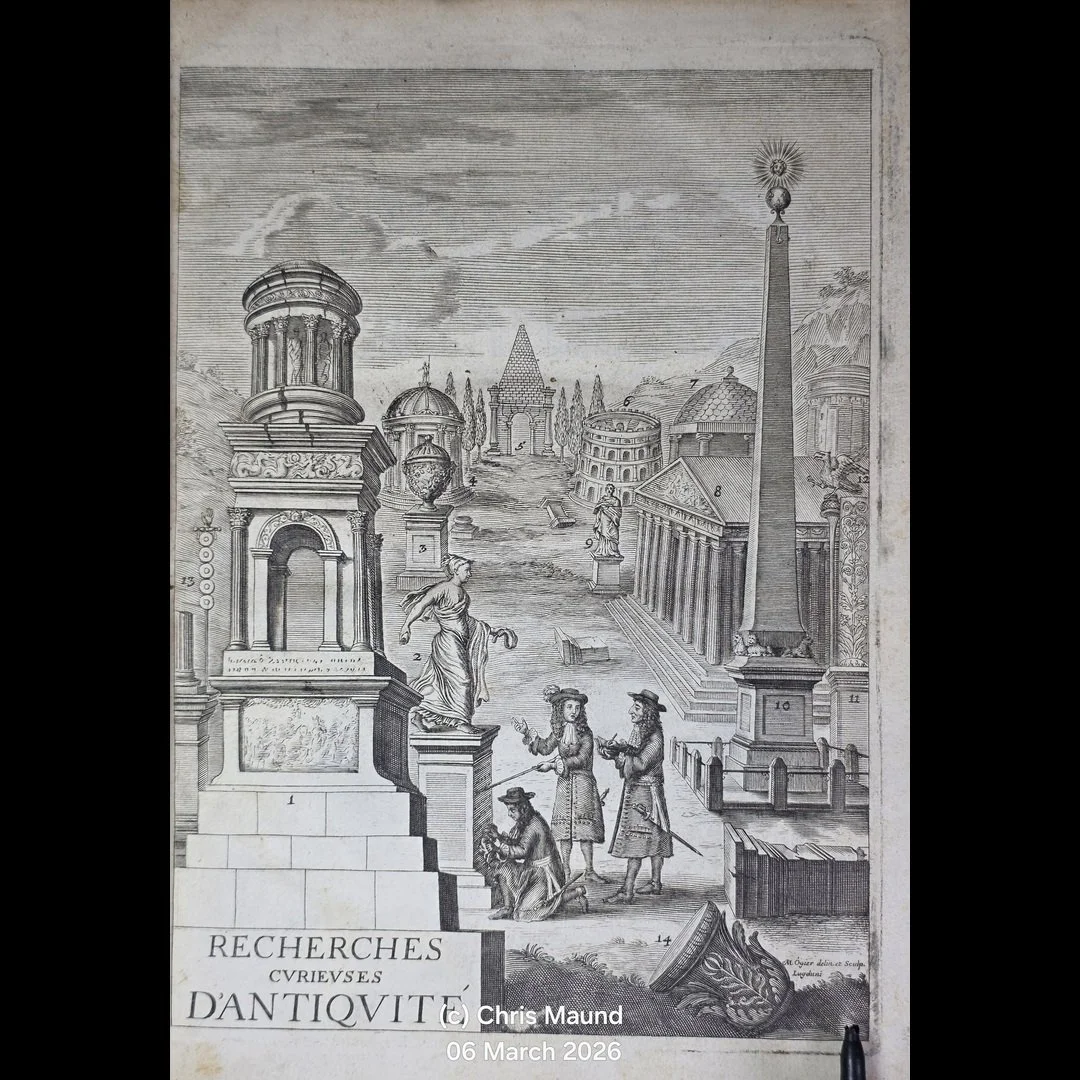
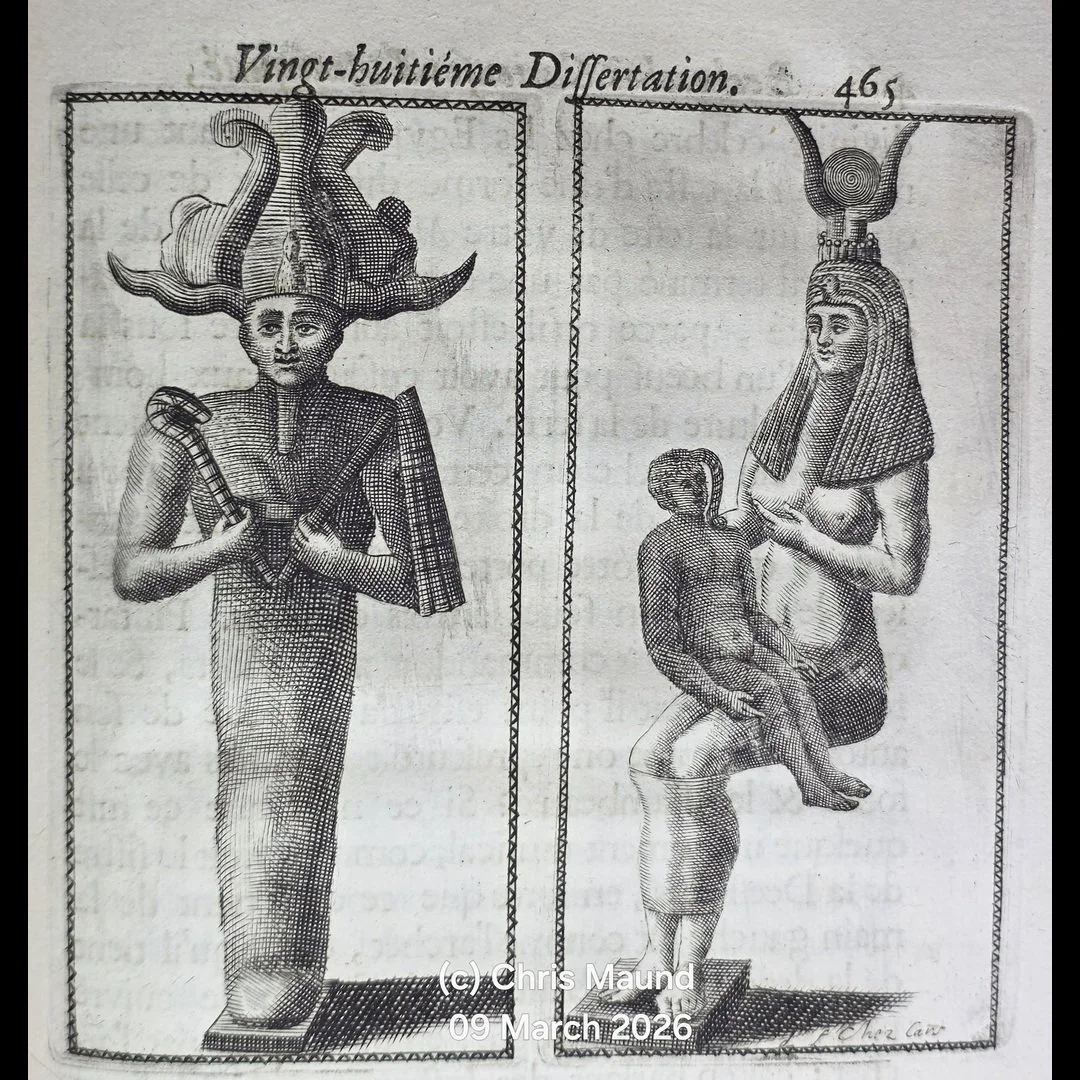
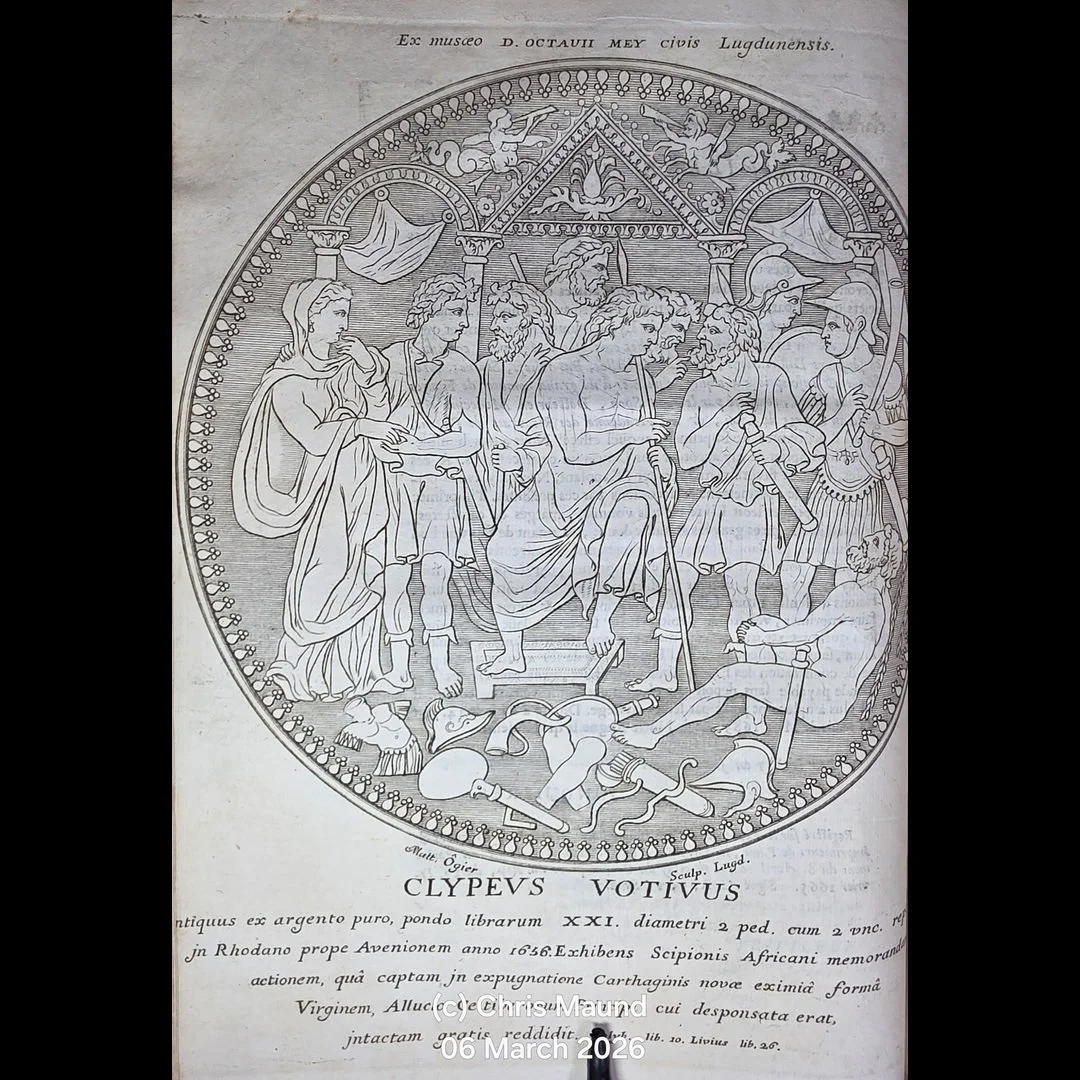
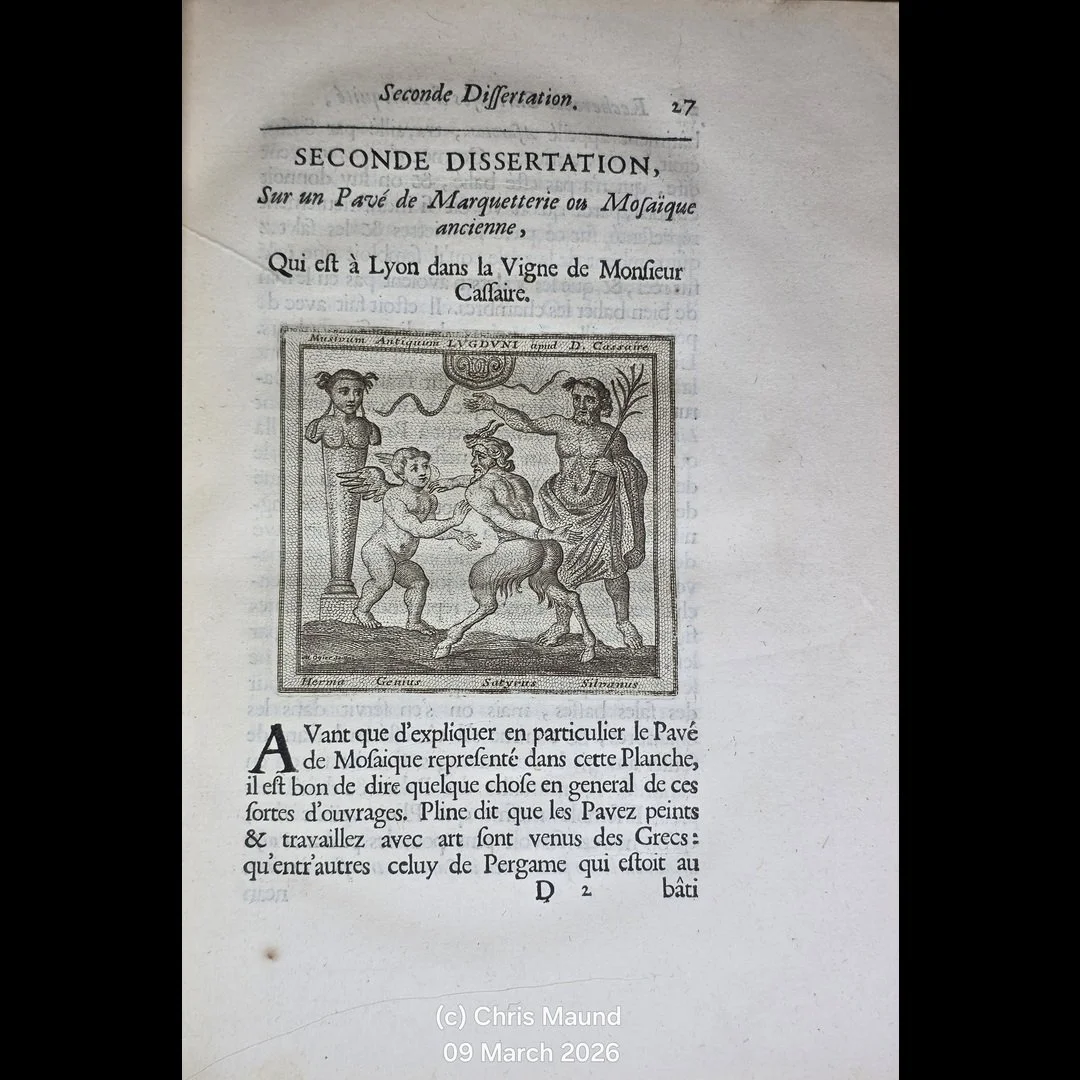
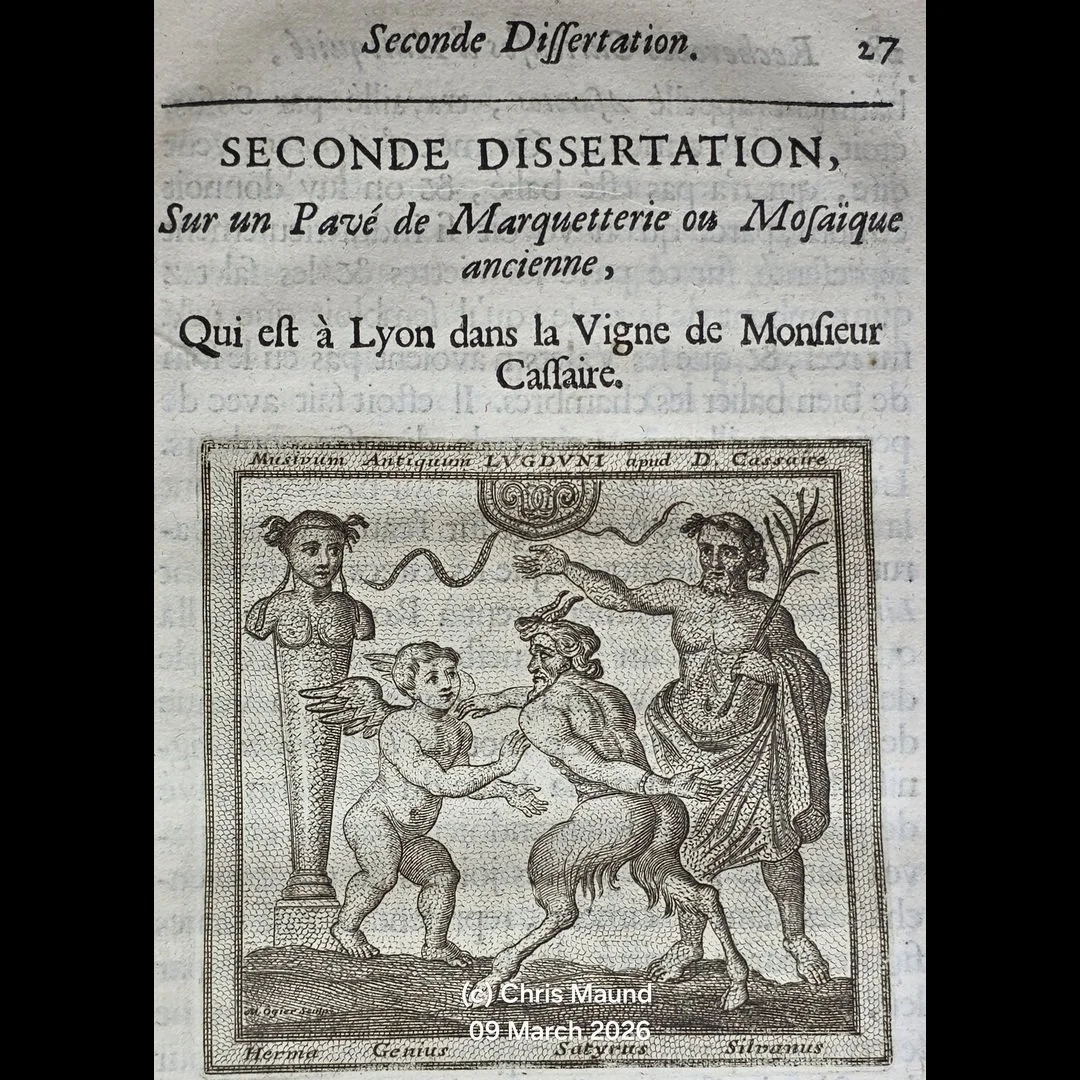
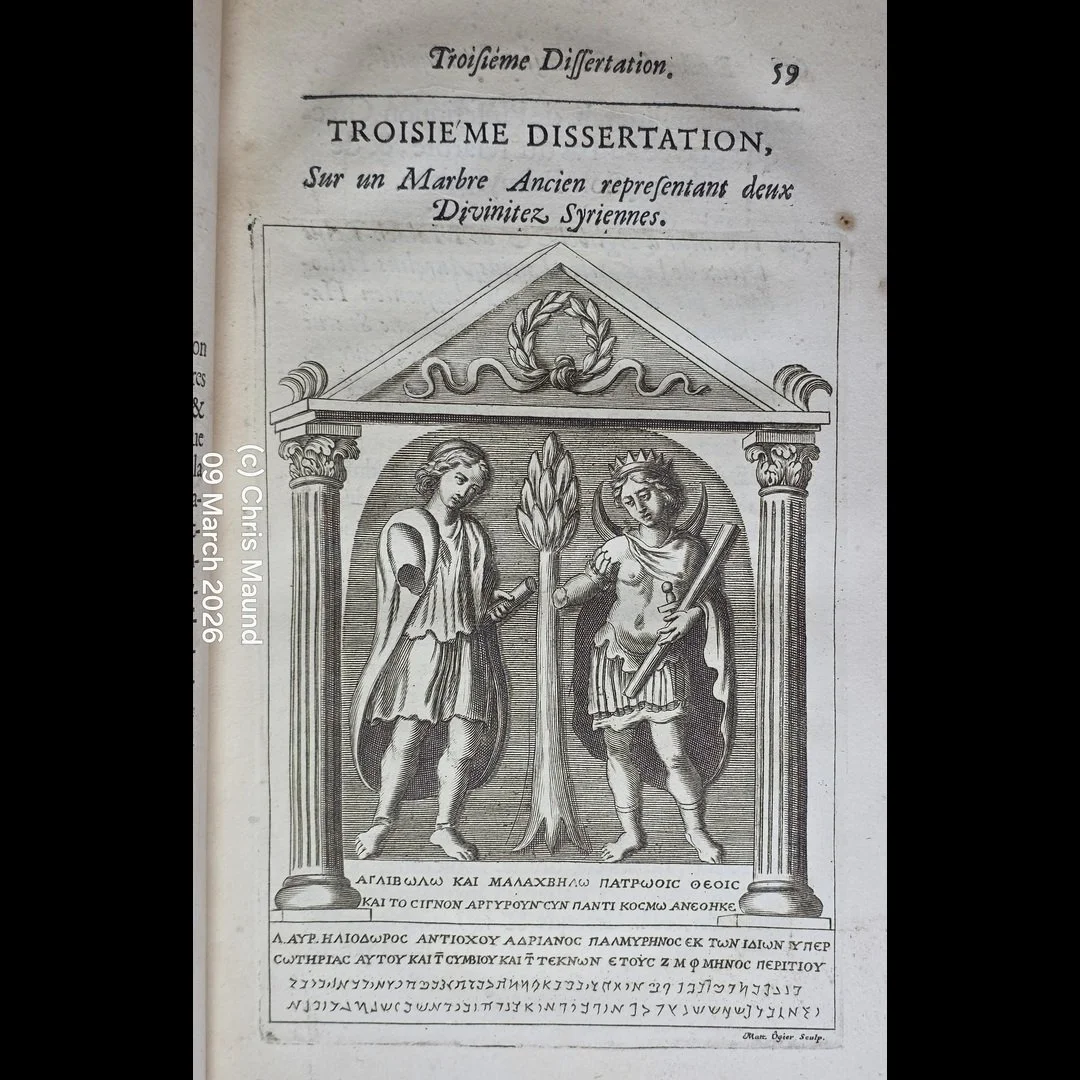
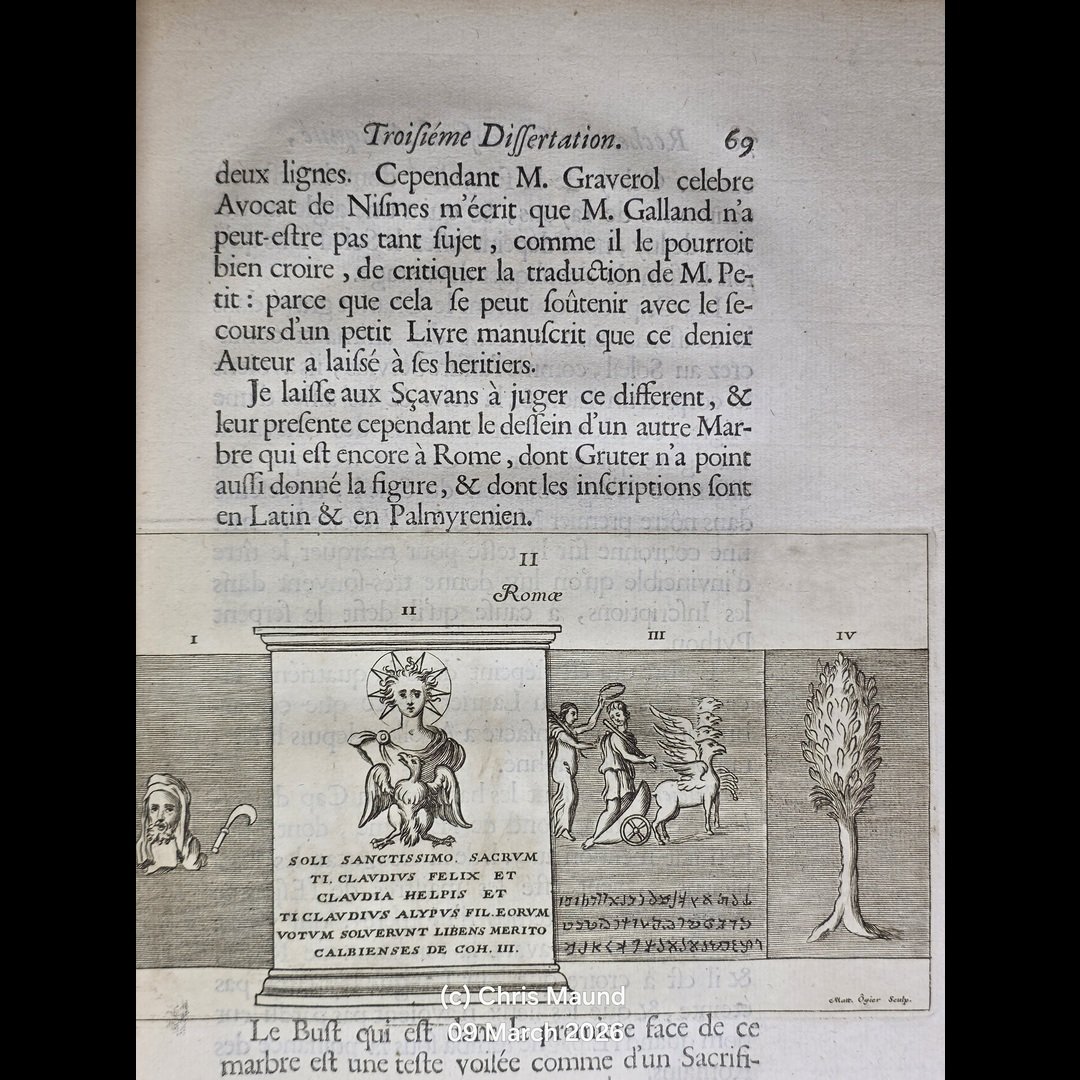
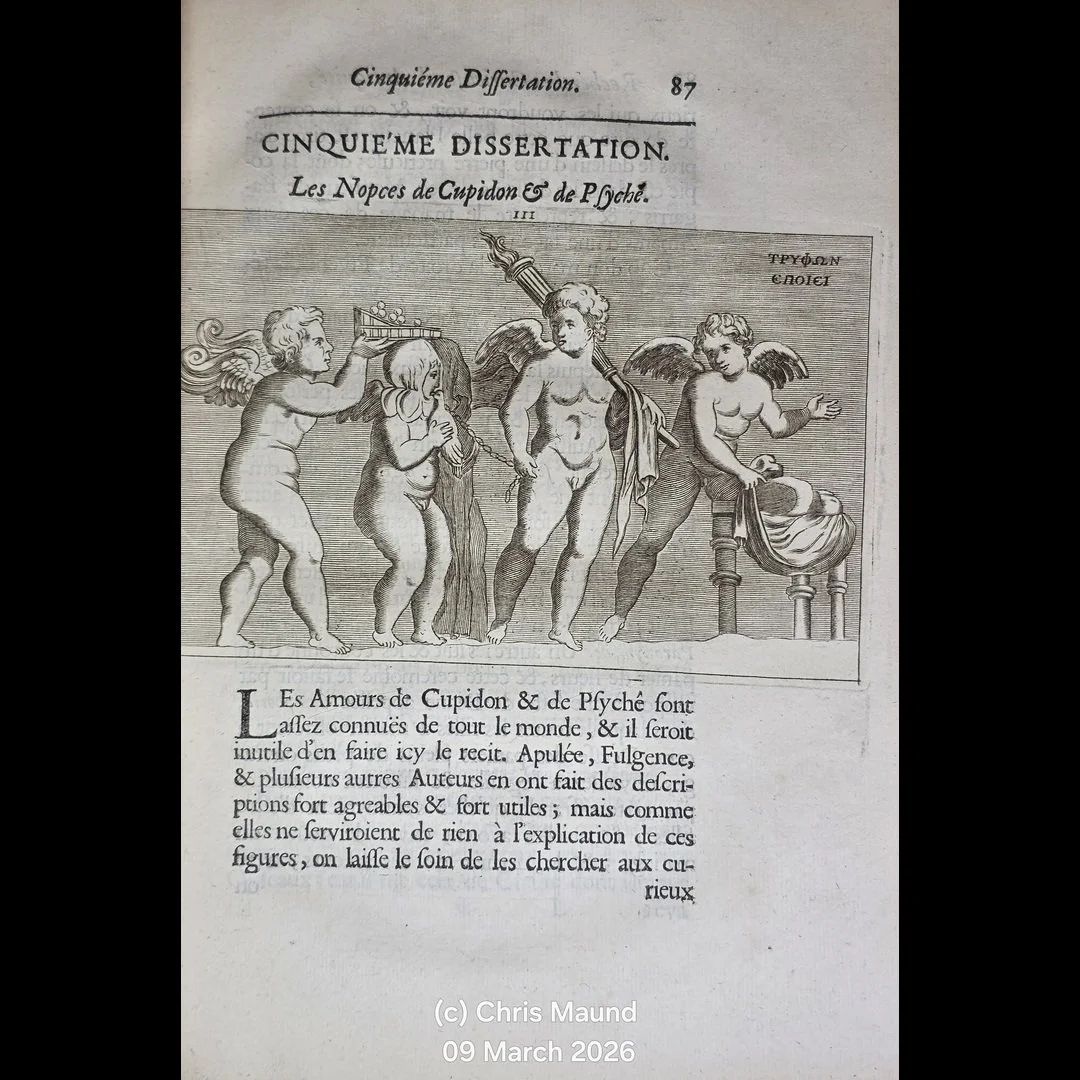
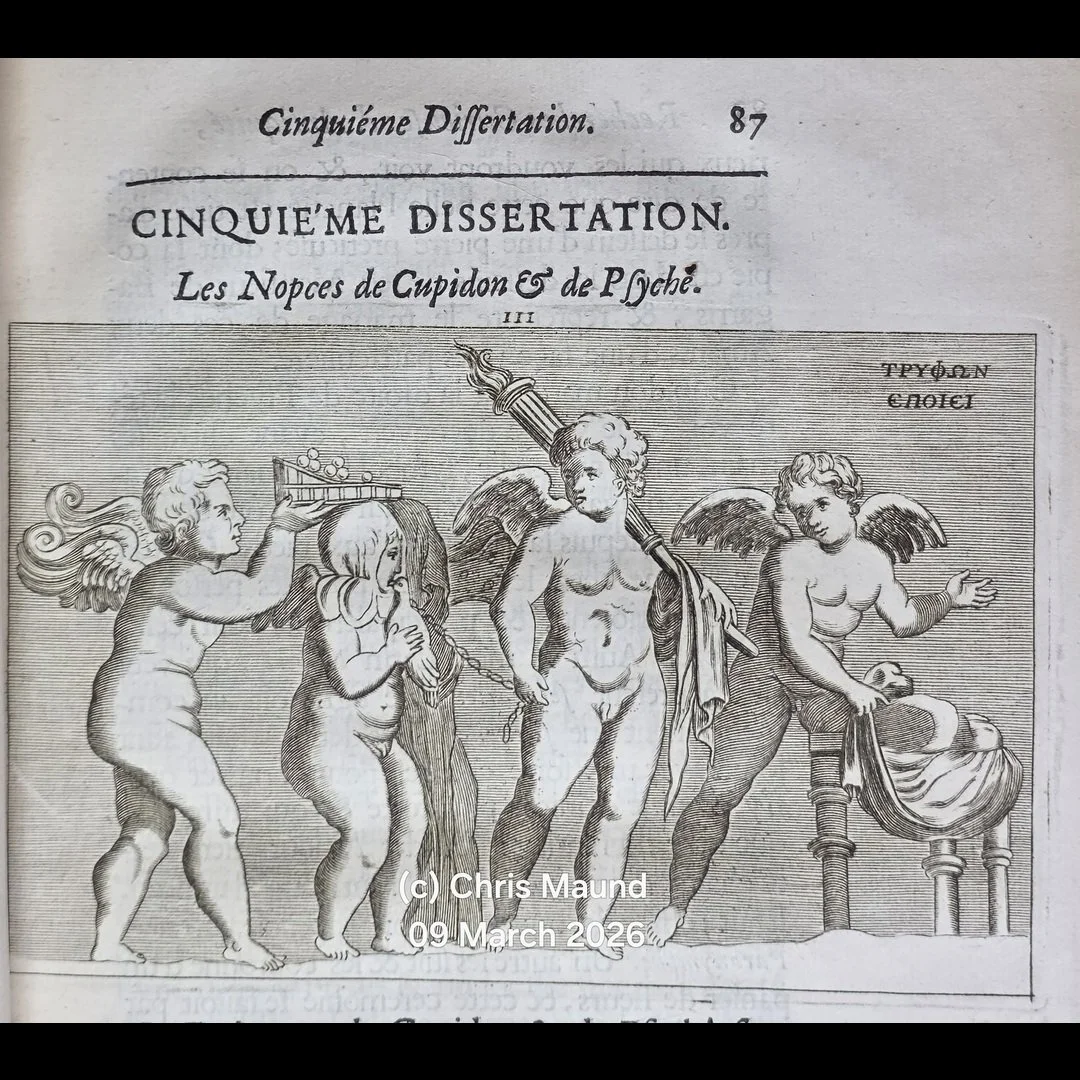
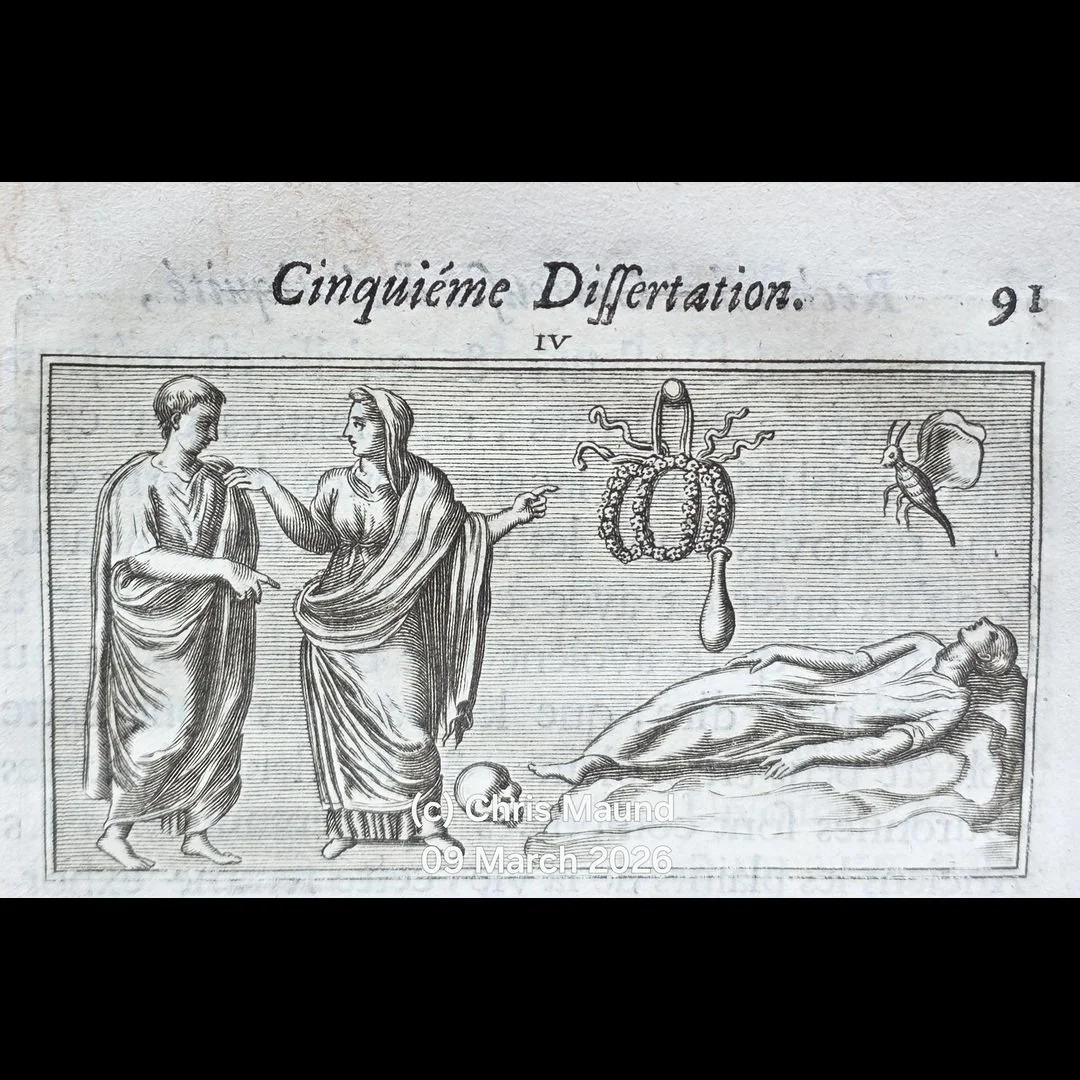
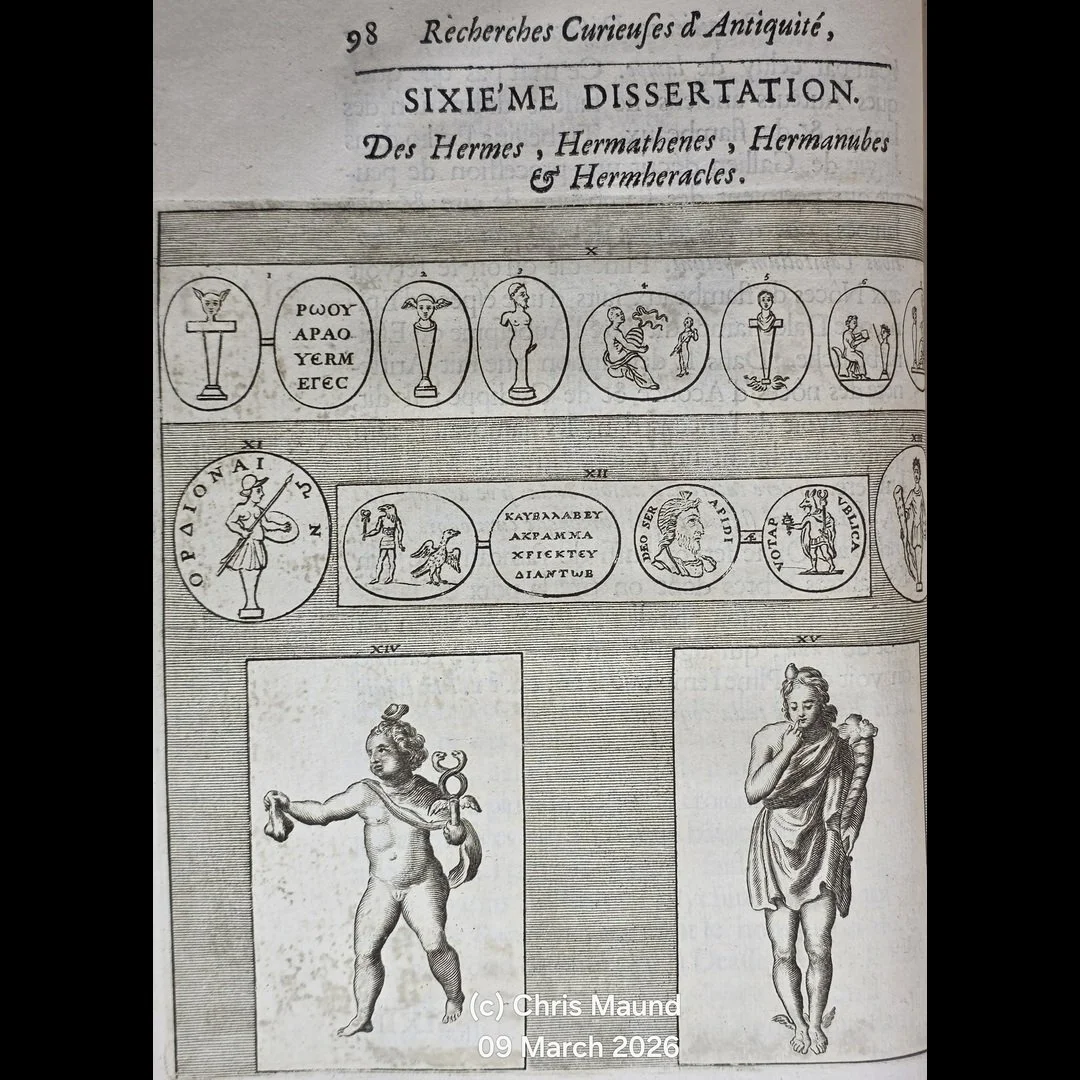
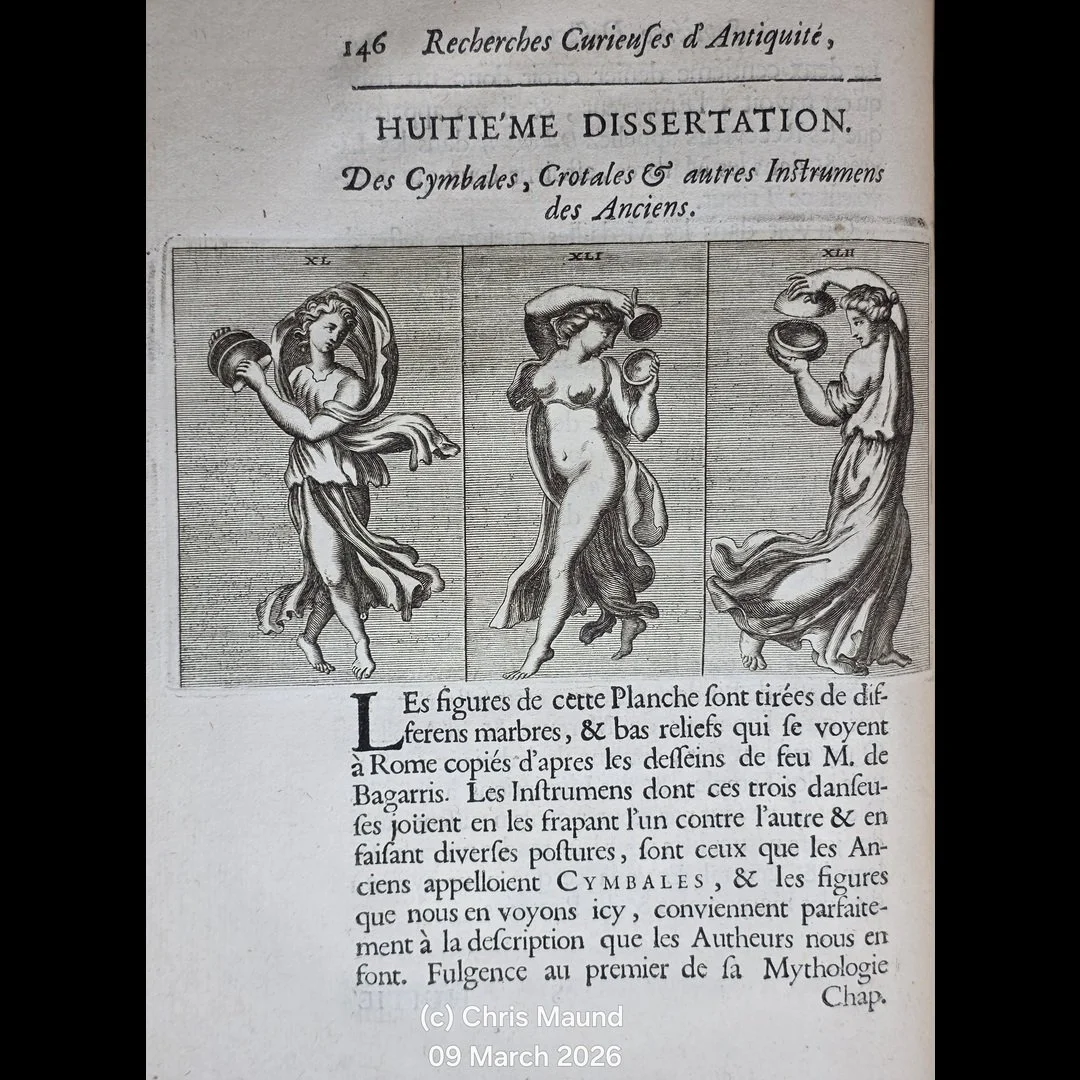
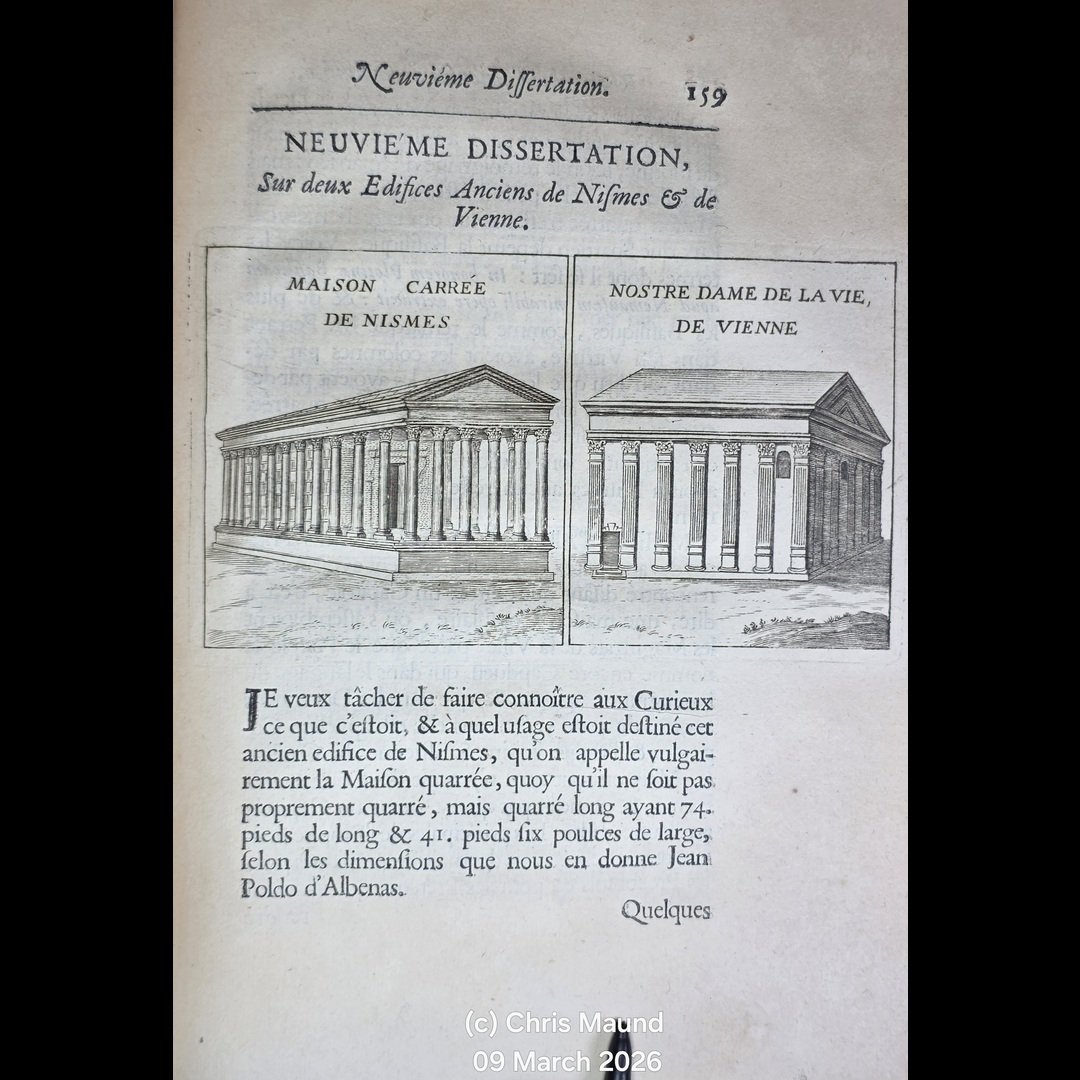
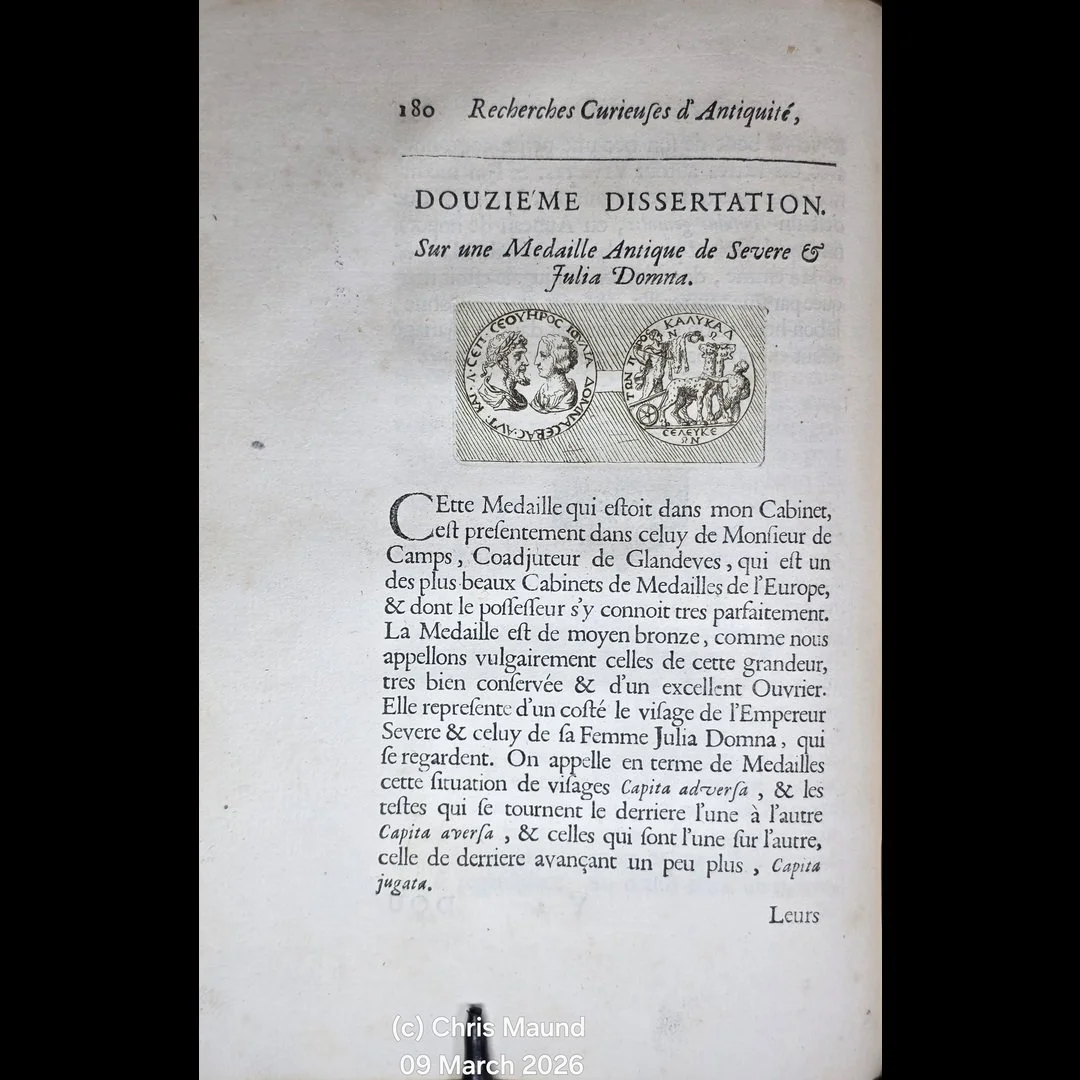
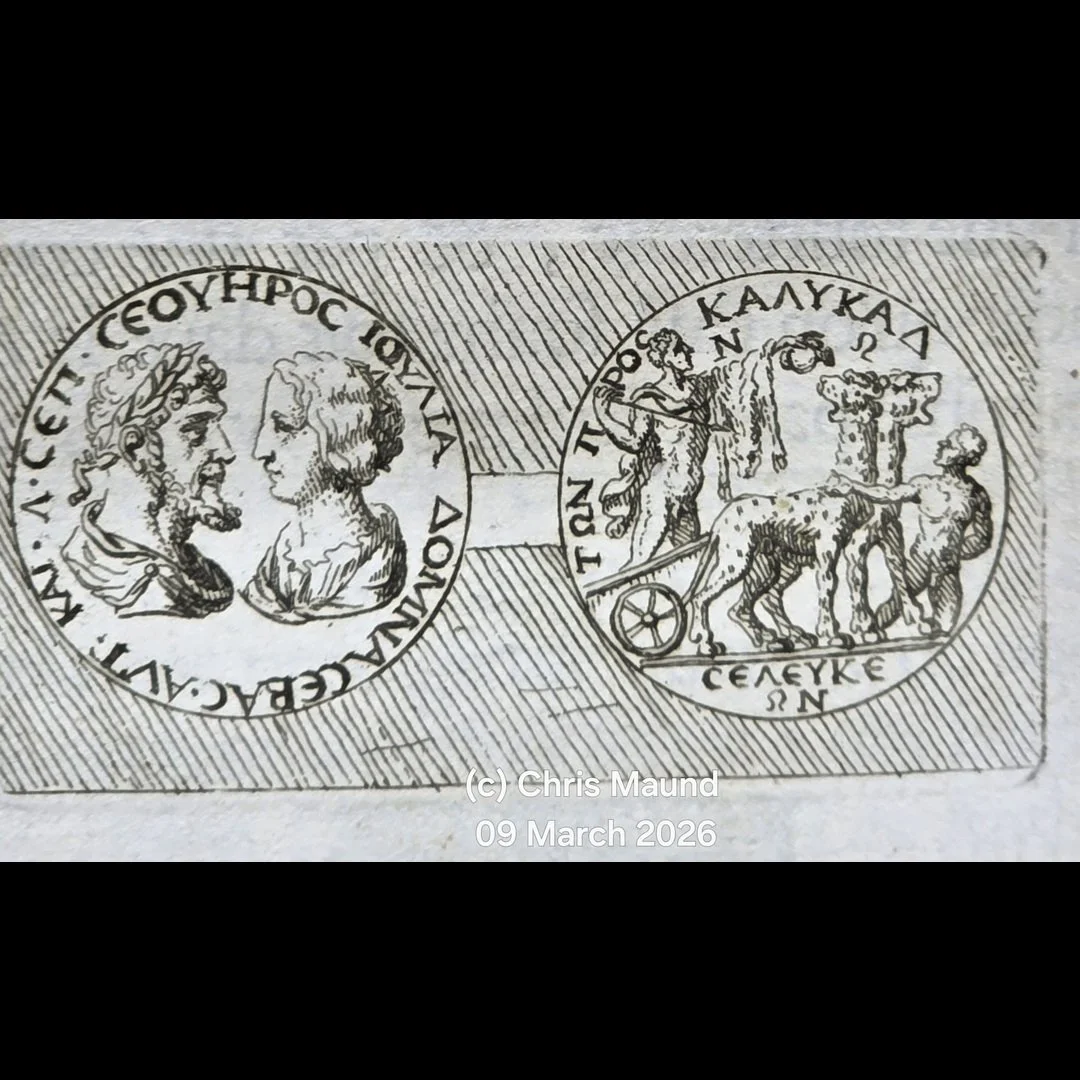
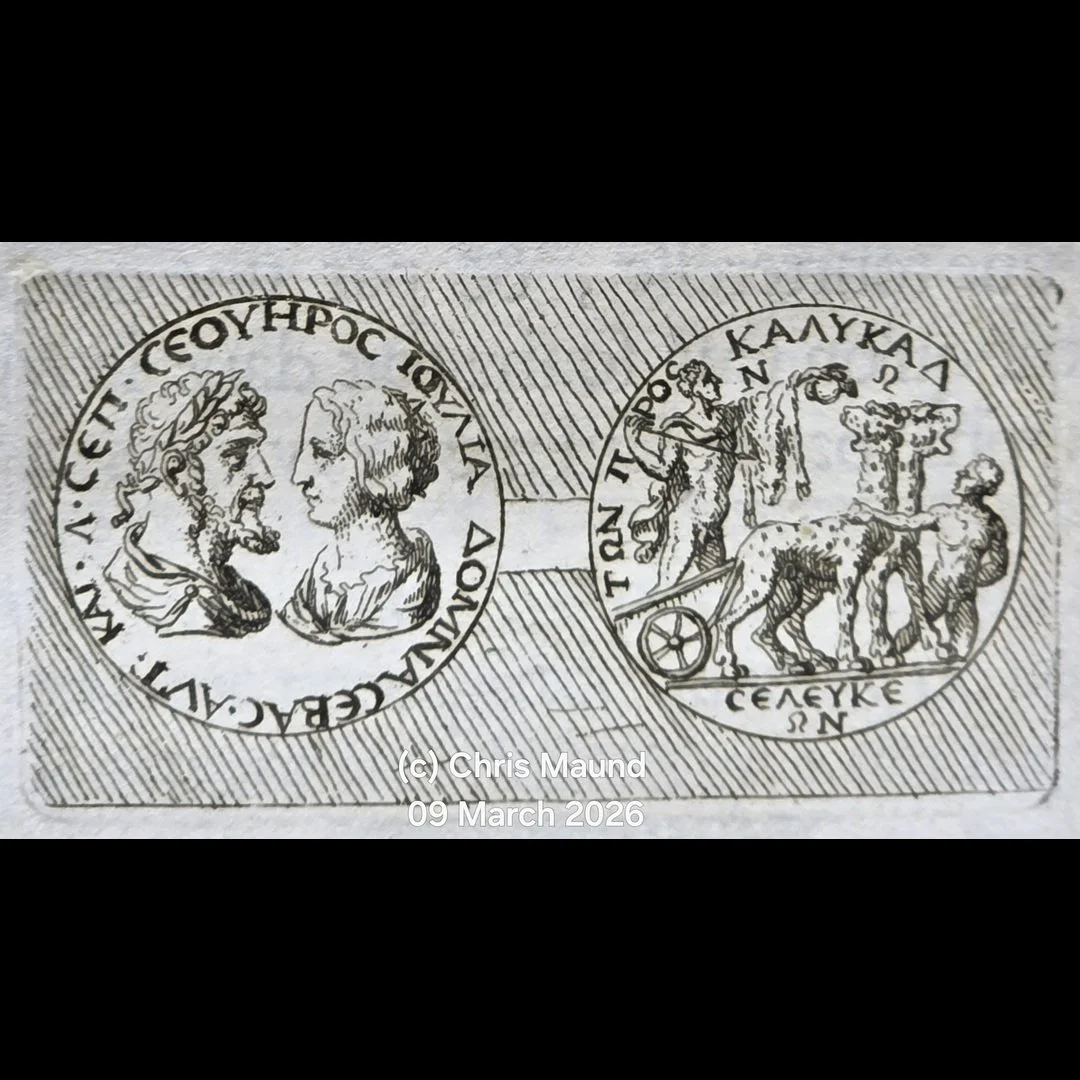
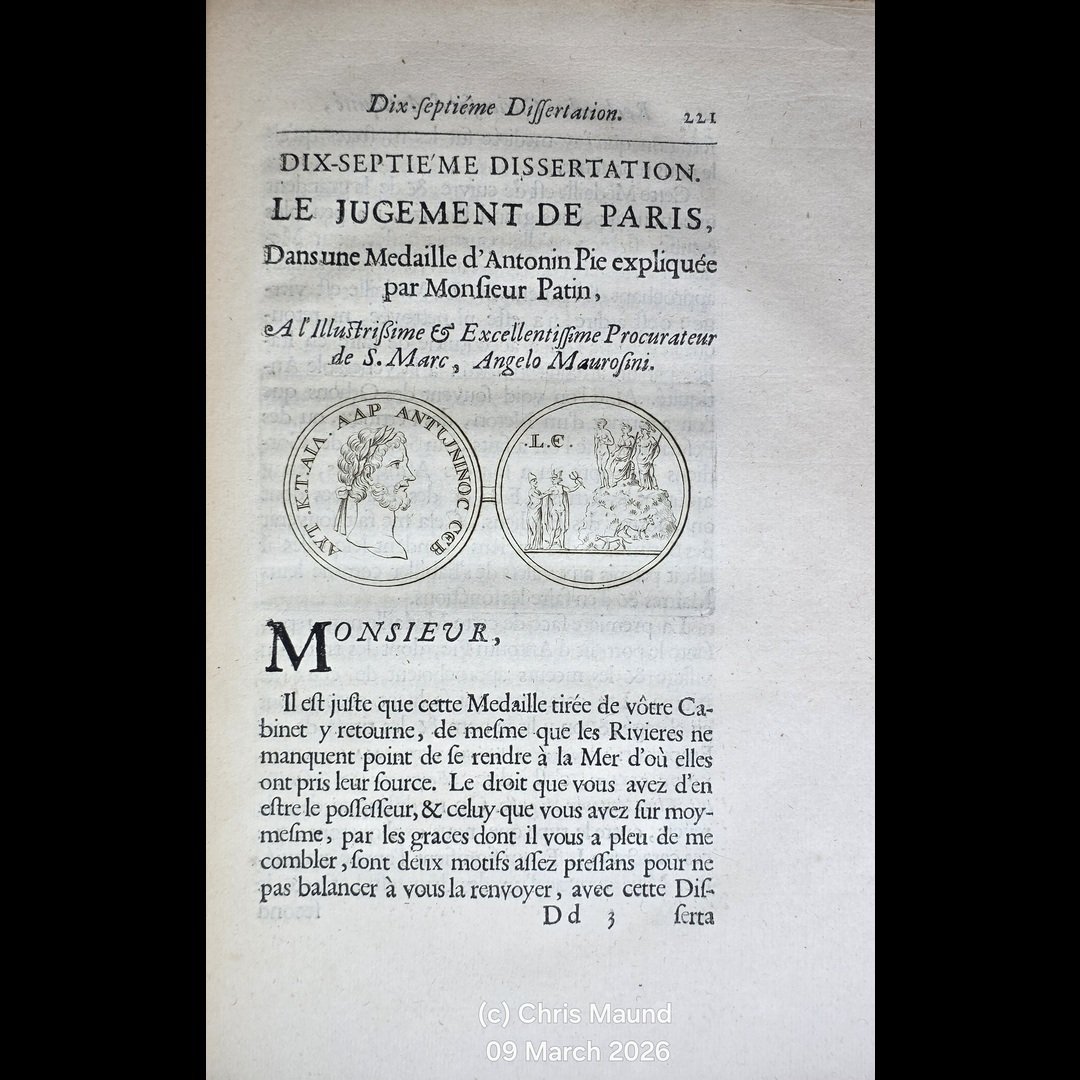
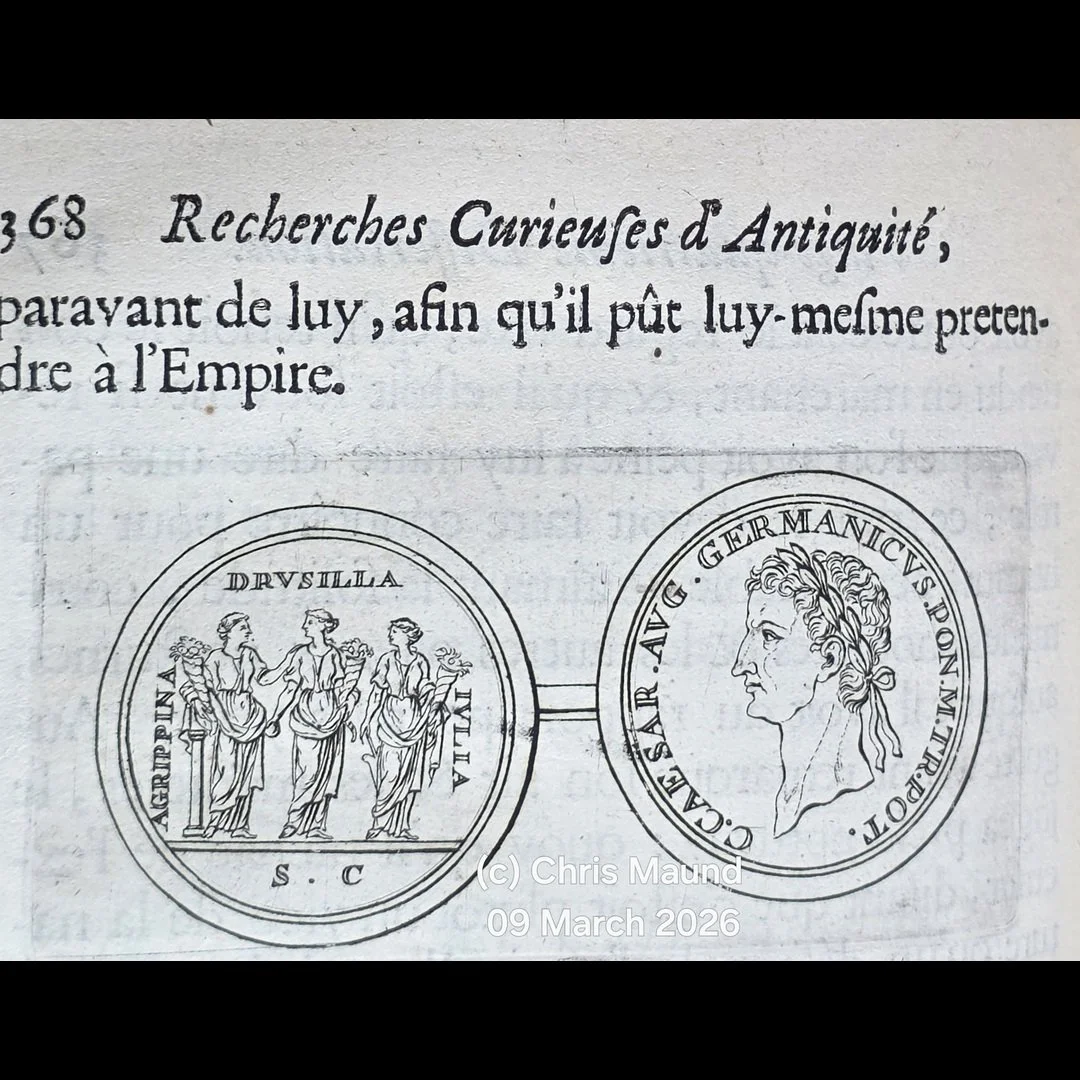
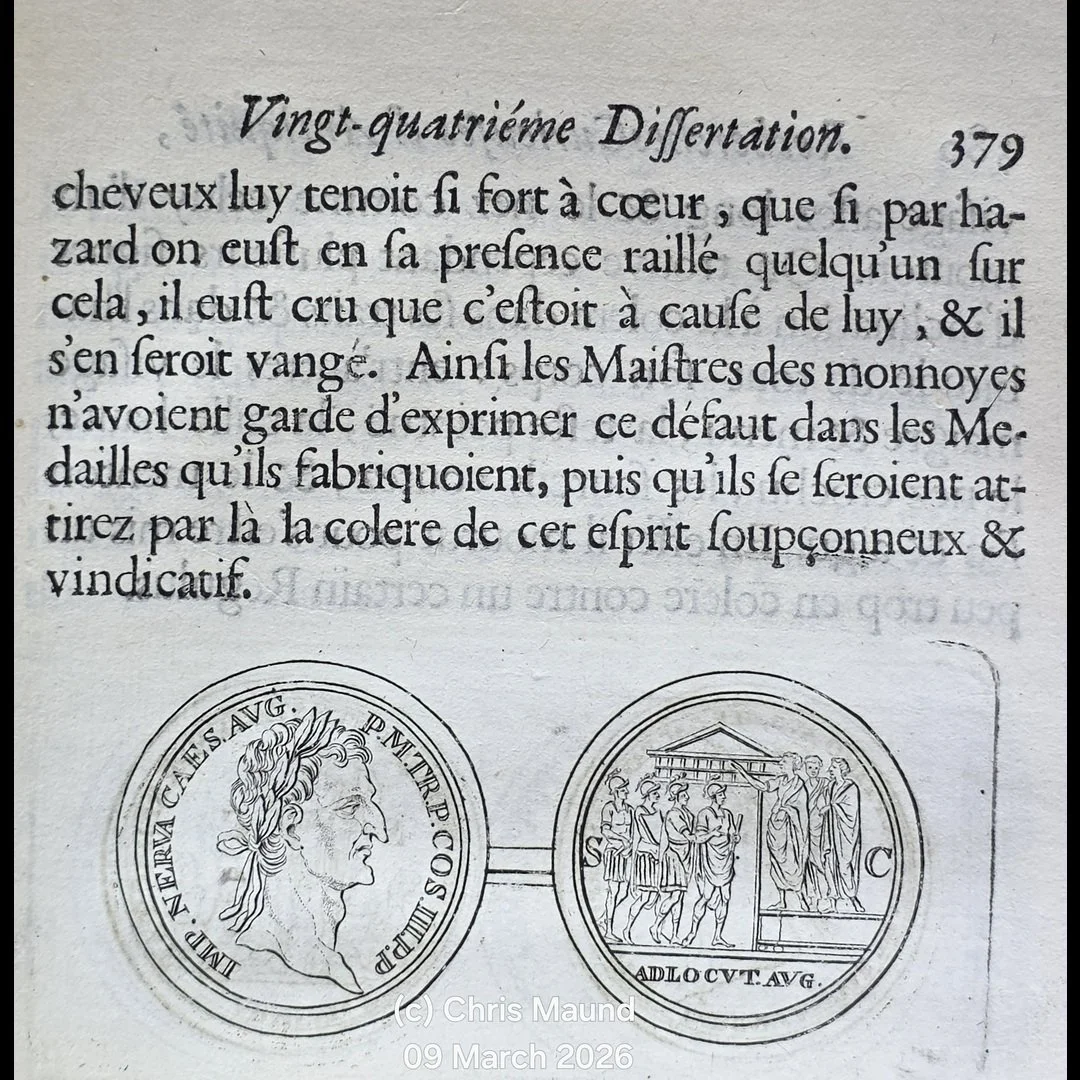
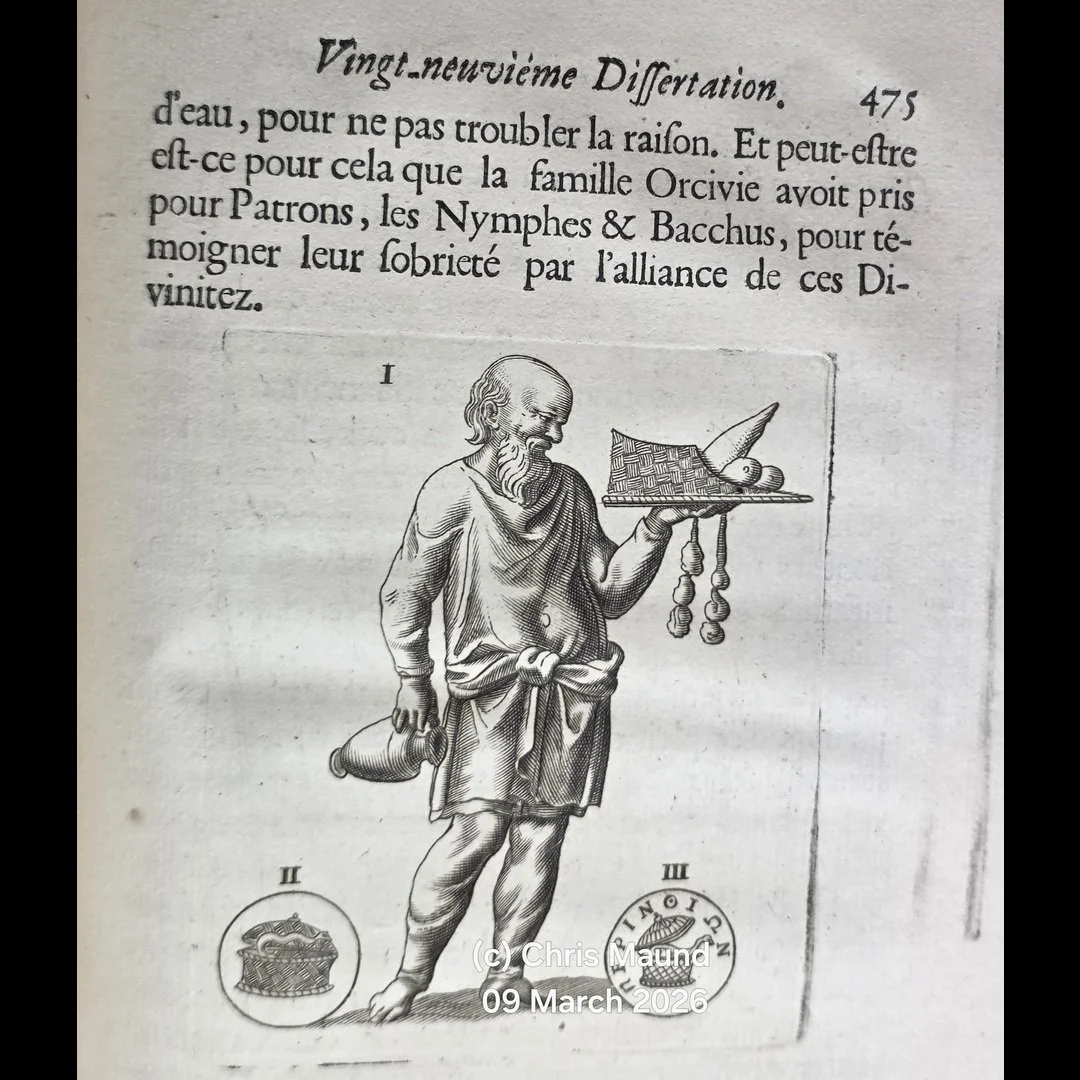
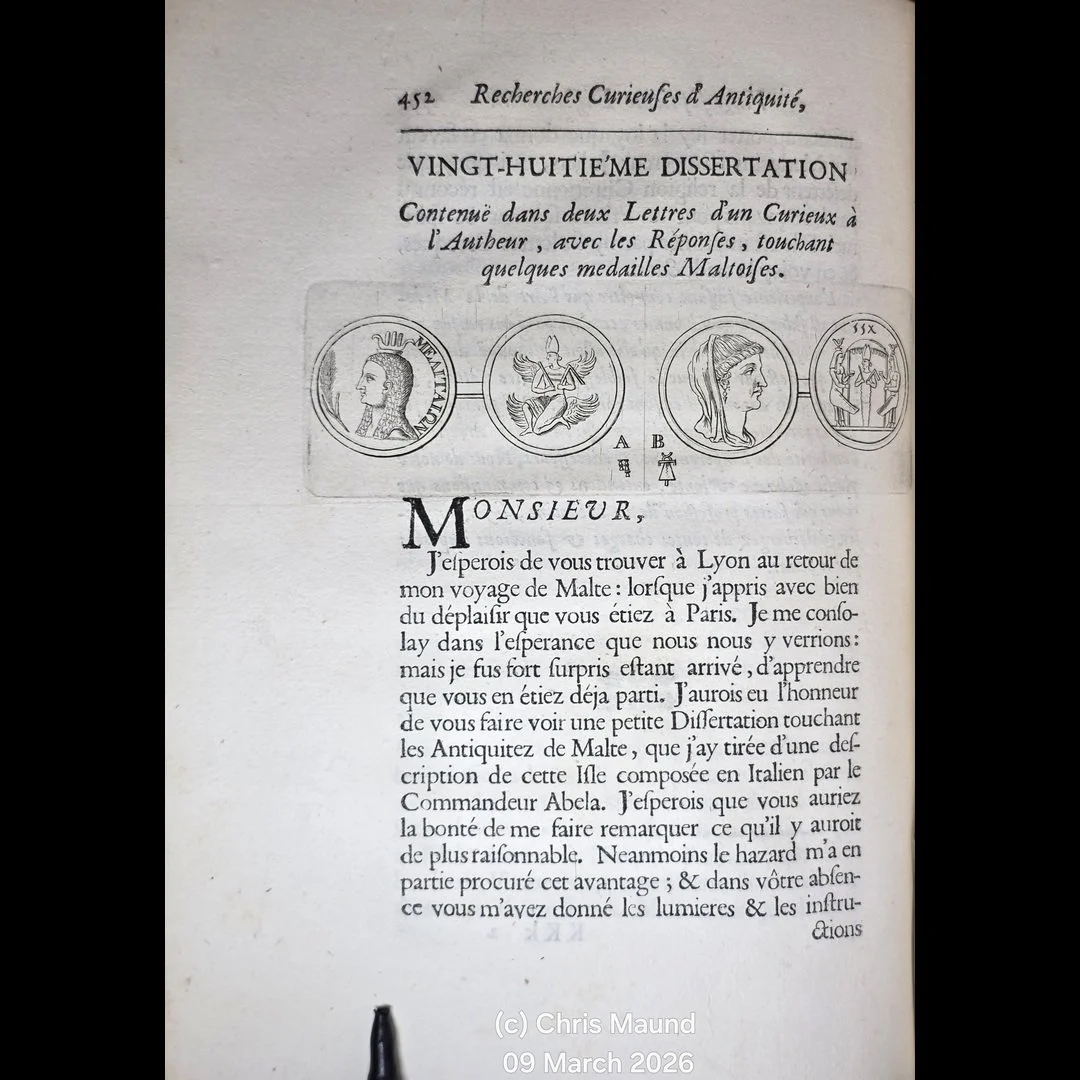
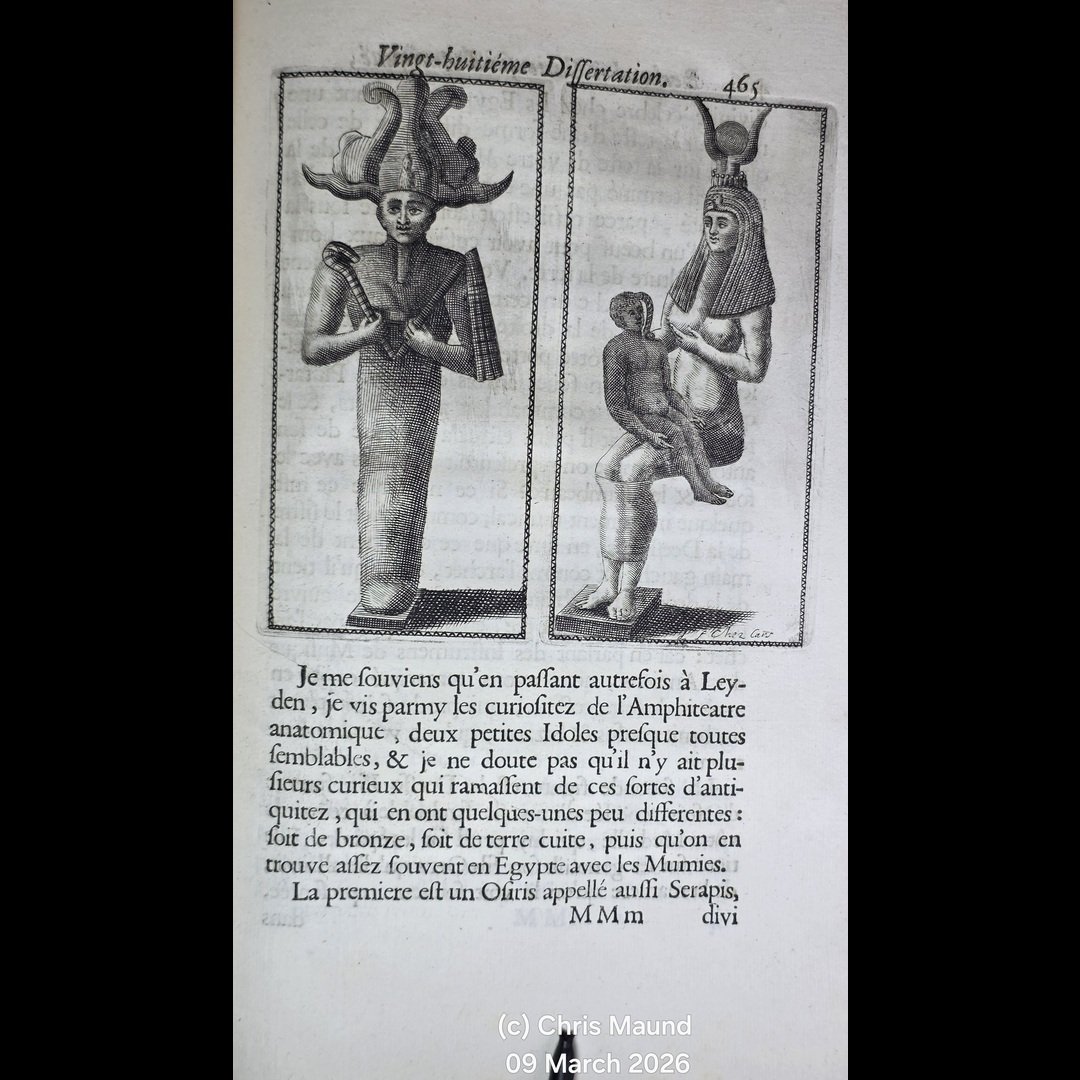
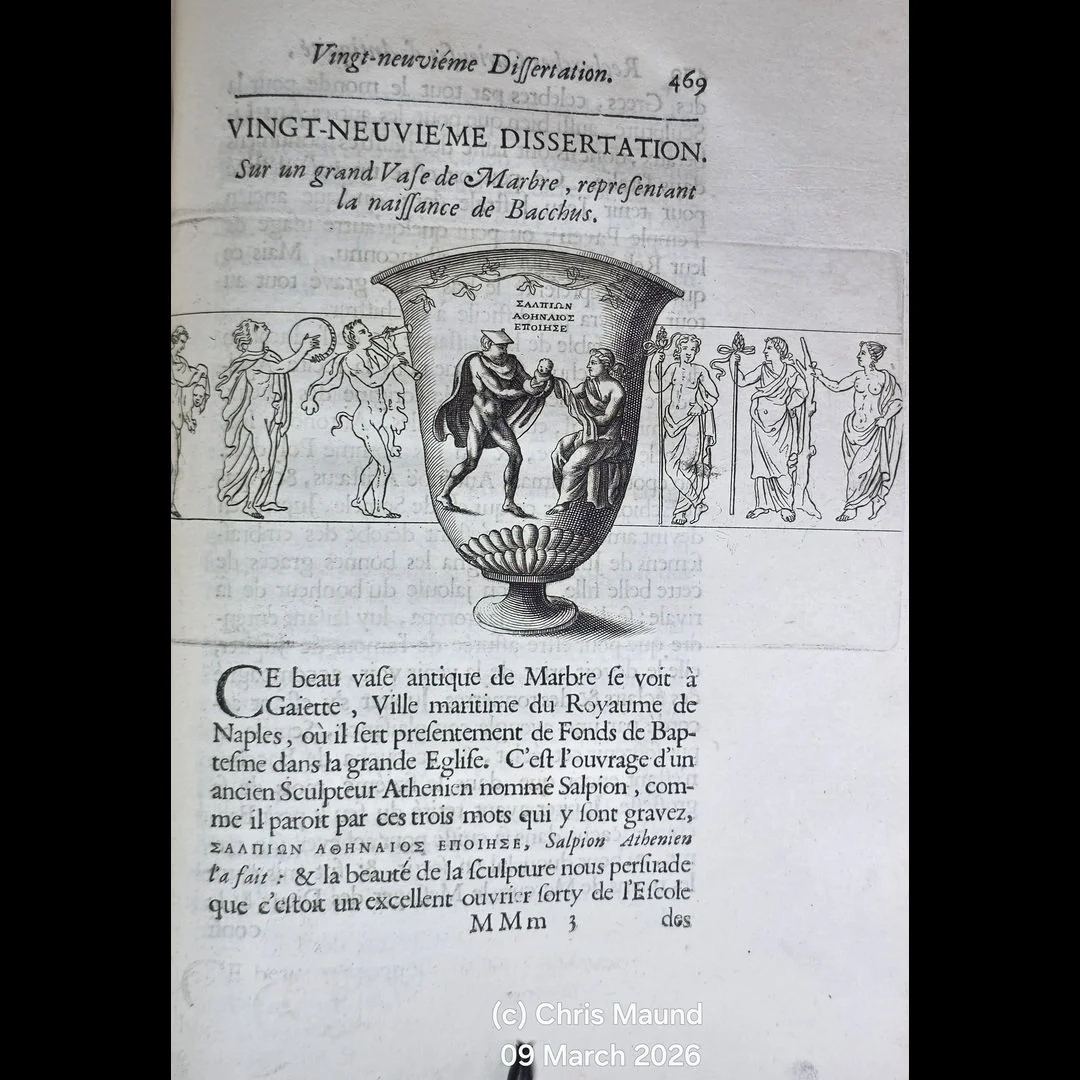
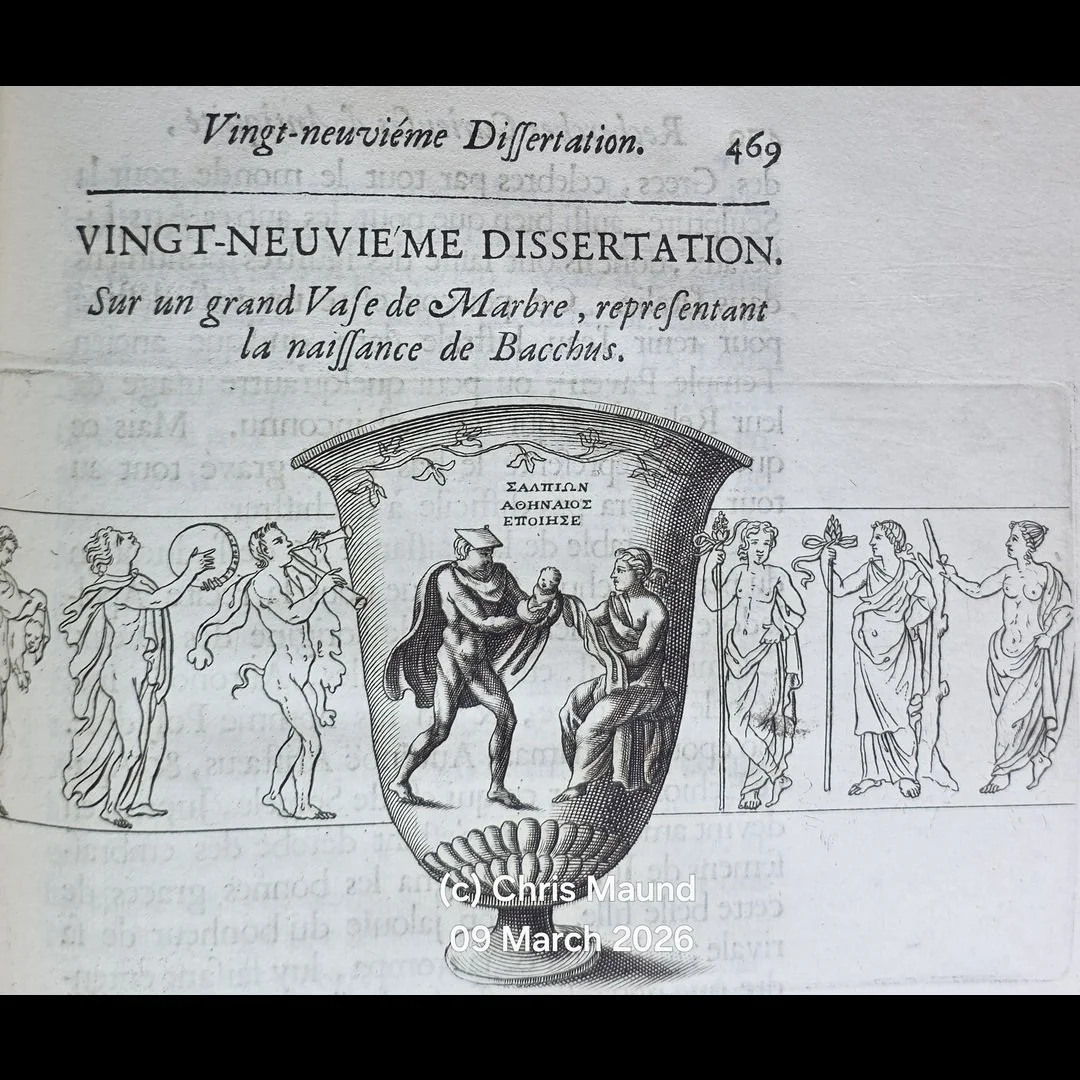
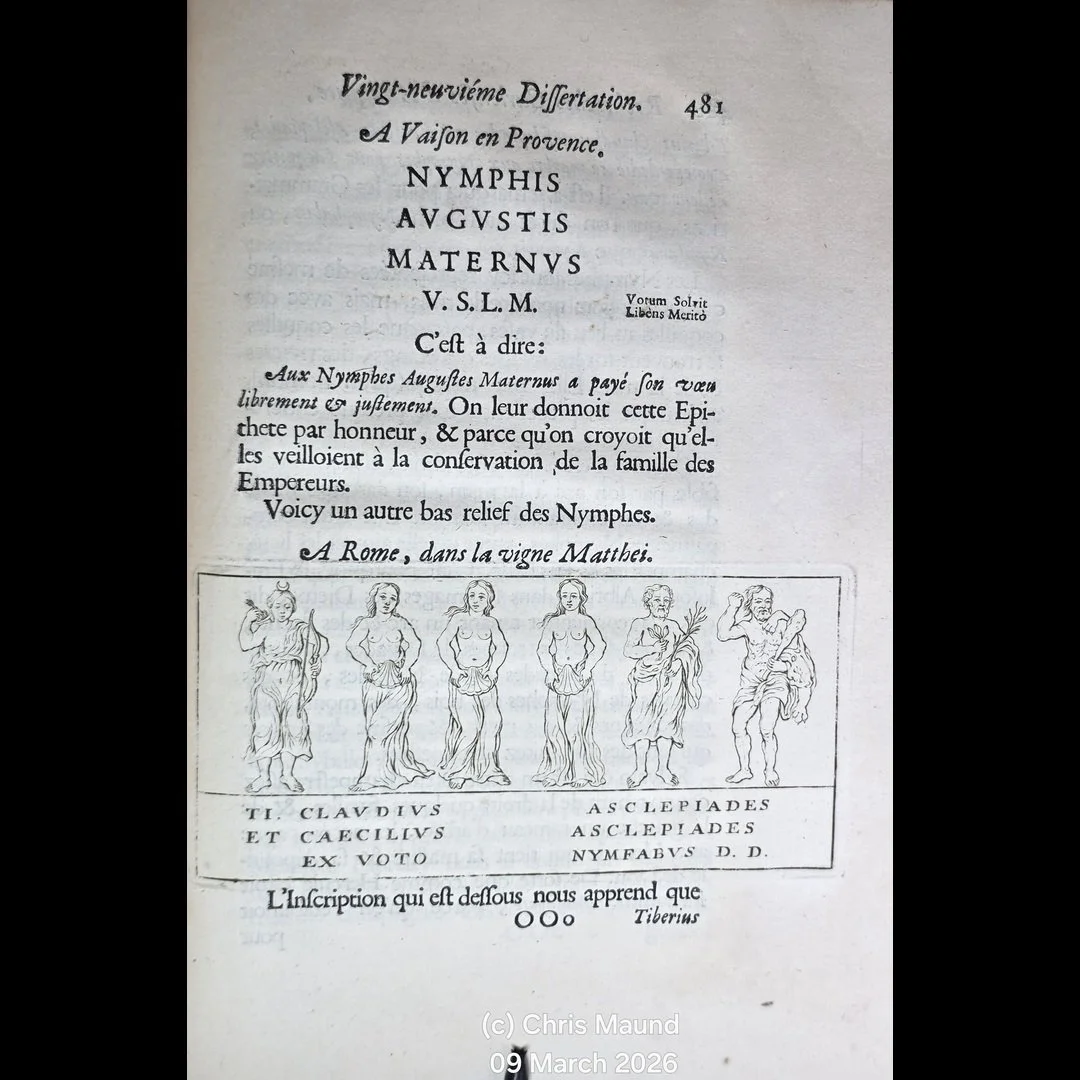
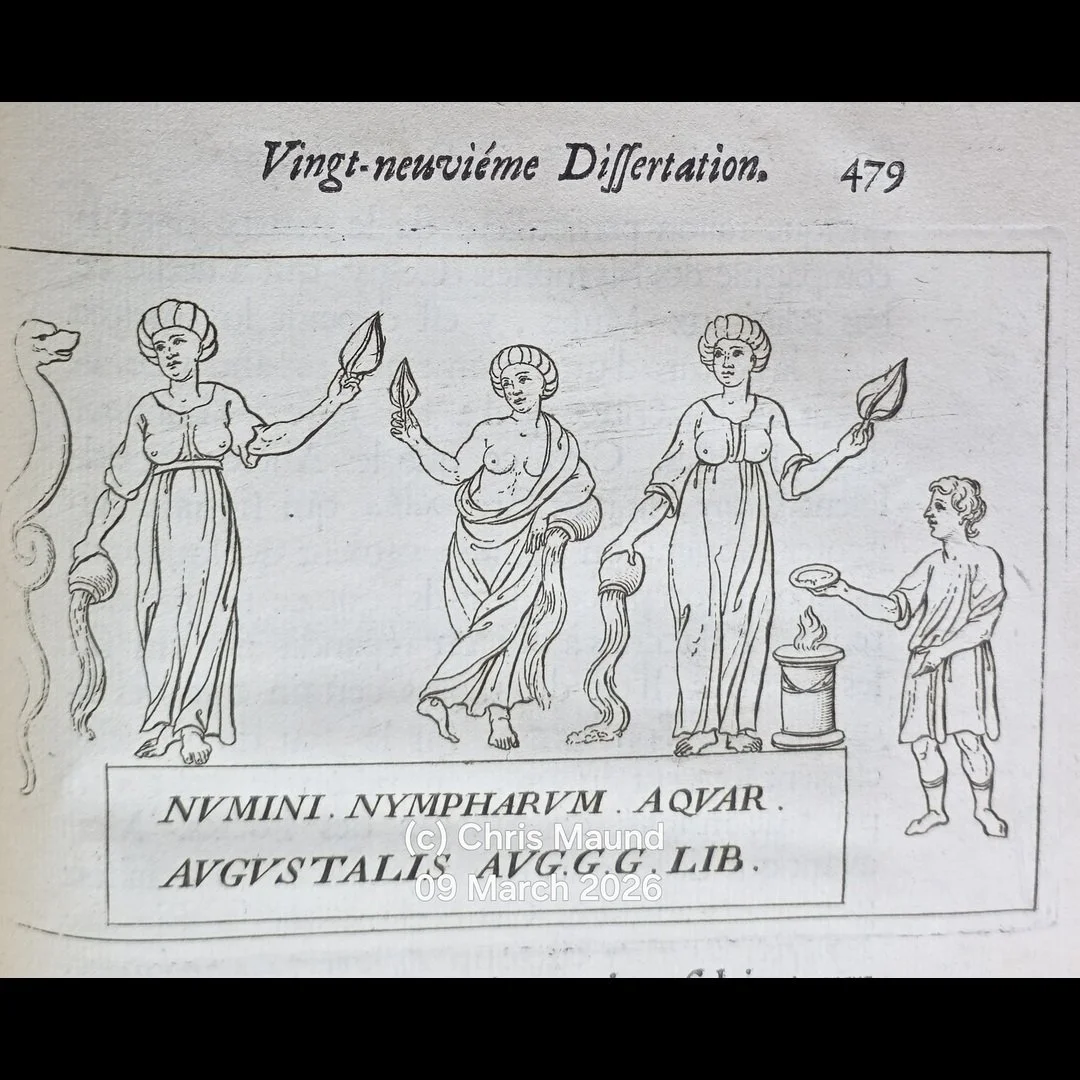
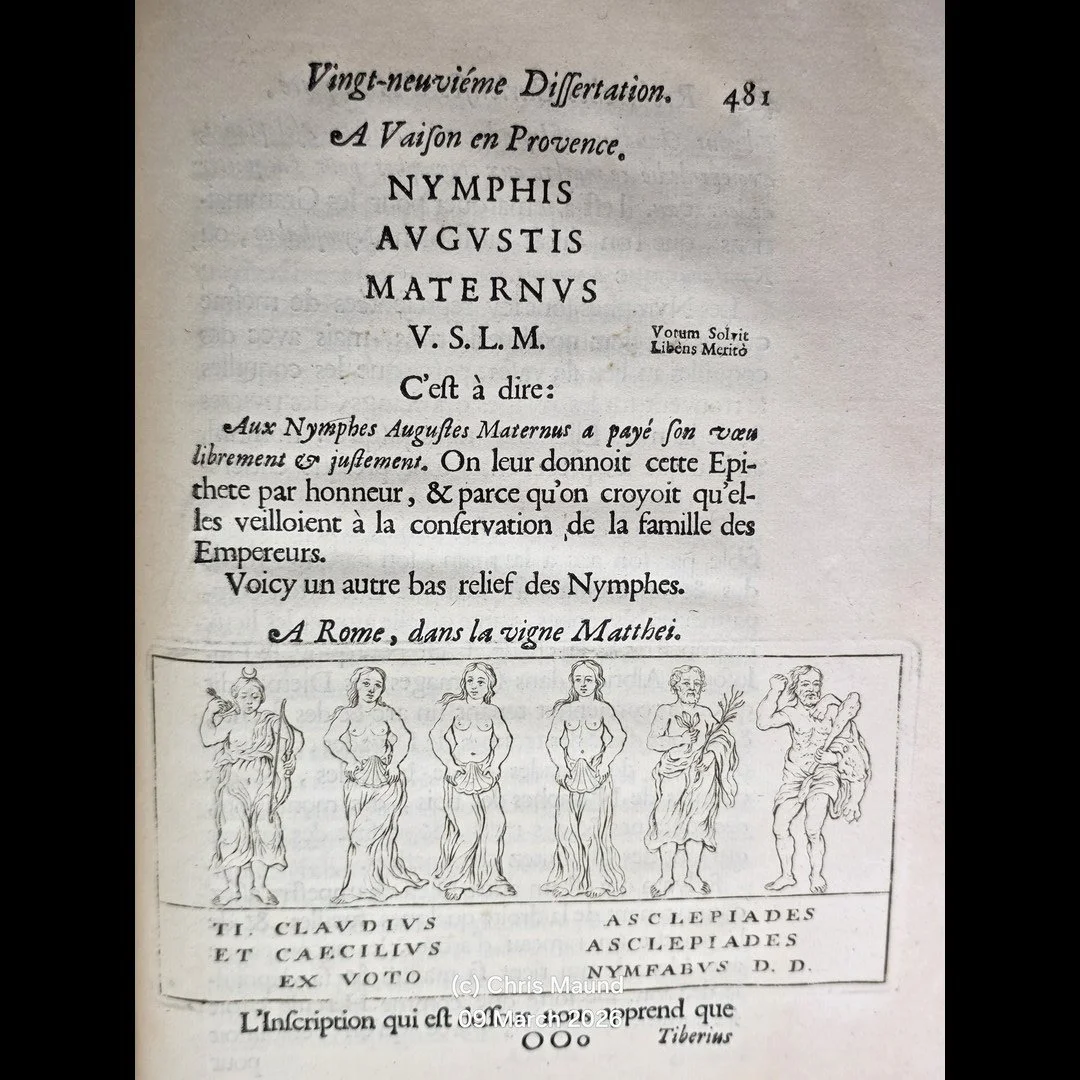
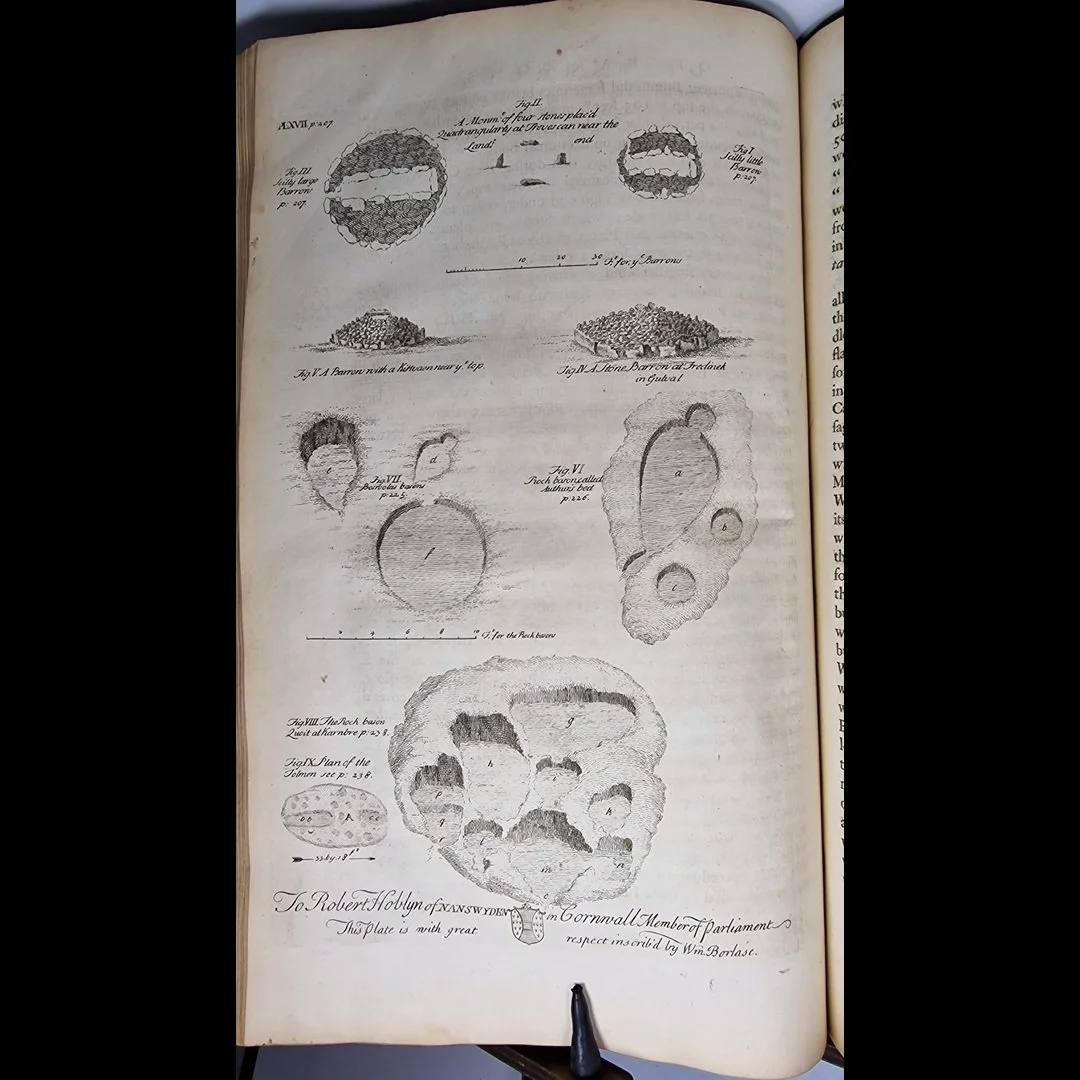
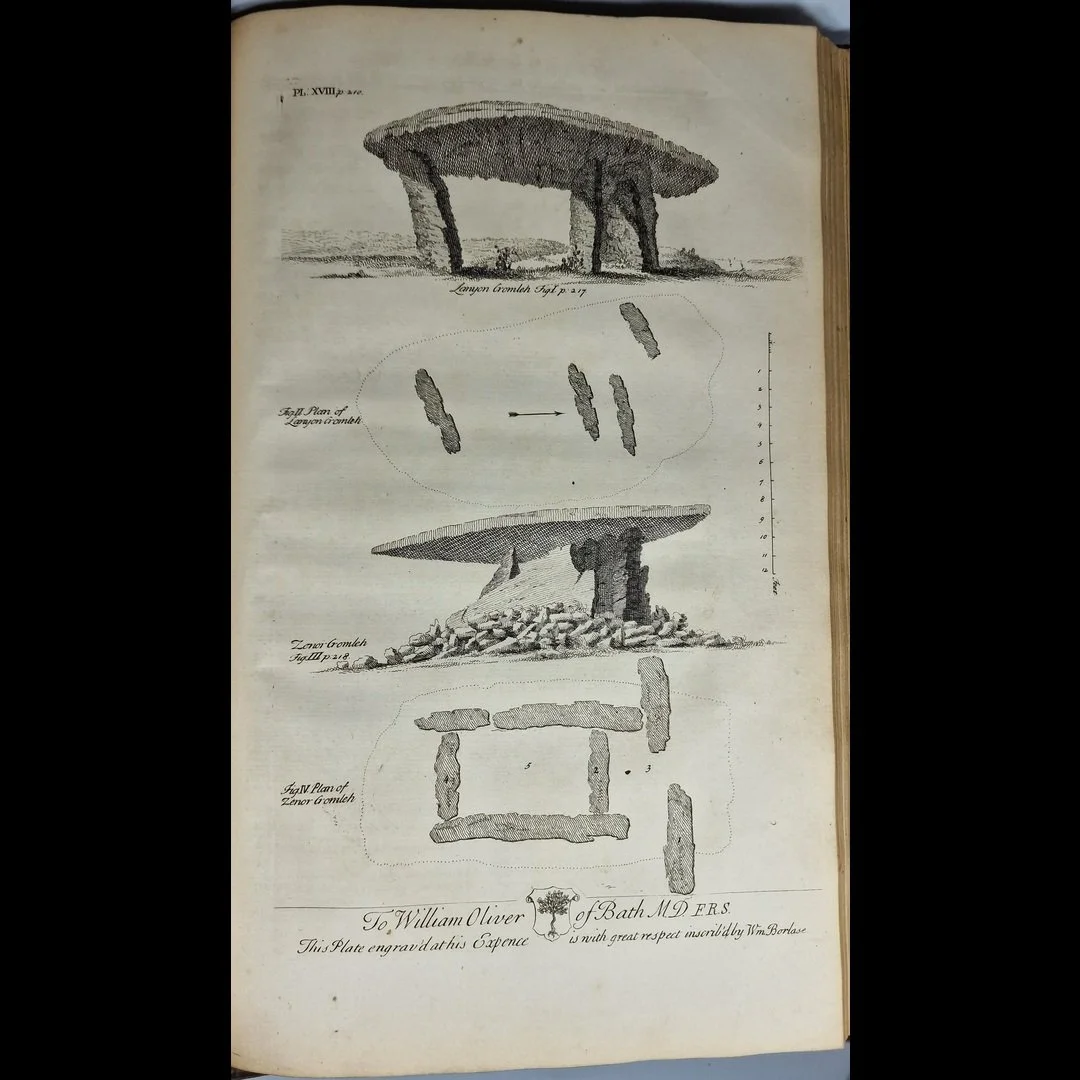
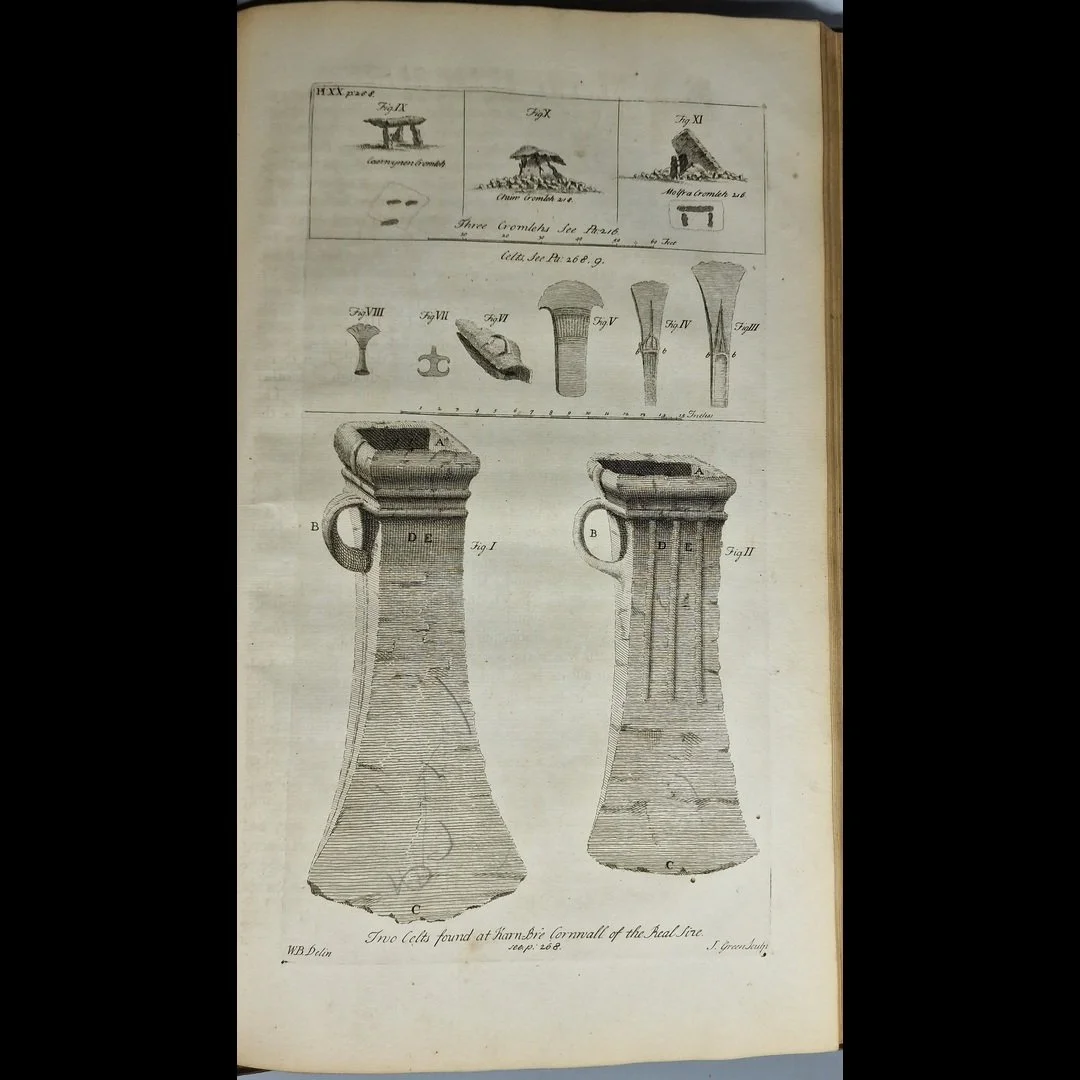
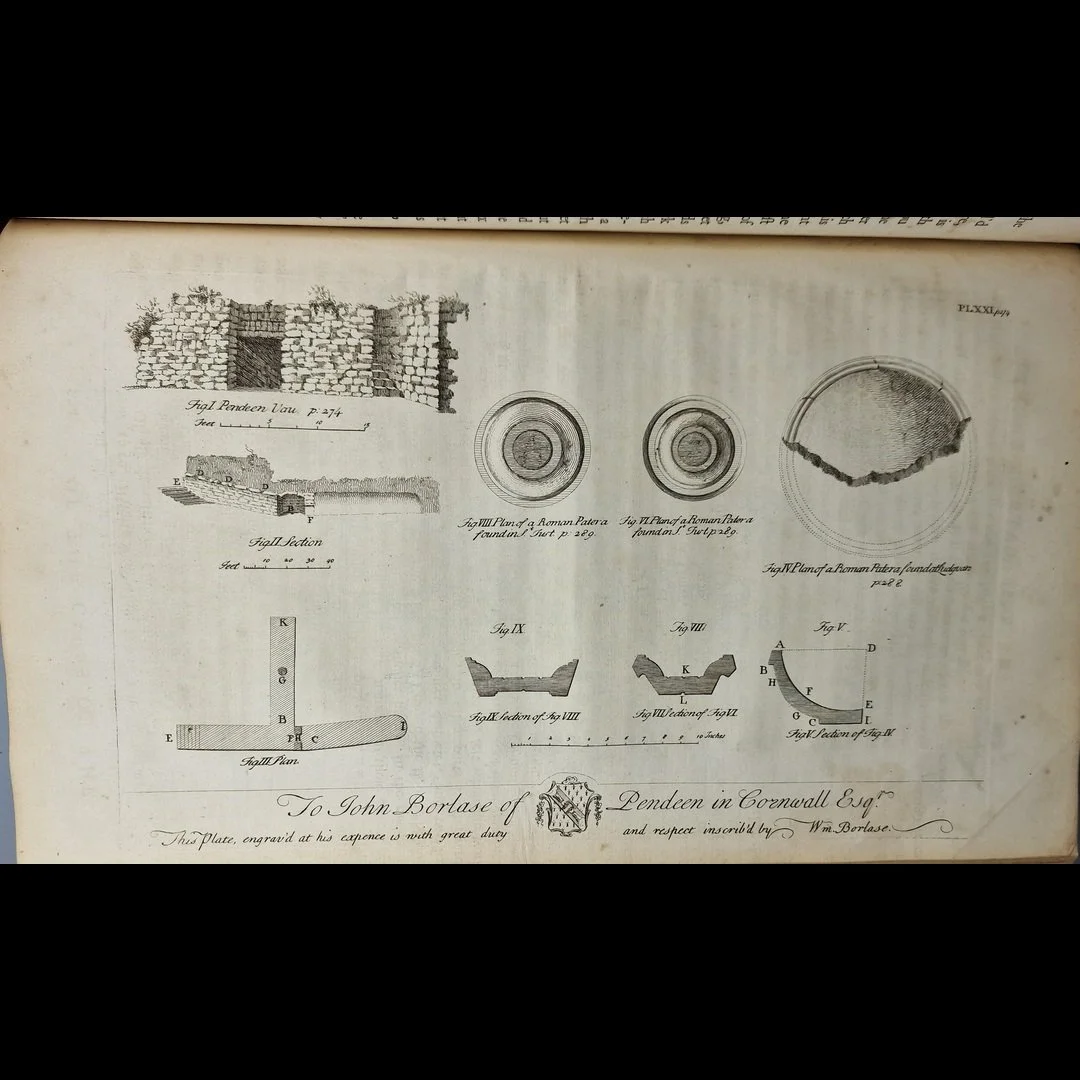
The engravings depict antiquities associated with ancient Lyon, including Roman monuments, sculpture, inscriptions, medals and archaeological remains, and form an important early visual record of the surviving material culture of Roman Lugdunum.
Published in 1701, the work appeared initially in a larger quarto format with only two illustrations. The present much more extensively illustrated duodecimo edition followed in the same year, providing a portable antiquarian guide to the city and its ancient monuments.
PROVENANCE
Ombersley Court Library, Worcestershire, the historic library of the Sandys family. Acquired directly by Books That Expand The Mind from its dispersal at Chorley’s, The September Auctions 2024, 17 September 2024, Lot 297. Purchaser’s invoice retained with the acquisition records.
CONDITION, COLLATION & COPY NOTES
COLLATION
[4], 198 pp. 7 engraved plates present, 3 folding, from a required suite of 9. Two plates are therefore absent. The surviving engravings include plates signed by Mathieu Ogier.
Engraved armorial headpiece at the opening of the text together with decorative initials, headpieces, tailpieces and scattered ornaments.
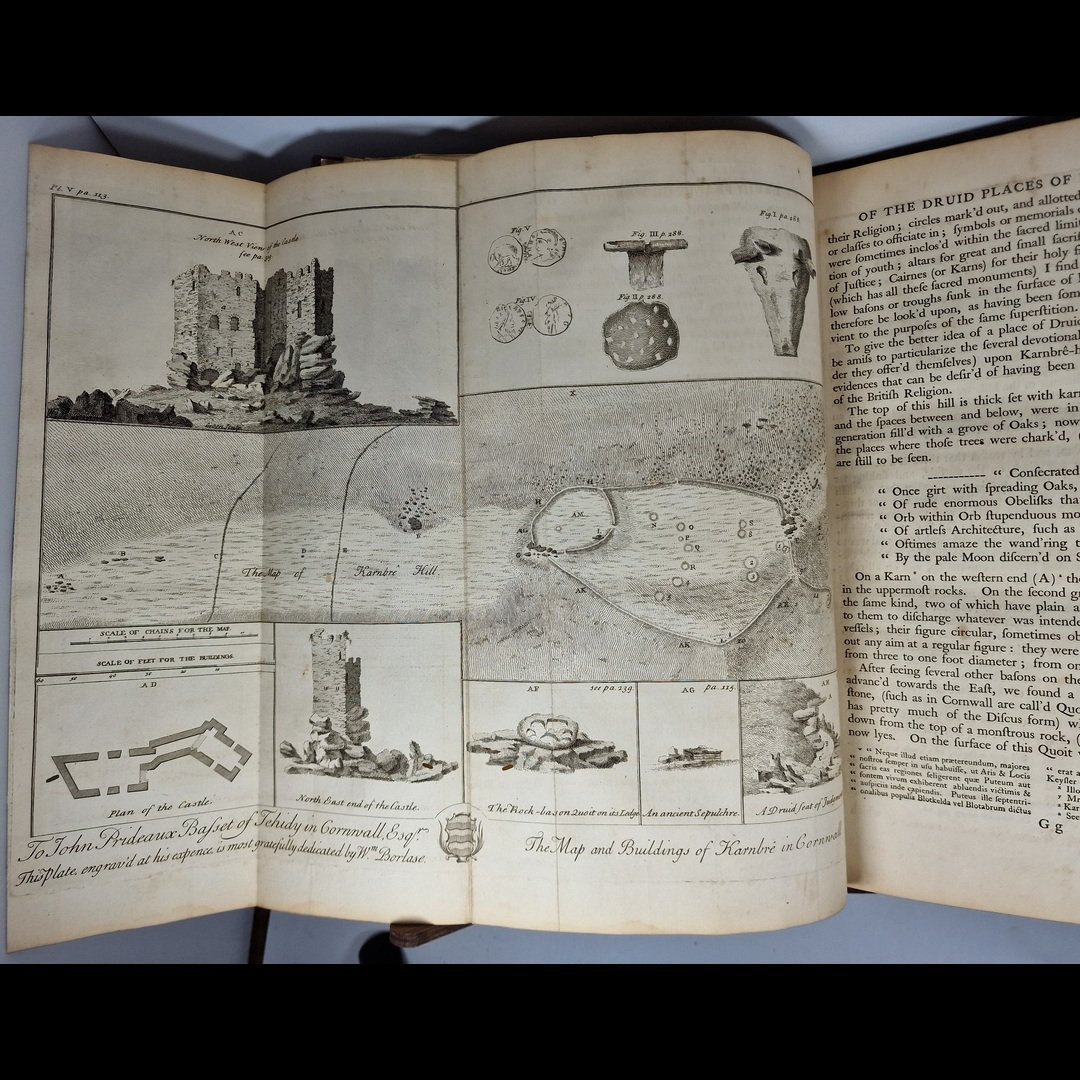
The folding engravings remain an especially attractive feature of the volume.
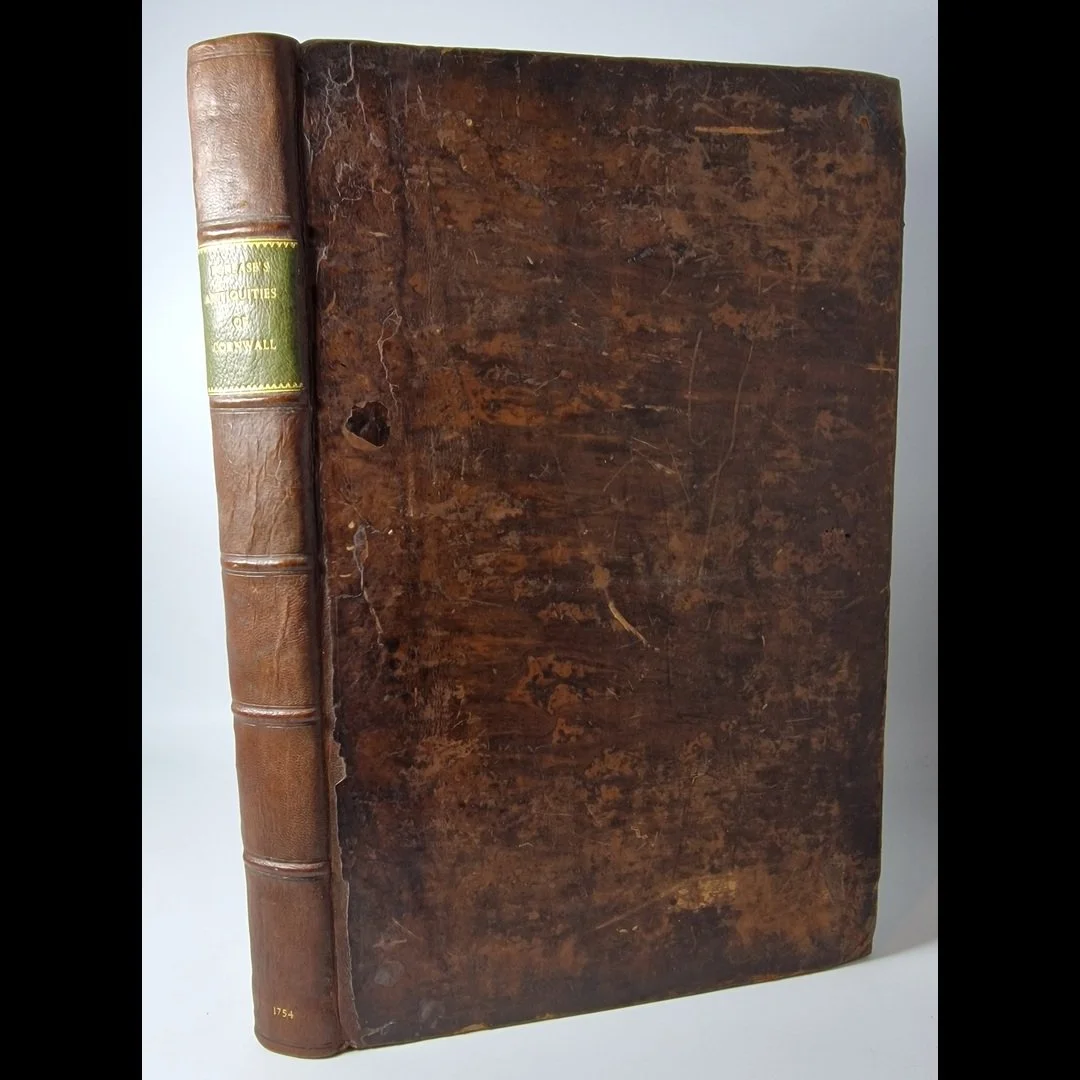
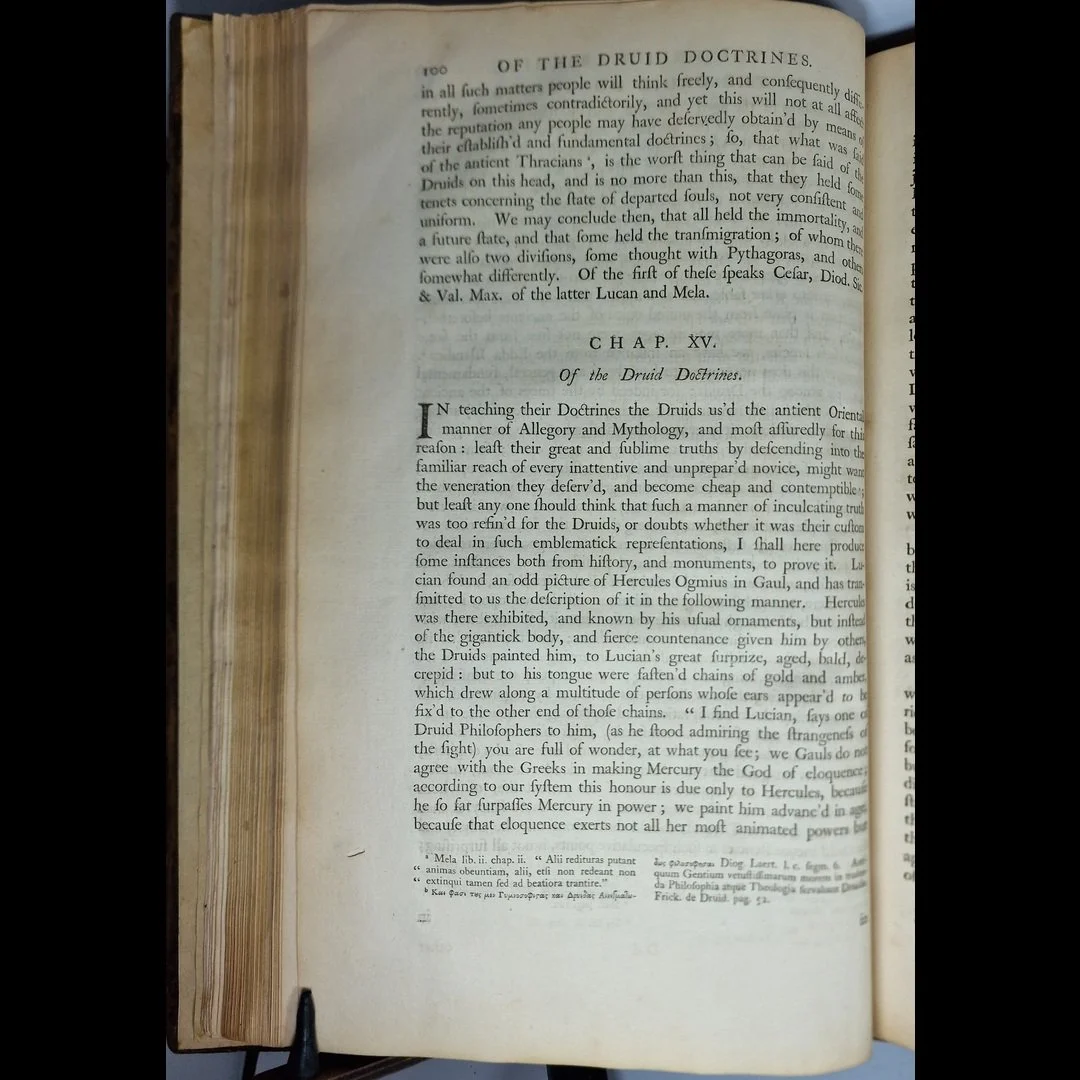
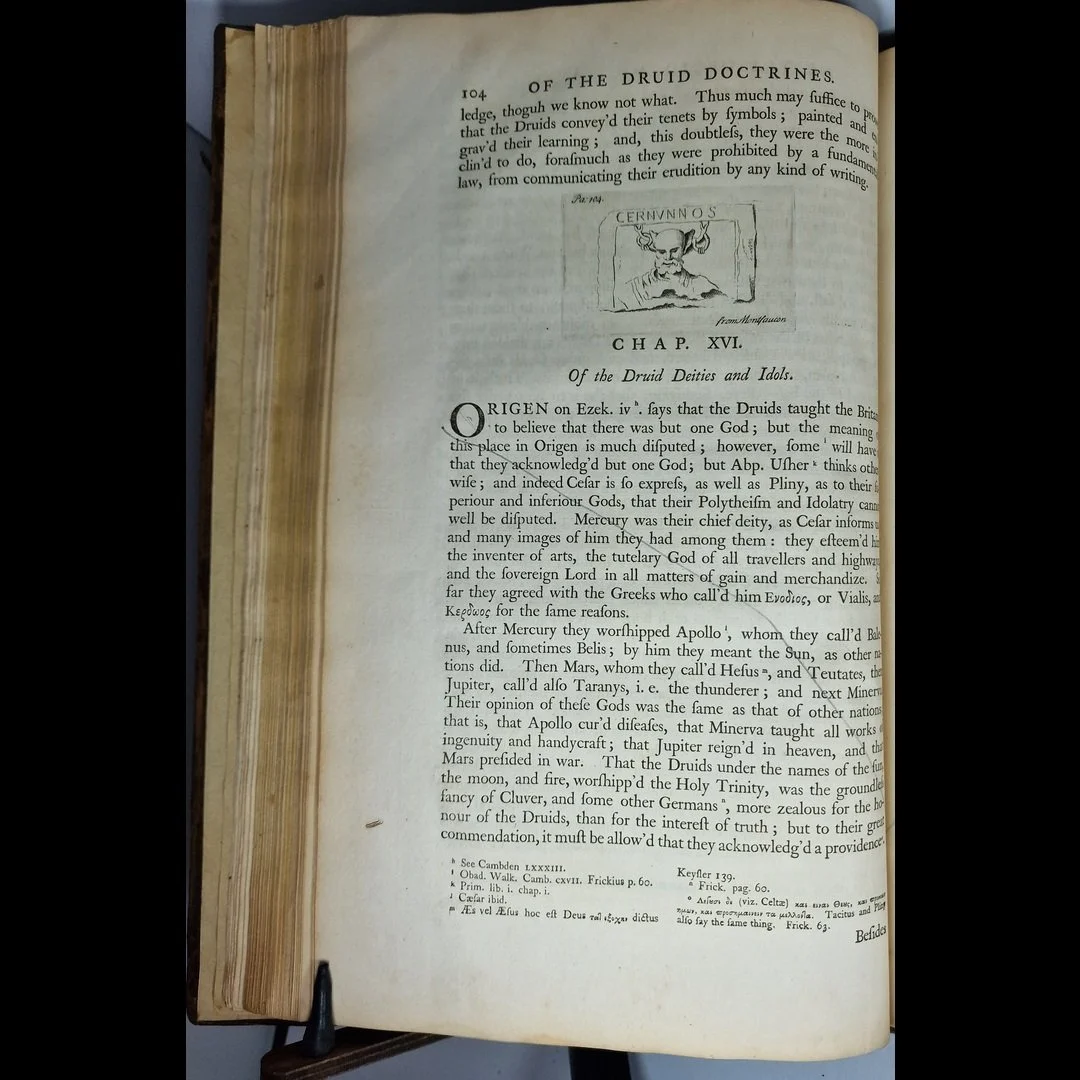
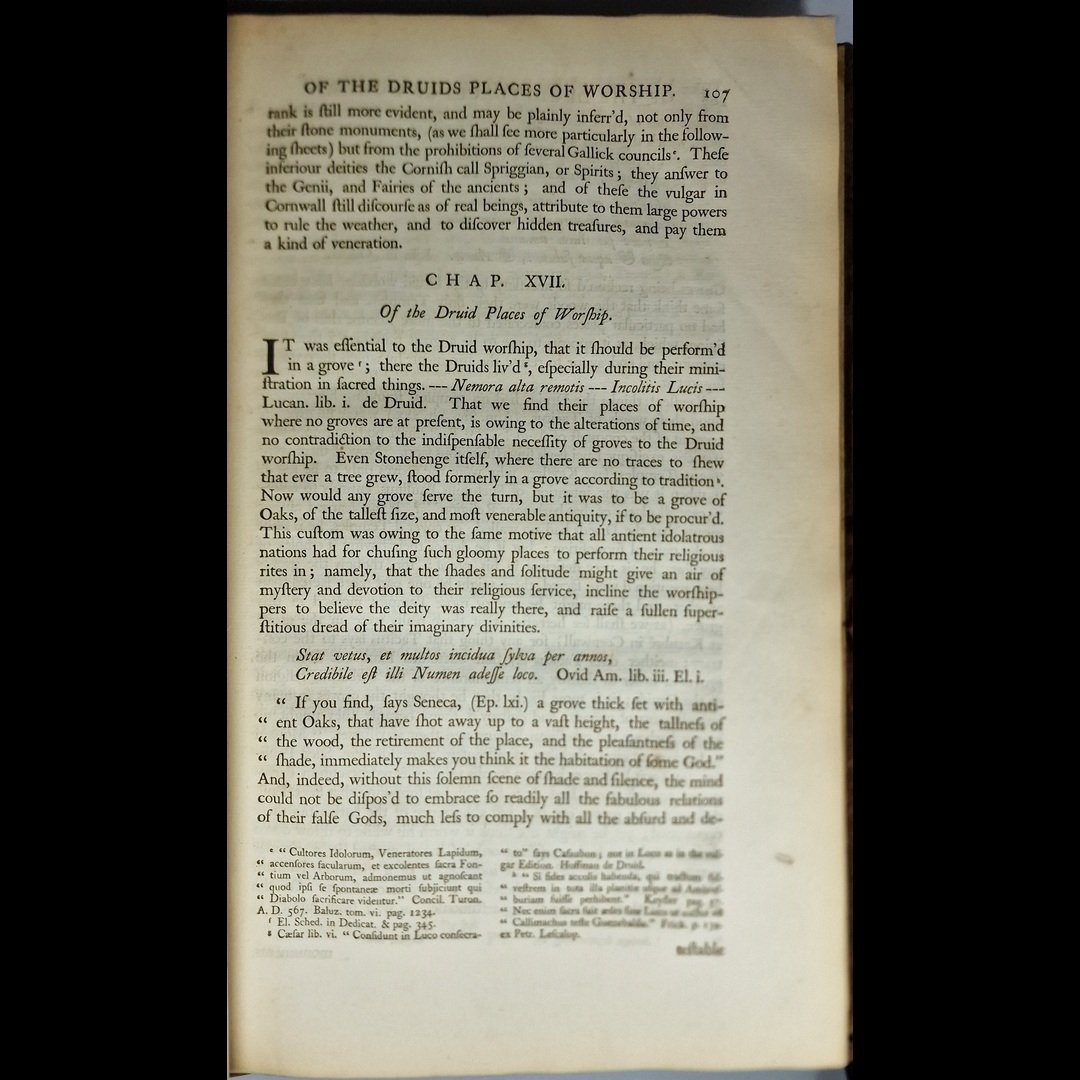
A handsome copy in its contemporary speckled calf binding. General rubbing and surface wear commensurate with age, with wear to the extremities and corners. The gilt-decorated spine and red morocco title label remain attractive and well defined.
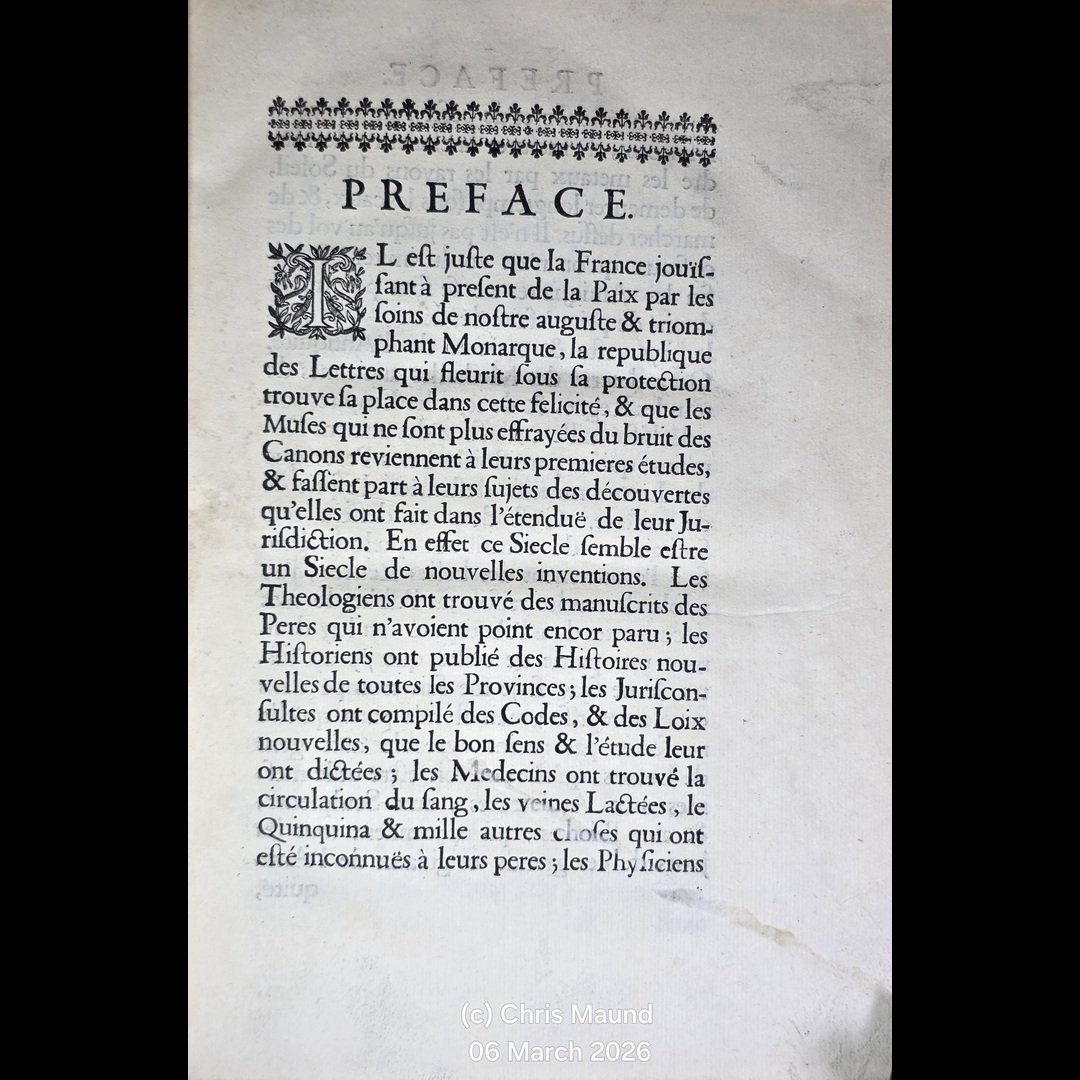
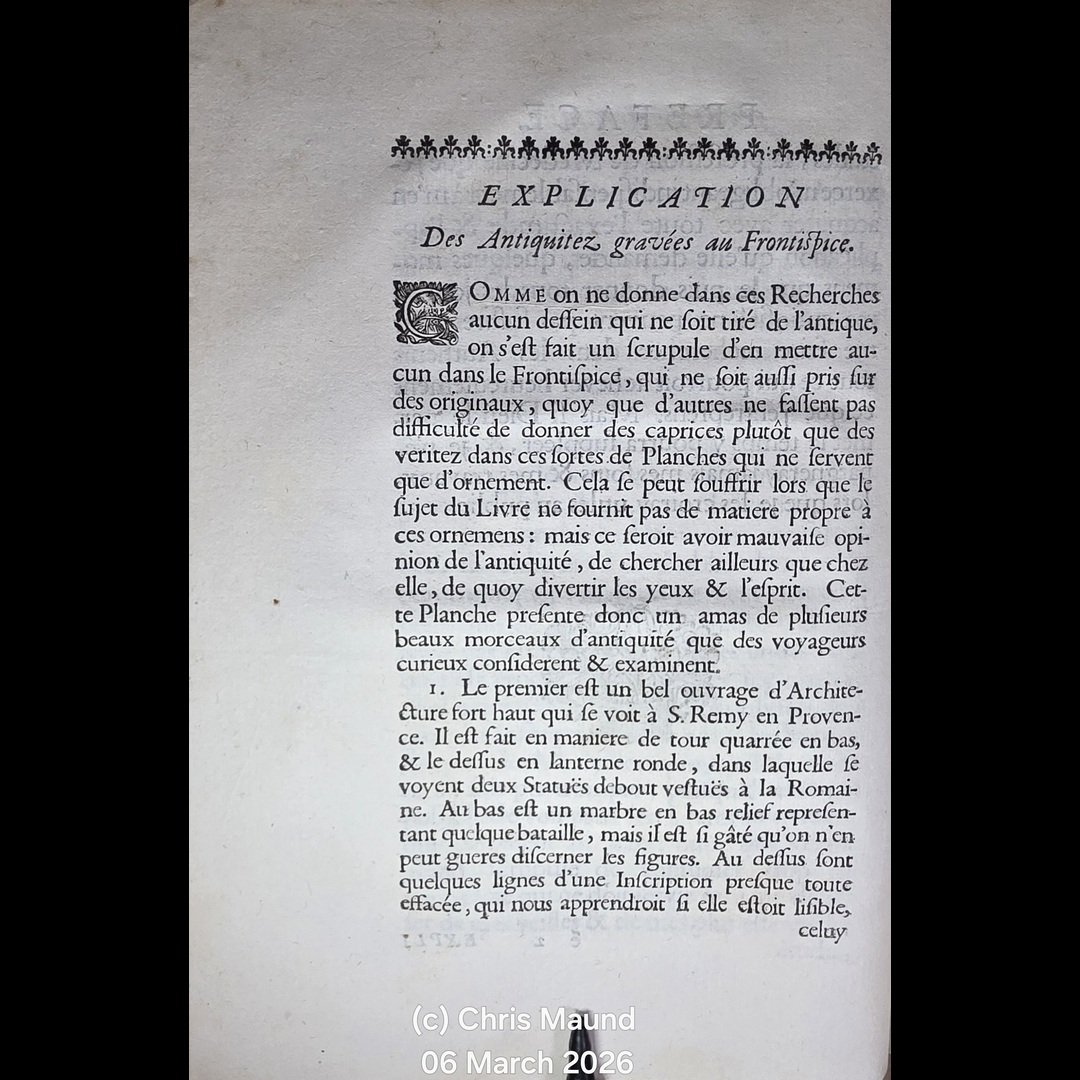
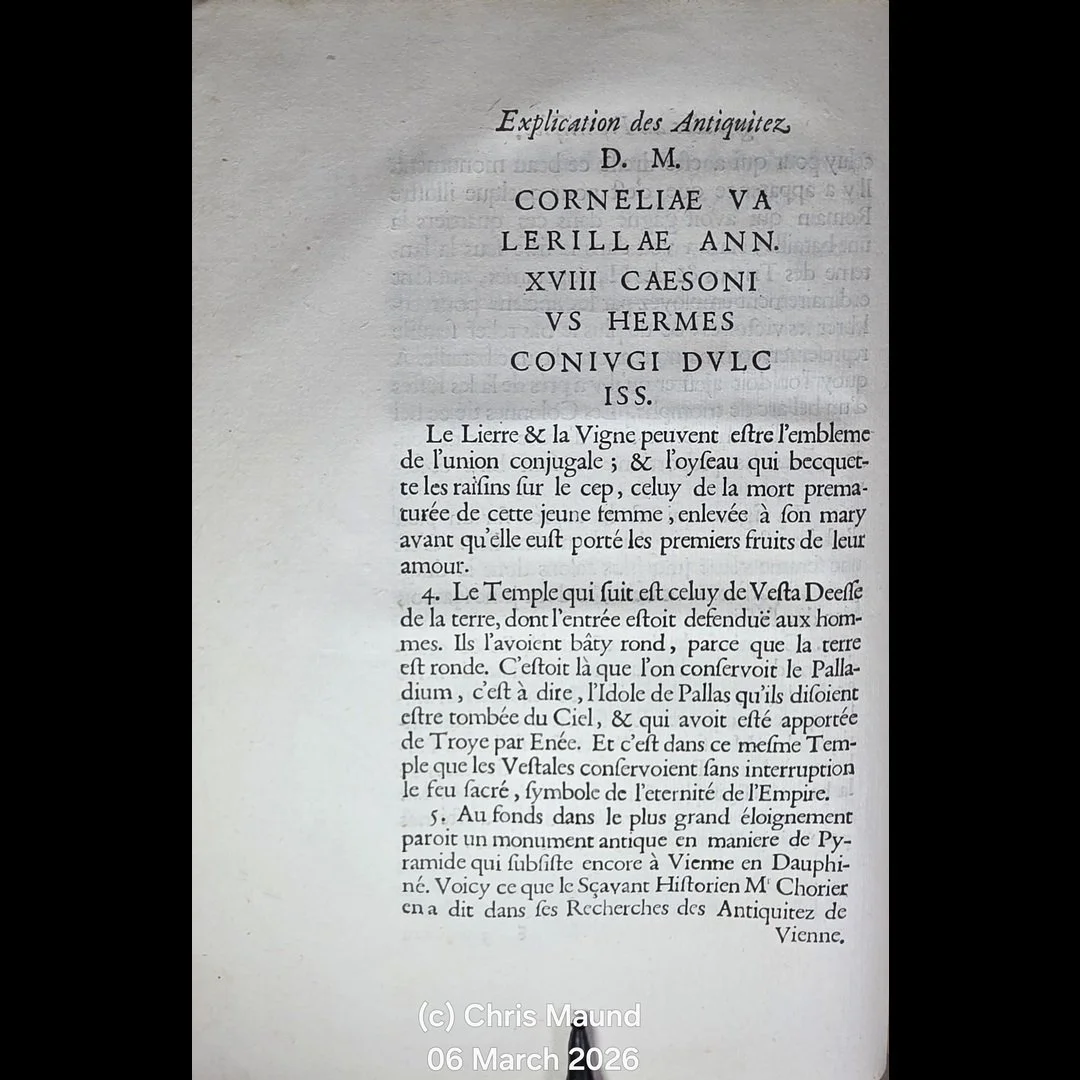
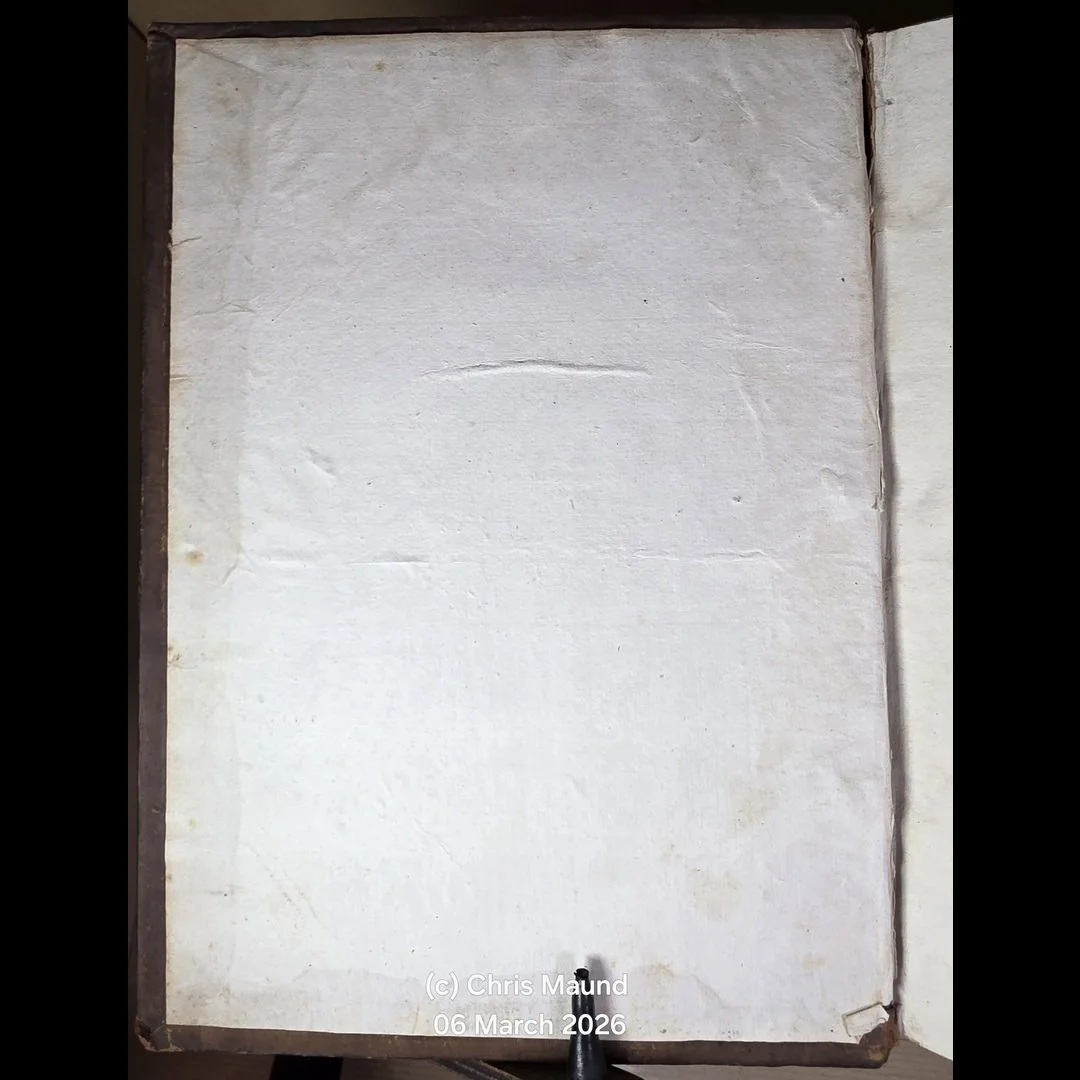
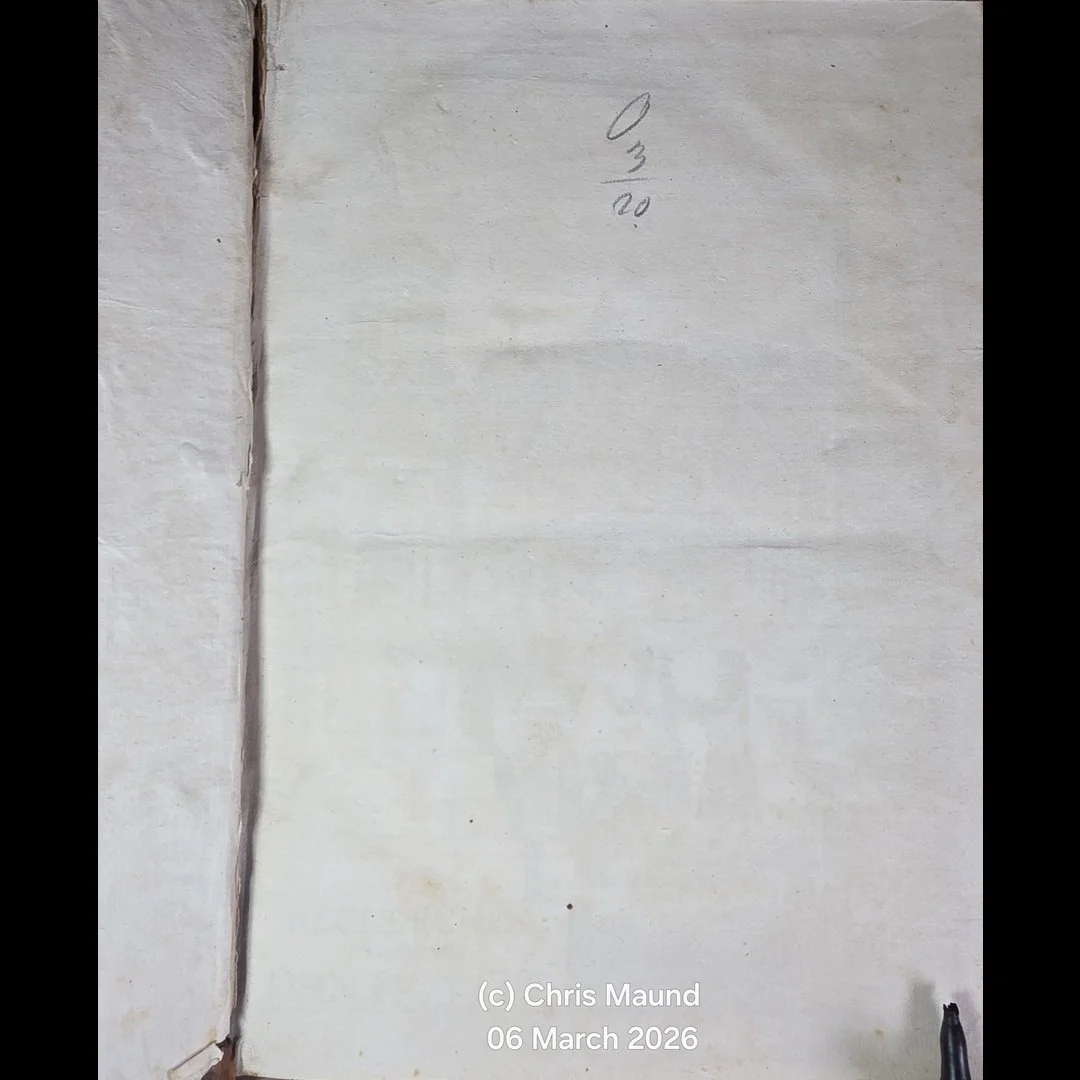
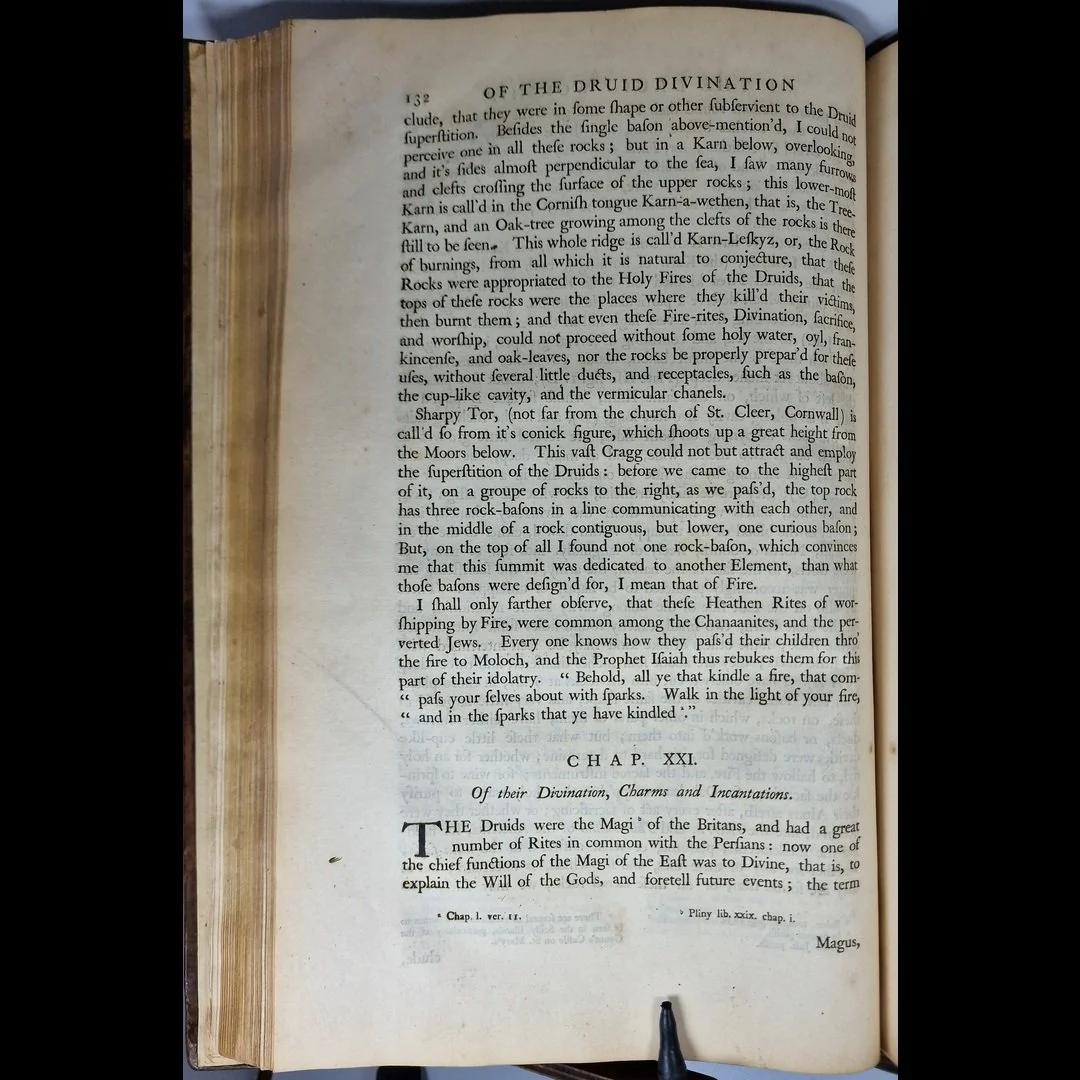
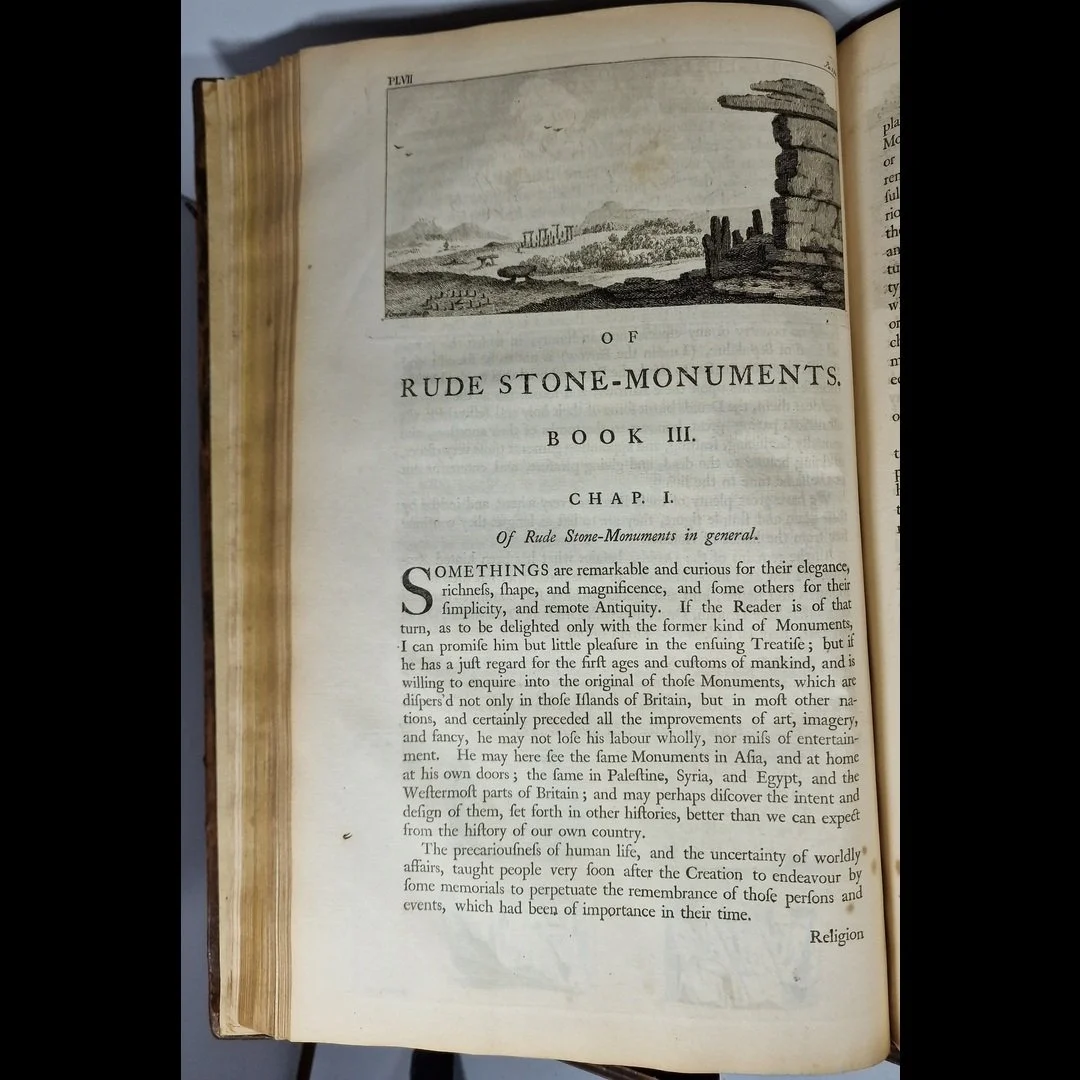
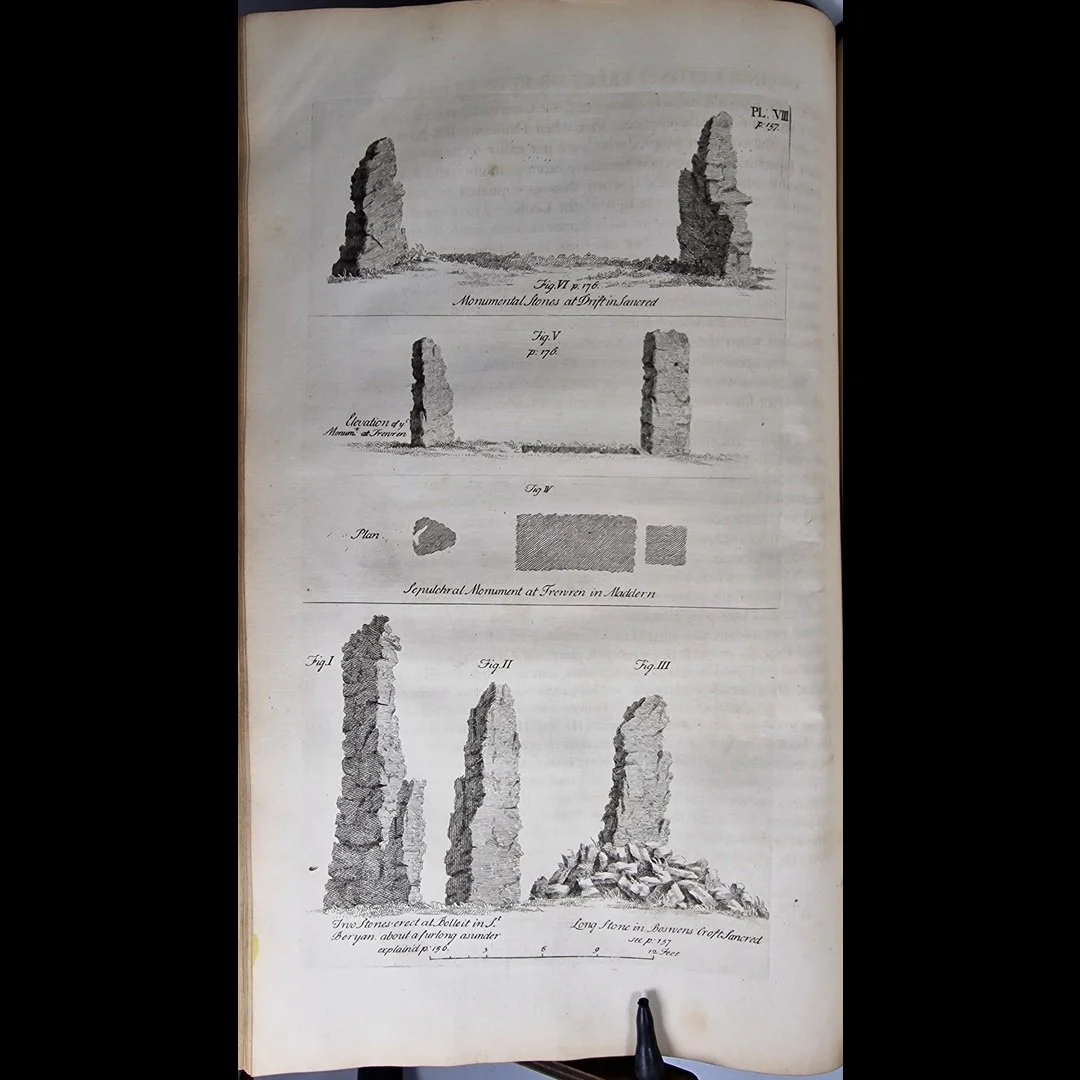
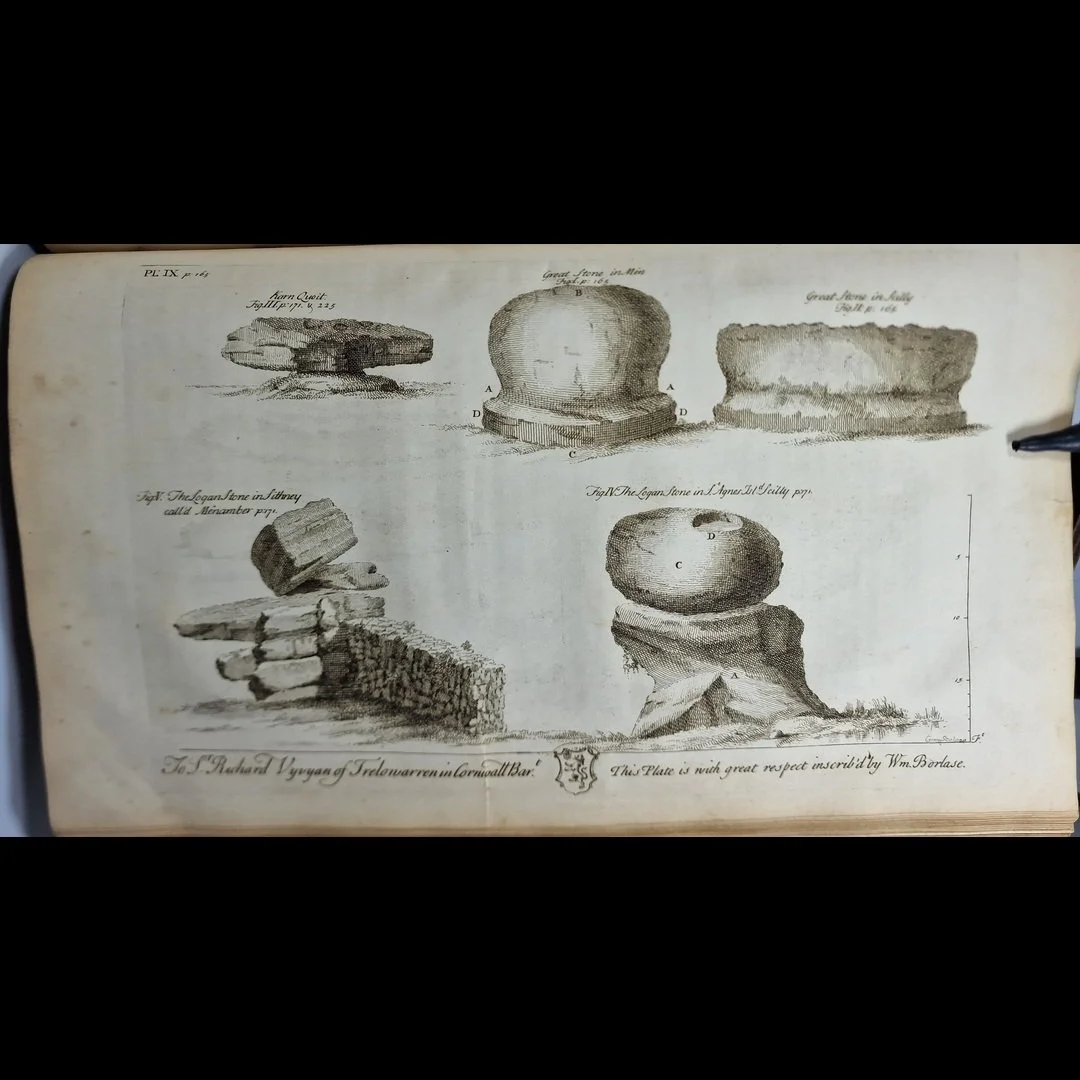
Internally generally clean and well preserved for a volume more than three centuries old, with occasional age-toning, spotting and minor marks.
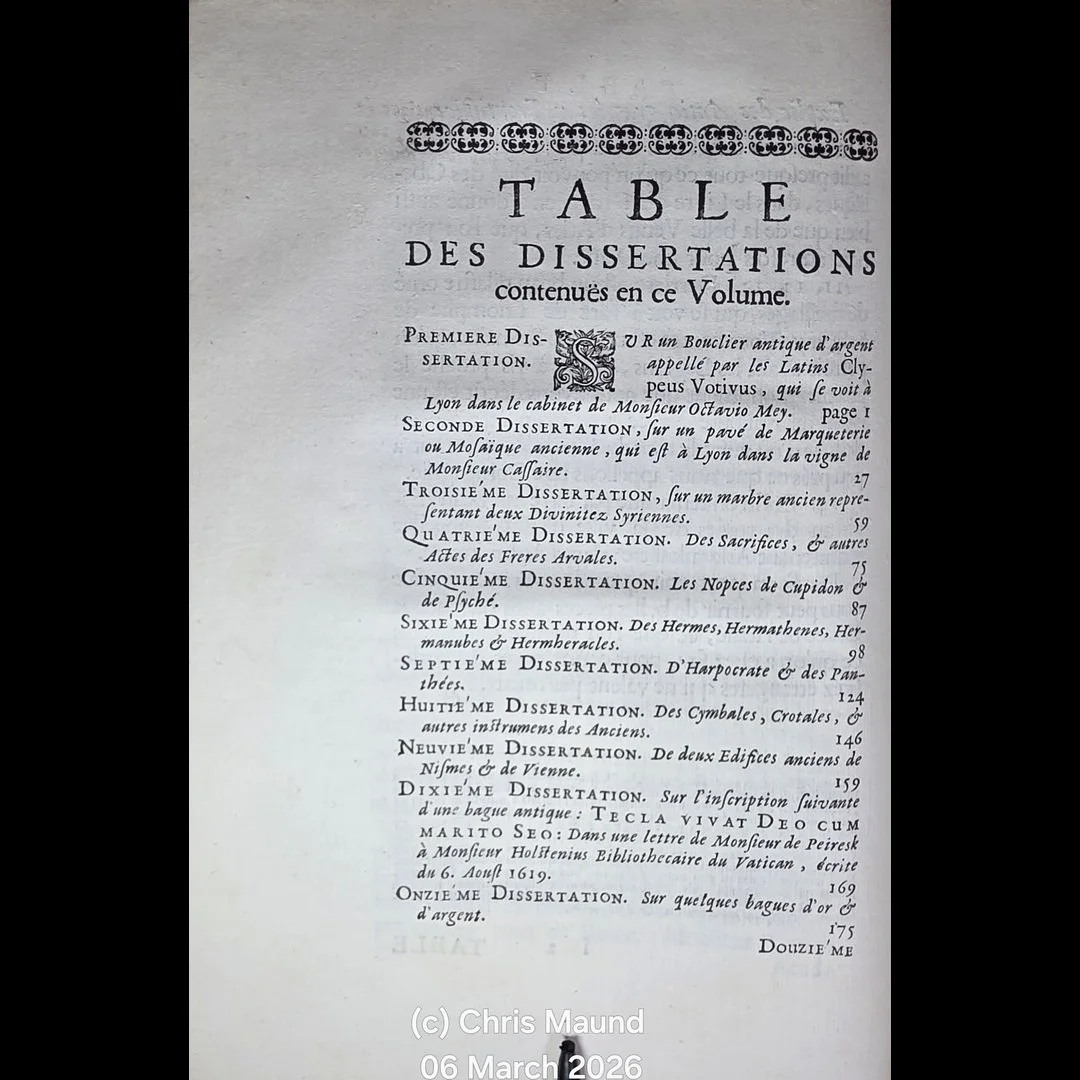
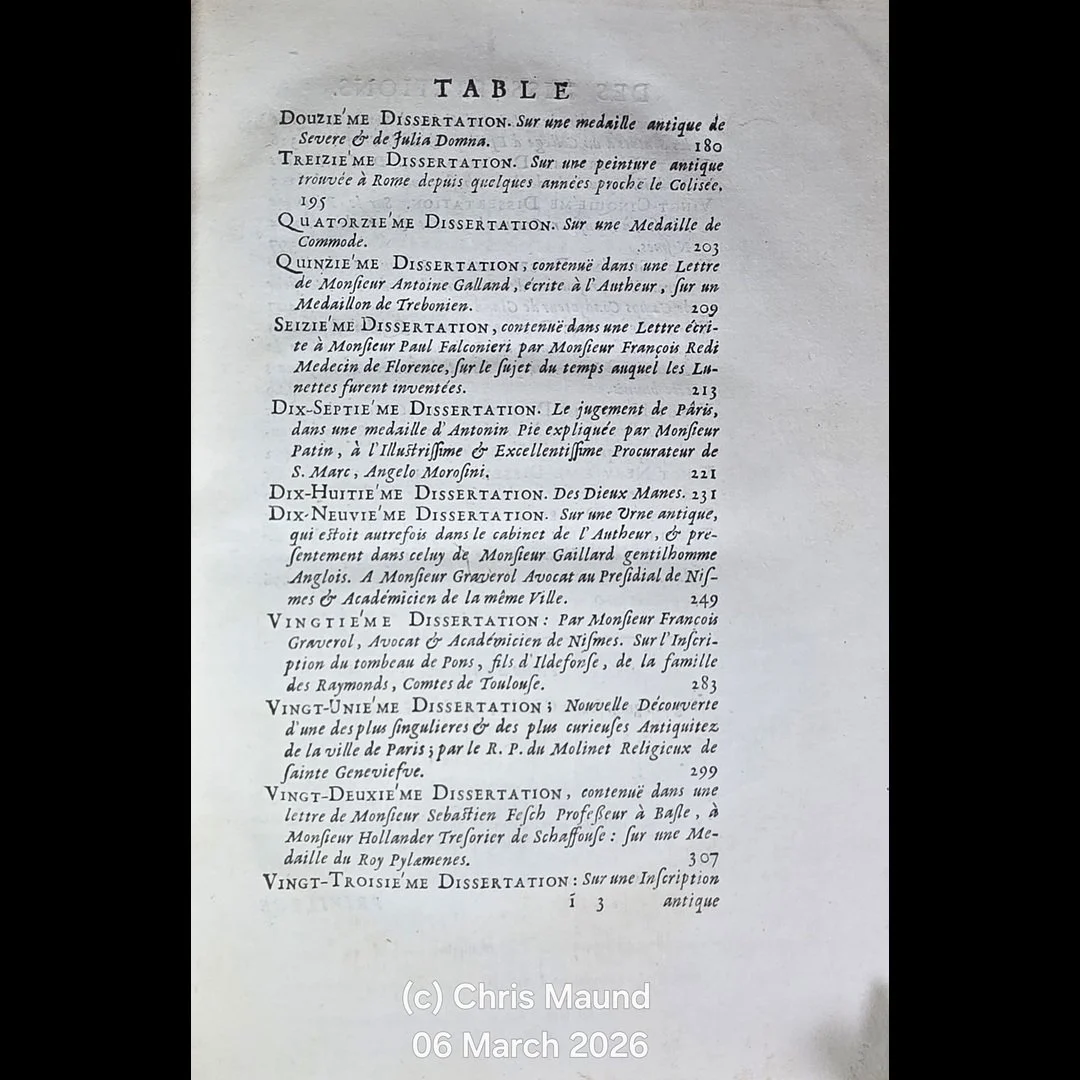
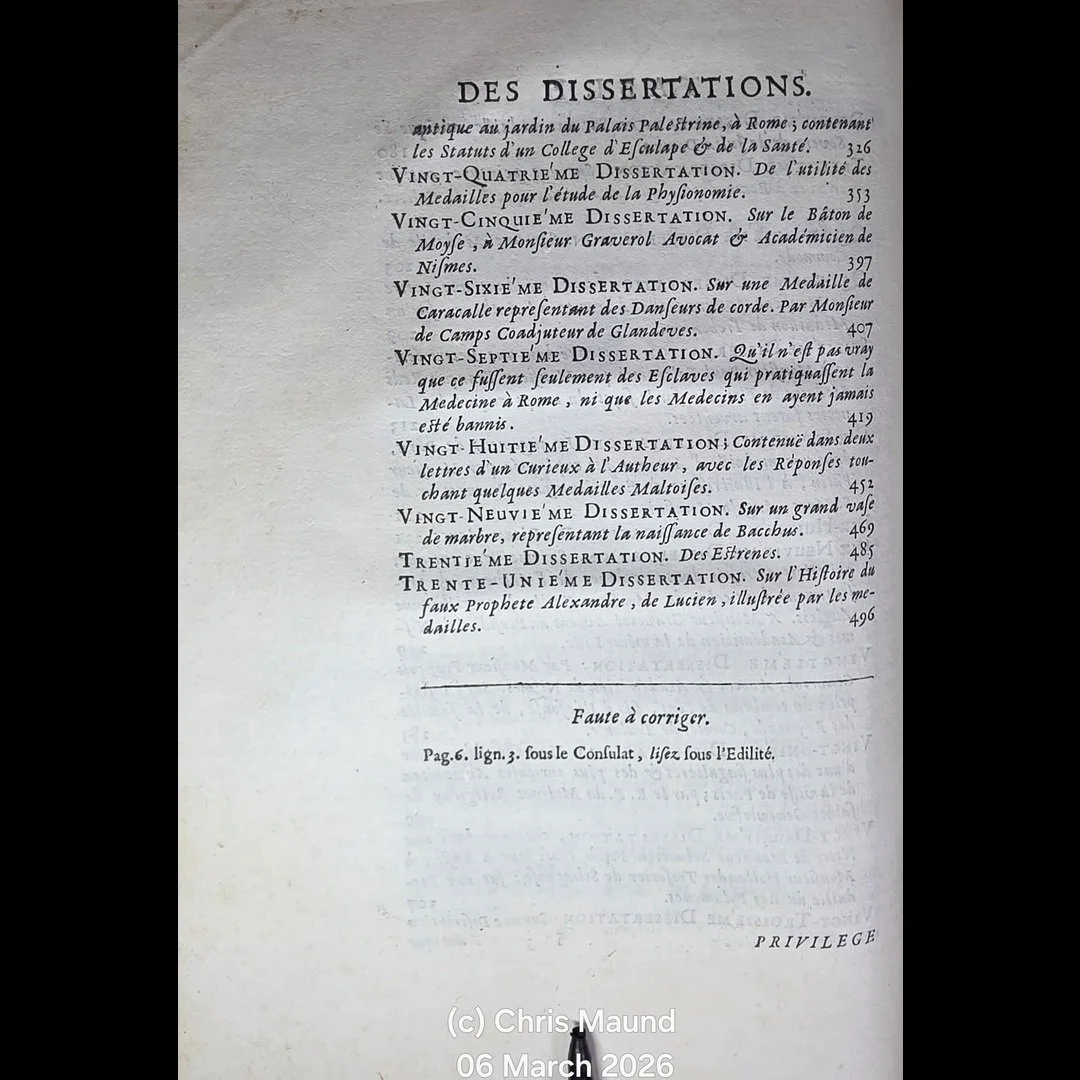
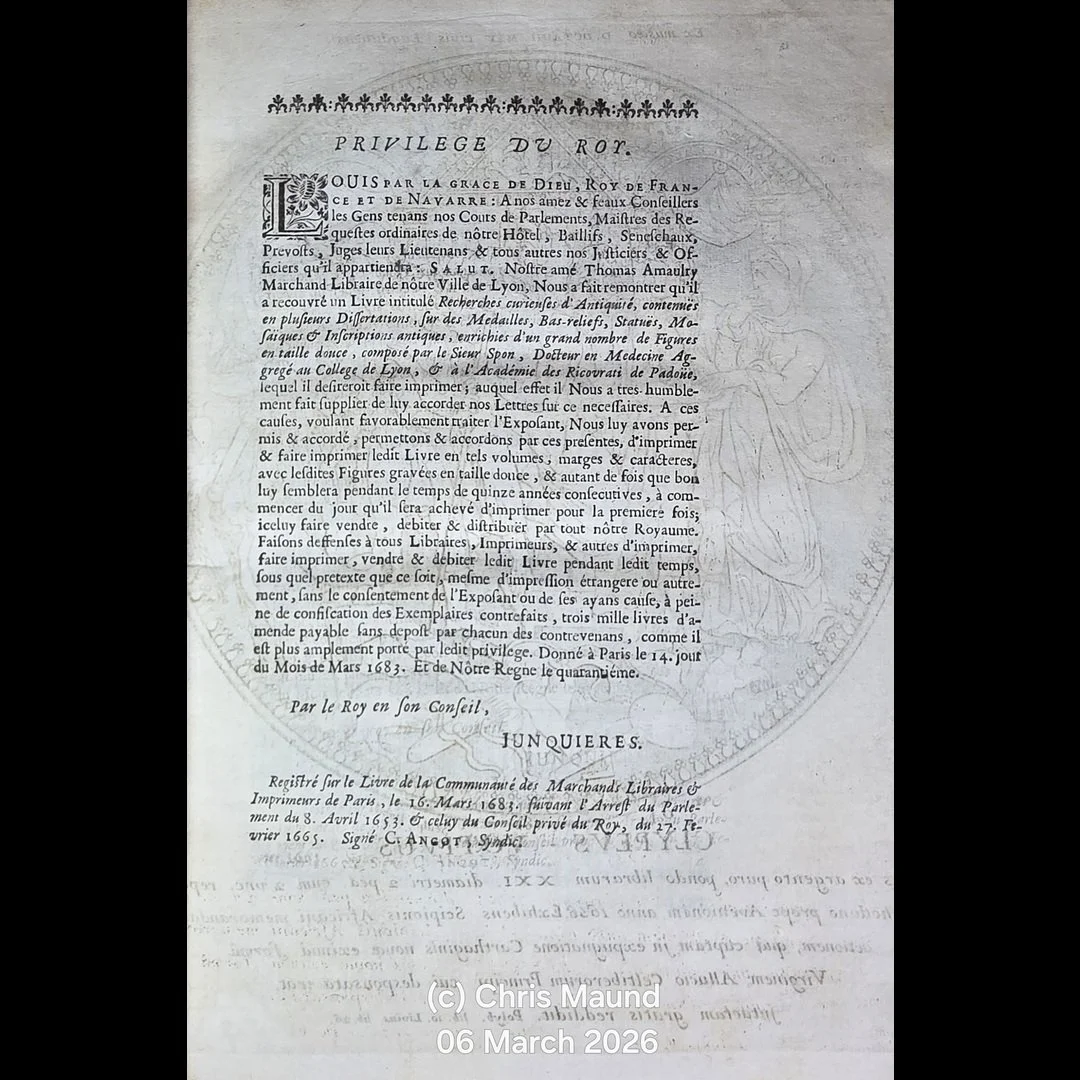
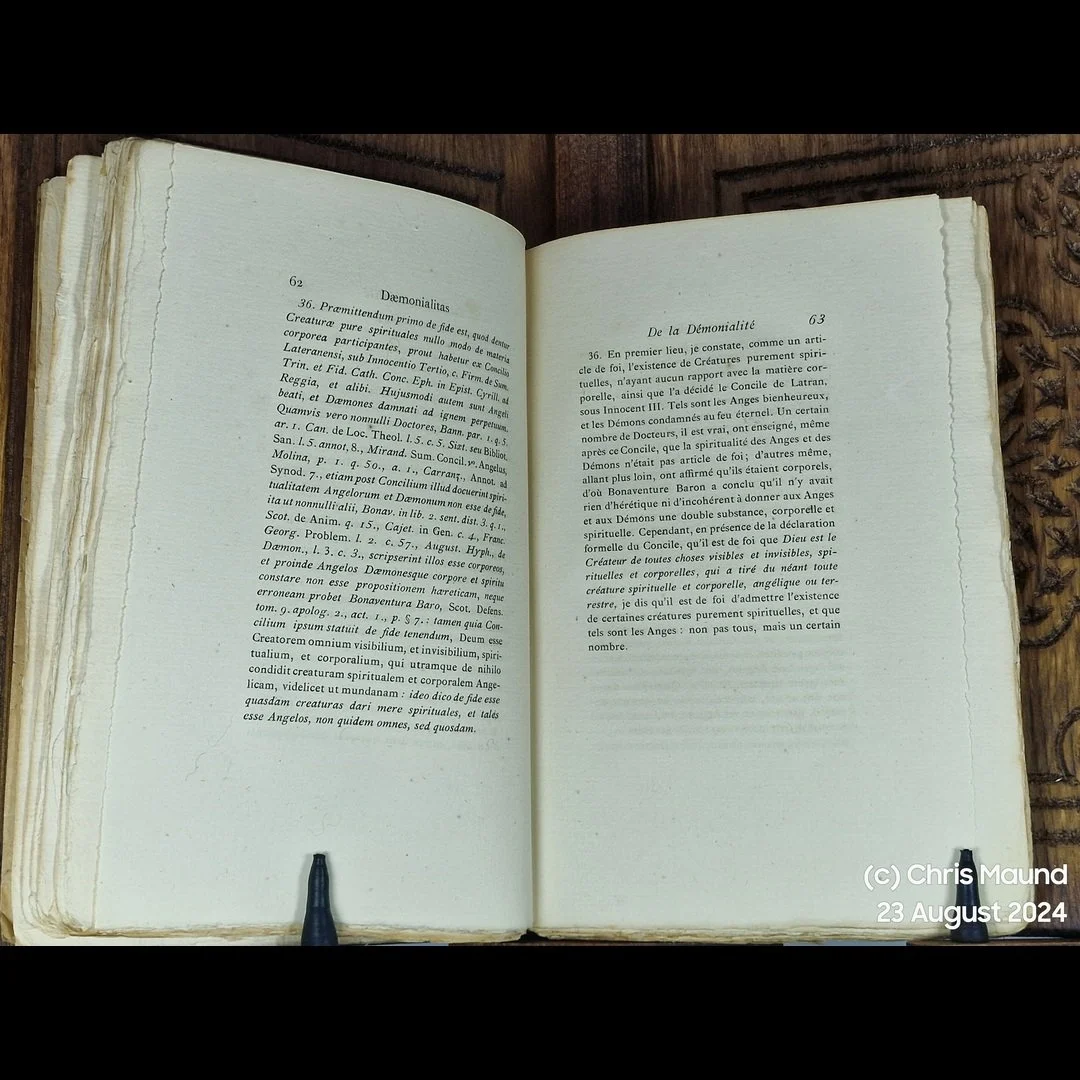
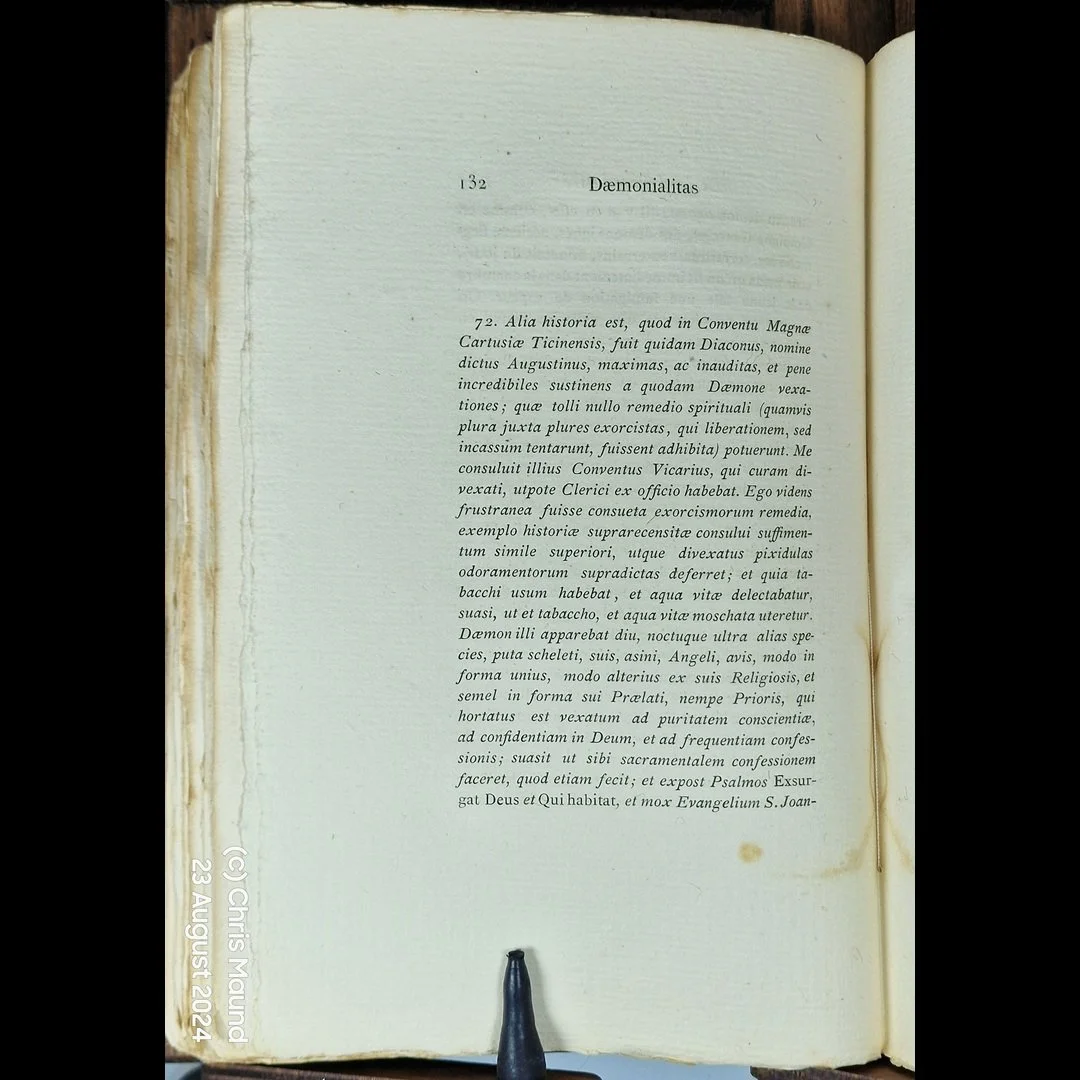
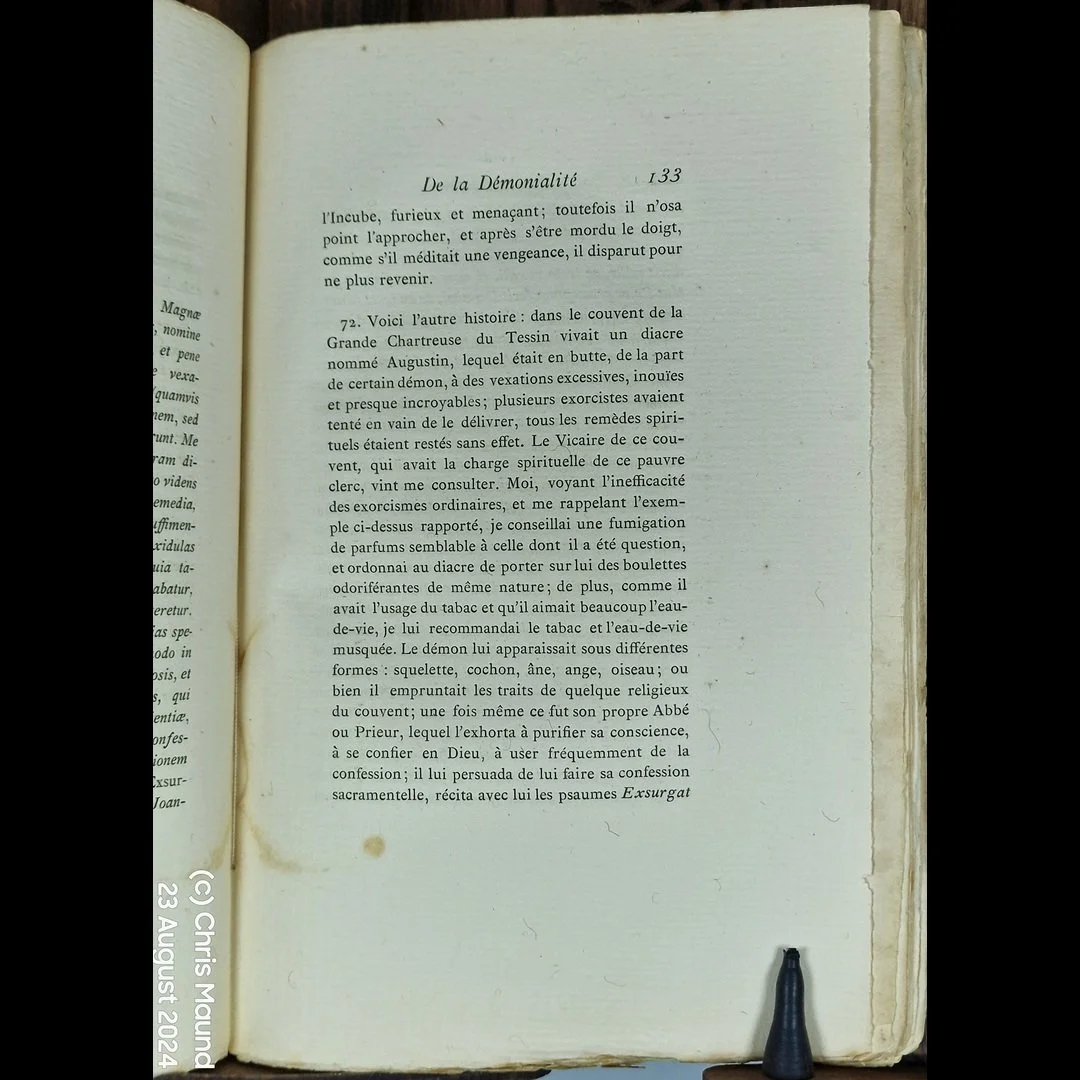
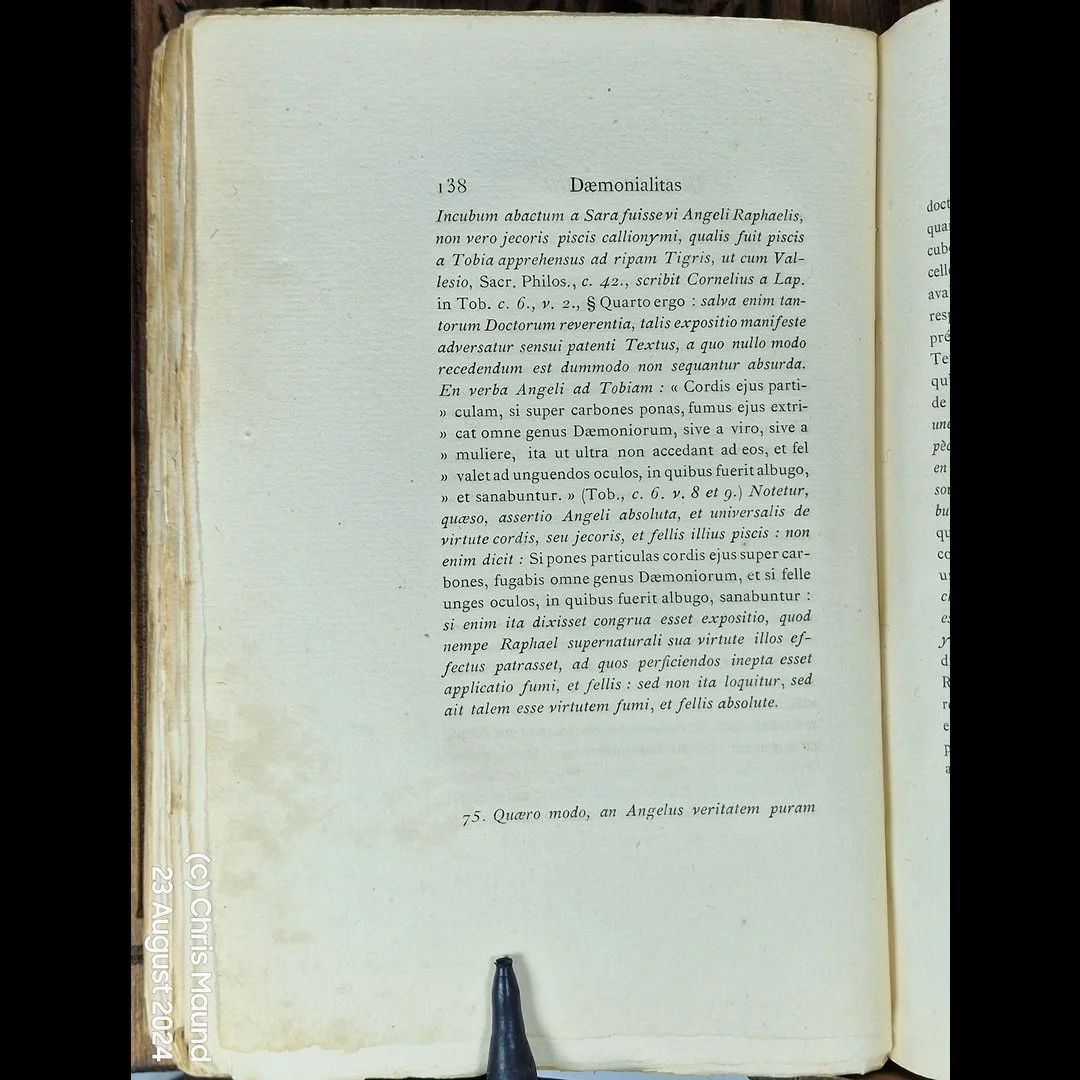
Please see Photos as part of condition report.
REFERENCES
Backer-Sommervogel, Bibliothèque de la Compagnie de Jésus, II, 1323.
Recorded examples of this 1701 small-format edition call for nine engraved plates; surviving copies occur with varying numbers of plates.
A separate quarto edition appeared in Lyon in the same year, containing only two illustrations. The present duodecimo edition is generally described bibliographically as the second edition or first pocket edition, published in the year of the original.
SYNOPSIS
Antiquitez de la ville de Lyon is an early illustrated antiquarian survey of Lyon and, in particular, the surviving remains of Lugdunum, the great Roman city established at the confluence of the Rhône and Saône and one of the most important administrative and cultural centres of Roman Gaul.
Dominique de Colonia examines the physical evidence of Lyon's ancient past through monuments, inscriptions, sculpture, funerary remains, religious antiquities, mosaics, medals and other archaeological discoveries. Particular attention is given to the Roman remains still visible in and around the city at the beginning of the eighteenth century.
The book belongs to an important period in the development of European antiquarian scholarship. Rather than relying solely upon classical and medieval literary authorities, scholars increasingly used surviving inscriptions, monuments and archaeological objects as primary historical evidence. Colonia's work therefore stands within the tradition that helped transform antiquarian collecting and description into the more systematic study of archaeology.
The illustrations are an important component of the work. Engraved by the Lyonnais artist Pierre-Mathieu Ogier, they preserve visual evidence of monuments and antiquities as they were understood at the beginning of the eighteenth century, including remains subsequently altered, damaged or lost.
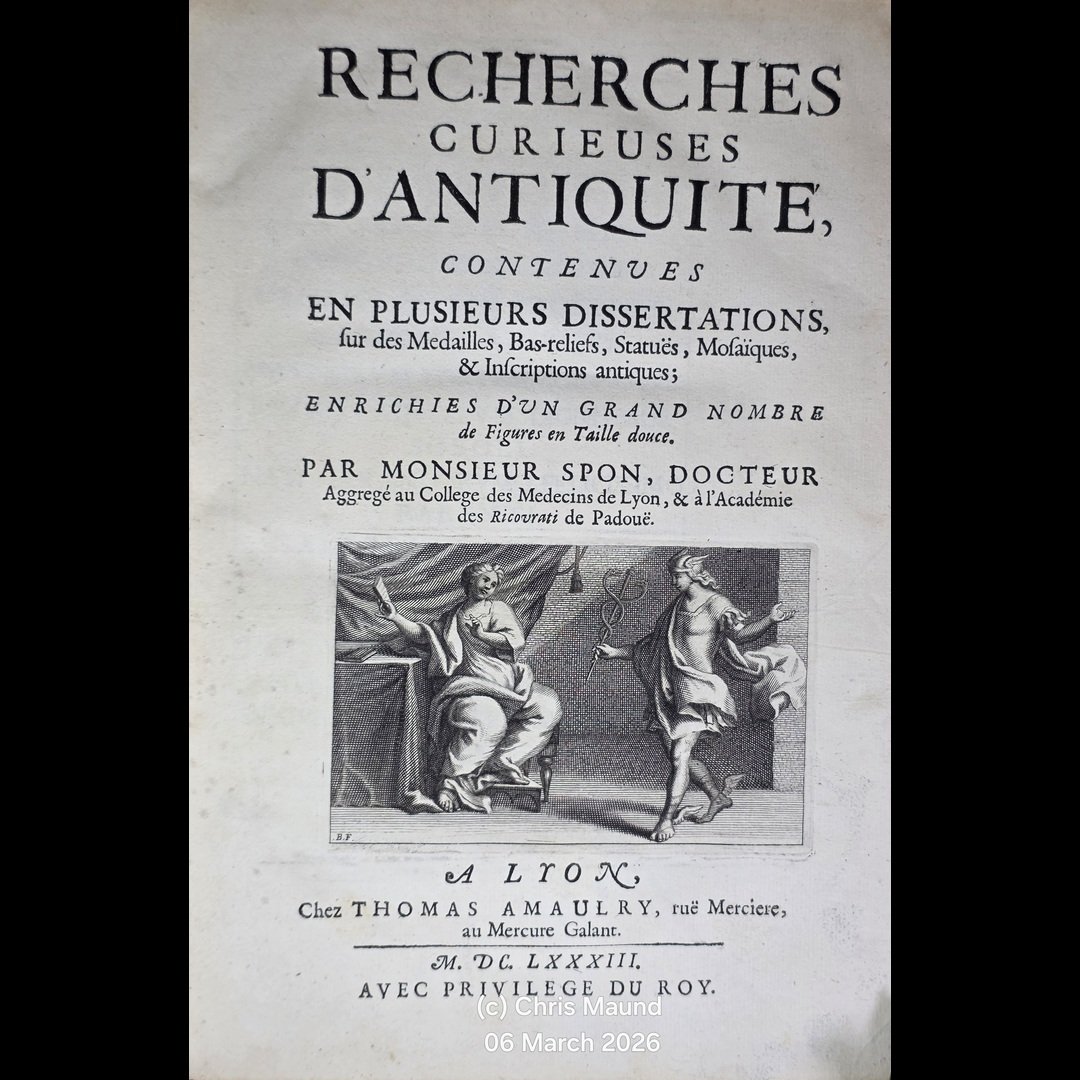
Colonia's study also belongs to a particularly distinguished tradition of Lyonnais antiquarian scholarship. His predecessors included the celebrated physician and archaeologist Jacob Spon (1647–1685), whose researches into the Roman antiquities of Lyon helped establish the systematic use of inscriptions and surviving monuments as historical evidence.
The immediate circumstances of publication add another dimension to the work. It was prepared in connection with the visit to Lyon of Louis, Duke of Burgundy (1682–1712), eldest grandson of Louis XIV and, for a brief period, Dauphin of France. Colonia explicitly presented his account of the city's antiquities to the Duke.
The original production appeared in quarto with only two illustrations. The present small-format edition, issued in the same year, greatly expanded the suite of engraved plates and transformed the work into something approaching an early portable archaeological guide to Lyon.
Colonia later returned to the subject on a much larger scale in his two-volume Antiquités de la ville de Lyon, ou Explication de ses plus anciens monumens of 1733.
The present work consequently represents both an attractive early illustrated book on Lyon and a document from the formative period of French archaeological and antiquarian scholarship.
AUTHOR BIO
Dominique de Colonia, S.J. (1660–1741) was a French Jesuit scholar, theologian, historian and antiquary whose long association with Lyon resulted in several important works on the history and intellectual culture of the city.
Born at Aix-en-Provence in 1660, Colonia entered the Society of Jesus and subsequently established his career at Lyon. He taught rhetoric there for approximately ten years and theology for nearly three decades and became a member of the Académie de Lyon.
His scholarship encompassed theology, religious controversy, literary history and antiquarian studies, but he is particularly remembered for his contributions to the historiography of Lyon.
Antiquitez de la ville de Lyon appeared in 1701. Colonia subsequently produced his substantial Histoire littéraire de la ville de Lyon (1728–1730), an ambitious history of the city's writers and intellectual culture, before returning to archaeology in the greatly expanded two-volume Antiquités de la ville de Lyon, ou Explication de ses plus anciens monumens (1733).
Colonia's antiquarian work belongs to the scholarly tradition established in seventeenth-century Lyon by figures such as Jacob Spon. His examination of monuments, inscriptions and material remains reflects the increasingly empirical approach to the ancient world that ultimately contributed to the development of modern archaeology.
He died at Lyon in 1741.
ILLUSTRATOR
Pierre-Mathieu Ogier
Pierre-Mathieu Ogier (1676–1710) was a Lyonnais engraver active around the turn of the eighteenth century.
Ogier worked principally as a reproductive and book engraver and was associated with the vigorous printing and publishing culture of Lyon. His engraved work encompassed antiquarian subjects, religious and historical material and illustrations intended for scholarly publication.
For Colonia's Antiquitez de la ville de Lyon, Ogier engraved a series illustrating monuments, inscriptions, sculptures and other remains of ancient Lugdunum. At least one of the engravings in the present copy bears his signature, “Math. Ogier Sculp. Lugd.” — identifying Mathieu Ogier as the engraver at Lyon.
The plates are significant beyond their decorative appeal. Produced at a time when antiquaries were increasingly attempting to record archaeological evidence accurately, they preserve early visual documentation of Lyon's Roman remains and complement Colonia's textual descriptions.

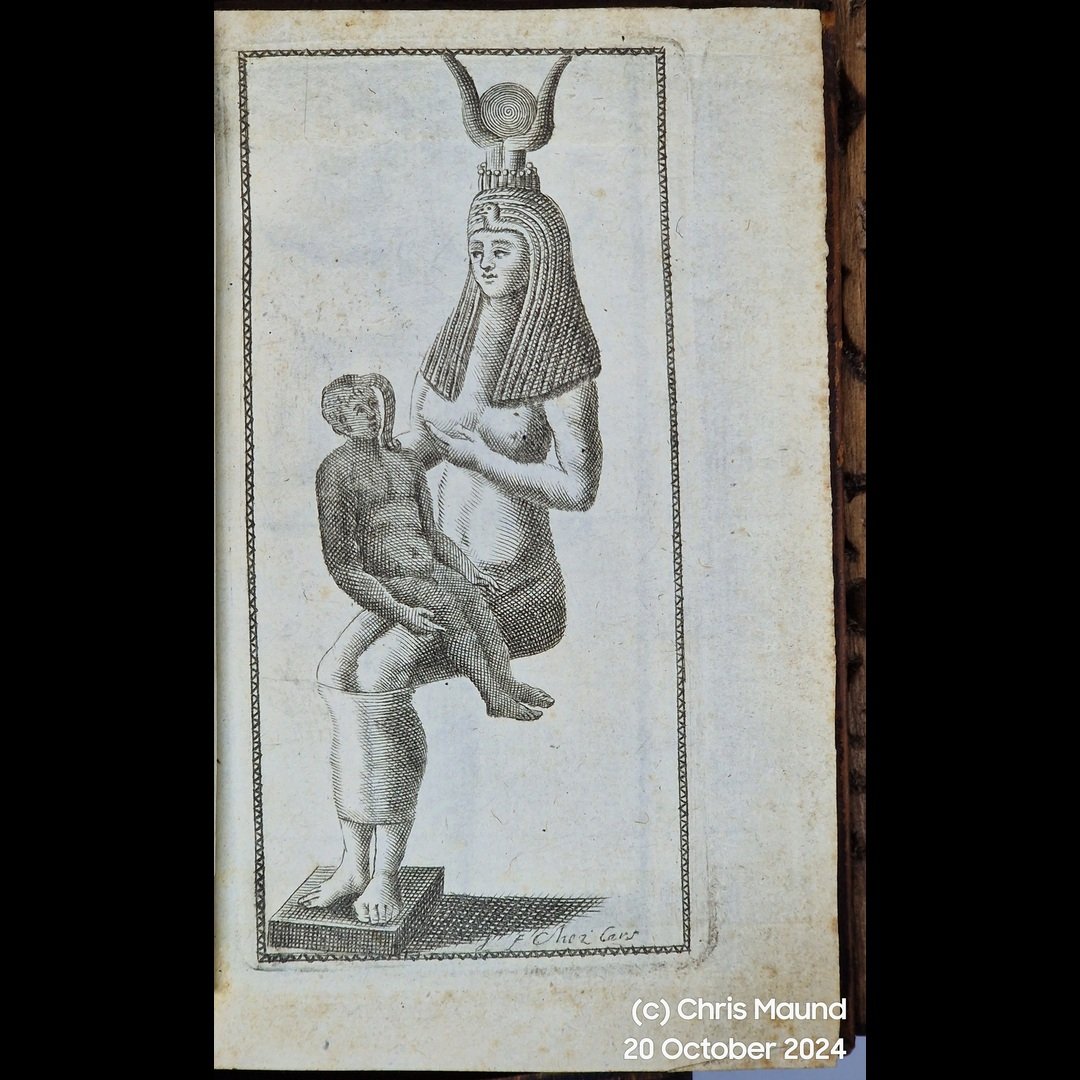 Image 1 of 25
 Image 2 of 25
 Image 3 of 25
 Image 4 of 25
 Image 5 of 25
 Image 6 of 25
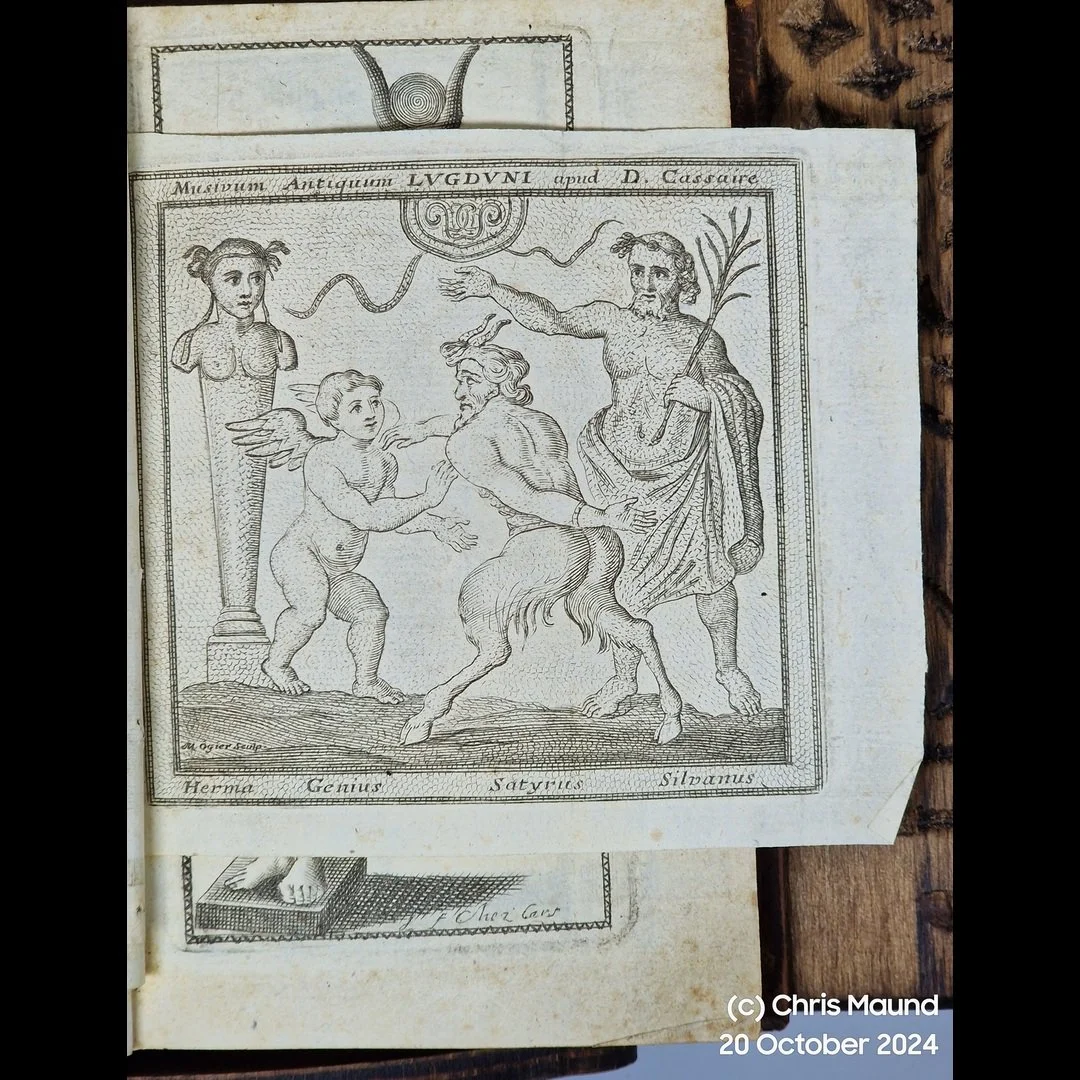 Image 7 of 25
 Image 8 of 25
 Image 9 of 25
 Image 10 of 25
 Image 11 of 25
 Image 12 of 25
 Image 13 of 25
 Image 14 of 25
 Image 15 of 25
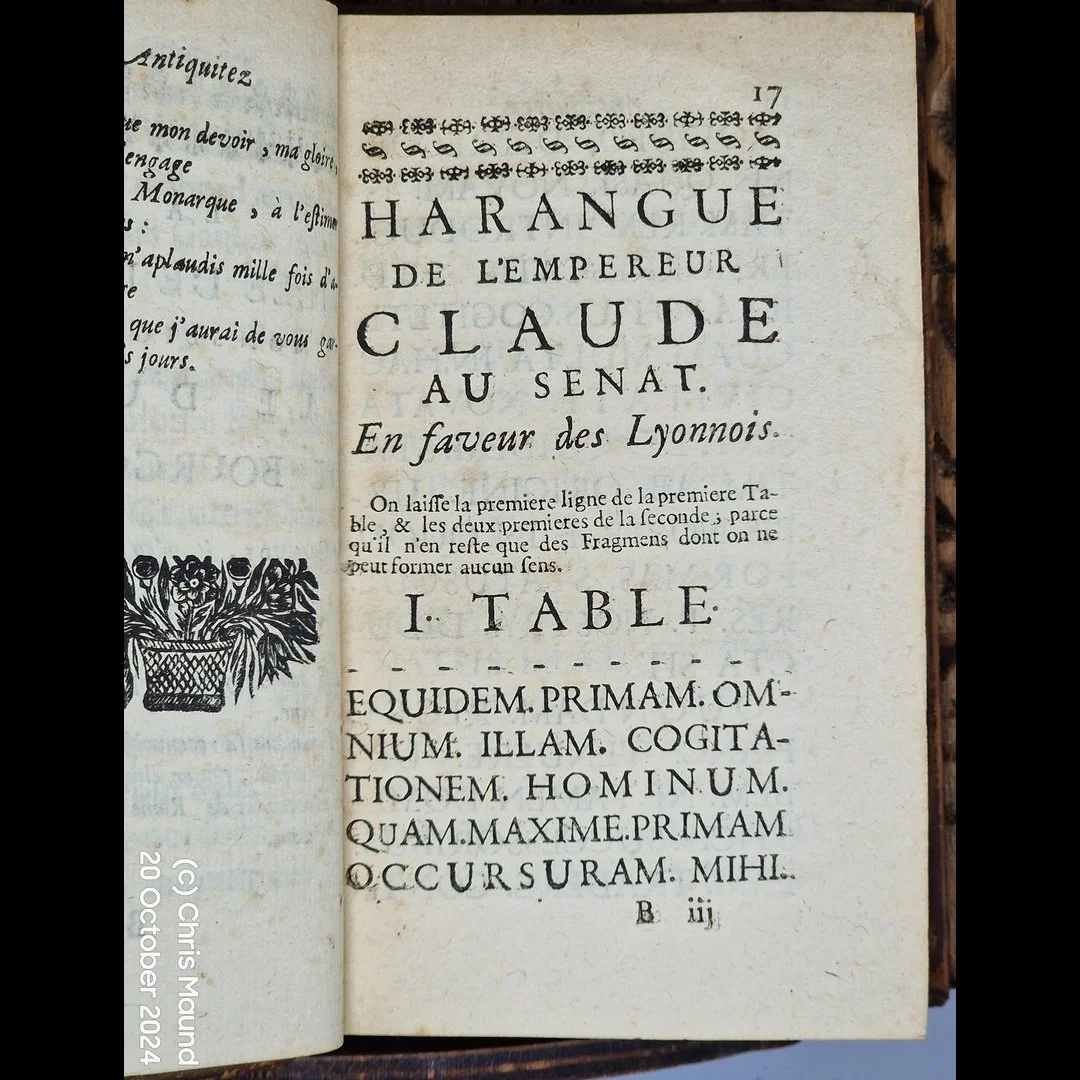 Image 16 of 25
 Image 17 of 25
 Image 18 of 25
 Image 19 of 25
 Image 20 of 25
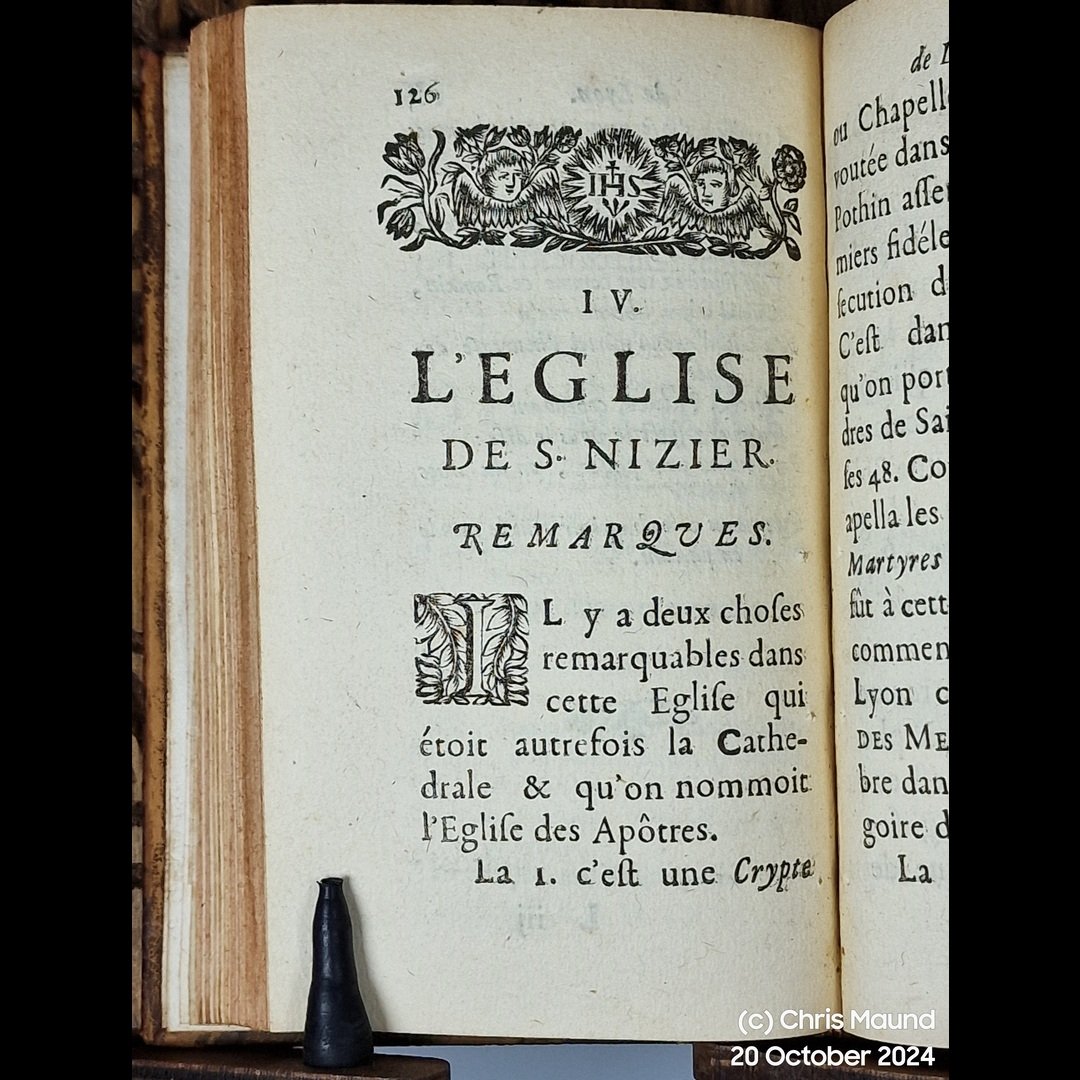 Image 21 of 25
 Image 22 of 25
 Image 23 of 25
 Image 24 of 25
 Image 25 of 25