1776 Fifth Edition
LECTURES ON SELECT SUBJECTS
By James Ferguson
KEY DETAILS
Condition: Very Good
Format: Hardcover, 8vo; approx. 214 x 130 mm
Published By: Printed for W. Strahan, J. and F. Rivington, J. Hinton, L. Hawes and Co., S. Crowder, T. Longman, B. Law, G. Robinson, T. Cadell and E. Johnston, London, 1776
Language: English
Provenance: Ombersley Court Library, Worcestershire — Sandys Family Collection.
Collation: xi, [3], 396, [6], 48 pp. Complete with 36 engraved plates, many folding, arranged in two separately numbered sequences:; Principal lectures: Plates I–XXIII (23 plates), all present. A Supplement to the Preceding Lectures: 48 pp., with Plates I–XIII (13 plates), all present.
Dust Jacket: None, as issued
SKU: BTETM0002452
Shipping Info: Approximate Package Dimensions H: 15, L: 30, W: 25 (Units: cm), W: 2Kg
Tracked Shipping, Insurance Coverage as per Customer Request
DESCRIPTION
Lectures on Select Subjects
In Mechanics, Hydrostatics, Hydraulics, Pneumatics, and Optics. With the Use of the Globes, the Art of Dialing, and the Calculation of the Mean Times of New and Full Moons and Eclipses.
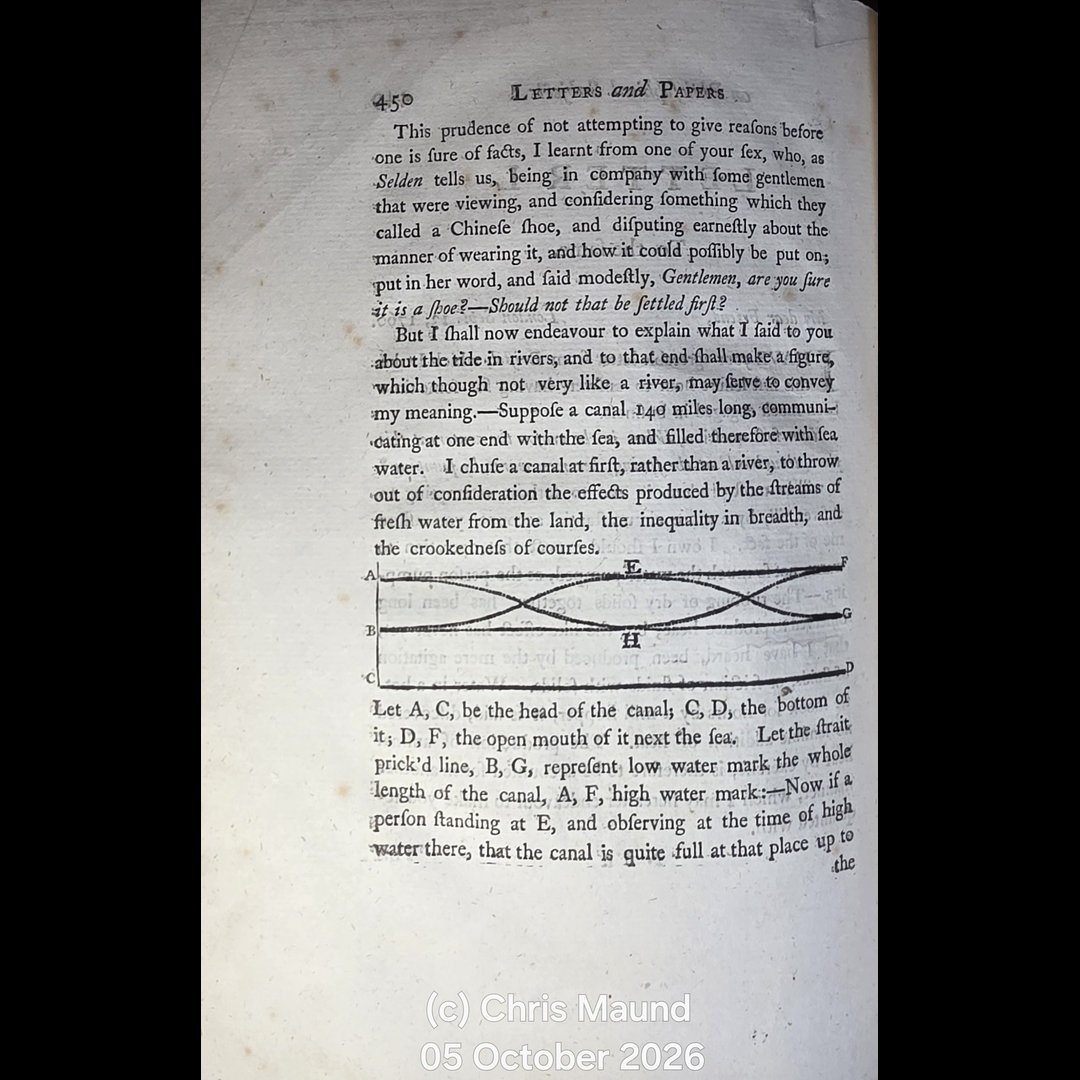
An important and extensively illustrated fifth edition of James Ferguson's influential Lectures on Select Subjects, published in London in 1776, the year of the author's death. A substantial work of eighteenth-century experimental natural philosophy, accompanied by 36 engraved plates, many folding, illustrating the scientific instruments, mechanical apparatus and astronomical principles discussed throughout the text.
First published in 1760, Ferguson's Lectures became one of the most accessible and widely used introductions to practical science in eighteenth-century Britain. Drawing upon the public lectures that established his reputation, the work translates complex mathematical and physical principles into practical demonstrations, employing mechanical models, experimental apparatus and carefully executed engraved illustrations.
The scope is remarkably broad, encompassing mechanics, the properties and behaviour of fluids, hydraulic machinery, atmospheric pressure, pneumatics, optics, terrestrial and celestial globes, sundials, and astronomical calculations relating to lunar phases and eclipses.
Ferguson's approach was firmly grounded in the experimental tradition associated with Isaac Newton and the scientific culture of the Enlightenment. Rather than relying upon abstract mathematical exposition alone, he sought to demonstrate natural laws through observable effects and the operation of mechanical instruments.
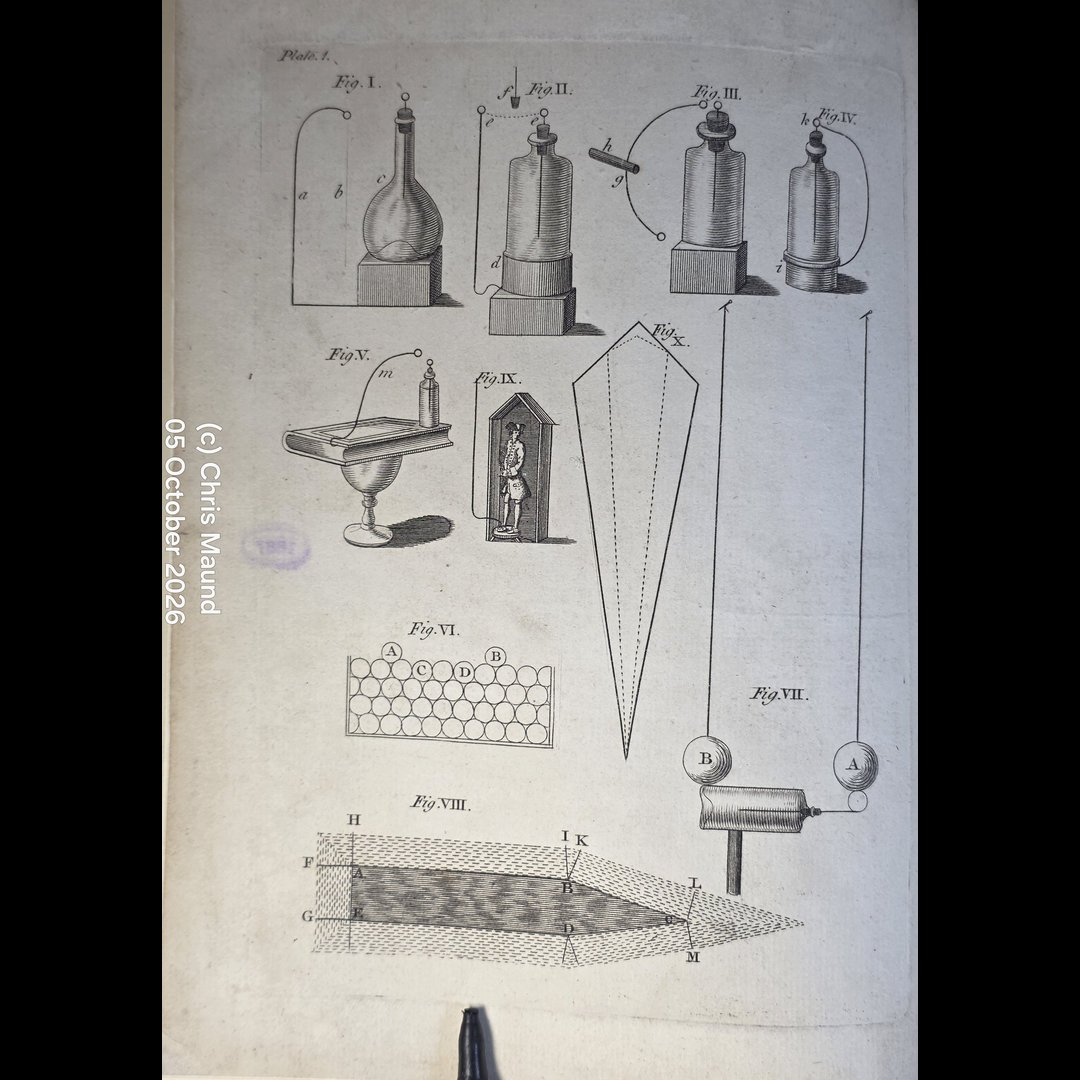
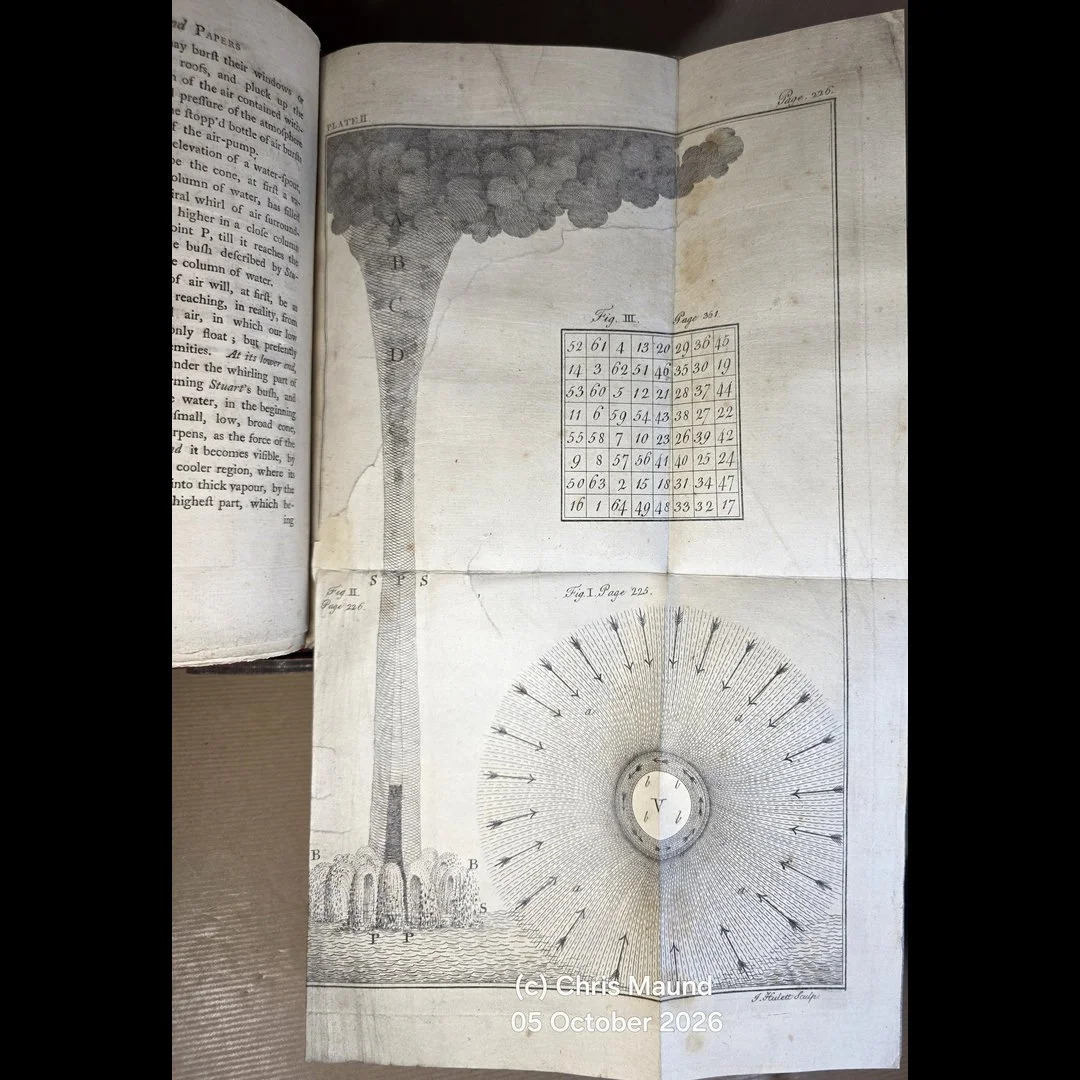
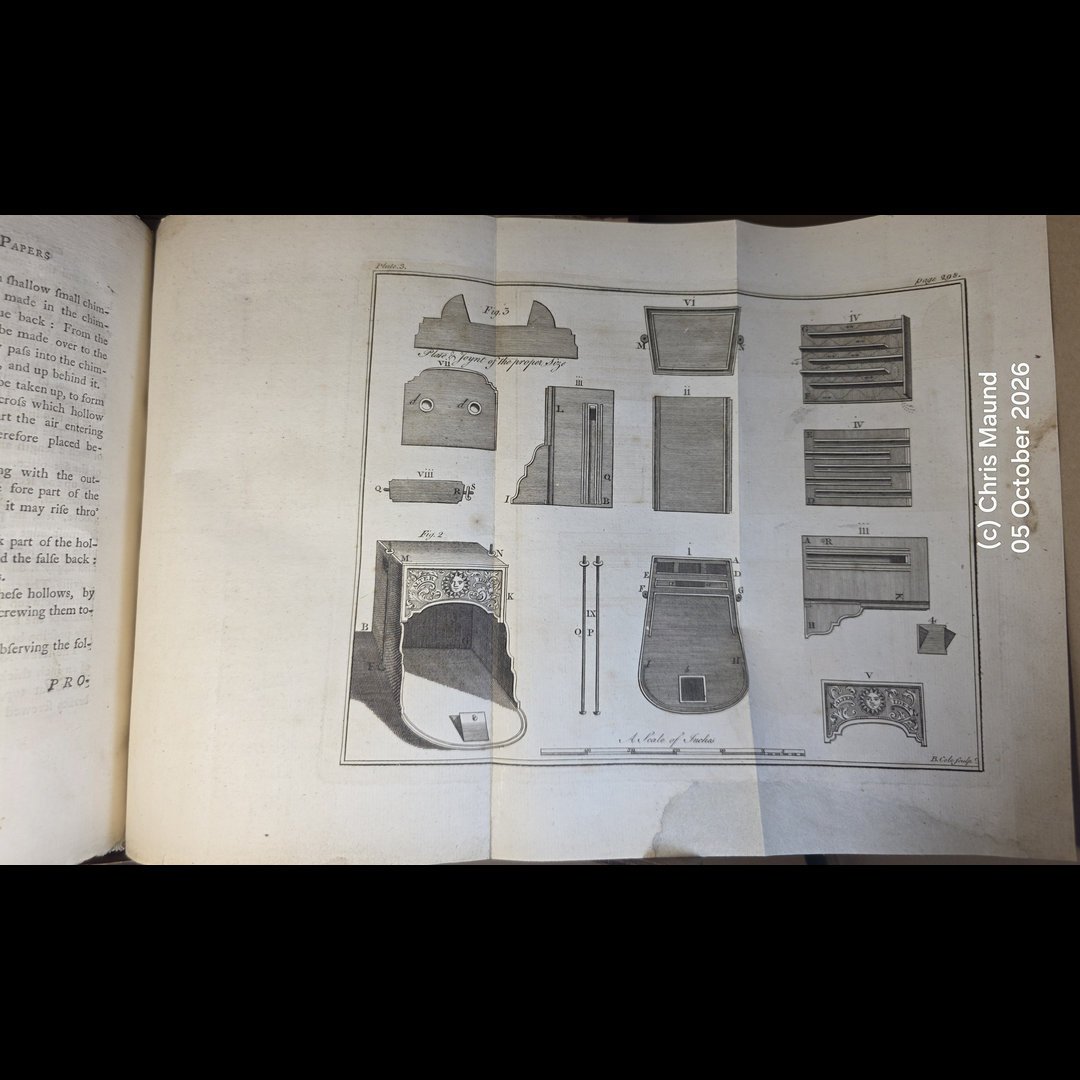
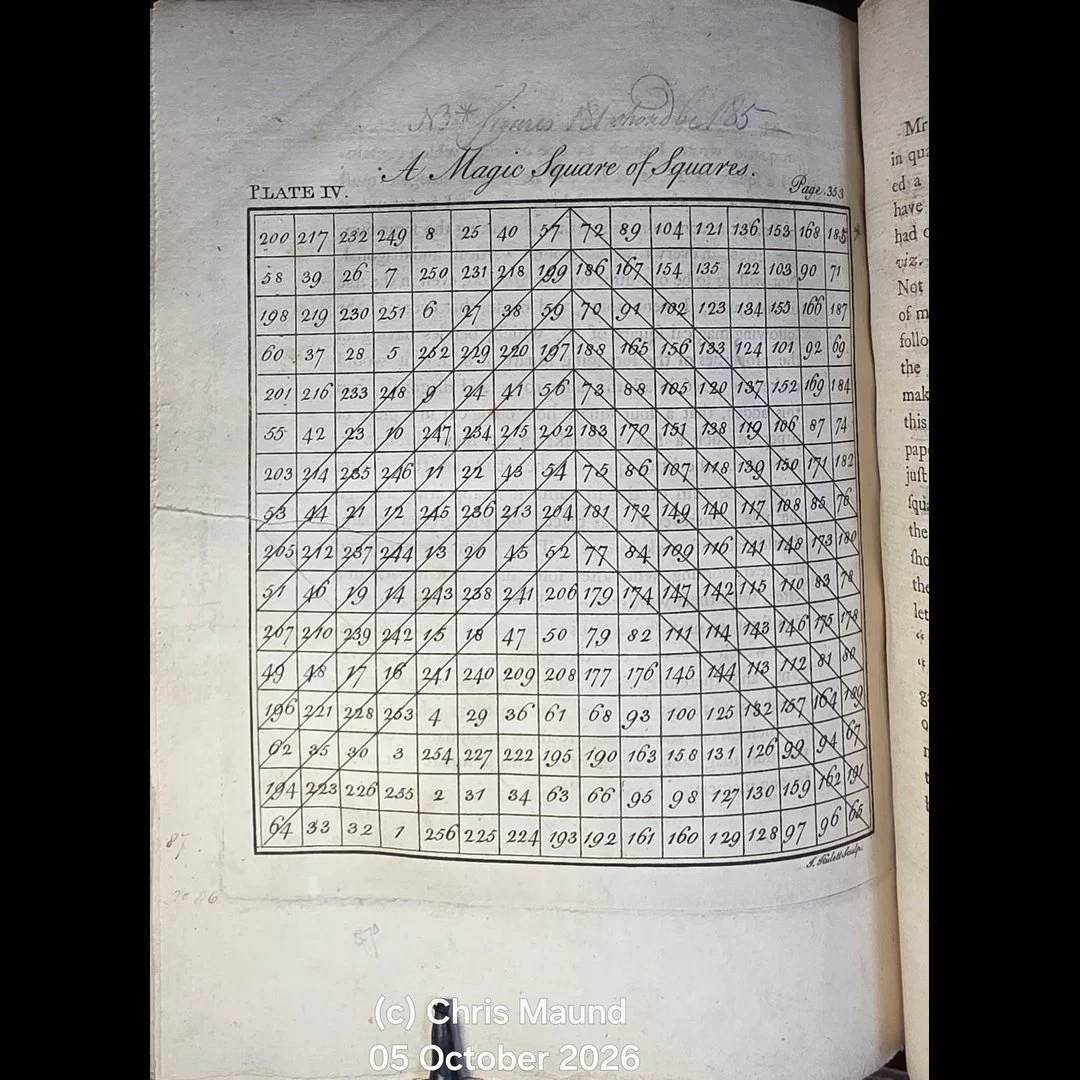
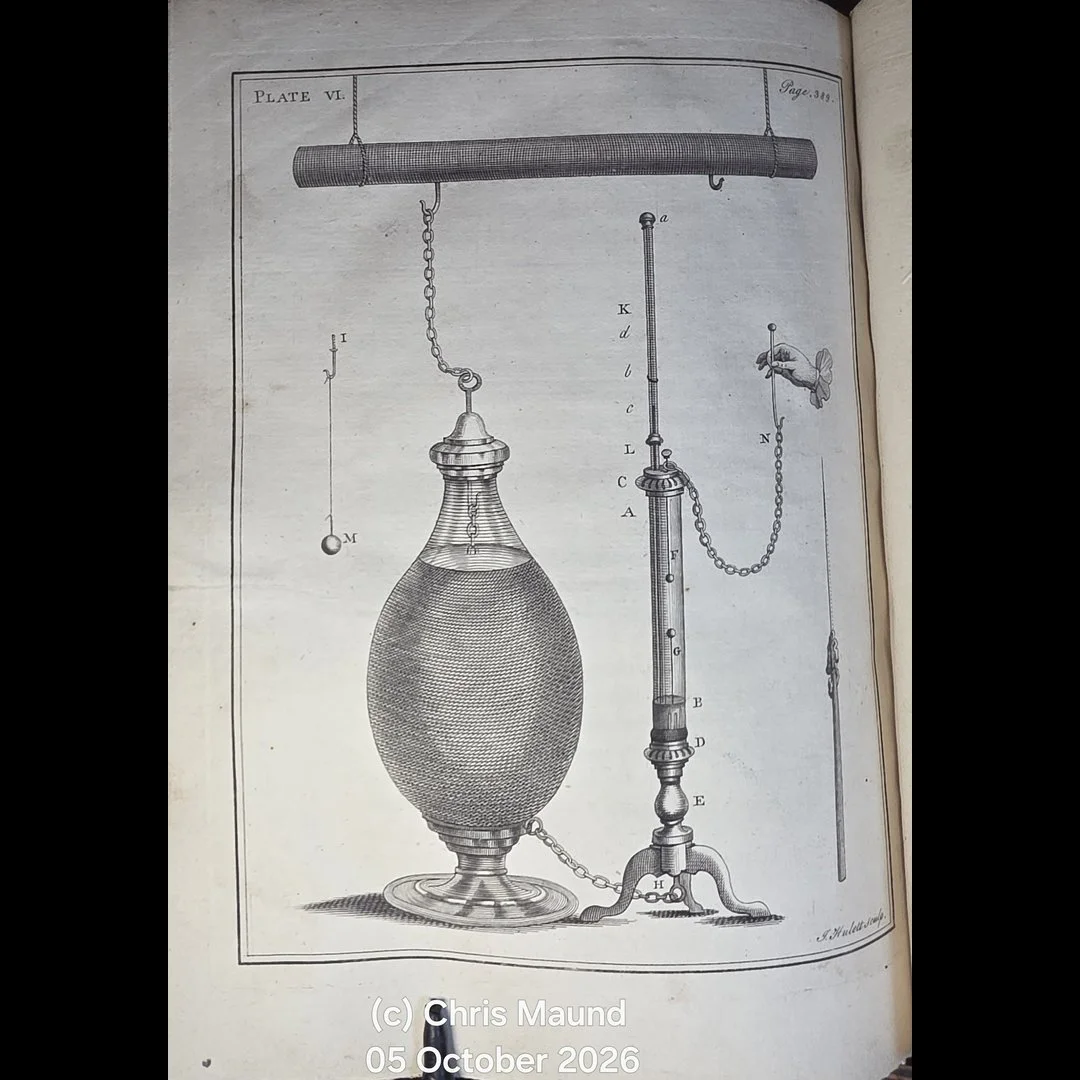
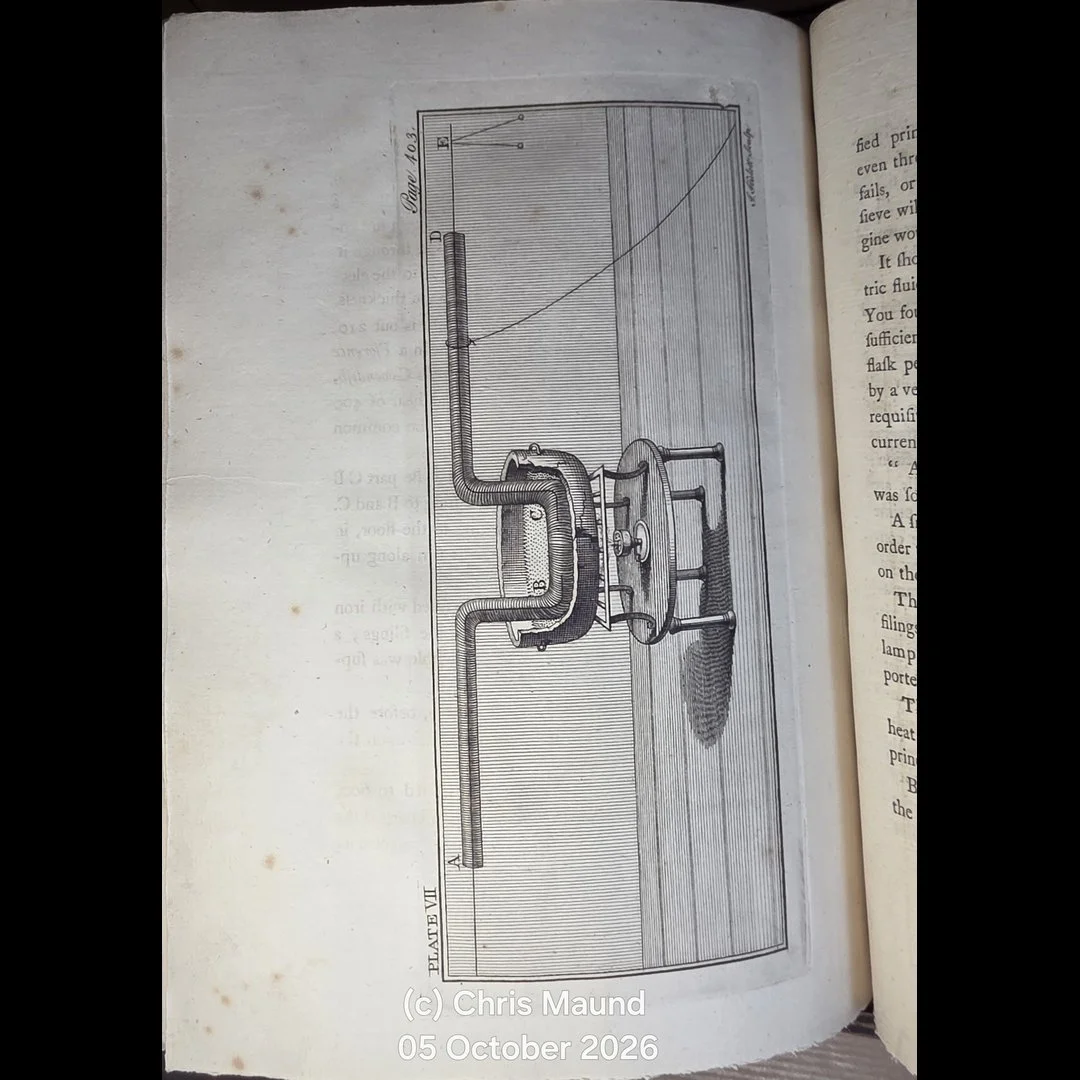
The work is especially notable for its extensive suite of copper-engraved plates. These illustrate a remarkable variety of scientific and mechanical apparatus, including systems of levers and pulleys, mechanical engines, water pumps, hydraulic devices, pneumatic equipment, optical arrangements, astronomical instruments and celestial diagrams.
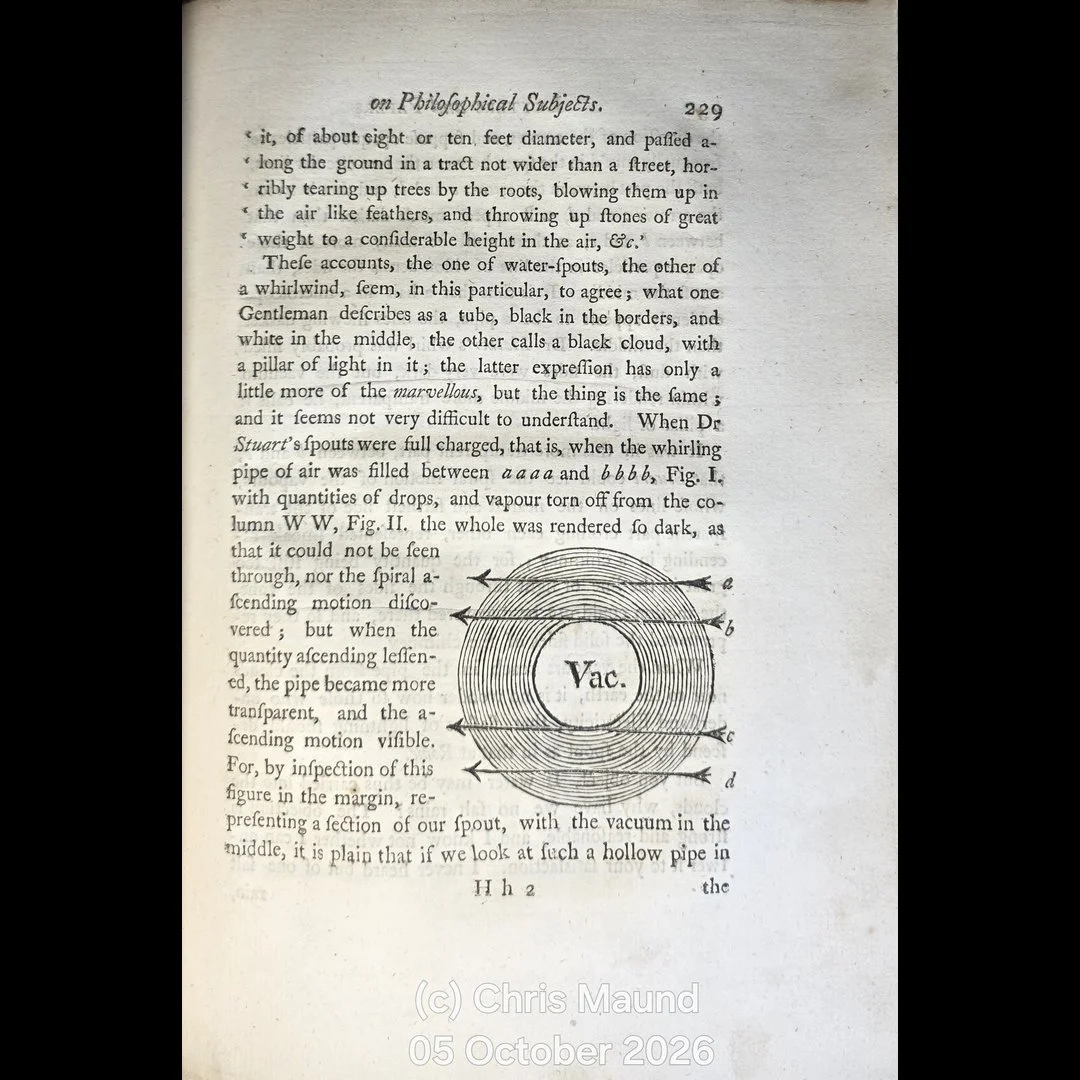
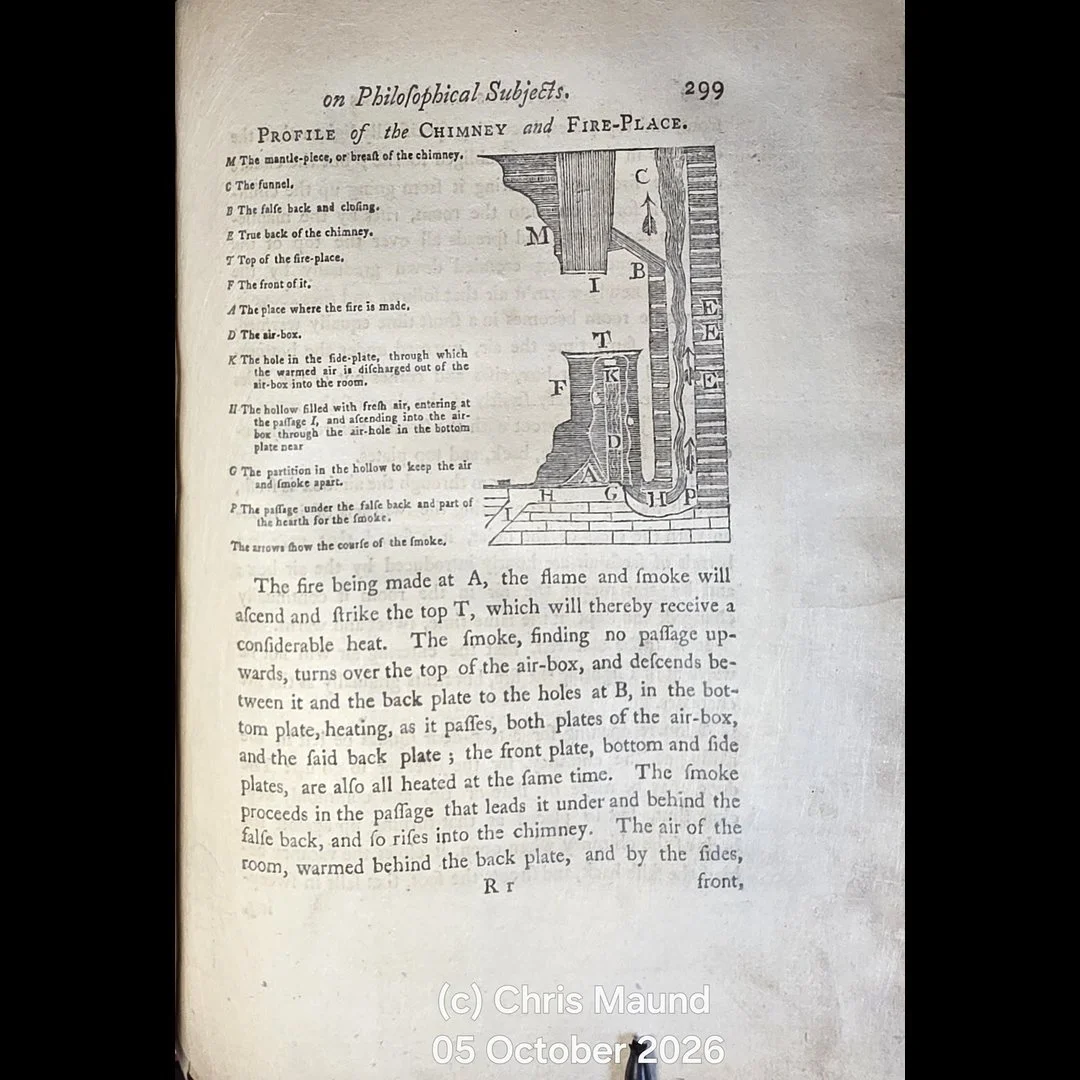
The engravings are not merely decorative. They form an essential component of Ferguson's teaching method, enabling readers to understand both the construction and operation of scientific instruments and the physical principles they were intended to demonstrate.
The supplementary section, A Supplement to the Preceding Lectures, extends the scientific and mechanical material and is accompanied by a further 13 engraved plates. In the present copy, this 48-page supplement and its complete plate sequence are preserved alongside the principal text and its 23 plates.
Ferguson's writings helped bring Newtonian natural philosophy and experimental science to a much wider readership, including artisans, instrument makers, students and educated readers without formal mathematical training. His work occupies an important position in the development of popular scientific education during the eighteenth century.
The present copy is additionally distinguished by its documented provenance from the historic Ombersley Court Library, Worcestershire, assembled and maintained by successive generations of the Sandys family.
PROVENANCE
Ombersley Court Library, Worcestershire — Sandys Family Collection.
From the historic library of Ombersley Court, the Worcestershire country house associated for centuries with the Sandys family.
The Sandys family occupied a prominent position in English political and landed society, and their ancestral library reflected the intellectual and collecting interests of successive generations. The collection encompassed works of history, literature, theology, science and other branches of learning, providing a valuable record of the books accumulated and preserved within an important English country-house library.
Ferguson's Lectures on Select Subjects, with its practical treatment of astronomy, mechanics and experimental natural philosophy, is an appropriate representative of the scientific literature collected by the educated landed classes during the eighteenth century.
The present volume formed part of the dispersal of the Ombersley Court Library undertaken by Chorley's.
Documented auction provenance:
Chorley's, The September Auctions 2024, 17 September 2024, Lot 327, catalogued as a group of three works relating to astronomy and globes, including Ferguson's Lectures on Select Subjects, fifth edition, 1776.
Acquired directly from that sale by Books That Expand The Mind. The purchaser's invoice is retained with the acquisition records.
The auction attribution establishes the volume's association with the Ombersley Court Library. No individual ownership by a particular member of the Sandys family is asserted, nor is the presence of a Sandys armorial bookplate claimed.
The documented library provenance nevertheless provides a valuable historical context, associating the volume with the preservation and transmission of scientific literature within an established English country-house collection.
CONDITION, COLLATION & COPY NOTES
COLLATION
xi, [3], 396, [6], 48 pp. Complete with 36 engraved plates, many folding, arranged in two separately numbered sequences:
Principal lectures: Plates I–XXIII (23 plates), all present. A Supplement to the Preceding Lectures: 48 pp., with Plates I–XIII (13 plates), all present.
Very Good.
BINDING
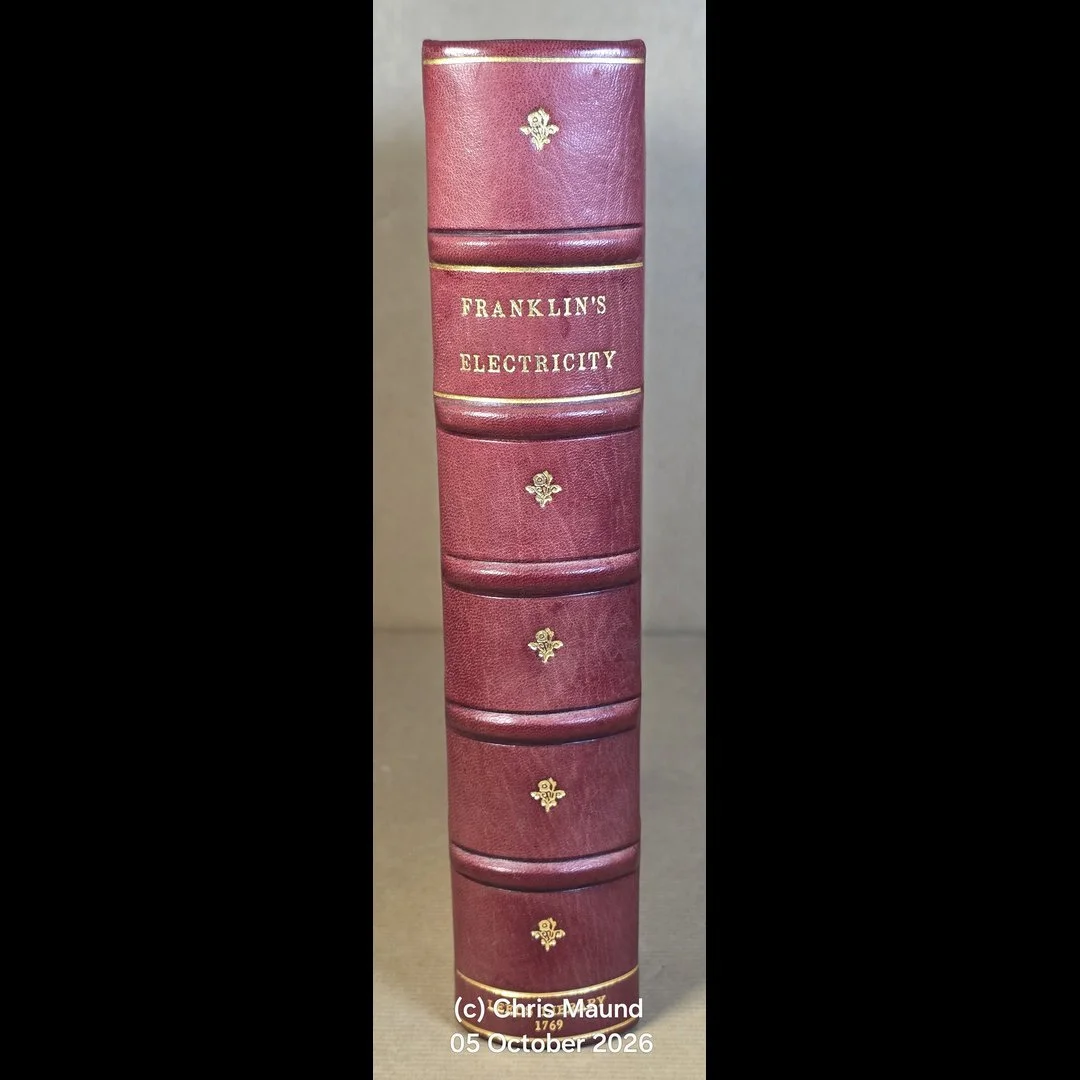
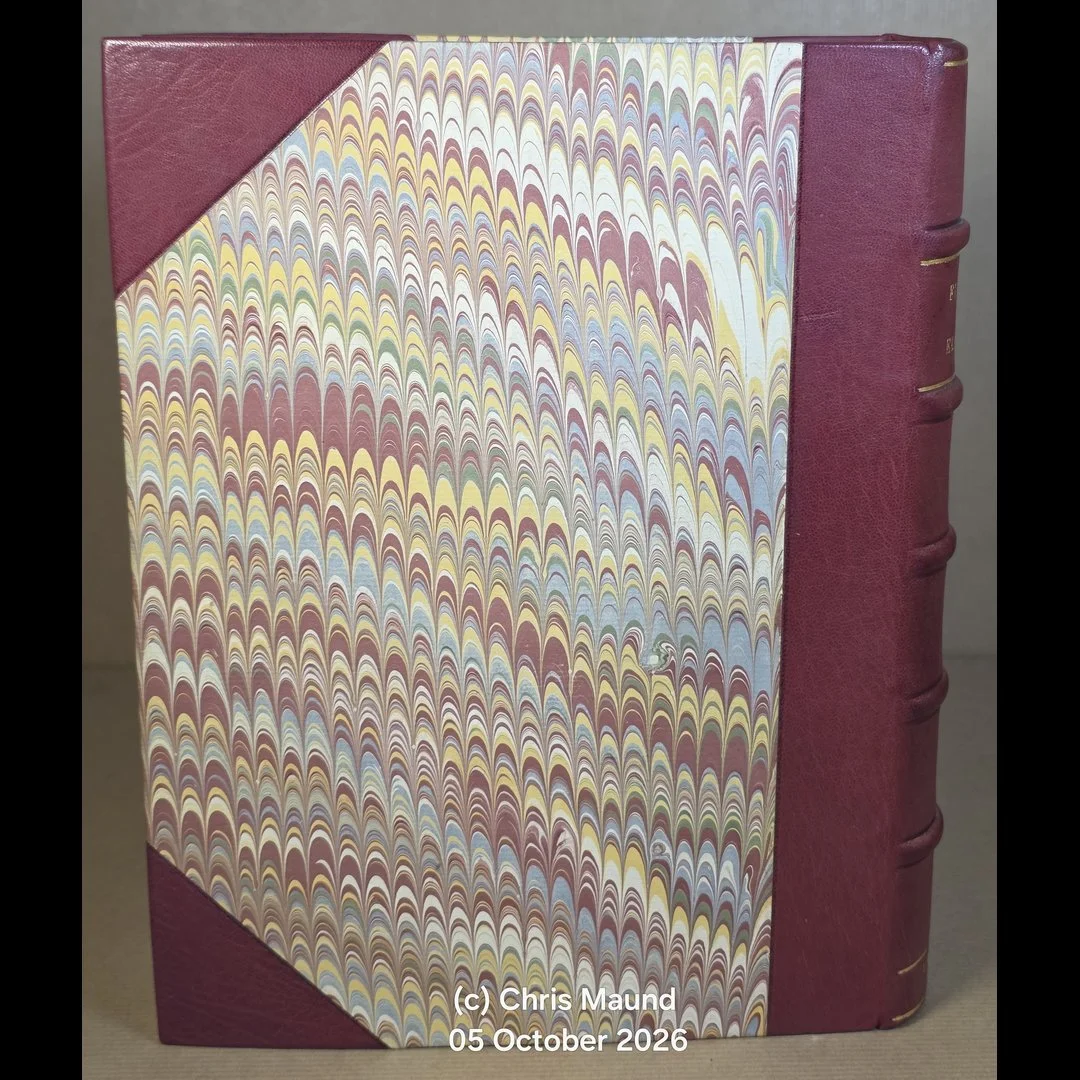
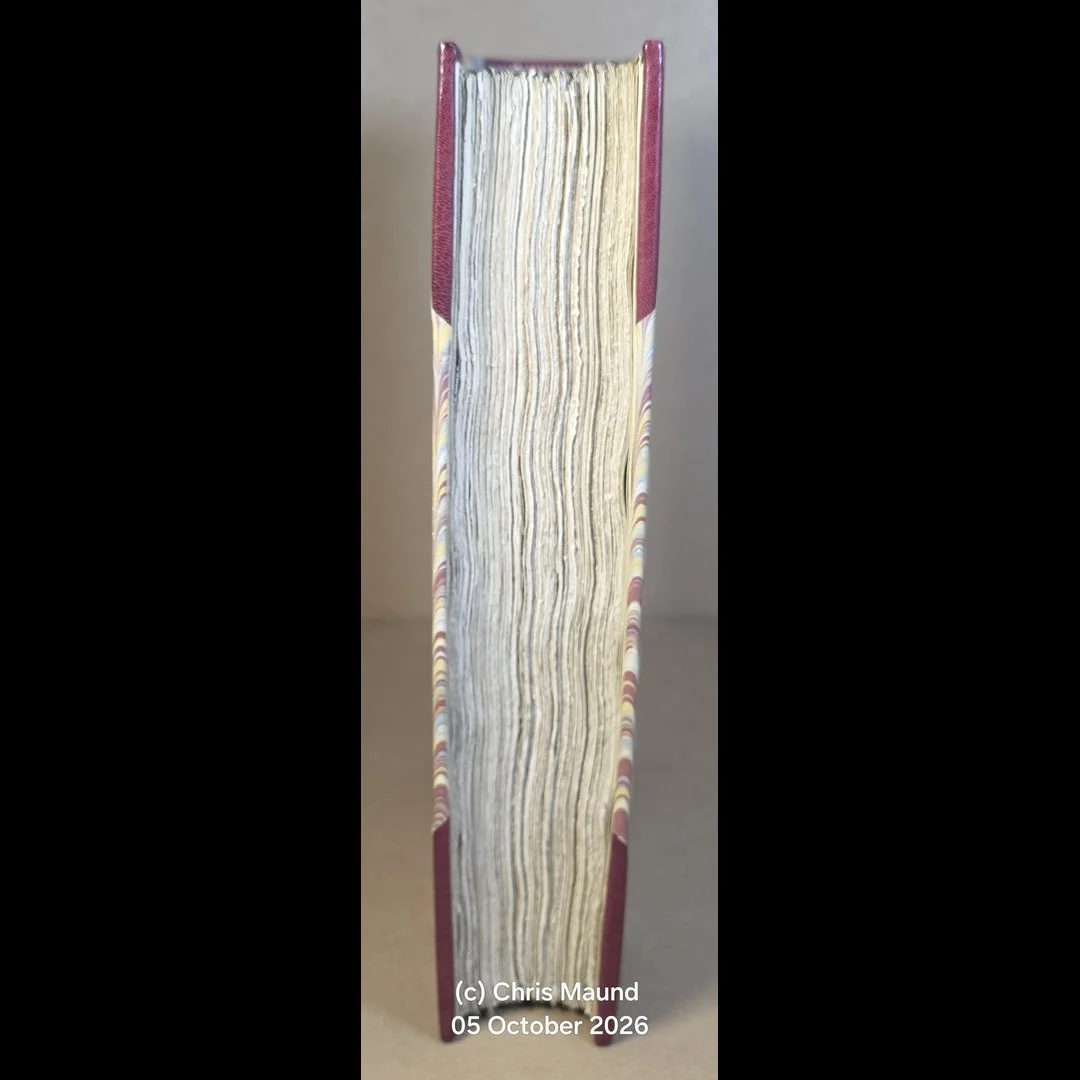
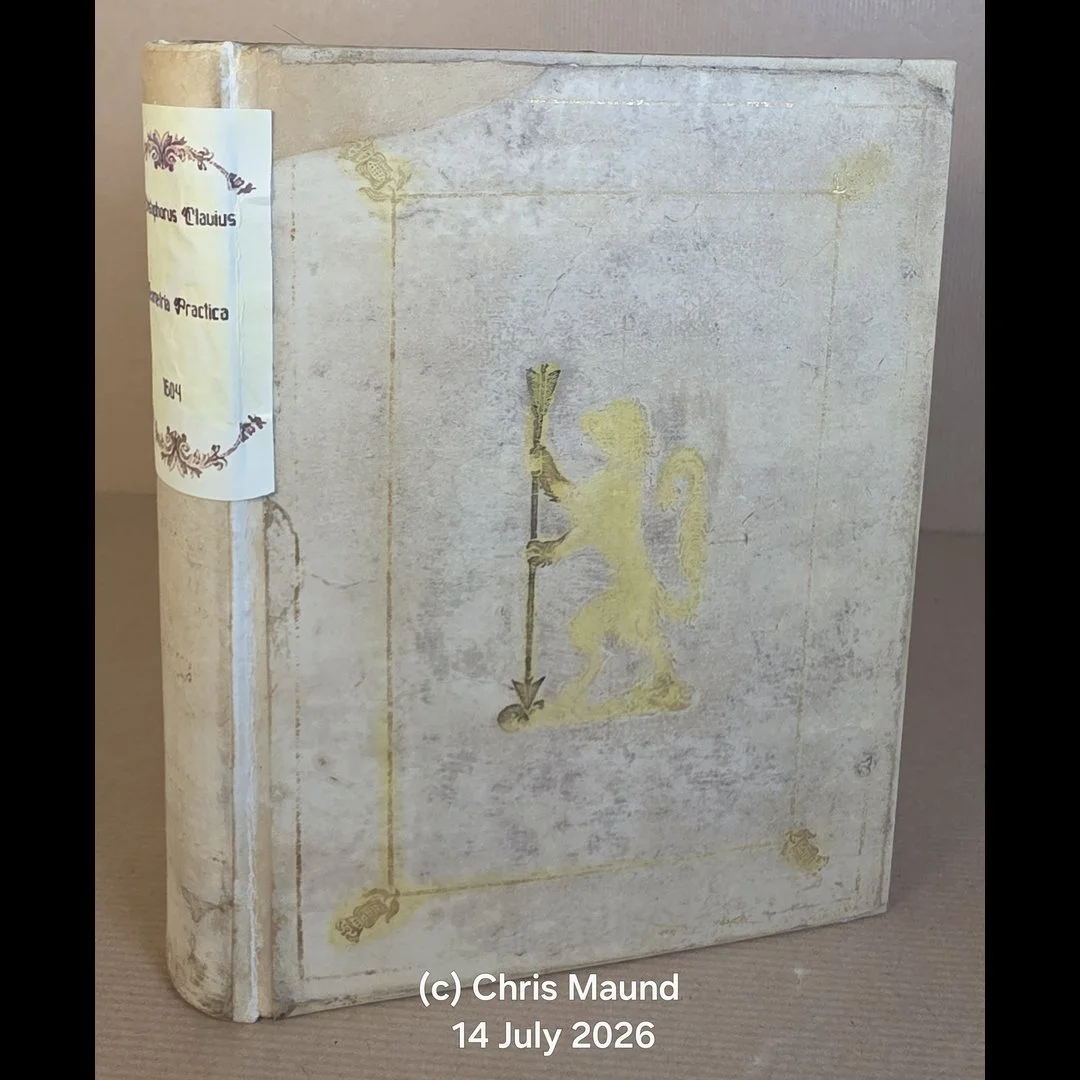
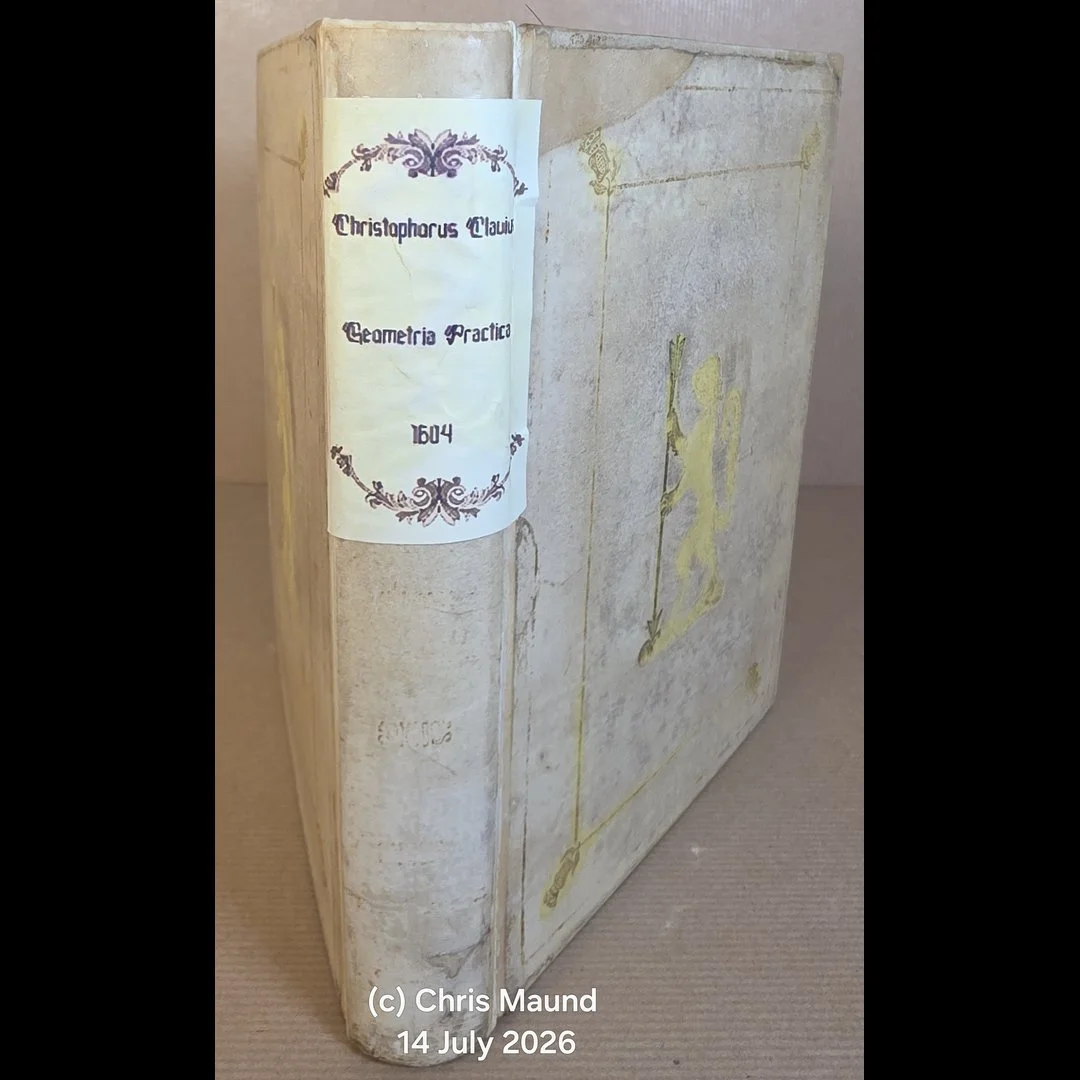
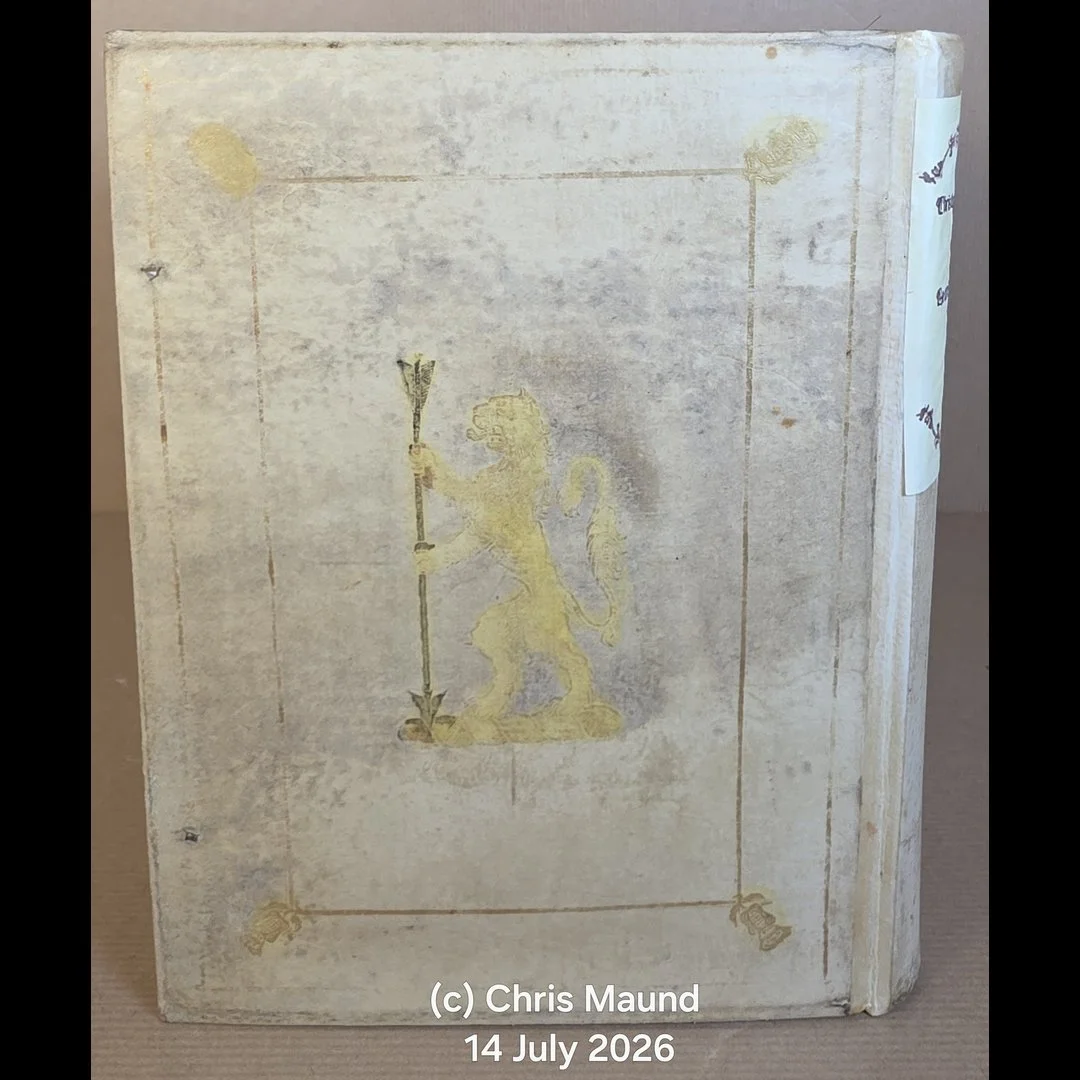
Contemporary full speckled calf, with marbled endpapers, raised bands and gilt ruling to the spine.
The binding displays rubbing, surface wear and wear to the extremities and joints, consistent with its age. The leather retains an attractive period appearance, although the surfaces show evidence of handling and use.
TEXT AND PLATES
The interior shows age-related toning, scattered spotting and occasional handling marks.
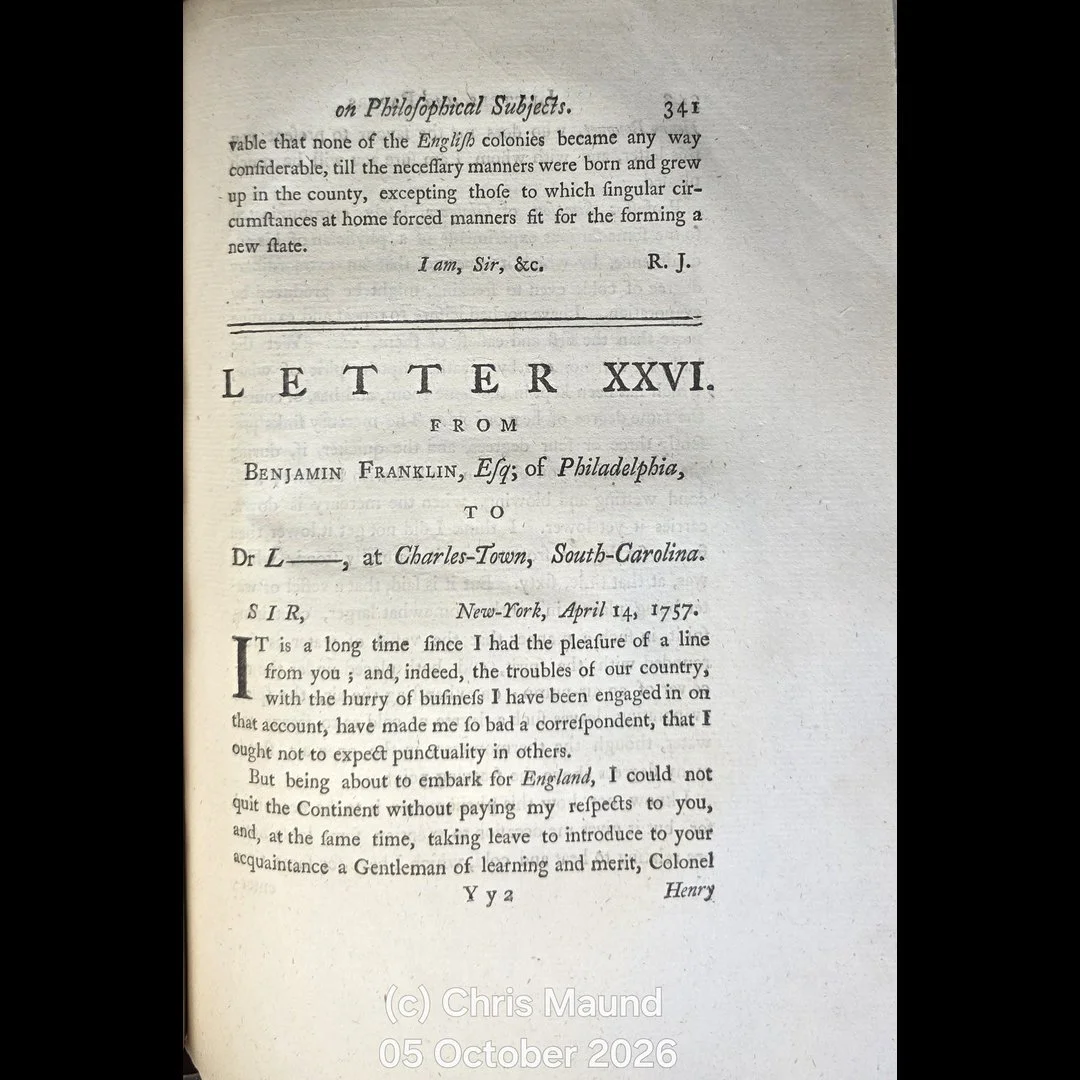
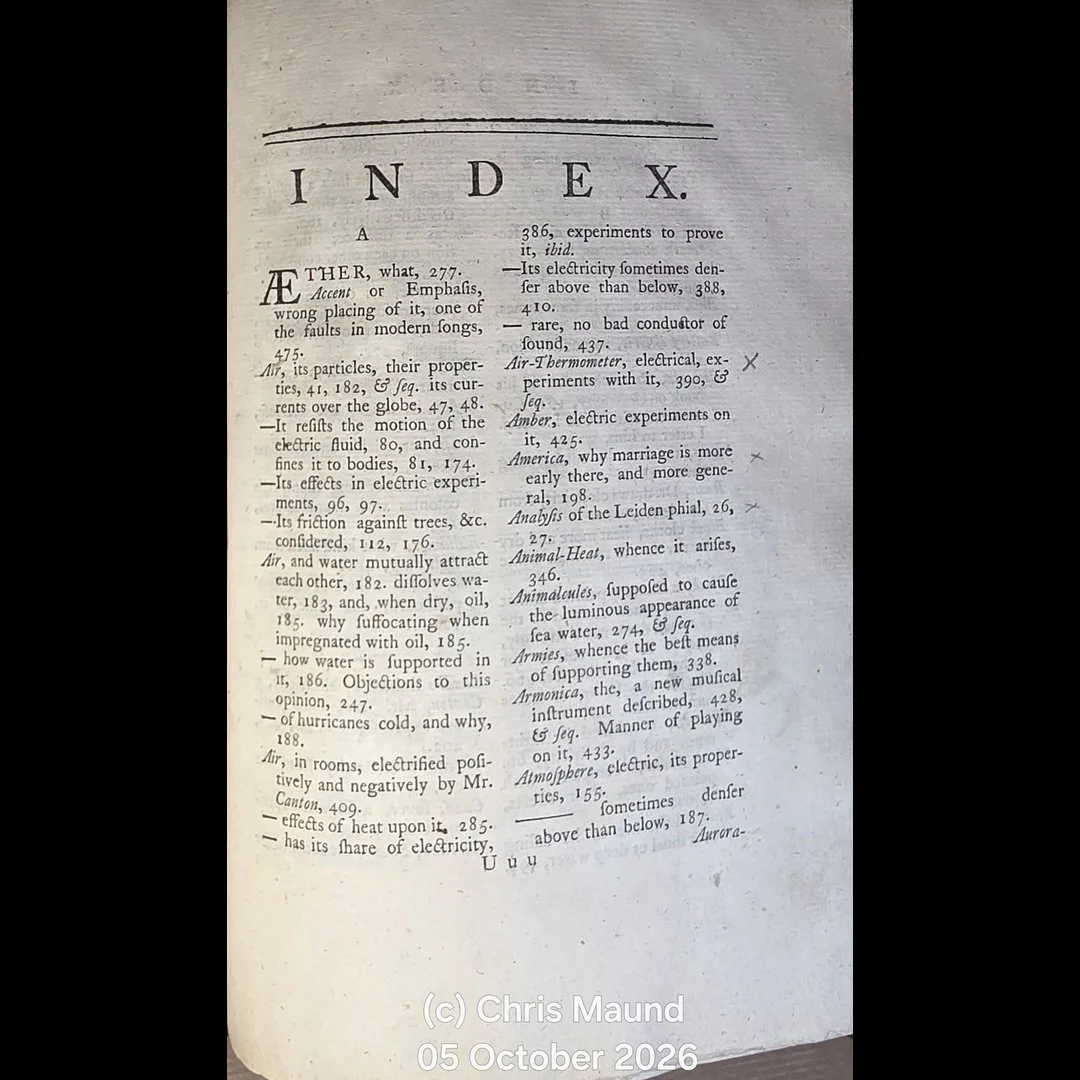
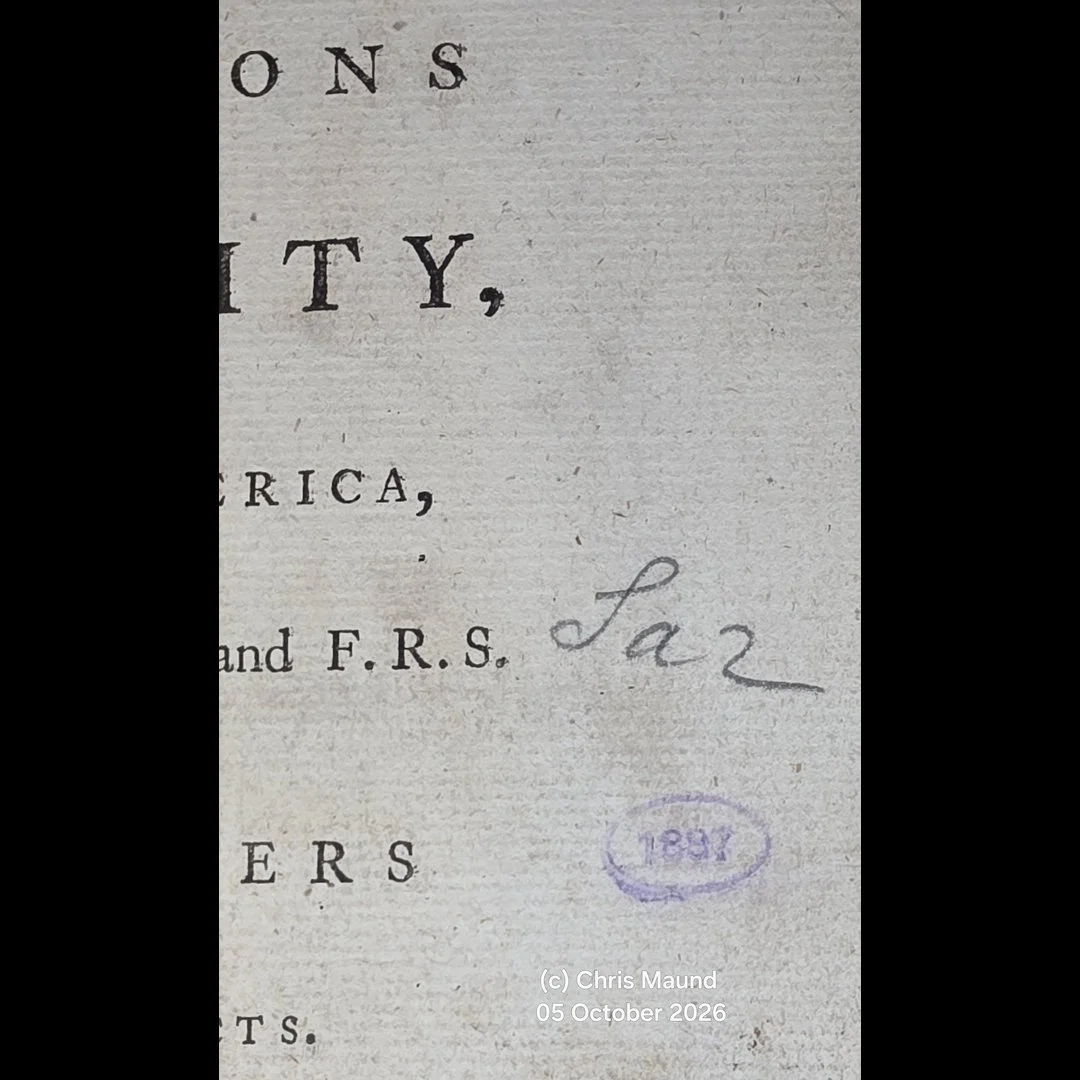
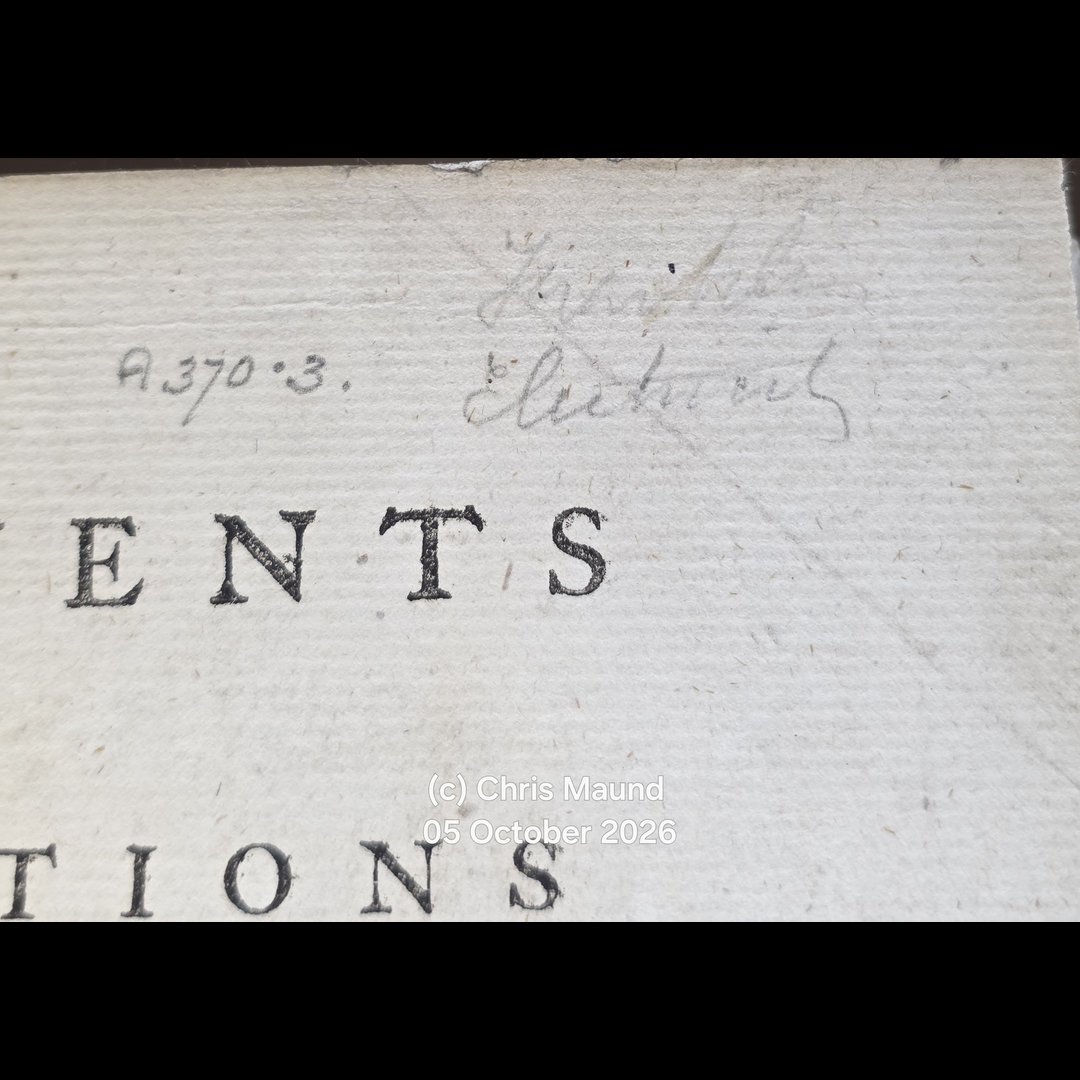
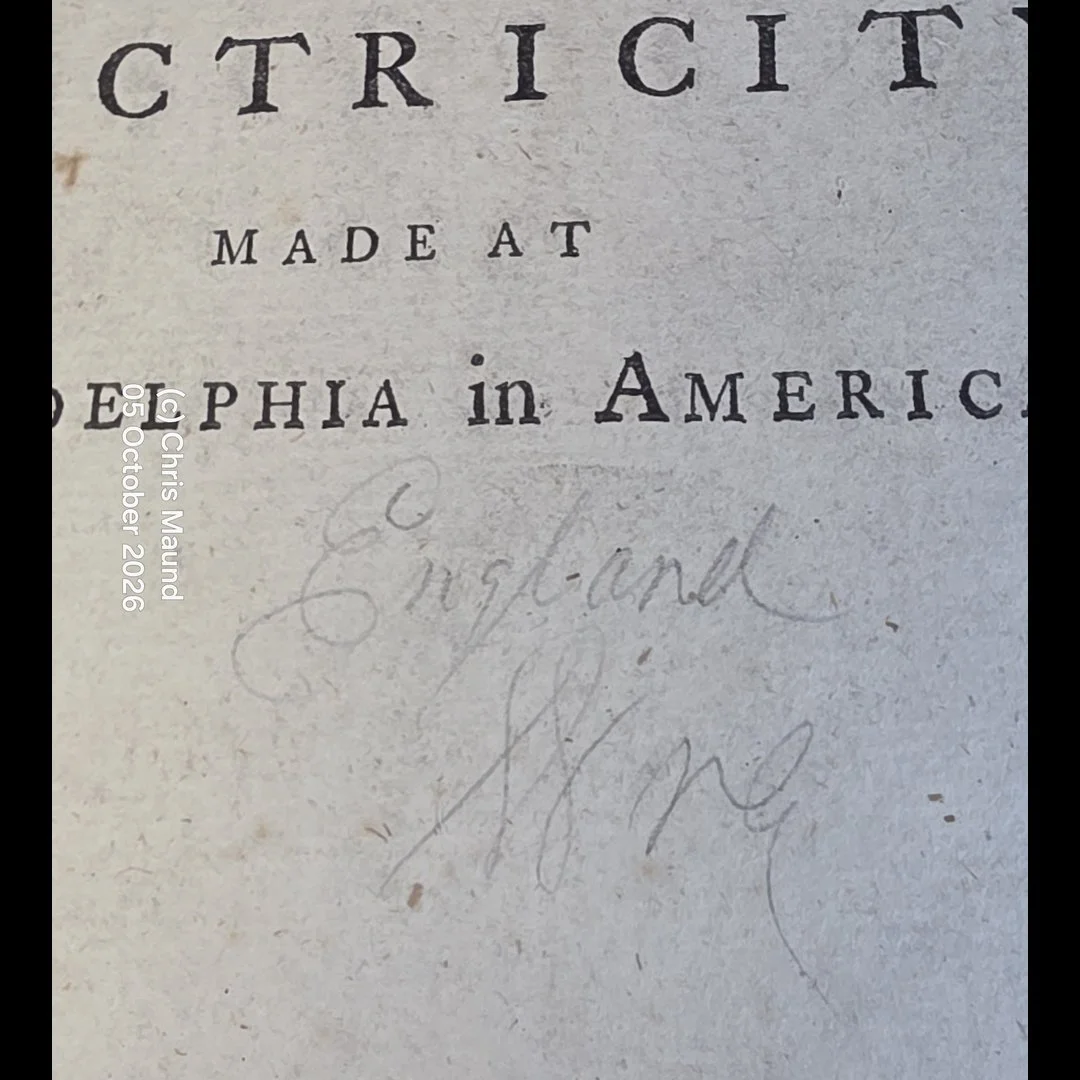
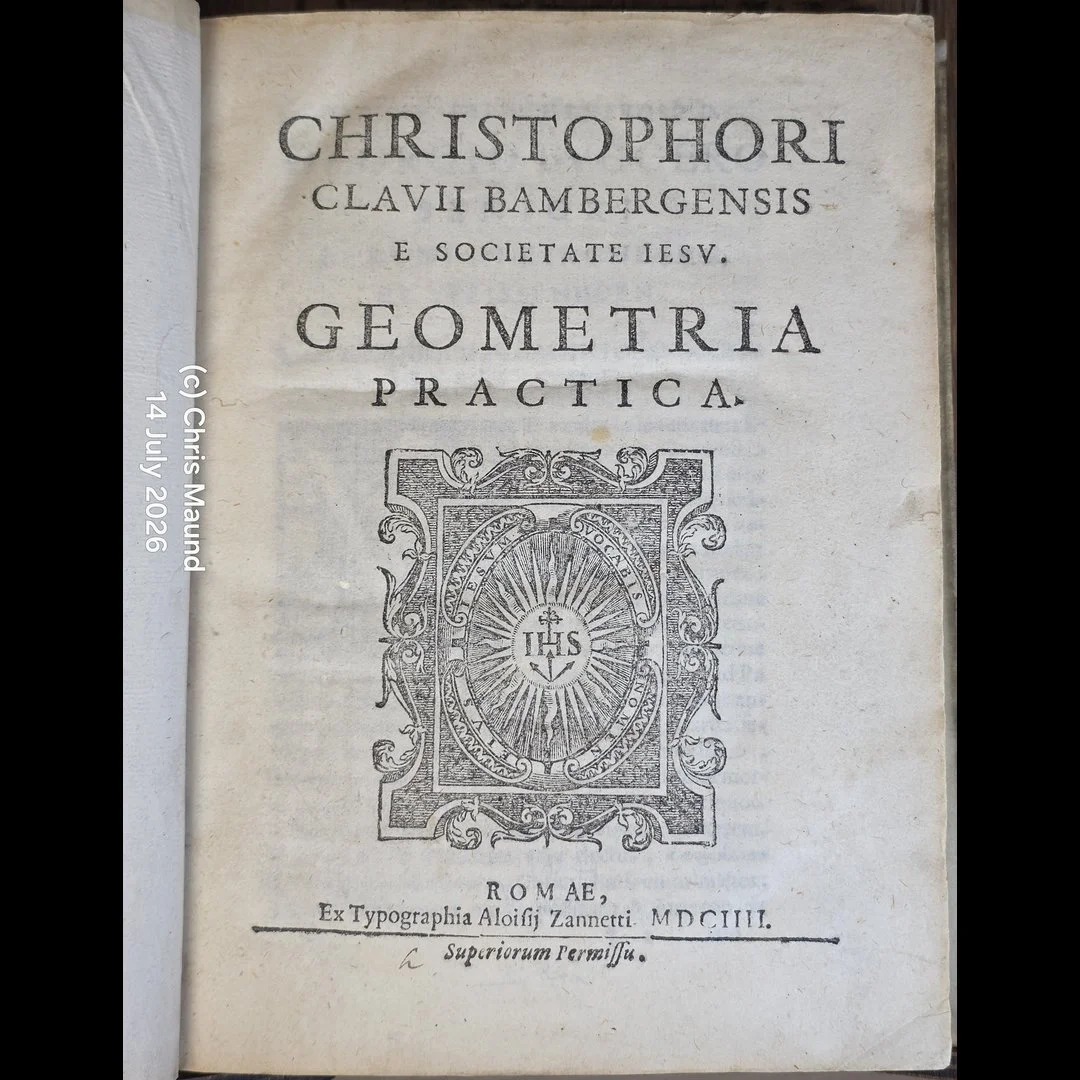
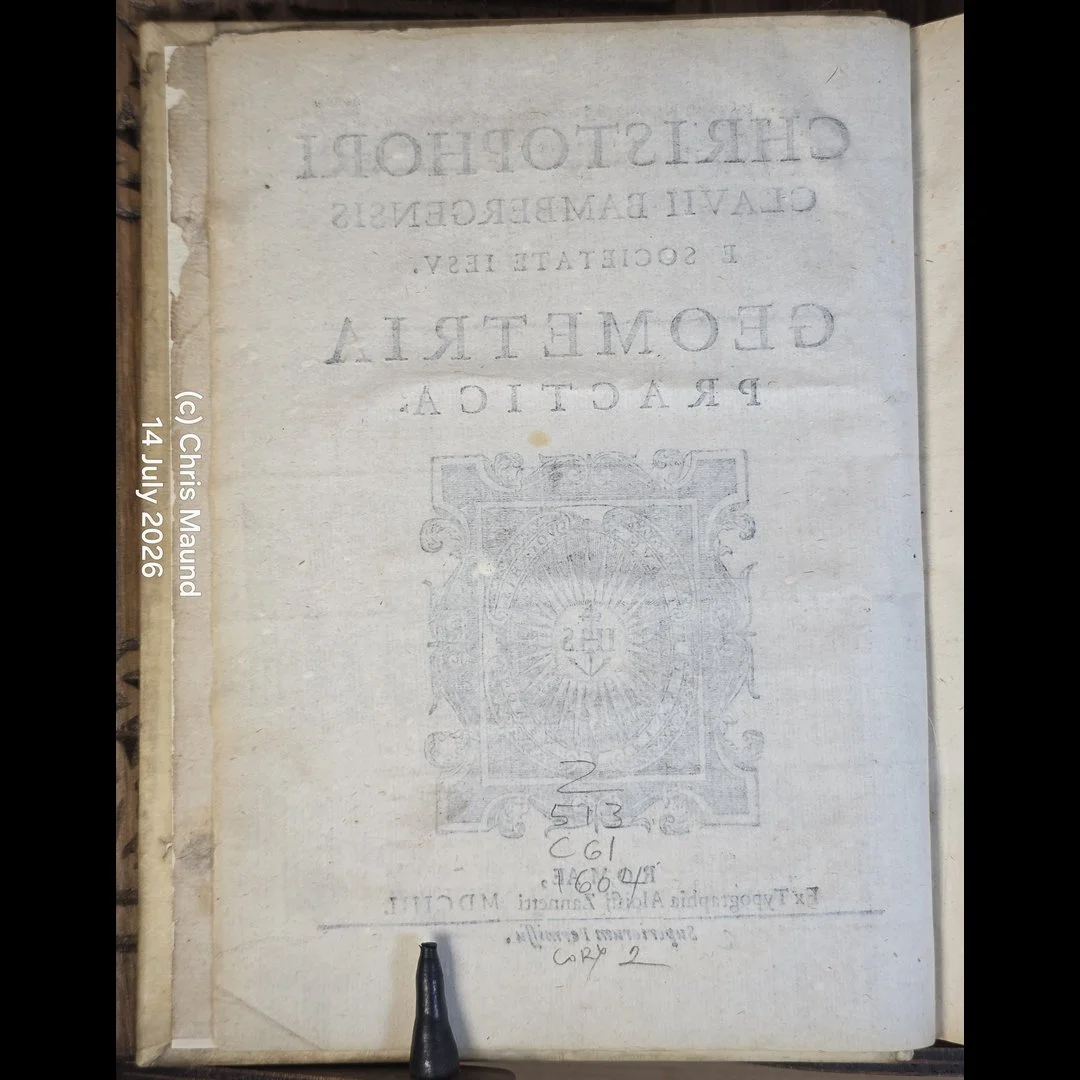
The existing condition record identifies repairs to the title page and leaf a2. These repairs should be regarded as part of the copy's condition and are disclosed here.
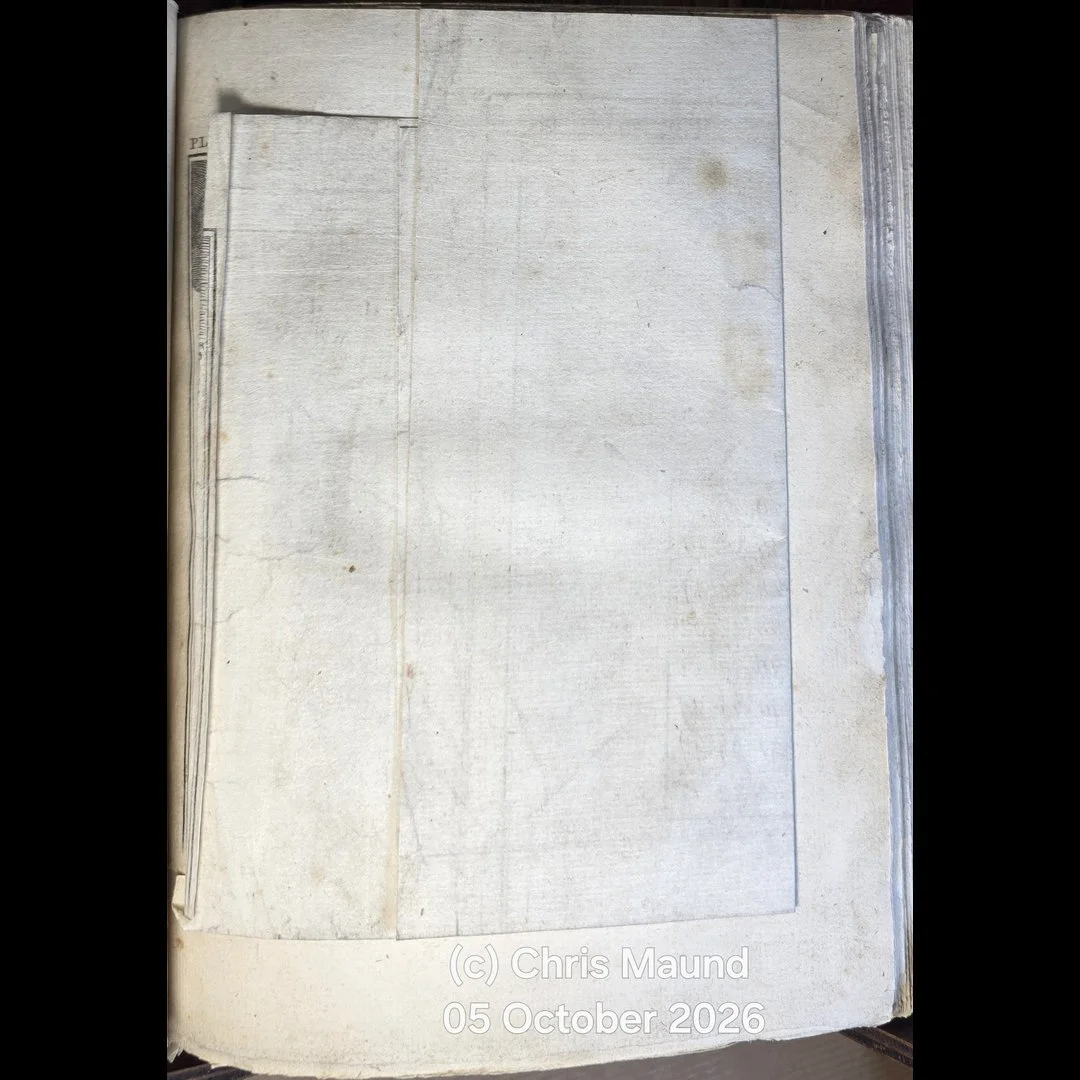
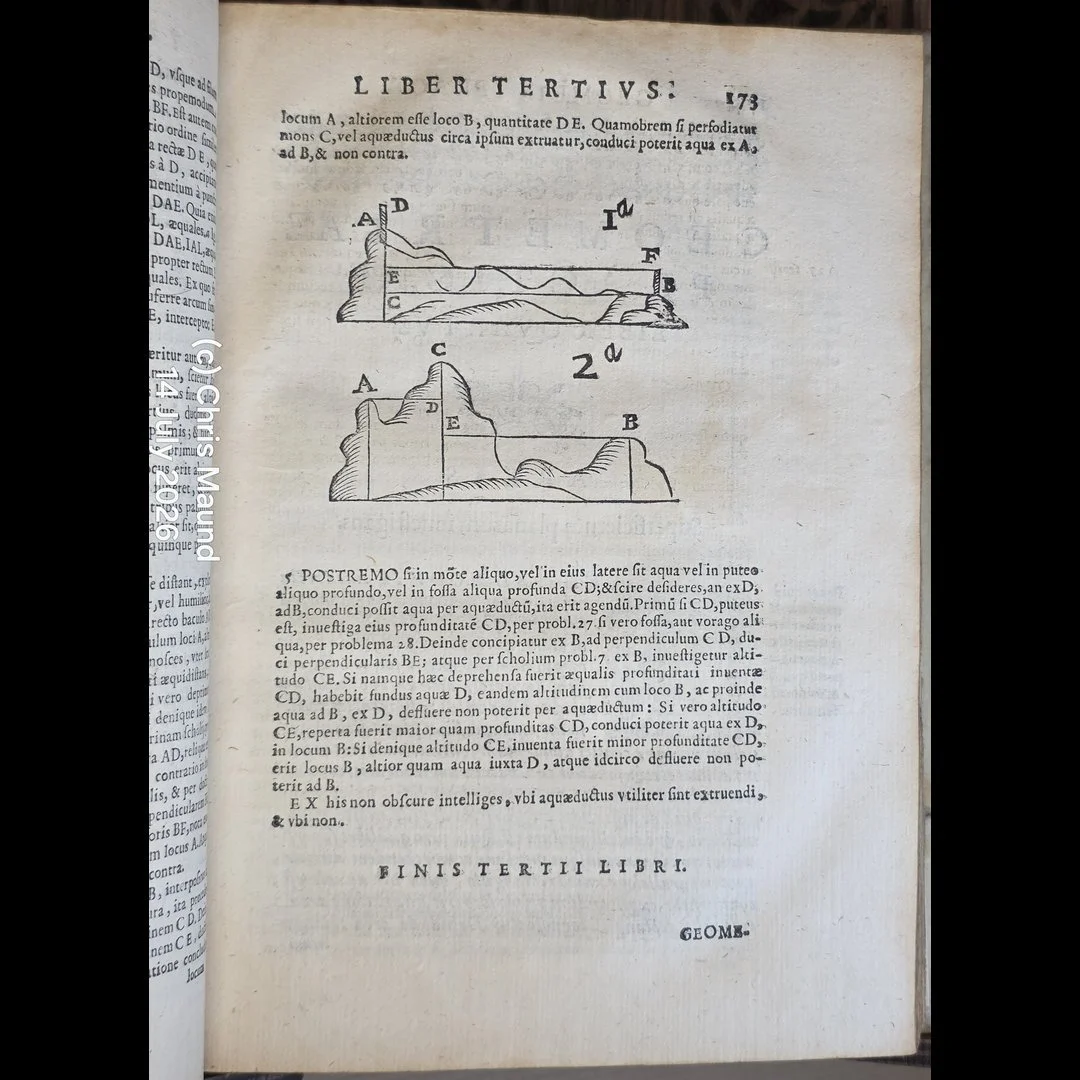
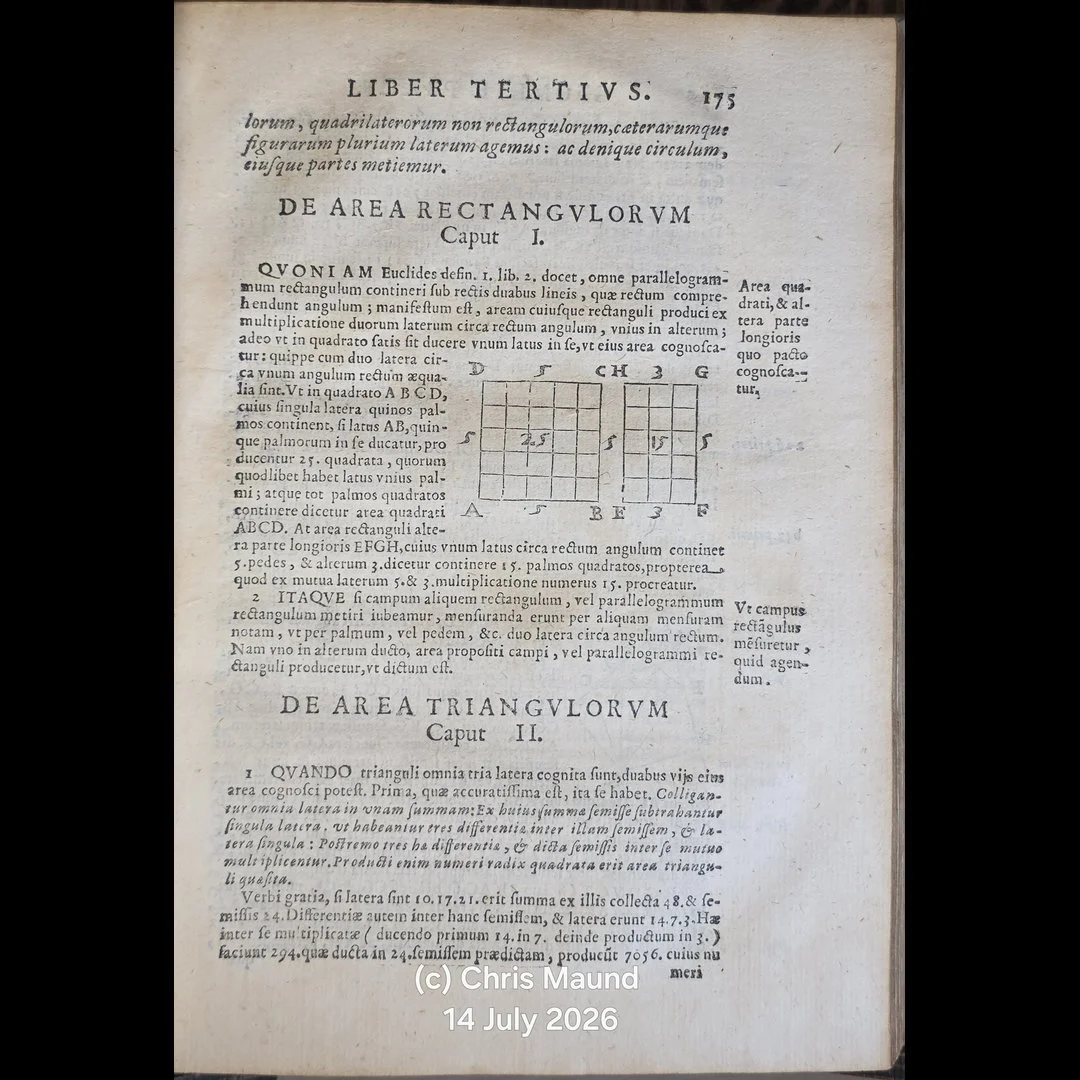
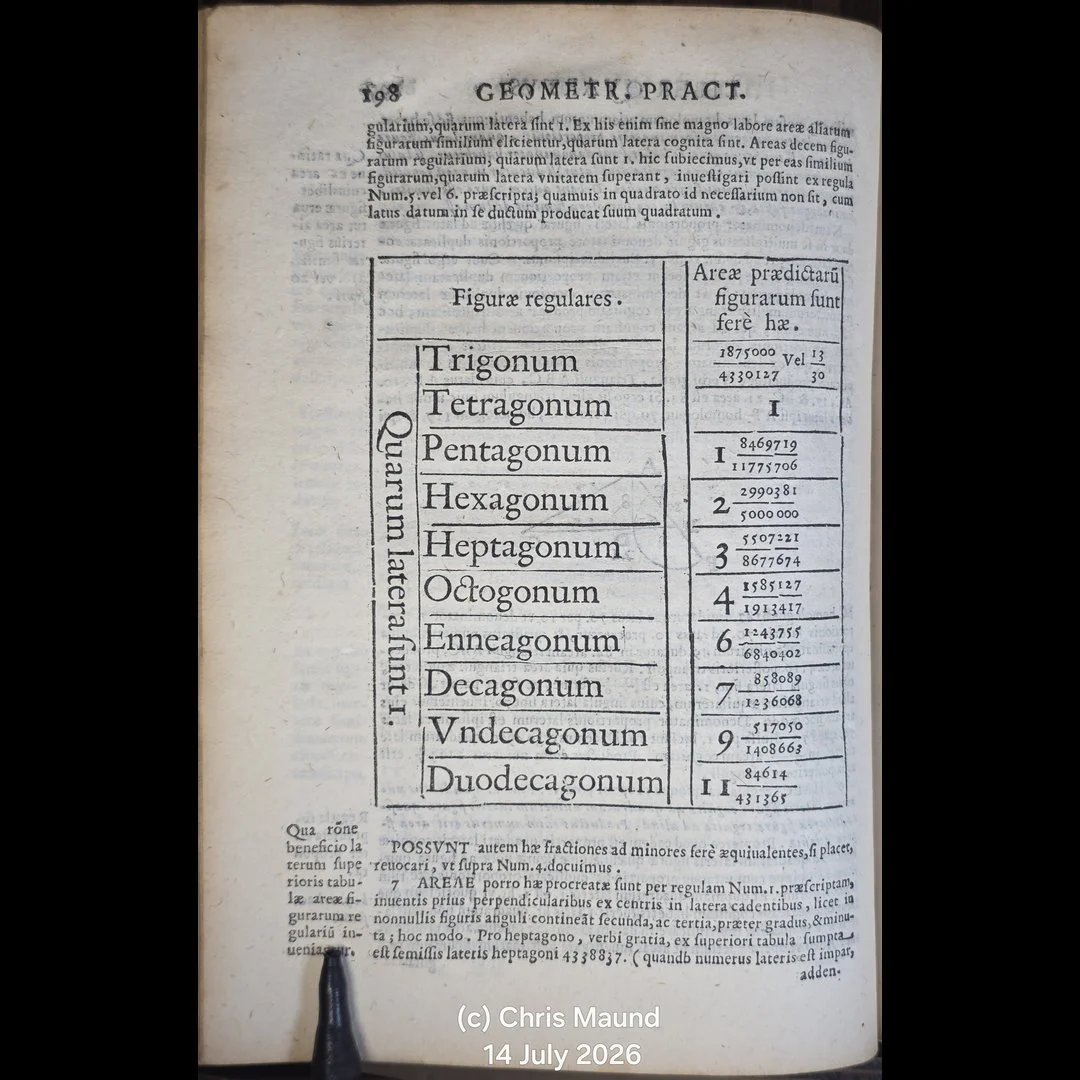
The engraved plates are generally attractive and clearly legible, retaining the considerable detail of the original copperplate illustrations. Some age-related spotting, discolouration and wear along folds are evident, as would be expected in an extensively illustrated eighteenth-century scientific volume.
The presence of all 36 engraved plates, including those accompanying the supplement, is a particularly desirable feature of the copy.
An appealing and substantially well-preserved example of an important eighteenth-century scientific work, retaining its period binding and complete suite of illustrations, with additional interest provided by its documented Ombersley Court Library provenance.
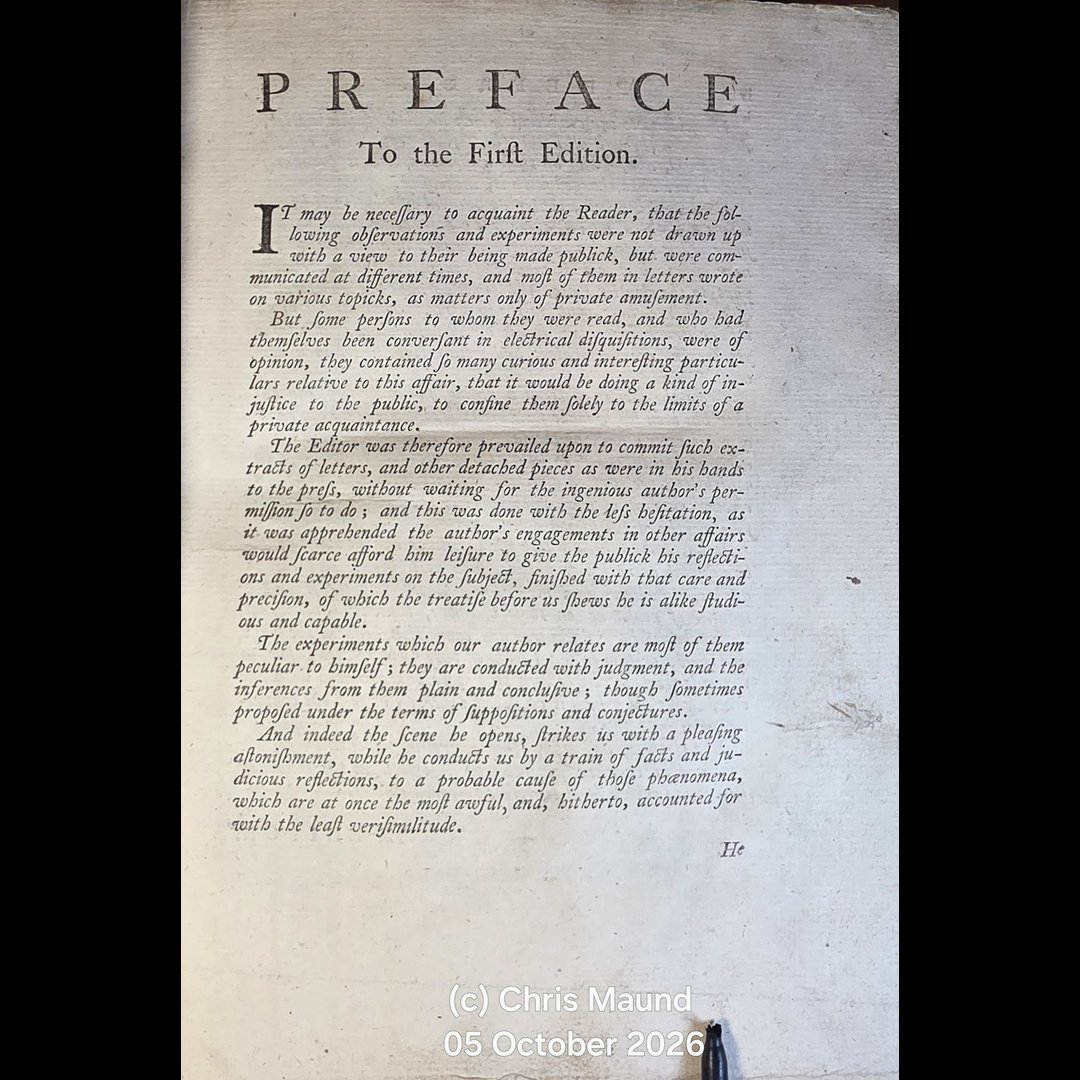
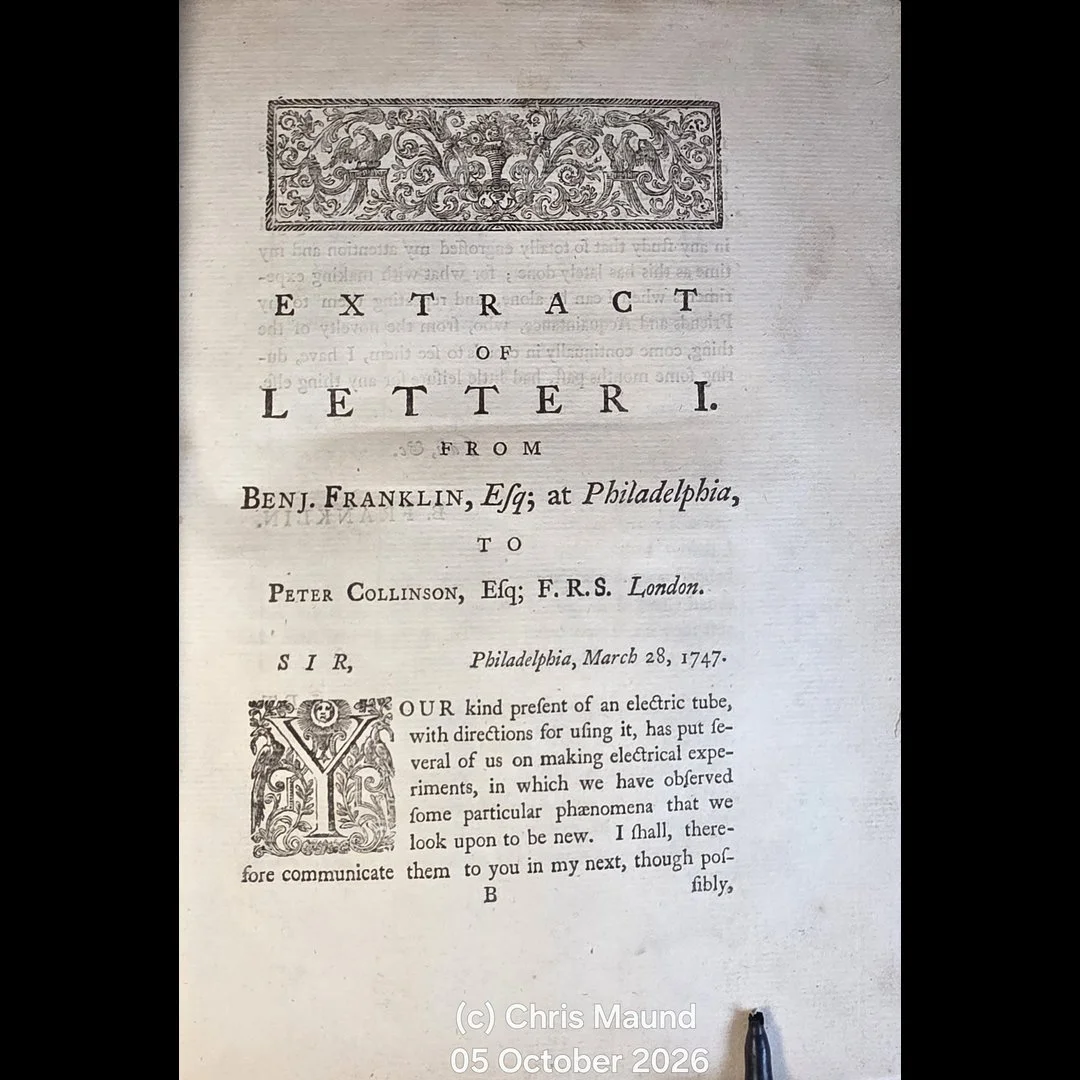
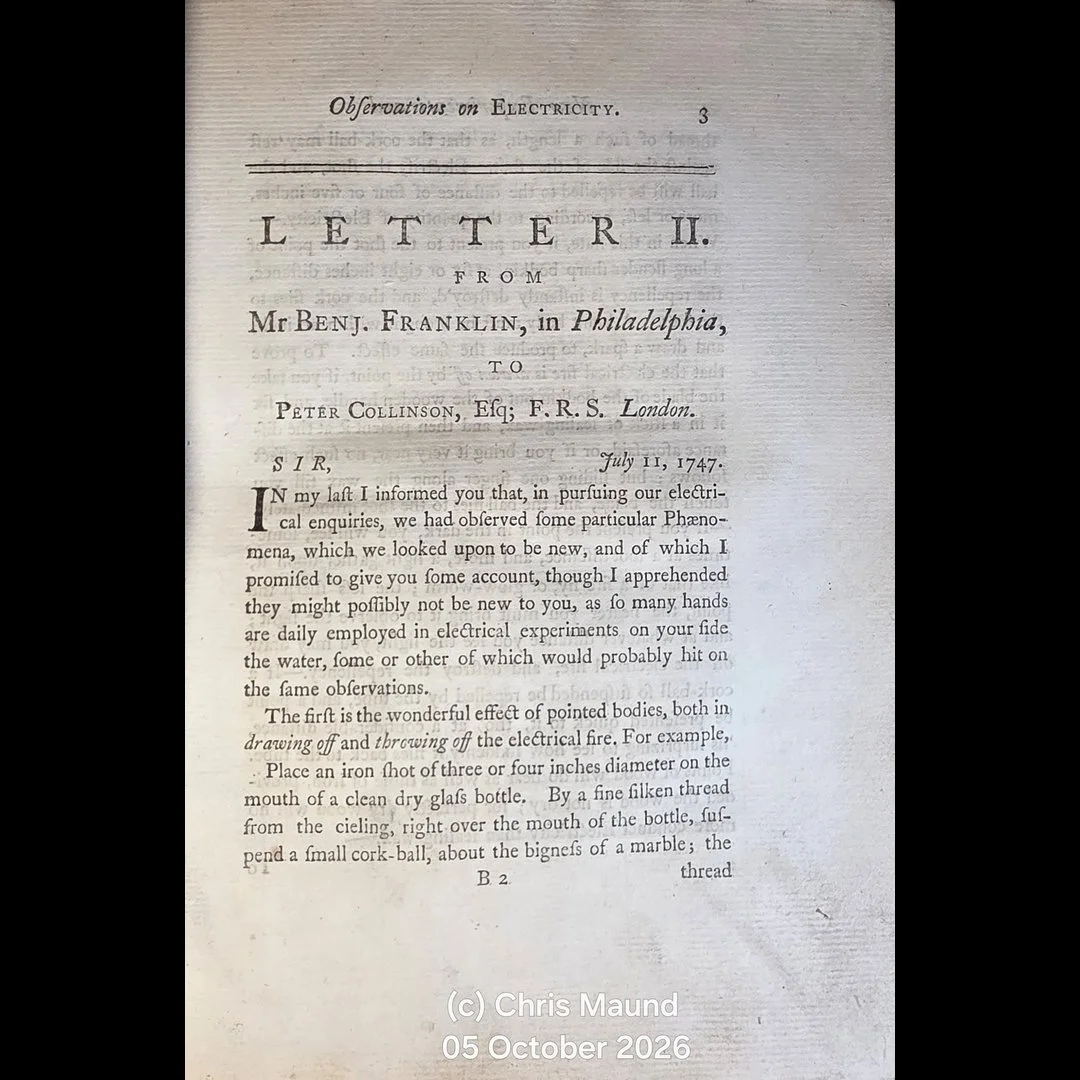
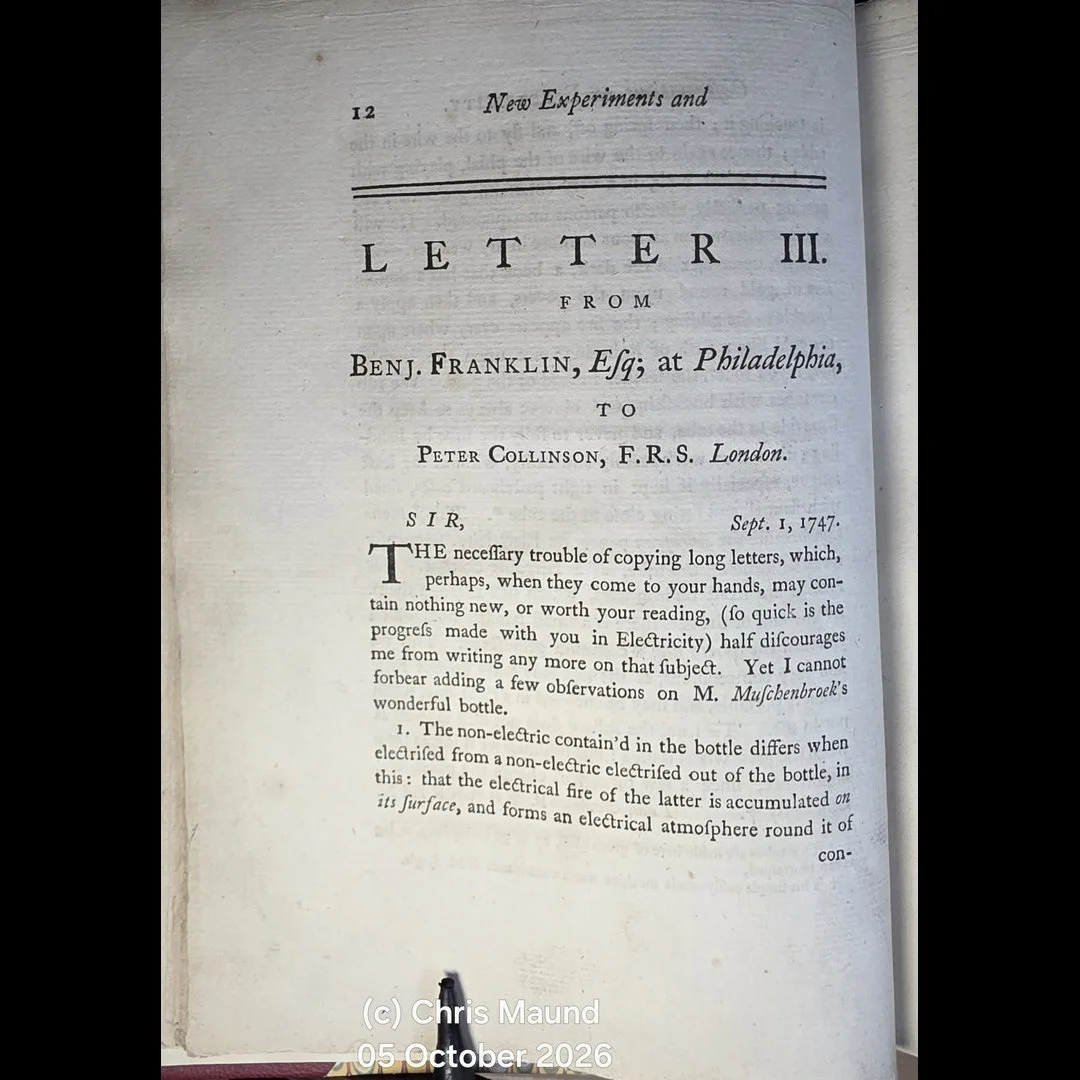
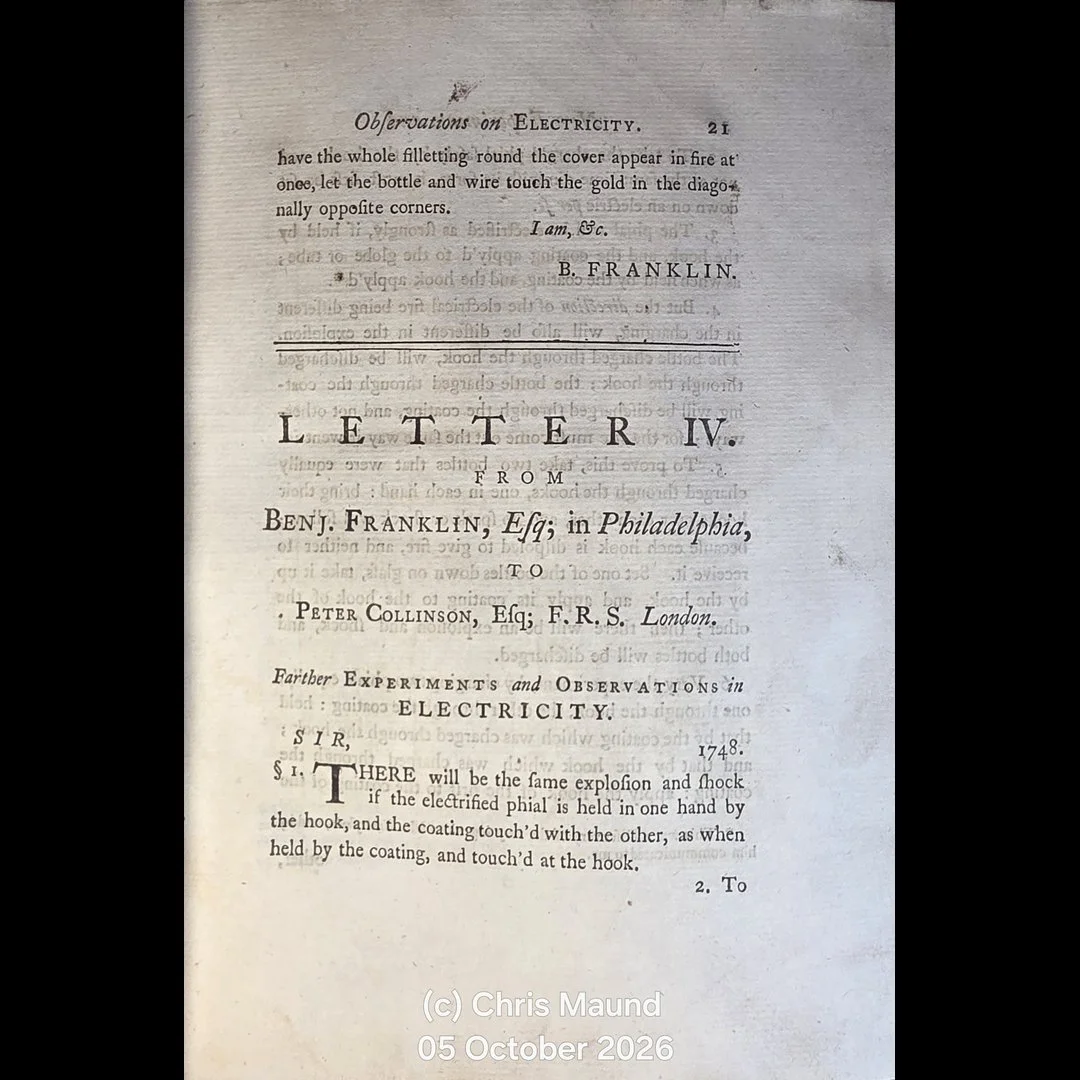
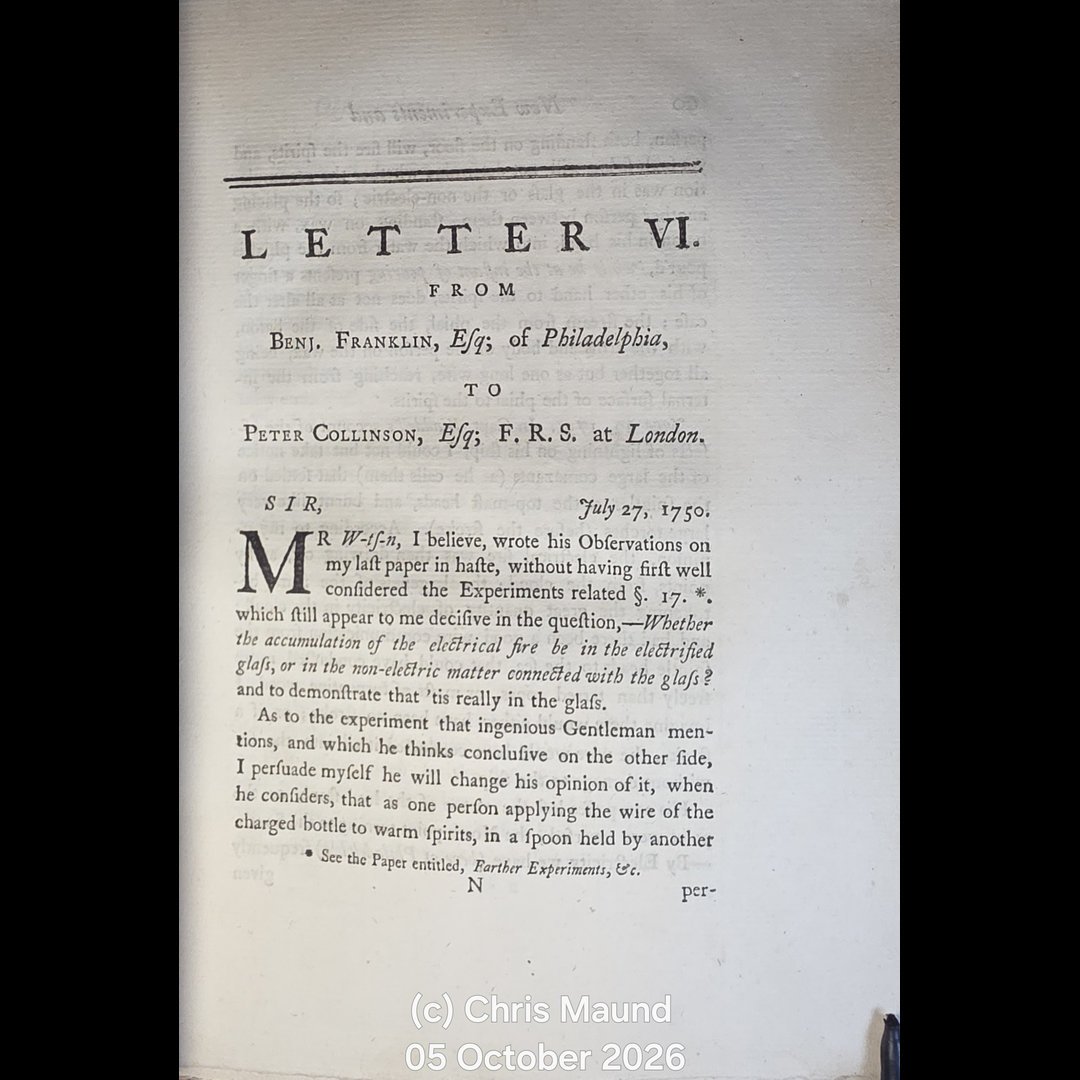
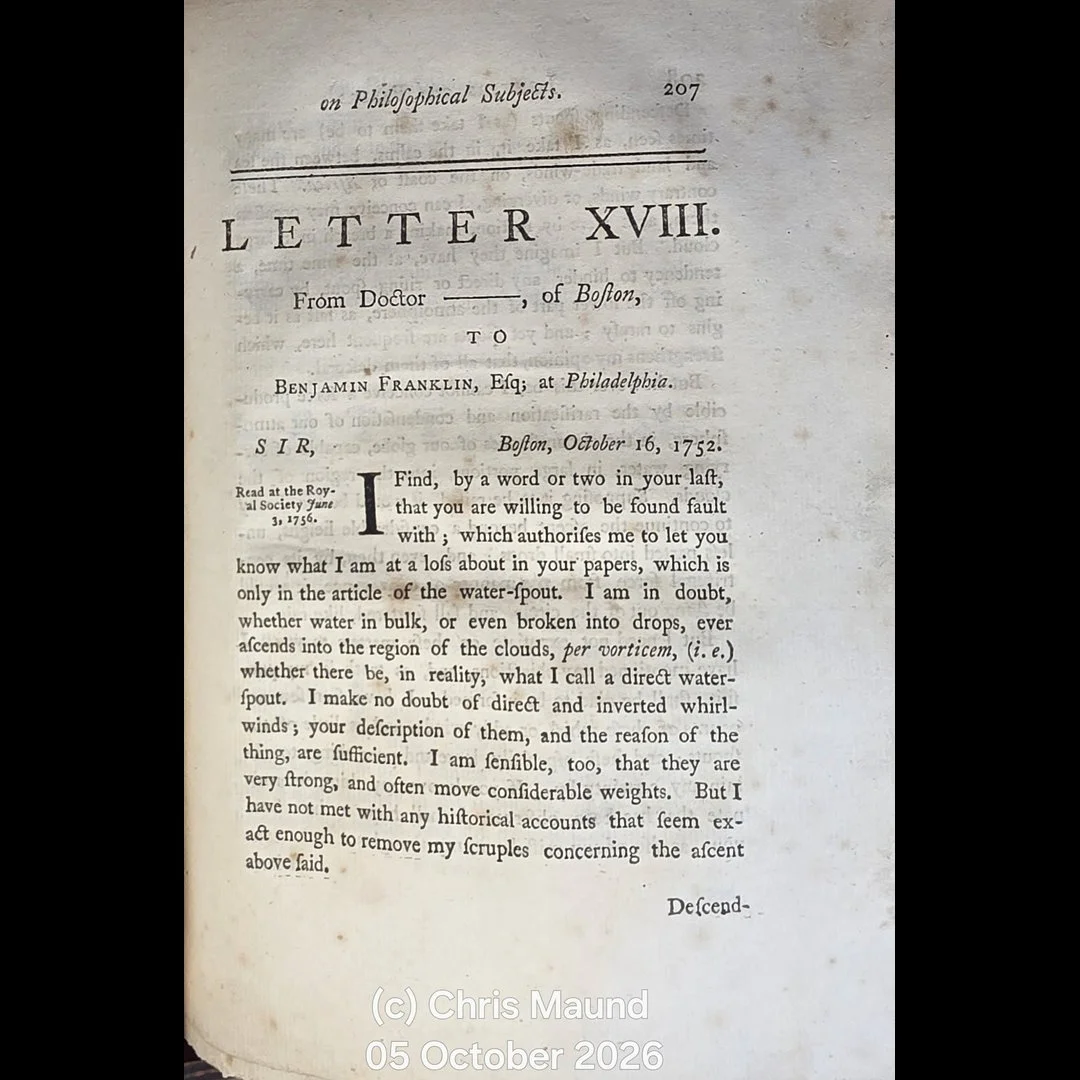
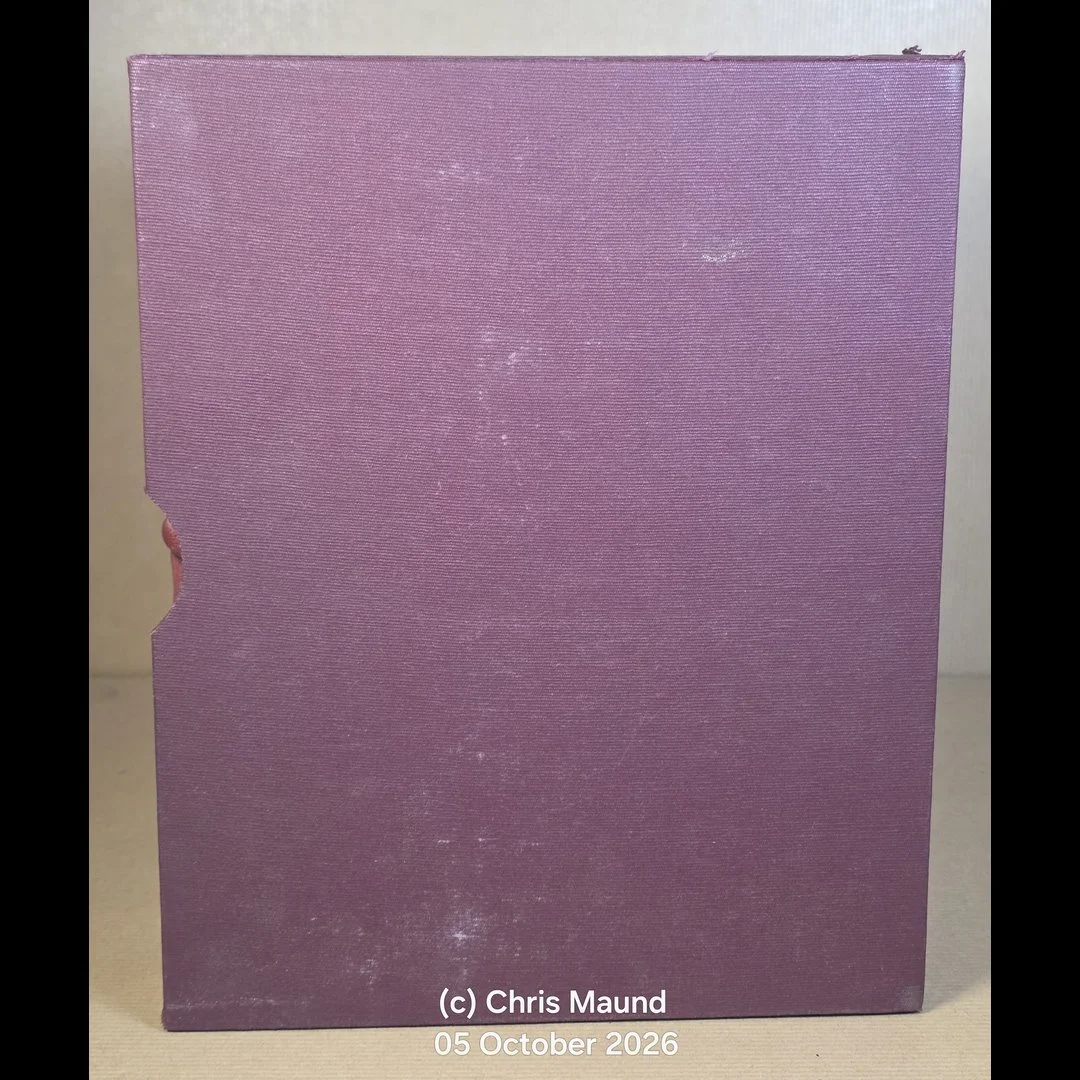
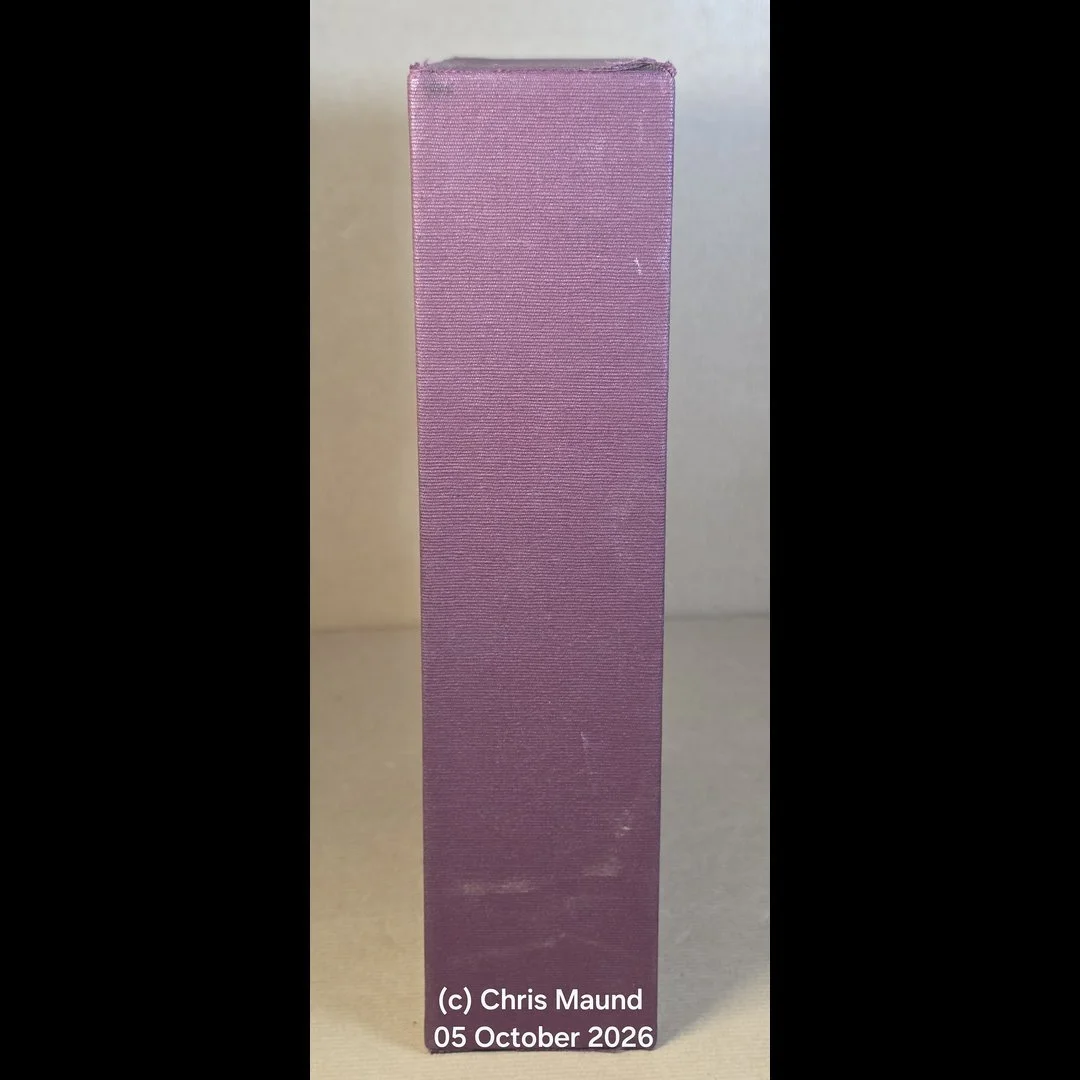
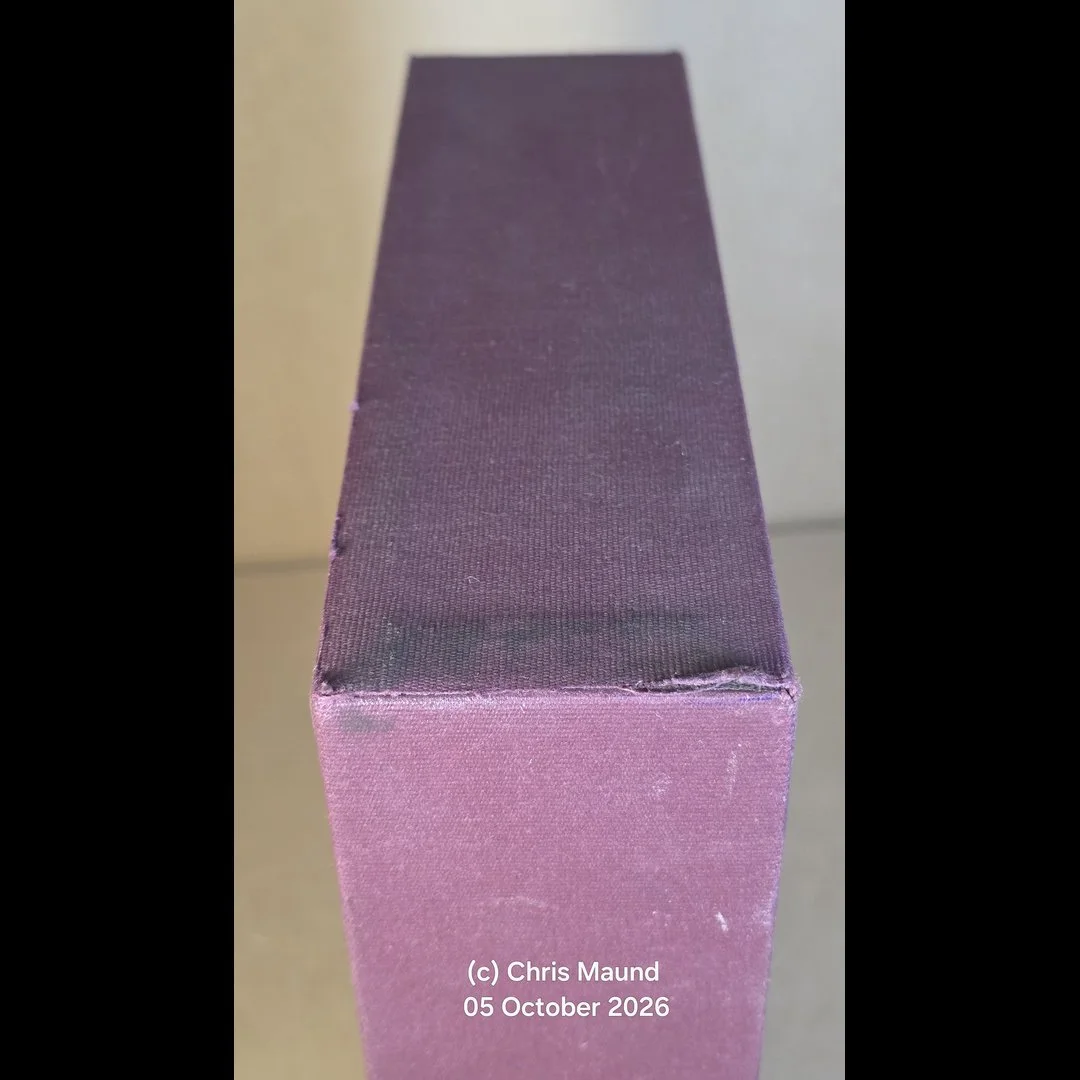
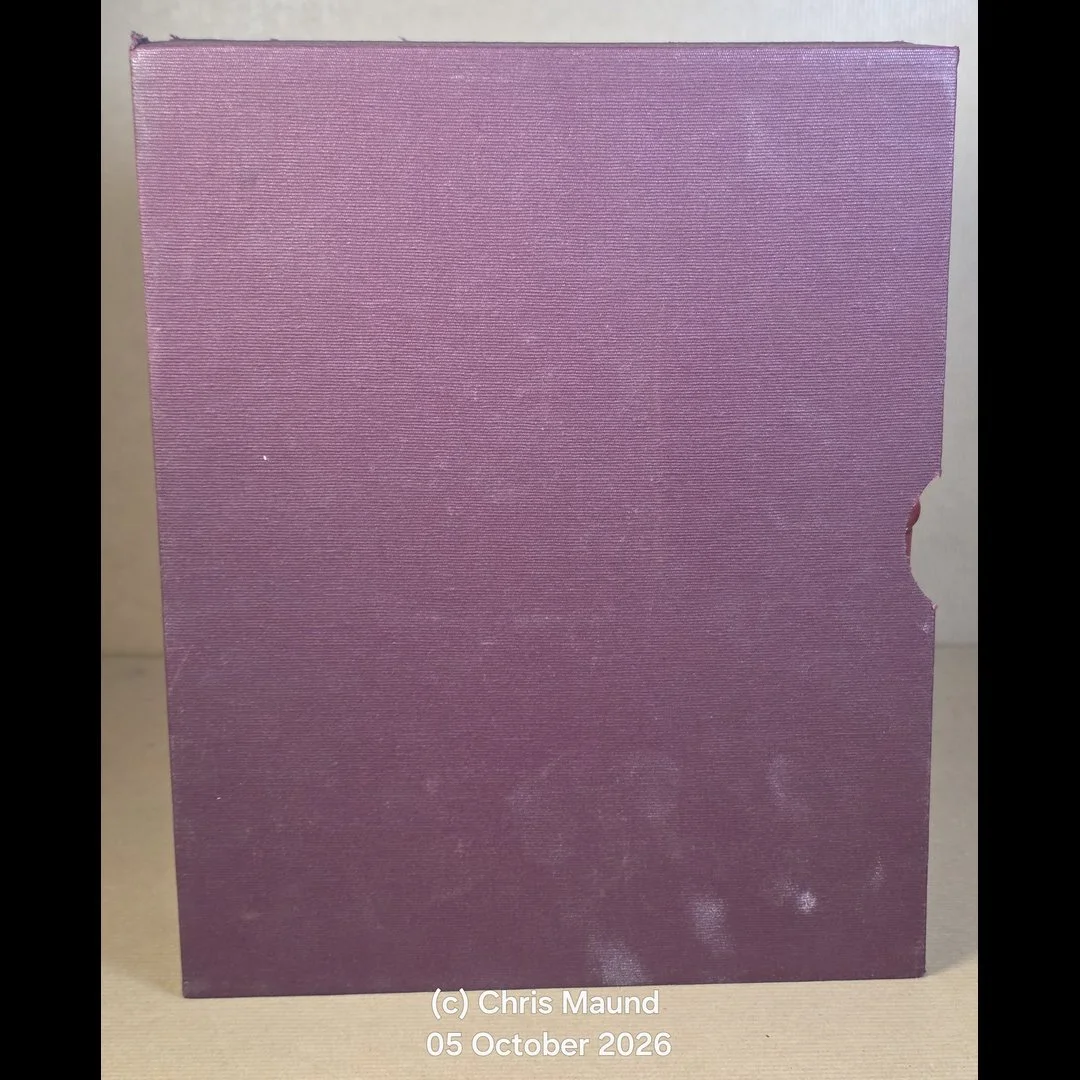
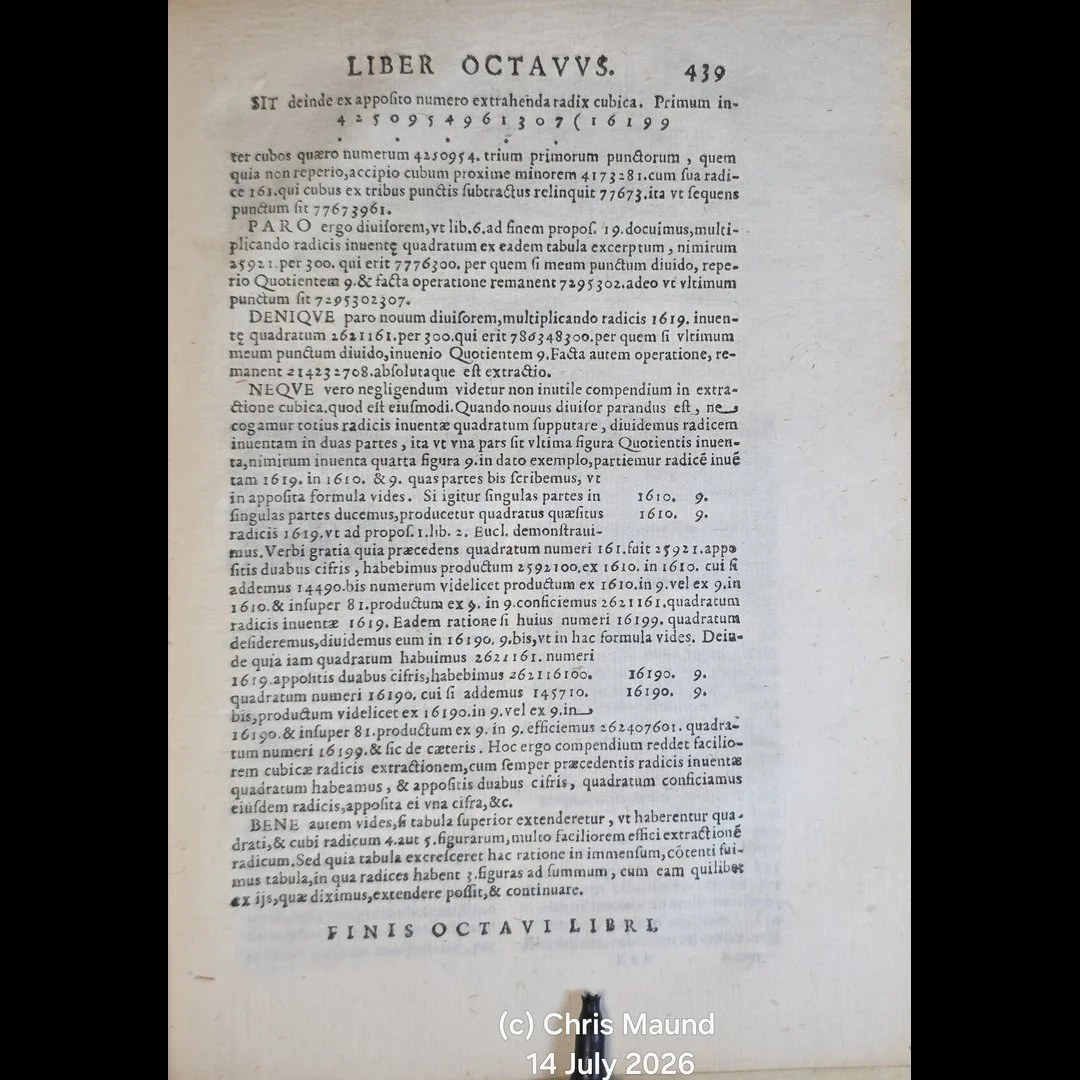
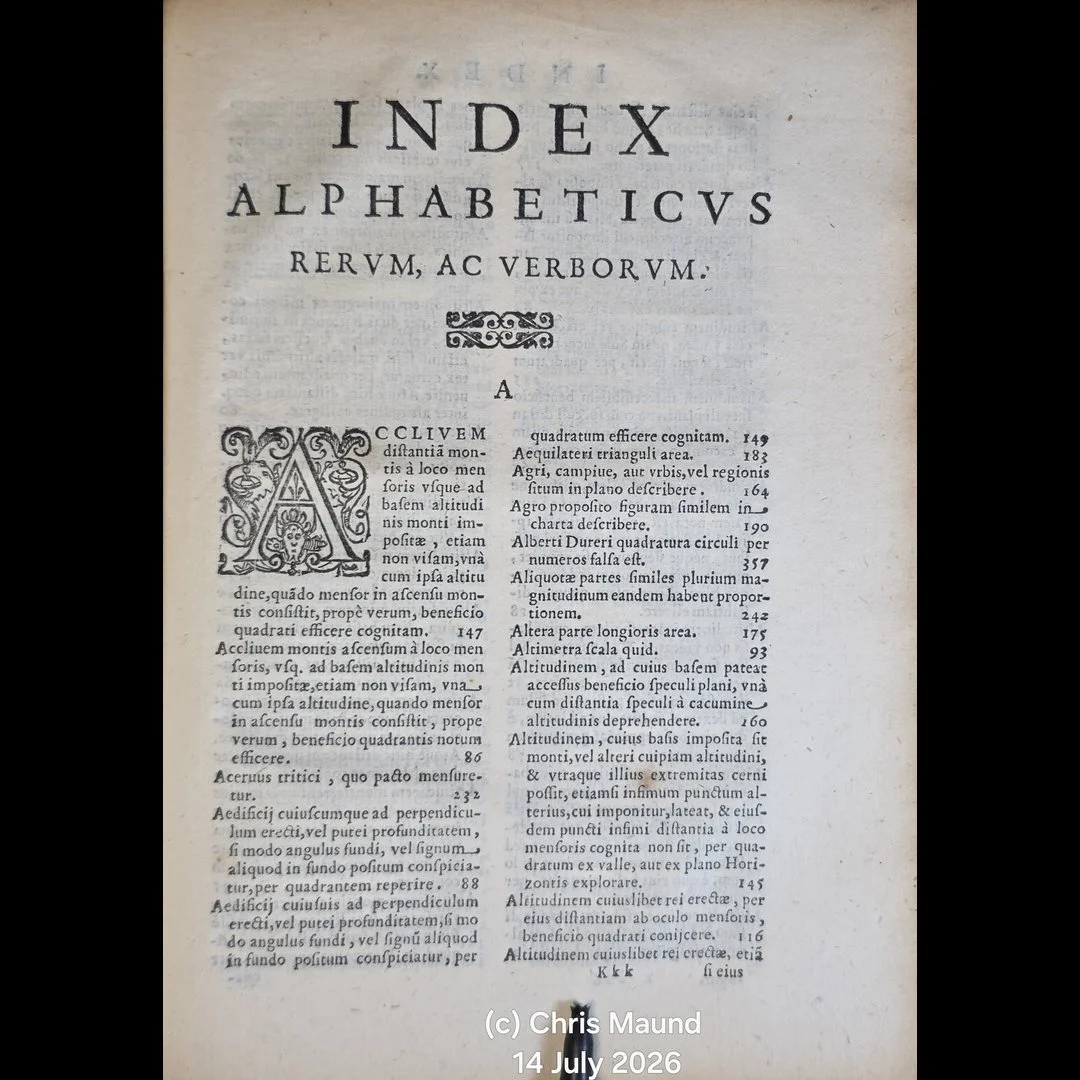
Please see photographs as part of the condition report.
SYNOPSIS
James Ferguson's Lectures on Select Subjects provides a comprehensive introduction to the principal branches of experimental and mechanical science as understood in the middle of the eighteenth century.
Beginning with the elementary principles of mechanics, Ferguson explains the operation of levers, balances, pulleys, inclined planes and other mechanical devices, demonstrating how physical laws govern the transmission of force and motion.
The sections on hydrostatics and hydraulics explore the properties of fluids, pressure, equilibrium and the practical operation of pumps and water-moving machinery. Pneumatics introduces the characteristics of air and atmospheric pressure, including their demonstration through experimental instruments.
In optics, Ferguson examines the behaviour of light and its interaction with lenses and optical apparatus, illustrating the practical applications of optical principles.
The astronomical sections explain the use of terrestrial and celestial globes, the construction and application of sundials, and methods for calculating astronomical events, including the phases of the Moon and eclipses.
Throughout, the text is accompanied by engraved diagrams that translate physical principles into recognisable mechanical and instrumental forms.
The supplementary lectures expand upon the original material, providing additional scientific explanations and illustrations.
The work is significant not only for the range of subjects addressed but also for its pedagogical approach. Ferguson sought to make practical scientific understanding available to readers with limited mathematical knowledge, contributing substantially to the popularisation of Newtonian science.
The resulting volume provides a valuable record of the instruments, experiments and scientific concepts that informed eighteenth-century natural philosophy, while also illustrating the close relationship between scientific education, instrument making and technological development.
AUTHOR BIO
James Ferguson, F.R.S. (1710–1776) was a Scottish astronomer, scientific instrument maker, natural philosopher, lecturer and author, celebrated as one of the most successful popularisers of science in eighteenth-century Britain.
Born in Banffshire, Scotland, Ferguson received little formal education and developed his mathematical and scientific knowledge largely through independent study.
His early fascination with mechanics and astronomy led him to construct mechanical devices and scientific models, while his artistic abilities initially supported him through portrait and miniature painting.
Ferguson subsequently established himself in London as a lecturer and demonstrator of astronomy and experimental philosophy. His ability to explain complex scientific subjects using mechanical apparatus and accessible language attracted considerable public attention.
His instruments, including astronomical models and mechanical devices, were central to his teaching. They enabled audiences to observe the practical operation of scientific principles rather than relying exclusively upon mathematical argument.
Among his most influential publications were Astronomy Explained upon Sir Isaac Newton's Principles (1756), Lectures on Select Subjects (1760), and Select Mechanical Exercises, published posthumously in 1778.
In 1763, Ferguson was elected a Fellow of the Royal Society in recognition of his scientific achievements and contributions to public understanding.
His publications remained influential well beyond his lifetime, appearing in numerous editions and adaptations as scientific instruction developed during the late eighteenth and early nineteenth centuries.
Ferguson's career represents an important example of the eighteenth-century ideal of self-improvement through observation, experimentation and practical learning.
He died in London on 17 November 1776, the same year in which the present fifth edition of Lectures on Select Subjects appeared.
His enduring contribution lies in making the principles of mechanics, astronomy and experimental natural philosophy understandable to readers beyond the established scientific and academic communities.

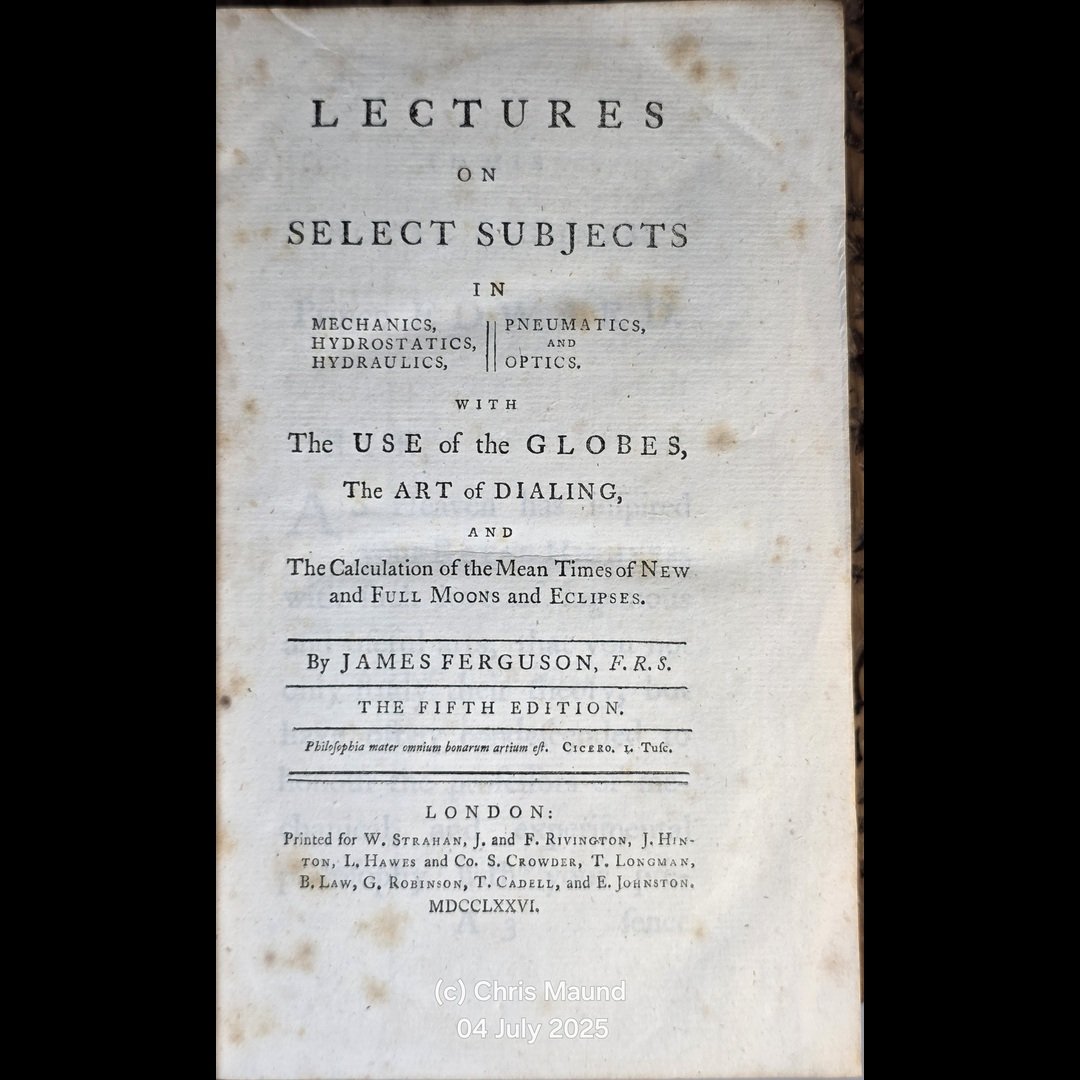 Image 1 of 33
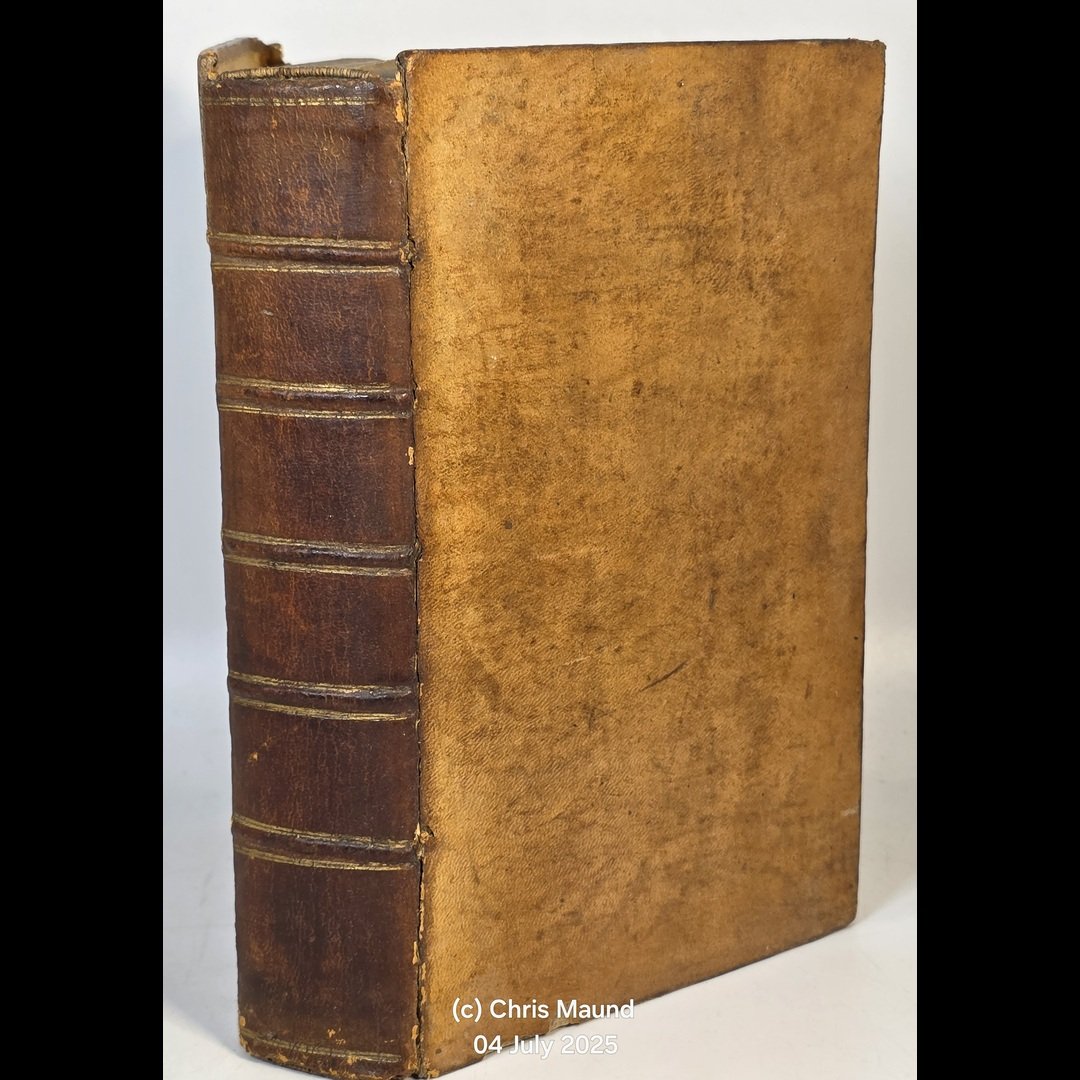 Image 2 of 33
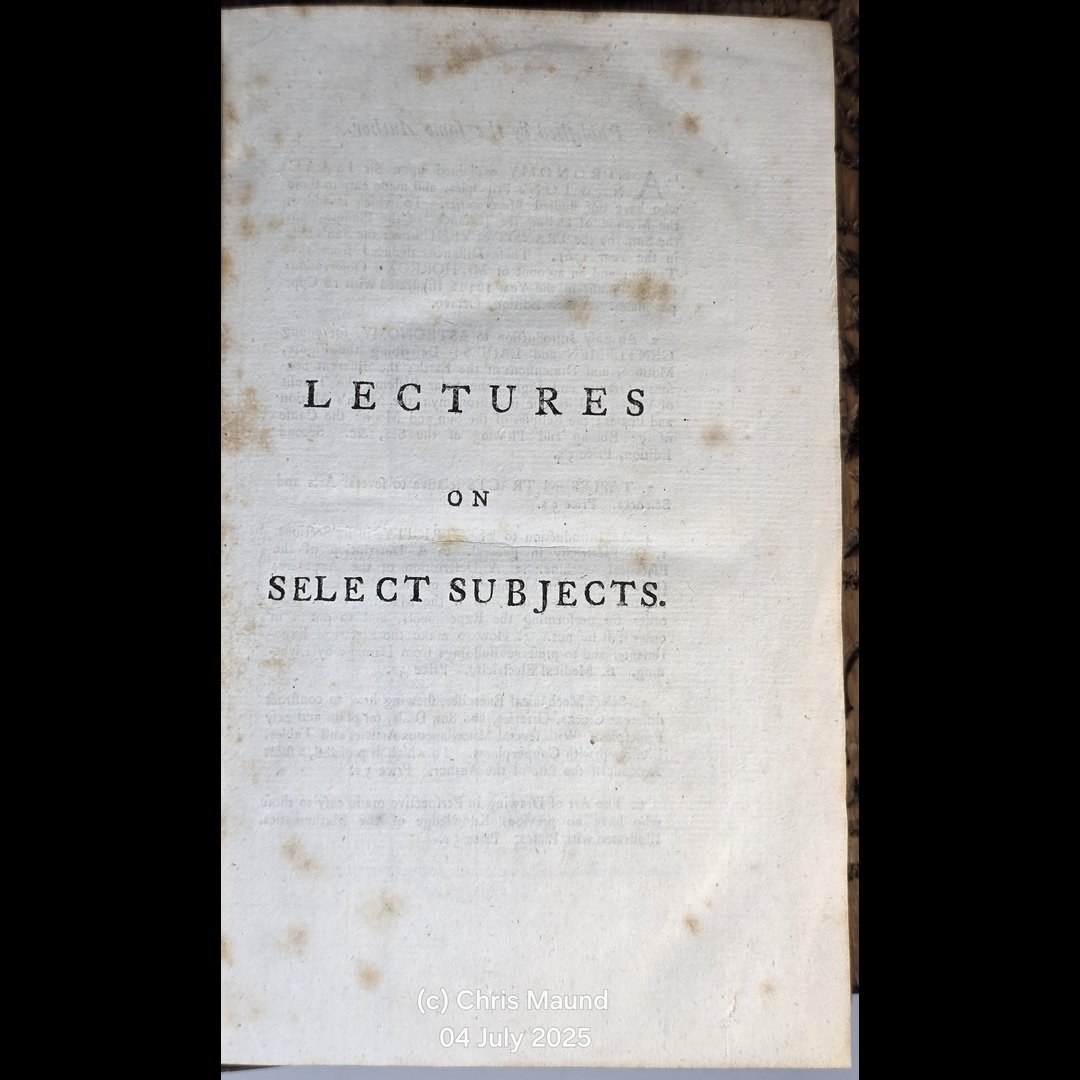 Image 3 of 33
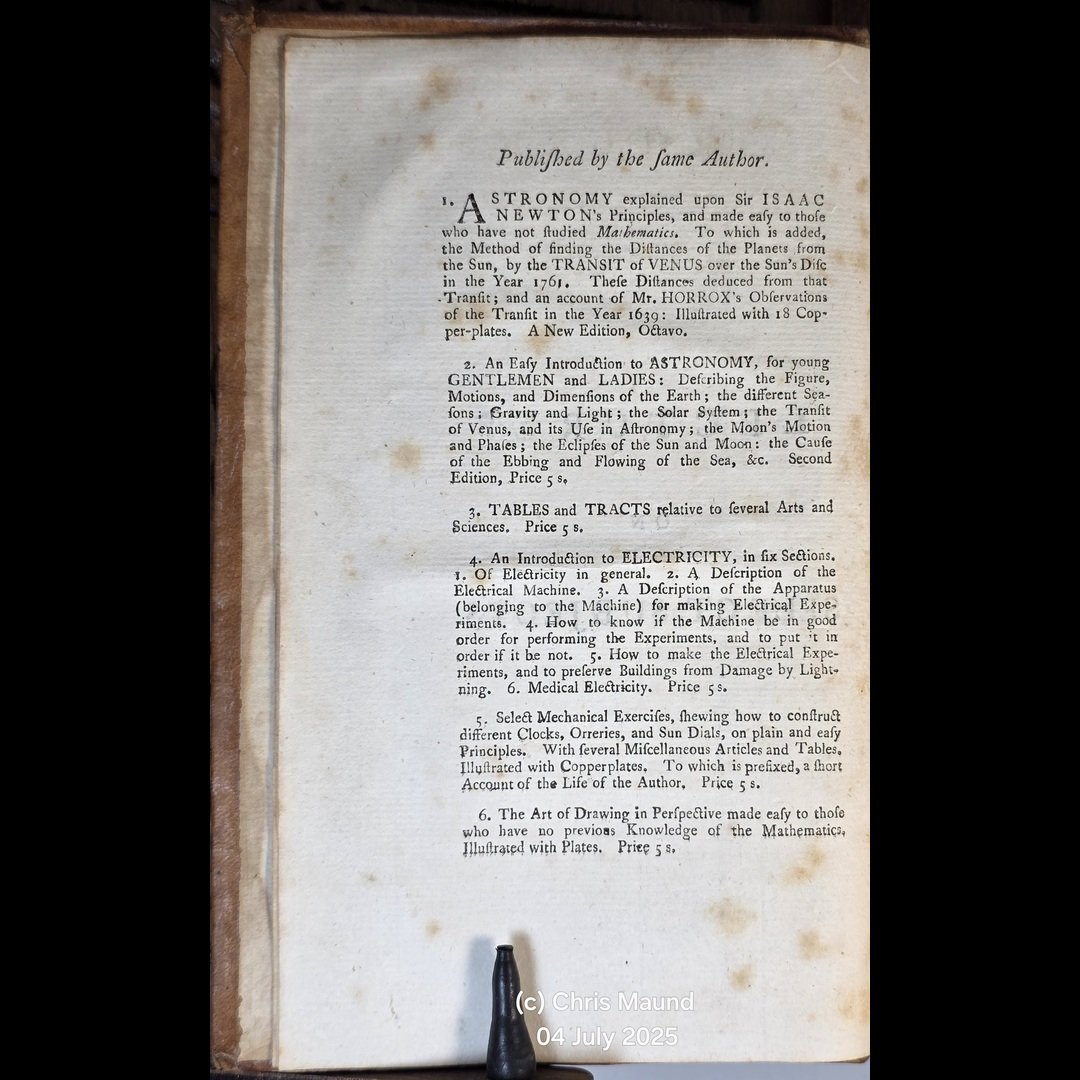 Image 4 of 33
 Image 5 of 33
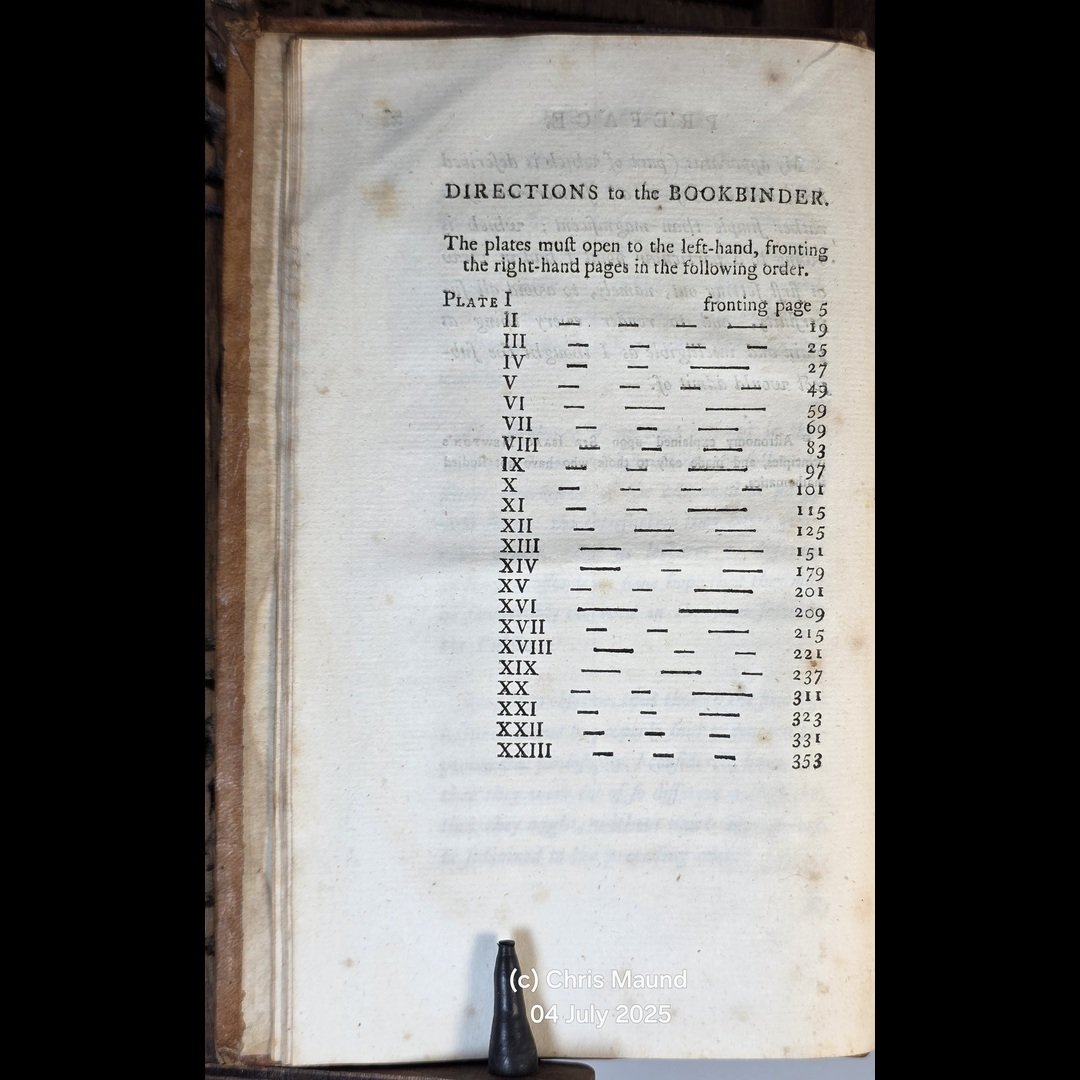 Image 6 of 33
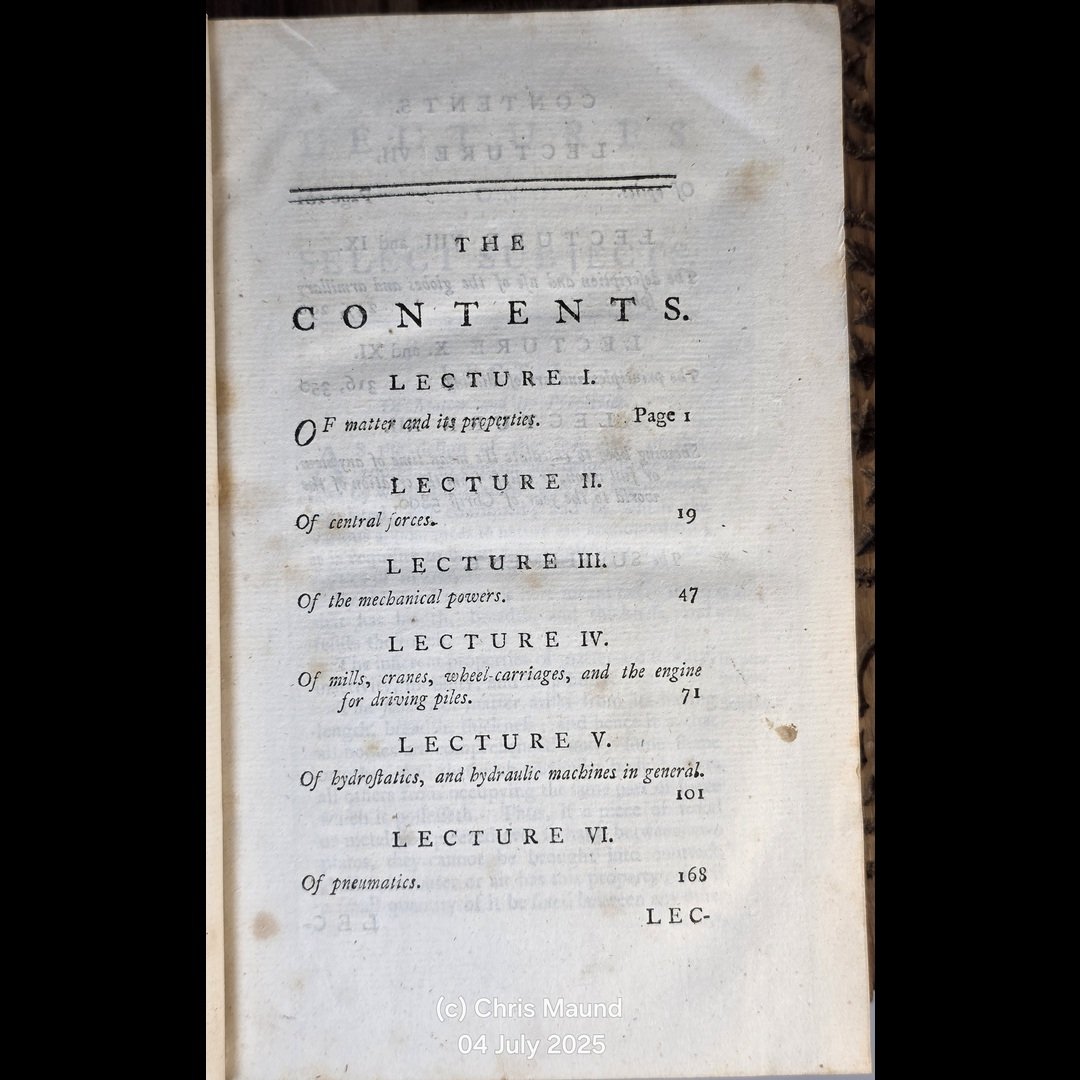 Image 7 of 33
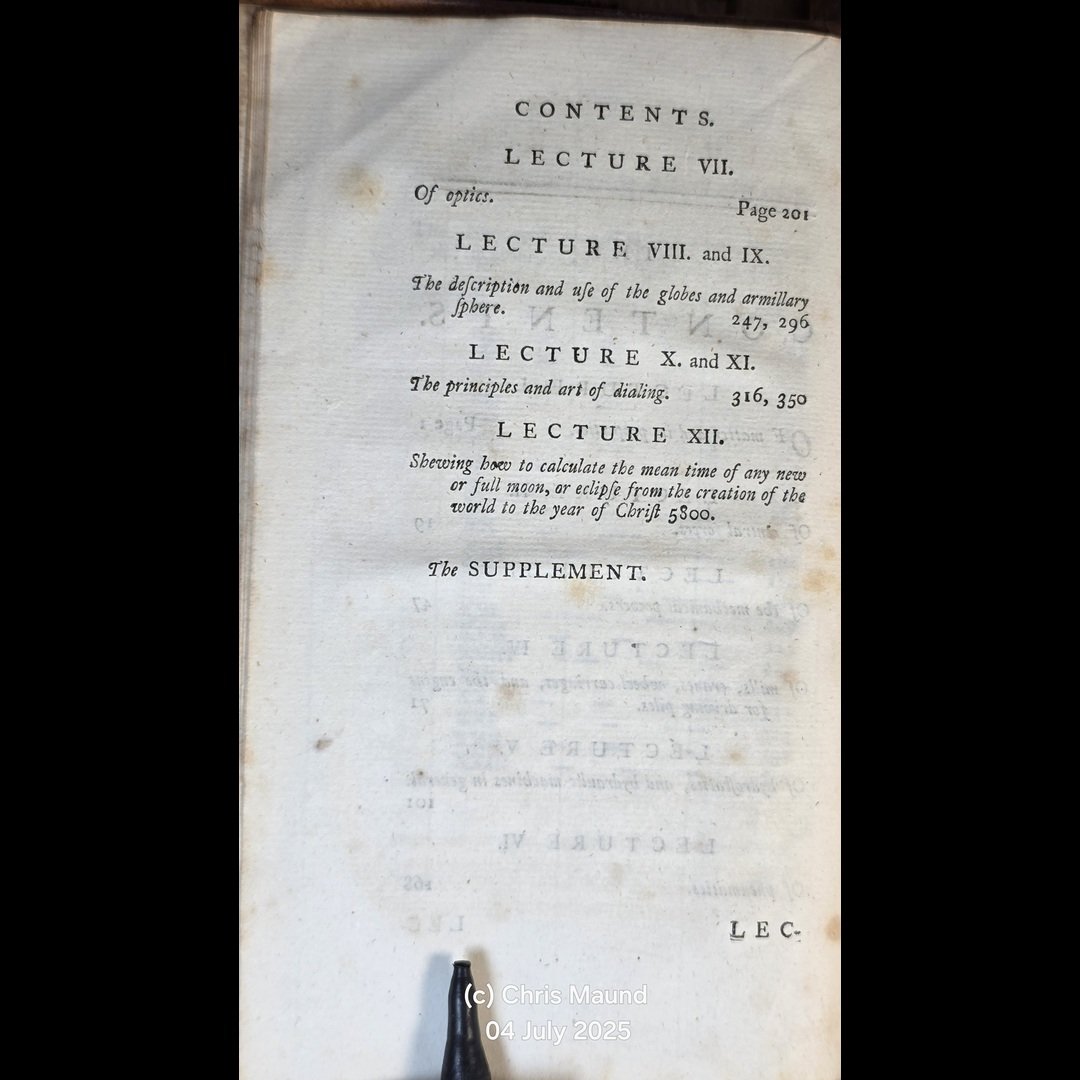 Image 8 of 33
 Image 9 of 33
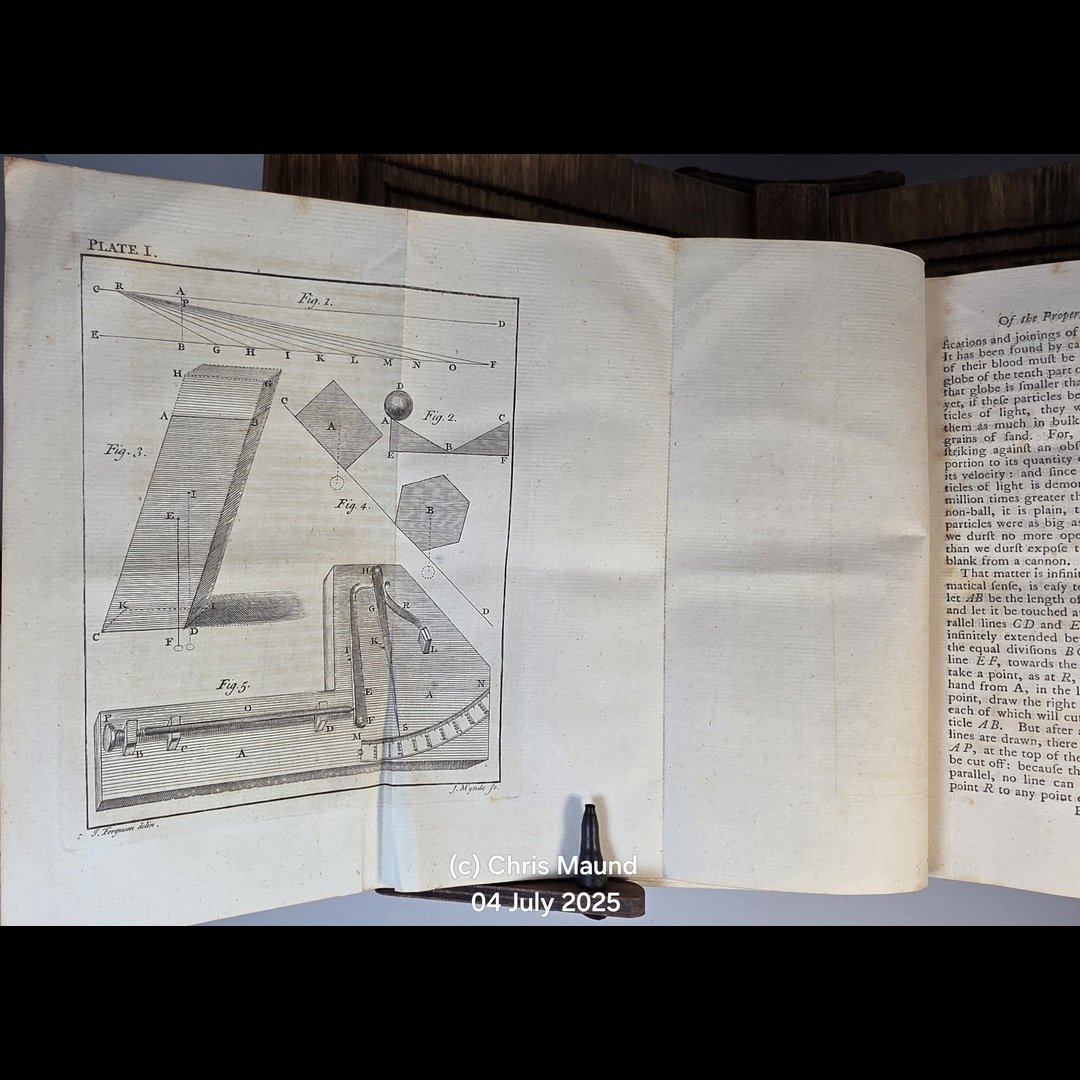 Image 10 of 33
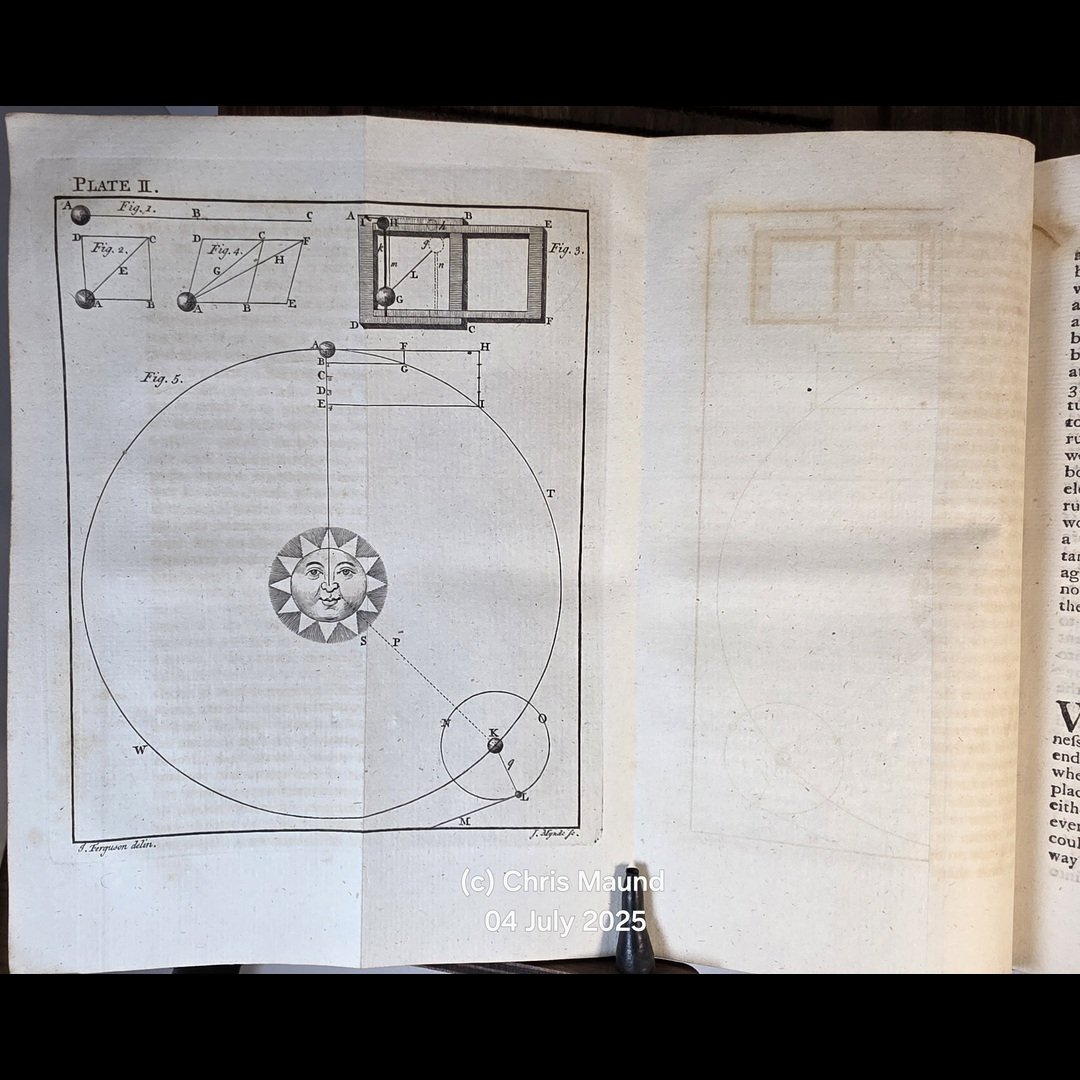 Image 11 of 33
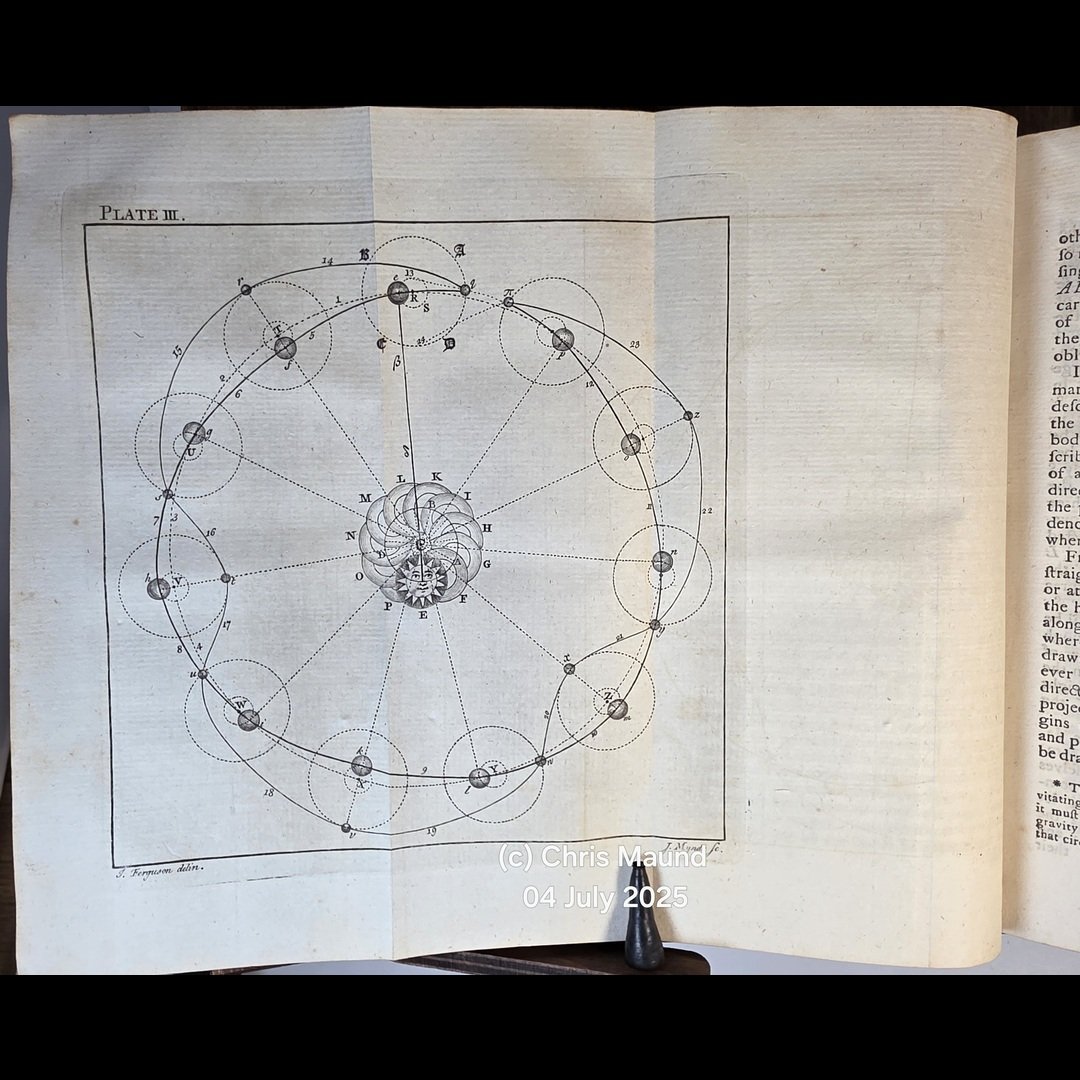 Image 12 of 33
 Image 13 of 33
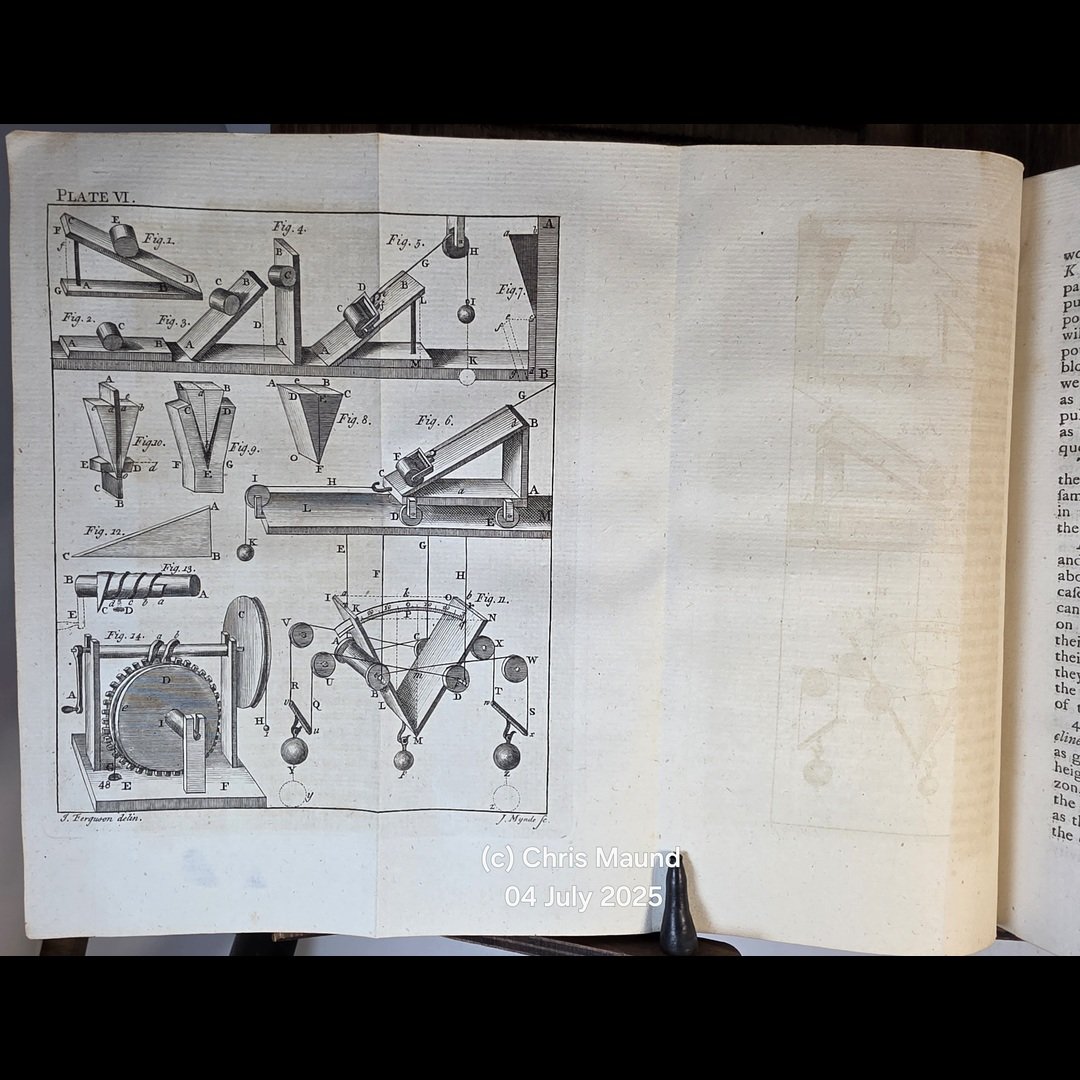 Image 14 of 33
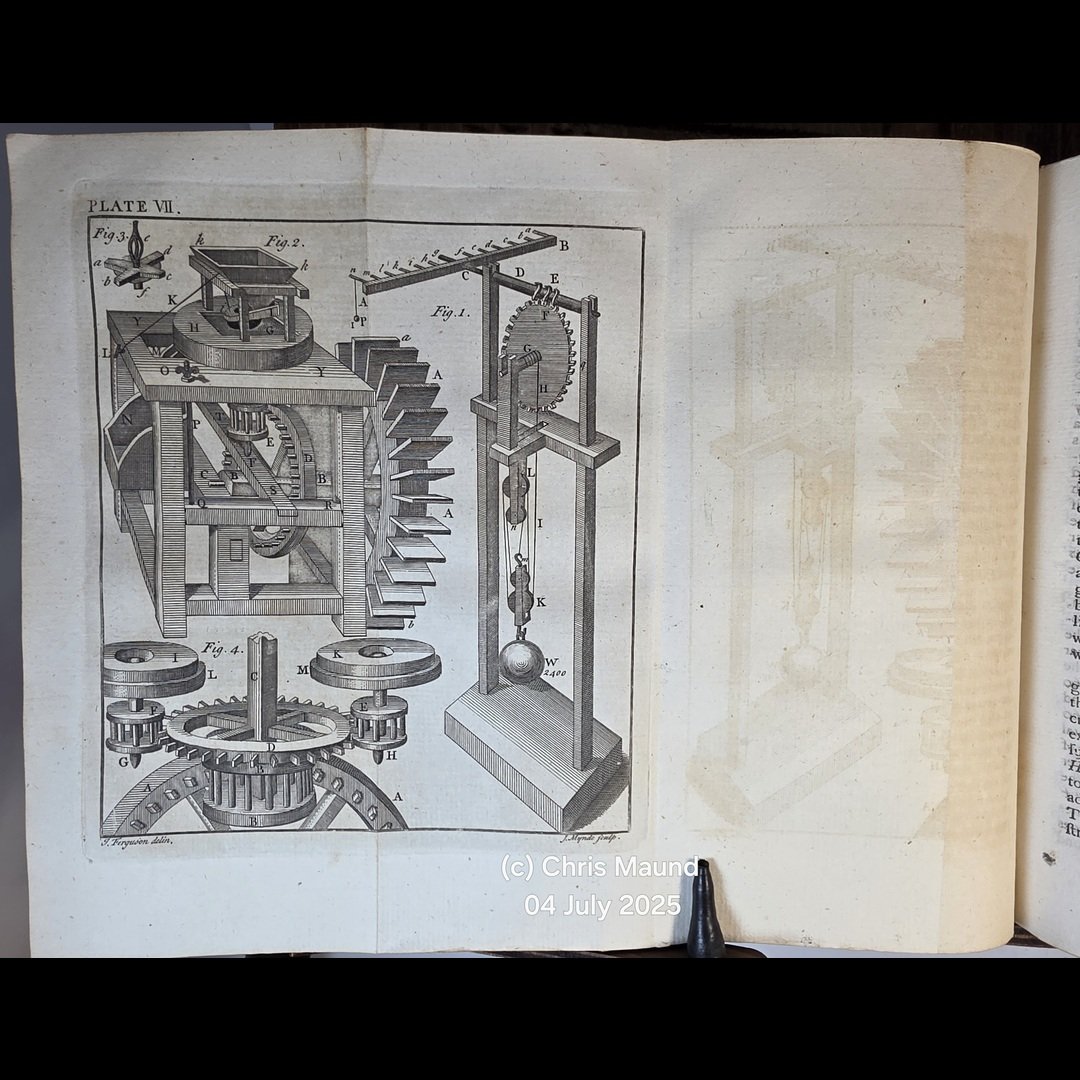 Image 15 of 33
 Image 16 of 33
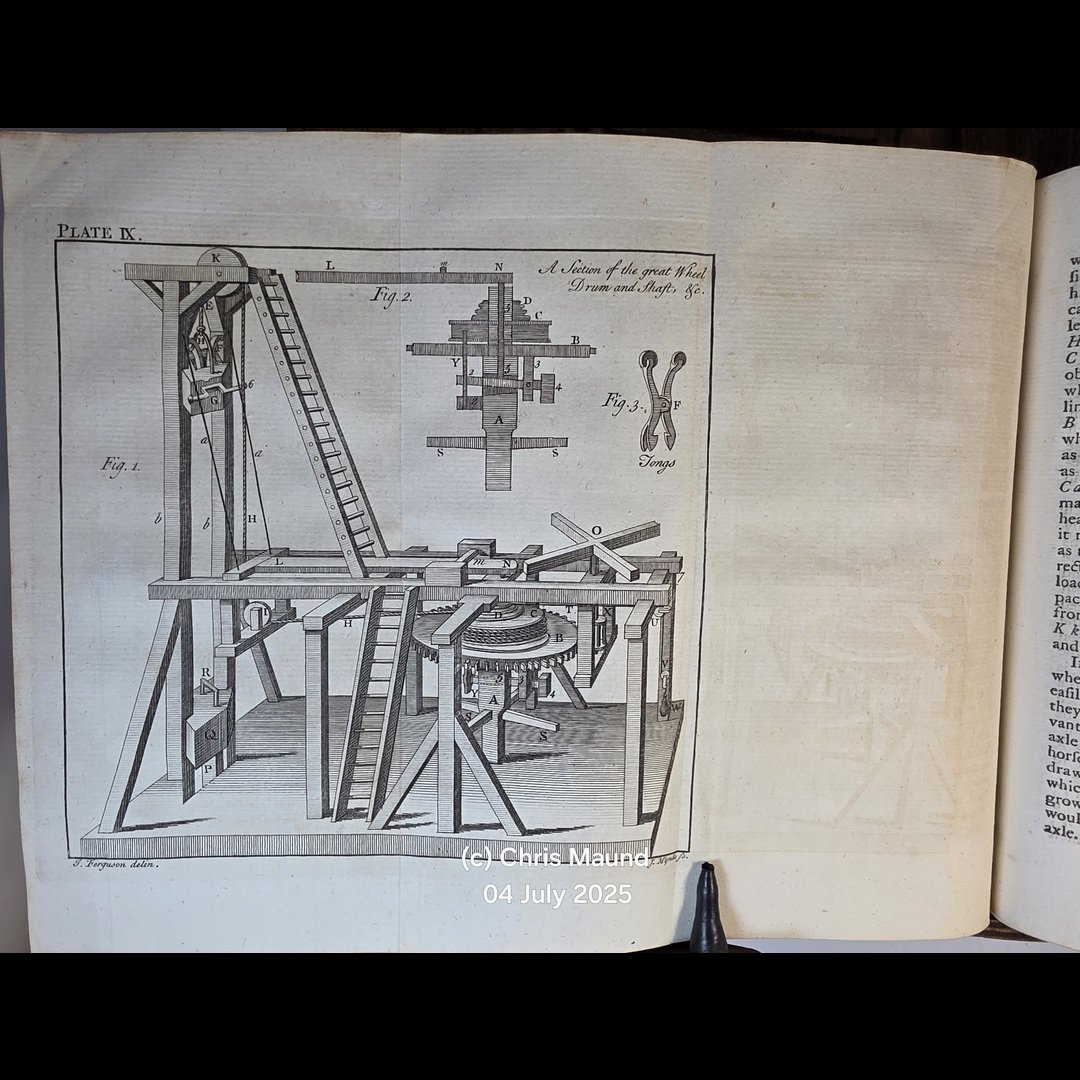 Image 17 of 33
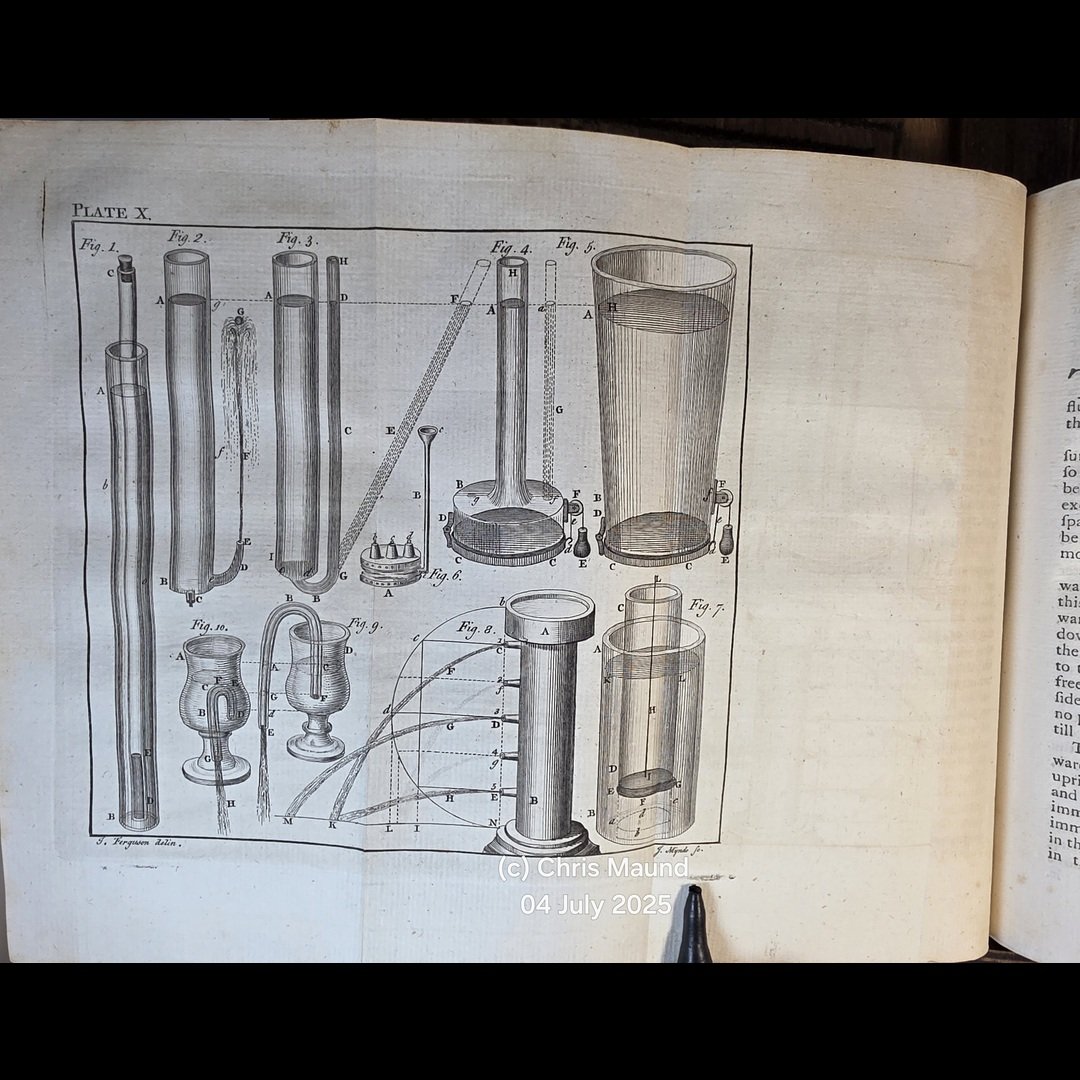 Image 18 of 33
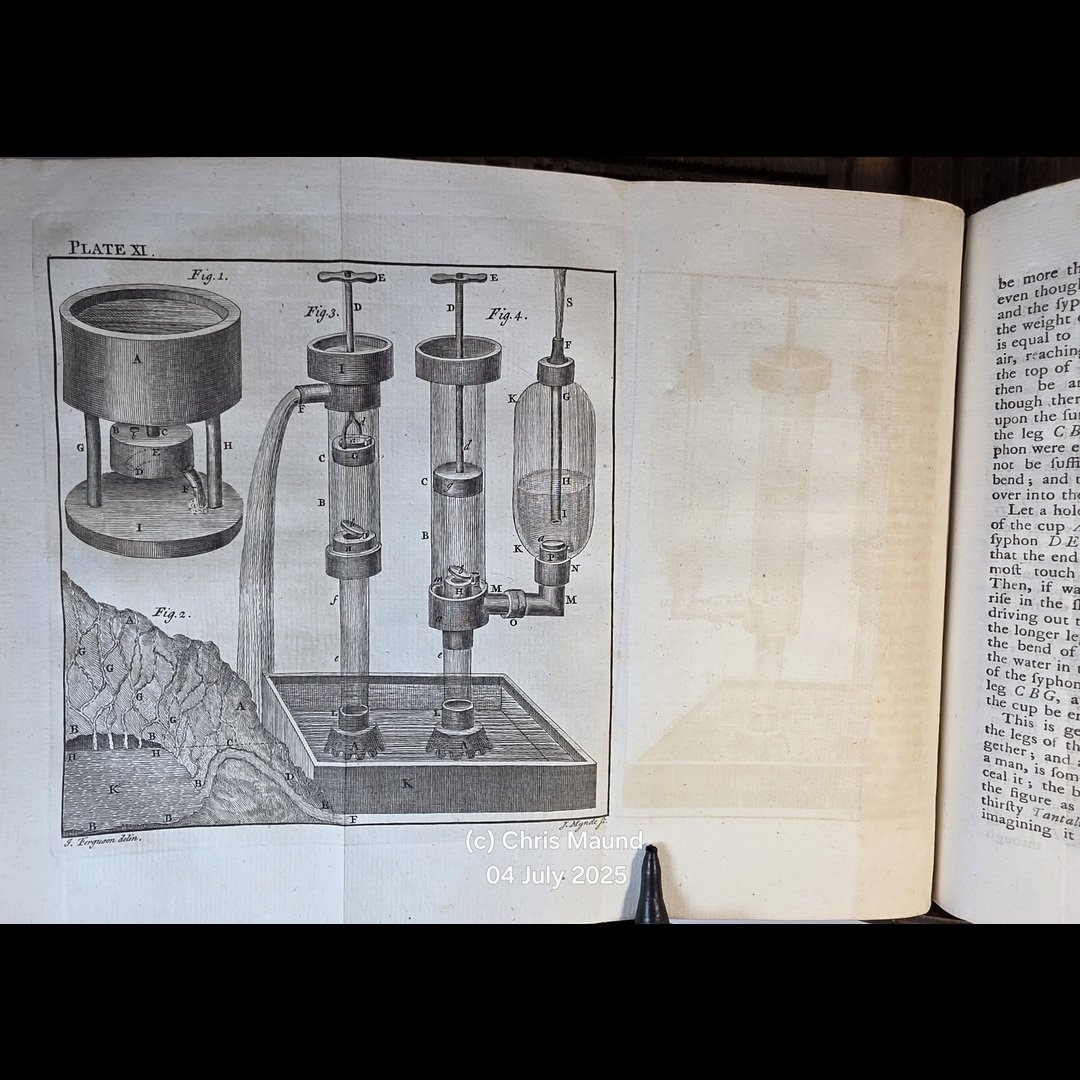 Image 19 of 33
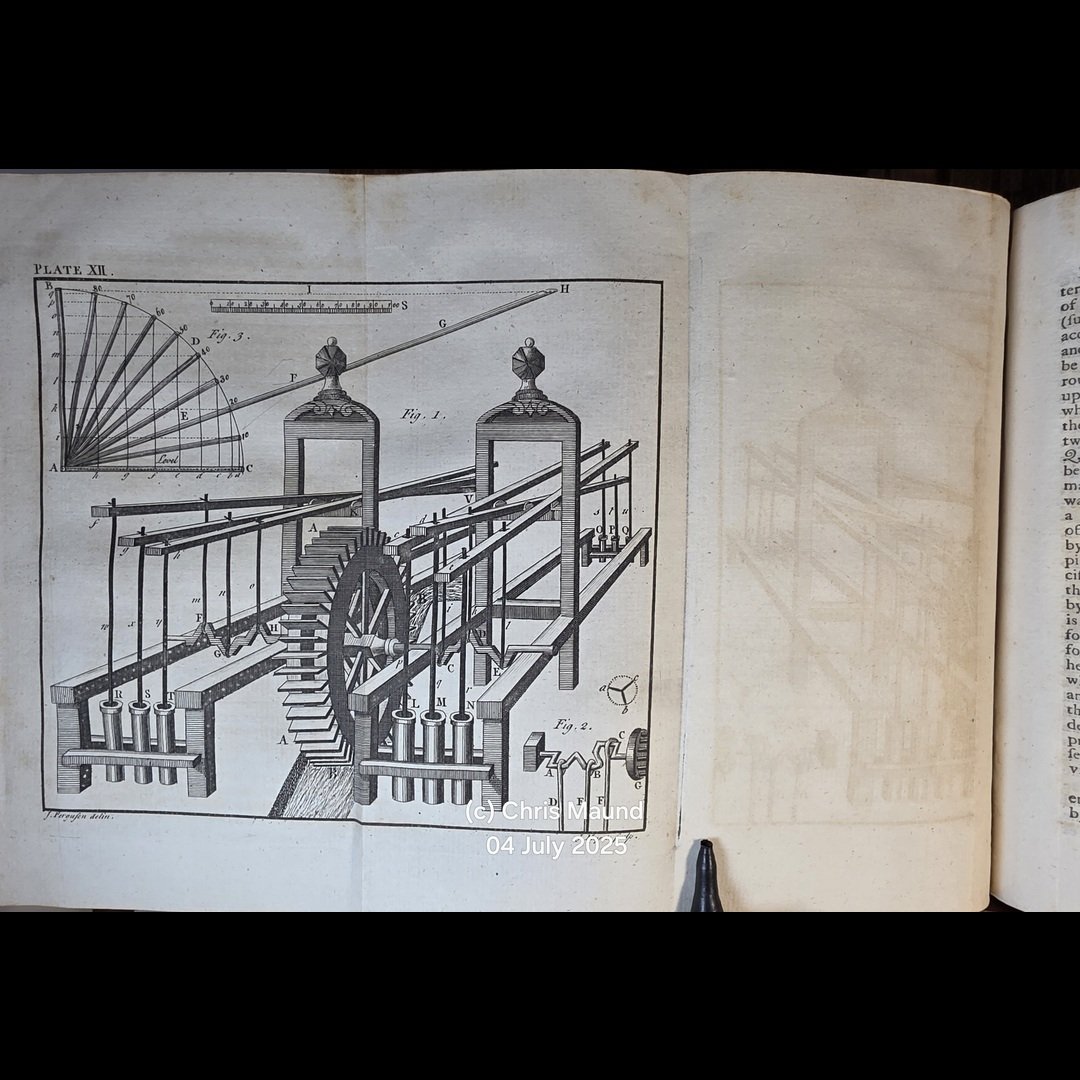 Image 20 of 33
 Image 21 of 33
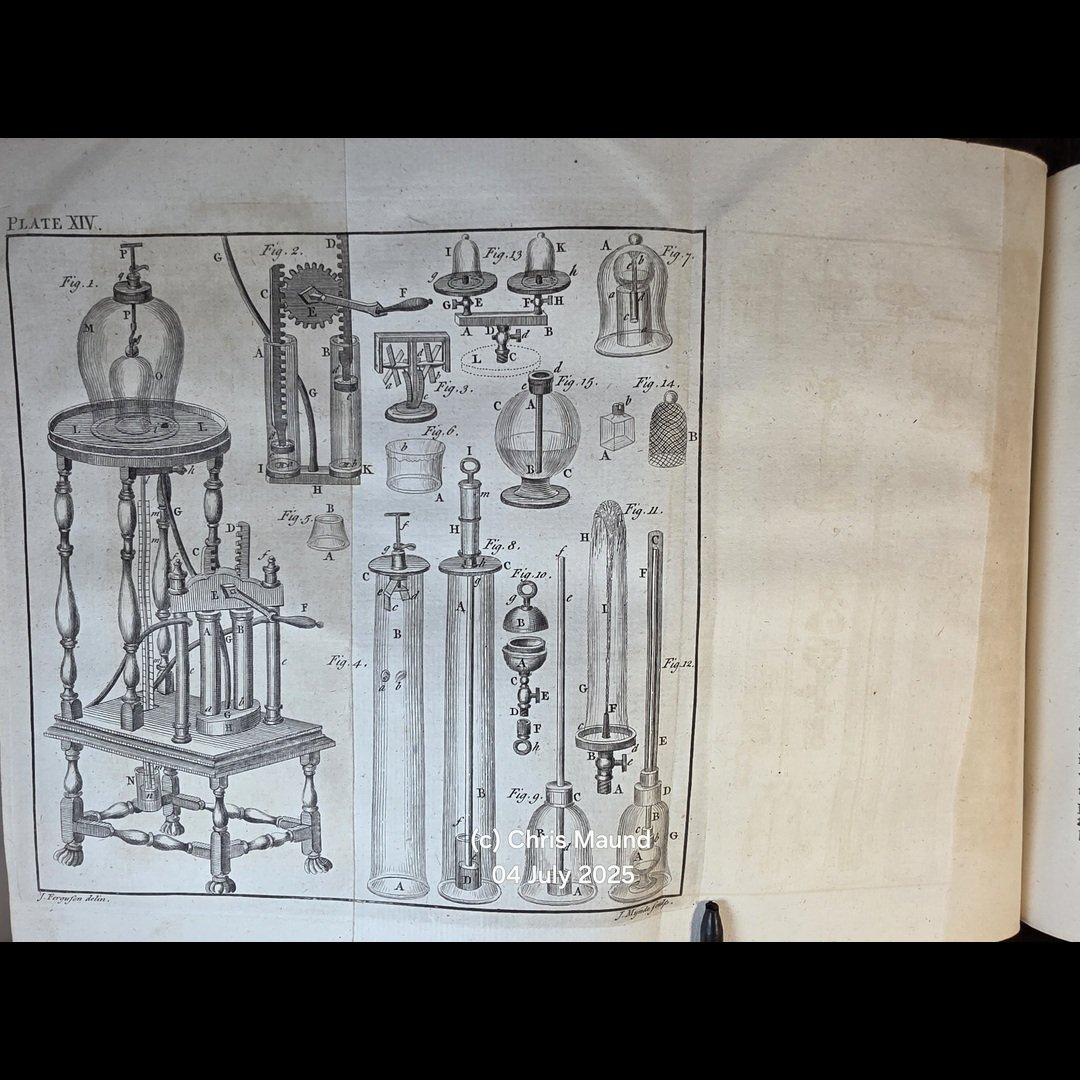 Image 22 of 33
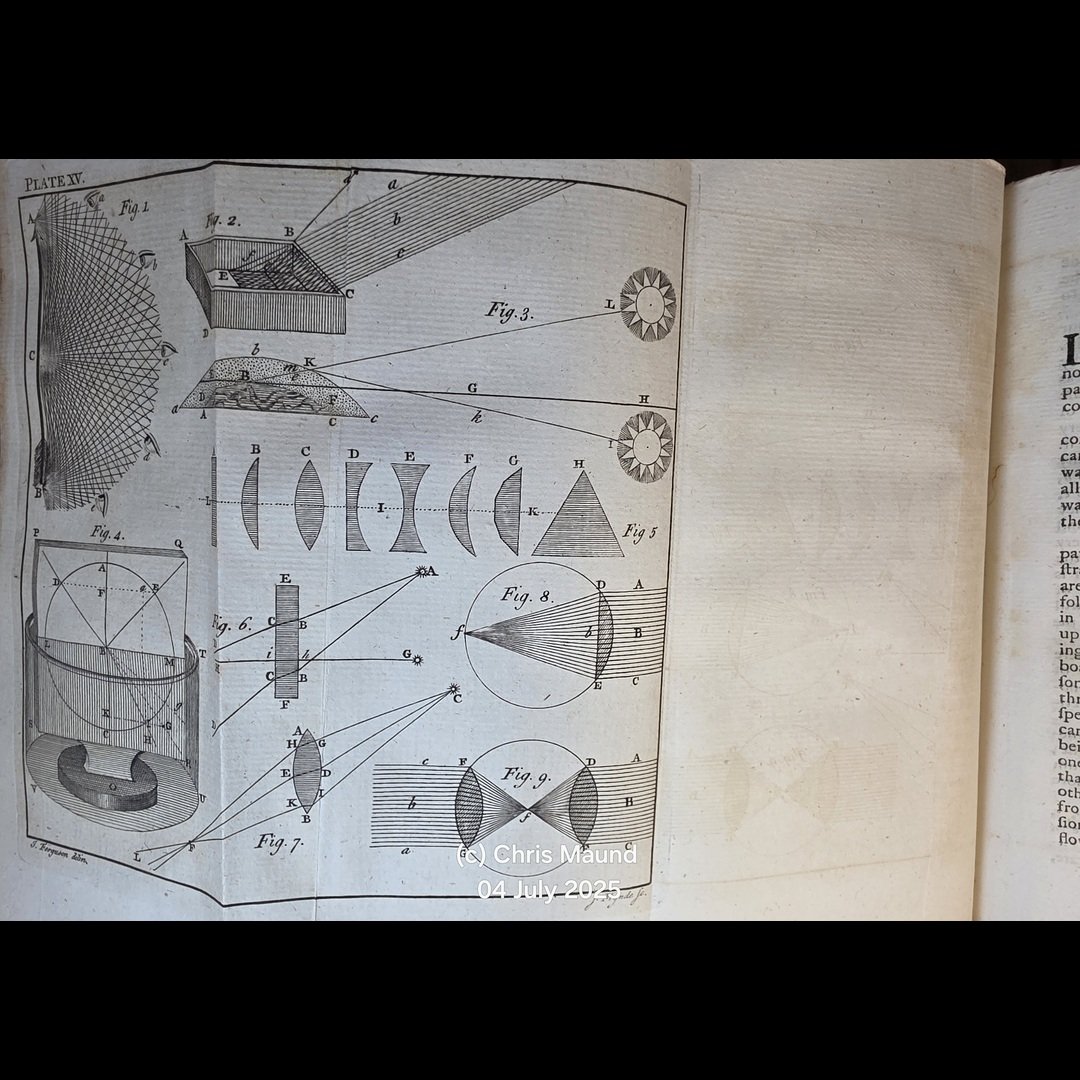 Image 23 of 33
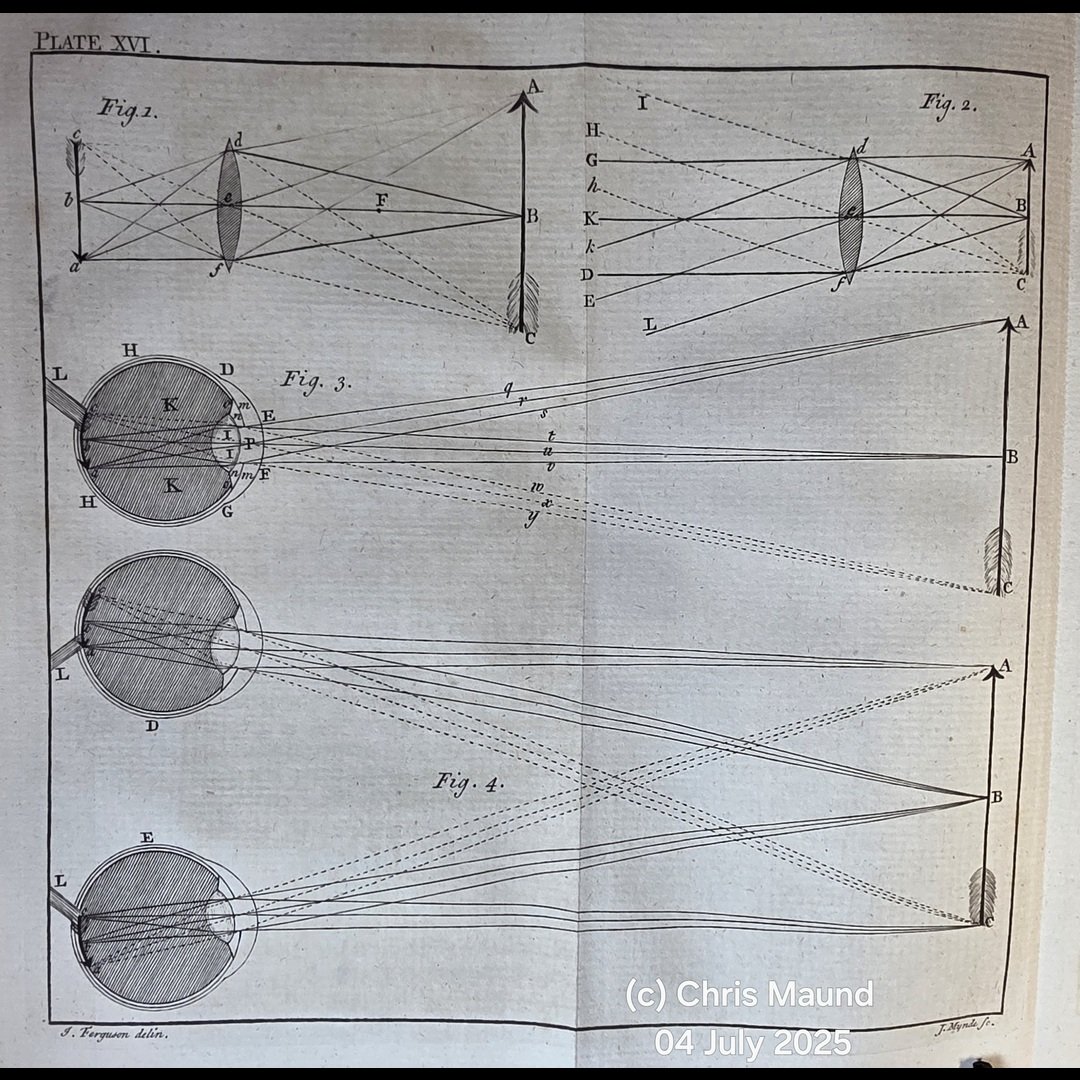 Image 24 of 33
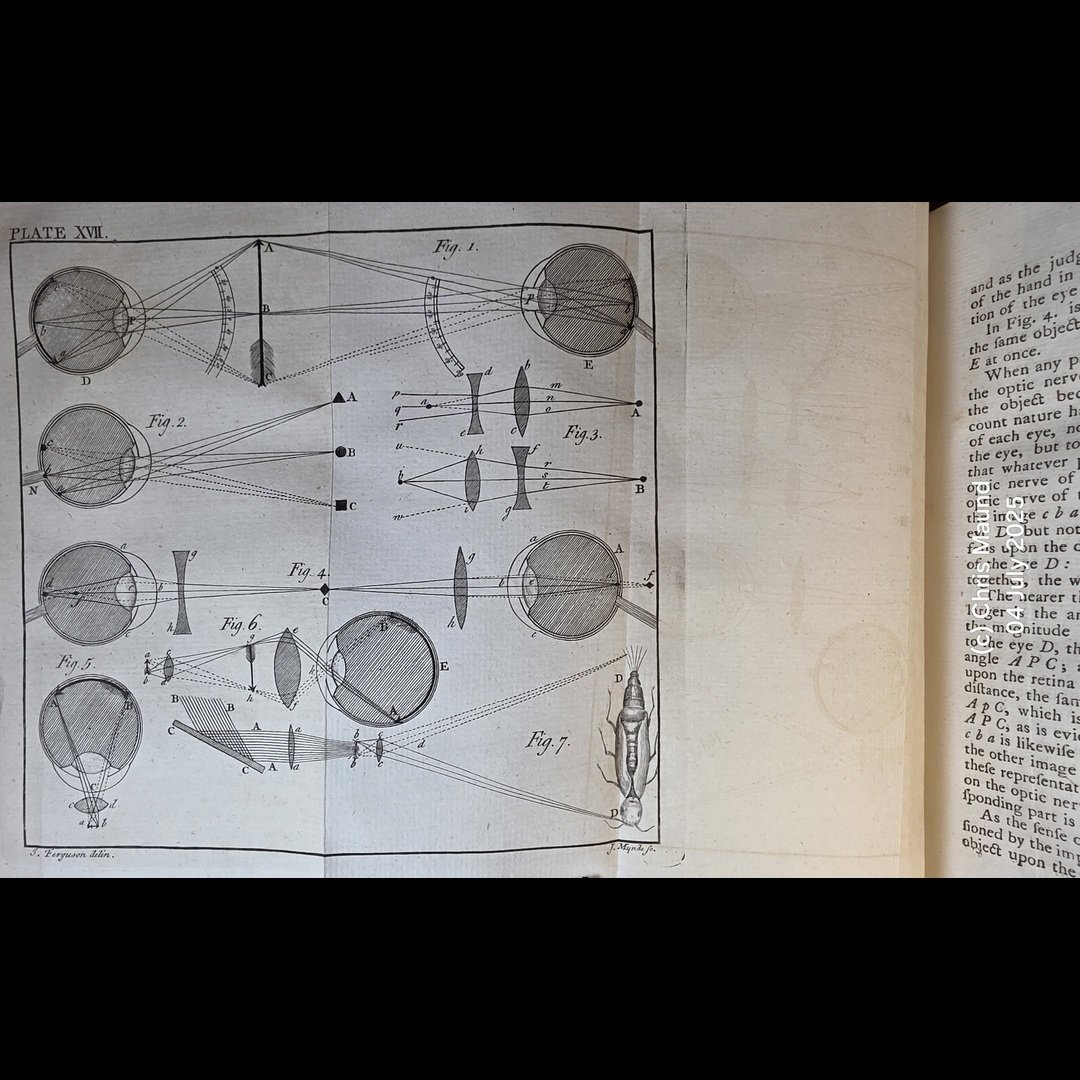 Image 25 of 33
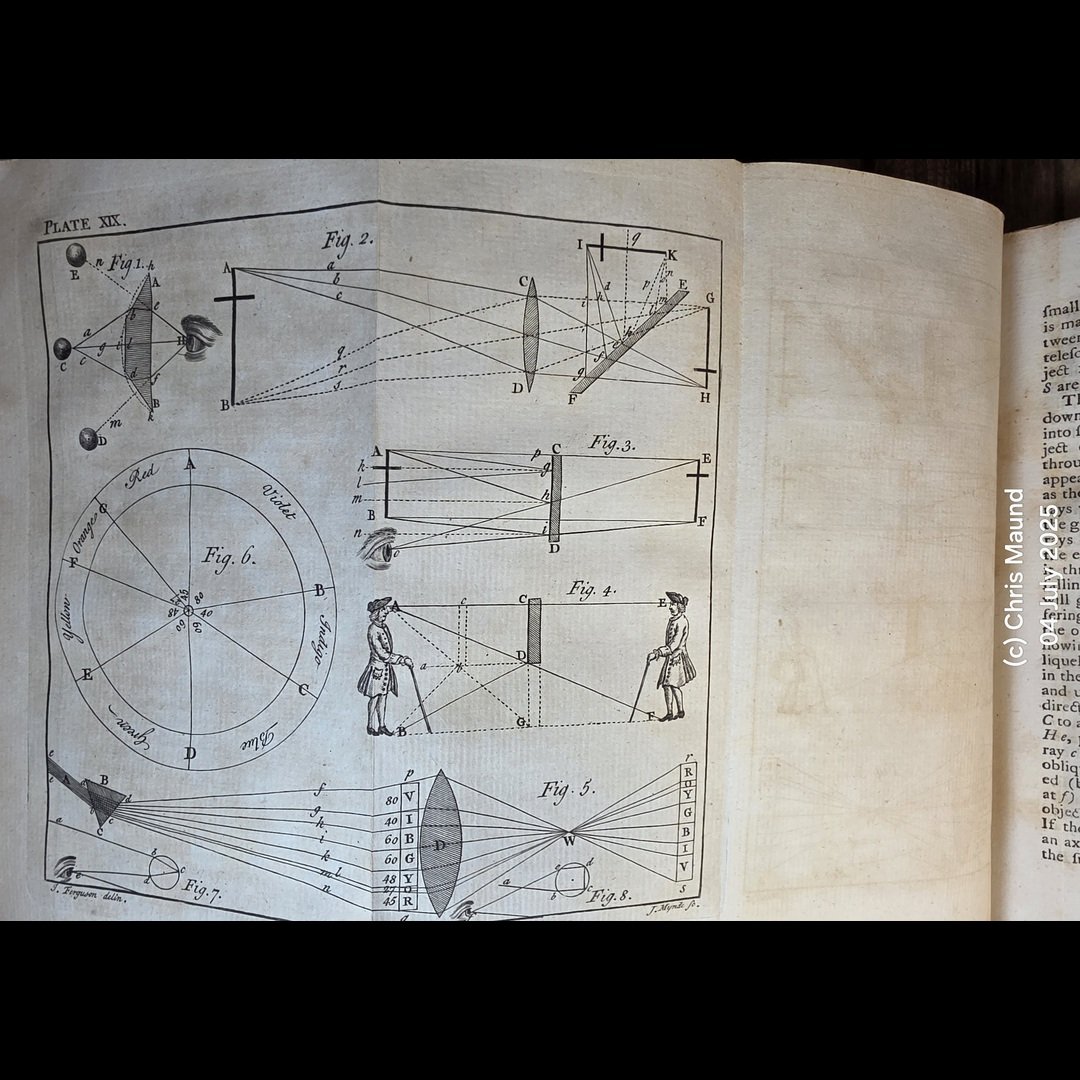 Image 26 of 33
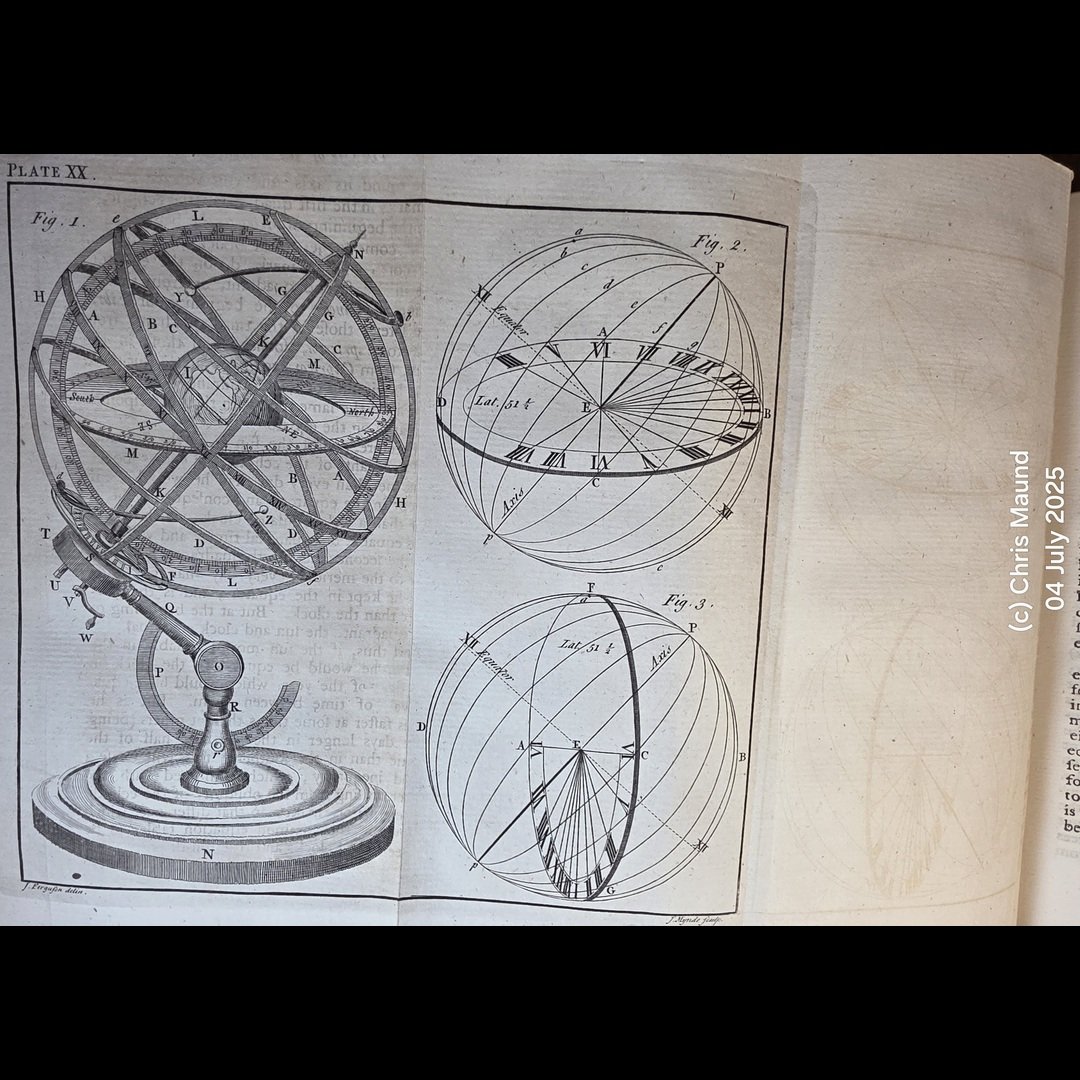 Image 27 of 33
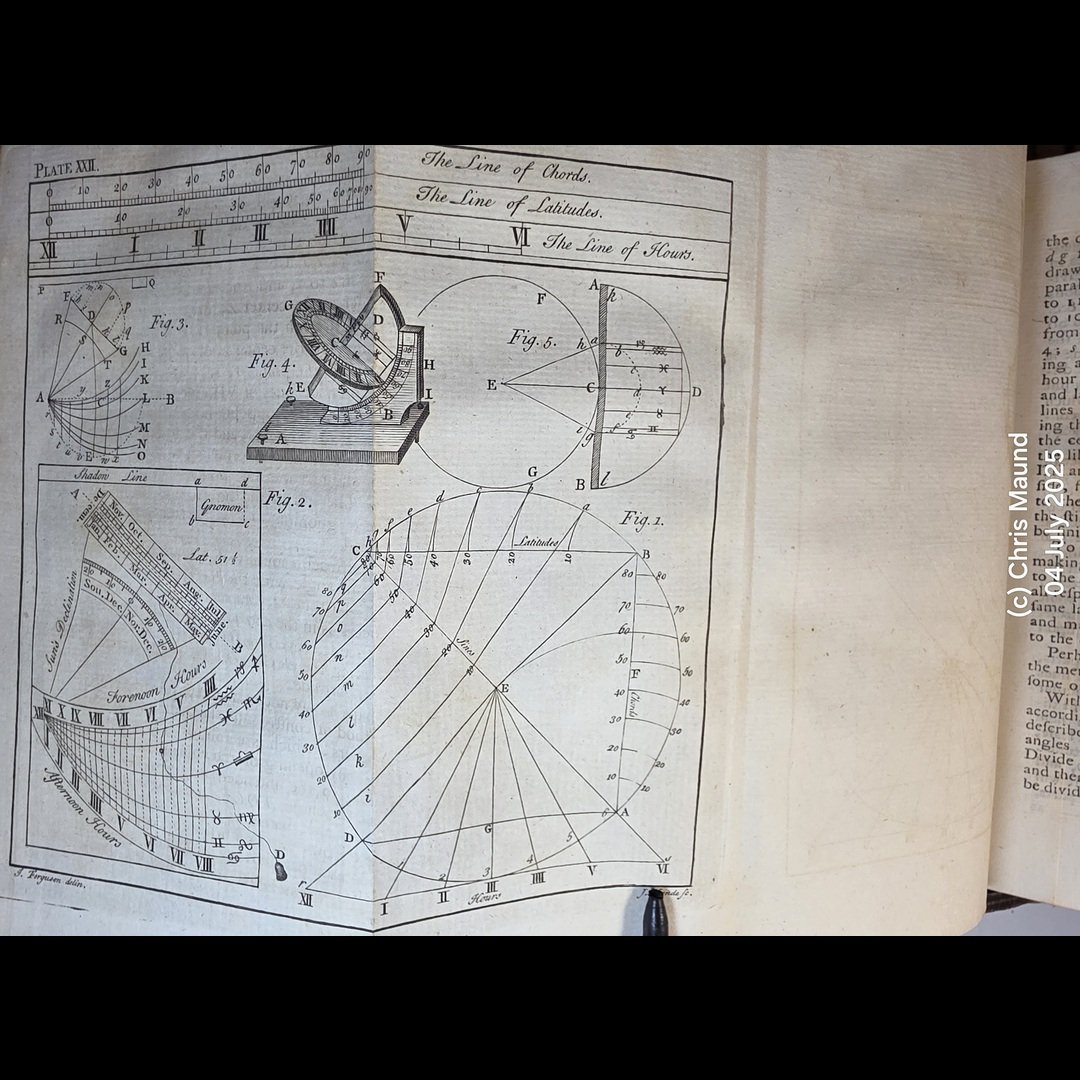 Image 28 of 33
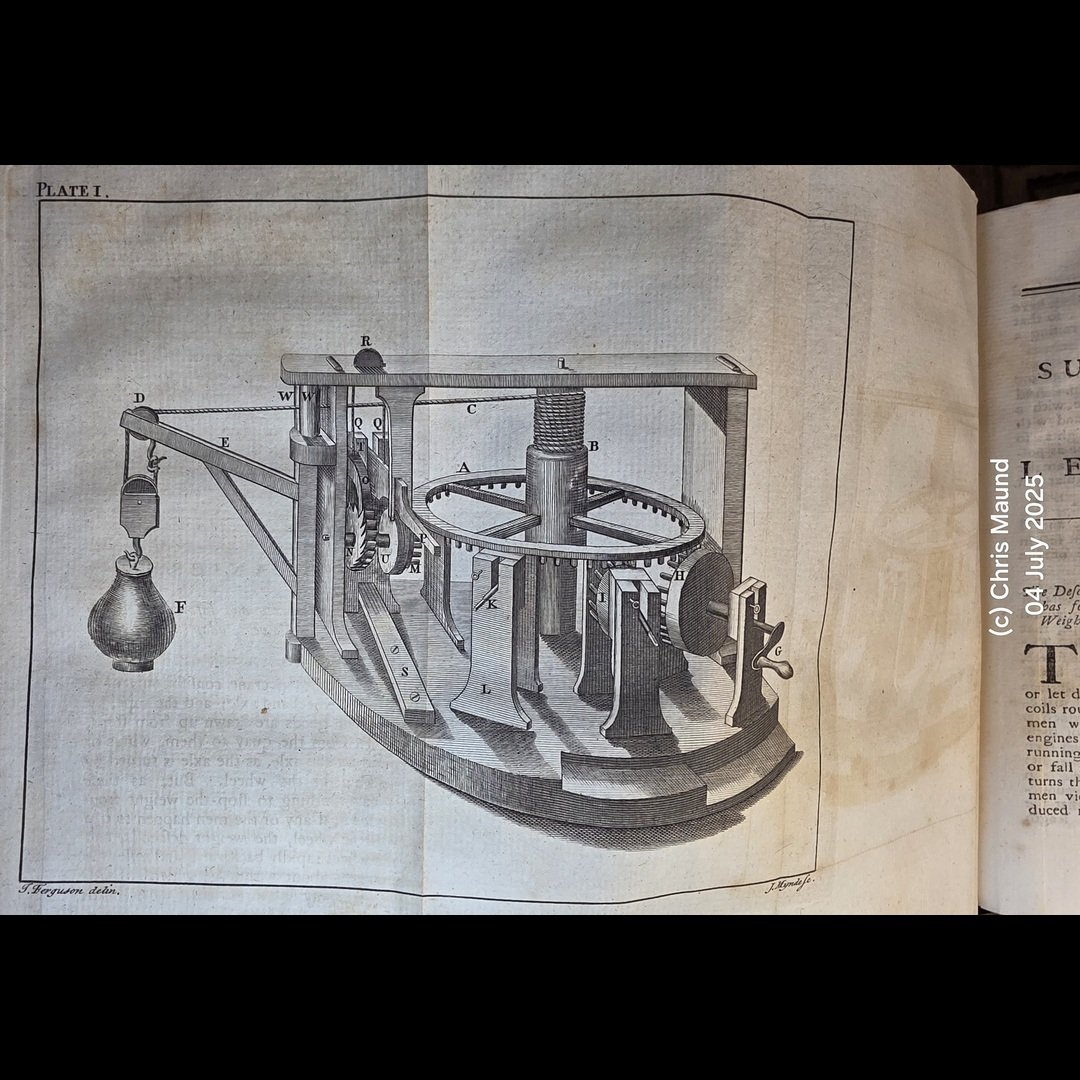 Image 29 of 33
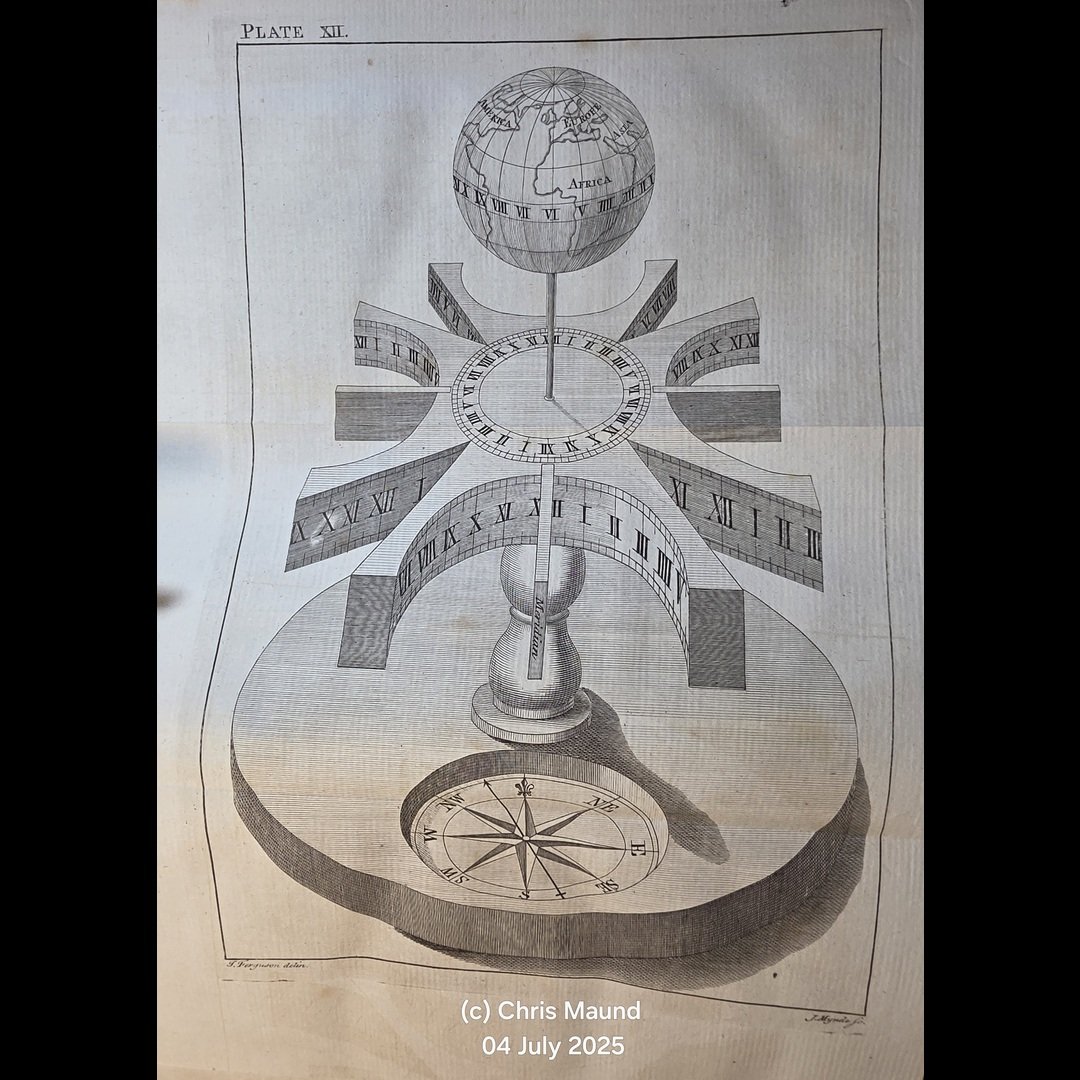 Image 30 of 33
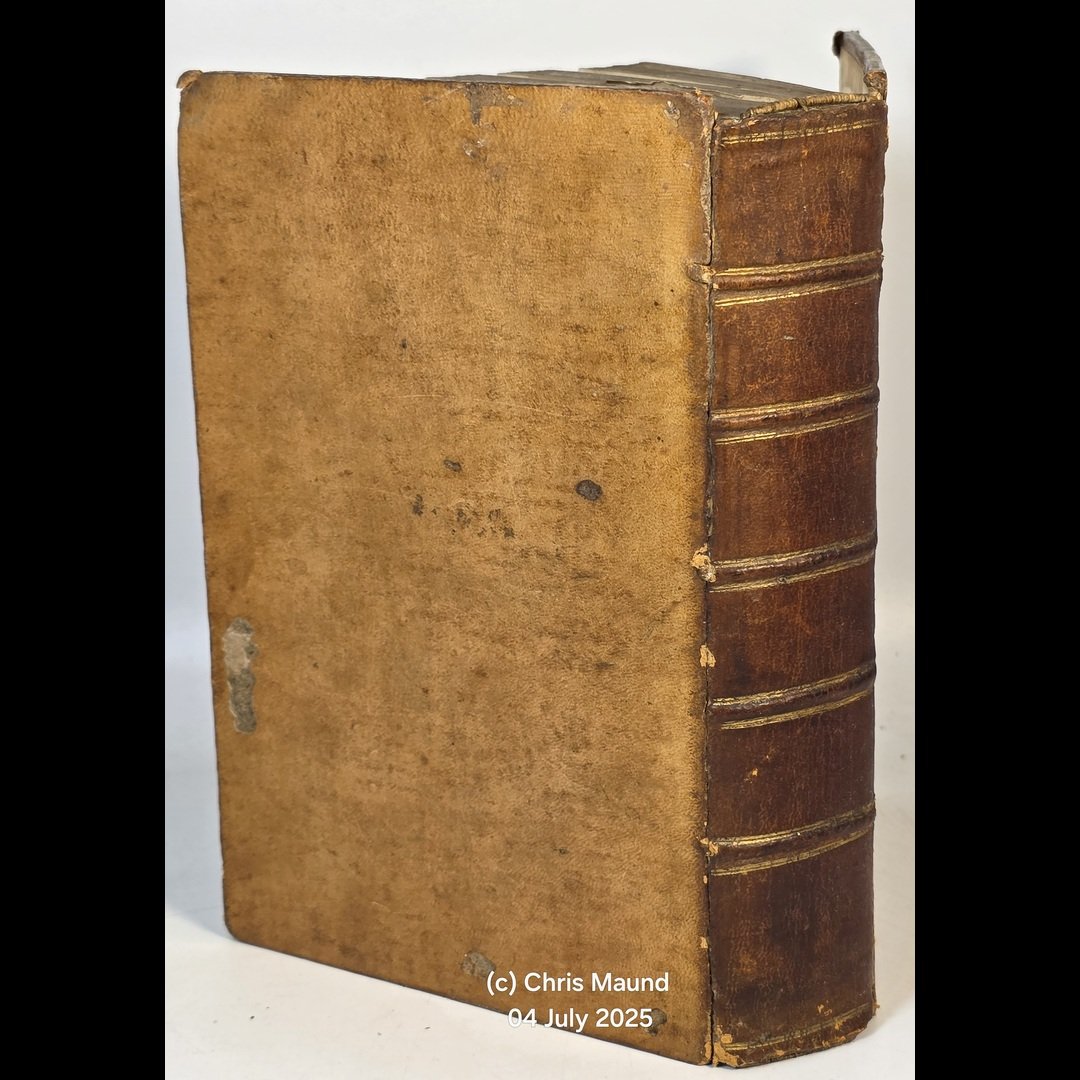 Image 31 of 33
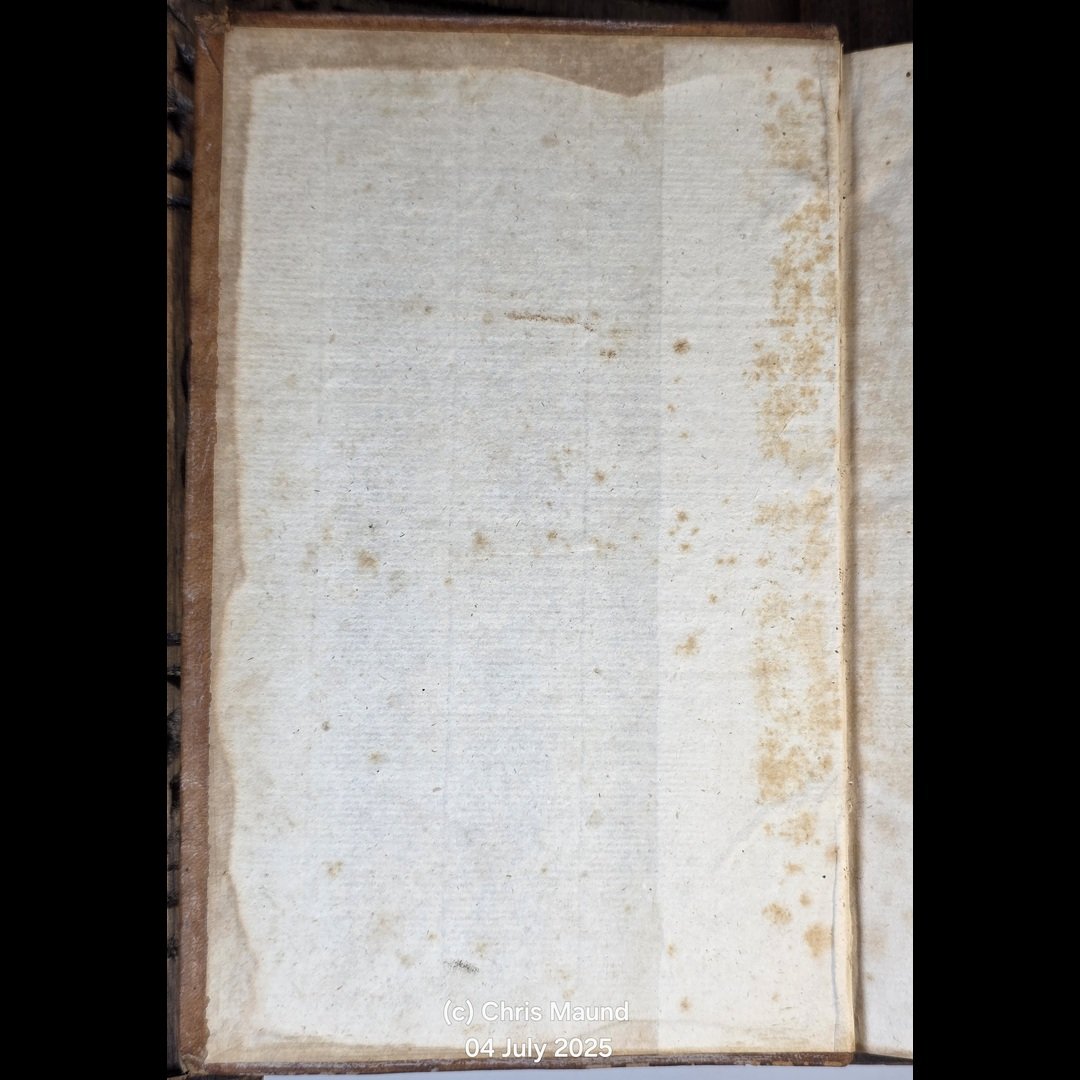 Image 32 of 33
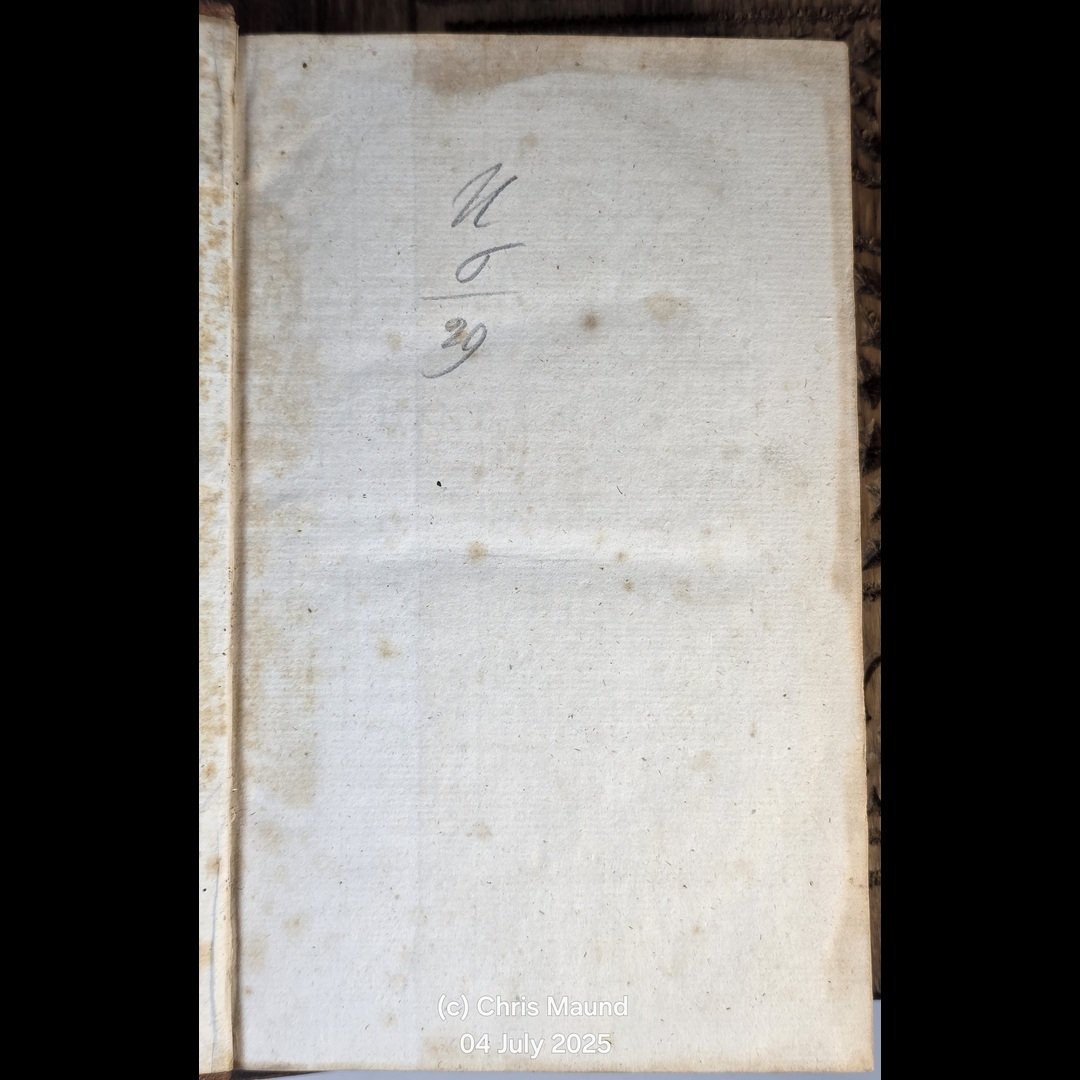 Image 33 of 33