1693 First Hudson Edition With Ombersley Court Provenance
QUAE SUPERSUNT CUM VARIIS LECTIONIBUS
By M. Velleii Paterculi, John Hudson
KEY DETAILS
Condition: Very Good
Format: Hardcover, Octavo (Standard) (8vo 6 × 9 in 152 × 229 mm )
Note: Binding/size selection follows standard bibliographic conventions and is approximate; exact measurements may vary.
Published By: Sheldonian, Oxford, 1693
Language: Latin
Provenance: The Sandys Family Library, Ombersley Court, Worcestershire. With Sandys armorial bookplate on the front pastedown; the Sandys / Edwin Sandys plates are catalogued in the Franks Bequest under the Sandys entries, includ...
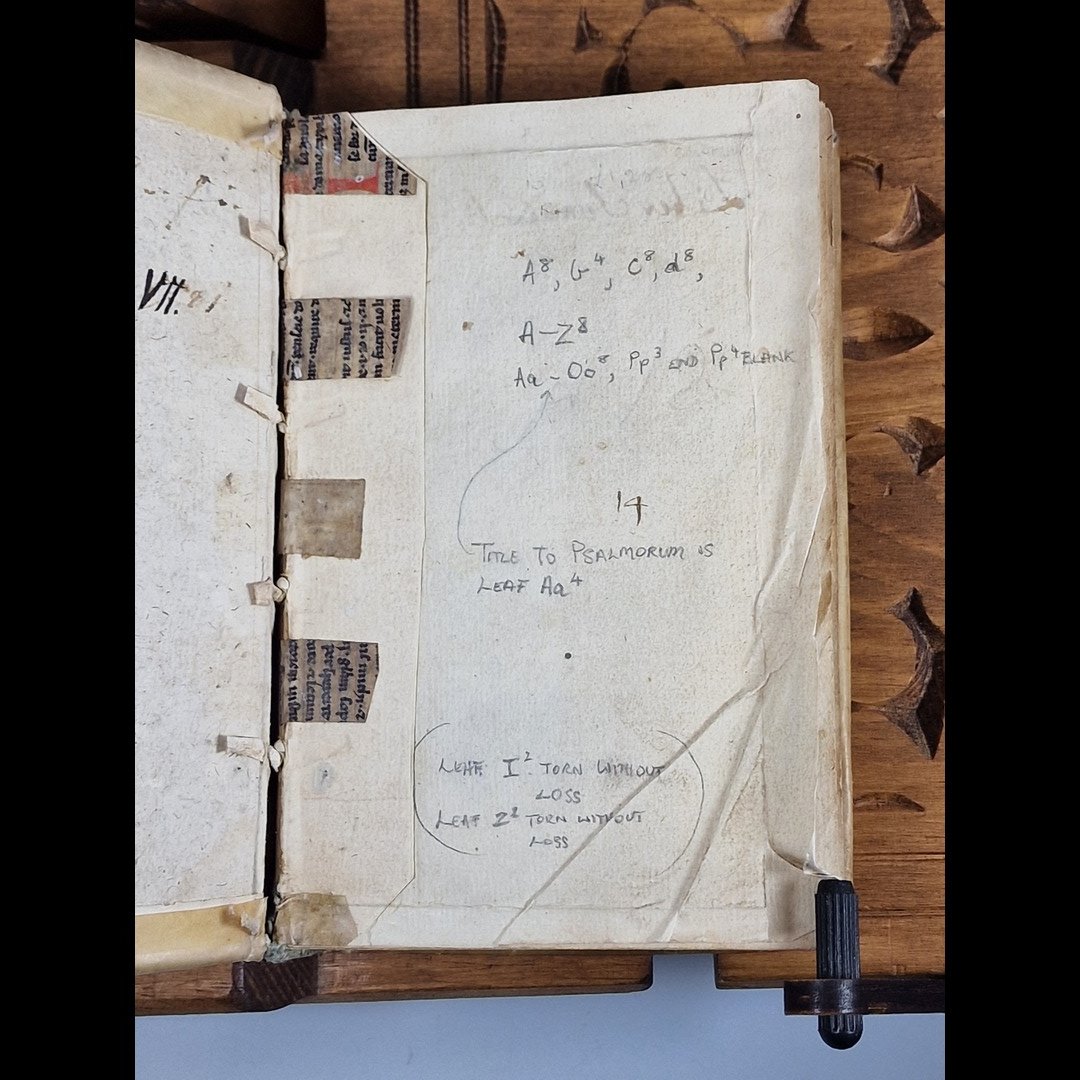
Collation: [80], 149, [59] pp.; Complete.
Dust Jacket: None, as issued, No Jacket
SKU: BTETM0002453
Shipping Info: Approximate Package Dimensions H: 12.5, L: 30, W: 25 (Units: cm), W: 2Kg
Tracked Shipping, Insurance Coverage as per Customer Request
DESCRIPTION
Quae supersunt cum variis Lectionibus
Cum Variis Lectionibus Optimarum Editionum; Doctorum Virorum Conjecturis & Castigationibus; et Indice Locupletissimo. Praemittuntur Annales Velleiani
By Marcus Velleius Paterculus; edited by John Hudson; with Henry Dodwell
The first John Hudson edition of Velleius Paterculus, printed at Oxford at the Sheldonian Theatre in 1693, combining the surviving text of Velleius's Historia Romana with variant readings, scholarly conjectures and corrections, Henry Dodwell's important Annales Velleiani, and an extensive concluding index.
An appealing copy in an early blind-panelled full calf binding and with distinguished provenance from the historic Ombersley Court Library of the Sandys family, retaining the engraved armorial bookplate of “Lord Sandys” to the front pastedown.
Hudson's 1693 edition occupies an important place in the early-modern editorial history of Velleius. Prepared at the request of Arthur Charlett, Master of University College, Oxford, copies of the edition were distributed by Charlett as New Year's gifts. Hudson subsequently issued a second edition in 1711. The 1693 edition became one of the recognised scholarly editions of Velleius, bringing together readings and conjectures from earlier editors alongside Dodwell's chronological and biographical study.
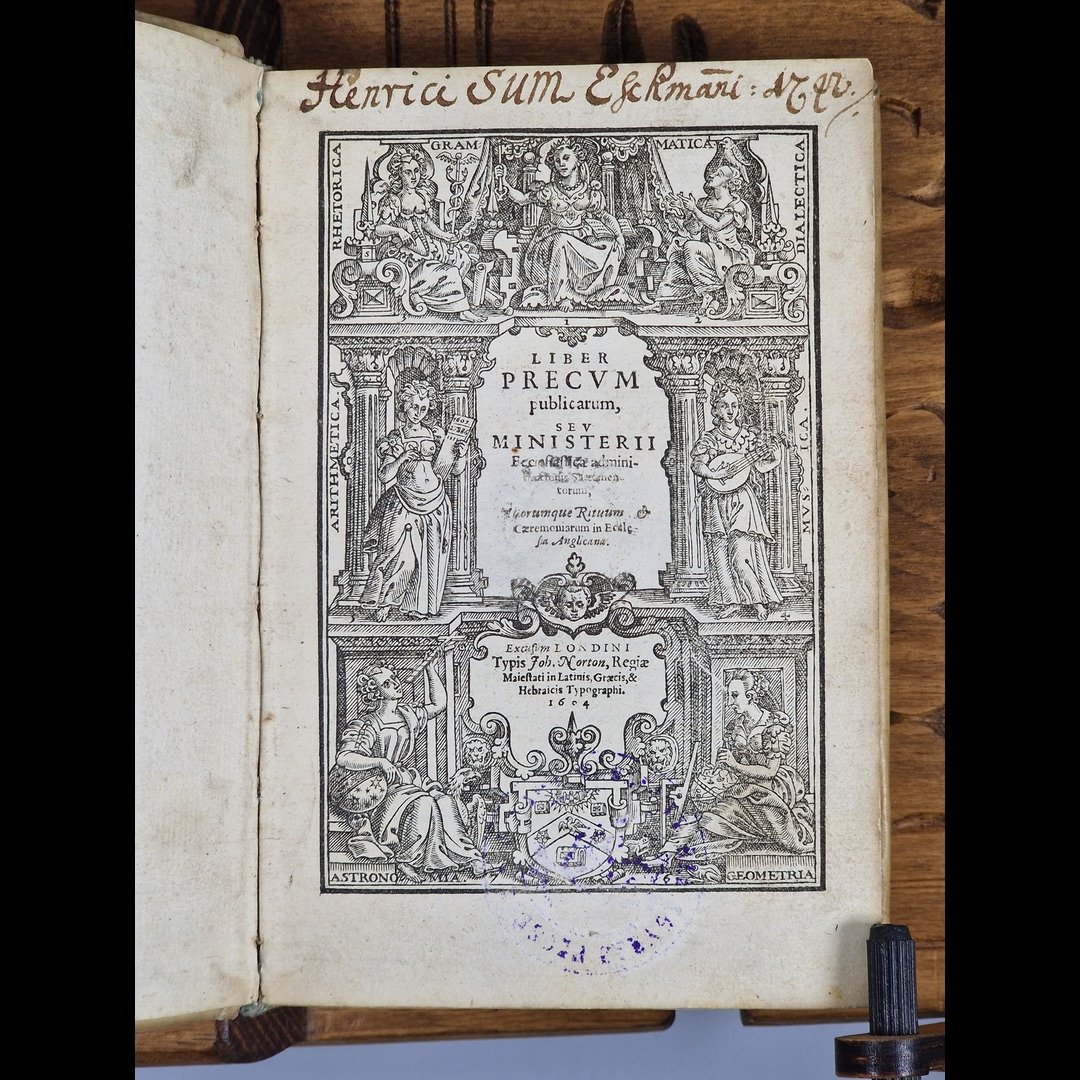
The preliminary imprimatur leaf, dated Januar. 1. 1692/3 and signed in print by H. Aldrich, is present. The title page is particularly attractive, with its architectural vignette of the Sheldonian Theatre, followed by Hudson's preliminary material and Dodwell's Annales Velleiani, seu Vita M. Velleii Paterculi. The surviving two books of Velleius's Roman history occupy pp. 1–149, followed by the extensive unpaginated critical material and index. Bibliographical records confirm Hudson as editor and Dodwell as author of the prefixed Annales.
A pleasing example of late seventeenth-century Oxford classical scholarship, made particularly desirable by its contemporary appearance, completeness and documented Sandys family provenance.
PROVENANCE
The Sandys Family Library, Ombersley Court, Worcestershire. With Sandys armorial bookplate on the front pastedown; the Sandys / Edwin Sandys plates are catalogued in the Franks Bequest under the Sandys entries, including “Lord Sandys” and “Edwin Sandys” (Franks 26091, 26093, 26094). Acquired directly by Books That Expand The Mind from the dispersal of the Ombersley Court Library, Chorley’s, The September Auctions 2024, 17 September 2024, Lot 307. Purchaser’s invoice retained with the acquisition records.
Ombersley Court Library, Worcestershire, the historic library of the Sandys family.
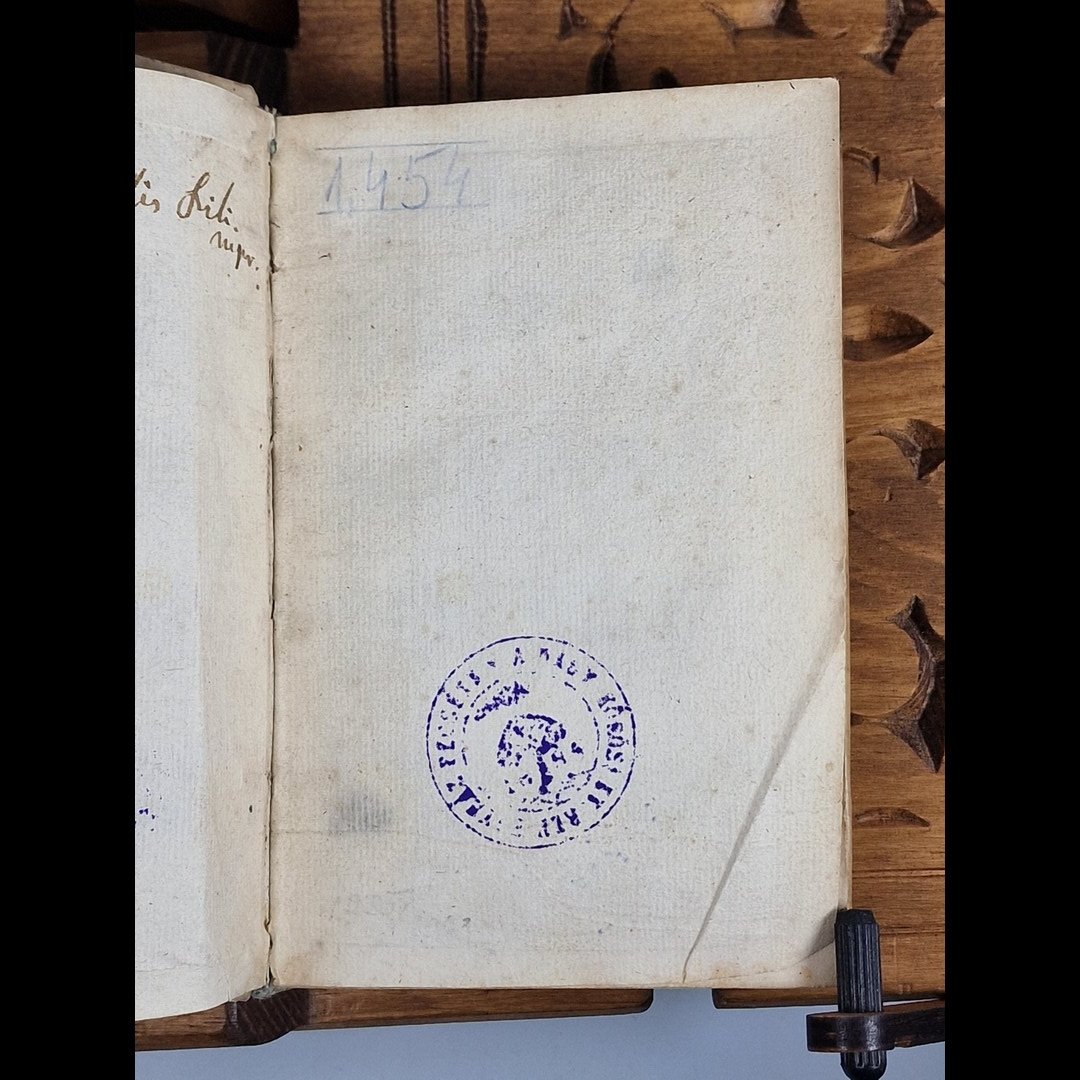
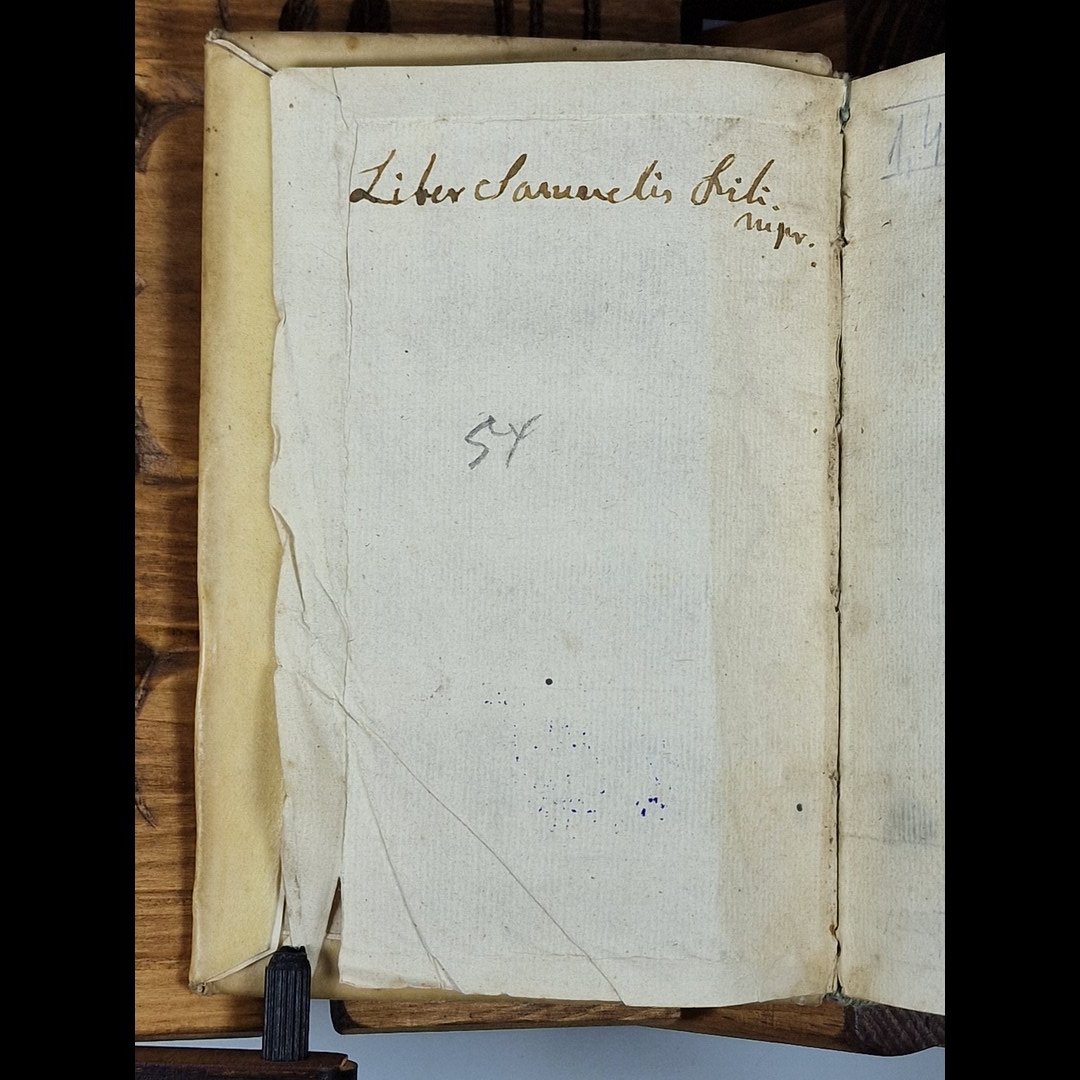
Engraved armorial bookplate “Lord Sandys” to the front pastedown. An early pencilled numerical shelf or library notation appears on the front blank.
Acquired directly by Books That Expand The Mind from the dispersal of the Ombersley Court Library at Chorley's, The September Auctions 2024, 17 September 2024, Lot 477. Purchaser's invoice retained with the acquisition records.
Chorley's specifically catalogued this volume within Lot 477 as:
M. Velleii Paterculi quae supersunt cum variis Lectionibus, Oxford: Sheldonian, 1693, 8vo full calf, bookplate for Lord Sandys, title vignette.
The armorial bookplate is retained as Lord Sandys / Sandys family provenance rather than attributed to a particular Baron Sandys without conclusive evidence identifying the individual owner.
CONDITION, COLLATION & COPY NOTES
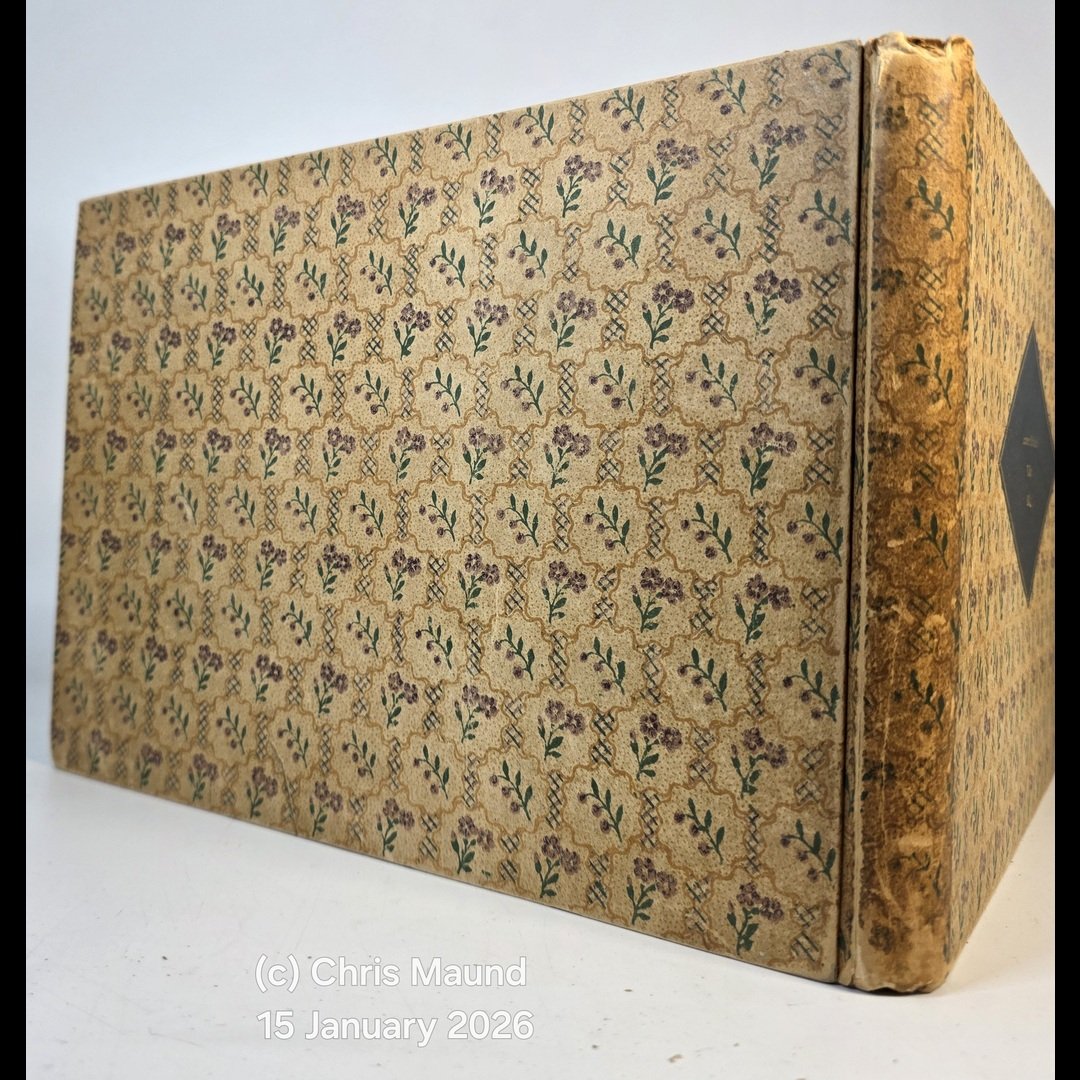
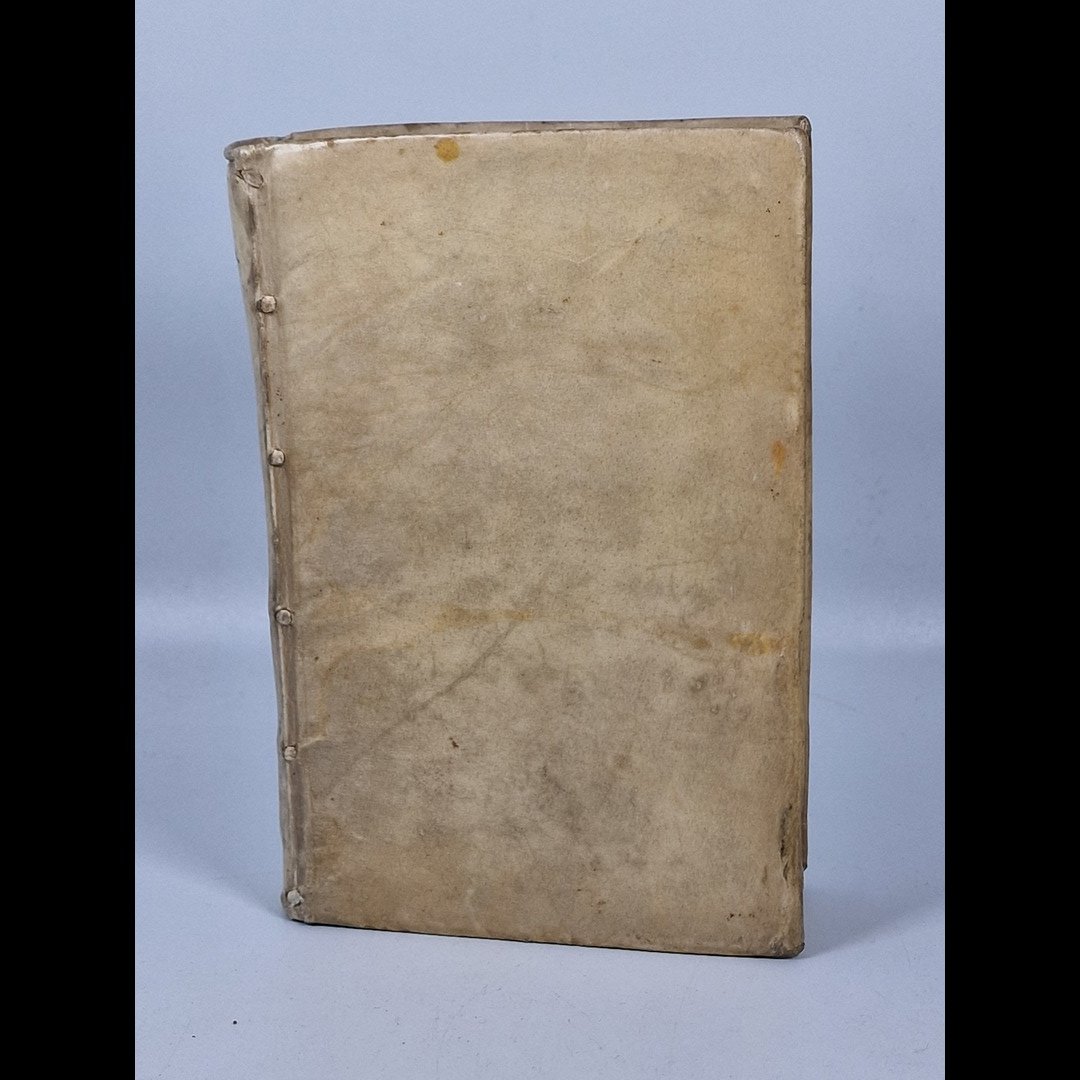
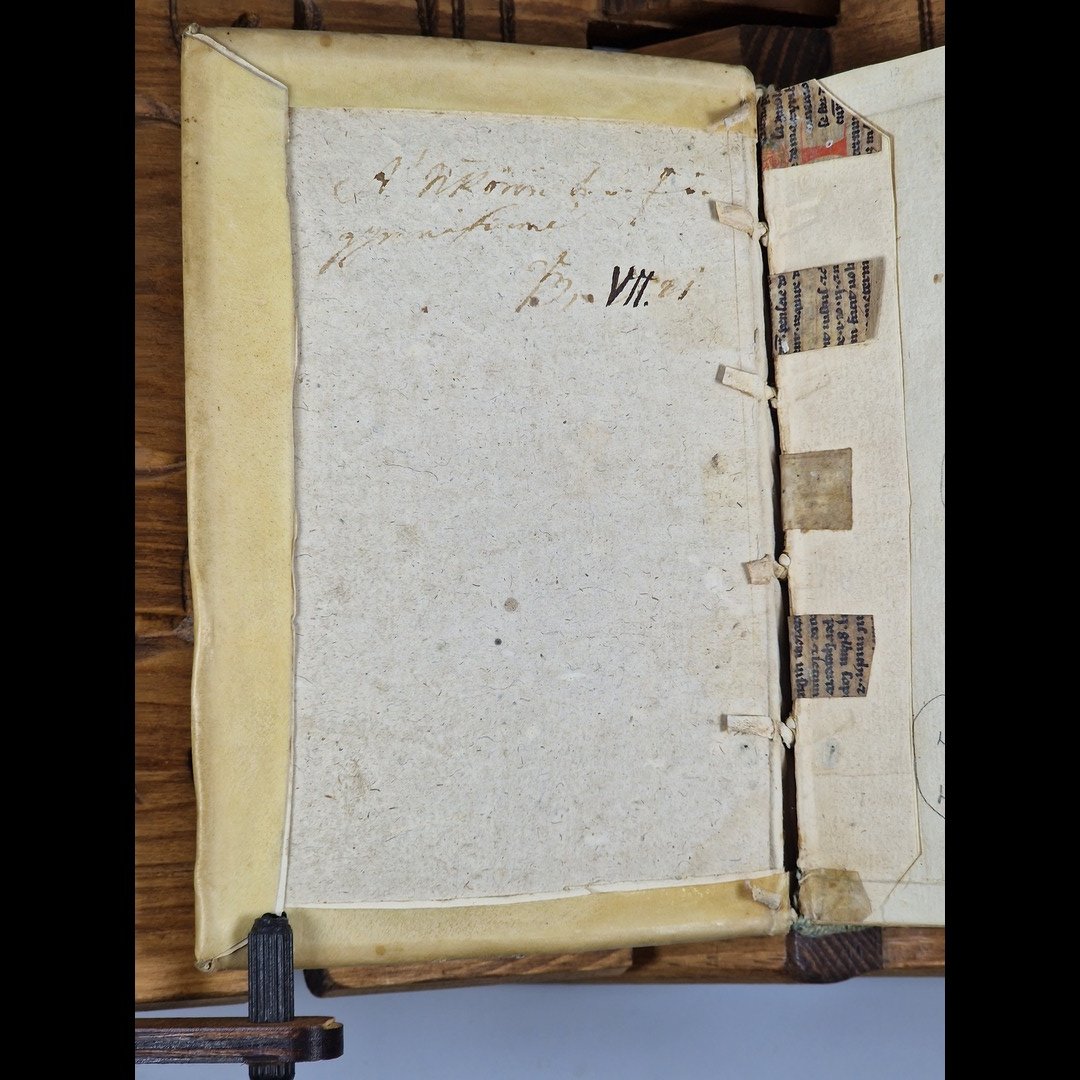
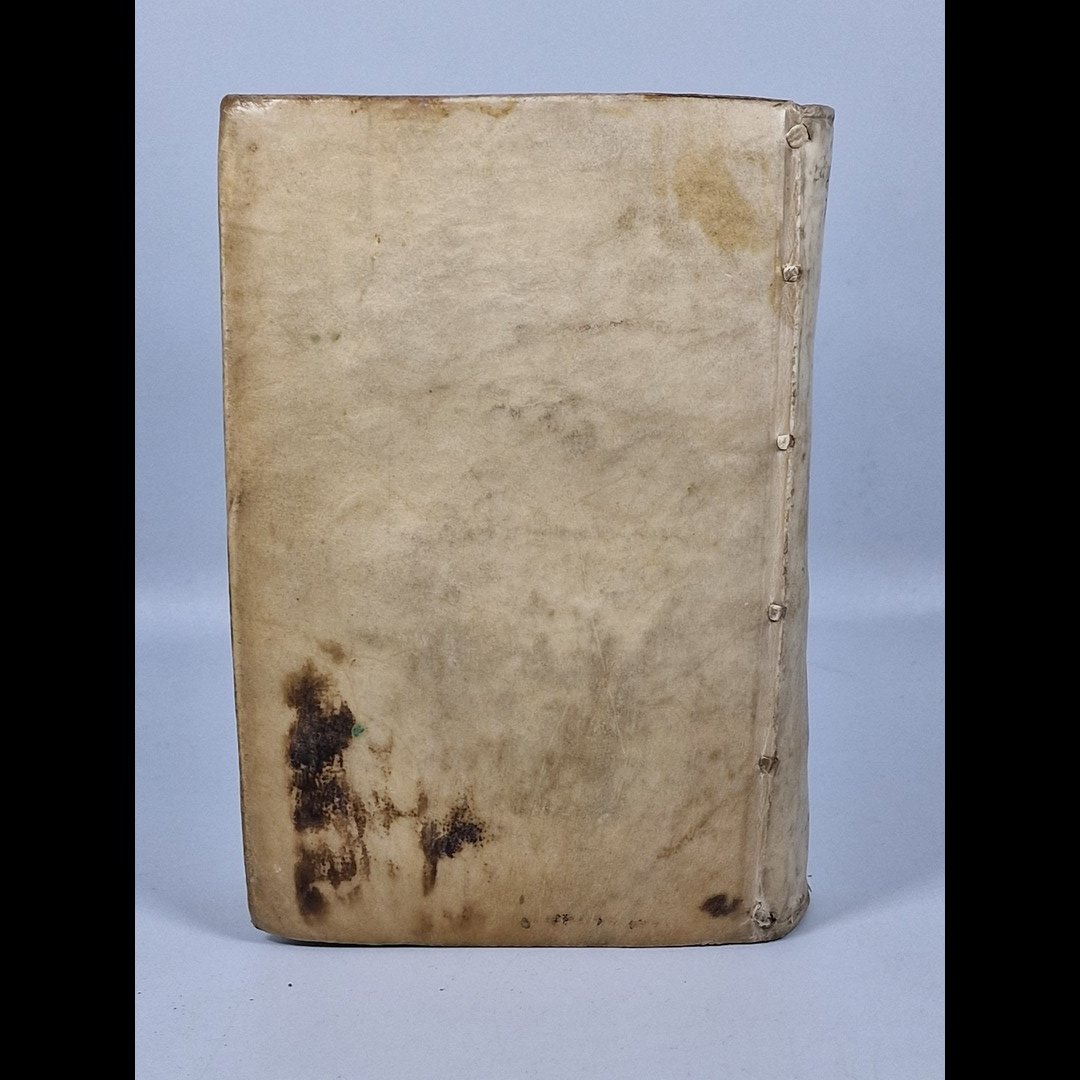
Contemporary or near-contemporary full calf, the boards decorated in blind with double-ruled rectangular panels, spine with raised bands.
Binding rubbed, scuffed and marked from age and use, with surface wear and abrasions to the boards and spine; corners and board edges worn, with wear and some loss at the spine ends, particularly the headcap. The boards remain attached and the binding retains considerable period character.
Engraved Lord Sandys armorial bookplate to front pastedown. Early pencilled numerical shelf or library notation to front blank.
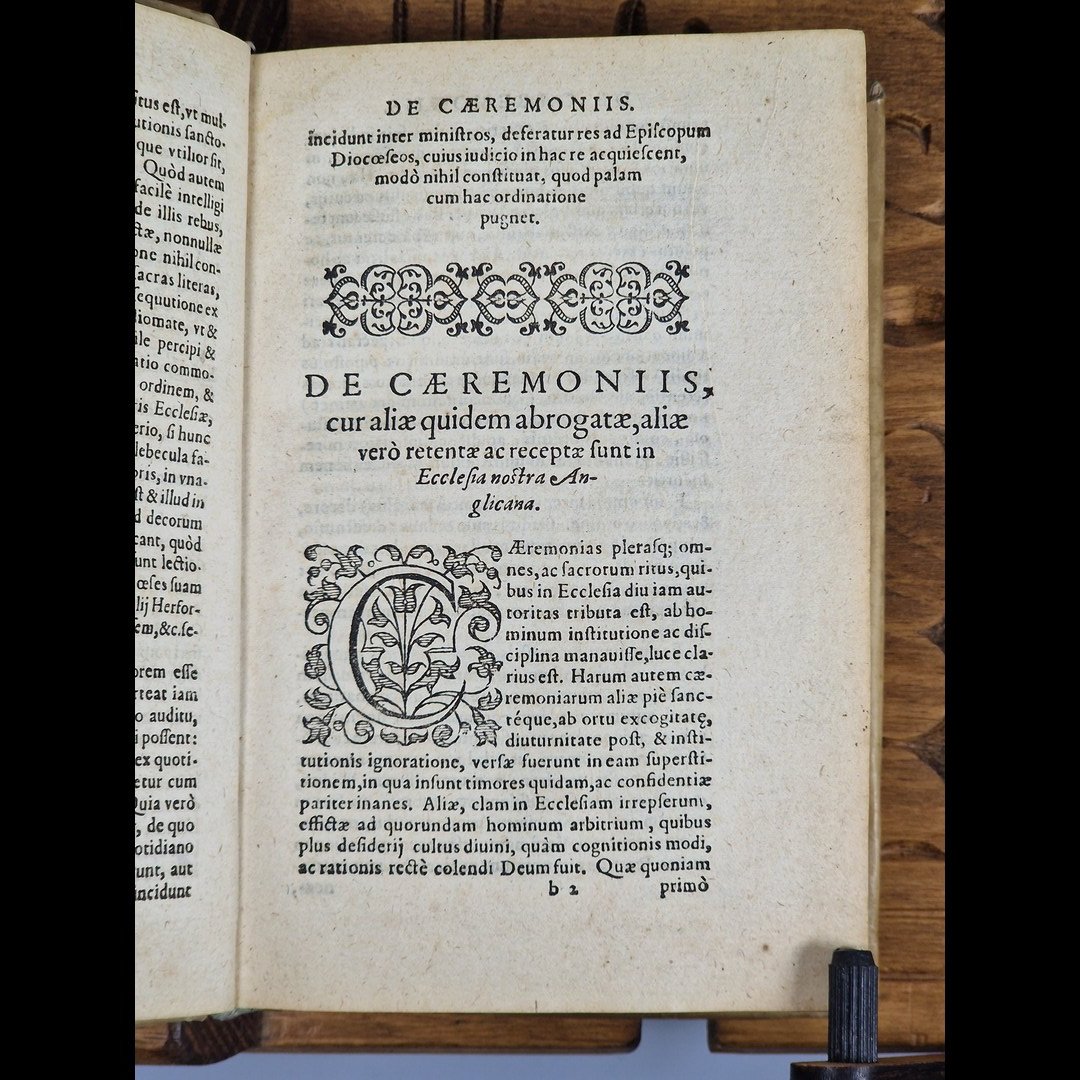
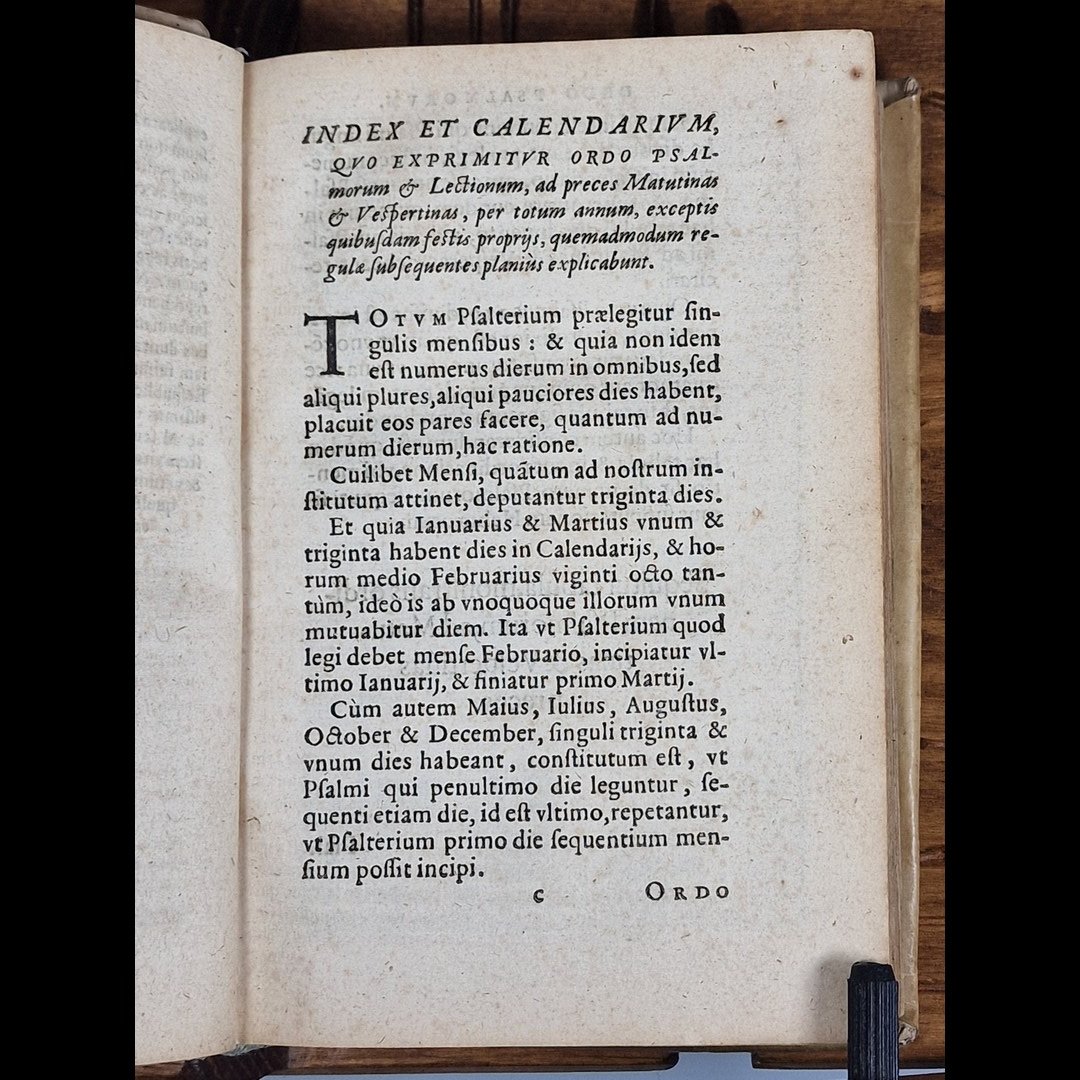
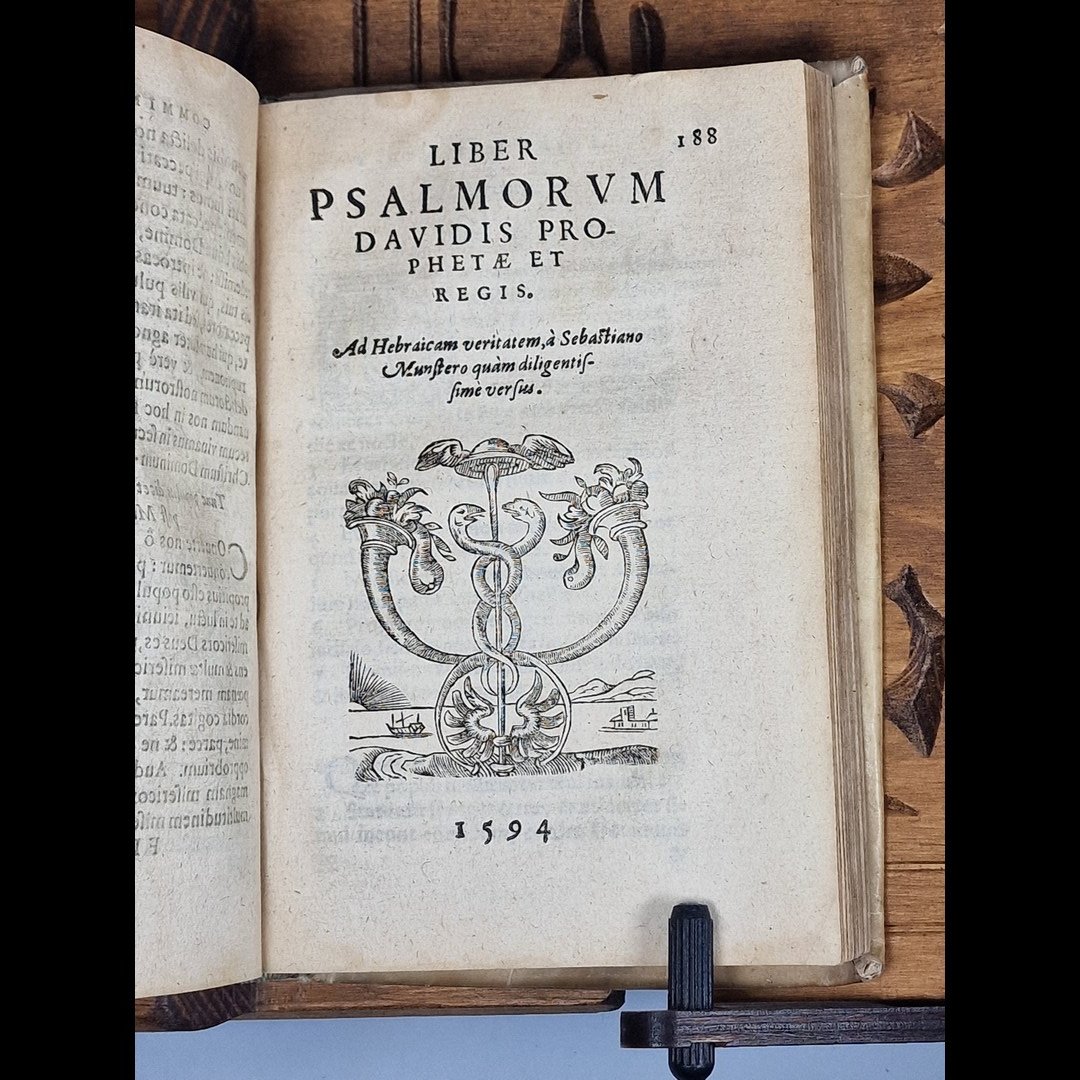
Preliminary imprimatur leaf present, followed by title page with Sheldonian Theatre vignette. Internally generally well preserved, with age-toning, scattered spotting and occasional marks, somewhat more pronounced in places towards the concluding index. Printing remains strong and readily legible.
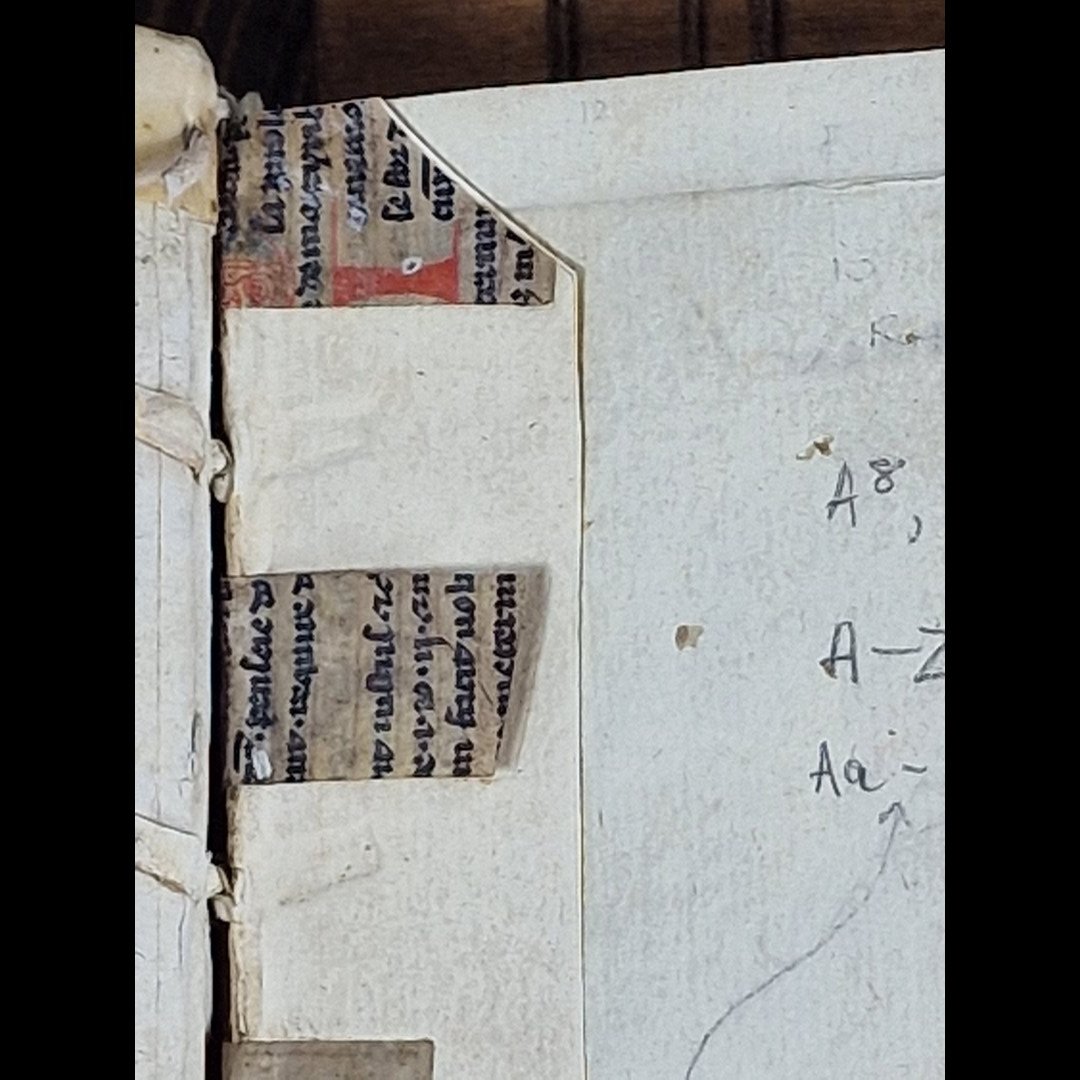
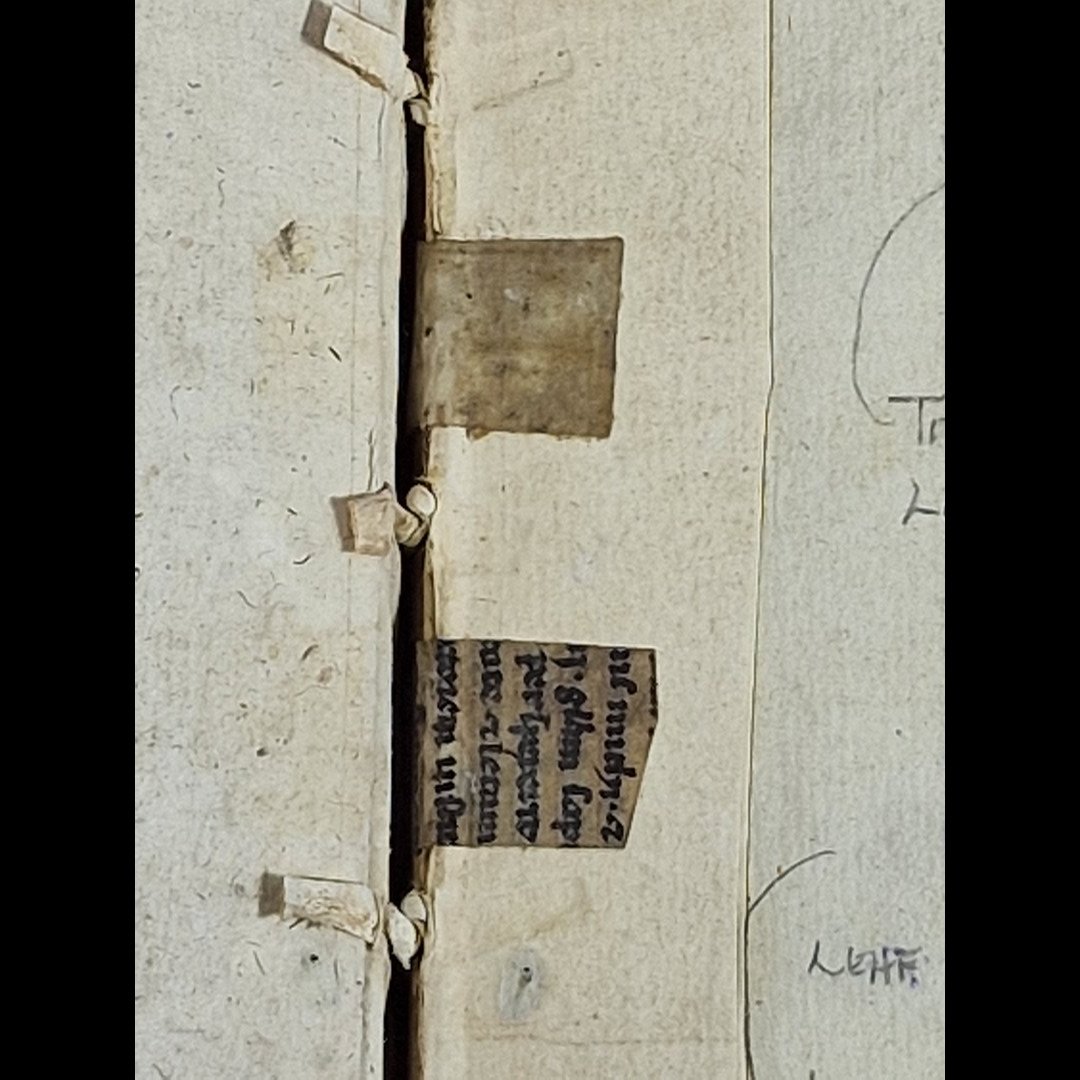
Please see Photos as part of condition report.
SYNOPSIS
Velleius Paterculus's Historia Romana is one of the most distinctive surviving Roman histories of the early Imperial period. Written during the reign of Tiberius, the work originally comprised two books and carries its narrative from the legendary aftermath of the Trojan War through Greek and Roman history to events almost contemporary with its author.
The first book survives only in part. The substantially preserved second book becomes increasingly detailed as Velleius approaches his own lifetime, covering the destruction of Carthage, the later Roman Republic, the careers of Marius and Sulla, Pompey and Julius Caesar, the Civil Wars, Augustus and finally Tiberius.
Its greatest historical significance lies in precisely this proximity to the events it describes. Velleius had himself served in the Roman army and held political office, and his treatment of the Augustan settlement and the early reign of Tiberius therefore provides a rare perspective from a member of the Roman governing and military elite.
His admiration for Tiberius is conspicuous and has long required historians to approach portions of the narrative critically. Yet it is also one of the qualities that makes the work important: Velleius preserves a contemporary Roman establishment perspective markedly different from the later accounts of Tacitus and Suetonius.
Hudson's edition places this classical text within the vigorous tradition of seventeenth-century textual scholarship. Variant readings and the conjectures of earlier scholars accompany the text, while Henry Dodwell's Annales Velleiani attempts to reconstruct the chronology, life and historical setting of Velleius himself.
The result is not merely an edition of a Roman historian, but an attractive example of the way Oxford scholars at the end of the seventeenth century sought to establish, correct and interpret the surviving texts of classical antiquity.
AUTHOR BIO
Marcus Velleius Paterculus (19 BC – c.AD 31) was a Roman historian, soldier and senator. His Roman history, written in a highly rhetorical style, covered the period from the end of the Trojan War to AD 30, but is most useful for the period from the death of Caesar in 44 BC to the death of Augustus in AD 14.
John Hudson (1662 – 26 November 1719), English classical scholar, was born at Wythop, near Cockermouth in Cumberland. He was educated at The Queen's College, Oxford, and spent the rest of his life at the University: appointed as a Fellow of University College, Oxford in 1686, Bodley's librarian in 1701, and in 1711 principal of St Mary Hall, Oxford. His political views stood in the way of his preferment in the church and university. As an editor and commentator, he enjoyed a high reputation both at home and abroad. His works, chiefly editions of classical authors, include the following: Velleius Paterculus (1693).
1693 First Hudson Edition With Ombersley Court Provenance
QUAE SUPERSUNT CUM VARIIS LECTIONIBUS
By M. Velleii Paterculi, John Hudson
KEY DETAILS
Condition: Very Good
Format: Hardcover, Octavo (Standard) (8vo 6 × 9 in 152 × 229 mm )
Note: Binding/size selection follows standard bibliographic conventions and is approximate; exact measurements may vary.
Published By: Sheldonian, Oxford, 1693
Language: Latin
Provenance: The Sandys Family Library, Ombersley Court, Worcestershire. With Sandys armorial bookplate on the front pastedown; the Sandys / Edwin Sandys plates are catalogued in the Franks Bequest under the Sandys entries, includ...
Collation: [80], 149, [59] pp.; Complete.
Dust Jacket: None, as issued, No Jacket
SKU: BTETM0002453
Shipping Info: Approximate Package Dimensions H: 12.5, L: 30, W: 25 (Units: cm), W: 2Kg
Tracked Shipping, Insurance Coverage as per Customer Request
DESCRIPTION
Quae supersunt cum variis Lectionibus
Cum Variis Lectionibus Optimarum Editionum; Doctorum Virorum Conjecturis & Castigationibus; et Indice Locupletissimo. Praemittuntur Annales Velleiani
By Marcus Velleius Paterculus; edited by John Hudson; with Henry Dodwell
The first John Hudson edition of Velleius Paterculus, printed at Oxford at the Sheldonian Theatre in 1693, combining the surviving text of Velleius's Historia Romana with variant readings, scholarly conjectures and corrections, Henry Dodwell's important Annales Velleiani, and an extensive concluding index.
An appealing copy in an early blind-panelled full calf binding and with distinguished provenance from the historic Ombersley Court Library of the Sandys family, retaining the engraved armorial bookplate of “Lord Sandys” to the front pastedown.
Hudson's 1693 edition occupies an important place in the early-modern editorial history of Velleius. Prepared at the request of Arthur Charlett, Master of University College, Oxford, copies of the edition were distributed by Charlett as New Year's gifts. Hudson subsequently issued a second edition in 1711. The 1693 edition became one of the recognised scholarly editions of Velleius, bringing together readings and conjectures from earlier editors alongside Dodwell's chronological and biographical study.
The preliminary imprimatur leaf, dated Januar. 1. 1692/3 and signed in print by H. Aldrich, is present. The title page is particularly attractive, with its architectural vignette of the Sheldonian Theatre, followed by Hudson's preliminary material and Dodwell's Annales Velleiani, seu Vita M. Velleii Paterculi. The surviving two books of Velleius's Roman history occupy pp. 1–149, followed by the extensive unpaginated critical material and index. Bibliographical records confirm Hudson as editor and Dodwell as author of the prefixed Annales.
A pleasing example of late seventeenth-century Oxford classical scholarship, made particularly desirable by its contemporary appearance, completeness and documented Sandys family provenance.
PROVENANCE
The Sandys Family Library, Ombersley Court, Worcestershire. With Sandys armorial bookplate on the front pastedown; the Sandys / Edwin Sandys plates are catalogued in the Franks Bequest under the Sandys entries, including “Lord Sandys” and “Edwin Sandys” (Franks 26091, 26093, 26094). Acquired directly by Books That Expand The Mind from the dispersal of the Ombersley Court Library, Chorley’s, The September Auctions 2024, 17 September 2024, Lot 307. Purchaser’s invoice retained with the acquisition records.
Ombersley Court Library, Worcestershire, the historic library of the Sandys family.
Engraved armorial bookplate “Lord Sandys” to the front pastedown. An early pencilled numerical shelf or library notation appears on the front blank.
Acquired directly by Books That Expand The Mind from the dispersal of the Ombersley Court Library at Chorley's, The September Auctions 2024, 17 September 2024, Lot 477. Purchaser's invoice retained with the acquisition records.
Chorley's specifically catalogued this volume within Lot 477 as:
M. Velleii Paterculi quae supersunt cum variis Lectionibus, Oxford: Sheldonian, 1693, 8vo full calf, bookplate for Lord Sandys, title vignette.
The armorial bookplate is retained as Lord Sandys / Sandys family provenance rather than attributed to a particular Baron Sandys without conclusive evidence identifying the individual owner.
CONDITION, COLLATION & COPY NOTES
Contemporary or near-contemporary full calf, the boards decorated in blind with double-ruled rectangular panels, spine with raised bands.
Binding rubbed, scuffed and marked from age and use, with surface wear and abrasions to the boards and spine; corners and board edges worn, with wear and some loss at the spine ends, particularly the headcap. The boards remain attached and the binding retains considerable period character.
Engraved Lord Sandys armorial bookplate to front pastedown. Early pencilled numerical shelf or library notation to front blank.
Preliminary imprimatur leaf present, followed by title page with Sheldonian Theatre vignette. Internally generally well preserved, with age-toning, scattered spotting and occasional marks, somewhat more pronounced in places towards the concluding index. Printing remains strong and readily legible.
Please see Photos as part of condition report.
SYNOPSIS
Velleius Paterculus's Historia Romana is one of the most distinctive surviving Roman histories of the early Imperial period. Written during the reign of Tiberius, the work originally comprised two books and carries its narrative from the legendary aftermath of the Trojan War through Greek and Roman history to events almost contemporary with its author.
The first book survives only in part. The substantially preserved second book becomes increasingly detailed as Velleius approaches his own lifetime, covering the destruction of Carthage, the later Roman Republic, the careers of Marius and Sulla, Pompey and Julius Caesar, the Civil Wars, Augustus and finally Tiberius.
Its greatest historical significance lies in precisely this proximity to the events it describes. Velleius had himself served in the Roman army and held political office, and his treatment of the Augustan settlement and the early reign of Tiberius therefore provides a rare perspective from a member of the Roman governing and military elite.
His admiration for Tiberius is conspicuous and has long required historians to approach portions of the narrative critically. Yet it is also one of the qualities that makes the work important: Velleius preserves a contemporary Roman establishment perspective markedly different from the later accounts of Tacitus and Suetonius.
Hudson's edition places this classical text within the vigorous tradition of seventeenth-century textual scholarship. Variant readings and the conjectures of earlier scholars accompany the text, while Henry Dodwell's Annales Velleiani attempts to reconstruct the chronology, life and historical setting of Velleius himself.
The result is not merely an edition of a Roman historian, but an attractive example of the way Oxford scholars at the end of the seventeenth century sought to establish, correct and interpret the surviving texts of classical antiquity.
AUTHOR BIO
Marcus Velleius Paterculus (19 BC – c.AD 31) was a Roman historian, soldier and senator. His Roman history, written in a highly rhetorical style, covered the period from the end of the Trojan War to AD 30, but is most useful for the period from the death of Caesar in 44 BC to the death of Augustus in AD 14.
John Hudson (1662 – 26 November 1719), English classical scholar, was born at Wythop, near Cockermouth in Cumberland. He was educated at The Queen's College, Oxford, and spent the rest of his life at the University: appointed as a Fellow of University College, Oxford in 1686, Bodley's librarian in 1701, and in 1711 principal of St Mary Hall, Oxford. His political views stood in the way of his preferment in the church and university. As an editor and commentator, he enjoyed a high reputation both at home and abroad. His works, chiefly editions of classical authors, include the following: Velleius Paterculus (1693).

 Image 1 of 12
 Image 2 of 12
 Image 3 of 12
 Image 4 of 12
 Image 5 of 12
 Image 6 of 12
 Image 7 of 12
 Image 8 of 12
 Image 9 of 12
 Image 10 of 12
 Image 11 of 12
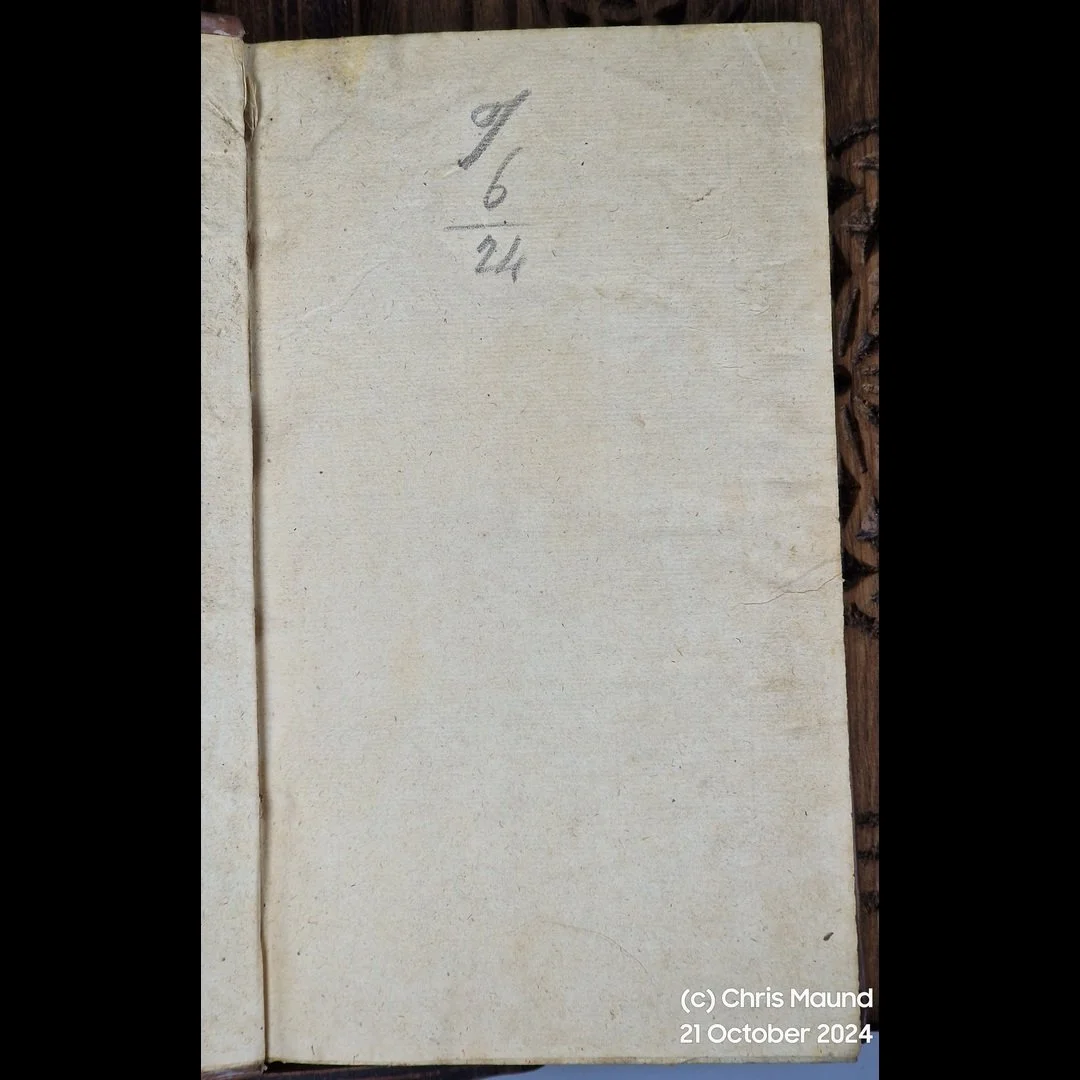 Image 12 of 12
![1688 Enlarged Second Edtn With Lord Sandys Provenance OPUSCULA MYTHOLOGICA, PHYSICA ET ETHICA By Thomas Gales Illus. After Gérard de Lairesse, Gilliam van der Gouwen [Engraved By]](https://images.squarespace-cdn.com/content/v1/634dab4938c13d5c1f88d382/9c7bf4e3-b31a-41d0-9390-4969b1c0938c/20241231_211533-5.jpg)