1554 First Edition
FASTORUM LIBRI XII
By Gerolamo Chiaravacci
KEY DETAILS
Condition: Very Good
Format: Vellum, approx 158 x 105mm
Published By: Francesco and Simone Moscheni, Italy, 1554
Language: Latin
Provenance: Early manuscript ownership inscription beginning Ex libris on the inside front cover, accompanied by additional faint handwritten notations. The former owner's identity has not yet been established.
Collation: [4], 121, [7] leaves
Dust Jacket: None, as issued
SKU: BTETM0002461
Shipping Info: Approximate Package Dimensions H: 15, L: 30, W: 25 (Units: cm), W: 2Kg
Tracked Shipping, Insurance Coverage as per Customer Request
DESCRIPTION
FASTORUM LIBRI XII
Renaissance Christian Calendar Poetry Inspired by Ovid
First and apparently only edition of Fastorum Libri XII, a remarkable posthumously published Neo-Latin poem by the Italian Renaissance humanist Girolamo Chiaravacci of Pizzighettone, near Cremona.
Inspired by Ovid's Fasti, Chiaravacci's twelve-book poem follows the months of the Roman calendar, bringing together classical mythology, Christian theology, biblical history, Renaissance cosmology and the political events of sixteenth-century Italy.
An unusual example of Christian Renaissance humanism, the work transforms the classical calendar poem into a literary exploration of sacred history, religious observance and the relationship between pagan antiquity and Christianity.
The work was originally dedicated to Pope Paul III (1468–1549), a prominent patron of Renaissance scholarship. Its eventual publication in 1554 was overseen by Giangiacomo Gabiani, a schoolmaster at Lodi, with assistance from the author's nephew Omobono Chiaravacci.
The volume includes dedications dated 1549 and 1554, the latter addressed to Cardinal Alessandro Farnese, grandson of Pope Paul III.
Particularly significant is Gabiani's account of additional works by Chiaravacci, comprising three books of elegies and a book of epigrams, which were never published and are now considered lost.
PROVENANCE
Early manuscript ownership inscription beginning Ex libris on the inside front cover, accompanied by additional faint handwritten notations. The former owner's identity has not yet been established.
Manuscript titling to the spine and lower edge of the volume, reflecting an earlier system of identification or shelving.
CONDITION, COLLATION & COPY NOTES
COLLATION
[4], 121, [7] leaves
Very Good.
Contemporary parchment, with manuscript spine title and handwritten lettering to the lower edge. The binding exhibits considerable age-related wear, surface soiling, staining, creasing and abrasion, with areas of loss and historical repair, particularly to the rear cover. Both boards remain firmly attached.
Internally: Generally well preserved, with occasional browning, foxing and minor handling marks. Some worming to the lower corners of the final four leaves, as previously recorded. The printed text remains generally clear and legible.
Typography and decoration: Woodcut printer's device to the title page, decorative woodcut initials and printed marginal annotations.
Please see photographs as part of the condition report.
REFERENCES
Dizionario Biografico degli Italiani, Treccani, entry for Girolamo Chiaravacci.
F. Arisi, Cremona Literata, Vol. II (1705), pp. 91–92.
L. Cisorio, E. G. Crotti e G. Oldoini di Cremona, G. Claravaceo di Pizzighettone (1916), pp. 41–56, 67–72.
P. O. Kristeller, Iter Italicum, Vol. II, p. 125 (concerning the manuscript tradition).
Bibliotheca Apostolica Vaticana, MS Vat. lat. 2846 (manuscript witness dated 1548).
SYNOPSIS
Chiaravacci's Fastorum Libri XII is structured around the twelve months of the year, consciously following the literary model established by the Roman poet Ovid.
Each monthly book introduces the origins, etymology and traditions associated with its respective month, followed by episodes drawn from classical antiquity, biblical history, Christian tradition and contemporary events.
The poem invokes an unusually diverse collection of figures, ranging from Moses and other biblical characters to the classical goddess Pallas Athena and Urania, the Muse of astronomy.
Throughout, Chiaravacci juxtaposes pagan and Christian learning, presenting accounts of the Creation, biblical narratives, saints and martyrs alongside philosophical reflections, mythology and cosmological speculation.
The narrative also includes references to contemporary Italian conflicts, notably those involving the Duchy of Milan and the Venetian Republic, which affected the author's birthplace of Pizzighettone.
The resulting work is both a calendar poem and an ambitious Christian literary chronicle, illustrating the intellectual world of the Italian Renaissance and its efforts to integrate classical antiquity with Christian belief.
AUTHOR BIO
Girolamo Chiaravacci (Hieronymus Claravacaeus) was an Italian Renaissance humanist and Neo-Latin poet, born in Pizzighettone near Cremona, probably around 1490–1495.
Educated within the intellectual environment of Lodi and Cremona, he developed a familiarity with classical Latin and Greek literature alongside Christian scholarship.
His Fastorum Libri XII, published posthumously in Milan in 1554, is his principal surviving literary work. Drawing upon Ovid and the wider classical tradition, it reflects the characteristic Renaissance interest in harmonising ancient learning with Christian philosophy and history.

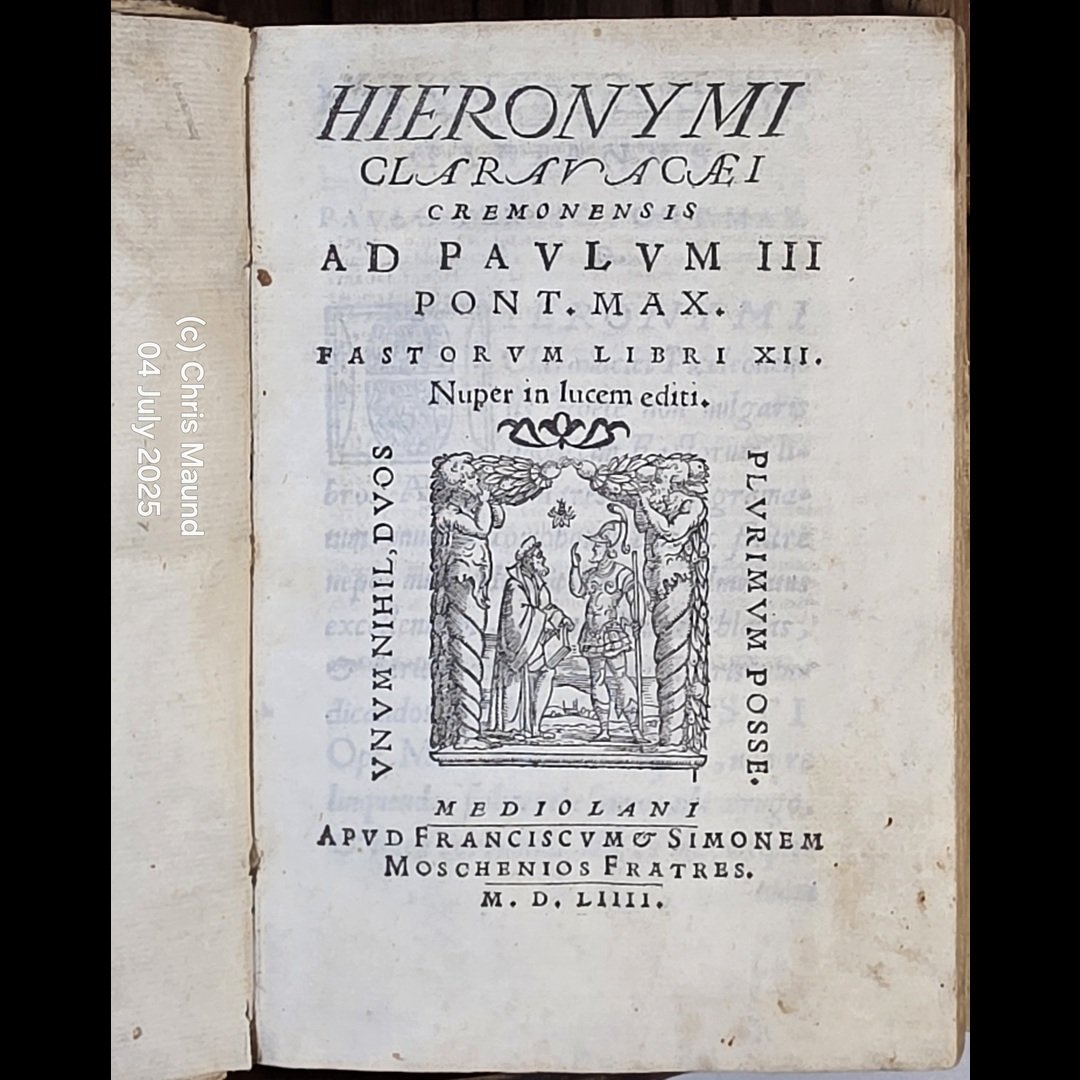 Image 1 of 19
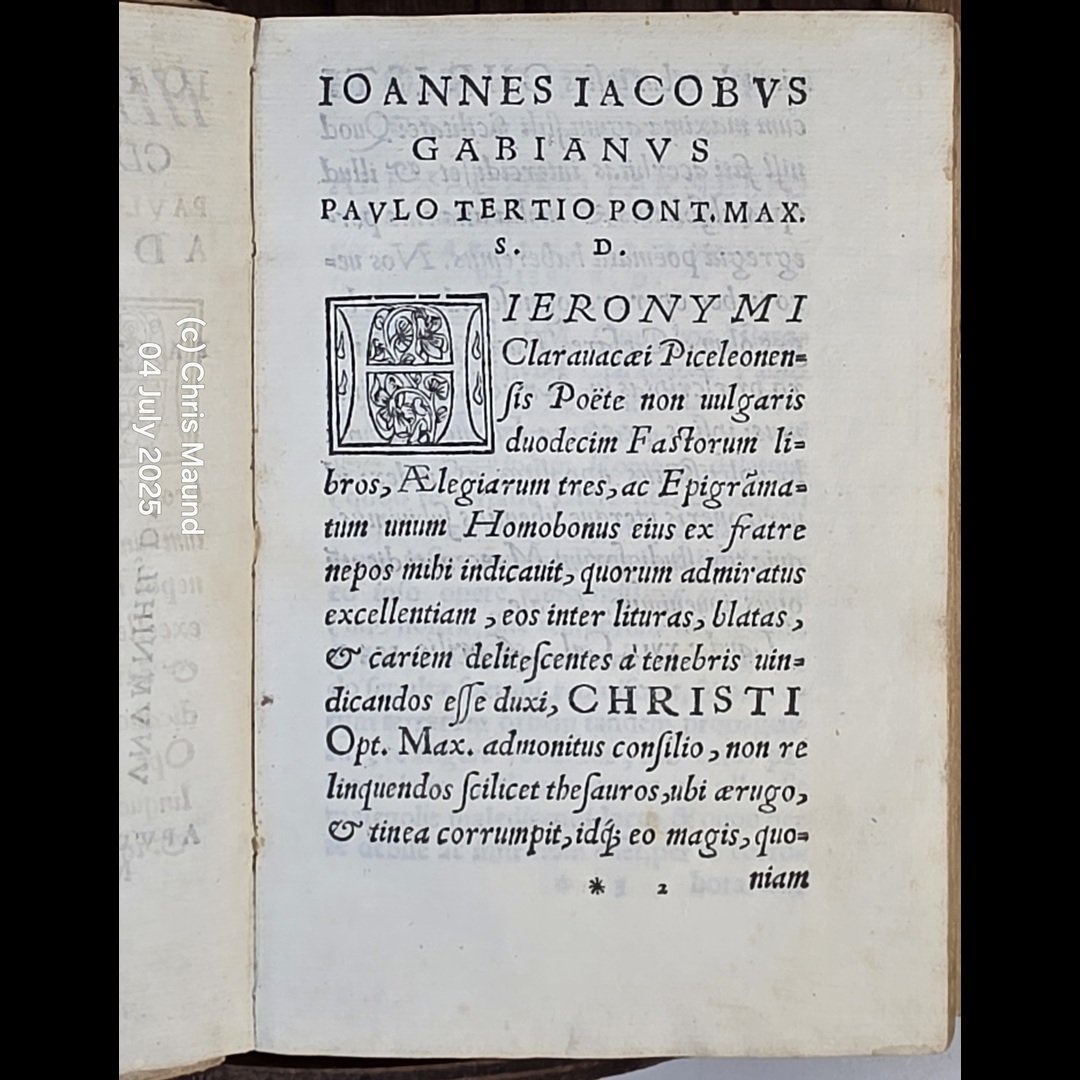 Image 2 of 19
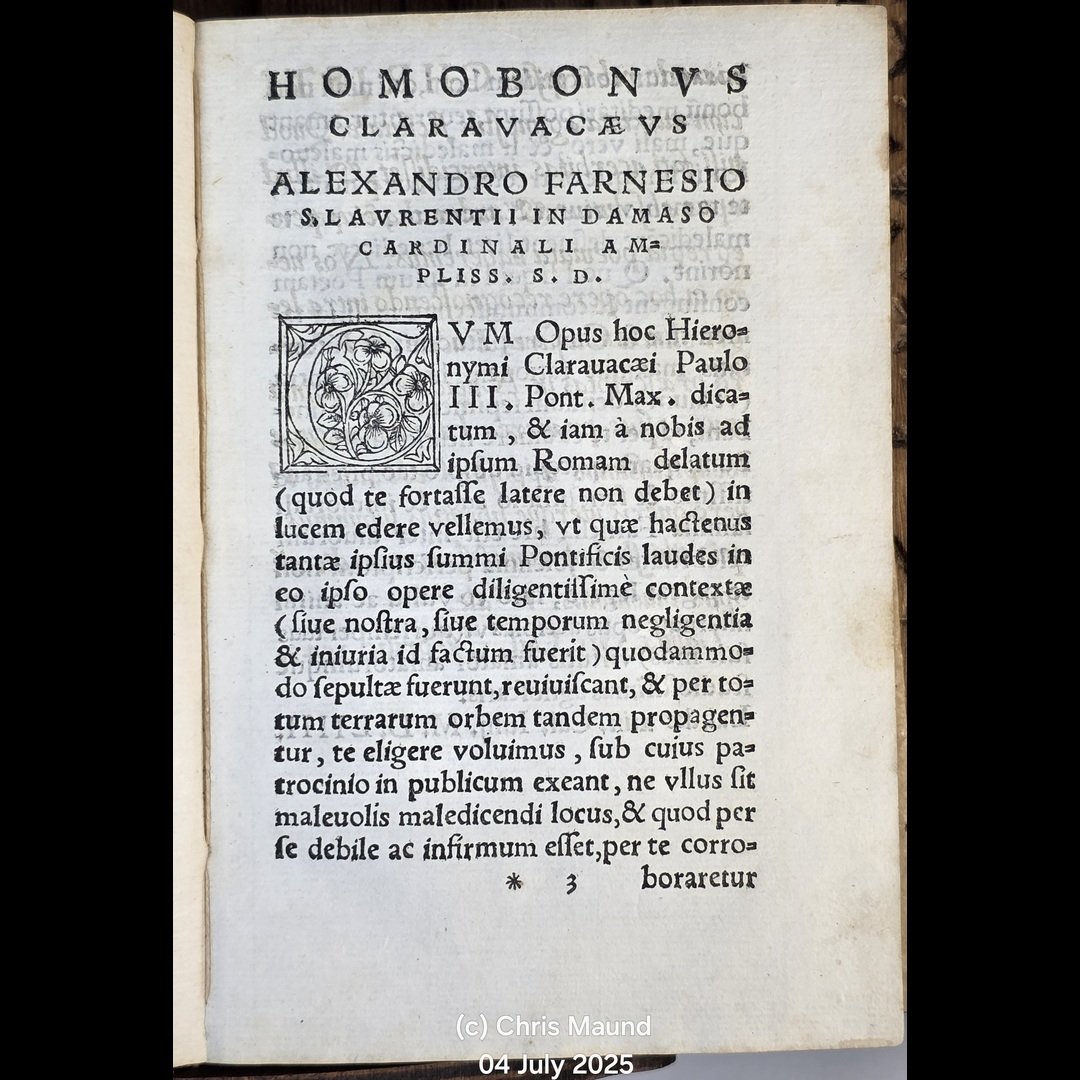 Image 3 of 19
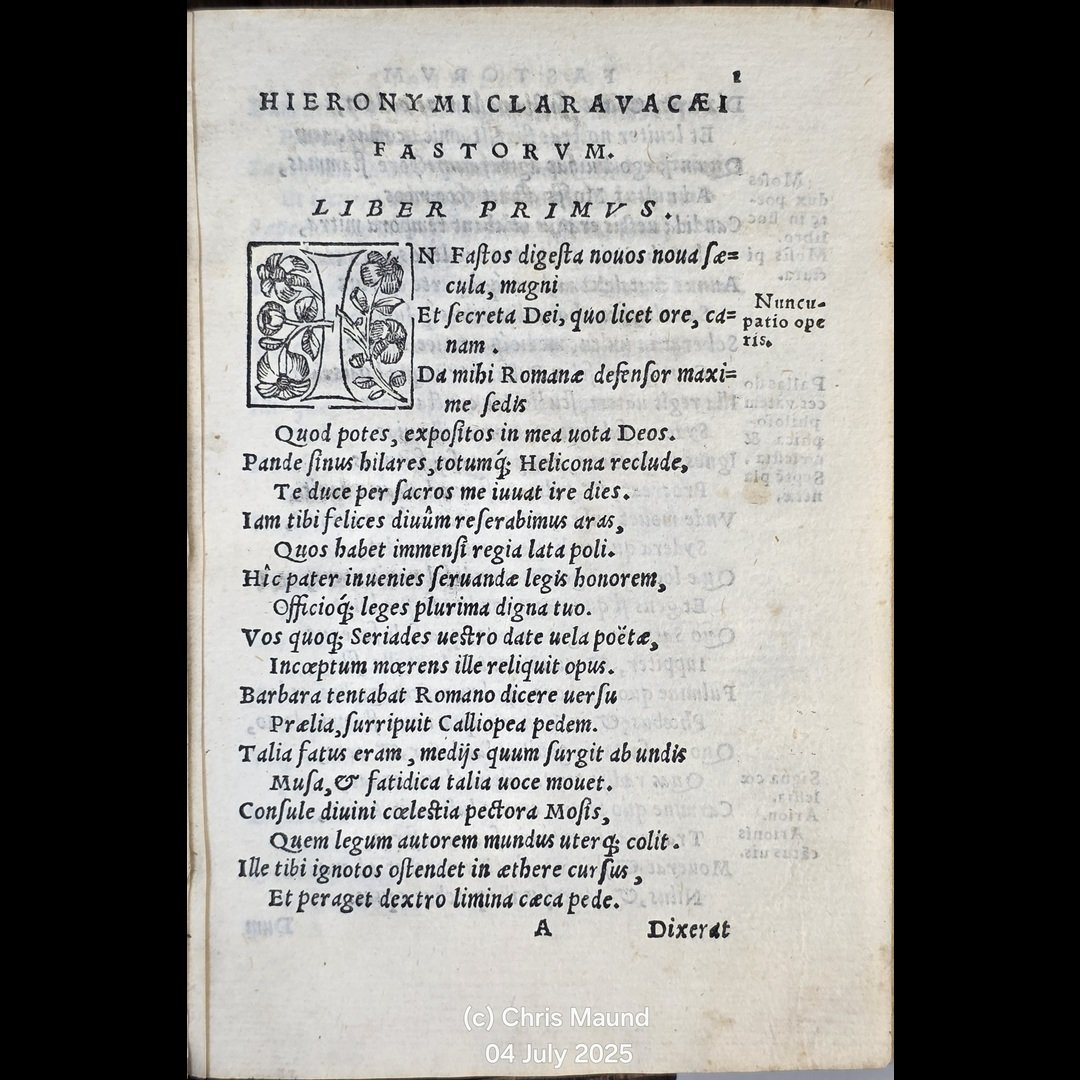 Image 4 of 19
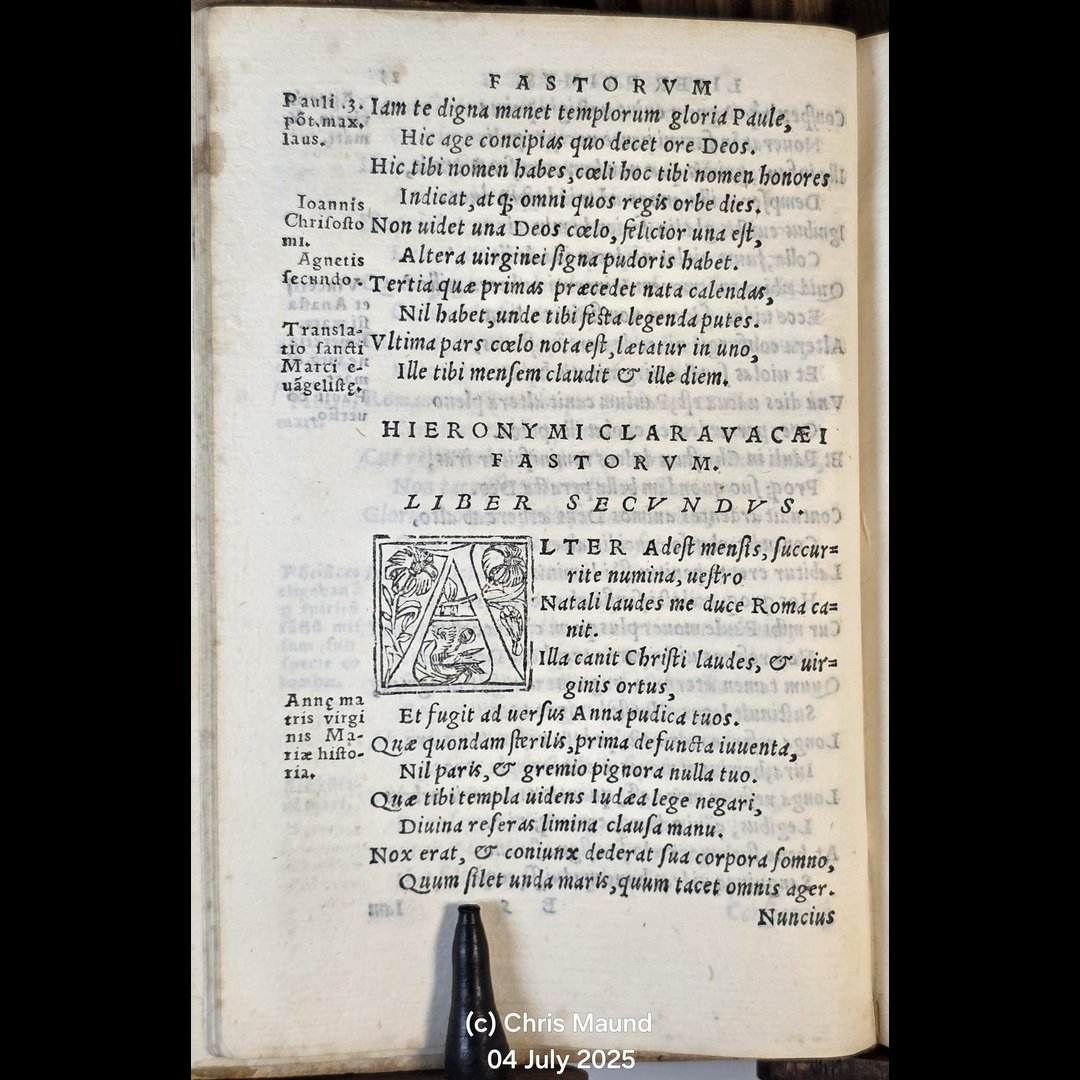 Image 5 of 19
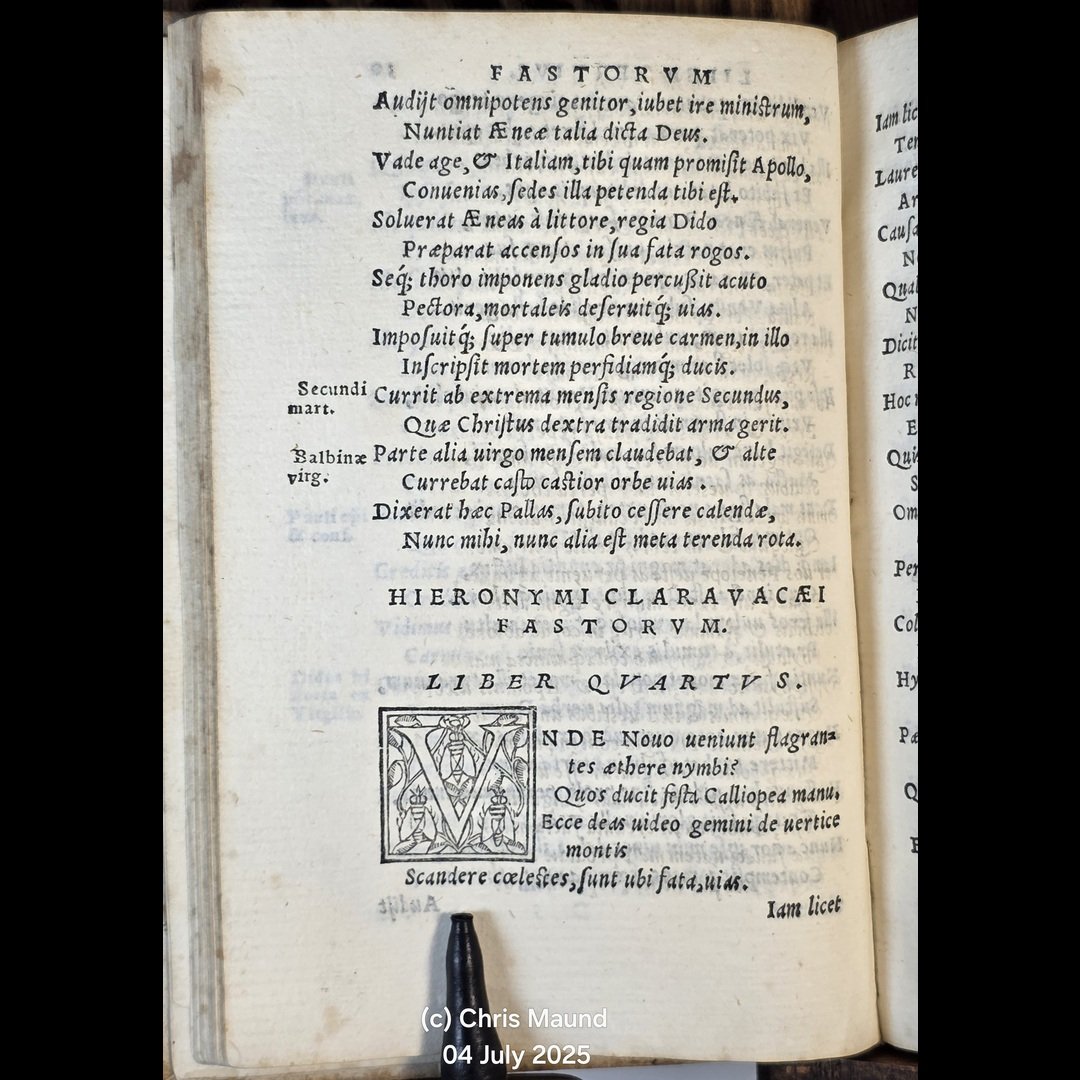 Image 6 of 19
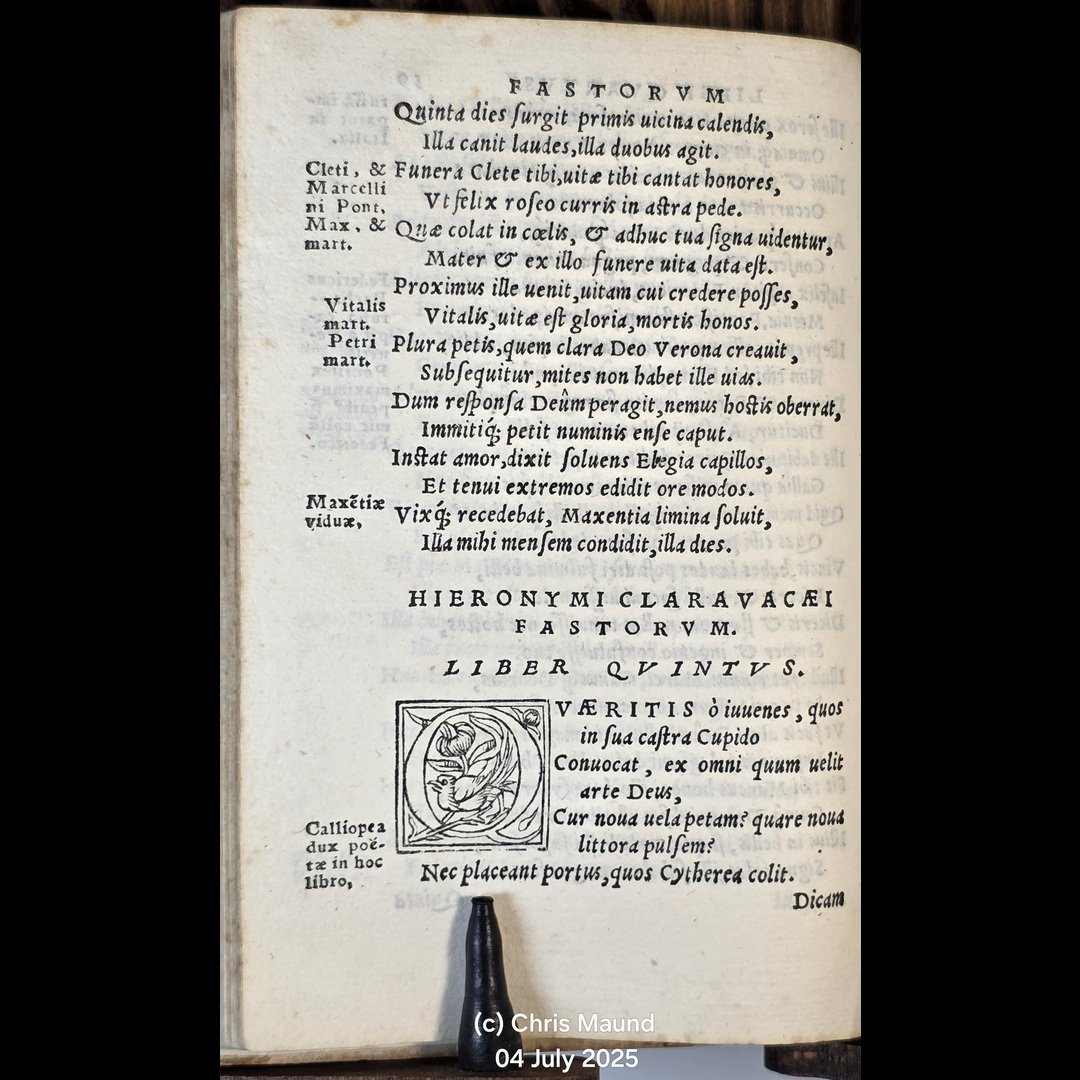 Image 7 of 19
 Image 8 of 19
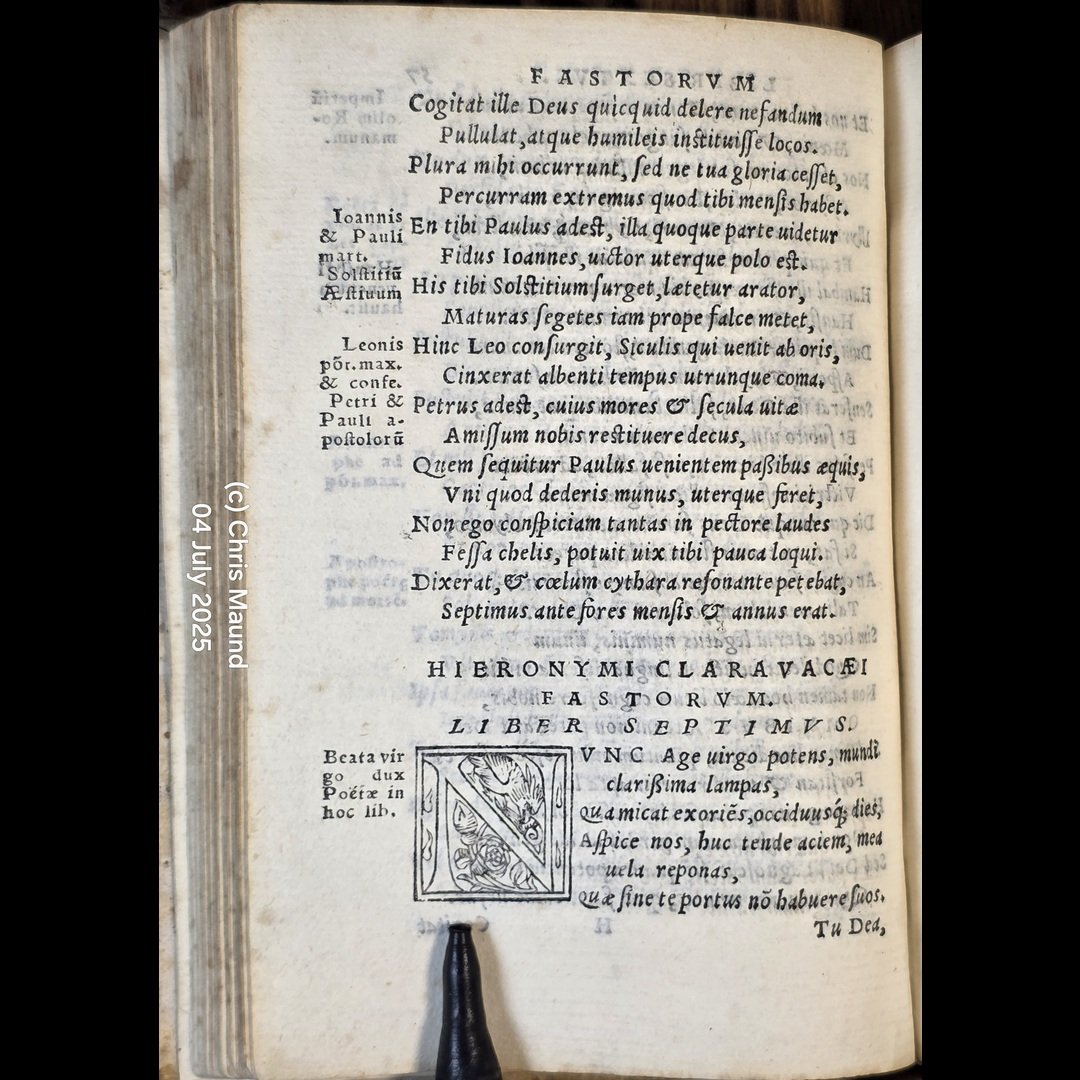 Image 9 of 19
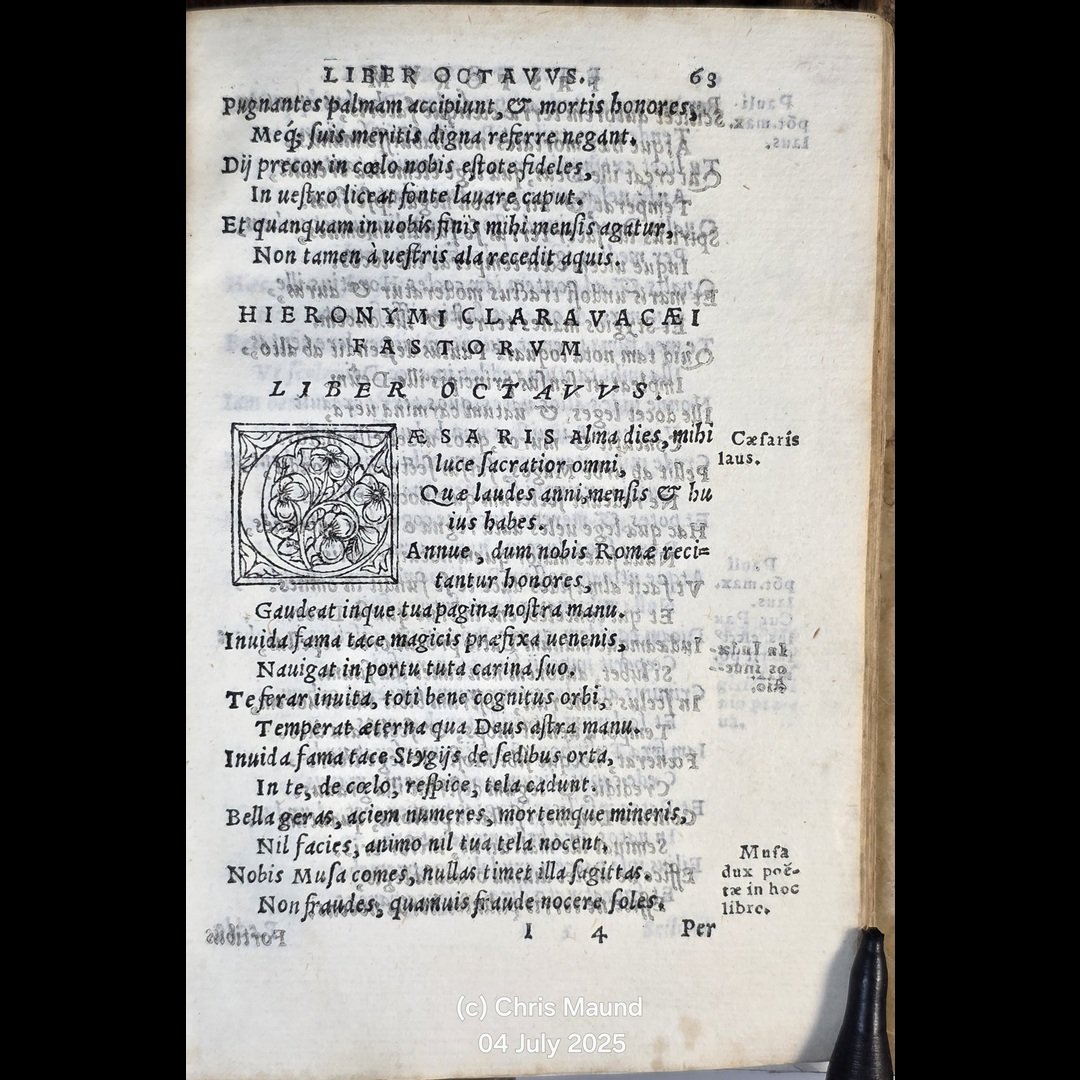 Image 10 of 19
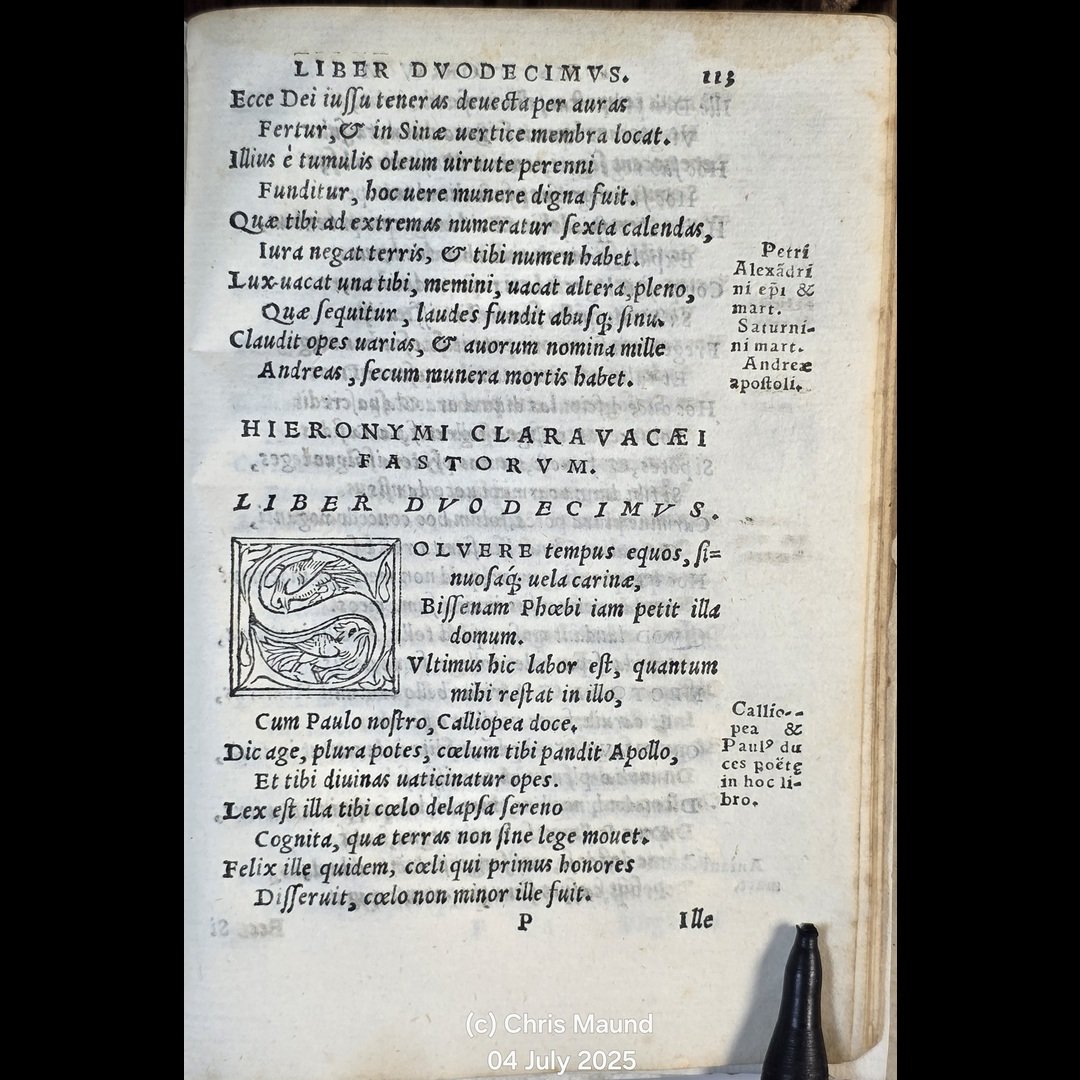 Image 11 of 19
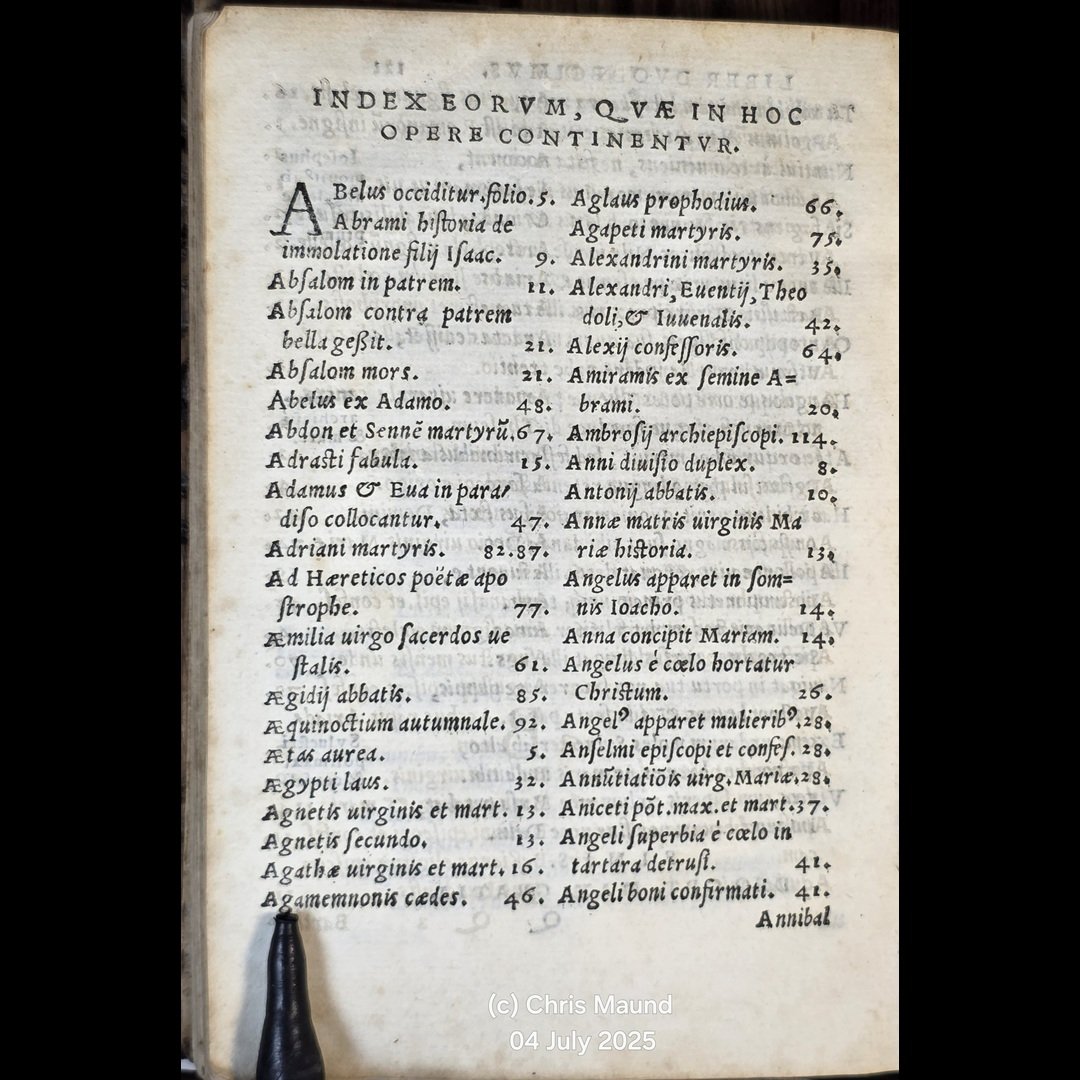 Image 12 of 19
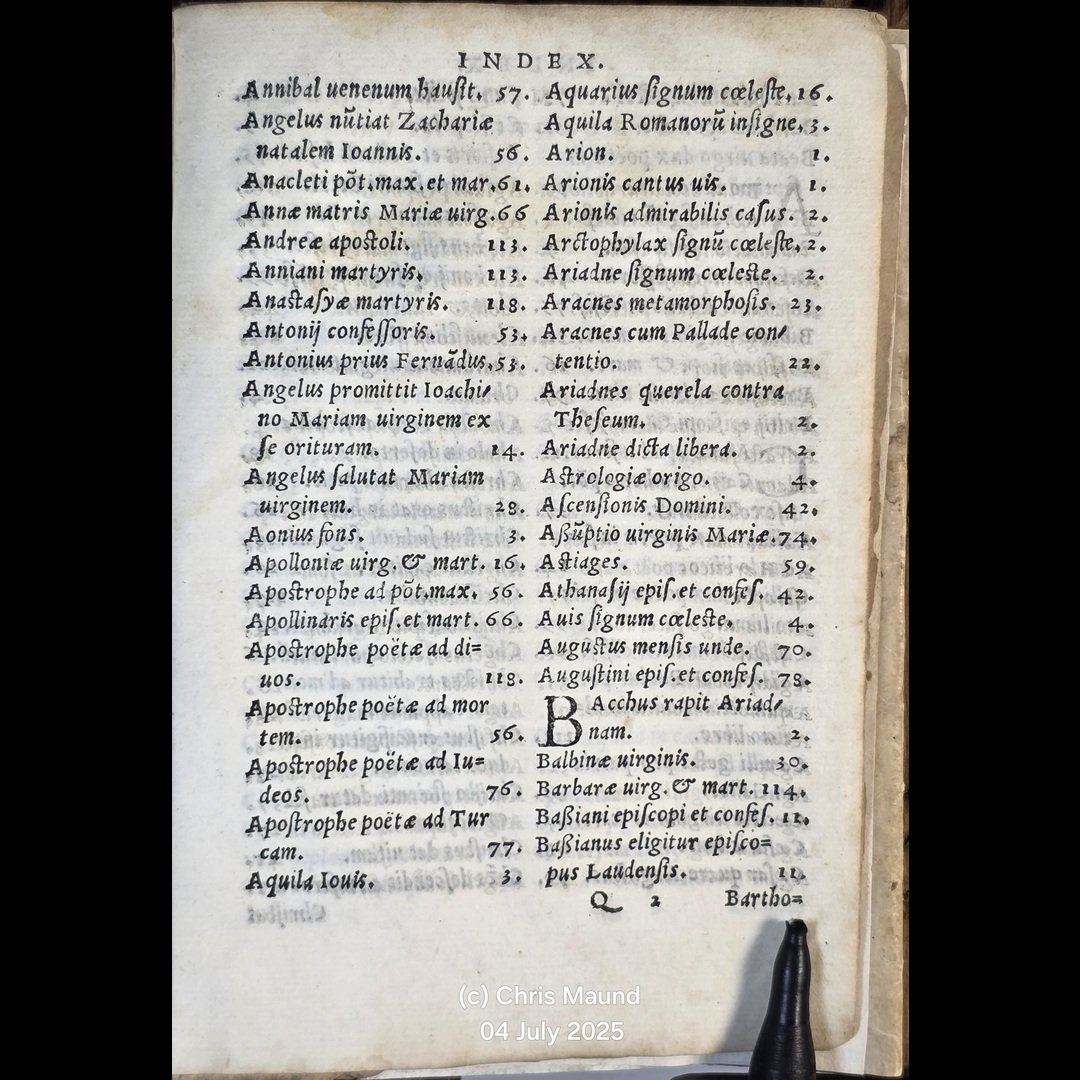 Image 13 of 19
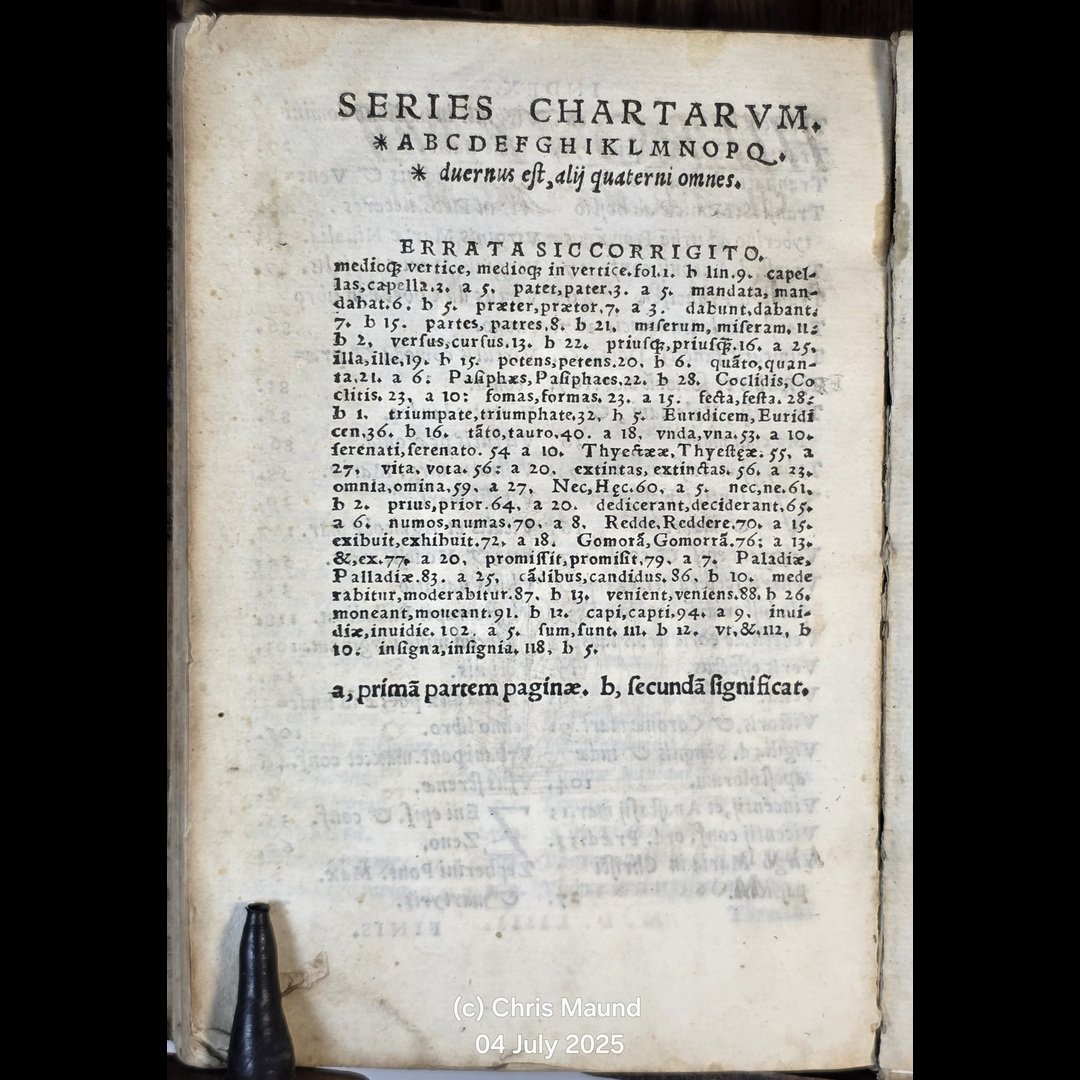 Image 14 of 19
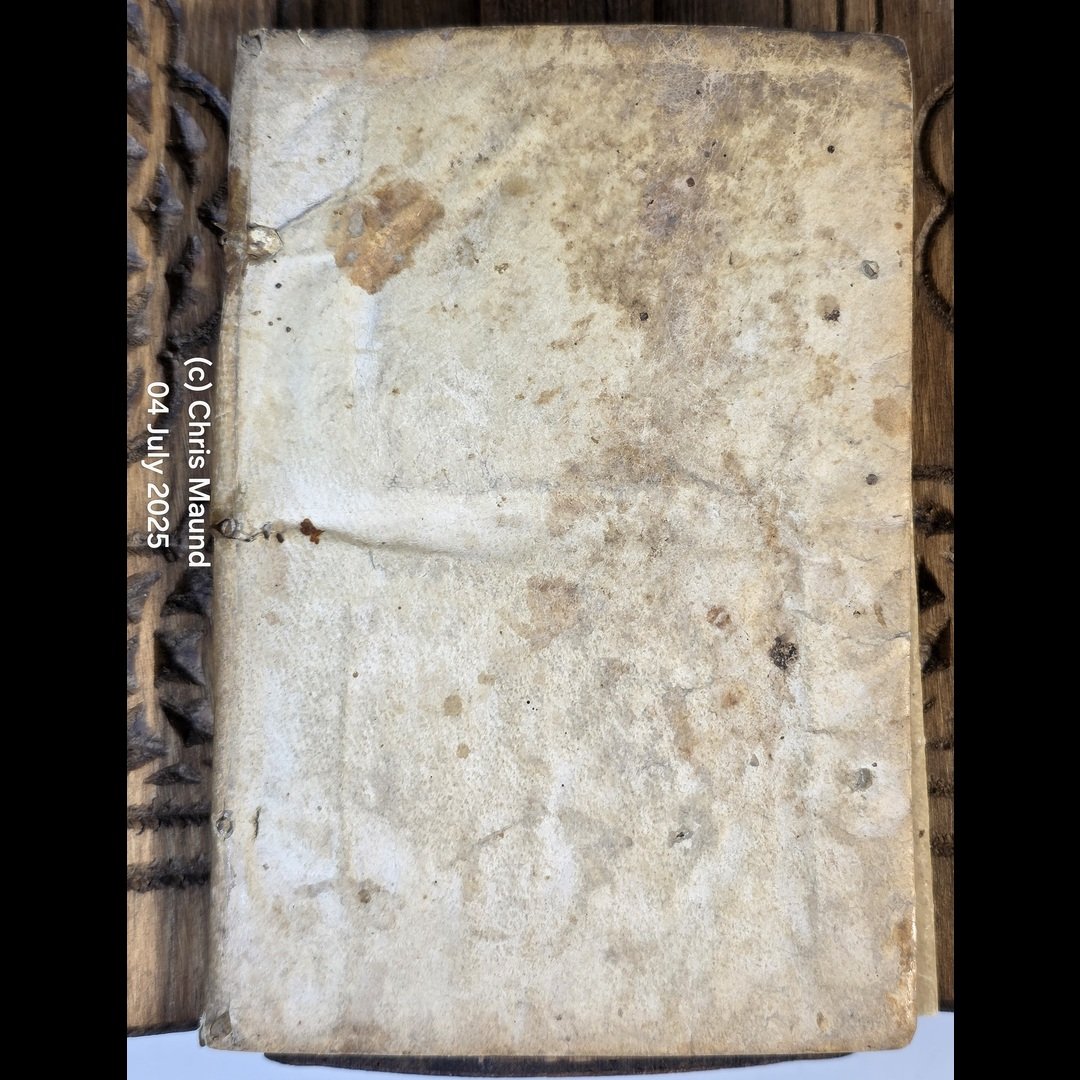 Image 15 of 19
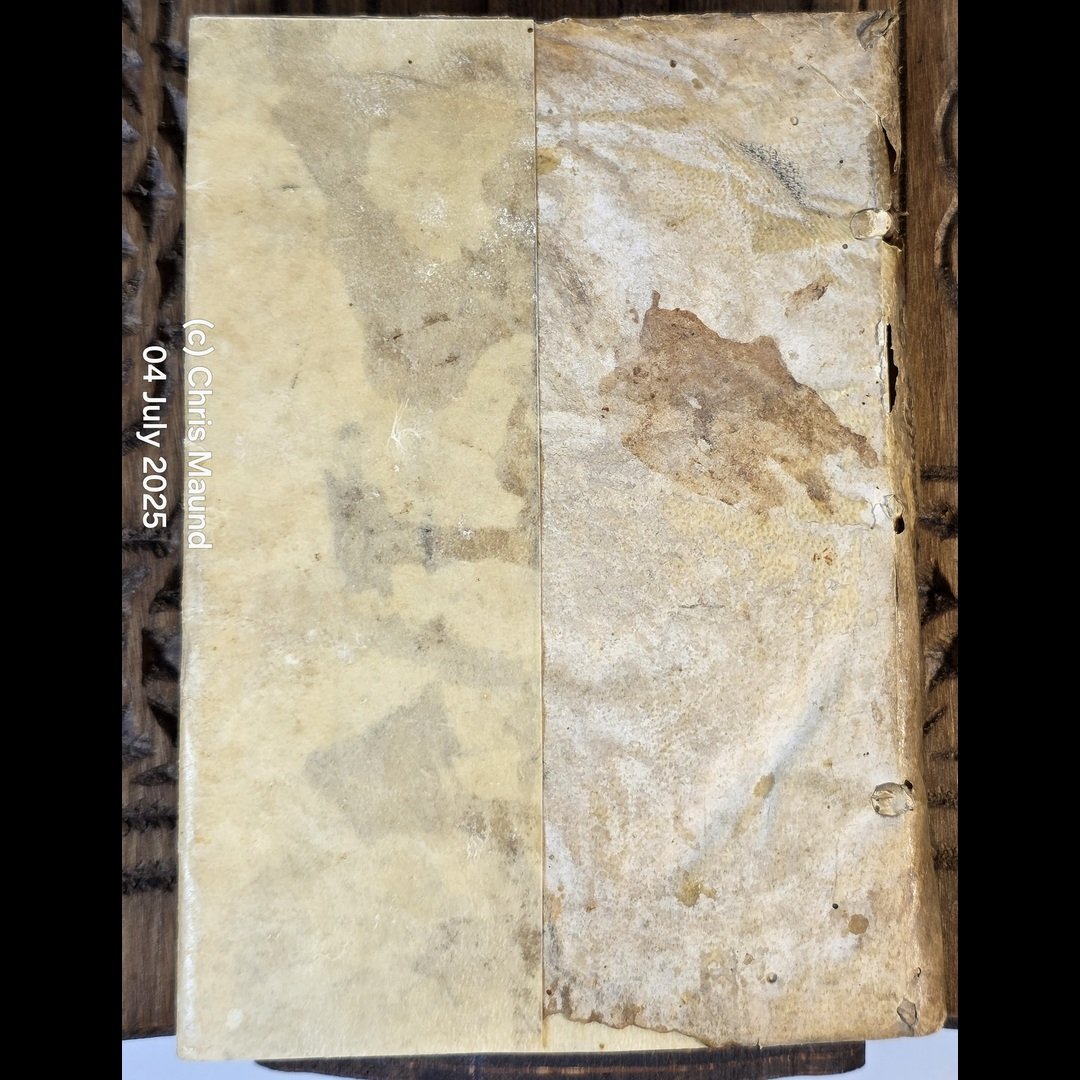 Image 16 of 19
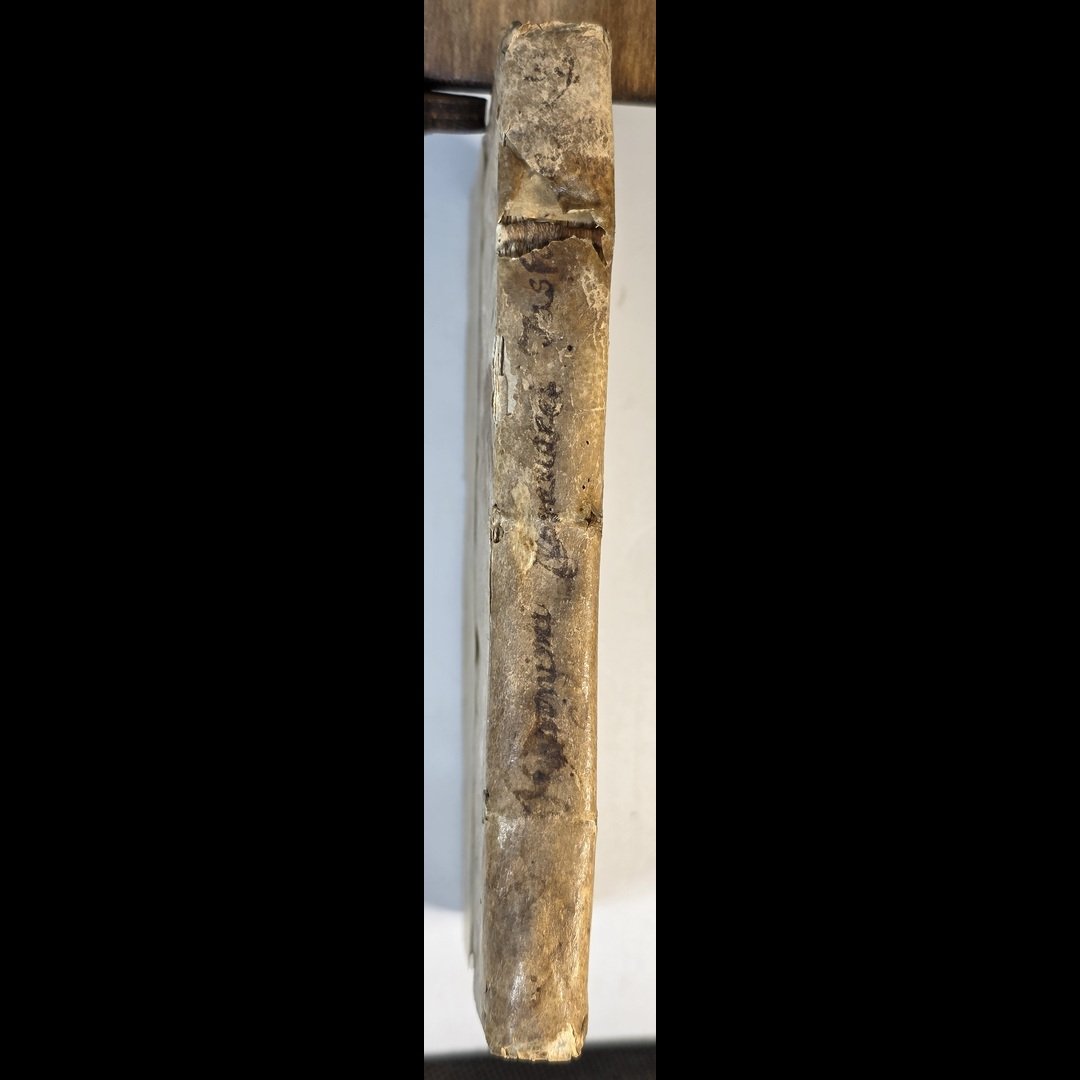 Image 17 of 19
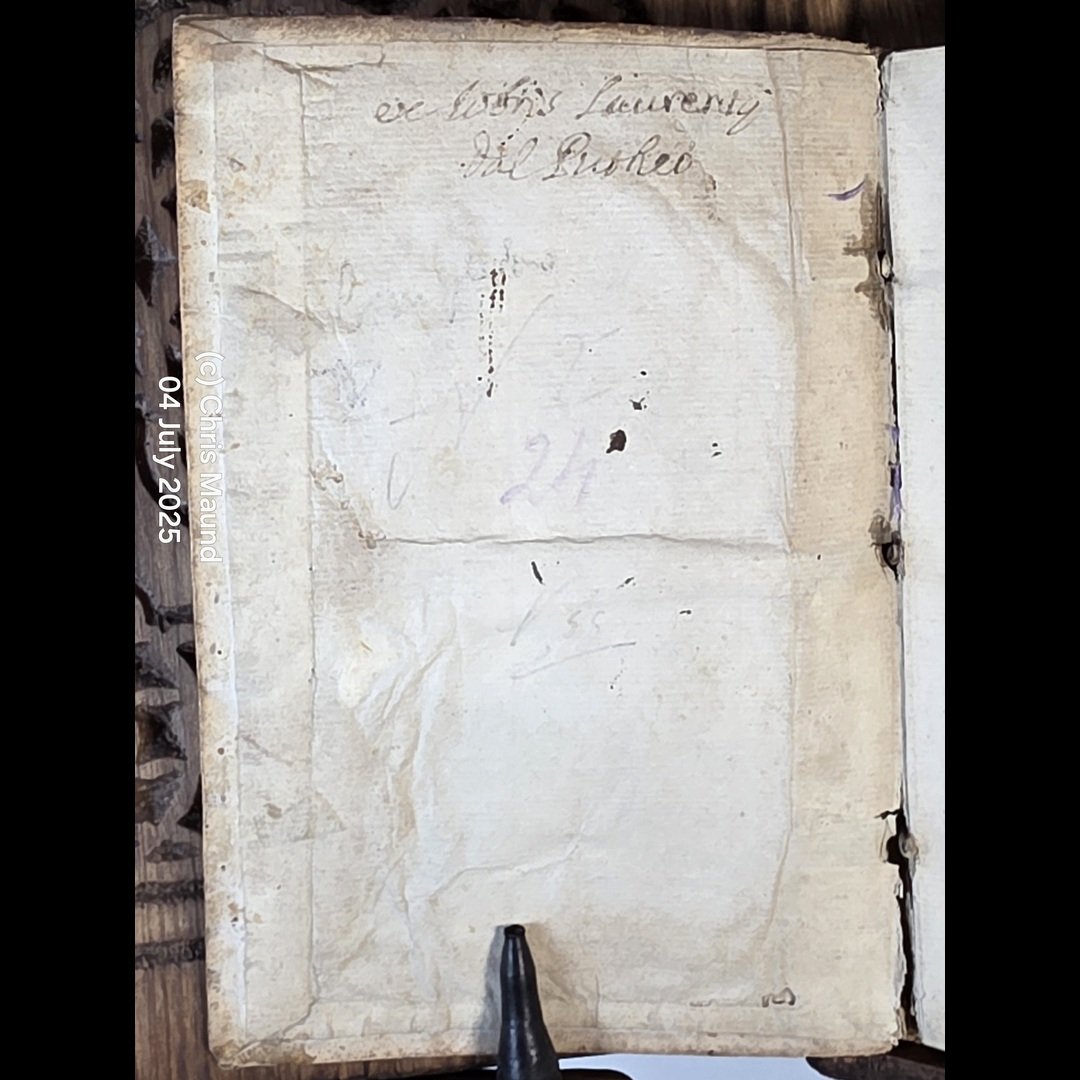 Image 18 of 19
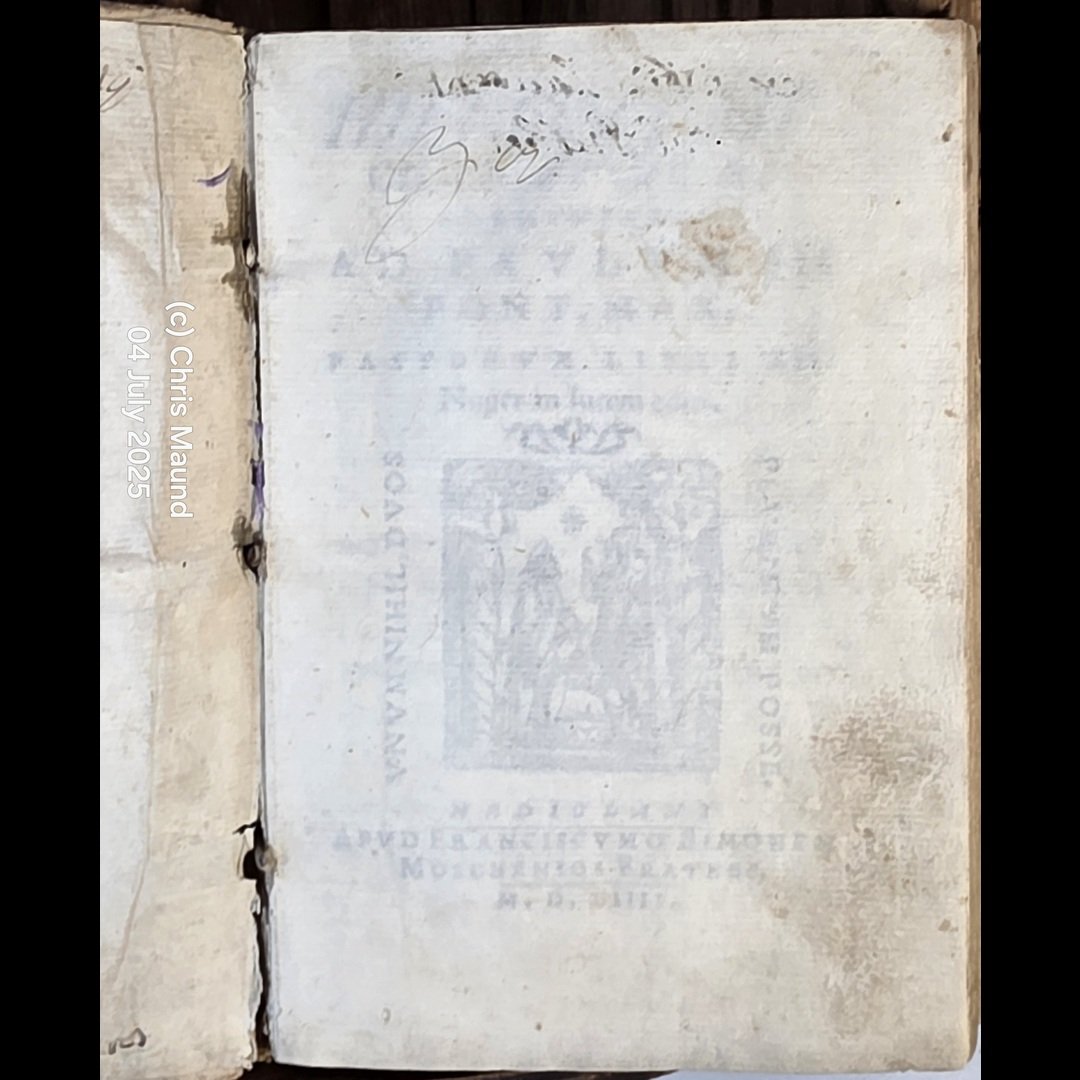 Image 19 of 19