Sale Price:
£145.00
Original Price:
£180.00
1865 First Complete Collected Edition
PROMPTORIUM PARVULORUM
By Geoffrey the Grammarian (Galfridus Grammaticus), Albert Way
KEY DETAILS
Condition: Very Good
Format: Hardcover, 4to (approximately 230mm x 170mm)
Published By: Printed for the Camden Society, London, 1865
Language: Latin/English
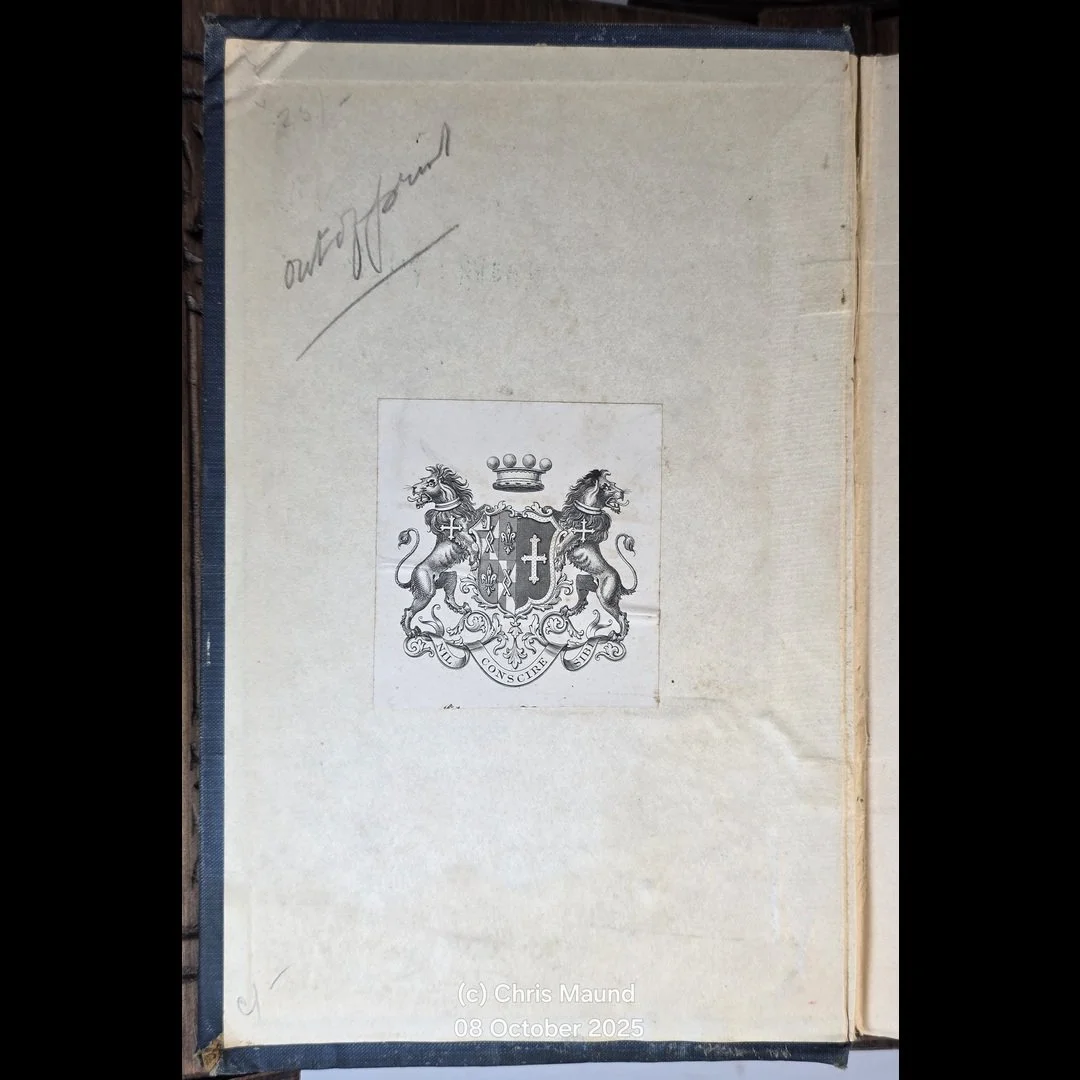
Provenance: No ownership inscription, bookplate or other secure provenance has been identified in the present copy.
Collation: lxxxvii, [1], 563, [3] pp., with three lithographic facsimile plates reproducing medieval manuscript sources.
Dust Jacket: None, as issued, No Jacket
SKU: BTETM0002547
Shipping Info: Approximate Package Dimensions H: 12.5, L: 30, W: 25 (Units: cm), W: 2Kg
Tracked Shipping, Insurance Coverage as per Customer Request
DESCRIPTION
Promptorium Parvulorum
PROMPTORIUM PARVULORUM SIVE CLERICORUM, DICTIONARIUS ANGLO-LATINUS PRINCEPS
Traditionally attributed to Geoffrey the Grammarian; edited by Albert Way
A complete copy of Albert Way’s monumental scholarly edition of the Promptorium Parvulorum, the great fifteenth-century English-Latin vocabulary generally regarded as the earliest substantial dictionary of the English language.
Compiled in East Anglia, probably at King’s Lynn, around 1440 by an anonymous Dominican friar, the work has traditionally been attributed to “Geoffrey the Grammarian” or Galfridus Grammaticus. The attribution derives from an early ownership or bibliographical tradition rather than a securely contemporary identification of the compiler and is therefore best regarded as traditional rather than certain.
The Promptorium contains approximately 10,000 Middle English headwords with Latin equivalents and preserves an extraordinary range of medieval vocabulary relating to domestic life, agriculture, clothing, food, trades, tools, natural history, religion and everyday material culture. Its unusually rich East Anglian vocabulary makes it an important source not only for lexicography but also for the social and linguistic history of fifteenth-century England.
The work was first printed by Richard Pynson in 1499. Albert Way’s nineteenth-century edition was the first major modern scholarly treatment of the text and remains an important landmark in the study of Middle English lexicography.
Way’s edition was issued by the Camden Society over a period of more than twenty years in three separate parts:
Part I — 1843, Camden Society Old Series XXV
Part II — 1853, Camden Society Old Series LIV
Part III — 1865, Camden Society Old Series LXXXIX
Following publication of the concluding part in 1865, complete sets of the work were made available under a new general title-page dated 1865. Camden Society accounts record the completed work as “3 vols. in 1”, and separately document the binding of 250 sets of the three parts in a Roxburghe style.
The present copy contains the 1865 general title-page followed by the original preliminary material to the first portion, including the Advertisement beginning “In producing this first portion of the Promptorium…”, and the later prefatory material written upon completion of the undertaking. Its physical construction therefore clearly reflects the complete collected form of Way’s edition rather than merely the separately issued third part.
The three lithographic facsimiles reproduce manuscript examples used in Way’s editorial work and provide an attractive visual link with the medieval textual tradition from which the dictionary survives.
PROVENANCE
No ownership inscription, bookplate or other secure provenance has been identified in the present copy.
The manuscript paper spine label appears to be nineteenth-century or early and identifies the volume simply as “Promptorium Parvulorum / Way / 1865”.
CONDITION, COLLATION & COPY NOTES
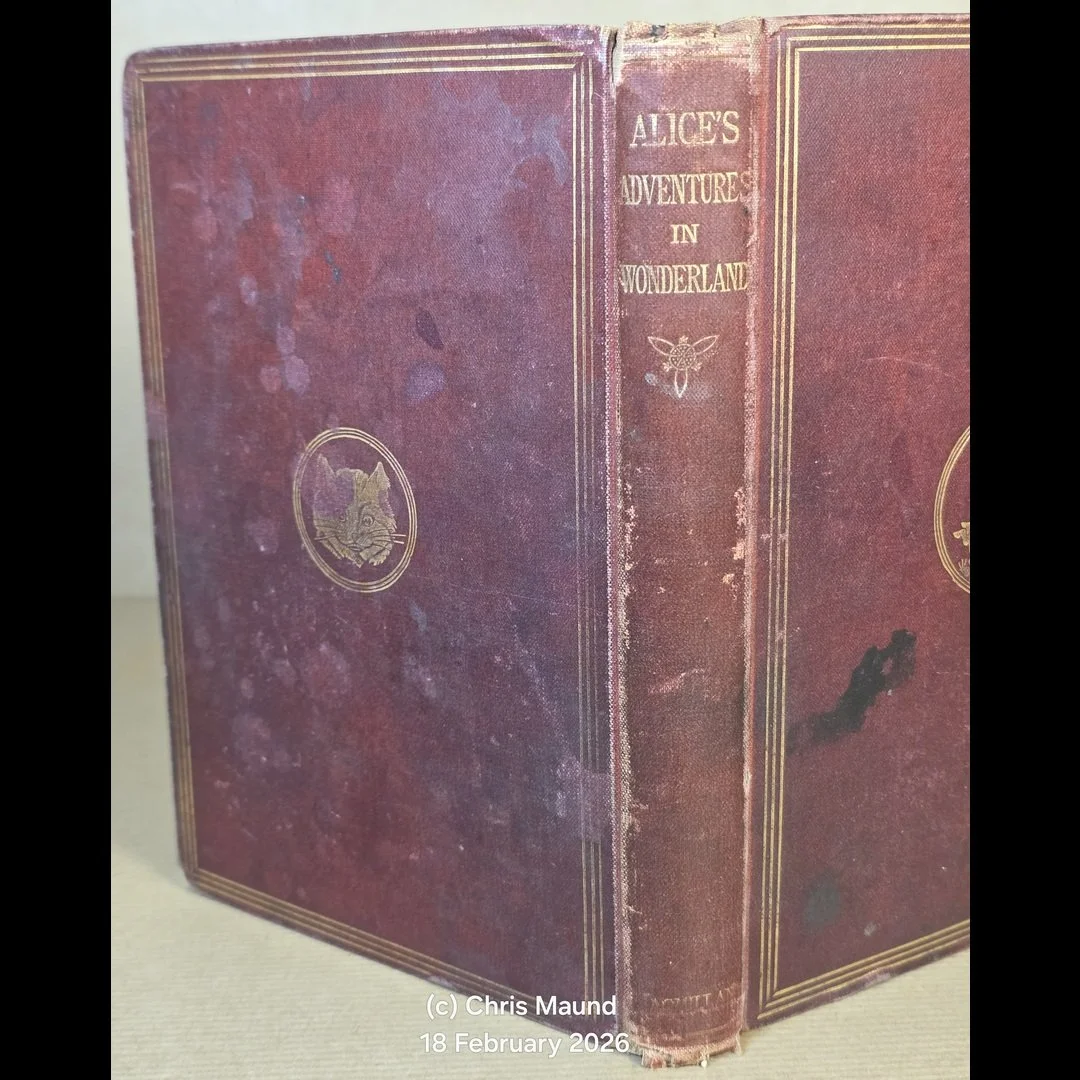
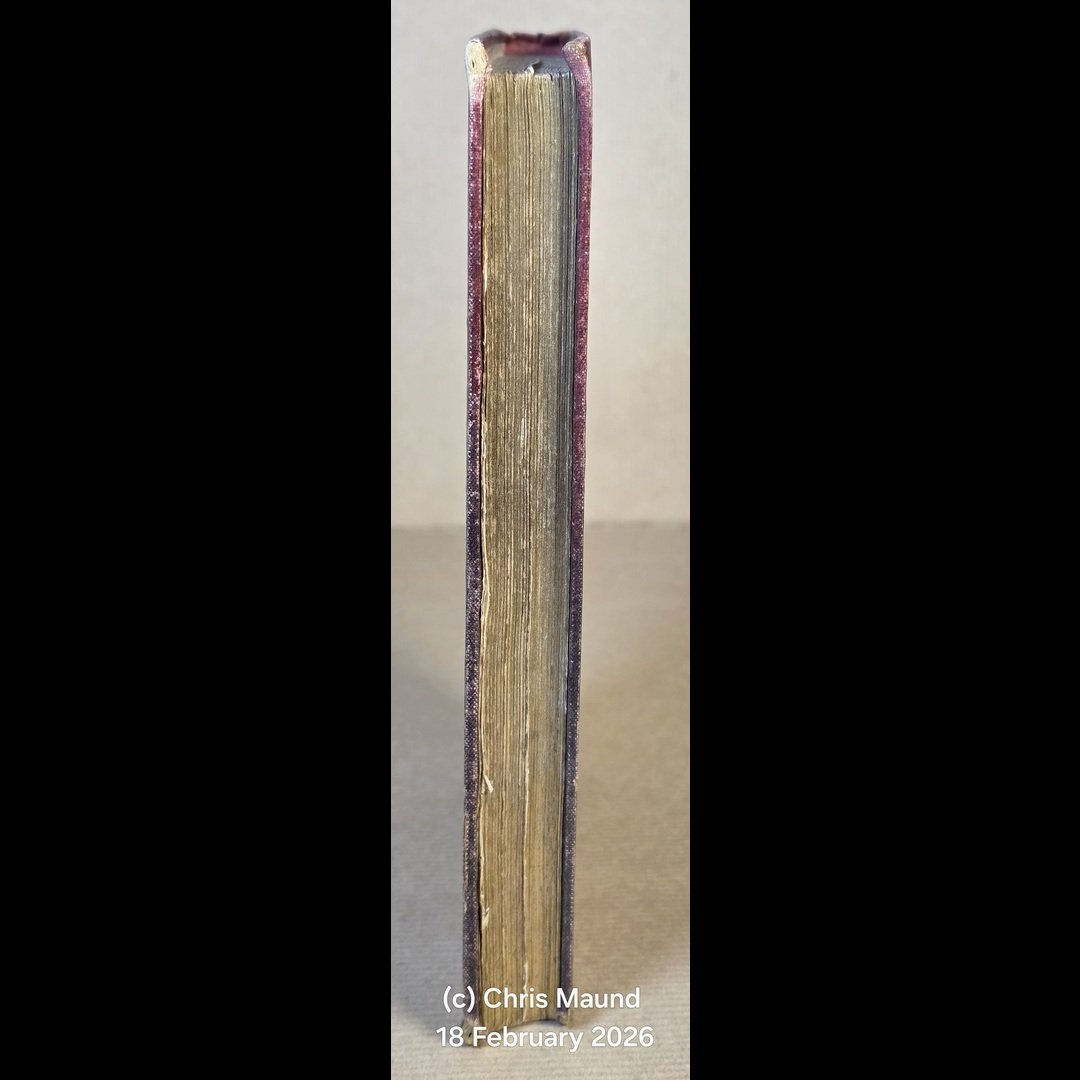
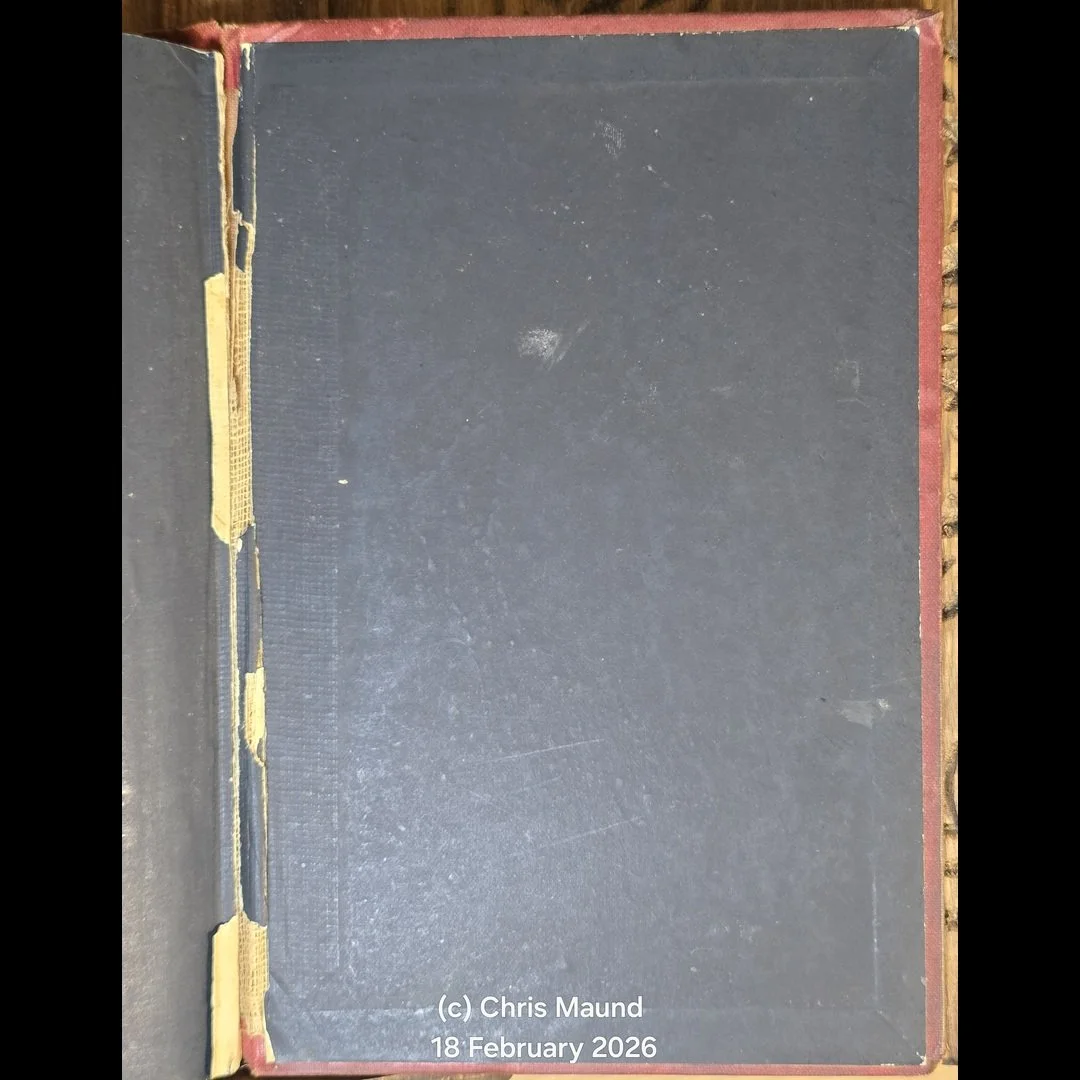
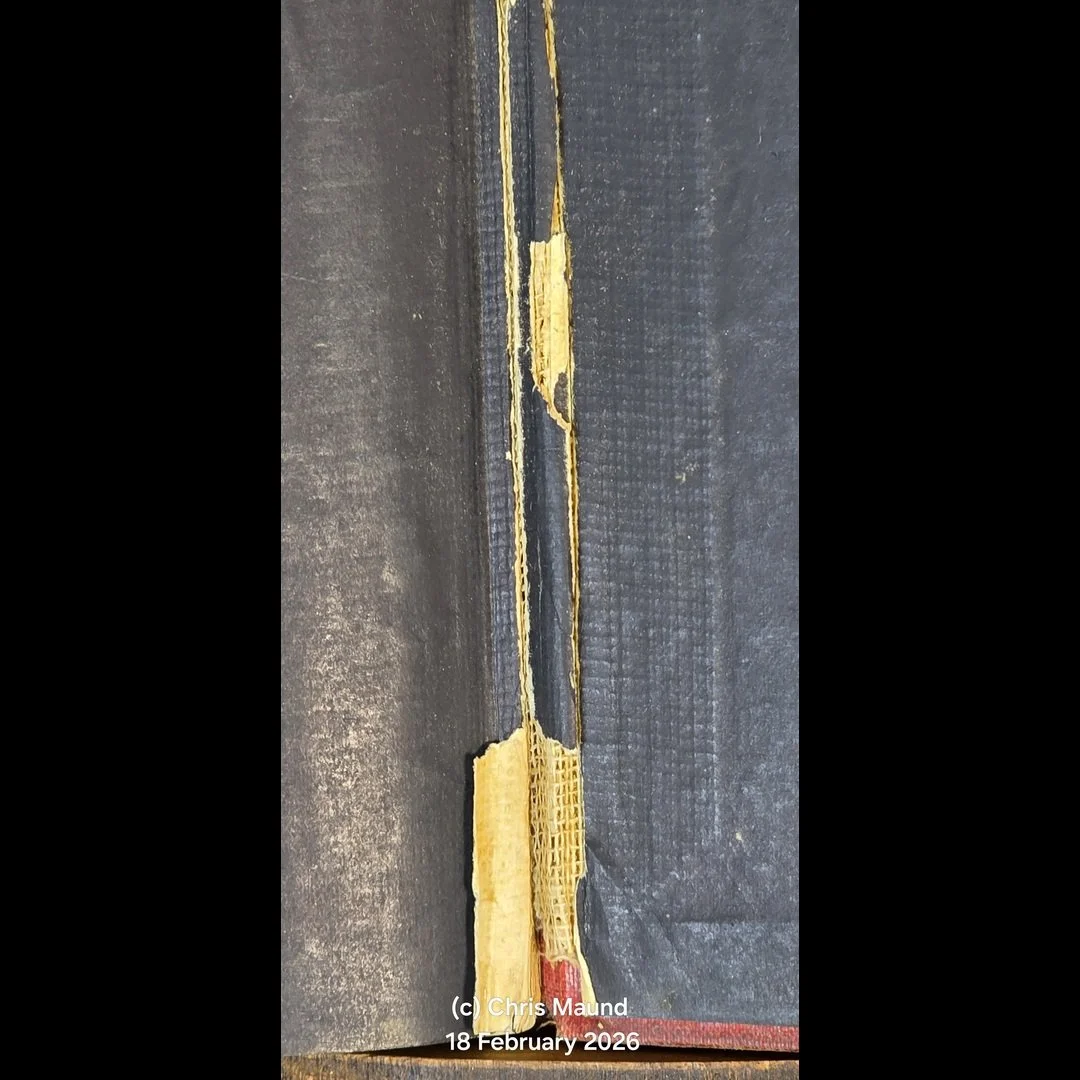
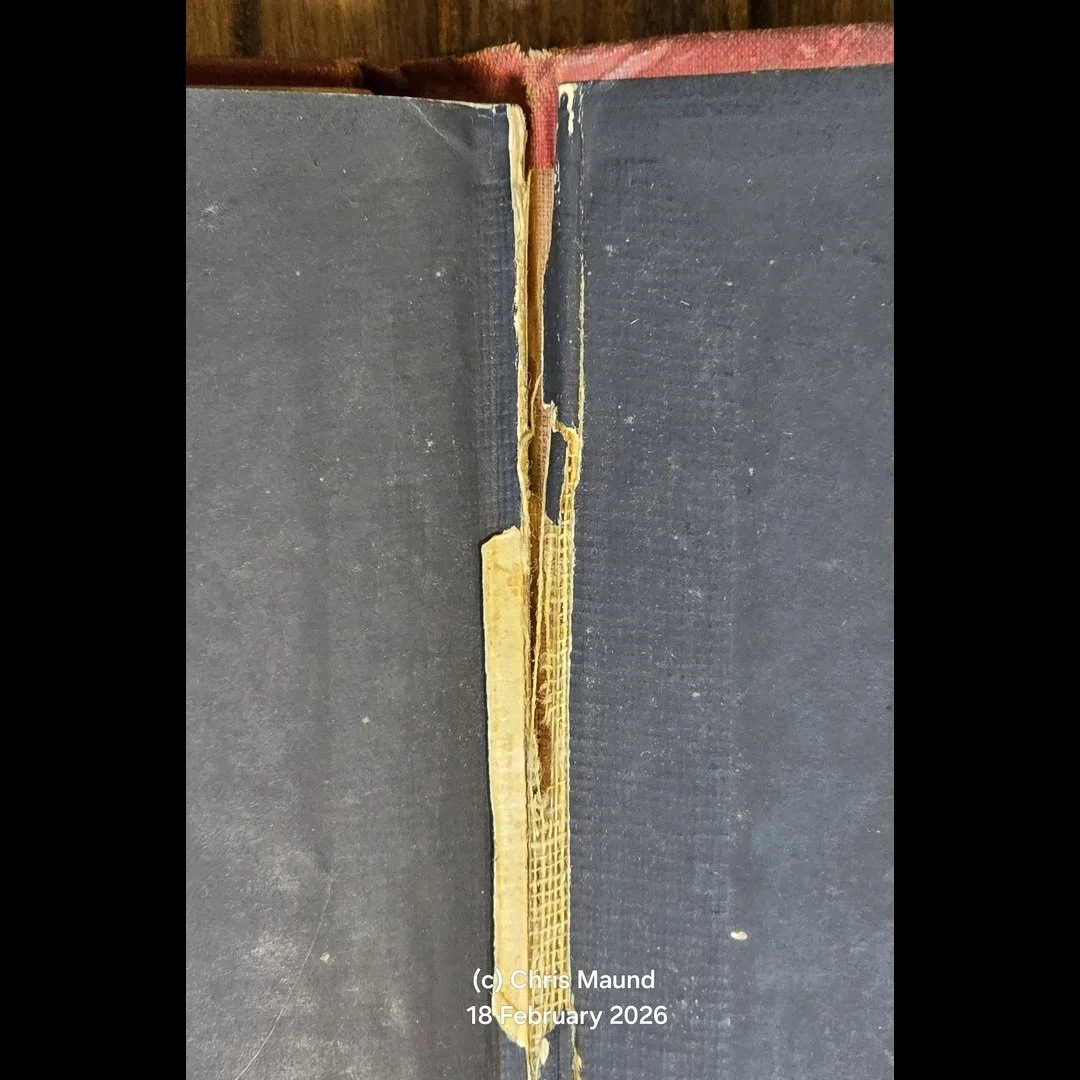
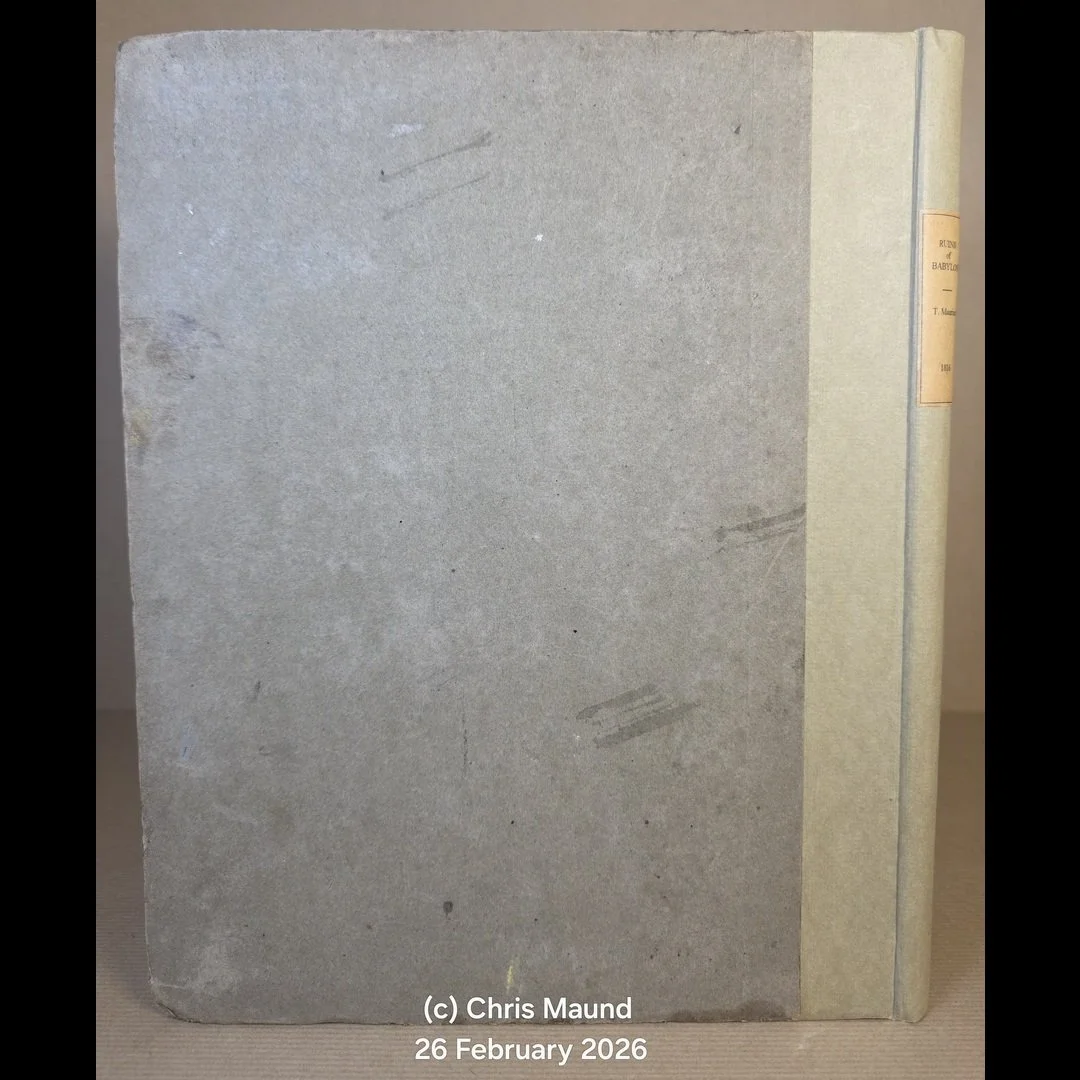
Period full brown calf, blind-ruled to the boards. Binding rubbed and scuffed throughout, with wear and small areas of surface loss at the board edges, corners and extremities. Manuscript paper title label to spine rubbed and darkened but substantially legible. The binding remains sound and retains considerable antiquarian character.
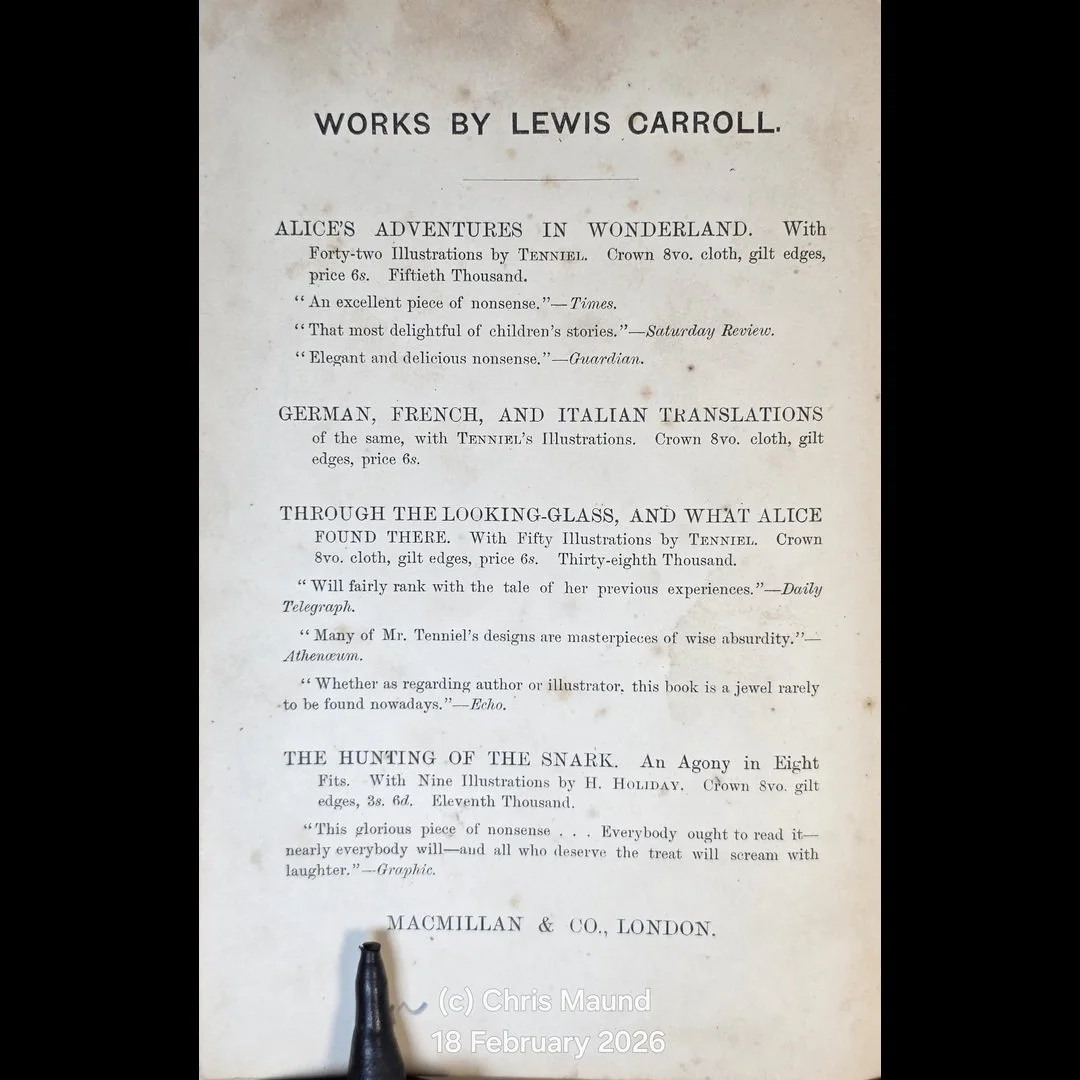
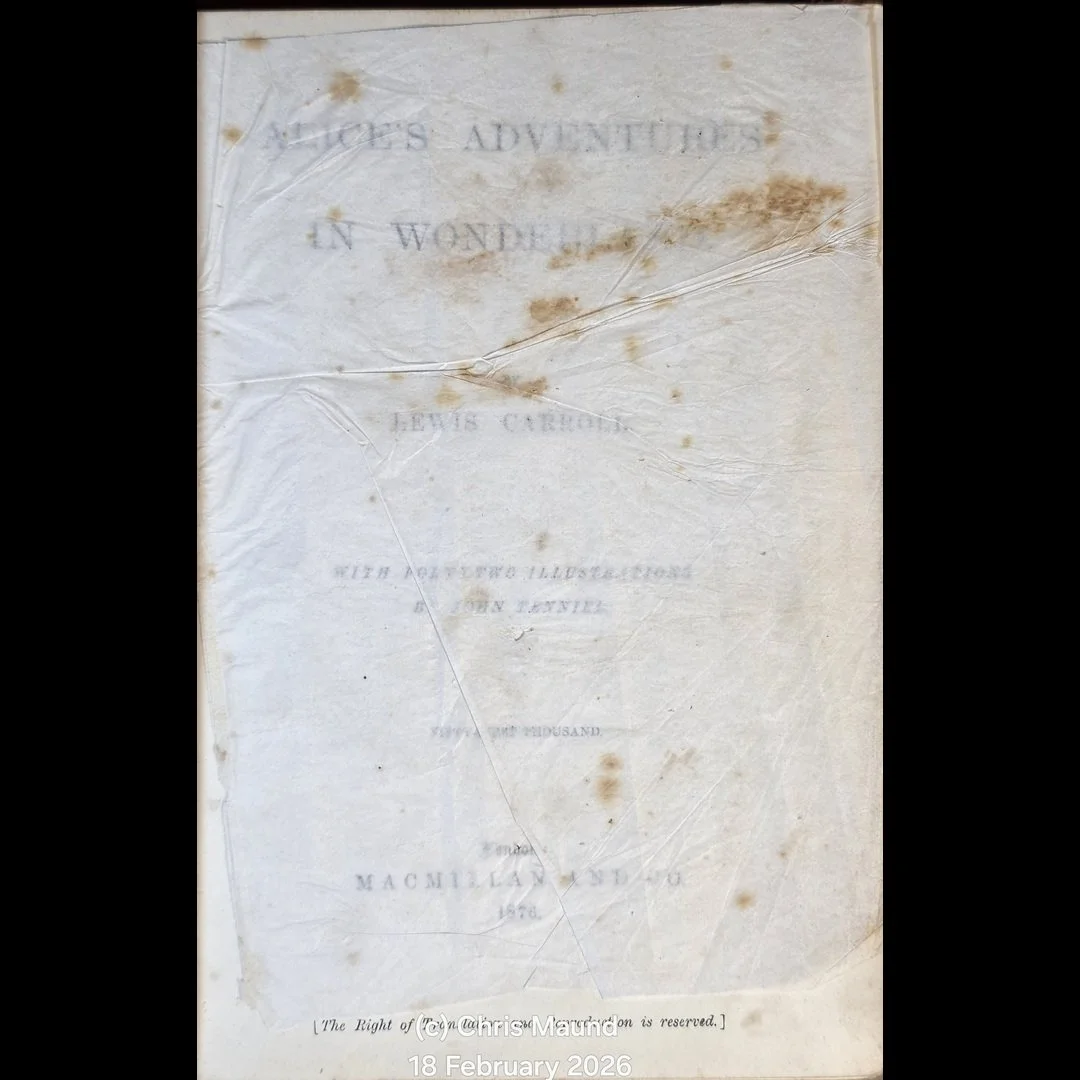
Internally very good overall. General title with scattered spotting and occasional further light spotting or age-toning elsewhere, but the text is generally clean, well-margined and well preserved.
Complete with the three lithographic manuscript facsimile plates.
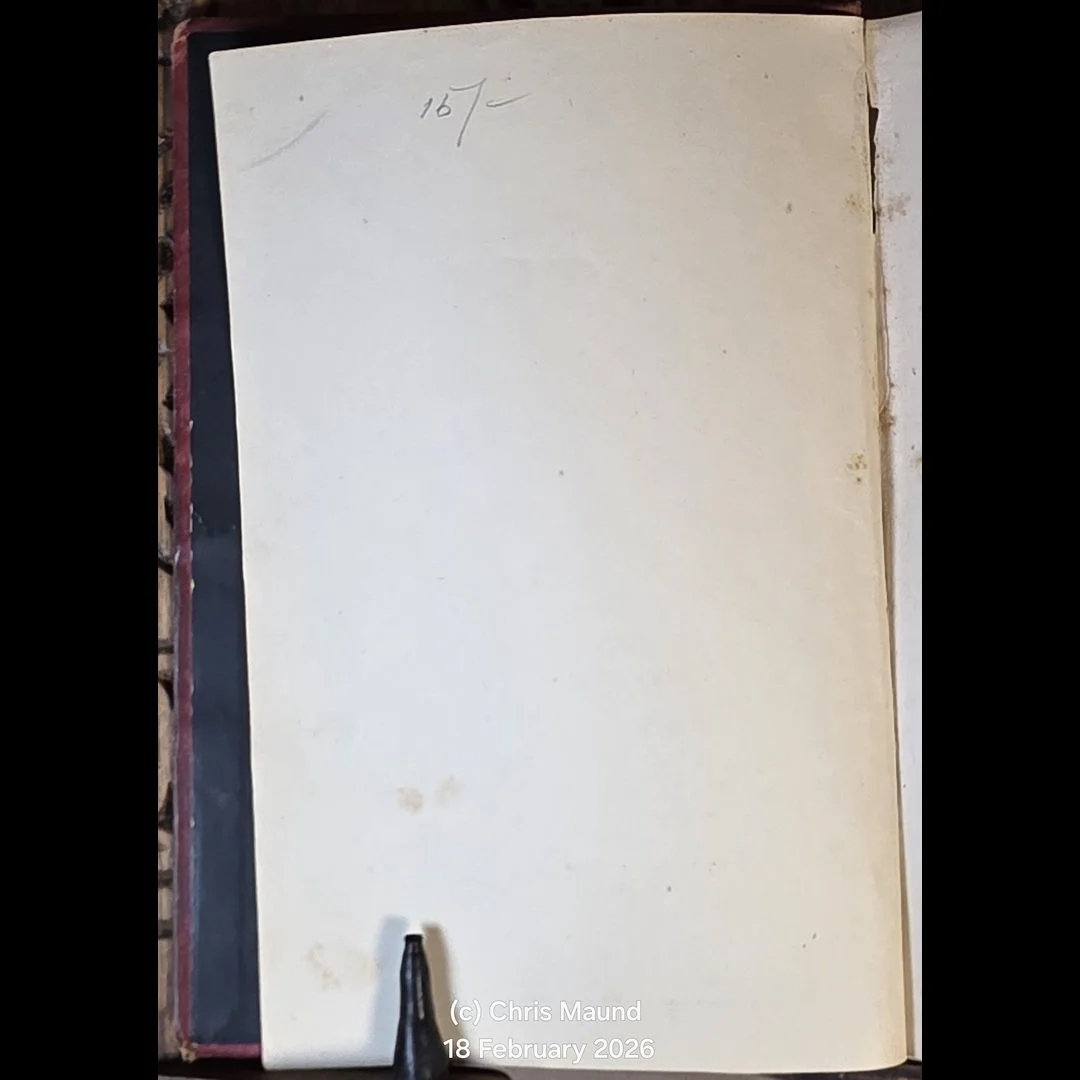
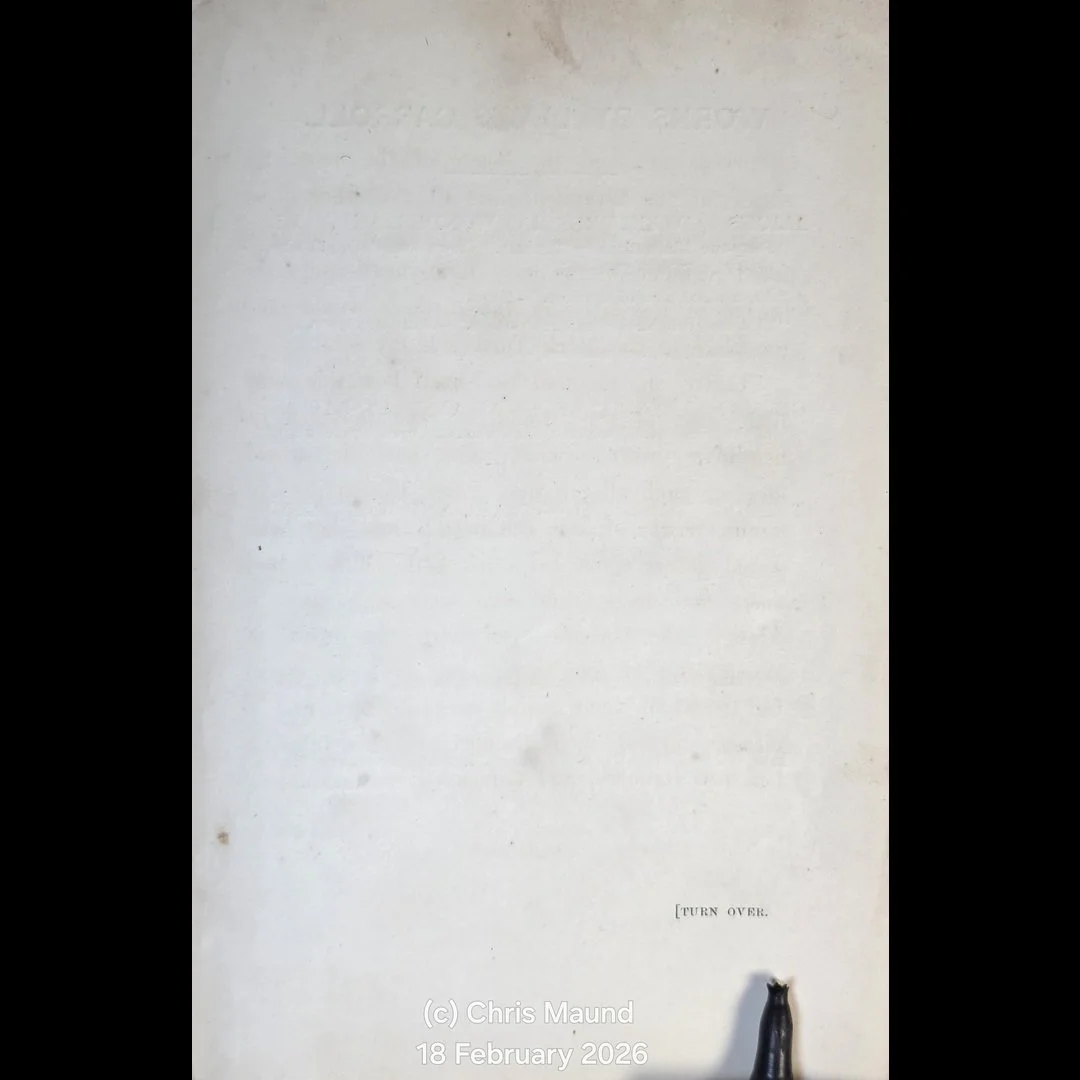
Please see Photos as part of condition report.
REFERENCES
Camden Society, Old Series, XXV, LIV and LXXXIX.
Albert Way, ed., Promptorium Parvulorum sive Clericorum, Dictionarius Anglo-Latinus Princeps, London, Camden Society, 1843–1865.
British Library catalogue records the work as the three-part Camden Society edition issued between 1843 and 1865.
Camden Society annual accounts and reports for 1865–66 record the completed Promptorium Parvulorum as “3 vols. in 1” and the binding of 250 sets comprising Parts I–III.
Richard Pynson’s first printed edition of the medieval text appeared in London in 1499.
SYNOPSIS
The Promptorium Parvulorum occupies a foundational place in the history of English lexicography.
Compiled around the middle of the fifteenth century, it is the earliest extensive English-to-Latin dictionary and one of the richest surviving records of everyday Middle English vocabulary. Rather than concentrating solely upon literary or theological language, the compiler recorded words for the practical world around him: household objects, clothing, foodstuffs, trades, agricultural practices, animals, plants, bodily functions, religious observance and the countless ordinary things that rarely survive in more formal medieval texts.
Its vocabulary therefore offers an unusually direct view of spoken and practical English at the close of the Middle Ages.
The dictionary is particularly associated with East Anglia, and many of its words and forms preserve regional usages which would otherwise have disappeared from the historical record.
First printed by Richard Pynson in 1499, the work became an important source for later English lexicographical scholarship. Albert Way’s edition, prepared for the Camden Society and published in three instalments between 1843 and 1865, brought the medieval text into modern scholarly circulation through extensive notes, manuscript comparison, appendices and facsimiles.
This 1865 collected issue represents the completed form of Way’s twenty-two-year editorial undertaking and brings together all three portions of one of the key nineteenth-century editions of an exceptionally important medieval English linguistic monument.
AUTHOR BIO
Traditionally attributed to Geoffrey the Grammarian; edited by Albert Way
Geoffrey the Grammarian (Galfridus Grammaticus) — a Dominican friar of Norfolk, active c. 1440. Very little is known of his life beyond his order and region; his reputation rests on the Promptorium, which he compiled from teaching practice and contemporary usage. It is prized for glossing ordinary medieval objects, crafts, dress, and domestic life.
Albert Way, A.M. (1805–1874) — English antiquary, long associated with the Camden Society and the Society of Antiquaries. Way edited and greatly annotated the Promptorium, adding long linguistic notes, source citations (Chaucer, Piers Plowman, etc.), sample manuscript hands (your plate with red ‘W’ initial), and multiple indices that make the edition still heavily used.
ALBERT WAY
Albert Way (1805–1874) was an English antiquary, archaeologist and one of the founders of the Archaeological Institute of Great Britain and Ireland.
Educated at Trinity College, Cambridge, Way developed particular interests in medieval antiquities, manuscripts and material culture. His edition of the Promptorium Parvulorum became one of his most substantial scholarly projects and occupied more than two decades.
Way supplemented the medieval vocabulary with extensive philological, historical and antiquarian notes, drawing upon manuscript sources and contemporary scholarship. The resulting edition became an important reference work for nineteenth-century medievalists and lexicographers and helped establish the Promptorium as a major source for the historical study of the English language.
1865 First Complete Collected Edition
PROMPTORIUM PARVULORUM
By Geoffrey the Grammarian (Galfridus Grammaticus), Albert Way
KEY DETAILS
Condition: Very Good
Format: Hardcover, 4to (approximately 230mm x 170mm)
Published By: Printed for the Camden Society, London, 1865
Language: Latin/English
Provenance: No ownership inscription, bookplate or other secure provenance has been identified in the present copy.
Collation: lxxxvii, [1], 563, [3] pp., with three lithographic facsimile plates reproducing medieval manuscript sources.
Dust Jacket: None, as issued, No Jacket
SKU: BTETM0002547
Shipping Info: Approximate Package Dimensions H: 12.5, L: 30, W: 25 (Units: cm), W: 2Kg
Tracked Shipping, Insurance Coverage as per Customer Request
DESCRIPTION
Promptorium Parvulorum
PROMPTORIUM PARVULORUM SIVE CLERICORUM, DICTIONARIUS ANGLO-LATINUS PRINCEPS
Traditionally attributed to Geoffrey the Grammarian; edited by Albert Way
A complete copy of Albert Way’s monumental scholarly edition of the Promptorium Parvulorum, the great fifteenth-century English-Latin vocabulary generally regarded as the earliest substantial dictionary of the English language.
Compiled in East Anglia, probably at King’s Lynn, around 1440 by an anonymous Dominican friar, the work has traditionally been attributed to “Geoffrey the Grammarian” or Galfridus Grammaticus. The attribution derives from an early ownership or bibliographical tradition rather than a securely contemporary identification of the compiler and is therefore best regarded as traditional rather than certain.
The Promptorium contains approximately 10,000 Middle English headwords with Latin equivalents and preserves an extraordinary range of medieval vocabulary relating to domestic life, agriculture, clothing, food, trades, tools, natural history, religion and everyday material culture. Its unusually rich East Anglian vocabulary makes it an important source not only for lexicography but also for the social and linguistic history of fifteenth-century England.
The work was first printed by Richard Pynson in 1499. Albert Way’s nineteenth-century edition was the first major modern scholarly treatment of the text and remains an important landmark in the study of Middle English lexicography.
Way’s edition was issued by the Camden Society over a period of more than twenty years in three separate parts:
Part I — 1843, Camden Society Old Series XXV
Part II — 1853, Camden Society Old Series LIV
Part III — 1865, Camden Society Old Series LXXXIX
Following publication of the concluding part in 1865, complete sets of the work were made available under a new general title-page dated 1865. Camden Society accounts record the completed work as “3 vols. in 1”, and separately document the binding of 250 sets of the three parts in a Roxburghe style.
The present copy contains the 1865 general title-page followed by the original preliminary material to the first portion, including the Advertisement beginning “In producing this first portion of the Promptorium…”, and the later prefatory material written upon completion of the undertaking. Its physical construction therefore clearly reflects the complete collected form of Way’s edition rather than merely the separately issued third part.
The three lithographic facsimiles reproduce manuscript examples used in Way’s editorial work and provide an attractive visual link with the medieval textual tradition from which the dictionary survives.
PROVENANCE
No ownership inscription, bookplate or other secure provenance has been identified in the present copy.
The manuscript paper spine label appears to be nineteenth-century or early and identifies the volume simply as “Promptorium Parvulorum / Way / 1865”.
CONDITION, COLLATION & COPY NOTES
Period full brown calf, blind-ruled to the boards. Binding rubbed and scuffed throughout, with wear and small areas of surface loss at the board edges, corners and extremities. Manuscript paper title label to spine rubbed and darkened but substantially legible. The binding remains sound and retains considerable antiquarian character.
Internally very good overall. General title with scattered spotting and occasional further light spotting or age-toning elsewhere, but the text is generally clean, well-margined and well preserved.
Complete with the three lithographic manuscript facsimile plates.
Please see Photos as part of condition report.
REFERENCES
Camden Society, Old Series, XXV, LIV and LXXXIX.
Albert Way, ed., Promptorium Parvulorum sive Clericorum, Dictionarius Anglo-Latinus Princeps, London, Camden Society, 1843–1865.
British Library catalogue records the work as the three-part Camden Society edition issued between 1843 and 1865.
Camden Society annual accounts and reports for 1865–66 record the completed Promptorium Parvulorum as “3 vols. in 1” and the binding of 250 sets comprising Parts I–III.
Richard Pynson’s first printed edition of the medieval text appeared in London in 1499.
SYNOPSIS
The Promptorium Parvulorum occupies a foundational place in the history of English lexicography.
Compiled around the middle of the fifteenth century, it is the earliest extensive English-to-Latin dictionary and one of the richest surviving records of everyday Middle English vocabulary. Rather than concentrating solely upon literary or theological language, the compiler recorded words for the practical world around him: household objects, clothing, foodstuffs, trades, agricultural practices, animals, plants, bodily functions, religious observance and the countless ordinary things that rarely survive in more formal medieval texts.
Its vocabulary therefore offers an unusually direct view of spoken and practical English at the close of the Middle Ages.
The dictionary is particularly associated with East Anglia, and many of its words and forms preserve regional usages which would otherwise have disappeared from the historical record.
First printed by Richard Pynson in 1499, the work became an important source for later English lexicographical scholarship. Albert Way’s edition, prepared for the Camden Society and published in three instalments between 1843 and 1865, brought the medieval text into modern scholarly circulation through extensive notes, manuscript comparison, appendices and facsimiles.
This 1865 collected issue represents the completed form of Way’s twenty-two-year editorial undertaking and brings together all three portions of one of the key nineteenth-century editions of an exceptionally important medieval English linguistic monument.
AUTHOR BIO
Traditionally attributed to Geoffrey the Grammarian; edited by Albert Way
Geoffrey the Grammarian (Galfridus Grammaticus) — a Dominican friar of Norfolk, active c. 1440. Very little is known of his life beyond his order and region; his reputation rests on the Promptorium, which he compiled from teaching practice and contemporary usage. It is prized for glossing ordinary medieval objects, crafts, dress, and domestic life.
Albert Way, A.M. (1805–1874) — English antiquary, long associated with the Camden Society and the Society of Antiquaries. Way edited and greatly annotated the Promptorium, adding long linguistic notes, source citations (Chaucer, Piers Plowman, etc.), sample manuscript hands (your plate with red ‘W’ initial), and multiple indices that make the edition still heavily used.
ALBERT WAY
Albert Way (1805–1874) was an English antiquary, archaeologist and one of the founders of the Archaeological Institute of Great Britain and Ireland.
Educated at Trinity College, Cambridge, Way developed particular interests in medieval antiquities, manuscripts and material culture. His edition of the Promptorium Parvulorum became one of his most substantial scholarly projects and occupied more than two decades.
Way supplemented the medieval vocabulary with extensive philological, historical and antiquarian notes, drawing upon manuscript sources and contemporary scholarship. The resulting edition became an important reference work for nineteenth-century medievalists and lexicographers and helped establish the Promptorium as a major source for the historical study of the English language.

 Image 1 of 20
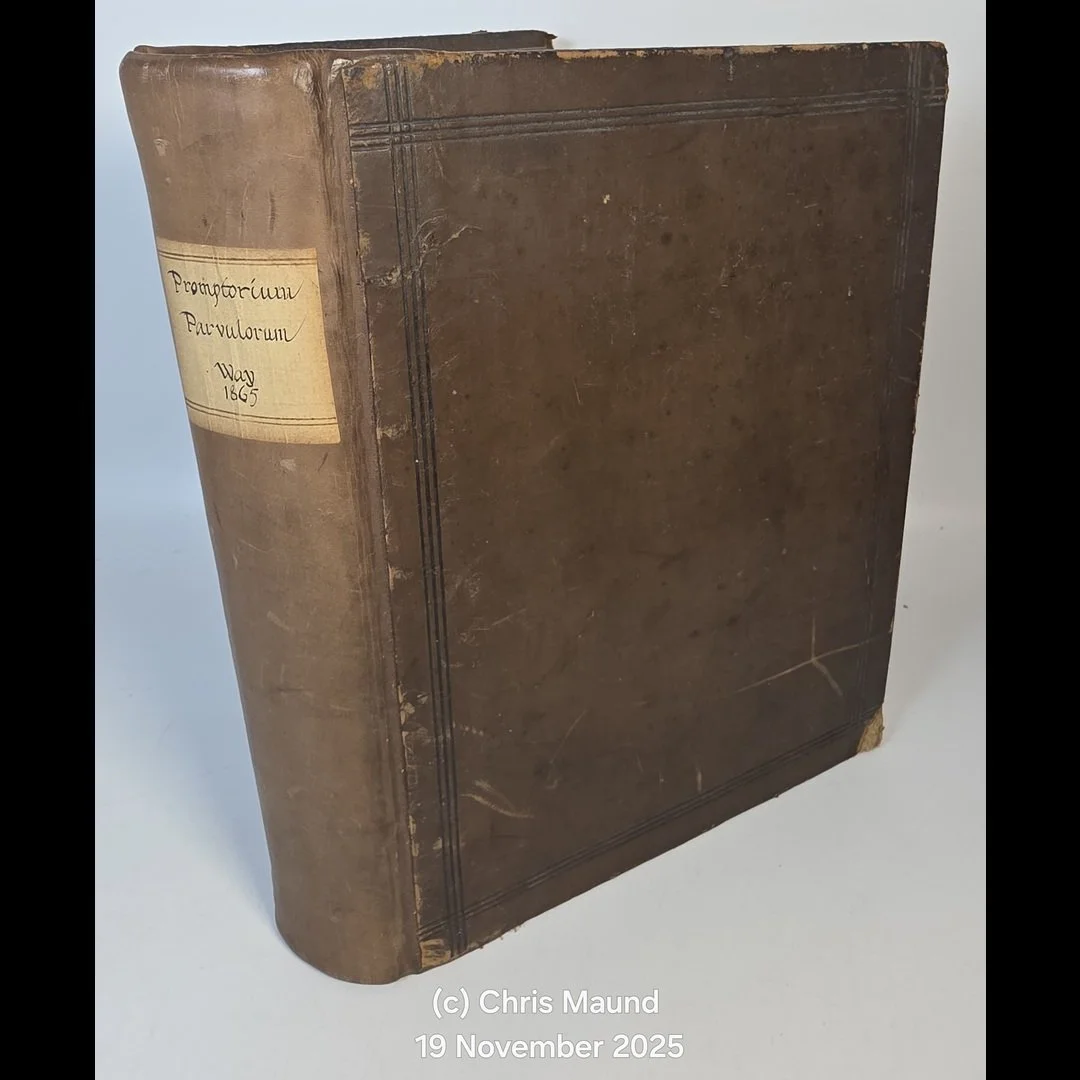 Image 2 of 20
 Image 3 of 20
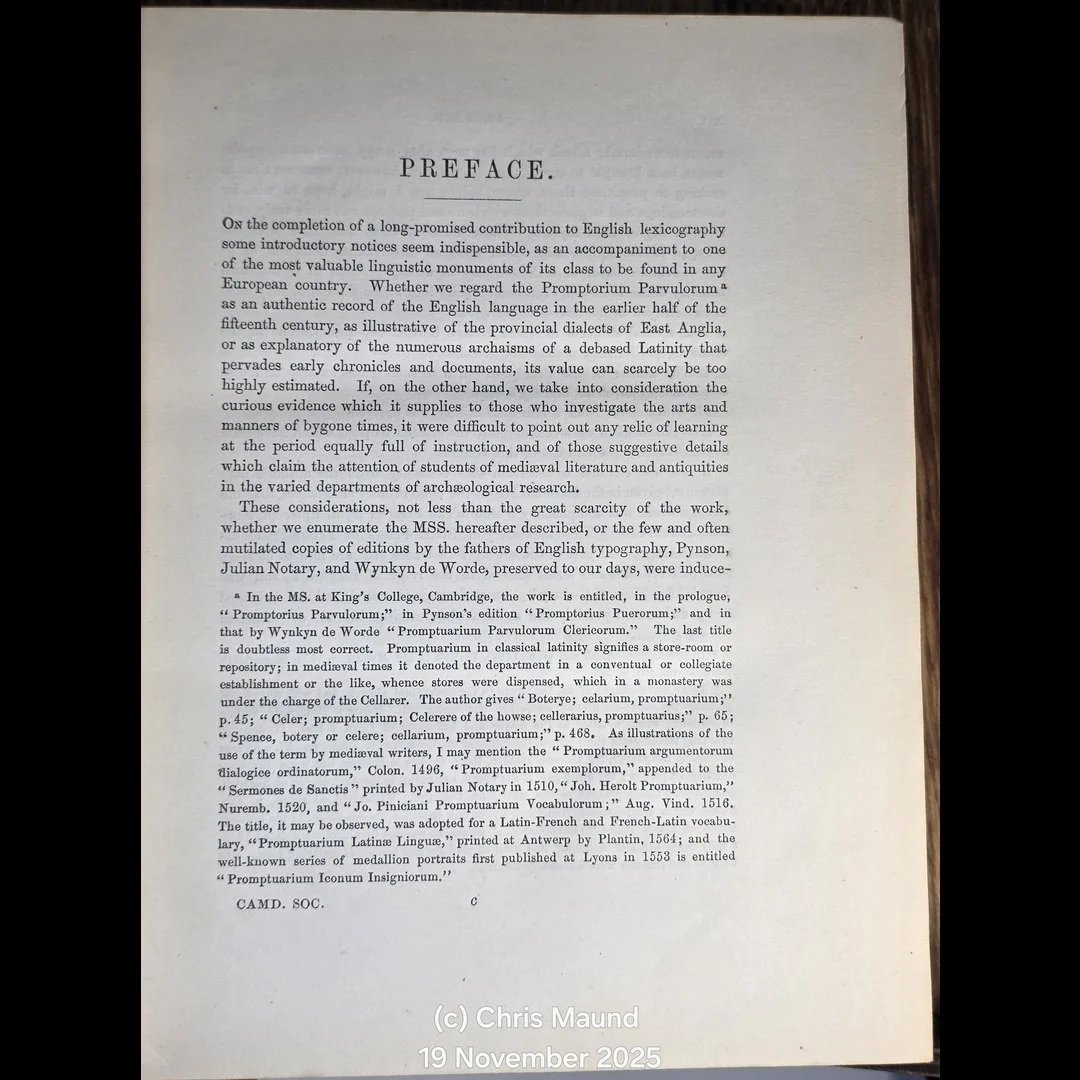 Image 4 of 20
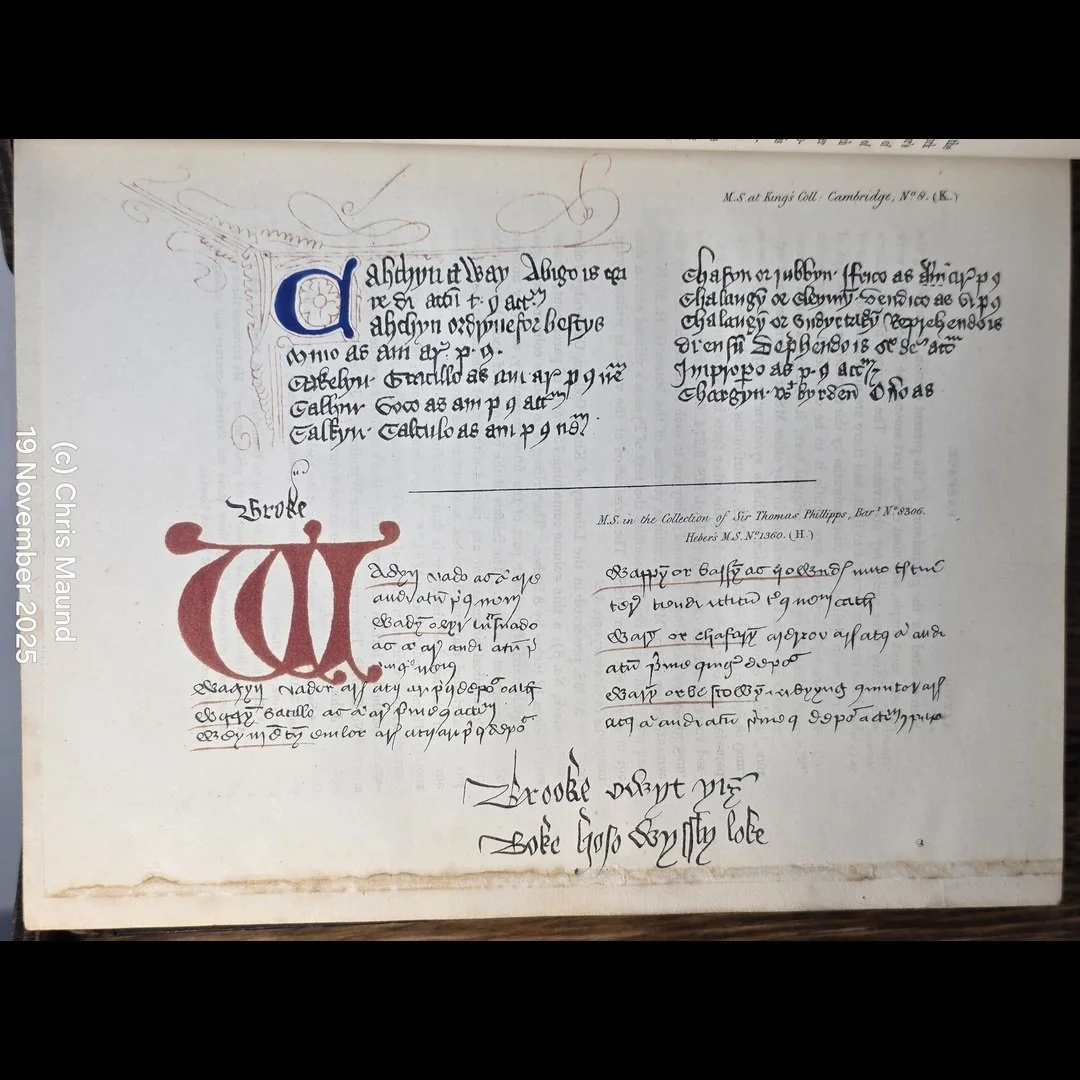 Image 5 of 20
 Image 6 of 20
 Image 7 of 20
 Image 8 of 20
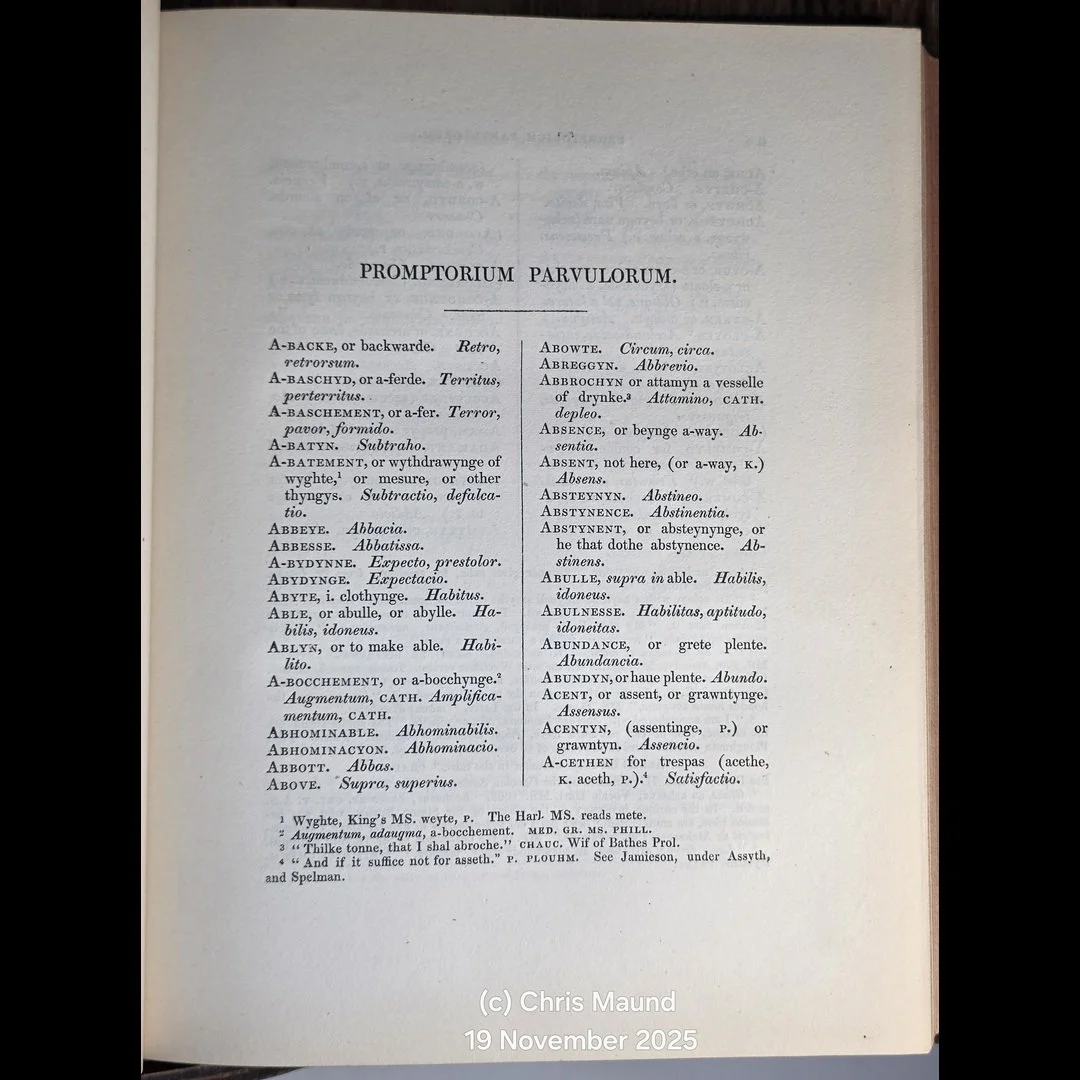 Image 9 of 20
 Image 10 of 20
 Image 11 of 20
 Image 12 of 20
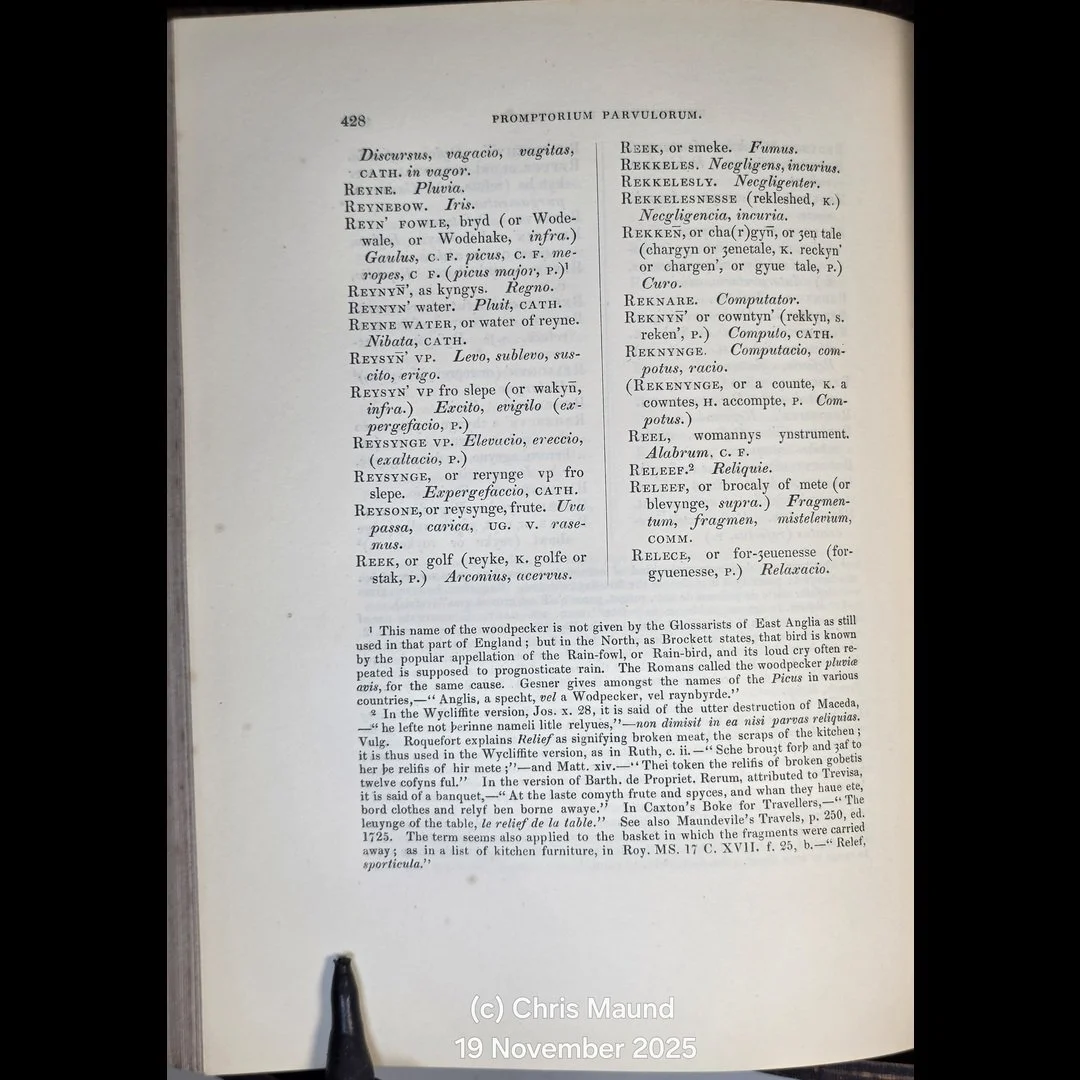 Image 13 of 20
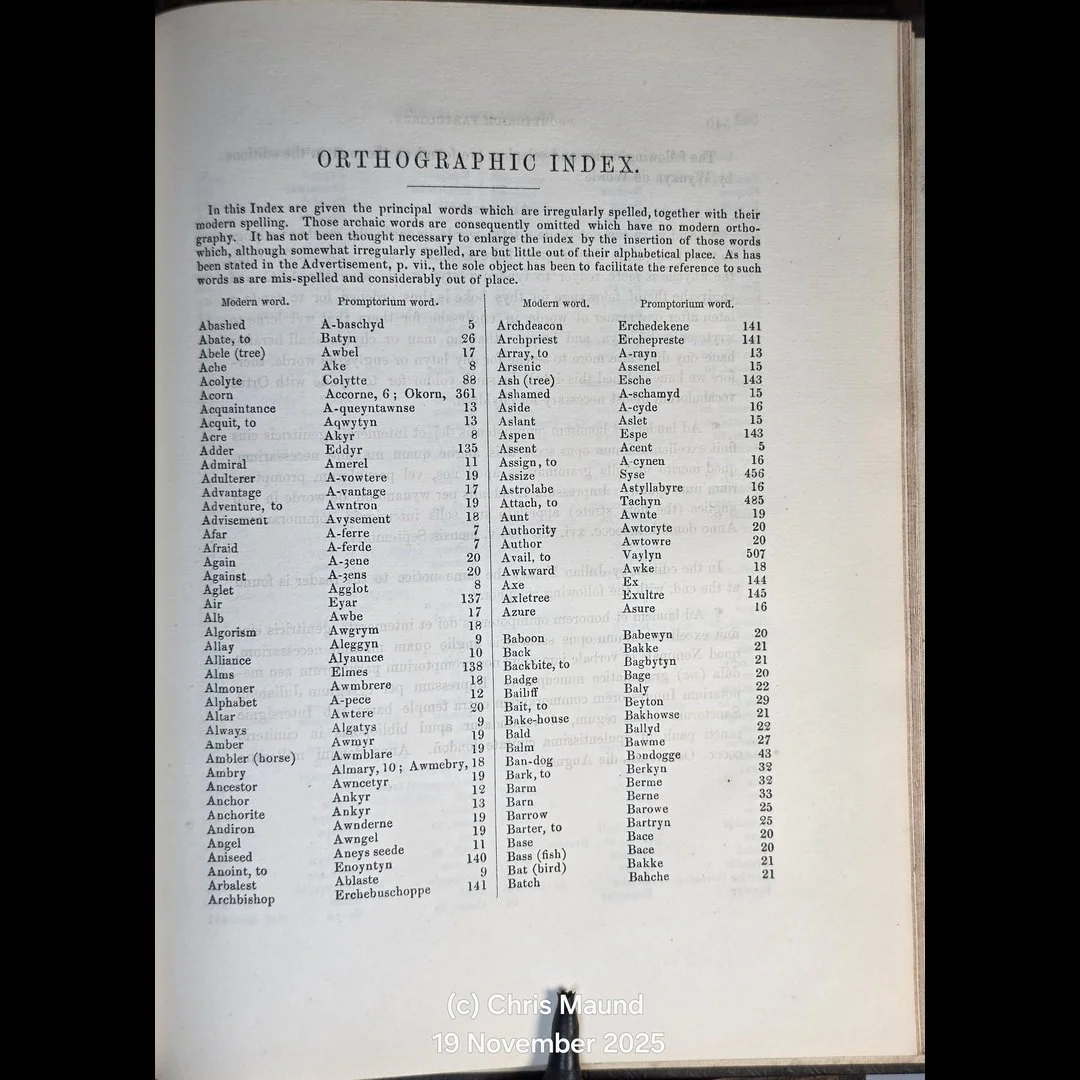 Image 14 of 20
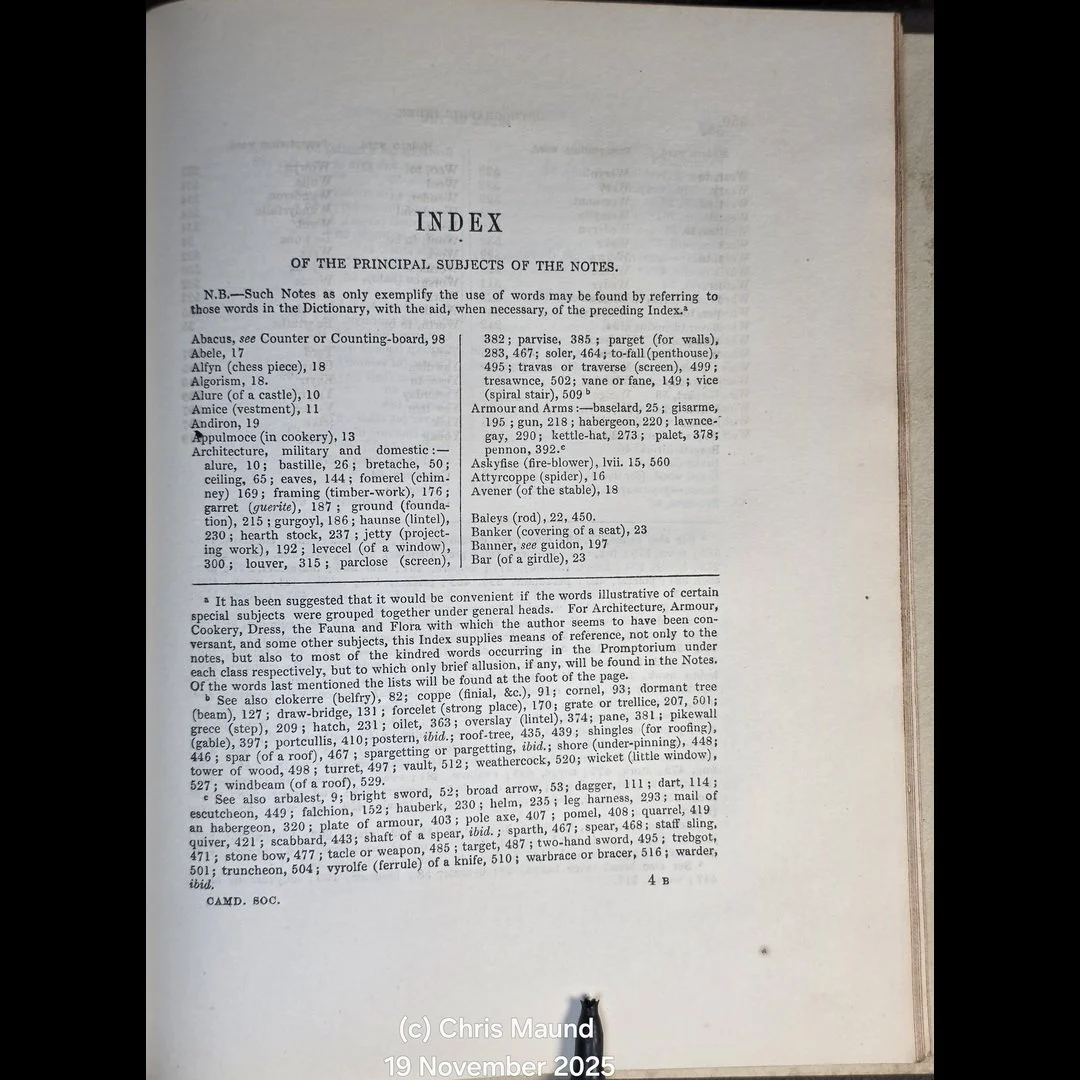 Image 15 of 20
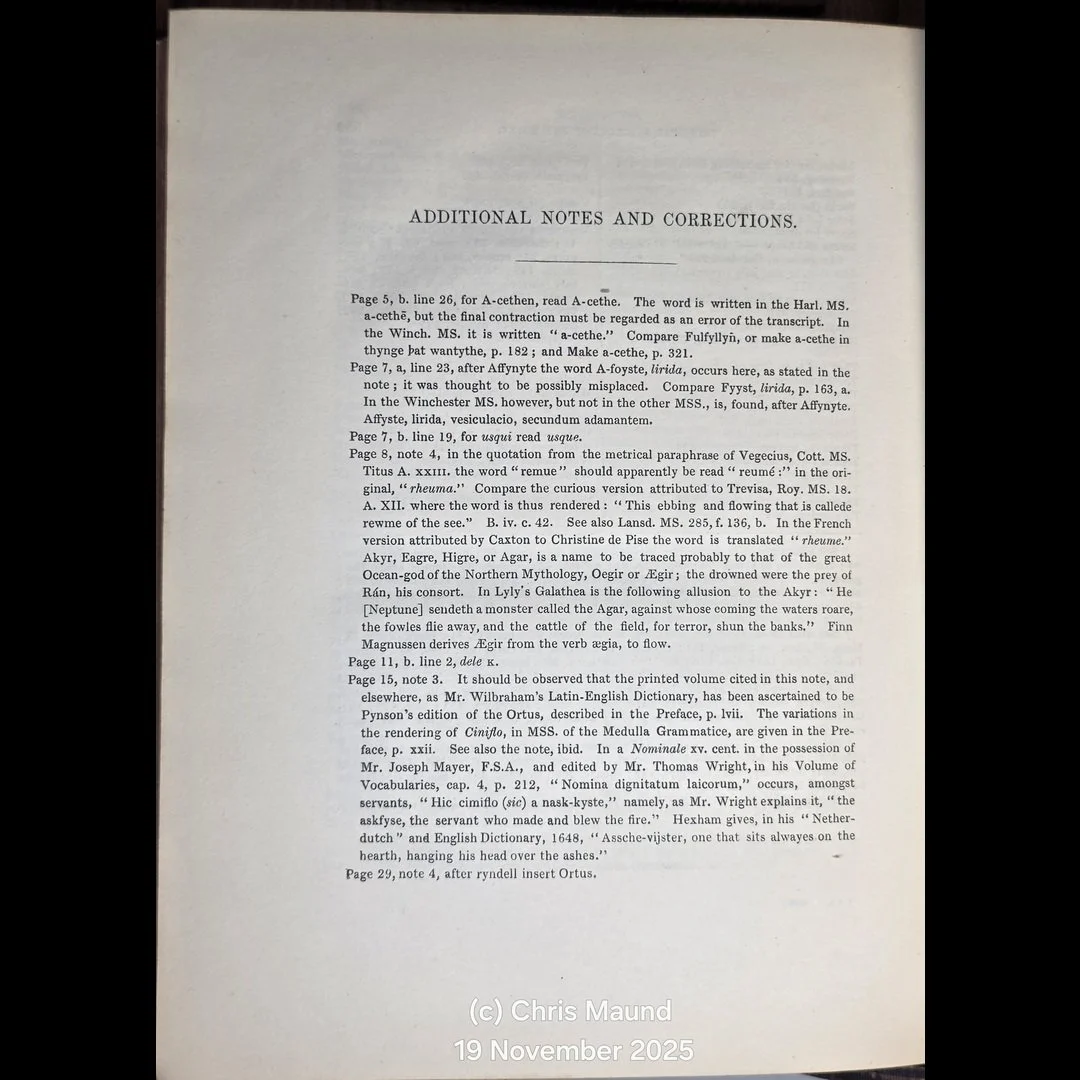 Image 16 of 20
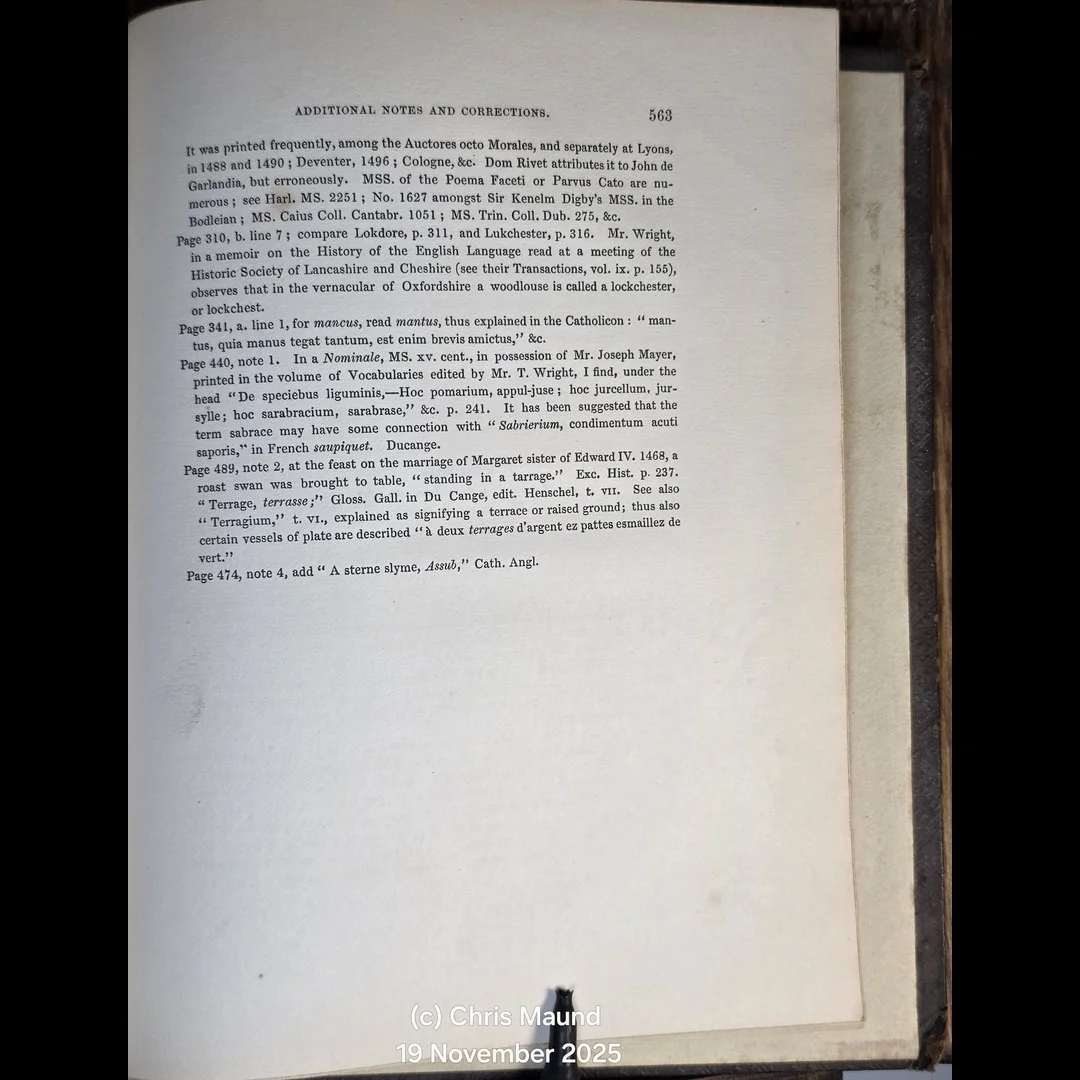 Image 17 of 20
 Image 18 of 20
 Image 19 of 20
 Image 20 of 20