2025 First Black Letter Press Edition 1st Printing
THE DISCOVERIE OF WITCHCRAFT
By Reginald Scot; Paul Summers Young
KEY DETAILS
Condition: Fine
Format: Hardcover, 4to; Quarter-bound Collector’s binding, approx. 245 × 175 mm
Published By: Black Letter Press, Obernkirchen, Germany, 2025
Language: English
Limited Edition: Collectors Edition 58/150 Copies
Signed By: Signed by Author(s)
Provenance: One of three Collector’s Edition copies signed by Paul Summers Young for Books That Expand The Mind.
Collation: pp. 600
Dust Jacket: None, as issued
SKU: BTETM0002553
Shipping Info: Approximate Package Dimensions H: 12.5, L: 30, W: 25 (Units: cm), W: 2Kg
Tracked Shipping, Insurance Coverage as per Customer Request
DESCRIPTION
The Discoverie of Witchcraft
Revised, Edited & Introduced by Paul Summers Young
A particularly desirable signed example of the Collector’s Edition of Black Letter Press’s 2025 first edition of Reginald Scot’s landmark The Discoverie of Witchcraft, numbered 58 of only 150 specially bound copies.
First published in London in 1584, Scot’s Discoverie is one of the foundational works in the history of witchcraft, demonology and conjuring. Written primarily as an attack upon credulity surrounding witchcraft and upon the persecution of alleged witches, it paradoxically preserved an extraordinary body of contemporary magical, demonological, folkloric and conjuring material, ensuring its enduring importance to historians of both witchcraft and Western esotericism.
The present Black Letter Press edition was revised, edited and introduced by Paul Summers Young from the original 1584 text, with modernised spelling and punctuation intended to improve readability while retaining the character of Scot’s Early Modern English. The illustrations and remarkable decorative initials are drawn from the first edition rather than the less crisp seventeenth-century reprints.
This copy is additionally of particular interest as one of three Collector’s copies signed by Paul Summers Young for Books That Expand The Mind. Young has signed the title page in full and dated it “July 2025.” The signing was personally witnessed by the proprietor of Books That Expand The Mind.
The Collector’s issue itself is now sold out at the publisher. Black Letter Press issued the 2025 first edition in a total limitation of 950 copies: 800 standard copies fully bound in Wibalin and just 150 hand-numbered Collector’s copies quarter-bound in Wibalin with printed marbled-paper boards. This is copy No. 58.
A handsome and substantial production, quarter-bound in deep burgundy Wibalin with richly patterned marbled-paper boards, elaborate gilt spine decoration, gilt edges and two ribbon markers. The combination of the small numbered limitation, sold-out status and directly provenanced Paul Summers Young signature makes this a notably scarce state of an already collectible modern esoteric edition.
PROVENANCE
One of three Collector’s Edition copies signed by Paul Summers Young for Books That Expand The Mind.
The copies were obtained through BTETM’s direct association with Young, and the signing was personally witnessed by the proprietor.
Young’s signed books were not issued as a general signed state of the edition; signed examples were supplied separately in very small numbers to specialist booksellers. The present copy therefore combines the formal limitation of 150 Collector’s copies with the considerably scarcer signed state.
No claim is made that only three signed copies exist worldwide; the stated limitation relates specifically to the three copies signed for Books That Expand The Mind.
CONDITION, COLLATION & COPY NOTES
COLLATION
pp. 600
Binding: Burgundy Wibalin spine with gold-tooled title and decorative devices; printed marbled-paper boards; gilt edges; two ribbon markers
A very well-preserved example of the Collector’s Edition.
The quarter-bound burgundy Wibalin and marbled-paper boards remain clean and bright, with the elaborate gilt spine decoration crisp and well preserved. Gilt page edges remain bright. Corners and extremities present extremely well, with no significant wear apparent from inspection.
Internally clean, fresh and apparently little handled. Printed on woodfree, age-resistant paper conforming to ISO 9706. Binding firm and sound.
The title page is signed in full by Paul Summers Young and dated “July 2025.”
Numbered limitation leaf present, recording this as copy 58 of the 150 quarter-bound Collector’s copies.
A particularly attractive signed example of this sold-out limited issue.
Please see Photos as part of condition report.
REFERENCES
STC (2nd ed.) 21864 — original London edition, 1584.
ESTC S116888 — original London edition, 1584.
Toole Stott 618 — A Bibliography of English Conjuring, 1581–1876.
Norman 1915 — first edition reference.
Cornell University, Digital Witchcraft Collection, witchcraft081 — digitised copy of the 1584 first edition.
Black Letter Press — Reginald Scot: The Discoverie of Witchcraft, Collector’s Edition, 2025.
The original 1584 edition is bibliographically recorded as STC 21864 / ESTC S116888 and was printed by Henry Denham for William Brome. Contemporary copies preserve the work’s extensive woodcut initials and illustrations.
SYNOPSIS
Reginald Scot’s The Discoverie of Witchcraft is one of the great paradoxes of early modern esoteric literature.
Scot wrote the book not to promote witchcraft but to challenge belief in it. Confronted by prosecutions founded upon accusations of supernatural harm, demonic pacts and impossible magical acts, he sought to demonstrate that much supposedly diabolical activity could instead be explained through deception, natural causes, mental distress, popular superstition and the activities of professional conjurers.
To make his argument, however, Scot assembled an extraordinary survey of the magical world of sixteenth-century England.
Across sixteen books he discusses witches and witch-hunters, spirits and demons, charms, astrology, divination, alchemy, magical healing, poisons, conjuration and popular supernatural belief. His sceptical intention required him to describe the very practices he wished to expose, with the result that The Discoverie became an invaluable repository of Renaissance magical and folkloric material.
Particularly celebrated are the sections devoted to jugglers and legerdemain, in which Scot explains how apparently supernatural feats could be produced through skill and deception. These passages make the work a foundational text not only in witchcraft studies but also in the history of stage magic and conjuring.
The book also preserves material deriving from Johann Weyer’s Pseudomonarchia Daemonum, helping transmit descriptions of named spirits that would later become embedded within the ceremonial magical and grimoire traditions.
This Black Letter Press edition aims to reproduce the character of the 1584 first edition, including its illustrations and decorative chapter initials, while making the text more readily accessible to the modern reader.
It additionally contains as an appendix Abraham Fleming’s A Straunge and Terrible Wunder wrought very late in the Parish Church of Bongay (1577), the celebrated contemporary account of the spectral black dog said to have appeared during a violent storm at Bungay church in Suffolk. Young specifically notes its inclusion in his editorial preface.
A major text for collectors and readers interested in witchcraft, demonology, grimoires, magic, conjuring, folklore, Renaissance occultism and the intellectual history of scepticism.
AUTHOR BIO
Reginald Scot (c.1538–1599) was a Kentish gentleman, landowner, Member of Parliament and one of the most remarkable sceptical writers of Elizabethan England.
Published in 1584, The Discoverie of Witchcraft arose from Scot’s opposition to the persecution of people—particularly the poor, elderly and vulnerable—accused of witchcraft. He argued that many alleged supernatural phenomena resulted instead from fraud, misunderstanding, illness, superstition or deliberate trickery, and considered the torture and execution of supposed witches both irrational and contrary to Christian teaching.
Yet Scot’s determination to expose magical deception resulted in something extraordinary. In documenting the beliefs and practices he wished to refute, he preserved a vast body of information relating to charms, spirits, astrology, alchemy, conjuration, demonology, divination and folk belief.
Of particular importance are his sections on legerdemain and conjuring. Scot explained methods involving coins, cards, ropes and other effects in sufficient detail that The Discoverie of Witchcraft is regarded as the first English book to give a substantial account of the techniques of conjurers and illusionists. The material was repeatedly borrowed by later writers on stage magic.
Scot’s scepticism was controversial. James VI of Scotland attacked his views in Daemonologie (1597). The oft-repeated story that James later ordered all copies of the Discoverie burned has become part of the book’s mythology, but modern scholarship notes that there is no contemporary evidence for such an order.
Revised, Edited & Introduced By: Paul Summers Young
Editor Bio
Paul Summers Young is a Kent-based writer, translator and editor specialising in early modern magical, philosophical and esoteric texts.
His work with Black Letter Press includes editions and translations of Heinrich Cornelius Agrippa’s De Occulta Philosophia, Ars Goetia, Ars Theurgia, Johann Weyer’s Pseudomonarchia Daemonum, Giambattista della Porta’s Natural Magick, The Black Pullet, The Red Dragon and other works central to the Western magical tradition.
For the present edition, Young revised and edited Scot’s 1584 text, modernising spelling and punctuation while retaining its Early Modern English character, and contributed a substantial new introduction placing Scot and his work within the intellectual, magical and folkloric landscape of Elizabethan England.
2025 First Black Letter Press Edition 1st Printing
THE DISCOVERIE OF WITCHCRAFT
By Reginald Scot; Paul Summers Young
KEY DETAILS
Condition: Fine
Format: Hardcover, 4to; Quarter-bound Collector’s binding, approx. 245 × 175 mm
Published By: Black Letter Press, Obernkirchen, Germany, 2025
Language: English
Limited Edition: Collectors Edition 58/150 Copies
Signed By: Signed by Author(s)
Provenance: One of three Collector’s Edition copies signed by Paul Summers Young for Books That Expand The Mind.
Collation: pp. 600
Dust Jacket: None, as issued
SKU: BTETM0002553
Shipping Info: Approximate Package Dimensions H: 12.5, L: 30, W: 25 (Units: cm), W: 2Kg
Tracked Shipping, Insurance Coverage as per Customer Request
DESCRIPTION
The Discoverie of Witchcraft
Revised, Edited & Introduced by Paul Summers Young
A particularly desirable signed example of the Collector’s Edition of Black Letter Press’s 2025 first edition of Reginald Scot’s landmark The Discoverie of Witchcraft, numbered 58 of only 150 specially bound copies.
First published in London in 1584, Scot’s Discoverie is one of the foundational works in the history of witchcraft, demonology and conjuring. Written primarily as an attack upon credulity surrounding witchcraft and upon the persecution of alleged witches, it paradoxically preserved an extraordinary body of contemporary magical, demonological, folkloric and conjuring material, ensuring its enduring importance to historians of both witchcraft and Western esotericism.
The present Black Letter Press edition was revised, edited and introduced by Paul Summers Young from the original 1584 text, with modernised spelling and punctuation intended to improve readability while retaining the character of Scot’s Early Modern English. The illustrations and remarkable decorative initials are drawn from the first edition rather than the less crisp seventeenth-century reprints.
This copy is additionally of particular interest as one of three Collector’s copies signed by Paul Summers Young for Books That Expand The Mind. Young has signed the title page in full and dated it “July 2025.” The signing was personally witnessed by the proprietor of Books That Expand The Mind.
The Collector’s issue itself is now sold out at the publisher. Black Letter Press issued the 2025 first edition in a total limitation of 950 copies: 800 standard copies fully bound in Wibalin and just 150 hand-numbered Collector’s copies quarter-bound in Wibalin with printed marbled-paper boards. This is copy No. 58.
A handsome and substantial production, quarter-bound in deep burgundy Wibalin with richly patterned marbled-paper boards, elaborate gilt spine decoration, gilt edges and two ribbon markers. The combination of the small numbered limitation, sold-out status and directly provenanced Paul Summers Young signature makes this a notably scarce state of an already collectible modern esoteric edition.
PROVENANCE
One of three Collector’s Edition copies signed by Paul Summers Young for Books That Expand The Mind.
The copies were obtained through BTETM’s direct association with Young, and the signing was personally witnessed by the proprietor.
Young’s signed books were not issued as a general signed state of the edition; signed examples were supplied separately in very small numbers to specialist booksellers. The present copy therefore combines the formal limitation of 150 Collector’s copies with the considerably scarcer signed state.
No claim is made that only three signed copies exist worldwide; the stated limitation relates specifically to the three copies signed for Books That Expand The Mind.
CONDITION, COLLATION & COPY NOTES
COLLATION
pp. 600
Binding: Burgundy Wibalin spine with gold-tooled title and decorative devices; printed marbled-paper boards; gilt edges; two ribbon markers
A very well-preserved example of the Collector’s Edition.
The quarter-bound burgundy Wibalin and marbled-paper boards remain clean and bright, with the elaborate gilt spine decoration crisp and well preserved. Gilt page edges remain bright. Corners and extremities present extremely well, with no significant wear apparent from inspection.
Internally clean, fresh and apparently little handled. Printed on woodfree, age-resistant paper conforming to ISO 9706. Binding firm and sound.
The title page is signed in full by Paul Summers Young and dated “July 2025.”
Numbered limitation leaf present, recording this as copy 58 of the 150 quarter-bound Collector’s copies.
A particularly attractive signed example of this sold-out limited issue.
Please see Photos as part of condition report.
REFERENCES
STC (2nd ed.) 21864 — original London edition, 1584.
ESTC S116888 — original London edition, 1584.
Toole Stott 618 — A Bibliography of English Conjuring, 1581–1876.
Norman 1915 — first edition reference.
Cornell University, Digital Witchcraft Collection, witchcraft081 — digitised copy of the 1584 first edition.
Black Letter Press — Reginald Scot: The Discoverie of Witchcraft, Collector’s Edition, 2025.
The original 1584 edition is bibliographically recorded as STC 21864 / ESTC S116888 and was printed by Henry Denham for William Brome. Contemporary copies preserve the work’s extensive woodcut initials and illustrations.
SYNOPSIS
Reginald Scot’s The Discoverie of Witchcraft is one of the great paradoxes of early modern esoteric literature.
Scot wrote the book not to promote witchcraft but to challenge belief in it. Confronted by prosecutions founded upon accusations of supernatural harm, demonic pacts and impossible magical acts, he sought to demonstrate that much supposedly diabolical activity could instead be explained through deception, natural causes, mental distress, popular superstition and the activities of professional conjurers.
To make his argument, however, Scot assembled an extraordinary survey of the magical world of sixteenth-century England.
Across sixteen books he discusses witches and witch-hunters, spirits and demons, charms, astrology, divination, alchemy, magical healing, poisons, conjuration and popular supernatural belief. His sceptical intention required him to describe the very practices he wished to expose, with the result that The Discoverie became an invaluable repository of Renaissance magical and folkloric material.
Particularly celebrated are the sections devoted to jugglers and legerdemain, in which Scot explains how apparently supernatural feats could be produced through skill and deception. These passages make the work a foundational text not only in witchcraft studies but also in the history of stage magic and conjuring.
The book also preserves material deriving from Johann Weyer’s Pseudomonarchia Daemonum, helping transmit descriptions of named spirits that would later become embedded within the ceremonial magical and grimoire traditions.
This Black Letter Press edition aims to reproduce the character of the 1584 first edition, including its illustrations and decorative chapter initials, while making the text more readily accessible to the modern reader.
It additionally contains as an appendix Abraham Fleming’s A Straunge and Terrible Wunder wrought very late in the Parish Church of Bongay (1577), the celebrated contemporary account of the spectral black dog said to have appeared during a violent storm at Bungay church in Suffolk. Young specifically notes its inclusion in his editorial preface.
A major text for collectors and readers interested in witchcraft, demonology, grimoires, magic, conjuring, folklore, Renaissance occultism and the intellectual history of scepticism.
AUTHOR BIO
Reginald Scot (c.1538–1599) was a Kentish gentleman, landowner, Member of Parliament and one of the most remarkable sceptical writers of Elizabethan England.
Published in 1584, The Discoverie of Witchcraft arose from Scot’s opposition to the persecution of people—particularly the poor, elderly and vulnerable—accused of witchcraft. He argued that many alleged supernatural phenomena resulted instead from fraud, misunderstanding, illness, superstition or deliberate trickery, and considered the torture and execution of supposed witches both irrational and contrary to Christian teaching.
Yet Scot’s determination to expose magical deception resulted in something extraordinary. In documenting the beliefs and practices he wished to refute, he preserved a vast body of information relating to charms, spirits, astrology, alchemy, conjuration, demonology, divination and folk belief.
Of particular importance are his sections on legerdemain and conjuring. Scot explained methods involving coins, cards, ropes and other effects in sufficient detail that The Discoverie of Witchcraft is regarded as the first English book to give a substantial account of the techniques of conjurers and illusionists. The material was repeatedly borrowed by later writers on stage magic.
Scot’s scepticism was controversial. James VI of Scotland attacked his views in Daemonologie (1597). The oft-repeated story that James later ordered all copies of the Discoverie burned has become part of the book’s mythology, but modern scholarship notes that there is no contemporary evidence for such an order.
Revised, Edited & Introduced By: Paul Summers Young
Editor Bio
Paul Summers Young is a Kent-based writer, translator and editor specialising in early modern magical, philosophical and esoteric texts.
His work with Black Letter Press includes editions and translations of Heinrich Cornelius Agrippa’s De Occulta Philosophia, Ars Goetia, Ars Theurgia, Johann Weyer’s Pseudomonarchia Daemonum, Giambattista della Porta’s Natural Magick, The Black Pullet, The Red Dragon and other works central to the Western magical tradition.
For the present edition, Young revised and edited Scot’s 1584 text, modernising spelling and punctuation while retaining its Early Modern English character, and contributed a substantial new introduction placing Scot and his work within the intellectual, magical and folkloric landscape of Elizabethan England.

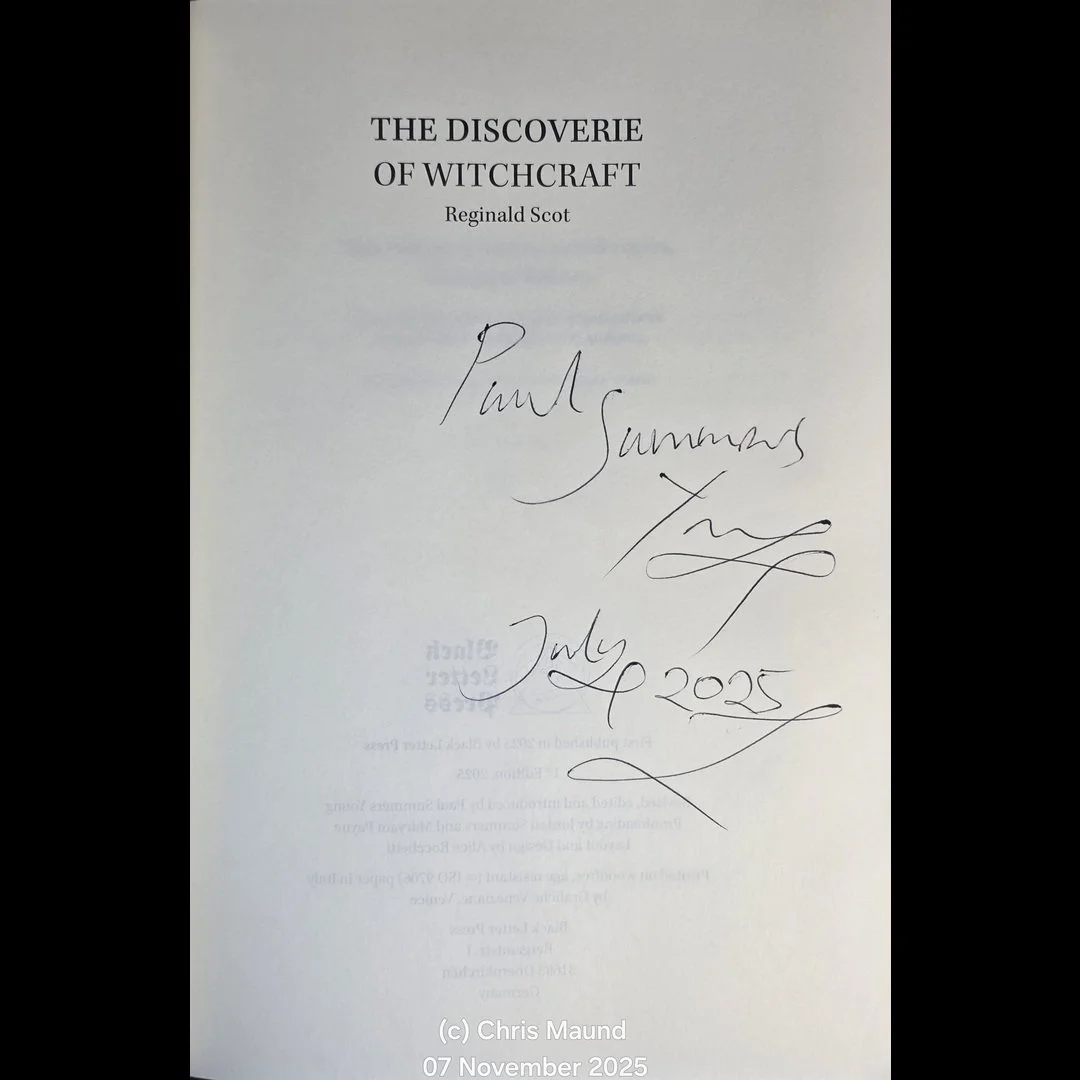 Image 1 of 29
 Image 2 of 29
 Image 3 of 29
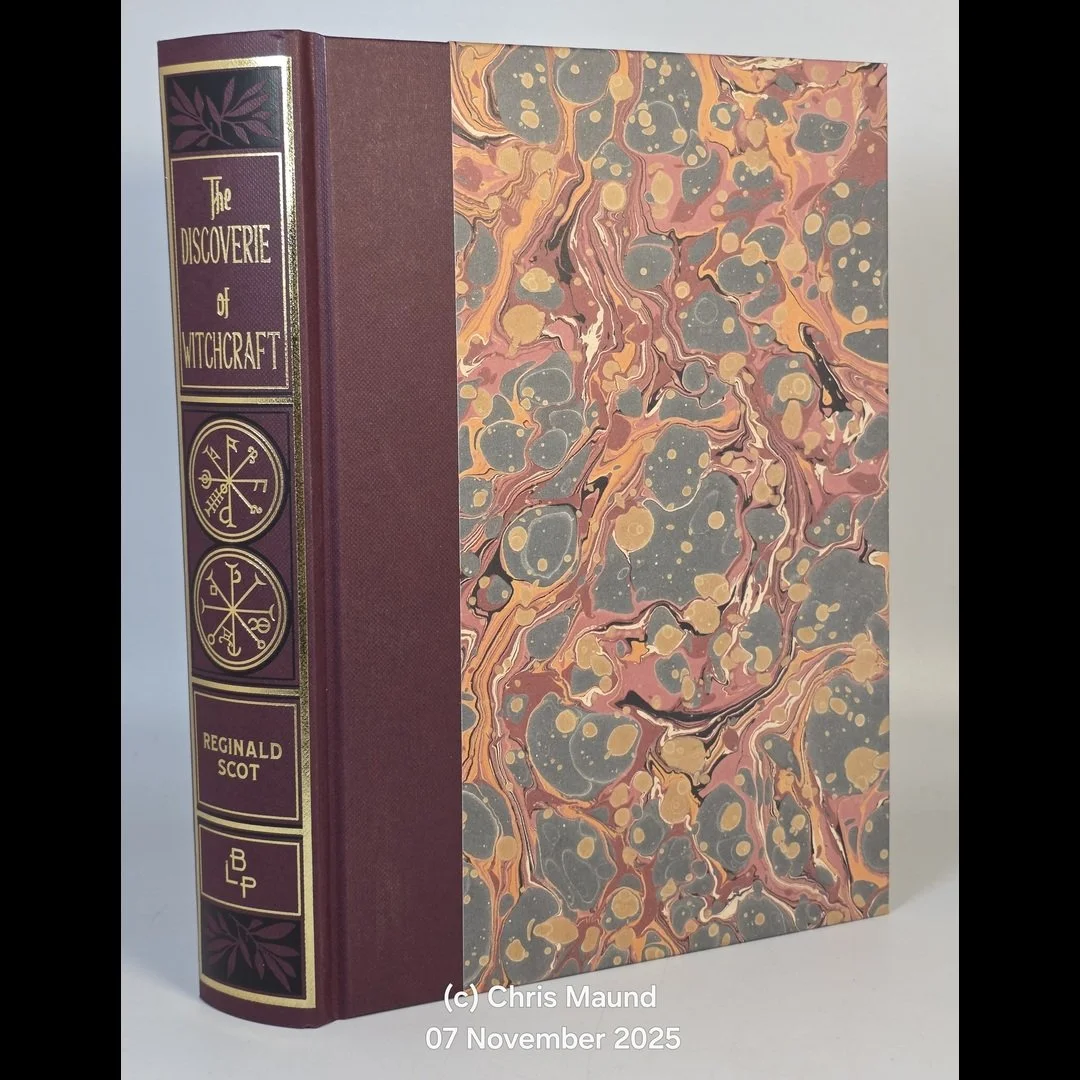 Image 4 of 29
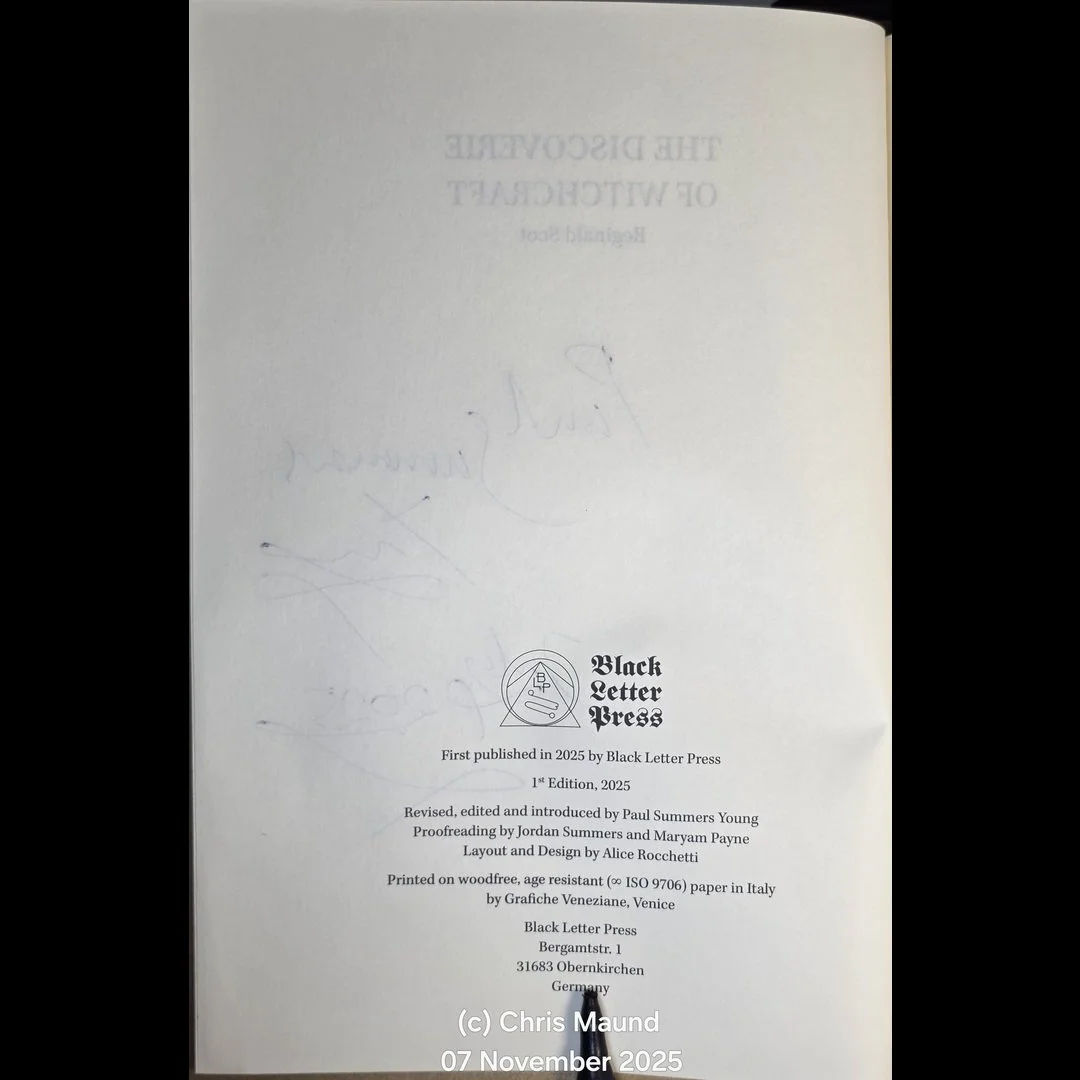 Image 5 of 29
 Image 6 of 29
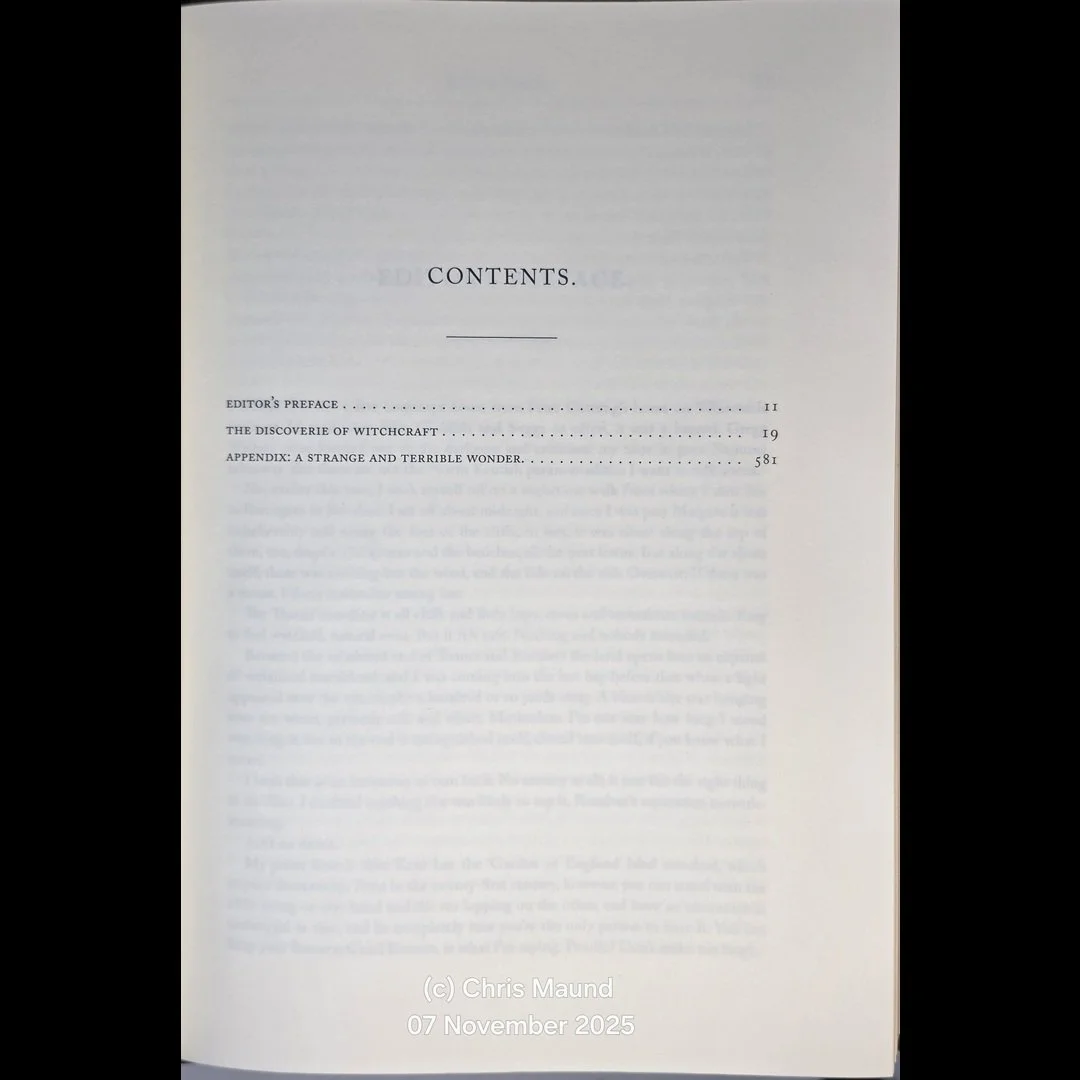 Image 7 of 29
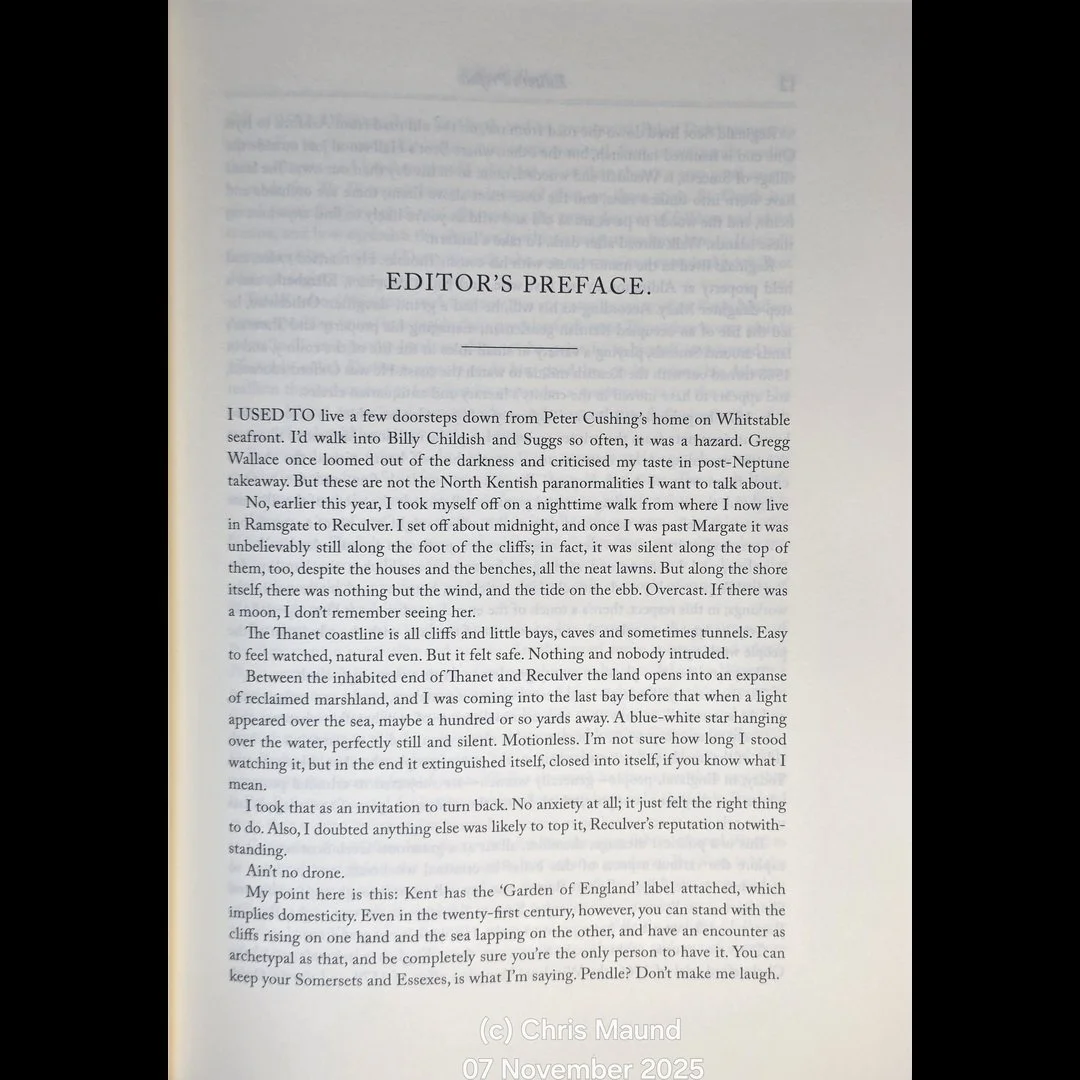 Image 8 of 29
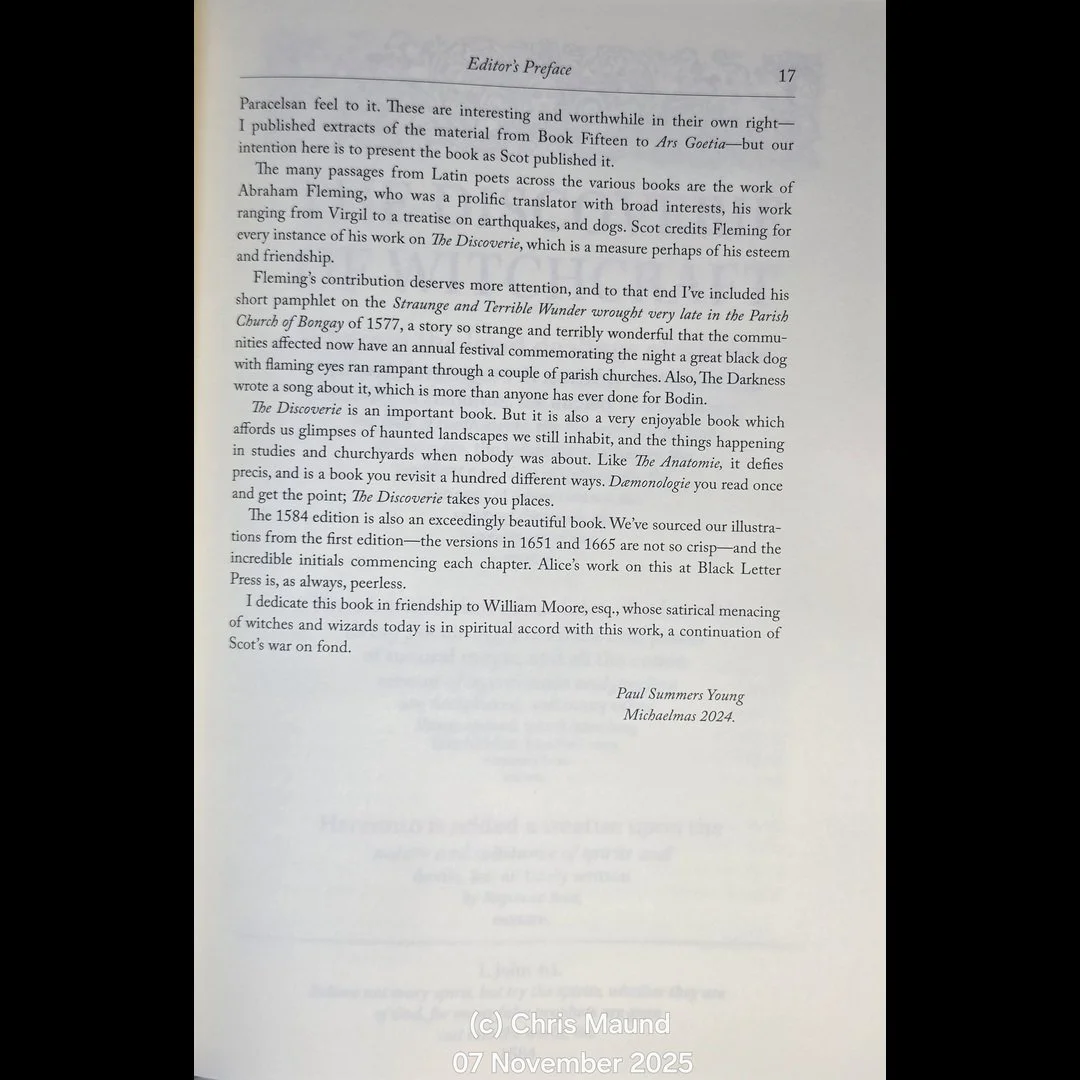 Image 9 of 29
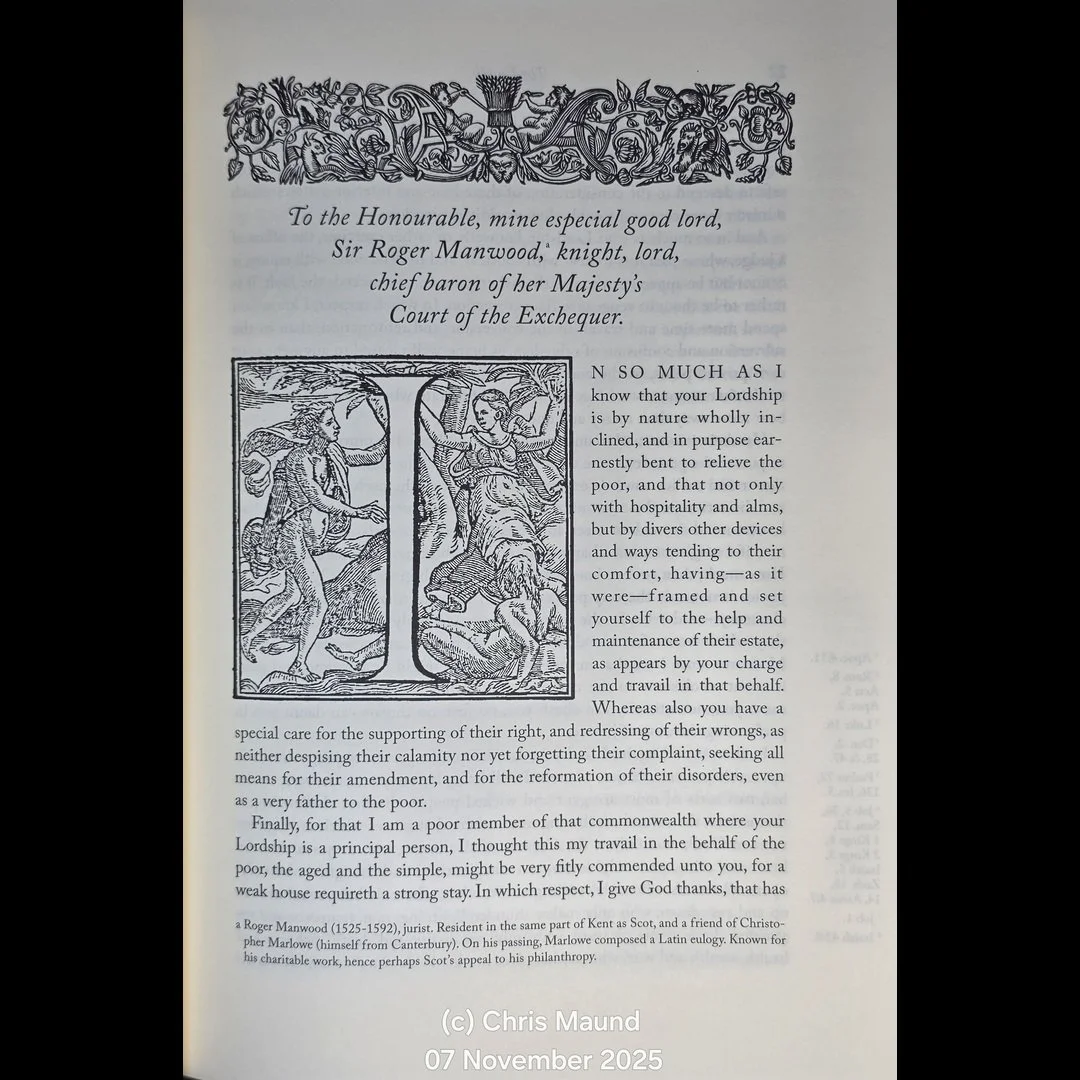 Image 10 of 29
 Image 11 of 29
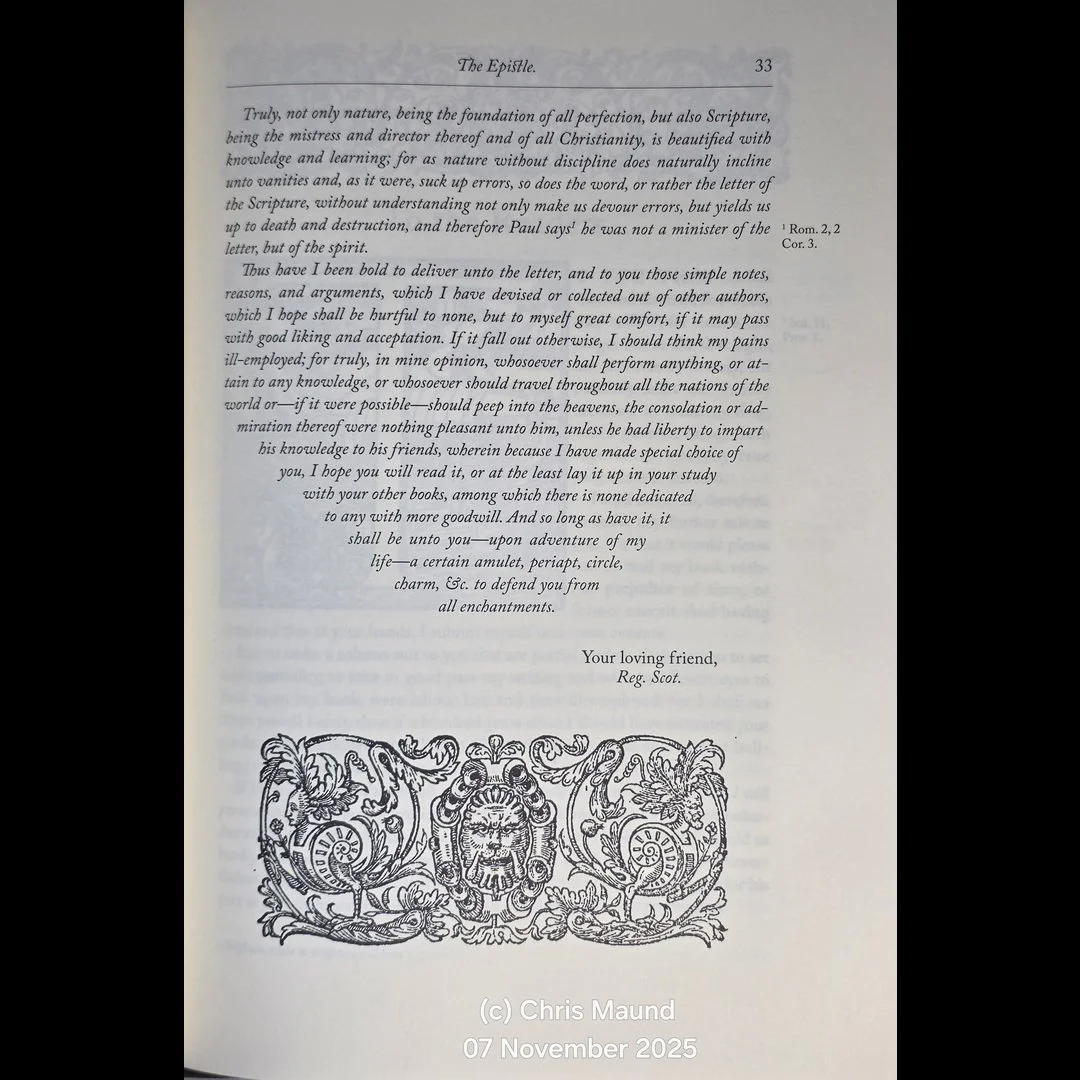 Image 12 of 29
 Image 13 of 29
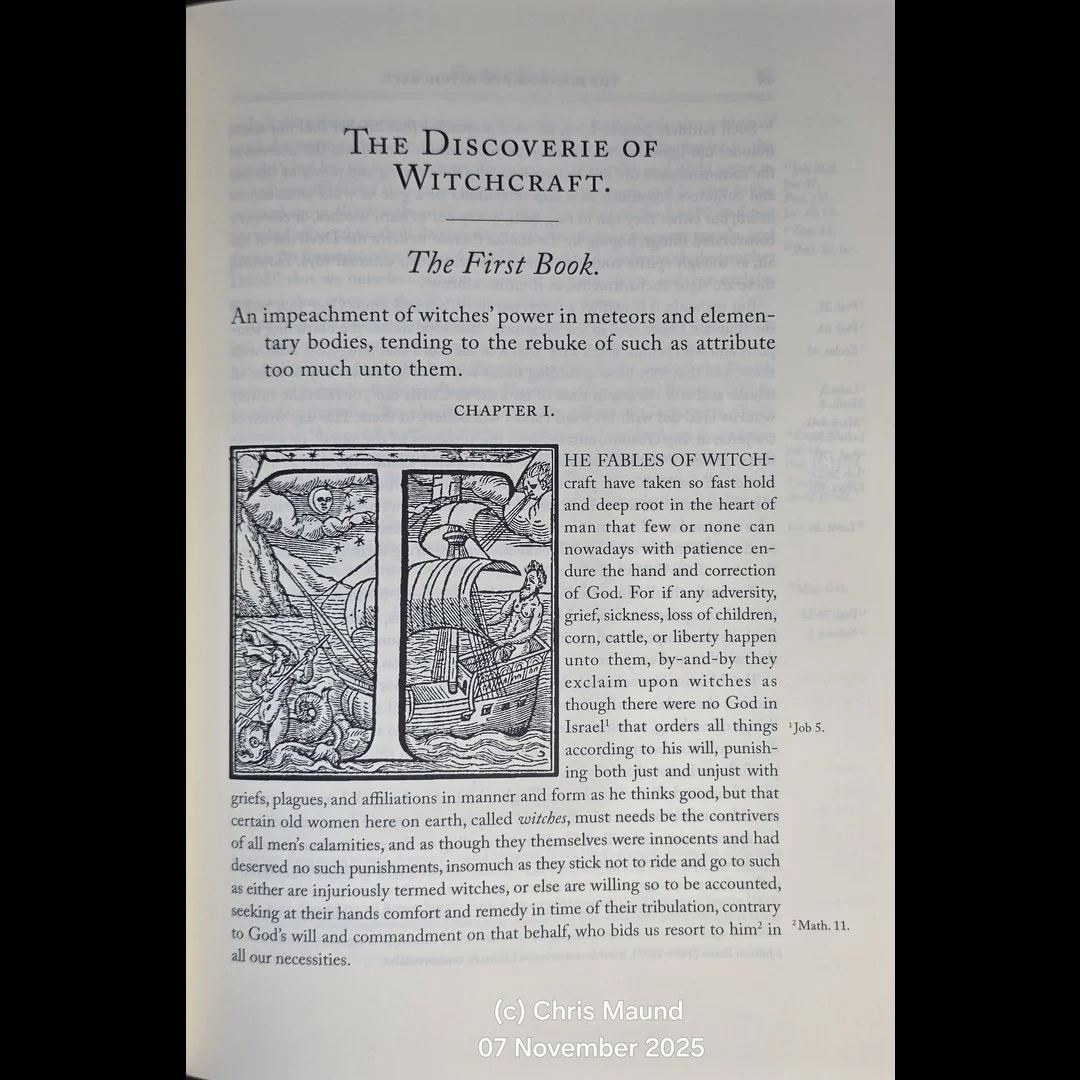 Image 14 of 29
 Image 15 of 29
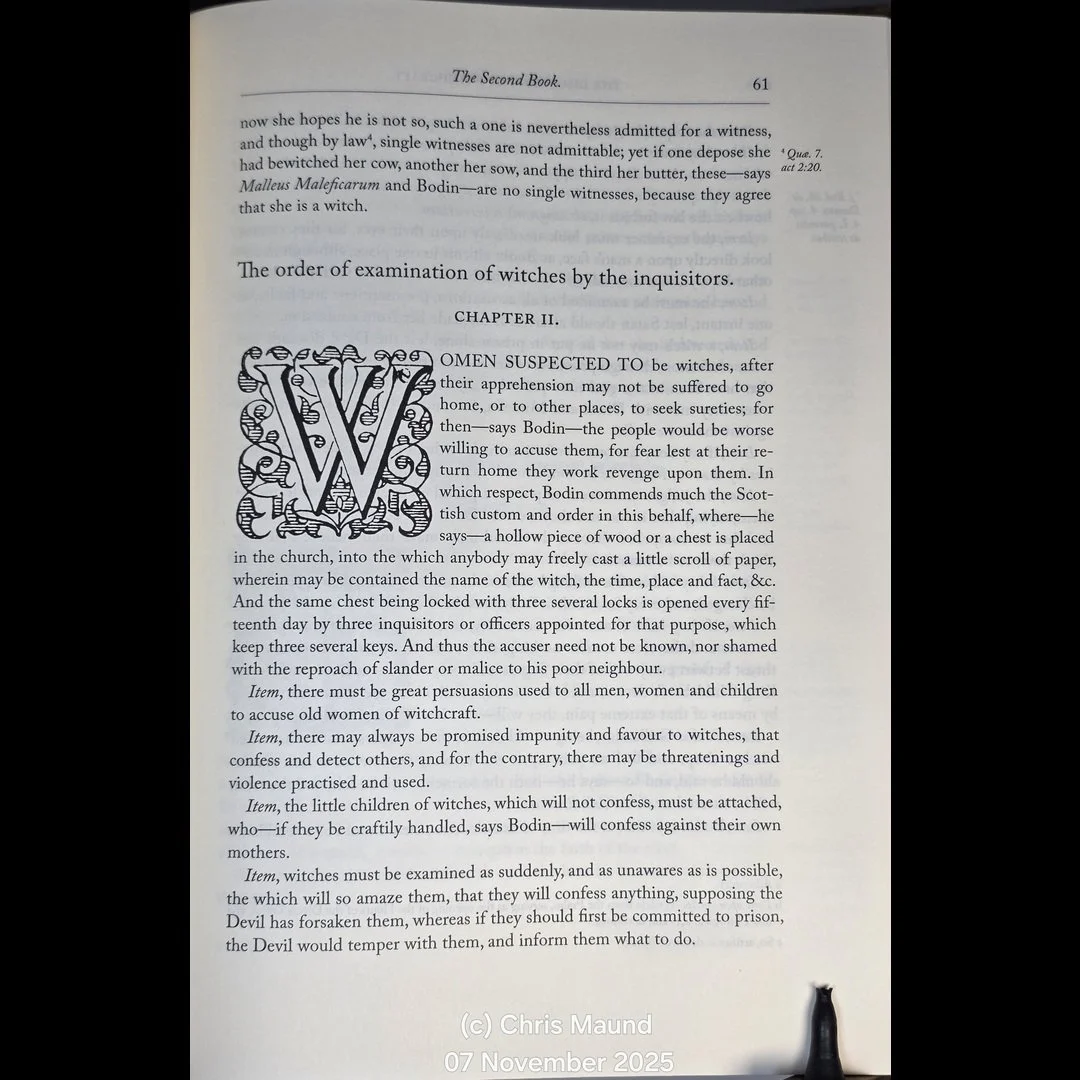 Image 16 of 29
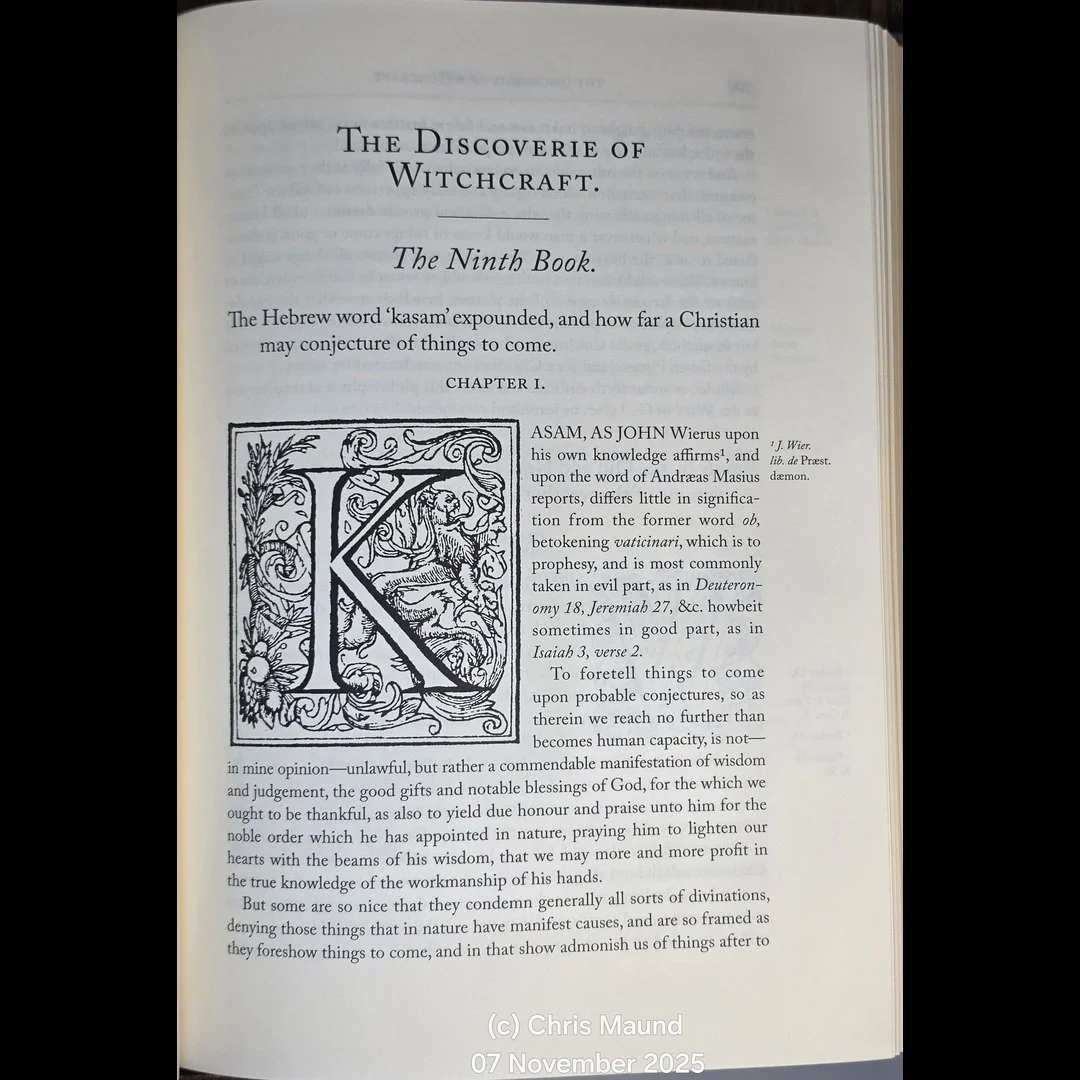 Image 17 of 29
 Image 18 of 29
 Image 19 of 29
 Image 20 of 29
 Image 21 of 29
 Image 22 of 29
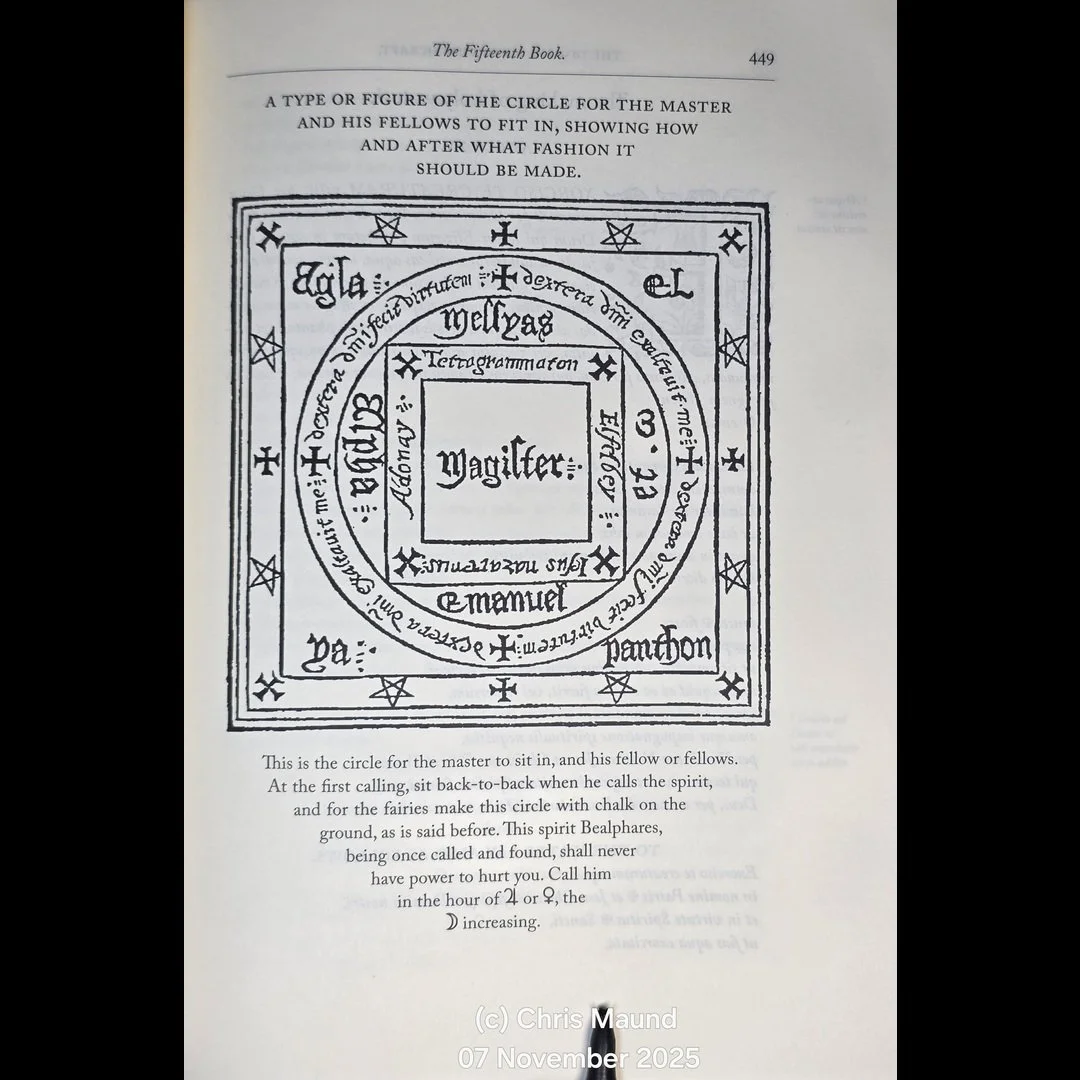 Image 23 of 29
 Image 24 of 29
 Image 25 of 29
 Image 26 of 29
 Image 27 of 29
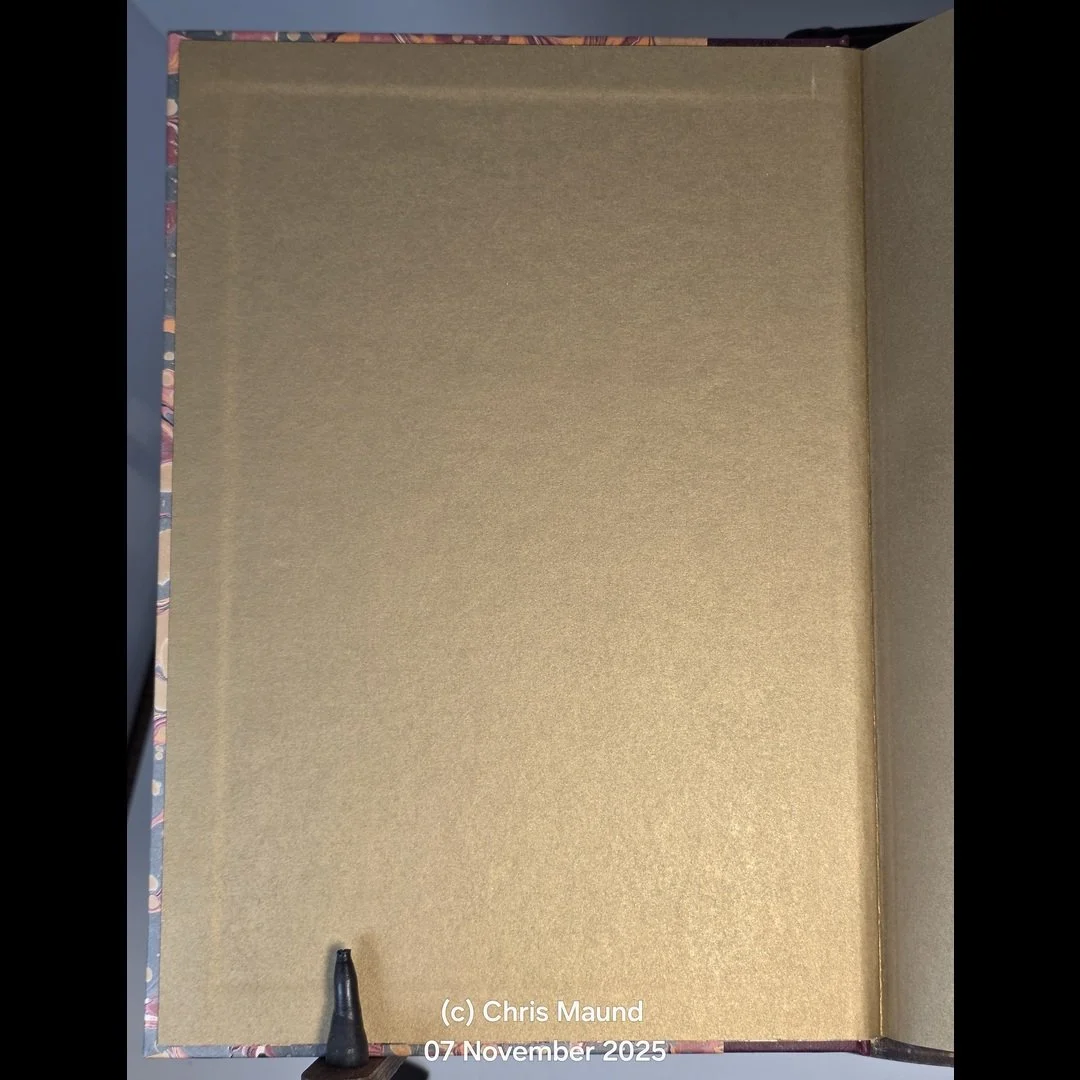 Image 28 of 29
 Image 29 of 29