Sale Price:
£3,250.00
Original Price:
£3,495.00
1525 Cologne Edition
EGESIPPI HISTORIOGRAPHI DE EXCIDIO HIEROSOLYMORUM LIBRI V
By Pseudo-Hegesippus, after Flavius Josephus
KEY DETAILS
Condition: Very Good
Format: Hardcover, folio (fo 12 × 19 in 305 × 483 mm )
Note: Binding/size selection follows standard bibliographic conventions and is approximate; exact measurements may vary.
Published By: Eucharius Cervicornus, for Godefridus Hittorp, Cologne, 1525
Language: Latin
Illustrated By: Anton Woensam
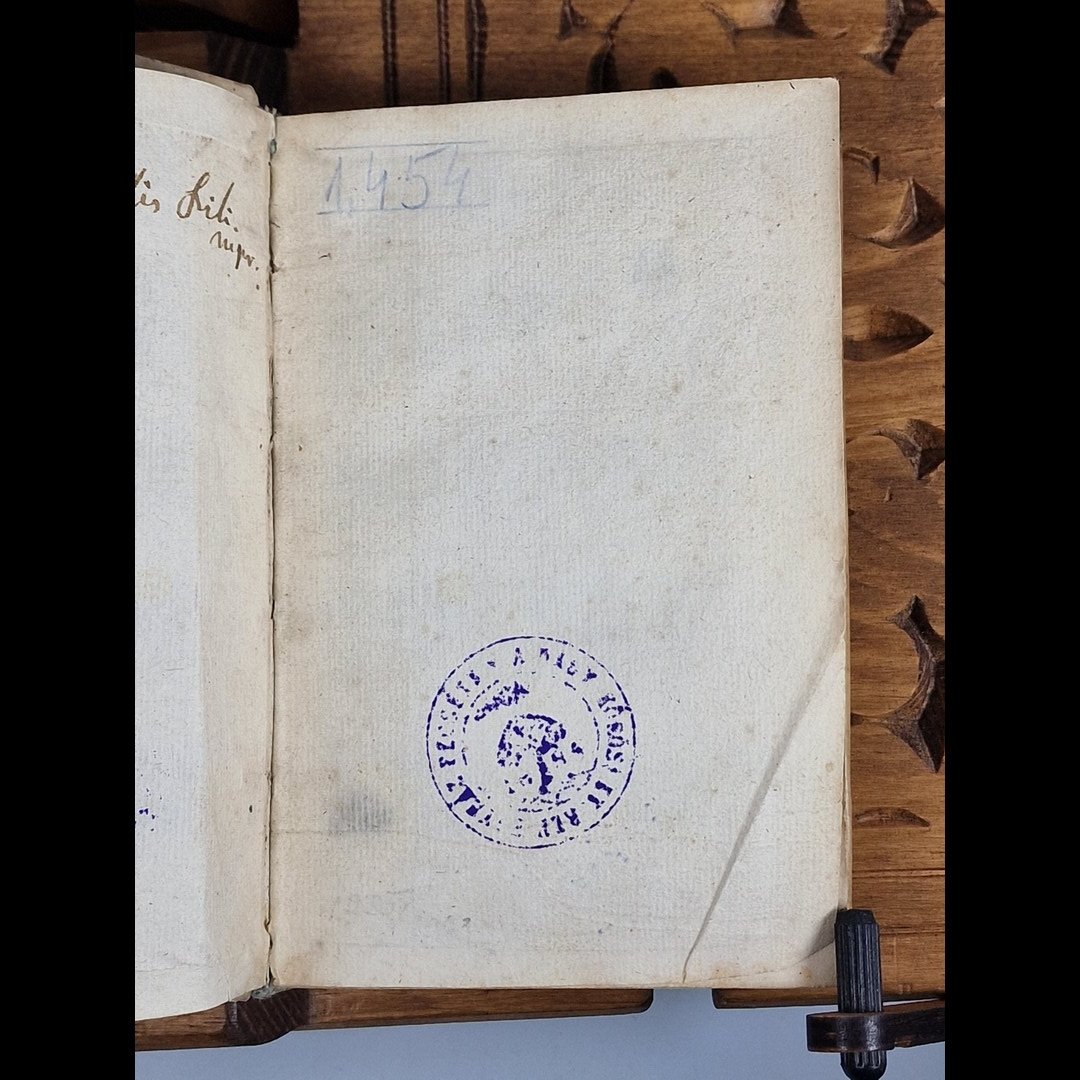
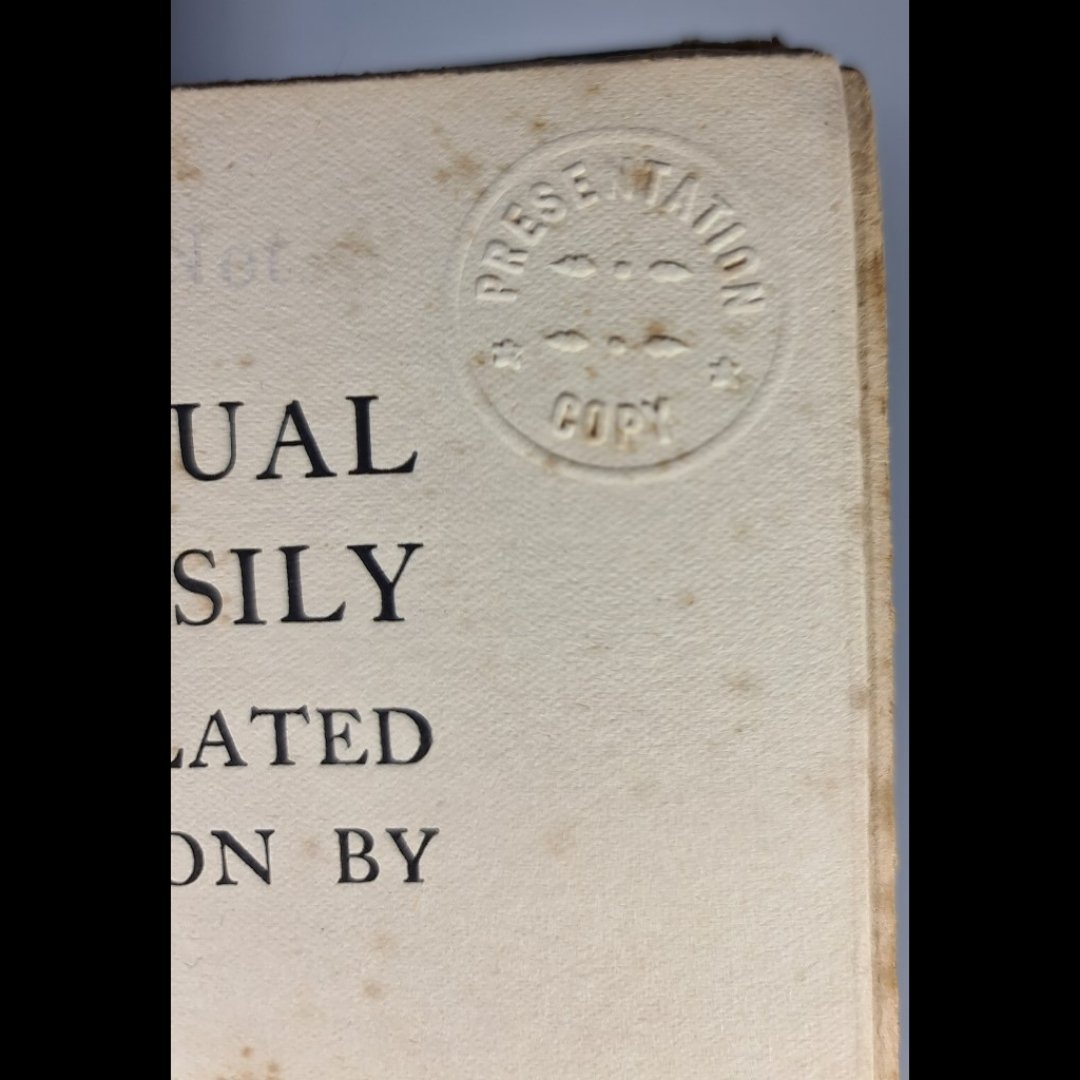
Provenance: Two circular Society of Jesus ownership stamps to the title page, incorporating the IHS device and apparently corresponding to the recorded library mark of the Jesuit College at Liège / Collège Saint-Servais.
Collation: A⁸ a–n⁶ = [8], 77, [1] leaves; Complete.
Dust Jacket: None, as issued, No Jacket
SKU: BTETM0002579
Shipping Info: Approximate Package Dimensions H: 12.5, L: 30, W: 25 (Units: cm), W: 2Kg
Tracked Shipping, Insurance Coverage as per Customer Request
DESCRIPTION
EGESIPPI HISTORIOGRAPHI DE EXCIDIO HIEROSOLYMORUM LIBRI V
A late-antique Christian recasting of Josephus’s Jewish War, with major Renaissance woodcut decoration by Anton Woensam
A substantial and visually striking Cologne folio of Pseudo-Hegesippus, the anonymous late-fourth-century Latin Christian adaptation of Flavius Josephus’s Bellum Judaicum, printed by Eucharius Cervicornus for Godefridus Hittorp in March 1525.
Long attributed to the second-century ecclesiastical writer Hegesippus, the work is now conventionally described as Pseudo-Hegesippus. It is not a straightforward translation of Josephus, but an abridged and rhetorically reshaped Christian version of the Jewish War, enriched with material from the Antiquities and reframed through a late-antique Christian historical and theological perspective.
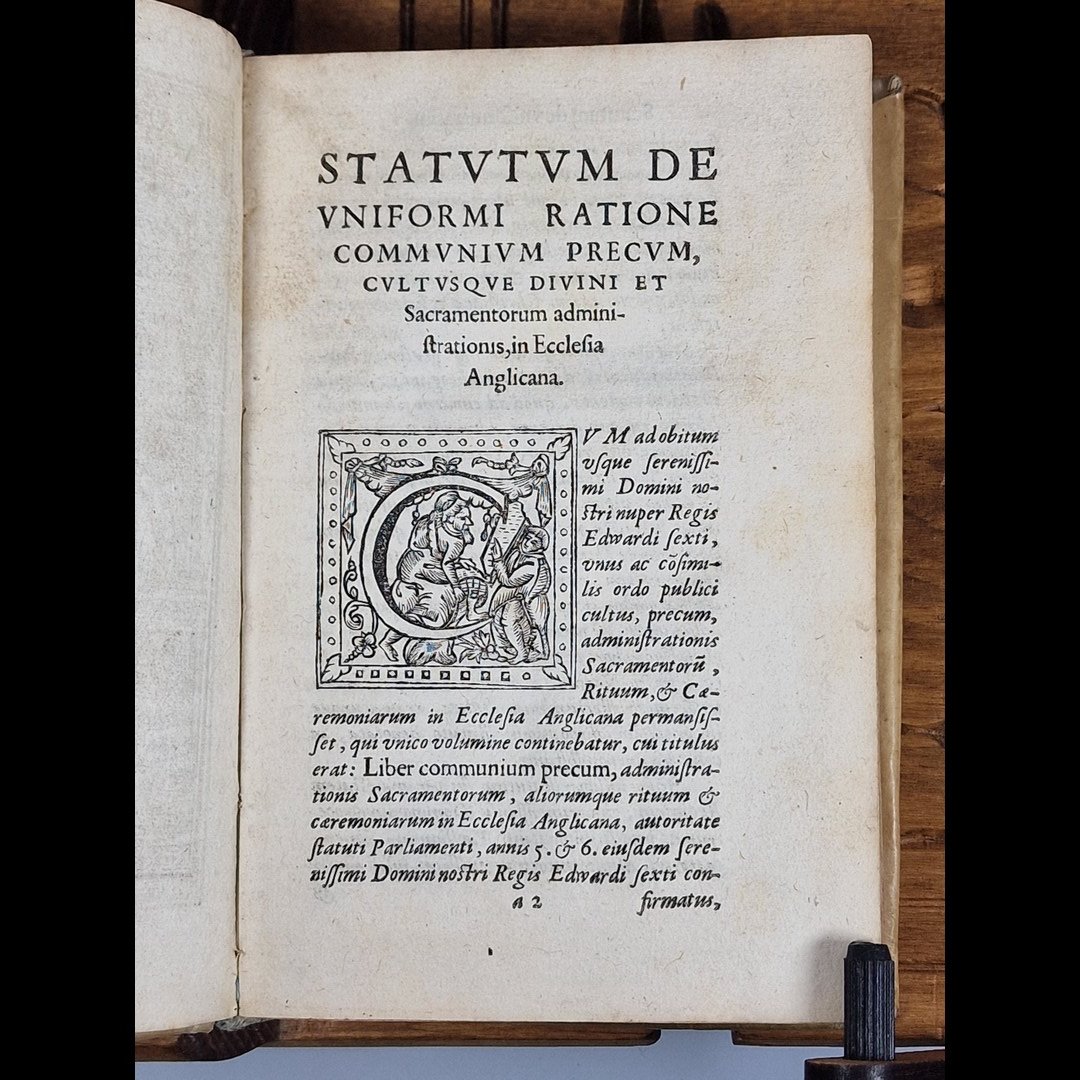
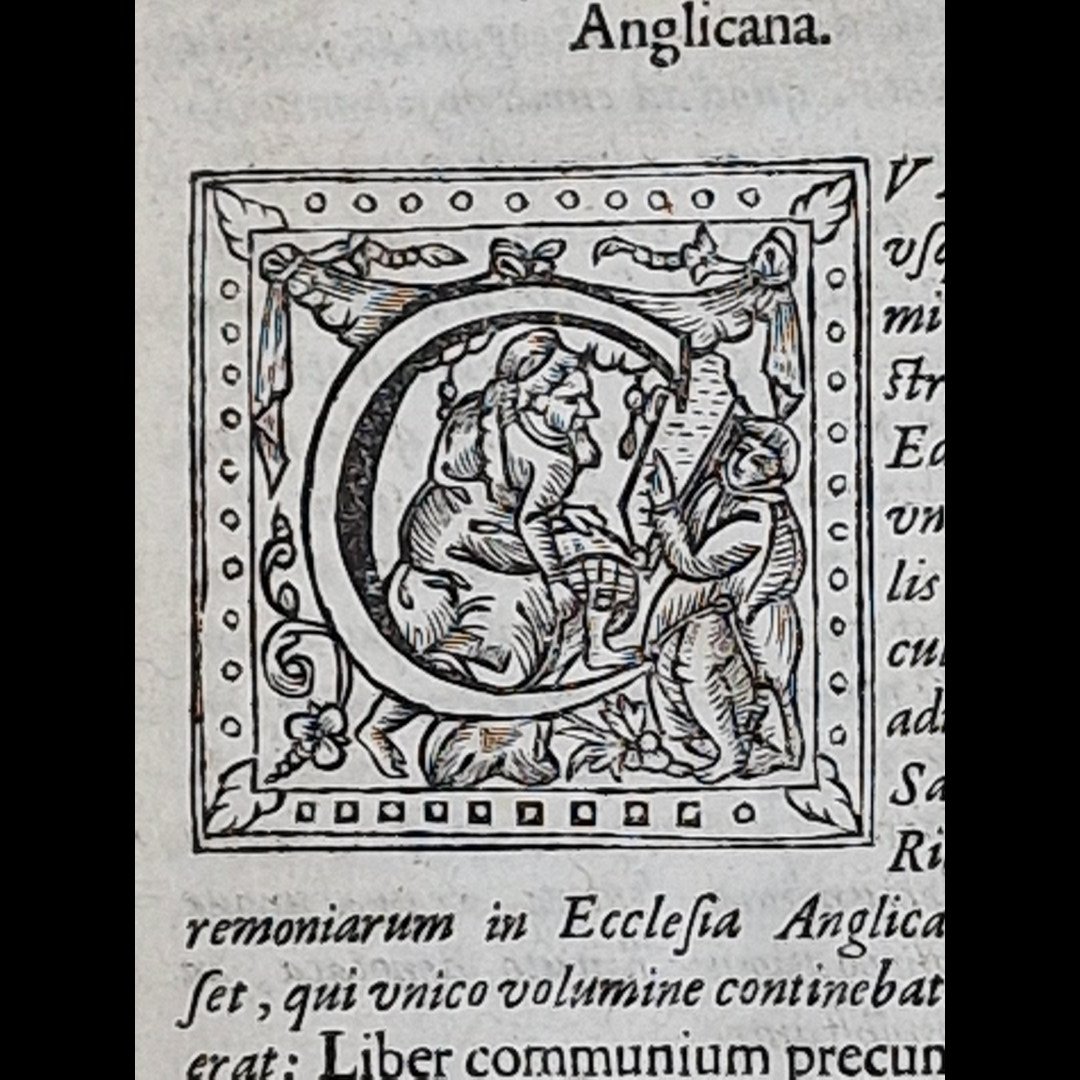
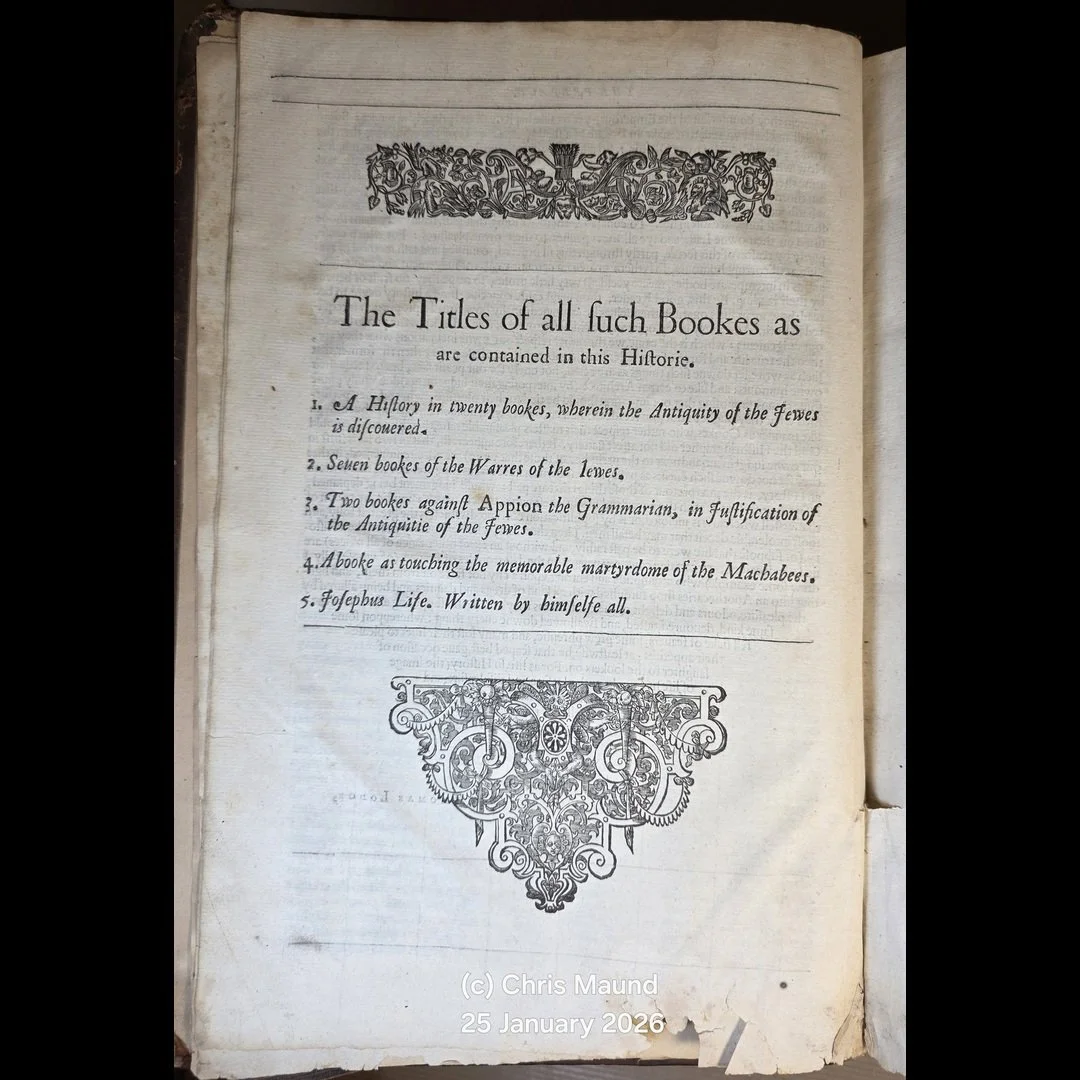
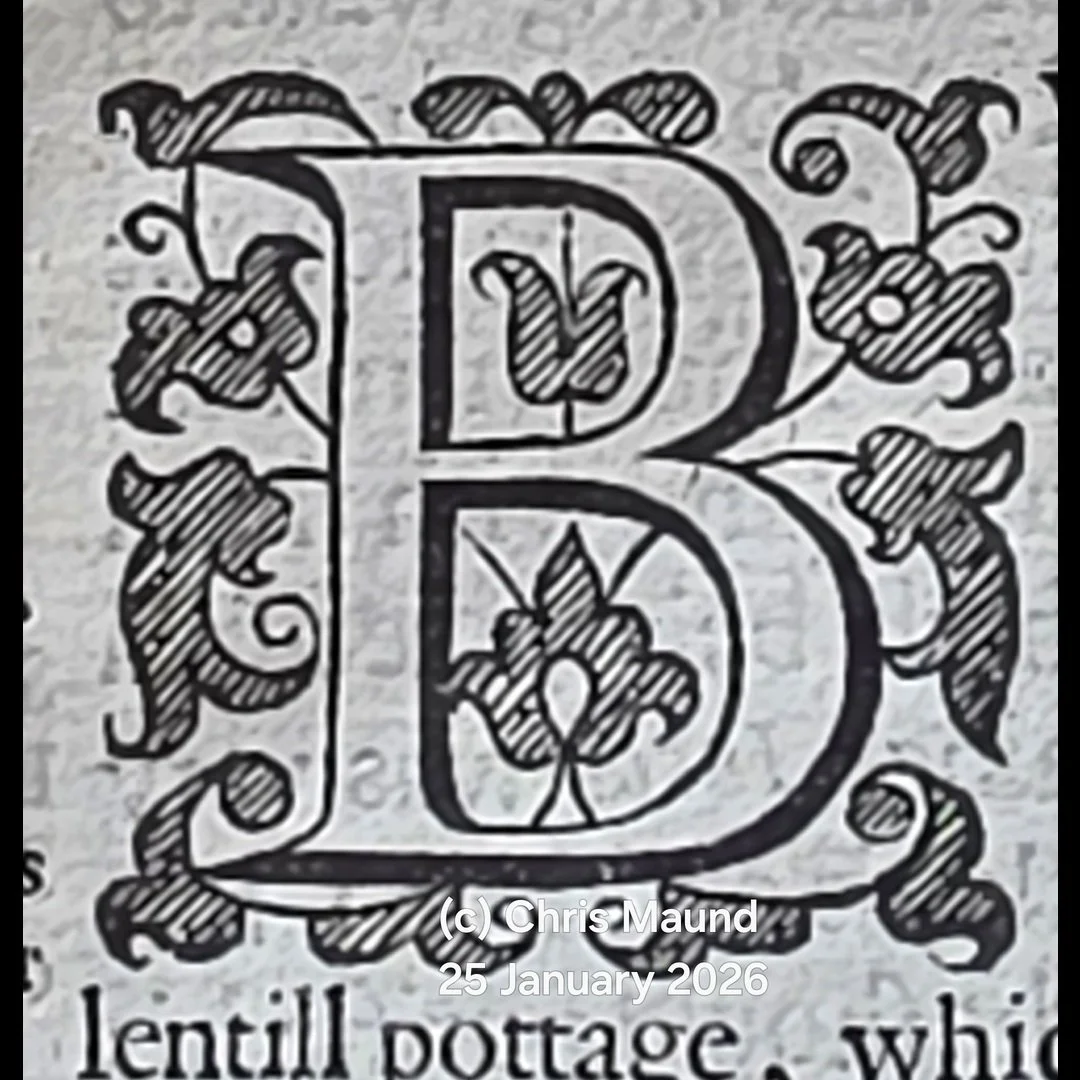
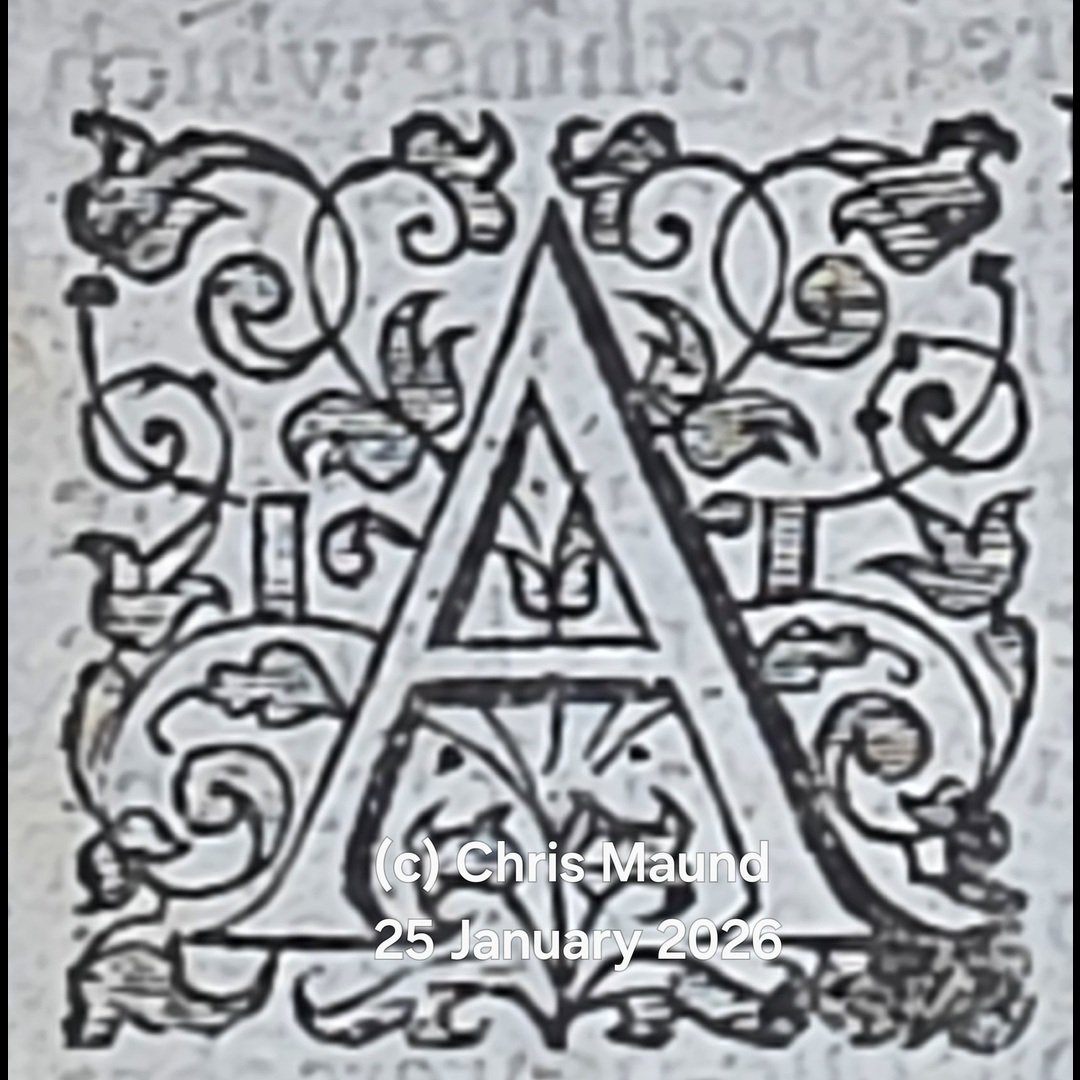
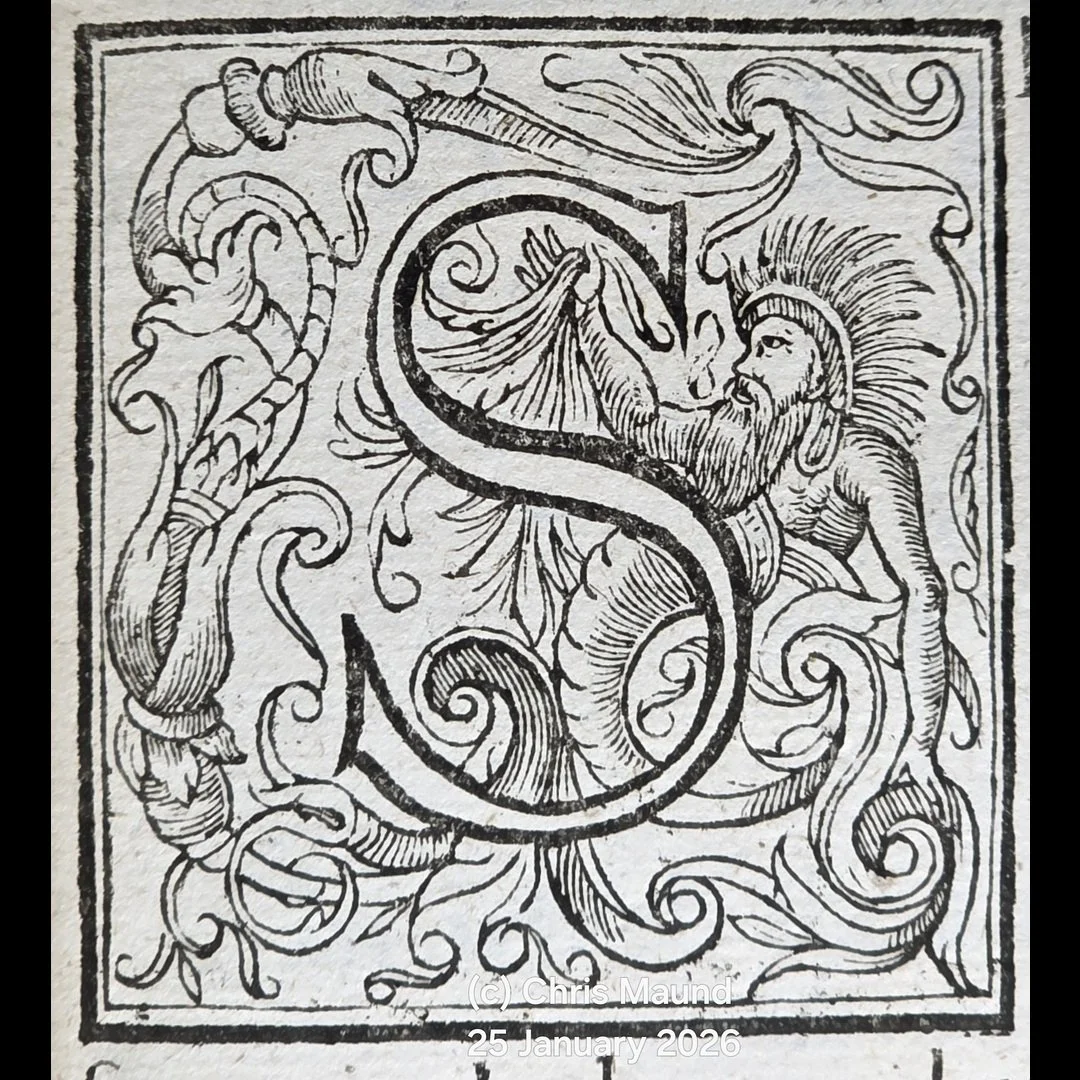
This copy is particularly appealing for its rich decorative programme. The title page is enclosed by an elaborate Renaissance architectural woodcut border derived from Hans Holbein the Younger, while the first text page is framed by a further large ornamental border associated with Anton Woensam. The volume also contains five large historiated initials from Woensam’s Cologne version of the celebrated Kinderalphabet, formerly attributed to Albrecht Dürer and catalogued by Merlo as no. 538; these initials are here later hand-coloured.
The copy also preserves a small but significant body of early scholarly marginalia, including topical glosses, brackets and learned cross-references. Of particular interest is an annotation beside the printed citation of Josephus’s Testimonium Flavianum, apparently directing the reader to Eusebius, Historia Ecclesiastica, Book I, where Josephus’s testimony concerning Christ is quoted.
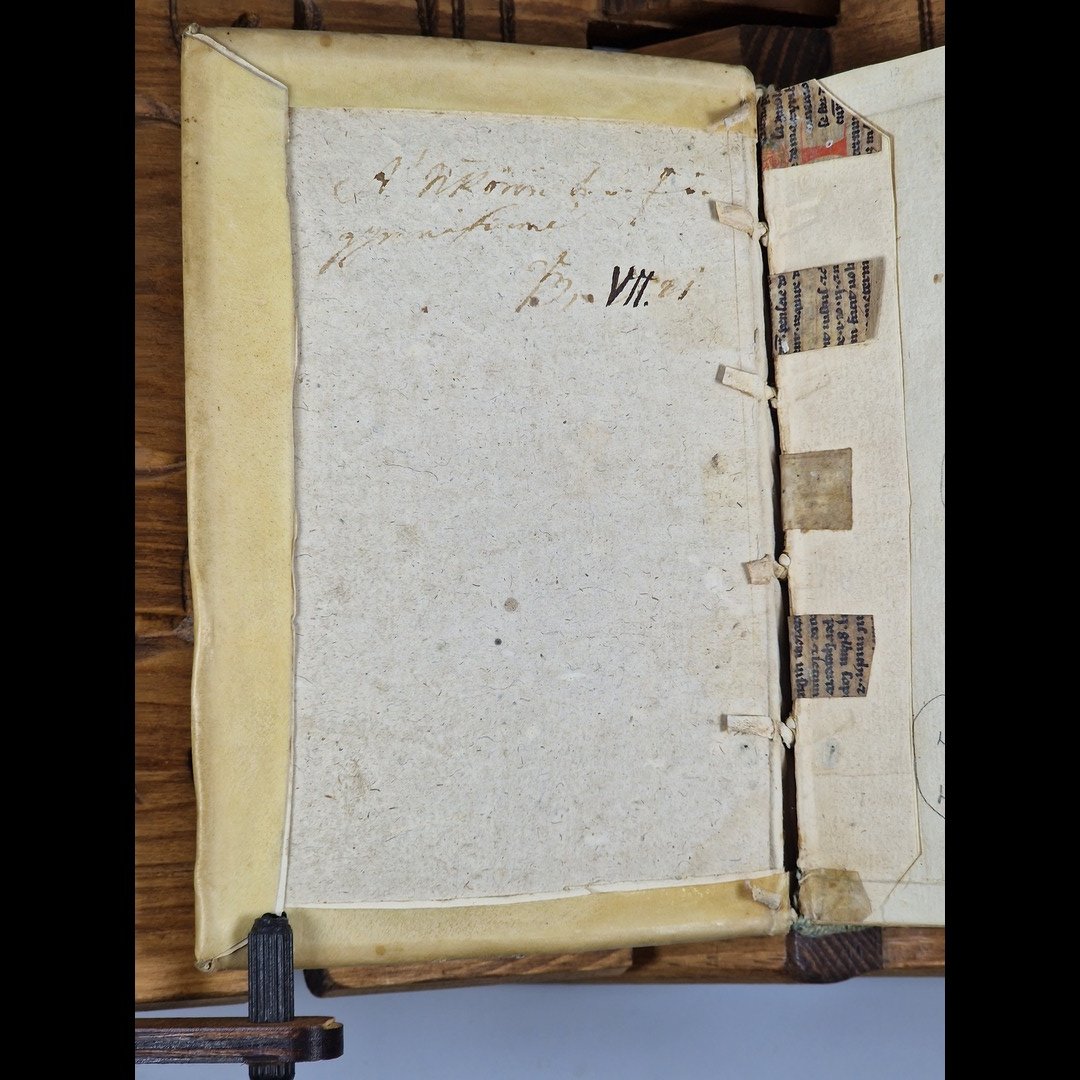
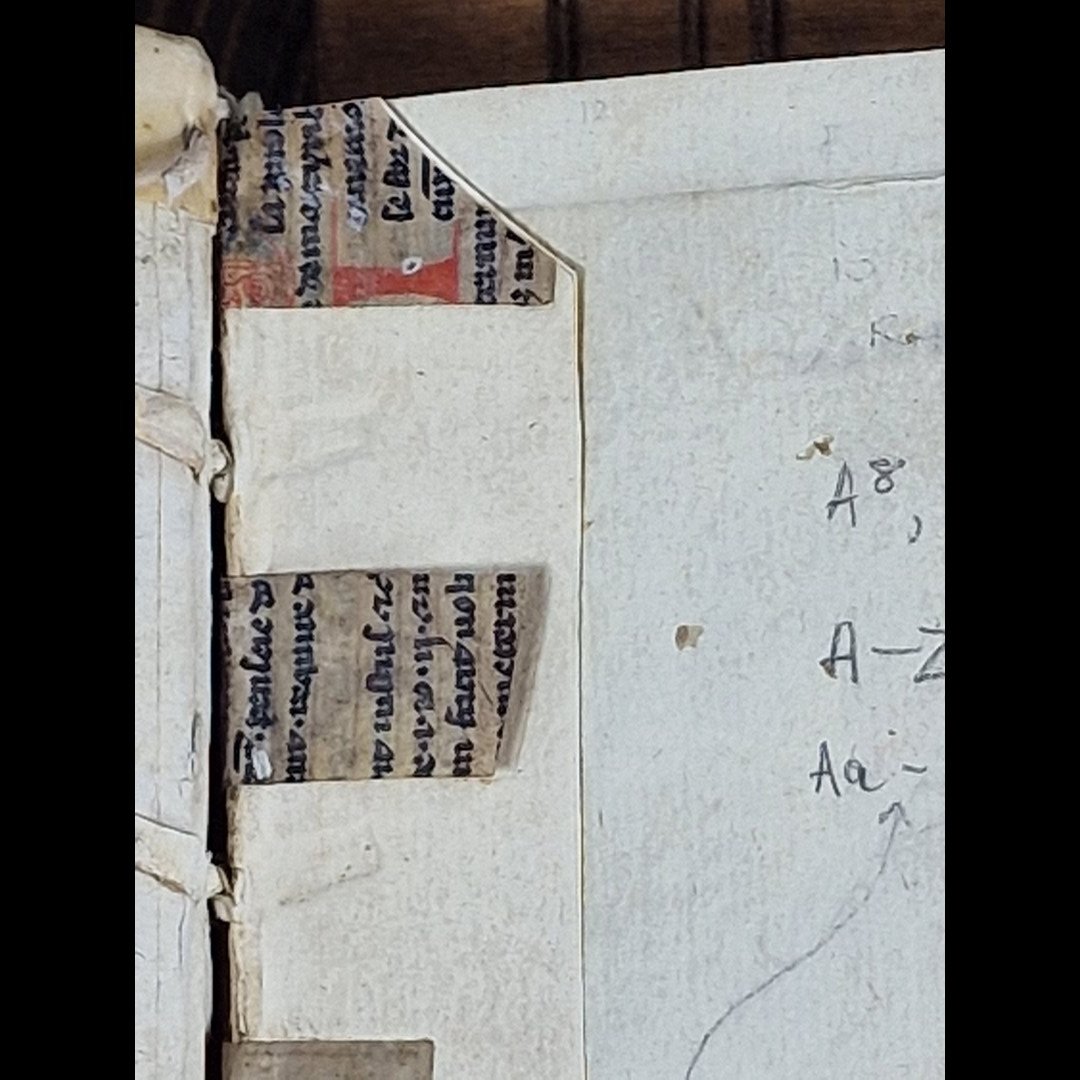
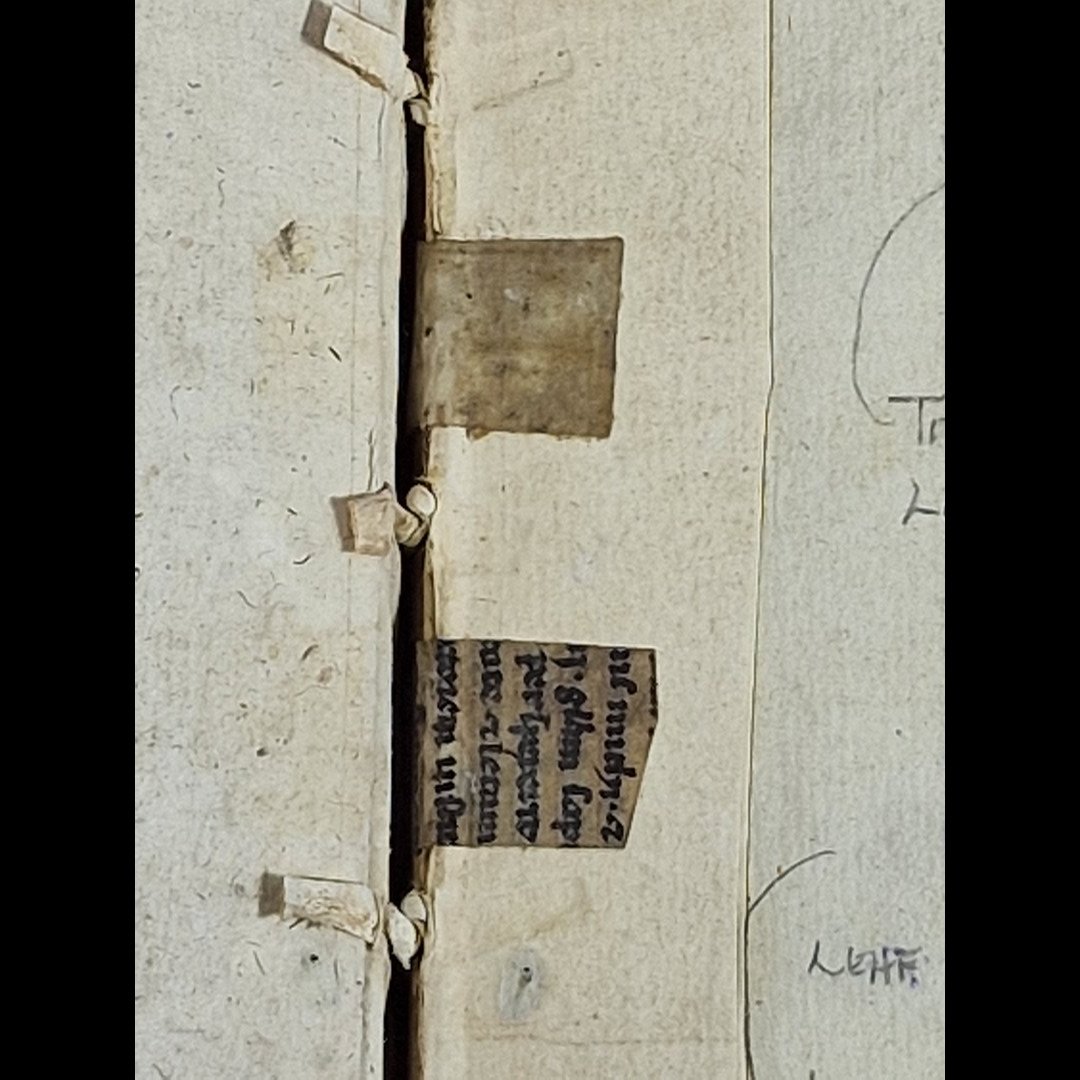
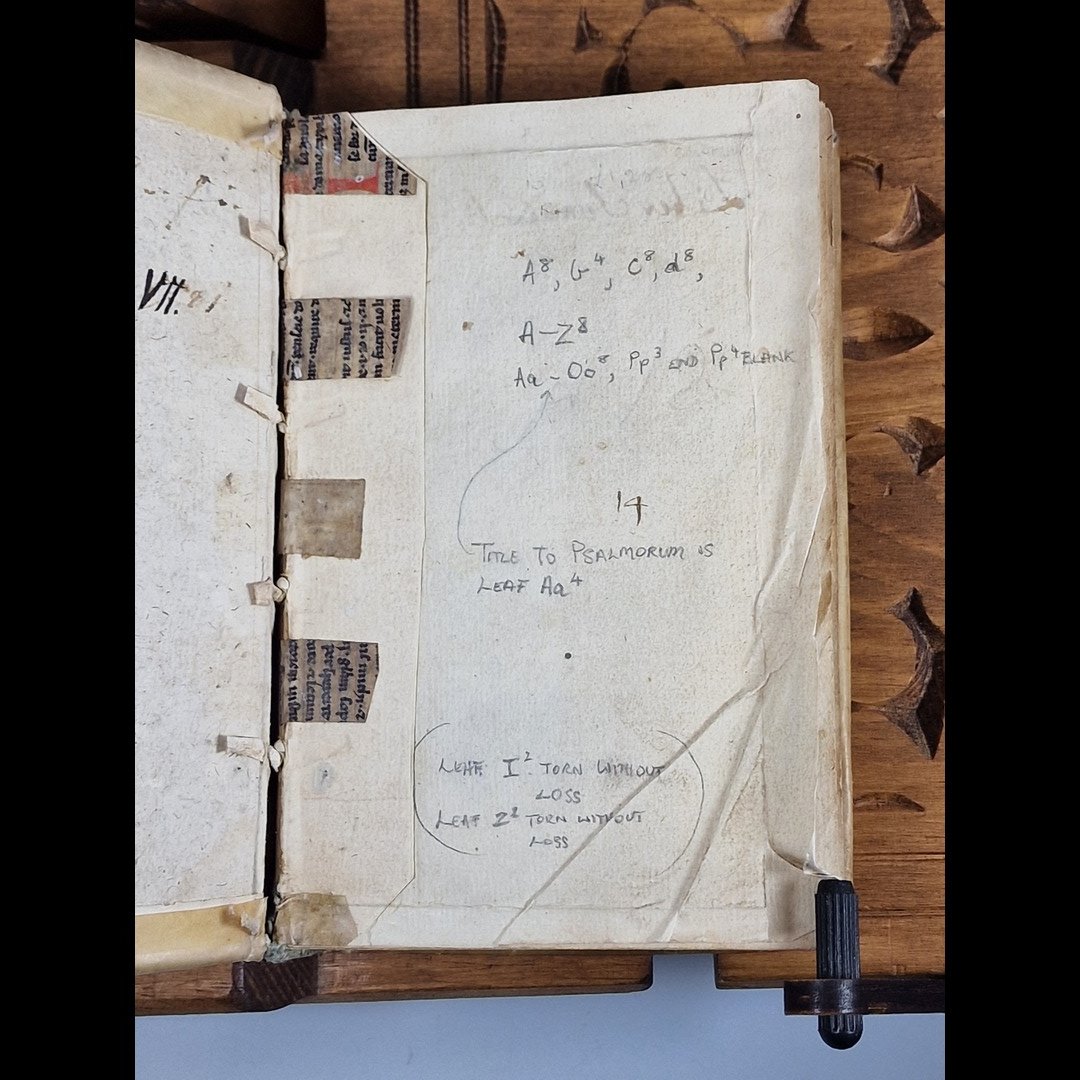
The front pastedown carries four separately mounted sixteenth-century woodcut specimens: a figural frieze cut from a printed leaf, a Renaissance arabesque ornament centred on a profile medallion, and two duplicate impressions of a small historiated initial L. The precise source and artist of these mounted pieces remain under investigation, although the small initials show affinities with the very small ornamental alphabets associated with Cervicornus and Anton Woensam.
PROVENANCE
Two circular Society of Jesus ownership stamps to the title page, incorporating the IHS device and apparently corresponding to the recorded library mark of the Jesuit College at Liège / Collège Saint-Servais.
Scattered early manuscript annotations in brown ink, probably sixteenth or seventeenth century, show active scholarly engagement with the text before the later Jesuit ownership.
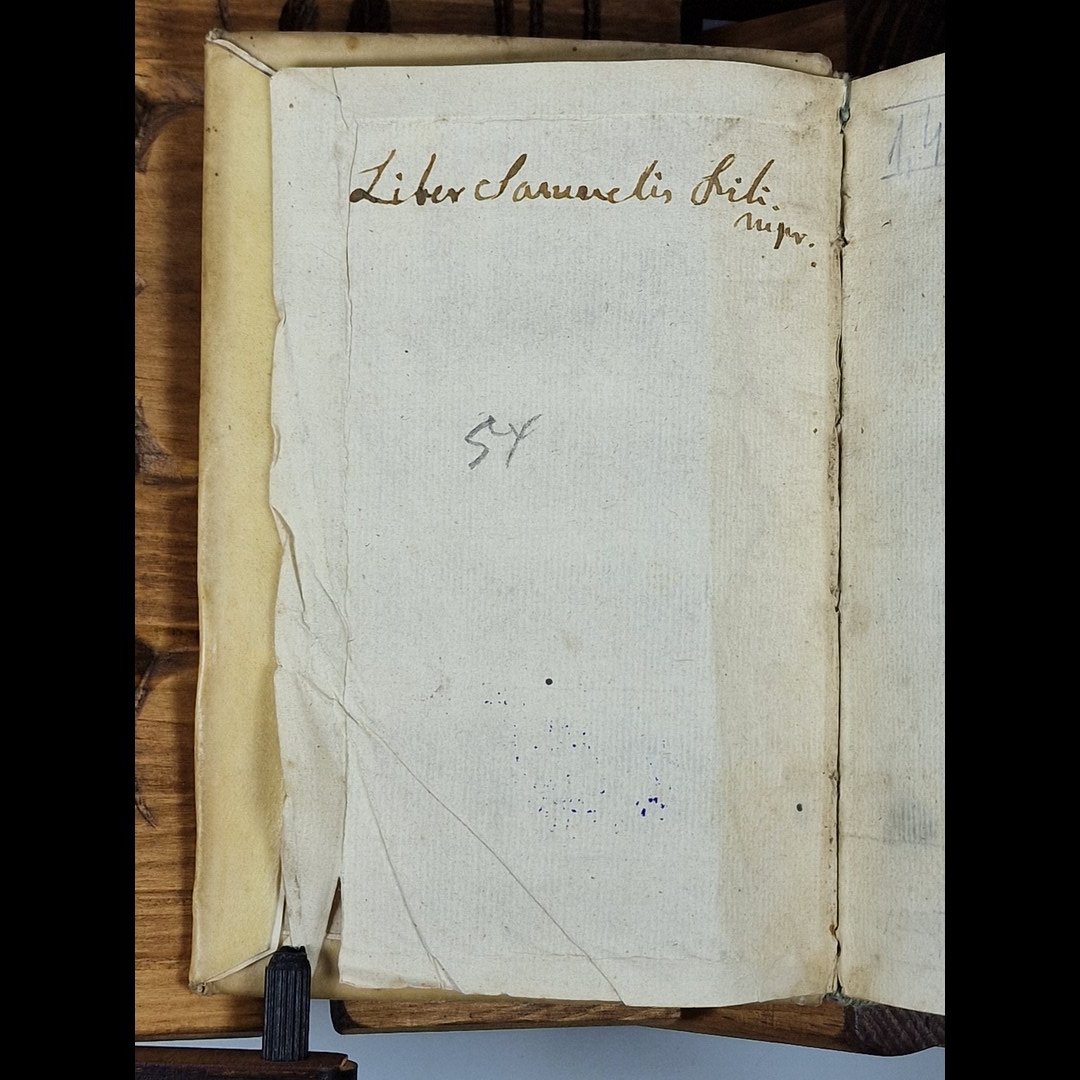
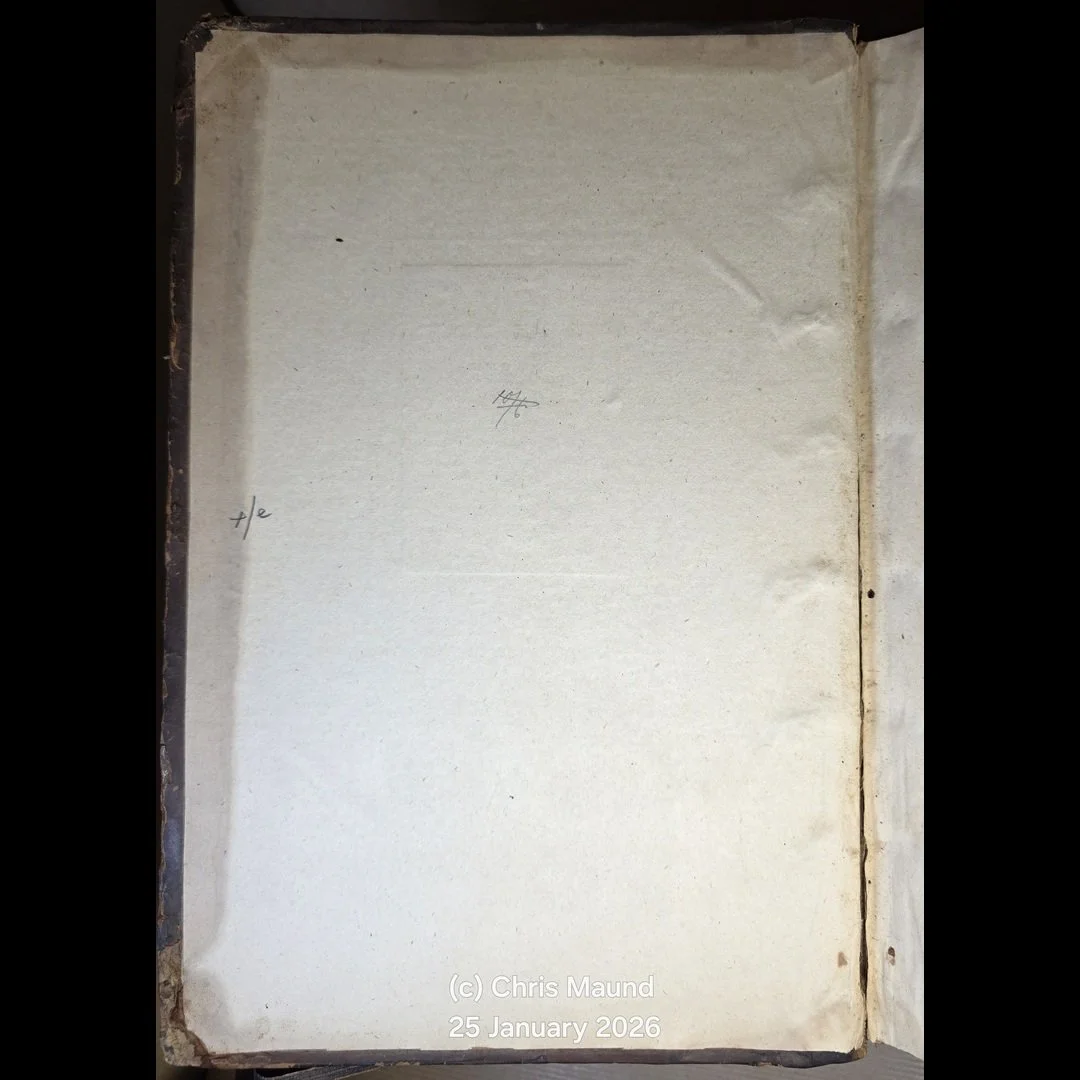
Front pastedown with four deliberately mounted early woodcut specimens. Pencil notation to the front pastedown and facing free endpaper appears to include “£23 – 3.64” and “3.64”, possibly recording a price or purchase date in March 1964.
This copy was later offered by Swan Fine Art / The Auction Room London, 28 January 2025, lot 13, in A Rare & Important Single Owner Antiquarian Library Sale.
CONDITION, COLLATION & COPY NOTES
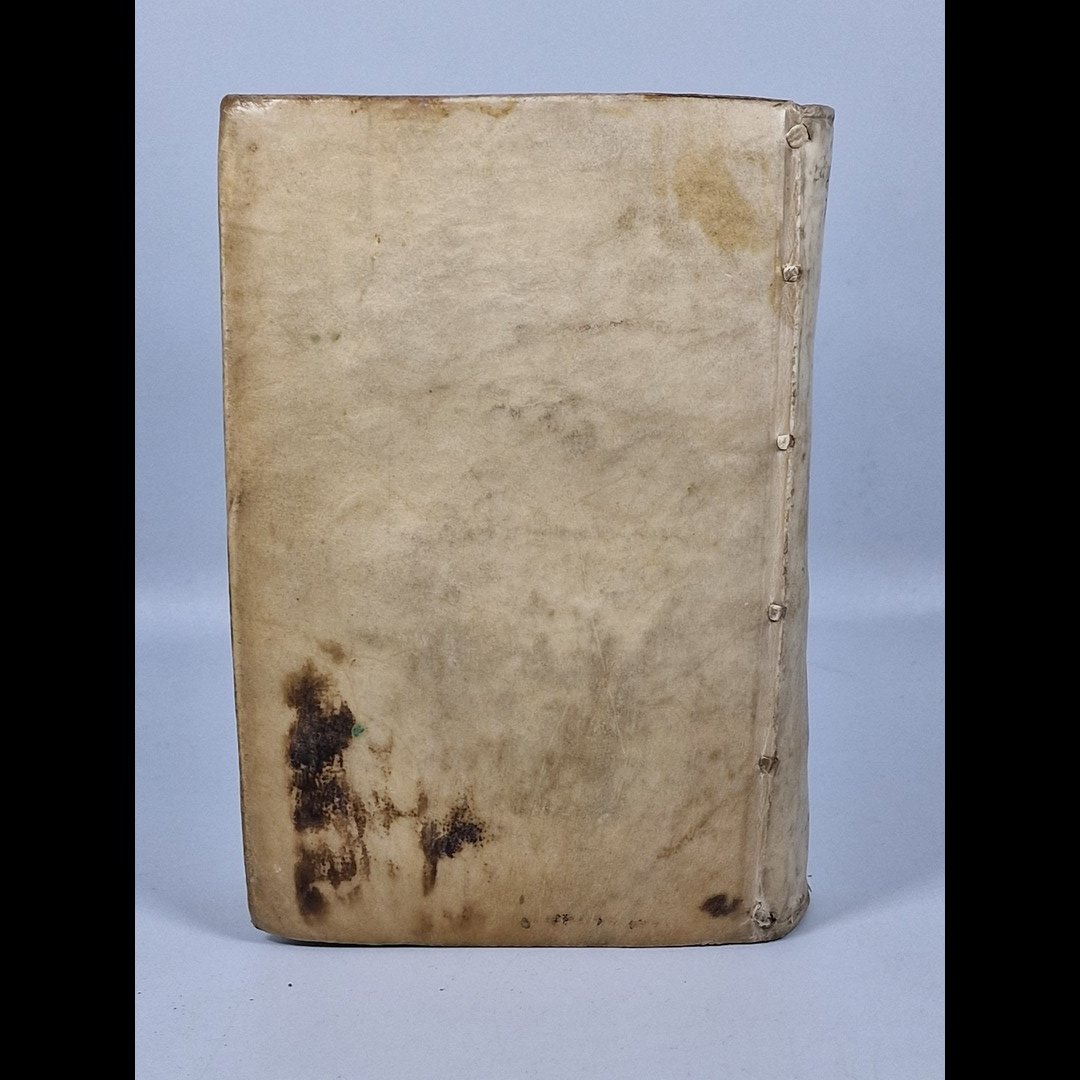
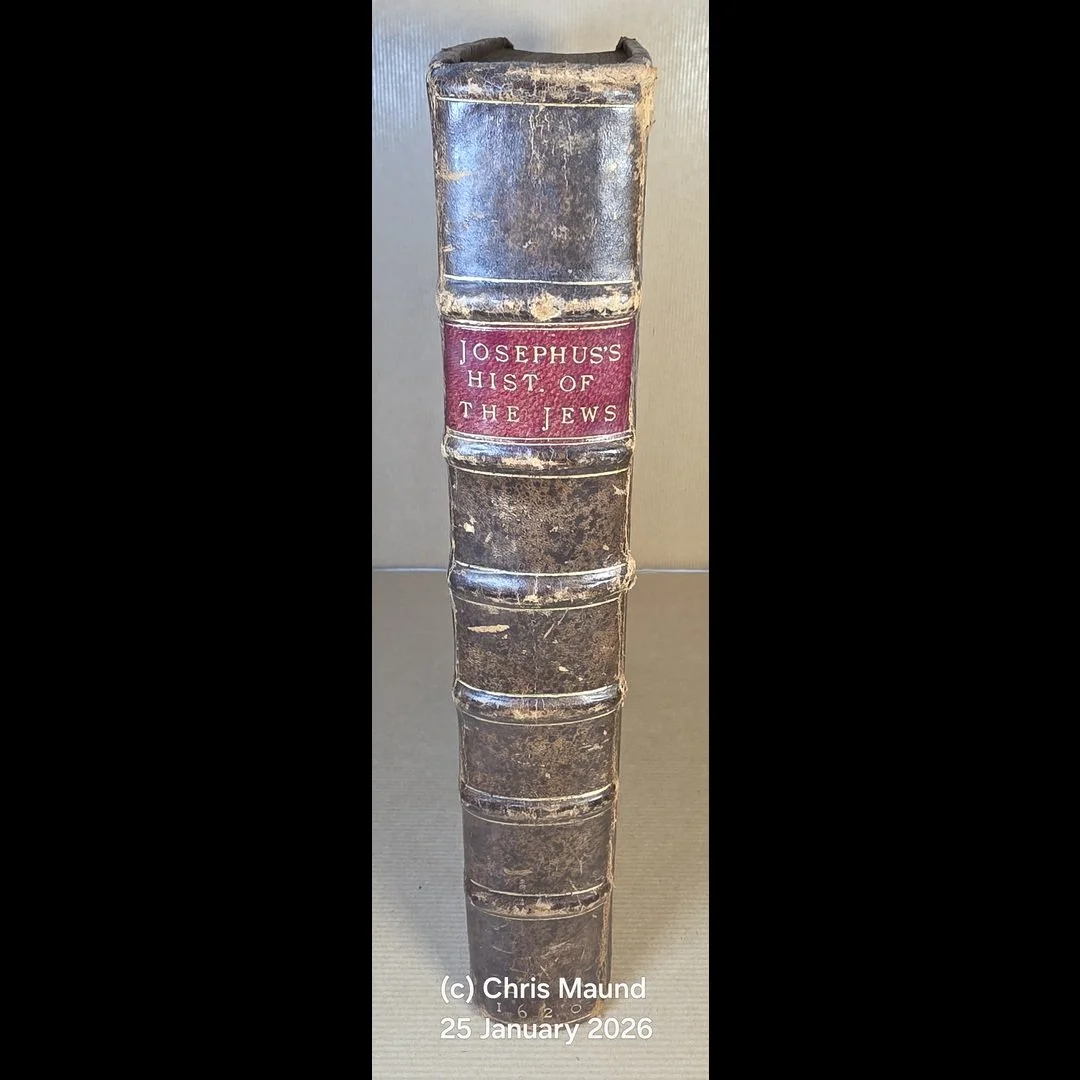
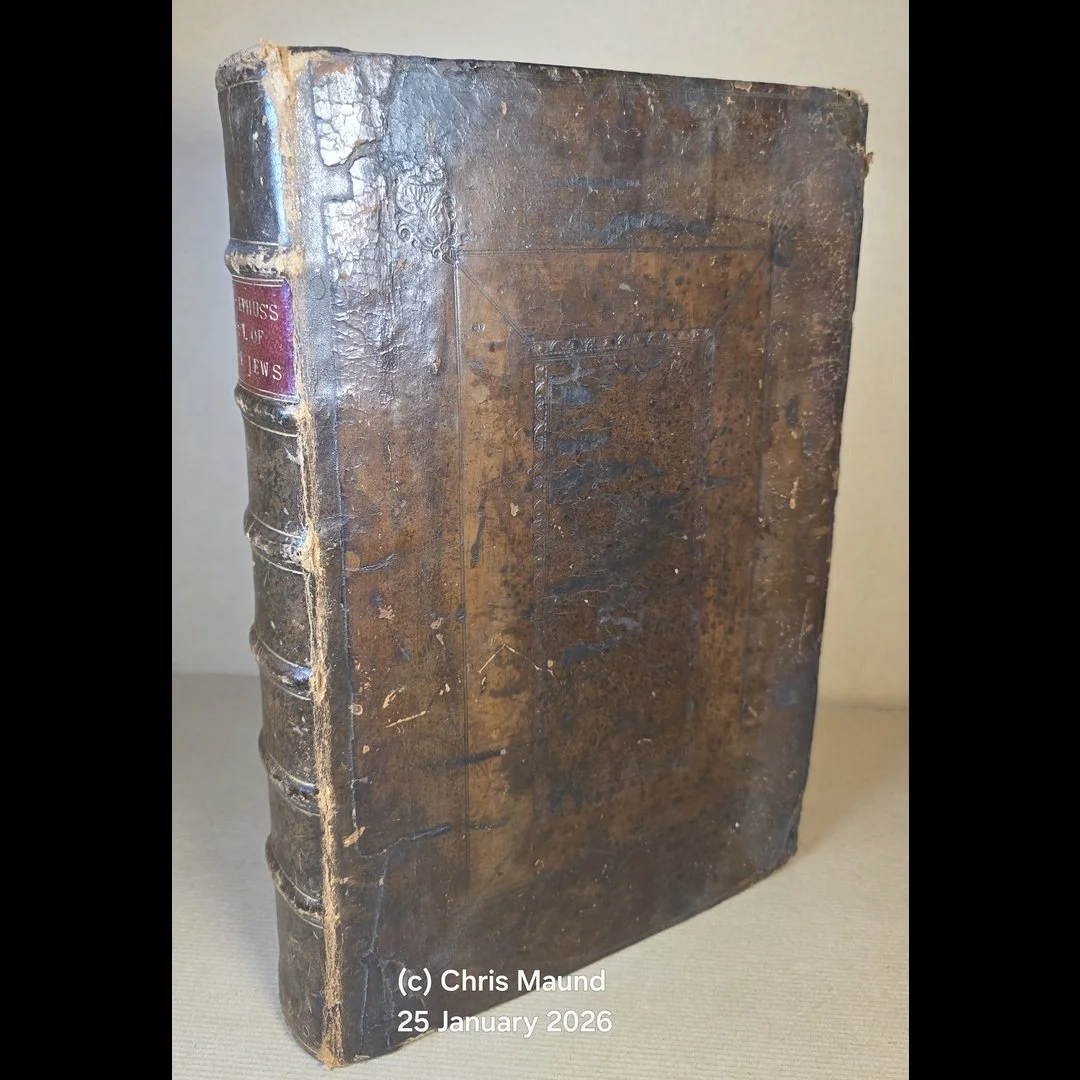
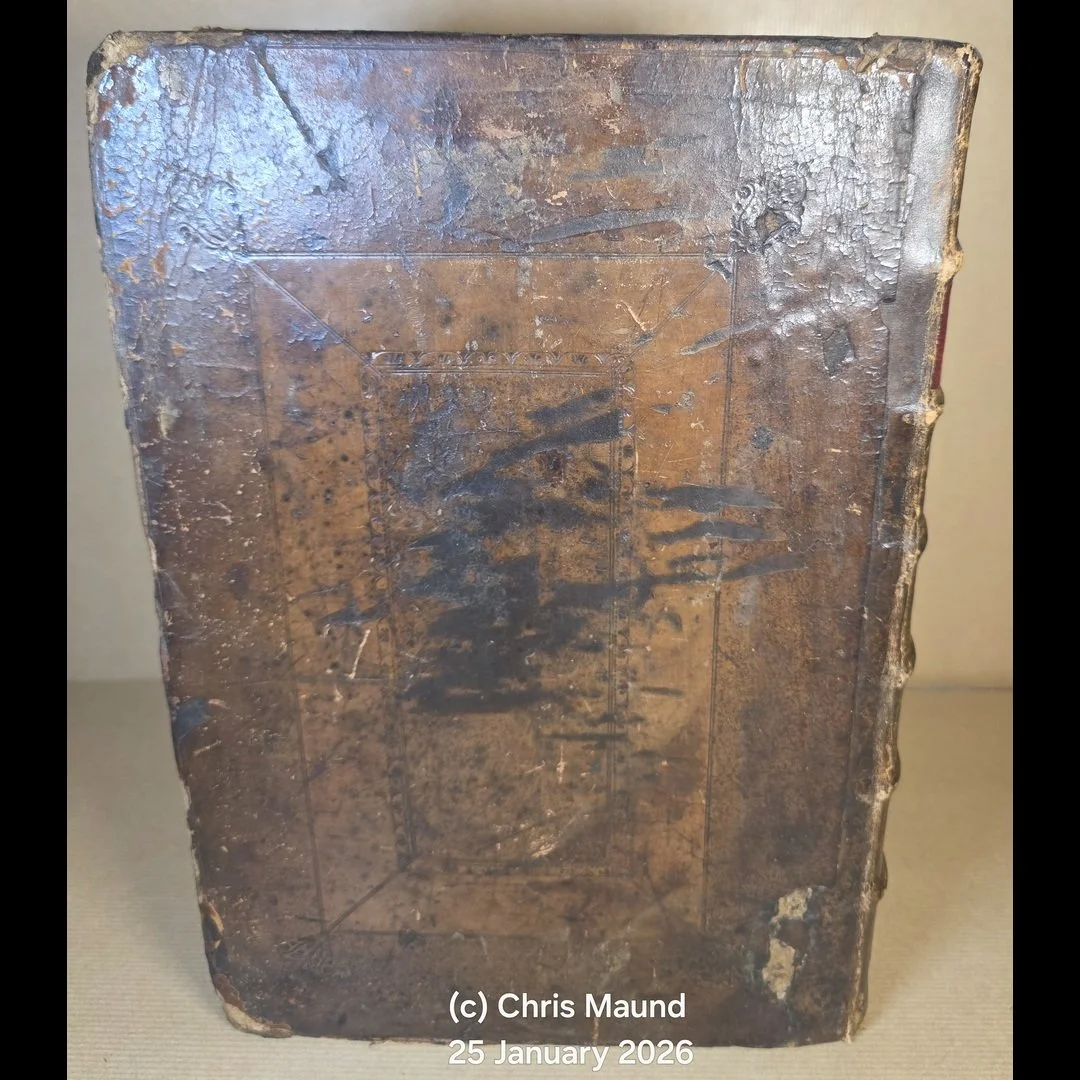
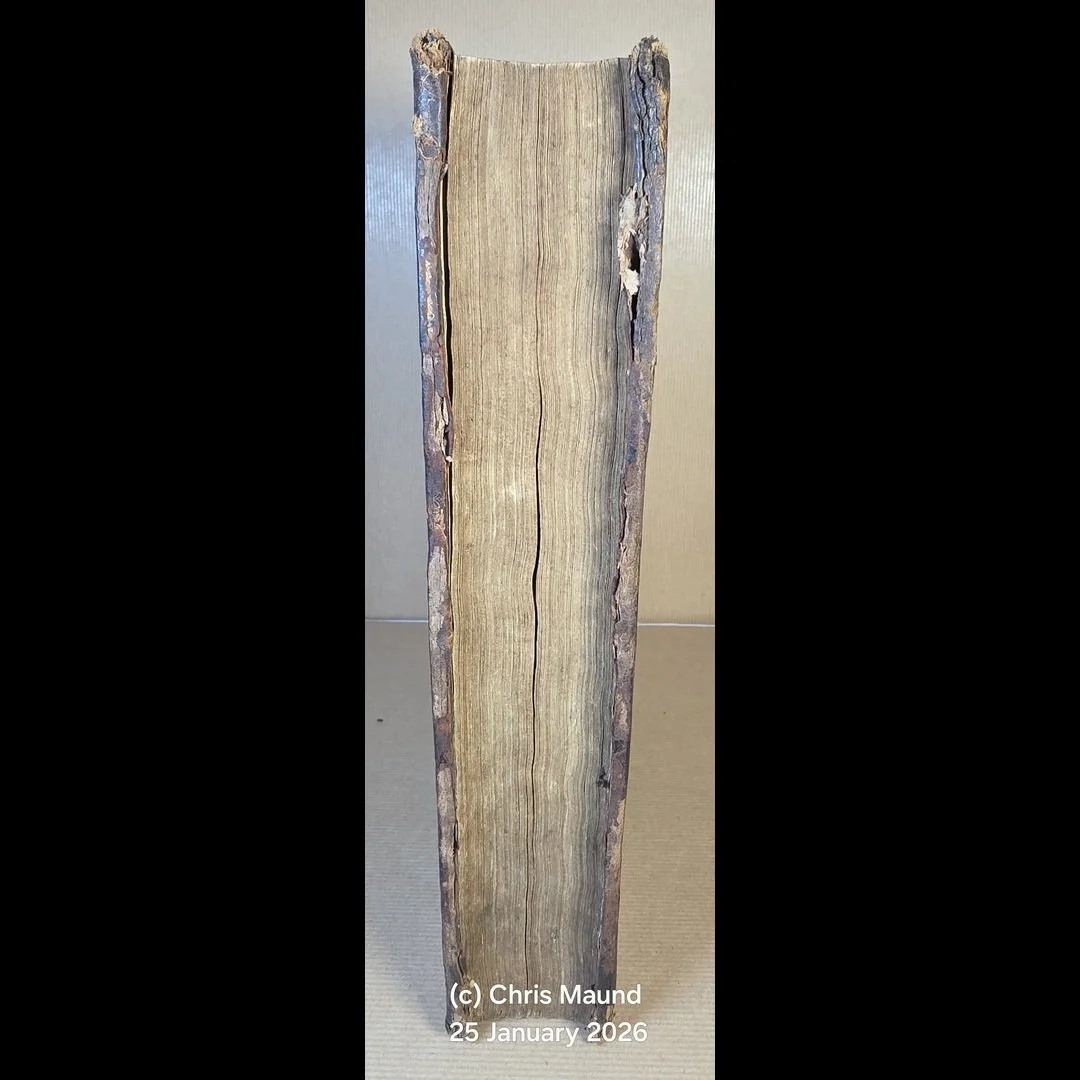
Later green paper-covered boards, sound overall, with rubbing, edgewear and some wear to spine and extremities consistent with age and use.
Title page present, with two circular Society of Jesus ownership stamps incorporating the IHS device. These appear to correspond with the recorded ownership mark of the Jesuit College at Liège / Collège Saint-Servais, although final visual confirmation of the exact institutional stamp is still under investigation.
The title-page architectural border is strongly impressed and retains generous margins. The opening text border and the large historiated initials are also crisp and visually imposing; the latter have been later hand-coloured in red, blue, green, yellow and related tones.
Scattered early manuscript marginalia in brown ink, probably sixteenth or seventeenth century, including topical glosses, brackets and learned historical/patristic cross-references. Of particular interest is a manuscript note beside the printed reference to Josephus’s testimony concerning the crucified Christ, apparently reading “Euseb. H.E. uno”, evidently referring to Eusebius, Historia Ecclesiastica, Book I.
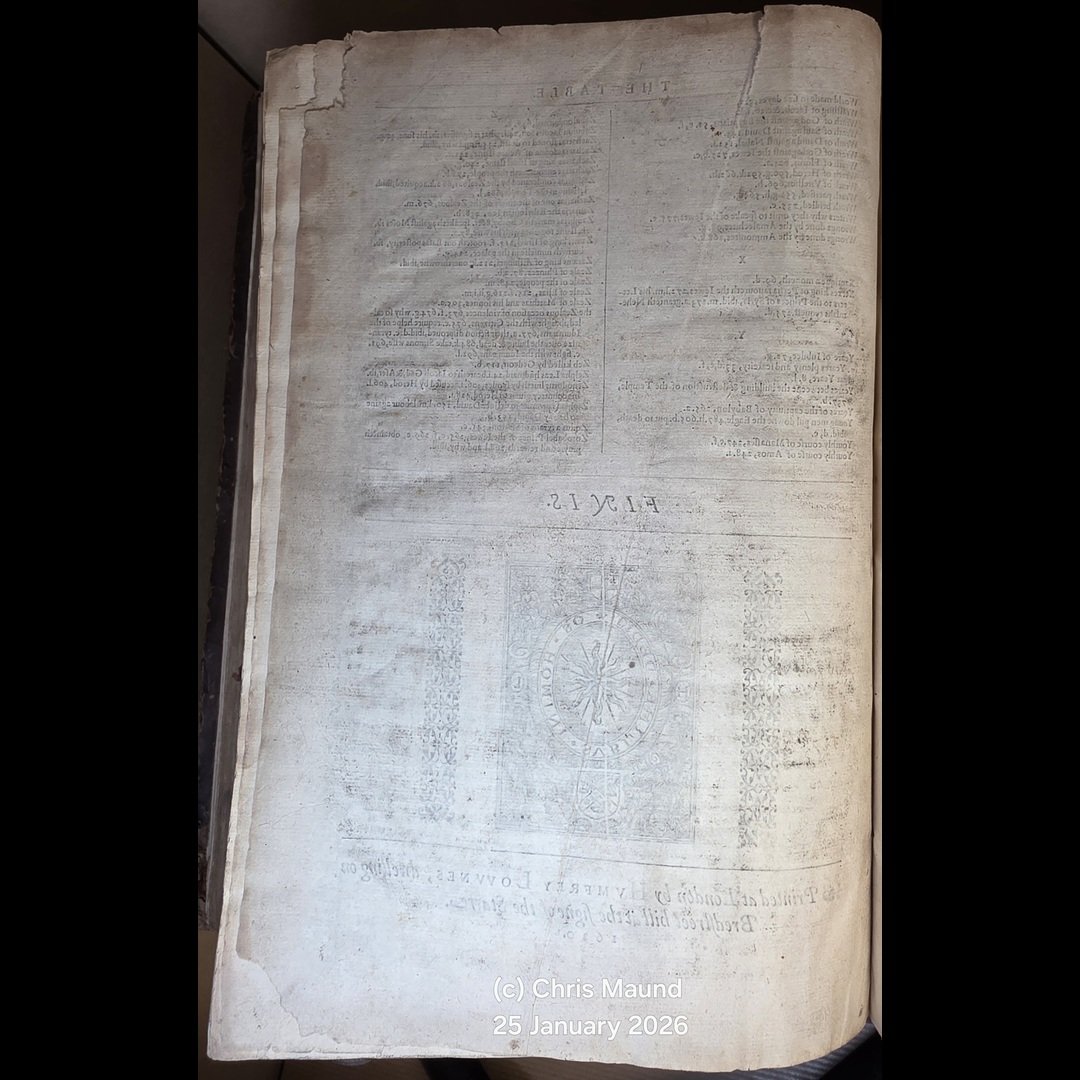
A small worm tract affects the upper margin through the volume, with a second short tract affecting the final leaves; these are largely marginal and do not materially affect readability.
Front pastedown with four separately mounted early woodcut specimens: one figural narrative frieze cut from a printed leaf and retaining an adjacent printed “C”, one arabesque/rinceaux ornament with central profile medallion, and two duplicate impressions of a small historiated Roman initial L. Their exact source remains under investigation.
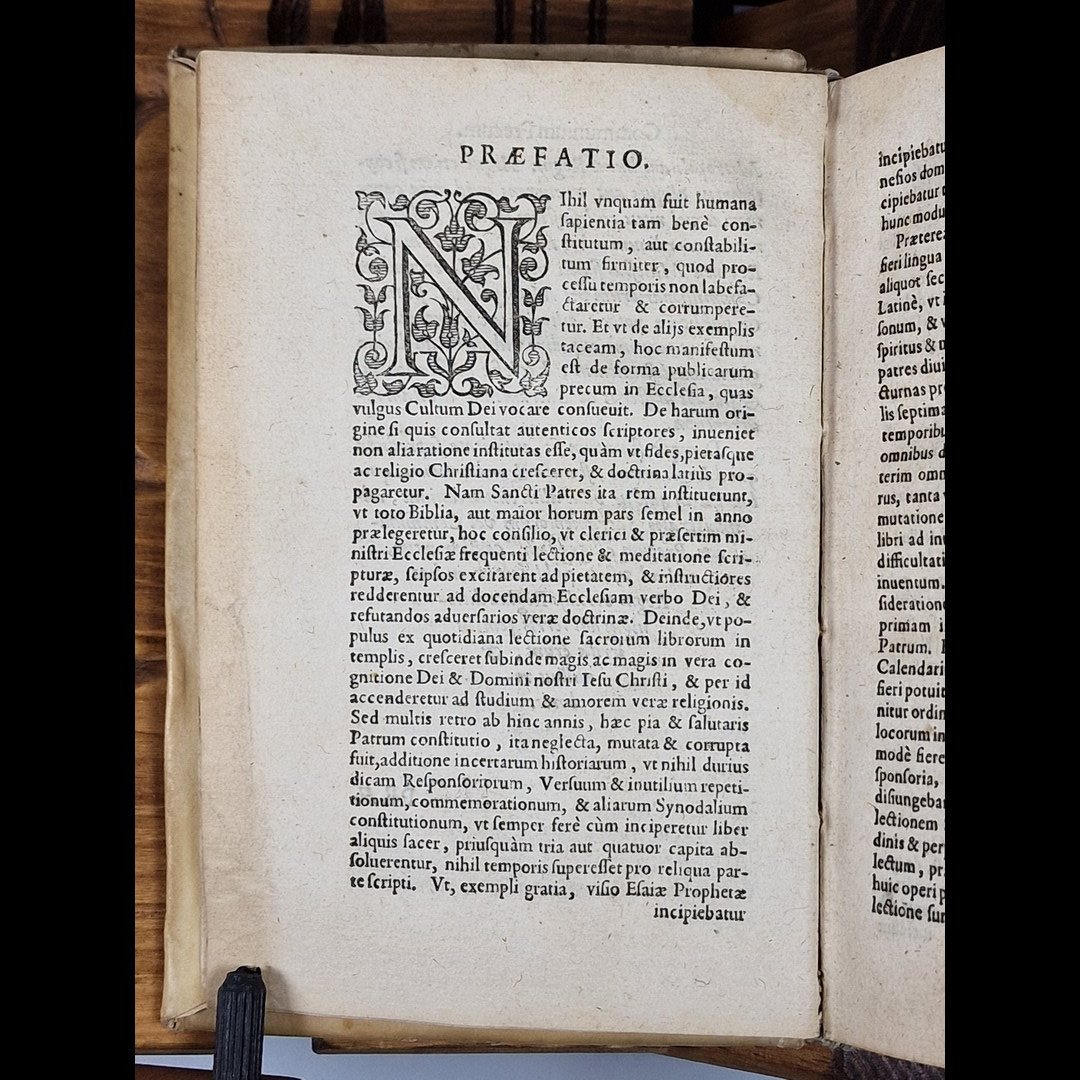
Text generally clean and well preserved for a substantial early-sixteenth-century folio, with strong impressions, wide margins and only occasional age-toning, spotting and marks from use.
Please see Photos as part of condition report.
REFERENCES
VD16 H 1253
Adams H 146
Merlo, Anton Woensam von Worms, including no. 538 for the large Kinderalphabet initials
British Museum, Woensam Kinderalphabet impressions, formerly attributed to Albrecht Dürer
Christie’s, London, 5 June 2007, comparable 1525 edition
Swan Fine Art / The Auction Room London, 28 January 2025, lot 13
SYNOPSIS
Pseudo-Hegesippus’s De excidio Hierosolymorum recounts the political, military and religious history surrounding the Jewish revolt against Rome and the destruction of Jerusalem in AD 70.
Drawing primarily on Josephus’s Jewish War, the anonymous author condenses and reshapes the narrative into five books, adapting Josephus for a late-Roman Christian readership. The resulting work is not simply an epitome: it moralises political events, sharpens rhetorical contrasts and interprets Jewish and Roman history within a providential Christian framework.
The narrative encompasses the rise and fall of the Herodian dynasty, Roman intervention in Judaea, factional conflict, the campaigns of Vespasian and Titus, the siege and destruction of Jerusalem, and the theological interpretation of catastrophe.
Of particular importance is the work’s use of Josephus in relation to John the Baptist, Herod and Jesus, themes that clearly attracted the attention of an early reader of this copy. The manuscript cross-reference beside the Testimonium Flavianum to Eusebius’s Ecclesiastical History shows the volume being read comparatively within the broader Christian historiographical tradition.
As such, the 1525 Cologne edition stands at the intersection of classical history, Judaica, patristics, Renaissance humanism and early Cologne print culture.
AUTHOR BIO
Pseudo-Hegesippus is the conventional name given to the anonymous late-fourth-century Latin author responsible for a Christian adaptation of Flavius Josephus’s Jewish War. The work was transmitted for centuries under the name of Hegesippus, the second-century Christian writer, but modern scholarship distinguishes the two.
The text was probably composed in the later fourth century and has sometimes been associated with the intellectual milieu of Ambrose of Milan, although direct authorship by Ambrose remains debated. The author drew heavily on Josephus while abbreviating, reorganising and Christianising the narrative for a Latin Christian readership.
Source Author Bio
Flavius Josephus (c. AD 37–100) was a Jewish historian, priest and former commander in the revolt against Rome. After surrendering to the Romans, he entered Flavian patronage and composed the principal surviving narrative accounts of first-century Judaea, including the Jewish War and Jewish Antiquities.
His works became central to both Jewish and Christian historical traditions. Pseudo-Hegesippus represents one of the most influential late-antique Christian transformations of Josephus’s historical material.
ILLUSTRATOR
Anton Woensam
Anton Woensam, after designs associated in part with Hans Holbein the Younger
Anton Woensam of Worms (d. 1541) was one of the most prolific woodcut artists working in early-sixteenth-century Cologne. He supplied title borders, illustrations, ornamental alphabets and other woodcut material to the principal Cologne printing houses, including those of Eucharius Cervicornus and Godefridus Hittorp.
The present volume includes large historiated initials from Woensam’s Cologne version of the celebrated Kinderalphabet, long associated with Albrecht Dürer but now catalogued by the British Museum as Woensam’s work and identified by Merlo as no. 538. The elaborate title-page border belongs to the Cologne adaptation of a Holbein-derived architectural design.
1525 Cologne Edition
EGESIPPI HISTORIOGRAPHI DE EXCIDIO HIEROSOLYMORUM LIBRI V
By Pseudo-Hegesippus, after Flavius Josephus
KEY DETAILS
Condition: Very Good
Format: Hardcover, folio (fo 12 × 19 in 305 × 483 mm )
Note: Binding/size selection follows standard bibliographic conventions and is approximate; exact measurements may vary.
Published By: Eucharius Cervicornus, for Godefridus Hittorp, Cologne, 1525
Language: Latin
Illustrated By: Anton Woensam
Provenance: Two circular Society of Jesus ownership stamps to the title page, incorporating the IHS device and apparently corresponding to the recorded library mark of the Jesuit College at Liège / Collège Saint-Servais.
Collation: A⁸ a–n⁶ = [8], 77, [1] leaves; Complete.
Dust Jacket: None, as issued, No Jacket
SKU: BTETM0002579
Shipping Info: Approximate Package Dimensions H: 12.5, L: 30, W: 25 (Units: cm), W: 2Kg
Tracked Shipping, Insurance Coverage as per Customer Request
DESCRIPTION
EGESIPPI HISTORIOGRAPHI DE EXCIDIO HIEROSOLYMORUM LIBRI V
A late-antique Christian recasting of Josephus’s Jewish War, with major Renaissance woodcut decoration by Anton Woensam
A substantial and visually striking Cologne folio of Pseudo-Hegesippus, the anonymous late-fourth-century Latin Christian adaptation of Flavius Josephus’s Bellum Judaicum, printed by Eucharius Cervicornus for Godefridus Hittorp in March 1525.
Long attributed to the second-century ecclesiastical writer Hegesippus, the work is now conventionally described as Pseudo-Hegesippus. It is not a straightforward translation of Josephus, but an abridged and rhetorically reshaped Christian version of the Jewish War, enriched with material from the Antiquities and reframed through a late-antique Christian historical and theological perspective.
This copy is particularly appealing for its rich decorative programme. The title page is enclosed by an elaborate Renaissance architectural woodcut border derived from Hans Holbein the Younger, while the first text page is framed by a further large ornamental border associated with Anton Woensam. The volume also contains five large historiated initials from Woensam’s Cologne version of the celebrated Kinderalphabet, formerly attributed to Albrecht Dürer and catalogued by Merlo as no. 538; these initials are here later hand-coloured.
The copy also preserves a small but significant body of early scholarly marginalia, including topical glosses, brackets and learned cross-references. Of particular interest is an annotation beside the printed citation of Josephus’s Testimonium Flavianum, apparently directing the reader to Eusebius, Historia Ecclesiastica, Book I, where Josephus’s testimony concerning Christ is quoted.
The front pastedown carries four separately mounted sixteenth-century woodcut specimens: a figural frieze cut from a printed leaf, a Renaissance arabesque ornament centred on a profile medallion, and two duplicate impressions of a small historiated initial L. The precise source and artist of these mounted pieces remain under investigation, although the small initials show affinities with the very small ornamental alphabets associated with Cervicornus and Anton Woensam.
PROVENANCE
Two circular Society of Jesus ownership stamps to the title page, incorporating the IHS device and apparently corresponding to the recorded library mark of the Jesuit College at Liège / Collège Saint-Servais.
Scattered early manuscript annotations in brown ink, probably sixteenth or seventeenth century, show active scholarly engagement with the text before the later Jesuit ownership.
Front pastedown with four deliberately mounted early woodcut specimens. Pencil notation to the front pastedown and facing free endpaper appears to include “£23 – 3.64” and “3.64”, possibly recording a price or purchase date in March 1964.
This copy was later offered by Swan Fine Art / The Auction Room London, 28 January 2025, lot 13, in A Rare & Important Single Owner Antiquarian Library Sale.
CONDITION, COLLATION & COPY NOTES
Later green paper-covered boards, sound overall, with rubbing, edgewear and some wear to spine and extremities consistent with age and use.
Title page present, with two circular Society of Jesus ownership stamps incorporating the IHS device. These appear to correspond with the recorded ownership mark of the Jesuit College at Liège / Collège Saint-Servais, although final visual confirmation of the exact institutional stamp is still under investigation.
The title-page architectural border is strongly impressed and retains generous margins. The opening text border and the large historiated initials are also crisp and visually imposing; the latter have been later hand-coloured in red, blue, green, yellow and related tones.
Scattered early manuscript marginalia in brown ink, probably sixteenth or seventeenth century, including topical glosses, brackets and learned historical/patristic cross-references. Of particular interest is a manuscript note beside the printed reference to Josephus’s testimony concerning the crucified Christ, apparently reading “Euseb. H.E. uno”, evidently referring to Eusebius, Historia Ecclesiastica, Book I.
A small worm tract affects the upper margin through the volume, with a second short tract affecting the final leaves; these are largely marginal and do not materially affect readability.
Front pastedown with four separately mounted early woodcut specimens: one figural narrative frieze cut from a printed leaf and retaining an adjacent printed “C”, one arabesque/rinceaux ornament with central profile medallion, and two duplicate impressions of a small historiated Roman initial L. Their exact source remains under investigation.
Text generally clean and well preserved for a substantial early-sixteenth-century folio, with strong impressions, wide margins and only occasional age-toning, spotting and marks from use.
Please see Photos as part of condition report.
REFERENCES
VD16 H 1253
Adams H 146
Merlo, Anton Woensam von Worms, including no. 538 for the large Kinderalphabet initials
British Museum, Woensam Kinderalphabet impressions, formerly attributed to Albrecht Dürer
Christie’s, London, 5 June 2007, comparable 1525 edition
Swan Fine Art / The Auction Room London, 28 January 2025, lot 13
SYNOPSIS
Pseudo-Hegesippus’s De excidio Hierosolymorum recounts the political, military and religious history surrounding the Jewish revolt against Rome and the destruction of Jerusalem in AD 70.
Drawing primarily on Josephus’s Jewish War, the anonymous author condenses and reshapes the narrative into five books, adapting Josephus for a late-Roman Christian readership. The resulting work is not simply an epitome: it moralises political events, sharpens rhetorical contrasts and interprets Jewish and Roman history within a providential Christian framework.
The narrative encompasses the rise and fall of the Herodian dynasty, Roman intervention in Judaea, factional conflict, the campaigns of Vespasian and Titus, the siege and destruction of Jerusalem, and the theological interpretation of catastrophe.
Of particular importance is the work’s use of Josephus in relation to John the Baptist, Herod and Jesus, themes that clearly attracted the attention of an early reader of this copy. The manuscript cross-reference beside the Testimonium Flavianum to Eusebius’s Ecclesiastical History shows the volume being read comparatively within the broader Christian historiographical tradition.
As such, the 1525 Cologne edition stands at the intersection of classical history, Judaica, patristics, Renaissance humanism and early Cologne print culture.
AUTHOR BIO
Pseudo-Hegesippus is the conventional name given to the anonymous late-fourth-century Latin author responsible for a Christian adaptation of Flavius Josephus’s Jewish War. The work was transmitted for centuries under the name of Hegesippus, the second-century Christian writer, but modern scholarship distinguishes the two.
The text was probably composed in the later fourth century and has sometimes been associated with the intellectual milieu of Ambrose of Milan, although direct authorship by Ambrose remains debated. The author drew heavily on Josephus while abbreviating, reorganising and Christianising the narrative for a Latin Christian readership.
Source Author Bio
Flavius Josephus (c. AD 37–100) was a Jewish historian, priest and former commander in the revolt against Rome. After surrendering to the Romans, he entered Flavian patronage and composed the principal surviving narrative accounts of first-century Judaea, including the Jewish War and Jewish Antiquities.
His works became central to both Jewish and Christian historical traditions. Pseudo-Hegesippus represents one of the most influential late-antique Christian transformations of Josephus’s historical material.
ILLUSTRATOR
Anton Woensam
Anton Woensam, after designs associated in part with Hans Holbein the Younger
Anton Woensam of Worms (d. 1541) was one of the most prolific woodcut artists working in early-sixteenth-century Cologne. He supplied title borders, illustrations, ornamental alphabets and other woodcut material to the principal Cologne printing houses, including those of Eucharius Cervicornus and Godefridus Hittorp.
The present volume includes large historiated initials from Woensam’s Cologne version of the celebrated Kinderalphabet, long associated with Albrecht Dürer but now catalogued by the British Museum as Woensam’s work and identified by Merlo as no. 538. The elaborate title-page border belongs to the Cologne adaptation of a Holbein-derived architectural design.

 Image 1 of 34
 Image 2 of 34
 Image 3 of 34
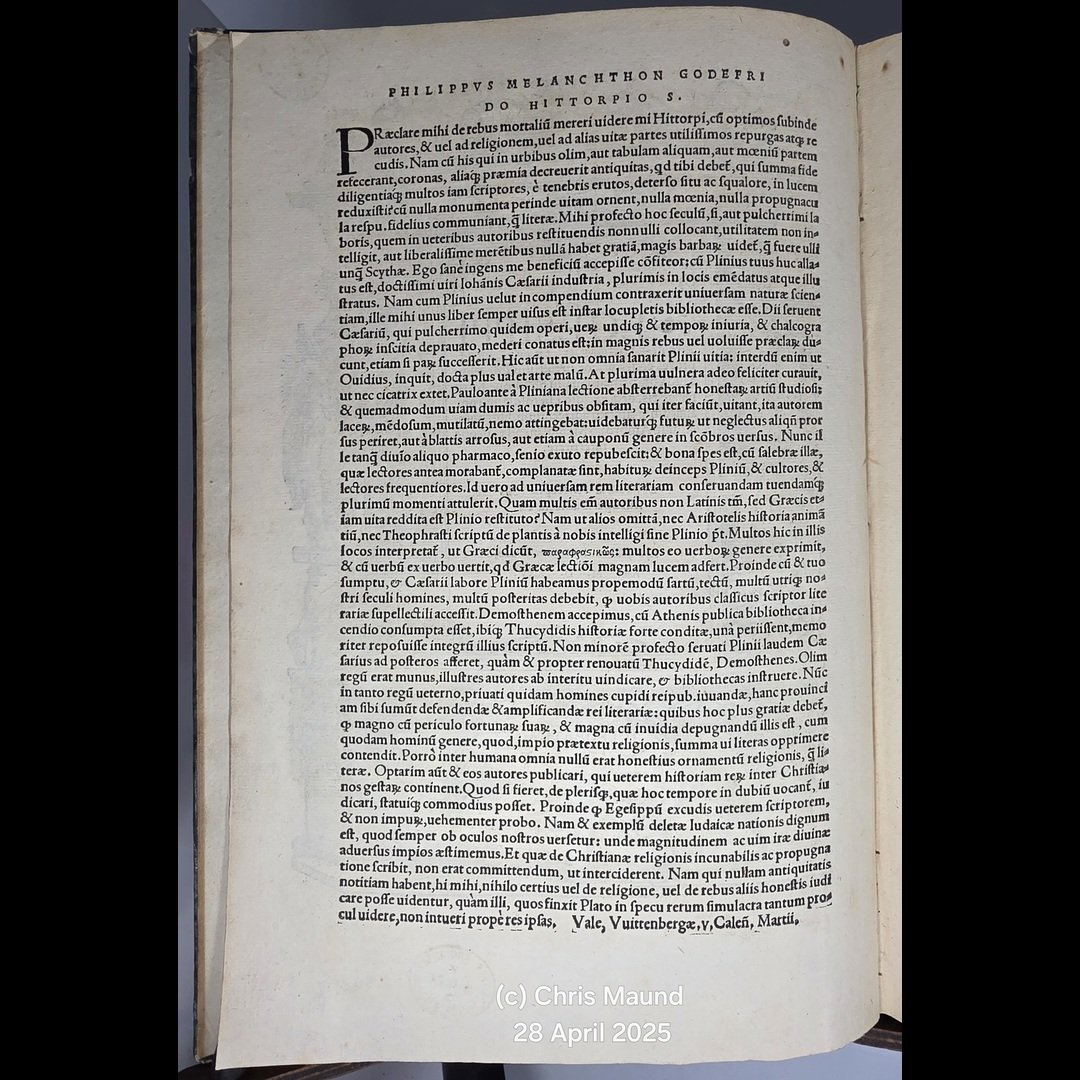 Image 4 of 34
 Image 5 of 34
 Image 6 of 34
 Image 7 of 34
 Image 8 of 34
 Image 9 of 34
 Image 10 of 34
 Image 11 of 34
 Image 12 of 34
 Image 13 of 34
 Image 14 of 34
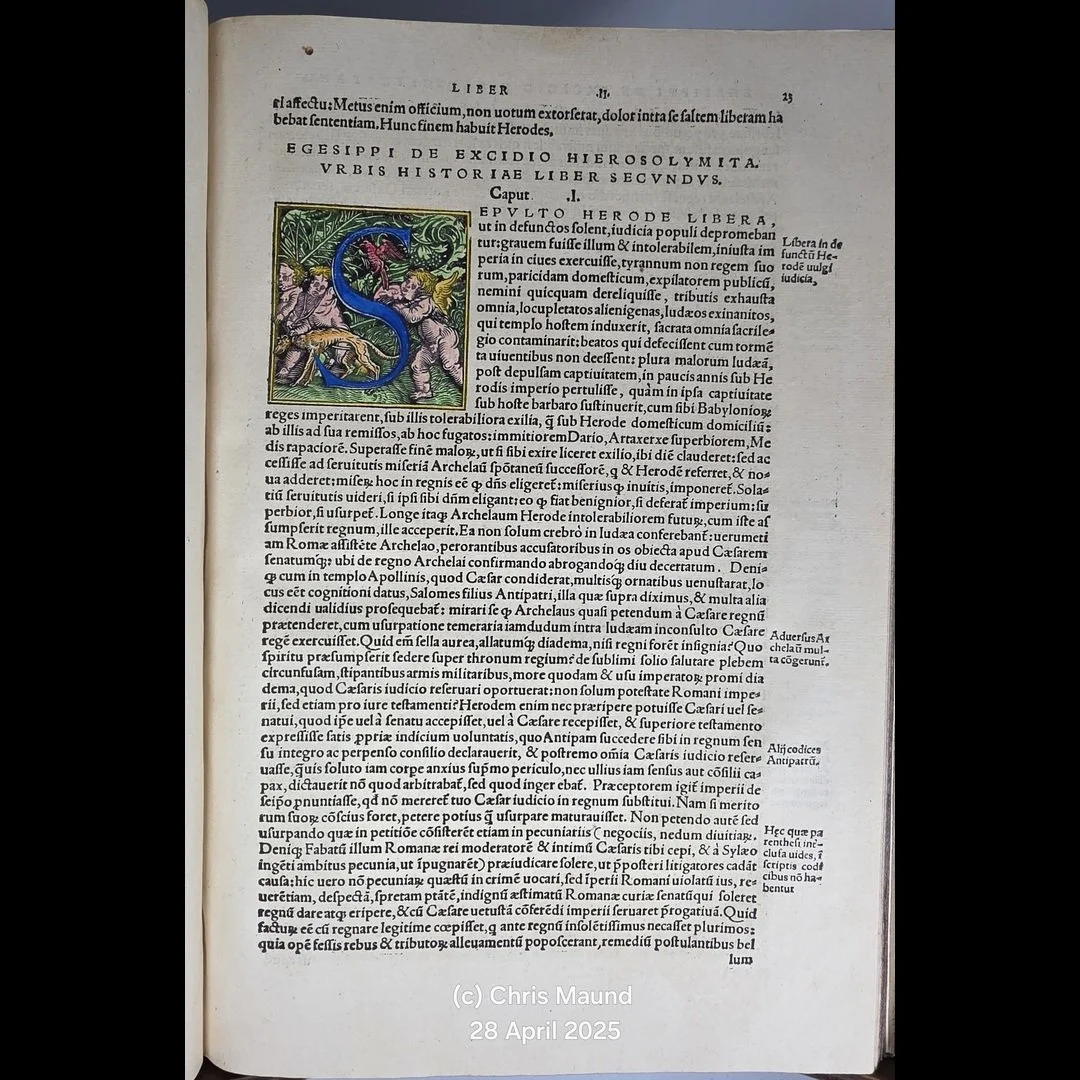 Image 15 of 34
 Image 16 of 34
 Image 17 of 34
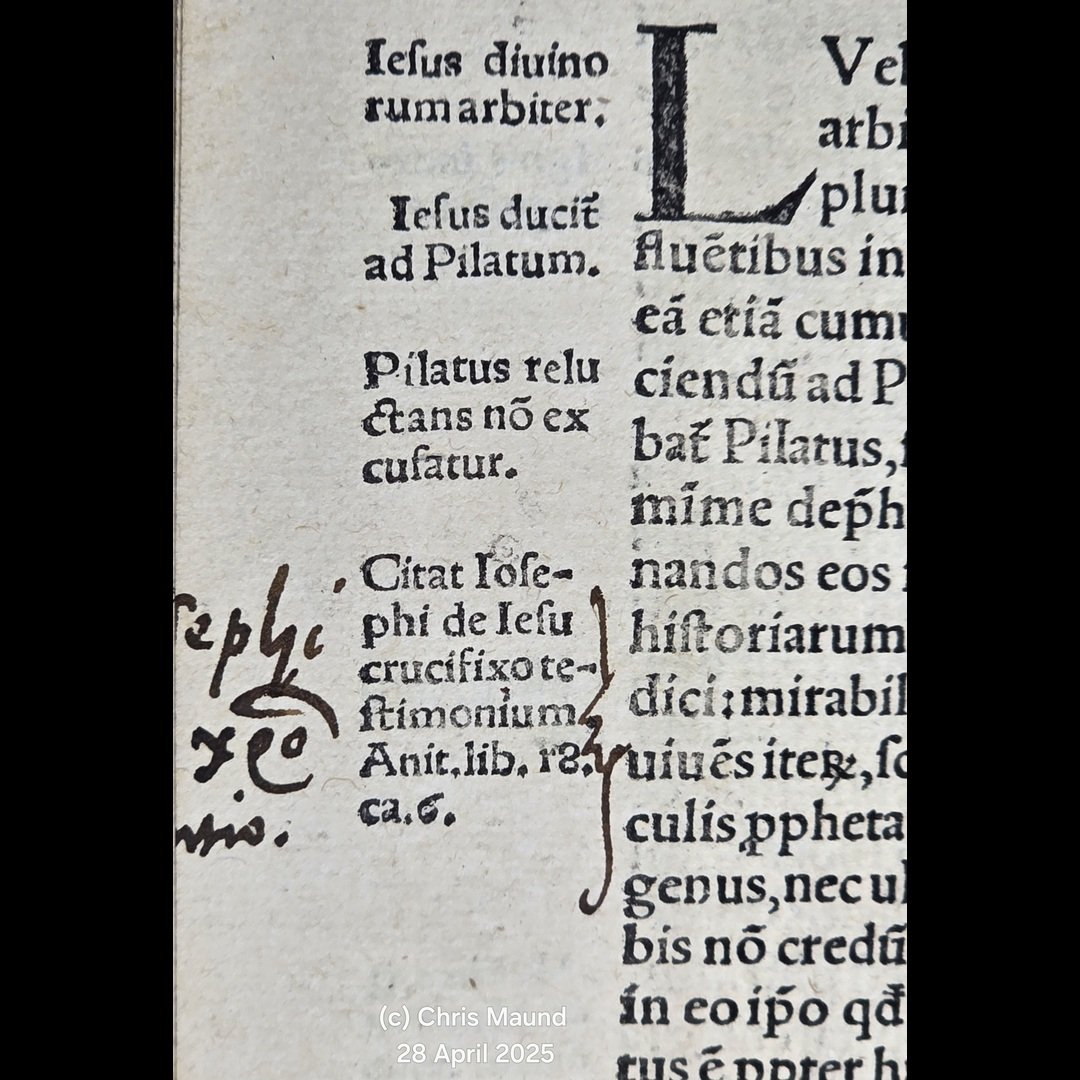 Image 18 of 34
 Image 19 of 34
 Image 20 of 34
 Image 21 of 34
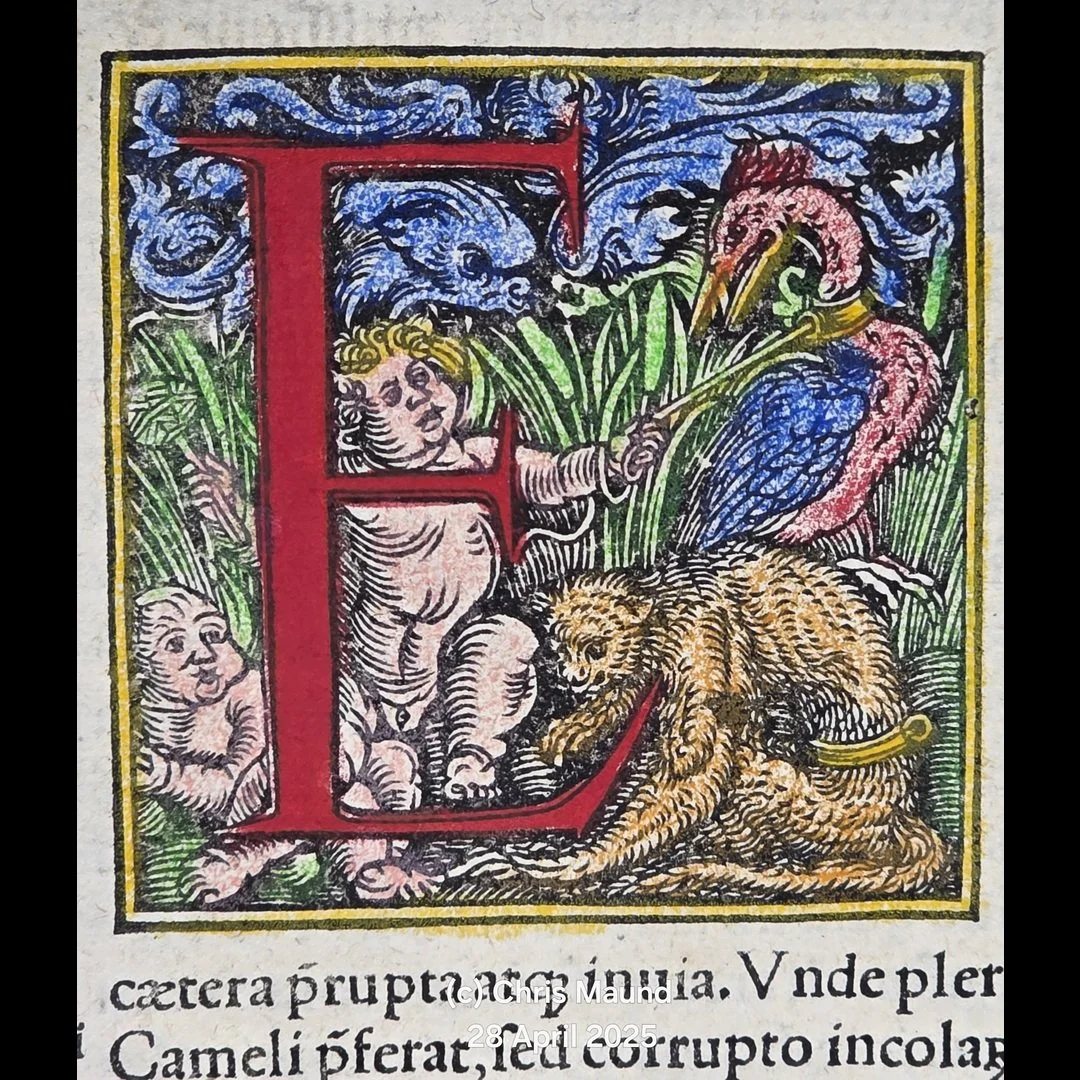 Image 22 of 34
 Image 23 of 34
 Image 24 of 34
 Image 25 of 34
 Image 26 of 34
 Image 27 of 34
 Image 28 of 34
 Image 29 of 34
 Image 30 of 34
 Image 31 of 34
 Image 32 of 34
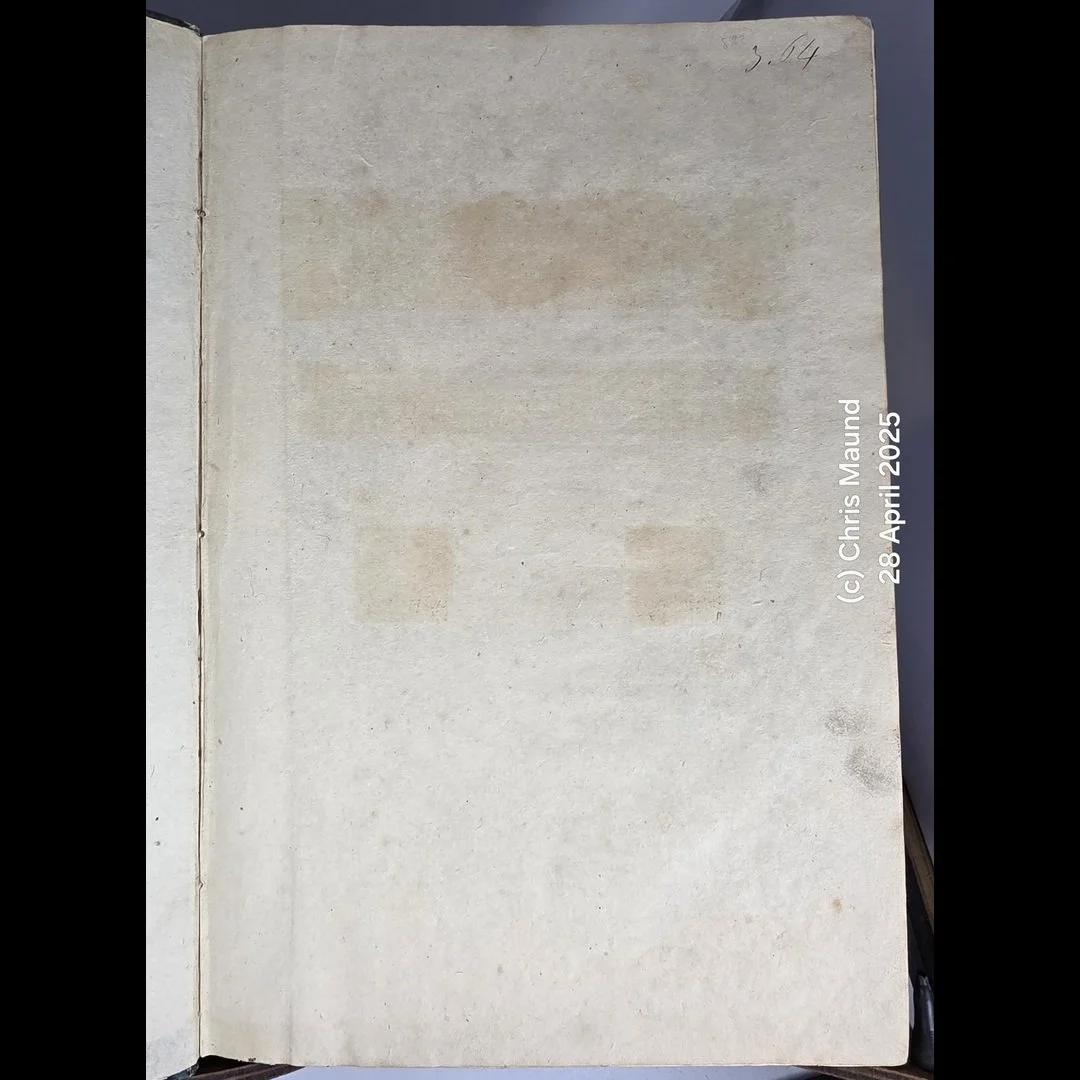 Image 33 of 34
 Image 34 of 34








![1892 First English Edtn, Second Impression THE STORY OF A PUPPET By Carlo Collodi [Carlo Lorenzini] Illus. Enrico Mazzanti](https://images.squarespace-cdn.com/content/v1/634dab4938c13d5c1f88d382/dcf6c683-457d-42e7-b01a-6dc7dace012c/20241017_224034-8.jpg)