1651 Second Edition Richard Cotes Title-Page Issue
SCOT'S DISCOVERY OF WITCHCRAFT
By Reginald Scot
KEY DETAILS
Condition: Good
Format: Hardcover, quarto (4to 9 1⁄2 × 12 in 241 × 305 mm )
Note: Binding/size selection follows standard bibliographic conventions and is approximate; exact measurements may vary.
Published By: Richard Cotes, London, 1651
Language: English
Illustrated By: Anon
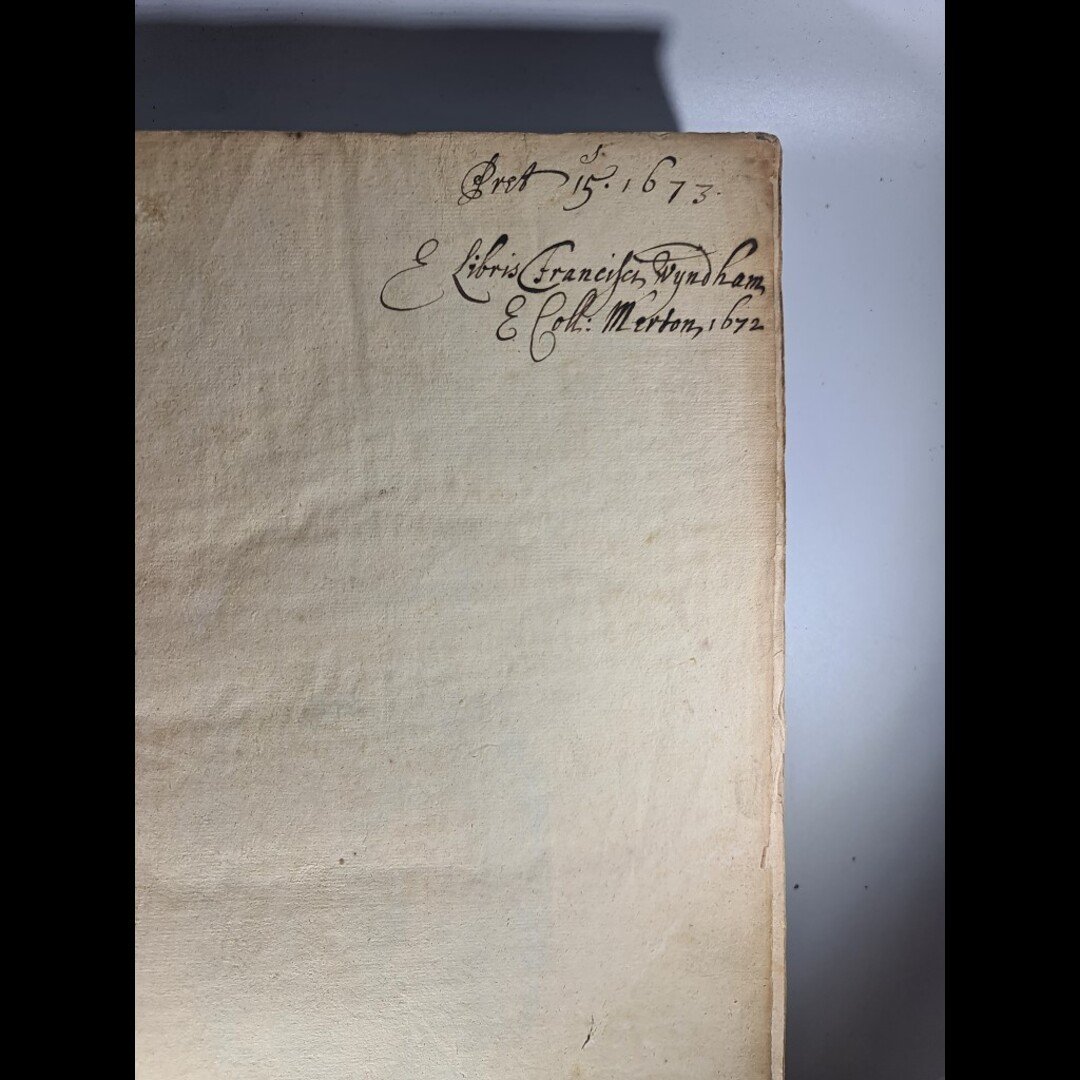
Provenance: Retained early rear endpaper with a substantially faded manuscript acquisition inscription, best interpreted as “[Bought?] of John Hughes / March the 17th [1710?]”, followed by the initials “A.M.” and a further attest...
Collation: Bibliographical exemplar: [26], 24, 33-200, 197-244, [1], 245-248, [1], 249-296, 299-401, [17] pp.; this copy wanting the two unnumbered illustrated leaves described above.
Dust Jacket: None, as issued
SKU: BTETM0002655
Shipping Info: Approximate Package Dimensions H: 12.5, L: 30, W: 25 (Units: cm), W: 2Kg
Tracked Shipping, Insurance Coverage as per Customer Request
DESCRIPTION
SCOT'S DISCOVERY OF WITCHCRAFT
Witchcraft · Demonology · Conjuring · Legerdemain
A highly desirable seventeenth-century edition of one of the foundational English books on witchcraft, scepticism and the history of conjuring: Reginald Scot's Discovery of Witchcraft, first published in 1584 and here issued at London in 1651 by Richard Cotes.
This copy bears the distinctive title-page imprint “LONDON, Printed by Richard Cotes. 1651.”, without the bookseller Giles Calvert named in the alternative 1651 issue. It corresponds to Wing S943A and ESTC R229810. Institutional descriptions record the edition as a quarto with notoriously irregular pagination, but with the text running continuously despite the numerous numbering errors.
Scot's extraordinary work was written principally as an attack upon contemporary belief in maleficent witchcraft and the persecution of supposed witches. In seeking rational, natural or fraudulent explanations for phenomena attributed to supernatural agency, however, Scot preserved a remarkable body of information concerning witchcraft, demonology, conjuration, divination, charms, astrology, alchemy and practical magic.
Of exceptional importance are his chapters on “juggling” and legerdemain, in which he explains sleight-of-hand, mechanical deceptions and staged illusions. These sections made the Discovery one of the foundational texts in the printed history of conjuring and contain some of the earliest substantial descriptions of practical magical effects in English.
The volume is rebound in handsome full dark crushed morocco, gilt-lettered and decorated to the spine, and retains early manuscript material at the rear, including a substantially faded acquisition or ownership inscription which appears to preserve the names John Hughes and George Bardsly [Bardsley], together with the initials A.M. and a separate R.B. ownership mark.
PROVENANCE
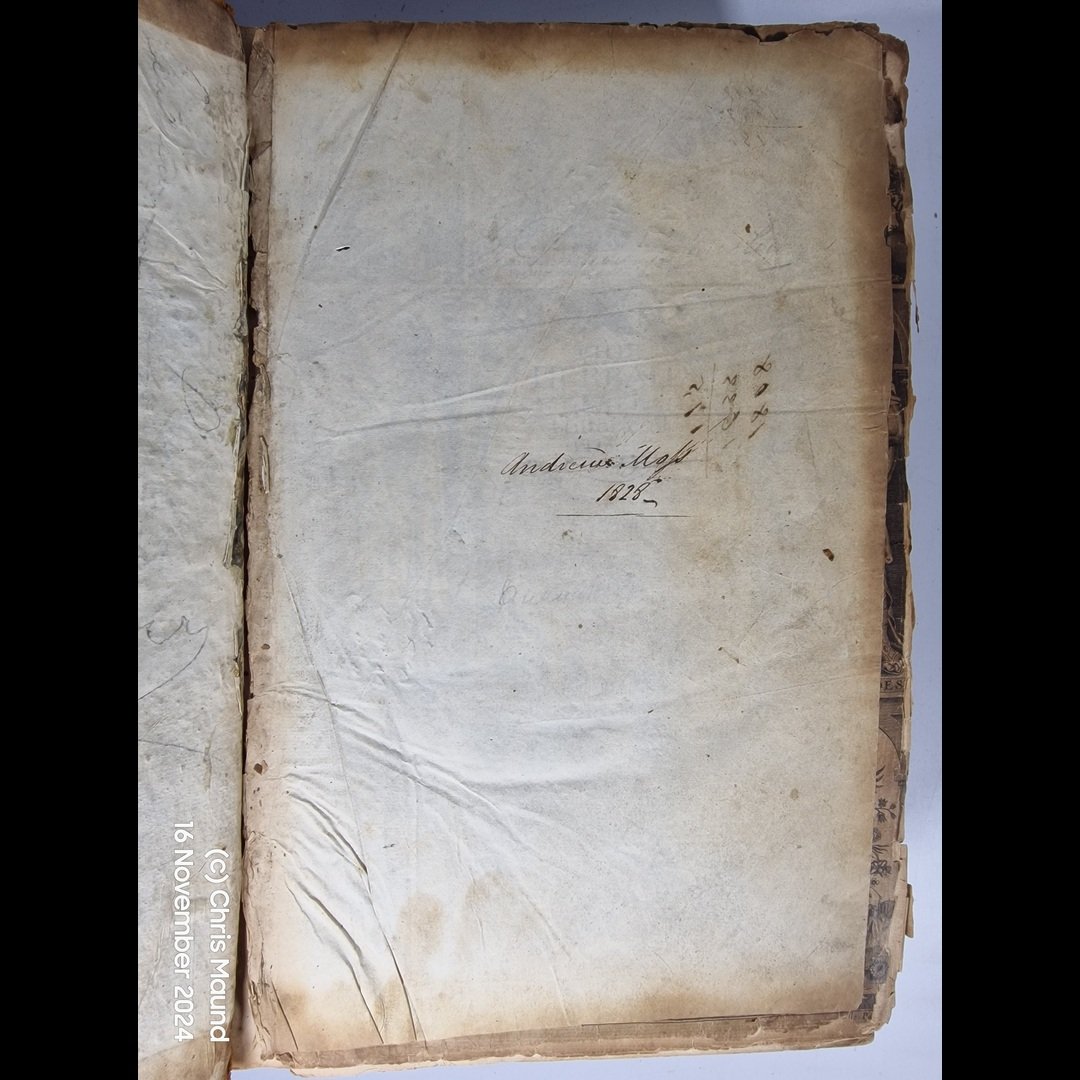
Retained early rear endpaper with a substantially faded manuscript acquisition inscription, best interpreted as “[Bought?] of John Hughes / March the 17th [1710?]”, followed by the initials “A.M.” and a further attestation or signature apparently reading “Sign'd / Geo[rge] Bardsly [Bardsley]”. A separate “R.B.” ownership mark appears to the facing rear endpaper. Some elements of the inscription remain uncertain owing to fading and abrasion.
CONDITION, COLLATION & COPY NOTES
COLLATION
Bibliographical exemplar: [26], 24, 33-200, 197-244, [1], 245-248, [1], 249-296, 299-401, [17] pp.; this copy wanting the two unnumbered illustrated leaves described above.
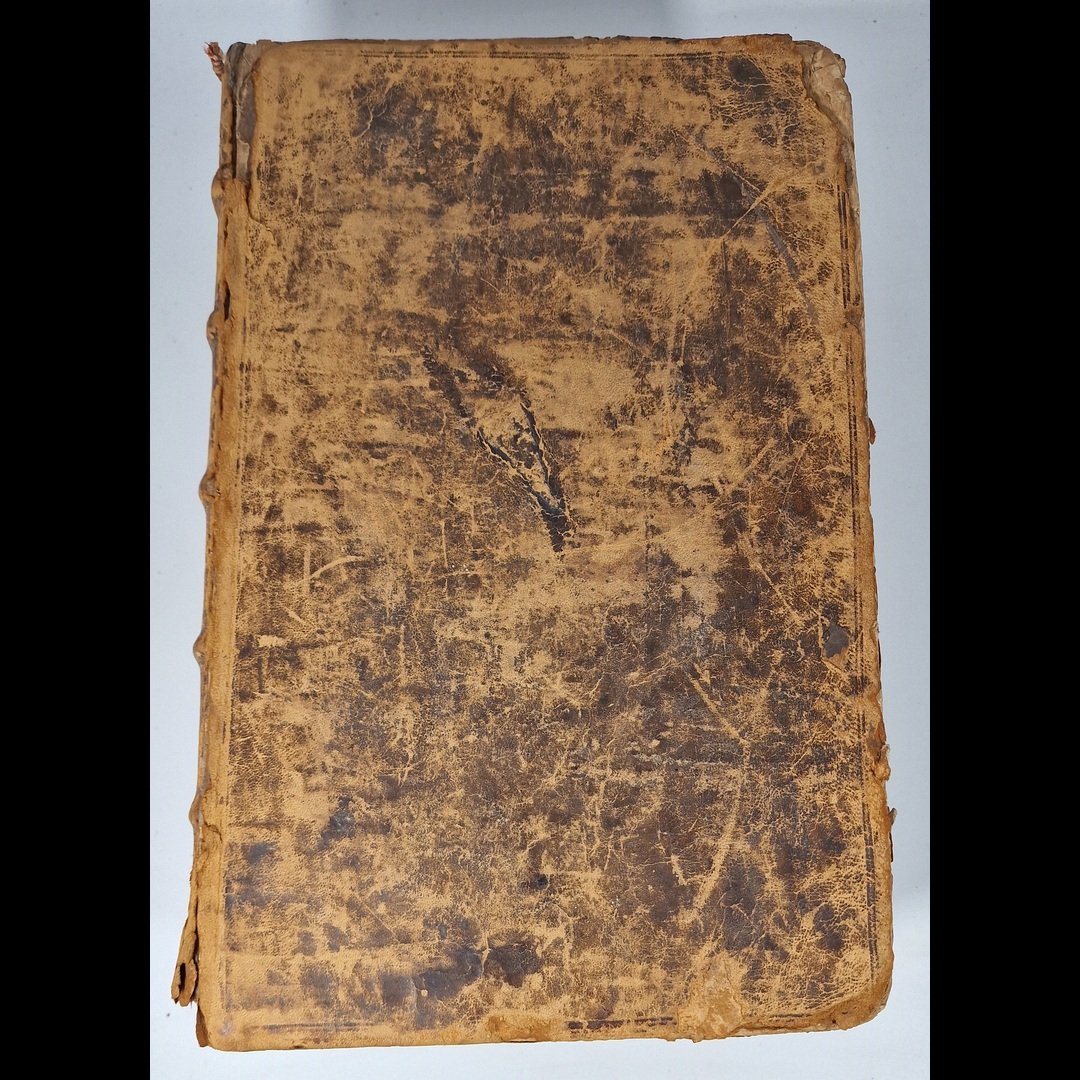
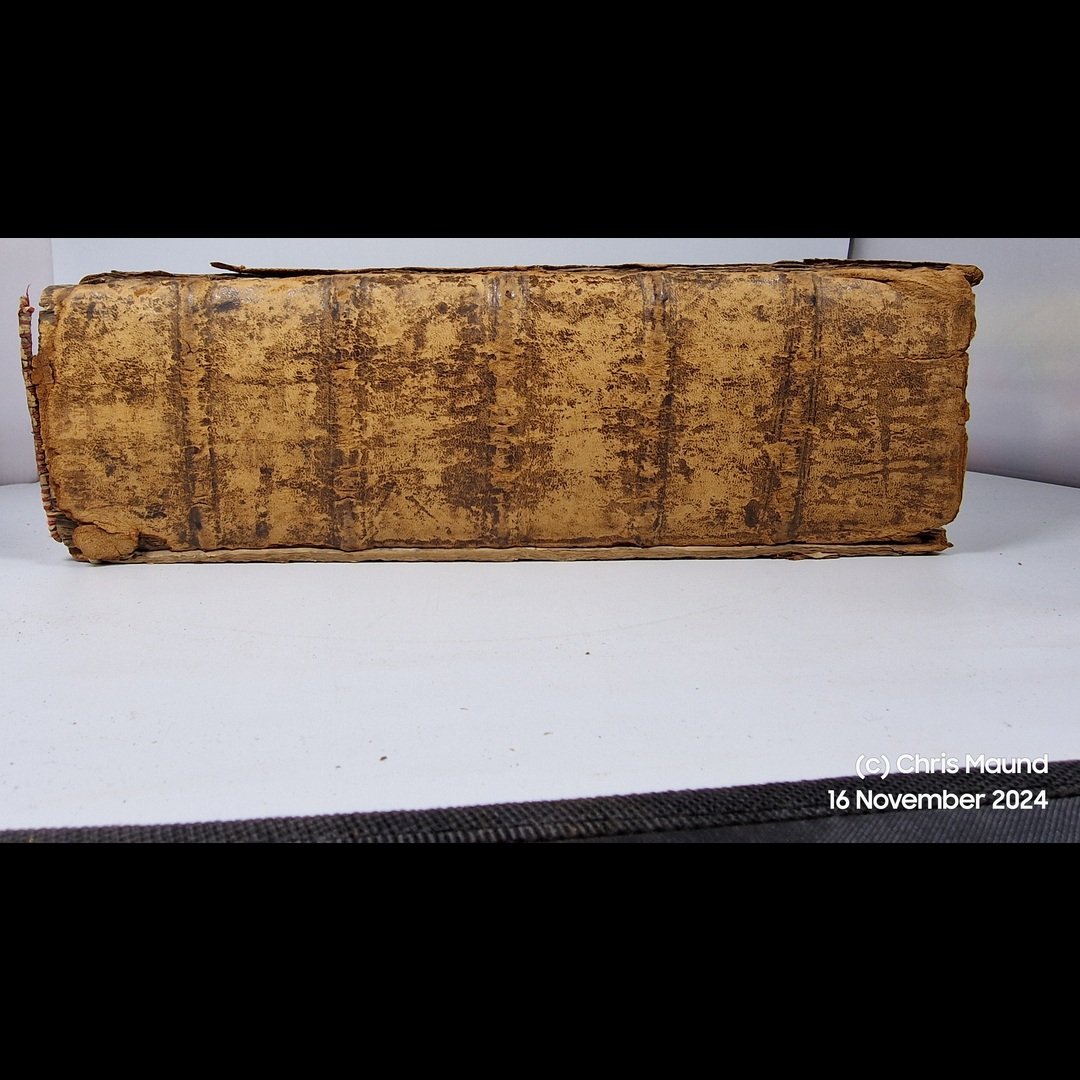
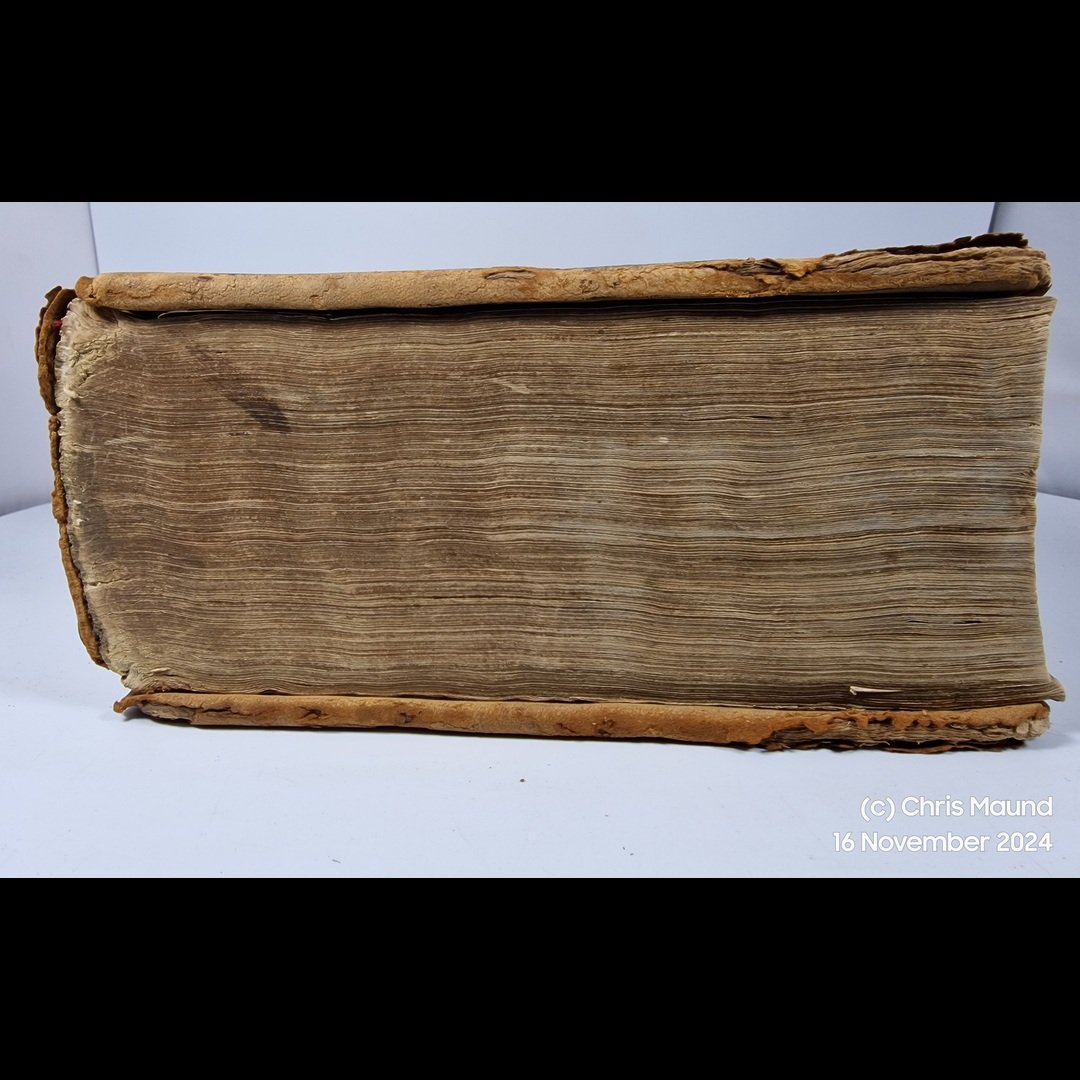
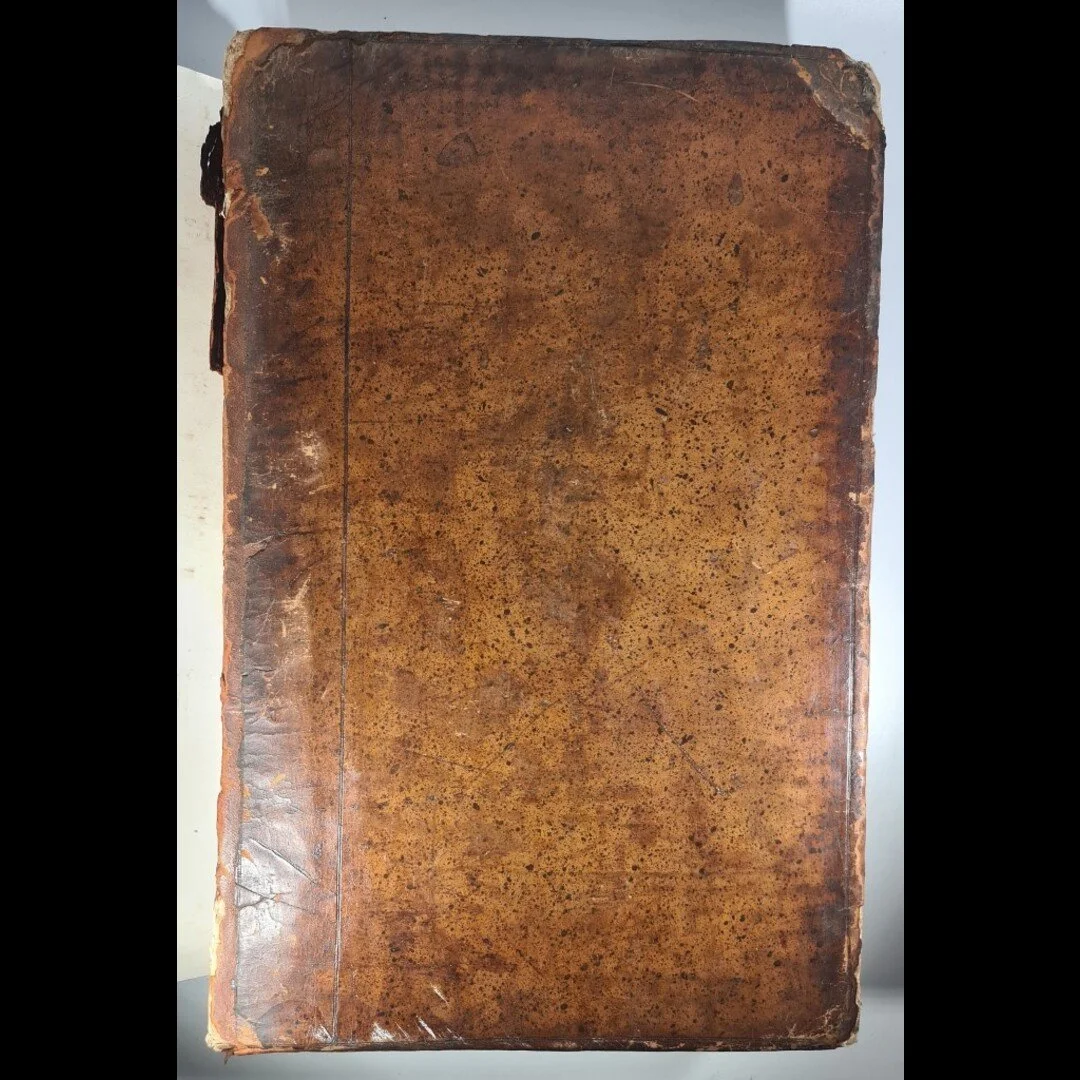
A handsome and internally sound copy of this important seventeenth-century work, rebound in full dark crushed morocco, the spine with raised bands, gilt lettering and gilt decoration, the boards ruled. Binding with light rubbing, marking and handling wear consistent with age and use, but remaining sound and attractive.
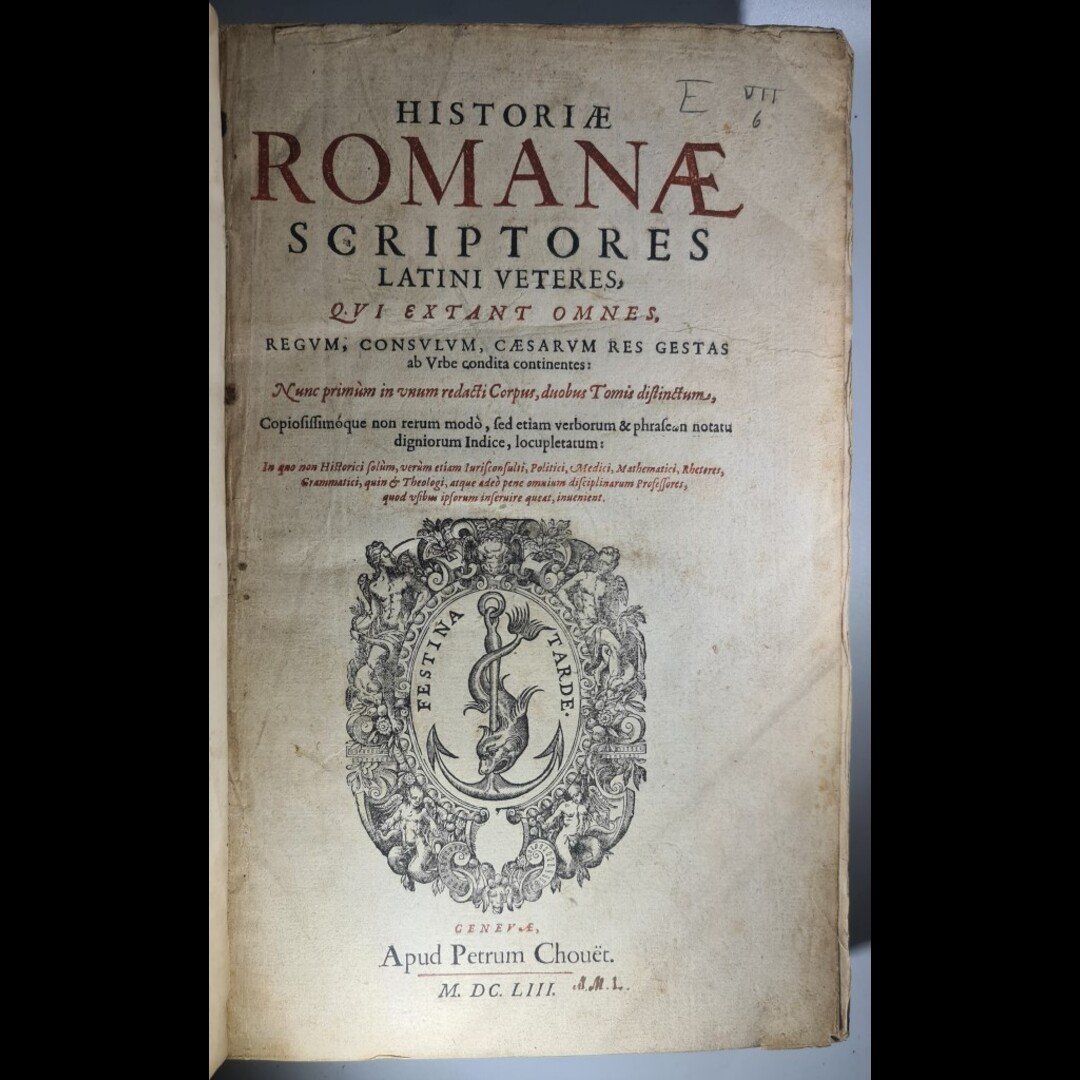
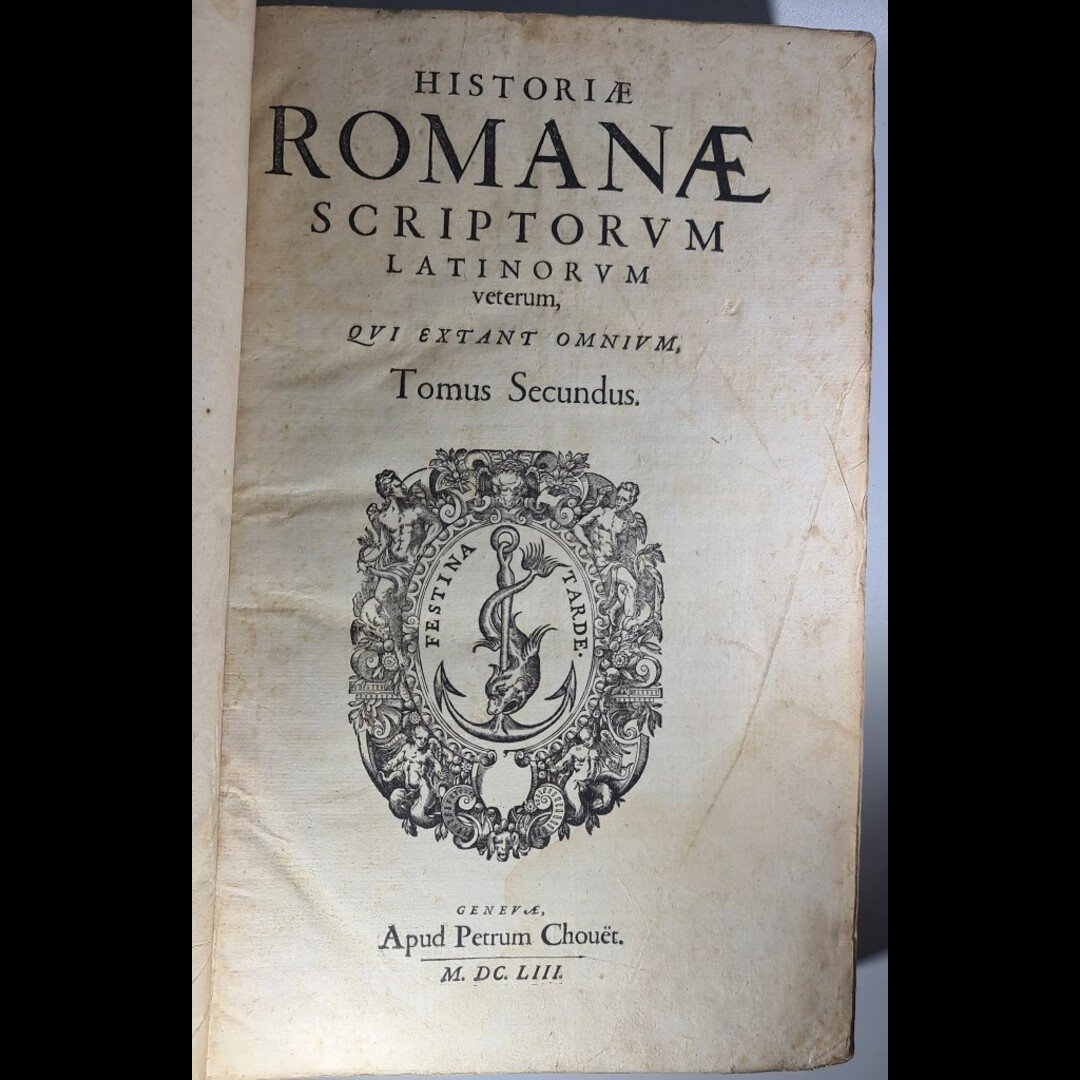
Title page present, bearing the distinctive Richard Cotes-only imprint: “LONDON, Printed by Richard Cotes. 1651.”
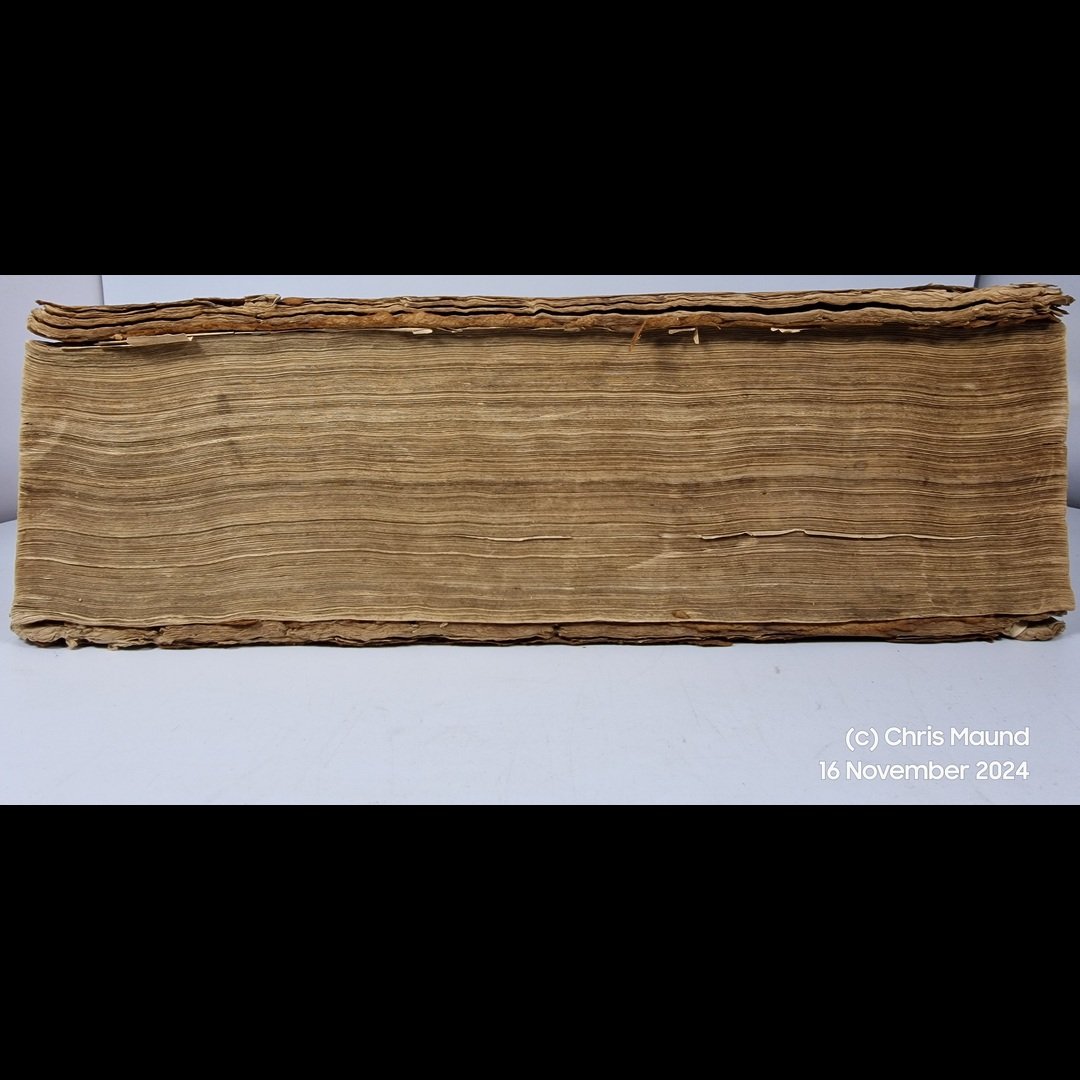
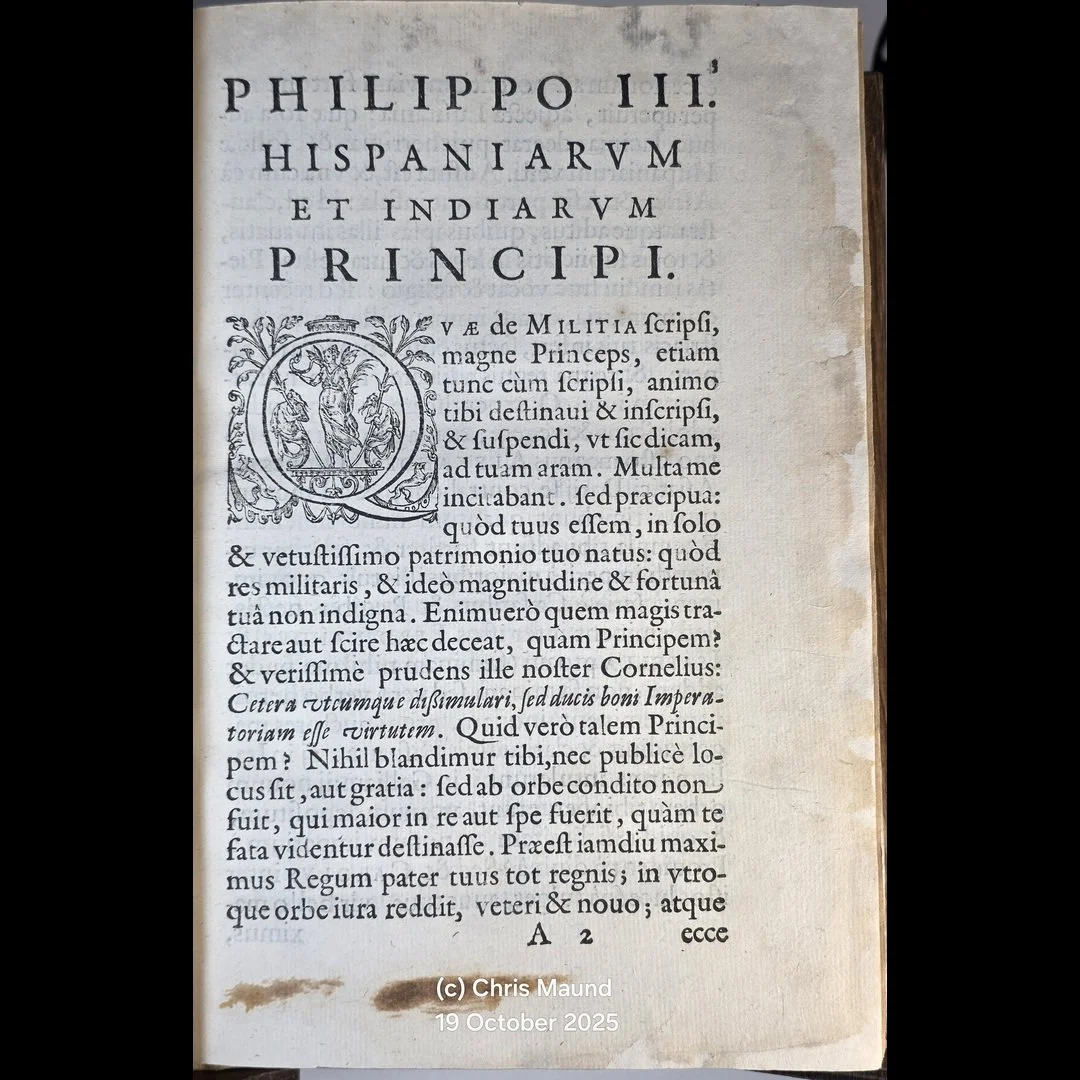
Internally with general age-toning, scattered spotting and staining, occasional handling marks and marginal wear. Some leaves show more pronounced toning or staining, but the text remains substantially clear and legible throughout. Numerous surviving woodcut diagrams, illustrations and decorative initials.
The pagination of this edition is notoriously irregular. Institutional copies of the Richard Cotes issue are recorded as [26], 24, 33-200, 197-244, [1], 245-248, [1], 249-296, 299-401, [17] pp., with the text continuing correctly notwithstanding the many pagination errors.
This copy has been checked against that bibliographical sequence and appears textually continuous and otherwise substantially complete, but is wanting the two unnumbered illustrated leaves comprising four illustrated pages from Book XIII's celebrated section on juggling and legerdemain.
The missing illustrated material comprises:
1. Patterns of certain juggling instruments, including devices for the beadstone-and-cord trick and the apparatus Scot calls “the bridle”;
2. The bodkin illusions, showing ordinary and gimmicked bodkins used in the apparent thrusting of a bodkin into the head or through the tongue;
3. The knife illusions, illustrating knives used to produce the appearance of thrusting a blade through the arm or cutting the nose; and
4. “The Decollation of John Baptist”, Scot's famous staged beheading illusion, showing the apparatus and arrangement by which an apparently severed living head could be displayed upon a platter.
These leaves form part of the book's particularly important conjuring section and their absence is clearly noted here. The remaining text appears continuous despite the edition's characteristic mispagination.
Copy as present: [xxvi], 24, 33-200, 197-296, 299-393, 395 [i.e. 394], 395-401, [17] pp., subject to the inherent pagination errors described above and wanting the two unnumbered illustrated leaves.
The retained early rear endpaper carries several faded manuscript inscriptions. The principal inscription is best interpreted as “[Bought?] of John Hughes / March the 17th [1710?]”, followed by “A.M.” and an apparent “Sign'd / Geo[rge] Bardsly [Bardsley]”. The ink has faded considerably and parts remain uncertain. The facing rear endpaper bears the separate initials “R.B.”.
A substantial and highly appealing surviving example of a scarce second edition of one of the most important English books on witchcraft. Although wanting two illustrated leaves, the copy retains its original Richard Cotes title page, the overwhelming majority of its original text and illustrative material, attractive later full-morocco binding, and intriguing early manuscript provenance.
Please see Photos as part of condition report.
REFERENCES
Wing S943A
ESTC R229810
Wellcome Collection EPB/B/47470
Early English Books Online 2338:10
Brinsley Nicholson, ed., The Discoverie of Witchcraft, 1886
SYNOPSIS
First published in 1584, The Discoverie of Witchcraft is one of the most remarkable English examinations of witchcraft, supernatural belief and practical magic produced in the early modern period.
Scot's principal purpose was polemical and humanitarian. He challenged the widespread assumption that alleged witches possessed genuine supernatural powers and attacked the methods by which vulnerable people could be accused, interrogated and induced to confess to impossible acts.
He examines claims that witches could enter into compacts with devils, command spirits, cause disease or death, fly through the air, transform themselves or others, and perform numerous other supernatural feats. Rather than accepting such claims at face value, Scot repeatedly seeks explanations in deception, credulity, natural phenomena, physical or mental illness, and the pressures created by interrogation and persecution.
The scope of the book extends far beyond witch trials. Scot ranges across witchcraft, demonology, spirits, conjuration, charms, divination, astrology, prophecy, dreams, alchemy, poisoning, natural magic and popular superstition, assembling both learned sources and contemporary beliefs in order to examine and frequently dismantle them.
Of particular importance are the books dealing with juggling and legerdemain. Scot describes and explains sleight-of-hand effects, deceptive apparatus, rope and cord tricks, knife and bodkin illusions, staged decapitations and other feats which could appear miraculous to an uninformed observer.
His purpose in revealing these methods was not primarily to instruct entertainers, but to demonstrate that apparently impossible phenomena could be achieved by ordinary human ingenuity rather than supernatural intervention. Ironically, those explanations gave subsequent generations of conjurers one of the most important early printed sources for their art.
The work consequently occupies an unusual position in intellectual history. It is simultaneously an attack upon witch persecution, a major source for early modern magical belief, a study of deception and credulity, and a foundational document in the history of conjuring.
The present 1651 second edition, published more than half a century after Scot's death, brought his arguments and extraordinary catalogue of magical practices to a new seventeenth-century readership at a period when English interest in witchcraft and demonology remained intense.
AUTHOR BIO
Reginald Scot or Scott (c.1538-1599) was an English landowner, writer and parliamentarian from Kent. Educated at Hart Hall, Oxford, he spent much of his life managing estates around Smeeth and Brabourne and was returned to Parliament for New Romney in 1588-89.
His first major published work was A Perfite Platforme of a Hoppe Garden in 1574, an important early English practical treatise on hop cultivation. Ten years later appeared the work for which he is now chiefly remembered, The Discoverie of Witchcraft.
Scot approached the subject of witchcraft with an unusually sceptical and humane outlook for his period. He opposed the persecution of supposed witches and sought to demonstrate that many phenomena attributed to supernatural powers could instead be explained by fraud, misunderstanding, illness, superstition or ordinary natural causes.
In doing so, he gathered an enormous range of material on witchcraft, magical belief, demonology and conjuration. His detailed explanations of sleight-of-hand and illusion also secured his lasting importance in the history of conjuring, giving The Discoverie of Witchcraft significance far beyond the history of witch trials alone.
Scot died at Smeeth in Kent in October 1599.
ILLUSTRATOR
Anon
No individual illustrator or woodcut cutter is identified for this edition. The work contains numerous woodcut diagrams and illustrations connected with magical, occult and conjuring practices, together with decorative initials.
The conjuring illustrations are particularly important to the history of practical magic, visually explaining apparatus and methods by which apparently supernatural feats could be produced through mechanical construction, misdirection and sleight-of-hand.
1651 Second Edition Richard Cotes Title-Page Issue
SCOT'S DISCOVERY OF WITCHCRAFT
By Reginald Scot
KEY DETAILS
Condition: Good
Format: Hardcover, quarto (4to 9 1⁄2 × 12 in 241 × 305 mm )
Note: Binding/size selection follows standard bibliographic conventions and is approximate; exact measurements may vary.
Published By: Richard Cotes, London, 1651
Language: English
Illustrated By: Anon
Provenance: Retained early rear endpaper with a substantially faded manuscript acquisition inscription, best interpreted as “[Bought?] of John Hughes / March the 17th [1710?]”, followed by the initials “A.M.” and a further attest...
Collation: Bibliographical exemplar: [26], 24, 33-200, 197-244, [1], 245-248, [1], 249-296, 299-401, [17] pp.; this copy wanting the two unnumbered illustrated leaves described above.
Dust Jacket: None, as issued
SKU: BTETM0002655
Shipping Info: Approximate Package Dimensions H: 12.5, L: 30, W: 25 (Units: cm), W: 2Kg
Tracked Shipping, Insurance Coverage as per Customer Request
DESCRIPTION
SCOT'S DISCOVERY OF WITCHCRAFT
Witchcraft · Demonology · Conjuring · Legerdemain
A highly desirable seventeenth-century edition of one of the foundational English books on witchcraft, scepticism and the history of conjuring: Reginald Scot's Discovery of Witchcraft, first published in 1584 and here issued at London in 1651 by Richard Cotes.
This copy bears the distinctive title-page imprint “LONDON, Printed by Richard Cotes. 1651.”, without the bookseller Giles Calvert named in the alternative 1651 issue. It corresponds to Wing S943A and ESTC R229810. Institutional descriptions record the edition as a quarto with notoriously irregular pagination, but with the text running continuously despite the numerous numbering errors.
Scot's extraordinary work was written principally as an attack upon contemporary belief in maleficent witchcraft and the persecution of supposed witches. In seeking rational, natural or fraudulent explanations for phenomena attributed to supernatural agency, however, Scot preserved a remarkable body of information concerning witchcraft, demonology, conjuration, divination, charms, astrology, alchemy and practical magic.
Of exceptional importance are his chapters on “juggling” and legerdemain, in which he explains sleight-of-hand, mechanical deceptions and staged illusions. These sections made the Discovery one of the foundational texts in the printed history of conjuring and contain some of the earliest substantial descriptions of practical magical effects in English.
The volume is rebound in handsome full dark crushed morocco, gilt-lettered and decorated to the spine, and retains early manuscript material at the rear, including a substantially faded acquisition or ownership inscription which appears to preserve the names John Hughes and George Bardsly [Bardsley], together with the initials A.M. and a separate R.B. ownership mark.
PROVENANCE
Retained early rear endpaper with a substantially faded manuscript acquisition inscription, best interpreted as “[Bought?] of John Hughes / March the 17th [1710?]”, followed by the initials “A.M.” and a further attestation or signature apparently reading “Sign'd / Geo[rge] Bardsly [Bardsley]”. A separate “R.B.” ownership mark appears to the facing rear endpaper. Some elements of the inscription remain uncertain owing to fading and abrasion.
CONDITION, COLLATION & COPY NOTES
COLLATION
Bibliographical exemplar: [26], 24, 33-200, 197-244, [1], 245-248, [1], 249-296, 299-401, [17] pp.; this copy wanting the two unnumbered illustrated leaves described above.
A handsome and internally sound copy of this important seventeenth-century work, rebound in full dark crushed morocco, the spine with raised bands, gilt lettering and gilt decoration, the boards ruled. Binding with light rubbing, marking and handling wear consistent with age and use, but remaining sound and attractive.
Title page present, bearing the distinctive Richard Cotes-only imprint: “LONDON, Printed by Richard Cotes. 1651.”
Internally with general age-toning, scattered spotting and staining, occasional handling marks and marginal wear. Some leaves show more pronounced toning or staining, but the text remains substantially clear and legible throughout. Numerous surviving woodcut diagrams, illustrations and decorative initials.
The pagination of this edition is notoriously irregular. Institutional copies of the Richard Cotes issue are recorded as [26], 24, 33-200, 197-244, [1], 245-248, [1], 249-296, 299-401, [17] pp., with the text continuing correctly notwithstanding the many pagination errors.
This copy has been checked against that bibliographical sequence and appears textually continuous and otherwise substantially complete, but is wanting the two unnumbered illustrated leaves comprising four illustrated pages from Book XIII's celebrated section on juggling and legerdemain.
The missing illustrated material comprises:
1. Patterns of certain juggling instruments, including devices for the beadstone-and-cord trick and the apparatus Scot calls “the bridle”;
2. The bodkin illusions, showing ordinary and gimmicked bodkins used in the apparent thrusting of a bodkin into the head or through the tongue;
3. The knife illusions, illustrating knives used to produce the appearance of thrusting a blade through the arm or cutting the nose; and
4. “The Decollation of John Baptist”, Scot's famous staged beheading illusion, showing the apparatus and arrangement by which an apparently severed living head could be displayed upon a platter.
These leaves form part of the book's particularly important conjuring section and their absence is clearly noted here. The remaining text appears continuous despite the edition's characteristic mispagination.
Copy as present: [xxvi], 24, 33-200, 197-296, 299-393, 395 [i.e. 394], 395-401, [17] pp., subject to the inherent pagination errors described above and wanting the two unnumbered illustrated leaves.
The retained early rear endpaper carries several faded manuscript inscriptions. The principal inscription is best interpreted as “[Bought?] of John Hughes / March the 17th [1710?]”, followed by “A.M.” and an apparent “Sign'd / Geo[rge] Bardsly [Bardsley]”. The ink has faded considerably and parts remain uncertain. The facing rear endpaper bears the separate initials “R.B.”.
A substantial and highly appealing surviving example of a scarce second edition of one of the most important English books on witchcraft. Although wanting two illustrated leaves, the copy retains its original Richard Cotes title page, the overwhelming majority of its original text and illustrative material, attractive later full-morocco binding, and intriguing early manuscript provenance.
Please see Photos as part of condition report.
REFERENCES
Wing S943A
ESTC R229810
Wellcome Collection EPB/B/47470
Early English Books Online 2338:10
Brinsley Nicholson, ed., The Discoverie of Witchcraft, 1886
SYNOPSIS
First published in 1584, The Discoverie of Witchcraft is one of the most remarkable English examinations of witchcraft, supernatural belief and practical magic produced in the early modern period.
Scot's principal purpose was polemical and humanitarian. He challenged the widespread assumption that alleged witches possessed genuine supernatural powers and attacked the methods by which vulnerable people could be accused, interrogated and induced to confess to impossible acts.
He examines claims that witches could enter into compacts with devils, command spirits, cause disease or death, fly through the air, transform themselves or others, and perform numerous other supernatural feats. Rather than accepting such claims at face value, Scot repeatedly seeks explanations in deception, credulity, natural phenomena, physical or mental illness, and the pressures created by interrogation and persecution.
The scope of the book extends far beyond witch trials. Scot ranges across witchcraft, demonology, spirits, conjuration, charms, divination, astrology, prophecy, dreams, alchemy, poisoning, natural magic and popular superstition, assembling both learned sources and contemporary beliefs in order to examine and frequently dismantle them.
Of particular importance are the books dealing with juggling and legerdemain. Scot describes and explains sleight-of-hand effects, deceptive apparatus, rope and cord tricks, knife and bodkin illusions, staged decapitations and other feats which could appear miraculous to an uninformed observer.
His purpose in revealing these methods was not primarily to instruct entertainers, but to demonstrate that apparently impossible phenomena could be achieved by ordinary human ingenuity rather than supernatural intervention. Ironically, those explanations gave subsequent generations of conjurers one of the most important early printed sources for their art.
The work consequently occupies an unusual position in intellectual history. It is simultaneously an attack upon witch persecution, a major source for early modern magical belief, a study of deception and credulity, and a foundational document in the history of conjuring.
The present 1651 second edition, published more than half a century after Scot's death, brought his arguments and extraordinary catalogue of magical practices to a new seventeenth-century readership at a period when English interest in witchcraft and demonology remained intense.
AUTHOR BIO
Reginald Scot or Scott (c.1538-1599) was an English landowner, writer and parliamentarian from Kent. Educated at Hart Hall, Oxford, he spent much of his life managing estates around Smeeth and Brabourne and was returned to Parliament for New Romney in 1588-89.
His first major published work was A Perfite Platforme of a Hoppe Garden in 1574, an important early English practical treatise on hop cultivation. Ten years later appeared the work for which he is now chiefly remembered, The Discoverie of Witchcraft.
Scot approached the subject of witchcraft with an unusually sceptical and humane outlook for his period. He opposed the persecution of supposed witches and sought to demonstrate that many phenomena attributed to supernatural powers could instead be explained by fraud, misunderstanding, illness, superstition or ordinary natural causes.
In doing so, he gathered an enormous range of material on witchcraft, magical belief, demonology and conjuration. His detailed explanations of sleight-of-hand and illusion also secured his lasting importance in the history of conjuring, giving The Discoverie of Witchcraft significance far beyond the history of witch trials alone.
Scot died at Smeeth in Kent in October 1599.
ILLUSTRATOR
Anon
No individual illustrator or woodcut cutter is identified for this edition. The work contains numerous woodcut diagrams and illustrations connected with magical, occult and conjuring practices, together with decorative initials.
The conjuring illustrations are particularly important to the history of practical magic, visually explaining apparatus and methods by which apparently supernatural feats could be produced through mechanical construction, misdirection and sleight-of-hand.

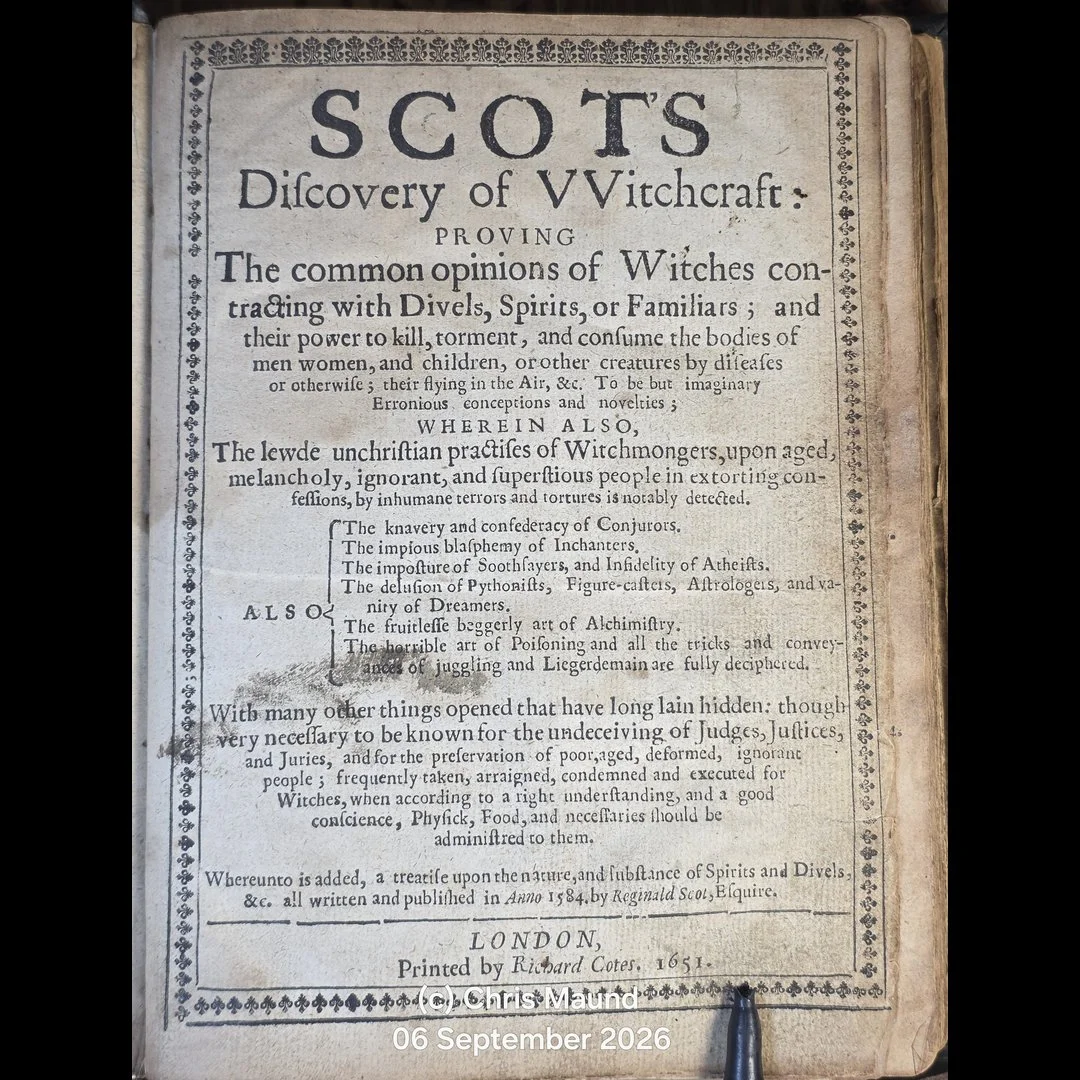 Image 1 of 42
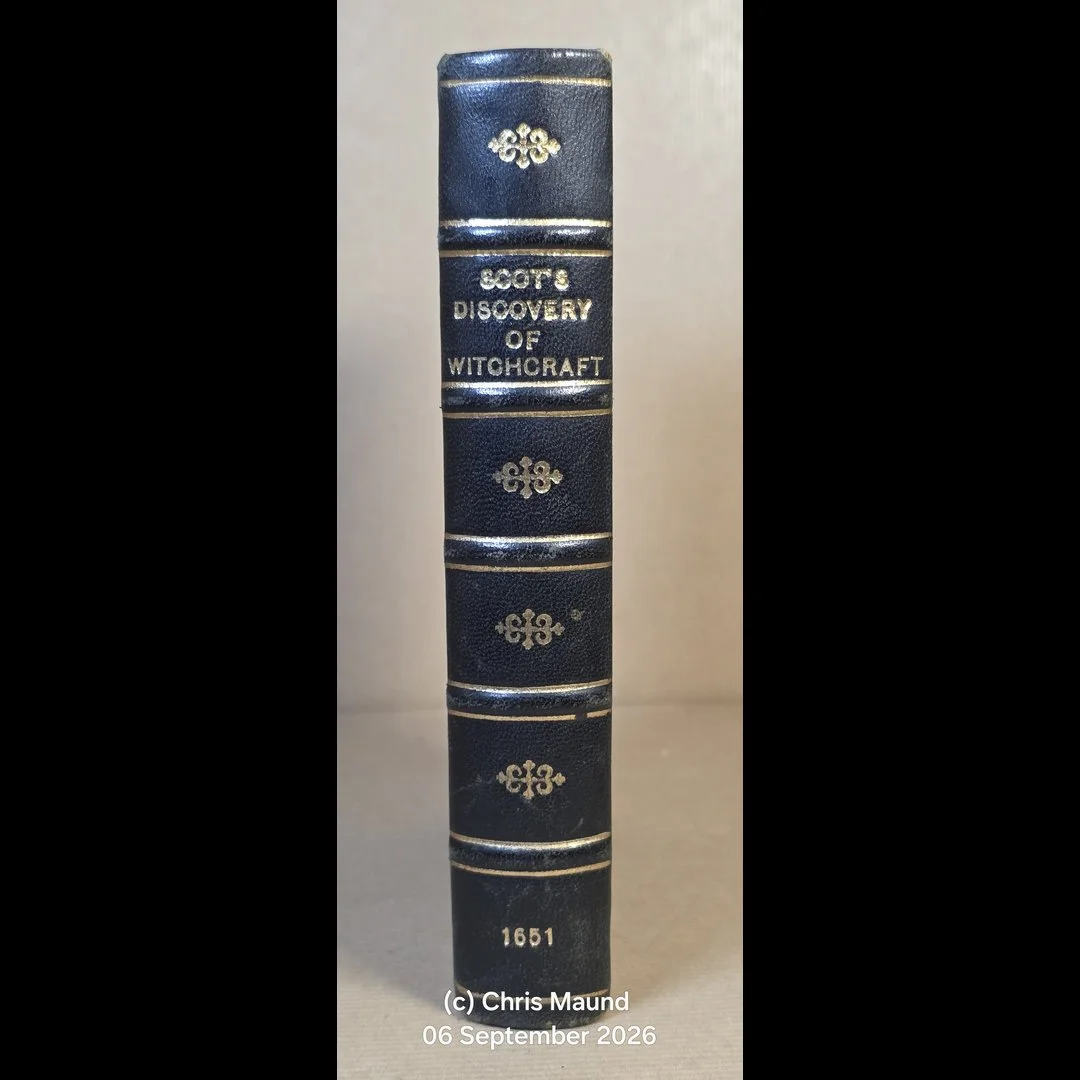 Image 2 of 42
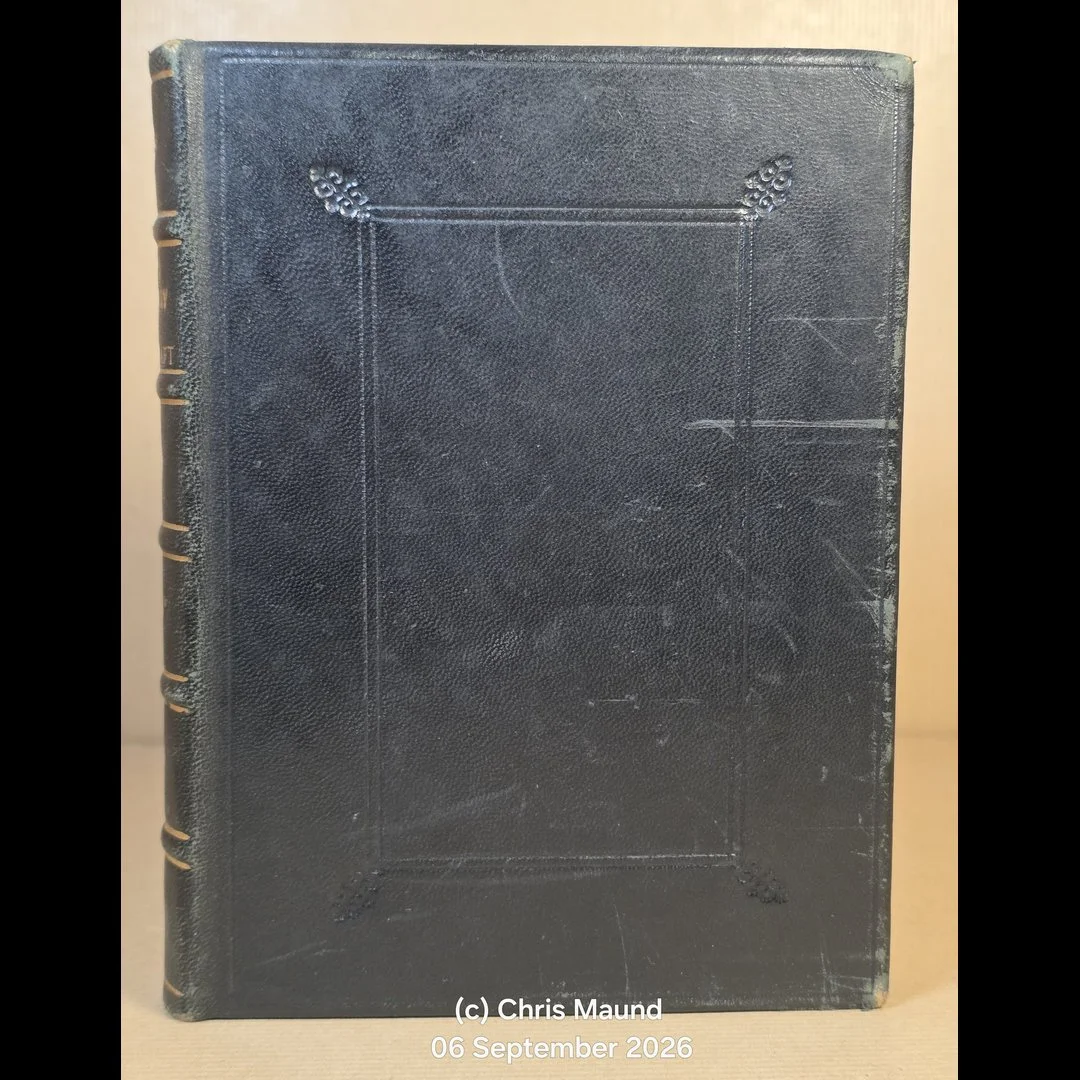 Image 3 of 42
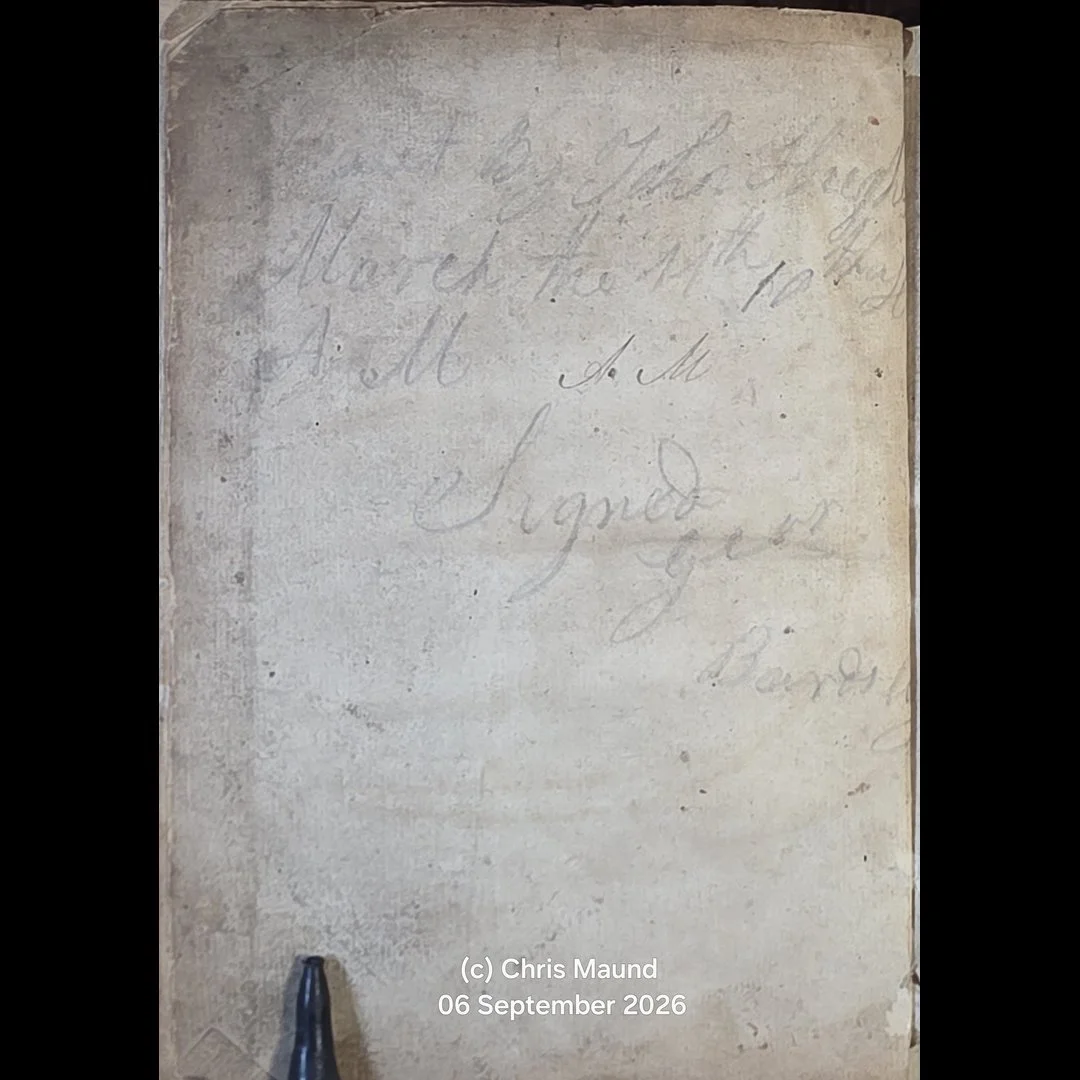 Image 4 of 42
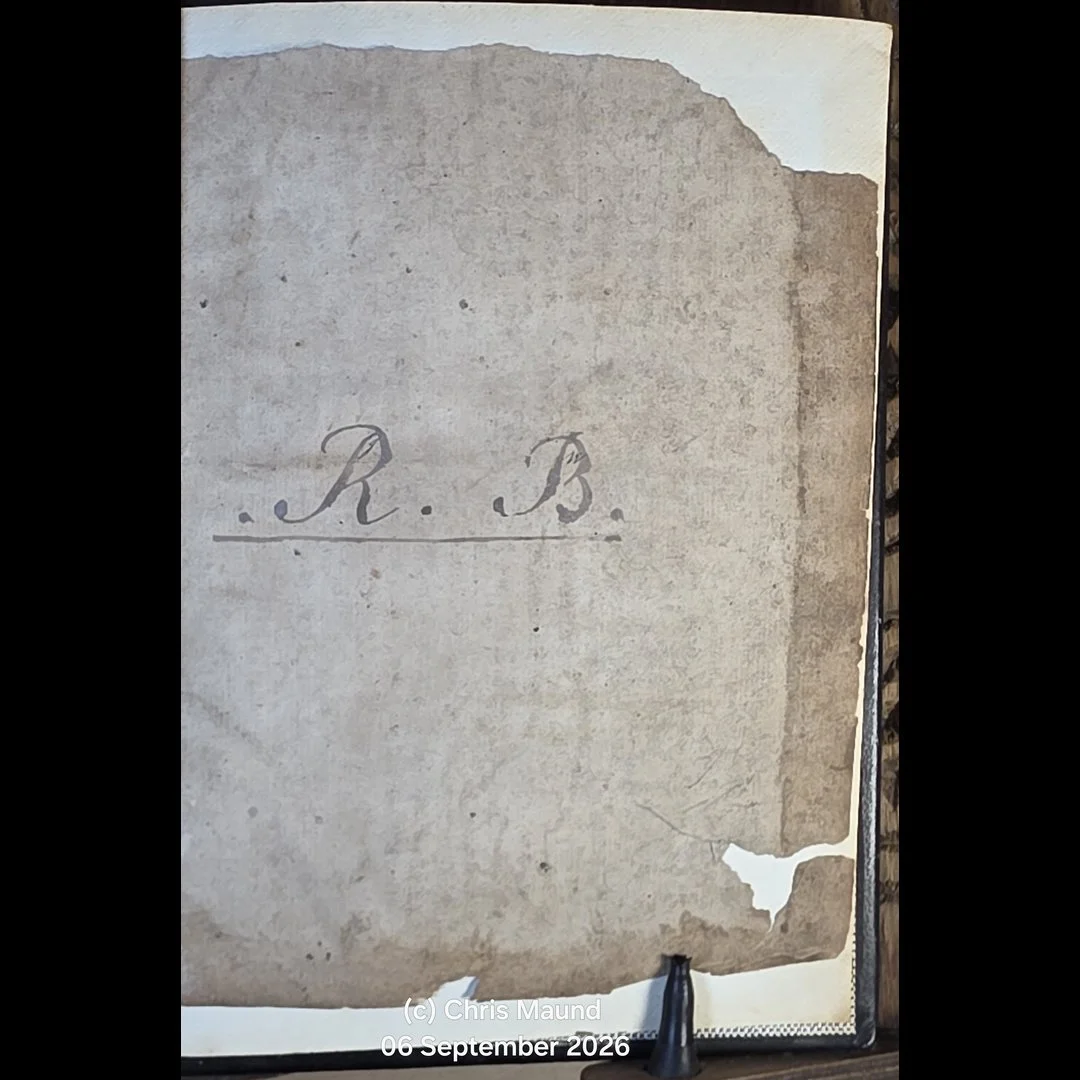 Image 5 of 42
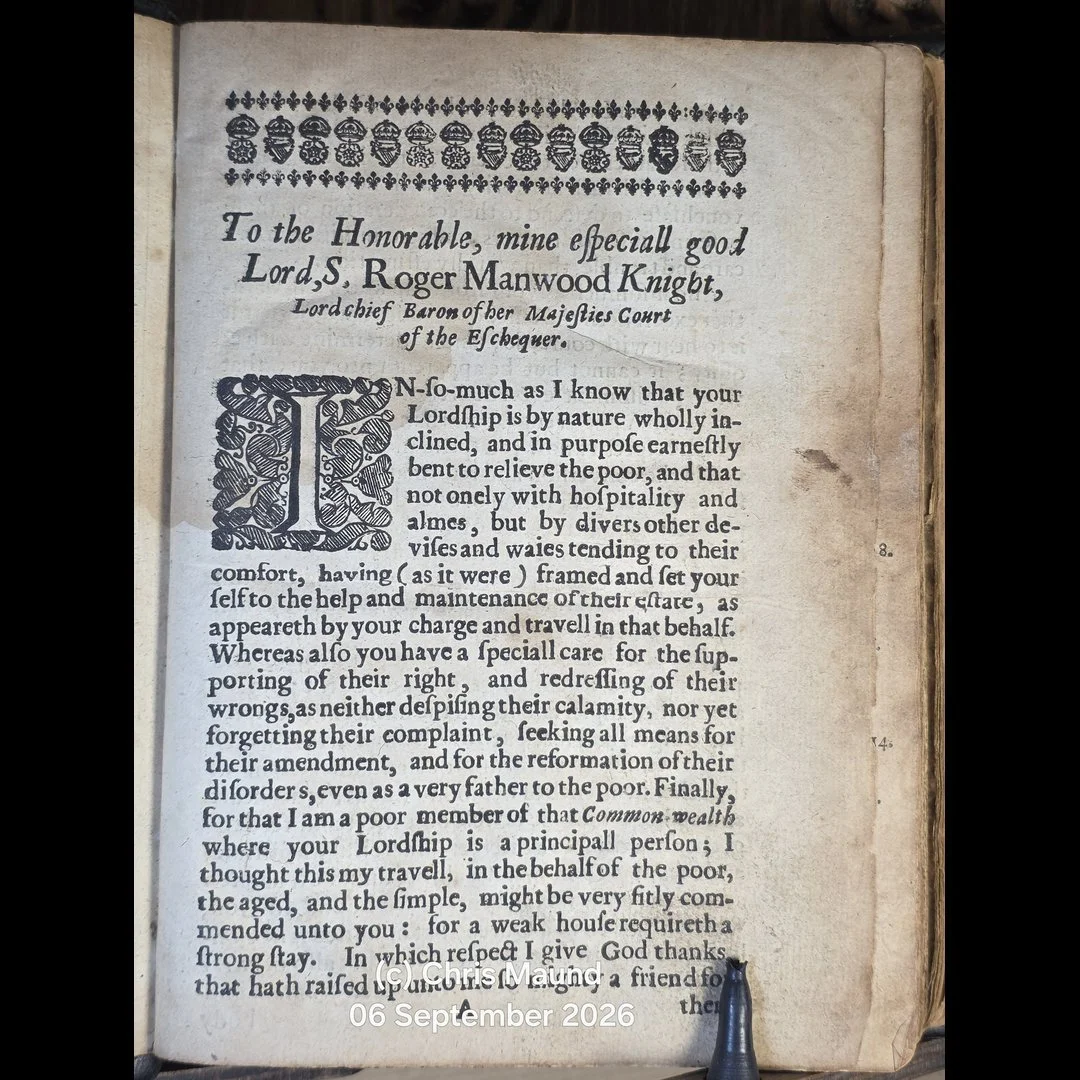 Image 6 of 42
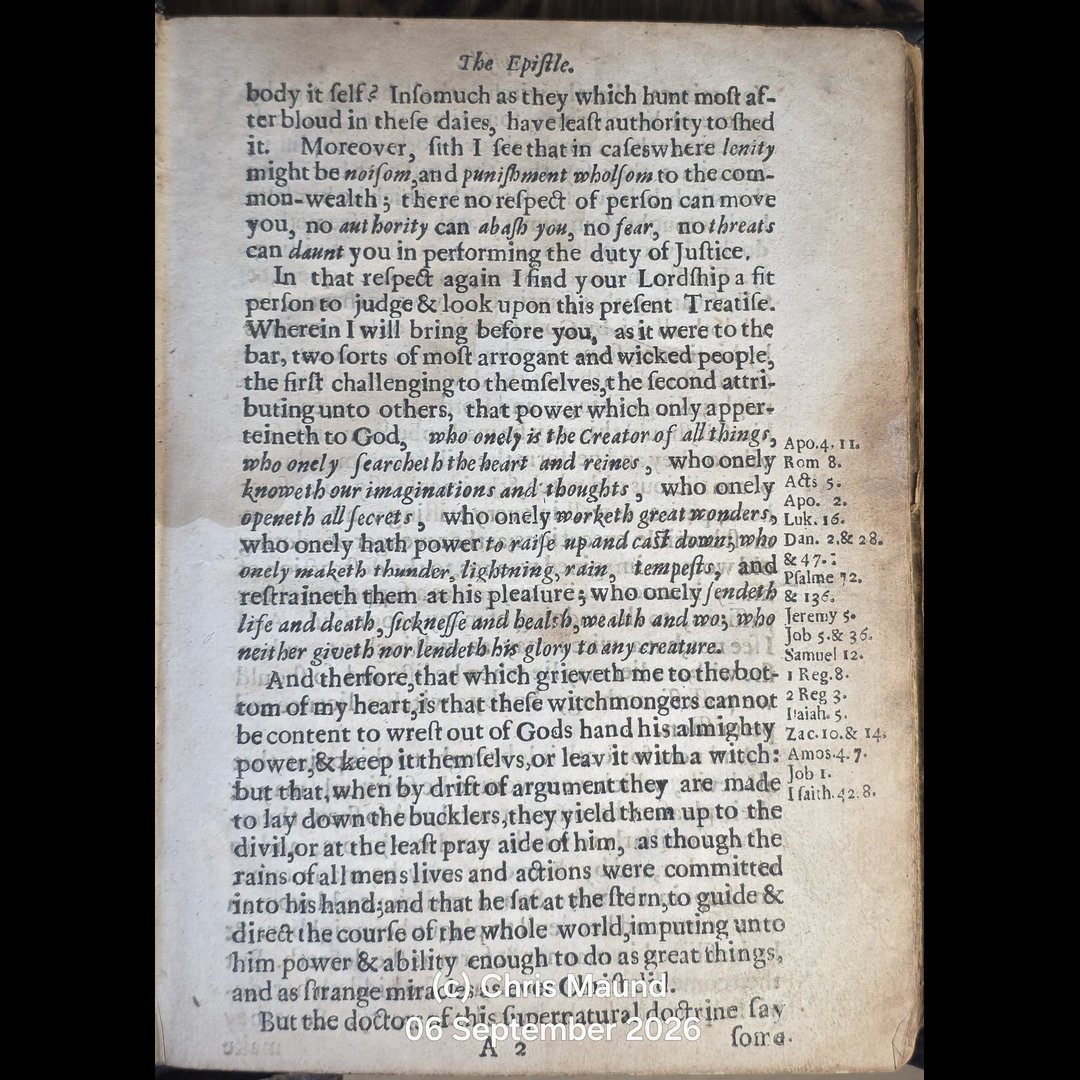 Image 7 of 42
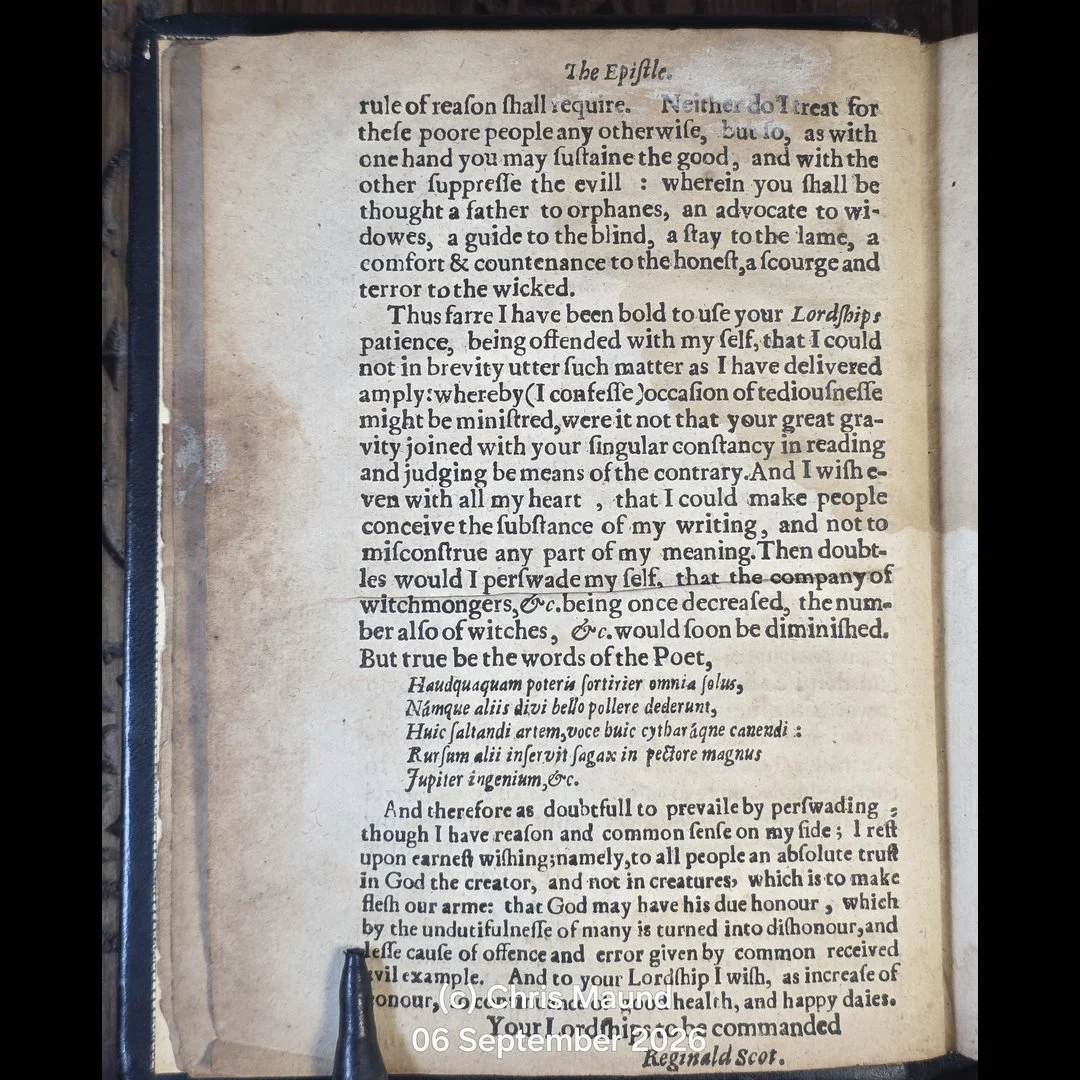 Image 8 of 42
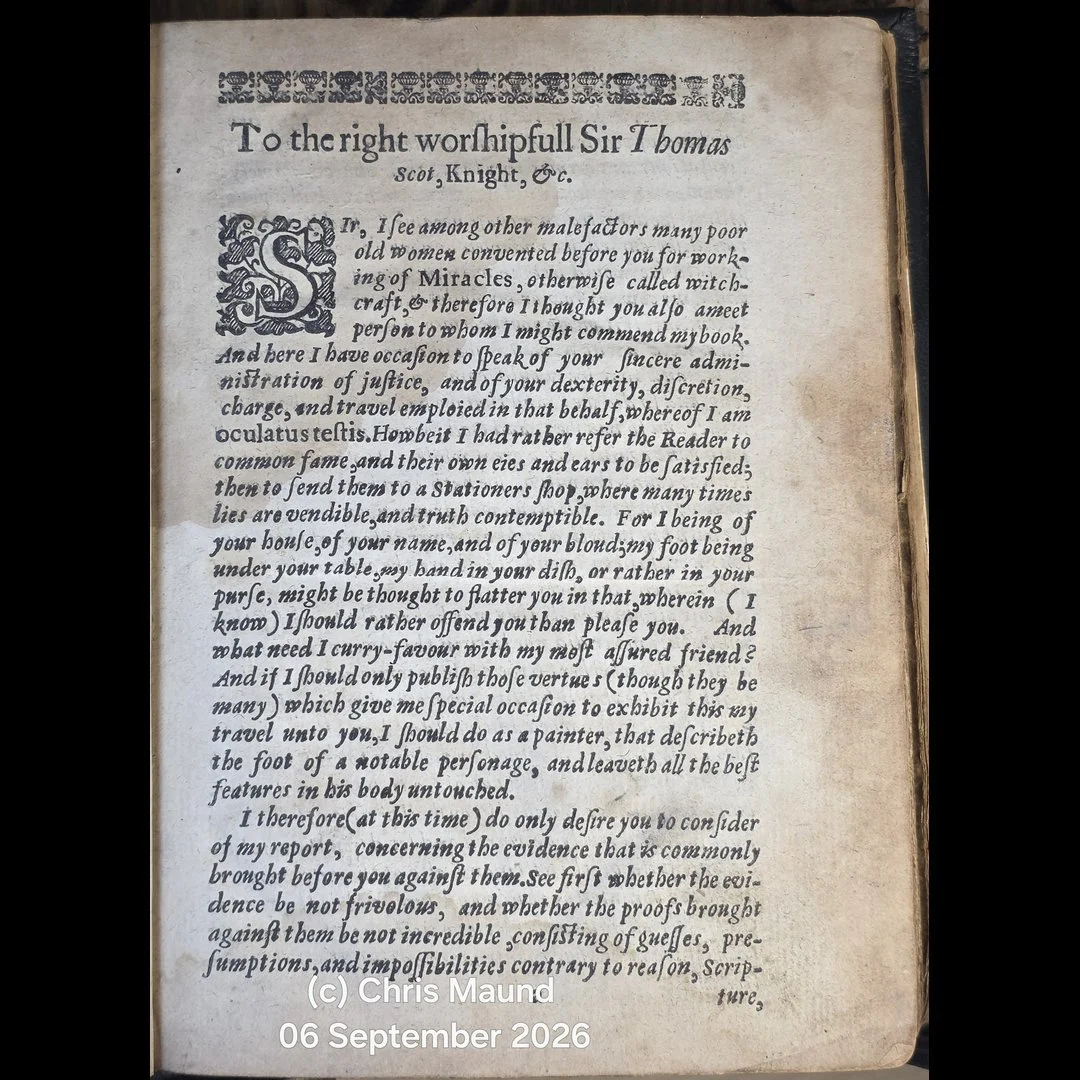 Image 9 of 42
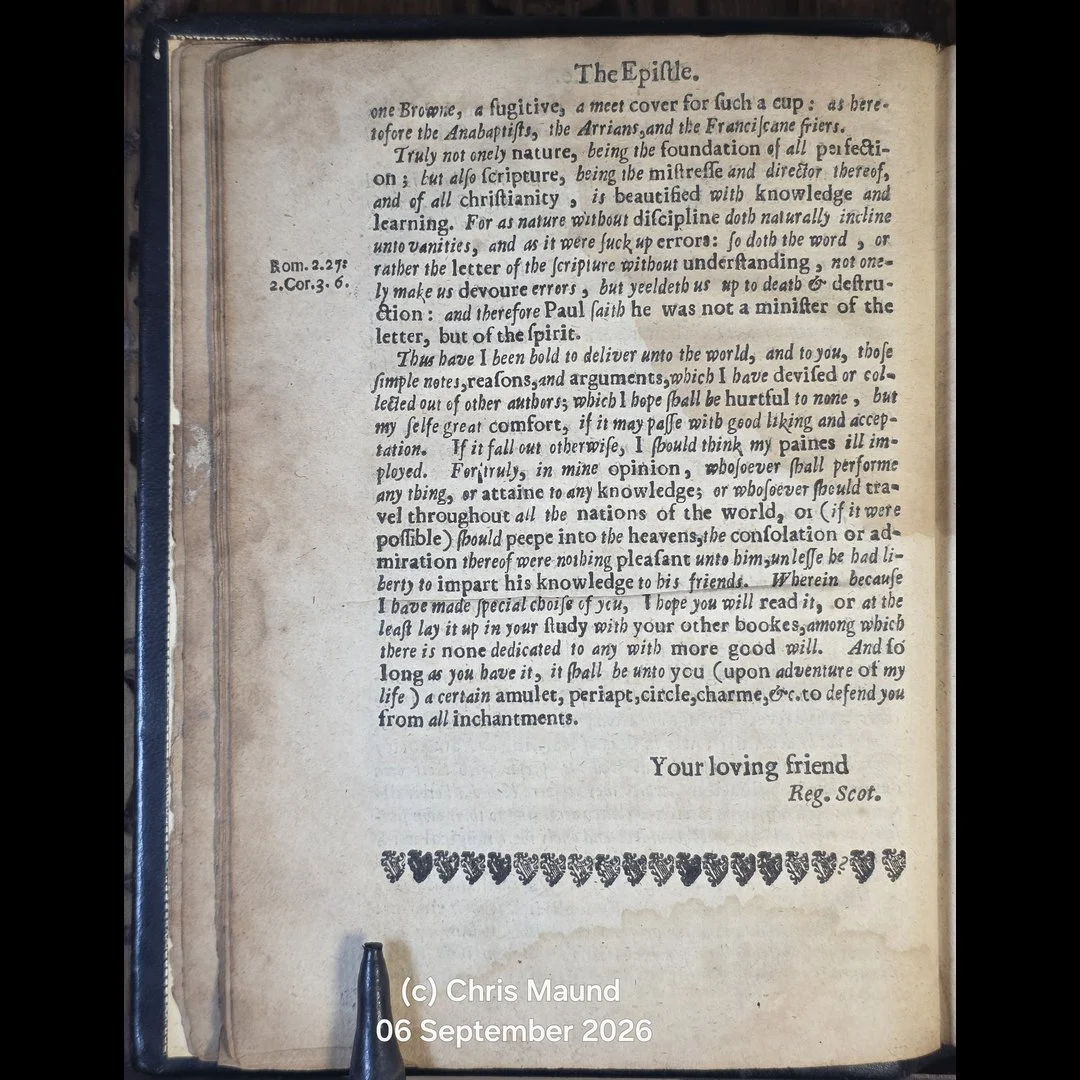 Image 10 of 42
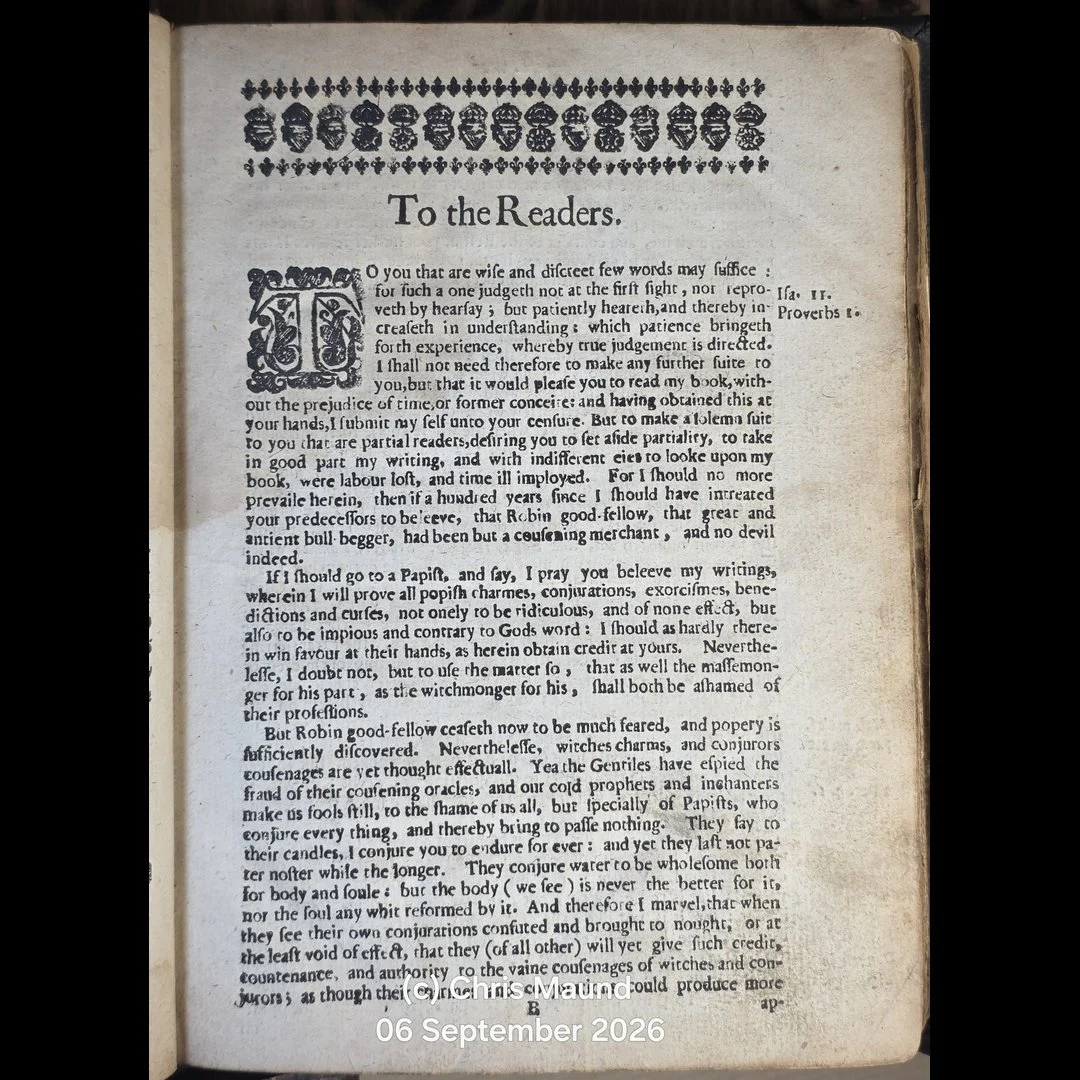 Image 11 of 42
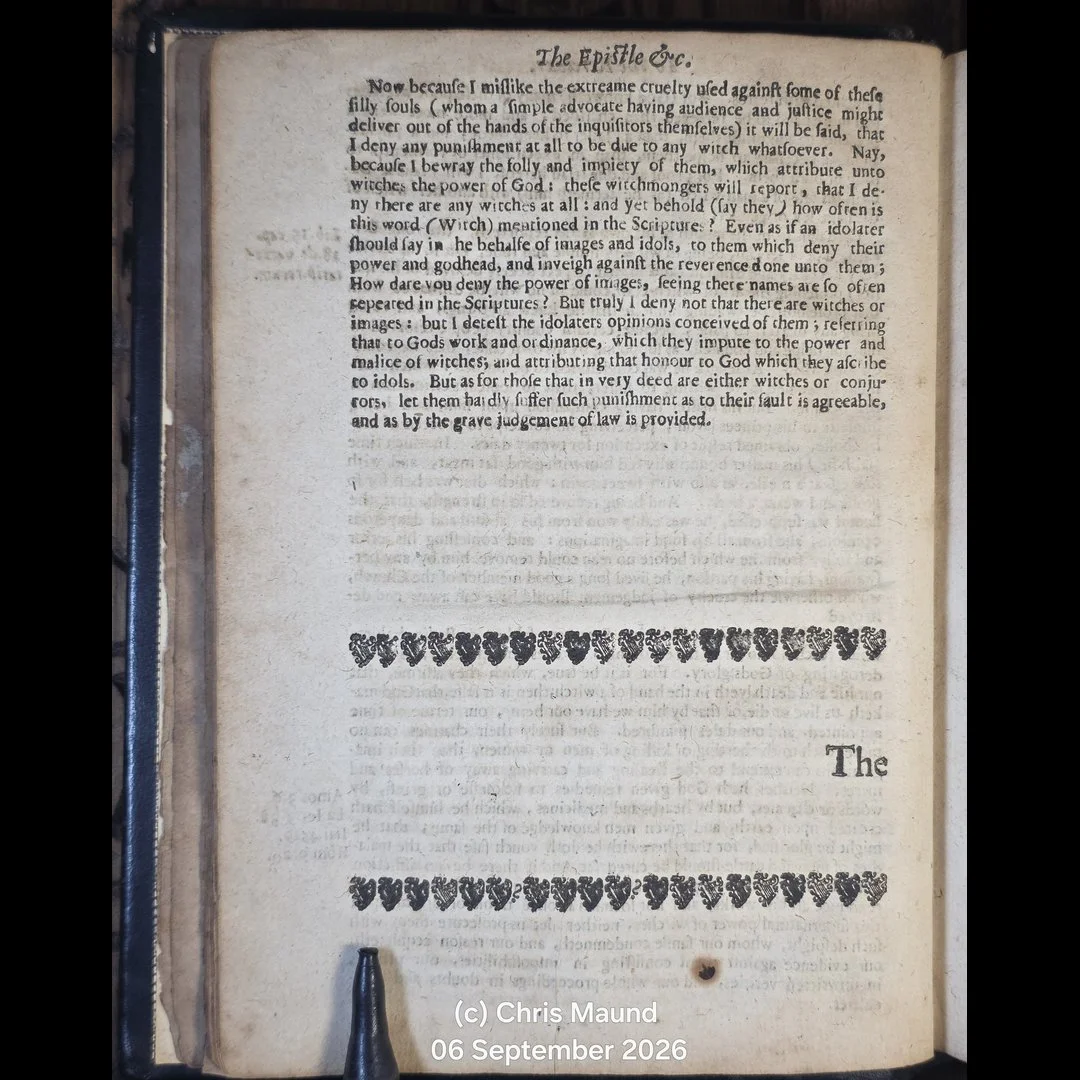 Image 12 of 42
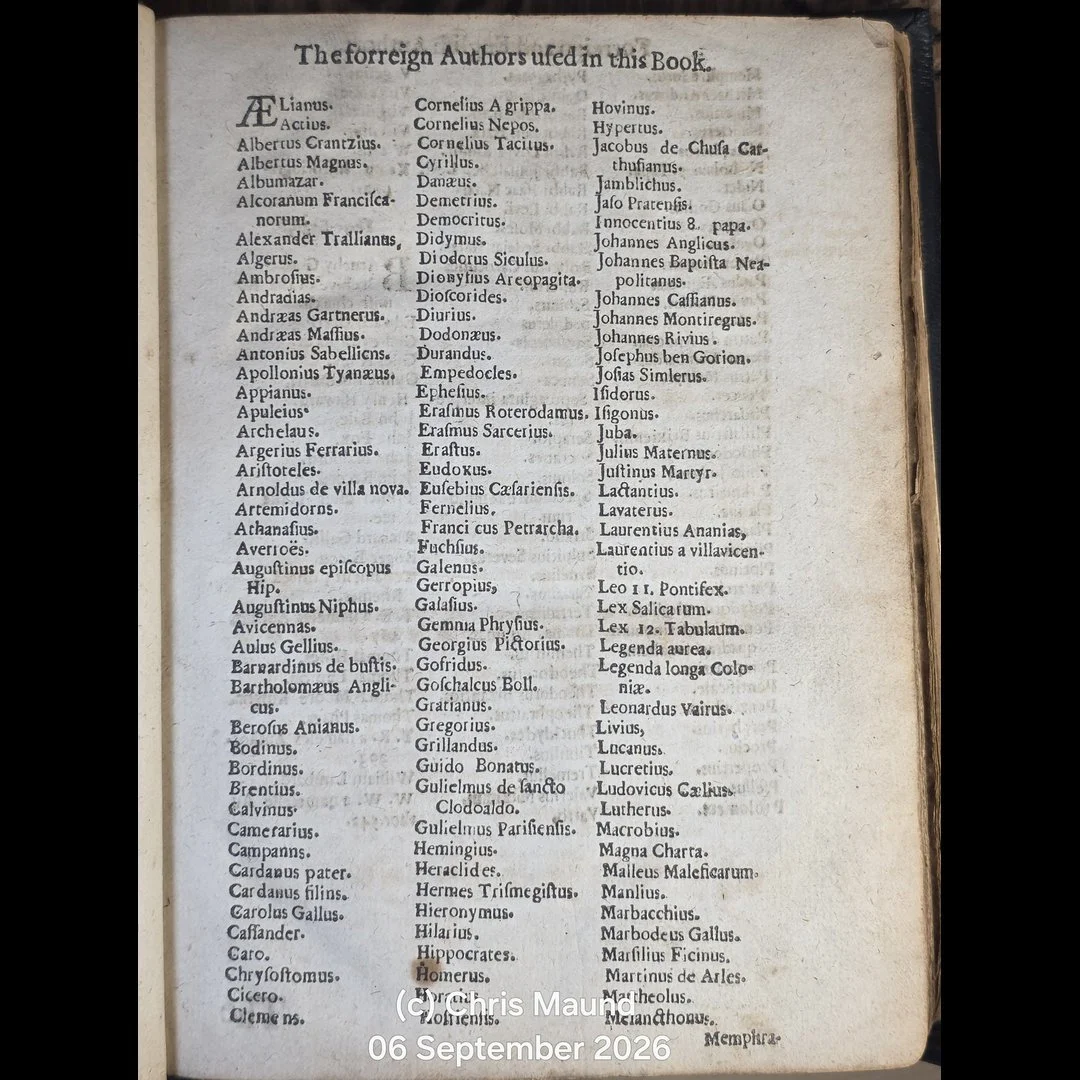 Image 13 of 42
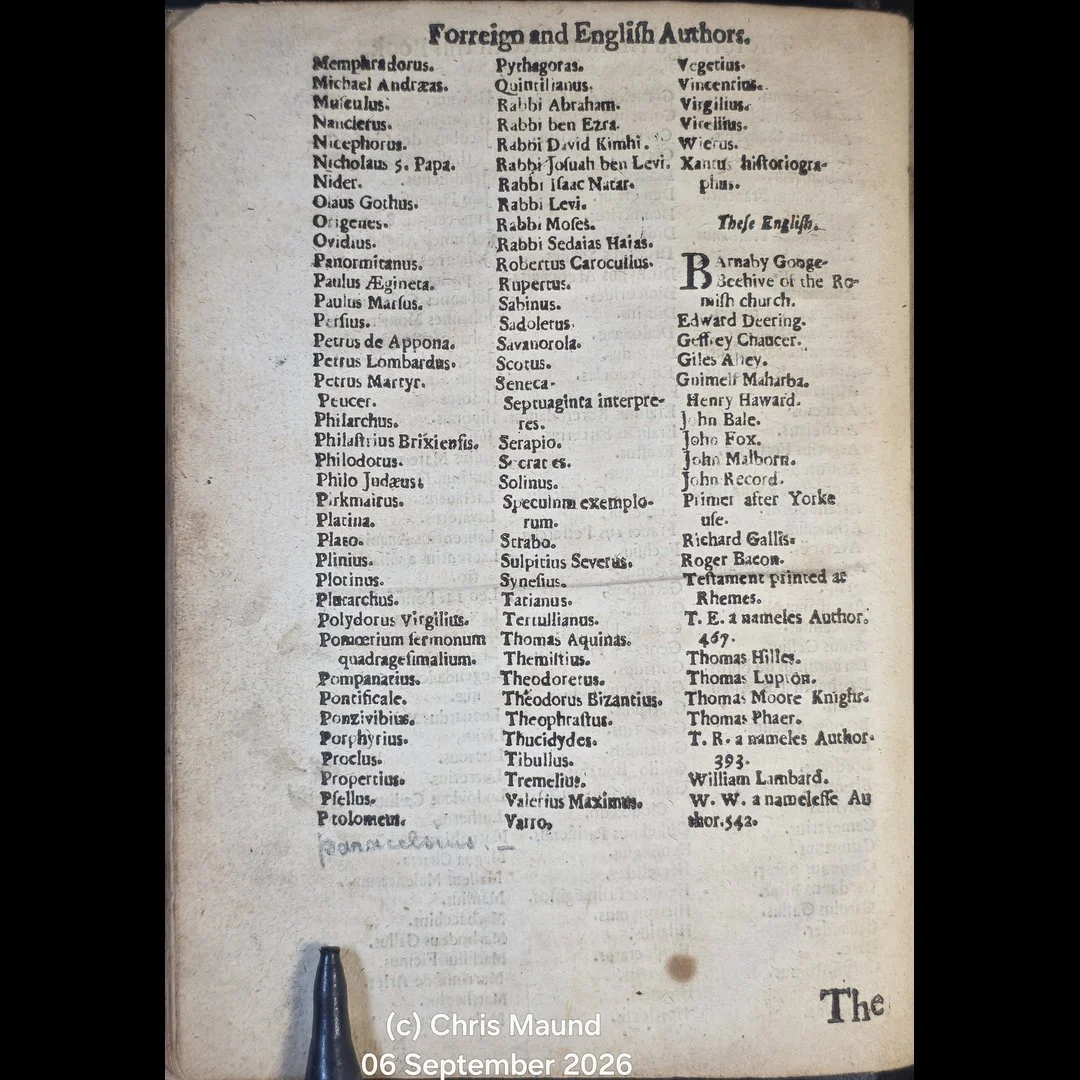 Image 14 of 42
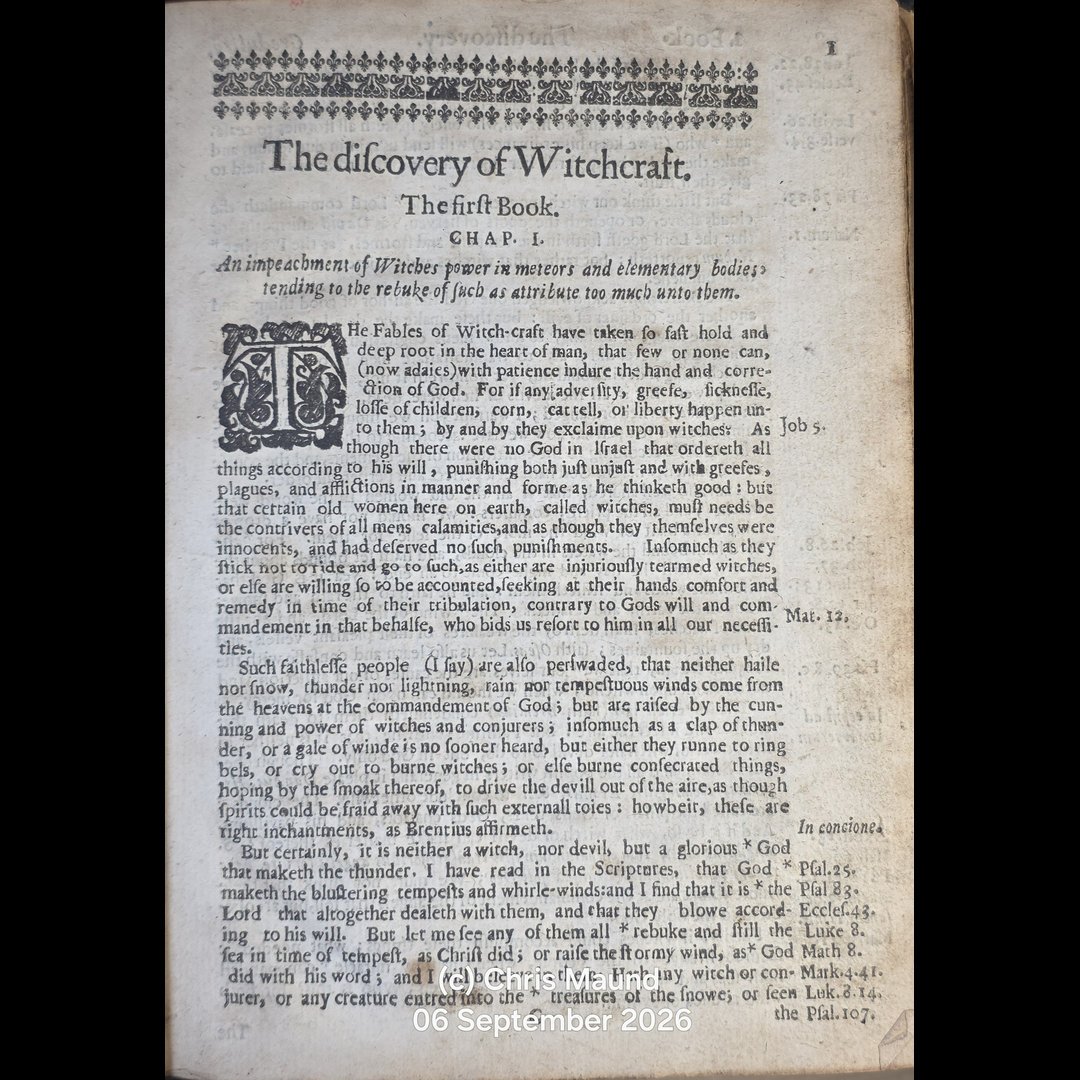 Image 15 of 42
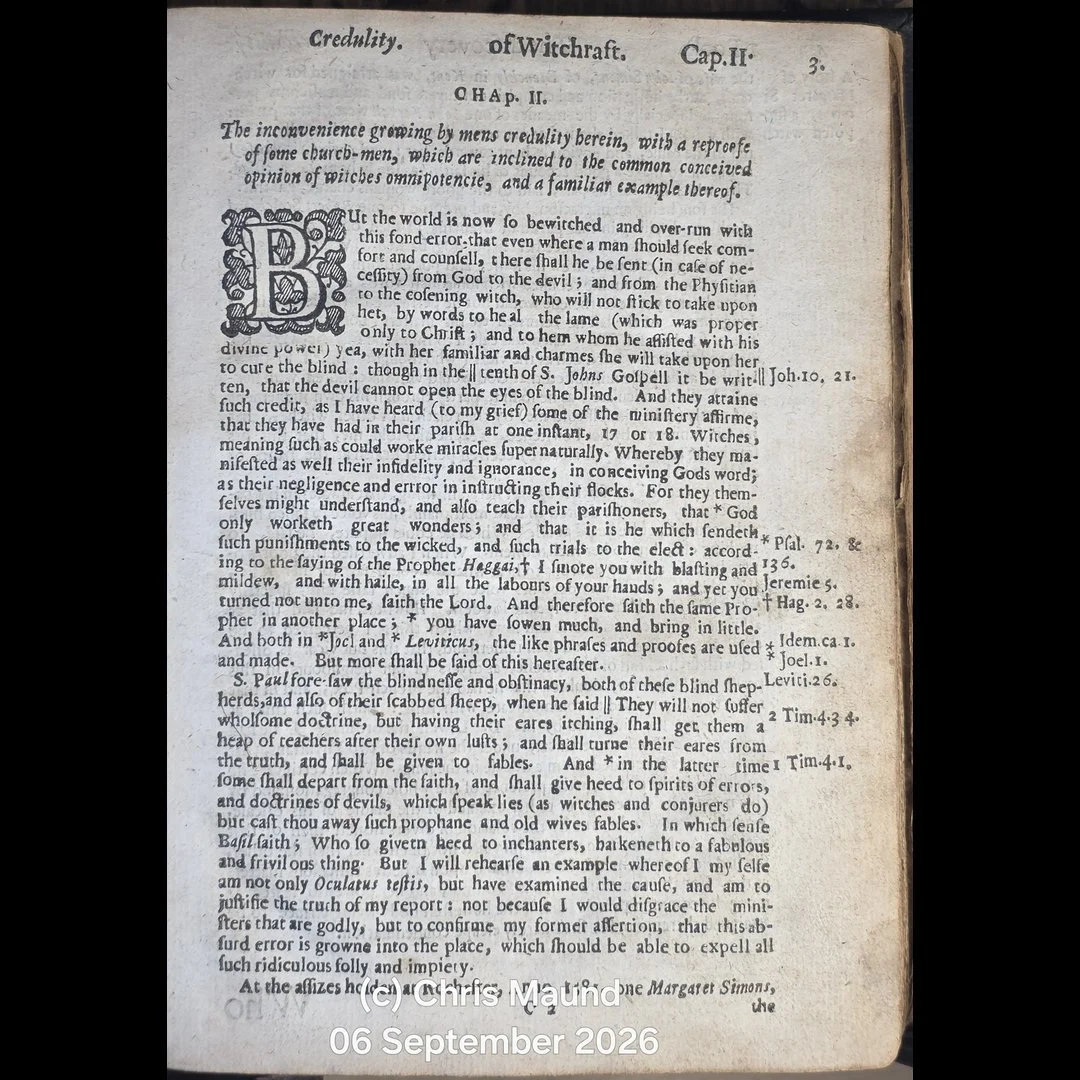 Image 16 of 42
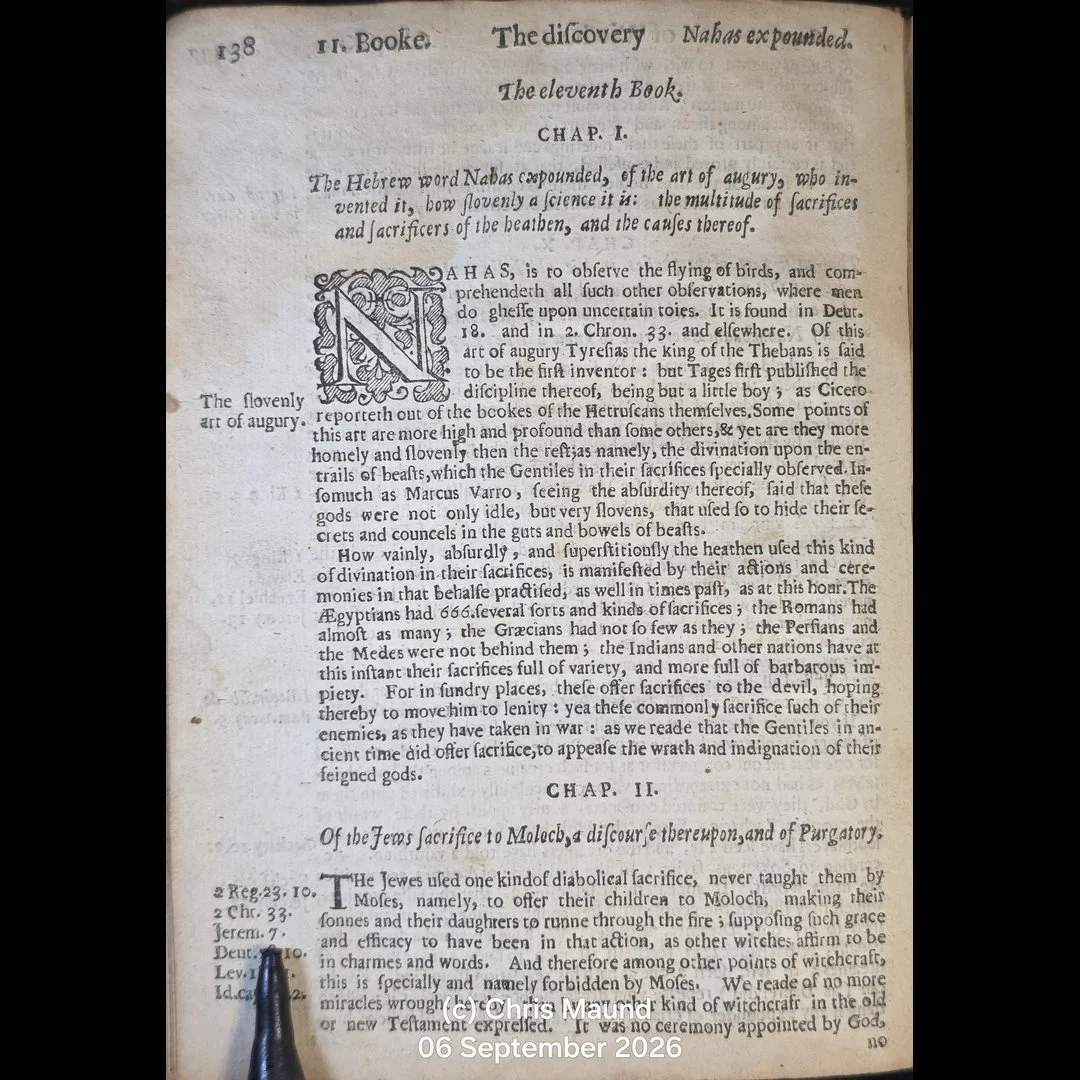 Image 17 of 42
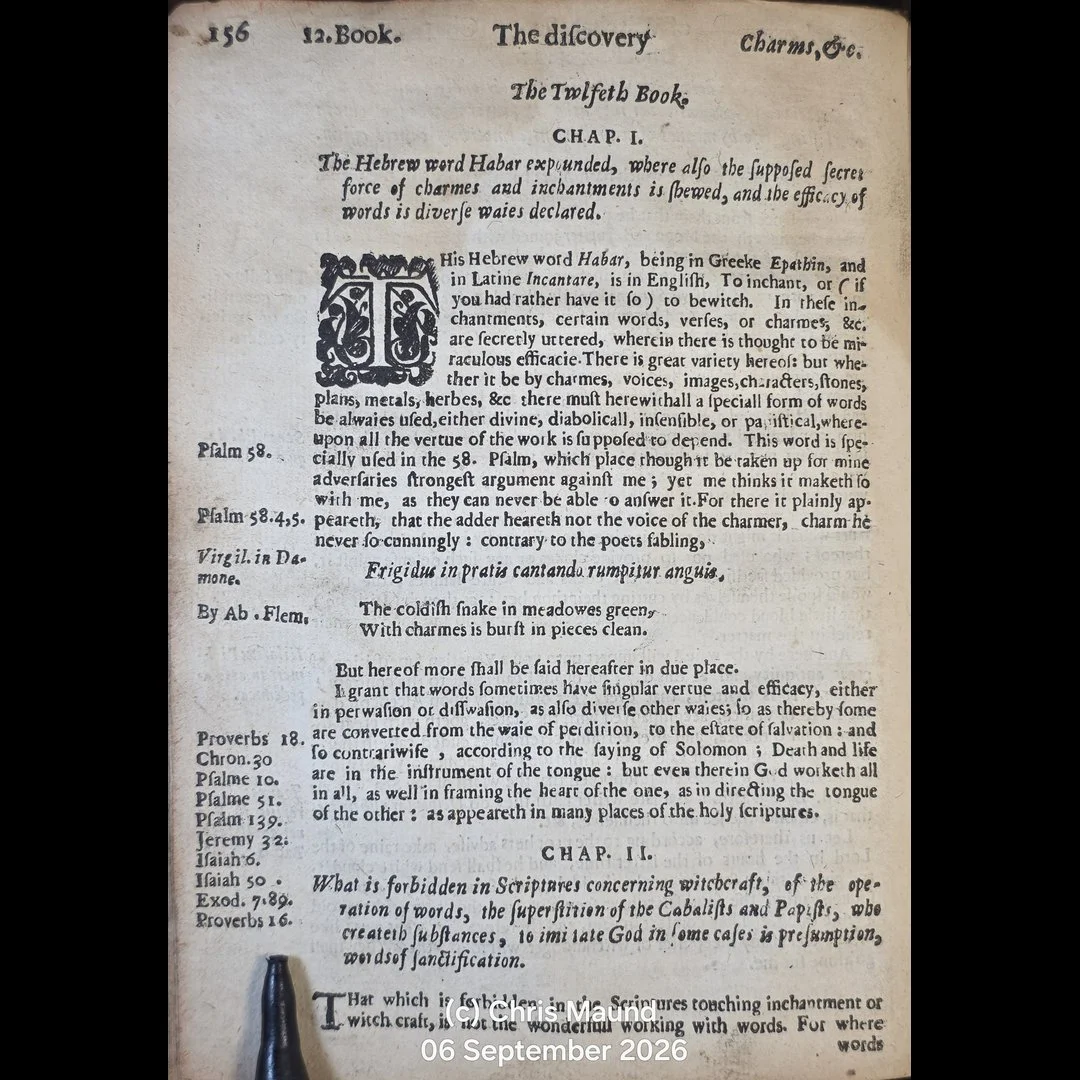 Image 18 of 42
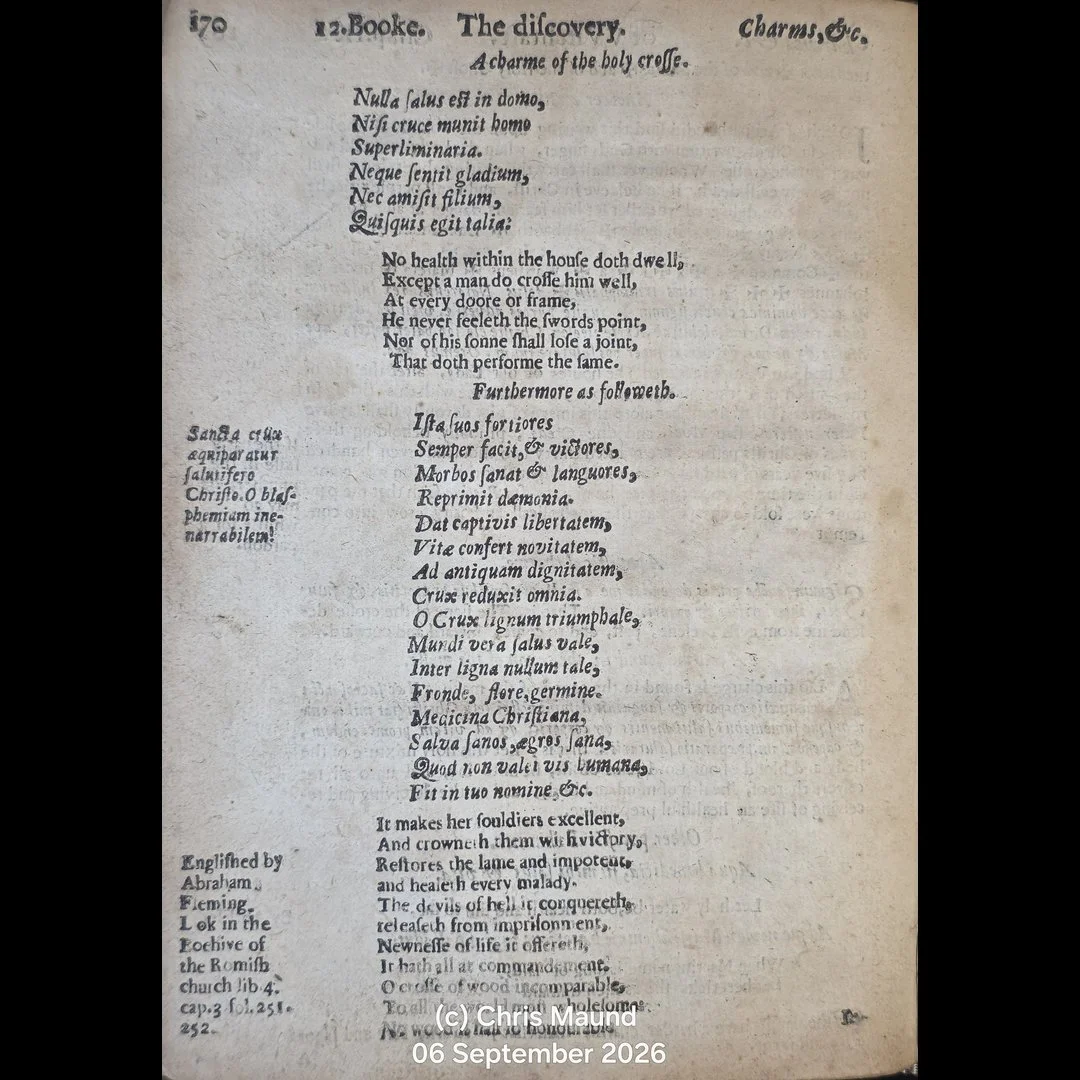 Image 19 of 42
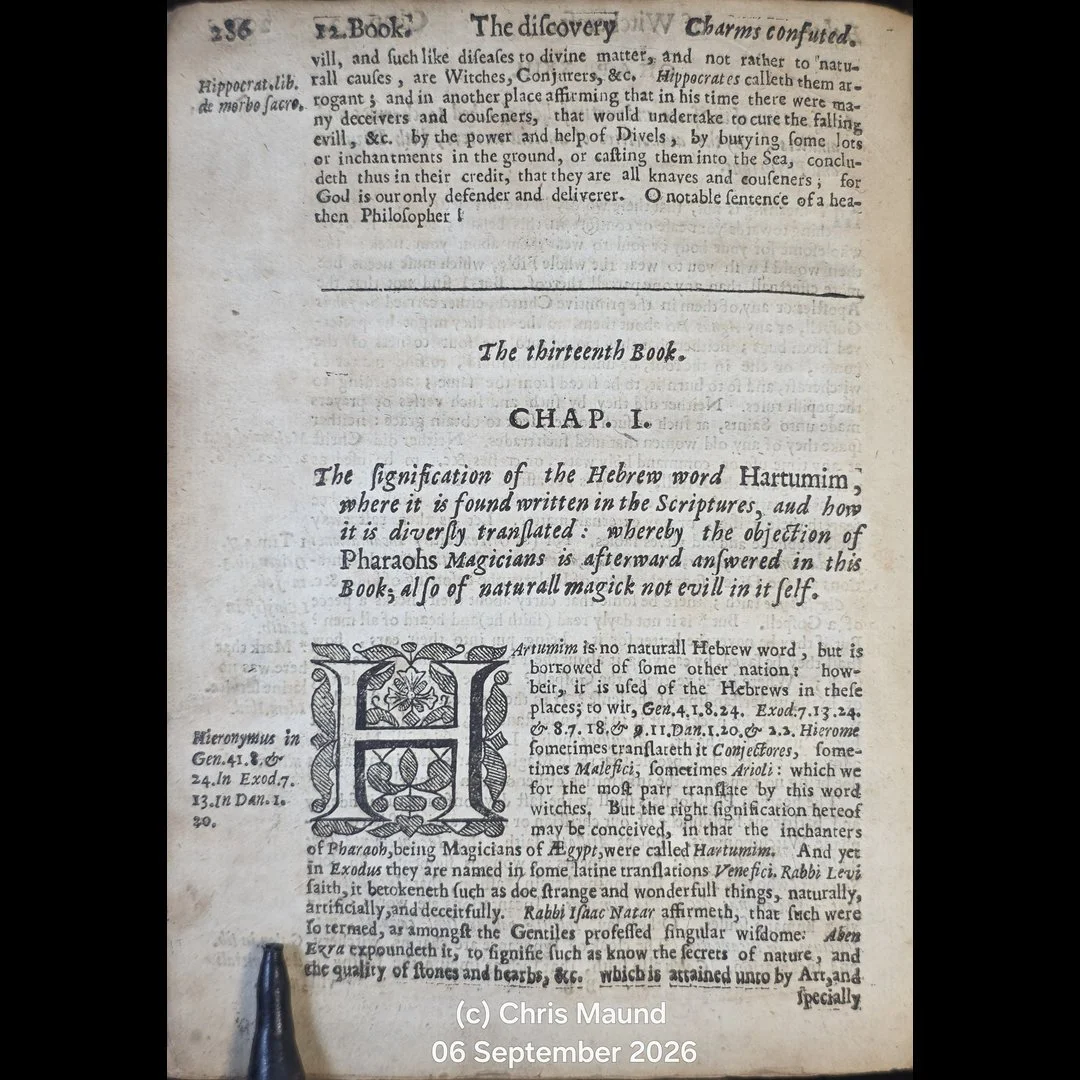 Image 20 of 42
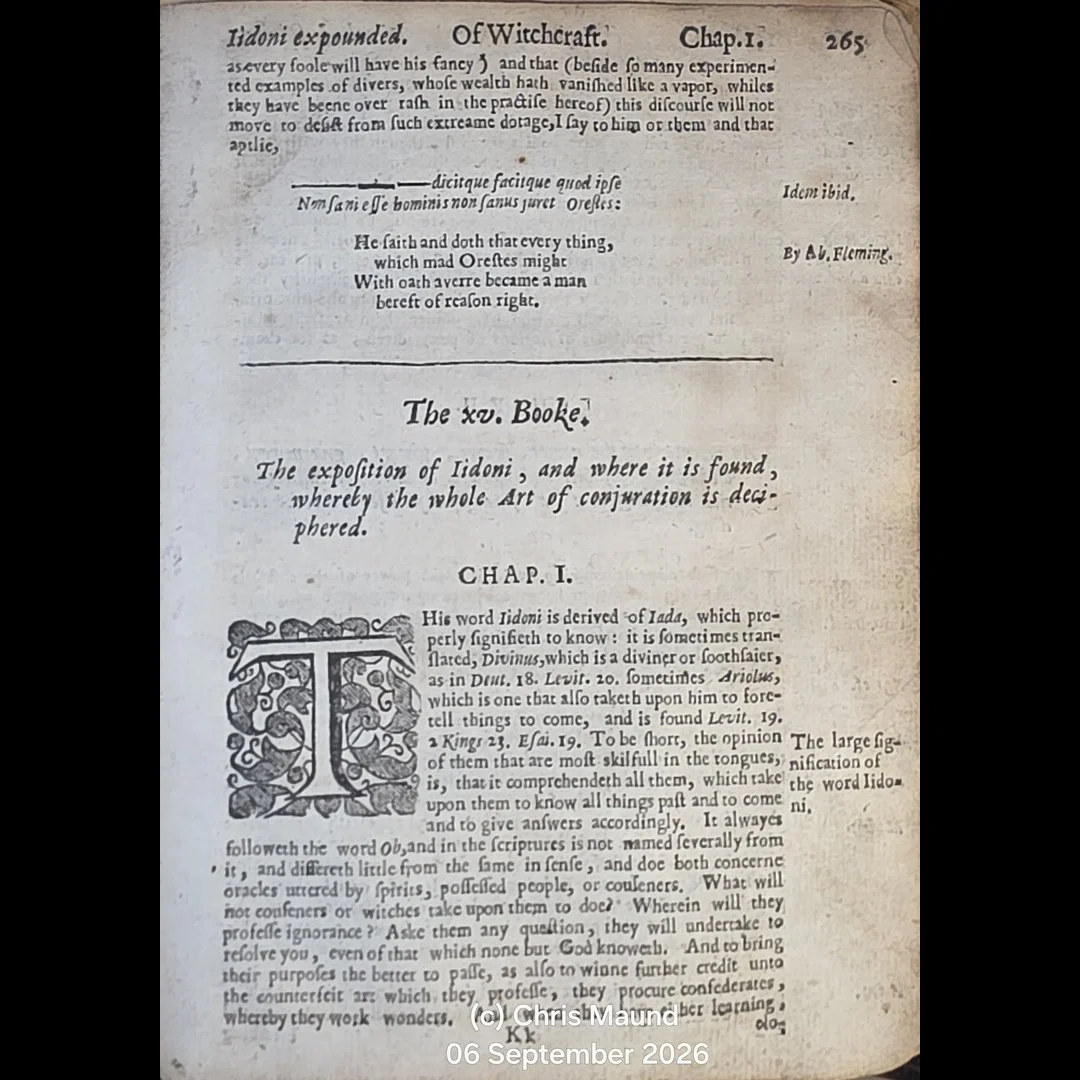 Image 21 of 42
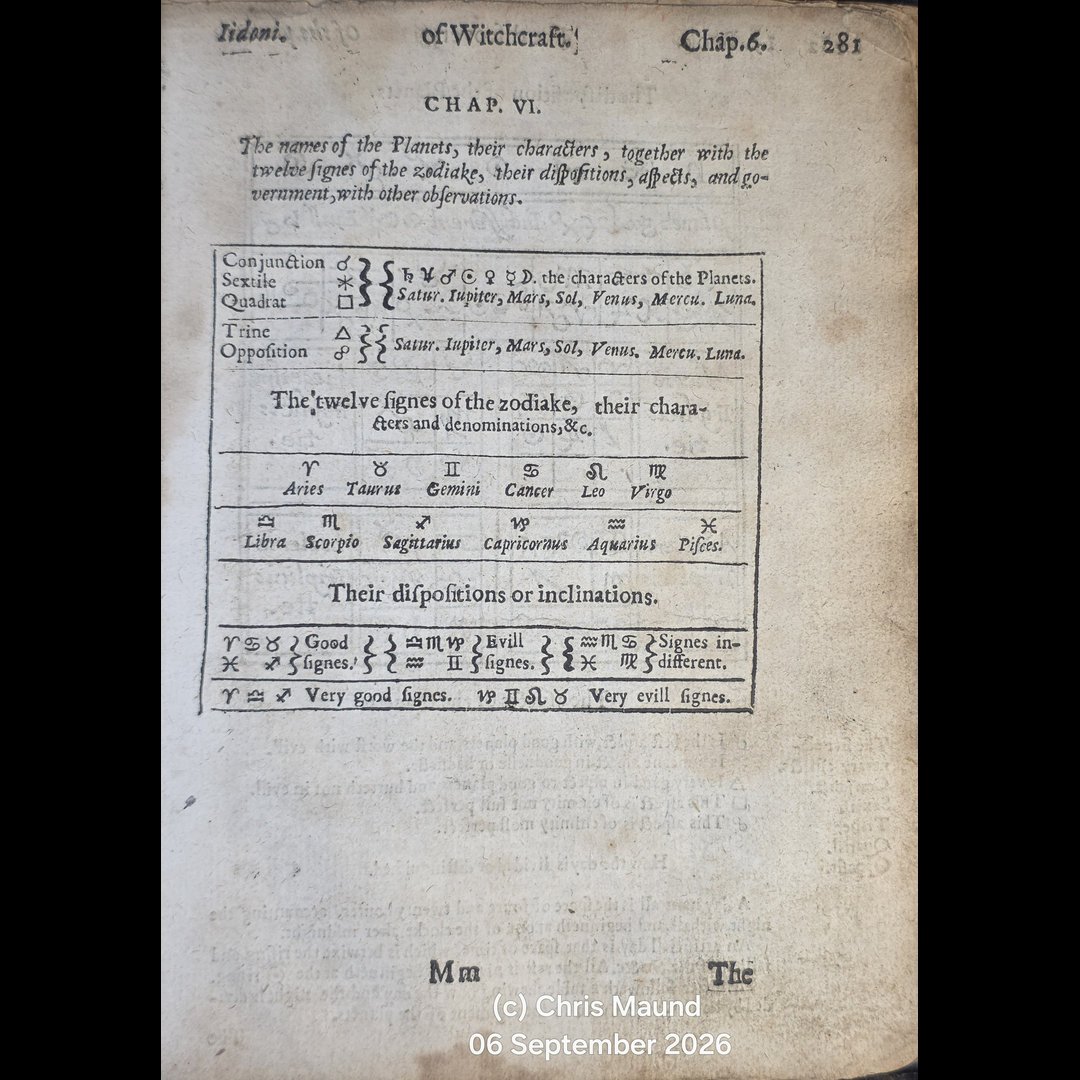 Image 22 of 42
 Image 23 of 42
 Image 24 of 42
 Image 25 of 42
 Image 26 of 42
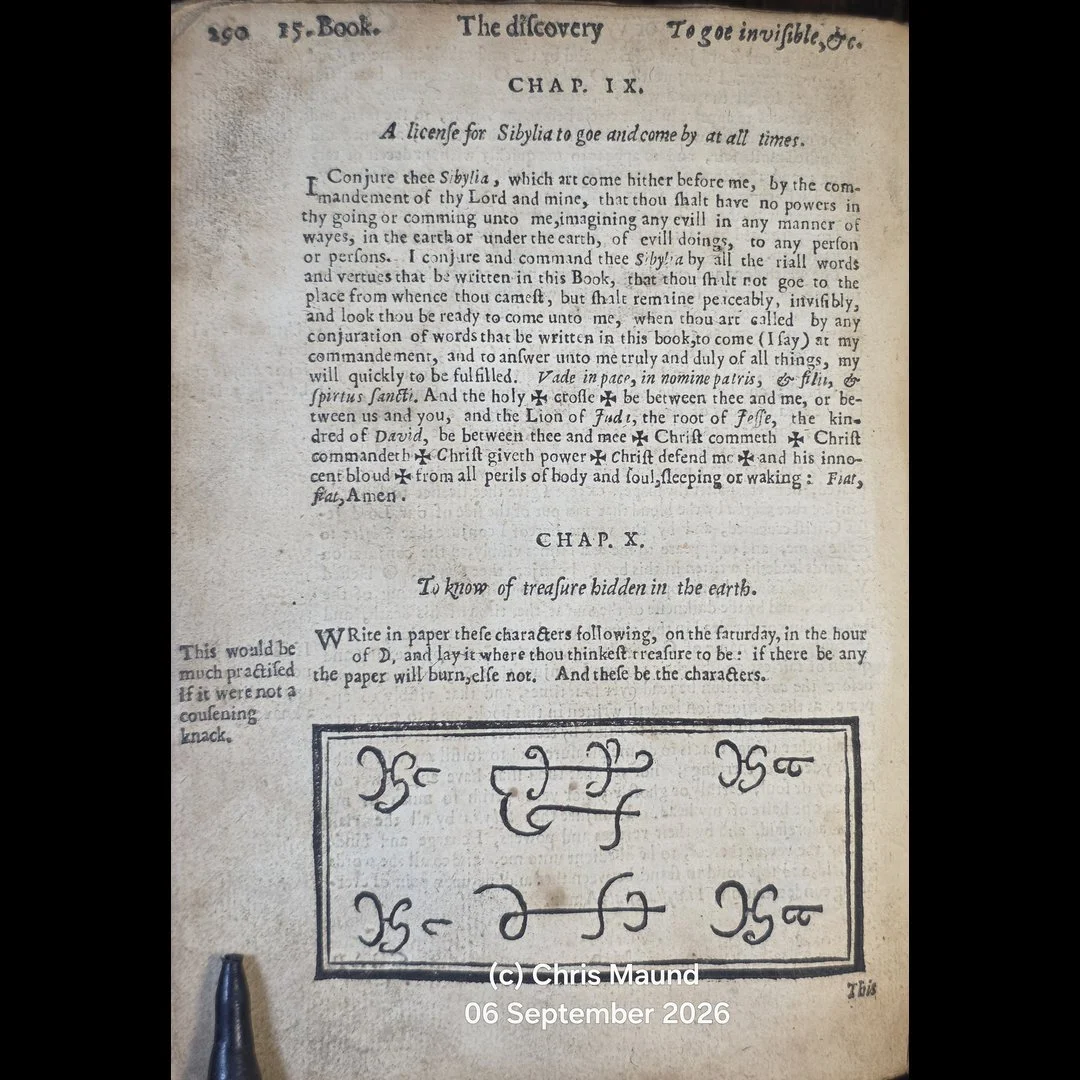 Image 27 of 42
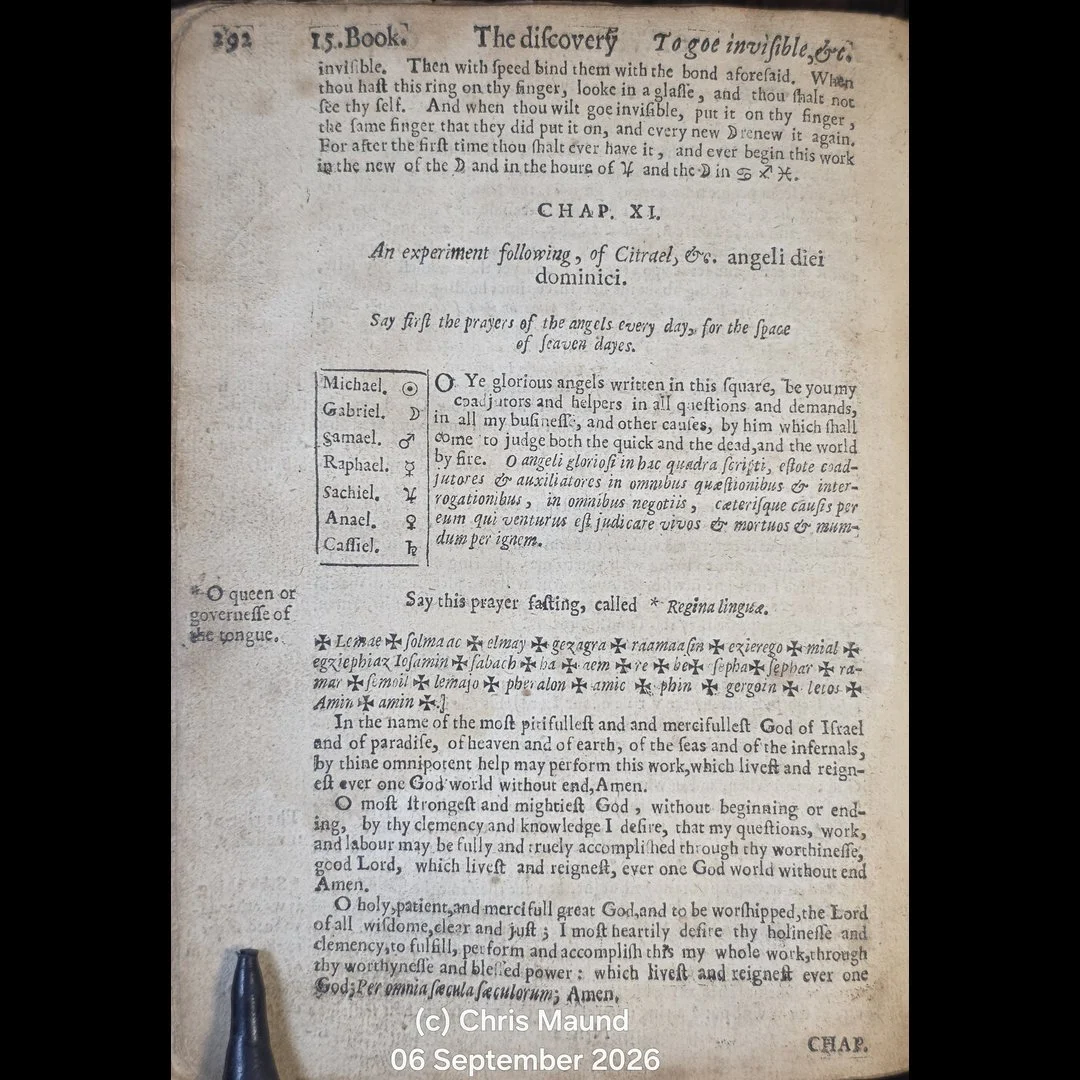 Image 28 of 42
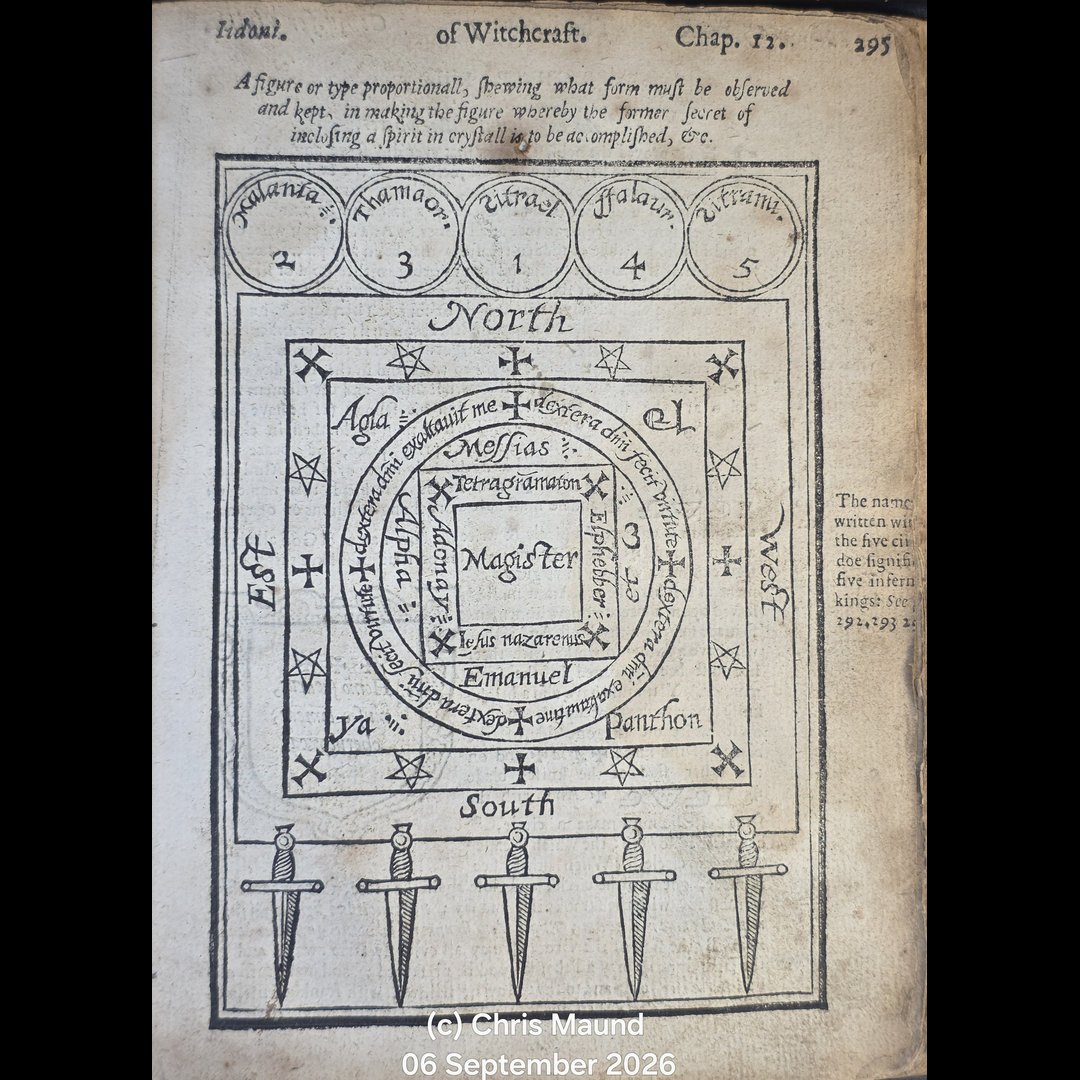 Image 29 of 42
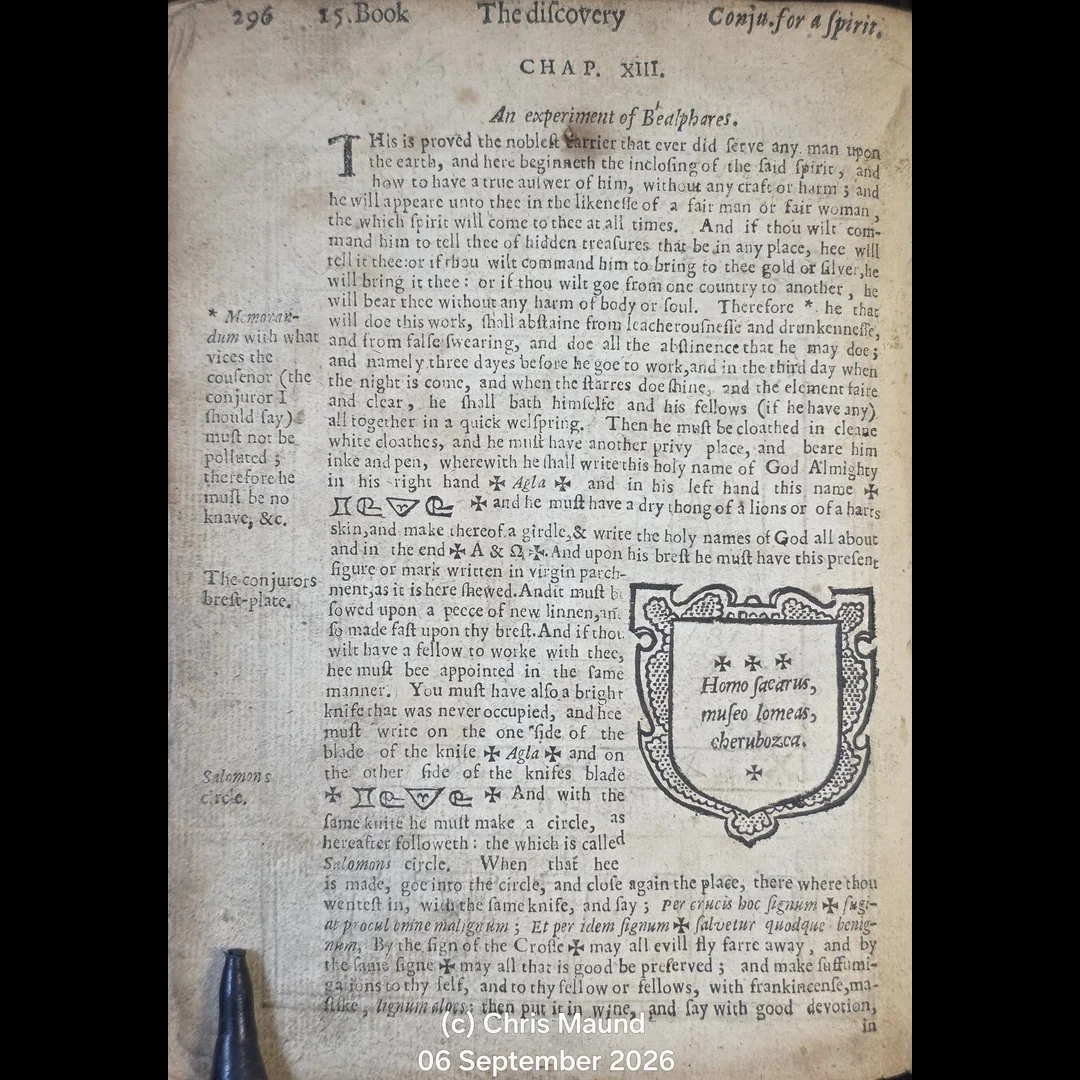 Image 30 of 42
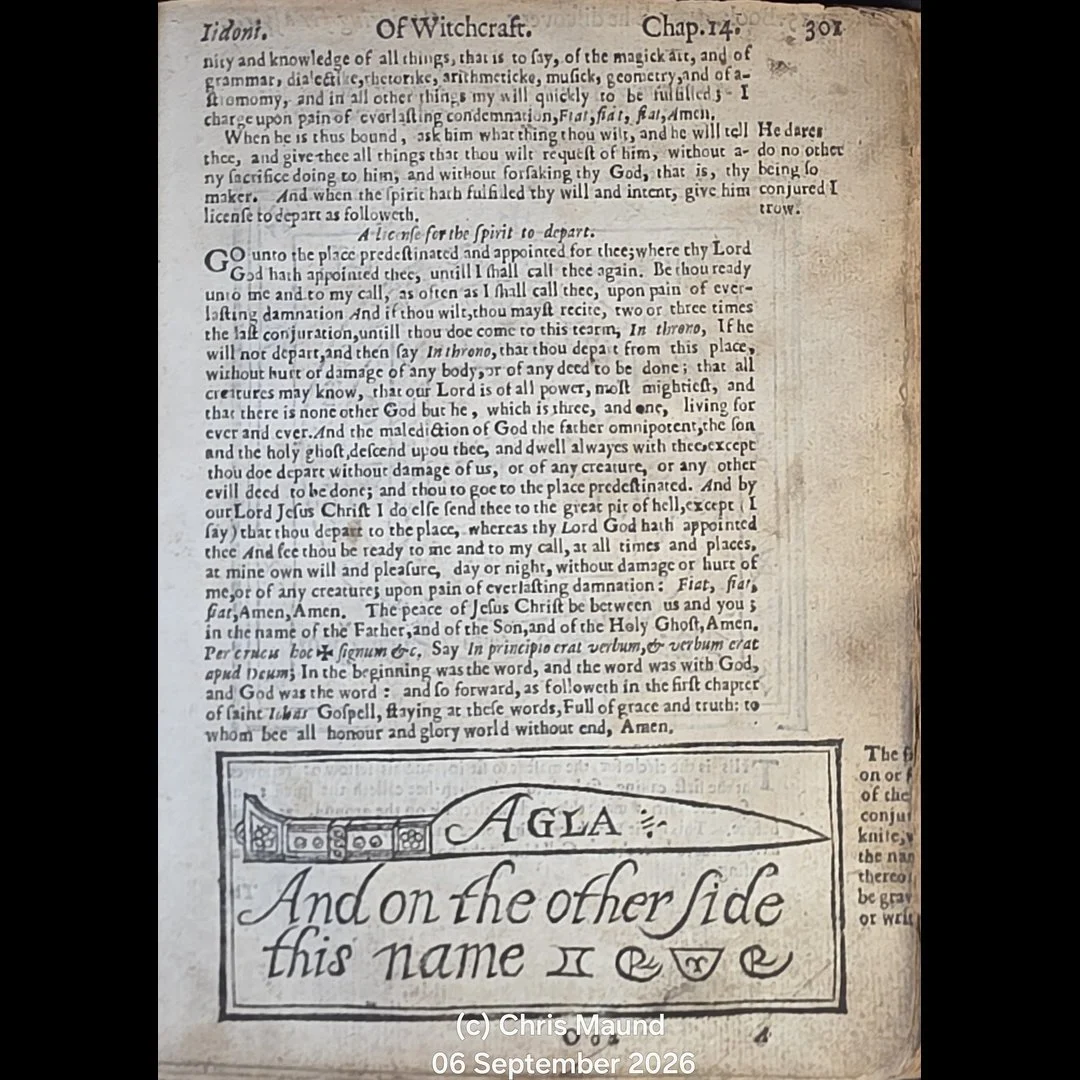 Image 31 of 42
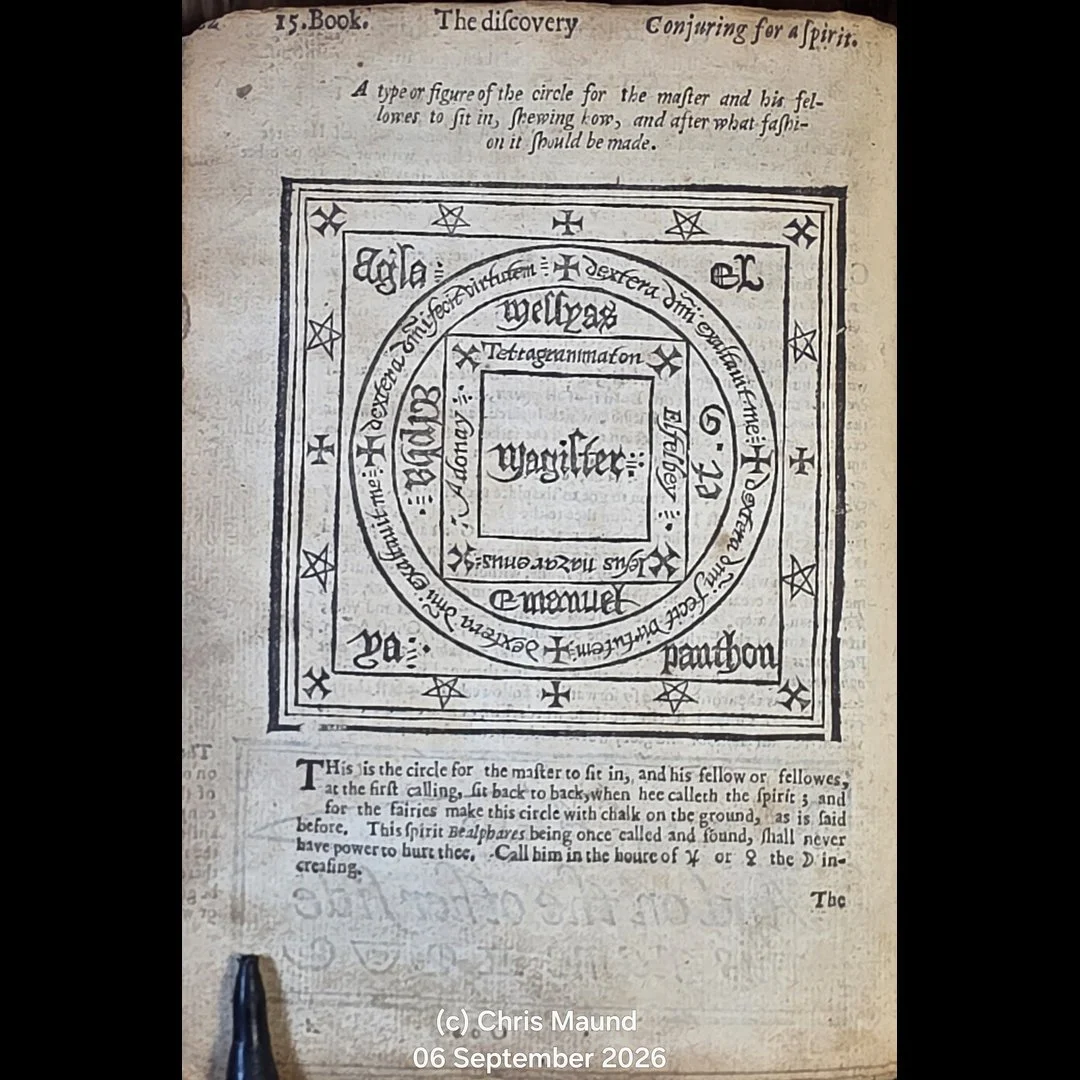 Image 32 of 42
 Image 33 of 42
 Image 34 of 42
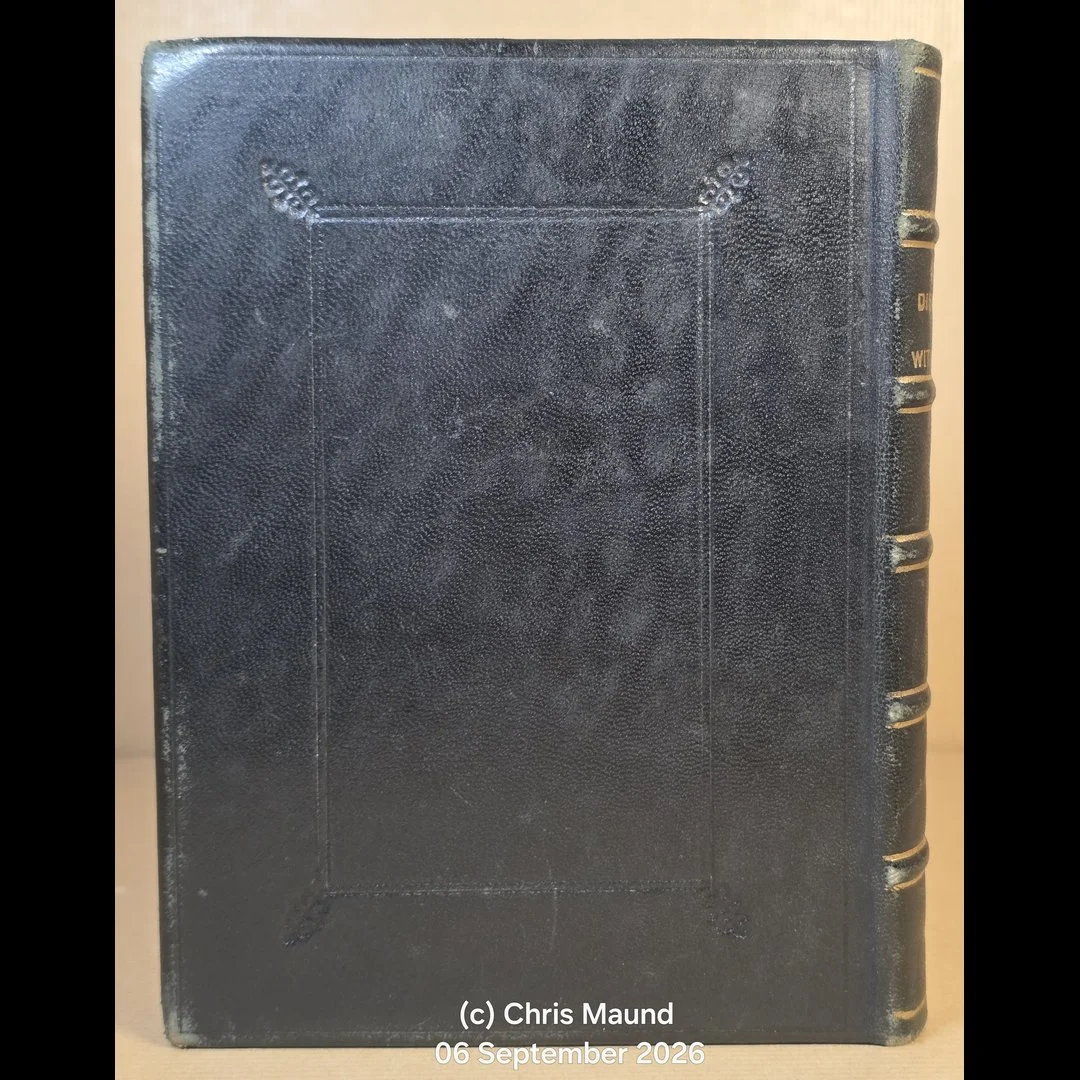 Image 35 of 42
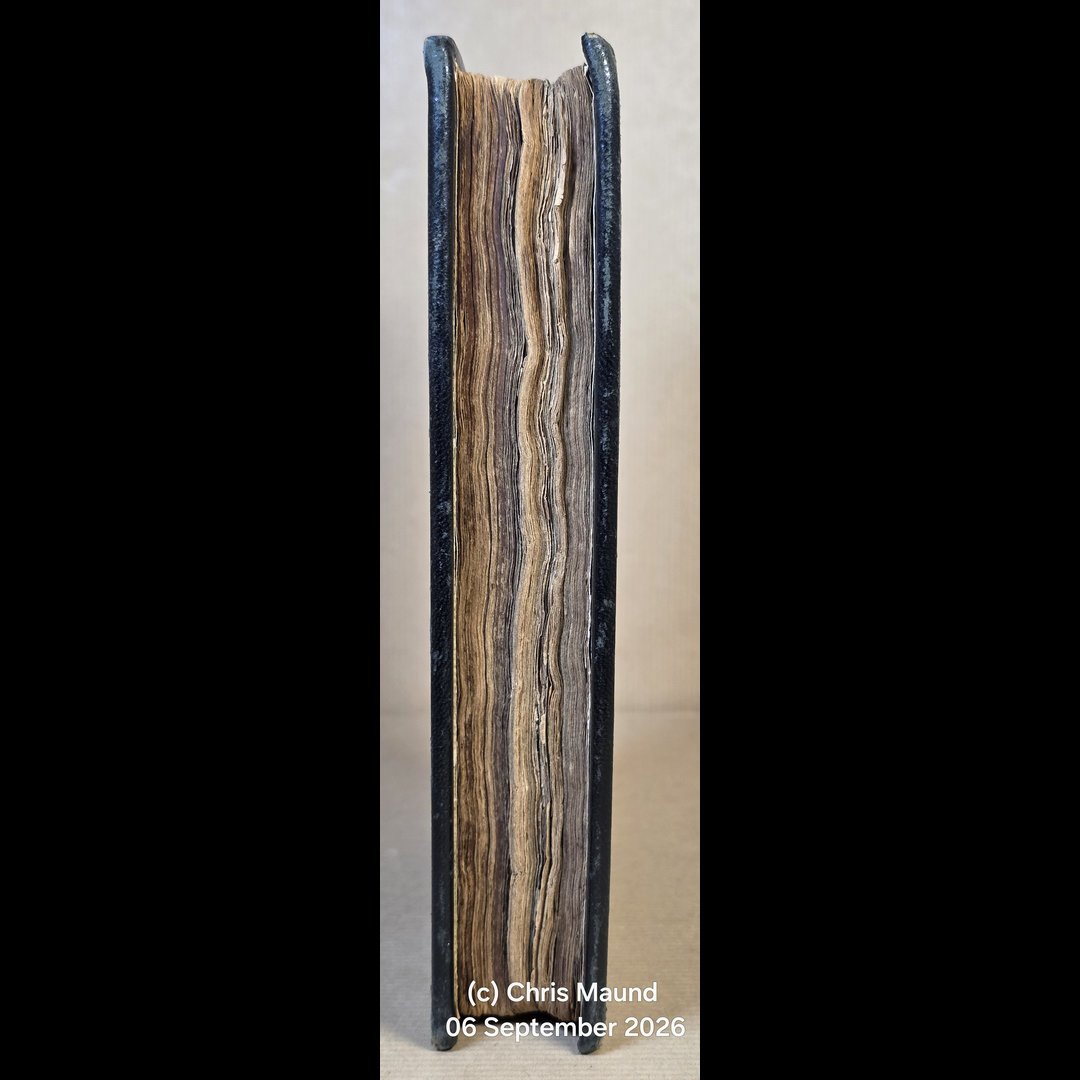 Image 36 of 42
 Image 37 of 42
 Image 38 of 42
 Image 39 of 42
 Image 40 of 42
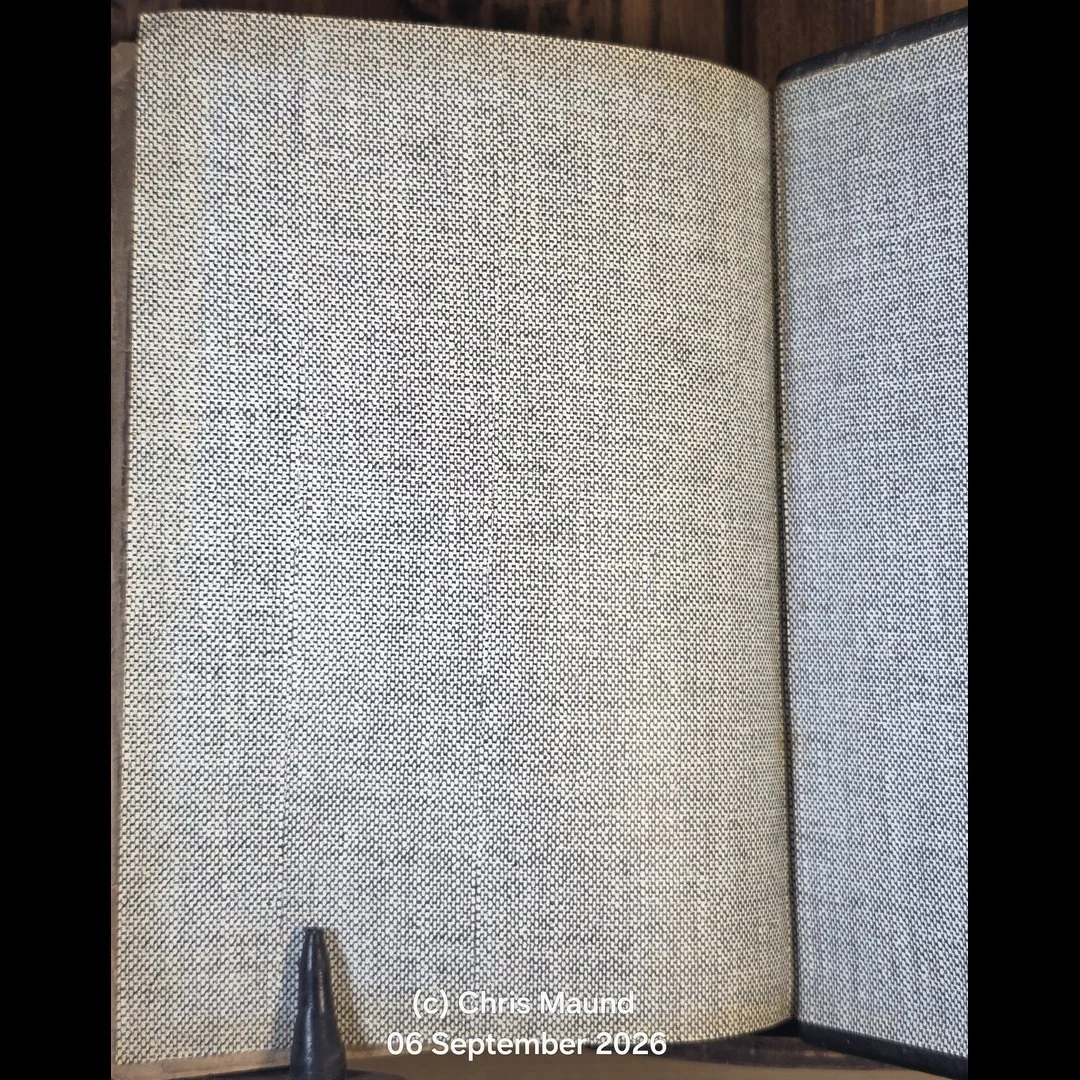 Image 41 of 42
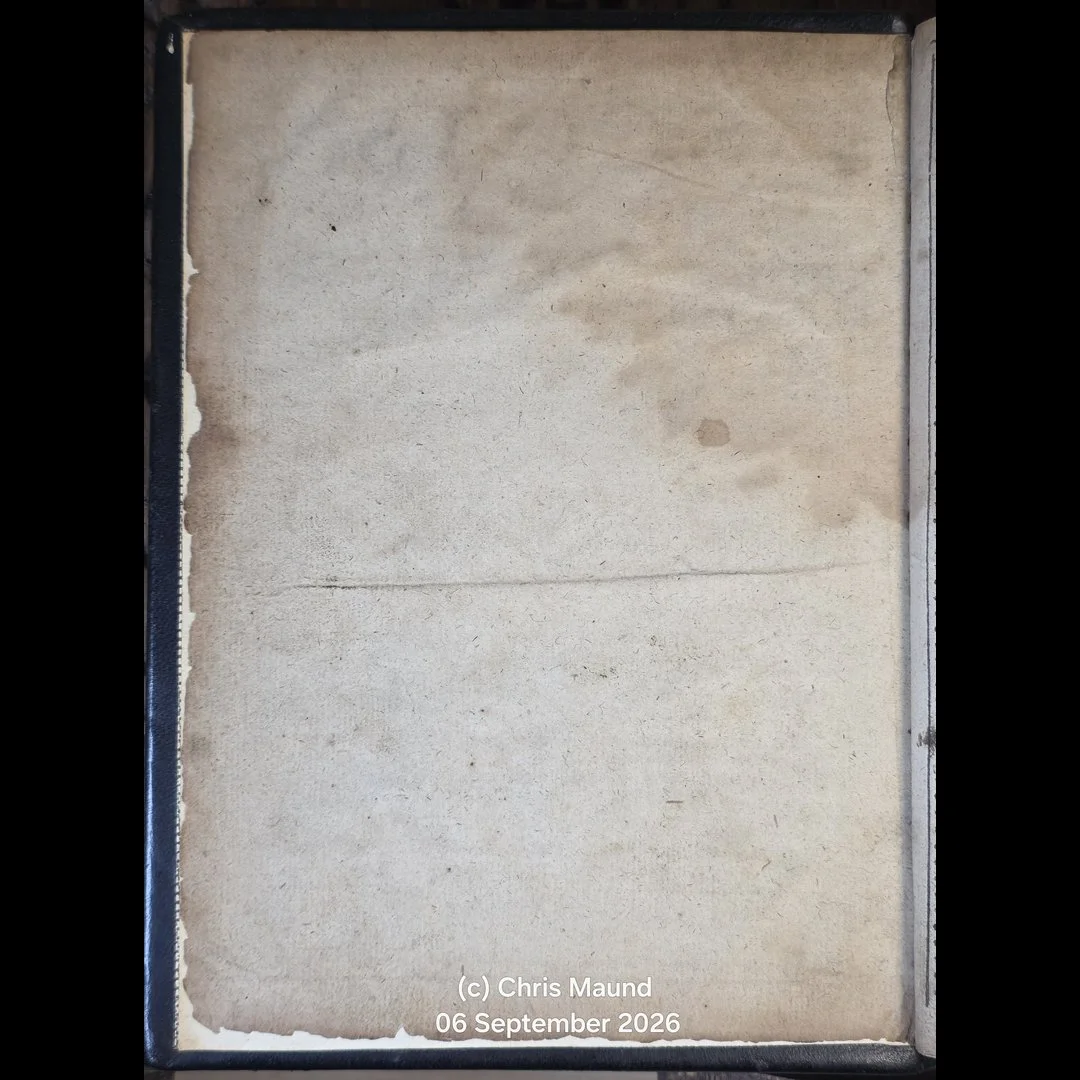 Image 42 of 42
![1633 First Thomas Johnson Edtn THE HERBALL OR GENERALL HISTORIE OF PLANTES By John Gerard Illus. John Gerard / John Payne [Engraver]](https://images.squarespace-cdn.com/content/v1/634dab4938c13d5c1f88d382/9c176c70-dba2-4206-b0d7-d521749a385e/20241116_115112-13.jpg)