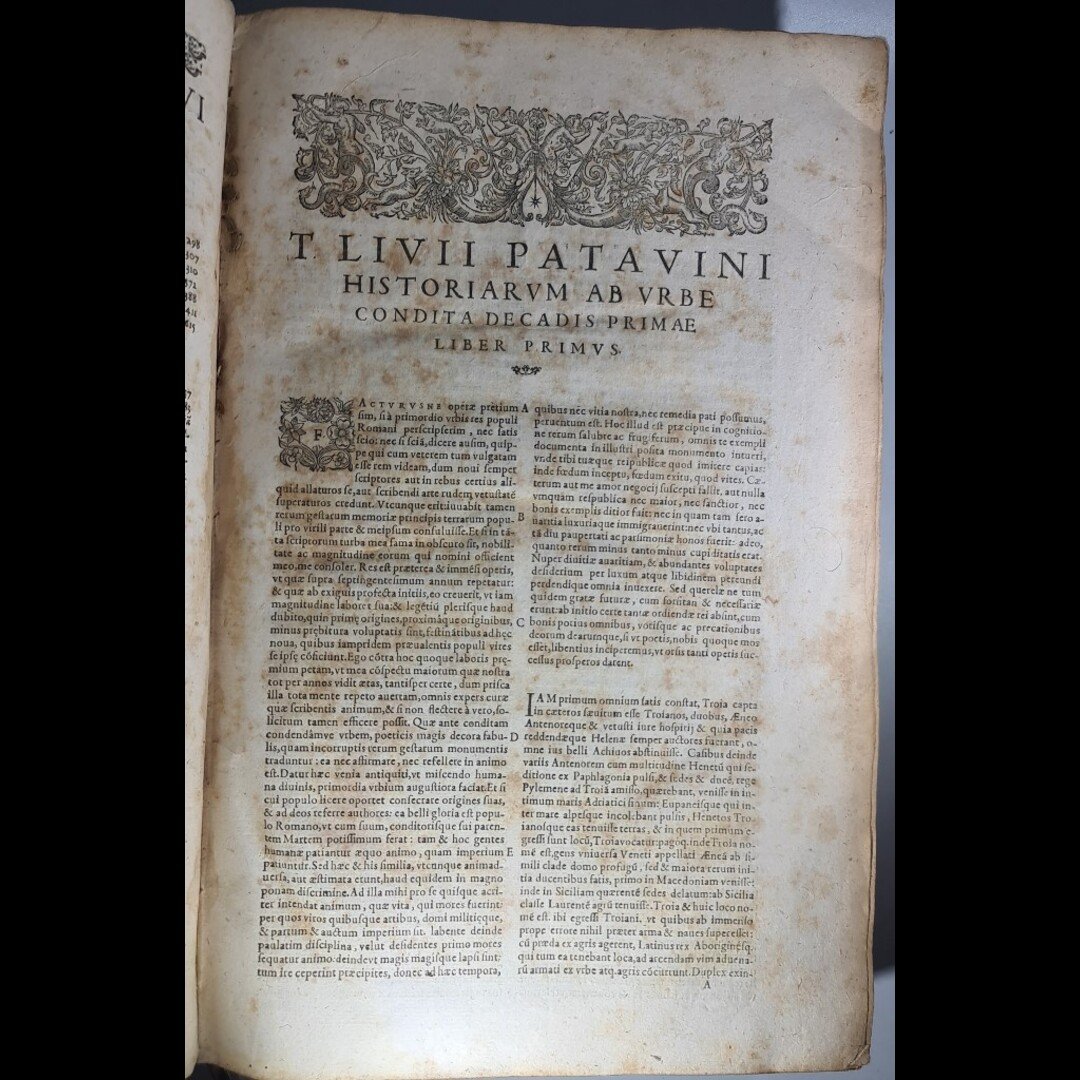
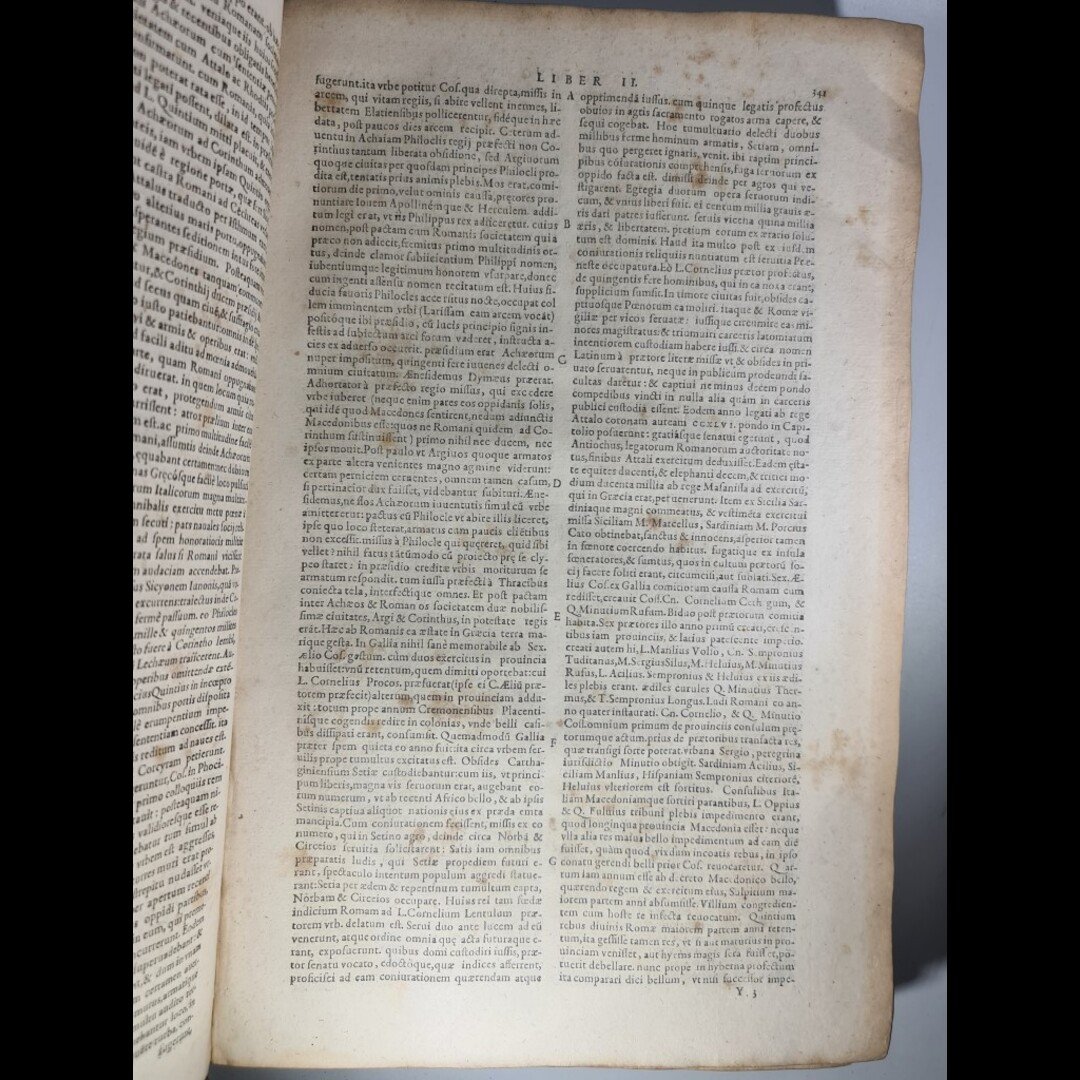
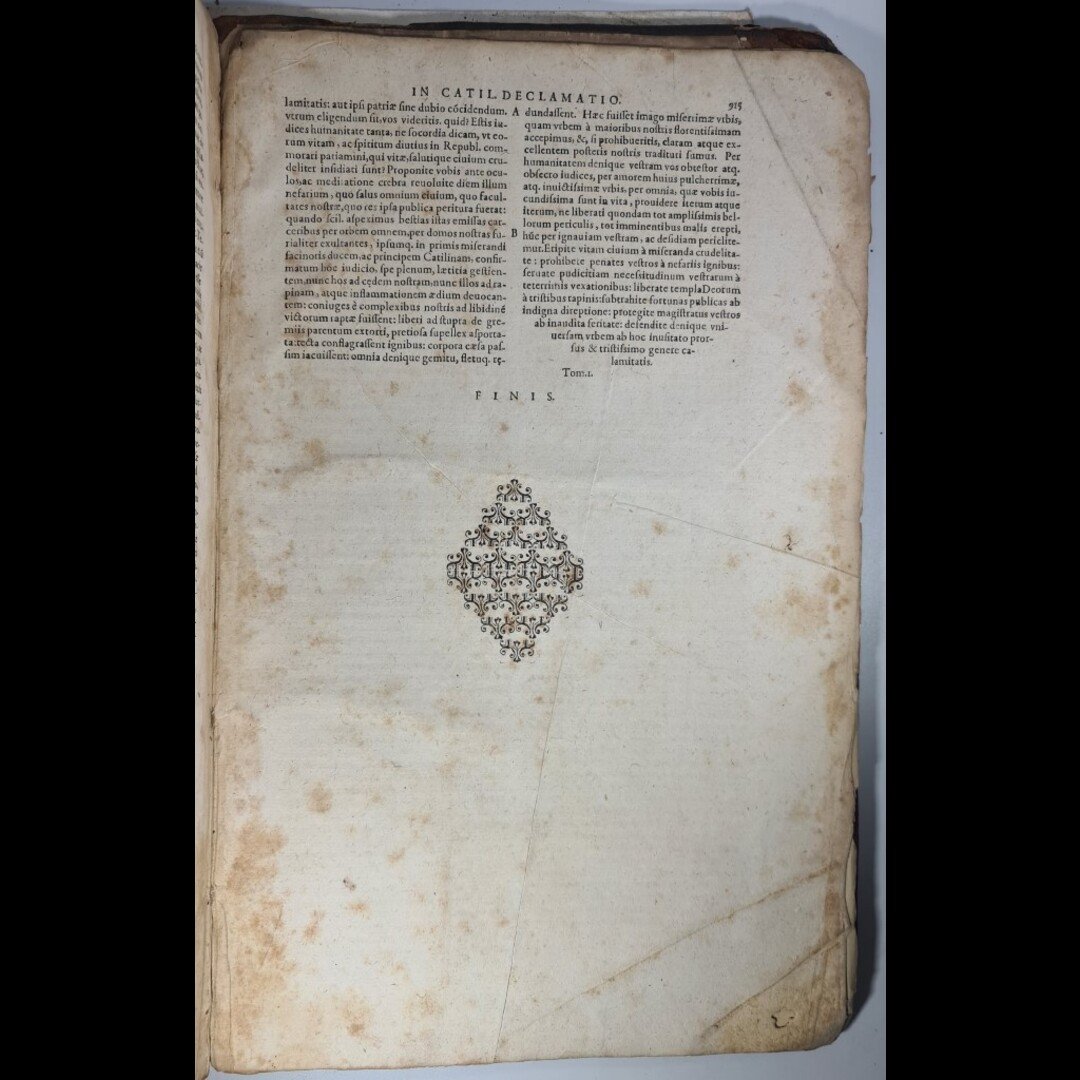
1494 Haguenau Incunable; With Provenance
ANTHIDOTARIUS ANIMAE: THE ANTIDOTE FOR THE SOUL
By Nicolaus Salicetus
KEY DETAILS
Condition: Very Good
Format: Vellum, 8vo.; Approximately 156mm x 107mm
Published By: Haguenau [Hagenau, Alsace]: [Heinrich Gran], France, 1494
Language: Latin
Provenance: Unidentified early readers, responsible for the substantial Latin devotional headings, marginal notes and navigational annotations throughout.
Collation: A–R⁸, 136 leaves, including the final blank R8. Complete.
Dust Jacket: None, as issued
SKU: BTETM0002663
Shipping Info: Approximate Package Dimensions H: 12.5, L: 30, W: 25 (Units: cm), W: 2Kg
Tracked Shipping, Insurance Coverage as per Customer Request
DESCRIPTION
ANTHIDOTARIUS ANIMAE: THE ANTIDOTE FOR THE SOUL
Liber meditationum ac orationum devotarum qui Anthidotarius anime dicitur cum tabula insertus.
Haguenau [Hagenau, Alsace]: [Heinrich Gran], 5 September 1494.
Incunable. Octavo. A–R⁸. 136 leaves, including the terminal blank R8. COMPLETE. Printed in Gothic type in two columns, 35 lines to the page. Extensively rubricated throughout in red and blue, with alternating Lombard-style initials, paragraph marks and numerous large flourished initials with extended penwork into the margins. Later stiff-board binding covered with reused early-modern German manuscript parchment.
A complete and extensively rubricated copy of the 1494 Haguenau edition of Nicolaus Salicetus’s Anthidotarius animae — the “Antidote for the Soul” — one of the most successful devotional compilations of the late fifteenth century.
Printed at Haguenau in Alsace by Heinrich Gran, one of the most important early printers of the Upper Rhine, the work belongs to the final decade of the incunable period, when printed devotional manuals were increasingly bringing texts formerly associated with monastic and clerical use into the hands of private readers.
Salicetus conceived the work through a striking therapeutic metaphor. Just as an antidotarium supplied remedies for the ailments of the body, the Anthidotarius animae offered remedies for the illnesses of the soul: sin, temptation, spiritual weakness and disorder. The collection brings together prayers, meditations, examinations of conscience and devotional exercises intended to guide the reader through penitence, thanksgiving, Marian devotion, invocation of saints and angels, preparation for death and other aspects of late-medieval spiritual practice.
That medical metaphor is particularly apt in Salicetus’s case. Before entering the Cistercian order, he had received medical training and is recorded as having taken a doctorate in medicine at Paris in 1461. His best-known work therefore stands at an unusual intersection of medicine, monastic spirituality and early printing.
The text proved highly successful. First printed at Strasbourg in 1489, it was repeatedly reissued during the final years of the fifteenth century, demonstrating the considerable contemporary demand for structured personal devotional literature.
This copy is especially attractive for its extensive contemporary rubrication, carried throughout in red and blue. Numerous large initials are flourished with long pen extensions into the margins, giving the small-format volume considerable visual presence.
Equally significant is its evidence of prolonged use. The book was not merely decorated and preserved: it was repeatedly read, navigated and adapted by successive owners.
An early hand has supplied a series of Latin devotional and navigational headings, apparently intended to make the book easier to use as a working prayer manual. Legible examples include:
Gratiarum Actio pro singulis beneficiis — “Thanksgiving for individual blessings”
Orationes de Angelis — “Prayers concerning the Angels”
Ad proprium Angelum — “To one’s own [guardian] Angel”
Litania
a heading relating to the Rosary / Marian devotion
probable headings for prayers concerning the Apostles and other devotional sections
These are accompanied by shorter early marginal annotations, occasional underlining and attention marks. A distinctly later layer of manuscript cross-references, including blue-ink numerical references, demonstrates further use in a subsequent period.
The result is a particularly tangible example of a late-medieval devotional book functioning over centuries not simply as an object of ownership, but as a practical instrument of private devotion.
PROVENANCE
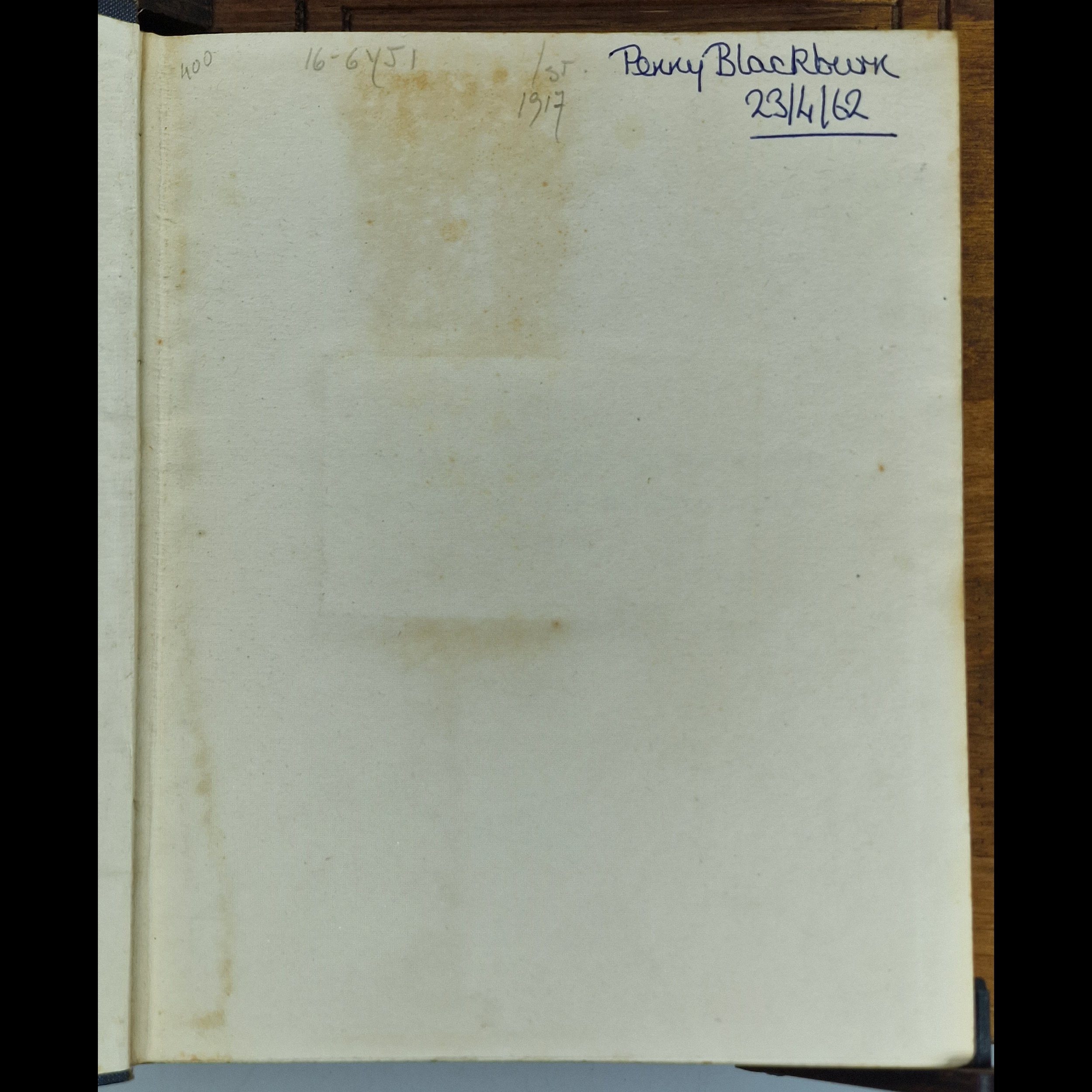
Unidentified early readers, responsible for the substantial Latin devotional headings, marginal notes and navigational annotations throughout.
Unidentified private owner, 1901. Rectangular ink ex-libris stamp reading “EX LIBRIS / 1901”, incorporating an unidentified PH monogram, present on the colophon leaf and one further leaf.
A possible association with Paul Heitz (1857–1943) of Strasbourg — publisher, bibliographer and noted scholar of fifteenth-century printing — has been considered because of the initials, date, geographical context and Heitz’s known ex-libris, but no direct comparison has yet been possible and the attribution remains unconfirmed.
Sven Borgström (1927–2022), Swedish chemist and collector of early printed books, maps and historical works.
From the dispersal of the Borgström collection:
Stockholms Auktionsverk, The Rare Books, Maps & Manuscripts Collection, 10 June 2025, Lot 9.
The Stockholm catalogue erroneously reported folio LI as wanting. Subsequent physical collation confirms folio LI present in sequence and the copy complete.
Later offered through Catawiki, September 2025.
CONDITION, COLLATION & COPY NOTES
COLLATION
A–R⁸, 136 leaves, including the final blank R8. Complete.
Physical collation confirm all required leaves present.
Earlier auction descriptions contained two collation errors:
Stockholms Auktionsverk described folio LI as wanting; it is present.
The printed text concludes with the colophon:
Hagenow, Anno domini incarnationis MCCCCXCIIII, Nonas Septembris corresponding to Haguenau, 5 September 1494.
Printed in Gothic type in two columns, 35 lines per page.
Extensively rubricated throughout in red and blue, with alternating initials and paragraph marks and numerous large flourished initials with extended penwork.
Several generations of manuscript annotation are present, including early Latin headings and devotional notes, later marginal references and occasional underlining.
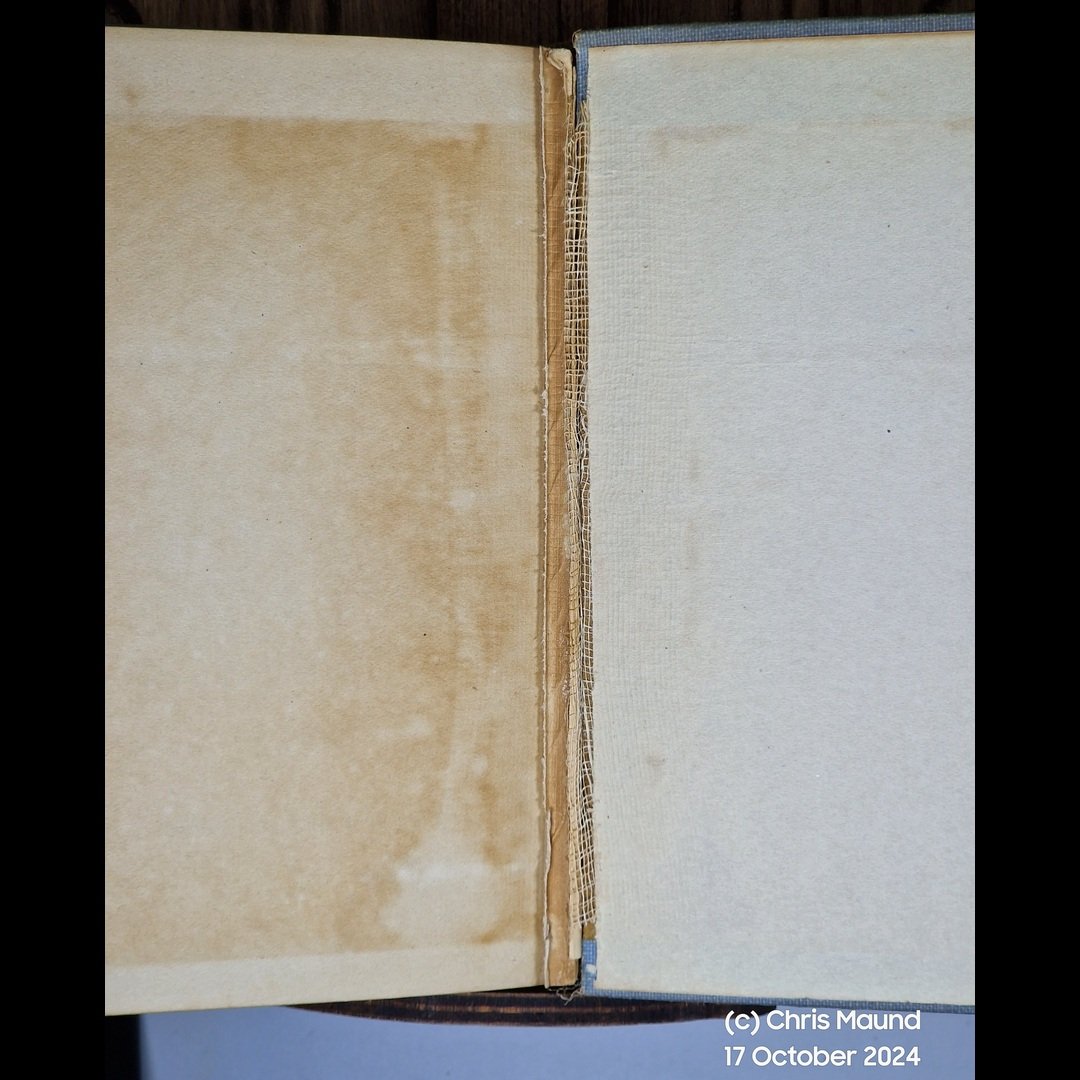
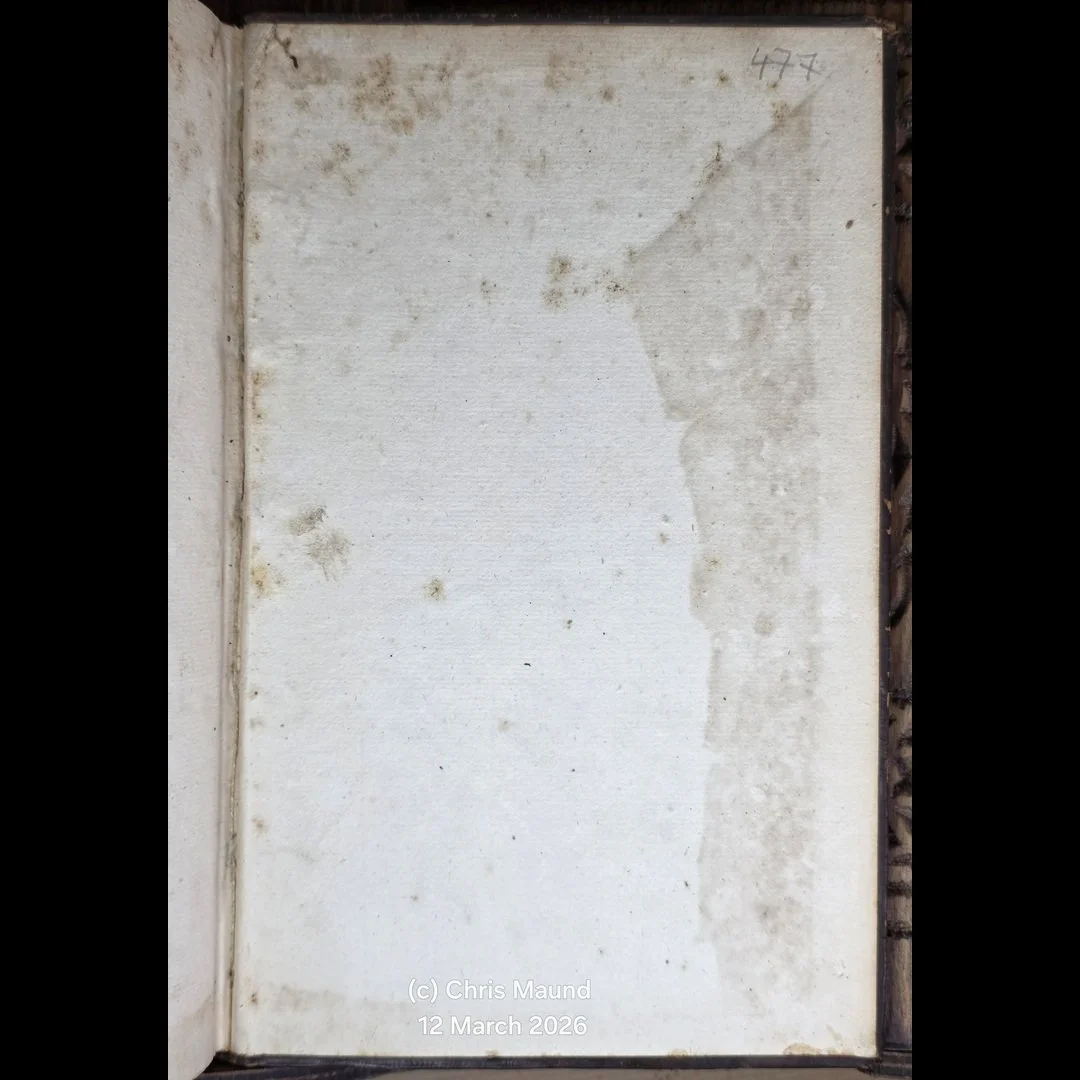
Scattered spotting, marginal soiling and handling marks; intermittent staining and localised damp marking, generally confined to margins and without significant loss of text. Occasional small marginal defects and age-related wear. Printing generally strong and dark, with good legibility throughout.
The book has clearly seen sustained devotional use but remains remarkably well preserved for a small-format working incunable of 1494.
Binding
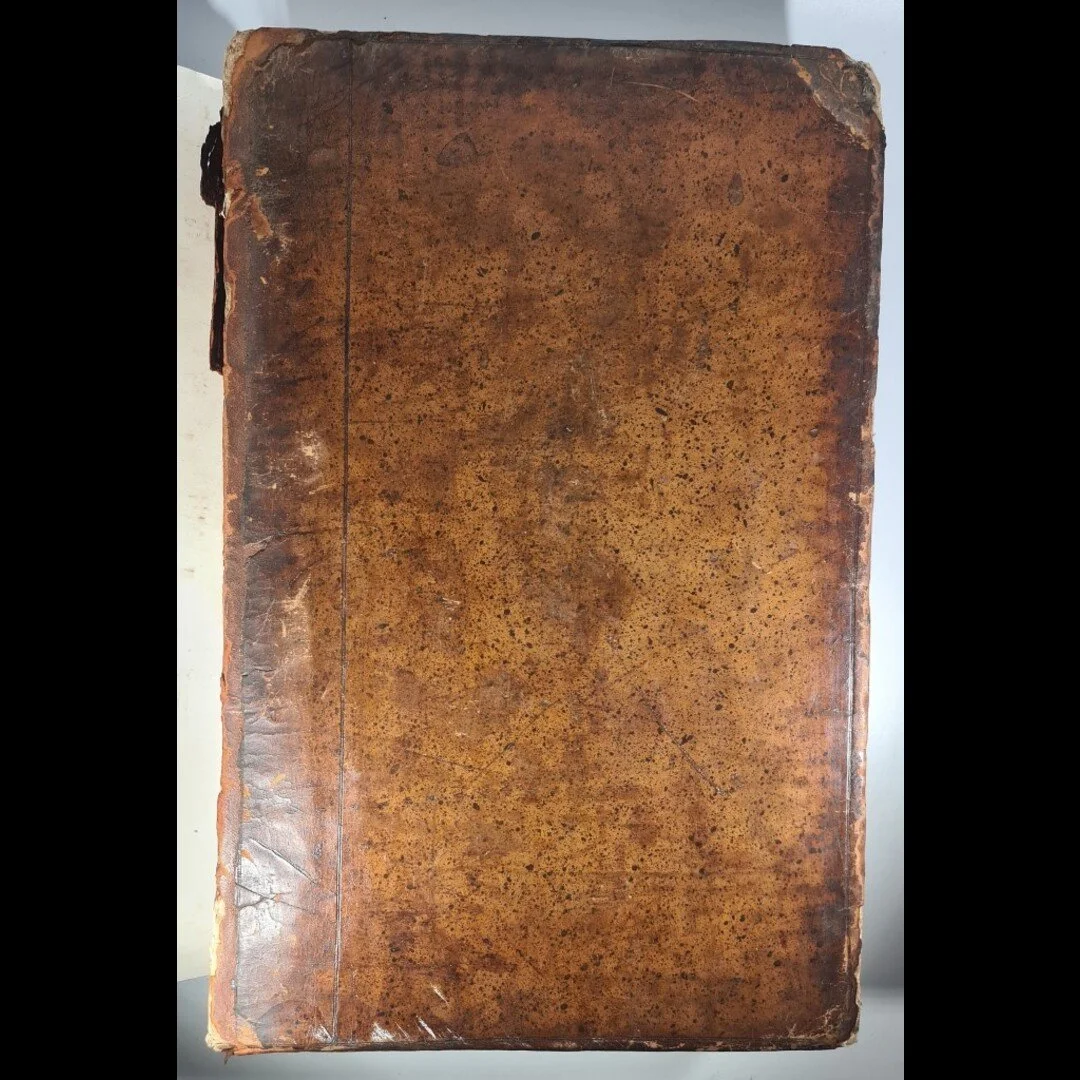
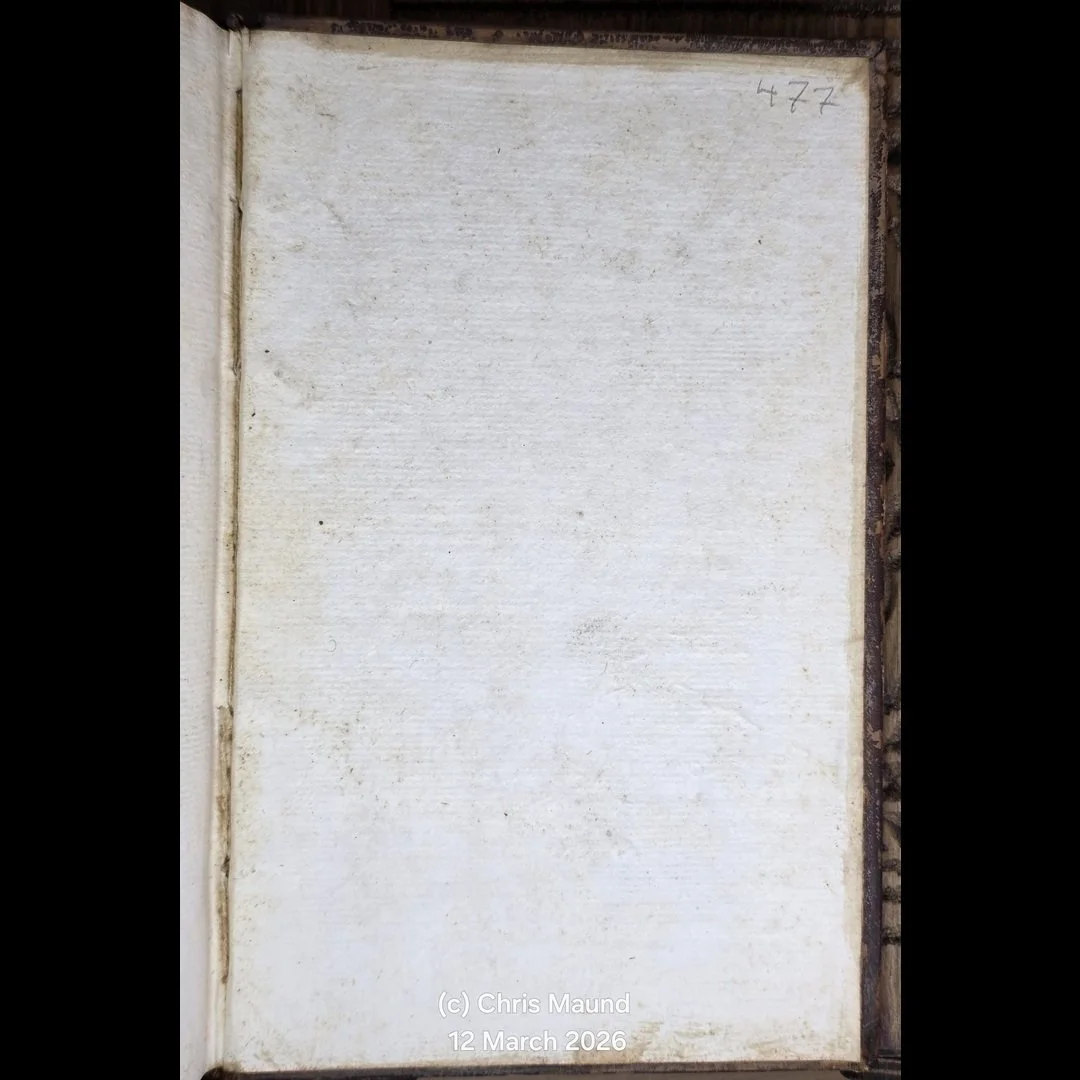
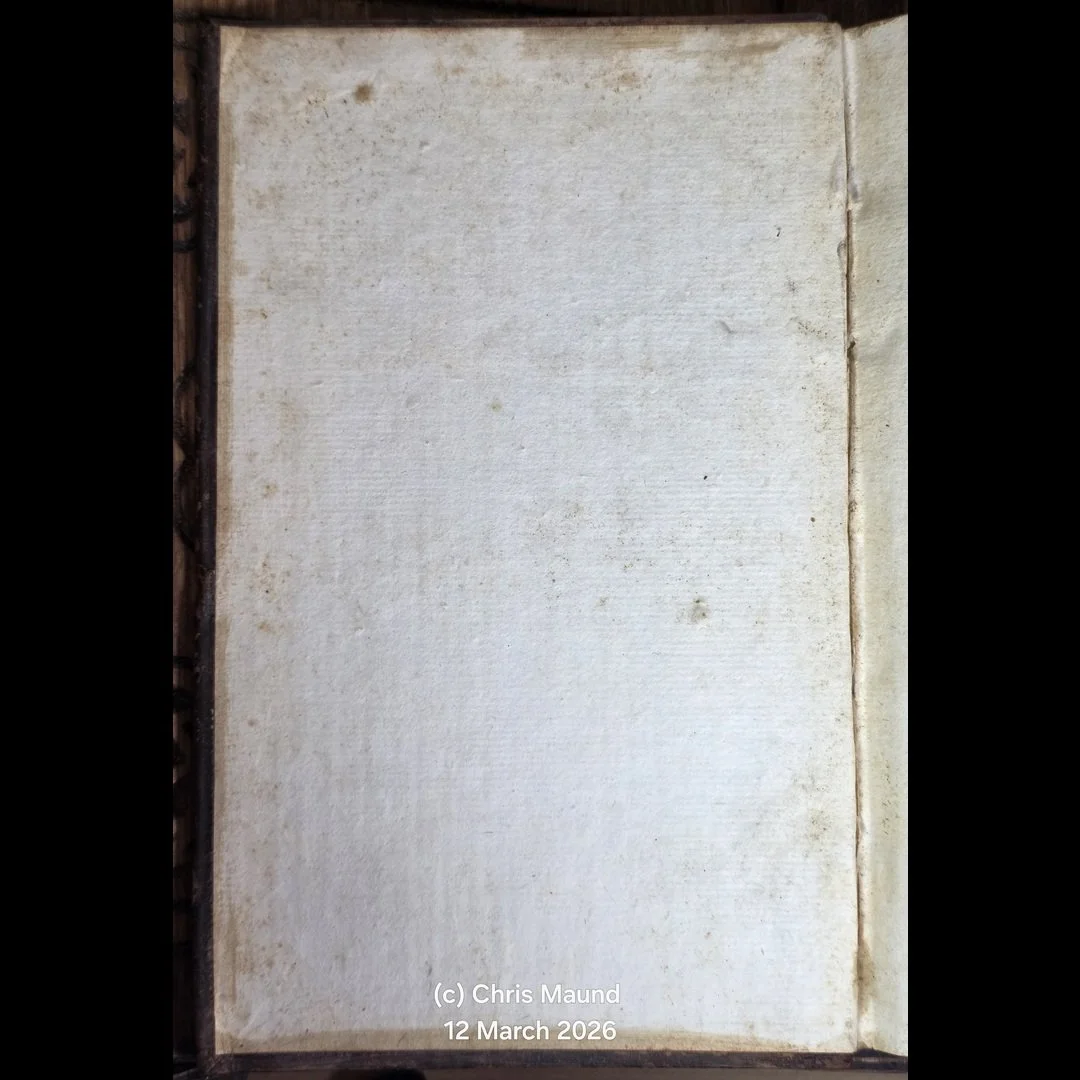
Later stiff boards covered with a reused early-modern German manuscript parchment document, with plain paper pastedowns.
The manuscript covering is written in German chancery script and appears to preserve portions of the formal titulature of a Habsburg imperial document, probably a privilege, confirmation, rescript or related chancery instrument.
The surviving language is compatible with late-sixteenth-century imperial formulas used under Maximilian II and Rudolf II. The document has traditionally been dated to approximately 1580, which, if correct, would place it in the reign of Rudolf II; however, neither the ruler’s name nor an unequivocal date is presently visible in the exposed portion, and the attribution should therefore remain cautious.
The manuscript covering wraps continuously around the spine and boards and is considerably earlier than the present binding structure.
Ex-libris stamp dated 1901 to colophon leaf and one further leaf.
Overall: Very Good, particularly for a substantially used and annotated fifteenth-century devotional incunable.
Please see Photos as part of condition report.
REFERENCES
ISTC: is00042000
GW: M39476
Goff: S-42
Hain-Copinger: HC 14165
BMC: III, 683
SYNOPSIS
The Anthidotarius animae — literally an “Antidote for the Soul” — is a late-medieval devotional compilation designed to provide spiritual remedies for the moral and psychological ailments of Christian life.
Its organising metaphor is explicitly therapeutic. The soul, like the body, is vulnerable to illness; temptation, sin, fear, pride and spiritual indifference therefore require appropriate remedies. Prayer, meditation, penitence, confession, thanksgiving and examination of conscience become the spiritual equivalents of medicines.
The work guides the reader through a wide range of devotional situations, including Marian prayers, invocations of saints and angels, prayers of thanksgiving, litanies, penitential exercises and preparations for death and judgement.
Its compact octavo format made it particularly suitable for personal use. The extensive early headings and annotations in this copy show precisely how such a book could function in practice: individual prayers were identified, grouped and revisited according to devotional need.
The work’s repeated printing during the incunable period demonstrates its considerable contemporary popularity. Rather than being an obscure Cistercian text of limited circulation, the Anthidotarius animae formed part of the rapidly expanding printed devotional culture of the later fifteenth century.
AUTHOR BIO
Nicolaus Salicetus, also known as Nicolaus von Wydenbosch / Weidenbusch, was a late-medieval physician, Cistercian monk and devotional writer associated with Alsace.
He received medical training in Paris and is recorded as having obtained the degree of Doctor of Medicine in 1461. He subsequently entered the Cistercian order and became abbot of the monastery of Baumgarten in Alsace, serving from approximately 1482 until shortly before 1490.
He died around 1493–1494.
His medical background lends particular significance to the title Anthidotarius animae. Medieval antidotaria were collections of pharmaceutical remedies; Salicetus transformed that language of physical medicine into a programme of spiritual therapy.
The Anthidotarius became his most successful work and was repeatedly printed during the final years of the fifteenth century.
HEINRICH GRAN [Printer]
Heinrich Gran was one of the principal early printers active at Haguenau in Alsace.
Working from approximately 1489, Gran became a prolific producer of theological, scholastic and devotional works. Haguenau developed into an important printing centre serving the German-speaking lands, particularly for religious and academic literature.
Although the printer is not named in the colophon of the present edition, modern incunable bibliography attributes the printing securely to Gran.

 Image 1 of 18
 Image 2 of 18
 Image 3 of 18
 Image 4 of 18
 Image 5 of 18
 Image 6 of 18
 Image 7 of 18
 Image 8 of 18
 Image 9 of 18
 Image 10 of 18
 Image 11 of 18
 Image 12 of 18
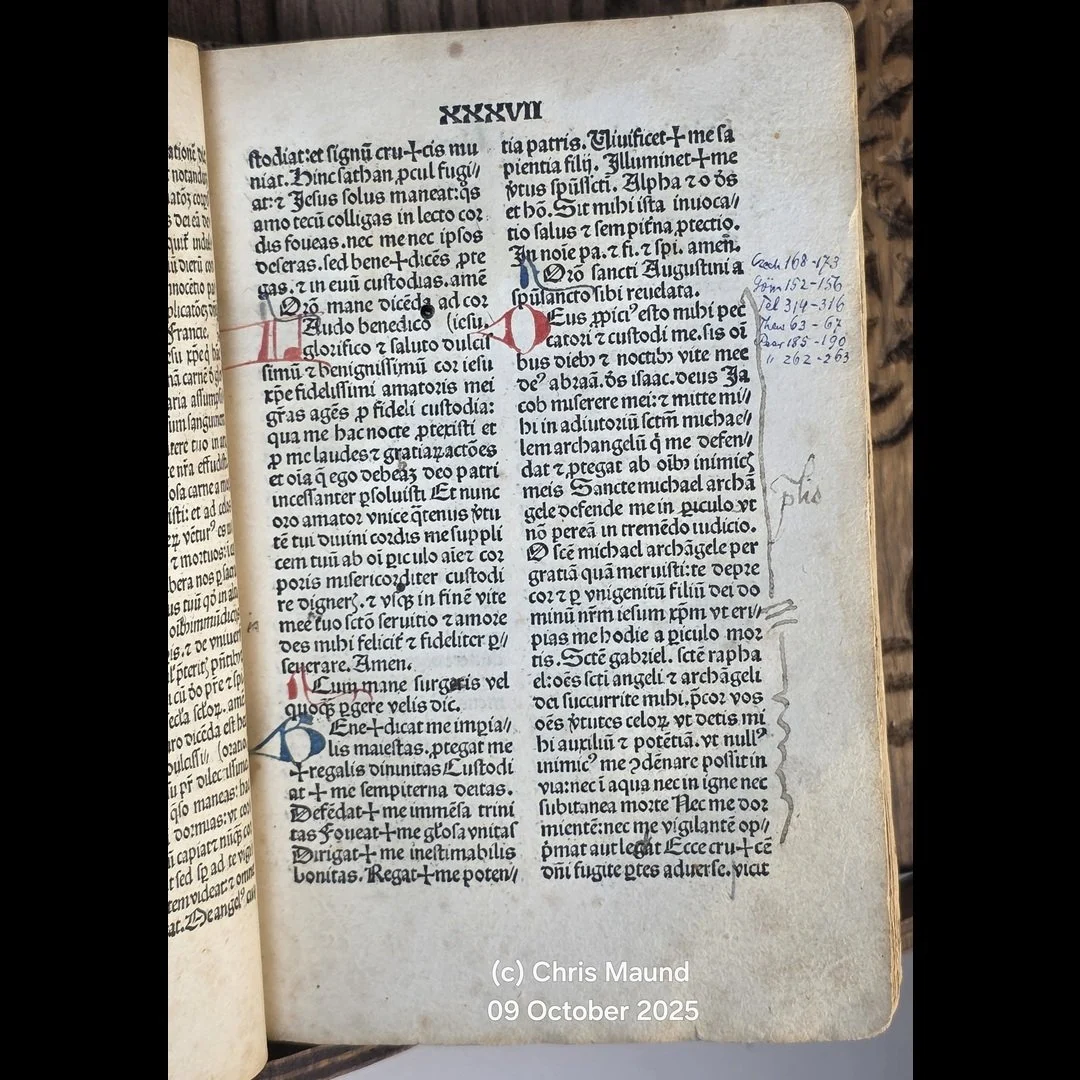 Image 13 of 18
 Image 14 of 18
 Image 15 of 18
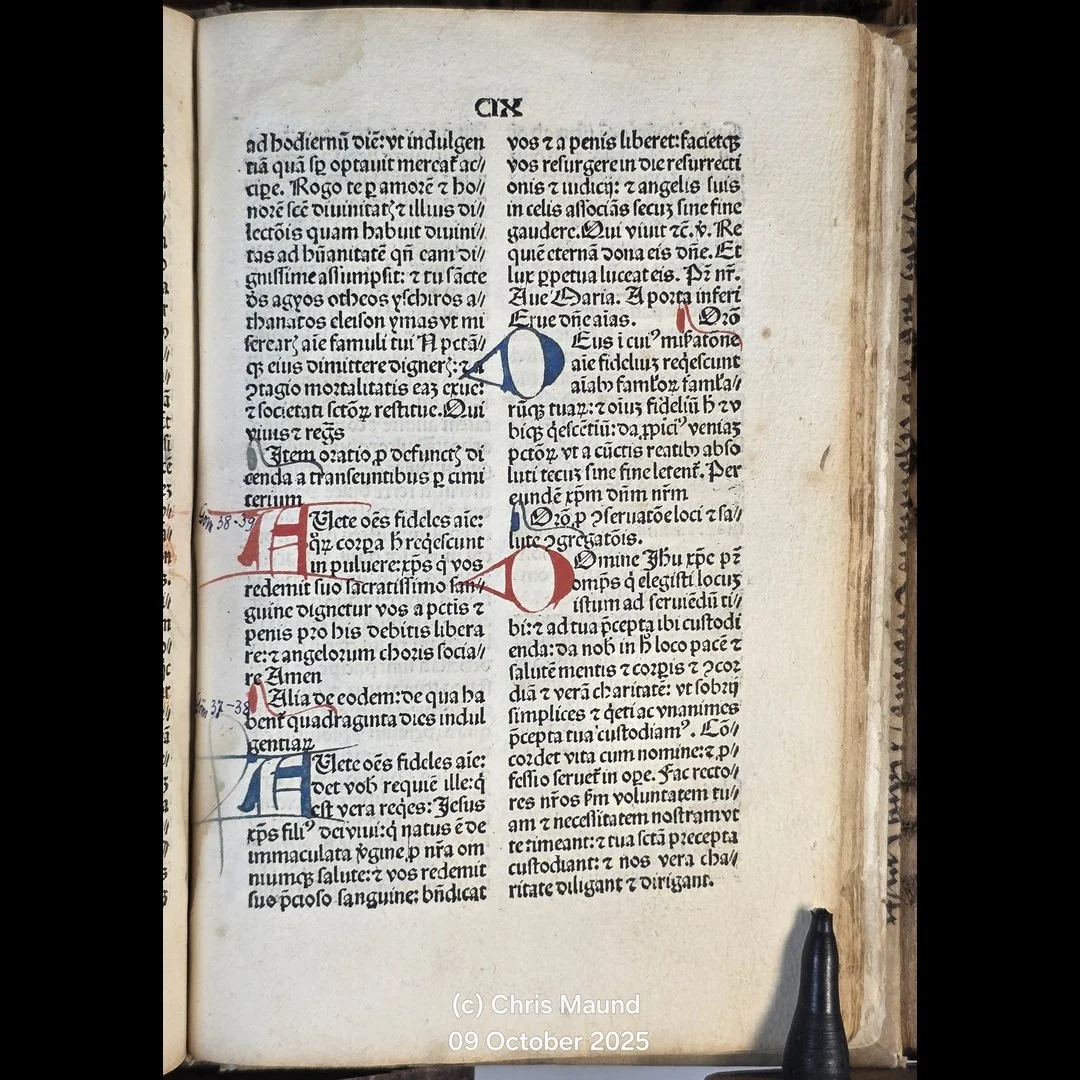 Image 16 of 18
 Image 17 of 18
 Image 18 of 18