1747 Enlarged Edition, Part IV With Provenance
AUXILIA HISTORICA
By Anselm Desing
KEY DETAILS
Condition: Good
Format: Hardcover, Octavo (Standard) (8vo 6 × 9 in 152 × 229 mm )
Note: Binding/size selection follows standard bibliographic conventions and is approximate; exact measurements may vary.
Published By: Johann Gastl, Stadt am Hof bei Regensburg, 1747
Language: German
Provenance: With repeated eighteenth-century ink ownership inscriptions to the front pastedown and faded corresponding inscription to the front board, clearly reading: “Jeronymus Cornely de Codripo” — Jeronymus, or Hieronymus/Jer...
Collation: 743, [30] pp. Institutional copies of this 1747 Part IV are recorded with 2 engraved plates and 4 folding plates, matching the proper engraved complement present here.; The engraved material comprises:
Dust Jacket: None, as issued, No Jacket
SKU: BTETM0002673
Shipping Info: Approximate Package Dimensions H: 12.5, L: 30, W: 25 (Units: cm), W: 2Kg
Tracked Shipping, Insurance Coverage as per Customer Request
DESCRIPTION
Auxilia Historica
Oder Historischer Behülff, und Bequemer Unterricht von Denen darzu erforderlichen Wissenschafften. IV. Theil
An attractive and substantially complete copy of Part IV of Anselm Desing’s enlarged Auxilia Historica, published at Stadt am Hof near Regensburg in 1747. First issued in a much smaller form in 1733, Desing’s historical handbook was subsequently greatly expanded into eight principal parts with supplements, forming an ambitious compendium of the geography, political history, genealogy, heraldry and institutions considered necessary for the serious study of history.
This fourth part is devoted principally to Austria and the Habsburg lands, Switzerland and the Russian Empire. The title itself announces discussions of Austria, Styria, Carinthia, Carniola, Istria, Gorizia, Tyrol and Trent; Switzerland and its political constitution; and Russia, including the Cossacks, Tartars, Siberia, Peter the Great and Russo-Swedish affairs.
The volume is illustrated with the standard engraved complement recorded for this edition: two heraldic plates and four folding engravings. These comprise the arms of the Archdukes of Austria; XXI. Haupt-Karte Austria, Stiria, Tirol, marked for fol. 3; a detailed folding plan of fortified Vienna, marked for fol. 152; XXII. Haupt-Karte Schweitzer-Land und Grau-Bünden, marked for fol. 199; the arms of the Russian Empire; and XXV. Hauptkarte Moscau, Das Keyserthum, marked for fol. 303. The institutional collation for Part IV is 743, [30] pages with two plates and four folding plates.
Of particular interest, this copy also contains an additional folding plan of Luxembourg, explicitly engraved for Part VI of the series rather than Part IV. It appears therefore to be a contemporary stray or transferred plate from another volume of Auxilia Historica. It is not required for the normal collation of Part IV and is an interesting individual feature of this copy.
Desing’s Auxilia Historica occupies an interesting position in the development of the disciplines later known collectively as the historical auxiliary sciences, bringing together geography, chronology, heraldry, genealogy, political structures and related fields as tools for understanding historical events and institutions. Desing’s title itself predates the later standard German expression historische Hilfswissenschaften.
PROVENANCE
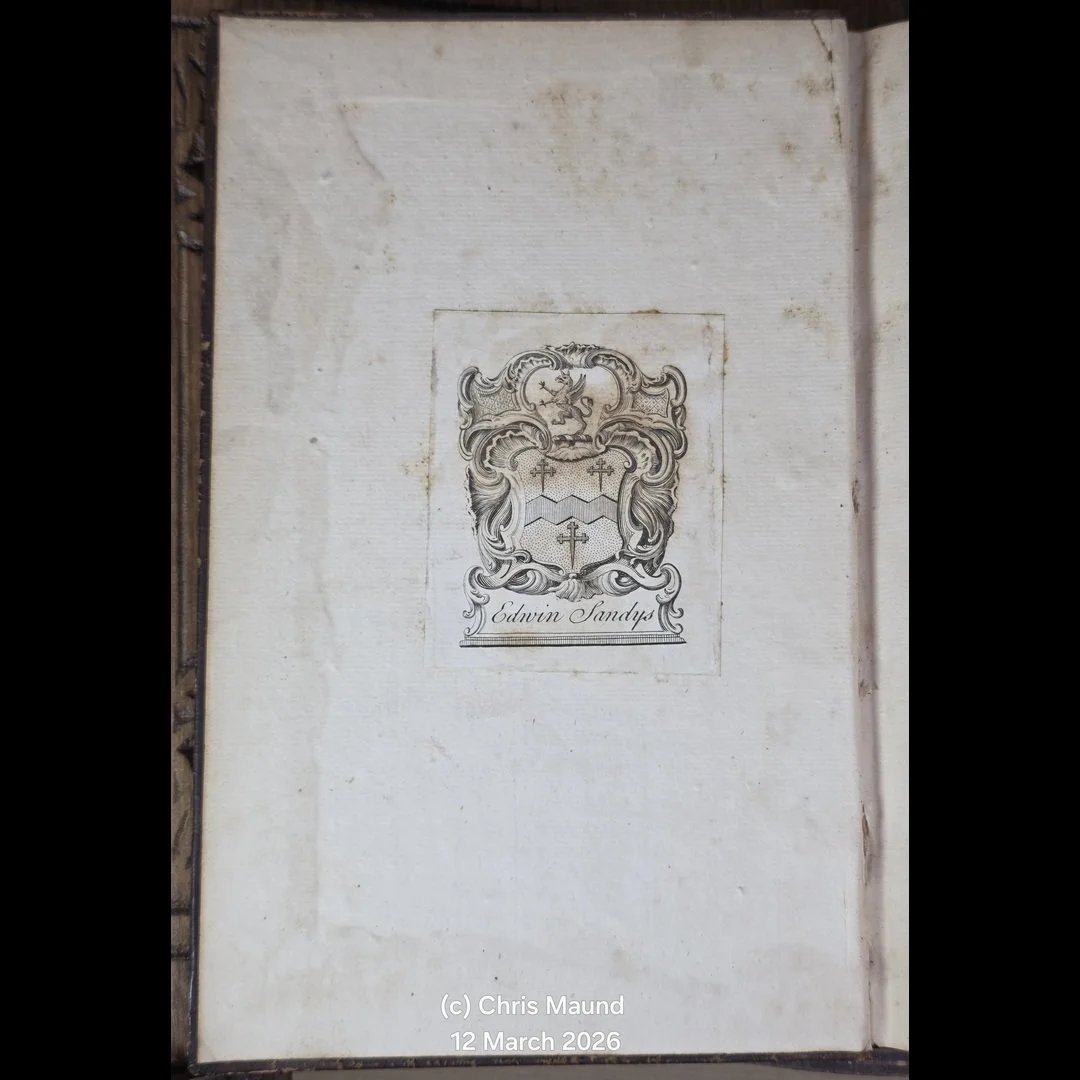
With repeated eighteenth-century ink ownership inscriptions to the front pastedown and faded corresponding inscription to the front board, clearly reading: “Jeronymus Cornely de Codripo” — Jeronymus, or Hieronymus/Jerome, Cornely of Codripo, an historical form of modern Codroipo in Friuli, northern Italy. The precise identity of Cornely has not presently been traced, but the inscription provides a useful early Italian provenance for the volume. “Codripo” is independently documented as a historical form of the place-name.
Later from the Christopher Saunders Collection, an antiquarian collection particularly associated with early printed material relating to cricket, although this volume formed part of Saunders’s wider historical library and contains no cricket material.
CONDITION, COLLATION & COPY NOTES
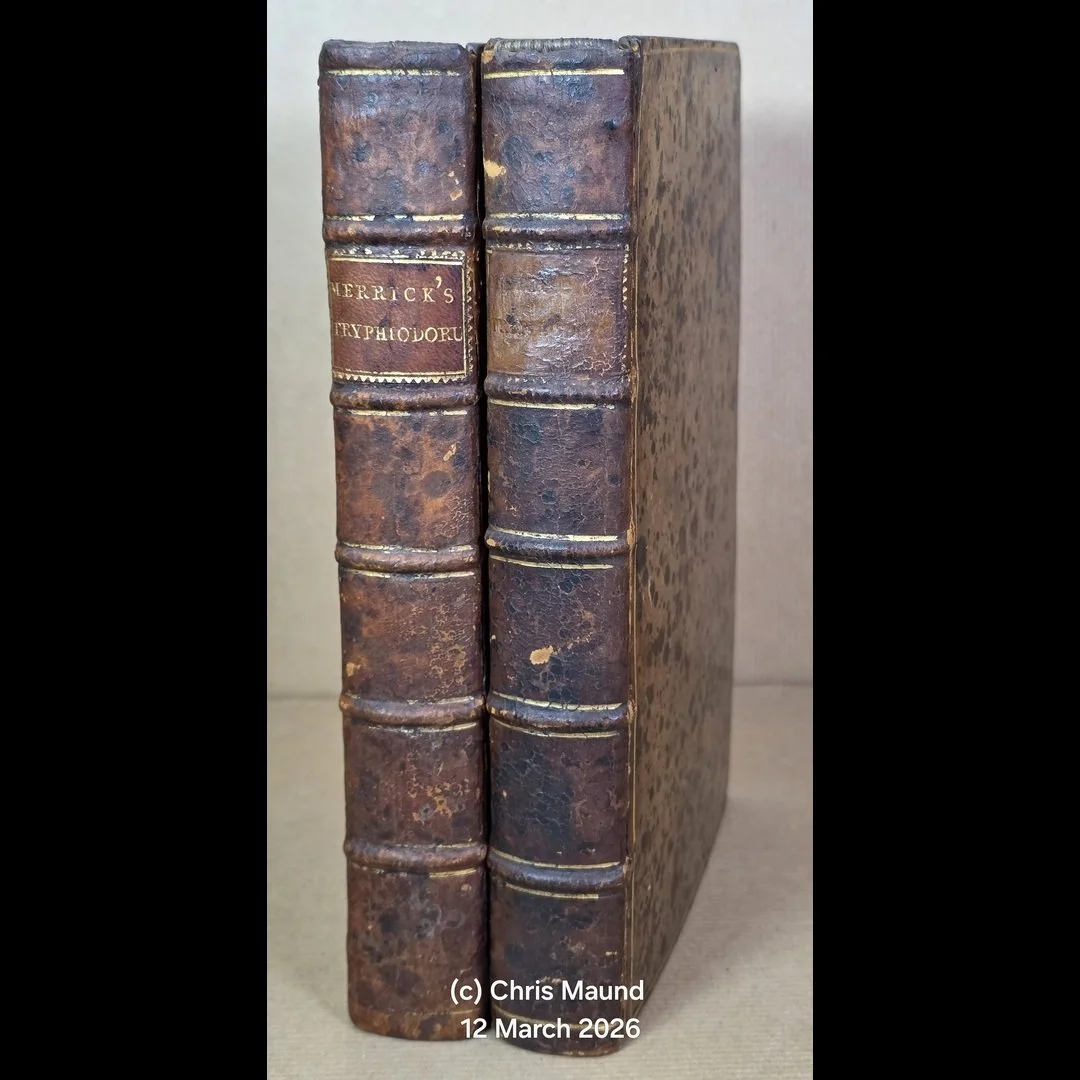
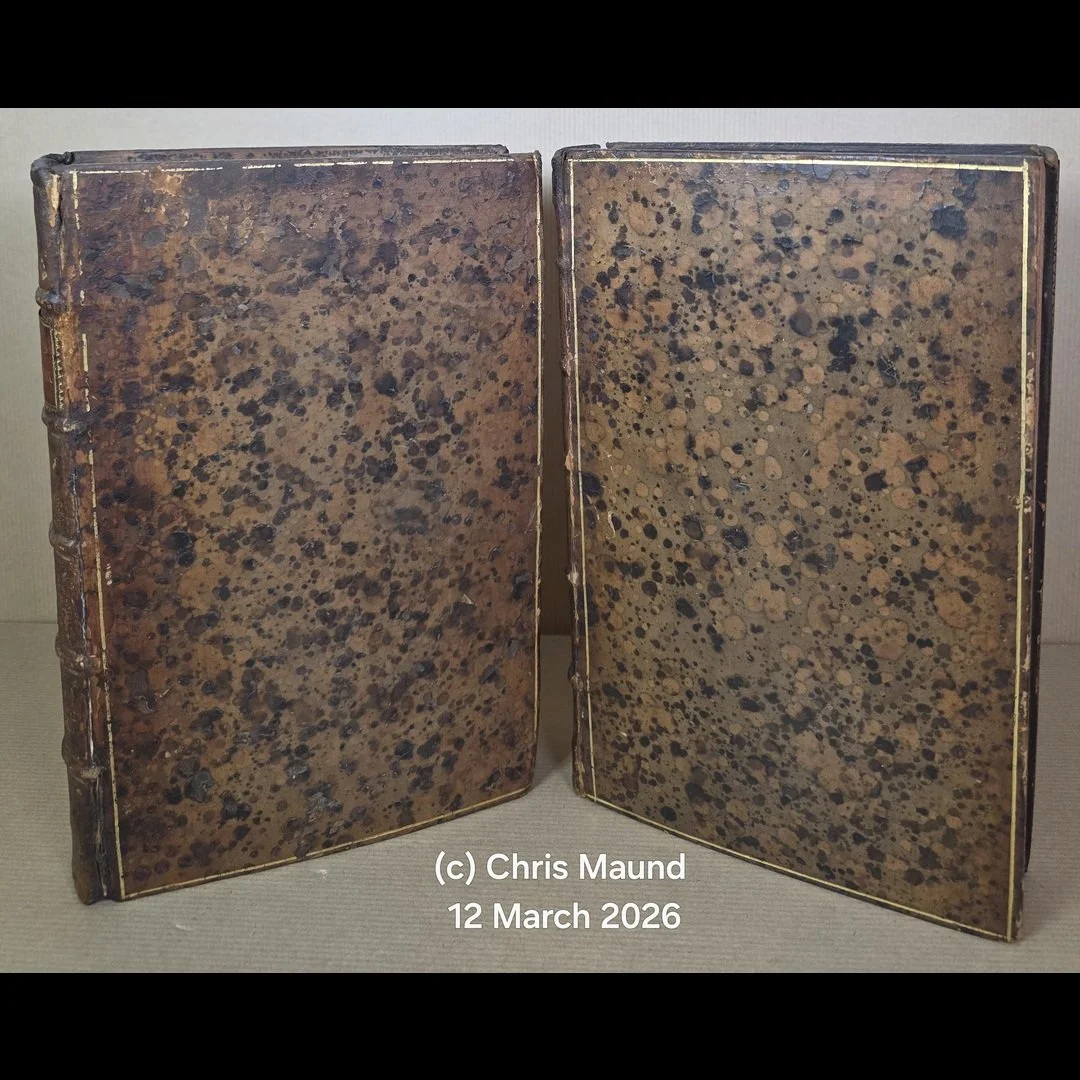
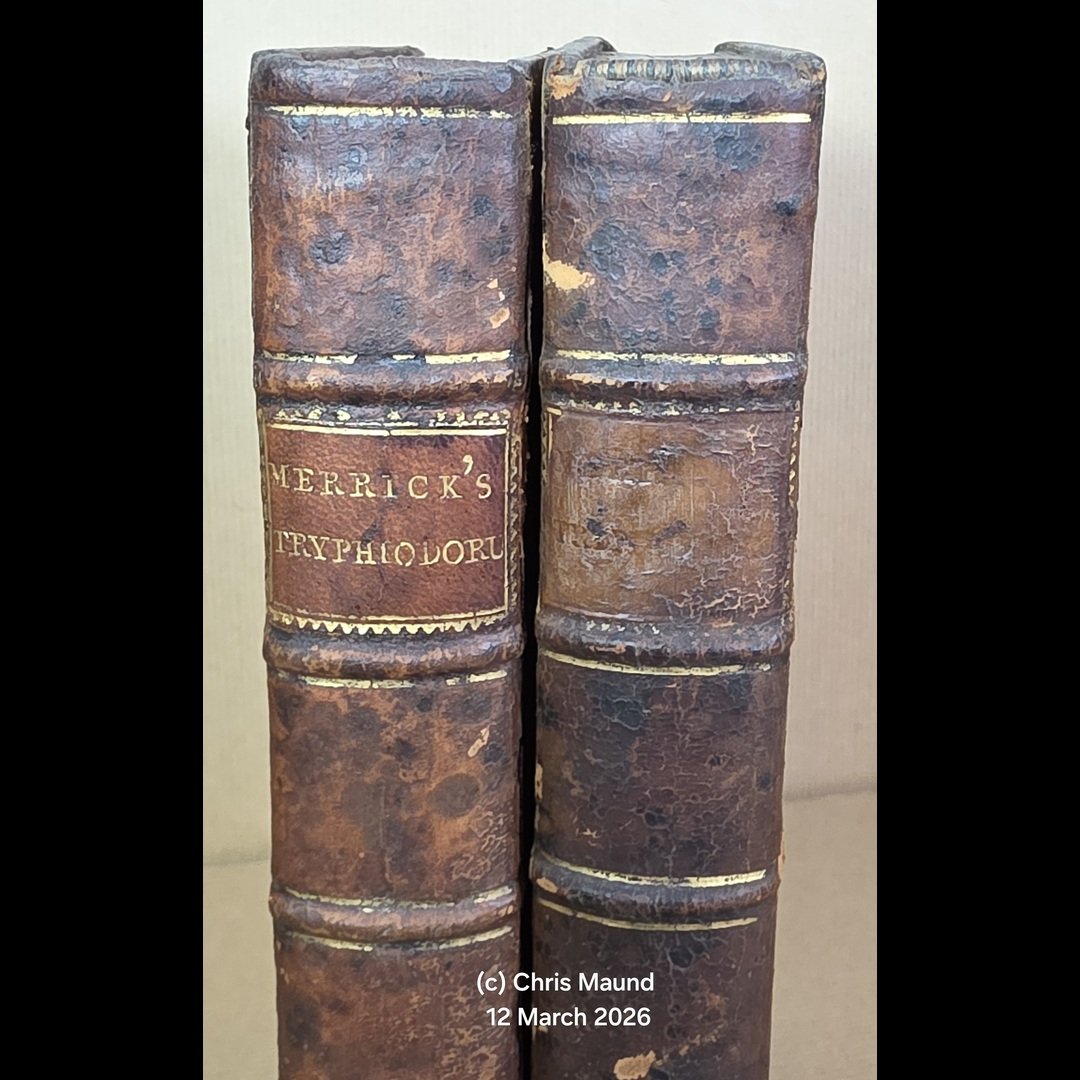
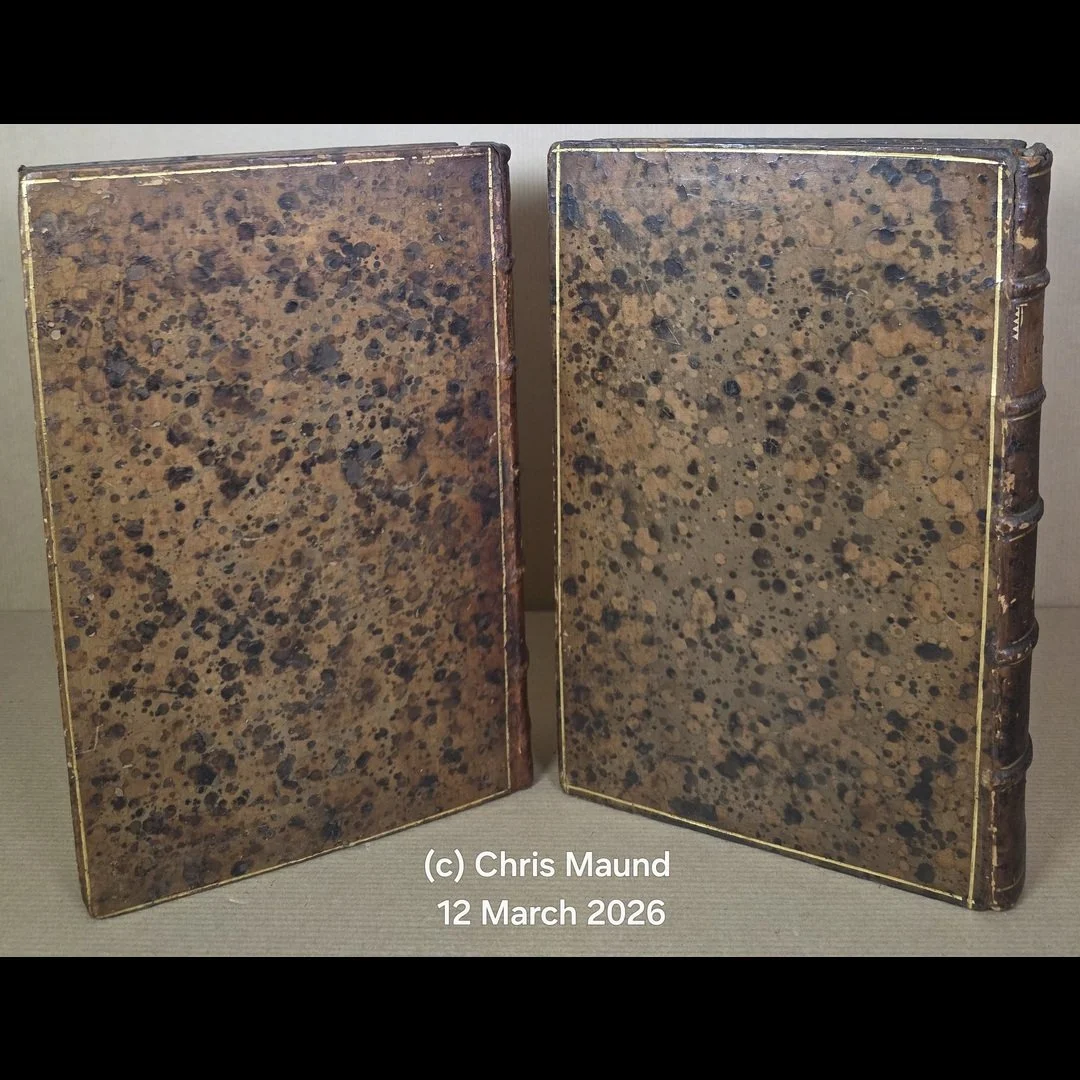
Contemporary half-leather over speckled paper-covered boards, with leather corners, raised spine bands and gilt-lettered spine label. Binding firm. Leather rubbed and worn, with loss and chipping at the head of the spine; boards rubbed and marked, corners rounded and worn. The front board bears the heavily faded early ownership inscription noted above.
Internally generally sound, with expected age-toning, scattered spotting and occasional marginal staining or handling marks. Title page present and well preserved. Fraktur type throughout with occasional decorative ornaments.
Please see Photos as part of condition report.
REFERENCES
Piarista Rend Magyar Tartománya Központi Könyvtára, exact 1747 Part IV: 743, [30] pp., [2] plates, [4] folding plates.
Bayerische Staatsbibliothek, digitised 1747 Part IV, BSB10031651.
Google Books / Google Play Books, digitised 1747 Part IV, 743 pages.
VD18, Auxilia Historica series.
Contemporary and antiquarian comparators also describe the volume as 743 pages plus 15 leaves, with two engraved armorial plates, three folding geographical maps and the folding Vienna plan.
SYNOPSIS
Auxilia Historica was conceived as a practical intellectual toolkit for the study of history. Rather than presenting history merely as a chronological narrative, Desing sought to equip the reader with the supporting disciplines required to understand states, dynasties, borders, political institutions and historical change.
Part IV concentrates on the rapidly changing political geography of Central and Eastern Europe. The Austrian section examines the Habsburg hereditary territories and their component lands; the Swiss section considers the Confederation, its history and political organisation; and the extensive Russian section surveys the empire’s geography, peoples, government and military power.
Of particular interest is Desing’s treatment of Russia under Peter the Great, together with the Cossacks, Tartars and Siberia and the conflicts between Russia and Sweden. Written only two decades after Peter’s death, the volume reflects contemporary European attempts to understand Russia’s extraordinary transformation from Muscovite state into a major imperial power.
The engraved maps, heraldic plates and fortified plan of Vienna are therefore integral to Desing’s method rather than merely decorative additions: geography, heraldry and political organisation were all treated as necessary tools for interpreting history.
AUTHOR BIO
Anselm Desing (1699–1772) was a German Benedictine monk, historian, geographer, philosopher, educator and polymath. Born in Amberg, he entered the Benedictine abbey of Ensdorf as a young man and subsequently taught at Freising and at the Benedictine University of Salzburg.
His interests ranged unusually widely across history, geography, mathematics, astronomy, numismatics, architecture and education. He produced textbooks and geographical works for teaching and was closely involved in the planning of the observatory at Kremsmünster. In 1761 he became Abbot of Ensdorf, where he remained until his death in 1772.
Auxilia Historica was among his most ambitious educational projects, designed to bring together the many disciplines that Desing believed a historian needed in order to understand the political and geographical world properly.
1747 Enlarged Edition, Part IV With Provenance
AUXILIA HISTORICA
By Anselm Desing
KEY DETAILS
Condition: Good
Format: Hardcover, Octavo (Standard) (8vo 6 × 9 in 152 × 229 mm )
Note: Binding/size selection follows standard bibliographic conventions and is approximate; exact measurements may vary.
Published By: Johann Gastl, Stadt am Hof bei Regensburg, 1747
Language: German
Provenance: With repeated eighteenth-century ink ownership inscriptions to the front pastedown and faded corresponding inscription to the front board, clearly reading: “Jeronymus Cornely de Codripo” — Jeronymus, or Hieronymus/Jer...
Collation: 743, [30] pp. Institutional copies of this 1747 Part IV are recorded with 2 engraved plates and 4 folding plates, matching the proper engraved complement present here.; The engraved material comprises:
Dust Jacket: None, as issued, No Jacket
SKU: BTETM0002673
Shipping Info: Approximate Package Dimensions H: 12.5, L: 30, W: 25 (Units: cm), W: 2Kg
Tracked Shipping, Insurance Coverage as per Customer Request
DESCRIPTION
Auxilia Historica
Oder Historischer Behülff, und Bequemer Unterricht von Denen darzu erforderlichen Wissenschafften. IV. Theil
An attractive and substantially complete copy of Part IV of Anselm Desing’s enlarged Auxilia Historica, published at Stadt am Hof near Regensburg in 1747. First issued in a much smaller form in 1733, Desing’s historical handbook was subsequently greatly expanded into eight principal parts with supplements, forming an ambitious compendium of the geography, political history, genealogy, heraldry and institutions considered necessary for the serious study of history.
This fourth part is devoted principally to Austria and the Habsburg lands, Switzerland and the Russian Empire. The title itself announces discussions of Austria, Styria, Carinthia, Carniola, Istria, Gorizia, Tyrol and Trent; Switzerland and its political constitution; and Russia, including the Cossacks, Tartars, Siberia, Peter the Great and Russo-Swedish affairs.
The volume is illustrated with the standard engraved complement recorded for this edition: two heraldic plates and four folding engravings. These comprise the arms of the Archdukes of Austria; XXI. Haupt-Karte Austria, Stiria, Tirol, marked for fol. 3; a detailed folding plan of fortified Vienna, marked for fol. 152; XXII. Haupt-Karte Schweitzer-Land und Grau-Bünden, marked for fol. 199; the arms of the Russian Empire; and XXV. Hauptkarte Moscau, Das Keyserthum, marked for fol. 303. The institutional collation for Part IV is 743, [30] pages with two plates and four folding plates.
Of particular interest, this copy also contains an additional folding plan of Luxembourg, explicitly engraved for Part VI of the series rather than Part IV. It appears therefore to be a contemporary stray or transferred plate from another volume of Auxilia Historica. It is not required for the normal collation of Part IV and is an interesting individual feature of this copy.
Desing’s Auxilia Historica occupies an interesting position in the development of the disciplines later known collectively as the historical auxiliary sciences, bringing together geography, chronology, heraldry, genealogy, political structures and related fields as tools for understanding historical events and institutions. Desing’s title itself predates the later standard German expression historische Hilfswissenschaften.
PROVENANCE
With repeated eighteenth-century ink ownership inscriptions to the front pastedown and faded corresponding inscription to the front board, clearly reading: “Jeronymus Cornely de Codripo” — Jeronymus, or Hieronymus/Jerome, Cornely of Codripo, an historical form of modern Codroipo in Friuli, northern Italy. The precise identity of Cornely has not presently been traced, but the inscription provides a useful early Italian provenance for the volume. “Codripo” is independently documented as a historical form of the place-name.
Later from the Christopher Saunders Collection, an antiquarian collection particularly associated with early printed material relating to cricket, although this volume formed part of Saunders’s wider historical library and contains no cricket material.
CONDITION, COLLATION & COPY NOTES
Contemporary half-leather over speckled paper-covered boards, with leather corners, raised spine bands and gilt-lettered spine label. Binding firm. Leather rubbed and worn, with loss and chipping at the head of the spine; boards rubbed and marked, corners rounded and worn. The front board bears the heavily faded early ownership inscription noted above.
Internally generally sound, with expected age-toning, scattered spotting and occasional marginal staining or handling marks. Title page present and well preserved. Fraktur type throughout with occasional decorative ornaments.
Please see Photos as part of condition report.
REFERENCES
Piarista Rend Magyar Tartománya Központi Könyvtára, exact 1747 Part IV: 743, [30] pp., [2] plates, [4] folding plates.
Bayerische Staatsbibliothek, digitised 1747 Part IV, BSB10031651.
Google Books / Google Play Books, digitised 1747 Part IV, 743 pages.
VD18, Auxilia Historica series.
Contemporary and antiquarian comparators also describe the volume as 743 pages plus 15 leaves, with two engraved armorial plates, three folding geographical maps and the folding Vienna plan.
SYNOPSIS
Auxilia Historica was conceived as a practical intellectual toolkit for the study of history. Rather than presenting history merely as a chronological narrative, Desing sought to equip the reader with the supporting disciplines required to understand states, dynasties, borders, political institutions and historical change.
Part IV concentrates on the rapidly changing political geography of Central and Eastern Europe. The Austrian section examines the Habsburg hereditary territories and their component lands; the Swiss section considers the Confederation, its history and political organisation; and the extensive Russian section surveys the empire’s geography, peoples, government and military power.
Of particular interest is Desing’s treatment of Russia under Peter the Great, together with the Cossacks, Tartars and Siberia and the conflicts between Russia and Sweden. Written only two decades after Peter’s death, the volume reflects contemporary European attempts to understand Russia’s extraordinary transformation from Muscovite state into a major imperial power.
The engraved maps, heraldic plates and fortified plan of Vienna are therefore integral to Desing’s method rather than merely decorative additions: geography, heraldry and political organisation were all treated as necessary tools for interpreting history.
AUTHOR BIO
Anselm Desing (1699–1772) was a German Benedictine monk, historian, geographer, philosopher, educator and polymath. Born in Amberg, he entered the Benedictine abbey of Ensdorf as a young man and subsequently taught at Freising and at the Benedictine University of Salzburg.
His interests ranged unusually widely across history, geography, mathematics, astronomy, numismatics, architecture and education. He produced textbooks and geographical works for teaching and was closely involved in the planning of the observatory at Kremsmünster. In 1761 he became Abbot of Ensdorf, where he remained until his death in 1772.
Auxilia Historica was among his most ambitious educational projects, designed to bring together the many disciplines that Desing believed a historian needed in order to understand the political and geographical world properly.

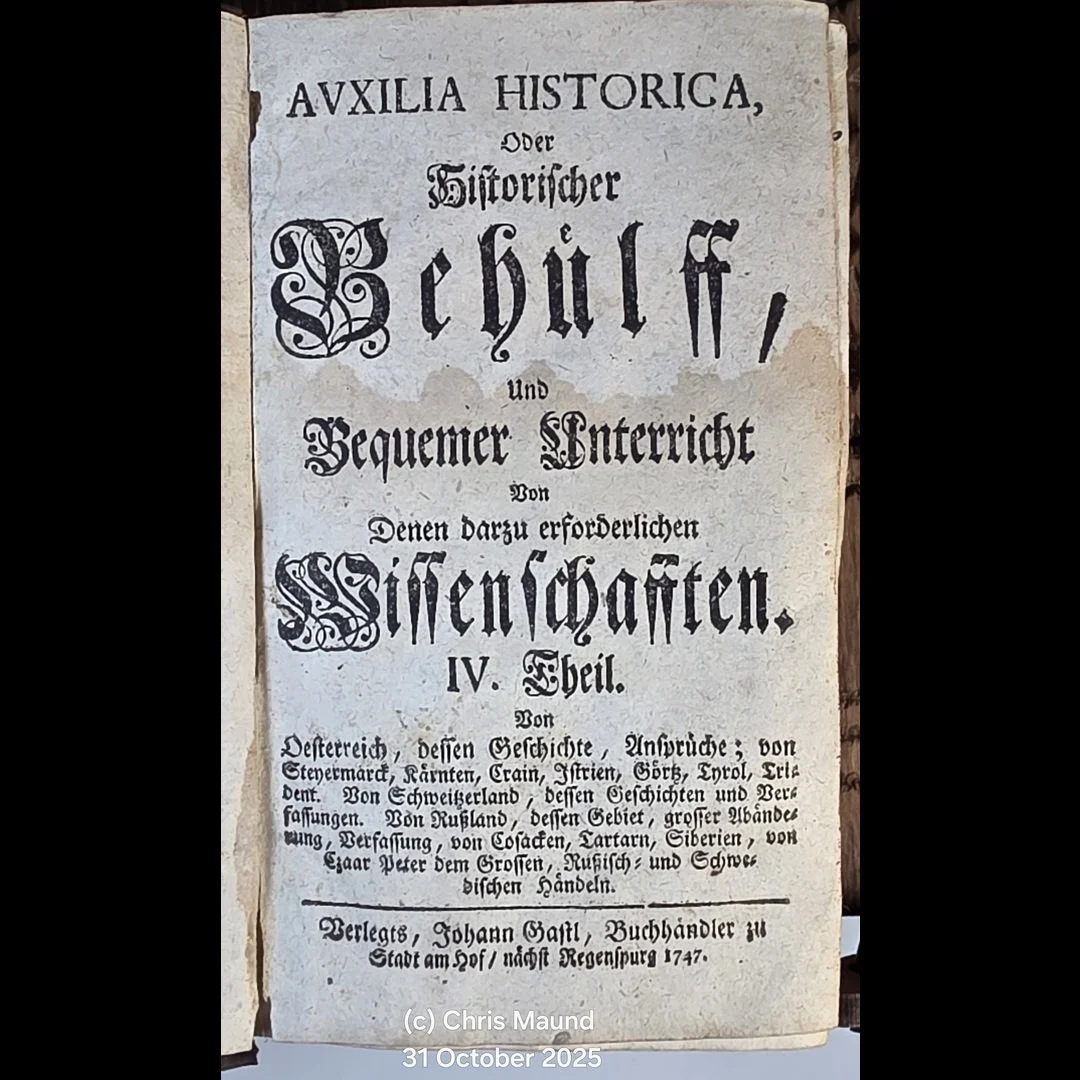 Image 1 of 24
 Image 2 of 24
 Image 3 of 24
 Image 4 of 24
 Image 5 of 24
 Image 6 of 24
 Image 7 of 24
 Image 8 of 24
 Image 9 of 24
 Image 10 of 24
 Image 11 of 24
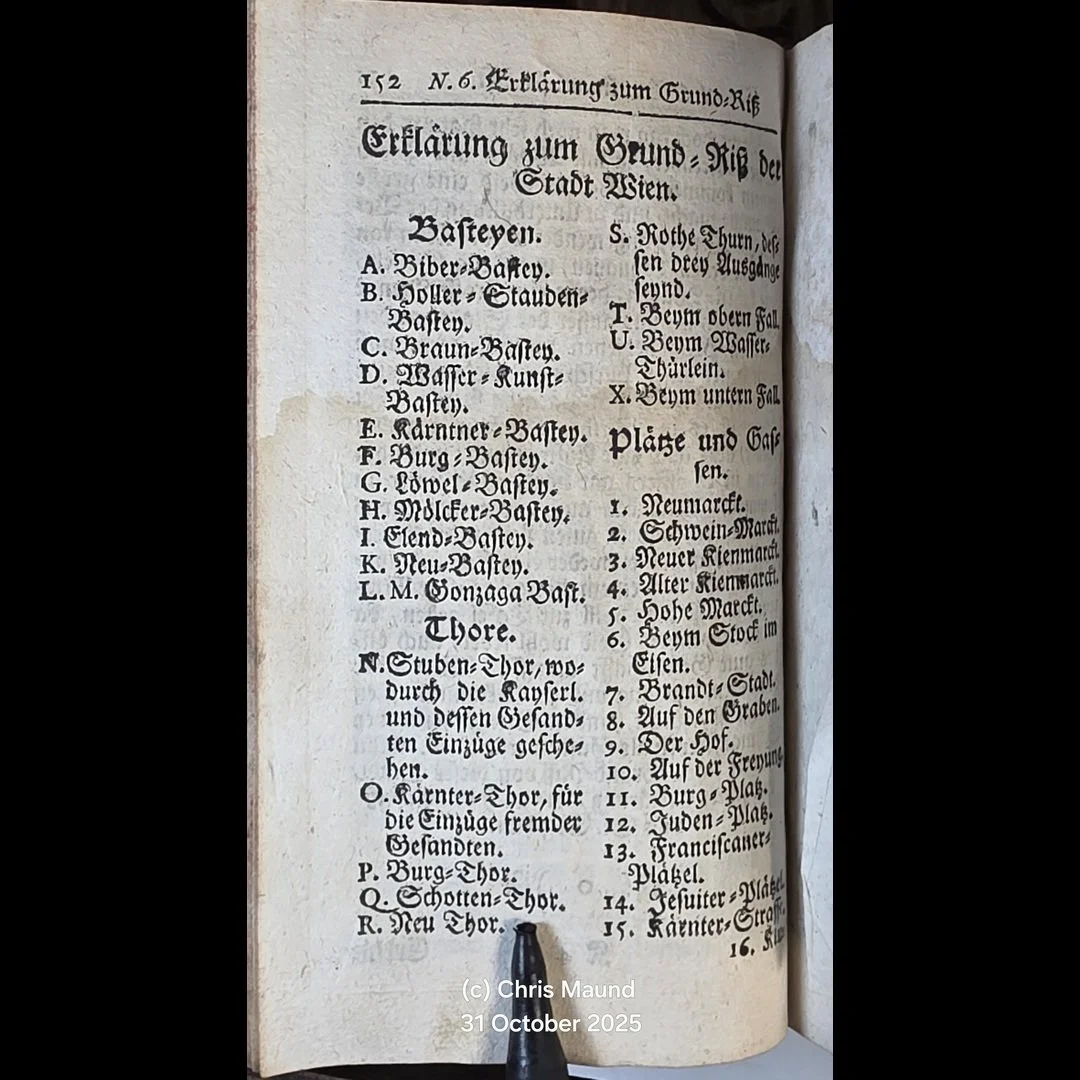 Image 12 of 24
 Image 13 of 24
 Image 14 of 24
 Image 15 of 24
 Image 16 of 24
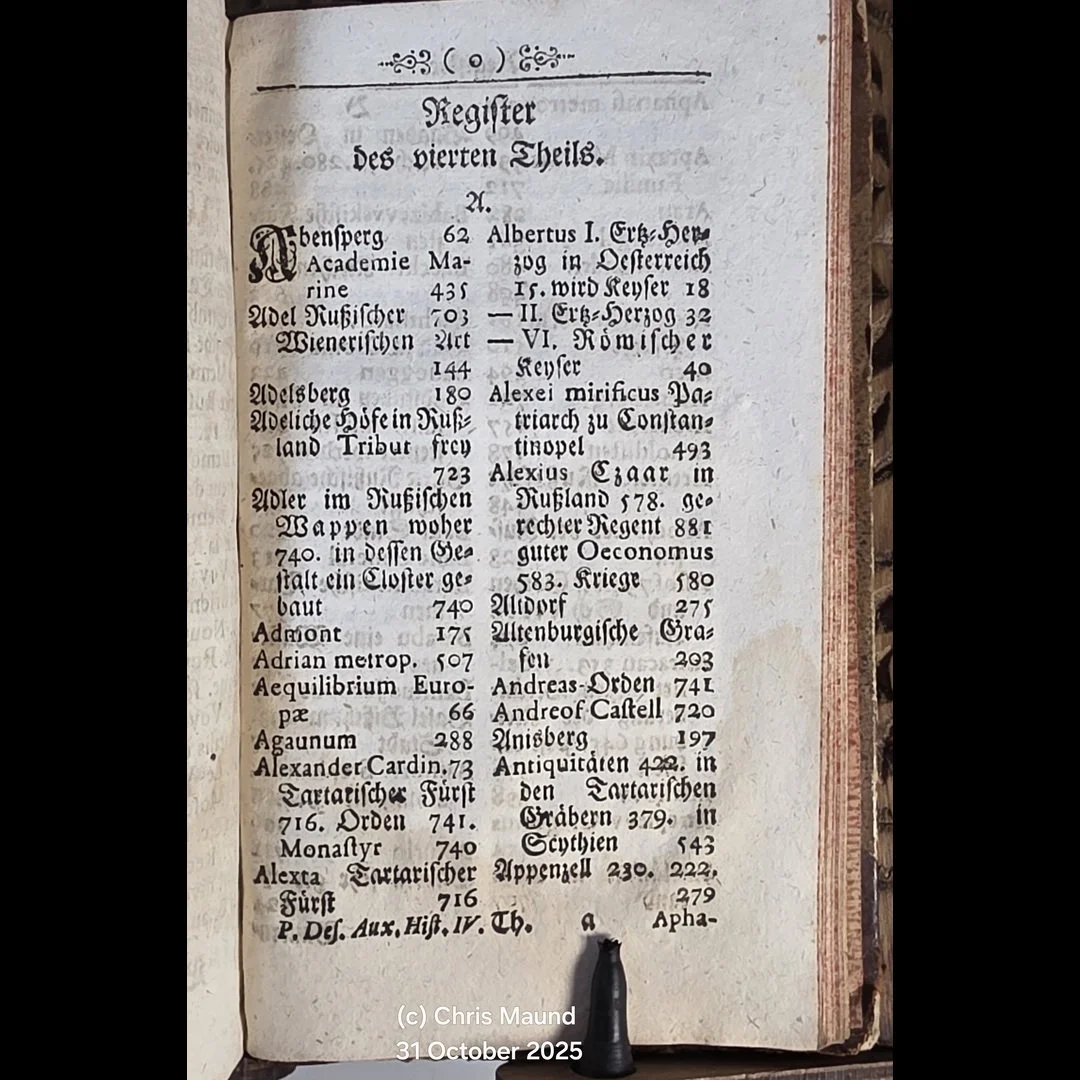 Image 17 of 24
 Image 18 of 24
 Image 19 of 24
 Image 20 of 24
 Image 21 of 24
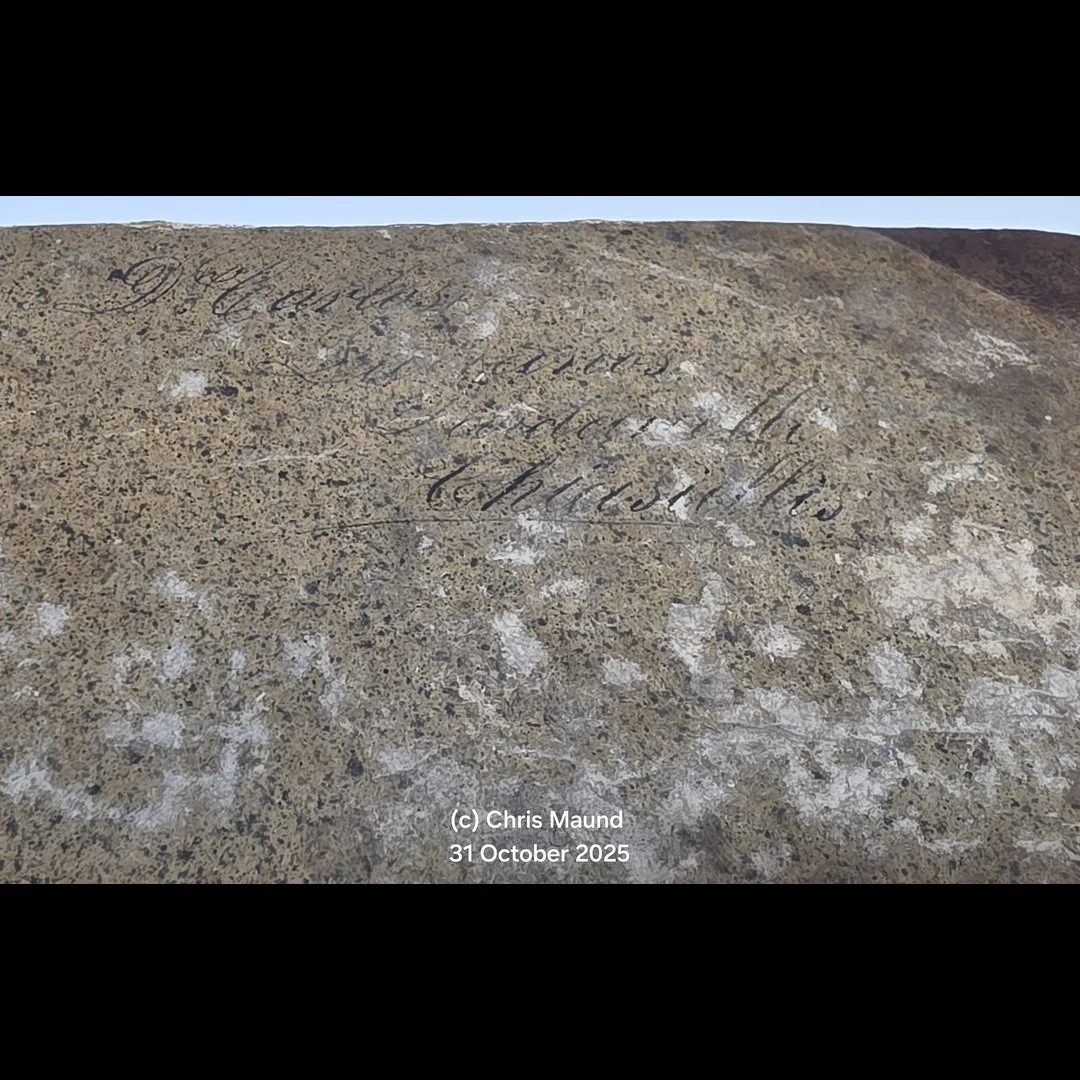 Image 22 of 24
 Image 23 of 24
 Image 24 of 24