1755 Five Consecutive Issues 1st Printing With Provenance
THE LADIES’ DIARY; OR, WOMAN’S ALMANACK
By Various
KEY DETAILS
Condition: Good
Format: Hardcover, 8vo; approx 165mm x 100mm
Published By: principally printed for the Company of Stationers; Robert Heath’s Gentleman and Lady’s Palladium printed for J. Fuller, 1751-1755, London, 1755
Language: English
Provenance: Early pencil bibliographical annotation to the front pastedown reading: “1751–55; 8 Almanacks in 1 vol.”
Collation: Nine bibliographical units bound together, comprising eight complete or substantially complete almanacs and one incomplete almanac fragment. Approximately 440 pages in total:
Dust Jacket: None, as issued
SKU: BTETM0002674
Shipping Info: Approximate Package Dimensions H: 12.5, L: 30, W: 25 (Units: cm), W: 2Kg
Tracked Shipping, Insurance Coverage as per Customer Request
DESCRIPTION
THE LADIES’ DIARY; OR, WOMAN’S ALMANACK
With The Gentleman’s Diary and Robert Heath’s Gentleman and Lady’s Palladium
Calendar Reform • Georgian Mathematics • Heath–Simpson Editorial Transition
An unusually coherent mid-Georgian sammelband of mathematical and astronomical almanacs, centred upon five consecutive issues of The Ladies’ Diary; or, Woman’s Almanack from 1751 to 1755, and preserving within a single contemporary binding one of the most interesting transitional periods in the history of eighteenth-century British popular mathematics.
Alongside the five Ladies’ Diaries are complete issues of The Gentleman’s Diary; or, Mathematical Repository for 1753 and 1754, Robert Heath’s independently published Gentleman and Lady’s Palladium for 1754, and the surviving pp.17–48 of the 1755 Gentleman’s Diary.
The volume therefore brings together three closely connected strands of Georgian mathematical publishing: the long-established Ladies’ Diary, its male counterpart The Gentleman’s Diary, and the rival publication established by former Ladies’ Diary editor Robert Heath.
Particularly notable is the 1752 Ladies’ Diary, whose title explicitly describes the year as: “Being Bissextile, or LEAP-YEAR, of 355 Days only; And the First Year Corrected to Solar Time, and the General Date of all EUROPE.”
This remarkable wording directly records Britain’s adoption of the Gregorian calendar in 1752, when eleven dates were omitted from September and the leap year consequently contained only 355 days. The issue provides a striking contemporary witness to one of the most significant changes in British civil timekeeping.
The following year’s Gentleman’s Diary continues the theme, describing 1753 as “The First of the New Style in England.”
The sequence is equally important for the history of The Ladies’ Diary itself. Robert Heath edited the periodical from 1745 through 1753, while the distinguished mathematician Thomas Simpson assumed the editorship in 1754. This volume therefore contains Heath’s final issues immediately followed by Simpson’s first.
That editorial transition becomes especially significant through the presence of Heath’s 1754 Gentleman and Lady’s Palladium. Its title page advertises it as: “The Sixth Number published. By the late AUTHOR of the LADIES DIARY.”
Heath had founded the competing Palladium while still associated with the Ladies’ Diary. Following his dismissal, the rivalry became increasingly pronounced. The presence here of Simpson’s newly edited Ladies’ Diary together with Heath’s rival Palladium provides an unusually tangible record of that dispute within a single contemporary volume.
The Palladium is complete with 56 numbered pages followed by 16 unnumbered pages of tables.
Throughout the volume are the characteristic features that made these almanacs so successful: astronomical calculations, calendars, eclipse observations, mathematical questions and solutions, geometrical diagrams, enigmas, rebuses and lists of contributors.
The 1751 Ladies’ Diary, for example, records contemporary eclipse observations and predictions associated with named correspondents including Ralph Hulse, Alexander Mann and John Child of Barnet, demonstrating the broad participatory network of amateur and professional mathematical practitioners fostered by these publications.
The mathematical content encompasses arithmetic, algebra, geometry, astronomy and recreational problem-solving, with readers invited to submit both problems and solutions for subsequent issues. These annuals occupied an important place in eighteenth-century British mathematical culture, encouraging mathematical participation well beyond universities and learned societies.
Although marketed particularly towards women, The Ladies’ Diary attracted a mixed readership and contributor base and became one of the most successful vehicles for recreational and practical mathematics in Georgian Britain. The present consecutive run is therefore of particular interest for the history of mathematics, women and science, astronomy, puzzle culture and the development of mathematical periodicals.
The title pages and calendar sections of the Stationers’ Company almanacs are attractively printed in red and black and retain their contemporary almanac duty stamps. Heath’s independently issued Palladium is unstamped, consistent with contemporary accounts of his publication of the work outside the Stationers’ Company system.
The 1755 Ladies’ Diary title also bears an early manuscript addition referring to the “Gent’s Mathem. Repository”, apparently acknowledging the fragment of the Gentleman’s Diary bound immediately after it and providing further evidence of the volume’s early organisation as a collected group.
PROVENANCE
Early pencil bibliographical annotation to the front pastedown reading: “1751–55; 8 Almanacks in 1 vol.”
The wording appears to reflect an earlier owner’s, collector’s or bookseller’s assessment of the contents. The count of eight is readily explained by the presence of eight complete or substantially complete almanacs together with the separate incomplete fragment of the 1755 Gentleman’s Diary.
The 1755 Ladies’ Diary title bears an additional early manuscript reference to the Gentleman’s Mathematical Repository, seemingly relating to the fragment bound after it.
No named former owner has presently been identified.
CONDITION, COLLATION & COPY NOTES
COLLATION
Nine bibliographical units bound together, comprising eight complete or substantially complete almanacs and one incomplete almanac fragment. Approximately 440 pages in total:
The Ladies’ Diary — 1751, 48 pp.
The Ladies’ Diary — 1752, 48 pp.
The Ladies’ Diary — 1753, 48 pp.
The Gentleman’s Diary — 1753, 48 pp.
The Ladies’ Diary — 1754, 48 pp.
The Gentleman’s Diary — 1754, 48 pp.
Robert Heath, The Gentleman and Lady’s Palladium — 1754, 56, [16] pp., including the concluding unnumbered tables
The Ladies’ Diary — 1755, 48 pp.
The Gentleman’s Diary — 1755, pp.17–48 only, lacking pp.1–16
Eight almanacs are complete or substantially complete. The sole identified incompleteness is the 1755 Gentleman’s Diary, of which only pp.17–48 are present; pp.1–16 are lacking.
The 1754 Gentleman and Lady’s Palladium is complete at 56, [16] pp., the final sixteen unnumbered pages comprising tables.
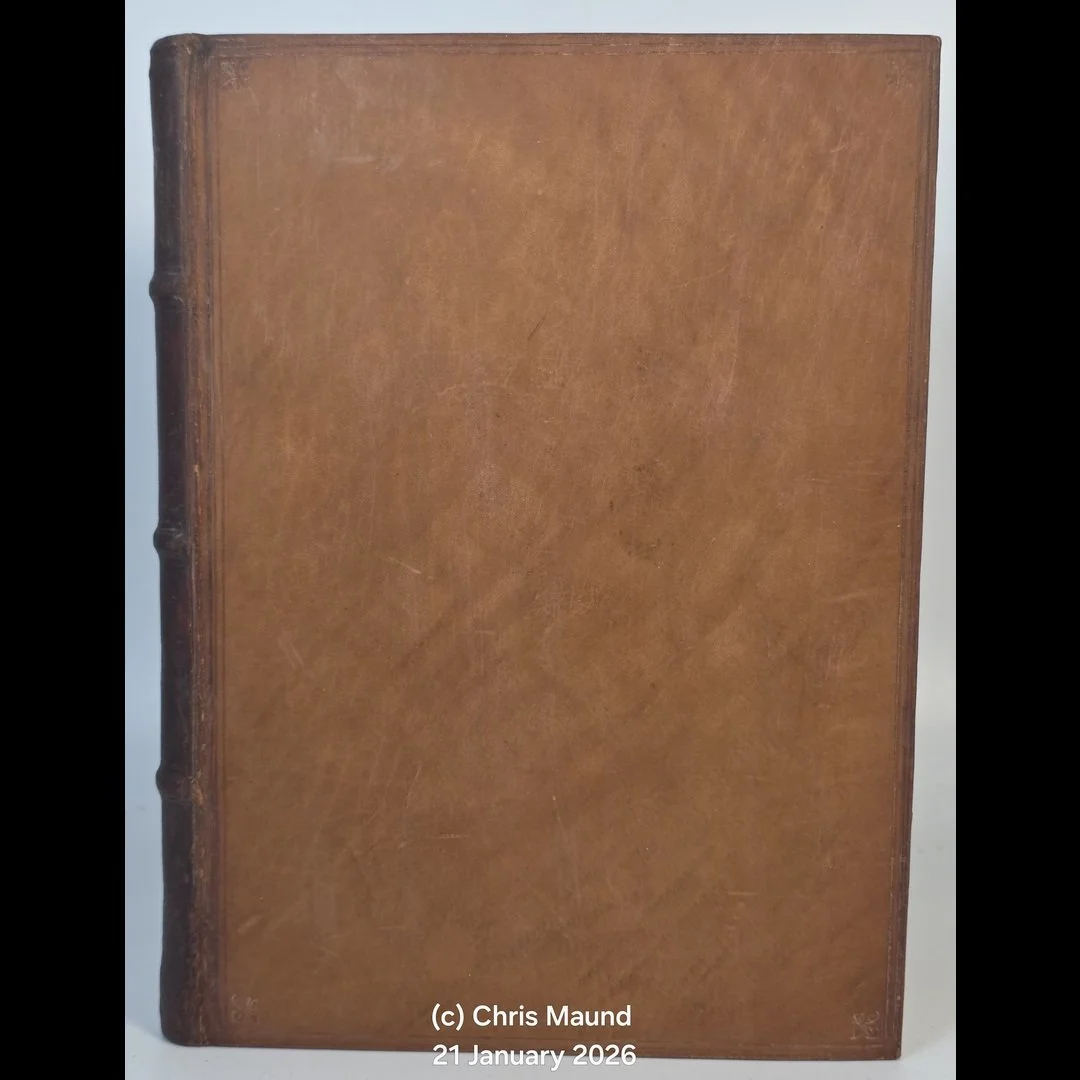
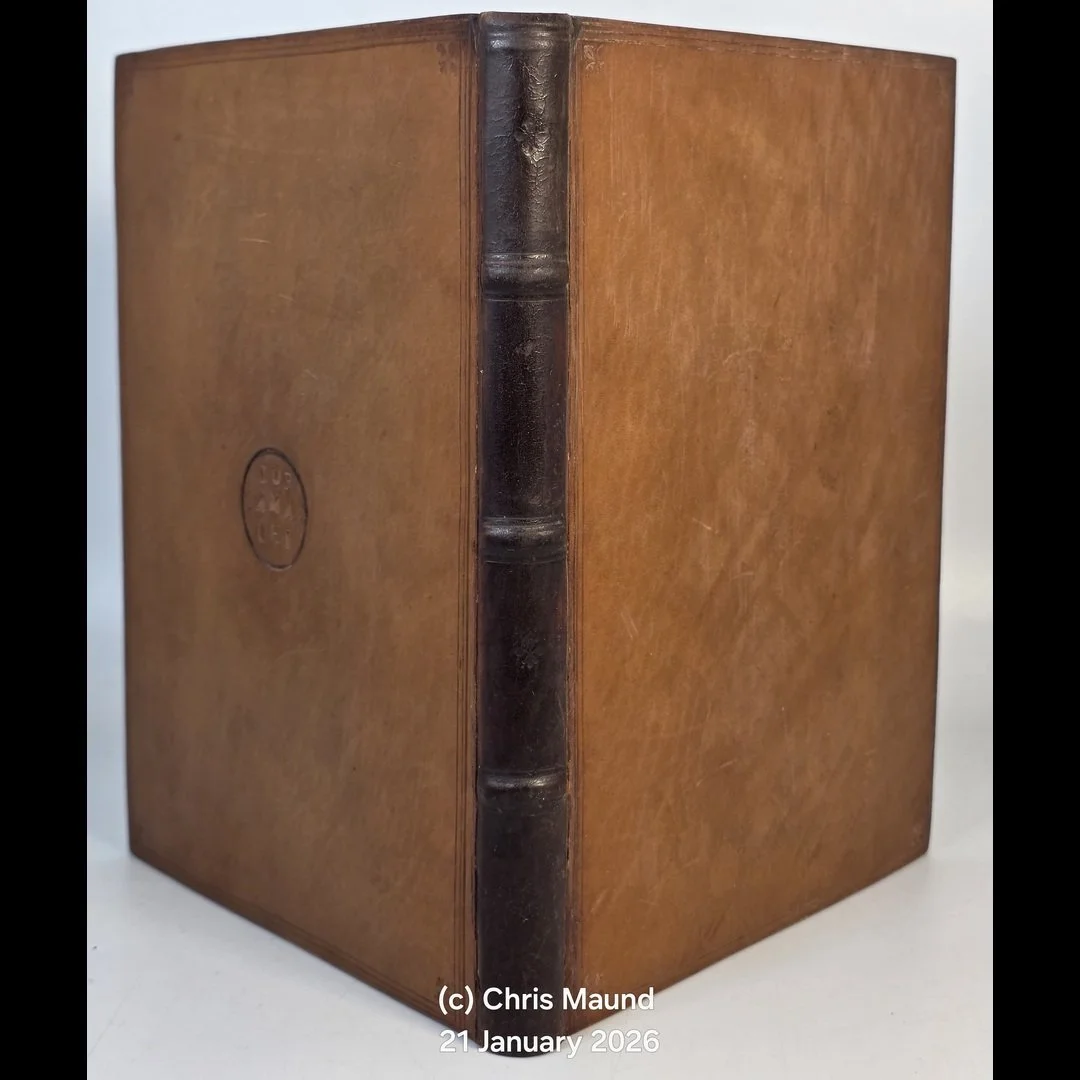
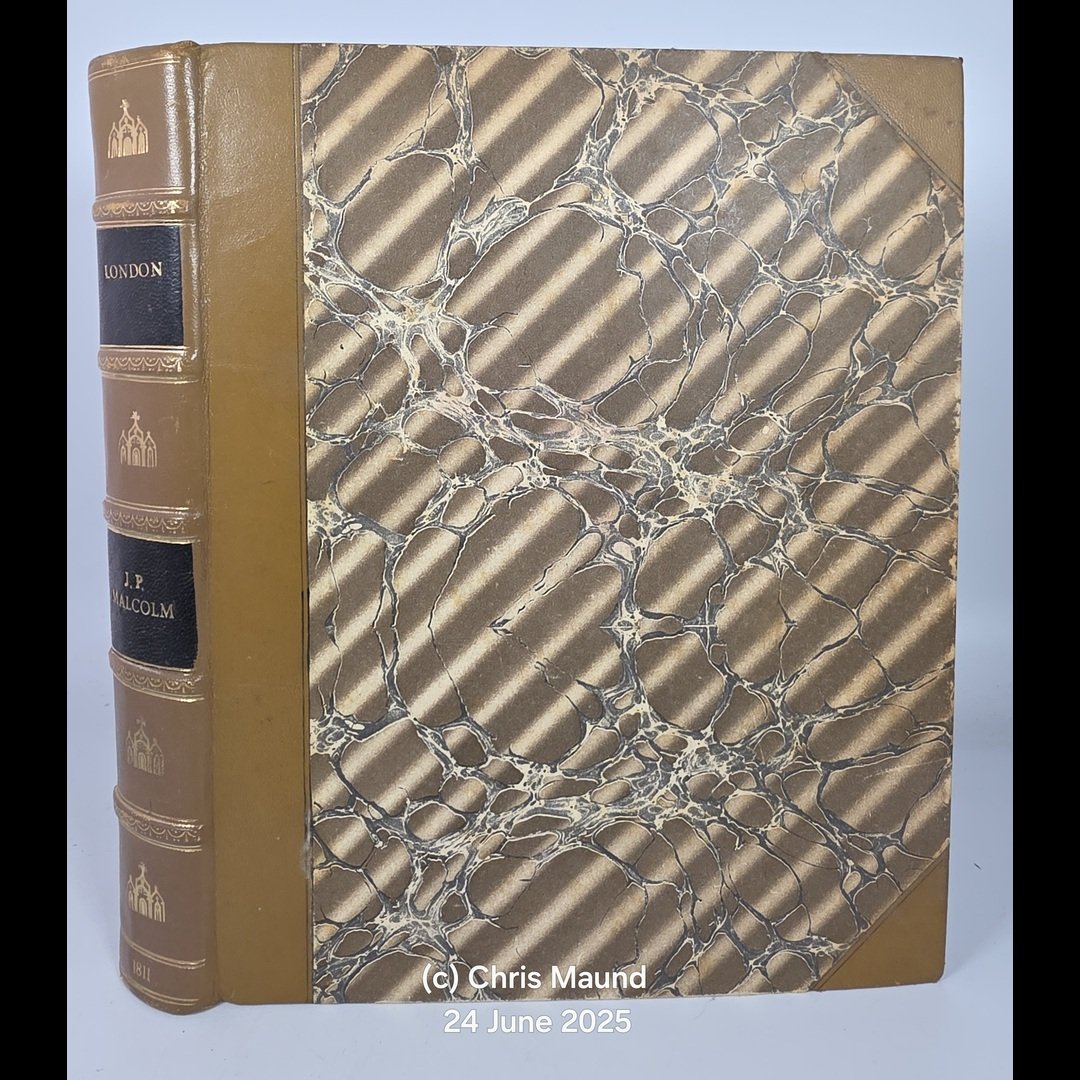
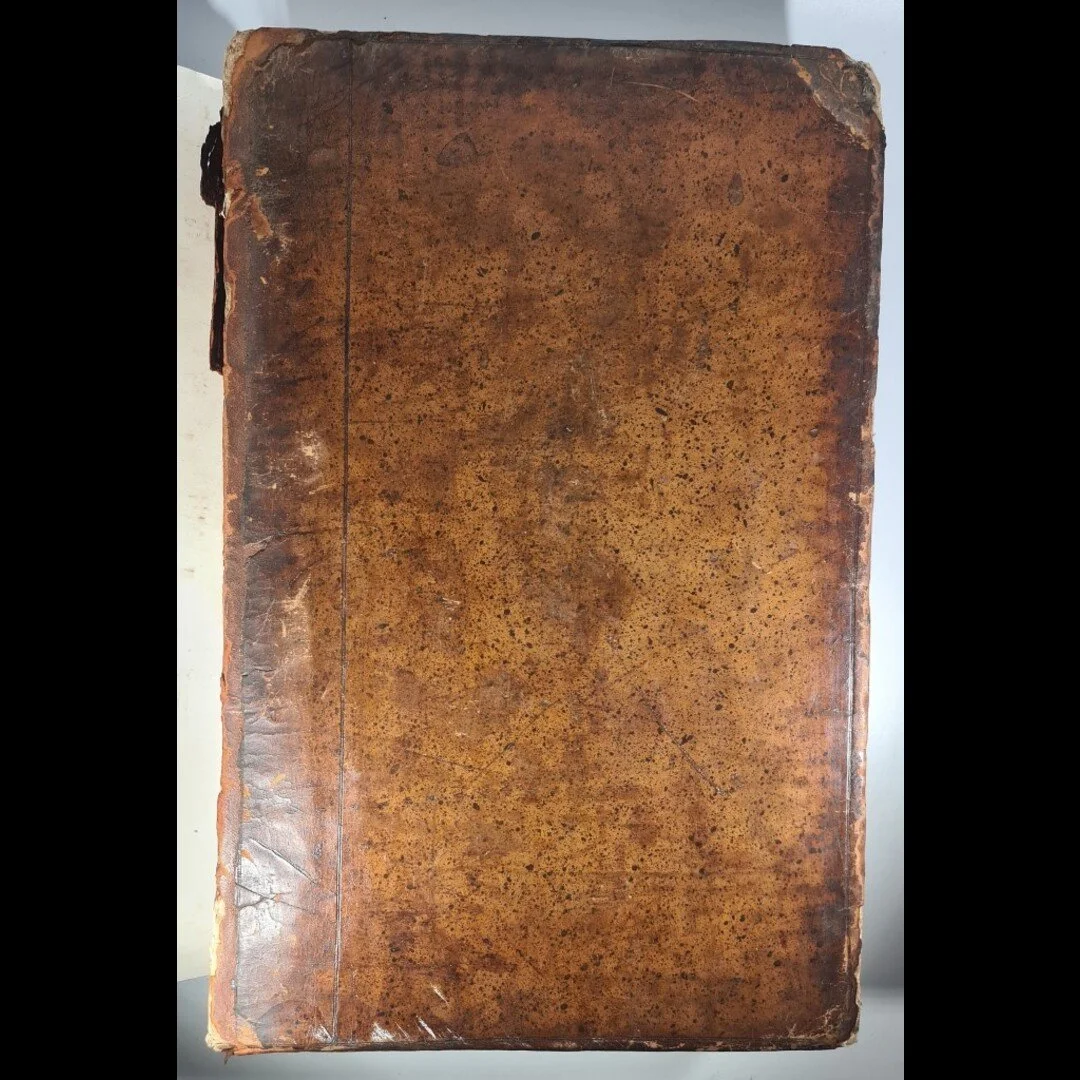
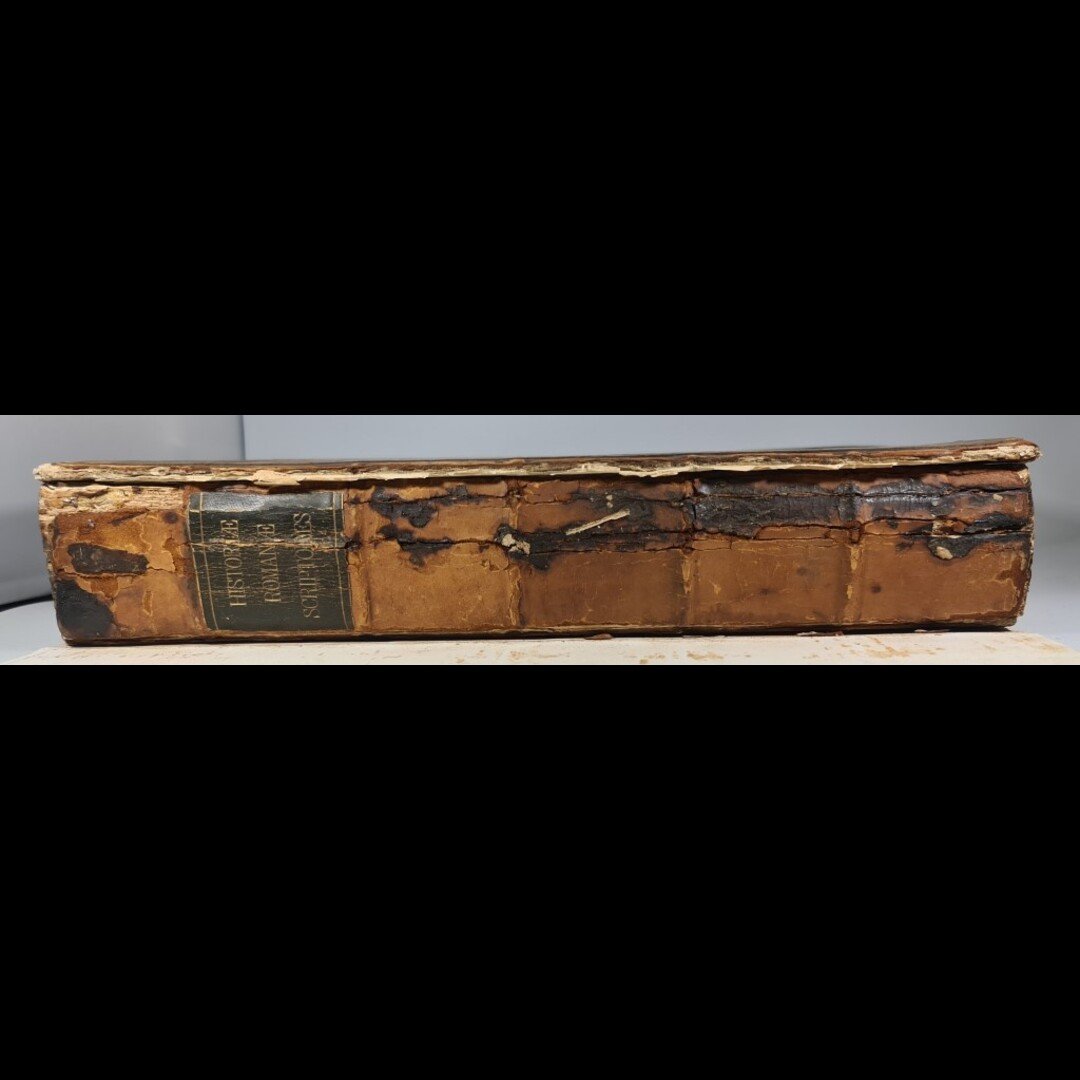
Contemporary quarter vellum over marbled-paper-covered boards. Vellum toned, rubbed and marked through age and use; marbled paper rubbed with areas of surface loss and edge wear. Joints cracked and binding generally worn, but retaining considerable period character.
Some gatherings sit slightly proud of the text block. The constituent almanacs nevertheless remain generally sound and usable.
Internally notably better preserved than the binding. Title pages and calendar sections retain strong red-and-black printing; mathematical diagrams and typographical material remain clear. Expected occasional age-toning, handling marks and minor spotting consistent with an eighteenth-century working collection.
Contemporary almanac duty stamps are present on the Stationers’ Company publications. Heath’s independently published 1754 Palladium is without the corresponding stamp.
Please see Photos as part of condition report.
REFERENCES
English Short Title Catalogue (ESTC), records for the constituent annual publications.
Albree, John & Scott H. Brown, “A Valuable Monument of Mathematical Genius: The Ladies’ Diary (1704–1840)”, Historia Mathematica, 36 (2009), pp.10–47.
Thomas Leybourn, The Mathematical Questions Proposed in the Ladies’ Diary, and Their Original Answers, London, 1817.
Charles Hutton, The Diarian Miscellany, London, 1775.
Dictionary of National Biography, entry for Robert Heath (d.1779).
Mathematical Association Special Collections, holdings of Robert Heath’s Gentleman and Lady’s Palladium, beginning with the 1754 issue.
SYNOPSIS
A compelling eighteenth-century mathematical sammelband preserving five consecutive Ladies’ Diaries from 1751–55, together with two complete Gentleman’s Diaries, Robert Heath’s complete 1754 Gentleman and Lady’s Palladium and a fragment of the 1755 Gentleman’s Diary.
Its significance lies particularly in the remarkable historical conjunction contained within one contemporary binding.
The 1752 Ladies’ Diary documents Britain’s Gregorian calendar reform directly on its title page, announcing the extraordinary leap year of “355 Days only.” The sequence then crosses the editorial transition from Robert Heath to Thomas Simpson, while Heath’s rival Palladium appears alongside Simpson’s newly edited Ladies’ Diary, vividly preserving an important episode in the competitive world of Georgian mathematical publishing.
Rich in astronomy, eclipses, geometry, algebra, mathematical recreations, enigmas and reader participation, the collection provides an unusually immediate window onto the culture of eighteenth-century popular mathematics.
An attractive and intellectually coherent primary source for collectors and researchers interested in the history of mathematics, women and science, astronomy, recreational mathematics, British calendar reform, Georgian print culture and mathematical periodicals.

 Image 1 of 38
 Image 2 of 38
 Image 3 of 38
 Image 4 of 38
 Image 5 of 38
 Image 6 of 38
 Image 7 of 38
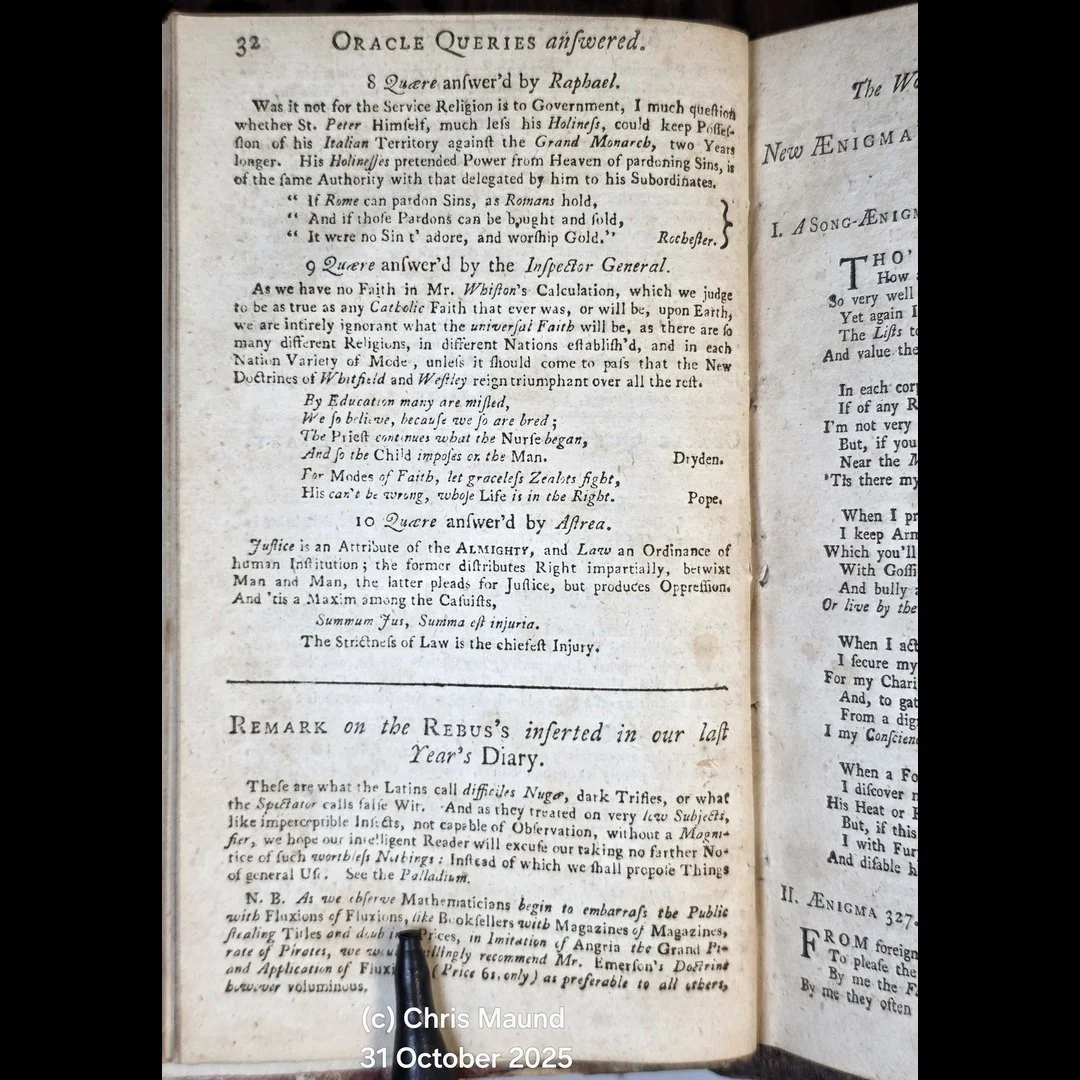 Image 8 of 38
 Image 9 of 38
 Image 10 of 38
 Image 11 of 38
 Image 12 of 38
 Image 13 of 38
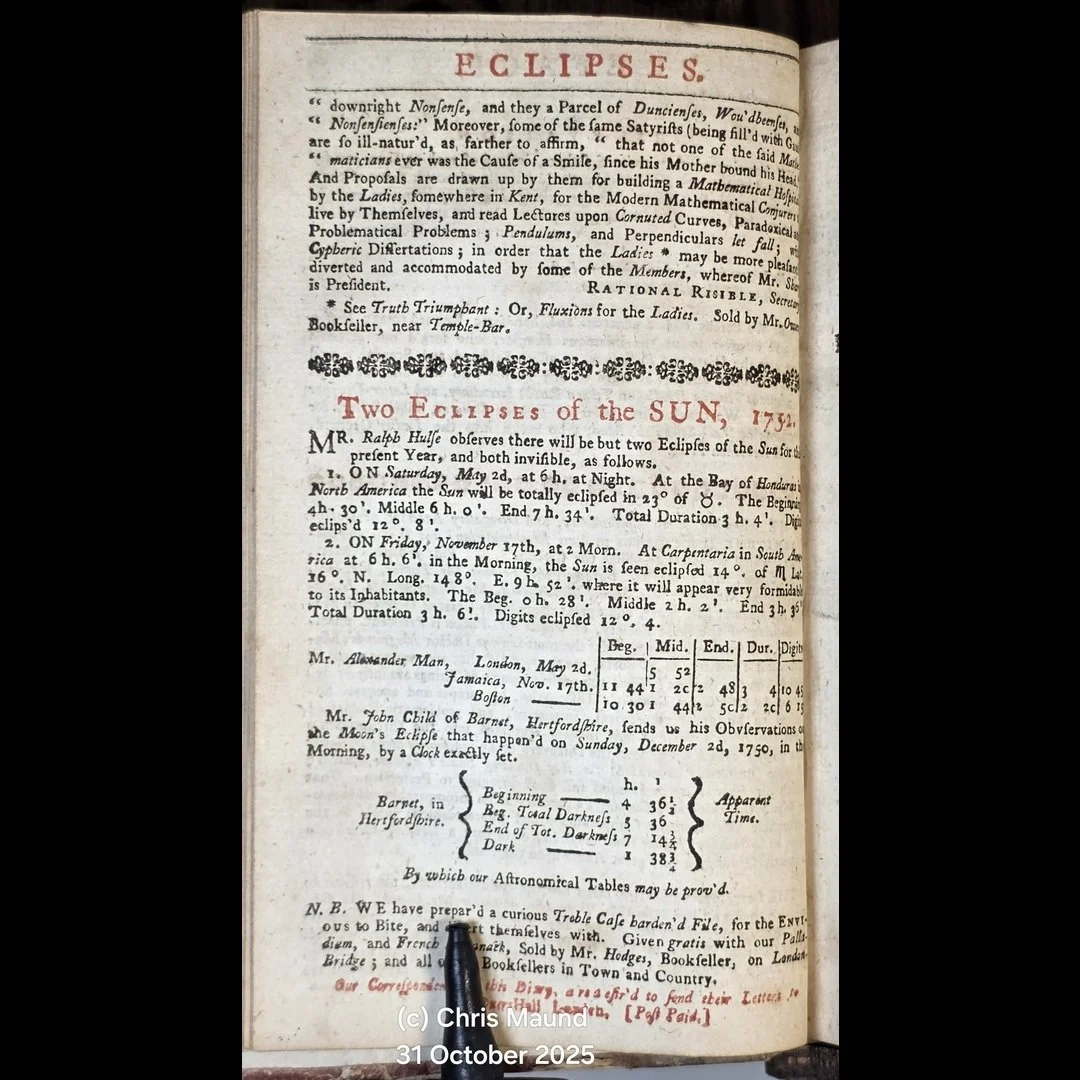 Image 14 of 38
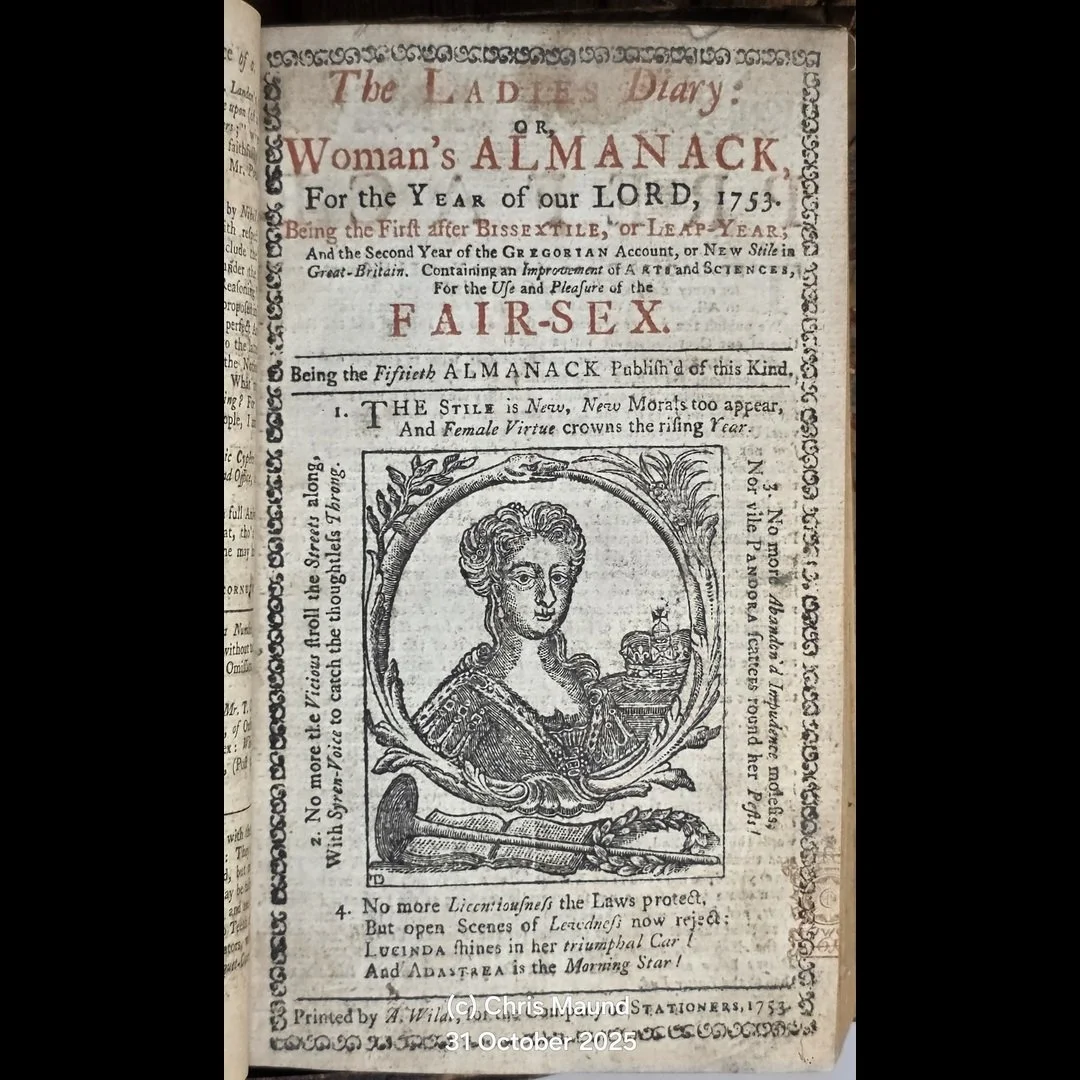 Image 15 of 38
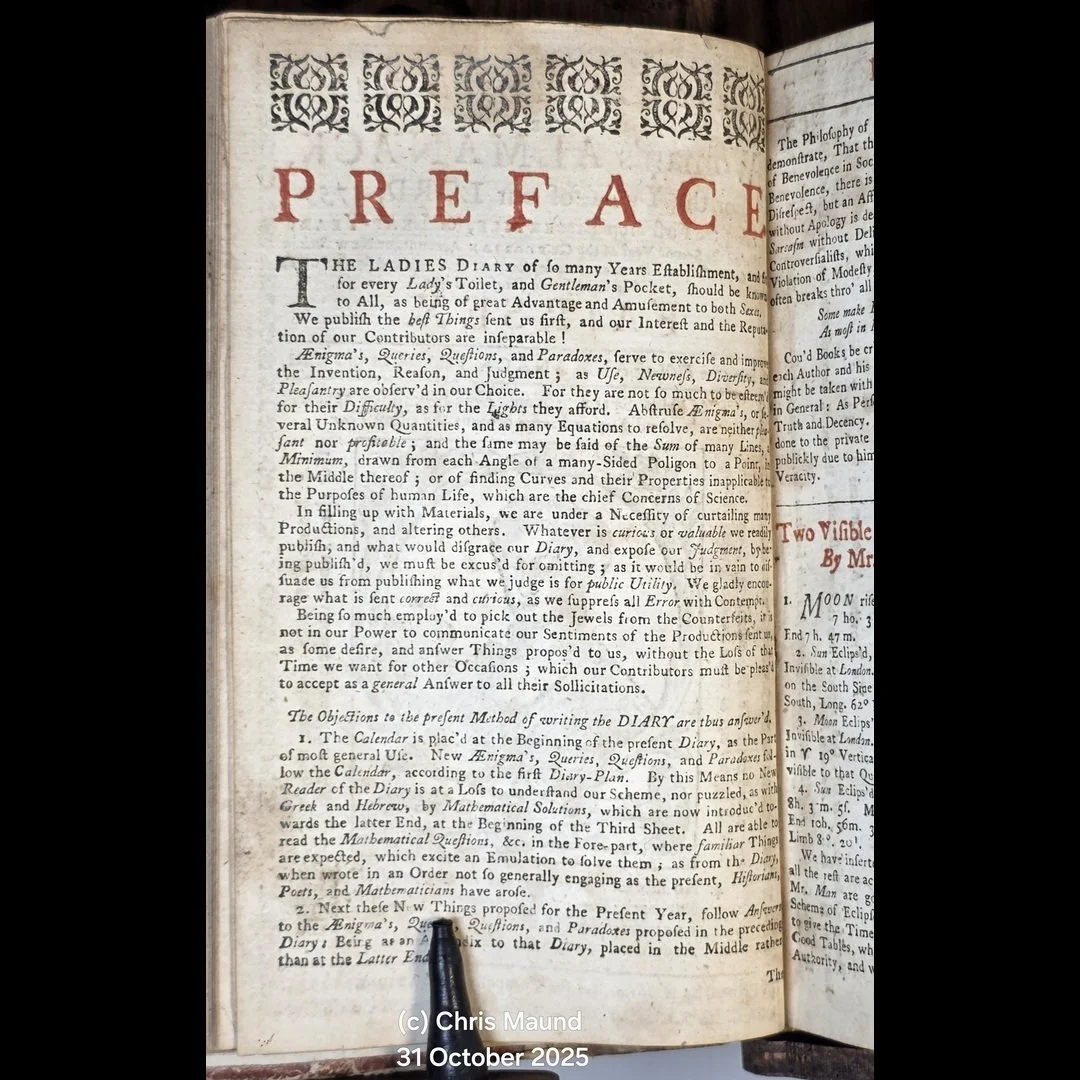 Image 16 of 38
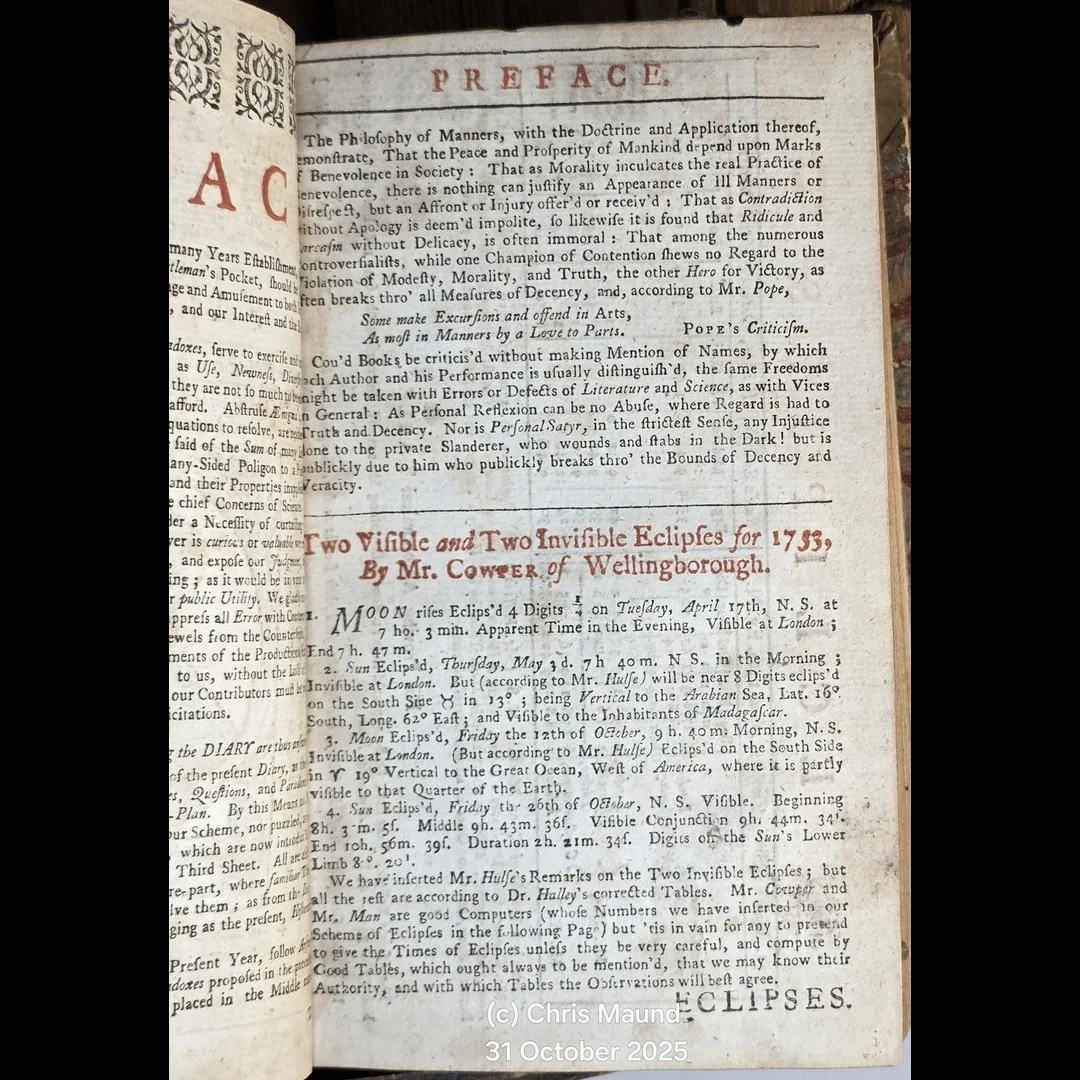 Image 17 of 38
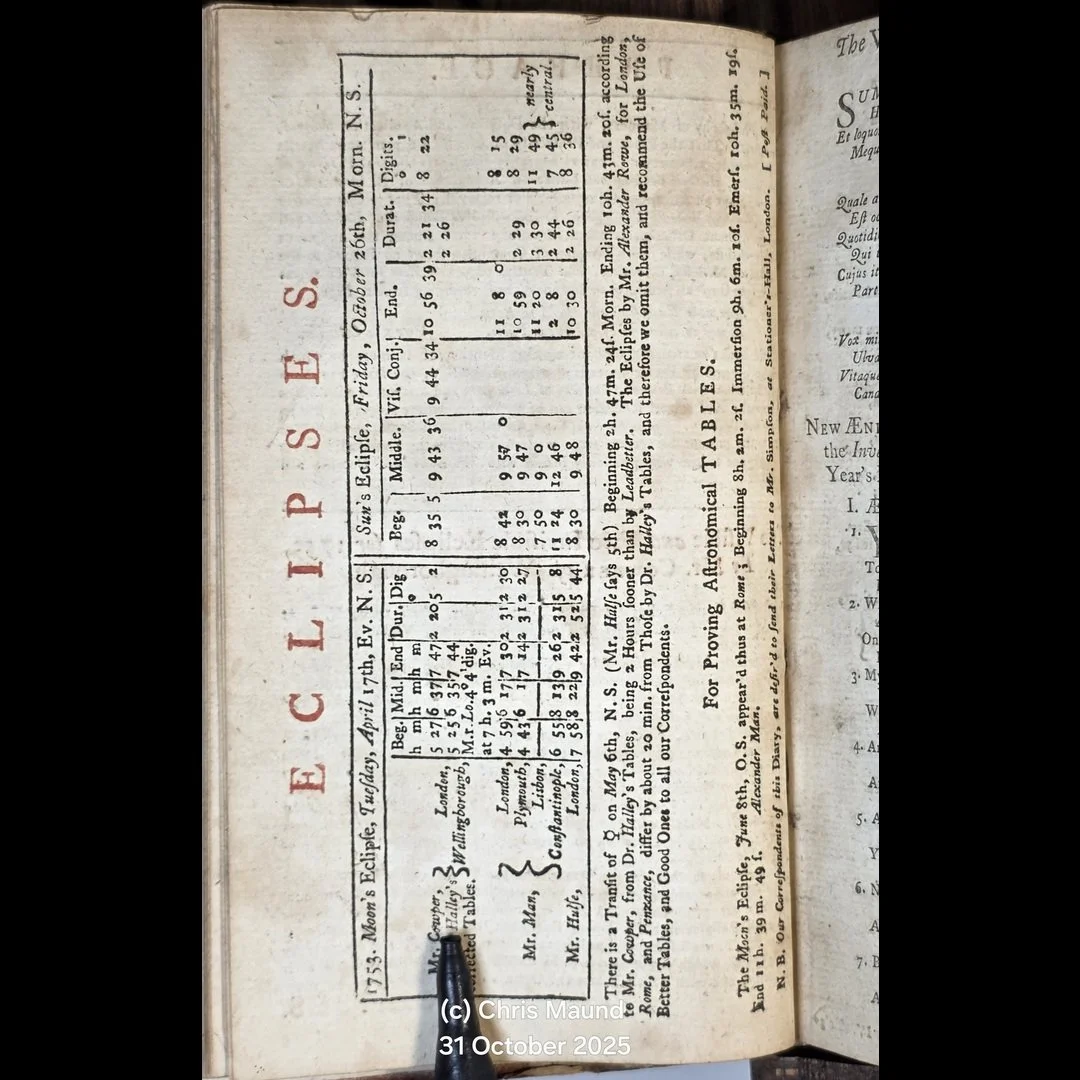 Image 18 of 38
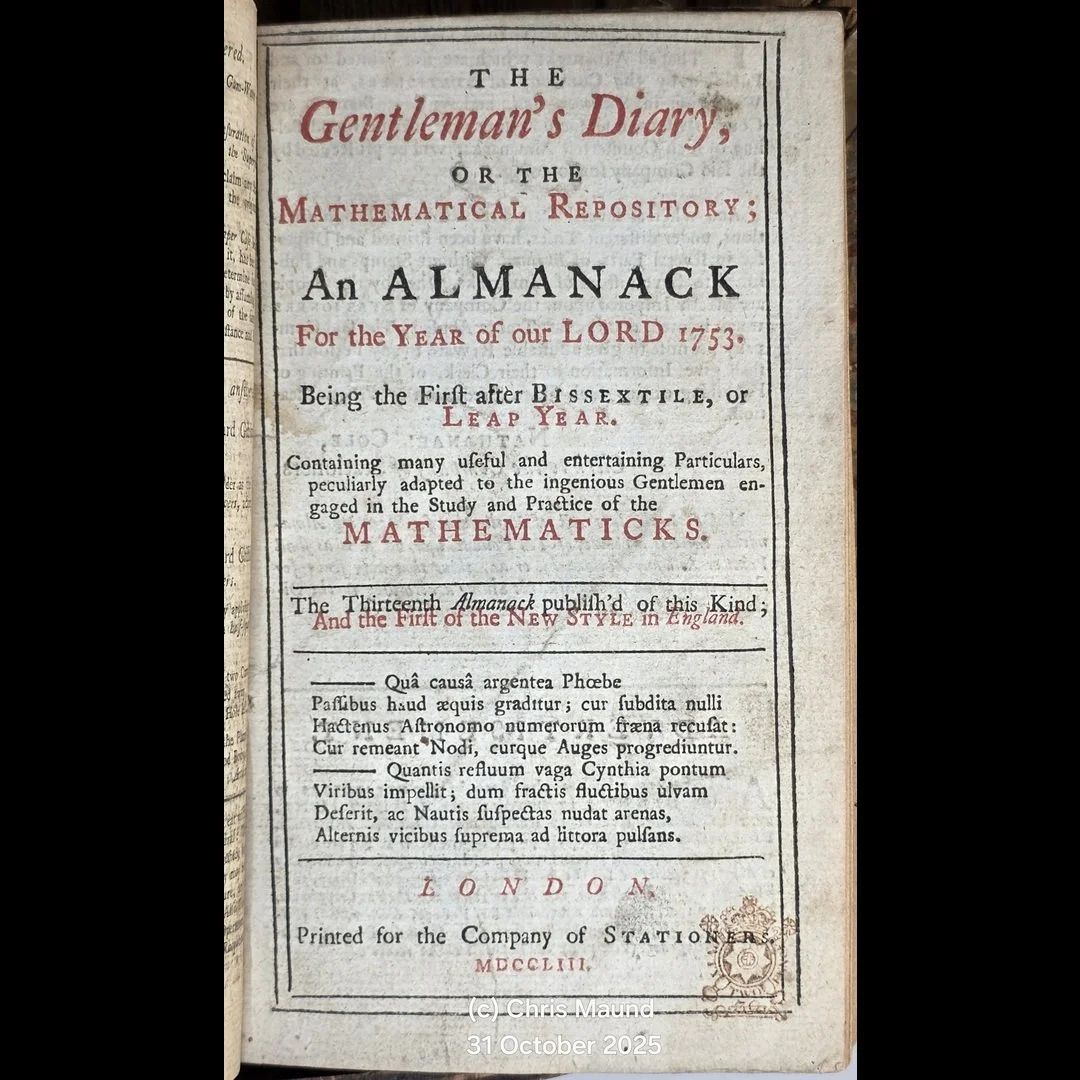 Image 19 of 38
 Image 20 of 38
 Image 21 of 38
 Image 22 of 38
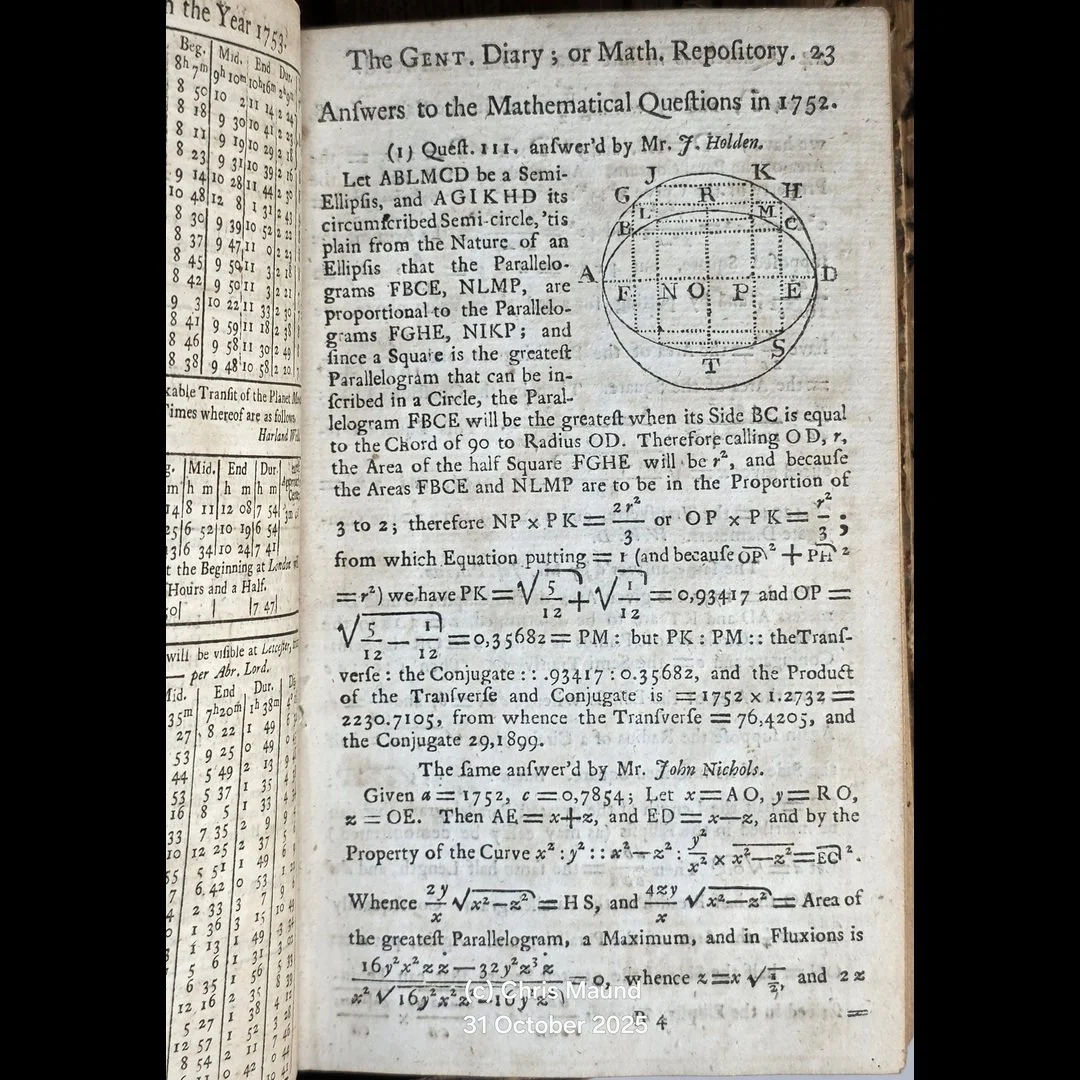 Image 23 of 38
 Image 24 of 38
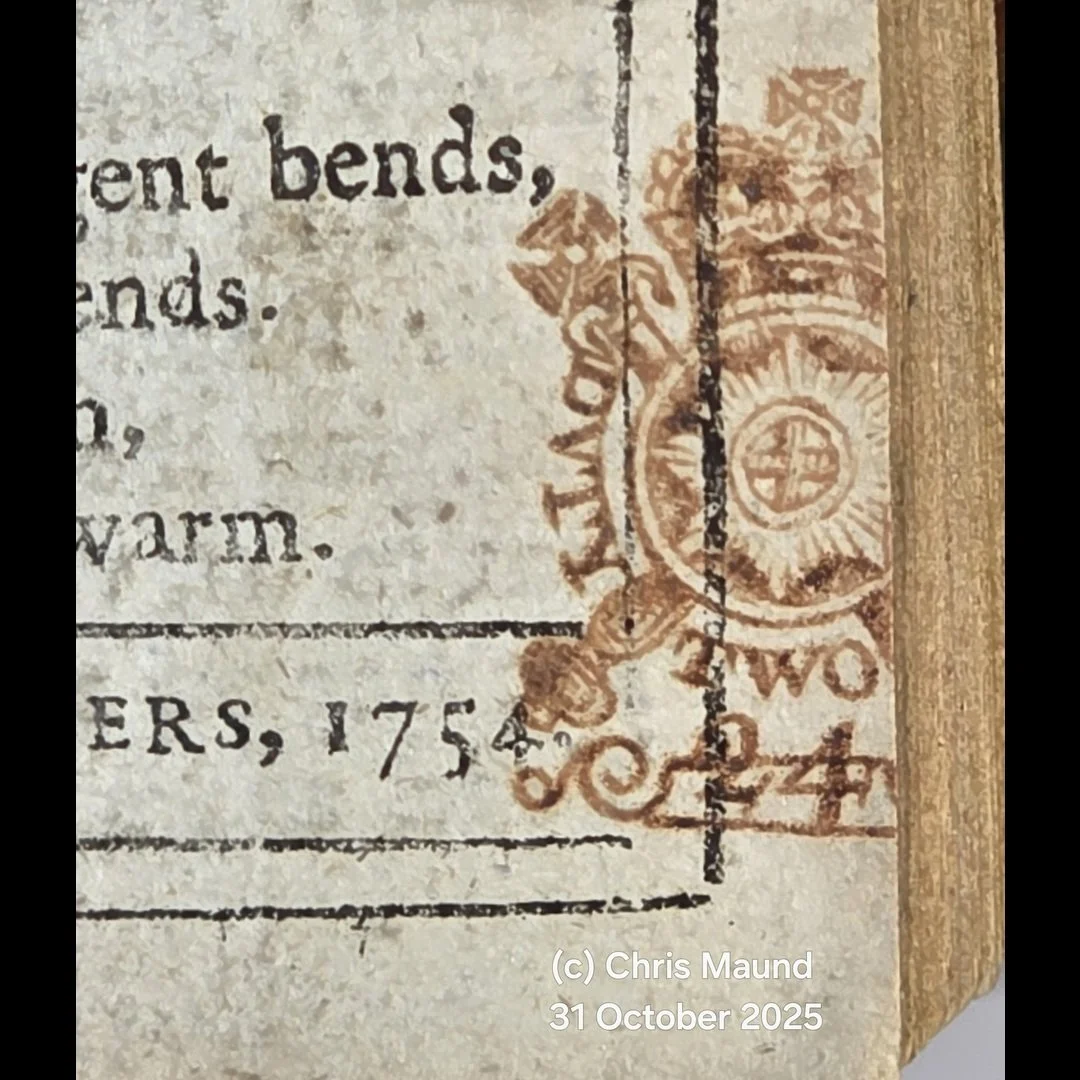 Image 25 of 38
 Image 26 of 38
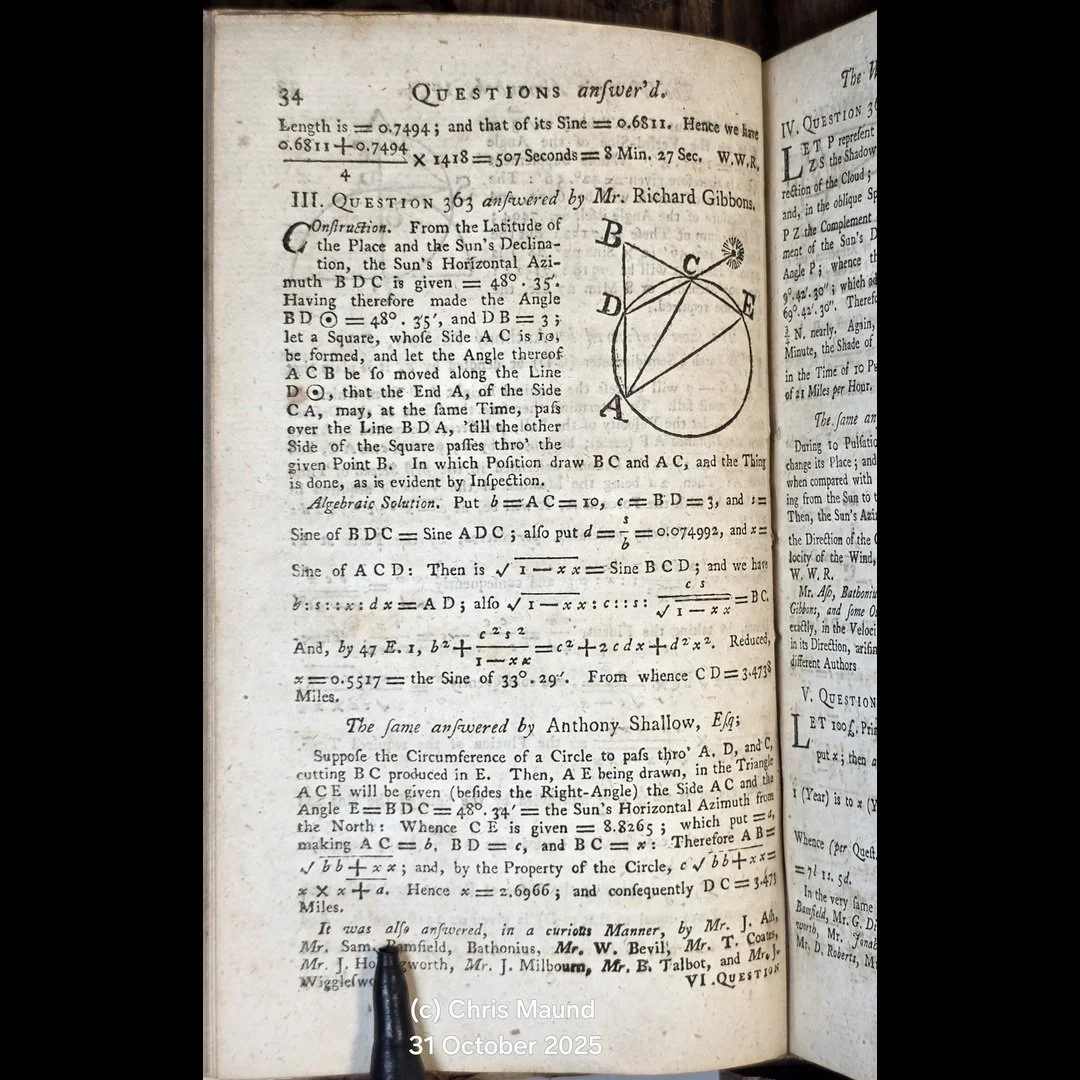 Image 27 of 38
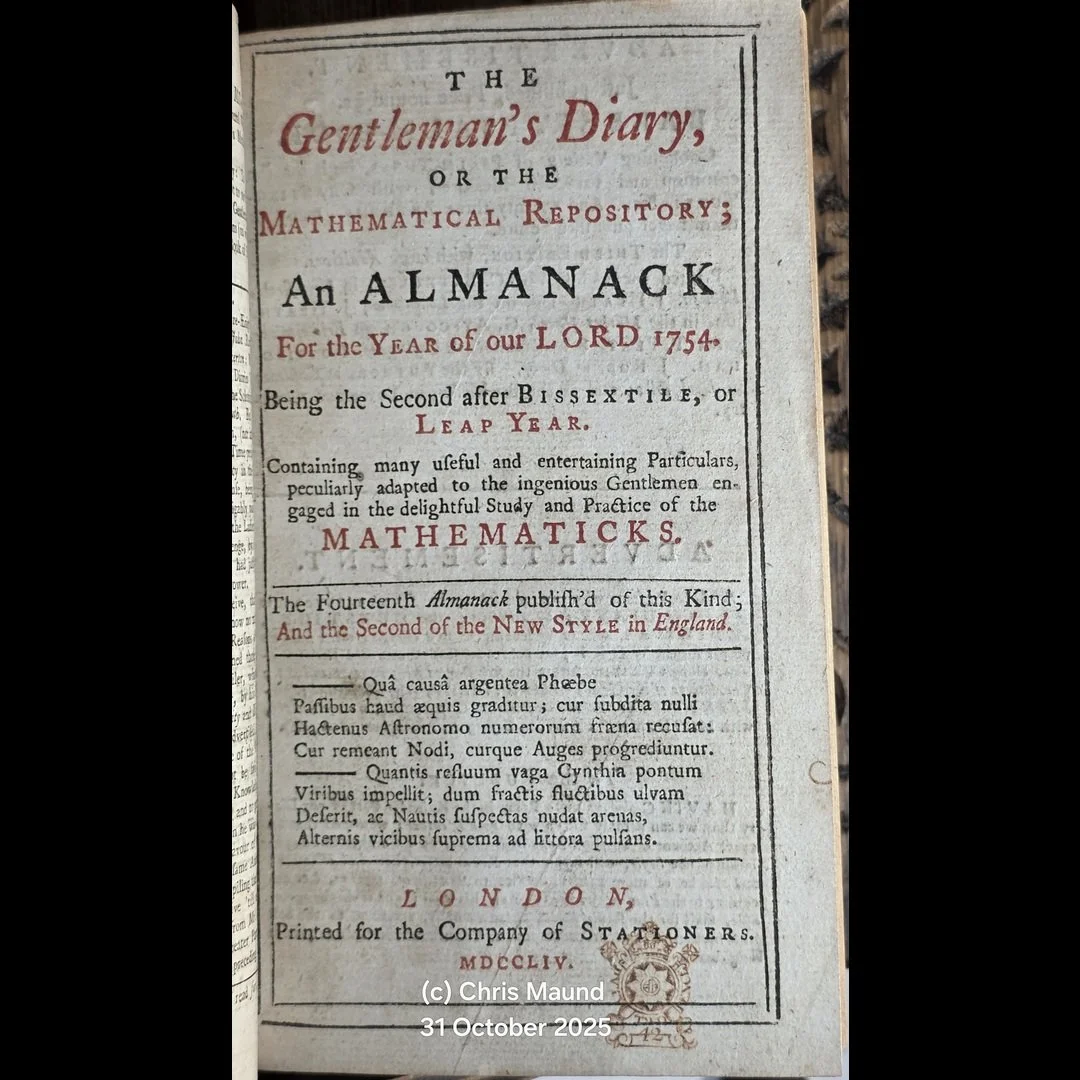 Image 28 of 38
 Image 29 of 38
 Image 30 of 38
 Image 31 of 38
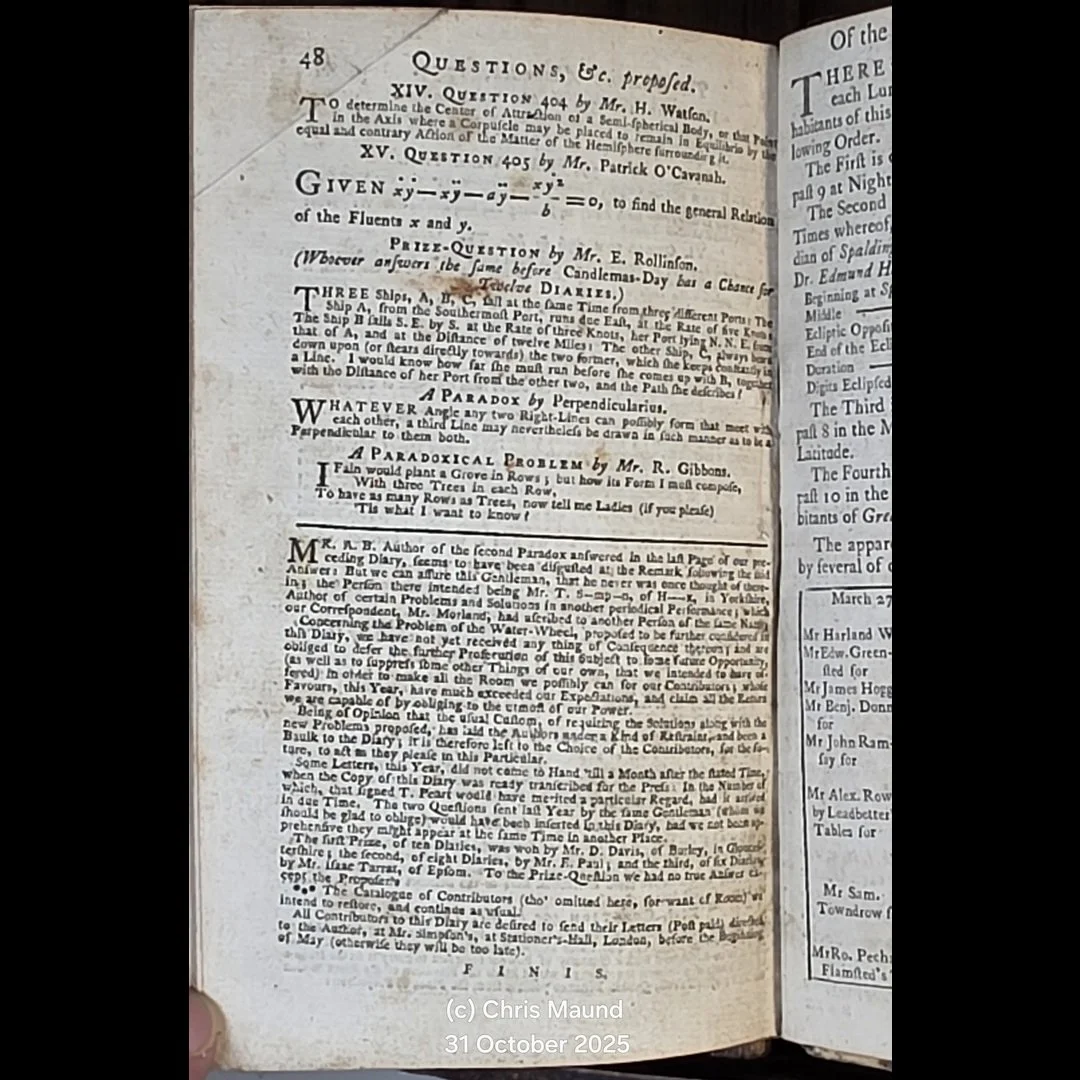 Image 32 of 38
 Image 33 of 38
 Image 34 of 38
 Image 35 of 38
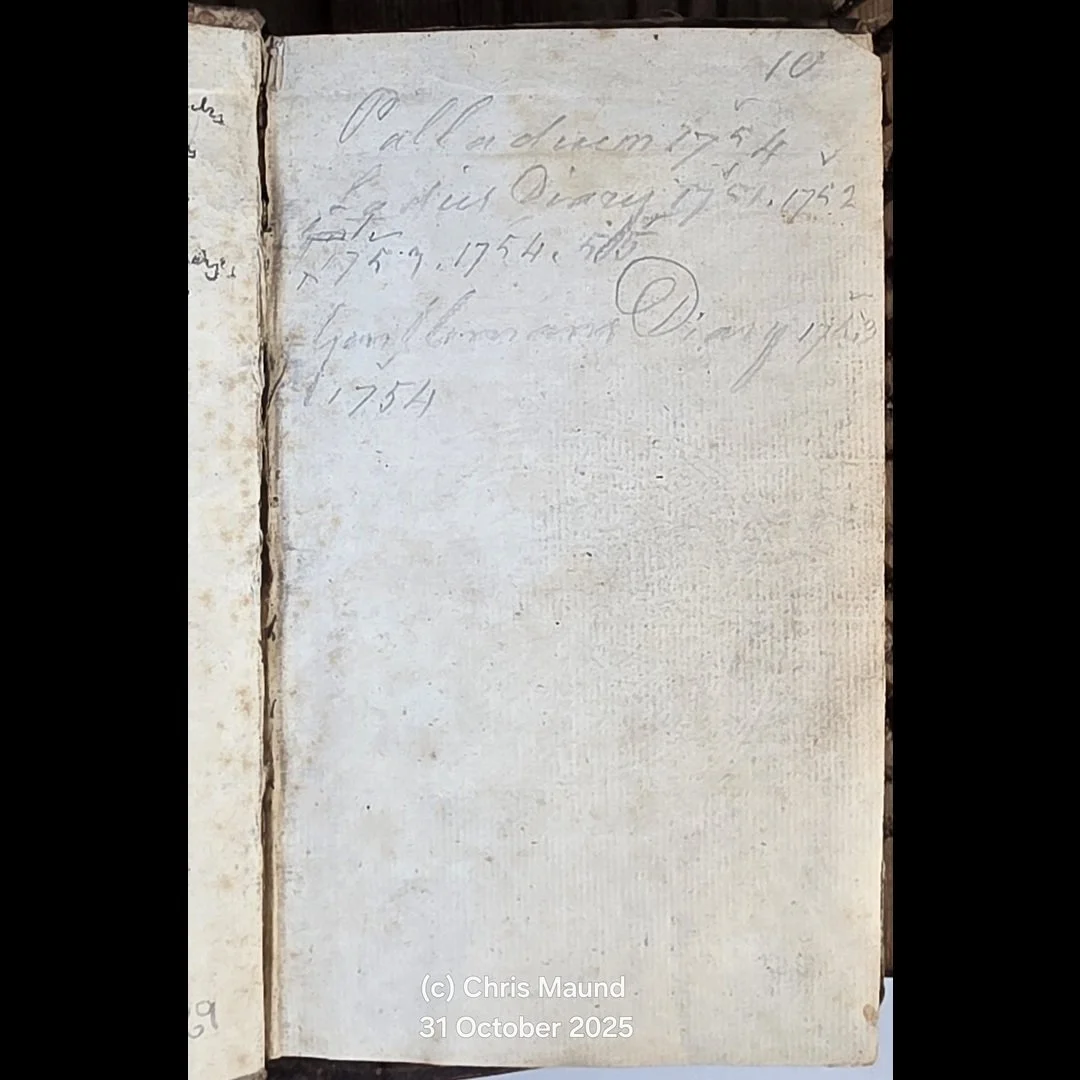 Image 36 of 38
 Image 37 of 38
 Image 38 of 38