1919 Second Edition First Impression
THE FRENCH REVOLUTION
By Nesta H. Webster
KEY DETAILS
Condition: Very Good
Format: Hardcover, Octavo (Standard) (8vo 6 × 9 in 152 × 229 mm )
Note: Binding/size selection follows standard bibliographic conventions and is approximate; exact measurements may vary.
Published By: Constable and Company Ltd, London, 1919
Language: English
Collation: xv, 519 pp. Complete.; Plans: Complete with all three called-for plans:
SKU: BTETM0002682
Shipping Info: Approximate Package Dimensions H: 12.5, L: 30, W: 25 (Units: cm), W: 2Kg
Tracked Shipping, Insurance Coverage as per Customer Request
DESCRIPTION
The French Revolution
1919 SECOND EDITION, FIRST IMPRESSION — THE FRENCH REVOLUTION: A STUDY IN DEMOCRACY — NESTA H. WEBSTER — COMPLETE WITH THREE PLANS
THE FRENCH REVOLUTION: A STUDY IN DEMOCRACY
Original publisher's red cloth, spine lettered in gilt. Octavo. xv, 519 pp., illustrated with three plans: the Bastille, the Château of Versailles, and the Tuileries.
An early and complete copy of Nesta H. Webster's The French Revolution: A Study in Democracy, published by Constable in 1919: the Second Edition, First Impression, issued in the same year as the book's first publication.
Webster's study occupies an unusual position in twentieth-century writing on the French Revolution. Rather than presenting the Revolution principally as a spontaneous popular response to economic hardship, political inequality and the failures of the ancien régime, Webster sought to reconstruct what she believed to be the organisation operating behind many of its decisive episodes.
Her narrative concentrates particularly upon the relationship between revolutionary leaders, political clubs, the circle surrounding Philippe Égalité, Duc d'Orléans, organised agitation and the crowds mobilised during the principal journées of the Revolution. The fall of the Bastille, the march on Versailles, the assaults upon the Tuileries, the September Massacres and ultimately the Terror are consequently examined not simply as outbreaks of popular revolutionary violence, but as events Webster believed had been deliberately prepared, directed or exploited by identifiable groups and individuals.
This interpretation was controversial when published and remains outside the mainstream historical interpretation of the Revolution. It is nevertheless important in understanding Webster's subsequent career and the development of twentieth-century conspiratorial interpretations of political history. Themes explored here were developed much further in her later World Revolution: The Plot Against Civilization and Secret Societies and Subversive Movements.
The book is consequently of interest beyond conventional French Revolutionary history, forming an early and significant part of Webster's writings on political conspiracy, revolutionary organisation, secret societies and the relationship between organised minorities and mass political movements.
The publication history is particularly notable. The French Revolution was first published in 1919 and evidently found a sufficiently substantial readership for a Second Edition to be issued within the same year. Further impressions followed in 1920 and 1921, before a Third Edition appeared in 1922 and a Fourth Edition in 1926.
The present copy is therefore the first impression of the Second Edition, preceding the 1920 and 1921 reprints, the 1922 Third Edition and the substantially later Fourth Edition.
The volume retains all three of its original plans:
The Bastille — facing p.76
The Château of Versailles — facing p.154
The Tuileries — facing p.224
A complete and bibliographically early example of one of Webster's principal historical works.
CONDITION, COLLATION & COPY NOTES
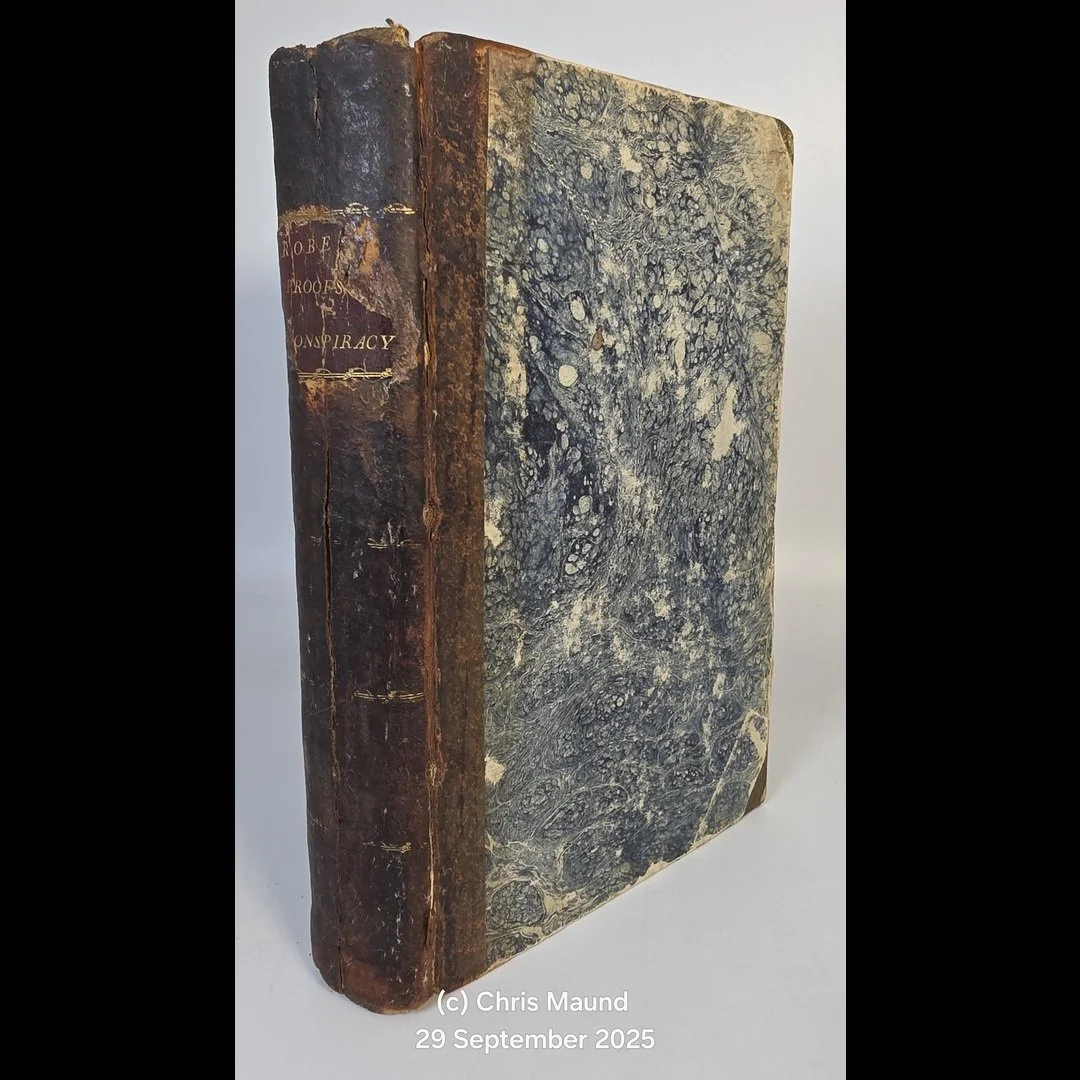
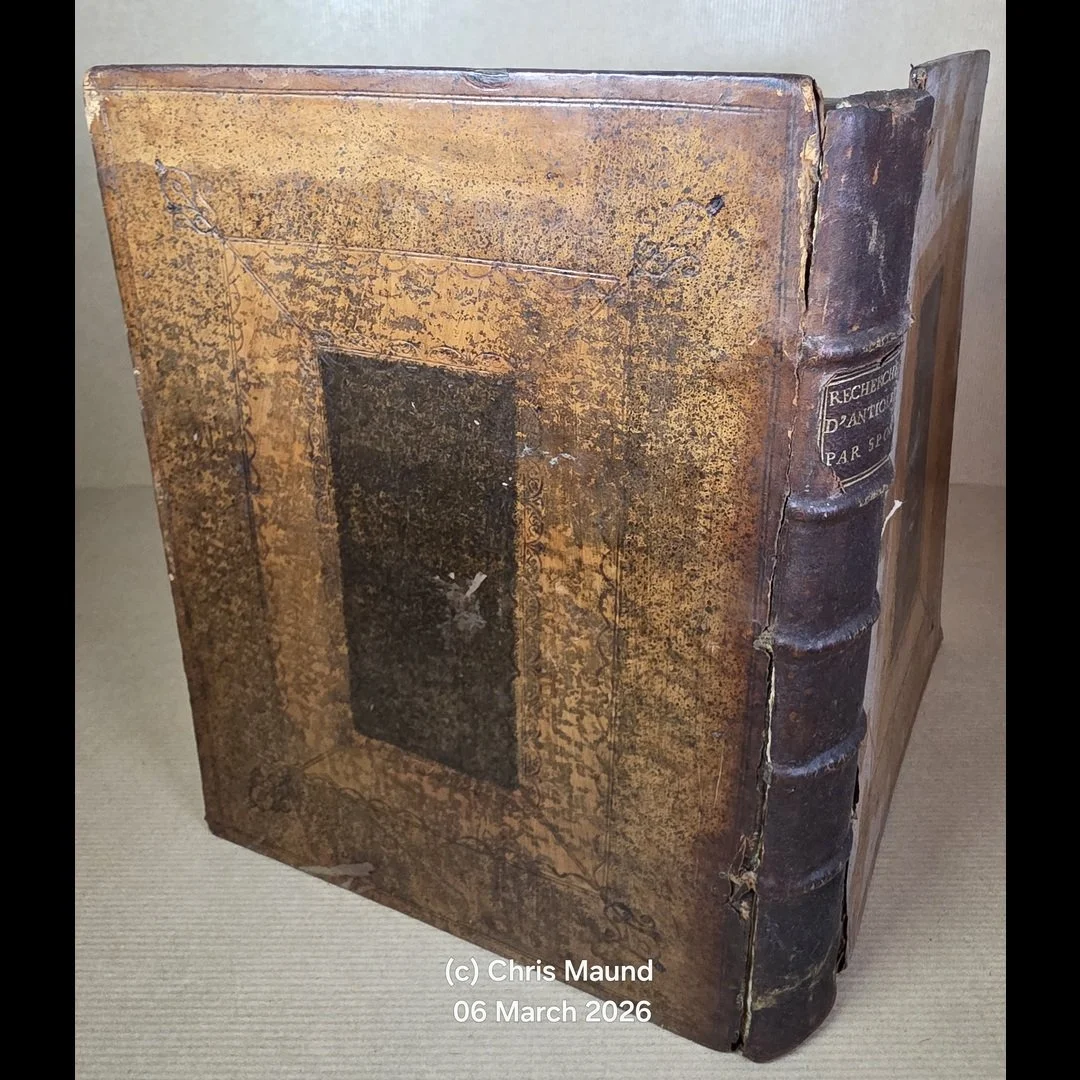
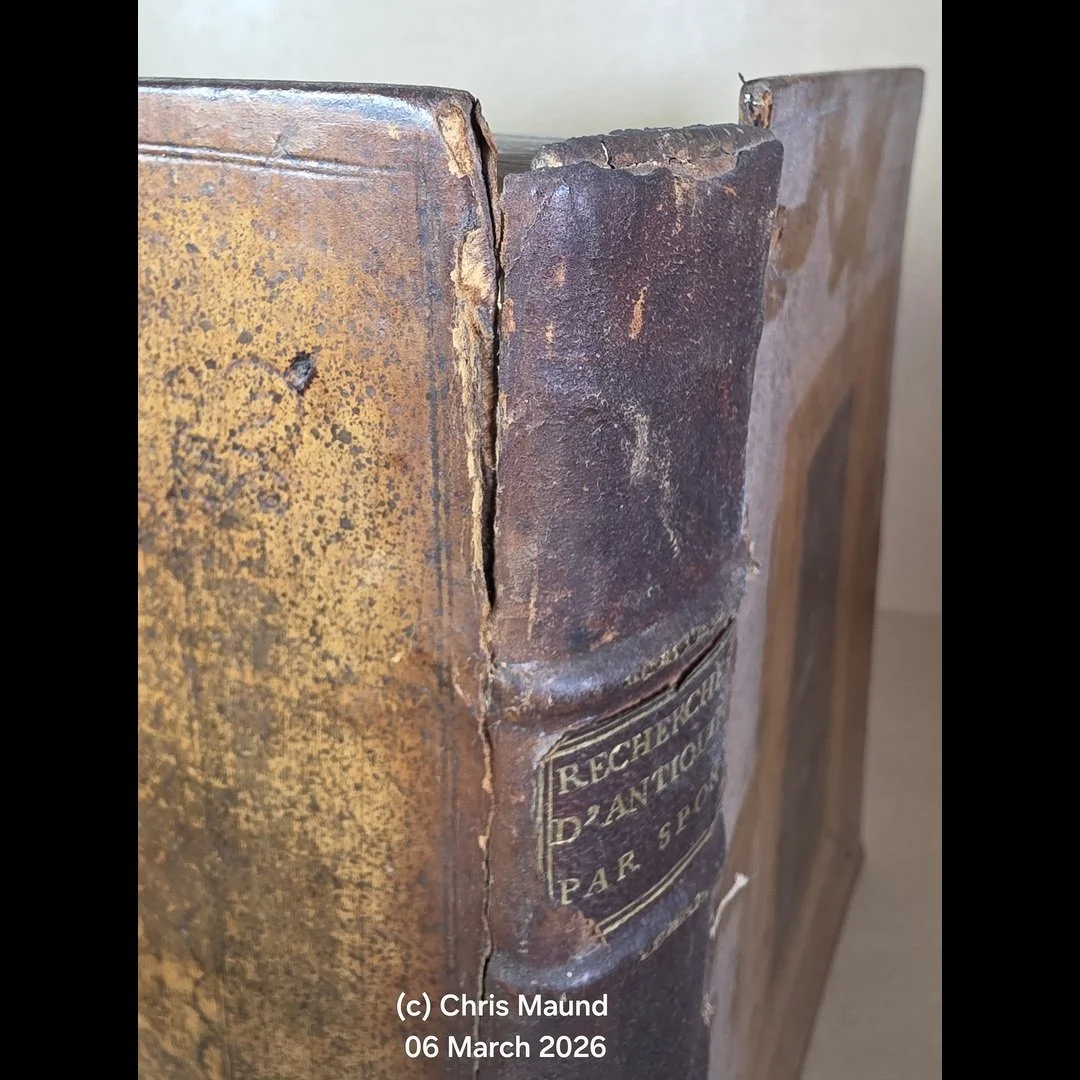
8vo, Boards rubbed and scuffed, very good clean copy
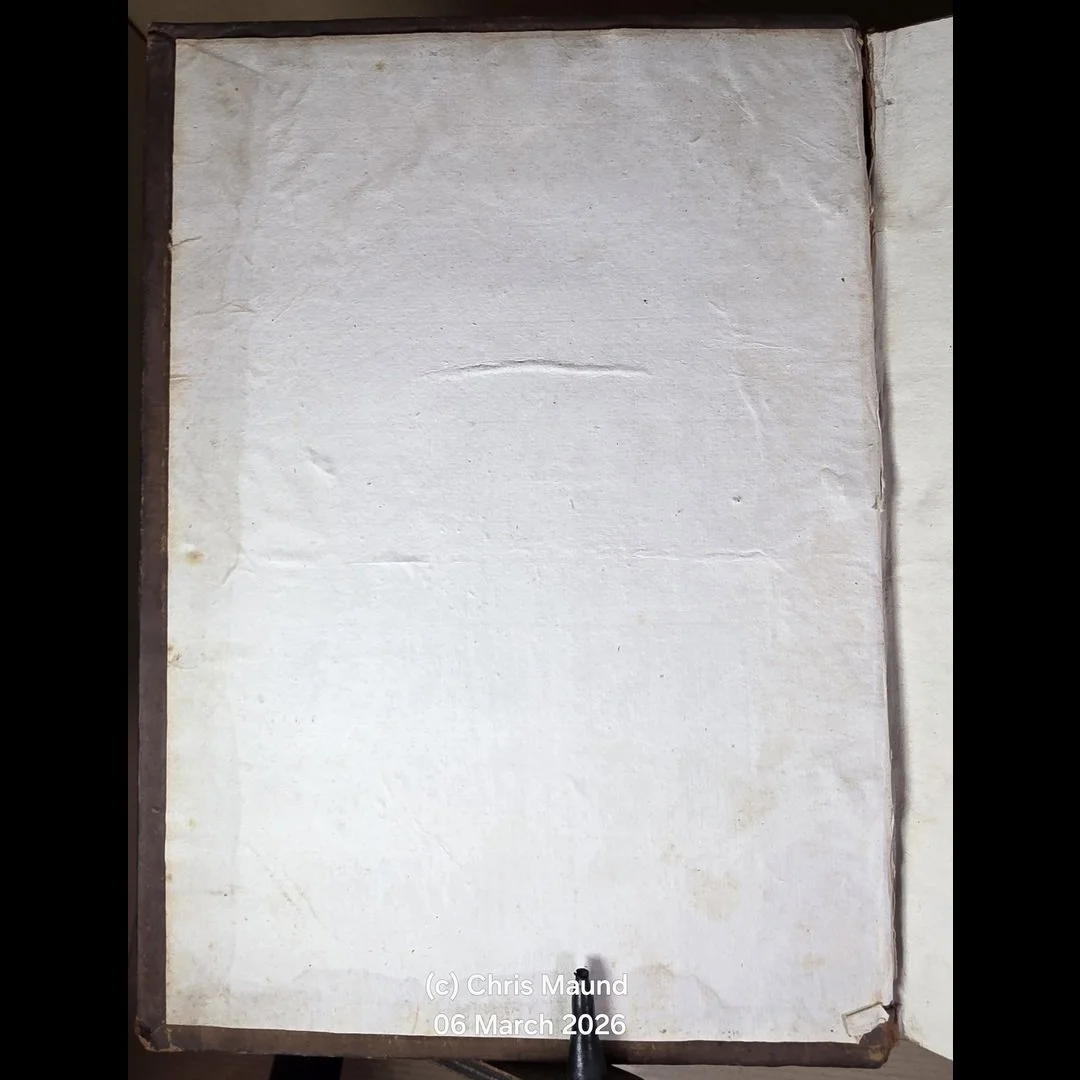
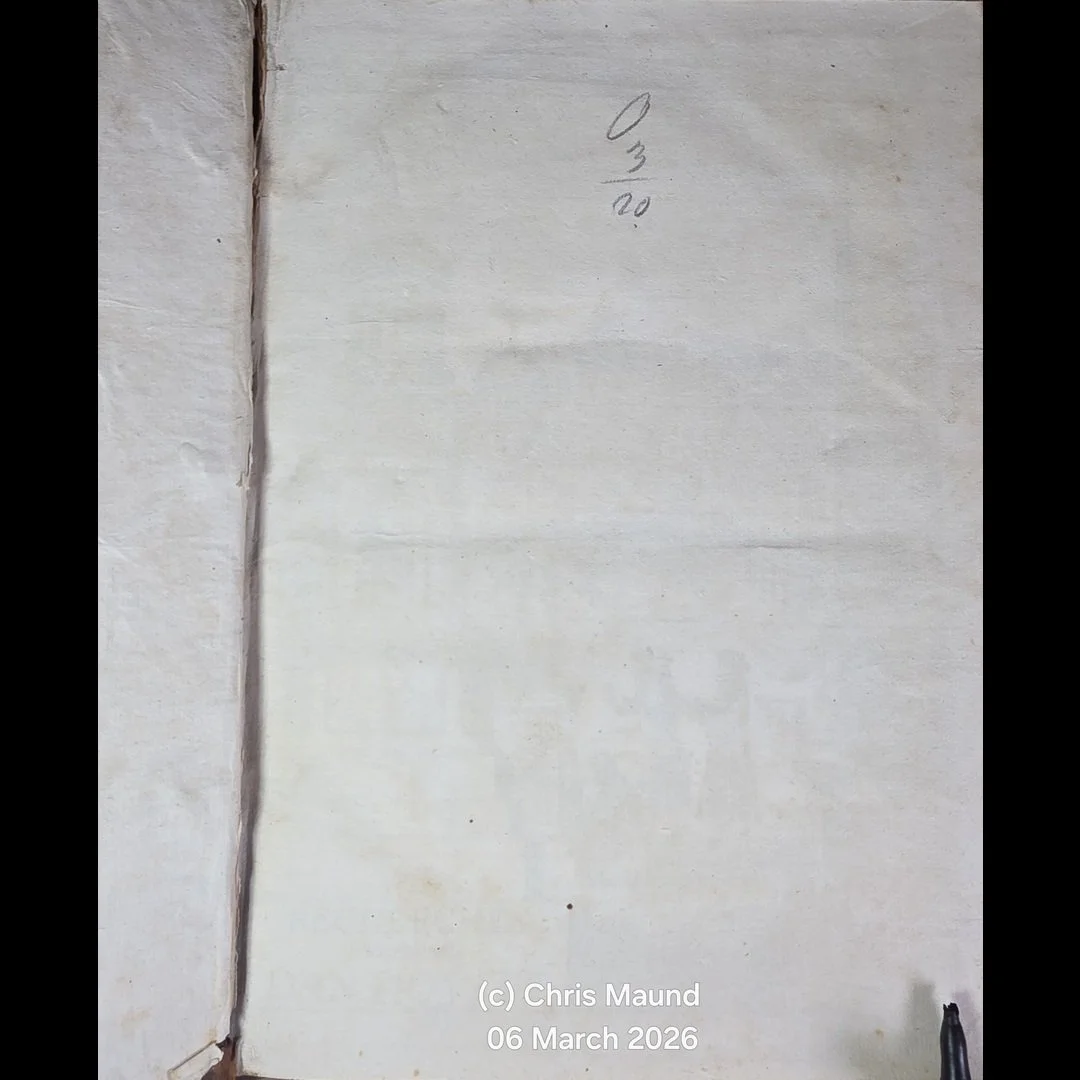
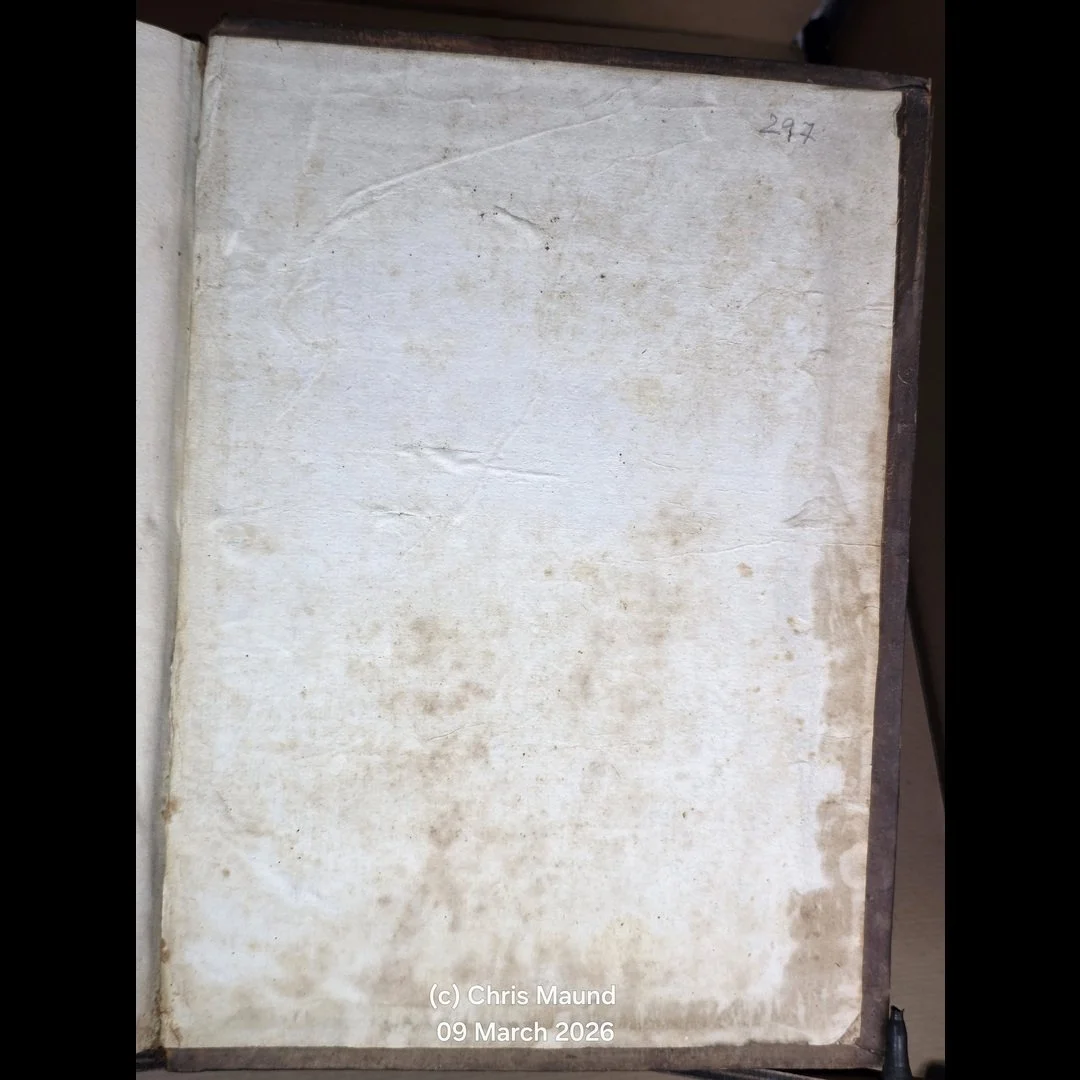
Please see Photos as part of condition report.
REFERENCES
National Diet Library, bibliographic record 000006425747: The French Revolution: A Study in Democracy, Second Edition, London, Constable and Company Ltd., 1919 — xv, 519 pp., three plans, 23 cm.
Library of Congress classification: DC161.
Open Library: OL7209759M.
Publication history: First published 1919; Second Edition 1919; reprinted 1920 and 1921; Third Edition 1922; Fourth Edition 1926.
Webster, Nesta H., The French Revolution: A Study in Democracy, London: Constable and Company Ltd., 1919.
SYNOPSIS
Nesta H. Webster's The French Revolution follows the Revolution from the political and social tensions preceding 1789 through the fall of the Bastille, the removal of the royal family from Versailles, the destruction of the monarchy, the September Massacres and the Terror.
Its central concern, however, is not simply what happened but how revolutionary crowds were organised and directed.
Webster rejects the idea that the great revolutionary journées can be understood solely as spontaneous manifestations of popular anger. Throughout the book she attempts to distinguish between ordinary participants in revolutionary events and those whom she identifies as their instigators, organisers and political beneficiaries.
The opening Prologue establishes Webster's interpretation of the political atmosphere before the Revolution and the competing interests operating around the court, Paris and the emerging revolutionary movement.
In The Siege of the Bastille, she examines the disturbances surrounding Paris in July 1789 and argues that the celebrated assault on the fortress resulted from a combination of organised agitation, rumours, political manoeuvring and crowd action rather than a single spontaneous popular uprising.
The March on Versailles considers the October Days of 1789, when thousands marched from Paris to Versailles and compelled Louis XVI and the royal family to return with them to Paris. Webster again concentrates upon the organisers and political interests which she believed lay behind the apparent spontaneity of the crowd.
The succeeding sections follow the increasingly violent confrontation between revolutionary factions and the monarchy. The Invasion of the Tuileries and The Siege of the Tuileries examine the attacks upon the royal residence and the collapse of royal authority during 1792.
The Massacres of September addresses the killing of prisoners in Paris during September 1792, while The Reign of Terror carries Webster's narrative into the period dominated by the revolutionary government, political purges and mass executions.
An Epilogue and Appendix draw together her interpretation of the Revolution and the documentary evidence upon which she relied.
Webster's conclusions remain controversial. Modern historians do not generally accept her overarching conspiratorial explanation of the Revolution, but the book retains significance both as an idiosyncratic interpretation of 1789–94 and as an important precursor to the political and secret-society theories that came to dominate her later writings.
It is therefore a work with two distinct historical lives: as an attempted revisionist history of the French Revolution and, increasingly, as a primary document in the development of modern conspiracy literature.
AUTHOR BIO
Nesta Helen Webster (1876–1960) was a British author whose writings ranged from historical novels and studies of revolutionary France to works concerned with revolutionary movements, political conspiracy and secret societies.
Born Nesta Helen Bevan in 1876, she developed an enduring interest in eighteenth-century France and the French Revolution. Her early works included The Chevalier de Boufflers: A Romance of the French Revolution (1910), followed eventually by the much more substantial historical study The French Revolution: A Study in Democracy in 1919.
The arguments developed in The French Revolution became increasingly central to her subsequent writing. Webster came to interpret major political upheavals as the product not simply of social or economic forces but of organised revolutionary networks operating across national boundaries. She pursued these ideas in World Revolution: The Plot Against Civilization (1921) and, most famously, Secret Societies and Subversive Movements (1924).
Her later writings incorporated increasingly sweeping and controversial conspiracy theories, including claims concerning Freemasonry, the Illuminati and international revolutionary organisations. These interpretations are not accepted by mainstream historical scholarship and aspects of her later political writing are inseparable from the conspiratorial and antisemitic currents of the inter-war period.
Nevertheless, Webster remains an historically significant figure in the development of modern conspiracy literature. Her books continued to be reprinted long after her death and have attracted sustained interest from scholars studying conspiracism, political extremism and the transmission of secret-society narratives during the twentieth century.
The present French Revolution, written before the best-known of these later works, is particularly revealing because it shows many of Webster's characteristic ideas already taking shape within what was presented as a detailed narrative history of the Revolution.
1919 Second Edition First Impression
THE FRENCH REVOLUTION
By Nesta H. Webster
KEY DETAILS
Condition: Very Good
Format: Hardcover, Octavo (Standard) (8vo 6 × 9 in 152 × 229 mm )
Note: Binding/size selection follows standard bibliographic conventions and is approximate; exact measurements may vary.
Published By: Constable and Company Ltd, London, 1919
Language: English
Collation: xv, 519 pp. Complete.; Plans: Complete with all three called-for plans:
SKU: BTETM0002682
Shipping Info: Approximate Package Dimensions H: 12.5, L: 30, W: 25 (Units: cm), W: 2Kg
Tracked Shipping, Insurance Coverage as per Customer Request
DESCRIPTION
The French Revolution
1919 SECOND EDITION, FIRST IMPRESSION — THE FRENCH REVOLUTION: A STUDY IN DEMOCRACY — NESTA H. WEBSTER — COMPLETE WITH THREE PLANS
THE FRENCH REVOLUTION: A STUDY IN DEMOCRACY
Original publisher's red cloth, spine lettered in gilt. Octavo. xv, 519 pp., illustrated with three plans: the Bastille, the Château of Versailles, and the Tuileries.
An early and complete copy of Nesta H. Webster's The French Revolution: A Study in Democracy, published by Constable in 1919: the Second Edition, First Impression, issued in the same year as the book's first publication.
Webster's study occupies an unusual position in twentieth-century writing on the French Revolution. Rather than presenting the Revolution principally as a spontaneous popular response to economic hardship, political inequality and the failures of the ancien régime, Webster sought to reconstruct what she believed to be the organisation operating behind many of its decisive episodes.
Her narrative concentrates particularly upon the relationship between revolutionary leaders, political clubs, the circle surrounding Philippe Égalité, Duc d'Orléans, organised agitation and the crowds mobilised during the principal journées of the Revolution. The fall of the Bastille, the march on Versailles, the assaults upon the Tuileries, the September Massacres and ultimately the Terror are consequently examined not simply as outbreaks of popular revolutionary violence, but as events Webster believed had been deliberately prepared, directed or exploited by identifiable groups and individuals.
This interpretation was controversial when published and remains outside the mainstream historical interpretation of the Revolution. It is nevertheless important in understanding Webster's subsequent career and the development of twentieth-century conspiratorial interpretations of political history. Themes explored here were developed much further in her later World Revolution: The Plot Against Civilization and Secret Societies and Subversive Movements.
The book is consequently of interest beyond conventional French Revolutionary history, forming an early and significant part of Webster's writings on political conspiracy, revolutionary organisation, secret societies and the relationship between organised minorities and mass political movements.
The publication history is particularly notable. The French Revolution was first published in 1919 and evidently found a sufficiently substantial readership for a Second Edition to be issued within the same year. Further impressions followed in 1920 and 1921, before a Third Edition appeared in 1922 and a Fourth Edition in 1926.
The present copy is therefore the first impression of the Second Edition, preceding the 1920 and 1921 reprints, the 1922 Third Edition and the substantially later Fourth Edition.
The volume retains all three of its original plans:
The Bastille — facing p.76
The Château of Versailles — facing p.154
The Tuileries — facing p.224
A complete and bibliographically early example of one of Webster's principal historical works.
CONDITION, COLLATION & COPY NOTES
8vo, Boards rubbed and scuffed, very good clean copy
Please see Photos as part of condition report.
REFERENCES
National Diet Library, bibliographic record 000006425747: The French Revolution: A Study in Democracy, Second Edition, London, Constable and Company Ltd., 1919 — xv, 519 pp., three plans, 23 cm.
Library of Congress classification: DC161.
Open Library: OL7209759M.
Publication history: First published 1919; Second Edition 1919; reprinted 1920 and 1921; Third Edition 1922; Fourth Edition 1926.
Webster, Nesta H., The French Revolution: A Study in Democracy, London: Constable and Company Ltd., 1919.
SYNOPSIS
Nesta H. Webster's The French Revolution follows the Revolution from the political and social tensions preceding 1789 through the fall of the Bastille, the removal of the royal family from Versailles, the destruction of the monarchy, the September Massacres and the Terror.
Its central concern, however, is not simply what happened but how revolutionary crowds were organised and directed.
Webster rejects the idea that the great revolutionary journées can be understood solely as spontaneous manifestations of popular anger. Throughout the book she attempts to distinguish between ordinary participants in revolutionary events and those whom she identifies as their instigators, organisers and political beneficiaries.
The opening Prologue establishes Webster's interpretation of the political atmosphere before the Revolution and the competing interests operating around the court, Paris and the emerging revolutionary movement.
In The Siege of the Bastille, she examines the disturbances surrounding Paris in July 1789 and argues that the celebrated assault on the fortress resulted from a combination of organised agitation, rumours, political manoeuvring and crowd action rather than a single spontaneous popular uprising.
The March on Versailles considers the October Days of 1789, when thousands marched from Paris to Versailles and compelled Louis XVI and the royal family to return with them to Paris. Webster again concentrates upon the organisers and political interests which she believed lay behind the apparent spontaneity of the crowd.
The succeeding sections follow the increasingly violent confrontation between revolutionary factions and the monarchy. The Invasion of the Tuileries and The Siege of the Tuileries examine the attacks upon the royal residence and the collapse of royal authority during 1792.
The Massacres of September addresses the killing of prisoners in Paris during September 1792, while The Reign of Terror carries Webster's narrative into the period dominated by the revolutionary government, political purges and mass executions.
An Epilogue and Appendix draw together her interpretation of the Revolution and the documentary evidence upon which she relied.
Webster's conclusions remain controversial. Modern historians do not generally accept her overarching conspiratorial explanation of the Revolution, but the book retains significance both as an idiosyncratic interpretation of 1789–94 and as an important precursor to the political and secret-society theories that came to dominate her later writings.
It is therefore a work with two distinct historical lives: as an attempted revisionist history of the French Revolution and, increasingly, as a primary document in the development of modern conspiracy literature.
AUTHOR BIO
Nesta Helen Webster (1876–1960) was a British author whose writings ranged from historical novels and studies of revolutionary France to works concerned with revolutionary movements, political conspiracy and secret societies.
Born Nesta Helen Bevan in 1876, she developed an enduring interest in eighteenth-century France and the French Revolution. Her early works included The Chevalier de Boufflers: A Romance of the French Revolution (1910), followed eventually by the much more substantial historical study The French Revolution: A Study in Democracy in 1919.
The arguments developed in The French Revolution became increasingly central to her subsequent writing. Webster came to interpret major political upheavals as the product not simply of social or economic forces but of organised revolutionary networks operating across national boundaries. She pursued these ideas in World Revolution: The Plot Against Civilization (1921) and, most famously, Secret Societies and Subversive Movements (1924).
Her later writings incorporated increasingly sweeping and controversial conspiracy theories, including claims concerning Freemasonry, the Illuminati and international revolutionary organisations. These interpretations are not accepted by mainstream historical scholarship and aspects of her later political writing are inseparable from the conspiratorial and antisemitic currents of the inter-war period.
Nevertheless, Webster remains an historically significant figure in the development of modern conspiracy literature. Her books continued to be reprinted long after her death and have attracted sustained interest from scholars studying conspiracism, political extremism and the transmission of secret-society narratives during the twentieth century.
The present French Revolution, written before the best-known of these later works, is particularly revealing because it shows many of Webster's characteristic ideas already taking shape within what was presented as a detailed narrative history of the Revolution.

 Image 1 of 18
 Image 2 of 18
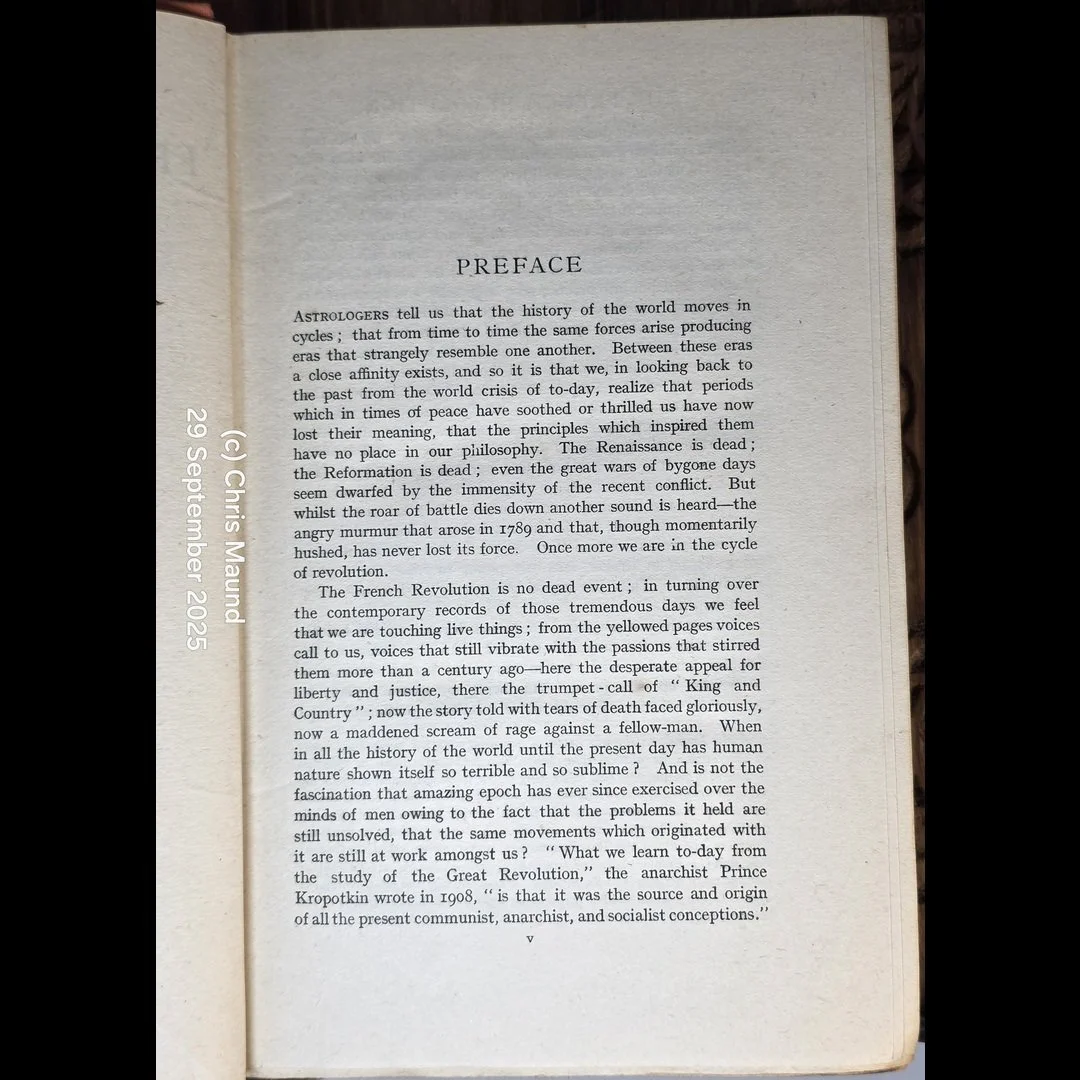 Image 3 of 18
 Image 4 of 18
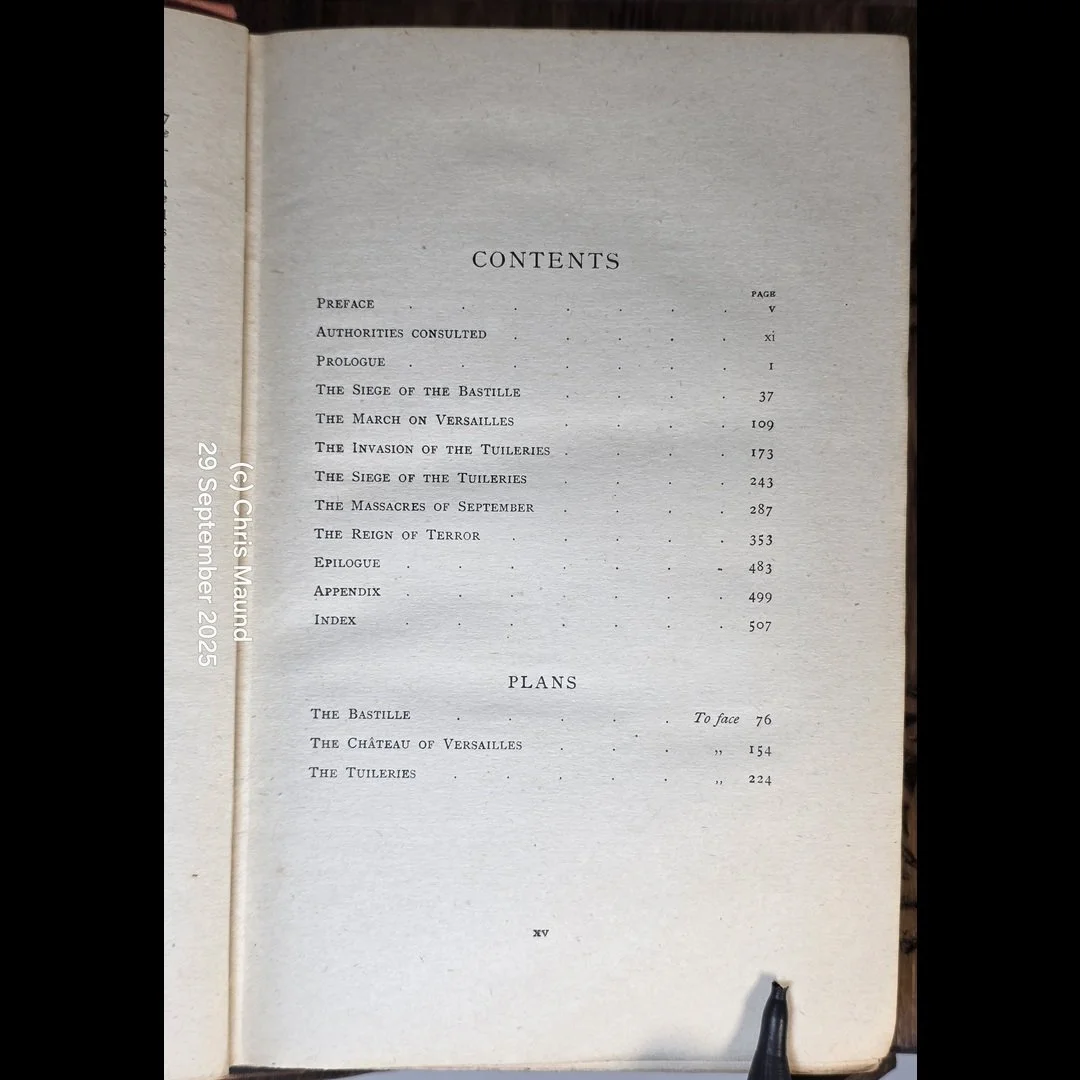 Image 5 of 18
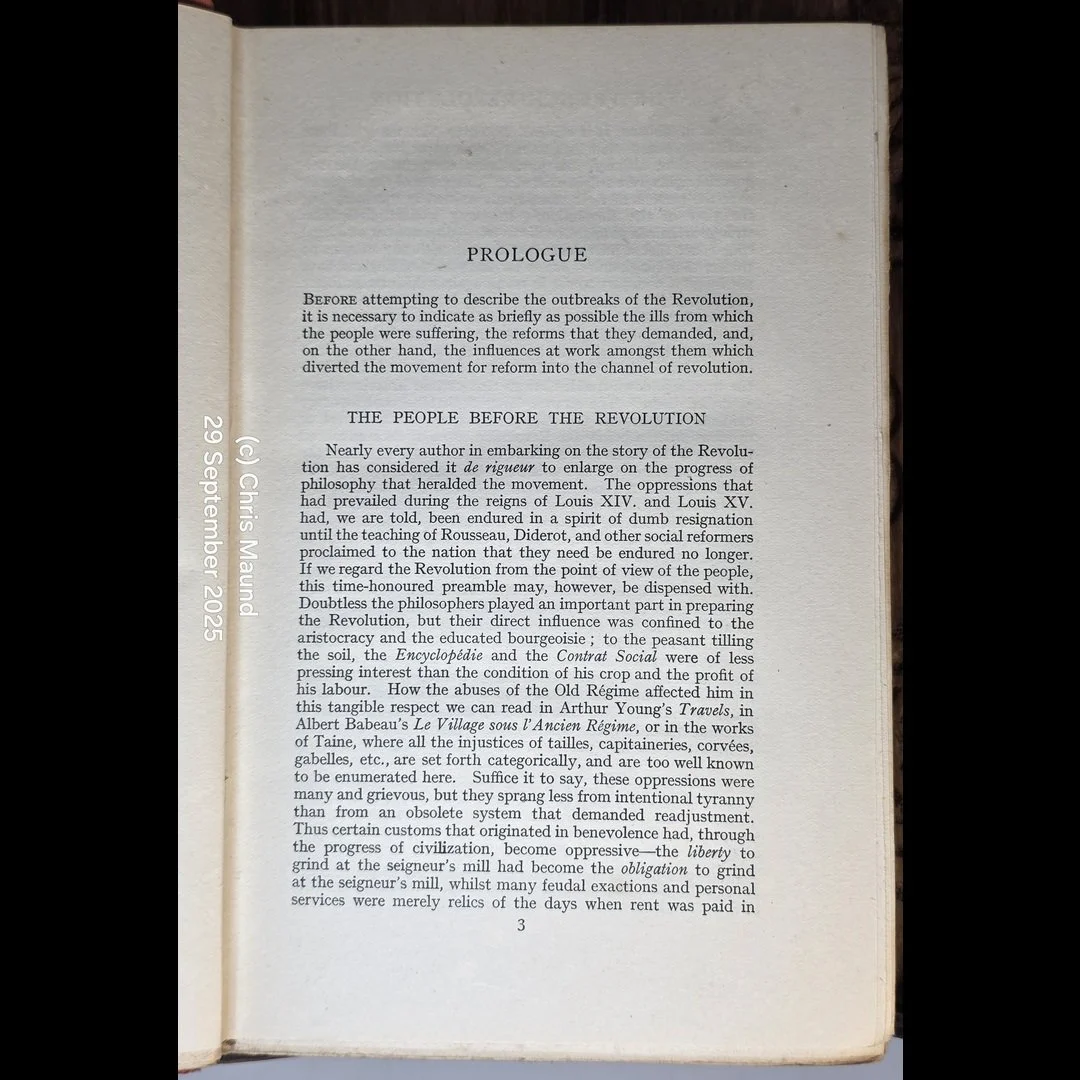 Image 6 of 18
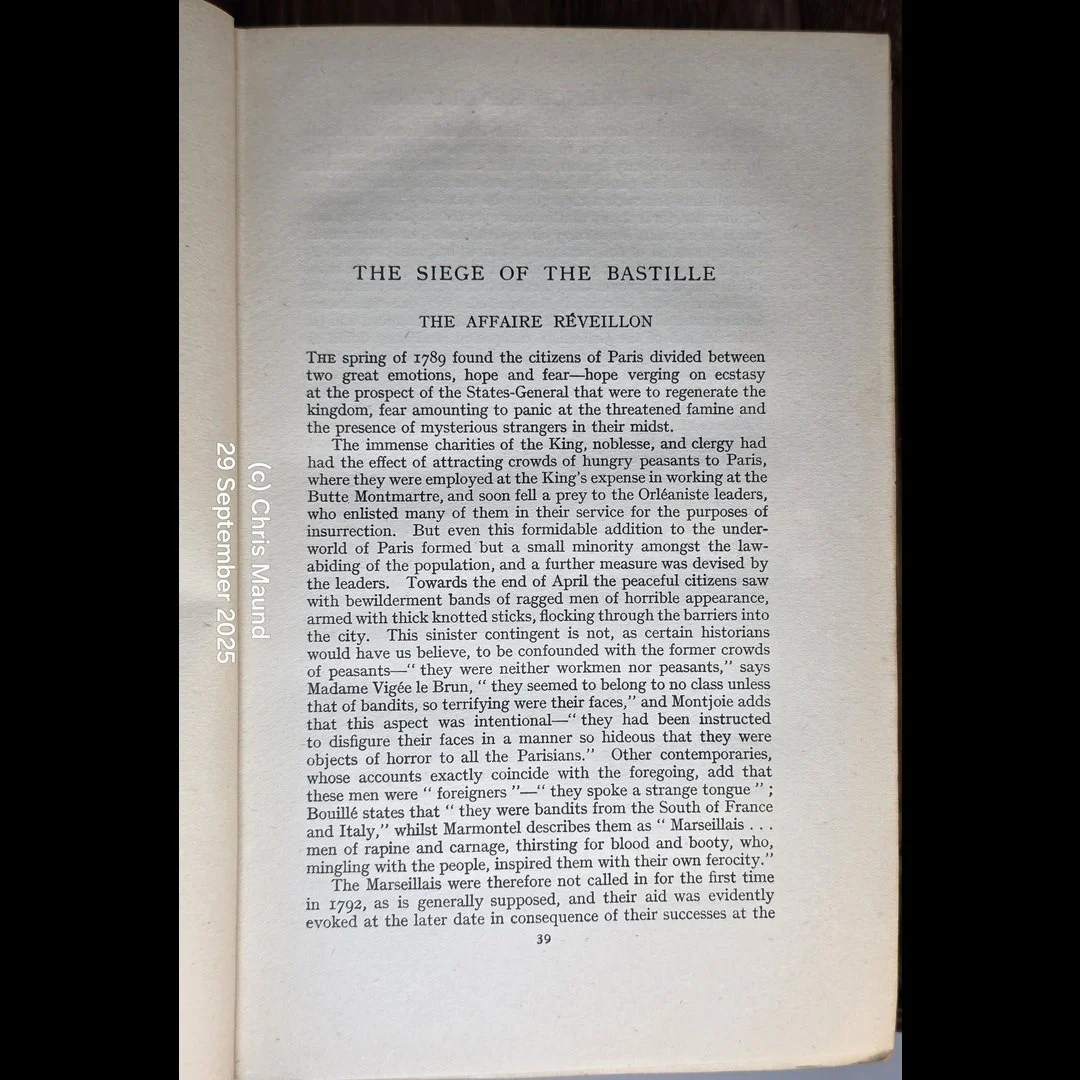 Image 7 of 18
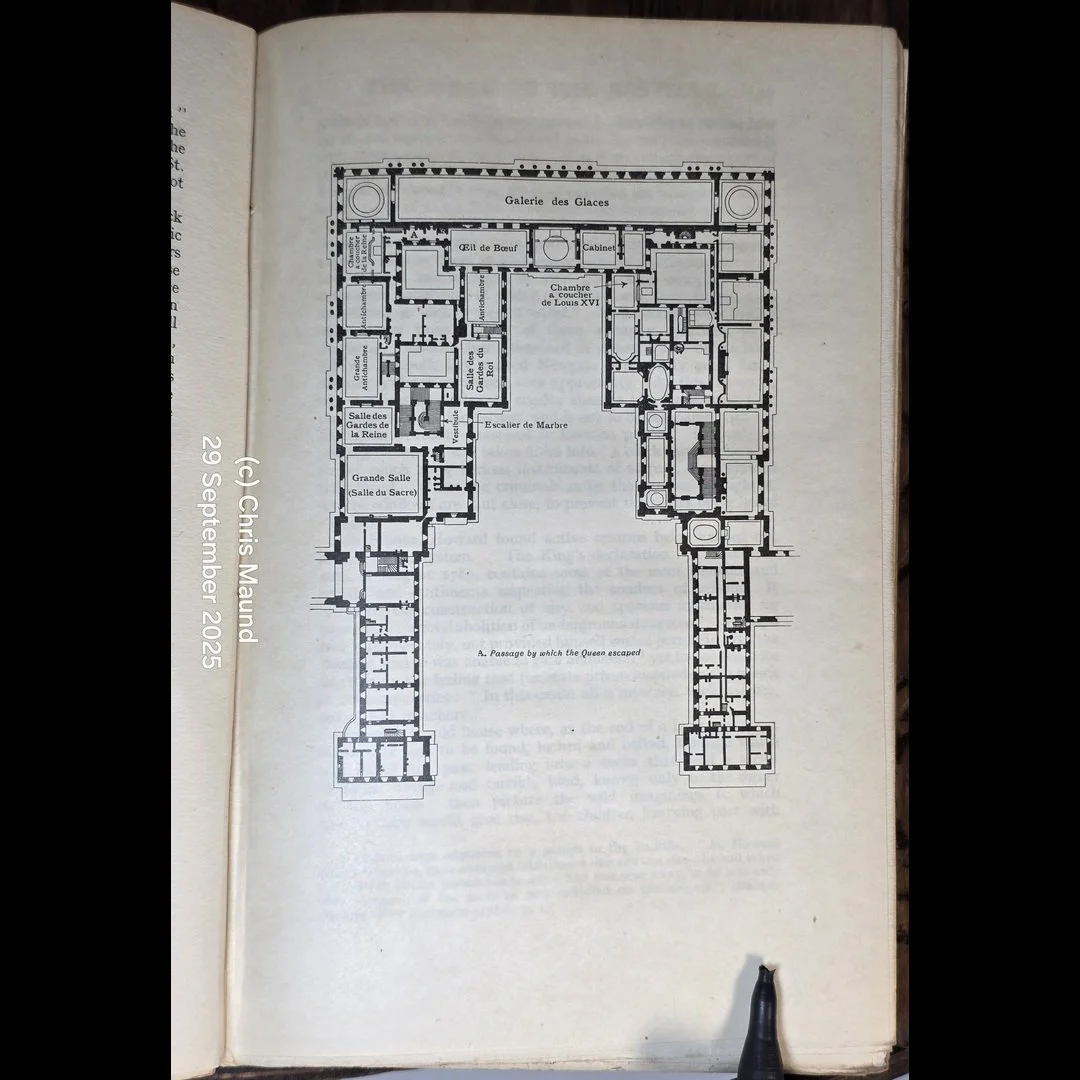 Image 8 of 18
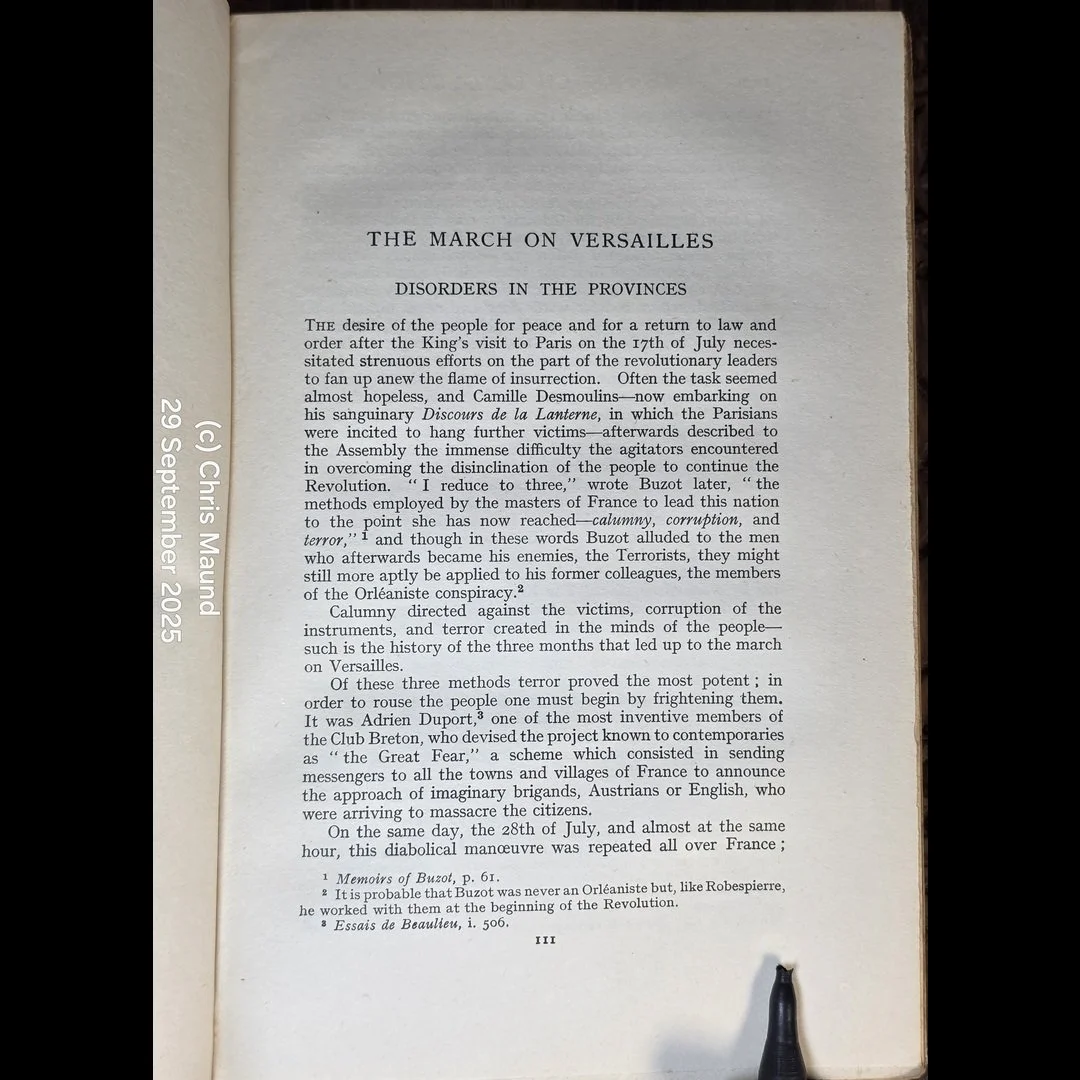 Image 9 of 18
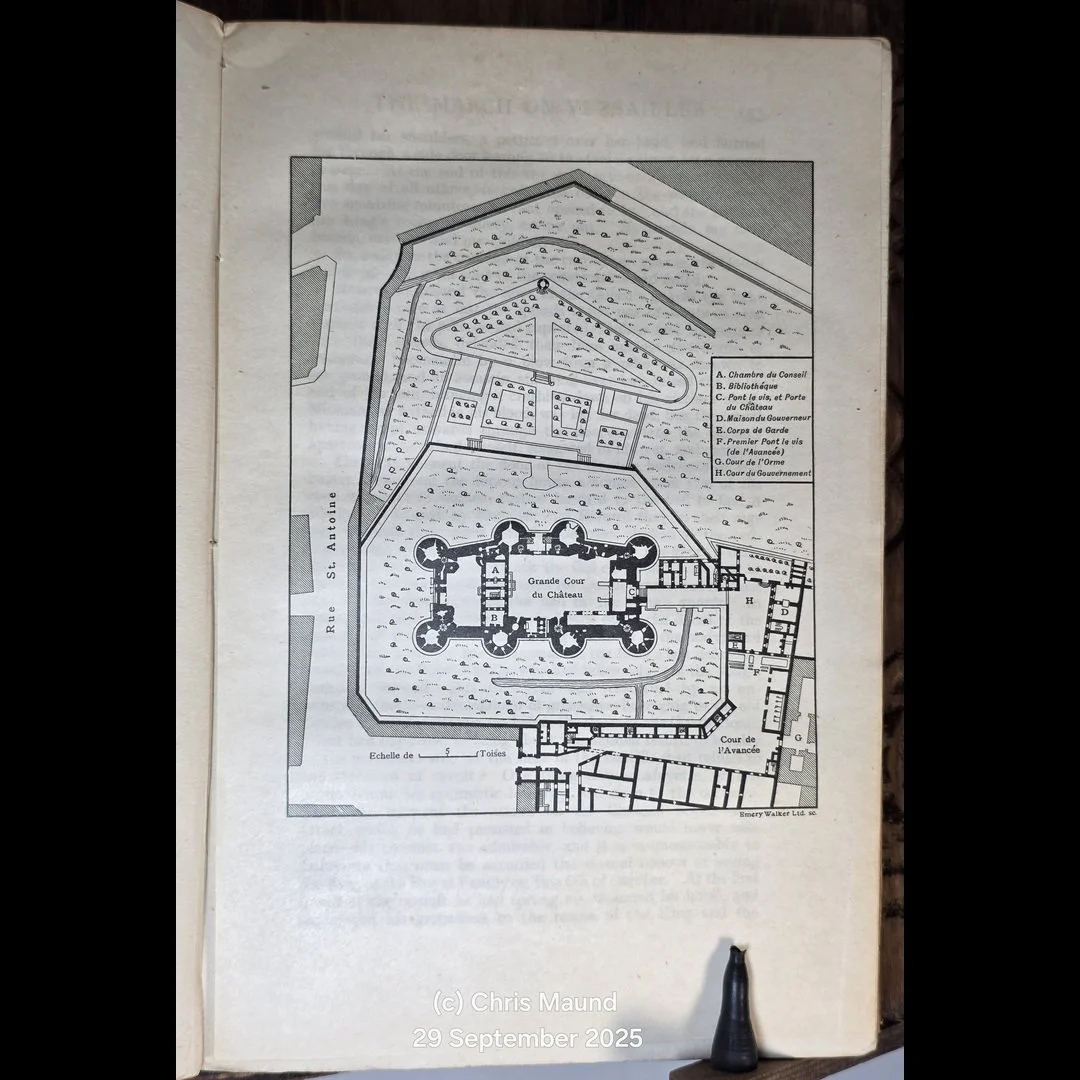 Image 10 of 18
 Image 11 of 18
 Image 12 of 18
 Image 13 of 18
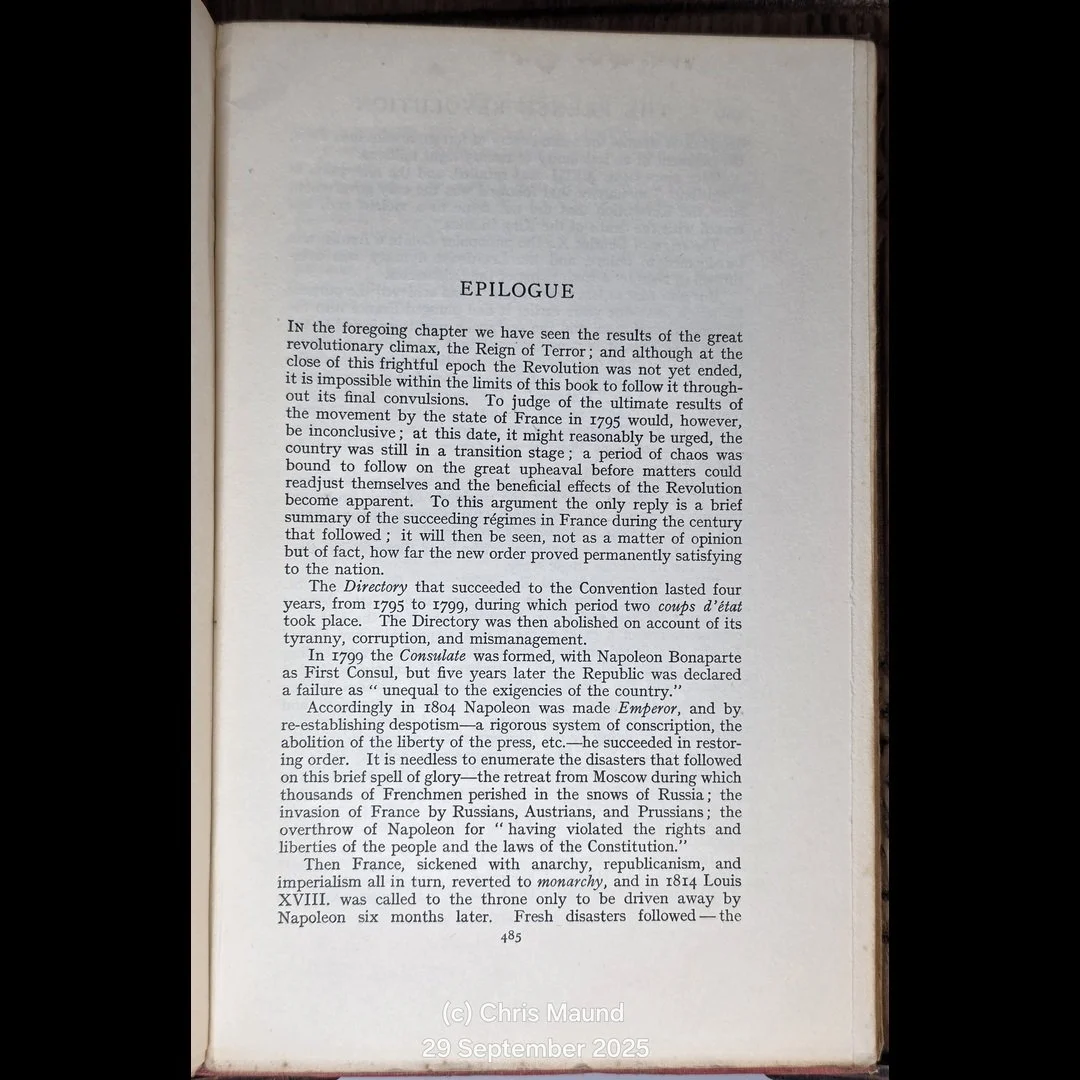 Image 14 of 18
 Image 15 of 18
 Image 16 of 18
 Image 17 of 18
 Image 18 of 18